• Skip to main content
  • Skip to header right navigation
  • Skip to after header navigation
  • Skip to site footer
MyZA

MyZA

News, Directory, Events and Other Stuff

  • Social Media
  • Sport
  • World News
  • Home
  • Submit News
  • Directory
  • Events
  • Stratlec
  • TFSA
  • News
    • APO
    • Today’s Sport News
    • Todays Social Media and Tech Headlines
    • Today’s World News
    • Today’s SA Financial News
  • Contact
You are here: Home / Archives for Energy

Energy

7 March 2025

Committee Questions NERSA on Impact of Tariff Increases for Consumers

Location: News

Republic of South Africa: The Parliament
Download logo

The Portfolio Committee on Electricity and Energy was briefed by the National Energy Regulator of South Africa (NERSA) on the reasons for its decision on Eskom's Multi-Year Price Determination 6 (MYPD6) Revenue Application.

Briefing the committee, NERSA outlined the rationale behind its decisions, emphasising the need to balance Eskom's financial sustainability with the economic pressures facing consumers. The presentation highlighted that Eskom originally requested a staggering 57% increase in tariffs over three years. However, after thorough evaluations and consultations, NERSA approved a significantly reduced increase of 24.3%.

NERSA said it considered its decision within the broader context of ensuring affordability for consumers while enabling Eskom to address its operational challenges effectively.

The committee expressed significant concerns about the implications of tariff increases on consumers and the broader economy. Members highlighted the historical pattern of tariff hikes and their adverse effects on economic activity, seeking clarification on how NERSA plans to ensure that future increases do not unduly burden vulnerable households and small businesses.

Additionally, there were worries that the tariff increases might stem from mismanagement at Eskom. Some committee members voiced scepticism about Eskom's ability to effectively utilise the funds generated from these increases, pointing to past inefficiencies and corruption. In response, NERSA explained that the approved increases are contingent upon Eskom meeting specific performance targets and operational efficiency benchmarks. The regulator assured the committee that it would closely monitor Eskom's financial management and operational practices to ensure that any additional revenue is directed towards improving service delivery and reducing load shedding.

The energy regulator emphasised its commitment to conducting thorough economic impact assessments prior to approving any tariff adjustments. NERSA noted that the approved increases were based on careful consideration of operational costs, maintenance needs and performance targets for Eskom. Additionally, NERSA recognised the necessity for enhanced accountability and oversight, reaffirming its intention to monitor Eskom's compliance with established performance standards diligently.

Another significant question raised by the committee involved the integration of independent power producers (IPPs) into the energy landscape and how this would affect future pricing. Members expressed concerns about the potential costs associated with integrating renewable energy sources and whether these costs would be passed on to consumers. NERSA assured the committee that while IPPs will contribute to diversifying the energy mix, careful planning and regulation will be essential to manage costs effectively.

Committee members inquired whether NERSA is considering any changes to the existing regulatory framework to better address Eskom's challenges and those of the energy sector as a whole. In response, NERSA said the evolving landscape of the energy market, continuous policy review will be required. Furthermore, NERSA stressed that any amendments would only be made after careful consideration of the long-term implications for both Eskom and consumers.

The discussion also touched on the issue of the gas/coal problem, particularly with regard to the integration of gas as a transitional fuel in South Africa's energy mix. Committee members raised questions about the implications of relying on gas while also managing coal dependencies. NERSA recognised the complexity of this issue, highlighting the need for a balanced approach to energy generation that considers both environmental sustainability and economic viability.

Regarding the negotiated pricing agreements between Eskom and large industrial users, committee members questioned the fairness of these agreements in the context of rising tariffs for ordinary consumers. The energy regulator reiterated that such agreements are governed by the electricity pricing policy and said that it will continue to review these contracts to ensure they align with South Africa's broader economic goals.

Distributed by APO Group on behalf of Republic of South Africa: The Parliament.
Read moreCommittee Questions NERSA on Impact of Tariff Increases for Consumers
7 March 2025

President Cyril Ramaphosa Concludes Meeting Between the National Executive and the Gauteng Provincial Executive Council

Location: News

The Presidency of the Republic of South Africa
Download logo

President Cyril Ramaphosa has concluded a meeting between the national executive and the Gauteng provincial executive council. The meeting follows three engagements with the provincial governments of Limpopo, KwaZulu-Natal and Mpumalanga. 

President Ramaphosa intends to visit and engage the leadership of all nine provinces. 

The national and provincial executive meetings are aimed at strengthening intergovernmental cooperation, collaboration and consultation. They are also important for ensuring better alignment of provincial priorities with the priorities of the Government of National Unity.

President Ramaphosa urged the province to accelerate the resolution of recurring problems across Gauteng. Some of these include governance failures, financial mismanagement, crumbling infrastructure, crime and lawlessness and unreliable service delivery. This includes broader national challenges—unemployment and poverty. The provision of water across some areas in the province remains a concern. 

The province tabled several strategic areas that require support from the national government. These include disaster preparedness, response and recovery in areas affected by sinkholes. 

The province also requires more support from law enforcement agencies in responding to threats presented by taxi violence, illegal mining and undocumented foreign nationals.

Other strategic areas of national-provincial cooperation that could stimulate economic development in the province include investment in bulk infrastructure, collaboration in enhancing investment in high-tech manufacturing for the green economy, mining services, biotech and digital sectors and the energy generation and transmission eco-system. 

Premier Panyaza Lesufi welcomed the engagement with the national executive and committed to continue working closely with the national government on the priority areas of governance, social and economic development.

The Premier identified the expansion of special economic zones and critical infrastructure refurbishments as vital elements for stimulating economic growth and sustainable service delivery in the province. 

In closing, President Ramaphosa commended the province's focus on the areas of cooperation between the national and provincial governments that will be a catalyst for social and economic growth. 

The President outlined the importance of balancing development ambitions with budgetary realities.

Furthermore, the President encouraged the province to work closely with the private sector in ensuring innovative ways of funding key infrastructure projects, including working with metros in providing incentives to crowd in private sector participation. 

Distributed by APO Group on behalf of The Presidency of the Republic of South Africa.

Read morePresident Cyril Ramaphosa Concludes Meeting Between the National Executive and the Gauteng Provincial Executive Council
6 March 2025

G20 Leaders’ Summit at the end of the year to enhance tourism and economic growth

Location: News

G20 Leaders’ Summit at the end of the year to enhance tourism and economic growth

The upcoming Group of 20 (G20) Leaders’ Summit at the end of the year is anticipated to significantly enhance the tourism sector’s contribution to economic growth and job creation. 

This is according to the International Relations and Cooperation Minister, Ronald Lamola, who shared this perspective while responding to a parliamentary question about his department’s strategy to leverage South Africa’s G20 Presidency to create sustainable benefits for the economy, particularly for small businesses in townships and rural areas.

“By hosting G20 meetings across all provinces, South Africa aims to achieve a considerable economic boost, attracting tens of thousands of delegates and support staff from major global economies to provinces throughout its year-long Presidency,” he told Members of Parliament (MPs). 

South Africa assumed the Chair of the G20 on 1 December 2023, taking over from Brazil. 

The G20 consists of 19 countries, along with the European Union (EU) and the African Union (AU), which joined last year. 

This group brings together the world’s major and systemically important economies.

The Minister believes that this surge in tourism presents significant opportunities for South African provinces and cities to showcase their cultural heritage and tourism potential. 

According to Lamola, South Africa’s Presidency of the G20 is anticipated to be one of the largest national projects, requiring whole-of-government and society participation. 

From 1 December 2024 to 30 November 2025, South Africa will host well over 100 in-person meetings across the country. 

“Firstly, the G20 will boost South Africa’s tourism sector, increasing employment and allowing provinces to showcase their cultural treasures.”

The Minister highlighted that the World Travel and Tourism Council (WTTC) reported that South Africa’s tourism sector employed 1.46 million people in 2023. 

This number is expected to increase to 1.7 million jobs soon, driven by a targeted initiative aimed at significantly boosting employment over the next five years. 

He also mentioned that WTTC statistics showed that tourism’s direct and indirect contribution to South Africa’s GDP was 8.2% in 2023, with expectations to rise to 8.8% in 2024.

In addition, it also allows for a demonstration of the nation’s advancements across multiple sectors.

According to Lamola, the G20 meetings are anticipated to generate considerable economic benefits, creating many direct and indirect jobs during and beyond this period. 

The Minister believes that Africa’s G20 Presidency offers an opportunity to promote inclusive growth, combat poverty, and ensure sustainable development. 

“Ultimately, the high-level deliverables and priorities identified for South Africa’s G20 Presidency will benefit South Africa at the national, continental, and global levels. 

“The G20 serves as a strategic platform for South Africa to lobby for policies aimed at advancing the three strategic priorities of the seventh administration.” 

These include driving inclusive growth and job creation, reducing poverty and tackling the high cost of living, and building a capable, ethical, and developmental State.

In addition, South Africa’s second priority under its G20 Presidency is ensuring debt sustainability for developing economies. 

“In pursuing this, South Africa aims to see greater urgency in addressing the debt and solvency challenges many countries face, determining clear solutions to mobilise low-cost financing for development.

This approach will help reduce debt service costs for developing countries, including South Africa, thereby freeing up spending on essential services such as education, healthcare, and the infrastructure needed for economic development,” he told MPs.

Meanwhile, he said the nation seeks to leverage its G20 Presidency by promoting “harnessing critical minerals for inclusive growth and development.” 

“South Africa calls for a G20 framework on green industrialisation and investments to ensure progress towards a grand bargain that adds value to critical minerals, particularly near the source of extraction.” 

He believes that promoting the beneficiation and local value addition of resources at the source will result in a more additive rather than extractive relationship. 

“As mineral extraction accelerates to meet the energy transition needs, the countries and local communities endowed with these rich resources must be the primary beneficiaries,” he added. – SAnews.gov.za

Gabisile
Thu, 03/06/2025 - 10:42
499 views

Read moreG20 Leaders’ Summit at the end of the year to enhance tourism and economic growth
5 March 2025

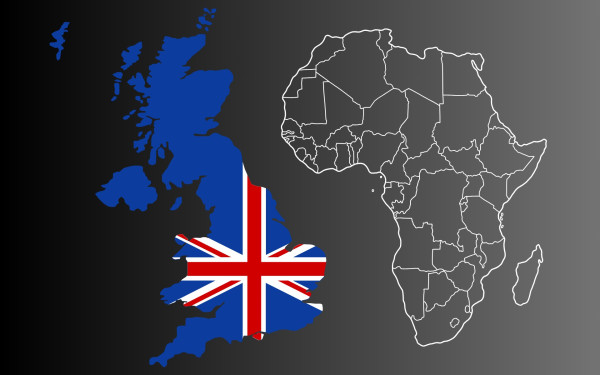
UK Looks to Deepen Energy Trade, Investment Ties with Africa

Location: News
African Energy Chamber

Trade relations between the UK and Africa are gaining momentum. Last month, UK Minister for Trade Policy and Economic Security Douglas Alexander visited South Africa and Botswana to strengthen trade ties and create opportunities for businesses on both sides. The UK aims to expand trade and investment across the continent, fostering mutually beneficial growth by addressing trade barriers, facilitating exports and supporting trade-focused development programs. With South Africa as the UK's largest trading partner in Africa and set to assume the G20 Presidency, this marks an important moment for deepening economic collaboration.

This builds on the UK's 2019 Economic Partnership Agreement (EPA) with the Southern African Customs Union member states – Botswana, Eswatini, Lesotho, Namibia and South Africa – and Mozambique. This agreement eliminates tariffs and quotas on all goods imported from these countries into the UK, facilitating smoother trade relations and economic cooperation. The EPA aims to bolster economic ties and create a conducive environment for investments, including in the energy sector.

The UK is expanding its engagement across Africa, including in West and North Africa. In February 2024, it signed the Enhanced Trade and Investment Partnership (ETIP) with Nigeria – the first such agreement with an African nation – marking a significant milestone. The partnership builds on a trade relationship valued at £7 billion in the year leading up to September 2023. The ETIP focuses on key sectors such as financial and legal services, fostering economic growth and attracting investment across industries, including energy.

Globeleq, a UK government-backed independent power producer, has been instrumental in advancing gas-powered energy projects across Africa. Alongside its 153 MW Red Sands project in South Africa – set to become the continent's largest standalone battery energy storage system – the company recently acquired a stake in a solar plant at Egypt's Benban Solar Complex and secured $99 million in debt financing for Mozambique's first wind project. Supported by shareholders such as British International Investment and Norfund, Globeleq continues to invest in upgrading existing assets and developing new utility-scale power projects, strengthening Africa's energy infrastructure.

In the oil and gas sector, bp achieved first gas from the Greater Tortue Ahmeyim LNG project offshore Senegal and Mauritania at the start of this year, marking a major step in boosting regional energy production and supply. Shell is advancing its $5 billion Bonga North deepwater project in Nigeria and, alongside bp, has agreed to cover operational costs for the buyer of South Africa's Sapref refinery – a move that could revitalize the country's largest refinery and secure oil supply. Meanwhile, Harbour Energy, one of the UK's largest independent oil and gas companies, is looking to expand into African markets following its acquisition of concessions in Egypt's Nile Delta and the Mediterranean Sea.

The UK is also a major investor in Africa's clean energy sector and a key partner in the Mission 300 initiative to expand electricity access to 300 million people by 2030. Last month, British International Investment (BII) committed £5.3 million to UK cleantech firm MOPO to scale battery rental operations in the Democratic Republic of the Congo, where over 80% of the population lacks electricity. In December 2024, BII and GuarantCo announced a $500 million renewable power deal with South Africa's Etana Energy, providing $100 million in guarantees to support the country's largest energy wheeling framework and unlock new projects. Beyond direct investments, the UK government continues to provide funding and technical assistance for energy infrastructure projects across Africa, aiming to improve energy reliability and efficiency, drive economic growth, and enhance the quality of life for local communities.

As a G20 member, the UK plays a pivotal role in shaping global energy investment strategies, with Africa positioned as a key partner in its trade and energy agenda. The UK's investments in oil and gas, renewables and energy infrastructure align with broader G20 goals of energy security, sustainability and economic growth.

“These initiatives not only strengthen the UK's economic ties with Africa, but also support the continent's transition to cleaner, more reliable energy. With African Energy Week: Invest in African Energies 2025 set to convene global stakeholders, the UK's role in advancing energy partnerships will be in focus, offering a platform to drive further investment, policy collaboration, and infrastructure development across Africa's energy landscape,” says Johnson Kayode Obembe, Director of Sales and Partnerships, African Energy Week.

AEW: Invest in African Energies is the platform of choice for project operators, financiers, technology providers and government, and has emerged as the official place to sign deals in African energy. Visit www.AECWeek.com for more information about this exciting event.

Distributed by APO Group on behalf of African Energy Chamber.

Media files
African Energy Chamber
Download logo
Read moreUK Looks to Deepen Energy Trade, Investment Ties with Africa
5 March 2025

SA needs R440 billion for transmission development

Location: News

SA needs R440 billion for transmission development

South Africa requires upwards of R440 billion in the next 10 years to expand its transmission infrastructure, says Minister of Electricity and Energy, Dr Kgosientsho Ramokgopa.

Addressing the Africa Energy Indaba in Cape Town on Tuesday, the Minister said the country’s transmission development plans have identified the need to modernise and expand the grid for 14 000 kilometres in the next 10 years.

“This is going to require an enormous amount of investment. The fiscus won’t be able to carry that. The Eskom balance sheet is not sufficient, so it is important to find bespoke financing instruments to make this possible,” the Minister said.

He called on financial actors to actively take steps to significantly lower the cost of borrowing for the investment of the continent’s development, climate resilience and clean energy transition initiatives.

“We expect the increase in electricity trade volumes to grow by about 300% by 2040 and by that time, the projection is that Africa’s population will be at about two billion people from the current 1.5 billion. For us to be able to achieve this level of ambition, there are huge investments that are required.

“One of the studies done by some of the... organisations suggests that Africa will need upwards of R2.6 trillion in investments in the energy sector by 2040. The pool of financing is enormous. Even if you had to consolidate the balance sheet of the continent, I don’t think we are going to get anywhere near raising this money.

“That is why it is important that we are able to design a financing instrument for us to be able to achieve this level of ambition,” Ramokgopa said.

He expressed support for a single electricity market on the continent, as advocated for by the the African Union's Agenda 2063.

“We think that the ambitions of achieving a single electricity market on the continent is not far-fetched .For us to have universal access by 2063, as advocated for in Agenda 2063, which makes a point that we can achieve that through regional integration… there has to be significant investment on interconnectivity,” the Minister said.

With South Africa hosting the Group of Twenty (G20) Presidency, Ramokgopa outlined the G20 technical energy group priorities, which include energy security and forging reliable and affordable access; achieving just, affordable and inclusive energy transitions, as well as African connectivity and energy pools.

These priorities were canvassed through the platform of the African Union.

According to Ramokgopa, 43% of the total population in Africa does not have access to electricity.

“This is a big issue. Before you can talk about transitioning, people need to have access to whatever form of electricity, irrespective of the fuel sources.

“As a country and the continent, we bear the responsibility to ensure that we are able to provide this access in a manner that doesn’t degrade the environment and keep to our obligations to ensure that we reduce the greenhouse gas emissions, although we contribute less than 2.5% of the CO2 emissions. Going into the future, gas will still be part of the mix on the continent,” the Minister said.

Focus on just transition

South Africa’s G20 Presidency will elevate the issue of just, affordable and inclusive energy transitions.

“That is important because we are of the opinion that there is no single transition. Any transition should take into account the unique circumstances of individual countries, and the pace and scale that they can afford.

“We will be meeting with the National Economic Development and Labour Council (Nedlac) and are hoping that the Integrated Resource Plan (IRP) will be release to the public soon. The plan will explain how we see the transitions unfold in the country,” Ramokgopa said.

South Africa's G20 Presidency is the fourth consecutive emerging market Presidency, and it is also the first African Presidency.

It commenced on 1 December 2024 and all engagements are being held under the theme: “Solidarity, Equality, Sustainability”.

The year-long deliberations will culminate in a G20 Leaders’ Summit in November 2025.

The G20 was established to tackle pressing global economic and financial issues. Together, G20 members account for around 85% of global GDP and 75% of international trade. 

It comprises 19 countries and two regional bodies, namely the European Union and the African Union.

The grouping plays a critical role in influencing global policy making and fostering global economic stability. - SAnews.gov.za

nosihle
Wed, 03/05/2025 - 12:03
108 views

Read moreSA needs R440 billion for transmission development
5 March 2025

Call for financial actors to lower borrowing costs for Africa

Location: News

Call for financial actors to lower borrowing costs for Africa

Minister of Electricity and Energy, Dr Kgosientsho Ramokgopa, has called for financial actors to actively take steps to lower the cost of borrowing for investment in the continent’s development, climate resilience and clean energy transition initiatives.

“Africa is the most mineral rich of all continents yet is the most energy deprived, underdeveloped and the poorest of all the regions,” Ramokgopa said on Tuesday.

Addressing the Africa Energy Indaba in Cape Town, the Minister said the biggest challenge confronting the continent is the ability to finance the investments that are required to realise the potential of the continent.

“The issues of the financing gap should be issues that are front and centre of the conversation. We are calling for a number of steps to be taken, including but not limited to the need to reconfigure the cost of capital.

“Our view is that developing nations face exorbitant borrowing costs due to the perceived risks that do not reflect economic fundamentals but rather outdated and what I refer to as buyers credit rating,” he said.

The Minister emphasised that it is important that issues of risk allocation should be assigned to countries that have the best capabilities of resolving the risk, among others.

“We do accept that the debt burdens that are placed on the African countries are crippling and undermine the ability to invest in development, climate resilience and clean energy transition.

“This is what sovereign nations need to do to so that we can use the countries balance sheet to enable the investments that are required in this space,” Ramokgopa said.

He advocated for greater coordination between the financial actors as he noted some degree of asymmetry and fragmentation.

“The multilateral development banks are on the one side and the developing financing institutions on the other and issues around vertical climate funds.

“What this does because there is some degree of misalignment, it undermines the possibility of us achieving greater efficiencies and this is going to hinder impact of the pocket of fund that these players are bringing to the fore to help to anchor this kinds of transition and the issues of sustainable development, the ability of the continent to extract and beneficiate closer to the source and thereby broadening the industrial flow of their respective jurisdictions,” he said.

He called for the strengthening of the role of the national development bank.

“I think there is a need for recapitalisation, especially here in South Africa. The Development Bank of Southern Africa (DBSA) can play a much bigger role if it is recapitalised, it competes with some of the commercial banks and therefore they are unable to provide the kind of concessionality that is associated with development banks.

“It stunts or undermine the prospects of them anchoring the kind of industries that we want to see because they must compete with the commercial banks on the same rates,” the Minister said.

Ramokgopa said there is a need to work very hard to attract private sector investors. 

“This requires that the political actors, the elected representatives on the continent should work very hard to ensure that there is a degree of stability at a political level but create the necessary conditions, introduce reforms that are necessary to spare on private sector investments. Those are some of the interventions that we are proposing for us to be able to realise the potential of the continent,” the Minister said. -SAnews.gov.za

nosihle
Wed, 03/05/2025 - 10:31
257 views

Read moreCall for financial actors to lower borrowing costs for Africa
5 March 2025

Totalenergies’ Mike Sangster to Headline Invest in African Energy Forum in Paris

Location: News
Energy Capital & Power

Mike Sangster, Senior Vice President for Africa at TotalEnergies, will deliver a keynote address at the Invest in African Energy (IAE) Forum in Paris this May. Sangster will also participate in an exclusive fireside chat, offering critical insights into the company's vision for Africa's energy future, its ongoing projects and the evolving role of oil and gas in the continent's energy mix.

TotalEnergies continues to drive oil and gas development across Africa, with a strong focus on both emerging and mature markets. In Namibia, the company is advancing its Venus-1 discovery, targeting first oil by the decade's end, with an FID expected in early 2026 for a development producing 150,000 barrels per day. TotalEnergies is also exploring additional prospects in the Orange Basin, having recently drilled the Marula-1X and Tabmoti-1X wells. In the Republic of Congo, the company is investing $600 million to expand deepwater production at the Moho Nord field, while in Libya, it plans to complete an onshore exploration project and lead new drilling campaigns in the Waha and Sharara fields in 2025.

IAE 2025 (www.Invest-Africa-Energy.com) is an exclusive forum designed to facilitate investment between African energy markets and global investors. Taking place May 13-14, 2025 in Paris, the event offers delegates two days of intensive engagement with industry experts, project developers, investors and policymakers. For more information, please visit www.Invest-Africa-Energy.com. To sponsor or participate as a delegate, please contact sales@energycapitalpower.com.

Meanwhile, TotalEnergies is expanding its gas processing and midstream infrastructure across Africa, strengthening its role in the continent's evolving energy landscape. In Mozambique, the company is progressing with the Mozambique LNG project, a $20 billion development expected to secure renewed financial backing from export credit agencies. I Uganda, TotalEnergies is gearing up for first oil from its Tilenga field in 2025, with crude transported via the East African Crude Oil Pipeline (EACOP). Once operational, EACOP will be the longest heated crude oil pipeline globally, significantly enhancing East Africa's ability to monetize its hydrocarbon resources and attract further investment into the region's energy sector.

TotalEnergies is also expanding its renewable energy footprint in Africa through strategic investments in solar, wind, hydropower and green hydrogen. The company is advancing its 500 MW Sadada solar project in Libya and acquired Scatec's hydropower portfolio on the continent in July 2024, including the 250 MW Bujagali Hydropower Plant in Uganda and stakes in projects in Malawi, Rwanda and the DRC. In South Africa, TotalEnergies is constructing a 216 MW solar plant with battery storage, along with a 140 MW wind farm and a 120 MW solar facility, set to supply green electricity to Sasol's industrial operations. In Morocco, the company is developing the Chbika project, a 1 GW wind and solar farm designed to produce 200,000 metric tons of green ammonia annually for export to Europe. These initiatives align with TotalEnergies' strategy to integrate renewables into its portfolio while supporting Africa's energy transition.

Sangster's participation at IAE 2025 comes at a pivotal time for Africa's energy sector, as investors and policymakers navigate a shifting global energy landscape. His keynote address and fireside chat will provide valuable perspectives on the role of private investment in African energy, strategies for unlocking new upstream opportunities and how TotalEnergies is adapting to the continent's long-term energy needs.

Distributed by APO Group on behalf of Energy Capital & Power.

Media files
Energy Capital & Power
Download logo
Read moreTotalenergies’ Mike Sangster to Headline Invest in African Energy Forum in Paris
5 March 2025

President Ramaphosa and Mozambican counterpart solidify bilateral ties

Location: News

President Ramaphosa and Mozambican counterpart solidify bilateral ties

President Cyril Ramaphosa and his Mozambican counterpart, President Daniel Chapo, have reaffirmed their commitment to strengthening the diplomatic, political and economic relations between South Africa and Mozambique.

President Ramaphosa received President Chapo for a meeting at his official residence, Genadendal, in Cape Town on Tuesday.

The two leaders held discussions aimed at deepening cooperation and strengthening state institutions. President Chapo was recently inaugurated President of the Republic of Mozambique, which is a close partner and immediate neighbour of South Africa.

Speaking about the significance of the engagement, President Ramaphosa said he came together with his counterpart to continue strengthening the bonds that already exist between the two countries.

“We came together to continue strengthening the bonds between our two countries and in many ways how we can turn a new page of cooperation at a political, diplomatic and economic level and how we can entrench political stability in Mozambique following the elections. And also, how we can create a conducive environment for businesses to operate in both countries,” President Ramaphosa said.

The discussions also focused on Mozambique’s internal political stability, with President Chapo expressing optimism about the ongoing efforts to engage with opposition parties.

“We are here to explain that our situation in Mozambique is good and now we are working. Tomorrow, we will meet with the opposition to sign an agreement on talks we are going to have about the many issues impacting our country including discussions on our electoral laws. We are also here to talk about how we can grow our economy,” President Chapo said.

The relationship between South Africa and Mozambique is rooted in a shared historical struggle against apartheid and colonialism. This bond is further enriched by familial connections and cultural similarities that unite the two nations.

Currently, it is estimated that South African companies have invested between R155 billion and R175 billion, creating more than 42 000 job opportunities.

Several key South African companies recently established the South African Chamber of Commerce, promoting trade and investment between the two nations. Mozambique is also a vital energy security partner for South Africa.

The bilateral meeting gave effect to President Ramaphosa’s commitment in the 2025 State of the Nation Address that South Africa will leverage its international relations to advance the well-being of humanity; strengthen trade relations around the world and leverage strong and diverse global alliances to make South Africa’s economy more resilient. – SAnews.gov.za

DikelediM
Tue, 03/04/2025 - 16:09
64 views

Read morePresident Ramaphosa and Mozambican counterpart solidify bilateral ties
4 March 2025

Relief for consumers as fuel price set to drop

Location: News

Relief for consumers as fuel price set to drop

The Department of Mineral Resources and Energy has announced the adjustment of fuel prices with effect from 5 March 2025.

Based on current local and international factors, the fuel prices for March 2025 will be adjusted as follows:

  • Petrol 93 (ULP & LRP): 7 cents per litre (7.00 cents per litre (c/l)) decrease.
  • Petrol 95 (ULP &LRP): 7 cents per litre (7.00 c/l) decrease.
  • Diesel (0.05% sulphur): 17.5 cents per litre (17.50 c/l) decrease.
  • Diesel ((0.005% sulphur): 23.5 cents per litre (23.50 c/l) decrease.
  • Illuminating Paraffin (wholesale): 6 cents per litre (6.00 c/l) decrease.
  • SMNRP for IP: 8 cents per litre (8.00 c/l) decrease.
  • Maximum LP Gas Retail Price: 2 cents per kilogram (2.00c/kg) decrease.

“South Africa’s fuel prices are adjusted monthly, informed by international and local factors. International factors include the fact that South Africa imports both crude oil and finished products at a price set at the international level, including importation costs, e.g, shipping costs,” the department said in a statement.

One of the main reasons for the fuel price adjustments are due to the average Brent Crude oil price decreased from US$77.41 to US$74.89 during the period under review. The main contributing factors are the continued lower global demand and over supply from non-OPEC countries. 

Furthermore, the Russia/Ukraine ceasefire negotiations which could result in a possible increase in global supply of crude oil, said the department.

The average international petroleum product prices of petrol increased due to refinery shutdowns and maintenance in the US in preparation for the switching to summer fuel grade. 

The prices of diesel followed the decreasing trend of crude oil. 

“These factors led to higher contributions to the Basic Fuel Prices of petrol and illuminating paraffin by 6.92 c/l and 8.09 c/l respectively, and lower contributions to the Basic Fuel Prices of diesel by 7.66 c/l,” it said.

The Rand appreciated on average, against the US Dollar - from 18.73 to 18.50 Rand per US Dollar - during the period under review when compared to the previous one. This led to lower contributions to the Basic Fuel Prices of petrol, diesel and Illuminating Paraffin by 13.54 c/l, 14.45 c/l and 14.15 c/l respectively.

The department said the cumulative slate amounted to a positive balance of R2.29 billion for petrol and diesel of at the end of January 2025. 

“In line with the provisions of the Self-Adjusting Slate Levy Mechanism, a slate levy remains unchanged at zero cents per litre in the price structures of petrol and diesel with effect from the 5th of March 2025.”

The Minister of Mineral and Petroleum Resources Gwede Mantashe with the concurrence of the Minister of Finance Enoch Godongwana approved an increase from 0.1 c/l to 1.0 c/l in the IP Tracer Dye Levy applicable to Diesel with effect from 06 March 2024 to 05 March 2025. 

The increase was temporary until 05 March 2025 and therefore IP Tracer Dye levy has been decreased to 0.5 c/l with effect from 05 March 2025. - SAnews.gov.za

Edwin
Tue, 03/04/2025 - 13:21
699 views

Read moreRelief for consumers as fuel price set to drop
4 March 2025

Eskom’s Collaboration With Law Enforcement Continues to Yield Positive Results, Leading to Multiple Arrests

Location: Business

Tuesday, 04 March 2025: Eskom, in collaboration with the National Joint Operational and Intelligence Structure (NATJOINTS) Energy Safety and Security Priority Committee, continues to combat corruption and theft within its operations. The ongoing efforts have resulted in a series of arrests, with the financial impact of these crimes totalling R1.09 million. To date, R873,000 has...

Read moreEskom’s Collaboration With Law Enforcement Continues to Yield Positive Results, Leading to Multiple Arrests
4 March 2025

Ruberto Scholtz, Sindiso Nyoni, Rowan Sakarombe and Botswana Metalheads From Southern Africa Join KFC Streetwise to Celebrate the Power of Influence and Inspiration

Location: News
KFC Africa

Cultural Creators from three of South Africa's neighbouring countries feature in KFC Streetwise's (https://Global.KFC.com/) new Original Feeds Original campaign, which celebrates the inspiration that feeds creativity.

Windhoek fashion designer Ruberto Scholtz, Harare visual director Rowan Sakarombe and the Botswana Metalheads feature in the campaign's epic TV commercial (https://apo-opa.co/43najWe), which stars Khuli Chana, Blxckie and 25K. The commercial's soundtrack (https://apo-opa.co/4irtnad) is a new song, the Originals Anthem, written and recorded by the rappers.

“Just as KFC's Streetwise brand takes its inspiration from the iconic taste of KFC's Original Recipe – while adding bucketloads of value for a new generation – the film depicts Khuli, Blxckie and 25K inspiring each other and those who will follow them,” says KFC Africa Chief Marketing Officer Grant Macpherson. “The Cultural Creators are part of the same powerful narrative.”

Scholtz, who made the suits Blxckie and 25K wear in the photoshoot scene in the TV commercial, is inspired by collaborations. “If you see someone who can do something well, why not work with them?” he says.

Sakarombe appears in the film shooting the Originals Anthem music video in the street with Khuli Chana, Blxckie and 25K. He says he's inspired by the “raw experiences of life around me” and the vibrant energy, constant motion and diverse cultures of cities.

The Originals Anthem inspires the Botswana Metalheads – whose music often contains local influences and whose style reflects cowboy culture - to infuse their originality and give it a heavy metal angle.

The campaign, which launches on 04 March 2025 across SADC regions, also features a packaging collaboration between KFC Streetwise and Cultural Creator Sindiso Nyoni, a Bulawayo-born illustrator who has built a stellar career after being inspired by an “original” – his high school art teacher, a retired graphic designer.

Making a mark

Macpherson says it's a time when young people are hungry to share their unique signature with the world. “Who better to feed their hunger than the originals who came before them?” he says.

“We want the Originals Anthem and all the activity around it to inspire all the young Africans trying to make their mark through their creativity and individuality.”

Khuli Chana says that as one of the legends of South African hip-hop, he's passionate about inspiring new artists. “The reason I started Maftown Heights in 2009 was to help rappers from Mahikeng find their footing in Joburg with a sound and language that wasn't mainstream at the time,” he says. “It led to great things and it's still giving new artists a platform. I love inspiring musicians to find their original sound.”

Blxckie says his career and development has been built on collaborations, and every one of them keeps him original. “Musicians lift each other up,” he says. “They support each other and make each other better at what they do.”

25K was introduced to rap by artists such as DJ Mojava, Ghetto Squad, and old school hip-hop groups Dead Prez and Outcast, and became an original by rapping in S'Pitori, a mixed language spoken in Pretoria.

“I want to be remembered for that and I want to inspire kids,” he says. “When I'm no longer here, I want to feel like I left something that will make it easier for another kid to come out of Pretoria.”

Other Cultural Creators who appear in the Original Feeds Original TV commercial include Kind Kid toymaker Sanele Qwabe, “Nail Pimp” Nailed Ntswembu, the Island Gals skateboarders and custom car pimper Ofentse Mphatsoe.

Passing the torch

The commercial begins with Khuli starting to write the Originals Anthem and ends with him as the OG, welcoming Blxckie and 25K on stage and handing the mic to them.

“It's the story of my life and it's the story of KFC Streetwise,” says Khuli. “Passing the mic is like passing the torch, and that's how Original Feeds Original.”

Director Sam Coleman says the 90-second video portrays the endless cycle of inspiration, in which each creator is galvanised by the ones before and motivates those who follow. “It's an explosive mix of visual eye candy, entertainment, musical reward, style, and unique brand integration that instantly hijacks your attention and eyeballs,” he says. “Everything about it is engaging, surprising and fresh.”

And there's an extra twist to the campaign, says Macpherson. “Every time someone streams the Originals Anthem, the money it earns will go to KFC Add Hope. It will be used to feed malnourished children throughout South Africa.

“Among the kids who benefit from Add Hope are the next generation of Khulis, Blxckies and 25Ks and the Cultural Creators of the future. So, anyone who listens to the anthem will be helping them on their way.”

The Originals Anthem is available on all major streaming platforms, including Spotify (https://apo-opa.co/4irtnad), YouTube Music (https://apo-opa.co/4if2LsS) and Apple Music (https://apo-opa.co/43srwgO).

Distributed by APO Group on behalf of KFC Africa.

30” TVC available here (https://apo-opa.co/4h9AfYu)
90” TVC available here (https://apo-opa.co/43najWe)

KFC socials:
KFC Eswatini

Facebook: https://apo-opa.co/4ilOwlT
Instagram: @ kfc_eswatini - https://apo-opa.co/43mH322

About KFC Africa:
KFC has been in South Africa for over 53 years and has more than 1,300 stores across the country. The first KFC restaurant in South Africa opened in 1971 in Orange Grove, Johannesburg. KFC is the leading quick-service restaurant brand in South Africa with just under a third of market share, according to Brand Image Tracker. KFC serves more than 20 million customers a month and we work hard to ensure that no matter which of our restaurants they walk into, they will get that distinctive KFC flavour and have a great experience. KFC's Original Recipe® Chicken was first made by Colonel Harland Sanders in 1940 when he perfected his secret recipe of 11 herbs and spices at his restaurant in Kentucky. Today, KFC is the world's most popular chicken restaurant, still preparing our chicken with the Colonel's secret recipe to his exact standards. Every KFC restaurant follows the same global processes and procedures to ensure that our customers get great-tasting food, every time. KFC Streetwise is a registered trademark.

Media files
KFC Africa
Download logo
Read moreRuberto Scholtz, Sindiso Nyoni, Rowan Sakarombe and Botswana Metalheads From Southern Africa Join KFC Streetwise to Celebrate the Power of Influence and Inspiration
3 March 2025

G20 meeting highlights the role of science in tackling climate change

Location: News

G20 meeting highlights the role of science in tackling climate change

Rising global temperatures, extended droughts, and the growing spread of disease are some of the severe impacts of climate change, according to the President of the Academy of Science of South Africa (ASSAf) Council, Professor Thokozani Majozi. 

Speaking at a recent Science20 (S20) meeting in Pretoria, Majozi noted that no region is immune to these effects, which range from wildfires in the Americas and Australia to catastrophic flooding in Europe and Asia.

“Climate change does not recognise national boundaries, making international scientific cooperation not just beneficial but essential,” he said. 

The meeting highlighted the urgent challenge of climate change.

“This issue transcends borders, economies, and political systems. The evidence is unequivocal: our climate is changing at an unprecedented rate due to human activities,” the Professor warned. 

S20 is the official engagement group for science academies within the Group of Twenty (G20) to foster science-based dialogue and provide policy advice. 

Established in 2017, its mission is to promote scientific cooperation and ensure that scientific perspectives influence G20 decisions on global challenges. 

The G20 is an international forum of both developing and developed countries that seeks to find solutions to global economic and financial issues.

Under South Africa’s G20 Presidency, three foundational themes shape political and scientific discussions: solidarity, equality, and sustainable development.

He outlined the key responsibilities of the scientific community, which include advancing our understanding of climate systems and their effects on human health and wellbeing. 

The Professor also urged his colleagues to communicate complex scientific findings in ways that can inform both policymakers and the public. In addition, he emphasised the importance of fostering collaboration across natural sciences, social sciences, and the humanities. 

Majozi believes in nurturing the next generation of scientists who are equipped to address these complex challenges, and he advocated for the integration of indigenous and local knowledge systems with traditional scientific approaches.
“We are not merely repositories of knowledge but active participants in shaping how that knowledge is applied to real-world challenges,” he added. 

Led by the ASSAf, this year’s S20 gathering is particularly significant, as it marks the first time the G20 is hosted on the African continent. 

The Minister of Science, Technology, and Innovation, Professor Blade Nzimande, addressed the meeting virtually and called for global scientific cooperation and evidence-based policymaking. 

Nzimande emphasised the connection between the S20 theme, “Climate change and well-being,” and South Africa’s overarching G20 theme of “Solidarity, equality, and sustainability.”

“These themes do not merely serve as reminders of the urgent need for science-driven policy responses to challenges such as climate change, biodiversity loss, and global inequality,” he said. 

“They also highlight that today’s fundamental challenges are interconnected, demanding multidisciplinary approaches, collaboration, and decisive science-based action.”

Priorities and skills development

Nzimande outlined key science, technology, and innovation priorities that will define South Africa’s G20 leadership. 

These include, among other initiatives, enhancing our capacity for pandemic preparedness; promoting research and development in emerging technologies, especially artificial intelligence; and integrating these technologies into essential economic sectors such as energy, agriculture, mining, health, and the digital economy.

It also it involves developing critical and advanced skills, including through the Presidential PhD Programme.

The Minister stressed the crucial role of the S20 meeting in shaping the broader G20 Research and Innovation Working Group discussions, which will culminate in a ministerial meeting in September 2025. 

President of the Brazilian Academy of Sciences, Professor Helena Nader, applauded South Africa for highlighting the topic of climate change and wellbeing, especially considering recent global floods and storms. 

Meanwhile, the Executive Director of the United States National Academies Policy and Global Affairs Division, Dr Vaughan Turekian, praised G20 members’ long history of collaboration and expressed his desire for it to expand through the S20. – SAnews.gov.za


Gabisile
Mon, 03/03/2025 - 12:45
43 views

Read moreG20 meeting highlights the role of science in tackling climate change
3 March 2025

SANPC to Showcase Strategic Vision at IAE 2025

Location: Business
Energy Capital & Power

South Africa's newly established South African National Petroleum Company (SANPC) will host an investor roadshow at the Invest in African Energy (IAE) Forum in Paris this May, highlighting its strategic vision and the more than R95 billion in untapped market and investment opportunities in South Africa's oil and gas sector. Under the theme "South Africa's Energy Future: A New Age State Entity," the presentation will be led by SANPC CEO Godfrey Moagi, following the company's official launch, scheduled for April 2025.

With a clear mandate to promote energy independence and diversification, SANPC is set to drive large-scale investments in the oil, gas and clean energy sectors. SANPC's strategy includes ring-fencing all non-functioning assets, identifying assets that can be moved to the NOC and ensuring these assets can be traded and utilized effectively. At the IAE 2025, delegates will gain an exclusive look into SANPC's far-reaching goals, including the creation of a state-backed energy company that will enhance the country's energy security, facilitate the transition to cleaner energy sources and create employment opportunities for the nation's youth.

IAE 2025 (https://apo-opa.co/4h81CCe) is an exclusive forum designed to facilitate investment between African energy markets and global investors. Taking place May 13-14, 2025 in Paris, the event offers delegates two days of intensive engagement with industry experts, project developers, investors and policymakers. For more information, please visit www.Invest-Africa-energy.com. To sponsor or participate as a delegate, please contact sales@energycapitalpower.com.

SANPC's strategic vision aligns with South Africa's National Development Plan, which outlines the country's goals to expand access to affordable, reliable energy while navigating the energy transition. The creation of SANPC marks a bold step toward achieving these objectives, acting as a catalyst for new ventures, partnerships and large-scale infrastructure projects. As South Africa's energy landscape undergoes reform, SANPC aims to drive the rapid deployment of new projects while adhering to the highest sustainability standards and fostering regional integration in oil and gas.

SANPC's participation at IAE 2025 is part of the company's series of investor roadshows, first launched at the African Energy Week: Invest in African Energies 2024 conference in Cape Town. These roadshows support the company's commitment to attracting foreign investment and offer stakeholders the opportunity to engage with SANPC leadership, while gaining insight into the company's vision for an energy future that fosters both economic and environmental sustainability.

Distributed by APO Group on behalf of Energy Capital & Power.

Media files
Energy Capital & Power
Download logo
Read moreSANPC to Showcase Strategic Vision at IAE 2025
2 March 2025

Koeberg Unit 2 Shuts After Unplanned Trip

Location: Business

Sunday, 02 March 2025 – Unit 2 of the Koeberg Nuclear Power Station experienced an unplanned, non-technical trip while operating at full capacity. Koeberg Unit 2 inadvertently tripped during the execution of work on Unit 1, which is currently offline for work to be conducted as part of its Long-Term Operation (LTO) program. Unit 2...

Read moreKoeberg Unit 2 Shuts After Unplanned Trip
28 February 2025

Ongoing High Levels of Planned Maintenance Continue at Eskom

Location: Business

Friday, 28 February 2025: Eskom confirms that loadshedding remains suspended, supported by a stable power system and emergency reserves. We are also on track to replenish the emergency reserves in preparation for the next business week. The generation capacity in the system remains constrained as Eskom continues to maintain high levels of maintenance, averaging 7...

Read moreOngoing High Levels of Planned Maintenance Continue at Eskom
27 February 2025

SA welcomes EU support on geopolitics

Location: News

SA welcomes EU support on geopolitics

The Cabinet has welcomed the support of the European Union (EU) for South Africa’s positions on global geopolitics and the priorities of its Group of 20 (G20) Presidency. 

This follows the successful 16th Ministerial Political Dialogue between South Africa and the EU, which took place on 19 February 2025 in Cape Town.

“The dialogue presented an opportunity for the EU and South Africa to reiterate their common commitment to multilateralism, rules-based international order, and the centrality of the United Nations (UN) Charter,” said Minister in the Presidency, Khumbudzo Ntshavheni on Thursday. 

The Minister was addressing a post-Cabinet briefing in Cape Town after Wednesday's meeting.

According to Ntshavheni, the parties at  the ministerial dialogue also agreed on the need to reform the UN Security Council, recognising the urgent need to make it more representative, inclusive, transparent, efficient, democratic and accountable.

The EU and South Africa discussed their cooperation in multilateral and regional fora, highlighting their joint efforts to promote human rights, sustainable development and address climate change.

“They also reviewed opportunities to step up cooperation on sustainable value chains, including critical raw materials to further their respective competitiveness, economic security and decarbonisation efforts,” Ntshavheni said.

She explained that the meeting also acted as a preparatory platform for the upcoming EU-South Africa Summit, scheduled for 13 March 2025 in South Africa. 

The summit will focus on improving economic relations, ensuring a just energy transition, addressing security and defence issues, promoting sustainable value chains and enhancing multilateral cooperation.

The EU is South Africa’s top source of foreign direct investment and South Africa is the EU’s largest trading partner in Sub-Saharan Africa.

Moreover, Ntshavheni said the meeting also underscored the importance of holding the EU-African Union (AU) Ministerial Meeting and Summit in 2025. – SAnews.gov.za

Gabisile
Thu, 02/27/2025 - 13:09
254 views

Read moreSA welcomes EU support on geopolitics
27 February 2025

Call to intensify efforts to improve early childhood learning 

Location: News

Call to intensify efforts to improve early childhood learning 

President Cyril Ramaphosa has called on educators to intensify efforts to improve early childhood learning, emphasising the urgent need to strengthen foundational skills in reading and mathematics.

The President was addressing the 2025 Basic Education Sector Lekgotla, at OR Tambo Conference Centre, in Ekurhuleni on Thursday. 

He highlighted concerning literacy and numeracy statistics, warning that failure to address these gaps could have long-term consequences for learners.

Citing the 2021 Progress in International Reading Literacy Study (PIRLS), he noted that more than 80% of Grade 4 learners in South Africa cannot read for meaning in any language, including their home language. 

Additionally, the country ranked low in a recently published study on Trends in International Mathematics and Science Study (TIMSS), which surveys capabilities in Grades 4 and 8.  

“Not having mastered basic skills in reading and maths at foundation level sets the tone for how a learner will perform in high school and beyond. That is why Early Childhood Development [ECD] education has become the key foundation and bedrock.

“So, correcting these shortcomings is the most urgent of tasks. It must be front and centre of our efforts in basic education,” he explained.

In the same breath, the President lauded the achievements of the Class of 2024 saying it reinforces government’s commitment to developing the nation’s young people as the most valuable resource.

He said this achievement shows that the country is steadily undoing the apartheid legacy of intergenerational poverty, disadvantage and indignity. 

“Our learners, teachers, parents and caregivers deserve our appreciation, alongside school governing bodies and partners in business, trade unions and academia. However, these impressive outcomes stand in stark contrast to what we see in the early years of education.”

To address these challenges, the President welcomed the Department of Basic Education’s review and realignment of the curriculum, including teacher development programmes and a focus on the Mother-Tongue Based Bilingual Education approach. 

He also stressed the importance of inclusive education, calling for greater access to quality learning for children with disabilities.

“We are encouraged by the department’s efforts to review and realign our existing curriculum, including assessment, learning and teaching support material and teacher development programmes,” the President said. 

Embracing AI and technology

The first citizen warned that globalisation, automation, and artificial intelligence (AI) are reshaping the job market, making it critical for South Africa’s education system to evolve.

He said that the theme of this year’s lekgotla – ‘Strengthening Foundations for a Resilient, Future-Fit Education System’ – is therefore most appropriate and timely. 

He highlighted that the World Economic Forum’s 2025 Future of Jobs Report showed the world’s fastest growing and fastest declining jobs. 

The report showed that jobs that are growing fastest are big data specialists, user interface and user experience engineers, data warehousing specialists and renewable energy engineers. 

At the bottom of the pyramid, some of the jobs that are in decline include bank tellers, data entry clerks, cashiers, admin assistants, book-keeping and payroll clerks, and telemarketers, among others. 

The President noted that many of these occupations that are in decline are entry level positions for young people entering the job market after school. 

He noted that AI and advanced language models are significantly reshaping various industries.

One such tool, ChatGPT, now has approximately 300 million weekly active users worldwide. The number of students relying on ChatGPT for school assignments has doubled between 2023 and 2024. 

The President emphasised the need for the education system to embrace technology while maintaining a strong foundation in human-led learning. 

“We have to adapt to this new reality or risk the consequences of last century methods that cannot deliver new century outcomes. As impressive as technological advances have been, technology is but a complement to human endeavour. 

“There is no substitute for solid foundational education led by committed and capable educators that sets the stage for a more effective and equitable educational system,” the President said. 

The President further highlighted that the first generation to grow up with the internet, Gen Z, are already in their thirties. Generation Alpha, the first fully digital generation, are now in high school. 

The babies born this year are the start of Generation Beta and will begin school in 2030. 

“These Generation Beta children will be mastering the use of AI tools for schoolwork, problem solving and life advice before they even reach high school. 

“This is to say nothing of their future career paths. There are now tools that can build a website in 10 seconds and compile a fully referenced research paper in about a minute. 

“So, when we speak of equipping our young people with the skills for a changing world, we are not only talking about the structure of education needing to be transformed, but its methods of delivery as well. I am pleased that this is an issue that is prioritised at the Basic Education Lekgotla,” the President said. 

Vocational and Entrepreneurial Pathways

President Ramaphosa also called for greater emphasis on technical and vocational education as viable alternatives to traditional academic pathways. He pointed to Germany, where 47% of the workforce holds vocational qualifications, compared to just 17% with university degrees.

“As stakeholders in the sector we need to work together to address the prevalent bias towards general academic education, and even the stigma that exists around choosing vocational occupations. 

“Vocational training should not be seen as a fall-back option for learners who have been identified as unlikely to obtain the marks needed for university entry. It should be seen as an attractive proposition for all learners.”

The President also highlighted the importance of fostering entrepreneurship to support young people in an economy with limited job opportunities. 

Agenda for education 

The 2025 Basic Education Sector Lekgotla, tcomes at a pivotal time as South Africa enters the implementation phase of the Medium-Term Development Plan and nears the five-year countdown to achieving the Sustainable Development Goals.

As South Africa chairs the G20, President Ramaphosa noted the opportunity to drive a progressive global education agenda under the theme of “solidarity, equality, and sustainability.”

“As the host of the G20 Education Working Group, we have a unique opportunity to drive a progressive agenda for inclusive and equitable education within the framework of the G20,” he said. – SAnews.gov.za


DikelediM
Thu, 02/27/2025 - 15:35
92 views

Read moreCall to intensify efforts to improve early childhood learning 
27 February 2025

Government concludes talks on Sectoral Emission Targets 

Location: News

Government concludes talks on Sectoral Emission Targets 

The Minister of Forestry, Fisheries and the Environment, Dr Dion George, has announced that the first round of consultations on the Sectoral Emission Targets (SETs) have been concluded, marking an important step forward in the country’s climate action journey. 

Published for public comment in May 2024, the SETs are a key component of South Africa’s broader climate change strategy, aligning sector-specific emissions reductions with economic growth and job creation.

“The feedback received through the public consultations has been invaluable, helping to ensure that the Sectoral Emission Targets are both effective in addressing climate change and conducive to sustainable economic development. 

“We are committed to ensuring that the final SETs create clear, actionable goals that will foster green innovation, attract investment, and create job opportunities across key sectors such as energy, manufacturing, and agriculture,” the Minister said on Thursday.

Following a thorough review and consultation process, the Department of Forestry, Fisheries and the Environment (DFFE) is now in the process of refining the SETs, incorporating valuable feedback from stakeholders and the public. 

This inclusive approach ensures that the targets are not only ambitious but also achievable, providing a balanced pathway that supports both climate objectives and economic resilience.

In March 2025, the revised SETs will be shared with the Minister to initiate Inter-Ministerial discussions, as outlined by section 25(3) of the National Climate Change Act. 

“These discussions will focus on aligning the SETs with national development goals, ensuring that South Africa’s climate response supports the creation of jobs in emerging industries while promoting long-term economic growth and accelerating the implementation of existing sectoral policies.

“The SETs will provide a clear framework for sectors to reduce their emissions, which in turn will drive the transition to a low-carbon economy. This transition is expected to create significant employment opportunities in sectors such as renewable energy, energy efficiency, and sustainable agriculture,” the department said.

The DFFE, under the leadership of Dr George, has asserted its commitment to working collaboratively with all stakeholders to ensure that the SETs contribute to building a resilient, low-carbon economy that drives sustainable growth and job creation for all South Africans. -SAnews.gov.za


nosihle
Thu, 02/27/2025 - 15:09
60 views

Read moreGovernment concludes talks on Sectoral Emission Targets 
27 February 2025

Cabinet welcomes progress on Eskom recovery efforts

Location: News

Cabinet welcomes progress on Eskom recovery efforts

Cabinet has welcomed an update on Eskom’s ongoing efforts to restore stability to the country’s national power supply, including additional capacity to the grid.

This follows unforeseen incidents at multiple power stations that led to the implementation of load shedding that began at the weekend.

Addressing a post-Cabinet briefing on Thursday, Minister in the Presidency Khumbudzo Ntshavheni explained that the highly unusual and unrelated incidents at the weekend resulted in a rapid depletion of reserve margins. 

They included an electrical fault at Majuba power station, the loss of cooling water pumps at Camden power station and unit loss at Medupi power station. 

“Cabinet noted that the upcoming addition of 1 600 megawatts with the synchronisation of Kusile Unit 6 scheduled for 9 March 2025 and Medupi Unit 4 at the end of March 2025 will further bolster our nation’s energy supply,” Ntshavheni said. 

Cabinet also acknowledged the swift response by Eskom’s technical team to recover 4 800 MW with four of the five tripped units at Majuba having returned to the grid and two of four tripped units returned at Camden by 8pm on Sunday. 

Despite the setback, Cabinet has noted that steady progress has been made in improving generation capacity and maintaining a reliable electricity supply. 

From 1 April 2024 to 20 February 2025, load-shedding was suspended for 323 days, compared to 32 days in the same period last year. Electricity supply was available 99% of the time compared to just 9.8% last year. 

Eskom suspended load shedding on Wednesday morning.

READ | Eskom suspends load shedding

“We maintain our guidance that load shedding is largely behind us due to structural improvements in the generation fleet. Our focus remains on eliminating load shedding as a structural constraint on the economy.

“There will be valuable lessons to be learned from the set of multiple unit trips that were unconnected and purely technical in nature related to electrical and control system issues within auxiliary parts of our power stations,” said the utility’s  Group Chief Executive, Dan Marokane said in a statement at the time.– SAnews.gov.za


DikelediM
Thu, 02/27/2025 - 13:28
33 views

Read moreCabinet welcomes progress on Eskom recovery efforts
26 February 2025

The Future of Africa’s Energy Sector

Location: Business
African Energy Chamber

By NJ Ayuk, Executive Chairman, African Energy Chamber (www.EnergyChamber.org).

There's a promising future for African renewables as the continent strives to balance its current reliance on fossil fuels.

That's the prediction of the African Energy Chamber's 2025 Outlook Report on the State of African Energy.

As I have said before, Africa will eventually rely primarily on renewable energy, as much of the rest of the world strives to — but on its own timetable, not that of Western countries who have benefited for centuries from the exploitation of fossil fuels.

To achieve a carbon neutral future, African nations must have the underlying infrastructure and industry to make the dominance of renewables possible. As things currently stand, most African states lack said infrastructure and industry, and the most feasible and expedient way for them to achieve both is through leveraging the abundant oil and gas resources so many of them possess.

As our report finds:

  • Fossil fuels account for 72% of Africa's power generation. South Africa and Egypt are Africa's leading producers, and their dominance will continue into the next decade.
  • Renewables account for over 27% of Africa's power generation and are projected to increase to 43% by the end of this decade.
  • Africa accounts for 3.3% of the global power generation, with a total power generation of over 980 terawatt hours.
  • 13 GW of utility-scale solar PV and wind projects are under construction – South Africa, Egypt, Morocco, Ethiopia and Algeria account for over 75% of this capacity.

No Electricity at All

There are also significant challenges facing Africa's energy sectors, as we cover in detail in our report.

The most pressing of those challenges is the fact that many rural areas across Africa are underserved and lack the necessary power infrastructure to access any electricity at all. In fact, of the 685 million people worldwide living without access to electricity, 590 million (86%) live in Africa. Conversely, even in well-served areas electricity is not cheap and reliable, as population and urbanization growth have outpaced the growth of power infrastructure, placing additional strain on the existing power systems. Many African households still rely on alternative, less efficient energy sources such as biomass, kerosene, etc., for heating and cooking.

One practical solution to these challenges is Western investment.

Western investment — providing both funds and technology — will help expand our existing infrastructure into underserved areas and harness our natural resources, and that will go a long way toward improving economic conditions across the continent. This will in turn improve energy affordability for many Africans as it becomes both more widely available and cheaper to access.

But where and in what should the West invest? That is up to them, but there are many development opportunities across the continent right now. I will cover just a few of the most promising, according to our outlook report.

What we found is that most North African countries see 90% access rates for electricity and are looking to enhance their power sectors while reducing reliance on fossil fuels. The bulk of renewable power share increases by the end of the decade will almost certainly be seated in this region. In contrast, sub-Saharan countries will continue to fight low electricity access for some time. They have been able to increase access to 55% currently, up from 38.3% in 2010. These countries will be ripe for investment, expanding the grid and production infrastructure to improve electrical access.

We also found that hydropower continues to dominate in East Africa, which has some of the largest dams in the world generating 19% of Africa's overall power generation and providing up to 90% of the available power for countries such as Ethiopia and the Democratic Republic of Congo. Africa's largest hydroelectric project, the Grand Ethiopian Renaissance Dam (GERD) is nearing completion and is expected to generate 15,760 GWh annually once fully operational. The project is of such importance to the region that it has sparked diplomatic cooperation between the Nile-bound countries of Ethiopia, Egypt, and Sudan in an effort to ensure equitable sharing of the river's precious waters. Other currently ongoing projects such as Ethiopia's Gibe III Dam (1870 MW), Zambia and Zimbabwe's Kariba Dam (1830 MW) and Ghana's Akosombo Dam (1020 MW) also speak to promising future growth and development opportunities for those willing to get their feet wet in the central and eastern parts of the continent along the Congo and Nile rivers, where nearly 90% of the continent's hydroelectric potential remains untapped.

Geothermal power in Africa is currently dominated by Kenya, which to date is the seventh largest producer of geothermal power. Kenya's estimated geothermal power potential is roughly 10 GW, but current operation capacity only allows 1 GW to be harnessed.

International investment is what launched Kenya's geothermal power in the first place, with the United Nation's development program providing the requisite research and funds in 1972 to establish the country's first geothermal plant by the 1980s. Since then, Kenya has expanded independently, creating the state-owned Geothermal Development Company (GDC) in 2008 to both speed up geothermal advancements and lower the initial investment risk for foreign investment.

Solar Power: A Light in the Dark

Solar power offers a veritable gold mine of opportunity given Africa's high irradiance levels: nearly 80% of the continent receives more than 2 MWh per square meter. This amounts to a solar PV potential of 1 million terawatt hours per year and a solar thermal potential of over 500,000 terawatt hours (for reference, a single terawatt hour is enough to light over 1 million homes for a year). Yet to date, Africa only generates over 35 TWh and 3.3 TWh from solar PV and solar thermal, respectively. Over 13 GW of utility-scale solar PV and wind projects are currently under construction, with hundreds more GW of capacity in the concept phase..

I would like to reiterate: Africa will reach a point where we will rely primarily on low carbon and renewable energy. But we cannot get to that point without building the proper infrastructure, and we cannot fund the building of said infrastructure without leveraging our natural resources, oil and gas being chief among them. If the west wishes to speed along Africa's progress on this front, the best way is to work with African as partners and investors working towards common goals. 

Distributed by APO Group on behalf of African Energy Chamber.

Media files
African Energy Chamber
Download logo
Read moreThe Future of Africa’s Energy Sector
26 February 2025

South Africa leads G20 science and innovation drive

Location: News

South Africa leads G20 science and innovation drive

South Africa is taking the lead in global scientific collaboration as it assumes the G20 Presidency, with a strong focus on pandemic preparedness, emerging technologies and sustainable development. 

Science, Technology and Innovation Minister, Professor Blade Nzimande, opened the inaugural meeting of the G20 Research and Innovation Working Group (RIWG) at the University of the Free State in Mangaung, emphasising the need for ambitious and lasting contributions to the global scientific landscape.

Addressing approximately 150 delegates from G20 countries, Nzimande stressed the importance of collaboration in ensuring that all nations benefit from scientific advancements. 

Nzimande envisions the RIWG as a driving force for solidarity, providing science-based policy advice for sustainability. Discussions from this meeting will shape key resolutions for the G20 ministerial gathering scheduled for September 2025.

A major highlight of the meeting was the focus on the bioeconomy -- a transformative economic system that uses renewable, plant-based raw materials for energy and industry. 

Free State Premier, Maqueen Letsoha-Mathae, underscored the bioeconomy’s potential to drive economic growth, while mitigating environmental impacts. She introduced the G20 Initiative on Bioeconomy (GIB), which outlines 10 voluntary, high-level principles promoting sustainable development, inclusivity, climate change mitigation and responsible innovation.

South Africa has long been at the forefront of bioeconomy initiatives. The country’s Bioeconomy Strategy, launched in 2013 as an evolution of the 2001 Biotechnology Strategy, aims to establish and expand bio-based industries. 

This strategy seeks to enhance international competitiveness, create sustainable jobs, improve food security, and promote a greener, low-carbon economy.

As one of the world’s most biologically diverse nations, South Africa is a prime location for bioprospecting investments. It boasts 10% of known plant species, 15% of all recognised coastal marine species, and the globally unique Cape Floristic Region -- making it a key player in the future of sustainable innovation.

With its G20 leadership this year, South Africa is positioning itself as a hub for research and innovation, ensuring that scientific advancements translate into tangible, impactful outcomes for human development and environmental sustainability. – SAnews.gov.za

Gabisile
Wed, 02/26/2025 - 09:29
622 views

Read moreSouth Africa leads G20 science and innovation drive
26 February 2025

South Africa and Japan foster relations 

Location: News

South Africa and Japan foster relations 

The friendship and collaboration between Japan and South Africa – as an essential factor in the advancement of peace, prosperity and mutual understanding – have been reflected upon at Deputy President Paul Mashatile’s meeting with Japanese Ambassador to South Africa, Fumio Shimizu.

The Deputy President received a courtesy visit from newly appointed Ambassador Shimizu at Mashatile Tuynhuys office in Parliament, Cape Town, on Tuesday.

Shimizu is hosting a high-powered Japanese delegation in South Africa to attend the G20 Foreign Ministers’ Meeting and the meeting of the G20 Finance Ministers and Central Bank Governors, alongside a number of G20 workstream meetings.

At Tuesday’s meeting, South Africa and Japan reaffirmed their strong diplomatic and economic partnership, with Mashatile emphasising Japan’s role in South Africa’s economic growth and investment landscape.

“In particular, the Deputy President appreciated the continued strengthening of South Africa-Japan cooperation in several sectors, including politics, trade and investment, science and innovation, education, energy and development cooperation,” the Presidency said in a statement on Tuesday.

Mashatile highlighted Japan’s role as one of South Africa’s most significant economic partners, particularly in the automotive industry, technology, skills development and mineral beneficiation. He expressed optimism about increasing Japanese investments in local manufacturing, job creation and infrastructure projects.

“In Japan, we see the potential for the increase of already sizable investment in our economy, especially in the automotive industry, technology and skills development, commercialisation and manufacturing, as well as machinery for mining and mineral beneficiation, which are among the key economic drivers in South Africa,” Mashatile said.

The Deputy President and Shimizu committed to strengthening cooperation in various sectors, including science and innovation, education and energy.

Mashatile will undertake a working visit to Japan next month to solidify trade relations and attract further investment. 

South Africa also eagerly anticipates the 9th Tokyo International Conference on African Development (TICAD 9) in Yokohama this August, which is expected to further bolster economic ties between Japan and the African continent. – SAnews.gov.za

Gabisile
Wed, 02/26/2025 - 11:26
332 views

Read moreSouth Africa and Japan foster relations 
26 February 2025

Global challenges require G2O countries to work together

Location: News

Global challenges require G2O countries to work together

President Cyril Ramaphosa has emphasised the importance of the Group of 20 (G20) members working together to overcome unprecedented challenges, including slow and uneven growth, rising debt burdens, persistent poverty and inequality, and the existential threat of climate change.

“We are not moving quickly enough or boldly enough to address these global challenges. We must collectively target a step-change in our efforts to improve the lives of all of our people and protect future generation,” the President said on Wednesday.

Addressing the opening of the first meeting of the Group of 20 (G20) Finance Ministers and Central Bank Governors in Cape Town, the President said at this time of global uncertainty and escalating tension, it is now more important than ever that the members of the G20 work together.

“The erosion of multilateralism presents a threat to global growth and stability. We know from the experience of past decades that a fair, transparent and inclusive rules-based international order is an essential requirement for economic stability and for sustained growth.

“At this time of heightened geopolitical contestation, a rules-based order is particularly important as a mechanism for managing disputes and resolving conflict. It is vital to ensuring that the rights and interests of the vulnerable are not trampled beneath the ambitions of the powerful,” he explained.

The first citizen said one of the greatest impediments to growth, development and stability is the persistence of inequality within and between countries.

“The pursuit of the United Nations Sustainable Development Goal on reducing inequality is as much of an economic imperative as a social imperative. As the G20 we need deliberate and coordinated efforts to focus on inclusive growth based on responsive trade and investment to grow the incomes of poor nations and the poorest in society.

“We need to ensure equal access to opportunities, especially for women and young people. For nations to flourish, equality and prosperity must be available to everyone – regardless of gender, race, religious beliefs or economic status.

“The pursuit of equality is an imperative for wealthy and poor countries alike. That is why South Africa has placed solidarity, equality and sustainability at the centre of its G20 Presidency,” the President said.

Priorities 

In line with the original mandate of the G20 to promote strong, sustainable, balanced and inclusive growth, South Africa has identified four priorities for its G20 Presidency.

The first priority is to take action to strengthen disaster resilience and response.

“The increasing rate of climate-induced natural disasters is disproportionately affecting countries that can least afford the costs of recovery and rebuilding.

“When repeated disasters lead to widespread damage of infrastructure, economic activity is disrupted and livelihoods are destroyed,” the President said.

He said innovative financing and insurance mechanisms must be put in place by the global community – including international financial institutions, development banks and the private sector – to scale up funding for disaster prevention and post-disaster reconstruction.

“Our second priority is to ensure debt sustainability for developing economies. In recent years, low- and middle-income countries have seen their levels of sovereign debt and the cost of servicing that debt rise substantially.

“The combined external debt stock of low-income countries more than doubled in the decade to 2022. Debt service costs are increasingly crowding out spending on education, healthcare and other social services, as well as infrastructure needed for economic development,” the President said.

He stressed that the work of the International Financial Architecture Working Group and other working groups will be particularly important in improving the Common Framework for Debt Treatment, accelerating the reform of multilateral development banks, and strengthening capital flows to emerging markets.

“Our G20 Presidency will be addressing the high cost of capital faced by developing economies as one of the main barriers to sustainable growth. The G20 must show leadership in addressing the imbalances that persist in the global economy and filling the significant gap in funding required to achieve the Sustainable Development Goals.

“The third priority of South Africa’s G20 Presidency is to mobilise finance for a just energy transition. Significantly more funding is required to limit global temperature rise in line with the goals of the Paris Agreement, and to do so in a manner that is equitable and just.”

South Africa has pioneered the use of country platforms to coordinate funding through the Just Energy Transition Partnership.

“We continue to advocate for greater concessional and grant funding to support the energy transition in developing economies. G20 member countries should lead the way in demonstrating ambition on climate action in the lead-up to COP30 in Brazil later this year.

“The need to rapidly scale up adaptation funding is particularly important, as those countries which have contributed the least to climate change are now most vulnerable to its effects. We must also scale up the use of innovative financing instruments, improve coordination among funders, and unlock the potential of carbon markets to create new and diverse sources of funding,” the President said.

South Africa’s fourth priority for the G20 Presidency is to harness critical minerals for inclusive growth and sustainable development.

“We need a G20 framework on green industrialisation and investment that promotes value addition to critical minerals close to the source of extraction. We need to promote the development of low-carbon manufacturing value chains which can support decarbonisation while promoting growth.

“As minerals extraction accelerates to match the needs of the energy transition, the countries and local communities endowed with these resources must be the ones to benefit the most,” said President Ramaphosa. - SAnews.gov.za
 

nosihle
Wed, 02/26/2025 - 09:39
175 views

Read moreGlobal challenges require G2O countries to work together
26 February 2025

Ghana’s Mining in Motion Summit Gains Support From Key Leaders

Location: News
Energy Capital & Power

Otumfuo Osei Tutu II, King of the Ashanti Kingdom; Hon. Emmanuel Armah Kofi Buah, Minister of Lands and Natural Resources of Ghana; and Oheneba Kwaku Duah, the son of Otumfuo Osei Tutu II and Managing Director of the Ashanti Green Initiative recently met to discuss the upcoming Mining in Motion Summit in Ghana.

They explored the summit's potential to improve the artisanal and small-scale gold mining (ASGM) sector in Ghana and the role of government, international partners and major mining firms in accelerating the sector's growth. Hon. Kofi Buah endorsed the event, emphasizing its significance in connecting small-scale miners with technology providers, financiers, regulatory bodies and global industry stakeholders to improve their operations and impact.

Organized by the Ashanti Green Initiative along with the World Bank, the World Gold Council and other international partners, Mining in Motion will take place from June 2 - 4 in Accra.

The summit is held under the theme Sustainable Mining & Local Growth – Leveraging Resources for Global Impact, uniting key decision-makers, including H.E. John Dramani Mahama, President of the Republic of Ghana, as well as representatives from public and private sector mining institutions from South Africa, the Republic of Guinea, the African Union, ECOWAS and the United Nations.

The three-day event will highlight the role of traditional authorities in shaping artisanal and small-scale mining practices, emphasizing the sector's contribution to employment and economic growth. In 2024 alone, Ghana's artisanal miners generated $5 billion in foreign exchange earnings through gold exports. Providing direct employment for over one million Ghanaians and accounting for 35% of domestic gold output, the sector has the potential to significantly shape socioeconomic development in the west African country.

As Ghana's mining sector increasingly supports sustainable development, the Mining in Motion Summit will highlight best practices for integrating ASGM into the global financial system. Representatives from prominent international financing organizations will share their insights.

In a significant move to boost earnings for small-scale miners, Ghana has announced plans to establish a Gold Board. This new entity will simplify the process of purchasing gold from small-scale miners, providing them with easier access to global markets. With Samuel Adu Gyamfi, who was appointed Acting Managing Director of Precious Minerals Marketing Company last month and tasked with setting up the Ghana Gold Board, playing a pivotal role in shaping the summit, Mining in Motion is set to have a sizable impact on the growth of Ghana's gold sector.

Through a series of high-level panel discussions, deal signings, project showcases and exclusive networking, Mining in Motion serves as the ideal platform to connect Ghanaian miners with regional counterparts and global investors for forge industry-changing partnerships.

Stay informed about the latest advancements, network with industry leaders and engage in critical discussions on key issues impacting ASGM and medium- to large-scale mining in Ghana. Secure your spot at the Mining in Motion 2025 Summit by visiting https://MiningInMotionSummit.com. For sponsorship opportunities or delegate participation, contact sales@energycapitalpower.com.

Distributed by APO Group on behalf of Energy Capital & Power.

About Ashanti Green Initiative:
The Ashanti Green Initiative is a foundation dedicated to promoting environmental restoration, advocating for climate-related issues, and fostering community development in Ghana and beyond. Guided by a commitment to sustainability, the foundation undertakes projects aimed at rehabilitating degraded lands, restoring water bodies, and promoting responsible natural resource management. The initiative also champions regenerative practices in mining, agriculture, and energy, aligning with global efforts to combat climate change while uplifting local communities through education, capacity-building, and economic empowerment programs. The Ashanti Green Initiative is led by Nana Kwaku Duah, son of His Majesty Otumfuo Osei Tutu II, King of the Ashanti Kingdom. Under his leadership, the foundation applies forward-thinking approaches and innovative solutions, creating impactful partnerships with local and international stakeholders to drive meaningful change.

About Energy Capital & Power:
Energy Capital & Power is an Africa-focused global leading investment platform for the energy and mining sectors. Through a series of events, online content and investment reports, we unite the entire energy and mining value chains – from oil and gas exploration to renewable power – and facilitate global and intra-African investment and collaboration.

Media files
Energy Capital & Power
Download logo
Read moreGhana’s Mining in Motion Summit Gains Support From Key Leaders
  • Previous
  • Page 1
  • Interim pages omitted …
  • Page 18
  • Page 19
  • Page 20
  • Page 21
  • Page 22
  • Interim pages omitted …
  • Page 82
  • Next

Copyright © 2026 · MyZA · All Rights Reserved · Powered by Stratlec Online