• Skip to main content
  • Skip to header right navigation
  • Skip to after header navigation
  • Skip to site footer
MyZA

MyZA

News, Directory, Events and Other Stuff

  • Social Media
  • Sport
  • World News
  • Home
  • Submit News
  • Directory
  • Events
  • Stratlec
  • TFSA
  • News
    • APO
    • Today’s Sport News
    • Todays Social Media and Tech Headlines
    • Today’s World News
    • Today’s SA Financial News
  • Contact
You are here: Home / Archives for Energy

Energy

12 December 2023

Process to procure nuclear energy to launch

Location: News

Process to procure nuclear energy to begin

South Africa will soon begin the procurement process for some 2 500MW of nuclear energy.

Minister in The Presidency responsible for Electricity, Dr Kgosientsho Ramokgopa, announced this during a media briefing on Tuesday.

The Minister explained that the Department of Mineral Resources and Energy (DMRE) had to satisfy a raft of rigorous National Energy Regulator of South Africa (NERSA) suspensive conditions, which take into account various factors before the go-ahead could be issued.

“The DMRE submitted a report to the regulator addressing suspensive conditions in July of 2023. NERSA still had an obligation to satisfy itself if the response from the DMRE to the suspensive conditions are sufficient for NERSA to consider giving this process the greenlight.

“I am happy to indicate that… NERSA considered the DMRE submission… and concluded that the suspensive conditions had been satisfactorily addressed. We are triggering now... essentially a procurement process. We are going out to ensure that we are able to get that additional 2 500MW of nuclear capacity to ensure that we are able to meet issues of national security and energy sovereignty,” Ramokgopa said.

During the briefing, the DMRE said it is looking to release requests for proposals for nuclear by March 2024. 

The Minister emphasised that the move is a significant milestone because historically, "the process was mired in controversy".

“We are happy that we’ve been able to iron out the issues related to how the procurement process needs to unfold. We have met the regulatory requirements as per… the legal requirement and now we have the concurrence of NERSA, we are able to proceed.

“This is profound and what it does is to cement our unassailable position as a country, as a leader on the continent in relation to nuclear generation capacity and also the skills profile that we have,” he said.

The Ministerial determination and NERSA’s concurrence is expected to be gazetted soon.

Ramokgopa assured that while government continues to build towards energy security in the future, energy continues to be poured into addressing the immediate challenge of load shedding.

“Nuclear… gives us a significant and important platform for us to be able to ensure that we are able to secure a energy future for ourselves, energy sovereignty for ourselves. Of course, we continue to make every effort to address load shedding because the benefit of what we are announcing, you are not going to see it tomorrow, in a year’s time, you won’t see it in two years’ time… [In] three to four years, that’s when you’ll begin to see the benefits.

“But in the meantime, it’s important that we address the challenges with regards to the immediate problem of load shedding, whilst we secure the energy future, we don’t run into the same problem again in the future and nuclear has proven to be a reliable source of energy,” he said.

South Africa currently has one nuclear power station, Koeberg, located in the Western Cape. The station has two units, which produce 980MW, according to the Minister.

    Integrated Resource Plan (IRP) 2019

    During the briefing, Ramokgopa highlighted that Eskom’s current power station fleet is ageing – meaning that South Africa will have to generate additional sources of energy.

    In this regard, the Minister alluded to the IRP 2019’s call for the commencement of “preparations for a nuclear build programme… at a pace and scale that the country can afford”, in anticipation of the need to supplement future energy demand when power stations reach their end of life.

    Nuclear energy forms part of the IRP 2019’s future envisaged energy mix for South Africa.

    “Part of the reason we are here with regards to the energy crisis is that generation can’t meet demand and therefore we need to have additional generation capacity… to help us to ensure that we are able to secure the country’s future,” Ramokgopa said.

    According to the DMRE website, South Africa only generates about 6% of its electricity from nuclear energy generated at the Koeberg power station.

    The Minister emphasised that the power station has been in operation for about 40 years, “incident free”.

    “Now we are in the period of extension of life of Koeberg. We want to secure another 20 years of life of Koeberg. Unit 1 had gone out to meet the regulatory requirements for purposes of meeting the conditions for extension of life. After a significant amount of delays of about four months, now Unit 1 is running on full load.

    “Yesterday [Monday], we then removed Unit 2 for purposes of meeting those regulatory requirements and… we are expecting that by August of next year, Unit 2 should come back,” Ramokgopa said. – SAnews.gov.za

    NeoB
    Tue, 12/12/2023 - 10:41

    177 views
    Read moreProcess to procure nuclear energy to launch
    12 December 2023

    What Does A Smart Light Switch Enact

    Location: MyPR

    A smart light switch is an advanced version of a traditional light switch, enhanced with connectivity features. By connecting to your home Wi-Fi network, it allows you to control your home’s lighting remotely using a smartphone app, voice commands through smart home assistants like Amazon Alexa or Google Assistant, or even through other smart home …

    Read moreWhat Does A Smart Light Switch Enact
    11 December 2023

    SA20 Lolly

    Location: Sport

    SA20 Lolly to take incredible ‘Taste of Summer’ on a countrywide tour Monday 11 December 2023: As temperatures rise, so does...

    Read moreSA20 Lolly
    11 December 2023

    Picket against fossil fuels at Muizenberg beach

    Location: News

    Protests coincide with COP28 summit underway in Dubai

    Read morePicket against fossil fuels at Muizenberg beach
    11 December 2023

    Operation Vulindela making “significant progress”

    Location: News

    Operation Vulindela making “significant progress”

    The Presidency and National Treasury have released the third and fourth quarter progress report of Operation Vulindlela.

    The report was released during a media briefing on Monday.

    Operation Vulindlela was launched in 2020 and is an initiative between Treasury and the Presidency aimed at, among other things, accelerating the implementation of structural reforms and to support South Africa’s economic recovery.

    The five desired outcomes of Operation Vulindlela are:

    • Stabilising of the electricity supply
    • Reduce cost and increased quality of digital communications
    • Sustainable water supply to meet demand
    • Competitive and efficient freight transport
    • A visa regime that attracts skills and grows tourism

    National Treasury’s Nomvuyo Guma said: “In the time that Operation Vulindela has been in operation, we’ve been able to make significant progress in accelerating these reforms”.

    The key achievements for quarters three and four are:

    • Analogue switch-off (ASO) was completed for all frequencies above 694 Megahertz (MHz) to enable the use of spectrum for mobile telecommunications. This key reform will improve network quality, reduce data costs and expand digital access.
    • The Electricity Regulation Amendment (ERA) Bill is on track in the National Assembly, with hearings completed in all provinces. The Bill represents a fundamental reform of the energy sector, and will establish a competitive energy market.  
    • Three units at Kusile power station were returned to service ahead of schedule. This additional capacity has enabled a reduction in the severity of load shedding, with work underway to complete the remaining units at Kusile and Medupi power stations in 2024.
    • Eskom launched the Cross Border Standard Offer Programme (CBSOP). This programme enables Eskom to purchase up to 1 000 MW power of power on a short-term basis from utilities and Independent Power Producers in neighbouring countries. 
    • The Minister of Public Enterprises announced the appointment of a permanent board for Transnet National Ports Authority (TNPA). This will replace the current interim board and is a crucial step in the process of establishing the TNPA as a subsidiary of Transnet.
    • An international terminal operator was selected to partner with Transnet at the Durban Pier 2 container terminal. This will crowd in private investment and management expertise to improve the performance of South Africa’s largest container terminal.
    • The Department of Home Affairs launched the Trusted Employer Scheme, which is a key recommendation of the work visa review. The scheme will allow major investors and large employers to follow a streamlined process with improved turnaround times.
    • A One Stop Shop was established for energy projects to accelerate private investment. The One Stop Shop will facilitate regulatory authorisations for energy projects, with the aim of establishing a single, fully electronic application process.

    Looking long term

    Looking at the overall achievements of Operation Vulindela over the past three years, Guma said government’s “legislative agenda has continued to make progress”.

    “We’ve made some regulatory changes to allow private investment in electricity generation. We are currently tracking an energy pipeline of renewables that is up to 66GW at this stage. From an investment point of view, what we’ve tracked is a pipeline of over R200 billion worth of investments.”

    Turning to telecommunications, Guma said the spectrum auction concluded last year has “resulted in an immediate boost of R14 billion to the fiscus” also resulted increased download and “increased investments into the sector”.

    Guma said a comprehensive review of the work visa system and the revised immigration regulations has also been completed.

    Other achievements since the launch of Operation Vulindela are:

    • The National Rail Policy adopted to guide the modernisation and reform of the rail sector, including third-party access to the network
    • Backlog of water use licenses has been cleared and license application system re-engineered, unlocking billions of Rands in investment
    • Private sector participation introduced in container terminals, to crowd in investment and improve the efficiency of port operations
    • eVisa system expanded to 34 countries, with almost all countries now covered by either a visa waiver or eVisa
    • Legislative reforms underway to create a transport economic regulator, reform the electricity sector, and establish a National Water Resources Infrastructure Agency

    The full progress report can be accessed at https://www.stateofthenation.gov.za/operation-vulindlela - SAnews.gov.za

    NeoB
    Mon, 12/11/2023 - 12:38

    366 views
    Read moreOperation Vulindela making “significant progress”
    11 December 2023

    Africa’s Top 100 Business Opportunities to Watch in 2024

    Location: Business
    Activator HQ

    Despite rising food and fuel costs, weakening currencies, climate change effects, security threats, political instability, rolling power cuts, infrastructure limitations, and several economic and social challenges, Africa will be one of the fastest-growing regions in 2024.

    That's one of the key findings in the 2024 edition of the Top 100 Business Opportunities in Africa to Watch (https://apo-opa.co/47PmhYd), an annual selection of the continent's most lucrative business ideas and investment opportunities curated by Activator HQ.

    Following two years of slow post-COVID recovery, 2024 presents several interesting opportunities for business startup and growth in Africa. While Nigeria, South Africa, Egypt, Kenya and countries across the continent offer unique opportunities and challenges for new business and investment, economies like Senegal, Ethiopia, Tanzania, Cote d'Ivoire, Rwanda, Burkina Faso, The Gambia and Benin could grow by more than 6% in 2024, twice higher than the global growth of 2.9% projected by the International Monetary Fund (IMF).

    The Africa Top 100, now in its 7th year, identifies specific business ideas and investment opportunities in over 30 growth markets, industries, value chains, and underserved niches across Africa. Each opportunity in the Top 100 is selected based on their relevance to local market needs, lucrativeness, competitive superiority, export potential, and innovation.

    “The new edition, which is the outcome of months of research and analyses that considered dozens of value propositions, market trends, demand-supply gaps, and business models across Africa, only consists of opportunities that have a minimum total addressable market value of $100 million,” said John-Paul T. Iwuoha, Founder and CEO of Activator HQ. “It is interesting to see from our 2024 selection that more business ideas and investment opportunities in Africa are actually borne from unmet market needs, difficult but highly-rewarding problems, and the megatrends we have identified that are currently shaping the continent (https://apo-opa.co/46Sd4gb).”

    As a developing region, Africa's deficits in food security, housing, finance, education, energy and other critical areas are inspiring innovative solutions, products, and services from a growing number of startups and growth-stage businesses on the continent. In essence, for entrepreneurs in Africa, problems are actually opportunities to unlock market value and create compelling value propositions.

    “Our mission at Activator HQ (www.ActivatorHQ.com) is to make it easier and faster for entrepreneurs to start and grow businesses in Africa. That's why our selection of business ideas features inspiring examples of real entrepreneurs, startups, and companies in Africa that are getting results and making impact on the ground,” Iwuoha said. “To reduce the barriers to startup, we have also developed bespoke and professionally-crafted business plans (https://apo-opa.co/470U6Ew) that can be downloaded and used to raise funding or guide the execution of a specific business idea.”

    Highlights from Activator HQ's 2024 Africa Top 100 Guide:

    • The food sector remains a multi-billion-dollar growth opportunity for the continent. The Africa Top 100 features several business ideas across the food value chain, from agricultural production to processing, marketing, and services in local and export markets.
    • The digital economy presents a $180 billion opportunity for Africa by 2025. With the world's youngest population, digital skills training and outsourcing is a strategic but underexplored market gap that brims with innovative ideas for new businesses and investments in Africa, particularly for high-demand skills like cybersecurity, data analytics, digital marketing, and software development.
    • The circular economy: recycling of waste, such as generating electric power from landfill waste, recovering scrap metals for reuse, and processing municipal wastewater into potable freshwater, hold interesting business and investment opportunities that could, conservatively, inject an additional $8 billion into the African economy according to the United Nations Environment Programme (UNEP).
    • The energy value chain is rich with opportunities for Africa. The combination of climate change effects, rising renewable energy penetration, and soaring energy prices precipitated by the Russia-Ukraine war has created market gaps and opportunities for more African gas supplies to Europe. There are also opportunities for local substitution of cooking fuels like firewood and charcoal with natural gas, and solar power applications for cold chain solutions.
    • Financial services remain one of the fastest-growing and most lucrative sectors in Africa to watch in 2024. While payments and consumer finance usually get most of the attention, niche opportunities like diaspora investment funds and female-focused finance are spotlighted in the latest Africa Top 100 guide.

    “I am very proud of the meticulous work the team has put into the 2024 edition of the Africa Top 100,” Iwuoha continued. “In contrast to the mainstream stereotype of Africa as a ‘poor continent', the impressive ideas in this guide show the sheer abundance of opportunities in Africa for new businesses and investments. The spirit of entrepreneurship is bursting with energy on the continent and I am optimistic that many of the ideas in our 2024 edition will inspire new businesses, products, projects, investments, and income streams in the new year.”

    The Top 100 Business Ideas in Africa to Watch in 2024 is available on the Activator HQ website at https://apo-opa.co/41hkLvm.

    Distributed by APO Group on behalf of Activator HQ.

    Media contact:
    John-Paul Iwuoha
    jp@activatorhq.com

    For more information about Activator HQ, visit:
    Website: www.ActivatorHQ.com
    Twitter: https://apo-opa.co/46Np8iY
    Facebook: https://apo-opa.co/3uRABAT
    LinkedIn: https://apo-opa.co/3NowFxL
    YouTube: https://apo-opa.co/3NqTmkT

    About Activator HQ:
    Founded in 2013 as Smallstarter Africa and relaunched on its 10-year anniversary, Activator HQ is a market intelligence and capacity development firm that supports Africa-focused entrepreneurs with the insights, training, and guidance they need to succeed in the continent's promising but difficult markets. In the last decade, Activator HQ has trained over 30,000 entrepreneurs and business owners on startup and market entry strategy, fundraising, sales and growth strategy, business modelling, and turnarounds. Its list of clients and partners includes the Staff Cooperative Societies of Nigeria LNG and Total Exploration & Production (Nigeria), the SUN Business Network, the Roddenberry Foundation, and the African Women Innovation and Entrepreneurship Forum (AWIEF), among others.

    Media files
    Activator HQ
    Download logo
    Read moreAfrica’s Top 100 Business Opportunities to Watch in 2024
    11 December 2023

    As Conference of the Parties (COP28) Wraps Up, We Must Remember, Aid to Africa Is (Still!) Not the Retort

    Location: News
    African Energy Chamber

    By NJ Ayuk, Executive Chairman, African Energy Chamber (www.EnergyChamber.org).

    There was an era when Africa and Western pop music were closely linked.

    Western entertainers spearheaded a number of internationally renowned events to raise awareness about the plight of starving Africans and generate funds for famine relief.

    In December 1984, the supergroup Band Aid sang about feeding the world, asking “Do They Know it's Christmas?” Within a year, the group had raised over USD9 million. Three months later, USA for Africa released “We Are the World” and banked USD44.5 million after one year for its African humanitarian fund. Then on a hot July day in 1985, the worldwide concert event Live Aid raised more than USD150 million for famine relief in Africa.

    These are just a handful of grand and noble gestures intended to lift Africa out of poverty. And these famous events arguably raised both awareness and funds. Unfortunately, the efforts — and others like them — fall far short of making any real socioeconomic change. In fact, some argue that injecting monetary aid into Africa, time and time again, has actually done more harm than good.

    I acknowledge that stance may sound ungrateful. At first blush, many might counter that starving people have no agenda. Destitute parents still need to feed their children. Turning a blind eye to their plight is inhumane.

    Let me explain why the African Energy Chamber (AEC) continues to push for free-market solutions rather than good-will handouts.

    History of ‘Help'

    Even aid genuinely given to help Africa tends to do more harm than good.

    Since 1960, more than USD2.6 trillion has been pumped into Africa in the form of aid. From 1970 and 1998, when aid was at its peak, poverty actually rose alarmingly — from 11% to 66% — due in large part to this massive influx of foreign aid that counteracted its intended good.

    Aid decreased long-term economic growth by fueling systemic corruption, in which powerful aid recipients funneled foreign funds into a personal stash instead of public investment. Many leaders realized that they no longer needed to invest in social programs for their constituents because of the revenues from foreign donors.

    Large inflows of aid also caused higher inflation, hindering African nations' international competitiveness in exporting. That resulted in diminishing the manufacturing sector – which is critical in helping developing economies grow — across the continent. And well-intentioned Westerners who saw the economic shrink just kept pouring more and more money at “the problem” — leading to a vicious cycle that furthered corruption and economic decline.

    But here's the kicker: The World Bank has admitted that 75% of the agricultural projects it implemented to help Africa failed. So why do they and other aid providers continue to fund these failing efforts?

    Examples of Failure

    Across the continent, we see example after example of failed aid projects, with agricultural projects routinely providing little or no benefit to African farmers.

    In Mali, the U.S. Agency for International Development (AID) injected USD10 million into “Operation Mils Mopti” to increase grain production. The government imposed “official” prices on the grain, which forced farmers to sell their crops at these below-market rates and resulted in grain production falling by 80%. 

    AID also spent USD4 million to help livestock producers grow the number of cattle in the Bakel region from 11,200 to 25,000 — but ultimately only succeeded in increasing it by 882 head. Another USD7 million was injected into the Sodespt region, but that investment managed to sell only 263 cattle and failed to sell any goats or sheep.

    Then we see example after example of Westerners wastefully “helping” without any understanding of the local situation. Norwegian aid agencies built a fish-freezing plant to improve employment in northern Kenya — a region where the local people traditionally do not fish because of their semi-nomadic pastoralist lifestyle. Couple the lack of fishing experience with the unfortunate reality that the plant required more power than was available in the entire region, and the result was that the brand-new processing plant sat idle.

    The World Bank financed a USD10+ million expansion of Tanzania's cashew-processing capabilities, which resulted in 11 factories with the capacity to process three times as many cashews as the country was growing on a yearly basis. The plants were too efficient for the available workforce and cost so much to run that it was cheaper to process the raw nuts in India. Half the plants were inoperable, and the other half only ran at about 20% capacity.

    I'm not saying that we Africans are ungrateful for the outpouring of heartfelt care. The compassion of the West is certainly real. However, the outcome of said compassion is the concern: The more foreign aid African governments receive, the worse they perform. As long as the aid keeps flowing, government leaders and their employees who administer development programs may prosper while the rest of the citizenry continues to suffer the effects of a mismanaged economy.

    Questionable Benefits

    We also must acknowledge that, in far too many cases, aid has also been given to African nations and communities in attempts to manipulate and control.

    “While hungry faces are used on posters and in media reports to sell the virtues of foreign aid, it is the hungry who rarely see any of the funds,” James Peron, executive director of the Institute for Liberal Values in Johannesburg, South Africa, lamented in a piece for the Foundation for Economic Education. “Poverty may be used to justify the programs, but the aid is almost always given in the form of government-to-government transfers. And once the aid is in the hands of the state it is used for purposes conducive to the ruling regime's own purposes.”

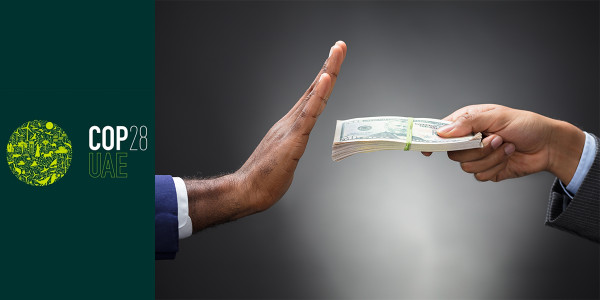
    And now we witness the international community talking about aid for African countries as a substitute for our oil and gas activities. Western environmentalists argue that Africa should keep all of its petroleum resources in the ground to prevent further climate change. In exchange for that sacrifice, African nations would be compensated and inject that money into other opportunities like developing their sustainable energy technologies.

    I've said it before, and I'll say it again: What a horrible idea!

    I‘m offended by foreign stakeholders feeling that providing humanitarian assistance gives them the right to influence our domestic decisions. With Africa poised to participate in the worldwide energy transition, my fear is that international donors will feel justified to dictate Africa's policy regarding the lengths to which, and speed with which, our energy transition occurs. This would be a huge step backward in our energy, economic, and even individual independence.

    Aid packages to incentivize giving up our oil and gas operations will be detrimental to Africans. Because let's be honest: History has shown that this assistance could never replace the oil and gas industry's ability to create jobs and business opportunities, grow local capacity, open the door to technology sharing, facilitate economic growth, and alleviate energy poverty.

    Instead of continuing a pattern that clearly does more harm than good, why aren't African nations encouraged to leverage the wealth of resources at our feet?

    During the final few days of COP28 — and beyond — the AEC is determined to make a case for African nations harnessing their oil and gas solutions to help themselves. We will not be bullied, or manipulated with aid, into a path that is not in our best interests.

    Use What We Have!

    One reason why the AEC is an outspoken advocate for Africa's oil and gas industry is because it represents more than big revenue for African governments. It is a free-market solution that creates pathways for Africans to help themselves. And, ultimately, empowering Africans is our number one goal.

    We endorse an energy mix approach that allows Africa to use and sell our own hydrocarbon reserves to alleviate energy poverty, while at the same time moving toward a future in which renewable energy sources power the continent. The energy mix method can help more people more quickly because it takes a practical, people-first approach to helping those who have traditionally been left behind by the energy sector, while moving us toward greener energy sources.

    Natural gas, in particular, can transform African lives and communities. Its potential benefits range from eradicating energy poverty to allowing Africans to develop skills for good jobs to creating hope for our youth.

    Ramping up gas production to help alleviate the lack of access to electricity will create thousands of new employment opportunities in Africa. In addition, the new sources of energy can be exported to Western countries to replace Russian energy. Then, as Europe transitions to sustainable energy, a larger portion of Africa's natural gas can power domestic needs. By the time other countries complete their transitions to carbon-neutral sources, Africa will have a much more expansive and reliable grid system, which will allow for an easier transition.

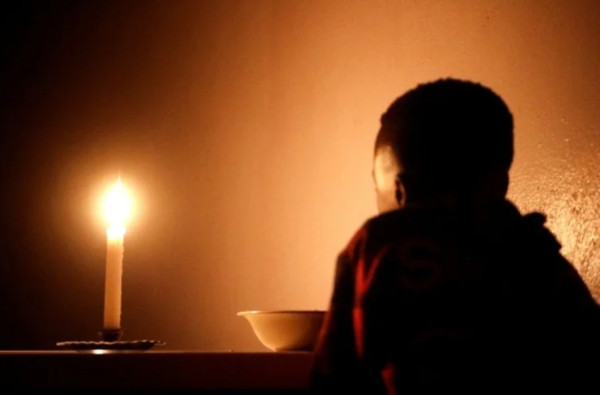
    And before we argue about the evils of hydrocarbons, let me point out that, although it might seem counterintuitive, it is possible for Africa to make use of its abundant fossil fuels while moving toward a future sustained by renewable energy sources. In fact, I believe that African nations must do everything they can to ensure that these two things work in tandem. Considering that 600 million people on the continent have no access to electricity and 900 million people lack access to clean cooking technologies, it's impossible — if not altogether inhumane — to discuss climate change without looking at energy poverty.

    As I recently wrote in an article published by Medium, we cannot transition from the dark to the dark. We must deliver energy to the people of Africa and then worry about transitioning to environmentally friendly alternatives, just like we have everywhere else in the world.

    This has been our platform at COP28, and we will continue to stand by it in 2024 and beyond.

    Distributed by APO Group on behalf of African Energy Chamber.

    Media files
    African Energy Chamber
    Download logo
    Read moreAs Conference of the Parties (COP28) Wraps Up, We Must Remember, Aid to Africa Is (Still!) Not the Retort
    10 December 2023

    Ramokgopa urges public to engage with IRP 2023

    Location: News

    Ramokgopa urges public to engage with IRP 2023

    Minister in the Presidency responsible for Electricity, Kgosientsho Ramokgopa, has urged the public to engage with the Integrated Resource Plan (IRP) 2023, which has been approved by Cabinet.

    IRP 2023 is now set to be published by the Minister of Mineral Resources and Energy.

    The Minister urged communities, stakeholders and interest groups to engage with the IRP 2023 and send their submissions, as part of determining the country’s “energy future”.

    “This will underpin our responses in relation to how we are going to address the energy situation in the country.

    “What is significant about this is that… the IRP 2023 computes two horizons [including up to 2030]. In the context of the energy crisis, the interventions [in this IRP] will help us in the short-term to ensure that we ameliorate the degree of the energy deficit that we are experiencing now.

    “The IRP also computes horizon number two, which is from 2030 to 2050, and in the most bold fashion, it states what are these new sources of energy and essentially, it [deals with] our ability to be able to exploit our renewable energy endowment, and their linkages to the availability of transmission,” Ramokgopa said at the Energy Action Plan briefing on Sunday.

    The Minister reiterated the commitment to resolve load shedding, and have a secure energy supply to protect the South African economy and ensure growth and development.

    The IRP is a plan aimed at estimating South Africa's electricity demand. It takes into account how the demand for electricity will be met and the expense of such a demand. The plan refers to electricity generation and expansion programmes.

    In formulating the National Development Plan, the Department of Energy gazetted the Integrated Resource Plan 2010-2030 (IRP 2010) in March 2011. This forecasted the energy demand for the 20-year period.

    In October 2019, IRP 2019 was gazetted. This updates the energy forecast from 2019 to the year 2030.

    The IRP is a “living document” that gets revised and updated.

    Performance of power plants

    The Minister announced that 980 megawatts (MW) at Koeberg Unit 2 will be taken out on Monday. Unit 1 one came back last month after significant delays. Koeberg is the only nuclear power station on the continent, with each of the two units producing 980 megawatts, according to the Minister. 

    "It's very significant to the energy mix, and as part of our intention to extend its life by 20 years, we took out Unit 1 to comply with the requirements of the regulator (NERSA)... Now we are taking out Unit 2 for the same purpose," he said, noting that Unit 1 is almost at full load.

    With regards to the performance of the grid over the past week, Ramokgopa said the unplanned capacity loss factor (UCLF) and partial load losses (the rate at which units are failing and not performing at optimal capacity) combined has been averaging just above 14 000MW.

    “To put it into context, we have reached highs of 17 000MW of these losses. If we were to use May as our baseline, we were losing about 17 369MW. Essentially, we are better off by about 3 000MW, and that’s what we’ve been averaging.

    “In fact, it looks even healthier if you were to take Saturday and today, where we’re at about 12 000MW. We have been able to introduce an improvement of about 5 000MW - 6 000MW… if you were to use the baseline of May,” the Minister said.

    On why Stage 3 and 4 load shedding continues despite the improvement outlined by the Minister, he said the aim was to use the summer period to ramp up planned maintenance.

    “We are averaging just close to 7 000MW. To put it into context, during the winter period, we were averaging about 2 500MW of planned maintenance. If you look at the period around May, it was 3 100MW. The team has taken out, of their own volition, an additional 3 000MW, compared to what was the situation in May.

    “We reached a high of about 8 000MW on 8 December. That means there was an additional 4 000MW that has been taken out… It is important that we are able to do maintenance. The more you postpone maintenance, it will catch up with you and you will experience rapid failures of units.”

    The Minister said the status quo shows the “true health” of the system, without “necessarily the assistance of the open cycle gas turbines”. While these are engaged at certain peaks, Ramokgopa said they are not being used at the rates at which they have previously been.

    The Minister said all stakeholders are working hard to stabilise power supply, especially throughout the festive season.

    New Eskom CEO

    On the appointment of Dan Marokane as the new Eskom Group CEO, Ramokgopa said leadership stability is key to the resolution of the energy crisis that is confronting the country.

    “We are looking forward to the contribution of Mr Marokane, together with the totality of the executive committee of Eskom… to give additional impetus to the work that we are doing,” Ramokgopa said, highlighting that there will now be “certainty in the apex office” of the power utility.

    The Minister thanked the Interim Group CEO, Calib Cassim, for his contribution. – SAnews.gov.za

    GabiK
    Sun, 12/10/2023 - 12:47

    130 views
    Read moreRamokgopa urges public to engage with IRP 2023
    10 December 2023

    Marokane re-joins Eskom as current chief executive

    Location: News

    Marokane re-joins Eskom as new chief executive

    Public Enterprises Minister Pravin Gordhan has announced the appointment of Dan Marokane as the new Group Chief Executive of Eskom.

    Marokane is a qualified Chemical Engineer, who has a MBA and is a seasoned executive with more than 20 years senior leadership experience, the Department of Public Enterprises said on Friday.

    He is expected to join Eskom no later than 31 March 2024.

    “The advertisement for the post attracted 409 applications. From this process, 12 prospects qualified to further steps in the selection process.

    “[Marokane] has experience working in distressed organisations with visible and pressurized turnaround mandates. His recent assignment is at Tongaat-Hullet, where he stepped up to lead this financially distressed business when its Group Chief Executive resigned.

    “Mr Marokane was a senior manager in Eskom from 2010 to 2015, holding various senior positions, including head of Group Capital in Eskom,” the department said.

    Marokane was one of four senior managers suspended during the State capture period. He subsequently resigned and went into the private sector.

    “Mandatory checks, which include criminal and credit checks, verification of identity, qualifications, directorships, and establishment of conflicts of interest were completed,” the department said.

    The date of commencement will be announced once Marokane has concluded the handover process with his current employer.

    “Mr Marokane thrives on challenges, has the drive to energetically tackle the challenges confronting Eskom and is also ethically grounded.

    “The Board has been requested to constitute a professional, skilled and committed executive team that will collectively lead Eskom through a complex but exciting journey, including achieving energy security for our people and the economy, implementing the Eskom Just Energy Transition and concluding the restructuring of Eskom,” Gordhan said.

    The Minister thanked the Board for conducting a competitive and transparent process for the appointment of the GCEO. – SAnews.gov.za

    GabiK
    Sun, 12/10/2023 - 09:47

    232 views
    Read moreMarokane re-joins Eskom as current chief executive
    10 December 2023

    South Africa: African Development Bank approves $1 billion guarantee from the United Kingdom to support SA’s Just Energy Transition

    Location: News

    African Development Bank Group (AfDB)
    Download logo

    The Board of Directors of the African Development Bank Group (www.AfDB.org) has approved a $1 billion guarantee program in collaboration with the UK Foreign Commonwealth and Development Office (FCDO), which will allow the Bank to increase its lending capacity in support of South Africa's Just Energy Transition (JET).

    Developed in close collaboration with the government of the Republic of South Africa, the program will support projects aligned with South Africa's JET investment plan, such as transmission and grid-balancing storage, renewable energy generation, energy efficiency, rehabilitation of municipal electricity delivery, green hydrogen, new electric vehicles. It also includes projects addressing the “just” dimension, notably in the Province of Mpumalanga, in the north-eastern part of the country, bordering Swaziland and Mozambique.

    The approval, coming during COP28, where ramping-up climate finance is an issue, is timely and topical. African Development Bank Vice President for Power, Energy, Climate and Green Growth, Dr. Kevin Kariuki observed: “this is another innovative operation that reaffirms AfDB's leadership in crafting financial solutions to increase access to climate finance for Africa's low carbon development and net zero ambitions.”

    Melinda Bohannon, Foreign Commonwealth and Development Office Director General of Humanitarian and Development stated,” FCDO remains committed to the Just Energy Transition Partnership with South Africa, which supports green growth and jobs, improves energy security, and helps South Africa achieve its carbon reduction ambitions as set out in its National Determined Contribution.  This guarantee will unlock funds for projects within the remit of South Africa's recently released Just Energy Transition implementation plan. This comes alongside the recently significantly increased grant offer from the International Partners Group, and we are using some of those grants to help develop an investment project pipeline”.

    Mmakgoshi Lekhethe, Deputy-Director General for Asset and Liability Management in South Africa's National Treasury commented, “We are pleased with the approval by the AfDB Board of the guarantee framework that will increase South Africa's access to funding from the Bank by $1 billion. This marks an important partnership between our government, the UK and AfDB to enhance our ability to implement South Africa's just energy transition in a way that is just and socially responsible. We look forward to working closely with the AfDB on the preparation and financing of a pipeline of programs and projects under our just transition priority areas, including those identified in the JET Implementation Plan. As a development bank with vast experience in just transition in the continent, the AfDB is an ideal partner for us on this important initiative”.

    Max Ndiaye, Director of Syndications, Co-financing and Client Solutions, noted previous collaboration between the Bank and FCDO, and applauded this transaction as further demonstration of the Bank's continued efforts to heed the G20 recommendations on capital adequacy that call for increased collaboration and additional shareholder support for the balance sheet optimization of MDBs.

    “By enabling the Bank to increase its lending capacity, this landmark guarantee agreement will greatly support South Africa's Just Energy Transition,” noted African Development Bank Director General for Southern Africa, Leila Mokaddem. “The African Development Bank remains committed to accompanying South Africa on this important journey," she added.

    Distributed by APO Group on behalf of African Development Bank Group (AfDB).

    Link to Images: https://apo-opa.co/4afJ94I

    Contact:
    Amba Mpoke-Bigg
    Communication and External Relations Department
    email: media@afdb.org

    Technical contact:
    Max Ndiaye
    Director of Syndications
    Co-financing and Client Solutions

    About the African Development Bank Group:
    The African Development Bank Group is Africa's premier development finance institution. It comprises three distinct entities: the African Development Bank (AfDB), the African Development Fund (ADF) and the Nigeria Trust Fund (NTF). On the ground in 41 African countries with an external office in Japan, the Bank contributes to the economic development and the social progress of its 54 regional member states. For more information: www.AfDB.org

    Read moreSouth Africa: African Development Bank approves $1 billion guarantee from the United Kingdom to support SA’s Just Energy Transition
    10 December 2023

    New reservoir to enhance water supply to Boksburg community

    Location: News

    New reservoir to enhance water supply to Boksburg community

    The City of Ekurhuleni has commissioned a new 30 megalitre (ML) water reservoir to benefit communities and businesses in Rondebult, Mapleton, Roodekop Industries and Klippoortjie in Boksburg, Gauteng.

    Member of the Mayoral Committee for Water, Sanitation and Energy, Thembi Msane, announced the launch of the new Cossins mega reservoir in the City of Ekurhuleni on Friday.

    Msane said a total of 21 983 residential and business stands will be supplied by the reservoir. 

    “The Cossins reservoir zone has the potential to supply an additional 53 606 stands when linked to the Dawn Park supply zone. This is part of the flagship initiative by the City of Ekurhuleni aimed at providing security of water supply to residents and businesses,” Msane said.

    Msane said the project comprised the construction of the new 30ML Cossins Reservoir, with associated pipe work on site and the upgrading of the supply pipe from a Rand Water connection (RW4529).

    “Before the commissioning of the reservoir, the available storage on the site comprised a single 8ML reservoir supplied from the RW1461 connection via a bulk supply pipeline that ran on the right-hand side of Rondebult Road towards the South,” Msane said.

    The scope of the work done included the construction of concrete chambers, complete with the required meters, pipe specials, control and isolation valves to ensure effective operation of the system, a paved access road and clear view fencing.

    Msane said the project has created a total of 43 job opportunities and sub-contracting opportunities for four local small, medium and micro enterprises. – SAnews.gov.za

    GabiK
    Sun, 12/10/2023 - 09:11

    109 views
    Read moreNew reservoir to enhance water supply to Boksburg community
    7 December 2023

    Understanding the World of Facilities Management in South Africa

    Location: MyPR

    Facilities management in South Africa is an essential aspect of the real estate and business sectors, contributing significantly to the operational efficiency and sustainability of buildings and properties. This blog post will provide an insightful overview of facilities management in the country, exploring its importance, services offered, and the benefits it brings to businesses and …

    Read moreUnderstanding the World of Facilities Management in South Africa
    7 December 2023

    Do As We Say, Not as We Do: Wealthy Nations’ Expectations for Africa

    Location: News
    African Energy Chamber

    By NJ Ayuk, Executive Chairman, African Energy Chamber (http://www.EnergyChamber.org)

    When examining how fossil fuel exploration, production, and usage differ between African and more developed nations, the contrast is so stark that it essentially defines the core mission of the African Energy Chamber (AEC). We exist not to bring these rates on par with each other but to amplify Africa's standing in the global energy industry such that it results in massive improvements in the quality of life across the continent.

    Consider this: While Africa holds roughly 13% of global natural gas stores and 7% of its oil, when it comes to per capita use of these hydrocarbons for energy, Africa's consumption rate is the world's lowest.

    Or this: While we're under pressure to adopt renewable energy resources, Africa already relies on renewables more than any other continent, but this refers to the wood and cow dung that fuel the cooking fires, which account for essentially half of Africa's energy consumption. Of course, both are linked to hazardous indoor air quality, adding to the already long list of vexing issues that many Africans must deal with daily.

    In total, nearly one billion Africans have no access to clean cooking fuels. Another 600 million, with a majority living in the sub-Saharan regions, survive without access to electricity from any source.

    Africa deserves relief from such difficulties.

    As much as the African people stand to benefit from access to their own fossil-fuel resources, Africa's hydrocarbon-bearing nations possess a vast wealth they're willing and ready to share with the world. The prospect of forging development partnerships with foreign nations and international oil companies would offer much of Africa a path toward modernization, advancement, and prosperity while at the same time providing much-needed energy security to its business allies abroad.

    We've been waiting for Africa to take its place alongside the equally resource-rich yet developed regions of the globe for far too long. However, Africa's readiness for this overdue transformation comes at a strange time in modern history. Just as we've observed increases in GDP per capita and average life expectancy parallel the proliferation of fossil fuels, we've also seen the rise of a small but vocal and influential minority that has set out to obstruct their continued extraction.

    Activists and ill-informed ideologues mainly comprise this opposing faction. And either knowingly or as a result of having been taken in by false promises, they propose alternative energy solutions which are still far too expensive for Africa to implement effectively.

    Africa needs affordable, readily available energy, but this group has steadily garnered sway over individuals, financial institutions, and world governments, convincing them that, for the sake of the planet's health, Africa's untapped resources must indefinitely remain right where they are today.

    Over the years, these activists brought many to their side, ratifying their intentions through measures like the Paris Agreement of 2015 and the Glasgow Climate Pact of 2021 that require signatories to commit to green energy initiatives at home and abroad.

    This movement proved effective in achieving its own goals and was allowed to carry on with its agenda unimpeded for many years. However, recent global events have rather suddenly forced both participants and onlookers to reconsider the merits of its claims and the value of any allegiance to it.

    Eastern Aggression, Western Hypocrisy

    When then-U.S. President Donald Trump, speaking before the United Nations General Assembly in 2018, warned Germany against their dependence on Russian energy, the German delegation in attendance famously snickered at his concerns. After Russia's invasion of Ukraine in 2022, the European Union's sanctions against the Russian energy sector that followed, and the subsequent sabotage of the Nord Stream pipelines, Trump's remarks appear more prescient in retrospect than they did at the time.

    The war in Ukraine and the supply chain disruptions and fuel price spikes it induced sent world leaders scrambling to secure new energy sources for their countries.

    Spring 2022 saw a frenzy of energy industry activity as Italy's foreign minister brokered new liquid natural gas (LNG) deals with Angola and the Congo, Germany engaged in gas talks with Senegal, and the energy ministers of Algeria, Niger, and Nigeria pledged to accelerate their work on the long-delayed Trans-Saharan gas pipeline project.

    Even President Joe Biden, who notably vowed to end the United States' involvement with fossil fuels during his campaign, reached out to Saudi Arabia, urging the nation to increase oil production.

    Coal: Don't Call It a Comeback

    The 2021-2023 global energy crisis also led many nations to continue or increase their reliance on coal — the fossil fuel even conventional oil and gas companies are quick to disparage due to its negative impacts on human health and its history of environmental harm.

    With their own power generation capacities in peril thanks to war shortages, below-average winter temperatures, overcast skies, and a wind drought that still threatens to starve turbines across Europe, the countries often most critical of Africa's modernization ambitions rushed to refill their stores of the very fuel they had scheduled for phase-out years before.

    According to the International Energy Agency's mid-year Coal Market Update, global coal consumption grew by 3.3% in 2022, reaching an all-time high of 8.3 billion tons. While 2023 and 2024 might show a slight decrease in coal-fired power generation, the 1.5% rise in industrial coal use expected with improving economic conditions during the same period will likely negate this drop.

    Putting a pause on an initiative begun in 2015 to shutter all its coal-fired power stations, the United Kingdom relaxed permitting conditions in July 2022, keeping its remaining plants operational albeit on standby into 2024.     

    Around this same time, the EU imported roughly 11 times more coal than usual from Australia, South Africa, and Indonesia.

    In August of 2023, in a move highlighted by opponents of the green agenda, German energy firm RWE began dismantling its wind farm in North Rhine-Westphalia to allow for the expansion of its Garzweiler II lignite coal mine.

    Had these nations engaged in more earnest development negotiations with African oil and gas producers when we suggested they should, perhaps they would have found a better footing for dealing with unforeseen climate-related events, natural or political.

    Gas Gets the Greenlight

    In a move that helped to lessen the stigma cast upon a fuel much cleaner burning than coal, the EU voted in 2022 to officially recognize natural gas as a “green” or “sustainable” energy source. Unsurprisingly, this decision angered environmental activists. At the AEC, though, we support this development; we regard natural gas as crucial to Africa's battle against energy poverty and key to its future success as a sizeable supplier for the international market.

    While the EU was at one point one of the loudest voices calling for full-scale decarbonization, we applaud this concession as this more positive classification will likely encourage European investment in African natural gas projects. And, as the AEC has always suggested, it will support our eventual transition to an emissions-free, fully renewables-based energy economy.

    Our critics breathlessly warn us that future price drops could render African natural gas suppliers unable to compete against larger, established producers. Naysayers suggest that renewable energy technology will get up to speed and become widely adopted before any new African natural gas outfits can get underway. While these cynics regard oil and gas as merely trends in danger of falling out of fashion by next season, we remain confident that we are on the best course for Africa's future.

    And while the wealthy, developed nations of the world have much to say about appropriate energy solutions for Africa, even as they flout the rules they've set for their own, we know we are in pursuit of the most beneficial gains for our people.

    Just as the fuels that supported humanity progressed from wood to coal to oil as economies and technological needs evolved, so too will Africa's — naturally, and never as a consequence of dictated policy.

    Distributed by APO Group on behalf of African Energy Chamber.

    Media files
    African Energy Chamber
    Download logo
    Read moreDo As We Say, Not as We Do: Wealthy Nations’ Expectations for Africa
    7 December 2023

    President Ramaphosa to address Presidential Plenary on Science, Technology and Innovation

    Location: News

    President Ramaphosa to address Presidential Plenary on Science, Technology and Innovation

    President Cyril Ramaphosa is set to address the inaugural Presidential Plenary on Science, Technology and Innovation (STI).

    The plenary will be held at the CSIR International Convention Centre in Pretoria, next Tuesday. 

    “The STI Plenary will bring together leaders in government, industry, academia and civil society to discuss progress made in the National System of Innovation (NSI) and challenges in this sector, and will explore ways for STI and skills development to impact positively on the South African economy,” the Presidency said in a statement. 

    In November 2022, Cabinet adopted the STI Decadal Plan to guide the first 10 years of implementing the 2019 White Paper on STI. 

    "The Decadal Plan seeks to respond to Phase II (2020-2024) and III (2025-2030) of attaining the National Development Plan (NDP) targets for STI, which propose that innovation is earmarked to improve the productivity and competitiveness of key sectors of the South African economy and contribute to higher GDP growth rates overall." 

    The White Paper introduced the concept of an Inter-Ministerial Committee (IMC) on STI and a Presidential STI Plenary as instruments to enhance STI policy coherence, as well as programme and budget coordination in the South African national system of innovation.
     
    “In this regard, the plenary will allow all role players to reflect collaboratively on progress with STI initiatives, and jointly commit resources for recommended STI initiatives,” the Presidency said. 

    An Inter-Ministerial Committee on STI, established in March 2021, is led by the Minister of Higher Education, Science and Innovation and comprises Ministers of STI-intensive government departments.

    The President will also visit an exhibition of locally produced, market-ready innovations in areas such as space science, health and energy. – SAnews.gov.za

    DikelediM
    Thu, 12/07/2023 - 10:15

    9 views
    Read morePresident Ramaphosa to address Presidential Plenary on Science, Technology and Innovation
    7 December 2023

    Australian company to start seismic survey off West Coast in January

    Location: News

    Environmental report acknowledges that seismic blasts, which are much louder than gunshots, can kill fish particularly those with swim bladders

    Read moreAustralian company to start seismic survey off West Coast in January
    6 December 2023

    KZN Premier calls for practical solutions to address climate change

    Location: News

    KZN Premier calls for practical solutions to address climate change

    KwaZulu-Natal Premier Nomusa Dube-Ncube has reiterated her call for adequate funding of vulnerable and developing nations to support technology and other practical solutions to address climate change.

    Dube-Ncube made the call when addressing various platforms at the COP 28 Climate Summit, currently underway in Dubai.

    Being held from 30 November to 12 December 2023, the UN Climate Change Conference (UNFCCC COP 28) focuses on four paradigm shifts, including fast-tracking the energy transition and slashing emissions before 2030, and transforming climate finance by delivering on old promises and setting the framework for a new deal on finance.

    The conference also focuses on putting nature, people and livelihoods at the heart of climate action, and mobilising for the most inclusive COP ever.

    Dube-Ncube joined other leaders in calling for a speedy implementation of commitments made in previous climate change summits.

    “We must deepen our resolve and accelerate the implementation of the resolutions and commitments that have been taken in previous conferences and engagements. 

    “Poor nations and regions are feeling the brutal effects of climate change everyday, and gatherings like this must bring practical meaning to such commitments,” Dube-Ncube said.

    Dube-Ncube also emphasised the inclusion of the subnational and local governments in the climate change talks in order to strengthen the international agreements implementation, and for them to be meaningful and incorporated into provincial and local strategies.

    The Premier said climate-related disasters hit people on the ground the most, with provinces and municipalities tasked to respond. 

    “This requires a lot of focus on inclusion and funding. In KwaZulu-Natal, we are still recovering from the devastating effects of the April 2022 floods and this is felt at local level where people live. 

    “It is for these reasons that we call for more funding for developing nations and inclusion of subnational and local governments in planning and implementation of agreements,” the Premier said.

    Dube-Ncube was speaking for the African continent in the climate change engagements in her capacity as the Premier of KwaZulu-Natal and as Co-Chair of the Under2Coalition, seeking to advocate for the inclusion of subnational and local government in climate talks. 

    The Under2Coalition is the largest network of subnational governments striving towards reaching net zero emissions by 2050 and connecting them to potential funding streams.

    The Premier has been engaging with her Co-Chair counterparts on various issues ranging from vertical integration between national, provincial and local governments and in particular, the state of readiness for any disasters that may hit KwaZulu-Natal, given its vulnerabilities.

    The Premier encouraged accountability and transparency for disaster relief and recovery programmes. – SAnews.gov.za
     

    GabiK
    Wed, 12/06/2023 - 11:32

    97 views
    Read moreKZN Premier calls for practical solutions to address climate change
    6 December 2023

    South Africa needs to spend an extra R535-billion a year to meet climate goals

    Location: News

    Climate investments need to jump from R131-million a year, Presidential Climate Commission says

    Read moreSouth Africa needs to spend an extra R535-billion a year to meet climate goals
    6 December 2023

    Requirements for environmental authorisation for renewable energy facility published

    Location: News

    Requirements for environmental authorisation for renewable energy facility published

    Minister of Forestry, Fisheries and the Environment Barbara Creecy has published a notice on the amendment of certain requirements for an application for environmental authorisation for a renewable energy facility.

    “The amendment is necessary to ensure that the full potential of the investment into electricity infrastructure can be realised,” the Department of Forestry, Fisheries and the Environment said on Tuesday.

    They were published under sections 24(5)(a), 24(5)(b)(i) and 44 of the National Environmental Management Act, 1998 (Act No. 107 of 1998), read with regulation 10(b) of the Environmental Impact Assessment Regulations, 2014, as amended.

    “The amendment requires that a proponent requests and obtains a consent letter from Eskom, or its successor, which confirms that the proposed layout of the facility will not unnecessarily obstruct access to the transmission or distribution infrastructure,” the department said.

    The amendment was published in Government Gazette No. 49815, Notice No. 4143 on 04 December 2023.

    A copy of the Government Gazette can be obtained at: https://www.dffe.gov.za/sites/default/files/legislations/nema_ea.renewableenergyfacility_g49815gon4143.pdf

    Any enquiries in connection with the notice can be directed to Dr D Fischer at the following email address: dfischer@dffe.gov.za. –SAnews.gov.za


    nosihle
    Wed, 12/06/2023 - 11:16

    174 views
    Read moreRequirements for environmental authorisation for renewable energy facility published
    5 December 2023

    Africa remains one of the regions most targeted by cybercrime in 2023

    Location: News
    Kaspersky

    As organisations continue to become more digitised, throughout 2023 Africa remains one of the world regions most targeted by cybercrime. At a recent press conference in Johannesburg, Kaspersky (www.Kaspersky.co.za) shared some insights and statistics related to the regional threat landscape in the third quarter of 2023 and made forecasts on how the situation is going to develop in 2024.

    Web threats
    Web threats are Internet-based threats that expose people and computer systems to harm online. There was a 24% increase in the number of corporate users affected by web threats from Q2 to Q3 2023 in South Africa. However, comparing Q3 2022 to Q3 2023, there was an 8% decline in the number of corporate users affected by web threats.  

    Phishing
    Phishing is a type of Internet fraud that seeks to acquire a user's credentials by deception. It includes theft of passwords, credit card numbers, bank account details and other confidential information.

    Phishing attacks detected in Kenya in Q3 2023 increased by 32% compared to Q2 2023 and by 12% compared to Q3 2022. In Nigeria, there was a 12% increase in phishing attack detections in Q3 2023 compared to Q2; however, compared to Q3 2022, the number of phishing detects decreased by 8%.

    Attacks on Industrial Control Systems
    Africa is among the regions with the highest number of detected attacks on industrial control systems (ICS computers). ICS computers are used in energy and mining sectors, automotive manufacturing, building automation infrastructures and other spheres to perform a range of operational technology functions – from the workstations of engineers and operators to supervisory control and data acquisition servers.

    In Q3 2023, according to Kaspersky ICS CERT¹, attacks were detected on 32% of ICS computers in Africa. In South Africa, attacks were detected on 22% of machines, in Kenya – on 28%, in Nigeria – on 25%. Globally, malicious objects were detected on 25% of ICS machines in Q3 2023.

    Attacks on the Internet of Things
    The number of attacks on Internet of Things (IoT) devices has been increasing exponentially over the last years globally. This is related both to the activity of criminal actors and to the increasing number of IoT devices that are in use by individual users, businesses, and production facilities. IoT devices include not only wearables and smart home appliances, but also smart city systems, self-driving cars, automated retail checkouts, and other smart devices for home and business use. These devices can collect and transfer data over a wireless network without human input. Cybercriminals use networks of infected smart devices to conduct DDoS attacks or as a proxy for other types of malicious actions.

    In Q3 2023, South Africa accounts for 28% of attacks on IoT devices that were detected by Kaspersky in the African region. Kenya accounts for 12% of attacks on IoT devices, and Nigeria – for 6%. All these attacks were spotted on Kaspersky IoT honeypots – decoy devices used to attract the attention of cybercriminals and analyse their activities.

    “In forecasting the development of the cyberthreat landscape for 2024, we anticipate a dynamic evolution of cyberthreats marked by an upsurge in state-sponsored cyber-attacks, and 'hacktivism' will become one of the norms of cyber-warfare,” comments Bethwel Opil, Enterprise Client Lead at Kaspersky in Africa. “The prevalence of accessible generative AI is set to fuel an expansion of spear-phishing tactics, while the creative exploitation of vulnerabilities in mobile and IoT devices will be on the rise. Businesses today should be proactive and counter these cyberthreats with advanced technologies such as threat feeds, security information and event management systems, endpoint detection and response solutions, and tools with digital forensics and incident response features.”

    To protect organisations from cyberthreats, Kaspersky experts recommend:

    • Organisations should conduct regular cyber skill checkups among employees and offer competent training. Kaspersky Security Awareness (https://apo-opa.co/3Ni4NeD) portfolio offers flexible ways to train staff, is easily customisable and scalable to meet the needs of any company size.
    • Corporate users should be educated on potential privacy risks when working in virtual environments. Organisations should implement best practices in safeguarding personal and corporate data.
    • Install updates for the firmware used on digital devices (including virtual headsets) as soon as they become available.
    • Use Cyber Immune (https://apo-opa.co/4a9jx9I) solutions for IoT protection on corporate networks. Use a dedicated IoT gateway that ensures inbuilt security and reliability of data transferring.
    • Use Kaspersky Threat Intelligence (https://apo-opa.co/4a9sf7B) to block network connections originating from malicious network addresses detected by security researchers.
    • Establishing continuous vulnerability assessment and triage as a basement for effective vulnerability management process. Dedicated solutions like Kaspersky Industrial CyberSecurity (https://apo-opa.co/46ZA6lH) may become an efficient assistant and a source of unique actionable information, not fully available in public.

    Reference:
    ¹Kaspersky Industrial Control Systems Cyber Emergency Response Team

    Distributed by APO Group on behalf of Kaspersky.

    About Kaspersky:
    Kaspersky is a global cybersecurity and digital privacy company founded in 1997. Kaspersky's deep threat intelligence and security expertise is constantly transforming into innovative solutions and services to protect businesses, critical infrastructure, governments and consumers around the globe. The company's comprehensive security portfolio includes leading endpoint protection, specialized security products and services, as well as Cyber Immune solutions to fight sophisticated and evolving digital threats. Over 400 million users are protected by Kaspersky technologies and we help over 220,000 corporate clients protect what matters most to them. Learn more at www.Kaspersky.co.za.

    Media files
    Kaspersky
    Download logo
    Read moreAfrica remains one of the regions most targeted by cybercrime in 2023
    5 December 2023

    EcoFlow Powers Up the Holidays: Hold Portable Power on Your Festive Journey in December!

    Location: News
    EcoFlow

    EcoFlow (www.EcoFlow.com), a leading provider of sustainable energy and lifestyle solutions, is amping up lights for the festive season with a chance of saving up to R37,999 throughout December. As families gear up for the holidays, EcoFlow invites you to power your celebrations with these gift ideas below, highly recommended for those who love outdoor life and care about sustainability!

    EcoFlow DELTA 2: Best-Selling Portable Power Station for Family Gatherings

    The DELTA 2 portable power station is perfect for those looking for backup power, especially for your holiday gatherings. With an expandable capacity of 1-3kWh and rated output of 1800W, it can power up to 13 devices, including refrigerators, telephones and even electric hobs for extended periods. Thanks to X-Stream technology it can be recharged in just 80 minutes, allowing you to always have the necessary energy available during the unpredictable period of load shedding.

    EcoFlow DELTA 2, Promotional at R17,999 | Save R7,000 (https://apo-opa.co/3t4KmuS)

    EcoFlow RIVER 2 Series: Compact Powerhouse for On-the-Go Adventure Lovers

    With a weight of just 3.5 kg and a capacity of 256Wh, RIVER 2 is the ideal choice for outdoor activities. RIVER 2 Max, the bigger sister of the RIVER 2 series family, offers a capacity of 512Wh and a rated power of 500W. With X-Stream fast-charging, RIVER 2 Series can be fully recharged in just one hour, allowing you to always be ready for any excursion, even unplanned ones. With four different charging modes, from fast AC to in-car charging, you never run the risk of running out of energy.

    The elegant and compact design makes them easy to transport for those who love spending their days camping or simply outdoors. Thanks to the LFP battery cells, these RIVER 2 Series and DELTA 2 power stations guarantee a life of 10 years with 3,000 cycles, being the trustful and powerful companion for next ten festive seasons.

    EcoFlow RIVER 2, Promotional at R3,999 | Save R3,000 (https://apo-opa.co/3sTZV8N)
    EcoFlow RIVER 2 Max, Promotional at R7,999 | Save R5,000 (https://apo-opa.co/3TsFL0v)

    EcoFlow Solar Panels: Effectively Harness the Power of the Sun

    EcoFlow portable solar panels are the right gift for those who want to generate sustainable energy both outdoors and at home. Thanks to the two-in-one double-sided design, innovative EcoFlow 220W bifacial portable solar panels are capable of capturing up to 25% more solar energy. Lightweight, easy to transport and equipped with weather-resistant materials, when combined with EcoFlow's portable power stations, they generate clean energy anywhere and everywhere and are the perfect holiday gifts for those who care about the environment and keep an eye on the bill.

    EcoFlow 220W Solar Panel, Promotional at R9,999 | Save R1,500 (https://apo-opa.co/4a3DFtD)
    EcoFlow RIVER 2 Max + 220W Solar Panel, Promotional at R13,999 | Save R10,499 (https://apo-opa.co/46OB4kq)

    EcoFlow Wave Portable Air Conditioner: Keep the Heated Celebrations Cool

    EcoFlow understands that festive celebrations can get heated, and that's why Wave Portable Air Conditioner will be a spotlight this summer. Ecoflow Wave isn't just portable; it blasts out 4000BTU's worth of cooling thanks to its inverter compressor too. That's the most powerful air conditioner of its size. The Ecoflow Wave can run for 3 - 12 hours depending on the battery you use. Keep your gatherings cool and comfortable with this innovative portable cooling solution. With easy setup and energy efficiency, the Wave Portable Air-conditioner is the perfect addition to your holiday wish list.

    EcoFlow Wave + Add-on Battery, Promotional at R23,999 | Save R14,000(Exclusive on December 18)(https://apo-opa.co/46ZkoqJ) 

    Get the festive gift of power and sustainability on EcoFlow's official website (https://apo-opa.co/46Zkkat) or Takealot (https://apo-opa.co/3QXcqIn). Elevate your celebrations, stay connected, and make unforgettable memories, all while enjoying substantial savings on EcoFlow cutting-edge power solutions.

    Distributed by APO Group on behalf of EcoFlow.

    Media Contact:
    Orange Lin
    EcoFlow Communications Manager, South Africa
    orange.lin@ecoflow.com

    About EcoFlow:
    EcoFlow is a leading eco-friendly energy solutions company with the vision to power a new world. Since its founding in 2017, EcoFlow aims to become a reliable and trusted energy companion for individuals and families across the world, providing accessible and renewable power solutions at home, outdoors, and in mobile spaces. Today, with operational headquarters located in the USA, Germany, and Japan, EcoFlow has empowered more than 2.5 million users in over 100 markets worldwide.

    Media files
    EcoFlow
    Download logo
    Read moreEcoFlow Powers Up the Holidays: Hold Portable Power on Your Festive Journey in December!
    4 December 2023

    Our position to tackle climate action must leave no one behind – President 

    Location: News

    Our plan to tackle climate action must leave no one behind – President 

    As the country grapples with an energy crisis, President Cyril Ramaphosa has used the United Nations Climate Change Conference in Dubai, known as COP28, to emphasise that the nation's transition towards equitable energy will align closely with South Africa’s developmental objectives.

    In his weekly newsletter on Monday, the President said in pursuing a measured, realistic and sustainable transition towards a low-carbon economy and society, the foremost priority is to secure the future of all South Africans and that no one is left behind. 

    “As a country in the midst of an energy crisis, we were clear at COP28 that the pace of our just energy transition will be guided by our developmental priorities. Our JET Implementation Plan makes it clear that we can take effective action against climate change while pursuing energy security for all our people.

    “Even as we confront several challenges, we are clear about the path we must take to tackle climate change and protect our country from its effects,” the President said.

    The President attended the United Nations Climate Change Conference where important decisions taken so far will affect the future of the planet.

    He said the discussions at COP28 have significant implications for South Africa and its people.

    The President added that the impact of climate change is a measurable reality in South Africa, with poor, rural communities in particular bearing the brunt.

    The overriding message the country took to COP28 is that climate commitments will be implemented in a manner that both addresses the current energy crisis and strengthens efforts to reduce poverty and unemployment. 

    The country’s JET Implementation Plan focuses on expanding investment in transmission networks, investment in new energy vehicles and harnessing the potential of the green hydrogen economy. 
     
    “Decarbonising our energy sector has become even more urgent in the face of carbon border taxes and other measures being taken by developed economies in the name of fighting climate change.

    “These measures are going to hurt many countries with developing economies, making their exports less competitive and making them bear the economic burden of climate action. It is for these reasons that the South African delegation to COP28 spoke out against these unilateral actions,” President Ramaphosa said.

    The President said the country already has sustainable, measurable and science-driven programmes in place to adapt to and mitigate the effects of climate change. These include a successful renewable energy procurement programme, biodiversity and conservation management, air quality management, as well as successful natural resource management programmes such as Working on Fire, Working for the Coast and Working for Water. 

    “But if we are to implement these and the other actions outlined in the JET Investment Plan we – like all other developing economies – will require massive financial support from those countries whose development has been the primary cause of climate change.

    “The countries that have contributed most to global warming must support those countries that now bear the brunt of its effects,” the President said.

    South Africa expressed its concern that developed economies are still not meeting their obligations to support developing countries with the finance, technology and capacity building needed for effective climate actions. 

    He said the funding that has been channelled through entities like the Green Climate Fund and Adaptation Fund has been negligible. 

    “The operationalisation at COP28 of a fund to help vulnerable countries with loss and damage caused by climate change is a step in the right direction, but it will need substantial funding if it is to fulfil its purpose.

    “For the transition to lower carbon economies to be just, affected communities cannot live on promises. Workers and communities currently dependent on coal and other fossil fuel industries need viable alternative livelihoods,” the President said. 

    The plan, which he announced at COP27 last year, outlines the path towards reducing the carbon emissions of the energy sector, which is the largest contributor towards South Africa’s total greenhouse gas emissions.

    The plan focuses on investment in electricity infrastructure, new energy vehicles, green hydrogen, skills development and municipal electricity distribution.

    “It emphasises that this transition must be underpinned by engagement and in partnership with workers, communities, business and civil society. Importantly, the plan also includes interventions to support affected communities, notably in Mpumalanga, where most of our country’s coal-fired power stations are located,” he said.

    While in Dubai, the President visited the South Africa pavilion where he was shown a striking artwork called the Umlibo tapestry which was made by a group of rural women from Hamburg in the Eastern Cape. - SAnews.gov.za

    DikelediM
    Mon, 12/04/2023 - 10:22

    370 views
    Read moreOur position to tackle climate action must leave no one behind – President 
    4 December 2023

    Hohm Energy Unveils “Light Up Your Holidays with Solar Man and Hohm Energy” December Campaign

    Location: MyPR

    In an exciting development for sustainable energy enthusiasts and homeowners alike, Hohm Energy, a leading provider of solar energy solutions in South Africa, has announced its new end-of-year holiday marketing campaign, “Light Up Your Holidays with Solar Man and Hohm Energy.” This innovative campaign not only promises to add a sparkle to the festive season …

    Read moreHohm Energy Unveils “Light Up Your Holidays with Solar Man and Hohm Energy” December Campaign
    4 December 2023

    Pullman Appoints Stefan Lourens as the General Manager at Pullman Cape Town

    Location: MyPR

    Pullman Hotels and Resorts has announced the appointment of Stefan Lourens as General Manager at Pullman Cape Town, the first property in South Africa under the Pullman brand from Accor. Lourens brings more than 30 years of hospitality experience to the Pullman Cape Town team with a proven track record across local and international brands …

    Read morePullman Appoints Stefan Lourens as the General Manager at Pullman Cape Town
    3 December 2023

    Border Management Authority ramps up festive season operations

    Location: News

    Border Management Authority ramps up festive season operations

    The Border Management Authority (BMA) says it is implementing a comprehensive plan including longer border post operating times and more boots on the ground for its festive season operations.

    This according to the BMA Commissioner Dr Michael Masiapato who was addressing a media briefing in Pretoria on Sunday.

    He said the BMA expects at least six million people to move through South Africa’s borders during the festive season.

    Masiapato said the BMA has engaged with South Africa’s six immediate neighbouring countries on the “synchronisation of processes and other work modalities” including working hours.

    “While some of our busiest ports already operate on a 24-hour basis, the Minister of Home Affairs Dr Aaron Motsoaledi has already approved our request to extend the operating hours on other identified critical ports on certain dates that we agreed with our immediate neighbouring countries,” he said.

    The following working hours will now be operational at ports of entry:

    • Grobler’s Bridge to Botswana: 6am to midnight on 15, 16, 22 and 23 December
    • Swartkopfontein to Botswana: 6am to 8pm from 14 to 17 December, 22 to 24 December, 2 to 4 January as well as 13 and 15 January
    • Kosi Bay to Mozambique: 6am to 6pm from 14 December to 14 January
    • Mahamba to Swaziland: 7am to midnight on 15, 23, 24 December
    • Jeppes Reef to Swaziland: 7am to 10pm from 22 December to 2 January
    • Mananga to Swaziland: 7am to 8pm from 18 to 23 December
    • Sanipass to Lesotho: 6am to 8pm on 15, 16 December as well as 21 to 24 December
    • Caledonspoort:  6am to midnight 15, 16 and 23 December and 2 January. On 22 December, the port will operate for 24 hours.
    • Van Rooyensgate: 6am to midnight on 15, 16 and 24 December as well as 8 January. It will operate for 24 hours on 23 December and 2 January
    • Monontsa Pass: 7am to 6pm on 23 and 24 December as well as 2 and 3 January
    • Pekabridge: 8am to 6pm on 23 and 24 December as well as 2 and 3 January

    “In addition, we will be deploying about 380 additional personnel at the selected busiest ports of entry to assist with the delivery of services and provision of technical support during this period. There are also a number of senior members from the Border Technical Committee (BTC) who have been allocated individual ports for their visitation during the identified critical dates to provide support to the operational teams on the ground,” he said.

    Load shedding

    Masiapato said additional infrastructure has also been sought including generators to mitigate the effects of load shedding on operations.

    “After engagement with the Department of Public Works and Infrastructure (DPWI), they will be providing additional infrastructure such as temporary lighting, ablution facilities, special temporary barricades, Jojo tankers for the provision of water to the travellers at the identified critical land ports.

    “In addition, generators with the appropriate un-interrupted power system are well serviced ready to provide required energy during instances of load shedding. We have also deployed additional IT support teams to various ports to immediately address any kind of system glitches experienced on the ground,” Masiapato said.

    Illegal activities

    He emphasised that the BMA will also be keeping a close eye on any illegal activity.

    “We would also be focusing on curbing illegal movement of persons and goods with specific focus on cross-border organised criminal elements and other general crimes perpetrated in the ports of entry and border law enforcement area.

    “We have put all measures in place to detect and confiscate narcotics, contraband, illicit goods, and even stolen vehicles. We therefore want to urge all travellers to desist from committing any act of criminality as they will be detected, arrested, declared undesirable, and then deported. 

    “On the corridors leading to our land ports of entry, we would like to urge all drivers to desist from disregarding existing traffic laws, including instructions from the traffic officers on the ground as that has the potential to cause traffic jams which poses serious challenges of traffic flow towards our ports entry. Drivers are encouraged to accordingly follow the que and in no time, they would be assisted,” he said. – SAnews.gov.za


    NeoB
    Sun, 12/03/2023 - 12:21

    149 views
    Read moreBorder Management Authority ramps up festive season operations
    • Previous
    • Page 1
    • Interim pages omitted …
    • Page 64
    • Page 65
    • Page 66
    • Page 67
    • Page 68
    • Interim pages omitted …
    • Page 82
    • Next

    Copyright © 2026 · MyZA · All Rights Reserved · Powered by Stratlec Online