• Skip to main content
  • Skip to header right navigation
  • Skip to after header navigation
  • Skip to site footer
MyZA

MyZA

News, Directory, Events and Other Stuff

  • Social Media
  • Sport
  • World News
  • Home
  • Submit News
  • Directory
  • Events
  • Stratlec
  • TFSA
  • News
    • APO
    • Today’s Sport News
    • Todays Social Media and Tech Headlines
    • Today’s World News
    • Today’s SA Financial News
  • Contact
You are here: Home / Archives for Energy

Energy

1 October 2023

Electricity generation improving with return of Kusile units

Location: News

Electricity generation improving with return of Kusile units

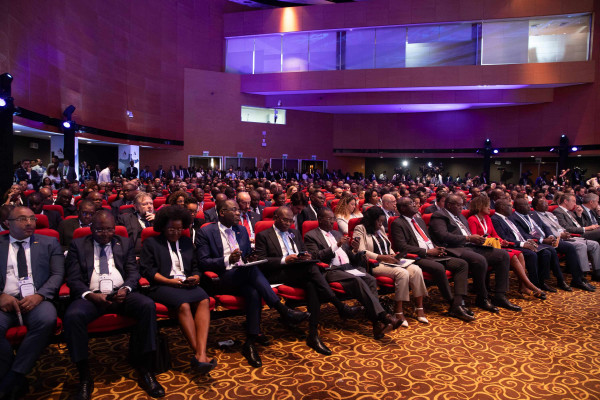
Due to the return to service of Kusile Unit 3, the sustained improved generation performance and the lower than anticipated demand for electricity, load shedding will be suspended until 16:00 on Monday, when Stage 2 load shedding will be implemented.

Power parastatal, Eskom, on Sunday, said should any significant changes occur, it will communicate.

Electricity Minister Dr Kgosientsho Ramokgopa said at a briefing on Sunday that significant progress has been made with regard to electricity generation. Kusile Unit 3 returned to service ahead of schedule, with Ramokgopa saying South Africa was "starting to turn the corner" in terms of electricity provision.

The three units at the Kusile plant were discontinued in October 2022 for maintenance purposes. This strained the national grid and affected Eskom's generating capacity.

Speaking at his weekly media briefing in Pretoria on Sunday, Ramokgopa said they had to discontinue the units to address safety concerns.

“It’s been almost a year that these units have not been operating. Essentially, the South African economy and the grid were losing about 2 400 megawatts of generating capacity… and that contributed to a significant amount of strain that has been experienced on the grid,” Ramokgopa said.

Ramokgopa said Kusile Unit 3 now currently generates 550MW, and that it will take a considerable amount of time to restore normality, with the other units expected to return on-stream in due course.

“I am really excited to say that we will be returning the other units, with 2 400 megawatts,” Ramokgopa said.

This is eventually expected to be bumped up to 3 200MW when Unit 5 is brought back on-stream.

Ramokgopa said he is confident about the work that is currently being done.

Government continues to implement the country’s Energy Action Plan in earnest, with the long-term goal of securing continuous, credible energy supply.

To respond to the severe impact of load shedding on households, small businesses and the economy as a whole, President Cyril Ramaphosa announced a range of measures in July 2022 to improve the performance of existing power stations, and add new generation capacity as quickly as possible. – SAnews.gov.za

Edwin
Sun, 10/01/2023 - 15:40
374 views
Read moreElectricity generation improving with return of Kusile units
1 October 2023

Mashatile to address Smarter Mobility Africa conference

Location: News

Mashatile to address Smarter Mobility Africa conference

Deputy President Paul Mashatile will on Monday deliver the keynote address at the Smarter Mobility Africa (SMA) Conference Gala Dinner, to be held at the Gallagher Convention Centre in Midrand, Johannesburg.

The SMA Conference, now in its fifth year, is scheduled to take place during October Transport Month and Africa Mobility Month from 1 - 4 October 2023.

Held under the theme, ‘Sakhile - Growing Gauteng Together through Smart Mobility’, the SMA conference drives forward the message that integrated smarter mobility is key to growing the economy and creating good jobs, increasing equality, protecting the environment and improving public health.

The event will bring together industry experts and policy makers from across the world and cities from across Africa, and provide a platform for innovators to showcase their solutions and ideas to organisations searching for mobility solutions.

It will also discuss and advance the latest trends and innovations in mobility as well as the role that transport plays in achieving 2030 goals, and Gauteng Provinces' dedication to advancing the ease of movement of people and goods.

A wide range of themes to integrate mobility including Micro mobility, Public Transport, New Energy Vehicles & Battery Technology, Mobility as a Service, and Smarter Fleets will also be discussed at the conference.

The Deputy President will be joined by the Premier of Gauteng, Panyaza Lesufi, Gauteng MEC for Transport and Logistics Kedibone Diale-Tlabela and senior government officials. – SAnews.gov.za

Edwin
Sun, 10/01/2023 - 16:03

242 views
Read moreMashatile to address Smarter Mobility Africa conference
30 September 2023

IMullar Sound Scheme Takes Johannesburg: ENERGY 009

Location: Entertainment, MyPR

iMullar Sound System Brings ENERGY 009 To Joburg this October The iMullar, a leading authority in the Pan African dance music culture and landscape, is proud to announce its world renowned event to South Africa for the first time, as iMullar Sound System brings ENERGY 009 to the illustrious, dynamic city of Johannesburg. iMullar Sound …

Read moreIMullar Sound Scheme Takes Johannesburg: ENERGY 009
29 September 2023

BRICS offers SA prospects to deepen relations

Location: News

BRICS offers SA prospects to deepen relations

The expansion of the BRICS not only gives weight to the bloc but also grants South Africa the opportunity to deepen ties with the countries that are expected to join the formation next year.

South Africa hosted the 15th BRICS Summit in Johannesburg last month where President Cyril Ramaphosa as chair of the bloc announced that Argentina, Egypt, Ethiopia, Iran, Saudi Arabia, and the United Arab Emirates will join the BRICS.

 “It gives the bloc more weight politically [and] economically in an international space. Domestically, we can gain from ensuring that there’s deepened trade ties with these countries which would expand economic opportunities within South Africa itself and the other emerging markets you find in the BRICS bloc.

“It increases your momentum within the global stage itself,” assistant lecturer at the Department of Politics and International Relations at the University of Johannesburg, Ndzalama Mathebula told SAnews.

The six developing countries are set to become full members of the BRICS [Brazil, Russia, India, China and South Africa] bloc from January 2024.

Senior research associate at the think tank, Institute for Global Dialogue, Sanusha Naidu said there could be other developments leading up to the new year.                                                                   

“…when we come to January 2024, what will be some of the issues? Will countries automatically accept the invitation to become members of the expanded BRICS  or what will be some of the strategic orientation that will influence and the factors that will shape this?,” remarks Naidu.

Naidu adds that this poses “some serious questions, introspection and reflection around South Africa’s BRICS strategy going forward.”

She adds that South Africa now needs to be much more coherent about its strategy.

In his address to Members of Parliament earlier this month, President Ramaphosa said South Africa’s trade with the bloc has increased by an average of 10% every year over the period 2017 to 2021. According to the President, the country’s total trade with other BRICS nations stood at R830 billion in 2022 from R487 billion in 2017.

During the Questions for Oral Reply session held at the National Assembly, the President explained that BRICS is an important source of foreign direct investment in key areas such as mining, automotive, transportation, clean energy, financial services and information technology (IT).

New chapter

In his address to the nation post the summit, the President described the summit—which was attended by the five BRICS member countries and representatives of 61 other countries-- as a success that “heralded a new chapter” for the group.

Naidu said the expansion of the BRICS is very much part of the interest in Washington right now.

 “I don’t think it’s because [and] I say this with the most respect for the South African government and for South Africa. I don’t think it is because of South Africa that there’s interest in the BRICS. The interest in the BRICS right now is because the BRICS is expanding but it is not because of South Africa.”

The country on the southernmost tip of the African continent, was invited to join the bloc in 2010 and in 2011, South Africa attended its first summit of the group of leading emerging markets and developing countries.

Having been part of the bloc for over a decade, it was interesting to see other countries invited to join the bloc on African soil.

She notes that the first expansion of the BRICS that happened was with South Africa being invited to join the formation but that “didn’t get the attention” because the world at that time was not as “volatile, unpredictable and inflamed as it is now.”

The summit called for a comprehensive reform of the United Nations (UN) including the Security Council. Speaking at the summit, Secretary-General of the United Nations, António Guterres said the Security Council and the Bretton Woods system are two areas which require a ”particularly important reform effort.”

He said if reform fails, “we risk fragmentation, and fragmentation can be one day a factor of confrontation.”

Naidu agrees with the Secretary-General’s comments.

“If reform is not happening; it is fragmenting and you can see that happening in a very real way. I think the expansion of the BRICS actually brings about a regionalisation of the geopolitics of the international system and you see that with the countries that are being invited to expand [the group].

Naidu said that this time around, the reform of the UN Security Council was not just a broad statement.

“My view was that for the first time in a long time, I think since the BRICS inception [that] the issue of the UN Security Council reform wasn’t just a broad statement. It kind of referred to the developing world and especially India, Brazil and South Africa.

“I feel that was a bit of a broad win in a way that [gets] Russia and China to kind of not to explicitly endorse, but to implicitly support the membership of India, Brazil and South Africa into the Security Council … where I didn’t previously see them doing that.”

Mathebula said that 15-years ago when the BRICS was formed, it was not thought that the group would one day challenge the United States.

“We never thought that it would challenge US hegemony but what we are seeing right now, is that we have this challenge of the US hegemony using emerging economies like South Africa [with] these countries being central to the global stage and determining policies instead of inheriting it.

“So considering that Russia and China are permeant members of the UN, it is an important indication of the changing global order,” Mathebula said.

Meanwhile, Naidu said South Africa must align its foreign policy to the new chapter.

“Yes the President was right that it brings a new chapter, but is South Africa understanding what that new chapter is? Is it aligning its foreign policy to the new chapter? You’ve got to think about the alignment of your strategic interests in where you want to position yourself in global affairs.”

The African voice

While the African voice was heard at the gathering, Mathebula said the question was whether or not “Africa will take what it needs.”

“Will Africa use the bloc in the right way to ensure that there’s development within their domestic markets?” she asked.

This year’s summit was held under the theme: ‘BRICS and Africa: Partnership for mutually accelerated growth, sustainable development and inclusive multilateralism’.

Both analysts were of the view that South Africa did a good job in hosting the summit.

“Overall I think it was from a technical, transactional perspective, yes [South Africa] hosted the summit well. It showed that South Africa can host summits and has done so in the past and I think it will be difficult to nit-pick. The summit in itself did give some kind of transactional value to South Africa,” said Naidu.

Asked about what the country could have done better in hosting the summit, Mathebula said while a lot of people had something to say about the summit, there was also plenty of misinformation going around on platforms like TikTok.

“Not many people understood what it was about, the youth don’t know. [I] don’t know if its ignorance… the ignorance that you find in African states are [sic] actually the engineers of underdevelopment … I urge everyone to read on what [the] BRICS is,” said Mathebula. –SAnews.gov.za


Neo
Fri, 09/29/2023 - 14:31

37 views
Read moreBRICS offers SA prospects to deepen relations
29 September 2023

Unlocking Sustainability: Revolutionising packaging practices in the international relocation industry

Location: MyPR

By Ian Pettey (MD Africa at Crown Relocations South Africa) As National Recycling Day approaches on 17 September, it’s an opportune time to reflect on the evolving landscape of sustainability in various sectors. One industry that is making remarkable strides in this arena is the international relocation industry. Long gone are the days of excessive …

Read moreUnlocking Sustainability: Revolutionising packaging practices in the international relocation industry
28 September 2023

South Africa, Lesotho BNC kicks off

Location: News

South Africa, Lesotho BNC kicks off

South Africa places great importance on its bilateral relations with its Southern African neighbour, the Kingdom of Lesotho.

This is according to President Cyril Ramaphosa who was delivering the opening address of the Inaugural Session of the South Africa – Lesotho Bi-National Commission (BNC) held in Pretoria.

According to the Presidency, the BNC session follows an agreement signed by the two countries in November 2021 to elevate the structured bilateral mechanism from a Joint Bilateral Commission of Co-operation (JBCC) that is held at a ministerial level, to a BNC that is presided over by the two Heads of State and Government. 

“Our relationship is anchored in historic bonds of language, culture and heritage. We recall with gratitude that the Kingdom of Lesotho provided shelter and support to South Africa’s liberation movements during the struggle against apartheid,” President Ramaphosa said.

On issues of the economy, the President highlighted that economic ties between the two countries have been fruitful for both nations.

He added that the elevation of the BNC from its previous iteration to one led by the two leaders is testament of the commitment to deepening economic relations.

“Economic relations between our two countries have grown over the years and continue to mutually benefit our respective peoples. South African businesses in Lesotho contribute to job creation while Lesotho’s water resources continue to benefit South Africa.

“It is important for the governments of both countries to work together to resolve challenges faced by businesses and put in place mechanisms to ensure that investments are protected. The elevation of the Joint Bilateral Commission of Cooperation between South Africa and Lesotho to a Bi-National Commission is a testament to the unwavering commitment by our two countries to further bolster our relations for mutual benefit,” President Ramaphosa said.

Water and energy resources

Touching on issues of water supply, the President emphasised the rising importance of the water cooperation through the jointly driven Lesotho Highlands Water Project.

“South Africa highly appreciates the cooperation on water resources between the two countries. In particular, we welcome Phase II of the Lesotho Highlands Water Project as a vital development to enhance water security in the Gauteng province and other parts of South Africa.

“The Lesotho Highlands Water Project also contributes to job creation in Lesotho and the construction of new roads, bringing access to previously inaccessible areas of Lesotho. South Africa is ready to cooperate with Lesotho to resolve any challenges that may arise in the implementation of the project,” he said.

President Ramaphosa urged greater cooperation between the two countries on the development of renewable energy.

“South Africa is keen to work with the Kingdom of Lesotho on the four proposed renewable energy projects. In the face of the worsening effects of climate change, we need to be making significant investments to ensure water and energy security for our peoples into the future.

“Our respective ministers should continue their engagements so that we can see progress on these proposed developments,” he said.

Illegal mining

President Ramaphosa commended the Lesotho government on its “commitment…to cooperate with South Africa to deal with challenges of illegal mining in our country”.

“Such activity carries a great social and economic cost for both our countries. We were deeply saddened by the unfortunate loss of the lives of illegal miners in Harmony Gold Mine in Welkom.

“Our respective governments are working with the mining company on the best methods and plan to retrieve the bodies of the miners without endangering the rescue personnel,” President Ramaphosa said. - SAnews.gov.za

NeoB
Thu, 09/28/2023 - 13:07

801 views
Read moreSouth Africa, Lesotho BNC kicks off
28 September 2023

9th BRICS Parliamentary Forum (PF) Converges to Foster Multilateralism, Cooperation, and Collaboration

Location: News

Republic of South Africa: The Parliament
Download logo

The 9th BRICS Parliamentary Forum (BRICS PF) got off to a remarkable start today as approximately 250 delegates from about 15 countries across different continents converged for discussions that reinforced the BRICS Parliaments' commitment to multilateralism, cooperation, and collaboration.

The BRICS PF is an interparliamentary forum composed of presiding officers of Parliaments from BRICS Member States - the Federative Republic of Brazil, the Russian Federation, the Republic of India, the People's Republic of China, and the Republic of South Africa, whose aim is to deepen collaboration, partnership, and progress.

The 9th BRICS PF is hosted by the Parliament of the Republic of South Africa, in the Ekurhuleni Metropolitan Municipality in Gauteng Province under the theme: "Harnessing inclusive Multilateralism and Parliamentary Diplomacy to deepen BRICS and Africa Partnership for Accelerated Implementation of the African Continental Free Trade Agreement."

Today's debate centred around the African Continental Free Trade Agreement (AfCFTA) and its potential impact on BRICS nations – as well as the crucial role that parliaments can play in maximizing its benefits. "This agreement presents BRICS nations with a significant opportunity by granting them improved access to the African market, creating new avenues for trade, and opening up possibilities for expanded investments," said National Assembly Speaker Ms. Nosiviwe Mapisa-Nqakula.

Speaker Mapisa-Nqakula said that by collaborating closely with one another, BRICS nations can utilize their collective influence to promote fairer trade, alleviate trade barriers, and address existing imbalances. "This partnership offers an ideal platform to not only strengthen economic ties with Africa but also stimulate Africa's economic transformation process," she added.

Speaking during his keynote address, Deputy President Mr. Paul Mashatile said the BRICS PF has the potential to effect change on a global and unprecedented scale. "For starters, BRICS has focused the imagination of the world's population beyond the citizens of its member states. In and of itself, this is a good thing. However, we should not be surprised when this success factor attracts negative responses from some actors in the world despite the fact that BRICS is not opposed to any state parties or groups. Instead, we seek a peaceful and just world of equitable resource distribution."

National Council of Provinces Chairperson, Mr. Amos Masondo, said the discussions on the opening day were "characterized by a fruitful exchange of perspectives and expertise. They have enhanced our collective understanding and reinforced our commitment to our common objectives."

Chairperson Masondo said multilateralism is the cornerstone for BRICS. The BRICS countries have shown greater resolve to pursue multilateralism with the aim of creating a fairer, peaceful, and secure world. Consistent with the understanding that multilateralism is key to containing international rivalries, BRICS has expressed its commitment to multilateralism through upholding international law.

Also speaking on the opening day, former National Assembly Speaker Ms. Baleka Mbete reminisced about the formative years of the BRICS PF. Ms. Mbete, who is also a former Deputy President of the Republic, said that by signing the Memorandum of Understanding on the BRICS Parliamentary Forum, "BRICS parliaments are establishing a platform that seeks to streamline and coordinate our parliamentary contributions to the vision of BRICS."

It is all systems go for tomorrow as the delegates to the BRICS PF are expected to sign a ground breaking Memorandum of Understanding (MoU) that will define the general cooperative strategy of the legislative organs of the BRICS Member States. The MoU will enable the members of the BRICS PF to coordinate efforts aimed at developing and strengthening the inter-parliamentary relations of BRICS Member States concerning issues of common interest.

The format of tomorrow's session, which starts at 09:30am, will include breakaways into commissions which will discuss four broad themes as follows:

i). BRICS and Africa Partnership – Promotion and Acceleration of Regional Integration through the African Continental Free Trade Area (AfCFTA);

ii). BRICS Energy Issues – Just transition of Coal to Hydrogen Energy;

iii). Climate change and Legislative mobilization in BRICS countries; and

iv). BRICS Peace and Security: Can Multilateralism Restore Peace and Security?

Distributed by APO Group on behalf of Republic of South Africa: The Parliament.

Read more9th BRICS Parliamentary Forum (PF) Converges to Foster Multilateralism, Cooperation, and Collaboration
28 September 2023

Inaugural Bi-National Commission deepens South Africa, Lesotho ties

Location: News

Inaugural Bi-National Commission deepens South Africa, Lesotho ties

South Africa and the Kingdom of Lesotho have held frank and fruitful bilateral discussions on wide ranging issues during the Inaugural Session of the South Africa – Lesotho Bi-National Commission (BNC).

This according to President Cyril Ramaphosa, who hosted his counterpart, the Prime Minister of the Kingdom of Lesotho Ntsokoane Matekane and that country’s delegation for the BNC in Pretoria on Thursday.

President Ramaphosa described the BNC as a “great opportunity to take stock of our bilateral relations as well as cooperation in a number of fields”.

“We have now come to the end of our inaugural bi-national where we’ve held outstanding deliberations between our two countries. Deliberations that have been frank and direct and in many ways also very fruitful. We’ve covered a lot of ground.

“We remain forever grateful for the strong ties that exist between our countries and peoples. The work we have just completed is the continuation of our endeavours towards the realisation of our shared aspirations,” President Ramaphosa said.

The BNC was attended by Ministers and senior government officials from both countries who – preceding Thursday’s summit – discussed matters including water, energy, crime, environmental issues, trade and economic challenges affecting both countries.

“The comprehensive report that was presented by our respective Ministers captures the real essence and the state of our bilateral cooperation in detail and this in itself speaks of the healthy relationship between the two countries.

“A relationship that continues to broaden and deepens…encompassing a whole number of new areas as the world continues to develop,” President Ramaphosa said.

He impressed upon officials and Ministers at the BNC the importance of ensuring that existing agreements entered into between the two governments are implemented.

“We emerge from this Inaugural BNC with renewed energy and vigour for the task of building our economies and developing our two nations. We should use this mechanism of the Bi-National Commission…to enhance and consolidate the implementation of existing agreements to ensure that those agreements are not just put on the shelf and…forever not to be seen again.

“We want the agreements that we have entered into to be live agreements and to be agreements that are fully and properly implemented,” he said.

Concluding his remarks, President Ramaphosa reflected on the mutual future that the two nations have.

“Just as our two countries share common histories, so too do we share a common future.

“So we are bound together to work together to build a sustainable and a prosperous as well secure future for all the people of South Africa and the Kingdom of Lesotho,” President Ramaphosa said. – SAnews.gov.za


NeoB
Thu, 09/28/2023 - 14:34

73 views
Read moreInaugural Bi-National Commission deepens South Africa, Lesotho ties
28 September 2023

Mopani Residents Support Proposal to Increase Number of Electricity Companies

Location: News

Republic of South Africa: The Parliament
Download logo

A proposal in the Electricity Regulation Amendment Bill to open the market to allow for competitive electricity trading received strong support during public hearings on the Bill in Limpopo's Mopani District Municipality yesterday.

The Portfolio Committee on Mineral Resources and Energy held public hearings yesterday at Thomo Community Hall in Giyani to solicit views on the Bill, which seeks to introduce reforms in electricity generation in order to address South Africa's current energy crisis.

Residents supporting the Bill told the committee that the proposed amendments would augment electricity generation and ensure the country's security of energy supply. They also said that Eskom must compete with other companies in the electricity generation sector,as in the telecommunications sector, where state enterprise Telkom competes with the private sector.

Others raised concerns that the opening of the market to allow for competitive electricity trading will result in high prices, which will disadvantage the poor. There were also those who argued that this was an attempt to sell Eskom to the private sector and it must not be allowed to continue. Other citizens told the committee that they are not convinced that Eskom does not have capacity, nor do they believe it needs assistance from private power generators; they argued that the state electricity company is just poorly managed.

Committee Chairperson Mr Sahlulele Luzipo thanked the people of Mopani and commended them for speaking to exactly what the Bill is about. “We take your views very seriously; no input is less important. We understand that this is a very emotive and serious matter in our society and your views are important for this process to review or amend the legislation,” said the Chairperson.

The Electricity Regulation Amendment Bill aims to effect changes to the Electricity Regulation Act in order to provide for additional electricity generation capacity and infrastructure, as well as the establishment of the Transmission System Operator SOC Ltd.

The draft legislation also seeks an open market platform that will allow for competitive electricity trading; and to assign the duties, powers and functions of the Transmission System Operator SOC Ltd to the National Transmission Company South Africa SOC Ltd.

Today, the committee will continue with public hearings in Sekhukhune District Municipality at ELCSA Lutheran Church in Motetema, starting at 10h00.

Distributed by APO Group on behalf of Republic of South Africa: The Parliament.

Read moreMopani Residents Support Proposal to Increase Number of Electricity Companies
28 September 2023

Elevate Your Home Safety with Advanced Surveillance and Security Systems

Location: MyPR

When it comes to home security, gone are the days of simple locks and keys. The advent of smart home technology has revolutionized the way we protect our homes, offering smarter, more effective solutions. Surveillance and security systems are now advanced enough to offer real-time alerts, remote monitoring, and even climate-sensitive features. In this guide, …

Read moreElevate Your Home Safety with Advanced Surveillance and Security Systems
28 September 2023

Children in the Eastern Cape are not being fed enough at school

Location: News

Some schools are not getting even the minimum funding from the National School Nutrition Programme

Read moreChildren in the Eastern Cape are not being fed enough at school
28 September 2023

Top litigation lawyer returns to her roots at Bowmans

Location: MyPR

Leading African law firm Bowmans is further strengthening its dispute resolution capacity in South Africa by appointing senior litigation lawyer Vanessa Jacklin-Levin as a partner in its Johannesburg Litigation Practice. ‘Vanessa is one of the most highly regarded dispute resolution lawyers in South Africa, with a formidable combination of skills, not only in litigation, adjudications …

Read moreTop litigation lawyer returns to her roots at Bowmans
28 September 2023

South Africa’s Tourism Renaissance: A Journey of Growth and Innovation

Location: MyPR

By Jaco Minnaar, CEO of The Houghton Hotel, Spa, Wellness and Golf For hotel operators in South Africa, Tourism Month represents a unique business opportunity with the potential for substantial growth and sustainability. Jaco Minnaar, CEO of The Houghton Hotel, Spa, Wellness and Golf in Johannesburg, shares a heartening perspective on the state of tourism …

Read moreSouth Africa’s Tourism Renaissance: A Journey of Growth and Innovation
28 September 2023

Work continues between government and business to tackle SA’s immediate challenges

Location: News

Work continues between government and business to tackle SA’s immediate challenges

President Cyril Ramaphosa has met with members of Cabinet and senior business leaders to receive an update on progress made in the collaboration between government and business. 

This collaboration was initiated in June 2023, with the aim of significantly growing South Africa’s economy, and restoring public and investor confidence through critical interventions to address the key challenges of energy, logistics, and crime and corruption. 

Highlighting the meaningful progress made since the start of the initiative in a joint statement, President Ramaphosa said they have established an effective working relationship between government and business to tackle the most immediate challenges facing the economy. 

“While we have identified key milestones and set out the processes to achieve these, the real test of our success will be in the results felt by ordinary citizens. 

“We are confident that by working together and marshalling the significant resources and expertise that exist in our country, we will end load shedding, fix our logistics system, and tackle crime and corruption,” the President said. 

Adrian Gore, co-convenor of the business delegation, said while it’s early in the partnership, the collective work rate has been excellent and "there are clear areas of progress", which he believes they can build upon to achieve real change.

 
“Putting in place a viable, critical path per focal area, with clear short-term deliverables against which we collectively measure our progress, is crucial for building confidence in our ability to deliver,” Gore said. 

The joint statement sated that good traction has been achieved within the energy focal area, through the National Energy Crisis Committee (NECOM), which has been established to ensure delivery of the Energy Action Plan (EAP).

Business and government reaffirmed the importance of the EAP as the country’s blueprint for reducing the severity and frequency of load shedding in the short term and ending it altogether in the long term. 

“Full implementation of the plan across three core priorities – improving the performance of Eskom’s existing power stations; adding new generation capacity, and reforming the energy sector – will result in over 12GW of generation capacity being recovered or added to the system from Eskom and the private sector by the end of 2024,” the statement read. 

As part of this collaboration, CEO of Business Unity South Africa (BUSA), Cas Coovadia, and chair of the Steering Committee of Business for South Africa (B4SA), Martin Kingston noted that business is mobilising additional capacity and skills to support the implementation of the EAP. 

This includes nearly 130 volunteers from the private sector who are being coordinated through the Energy Council of South Africa to work in partnership with Eskom and government. The deployment of technical support teams to five power stations – Kendal, Kriel, Majuba, Matla, and Tutuka – is on track, in addition to ongoing support for the return of Kusile Units 1 to 3. 

Energy stabilty

The joint statement highlighted that the Electricity Regulation Amendment Bill has been tabled in Parliament, and the public comment period is underway. Government is engaging closely with Parliament to prioritise the passage of this Bill, given its crucial importance for the reform of the energy sector. 

Encouraging progress has been made in the establishment of the National Transmission Company of South Africa (NTCSA), with all three licenses approved by the National Energy Regulator of SA (NERSA), and the appointment of an independent board is in process. 

The One Stop Shop for energy projects has been established, and a Memorandum of Understanding (MOU) has been signed with the Energy Council to support enhancement of its capacity and systems to further streamline regulatory processes and facilitate private investment in energy generation.

In the logistics focal area, the collaboration is centered on ensuring implementation of immediate operational interventions, which have already been defined, alongside the development of the Freight Logistics Roadmap. 

Government has committed to finalise the roadmap, which will outline a sequenced set of actions to fundamentally reform the logistics system, by the end of October 2023. Business emphasized the urgency of this roadmap in the context of the ongoing challenges in the logistics system.

 
“Six of the eight work streams of the National Logistics Crisis Committee (NLCC) are now fully operational, while the remaining two will transition from Operation Vulindlela. Interventions to improve the operational performance of the multimodal bulk freight rail network and port system are well underway through the NLCC”. 

Corridor Recovery Teams have been established for five strategic corridors, comprising Transnet managing executives, industry representatives and independent experts, and a delivery plan has been developed with specific actions and timeframes to achieve the targeted increase in freight volumes. 

Business and government further emphasized the need to support the Board of Transnet in its turnaround plan in order to drive operational improvement and sustainability. 

“A multi-disciplinary team has been formed to address congestion challenges at the Lebombo border crossing, resulting in a reduction in the border processing time, while a dedicated work stream has been established to expedite the restoration of passenger rail services. Law enforcement agencies are working to protect rail infrastructure through a range of interventions, including aerial surveillance on the North and Central Corridors as well as the Majuba rail line,” government and business said. 

In the crime and corruption focal area, current engagements centre on building capacity within the National Prosecuting Authority (NPA) and Directorate for Priority Crime Investigation (DPCI), along with the modernisation of the 10111 emergency response centre and collaboration between industry and the SAPS to address crimes targeting infrastructure. 

The NPA Amendment Bill has been tabled to establish the Investigating Directorate as a permanent entity with investigative powers. 

This Bill responds to a key recommendation of the State Capture Commission of Inquiry, and will strengthen the capacity and independence of the NPA to tackle corruption-related crimes. A further meeting will be held in six weeks’ time to assess progress on these commitments. 

“During this period, the immediate focus will be on ensuring the passage of critical reform legislation such as the ERA Bill and the NPA Amendment Bill; scaling up technical support for power station performance recovery; finalizing and adopting the Freight Logistics Roadmap; and establishing a joint delivery mechanism to coordinate agreed interventions to tackle crime and corruption,” the joint statement said. 

Both government and business continue to engage with other social partners in parallel, as part of their respective commitments to advance collaboration on shared national objectives. – SAnews.gov.za 

DikelediM
Wed, 09/27/2023 - 13:42

481 views
Read moreWork continues between government and business to tackle SA’s immediate challenges
27 September 2023

Boldy Accurate Songstress Dr. Luanga Choba Returns with Powerful EP, ‘Gonzo & Other Stories,’ Unveiling a Decade of Artistic Evolution and Empowerment

Location: Entertainment, MyPR

Mystical, potent, and utterly captivating, singer-songwriter Luanga Choba is back after a nine-year sabbatical with a powerful new EP about reclaiming one’s feminine energy and casting off the ‘yoke’ or burden of womanhood. The launch of the EP takes place on 30 September 2023 at the Umlilo Flame & Grill Restaurant in Rustenburg. Don’t miss …

Read moreBoldy Accurate Songstress Dr. Luanga Choba Returns with Powerful EP, ‘Gonzo & Other Stories,’ Unveiling a Decade of Artistic Evolution and Empowerment
27 September 2023

The Future of Living: Why Smart Homes are More than Honest a Trend

Location: MyPR

Smart homes are the future of living, offering a new level of convenience and control that was unimaginable a decade ago. With advancements in technology, creating a smart home is more accessible than ever. But what exactly is a smart home, and why is it becoming a must-have? What Is a Smart Home? A smart …

Read moreThe Future of Living: Why Smart Homes are More than Honest a Trend
27 September 2023

INTERWOVEN HEALTH the symbiotic relationship between human well-being and plant health

Location: MyPR

In a world where we often focus on our differences, it’s intriguing to uncover the fascinating parallels between human well-being and the health of our leafy counterparts. Delving into the intricate dance of metabolic processes, nutrient uptake, and defence mechanisms shared by humans and plants, Professor Farooqe Azam, R&D VP at Bontera BioAg, lends his …

Read moreINTERWOVEN HEALTH the symbiotic relationship between human well-being and plant health
27 September 2023

Thought-Leaders to Deliver Technical Presentations at Critical Minerals Africa (CMA) Summit

Location: News
Energy Capital & Power

With the aim of advancing dialogue around Africa's critical mineral opportunities and fostering new deals, the upcoming Critical Minerals Africa (CMA) summit (www.CriticalMineralsAfrica.com) will feature a strong slate of technical presentations delivered by thought-leaders and industry experts.

The technical presentations will address the most prominent challenges impacting industry growth, with speakers providing insight into sustainable solutions, capital and technology prospects and how the continent can create the mineral value chains of the future. The event takes place from 17 to 19 October 2023 at the Cape Town International Convention Center and runs concurrently with Africa's largest energy event, African Energy Week (AEW).

During the conference, presentations will be delivered under the theme Promoting Sustainable Partnerships, Policies and Projects in Raw Materials and Strengthening Global Critical Mineral Supply Chains.

Presentations include:

  • Futures of SADC Critical Minerals: Building Anticipatory Governance, presented by Dr. Deon Cloete, Head: South Africa Institute of International Affairs (SAIIA) Futures Program at SAIIA
  • Low Carbon Supply Chains: China has Plenty of Capacity, Others Lag, presented by Per Magnus Nysveen, Senior Partner & Head of Analysis at Rystad Energy
  • Critical Minerals Global Supply and Demand Update, presented by the International Energy Agency
  • AfricaMaVal Project Update, presented by Sodhie Naicker, Director at AfricaMaVal
  • Steenkampskraal: World's Rare Earth and Thorium Hotspot, presented by Graham Soden, Director, CEO and Mine Manager at Steenkampskraal
  • Building Local Battery Industries in South Africa: Exploring Opportunities for Localization, presented by Lesego Moshikaro, Senior Economist, Trade & Industrial Policy Strategies

As global interest in Africa's critical minerals grows, the CMA 2023 technical presentations will support decision-making by providing stakeholders with the insight they need to make informed investments. Under the broader event theme of Establishing the Critical Mineral Value Chains of the Future, the presentations delve into the complexities of the industry and the strategic role Africa plays in supplying the global market.  

CMA and AEW (October 16-20) are poised to host over 5,000 combined delegates, who will have the opportunity to participate in country spotlights, investor roundtables and in-focus sessions on the energy transition, energy security, resource supply chains and new technologies.

Organized by Energy Capital & Power, Africa's premier investment platform for the energy sector, the much-anticipated global summit for African critical minerals will bring together a diverse group of global investors, energy and mining professionals, project operators and government leaders during a pivotal moment for the continent's energy and mining industries.

CMA 2023 represents the official dealmaking space for the industry and stands at the intersection of the energy and mining sectors in Africa. Since the launch, CMA has seen significant interest by global investors and buyers, all of which are looking at signing deals in Africa's mineral space. The program is filling up fast, and mineral, energy, technology and finance leaders are encouraged to secure their pass before the summit fills up.

Get involved at the CMA 2023 summit as a speaker, panelist, presenter, sponsor or exhibitor. For more information, visit www.CriticalMineralsAfrica.com or contact james@energycapitalpower.com

Distributed by APO Group on behalf of Energy Capital & Power.

Media files
Energy Capital & Power
Download logo
Read moreThought-Leaders to Deliver Technical Presentations at Critical Minerals Africa (CMA) Summit
27 September 2023

SA should accelerate mass youth employment, entrepreneurship – Mashatile

Location: News

SA should accelerate mass youth employment, entrepreneurship - Mashatile

South Africa should prioritise the creation of mass youth employment and business opportunities, said Deputy President Paul Mashatile.

The Deputy President believes that this should be done by implementing policies that foster entrepreneurship, enhance vocational training, improve access to finance, and encourage private-sector investment. 

“We can empower our youth and pave the way for a prosperous future,” he stressed. 

The country’s second-in-command was delivering the keynote address at the South African Youth Economic Council (SAYEC) Gala Dinner at the Marriot Hotel in Johannesburg, on Tuesday.

The platform focused on “assessing government and private sector policies necessary for mass youth employment and business opportunities in South Africa”. 

“This theme serves as a compelling call for both the government and private sector to collaborate to evaluate and deliberate on strategies that can expedite the involvement of young individuals in the critical sectors of the economy.”

As government, he told the delegates that the government values the role that youth and youth bodies, including SAYEC, play in moulding the nation's future and propelling its development. 

“Your energy, creativity, and determination possess the potential to unlock untapped opportunities within our economy.”

He acknowledged that like other countries globally, South Africa is grabbling with challenges of unemployment.

“Furthermore, some challenges are associated with effectively integrating young people into the economy.”

He also stressed a need for further development of the skills necessary to secure formal employment or establish successful business opportunities specifically tailored for youth.

Deputy President Mashatile encouraged youngsters with an aptitude for business to grab entrepreneurial opportunities and start enterprises relevant to their skills.

“South Africa has a diverse economy with several promising sectors that entrepreneurs can take advantage of.” 

He said sectors currently driving the economy include manufacturing, retail, financial services, mining, agriculture, tourism, and the green industry.

“The green sector offers a range of possibilities for entrepreneurs interested in sustainable and environmentally friendly technologies and practices.” 

Renewable energy, he said, particularly solar, waste management, including recycling, and sustainable packaging is currently crucial. 

“There are also opportunities to meet the growing demand for sustainable and energy-efficient building practices in South Africa.”

He went on to touch on investing in the mining sector. 

“We agree with you that this is an important sector that we must teach our young people how to run and manage these industries, as they are the future and next generation of industry leaders.

“The current state of the mining industry is not very impressive. We presently export raw materials, and we must create opportunities for youth-led manufacturing and industrial endeavours,” he admitted.  

He said mining is a costly endeavour, requiring the creation of more funding opportunities for youth. 

“I urged the youth to interact with a variety of investors to provide more capital so that the youth can transform their ideas into reality and become producers and not just consumers.”

“We must create an enabling policy framework encouraging private sector investment in youth-focused industries,” he added. – SAnews.gov.za
 

Gabisile
Wed, 09/27/2023 - 11:49

163 views
Read moreSA should accelerate mass youth employment, entrepreneurship – Mashatile
27 September 2023

Africa must collaborate on green energy agenda

Location: News

Africa must collaborate on green energy agenda

Minister in the Presidency for Electricity, Dr Kgosientsho Ramokgopa, says intra-Africa collaboration will be important in the drive towards decarbonisation and strengthening energy security on the continent.

The Minister was addressing the UNESCO 9th Africa Engineering Week held in Gauteng on Tuesday.

“The power pool on the SADC [Southern African Development Community] side is essentially matured (sic). I’m told that there is a similar power pool that is taking shape on the eastern side and the western part of the continent. I think that once we pool all of that together, we are going to get to a situation where we are going to exploit the opportunities that are presented.

“The major discoveries of gas on the west coast of the continent… Namibia is far advanced in that. There’s a significant amount of deposits on the east side… Mozambique has been doing that for some time. Central Africa… the degree to which we are able to use hydro.

“If you pool all of these things together you can see that the possibilities of us greening becomes real and I think we are going to benefit from these opportunities and resources if we are able to…collaborate better. That level of cooperation will be necessary going into the future and then we become energy secure,” he said.

The minister further emphasised that because of its rich endowment in resources that are essential to the green economy, Africa must set its own standards.

“What drives us is the quest to ensure that we industrialise on the back of these renewable resources [and] on the back of the demand that is coming from the major western countries.

“We will define what those standards are as Africans; we don’t need to be lectured by someone from outside. We know what is in our collective interest and for as long as we are disjointed we are going to be super exploited. We must determine the standards and no-one should be doing that on our behalf,” Ramokgopa said.

The minister added that although renewable energy sources remain important, South Africa will pursue an energy mix that fits the country’s needs.

“Renewable energy is important. We are committed to decarbonisation and we are endowed. But remember that renewable energy survives of the redundancy of baseload - so coal, gas, nuclear [and] hydro are going to be part of the energy mix going into the future.

“The success of renewable energy is undergirded by the presence of baseloads so we are not about to abandon or relinquish that resource. It’s about making sure that there’s an optimal mix. It’s not a binary conversation, it’s not the one against the other but it’s doing both in a balanced way,” he said.

Turning to the South African context, Ramokgopa said the country – with its deep resources of minerals used in green hydrogen production – can take advantage of the world’s thirst for clean energy sources.

“It’s important that we are able to exploit these resources… the best radiation, the best wind speeds are found here on the continent and in this country. So it’s important that we are able to domesticate value addition. We know that…there are about 60 countries globally that have committed to a net zero path.

“Some of the most industrialised countries account for over 70% of the emissions and therefore they are prepared to pay a premium for them to access this green hydrogen. In some instances your market will be driven by the international market. For us as a country, because of the large scale amount of… industrial uses in the heavy industry, you can still deploy green hydrogen.

“And also the potential of the introduction of carbon borders is likely going to ensure that there’s an early uptake of this green hydrogen even given the cost premium so that these industries are able to continue to access those lucrative markets,” he said. – SAnews.gov.za

<span style="font-size:12.0pt;line-height:107%;font-family:
"Arial",sans-serif">


NeoB
Wed, 09/27/2023 - 10:19

159 views
Read moreAfrica must collaborate on green energy agenda
26 September 2023

Developed economies must carry out more to tackle climate change

Location: News

Developed economies must do more to tackle climate change

President Cyril Ramaphosa has re-emphasised the call for developed economy countries to fulfil their pledge to assist developing nations in their transition to low carbon economies.

The President was addressing the nation through his weekly newsletter.

“While the nations of the world agreed in Paris in 2015 on urgent actions to limit global temperature rises and mitigate the impact of climate change, the effects of climate change are being increasingly felt with greater ferocity.

“Although developed economy countries promised to support developing economies as they transition to low-carbon, climate resilient societies, this support has not been forthcoming at the scale and with the urgency that is needed.

“Among other things, wealthy countries have not provided the promised finance that vulnerable countries need to adapt to climate change and to cover the cost of the loss and damage caused by climate disasters,” he said.

Last week, on the sidelines of the recent United Nations General Assembly (UNGA), UN Secretary General António Guterres held a Climate Ambition Summit.

President Ramaphosa said South Africa used the summit to “reiterate our long-stated position that developed economy countries must fulfil their obligations and honour their past promises to developing economy countries”.

“This is not about charity. It is about economic and social justice. Africa’s people are literally paying the price for the industrialisation and development of the countries of the north.

“It is also about shared interests because the economic and social havoc caused by climate change will make the world more unstable, less secure and will increase competition for scarce resources like water and food,” he said.

Self-development

President Ramaphosa emphasised that although developed countries share the responsibility to assist developing nations, Africa is taking steps to ensure its own climate change resilience.

“As African countries, we cannot be bystanders to our own development. We are putting the necessary measures in place to de-carbonise our respective economies while pursuing sustainable development. 

“The transformation of the energy landscape in Africa is a priority. As African countries, we have called on the international community to support efforts to increase the continent’s renewable energy capacity while ensuring energy security for Africa’s people.

“This needs to take place alongside increased investment in smart, digital and efficient green technologies in carbon-intensive sectors such as transportation, industry and electricity,” he said.

The President described South Africa’s own efforts towards de-carbonising the country’s carbon intensive economy.

“As South Africa, we want to use our abundant solar and wind resources to position our country at the forefront of the clean energy transition.

“Regulatory reforms undertaken by this administration have resulted in a confirmed pipeline of renewable energy projects that are expected to produce in excess of 10 gigawatts of electricity,” he said.

A just transition

President Ramaphosa added that de-carbonisation of economies must be “just and inclusive” and also be consistent with “our national circumstances and development plans”.

He warned that some measures like the European Union’s Carbon Border Adjustment Mechanism – aimed at increasing tariffs on imports produced through carbon intensive processes – may “simply further increase the vulnerability of developing economies”.

“This is likely to have a significant impact on South African producers, increase the costs of South African exports into European markets and reduce our economy’s competitiveness. 

“In my address to the Climate Ambition Summit, I said that trade mechanisms must enable products from Africa to compete on fair and equitable terms. Trade tariffs and non-trade barriers that have an environmental purpose should be the product of multilateral agreements,” he said.

President Ramaphosa said while South Africa remains committed to “contributing our fair share to the global climate change effort”, the circumstances of developing countries must “must be taken into account”.

“To achieve the Sustainable Development Goals by 2030, unity of purpose and action between countries is vital, as is a common commitment to multilateralism in the global climate change effort.

“Ultimately, no country should be forced to choose between climate action and meeting their developmental aspirations,” he said. – SAnews.gov.za

NeoB
Tue, 09/26/2023 - 09:24

504 views
Read moreDeveloped economies must carry out more to tackle climate change
26 September 2023

Streamlining Waste Management for Recycling Solutions, Waste Removal, Rubble Removal, and Skip Hire

Location: MyPR

In today’s rapidly evolving world, the management of waste is becoming increasingly vital. Proper waste management not only aids in maintaining a clean and sustainable environment but also contributes to conserving resources and reducing pollution. Several waste management options are available to meet these objectives, including recycling solutions, waste removal, rubble removal, and skip hire. …

Read moreStreamlining Waste Management for Recycling Solutions, Waste Removal, Rubble Removal, and Skip Hire
26 September 2023

Southern Africa sets out to strengthen One Health approach

Location: News

FAO Regional Office for Africa
Download logo

The Food and Agriculture Organization of the United Nations (FAO), in coordination with the Southern African Development Community (SADC) Secretariat and its Member States held a validation workshop for the Southern African Programme for One Health (SAPOH). The programme provides direction and a long-term vision to achieving an integrated one health (OH) approach in the region.

Fifteen SADC countries, namely, Angola, Botswana, Comoros, Eswatini, Lesotho, Madagascar, Malawi, Mauritius, Mozambique, Namibia, Seychelles, South Africa, Tanzania, Zambia, and Zimbabwe attended the workshop and unanimously validated SAPOH. The SADC secretariate, three members of the quadripartite organizations leading the OH approach globally, that is, FAO, the World Health Organization (WHO) and the World Organisation for Animal Health (WOAH) as well as other regional partners attended the validation workshop and enriched the programme with valuable contributions and inputs before its validation.

One Health is an integrated, unifying approach that aims to sustainably balance and optimize the health of people, animals, and ecosystems. This approach is suitable for Southern Africa as the main livelihood for the people is agriculture. The One Health approach is necessary to deliver effective and efficient prevention and control of infectious diseases, as well as emergency preparedness and response.

Speaking on behalf of the Subregional Coordinator for Southern Africa, Patrice Talla, at the opening ceremony, FAO Representative for South Africa, Babagana Ahmadu said, “FAO and its counterparts in the One Health Quadripartite, WHO, WOAH and the United Nations Environment Programme (UNEP), will work together to ensure that policies to support One Health were in place.”

“FAO prioritizes One Health at global and regional level. It is one of the 20 Priority Programme Areas in FAO's New Strategic Framework (2022 to 2031). Within Southern Africa, FAO has prioritized one health as one of its three flagship programmes,” he said.

“My appreciation also goes to our fellow members of the Quadripartite, the WHO, WOAH and UNEP and other partners for accompanying us on this task. We count on you for stronger collaboration in validating and changing this draft into an actionable programme. FAO is committed to working with all of you in mobilizing resources for the implementation of this programme once it is validated,” added Babagana Ahmadu.

The WOAH Representative for Southern Africa Dr Moetapele Letshwenyo said operationalization of SAPOH would be a game changer in mitigating the risk posed by zoonotic diseases. He added that, “Worldwide, 60 per cent of infectious diseases affecting humans have their origins in animals, with nearly 75 per cent of animal diseases being transmissible to humans. The increasing interactions between humans and animals within the environment and numerous factors is exacerbating the emergence, re-emergence and spread of infectious diseases, necessitates a multi-sectoral and multidisciplinary approach”.

According to the SADC Programme Officer for Livestock, Dr Gaolathe Thobokwe, SAPOH will inform the design of future country and partner programmes to address the next pandemic in Southern Africa.

“The necessity of the OH approach in SADC is very obvious, currently, we are dealing with COVID-19 and we know consequences. In the recent past we have had Ebola; we have also had disease like rift valley fever and anthrax. It shows the need to work together whether it be animal health, public health, plant health, wildlife, environmental or climate services,” he said.

The WHO Africa Regional Team Leader for Antimicrobial Resistance (AMR), Dr Ali Yahya, pointed out that communication, resource mobilization, monitoring and evaluation were essential components of the OH Programme as they enhanced accountability and learning to determine the best practices. “We might need to ensure strong energy not only to validate the document but also to support its implementation, monitoring, and documentation for further visibility to facilitate resource mobilization as well as ownership of the programme by countries,” he said.

At the end of the workshop, stakeholders called for innovations from all the actors and pointed out that the successful implementation of One Health heavily relies on using locally available resources, citizen engagement, use of traditional knowledge systems and capacity building.

Distributed by APO Group on behalf of FAO Regional Office for Africa.

Read moreSouthern Africa sets out to strengthen One Health approach
26 September 2023

Private sector needed to step in on transmission expansion

Location: News

Private sector needed to step in on transmission expansion

Eskom’s transmission expansion and strengthening will require a “considerable amount of resources” that will require government and the private sector to work together.

This is according to Minister in the Presidency for Electricity, Dr Kgosientsho Ramokgopa, when he was briefing media on the progress of the Energy Action Plan.

“We are looking to tap into the liquidity that is available from the private sector to allow us an opportunity to expand the grid so that we are able to accommodate the renewable energy solutions that have been rolled out in the country, and a number of them have not been connected to the grid as a result of the constraint on the transmission side.

“The transmission expansion and strengthening exercise will require a considerable amount of resources and we know that the Eskom balance sheet is constrained and we know that the sovereign matrix has deteriorated, so it’s important that we explore opportunities for the country to tap into the liquidity that is sitting with the private sector,” the Minister said on Tuesday.

He said government is “doing everything possible” to engage the private sector on what will attract more investment in transmission.

“We don’t want to repeat the same mistakes that have been committed on the generation side, where we kicked the can down the road and we just thought that the private sector on its own will come into the space and resolve the issues of generation capacity constraints.

“What we know is that the State must be a very active participant in that space and that’s why we are doing everything possible to create those conditions. For us to create those conditions, it is necessary upfront, to have an appreciation and understanding from the private sector what are some of those… conditionalities that in their own view will make it possible for them to be able to finance,” he said.

Maintenance of power stations

Turning to planned maintenance of power stations, Minister Ramokgopa said Eskom will continue to carry this out on generating units.

“We will continue relentlessly with our efforts to ensure that planned maintenance gets to be executed. The intention is to make sure that everything possible is done to address the issues around the possibility of these units failing, going into the future.

“Therefore, planned maintenance is something that receives our attention and we are going to be diligent in ensuring that we are able to execute planned maintenance so that we are able to derive the benefit going into the future…” he said.

On Eskom’s Unplanned Capacity Loss Factor [UCLF], progress was recorded from the week 18 – 22 September.

“[The UCLF] averaged about 13 751MW and… we are now beginning to be consistently below 15 000MW.

“We are striving to go even below 13 000MW to ensure that we have as many megawatts available because once we reduce the [UCLF], those megawatts get to be added to the available capacity and they are also able to defray the intensity of planned maintenance.

“That’s why there’s no reason, as a result of this exercise of reducing the [UCLF], for us to further intensify load shedding to levels that are unacceptable. Of course, load shedding by definition is unacceptable,” he said.

Load shedding

The Minister also reflected on the lower stages of load shedding over the long weekend and the uptick in load shedding stages announced by Eskom on Monday.

“It came back yesterday on account of a number of reasons, including the challenges that we are experiencing in the Western Cape as a result of the weather conditions there. Palmiet [power station] was a big casualty of those conditions and we were unable to exploit Palmiet, our pump station there.

“On account of the inclement weather in the Western Cape and the Eastern Cape and our desire to make sure that we are able to support the efforts of the… emergency people to address and respond to the challenges that are associated with the… storms that have been experienced there, a decision was taken by Eskom to say that those areas, because of the difficulties that they are experiencing, will be exempt from load shedding and then the rest of the country will carry the load,” he said. – SAnews.gov.za

NeoB
Tue, 09/26/2023 - 15:06

150 views
Read morePrivate sector needed to step in on transmission expansion
  • Previous
  • Page 1
  • Interim pages omitted …
  • Page 73
  • Page 74
  • Page 75
  • Page 76
  • Page 77
  • Interim pages omitted …
  • Page 82
  • Next

Copyright © 2026 · MyZA · All Rights Reserved · Powered by Stratlec Online