• Skip to main content
  • Skip to header right navigation
  • Skip to after header navigation
  • Skip to site footer
MyZA

MyZA

News, Directory, Events and Other Stuff

  • Social Media
  • Sport
  • World News
  • Home
  • Submit News
  • Directory
  • Events
  • Stratlec
  • TFSA
  • News
    • APO
    • Today’s Sport News
    • Todays Social Media and Tech Headlines
    • Today’s World News
    • Today’s SA Financial News
  • Contact
You are here: Home / Archives for Environment

Environment

27 August 2024

Taking Back Control Over Business Travel Costs in 2024

Location: MyPR

Today, there are many more remote and hybrid collaboration options for teams than at the beginning of the decade. That means it’s no longer standard to jump on a plane, train, or in a car to get to the next big meeting. According to research from Deloitte, seven in 10 companies now weigh the need …

Read moreTaking Back Control Over Business Travel Costs in 2024
27 August 2024

Scaling up Financing Is Key to Accelerating Africa’s Structural Transformation

Location: News
African Development Bank Group (AfDB)

By Adamon Mukasa and Anthony Simpasa, African Development Bank Group (www.AfDB.org).

Document 1: http://apo-opa.co/4g3EVzM
Document 2: http://apo-opa.co/473xTHm
Document 3: http://apo-opa.co/4gcshPk
Document 4: http://apo-opa.co/4gcsi5Q
Document 5: http://apo-opa.co/471DE8y
Document 6: http://apo-opa.co/4gcskL0
Document 7: http://apo-opa.co/47361TE

Document 8: http://apo-opa.co/4dXk53t

The calls for structural economic transformation in Africa date back to the 1960s when newly independent nations aimed to eliminate poverty through economic diversification, sustained growth, and job creation. This agenda persists today, as Africa continues to face significant developmental challenges.

Pursuing post-independence economic agendas was particularly important because, behind the euphoria (http://apo-opa.co/4dZMCVX) of independence, laid significant developmental challenges in several African countries: unskilled labor force, political and institutional fragilities, poor health conditions, rapid population growth, wide income disparities, and the legacy of colonialism and exclusion from the modern world. The establishment of the Organization of African Unity (OAU) (http://apo-opa.co/4g3EVzM) in 1963 and the African Development Bank (http://apo-opa.co/473xTHm) a year later aimed to tackle these other challenges in a more coordinated and impactful manner. The African Union (http://apo-opa.co/475z3Sz), successor of the OAU, developed Agenda 2063 (http://apo-opa.co/4g3EQMu) in 2013 as a blueprint for turning Africa into the global growth pole and powerhouse of the future.

Africa's Economic Development Paradox

More than sixty years after independence (http://apo-opa.co/3AzLutK), Africa's structural transformation – the shift of workers from lower to higher productivity employment and intra-sectoral productivity growth (http://apo-opa.co/4dQj0KK) – has not progressed as quickly as hoped. Both policymakers and analysts within and outside the continent are genuinely concerned that achieving structural transformation could remain a mirage for many African countries in the absence of bold structural reforms and financing to support implementation of these policies. Why being so pessimistic? Because historical facts tend to support their pessimism. The African Economic Outlook (AEO) 2024 (http://apo-opa.co/4g2RATW) report, released in May by the African Development Bank, reveals that Africa's transformation has been slow and uneven. In countries showing signs of transformation, the process has been characterized by low industrialization and predominantly by employment in low-skill, low-productivity services. The agriculture sector, employing 42% of Africa's workforce, is 60% less productive than the economy-wide average. Consequently, many workers remain trapped in low-productivity, low-wage jobs, unable to escape poverty.

As a result, Africa was the only region of the world where the average real GDP per capita contracted in the 1980s and 1990s, the so-called lost decades (http://apo-opa.co/4fYqm0D).

Africa is off-track in achieving almost all SDG targets by 2030, consistently showing the lowest SDG performance globally since the 2000s (Figure 1). Without intervention, it is predicted that by 2030, nearly 9 out of 10 of the world's extremely poor will be in Africa (http://apo-opa.co/4e2weEn) and under current conditions[1], it could take African countries over a century on average to reach high-income status.


[1] This scenario assumes that real GDP per capita of each African country will grow according to its post-COVID-19 (2022–25) average growth rate as computed by the African Development Bank's Statistics Department.

But Africa is a very large, diverse, heterogeneous, region. Some countries have, over the past four decades preceding the COVID-19 pandemic, experienced episodes of growth accelerations, growth spikes and failed take-offs (http://apo-opa.co/4gcshPk). Cases of consistent good performance include Botswana, Seychelles, and Mauritius, routinely ranked among the top 10 fastest-growing economies globally. African countries have indeed exhibited remarkable resilience amid confounding shocks, and in 2024, 10 countries[1] in Africa are projected to be among the world's top 20 fastest-growing economies, sustaining the trend observed during the past four decades pre-COVID-19.

Importantly, over the past quarter century, thanks to strong economic reforms and macroeconomic stability, enhanced governance, relative peace and improved political environment and, public investments in soft and hard infrastructure, some African countries[2] have managed to transform their economies and recorded economic growth rates above the global average.

The role of finance in fast-tracking Africa's structural transformation

Many factors, both internal and external, could explain the relatively slow progress in structurally transforming African economies. Among them: over-reliance on commodity-led growth (http://apo-opa.co/4fZJTxI), inadequate infrastructure (http://apo-opa.co/4dV5DZE); insufficient pool of skilled workers (http://apo-opa.co/4g49x4g) and low access to affordable finance (http://apo-opa.co/47361D8); weak institutional governance (http://apo-opa.co/4e0O5LG), recurrent conflicts (http://apo-opa.co/4g49rtq), effects of climate change (http://apo-opa.co/3ABuuTU), tightening of global financial conditions (http://apo-opa.co/4fZSFvC) and rising debt vulnerabilities (http://apo-opa.co/4724oWk).

While all these factors are equally important and call for urgent actions from policymakers, financing Africa's transformation (http://apo-opa.co/4fTo1Uy) is a multi-layered overarching challenge that demands special attention and a pragmatic approach to move from billions to trillions. The cost of achieving the SDGs by 2030 in Africa is estimated at about $1.3 trillion (http://apo-opa.co/4gcsi5Q) annually, equivalent to 42% of Africa's 2023 GDP. Infrastructure needs alone are estimated by the African Development Bank at $181-$221 billion per year over 2023-2030.  The climate finance gap is approximately $213.4 billion (http://apo-opa.co/4gcsiTo) annually through 2030.

Insufficient domestic resources (http://apo-opa.co/471DE8y), compounded by the failure of the global financial architecture (http://apo-opa.co/471zU6K) to mobilize and at scale, affordable finance for sustainable development (http://apo-opa.co/4gcskL0), have led many African countries to resort to commercial borrowing on unfavorable terms. This has resulted in increased debt vulnerabilities. Africa's Public and Publicly Guaranteed external debt has nearly tripled since 2010, reaching $656 billion in 2022, accounting for 22.4% of the continent's GDP and exceeding Africa's public revenue-to-GDP ratio of 20.4%. In 2024, African countries are expected to spend around $74 billion on debt service, up from $17 billion in 2010. Out of the projected debt service, $40 billion is owed to private creditors.

Even more concerning, debt service payments now account for about 11% of the continent's total revenues. High debt service is diverting resources from crucial investments in infrastructure, education, and health – all critical for economic transformation and long-term growth. As of April 2024, 20 African countries[3] (http://apo-opa.co/47361TE) were either in external debt distress or at high risk of external debt distress.

The AEO 2024 report estimates that to accelerate Africa's structural transformation, the continent needs to close an annual financing gap of $402.2 billion (about 13.7% of its projected 2024 GDP) by 2030. Figure 2 shows that transport[4] infrastructure accounts for the largest share of the gap (72.9%), followed by education (10.4%), energy (9.9%), and productivity-enhancing technologies (6.8%). These figures reflect decades of underinvestment in critical areas for development.

The level of financing gap in transport infrastructure reflects the continent's shortfall explained by decades of public underinvestment to upgrade existing road infrastructure or open new roadways, to match the growing population and economic dynamism across the continent. For instance, Africa's median road density is about 12 km per 100 km2, compared with 42.5 km in high-performing developing countries and 136 km in high-income countries. Only about 27% of African roads are paved, far behind the rest of the world (about 49%) and other developing countries (35.4%).


[1] Niger, Senegal, Libya, Côte d'Ivoire, Ethiopia, Rwanda, Benin, Djibouti, Gambia, and Uganda

[2] Algeria, Comoros, Djibouti, Egypt, eSwatini, Lesotho, Libya, Mauritius, Sao Tome and Principe, Senegal, Seychelles, and Tunisia

[3] Burundi, Cameroon, Central African Republic, Chad, Comoros, Congo, Djibouti, Ethiopia, Gambia, Ghana, Guinea-Bissau, Kenya, Malawi, Mozambique, São Tomé and Príncipe, Sierra Leone, South Sudan, Sudan, Zambia, and Zimbabwe

[4] Proxied by roads as road transport is the most frequently used means of transporting goods and people across the continent, carrying at least 80 percent of goods and 90 percent of passengers.

On education, vital for equipping the current and future workforce with the required skillset for structural transformation, African countries' median SDG index score was only 51.5 (out of a maximum of 100) in 2022, while other low-income developing countries reached a median score of 87. In addition, according to World Bank's World Development Indicators (http://apo-opa.co/3AGXw4N), African governments currently spend on average $312 annually per student in primary education, $473 on secondary education, and $2,227 on tertiary education, or about, respectively, 3, 2.3, and 1.1 times lower than high-performing developing countries on  SDG 4. On energy, Africa's median SDG 7 index score was 38.8 in 2022, suggesting that a typical African country was 61.2% further away from achieving the best possible outcome on SDG 7 targets. Despite its vast energy potential, electric power consumption per capita in Africa is still the lowest in the world, estimated at 638.4 kilowatt-hours (kWh) in 2021, versus 2,056 kWh in other developing countries. Due to poor energy infrastructure, over 600 million Africans have no access to electricity http://apo-opa.co/46YZuJT and this is despite progress in recent years[1]. On productivity-enhancing technology and innovation, the continent lags other regions too. This impedes its ability to either innovate and introduce new products, technologies, and/or services that could support its structural transformation. African countries' average Gross Domestic Expenditure on R&D (GERD) represents about 0.4% of their GDP (against about 1% in the rest of the world) and they spend on average $10.7 per capita on GERD (compared to $403.2 per capita in other regions of the world). Furthermore, the continent displays the lowest concentration of researchers in R&D, with an average of 221 researchers per million people, against 742 researchers in other developing countries.

The financing gap varies significantly across countries. The cross-country heterogeneity is mainly explained by differences in current SDG performance related to structural transformation as well as differences in demographics (current and projected population size and composition, land size, and the like) and socioeconomic characteristics (current and projected GDP per capita, and spending on education, infrastructure, and so on). As shown in Figure 3, the estimated annual financing gap represents at least 10 % of 2024's projected GDP in 36 African countries, and in nine of these, at least 50 % of GDP. For such countries, closing the financing gap by 2030 is, therefore, realistically impossible.


[1] For instance, the average share of people with access to electricity increased from about 38 percent in 2000 to about 59 percent in 2022. In 28 African countries, the percent of people with access to electricity has more than doubled between 2000 and 2022, out of which it has increased at least fivefold in 8 countries (Kenya, Lesotho, Mali, Mozambique, Rwanda, Somalia, Tanzania, and Uganda).

Note: COG: Congo; CPV: Cabo Verde; GHA: Ghana; CIV: Cote d'Ivoire; GAB: Gabon; GNQ: Equatorial Guinea; MUS: Mauritius; SYC: Seychelles; ZAF: South Africa. Source: Authors' computation based on the African Economic Outlook (AEO) 2024 database

A more realistic approach would be to allow for a gradual but steady transformation process over a longer period, aligning with the African Union's Agenda 2063. This would enable countries to mobilize more resources domestically and externally, without jeopardizing debt sustainability.

What next?

Scaling up finance to accelerate Africa's structural transformation should be a key priority for policymakers. While implementing structural reforms is crucial for sustainable growth, success depends on the availability, timeliness, and scale of long-term development financing and enhancing spending efficiency. African countries should therefore, inter alia, focus on: i) scaling up investment to build requisite human capital suited to local realities, circumstances, and development priorities; ii) boosting domestic resource mobilization and improving efficiency of public finance management; iii) creating targeted and streamlined incentives to attract private capital for key transformation sectors; and iv) launching ambitious national infrastructure programs with assured positive returns to attract affordable financing.

The international community should reform the global financial architecture (http://apo-opa.co/4dXk53t) to facilitate African countries' access to long-term, concessional development financing at scale, complementing domestic resources.

By addressing these financing challenges and implementing targeted reforms, Africa can accelerate its structural transformation and move closer to achieving its development goals as espouses in Agenda 2063.

Distributed by APO Group on behalf of African Development Bank Group (AfDB).

Media files
African Development Bank Group (AfDB)
Download logo
Read moreScaling up Financing Is Key to Accelerating Africa’s Structural Transformation
27 August 2024

Justice department dismisses 27 officials

Location: News

Justice department dismisses 27 officials

Some 27 officials of the Department of Justice and Constitutional Development (DJCOD) have been dismissed for various forms of misconduct.

“These dismissals are part of 81 appeal matters recorded by the Department, which include 55 dismissals, 25 suspensions and 1 warning. These appeals were lodged by officials who were found guilty of serious misconduct.

“The misconduct in question ranged from fraud, theft, sexual harassment and bringing the department into disrepute to absenteeism, abuse of state vehicles and insubordination,” the department said.

The department said it is confident that the finalisation of the matters will “serve as a strong deterrent against future misconduct and unprofessional behaviour among its officials”.

“The [DJCOD] remains resolute in its commitment to finalise all appeals lodged with the Minister of Justice and Constitutional Development and continues to strengthen its internal controls to combat any conduct that undermines its ability to deliver justice services effectively and efficiently.

“The consequence management measures implemented underscores the Department’s dedication to clean governance.

“All outstanding appeal matters are currently being processed expeditiously and will be concluded in due course.

The Department remains committed to fostering a professional working environment, upholding the rule of law and ensuring transparency and accountability to the public,” the DJCOD concluded. – SAnews.gov.za


NeoB
Tue, 08/27/2024 - 13:41

160 views
Read moreJustice department dismisses 27 officials
27 August 2024

What Is a Managed Service Provider?

Location: MyPR

SevenC, a top managed service provider in South Africa, delves into the critical responsibilities and roles of MSPs in the region, highlighting their importance in optimising IT solutions for diverse businesses. Imagine a world where your business operations run smoothly, your IT systems are always up-to-date, and technical hiccups are a thing of the past. …

Read moreWhat Is a Managed Service Provider?
27 August 2024

Empowering Job Seekers and Entrepreneurs: Transformative Workshop Coming to Pretoria

Location: MyPR

Pretoria, South Africa – Aiming to equip job seekers and aspiring entrepreneurs with the skills they need to succeed in today’s competitive market, a highly anticipated workshop is set to take place on the 18th and 19th of October 2024 at 24 Skipper Avenue, Akasia, Pretoria North. Organized by Noble Wealth Creation Group, this event …

Read moreEmpowering Job Seekers and Entrepreneurs: Transformative Workshop Coming to Pretoria
27 August 2024

Can You Spell the Word That Decided This Joburg Spelling Bee Competition?

Location: News

Dozens of learners from inner-city schools competed in the 2nd Windybrow Arts Centre Spelling Bee competition

Read moreCan You Spell the Word That Decided This Joburg Spelling Bee Competition?
26 August 2024

Workshop raises awareness on importance of environmental conservation

Location: News

Workshop raises awareness on importance of environmental conservation

The Department of Water and Sanitation has held a workshop to raise awareness about the impact of human activities on water resources and the environment.

The 6th Citizen Science awareness workshop was held recently in Gauteng’s Tembisa, in partnership with the South African National Biodiversity Institute (SANBI) and Nature Speaks.

Citizen Science is a powerful tool that harnesses the knowledge and participation of local communities in scientific research and environmental monitoring.

The session was held with an intention to educate and engage local traditional healers on the importance of environmental conservation and sustainable water resource management.

Among the key objectives of the workshop was to provide traditional healers with training on how to identify sources of pollution in their local areas [as] they often perform rituals and ceremonies in natural spaces, including rivers, making them particularly vulnerable to the impacts of pollution and environmental degradation.

Citizen Science national coordinator, Noloyiso Mbiza, highlighted the significance of the workshop in empowering traditional healers to better understand and protect their natural surroundings.

“By involving traditional healers, who often interact closely with natural ecosystems, the workshop aimed to raise awareness about the impact of human activities on water resources and the environment,” Mbiza said.

Mbiza, who is also a traditional healer, emphasised the role of traditional healers as custodians of traditional knowledge and practices, and the importance of integrating this knowledge with modern environmental conservation efforts.

“We also provide them with the tools to investigate pollution in their catchment areas, so they can understand where the pollutants are coming from. This is important because it directly affects them, given that they spend about 95% of their time in the affected environment.

“By equipping traditional healers with the skills to recognise and address environmental threats, the workshop aimed to promote sustainable practices that minimise harm to water resources and ecosystems,” Mbiza said.

She added that the collaborative efforts underscore the importance of partnerships in promoting environmental sustainability and community engagement.

By bringing together government agencies, research institutions, and local community organisations, the workshop facilitated dialogue, knowledge exchange, and capacity building among traditional healers and environmental stakeholders.

In addition, traditional healers, who attended the workshop, expressed gratitude for the opportunity to learn and engage with government and environmental organisations.

They also highlighted the importance of inclusive and community-driven approaches to environmental awareness and conservation.

Building on the success of the 6th Citizen Science awareness workshop, the next workshop will be held in Tembisa on 30 August 2024, and will be open to all members of the local community, including residents interested in learning more about citizen science, environmental conservation, and sustainable water management practices. -  SAnews.gov.za
 

GabiK
Mon, 08/26/2024 - 10:17

470 views
Read moreWorkshop raises awareness on importance of environmental conservation
26 August 2024

Benefits of just energy transition must be shared equally

Location: News

Benefits of just energy transition must be shared equally

As South Africa transitions towards a low carbon economy, Deputy Minister of Forestry, Fisheries and the Environment, Narend Singh, says the benefits of energy renewable projects should be shared equitably with communities.

Addressing the National Consultative Workshop on Early Warnings for All (EW4All) in Pretoria, the Deputy Minister emphasised the importance of addressing potential job losses in the coal sector. 

South Africa’s plans for the just energy transition will focus on the transition of the energy sector, as it navigates the shift away from coal towards cleaner sources of energy.

“It is essential that we approach this transition with humanity, providing support, training, and creating new opportunities within the renewable energy sector. A holistic approach is required, one that embraces clear and comprehensive national renewable energy policies sets defined targets and provides a roadmap for the transition.

“Community participation and ownership in renewable energy projects must be a cornerstone of this policy, ensuring that the benefits of this transition are shared equitably,” Singh said on Monday.

While necessary, he said the just energy transition does come with its set of challenges. 

“Acknowledging our current economic growth's stagnation, the reliance on coal for energy, and the coal industry's role as a significant employment sector, we understand the complexities involved.

“Moreover, the challenge of making renewable energy technologies affordable and accessible cannot be overlooked. We need innovative financing mechanisms to ensure that clean energy solutions are within reach for all South Africans, especially those in low-income communities.

“As we chart our course forward, it is clear that no single solution can address the multifaceted challenges we face,” the Deputy Minister said.

He said for South Africa to truly succeed, it needs more than just policies and roadmaps.

“…We need action and commitment from every sector of our society. From all spheres of government to the private sector, from civil society to every citizen, we must unite in our efforts towards a sustainable future. Now is the time for us to harness the incredible potential of renewable energy, to innovate, to build, and to grow together.

“Therefore, our call to action as a responsible, interdependent, and interrelated government is not just to listen but to participate actively in this transition. Let us collaborate, innovate, and implement the solutions that will power our nation forward. 

“Let us build a future that aligns with our environmental, economic, and social imperatives. A future where sustainable energy drives our progress, where no one is left behind, and where we stand as a beacon of hope and resilience in the face of global challenges,” Singh said.

He stressed that local government is at the coal face of the country’s efforts, as this is where policy legislation and regulation turn into action. 

“We must be focusing on a back-to-basics approach, getting the basics right with respect to our daily deliverables. More than half of the battle will be won if every local sphere of government gets the basics right. Innovation and consistently good service delivery are what will carry the day,” the Deputy Minister said.

He said electricity is the backbone of progress, an enabler that unlocks industrial growth, drives the economy, and promotes inclusivity. 

“Yet, the sustainability of our progress hinges on our ability to shift towards clean energy. The spectres of poverty, inequality and unemployment cannot be exorcised without robust GDP [gross domestic product] growth, which in turn demands a stable and sufficient energy supply. 

“However, our journey is compounded by the environmental cost of our past reliance on coal. This has left us with a legacy of environmental degradation and health issues, making our commitment to transitioning to renewable energy sources crucial for our environment and the well-being of our communities,” Singh said. - SAnews.gov.za
 

nosihle
Mon, 08/26/2024 - 14:30

27 views
Read moreBenefits of just energy transition must be shared equally
26 August 2024

South Africa: President Ramaphosa Assigns Responsibilities for Certain State-Owned Enterprises

Location: News

The Presidency of the Republic of South Africa
Download logo

President Cyril Ramaphosa has assigned shareholder responsibility for each of the state-owned enterprises that previously fell under the Department of Public Enterprises to the respective line-function Ministries.

President Ramaphosa has signed proclamations which, in terms of Section 97 of the Constitution of the Republic of South Africa of 1996, transfer the administration, powers and functions entrusted by the specified legislation as follows:
-    Alexkor: Minister of Mineral and Petroleum Resources
-    Denel: Minister of Defence and Military Veterans
-    Eskom: Minister of Electricity and Energy
-    Safcol: Minister of Forestry, Fisheries and the Environment
-    South African Airways: Minister of Transport
-    South African Express: Minister of Transport
-    Transnet: Minister of Transport

In addition, certain sections of the Overvaal Resorts Limited Act of 1993 and Overvaal Resorts Limited Act Repeal Act of 2019 are vested with the Minister of Water and Sanitation.

The President has signed a proclamation appointing the Minister in the Presidency responsible for Planning, Monitoring and Evaluation as the executive authority of the Department of Public Enterprises (DPE), which will continue to exist and operate until the human and financial resources are transferred appropriately. This appointment empowers the Minister to exercise with respect to DPE all relevant powers and functions under the Public Service Act of 1994 and the Public Finance Management Act of 1999. 

The Minister in the Presidency responsible for Planning, Monitoring and Evaluation has also been assigned the responsibility to finalise the National State Enterprise Bill, which will set out the exercise of shareholder responsibility for respective SOEs which will be transferred in a phased manner into the envisaged national enterprise holding company.

Distributed by APO Group on behalf of The Presidency of the Republic of South Africa.

Read moreSouth Africa: President Ramaphosa Assigns Responsibilities for Certain State-Owned Enterprises
26 August 2024

President Ramaphosa assigns responsibilities for certain SOEs

Location: News

President Ramaphosa assigns responsibilities for certain SOEs

Line function Ministers will now bear shareholder responsibility for certain State-owned enterprises (SOEs) that previously fell under the Department of Public Enterprises (DPE).

This after President Cyril Ramaphosa signed proclamations transferring the administration, powers and functions entrusted by the specified legislation as follows:

  • Alexkor: Minister of Mineral and Petroleum Resources

  • Denel: Minister of Defence and Military Veterans

  • Eskom: Minister of Electricity and Energy

  • South African Forestry Company SOC Limited (Safcol): Minister of Forestry, Fisheries and the Environment

  • South African Airways: Minister of Transport

  • South African Express: Minister of Transport

  • Transnet: Minister of Transport

Furthermore, the Presidency said in a statement, certain sections of the Overvaal Resorts Limited Act of 1993 and Overvaal Resorts Limited Act Repeal Act of 2019 are “vested with the Minister of Water and Sanitation”.

President Ramaphosa has also signed a proclamation appointing Minister in the Presidency responsible for Planning, Monitoring and Evaluation, Maropene Ramokgopa, as the executive authority of the DPE.

“[The department] will continue to exist and operate until the human and financial resources are transferred appropriately. This appointment empowers the Minister to exercise with respect to DPE all relevant powers and functions under the Public Service Act of 1994 and the Public Finance Management Act of 1999.

“The Minister in the Presidency responsible for Planning, Monitoring and Evaluation has also been assigned the responsibility to finalise the National State Enterprise Bill, which will set out the exercise of shareholder responsibility for respective SOEs, which will be transferred in a phased manner into the envisaged national enterprise holding company,” the statement concluded. – SAnews.gov.za

NeoB
Mon, 08/26/2024 - 11:44

148 views
Read morePresident Ramaphosa assigns responsibilities for certain SOEs
26 August 2024

Applications Now Open for the Meltwater Entrepreneurial School of Technology (Mest) Africa Challenge 2024

Location: News
The Meltwater Entrepreneurial School of Technology (MEST Africa)

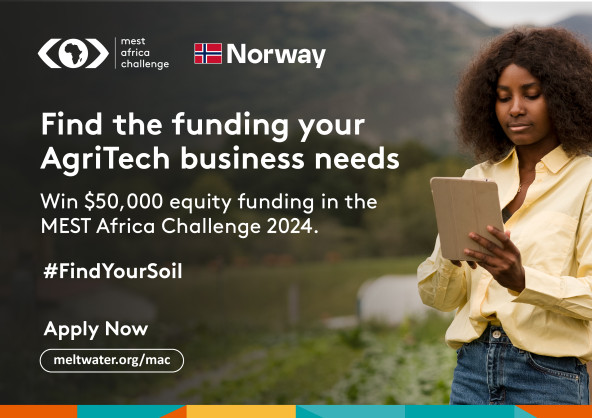
The Meltwater Entrepreneurial School of Technology (MEST Africa) (www.Meltwater.org), in collaboration with the Norwegian Embassy, proudly announces the launch of the 6th edition of the MEST Africa Challenge (MAC). This year's challenge seeks to identify and support exceptional AgriTech entrepreneurs who are addressing critical agricultural challenges in West Africa. 

In the rapidly evolving world of AgriTech, innovation needs the right conditions to flourish. While many African entrepreneurs possess bold visions, they often face challenges in accessing the necessary resources and networks to bring their ideas to fruition. MAC 2024 is here to bridge that gap, offering startups the opportunity to “Find Their Soil” by providing critical support, funding, and mentorship. 

"‘Find Your Soil' is a call to action for AgriTech innovators to discover the ideal environment where their vision can flourish. Through the MEST Africa Challenge, we aim to support this ecosystem by providing the necessary resources, visibility, and strategic support for these entrepreneurs to thrive,” said Ashwin Ravichandran, Portfolio Advisor, MEST Africa. 

MEST Africa is committed to fostering job creation and economic growth across the continent through software entrepreneurship. By offering specialized tech entrepreneurial training and investment opportunities, the organization empowers Africa's brightest minds to build and scale impactful businesses. 

The MEST Africa Challenge 2024, centered on the AgriTech sector, is open to startups from key West African markets, including Benin, Cape Verde, Côte d'Ivoire, Gambia, Ghana, Guinea, Guinea-Bissau, Liberia, Mauritania, Nigeria, Senegal, Sierra Leone, Mali, and Togo. The winning startup will receive $50,000 in equity funding along with access to MEST's extensive global network, unlocking valuable partnerships, mentorship, and investment opportunities to accelerate their growth and global presence. 

Since its inception, MEST has invested over $30 million into training more than 2,000 entrepreneurs and has supported the launch of 90 early-stage tech startups across sectors including AgriTech, FinTech, SaaS, eCommerce, Digital Media, and Healthcare. This year presents an unparalleled opportunity for AgriTech entrepreneurs to “Find Their Soil” and take their businesses to the next level. 

Eligibility Criteria for MEST Africa Challenge 2024: 

  • Early-stage technology startup 
  • Monthly Recurring Revenue: A minimum of $5k 
  • Funding raised: $0 to $1M cumulative 
  • Years in existence: 3 years and below 
  • Traction: At least 6 months of recurring revenue 
  • Founding team: At least 2 founding team members 
  • Registered in Delaware (This is preferred) 
  • Any industry 
  • Any business model (B2B, B2C, B2B2C, B2G etc…) 
  • All participants must pitch in English 

Interested AgriTech entrepreneurs can learn more and apply here https://apo-opa.co/3yUlSr6.

Distributed by APO Group on behalf of The Meltwater Entrepreneurial School of Technology (MEST Africa).

Media Contact: 
Ophesmur Adjei 
Communications and Community Manager 
Mobile: +233 242 8171 174 
Email: marketing@meltwater.org or Ophesmur@meltwater.org 

About MEST Africa: 
The Meltwater Foundation, established in 2008, is the non-profit arm of the global media intelligence company, Meltwater. With a clear mission to foster job opportunities and stimulate economic growth in Africa through software entrepreneurship, the Foundation is based in Accra, Ghana. The flagship program, MEST, offers a 1 year specialized tech entrepreneurial training to high caliber talent from over 22 countries including Nigeria, Kenya, South Africa and Senegal; and invests in early to growth stage startups.  

MEST Programs was launched in 2020 to focus on partnerships with other foundations and organizations who share our mission of creating wealth and jobs in Africa through digital skills training and startup acceleration.   

To learn more about MEST Africa, visit our website https://apo-opa.co/4cBTfwx.

Media files
The Meltwater Entrepreneurial School of Technology (MEST Africa)
Download logo
Read moreApplications Now Open for the Meltwater Entrepreneurial School of Technology (Mest) Africa Challenge 2024
26 August 2024

Cooking Up Success – From Kitchen Dreams to Leading Teams

Location: MyPR

First Group’s Chef Samantha Stone serves up inspiration this Women’s Month In the culinary world, the competition can be as intense as the heat in the kitchen. Chef Samantha Stone, Group Food and Beverage Development Manager at First Group, one of South Africa’s leading leisure and hotel management companies, knows this firsthand. Having risen through …

Read moreCooking Up Success – From Kitchen Dreams to Leading Teams
25 August 2024

Tshwane to host weather early warning system workshop

Location: News

Tshwane to host weather early warning system workshop

Deputy Minister of Forestry, Fisheries and the Environment (DFFE), Bernice Swarts, is expected to address the opening of the National Consultative Workshop on Early Warnings for All (EW4All) to be held in Tshwane from Monday.

The agenda of three-day workshop will include: 

  • The review of the current state of Early Warning Systems in South Africa and the evaluation of the progress in implementing the four pillars of EW4All. 

  • The exploration of the linkages and alignment among ongoing and upcoming initiatives and the consolidation of key stakeholder commitments to strengthen early warning services.

  • The establishment of a national coordination mechanism / affirmation of existing national coordination mechanism to guide efforts to scale-up early warning programming across the four pillars and linking national and local engagement.

  • The identification of gaps in national Early Warning Systems, with respect to the minimum core capabilities checklist tool provided by the EW4All initiative.

  • The provision of initial inputs towards a multi-year, multi-stakeholder, focused and actionable EW4All National Roadmap, around which all actors can marshal resources, technical assistance, and long-term support.

“The workshop, which will be hosted by the South African Weather Service, comes as South Africa continues to rank among the Southern African countries that are vulnerable to hazardous weather events including severe floods, droughts, tropical cyclones, storms, and heat waves.

“Among the participants at the workshop will be the SAWS; the National Disaster Management Centre; the Departments of Water and Sanitation and Communication and Digital Technologies; the Council for Geoscience; the Independent Communications Authority of South Africa; and provincial, district and local government representatives.

“Also participating in the programme will be the UN and international organisations active in Early Warning Systems; civil society organizations, including Organisations of Persons with Disabilities (OPDs) active in early warning services, climate and disaster risk information; and the private sector, including the mobile network operators and the insurance industry,” the department said.

The DFFE said the EW4All is a United Nations initiative, which seeks to “ensure that everyone on earth is protected from hazardous weather, water, or climate events through life-saving Early Warning Systems by the end of 2027”.

It rests on the pillars of Disaster Risk Knowledge and Management, Detection, Observation, Monitoring, Analysis and Forecasting, Warning Dissemination and Communication and Preparedness and Response Capabilities.

“According to the UN, Early Warning Systems have helped decrease the number of deaths and have reduced losses and damages resulting from hazardous weather, water or climate events. However, major gaps still exist, especially in small island developing states and least developed countries,” the department said. – SAnews.gov.za

NeoB
Sun, 08/25/2024 - 13:05

96 views
Read moreTshwane to host weather early warning system workshop
23 August 2024

The Crucial Role of Innovation in Hospitality

Location: MyPR

Innovation is the cornerstone of success in the restaurant industry, where staying ahead of trends and continually improving offerings is vital. Visionary Chef Dario de Angeli, renowned for his innovative culinary approach, shares insights drawn from years of experience in conceptualising and managing successful dining establishments, and now a boutique hotel. He explores the importance …

Read moreThe Crucial Role of Innovation in Hospitality
23 August 2024

Progress made in relocating Lapland flood victims

Location: News

Progress made in relocating Lapland flood victims

Nelson Mandela Bay Municipality Mayor, Gary van Niekerk, says plans to relocate flood disaster victims from a floodplain area in Lapland, Kariega, in the Eastern Cape, to a safer area in Ward 48 are progressing well.

Van Niekerk said the initial delay was caused by an application for approval by the Department of Forestry, Fisheries and the Environment on the residential usage of the identified land.

The Mayor said the approval, which has since been received from the department, came with conditions.

Among the conditions is that the metro must appoint an environmental specialist to monitor and guide the work to clear the building site, as well as the relocation and erection of temporary housing structures.

"The supply chain process to appoint this specialist started immediately after the go-ahead from the department was received, resulting in the tender process being concluded on Tuesday, 20 August 2024. 

"The appointment of the specialist will now follow and should not take longer than the anticipated two weeks,” Van Niekerk said.

Van Niekerk said following the floods, Lapland residents were moved to temporary accommodation in the town of Kariega, but they went back to their area after the floodwater subsided, to wait for imminent relocation.

In Walmer, Van Niekerk said flood victims are waiting for the electrification of temporary housing structures before they can be relocated.

READ | Relocation of Walmer flood victims imminent

“Availability of stock for electrification is causing the delays. Intervention measures have been put in place to speed up the process,” the Mayor said. – SAnews.gov.za
 

GabiK
Fri, 08/23/2024 - 10:48

50 views
Read moreProgress made in relocating Lapland flood victims
22 August 2024

A nation’s health, is a nation’s wealth

Location: News

A nation's health, is a nation's wealth

South Africa’s health system is too essential to development to be weakened by mismanagement, funding crises, and other problems.

“We expect all stakeholders to bring solutions and work with the Departments of Health and Science and Innovation to implement them,” said Acting President Paul Mashatile on Thursday.

The Acting President was speaking at the Union Buildings in Pretoria, where he presided over the signing of the second Presidential Health Compact, an initiative established by President Cyril Ramaphosa in 2019.

The health compact is a framework for cooperation between critical sectors and stakeholders to strengthen the health system and monitors and evaluates preparations for implementing the National Health Insurance (NHI).

The stakeholders include government, business, labour, civil society, health professionals, unions, service users, statutory councils, academia, and researchers to develop sustainable and inclusive solutions to challenges in the national health system.

Its pillars range from the development of human resources, improving access to medicine, vaccines and health products, upgrading infrastructure and private sector engagement. 

It also zooms in on quality healthcare, public sector financial management improvements, governance and leadership, community engagements, and information systems to pandemic preparedness.

The Acting President told delegates present that implementation was the foremost priority of the country's seventh administration. 

“Effective policy implementation means we can take the right actions and follow through with the plans, leading to successful outcomes. I have full confidence that implementation is the priority of all of us gathered here today.

“On behalf of President Cyril Ramaphosa, it is my privilege to sign the second Presidential Health Compact today.”

He said he believed that a healthy nation is more economically productive and prosperous.

“A healthy population enjoys higher life expectancy, better quality of life and overall wellbeing. As a result, providing quality healthcare is of the utmost importance to all of us,” he added. 

Universal healthcare coverage

He said Africa is committed to the achievement of the United Nations Sustainable Development Goal of “ensuring healthy lives and promoting wellbeing for all at all ages”. 

“This is a bold commitment to achieve universal health coverage. It is a commitment to provide access to affordable medicines and vaccines for all. If our nation’s health is truly to be our nation’s wealth, we must fix our healthcare system.”

He said fixing the healthcare system will effectively protect the population against public health emergencies, such as HIV/AIDS, COVID-19, or Mpox.

The Acting President also outlined challenges that prevent government from providing decent and quality healthcare to all South Africans. 

Lack of funding and collaboration

He also touched on healthcare funding challenges due to budget cuts and a constrained fiscal environment, compounded by inefficiencies, mismanagement and corruption in resource allocation.

However, the Acting President said budgeting in the health sector is steadily improving to ensure a more equitable allocation of resources. 

“Less money is being lost to litigation. This is thanks to the hard work of the Health Sector Anti-Corruption Forum, which continues to expedite prosecutions and recover stolen funds.” 

With greater collaboration, he said the resources and capabilities of both the public and private sectors can be brought to bear to serve those who need healthcare most. 

However, some progress has been made as well with 149 new primary healthcare facilities being completed by November 2023. 

In addition, 30 new hospitals are either opened or under construction.

The Acting President also took the time to applaud the private sector for the crucial role it plays in strengthening health systems. 

“Our experience with COVID-19 showed how we could deepen public-private partnerships. With greater collaboration, the resources and capabilities of both the public and private sectors can be brought to bear to serve those who need healthcare most,” he added. – SAnews.gov.za

Gabisile
Thu, 08/22/2024 - 14:43

279 views
Read moreA nation’s health, is a nation’s wealth
22 August 2024

Get Ready to Race for the Planet With Cartoon Network’s ‘Climate E-Racers’ on Roblox!

Location: MyPR

To bring this new activation to life, World Champion and net-zero racing team Envision Racing, the greenest team on the grid of the world’s greenest motorsport championship, joins forces with Cartoon Network EMEA, Warner Bros. Discovery’s animated series network, to engage children in the race against climate change. Part of the Cartoon Network Climate Champions …

Read moreGet Ready to Race for the Planet With Cartoon Network’s ‘Climate E-Racers’ on Roblox!
22 August 2024

DPSA Minister calls for “mission oriented” approach to public service innovation

Location: News

DPSA Minister calls for "mission oriented" approach to public service innovation

Public Service and Administration Minister, Inkosi Mzamo Buthelezi, has called for the adoption of a mission oriented perspective that embraces complex challenges with diverse solutions.

“The key term in this theme is 'mission', which therefore means that our efforts must transition from the outdated, siloed approaches that address singular problems with singular solutions. 

"We must strive for a mission oriented perspective. This mission orientated approach must embrace complex challenges with a range of solutions,” Buthelezi said. 

The Minister was delivering the keynote address at the 18th CPSI Public Sector Innovation Conference being held in Durban, KwaZulu-Natal, on Wednesday. 

The two-day conference, hosted by the Centre for Public Service Innovation (CPSI), is being held under the theme: “Accelerating Transformation through Mission Oriented Innovation”. It is being attended by at least 350 delegates, 60 System Developers and more than 15 speakers.

The conference serves as a critical platform that will effectively advance the creation of a government-wide enabling environment required for innovation to thrive.

The objective of the conference includes exposing government officials and strategic partners, such as the youth, civil society and academia, to robust engagements and discussions around international trends and topical issues on public sector innovation and its unparalleled potential.

The conference is also aimed at presenting an ideal opportunity to assess the role and impact of mission oriented innovation as a tool for enabling the public sector to meet its targets of, amongst others, tackling poverty, unemployment and inequality in order to achieve Vision 2030 and the United Nations Sustainable Development Goals (SDGs).

It further aims to explore key elements for successful implementation and sustenance of missions to enhance service delivery, facilitate the sharing of innovative perspectives and practices that respond to government priorities for replication and mainstreaming, and demonstrate how high impact, award winning projects have positively impacted on service delivery.

Buthelezi told the conference that the term "mission" will guide their path as they address issues within the public service.

He said this approach resonates deeply with him, his office and the entire public service because every government department has its mission, which is guided by the UN SDGs, the African Unions’ Agenda 2063, the National Development Plan (NDP) and government's priorities, as outlined in the Medium-Term Development Plan (MTDP 2024-2029).

With a clear mission, a set vision, and aligned goals, the Minister emphasised that government is committed to driving inclusive growth, job creation, poverty reduction, and addressing the high cost of living.

“Most importantly, we aim to build a capable, ethical and developmental State.

“This conference arrives at a crucial time. As we implement the 7th Administration’s Medium-Term Development Plan, aligning our work with a mission oriented approach will help us confront public service challenges effectively. While our term is limited to five years, we must strive to achieve ambitious goals swiftly.

“Time is of the essence, and our mission timeline should deliver results within the first two years. Though this is a significant challenge, I am confident that with the expertise [we have], we can accomplish remarkable results quickly,” he said. 

Room for innovation

The Minister told the conference that the importance of innovation in improving service delivery cannot be overstated.

“With the CPSI at the core of government innovation, we can make a substantial impact in addressing service delivery backlogs and delays that undermine public trust in government,” he said. 

He further emphasised the importance of collaboration, stating that isolated work within government departments must come to an end. 

“The days of isolated work within government departments must end. We cannot have some departments advancing while others lag behind. It is unacceptable that service quality varies based on location.

“Our mission is to align Cabinet with our department’s mission, driven by the CPSI, to accelerate transformation through innovation in the public sector. Innovation must start at home, beginning with the Department of Public Service and Administration. We should use our department as a testing ground for new ideas before broader implementation,” he said. 

Buthelezi called for the acceleration of all innovations and a close monitoring of their implementation. 

He said the goal is to lead in public sector innovation by adopting a more integrated approach to addressing complex challenges. This, he said, will ensure that South Africans have a government that delivers effective service and a public sector dedicated to providing high quality services. 

Buthelezi highlighted that historical innovations like the CAT scan (that now saves millions around the world), the Dolosse (which holds back ocean swells at harbours), the Kreepy Krauly (a system which cleans millions of pools around the world), and the first heart transplant in Cape Town are a reminder of the impact of creative solutions born from dedication to solving problems.

“By emulating these pioneers, we can achieve great things through collaborative problem solving. Dr Christiaan Barnard’s success with the first heart transplant was a result of teamwork and collaboration. Similarly, our mission to enhance service delivery through innovation cannot succeed in isolation.

“Collaboration with the private sector and civil society is crucial for sustainable solutions to poverty, inequality and unemployment. Although no single solution will address all issues, many innovations from public servants may offer answers to our challenges,” the Minister said.

Buthelezi declared the conference a success, calling for joint effort to ensure that government serves all people effectively. – SAnews.gov.za

DikelediM
Thu, 08/22/2024 - 11:18

120 views
Read moreDPSA Minister calls for “mission oriented” approach to public service innovation
22 August 2024

TikTok Announces Industry-First Sub-Saharan Africa Safety Advisory Council

Location: News
TikTok

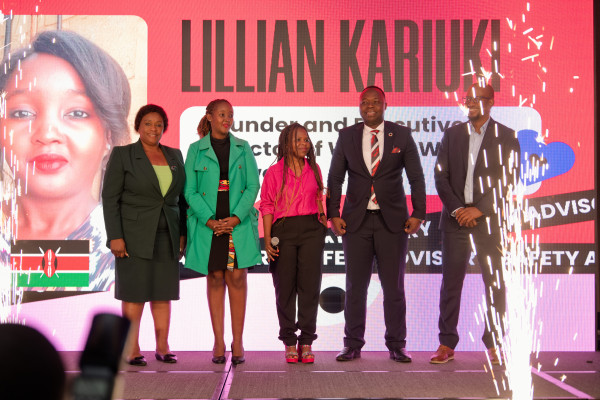
TikTok (www.TikTok.com) is taking major steps to boost safety on its platform across Sub-Saharan Africa with the launch of its inaugural Safety Advisory Council and the expansion of its #SaferTogether community education campaign. By partnering with key stakeholders, including policymakers, members from academia, NGOs, and community leaders, TikTok aims to foster a collaborative approach to ensuring a secure and positive platform environment. This announcement was made at TikTok's Safety Summit held in Nairobi, Kenya. 

A Continuous Investment: The Safety Advisory Council 
Since 2020, TikTok has established nine regional Safety Advisory Councils alongside the U.S. Content Advisory Council, each composed of experts in areas such as youth safety, free expression, and hate speech. These councils play a vital role in shaping TikTok's policies, product features, and safety processes, ensuring the platform remains responsive to evolving challenges. 

The newly launched Sub-Saharan Africa Safety Advisory Council will further this effort by bringing together local experts who will collaborate with TikTok to develop forward-looking policies and address regional safety concerns. Their input will help TikTok manage current issues and anticipate future challenges, reinforcing the platform's commitment to user safety and fostering a positive online environment. 

Members of the Sub-Saharan Africa Safety Advisory Council are: 

  • Prof Guy Berger, Rhodes University (South Africa)  
  • Dennis Coffie, Content creator (Ghana)  
  • Peter Cunliffe-Jones, University of Westminster Visiting Research Fellow (UK)  
  • Aisha Dabo, Co-Founder and coordinator of AfricTivistes (Senegal)  
  • Lillian Kariuki, Founder and Executive Director of Watoto Watch Network (Kenya)  
  • Dr Akinola Olojo, Expert on preventing and countering violent extremism (Nigeria)  
  • Prof Medhane Tadesse, Policy academic on peace and security issues (Ethiopia) 
  • Berhan Taye, Independent Researcher (Ethiopia)  

"With the launch of the Sub-Saharan Africa Safety Advisory Council, we are demonstrating our commitment to including expert African voices in our Trust and Safety work. This group of leaders was chosen for their broad range of expertise and experience, and we look forward to working with them over the coming years." - Valiant Richey, Global Head of Outreach and Partnerships, Trust and Safety, TikTok 

#SaferTogether: A Community-Centric Approach 
This iteration of the #SaferTogether campaign is designed to engage the community actively in promoting a basic understanding of the platform's community guidelines and safety features. This initiative will include workshops, social media outreach, and partnerships with key stakeholders to raise awareness about the importance of following TikTok's community standards. The campaign aims to foster a collaborative effort to ensure a secure environment for creative expression. 

Fortune Mgwili-Sibanda, Director of Government Relations & Public Policy for Sub-Saharan Africa emphasised, “The community empowerment campaign highlights the importance of safety being a shared responsibility. This part of the campaign will speak directly to the TikTok community, to join us in making TikTok a safer space for all by ensuring they follow the Community Guidelines and use the safety features available to them. With the additional layer that the Safety Advisory Council presents, we believe that safety can be achieved, collectively.” 

Understanding TikTok's Community Guidelines 
TikTok's Community Guidelines (https://apo-opa.co/4dT5vdm) are integral to the platform's safety efforts. Developed through comprehensive research and input from various stakeholders, including safety experts and community members, these guidelines set the standard for acceptable behaviour and content on the platform. They are designed to foster a safe and welcoming environment, ensuring that everyone can express themselves freely and creatively while staying protected from potential harm. The guidelines are continuously updated to address emerging safety concerns and support a respectful online community. 

Impact of the #SaferTogether Partnerships in Sub-Saharan Africa 
In Kenya, TikTok has so far achieved remarkable milestones with its flagship #SaferTogether workshops (https://apo-opa.co/3Ayt4cZ).  

  • Reaching students and youth aged 13 to 24 from secondary schools to universities 
  • Conducting workshops in 26 out of 47 counties across Kenya, these workshops continue to encourage best practices on online platforms 
  • Workshops have also benefitted over 64,000 students, more than 467 parents, and 346 teachers 

In 2022, the #SaferTogether workshops and campaign launched in Nigeria. 

Earlier this year, TikTok announced the official partnership with the African Union Commission's Women, Gender, and Youth Directorate (https://apo-opa.co/3XhbDGU) (WGYD) at the inaugural TikTok Safer Internet Summit in Ghana. This partnership will help deliver digital literacy programmes across Africa, guiding young people and their caregivers on how to diversify their livelihoods using digital platforms, in a safe and engaging way.  

Safaricom has been a long-standing strategic partner of TikTok, collaborating on a number of mobile and network initiatives over the past several years, including TikTok data bundles and participating in the #LevelUpAfrica Creator event. In light of these ongoing collaborations, Safaricom expressed strong support for TikTok's recent efforts to enhance online safety in Africa. "At Safaricom, we see the internet as a resource that everyone should have access to, safely. Having witnessed the announcement of the TikTok Safety Advisory Council and the launch of the #SaferTogether campaign, we commend TikTok's efforts in bringing together various stakeholders for a common goal – ensuring online safety and promoting the safe use of its platform across Africa," said Fawzia Ali, Chief Consumer Business Officer, Safaricom PLC. 

More information about the work of the Safety Advisory Councils can be found on TikTok's Transparency Centre (https://apo-opa.co/3MmsGAJ). 

Distributed by APO Group on behalf of TikTok.

Media files
TikTok
Download logo
Read moreTikTok Announces Industry-First Sub-Saharan Africa Safety Advisory Council
22 August 2024

Surprise move in litigation over African Penguins

Location: News

New minister wants to settle case brought by conservation groups

Read moreSurprise move in litigation over African Penguins
21 August 2024

Hlengwa elevates gender equality in aviation

Location: News

Hlengwa elevates gender equality in aviation

As South Africa commemorates Women’s Month, Deputy Minister of Transport, Mkhuleko Hlengwa, has advocated for gender equality in the aviation sector.

Addressing the National Aviation Gender Summit in Durban, Hlengwa said gender equality in the aviation sector can only be accomplished through strategic planning and a commitment to achieving these objectives.

“It is important that we remain accountable to ensure that we achieve our long-term vision for gender equality in aviation. Empowering women has a significant ripple effect, not only within our organisations, which are key drivers of economic growth and critical components of international trade and tourism, but also at the grassroots level, impacting the very fabric of our society,” the Deputy Minister said on Wednesday.

He said gender parity needs new innovative ways to bring women into formal employment.

“In South Africa, out of the 25 830 licensed personnel at the end of July 2024, only 5 067 are female. This includes pilots, engineers, air traffic officers and cabin crew. Of course, we must celebrate this improvement, [with] almost 20% of women occupying technical roles in the industry but we have a challenge here.

“In a country greatly affected by unemployment and its affects being continuously higher amongst women, especially the youth, the aviation sector is presented with a unique opportunity to empower young women from all walks of life who wish to be a part of this sector. 

“We truly can make a difference as decision makers and as citizens in our immediate environments, at home, at work and everyday interactions. South African women are strong, capable and dedicated,” Hlengwa said.

Over 60% of women in Africa are currently working in the informal sector. That's more than half of our continent’s talent pool.

“At the current rate of progress, it will take 102 years to close the gender gap in Sub-Saharan Africa. This is a statistic that should awaken our fires to act  I think that we often find acting a mammoth task, but it begins with all of us implementing change in our immediate environments, every day wasted is a day added to 102 years,” he said.

Skills development

The Deputy Minister said he is encouraged by the ongoing bursaries, mentorship and skills development programs that have been initiated by all the aviation entities to encourage a new generation of professionals, especially in previously disadvantaged communities. 

“We acknowledge the efforts from entities such as the South African Civil Aviation Authority (SACAA), who have dedicated funds and personnel in creating initiatives such as the career awareness programmes, where there has been a concerted effort to drive and promote female participation in this industry. 

“Proactive measures are crucial in reshaping a sector that has traditionally been dominated by men. The dedication to creating opportunities and fostering a more inclusive environment is commendable and marks a significant step forward.

“Across the broader transport sector, encompassing taxis, railways, and bus operations - aviation stands out amongst the leading modes of transport in its commitment to gender diversity and inclusion,” the Deputy Minister said.

He said transformation in the aviation sector is crucial not only for industry to grow, but the economy to grow. 

“It is crucial that we move from having exemplary laws on paper to realising tangible results on the ground. To this end, we will work tirelessly to bridge the gap between policy and practice, ensuring that our aviation sector not only meets but exceeds expectations in all areas and set mandates. Even on matters of diversity and inclusion, I pledge my support in every way that matters,” the Deputy Minister said. - SAnews.gov.za
 

nosihle
Wed, 08/21/2024 - 13:44

111 views
Read moreHlengwa elevates gender equality in aviation
21 August 2024

Uncovering the Hidden Health Risks of Ant Infestations: Insights From Pest Control Wr

Location: MyPR

Johannesburg, Gauteng – Ants are often considered harmless intruders, more of an inconvenience than a threat. However, the reality is that these tiny invaders can pose significant health risks if infestations are not properly managed. Pest Control WR, a leading pest control company in Johannesburg, is raising awareness about the potential dangers that ants can …

Read moreUncovering the Hidden Health Risks of Ant Infestations: Insights From Pest Control Wr
21 August 2024

Taboola Partners With Aleph Holdings to Accelerate Operations in Africa, Connecting Advertisers and Publishers With Consumers and Readers

Location: MyPR

Taboola (Nasdaq: TBLA), a global leader in powering recommendations for the open web, today announced an expansion of its operations to serve advertisers and publishers in Africa. Partnering with Aleph Holdings, Taboola’s advanced AI-powered technologies and consumer reach will now be accessible to advertisers and publishers in countries including South Africa, Nigeria, Kenya, Egypt and …

Read moreTaboola Partners With Aleph Holdings to Accelerate Operations in Africa, Connecting Advertisers and Publishers With Consumers and Readers
21 August 2024

Tailored Support for Women Entrepreneurs Will Raise SA’s Job Creation and Economic Growth Prospects

Location: MyPR

South African women are exiting their businesses at a higher rate than they are starting and running businesses indicating they need more support in growing start-ups to the established stage of more than 3.5 years. This is a key finding of the Global Entrepreneurship Monitor (GEM) South Africa Report 2023/2024 by Stellenbosch Business School, launched …

Read moreTailored Support for Women Entrepreneurs Will Raise SA’s Job Creation and Economic Growth Prospects
  • Previous
  • Page 1
  • Interim pages omitted …
  • Page 35
  • Page 36
  • Page 37
  • Page 38
  • Page 39
  • Interim pages omitted …
  • Page 84
  • Next

Copyright © 2026 · MyZA · All Rights Reserved · Powered by Stratlec Online