• Skip to main content
  • Skip to header right navigation
  • Skip to after header navigation
  • Skip to site footer
MyZA

MyZA

News, Directory, Events and Other Stuff

  • Social Media
  • Sport
  • World News
  • Home
  • Submit News
  • Directory
  • Events
  • Stratlec
  • TFSA
  • News
    • APO
    • Today’s Sport News
    • Todays Social Media and Tech Headlines
    • Today’s World News
    • Today’s SA Financial News
  • Contact
You are here: Home / Archives for Exciting

Exciting

10 March 2025

IEC CEO calls for responsible, inclusive approach to e-voting in South Africa

Location: News

IEC CEO calls for responsible, inclusive approach to e-voting in South Africa

The Electoral Commission of South Africa (IEC) Chief Executive Officer, Sy Mamabolo, has underscored the need for a responsible and inclusive approach to adopting new voting technologies.

The CEO was delivering remarks at the e-Voting Conference in Cape Town on Monday. The IEC is hosting a groundbreaking national dialogue on the future of voting in South Africa from 10 - 12 March 2025, at the Cape Town International Convention Centre.

This three-day conference will launch South Africa's first Green Paper on e-Voting, bringing together voices from across society to shape how South Africans might vote in future elections.

“While digitalisation is becoming more prevalent in our daily lives, we must acknowledge that some portions of our country continue to have limited access to broadband connectivity, particularly in rural areas. In our discussion here, let us not be oblivious that a significant number of South Africans still have limited access to technology. 

“Having said so, it is evident that the adoption of new technologies is apposite and necessary. We cannot be oblivious to the ever-present force that drives innovation and exposes us to new possibilities,” Mamabolo said. 

The conference, which seeks to shape public policy on e-voting, comes at a time when South Africa is undergoing a digital transformation across various sectors. The Vision 2030 roadmap of South Africa emphasises incorporating technology into business, education and governance. 

The country's burgeoning digital ecosystem is distinguished by developments in technology infrastructure driven by public and private sector partnerships. 

Mamabolo said the rapid growth of data analytics, artificial intelligence and digital infrastructure has transformed how most industries do business today and how ordinary folk converse. 

Global and African E-Voting Experiences

The CEO highlighted that countries such as Estonia, Switzerland, Brazil and India have implemented or tested e-voting systems, while others have paused or abandoned such initiatives due to concerns related to security, costs and reliability. 

In Africa, Namibia and the Democratic Republic of Congo have explored e-voting, but challenges have hindered widespread implementation.

Mamabolo noted that some of the common delays or factors halting the implementation of e-voting in many countries are largely related to security concerns and affordability. 

As a result, many countries have focused on digitalising aspects of the voting process (such as registration or information access) rather than implementing full-scale electronic voting systems and related technologies for their elections. 

“As much as the prospects for experimenting with e-voting systems and technologies can be exciting, we must also approach it with open minds and a sense of responsibility. 

“At the forefront of these challenges are questions of security and trust. We remain committed to our mandate to deliver uncompromised elections with utmost integrity, impartiality and accountability,” he said. 

Addressing security concerns and digital divide

Mamabolo further stressed that in an era where cyber threats are increasingly prevalent, ensuring the safety and security of an electronic voting system is paramount. 

“We must build systems that are resilient, secure, and able to withstand the threats of today and the future,” he said. 

Moreover, he urged that the digital divide must be urgently addressed. 

“As we indicate, South Africa is a country with varying levels of technological access. While urban areas may have reliable internet and a high rate of technological literacy, rural communities, and impoverished areas still face significant barriers to digital inclusion,” the CEO said. 

IEC's Preparedness and Public Engagement

The IEC has already integrated technology into its processes through initiatives such as an online voter registration system, which allows citizens to register or update their details remotely. 

“The Electoral Commission is already ahead of the curve when it comes to embracing the advent of technology. The Commission has implemented an online voter registration system that enables new voters to register and existing voters to update or alter their registration from the comfort of their own homes or anywhere. This online registration portal is not constrained by time and space,” the CEO said. 

The commission believes that engaging with the public and key stakeholders is essential to ensuring that any transition to e-voting is both transparent and widely accepted.

“As the Commission, we encourage conversations, discussions, and lively debates among South Africans from all walks of life on this matter, as we have seen happening in some social media platforms recently. Such national conversation is essential because elections are a public enterprise that belong to all citizens of our country,” he said. 

Prior work conducted on e-voting

As part of its commitment to facilitating informed decision-making, Mamabolo said the Commission always had e-voting in its line of sight, with electronic voting discussions having commenced back in 2013. 

The Electoral Commission has carried out several investigations into this subject, aiming to learn from the global experiences of countries that have either successfully or unsuccessfully tried to implement e-voting. 

It has explored issues such as available technologies, costs, security/reliability, public trust, existing tech infrastructure in SA and policy options, among others. 

It has identified the need for thorough public dialogue/discussions on the feasibility/potential benefits and risks. 

The IEC has compiled a Discussion Document based on findings from its 2023 research study on electronic voting, which explored prospects and potential challenges for e-voting in SA.

“The way forward for e-voting to be a viable solution [is that] it must be accessible to all South Africans regardless of their location or socio-economic status. That is why our discussions here must be comprehensive, aiming to address all blind spots and ultimately provide fit-for-purpose solutions for all South Africans,” Mamabolo said. 

Looking ahead

The IEC has not yet determined whether e-voting will be proposed to Parliament but aims to lead a comprehensive discussion on its feasibility. 

To this end, the commission will launch a series of nationwide workshops and public consultations, gathering insights from citizens and stakeholders. Mamabolo said the feedback will be used to refine the Discussion Document, which could eventually inform a National Green Paper on e-voting.

South Africans are encouraged to participate in the conversation through various platforms, including email submissions, social media engagements, and public discussions. 

The public can review the discussion document and provide informed commentary to info@elections.org.za. You can also share your views and experiences through the IEC’s social media @IECSouthAfrica using the #SAeVoting2025. - SAnews.gov.za

DikelediM
Mon, 03/10/2025 - 13:31
232 views
Read moreIEC CEO calls for responsible, inclusive approach to e-voting in South Africa
7 March 2025

Gleaming Metal and Old-Fashioned Fun for Classic Car Friday

Location: Sport

Classic Car Friday is the first event at the annual Simola Hillclimb, with a diverse range of cars from 1937 to 2000 set to compete this year for class wins, and ultimately vying for the overall Classic Conqueror title Illustrious brands and legendary cars from Austin, Jaguar, Porsche, Alfa Romeo, Shelby, Ford, Lotus, Chevrolet, BMW, […]

Read moreGleaming Metal and Old-Fashioned Fun for Classic Car Friday
5 March 2025

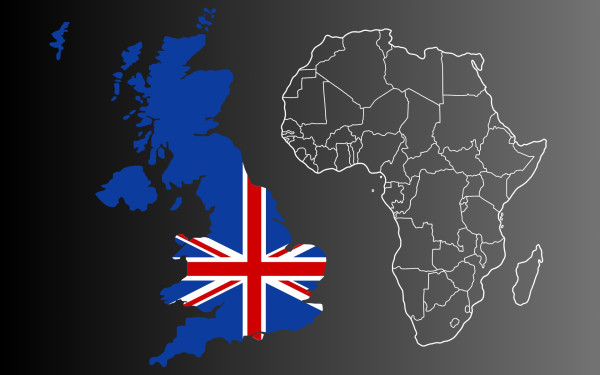
UK Looks to Deepen Energy Trade, Investment Ties with Africa

Location: News
African Energy Chamber

Trade relations between the UK and Africa are gaining momentum. Last month, UK Minister for Trade Policy and Economic Security Douglas Alexander visited South Africa and Botswana to strengthen trade ties and create opportunities for businesses on both sides. The UK aims to expand trade and investment across the continent, fostering mutually beneficial growth by addressing trade barriers, facilitating exports and supporting trade-focused development programs. With South Africa as the UK's largest trading partner in Africa and set to assume the G20 Presidency, this marks an important moment for deepening economic collaboration.

This builds on the UK's 2019 Economic Partnership Agreement (EPA) with the Southern African Customs Union member states – Botswana, Eswatini, Lesotho, Namibia and South Africa – and Mozambique. This agreement eliminates tariffs and quotas on all goods imported from these countries into the UK, facilitating smoother trade relations and economic cooperation. The EPA aims to bolster economic ties and create a conducive environment for investments, including in the energy sector.

The UK is expanding its engagement across Africa, including in West and North Africa. In February 2024, it signed the Enhanced Trade and Investment Partnership (ETIP) with Nigeria – the first such agreement with an African nation – marking a significant milestone. The partnership builds on a trade relationship valued at £7 billion in the year leading up to September 2023. The ETIP focuses on key sectors such as financial and legal services, fostering economic growth and attracting investment across industries, including energy.

Globeleq, a UK government-backed independent power producer, has been instrumental in advancing gas-powered energy projects across Africa. Alongside its 153 MW Red Sands project in South Africa – set to become the continent's largest standalone battery energy storage system – the company recently acquired a stake in a solar plant at Egypt's Benban Solar Complex and secured $99 million in debt financing for Mozambique's first wind project. Supported by shareholders such as British International Investment and Norfund, Globeleq continues to invest in upgrading existing assets and developing new utility-scale power projects, strengthening Africa's energy infrastructure.

In the oil and gas sector, bp achieved first gas from the Greater Tortue Ahmeyim LNG project offshore Senegal and Mauritania at the start of this year, marking a major step in boosting regional energy production and supply. Shell is advancing its $5 billion Bonga North deepwater project in Nigeria and, alongside bp, has agreed to cover operational costs for the buyer of South Africa's Sapref refinery – a move that could revitalize the country's largest refinery and secure oil supply. Meanwhile, Harbour Energy, one of the UK's largest independent oil and gas companies, is looking to expand into African markets following its acquisition of concessions in Egypt's Nile Delta and the Mediterranean Sea.

The UK is also a major investor in Africa's clean energy sector and a key partner in the Mission 300 initiative to expand electricity access to 300 million people by 2030. Last month, British International Investment (BII) committed £5.3 million to UK cleantech firm MOPO to scale battery rental operations in the Democratic Republic of the Congo, where over 80% of the population lacks electricity. In December 2024, BII and GuarantCo announced a $500 million renewable power deal with South Africa's Etana Energy, providing $100 million in guarantees to support the country's largest energy wheeling framework and unlock new projects. Beyond direct investments, the UK government continues to provide funding and technical assistance for energy infrastructure projects across Africa, aiming to improve energy reliability and efficiency, drive economic growth, and enhance the quality of life for local communities.

As a G20 member, the UK plays a pivotal role in shaping global energy investment strategies, with Africa positioned as a key partner in its trade and energy agenda. The UK's investments in oil and gas, renewables and energy infrastructure align with broader G20 goals of energy security, sustainability and economic growth.

“These initiatives not only strengthen the UK's economic ties with Africa, but also support the continent's transition to cleaner, more reliable energy. With African Energy Week: Invest in African Energies 2025 set to convene global stakeholders, the UK's role in advancing energy partnerships will be in focus, offering a platform to drive further investment, policy collaboration, and infrastructure development across Africa's energy landscape,” says Johnson Kayode Obembe, Director of Sales and Partnerships, African Energy Week.

AEW: Invest in African Energies is the platform of choice for project operators, financiers, technology providers and government, and has emerged as the official place to sign deals in African energy. Visit www.AECWeek.com for more information about this exciting event.

Distributed by APO Group on behalf of African Energy Chamber.

Media files
African Energy Chamber
Download logo
Read moreUK Looks to Deepen Energy Trade, Investment Ties with Africa
23 February 2025

SA welcomes first visitors from China through new visa initiative

Location: News

SA welcomes first visitors from China through new visa initiative

The digital Trusted Tour Operator Scheme (TTOS) visa initiative is bearing fruit with the first group of visitors from China having arrived in South Africa at the weekend.

Home Affairs Minister Dr Leon Schreiber along with Tourism Minister Patricia de Lille and other government and tourism stakeholders welcomed the first group of visitors from China through the TTOS visa initiative.

The 15 tourists arrived on Saturday through the Cape Town International Airport in the Western Cape.

The Ministers were delighted to welcome the tourists and a tour guide who arrived in South Africa only a few days after their visas were processed through the Department of Home Affairs visa initiative.

“This was an exciting moment in this ground-breaking initiative where the TTOS is providing a faster and more seamless process for visas for travellers from India and China. Together with the Department of Home Affairs we have worked tirelessly to make this happen and I commend Minister Schreiber and the team in the Department of Home Affairs for the swift implementation of this new and improved visa initiative,” Minister de Lille said.

Last year, an Inter-Ministerial Committee with the Department of Tourism, the Department of Home Affairs, the State Security Agency and Operation Vulindlela in the Presidency was established to tackle the visa regime issues. 

Home Affairs announced that the ground-breaking Trusted Tour Operator Scheme will significantly ease the process and allow for a seamless visa application process for travellers and tour operators from India and China. 
READ | Trusted Tour Operator Scheme to boost tourism from China, India

From 12 February, the first group of approved 65 tour operators from South Africa, India and China started processing visa applications through the TTOS. 

India and China have been identified as two key source markets for South Africa to grow arrivals due to the high number of tourists who travel internationally from these countries. 

Currently, South Africa only receives 41 600 arrivals from India and 79 700 from China, a minor share of the country’s total arrivals for 2024 which stood at 8.9million total international arrivals. 

“The TTOS is a massive win for the tourism and business events sector and the Department of Tourism will use the new visa initiatives as enablers to grow tourism arrivals to South Africa which will in turn drive inclusive economic growth and job creation,” Minister de Lille added.

Through targeted outreach engagements in India and China, the country has also been sharing the developments of the TTOS, the Electronic Travel Authorisation and Digital Nomad Visas with these two key source markets to ensure that more tour operators register and use these new and enhanced visa processes.  

“We are extremely excited about these visa developments and what it means for the growth of the tourism sector. We have no doubt that the TTOS will exponentially increase arrivals from India and China which will stimulate demand across the tourism and services sector,” the Minister said. – SAnews.gov.za


DikelediM
Sun, 02/23/2025 - 16:01
102 views

Read moreSA welcomes first visitors from China through new visa initiative
21 February 2025

Hollywoodbets Pro Series Leads With Excellence

Location: Sport

JOHANNESBURG: Cricket South Africa (CSA) launched the ‘Excellence in Performance Caps’ as part of the domestic T20 Challenge this season, and...

Read moreHollywoodbets Pro Series Leads With Excellence
21 February 2025

Saudi Arabia Expands Energy Ties With Africa

Location: News
African Energy Chamber

Earlier this week, Egypt's Minister of Petroleum and Mineral Resources Karim Badawi and Saudi Arabia's Minister of Energy Abdulaziz bin Salman Al Saud signed an agreement to develop an executive plan for energy efficiency cooperation, strengthening bilateral ties in the energy sector and fostering sustainable development. This follows another significant development in September, in which Egyptian Prime Minister Mostafa Madbouly secured a $5 billion pledge from Saudi Arabia's PIF, representing the “first phase” of a larger investment strategy. 

As a leading global energy giant, Saudi Arabia has been actively investing in Africa's energy sector, aiming to expand its energy reserves, advance energy diplomacy and compete with other global superpowers. This strategic push not only strengthens Saudi Arabia's influence in the region, but also paves the way for deeper economic and political ties with African nations. 

To date, the lion's share of investment in Africa's energy sector has focused on clean energy advancements. With total project costs reaching $7 billion across the continent, Saudi developer ACWA Power stands as the leading private-sector investor in African renewable energy. In October 2024, the company announced that its Redstone solar plant in South Africa was set to achieve its full 100 MW capacity, while its Kom Ombo solar PV plant in Egypt successfully reached its full capacity of 200 MW. ACWA Power is also leading Project DAO, South Africa's largest hybrid renewable power plant, with an $800 million investment. The project is expected to come online by 2026 and aligns with the Kingdom's broader Vision 2030 goals.  

In addition to renewable energy, Saudi Arabia is diversifying its investments to secure critical minerals for clean energy technologies. In October, Saudi Arabia's Manara Minerals, a joint venture between Ma'aden and the Public Investment Fund (PIF), entered advanced talks to acquire a minority stake in First Quantum Minerals' Zambian copper and nickel assets. The potential investment, valued between $1.5 billion and $2 billion, underscores Saudi Arabia's strategy to secure critical minerals that are vital for the global clean energy transition. 

Turning to broader regional commitments, Saudi Arabia's financial support for Africa's energy infrastructure has grown. In October, the Kingdom announced a major funding initiative, pledging at least $41 billion for sub-Saharan African nations. This includes $1 billion for development, $5 billion for startups, $10 billion in financing from the Saudi Export-Import Bank and $25 billion in private sector investments over the next decade.  

Meanwhile, the Saudi Ministry of Energy has established the "Empowering Africa" initiative as part of its broader commitment to supporting sustainable development across the continent. In collaboration with the Ministries of Communications and Information Technology and Health, the initiative aims to deliver clean energy, connectivity, e-health and e-learning solutions to enhance lives and promote long-term growth in Africa. Building upon the Clean Fuel Solutions for Cooking Program, it focuses on providing cleaner cooking solutions to vulnerable populations, aiming to reduce reliance on traditional biomass fuels and improve health outcomes for millions of households. Minister bin Salman Al Saud has emphasized energy as a fundamental human right and is spearheading efforts to improve access to clean cooking technologies across the continent. 

Additionally, state-owned petroleum company Saudi Aramco is strengthening its partnerships with African nations to support energy investments and mobilization. These collaborations are expected to drive infrastructure development, enhance oil and gas production capacity and facilitate knowledge transfer between Saudi and African energy stakeholders, while aligning with broader energy security and sustainability goals.  

In the multilateral arena, the African Energy Chamber is working with Saudi Arabia to support South Africa's G20 energy investments and mobilization. This partnership is set to facilitate greater financing and policy coordination, ensuring Africa's energy priorities are well-represented in global energy discussions. The upcoming African Energy Week: Invest in African Energies conference in Cape Town serves as a key platform to facilitate and support these investments, bringing together Saudi stakeholders, African governments and global energy leaders to advance new projects, strengthen partnerships and accelerate the continent's energy transition. These collaborations are essential in addressing energy challenges, driving economic growth and fostering long-term sustainability. As Saudi investments expand – alongside those of other G20 nations – their impact on Africa's energy landscape will only deepen.  

AEW: Invest in African Energies is the platform of choice for project operators, financiers, technology providers and government, and has emerged as the official place to sign deals in African energy. Visit www.AECWeek.com for more information about this exciting event. 

Distributed by APO Group on behalf of African Energy Chamber.

Media files
African Energy Chamber
Download logo
Read moreSaudi Arabia Expands Energy Ties With Africa
21 February 2025

AEW 2025 to Fuel Regional Investment as Southern Africa Advances (O & G) Development

Location: News
African Energy Chamber

From significant oil deposits in Namibia's Orange Basin to untapped potential in South Africa to gas frontiers onshore Zimbabwe and developments in Mozambique and Angola, Southern Africa has emerged as a highly-promising oil and gas market. However, to unlock the full potential of the industry, investors need to rally, providing the much-needed capital and technology to boost energy development across the region.

African Energy Week: Invest in African Energies – taking place September 29 to October 2, 2025 - will highlight Southern Africa's energy potential, from major projects and exploration campaigns to investment opportunities and emerging challenges. By uniting regional governments, major operators and global stakeholders, the event fosters collaboration, serving as a catalyst for South African energy development.

Angola Drives Exploration Towards Near-Term Production

Sub-Saharan Africa's second-largest oil producer, Angola continues to leverage industry reform to accelerate exploration and development. Seeking to maintain oil output above one million barrels per day while increasing natural gas production, the country is preparing to launch the final bid round of its six-year licensing strategy in Q1, 2025. Offering nine blocks for exploration in the deepwater Kwanza and Benguela basins, the round is expected to entice major deepwater players to expand their portfolios offshore Angola. To further support production growth, the country introduced five marginal fields for exploration in 2024 and continues to promote blocks available on direct negotiation. Major projects such as the Cabinda Oil Refinery (2025); the New Gas Consortium (early-2026); and the Agogo Integrated West Hub Development (mid-2026) are also set to fuel production.

Mozambique Targets LNG Advancement

With over 100 trillion cubic feet (TCF) of gas resources in the Rovuma Basin, Mozambique is pushing ahead with several large-scale LNG projects. These include the operational 3.4 million ton per annum (MTPA) Coral South FLNG project; the under-development 3.37 MTPA Coral North project; the 18 MTPA Rovuma LNG project; and the 13 MTPA Mozambique LNG project. Despite delays, operators are committed to accelerating development. While pushing the Mozambique LNG project timeline from 2027 to 2029/2030, TotalEnergies expects a U.S. loan approval to be restored under the Trump administration in the coming weeks. ExxonMobil also anticipates FID for the Rovuma project by 2026, paving the way for advanced development.

Namibia: The Next Deepwater Oil Producer

Following a string of discoveries in the offshore Orange Basin, Namibia is working towards first oil production by 2029. The Venus-1X discovery by TotalEnergies is at the forefront of this goal, with the French major seeking to finalize its phase one development plan in 2025 and make FID in 2026. However, the development of the Mopane well – situated in PEL 83 and operated by oil and gas firm Galp - could bring the timeline to first production much closer. Two discoveries were made at the Mopane 1-A well and the Mopane 2-A well, and the operator is now seeking a farm-in partner to develop the asset. Other companies such as Shell, Petrobras, Africa Oil Corp, Chevron and more are also investing offshore while independents including ReconAfrica and Sintana Energy are conducting exploration and appraisal drilling onshore.

South Africa Prioritizes Gas Exploration, Renewable Expansion

Two offshore basins have generated significant interest by foreign player in South Africa: the Southern Outeniqua Basin and the Orange Basin. Southern Outeniqua featured two major gas discoveries made by TotalEnergies (Luiperd and Brulpadda) in 2019 and 2020, representing some of Africa's biggest finds made during the period. While TotalEnergies exited the Southern Outeniqua basin in 2024, the company has turned its attention to South Africa's Orange Basin, hoping to mirror upstream success in neighboring Namibia. Other firms including Africa Oil Corp, Shell and Petrobras are investing in the Orange Basin, and all eyes are on future discoveries offshore South Africa.

Zimbabwe: An Onshore Gas Frontier

Zimbabwe made headlines in 2022 when Invictus Energy announced successful drilling activities at the Mukuyu-1 well at the onshore Cabora Bassa Project. This was followed by the discovery of gas at the Mukuyu-2 well in 2023, with the find revealing the potential for 20 TCF of gas resources. In 2025, the company completed an independence review of the Petroleum Production Sharing Agreement, which would enable the Invictus Energy to unlock value-sharing from the project. Going forward, the company is pursuing a 3D seismic survey alongside appraisal drilling and well testing to further delineate the resource potential while refining development plans and improving the operational efficiency. All eyes are on the project as Zimbabwe strives to bring its first natural gas development to fruition.

Distributed by APO Group on behalf of African Energy Chamber.

About AEW: Invest in African Energies:
AEW: Invest in African Energies is the platform of choice for project operators, financiers, technology providers and government, and has emerged as the official place to sign deals in African energy. Visit www.AECWeek.com for more information about this exciting event.

Media files
African Energy Chamber
Download logo
Read moreAEW 2025 to Fuel Regional Investment as Southern Africa Advances (O & G) Development
18 February 2025

Opportunities for Growth and Investment in Africa’s Energy Sector

Location: News
African Energy Chamber

Africa's energy sector presents significant opportunities for investment and growth through targeted infrastructure development. Despite the continent's abundant hydrocarbon resources, inadequate infrastructure has historically impeded efficient extraction, processing and distribution. Addressing these gaps can unlock substantial economic potential and meet the rising energy demands both within Africa and globally.

As Africa continues to prioritize energy infrastructure development, this year's Africa Energy Week (AEW): Invest in African Energies conference – taking place September 29 to October 3 in Cape Town - will serve as a critical platform for investors, policymakers and industry leaders to explore opportunities in oil and gas pipelines, storage facilities and gas-to-power projects. Discussions at AEW 2025 will highlight successful infrastructure projects, showcase emerging investment prospects and address challenges in financing and implementation.

Pipeline Infrastructure

One critical area for investment is the development of extensive pipeline networks. These pipelines are essential for transporting crude oil and natural gas from production sites to refineries and export terminals. The proposed Nigeria-Morocco Gas Pipeline aims to transport approximately 30 billion cubic meters of natural gas annually from Nigeria through to Morocco and onto Europe, traversing 13 African countries. The $25 billion, 5,600-km project is poised to enhance energy security and foster economic integration across the region, with the potential to create jobs, boost industrialization and provide a stable gas supply for domestic consumption and export, strengthening Africa's role in the global energy market.

Liquefied Natural Gas Facilities

Investing in Liquefied Natural Gas (LNG) facilities is another promising avenue. These facilities enable the processing and export of natural gas, catering to global markets with high energy demands. Countries like Mozambique, the Republic of Congo, Nigeria and Tanzania are advancing large-scale LNG projects to capitalize on their substantial gas reserves. For example, Tanzania's LNG Liquefaction Plant, estimated at $30 billion, is set to position the country as a key player in the global LNG market.

Refining Capacity Enhancement

Africa's limited refining capacity often necessitates the import of refined petroleum products, leading to economic inefficiencies. Investments in modernizing and expanding existing refineries, as well as constructing new ones, are crucial. Such developments would not only meet domestic demand, but also create export opportunities. Angola is in the process of developing three new oil refineries, which will collectively increase domestic refining capacity to 400,000 barrels per day and reduce dependence on imported fuels.

Storage and Distribution Networks

Robust storage facilities and distribution networks are vital for maintaining energy supply stability. Investing in these areas ensures that oil and gas products are efficiently stored and transported to end-users, minimizing losses and meeting market demands. Enhanced storage capacity also provides a buffer against market fluctuations, contributing to energy security. South Africa's Richards Bay III project – a $6 million initiative involving the construction of an oil storage facility – aims to enhance South Africa's energy storage capacity and improve supply stability. Additionally, South Africa is experiencing significant growth in its LPG industry, driven by new distribution hubs and rising electricity prices. Companies like Petredec have announced the establishment of the country's first rail-supplied LPG project, aiming to make LPG a more accessible and cost-effective energy alternative.

Power Generation and Electrification

Leveraging natural gas for power generation offers a dual benefit: monetizing gas resources and addressing electricity deficits. Investments in gas-fired power plants and associated transmission infrastructure can significantly improve electrification rates across the continent. Mozambique's Temane gas-to-power project is set to commence operations in 2025, leveraging gas from the Pande and Temane fields to produce 450 MW of affordable power for the state utility.

AEW: Invest in African Energies is the platform of choice for project operators, financiers, technology providers and government, and has emerged as the official place to sign deals in African energy. Visit www.AECWeek.com for more information about this exciting event.

Distributed by APO Group on behalf of African Energy Chamber.

Media files
African Energy Chamber
Download logo
Read moreOpportunities for Growth and Investment in Africa’s Energy Sector
14 February 2025

Dukes Five-for Headlines Rain Influenced Rural Week Day One Action

Location: Sport

VEREENIGING: KwaZulu-Natal Inland Rural’s Matthew Dukes’ brilliant five wicket haul highlighted the day one action at the Cricket South Africa (CSA)...

Read moreDukes Five-for Headlines Rain Influenced Rural Week Day One Action
13 February 2025

South Africa’s G20 Presidency for 2025: A Catalyst for Energy Investment in Africa

Location: News
African Energy Chamber

In 2025, South Africa will hold the rotating presidency of the G20. Given its position as Africa's most industrialized nation and an energy hub, South Africa's leadership could play a pivotal role in attracting investment to the continent's energy sector. By leveraging its G20 platform, South Africa can push for increased funding from global partners, particularly for natural gas projects, which are critical for Africa's energy security and economic development.

While renewable energy is rapidly expanding across the continent, Africa continues to rely heavily on coal, oil and natural gas to meet growing demand and drive economic growth. Gas is increasingly viewed as a cleaner transitional fuel in Africa's energy mix, and many G20 nations are leading investment in gas exploration and production across the continent. For instance, the U.S. Export-Import Bank, U.K. Export Finance, China Development Bank and Japan Bank for International Cooperation, among other lenders, have played a key role in financing TotalEnergies' $20 billion Mozambique LNG project. Additionally, several G20 countries are driving further investment, with Italy's Eni developing new LNG facilities in the Republic of Congo, bp expanding operations in Senegal and Mauritania, Norway's Equinor advancing the Tanzania LNG development and ExxonMobil spearheading Rovuma LNG in Mozambique. South Africa can advocate for G20 nations to increase their financial backing for new gas projects, which have the potential to boost production, enhance energy security and attract much-needed investment to the continent.

While natural gas is essential for Africa's energy security, combining it with renewable energy sources could help diversify Africa's energy mix. South Africa's own experience with large-scale energy projects, such as its successful Renewable Energy Independent Power Producer Program, can serve as a model for blending financing and developing both gas and renewable projects. By advocating for mixed investment, South Africa can show G20 nations that supporting a variety of energy sources will allow Africa to meet its energy demands while transitioning toward greener energy.

In addition to advocating for investment in specific projects, South Africa can focus on creating favorable conditions for financing. One way to achieve this is by encouraging the G20 to support debt relief or concessional financing for African countries with high debt burdens. This would free up resources for governments to invest in energy infrastructure and allow them to prioritize projects that will improve energy access and support economic growth. South Africa could work closely with organizations like the World Bank, IFC, BRICS Bank, European Investment Bank and more to unlock financing mechanisms that reduce the risk for international investors.

The role of South Africa's G20 presidency in facilitating greater engagement between G20 nations and African energy markets cannot be overstated. By using its platform to promote key energy projects, South Africa can attract much-needed investment for both traditional oil and gas and clean energy developments. At the same time, it can help establish new financing structures that make these projects more attractive to investors. African countries like Nigeria, Angola, the Republic of Congo, Senegal, Namibia and Mozambique stand to benefit from increased G20 support for their oil and gas sectors, and other African nations can follow suit by aligning their own energy priorities with the goals set forth by South Africa during its presidency.

This year's African Energy Week (AEW): Invest in African Energies conference in Cape Town serves as a key platform for attracting global attention and investment to Africa's energy sector, facilitating discussions among G20 nations, financial institutions and energy companies. AEW acts as a conduit for driving investment into critical energy projects, positioning South Africa as a catalyst for sustainable development across the continent while ensuring Africa's energy needs are met. With South Africa's G20 presidency presenting a unique opportunity to secure crucial investments in Africa's energy sector, the 2025 edition of AEW is more significant than ever. By leveraging this platform to advocate for financing and foster partnerships between G20 nations and African energy producers, South Africa can play a pivotal role in advancing the continent's energy future and contributing to global energy security.

AEW: Invest in African Energy is the platform of choice for project operators, financiers, technology providers and government, and has emerged as the official place to sign deals in African energy. Visit www.AECWeek.com for more information about this exciting event.

Distributed by APO Group on behalf of African Energy Chamber.

Media files
African Energy Chamber
Download logo
Read moreSouth Africa’s G20 Presidency for 2025: A Catalyst for Energy Investment in Africa
13 February 2025

South Africa’s New National Petroleum Company Signals Shift in African Energy Governance

Location: News
African Energy Chamber

The upcoming launch of the South African National Petroleum Company (SANPC) on April 1, 2025 marks a significant step in South Africa's ongoing efforts to restructure its energy sector and improve efficiency within state-owned enterprises. This move, which consolidates PetroSA, iGas and the Strategic Fuel Fund (SFF), aligns with broader regional trends in energy governance, where NOCs are increasingly being positioned as catalysts for investment, security of supply and economic development.

The South African government first announced plans for SANPC in 2020 as part of its strategy to rationalize state-owned enterprises and create a more competitive and investment-friendly energy sector. The merger process, overseen by the Central Energy Fund (CEF) Group under the Department of Mineral and Petroleum Resources, has progressed steadily, with agreements in place to ensure a smooth transition for employees. However, questions remain over asset management, particularly regarding how viable and non-viable assets will be handled post-merger.

SANPC's establishment comes at a time when Africa's energy sector is striving to create a more enabling environment for investment, a theme that will take center stage at the upcoming African Energy Week (AEW): Invest in African Energies conference in Cape Town on September 29 - October 3. As South Africa works to streamline its state-owned energy enterprises, other African nations are similarly evaluating how to strengthen their own NOCs to attract investment, drive economic growth and navigate the global energy transition.

In Angola, Sonangol has embarked on a restructuring process to enhance its operational efficiency and financial sustainability, including divesting non-core assets and increasing transparency to attract private sector investment. Similarly, Ghana's GNPC has pursued strategic partnerships with IOCs to maximize offshore exploration and production while ensuring local participation in energy projects. These efforts reflect a broader trend across the continent, where governments are leveraging regulatory reforms and governance improvements to make their NOCs more competitive in the global energy market.

Nigeria has also taken significant steps with the transformation of the Nigerian National Petroleum Company (NNPC), a commercially driven entity under its Petroleum Industry Act. The shift aims to position NNPC as a profit-oriented enterprise, reducing government dependence on oil revenues while fostering a more attractive investment climate. The success of these reforms will serve as a key reference for SANPC and other emerging NOCs in Africa, underscoring the importance of strong governance, fiscal discipline and strategic partnerships in the sector.

A key aspect of SANPC's establishment is its impact on local content development. The latest report from the Portfolio Committee on Mineral and Petroleum Resources indicates that the integration of employees from PetroSA, iGas and SFF is progressing smoothly, with agreements in place to ensure job security and a seamless transition. This is a crucial development, as maintaining a skilled workforce and prioritizing local expertise will be essential for SANPC's operational success. As the newly established NOC progresses, its approach to workforce integration and skills development will serve as a benchmark for other state-owned enterprises in Africa looking to balance efficiency with social responsibility.

With regulatory and policy frameworks playing a crucial role in shaping investor confidence, SANPC's structure and governance will be closely watched by industry stakeholders. Its success – or challenges – could offer valuable lessons for other African countries seeking to optimize their state energy assets while balancing the transition to cleaner energy sources. AEW: Invest in African Energies 2025 will provide a platform to discuss these critical issues, bringing together policymakers, industry leaders and investors to explore solutions for Africa's energy future.

Distributed by APO Group on behalf of African Energy Chamber.

About AEW: Invest in African Energy:
AEW: Invest in African Energy is the platform of choice for project operators, financiers, technology providers and government, and has emerged as the official place to sign deals in African energy. Visit www.AECWeek.com for more information about this exciting event.

Media files
African Energy Chamber
Download logo
Read moreSouth Africa’s New National Petroleum Company Signals Shift in African Energy Governance
12 February 2025

How AEW is Driving Energy Investments Between G20 Nations and Africa

Location: News
African Energy Chamber

The development of Africa's energy sector is at a critical juncture, with several high-profile projects poised to drive economic growth and transformation across the continent. However, the success of these initiatives hinges on securing vital funding from international institutions from G20 countries. The U.S. Export-Import Bank (EXIM), in particular, is expected to play a significant role in supporting American energy companies operating in Africa. TotalEnergies is anticipating approval of EXIM financing for its $20 billion Mozambique LNG project in the coming weeks, while ExxonMobil aims to reach a final investment decision for its $30 billion Rovuma LNG project by 2026, underscoring the pivotal role of U.S. financial support in advancing these critical developments. 

Conversely, concerns have emerged that the U.K. is reassessing its $1 billion funding commitment to Mozambique LNG, potentially impacting the project's timeline and broader development of the country's energy sector. As a result, securing and disbursing financing for these projects promptly is crucial to keeping Africa's energy ambitions on track. 

African Energy Week (AEW): Invest in African Energies – taking place in Cape Town this September 29 - October 3 – has emerged as the premier platform for fostering energy investments between Africa and G20 nations with significant energy interests on the continent. By uniting government officials, financial institutions and energy sector leaders, AEW plays a pivotal role in driving strategic collaborations that promote energy security, sustainability and economic growth. 

At last year's AEW, a dedicated U.S.-Africa Energy Partnerships Roundtable outlined how the two actors can further collaborate on technology, policy and investment, along with a Saudi-Africa Partnerships Roundtable that unpacked Saudi Arabia's plans to position itself as a long-term partner to Africa's energy sector growth. TotalEnergies' LNG developments in Mozambique, Nigeria and Egypt, along with the East African Crude Oil Pipeline, drove discussions on energy security, while Eni's upstream projects in the Republic of Congo, Angola and Libya contributed to dialogues on regional supply resilience and investment opportunities. 

AEW has been instrumental in facilitating financial agreements that support Africa's energy infrastructure, often backed by G20 nations. Key highlights include China's Belt and Road Initiative investments in Africa's energy sector, under which Chinese firms have funded and built major energy projects, including hydroelectric dams, solar parks and oil refineries, reinforcing Africa's energy security. Germany's KfW Development Bank has supported renewable energy initiatives, including off-grid solar solutions and green hydrogen projects in South Africa and Algeria, with AEW serving as a critical forum for advancing these discussions. Brazil's state-owned Petrobras led a delegation of Brazilian companies at last year's AEW to unlock new avenues for partnerships in oil and gas exploration and production.  

AEW continues to serve as a marketplace for energy deals, with a specific focus on attracting investment from G20 economies. The African Farmout Forum, a dedicated platform within AEW, has attracted interest from G20-based companies seeking to acquire or partner in African exploration and production assets. Global firms from Australia, the U.S., the U.K., Canada and more have participated, looking to expand their footprint in Africa's oil and gas sector. 

As Africa navigates the energy transition alongside growing demand, AEW plays a vital role in aligning G20 investments with the continent's long-term sustainability goals. Timely funding from international institutions, including EXIM Bank, is essential to realizing Africa's energy potential. As the continent works to expand energy access and drive economic growth, support from these institutions will be instrumental in bringing transformative projects to fruition. By fostering collaboration between Africa and G20 nations, AEW ensures that investments enhance energy access and economic development while addressing global climate commitments. 

AEW: Invest in African Energy is the platform of choice for project operators, financiers, technology providers and government, and has emerged as the official place to sign deals in African energy. Visit www.AECWeek.com for more information about this exciting event. 

Distributed by APO Group on behalf of African Energy Chamber.

Media files
African Energy Chamber
Download logo
Read moreHow AEW is Driving Energy Investments Between G20 Nations and Africa
10 February 2025

SA Veterans Gear up for International Masters Cricket World Cup

Location: Sport

JOHANNESBURG: The Veterans Cricket Association of South Africa (VCASA) 16-man squad has arrived in Colombo, Sri Lanka ahead of the fourth...

Read moreSA Veterans Gear up for International Masters Cricket World Cup
30 January 2025

Bulbulia Hits Ton in Exciting Draw With England

Location: Sport

STELLENBOSCH: An outstanding century by Muhammad Bulbulia mixed with a strong rearguard performance by Lethabo Phahlamohlaka and Raeeq Daniels helped South Africa...

Read moreBulbulia Hits Ton in Exciting Draw With England
29 January 2025

Defeating Cervical Cancer: Improving Access to Testing to Save Lives

Location: News
FIND

Although cervical cancer is now a vaccine-preventable disease, 1 woman dies every 2 minutes globally of cervical cancer. Women in low- and middle-income countries are disproportionately affected. 

In South Africa (SA), over 10,700 new cases of cervical cancer are diagnosed each year, with over 5,800 deaths. Cervical cancer is a preventable tragedy, and South Africa has the tools and knowledge to turn the tide. 

We can eliminate cervical cancer by addressing the principal cause: the human papillomavirus or HPV. This is done by 1) vaccinating both boys and girls between the ages of 9 and 15; and 2) expanding access to HPV screening for all women. Screening for early diagnosis is critical because when diagnosed early, cervical cancer is considered treatable/curable. 

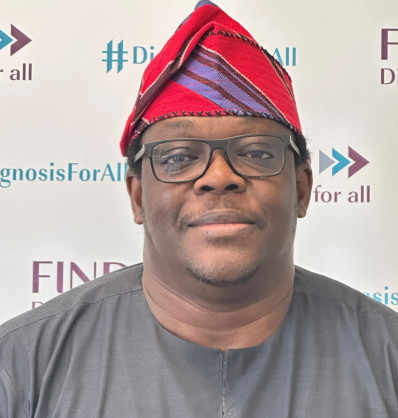
SA is making significant strides in expanding access to both vaccination and screening, but significant barriers remain. Dr Ifedayo Adetifa, CEO of FIND (https://apo-opa.co/4jMkyJA), whose mission is #DiagnosisForAll says, “The fight to eliminate cervical cancer is far from over, but there is hope on the horizon. FIND is working with the public and private sectors in South Africa to find innovative and scalable solutions to test for HPV”.  

Recent research by FIND and partners provides critical insights that could transform how we approach cervical cancer prevention and management. The project explored the acceptability and demand for HPV self-collection testing among South African women as a means of increasing access to HPV screening. 

Key findings from the client surveys include 

1. Low Awareness of Cervical Cancer and HPV: 

  • 58% of women surveyed had little or no knowledge about cervical cancer or its link to HPV. 
  • 46% cited nurses and doctors as their primary sources of information, showing the critical role healthcare providers play in education. 

2. HPV DNA Testing: The Preferred Choice: 

  • 77% of respondents chose HPV DNA testing as their preferred method, valuing its reliability and less invasive nature. 
  • Among these, 71% preferred self-collection, citing privacy and convenience as the main reasons for their choice. 

3. Pharmacy Accessibility: 

  • 74% of women who preferred self-collection indicated they would purchase kits from pharmacies. 

4. Affordability and Willingness to Pay: 

  • Most respondents indicated that a price point between $18 and $36 would make the test more accessible. 

5. Home vs Clinic Preferences: 

  • 59% preferred collecting samples in clinics or hospitals, 28% preferred to self-collect at home, and 14% at a laboratory. 

A Promising Solution: HPV Self-Collection Testing 

One of the standout findings from the research is the high level of interest in HPV self-collection testing. This innovative approach empowers women to take control of their health by collecting samples in the privacy of their homes or at a convenient location. The research further revealed that many women are willing to pay up to $36 (approximately R680) for this service if made available at pharmacies.  

Self-collection testing eliminates the need for invasive pelvic exams in clinical settings which many women find uncomfortable or stigmatising. It reduces the logistical challenges of accessing clinics, particularly for women in rural or underserved areas where healthcare facilities are not readily available. Making self-collection kits available in pharmacies could significantly increase screening rates and achieve early diagnosis. 

The Knowledge Gap Among Healthcare Practitioners 

While self-collection testing presents an exciting opportunity, its success depends on a well-informed and capable healthcare system. Unfortunately, the research revealed a concerning lack of understanding among healthcare practitioners regarding the national cervical cancer management protocols.  

Without proper guidance, healthcare providers may fail to offer appropriate counselling, follow-up, or referrals for women with abnormal screening results.  Addressing this issue requires targeted training and capacity-building initiatives. FIND, in partnership with the National Department of Health (NDOH), trained over 700 health practitioners between September and October 2024, 

The Public Awareness Deficit 

Equally troubling is the lack of available information for the public about cervical cancer, its causes, and prevention methods. Many women remain unaware of the importance of regular screening.  Through its community arm, the African Cervical Health Alliance (ACHA), FIND, NDOH, and private sector partners engaged community health partners to develop, adapt and distribute over 10,000 copies of materials to communities about prevention and treatment of cervical cancer. 

A Vision for the Future 

To reduce the burden of cervical cancer in South Africa, we need a multi-pronged approach that combines education, innovation, and systemic reform. This includes: 

  1. Policy Support: Advocating for policy changes to integrate self-collection testing into the national screening program and subsidize costs for low-income populations. 
  2. Expanding Access to Self-Collection Testing: Making HPV self-collection kits widely available at affordable prices. 
  3. Enhancing Practitioner Training: Ensuring healthcare providers are well-versed in national cervical cancer management protocols. 
  4. Strengthening Public Awareness Campaigns: Launching nationwide initiatives to educate women and communities about cervical cancer prevention and the availability of new screening options. 

When women have access to convenient, affordable options like HPV DNA self-testing, we're not just improving health outcomes – we're giving women control over their health decisions.” Says Dr Ntombi Sigwebela, Regional Director of FIND (https://apo-opa.co/4jMkyJA)

The South African G20 Presidency is prioritizing health equity, solidarity and universal health coverage. Addressing the diagnostics gap for women's health is crucial to achieving this agenda and building an equitable and inclusive global health architecture.  

For more information on FIND's Cervical Cancer Elimination Project, visit: FIND South Africa (https://apo-opa.co/4jMkyJA)

Distributed by APO Group on behalf of FIND.

Watch our educational webinars:
FIND's YouTube Channel (https://apo-opa.co/3CwQXTx)

Contact details:
Beatrice Bernescut
Director, Communications
FIND 
+41 (0) 79 963 86 78 
www.FINDdx.org 

Media files
FIND
Download logo
Read moreDefeating Cervical Cancer: Improving Access to Testing to Save Lives
16 January 2025

Two-Week Countdown to Applications Deadline for 15th Simola Hillclimb

Location: Sport

Two weeks remain for competitors to submit applications for entry to the exciting 15th edition of the Simola Hillclimb. Closing date is 31 January 2025 65 competitor spots available for Classic Car Friday, 84 for two-day King of the Hill Simola Hillclimb is South Africa’s premier motoring and motorsport lifestyle event, takes place in Knysna […]

Read moreTwo-Week Countdown to Applications Deadline for 15th Simola Hillclimb
13 January 2025

Mukuru Launches Mobile Wallet in Zimbabwe to Bolster Financial Inclusion

Location: News
MukuruNext-generation financial services platform Mukuru (www.Mukuru.com) has launched a mobile wallet in Zimbabwe called Mukuru Wallet. The secure digital store of value follows Mukuru's award of a Deposit-Taking Microfinance Institution (DTMFI) licence in Zimbabwe by the Reserve Bank of Zimbabwe.

Building on Mukuru's trusted capabilities, which support more than three-million Zimbabwean customers, the wallet has several benefits, including its standout features: two pockets that allow users to send and receive money locally and internationally from mobile phones, safe storage of funds as well as a free cashout on international transfers.

Marc Carrie-Wilson, Send Money Home Zimbabwe CEO says: “The Mukuru Wallet is a significant development in the country because we have built a reputable brand by consistently ensuring cash availability when needed. To avoid disappointing people who travel long distances to receive their remittances which they use for food, school fees and other essential services, we now have 250 of our own service points. With a network stretching across urban and rural areas, we can reach more people than ever, providing constant cash availability and valuable digital solutions, such as the Mukuru Wallet, to the underserved communities.”

Mukuru Zimbabwe Financial Services CEO, Doug Tait-Knight, says: “Mukuru takes its role as a fintech driving financial inclusion seriously. With this wallet, we tap into our strength which lies in our robust network and technology, as well as our crispy notes that are always available, making this an exciting moment in our evolution in Zimbabwe.

“The wallet environment enables us to start providing additional value such as allowing more affordable domestic money transfers, supporting safety by eliminating the need for customers to walk around with large sums of money, and providing convenience and cost savings, such as paying for electricity, buying airtime, settling DSTV bills and paying for insurance from their couch. Our use of multiple channels also ensures accessibility for our customers,” explains Tait-Knight.

While currently focusing on private end users, soon organisations will be able to partner with Mukuru to make use of its local capabilities and global footprint to facilitate payments, such as distributing money to farmers, supporting payroll for small businesses and securing traceable aid distributions. Various organisations such as Cottco and the United Nations, through the World Food Programme, and the United Nations Children's Fund (UNICEF) already partner with Mukuru.

Kevin Nyakotyo, Mukuru's Enterprise Sales Manager for Zimbabwe and Zambia, added, “Our success in the end-user sector has enabled us to set in motion plans to enter the business sector. Whether it is for tobacco or cotton, payments made to farmers are often large sums of money. The Mukuru Wallet will make receiving these large sums of money far safer because beneficiaries won't need to draw all their cash at the same time.

“We have a mandate to educate the market based on trends we see, and with this wallet, we are reaching out to both organisations and individuals and giving them peace of mind to know their funds will be safe and can be collected at any time. They can draw an amount that suits them with full confidence the cash will be available wherever they are, whenever they need it,” says Nyakotyo.

Distributed by APO Group on behalf of Mukuru.

Notes to Editor: 
Mukuru is a leading next generation financial services platform in Southern Africa that offers affordable and reliable financial services to a customer base of over 17 million+  across Africa, Asia and Europe.

With over 100 million transactions to date, our core was built providing international money transfers and from this base, we've developed a set of services to address the broader financial needs of our customers. We now operate in over 60 countries and across over 500 remittance corridors.

We are a business that puts the customer at the centre of everything we do, and for that reason, we serve clients across physical and digital channels, by various payment methods (cash, card, wallet) as well as a range of engagement platforms including WhatsApp, USSD, contact centre, App, website, agents and a branch and booth network.

Mukuru has, for the fifth consecutive year, been listed as one of the top 100 Cross Border Payments businesses in the world in the 2024 FXC Intelligence Top 100 Cross-Border Payment Companies (https://apo-opa.co/3PCjAkY), one of only six African companies to receive this accolade.

In 2023, Mukuru officially ranked sixth on the LinkedIn Top Companies List in South Africa.

Mukuru was celebrated for innovation and excellence at the 2023 Africa Tech Festival Awards, receiving the Fintech Innovation of the Year Award - an acknowledgment of the transformative power of financial technology in driving economic growth, financial inclusion, and digital transformation. Visit www.Mukuru.com to learn more.

Media Enquiries:
Ammaarah Kootbodien
ammaarah@duomarketing.co.za
(+27) 071 529 6449

Kgomotso Hlakudi 
kgomotso.hlakudi@mukuru.com
(+27) 073 333 1672

Mthokozisi Dube
mtho.dube@lalataucomms.co.za
(+27) 81 790 2070

Media files
Mukuru
Download logo
Read moreMukuru Launches Mobile Wallet in Zimbabwe to Bolster Financial Inclusion
13 January 2025

Class of 2024 commended for their resilience

Location: News

Class of 2024 commended for their resilience

Basic Education Minister Siviwe Gwarube has commended the 2024 matric top achievers for their resilience and determination.

Gwarube, together with mobile network provider, MTN, hosted a Ministerial Breakfast in honour of 39 matric top achievers on Monday.

Held in Randburg, Johannesburg, the event comes ahead of the official announcement of the 2024 matric results later on Monday .

Congratulating the country’s top achievers, Gwarube said the learners demonstrated that challenges are not roadblocks, but stepping stones to greatness.

Despite punishing poverty levels, with some learners coming from child-headed households, Gwarube said the learners are thriving and putting their future first.

“Many of you do not come from affluent households… Thank you for enduring the hard times. It has been worth it.

“Soon, you will take on the pen and write your beautiful story. The next chapter of South Africa’s story will be exciting because of your work ethic and hard work. Do not view it as a daunting task… the future is yours to shape!” Gwarube told learners.

The Minister also noted that the official announcement of the 2024 matric results will see two extraordinary learners being honoured with a special ministerial award for overcoming immense adversity to achieve excellent results in the National Senior Certificate (NSC) examinations.

“They’ve showed us that even some of the things that could break many of us, they’ve used it to fuel themselves so that they can strive for better and change their lives,” the Minister said.

She said the department has this year adopted the South African national flower, the protea, as the theme for the 2024 matric result. The protea is a symbol of enduring strength.

“The protea thrives in adversity, with its woody seeds, corns and its roots that are designed to survive even the worst of wildfires. In fact, the seeds of the protea, once ashes have been left behind, nourish the soil, making sure that the flower grows and becomes better than before,” explained Gwarube.

READ | Determination pays off for top achievers

MTN Chief Risk Officer Bradley Swanepoel extended his heartfelt congratulations to the Class of 2024.

The matric results will be announced at 6pm. – SAnews.gov.za

GabiK
Mon, 01/13/2025 - 14:28

91 views
Read moreClass of 2024 commended for their resilience
9 January 2025

A Booming Continent Needs a New Payment Infrastructure

Location: Business
MultiChoice Group

Africa is an exciting, vibrant and creative place to do business. But make no mistake, it has its challenges. Currency devaluation, political instability, and service disruptions are endemic. Africa is not for sissies, as the saying goes.

In navigating those challenges, relationships matter. It's not so much about throwing money at a problem, it's about investing time, building trust, meeting with partners and regulators, and understanding each other's needs.

Africa offers an enormous upside for those prepared to make this time investment. The continent's population is set to reach 2.5 billion (http://apo-opa.co/3W7Kp4w) by 2050, and Africa's people are embracing digital technology, as the World Bank (http://apo-opa.co/3Waln4F) confirms. They are leveraging digital connectivity to improve their lives, educate themselves, send remittances, and start small enterprises. There is value in investing in that level of human development.

The payments opportunity

Running through this African growth trajectory is a particular business thread: payments (http://apo-opa.co/3WawLxk). There are opportunities for anyone who can simplify, rationalise and standardise payments for the continent's dynamic financial economy.

An organisation in just such a position is MultiChoice (www.Multichoice.com/), the leading pan-African video entertainment provider for almost 40 years. In building a pay-TV network across the continent, with up to 23.5 million (http://apo-opa.co/3WawOJw) customers across 50+ markets, and 100 million+ monthly viewers, MultiChoice also built relationships across the continent to collect payments, for DStv, GOtv, and Showmax – potentially the only large enterprise to need such enormous breadth.

The Group has converted the opportunity that this represents, partnering with global venture-capital firm General Catalyst and payments company Rapyd to launch Moment (http://apo-opa.co/4ad1H5N), which aims to be the broadest, deepest payment network across Africa.

Launching with Showmax and DStv as initial clients, Moment started processing payments for parts of the group in January 2024. By November 2024 MultiChoice was already collecting around 35% of its revenue through Moment rails, and those numbers are rising quickly. Services to other enterprises were rolled out in August.

Moment already collects and disburses across 44 African countries, accepting 200+ local payment methods – spanning in-person payments at over 1 million store and agent locations, mobile money, credit and debit cards, bank transfers, and digital wallets.

Enabling consumers and businesses to move from cash to digital, Moment and its network offers users access to better financial opportunities, lower prices, higher quality goods and services, and full access to the digitally enabled economy.

Expanding the ecosystem

To access the initial target market of large enterprises that will benefit from the reach, breadth, and high performance needed by MultiChoice, Moment has built out a fully cloud-native infrastructure. The platform can deliver on the high daily and weekly loads needed for one of the largest billing bases on the continent, and also smoothly deal with the potential for network outages, power cuts, and other disruptions.

In order to ensure businesses have access to the daily cash flow they need, Moment has built a robust financial reconciliation and settlement system capable of automating and simplifying the daily reconciliation process for enterprises and enabling them to spend tight staffing budgets efficiently, while getting fast, accurate financial reporting and access to their receivables.

To help these enterprise customers expand their customer bases, Moment opens up the largest mass-market suite of payment channels through its network, enabling businesses to fully tap into the mass market's buying power for the first time with a single API connection – providing access to more than a million in-person payment locations across spaza shops, modern retail locations, and a host of online payment options tuned to the needs of each local market.

To ensure that Moment's clients and the market are ready for the future, Moment is building a “coalition” around real-time payments, to educate consumers on the benefits of PayShap and other real-time payment methods that can significantly reduce cost and increase payment speed. DStv and Moment launched PayShap payments in South Africa as the first “consumer to business” real-time payment option built on South Africa's RPP payments system. Moment has developed partnerships with similar systems in the SADC countries and Nigeria to expand real-time payments as the market evolves.

Simplifying the process

One of the reasons MultiChoice first looked at the payments space was precisely because it is a complex environment, characterised by multiple service agreements, commission rates and exchange rates. It made sense to try to simplify the payments landscape, for everyone's benefit.

Africa is a challenging territory, but Africans are agile and innovative. Trends and new solutions emerge constantly. Any platform entering this space must recognise that there isn't one answer; there are many. By partnering with MultiChoice, Moment has built out technology with the flexibility to configure the right solution for each market.

The upsides of building for the challenging scale of MultiChoice as a launch client are significant – other enterprises Moment is working with have built unwieldy daily financial operations to manage their own complexity. Anecdotally, one merchant maintains a staff of 75 people doing reconciliations for their business – operations that can be automated and streamlined leveraging the Moment platform. Moment presents a vast opportunity in simplifying that process, automating it, while enabling customers to focus on their core business and customer relationships.

Africa is the largest single opportunity in the world. As our population booms over the next 20 years, many new business foundations will need to be laid across the continent – especially in the area of payments.

Payments are the lifeblood of Africa's economy. Enabling them efficiently and cost-effectively, across the continent, ensures Africa performs to its full potential. Through the partnership with MultiChoice, Moment is well positioned to be at the core of this transformation for decades to come.

Distributed by APO Group on behalf of MultiChoice Group.

Media files
MultiChoice Group
Download logo
Read moreA Booming Continent Needs a New Payment Infrastructure
8 January 2025

CSA Names SA U19 Men’s Squads For Youth ODI And Test Series Against England

Location: Sport

JOHANNESBURG: Cricket South Africa (CSA) has announced the South Africa Under-19 Men’s squads for the upcoming Youth One-Day International and...

Read moreCSA Names SA U19 Men’s Squads For Youth ODI And Test Series Against England
6 January 2025

Cubs Week Day 1 Wrap: Namibia and USA Join the Action as Cubs Week Kick-Offs in Stellenbosch

Location: Sport

STELLENBOSCH: Namibia and the USA U19 teams added an exciting international flavour to the 2025 Cubs Week, Cricket South Africa’s prestigious...

Read moreCubs Week Day 1 Wrap: Namibia and USA Join the Action as Cubs Week Kick-Offs in Stellenbosch
29 December 2024

Proteas Men Reach ICC World Test Champions Final

Location: Sport

JOHANNESBURG: Cricket South Africa (CSA) has congratulated the Proteas Men on qualifying for the ICC World Test Championship (WTC) Final, set...

Read moreProteas Men Reach ICC World Test Champions Final
18 December 2024

Squad Announced for Test Series Against Pakistan

Location: Sport

JOHANNESBURG: Red-ball head coach Shukri Conrad has today announced a 16-player squad for the two-match Test series against Pakistan, starting at...

Read moreSquad Announced for Test Series Against Pakistan
16 December 2024

Surging Investment, Waves of Change

Location: News
African Energy Chamber

By NJ Ayuk, Executive Chairman, African Energy Chamber (https://EnergyChamber.org/).

I've said for years that African energy is a vital investment. Backers clearly agree — to the tune of USD47 billion. That's how much capital expenditure (capex) 2024 saw in African oil and gas, showing a 23% increase from last year. Better yet, we expect growth to continue through the end of the decade.

This capex activity is a welcome sign that energy majors are deepening their long-term interests in Africa. And as our 2025 State of African Energy report details, their momentum has created unique opportunities for local communities, indigenous companies, and national oil companies (NOCs) from other continents.

Emerging Players

While the majority of 2024's capex was driven by established producers like Angola and Nigeria, emerging players are making noise in the industry. Take Senegal, which saw its first offshore oil production this year. Ghana, following a five-year slump, increased oil output during 2024 by 10% and gas output by 7%.

Exploration hotspot Namibia also deserves a special mention: The Southern African nation aims todrill over 12 offshore wells next year, begin production by 2029, and become one of the top-five African producers by the 2030s. Good work for a nation that only discovered its enormous reserves in 2022! I frequently cite Namibia because it proves that a complete newcomer can attract serious foreign investment with smart, swift policy changes — and poise itself to shake up the energy industry.

Increased Exploration

An exciting question remains: Just where will we find the next Namibia Thanks to a resurgence in exploration, another hotspot may be around the corner. There were 1,060 wells drilled in Africa this year — more than any time since 2015. Africa has also become a global leader in drilling high-impact wells, which have the potential to significantly increase overall reserves. That strategy is already paying off: Notable 2024 finds include Namibia's Mopane complex, which holds approximately 10 billion barrel of oil equivalent (boe) – “one of the world's largest offshore finds,” according to Offshore Magazine. Even while global exploration as a whole remains stagnant, Africa is stepping up to meet growing energy demands.

When exploration is successful, new fields follow. We also expect to see African greenfield spending exceed brownfield by 10% by 2030. These capex trends all demonstrate that investors won't limit themselves to mature fields: Eyes are on fresh locations, fresh facilities, and fresh opportunities in Africa.

A Gas Future

As we highlight in our 2025 report, one of those opportunities is natural gas. Africa holds nearly 18 trillion cubic meters of reserves, which will prove essential for a just energy transition as natural gas can provide significant near-term emissions reductions while fostering energy security and economic development. Global demand for this clean-burning resource is also growing, particularly in Asia. That's why I'm glad to see a greater emphasis on developing natural gas resources. In 2023, capex spending on natural gas was about 30%, but this is projected to grow 10% by 2030. It's another sign that more investors are thinking in the long term about Africa, and interested in being part of a just energy transition.

Take Senegal, where the Greater Tortue Ahmeyim gas field will begin production next year. A Final Investment Decision is also expected in 2024 on Yakaar-Teranga. The West African nation is another fantastic example of how operator-friendly policies, political stability, and vast reserves can attract significant foreign investment: I'm excited to see Senegal transform itself from an oil importer to a gas exporter.

M&A Opportunity

The past year saw a huge increase in divestment by O&G majors: Large IOCs are aggressively streamlining their African portfolios. As a rule, they're selling mature, high-emission, and high-cost assets. While large divestments often signal trouble, they're actually creating some promising changes for African O&G.

For one, Asian and Middle Eastern nations are purchasing more assets: Dubai, Qatar, the U.A.E., Malaysia, and Chinese NOCs acquired stakes in Egypt, Mozambique, Namibia, Kenya, and South Africa this year. As global demand for energy grows, particularly in Asia, I'm glad to see these nations looking to Africa for long-term solutions.

Foreign divestment also matters because it's creating opportunities for indigenous companies. Thanks to a recent Shell acquisition, Aradel Holdings became Nigeria's most valuable oil company (https://apo-opa.co/3ZVzGwh). In Angola, IOC Afentra has acquired Azule's (a joint BP and Eni venture) assets and plans to dramatically increase the nation's overall output.

“Having the big players sell to independents is the future,” oil trader Trafigura said in a statement.

It's a promising pattern: Majors sell off mature assets and use the capital to invest in fresh fields and facilities. Independent foreign or indigenous companies use their acquired assets to expand but are spared the expense of building facilities from the ground up. These smaller companies are also strongly motivated to further develop and reduce emissions from these existing fields — an environmental and financial win for everyone.

The Angolan government clearly agrees, encouraging regional players with tax incentives and reduced government profit shares. It will be truly fascinating to watch this industry shakeup in Nigeria and Angola, which have been dominated for decades by majors.

It's no secret that Africa needs O&G majors to stay: They drill over half of our exploration wells and hold a quarter of the continent's equity production. However, I'm thrilled to see indigenous companies growing and harnessing these assets to their fullest extent.

Conclusion

Just what prompted this surge in African capex? A great deal of credit goes to common sense policy changes in nations such as Namibia, Senegal, Mauritania, Egypt, and Angola. We can also point out that the COVID-19 pandemic artificially slowed capex for several years, so an uptick was inevitable once the world opened up again. 

However, I believe a lot of it comes down to economic reality: Global energy needs are rising. Africa has vast, untapped resources. I urge all parties to continue building a thriving energy industry that takes Africa – and the world – into the next century.

For further insights, check out our 2025 State of African Energy report here (https://apo-opa.co/3ZHldTr).

Distributed by APO Group on behalf of African Energy Chamber.

Media files
African Energy Chamber
Download logo
Read moreSurging Investment, Waves of Change
  • Previous
  • Page 1
  • Page 2
  • Page 3
  • Page 4
  • Page 5
  • Interim pages omitted …
  • Page 21
  • Next

Copyright © 2026 · MyZA · All Rights Reserved · Powered by Stratlec Online