• Skip to main content
  • Skip to header right navigation
  • Skip to after header navigation
  • Skip to site footer
MyZA

MyZA

News, Directory, Events and Other Stuff

  • Social Media
  • Sport
  • World News
  • Home
  • Submit News
  • Directory
  • Events
  • Stratlec
  • TFSA
  • News
    • APO
    • Today’s Sport News
    • Todays Social Media and Tech Headlines
    • Today’s World News
    • Today’s SA Financial News
  • Contact
You are here: Home / Archives for global

global

22 October 2024

SA, Russian Presidents meet ahead of significant BRICS Summit

Location: News

SA, Russian Presidents meet ahead of significant BRICS Summit

By Neo Bodumela

Kazan, Russia: President Cyril Ramaphosa has on Tuesday afternoon held a bilateral meeting with his Russian counterpart, President Vladimir Putin.

The meeting was held on the sidelines of the XVI BRICS Summit in Kazan, Russia. 

“We continue to see Russia as a valued ally, as a valued friend who supported us right from the beginning, from the days of our struggle against Apartheid…up until now.

“So, we are really delighted to be here and to know that we are going to have very important discussions here in Kazan, within the BRICS family,” President Ramaphosa said.

He told the Russian delegation at the meeting that since the last BRICS Summit held in South Africa last year, the country has held elections and formed a Government of National Unity.

“We have formed a Government of National Unity following our elections in May of this year. We will have time…to talk more about that and inform you how that whole process of governing South Africa with a number of other partners is evolving as we have sought to unite the country, to stabilise the country politically,” he said.

The President added that the South African delegation was enthused to be at the BRICS Summit.

The delegation includes Minister in the Presidency Khumbudzo Ntshavheni, International Relations and Cooperation Minister Ronald Lamola, Minister of Trade, Industry and Competition Parks Tau and Defence and Military Veterans Minister Angie Motshekga.

“We would like to congratulate you for…being the President of BRICS having taken over from us. As South Africa we are sure that we will be able to chair our summit so that BRICS and the enlarged BRICS body can continue growing.

“We also do look forward…to the Summit itself, to participate with all other countries under your leadership and deal with matters that are of great importance in geo-political terms and everything that is happening around the world and also, the matters that have to do with trade and climate change [and] with peace and security,” President Ramaphosa said. 

The expanded BRICS now covers 43% of the world's population, 32% of the world's land area, around 35% of global GDP and 20% of world exports and provides opportunities to develop mutually beneficial cooperation that contributes to the sustainable growth and development of South Africa.

The leaders of Brazil, China, Egypt, Ethiopia, India, Iran, Russia, South Africa and the United Arab Emirates will meet for the first time since new members were invited to join BRICS during the Johannesburg II BRICS Summit of 23 August 2023.

During the Summit, BRICS leaders will reflect on the status of mutually beneficial BRICS cooperation, regional and global economic and political developments as well as global governance reform. - SAnews.gov.za
 

Janine
Tue, 10/22/2024 - 18:17

34 views
Read moreSA, Russian Presidents meet ahead of significant BRICS Summit
22 October 2024

Mental health placed under the spotlight 

Location: News

Mental health placed under the spotlight 

Deputy Minister in the Presidency for Women, Youth and Persons with Disabilities, Mmapaseka Steve Letsike, has emphasised the need for targeted interventions that integrate prevention, care, and treatment of mental health challenges, particularly for the youth.

Letsike was speaking at the Commonwealth Youth Forum (CYF), on Tuesday on the sidelines of the Commonwealth Heads of Government Meeting (CHOGM) currently underway in Apia, Samoa.

Letsike is leading the South African delegation at the 2024 CHOGM which is convened under the theme “Our Resilient Common Future: Transforming our Commonwealth”.

The CHOGM Samoa 2024, taking place from 21 to 26 October 2024, will feature several Ministerial Meetings, including 35 side events, four Forums, and the election of the new Commonwealth Secretary-General.

Addressing the youth forum, Letsike said that as part of the apex priorities for the youth, the Republic of South Africa has prioritised physical and mental health promotion among the youth as a basic human right.

However, the Deputy Minister noted that while many countries like South Africa are starting to put in place mental health policies, such policies often fail to provide for the needs of young people, as they are not adequately implemented.

“As the Republic of South Africa, we are keen to learn from nations in the Commonwealth on how mental health among the youth is addressed, particularly as we forge ahead with our own interventions. We have a responsibility, as governments of the world, to respond to the global mental health crisis among young people,” Letsike said.

Interventions promoting mental health

Letsike highlighted South Africa’s National Youth Policy which proposed interventions that would promote mental health and these include:

•    Introducing compulsory physical education to promote healthy lifestyle and combat diseases such as diabetes, hypertension, and obesity.
•    Providing recreational facilities, including gyms and sporting facilities in communities.
•    Having onsite community and institution-based professionals to provide psycho-social services which strengthen families and address social ills such as mental health, substance abuse, crime, bullying, gender based-violence, rape, racism, and other forms of discrimination. 
•    Increasing awareness of therapy and counselling services for children, adolescents, and youth, including those in disadvantaged and rural communities.
•    Extending programmes and services to support parents and guardians of affected children and youth.
•    Increase awareness on counselling services for children, adolescents and youth, including for youth in disadvantaged and rural communities. These include ISHP services, community-based mental health services provided by NGOs, Childline and the South African Depression Action Group (SADAG). 
•    Department of Health to establish community-based mental health institutions for provision of these services and they should be given names that do not attract stigma to patients.
•    Introduce a dedicated 24/7 confidential service toll-free numbers accessible to youth seeking counselling services. Chat services with lay counsellors, youth workers, psychologists, mental health therapists or professional counsellors on platforms such as WhatsApp/Messenger are useful and can be linked to geographic information system (GIS) to identify the location of the user and offer immediate response in case a person has suicidal ideation or other mental health challenges. Such services were advertised widely during pandemic lockdown and should be expanded, rolled out and implemented beyond pandemic.
•    All role players must view the mental health issue broadly using the public health lens, and deal with the root causes of challenges facing youth, such as high levels of gender-based violence, drug-abuse, suicide, crime, experiences of racism or other discrimination, and the psyche of unemployed young people.

Letsike said the interventions must be comprehensive, consistent, and adequately meet young people’s mental health needs.

She emphasised that professional counsellors, psychologists, psychiatrists, specialist nurses, and other trained staff must be prepared with adequate information to ensure quality care provision.

“These professionals must also collaborate with young people, their families, and communities, particularly in dismantling the current power imbalances and patterns of oppression, discrimination, and exploitation.

“We cannot wait any longer to take action - the mental health and well-being of our youth is at stake! The consequences of failing to safeguard the mental health conditions of the youth extend to adulthood, impairing their physical and mental health and limiting opportunities for them to participate meaningfully in all areas of human endeavour,” Letsike said. – SAnews.gov.za
 

GabiK
Tue, 10/22/2024 - 14:36

147 views
Read moreMental health placed under the spotlight 
22 October 2024

Bringing Streaming to the Mainstream

Location: News
MultiChoice Group

Television is in the midst of its latest game-changing technology shift – this time from the traditional linear, direct-to-home (DTH) content distribution model to the over-the-top or OTT approach. 

OTT – or streaming – offers flexibility, and means users are no longer tied to a specific device or location to consume content.  

The power of access is now in the hands of the customer, who can choose what to watch, when, and how much of it. This is an advantage for large content providers. At MultiChoice Africa, for instance, streaming on-demand is the perfect way to give customers access to our self-produced local content library of 84 000 hours.  

Innovating for a better experience  

The shift to streaming and OTT also comes with new challenges, however. Faced with thousands of hours of content, viewers may be overwhelmed. Artificial Intelligence and machine learning allow us to solve this, surfacing and recommending customised selections of content based on viewing behaviour.  

To do this effectively, UX design must build upon AI data insights, to shape the content experience in ways that are both personalised and attuned to industry trends.  
 
Because audience preferences can now be observed and understood in real time, it's also important that in-house UX teams be deeply integrated with product and tech teams. This has been our approach with our ongoing MultiChoice UI design refinements. 
 
Another AI application in the broader content space is in building efficiencies that allow millions of viewers to watch content in their local languages.  
 
At MultiChoice, have been able to train AI for subtitling in several regional languages, enabling us to automate translations for entire series of content. This capability has already been deployed for Swahili translations in Kenya, on the Showmax platform, as well as in two vernacular languages in Nigeria.  
 
The next step is to use AI to automate the audio dubbing of content into African regional languages to further bolster the content that we already deliver in those languages.  

As an Africa-wide content provider, MultiChoice also understands that our customers face very real data challenges. We have therefore been forced to innovate to alleviate this pain point, and to find value and efficiencies for our customers through technology.  

Data compression is one solution we have found. To address the distance factor, we have found partners that will allow us to cache content closer to our various user communities. We have created nodes closer to those regions that will copy content from source locations in South Africa before relaying it to the end user.   

Adapted bit rate is another practical solution to data challenges. With this in place, picture quality adapts dynamically along with internet fluctuations, while ensuring that the stream remains uninterrupted. We also allow users to select bit rates and stream qualities according to their needs, to optimise their data use. 

We have also formed partnerships with telcos across Africa to package our content with their data offers. It is a time of great innovation in the market.   

Buffering and latency solutions 

A related technology challenge is latency issues, which will be familiar to anyone who has been watching live TV during a power outage. The streaming lags and buffering effects that often result can be a real inconvenience. To address this, we have implemented a low-latency solution with one of our partners. Again, the goal is for streaming to have the same latency quality as DTH or linear satellite TV. 

In our approach to solving this, we set ourselves the goal of getting our buffering rate to below the industry standard in developed countries, which is 0.72%. The buffering rate represents the percentage of time that a device is buffering, instead of playing content. We have already achieved an average of 0.31% and we are confident of achieving further gains.  

We are also working to optimise our configuration to ensure that our OTT platforms receive our stream before satellite receives the stream, to gain additional seconds, and compensate for the discrepancy.  

If we are going to bring streaming into the mainstream, I believe it should have the same high-quality viewing experience as satellite.  

Another technological discrepancy is lags in the content delivery times between DTH and streaming. We conducted a study of major international players in “first world” markets, and found that streaming delivery was often between 20 and 25 seconds behind satellite.  

In our quest to align these two platforms, we have managed to get lags down to five seconds, and we are on course to drop them even further, so that our steaming speed is on par with our decoder broadcasts. This confirms that African streaming services are now among the global leaders in this space.  

The next phase of innovation in the TV space is already upon us. Thanks to streaming innovation, the medium is now ubiquitous – accessible everywhere we go.  

But for that transition to be real, for it to represent real evolution, we must use all the technology and expertise at our disposal to ensure streaming is as good, as fast, and as seamless as the technology that came before it. And even more entertaining!  

Then, it becomes time for the next transition. And that process is already underway. It's an exciting time for television. 

Distributed by APO Group on behalf of MultiChoice Group.

Media files
MultiChoice Group
Download logo
Read moreBringing Streaming to the Mainstream
22 October 2024

President Ramaphosa arrives in Russia for BRICS Summit

Location: News

President Ramaphosa arrives in Russia for BRICS Summit

President Cyril Ramaphosa has arrived in Kazan in the Russian Federation to lead South Africa’s participation in the XVI BRICS Summit.

President Ramaphosa will commence his programme this afternoon with a bilateral meeting with President Vladimir Putin of the Russian Federation.

“The meeting will present an opportunity for President Ramaphosa to communicate priorities of the seventh administration, highlight the strategic importance of the Russian Federation to South Africa, and to exchange views with the Host President on issues of mutual interest,” said the Presidency.

President Ramaphosa will also hold several bilateral meetings with leaders attending the BRICS Summit to strengthen political and economic relations in line with South Africa's national interests and foreign policy priorities.

In the evening, President Ramaphosa will attend the welcome cultural ceremony for BRICS leaders hosted by the Chair of BRICS 2024, President Putin.

On Wednesday, the President will deliver the country statement during the BRICS Plenary session themed Strengthening Multilateralism for Just Global Development and Security”.

He will also attend the Welcoming Ceremony for Heads of Delegations of BRICS States, Invited Countries and International Organisations.

“President Ramaphosa will deliver the second country statement on 24 October 2024 during the BRICS Summit Outreach/ BRICS Plus session held under the theme “BRICS and Global South: building a better world together”. 

“The aim of the dialogue is to enhance BRICS ties with leading developing economies.”

According to the Presidency, BRICS plays an important role in a multipolar world, championing multilateralism, mutually beneficial cooperation and sustainable development.

“A founding value of BRICS is the shared vision of the urgent need to restructure global political, economic and financial governance to be more fair, just and representative. 

“The expanded BRICS now covers 43% of the world's population, 32% of the world's land area, around 35% of global GDP and 20% of world exports and provides opportunities to develop mutually beneficial cooperation that contributes to the sustainable growth and development of South Africa.”

The leaders of Brazil, China, Egypt, Ethiopia, India, Iran, Russia, South Africa and the United Arab Emirates will meet for the first time since new members were invited to join BRICS during the Johannesburg II BRICS Summit of 23 August 2023.

During the XVI BRICS Summit, BRICS leaders will reflect on the status of mutually beneficial BRICS cooperation, regional and global economic and political developments as well as global governance reform.

The Presidency said they will consider reports requested during the Johannesburg II BRICS Summit, including a report by BRICS Foreign Ministers on the further development of the BRICS Partner Country model and prospective candidates and a report by BRICS Finance Ministers on the consideration of local currencies, payment instruments and platforms. 

The summit will also hear reports from the New Development Bank, BRICS Interbank Cooperation Mechanism, BRICS Business Council and BRICS Women’s Business Alliance. – SAnews.gov.za

Janine
Tue, 10/22/2024 - 14:44

1 view
Read morePresident Ramaphosa arrives in Russia for BRICS Summit
22 October 2024

Petrobras to Lead Brazilian Companies to African Energy Week (AEW) 2024

Location: News

African Energy Chamber
Download logo

Brazil's state-owned oil and gas company Petrobras is leading a delegation of Brazilian companies to the African Energy Week (AEW): Invest in African Energy conference – taking place November 4-8 in Cape Town. The move follows a string of acquisitions made by Brazilian companies in Africa in recent months and aims to unlock new avenues for partnerships in oil and gas exploration and production.

The delegation comprises Petrobras' Exploration and Production Director Sylvia dos Anjos; Dr. Roberto Ardenghy, President of the Brazilian Institute of Oil and Gas; Dr. Marcio Mello, Founder of the Namibia Energy Corporation; and Henrique Luiz de Barros Penteado, Petrobras Netherlands B.V. Exploration Manager. As the largest energy event in Africa, AEW: Invest in African Energy 2024 offers a strategic platform for strengthened Africa-global partnerships.

AEW: Invest in African Energy is the platform of choice for project operators, financiers, technology providers and government, and has emerged as the official place to sign deals in African energy. Visit http://www.AECWeek.com for more information about this exciting event.

Petrobras – the biggest oil producer in Brazil – is rapidly expanding its footprint in Africa, with strategic acquisitions in South Africa, Namibia and São Tomé and Príncipe. In September 2024, the company's board gave the greenlight to acquire a 10% stake in the offshore Deep Western Orange Basin in South Africa, heralding a new era of exploration in the promising block. Situated adjacent to where high-profile discoveries have been made in Namibia, the deepwater block offers significant potential for billion-barrel finds. The block is operated by energy major TotalEnergies alongside project partners QatarEnergy and Sezigyn.

In Namibia, Petrobras is making a bid for a 40% stake in the Mopane oil and gas exploration block, which international oil company Galp has put up for sale. The block was the host of a major discovery in January 2024, with reserves estimated as high as 10 billion barrels recoverable. Now, Galp is seeking farm-in partners to accelerate the development of the block. If successful, the acquisition would signal Petrobras' entry into the market, which has been the host of some of Africa's biggest offshore discoveries in recent years. This aligns with the company's goal to expand its international footprint while paving the way for Namibia to leverage the expertise of its South American neighbor.

Petrobras' return to Africa followed the acquisition of interests in three Shell-operated exploration blocks in São Tomé and Príncipe in December 2023. The deal covers Blocks 10, 11 and 13, aligning with the company's strategy to expand its interests into frontier markets in Africa. The company has dedicated $1.3 billion over the next five years for exploration outside of Brazil, underscoring its commitment to diversifying its portfolio and driving exploration in Africa.

Looking ahead, Petrobras remains committed to frontier exploration opportunities. Recently, Petrobras has asked to consult geological data in Angola, Sierra Leone, Equatorial Guinea, Liberia, Benin and Ivory Coast. The company's newfound upstream strategy aims to significantly enhance its production capacity while tapping into the potential of emerging and promising markets – particularly those in Africa. This extends to producing countries such as Angola, which continues to offer untapped potential in onshore and ultra-deepwater acreage. Angola and Brazil rank in the top ten globally for ultra-deepwater reserves, highlighting a strategic opportunity for collaboration. Frontier assets such as in the Namibe basin offer strategic potential for Petrobras. At AEW: Invest in African Energy 2024, these collaborative opportunities will be a key topic of discussion, with the Brazilian delegation engaging with industry leaders and project developers in Cape Town.

“Brazil's exploration and production history bears remarkable similarities to that of its African counterparts, specifically frontier markets such as Namibia. Offering similar geological characteristics and with a string of large-scale projects underway, lesson learnt from Brazil can accelerate the pace and success of oil and gas developments in Africa. Companies such as Petrobras are already strengthening their portfolio of African assets, driving projects forward in partnership with African and global players,” states NJ Ayuk, Executive Chairman of the African Energy Chamber.

During AEW: Invest in African Energy 2024, the Brazilian delegation will participate in various panel discussions, tackling critical topics such as frontier exploration, sustainable oil and gas development and technology-driven drilling solutions. The delegation's participation creates strategic opportunities for newfound partnerships as African countries move to unlock the full potential of their offshore oil and gas resources. 

Distributed by APO Group on behalf of African Energy Chamber.

Read morePetrobras to Lead Brazilian Companies to African Energy Week (AEW) 2024
22 October 2024

Informal Miners Burnt to Death During Police Raid: Families Demand Justice

Location: News

Several miners died and scores more sustained severe burns during an Operation Vala Umgodi raid in August

Read moreInformal Miners Burnt to Death During Police Raid: Families Demand Justice
21 October 2024

Deputy Minister Narend Singh leads delegation to United Nations Convention on Biological Diversity (UNCBD COP 16)

Location: News

Republic Of South Africa: Department of Forestry, Fisheries and the Environment
Download logo

South Africa participates in UNCBD COP16 to advance global biodiversity agenda

South Africa will participate in the 16th Meeting of the Conference of the Parties to the United Nations Convention on Biological Diversity (UNCBD COP 16), taking place in Cali, Colombia, from 21 October - 1 November 2024. 

Led by the Deputy Minister of Forestry, Fisheries, and the Environment, Mr Narend Singh, the South African delegation will actively engage in negotiations to promote global biodiversity conservation priorities, enhance sustainable use, and advocate for fair and equitable benefit-sharing from the utilization of genetic resources and digital sequence information on genetic resources. 

COP16 marks the first biodiversity conference since the adoption of the Kunming-Montreal Global Biodiversity Framework (GBF), a pivotal global agreement aimed at halting and reversing biodiversity loss by 2030. South Africa will further share progress and lessons learnt in domesticating the implementation of the Kunming Montreal Global Biodiversity Framework. Since adoption of the GBF, South Africa adopted the White Paper on Conservation and Sustainable Use of South Africa's Biological Resources which outlines four broad goals aligned with the three objectives of the Convention on Biological Diversity; conservation, sustainable use, access and benefit sharing and transformation.

Since 2023, the DFFE has engaged extensively a range of stakeholders in unpacking national targets as a basis for developing the National Biodiversity Strategy and Action Plan with an associated National Biodiversity Finance that will be completed in 2025. South Africa has communicated its national targets ahead of the COP.

South Africa's participation is guided by a strong negotiating mandate that aligns with the African Common Position as per resolutions of the 10th Special Session of the African Ministers Conference for Environment (AMCEN) held in Abidjan, Cot d'Ivoire. South Africa will negotiate as part of the Africa Group of Negotiators (AGN) on Biodiversity, focusing on key issues such as resource mobilization, mechanism for planning, reporting and review, scientific and technical cooperation, and how developing countries like South Africa can benefit from the use of digital sequence information (DSI) on genetic resources.

Key Issues for South Africa at COP16:

    Resource Mobilization: South Africa will advocate for the operationalisation of a dedicated Global Biodiversity Fund, under the authority of the COP, to ensure sustained financial support for the implementation of the GBF. This fund is critical to closing the $200 billion annual financing gap needed to halt and reverse biodiversity loss. The country will call for clear financial commitments from developed nations to support developing countries to honour their obligations to developing countries in line with Article 20 of the Convention.  

    Digital Sequence Information on genetic resources (DSI): As a mega-diverse country, South Africa will strongly support adoption of pragmatic decision on the modality for the operationalisation of multilateral mechanism for fair and equitable sharing of benefits, both monetary and non-monetary, from the use of DSI for conservation and sustainable use of biodiversity including livelihoods improvements for indigenous people and local communities. South Africa's priorities for consideration at this COP includes triggers for benefit sharing, collection and distribution of funds, fund host and data governance.   

    Biodiversity and Climate Change: South Africa, recognises the interconnection between biodiversity and climate change, will advocate for  synergy between biodiversity conservation and climate action and land degradation, advocating for strong social and environmental safeguards as informed by science, the recognition of indigenous knowledge and experience from implementation of projects and will explore synergies with other relevant multilateral environmental agreements such as United Nations Framework Convention on Climate Change and other biodiversity-related multilateral environmental agreements.

Deputy Minister Singh will participate in the High-Level Segment on 29 - 30 October 2024, where for the first time in CBD history, Heads of States and Finance Ministers have been invited to participate in order to provide political momentum to finalise key negotiations in the acceleration of the implementation of the GBF. 

"We approach COP16 with a clear focus on aligning biodiversity conservation with social and economic development, ensuring that the use of our biological resources benefits all South Africans. South Africa will demonstrate how it is making its fair share contribution to halting and reversing the loss of biodiversity within its national capabilities and further call for the provision of adequate, predictable and timely financial resources, for the protection of our natural heritage," said Deputy Minister Singh. 

“Further, we will reiterate President Ramaphosa's call at UNGA 75 that the financial architecture needs to be reformed to meet the needs of developing economies for sustainable development,” added Singh.

Distributed by APO Group on behalf of Republic Of South Africa: Department of Forestry, Fisheries and the Environment.

Read moreDeputy Minister Narend Singh leads delegation to United Nations Convention on Biological Diversity (UNCBD COP 16)
21 October 2024

Europe’s Network and Information Security (NIS2) directive raises the stakes for African businesses to comply with European Union’s (EU) cyber security standards

Location: News
Check Point Software Technologies Ltd.

The European Union's NIS2 cyber security  directive has significant implications for African businesses trading with the continent.  This is according to Check Point Software Technologies (www.CheckPoint.com), a leading AI-powered cloud-delivered cyber security provider, which urges African businesses with strong ties to the EU to take steps to comply with this new, stringent cyber security regulation.

Download document: https://apo-opa.co/3UgCQYj

The European Union's NIS2 Directive, came into effect this month and requires member states to amend their national legislation. The NIS2 Directive imposes strict cyber security requirements, including enhanced management liability, reporting to authorities, risk management, and business continuity planning, placing African companies trading with the EU under increased scrutiny.

The NIS2 Directive builds upon the original NIS1 Directive introduced in 2016, expanding its scope to cover a wider range of sectors including Energy, Banking, Transport, Digital Infrastructure, Healthcare, Food Production, and Research. More than 80% of European enterprises are now within the scope of this legislation, which extends to global supply chain partners—including many businesses in Africa.

Collins Emadau, Check Point Partner and Director at Westcon, explains, “Europe is still Africa's leading trading partner. African businesses, particularly in leading economies such as South Africa, Kenya, and Nigeria, need to understand the far-reaching impact of NIS2. Compliance is not just about meeting EU standards—it's about securing their future in a globalised market. Failure to comply will result in not only heavy fines but also the potential loss of critical trade partnerships with EU member states."

What's at Stake for African Businesses?

The EU remains the largest trading partner for Africa, with over 18 Economic Partnership Agreements and trade worth billions annually. African businesses, especially in sectors like Energy, Banking, Transport, and Manufacturing, are key partners in the EU's supply chains. To continue doing business with EU companies, African organisations must comply with NIS2, which mandates strict cyber security measures to protect critical infrastructure and supply chains.

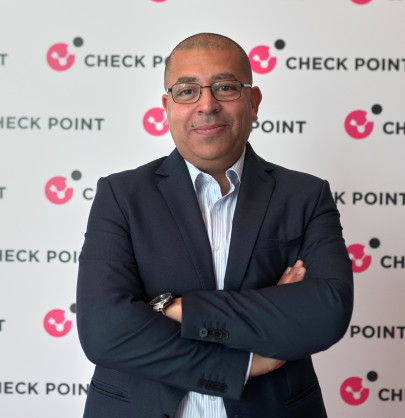
Issam El Haddioui, Head of Security Sales Engineering:  Africa, Check Point Software Technologies, says, "NIS2 sets a new standard for cyber security, and African businesses must act now. Many organisations are unaware of the depth of these requirements, which go beyond local regulations. Compliance is essential not only for maintaining business relationships with the EU but also for enhancing the overall resilience of African economies against cyber threats."

Compliance will exact a cost for African organisations, which according to Interpol's 2021 Africa Cyberthreat Assessment Report, spends an average of only 0.05% of their revenue on cyber security, far below the global average of 0.3-0.5%.  The Report also estimated the financial impact of cyber crime in the region at over $4 billion USD, representing about 10 percent of Africa's total GDP.

Tougher Penalties and Personal Responsibility

NIS2 introduces personal liability for business leaders in the event of a cyber attack, meaning that executives themselves can be held financially accountable for breaches. Penalties include fines of up to EUR 7 million or 1.4% of a company's global annual turnover, whichever is higher. This goes beyond the GDPR, placing even more responsibility on corporate leadership to ensure robust cyber security practices are in place.

NIS2 mandates that organisations must report cyber incidents to authorities promptly and inform their stakeholders, suppliers, and customers. Therefore, African businesses must ensure they have a comprehensive incident response plan in place, along with regular cyber security training for both IT and leadership teams.

Steps for African Businesses to Ensure Compliance

To successfully implement NIS2 and avoid devastating penalties, Check Point recommends the following four steps for African businesses:

  1. Knowledge: Business leaders must gain a basic understanding of cyber security to effectively communicate with their IT teams and ensure sound decision-making.
  2. People: Establish an agile IT security department, including key roles such as a Data Protection Officer (DPO) and a Chief Information Security Officer (CISO), to manage and distribute responsibilities efficiently.
  3. Audit: Conduct regular risk assessments and audits to identify and mitigate vulnerabilities. Continuous monitoring is essential to stay compliant with evolving threats.
  4. Incident Management: Develop clear procedures for responding to cyber incidents, including swift reporting to national authorities, suppliers, and stakeholders.

Long-Term Commitment to Cyber Security

Compliance with NIS2 is not a one-time process; it requires a long-term commitment to cyber security. From 2028, organisations will be required to annually document their NIS2-compliant IT infrastructure and demonstrate that their cyber security measures are aligned with the latest technological advancements.

“African countries, especially economic leaders like South Africa, Kenya, and Nigeria, should also consider using the NIS2 framework as a model for strengthening their own national cyber security regulations. By improving cyber-readiness, African businesses can not only comply with international standards but also protect their data, operations, and reputations from evolving threats,” El Haddioui continues.

El Haddioui, concludes, "The NIS2 Directive marks a significant shift in the cyber security landscape. African business leaders must recognise that cyber security is now a matter of survival, not just compliance. By taking proactive measures, they can safeguard their future, avoid heavy penalties, and ensure their organisations thrive in an increasingly interconnected global economy."

Distributed by APO Group on behalf of Check Point Software Technologies Ltd..

Follow Check Point via:
LinkedIn: https://apo-opa.co/48bWAC1
X: https://apo-opa.co/3Uh9uJo
Facebook: https://apo-opa.co/40cvTLl
Blog: http://apo-opa.co/4e2KjBm
YouTube: https://apo-opa.co/48wjFQd

About Check Point Software Technologies Ltd.:
Check Point Software Technologies Ltd. (www.CheckPoint.com) is a leading AI-powered, cloud-delivered cyber security platform provider protecting over 100,000 organisations worldwide. Check Point leverages the power of AI everywhere to enhance cyber security efficiency and accuracy through its Infinity Platform, with industry-leading catch rates enabling proactive threat anticipation and smarter, faster response times. The comprehensive platform includes cloud-delivered technologies consisting of Check Point Harmony to secure the workspace, Check Point CloudGuard to secure the cloud, Check Point Quantum to secure the network, and Check Point Infinity Core Services for collaborative security operations and services.

Media files
Check Point Software Technologies Ltd.
Download logo
Read moreEurope’s Network and Information Security (NIS2) directive raises the stakes for African businesses to comply with European Union’s (EU) cyber security standards
21 October 2024

SA participates in UN biodiversity conference

Location: News

SA participates in UN biodiversity conference

Deputy Minister of Forestry, Fisheries and the Environment, Narend Singh, will lead the South African delegation to the 16th Meeting of the Conference of the Parties to the United Nations Convention on Biological Diversity (UNCBD COP 16) in Cali, Colombia.

The delegation will actively engage in negotiations to promote global biodiversity conservation priorities, enhance sustainable use, and advocate for fair and equitable benefit-sharing from the utilisation of genetic resources and digital sequence information on genetic resources.

"We approach COP16 with a clear focus on aligning biodiversity conservation with social and economic development, ensuring that the use of our biological resources benefits all South Africans. 

“South Africa will demonstrate how it is making its fair share contribution to halting and reversing the loss of biodiversity within its national capabilities, and further call for the provision of adequate, predictable and timely financial resources, for the protection of our natural heritage.

“Further, we will reiterate President Cyril Ramaphosa’s call at UNGA 75 that the financial architecture needs to be reformed to meet the needs of developing economies for sustainable development,” Singh said on Monday.

South Africa will negotiate as part of the Africa Group of Negotiators (AGN) on Biodiversity; focusing on key issues such as resource mobilisation; mechanism for planning; reporting and review; scientific and technical cooperation, and how developing countries like South Africa can benefit from the use of digital sequence information (DSI) on genetic resources.

“South Africa will advocate for the operationalisation of a dedicated Global Biodiversity Fund, under the authority of the COP, to ensure sustained financial support for the implementation of the Global Biodiversity Framework (GBF). 

“This fund is critical to closing the $200 billion annual financing gap needed to halt and reverse biodiversity loss. The country will call for clear financial commitments from developed nations to support developing countries to honour their obligations to developing countries in line with Article 20 of the Convention,” the Department of Forestry, Fisheries, and the Environment said. 

As a mega-diverse country, South Africa will strongly support the adoption of a pragmatic decision on the modality for the operationalisation of multilateral mechanism for fair and equitable sharing of benefits, both monetary and non-monetary, from the use of DSI for conservation and sustainable use of biodiversity including livelihoods improvements for indigenous people and local communities. 

South Africa’s priorities for consideration at this COP includes triggers for benefit sharing, collection and distribution of funds, fund host and data governance.

The convention starts on 21 October and runs until 1 November 2024.

Deputy Minister Singh will participate in the High-Level Segment on 29 - 30 October 2024, where for the first time in CBD history, Heads of States and Finance Ministers have been invited to participate in order to provide political momentum to finalise key negotiations in the acceleration of the implementation of the GBF. - SAnews.gov.za


nosihle
Mon, 10/21/2024 - 10:49

41 views
Read moreSA participates in UN biodiversity conference
19 October 2024

Celebrating a life of service and leadership

Location: News

Celebrating a life of service and leadership

President Cyril Ramaphosa has praised the late former Finance Minister Tito Mboweni for being a man of great stature who never lost his ability to connect with people from all walks of life.

The President delivered a poignant eulogy at the Special Official Funeral Category 2 in honour of Mboweni at the Nkowankowa Stadium in Limpopo on Saturday.

Mboweni, remembered for his immense contributions to South Africa's economic and political landscape, was honoured by dignitaries, colleagues, and citizens alike for his unwavering service to the country and his ability to connect with people from all walks of life.

“Governor 8 could relate to people from all walks of life. He was an empathetic man. He valued character over pedigree. And he was no cynic. He looked for the good in each person and usually found it,” the President said.

President Ramaphosa noted that while Mboweni was respected by leading economists, business titans, and labour leaders, he remained deeply grounded.

“Yet despite his stature and profile, he never lost the common touch. He had a gift to connect to people. He understood them and he had a way to make people feel special and made them have a sense that they mattered,” the President said.

Mboweni who passed away at the age of 65 last week, served as South Africa’s Minister of Labour in the first democratically elected Cabinet from 1994 to 1999. 

Following that, he served as the South African Reserve Bank Governor (SARB) from 1999 to 2009.

His final official position in government was as the Minister of Finance in President Ramaphosa’s administration from 2018 to 2021. He resigned from Parliament on 1 February 2022.

A life well lived

The President praised the former Minister of Finance as one of South Africa's most illustrious sons. 
"Our hearts are heavy because of this great loss, but we are also here to celebrate a life well led—a life that is replete with many lessons," President Ramaphosa said.

President Ramaphosa recounted the many facets of Mboweni’s remarkable career, from being affectionately called "Comrade Tito" and "Governor 8" to his roles as South Africa's first black Governor of the SARB and later Minister of Finance. 
"He was larger than life because he led such a big life and touched the lives of many people,” he said. 

The President recalled the pivotal moment when he asked Mboweni to return to the public service after he had left, to which Mboweni eventually agreed. 

“He had already left public service when I knocked on his door asking him if he would return to public service as Minister of Finance. I just said Cde Tito your country needs you to do another tour of service.

“He agonised about giving up the material value he was building for himself and his family. But after a while he came through for the people of South Africa and agreed to serve as Minister of Finance. Tito was a true patriot,” the President said. 

Mboweni’s contribution as Minister of Finance was marked by his dedication to fiscal discipline and economic transformation, steering the National Treasury through a challenging period as the country emerged from state capture and faced a global pandemic.

“Tito taught us that public service is noble and necessary; that one can serve with integrity and hold true to the important values, like faith and family. He strongly believed that it was important to give back to the community and country in which one lived. 

“He recognised that serving others enriched the servant’s soul. To me he was the shining star that shined brightest in a maze of a dark period in the life of our country we called state capture,” he said.

The President also touched on Mboweni's lighter side, recalling his infamous brown shoes and self-deprecating humour, which belied a career of monumental achievements. 

"For Tito, when you hold public office, perception matters," said Ramaphosa, reflecting on the lessons Mboweni taught about humility, leadership, and being of the people.

“Tito Mboweni wasn’t just incorruptible. He wasn’t just an avowed enemy of corruption throughout his life in public office.

“In time we will look back at those social media posts of Tito defending his infamous brown shoes that had seen better days.

“We may then read what was perhaps the deeper, intended meaning: That when you hold public office, when you are entrusted with leadership, you must be of the people. Not standing above them, not looking down on them. For Tito, when you hold public office, perception matters,” the President said.

READ | Dr Tito Mboweni remembered as a trailblazer 

The President also spoke fondly of their shared passion for trout fly fishing and Mboweni’s lasting legacy as a true servant leader. 

“Cde Tito and I shared a deep passion for trout fly fishing and would spend time talking about the skill of casting a line to catch a brown trout and compare that to prudent macro-economic policy management.

“I kept fearing that on Budget Day we would bring a dead trout fish to the National Assembly and talk about it,” the President said. – SAnews.gov.za


DikelediM
Sat, 10/19/2024 - 15:44

105 views
Read moreCelebrating a life of service and leadership
18 October 2024

SA must enhance agricultural productivity to achieve Zero Hunger

Location: News

SA must enhance agricultural productivity to achieve Zero Hunger

Minister in the Presidency Khumbudzo Ntshavheni says to achieve ‘Zero Hunger’, the country must enhance agricultural productivity and ensure equitable access to nutritious food.

“This involves investing in sustainable farming practices, empowering smallholder farmers and promoting local food systems,” the Minister said on Friday.

Addressing the 5th International Social Justice Conference and 6th Social Justice Summit -- held at the Artscape Theatre in Cape Town -- Ntshavheni said by supporting farmers, the country can boost food production and create jobs, fostering both economic growth and community resilience.

The start of the 5th International Social Justice Conference on 16 October coincided with World Food Day, an international day celebrated every year worldwide to commemorate the date of the founding of the United Nations Food and Agriculture Organisation in 1945. 

Ntshavheni underscored the importance of promoting sustainable farming methods that enhance productivity, while protecting natural resources. 

“We must forge partnerships across government, the private sector and civil society, including academia, to create comprehensive strategies that tackle food insecurity,” she said, adding that collaboration is key if South Africa is to attain the goal of Zero Hunger. 

Zero Hunger is Goal 2 of the United Nation’s Sustainable Development Goals (SDGs). It is about creating a world free of hunger. The global issue of hunger and food insecurity has shown a sharp increase since 2015, a trend exacerbated by a combination of factors including the COVID-19 pandemic, conflict, climate change and deepening inequalities.

According to the United Nations (UN), by 2022, approximately 735 million people – or 9.2% of the world’s population – found themselves in a state of chronic hunger – a staggering rise compared to 2019. 

Ntshavheni said practices like crop rotation, agroforestry and organic farming can increase resilience against climate change and reduce reliance on chemical inputs.

“Supporting smallholder farmers through training and access to technology can empower communities and boost local food production. It is therefore important and significant that universities like Stellenbosch are deeply involved in this initiative. 

“It would be important for us in government to explore opportunities to partner with institutions of higher learning on this initiative in order to extend awareness to communities in rural areas of our country that are daily confronted with food insecurity. 

“This must make us understand the urgency to develop sound drought resilience and water conservation plans,” the Minister said.

The 6th Social Justice Summit was hosted by the Centre for Social Justice, based at Stellenbosch University.

Striving for food security

In 2014, government introduced the National Policy on Food and Nutrition Security, followed by the National Food and Nutrition Security Implementation Plan (NFNSIP), whose implementation involved multiple government departments and entities, with various interventions receiving support from local and international development partners.

“We are now in the process of developing the NFNSIP (2024 -2030) as we chase the National Development Plan (NDP) Vision 2030 goals. We are not only calling for a partnership in the [NFNSIP] development but with its implementation, as our country focuses on achieving the overdue SDG on Zero Hunger.

“Our policy approach to Zero Hunger acknowledges the lingering consequences of apartheid, which has left deep-rooted inequalities in access to land, income, and employment and other economic opportunities,” the Minister said.

Ntshavheni said as the country’s population growth and climate change intensifies, the urgency of food security cannot be overstated.

Ntshavheni said hunger on its own is a multifaceted challenge that affects the economy, health system and social fabric in general.

Addressing the conference, Electricity and Energy Deputy Minister Samantha Jane Graham said the issue of energy affordability remains a challenge, as the nation navigates the challenge of the accessibility of food prices.

Graham said her office is committed to finding innovative and sustainable solutions for energy sources.  – SAnews.gov.za
 

Edwin
Fri, 10/18/2024 - 14:39

129 views
Read moreSA must enhance agricultural productivity to achieve Zero Hunger
18 October 2024

Deputy Minister prioritises transformation in sport

Location: News

Deputy Minister prioritises transformation in sport

The Deputy Minister of Sport, Arts and Culture, Peace Mabe, is using her time in office to drive transformation and gender inequality in sport.

“A key focus for the Deputy Minister has been addressing gender inequality in sport, particularly ensuring equal pay and resource allocation for female athletes,” the Ministry of Sport, Arts and Culture said on Thursday.

Mabe revealed her plans during a media briefing held in Johannesburg with Sport, Arts and Culture Minister Gayton McKenzie to provide a report to the nation on their first 100 days in office following their swearing into office in the Government of National Unity (GNU) on 3 July 2024.

Mabe spoke extensively on her engagements and plans in the ministry, which include driving further transformation within the sporting community; her contributions to the Cricket South Africa Diversity, Equity and Inclusion Indaba; her attendance at the 2024 Paris Olympics and Paralympics, as well as her engagements with global ministers at the International Film Week in Moscow.

“The department is in the final stages of developing a comprehensive Women in Sport Policy Framework, which addresses multiple areas of gender disparity, including participation, leadership, governance and visibility.

"The Deputy Minister has also taken a hands-on approach to supporting women in boxing,” the Ministry said on Thursday.

The Department of Sport, Arts and Culture (DSAC) will soon launch numerous renovation projects for community sporting facilities across the country.  

These efforts aim to provide equal access to quality sports infrastructure, beginning with Limpopo province, where the Deputy Minister will be overseeing the handover of upgraded facilities in Moletji and Lephalale in late October 2024.

In the arts sector, Mabe is leading efforts to create an enabling environment for artists, particularly those in underserved communities.

“One of the key outcomes of her discussions was the recognition that civic and multipurpose community centres can be transformed into hubs for artistic expression and economic activity.

“By providing artists with these spaces, the department aims to directly contribute to job creation and economic opportunities within the creative sector.

“The Deputy Minister further touched on the department’s strategic realignment to now embrace public-private partnerships to revitalise critical programmes within the Department and create opportunities for greater participation in sport, arts and culture,” the Ministry said.

A prime example of this was her visit to the Enos Mafokate Equestrian Sport Centre in Soweto, where the Ministry has explored possible upgrades and partnerships to improve the facility.

Mabe has further supported several important initiatives that honour South Africa’s living legends and promote its rich cultural heritage. - SAnews.gov.za

nosihle
Fri, 10/18/2024 - 11:13

146 views
Read moreDeputy Minister prioritises transformation in sport
18 October 2024

Government Losing 1,800 Firearms a Year to Criminals

Location: News

Firearm-related murders in South Africa have risen to 34 per day

Read moreGovernment Losing 1,800 Firearms a Year to Criminals
18 October 2024

Healthcare Indaba 2024: Advancing Global Health Through Innovation and Digital Solutions

Location: News

Africa Health
Download logo

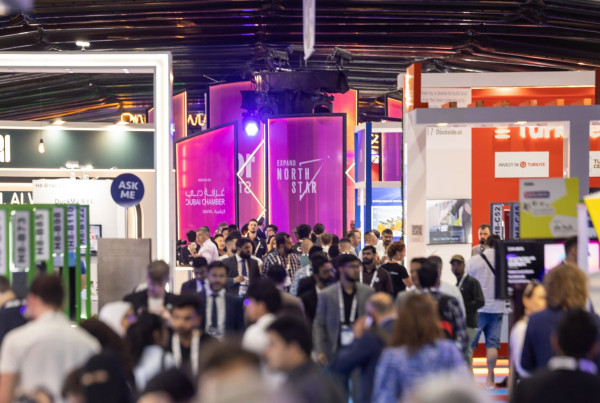
Delegates will gather in the Mother City in South Africa this month, when the second annual Healthcare Indaba takes place at Cape Town's CTICC. The two-day event forms part of the 2024 edition of Africa Health Congress (www.AfricaHealthExhibition.com), the premier healthcare gathering on the African continent.

Building on the success of its inaugural edition last year, the Healthcare Indaba 2024 expands to a two-day format. It dives into the realms of Global Health on day one and exploring AI & Digital Health on day two of the Congress (running from 22 to 24 October 2024).

Another new element to the Congress and the Indaba deliberations, is the dedicated forum within the Africa Health Congress 2024 entitled, “EmpowHER: Women in Healthcare”.

“Our goal is to create a lasting brand that celebrates female leadership and fosters a supportive community.  Our audience is eager to gain insights into the realities of leadership in healthcare and understand the journey it takes to reach the top. The mandate for our speakers will be candidness and honesty,  they will share their personal experiences, challenges, and successes in the hopes of inspiring the audience. Their stories and insights will help ensure the long-term sustainability of our industry through supporting women and celebrating their successes,” says Cynthia Makarutse, spokesperson for the organisers of Africa Health.

“Much like the Mining and Tourism Indabas which inspired it, the Healthcare Indaba has emerged as a crucial platform for shaping the future of our industry on the continent. This year's focus aligns with our commitment to position Africa at the forefront of medical innovation with worldwide impact,” says Makarutse.

The Indaba will feature discussions led by some of the most influential voices in African healthcare and technology.

“Global Health” – Africa claiming its right place on global stage.

Head of the Global Surgery Division at the University of Cape Town, Professor Salome Maswime, will chair the Global Health deliberations of the Indaba on day one. She explains that she is excited about hosting a dynamic programme that brings leaders together from all over the world and from all sectors.

“We hope to have thought provoking sessions about the role of Africa on the Global Health Stage. This will be a first for Africa Health, with the Vice President of the United Nations Foundation delivering the keynote on Global Health strategies for a resilient future,” she adds.

“I think most importantly it gives us an opportunity to discuss and find consensus on the strategies for Global Health and to align on international programmes, and to collaborate on new and strategic programmes. Many of us are involved on international Global Health platforms, yet the global health agenda is still mainly driven and owned by high income countries. We have an opportunity to re-imagine the future of Global Health for Africa.

“It is time for Africa to get involved on all matters related to Global Health. We cannot afford to be left behind. We have an obligation to provide universal health coverage and to improve healthcare in Africa,” says Maswime.

“AI & Digital Health” – building sustainable solutions.

The second day of Indaba 2024 (on Wednesday 23 October) shines the spotlight on AI & Digital Health.

“The significance of this event lies in its ability to convene leading industry experts, innovators and key stakeholders from across the continent to address pressing healthcare challenges and explore transformative solutions,” says Dr Mories Atoki, CEO of ABCHealth and a speaker on the day.

“The ABCHealth side forum on Digital Health will serve as a platform to discuss how AI and digital health can revolutionize healthcare delivery, making it more accessible and efficient. It is a critical moment for both the private and public sectors to explore more and collaborate on building sustainable systems that address Africa's unique healthcare needs through AI.”

For the people of Africa, Dr Atoki believes this congress provides hope.

“The conversations and outcomes from these sessions will not only influence policy but also drive tangible improvements in healthcare services, enhancing quality of life and reducing healthcare inequalities across the continent.

“For the medical sector, it presents a unique opportunity to explore new opportunities,  strengthen partnerships, share groundbreaking innovations, and leverage digital health means to drive healthcare accessibility and efficiency. This signifies progress toward better healthcare outcomes through improved access, affordability, and quality of care. By highlighting the potential of AI and digital health, we can pave the way for more inclusive, patient-centric care which can also bridge gaps in underserved areas,” she says.

“Africa's healthcare future relies largely on embracing digital interventions.  AI and digital health are not just trends—they are an essential part of a globally advancing economy that can help solve some of the continent's most pressing healthcare challenges, from limited access, specialized care to overburdened systems.

“Achieving this on a large scale requires robust ecosystems, supported by both regulatory frameworks and financial investments. Policy reforms and investments are essential to creating a thriving digital health ecosystem. It will also require multi-sector partnerships that prioritize patient safety, data protection, and equitable access and inclusivity,” says Dr Atoki.

“AI & Digital Health: The need to first address health data accessibility.”

“We cannot hope to effectively use the rapidly increasing AI  set of commodities that are becoming available globally in Africa, before we first address health data accessibility and governance locally” says Dr Chris Fourie, a medical doctor, machine learning operations (MLOps) engineer, researcher and online grassroots community organiser.

As another speaker on day two, he says: “My presentation is related to the foundation that we need (i.e. health data accessibility) in order to do any kind of quantitative analysis, data science, machine learning, or AI for health in Africa. When considering the potential impact and significance of these in Africa, a good place to start is with understanding the burden of disease in Africa.”

“Regularly published Global Burden of Disease data shows us that infectious disease and maternal child health are consistently top of the list for Africa. These should be considered when deciding where data science and AI interventions could target. As an example, Africa would stand to benefit a great amount from interventions that can drop the cost and increase the efficacy of primary health interventions,” says Fourie.

“While the scope for what AI can do is really broad, for Africa the capacity to help collect and utilise data for primary and pre-primary care could generate immense impact.”

Fourie says this could be realised as:

  • Broader and interactive patient health education (especially if in one's their own language) making existing health information more accessible.
  • Better health service accessibility e.g.
    • Encrypted / safe remote conversational / natural language health data collection.
    • Cost-effective, early and automated diagnosis and triage using multimodal data from existing patient records and new data from e.g. mobile personal devices.
  • Rapid and higher quality patient data linkage / aggregation and government action related to this data - e.g. the growth of national health data centres in the global south – this is very useful for toward data driven public health policy development.
  • Lower cost and quicker drug development e.g. to address rising resistance.
  • Personalised healthcare and clinical decision support tools, with data driven patient follow up, treatment tracking and dynamic treatment adjustment.

“I would like to see the initiation and ongoing development of multidisciplinary, multi-stakeholder, participatory collectives to help provide effective channels of communication and cooperation between patients, healthcare service providers, researcher, funders and policy makers toward a future culture of open science and sustainable health equity.”

EmpowHER: Women in Healthcare: The power of she – A new class of women leaders.

Day three of the Africa Health Congress will see a long list of leading female voices in the healthcare space sharing their stories at a dedicated forum that celebrates female leadership and fosters a supportive community.

“Everything we are doing at Congress this year is about tackling the challenges wherever they may be located in the healthcare space and finding solutions. This is the same motivation also for EmpowHER as we invite trailblazing women from across Africa's healthcare scene to unite!

“This summit will ignite community, growth, and empowerment for established and emerging leaders. Through dynamic panels and keynotes, shatter personal and professional boundaries and emerge ready to champion change for women in leadership” says Cynthia Makarutse, spokesperson for the organisers of Africa Health.

Speakers on the day include the Chief Scientific Officer at the SA Medical Research Council Professor Glenda Gray, Microsoft's Kenya Country General Manager Phyllis Migwi, the World Bank's Lead: AI for Human Development Marelize Prestidge, and Wesgro's HealthTech Ecosystem Manager Mandi Swanepoel.

Indaba – an ecosystem of innovation.

"The Healthcare Indaba has become the intellectual core of Africa Health; it's a catalyst for change on a global scale,” says Makarutse.

“By bringing together diverse stakeholders at the highest echelons of their various fields in healthcare – including policymakers, facility directors, entrepreneurs, and academics – we are establishing an ecosystem of innovation that can truly transform healthcare delivery across Africa and inspire solutions worldwide.”

Distributed by APO Group on behalf of Africa Health .

About Africa Health Congress:

  • Africa Health is organised by the Informa Markets' Global Healthcare Group. It takes place at Cape Town International Convention Centre in South Africa between 22 and 24 October 2024.
  • A summary report from the Africa Health Congress 2023 can be downloaded from https://apo-opa.co/3YvA7Nb
  • The Exhibition will host CPD-accredited conferences that are aimed at bridging the gap in medical knowledge by providing the very latest insights into cutting-edge procedures, techniques, and skills.
  • For more information, visit www.AfricaHealthExhibition.com 
  • Media queries and requests for accreditation can be addressed to Martin Slabbert at 079 500 1503 or martin@alkemi.global

Issued by Alkemi Collective on behalf of Africa Health.

Read moreHealthcare Indaba 2024: Advancing Global Health Through Innovation and Digital Solutions
17 October 2024

Move towards electronic vehicles a ‘major industrialisation opportunity’

Location: News

Move towards electronic vehicles a 'major industrialisation opportunity'

President Cyril Ramaphosa says the global move from Internal Combustion Engines towards Electronic Vehicles (EVs) presents a major opportunity for South African industrialisation.

The President was speaking during the South African Auto Week held at the Cape Town International Convention Centre in the Western Cape on Thursday.

“As many of our major trading partners rapidly shift towards EVs, it is imperative that we remain part of this global supply chain. This is a major industrialisation opportunity for South Africa and the region, particularly within the context of the African Continental Free Trade Area.

“This will position South Africa as a forward-thinking, green economy. It will advance our aspirations to be a global automotive hub,” President Ramaphosa said.

He acknowledged that decarbonisation presents a challenge to the automotive sector, but assured that government is committed to working closely with the sector.

“The transition towards cleaner and more sustainable fuels – together with stringent regulations in key markets – puts a number of automotive firms and sub-industries in a vulnerable position. Even as the journey to net zero poses a challenge for the auto industry, there is at the same time immense opportunity. 

“The local automotive sector needs to position itself to take advantage of the demand for electric vehicles, new energy vehicles and sustainable fuels. The transition to cleaner, more sustainable practices in the automotive industry is a priority for our government. The automotive industry has a critical role to play in achieving South Africa’s climate targets.

“We are committed to working hand-in-hand with the private sector to promote the production of New Energy Vehicles [NEV] and the development of the necessary infrastructure to support them,” he said.

READ | President Ramaphosa to address SA Automotive Week

Furthermore, President Ramaphosa revealed that the Department of Trade, Industry and Competition, National Treasury and the Department of Mineral and Petroleum Resources are in discussion on the implementation of the Electric Vehicle White Paper.

“This work includes the beneficiation of our critical minerals for the production of new energy vehicles and their associated value chains. It also includes the production of batteries for battery electric vehicles and the development of value chains in the green hydrogen fuel cell market.

“We are working to finalise comprehensive NEV policy guidelines that do not exclude alternative technologies such as hybrids and plug-in hybrids. Consideration must be given to incentives for manufacturers as well as tax rebates or subsidies for consumers to accelerate the uptake of electric vehicles.

“This is not just about creating a greener future but also about ensuring South Africa remains competitive in the global market.”

Removing barriers

The President emphasised that government, through reforms in energy, logistics and other sectors, is working to remove the barriers that affect the sector.

“As government, we remain firmly committed to the work already underway to improve the operational performance of our energy, freight and logistics sectors – all of which directly impacts the automotive industry.

“Transnet continues with its work to revitalise the Port of Durban. It is also proceeding with the upgrade of the Gauteng-Eastern Cape railway line as part of Project Ukuvuselela,” he said.

The President told the delegates that the Government of National Unity looks forward to “deepening our collaboration as government, industry and labour” to achieve the objectives of inclusive growth and job creation.

“There may be headwinds. But in challenges lie opportunities. It is up to us to harness these opportunities to grow, to expand and to transform,” President Ramaphosa said. – SAnews.gov.za


NeoB
Thu, 10/17/2024 - 11:30

332 views
Read moreMove towards electronic vehicles a ‘major industrialisation opportunity’
17 October 2024

Vantage Capital Concludes a €66M Deal With Camusat

Location: Business
Vantage Capital Group

Vantage Capital (www.VantageCapital.co), Africa's largest mezzanine fund manager, announced today that it had closed a €66 million mezzanine investment in Camusat Holding S.A.S, the proceeds of which will be used to refinance debt and fund the capital expenditure required for expansion of the group's AktivCo division. Vantage Capital's investment is part of a global financing package of €81m provided in consortium with Eurazeo, a leading European investment group. 

Camusat is a leading telecommunications player managing fully integrated and sustainable business models for the deployment and management of telecom infrastructure whilst championing the decarbonization of mobile network operators (MNOs). Partnering with major investment funds that support green investments, Camusat is pursuing its ambition to become the leading “Infra as a Service”  partner for the mobile telecom industry, with a broad presence in emerging markets, especially in Africa. The group operates across twenty countries (including fifteen on the African continent) and through two synergistic divisions, AktivCo and OpCo: 

  • AktivCo is the Infrastructure as a Service business structuring and financing complex transactions under long-term contracts to transform the telecom infrastructure by applying sustainable business models. With a strong focus on low carbon footprint solutions and digitalization of operations, AktivCo accelerates the expansion and modernization of MNOs' infrastructure and reshapes the telecom world for cleaner communications; and  
  • OpCo is a telecom service partner that combines technical expertise with operational excellence to design, build, and manage  telecom infrastructure. 

Since inception, Camusat has been capitalizing on the rapid expansion of the telecom industry, but most importantly the ever-growing need of MNOs to outsource non-core operations to specialized service providers. This trend is observed worldwide but is more prevalent in emerging markets, especially Africa. As network coverage remains relatively low, MNOs are being pushed by regulators to ramp up their infrastructure investment especially to increase coverage in rural areas, where most of the population lives. MNOs therefore need to contract with service providers like Camusat to support the rapid and viable roll-out and management of their tower infrastructure. 

In this context, Camusat has established itself as the key strategic partner for telecom operators such as Orange, Moov Africa (Maroc Telecom group), MTN, Vodafone, Airtel and others. The group's comprehensive offering drives long-term performance for mobile networks and inclusive connectivity, digitalization and sustainable access to technology, making it a one-stop-shop for MNOs. Its multi-decade experience and track record attest to the quality of its performance. 

Mr. Richard Thomas, CEO of Camusat, commented, “we are very pleased to have concluded the transaction with Vantage Capital. This financial and strategic partnership comes at a time when we are further expanding our presence in Africa, and we are confident that Vantage Capital's extensive network and expertise on the continent will be a great support in achieving our objectives.” 

Mr. Luc Albinski, Executive Chairman at Vantage Capital, added, “we are proud to partner with such a leading and dynamic group as Camusat. Throughout the process, we have been impressed by management's deep knowledge of the telecom industry, but also their firm commitment to help increase connectivity in parts of Africa where network coverage remains underdeveloped.” 

Mr. Thibaut de Rodellec, Deputy CEO of Camusat, said, “we were convinced from our very first discussions that Vantage Capital and Camusat would be a great fit. We always look beyond the financial aspect when forming new partnerships, and we were glad to discover that our firms share common ethics, vision and dedication. We will ensure this partnership is a success for all stakeholders.” 

Mr. Driss Benabdeslam, Partner at Vantage Capital, concluded, “by investing in Camusat, we are backing a group that is engaged in a vital and buoyant industry and constantly strives for operational and corporate excellence. Camusat has incorporated best-in-class ESG practices and implemented various CSR measures directed at supporting local communities and minimizing greenhouse gas emissions from the telecom sector. We are thrilled to support the group in creating more value and generating an even greater positive social impact over the years to come.”  

This transaction represents Vantage Capital's 39th investment across four generations of funds with its portfolio of investments spread across eleven African countries.   

Vantage Capital was advised by Clifford Chance (in Morocco) who acted as its legal counsel. KPMG (in France) and Webber Wentzel (in South Africa) provided tax advice, KPMG (in France) was the financial advisor, Emerton (in France) provided commercial advice, and Ibis Consulting (in France) reviewed the environmental impact. 

Camusat was advised by Goodwin Procter (in France) who acted as their legal counsel and Marlborough Partners (in France) who acted as financial advisor. 

Distributed by APO Group on behalf of Vantage Capital Group.

For more information contact: 
Luc Albinski
Executive Chairman 
luc@vantagecapital.co.za  
Driss Benabdeslam 
Partner
driss@vantagemezzanine.com  

About Vantage Capital: 
Founded in 2001, Vantage Capital is an Africa-focused fund manager that has raised funds of over $1.6 billion. 

Since 2006, Vantage Capital's Mezzanine division has made 39 investments across four successive funds into 11 African countries, making it the largest and most experienced independent mezzanine funder on the continent. In addition, Vantage Capital's GreenX division has made 15 senior debt investments into South African solar and wind energy projects across three funds. Vantage Capital launched Vantage Best in Class in 2022 to provide long-term financial and strategic support to education businesses operating in Europe, the Middle East and Africa. As a first step, Vantage Best in Class has partnered with Maple Bear Global Schools, the largest and fastest growing franchise of K-12 bilingual schools in the world in a €100 million investment programme for the Central & Eastern European region. 

Vantage Capital targets mezzanine debt opportunities of $10-50m across more than a dozen key African markets. 

Mezzanine debt is an intermediate form of risk capital, which is situated between senior debt, the least risky tranche of the capital structure, and equity, the riskiest tranche of the capital structure. It combines elements of both debt and equity thereby providing companies with long-term funding on terms which are less dilutive to shareholders than pure equity. 

Website: www.VantageCapital.co.za  

About Camusat:  
Headquartered in Paris, Camusat is a global group operating in the telecommunications industry across Africa, Europe, the Middle East, and Latin America.  

Over almost five decades of existence, it has established itself as leading player and a key partner for telecom operators, thanks to a comprehensive offering and best-in-class capabilities. With the launch of its AktivCo division in 2017, the group pioneered the ESCO (Energy as a Service) and TWESCO (Tower & Energy as a Service) models in Africa, enabling clients to achieve significant cost-savings and streamline their cash outflows, while ensuring a positive environmental impact with the use of renewable energies, low environmental solutions and smart technologies to support the deployment, extension and management of telecom infrastructure. The group has been able to secure infrastructure debt funding from major development finance institutions, including FEI (Facility for Energy Inclusion), Africa Go Green Fund, Proparco, and Norfund. 

Camusat employs more than 2,000 people and is guided by a highly dedicated and experienced management team with deep industry expertise and firm commitment to financial, operational, and environmental excellence.  

Since 2016, the group has been majority-owned by Equistone, a leading mid-cap private equity fund in Europe with 12 billion euros of assets under management since inception. Camusat's management owns the remaining share capital. 

Media files
Vantage Capital Group
Download logo
Read moreVantage Capital Concludes a €66M Deal With Camusat
17 October 2024

SA an “ardent voice” for the urgent reform of the UN Security Council

Location: News

SA an "ardent voice" for the urgent reform of the UN Security Council

South Africa will continue to advocate for the “urgent reform” of the United Nations Security Council (UNSC).

This is according to President Cyril Ramaphosa who was delivering oral replies to questions in the National Assembly on Thursday afternoon.

The President bemoaned the fact that African countries make up at least a quarter of the United Nations (UN) member states, “yet not a single African country has a permanent seat at the table where decisions on the maintenance of international peace and security are made”.

He said this was a concern when issues relating to the African continent stand on the agenda of the UNSC.

“During the 79th session of the UN General Assembly, there was an acknowledgement by some of the five Security Council members that Africa should indeed by granted two permanent seats. However, there is no clarity to the issue of the veto.

“South Africa was among those UN member states that successfully advocated for the recently adopted Pact for the Future to commit urgently [for the] reform the Security Council.

“South Africa will remain an ardent voice for the urgent reform of the UN Security Council and the need to correct the historical injustices committed against our beloved continent,” President Ramaphosa said.

Pressing further, President Ramaphosa insisted that the reform of the UNSC was “vital to global efforts to advance peace and stability in the world”.

“In its current configuration, the [UNSC] has failed in the execution of its charter mandate because of narrow national interests that are pursued and the quest for further geo-political influence.

“It has not been able, in recent years, to prevent or to resolve several damaging conflicts around the world. This is evident in conflicts currently underway in the Middle East, in Sudan, in the East part of the DRC and between Russia and Ukraine.

“The shortcomings of the UNSC have had a disastrous impact on the African continent and the global South which in many ways often experiences the social and economic effects that are taking places elsewhere,” he said.

The President emphasised that geo-political realities have changed since the formation of the UN.

“South Africa maintains that the international political and economic system remains unequal and unjust. It reflects the world as it was more than 70 years ago not as it is today.

“We therefore continue to call for the urgent reform of the Security Council based on the common African position. This position, which is articulated in the Ezulwini Consensus, calls for two permanent seats and five non-permanent seats on the [UNSC] for Africa. 

“It calls for the abolishment of the veto right and prerogative that currently is held by five members. But is also says that for as long as the veto exists, it is a privilege and a prerogative which should be extended to all new permanent members as well,” President Ramaphosa said. – SAnews.gov.za

NeoB
Thu, 10/17/2024 - 15:16

12 views
Read moreSA an “ardent voice” for the urgent reform of the UN Security Council
17 October 2024

Empowering Africa’s Energy Future With Advanced Power Solutions

Location: Business
HIMOINSA

HIMOINSA (www.HIMOINSA.com), a leader in power technology solutions and part of the Yanmar Group, is proud to announce the launch of its latest innovation: the HGY Series. This new engine line, with a capacity range from 1250kVA to 3500kVA (with future plans to reach 4000kVA), has the potential to significantly help address Africa's growing energy needs, particularly in key sectors critical to the continent's economic development, such as healthcare, mining, oil and gas, and tech hubs like data centers.

Download document: https://apo-opa.co/3NyfcCw

With the HGY Series, HIMOINSA enters the high-capacity engine segment, providing tailored solutions that meet the needs of Africa's mission-critical sectors where reliable and efficient power generation is vital. The company's focus on Africa reflects its strategic commitment to supporting the continent's rapid industrialization and infrastructure expansion.

Delivering Reliable Power Where It Matters Most

Africa is home to some of the world's fastest-growing economies, yet power generation remains a critical challenge in several key regions. HIMOINSA's HGY Series engines are engineered to deliver robust and sustainable solutions, particularly in areas with unstable national grids, helping to mitigate downtime, load-shedding and other challenges. By offering flexible fuel options, currently capable of operating with a range of diesel types and HVO (hydrotreated vegetable oil), with future plans to support natural gas and hydrogen, the HGY Series ensures that businesses and communities across Africa have access to low-emission, efficient, and reliable power, regardless of local grid conditions.

Guillermo Elum, HIMOINSA's EMEA Region Head, highlighted the company's dedication to the African market: “Africa is a key growth region for HIMOINSA, and our approach goes beyond merely selling products; we are committed to building local capacity. Our training programs in Angola, South Africa, Morocco, Togo and soon, in Tanzania, ensure that African technicians and engineers are fully equipped to manage and maintain our technology, creating skilled jobs and developing expertise across the continent.”

Boosting Africa's Economic Growth

The launch of the HGY Series is part of HIMOINSA's broader investment strategy to support Africa's economic development. The company's Spanish production facilities, including a new factory in Murcia with a capacity of 1,000 units currently under construction, are set to help supply the African market, ensuring fast delivery and minimal logistical challenges, so businesses can rely on timely support and services. Additionally, its focus on training and local partnerships enhances the technical skills of local communities, empowering them to manage critical power infrastructure and stimulating economic growth.

Francisco Gracia, CEO of HIMOINSA, stressed the significance of the HGY Series for Africa: “We see enormous potential in Africa's industrial and digital sectors, and the HGY Series is a powerful tool for realizing that potential. From supporting vital healthcare facilities to powering new data centers that drive digital transformation; to providing continuous power for mining projects, our solutions are designed to make a tangible impact in Africa's growth story. This launch is more than just a product introduction; it is our commitment to being a partner in Africa's progress.”

Dedicated to Sustainability in Africa

The HGY Series engines are not just about power—they are about powering Africa sustainably. Designed to work seamlessly with micro-grids and renewable energy sources, these engines offer a viable solution for rural and urban areas seeking to integrate intermittent solar and wind power into their energy mix. HIMOINSA's generators support Africa's energy transition, aligning with the continent's growing focus on renewable energy and reduced carbon emissions.

The company's presence in Africa through divisions in Angola, South Africa, Morocco, Togo, and Tanzania enables it to deliver localized support in the continent's most widely spoken languages. This commitment to on-the-ground engagement ensures that African clients receive comprehensive training and support, helping businesses reduce operational costs and improve efficiency.

Driving Innovation Across Africa's Most Critical Sectors

HIMOINSA's new HGY Series is ideally suited for sectors that drive Africa's economic growth. Data centers, which are rapidly expanding due to the rise of digital services and AI, can now benefit from high-capacity, low-emission solutions designed to minimize downtime and optimize performance. Healthcare facilities, often located in remote or underserved areas, will gain access to dependable power solutions essential for life-saving equipment. Mining operations and oil and gas fields can also leverage the versatility and efficiency of the HGY engines to operate in demanding environments, ensuring continuity even when the grid fails.

https://HGY-Series.HIMOINSA.com/

Distributed by APO Group on behalf of HIMOINSA.

About HIMOINSA: 
Founded in 1982, HIMOINSA is a global leader in the design and manufacture of power generation solutions. With a wide range of products including generator sets, lighting towers, and energy storage systems, the company has a track record of delivering reliable, efficient, and innovative power solutions. As part of the Yanmar Group, HIMOINSA combines decades of expertise with cutting-edge technology to meet the evolving energy needs of customers worldwide.

Media files
HIMOINSA
Download logo
Read moreEmpowering Africa’s Energy Future With Advanced Power Solutions
17 October 2024

Social Development commemorates International Day for the Eradication of Poverty

Location: News

Social Development commemorates International Day for the Eradication of Poverty

The Department of Social Development (DSD) will today commemorate the International Day for the Eradication of Poverty, commonly known as End Poverty Day, raising awareness about the ongoing global fight against poverty and mobilising collective action to eradicate it in all its forms.

In a statement on Thursday, the department highlighted that the commemoration comes at a time when South Africa is grappling with the cost-of-living crisis and rising inequality.

“The goal of eradicating poverty is at the heart of the core mandate of the Department of Social Development,” the department said. 

To mark this day, Deputy Minister of Social Development, Ganief Hendricks, will lead the Integrated Community Registration Outreach Programme (ICROP) at Cofimvaba, within the Intsika Yethu Local Municipality in the Eastern Cape. 

“The municipality is largely rural and characterised by underdevelopment and high levels of poverty. The outreach programme will focus on promoting access to services such as birth registration and social grants applications to address issues of child poverty and malnutrition in the area,” the department said. 

As part of the programme, Deputy Minister Hendricks will distribute school uniforms to learners at Intlangano and Sentile Primary Schools, ensuring that children from poor households remain in school, helping to break the cycle of intergenerational poverty.

In the North West province, MEC of Social Development, Basetsana Sussana Dantjie, will also lead the commemoration by handing over a cheque to the Thota Ya Tau Fish Harvest Primary Cooperative in the Dr. Ruth Segomotsi Mompati District Municipality. 

This National Development Agency (NDA) supported cooperative will receive R321 225.58 in grant funding to purchase essential equipment, including a fishing boat, mobile cold-room trailer, and a generator.

These investments will help the cooperative expand its fishery operations, create sustainable jobs for its 10 members, and boost local economic development.

These outreach programmes are part of the department’s broader initiatives under Social Development Month, aimed at showcasing and promoting access to services that alleviate poverty and hunger among the country’s most vulnerable communities. – SAnews.gov.za

DikelediM
Thu, 10/17/2024 - 09:47

45 views
Read moreSocial Development commemorates International Day for the Eradication of Poverty
17 October 2024

President Ramaphosa to attend to BRICS Summit and domestic fora 

Location: News

President Ramaphosa to attend to BRICS Summit and domestic fora 

President Cyril Ramaphosa is set to participate in several key engagements over the coming weeks, beginning with the BRICS Summit in Kazan, Russia.

Presidential spokesperson Vincent Magwenya confirmed this during a press briefing with media houses to update them on the President’s diary in Cape Town on Wednesday. 

President Ramaphosa will attend the BRICS Summit in Russia from Tuesday to Thursday (22- 24 October). 

The Russian Federation’s BRICS Chairship in 2024 is under the theme "Strengthening Multilateralism for Just Global Development and Security”. 

Magwenya highlighted that South Africa’s participation in the summit is aimed at enhancing the country’s growth and development through its membership in BRICS, focusing on strengthening intra-BRICS relations and fostering mutually beneficial cooperation. 

This includes advancing political and security cooperation, financial and economic cooperation, and cultural and people-to-people cooperation.

During its BRICS Presidency this year, Russia indicated that it will focus on "promoting the entire range of partnership and cooperation within the framework of the association on three key tracks – politics and security, the economy and finance, and cultural and humanitarian ties”.

Responding to Questions for Oral Reply in the National Assembly in Parliament, Cape Town in August, President Ramamphosa spoke of the value of the BRICS alliance to advancing Africa’s developmental agenda. 

As Chair of BRICS last year, South Africa invited representatives from other African countries to attend the summit hosted in Johannesburg. Forty-six African countries attended, including 20 Heads of State and Government.

Medium Term Budget Policy Statement (MTBPS)

On the domestic front, the President will attend the tabling of the Medium Term Budget Policy Statement (MTBPS).

Finance Minister  Enoch Godongwana is set to table the MTBPS in Parliament on Wednesday, 30 October. The MTBPS outlines the policy framework for the upcoming budget, including government goals, the economic environment, and projected resource availability. 

It offers an analysis of the trade-offs and challenges the nation faces in addressing its priorities, providing an important step forward in the national budget process. 

READ | National Treasury announces MTBPS date

“The Medium-Term Budget Policy Statement is an important step forward in the budget process. In keeping with our commitment to open, transparent and cooperative policymaking, it invites the nation to share with Government the important choices to be completed,” Magwenya said. 

Visit to Limpopo

Meanwhile, President Ramaphosa is scheduled to visit the Limpopo province on Friday, 1 November, where he will meet with Premier Dr. Phophi Ramathuba and the provincial government executive. 

The provincial leadership will present their five-year program which is aligned with the priorities of the seventh administration. 

“The meeting will also discuss approaches [to] various service delivery issues including interventions to improve service delivery at local government level,” Magwenya said.

KwaZulu-Natal DDM Oversight Visit

On Thursday, 7 November, the President will meet with KwaZulu-Natal Premier Thami Ntuli and members of the provincial government in Durban. 

This meeting will be followed by a District Development Model (DDM) oversight visit to the eThekwini Metropolitan Municipality which includes a Presidential Imbizo on Friday, 8 November. 

The visit aims to assess the progress of the Presidential eThekwini Working Group, which was established earlier this year to address service delivery and development challenges in the area.

Last week Cabinet called on residents to join the imbizo and engage their public representatives.

“Cabinet calls on residents of Umgababa and the surrounding areas to join the imbizo and engage their public representatives on solutions to challenges in their community and find ways to improve service delivery,” it said in a statement following its fortnightly meeting.

The imbizo is set to be held at the Umnini Sportsfield in Ward 98.

Cabinet adopted the DDM in August 2019.

The DDM is an integrated planning model for cooperative governance aimed at fast-tracking service delivery. It seeks to ensure that municipalities are adequately supported and resourced to carry out their mandate.

READ | President Ramaphosa to lead Presidential Imbizo in KZN

The first Presidential Imbizo of the seventh administration was held in Tsakane in Gauteng in August.

The Presidency said the President’s engagements highlight his commitment to addressing national priorities, both domestically and internationally, with a focus on economic growth, improved governance and enhanced service delivery. – SAnews.gov.za

DikelediM
Wed, 10/16/2024 - 15:37

2 views
Read morePresident Ramaphosa to attend to BRICS Summit and domestic fora 
17 October 2024

Internet Society Events Highlight the Importance of Encryption for Online Safety and Security

Location: News

Internet Society
Download logo

In support of Global Encryption Day on 21 October 2024, events are being organized across Africa by Internet Society (www.InternetSociety.org) chapters in Côte d'Ivoire, Nigeria, Rwanda, South Africa, Zimbabwe, Kenya, and Benin to educate and train individuals on the importance of encryption in protecting data and privacy.  

End-to-end encryption is the process of transforming or encoding information so that only the sender and intended recipient can see it. It safeguards the personal security of billions of people around the world and is essential for security on the Internet.  

By promoting awareness and providing training on encryption, grassroots organizers are empowering communities to take control of their digital security. Under the umbrella of Global Encryption Day, the events planned are a testament to the growing importance of encryption as a means to security in the digital age and signal a growing consensus that people must be protected online. From workshops to informational sessions, participants will have the opportunity to learn about encryption and how it can be used to keep people safe. 

Event 1: Encryption to secure our daily life and future

Where: Maison des Jeunes, Yopougon, Abidjan, Côte d'Ivoire

When: 20-21 October 2024, 09:00 to 14:30 UTC 

What: A 2-day training course will promote encryption for civil society actors, local authorities, and activists in Côte d'Ivoire and the necessity to protect it. Register at Encryption to secure our daily life and future (https://apo-opa.co/4eR5CXO)

Event 2: Kwara Global Encryption Day 2024 Summit 

Where: Ilorin. Kwara State., Nigeria 

When: 24 October 2024, 08:00 to 16:00 UTC 

What: The “Kwara Global Encryption Day 2024 Summit” is an initiative by the Webfala Digital Skills for all Initiative. The event is designed to raise awareness about the critical importance of end-to-end encryption in protecting digital privacy and security. The summit aims to provide a comprehensive understanding of encryption technologies, their applications, and the current legislative landscape in Nigeria and beyond. Register at Kwara Global Encryption Day 2024 Summit (https://apo-opa.co/3YbFeAw).

Event 3: Global Encryption Day 2024 

Where: Bugesera - Rwanda, Rwanda 

When: 16 October 2024, 13:00 to 15:00 UTC 

What: Internet Society Rwanda members will learn more about encryption tools that will protect your privacy and the importance of safeguarding this important resource.  

Event 4:  Activating Voices of Underserved Communities Through Encryption and Digital Inclusion  

Where: Ugunja, Kenya 

When: 19 October 2024, 10:00 to 15:00 UTC 

What: Kijiji Yeetu, the Ugunja Youth Parliament, and Ugunja Net Wardens, in collaboration with the Internet Society Kenya Chapter, Jaramogi Oginga University, and United States International University Africa, are organizing an event that will focus on enhancing encryption, digital literacy, and security for teachers, net wardens, and underserved communities in Ugunja. The initiative aims to spark a nationwide impact by empowering participants to harness technology creatively and securely.  

Event 5: Campaign For Youth Participation On Online Security 

Where: American Corner, Jigawa State., Nigeria 

When: 21 October 2024, 09:00 to 16:00 UTC 

What: The program will look at how best to engage youth and bring them on board to contribute to online security and protection of encryption. Register at Campaign For Youth Participation In Online Security (https://apo-opa.co/3BJ2w9A).

Event 6:  Encryption Advocacy Training for Academic Institutions in Africa  

Where:  Solusi University, Zimbabwe 

When:  21 October 2024, 08:30 to 13:00 UTC 

What:  This event will focus on developing encryption advocates in institutions of higher learning. The purpose of the conference is to capacitate Faculty Deans and Lecturers from institutions of higher learning so that they may infuse these principles to their classroom teaching.   

Event 7:  Global Encryption Day 2024 – Encryption For Data Privacy & Online Safety 

Where:  Durban, KwaZulu-Natal, South Africa 

When:  21 October 2024, 09:00-15:00 UTC 

What: The Internet Society South Africa Chapter and its partners will organize a program that includes training, interactive sessions, and online discussions on encryption, cybersecurity, privacy, human rights, and more. With one main venue and two remote participation hubs based in Cape Town and Johannesburg, this is set to be the largest Global Encryption Day celebration yet. Register at Internet Society 

Event 8:  Protecting End-to-End Encryption: Our Security at Stake 

Where:  University of Abomey-Calavi / IFRI, Benin 

When:  21 October 2024, 09:00 to 12:30 UTC 

What: Encryption is the cornerstone of modern digital security, safeguarding our data and communications from cyber threats. Through discussions, interactive workshops, and expert talks from leading cybersecurity professionals, you'll gain valuable insights into how encryption shields your personal data, online communications, and privacy. In today's evolving digital landscape, understanding these tools is vital for staying safe. As a student, this event will empower you to contribute to a more secure Internet and equip you with practical steps to protect your own data. https://apo-opa.co/4eJID0J

For more information visit: https://apo-opa.co/3Yciv7s to learn more about Global Encryption Day events around the world. 

Distributed by APO Group on behalf of Internet Society.

Media contact: 
Allesandra deSantillana 
Internet Society  
desantillana@isocfoundation.org 

Read moreInternet Society Events Highlight the Importance of Encryption for Online Safety and Security
16 October 2024

VFS Global appointed to roll out Australian biometric collection centres in Sub-Saharan Africa

Location: News

VFS Global
Download logo

  • Services to be rolled out at 12 locations in seven countries in Sub-Saharan Africa by February 2025 
  • VFS Global becomes the exclusive biometric collection service provider for Australian applicants in all the nine regions globally – ​Americas, Europe, Mekong, Middle East and North Africa, Pacific, South Asia, South East Asia, North Asia, Sub-Saharan Africa 
  • Core services include Biometric Collection and Identity Verification, Digital Assistance with online visa applications submission and Online Payment Assistance. 
  • Additional (as required services) include remote interview hosting, document and claim checking, paper digitisation and local addressing and document delivery. 

The Department of Home Affairs, Australia has appointed VFS Global to provide biometric collection services for Sub-Saharan Africa. VFS Global is the world's leading outsourcing and technology service specialist for governments and diplomatic missions. This is in addition to the seven regions awarded in August 2023 to provide biometric collection services –the Americas, Mekong, Middle East and North Africa, North Asia, Pacific, South Asia and Southeast Asia. With the recent addition of Sub-Saharan Africa and Europe, VFS Global has become the exclusive biometrics collection service provider to Australian visa applicants across all nine regions globally. 

The Sub-Saharan Africa region includes seven countries in total with Australian Biometric Collection Centre services to be rolled out at 12 locations in 13 countries by February 2025. This includes setting up Centres in Ethiopia, Ghana, Kenya, Nigeria, South Africa, Uganda and Zimbabwe. 

According to the agreement, VFS Global's core services include Biometric Collection and Identity Verification, Digital Assistance with online visa applications submission and Online Payment Assistance on the Department's ImmiAccount portal. The company would also provide additional (as required services) such as remote interview hosting, document and claim checking, paper digitisation and local addressing and document delivery.  

“We are pleased to extend our Agreement with VFS Global to include Europe and Sub-Saharan Africa. We will continue to work closely with VFS Global to ensure the delivery of high-quality biometric collection and visa support services for our visa applicants worldwide.” said Anthony Phillips, Director Offshore Service Delivery Partners Section, Department of Home Affairs.

“Securing these two regions is a testament to our dedication, expertise, commitment to excellence, and trusted partnership with the Department of Home Affairs, Australia. This decision not only reflects our ability to meet highest standards but also reinforces our resolve to deliver innovative solutions. Under the Department's guidance, we will continue to elevate the experience of Australian applicants across the world,” said Jiten Vyas, Chief Commercial Officer and Head of Business Development, VFS Global. 

Distributed by APO Group on behalf of VFS Global.

Media Contact:  
George Cherian 
Corporate Communications  
georgec@vfsglobal.com 

About VFS Global: 
As the world's leading outsourcing and technology service specialist, VFS Global embraces technological innovation including Generative AI to support governments and diplomatic missions worldwide. The company manages non-judgmental and administrative tasks related to applications for visa, passport, and consular services for its client governments, increasing productivity and enabling them to focus entirely on the critical task of assessment.  

With a responsible approach to technology development, adoption and integration, the company prioritizes ethical practices and sustainability while serving as the trusted partner to 69 client governments.  Operating over 3,400 Application Centres in 153 countries, VFS Global has efficiently processed more than 297 million applications since 2001. 

Headquartered in Zurich and majority owned through investment funds managed by Blackstone Inc, along with the Swiss-based Kuoni and Hugentobler Foundation and EQT, VFS Global is committed to creating value for all stakeholders and leading in responsible, innovative solutions making government services more effective and efficient. 

Read moreVFS Global appointed to roll out Australian biometric collection centres in Sub-Saharan Africa
16 October 2024

Milken-Motsepe Prize in Fintech Announces 10 Semifinalists

Location: Business

The Milken-Motsepe Innovation Prize Program
Download logo

The Milken Institute and the Motsepe Foundation announced the 10 teams advancing to the Semifinalist Round of the Milken-Motsepe Prize in FinTech (https://apo-opa.co/3Y0GSEY), with each team receiving $100,000 in funding.

Responding to a global call for applications, this prize supports innovative solutions to expand access to tools necessary for financial inclusion across emerging and frontier markets.

The Semifinalists will participate in an Innovation Showcase at the Milken Institute's Middle East and Africa Summit December 5-6, 2024, in Abu Dhabi, UAE. During this event, the 10 teams will pitch their innovations to a panel of expert judges and investors, and three teams will be selected to move on to the final round of the prize. The judges will evaluate the pitches based on the teams' ability to deliver solutions that improve financial inclusion for under-resourced groups in emerging and frontier markets.

The prize will ultimately award $2 million in total prizes, including a $1 million Grand Prize. Following the December showcase, the Grand Prize will be awarded at the Milken Institute's Global Conference in Los Angeles, in May.

“By supporting these pioneering teams, we aim to foster financial inclusion and empower entrepreneurs who drive economic growth and opportunities in their communities,” said Emily Musil, senior director, Milken Institute. “Our prizes help identify, support, and celebrate talent to ignite the entrepreneurial spirit and empower visionaries to turn their ideas for a better future into reality.”

These teams operate in nearly 30 countries across three continents, and their innovations hold the potential for significant breakthroughs in financial inclusion for underserved communities on a global scale. Over the next four months, the Semifinalist teams will test and scale their solutions, which will be evaluated for impact, scalability, and sustainability.

The 10 Semifinalists:

AZA Finance (https://AZAFinance.com), Kenya

Team lead: Caroline Shiku Njathi

AZA Finance is a B2B FinTech company offering businesses low-cost, efficient, and secure financial services, including payments, currency exchange, and treasury, across all major currencies.

Chapa (https://Chapa.co), Ethiopia

Team lead: Nael Teklehaimanot

Chapa is an online payment gateway company with a developer-friendly API that simplifies integrating payment processing into websites and applications for Ethiopian businesses.

Chumz (https://Chumz.io) Kenya

Team lead: Sam Njuguna

Chumz is a gamified savings product that leverages behavioral psychology to help individuals save at low cost.

Farmpawa (www.Farmpawa.com), Uganda

Team lead: Moses Eteku

Farmpawa is a crowd farming platform that connects investors with real farming assets, empowering farmers and driving sustainable agricultural growth.

Flow Global (www.FlowGlobal.net), United Kingdom

Team lead: Michael Rothe

Flow Global is a liquidity engine that helps retail merchants grow in the digital economy by addressing all of their working capital needs.

Paycloud by Lipa Later (https://LipaLater.com/), Kenya

Team lead: Eric Muli

Paycloud is a digital banking platform that addresses late payments in Africa by offering seamless payment processing, payment splitting, automated invoicing, and financial tools.

Nyla Bank (www.NylaBank.com), Ghana

Team lead: Mubarak Sumaila

Nyla Bank is building Africa's first digital Islamic bank with a goal of empowering 1 billion people with innovative, Shariah-compliant products and services that align with ethical principles.

Oze (https://GetOze.com), Ghana

Team lead: Meghan McCormick

Oze is a digital lending platform that bridges Africa's credit gap by providing banks with a small and medium-sized enterprise- (SME) focused app that digitizes financial data, enabling risk assessment and lending to small businesses.

Trade Lenda (https://TradeLenda.com), Nigeria

Team lead: Adeshina Adewumi

Trade Lenda is a banking platform tailored to SMEs, where loans can be accessed within one to six hours, and micro-savings can be achieved for business goals.

Verto (www.VertoFX.com), United Kingdom

Team lead: Rachel Coombs

Verto is a business-to-business cross-border payments platform for businesses in emerging markets, powered by a unified network that eliminates intermediary fees, handles 49 currencies, and settles transactions faster.

Learn more about the Milken-Motsepe Prize by navigating to https://MilkenMotsepePrize.org/. Contact Mala Persaud at mpersaud@milkeninstitute.org for more information.

https://apo-opa.co/3Y0GSEY

Distributed by APO Group on behalf of The Milken-Motsepe Innovation Prize Program.

Notes to Editors:
For further information or to request interviews with the semi-finalists, please send requests or queries to the media contact below.

Media Contact:
Ima Peter 
+27 11 268 6388
ima.peter@razorpr.co.za

About the Milken Institute:
The Milken Institute is a nonprofit, nonpartisan think tank focused on accelerating measurable progress on the path to a meaningful life. With a focus on financial, physical, mental, and environmental health, we bring together the best ideas and innovative resourcing to develop blueprints for tackling some of our most critical global issues through the lens of what's pressing now and what's coming next. For more information visit https://MilkenInstitute.org.

About the Motsepe Foundation:
The Motsepe Foundation was founded in 1999 by Dr. Patrice Motsepe and his wife, Dr. Precious Moloi-Motsepe. The goal of the Motsepe Foundation is to contribute towards eradicating poverty and to sustainably improve the living conditions and standards of living of poor, unemployed, and marginalized people in South Africa, Africa, and the world. In January 2013, Dr. Patrice Motsepe and Dr. Precious Moloi-Motsepe joined the Giving Pledge, which was started by Warren Buffet and Bill and Melinda Gates. Dr. Patrice Motsepe and his wife committed to give half of their wealth to the poor and for philanthropic purposes during their lifetime and beyond.

Read moreMilken-Motsepe Prize in Fintech Announces 10 Semifinalists
16 October 2024

Applied Artificial Intelligence (AI) And Deep Tech Innovations Take Centre Stage

Location: Business
Expand North Star

Expand North Star 2024 (www.ExpandNorthStar.com), the world's largest startup and investment event, continued its journey of innovation on its third day at Dubai Harbour. Attendees from around the world witnessed revolutionary advancements in Applied AI and Deep Tech, demonstrating how these technologies are disrupting industries and solving complex global challenges.   

Integrated with GITEX GLOBAL, Expand North Star runs until 16 October, providing a powerful platform for over 1,800 exhibiting startups and more than 1,200 investors managing assets exceeding USD $1 trillion. 

Applied AI and Deep Tech Innovations Redefine Healthcare and Space Innovation 

Day three was a showcase of next-generation solutions in robotics, AI, and deep tech, providing a glimpse into the future of these sectors.  

Cutting through the noise were innovative startups such as China's RoboCT with their innovative exoskeleton technology, launching the UGo Rehab Exoskeleton, specifically designed for patients with lower-limb dysfunction, spinal cord injury, strokes, or cerebral palsy. Dr. Tian Wang, Founder and CEO of RoboCT Group, stated, "UGo enhances the rehabilitation process and delivers an effective walking training solution by integrating advanced sensors, data analysis, and research, empowering patients to rehabilitate more effectively at home."  

On the digital health frontier, JADE introduced a platform tailored for neurodivergent children, including those with ADHD, down syndrome, and autism. The app's sophisticated tracking of eye movements, cognitive response times, and memory functions equips healthcare professionals and educators with precise data to create personalised care and learning strategies.  

Meanwhile, scanO, a pioneering Indian-born deep tech company, is leading the way in developing generative AI models for predicting disease progression. The company showcased its flagship product, scanO air—the world's first contactless AI-powered robotic system for oral health screening—revolutionizing early detection and diagnosis. 

In space technology sector, Triggers-Reports from Mauritius introduced Triggers-sat, a satellite platform that provides high-resolution imaging and 3D modeling to assist businesses and governments in areas such as natural resource management and climate risk disaster monitoring. 

Rising International Participation from Asia and Latin America  

As the global innovation hub, Expand North Star continues to see international participation rise, showcasing how regions and countries are pushing boundaries with novel solutions. 

Tatiana Riera, COO of ApexBrasil, highlighted Brazil's expanding presence at Expand North Star: "From just 20 startups in 2019, we have expanded to 45 startups this year, along with four innovation hubs. Brazil is a great hub for fintech because of the diversity in social levels, so most of our unicorns come from fintech. We also focus a lot on Deep Tech, AI, and climate tech solutions since we have six biomes and need to take care of them. We have a company that uses natural foam to build soundproof material for construction and another company building silent tractors that run on renewable energy."   

Similarly, Singapore's SGTech made a noteworthy debut at Expand North Star, emphasizing the importance of cross-border collaboration in driving tech-driven solutions forward. Alex Ng, Exco Member, SGTech said: "Singapore's innovative startups are making a significant impact at Expand North Star 2024, with six outstanding companies exhibiting under the Singapore Pavilion. These companies showcase cutting-edge technologies across various sectors, including digital twins, industrial AI and biotech, with the event serving as a groundbreaking global launchpad for startups to foster valuable networking with investors." 

Africa's Path to Economic Growth 
With global participation continuing to flourish, the spotlight also turned towards Africa, where burgeoning tech ecosystems are paving the way for a new wave of entrepreneurs and innovators. H.E. Savannah Maziya, Minister, Ministry of Information, Communications & Technology, Eswatini, alongside other thought leaders, emphasised the importance of structured development to tackle unique market challenges and unlock Africa's economic potential.   

Celina Lee, CEO & Co-Founder, Zindi, South Africa, highlighted the trend of talent returning to Africa to start companies and create ecosystems that foster innovation and attract global corporations like Microsoft to set up labs in Ghana and Nairobi.   

Speaking on the challenges facing Africa, Olatunbosun Alake, Honorable Commissioner, Ministry of Innovation, Science and Technology, Lagos State Government, Nigeria, said, "The greatest challenge in Africa is education. In Nigeria, if you look at the most educated parts, they show economic value, whereas in the north, where education levels are not as high, economic productivity is lower. There needs to be an African Renaissance of education funding across the board because if you drive education, educate, and enlighten people, people will change the environment.” 

Across its four-day span, Expand North Star continues to shed light on the future of industries through defining events such as GITEX Impact, Fintech Surge, Future Blockchain Summit, and Marketing Mania. These events underscore how emerging technologies are transforming the way we live and are also playing a pivotal role in reshaping the future.  

Distributed by APO Group on behalf of Expand North Star.

Media Contact: 
Tayce Marchesi, PR Manager, DWTC | tayce.marchesi@dwtc.com     
Ahmad Khalloudi, Account Manager, Seven Media | ahmadkhalloudi@sevenmedia.ae 
Doyin Odulana, Senior PR Manager, Seven Media | adedoyinodulana@sevenmedia.ae 

Follow Expand North Star on Social Media: 
Facebook (https://apo-opa.co/487fqdm)| X (https://apo-opa.co/4h5l6sx)| Instagram (https://apo-opa.co/4eIQXhe)| LinkedIn (https://apo-opa.co/485znl3)
Hashtag: #ExpandNorthStar 

About Dubai World Trade Centre (DWTC):  
A global business facilitator since 1979, Dubai World Trade Centre (DWTC) is home to the region's leading purpose-built convention and exhibition centre. DWTC provides a platform for connecting people, products, innovation and ideas from around the world through a dynamic calendar of international trade exhibitions and its own roster of sector leading mega events. As a designated free zone, complemented by award-winning commercial real estate, DWTC plays an integral role in Dubai and the region's growth story. Since its inauguration, DWTC has hosted over 6,000 events, with an estimated economic output of AED 248 billion, attracting over 38 million business visitors to Dubai. 

Media files
Expand North Star
Download logo
Read moreApplied Artificial Intelligence (AI) And Deep Tech Innovations Take Centre Stage
  • Previous
  • Page 1
  • Interim pages omitted …
  • Page 37
  • Page 38
  • Page 39
  • Page 40
  • Page 41
  • Interim pages omitted …
  • Page 103
  • Next

Copyright © 2026 · MyZA · All Rights Reserved · Powered by Stratlec Online