• Skip to main content
  • Skip to header right navigation
  • Skip to after header navigation
  • Skip to site footer
MyZA

MyZA

News, Directory, Events and Other Stuff

  • Social Media
  • Sport
  • World News
  • Home
  • Submit News
  • Directory
  • Events
  • Stratlec
  • TFSA
  • News
    • APO
    • Today’s Sport News
    • Todays Social Media and Tech Headlines
    • Today’s World News
    • Today’s SA Financial News
  • Contact
You are here: Home / Archives for global

global

6 November 2024

South Africa reaffirms commitment achieve New Urban Agenda

Location: News

South Africa reaffirms commitment achieve New Urban Agenda

Human Settlements Minister, Mmamoloko Kubayi, has reaffirmed South Africa’s commitment to ensuring that the country achieves the New Urban Agenda in a more sustainable way.

Kubayi was speaking at a ministerial roundtable on the sidelines of the 12th World Urban Forum (WUF12) Summit, currently underway in Cairo, Egypt.

The ministerial roundtable was hosted by the United Nations-Habitat Executive Director, Anacláudia Rossbach, on Tuesday.

It explored how different spheres of government, from national to local, can work better together to achieve the 2030 Agenda for Sustainable Development, with particular attention on multilevel governance arrangements and partnerships for adequate housing, climate action, finance systems, digital technology, and urban crises response.

The New Urban Agenda represents a shared vision for a better and more sustainable future, and if well-planned and well-managed, urbanisation can be a powerful tool for sustainable development for both developing and developed countries.

Speaking at the session, Kubayi said South Africa was committed to ensuring that the country meets Sustainable Development Goal (SDG) 11, which calls for countries to make cities and human settlements inclusive, safe, resilient and sustainable.

“We have recognised that this is one of the most important areas of work to address issues related to this, in terms of global shared challenges, such as rapid urbanisation, climate change, inequality and inadequate infrastructure,” Kubayi said.

Kubayi said a multistakeholder approach has been taken by the South African government, and working together with the private sector and civil society, they have committed to ensuring that no one is left behind, but “we include everybody as part of our programmes”.

She highlighted that the primary participants in terms of this work is in the policy formulation, but also ensuring that government’s activities at local level are taken up and programmes are supported.

“The private sector supports us in terms of financial support, ensuring the initiatives that we do and commit to, are also funded, but also in partnership to fast-track the implementation. We do recognise that one of the areas that we want to continue to do this, is also support in terms of academic research organisations.

“We have launched our research agenda as the South African government, to ensure that what we bring as solutions in terms of implementing the urban agenda and also in achieving the UN SGD goals, is to ensure and make sure that our solutions are evidence based but more importantly, can be sustainable,” Kubayi said.

Kubayi also committed government in ensuring that urbanisation in the work they do in critical governance and leadership of the new urban agenda, includes the three spheres of government.

“That is why in our delegation here we have representatives of the national government, provincial government and local government. We do believe that this approach is more sustainable and ensures that it is inclusive but in terms of ensuring that all hands are on deck,” the Minister said.

The 12th World Urban Forum Summit is being held under the theme: “It all starts at home. local actions for sustainable cities and communities.” – SAnews.gov.za


GabiK
Wed, 11/06/2024 - 15:28
48 views
Read moreSouth Africa reaffirms commitment achieve New Urban Agenda
6 November 2024

MakeMyTrip Brings Excitement To Upcoming T20I Series

Location: Sport

JOHANNESBURG: Cricket South Africa (CSA) is excited to announce a partnership with MakeMyTrip, India’s leading player for online travel. Established in...

Read moreMakeMyTrip Brings Excitement To Upcoming T20I Series
6 November 2024

Deputy President Mashatile to attend Earthshot Prize Awards

Location: News

Deputy President Mashatile to attend Earthshot Prize Awards

Deputy President Paul Mashatile is expected to attend the 4th Annual Earthshot Prize Awards ceremony, this evening, in Cape Town. 

The Deputy President will be attending Wednesday’s ceremony at the invitation of Britain’s Prince William and on behalf of President Cyril Ramaphosa. 

This marks the first time the event will be held in South Africa.

Started by Prince William in 2020, the prize supports sustainable, eco-friendly projects from around the world. Five winners each receive £ 1 million.

According to the Deputy President’s Office, the prize is the most prestigious global prize for the environment in history, despite only being in its fourth year. 

“Since then, the significant work that Earthshot has done by scaling ingenious solutions to the most pressing challenges facing the world, such as climate change, waste management, cleaning our air, saving our oceans, and saving and restoring nature is remarkable and aligned with South Africa’s priorities towards climate action, environmental protection and restoration, and cleaning the environment,” the Deputy President said. 

Every year, the organisers search the globe for game-changing innovations that will help repair the planet and award the winners of the best five solutions with money to scale their work. 

The initiative exists to discover, spotlight and help grow innovative solutions that are working to repair and regenerate our planet.

Last year, Earthshot welcomed its first South African finalist, ABALOBI, whose technology is making it easier for small fishing communities to monitor fish populations, improve market access, and recognise these communities as stewards of oceans. 

“It is of particular importance that the focus of the Earthshot Prize Awards is on the impact of climate change on Africa and the innovative solutions found on the African continent to mitigate the impact of climate change and environmental degradation.”

Meanwhile, the Deputy President said it was an “honour” to welcome the Prince of Wales to South Africa, highlighting the unique relationship the Royal Family has with the country. 

“The Prince of Wales continues to show his steadfast support and commitment to campaigning for the environment and advocating for the protection of our planet. These prestigious awards play a critical role in supporting and celebrating small enterprises that make a huge difference,” the Deputy President added.

President Ramaphosa met with Prince William in Cape Town on Tuesday. -SAnews.gov.za


Gabisile
Wed, 11/06/2024 - 09:25

13 views
Read moreDeputy President Mashatile to attend Earthshot Prize Awards
5 November 2024

Leaders in energy, investors converge for Africa Energy Week

Location: News

Leaders in energy, investors converge for Africa Energy Week

The African continent’s vast energy-related resources have the potential to forge a prosperous path for the continent. 

This is according to Minister of Energy and Electricity, Dr Kgosientsho Ramokgopa’s written notes for his address at the African Energy Week (AEW), which is underway at the Cape Town International Convention Centre.

AEW brings together Africa’s leaders in energy, investors and executives in the sector.

“Africa’s path forward lies in seizing control of our energy destiny. Our continent’s vast resources, rich potential, and resilience make us capable not just of fueling our homes and industries but of powering a new African century. 

“But this will require unity of purpose, a commitment to innovation, and a collective resolve to harness Africa’s energy to serve African needs,” Ramokgopa said.

Powering the future

The Minister insisted that the continent – despite its challenges, including energy poverty – has the “potential to lead the world in renewable energy and innovative energy solutions”.

“Africa’s potential for renewable energy is unmatched globally. The continent is rich in diverse renewable resources, each offering a path toward sustainable growth that is less dependent on fossil fuels and more aligned with global climate commitments,” Ramokgopa said.

Going further, the Minister cited the number of renewable energy sources available to the continent including solar and wind energy and hydropower.

“With vast stretches of land bathed in sunlight year-round, Africa has some of the highest solar irradiation levels in the world, especially across regions in the Sahara and Sub-Saharan Africa. Solar energy has the potential to power communities, businesses, and industrial zones, especially in off-grid and rural areas.

“From the coastal winds of Egypt to the strong inland gusts in Kenya and Ethiopia, Africa’s wind corridors hold immense potential for generating clean electricity. Expanding wind energy capacity offers not only a path to sustainability but also an opportunity for job creation in turbine manufacturing and maintenance.

“Africa has significant untapped potential, especially in countries with major rivers, such as the Congo, Nile, and Zambezi. Hydropower projects, when sustainably managed, can provide baseload power to support industrialisation and rural electrification, helping reduce energy costs for industries,” the Minister explained.

African Energy Agenda

Ramokgopa told the conference that as South Africa takes up its leadership of the G20 later this year, it is “positioned to champion Africa’s energy priorities on a global platform”.

“South Africa will advocate for energy policies that bridge the development gap, recognising the continent’s need for clean energy and affordable access. In leading the G20, South Africa will focus on strategic interventions to address Africa’s unique energy needs and support a resilient, inclusive future,” he said.

In relation to this, Ramokgopa emphasised that solutions to Africa’s energy challenges must “accelerate sustainable growth, while considering African economies' unique challenges”. 

“Through our G20 leadership, South Africa is committed to championing an African energy agenda that is bold, just, and rooted in an African value system. Together, let us light up Africa with power and the promise of progress, sovereignty, and sustainable prosperity for every African citizen.

“As South Africa leads the G20, we are dedicated to championing an African energy agenda that addresses our challenges, harnesses our resources, and reflects our vision for self-reliance and prosperity.

“Let us seize this moment to build an energy secure Africa, where every community is empowered, every economy is strengthened, and our shared commitment to the future is unwavering. Together, we can light up Africa not just with power, but with the promise of a brighter, more equitable future for all,” Ramokgopa said. – SAnews.gov.za

NeoB
Tue, 11/05/2024 - 12:33

123 views
Read moreLeaders in energy, investors converge for Africa Energy Week
5 November 2024

Proteas Women Set for Thrilling Home and Away Matches in New FTP Cycle

Location: Sport

JOHANNESBURG: Cricket South Africa (CSA) is excited to announce key insights from the newly released Women’s Future Tours Programme (FTP)...

Read moreProteas Women Set for Thrilling Home and Away Matches in New FTP Cycle
5 November 2024

Govt, private sector urged to prioritise education and employment opportunities for persons with disabilities

Location: News

Govt, private sector urged to prioritise education and employment opportunities for persons with disabilities

As various government departments work around the clock to put final touches to the Medium-Term Development Plan (2024-2029), individuals and organisations representing persons with disabilities have called on government and the private sector to prioritise education and employment opportunities. 

This, they say, is key to the realisation of the full inclusion of persons with disabilities in every aspect of South African life.

This emerged on Monday in Cape Town as the Deputy Minister of Social Development, Ganief Hendricks, officially handed over a report of public hearings to the Western Cape MEC of Social Development, Jaco Londt. 

The ceremony was attended by over 90 people representing government and civil society organisations in the disability sector. 

The report and the high-level action are a result of extensive consultations with individuals and organisations representing persons with disabilities during the development of the Draft Policy on Social Development Services to Persons with Disabilities. 

The report argues strongly for government to invest in educational, capacity building, skills development, employment and funding opportunities for persons with disabilities. It further calls for the provision of and training on the use of assistive devices, including wheelchairs and hearing aids to ensure independent living. 

The report is structured around the following province-specific thematic areas:

(i) mainstreaming, inclusivity and accessibility—establishment of municipal advice office to promote accessibility and inclusivity at local level.
(ii) education, capacity building, and skills development—scale up training programmes on assistive devices for persons with disabilities and caregivers.
(iii) employment and socio-economic empowerment—proposed tax rebates for assistive devices and financial support for families promoting accessibility.
(iv) social development support services, such as care and access to funding—consider introduction of differentiated disability grants and tailoring financial support to individual needs, ensuring equitable distribution.

The Deputy Minister quoted the 2022 census data, which estimates that there are 3.3 million persons with disabilities, which constitutes 7.5 % of the South African population. 

“The 2022 census data underscore the fact that persons with disabilities are a large part of the South African families, communities and population. 

“Many of us know someone with a disability, which makes it important for all of us to work together to build a caring and inclusive society that enables persons with disabilities to thrive and contribute to our society,” the Deputy Minister said.

Hendricks added that the high-level action, which was presented as part of the report will be monitored regularly to ensure accountability and implementation by all provinces and key stakeholders.

Sharing her personal journey which drew applause and brought tears to many participants, a South African ability activist and the co-founder and global ambassador of The Chaeli Campaign and Chaeli Foundation SA, Chaeli Mycroft highlighted disability-related costs for individuals and families.

“Disability is very costly as there are significant additional costs faced by individuals and families caring and supporting persons with disabilities which are unfortunately currently not met by existing social grants. 

“It is for this reason that persons with disabilities face enormous challenges in living independently and many are condemned to a life of poverty and social exclusion. It is for this reason that government must increase investment in education and employment opportunities for persons with disabilities,” Mycroft said. 

Mycroft has cerebral palsy and is well known in the disability sector for her activism which has earned her numerous global recognitions, including the International Children’s Peace Prize (2011) and she was awarded the Peace Summit Medal for Social Activism on behalf of all Nobel Peace Laureates. 

She is the first female quadriplegic to summit Mount Kilimanjaro in Tanzania, the highest free-standing mountain in the world. 

In true disability rights awareness style, the handover ceremony was officiated in sign language by Jabaar Mohamed, Western Cape Provincial Director of DeafSA. Last year, President Cyril Ramaphosa made sign language the 12th official language in South Africa.

This was the first of the nine that the Department of Social Development will be handing over to provinces across the country as part of the National Disability Rights Awareness Month, which is observed annually from 3 November-3 December. 

The objective of this campaign is to educate the public about disability issues, take stock of progress and to celebrate the contributions of persons with disabilities in South Africa. – SAnews.gov.za


DikelediM
Tue, 11/05/2024 - 10:47

46 views
Read moreGovt, private sector urged to prioritise education and employment opportunities for persons with disabilities
4 November 2024

Kubayi leads SA delegation to World Urban Forum in Egypt

Location: News

Kubayi leads SA delegation to World Urban Forum in Egypt

Human Settlements Minister, Mmamoloko Kubayi is leading a government delegation to the 12th World Urban Forum (WUF12)’s Summit taking place from 04-08 November 2024, in Egypt, Cairo.

The 12th World Urban Forum, a high-level forum established by the United Nations (UN) in 2021, is convened by the UN Human Settlements Programme (UN-Habitat) and hosted by member states every two years on a rotational basis.

Held under the theme: “It All Starts at Home. Local Actions for Sustainable Cities and Communities”, the summit brings together delegates, including Ministers from across the globe to explore how the different spheres of government can work better together to achieve vision 2030 Agenda for Sustainable Development Goals (SDGs).

The summit places particular attention on multilevel governance arrangements and partnerships for adequate housing, climate action, finance systems, digital technology, and urban crises response.

It will seek to address one of the currently pressing issues in the world, rapid urbanisation and its impact on communities, cities, economies, climate change and policies.

WUF12 aligns with this year's theme, emphasising the vital role local action plays in accelerating urban sustainability.

The department said, while at the summit, the Minister will participate in a number of sessions as a panellist and address a number of other sessions, including the session on localising the Implementation of the Global Action Plan for Accelerating the Transformation of Slum and Informal Settlements.

The Minister will also participate in a number of ministerial sessions and have bilateral meetings with global leaders on the sidelines of the summit.

“The networking session will create a dialogue space between India, Brazil and South Africa (IBSA) countries and development partners around the Global Action Plan to share visions and actions for slum transformation, localised prioritisation, and multi-partnership approaches,” the department said in a statement.

The South African delegation includes officials from all spheres of government, Human Settlements entities, Members of the Executive Councils responsible for Human Settlements, representatives from the South African Local Government Association (SALGA), Mayors and Members of Mayoral Committees of Human Settlements. – SAnews.gov.za


GabiK
Mon, 11/04/2024 - 11:37

126 views
Read moreKubayi leads SA delegation to World Urban Forum in Egypt
4 November 2024

KFC Mini-Cricket Programme Continues To Shape Lives and Communities: Celebrating 15 Years Of Impact

Location: Sport

JOHANNESBURG: KFC Mini-Cricket is more than just a sports initiative, it has become a catalyst for social change, nurturing young...

Read moreKFC Mini-Cricket Programme Continues To Shape Lives and Communities: Celebrating 15 Years Of Impact
4 November 2024

Call for meaningful action to deal with wildlife crimes

Location: News

Call for meaningful action to deal with wildlife crimes

Minister of Forestry, Fisheries and the Environment, Dr Dion George, has called for decisive and integrated action to deal with wildlife crimes, as they threaten the country’s rich biodiversity and the potential of the eco-tourism industry.

Addressing the United for Wildflife Global Summit 2024 in Cape Town on Monday, the Minister said the Department of Forestry, Fisheries, and the Environment (DFFE) plays an indispensable role in shaping South Africa's future within the borders and in the increasingly complex global geopolitical landscape. 

“However, despite local and international efforts to address environmental crime at the highest levels of government, it is essential that we now refocus our efforts towards action. 

“Representatives from the police, customs, prosecuting authorities, financial intelligence units, and environmental and wildlife investigative agencies all hold crucial roles, and your collaboration is essential. 

“We all recognise this global scourge that can only be overcome through a focused and integrated international effort,” the Minister said.

South Africa’s wildlife, plant life and marine life is a target for illicit activities. 

“Our lions, rhinoceros, pangolin, succulent plants, abalone, and our fish stock, to name only a few, are significantly at risk and we must respond. 

“These crimes... have a devastating impact on our country’s moral fabric (where the poaching culture consumes communities) on our existing and potential eco-tourism industry, and on our good standing in the international community as custodians of irreplaceable natural heritage,” George said.

He emphasised that South Africa remains resolutely focused on implementing the National Integrated Strategy to Combat Wildlife Trafficking. 

This strategy aims to establish a well-resourced, integrated, multidisciplinary law enforcement approach to dismantle the illicit value chain of wildlife trafficking within our country and beyond. 

“We recognise that achieving this objective requires the unwavering commitment of our entire government to enhance law enforcement capabilities and to mobilise societal support. 

“As part of implementing the strategy, South Africa actively participated in both informal and formal negotiations leading up to the recent United Nations Convention against Transnational Organised Crime, Conference of Parties. 

“We supported the resolution sponsored by Brazil, France, and Peru, which aims to enhance measures to prevent and combat crimes affecting the environment. This important document recognises that environmental crimes has evolved into a major form of transnational organised crime,” the Minister said.

South Africa remains committed to implementing the key proposals outlined in the resolution.

“We must confront the stark reality that these crimes are not isolated to a series of arbitrary incidents, and that they have developed into highly sophisticated, greed-driven enterprises orchestrated by international criminal syndicates. 

“They exploit our natural heritage for financial gain and cause immeasurable harm to the environment while undermining our conservation efforts. These environmental crimes threaten to ravage the world's natural resources, impose immense financial burdens, and lead to the widespread loss of economic and development opportunities. 

“While we are keenly aware of the threat this poses to security and the rule of law, we must also remain cognisant of the complex issues of poverty and the lack of alternative livelihoods that contribute to the rise of such illicit activities,” the Minister said.

South Africa has also actively participated in WIRE meetings since 2016, which have been instrumental in overcoming obstacles related to information sharing and cooperation in investigations. 

“This has provided an invaluable platform that enables the international community to strategies, overcome obstacles, ensure meaningful cooperation, and respond swiftly when necessary, despite the bureaucratic processes inherent in any government. 

“Collaborating with international counterparts is crucial for tackling wildlife crime, especially since the illicit market is primarily in Southeast Asia. It is essential that we reinforce our working relationship with law enforcement agencies in these countries,” the Minister said. - SAnews.gov.za

nosihle
Mon, 11/04/2024 - 12:24

0 views
Read moreCall for meaningful action to deal with wildlife crimes
1 November 2024

COP16: Will Humanity Live in Harmony With Nature? The Stakes Have Never Been Higher

Location: News

The 16th Conference of Parties to the Convention on Biological Diversity was held in South America this past fortnight

Read moreCOP16: Will Humanity Live in Harmony With Nature? The Stakes Have Never Been Higher
1 November 2024

dtic calls for a resilient health system

Location: News

dtic calls for a resilient health system

The Deputy Minister of Trade, Industry and Competition, Zuko Godlimpi, has called for a resilient health system that prioritises equitable access and sustainable solutions in times of crisis. 

He emphasised the need for fair and sustainable measures to equip health systems with the necessary "shock absorbers" to withstand future challenges. 

Godlimpi said it was clear with every health crisis faced as a country, region and world that sustainable ways must be found to strengthen health systems.  

He made these remarks during his address at the Annual General Meeting of the Innovative Pharmaceutical Association South Africa (IPASA), which took place in Johannesburg on Thursday.

Reflecting on the impact of recent global health challenges, Godlimpi emphasised that these crises, while affecting all, are not felt equally.

“The severity of their impact is determined by geopolitical and economic standings, often leaving vulnerable populations to bear the brunt.

During the height of the COVID-19 pandemic, South Africa, under President Cyril Ramaphosa’s leadership, championed vaccine justice on the world stage, asserting that access to vaccines and essential medicines should be a universal right,” Glodlimpi said.

He called for the development of robust domestic manufacturing capabilities, especially in pharmaceuticals and medical supplies to reduce reliance on external sources during global emergencies. 

The creation of a resilient healthcare system would not only secure the health of the population but would also drive job creation and economic growth.

“By investing in local manufacturing capacity, we secure our sovereignty in healthcare and strengthen our economy.

“Building a sustainable pharmaceutical industry cannot be achieved by government action alone. 

“We need active participation from industry leaders, multinational corporations and local innovators alike, and I commend IPASA’s contributions to promoting ethical standards and supporting a patient-centred healthcare system,” he said.

Godlimpi mentioned that as part of South Africa’s broader industrial strategy, the Department of Trade, Industry and Competition (the dtic) had implemented master plans to drive growth in key sectors.

“The MedTech Master Plan, launched in May, is one such initiative, aiming to bolster local manufacturing in the medical technology sector. The development of future master plans, including those for pharmaceuticals, biologics and vaccines, depends on collaboration with multinational corporations and industry stakeholders,” he said.

Emphasising the importance of local manufacturing, Godlimpi noted that currently, pharmaceutical imports account for a significant trade deficit.

“However, with the active participation of multinationals in localisation programmes, we can create a more self-reliant healthcare system and reduce our dependency on imports. 

“I also want to highlight opportunities within offset programmes, where foreign suppliers are encouraged to invest in local industry through technology transfer, local hubs, and third-party manufacturing,” he said. – SAnews.gov.za

Edwin
Fri, 11/01/2024 - 09:44

14 views
Read moredtic calls for a resilient health system
31 October 2024

Green Building Trends in Africa: Africa’s Urbanization Provides the Opportunity to Embrace Green Building

Location: News
Bureau Veritas

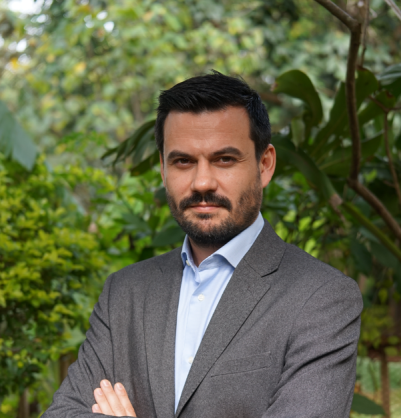
By Julien Fouilliart-Building & Infrastructure Growth Leader Middle East, Caspian and Africa, Bureau Veritas (https://group.BureauVeritas.com)​.

Globally, buildings are responsible for a substantial share of energy, electricity, water and materials consumption using between 35-40% of energy demand and contributing 37 per cent of world carbon dioxide (CO2) emissions. Including the manufacturing of building materials.

The 2022 updated Global Buildings Climate Tracker (GBCT) (https://apo-opa.co/3YLJiZG) shows that there is a significant gap between the current state and the desired decarbonization path which is concerning. In effect it means that to align with the 2030 milestone, an annual increase of ten decarbonization points is now necessary which is a substantial jump from the six points per year anticipated starting in 2015.

In 2019 in Africa, buildings accounted (https://apo-opa.co/4e8NIhN) for 57% of total final energy consumption and 32% of total process-related CO2 emissions.

Despite continental issues of poverty, unemployment and rapidly developing informal settlements among other issues, many countries in Africa are embracing green, sustainable building practices.

With its burgeoning population, expected to add some  1.2 billion people by  2050 (https://apo-opa.co/3AxgxXo) Africa faces rapid urbanization.

Urbanization provides an opportunity for countries across Africa to embrace green building practices, access available international green funding opportunities, and set a foundation for sustainability for future generations.

In 2023 the Africa Regional Network of World Green Building Council (WorldGBC) launched the Africa Manifesto for Sustainable Cities and the Built Environment, which sets out the actions that  policymakers and businesses across the continent need to take to achieve a net zero carbon, healthy, resilient, equitable, socially- and economically-inclusive built environment for everyone, everywhere.

Achieving these goals requires policymakers and business leaders across the continent to recognise the untapped potential of the built environment. But this can only be realized with the implementation of policies that support transformative action, through intense collaboration between governments, city and regional leaders, businesses and investors. 

South Africa is leading Africa's green building sector (https://apo-opa.co/3YLdq7N). It has over two million square meters certified green buildings that reduce water consumption, electricity, and waste disposal; 50 certified projects are projected to result in an annual saving of 76 million kilowatt hours which is equivalent to the electricity needs of 5,300 households every year.

South Africa has its own National Standard 10400 Part XA that deals with optimizing energy efficiency in buildings and in the light of this the Green Star South Africa and EDGE green building tools have been adapted and are widely used in the country. International rating systems like LEED and WELL are also used.

The scope of green construction in Egypt has been slow to grow but Egypt has two local rating systems in place called TARSHEED and the Green Pyramid Rating System. These, along with EDGE, LEED and WELL are used in various projects.

The Nigerian government has pledged to achieve a 20% reduction in its greenhouse gas emissions by 2030 and 45% with international support. Green building will likely be a big part of this change.

This country's National Building Code, developed by the National Council on Housing and Urban Development, and the Building Energy Efficiency Guideline (BEEG), also support the agenda of sustainable development by setting requirements for occupant health and safety, use of local and safe building materials and energy efficiency among other criteria.

Morocco has several legal provisions in place to promote sustainability and environmental protection through construction impact assessments for new building projects as well as energy-efficient construction requirements applicable to most residential and commercial projects. Several projects in the country have also achieved LEED green building credentials.

It also has several renewable energy projects such as the Noor Midelt Solar Plant and Tarfaya Wind Farm, one of the biggest wind farms in the continent.

As the drive towards Net-Zero heightens more African countries are joining the African Regional Network of the World Green Building Council. NGOs and other industry professionals are setting up green building councils in South Africa, Egypt, Tunisia, Nigeria, Botswana, Zimbabwe, Namibia, Mauritius, Tanzania, Kenya, Cameroon and Uganda.

One of the big hurdles restraining a sustainable development movement in the construction industry is a lack of awareness for practical sustainable actions among many developers and investors.

In South Africa there is a broad awareness of Green Buildings and the market share of certified buildings among all new builds is increasing. The 2021 International Finance Corporation's (IFC) Green Building Market Stakeholder Assessment for South Africa showed that on the supply side, key motivating factors for Green Buildings are their reduced carbon footprint increased end user demand and increased marketability.

From the occupier's perspective the motivating factors for buying or leasing a Green Building are lower utility bills and lower operating costs. Yet, at a residential level occupiers are only willing to pay a two percent premium for these benefits.

The IFC report points out that the perceived cost of construction and certification of green buildings are also considered major obstacles to the expansion of certified Green Buildings in South Africa (https://WorldGBC.org/). Its research indicates that those in the know estimated the additional construction cost to be 10% or higher, while those unfamiliar with Green Buildings are likely to significantly overestimate costs.

Currently, four out of six financial institutions provide financing for Green Building projects in some form or another and three require a certification to approve the loan. The portfolios of two consist of retrofitting existing buildings into Green Buildings; two of commercial and industrial Green Building construction finance and only one residential Green Building construction finance. Of the two FI's that currently do not fund any Green Building one plans to do so in the future while the other does not see this as part of their strategy.

The investment into green construction (https://apo-opa.co/4e8NYgL) has multiple benefits; it facilitates growth while addressing issues like employment, climate change, and poverty.

However, more needs to be done to improve the understanding of the benefits of green buildings such as lower operational costs, increased ROI as well as an overall improvement in occupant health and wellbeing. Financial institutions need to do more to support green construction. Those which have pledged to lower their investments in carbon producing industries could create green bonds or funds for the African construction sector. Government's need to provide policy support along with incentives to catalyze market development.

 All this suggests that there is still a sizable information gap regarding the cost, certification and benefits of Green Building and that further knowledge dissemination efforts are needed to close it.

Distributed by APO Group on behalf of Bureau Veritas.

About Julien Fouilliart:
Julien Fouilliart is a seasoned business development professional with 15 years of experience in international, multicultural, and cross-sector environments. He currently leads the growth of Bureau Veritas' Building & Infrastructure market across the Middle East, Caspian, and Africa regions. Julien holds a degree in Mechanical Engineering from Belfort University in France. He is based in Kenya and has a deep passion for the African continent. Julien has played a key role in the development of large and iconic infrastructure projects across the region. He has an extensive international background, having worked in France, China, Spain, Belgium, and the United Kingdom. His experience includes collaborating with global companies and public institutions to drive business growth in sectors such as aerospace, IT, rail, building, and transport infrastructure.

Media files
Bureau Veritas
Download logo
Read moreGreen Building Trends in Africa: Africa’s Urbanization Provides the Opportunity to Embrace Green Building
31 October 2024

Cape Town Is Losing Its Trees

Location: News

As global temperature records continue to be broken, cities need to move fast to protect residents from heat stress. Planting trees seems the simplest solution

Read moreCape Town Is Losing Its Trees
31 October 2024

Treasury optimistic about economic outlook

Location: News

Treasury optimistic about economic outlook

National Treasury expects improved growth prospects for the South African economy, despite slowing projected growth of some 1.1% in 2024 – down from the projected 1.3% earlier this year.

Real Gross Domestic Product (GDP) growth is projected to improve at some 1.1% in 2024, up from the 0.7% in 2023.

In its Medium-Term Budget Policy Statement (MTBPS), National Treasury said economic growth was being “weighed down by stop-start economic growth and stubborn inflation in the first half of the year”.

“The economy has since strengthened in response to the suspension of power cuts since March 2024, improved confidence following the formation of the Government of National Unity in June, better than expected inflation outcomes in recent months and reduced borrowing costs. All these factors are expected to continue supporting the economy over the period ahead.

“The pace of [GDP] growth is still being limited by persistent – though gradually easing – constraints, particularly in logistics infrastructure. Faster growth depends largely on maintaining macroeconomic stability, the continued implementation of structural economic reforms, improving State capabilities and supporting higher infrastructure investment,” the MTBPS stated.

Treasury explained that although risks persist, global risks are “weighted to the downside, while risks to the domestic outlook appear more balanced compared with the 2024 Budget Review assessment”.

“Global growth may weaken due to financial market volatility, tightening conditions for developing economies, slower disinflation from rising commodity prices and a prolonged contraction in China’s property sector. On the domestic front, food prices are vulnerable to weather-related shocks and logistical challenges. 

“Positive domestic risks include the possibility of a quicker pace of disinflation and interest rate reductions than assumed in the baseline forecast, which would boost demand. Stable electricity supply and faster progress on reforms could boost business and consumer confidence,” Treasury said.

The department warned, however, that fiscal risks “remain significant though somewhat more balanced than a year ago” and that the materialisation of these risks could be a threat to “fiscal projections, with negative consequences for investment and economic growth”.

“Despite the downward revision to growth for the current year, there is cautious optimism for the medium-term outlook as the early benefits of reform implementation continue to materialise. 

“The stabilisation of electricity supply has improved the overall investment climate. This positive momentum will be sustained by a new phase of Operation Vulindlela, which aims to accelerate structural reforms implementation. 

“To support these efforts, it will be essential to maintain clear and stable macroeconomic policies while strengthening state capability and supporting investment in growth-enhancing public infrastructure,” the MTBPS stated.

Global outlook

On the international front, global growth is projected to slow marginally from 3.3% in 2023 to 3.2% in 2024 and 2025.

“Slowing inflation has opened the way for major central banks to ease monetary policy. Lower interest rates and strong investment in technology, particularly in emerging Asia, are expected to support growth,” Treasury said.

The department added that overall risks to growth are “to the downside”.

“Fiscal policy has begun to contract in some countries, in part to manage the rapid increase in sovereign debt levels since the COVID-19 pandemic, and some countries are in debt distress.

“Persistent geopolitical tensions continue to flare, with potentially far-reaching effects on global trade, and the threat of escalating conflict in the Middle East remains a concern. The years-long downturn in China’s property sector, notwithstanding new stimulus support, could continue to weaken Chinese growth,” the MTBPS stated.

Economic growth in advanced economies is forecast to reach some 1.8% in the same period with growth in emerging and developing economies – including South Africa’s BRICS partners – projected at 4.2%.

In Sub-Saharan Africa, this is projected at 3.6% in 2024 and 4.2% in 2025.

“Global equity prices have risen as inflation decelerates, accompanied by interest rate cuts that are expected to continue into 2025. Further declines in bond yields are consequently anticipated, creating a favourable environment for emerging market assets. 

“Declining production and shipping of commodities, particularly oil, has dampened the outlook for some emerging and developing economies, including in Sub-Saharan Africa. Oil prices are anticipated to fall slightly in 2024, given weak global demand, despite production cuts agreed by major producers. 

“Global food prices are also projected to fall, supported by record-high grain production, reducing inflationary pressures,” the MTBPS explained. – SAnews.gov.za

Matona
Thu, 10/31/2024 - 05:44

2 views
Read moreTreasury optimistic about economic outlook
30 October 2024

Government assigns funding for G20 Summit

Location: News

Government assigns funding for G20 Summit

With South Africa assuming the G20 Presidency later this year, government will assign additional funding to those departments that will be involved in the preparations.

“This is a rare opportunity that only comes around every 20 years. We intend to use our voice to promote a truly Africa-focused agenda,” Finance Minister Enoch Godongwana said on Wednesday in Parliament when tabling the Medium-Term Budget Policy Statement (MTBPS).

South Africa will hold the G20 Presidency from 1 December 2024 to 30 November 2025.

The G20 brings together the countries with the largest economies in the world. The Member States meet annually to discuss economic, political and social initiatives.

“Various government departments and institutions will be involved, with National Treasury and the Reserve Bank leading the finance track, and the Department of International Relations and Cooperation leading the Sherpa track.

“Examples of key topics already selected include accelerating human capital development in the context of artificial intelligence, migration, technology, education and skills gaps; strengthening multilateral development banks to support the development of poorer countries, and financing climate-resilient infrastructure. 

"These and other priorities will anchor South Africa’s contribution to the global policy agenda,” the National Treasury’s document on the 2024 MTBPS said.

South Africa will assume the presidency of the G20 from Brazil. It will be held under the theme: “Solidarity, Equality and Sustainable Development”.

“Our presidency is the fourth consecutive one where an emerging economy will lead the forum that influences global economic issues,” the Minister said. - SAnews.gov.za

nosihle
Wed, 10/30/2024 - 13:28

484 views
Read moreGovernment assigns funding for G20 Summit
30 October 2024

Government to establish unit to deal with money laundering

Location: News

Government to establish unit to deal with money laundering

As part of efforts to exit the Financial Action Task Force (FATF) grey list, government will establish a shared forensic capability within the Financial Intelligence Centre to strengthen efforts to exit the grey list.

“From the 2025 Medium‐Term Expenditure Framework (MTEF) period onwards, funding will be reprioritised within the function to departments and entities to establish a shared forensic capability within the Financial Intelligence Centre,” National Treasury’s document on the 2024 Medium Term Budget Policy Statement (MTBPS) said.

This will strengthen efforts to combat money laundering and the financing of terrorism and secure South Africa’s removal from the grey list.

Tabling the MTBPS in Parliament on Wednesday, Minister of Finance Enoch Godongwana noted that South Africa recently received a positive review from the FATF.

South Africa is now deemed to have largely addressed 16 of the 22 action items in its Action Plan to exit the grey list.

“This is a remarkable achievement, brought about by the unprecedented cooperation between state departments, as well as with civil society.

“FATF lauded South Africa for improving how it dealt with issues of Anti-Money Laundering and Countering the Financing of Terrorism. This leaves us with only six outstanding action items to be addressed for the last scheduled reporting cycle in February 2025,” the Minister said.

The FATF is the international standard-setting body that oversees global compliance with anti-money laundering rules.

READ | SA records progress in exiting grey list

The FATF grey list refers to the FATF’s practice of publicly identifying countries with strategic AML/CFT deficiencies. The FATF maintains two such lists with one being jurisdictions under “increased monitoring” that are actively working with the FATF to address strategic deficiencies in their regimes” and secondly “high-risk jurisdictions subject to a call for action” that are not actively engaging with the FATF to address these deficiencies. -SAnews.gov.za


nosihle
Wed, 10/30/2024 - 14:24

1004 views
Read moreGovernment to establish unit to deal with money laundering
30 October 2024

Afreximbank Calls for Increased Collaboration to Accelerate the Green Energy Transition in Africa

Location: News
Afreximbank

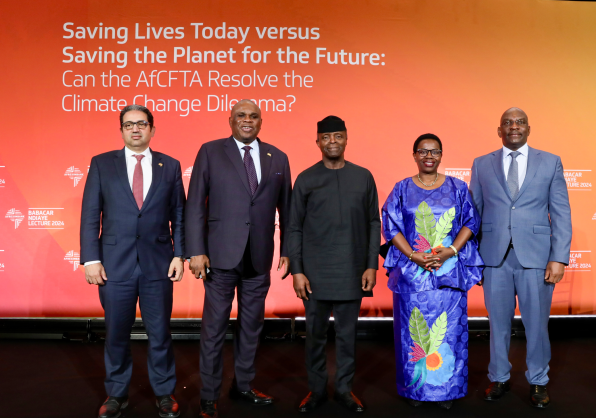
The eighth Babacar Ndiaye Lecture held at the Four Seasons Hotel in Washington D.C., on 26 October 2024, under-scored the need for African nations to strike a balance between short-term development imperatives and long-term climate goals. 

Under the theme “Saving Lives Today versus Saving the Planet for the Future: Can the AfCFTA Resolve the Climate Change Dilemma” discussions centred on how the African Continental Free Trade Area (AfCFTA), Africa's most ambitious trade initiative, could serve as a vehicle for economic growth and environmental sustainability, positioning the continent as a leader in the global green transition.  

The Lecture drew a distinguished audience of policymakers, academics, financial experts and climate advocates.  

Speaking about Dr. Babacar Ndiaye in his opening remarks, H.E. Professor Benedict Oramah, President and Chairman of the Board of Directors of Afreximbank Group, said “Dr Babacar Ndiaye was most concerned by the long-term threats posed to humanity by climate change. He once said, "Climate change is the greatest threat to development, particularly in Africa, where millions of people depend on the environment for their livelihoods … Africa's economic transformation cannot happen without addressing climate change.”  

Dr. Ndiaye's reflection on the impact of climate change was spot-on and intellectually deep.” But, “disappointingly, the global debate on climate has been so much focused on emissions reduction with the question of reducing its impact on Africa and other developing countries always reduced to a footnote. A call for Africa to decarbonise, when the continent has not even carbonised, poses a serious threat to the socio-economic development of a gas-rich continent that has at least six hundred million people without electricity.” 

The African Continental Free Trade Area Agreement “is seen as a potent means of reducing carbon emissions as it is helping to domesticate industrial activities and minimise the carbon emissions caused by shipping of commodities to far-away lands for value addition and reshipping to Africa and elsewhere. We believe that The AfCFTA could offer a pathway to a just transition, enabling local industrial value addition while protecting the planet.”  

Professor Yemi Osinbajo, SAN, GCON, the Immediate Past Vice President of the Federal Republic of Nigeria, delivered a powerful address titled “Sustainable Infrastructure for Africa's Future: Harnessing Innovation and Partnerships.” He spoke passionately about the advantages of the AfCFTA and its potential to transform Africa's trade landscape, reduce carbon emissions and foster innovation in green industries. 

“There are two obvious advantages to a fully operational AfCFTA.The first is that 42% of African countries, aside from North Africa, now have legislation prohibiting the export of raw ores or minerals before being processed. This legislation gives African countries the benefit of jobs and revenues from local processing and manufacturing.  

“The second advantage of the AfCFTA is that shipping is a major source of carbon emissions. Under current trade practices, a large share of African raw materials are exported to other regions, where they are processed or manufactured into finished products, usually using fossil fuel power sources, before being shipped back to Africa for consumption. This cycle contributes to higher emissions and constitutes a loss for African countries that do not reap the value chain gain from beneficiation. Intra-African trade in finished goods will substantially reduce this massive cause of global emissions,” he said. 

The reduction of emissions by intra-African trade has been the subject of several empirical studies. Professor Osinbajo referred to a recent ECA/ CEPII study titled “Greening the African Continental Free Trade Area Agreement's Implementation" published in December 2023, which found, inter alia, that implementing the AfCFTA can boost intra-African trade by 35% in 2045 while increasing GHG emissions by less than 1%, compared to no AfCFTA or climate policies.  

These studies do not factor in using renewable energy sources in the processing and manufacturing of traded goods, an assumption of the Climate Positive Growth paradigm, which would again substantially reduce emissions.  

Professor Osinbajo cited mining bauxite in Guinea as an example. If Guinea, which has 25% of global deposits of bauxite, processed the bauxite it mines to aluminium with renewable energy in readiness for export, Guinea could save the world 335 million tonnes of carbon dioxide equivalent (CO2e) per year, which is approximately 1% of global emissions, and create 280,000 jobs and generate $37 billion of additional revenue. If it chooses to sell the aluminium within Africa, it will again save the huge shipping cost to countries thousands of miles away.  

A Bloomberg study done for the African Development Bank (AfDB) in 2021 on the manufacture of battery precursors found that manufacturing battery precursors in the Democratic Republic of the Congo (DRC), which has plenty of lithium and cobalt, is three times cheaper than manufacturing it in the US, EU and China. Manufacturing in the DRC would extend value chain opportunities to other African countries, they would need manganese from Zambia, Tanzania, Gabon and South Africa to contribute to its capacity to produce these battery precursors. Manufacturing using renewable energy could significantly reduce the cost of manufacturing. Africa's abundant renewable energy has very low seasonality or intermittency, making it possible to reliably provide a renewable baseload to power continuous industrial production.  

“The AfCFTA empowers African countries first to add value to materials and specialise in areas of national comparative advantage, and also to work together to trade more beneficially with the rest of the world,” said Prof Osinbajo. 

He futher said that “Most African countries depend on fossil fuels for their energy needs and for fossil fuel rich African countries, this is also a major source of export earnings and fiscal revenues. Ostensibly in keeping with their net zero obligations, there has been a growing trend amongst development finance institutions to withdraw from fossil fuel investment. These actions include the World Bank's decision to cease funding for upstream oil and gas development in Africa and the restrictions on financing downstream gas development by the European Union, the United Kingdom, and the United States. Clearly, the implications of these actions are dire, where there are no immediate alternative sources of power and the cost of the transition to cleaner fuels may be prohibitive. Some studies show that divesting from fossil fuels could reduce GDP by as much as USD$30 billion for Nigeria, USD$22 billion for Algeria, and USD$19.3 billion for Angola.” 

H.E. Dr Rania A Al-Mashat, Minister for Planning, Economic Development and International Co-operation, Arab Republic of Egypt said that while the “African continent is the least responsible for carbon emissions, it has the biggest burden in terms of financing climate change for developmental needs - such as food and water security, and access to energy. 

She called for greater collaboration with national and international stakeholders “We need to work together; we need to bring the experiences from other places so that Africa can push forward with respect to development and sustainable economic growth.” 

In her Goodwill Message, Ms. Amina J. Mohammed, Deputy Secretary-General of the United Nations and Chair of the United Nations Sustainable Development Group, spoke about the rapidly closing window to prevent the worst impacts of climate change. She addressed the fact that many African countries are mired in debt, exacerbated by extended crises with little access to long-term concessional financing to invest in sustainable development. 

“With adequate access to financial resources at a reasonable cost, renewables can dramatically boost economies, grow new industries, create jobs and drive development, including by reaching the over 600 million Africans living without access to power,” said Ms Mohammed. 

She also stressed the importance of prioritising inclusive policies that empower women and youth when building climate-resilient economies.  

“By harnessing the collective might of the AfCFTA, Africa can make strides in addressing both climate action and sustainable development by promoting regional integration and fostering green industrialisation.  

“The AfCFTA can help build climate-resilient economies while creating jobs, reducing poverty and strengthening food security.”  

The eighth Babacar Ndiaye Lecture also reinforced Afreximbank's commitment to leadership in financing sustainable infrastructure and trade policies across the continent. 

Distributed by APO Group on behalf of Afreximbank.

Media Contact: 
Vincent Musumba 
Communications and Events Manager (Media Relations) 
Email: press@afreximbank.com 

For more information, visit: www.Afreximbank.com  
Follow us on X | Facebook (https://apo-opa.co/3YJR7iS)| LinkedIn (https://apo-opa.co/3Cet3eR) | Instagram (https://apo-opa.co/4ht2qDa)

About the Babacar Ndiaye Lecture 
The Babacar Ndiaye Lecture is an annual event designed to foster dialogue around Africa's development challenges and explore practical solutions through policy, trade and diplomacy.  

The Lecture honours Babacar Ndiaye, a former President of the African Development Bank, for his visionary leadership in advancing Africa's economic growth. 

Afreximbank has hosted this Lecture every year since 2017 in honour of the late Dr. Babacar Ndiaye, the fifth President of the African Development Bank. Dr. Ndiaye transformed the Bank during his decade-long leadership and was also instrumental in establishing several other enduring Pan-African institutions, including Afreximbank, Shelter Afrique and the African Business Roundtable. 

About Afreximbank 
African Export-Import Bank (Afreximbank) is a Pan-African multilateral financial institution mandated to finance, facilitate and promote intra and extra-African trade. For over 30 years, the Bank has been deploying innovative instruments to deliver financing solutions that support the transformation of the structure of Africa's trade, accelerating industrialisation and intra-regional trade, thereby boosting economic expansion in Africa. A stalwart supporter of the African Continental Free Trade Area (AfCFTA), Afreximbank has in partnership with the African Union Commission and the AfCFTA Secretariat launched the Pan-African Payment and Settlement System (PAPSS) that was adopted by the African Union (AU) as the payment and settlement platform to underpin the implementation of the AfCFTA agreement. The AfCFTA Secretariat and the Bank have created a US$10 billion Adjustment Fund to support countries to effectively participate in the AfCFTA.  

At the end of December 2023, Afreximbank's total assets and guarantees stood at over US$37.3 billion, and its shareholder funds amounted to US$6.1 billion. Afreximbank has investment grade ratings assigned by GCR (international scale) (A), Moody's (Baa1), Japan Credit Rating Agency (JCR) (A-) and Fitch (BBB). Afreximbank has evolved into a group entity comprising the Bank, its impact fund subsidiary the Fund for Export Development Africa (FEDA), and its insurance management subsidiary, AfrexInsure, (together, “the Group”). The Bank is headquartered in Cairo, Egypt.  

Media files
Afreximbank
Download logo
Read moreAfreximbank Calls for Increased Collaboration to Accelerate the Green Energy Transition in Africa
30 October 2024

United Kingdom (UK) Visa Services in South Africa Are Now Available in PE/GQ Through VFS Global

Location: News

VFS Global
Download logo

VFS Global (www.VFSGlobal.com) are proud to announce that residents of South Africa, travelling to the UK can now book appointments to submit their visa applications through VFS Global's new state-of-the-art Visa Application Centres located in Cape Town, Durban, Johannesburg, Port Elizabeth and Pretoria.

Effective 22 October 2024, customers applying for a UK visa will be directed to VFS Global to book an appointment to complete their visa application. Customers will also have the option to choose additional services designed to make the application process easier.

Commenting on the launch of the new Centres, Mr. Alok Singhal, Head- Sub-Saharan Africa, VFS Global, said, “We are excited to embark on this new journey with UK Visas and Immigration here in South Africa. We have enjoyed a long-standing partnership with UK Visas and Immigration since 2003 and look forward to now bringing travellers from South Africa our best-in-class services.”

UK visa customers can now choose from a range of optional services offered by VFS Global to provide enhanced comfort and convenience. These include document upload assistance, Prime Time for application submission outside of business hours, SMS notifications, document checking service, and courier return of the passport once a decision has been made.

Customers can also submit their UK visa applications from the comfort and safety of their home, office or any other preferred location with our On Demand Mobile Visa service. VFS Global's Keep My Passport While Applying service allows customers to keep their passports once their application is submitted and biometrics have been enrolled. Customer will only need to re-submit their passport when a decision is reached.

The services can be booked in advance on https://apo-opa.co/4f4Yw1G or at the Visa Application Centre at the time of the appointment. These services are completely optional and have no bearing on the processing timeline and outcomes of visa applications.

As a partner to the UK Visas and Immigration since 2003, VFS Global offered visa services in 58 countries before the new contract and has now been awarded the contract to provide UK visa services in 142 countries worldwide. In the African region, VFS Global will provide Visa Application Centres for the UK in 31 countries, from October 2024.

UK Visa Application Centres in South Africa

Cape Town: 2 Long Street, 9th floor, nr 2 on Long Street, 8001

Port Elizabeth: Greyville House, 3rd Floor, Greyville House Building, Corner of Ring Road, Caper Road & Greyville Road, Greenacres

Durban: Glass House, 309 Umhlanga Rocks Drive, Umhlanga

Johannesburg: Rivonia Village, 3rd, Cnr Rivonia Boulevard and Mutual Road, Sandton, 2128

Pretoria: The Podium at Menlyn - 4th Floor, 43 Ingersol Rd, Lynnwood Glen, 0081

Website: https://apo-opa.co/4f4Yw1G

Business hours: 8 AM to 5 PM (Mon to Fri, except public holidays)

Application submission: 9 AM to 4 PM (Mon to Fri, except public holidays)

Passport collection: 12 PM to 3 PM (Mon to Fri, except public holidays)

Primetime submission and collection: 8 AM to 9 AM & 4 PM to 5 PM (Mon to Fri, except public holidays)

Distributed by APO Group on behalf of VFS Global.

Media Contact:
George Cherian
georgec@vfsglobal.com
communications@vfsglobal.com

About VFS Global:
As the world's leading outsourcing and technology service specialist, VFS Global embraces technological innovation including Generative AI to support governments and diplomatic missions worldwide. The company manages non-judgmental and administrative tasks related to applications for visa, passport, and consular services for its client governments, increasing productivity and enabling them to focus entirely on the critical task of assessment.

With a responsible approach to technology development, adoption and integration, the company prioritizes ethical practices and sustainability while serving as the trusted partner to 69 client governments.  Operating over 3,400 Application Centres in 153 countries, VFS Global has efficiently processed more than 297 million applications since 2001.

Headquartered in Zurich and majority owned through investment funds managed by Blackstone Inc, along with the Swiss-based Kuoni and Hugentobler Foundation and EQT, VFS Global is committed to creating value for all stakeholders and leading in responsible, innovative solutions making government services more effective and efficient.

Read moreUnited Kingdom (UK) Visa Services in South Africa Are Now Available in PE/GQ Through VFS Global
29 October 2024

Ukraine visa agreement still undergoing diplomatic processes

Location: News

Ukraine visa agreement still undergoing diplomatic processes

International Relations and Cooperation Minister, Ronald Lamola, has confirmed that the long-awaited visa waiver for Ukrainian holders of diplomatic and official passports will move forward through diplomatic channels, with the agreement to be signed upon the completion of the necessary procedures.

“Once those processes have been concluded, the agreement will then be concluded, which will enable our diplomats and services and official passports to be able to travel between the two countries seamlessly,” the Minister said on Monday. 

Lamola made the remarks in Pretoria while hosting his Ukrainian counterpart, Andrii Sybiha, the Minister of Foreign Affairs.

“The agreement has not been signed and once all the diplomatic processes have been concluded, the agreement will be signed. The officials between the two departments, including the Department of Home Affairs, have agreed in terms of the text of this agreement, which represents progress because it’s a process that was started by my predecessor.”

Lamola noted that the process was “ripe” for conclusion and stated that his team was dedicated to completing the project.

Lamola said he has noted the Ukraine’s request for reciprocity concerning ordinary citizens. 

“As we are aware, we service our citizens and the citizens of Ukraine through Warsaw in Poland, which complicates our work. We will process this matter through our own internal mechanisms, and we’ll be able to give you feedback through the diplomatic channels. 

“Regarding this request, we deliberated on constraints to fragile international security, including, but not limited, to the current wars.” 

Lamola told Sybiha and his delegates that he was pleased to learn that the Ukraine wants peace, and that they are willing and ready to engage with Russia, as suggested by South Africa. 

“We believe that in this conflict, it’s important that all the warring factions are on the table, and they [are] able to engage.

“They cannot only meet on the battlefield, because any peaceful resolution will come through diplomatic engagements and peaceful negotiations of the conflict that is currently ongoing.”

Lamola believes that it is important to find long-lasting peace in this ongoing conflict that has affected the global supply of grain and food prices across the globe. 

“It is in the interest of us and the people of the world that we see a peaceful resolution to this conflict, and we look forward to that engagement through the peace formula that will involve all the parties.”

Lamola said he was looking forward to continuing the engagement between the two parties, with regard to the Africa Initiative led by President Cyril Ramaphosa and other African leaders. 

This initiative aims to persuade the parties to a negotiation platform, Lamola explained, adding that South Africa is also part of the China-Brazil initiative, which is also pushing to bring the parties to any engagement. Lamola said he is hopeful that one day this will be realised.

Lamola told the delegation that South Africa, which has also engaged in peace efforts in Africa, particularly in the Sahel region and Sudan, was “very concerned” about the current humanitarian crisis. 

This includes the maiming of innocent children and women in Sudan, while the Red Cross, the largest humanitarian organisation, has declared the Sahel region as one of the biggest humanitarian disasters the world has ever seen.

Shifting his focus back to the political consultations, Lamola said South Africa is looking forward to allowing diplomatic processes that will enable the strengthening of bilateral trade between South Africa and the Ukraine. 

This involves the areas of trade, digital transformation, agriculture and many other fields, including the skills gap that exists in both nations.

Meanwhile, Lamola said his department will process the invite they received to visit the Ukraine. 

“We will be able to give feedback in terms of what is possible after we have followed all the diplomatic processes,” he said. 

He also stressed South Africa’s non-alignment stance and the country’s participation in various initiatives aimed at finding a solution to this ongoing conflict.  

“There must be a channel of communication that is open, that enables them to engage on some issues, including finding a ceasefire in that conflict. This is very important for the people of the group, in line with the UN [United Nations] Charter.” – SAnews.gov.za 

Gabisile
Tue, 10/29/2024 - 13:05

268 views
Read moreUkraine visa agreement still undergoing diplomatic processes
29 October 2024

Mental health and people with disabilities

Location: News

Mental health and people with disabilities

By Morapedi Sibeko

Social Development Month and Mental Health Awareness Month are two significant twin observances that fall in October. The aim of these observances is to promote all-encompassing strategies that tackle social concerns as well as mental health requirements, ultimately resulting in communities that are healthier and more resilient.

This linking shows how closely social support networks and mental health are interrelated, particularly for people with disabilities (PWD).

The World Health Organization (WHO), which defines health as a state of complete physical, mental and social well-being and not merely the absence of disease or infirmity, reports that people with disabilities have twice the likelihood of experiencing mental health issues. They also list increasing global awareness of mental health issues and organising mental health-promoting activities as two of October's other main goals.

Mental wellbeing for people with disabilities frequently remains an unattainable objective, secondary to the stigma linked to both their physical condition and mental health difficulties. This dual stigma is responsible for lowering the quality of life and preventing people with disabilities from getting the necessary mental health care.  

People with disabilities regularly have to deal with negative expectations and false beliefs about their skills. The burden of judgment increases when mental health issues are involved. It is a common misconception in society that people with disabilities are either "used to" hardship or lack the emotional strength needed to preserve mental health. Due to this twin stigma, people with disabilities are perceived as weak or reliant in terms of both their mental and physical health, which fosters a poisonous environment.

As per WHO, a person's place on the mental health continuum may change as a result of a combination of psychological, societal, and structural factors that either support or compromise mental health throughout life. Often people with disabilities live with an emotional toll that comes from experiencing a world that was supposedly not created with them in mind. 

A negative consequence of social stigma is one's internalisation of the unfavourable attitude. A person's incapacity to deal with the hand they've been dealt may lead to them believing their mental health issues are personal failures.

People with disabilities tend to enjoy fewer benefits or have less access to training and development, and they frequently feel alienated at work. They run the danger of social marginalisation, poor health, and diminished productivity at work as a result of this physical and psychological discomfort.

Employers frequently lack the knowledge and readiness to offer the support and accommodations that people with disabilities require. People with disabilities who are employed suffer in silence, feel misunderstood, and lack assistance.

A study by researchers (Trani et.al., 2024) highlights that the lack of opportunities, isolation, prejudice, and accessibility problems that people with disabilities experience can result in mental health conditions including post-traumatic stress disorder (PTSD), sadness, depression, or anxiety. This research highlights the value of social development programs that fight stigma and contribute to the creation of a more accepting and inclusive atmosphere for people with disabilities.

The need of inclusive social policies in promoting mental wellness for everyone, especially people with disabilities, is brought home to us in October. We, as community members, can establish settings where each person feels appreciated, encouraged, and capable of thriving by tackling the structural obstacles and stigmas people with disabilities encounter.

*Morapedi Sibeko is the Event Manager at the Department of Social Development
 

Janine
Tue, 10/29/2024 - 14:42

130 views
Read moreMental health and people with disabilities
29 October 2024

One Week to Go Until Investors Unite at AEW

Location: News
African Energy Chamber

The largest gathering of energy stakeholders on the African continent is gearing up to welcome global and African energy stakeholders for five days of dialogue and deals. African Energy Week (AEW): Invest in African Energy 2024 – dubbed the premier event for the African energy sector – will take place from November 4-8 in Cape Town, South Africa. The foremost platform to sign deals and further the agenda towards making energy poverty history by 2030, the conference will feature seven stages, including five content stages, two technical hubs and a full day of pre-event workshops.

With over 125 million barrels of proven oil reserves, 620 trillion cubic feet of natural gas and abundant opportunities in solar, wind and green hydrogen, Africa has the potential to become a global hub for energy. African energy demand is projected to more than double by 2050, with fossil fuels anticipated to account for up to 60% of the continent's energy mix by 2040. As such, this year's conference promises to drive a new wave of investment across the African energy sector, with industry experts and thought-leaders, African governments and national oil companies (NOCs), and energy investors leading discussions on the challenges and opportunities found on the continent.

AEW: Invest in African Energy is the platform of choice for project operators, financiers, technology providers and government, and has emerged as the official place to sign deals in African energy. Visit www.AECWeek.com for more information about this exciting event.

Africa's energy industry is both the backbone of the continent's economy and a catalyst for sustainable growth worldwide. As such, the AEW: Invest in African Energy 2024 conference will feature a series of pre-event interactive workshops, providing an opportunity for companies to share in-depth knowledge and exchange ideas with a targeted group of delegates. The workshops, hosted by companies such as Rystad Energy, NCDMB, CLG, Energeo Alliance and S&P Global Commodity Insights, will cover various topics including energizing Africa amid the global energy transition; legislative and regulatory context for promoting investment in exploration; and facilitating investments and mergers and acquisitions across the continent.

A high-level opening ceremony will kick off at the Cape Town International Convention Center (CTICC) on the first day of the event. The opening ceremony will feature addresses from Angola's Minister of Mineral Resources and Petroleum Diamantino Azevedo and South Africa's Minister of Electricity and Energy Kgosientsho Ramokgopa, and discussions with the likes of Dr. Omar Farouk, Secretary General of the African Petroleum Producers' Organization and Chairman and CEO of upstream oil company Kosmos Energy Andy Inglis. The AEW: Invest in African Energy 2024 opening will kick off a week of intense dialogue on the future of the African energy industry. The opening will also feature a number of panel discussions focusing on the vital role Africa plays in addressing global energy security, as well as keynote addresses from the heads of some of the largest energy companies in the world.

Representing the entire energy value chain from oil and gas to renewable energy to power and infrastructure, AEW: Invest in African Energy 2024 will feature a massive slate of regional ministers with the aim of unpacking the continent's strategies to make energy poverty history by 2030. Ministers from Libya and Algeria are poised to showcase North Africa's ambitious production targets while aiming to plug Europe's energy gap and enhance domestic energy access. Southern Africa's ripe opportunities in energy and mining will be put on display by ministers from Mozambique, Angola, South Africa, Zambia and Namibia while West African ministers from the MSGBC region, Nigeria, Ghana and Burkina Faso will provide updates on ongoing projects. With major producers such as Equatorial Guinea, Gabon and the Republic of the Congo (ROC) inviting investors to support diversification efforts in production and refining, regional ministers from Central Africa will share insight into available opportunities in oil and gas, mining and infrastructure. Meanwhile, as a frontier market, East Africa is incentivizing exploration in both on- and offshore basins while driving infrastructure and field development projects forward and will be represented by energy and mining ministers from Ethiopia, Uganda, and South Sudan.

Africa is accelerating the pace of upstream projects with the aim of boosting production and intra-African petroleum distribution. Across both mature and emerging hydrocarbon markets, investment opportunities continue to emerge, and as such, AEW: Invest in African Energy 2024 will feature a strong lineup of VIP speakers from energy supermajors Eni, bp, Chevron and TotalEnergies. The event will also feature representatives from some of the continent's most important energy players including Azule Energy, ReconAfrica, Etu Energias, Africa Oil Corp., Wood Mackenzie and Adarco Energy, among many more. The oil industries of African countries will be represented by NOCs from Angola, Namibia, South Africa, Tanzania, Uganda, among others.

With two technical hubs on the exhibition floor of the CTICC, the conference serves as a prime platform for companies to provide presentations on various industry-leading technical themes. The AEW: Invest in African Energy 2024 technical track features a dedicated stage for asset owners, engineers and technology innovators to present projects, provide deep insights into cutting-edge solutions, and share best practices to foster knowledge. Attendees will gain valuable insights into the future of energy and learn about ground-breaking projects while discovering new opportunities for collaboration and investment. An exclusive exhibition-only pass grants delegates access to both the innovative exhibition floor and the technical track.

Rounding off AEW: Invest in African Energy 2024's strong program, a series of technical excursions and site visits across Cape Town offer participants the unique opportunity to gain insight into ongoing projects and developments in South Africa. A guided tour of the Hydrogen Project at the University of the Western Cape will focus on industry technology and development. The tour will also take delegates to the South African Renewable Energy Technology Center at the Cape Peninsula University of Technology, which stands as the country's inaugural sustainable energy development technology facility. The excursion will feature a tour of the Atlantis Special Economic Zone, which stands as a promising landmark in Africa's energy landscape while showcasing advancements in sustainable energy solutions, economic development and innovation. Rounding off the site visits, the tour will also take participants to the Eskom Palmiet Power Station, a hydroelectric pumped storage facility that plays a key role in stabilizing the national power grid.

“AEW 2024 stands at the center of African energy and provides an unparalleled platform to forge partnerships, share knowledge and drive progress in the continent's energy sector. It is our collective responsibility to prioritize energy poverty alleviation and sustainable development, ensuring a brighter future for all Africans. We look very much forward to kicking off this exciting event and welcoming hundreds of delegates from all over the world to drive Africa's energy needs,” states NJ Ayuk, Executive Chairman of the African Energy Chamber.

During the AEW: Invest in African Energy 2024 conference, delegates will be exposed to project updates, industry highlights, investment opportunities and strategies that address the continent's goals for eradicating energy poverty and promoting environmental sustainability. With one week to go, the conference is already stacking up to become the foremost energy event of its kind once again on the African continent.

Distributed by APO Group on behalf of African Energy Chamber.

Media files
African Energy Chamber
Download logo
Read moreOne Week to Go Until Investors Unite at AEW
29 October 2024

Freestyle Connect Africa 2.0 Champions Crowned at CANEX WEEKEND 2024 in Algiers!

Location: News
Feet 'N' Tricks Limited

Feet 'N' Tricks International (www.FeetNTricks.com), in collaboration with the World Freestyle Football Association (WFFA) and proudly sponsored by AFREXIMBANK, has successfully concluded the second edition of Freestyle Connect Africa at the CANEX WEEKEND 2024 in Algiers, Algeria. The event, held on October 18th, 2024, at the SAFEX Exhibition Centre, brought together the finest freestyle football talent from across the continent.

In a thrilling display of skill, 24-year-old Mohannad-Hosam Mohamed Saleh Ali from Egypt was crowned the Africa Freestyle Champion in the male category. His flawless execution of intricate tricks and superior control earned him the top prize. Mohannad-Hosam dethroned Ali Yahia Ouahmed from Algeria, the defending champion and winner of the first edition held in Egypt in 2023, who finished as runner-up. Tunisia's Ayoub Haouas took third place, completing the podium in the fiercely contested male competition.

In the female category, Angelique Martins Ferreira from South Africa clinched the Africa Freestyle Championship, outperforming her fellow competitors. Nigeria's Okafor Ijeoma Evelyn, the reigning Nigerian Champion, secured second place, while Heizel Selesi Gyabi from Kenya took third, rounding out the top female freestylers of the continent.

 Event Highlights and VIP Guests

The event was graced by top dignitaries and influential figures, further cementing its reputation as a premier sports and cultural showcase for Africa. In attendance were:

- Valentine Chineto Ozigbo, Chairman of Feet 'N' Tricks International and Director at the World Freestyle Football Association.

- HE Senator John Owan Enoh, Nigerian Minister of Sports Development.

- HE Hannatu Musa Musawa, Nigerian Minister of Arts, Culture, and the Creative Economy.

- Dr. Hassani Mustapha Ali, representing the Algerian Minister of Sports.

- Boris Kodjoe, Hollywood actor, producer, and global ambassador.

- Mrs. Kanayo Awani, Executive Vice President, Intra African Trade and Export Development, AFREXIM Bank

- Moji Hunponu-Wusu, Founder of WoodHall Capital.

- Gabriel Edgal, Chairman of Oakwood Green Africa.

- Prof. and Mrs. Sylvester Monye, Independent Public Policy Consultants.

- Temwa Gondwe, Senior Manager, Trade Facilitation, Intra African Trade and Investment Promotion, AFREXIM Bank

- Anne Ezeh, Director of Communications and Events at AFREXIM Bank.

- Adaeze Anyaoku, Head of Corporate Events and Multimedia Management, AFREXIM Bank.

There were other members of the Board of Feet n Tricks present, including Olisa Adibua, Dom Lawson, Odyke Nzewi and the Managing Director, Oraka Oranyelu.

Just before the event kicked off, there was a panel discussion titled "Beyond the Scoreboard: Can Global Partnerships Provide Opportunities in the Sports Ecosystem?" This session gathered key industry stakeholders, who discussed how strategic partnerships can drive growth and investment in African sports. Mr. Ozigbo was among the panelists.

 A Celebration of African Talent and Culture

Freestyle Connect Africa 2.0 was more than a competition—it was a celebration of African creativity and culture, uniting 23 freestyle footballers from across the continent. Athletes from Nigeria, Egypt, South Africa, Algeria, Kenya, Tunisia, and Madagascar showcased their exceptional skills in this exciting event, which embodied the CANEX 2024 theme: "One People, United in Culture, Creating for the World." The dancers from Calabar Carnival were also on ground to entertain the audience with their graceful performance.

 Three esteemed judges oversaw the competition:

- Yorok Youssef Ayman (Egypt), a multiple-time national champion and two-time African Championship runner-up.

- Iya Traore (Guinea), ex-Paris Saint Germain junior team player and holder of three Guinness World Records in freestyle football.

- Ashley Mkhize (South Africa), former national champion and legendary freestyler.

 Valentine Ozigbo's Vision for Freestyle Football

Valentine Chineto Ozigbo, Chairman of Feet 'N' Tricks International and Director at the World Freestyle Football Association, reaffirmed his commitment to promoting freestyle football across the continent. He also emphasized his goal of pushing for the inclusion of freestyle football as an Olympic sport, bringing the blend of athleticism and creativity to a global audience.

"Freestyle football reflects the ingenuity and passion of Africa's youth. Our mission is to elevate this sport to the global stage, ensuring that our athletes get the recognition they deserve," said Ozigbo.

These were the sentiments expressed by the three Ministers when they spoke to declare the event open, advocating very passionately for the beautiful game of football to be part of the next Olympics.

Mr. Temwa Gondwe, in presenting the prizes to the winners, appreciated Feet n Tricks for a job well done, and signaled that freestyle football may be a part of Afreximbank's future events.

 A Bright Future for African Freestyle Football

Freestyle Connect Africa 2.0 was a resounding success, showcasing the immense talent and potential of African freestyle athletes. As strategic partnerships grow and global interest increases, freestyle football in Africa is poised for a future filled with opportunities.

Proudly sponsored by AFREXIMBANK, Authorized by the WFFA and Supported by Valentine Chineto Ozigbo Foundation. In collaboration with the People and Government of Algeria

Distributed by APO Group on behalf of Feet 'N' Tricks Limited.

For media inquiries or additional information, please contact:
Oraka Nnanyelu
MD, Feet 'N' Tricks
feetandtricksltd@gmail.com

#FreestyleConnectAfrica #CANEX2024 #AfricaRising #FreestyleFootball #FeetNTricksInternational

Media files
Feet 'N' Tricks Limited
Download logo
Read moreFreestyle Connect Africa 2.0 Champions Crowned at CANEX WEEKEND 2024 in Algiers!
29 October 2024

President Ramaphosa congratulates incoming Secretary-General of the Commonwealth

Location: News

President Ramaphosa congratulates incoming Secretary-General of the Commonwealth

President Cyril Ramaphosa has extended his personal congratulations, along with those of the South African Government, to Ghana’s Foreign Minister, Shirley Ayorkor Botchwey, on her recent appointment as the next Secretary-General of the Commonwealth. 

Botchwey is set to begin her four-year term on 1 April 2025, leading the 56-member association.

In his message, President Ramaphosa conveyed his warm wishes and pledged support for her tenure, noting the Commonwealth’s critical priorities set out at the recent Commonwealth Heads of Government Meeting. 

“The recent Commonwealth Heads of Government Meeting correctly identified climate resilience; sustainable peace and the peaceful resolution of all disputes, in accordance with international law, and increased intra-Commonwealth trade and investment as imperatives for our shared sustainability and prosperity.

“South Africa looks forward to the Secretary-General’s guidance and stewardship in the advancement of these objectives, which align very strongly with South Africa’s national development goals, as well as the vision for a better Africa and better world more broadly.

“I wish her well as she prepares to take on this important role,” President Ramaphosa said.

The Commonwealth is a voluntary association of 56 independent and equal sovereign States, with a combined population of 2.7 billion, of which more than 60% is aged 29 or under.

Encompassing both advanced and developing economies, it includes 33 small States, many of which are island nations.

The Commonwealth Secretariat assists member countries in strengthening democratic institutions, governance, justice and human rights. Its initiatives aim to enhance economic growth, trade, youth empowerment and resilience against global challenges like climate change, debt and inequality.

Support for these goals is further extended through a network of over 80 intergovernmental, civil society, cultural and professional organisations. – SAnews.gov.za

DikelediM
Tue, 10/29/2024 - 08:20

25 views
Read morePresident Ramaphosa congratulates incoming Secretary-General of the Commonwealth
28 October 2024

Presidency asserts stance on South Africa’s foreign policy 

Location: News

Presidency asserts stance on South Africa’s foreign policy 

The Presidency has reaffirmed South Africa’s commitment to a foreign policy grounded in solidarity, peace, equality, human rights and sustainable development for the benefit of all.

In a statement on Sunday, the Presidency emphasised that President Cyril Ramaphosa is dedicated to strengthening political and trade ties, while supporting the rights of oppressed communities globally.

“As President Cyril Ramaphosa continues to lead the 7th administration in strengthening all key political and trade ties, working in solidarity with the oppressed peoples of the world in Palestine and Western Sahara, while advocating for peaceful resolution of conflicts around the globe, South Africa will maintain a foreign policy that is informed by solidarity, peace, equality, human rights and sustainable development for the benefit of all. 

"This is the responsibility that President Ramaphosa will continue to exercise without any undue pressure and in line with South Africa’s national sovereign interest,” the Presidency said.

In an August 2023 address preceding the South African-hosted 15th BRICS Summit, President Ramaphosa outlined the values underpinning the country’s foreign policy. 

In the address, President Ramaphosa articulated the principles and values that shape the country’s foreign policy and inform its international relations.

“Before the dawn of democracy in 1994, the apartheid South African state was a pariah in the international community, condemned for committing a crime against humanity," President Ramaphosa said at the time.

He highlighted that the foreign policy of apartheid South Africa was defined by coercion, destabilisation and military aggression. 

“Since the advent of democracy, South Africa’s foreign policy has been based on what our forebears inscribed in the Freedom Charter in 1955, when they declared that: 'South Africa shall be a fully independent State, which respects the rights and the sovereignty of all nations; South Africa shall strive to maintain world peace and the settlement of all international disputes by negotiation – not war'."

The President further affirmed South Africa’s foreign policy as a vital element of the nation's progress. South Africa’s strong relations with other countries manifested through investment and trade relations that can contribute to the growth of the economy, create more opportunities for new businesses and create jobs. 

“President Ramaphosa has been steadfast in maintaining South Africa’s commitment to the policy of active non-alignment. South Africa has resisted pressure to align with any one of the global powers or with influential blocs of nations in their pursuit of power contestations that are unfolding in countries across the globe. 

“The President observed during his foreign policy address that, 'during the Cold War, the stability and sovereignty of many African countries was undermined because of their alignment with the major powers. This experience has convinced us of the need to seek strategic partnerships with other countries rather than be dominated by any other country. 

“While some of our detractors prefer overt support for their political and ideological choices, we will not be drawn into a contest between global powers. Instead, our country strives to work with all countries for global peace and development,” the Presidency said. 

The Presidency noted that it is this resolute adherence to the policy of non-alignment and to the prescripts of the Freedom Charter which informed the nation’s Constitution that South Africa continues to contribute towards the attainment of world peace and silencing the guns on the continent.

The Presidency clarified that President Ramaphosa’s recent remarks declaring President Putin and the people of Russia as “valuable friends and allies”, he was not projecting any particular country or bloc of countries as the enemy. 

“Similarly, as a country that has no enemies, South Africa regards the members of BRICS as friends. It is through the policy of non-alignment that South Africa has been able to constructively engage with both Russia and Ukraine.

“In several engagements, President Ramaphosa has emphasised the centrality of the United Nations Charter and the need for peaceful dialogue in resolving conflict. In the process South Africa has also maintained its strong historical ties with the Russian Federation, whilst enjoying cordial diplomatic bilateral relations with Ukraine. 

“South Africa has also been unwavering in advocating for a peace process that includes the full participation of both countries,” the Presidency said. 

Today, International Relations and Cooperation Minister, Ronald Lamola, will host his Ukrainian counterpart, Minister Andrii Sybiha. 

Amongst the highlights of the visit will be the signing of an Agreement on Visa Waiver for Diplomatic Service or Official Passports. 

This will enable South African officials to travel to Ukraine for peace formula meetings without visa logistical impediments. This development, which has been in the making since 2020, signals South Africa’s commitment to growing diplomatic relations with Ukraine.  

South Africa will soon host the South Africa-European Union summit as part of its G20 presidency, strengthening its strategic partnership with the EU. 

South Africa is the only partner in Africa amongst the European Union’s 10 bilateral strategic partnerships.

The summit will further enhance the existing partnership with the European Union. 

South Africa will continue working towards strengthening the strategic, trade and political bilateral relationships with key partners including the Peoples Republic of China, United States of America, Germany, Japan, India and others. 

South Africa will further consolidate the full implementation of the African Continental Free Trade Area, which is set to eliminate trade barriers, boost intra African trade and achieve prosperity for all of Africa. The African Continental Free Trade Area will also accelerate manufacturing and industrial capacity on the continent. – SAnews.gov.za

DikelediM
Mon, 10/28/2024 - 09:55

390 views
Read morePresidency asserts stance on South Africa’s foreign policy 
  • Previous
  • Page 1
  • Interim pages omitted …
  • Page 35
  • Page 36
  • Page 37
  • Page 38
  • Page 39
  • Interim pages omitted …
  • Page 103
  • Next

Copyright © 2026 · MyZA · All Rights Reserved · Powered by Stratlec Online