• Skip to main content
  • Skip to header right navigation
  • Skip to after header navigation
  • Skip to site footer
MyZA

MyZA

News, Directory, Events and Other Stuff

  • Social Media
  • Sport
  • World News
  • Home
  • Submit News
  • Directory
  • Events
  • Stratlec
  • TFSA
  • News
    • APO
    • Today’s Sport News
    • Todays Social Media and Tech Headlines
    • Today’s World News
    • Today’s SA Financial News
  • Contact
You are here: Home / Archives for Government

Government

14 December 2023

Poverty and Progress: An Update on African Energy
Location: News
African Energy Chamber

By NJ Ayuk, Executive Chairman, African Energy Chamber (https://EnergyChamber.org).

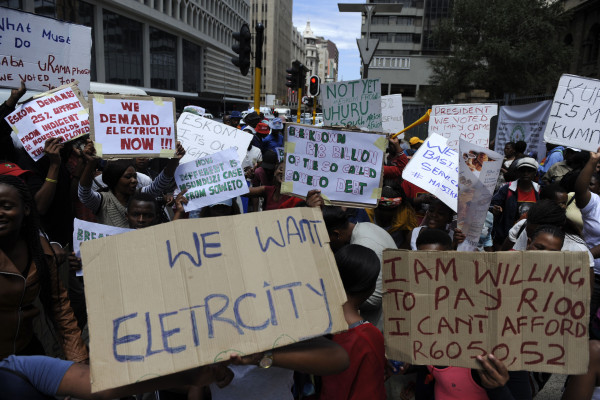
In an era when such futuristic technologies as artificial intelligence, robotics, and quantum computing are here or on the horizon, almost half of sub-Saharan Africans — more than 600 million people — lack the electricity to heat, cool, or light their homes.

This energy poverty impedes nearly every aspect of life for this population, from conducting business and educating their children to deterring crime and providing healthcare.

Even in some well-electrified African nations such as Ghana, Gabon, and South Africa, the supply is inadequate and often unavailable.

As the African Energy Chamber (AEC) put it in our newly released The State of African Energy Outlook Report 2024, “Access to electricity in Africa is still a dream to millions of Africans.”

Our report gives compelling evidence to back this statement, providing statistics that show, among other things, that energy poverty is markedly deeper in sub-Saharan Africa (SSA) than in the rest of the continent.

Our report is sobering, but not without hope. It also provides a positive look toward the future, including energy developments likely to improve electrification rates in SSA and move its countries' citizens closer to the universal access they dream of. The key to delivering energy to more Africans will be using both renewables and fossil fuels.

The Statistics and What's Behind Them

Our report's numbers tell the story of just how much SSA, in particular, is still affected by energy poverty.

In contrast with most of the world, where electrification rates improved during the COVID-19 pandemic, SSA's worsened, as its percentage of the world's population lacking electricity grew from 71% in 2018 to 77% in 2020. Statistics compiled in 2020 showed sub-20% levels of electricity access in up to eight countries across the region.

While the education and business sectors suffer greatly from energy poverty, it is perhaps most acutely felt in the health sector, where medical equipment and procedures require electrical power.

Complicating the health impacts still further, households without electricity are often forced to use unhealthy fuels like wood, coal, or kerosene to cook and heat, producing indoor air pollution that leads to respiratory problems and other ailments.

In contrast to the 90%-plus electrification rate found in some North African countries, which is allowing them to decrease reliance on fossil fuels, electricity access in SSA is only about 55%, and a closer look at that number reveals it is driven by urban rates of close to 80%, while rural areas lag far behind with only about 33%, leaving two-thirds of residents in the dark.

In a nutshell, SSA has a lot of catching up to do to achieve the levels of access to electricity enjoyed by most of the world. Although the region has doubled the average rate of access since 2000, its current rate of just over half of the region's population is miniscule compared to the 90% global rate and the 80% North African rate.

As I said, even in SSA countries where electrification rates are quite high, such as Ghana, Gabon, and South Africa, load shedding presents a daily practical problem for people who must anticipate power outages. In South Africa, for instance, this type of staged rationing has been used every day this year by the power utility, Eskom.

Already in 2023, there has been more load-shedding in South Africa than in all of 2022, and outages are lasting longer — up to 12 hours daily — with a predictable disabling effect on economic development.

Meanwhile, the country's chasm between supply and demand only continues to expand.

Changes in Progress: South Africa as a Case in Point

The South African government is taking a proactive approach to the regulatory side of improving energy supply, shortening timelines for obtaining environmental authorizations and grid approvals.

It is also working to obtain and use USD98.7 billion in investment capital over the next five years for its Just Energy Transition Investment Plan (JETIP), a framework adopted in 2022 that outlines the country's strategic priorities for investment during climate transition.

A major thrust of JETIP is replacing the use of coal, which currently supplies over 80% of South Africa's power, with renewable energy, expected to grow from a current 11% of the power supply to 20% by the end of this decade and to over half of the supply by 2050.

Contributing to those numbers, Eskom-built renewables projects are slated to go live this year in Lethabo and Sere, and the utility will soon start building solar and battery storage facilities at Komati Lethabo and Majuba for a total of 2.8 gigawatts (GW) of new renewables capacity.

Of the total projected electricity capacity, solar, and wind are expected to drive almost 50% with fossil fuels adding up to a 10th of total projected capacity.

Implications for the Continent

These power-related statistics for South Africa—a country better positioned than many Sub-Saharan nations regarding electricity—show that the country, and therefore the continent, needs gas-to-power and battery storage along with wind and solar.

South Africa's numbers highlight a major point made in my recent book, “A Just Transition: Making Energy Poverty History with an Energy Mix,” — that, while the rest of the globe deals with the threat of devastating climate change, Africa must deal with two major challenges at once: the threat of climate change and debilitating energy poverty.  

Even as Africa works to support global efforts to prevent a climate crisis, we must embrace every solution available to us, including using our continent's vast natural gas reserves: totaling more than 800 trillion cubic feet. Not only is gas plentiful, but it's also the cleanest fossil fuel; producing it contributes to job creation and economic growth; and it can be monetized to help pay for energy infrastructure.

The “bottom line” is that Africa still needs to use its natural gas, and more of it, to deliver a much-needed increased supply of energy to its people.

Download The State of African Energy 2024 Outlook report: https://apo-opa.co/3QLEoHd

Distributed by APO Group on behalf of African Energy Chamber.

Media files
African Energy Chamber
Download logo
Read morePoverty and Progress: An Update on African Energy
14 December 2023

One of Cape Town’s few free rehab centres has closed its doors to adults

Location: News

Concerns over further budget cuts and their impact on access to rehabilitation

Read moreOne of Cape Town’s few free rehab centres has closed its doors to adults
14 December 2023

Deputy President Mashatile visits Socialist Republic of Vietnam in the second leg of his Working Visit to Southeast Asia

Location: News

Republic of South Africa: Department of International Relations and Cooperation
Download logo

Deputy President Paul Mashatile has arrived in Hanoi, the capital of the Socialist Republic of Vietnam to begin the second leg of his first Working Visit to Southeast Asia. The Deputy President began his visit today with a tour of the Mausoleum and home of the late leader of Vietnam, Ho Chi Minh. The Deputy President laid a wreath at the Mausoleum and conveyed a message of support from the people and Government of South Africa through Mausoleum's Visitors' Book.

South Africa and Vietnam enjoy friendly and constructive relations grounded in a shared history of struggle against colonialism and to achieve national freedom, and the two countries share common values such as the pursuit of multilateral cooperation, peace, and the progressive reform of the institutions of global governance to counter geopolitical inequalities.

South Africa and Vietnam also celebrate 30 years of the establishment of formal diplomatic relations this year.

In the course of the last 30 years, several bilateral legal instruments have been established in various areas of co-operation. The two countries operate an Inter-Governmental Partnership Forum for Economic, Trade, Scientific, Technical and Cultural Co-operation, aimed at facilitating co-operation in areas of mutual interest.

The Deputy President's visit follows the visit to South Africa of the Vice President of the Socialist Republic of Vietnam, HE Ms Vo Thi Anh Xuan, in September this year, where she extended an invitation to the Deputy President to pay reciprocal official visit to mark the 30-year milestone and further strengthen bilateral ties.

As part of his duties in Vietnam, the Deputy President will hold official talks with Vice President Vo Thi Anh Xuan, meet Prime Minister HE Mr Pham Minh Chinh, and pay a courtesy call on the President of the Socialist Republic of Vietnam, HE Mr Vo Van Thong.

He will also meet with the CEOs of some of Vietnam's largest companies that are looking either to invest in or source goods and services from South Africa. He will also interact with African ambassadors to Vietnam.

The Deputy President is accompanied in Vietnam by Deputy Minister for International Relations and Cooperation, Candith Mashego-Dlamini, Deputy Minister for Trade, Industry and Competition Nomalungelo Gina, Deputy Minister for Higher Education, Science and Innovation, Buti Manamela, Deputy Minister for Forestry, Fisheries and the Environment, Maggie Sotyu, and senior government officials.

Distributed by APO Group on behalf of Republic of South Africa: Department of International Relations and Cooperation.

Read moreDeputy President Mashatile visits Socialist Republic of Vietnam in the second leg of his Working Visit to Southeast Asia
13 December 2023

Bold, Decisive And Urgent Reform Needed To Keep The Steel Sector

Location: MyPR

Johannesburg, 8 December 2023. In the last week a lot has been reported into assessing the likely impact the potential closure of ArcelorMittal SA’s operations in Newcastle and Vereeniging, as well as ArcelorMittal Rail and Structural will have on the South African economy. A number of alarming outcomes are emerging which all point to the …

Read moreBold, Decisive And Urgent Reform Needed To Keep The Steel Sector
13 December 2023

SA, Zimbabwe gain a collective responsibility to prevent illegal activities at ports

Location: News

SA, Zimbabwe have a collective responsibility to prevent illegal activities at ports

Cooperation between South Africa and Zimbabwe in managing shared borders is critical for the protection of respective national interests.

“We have a collective responsibility to prevent illegal activities at our ports of entry and the border law enforcement areas such as illegal migration, any kind of smuggling, human trafficking, and all kinds of cross border crimes inclusive of the illegal movement of weapons, and or illicit goods between our countries,” Border Management Authority (BMA) Commissioner Michael Masiapato said.

He was speaking during a visit by the Zimbabwe Border Ports Authority in Pretoria on Wednesday.

The Commissioner said the South Africa/Zimbabwe border has long been a symbol of the intricate web of connections between the two countries.

“It is a border that does not just demarcate land but also represents a bridge of cultural, economic, and historical exchanges that we enjoyed over the years.”

He said besides geographic proximity, the two countries have a common and long history of regional affiliation as well as great aspirations for the development of the two nations.

“Therefore, it is in our interest to ensure effective border management which is crucial for ensuring the ultimate prosperity of both South Africa and Zimbabwe.

“Although cooperation on border management matters commonly embraces the aspects of enforcing territorial sovereignties, it also streamlines efforts for fostering economic growth and improvement in trade relations between nations.

“As the two jurisdictions within this sub-region, we have the responsibility to drive the objective of regional economic integration as articulated in the many resolutions of our leadership within the SADC [Southern African Development Community]  context,” Masiapato said. 

Border management is not just a matter of policy but a reflection of the shared commitment to regional stability and development of which border authority has to ensure the realisation of such an objective.

“As the Border Management Authority, South Africa, we are encouraged by the processes undertaken by the government of Zimbabwe in the development of the country’s Border Ports Authority Bill.

“This is critical towards the establishment of the Zimbabwean Border Ports Authority which carry similar resemblance our Border Management Authority,” the Commissioner said.

Masiapato is hosting his Zimbabwean counterpart for a bilateral visit in South Africa from 13 to 16 December 2023.

The visit aims to showcase South Africa’s model of administration and border management coordination.

The two countries are in a process of developing a Border Ports Authority Bill to establish the Zimbabwe Border Ports Authority and to provide for its functions.

In October this year President Cyril Ramaphosa presided over the launch of the BMA in Musina, Limpopo.

The launch of the BMA follows its formal establishment and assumption of its status as a schedule 3 (A) public entity on 1 April 2023.

The establishment of the BMA means that South Africa now has an integrated border management platform, with a single command and control with which to support the attainment of secure borders, safe travel and trade.

The BMA has, since its inception, recorded successes, among them intercepting stolen vehicles.

The authority is responsible for the execution of frontline border law enforcement functions related to, inter alia, port health, immigration control, access control, biosecurity, food safety and phyto-sanitary control, land border infrastructure development and maintenance, and border information and risk management. – SAnews.gov.za


Edwin
Wed, 12/13/2023 - 14:45

379 views
Read moreSA, Zimbabwe gain a collective responsibility to prevent illegal activities at ports
13 December 2023

Trailblazing Wheeling Solutions in South Africa’s Energy Landscape

Location: MyPR

Cape Town, South Africa – The South African Local Government Association (SALGA) has recently released a detailed guide on the integration of embedded generation and wheeling in municipal electricity billing systems. Notably featured in this guide is the fruitful collaboration between George Municipality and Open Access Energy, signifying a major progression in South Africa’s energy …

Read moreTrailblazing Wheeling Solutions in South Africa’s Energy Landscape
13 December 2023

Crime Prevention Wardens granted peace officer status

Location: News

Crime Prevention Wardens granted peace officer status

Justice and Constitutional Development Minister Ronald Lamola has designated Gauteng Crime Prevention Wardens (CPW) as peace officers.

The CPWs were launched earlier this year by the provincial government and are tasked with augmenting crime prevention efforts in Gauteng.

The wardens started reporting for duty in May following their graduation at a pass out parade addressed by Gauteng Premier Panyaza Lesufi in Soshanguve.

The department said the Minister made the determination in terms of section 334 of the Criminal Procedure Act, 1977.

“After conducting a thorough analysis of the applicable legal frameworks, it was determined that for the Gauteng Crime Prevention Wardens to exercise peace officer powers, they must assume the same legal status as Gauteng Provincial traffic officers. Provincial traffic officers currently carry out their duties within the ambit of their peace officer designation, supported by the necessary legal framework.

“The government is determined to take every possible measure to prevent crime and safeguard the well-being of our neighbourhoods. Minister Lamola having engaged both the Minister of Police [General Bheki Cele] and the Premier of Gauteng Province thanked all the stakeholders involved for their collaborative and constructive efforts,” the statement read.

Premier Lesufi welcomed the decision.

“This announcement finally clarifies the uncertainty over the status of the Crime Prevention Wardens. [It] affirms what we have said all along, that the CPWs are a legal, well-equipped provincial law enforcement body that collaborates with other law enforcement organisations in the province.

“They operate under the supervision of the other law enforcement agencies, i.e Gauteng Traffic and local authorities,” he said. – SAnews.gov.za


NeoB
Wed, 12/13/2023 - 09:40

587 views
Read moreCrime Prevention Wardens granted peace officer status
13 December 2023

South Africa cracks down on Zimbabwean kids entering the country to visit their parents

Location: News

Border Management Authority claims of “human trafficking” of children across the Beitbridge border appear unfounded

Read moreSouth Africa cracks down on Zimbabwean kids entering the country to visit their parents
13 December 2023

Mashatile In Vietnam for second leg of Southeast Asia working visit

Location: News

Mashatile In Vietnam for second leg of Southeast Asia working visit

Deputy President Paul Mashatile has arrived in Hanoi, the capital of Vietnam to begin the second leg of his first working visit to Southeast Asia. 

The Deputy President, according to his Office, began his visit on Tuesday with a tour of the Mausoleum and home of the late leader of Vietnam, Ho Chi Minh. 

“The Deputy President laid a wreath at the Mausoleum and conveyed a message of support from the people and government of South Africa through the Mausoleum’s visitors’ book,” the statement read. 

South Africa and Vietnam enjoy friendly and constructive relations grounded in a shared history of struggle against colonialism and to achieve national freedom. 

The two countries also share common values such as the pursuit of multilateral cooperation, peace, and the progressive reform of the institutions of global governance to counter geopolitical inequalities. 

South Africa and Vietnam also celebrate 30 years of the establishment of formal diplomatic relations this year. 

In the course of the last 30 years, several bilateral legal instruments have been established in various areas of cooperation. 

The nations operate an Inter-Governmental Partnership Forum for Economic, Trade, Scientific, Technical and Cultural Cooperation, aimed at facilitating cooperation in areas of mutual interest. 

“The Deputy President’s visit follows the visit to South Africa of the Vice President of Vietnam, Vo Thi Anh Xuan, in September this year, where she extended an invitation to the Deputy President to pay a reciprocal official visit to mark the 30-year milestone and further strengthen bilateral ties.” 

As part of his duties in Vietnam, the Deputy President will hold official talks with Vice President Vo Thi Anh Xuan, meet Prime Minister Phạm Minh Chính, and pay a courtesy call to the Vietnam President Vietnam, Vo Van Thuong. 

“He will also meet with the CEOs of some of Vietnam’s largest companies that are looking either to invest in or source goods and services from South Africa. He will also interact with African ambassadors to Vietnam.” 

The Deputy President is accompanied in Vietnam by International Relations and Cooperation Deputy Minister Candith Mashego-Dlamini; Trade, Industry and Competition Deputy Minister Nomalungelo Gina; Higher Education, Science and Innovation Deputy Minister Buti Manamela; Forestry, Fisheries and the Environment Deputy Minister Maggie Sotyu, and senior government officials. – SAnews.gov.za


Gabisile
Wed, 12/13/2023 - 09:50

98 views
Read moreMashatile In Vietnam for second leg of Southeast Asia working visit
12 December 2023

African Development Bank approves $300 million for energy governance and climate resilience

Location: News

African Development Bank Group (AfDB)
Download logo

The Board of Directors of the African Development Bank Group (www.AfDB.org) has approved a $300 million loan to South Africa to implement its Energy Governance and Climate Resilience Programme.

The Programme prepared in collaboration with other development partners including the World Bank and KfW Development Bank (KfW), will help advance South Africa's energy transition.

It will spur economic growth by furthering structural reforms to restore energy security, promote private sector participation in the electricity market and enhance the operational efficiency of the national power utility Eskom in line with South Africa's Energy Action Plan and the Just Energy Transition Investment Plan (JET IP) 2023–2027.

The Programme will accelerate mitigation and adaptation efforts by promoting renewable energy generation and shifting businesses to low-carbon activities, resulting in lowering the carbon footprint of the South African economy and improving financing for green projects. These expected outcomes align with South Africa's updated Nationally Determined Contribution and the country's Long-term Low-Emissions Development Strategy.

It will ensure the security and affordability of energy for families and small businesses. It will enable the government to increase budget allocations to connect electricity to poor households and establish a mechanism to encourage families and micro- and medium-sized businesses to invest in renewable energy.

The reform priorities discussed with the Government are designed to complement and create synergies with existing support from the African Development Bank and other development finance institutions for the Just Energy Transition.

Through a $629 800 (470 000 UA) grant with co-financing from the Climate Insurance Fund, the Bank will provide support to ensure affected communities are not left behind, crowd in more women as decision-makers and support young entrepreneurs, especially women, to build skills and create jobs for the green economy.

South Africa's country's Energy Governance and Climate Resilience Programme aligns with the African Development Bank's ‘High 5' strategic priorities, especially "Light up and Power Africa", "Industrialise Africa", and "Improve the quality of life for the people of Africa".

Welcoming the operation, Mrs Leila Mokaddem, Director General for Southern Africa, noted the Bank's long-term support to South Africa's energy sector. Energy has the largest share of the Bank's portfolio at 43.4%. The programme complements this support and aligns with the recently approved Country Strategy Paper (CSP) for South Africa, which recognizes the centrality of Energy reforms to achieve economic growth and improve business confidence.

Distributed by APO Group on behalf of African Development Bank Group (AfDB).

Editor's note: A previous version of this press release issued 31 October 2023, included references to potential contribution from the Government of Canada. This has been removed.

Media Contact:
Mansour Diouf
Communication and External Relations Department
Email: media@afdb.org

About the African Development Bank Group:
The African Development Bank Group is Africa's premier development finance institution. It comprises three distinct entities: the African Development Bank (AfDB), the African Development Fund (ADF) and the Nigeria Trust Fund (NTF). On the ground in 41 African countries with an external office in Japan, the Bank contributes to the economic development and the social progress of its 54 regional member states. For more information: www.AfDB.org.

Read moreAfrican Development Bank approves $300 million for energy governance and climate resilience
12 December 2023

Seeds for a better 2024 believe been sown – President Ramaphosa

Location: News

Seeds for a better 2024 have been sown – President Ramaphosa

Although South Africa continues to face challenges from various quarters, the ground work for a better 2024 has been laid.

This is according to President Cyril Ramaphosa who addressed the nation through his weekly newsletter.

The President acknowledged that 2023 has been a testing year for the country – with intense load shedding, Transnet’s challenges and a sluggish economy being just some of the worst challenges faced.

“Our economy has been weighed down by international events, including the ongoing Russia-Ukraine conflict and instability in the global economy. Like many across the world, South Africans have faced a substantial rise in the cost of our living. Our post-COVID recovery has been held back by continuing load shedding and inefficiency at our ports and railways.

“Yet, even in these circumstances, companies have continued to invest in our economy. At the fifth South Africa Investment Conference earlier this year, we surpassed our target for new investment commitments over five years. Our economy has grown, albeit too slowly and far below its potential. The number of people in employment has returned to pre-COVID levels, but jobs are still not being created fast enough to reduce levels of our unemployment,” he said.

President Ramaphosa conceded that the electricity crisis is “currently the main threat to our country’s progress”.

However, the work of the Energy Action Plan – launched in July 2022 – is beginning to show results, “giving us greater confidence that we will bring load shedding to an end”.

“While we experienced some of the worst load shedding ever in the first few months of the year, there has been a measurable and steady decline in the severity of load shedding over the last few months.

“Although electricity supply is still not stable, as we experienced in the last few weeks, the overall trend is towards less severe load shedding. Damaged units at the Kusile power station have been returned to service ahead of schedule and plant maintenance has received close attention.

“What gives us hope for even further improvements is the progress that has been made in bringing new electricity generation online. Regulatory reforms we have initiated have enabled a massive increase in private investment in electricity generation, with over 12 000 MW of confirmed projects in development. Following the introduction of tax incentives and financing mechanisms, the amount of installed rooftop solar has more than doubled to over 4 500 MW in the last year,” he said.

Tackling challenges

President Ramaphosa listed several interventions and measures that have been taken to address the country’s challenges including:

  • Government working closely with Transnet, industry and other social partners to relieve congestion at ports and increase the volumes of freight being carried on key rail corridors
  • Significant infrastructure projects in areas including social housing, road construction, rural bridges and dams which contribute to greater economic activity and provide much-needed infrastructure for economic growth and the needs of citizens
  • Undertaking reforms in other areas to improve the competitiveness of the economy in areas such as proceeding with the digital migration of broadcasting service to free up broadband spectrum and reduce the cost of data
  • The continuation of the special Social Relief of Distress grant introduced during COVID-19 which has kept millions of people out of poverty

On employment, President Ramaphosa said the Presidential Employment Stimulus has created work and livelihood opportunities for some 1.2 million people.

He added that breakthroughs have been made in combatting crime with governance improvements also recorded.

“The SAPS’ economic infrastructure task teams have made important breakthroughs and arrests for illegal mining, cash-in-transit hikes, cable theft, drug smuggling and similar crimes. We have recruited and trained thousands of new police personnel to further strengthen the fight against crime.

“We are implementing legislation to build a more professional, ethical and capable public service. There has been important progress in other areas, including towards the introduction of a National Health Insurance to ensure greater equity in the provision of health care,” he said.

The President said that while “times are still tough” much progress has been made but there is “still some way to go”.

“What is most important is that we have done much of the ground work needed to put our economy on a path of faster growth and job creation. By working together, by staying the course, we have used the last year to lay the basis for a better 2024.

“On Friday this week, we will mark a special public holiday to celebrate the historic victory of the Springboks in the Rugby World Cup. Their victory, alongside many other achievements by South Africans on the global stage, is a reminder of our country’s tremendous strengths and the promise that it holds.

“Let us come together on Friday to remind ourselves of everything that we love about South Africa. Let it be a day of hope, celebration and unity. I wish all South Africans a safe, peaceful and restful festive season as we all prepare for a successful new year,” President Ramaphosa concluded. – SAnews.gov.za

NeoB
Tue, 12/12/2023 - 11:14

373 views
Read moreSeeds for a better 2024 believe been sown – President Ramaphosa
12 December 2023

President establishes Presidential PhD Initiative to boost innovation

Location: News

President establishes Presidential PhD Initiative to boost innovation

President Cyril Ramaphosa announced on Tuesday that government has established the Presidential PhD Initiative through an initial R1 billion investment from the National Skills Fund in efforts to boost science and technology.  

“The first phase aims to expose our country’s brightest young minds to cutting-edge thinking and research by negotiating opportunities at world-leading universities and research centres,” he explained.

President Ramaphosa announced the initiative during the inaugural Presidential Science, Technology and Innovation (STI) Plenary in Pretoria. 

The President told the attendees that the studies will be to large scale and established research programmes in public research facilities and industry.

The initiative will build critical skills in artificial intelligence research, advanced biotechnology, fuel cell development, battery storage, and next-generation mining. 

The country’s first citizen has since called to extend a call to the private sector and international partners to assist in growing the investment for the Presidential PhD Initiative fund to R5 billion by 2030. 

He said collaboration is needed to ensure synergy between programmes across the national innovation system. 

“We must harness education, science and innovation to protect our natural environment, drive inclusive economic growth and enrich all areas of human endeavour.” 

The country’s Commander-in-Chief described the first plenary as an important initiative that brings together government, academia, civil society and industry to collectively drive South Africa’s National System of Innovation (NSI). 

In November 2022, the Cabinet adopted the STI Decadal Plan to guide the first 10 years of implementing the 2019 White Paper on STI.

“Science, technology and innovation are essential for economies to thrive and for societies to prosper. 

“In the new world of work, in the era of the Fourth Industrial Revolution, science, technology and innovation determine which countries move forward and which are left behind. Our country has several strengths.”

Citing the 2022 Global Innovation Index published by the World Intellectual Property Organisation, he said South Africa ranked above the upper-middle-income group average in three areas. 

These include market sophistication, knowledge and technology outputs, and creative outputs.

According to the index, South Africa also improved the number of patents by origin, citable documents, intellectual property receipts, high-tech manufacturing and high-tech exports. 

“However, our performance is mixed for the factors that drive innovation, such as education expenditure, expenditure on research and development and access to information technology.”

The President also highlighted significant strides in higher education including the number of students graduating from public universities from about 60 000 in 1994 to around 230 000 by 2018. 

“The share of graduates in science, engineering and technology fields has been increasing compared to graduates in the humanities.”

He also acknowledged that the State needed to significantly increase investment in research and development. 

In 2021, gross expenditure on research and development (R&D) in South Africa was 0.6% of Gross Domestic Product (GDP), far below the targeted 1.5%.

“By comparison, in 2022, the United States spent 2.6% and South Korea spent 5% of their respective GDPs on research and development. 

“This is a situation that we are determined to turn around. Through greater cooperation between government and industry, we can reverse this trend.”

President Ramaphosa is of the view that the potential of science, technology and innovation to modernise and expand the productive sectors is vast. 

He cited the Mandela Mining Precinct and the South African Mining Extraction Research, Development and Innovation initiative, which are aimed at revitalising our mining industry. 

Shifting his focus on vaccines, he said Afrigen Biologics, a South African company part-owned by the Industrial Development Corporation, is working on a new tuberculosis vaccine using mRNA technology. 

Meanwhile, the Bill and Melinda Gates Foundation recently allocated US$5 million to Biovac to develop mRNA vaccines using a local platform. 

“This grant enables our researchers and scientists to strengthen the pharmaceutical research and vaccine production ecosystem so that we can address both current and future health challenges.” 

He said he views innovation as the driver of sustainable job creation and small business development and tackles the realities of climate change. 

“From these examples, it is clear that we are certainly progressing, but not at the pace we should be,” he admitted. 

“For science, technology and innovation to serve South Africa’s economy and society effectively, we need to aggressively and strategically invest in education and skills development because this is the lifeblood of a modern economy.

“We know that nations such as Japan, South Korea and Germany have science, technology and innovation in the service of their societies, with commendable results.”

However, Nzimande qualified that when they talk about STI, they refer to both the natural and social sciences and humanities. 

“For it is only possible to understand, let alone solve the major developmental and existential challenges of the 21st century through invoking the insights of trans-disciplinary knowledge.” – SAnews.gov.za


Gabisile
Tue, 12/12/2023 - 13:58

521 views
Read morePresident establishes Presidential PhD Initiative to boost innovation
12 December 2023

Constitutional Court win for asylum seekers

Location: News

Provisions in the Refugees Act introduced in January 2020 struck down for violating a number of fundamental rights

Read moreConstitutional Court win for asylum seekers
12 December 2023

President establishes Presidential PhD Initiative to boost innovative

Location: News

President establishes Presidential PhD Initiative to boost innovative

President Cyril Ramaphosa announced on Tuesday that government has established the Presidential PhD Initiative through an initial R1 billion investment from the National Skills Fund in efforts to boost science and technology.  

“The first phase aims to expose our country’s brightest young minds to cutting-edge thinking and research by negotiating opportunities at world-leading universities and research centres,” he explained.

President Ramaphosa announced the initiative during the inaugural Presidential Science, Technology and Innovation (STI) Plenary in Pretoria. 

The President told the attendees that the studies will be to large scale and established research programmes in public research facilities and industry.

The initiative will build critical skills in artificial intelligence research, advanced biotechnology, fuel cell development, battery storage, and next-generation mining. 

The country’s first citizen has since called to extend a call to the private sector and international partners to assist in growing the investment for the Presidential PhD Initiative fund to R5 billion by 2030. 

He said collaboration is needed to ensure synergy between programmes across the national innovation system. 

“We must harness education, science and innovation to protect our natural environment, drive inclusive economic growth and enrich all areas of human endeavour.” 

The country’s Commander-in-Chief described the first plenary as an important initiative that brings together government, academia, civil society and industry to collectively drive South Africa’s National System of Innovation (NSI). 

In November 2022, the Cabinet adopted the STI Decadal Plan to guide the first 10 years of implementing the 2019 White Paper on STI.

“Science, technology and innovation are essential for economies to thrive and for societies to prosper. 

“In the new world of work, in the era of the Fourth Industrial Revolution, science, technology and innovation determine which countries move forward and which are left behind. Our country has several strengths.”

Citing the 2022 Global Innovation Index published by the World Intellectual Property Organisation, he said South Africa ranked above the upper-middle-income group average in three areas. 

These include market sophistication, knowledge and technology outputs, and creative outputs.

According to the index, South Africa also improved the number of patents by origin, citable documents, intellectual property receipts, high-tech manufacturing and high-tech exports. 

“However, our performance is mixed for the factors that drive innovation, such as education expenditure, expenditure on research and development and access to information technology.”

The President also highlighted significant strides in higher education including the number of students graduating from public universities from about 60 000 in 1994 to around 230 000 by 2018. 

“The share of graduates in science, engineering and technology fields has been increasing compared to graduates in the humanities.”

He also acknowledged that the State needed to significantly increase investment in research and development. 

In 2021, gross expenditure on research and development (R&D) in South Africa was 0.6% of Gross Domestic Product (GDP), far below the targeted 1.5%.

“By comparison, in 2022, the United States spent 2.6% and South Korea spent 5% of their respective GDPs on research and development. 

“This is a situation that we are determined to turn around. Through greater cooperation between government and industry, we can reverse this trend.”

President Ramaphosa is of the view that the potential of science, technology and innovation to modernise and expand the productive sectors is vast. 

He cited the Mandela Mining Precinct and the South African Mining Extraction Research, Development and Innovation initiative, which are aimed at revitalising our mining industry. 

Shifting his focus on vaccines, he said Afrigen Biologics, a South African company part-owned by the Industrial Development Corporation, is working on a new tuberculosis vaccine using mRNA technology. 

Meanwhile, the Bill and Melinda Gates Foundation recently allocated US$5 million to Biovac to develop mRNA vaccines using a local platform. 

“This grant enables our researchers and scientists to strengthen the pharmaceutical research and vaccine production ecosystem so that we can address both current and future health challenges.” 

He said he views innovation as the driver of sustainable job creation and small business development and tackles the realities of climate change. 

“From these examples, it is clear that we are certainly progressing, but not at the pace we should be,” he admitted. 

“For science, technology and innovation to serve South Africa’s economy and society effectively, we need to aggressively and strategically invest in education and skills development because this is the lifeblood of a modern economy.

“We know that nations such as Japan, South Korea and Germany have science, technology and innovation in the service of their societies, with commendable results.”

However, Nzimande qualified that when they talk about STI, they refer to both the natural and social sciences and humanities. 

“For it is only possible to understand, let alone solve the major developmental and existential challenges of the 21st century through invoking the insights of trans-disciplinary knowledge.” – SAnews.gov.za


Gabisile
Tue, 12/12/2023 - 13:58

14 views
Read morePresident establishes Presidential PhD Initiative to boost innovative
12 December 2023

Process to procure nuclear energy to launch

Location: News

Process to procure nuclear energy to begin

South Africa will soon begin the procurement process for some 2 500MW of nuclear energy.

Minister in The Presidency responsible for Electricity, Dr Kgosientsho Ramokgopa, announced this during a media briefing on Tuesday.

The Minister explained that the Department of Mineral Resources and Energy (DMRE) had to satisfy a raft of rigorous National Energy Regulator of South Africa (NERSA) suspensive conditions, which take into account various factors before the go-ahead could be issued.

“The DMRE submitted a report to the regulator addressing suspensive conditions in July of 2023. NERSA still had an obligation to satisfy itself if the response from the DMRE to the suspensive conditions are sufficient for NERSA to consider giving this process the greenlight.

“I am happy to indicate that… NERSA considered the DMRE submission… and concluded that the suspensive conditions had been satisfactorily addressed. We are triggering now... essentially a procurement process. We are going out to ensure that we are able to get that additional 2 500MW of nuclear capacity to ensure that we are able to meet issues of national security and energy sovereignty,” Ramokgopa said.

During the briefing, the DMRE said it is looking to release requests for proposals for nuclear by March 2024. 

The Minister emphasised that the move is a significant milestone because historically, "the process was mired in controversy".

“We are happy that we’ve been able to iron out the issues related to how the procurement process needs to unfold. We have met the regulatory requirements as per… the legal requirement and now we have the concurrence of NERSA, we are able to proceed.

“This is profound and what it does is to cement our unassailable position as a country, as a leader on the continent in relation to nuclear generation capacity and also the skills profile that we have,” he said.

The Ministerial determination and NERSA’s concurrence is expected to be gazetted soon.

Ramokgopa assured that while government continues to build towards energy security in the future, energy continues to be poured into addressing the immediate challenge of load shedding.

“Nuclear… gives us a significant and important platform for us to be able to ensure that we are able to secure a energy future for ourselves, energy sovereignty for ourselves. Of course, we continue to make every effort to address load shedding because the benefit of what we are announcing, you are not going to see it tomorrow, in a year’s time, you won’t see it in two years’ time… [In] three to four years, that’s when you’ll begin to see the benefits.

“But in the meantime, it’s important that we address the challenges with regards to the immediate problem of load shedding, whilst we secure the energy future, we don’t run into the same problem again in the future and nuclear has proven to be a reliable source of energy,” he said.

South Africa currently has one nuclear power station, Koeberg, located in the Western Cape. The station has two units, which produce 980MW, according to the Minister.

    Integrated Resource Plan (IRP) 2019

    During the briefing, Ramokgopa highlighted that Eskom’s current power station fleet is ageing – meaning that South Africa will have to generate additional sources of energy.

    In this regard, the Minister alluded to the IRP 2019’s call for the commencement of “preparations for a nuclear build programme… at a pace and scale that the country can afford”, in anticipation of the need to supplement future energy demand when power stations reach their end of life.

    Nuclear energy forms part of the IRP 2019’s future envisaged energy mix for South Africa.

    “Part of the reason we are here with regards to the energy crisis is that generation can’t meet demand and therefore we need to have additional generation capacity… to help us to ensure that we are able to secure the country’s future,” Ramokgopa said.

    According to the DMRE website, South Africa only generates about 6% of its electricity from nuclear energy generated at the Koeberg power station.

    The Minister emphasised that the power station has been in operation for about 40 years, “incident free”.

    “Now we are in the period of extension of life of Koeberg. We want to secure another 20 years of life of Koeberg. Unit 1 had gone out to meet the regulatory requirements for purposes of meeting the conditions for extension of life. After a significant amount of delays of about four months, now Unit 1 is running on full load.

    “Yesterday [Monday], we then removed Unit 2 for purposes of meeting those regulatory requirements and… we are expecting that by August of next year, Unit 2 should come back,” Ramokgopa said. – SAnews.gov.za

    NeoB
    Tue, 12/12/2023 - 10:41

    177 views
    Read moreProcess to procure nuclear energy to launch
    11 December 2023

    Freight Logistics Roadmap approved to be published

    Location: News

    Freight Logistics Roadmap approved to be published

    The Freight Logistics Roadmap – aimed at addressing the serious challenges in that industry – has been approved for publication by Cabinet.

    The roadmap also sets out to reform the logistics system in the long run.

    Over the past few weeks, Transnet – South Africa’s government owned freight rail, ports and logistics company – has been hard at work to resolve severe truck congestion challenges at its Richard’s Bay port, including ramping up the number of locomotives available on its lines servicing the port.

    Speaking during a post-Cabinet media briefing on Monday, Minister in the Presidency Khumbudzo Ntshavheni said the current challenges in the industry “pose a significant constraint” on the South African economy, its growth prospects and job creation.

    “The immediate priority is to stabilise and improve the operational performance of the freight rail network, which presents a severe constraint on exports.

    “The main implementation mechanism for the short-term interventions will oversee operational improvement through five corridors, with full alignment with the Transnet board approved turnaround plan which identifies short and medium term actions to improve operations and stabilise the company’s finances,” she said.

    The three areas of intervention proposed in the roadmap include:

    • Operations and rolling stock improvements: This includes returning long-standing locomotives to service through agreements with Original Equipment Manufacturers (OEMs) to ensure a supply of spares, or through the appointment of a step-in OEM.
    • Security and safety of the rail network: This includes collaboration with law enforcement agencies to ensure the safety of the network.
    • A capital investment programme both for the expansion plans and also to sustain operations.

    “In addition, the roadmap outlines a path to implement the commitments made in the National Rail Policy and the National Commercial Ports Policy and plans for the reform of the freight logistics system,” she said.

    Meanwhile, the Draft Rail Private Sector Participation (PSP) Framework has been considered and approved by cabinet.

    According to Ntshavheni, the framework aims to “provide an interim approach to and a model for future decision-making to enable private sector participation in the railway infrastructure system”.

    “Given the current challenges within the railway infrastructure, the Rail PSP Framework proposes the commencement of private sector participation through opportunities that are aimed at fixing the railway infrastructure first.

    “The Rail PSP Framework recommended the adoption of the cooperative governance and integrated approach to rail private sector participation for implementation.

    “Accordingly, this approach is fully compliant to the PFMA and Company’s Act and will require the PSP unit within the Department of Transport and the Rail SOC to publish a network statement for endorsement by the Rail Economic Regulatory Capacity (interim),” Ntshavheni said.

    The Department of Transport is expected to establish a PSP unit to identify and prioritise projects and develop an implementation plan to facilitate PSP initiatives. – SAnews.gov.za


    NeoB
    Mon, 12/11/2023 - 11:36

    730 views
    Read moreFreight Logistics Roadmap approved to be published
    11 December 2023

    Health concerned about death rate among TB patients in SA

    Location: News

    Health concerned about death rate among TB patients in SA

    Although South Africa’s Tuberculosis (TB) infection incidence is dropping, government is disturbed about the death rate among patients.

    This is according to the Deputy Health Minister, Dr Sibongiseni Dhlomo, who was delivering a keynote address on the opening day of the BRICS TB Research Network Innovation Summit in Durban. 

    “TB remains a pressing concern for South Africa, as it does for all BRICS countries and many nations,” he said on Monday. 

    He told the summit attendees that about 300 000 people are estimated to get TB every year in South Africa.

    “Last year alone, we managed to notify and put 224 000 people on a TB treatment regime. Although our infection incidence is declining, we are concerned about the unacceptable death rate among our TB patients.” 

    According to Dhlomo, a major driver of TB infection is HIV – accounting for 48% of TB patients who are living with HIV in 2022. 

    However, he said the country’s antiretroviral programme has led to a decrease in TB incidence. 

    The BRICS nations – Brazil, Russia, India, China and South Africa - carry a disproportionate burden of drug-susceptible and drug-resistant TB infection and neglected diseases of the South. 

    To address this public health threat, the BRICS TB Research Network was established in 2017 to bring together programme managers and scientists to exchange information and formulate redress strategies and solutions. 

    “The ultimate goal of this endeavour was to establish collaborative research programmes aimed at developing new diagnostics, drugs, and vaccines for TB. 

    “The TB control programmes from the various representative countries also undertook to learn from each other on key aspects of financing and strengthening the health systems in their respective nations.” 

    Following the devastating impact of COVID-19 on public health programmes, South Africa developed a TB Recovery Plan to find missing people with TB linking them to care and creating a demand for testing. 

    “TB prevention and improvement of data systems are also prioritised. Given our high HIV-TB comorbidity let me give our delegates some data on HIV in South Africa.”

    He cited the sixth South African National HIV Prevalence, Incidence, and Behaviour among people aged 15 years and older living with HIV in South Africa in 2022. 

    According to the data, 90% were aware of their status, 91% of those aware of their status were on antiretroviral treatment, and 94% of those on antiretroviral treatment were virally suppressed. 

    “South Africa has made significant progress toward the UNAIDS 95-95-95 targets that by 2025, 95% of all people living with HIV to be aware of their HIV status, 95% of those aware of their status to be on antiretroviral treatment, and 95% of those on antiretroviral treatment who also know that that they are living with HIV to achieve viral load suppression.”

    In addition, he stated that the country has been at the forefront of introducing and scaling up new tools for diagnosis and shorter treatment regimens for drug-resistant TB. 

    “However, there is a need to do more to improve linkage to care and retention in care.”

    He also believes that BRICS countries have made significant strides since the establishment of this network, with progress and some challenges. 

    Dhlomo touched on the United Nations General Assembly High-Level Meeting on TB, in New York, in September this year. 

    “We should, therefore, work very hard to ensure that we meet the targets we have set ourselves for this summit.”

    The targets, he said, include the creation of innovations in therapeutics, diagnostics, and vaccines that the network can prioritise for collaboration, investment and development. 

    “A world without TB is not just an aspiration but an attainable reality, and we should stand ready to play our part in making that vision a shared triumph. 

    “I certainly believe that this network can make a significant contribution to this end. Let us recommit to the implementation of the Political Declaration on TB as we map out of future endeavour of ending TB in BRICS countries. 

    “The goal to end TB is within our grasp. Our collective efforts must transcend borders, ideologies, and individual interests.” 

    Dhlomo also took the time to congratulate Russia as it takes the baton of leadership of BRICS in 2024. – SAnews.gov.za


    Gabisile
    Mon, 12/11/2023 - 11:48

    573 views
    Read moreHealth concerned about death rate among TB patients in SA
    11 December 2023

    ​​​​​​​Cabinet welcomes the evacuation of South Africans from Gaza

    Location: News

    ​​​​​​​Cabinet welcomes the evacuation of South Africans from Gaza

    Cabinet has welcomed the return of 19 South African nationals who had been stuck in Gaza.

    “South Africa extends its gratitude to the Government of Egypt for granting our citizens safe passage through the Rafah Crossing into its country.

    “South Africa calls for an immediate and permanent ceasefire and the resumption of talks that will end the violence arising from the continued belligerent occupation and lays the basis for a just and lasting solution,” Cabinet said in a statement on Monday.

    The six males and 13 females, who were in Gaza since 7 October 2023, are now back on home soil.

    Last week, the Department of International Relations and Cooperation said the 19 locals who were approved for evacuation into Egypt by the Israeli authorities on Sunday, 11 November 2023, were en route to South Africa.

    In a statement last month, Cabinet said it remained concerned by the atrocities of the Israeli government against the people of Palestine, including the deliberate attacks on the United Nations School in Gaza, and the massacre of hundreds of children who had sought refuge at the school. This is in addition to the continued attacks on hospital staff, patients and hospital infrastructure. – SAnews.gov.za


    Edwin
    Mon, 12/11/2023 - 11:57

    577 views
    Read more​​​​​​​Cabinet welcomes the evacuation of South Africans from Gaza
    11 December 2023

    Operation Vulindela making “significant progress”

    Location: News

    Operation Vulindela making “significant progress”

    The Presidency and National Treasury have released the third and fourth quarter progress report of Operation Vulindlela.

    The report was released during a media briefing on Monday.

    Operation Vulindlela was launched in 2020 and is an initiative between Treasury and the Presidency aimed at, among other things, accelerating the implementation of structural reforms and to support South Africa’s economic recovery.

    The five desired outcomes of Operation Vulindlela are:

    • Stabilising of the electricity supply
    • Reduce cost and increased quality of digital communications
    • Sustainable water supply to meet demand
    • Competitive and efficient freight transport
    • A visa regime that attracts skills and grows tourism

    National Treasury’s Nomvuyo Guma said: “In the time that Operation Vulindela has been in operation, we’ve been able to make significant progress in accelerating these reforms”.

    The key achievements for quarters three and four are:

    • Analogue switch-off (ASO) was completed for all frequencies above 694 Megahertz (MHz) to enable the use of spectrum for mobile telecommunications. This key reform will improve network quality, reduce data costs and expand digital access.
    • The Electricity Regulation Amendment (ERA) Bill is on track in the National Assembly, with hearings completed in all provinces. The Bill represents a fundamental reform of the energy sector, and will establish a competitive energy market.  
    • Three units at Kusile power station were returned to service ahead of schedule. This additional capacity has enabled a reduction in the severity of load shedding, with work underway to complete the remaining units at Kusile and Medupi power stations in 2024.
    • Eskom launched the Cross Border Standard Offer Programme (CBSOP). This programme enables Eskom to purchase up to 1 000 MW power of power on a short-term basis from utilities and Independent Power Producers in neighbouring countries. 
    • The Minister of Public Enterprises announced the appointment of a permanent board for Transnet National Ports Authority (TNPA). This will replace the current interim board and is a crucial step in the process of establishing the TNPA as a subsidiary of Transnet.
    • An international terminal operator was selected to partner with Transnet at the Durban Pier 2 container terminal. This will crowd in private investment and management expertise to improve the performance of South Africa’s largest container terminal.
    • The Department of Home Affairs launched the Trusted Employer Scheme, which is a key recommendation of the work visa review. The scheme will allow major investors and large employers to follow a streamlined process with improved turnaround times.
    • A One Stop Shop was established for energy projects to accelerate private investment. The One Stop Shop will facilitate regulatory authorisations for energy projects, with the aim of establishing a single, fully electronic application process.

    Looking long term

    Looking at the overall achievements of Operation Vulindela over the past three years, Guma said government’s “legislative agenda has continued to make progress”.

    “We’ve made some regulatory changes to allow private investment in electricity generation. We are currently tracking an energy pipeline of renewables that is up to 66GW at this stage. From an investment point of view, what we’ve tracked is a pipeline of over R200 billion worth of investments.”

    Turning to telecommunications, Guma said the spectrum auction concluded last year has “resulted in an immediate boost of R14 billion to the fiscus” also resulted increased download and “increased investments into the sector”.

    Guma said a comprehensive review of the work visa system and the revised immigration regulations has also been completed.

    Other achievements since the launch of Operation Vulindela are:

    • The National Rail Policy adopted to guide the modernisation and reform of the rail sector, including third-party access to the network
    • Backlog of water use licenses has been cleared and license application system re-engineered, unlocking billions of Rands in investment
    • Private sector participation introduced in container terminals, to crowd in investment and improve the efficiency of port operations
    • eVisa system expanded to 34 countries, with almost all countries now covered by either a visa waiver or eVisa
    • Legislative reforms underway to create a transport economic regulator, reform the electricity sector, and establish a National Water Resources Infrastructure Agency

    The full progress report can be accessed at https://www.stateofthenation.gov.za/operation-vulindlela - SAnews.gov.za

    NeoB
    Mon, 12/11/2023 - 12:38

    366 views
    Read moreOperation Vulindela making “significant progress”
    11 December 2023

    Cabinet briefed on NSFAS preparations for 2024

    Location: News

    Cabinet briefed on NSFAS preparations for 2024

    As part of ensuring readiness for the 2024 post-matric academic year, Cabinet has been briefed on measures that are being put in place to avoid the challenges that affected the National Financial Aid Scheme (NSFAS).

    “As part of ensuring readiness when the 2024 academic year for post matric education begins, Cabinet was briefed on measures that are being put in place to avoid the challenges that bedevilled NSFSAS in the 2023 post-matric academic year,” Cabinet said in a statement on Monday.

    Last month, the scheme announced that applications for financial aid for all learners who wish to enter the post-school system and students who do not have financial assistance to continue their studies in the 2024 academic year would officially open on 21 November 2023 and close on 31 January 2024. 

    In a statement at the time, the NSFAS said the reason for opening applications in November was so that it could afford the beneficiary shorter turn-around times for decision making, which is aligned to the financial eligibility assessment which requires updated South African Revenue Service (SARS) information. 

    The NSFAS at the time said it was improving its data exchange processes with institutions to ensure seamless data integration and the registration of students onto its new direct payment systems. 

    At a media briefing addressed by Minister in the Presidency, Khumbudzo Ntshavheni on Monday, Cabinet said the Minister of Higher Education and Training, Dr Blade Nzimande will provide details on measures to improve the performance of the NSFAS.

    Nzimande has previously urged all learners who wish to enter the post-school system and students, who do not have financial assistance to continue their studies, to submit their applications for 2024 funding.

    Minister Nzimande urged all students who wish to study in any of the public universities and Technical Vocational Education and Training (TVET) colleges to apply timeously and not to wait until the last day. 

    Since it’s established by government in 1999, the NSFAS provided financial assistance to deserving beneficiaries who qualify for post school education and training. – SAnews.gov.za


    Edwin
    Mon, 12/11/2023 - 12:39

    668 views
    Read moreCabinet briefed on NSFAS preparations for 2024
    11 December 2023

    SA to celebrate Universal Health Coverage Day

    Location: News

    SA to celebrate Universal Health Coverage Day

    South Africa will on Tuesday, 12 December, join the global community in celecrating the progress made towards health for all. 

    According to the Department of Health, government will also observe the day by raising awareness of the necessity for resilient, equitable, and robust healthcare systems to achieve the Universal Health Coverage (UHC).

    The Department of Health, in collaboration with the World Health Organisation (WHO) South Africa and other health sector stakeholders, will host a seminar to reinvigorate pledges to accelerate UHC efforts in South Africa.

    The 2023 UHC Day theme is ‘Health for All: Time to Act’. 

    “The theme emphasises the need for immediate and tangible steps to accelerate progress towards UHC, ahead of the United Nations Sustainable Development Goals 2030 deadline.”

    The seminar will be attended by 300 delegates from different stakeholders in the health sector and the Health Minister, Dr Joe Phaahla, is expected to deliver a keynote address. 

    The event comes after the National Council of Provinces (NCOP) adopted the National Health Insurance (NHI) Bill on 6 December 2023, a turning point for the country’s journey to achieve equal access to quality and affordable health care for all.

    Phaahla will later in the day join the Health Ombud, Professor Taole Mokoena, during a media briefing to release findings of the investigation reports emanating from complaints lodged against the Eastern Cape Department of Health, Motherwell NU 11 Clinic. – SAnews.gov.za


    Gabisile
    Mon, 12/11/2023 - 13:30

    179 views
    Read moreSA to celebrate Universal Health Coverage Day
    11 December 2023

    South Africa: 16 days are over, now the real work begins

    Location: News

    Republic Of South Africa: Western Cape Provincial Government
    Download logo

    The 16 Days of Activism For No Violence Against Women and Children Campaign has come to an end, but now the real work begins and must continue every day.

    For the Western Cape Government (WCG), addressing gender-based violence is not limited to the period of 25 November to 10 December. It is a priority throughout the year.

    The Western Cape Department of Social Development (DSD) has been leading the roll-out of the WCG GBV Implementation Plan. The plan has assisted us in the planning, coordination, and monitoring of efforts that aim to address GBV, directly and indirectly.

    It fortifies current GBV services and interventions and allows us to explore new opportunities, like the geo-mapping system the DSD has developed to track the prevalence of GBV in the province and allocate resources accordingly.

    “We are doing as much as we can to stem the tide of violence, and support survivors, but government is not the sole agent of change. We are already seeing the very real impact of the 2023 national wage agreement and national budget pressures. Due to the significant cuts from national government in the Adjusted Budget for 2023/24, the Department reduced and reprioritized funding allocations to several sub-programmes, including the Victim Empowerment Programme (VEP),” says Provincial Minister of Social Development Sharna Fernandez.

    “This unprecedented cut in the current financial year – and projected reductions in the new financial year – meant we had to halt the opening of a new GBV shelter in Murraysburg. While further cuts are speculative at this stage, I am deeply concerned about the NGO and NPO sector, as well as DSD staff who may have to deal with the increased demand for services. Now more than ever, we need our partners across society to take hands with NGOs in the GBV space that are providing crucial services to survivors and their children. Corporates and citizens who can support registered entities, I encourage you to do so.”

    The Department remains committed to supporting all those impacted by violence and abuse, whether women, children, members of the LGBTQIA+ community, or men.

    76 178 GBV survivors accessed psychosocial support services provided and funded by DSD in 2022/2023, a significant increase from 51 790 in 2020/21. DSD also funds 26 shelters across the province.

    Distributed by APO Group on behalf of Republic Of South Africa: Western Cape Provincial Government.

    Read moreSouth Africa: 16 days are over, now the real work begins
    11 December 2023

    SA’s APRM Country Review Report to be launched

    Location: News

    SA’s APRM Country Review Report to be launched

    President Cyril Ramaphosa is expected to attend the 20th anniversary celebration of the African Peer Review Mechanism (APRM) to be held in Johannesburg, on Tuesday evening.

    “The APRM 20th Anniversary is being celebrated through a series of meetings and events from 10 to 14 December 2023 under the theme ‘Accelerating and Deepening Governance Reform, Measures, and Intervention,” the Presidency said in a statement.

    The review mechanism is an institution of the African Union voluntarily acceded to by Member States.

    The anniversary event includes the participation of current and former Heads of State and Government; the Chairperson of the African Union Commission; high-ranking officials from the African Union Commission; representatives of APRM governing structures, as well as delegates of African Union organs and entities, international organisations and civil society.

    The event will also mark the launch of the South Africa Second Generation Country Review Report.

    “The South African Second-Generation Country Review Report will give insights into the progress made by South Africa in various areas, highlighting its successes and identifying areas for improvement as per its recommendations.

    “The review process involves an in-depth analysis of a country's policies, institutions, and practices, conducted by a team of African experts,” the statement read.

    The Presidency explained that the APRM serves as an “African-owned and African-led platform for self-assessment, peer-learning, and experience sharing in democracy and good governance”.

    The mechanism, the Presidency added, promotes transparency, accountability and the sharing of best practices among African Union Member States in the following thematic areas:

    • democratic and political governance
    • economic management and governance
    • corporate governance
    • socio-economic development
    • state resilience

    “Since its inception, the mechanism has recorded a number of achievements including deepening democracy and good governance through its unique process of peer reviews and assessments.

    “The review processes have strengthened the participation of citizens in governance matters and fostered peer-to-peer engagements at the level of Heads of State and Government. In this way the Mechanism has become a means of realising the sacrosanct principle of African solutions to African problems.

    “The Mechanism fosters the adoption of policies, standards and practices that enable political stability, high economic growth, sustainable and inclusive development and accelerated regional and continental economic integration. This is enabled through the sharing of experiences and data,” the statement read. – SAnews.gov.za


    NeoB
    Mon, 12/11/2023 - 13:37

    92 views
    Read moreSA’s APRM Country Review Report to be launched
    11 December 2023

    Deputy President on a working visit to Singapore

    Location: News

    Deputy President on a working visit to Singapore

    Deputy President Paul Mashatile arrived in Singapore on Sunday to begin the first leg of his three-day working visit to Southeast Asia. 

    According to the Presidency, the Deputy President began his visit with a tour of the Marina Barrage development, Singapore’s innovative water resource management project. 

    “As a resource-poor and water-scarce country, Singapore has invested significantly in research and development of water management and sustainability. Most impressively, the country has made big strides in the area of seawater desalination,” the statement read. 

    According to his Office, the Deputy President’s visit to the country is aimed at building and strengthening bilateral relations, particularly increasing trade, economic, knowledge and cultural exchange between the two States. 

    “Singapore is a global financial hub and is considered one of the premier asset management centres in Asia.” 

    The World Bank has ranked Singapore as the number one country in the world for ease of doing business since 2006, and the country is an important global aviation and maritime hub.

    In addition, the island country is also considered an important gateway for the export of goods and services to Southeast Asia and a hub for joint venture partnerships throughout Asia. 

    “It is an important centre for South African businesses looking for opportunities or expand operations on the continent.” 

    As part of his programme, Deputy President Mashatile will visit the Lee Kuan Yew School of Public Policy.

    He will then deliver a public lecture on the 30 years of diplomatic relations between South Africa and Singapore titled ‘Celebrating a journey of mutual respect, strategic partnership and cooperation’. 

    He is accompanied by International Relations and Cooperation Deputy Minister Candith Mashego-Dlamini; Trade, Industry and Competition Deputy Minister Nomalungelo Gina; and Higher Education, Science and Innovation Deputy Minister Buti Manamela.

    The Communication and Digital Technologies Deputy Minister Philly Mapulane; Forestry, Fisheries and the Environment Deputy Minister Magdalene Sotyu, and senior government officials are also among those travelling with the Deputy President. – SAnews.gov.za


    Gabisile
    Mon, 12/11/2023 - 10:12

    155 views
    Read moreDeputy President on a working visit to Singapore
    • Previous
    • Page 1
    • Interim pages omitted …
    • Page 172
    • Page 173
    • Page 174
    • Page 175
    • Page 176
    • Interim pages omitted …
    • Page 210
    • Next

    Copyright © 2026 · MyZA · All Rights Reserved · Powered by Stratlec Online