• Skip to main content
  • Skip to header right navigation
  • Skip to after header navigation
  • Skip to site footer
MyZA

MyZA

News, Directory, Events and Other Stuff

  • Social Media
  • Sport
  • World News
  • Home
  • Submit News
  • Directory
  • Events
  • Stratlec
  • TFSA
  • News
    • APO
    • Today’s Sport News
    • Todays Social Media and Tech Headlines
    • Today’s World News
    • Today’s SA Financial News
  • Contact
You are here: Home / Archives for Government

Government

26 October 2023

President Ramaphosa to host AGOA forum

Location: News

President Ramaphosa to host AGOA forum

President Cyril Ramaphosa will address shared priorities and opportunities to make the African Growth and Opportunity Act (AGOA) more transformative during the forum’s 20th gathering to be held in Johannesburg next week.

This is according to Presidential Spokesperson Vincent Magwenya, who on Thursday briefed the media on the President’s upcoming engagements.

“The AGOA Forum serves as a vital platform for the United States to build on the success of the Africa Leaders’ Summit and further enhance the economic partnership with African states, under the aegis of the United States’ African Growth and Opportunity Act that was approved by the US Congress in May 2000," Magwenya said.

The event brings together the US government together with the governments of eligible African countries and economic organisations, business, labour and civil society.

“Over the course of the event, participants will delve into conversations about strengthening trade and investment ties between the United States and Sub-Saharan Africa, with a focus on promoting resilient, sustainable, and inclusive economic growth and development.

“AGOA…remains a key driver of economic growth and development. An extension of AGOA beyond 2025 is expected to promote inward investment in Africa and provide mutual benefits to the United States and African countries.

“This extension will further support the African Continental Free Trade Area, covering 54 countries and 1.4 billion people,” Magwenya said.

South Africa has derived benefits from AGOA, including the following:

  • In 2022, South African exports under the Most Favoured Nation system accounted for the largest share and export value of the country’s total exports to the US market, steadily growing from US$5.6 billion in 2011 to US$12.7 billion in 2022.
  • Trade under AGOA accounted for approximately 21% of South Africa's total exports to the United States in 2022, increasing in value from US$2.0 billion in 2021 to US$3.0 billion in 2022.
  • AGOA has been estimated to create numerous jobs in Sub-Saharan Africa, with South Africa benefiting from the creation of 62 395 jobs, both directly and indirectly.
  • AGOA exports represented 21% of total South African exports in 2022, up from 13% in 2021.

“Since its inception in 2000, the African Growth and Opportunity Act (AGOA) has been pivotal in strengthening economic ties and promoting growth and development across the African continent.

“AGOA has opened up new market opportunities, facilitated economic growth, encouraged economic and political reform, and improved economic relations between the United States and Sub-Saharan Africa.

“It remains a cornerstone of United States economic policy and commercial engagement with Africa,” Magwenya concluded. – SAnews.gov.za


NeoB
Thu, 10/26/2023 - 14:31
523 views
Read morePresident Ramaphosa to host AGOA forum
26 October 2023

Strengthening community relationships is key to improving mental health

Location: News

Republic Of South Africa: Western Cape Provincial Government
Download logo

Strengthening community relationships is key to improving mental health and wellbeing for residents. 

On the 25th of October, Western Cape Minister of Health and Wellness, Dr Nomafrench Mbombo, hosted a multi-stakeholder mental health and wellbeing engagement with community members at the Western Cape College of Nurses.

Almost 200 residents, students, officials from various Departments and members of community organisations joined the event. During the proceedings, officials were able to detail the current state of mental health in the province, how the healthcare system responds to it and how other stakeholders have a role in improving these outcomes.

Ever since the advent of the Covid-19 pandemic, the Western Cape has been experiencing an increased prevalence of mental health cases and admissions. This has been further worsened exacerbated by increased unemployment, substance abuse and safety concern in our communities. For an example, last year we recorded 26 600 acute adult mental health admissions at our facilities and is 2 600 more than in 2021. Of these cases last year, 6 700 were substance-related psychiatric admissions.

While mental health services are incorporated into our facilities' operational budgets, we made an additional R72.4 million allocation in 2023/24 towards strengthening these services. This included:

  • Increasing the number of mental health beds at George Hospital and Lentegeur Hospital;
  • Strengthening child and adolescent, and psychogeriatric mental health services;
  • Strengthening mental health services at primary health care level; and
  • Ensuring equitable funding of non-profit organisations in both the metro and rural districts.

However, poor mental health is not only a result of an illness or a disorder; anyone can experience it if one's environment does not allow for one's wellbeing. This emphasises the need for us to address the upstream factors that affect an individual, which is why engaging communities every step of the way is crucial to this end.

Highlighting the role government plays in supporting communities, Western Cape Minister of Social Development, Sharna Fernandez added that: "Mental health is everyone's business and it is an important component to one's overall wellbeing. The effective rendering of services requires a multi-disciplined approach. Collaborations are important when it comes to raising awareness and implementing interventions, as this workshop has proven. The Western Cape Department of Social Development has a close relationship with the Department of Health and Wellness in this regard. DSD also works with other government departments, the NPO sector, and community structures."

Speaking to the effects crime has on one's wellbeing, Western Cape Minister of Police Oversight and Community Safety, Reagen Allen said: “Being of healthy mind, body and spirit is of utmost importance for us as individuals to function optimally. The various societal issues that we have to contend with makes this quite challenging. It is vital that we support one another as we navigate through life. The daily violence we encounter has to come to an immediate end if we are to heal fully from all the trauma. This will go a long way in living an optimised and dignified life.”

Minister Dr Nomafrench Mbombo concluded the event by saying: “Health is truly everyone's business. Even though the health system plays an essential role in mental health outcomes, this engagement with the community proved that one's mental wellbeing is dependent various physical, mental and social health factors. As such, it highlights the need for us to further strengthen whole-of-government and whole-of society approaches going forward. We need to continue forming strategic relationships with all stakeholders in order for our interventions to be effective and change the lives of residents.”

Distributed by APO Group on behalf of Republic Of South Africa: Western Cape Provincial Government.

Read moreStrengthening community relationships is key to improving mental health
26 October 2023

Landmark decision for housing in Cape Town

Location: News

City Council releases land in Salt River for social housing

Read moreLandmark decision for housing in Cape Town
26 October 2023

SA freight rail sector requires R50 billion investment

Location: News

SA freight rail sector requires R50 billion investment

Transnet Freight Rail (TFR) will need in excess of R50 billion investment in the next five years to improve capacity and the freight rail performance.

In recent years, Transnet has experienced challenges characterised by the condition of the network, security issues, including cable theft and infrastructure vandalism, as well as the unavailability and reliability of the locomotives.

Addressing a webinar on the state of freight and rail in South Africa, TFR Acting General Manager: Rail Network and Projects, Bessie Mabunda, said the entity requires a combination of funding to deal with the network backlog and to continually maintain the network at the desired standard.

In addition, Mabunda said a level of capital funding will be required to sustain the network at full capacity.

Transnet’s primary business is to provide rail transport of commodities for the export, regional and domestic markets.

“The National Rail Policy, approved by Cabinet on 23 March 2022, provides an opportunity for funding through full network reflective tariff, as well as  government support and public participation. From a network restoration point of view, we have identified that some of the corridors have a high requirement due to years of underfunding.

“There are certain lines that require more intensive maintenance due to the age of the line, the design topography and the impacts of weather. Certain lines are also more prone to theft and vandalism, especially our electrifying lines and our fully signaled areas, which have been under siege in the last couple of years,” Mabunda said on Thursday.

From a 'sustaining capex' point of view, Mabunda said the biggest concern is that most of the train authorisation systems are actually at the end of life and must be replaced.

“New technology is being considered, which will be less prone to theft. With regards to the telecom system, our requirements are mostly driven by the legal compliance to Independent Communications Authority of South Africa (ICASA) and similar regulations,” Mabunda said.

In an effort to address the security challenges, the entity will implement the outcomes based security (OBS), which relies on boots on the ground and vehicles guarding the network.

“The OBS places the responsibility of protecting the network on the service providers, who implement a combination of various security measures, including physical guarding, intelligence as well as technology such as drones, CCTVs and smart fencing.

“Over and above what the OBS providers are doing, the TFR security has put in place strategies that are meant to curb the scourge of security incidents. These include replacing copper cables with copper magnesium that has no resale value and therefore will deter criminal in terms of stealing cables,” she said.

The entity is also piloting a system on some of the lines, which will allow it to pick up intrusions close to the rail network before the criminals cut the cables.

In addition, Transnet is employing other measures such as target hardening for substations and target hardening to protect the signaling equipment.

With Transnet’s peace officer status, internal security has powers to make arrests.

“We have been carrying out specialised operations at hotspot areas; we have been focusing on illicit markets in conjunction with law enforcement agencies. There has been a national logistics committee that has been established and one of the work streams focuses on an integrated approach to fighting crime with support from law enforcement agencies.

“We are also creating capability to ensure effective identification and investigation of organised crime groupings and follow up on any suspected internal involvement. It is important that when arrests are made that we are able to connect these individuals to other crimes that could have taken place in the Passenger Rail Agency of South Africa, Eskom and City Power networks, so that we have stronger cases and improve our chances of getting a successful conviction,” she said.

As pertaining to the rolling stock, Transnet has enlisted the assistance of various original equipment manufacturers (OEMs) for their fleet.

“The original equipment manufacturers of stock are critical to the supply of spare parts, especially parts and systems that have inherent intellectual property linked to it. We have concluded and awarded one of the contracts, it supports our diesel fleet. There are three contracts that we do need to award. The second contract is at final approval stage and the last contract is in technical evaluation,” Mabunda said.

She said returning the long standing locomotives into service is only part of the solution, as there is a further requirement for continued sustainability of the fleet to ensure reliability and availability.

“This we can only do through long-term agreements with the respective OEMs in the form of Material and Reliability Support Agreement (MRSA), where the OEMs provide, amongst others, the necessary parts, technical support as well as guidance.

“The MRSA is in the final approval stage and the second contract is in the negation phase. All of these initiatives are expected to be in place within the next few months, with the benefits being realised as early as the next financial year,” Mabunda said.

Transnet is also hard at work improving the status of the fleet by performing certain modifications through Transnet engineering, which has already seen a number of locomotives being returned to service using alternative compressors.

“We have a large order of compressors that will assist us in the interim to return some of the long-standing locomotives. We are also focusing on digital transformation.

“This is to transform the business by implementing integrated technologies and systems across the value chain including train planning, yard operations – that will allow us track and trace rolling stock, unlock value and drive efficiencies and position us for the railway of the future,” she said. – SAnews.gov.za

nosihle
Thu, 10/26/2023 - 15:36

34 views
Read moreSA freight rail sector requires R50 billion investment
26 October 2023

African Development Bank’s novel 5-year strategy paper focuses on governance and the private sector

Location: News
African Development Bank Group (AfDB)

The Board of Directors of the African Development Bank Group (https://www.AfDB.org/en) have approved South Africa's Country Strategy Paper (CSP) 2023-2028. The Bank's interventions over the next five years will focus on two priority areas: improving governance and developing the private sector in southern Africa's largest and most populated country.

The CSP 2023-2028 aims to support the South African government's efforts to tackle its structural challenges, promote industrialization and establish a faster, more inclusive growth trajectory to reduce poverty for the long term. Its indicative operational program for 2023-2028, amounts to a total of $1,54 billion, comprising six sovereign operations totaling $887 million and seven non-sovereign operations totaling $654 million.  The sovereign operations selectively support four focal sectors, relatively large projects aimed at delivering transformation at scale and impact.

In the first priority area, the African Development Bank will support efforts to improve economic governance and boost private investment to promote inclusive growth and create decent jobs. This will help broaden access to the main social and economic services, improve skills and employability, and increase resilience to external and climate shocks.

The Bank will also contribute to strengthening the governance framework to create favourable conditions for implementing infrastructure projects. Its support will help to reduce costs and contribute to the success of the private sector by helping the country to address regulatory barriers.

Among the expected outcomes are a reduction in the budget deficit of 4.2% of gross domestic product in 2022-2023 to 3 percent in 2027-2028. Energy production by the private sector should increase from 100 megawatts in 2023 to over a gigawatt in 2028, and 700 new small and medium-sized enterprises (SMEs) should have access to funding, including at least 210 owned by women and 70 by young people, by 2028.

In the second priority area – developing the private sector – the African Development Bank aims to improve access to high-quality infrastructure, boost productivity and strengthen competition to promote growth driven by the private sector and job creation through transformative projects. The Bank's interventions will focus on the energy, transport, water and sanitation sectors, as improving these kinds of infrastructure will contribute to reducing the cost of economic activity, increasing productivity and strengthening South Africa's competitiveness at all levels. These interventions will also enable women to access basic services and economic opportunities.

Finally, there will be an emphasis on protecting infrastructure from the effects of climate change to strengthen sustainability and resilience, a goal that will be at the forefront of all infrastructure projects.

The Bank's actions in the transport sector should help increase the market share of rail freight from 26.8 percent in 2023 to 28 percent in 2028 and complete the construction of 38 kilometres of tunnels by 2028.  

On 30 June 2023, the African Development Bank Group's active portfolio in South Africa comprised 23 projects, with total funding of USD 7 billion.

Distributed by APO Group on behalf of African Development Bank Group (AfDB).

Media contact:
Alexis Adélé
Communication and External Relations Department
media@afdb.org

About the African Development Bank Group:
The African Development Bank Group (AfDB) is the premier multilateral financing institution dedicated to Africa's development. It comprises three distinct entities: the African Development Bank (AfDB), the African Development Fund (ADF) and the Nigeria Trust Fund (NSF). The AfDB has a field presence in 41 African countries, with an external office in Japan, and contributes to the economic development and social progress of its 54 regional member states. For more information: https://www.AfDB.org/en.

Media files
African Development Bank Group (AfDB)
Download logo
Read moreAfrican Development Bank’s novel 5-year strategy paper focuses on governance and the private sector
26 October 2023

World Bank supports SA’s transition to cleaner energy with a $1 billion loan

Location: News

World Bank supports SA’s transition to cleaner energy with a $1 billion loan

The World Bank Board has committed to support South Africa’s efforts to promote long-term energy security and a low carbon transition with a $1 billion Development Policy Loan (DPL).

“We are pleased to support South Africa’s government, which has taken decisive reforms to address the challenges posed by the energy crisis. These reforms will benefit the people of South Africa - particularly the most vulnerable households - the economy, the environment, and advance the energy transition,” World Bank Country Director for South Africa Marie Francoise Marie-Nelly said on Wednesday.

The operation supports reforms in two critical areas. It facilitates the restructuring of the power sector through the unbundling of South Africa’s power utility, Eskom.

It supports the opening of the power market and aims at improving Eskom’s efficiency by redirecting its resources toward investments in transmission and maintenance of existing power plants.

The operation also supports a low carbon transition by encouraging private investment in renewable energy, including by households and small businesses, and strengthening carbon pricing instruments.

The World Bank noted that South Africa has been facing an ongoing energy crisis, which has had a marked negative impact on productivity and safety, at a time when the country has been working to implement a just transition to a low carbon economy.

In 2022, load shedding averaged eight hours per day, costing 2-3% of GDP growth to the economy.

“This operation comes at a crucial time for South Africa as it will provide much needed fiscal and technical support, enabling us to pursue our policy priorities in the energy sector including easing the electricity crisis in the long term, stimulating private sector engagement and creating jobs in the renewables space,” National Treasury Deputy-Director General: Asset and Liability Management Mmakgoshi Lekhethe said.

South Africa is among the world’s top 20 greenhouse gas (GHG) emitters. Energy represents 81% of South Africa’s emissions, of which 45% comes from electricity.

“The operation is expected to enhance economic activity and job creation from new investments in renewable energy generation. Poor and vulnerable households will be cushioned against recent increases in electricity tariffs. Poorer households and businesses - particularly women and Black women-owned businesses - will be supported through access to credit by commercial banks to enable them to invest in solar technology,” the World Bank said.

The operation will also contribute to gradual reductions in water and air pollution, as a result of reduced reliance on coal for power generation.

“This is anticipated to lead to substantial improvements in the quality of life of South African households in the long term. South African authorities will also receive technical assistance to identify future reforms necessary to manage the social costs associated with the decommissioning of coal-fired power.

“The operation has been a collaborative effort between the government, the World Bank and three partners, namely the African Development Bank (AfDB), KfW Development Bank (KfW), and Government of Canada. It was informed by South Africa’s development priorities, including the Presidential Energy Plan and the Just Energy Transition,” the World Bank said. – SAnews.gpv.za


nosihle
Thu, 10/26/2023 - 09:56

290 views
Read moreWorld Bank supports SA’s transition to cleaner energy with a $1 billion loan
26 October 2023

Pandor advocates for more women to be fraction of peace negotiations

Location: News

Pandor advocates for more women to be part of peace negotiations

Peace agreements are more sustainable when women are at the table, says International Relations and Cooperation Minister, Dr Naledi Pandor. 

“It is, therefore, disheartening to note that the percentage of women in peace negotiations today stands at a measly 19% in UN-led processes, down from 23% in 2020,” said Pandor on Wednesday.

She was speaking during the open debate of the United Nations Security Council (UNSC) on Women, Peace and Security (WPS). 

As the UN gears up for the 25th anniversary of resolution 1325, Pandor believes that enhanced international efforts are needed to focus on commitments made in advancing women’s participation in all peace processes.

“We made the same call in 2019 when this Council unanimously adopted resolution 2493, as proposed by South Africa.”

The Minister said the UN Secretary-General report points to several concrete actions that Member States can take to reverse the trend of the declining number of women representation in peace negotiations, which South Africa is in agreement with. 

However, Pandor noted that the current global security environment may contribute to the reversal of progress in the implementation of the WPS agenda. 

“We, therefore, re-emphasise our call for urgent action to secure peace in the Israel-Gaza war, conflicts on the African continent and Russia-Ukraine conflict.

“In this context, it is alarming that the number of women and girls living in conflict-affected settings has increased by 50% in 2022 compared to 2017 owing to the increasing number of armed conflicts since then.”

South Africa, according to Pandor, initiated the Gertrude Shope Annual Dialogue Forum in 2015 and the Women Mediators Network to train cohorts of African women negotiators and peace monitors.

The training has made an immense contribution to drawing women in communities together and is setting targets for women’s direct participation in delegations and negotiating teams. “This initiative has shown how empowered women can contribute to peace and stability and support other women living in vulnerable conditions.”

She told the Member States that South Africa continues to contribute to training and capacity building for women in peace processes at continental and local levels. 

“Some of the trainees are now members of various peacebuilding initiatives in their respective countries,” she said.

Pandor expressed her appreciation to partners including the African Women Leaders Network, FemWise Africa, the African Union’s platform for women mediators and the Norway government.

“In the same vein, we commend the efforts of the Secretary-General as articulated in the Action for Peacekeeping Initiative Plus and the Uniformed Gender Parity Strategy, which continue to positively advance the WPS agenda.”

She also noted South Africa’s contribution in championing female peacekeepers and making a difference on the ground. 

Pandor paid tribute to the dedicated women who have been deployed in different missions across Africa. These include Major Felicia Thobeka Mswane, Lieutenant Colonel Martha Masango, Major Seitebatso Pearl Block, and Lieutenant Colonel Fhulufheto Kouter. 

The Minister recognised the fundamental role played by civil society organisations in the search for sustainable peace in the Middle East amid the Israel-Palestine war.  

She gave a special mention to Women of the Sun of Palestine and Women Wage Peace of Israel who are urging parties to engage in dialogue and diplomacy to reach a just, comprehensive, and sustainable peace.

“This is an example of positive activism and inspirational leadership by women striving to find a solution in the context of the continued occupation of Palestine. 

“We encourage these women to continue with their solidarity amid adversity and the deepening political and security crisis.” – SAnews.gov.za


Gabisile
Thu, 10/26/2023 - 09:20

33 views
Read morePandor advocates for more women to be fraction of peace negotiations
26 October 2023

Export of intellectual property assets by South African exchange control residents

Location: MyPR

A common theme when dealing with transactional intellectual property (“IP”) matters in South Africa, where one party to a transaction is not a South African resident, is exchange control. The issue of exporting intellectual property assets by South African exchange control residents is a topic that is receiving increasing attention as companies seek to expand …

Read moreExport of intellectual property assets by South African exchange control residents
25 October 2023

Call to reduce carbon emissions

Location: News

Call to reduce carbon emissions

Minister of Forestry, Fisheries and Environmental Affairs, Barbara Creecy, has called for nations to move with speed to reduce carbon emissions to limit the severity of climate change impacts.

“Simultaneously, we have to adapt and build resilience to the impacts that will occur, even in a 1.5 degree world. The Sixth Report of the International Panel on Climate Change shows us that the world is already dangerously close to an average temperature increase of 1.5 degrees above pre-industrial times,” the Minister said on Tuesday.

She was addressing the National Assembly debate on the Climate Change Bill, which will enable the orderly reduction of greenhouse gas emissions through the implementation of sectoral emission targets to guide the journey to the mid -century net- zero commitment.

The Bill will also ensure the country reaches its Nationally Determined Contribution by assigning individual enterprises carbon budgets and facilitating public disclosure of the progress.

“We know climate change impacts will hit the most vulnerable communities first, and will hit them the hardest. A key part of building climate resilience is to set up 'early-warning' systems so that communities can prepare for disasters before they happen,” the Minister said.

According to the Global Commission on Adaptation, knowing that a natural disaster event will happen 24 hours before it occurs can reduce damage by 30 percent.

The Department of Forestry, Fisheries and the Environment and the South African Weather Service (SAWS) currently provide regular weather updates and have technology that can give South African communities advanced warning of extreme weather events.

“Our fundraising efforts aim to improve existing infrastructure and replace outdated and dysfunctional systems. Responding to climate change is not the responsibility of government alone.

“Every aspect of society and the economy will be impacted upon. Consequently, the Bill will formally establish the Presidential Climate Commission as a statutory body to mobilise communities, organised labour, business and civil society to represent a whole of society response to future challenges,” Creecy said.

Last month, African leaders adopted the Nairobi Declaration on Climate Change and Call to Action, which recognises that decarbonising the global economy is an opportunity to contribute to equality and shared prosperity on our continent.

“In support of this vision, President Cyril Ramaphosa, at the United Nations Climate Summit, called on developed countries to meet the need for new, predictable public finance to support climate adaptation and build resilience to loss and damage in developing countries so that no country should ever have to choose between development aspirations and climate action.

“With abundant solar and wind resources, and significant reserves of critical minerals, South Africa is positioning itself to be a leader in renewable energy, green hydrogen and sustainable industrialisation.

“The Just Transition Framework developed by the Presidential Climate Commission aims to ensure that climate actions adhere to principles of procedural, restorative and distributive justice. Consequently as our country develops our vision of a Just Transition to a low carbon economy and climate resilient society we will ensure it is sustainable, inclusive, comprehensive and leaves no one behind,” the Minister said.

The Climate Change Bill will provide impetus for mainstreaming the country’s climate and disaster response by placing a legal obligation on every organ of state to coordinate and harmonise policies, plans, and programmes, to make sure climate change risks and associated vulnerabilities are acted upon by national, provincial and local government.

“Because sub national governments already face financial shortfalls, the Bill provides mechanisms for national government to provide additional support for our climate change response.  Already the Department has mobilised finances to assist municipalities to prepare climate response strategies.

“Honourable members, government and society have already achieved a great deal through voluntary co-operation. With this important legal instrument, we are approving today, much more can be achieved for both people and nature,” the Minister said. –SAnews.gov.za

nosihle
Wed, 10/25/2023 - 09:37

628 views
Read moreCall to reduce carbon emissions
25 October 2023

Kodwa attends International Convention Against Doping in Sport

Location: News

Kodwa attends International Convention Against Doping in Sport

Minister of Sport, Arts and Culture Zizi Kodwa is leading the South African delegation at the Ninth Session of the Conference of Parties (COP9) to the International Convention Against Doping in Sport.

The conference, which starts on Wednesday until Thursday in France, will consider issues of the World Anti-Doping Agency (WADA), compliance to the International Convention Against Doping in Sport, and governance in anti-doping policies.

Kodwa will also attend COP9 in his capacity as Vice-President of the International Conference of Ministers and Senior Officials Responsible for Physical Education and Sport (MINEPS).

The Minister was elected to this role at MINEPS VII, the Seventh International Conference of Ministers and Senior Officials Responsible for Physical Education and Sport.

As Vice-President of MINEPS, Kodwa plays a leading role in the only global platform of its kind, which engages governments, intergovernmental organisations, the sport movement, academia and non-government organisations in intellectual, technical and strategic exchanges in the field of physical education and sport.

At COP9, Kodwa will advance South Africa’s position to encourage the United Nations Educational, Scientific and Cultural Organisation (UNESCO) to improve and strengthen its compliance mechanism.

The Minister Kodwa will also play a leading role in uniting African states at this gathering. –SAnews.gov.za


nosihle
Wed, 10/25/2023 - 09:48

573 views
Read moreKodwa attends International Convention Against Doping in Sport
25 October 2023

KZN Premier calls for acceleration of critical infrastructure repairs

Location: News

KZN Premier calls for acceleration of critical infrastructure repairs

KwaZulu-Natal Premier, Nomusa Dube-Ncube, has directed the provincial government to accelerate the urgent repairs of critical infrastructure, including homes, schools and roads, following the huge damage caused by thunderstorms and gale force winds over the weekend. 

On Monday, Dube-Ncube, joined by Cooperative Governance and Traditional Affairs MEC, Bongiwe Sithole-Moloi, Human Settlements and Public Works MEC, Sipho Nkosi and uMkhanyakude District Municipality Mayor, Siphile Mdaka, led a provincial government oversight visit to the hard-hit area of Mtubatuba in the Inkosi Mtubatuba Local Municipality.

"Many schools and homes have been damaged and electricity infrastructure destroyed, leaving people homeless and in the dark. As the province, our budget alone will not suffice to cover the cost of this devastation,” Dube-Ncube said.

The Premier emphasised that all responsible officials must ensure classrooms are urgently cleared of debris where possible and temporary classroom structures are installed urgently where there is extensive damage to ensure that the commencement of matric examinations is not disrupted.

“I am deeply saddened by the devastating impact of the recent storm on these communities. We are actively devising plans to assist all those affected. We are engaging national government requesting support as we face this disaster,” the Premier said.

The death toll has risen to six people, with the discovery of another person struck by lightning in the Mpofana Local Municipality under Umgungundlovu District Municipality. 

In Mtubatuba, five people, including a one-year-old child, lost their lives following structural collapse under heavy rains and strong winds.

The Premier affirmed the provincial government's commitment to aiding all grieving families with burial arrangements, with many having lost all their possessions during the storm.

“We have taken a decision that the provincial government will help families lay to rest their loved ones. Some families have indicated that they are unable to conduct these services on their own and we will make available the necessary support to make sure they are buried with dignity,” the Premier said. – SAnews.gov.za

GabiK
Wed, 10/25/2023 - 09:55

518 views
Read moreKZN Premier calls for acceleration of critical infrastructure repairs
25 October 2023

CSIR launches tech entity to commercialise its technologies, innovations

Location: News

CSIR launches tech entity to commercialise its technologies, innovations

The Council for Scientific and Industrial Research (CSIR) has officially launched a commercialisation enterprise to accelerate the pace and increase the scale of the commercialisation of its technologies and intellectual property (IP).

CSIR-C3, pronounced as CSIR C-Cubed, will drive all aspects of technology commercialisation and provide adequate financial resources along the technology de-risking process through to commercialisation. 

According to the research organisation, the standalone enterprise will hold all CSIR IP and act as an incubator for start-up enterprises underpinned by strong technical and non-financial support. 

It will enable the commercialisation of CSIR IP through the development of a network of investors and entrepreneurs. 

In keeping with the CSIR’s industrialisation strategy and its vision, the organisation said the initiative is intended to enhance efforts to drive industrialisation to grow the economy to catalyse South Africa’s re-industrialisation. 

This, according to the CSIR, will be driven by establishing new technology-based enterprises. 

CSIR Board Chairperson, Vuyani Jarana, said the CSIR developed many technologies and products that are ready to be de-risked, scaled up, and taken to the market. 

He believes that the establishment of CSIR-C3 is an important turning point for the organisation. 

“The CSIR has sustained a track record of contributing to industrial development through the development of technologies that improve the performance and competitiveness of existing industrial products, processes and services,” he explained. 

Some of the technologies, Jarana said, require funding to take the final step towards commercialisation, while others are ready to be taken up by the market.

The CSIR has since raised R100 million as an initial investment into the commercialisation enterprise to de-risk CSIR technologies to improve market readiness. 

Meanwhile, about 18 of the CSIR’s top technologies ranging from health, logistics, and earth observation to defence and security and potential investors have since been unveiled. 

The first technologies that are available for commercial uptake have since been displayed to private sector players, investors, and government stakeholders. 

These include formulations for biodegradable plastic, a biomanufacturing process for lactic acid from sugar by-products, “green” cement technologies, a kit for the early detection of kidney injury, a smartphone-based diagnostic tool to detect diseases, a gunshot detection camera, and a tool that forecasts the motion of moored ships in a port.

In addition, CSIR CEO, Dr Thulani Dlamini, said the commercialisation enterprise will seize the opportunity to monetise the organisation’s IP at a greater scale and pace to achieve impact. 

“Through this initiative, we will collaborate with various partners to create innovation-based companies, to support the reindustrialisation of our economy,” said Dlamini. 

Dlamini added that the entity will unlock new opportunities for the CSIR and industry partners to collaborate in developing and commercialising technologies in South Africa and abroad. 

He also noted that the move is in keeping with the Science, Technology and Innovation’s Decadal Plan. 

The model and approach, the CSIR said, are said to have been informed by global best practices and draw on valuable lessons learnt. – SAnews.gov.za

Gabisile
Wed, 10/25/2023 - 15:12

172 views
Read moreCSIR launches tech entity to commercialise its technologies, innovations
25 October 2023

The ‘Southern Africa Europe CEO Dialogue’ to celebrate 10 years of success and commitment to African partnerships

Location: News
The European House - Ambrosetti

The ‘Southern Africa Europe CEO Dialogue' is a powerful forum that has stimulated billons of rands in business and investment and as it marks its 10th anniversary it has attracted over 200 CEO's and influential public and private sector leaders this year.

The summit, taking place in Johannesburg's Melrose Arch on November 9 and 10, has become the key annual event for European and African political and business leaders to strengthen their strategic relationships.

The Southern Africa Europe CEO Dialogue was founded and organised by leading global think tank, The European House – Ambrosetti (TEHA), in collaboration with the Gauteng Province, the Gauteng Growth and Development Agency (GGDA), and a selection of international public and private stakeholders, including CLN-MA, Danieli, DHL, Aspen, Musina-Makhado SEZ, Italian Trade Agency, Brand SA and Italtile.

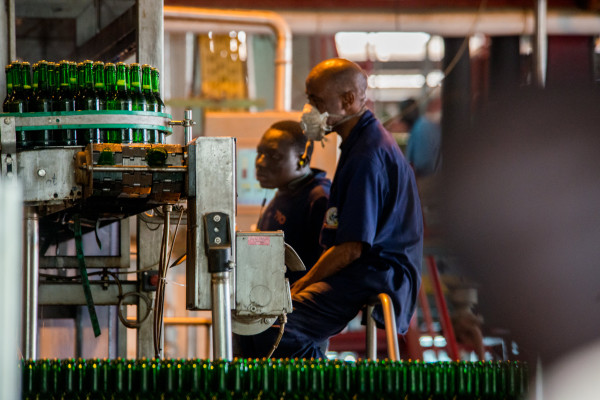
Confirmed speakers for this year's invitation only event includes Gauteng Premier Panyaza Lesufi, former Prime Minister of Italy Enrico Letta, Thebe Chairman Nhlanhla Nene, Angola's Secretary of State for Finance, Ottoniel dos Santos, the CEO of South African Breweries, Richard Rivett-Carnac, as well as the Director of Women in Capital Growth, Nomatemba Tambo among others.

Not to be missed this year is a special high-level political discussion on the state of South Africa, featuring President of the Economic Freedom Fighters Julius Malema, Action SA President Herman Mashaba, Democratic Alliance Leader John Steenhuisen, Inkatha Freedom Party President Velenkosini Hlabisa, and senior leadership of the ruling African National Congress.

“We are looking forward to an extraordinary 10th Anniversary, in times of unprecedented socio-economic changes and unexpected challenges such as the ongoing energy crisis, rising inflation, and geopolitical crises. In the last decade, our CEO Dialogue has demonstrated capacity to build an exclusive and influential community of leaders from SADC and Europe, able to partner together and foster the regional economic development. The aim is also to draw positive attention on strategic areas of economic cooperation and develop international partnerships,” said Pietro Mininni, CEO, TEHA Africa, ahead of the summit.

Some of the topics to be covered in the 2023 agenda are:

- The African geopolitical, business and investment outlook
- CEO's views on African business
- Perspectives and development of the agroindustry in SADC - Energy transition and critical raw materials
- The future of South Africa.

This edition of the Southern Africa Europe CEO Dialogue will be enhanced with side events on these themes:

- Doing business in Gauteng
- Young business leaders today
- High-level bilateral business meetings

The summit's primary goal is to foster in-depth interaction among peers and government officials and promote growth with a multi-stakeholder approach.

For further information about the summit go to: www.Ambrosetti.EU

Distributed by APO Group on behalf of The European House - Ambrosetti.

Contact:
Johannesburg
The European House – Ambrosetti
Filippo.malinverno@ambrosetti.eu

Media files
The European House - Ambrosetti
Download logo
Read moreThe ‘Southern Africa Europe CEO Dialogue’ to celebrate 10 years of success and commitment to African partnerships
25 October 2023

Mop up operations, assessments to continue until all victims are accounted for

Location: News

Mop up operations, assessments to continue until all victims are accounted for

As mop up operations and disaster assessments continue following torrential downpours in some parts of KwaZulu-Natal, Premier Nomusa Dube-Ncube has called on all dedicated teams on the ground, including speakers and mayors, to ensure that every affected citizen is profiled.

According to reports, over 600 households across the province have been reported damaged - this includes over 134 houses reported to be destroyed in Somkhele and KwaMyeki in Mtubatuba Local Municipality areas. Some of the houses were completely damaged, leaving families homeless. Residents have also reported the loss of valuable livestock, including goats, chickens and cows.

During a visit in Mtubatuba, Dube-Ncube said the province has pledged psychological support to all those affected, and the assessments will continue until all victims are accounted for.

"We are grateful that the South African National Defence Force (SANDF) has stepped in to assist in clearing the affected areas, as some roads are blocked by fallen poles and cables, with debris scattered throughout. 

“We also appreciate the speedy responses by other social partners like the South African Red Cross who are on the ground with government. While we cannot determine the full extent of the damage, from the reports we have received, it is substantial," Dube-Ncube said.

The provincial Department of Human Settlements will fast track the process of providing temporary structures to families whose houses were completely destroyed.

Other areas, including the Harry Gwala District and the Greater Kokstad Municipality suffered massive destruction due to heavy rains and hailstorm in the Pakkies Location. 

Dube-Ncube noted that about six households were affected, and “fortunately, no fatalities, injuries, or displaced people have been reported at this stage”.

“In the Umzimkhulu Municipality, four households were affected by heavy rains in Madakeni location, with no fatalities at this point. In the Umgungundlovu District, 23 households in the Rosetta informal settlement under Mpofana Local Municipality were affected. 

“In Ulundi, under the Zululand District Municipality a block of rental rooms was blown away by the strong winds. The storm also caused damage in some parts of uThukela District Municipality,” Dube-Ncube said.

She encouraged all affected citizens to reach out to their ward councillors or other public representatives as the province prepares interventions. 

“On behalf of the provincial government, we wish to convey our sincere condolences to all those who have lost their loved ones in this disaster,” the Premier said. – SAnews.gov.za

GabiK
Wed, 10/25/2023 - 10:45

392 views
Read moreMop up operations, assessments to continue until all victims are accounted for
25 October 2023

Didiza to commemorate World Food day in KZN

Location: News

Didiza to commemorate World Food day in KZN

Agriculture, Land Reform and Rural Development Minister, Thoko Didiza, together with KwaZulu-Natal Agriculture and Rural Development MEC, Super Zuma, and the Food and Agriculture Organisation (FAO), will on Thursday commemorate World Food Day (WFD) at iLembe District Municipality.

The event, which will take place at Esixeni Sports Field, aims to inform communities on ways to mitigate the impact of rising food prices through the establishment of food gardens and supporting agricultural cooperatives in attaining food security, job creation and economic growth. 

The WFD also aims to deepen public awareness of the plight of the hungry and undernourished in the world, and to encourage communities to take measures to combat hunger. 

The day will be observed under the theme: 'Water is Life, Water is Food. Leave No One Behind', highlighting the critical role of water for life on earth and water as the foundation of food.

Didiza and senior government officials will visit projects and households. 

“It is also expected that some of the indigent households in identified communities will receive food parcels and agricultural support,” the department said in a statement. 

About World Food Day

World Food Day is commemorated annually on 16 October in remembrance of founding the Food and Agriculture Organisation of the United Nations in 1945 as an organisation that deals with global food and agricultural issues.

The conference of FAO proclaimed World Food Day in 1979 to heighten public awareness of the world food problem and strengthen solidarity in the struggle against hunger, malnutrition and poverty.

The objectives of World Food Day are:

•    To inform South Africans on the National Policy on Food and Nutrition Security.
•    To heighten public awareness on issues such as absence and scarcity of food in the country and to strengthen solidarity in the struggle against hunger, malnutrition and poverty.
•    To promote food production and to stimulate national, bi-lateral, trans-national and non-governmental initiatives.
•    To encourage research and technology development for the development of symbiotic ecological food production systems to ensure sustainable food production.
•    To enhance the participation of rural people, particularly women and the under privileged in decisions and events impacting their living conditions.
•    To heighten public awareness on the government programmes aimed at halving hunger in South Africa.
•    To raise awareness of the public regarding the contribution of indigenous forests to food security and nutrition. – SAnews.gov.za

GabiK
Wed, 10/25/2023 - 12:22

163 views
Read moreDidiza to commemorate World Food day in KZN
25 October 2023

Farmers placed on alert as El Nino takes effect

Location: News

The South African Weather Service warns of possibly hot and dry summer ahead

Read moreFarmers placed on alert as El Nino takes effect
25 October 2023

SAA to be officially relaunched

Location: News

SAA to be officially relaunched

Government is expected to officially relaunch South African Airways (SAA) in Cape Town on Thursday.

The event – which will mark two years since SAA returned to the skies – will also be used to announce the restart of the state-owned airliner’s direct flights to São Paulo, Brazil.

Public Enterprises Minister Pravin Gordhan said the relaunch was a milestone for the airliner which had run into turbulence after it was grounded for 16 months and underwent business rescue and averted liquidation.

“The upcoming event marks a very significant step in the resurgence of South African Airways. We look forward to the official relaunch of SAA, along with the introduction of its first intercontinental flight to São Paulo, Brazil,” Gordhan said.

In a statement earlier this year, SAA revealed that it will fly four times a week to São Paulo with two flights each departing from Cape Town and Johannesburg.

At the time, SAA Interim CEO, Professor John Lamola, said the airliner took the decision to introduce the long haul flight following thorough sustainability analysis.

“We are overjoyed to announce São Paulo as our first international destination since the airline successfully emerged from an intensive Business Rescue process and COVID-19 lockdown. It also marks our return of our long-haul service out of Cape Town. The teams at SAA are working hard behind the scenes to gear our operations for this much-anticipated route launch to South America.

“Our decision to begin the relaunch of our long-haul service with São Paulo was taken based on a rigorous analysis of the viability of the route. Sustainability has been at the heart of SAA’s approach since our restart,” he said.

The first flight to the South American country is expected to depart from Cape Town next Tuesday with the Johannesburg flight to follow suit on November 6. – SAnews.gov.za


NeoB
Wed, 10/25/2023 - 10:02

377 views
Read moreSAA to be officially relaunched
25 October 2023

Be on the inspect out for scammers, warns department

Location: News

Be on the look out for scammers, warns department

The Department of Public Works and Infrastructure (DPWI) has issued a warning to members of the public, especially job seekers and small businesses, of scammers who are out in full force ahead of the festive season.

“Please be not foolish with your money and be misled and lied to by scammers,” the Department of Public Works and Infrastructure said in a statement.

The department said it does not offer any jobs or tenders that are not officially advertised in the Department of Public Service and Administration (DPSA) circular, on the official departmental website - www.publicworks.gov.za - or national newspapers.

The website, application links and the email addresses always end with “gov.za” and never with “.org” as advertised in the latest fraudulent adverts.

The public is warned to be on the lookout for these scammers who often request payments from people for government services that are never paid for.

“Please take note that the government will never request payments for services, jobs and tenders - the so-called RFQ. Any request or demand for money on any ‘job advert’ should set off the alarm bells already.

“We urge all job seekers to always verify all advertised vacancies by going to the official websites as highlighted above. Job seekers are also advised to visit the DPWI offices to verify any vacancies advertised,” the department said.

Any Request for Quotation (RFQ) or suspicious job offers must be verified with the department.

The public is advised to visit the departmental website or contact 012 406 1439 or Lesole.Matsotso@dpw.gov.za. – SAnews.gov.za

Edwin
Wed, 10/25/2023 - 10:10

62 views
Read moreBe on the inspect out for scammers, warns department
25 October 2023

National Assembly Passes the Railway Safety Bill and the Climate Change Bill

Location: News

Republic of South Africa: The Parliament
Download logo

The National Assembly (NA) has, during its hybrid plenary this afternoon, passed the Climate Change Bill and the Railway Safety Bill, respectively.

Introduced in Parliament in 2022, the Climate Change Bill is the first piece of legislation in South Africa specifically aimed at mitigating and addressing the effects of climate change. The Bill's objective is to establish a robust strategy for addressing climate change and implementing a fair, long-term energy transition plan, and ultimately fostering a low-carbon, climate-resilient economy in South Africa.

The Bill further seeks to manage climate change adaptation to impacts such as flooding, drought, wildfires, excessive heat, and water and food insecurity. The Bill provides that government, at provincial and national levels, is obliged to assess all the risks and expected impacts and create response plans.

The Bill also defines responsibilities for different national, provincial, and local governments, ensuring that all relevant role-players are mandated to do their part in responding to climate change and work together effectively.

The Bill is intended to ensure that the country is empowered to respond adequately and safely to climate change and its risks and impact. It seeks to regulate climate change mitigation through the reduction of greenhouse gas carbon emissions.

According to the Bill, the minister responsible for the environment must assign carbon budgets to companies to limit their carbon emissions.

The Railway Safety Bill, on the other hand, aims to amend the National Railway Safety Regulator Act 16 of 2002 by facilitating an improvement in general safety within the railway environment.

It seeks to ensure that rail becomes an attractive mode of transport and contributes towards economic growth, which is a platform to effectively fight inequality, poverty, and unemployment.

Additionally, in an effort to align legislation with the White Paper on National Rail Policy and government's plan to move passengers and freight from road to rail, the Bill proposes and promotes the use of rail as an efficient mode of transport. Also, the Bill aims to facilitate a modern, flexible, and efficient regulatory regime that ensures the continuing enhancement of safe railway operations across the country.

Both Bills will now be sent to the National Council of Provinces for concurrence.

Distributed by APO Group on behalf of Republic of South Africa: The Parliament.

Read moreNational Assembly Passes the Railway Safety Bill and the Climate Change Bill
24 October 2023

Ensuring education for all

Location: News

Ensuring education for all

While challenges in the education sector remain, gains are being made to ensure learning for all.

The results of Census 2022 released recently, not only revealed that the country’s population grew to 62 million from 51.7 million in 2011, but also that the population remains relatively youthful. The data showed that 61.2% of the population is under the age of 35.

Of key interest of the data released is that of accomplishments in the education sector, given the country’s history of the exclusion of the majority.

Section 29 of South Africa’s Bill of Rights speaks to the fact that everyone has the right to basic education, including adult basic education; and to further education, which the state, through reasonable measures, must make progressively available and accessible.

Since South Africa attained democracy close to 30-years ago, government has put in place various measures to ensure access to education for all. These measures include the introduction of no-fee schools, school nutrition programmes and access to scholar transport.

The 2022 Census - which is the fourth to be conducted in democratic South Africa - notes that access to educational institutions is an important step to universal education, but that “the ultimate goal would be to keep children at school until completion of their education.”

According to the census, in 2022, 73.4% of the population aged 5-24 years were attending school, up from the 70.1% recorded in democratic South Africa’s first census in 1996.

The census plays an essential role in planning, policy formulation, evaluation and budget allocation of the country.

It also revealed that the percentage of those aged 20 years and older who completed secondary education more than doubled from 16.3% in 1996 to 37.6% in 2022.

This as the Department of Basic Education has acknowledged a slight rise in the number of those not attending educational institutions.

“We do acknowledge that there has been a slight increase in the number of 5-24-year-olds not attending an educational institution since the last census in 2011, of about 200 000. However, this is partly due to population growth (the number of 5-24-year-olds attending has increased by even more) and [is] partly due to earlier completion of schooling,” said the department’s spokesperson Elijah Mhlanga.

Additionally, the data showed that over 14.1 million of those aged 20 and above, completed secondary education in 2022, followed by 11.9 million who achieved some secondary education and 4.6 million who attained post-school education.

Mhlanga said the average age of youths successfully completing a National Senior Certificate or equivalent qualification has been gradually lowering over the years.

“The result is an astonishing trend over time; the percentage of 22-25-year-olds attending education actually decreased from 16.4% in 2002 to 15.8% in 2021. Yet, over the same period, the percentage of 22-25-year-olds having completed grade 12 increased dramatically from 39% to 62%.”

He pointed out that the country’s school system used to be far more inefficient, with many children staying in school into their twenties but then exiting without having completed Grade 12.

“These days, children repeat less, are less likely to be in school into their twenties, but most important of all, they are much more likely to successfully complete a National Senior Certificate or equivalent qualification,” he explained.

COVID-19 and challenges

He also touched on the impact of the COVID-19 global pandemic, which disrupted schooling.

“The Minister’s [Angie Motshekga] move to reopen schools in spite of the fear and criticism has now been fully vindicated. The spread of the virus was not affected by reopening schools, and despite worries about increased dropping out of school during the pandemic, the opposite happened; more candidates wrote and passed the matric exams in 2020, 2021 and 2022 than ever before.”

He added that the department is well aware of the challenges in the education sector.

“The quality of learning in the early grades, especially in foundational literacy and numeracy, remains a critical priority, and was negatively impacted by the pandemic.

“Another challenge, or rather opportunity, is to improve the quality of Early Childhood Development opportunities now that this responsibility has been shifted from the Department of Social Development to Basic Education.”

Census 2022 revealed that 3.4 million children aged 0–4 years participated in the Early Childhood Development (ECD) programme.

Last year, government moved the responsibility of the provision of the ECD programme from the Department of Social Development to the Department of Basic Education. In June, Parliament’s Portfolio Committee on Basic Education received a progress report from the Department of Basic Education (DBE).

“We must acknowledge the challenges that exist in South African education, but all the trends in access, equity, quality and efficiency are overwhelmingly positive,” said Mhlanga.

Development

Reacting to the census results, Cabinet said the country has been developing over the course of the last 29 years.

This is in addition to President Cyril Ramaphosa’s call to government departments, policy makers, researchers, civil society organisations and international organisations to use information from Census 2022 to collectively strive to improve people’s lives.

“Census 2022 has told us where we are making progress, but it has also laid bare the challenges that remain. It will be an invaluable tool in meeting those challenges. We now have the information we need to ensure that as we build this country, we leave no one behind,” the President said as he received the results of the count from Statistician-General Risenga Maluleke.

The population and housing census was conducted in February 2022 and provides comprehensive data on population size, demographic trends and other service delivery related information. - SAnews.gov.za

Neo
Tue, 10/24/2023 - 14:50

467 views
Read moreEnsuring education for all
24 October 2023

Children’s parks turned into rubbish dumps

Location: News

Intimidation has prevented repairs to parks in Delft, Cape Town

Read moreChildren’s parks turned into rubbish dumps
24 October 2023

Property Investment In Namibia For South Africans

Location: MyPR

Namibia is a beautiful and diverse country with a stable political and economic climate, making it a prime destination for property investment. South Africans are particularly drawn to Namibia due to its close proximity, similar culture, and affordable property prices. Schantal Teichmann, franchisee of Just Property Windhoek and Just Property Swakopmund, shares her insights into …

Read moreProperty Investment In Namibia For South Africans
24 October 2023

Liquor Amendment Bill under the spotlight

Location: News

Liquor Amendment Bill under the spotlight

Social Development Minister Lindiwe Zulu has acknowledged the message of the 7th Bi-Annual Global Alcohol Policy Conference (GAPC) to pass the Liqour Amendment Bill. 

“I hear you and that is the message “Pass the Liqour Amendment Bill now.” From the department of Social Development and all other government people that are here, [we] take note of what has been brought to us here. This is a positive message and a message that says to us we must listen when you stand up to talk to us. 

"Let us make the 7th Bi-Annual Global Alcohol Policy Conference remarkable by accomplishing the things we collectively pledged to achieve and for collective action to put the needs of the world’s most vulnerable citizens ahead of profit,” Minister Zulu said. 

The Minister was delivering the keynote opening remarks on the occasion of the 7th GAPC held in Cape Town on Tuesday. 

GAPC is the leading forum for the world’s alcohol policy makers, advocates, researchers, civil society activists and practitioners.

The official launch was hosted by the Minister and attended by congregants from over 50 countries around the globe. Some of the key concerns that stood out from some speeches from keynote speakers, were the fact that profits are being put ahead of lives.

Zulu emphasised that the country’s approach to alcohol policy has to shift from one where the objectives revolve around economic growth to the interest of public health, with specific focus on reducing alcohol-related harms.

“I hope the conference will be an important turning point that will provide impetus for the much-needed focus on the World Health Organisation’s Global Strategy to Reduce the Harmful Use of Alcohol. 

Draft Policy on the Prevention of and Treatment for Substance Use Disorders

The Minister said that the conference came at a perfect time after a month of government tabling the Draft Policy on the Prevention of and Treatment for Substance Use Disorders to Cabinet for public consultation. 

The policy provides a framework for decision-making within the whole sector about where the greatest drug-related harms are occurring, and identifying the best means to address those harms.

“We are pleased that Cabinet approved the Policy for public consultation and recommended the establishment of a special committee of Cabinet Ministers to ensure coordination, strategic alignment and decision making in harm prevention and reduction strategies across government. 

“I am therefore confident that this policy conference under the theme ‘Investing in People Before Profits: Building momentum towards the Framework Convention on Alcohol Control,’ will provide the necessary political impetus and generate new research and evidence-based ideas in drug and alcohol policy,” the Minister said.


Addiction

The Minister highlighted that government is concerned that up to one in three teenagers are addicted to drugs and alcohol in South Africa.

 
This figure is based on the numbers of young people presenting themselves to treatment facilities.

‘While we are concerned about the harm that all drugs have on individuals, families and or society as a whole, there is a significant body of evidence from research institutions such as the South African Medical Research Council and Soul City that suggest that alcohol is one of the most abused substances that causes the most harm to the most people in our country,” Zulu said. 

The Minister further highlighted to delegates that research further shows that alcohol fuels crime, mortality rates and fatal injuries, and contributes to the unacceptably high levels of vehicle crashes in South Africa. 

At the same time, she said, alcohol significantly contributes to gender-based violence and risky sexual behaviours associated with sexually transmitted infections, including HIV. 

The Minister added that time and again, the quarterly crime statistics show that alcohol abuse is one of the main contributors to crime around the country. 

She said that government is concerned about the emerging trends among young people of mixing alcohol with energy drinks. 

“In the face of these growing challenges, our people have demanded that government take necessary measures to address the harmful use of alcohol.

“I must acknowledge that this has not been the easiest of tasks. Any measures to prevent and reduce alcohol harm has been met with a monumental and well-resourced push back that seem to put commercial interests before people from the alcohol industry.”

The Minister emphasised that government’s objective is to regulate the sale and supply of alcohol to the public, not motivated by revenue collection, but rather by purely by the interests of public health and wellbeing, with the particular purposes of protecting children and young people, reducing alcohol consumption, and preventing violent crime and other forms of alcohol related harm. 

She said this objective arises from the overwhelming evidence of significant harm to individuals and society caused by the harmful use of alcohol. –SAnews.gov.za


DikelediM
Tue, 10/24/2023 - 15:42

0 views
Read moreLiquor Amendment Bill under the spotlight
24 October 2023

Government committed to dealing with challenges facing traditional leaders

Location: News

Government committed to dealing with challenges facing traditional leaders

Government remains committed to swiftly addressing issues confronting traditional and Khoi-San leaders.

This is according to Deputy President Paul Mashatile, who was speaking at a gathering on Tuesday called by the National House of Traditional and Khoi-San Leaders in Bloemfontein, Free State. 

“We will continue to support initiatives that benefit our indigenous communities. We will also continue to provide sufficient funding for education, healthcare, and social services so that no one falls behind,” Mashatile told the leaders. 

Mashatile, who was leading the meeting in his capacity as chairperson of the inter-ministerial task team on matters of traditional and Khoi-San leaders, called on the private sector to actively engage with traditional communities through investing in local businesses and projects. 

“Through initiatives such as skills development programmes, entrepreneurship training and mentorship, we can collectively unlock the entrepreneurial spirit that resides within our traditional communities,” the Deputy President stressed. 

As government works towards the promotion of development and social cohesion in traditional communities, Mashile reminded the leaders that the journey requires collective effort. 

“Let us recognise the immense potential that lies within our traditional communities, waiting to be unleashed. Together, we can create a future where traditional and modern ways of being thrive side by side, where development and social cohesion go hand in hand.” 

The Deputy President said he was inspired by the unwavering commitment to overcoming the complex developmental challenges that traditional communities face. 

“It is important for all of us to come together and collaborate in order to achieve a future that is not only prosperous but also united in diversity and anchored on the prospects of a greater South African nation that has, at its core, the interests of improving and nurturing the lives of those in our rural communities.” 

President Cyril Ramaphosa established the inter-ministerial task team in 2020 to consolidate all efforts and unblock issues that impede the resolution of matters. 

“We are also committed to play our part in supporting this institution of traditional leadership, for the advancement of all our people.”

Providing support for traditional authorities and rural communities is, according to the Deputy President, of paramount importance. 

He also vowed that the state will find ways to bridge the gap between traditional and modern practices to strike a delicate balance that preserves cultural heritage while propelling the nation forward. 

“We must preserve our history and knowledge systems, such that these may also shape the future that we imagine, a future that is both inclusive and progressive. 

“The South African government remains committed to protecting the rights of traditional authorities and their communities.” 

He also spoke about dealing with discrepancies between the rural and urban, in terms of development, service delivery and overall well-being. 

Mashatile acknowledged that rural communities still face several challenges. 

These, he said, include limited access to information and communication technology services in rural communities, gender-based violence and femicide, teenage pregnancy, drugs and substance abuse, unemployment, HIV/AIDS and tuberculosis, and inadequate access to water and electricity. 

In the same breath, however, he said the government has made some progress over the years. 

According to Mashatile, government has provided water between 1996 and 2022, with the percentage of households with no access to piped water dropping from 19.7% to 8.7%. 

“This is a significant milestone and has improved the lives of our communities, especially women and girls in rural areas,” he said, adding that the State was looking to fast-track development in rural areas. 

On technology, he said it was crucial to strategically allocate investments towards the infrastructure networks in rural regions.

He believes that this will enable people to attain essential amenities, including water and sanitation facilities, reliable electricity supply and maintained road networks. 

In addition, Mashatile said it would establish connectivity between their residences, workplaces, educational establishments, and healthcare facilities. – SAnews.gov.za
 

Gabisile
Tue, 10/24/2023 - 14:19

70 views
Read moreGovernment committed to dealing with challenges facing traditional leaders
  • Previous
  • Page 1
  • Interim pages omitted …
  • Page 185
  • Page 186
  • Page 187
  • Page 188
  • Page 189
  • Interim pages omitted …
  • Page 210
  • Next

Copyright © 2026 · MyZA · All Rights Reserved · Powered by Stratlec Online