• Skip to main content
  • Skip to header right navigation
  • Skip to after header navigation
  • Skip to site footer
MyZA

MyZA

News, Directory, Events and Other Stuff

  • Social Media
  • Sport
  • World News
  • Home
  • Submit News
  • Directory
  • Events
  • Stratlec
  • TFSA
  • News
    • APO
    • Today’s Sport News
    • Todays Social Media and Tech Headlines
    • Today’s World News
    • Today’s SA Financial News
  • Contact
You are here: Home / Archives for Government

Government

18 May 2025

Respect the rights and humanity of LGBTQI+ community

Location: News

Respect the rights and humanity of LGBTQI+ community

Deputy Minister in the Presidency for Women, Youth and Persons with Disabilities, Mapaseka Steve Letsike, has called on South Africans to “resist hate” and show respect to Lesbian, Gay, Bisexual, Transgender, Queer and Intersex+ (LGBTQI+) persons.

The Deputy Minister was delivering remarks at a media roundtable discussion on the national Sexual Orientation, Gender Identity and Expression and Sex Characteristics (SOGIESC) Strategy.

This is part of South Africa’s commemoration of the International Day against Homophobia, Transphobia, and Biphobia (IDAHOBIT), annually observed on 17 May.

The day is observed to bring awareness about violence and discrimination faced by members of the Lesbian, Gay, Bisexual, Transgender, Queer, and Intersex+ (LBGTQI+) community worldwide.

READ | Roundtable media discussion on national Sexual Orientation, Gender Identity and Expression and Sex Characteristics

Since the dawn of democracy, South Africa has moved to strengthen the protection of human rights – including those of the LGBTQI+ community.

“[During] these 31 years, we’ve seen decriminalisation of consensual sex between same-sex people, repealing laws that criminalises LGBTI people. We’ve adopted over 14 pieces of legislation that are expressing equality for LGBTI persons.

“What we have also done was to grant recognition in many other areas, including the equal basis of same-sex civil union Act, adoption laws and [human rights] policies. We have also strengthened transgender individuals who can now obtain identity documents to reflect their gender identity.

“We’ve passed these policies and we need to make sure that they are implemented fully and with urgency, so that persons can self-determine and also have autonomy without any abusive requirements,” she said.

The Deputy Minister added that training has been provided to civil servants at the coalface of service delivery – including police, healthcare workers, correctional officers and others – to “ensure non-discriminatory treatment to LGBTI persons”.

Letsike added, however, that visibility and public education is needed to draw attention to the rights of LBGTQI+ persons.

“We need more inclusive education that dismantles prejudice from an early age. Our curriculum must reflect the realities of diverse identities. We need accountability. Hate crimes must be prosecuted, discrimination must be addressed. 

“Silence from institutions must no longer be an option. We need solidarity [because] government alone cannot shift society as a whole of society approach is required to enact meaningful change.

“We need families, faith leaders, traditional authorities and communities to rise together against hate. Our Constitution must remain respected… and the LGBTI community must also be respected for their rights. Together, we must resist hate, restore dignity and respect humanity as we continue to walk proudly and loudly in direction of justice,” Letsike said. – SAnews.gov.za

NeoB
Fri, 05/16/2025 - 12:03
1018 views
Read moreRespect the rights and humanity of LGBTQI+ community
18 May 2025

SA’s G20 Presidency to aid recovery of global economy

Location: News

SA’s G20 Presidency to aid recovery of global economy

Deputy Minister in the Presidency Nonceba Mhlauli says the primary focus of the G20 platform is to increase multilateral cooperation for the recovery of the global economy.

“Since President Ramaphosa took over the Presidency of the G20 in December 2024, a lot of public discourse has already gone into what this could potentially mean for South Africa, particularly in a post-COVID-19 era where developing economies are still on a path to recovery,” Mhlauli said.

Mhlauli explained that the G20 initially focused largely on broad macro-economic issues but has since expanded its agenda to inter-alia include trade, climate change, sustainable development, health, agriculture, energy, environment, climate change and anti-corruption.

“The G20 was upgraded to the level of Heads of State/Government in the wake of the global economic and financial crisis of 2007, and in 2009, when it became apparent that the necessary crisis coordination would only be possible at the highest political level,” Mhlauli said.

In her address at a G20 public lecture held at the Tshwane University of Technology (TUT) south campus in Soshanguve, north of Pretoria, Mhlauli said that since then, the G20 leaders have met regularly, and the G20 has become the premier forum for international economic cooperation.

“The primary focus of the forum is to increase multilateral cooperation for the recovery of the global economy, bring stability to the global financial system, promote long-term sustainable growth and strengthen global economic governance,” she said on Friday.

Mhlauli said South Africa will use the G20 Presidency to focus on inclusive and sustainable economic growth that benefits its citizens.

“Through the G20 Presidency, we will foster inclusive economic growth, industrialisation and employment. 

“This Presidency is about demonstrating that our country is open for business. South Africa is an attractive destination for business services, and has sophisticated digital infrastructure, including mobile networks and high-speed broadband.”

On the economic front, the G20 will provide a massive boost, especially in areas such as tourism and hospitality.   

“The over 200 expected G20 related meetings have already commenced in our country presenting opportunities for the country’s tourism, manufacturing, trade and other investment growth.

“We are also intently focusing on youth employment, closing the gender gap, reducing inequality and protecting the environment. 

“The G20 will unlock new possibilities in artificial intelligence (AI), which has the potential to provide unprecedented economic and social opportunities,” Mhlauli said.

Meanwhile, Government Communications and Information System (GCIS) Acting Deputy Director-General, Sandile Nene, said South Africa’s hosting of the G20 will improve the economy.

“We are hoping that the G20 will make people invest in the country,” he said.

Kutlwano Mahosi, a first year Journalism student at TUT, told SAnews that G20 meetings will play a role in increasing the country’s economy as many people will be coming into the country.

“As people come to our country, they will be spending their money which will play a role in job creation,” she said.

Echoing same sentiments was fellow Journalism student, Andiswa Mchunu, who said hosting the G20 gives the country an opportunity to attract investors, thereby improving the economy.

“A better economy means more jobs and better life for South Africans,” Mchunu said.

South Africa assumed the role of Presidency of the G20 on 1 December 2024, taking over from Brazil. – SAnews.gov.za

Edwin
Fri, 05/16/2025 - 14:41

1039 views
Read moreSA’s G20 Presidency to aid recovery of global economy
16 May 2025

Ministerial Forum for Political Dialogue Between the French Republic and the Republic of South Africa

Location: News

Republic of South Africa: Department of International Relations and Cooperation
Download logo

  1. The 9th Session of the Ministerial Forum for Political Dialogue between the Republic of France and the Republic of South Africa was held in la Celle Saint-Cloud, France, on 16 May 2025.
  2. The French and South African delegations were led respectively by Their Excellencies Mr Jean-Noël BARROT, Minister for Europe and Foreign Affairs of the French Republic, and Mr Ronald Ozzy LAMOLA, Minister of International Relations and Cooperation of the Republic of South Africa.
  3. The talks reflected the warm and cordial relations of cooperation between the two countries. Views were exchanged on bilateral, regional and international issues of common interest.

On bilateral matters:

  1. The Ministers expressed their satisfaction with the improved level of cooperation in the fields of basic and higher education, science and culture, environment, electricity and energy, trade and investment, transport and development and cyber criminality. The two parties highlighted the need for both countries to develop plans of action for the effective implementation of existing bilateral agreements.
  2. The two parties welcomed the ongoing negotiations and significant progress made in finalising bilateral agreements pertaining to cooperation in the peaceful uses of nuclear energy, transport, protection of Crozet and Prince Edward Islands Marine Protected Areas, maritime search and rescue as well as the creation of a Joint Ministerial Commission on international relations.
  3. The South African side expressed its continued gratitude to the French Republic for the numerous scholarship opportunities afforded to young South Africans to pursue educational opportunities in France. Both countries would continue to explore opportunities for further education and training, as well as the exchange of students and academics.
  4. To facilitate joint business trainings in South Africa and France, at the benefit of both countries, Their Excellencies Ministers Barrot and Lamola discussed a technical agreement in the field of Cooperation on Labour and Employment for Graduates and Young Professionals. The Ministers welcomed the development and look forward to the opportunities that will be created by the signature of the agreement.
  5. The South African side highlighted the important role played by France in terms of solidarity partnerships, particularly through the Just Energy Transition partnership (JET-P) and the Team Europe Initiative Manufacturing African Vaccines+ (MAV+). Both countries underlined the need for the JET-P to be continued and to contribute to South Africa's transition towards a decarbonized energy mix, in line with the objectives of the Paris Agreement.

On regional and international matters:

  1. The Ministers exchanged views on regional African issues of common interest, particularly the situation in Mozambique, the Eastern Democratic Republic of the Congo (DRC), and Sudan. On Eastern-DRC, they agreed to pursue convergence of the various diplomatic efforts, towards a lasting and sustainable solution to the conflict.
  2. The two parties exchanged views on the current geopolitical environment and agreed on the need to uphold multilateralism, and a rules-based multilateral system based on international law, in line with the objectives and principles of the Charter of the United Nations. French Minister Jean-Noël BARROT congratulated South Africa for its G20 Presidency and reiterated France's support to its priorities, summarized in the theme “Solidarity, Equality and Sustainability”, noting that these priorities converge with the objectives of the French initiative of the Paris Pact for People and the Planet.
  3. Both parties addressed global issues, including climate change and biodiversity protection. French Minister Jean-Noël BARROT underlined France's invitation to the President of the Republic of South Africa, HE Mr Matalema Cyril RAMAPHOSA, to attend the third United Nations Ocean Conference taking place in Nice, from 9 to 13 June 2025.
  4. Regarding the conflict between Russia and Ukraine, both Ministers highlighted the need for an immediate and comprehensive ceasefire in Ukraine and stressed the importance of supporting an inclusive and peaceful approach to the resolution of the conflict between Russia and Ukraine. Both Ministers advocated for a negotiated settlement, in line with the principles of the United Nations Charter, which include respect for sovereignty and territorial integrity of states.
  5. The crisis situation in the Palestinian territories and the Middle East was discussed. The French side was briefed on the status of the case brought by South Africa against Israel at the International Court of Justice (ICJ). French Minister Jean-Noël BARROT invited South Africa to participate to the international conference on the Two-State solution, in June 2025 in New York, co-chaired by France and Saudi Arabia.
  6. The Ministers welcomed the upcoming visit by the Deputy President of the Republic of South Africa, Honourable Mr. Paul MASHATILE, to France from 21 May to 24 May 2025 a landmark opportunity to accelerate bilateral economic collaboration. Accompanied by a high-level delegation of key Ministers, this visit will spearhead the South Africa-France Investment Conference, a dynamic platform for fostering strategic partnerships and exploring innovative avenues for economic collaboration, organised by the Embassy of the Republic of South Africa in France with robust participation from leading South African and French business entities. The Ministers are confident that this pivotal engagement will unlock new opportunities, deepen investment flows, and amplify trade synergies between the two nations.
  7. His Excellency Ronald O. LAMOLA expressed his heartfelt appreciation and deep gratitude to His Excellency Mr Jean-Noël BARROT, to the Government of the French Republic and people of France, for the warm and fraternal welcome, as well as the kindness and attention extended to him and his delegation during their stay in France. He further looked forward to welcoming the Minister to South Africa for the G20 Summit.

Done in La Celle Saint-Cloud, France, on 16 May 2025

For the French Republic

For the Republic of South Africa
H.E. Jean-Noël BARROT

Minister for Europe and Foreign Affairs

H.E. Ronald Ozzy LAMOLA

Minister of International Relations and Cooperation

Distributed by APO Group on behalf of Republic of South Africa: Department of International Relations and Cooperation.

Read moreMinisterial Forum for Political Dialogue Between the French Republic and the Republic of South Africa
16 May 2025

Mashatile Undertakes an Official Working Visit to France

Location: News

The Presidency of the Republic of South Africa
Download logo

Deputy President Shipokosa Paulus Mashatile will undertake an official Working Visit to the Republic of France from 19 – 24 May 2025, for the South Africa-France Investment Conference. The Visit is aimed at strengthening relations between the two countries and, most importantly, mobilising investments in order to realise the country's economic growth and transformation objectives.

South Africa and France enjoy cordial relations underpinned by a robust bilateral cooperation programme in areas such as Political Dialogue, Defence, Science & Technology, Energy cooperation, Education and skills development, Health, Transport, Arts and Culture, among others.

This Investment Conference will be held under the theme “SA-France: A Partnership for Mutual Prosperity” with the objective of attracting Foreign Direct Investment (FDI), Public-Private Partnerships (PPPs), and financial resources focusing on key issues such as unemployment, poverty, inequality, climate change and transitions in the digital economy.

The Conference will be centred on eight main sectors, namely Energy, Infrastructure, Transport and Logistics, Finance, Tourism, Agriculture and Agro-Processing, Mining, as well as Information and Communication Technology (ICT). There will also be breakaway groups, which will explore practical steps for projects and investments in these areas.

In addition, the Conference will consist of a high-level segment by Government officials who will lead on thematic discussions related to investment opportunities, policies, and the investment climate in South Africa.

The Deputy President is expected to have a bilateral meeting with his counterpart, Mr Francois Bayrou, Prime Minister of the French Republic.

Deputy President Mashatile will be accompanied by Dr A Motsoaledi: Minister of Health; Ms S Ndabeni-Abrahams: Minister of Small, Business Development; Ms B Creecy: Minister of Transport; Mr G McKenzie: Minister of Sport, Arts and Culture; Ms Patricia de Lille: Minister of Tourism; Mr A Botes: Deputy Minister of International Relations and Cooperation; Mr B Manamela: Deputy Minister of Higher Education and Training; Mr Z Godlimpi: Deputy Minister Trade, Industry and Competition; and Ms S Graham-Mare: Deputy Minister of Electricity and Energy.

Distributed by APO Group on behalf of The Presidency of the Republic of South Africa.

Read moreMashatile Undertakes an Official Working Visit to France
16 May 2025

Africa-First Energy Policies: Turning Vision Into Investment

Location: Business
African Energy Chamber

Africa is entering a pivotal phase in its energy transformation, characterized by a growing shift toward “Africa-first” energy policies. Despite contributing less than 4% to global emissions, Africa faces the world's most severe energy access challenges – with approximately 600 million people lacking electricity and 900 million without clean cooking solutions. With $47 billion in oil and gas capex in 2024 – a 23% increase year-over-year – Africa is proving its value as a competitive and resilient energy investment destination. This surge reflects growing investor appetite, strengthened policy frameworks and a renewed focus on project bankability.

In this context, African Energy Week (AEW): Invest in African Energies 2025 – taking place from September 29 to October 3 in Cape Town – serves as the continent's leading forum for turning vision into tangible investment. With a focus on public-private partnerships (PPPs), blended finance and strategic energy projects, the event brings together government leaders, financiers, developers and technology providers to advance deals, foster collaboration and position Africa as a global energy leader.

Building Institutions for Local Investment

A wave of institutional and policy advancements is laying the groundwork for increased local investment in energy. A key milestone is the establishment of the Africa Energy Bank (AEB) by the African Petroleum Producers' Organization (APPO) and Afreximbank, with an initial capital of $5 billion. Headquartered in Abuja and set to launch in June 2025, the AEB will finance oil and gas infrastructure projects, serving as a bold step toward regional energy self-sufficiency and resource sovereignty.

At the same time, the African Development Bank (AfDB) is supporting long-term energy planning. In Algeria, the AfDB has launched a strategic dialogue to shape the 2025–2030 Country Strategy Paper, aligning national goals with sustainable, diversified energy development.

In South Africa, the success of the Renewable Energy Independent Power Producer Procurement Program (REIPPPP) illustrates how structured procurement can generate market certainty. The latest round secured 1,760 MW of solar PV capacity backed by R31.4 billion ($1.7 billion) in investment — with 49% local ownership and 46% equity held by Black Economic Empowerment entities.

Scaling Investment through PPPs and Blended Finance

As Africa's energy project pipeline expands, PPPs and blended finance have become essential tools for scaling investment. The AfDB's $10 million concessional equity stake in the ARM-Harith Successor Infrastructure Equity Fund, a $200 million regional vehicle, highlights how development finance institutions can de-risk infrastructure and crowd in private capital. The fund supports AfDB's target to electrify 300 million people by 2030 through sustainable energy solutions.

Meanwhile, South Africa's Battery Energy Storage Independent Power Producer Procurement Program illustrates the power of blended finance in scaling innovation. With R12.8 billion ($678.8 million) allocated to eight projects delivering 615 MW of storage across three provinces, the initiative enhances grid stability and achieved a 35% cost reduction from the first bid round – a clear sign of growing cost efficiency.

Frameworks for African-Led Growth

The African Continental Free Trade Agreement (AfCFTA), ratified by over 48 countries, offers a powerful framework for prioritizing African-led energy development. By promoting intra-African investment flows and removing trade barriers, AfCFTA enables energy projects to be sourced, financed and executed within the continent. With Ghana spearheading the AfCFTA Guided Trade Initiative – engaging eight pilot countries – the agreement is fostering regional cooperation to scale African energy solutions and reduce external dependency. Once fully operational across more than 50 member states, AfCFTA is set to accelerate an Africa-first approach to infrastructure, technology, and capital deployment in the energy sector.

Meanwhile, the African Energy Commission continues to strengthen institutional cooperation across the African Union to support sovereign energy strategies. A prime example of African private-sector leadership is Coscharis Technologies' $4 billion solar project in Nigeria – the largest renewable energy initiative in West Africa – reflecting a shift toward domestically-driven, large-scale investment in clean energy that aligns with national priorities and regional ambitions.

“Africa's energy future must be shaped by African priorities, African solutions and African investment. At AEW: Invest in African Energies 2025, we are not just talking about the energy transition – we are driving real deals and partnerships that put Africa-led development at the center of the global energy conversation,” states NJ Ayuk, Executive Chairman of the African Energy Chamber.

Distributed by APO Group on behalf of African Energy Chamber.

About AEW: Invest in African Energies:
AEW: Invest in African Energies is the platform of choice for project operators, financiers, technology providers and government, and has emerged as the official place to sign deals in African energy. Visit www.AECWeek.com for more information about this exciting event.

Media files
African Energy Chamber
Download logo
Read moreAfrica-First Energy Policies: Turning Vision Into Investment
16 May 2025

Eswatini’s Minister of Natural Resources and Energy to Speak at AEW 2025

Location: Business
African Energy Chamber

Eswatini's efforts to scale up investment in its mining and renewable energy sectors will take center stage at African Energy Week (AEW): Invest in African Energies 2025, with the kingdom's Minister of Natural Resources and Energy Prince Lonkhokhela Dlamini confirmed to speak. Taking place from September 29 to October 3 in Cape Town, AEW: Invest in African Energies 2025 is the continent's premier energy event and will spotlight Eswatini's strategic initiatives to attract foreign investment in critical minerals, support energy independence and advance sustainable development.

Prince Dlamini's participation at AEW: Invest in African Energies 2025 reinforces Eswatini's commitment to leveraging strategic partnerships and international forums to attract capital and technology into both its mining and energy sectors. The kingdom recently celebrated a major milestone with the financial close and construction launch of the 13.5 MW Lower Maguduza Hydro Power Project, a public-private initiative that underscores Eswatini's drive to achieve greater energy independence and sustainability through renewables.

AEW: Invest in African Energies is the platform of choice for project operators, financiers, technology providers and government, and has emerged as the official place to sign deals in African energy. Visit www.AECWeek.com for more information about this exciting event.

Eswatini is also making significant progress toward universal energy access through the newly launched Accelerating Sustainable and Clean Energy Access Transformation (ASCENT) project. Backed by international financial institution the World Bank, this initiative aims to connect 50,000 new households – benefitting 200,000 people – to electricity using both on- and off-grid solutions, with a focus on underserved rural communities. Supported by over $100 million in concessional financing, the ASCENT project will enhance energy security, build institutional capacity and improve livelihoods, making Eswatini one of Africa's frontrunners in equitable and sustainable electrification.

In the mining sector, Eswatini is actively working to position itself as an emerging market for critical minerals, following the launch of the second phase of a national mineral mapping program in partnership with South Africa's Council for Geoscience in November 2023. Using AI-based geoscientific techniques, this initiative seeks to unlock the country's vast yet underexplored mineral wealth – ranging from gold and iron ore to a broader portfolio of high-demand critical minerals. As part of its outreach to global investors, Eswatini is creating an enabling environment for private sector participation in mineral exploration, production and job creation.

Stepping into this picture, Minister Dlamini's participation at AEW: Invest in African Energies 2025 aligns with the goals of Eswatini to open its doors to investors in both energy and mining. By sharing insights into investment opportunities, policy developments and major projects, Minister Dlamini will not only promote greater foreign spending in the kingdom, but position Eswatini as a top destination for energy and mining developers. 

“With strong regional partnerships and a focus on innovation, Eswatini is rapidly becoming a compelling destination for critical mineral exploration and clean energy investment,” states Tomás Gerbasio, VP Commercial and Strategic Engagement, African Energy Chamber.

Distributed by APO Group on behalf of African Energy Chamber.

Media files
African Energy Chamber
Download logo
Read moreEswatini’s Minister of Natural Resources and Energy to Speak at AEW 2025
15 May 2025

UK Can Help Africa’s Just Energy Transition

Location: News
Royal African Society

Lord Oates “To achieve a just energy transition in Africa that reduces energy poverty and accelerate development in a climate-friendly way will require the UK, other high-income countries and multilateral institutions to step up, in partnership with African countries.”

Download document: https://apo-opa.co/3H8UzwQ

Parliament's All Party Parliamentary Group for Africa (APPG) publishes today a report highlighting the importance of achieving a just and rapid energy transition in Africa, one that responds to the need for cleaner energy while expanding energy access and enabling more rapid development. In this transition, Britain has an important and constructive role to play. This report has been produced by the AAPPG in partnership with the Royal African Society (“the Society”), which acts as the Secretariat for the APPG.

As a continent, Africa has contributed least to causing climate change, yet is suffering most from its impact, while 600 million of its 1.4 billion people still have no or only intermittent access to electricity. 

With enormous potential for renewable energy, as well as some of the world's largest carbon sinks and many of the essential minerals for a clean transition, Africa has a crucial role in tackling climate change. But to enable Africans to mitigate and adapt, faster economic development using increased energy supply and access is crucial.

The report, link to doc on RAS website (apo-opa.co/44AMX01): Africa's Just Energy Transition: How Can the UK Support? is the result of an 18-month inquiry consulting a wide range of witnesses from Africa and beyond. It explores the challenges and solutions to Africa's energy dilemma, from the use of solar mini-grids and stand-alone systems and clean cooking technologies, to hydro, wind, gas and geothermal energy, and the role of Just Energy Partnerships (JETPs) with South Africa and Senegal.

In particular it looks at how the transition can be financed, from traditional grants and loans, through blended finance and private sector investments, to better use of carbon markets.

It makes nine specific recommendations for action by the British government, covering:

  • The need for the UK to deliver on its existing commitments on climate and finance;
  • Helping African governments mobilise more domestic resources and international funding for the energy sector;
  • Helping African countries create appropriate regulation and a conducive environment for investment;
  • Supporting African innovation and industrialisation, including through the work of BII and PIDG.

The report is being sent to the British government and circulated widely in Africa and the UK as an input to policy-making and debate on climate and energy issues.

All-Party Parliamentary Group for Africa

Distributed by APO Group on behalf of Royal African Society.

For further information, please contact:
The Royal African Society
ras_communications@soas.ac.uk

Lord Jonny Oates
jonny.oates@uamh.org

Nick Westcott
nw28@soas.ac.uk

About The All Party Parliamentary Group for Africa:
The UK's All Party Parliamentary Group (APPG) for Africa is a dynamic cross-party group composed of UK parliamentarians from both the House of Commons and the House of Lords. The APPG for Africa is dedicated to fostering mutually beneficial relationships between African nations and the UK while actively working to challenge and dispel negative stereotypes about Africa.

Established with the support of the Royal African Society in January 2003, the APPG for Africa has grown to become one of the most active and independent APPGs within the UK Parliament, boasting over 200 members. The group's events and meetings provide a vital platform for UK parliamentarians to engage in meaningful dialogue on policy issues with African policymakers, diaspora communities, civil society organizations, and the private sector.

About the Royal African Society (RAS):
The Royal African Society (“The Society”) is the secretariat for the APPG for Africa. The Society was founded in 1901 and is the only UK-based non-governmental organisation with a Royal Charter dedicated to increasing knowledge about Africa, is a membership charity that provides opportunities for people to connect, celebrate, and critically engage with a wide range of topics and ideas about Africa today. 

Through our events, publications, and digital channels, we share insight, instigate debate, and facilitate mutual understanding between audiences in the UK and Africa, fostering strong relationships and collaboration. We amplify African voices and interests in academia, business, politics, the arts, and education.

Our mission is to inform, inspire, and champion African perspectives. To find out more https://apo-opa.co/4j4Oij9 and to join https://apo-opa.co/3GU12Md

Media files
Royal African Society
Download logo
Read moreUK Can Help Africa’s Just Energy Transition
14 May 2025

Igniting Africa’s Energy and Water Future – Just One Week to Go!

Location: Business
Vuka Group

The countdown is on! From 20-22 May 2025, the vibrant city of Cape Town will host Enlit Africa, the continent's most electrifying gathering of power, energy and water professionals. This is not just an event—it's a call to spark transformation, forge connections and power a sustainable future for Africa and beyond. With a dynamic programme bursting with innovation, inspiration and actionable insights, Enlit Africa is set to be the unmissable epicentre of Africa's energy and water revolution.

A powerhouse of vision and innovation

Enlit Africa 2025 is where the brightest minds, boldest ideas and cutting-edge technologies converge to shape the future of Africa's power, energy and water sectors. Held at the Cape Town International Convention Centre, this three-day extravaganza will bring together utilities, policymakers, innovators, investors and thought leaders from across the continent and the globe. Expect nothing less than a high-voltage experience, with over 200 expert speakers, thousands of attendees and a programme designed to ignite change and challenge the status quo

From the Keynote Stage, where global visionaries like Sabine Dall'Omo, CEO of Siemens South Africa and Bronwyn Williams, Futurist at Flux Trends, will set the tone for transformation, to the Strategise Stage, tackling critical topics like nuclear energy and regional interconnectors, Enlit Africa is a catalyst for progress. The Innovate Stage will showcase breakthroughs in smart grids and digitalisation, while the Power Hub dives deep into generation and distribution advancements, including the game-changing potential of Small Modular Reactors (SMRs) and green hydrogen.

Water Security Africa: A Vital Focus

Running alongside Enlit Africa, Water Security Africa will tackle one of the continent's most pressing challenges—sustainable water management. With sessions on desalination, smart metering and climate-resilient infrastructure, this dedicated track features trailblazers like Sean Phillips, Director General, Department of Water & Sanitation and Jay Bhagwan, Water Research Commission, who will share strategies to secure Africa's water future. Highlights include the Youth in Water Forum, spotlighting young innovators and a GreenCape-hosted workshop to scale water security initiatives.

Unparalleled networking and business opportunities

Enlit Africa is more than a conference—it's a networking powerhouse. Connect with peers, partners and pioneers at the Engage Networking Dinner (sponsored by Standard Bank) or the Networking Function (sponsored by Actom).

Dive into exclusive roundtables, masterclasses and the Projects & Investment Network, designed to turn ideas into bankable projects. For those looking to explore real-world innovation, site visits on 23 May to Robben Island, Western Cape Water facilities and more offer a front-row seat to Africa's energy and water infrastructure.

The Women in Energy programme on 21 May is a highlight, celebrating female leadership with the launch of Standard Bank's Future Females in Energy Initiative and powerful discussions on tackling gender-based violence (GBV) and fostering inclusive workplaces. With speakers like Candice Hartley, Chief People Officer at Eskom, this session is a call to action for equality and empowerment.

Why you can't miss Enlit Africa 2025

  • Premium networking: Forge partnerships with utilities, municipalities, developers and investors.
  • Expert insights: Hear from over 200 speakers, including Calib Cassim, CFO of Eskom and Monde Bala, Group Executive: Distribution, Eskom.
  • Practical learning: Masterclasses and workshops deliver hands-on knowledge from industry veterans.
  • Business opportunities: Explore the latest technologies and innovations in the expansive exhibition floor.
  • Career advancement: Stay ahead of trends in nuclear, renewables, smart grids and water management.
  • Inspiration: Engage with a community passionate about transforming Africa's energy and water landscape.

Programme highlights

  • 20 May: Kick off with keynotes from South Africa's Minister of Electricity and Energy, Kgosientsho Ramokgopa and a panel on technology's role in powering Africa's future.
  • 21 May: Dive into climate finance, nuclear energy's strategic role and regional interconnectors, with insights from Ryan Collyer, CEO of Rosatom Central and Southern Africa.
  • 22 May: Join the Energy & Infrastructure Skills Development Taskforce workshop to shape the workforce of tomorrow.

For water enthusiasts, Water Security Africa offers roundtables on projects like South Africa's National desalination initiative and discussions on municipal water delivery with leaders like Shyam Misra, Group MD of Siza Water.

Join the movement

With just two weeks to go, now is the time to secure your spot at Enlit Africa 2025. Choose from a range of attendance options, from the Free Expo Visitor Pass to the Platinum Package, which includes exclusive access to strategic sessions, networking dinners and site visits. Visit Enlit Africa on www.Enlit-Africa.com or contact Vuyisa Mfobo at vuyisamfobo@wearevuka.com or +27 66 305 7203 to upgrade your experience.

Don't miss your chance to be part of the event that's lighting up Africa's energy and water future. Enlit Africa 2025 is where connections are made, ideas are born and the continent's sustainable tomorrow takes shape. Let's power up, innovate and transform—together!

Distributed by APO Group on behalf of Vuka Group.

Note: Programme details and speakers are subject to change.

For media inquiries, contact:
VUKA Group Media Team
Email: media@wearevuka.com
Website: www.Enlit-Africa.com

About Enlit Africa:
Enlit Africa celebrates 25 years in the African power, energy, and water sector. A game-changing event, it brings the top manufacturers, associations, institutions, and government leaders together to shape a sustainable, prosperous energy and water future for Africa. A leading power, energy and water conference and exhibition, Enlit Africa is designed to provide a unique platform to connect decision-makers and determine Africa's future direction of travel. 

Enlit Africa takes place from 20 - 22 May 2025 at the CTICC, Cape Town, South Africa. The event is CPD accredited by the SAIEE and SAICE, thereby contributing to the professional development of industry experts.

For more information, please visit the Enlit Africa website at https://Enlit-Africa.com/ or contact our team at info@enlit-africa.com.

About The Vuka Group:
VUKA Group brings people and organisations together to connect with information and each other in meaningful conversations to reach the next level of growth in their industry ecosystem. With 20 years of experience in Africa, the group serves the Energy, Mining, Smart Mobility, Transport and Retail sectors, through a range of industry touchpoints across digital, print and in-person platforms. With a commitment to data at its core, the group is well-positioned to support industry stakeholders today and into the future. Operating from Cape Town, South Africa the group is actively involved in projects across continental Africa and boasts a diverse African team who take great pride in the work they do for the sectors and markets they serve. 

Media files
Vuka Group
Download logo
Read moreIgniting Africa’s Energy and Water Future – Just One Week to Go!
14 May 2025

AMW 2025 to Spotlight the Impact of Gabon’s Mining Code

Location: News
Energy Capital & Power

Gabon strives to expand the mining industry's GDP contribution to over 30% by the mid-2030s, using policies such as the Mining Code to attract investment and fuel development. By offering competitive incentives such as tax holidays ranging from three to eight years and a modest 3-5% royalty on base metals, the Mining Code offers improved terms for investors, thereby providing positive implications for the country's mineral sector.

African Mining Week - Africa's premier gathering for African mining stakeholders, scheduled for October 1–3, 2025 in Cape Town – will provide an overview of Gabon's Mining Code. A dedicated panel discussion, titled Navigating Gabon's Mining Code: A Guide for Investors, will explore how the country is using the Mining Code to catalyze mining development and attract capital.

Already the world's third-largest producer of manganese (apo-opa.co/44ES9QA), Gabon is leveraging the code to strengthen the sector though international partnerships and new investments. French mining major Eramet, operator of the high-grade Moanda Minesin Gabon, signed a manganese supply agreement with Australia's Firebird Metals (apo-opa.co/44yGrXD) to support electric vehicle (EV) battery production in China. Similarly, India's state-run MOIL (apo-opa.co/4koDe1z) is in talks to develop manganese assets in Gabon, highlighting the country's growing role in the global manganese, EV and battery storage market.

Beyond manganese, Gabon is diversifying its mineral production base. Canadian company Millennial Potash Corp (apo-opa.co/43gSiHB) is advancing the Banio Potash Project, where high-grade potash intersections were confirmed in May 2025. Once operational, the project will be Gabon's first commercial potash facility, supplying a global market driven by demand for fertilizers and pharmaceutical applications.

Iron ore is another growth frontier where the country is using the Mining Code to secure investment. In partnership with Australia's Genmin and China's Sinohydro (apo-opa.co/43e25xN), the country is progressing the Baniaka Iron Ore Project, which targets five million tons of annual output initially, ramping up to 10 million tons in the future. Australia's Fortescue is also expanding its Belinga iron ore project while South Africa's Menar (apo-opa.co/3F7k0OO) signed agreements to invest in the sector, illustrating growing investor confidence fostered by Gabon's Mining Code.

Amid this growth, African Mining Week will connect investors, government officials and private sector leaders to advance projects. With a focus on legal clarity, resource potential and project-ready opportunities, the event will foster high-level dialogue and promote Gabon as a rising hub for responsible, high-return mining investment in Africa.

Distributed by APO Group on behalf of Energy Capital & Power.

About African Mining Week:
African Mining Week serves as a premier platform for exploring the full spectrum of mining opportunities across Africa. The event is held alongside the African Energy Week: Invest in African Energies 2025 conference from October 1-3 in Cape Town. Sponsors, exhibitors and delegates can learn more by contacting sales@energycapitalpower.com.

Media files
Energy Capital & Power
Download logo
Read moreAMW 2025 to Spotlight the Impact of Gabon’s Mining Code
12 May 2025

Revolutionising Cloud Access for Nigerian Business With Local Innovation

Location: Business
Angola Cables

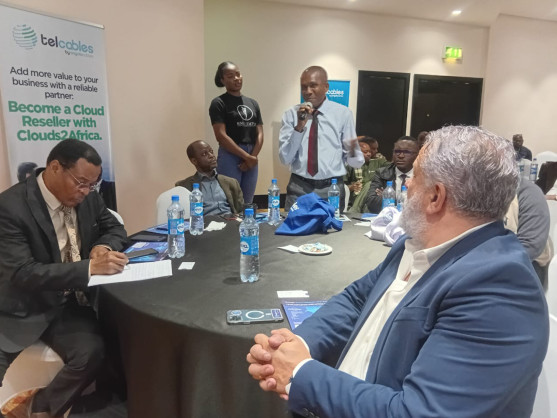
At the recent Connect Xperience event, TelCables Nigeria unveiled how Clouds2Africa, a locally hosted cloud solution, is transforming the way businesses in Nigeria access, manage, and expand their digital resources.

“Clouds2Africa is tailored to Nigeria's unique business environment”, explained Israel Ogboi, Pre-Sales Engineer at TelCables Nigeria. “With its scalable infrastructure, robust security protocols and user-friendly interface, our solution rivals – and in some cases surpasses – the more complex international cloud offerings.” Hosted in two Tier III data centres in Lagos, the platform guarantees lower latency, full compliance with local regulations and enhanced reliability.

In a live demo, Israel showed how businesses can efficiently scale operations and securely store data while meeting performance expectations. He also highlighted ACloudConnect, a hybrid Network-as-a-Service (NaaS) option that provides secure, dedicated links between on-premises infrastructure and global cloud providers – bypassing the public internet and reducing vulnerability.

Despite existing challenges such as policy constraints and talent shortages, Ogboi noted that TelCables is working closely with government and partners to drive skills development and cloud literacy. “We're debunking myths and breaking barriers. Through events like Connect Xperience and our local Partner Enablement Program, we're enabling ISPs and resellers to adopt revenue-sharing models and deliver future-ready cloud services,” he said.

Fernando Fernandes, CEO of TelCables Nigeria, added: “Backed by Angola Cables' extensive global infrastructure – including an integrated subsea cable network and over 300 cloud onramps – we're positioning Nigeria at the heart of Africa's digital future. Our mission is to empower local businesses with the tools they need to compete globally.”

Distributed by APO Group on behalf of Angola Cables.

About Angola Cables:
Angola Cables is an internationally established ICT and digital solutions and network services provider. The company specializes in connectivity solutions for the wholesale market and offers tailored digital services and solutions across multiple industries, including Cloud resources for the corporate enterprise sector.

Known for its innovation, Angola Cables operates a robust global backbone network, providing access to major IXPs, Tier I operators, and global content providers. With more than 30 PoPs and connections to plus 930 interconnected Data Centres and 6000 peering agreements, traffic over its international network is more than 18 500 Tbps.

The company has its own submarine cable network spanning over 33,000 kilometres (WACS, SACS, and MONET) and extends its services to over 50,000 kilometres through partner cables, connecting the Americas, Africa, Europe, and Asia.

Additionally, the company operates two world-class Data Centres, AngoNAP Fortaleza in Brazil and AngoNAP Luanda in Angola. Angola Cables also manages PIX in Brazil and AngonIX in Angola - one of the leading internet traffic exchange points in Africa that directly connects to over 21 IXPs worldwide.

With a significant international presence, Angola Cables is expanding its operations into strategic markets such as Brazil, South Africa, the United States and Nigeria. The company promotes intercontinental interconnection, driving digital and economic development, and ranks among the top 25 internet service providers in the world today.

*The Center for Applied Internet Data Analysis (CAIDA) 2023

For more information, visit the website: www.AngolaCables.co.ao

About TelCables West Africa:
TelCables West Africa is powered by the Angola Cables network, a multinational telecommunications company operating in the wholesale market. The company operates connectivity, IT solutions and services as well as international data circuit capacity and IP Transit via submarine cables.

As the most connected network operator in Africa, we provide secure, low-latency direct routes from West Africa to the USA and South America and from West Africa to London. With our presence across a few Nigerian IP hubs from Lekki, WACS CLS, Medallion DC, Rack Centre and others, and connections across Africa via the Djoliba network, we can connect your business to the world.

For more information, visit the website: https://TelCables.ng/

Media files
Angola Cables
Download logo
Read moreRevolutionising Cloud Access for Nigerian Business With Local Innovation
10 May 2025

Rebuilding Botswana’s Construction Future: African Development Bank Bolsters Lobatse Clay Works Revival

Location: Business
African Development Bank Group (AfDB)

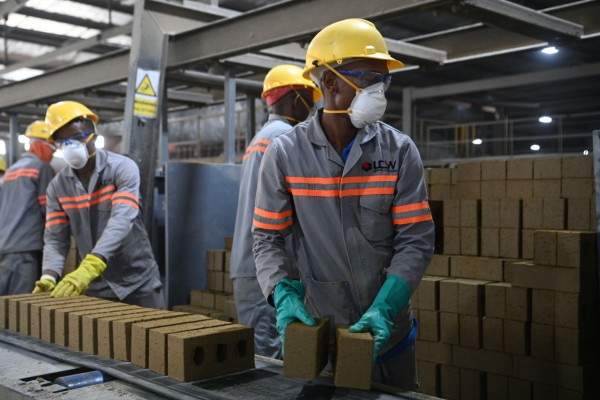
The kilns are firing again—and with them, the economic hopes of a community. In the quiet town of Lobatse, southern Botswana, a decades-old industrial landmark is undergoing a remarkable renaissance. Lobatse Clay Works (LCW), a brick manufacturer that was once the cornerstone of Botswana's construction industry, has been resurrected owing to a strategic investment from the African Development Bank Group (www.AfDB.org). The financing has transformed not only the company but an entire community.

“The buildings that shaped modern Botswana will rise again from our clay," declares Anthony Moepeng, Acting Chief Executive Officer of Lobatse Clay Works.

Founded in 1992 as a joint venture between Botswana Development Corporation (BDC) and American firm Inter-Kiln, Lobatse Clay Works quickly established itself as the nation's premier maker of bricks. For decades, its distinctive reddish-brown bricks were synonymous with Botswana's construction boom, during which schools, hospitals, and government buildings all showcased the company's craftsmanship.

But in 2017 the company faced a perfect storm of challenges. Aging equipment, production inefficiencies, and rising fuel costs forced the shuttering of the once-thriving operation, leaving the factory idled -- stripping the community of both jobs and identity.

African Development Bank's Catalytic Investment Powers Revival

Recognizing Lobatse Clay Works' potential, the African Development Bank provided a loan facility, in partnership with the Botswana Development Corporation to turn around the company's fortunes, focusing on technological modernization and operational efficiency.

The Bank's investment enabled Lobatse Clay Works to acquire state-of-the-art manufacturing equipment that dramatically improved energy efficiency. A new hybrid fuel system slashed production costs, while enhanced kiln technology boosted output capacity and product quality.

In 2023, the company, facing supply chain challenges and rising costs, secured an additional 48 million Pula (around $3.5 million) from the African Development Bank — bringing the total financing to 138 million Pula— to keep growth on track.

This substantial investment enabled the plant to reopen in 2024.

Beyond Bricks: Building Communities and Futures

The revitalized facility has already created 148 direct jobs with hundreds more expected in supporting industries from transportation to services.

The plant's output of three million bricks per month is high enough to meet domestic construction demand and serve lucrative export markets in South Africa, Zimbabwe and Namibia, generating valuable foreign exchange for Botswana's economy.

African Development Bank's Deputy Director General for Southern Africa, Moono Mupotola, stressed the broader significance of the investment. "This speaks directly to what we do at the African Development Bank. Lobatse is a small town, but almost one hundred percent of the factory workers are from the town. This project delivers on our High 5 development priority of improving the quality of life for Africans."

Most significantly, Lobatse Clay Works's revival aligns perfectly with Botswana's industrial diversification goal to reduce dependence on diamond revenues by strengthening manufacturing capability.

"Through the African Development Bank funding, we have been able to commit BWP 4 million towards the refurbishment of the plant," explains Benedicta Abosi, Acting Managing Director at BDC. "This has enabled us to restart operations and produce enough bricks for expansion opportunities into the region."

The company plans to expand from brick manufacturing to include tiles, further cementing its role in Botswana's construction renaissance and economic diversification efforts.

Distributed by APO Group on behalf of African Development Bank Group (AfDB).

Photos: https://apo-opa.co/453yTvZ

About the African Development Bank Group:
The African Development Bank Group is Africa's premier development finance institution. It comprises three distinct entities: the African Development Bank (AfDB), the African Development Fund (ADF) and the Nigeria Trust Fund (NTF). On the ground in 41 African countries with an external office in Japan, the Bank contributes to the economic development and the social progress of its 54 regional member states. For more information: www.AfDB.org

Media files
African Development Bank Group (AfDB)
Download logo
Read moreRebuilding Botswana’s Construction Future: African Development Bank Bolsters Lobatse Clay Works Revival
9 May 2025

Government Business Partnership Sets Three-Month Sprint to Accelerate Delivery

Location: News

The Presidency of the Republic of South Africa
Download logo

President Cyril Ramaphosa today convened ministers and senior business leaders under the Government Business Partnership. The partners agreed to fast-track the implementation of key structural reforms and support performance improvements at Transnet and Eskom through an accelerated delivery plan and an intensified phase of the Partnership's ongoing efforts to expedite delivery on priority interventions vital to economic growth and job creation.

The partnership believes that this acceleration is necessary to achieve a step-change in progress in response to difficult economic headwinds. Focus will remain on improving Eskom's Energy Availability Factor (EAF) and unblocking delays in new generation capacity to ensure a continued reprieve from load shedding. Work is underway to resolve grid access and allocation bottlenecks that hinder new generation projects. Whilst Transnet's performance is not at the level required, it has stabilised and there is a significant focus on growing volumes which will increase exports and revenue collected to support economic growth and preserve and grow employment.

Expediting reforms and performance improvement is crucial to reducing the possible negative impact of the complex global and domestic environment, which continues to present substantial challenges and uncertainty. GDP growth projections for 2025 have been revised down, and current forecasts remain far below the minimum 3% required to create the level of jobs needed to make an impact on the country's high levels of unemployment.

The Government Business Partnership, established in 2023, is focused on accelerating crucial reforms and operational improvements to lift confidence levels and to drive economic growth in four priority areas: energy, transport and logistics, crime and corruption, and youth employment (the latter added in January 2025).

President Cyril Ramaphosa said: “Through the strength of this partnership, we have been able to unlock many constraints that undermine growth and job creation. While there is much to improve, the dedication and commitment from both government and business remains undiminished. The pace of our work must increase to match the scale of the challenge.”

Important progress has been made to lay the groundwork for sustained accelerated action, including the finalisation of the Transnet Network Statement, the launch of a Request for Information (RFI) to attract private investment in port and rail infrastructure, and NERSA's approval of electricity wheeling regulations. These reforms enable broader private sector participation in energy and transportation and logistics. Both the crime and corruption and the youth employment focal areas are largely tracking against their plans which have a longer-term time horizon.

In line with this commitment to focused execution, the Partnership welcomed the launch of the second phase of Operation Vulindlela, which has a delivery focus that closely aligns with the Partnership's objective of more rapidly accelerating reforms and operational improvements that will drive growth and job creation.

Adrian Gore, BUSA Vice President and business co-convenor of the Partnership, said: “We are entering this accelerated execution “sprint” with a real sense of urgency. Progress has been made, but it's not enough. This requires a step change in the pace of decision making and execution. We need to redouble our collective efforts to help shift the country onto a sustained upward trajectory and deliver on our shared ambition of a virtuous cycle of growth, jobs, a more positive narrative and increased investment.”

Distributed by APO Group on behalf of The Presidency of the Republic of South Africa.

Read moreGovernment Business Partnership Sets Three-Month Sprint to Accelerate Delivery
9 May 2025

AEW 2025, Spanish Chamber of Commerce in South Africa Join Forces to Foster Energy Partnerships

Location: Business
African Energy Chamber

The Spanish Chamber of Commerce in South Africa has partnered with the African Energy Week (AEW): Invest in African Energies conference to foster collaboration between Spanish and South African energy companies. The partnership builds on dual goals of driving investment and development in South Africa and will support greater participation by Spanish firms at this year's edition of the conference – scheduled for September 29 to October 3.

As a non-profit entity whose main objective is the promotion of commercial, economic and industrial relations between Spain and South Africa, the Chamber of Commerce seeks to strengthen business prosperity and trade between the two nations. At the heart of this strategy is the energy industry, with the Chamber committing to exposing its members to emerging opportunities in both Spain and South Africa. At AEW: Invest in African Energies, the Chamber will play an instrumental part in strengthening energy relations and trade, supporting market entry by Spanish firms into South Africa.

AEW: Invest in African Energies is the platform of choice for project operators, financiers, technology providers and government, and has emerged as the official place to sign deals in African energy. Visit www.AECWeek.com for more information about this exciting event.

The opportunities for heightened collaboration between Spain and South Africa are extensive. While Spain is a net-importer of oil and gas, Spanish oil and gas firms have seen great success abroad, highlighting the level of expertise the country has to offer. Spanish companies such as multinational energy and petrochemical firm Repsol already have a strong presence in Africa, offering significant expertise that could help unlock South Africa's energy industry. The company has been active in Algeria since 1973, recently receiving approval to invest up to €731 million in oil and gas blocks in the country. The Chamber has also been active in Libya since the 1970s and is implementing an ambitious exploration agenda in the country. It plans to drill nine wells consecutively via two drilling rigs by November 2025, and aims to increase production to 350,000 barrels per day (bpd) in the country. As of December 2024, production stood at 300,000 bpd.

Meanwhile, for South Africa, which is only just starting to realize the full potential of its oil and gas market, Spanish partnerships could propel a hydrocarbon evolution. Despite being a frontier market, South Africa has proven oil and gas discoveries and significant upside potential. The Luiperd and Brulpadda discoveries, for example, are the largest discoveries of natural gas resources in South Africa to date. Situated in the Outeniqua Basin, operator Africa Oil Corp plans to conduct surveys within the Block 11B/12B area to determine a development plan. Additionally, South Africa's Orange Basin – shared with Namibia where several high-impact finds have been made – offers strategic opportunities for billion-barrel finds. International companies have recently expanded their footprint in the basin, led by firms such as Eco Atlantic, TotalEnergies and QatarEnergy.

In the green energy sector, Spain is spearheading Europe's energy transition through rapid developments in green hydrogen. According to the World Economic Forum, the country already accounts for 20% of green hydrogen projects announced in the European Union, with plans to create industrial clusters expected to bolster the bloc's clean energy adoption. South Africa is also targeting ambitious green hydrogen projects. The government introduced a R300 billion investment pipeline in 2023, targeting between 6 and 13 million tons of green hydrogen and derivatives production per annum by 2050. Up to 19 projects were identified for accelerated development and global support will be key to bring these projects into fruition. In 2023, Spain committed $2.3 billion to help fund South Africa's energy transition, but further support could unlock greater value from the country's renewable energy industry.

“Global partnerships are fundamental for countries seeking to rapidly grow their oil, gas and renewable energy industries. Spain and South Africa have significant potential to expand their trade, energy and business ties, and the Spanish Chamber of Commerce in South Africa works hard to achieve mutual development goals,” states Tomás Gerbasio, VP Commercial and Strategic Engagement, African Energy Chamber. 

Distributed by APO Group on behalf of African Energy Chamber.

Media files
African Energy Chamber
Download logo
Read moreAEW 2025, Spanish Chamber of Commerce in South Africa Join Forces to Foster Energy Partnerships
9 May 2025

Deputy Minister Sello Seitlholo Calls for Bold Investment to Secure Southern Africa’s Water Future

Location: News

Department of Water and Sanitation, Republic of South Africa
Download logo

The Deputy Minister of Water and Sanitation, Mr. Sello Seitlholo, has called for intensified investment in the water sector to secure Southern Africa's future in the face of climate change and growing water demands.

Speaking at the ORASECOM Climate Resilient Investment Conference in Maseru, Lesotho on Thursday, 08 May 2025, Deputy Minister Seitlholo highlighted that resilient water infrastructure and cross-border collaboration are critical to the region's economic development, environmental sustainability, and long-term water security.

As a proud and committed member of the Orange-Senqu River Commission (ORASECOM), South Africa continues to champion regional cooperation for the sustainable and equitable management of shared water resources. Deputy Minister Seitlholo reaffirmed the country's support for the Commission, noting South Africa's role as host country and consistent contributor to its operations and basin-wide studies.

“Water is the foundation upon which our economies, communities, and ecosystems rest. In Southern Africa, it also binds us together across borders. Our shared future demands that we invest boldly and wisely in securing this most precious resource,” he said.

South Africa is undertaking major reforms to create an enabling environment for water investment. Deputy Minister Seitlholo said that these include legislative amendments to strengthen water governance, reduce inefficiencies, and attract private-sector involvement through improved regulatory certainty and streamlined project processes.

He pointed to multiple opportunities for investors, ranging from bulk infrastructure and wastewater treatment to innovative technologies in reuse and smart metering. Public-private partnerships are being pursued with urgency, including through the Water Partnership Office in collaboration with the Development Bank of Southern Africa (DBSA). “Investing in water is not just a necessity; it is a generational imperative. Our policy reforms, institutional innovation, and partnerships demonstrate that we are ready to work with all stakeholders to make water investment a success story,” he emphasised.

The Deputy Minister highlighted sustainability, technological advancement, and climate adaptation as key pillars of the country's water strategy. He emphasised the need for robust risk management to address droughts, floods, and pollution, backed by government funding instruments such as the Water Services Infrastructure Grant and the Regional Bulk Infrastructure Grant made available by the Department of Water and Sanitation.

Deputy Minister Seitlholo stressed that communities must be at the heart of water solutions. South Africa's water governance model prioritises public participation and inclusive development, particularly through forums supporting youth, women, and civil society engagement. Partnerships with NGOs, research institutions, and the private sector continue to drive innovation and ensure evidence-based planning.

In closing, Deputy Minister Seitlholo reaffirmed South Africa's unwavering commitment to regional leadership and global engagement in the water sector. He announced that South Africa will proudly host the Africa Water Investment Summit in August, a strategic platform aimed at unlocking large-scale investment and galvanising multi-sector partnerships for water infrastructure development across the continent.

Furthermore, as South Africa has assumed the G20 Presidency, the Deputy Minister committed that water financing will be elevated as a key agenda item, positioning water not merely as a development issue but as a central pillar of economic resilience, climate adaptation, and sustainable growth.

“South Africa stands ready to lead by example, mobilising political will, catalysing investment, and fostering cross-border cooperation to build a water-secure future for Africa and beyond,” he affirmed.

“Let us seize this moment to mobilise the partnerships, political will, and financing needed to ensure a climate-resilient and water-secure future for our region. What we decide today must shape a legacy of inclusive growth and sustainable prosperity for generations to come,” concluded Deputy Minister Seitlholo.

Distributed by APO Group on behalf of Department of Water and Sanitation, Republic of South Africa.

Read moreDeputy Minister Sello Seitlholo Calls for Bold Investment to Secure Southern Africa’s Water Future
8 May 2025

Africa’s Solar Boom: How to Reap the Benefits

Location: Business
CBI-electric: low voltage

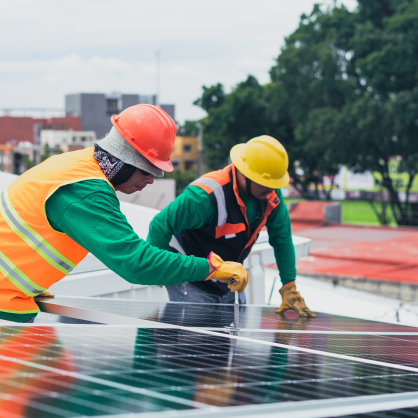
With 2.5 gigawatts-peak (GWp) (http://apo-opa.co/4iQtUCp) of solar capacity added across Africa in 2024 and 194.34 GWp expected in 2025, the continent is fast becoming a global hotspot for solar energy growth. Leading this shift are the commercial and industrial (C&I) sectors, where photovoltaic (PV) systems are being installed on-site at businesses, educational institutions, and government facilities to meet their own energy demands.

Dr Andrew Dickson, engineering executive at CBi-electric: low voltage (www.CBi-lowvoltage.co.za), explains that multiple factors are accelerating the continent's switch to solar. “Energy poverty remains a major issue across Africa, with reliable grid electricity reaching only 14% (http://apo-opa.co/4jICofV) of Zimbabweans, for example.”

He adds that unreliable power supply is another key driver. “Persistent nationwide blackouts are affecting countries like Botswana (http://apo-opa.co/3EZvQKM), disrupting day-to-day operations. And in hydro-electric dependent countries such as Zambia (http://apo-opa.co/3RRqvrX), climate change is reducing water levels, leading to lower electricity generation and higher prices.”

Dr Dickson points out that in countries like Namibia which are dependent on electricity imports, affordability is a growing concern, with N$8.8 billion (http://apo-opa.co/3EZvSlS) expected to be spent between January 2024 and December 2025. “As a result, Namibia now has the highest (http://apo-opa.co/3EZvSSU) electricity prices in Southern Africa. Yet it has a unique geographic advantage: its solar PV systems can produce twice (http://apo-opa.co/3EZvSSU) as much electricity as comparable systems in central Europe.”

Some African nations are proactively investing in solar to reduce their grid dependence. “Malawi is rolling out its National Compact for Energy (http://apo-opa.co/3GMlxKC), which creates a competitive framework for private-sector investment in off-grid solar through grants, subsidies, and credit lines that improve access to foreign exchange,” he notes.

Safeguarding solar investments

The shift to solar is also being driven by cost-effectiveness. Dr Dickson shares that on-site solar is now cheaper (http://apo-opa.co/3YDs1BD) than the electricity tariffs paid by C&I clients in at least seven sub-Saharan markets.

Pointing to research by GreenCape (http://apo-opa.co/3Z6UyzC), which found that solar PV can reduce business energy costs by 15%, with a return on investment reached within three to 12 years, he highlights that after that, businesses can benefit from up to 15 years of free electricity.

However, Dr Dickson stresses that unlocking these savings requires protecting system components from damage and disruption. “Voltage spikes caused by lightning or grid instability can seriously damage inverters and batteries. Installing surge protection devices (SPDs) is critical, not just to prevent damage, but also to avoid voiding manufacturer warranties.”

Arcing is another serious threat. “When electrical currents jump across gaps, the heat generated can damage components or even start fires,” he explains. “DC circuit breakers designed specifically for solar systems are essential for mitigating this risk. They're built to handle the direct current generated by PV panels, ensuring safer and more reliable operation.”

Smart tech enables smarter solar use

In addition to physical protection, Dr Dickson advises businesses to embrace smart energy management tools to extend system life and optimise performance. “A smart power indicator can detect grid interruptions and send immediate alerts, helping businesses respond quickly. These systems can temporarily disconnect non-essential high-energy devices during an outage to prevent overload and preserve battery life. At the same time, they ensure that essential systems like security and lighting continue operating during downtime.”

Optimising solar ROI in 2025

He believes that the key to unlocking solar's full potential lies in strategic system design and management. “By combining surge protection, DC breakers, and monitoring tools, businesses can reduce unexpected costs, minimise downtime, and extend the life of their investment.”

“As Africa's solar energy market continues to expand in 2025, organisations have an opportunity to capitalise on its long-term benefits. With the right technologies and safeguards in place, solar is not only a clean energy solution it's a strategic asset that pays off,” concludes Dr Dickson.

Distributed by APO Group on behalf of CBI-electric: low voltage.

About CBi-electric: low voltage:

  • Established in 1949, CBi-electric: low voltage is a manufacturer and supplier of quality low voltage electrical distribution, protection, and control equipment. Previously known as Circuit Breaker Industries or CBI, the company specialises in the design, development, and manufacturing of circuit breakers, residential current devices, surge protection, wiring accessories, and metering products.
  • Headquartered in Johannesburg, South Africa, the company is a subsidiary of renowned JSE listed industrial group Reunert (http://apo-opa.co/4iV5abY), established in 1888, with international operations across Africa, Asia, Australia, Europe, and USA.
  • CBi-electric: low voltage can be found in almost every home and has firmly become a market leader over the last 75 years while supplying products to authorities, utilities, manufacturers, commercial property developers, industrial, mining, telecommunications, and general power distribution applications.
  • In 2021, the brand launched its smart IoT (internet-of-things) home automation range, called the Astute Range.
Media files
CBI-electric: low voltage
Download logo
Read moreAfrica’s Solar Boom: How to Reap the Benefits
8 May 2025

South Africa’s Electricity Minister Joins AEW 2025 Amid Bold Infrastructure Plans

Location: News
African Energy Chamber

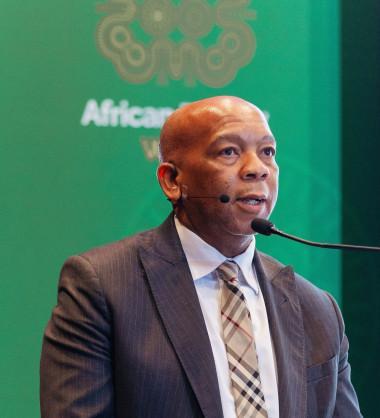
Dr Kgosientsho Ramokgopa, Minister of Electricity and Energy of South Africa, will speak at this year's edition of the African Energy Week (AEW): Invest in African Energies conference – taking place September 29 to October 4 in Cape Town. As the country targets large-scale power and renewable energy rollout, Dr Ramokgopa's participation will support greater collaboration with international partners and investors.

Faced with an energy deficit challenge, South Africa has been implementing bold changes across its electricity and energy sectors, seeking to strengthen infrastructure development and broader energy access. In 2025, the country implemented its newly enacted Electricity Regulation Act, aimed at creating a more competitive power market in the country. Designed to address the country's longstanding power supply challenges by restructuring the sector, the act enables independent power producers to play a larger role in the country's industry. Additional policies include the Renewable Energy Masterplan – approved in March 2025 and aimed at incentivizing investment across the renewable energy value chain – and the Energy Action Plan – aimed at mitigating power outages by securing energy supply.

On the back of regulatory reform, the country has seen several milestones achieved across its electricity and energy sectors in recent months. In March 2025, the country brought the sixth and final unit of the Kusile Power Station online. Following the requisite testing and optimization over a six-month period, the unit will add 800 MW to the South African national grid. Once all units at the station are operational by H2, 2025, the station will contribute 4,800 MW to the grid, representing the country's largest infrastructure project. Meanwhile, a second new-build power station is on track for commissioning its fourth unit shortly. The Medupi station – a greenfield coal-fired plant – will produce 4,800 MW once all six units are online.

While these projects represent strategic steps towards improving generation and transmission capacity in South Africa, much more investment is required to achieve the country's power and energy goals. The Ministry of Electricity and Energy estimates that South Africa requires up to R440 billion to finance transmission development over the next ten years. To enhance energy access, the country seeks to modernize and expand the national electricity grid by 14,000 km during this timeframe, highlighting a major investment opportunity for global financiers. In March 2025, Minister Ramokgopa announced short-term plans to acquire up to 1,164 km of 400 kV transmission lines, covering the Northern Cape, North-West and Gauteng. The acquisition falls under the country's broader Integrated Resources Plan – which provides a roadmap for achieving South Africa's forecasted electricity demand - as well as the 2024 Transmission Development Plan, which seeks to expand the grid and achieve greater access rates across various provinces.

Meanwhile, spearheaded by the Ministry of Electricity and Energy, the country is making significant strides towards scaling-up its renewable energy sector. A key driver of this is the Renewable Energy Independent Power Producer program (REIPPP) – an initiative aimed at increasing generating capacity through private sector investment in solar, onshore wind and hydropower. The REIPPP has successfully channeled substantial private sector expertise and investment in the renewable industry, with 16 winners selected under Bid Window 7 in December 2024. This window targets 5 GW of renewable energy capacity, with the winning projects featuring 1.76 GW of solar – representing a combined investment of ZAR 31.4 billion – as well as 615 MW of battery energy storage - a combined investment of ZAR12.8 billion.

Nuclear energy has also been identified as a strategic sector by the Ministry of Electricity and Energy. South Africa currently hosts the only operational nuclear facility in Africa and has plans to scale-up capacity in support of anticipated rising demand. The Ministry of Electricity and Energy plans to spend R60 billion on its nuclear-build program and is seeking support from international nuclear experts to enhance capacity. At AEW: Invest in African Energies, insights into South Africa's power and energy advancements will highlight key investment opportunities for global players.

“South Africa has put the requisite policies in place to advance large-scale power and energy projects. What the country now needs is action. International investors should take advantage of regulation and drive impactful projects,” states Oré Onagbesan, Program Director, African Energy Week.

Distributed by APO Group on behalf of African Energy Chamber.

About ​AEW: Invest in African Energies:
AEW: Invest in African Energies is the platform of choice for project operators, financiers, technology providers and government, and has emerged as the official place to sign deals in African energy. Visit http://www.AECWeek.com for more information about this exciting event.

Media files
African Energy Chamber
Download logo
Read moreSouth Africa’s Electricity Minister Joins AEW 2025 Amid Bold Infrastructure Plans
7 May 2025

ConstructAfrica Launches Industry Advisory Board to Drive Strategic Infrastructure Dialogue Across Africa

Location: Business
ConstructAfrica

ConstructAfrica (www.ConstructAfrica.com), the leading platform for market intelligence, thought leadership, and news on construction and infrastructure across the African continent, is proud to announce the formation of the ConstructAfrica Industry Advisory Board (CIAB). This newly established board brings together a distinguished group of global and African leaders committed to shaping the future of infrastructure development across Africa.

The CIAB is composed of seasoned professionals from leading construction firms, national infrastructure agencies, academia, multilateral development institutions, private equity, and global finance. Its members include internationally recognized infrastructure leaders, Chief Executives, Directors, a University Vice Chancellor, academic experts, and experienced financial and investment professionals — each offering invaluable insight and extensive global networks.

The mission of the CIAB is to provide strategic guidance, promote collaboration, and support ConstructAfrica's vision of delivering trusted intelligence that enables evidence-based decision-making in Africa's infrastructure ecosystem. The board will serve as a catalyst for constructive dialogue, policy insight, investment mobilisation and innovation.

Dr. Nelson Ogunshakin OBE, appointed as Chair of the CIAB, stated:

“It is a privilege to lead the ConstructAfrica Industry Advisory Board at a time when Africa's infrastructure agenda is more critical than ever. This initiative brings together a powerful coalition of experience, expertise, and vision — committed to shaping a resilient, inclusive, and investment-ready infrastructure landscape. ConstructAfrica plays a vital role in equipping stakeholders with trusted, actionable intelligence, and the Advisory Board will amplify this impact by driving thought leadership, collaboration, capacity building, and strategic alignment across sectors and borders.”

ConstructAfrica's Founder & Publisher, Dr Segun Faniran, added:

“The formation of the Industry Advisory Board marks a major milestone in our growth journey. With the leadership of Dr. Ogunshakin and the collective strength of our Board members, we are poised to expand our influence and deepen our engagement with both public; Government, Multilateral institutions, and private sector; developers, client, investors, contractors, operators, technologists, and wider continental stakeholders.”

Members of the ConstructAfrica Industry Advisory Board (CIAB):

  • Dr Nelson Ogunshakin FREng, OBE Chair, AEO Group & Board Director HS2 Ltd – UK
  • Derreck Omath, DG, Infrastructure Agency, Seychelles
  • Malani Padayachee-Saman, CEO MPAMOT, South Africa
  • Gilbert Sassine OFR, CEO, Cranebury Construction, Nigeria
  • Matthew Jordan Tank, Director, EBRD, UK
  • Dr Olubukola Tokede, Senior Lecturer, Deakin University, Australia
  • Rachel More-Oshodi, CEO/MD ARM-Harith Infrastructure Investment Limited, Nigeria
  • Eng Amanuel Hailemariam, GM, Association of Civil Engineers, Ethiopia
  • Chris Campbell, CEO, Consulting Engineers South Africa (CESA), South Africa
  • Mark Worrell, CEO, Estate and Infrastructure Exchange (EIX), UK
  • Professor Dr Khumbulani Mpofu, Vice Chancellor, Solusi University, Zimbabwe
  • Dr Segun Faniran Founder & Publisher, ConstructAfrica, UAE
  • Jenni Chamberlain, Founder & CEO, Altree Capital, Switzerland,
  • Richard Stockdale, Senior Non-Executive Director, DAR Global Plc, UAE

(Complete member list and biography are published at www.ConstructAfrica.com)

Distributed by APO Group on behalf of ConstructAfrica.

For media inquiries or further information, please contact:
Dr Segun Faniran

Founder & Publisher
Email: hello@constructafrica.com
Phone: +971 56 566 4792
Website: www.ConstructAfrica.com

Media files
ConstructAfrica
Download logo
Read moreConstructAfrica Launches Industry Advisory Board to Drive Strategic Infrastructure Dialogue Across Africa
6 May 2025

Deputy Minister Morolong Welcomes Arrest of Suspects Involved in the Disappearance of Aserie Ndlovu and His Partner

Location: News

The Presidency of the Republic of South Africa
Download logo

Deputy Minister in The Presidency, Kenny Morolong, welcomes the arrest of four suspects in connection with the disappearance of journalist, Aserie Ndlovu, and his partner, Zodwa Mdhluli. This breakthrough was announced by the South African Police Service in the afternoon of Monday, 05 May 2025. 

The Deputy Minister visited the Ndlovu family on Sunday, 04 May 2025 to offer his support and solidarity on behalf of Government. 

Prior to the meeting with the family, he received a briefing from the police on the progress of the investigation. 

Aserie Ndlovu, the founder of Capital Live FM, was reported missing on 18 February 2025 together with his partner, Zodwa Mdhluli. Since then, law enforcement agencies have been working tirelessly to trace their whereabouts, and while the investigation remains ongoing, the arrests mark a significant breakthrough in the case.

“While investigations are still underway, I want to commend the investigating team for the progress they have made thus far. We continue to hope and pray for the safe return of both Mr. Ndlovu and Ms. Mdhluli," said Deputy Minister Morolong.

Distributed by APO Group on behalf of The Presidency of the Republic of South Africa.

Read moreDeputy Minister Morolong Welcomes Arrest of Suspects Involved in the Disappearance of Aserie Ndlovu and His Partner
6 May 2025

Africa’s Leading Hospitality Investors and Visionaries Come to Cape Town in June

Location: Business
The Bench

Future Hospitality Summit (FHS) Africa 2025 comes to Cape Town from 17–19 June 2025, bringing together the most influential voices in hospitality investment, development, and sustainability from across the globe.

This year's speaker lineup features major investors, visionaries, strategists, and dealmakers who are actively reshaping the landscape of hospitality across Africa.

William E. Heinecke, Founder and Chairman of Minor Hotels, will headline the summit. A self-made entrepreneur who launched his first business at 17, Mr Heinecke has built one of the world's most respected hospitality groups. His keynote will explore the lessons behind that legacy and what's next for hotel expansion in Africa.

Guy Hutchinson, President of Hilton MEA, and Haitham Mattar, Managing Director of IHG for MEA & Southwest Asia, will delve into how global hotel groups adapt their strategies for Africa's evolving markets. Meanwhile, Jerome Briet (Chief Development Officer EMEA, Marriott International), Jean-Baptiste Recher (CDO Luxury Brands, Accor), and Esteban Lozada (MD North, West & South Africa, Hilton) will highlight expansion plans and pipeline insights from the region's top brands.

On the investment side, the programme features heavyweights like Folaseto Akin-Olugbade (Principal, Actis), Olivier Granet and David Damiba (Co-CEOs, Kasada Capital Management), Rahul Chaudhary (MD & CEO, CG Corp Global), Magdaline Osei Baffour (Investment Director, Westmont Hospitality Group), Nyawira Kariuki (CEO, Janus Continental Group), and Jameel Verjee (Founder & CEO, CityBlue Hotels). They'll share unfiltered insights on how they evaluate opportunities, manage risk, and unlock long-term value in different African markets.

Graham Wood (CEO, Sun International), Marcel von Aulock (CEO, Southern Sun), and Tony Romer-Lee (Managing Partner AMEA, Valor Hospitality Partners), David Green (CEO, V&A Waterfront) add further firepower to the operator perspective, joining sessions on operating strategies, sustainability, and navigating development constraints.

Conservation and tourism sustainability will also take centre stage with Dr Morne du Plessis (CEO, WWF South Africa) and Mark Read (former WWF SA Chairman) exploring how hospitality can be a vehicle for positive environmental impact. Brooke Friswold of Bring The Elephant Home and Joe Pietersen of Nkombe Rhino will share field perspectives on ecotourism's potential.

Other voices enriching the dialogue include Gillian Saunders, one of Africa's leading tourism consultants, Kevin Teeroovengadum (Proptech Africa), Thami Nkadimeng, Paul Gardiner (CEO, Terra Nova), Bani Haddad (Aleph Hospitality), Tadiwos G. Belete (Kuriftu Resorts), Euan McGlashan (Valor Hospitality), Wayne Godwin (JLL Africa), and many more.

An Investor Powerhouse

FHS Africa 2025 will once again host the region's most active capital partners, including:
Berkeley Properties, Cameroon Hotels Corporation, CityBlue Hotels, Cresta Marakanelo Limited, DEG, FROS Capital, Fundo Soberano de Angola, IFC, Janus Continental Group, Oak & Satin Properties, Proparco, Rockshieldburg-City, The Midwest Company, and UAG Investments.

Together, these investors represent billions in active projects, acquisitions, and greenfield development across the continent. With over $4 billion in hospitality deals signed at FHS Africa since its inception, the event remains a catalyst for serious deal-making and investment.

Matthew Weihs, Commercial Director of the Bench, which organises FHS Africa, said: “We're incredibly proud to bring FHS Africa to Cape Town for the first time. It's a city that represents innovation, diversity, and growth — the perfect backdrop for an event that connects the brightest minds in hospitality and drives real investment across the continent. The 2025 programme is bold, dynamic, and focused on action."

FHS Africa 2025 promises unparalleled opportunities to build meaningful relationships through various formats tailored for real engagement. From high-energy speed networking sessions and curated closed-door investor councils to exclusive offsite visits showcasing Cape Town's latest hospitality developments, every moment is designed to foster strategic connections. The event also features a community-focused charity Run, offering a lighter way to meet other delegates while supporting a worthy cause. 

Distributed by APO Group on behalf of The Bench.

Further Information:
For further information and high-resolution images, please contact:
David Tarsh
+44 (0) 20 7602 5262
+44 (0) 7770 816 070
email: David@Tarsh.com

About FHS Africa:
For over a decade, the Future Hospitality Summit Africa (FHS Africa) has been the launchpad for hospitality investment in Africa, driving growth, connecting visionaries, and transforming the continent's tourism and hospitality landscape. As a beacon of opportunity, FHS Africa brings together global investors, developers, operators, and industry leaders committed to turning potential into reality.

Strategic Partners: Accor, BWH Hotels, Hilton, Marriott International, IHG Hotels & Resorts, Radisson Hotel Group

Headline Sponsors: ACT, CHIC, Hansgrohe, TUI Hotels & Resorts

Sponsors: Aleph Hospitality, CityBlue Hotels, EQUATE, Knight Frank, JLL, St Helena Island, STR, TIME Hotels, TV5 Monde, Valor Hospitality Partners

Event Ambassadors: Develop Hotels Inc, Hotel Partners Africa, Voltere by Egis, W Hospitality Group

Official Carriers: Discover Airlines, Kenya Airways

Supported By: South Africa Tourism

About The Bench:
The Bench has a legacy of delivering world-leading investment forums and conferences in Europe, Africa, the Middle East, and Latin America. The key principle behind these events has remained "dealmaking'. Transforming the way businesses connect, Bench has developed a reputation for creating innovative and high-impact meetings for the industry.

For over two decades, government leaders, tourism ministries, global travel & tourism associations, the world's most influential hospitality brands, hotel owners & investors, renowned restaurant groups, airlines & aviation authorities, destination developers, asset managers, financial groups, and consultants have been participating in The Bench's events. These include FHS Africa, FHS World, FHS Saudi Arabia and AviaDev, where industry players showcase their brands, position themselves as thought leaders or innovators, and connect with the right individuals, opportunities and knowledge.

Learn more at TheBench.com

Media files
The Bench
Download logo
Read moreAfrica’s Leading Hospitality Investors and Visionaries Come to Cape Town in June
3 May 2025

South Africa to Maintain Close Ties With Bulgaria as the Embassy in Sofia Winds Down Operations

Location: News

Republic of South Africa: Department of International Relations and Cooperation
Download logo

The Department of International Relations and Cooperation (DIRCO) announces the decision to close the South African Embassy in Sofia, Bulgaria, effective 30 June 2025.

This decision, informed by prudent fiscal considerations and the need to prioritise national resource allocation, forms part of a broader strategic realignment of South Africa's diplomatic missions globally. Since 2021, the South Africa has undertaken necessary adjustments to its international footprint to ensure fiscal sustainability while maintaining its commitment to effective diplomatic engagement and bilateral partnerships.

DIRCO underscores that this step is not reflective of the value South Africa places on its longstanding and cordial relations with Bulgaria. Rather, it is a measure compelled by the imperative of responsible fiscal stewardship.

Prior to this decision, extensive consultations were held between the Governments of South Africa and Bulgaria. Minister Ronald Lamola personally engaged his Bulgarian counterpart, Mr Ivan Kondov, to reaffirm South Africa's steadfast commitment to strengthening bilateral ties.

To ensure continued collaboration, South Africa will maintain diplomatic and consular relations with Bulgaria through its resident Mission in Athens, Greece, which will assume responsibility for bilateral engagements.

South Africa deeply values the presence of the Bulgarian Embassy in Pretoria and looks forward to sustained cooperation through this channel.

The South African Government remains optimistic that this closure will be temporary. Minister Lamola said: “We express our earnest intention to restore a dedicated diplomatic presence in Sofia as soon as fiscal conditions permit, reflecting our shared aspirations for a deepened partnership.”

Distributed by APO Group on behalf of Republic of South Africa: Department of International Relations and Cooperation.

Read moreSouth Africa to Maintain Close Ties With Bulgaria as the Embassy in Sofia Winds Down Operations
30 April 2025

Parliament Ready to Process Revised Budget

Location: News

Republic of South Africa: The Parliament
Download logo

The Speaker of the National Assembly (NA), Ms Thoko Didiza, today reiterated Parliament's readiness to process and adopt the revised Budget and Fiscal Framework swiftly and responsibly within the legally prescribed timeframe and in full compliance with its constitutional and legislative obligations.

Chairing the National Assembly's Programme Committee this afternoon, the Speaker confirmed that the Minister of Finance, Mr Enoch Godongwana, will table the revised Budget and Fiscal Framework in the NA on 21 May 2025. The committee agreed that the sitting would be a physical meeting.

The Speaker reaffirmed the timeframes for budget approval prescribed in the Money Bills Amendment Procedure and Related Matters Act and emphasised that every effort will be made to ensure that government operations continue seamlessly and that the principles of accountability and sound financial governance are upheld.

She assured the public that the process in Parliament will be transparent and in full compliance with the law as the institution fulfils its constitutional mandate.

Distributed by APO Group on behalf of Republic of South Africa: The Parliament.

Read moreParliament Ready to Process Revised Budget
30 April 2025

President Ramaphosa appoints Dr Alistair Ruiters as Special Advisor: Investment Promotion

Location: News

The Presidency of the Republic of South Africa
Download logo

President Cyril Ramaphosa has appointed accomplished business leader and former Director-General of the Department of Trade and Industry, Dr Alistair Ruiters, as Special Advisor: Investment Promotion.

Dr Ruiters will advise President Ramaphosa on South Africa's continuing investment drive which is a principal component of the 7th Administration's focus on inclusive economic growth and job creation.

Government is implementing a broad range of economic reforms aimed at rendering South Africa more attractive and rewarding for domestic and international investors; advancing greater diversification of the economy, and broadening South Africa's integration into continental and global supply chains.

Dr Ruiters held the position of Director-General of Trade and Industry for five years until April 2005, which followed 11 years of service in the Department.

He holds a D Philosophy degree from Oxford University and a BA Honours from the University of Cape Town, among other qualifications.

Dr Ruiters is a former Commissioner of the Competition Commission who, as an entrepreneur, established a number of businesses, and served as Chief Executive and Chairperson of diverse institutions and enterprises, including the National Empowerment Fund, Pebble Bed Modular Reactor and the Afarak Group.

Distributed by APO Group on behalf of The Presidency of the Republic of South Africa.

Read morePresident Ramaphosa appoints Dr Alistair Ruiters as Special Advisor: Investment Promotion
29 April 2025

WHO and UNICEF Warn Parents Against Unethical Baby Milk Advertising In South Africa

Location: News

World Health Organization (WHO) - South Africa
Download logo

The World Health Organization (WHO) and the United Nations Children's Fund (UNICEF) are today launching a “Babies Before Bottom Lines” manifesto to warn parents in South Africa against false and unethical baby milk advertising. The manifesto was posted online today to call out “predatory and pervasive practices” and has been backed and shared by prominent parenting influencers around the country. 

WHO and UNICEF are jointly calling the attention of parents and caregivers to the WHO International Code of Marketing of Breastmilk Substitutes and its related information sources. The code provides guidelines on stricter regulation of marketing of breastmilk substitutes, to curb harmful effects on babies' short- and long-term health. 

WHO's Country Representative in South Africa, Shenaaz El-Halabi, says: “False, incomplete, misleading health and nutrition claims by formula companies should stop now. The WHO calls on formula milk companies to stop presenting incomplete scientific evidence and inferring unsupported health outcomes.”

WHO and UNICEF are specifically calling on local regulators to update Regulations Relating to Foodstuffs for Infants and Young Children (aka R991) to include other advertising techniques and digital marketing practices that have become prevalent in the past few years since the International Code of Marketing of Breastmilk Substitutes of 1981 and local Regulation R991 of 2012 were drafted. Some popular social media platforms, whose algorithms can target specific consumers with specific messages at specific times, were still in their infancy or did not yet exist in 2012. Of particular concern is that parents are often targeted with information that blurs the lines between nutritional facts and promotional pseudo-science and emotional manipulation when they are at their most vulnerable.    

The pseudo-scientific health claims made by formula companies discourage mothers from breastfeeding, which should always be a first choice as breastmilk is the most complete and healthiest milk for babies. In addition, widespread evidence exists that women have internalised doubts about the quality and quantity of their breastmilk, mirroring the themes and messaging of formula milk marketing campaigns.     

In line with their multi-country study on the impacts of marketing breastmilk substitutes, WHO and UNICEF warn that “inappropriate promotion of breastmilk substitutes negatively impacts breastfeeding practices, and that advertisers are promoting a false choice between formula feeding and breastfeeding, without offering informed choice to parents about the real differences between breastmilk and various brands of formula”.

UNICEF South Africa Representative, Christine Muhigana, notes that: “Government and civil society partners are to be commended for their efforts to address this concerning issue. It is evident that formula milk companies continue to actively target health professionals to convince them to prescribe formula. This Manifesto is part of a broader effort to address these unfair practices so that mothers and caregivers are fully aware of unethical marketing practices.”

Cross promotion, also known as “brand extension” which is a marketing practice whereby one product is used to advertise another product by using similar branding, packaging and labelling (including but not limited to similar colours, design, font types, mascots and logos) has become a common practice by the bay formula companies.

“All families need to be supported with evidence-based information so that they can make the most appropriate and informed decision for feeding their babies. Those choices, however, should never be exploited for corporate profits. We are finding again and again, all around the world, that unethical corporate influence is imposed on caregivers through false advertising. Companies use digital marketing algorithms that exploit parents when they are most vulnerable. They capitalize on parents' doubts and questions. For instance, we see advertisers directing fake science at caregivers in the middle of the night, when they or their babies are struggling, to falsely convince them that bottle-fed babies sleep better than breastfed babies. This is wrong and needs to stop,” says Dr Laurence Grummer-Strawn, who leads WHO‘s work on infant and young child feeding.

WHO and UNICEF have uncovered systematic and unethical marketing strategies by the US $55 billion infant formula industry, finding it uses the “infant formula industry uses pervasive, personalised and powerful methods to target parents when they are at their most vulnerable in the early days of their new babies life, and manipulate scientific claims to promote their products whilst undermining parents' confidence”.

Aqeelah Harron, an online content creator who owns the popular Fashion Breed social media platform, is supporting the campaign. "I'm a mom to a toddler and my child's health matters to me more than anything. I think it's wrong that powerful formula companies with big platforms are preying on parents to manipulate us into falling for fake science. Babies and new parents are vulnerable and should never be exploited. We need to prioritise comprehensive feeding education for all caregivers, free from the influence of profit-driven marketing." Several other online influencers are also backing the campaign.

WHO and UNICEF invite the public to join them in calling for an end to the aggressive marketing of formula milk, and to share their call to action: “Choose babies before bottom lines.” 

Distributed by APO Group on behalf of World Health Organization (WHO) - South Africa.

Read moreWHO and UNICEF Warn Parents Against Unethical Baby Milk Advertising In South Africa
26 April 2025

2.5 MTPA in Gas Output Feasible for Namibia, Says NAMCOR

Location: News
African Energy Chamber

The National Petroleum Corporation of Namibia (NAMCOR) has revealed that the country could produce more than 2.5 million tons of natural gas per year, based on early-stage assessments of recent discoveries made since 2022.

Speaking during a panel discussion on gas monetization strategies at the Namibia International Energy Conference on April 24, Mtundeni Ndafyaalako, Executive of Upstream Development & Production at national oil company NAMCOR, outlined a dual-pronged approach adopted by the corporation.

The first pillar focuses on leveraging legislative frameworks to enable coordinated infrastructure development, fostering collaboration among operators. The second emphasizes expanding exploration activities to unlock further resources.

“We have launched a gas monetization strategy project to support both government and industry on how best to commercialize gas. From our appraisals, we now have a clearer picture of production potential and various applications,” said Ndafyaalako, noting that the strategy is designed to attract new players and investment by clarifying monetization pathways.

Manfriedt Muundjua, Deputy General Manager at BW Kudu, reinforced the importance of integrating four pillars of local content – training, skills transfer, local procurement and local ownership – into the broader gas development framework.

Muundjua shared that BW Kudu is placing Namibian interns in every technical role currently held by international staff, supporting long-term local capacity building. He also emphasized the urgent need for downstream investment and infrastructure development.

“We already have a downstream investment partner lined up to join us once production at Kudu begins,” he said.He added that drilling of additional wells is scheduled to begin in October, supporting NAMCOR's emphasis on continued exploration to identify new reserves.

Paul Eardley-Taylor, Head of Oil & Gas Coverage for Southern Africa at Standard Bank, highlighted the need for a "shadow infrastructure" – potentially led by public-private partnerships – in southern Namibia to address energy shortages through gas utilization. He suggested that oil revenues should be strategically directed toward financing gas infrastructure and fostering local energy markets.

Eardley-Taylor also pointed to the broader regional opportunity, suggesting that Namibia could assume a role once held by South Africa as the region's primary energy supplier, particularly as critical mineral projects are willing to pay a premium for stable power supply.

Meanwhile, Ian Thom, Research Director for Upstream at Wood Mackenzie, expressed confidence that Namibia could implement a comprehensive Gas Master Plan within the next nine months. With only 59% of the population currently connected to the electricity grid, Thom underscored the potential of gas to dramatically increase energy access across residential, commercial and industrial sectors.

“Namibia could generate more value by exporting electricity rather than raw gas, given the limited infrastructure for gas exports and the high costs associated with building it,” Thom said.

Looking ahead, the upcoming African Energy Week (AEW): Invest in African Energies conference – set to take place from September 29 to October 3, 2025, in Cape Town – will spotlight Namibia's gas developments and broader African opportunities The event will feature panel discussions, project showcases, deal signings and high-level networking sessions that connect African energy projects with global investors.

AEW: Invest in African Energies is the platform of choice for project operators, financiers, technology providers and government, and has emerged as the official place to sign deals in African energy. Visit www.AECWeek.com for more information about this exciting event.

Distributed by APO Group on behalf of African Energy Chamber.

Media files
African Energy Chamber
Download logo
Read more2.5 MTPA in Gas Output Feasible for Namibia, Says NAMCOR
  • Previous
  • Page 1
  • Interim pages omitted …
  • Page 49
  • Page 50
  • Page 51
  • Page 52
  • Page 53
  • Interim pages omitted …
  • Page 210
  • Next

Copyright © 2026 · MyZA · All Rights Reserved · Powered by Stratlec Online