• Skip to main content
  • Skip to header right navigation
  • Skip to after header navigation
  • Skip to site footer
MyZA

MyZA

News, Directory, Events and Other Stuff

  • Social Media
  • Sport
  • World News
  • Home
  • Submit News
  • Directory
  • Events
  • Stratlec
  • TFSA
  • News
    • APO
    • Today’s Sport News
    • Todays Social Media and Tech Headlines
    • Today’s World News
    • Today’s SA Financial News
  • Contact
You are here: Home / Archives for Government

Government

11 November 2024

Statement by the Chairperson of the Portfolio Committee on Communications and Digital Technologies on the Withdrawal of the SABC Bill by Minister Malatsi

Location: News

Republic of South Africa: The Parliament
Download logo

The Chairperson of the Portfolio Committee on Communications and Digital Technologies, Ms Khusela Sangoni Diko, has noted with grave concern the decision of the Minister of Communication and Digital Technologies, Mr Solly Malatsi, to withdraw the South African Broadcasting (SABC) Bill from Parliament, as reported in the Sunday Times today, 10 November 2024. The Portfolio Committee has not yet been formally notified of the withdrawal of the proposed legislation in line with the Rules of the National Assembly.

Nonetheless, the report states that the minister has decided to withdraw the Bill, believing it is “totally flawed”, does not address the funding model of the public broadcaster and assigns too much power to the minister in appointing board members. While appreciative of the fact that as the executive authority, the minister may rescind the Bill for whatever reason before its second reading in the House, the Chairperson holds that this decision by the minister would be highly ill-advised, and it is no exaggeration to say it would sound the death knell for the South African Broadcasting Corporation.

The challenges facing the SABC require a considered and urgent response, not trigger-happy action, which serves no purpose but to frustrate and disrupt processes already underway. To withdraw the Bill at this stage means to delay the implementation of crucial reforms necessary to save yet another crucial and strategic public institution. Initiated by the government in 2018 and only introduced to Parliament in October 2023, the SABC Bill seeks to, among others, provide for the continued existence of the SABC, provide for its governance and consequently amend the Independent Communications Authority of South Africa (ICASA) Act and the Electronic Communications Act (ECA). To date, the Bill has undergone a thorough public participation process, with the sixth Parliament having received about twenty written submissions from the SABC itself, academia, youth representatives, organised labour, and other interested parties. The 7th Parliament, understanding the urgent challenges facing the public broadcaster, prioritised this critical legislation and held oral hearings into the submissions in September 2024. The committee diligently studied and interrogated these submissions, and all concerns raised by stakeholders were attended to. The Department of Communications and Digital Technologies (DCDT), which the minister leads, was expected to have responded to the issues raised during the public participation process by the 17th of October 2024.

This process underway and agreed to by the committee and in the Minister's presence would have provided the committee with a clear way forward to amend the Bill as provided for in the Rules of Parliament and subvert any unnecessary delays in the processing of this sorely needed legislation. The Chairperson remains convinced that the issues raised by civil society, including the Democratic Alliance, relating to a lack of clarity on the funding model of the public mandate of the SABC, time limits on the President on the appointment of the SABC Board, the creation of a subsidiary Commercial Company and Board and the potential “lack of independence” in the appointment of the subsidiary Commercial Company, were not insurmountable and could have been remedied through an amendment by the committee. Rule 286 of the National Assembly Rules explicitly confers authority on parliamentary committees to amend or, where necessary, redraft bills before them. Thus, the Chairperson strongly believes that an attempt to withdraw this Bill from Parliament will delay and derail the transformative and developmental interventions the government has been pursuing in state institutions.

Ms Diko said that the committee has been at pains to put in place a fast-tracked process to finalise the SABC Bill, the absence of which has created a serious legislative vacuum that has dire consequences. “To this end, the government and even the committee itself had initiated various engagements with stakeholders on the possible funding model for the public mandate of the SABC – the most substantive and urgent of the concerns raised against the Bill.” Another of the major concerns coming from the public participation process was the need for the speedy finalisation of the Audio and Audio-Visual White Paper, and Ms Diko would like to urge the Minister to prioritise the finalisation of the White Paper before canning a process underway as this has a bearing on the amendment of the Bill.

She further said that the public broadcaster could not be allowed to fail because its demise would spell unmitigated disaster also for SENTECH, the country's signal distributor, with a ripple effect to over 130 community radio stations, several private broadcasters including commercial radio and TV stations and ICT service providers. Ultimately, the most affected stakeholders would be communities across the country, which rely on public broadcasters to provide them with news and public information that impacts their lives and is delivered in all official languages, including sign language. It is undisputed that SABC is the only broadcaster with the capacity, reach and ability to deliver on this important mandate.

Ms Diko commends the SABC leadership and staff for the immense strides recorded over the last two years, saying that they are a testament to the dedication and patriotism of the hardworking men and women of the public broadcaster, who, despite enormous pressure and financial constraints, were resolute that the show would go on. In the 2023/24 financial year, the SABC has turned the corner on its financial management, achieving an unqualified audit opinion once again after nine years.

“Should the reports of the minister's decision to withdraw the Bill be true and due to the gravity of the situation at the public broadcaster, we urge the DCDT to accelerate the process of reworking the Bill and reintroduce a new version to Parliament within the current financial year. In the meantime, the committee will invite the minister to indicate how, in the interim, the financial situation at the public broadcaster shall be improved to ensure sustainability until this much-needed legislation is amended and the issues attendant to it are resolved. Failure to reintroduce the Bill timeously will leave individual members of the committee or the committee itself with no option but to entertain introducing a committee or Private Members' Bill in the best interest of the SABC for consideration by Parliament,” said Ms Diko.

Distributed by APO Group on behalf of Republic of South Africa: The Parliament.
Read moreStatement by the Chairperson of the Portfolio Committee on Communications and Digital Technologies on the Withdrawal of the SABC Bill by Minister Malatsi
11 November 2024

Lebanese Community Protests Outside Israeli Embassy

Location: News

Call for South Africa to cut coal exports to Israel

Read moreLebanese Community Protests Outside Israeli Embassy
10 November 2024

Limpopo Premier welcomes R120bn in investment pledges

Location: News

Limpopo Premier welcomes R120bn in investment pledges

Limpopo Premier, Dr Phophi Ramathuba, has welcomed the R120 billion in pledges made at the province’s fourth investment conference. 

The conference was held last week in Polokwane.

“We extend our heartfelt thanks to the business sector and all industry leaders, who have partnered with us to uplift our province. 

“These pledges are an important step in transforming Limpopo’s economic landscape, and we are confident that this partnership will bring substantial benefits to the people of Limpopo, who need access to enhanced services and opportunities,” Ramathuba said. 

In a statement after the conference, the provincial government explained that the pledges will propel the province’s development goals.

“The pledged investments are aimed at fueling priority areas for Limpopo’s development, including green energy initiatives, critical infrastructure projects and catalytic ventures that will stimulate industrial growth and support the establishment of industrial parks. 

“These projects are expected to create numerous jobs, ranging from short-term positions to full-time employment opportunities, significantly impacting local communities.

“Implementation of projects funded by these pledges will commence on 24 November 2024 and continue through October 2025. This commitment from the business sector shows the strong support for the province’s seventh administration and its focus on sustainable development and economic resilience,” the statement read. – SAnews.gov.za

NeoB
Sun, 11/10/2024 - 09:45

232 views
Read moreLimpopo Premier welcomes R120bn in investment pledges
10 November 2024

Chikunga to officially launch Disability Rights Awareness Month

Location: News

Chikunga to officially launch Disability Rights Awareness Month

Minister in the Presidency for Women, Youth, and Persons with Disabilities (DWYPD), Sindiswa Chikunga, is expected to launch the Disability Rights Awareness Month (DRAM) 2024 in Lenasia on Monday.

DRAM is observed from 3 November to 10 December every year, with the final day recognised as International Day of Persons with Disabilities, as well as the National Disability Rights Awareness Day. 

According to the DWYPD, this year’s theme for the month is: “Celebrating 30 Years of Democracy: Creating a Disability-Inclusive Society for a Better Quality of Life and Protection of the Rights of Persons with Disabilities”.

“[The theme] highlights South Africa’s collective commitment to advancing rights and inclusivity for persons with disabilities. The weekly themes for DRAM 2024 focus on inclusive growth and job creation, advocating for the inclusion of children with disabilities, building a capable and ethical State, and fostering safer communities.

“Minister Chikunga will deliver a keynote address underscoring government’s dedication to fostering an inclusive society that values and supports the voices and contributions of persons with disabilities. 

“DRAM 2024 will emphasise key national priorities, including inclusive growth, poverty reduction, and the creation of a capable, ethical and developmental State,” the department said. – SAnews.gov.za

NeoB
Sun, 11/10/2024 - 10:03

23 views
Read moreChikunga to officially launch Disability Rights Awareness Month
10 November 2024

Africa’s Energy Infrastructure Can Only Succeed with Enhanced Transmission

Location: News
African Energy Chamber

As the demand for electricity continues to rise across the African continent, it is imperative for countries to act swiftly to enhance transmission capabilities and develop robust infrastructure to secure new energy integration sources over the next 25 years.

A recent report by consulting firm McKinsey & Company estimates that $400 billion will be required to enhance electricity transmission and distribution capacity across Africa by 2050. This investment is critical for modernizing energy infrastructure and ensuring energy security for the continent.

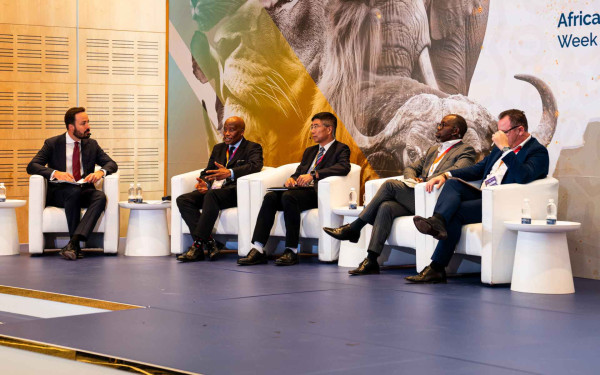
During a panel discussion titled ‘Optimizing Africa's Grid Capacity' at the African Energy Week: Invest in African Energies 2024 conference, Eskom's Transmission Group Executive, Segomoco Scheppers, highlighted the potential of the Electricity Regulation Amendment Act 38 of 2024 for South Africa and its neighboring countries.

This legislation will facilitate the establishment of a market operator in South Africa, creating opportunities for diverse players in the energy sector. “This shift signifies a transformative period in our industry as we adapt to new market dynamics,” he stated.

Despite having interconnections of 400 kV with neighboring countries, Scheppers acknowledged existing challenges. “Strengthening these connections is essential for enhancing regional cooperation and ensuring a reliable energy supply across borders. The reliance on thermal generation in the south, particularly to support countries like Zambia, underscores the need for stronger interconnections,” he explained.

Eskom is further embarking on an extensive domestic expansion program aimed at rapid development – an endeavor that also presents significant challenges. “Learning from global leaders in infrastructure development, particularly from experiences in China, could provide valuable insights into scaling our efforts efficiently,” Scheppers added.

Wang Wenan, Chief Representative, African Representative Office at the State Grid of China, discussed the successful completion of major projects, including the largest long-distance transmission project on the continent — a 500 kV DC line from Ethiopia to Kenya.

However, he noted that fostering private participation in energy projects remains a primary obstacle. “Engaging in dialogues about investment barriers and sharing best practices is crucial for unlocking potential growth in Africa's energy sector,” he emphasized.

Also speaking on the panel, Willy Ireri, Executive Director of Osprey Renewables, highlighted that while East Africa has abundant renewable resources such as wind, solar, and geothermal energy, access to reliable transmission infrastructure in this region also remained a critical challenge. “We are therefore committed to collaborate with state utilities and private investors to ensure that generated electricity reaches emerging green industries in the region,” he said.

With favorable legislation for private investment in transmission expected to be operational by 2025, Osprey Renewables aims to play a vital role in facilitating access to renewable energy for consumers.

“Our mandate at Osprey extends beyond generation; we actively engage across the entire value chain and we are seeing growing interest in green manufacturing and hybrid data centers,” Ireri added, noting that the Kenyan government has initiated proposals inviting independent transmission projects, signaling a positive shift toward increased private sector participation.

Power and Grid Segment President at Schneider Electric, Gary Lawrence, highlighted that a modernization of power grids was also needed. “The traditional grid was designed over a century ago for one-directional flow; today's needs require a bidirectional grid that allows seamless interaction between producers and consumer.”

The industry is balancing supply and demand effectively through initiatives such as collaborating with Egypt's Ministry of Electricity and Renewable Energy to develop distribution control centers that enhance grid intelligence and implementing distributed energy management systems in South Africa.

Distributed by APO Group on behalf of African Energy Chamber.

Media files
African Energy Chamber
Download logo
Read moreAfrica’s Energy Infrastructure Can Only Succeed with Enhanced Transmission
9 November 2024

Sewage Flows in Streets as KZN Township Faces Water Crisis

Location: News

For six months Sithembile township in Glencoe has been struggling with water shortages

Read moreSewage Flows in Streets as KZN Township Faces Water Crisis
8 November 2024

Imbizo a “demonstration of GNU at work”

Location: News

Imbizo a "demonstration of GNU at work"

President Cyril Ramaphosa has hailed the KwaZulu-Natal District Development Model (DDM) Presidential Imbizo as a powerful example of the Government of National Unity (GNU) in action. 

The President underscored the collaborative efforts of various political leaders to address pressing community issues. 

Addressing community members at the Umnini Sportsfield in Umgababa, the President said the imbizo was a fairly productive session. 

“As I end, I think we have held a fairly productive imbizo session. Today has been a clear demonstration of how our Government of National Unity is also working. I have Ministers from our various political parties that are part of the GNU. 

“I would like to thank them all and I want all the parties in the GNU to see the value of izimbizo. They are important because they enable us to interact with our people and hear their views, and answer their questions and at the same time, follow up on their issues that they have raised,” the President said. 

The Presidential Imbizo is a platform for communities to interact with government leaders from all three spheres of government on service delivery challenges, and for the executive to respond to the community on what they are doing to resolve those issues. 

Community members gathered at the Umnini Sportsfield raised issues such as crime, unemployment, the rising cost of living and matters concerning education. 

The South African Democratic Teachers Union asked President Ramaphosa to intervene on the issue of safety and security at KwaZulu-Natal schools, highlighting previous incidents where teachers were attacked, shot and killed at schools.

Before the Ministers took to the podium to respond to the above issues, President Ramaphosa apologised for the delayed start due to technical issues, stressing the need for better preparedness at such events.

Ministers in the GNU accompanying the President responded to the issues respectively and promised residents that they will follow up and provide solutions. 

Turning to the City of eThekwini municipality, the President also spoke about plans to rejuvenate Durban’s tourism sector, which has historically made the city the "holiday mecca" of South Africa. 

With tourism numbers currently in decline, President Ramaphosa expressed optimism for a revival through the planned reopening of key hotels like the Hilton and lease renewals for iconic establishments such as the Maharani and Elangeni.

“Durban has been the holiday mecca of our country. Many people from all over the country have always considered Durban when they needed to go on a holiday. 

“Tourisms in the province has gone down but the mayor has plans to revive big hotels such as the Hilton Hotel and the renewal of leases by Southern Sun of the Maharani and Elangeni Hotel.

“The business sector has pledged to invest billions of rands to revive tourism, so I am looking forward to the revival of tourism so that Durban can go back to being the jewel of South African tourism. It must once again become the mecca of tourism in SA,” the President said. 

Tourism Minister Patricia De Lille said that her department is working hard to rebuild the tourism sector in the province. 

“Tourism is a very important sector for this province. It is making a significant contribution to the GDP and economic growth of the province. The tourism sector has gone down in KZN, but we are working hard with the Presidential Task Team and the private sector to rebuild it.” 

The Minister said that she has already agreed with the KZN Premier that they will be meeting as a matter of urgency so they can see how they can work together with the plans of the province to do an aggressive marketing campaign to deal with all the negative perceptions around the province. 

“For the summer season, the department partnered with the private sector and already we have 440 private sector tourist attractions that are offering discounted deals for the summer season and I want to encourage all South Africans to look at the Shot left site and check the discounts,” de Lille said.

The President also drew attention to ongoing infrastructure challenges, particularly highlighting the partial collapse of a bridge on the N2 highway, which has disrupted local transportation. 

He expressed confidence in South African engineers, who have devised a plan to restore the bridge, calling it a testament to the country’s engineering expertise. 

“In the morning, I went to the N2 bridge that partially collapsed. The bridge is causing a lot of inconvenience for the people, as it is an important road on the N2," the President said. - SAnews.gov.za

DikelediM
Fri, 11/08/2024 - 19:08

78 views
Read moreImbizo a “demonstration of GNU at work”
8 November 2024

Food poisoning incidents managed at highest level, says President Ramaphosa

Location: News

Food poisoning incidents managed at highest level, says President Ramaphosa

President Cyril Ramaphosa has addressed the tragic deaths of children due to food poisoning, assuring the public that this issue is being addressed at the highest levels of government.

Speaking at the District Development Model (DDM) Presidential Imbizo at Umnini Sportfield in Umgababa, KwaZulu-Natal, the President led attendees in a moment of silence for the young lives lost in recent weeks.

In his address on Friday, President Ramaphosa highlighted government's serious approach to the matter. 

This wave of tragic incidents has left communities devastated.

The President expressed his heartfelt condolences to the families, recognising the profound grief of losing a child. He said government would take immediate action to prevent further loss of life.

“We have in the last few weeks lost a number of school children, who have died as a result of some chemical that has been found in the food or snacks that they have been eating and buying from Spaza shops. 

“This matter is being addressed at the highest level. It’s been raised by a number of parents and our people, and I fully understand the concern. We join these families who have lost their children. It is very painful for a parent to lose a child... We pass our condolences to them," the President said. 

He said he will fully address these matters to provide a clear direction and ensure that no further children die needlessly. 

“All these matters are going to be fully addressed this coming week, and I will be able to then make a statement on how we are going to deal with this matter to enable us to ensure that no further children die needlessly in our country. 

“So, this matter is being handled at the highest level, and we’ve got our various departments and agencies working around the clock. I’ve directed that I should get reports as soon as possible so that we can take action to prevent further deaths of the young people of our country,” the President said.

The President urged parents to remain vigilant, encouraging them to ensure their children consume food only from trusted and safe sources. 

“I will say to us as parents, let us take care and ensure that our children only get food from places that we regard as safe places, but we will be coming out with a clear directive and direction on this matter,” the President said.

The President said that police have already made arrests in connection with the storage of hazardous chemicals on premises selling food, and new regulations governing the licensing of spaza shops are being enforced.

“We are also looking at the matter form an agricultural point of view. I have directed [Agriculture] Minister Steenhuisen to do proper research with regards to these chemicals. The Minister of Police is also seized with this matter, and we are working around the clock to enable us to look very closely at the incidents that have been happening. 

The Minister of Health, the President said, is also seized with this matter and has requested a number of agencies to do testing of the various chemicals from a health point of view. – SAnews.gov.za

DikelediM
Fri, 11/08/2024 - 18:58

83 views
Read moreFood poisoning incidents managed at highest level, says President Ramaphosa
8 November 2024

KZN communities raise concerns at Presidential Imbizo

Location: News

KZN communities raise concerns at Presidential Imbizo

Crime, access to water and jobs have been raised as bugbears for communities in KwaZulu-Natal, the District Development Model (DDM) Presidential Imbizo heard on Friday.

Umlazi resident, Sizakele Mpanza, raised concern about the high crime rate in the area, appealing to the President to intervene.

“We are concerned about what is happening. We are living in fear… we can’t even send our children to the shops because we are afraid they will be robbed by these criminals,” Mpanza said.

Mpanza appealed for more police visibility in their community, as well as a satellite police station.

Mziwendoda Sikhakhane from Richards Bay told SAnews that if given a chance to speak to the President, he will ask the President to create more job opportunities, especially for young people.

“Our youth are roaming the streets doing nothing and yet they have qualifications. I am appealing to our government to create more job opportunities,” Sikhakhane said.

Sikhakhane also raised the provision of water as an important factor for communities.

“We are struggling in our community; we don’t have water. We struggle to get water, sometimes we go for days without water,” he said.

Sikhakhane and Mpanza are among the many community members attending the imbizo, which is led by President Cyril Ramaphosa at the Umnini Sportsfield in Umgababa.

Cabinet adopted the DDM in August 2019. The DDM is an integrated planning model for cooperative governance, which seeks to be an integrated, district-based, service delivery approach aimed at fast-tracking service delivery. It also seeks to ensure that municipalities are adequately supported and resourced to carry out their mandate.

Friday’s imbizo is the second DDM Presidential Imbizo under the Government of National Unity (GNU). The occasion provides the President, Ministers and KwaZulu-Natal provincial government officials an opportunity to listen to the concerns of communities and respond to them.

Lindiwe Dlamini from Umlazi, a nearby location, raised concern about the slow pace of service delivery.

“We have been waiting for too long. We kept on enquiring from the municipality but we are not getting answers. I am glad the President is here. We hope we are going to get answers today,” Dlamini said.

President Ramaphosa kicked-off the imbizo by visiting the N2 bridge, which partially collapsed earlier this week due to heavy rains.

Upon his arrival, the President was briefed about the damage by Transport Minister Barbara Creecy and the South African National Roads Agency SOC Ltd (SANRAL) officials, who said the bridge will be fixed and operational by next month.

After being briefed, President Ramaphosa and his entourage proceeded to Umnini Sportsfield, where communities were given a chance to express their concerns.

The DDM Presidential Imbizo is an important public participation platform that ensures the voices and perspectives of communities are heard to advance a participatory democracy.

The imbizo continues . – SAnews.gov.za

Edwin
Fri, 11/08/2024 - 14:41

4 views
Read moreKZN communities raise concerns at Presidential Imbizo
8 November 2024

Extortion poses serious threat to State and citizens, says Mashatile

Location: News

Extortion poses serious threat to State and citizens, says Mashatile

Deputy President Paul Mashatile says an economy grappling with extortion, controlled by "ruthless gangsters", poses a serious threat to both government and law-abiding citizens.

“We have also responded to a related question in the National Assembly, highlighting the urgent need for government to take decisive action to deal with extortion-related criminality,” Mashatile said on Thursday.  

The Deputy President was responding to questions in the National Council of Provinces (NCOP) relating to several critical issues impacting South Africa’s township and rural economies. 

The Deputy President quoted Police Minister Senzo Mchunu, who in September spoke about township economic sabotage in four provinces. These provinces include mainly Gauteng, KwaZulu-Natal, the Western Cape and Eastern Cape. 

“According to the Minister of Police, these provinces carry 73% of crime levels in South Africa. The gravity of these crimes alone, including extortion, are of serious concern to government, and must be dealt with immediately,” said Mashatile.

He announced that the South African Police Service (SAPS) has since initiated the signing of cooperative agreements with provincial and local governments, which include operational plans that will provide details on the integration of resources against crime.

In addition, Extortion and Kidnapping Task Force Forums have been established in all affected provinces, which involve all the relevant stakeholders, including private business.

On the implementation of measures to deal with sabotage of basic service delivery, such as water and sanitation, by “unscrupulous” owners of water tankers, the Deputy President said the Departments of Water and Sanitation and Cooperative Governance and Traditional Affairs have intervened. 

According to the Deputy President, the two departments are assisting struggling municipalities with water tankers as a short-term intervention, while bulk water infrastructure challenges are being resolved.

“In addition to the challenge of construction mafia, which is rife all over the country, we have received reports of unscrupulous owners of water tankers, who are interfering with service delivery initiatives in municipalities, thus extorting money to rent their services, and some selling water to vulnerable communities.” 

He stressed that the State was encouraged by the work of Community Policing Forums, whistleblowers and community members, who are actively involved in addressing service delivery-related acts of criminality and extortion across all provinces that have been identified as hotspots. 

“However, much more needs to be done to resolve this challenge,” Mashatile said.

Township economy

Meanwhile, the country’s second-in-command said government is dedicated to transforming apartheid spatial planning by investing in critical industries such as manufacturing to revitalise and create much-needed jobs in the communities where people reside. 

According to the Deputy President, the Department of Trade, Industry and Competition (dtic) has developed the Industrial Parks Revitalisation Programme (IPRP), aimed at renewing and reviving South Africa’s old and abandoned industrial parks and driving employment in the manufacturing sector in townships and rural economies. 

He explained that this programme aims to support State-owned industrial parks and identify enabling opportunities for local manufacturing and value addition in marginalised communities. 

The Deputy President also highlighted the State’s programmes to support Special Economic Zones (SEZs), which are aimed at expanding economic activity in underdeveloped parts of South Africa. 

To date, he said there are 11 designated SEZs, nine of which are being supported by the SEZ Fund, and have generated investments amounting to R19.6 billion. – SAnews.gov.za

Gabisile
Fri, 11/08/2024 - 09:38

138 views
Read moreExtortion poses serious threat to State and citizens, says Mashatile
8 November 2024

BMA to meet with Mozambican leadership on border post closure

Location: News

BMA to meet with Mozambican leadership on border post closure

The Border Management Authority (BMA) says it expects to start engaging with the Mozambican government following the closure of the Lebombo Border Post due to security concerns.

This amid protests owing to political tensions in that country, which have culminated in reports of vehicles being burnt on the Mozambican side of the border.

Speaking to media at the border post on Friday, BMA Commissioner Dr Mike Masiapato reiterated that the border remains closed at this stage.

“The status quo remains… where, the port is closed as we speak... We are [now] busy engaging with the Mozambicans to... make a determination about the way forward.

“The only difference is that the people here at the port, the leaders at the port levels, say that these issues are now getting more complicated, and they will not be able to make any significant determinations,” Masiapato said.

He advised travelers to use alternative ports to travel.

“We have advised them to use the Mananga port of entry. It is 60km from [Lebombo border post] and most taxi drivers have actually started doing that.

“[This] will enable them to enter into Eswatini and ultimately enter into Mozambique, so basically, those are Mozambicans trying to go back home. Th iiss the best we could have done.

“Once we have met with the people from [the Mozambique] side, we will be able to make a final determination,” he said.

Masiapato strongly advised South Africans not to travel into that country.

“South Africans are discouraged from planning any kind of travel into Mozambique, that is a very clear one. When talk about even a partial re-opening for the movement of persons, we are talking about Mozambicans who are going back home.

“We cannot keep them [Mozambicans] unless they want to be kept like the immigration officers that we kept here for their safety (sic). But for the ordinary Mozambicans who say ‘I want to go back home’, we should not necessarily continue to refuse them to do so.

“But for us to be able to do so, it must be an agreement between us and the Mozambicans primarily on their ability to receive them and to do border management activities on them – particularly immigration activities,” he said.

Masiapato said that on the Mozambican side, the BMA has not received any indication of South Africans “who are under siege”.

“The only issue that we had on Wednesday was the issue of the… South African trucks that were empty that wanted to come back.

“When we did a partial re-opening, all those trucks came back. We were also able to repatriate around six petroleum trucks that carry fuel and all of those. We had to take them out of… the Mozambican side because of the danger that such kind of trucks have,” Masiapato said. – SAnews.gov.za

NeoB
Fri, 11/08/2024 - 13:09

42 views
Read moreBMA to meet with Mozambican leadership on border post closure
8 November 2024

Ian Blose Was Suspended as an Attorney in 2022. Yet He Is Still a Practising Magistrate

Location: News

He was also charged in the 2010 “Amigos” corruption case

Read moreIan Blose Was Suspended as an Attorney in 2022. Yet He Is Still a Practising Magistrate
8 November 2024

Mashatile attends inauguration of the newly-elected President of Botswana

Location: News

Mashatile attends inauguration of the newly-elected President of Botswana

Deputy President Pual Mashatile is today attending the inauguration of President Duma Gideon Boko at the National Stadium in Gaborone, Botswana.

Boko was elected after the Umbrella for Democratic Change (UDC) successfully won the 30 October polls, defeating the governing party Botswana Democratic Party (BDP) which has been in power for 58 years.  

“The Deputy President is attending the inauguration as delegated by President Cyril Ramaphosa who, following the announcement of President Boko’s victory, congratulated him and reaffirmed South Africa’s commitment to working closely with Botswana, as a valued neighbour, to realise the regional integration agenda in pursuit of Africa’s prosperity,” a Presidency statement read.

According to the Presidency, South Africa and Botswana enjoy strong political, economic, and social relations, which date back to pre-independence in Botswana, during the struggle against colonialism and apartheid in South Africa. 

“South Africa wishes President Duma Boko and the Botswana government well in this democratic transition and looks forward to supporting the country’s efforts toward economic growth and prosperity,” said the Presidency, ahead of Friday’s inauguration.

According to the SABC, former President Thabo Mbeki and the Economic Freedom Fighters leader Julius Malema, are expected to be among the attendees. – SAnews.gov.za


Gabisile
Fri, 11/08/2024 - 10:07

18 views
Read moreMashatile attends inauguration of the newly-elected President of Botswana
8 November 2024

Court Bid to Block TotalEnergies Gas Project off West Coast

Location: News

Fishers and activists want government to reverse environmental authorisation

Read moreCourt Bid to Block TotalEnergies Gas Project off West Coast
7 November 2024

Afreximbank President Professor Benedict Oramah Receives Prestigious Mohammed Barkindo Lifetime Achievement Award

Location: News
Afreximbank

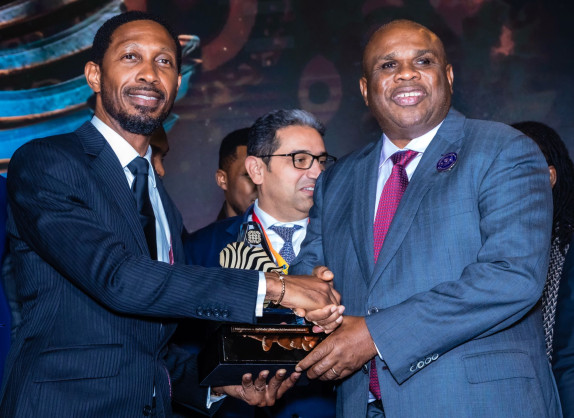
Professor Benedict Okey Oramah, President and Chairman of the Board of Directors at African Export-Import Bank (Afreximbank) (www.Afreximbank.com), has been awarded the prestigious Mohammed S. Barkindo Lifetime Achievement Award at the African Energy Awards, held on the sidelines of the African Energy Week (AEW) 2024: Invest in African Energy conference, happening between 4-8 November in Cape Town, South Africa.  

The award, named in honour of the former Secretary-General of OPEC, the late Dr Mohammed Barkindo, recognizes individuals who have made exceptional and lasting contributions to Africa's oil, gas, and energy sectors. This honour represents the highest accolade in African energy, awarded to individuals whose work has had a transformative impact on the continent's energy sector. Notable past recipient of the Mohammed S. Barkindo Lifetime Award in 2023 is Keith Hill, former President and CEO of Africa Oil Corp. 

For over three decades, Prof. Oramah has played a critical role in driving sustainable development across Africa by channelling essential funding into major oil, gas, and infrastructure projects. Since assuming leadership of Afreximbank in 2015, he has pioneered innovative financing structures that have democratised energy access and accelerated industrialization and the growth of Africa's strategically critical energy sector. 

Under Prof. Oramah's leadership, Afreximbank has made substantial contributions to the growth of Africa's energy sector. Under his stewardship, the Afreximbank has facilitated the mobilization of over USD 70 bn to support Africa's energy sector. Included in this is more than USD 5bn for refineries in Nigeria, Angola and Senegal, to further Africa's refined product independence and reduce the continent's Foreign Exchange drain.  

In Nigeria, Afreximbank now acts as Adviser and Settlement Bank for NGN denominated crude sales to Nigerian refineries. Replicated across the oil producing states in Africa, this will save several USD 100mn per annum in transactional charges alone. Ranking among President Oramah's most significant achievements is the historic signing of the Establishment Agreement and the Charter of the Africa Energy Bank (“AEB”) in Egypt in June 2024, in partnership with the African Petroleum Producers Organization (APPO). This landmark initiative aims to mobilize funding to support investments across Africa's entire energy system, aligning with the continent's energy needs and its environmental sustainability goals. 

Professor Oramah has led the energy transition agenda through the Bank's support in renewable energy transactions including, but not limited to, the EUR1.3 bn ECA import facility Project Gleam in support of the import of sonar panels for rural electrification in Angola, the EUR 147mn Government of Cameroon solar power project and the US$363 million Gasmeth Energy Rwanda gas extraction and processing project.  

Significantly, the majority of the above-mentioned transactions received numerous industry awards for their impact on the continent, their complexity and their unique structures.   

Prior to joining Afreximbank, Professor Oramah distinguished himself in international trade finance and development. Beginning his career at the Nigerian Export-Import Bank (NEXIM), he played an instrumental role in shaping Nigeria's export development strategies. Prof Oramah holds a Ph.D. in Agricultural Economics from Obafemi Awolowo University in Nigeria.  

Acknowledging the award, Prof. Oramah commented: 

“It is a great honour to be awarded the Mohammed S. Barkindo Lifetime Achievement Award. Whilst a great honour for me personally, this award reflects the work and dedication of many others, including my colleagues at Afreximbank and our various partners. At Afreximbank, we remain deeply committed to reducing energy deficit on the continent and ensuring we are self-sufficient. 

Distributed by APO Group on behalf of Afreximbank.

Media Contact: 
Mr Vincent Musumba 
Manager, Communications and Events (Media Relations) 
Email: press@afreximbank.com 

Follow us on: 
Twitter: https://apo-opa.co/4fwz0D3
Facebook: https://apo-opa.co/4emjUyg
LinkedIn: https://apo-opa.co/4feURPa
Instagram: https://apo-opa.co/3CjGevc

About Afreximbank : 
African Export-Import Bank (Afreximbank) is a Pan-African multilateral financial institution mandated to finance and promote intra-and extra-African trade. For 30 years, the Bank has been deploying innovative structures to deliver financing solutions that support the transformation of the structure of Africa's trade, accelerating industrialization and intra-regional trade, thereby boosting economic expansion in Africa. A stalwart supporter of the African Continental Free Trade Agreement (AfCFTA), Afreximbank has launched a Pan-African Payment and Settlement System (PAPSS) that was adopted by the African Union (AU) as the payment and settlement platform to underpin the implementation of the AfCFTA. Working with the AfCFTA Secretariat and the AU, the Bank is setting up a US$10 billion Adjustment Fund to support countries to effectively participate in the AfCFTA. At the end of December 2023, Afreximbank's total assets and guarantees stood at over US$37.3 billion, and its shareholder funds amounted to US$6.1 billion. The Bank disbursed more than US$104 billion between 2016 and 2023. Afreximbank has investment grade ratings assigned by GCR (international scale) (A), Moody's (Baa1), Japan Credit Rating Agency (JCR) (A-) and Fitch (BBB). Afreximbank has evolved into a group entity comprising the Bank, its impact fund subsidiary called the Fund for Export Development Africa (FEDA), and its insurance management subsidiary, AfrexInsure, (together, “the Group”). The Bank is headquartered in Cairo, Egypt. 

For more information, visit: www.Afreximbank.com 

Media files
Afreximbank
Download logo
Read moreAfreximbank President Professor Benedict Oramah Receives Prestigious Mohammed Barkindo Lifetime Achievement Award
7 November 2024

Treasury publishes operating budgets for municipalities

Location: News

Treasury publishes operating budgets for municipalities

National Treasury has published on its website the operating and capital budgets of municipalities, as adopted by their respective councils. 

“These budgets give an overview of expected revenue and expenditure trends in local government over the next three years, referred to as the 2024/25 Medium Term Revenue and Expenditure Framework (MTREF),” National Treasury said on Wednesday.

The revenue and expenditure numbers are aggregated from the annual budgets that municipal managers are legally required to submit to National Treasury and the relevant Provincial Treasury.

The published information is presented in a variety of ways, including aggregated municipal budget totals for the 2024/25 financial year and over the medium-term period. 

In addition, the information is presented per category of municipality and province. 

Highlights include:
•    The aggregated budgeted revenue for 2024/25 is R652.3 billion, which is expected to increase to R687.2 billion in 2025/26 and R728.7 billion in 2026/27.
•    Total municipal expenditure in 2024/25 is estimated to be R649.9 billion, increasing to R682.7 billion in 2025/26 and R720.4 billion in 2026/27. Total expenditure for 2024/25 is 6.2% higher than the adopted budget for 2023/24 financial year.
•    It is notable that aggregate municipalities will realise operating deficits on the operating budgets in the 2024/25 financial year, as the total operating expenditure increases at a higher rate than the revenue projections. This is an indication that municipalities are living beyond their means and a first sign of financial challenges. However, the situation is projected to improve in the outer years of the 2024/25 MTREF, as operating surpluses will be realised.
•    A net deficit of R2.1 billion is projected in the 2024/25 financial year, after considering revenue from external loans and internally generated funds. This is an improvement compared to a deficit of R9.3 billion in the 2023/24 adjusted budget and will result in a net surplus of R520.4 million in 2025/26 and R4.3 billion in 2026/27.
•    The main cost drivers are employee related costs and materials, and bulk purchases, representing 26.9% and 34.5% of the operating expenditure, respectively. Municipalities are experiencing a two-fold impact of the high electricity and water tariff increases; lower sales levels owing to changes in consumption patterns and increased bad debt as a result of affordability pressures.
•    Capital expenditure increased by 1.8% to R77.4 billion in 2024/25, compared to the original budget for the 2023/24 financial year. The percentage of capital expenditure to total expenditure is declining over the MTREF period. Capital expenditure represented 12.4% of the total expenditure in 2023/24 and is projected to decrease to 11.9% in 2024/25 and further to 10% in 2026/27.
•    Trading services represent 51.5% of the total capital expenditure of R77.4 billion in 2024/25; increases to 51.9% in 2025/26 and to 54.3% in 2026/27.
•    The 2024/25 capital expenditure budget reflects a R47.1 billion investment in new infrastructure,which is 60.8% of the total aggregated capital budget. Investment in the renewal and upgrading of existing assets is much lower at R13.3 billion (17.2%) and R17 billion (22%) of the total capital budget respectively.
•    Reporting on operational repairs and maintenance figures has been institutionalised as part of Section 71 in-year reporting. Municipalities allocated R33.9 billion to repairs and maintenance of assets in 2024/25. This will increase to R35.6 billion in 2025/26 and to R37.1 billion in 2026/27.

National Treasury publishes Local Government MTREF information on an annual basis. 

“Regularly published budget information enables communities to hold their municipal councils to account. The information is also used by National Treasury as the basis for the In-Year Management, Monitoring and Reporting System for Local Government (IYM). 

“The Section 71 reports published by National Treasury give an account of actual revenue collection and spending by municipalities, per quarter, against their budgeted figures,” National Treasury said.

All this information feeds into Municipal Money -- the open local government data portal -- which can be accessed as follows: www.municipalmoney.gov.za. 

In addition, the Municipal Money time series data can be accessed directly from http://municipaldata.treasury.gov.za. 

A new development that facilitates transparency is the GoMuni portal, which can be accessed on https://lg.treasury.gov.za/ibi_apps/signin by clicking on the public access tab. -SAnews.gov.za

nosihle
Thu, 11/07/2024 - 09:17

572 views
Read moreTreasury publishes operating budgets for municipalities
7 November 2024

Investing in tech key to improving life for people with disabilities

Location: News

Investing in tech key to improving life for people with disabilities

Women, Youth and Persons with Disabilities Deputy Minister, Mmapaseka Steve Letsike, has emphasised the need to invest in the promotion of new technologies and the advancement of assistive technologies to improve the quality life for people with disabilities.

“We must invest in research and development of affordable and accessible technologies that aid communication, mobility and access to information,” Letsike said.

Letsike made the call at the Information and Communication Technologies (ICT) symposium in Umgababa, south of Durban, as part of the build-up to the District Development Model (DDM) Presidential Imbizo that will take place on Friday.

Collaboration between government, private enterprises, academic institutions and organisation of and for people with disabilities, can foster innovation in the ICT field, ensuring that people with disabilities can benefit from the rapid pace of technological progress, the Deputy Minister said.

“This includes promoting digital accessibility and ensuring that emerging technologies, such as artificial intelligence and automation, are designed with inclusivity in mind. Our emphasis is on a fundamental shift in how we view persons with disabilities, away from the individual medical perspective, to a human rights and developmental perspective.

“It is with this understanding in mind that we affirm supporting autonomy and independent living by promoting policies that enable access to community-based services, personal assistance, and affordable, adaptable housing,” Letsike said.

The Deputy Minister noted ICT's significant contribution to the advancement of disability rights, offering tools that enhance accessibility, inclusion and independence for individuals with disabilities.

Letsike maintained that ICT is not just "a set of tools", but a bridge to a more inclusive, accessible and fair world for people with disabilities.

“By supporting accessible technology, promoting inclusive policies, and advocating for the rights of all, we can continue to break down barriers and build a society that truly values each individual’s unique abilities,” she said.

Reformed social protection scheme

Letsike highlighted the need for a reformed social protection scheme to provide financial support, which will allow individuals with disabilities to live independently, make personal decisions about their care and avoid institutionalisation, where possible.

“This also entails removing barriers to education and employment, enabling persons with disabilities to contribute to society in ways that promote self-sufficiency and empowerment. 

"We must remember that human rights are universal principles that protect every individual’s dignity, freedom and equality. They are not privileges or special considerations but inherent to every person simply because they are human,” Letsike said.

Disability Rights Awareness Month

The symposium coincided with Disability Rights Awareness Month (DRAM), observed from 3 November to 3 December.

Held under the theme, “Celebrating 30 Years of Democracy: Creating a Disability-Inclusive Society for a Better Quality of Life and Protection of the Rights of Persons with Disabilities”, this year’s DRAM reflects on government’s commitment to creating a barrier-free society, where people with disabilities are full and active participants in the country’s economy and society at large.

Each week of DRAM is linked to national strategic priorities and the White Paper on the Rights of Persons with Disabilities.

During week one of DRAM, focus will be on growing an economy aligned with the empowerment of persons with disabilities. Week two advocates for the inclusion of every child with a disability. Week three builds a working government with a progressive disability rights agenda, and week four focuses on creating safer communities for persons with disabilities.

“We hope that each one of us, in our respective corners where we operate, will do our bit toward raising awareness on the rights of persons with disabilities during this period,” Letsike said. - SAnews.gov.za

GabiK
Thu, 11/07/2024 - 15:12

69 views
Read moreInvesting in tech key to improving life for people with disabilities
7 November 2024

SA’s G20 Education Working Group Presidency to focus on skilling young people 

Location: News

SA’s G20 Education Working Group Presidency to focus on skilling young people 

South Africa’s G20 Education Working Group Presidency will focus on equipping young people with skills for the Fourth Industrial Revolution. 

Basic Education Minister Siviwe Gwarube said this includes training in artificial intelligence (AI) and robotics.

The Minister gave details of her recent visit to Fortaleza, Brazil, where she accepted the handover of the 2025 Presidency of the G20 Education Working Group on behalf of South Africa.

“This is a historic moment for our nation, and it places South Africa at the center of the global education agenda for the coming year. The G20 Education Working Group is a powerful platform for collaboration, bringing together some of the world’s leading economies to address the most pressing issues in education today.

“Under our presidency, we will focus on ‘Educational Professionals for Solidarity, Equality and Sustainable Development," she said at media briefing on Wednesday.

This she added, reflects the country’s commitment to advancing education in a way that supports economic growth, social equity, and a future-ready workforce. 

These priorities include quality foundational learning, mutual recognition of qualifications across borders, and the development of educational professionals equipped to meet the needs of a rapidly changing world. 

“Each of these areas is critical not only for South Africa but for developing nations around the world, as we all prepare our learners for the challenges and opportunities of an AI-powered future.

“Our presidency will emphasise the importance of preparing our young people with the skills needed for the Fourth Industrial Revolution, including artificial intelligence, large language models, robotics, and other emerging technologies,” Gwarube said. 

In an era defined by rapid technological change, Gwarube said it is essential that education systems adapt and evolve to equip learners with relevant, future-ready skills. 

Through the G20 platform, she said the sector aims to foster greater international cooperation, allowing them to share best practices, resources, and innovations that support this goal.

“One of the key goals of our presidency will be to advocate for an inclusive and equitable approach to education that reflects the diverse needs of all learners. We will prioritise the voices and perspectives of developing nations, ensuring that the G20 Education Agenda aligns with the aspirations of learners worldwide. 

“By addressing the challenges faced by resource-constrained regions, we can create an educational framework that leaves no learner behind. We believe that every young person deserves the chance to succeed in a world that increasingly relies on digital and technological proficiency,” the Minister explained adding that this leadership role is both a responsibility and a tremendous opportunity for South Africa. 

“As a country, we are committed to advancing education that is not only accessible but transformative education that empowers individuals, supports communities, and drives sustainable development. 

“By taking on this role, we are not only supporting South African learners but contributing to a global movement that prioritizes the growth, safety, and wellbeing of all children,” she said. 

As the country steps into the presidency of the G20 Education Working Group, the Minister said: “We are reminded of the immense potential for education to change lives, drive innovation, and build a resilient, future-ready nation. 

“I look forward to engaging with our global partners and advancing an agenda that will equip our learners and learners around the world for the demands of tomorrow,” she said.

South Africa will hold the G20 Presidency from 1 December 2024 to 30 November 2025.

READ | Government assigns funding for G20 Summit

The G20 brings together the countries with the largest economies in the world. The Member States meet annually to discuss economic, political and social initiatives. – SAnews.gov.za


DikelediM
Wed, 11/06/2024 - 15:36

124 views
Read moreSA’s G20 Education Working Group Presidency to focus on skilling young people 
7 November 2024

Sports Day for Learners With Disabilities in Cape Town

Location: News

The event in Gugulethu marked the start of Disability Rights Awareness Month which runs until 3 December

Read moreSports Day for Learners With Disabilities in Cape Town
7 November 2024

KZN a hive of activity ahead of Presidential Imbizo

Location: News

KZN a hive of activity ahead of Presidential Imbizo

The province of KwaZulu-Natal has been a hive of activity ahead of the District Development Model (DDM) Presidential Imbizo taking place on Friday.

Ministers, Deputy Ministers and provincial government officials have been visiting various communities to check on service delivery deliverables.

Friday’s DDM will be held in conjunction with South Africa’s 30 years of freedom and democracy celebrations.

On Wednesday, Deputy Minister in the Presidency, Kenny Morolong, visited the Old Prison in Pietermaritzburg, the nearby Passenger Rail Agency of South Africa (PRASA) train station and the Nelson Mandela Capture site in Howick.

Addressing locals in Pietermaritzburg, Morolong said that as the country celebrates 30 years of democracy, it is also reminded of its painful past.

“We share our appreciation to those who laid their lives for our democracy. We convey our appreciation to the families of those who laid [down] their lives for democracy. We are reminded of our men who were brave and able to face the then apartheid regime. We are reminded of Nelson Mandela and others who stood firm and face[d] the apartheid regime so we could enjoy our democracy today.”

He emphasised the importance of preserving the Old Prison’s (which has been declared as an official heritage site) history for future generations.

According to Project Gateway, the prison houses “both a National Monument and a museum documenting some of South Africa’s diverse history."

“The Old Prison dates back to Voortrekker times, with more than 160 years of history, including the Colonial times, Apartheid, the Liberation Struggle, the Political Struggle and ultimately to the dawn of democratic South Africa in 1994,” said Project Gateway.

“Today we are a nation proud of its democracy. Today we are proudly celebrating 30 years of democracy. But we should not forget that our democracy did not come cheap. Sacrifices were made to achieve our democracy.

“We are also reminded of those women who were brave who fought for our democracy. We should be proud of our democracy. We should be proud of our government which is taking care of its people,” Morolong said.

Meanwhile, representative of the Ghandi Foundation, David Gangen, spoke passionately about events which led to South Africa’s democracy.

Gangen said what happened to Ghandi was the beginning of South Africa’s democracy.

“So having come to SA to fight a case, [Mahatma Ghandi]  was to stay for 21 years, during which time he established the first formal political structure in SA in 1894, the Natal Indian Congress (NIC). 

“The NIC celebrates its 130th anniversary this year. It was during this time that he experimented with truth and developed the core tenets of his philosophy in all aspects of life,” Gangen said.

Mayor of Ungungudlovu, Nzi Zuma Nxamalala, said he appreciated the visit by the Deputy Minister.

“As we do in our work, we keep on reflecting back to remind ourselves of our past. We appreciate being part of the celebrations [of] our democracy,” Nxamalala said.

On Tuesday, the Deputy Minister and a delegation visited the Open Gate Special School, a school with special educational needs for the disabled.

The visit to the school coincides with the commemoration of Disability Rights Awareness Month (DRAM) which is observed from 3 November to 3 December 2024.

The Deputy Minister also visited households that benefitted from Set-Top-Box installations and mobilised qualifying community members to apply for the set top boxes.

President Cyril Ramaphosa is expected to lead the second DDM Presidential Imbizo under the Government of National Unity (GNU), in Umgababa, at the Umnini Sportsfield in Ward 98 on Friday.

Cabinet adopted the DDM in August 2019.

The DDM is an integrated planning model for cooperative governance which seeks to be a new integrated, district-based, service delivery approach aimed at fast-tracking service delivery. It also seeks to ensure that municipalities are adequately supported and resourced to carry out their mandate. – SAnews.gov.za


Edwin
Wed, 11/06/2024 - 15:51

72 views
Read moreKZN a hive of activity ahead of Presidential Imbizo
6 November 2024

AEW 2024 Hydrogen Summit Highlights Collaboration as Key to Investments

Location: News
African Energy Chamber

Africa's abundant energy potential, coupled with Europe's ambitious production and import goals, have resulted in the development of a burgeoning global green hydrogen economy. Africa currently has 125 GW of hydrogen capacity with major contributors including Egypt, Mauritania, South Africa, Morocco, Namibia and Kenya – a group of nations that form part of the Africa Green Hydrogen Alliance group.

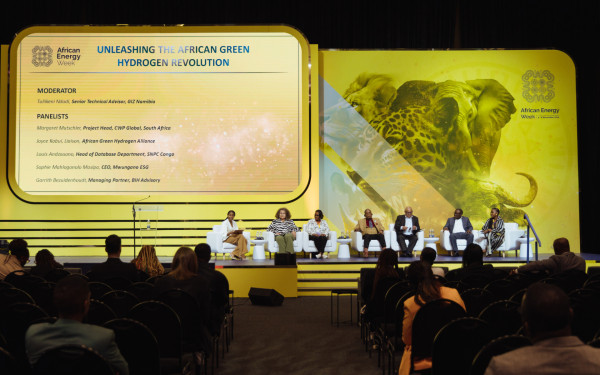
A dedicated panel session titled, Hydrogen Summit: Unleashing the African Green Hydrogen Revolution, at this year's African Energy Week: Invest in African Energies 2024 conference explored the significant role that hydrogen plays in the future of African energy. The panel noted that the EU market represents the largest commercial opportunity for hydrogen projects on the continent, with international collaboration being highlighted as a key strategy towards driving the sector forward.

“We need to see more countries establish key terms to create a platform for knowledge sharing,” stated Africa Green Hydrogen Alliance liaison Joyce Kabui, adding, “The support here depends on the scale of collaboration in the green hydrogen space.”

Mauritania has emerged as one of the world's top green hydrogen investment destinations. The country has effectively captured 1.5% of the global hydrogen market with 3 of its major hydrogen developments – the 30 GW AMAN development, 35 GW Megaton Moon project and 10 GW Project Nour development by renewable energy developer Chariot Energy Group, which collectively contribute to the country's objective of producing 12.5 million tons of green hydrogen annually by 2035.

“In Mauritania, we've managed to prove renewable resources and understand energy profiles available from natural resources to supply the value chain,” stated CWP Global Vice President of Project Development Africa, Margaret Mutschler, adding, “We've conducted environmental studies and baseline studies in countries like Mauritania that is relevant in other countries as well.”

Meanwhile, South Africa's government has recognized green hydrogen as a key aspect of the country's just energy transition. It has introduced the Hydrogen Society Roadmap to serve as the industry's framework to facilitate large-scale investments in the sector.

“If you look at hydrogen as a source, it's underpinned by the hydrogen roadmap that the government has begun to drive,” stated General Manager of Energy Projects at South Africa's state-owned Central Energy Fund, Sifiso Msabala. “There is a focus on hydrogen in this country and we understand the issues that are inhibiting progress. We know that South Africa is a great country to contribute to the global hydrogen industry.”

Louis Andzouono, Head of Database Department at the Republic of the Congo's state-owned Société National des Pétroles du Congo (SNPC), expressed his country's commitment to driving a sustainable green hydrogen sector. The parastatal company received authorization from the government last year to explore the development of a green hydrogen market in the country.

“The SNPC is confident that its promotion of green hydrogen will succeed and thrive,” Andzouono stated, adding, “We assume the missions and projects of the state will guarantee a serene future for the Congolese people through structure and eco-friendly projects.”

The panelists noted that supportive policies and international collaboration will bolster Africa's green hydrogen economy, potentially attracting investments and improving resource capacity.

Distributed by APO Group on behalf of African Energy Chamber.

Media files
African Energy Chamber
Download logo
Read moreAEW 2024 Hydrogen Summit Highlights Collaboration as Key to Investments
6 November 2024

Mashatile chairs inaugural meeting of newly appointed Human Resource Development Council

Location: News

Mashatile chairs inaugural meeting of newly appointed Human Resource Development Council

Deputy President Paul Mashatile has stressed the importance of reigniting efforts to drive human resource development initiatives, so as to urgently tackle the three critical challenges of unemployment, poverty and inequality.

The Deputy President was speaking as the Chairperson of the Human Resource Development Council (HRDC), where he led the inaugural meeting of the newly appointed council on Tuesday.

The newly appointed HRDC members include representatives from government, organised labour, organised business, as well as civil society.

According to the Deputy President’s office, the council’s main strategic mandate is to advise government on initiatives to develop the necessary skills to meet labour market demands over the next five years, ending in 2029.

“We look forward to your invaluable contribution and are convinced that your unique talents, abilities, and experiences will further assist to re-energise efforts to realise the strategic goals of the HRDC,” Mashatile said.

The meeting received presentations on the reconceptualised HRD Strategy and the Master Skills Plan, which will anchor policy documents for all human resource development interventions in the country.  

The plan outlines four strategic, outcome-oriented goals. These include enhancing early learning and educational outcomes, as well as increasing the employability of youth, who are not engaged in education, employment, or training (NEET).

The plan also highlights the need to enhance the responsiveness of the Post-School Education and Training (PSET) system to skill demands and improve governance, leadership and management within the public sector.

In addition, the meeting received updates on the establishment of the Just Energy Skills Forum, which is aimed at contributing to the transformation of the energy landscape in the country, in line with the dictates of climate change.  

This follows the commitment made by government to launch the Just Energy Transition (JET) Investment Plan 2023-2027 in 2022, where President Cyril Ramaphosa mandated the Presidential Climate Commission to engage with various key stakeholders in developing common approaches for South Africa.

A key element for the implementation of the JET Skills Portfolio is the establishment of a National Skills Advisory Forum, which is planned to be launched at the 5th HRDC Summit scheduled to take place this month.

The 5th HRDC Summit will bring together civil society groups, government, labour and business to deliberate on critical skills challenges facing the country.

The summit’s theme will focus on developing the emotional, intellectual and technical capabilities needed to succeed. The gathering will also touch on the reconceptualised HRD Strategy and the Master Skills Plan, as well as the launch of the JET National Skills Advisory Forum.

The summit will also discuss building foundations for learning and skills for a transformed economy, as well as building a capable State.

The HRDC is a national, multi-stakeholder advisory body chaired by the Deputy President and managed by the Ministry of Higher Education and Training.

The HRDC was established in 2010 to facilitate conditions that promote the optimal participation of all stakeholders in the planning, stewardship, monitoring and evaluation of HRD activities in the country.

One of the council’s key responsibilities is to build the HRD base required to ensure a prosperous and inclusive South African society and economy, focusing on the development of strategy. – SAnews.gov.za

Gabisile
Wed, 11/06/2024 - 10:48

346 views
Read moreMashatile chairs inaugural meeting of newly appointed Human Resource Development Council
6 November 2024

Arts and creative industries can drive behavioural change

Location: News

Arts and creative industries can drive behavioural change

The arts and creative industries hold the unique power to build empathy and drive behavioural change, says Deputy Minister in the Presidency responsible for Women, Youth and Persons with Disabilities, Mmapaseka Steve Letsike.

Letsike was speaking at a stakeholder engagement on the empowerment of women, youth and people with disabilities held at The Playhouse Company in Durban on Tuesday.

Held under the theme: “Addressing social ills through the creative industry”, the stakeholder engagement addressed the creative industry as a vehicle to highlight the impact of violence against people with disabilities, sex workers, lesbian, gay, bisexual, transgender, queer/questioning, and intersex (LGBTQI) individuals, and women and children, among others.

The engagement demonstrated other opportunities available to address gender-based violence and femicide (GBVF) in the communities through sports, arts and culture.

In her address, Letsike said the arts and creative industries hold the unique power to influence social consciousness, build empathy and drive behavioural change.

“Music, theatre, visual arts and storytelling can reach the hearts and minds of audiences, raising awareness and influencing behaviour in ways that traditional methods sometimes fall short of achieving. 

"The creative industry also plays a vital role in educational prevention and intervention by using different art forms as vehicles for teaching respect, empathy, and non-violence,” Lestsike said.

Letsike said producing artworks that convey the harsh realities of discrimination and creating powerful theatre productions that depict stories of resilience, the arts can foster crucial conversations around what it means to be a healthy society and nation.

She said the arts can shift societal mindsets and challenge outdated norms that perpetuate violence and discrimination against women, girls and LGBTQIA+ people.

“In this way, the industry becomes not just observers but active participants in reshaping the narrative of our nation. Further, the wide reach of the creative arts fraternity offers long-term, comprehensive, adaptable, context-specific, and holistic approaches to prevention that target all people living in South Africa through its messaging,” Letsike said.

The Deputy Minister underscored the need for citizens to adopt an all-of-society approach, where every individual, community and institution takes an active role toward addressing the country’s social challenges.

She said every South African must understand that ending social challenges is a national obligation for all.

“This is the message that must be carried far and wide by the cultural and creative industries,” the Deputy Minister said.

Letsike encouraged every individual in the industry to continue their “astounding” work that touches the hearts and minds of the nation, and has the potential to turn the tide against violence directed at women, children, LGBTQIA+ people and people with disabilities, and eliminate the social acceptance of all forms of discrimination.

Continues to address GBVF

Letsike said government continues with efforts toward addressing GBVF through the implementation of the National Strategic Plan (NSP) on GBVF.

“The NSP represents our unified, multi-sectoral approach to addressing this scourge across all levels of society. We have also launched the National Comprehensive GBVF Prevention Strategy, which broadens the scope of our interventions and places particular focus on preventive measures to stop GBVF before it starts.

“To date, these frameworks have led to the establishment of improved survivor support services, enhanced legal frameworks, and strengthened partnerships with civil society and the private sector. 

"We continue to work closely with our partners, including community organisations and faith-based groups to ensure that our interventions reach every corner of society,” the Deputy Minister said.

The event was held as a build-up to the District Development Model Presidential Imbizo that will take place on Friday, where President Cyril Ramaphosa will assess service delivery and engage with the people at Umnini Sports Field in Umgababa, south of Durban. – SAnews.gov.za

GabiK
Wed, 11/06/2024 - 11:27

234 views
Read moreArts and creative industries can drive behavioural change
6 November 2024

Mastering Farm-In and Farm-Out Agreements – Key Insights from AEW 2024

Location: News
African Energy Chamber

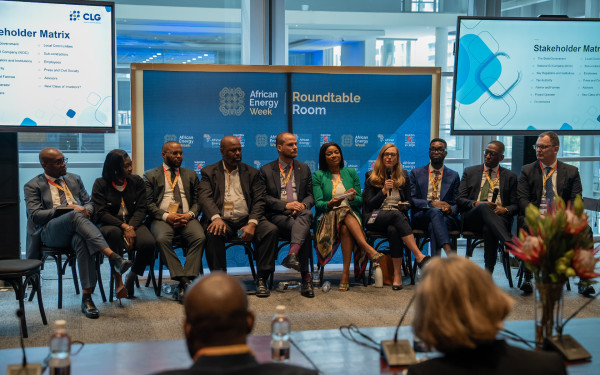
A panel of experts at Africa Energy Week (AEW): Invest in African Energies 2024 emphasized the critical importance of stakeholder engagement and legal considerations in farm-in and farm-out agreements during a workshop titled, ‘Mastering Energy Investment Transactions in Africa'.

Moderated by Zion Adeoye, CEO and Managing Partner of CLG on Monday at the AEW: Invest in African Energies 2024 pre-conference session, the panellists shared insights into essential contractual arrangements in the oil and gas industry for facilitating exploration and development activities and allowing companies to share resources, risks and expertise.

Speaking during a Mastering Energy Investment transaction in Africa: a critical guide for general counsel masterclass, Jude Kearney, managing partner of Asafo & Co noted that there were several critical factors that played a role in allowing for meaningful engagement in farm-in farm-out agreements. “There are literally a thousand considerations a farmor or farmee must make before entering a transaction, but they must realize that they are not alone in their decision-making.”

“It is crucial to engage with local stakeholders – government, prospective service providers, potential employees – early to understand the market dynamics and expectations. This includes assessing local content requirements and corporate social responsibility expectations. The government is your ultimate stakeholder, as they hold the authority to approve or deny transactions,” Kearny added.

Participants underscored the necessity of thorough legal due diligence before entering negotiations. This includes understanding local laws, tax obligations and regulatory requirements to avoid potential pitfalls. Grace Yella, CLG director for tax and legal in Cameroon, emphasised starting with due diligence to lobby for favourable responses from government administrations.

Kearny concurred, “Consider policies that exist in some of the countries, such as Nigeria and South Africa, which have very strong local content regulations. If you are not aware of these regulations, and  have not considered them, then your contract is not perfect,” he added.

CLG Equatorial Guinea managing partner Manuel Oliveira agreed, adding that meeting these regulations were no longer a box-ticking exercise. “Local content is critical for these transactions, there are obligations regarding training local people and to give opportunities to local entities to participate in the economy,” he said, adding that local advisors were also able to navigate the complexities of legislation of this nature.

Tax considerations were also a focal point of the discussion. Daoudou Mohammad, Congo director of CLG, noted that understanding tax obligations is crucial, especially as regulations can change rapidly. Engaging tax consultants early could ensure compliance and identify potential exemptions.

As case study, Mohammad cited the oil and gas taxation decree in the Republic of the Congo having undergone several revisions, which significantly impacts how companies approach their investments and compliance strategies. In 2001, a decree was issued that provided tax exemptions for oil and gas activities, which were included in the terms and conditions of various contracts.

However, subsequent changes in government policy led to the issuance of a new decree that made these activities taxable. This shift raised concerns among investors about the stability and predictability of the regulatory environment. The decree was later suspended following constructive dialogue between government officials and tax operatives, indicating a willingness to find a compromise between government revenue needs and the interests of oil and gas entities.

Similarly, changes in Ghana's oil and gas laws that affected previously favourable tax terms have also changed. “The new Production Sharing Contract focuses more on tax implications than legal terms, highlighting the need for tax experts to be involved in negotiations to avoid unexpected costs,” said Onyeka Ojogbo, CLG deputy managing partner.

“This evolving nature of tax regulations necessitates that companies remain vigilant about compliance to avoid unexpected liabilities, especially given that VAT is now applicable to oil and gas companies, although some activities may still be exempt,”  concluded Mohammad.

Distributed by APO Group on behalf of African Energy Chamber.

Media files
African Energy Chamber
Download logo
Read moreMastering Farm-In and Farm-Out Agreements – Key Insights from AEW 2024
  • Previous
  • Page 1
  • Interim pages omitted …
  • Page 90
  • Page 91
  • Page 92
  • Page 93
  • Page 94
  • Interim pages omitted …
  • Page 210
  • Next

Copyright © 2026 · MyZA · All Rights Reserved · Powered by Stratlec Online