• Skip to main content
  • Skip to header right navigation
  • Skip to after header navigation
  • Skip to site footer
MyZA

MyZA

News, Directory, Events and Other Stuff

  • Social Media
  • Sport
  • World News
  • Home
  • Submit News
  • Directory
  • Events
  • Stratlec
  • TFSA
  • News
    • APO
    • Today’s Sport News
    • Todays Social Media and Tech Headlines
    • Today’s World News
    • Today’s SA Financial News
  • Contact
You are here: Home / Archives for green

green

2 May 2025

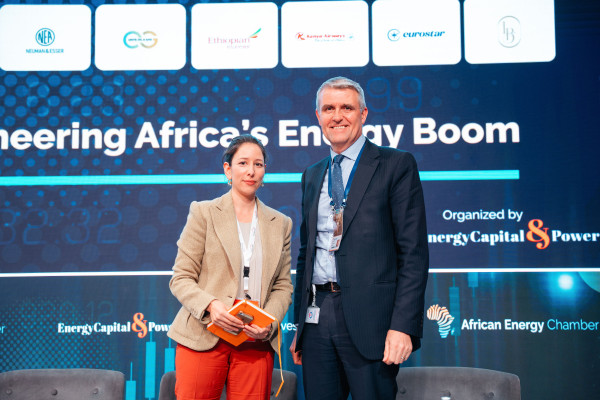
AMW 2025 to Host Africa-Europe Mining Cooperation Dialogue

Location: Business

Energy Capital & Power
Download logo

As home to 30% of the world's critical minerals – resources essential to Europe's Green Deal and broader energy transition goals – Africa is attracting heightened interest from European investors and institutions.

Taking place from October 1–3, 2025 in Cape Town, African Mining Week – the continent's premier mining event – will host the Europe-Africa Roundtable under the theme, European Partnerships in African Mining: A Mutually Beneficial Future. The roundtable will convene mining stakeholders, policymakers and investors from both continents to explore investment opportunities and foster cross-continental collaboration.

As Africa seeks to mobilize new capital to drive industrial growth through mining, European-based companies are playing a pivotal role. British multinational Anglo American is advancing copper, nickel, coal and diamond projects in South Africa, Botswana, Zambia and Nigeria. Glencore, headquartered in Switzerland, maintains major coal, copper and cobalt operations in South Africa and Botswana, while the UK's Rio Tinto is engaged in a range of mineral ventures across the continent.

Europe's junior and mid-tier mining firms are also gaining ground. Pensana is developing Angola's first rare earths mine at Longonjo, which is expected to meet 5% of global demand for magnet rare earths. Endeavour Mining is leading several gold expansion projects across the continent, including the Lafigué Gold Mine in Ivory Coast, Sabodala-Massawa in Senegal and Kalana in Mali.

Beyond the private sector, the European Commission is also backing strategic infrastructure to unlock mineral corridors. Notably, it is co-financing the Lobito Corridor, which links the DRC, Zambia and Angola to global markets. Through frameworks such as the Global Gateway Africa-Europe Investment Package, the Africa-EU Partnership on Sustainable Raw Materials, and Strategic Partnerships on Critical Raw Materials, Europe is delivering financial backing and technical know-how to Africa's mining sector. These efforts aim to secure reliable, responsible and diversified mineral supply chains while fostering sustainable development and value addition on the African continent.

Within this context, AMW 2025 offers a vital platform to sustain this momentum, deepen cooperation and forge new partnerships that advance mining-led growth. From major investments by European mining giants to infrastructure financing through the Lobito Corridor, Africa is attracting unprecedented levels of capital and collaboration. The Europe-Africa Roundtable will spotlight opportunities across critical minerals, gold, copper and rare earths, while promoting sustainable practices and mutually beneficial engagement.

Distributed by APO Group on behalf of Energy Capital & Power.

About African Mining Week: 
African Mining Week serves as a premier platform for exploring the full spectrum of mining opportunities across Africa. The event is held alongside the African Energy Week: Invest in African Energies 2025 conference from October 1-3 in Cape Town. Sponsors, exhibitors and delegates can learn more by contacting sales@energycapitalpower.com.

Read moreAMW 2025 to Host Africa-Europe Mining Cooperation Dialogue
24 April 2025

AMW to Spotlight Investor Strategies Driving Africa’s Mineral Industrialization

Location: Business

Energy Capital & Power
Download logo

African Mining Week (AMW) – taking place from October 1–3, 2025, in Cape Town – will connect global investors with high-impact opportunities across Africa's mining sector, spotlighting the strategies fueling the continent's mineral industrialization.

A key highlight of the event will be a high-level panel, The Investor Perspective: Financing Africa's Mineral Industrialization. The session will explore the evolving investment landscape and examine diverse financing mechanisms – including bank loans, private equity, venture capital and impact investing – that are mobilizing capital into African mining.

DFIs Drive Infrastructure Investments

Attracted by strong returns and Africa's long-term growth potential, development finance institutions (DFIs) are ramping up investments into the continent's mining infrastructure. In March 2025, the African Development Bank approved a $150 million loan to Mauritania's state-owned mining company SNIM and committed $500 million to the Lobito Corridor – a strategic railway project linking Angola, the DRC and Zambia to international markets. Meanwhile, the Africa Finance Corporation (AFC) is backing several critical mineral projects, including Nyanza Light Metals' $780 million PGMs facility in South Africa, Gecamines' expansion in the DRC, Giyani Metals' manganese development in Botswana and FG Gold's project in Sierra Leone. Between 2014 and 2024, AFC invested over $1 billion into Africa's mining sector. The U.S. International Development Finance Corporation (DFC) is also deepening its commitment, providing more than $750 million toward the Lobito Corridor, $34 million for Pensana's Longonjo rare earths project in Angola and $3.2 million to Chillerton's green copper development in Zambia.

Geopolitics and African Prospects

Geopolitical shifts are intensifying the global race for Africa's critical minerals, vital for the energy transition and digital economy. From 2019 to 2023, companies from the United Arab Emirates committed over $110 billion to African projects. In early 2025, UAE-based Ambrosia Investment Holding acquired a 50% stake in Allied Gold's projects in Ethiopia and Mali, investing $375 million to scale up gold production. Canadian mining investment on the continent has now surpassed $37 billion, with companies like Ivanhoe Mines, Fortuna Silver, Pioneer Lithium and Trigon Metals leading expansion efforts. Similarly, Australia's mining footprint in Africa reached $60 billion in asset value in 2024, supported by firms such as Sovereign Metals, Cazaly Resources and Atlantic Lithium.

Private Placements

Private placements are emerging as a preferred capital-raising vehicle for mining ventures across Africa. Companies including Zanaga Iron Ore, Moab Minerals, Global Atomic Corporation, Premier African Minerals and Trigon Metals are leveraging this mechanism to fast-track project development and attract investor interest. As ESG criteria take center stage in investment decision-making, AMW will serve as a platform for financiers and project developers to engage on sustainability metrics, transparency and responsible investing.

Distributed by APO Group on behalf of Energy Capital & Power.

African Mining Week serves as a premier platform for exploring the full spectrum of mining opportunities across Africa. The event is held alongside the African Energy Week: Invest in African Energies 2025 conference from October 1-3 in Cape Town. Sponsors, exhibitors and delegates can learn more by contacting sales@energycapitalpower.com. To download the working program, please visit www.African-MiningWeek.com

Read moreAMW to Spotlight Investor Strategies Driving Africa’s Mineral Industrialization
22 April 2025

South Africa’s Rand Refinery CEO Joins Mining in Motion 2025

Location: Business

Energy Capital & Power
Download logo

Praveen Baijnath, CEO of Rand Refinery, has been confirmed as a speaker at the Mining in Motion 2025 Summit, scheduled for June 2–4 in Accra. Baijnath will contribute to the panel discussion, Medium to Long-Term Funding Models for Artisanal and Small-Scale Mining, which will explore innovative financing mechanisms aimed at improving financial accessibility for small-scale miners.

As the head of the world's largest integrated single-site precious metals refining and smelting complex, Baijnath brings a critical perspective on the downstream sector's role in strengthening artisanal mining, supporting sector-wide growth and delivering value-added products tailored to African markets. Ghana's small-scale gold mining activities generated $5 billion in export revenue in 2024, while South Africa accounted for 60.5% of Ghana's gold exports to other African nations – highlighting the deep interconnection between the two countries' gold sectors.

Rand Refinery's major shareholders are also key players in Ghana's upstream gold industry. AngloGold Ashanti, which owns 42.5% of Rand Refinery, operates major Ghanaian mines including Iduapriem and Obuasi. Gold Fields, holding a 33.15% stake, manages the Tarkwa and Damang mines. Baijnath's participation is expected to foster stronger collaboration between South Africa and Ghana, promoting sustainable and inclusive development within the gold mining sector.

Organized by the Ashanti Green Initiative in partnership with the World Bank, World Gold Council and other international stakeholders, Mining in Motion 2025 will be held under the theme Sustainable Mining & Local Growth – Leveraging Resources for Global Impact. The event will welcome top-level decision-makers, including H.E. John Dramani Mahama, President of Ghana, along with representatives from the African Union, ECOWAS, the United Nations and the private sector.

Distributed by APO Group on behalf of Energy Capital & Power.
Stay informed about the latest advancements, network with industry leaders, and engage in critical discussions on key issues impacting small-scale miners and medium to large scale mining in Ghana. Secure your spot at the Mining in Motion 2025 Summit by visiting www.MiningInMotionSummit.com. For sponsorship opportunities or delegate participation, contact sales@ashantigreeninitiative.org.

Read moreSouth Africa’s Rand Refinery CEO Joins Mining in Motion 2025
22 April 2025

Neuman & Esser to Participate at Invest in African Energy Forum in Paris

Location: News
Energy Capital & Power

German technology leader Neuman & Esser will join the upcoming Invest in African Energy (IAE) 2025 forum in Paris, with Nmesoma Francess Okereke, Sales Manager - Flare Gas Recovery Specialist, and Dr. Jiří Rus, Sales Director for Africa, participating in a technical presentation and panel discussion focused on advancing gas monetization and energy efficiency across the continent.

Neuman & Esser brings over a century of expertise in gas compression, flare gas recovery and energy transition technologies. Specializing in high-performance compressor systems and green hydrogen solutions, the company plays a pivotal role in helping nations optimize energy production, reduce emissions and accelerate the shift to sustainable energy systems. By transforming flare gas into usable energy, Neuman & Esser supports operators in meeting environmental and regulatory goals, offering scalable, end-to-end solutions that combine German engineering with on-the-ground expertise to maximize resource value while aligning with global sustainability standards. The company will present on “Flare Gas Utilization – The Importance of Mid-Scale Integrated Gas Commercialization Solutions” at the upcoming forum.

IAE 2025 (www.Invest-Africa-Energy.com) is an exclusive forum designed to facilitate investment between African energy markets and global investors.Taking place May 13-14, 2025 in Paris, the event offers delegates two days of intensive engagement with industry experts, project developers, investors and policymakers. For more information, please visit www.Invest-Africa-Energy.com. To sponsor or participate as a delegate, please contact sales@energycapitalpower.com.

Germany has been significantly expanding its investments in Africa in recent months, particularly in green energy and sustainable projects. The country has pledged €4 billion for green energy initiatives on the continent by 2030 and is advancing hydrogen and gas partnerships through the European Union's Global Gateway initiative. In December 2024, Germany further demonstrated its commitment by investing R5.2 billion in South Africa to support the country's energy transition and strengthen bilateral cooperation.

In Namibia, German investors have partnered on the $10 billion Hyphen Green Hydrogen Project, aiming to utilize the country's abundant solar and wind resources to produce green ammonia for global export. In December 2024, German President Frank-Walter Steinmeier visited Nigeria to discuss the future prospects for German-Nigerian energy collaboration, further solidifying the growing energy ties between Germany and the continent.

The IAE 2025 Forum serves as a crucial platform for connecting global capital and expertise with Africa's burgeoning energy sector. As European and global investors continue to deepen their investments and partnerships across the continent, the forum provides a unique opportunity to further explore collaborative efforts and advance Africa's energy transition. By bringing together key players from the global energy community, IAE 2025 will play a pivotal role in driving sustainable growth and innovation in Africa's energy future.

Distributed by APO Group on behalf of Energy Capital & Power.
Media files
Energy Capital & Power
Download logo
Read moreNeuman & Esser to Participate at Invest in African Energy Forum in Paris
15 April 2025

Eskom, Exxaro sign agreement to reduce carbon emissions

Location: News

Eskom, Exxaro sign agreement to reduce carbon emissions

Exxaro Resources and Eskom have signed a Memorandum of Understanding (MoU) to collaborate on strategic initiatives, research, and projects aimed at reducing carbon emissions, improving air quality and facilitating the Just Transition.

According to a joint statement, this move is consistent with South Africa’s commitment to achieving the goals of the Paris Agreement, international environmental standards, and national regulatory frameworks.

“The agreement focuses on jointly measuring, managing, and reducing Scope 1, 2, and 3 emissions and potentially investing in innovative technologies to drive decarbonisation. 

“It also emphasises inclusive and focused transition initiatives such as skills development, job creation in green sectors, and stakeholder engagement to ensure climate resilience,” the statement read. 

In addition, the MoU, which was signed on Monday, includes provisions for data sharing and transparent reporting to track progress and ensure accountability.

Exxaro Resources CEO, Ben Magara, believes that this collaboration marks a significant step forward in the company’s commitment to enabling a Just Transition and building a climate-resilient and low-carbon future. 

“By leveraging our deep experience in the diversified mining and energy solutions sectors, we aim to drive innovation that not only decarbonises and reduces air pollution in our operations but also delivers meaningful socio-economic benefits for the communities we serve.

“The collaboration with Eskom is important as we work to accelerate practical and scalable solutions that support South Africa’s energy security and environmental ambitions as part of our purpose of Powering Better lives in Africa and beyond,” Magara said. 

Exxaro is a South Africa-based diversified resources company with a coal business and acquisitive growth prospects in minerals and energy. 

The company stated that the initial focus of the collaboration will be to identify the necessary investments and stakeholders required to develop technology-based solutions for the challenges associated with the transition to a low-carbon economy. 
This effort will align with the country’s Integrated Resource Plan (IRP).

Eskom Group Chief Executive Dan Marokane said both organisations are committed to driving the transition to a more sustainable energy future while ensuring the country’s electricity supply remains secure. 

“This initiative forms part of Eskom’s focus both in this country and internationally to identify the latest developments and strategies to reduce carbon emissions and other air pollutants,” Marokane added. 

Meanwhile, Exxaro stated that it remains steadfast in advancing its Sustainable Growth and Impact strategy by embedding key Environmental, Social, and Governance (ESG) priorities into its operations. 

The company is of the view that through partnerships such as this one, it is well-positioned to become carbon-neutral by 2050.
Meanwhile, Eskom’s Research, Testing & Development (RT&D) business unit will lead this partnership. 

The RT&D is dedicated to finding technology solutions that can be applied primarily within the company to embrace innovation, enhance efficiency and improve operations, improvements related to emissions management, and greenhouse gas (GHG) abatement.

“Eskom remains focused on a balanced and diversified energy mix based on existing coal and nuclear and introducing gas for baseload power, as well as renewables, energy storage systems including battery energy storage systems and pumped hydro, to achieve overall security of supply and to meet South Africa’s growing electricity demand sustainably,” said the power utility. – SAnews.gov.za


Gabisile
Tue, 04/15/2025 - 11:18

111 views

Read moreEskom, Exxaro sign agreement to reduce carbon emissions
14 April 2025

Establishment of Eskom’s renewable energy business unit welcomed

Location: News

Establishment of Eskom’s renewable energy business unit welcomed

The Minister of Forestry, Fisheries and the Environment, Dr Dion George, has welcomed Eskom’s recent issuance of a tender to establish a separate renewable energy business unit. 

“This significant step reflects Eskom’s dedication to accelerating renewable energy deployment and supporting South Africa’s transition to a cleaner, more sustainable energy future, consistent with the nation’s Just Energy Transition (JET) objectives and commitments under the Paris Agreement,” the Minister said on Monday.

On 31 March 2025, the Minister granted conditional emissions exemptions to Eskom’s coal-fired power stations, underscoring the urgent need for prioritisation of renewable energy integration. 

“The establishment of this independent subsidiary, structured to operate with agility and encourage public-private partnerships, directly addresses those conditions.

“It positions Eskom to capitalise on South Africa’s abundant solar and wind resources, enhance competitiveness, and secure green financing, while contributing to improved air quality and reduced carbon emissions,” George said.

He acknowledged Eskom’s proactive approach and called for a transparent, competitive, and inclusive tender process that fosters opportunities for local and international expertise. 

The Department of Forestry, Fisheries and the Environment will closely monitor the initiative’s progress to ensure alignment with South Africa’s Nationally Determined Contributions (NDCs), the 2050 net-zero emissions target, as well as the stringent conditions imposed on Eskom on 31 March 2025 that support compliance with the Minimum Emissions Standards (MES).

The Minister further encouraged Independent Power Producers (IPPs) and the private sector to actively participate, driving innovation and investment to bolster renewable energy capacity. 

“Through collective effort, South Africa can build a resilient, inclusive, and environmentally sustainable energy sector that upholds the constitutional mandate to protect the health and well-being of all its citizens,” he said. - SAnews.gov.za


nosihle
Mon, 04/14/2025 - 11:28
63 views

Read moreEstablishment of Eskom’s renewable energy business unit welcomed
13 April 2025

Minister Lamola participates in Delphi Economic Forum

Location: News

Minister Lamola participates in Delphi Economic Forum

International Relations and Cooperation Minister Ronald Lamola has addressed the prestigious Delphi Economic Forum where he underscored South Africa’s commitment to multilateral diplomacy.

The Minister addressed the prestigious forum in Greece where he outlined South Africa’s priorities as the incumbent Group of Twenty (G20) Presidency, championing Africa’s role in shaping a more equitable and sustainable global future. 

“The Delphi Economic Forum, a global nexus for economic and geopolitical discourse, offers a strategic platform to amplify South Africa’s foreign policy objectives, including its advocacy for peace building, continental integration, and the United Nations Sustainable Development Goals (SDGs).

“This engagement reaffirms South Africa’s leadership in advancing Pan-Africanism on the global stage, ensuring Africa’s priorities from debt relief to food security remain central to international agendas,” the Ministry of International Relations and Cooperation said on Saturday.

The Ministry added that the Minister’s participation underscores South Africa’s commitment to multilateral diplomacy, economic justice, and South-South solidarity. 

“As South Africa remains unwavering in its pursuit of a world where no nation is left behind. Our Presidency prioritises bridging the gap between developed and developing economies, ensuring that Africa’s vast potential in green industrialisation, youth innovation, and sustainable trade is unlocked through equitable partnerships,” the Minister said.

South Africa's G20 Presidency is taking place under the theme: “Solidarity, Equality, Sustainability.” -SAnews.gov.za


nosihle
Sun, 04/13/2025 - 10:22

365 views

Read moreMinister Lamola participates in Delphi Economic Forum
13 April 2025

Small business urged to apply for tourism opportunities

Location: News

Small business urged to apply for tourism opportunities

Small businesses have been encouraged to apply for opportunities provided by the Department of Tourism.

“The Department of Tourism is dedicated to creating an inclusive, sustainable, and resilient tourism economy. We have a variety of programmes with the specific aim of promoting tourism, alleviating poverty and creating jobs,” Tourism Deputy Minister Maggie Sotyu said.

Addressing a stakeholder engagement at the Fezile Dabi District Municipality in the Free State, the Deputy Minister said small businesses face challenges that threaten their survival and growth. 

These include limited access to funding and financial support, skills gap in business management and digital transformation, market access and a lack of exposure to international tourists.

“As the government, our role is to enable and empower small, medium, and micro enterprises (SMMEs) to overcome these barriers and it is our duty to maximise every opportunity to empower these enterprises.

“Embracing sustainable tourism by black-owned enterprises is not just about being part of a global trend, but is a necessity for resilience, competitiveness and profitability,” the Deputy Minister said on Friday.

The department’s Market Access Support Programme offers financial support to small tourism enterprises to exhibit at tourism platforms.

“I want to urge you to visit the Department of Tourism website at www.tourism.gov.za and look at this Market Access Support Incentive Programme. 

“This week we are assisting 49 tourism SMMEs [small, medium, and micro enterprises] to promote their services at the World Travel Market Africa in Cape Town. We also want to encourage you to apply for our Green Tourism Incentive Programme which offers a win-win solution to tourism establishments and our greening objectives,” the Deputy Minister said.

The Green Tourism Incentive Programme is a resource efficiency programme which aims to support tourism enterprises to reduce the cost of investing in energy and water efficient solutions. 

“This incentive can greatly assist a tourism establishment to reduce their electricity and water bills in the long term. The department also established a Tourism Transformation Fund and Tourism Equity Fund to support the transformation efforts in the sector. 

“The Transformation Fund offers a combination of debt finance and grant funding for new and expansion tourism development projects with majority black shareholding,” she said.

For tourist guides, the department has a number of programmes including language training. 

“We recently advertised for youth to apply for tourist guide training in Vredefort Dome and we are currently conducting tourist guide training in Golden Gate National Park. 

“For youth in tourism, the department offers annually a bursary programme and learnership programmes, focusing on professional cooking, wine appreciation and hospitality, targeting youth with a specific interest in tourism,” said the Deputy Minister. -SAnews.gov.za
 

nosihle
Sun, 04/13/2025 - 11:37

70 views

Read moreSmall business urged to apply for tourism opportunities
12 April 2025

Minister Ronald Lamola Lands in Greece for a Working Visit

Location: News

Republic of South Africa: Department of International Relations and Cooperation
Download logo

Mr Ronald Lamola, Minister of International Relations and Cooperation of the Republic of South Africa, has landed in Greece for a high-level Working Visit.

Minister Lamola will address the prestigious Delphi Economic Forum, where he will outline South Africa's priorities as the incumbent G20 Presidency, championing Africa's role in shaping a more equitable and sustainable global future.

Minister Lamola's participation underscores South Africa's commitment to multilateral diplomacy, economic justice, and South-South solidarity.

His engagement will focus on leveraging the G20 platform to advance Africa's developmental aspirations, including reforms to global governance systems, climate finance mechanisms, and inclusive digital transformation.

“As South Africa remains unwavering in its pursuit of a world where no nation is left behind,” stated Minister Lamola.

“Our Presidency prioritises bridging the gap between developed and developing economies, ensuring that Africa's vast potential in green industrialisation, youth innovation, and sustainable trade is unlocked through equitable partnerships.”

The Delphi Economic Forum, a global nexus for economic and geopolitical discourse, offers a strategic platform to amplify South Africa's foreign policy objectives, including its advocacy for peace building, continental integration, and the United Nations Sustainable Development Goals (SDGs).

This engagement reaffirms South Africa's leadership in advancing Pan-Africanism on the global stage, ensuring Africa's priorities from debt relief to food security remain central to international agendas.

As the G20 Presidency, South Africa continues to bridge divides, fostering dialogue that translates into tangible progress for the Global South.

Distributed by APO Group on behalf of Republic of South Africa: Department of International Relations and Cooperation.

Read moreMinister Ronald Lamola Lands in Greece for a Working Visit
11 April 2025

Invasive Weed Is Threatening Life in Joburg Dams

Location: News

Kariba weed on the surfaces of the dams could kill the indigenous ecosystems

Read moreInvasive Weed Is Threatening Life in Joburg Dams
10 April 2025

Nornickel Presents Palladium Technology Development Strategy for the PGM Industry in South Africa

Location: Business
Nornickel’s Palladium Centre

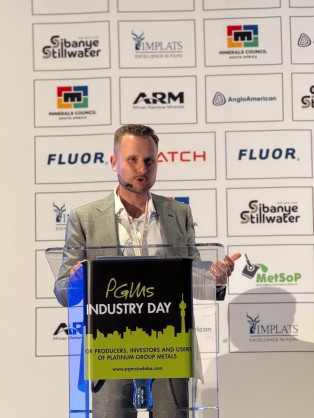
Nornickel (https://NorNickel.com) has unveiled its strategy for the development of palladium-based technologies at the PGMs Industry Day, an international conference held in South Africa. The company's experts shared insights into new technological developments that have the potential to redefine the use of platinum group metals (PGMs) extracted on the African continent, particularly in the fields of energy, electronics, and green technology. 

The presentation attracted considerable interest from conference participants. Industry representatives noted the practical relevance of Nornickel's innovations for the market, as well as the significant potential of palladium in emerging high-tech applications. 

Nornickel is the world's largest producer of palladium and high-grade nickel, and one of the leading global suppliers of platinum, copper, cobalt, and other precious and base metals. The company's Palladium Centre focuses on the development and implementation of innovative palladium-based solutions aimed at enhancing industrial efficiency. 

Palladium is the most extracted metal among the PGMs and benefits from a geographically diversified supply chain. Russia and South Africa, the two major producing regions, ensure stable global supply. 

From a chemical perspective, PGMs complement each other in many applications. Nornickel's research shows that palladium alloys with other PGMs frequently outperform individual metals in terms of efficiency and durability. 

Nornickel's approach to palladium innovation is closely aligned with key global megatrends: the energy transition, sustainable development, and digitalisation. Promising application areas include solar and hydrogen energy, biofuels, and next-generation electronics, where palladium can help reduce the cost of conductive components, hard drives, and OLED displays. In existing markets, the company is focused on improving performance and economics for end users. 

Nornickel is actively building a global partnership network to co-develop and commercialise palladium-based solutions. The company is committed to long-term collaboration with scientists, manufacturers, and end users to accelerate the adoption of advanced technologies and products. 

"Our goal is to become a technological partner for producers of PGM-based products. We focus on identifying applications where palladium delivers a strong competitive edge, bringing together leading scientific teams to develop prototypes, conducting large-scale industrial trials, optimising the product, and transferring the technology to manufacturers. This approach allows us to create more efficient materials and open up new markets for palladium applications," said Dmitry Izotov, CEO of Nornickel's Palladium Centre. 

Since its launch, the Centre has built a portfolio of 25 products. By 2030, the portfolio is expected to exceed 100 projects, generating an additional annual demand of 40–50 tonnes of palladium. 

Distributed by APO Group on behalf of Nornickel’s Palladium Centre.

Media files
Nornickel’s Palladium Centre
Download logo
Read moreNornickel Presents Palladium Technology Development Strategy for the PGM Industry in South Africa
9 April 2025

Germany Sets Sights on Africa’s Energy Future With Major Investment Pledge

Location: News

African Energy Chamber
Download logo

Germany is eyeing expanded investments in Africa's energy sector, having pledged €4 billion for green energy projects by 2030 and advancing hydrogen and gas partnerships through the European Union's (EU) Global Gateway initiative. These investments aim to enhance conditions for private sector involvement and infrastructure development, underscoring Germany's commitment to sustainable development and economic growth across the continent.

In South Africa, Germany committed R5.2 billion last December to support the country's energy transition and deepen bilateral cooperation. This funding is directed towards facilitating South Africa's shift from coal to renewable energy sources, addressing both environmental concerns and energy security. Earlier this month, the EU also announced a €4.7 billion investment in South Africa to support green energy initiatives and vaccine production, reflecting a broader commitment to sustainable development in the region.

Further strengthening these efforts, Germany and the African Development Bank announced joint initiatives last month to accelerate energy access and private sector growth across Africa. This partnership includes support for the Mission 300 initiative, which aims to provide electricity access to 300 million Africans by 2030, and expanded financing for youth entrepreneurship programs.

Meanwhile, German companies are optimistic about their prospects in South Africa, signaling growing confidence in the country's economic stability, expanding trade opportunities and the potential for long-term partnerships in energy and industrial sectors. A recent survey by KPMG Germany and the Southern African-German Chamber of Commerce and Industry revealed that 64% of German companies expect rising revenues in South Africa, with 44% planning to invest in the country within the next three years.

Germany has already been active in Africa's green hydrogen sector, recognizing the continent's vast potential for renewable energy production. In Namibia, German investors have partnered on the $10 billion Hyphen Green Hydrogen Project, aiming to harness the country's abundant solar and wind resources to produce green ammonia for global export. Additionally, Germany mobilized €150 billion through the Global Gateway initiative earlier this year to enhance its energy engagement in Africa, with green hydrogen as a key focus. West African countries alone have the potential to produce up to 165,000 TWh of green hydrogen annually – far exceeding Germany's projected demand for 2030.

Beyond renewable initiatives, Germany remains open to cooperating with African countries on natural gas and blue hydrogen production. This approach reflects Germany's updated Africa policy guidelines, which emphasize the importance of African energy resources – including renewable electricity, green hydrogen and, under specific conditions, natural gas – for a successful energy transition in both Africa and Europe.

"Germany's growing investment in Africa's energy sector signals a transformative shift toward sustainable development and economic growth. With a clear focus on green hydrogen, renewables and responsible fossil fuel cooperation, the country is positioning itself as a key partner in Africa's energy future. African Energy Week 2025 will serve as a vital platform to advance these partnerships, unlocking new opportunities and accelerating Africa's energy transition,” said Tomás Gerbasio, Vice President of Commercial and Strategic Engagement at the African Energy Chamber.

The upcoming African Energy Week (AEW) 2025: Invest in African Energies conference presents a strategic platform for German investors to explore and engage with energy opportunities across the continent. AEW 2025 aims to drive forward the momentum established in previous years, offering a dynamic space for leaders, policymakers and stakeholders to address regional and global energy challenges while advancing Africa's position as a leader in sustainable energy solutions.

AEW: Invest in African Energies is the platform of choice for project operators, financiers, technology providers and government, and has emerged as the official place to sign deals in African energy. Visit www.AECWeek.com for more information about this exciting event.

Distributed by APO Group on behalf of African Energy Chamber.

Read moreGermany Sets Sights on Africa’s Energy Future With Major Investment Pledge
7 April 2025

President Ramaphosa appoints Professor Mariana Mazzucato to G20 Taskforce

Location: News

President Ramaphosa appoints Professor Mariana Mazzucato to G20 Taskforce

President Cyril Ramaphosa has appointed renowned economist Professor Mariana Mazzucato as Technical Expert to South Africa’s G20 Presidency and his Special Presidential Representative to Taskforce 1, focusing on Inclusive Economic Growth, Industrialisation, Employment, and Reducing Inequality.

In a statement on Monday, The Presidency said Professor Mazzucato will also contribute to Taskforce 3: Artificial Intelligence, Data Governance, and Innovation for Sustainable Development.

She will also support the Sherpa Track on Trade and Investment Working Group, and the Finance Track Sustainable Finance Working Group, and International Financial Architecture Working Group.

Professor Mazzucato is a member of President Ramaphosa’s Economic Advisory Council (PEAC) since 2019, advising on areas such as green industrial strategy, State capacity, and reform of State-owned enterprises.

In 2024, she co-chaired the Group of Experts for Brazil's G20 Task Force for the Global Mobilisation Against Climate Change (TF-CLIMA).

“This appointment underscores South Africa’s commitment to leveraging its leadership in the G20 to shape a more inclusive and sustainable global economy.

“Professor Mazzucato, internationally recognised for her work on rethinking the State, green growth, mission-oriented innovation and public value creation, brings critical expertise to advancing South Africa’s goals on green industrialisation, inclusive growth, and long-term structural transformation,” the Presidency said. 

Under President Ramaphosa's leadership and the G20 theme of “Solidarity, Equality, Sustainability”, South Africa aims to lead global discussions on these key issues, advocating for policies that foster resilient economic development, particularly in developing countries.

South Africa’s G20 Presidency is committed to advancing a global economic framework that supports green growth, economic resilience, and social equity.

The year 2025, described by President Ramaphosa, President Lula da Silva of Brazil, and Prime Minister Sánchez of Spain as “a pivotal year for multilateralism”, will feature three major global gatherings: the G20 Summit in Johannesburg, the Financing for Development Conference in Seville, and COP30 in Belém. – SAnews.gov.za 

DikelediM
Mon, 04/07/2025 - 15:18
54 views

Read morePresident Ramaphosa appoints Professor Mariana Mazzucato to G20 Taskforce
7 April 2025

Africa’s Strategic Diplomacy Fuels Mining Sector Growth

Location: News

Energy Capital & Power
Download logo

African nations are leveraging strategic partnerships to attract investment and strengthen their mining sectors. As competition between Western and Eastern powers intensifies over critical minerals, Africa has emerged as a key player in global supply chains, balancing geopolitical interests while maximizing economic benefits. With global markets racing to secure resources for the energy transition and the Fourth Industrial Revolution, the upcoming African Mining Week will facilitate collaboration between African governments and international stakeholders.

U.S.–DRC Partnership to Unlock Mineral Wealth

In March 2025, the U.S. State Department reaffirmed (https://apo-opa.co/43JPLr8) its interest in engaging with the Democratic Republic of Congo (DRC) to unlock its estimated $1.2 trillion in untapped mineral resources. Cooperation between the two countries could yield a transformative impact on the sector, with U.S. financing and technical expertise unlocking the potential of the world's largest cobalt producer and Africa's largest copper producer. The U.S. has already played an active role in the financing and development of the Lobito Corridor, facilitating mineral transport and trade between the DRC, Angola, Zambia and international markets.

EU Expands Mining, Green Energy Investments

This month, the European Union (EU) pledged €4.7 billion (https://apo-opa.co/42q3265) to South Africa to support raw material value addition, the energy transition, local vaccine manufacturing and green hydrogen production. South Africa, home to the world's largest deposits of platinum group metals (PGMs), will leverage this funding to enhance PGM production to meet growing demand for electrolysers used in green hydrogen applications. This follows South Africa's $1 billion green hydrogen partnership with Denmark and the Netherlands established in 2023. Neighboring Namibia has also attracted European investment, with the EU committing €25 million to Namibia Hydrogen Fund Managers in September 2024 to propel the country's green hydrogen sector. Meanwhile, Uganda is taking steps to develop its mining sector with the support of the EU and Germany's Federal Ministry for Economic Cooperation and Development, having launched the Sustainable Development of the Mining Sector project earlier this month. 

China Strengthens its Position in African Mining

China remains one of the largest investors in African mining, with both state-owned and private firms driving sector growth. In September 2024, China pledged $50 billion over three years for infrastructure and mineral development across the continent. Key projects in the DRC include CMOC's $2.5 billion expansion of the Tenke Fungurume Mine and Sinohydro and China Railway's $7 billion infrastructure-for-minerals deal in copper and cobalt mining. China has also invested heavily in Zimbabwe's lithium sector and pledged $1 billion to upgrade the Tazara Railway, improving East Africa's mineral exports.

Growing Global Interest in Africa's Mining Sector

Beyond the U.S., EU and China, countries like Canada, Australia and the UAE are ramping up mining investments in Africa. Canadian firms are expanding their footprint in West Africa's gold sector, Australian companies are backing lithium and rare earth projects in southern Africa and the UAE is securing stakes in critical mineral supply chains through strategic joint ventures. African Mining Week, taking place October 1-3 in Cape Town, will provide a platform for African nations to engage global investors, strengthen cooperation and accelerate resource development.

Distributed by APO Group on behalf of Energy Capital & Power.

Read moreAfrica’s Strategic Diplomacy Fuels Mining Sector Growth
7 April 2025

Top African Projects Driving the Mining-Energy Nexus

Location: News

Energy Capital & Power
Download logo

Mining represents one of the most energy-intensive industries globally. As African nations ramp up mineral extraction to drive economic growth, mining projects and stakeholders are increasingly investing in energy infrastructure to sustain operations and meet rising production targets. Amid efforts to improve grid stability, the upcoming African Mining Week conference will highlight the continent's investment opportunities emerging from the mining-energy nexus.

Northam Bolsters Power Supply for South African Mines

In February 2025, mining firm Northam signed a power purchase agreement (PPA) for 140 MW of wind power to support its platinum group metals operations in Limpopo. This deal follows an earlier PPA signed in October 2024 for an 80 MW solar power facility to supply the company's Zondereinde mine, aimed at driving South Africa's expansion of its PGMs sector. These agreements are part of Northam's broader strategy to enhance energy security and sustainability while reducing its carbon footprint in alignment with national renewable energy goals.

Richards Bay Minerals Expands PPA Portfolio

Richards Bay Minerals, a subsidiary of mining multinational Rio Tinto, signed its third PPA with Red Rocket in February 2025, securing 230 MW of electricity from Red Rocket's 380 MW Overberg Wind Farm. This agreement increases the company's total contracted renewable energy supply to 500 MW and supports Rio Tinto's commitment to reducing emissions by 50% by 2030. Richards Bay Minerals also taps into energy from the 130 MW Bolobedu solar PV plant and 140 MW Khangela Emoyeni wind farm.

Further Investments in Renewables for Mining

Other mining companies across Africa are driving large-scale energy projects to secure a stable power supply. In South Africa, Ivanhoe Mines completed a 5 MW solar facility in Q1 2025 to support its Platreef PGM mine, while Impala Platinum signed a five-year PPA with Discovery Green to supply wheeled renewable energy to its Impala Refineries operation. Meanwhile, commodities firm Trafigura is developing a 2 GW initiative to power Angolan mines, and First Quantum is set to commission a 430 MW project in Zambia in 2025. Tronox Holdings plans to roll out 400 MW of energy projects in South Africa by 2027 and Chinese mining company CMOC is preparing a 200 MW energy project in the DRC, set for commissioning by 2028.

As these investments unfold, African Mining Week will showcase key milestones in energy security for the sector, highlighting lucrative opportunities within Africa's independent power markets. The event will emphasize the growing demand for stable, sustainable energy solutions as miners continue to invest in energy infrastructure.

African Mining Week serves as a premier platform for exploring the full spectrum of mining opportunities across Africa. The event is held alongside the African Energy Week: Invest in African Energies 2025 conference from October 1-3 in Cape Town. Sponsors, exhibitors and delegates can learn more by contacting sales@energycapitalpower.com.

Distributed by APO Group on behalf of Energy Capital & Power.
Read moreTop African Projects Driving the Mining-Energy Nexus
6 April 2025

Western Cape woman nabbed for drug possession

Location: News

Western Cape woman nabbed for drug possession

Police in Cape Town have arrested a 46-year-old woman for the possession of drugs with an estimated street value of R1 million.

Members attached to the Khayelitsha South African Police Service (SAPS) Crime Prevention Unit arrested the suspect on Friday, who was found with a large amount of mandrax.

“On Friday, the members were conducting a stop and search operation, when they received information about a premises in T-Block, Sector 6, Site B, Khayelitsha, that is allegedly used as a liquor storage facility.

“The members immediately operationalised the information and on arrival, they found a lady on the premises carrying a big green bag, and found 10 packets of mandrax tablets and four small clear packets also with mandrax tablets.

"When counted in each of the 10 packets, 1 000 units of mandrax tablets were found and inside the four small packets, 100 mandrax tablets were found, with an estimated street value of R1 million,” the police said.

The suspect is expected to appear in the Khayelitsha Magistrates Court on Monday for possession of drugs.

Western Cape Provincial Commissioner, Lieutenant General (Adv) Thembisile Patekile, commended the efforts of community members, who shared valuable information that led to the recovery of the drugs. – SAnews.gov.za

Edwin
Sun, 04/06/2025 - 09:46
254 views

Read moreWestern Cape woman nabbed for drug possession
4 April 2025

IAE 2025 to Highlight Growth Opportunities in Africa’s Downstream Supply Chain

Location: Business
Energy Capital & Power

The upcoming Invest in African Energy (IAE) 2025 Forum will host a high-level panel – Downstream Beneficiation: Supply Chain Development for Optimal Performance – as the continent aims to enhance energy security, reduce import dependence and maximize the value of its natural resources. The session will explore how the expansion of Africa's downstream sector can strengthen supply chains, enhance refining capacity and drive sustainable economic growth through infrastructure investment and strategic partnerships.

As Africa's energy landscape evolves, optimizing downstream operations is critical to unlocking the full potential of the continent's natural resources. This session will focus on closing the infrastructure finance gap by addressing key challenges such as upgrading refineries, expanding storage and distribution networks, and developing service stations, bottling plants and transport fleets. Panelists will also examine the role of strategic hubs – such as Egypt's petrochemical industry, Equatorial Guinea's Gas Mega Hub and Algeria's emerging green hydrogen sector – in bolstering Africa's supply chain efficiency, along with key regional projects like the Central African Pipeline System and the Lobito Corridor linking Angola, Zambia and the Democratic Republic of Congo.

IAE 2025 (https://apo-opa.co/43FPXaT) is an exclusive forum designed to facilitate investment between African energy markets and global investors. Taking place May 13-14, 2025 in Paris, the event offers delegates two days of intensive engagement with industry experts, project developers, investors and policymakers. For more information, please visit www.Invest-Africa-Energy.com. To sponsor or participate as a delegate, please contact sales@energycapitalpower.com.

Moderated by James Gooder, VP Crude, Argus Media, the panel will feature industry leaders offering key insights into Africa's downstream sector. Speakers include Anibor Kragha, Executive Secretary, African Refiners & Distributors Association; Tarik Berair, Commercial Development Manager, Technip Energies; Fernando Covas, Executive Director, S&P Global Commodity Insights; James Bullen, Head of Downstream, Petredec and Michael Kelly, Chief Advocacy Officer, World Liquid Gas Association. 

Africa's downstream investment climate is undergoing significant transformation, with several major projects driving the sector's growth including Nigeria's 650,000-bpd Dangote Refinery, Angola's 200,000-bpd Lobito and 100,000-bpd Soyo refineries, and Algeria's 100,000-bpd Hassi Messaoud Refinery. Despite recent refinery closures, South Africa also maintains a well-developed fuel distribution network, retail stations and petrochemical production, while Mozambique is emerging as a key LNG hub, with the Coral South FLNG project already operational and the Rovuma LNG and Mozambique LNG projects currently under development.

Despite these advancements, challenges remain in securing adequate financing for infrastructure upgrades and supply chain expansion. Addressing these gaps will require coordinated efforts from governments, private investors and industry stakeholders to develop resilient and efficient downstream operations. The IAE 2025 downstream panel will provide a platform for stakeholders to discuss actionable strategies that ensure Africa's energy sector remains competitive, sustainable and responsive to global demand.

Distributed by APO Group on behalf of Energy Capital & Power.

Media files
Energy Capital & Power
Download logo
Read moreIAE 2025 to Highlight Growth Opportunities in Africa’s Downstream Supply Chain
2 April 2025

George welcomes announcement on private sector-powered grid expansion initiative

Location: News

George welcomes announcement on private sector-powered grid expansion initiative

The Minister of Forestry, Fisheries and the Environment (DFFE), Dr Dion George, has commended the announcement that government will pursue private investment for the construction of new transmission lines.

Electricity and Energy Minister, Dr Kgosientsho Ramokgopa, on Tuesday announced that a pilot programme, the Independent Transmission Programme (ITP) will pave the way for the construction of 1 164 kilometers of new transmission lines.  

The Department of Forestry, Fisheries and the Environment said Ramokgopa's statement aligns with the DFFE's vision, by encouraging private sector involvement, which aims to address the transmission constraints that have hindered the integration of solar and wind energy, especially in the Cape province.

“This significant step forward aligns seamlessly with the vision Minister George articulated earlier this week in his landmark decision on Eskom’s emissions framework, marking a triumph for South Africa’s sustainable energy future,” the department said in a statement on Wednesday. 

On Monday, George underscored the urgent need for innovative infrastructure solutions to balance energy security with environmental responsibility, subtly pointing to the expansion of transmission capacity as a key enabler for renewable energy growth. 

The Minister said Ramokgopa’s announcement is a "resounding victory for the sustainable energy path we are forging." 

“My decision on Eskom’s emissions earlier this week laid the groundwork for a modernised energy system that respects our climate commitments. Minister Ramokgopa’s bold move to unlock private investment in transmission lines is exactly what I alluded to – a practical, impactful step to harness our renewable potential and secure a cleaner future for all South Africans.”

George also commended the cross-governmental collaboration, noting that the R440 billion Transmission Development Plan, now supported by private funding, will ease the burden on Eskom and the national budget, while accelerating the transition to renewable energy. 

He reaffirmed his dedication to partnering with Ramokgopa to ensure that environmental standards remain integral to this transformative infrastructure expansion.

“This initiative is about more than just power lines – it’s about powering opportunity. We are opening the door to investment, job creation, and South Africa’s emergence as a green economy leader,” George said 

The procurement regulations are set to be released on Thursday, 3 April 2025. – SAnews.gov.za
 

Gabisile
Wed, 04/02/2025 - 13:12

240 views

Read moreGeorge welcomes announcement on private sector-powered grid expansion initiative
2 April 2025

Gauteng targets R300 billion in investments to boost economy

Location: News

Gauteng targets R300 billion in investments to boost economy

Gauteng Economic Development MEC, Lebogang Maile, says the province is aiming to secure at least R300 billion in investment pledges at the Gauteng Investment Conference (GIC), to be held in Johannesburg.

The MEC was speaking during a media briefing on the state of readiness of the province to host the conference, to be held at the Johannesburg Stock Exchange, in Sandton, on 3 April 2025.

“Leaders across all tiers of government, including Minister of Trade, Industry and Competition, Parks Tau, Premier of Gauteng Premier Lesufi, and Johannesburg Mayor Dada Morero, will provide inputs at the conference. The keynote address will be delivered by the Deputy President, who also serves as the Leader of Government Business in South Africa, His Excellency, Paul Mashatile.  

“Of equal significance is the large contingent of leaders across the business and government sectors on the African continent, the African diaspora and the globe. With over 50 companies represented, the conference will be a convergence point of the world’s most important companies in various sectors,” Maile said.

The Gauteng province is of importance for South Africa’s economy and contributes at least 33% to the national Gross Domestic Product, and nearly 7% of sub-Saharan Africa’s output.

“The [GIC] is a transformative event in affirming the place of the Gauteng province in the continental economy. We are asserting that the development of Gauteng is in the best interest of South Africa, the Southern African Development Community and the continent broadly.

“Thus, investment in the economy of Gauteng extends beyond the confines of its provincial borders into other lands across the entire continent,” the MEC said.

Furthermore, the conference will also serve as a platform for critical dialogue that will “enable direct engagement between policy makers, investors and industry experts”.

“This will ensure that we come out with tangible and applicable outcomes. The sessions will focus on, amongst other things, public-private infrastructure investments, as well as key Gauteng most dynamic and high growth sectors, including…advanced manufacturing, green and renewable energy, ICT [information and communication technology] and data infrastructure, transport and logistics, smart property development and urban regeneration, as well as tourism and the creative economy,” he said.

Maile emphasised that these sectors are critical to ensuring development on a provincial, national and continental level.

“Investment in these sectors offers the most reliable instrument for ensuring sustainability and development, offering a clear path to economic prosperity that is anchored on inclusive growth, environmental protection and human development,” Maile said. – SAnews.gov.za

NeoB
Wed, 04/02/2025 - 13:46
264 views

Read moreGauteng targets R300 billion in investments to boost economy
31 March 2025

A Rare Opportunity for Real African Energy Independence

Location: Business
African Energy Chamber

By NJ Ayuk, Executive Chairman, African Energy Chamber (https://EnergyChamber.org)

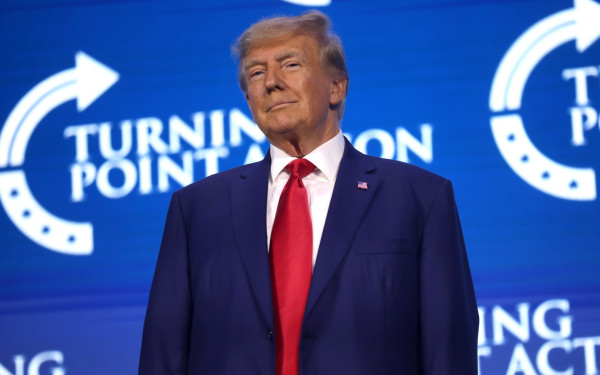
Donald Trump's return to the White House in 2025 represents a pivotal moment for Africa's fossil fuel industry. His administration's swift reapproval of a USD4.7 billion loan from the U.S. Export-Import Bank (Exim) for TotalEnergies' liquefied natural gas (LNG) project in Mozambique — initially greenlit in 2020 during his first term but sent into deep-freeze for the full duration of the Biden years — sets the tone for what could be a transformative era for Africa's energy sector. 

Despite Mozambique's stabilization of security issues and concerns that the transfer of power in America would delay receipt of the loan even further, the Biden Administration refused to release the funds ahead of Trump's inauguration, a decision reflective of the administration's reluctance to support new fossil fuel initiatives throughout Biden's time in office. In contrast, Trump's decisive action within weeks of taking office signals a renewed, positive working relationship between the United States and Africa — one that prioritizes energy development over ideological objections and the Green Agenda's influence. 

The African Energy Chamber (AEC) contends that Africa should seize this potentially brief moment in history and embrace the Trump administration as a partner rather than an opponent. For too long, global pressures have insisted that African nations move toward green energy projects only and leave their fossil fuel resources behind.  

While renewable energy has its place, and will be important to Africa's future, fossil fuels still clearly constitute the backbone of any realistic efforts for African industrialization and economic growth — goals we simply cannot afford to sideline.  

Alignment with Trump's energy-first ethos would mean that Africa could unlock significant funding for wide-ranging fossil fuel projects, and not just the offshore oil and gas ventures that dominate the headlines. The continent should capitalize on all opportunities in onshore projects, wildcat wells (exploratory drilling in unproven areas), and the proliferation of numerous small operators. These avenues lead the way to diversity in Africa's energy portfolio, job creation, and massively strengthened energy security. 

The reapproval of funding for Mozambique LNG is a case in point. The project's revival under Trump demonstrates how quickly thick bureaucratic congestion can dissolve when political will aligns with economic practicality. This USD4.7 billion infusion will boost Mozambique's economy while sending a message to other African nations: Under Trump, at long last, America is open for business.  

In contrast to the previous administration, which openly regarded fossil fuel development with skepticism and disdain, Trump's “drill baby drill” mantra — while rooted in an “America First” agenda — pairs seamlessly with the ambitions of the African oil and gas industry. Africa should adopt a similar mindset and position itself as an attractive destination for American investment dollars. 

Coal's Comeback 

Another of Trump's domestic priorities, no doubt a response to China's unabashed expansion of coal production within its borders, is to revive clean coal production in the U.S. This initiative offers a compelling blueprint for Africa. While coal remains a contentious, harshly criticized resource globally, its advantages are undeniable: It's cheaper to produce, often doesn't require big bank financing, and is abundant across the continent. For African nations grappling with energy poverty, coal can serve as a means to an end, delivering affordable power to millions in the interim while the infrastructure for other energy sources matures. Simply put, Africa deserves to be the last global holdout on coal production and should leverage its coal reserves to meet domestic needs and export demands. Trump's willingness to disregard the international campaign against coal should embolden African leaders to reopen their abandoned coal mines and rest assured that this time around, they'll be able to operate freely, without fear of U.S. opposition. 

Fossil Fuels Unleashed 

Looking beyond coal, over the next four years, Africa has the rare chance to pursue an aggressive fossil fuel agenda. The continent should unite under an “Africa First” banner and adopt its own “drill baby drill” mentality in support of every promising oil exploration and production project, every possible natural gas project, and a multinational effort to slash through regulatory red tape.  

In Nigeria, for instance, the wheels of progress moved agonizingly slowly when it came to passing the Petroleum Industry Act, first proposed in 2008 and not signed into law until 2021. Even after the law was passed, Nigeria has been slow to fully implement it. This kind of inertia deters investment and slows development. A Trump-inspired push to clean up such bureaucratic roadblocks could unleash a wave of prosperous development. Similarly, addressing security issues — like those that drove U.S. firms out of Libya — will be critical to restoring confidence and attracting capital from abroad. 

While the offshore sector will undoubtedly remain a cornerstone of Africa's fossil fuel strategy, the continent's onshore potential is equally vast. Wildcat wells offer high-risk/ high-reward prospects that could uncover new reserves. Meanwhile, instead of relying solely on multinational oil and gas giants, empowerment of more independent companies and indigenous small operators could diversify the industry, build up local entrepreneurship, and ensure the economic benefits are more widespread. It is highly unlikely that the Trump administration, with its emphasis on deregulation and energy independence for its own shores, would obstruct such efforts on ours. Conversely, it may actively encourage them through financing and technical support, as seen with the Exim loan. 

Balancing Development and Climate Realities 

Though critics will argue that this push for fossil fuel proliferation contradicts global climate goals, at the AEC, we insist that the calculations for Africa are simply different.  

Africa accounts for a fraction of global emissions but bears a disproportionate burden when it comes to energy poverty. Fossil fuels offer a realistic and relatively quick path to electrification and industrialization, the proven prerequisites for lifting millions out of poverty. Trump's indifference to international climate orthodoxy, while controversial, gives Africa the much-needed breathing room to prioritize development over decarbonization. This is in no way an outright rejection of renewables but a recognition that fossil fuels can and will facilitate a just transition to green technologies once their capabilities catch up to Africa's current needs. 

Seizing the Moment 

The next four years under Trump could redefine Africa's energy landscape. With U.S. interference a thing of the past, Africa can pursue a multi-pronged energy strategy. With a ramp-up in natural gas to meet global demand, a coal revival to power its own grids, and on and offshore opportunities tapped into, Africa could finally secure its full resource base.  

However, this approach will require bold leadership. Governments will have to eliminate obstructive policies and address security challenges head-on to secure foreign investments. The payoff could be immense: energy abundance, economic growth, and a partnership with the U.S. that is stronger than ever before. 

For example, Nigeria's oil and gas sector has been hampered by regulatory uncertainty and security threats in the Niger Delta. A Nigerian “drill baby drill” mindset could accelerate regulatory, social, and economic reforms needed to address the Niger Delta's deep-rooted instability. This kind of mindset could restart stalled projects and attract American firms eager to invest in a Trump-approved climate. Likewise, in Libya, a resolution to security concerns could lure back U.S. companies that fled during years of instability, reviving a once-thriving oil industry. Across the continent, small operators could flourish under a lighter regulatory touch, drilling wildcat wells and tapping into overlooked reserves. 

South Africa, with its vast coal deposits, could take the lead on clean coal technologies to balance affordability and environmental concerns. Smaller nations with untapped coal reserves could follow Trump's lead in defying global pressures against production. The result would be a continent less dependent on foreign aid and more capable of powering its own future. 

Trump's presidency offers Africa a chance to unapologetically double down on its fossil fuel potential. The USD4.7 billion Mozambique loan is just the beginning — a proof of concept for what collaboration with the U.S. can achieve. By embracing this partnership, Africa can shed the shackles of the Biden era and chart a course toward energy sovereignty.  

The tools are all there: offshore rigs, onshore fields, wildcat wells, established mines, and a willing ally in Washington. The question that remains is whether Africa's leaders have the courage to stand up to the anti-carbon lobby. 

Trump's second term could be remembered as the moment Africa's fossil fuel industry came into its own — as a partner to the U.S. in a shared vision of energy abundance. With four years of clear skies ahead, there is no question that Africa should build, mine, and yes, drill, baby, drill like never before.  

If we don't act now, it might be a very long wait for an opportunity like this one to present itself again. 

Distributed by APO Group on behalf of African Energy Chamber.

Media files
African Energy Chamber
Download logo
Read moreA Rare Opportunity for Real African Energy Independence
31 March 2025

Stakeholders commit to improved water services for all 

Location: News

Stakeholders commit to improved water services for all 

Stakeholders in the water sector have committed to collaborative efforts to implement tangible plans and reforms outlined at the recent Water and Sanitation Indaba aimed at improving water security and services for all citizens.

This pledge was made on the final day of the two-day Water and Sanitation Indaba, held at the Gallagher Convention Centre in Midrand, Johannesburg, from 27-28 March 2025.

At the Indaba, stakeholders including government representatives, agreed to work together and hold each other accountable for their actions and commitments. Stakeholders also agreed to increase investment in water research and development as well as technological transfer.

They also agreed to recognise the existing body of knowledge including indigenous systems as well as promote the inclusion of women, youth, and people with disabilities in the water and sanitation sector.

Several key resolutions were also made during the event, including a commitment by the Department of Water and Sanitation (DWS) to finalise the establishment of the National Water Resource Infrastructure Agency by mid-2026, and the creation of Catchment Management Agencies, set to be completed by July 2025.

The Water Service Authorities (WSAs) pledged to adopt a utility model for water and sanitation to ensure operational efficiency while maintaining municipal ownership, to be implemented within three years.

A utility can be a ring-fenced internal department, municipal entity, water board, special purpose vehicle, or concession, amongst other options.

Additionally, the South African Local Government Association (SALGA), in collaboration with the Departments of Co-operative Governance and Traditional Affairs (CoGTA) and DWS, committed to implement a coordinated Municipal Systems Act Section 78 consultative process, according to the timeframes in the plan. This process will facilitate the appointment of capable Water Service Providers (WSPs). This should lead to the appointment of capable Water Service Providers (WSPs).

In line with good governance and legal compliance, it was resolved that all WSAs must separate their WSA and WSP functions, accounting for them independently within one year. Resolutions on this matter should be presented to Council within three months.

The metropolitan municipalities were also tasked to implement the Reform of Metropolitan Trading Services Programme. This includes establishing or appointing ring-fenced, professionally managed utilities, either internal or external, for water and sanitation services within two years, with support from National Treasury and relevant departments.

Stakeholders also agreed that COGTA should review the current local government structure including the appropriateness of the two-tier system, followed by the review of the allocation of WSA status to municipalities.

Furthermore, the DWS committed to finalise the amendments to the Water Services Act for tabling to Parliament by May 2025.

“Following this, [the] DWS [is] to put in place an operating licensing system for Water Services Providers by June 2026. DWS to provide guidance to WSAs on the different options for external WSPs, on request from April 2025, and to issue guidelines on the roles and functions of WSAs versus WSPs by April 2025.

“[The] DWS and AWSISA [Association of Water and Sanitation Institutions of South Africa] to develop a plan for building Water Boards’ capacity and readiness to provide a retail WSP function to WSAs if requested, informed by a capacity assessment of the Water Boards, by end July 2025,” the declaration read.

Non-revenue water programmes 

Meanwhile, all WSAs and WSPs that have not yet established non-revenue water programmes, will be required to have these in place by May 2025.

These programmes should cover:

•    Budgets for maintenance and for reducing leaks in water distribution systems;
•    Ensuring that all reported leaks are fixed quickly;
•    Closing illegal water connections; 
•    Replacing old leaking pipes, including asbestos pipes (which are a danger to health);
•    Improving management of water systems (through pressure management for example); and
•    Strengthening metering, billing, and revenue collection, including ensuring that billing systems are accurate.

All WSAs that have not yet ring-fenced revenues from the sale of water for the water function, will be required to bring resolutions to their Councils within six months.  The DWS will facilitate provincial workshops with all WSAs in each province to develop a common understanding of "ring-fencing."

“All WSAs to review their indigent registers and ensure the provision of free basic water to the indigent within two years. All other water users to be billed and revenue to be collected from all other users. DWS and the Water Partnerships Office to develop Green and Blue Bond financing mechanisms with the private sector, for implementation by Catchment Management Agencies and WSAs, starting immediately.”

In his weekly newsletter on Monday, President Cyril Ramaphosa said a well-functioning water and sanitation sector is not only a constitutional right and a pillar of development, but also a crucial factor in driving economic growth and job creation.

READ | Water and sanitation sector is a key cog in economic growth 

President Ramaphosa underscored the importance of efficient water management in boosting investor confidence and ensuring sustainable development. – SAnews.gov.za
 

GabiK
Mon, 03/31/2025 - 14:41
313 views

Read moreStakeholders commit to improved water services for all 
31 March 2025

African Rare Earth Projects Advance Amid Rising Global Demand

Location: News

Energy Capital & Power
Download logo

The global demand for rare earth elements (apo-opa.co/3FI1pbZ) is projected to increase four-fold by 2030, driven by the energy transition and increasing investments in industrialization. African nations rich in rare earth minerals are accelerating exploration and production efforts to capitalize on this growth. With up to eight rare earth projects set for commissioning across the continent by 2029 - boosting Africa's share of the global supply chain to 10% - the upcoming African Mining Week will spotlight opportunities across the rare earth value chain.

Africa's rare earth sector remains largely untapped, thereby attracting the interest of global project developers eager to unlock its full potential. South African asset manager Novare, for example, signed a R1.8 billion agreement (apo-opa.co/3E9EG8f) in February 2025 with American firm ReElement Technologies to develop a rare earth refining and battery manufacturing facility. ReElement will contribute its refining technology while Novare will provide funding for the value addition initiative, with construction expected to begin in the second half of 2025.

In Namibia, the Japan Organization for Metals and Energy Security and Namibia Critical Metals (apo-opa.co/427nfNI) completed a production pilot for the Lofdal Project, one of only two xenotime-type heavy rare earth deposits currently under development worldwide. Meanwhile, in Angola, Pensana (apo-opa.co/43A3nW0) secured an $80 million loan from Absa Bank Limited in January 2025 to expedite the rollout of the Longonjo Project, which is expected to supply 5% of the world's magnet metal rare earths demand – essential for the development of wind turbines and electric vehicles.

Major investors are also making bold moves in Africa's rare earth sector. Billionaires Jeff Bezos and Bill Gates (apo-opa.co/3FJsOdC) have injected $537 million into exploration and mine development through mining startup KoBold Metals, further accelerating Africa's rare earth ambitions. The funding will be directed toward rare earth mining ventures. Additionally, recognizing the strategic value of rare earths, multinational financial institution the African Development Bank proposed the development of the African Units of Account (AUA) (apo-opa.co/3FOTDxe) - a new currency backed by Africa's critical mineral reserves, including rare earth elements. The initiative would help stabilize regional currency markets and attract more international investment in green energy projects, amidst the growing demand of critical minerals globally and Africa's vast reserves.

The year 2025 continues to mark significant milestones in the growth of Africa's rare earth sector, with the advancement of key projects (apo-opa.co/43uodGd) such as Phalaborwa and Steenkampskraal (South Africa), Makuutu (Angola), Ngualla (Tanzania) and Songwe (Malawi). Amid these developments, African Mining Week serves as a strategic platform for African regulators, industry stakeholders and global investors to engage in deal signings and forge partnerships, further solidifying Africa's role in the global rare earth supply chain.

Distributed by APO Group on behalf of Energy Capital & Power.

African Mining Week serves as a premier platform for exploring the full spectrum of mining opportunities across Africa. The event is held alongside the African Energy Week: Invest in African Energies 2025 conference from October 1-3 in Cape Town. Sponsors, exhibitors and delegates can learn more by contacting sales@energycapitalpower.com.

Read moreAfrican Rare Earth Projects Advance Amid Rising Global Demand
29 March 2025

Good News for Leopard Toads: Anonymous Donor Buys Crucial Habitat in Cape Town

Location: News

The property in the heart of Noordhoek will also be an open space for the community

Read moreGood News for Leopard Toads: Anonymous Donor Buys Crucial Habitat in Cape Town
27 March 2025

SA-EU relations flourishing

Location: News

SA-EU relations flourishing

By Nomonde Mnukwa

South Africa’s first democratic elections on 27 April 1994 signalled not only the end of the brutal system of apartheid, but also a change in the country’s international image.

The country’s struggle for liberation and reconciliation has shaped its identity and global standing. South Africa has positioned itself as a champion of international solidarity.

South Africa’s unique approach to global issues has found expression in the concept of Ubuntu. These concepts inform our approach to diplomacy and shape our vision of a better world for all.

This philosophy translates into an approach to international relations that respects all nations, peoples, and cultures. It recognises that it is in our national interest to promote and support the positive development of others.

As we celebrate our over 30 years of freedom and democracy, South Africa’s global repositioning can be seen with the strong strategic partnership with the European Union that is premised on values such as democracy, human rights and the rule of law.

Immediately after his release from prison thirty-five years ago, President Nelson Mandela, our first democratic President, travelled to the European Parliament to receive the Sakharov Prize for Freedom of Thought. This honorary award is the highest tribute given by the European Union (EU) to individuals who contributed to the fight for human rights.

During this visit, the former president, who is affectionately known as Madiba addressed the European Parliament and thanked the European countries for their contribution towards our fight for freedom. He also called on them to support us as we set about rebuilding the country and reversing the legacy of apartheid, which continues to be felt up to this day.

This visit marked the beginning of official relations between South Africa and the EU in pursuit of our national interests, especially to tackle pressing challenges we inherited under apartheid. In 1999 for instance, we became the first African country to sign a Free Trade Agreement (FTA) with the EU known as the South Africa-European Union (EU) Trade, Development and Cooperation Agreement (TDCA).

In 2007 we further deepened our relations through the adoption of the South Africa – EU Strategic Partnership Joint Action Plan. The plan is essentially a roadmap for cooperation in various key areas such as trade, climate change, science and technology as well as regional and global issues.  

The TDCA agreement has helped our country to integrate into the global economy and it established a Political Dialogue between South Africa and the EU at the Ministerial level. This high-level dialogue advances the EU-South Africa strategic partnership across key areas such as trade, energy, peace and security and multilateralism.

We are pleased that as we celebrate 30 years of democracy and thirty-five years since Madiba’s release and visit to the EU Parliament, our relationship with the EU continues to flourish and is mutually beneficial. South Africa remains the EU's key trade partner on the African Continent, and the EU as a bloc is South Africa's largest trading partner.

Total trade between South Africa and EU has increased by 44 percent over the past five years; recording an increase from R586 billion in 2019 to R846 billion in 2023. The EU accounts for 41 percent of total Foreign Direct Investment (FDI) in the country and over 2,000 EU companies operate in South Africa, supporting more than 500,000 direct and indirect jobs.

To further discuss shared priorities and foster stronger ties between South Africa and EU, in February this year, we successfully hosted the 16th Ministerial Political Dialogue. The Dialogue was co-chaired by the Minister of International Relations and Cooperation, Ronald Lamola and Kaja Kallas, the EU High Representative for Foreign Affairs and Security Policy and Vice President of the European Commission.

During this dialogue, both parties reiterated their commitment to multilateralism, rules-based international order, and the centrality of the United Nations Charter. They agreed on the need to make the UN Security Council more representative, inclusive, transparent, efficient, democratic and accountable. They further discussed issues of trade and investment, along with greater mutual cooperation and reinforced bilateral relations between South Africa and the EU.

The dialogue also served as preparatory meeting for the EU-South Africa Summit which was held in South Africa on 13 March 2025. Our national priorities of reducing poverty, unemployment and inequality underpin our work at the SA-EU Summit. In line with commitments in the National Development Plan we engage with our EU counterparts to further grow our economy and develop our society.

The summit was also an opportunity to set new priorities for the Strategic Partnership, including in trade and investment, and to reinforce the shared values underpinning the partnership. During the summit, the EU announced a 4.7-billion-euro investment package to support mutually beneficial investment projects. The investment package covers areas such as critical raw mineral processing, green hydrogen, renewable energy, transport and digital infrastructure, local vaccine and pharmaceutical production, and resources for skills development.

The two parties further agreed to launch negotiations towards a Clean Trade and Investment Partnership to support the development of cleaner value chains for raw materials and local beneficiation, renewable and low carbon energy, and clean technology. Both parties committed to work together to address existing challenges in trade in animal and plant products. South Africa committed to find a solution to facilitate the imports of poultry from disease-free areas in the European Union into South Africa.

The Summit was also an opportunity for South Africa to influence international policies that could have an impact on our own economy. Both parties agreed to support a just, comprehensive, and lasting peace on conflicts around the globe including Ukraine, the Democratic Republic of the Congo and Palestine. This includes a need to reform the UN Security Council.  

Furthermore, the European Union expressed support for South Africa's G20 Presidency in 2025, and our hosting of the G20 Summit at the end of the year. The EU also pledged to strengthen the G20 Compact with Africa.

Government welcomes the visit by the EU leaders to the country and we are confident that the agreements signed will not only accelerate economic growth but will help South Africa eradicate the triple challenge of unemployment, poverty and inequality.

*Nomonde Mnukwa is the Acting Director General of the GCIS


Janine
Thu, 03/27/2025 - 09:37
77 views

Read moreSA-EU relations flourishing
  • Previous
  • Page 1
  • Interim pages omitted …
  • Page 5
  • Page 6
  • Page 7
  • Page 8
  • Page 9
  • Interim pages omitted …
  • Page 33
  • Next

Copyright © 2026 · MyZA · All Rights Reserved · Powered by Reach Trust