• Skip to main content
  • Skip to header right navigation
  • Skip to after header navigation
  • Skip to site footer
MyZA

MyZA

News, Directory, Events and Other Stuff

  • Social Media
  • Sport
  • World News
  • Home
  • Submit News
  • Directory
  • Events
  • Stratlec
  • TFSA
  • News
    • APO
    • Today’s Sport News
    • Todays Social Media and Tech Headlines
    • Today’s World News
    • Today’s SA Financial News
  • Contact
You are here: Home / Archives for health

health

8 December 2023

Why You Need a Waterproof Mattress Protector

Location: MyPR

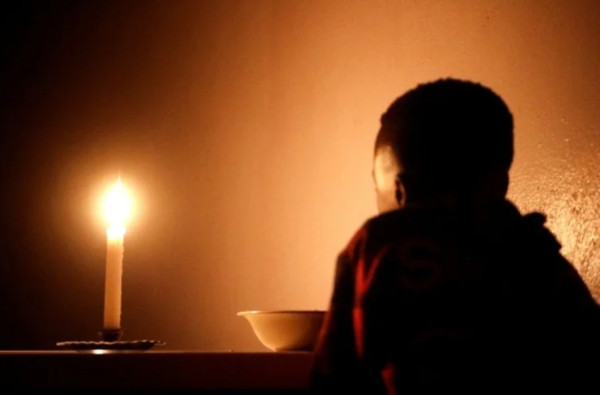
Introduction A good night’s sleep starts with a clean, comfortable mattress. One simple yet effective way to ensure this is by using a waterproof mattress protector. Let’s dive into why it’s a must-have for every bed.   The Need for a Waterproof Mattress Protector Longevity of Your Mattress: Moisture is a mattress’s worst enemy. A …
Read moreWhy You Need a Waterproof Mattress Protector
8 December 2023

BMA intercepts harmful skin lightning products at OR Tambo

Location: News

BMA intercepts harmful skin lightning products at OR Tambo

The Border Management Authority’s (BMA) port health team, working in the cargo section of the OR Tambo International Airport, on Thursday intercepted 865kg of skin lightning products, as well as unregistered medicine. 

The BMA highlighted that skin lightening products are prohibited in South Africa as they cause harm to the skin.

“The products were coming in on a flight from Nigeria and will be destroyed. In accordance with the Medicines and Related Substances Act 101 of 1965 and the Foodstuffs Cosmetic and Disinfection Act 54, when these products are found, the importer has to pay for the destruction of the products before the rest of the shipment is released. 

“Only an approved destruction facility licensed to deal with hazardous waste is used for destroying the products,” the BMA said in a statement.

The BMA’s port health team also found unregistered medicines which were detained for destruction. 

Port Health and environmental health practitioners work closely with officials from the South African Health Products Regulatory Authority (SAHPRA) who play an important role in advising officials on product identification and what steps to take.

Port Health is a special function of the Border Management Authority which monitors and evaluates all foodstuffs, cosmetics, disinfectants, hazardous substances and medicines entering South Africa through the ports.

Commissioner of the BMA, Dr Mike Masiapato, has outlined detailed port health regulations that will be undertaken at ports.

“All arriving travellers must expect to be screened and searched on their arrival at the ports of entry. We have employed all our resources and intensified our work during this festive season to ensure our borders are secured. We aim to record significant success with interceptions around the ports of entry and border law enforcement areas,” Dr Masiapato said.

The BMA is responsible and accountable for the entire border environment ensuring legitimate movement of goods and people. - SAnews.gov.za


DikelediM
Fri, 12/08/2023 - 12:03

402 views
Read moreBMA intercepts harmful skin lightning products at OR Tambo
8 December 2023

Weather service warns of heavy rain from Sunday

Location: News

Weather service warns of heavy rain from Sunday

The South African Weather Service (SAWS) has warned of widespread heavy rain in the days ahead, which could result in flooding or river flooding that might cause significant disruption in some provinces.

Initially the weather this weekend will be relatively settled, with just a small chance of thunderstorms over some of the eastern provinces on Friday and Saturday.

“Incidentally, neither the Western Cape nor the Eastern Cape will be directly affected by this weather system. On Sunday, 10 December, weather conditions will begin to deteriorate significantly, as the cut-off low manifests itself over the northern parts of the Northern Cape, introducing marked instability into the atmosphere, to drive widespread showers and thundershowers.

“As tropical air begins to stream southward over Botswana and South Africa, conditions will become progressively cloudy to overcast. During the course of the day, rain will set in over numerous provinces, including North West, the Free State, Gauteng, Mpumalanga, Limpopo and to a lesser extent, KwaZulu-Natal (KZN),” SAWS said.

Heavy rainfall is likely to occur in many parts of the above-mentioned provinces, elevating the risk of flooding as well as river flooding.

The public has been urged to monitor, and to take heed of, regular weather updates and warnings issued by the weather service.

“Moreover, as the rain produced by this system is expected to continue unabated into Monday, 11 December, the ground is likely to become saturated, leading to widespread overland runoff into streams and rivers.

“Whilst this phenomenon will ultimately lead to increased dam levels, the risk of river flooding (and associated road closures and general traffic disruption) will remain particularly high. Disaster management practitioners are also advised to maintain a high level of vigilance during this period, should river flooding continue to pose a safety and health risk to the public at large,” SAWS said.

Motorists and pedestrians are urged not to try to cross rivers or streams, which are already flooded, under any circumstances.

“The cause of the widespread rainy weather will be the combination of three distinct circulation features in the atmosphere over southern Africa. Firstly, a cut-off low is expected to develop, in the upper air of the atmosphere, over the central interior during the latter half of the weekend.

“Secondly, a surface trough is expected to begin intensifying, in sympathy with the deepening upper-air cut-off low. The combination of these two features is well known to have the potential to drive episodes of widespread, often heavy, rain over southern Africa.

“Importantly, in this particular case, there is a third significant factor which is expected to elevate the risk of heavy rainfall from this system. This factor is the expected introduction of a stream of tropically sourced moisture, drawn southwards over the central and eastern interior of South Africa, under the influence of the circulation associated with the surface trough and upper-air system respectively,” SAWS said.

Tropically sourced air is well known to be associated with rainfall of a potentially heavy, widespread nature.

“Currently, numeric weather prediction models suggest that the rainfall in association with this system will start clearing from the west, during the course of Tuesday, 12 December, although areas of heavier rainfall may still linger over KZN, eSwatini and the lowveld regions of Mpumalanga and Limpopo.

“A surface high pressure system is likely to sustain light rainfall over aforementioned provinces on Wednesday, 13 December, as cooler, moist maritime air is introduced to the eastern coastal regions. However, the upper air cut-off low will have moved off the country completely by this time,” SAWS said.

The South African Weather Service will continue to monitor this weather system and issue subsequent updates and impact-based warnings over the next few days.

The public has been advised to regularly follow weather forecasts on television and radio, as well as all social media platforms.

Updated information will regularly be available at www.weathersa.co.za as well as on X at @SAWeatherServic and Facebook @SouthAfricanWeatherservice. – SAnews.gov.za


nosihle
Fri, 12/08/2023 - 12:18

412 views
Read moreWeather service warns of heavy rain from Sunday
8 December 2023

Gender-based violence statistics highlight failures of plans to address the scourge

Location: MyPR

As South Africa engages in the last week of the global 16 Days of Activism against Gender-Based Violence campaign, a R1.6 billion budget allocation has done little to stem the tide of violent crimes against women and children. Commitments at presidential summits on gender-based violence and femicide (GBVF) in 2018 and 2022, including the budget …

Read moreGender-based violence statistics highlight failures of plans to address the scourge
8 December 2023

Powerplay – CSA Coach Education Newsletter 2Nd Issue

Location: Sport

It gives me great pleasure to put pen to paper once more to the coach development newsletter! The 2023/2024 summer...

Read morePowerplay – CSA Coach Education Newsletter 2Nd Issue
8 December 2023

SAMATU commends adoption of NHI Bill

Location: News

SAMATU commends adoption of NHI Bill

The South African Medical Association Trade Union (SAMATU) says the adoption of the National Health Insurance (NHI) Bill represents a monumental achievement in South Africa's journey towards accomplishing universal health coverage.

“This milestone signifies that the nation realises the importance of universal health coverage as a means of addressing the inequalities that exist in the current healthcare system,” said SAMATU General Secretary, Dr Cedric Sihlangu.

The union commended the Ministry of Health for the significant strides made in the implementation of the National Health Insurance (NHI) Bill, which was passed by the National Council of Provinces (NCOP) in Parliament, in Cape Town, on Wednesday.

The SAMATU noted with great satisfaction the Ministry's inclusive and comprehensive approach, particularly through robust stakeholder engagements, transparent communication, and a well-considered phased implementation strategy. 

Sihlangu said SAMATU views these efforts as “key components for the successful execution of this critical healthcare reform.”

“SAMATU recognises and supports the Ministry's emphasis on a rational, structured, and phased approach to the implementation of the NHI. The acknowledgement of the role of transitional arrangements and the impeding proclamation of specific sections of the Act as law are crucial elements in realising the transformative impact of the NHI. 

“We understand the intricacies involved in implementing such a fundamental reform and appreciate the Ministry's foresight in ascertaining that the effectiveness of the Act's provisions is undeniably linked to the subsequent introduction of accompanying regulations, directives, and operational procedures,” Sihlangu said.

Sihlangu’s comments come as Health Minister, Dr Joe Phaahla, has described the adoption of the bill as a historic and important milestone. 

According to Phaahla, the Ministry has since developed and adopted a comprehensive approach to stakeholder engagement to ensure diverse perspectives are considered as the country forges ahead with implementing NHI. 

“Regarding the next key steps, we look forward to the Bill being forwarded to the President for consideration and promulgation. Once it receives Presidential assent, the Bill will become an Act of Parliament, creating a statutory mandate for the Minister and the National Department of Health,” Phaahla said on Wednesday.

Sihlangu added that the Constitutional provision empowering the President to set dates for the effectiveness of various provisions within the Act is recognised, and SAMATU is confident in the Ministry's commitment to navigate through these processes with due diligence and steadfast focus on the public interest. 

“SAMATU stands ready to offer unwavering support and collaborate with all stakeholders involved in the NHI implementation processes. As a union that represents doctors, we are committed to provide valuable insights and engage constructively to ensure the realisation of a healthcare system that guarantees equitable access to quality healthcare for all South Africans.

“As we move forward, SAMATU reaffirms its commitment to advocating for the best interests of healthcare professionals and the public. We eagerly anticipate the successful realisation of the NHI objectives for the benefit of all citizens,” Sihlangu said. 

About the NHI

On 12 June 2023, the National Assembly (NA) passed the National Health Insurance Bill.

The NHI Bill seeks to provide universal access to health care services in the country in accordance with the National Health Insurance White Paper and the Constitution of South Africa.

The Bill envisages the establishment of a National Health Insurance Fund and sets out its powers, functions and governance structures. The fund will purchase health care services for all users who are registered with it.

The Bill will also create mechanisms for the equitable, effective and efficient utilisation of the resources of the fund to meet the health needs of users and preclude or limit undesirable, unethical and unlawful practices in relation to the fund. It further seeks to address barriers to access.

The NHI Bill was initially tabled in Parliament and introduced to the Portfolio Committee on Health on 8 August 2019 for processing.

Click here for "All you need to know" on the NHI. – SAnews.gov.za


GabiK
Fri, 12/08/2023 - 07:54

144 views
Read moreSAMATU commends adoption of NHI Bill
8 December 2023

High rate of men murdered a national health priority, say researchers

Location: News

Medical Research Council study has looked at why 87% of people murdered in South Africa are men

Read moreHigh rate of men murdered a national health priority, say researchers
7 December 2023

Understanding the World of Facilities Management in South Africa

Location: MyPR

Facilities management in South Africa is an essential aspect of the real estate and business sectors, contributing significantly to the operational efficiency and sustainability of buildings and properties. This blog post will provide an insightful overview of facilities management in the country, exploring its importance, services offered, and the benefits it brings to businesses and …

Read moreUnderstanding the World of Facilities Management in South Africa
7 December 2023

Gauteng Health leads candlelight service for victims of femicide in Sicelo

Location: News

Gauteng Health leads candlelight service for victims of femicide in Sicelo

In memory of the eight women who lost their lives due to femicide in the Midvaal Local Municipality -  the Gauteng Health MEC, Nomantu Nkomo-Ralehoko, will today hold a candlelight memorial service.

During the period of 2017-2021, the bodies of the victims were found dumped in open fields around Sicelo. 

The MEC will be joined by the families of the victims as they remember the women who were raped and murdered. 

According to Nkomo-Ralehoko’s office, almost 10% of all victims of all sexual offences seen at the Kopanong Hospital Thuthuzela Care Centre are from Midvaal with a significant proportion of these being from Sicelo.

“MEC Nkomo-Ralehoko will take this opportunity to call for continued collaborative efforts to intensify the fight against gender-based violence and femicide as part of 16 Days of Activism for No Violence Against Women and Children to promote public knowledge of the services available to victims of these inhumane offences,” the department said.

This year marks the 25th anniversary since South Africa initiated the 16 Days of Activism for No Violence against Women and Children campaign.

This year’s theme will focus on accelerating actions to end gender-based violence and femicide and leaving no one behind. – SAnews.gov.za

Gabisile
Thu, 12/07/2023 - 10:00

429 views
Read moreGauteng Health leads candlelight service for victims of femicide in Sicelo
7 December 2023

Free State communities share expectations ahead of Imbizo

Location: News

Free State communities share expectations ahead of Imbizo

As scores converged at the Kopano Indoor Sports Centre in Thabong, Free State, for the 11th District Development Model (DDM) Presidential Imbizo, some local residents of the Matjhabeng Local Municipality shared what they expected to be addressed by authorities at the gathering.

Speaking to SAnews on Thursday in Matjhabeng (which falls under the Lejweleputsawa District Municipality), Kgosi Mmelwana from Welkom said he was keen to hear President Cyril Ramaphosa’s message. He was especially looking forward to hearing what Ministers would have to say on education and health-related matters.

“I am glad that the President and his Cabinet Ministers have descended on our town. We want to tell the President what we need as a community.

“We still need more schools and healthcare facilities. Some of our learners walk long distances to school,” Mmelwana said.

Echoing his sentiments, Dithabo Mmutle, said some community members still travel long distances to access government services.

“We want government offices to be closer to where we stay. We spend a lot of money traveling to government offices to access services,” she said.

A Grade 12 learner at a local high school, Abraham Sithebe, said he was most concerned about the high unemployment among the youth.

“Young people go to school and at the end of the day, they are not employed. Government needs to take care of our people. We don’t want them to end up becoming drug addicts,” he said.

Today’s Imbizo in the Free State is the second in the province since the Presidential Izimbizo started in 2022. President Ramaphosa’s first Imbizo in the Free State took place in the Mangaung Metropolitan Municipality in April 2022.

During the 2022 engagement, 42 community members - representing the seven regions of the Mangaung Metro - voiced their concerns to the President, which included lack of service delivery, corruption, inadequate housing, unemployment and crime. The towns represented in this discussion included Van Stadensrus, Soutpan, Dewetsdorp, Wepener, Thaba Nchu, Botshabelo and Bloemfontein.

Ministers present at last year’s Imbizo had committed to dealing with pressing matters, including the standard of water and sanitation, and the state of roads.

The aim of the DDM Izimbizo, which have taken place throughout the country, is to provide an interactive platform for communities to engage and interact face-to-face with the President, Ministers and the provincial and local leadership.

The District Development Model enhances integrated and sustainable service delivery through the maximisation of intergovernmental planning, budgeting and implementation towards creating inclusive economic opportunities for locals.

The DDM, which was introduced and adopted by Cabinet on 21 August 2019, aims to improve cooperative governance and enhance service delivery, in line with the National Development Plan.

Focus on Lejweleputsawa

Today’s Imbizo takes place in Lejweleputsawa District Municipality, which consists of five local municipalities, which account for a third of the province. The district municipality is made up of the local municipalities of Matjhabeng (whose economy is mainly anchored on the mining of gold and uranium and it is the hub of the Free State Goldfields), Masilonyane, Nala, Tswelopele and Tokologo.

Under the theme “Leave No One Behind”, today’s Imbizo will allow the President and other leaders in government to assess progress made and be briefed on challenges associated with the improvement of service delivery since the President’s previous engagement with communities.

Ahead of this week’s Imbizo, the national, provincial and local spheres of government, as well as State entities, embarked on pre-Imbizo build-up programmes across the Free State.

These activities were undertaken to stimulate communities’ participation in the Imbizo and to assist residents with services they may require or other challenges they wish to report.

Stabilising Mangaung

Last year, Cabinet approved an intervention by the national executive in the governance of the Mangaung Metro, in terms of Section 139(7) of the Constitution.

Following failure by the Free State provincial executive to implement a financial recovery plan in the metro, the municipality was placed under national intervention.

At the time, The Presidency had said that this intervention was directed at helping the metro to improve its finances and to deliver on its mandate, and to return to sound governance and a better life for residents, the business community and other stakeholders.

In October this year, Deputy Minister in the Presidency responsible for Planning, Monitoring and Evaluation (DPME), Pinky Kekana, conducted an oversight monitoring visit of economic and service delivery-related projects in Mangaung.

She noted some of the positive joint efforts to stabilise the metro, including the finalisation of the appointment of the Municipal Manager, albeit challenges remain in certain areas.

Kekana reiterated that the DPME was dedicated to continuing to help the metro overcome its challenges in the interest of service delivery to residents and positive economic spinoffs for South Africa.

“If we can all work together through an integrated approach and create an enabling environment, it will help the municipality and lead to enhanced service delivery, investment, and economic growth.

“Our first and immediate goal is to contribute towards assisting the Mangaung Metropolitan Municipality absolve itself from the S139 constitutional intervention,” said Kekana at the time.

The DPME said its departmental specialists have supported the metro with comprehensive frontline monitoring reports and proposed interventions aimed at strengthening the capacity and overall operations of the municipality. - SAnews.gov.za

Edwin
Thu, 12/07/2023 - 12:38

431 views
Read moreFree State communities share expectations ahead of Imbizo
7 December 2023

World-class Wellness Way route launched on the KZN South Coast

Location: MyPR

Globally the wellness tourism market has grown as travellers place more emphasis on physical, mental, and spiritual wellbeing. On the KZN South Coast, where the natural beauty supports overall health, the first-ever South African wellness travel route – The Wellness Way – is being launched by Odyssey Magazine and The Southern Explorer, supported by South …

Read moreWorld-class Wellness Way route launched on the KZN South Coast
7 December 2023

Do As We Say, Not as We Do: Wealthy Nations’ Expectations for Africa

Location: News
African Energy Chamber

By NJ Ayuk, Executive Chairman, African Energy Chamber (http://www.EnergyChamber.org)

When examining how fossil fuel exploration, production, and usage differ between African and more developed nations, the contrast is so stark that it essentially defines the core mission of the African Energy Chamber (AEC). We exist not to bring these rates on par with each other but to amplify Africa's standing in the global energy industry such that it results in massive improvements in the quality of life across the continent.

Consider this: While Africa holds roughly 13% of global natural gas stores and 7% of its oil, when it comes to per capita use of these hydrocarbons for energy, Africa's consumption rate is the world's lowest.

Or this: While we're under pressure to adopt renewable energy resources, Africa already relies on renewables more than any other continent, but this refers to the wood and cow dung that fuel the cooking fires, which account for essentially half of Africa's energy consumption. Of course, both are linked to hazardous indoor air quality, adding to the already long list of vexing issues that many Africans must deal with daily.

In total, nearly one billion Africans have no access to clean cooking fuels. Another 600 million, with a majority living in the sub-Saharan regions, survive without access to electricity from any source.

Africa deserves relief from such difficulties.

As much as the African people stand to benefit from access to their own fossil-fuel resources, Africa's hydrocarbon-bearing nations possess a vast wealth they're willing and ready to share with the world. The prospect of forging development partnerships with foreign nations and international oil companies would offer much of Africa a path toward modernization, advancement, and prosperity while at the same time providing much-needed energy security to its business allies abroad.

We've been waiting for Africa to take its place alongside the equally resource-rich yet developed regions of the globe for far too long. However, Africa's readiness for this overdue transformation comes at a strange time in modern history. Just as we've observed increases in GDP per capita and average life expectancy parallel the proliferation of fossil fuels, we've also seen the rise of a small but vocal and influential minority that has set out to obstruct their continued extraction.

Activists and ill-informed ideologues mainly comprise this opposing faction. And either knowingly or as a result of having been taken in by false promises, they propose alternative energy solutions which are still far too expensive for Africa to implement effectively.

Africa needs affordable, readily available energy, but this group has steadily garnered sway over individuals, financial institutions, and world governments, convincing them that, for the sake of the planet's health, Africa's untapped resources must indefinitely remain right where they are today.

Over the years, these activists brought many to their side, ratifying their intentions through measures like the Paris Agreement of 2015 and the Glasgow Climate Pact of 2021 that require signatories to commit to green energy initiatives at home and abroad.

This movement proved effective in achieving its own goals and was allowed to carry on with its agenda unimpeded for many years. However, recent global events have rather suddenly forced both participants and onlookers to reconsider the merits of its claims and the value of any allegiance to it.

Eastern Aggression, Western Hypocrisy

When then-U.S. President Donald Trump, speaking before the United Nations General Assembly in 2018, warned Germany against their dependence on Russian energy, the German delegation in attendance famously snickered at his concerns. After Russia's invasion of Ukraine in 2022, the European Union's sanctions against the Russian energy sector that followed, and the subsequent sabotage of the Nord Stream pipelines, Trump's remarks appear more prescient in retrospect than they did at the time.

The war in Ukraine and the supply chain disruptions and fuel price spikes it induced sent world leaders scrambling to secure new energy sources for their countries.

Spring 2022 saw a frenzy of energy industry activity as Italy's foreign minister brokered new liquid natural gas (LNG) deals with Angola and the Congo, Germany engaged in gas talks with Senegal, and the energy ministers of Algeria, Niger, and Nigeria pledged to accelerate their work on the long-delayed Trans-Saharan gas pipeline project.

Even President Joe Biden, who notably vowed to end the United States' involvement with fossil fuels during his campaign, reached out to Saudi Arabia, urging the nation to increase oil production.

Coal: Don't Call It a Comeback

The 2021-2023 global energy crisis also led many nations to continue or increase their reliance on coal — the fossil fuel even conventional oil and gas companies are quick to disparage due to its negative impacts on human health and its history of environmental harm.

With their own power generation capacities in peril thanks to war shortages, below-average winter temperatures, overcast skies, and a wind drought that still threatens to starve turbines across Europe, the countries often most critical of Africa's modernization ambitions rushed to refill their stores of the very fuel they had scheduled for phase-out years before.

According to the International Energy Agency's mid-year Coal Market Update, global coal consumption grew by 3.3% in 2022, reaching an all-time high of 8.3 billion tons. While 2023 and 2024 might show a slight decrease in coal-fired power generation, the 1.5% rise in industrial coal use expected with improving economic conditions during the same period will likely negate this drop.

Putting a pause on an initiative begun in 2015 to shutter all its coal-fired power stations, the United Kingdom relaxed permitting conditions in July 2022, keeping its remaining plants operational albeit on standby into 2024.     

Around this same time, the EU imported roughly 11 times more coal than usual from Australia, South Africa, and Indonesia.

In August of 2023, in a move highlighted by opponents of the green agenda, German energy firm RWE began dismantling its wind farm in North Rhine-Westphalia to allow for the expansion of its Garzweiler II lignite coal mine.

Had these nations engaged in more earnest development negotiations with African oil and gas producers when we suggested they should, perhaps they would have found a better footing for dealing with unforeseen climate-related events, natural or political.

Gas Gets the Greenlight

In a move that helped to lessen the stigma cast upon a fuel much cleaner burning than coal, the EU voted in 2022 to officially recognize natural gas as a “green” or “sustainable” energy source. Unsurprisingly, this decision angered environmental activists. At the AEC, though, we support this development; we regard natural gas as crucial to Africa's battle against energy poverty and key to its future success as a sizeable supplier for the international market.

While the EU was at one point one of the loudest voices calling for full-scale decarbonization, we applaud this concession as this more positive classification will likely encourage European investment in African natural gas projects. And, as the AEC has always suggested, it will support our eventual transition to an emissions-free, fully renewables-based energy economy.

Our critics breathlessly warn us that future price drops could render African natural gas suppliers unable to compete against larger, established producers. Naysayers suggest that renewable energy technology will get up to speed and become widely adopted before any new African natural gas outfits can get underway. While these cynics regard oil and gas as merely trends in danger of falling out of fashion by next season, we remain confident that we are on the best course for Africa's future.

And while the wealthy, developed nations of the world have much to say about appropriate energy solutions for Africa, even as they flout the rules they've set for their own, we know we are in pursuit of the most beneficial gains for our people.

Just as the fuels that supported humanity progressed from wood to coal to oil as economies and technological needs evolved, so too will Africa's — naturally, and never as a consequence of dictated policy.

Distributed by APO Group on behalf of African Energy Chamber.

Media files
African Energy Chamber
Download logo
Read moreDo As We Say, Not as We Do: Wealthy Nations’ Expectations for Africa
7 December 2023

Adoption of NHI Bill by NCOP “historic” – says Health Minister

Location: News

Adoption of NHI Bill by NCOP "historic" - says Health Minister

Health Minister, Dr Joe Phaahla, has described the adoption of the National Health Insurance (NHI) Bill by the National Council of Provinces (NCOP) as a historic and important milestone. 

The NCOP passed the NHI Bill in Parliament in Cape Town on Wednesday with backing from all provinces, except the Western Cape. 

“Today marks another important milestone on the journey by the country to realise Universal Health Coverage (UHC) to ensure universal access to quality and affordable healthcare for all South Africans, as enshrined in the Constitution,” Phaahla said on Wednesday. 

Click here for "All you need to know" on the NHI.

Although there are still other processes to be followed before the Bill is signed into law, the Ministry of Health said it was pleased with the progress made so far.   

“This is a landmark moment for our country and specifically for our health system as we move towards realising Universal Health Coverage through the phased-approached implementation of NHI as a mechanism to ensure equitable access to quality healthcare for all citizens,” the Minister said.

He said he is confident that with the support of all stakeholders, government will create a healthcare system that is fair, efficient and accessible to all.

Phaahla believes the provisions outlined in the NHI Bill represent a comprehensive and transformative approach to healthcare delivery in South Africa. 

“It is founded on the principle that every South African, regardless of their socio-economic status, should have access to a comprehensive set of health services without facing any financial barriers.” 

Reflecting on the positive outcome of the NCOP vote, Phaahla said it was crucial to remember the significant strides made in advancing the necessary policy and legislative frameworks to support the implementation of NHI. 

“There have been positive and negative experiences in our taxing journey for us to reach this point. The journey in the process of the NHI Bill has not been without challenges,” he admitted. 

These, he said, include financial considerations, workforce capacity, and the integration of existing, in some instances parallel, healthcare systems. 

“These are issues that we must continue to collectively work together, to find the most practical solutions, to effectively and efficiently meet the health needs of our people.”

Meanwhile, he said the State remains committed to addressing these challenges through strategic planning, collaboration with stakeholders, and ongoing evaluation of the implementation processes.

“We recognise and appreciate the role that proactive stakeholder engagement plays in implementing such an important policy and legislative reform.”

According to Phaahla, the Ministry has since developed and adopted a comprehensive approach to stakeholder engagement to ensure diverse perspectives are considered as the country forges ahead with implementing NHI. 

“Regarding the next key steps, we look forward to the Bill being forwarded to the President for consideration and promulgation. Once it receives Presidential assent, the Bill will become an Act of Parliament, creating a statutory mandate for the Minister and the National Department of Health.”

This will, the Minister said, enable key institutional and organisational structures, such as the NHI Fund, to be formally established in line with the provisions of the NHI Act. 

“However, it is important for all stakeholders and the general public to note that this does not mean the provisions of the NHI Act, once promulgated, will all be implemented once-off without due consideration of the key requirements for transitional arrangements. 

“Our intention has always been to have a rational, structured and phased approach to implementation. Without the accompanying regulations, directives, and operational procedures, the transformative impact of the Act cannot be realised,” he explained. 

The Constitution empowers the President to set different dates for the effectiveness of various provisions within the Act. 

According to the Minister, the department will prepare detailed regulations, covering all aspects of the process. 

“Accordingly, the Minister will publish these regulations for public comment, encouraging transparency and inclusivity in shaping the governance of the NHI Fund and its enabling structures. 

“Once regulations are finalised, the Minister and the department will proceed with the establishment of the NHI Fund, a process expected to take between six and 12 months post-proclamation of the Act, with subsequent phases involving additional regulations and implementation steps.”

Ideal Clinic programme

As part of preparations for the rollout of the NHI, government has, over the past years, undertaken the Ideal Clinic programme, amongst other initiatives.  An Ideal Clinic is defined as a clinic with good infrastructure, adequate staff, adequate medicine and supplies, good administrative processes, and sufficient adequate bulk supplies.

It uses applicable clinical policies, protocols and guidelines, and it harnesses partner and stakeholder support. An Ideal Clinic also collaborates with other government departments, the private sector and non-governmental organisations to address the social determinants of health.

Integrated Clinical Services Management are a key focus within an Ideal Clinic. The purpose of Integrated Clinical Services Management is to respond to the growing burden of chronic diseases in South Africa in an efficient and cost effective manner.

The Ideal Clinic programme was started by South Africa in July 2013 as a way of systematically improving the quality of care provided in Primary Health Care facilities. 

According to the Health Department's 2021/2022 Annual Report, there are 1 928 (55%) primary health care facilities that have attained ideal status. – SAnews.gov.za

Gabisile
Thu, 12/07/2023 - 11:08

37 views
Read moreAdoption of NHI Bill by NCOP “historic” – says Health Minister
7 December 2023

President Ramaphosa to address Presidential Plenary on Science, Technology and Innovation

Location: News

President Ramaphosa to address Presidential Plenary on Science, Technology and Innovation

President Cyril Ramaphosa is set to address the inaugural Presidential Plenary on Science, Technology and Innovation (STI).

The plenary will be held at the CSIR International Convention Centre in Pretoria, next Tuesday. 

“The STI Plenary will bring together leaders in government, industry, academia and civil society to discuss progress made in the National System of Innovation (NSI) and challenges in this sector, and will explore ways for STI and skills development to impact positively on the South African economy,” the Presidency said in a statement. 

In November 2022, Cabinet adopted the STI Decadal Plan to guide the first 10 years of implementing the 2019 White Paper on STI. 

"The Decadal Plan seeks to respond to Phase II (2020-2024) and III (2025-2030) of attaining the National Development Plan (NDP) targets for STI, which propose that innovation is earmarked to improve the productivity and competitiveness of key sectors of the South African economy and contribute to higher GDP growth rates overall." 

The White Paper introduced the concept of an Inter-Ministerial Committee (IMC) on STI and a Presidential STI Plenary as instruments to enhance STI policy coherence, as well as programme and budget coordination in the South African national system of innovation.
 
“In this regard, the plenary will allow all role players to reflect collaboratively on progress with STI initiatives, and jointly commit resources for recommended STI initiatives,” the Presidency said. 

An Inter-Ministerial Committee on STI, established in March 2021, is led by the Minister of Higher Education, Science and Innovation and comprises Ministers of STI-intensive government departments.

The President will also visit an exhibition of locally produced, market-ready innovations in areas such as space science, health and energy. – SAnews.gov.za

DikelediM
Thu, 12/07/2023 - 10:15

9 views
Read morePresident Ramaphosa to address Presidential Plenary on Science, Technology and Innovation
6 December 2023

Fusion Centre’s efforts pay off

Location: News

Fusion Centre's efforts pay off

National Head of the Directorate for Priority Crime Investigation (DPCI), Lieutenant General Godfrey Lebeya, has outlined the progress and successes achieved by the Fusion Centre in its bid to prevent and combat corruption. 

“Since May 2020 to date, the Fusion Centre has achieved a significant number of successes in arrests, prosecution, freezing orders and recoveries. These significant achievements serve to amplify that government’s sharp focus on capacitating the agencies focused on fighting crime and corruption is yielding results,” Lebeya said, while addressing a media briefing in Pretoria, on Wednesday.

The centre was established in May 2020 by the Anti-Corruption Task Team (ACTT) and the National Priority Committee on Organised Crime (NPCOC) as a multi-disciplinary and collaborative effort by all corruption-fighting agencies that are actively involved in the prevention and combating of corruption.

It follows an intelligence-driven approach in investigating corruption and uses comprehensive data and information analysis. It also fast tracks and expedites the processing of cases, thus reducing delays in the pursuit of justice.

"The Fusion Centre broadens the scope of investigations by combining the expertise of multiple agencies, working within their legislative mandates and enhancing the quality and depth of each inquiry. This results in improving the quality of investigations, and increasing prosecution successes," he said.

Progress made

The Fusion Centre has achieved successes relating to the following cases:

  • 556 cases and incidents of fraud, maladministration, tax evasion and corruption involving 168 accused persons were investigated;
  • 51 natural persons and 43 entities were convicted for various crimes, including corruption, fraud, tax evasion, money laundering and others; and
  • 48 cases are still in court.

Lebeya explained that some of the cases handled by the Fusion Centre are complex commercial crimes, involving networks of organised criminal syndicates.

“The investigators from the Fusion Centre had to trace the networks and the syndicates in order to arrive at conclusive evidence of wrongdoing. The first case involved an accountant who defrauded the COVID-19 Temporary Employer-Employee Relief Scheme (TERS) [of] over R11 million by claiming relief funds on behalf of a number of companies without their knowledge.

“The investigators uncovered a network of 17 persons, 26 entities, 53 banking accounts and 983 transactions involved in the flow of the financial proceeds from the accountant. The funds were used to purchase immoveable and moveable assets such as houses and a car,” he said.

Preservation orders against two accountants to the value of R3 065 114.08 were obtained as well as four immoveable properties valued at R2 662 986.60. One vehicle was bought with an amount of R665 000.

The accused accountant, Lindelani Bert Gumede, was arrested and convicted for fraud, theft, and money laundering. He was sentenced in 2022 to 135 years imprisonment.

“The second case also involved an accountant who, using the names of six companies, defrauded the TERS scheme to the amount of R884 308.06. Crime analysis revealed that the accountant was behind the companies that claimed the funds.

“This accountant was charged and an amount of R482 258.71 was recovered in an FNB account registered under the name of the accountant. Through the recovery process by the Fusion Centre, he agreed to refund the funds derived from defrauding the scheme. The accountant, Mark Voster, was sentenced to six years imprisonment,” Lt-Gen Lebeya said.

The third case involved an Eastern Cape Taxi Association, which fraudulently claimed R220 million from the TERS scheme using 66 accounts.

The Fusion Centre issued Section 34 directives on the 26 bank accounts securing a preservation order of R26.9 million against the taxi association.

The personal protective equipment (PPE) contract of the taxi association was declared irregular and unlawful. The criminal trial is still proceeding.

In terms of the freezing orders and recoveries, the following successes were achieved:

  • The Financial Intelligence Centre (FIC) obtained 25 orders worth R274 million;
  • The Asset Forfeiture Unit (AFU) obtained 42 orders worth over R331 million;
  • The Special Investigating Unit (SIU) obtained 29 orders amounting to R465 million and
  • South African Revenue Service (SARS) obtained 22 freezing orders worth over R740 million.

Lt-Gen Lebeya said public officials were involved in some of the cases of maladministration or did not follow the legislative frameworks in the appointment of service providers, and payments made to service providers and third parties.

“There were 97 referrals for disciplinary and executive actions against officials in government departments and state-owned entities. So far, 11 public officials have been dismissed for various cases of maladministration, fraud and corruption. Three have resigned, eight were suspended, 71 pending and one has received a written warning,” he said.

Other referrals include 58 cases to the Competition Commission, 57 to the South African Health Product Regulatory Authority (SAHPRA) and 29 companies referred to National Treasury to blacklist them on the Central Supplier Database (CSD).

In addition, 47 referrals from the SIU to the National Prosecuting Authority and the Directorate for Priority Crime Investigation (DPCI) were made.

Fusion Centre's Mandate

The operationalisation of the Fusion Centre coincided with the need to identify and stem misappropriation of funds set aside by government for social and economic relief during the COVID-19 pandemic.

Initially it focused on money laundering, corruption and other financial crimes related to procurement of personal protective equipment and other COVID19 related procurement.

However, since the success of the collaborative approach, the mandate of the Fusion Centre has been expanded to include organised crime, money laundering, fraud, maladministration, terrorist financing and other serious financial crimes both in public and private institutions

“We are calling upon the business sector, specifically, to partner and collaborate with the Fusion Centre and support the enhancement of forensic investigation skills and other critical skills which will lead to a higher rate of prosecution for commercial corruption crimes.

“The Fusion Centre contributes towards the implementation of the Financial Action Task Force (FATF) action plan in respect of South Africa in addressing deficiencies in the anti-money laundering system,” he said. –SAnews.gov.za


nosihle
Wed, 12/06/2023 - 11:59

211 views
Read moreFusion Centre’s efforts pay off
5 December 2023

Government departments urged to pay suppliers on time

Location: News

Government departments urged to pay suppliers on time

Public Service Commission (PSC) Commissioner Anele Gxoyiya says out of 40 national government departments, only 15 have fully complied with the policy on timeous payment of service providers.

Gxoyiya on Tuesday addressed media in Pretoria on the PSC’s Quarterly Bulletin titled: ‘The Pulse of the Public Service’.

According to the PSC, the number of invoices paid after 30 days by the national and provincial departments amounts to 117 158, with the rand value of R11.1 billion.  This represents a regression of 12% when compared with the number of invoices paid after 30 days by national and provincial departments during the first quarter of the 2022/23 financial year, which amounted to 104 937 invoices, with the rand value of R8.6 billion.

Gxoyiya encouraged the departments that are compliant to maintain their performance and continue to pay all legitimate invoices from suppliers within 30 days, as required by the Public Finance Management Act (PFMA) and its related prescripts.

“The rand value of invoices paid after 30 days in the first quarter of the 2023/24 financial year amounted to R1.2 billion, and this indicates a regression of 126% when compared to the rand value of invoices paid after 30 days in the first quarter of the 2022/23 financial year, which amounted to R530 million,” said Gxoyiya.

The most common reasons provided by both the national and provincial departments for the late or non-payment of invoices are interruptions caused by poor internal controls, internal capacity, and budget constraints.

“North West provincial departments reported the second highest invoices paid after 30 days, amounting to 12 988 invoices, with the rand value of R880 million during the same period.

“In contrast, Eastern Cape provincial departments reported the highest number of invoices older than 30 days amounting to 25 789, with the rand value of R2.3 billion at the end of June 2023,” Gxoyiya said.

According to the PSC, the main contributing departments towards late or non-payment of invoices at national level are the Departments of Home Affairs; Correctional Services; Defence; Military Veterans; South African Police Service; Agriculture, Land Reform and Rural Development; Transport; Water and Sanitation; Public Works and Infrastructure; Health, and Tourism.

Gxoyiya advocated for transparency in dealing with public finances.

“Transparency is subtly intertwined with accountability... Transparency is pivotal to democracy and accountability, as well as upholding the principles of responsiveness and efficiency.

“In many ways, democracy is government by explanation because in an open and democratic society, government should be accountable for its actions and decisions, which should be informed by rational considerations that are explicable to those affected by them,” Gxoyiya said. – SAnews.gov.za

Edwin
Tue, 12/05/2023 - 13:34

423 views
Read moreGovernment departments urged to pay suppliers on time
5 December 2023

Health places medical interns, community service practitioners for 2024

Location: News

Health places medical interns, community service practitioners for 2024

The Department of Health has concluded the process of placing medical interns and community service applicants on the Internship and Community Service Programme (ICSP) due to commence in January 2024. 

The department said all successful applicants have been notified accordingly. 

The department said it received 10 386 applications through an online application system, of which 10 228 were South African citizens, including permanent residents and 158were foreign nationals. 

The department said 9 395 applicants have since been placed, including medical doctors, nurses, pharmacists and other health professionals at health facilities throughout the country. 

“The majority of posts were allocated to rural and underserved areas, in line with the philosophy of promoting access to Universal Health Care. Therefore, applicants are encouraged to take up those positions where they are allocated to serve the people of South Africa.

“The department tried hard to accommodate the applicants’ choices of placement. However, everyone can't be placed according to their choice areas and provinces of preference.”

The allocation process, the department said, was conducted in line with the relevant employment laws and guidelines, which prescribe that priority should be given to qualifying South African citizens.

This is followed by permanent residents and lastly, foreign nationals who wish to pursue their career in South Africa.

In addition, the department urged all students who wish to further their health science studies outside the country to ensure the institutions they wish to enrol in offer academic programmes that are aligned to the curriculum eligible for registration with the relevant South African statutory bodies. 

This, according to the department, is aimed at preventing avoidable registration challenges once they complete training. – SAnews.gov.za

Gabisile
Tue, 12/05/2023 - 15:09

257 views
Read moreHealth places medical interns, community service practitioners for 2024
4 December 2023

Africa’s premier psychedelic-assisted therapy facility is proud to announce its launch as a holistic, science-based wellness centre.

Location: MyPR

The Equanimity Wellness Centre was founded on the sincere desire to create a refuge for anyone in search of professional, trustworthy and compassionate therapeutic support. In the heart of Johannesburg, South Africa, Equanimity Wellness stands out as a facility implementing cutting-edge therapeutic practices, couched within a broader wellness framework, and delivered in an expertly curated, …

Read moreAfrica’s premier psychedelic-assisted therapy facility is proud to announce its launch as a holistic, science-based wellness centre.
4 December 2023

DO MORE FOUNDATION Celebrates Transformational Impact of Parent Education Programme in SA

Location: MyPR

Durban, 01 Dec 2023 – Following the noteworthy achievement of being awarded the prestigious Mandela Rhodes Foundation Äänit Prize, in September 2022, Dr Jessica Ronaasen, National Programmes Lead at the DO MORE FOUNDATION (DMF), in collaboration with key partners, has successfully spearheaded a transformational programme across South Africa. Their collective efforts have led to the …

Read moreDO MORE FOUNDATION Celebrates Transformational Impact of Parent Education Programme in SA
4 December 2023

Thousands rally in support of Palestine at Zoo Lake

Location: News

Health and humanitarian aid organisation workers voice outrage over bombing of Gaza

Read moreThousands rally in support of Palestine at Zoo Lake
4 December 2023

President Ramaphosa mourns passing of Prof Harry Seftel

Location: News

President Ramaphosa mourns passing of Prof Harry Seftel

President Cyril Ramaphosa has expressed sadness at the passing of veteran clinician, researcher and academic, Prof Harry Seftel, who passed away less than a month before his 95th birthday. 

In a statement, the President sent his deep condolences to the Seftel family and the late Dr Seftel’s friends and associates around the country and internationally.

Seftel spent more than 50 years in the Department of Medicine at the University of the Witwatersrand.

“Prof Seftel’s passing at the end of an extended life with which he was blessed is another instance of loss among a generation that defined the South Africa of the 20th century.

“Prof Seftel’s life journey includes his university-days friendship with Nelson Mandela. Harry Seftel’s journey was one of continuous curiosity and discovery, with the aim of assisting individuals and entire communities to make healthy lifestyle choices and enjoy a healthy life.

“He was a relentless achiever, who passionately educated generations of medical practitioners and researchers. He will be remembered for sharing his knowledge in the most accessible and entertaining ways, which endeared him to his students and millions of people who learned from him via public platforms,” President Ramaphosa said. 

The President said Seftel was a national treasure, whose love for his work and for the people of South Africa must be celebrated at this time of mourning and remembrance, and must live on in the ethos of all health care professionals. – SAnews.gov.za

DikelediM
Mon, 12/04/2023 - 10:48

106 views
Read morePresident Ramaphosa mourns passing of Prof Harry Seftel
2 December 2023

South Africans are living longer, mostly thanks to HIV treatment

Location: News

Antiretroviral medicines have been a success, but more work is needed to reach United Nations targets

Read moreSouth Africans are living longer, mostly thanks to HIV treatment
1 December 2023

Mashatile rallies communities to be involved in HIV interventions

Location: News

Mashatile rallies communities to be involved in HIV interventions

Deputy President Paul Mashatile has called on communities to actively participate in interventions to combat stigma, discrimination, and human rights violations affecting people living and affected by HIV/AIDS.

“History demonstrates that when communities unite, any challenge can be overcome. Our combined strengths can help us achieve the goal of eliminating HIV/AIDS and tuberculosis as public health threats,” he said on Friday. 

The Deputy President was speaking at the official commemoration of World AIDS Day as Chairperson of the South African National AIDS Council (SANAC). The event was held in Mandeni in KwaZulu-Natal.

He described the 1 December as an opportunity to strengthen unity to fight against HIV, support those living with HIV, and remember those who succumbed to AIDS-related illnesses. 

“Our combined strengths can help us achieve the goal of eliminating HIV/AIDS and tuberculosis as public health threats.” 

The Deputy President believes active civil society has also led to significant progress in the prevention, treatment, care, support, and outreach for the vulnerable.

“An additional area that necessitates strong oversight from civil society is the pervasive problem of gender-based violence and femicide, the correlation of which is universally recognised with HIV.”

However, he said he was encouraged by the Takuwani Riime Men’s Movement for its commitment to establish the men’s community parliaments in every village, township, suburb, and community in South Africa. 

“This movement seeks to mobilise men and boys to stand up and be counted in the country’s efforts against mental health in men, gender-based violence and femicide (GBVF), new HIV infections, and toxic masculinity, and for men to be drivers of the positive socialisation of the boy child.” 

He also rallied communities to hold hands with government to eradicate patriarchy, economic inequality, insensitive social norms, and harmful cultural practices. 

Gender-based violence, according the Deputy President, was detrimental to the state’s efforts towards the achievement of the global Sustainable Development Goals and National Development Plan. 

Survey

He also touched on the recently published sixth South African National HIV Prevalence, Incidence, and Behavioural Survey by the Human Sciences Research Council (HSRC).

The research found that 7.8 million people are living with HIV in South Africa, a decrease from 14% in 2017 to 12.7% in 2022. 

“While the results clearly show that the prevalence of HIV is declining, there are some worrying patterns regarding the age group between 25 and 49 years.” 

Meanwhile, among females, HIV prevalence was highest in ages 35 to 39 years at 34.2% compared to 27.1% in males aged 45 to 49 years. 

The country’s second-in-command also raised concerns about the increased incidence of HIV infection among girls between 15 to 19 years old. 

“It is an indication that older men engage in unprotected sexual activities with girls and young women. We must take extraordinary measures as a society to protect kids against immoral predators. We must ensure that children have a safe environment to discuss the issues influencing their sexual conduct and the pressures they are under. 

“We must stand with them and educate them about their rights and sexual health,” he stressed. 

Government is also worried about the lack of access to treatment by HIV-positive children, young people, and men.

The survey indicated that among those aged 15 and older living with HIV in South Africa in 2022, 90% were aware of their status, 91% of those aware of their status were on antiretroviral treatment (ART) and 94% of those on ART were virally suppressed. 

He told the community the state’s primary objective as a government is to integrate all facets of an individual’s healthcare into a unified system, ensuring that everyone consistently gets quality medical care. 

“Another game-changer in our progressive treatment literacy efforts is the integration of the undetectable equals untransmittable (U=U) concept into our policy framework.” 

This means that if a person takes their treatment consistently without fail, they will achieve ongoing viral suppression until the level of the virus drops to below 50 copies per millilitre. 

“However, we advocate for safe sex since being undetectable will not prevent you from passing on a sexually transmitted infection to your partner or having an unplanned pregnancy.” 

Stigma

Shifting his focus on stigma and prejudice, he said this can be as traumatic as the illness itself. 

This, he said, could lead to partner or family rejection, social marginalisation, school expulsion, denial of medical services, a lack of care and support, and violence. 

“We encourage our community leaders to engage our communities in order to alter societal attitudes and customs, some of which are influenced by our upbringing.” – SAnews.gov.za


Gabisile
Fri, 12/01/2023 - 15:24

225 views
Read moreMashatile rallies communities to be involved in HIV interventions
1 December 2023

Mashatile launches SA Chapter of the Global Alliance to Conclude AIDS in Kids by 2030

Location: News

Mashatile launches SA Chapter of the Global Alliance to End AIDS in Children by 2030

Deputy President Paul Mashatile officially launched the South African Chapter of the Global Alliance to End AIDS in Children by 2030, led by his wife, Humile Mashatile. 

“We are concerned with HIV treatment gaps in children. Children living with HIV aged 15 years and below are left behind in the global HIV response when compared to the general population,” he said. 

The country’s second-in-command was speaking at the official commemoration of World AIDS Day as Chairperson of the South African National AIDS Council (SANAC) at the Mandeni Local Municipality in KwaZulu-Natal.

He described the 1 December as an opportunity to strengthen unity to fight against HIV, support those living with HIV, and remember those who succumbed to AIDS-related illnesses.

Globally, he said only 52% of children who are living with HIV are on lifesaving treatment, compared to 76% of the adult population. 

According to the Deputy President, this results in children accounting for 15% of AIDS-related deaths on an annual basis despite that 4% of people living with HIV are children. 

Meanwhile, he said stigma, discrimination, punitive laws and policies, violence, and gender inequalities in Eastern and Southern Africa remain some of the barriers that hinder access to treatment, care, and support for women, girls, and children. 

“Unfortunately, South Africa has the largest population of children living with HIV in the world, and as of June 2023, our treatment coverage for children is alarmingly low, coming in at 67%.” 

He said the data raises concerns and emphasises the urgent need for increased efforts and resources to guarantee that every child who is HIV-positive receives the care and treatment they require. 

In response to this challenge, government is working with the Joint United Nations Programme on HIV and AIDS (UNAIDS), by coordinating United Nations (UN) agencies including the United Nations Children's Fund (UNICEF) and the World Health Organisation (WHO). 

The other partners include the United States President’s Emergency Plan for AIDS Relief (PEPFAR) and the Global Fund, together with civil society, in establishing the Global Alliance to end AIDS in Children by 2030. 

“The proclamation was first made at the 24th International AIDS Conference in Canada in 2022. South Africa was among the first 12 countries to join this alliance. As the South African government, we are determined to fulfil our commitment to end AIDS in children,” he stressed. 

This, according to the President, could be achieved by strengthening case finding among HIV-exposed infants and children and scaling up the initial HIV regimen to pregnant and breastfeeding women as per the revised clinical guidelines.

Meanwhile, government aims to also boost regular retesting of pregnant and breastfeeding women, increasing access to social protection programmes and addressing gender-based violence and femicide (GBVF), sexual assault, and abuse of infants, children, adolescents, and women. 

Government will also work around the clock to scale up advocacy for the enforcement of laws and the administration of justice. 

“Collectively, we should strive to ensure universal access to treatment, eliminate mother-to-child transmission, and confront prevailing prejudice and discrimination to foster a society that accepts and supports all individuals living with HIV, including our children. 

“Together, we have the power to end the epidemic of HIV and AIDS,” he added. – SAnews.gov.za


Gabisile
Fri, 12/01/2023 - 15:44

31 views
Read moreMashatile launches SA Chapter of the Global Alliance to Conclude AIDS in Kids by 2030
  • Previous
  • Page 1
  • Interim pages omitted …
  • Page 79
  • Page 80
  • Page 81
  • Page 82
  • Page 83
  • Interim pages omitted …
  • Page 95
  • Next

Copyright © 2026 · MyZA · All Rights Reserved · Powered by Stratlec Online