• Skip to main content
  • Skip to header right navigation
  • Skip to after header navigation
  • Skip to site footer
MyZA

MyZA

News, Directory, Events and Other Stuff

  • Social Media
  • Sport
  • World News
  • Home
  • Submit News
  • Directory
  • Events
  • Stratlec
  • TFSA
  • News
    • APO
    • Today’s Sport News
    • Todays Social Media and Tech Headlines
    • Today’s World News
    • Today’s SA Financial News
  • Contact
You are here: Home / Archives for Healthcare

Healthcare

23 January 2025

Health Department convenes first G20 Health Working Group meeting

Location: News

Health Department convenes first G20 Health Working Group meeting

The Department of Health will convene the first virtual Group of 20 (G20) Health Working Group meeting on Friday, 24 January 2025, as part of the country’s G20 Presidency activities planned for 2025.

“The objective of this meeting on health is for South Africa to present its G20 Health Working Group priorities to the Member States and other invited stakeholders to be informed about the country’s priorities and also to make inputs accordingly,” the department said in a statement. 

The mandate of the Health Working Group is to improve global health by addressing health challenges, building resilient health systems, and promoting equitable access to health services.

This virtual meeting will focus on the theme: ‘Accelerate Health Equity, Solidarity, and Universal Coverage’ and will include representatives from all G20 Member States, invited non-Member States and international organisations.

The health priorities identified within the broader South African G20 Presidency will form part of the deliberations on the day and include the strengthening of primary healthcare as a pathway towards Universal Health Coverage (UHC), the Pandemic Prevention Preparedness and Response, and strengthening of health and care workforce. 

The leaders will also focus on stemming the tide of non-communicable diseases and science and innovation for health and economic growth. 

“This will be the first of the planned meetings, both in-person and virtual, scheduled to take place throughout the year across the country,” the department explained, adding that the outcomes of these technical working group meetings will inform part of the discussions at the meetings for G20 Health Ministers culminating in a G20 Health Working Group declaration. 

South Africa assumed the G20 Presidency, being the first African country to do so, on 1 December 2024. – SAnews.gov.za

Gabisile
Thu, 01/23/2025 - 13:34

103 views
Read moreHealth Department convenes first G20 Health Working Group meeting
23 January 2025

32 Young African Researchers Build Their Data Analysis Skills at the 2025 Afrobarometer Summer School and Thematic Workshop

Location: News
Afrobarometer

Thirty-two young African researchers from 14 countries are sharpening their research and analysis skills at the 2025 Afrobarometer (www.Afrobarometer.org) English-language Summer School and Thematic Workshop, hosted at the University of Cape Town in South Africa. More than half of the programme's participants are women, underscoring Afrobarometer's dedication to empowering women.

Afrobarometer's Summer School is an introductory-level analysis course that equips young African scholars with essential skills in research design, survey methodology, and data analysis, focusing on public attitudes towards democracy, governance, and other critical areas. The 2025 Summer School, taking place from 13 to 31 January, will give participants the opportunity to explore a range of topics, including perspectives on climate change, support for military rule or democracy, and attitudes towards refugees, free trade and open borders, access to healthcare, and women's participation.

The two-week intermediate Thematic Workshop, running from 20 January to 2 February, focuses on developing more advanced data collection and analysis skills among African researchers, fostering impactful research and strengthening research networks across African institutions.

According to Jason Owen, Afrobarometer capacity building manager (advanced track), the Summer School and Thematic Workshop serve as vital platforms for capacity building, collaboration, and the advancement of research that addresses Africa's pressing governance challenges.

“By building a new generation of scholars and facilitating the production of analytical outputs that make use of Afrobarometer's extensive open access datasets, we continue to amplify African voices and contribute to data-driven policymaking across the continent,” he said.

Participants are optimistic about the workshop's transformative impact.

“As a humanitarian and development communication specialist, I work with communities and policy-makers to address political engagement issues among refugees and internally displaced people,” said Ruth Nakayima, research assistant and communication officer at Hatchile Consult Ltd and Plan International Uganda. “This workshop will build my capacities to understand geopolitics and to use data for social development.”

Distributed by APO Group on behalf of Afrobarometer.

For more information, please contact:
Asafika Mpako
Communications coordinator for Southern Africa
Email: ampako@afrobarometer.org
Telephone: +27 83 979 8299

Social Media:
Facebook: https://apo-opa.co/4asxXlM
Twitter/X: https://apo-opa.co/40Lanx6
LinkedIn: https://apo-opa.co/40HXbsR
YouTube: https://apo-opa.co/3Cg2S8d
Instagram: https://apo-opa.co/40IVviQ
WhatsApp: https://apo-opa.co/3E3jLUf
Visit us online at www.Afrobarometer.org
Follow our releases on #VoicesAfrica

About Afrobarometer:
Afrobarometer (AB) is a trusted source of high-quality data and analysis on what Africans are thinking. With an unmatched track record of 380,000+ interviews in 42 countries, representing the views of 80% of the African population, AB is leading the charge to bridge the continent's data gap. AB data inform many global indices, such as the Ibrahim Index of African Governance, Transparency International's Global Corruption Barometer, and the World Bank's Worldwide Governance Indicators. The data are also used for country risk analyses and by credit rating and forecasting agencies such as the Economist Intelligence Unit. All AB data sets are publicly available on the website (www.Afrobarometer.org/) and may be analysed free of charge using AB's online data analysis tool (https://apo-opa.co/3WvFqdZ).

Media files
Afrobarometer
Download logo
Read more32 Young African Researchers Build Their Data Analysis Skills at the 2025 Afrobarometer Summer School and Thematic Workshop
17 January 2025

SAHPRA warns of increased brain tumour risk with specific contraceptive use

Location: News

SAHPRA warns of increased brain tumour risk with specific contraceptive use

The South African Health Products Regulatory Authority (SAHPRA) has advised that the product information for medroxyprogesterone acetate (MPA) be updated to include revised safety warnings, including the risk of meningioma.

MPA is a synthetic oral and injectable form of the hormone progesterone and is used for birth control and the management of endometriosis-associated pain. 

“It is also indicated in the palliative treatment of recurrent and/or metastatic endometrial cancer, renal cancer, and breast cancer in postmenopausal women,” the local watchdog explained. 

MPA-containing products registered in South Africa are Depo-Provera, Provera, Petogen, Medroxyprogesterone Mylan, Sayana, Omrastoz, Trivina, and Triclogyn. 

SAHPRA said it was informed by a holder of a Certificate of Registration (HCR) of regulatory action taken in Europe concerning products containing MPA, noting the potential risk of meningioma. 

“The regulatory action, which entailed updating product labelling, was based on the results of two epidemiological studies conducted in France and the United States which observed an increased risk of cerebral meningioma with prolonged use of MPA.”

Meningiomas 

Meningioma is a slow-growing tumour that develops in the meninges, the membranes that cover the brain and spinal cord.

The signs and symptoms of meningiomas vary depending on the tumour’s location. 

“Meningiomas are the only brain tumour more common among women than men. Meningiomas tend to occur in middle-aged and older adults.” 

The available evidence indicates that there may be an increased risk of developing meningioma in individuals taking MPA.

However, the occurrence of meningioma is expected to be very rare. 

According to global reports, there have been 32 cases identified over a 20-year period from 2004 to 2024. 

SAHPRA believes that the absolute risk of developing meningioma is low, especially considering the widespread use of MPA-containing products.

“Currently, no cases have been reported in South Africa. SAHPRA wishes to assure the public that the benefit-risk profile of registered MPA-containing medicines remains favourable. MPA is safe to use for its approved indications.” 

Meanwhile, the increased risk of meningioma was also detected with prolonged use of medrogestone and promegestone, which are progestogens that can be used to treat menstrual irregularities and breast cancer. 

However, SAPHRA said no medicines containing progestogens are marketed in South Africa at present.

Advice for healthcare professionals

Healthcare professionals have been encouraged to provide counselling to patients about the side effects of MPA detailed in the product information https://pi-pil-repository.sahpra.org.za/. 

It is also recommended that patients treated with MPA be monitored for signs and symptoms of meningioma under clinical practice. 

“If a meningioma is diagnosed in any patient treated with MPA for a non-oncological indication, the use of MPA must be stopped, as a precautionary measure.” 

Meanwhile, if a meningioma is diagnosed in any patient treated with MPA for an oncological indication, the need for further use of MPA should be carefully considered on a case-by-case basis, considering individual benefits and risks.

Advice for patients

Patients should talk to a healthcare professional before taking or continuing MPA. 

“It is important to use MPA for its approved indications and to follow the directions for use provided by healthcare professionals.”

Healthcare professionals and members of the public are urged to report any suspected adverse drug reactions (ADRs) related to the use of MPA and other health products to SAHPRA. 

This can be completed through the eReporting link on the SAHPRA website https://www.sahpra.org.za/e-services/ or by filling out an ADR reporting form available on the SAHPRA website and emailing it to adr@sahpa.org.za. 

Alternatively, reporting can be done via the Med Safety App, downloadable through Google Play or the Apple App Store. – SAnews.gov.za

Gabisile
Fri, 01/17/2025 - 13:51

261 views
Read moreSAHPRA warns of increased brain tumour risk with specific contraceptive use
16 January 2025

SA calls for lasting peace after Middle East ceasefire agreement

Location: News

SA calls for lasting peace after Middle East ceasefire agreement

South Africa is calling for the establishment of a just and lasting peace that protects and promotes the human rights of both Palestinians and Israelis. 

This statement follows confirmation from mediators that a ceasefire agreement has been reached between Hamas and Israel after 15 months of conflict.

“South Africa welcomes the ceasefire agreement reached between Israel and Hamas after 15 months of Israel’s genocidal onslaught on Gaza after Hamas and other armed groups launched an attack on Israel,” the Department of International Relations and Cooperation (DIRCO) said on Wednesday evening. 

According to Al Jazeera, the truce will take effect on Sunday, 19 January 2025, if approved.

According to the news channel, Israel’s war in Gaza has resulted in the deaths of at least 46 707 Palestinians and 110 265 wounded since 7 October 2023. 

Meanwhile, at least 1 139 people were killed in Israel during the Hamas-led attacks on that day, and more than 200 people were taken captive.

The department believes that the ceasefire agreement is a crucial first step toward ending the severe humanitarian crisis faced by the 2.3 million Palestinians in the Gaza Strip. 

The International Court of Justice (ICJ) has indicated that the situation may be plausibly genocidal.

“The ceasefire must lay the basis for a just peace, which should include the establishment of a contiguous, independent, and viable Palestinian State. Palestinian sovereignty and territorial integrity must be upheld. 

“It is imperative that no land is annexed in either Gaza or the West Bank following the ceasefire, and that illegal settlement expansion is halted.”

In line with the ICJ's successive rulings, DIRCO firmly believes that the occupying power must follow the provisional measures recommended by the ICJ.

“International law and humanitarian law must be respected and upheld. Immediate and massive humanitarian aid is urgently needed to provide relief to civilians in Gaza.” 

Meanwhile, South Africa said all obstacles to delivering humanitarian aid must be lifted immediately and unconditionally, allowing civilians unrestricted access to essential food, water, shelter, and healthcare. 

Outgoing United States President Joe Biden announced yesterday that after many months of intensive diplomacy by his country, along with Egypt and Qatar, Israel and Hamas have reached a ceasefire and hostage deal.

“My diplomacy never ceased in their efforts to get this done – I will speak more about this soon. For now, I am thrilled that those who have been held hostage are being reunited with their families,” President Biden said in a statement. – SAnews.gov.za

Gabisile
Thu, 01/16/2025 - 09:34

114 views
Read moreSA calls for lasting peace after Middle East ceasefire agreement
8 January 2025

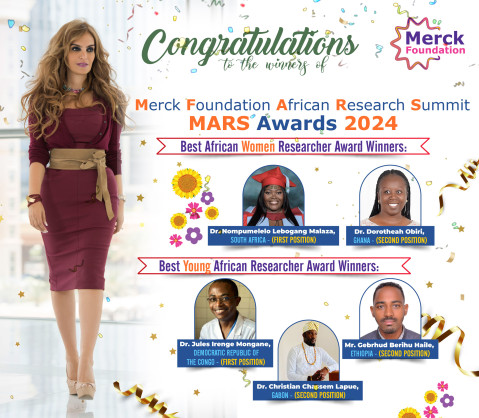
Merck Foundation CEO Announced the Best African Women Researchers and African Young Researchers

Location: News
Merck Foundation

  • Merck Foundation announced the winners of Merck Foundation Africa Research Summit – MARS Awards winners 2024, 5 Researchers from 5 different African Countries recognized under two categories - Best African Women Researchers and Best Young African Researchers.
  • Merck Foundation also announced the Call for Applications for new edition of Merck Foundation Africa Research Summit – MARS Awards 2025 to empower Women and Youth in STEM in Africa with special focus on ‘The Role of Scientific Research in Women Health and Reproductive Care'.

​Merck Foundation (www.Merck-Foundation.com), the philanthropic arm of Merck KGaA Germany, announced the Winners of Merck Foundation Africa Research Summit (MARS) Awards 2024, in partnership with International Federation of Fertility Societies -IFFS, Africa Reproductive Care Society - ARCS, Manipal University and African Union Scientific Technical Research Commission to recognize African Researchers for their valuable research work and contribution to empowering women and youth in STEM in Africa with special focus on ‘The Role of Scientific Research in Women Health and Reproductive Care'.

Senator Dr. Rasha Kelej, CEO of Merck Foundation and Chairperson of Merck Foundation Africa Research Summit - MARS expressed, “Since 2016, I have taken immense pride in recognizing the achievements of our MARS Awards winners. This year, we honor Six Winners in two categories: ‘Best African Women Researchers Awards' and ‘Best African Young Researchers Awards.'

These awards celebrate their significant contributions to research, particularly highlighting the efforts of African women researchers, who remain underrepresented in this field. Through the MARS Awards, our mission is to empower young researchers in Africa and to specifically encourage and support women researchers by enhancing their research capabilities and promoting their vital roles in STEM (Science, Technology, Engineering, and Mathematics).”

The winners of ‘Best African Women Researchers Awards' and ‘Best Young African Researcher Awards' will be enrolled into research training at a premier research institute in India.

“And I am also very happy to share with you all that as promised, we provided an opportunity to our first-place winner of each category to attend the 11th Edition of Merck Foundation Africa Asia Luminary which was recently conducted in Tanzania, however, only Mr. Jules Irenge Mongane was able to attend it”, shared Senator Rasha Kelej.

Merck Foundation is committed to improving the lives of people and has been transforming the Patient care landscape and making history together with its partners in Africa, Asia, and beyond, by providing 2080 Scholarships for doctors from 52 Countries in 44 critical and underserved medical specialties.

The MARS 2024 Award Winners are:

Winners of “MARS Best Women African Researchers Awards” 2024

  • Dr. Nompumelelo Lebogang Malaza, SOUTH AFRICA (First Position)

TOPIC: Association Between Biochemical And Epigenetic Markers With Glycaemic Control And Neonatal Outcomes In Diabetic Pregnancies

  • Dr. Dorotheah Obiri, GHANA (Second Position)

TOPIC: Immune dysregulation in placental malaria and hypertensive disorders of pregnancy

Winners of “MARS Best Young African Researchers Awards” 2024

  • Dr. Jules Irenge Mongane, DEMOCRATIC REPUBLIC OF THE CONGO (First Position)

TOPIC: Association Between Bacterial Vaginosis, Chlamydia Trachomatis Infection And Tubal Factor Infertility In Bukavu, Democratic Republic Of Congo

  • Dr. Christian Chassem Lapue, GABON (Second Position)

TOPIC: Epidemiology of helminthiases in women of reproductive age living in Lambaréné and its surroundings, Gabon

  • Dr. Gebrhud Berihu Haile, ETHIOPIA (Second Position)

TOPIC: Incidence of neonatal mortality and factors influencing neonate survival in  neonatal intensive care unit in Northern Ethiopia: a prospective cohort study

“I am also excited to announce the Call for Applications for the new edition of the Merck Foundation Africa Research Summit (MARS) Awards 2024. This year, special focus will be again on “The Role of Scientific Research in Women Health and Reproductive Care,” added Senator, Dr. Rasha Kelej.

Merck Foundation Africa Research Summit - MARS 2025 will have scientific support from African Union Scientific-Technical and Research Commission (AU-STRC); African Reproductive Care Society (ARCS), and Manipal Academy of Higher Education (MAHE).

Details for MARS AWARDS 2025

Abstracts are invited from final year African PhD students and young investigators involved in research related to either of the following topics:

1) Women's Health

2) Infertility and Reproductive Health

All applicants should be primarily based at African Research Institutes and Universities, although collaboration within Africa as well as outside is also welcome.

Last Date of Submission:

Applications can be submitted till 30th June 2025

How to apply:

Apply by clicking: https://apo-opa.co/406P6N1

Alternatively, the Applications and abstracts can be submitted via email to mars@merck-foundation.com, along with CV (including Name, Gender, Country, University/Hospital Name, Email address, Mobile Number) and the abstract document as an attachment.

Other Details:

  • All Abstracts will be peer reviewed.
  • Research Awards will be dedicated for two categories of Best African Women Researchers and Best Young Africa Researchers.
  • Winners will be eligible for Research Training in a prestigious Research Institute in India.
  • Top Winners will be invited to attend the 12th Edition of Merck Foundation Africa Asia Luminary 2025.

Distributed by APO Group on behalf of Merck Foundation.

Contact details:
Mehak Handa
Community Awareness Program Manager
+91 9310087613 / +91 9319606669
mehak.handa@external.merckgroup.com

Join the conversation on our social media platforms below and let your voice be heard!
Facebook: https://apo-opa.co/422rSKr
X: https://apo-opa.co/425eC7X
YouTube: https://apo-opa.co/4h62x6H
Instagram: https://apo-opa.co/40ogTKb
Threads: https://apo-opa.co/3DKxNtP
Flickr: https://apo-opa.co/4h2Lt1q
Website: www.Merck-Foundation.com
Download the Merck Foundation App: https://apo-opa.co/3W6yK5V

About Merck Foundation:
The Merck Foundation, established in 2017, is the philanthropic arm of Merck KGaA Germany, aims to improve the health and wellbeing of people and advance their lives through science and technology. Our efforts are primarily focused on improving access to quality & equitable healthcare solutions in underserved communities, building healthcare & scientific research capacity, empowering girls in education and empowering people in STEM (Science, Technology, Engineering, and Mathematics) with a special focus on women and youth. All Merck Foundation press releases are distributed by e-mail at the same time they become available on the Merck Foundation Website. Please visit www.Merck-Foundation.com to read more. Follow the social media of Merck Foundation: Facebook (https://apo-opa.co/422rSKr), X (https://apo-opa.co/425eC7X), Instagram (https://apo-opa.co/40ogTKb), YouTube (https://apo-opa.co/4h62x6H), Threads (https://apo-opa.co/3DKxNtP) and Flickr (https://apo-opa.co/4h2Lt1q).

The Merck Foundation is dedicated to improving social and health outcomes for communities in need. While it collaborates with various partners, including governments to achieve its humanitarian goals, the foundation remains strictly neutral in political matters. It does not engage in or support any political activities, elections, or regimes, focusing solely on its mission to elevate humanity and enhance well-being while maintaining a strict non-political stance in all of its endeavors.
Media files
Merck Foundation
Download logo
Read moreMerck Foundation CEO Announced the Best African Women Researchers and African Young Researchers
8 January 2025

Preliminary probe sheds light on Van Reenen’s Pass horror crash

Location: News

Preliminary probe sheds light on Van Reenen’s Pass horror crash

The preliminary investigation into the horrific accident involving a truck and minibus at the N3 Van Reenen's Pass on Monday has revealed that the minibus taxi lost control and swerved toward the right oncoming traffic lane and collided with a truck head-on.

In a statement issued on Tuesday, KwaZulu-Natal Transport and Human Settlements MEC, Siboniso Duma, said the initial stages of the investigation revealed that the truck driver was driving from Johannesburg towards Durban, whilst the minibus taxi was traveling from Durban towards Johannesburg.

“At the time of the collision, the truck was driving in the [right] lane southbound, whilst the minibus was driving in the [right] lane northbound. From the video footage obtained during this initial stage of the investigation, it is very clear that the minibus lost control and swerved toward the right oncoming traffic lane and collided with the truck head-on,” Duma said.

While the cause of the minibus losing control is unknown at this stage, Duma said they "strongly suspect" that the accident was due to heavy rainfall, speed, vehicle defect, or driver negligence.

He said the second phase of the investigation will focus on speed as the cause of the accident.

Duma also confirmed that a total of 17 people were declared dead on the scene of the accident, not 18 as initially reported. Only one passenger, a baby girl, survived, and is currently being treated in hospital.

“Based on the initial stages of the investigation, a taxi affiliated to Uncedo Taxi Association was travelling from Qumbu in the Eastern Cape to Johannesburg. Seven men, three women, three boys and four girls [were killed in the crash].

“I requested the HoD (Head of Department) and the entire team to visit the brave little girl in hospital. We are comforted by the fact that she is recovering, [and] we thank health professionals for ensuring the provision of quality healthcare,” Duma said.

Duma has extended his deepest condolences to the families of the deceased.

“At this stage, we wish to indicate that according to the owner of the minibus taxi, the families of the deceased have been identified and notified. Arrangements are being made by the owner and Uncedo Taxi Association for family members to travel to Ladysmith to identify their loved ones,” the MEC said.

Truck driver’s identity uncovered

The investigation has also discovered the identity of the truck driver – a 37-year-old Zimbabwean national.

“The truck belongs to Pangolin Logistics. We remain concerned about the fact that the driver of the trucking company contacted the owner of Pangolin Logistics before disappearing.

“We are asking ourselves many questions, [such as] who assisted him in disappearing from such a remote area at night?” Duma said.

Duma commended the dedicated team from the Road Traffic Inspectorate, including Emergency Rescue Services, and other key personnel who responded swiftly, as part of the rescue and cleaning up operation. – SAnews.gov.za

GabiK
Wed, 01/08/2025 - 12:45

26 views
Read morePreliminary probe sheds light on Van Reenen’s Pass horror crash
3 January 2025

Gauteng Health reveals outcome of investigation into death of expectant mother

Location: News

Gauteng Health reveals outcome of investigation into death of expectant mother

The Gauteng Department of Health says it has concluded an investigation into the death of Miriam Singh, a 32-year-old expectant mother who passed away within an hour of being admitted to the Westbury Clinic Midwifery Obstetric Unit (MOU).

Singh passed away on the morning of Sunday, 29 December 2024.

The investigation, initiated on 30 December, included an internal review and an expert analysis by leading specialists in obstetrics, gynecology, and surgery from Charlotte Maxeke Johannesburg Academic Hospital. 

The department has since received the outcome of the internal investigation. 

“The internal report found that the correct protocols were followed by the healthcare workers in attendance. The postmortem report has revealed that the patient had a serious underlying condition which contributed to the deterioration of their condition within a short space of time after presenting at our health facility. 

“Given the doctor patient confidentiality the department is unable to expatiate further the actual medical condition of the patient. The investigating officer from the South African Police Service earlier today handed over the postmortem report to the Singh family,” the department said. 

The department expressed disappointment over unfounded allegations circulated on public platforms by various interested parties, describing them as “malicious and not based on clinical facts”.

“This is not only irresponsible behaviour it is also unethical and unfortunately compounds the pain experienced by the grieving family as they now have to contend with misinformation from about the condition of their loved one which can make it even harder to accept clinical facts,” the department said.

The department extended its deepest condolences to the Singh family for their loss and assured them of continued access to counselling services and redress whenever needed. – SAnews.gov.za


DikelediM
Fri, 01/03/2025 - 09:58

53 views
Read moreGauteng Health reveals outcome of investigation into death of expectant mother
2 January 2025

Gauteng delivers 203 New Year babies 

Location: News

Gauteng delivers 203 New Year babies 

Gauteng public healthcare facilities delivered 203 New Year babies on Wednesday.

The 105 baby boys and 98 baby girls were born between midnight and noon.

This as the Gauteng MEC for Health and Wellness, Nomantu Nkomo-Ralehoko, visited the Chris Hani Baragwanath Academic Hospital in Soweto, to welcome the newly born babies and deliver baby essential gift packages on 1 January 2025. 

“Academic hospitals delivered 31 babies mostly from Chris Hani Baragwanath Academic Hospital with 20 babies, followed by Dr George Mukhari Academic Hospital and Steve Biko Academic Hospital with four deliveries each.”

Meanwhile, tertiary hospitals delivered a total of 12 babies. Tembisa Hospital and Kalafong Hospital delivered six babies each. 

“The department continues to urge all the mothers to ensure that the birth of their newly born babies are registered with the Department of Home Affairs offices that are in-house at health facilities across the province,” said the Gauteng Department of Health.

The department further urged mothers to prioritise immunisation and exclusive breastfeeding to promote the development of infants. 

“As we celebrate the arrival of new life, it is imperative to highlight the vital role of immunization and exclusive breastfeeding in safeguarding the health of infants. All parents must prioritise immunisation to protect their children from preventable diseases.

 Similarly, exclusive breastfeeding for the first six months provides essential nutrients and strengthens their immune systems,” said the Gauteng MEC.

READ | Gauteng Health MEC to welcome New Year’s Day babies and open expanded NICU

Additionally, the MEC officially opened the newly expanded 12 bedded Neonatal Intensive Care Unit (NICU) that has been refurbished and equipped with state-of-the-art equipment to provide high quality care to newborns in need of specialised care. 

The NICU project is part of the department’s infrastructure programme to ensure that all neonatal units undergo the required upgrades to address the overcrowding and reduce chances of cross infection. – SAnews.gov.za 
 

Neo
Thu, 01/02/2025 - 09:38

10 views
Read moreGauteng delivers 203 New Year babies 
27 December 2024

Public health facilities deliver over 1360 Christmas babies  

Location: News

Public health facilities deliver over 1360 Christmas babies  

The Department of Health has announced that over 1 360 babies were safely delivered at public health facilities across the country on Christmas Day. 

This figure represents approximately 300 fewer births than the 1 708 babies delivered in 2023 and about 50 fewer than the 1 414 babies born in 2022.

The births included six sets of twins that were safely delivered in public health facilities across the country. 

The first Christmas baby was born exactly at midnight at Osindisweni Hospital in KwaZulu-Natal, followed by another delivery at 12:01 am at Nkhensani Hospital in Limpopo.

Two deliveries were recorded at 12:02 am at Standerton Hospital in Mpumalanga and Madwaleni Hospital in the Eastern Cape.

The department reports that Gauteng recorded the highest number of births, totalling 393. 

This is followed by the Eastern Cape with 196 births, and both the Western Cape and Limpopo each with 172 births. 

Mpumalanga recorded 152 births, the North West had 102, the Free State counted 79, and the Northern Cape had 49 births.

In KwaZulu-Natal, the current number stands at 42, as the department awaits final figures.

According to the department, the number of teen mothers has decreased from 145 in 2023 to just under 90.

Among the new mothers is a 13-year-old who gave birth to a healthy baby at Seshego Hospital, located outside Polokwane in Limpopo. 

Three 15-year-olds delivered their babies at Emmaus, Hlabisa, and St Andrews Hospitals in KwaZulu-Natal.

In addition, a 16-year-old gave birth to a baby boy at Klerksdorp-Tshepong Tertiary Hospital, in the North West.

Decrease in teenage pregnancies

The department believes that the decrease in teenage mothers may be due to several interventions, including Sexual and Reproductive Health (SRH) programmes, a healthy lifestyle campaign, and the establishment of youth-friendly zones in primary health facilities nationwide.

These initiatives create an enabling environment for young people to access sexual and reproductive health services without waiting in the queue with general patients.

The interventions are implemented in collaboration with various stakeholders, including the Departments of Basic Education and Social Development, the South African National AIDS Council, Higher Health, loveLife, and Soul City. 

The aim is to increase the uptake of family planning services, reduce stigma, and minimise unplanned pregnancies among young people by promoting contraception methods.

Immunisation and care

The department urged mothers to immediately commence the developmental journey of their newborns which entails immunisation to achieve a long and healthy life for their babies. 

“For every child to achieve their full potential in terms of healthy growth and development, they need healthcare, the right nutrition, initiation of exclusive breastfeeding, immunisation and timely care during illness.” 

The first 1 000 days of a child’s life are important because they lay the foundation for their physical, emotional, and academic development. 

“The department will walk side by side with the new mothers as they embark on this incredible journey of motherhood,” it said, adding that parents should ensure they are up to date with immunisation to protect their children against vaccine-preventable diseases such as measles and polio. 

Meanwhile, mothers who subscribed to MomConnect, a free text-based programme, are encouraged to to remain active on this platform. 

The programme covers various topics such as newborn care, breastfeeding, immunisation, and appointment reminders. 

To join MomConnect, simply dial 134550*2# on your phone or send “join” on WhatsApp to 079 631 2456. – SAnews.gov.za
 

Gabisile
Fri, 12/27/2024 - 09:51

11 views
Read morePublic health facilities deliver over 1360 Christmas babies  
20 December 2024

Department of Health calls for calm as rubella cases rise 

Location: News

Department of Health calls for calm as rubella cases rise 

The National Department of Health has stated that there is no need for the public to panic despite the rising number of rubella cases in the country. 

However, citizens are encouraged to urgently visit their nearest health facilities if they experience symptoms of rubella.

The National Institute for Communicable Diseases (NICD) announced on Thursday that there has been an increase in laboratory-confirmed cases of rubella across the country.

READ | SA reports surge in seasonal rubella cases among children

According to the latest statistics, a total number of 101 37 positive cases of rubella have been identified in the country between January and November 2024, which is higher than cases recorded last year. 

Data shows that most cases were recorded in Gauteng and the Western Cape provinces, while more than 90% of the total cases are in children under 15 years of age accounting for over 8 300 cases, with only one patient over the age of 50 years. 

Gauteng has since recorded 2 603 infections, followed by 1 996 in KwaZulu-Natal, 1 338 in the Western Cape, 1 113 in the Eastern Cape, 899 in the North West, 862 in the Northern Cape, 665 in Mpumalanga, 471 in Free State, and 190 in Limpopo. 

“Although rubella in children is a mild, self-limiting illness and complications are rare, the risk of transmission remains high amongst children especially because many children entered the year 2024 without prior exposure to rubella, or without being vaccinated against rubella,” the department explained. 

Rubella is a highly contagious, but vaccine-preventable disease. 

According to the department, if children are not vaccinated against rubella, and never come into contact with rubella virus through natural infection, children will remain susceptible to rubella. 

The disease spreads from person to person through droplets coughed or sneezed into the air by an infected person. 

Meanwhile, children and pregnant women are at a higher risk of severe health complications of rubella. 

Parents and caregivers are urged to closely keep an eye on the health condition of their children and look out for common symptoms which include rash, fever, sore throat, headache, cough, runny nose, swollen lymph nodes in the neck and nausea. 

The department stated that symptoms develop two to three weeks after exposure. 

Rubella infection poses a risk of congenital rubella syndrome amongst pregnant mothers if they are infected in the first trimester of the pregnancy and can lead to birth defects in their unborn child. 

According to the department, the public healthcare facilities will remain accessible throughout the festive season. 

“There is no need for the public to panic, but members of the public are urged to present themselves or their loved ones with suspected rubella symptoms without delays for early detection, effective treatment and to prevent further transmission.” – SAnews.gov.za


Gabisile
Fri, 12/20/2024 - 11:19

254 views
Read moreDepartment of Health calls for calm as rubella cases rise 
17 December 2024

Activists Furious After Competition Commission Drops Probe Into Pharma Company

Location: News

Life-saving drugs still not available to many cystic fibrosis patients

Read moreActivists Furious After Competition Commission Drops Probe Into Pharma Company
12 December 2024

Mashatile calls on Chinese-funded businesses to increase investments to create jobs in SA

Location: News

Mashatile calls on Chinese-funded businesses to increase investments to create jobs in SA

Deputy President Paul Mashatile has encouraged Chinese-funded enterprises in South Africa to increase their investments in crucial sectors of the economy, particularly the automotive industry and infrastructure development.

“Your participation and investment in our country is critical for creating jobs and promoting economic growth and development,” the Deputy President said on Wednesday. 

The country’s second-in-command was speaking at the launch of the corporate social responsibility report of Chinese-funded enterprises in South Africa. 

At the South Africa-China Economic Trade and Association (SACETA) event, Mashatile cknowledged the organisation’s substantial contributions to the country’s economic and social development. 

SACETA was established in April 2011 and serves as a vital platform for fostering economic and trade collaboration between China and South Africa.

Mashatile told attendees that the 200 Chinese-funded enterprises locally serve as role models for businesses, demonstrating that profitability should be balanced with social good. 

As the global landscape continues to evolve rapidly, he believes it is essential for nations to cultivate strong partnerships to thrive and navigate the challenges of the modern world.

“We should leverage our expertise to navigate towards a more sustainable path, guided by the principles of joint pursuit and a shared future. Our countries have complementary strengths and resources, making us ideal economic partners.”

The Deputy President described China as one of the world’s greatest economies, providing a massive market for South African goods and services.

“In return, South Africa provides rich resources, such as minerals, agricultural products, and skilled labour, to support China’s rising economy.” 

Mashatile is of the view that improving trade connections between South Africa and China benefits both countries directly and has a positive ripple effect throughout the region. 

“Increased trade creates jobs, stimulates economic growth, and improves living standards for the people of both countries.”

However, the Deputy President acknowledged that the trade structure has been imbalanced, noting that last year’s value of China’s imports far exceeded its exports. 

According to Mashatile, total bilateral trade increased from R614 billion in 2022 to R692 billion in 2023, while China’s R146 billion deficits remained the highest among any of the country’s trading partners.

He announced that government intends to work with China in addressing the trade deficit and structure of bilateral trade by broadening its export basket, especially to export more value-added products.

“South Africa mostly exports minerals and agricultural products to China while importing mostly manufactured goods from China. At a time when African economies are becoming more integrated, China’s technological prowess may help Africa industrialise and export more than just raw materials.

“Instead of exporting raw agricultural items, South Africa may export processed foods that are more valuable.”

Mashatile stressed that China could lend a helping hand by streamlining import procedures and lowering regulatory hurdles, which could make China a larger market for local products, benefiting both South African producers and Chinese customers.

He said Chinese-funded enterprises must seize opportunities in emerging fields such as artificial intelligence, the digital economy and green energy.

Last year, Chinese businesses pledged to invest up to R15 billion at South Africa’s fifth Investment Conference. 

“In that same year, we witnessed the signing of significant purchase agreements totalling US$2.2 billion with companies in both nations. Therefore, our positive trade relations continue to be crucial in combating unemployment, inequality, and poverty,” Mashatile said.

He said South Africa and China share a strong and longstanding relationship, and that the bond between the nations has deepened, revealing the potential for collaboration to promote inclusive and equitable growth.

The Deputy President also touched on President Cyril Ramaphosa’s recent State Visit to China and told attendees that both Heads of State committed to providing a stable, fair, and enabling business environment for companies.

He welcomed the report that highlights the contributions of Chinese-funded enterprises to environmental conservation, community development, education, and healthcare. 

“As we move forward, let us reaffirm our commitment to expanding South African-Chinese trade and investment cooperation. Together, we can build a more successful and sustainable future for our countries.” – SAnews.gov.za

Gabisile
Wed, 12/11/2024 - 13:54

22 views
Read moreMashatile calls on Chinese-funded businesses to increase investments to create jobs in SA
9 December 2024

Protest Opposite Holocaust and Genocide Centre in Cape Town: Call for Ceasefire in Gaza

Location: News

The picket marked the International Day of Commemoration and Dignity of the Victims of the Crime of Genocide

Read moreProtest Opposite Holocaust and Genocide Centre in Cape Town: Call for Ceasefire in Gaza
5 December 2024

Health equity and women’s health emerge as key themes of the inaugural International Health Ministerial Summit

Location: News
Informa Markets: Healthcare

The inaugural International Health Ministerial Summit, organised by Informa Markets (www.InformaMarkets.com), began with a series of dynamic panel discussions featuring influential delegates showcasing collaborative solutions to global healthcare challenges.

Hosting governmental figures and policymakers, corporate CEOs and investors, medical directors, and experts, the exclusive by-invitation only Summit, themed Strengthening Health Systems for a Better Tomorrow, takes place from 4 to 5 December 2024 at the Marriott in Kigali. It brings together renowned health experts from across the continent and the world and highlights topics like digital health, technological adoption, R&D in vaccinations, women's health, healthcare investment opportunities, and health equity.

During his official opening address, Dr. Sabin Nsanzimana, the Minister of Health of host country Rwanda, said: “There is no better investment than in our health. It is not a negotiable luxury but a fundamental human right. Strengthening health systems means focusing on the four S's: staff, space, supplies, and systems. In Rwanda, we understand that investing in health is investing in our future. That's why the Government of Rwanda has approved the 4x4 Reform—a bold strategy to quadruple the number of healthcare workers in the next four years to meet the WHO recommendation of at least 4 healthcare professionals per 1,000 population. This initiative underscores our commitment to building a resilient health system where no one is left behind. By investing in these pillars and embracing technology/innovations like AI, we can build resilient systems that ensure uninterrupted care for all.”

Addressing health equity's challenges and opportunities 

Following the welcome address by Dr. Deborah M. Barasa, Health Cabinet Secretary of Kenya, who spoke about actions to shift primary healthcare, the first session of the day featured several panel discussions dealing with the challenges and opportunities for health equity.

In a panel discussion hosted by Dr. Tim Keuri, CEO of the Kenya Health Federation, industry leaders discussed transforming Africa into a global hub for pharmaceutical innovation and manufacturing. Representatives from the Unified Procurement Association, PharmaAccess, Global One Health Institute, Pfizer, and Bayer provided insights on investment enhancement, regulatory framework improvements, and strategic collaborations to strengthen Africa's position in the global pharmaceutical value chain.

Another panel, moderated by Bloomberg news reporter Ondiro Oganga, addressed the urgent need for Africa to advance self-sufficiency in pharmaceutical R&D, local vaccine production, and diagnostic access. Experts from Senegal's Ministry of Health, The Global Trust Project, UN Foundation, African Society for Laboratory Medicine, Africa CDC, and leading corporations like Genf, Hologic, and Roche Diagnostics emphasised the importance of establishing regional pharma hubs and enhancing local capabilities. According to Ahmed Ogwell, Vice President of Global Health Strategy at the UN Foundation in Kenya, “The gap is not in identifying problems or proposing solutions—it's in executing those solutions. For example, while there's been significant discussion around manufacturing COVID-19 vaccines, we lack local production of diagnostics and essential tools like rapid tests on the continent. To move forward, we need to prioritise what to produce, coordinate efforts regionally, and ensure that the products we manufacture are consumed within our systems." 

Women's health and equitable access to healthcare

The second key theme of the day was health equity and women's health, starting with an insightful discussion on what is needed to close the health equity gap. Moderated by Dominic Wilhem, Executive Director of The Global Trust Project, global health leaders debated how to unite healthcare stakeholders to address the health equity gap. Panellists focused on collaborative strategies to ensure universal access to essential medicines and vaccines. The session underscored the importance of international cooperation to progress healthcare for all, regardless of geographic or socio-economic boundaries. Pfizer Kenya Director of Policy and Public Affairs Pauline Irungu commented on the outcomes, saying, “When we think about partnerships, we have a tendency to think about government- private partnerships, but we also need to talk more about private private partnerships which then support agendas of governments in Africa and beyond. At Pfizer one of the gaps we experience is the challenge of diagnostics. How do we advance access to medicine?  Currently , we have two strong partnerships  with diagnostic companies on the continent. Now we also make a call that we also want others to join the partnerships because the more we partner as private sector, the more  we're able to address the multifaceted challenges within the health care system.”

A second panel on the topic brought together top health experts to tackle the urgent issue of women's health in Africa, particularly the high maternal mortality rates in sub-Saharan Africa. Hosted by Dr. Magome Masike, Registrar, Health Professions Council of South Africa, this panel of leaders from various health organisations and government bodies debated the need for innovative approaches to enhance women's health across the continent. The session highlighted the importance of rethinking strategies to improve healthcare outcomes for women in Africa.

Day two of the Summit will focus on advancements in digital health, how artificial intelligence is transforming healthcare, health investment and financing, and an exciting Rwandan initiative using drones to deliver essential medicines to health facilities.

For more details on the International Health Ministerial Summit, visit the event website: https://apo-opa.co/3ZBts4y

Distributed by APO Group on behalf of Informa Markets: Healthcare.

Media files
Informa Markets: Healthcare
Download logo
Read moreHealth equity and women’s health emerge as key themes of the inaugural International Health Ministerial Summit
4 December 2024

Key Disability Bill Should Not Be Rushed

Location: News

We need more time to comment on this bill, which could transform the lives of millions

Read moreKey Disability Bill Should Not Be Rushed
3 December 2024

Africa: Statement on Continental Secretariat for Lusaka Agenda Implementation Launch

Location: News

Africa Centres for Disease Control and Prevention (Africa CDC)
Download logo

The February 2024 Decision of the African Union Assembly on the report of the President of the Republic of South Africa, H.E. Matamela Cyril Ramaphosa, the African Union Champion for Pandemic Prevention, Preparedness and Response (PPPR), to “support the establishment of an accountability mechanism within the AU architecture to ensure the effective implementation of the Lusaka Agenda in Africa” is a timely and welcome development.

The Lusaka Agenda, launched on Universal Health Coverage (UHC) Day, December 12, 2023, provides a framework for coordinated action towards a unified vision of sustainably and domestically financed health systems and universal access to healthcare, ensuring that no one is left behind.

H.E. Ramaphosa has been instrumental in advancing the Lusaka Agenda Accountability Framework. Through the PPPR Commission, he championed the establishment of an accountability mechanism for the Lusaka Agenda, which leverages platforms such as the Africa Leadership Meeting (ALM). He secured the endorsement of the framework by his peers, emphasizing Africa's commitment to health equity, strengthened primary health care, and accountability for sustainable progress.

The Lusaka Agenda's transformative potential lies in fostering African-led solutions, building stronger primary healthcare systems, and ensuring equitable health outcomes while reducing dependency on fragmented external funding. It represents a unified vision for Africa to lead the future of its health systems with sustainable financing and strategic coherence across global and local health initiatives. It aims to empower African nations to achieve universal health coverage (UHC) and resilience against public health challenges, including those exacerbated by the COVID-19 pandemic.

The effective implementation of the Lusaka Agenda will achieve five strategic shifts, notably for the long-term evolution of the Global Health Initiatives (GHIs):

  1. Make a stronger contribution to primary health care (PHC) by effectively strengthening systems for health.
  2. Play a catalytic role in fostering sustainable, domestically financed health services and public health functions.
  3. Strengthen joint approaches for achieving equity in health outcomes.
  4. Achieve strategic and operational coherence.
  5. Coordinate approaches to products, research and development (R&D), and regional manufacturing to address market and policy failures in global health.

The five strategic shifts will advance resilient primary health care (PHC) as the cornerstone of preparedness, prevention, response, and control of public health threats across the African continent.

“The Lusaka Agenda is a political commitment endorsed by African Heads of State to achieve health equity and strengthen primary health care across the continent. I call on all stakeholders to support Africa CDC's leadership and fully commit to the accountability framework, ensuring transparency and measurable progress toward a healthier, more resilient Africa,” – H.E. President Cyril Ramaphosa, Republic of South Africa.

“The Lusaka Agenda Secretariat, housed at Africa CDC, will work with partners to develop the Lusaka Agenda Monitoring and Accountability Framework and a continental scorecard for timely monitoring and reporting to AU Heads of State and Government. Through the Secretariat, AU Member States will more effectively and efficiently leverage GHIs to complement domestic financing, maximizing health impacts in support of country-led priorities,”- H.E. Dr. Jean Kaseya, Africa CDC Director General.

The Lusaka Agenda Secretariat hosted at Africa CDC aligns with the February 2024 Assembly Decision of the African Union Heads of State and Government (Dec.880(XXXVII) and further solidifies Africa CDC and AU Commission leadership in steering the successful implementation of the Lusaka Agenda on the African continent. The establishment of the Secretariat is a pivotal initiative to oversee and coordinate the monitoring and accountability mechanisms essential for advancing Africa's health transformation.

The Secretariat provides a platform for Africa CDC to work closely with partners, including WHO and the wider UN system, the World Bank, bilateral donors, regional entities, civil society, and community-led organizations.

The Secretariat will coordinate, monitor the implementation, and periodically report to the AU Heads of State and Governments on the progress of implementation. It will foster learning and knowledge-sharing across policy and program areas, ensuring no country is left behind during the Lusaka Agenda's implementation on the African continent.

Distributed by APO Group on behalf of Africa Centres for Disease Control and Prevention (Africa CDC).

Read moreAfrica: Statement on Continental Secretariat for Lusaka Agenda Implementation Launch
1 December 2024

South Africans called to unite against HIV and Aids

Location: News

South Africans called to unite against HIV and Aids

The fight against HIV and Aids requires all South Africans to act together, says Deputy President Paul Mashatile.

Addressing the World Aids Day commemoration at the Sisa Dukashe stadium in Mdantsane, in the Easten Cape on Sunday, the Deputy President said while significant strides have been made in ensuring that 95% of people living with HIV know their status, the same cannot be said with respect to ensuring that 95% of people who know their status are on treatment and that 95% of people on treatment are virally suppressed.

“As of June 2024, only 79% of people who knew their status were on treatment, and only 93% of people on treatment were virally suppressed.

“As a country, we need to further increase HIV screening, diagnosis, and treatment initiation while maintaining treatment adherence to keep viral suppression rates high. We urge all government departments to incorporate HIV/AIDS and Tuberculosis [TB] in their workplace health and wellness programs.

“In the same breath, we call upon political parties, trade unions, student organisations, and other formations to encourage their members and supporters to know their HIV status and those who know their status to seek treatment and to remain on treatment.

“Our traditional leaders need to continue to use platforms at their disposal, such as community meetings, izimbizo, traditional initiation schools, funerals and such events, to encourage their subjects to test for HIV and TB,” the Deputy President said.

He said government would continuously rely on various stakeholders, such as religious leaders to mobilise all men and women who worship, especially those who are HIV-positive and have stopped treatment, to return to care.

The Deputy President welcomed the initiative by the Department of Health, working together with SANAC and development partners, to trace the 1.1 million people living with HIV and linking them to treatment from today to December 2025.

Mashatile said linking these 1.1 million people to treatment will enable the country to reach the UNAIDS targets of 95-95-95. This is 95% of people living with HIV know their HIV status; 95% of people who know their HIV status are receiving HIV treatment and 95% of people on HIV treatment are virally suppressed.

“Let us all play our part and contribute to making this initiative a success,” he said.

South Africa must prioritise community-led responses and interventions to “guarantee that no one falls behind”.

“I would like to urge all the Premiers to make use of the Provincial Councils on AIDS to mobilise these sectors and others that are active in the provinces to help us find the 1.1 million people.

“All employers and employment organisations must come to the party.  This is a genuine battle, and if we fail to combat HIV and AIDS, it will ultimately lead to our downfall,” the Deputy President said.

There have been many scientific advances in treatment and antiretroviral therapy, which have allowed people to live long and productive lives. Scientists are optimistic that improved treatment options can enhance prevention, and they are actively working on a cure and vaccine, he said.

“However, our country remains the epicentre of HIV and is among those with the highest TB burden. There are nearly 8 million people living with HIV, and TB remains the leading cause of death, claiming around 56 000 lives a year.

“We must always be cognisant of the fact that HIV is not only a public health crisis but also a developmental challenge and a human rights matter. Our approaches must be comprehensive, targeted, inclusive, and geo-specific.”

The Deputy President said HIV was prevalent among young people, especially adolescent girls and young women between the ages of 15 and 24, with a weekly record of 1 300 new cases. The infection rate among boys of the same age, however, is almost three times less, meaning girls are more vulnerable to HIV infection.

“A variety of factors, including the biological makeup of their bodies and their involvement in age-disparate relationships, contribute to this phenomenon. Nevertheless, we need more interventions designed for adolescent girls and young women.

“I am encouraged by campaigns such as #ForeverWena, a movement that aims to empower youth to take charge of their sexual health. It encourages open, factual, and informative discussions about healthy sexual behaviour and choices through its WhatsApp chatbot, a digital campaign available 24/7 that offers a confidential space for people to access vital information and support.”

Eastern Cape Premier Oscar Mabuyane said it was important for everyone to acquire knowledge about HIV and Aids.

“Our people deserve equal rights, equal care despite their status. This is an important day for us, let’s have hope,” Mabuyane said.

He said the province would focus on young people. “We have a problem of high teenage pregnancy. Lets teach our children to be responsible,” he said.

Health Minister Dr Aaron Motsoaledi told the delegates South Africa needed to put 1. 2 million people on ARV treatment. “We need to work very hard to reach the 95 percent,” Motsoaledi said, referring to the UNAIDS targets.

Motsoaledi encouraged men especially to get tested for HIV and know their status.

South Africa joined the global community in anchoring the World Aids Day 2024 commemorations on the protection of everyone’s right to receive universal access to quality health care for all its citizens.

World Aids Day is commemorated annually across the globe in solidarity with the millions of people living with HIV as well as to raise awareness about the status of the epidemic, with a view to encourage HIV prevention, treatment, and care.

The 2024 theme: “Equal Rights, Equal Care” is a call for equal, equitable and dignified access to healthcare for all South Africans regardless of their economic status, gender, race or sexuality. – SAnews.gov.za

Edwin
Sun, 12/01/2024 - 14:57

259 views
Read moreSouth Africans called to unite against HIV and Aids
1 December 2024

Check your HIV status, urges Dr Nobatyi

Location: News

Check your HIV status, urges Dr Nobatyi

“People must be encouraged to test for and know their HIV status as this will save lives,” says Senior Clinical Manager, Dr Pidhumza Nobatyi.

Dr Nobatyi was speaking to SAnews on the sidelines of the World Aids Day commemoration at the Sisa Dukashe stadium in Mdantsane, in the Eastern Cape on Sunday.

She said living with HIV was no longer like in the past when people were dying because there was no treatment available.

Today, patients with HIV are living healthy and normal lives. “It’s not a death sentence, it can be treated,” she said.

Dr Nobatyi is a Senior Clinical Manager at the Buffalo City Metropolitan Municipality Health District overseeing 85 health institutions.

She said it was critical for everyone to know their status.

South Africa is on Sunday joining the global community in anchoring the World Aids Day 2024 commemorations on the protection of everyone’s right to receive universal access to quality health care for all its citizens. 

World Aids Day is commemorated annually across the globe in solidarity with the millions of people living with HIV as well as to raise awareness about the status of the epidemic, with a view to encourage HIV prevention, treatment, and care.

The 2024 theme: “Equal Rights, Equal Care” is a call for equal, equitable and dignified access to healthcare for all South Africans regardless of their economic status, gender, race or sexuality.

Community member, Nobantu Ntsaluba, told SAnews that government should do more to encourage people to practice safer sex and to have their status checked.

“It’s better to know your status, than to live not knowing your status. Today, there is help for those living with HIV, there is treatment,” Ntsaluba.

Ntsaluba called on young people to always practice safer sex and stick to one partner.

“People may contract the virus because they have multiple partners or they are not faithful to their partners,” she said.

First observed in 1988, World Aids Day, is marked annually to raise awareness about HIV and Aids while also recognising and honouring the lives lost.

Deputy President Paul Mashatile is leading today’s commemoration alongside the SANAC Civil Society Chairperson Solly Nduku, SANAC Private Sector Chairperson Nompumelelo Zikalala, Minister of Health Aaron Motsoaledi, Eastern Cape Premier Oscar Mabuyane, as well as representatives from development partners such as the UN Agencies UNAIDS, UNICEF, WHO, US government agencies the CDC, PEPFAR, USAID, research entities, civil society movements, the private sector and community members.

Community members from various areas in the Eastern Cape are also attending. – SAnews.gov.za

Edwin
Sun, 12/01/2024 - 12:13

79 views
Read moreCheck your HIV status, urges Dr Nobatyi
28 November 2024

Health Department launches app dedicated to youth health services

Location: News

Health Department launches app dedicated to youth health services

The Department of Health is reactivating the B-Wise platform by launching a new progressive app designed to provide adolescent and youth-friendly health services (AYFHS) and information. 

The event is happening today in East London, Eastern Cape, and will include a lively youth march starting from Premier Bakery in Southernwood, then proceeding along Oxford Street to the stadium.

“This exciting development reinforces our commitment to empowering young people with accessible, reliable, and youth-centred appropriate health resources,” the department said. 

The new B-Wise app brings innovative features, including interactive tools for sexual and reproductive health and rights, promotion of health and wellness, education, and HIV and tuberculosis prevention. 

The new app will be downloadable on cellphones and tablets from the App Store and other apps after the launch.

B-Wise is an interactive digital platform developed by the Department of Health in partnership with stakeholders including the United States President's Emergency Plan for AIDS Relief (PEPFAR). 

The aim is to improve the uptake of health services amongst adolescents and young people in South Africa, especially HIV prevention, mental health, family planning, and contraceptive use to make informed choices about their sexual and reproductive health.

The launch will be attended by leaders and representatives from various sectors, including health, local government, the youth sector, and non-governmental organisations.

The programme will entail a youth-led panel discussion where social challenges affecting young people, especially with regards to access to health services together with recommendations will be made. 

“Young people in South Africa continue to face barriers to healthcare access and information. The reactivation of B-Wise and the introduction of this innovative app address these challenges head-on, providing a digital space where youth can access life-saving health information and services without stigma or barriers,” the department explained. 

Government is calling on young people, community leaders, healthcare workers, and media partners to join us in this march and at the launch event to celebrate the power of technology in transforming lives and breaking down healthcare barriers. 

“Together, we can ensure that every young person has the tools they need to make informed decisions about their health and wellbeing.” – SAnews.gov.za


Gabisile
Thu, 11/28/2024 - 11:20

89 views
Read moreHealth Department launches app dedicated to youth health services
26 November 2024

Zimbabwe Commits to Boost Domestic Health Financing

Location: News

World Health Organzation (WHO) - Zimbabwe
Download logo

Zimbabwe has taken a significant step towards strengthening its health system by committing to increase domestic financing through a health levy, a sugar tax, establishment of National Health Insurance and other initiatives. This commitment was made during a three-day national dialogue on health financing, aimed at exploring sustainable strategies to improve the country's health sector which brought together key stakeholders, including government officials, healthcare providers, civil society organizations, and international experts, to discuss innovative approaches to bolstering financing to the country's health system.

Finance, Economic Development and Investment Promotion Deputy Minister Kudakwashe Mnangagwa announced $10 million through the Health Levy and $18 million through a sugar tax has been raised to date. These funds are intended to strengthen the country's health system and improve access to healthcare for all citizens.

“We will have periodical meetings between Treasury and the Ministry of Health and Child Care(MoHCC) to discuss major challenges facing the health sector, including budget utilisation, disbursements, cash support, as well as coming up with a minimum monthly health sector requirement to guide our cash flows,” he said.

The country is yet to meet the Abuja Declaration target of allocating 15% of its annual budget to health, leading to a healthcare system burdened by rising costs, limited resources, and inequitable access to care. Imposing taxes on unhealthy products like tobacco and alcohol can generate additional revenue for health programmes. Countries like Vietnam and South Africa have implemented such measures with varying degrees of success.

Key issues identified during the dialogue included the need to increase public revenue allocation to healthcare, improve the predictability and stability of funding flows, and strengthen accountability mechanisms. Collaboration with the private sector, establishing efficient cost-recovery mechanisms, ensuring health remains a priority in national budgets, leveraging indigenous knowledge systems, and timely disbursement of health funds were some of the recommendations brought forward during the meeting. In addition to sin taxes, levies, diaspora remittances, and climate financing, investing in preventive health programmes, expanding immunization programmes, and prioritizing allocation to primary health care and prevention of high-burden diseases were identified as some of the low-hanging fruits. 

To improve service delivery, shifting from siloed approaches to consolidated management structures, implementing cost-effective quality improvement initiatives, and identifying and eliminating wastage were also emphasized. Collaborating with civil society organizations, involving communities in decision-making, investing in capacity building for health workers, promoting innovation, developing social contracting policies, and promoting regional, national, and subnational knowledge exchange were also highlighted as important strategies. 

The World Health Organization (WHO) Representative to Zimbabwe Dr Desta Tiruneh commended the government's commitment to health financing and emphasized the need for collaboration between the MoHCC, the Ministry of Finance, and Parliament to implement proposed reforms and ensure equitable access to healthcare. He pledged WHO continued support to the government in implementing the recommendations provide during the dialogue and achieving the goal of Universal Health Coverage (UHC).

Distributed by APO Group on behalf of World Health Organzation (WHO) - Zimbabwe.

Read moreZimbabwe Commits to Boost Domestic Health Financing
26 November 2024

SA to mark World Aids Day

Location: News

SA to mark World Aids Day

Deputy President Paul Mashatile, in his capacity as the Chairperson of the South African National Aids Council (SANAC), will on Sunday lead the official commemoration of World Aids Day in East London.

World Aids Day is commemorated annually across the globe in solidarity with the millions of people living with HIV as well as to raise awareness about the status of the epidemic, with a view to encourage HIV prevention, treatment, and care.

The 2024 theme: “Equal Rights, Equal Care” is a call for equal, equitable and dignified access to healthcare for all South Africans regardless of their economic status, gender, race or sexuality.

“South Africa joins the global community in anchoring the World Aids Day 2024 commemorations, on the protection of everyone’s right to receive universal access to quality health care for all its citizens. 

“This is in line with the principles of the newly enacted National Health Insurance (NHI) model, which is a transformative policy aimed at addressing the inequalities in South Africa’s healthcare system,” said the Presidency.

Deputy President Mashatile will lead the commemoration alongside the SANAC Civil Society Chairperson Solly Nduku, SANAC Private Sector Chairperson Nompumelelo Zikalala, Minister of Health Aaron Motsoaledi, Eastern Cape Premier Oscar Mabuyane, as well as representatives from development partners such as the UN Agencies UNAIDS, UNICEF, WHO, US government agencies the CDC, PEPFAR, USAID, research entities, civil society movements, the private sector and community members.

As part of the programme on Sunday, Humile Mashatile, in her capacity as Patron of the Global Alliance, will participate at the launch of the Eastern Cape Provincial Global Alliance to End AIDS in Children by 2030. – SAnews.gov.za

Janine
Tue, 11/26/2024 - 12:17

8 views
Read moreSA to mark World Aids Day
25 November 2024

Diamond Mines Everywhere but Richtersveld Town Battles Poverty

Location: News

Sanddrift residents struggle to get medication, ambulances, and jobs

Read moreDiamond Mines Everywhere but Richtersveld Town Battles Poverty
25 November 2024

Amplifychange Marks 10 Years of Advancing Sexual and Reproductive Health and Rights

Location: News

Today marks 10 years of a pioneering effort to promote sexual health and rights in Africa and South Asia. Because of AmplifyChange (www.AmplifyChange.org) -funded support for local activists in key African countries, millions now have better access to comprehensive sexual and reproductive healthcare and information and can make decisions about their bodies and their relationships. Over the past decade, AmplifyChange has invested significantly in grassroots organisations dedicated to eliminating gender-based violence, including sexual violence, female genital mutilation, and child marriage. In Kenya, more than £20.5 million has funded over 35 projects, with £5.7 million specifically targeting these critical issues. South Africa has received over £15.4 million, including £5.1 million for nearly 20 initiatives. In Nigeria, £6.8 million has been granted, with almost £2 million funding around 25 projects, while in Senegal, over £2.1 million has been allocated, including £1.8 million for nine targeted initiatives.AmplifyChange has been the transformational vehicle supported by governmental, foundation, and private-sector donors. In partnership with the Ministry of Foreign Affairs Denmark, it today celebrates its tenth-anniversary event at Eigtveds Pakhus in Copenhagen. 

“The Government of Denmark was one of the founding donors that set up AmplifyChange to support locally-led groups to lead the work on Sexual and Reproductive Health and Rights in their communities. Denmark has been a proud supporter ever since. AmplifyChange has lived up to its ambitious name and brought empowerment and life-altering changes to millions of women, girls, and local communities over the last 10 years. We look forward to continuing the cooperation,” said Denmark's State Secretary for Development Cooperation Lotte Machon. 

AmplifyChange has funded 775 civil society organisations in the last ten years, distributing over GBP 125 million in grants across 67 sub-Saharan Africa and South Asia countries. The organisation's unique approach focuses on delivering funds directly to grassroots organisations, allowing for rapid response to community needs and efficient use of resources. Cameroon is one notable example where AmplifyChange has supported local groups like Reach Out Cameroon to address urgent SRHR issues worsened by ongoing conflict within the country, especially for women and girls. By involving men and boys in shifting social norms, challenging toxic masculinity, and reducing gender-based violence, these initiatives create a community-driven approach that supports immediate SRHR needs and builds lasting change in attitudes toward gender equality. In addition, AmplifyChange uses comprehensive impact assessment methods to track the effectiveness of its initiatives to ensure that each grant contributes to meaningful and sustainable progress in the key countries. 

Local community support has been essential for initiatives like Dance Into Space (DIS), a performing arts group in Siaya, Kenya, where Artistic Director Onyango Ondiege uses “artivism” to promote sexual and reproductive health and rights (SRHR) for people with disabilities. One member, Pamela Jura, a single mother of three, advocates for women with disabilities through dance, tackling stigma and human rights violations. DIS's “Breaking Barriers” initiative equips individuals with contemporary dance skills to raise awareness of the challenges faced by people with disabilities while encouraging understanding and empathy to drive social change. 

“In the past decade, AmplifyChange has proven the power of local action in addressing some of the most pressing SRHR issues worldwide,” said Dr. Narmeen Hamid, Board Chair of AmplifyChange. “Our partnerships with community organisations are at the heart of what we do, enabling local leaders to drive sustainable change and confront critical challenges that affect health and rights in their communities.” 

AmplifyChange was launched in 2014 by Her Majesty The Queen of Denmark during a United Nations General Assembly session, marking the beginning of a movement dedicated to improving SRHR for underserved populations in sub-Saharan Africa and South Asia. Through targeted funding and organisational strengthening, AmplifyChange has supported local organisations to tackle urgent issues, including gender-based violence, stigma, abortion access, youth rights, and healthcare availability for all. 

“AmplifyChange's support has allowed us to champion rights and health for LGBTIQ communities in ways that were once unimaginable,” said Anne-Marie Manga, AmplifyChange Strategic Adviser for Cameroon. “Our work brings visibility and resilience to people who are often marginalised, and it emphasises that SRHR advocacy is about dignity, health, and inclusivity for all.” 

“With AmplifyChange's partnership, we have been able to expand our reach and deepen our impact, particularly in underserved West African communities,” said Sory Ibrahima Monekata, Ph.D., Grant Director of Dambe Funds Sahel in Mali. “Their support has enabled us to implement essential programs and to build local capacity, ensuring that our advocacy and services are sustainable and rooted in the communities we serve.” 

AmplifyChange's 10th-anniversary celebration coincides with the first day of the global “16 Days of Activism Against Gender-Based Violence,” a fitting occasion to reflect on the progress made and the work still to be done. The organisation's impact in advancing SRHR highlights shared values of health equity, dignity, and justice that resonate globally and especially with communities throughout Europe. AmplifyChange remains committed to broadening its support and forging new partnerships to address critical SRHR needs, building healthier and more resilient communities in the process. 

Distributed by APO Group on behalf of AmplifyChange.

Contacts:
For more information, please contact:
communications@amplifychange.org  

West Africa Media: 
Anne Mireille
anne-mireille.nzouankeu@finnpartners.com 
+237 657 816 993 

East Africa Media: 
Sharon Quntai
sharon.quntai@finnpartners.com 
+254 728 224 952  

About AmplifyChange: 
AmplifyChange is a multi-donor challenge fund dedicated to advancing sexual and reproductive health and rights (SRHR) by empowering local organisations across sub-Saharan Africa and South Asia. AmplifyChange supports civil society advocacy and activist groups working on the most neglected and challenging SRHR issues globally today. By focusing on critical issues such as gender-based violence, stigma against sexual and gender minorities, abortion access, youth rights, and healthcare access for marginalised communities, AmplifyChange supports grassroots initiatives to ensure that resources reach communities most in need, promoting a just and inclusive world where every individual's health and rights are respected and protected. AmplifyChange collaborates with FINN Partners to amplify its mission and effectively communicate its global impact. 

Media files
AmplifyChange
Download logo
Read moreAmplifychange Marks 10 Years of Advancing Sexual and Reproductive Health and Rights
25 November 2024

South Africa remains committed to ozone protection and climate action

Location: News

South Africa remains committed to ozone protection and climate action

By Bernice Swarts
 

South Africa recently participated in the 36th Meeting of the Parties to the Montreal Protocol on Substances that Deplete the Ozone Layer (MOP 36) in Bangkok, Thailand.
 

The Montreal Protocol, established in 1987, is a landmark global treaty aimed at protecting the ozone layer by phasing out ozone-depleting substances (ODS). Despite the Protocol’s successes, some ODS replacements, specifically hydrofluorocarbons (HFCs), have emerged as potent greenhouse gases, some over a thousand times more powerful than carbon dioxide in driving climate change.
 

At MOP 36, South Africa reaffirmed its commitment to eliminating ozone-depleting substances. Central to our approach is our belief in the Montreal Protocol as a highly effective framework for reducing ODS while offering significant co-benefits for global climate health. We celebrated the recent decision to allocate $1 billion to the Multilateral Fund to help developing nations meet their Protocol obligations, showcasing the international community’s dedication to this critical cause.
 

As one of Africa’s most industrialised nations, South Africa recognizes its role as a leader in climate action. Our national action plan emphasizes transitioning the Refrigeration and Air Conditioning (RAC) sector towards greener refrigerants and energy-efficient systems. This shift is directly aligned with global climate goals, creating jobs and enhancing sustainability within South Africa’s industrial landscape. By managing refrigerants effectively, we can contribute to reducing global warming by 0.5°C, proving that industry-specific actions can have impactful climate outcomes.
 

South Africa is also committed to the full life-cycle management of refrigerants, ensuring that substances are properly controlled, recovered, recycled, or reclaimed.
 

During MOP 36, we showcased South Africa’s commitment to sustainable practices by training hundreds of technicians, particularly young people, in energy-efficient refrigeration and air-conditioning technologies. Our government – through the Department of Forestry, Fisheries and the Environment (DFFE) – and various stakeholders aim to train1 600 more young people in energy-efficient refrigeration and air-conditioning technologies in the near future. This investment in local capacity reflects our dedication to minimising environmental impact over the long term.
 

South Africa also used its participation at the MOP 36 to raise an issue of continental significance: the lack of sufficient monitoring facilities across Africa. Our country operates three monitoring stations through its Weather Services, but there is an urgent need for additional resources to expand this capability. We called for financial assistance to establish more state-of-the-art monitoring stations across Africa, enhancing the global repository of scientific data for tracking and managing emissions. This call for support underscores Africa’s crucial role in contributing to a global climate response.
 

South Africa has also made significant progress in phasing out methyl bromide, a highly ozone-depleting substance, showcasing our commitment to long-term environmental sustainability.
 

Another critical issue addressed at MOP 36 was the healthcare sector’s reliance on ozone-depleting substances, particularly in metered-dose inhalers. We urged a shift to greener alternatives, emphasizing the dual importance of public health and environmental protection.
 

South Africa’s experience also demonstrates the value of strict regulatory enforcement to prevent illegal trade in controlled substances and low-efficiency products. By investing in customs training to detect illegal trade, South Africa is addressing an often-overlooked aspect of environmental governance: the importance of preventing leakage through illicit imports and exports that could undermine international agreements. Our proposal included a two-pronged approach—strict regulations and penalties for non-compliance—aimed at helping all nations meet their environmental goals.
 

During my remarks at MOP 36, I called for the ratification of the Kigali Amendment to the Montreal Protocol, urging all nations to take action against climate-warming HFCs. This appeal highlights the interconnected nature of environmental challenges and the importance of collective global action. The Montreal Protocol stands as a model for effective international cooperation, and South Africa’s call for universal ratification underscores our commitment to preserving and extending its benefits.
 

I do want to stress that South Africa’s presence at MOP 36 was a powerful reminder of the urgency of climate action. Through robust national initiatives and a vision for global cooperation, we called on the world to strengthen efforts in environmental protection, ozone layer preservation, and climate change mitigation for future generations. Our actions and commitments reflect a roadmap for immediate impact and a testament to the resilience needed to secure a sustainable future for all and for future generations. 

*Bernice Swarts is the Deputy Minister of Forestry, Fisheries and the Environment*

Matona
Mon, 11/25/2024 - 14:34

174 views
Read moreSouth Africa remains committed to ozone protection and climate action
  • Previous
  • Page 1
  • Interim pages omitted …
  • Page 8
  • Page 9
  • Page 10
  • Page 11
  • Page 12
  • Interim pages omitted …
  • Page 14
  • Next

Copyright © 2026 · MyZA · All Rights Reserved · Powered by Reach Trust