US Funding Remains Frozen for Many Life-Saving Services
Despite waivers, court judgments and assurances from the embassy, USAID funding for projects that provide HIV medication has not resumed
Mpumalanga strengthens fight against GBVF
Mpumalanga Premier Mandla Ndlovu has launched the Provincial Council on Gender-Based Violence and Femicide that will improve access to essential services for GBVF victims.
Wednesday’s launch in Secunda marked a step forward in the province’s commitment to addressing the deep-seated inequalities and GBVF that plagues communities.
The newly established council will focus on improving access to essential services for GBVF victims, including shelters, counselling, legal support, and healthcare.
It is envisaged that the structure will develop an action plan for the implementation of the Provincial Strategic Plan on GBVF (PSP-GBVF), recently approved by Members of the Executive Council (EXCO).
Ndlovu said the launch affirms the provincial government’s commitment to fight the GBVF pandemic, given the increase in GBVF cases in the province.
Ndlovu said the statistics of sexual offences, which increased from 641 in March 2022 to 746 in March 2023, underscores the urgency of the structure.
“Through the provincial structure, we are bringing together government, civil society, and the private sector to create a collective response to GBVF. The structure will effectively coordinate all GBVF intervention programmes, in our quest to eliminate the pandemic.
“We stand in solidarity with survivors, dedicating ourselves to rebuilding their lives, and ensuring that perpetrators are held accountable for their heinous crimes. Justice will be served, and no offender will go unpunished. This initiative is a testament to our unwavering resolve to create a safer, more equitable society for all,” the Premier said.
The council will be constituted by government representatives, with the Premier as a co-Chairperson, the private sector, the civil society, and traditional leadership.
A pledge was signed at the end of the event as a commitment by all stakeholders to fight GBVF.
The launch aligns with President Cyril Ramaphosa’s declaration of GBVF as a national crisis and a second pandemic. – SAnews.gov.za
Matona
Thu, 02/20/2025 - 16:18
230 views
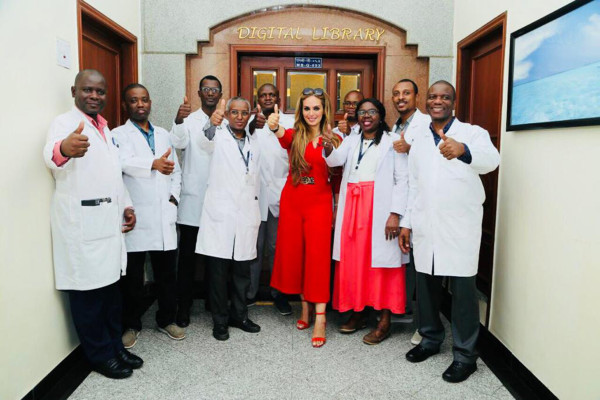
Merck Foundation (www.Merck-Foundation.com), the philanthropic arm of Merck KGaA Germany, marks ‘World Cancer Day 2025' together with Africa's First Ladies and Ministries of Health. Through their Cancer Access Program, Merck Foundation is is building quality and equitable cancer care capacity in Africa.
Senator Dr. Rasha Kelej, the CEO of Merck Foundation, highlighted, “At Merck Foundation, we mark World Cancer Day not just as a single day, but as a our continued commitment to transform and advance cancer care in Africa.
Together with my dear sisters, the Africa's First Ladies, we are have enhanced the cancer care capacity in the continent by providing 194 scholarships to young African doctors from 32 countries, significantly increasing the number of oncologists in Africa. We are making history together by providing these important scholarships for the first oncologists and /or the first cancer care teams in many countries across Africa.”
Merck Foundation in total provided more than 2100 scholarships to doctors from over 52 countries in 44 critical and underserved medical specialties.
The Merck Foundation Cancer Access Program provides One, two- and three-years fellowship, Post Graduate Diploma and Master Degree of oncology for doctors from Africa. The clinical training has been conducted in India, Egypt and Kenya. Additionaly, Merck Foundation also provides scholarships for 2 years online PG Diploma in Cancer and Clinical Oncology, 01 year online PG Diploma in Medical Oncology and 1 year online PG Diploma in Pain Management from reputed Universities in UK like University of South Wales, University of Buckingham, Queen Mary University of London, and Cardiff University.
Merck Foundation is establishing Multidisciplinary Oncology Care teams in many African countries by providing scholarships of clinical training in Medical Oncology, Surgical Oncology, Pediatrics Oncology, Gynecology Oncology, Breast Oncology, Haemato-Oncology, Orthopaedic Oncology, Palliative Care, Pathology Oncology, Radiation Oncology, Research in Oncology, Surgical Oncology - Genital Urinary System, Advanced Cytopathology Training, Interventional Radiology, Radiation Technician, Laboratory Technician, Oncology Nursing.
Merck Foundation through its Merck Foundation Cancer Access Program has provided 194 scholarships of Oncology to doctors from 32 countries including Botswana, Burkina Faso, Burundi, Cameroon, Central African Republic, Chad, Congo Brazzaville, Democratic Republic of the Congo, Ethiopia, Gabon, Gambia, Ghana, Guinea, Kenya, Liberia, Malawi, Mauritius, Mozambique, Namibia, Nepal, Niger, Nigeria, Rwanda, Sao Tome & Principe, Senegal, Sierra Leone, South Africa, Sri Lanka, Tanzania, Uganda, Zambia and Zimbabwe.
“In several of these countries, there wasn't even a single oncologist. We are proud to be making history in Africa by training the first oncologists and establishing the first cancer care teams in nations such as The Gambia, Sierra Leone, Burundi, Liberia, Guinea Conakry, Central African Republic, Chad, and Niger. Merck Foundation remains committed to transforming the landscape of cancer care across the continent and leading Africa toward a healthier future,” explained Senator Dr. Rasha Kelej.
Africa records around 1.1 million new cases of cancer, resulting in up to 700,000 deaths, every year, as per WHO data. The mortality rate of cancer patients is very high in Africa, as compared to the rest of the world.
“One of the key reasons is also the late diagnosis of the disease. Therefore, these scholarships are very important” added Senator Kelej.
Merck Foundation has also created awareness materials including awareness leaflets and videos on Cancer Prevention and Early Detection.
Dr. Chifundo Kajombo, Merck Foundation Alumni from Malawi shares, “I am privileged to be awarded a scholarship by Merck Foundation to pursue the Surgical Oncology fellowship training program at Tata Memorial Hospital, India. I managed to advance from basic surgical oncology principles to the advanced level. This has helped me improve my understanding of cancer and operative principles. Since returning back home, I have managed to change the structure of how our breast clinic runs and modified it to incorporate a number of new things that we probably could not have possibly included. I am so proud to share that I have just been awarded the Best Surgeon for 2023 in Malawi. I would not have achieved this feat without Merck Foundation's scholarship. I am very thankful.”
Watch testimonials videos of Merck Foundation Oncology Fellowship Alumni: https://apo-opa.co/4bab06Y
Distributed by APO Group on behalf of Merck Foundation.
Link of the extra posters: https://apo-opa.co/3X6RmD6
Contact details:
Mehak Handa
Community Awareness Program Manager
+91 9310087613 / +91 9319606669
mehak.handa@external.merckgroup.com
Join the conversation on our social media platforms below and let your voice be heard!
Facebook: https://apo-opa.co/4k65XbW
X: https://apo-opa.co/43mGeGv
YouTube: https://apo-opa.co/3EVeWMS
Instagram: https://apo-opa.co/413ECyl
Threads: https://apo-opa.co/4gLTA1P
Flickr: https://apo-opa.co/4gSxZVs
Website: www.Merck-Foundation.com
Download the Merck Foundation App: https://apo-opa.co/413wo9z
About Merck Foundation:
The Merck Foundation, established in 2017, is the philanthropic arm of Merck KGaA Germany, aims to improve the health and wellbeing of people and advance their lives through science and technology. Our efforts are primarily focused on improving access to quality & equitable healthcare solutions in underserved communities, building healthcare & scientific research capacity, empowering girls in education and empowering people in STEM (Science, Technology, Engineering, and Mathematics) with a special focus on women and youth. All Merck Foundation press releases are distributed by e-mail at the same time they become available on the Merck Foundation Website. Please visit www.Merck-Foundation.com to read more. Follow the social media of Merck Foundation: Facebook (https://apo-opa.co/4k65XbW), X (https://apo-opa.co/43mGeGv), Instagram (https://apo-opa.co/413ECyl), YouTube (https://apo-opa.co/3EVeWMS), Threads (https://apo-opa.co/4gLTA1P) and Flickr (https://apo-opa.co/4gSxZVs).
The Merck Foundation is dedicated to improving social and health outcomes for communities in need. While it collaborates with various partners, including governments to achieve its humanitarian goals, the foundation remains strictly neutral in political matters. It does not engage in or support any political activities, elections, or regimes, focusing solely on its mission to elevate humanity and enhance well-being while maintaining a strict non-political stance in all of its endeavors.
Hundreds marched in Cape Town ahead of budget announcement
Legal challenges have restored funding but damage has been done
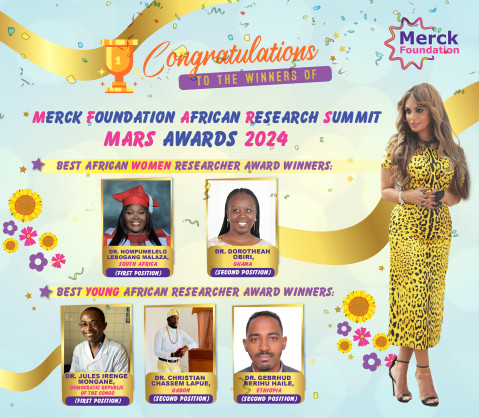
Merck Foundation (www.Merck-Foundation.com), the philanthropic arm of Merck KGaA Germany, announced the Winners of Merck Foundation Africa Research Summit (MARS) Awards 2024, in partnership with International Federation of Fertility Societies -IFFS, Africa Reproductive Care Society - ARCS, Manipal University and African Union Scientific Technical Research Commission to recognize African Researchers for their valuable research work and contribution to empowering women and youth in STEM in Africa with special focus on ‘The Role of Scientific Research in Women Health and Reproductive Care'.
Senator Dr. Rasha Kelej, CEO of Merck Foundation and Chairperson of Merck Foundation Africa Research Summit - MARS expressed, “Since 2016, I have taken immense pride in recognizing the achievements of our MARS Awards winners. This year, we honor Six Winners in two categories: ‘Best African Women Researchers Awards' and ‘Best African Young Researchers Awards.'
These awards celebrate their significant contributions to research, particularly highlighting the efforts of African women researchers, who remain underrepresented in this field. Through the MARS Awards, our mission is to empower young researchers in Africa and to specifically encourage and support women researchers by enhancing their research capabilities and promoting their vital roles in STEM (Science, Technology, Engineering, and Mathematics).”
The winners of ‘Best African Women Researchers Awards' and ‘Best Young African Researcher Awards' will be enrolled into research training at a premier research institute in India.
“And I am also very happy to share with you all that as promised, we provided an opportunity to our first-place winner of each category to attend the 11th Edition of Merck Foundation Africa Asia Luminary which was recently conducted in Tanzania, however, only Mr. Jules Irenge Mongane was able to attend it”, shared Senator Rasha Kelej.
Merck Foundation is committed to improving the lives of people and has been transforming the Patient care landscape and making history together with its partners in Africa, Asia, and beyond, by providing 2080 Scholarships for doctors from 52 Countries in 44 critical and underserved medical specialties.
The MARS 2024 Award Winners are:
Winners of “MARS Best Women African Researchers Awards” 2024
TOPIC: Association Between Biochemical And Epigenetic Markers With Glycaemic Control And Neonatal Outcomes In Diabetic Pregnancies
TOPIC: Immune dysregulation in placental malaria and hypertensive disorders of pregnancy
Winners of “MARS Best Young African Researchers Awards” 2024
TOPIC: Association Between Bacterial Vaginosis, Chlamydia Trachomatis Infection And Tubal Factor Infertility In Bukavu, Democratic Republic Of Congo
TOPIC: Epidemiology of helminthiases in women of reproductive age living in Lambaréné and its surroundings, Gabon
TOPIC: Incidence of neonatal mortality and factors influencing neonate survival in neonatal intensive care unit in Northern Ethiopia: a prospective cohort study
“I am also excited to announce the Call for Applications for the new edition of the Merck Foundation Africa Research Summit (MARS) Awards 2024. This year, special focus will be again on “The Role of Scientific Research in Women Health and Reproductive Care,” added Senator, Dr. Rasha Kelej.
Merck Foundation Africa Research Summit - MARS 2025 will have scientific support from African Union Scientific-Technical and Research Commission (AU-STRC); African Reproductive Care Society (ARCS), and Manipal Academy of Higher Education (MAHE).
Details for MARS AWARDS 2025
Abstracts are invited from final year African PhD students and young investigators involved in research related to either of the following topics:
1) Women's Health
2) Infertility and Reproductive Health
All applicants should be primarily based at African Research Institutes and Universities, although collaboration within Africa as well as outside is also welcome.
Last Date of Submission:
Applications can be submitted till 30th June 2025
How to apply:
Apply by clicking: https://apo-opa.co/3X5kcnH
Alternatively, the Applications and abstracts can be submitted via email to mars@merck-foundation.com, along with CV (including Name, Gender, Country, University/Hospital Name, Email address, Mobile Number) and the abstract document as an attachment.
Other Details:
Distributed by APO Group on behalf of Merck Foundation.
Videos Link: https://apo-opa.co/4hXOFvN
Contact Detials:
Mehak Handa
Community Awareness Program Manager
+91 9310087613
+91 9319606669
mehak.handa@external.merckgroup.com
Join the conversation on our social media platforms below and let your voice be heard!
Facebook: https://apo-opa.co/4gLG2TW
X: https://apo-opa.co/3X70mZ3
YouTube: https://apo-opa.co/4bbfmef
Instagram: https://apo-opa.co/4b0ipG5
Thread: https://apo-opa.co/4i22rgV
Flickr: https://apo-opa.co/4b8xLZ5
Website: http://www.Merck-Foundation.com
About Merck Foundation:
The Merck Foundation, established in 2017, is the philanthropic arm of Merck KGaA Germany, aims to improve the health and wellbeing of people and advance their lives through science and technology. Our efforts are primarily focused on improving access to quality & equitable healthcare solutions in underserved communities, building healthcare & scientific research capacity, empowering girls in education and empowering people in STEM (Science, Technology, Engineering, and Mathematics) with a special focus on women and youth. All Merck Foundation press releases are distributed by e-mail at the same time they become available on the Merck Foundation Website. Please visit www.Merck-Foundation.com to read more. Follow the social media of Merck Foundation: Facebook (https://apo-opa.co/4gLG2TW), X ( https://apo-opa.co/3X70mZ3), Instagram (https://apo-opa.co/4b0ipG5), YouTube (https://apo-opa.co/4bbfmef), Threads (https://apo-opa.co/4i22rgV) and Flickr (https://apo-opa.co/4b8xLZ5).
The Merck Foundation is dedicated to improving social and health outcomes for communities in need. While it collaborates with various partners, including governments to achieve its humanitarian goals, the foundation remains strictly neutral in political matters. It does not engage in or support any political activities, elections, or regimes, focusing solely on its mission to elevate humanity and enhance well-being while maintaining a strict non-political stance in all of its endeavors.
Early detection key to curing childhood cancer
Medical experts say that finding childhood cancer early is very important and helps children get the specialised treatment they need to get better.
“Childhood cancer is indeed curable. However, this is contingent upon timely diagnosis and immediate treatment,” said Chair of the South African Association of Paediatric Haematology Oncology (SAAPHO), Professor Gita Naidu.
Naidu, who is also the Head of Paediatric Oncology at Chris Hani Baragwanath Academic Hospital, highlighted the significant challenges faced by families, such as emotional distress, anxiety, financial pressures from lost income, and medical costs.
She also stressed the difficulties of travelling long distances for treatment, managing caregiving responsibilities among siblings, and addressing the social stigma surrounding childhood cancer.
The Department of Health, in collaboration with stakeholders such as the World Health Organisation (WHO), Childhood Cancer Foundation SA, and SAAPHO, acknowledged the importance of teamwork and dedication in addressing these challenges and supporting those in need.
International Childhood Cancer Day is celebrated every 15 February, bringing together organisations, healthcare professionals, and advocates in a powerful movement.
The goal is to ensure early diagnosis, quality treatment, and unwavering support for young cancer patients and their families.
The 2025 campaign, ’Equal Access to Care for All Children with Cancer,’ aims to promote effective solutions and drive change to improve childhood cancer outcomes globally.
Meanwhile, this year's theme, ’Inspiring Action,’ highlights the need for collective efforts to eliminate disparities and ensure all children receive the care they deserve.
This initiative, spearheaded by Childhood Cancer International (CCI), aims to highlight the vital need for improved access to treatment, care and support for children and adolescents impacted by cancer worldwide.
The WHO estimates that more than 400 000 children are diagnosed with cancer globally each year.
In South Africa, around 1 000 new cases are recorded annually by the South African Children’s Tumour Registry.
However, the department noted that many additional cases remain undiagnosed and untreated due to barriers to accessing healthcare.
The department said early detection is essential for saving lives and parents, caregivers, and healthcare providers are urged to recognise the warning signs.
These include a white spot in the eye or sudden blindness, a lump or swelling in any part of the body, especially the stomach; unexplained fever or weight loss; persistent bone pain or easy fractures; difficulty walking; changes in coordination, or severe headaches usually accompanied by vomiting.
WHO South Africa’s Kibachio Mwangi noted the crucial role of psychosocial support for childhood cancer patients and their families.
He stated, “Childhood cancer treatment is incomplete without palliative care, which offers essential support for pain relief, dignity, and psychosocial well-being for patients and their families.”
Mwangi indicated that they are working with the Department of Health and other stakeholders to streamline the provision of palliative care through specialised units as well as in community and home-based platforms.
In addition, government said it supports the WHO Global Initiative for Childhood Cancer (GICC), which aims to achieve a global survival rate of 60% by 2030.
According to the department, this initiative prioritises providing treatment to children and adolescents in a way that maintains their dignity and reduces suffering.
“We firmly stand in solidarity with children, families, and caregivers impacted by childhood cancer,” said CEO of CHOC Childhood Cancer Foundation SA, Hedley Lewis.
“By championing ICCD 2025, we are committed to raising awareness, advocating for essential healthcare reforms, and ensuring that every child has equal access to life-saving treatments.” – SAnews.gov.za
Gabisile
Sun, 02/16/2025 - 11:49
66 views
Activists condemn Professor Didi Fabian’s presence at the Ophthalmological Society of South Africa’s Congress
Rising global temperatures pose a serious threat to health of pregnant women and babies, say Wits researchers
Minister Sylvestre Radegonde, Minister for Foreign Affairs and Tourism led the Seychelles delegation at the 46th Ordinary Session of the Executive Council, taking place from 12th to 13th February in Addis Ababa at the African Union Headquarters.
In his intervention on the Permanent Representatives Committee Report, Minister Radegonde expressed Seychelles' sincere appreciation for the donation of USD 200,000 towards the country's recovery efforts following the disasters of December 2023. The Minister touched on the importance of the blue economy for Seychelles, stating that it is more than a concept– it is a conduit for innovation and diversification, while ensuring the preservation of our rich marine environment. He also recognised that the Continent is a distance from achieving the targets set out in Agenda 2063 and that all parties need to collectively work together to maximise the impact of continental projects.
Minister Radegonde also cast Seychelles' votes during the election of four Commissioners of the African Union Commission. Representatives from the Kingdom of Eswatini, the Republic of South Africa, Federal Republic of Nigeria, and the Republic of Ghana were elected.
On the margins of the Executive Council Meeting, Minister Radegonde met with H.E. Dr. Badr Abdelatty, Minister of Foreign Affairs, Emigration, and Expatriate Affairs of the Arab Republic of Egypt. The two Ministers discussed the strengthening of bilateral relations in key areas of cooperation, notably tourism, healthcare, investment, and trade. They agreed to pursue these endeavours through knowledge-sharing practices, capacity building and exchange of experts between the two countries.
Minister Radegonde reiterated Seychelles' strong interest in concluding the visa waiver agreement for diplomatic and official passport holders. He also stressed the need to conclude the negotiations for ordinary passport holders to further cement the people-to-people relations between the Seychelles and Egypt. The Egyptian Minister also took the opportunity to present, once again, Dr. Hanan Morsy, the Egyptian candidate for the position of Deputy Chairperson of the African Union Commission, for the elections to be held during the Assembly of the Union on 15th February 2025.
Distributed by APO Group on behalf of Ministry of Foreign Affairs and Tourism - Foreign Affairs Department, Republic of Seychelles.
GNU will ensure SONA commitments made become a ’lived reality’
Cooperative Governance and Traditional Affairs (CoGTA) Minister, Velenkosini Hlabisa, has assured President Cyril Ramaphosa that the Government of National Unity (GNU) will work to ensure that commitments made to the nation become a reality.
“Honourable President, the GNU will ensure that the commitments you made to the nation do not become empty promises, but a lived reality, “ he said in remarks at the State of the Nation Address (SONA) debate in Parliament on Tuesday.
This as Members of Parliament (MPs) discussed President Ramaphosa’s SONA which was delivered last Thursday.
MPs addressed various issues, including tensions with the United States and the fallen soldiers in the eastern Democratic Republic of Congo (DRC), among other topics.
The President’s address emphasised economic growth, job creation, infrastructure development, and the reduction of household expenses.
“At the heart of this vision is a government that works for its people. The GNU must, therefore, be applauded, for it is committed to building a capable, ethical, and developmental State, comprising of ethical, skilled, and properly qualified public servants.
“This work has already begun, under the capable leadership of the Minister of Public Service and Administration, the Honourable Inkosi [Mzamo] Buthelezi.”
Hlabisa said he was encouraged that the President highlighted the important role that traditional leaders can play in improving services to the people.
State of municipalities
As the CoGTA Minister, he stated that he is heeding citizens’ outcry over the dire state of many municipalities over the failures of local government, and the need for municipalities to work.
“Basic services must be delivered, and delivered efficiently,” he told MPs.
Hlabisa said the crisis stems from the resource constraints faced by many municipalities.
He believes that the current funding model for local government is unsustainable and exacerbates inequality between the wealthy and the impoverished.
“A new funding model is a must; one that considers each municipality's unique needs and challenges and provides a more equitable distribution of resources.”
Infrastructure development
He welcomed the President’s emphasis on new infrastructure development but believes it should also involve the maintenance and upgrading of existing infrastructure.
“To rebuild South Africa, we need to rebuild our education system, rebuild our healthcare system and rebuild our economy.”
Public healthcare
He also threw his weight behind the National Health Insurance (NHI) but also raised concern about the feasibility and affordability of it in its current form.
“Government must prioritise strengthening the existing public healthcare system, which is plagued by inefficiencies and shortages of equipment and medical personnel. “
Growing the economy
Hlabisa also welcomed government’s commitment to creating jobs and stimulating economic growth.
“We look forward to the implementation of the Medium-Term Development Plan [MTDP] , particularly in relation to the three strategic priorities of driving inclusive growth and job creation, reducing poverty, and tackling the high cost of living.”
The MTDP is a five-year strategic framework that outlines the government’s priorities and serves as a roadmap for translating the commitments of the seventh administration into actionable programs and policies.
Global developments
Shifting his focus to international matters, Hlabisa mentioned that unfolding events and the international, diplomatic fallout around the Expropriation Act is “deeply concerning.”
“We condemn those who spread misinformation and work against our collective, national interest to rebuild South Africa. Having said that, Honourable President, the IFP [Inkatha Freedom Party] believes that greater clarity and certainty must be provided on key issues of the Act, such as compensation and the definition of public interest.”
The Minister also took the time to honour the 14 fallen soldiers who died at the hands of M23 as fighting in the Goma region intensified, with the rebel group engaging fiercely against the Congolese armed forces.
The South African National Defence Force (SANDF) soldiers are part of the Southern African Development Community Mission in the Democratic Republic of Congo (SAMIDRC), which aims to help restore peace, security, and stability in Africa’s second-largest country.
“Their selfless sacrifice will never be forgotten. [We] support initiatives to restore peace across the continent, knowing that peace and stability are essential for economic development, social justice, and human dignity. Abrupt withdrawal would not be in the interests of the continent.”
The SONA debate will continue today at 2 pm. – SAnews.gov.za
Gabisile
Wed, 02/12/2025 - 10:20
Some harm reduction and LGBTI services have already closed
Trump blocking aid threatens vital health services
Gauteng's first MitraClip Implants a 'gamechanger' for heart valve treatment
The Charlotte Maxeke Johannesburg Academic Hospital (CMJAH) has performed the first successful MitraClip implants on three State-funded patients in the province.
The minimally invasive procedure is designed to treat Mitral Regurgitation, a heart condition where the mitral valve does not close properly, causing blood to leak backwards into the heart.
The Gauteng Health Department explained that the MitralClip itself is a “minute clip passed through a catheter, which aids the mitral valve in sealing properly, subsequently restoring normal blood flow through the heart”.
Gauteng MEC for Health and Wellness, Nomantu Nkomo-Ralehoko welcomed the successful completion of the procedures, which were carried out last week.
“This procedure is but an example of the many inroads we continue to make in the healthcare system through collaboration between the public and private sector.
“We have the advantage of academic hospitals, which boasts leading experts in many fields locally and internationally. This allows us to pioneer new ways of improving patient care,” the MEC said.
Director of the Cardiac Catheterisation Laboratory and Interventional Cardiologist at CMJAH, Dr Arthur Mutyaba, who was part of the team performing the procedures, said that with this new capability, more patients living with the condition and ineligible for open-heart surgery can now be assisted.
“With this procedure now accessible, we are able to help these patients get back to a normal life without having to expose them to the risk that open heart surgery would have disposed them to,” Mutyaba said.
The department revealed that, to date, at least 15 MitraClip procedures have been completed in South Africa, all performed in public institutions.
“The Charlotte Maxeke procedure marks the fourth round of MitraClip implants in South Africa, following the first 12 successful procedures performed at Groote Schuur and Tygerberg hospitals in Cape Town.
“What makes this program unique is that both public and private patients have access to this cutting-edge therapy through these leading academic hospitals in the country. At present, MitraClip therapy is not yet available in private healthcare facilities, making these institutions the sole centres for this life-changing intervention,” the department said.
Game changing solution
The Gauteng Health Department described that the procedure as a “game changer” which marks a “significant advancement in minimally invasive heart valve therapy” in both the private and public sector.
“The procedure’s key benefits include drastically reduced recovery times, often just one or two days post-insertion, making it a game-changer for elderly or high-risk mitral regurgitation patients who are unsuitable candidates for open heart surgery.
“With its availability through academic hospitals and the ongoing tracking of patient outcomes, this pioneering therapy is set to transform the treatment landscape for mitral regurgitation in South Africa,” the department said.
The successful procedures will now be recorded on the national registry to track advancements in treatments in South Africa.
“What makes the procedures even more unique is that, despite most of the patients having full medical insurance, a decision was made to perform these procedures in a controlled academic hospital environment.
“This approach ensures that all cases are recorded in a national registry, allowing for the tracking of long-term outcomes and contributing to the advancement of structural heart disease treatment in South Africa,” the department said. – SAnews.gov.za
NeoB
Mon, 02/10/2025 - 12:52
South Africa has one of the highest HIV rates in the world, with 8-million people estimated to be living with the virus. While many people are aware of the link between HIV and Tuberculosis (TB), fewer know about another common co-infection: Human Papillomavirus (HPV). What is HPV? HPV includes a family of more than 200 …
Ministers welcome President’s focus on economic growth, job creation
Government Ministers have thrown their weight behind President Cyril Ramaphosa’s State of the Nation Address (SONA), which focused on economic growth, job creation, infrastructure development and reducing household expenses.
“Our most urgent task is to grow our economy so that we can create jobs, reduce poverty, and improve the lives of all South Africans,” the President told Members of Parliament (MPs) and guests on Thursday evening.
The President emphasised that the nation urgently requires a robust economy that benefits everyone.
To achieve this virtuous cycle of investment, growth and job creation, the President said economic growth must surpass 3%.
Minister of Agriculture, John Steenhuisen, has echoed the President’s sentiments, stating that South Africa needs to transform its economy.
“We’ve got to be able to show more jobs. We need to bring in the private sector so that we can get more agricultural products to the world a lot quicker and expand.
“The citrus industry told me that they could quadruple the production over the medium-term if they have reliable ports and can get their products to the market.”
Steenhuisen believes that the Head of State and Government has demonstrated a clear focus.
“Now, we can [move with] the urgency that’s required and I wish I could see more of those deadlines around when we’re going to achieve these things.
“I think the President diagnosed the problem perfectly – it’s about growth and jobs. That’s why we’re in the GNU [Government of National Unity].”
The Minister also expressed his satisfaction with the plans presented by the President.
He also welcomed the investment in infrastructure, the commitments made toward Early Childhood Development (ECD), and the transformation of Social Relief of Distress (SRD) grants into income protection for impoverished South Africans.
The President announced that this grant will serve as the foundation for introducing a sustainable income support system for the unemployed.
He also stated that the Funza Lushaka Bursary Scheme will continue to prioritise students who wish to pursue a career in teaching, particularly in the foundation phase.
In addition, government will work to expand access to ECD services for all children.
“We can’t be sitting within the 2029 election and going to the electorate with some of these projects languishing in the drawing board. I think now we have to unpack; take all of these things and move them with speed and urgency,” Steenhuisen added.
Deputy Minister for Women, Youth, and Persons with Disabilities, Mmapaseka Steve Letsike, believes that the President has issued a clear call regarding the government’s mid-term development plan, focusing on actions and priorities.
“Part of the non-negotiable... is job creation and economic growth in all sectors. No sector must be left behind - whether it’s infrastructure, construction, agriculture or finance.
“Our President has said our country is capable and we must make sure that the capability and the potential of young people that we often find neither in employment, education nor training must be brought to the table.”
Letsike believes that the President is prioritising women, youth and persons with disabilities.
She welcomed the Transformation Fund, which is worth R20 billion a year over the next five years, to support black-owned and small business enterprises.
“It’s already telling us its action plan. This public purse must reach the relevant people.”
Letsike also welcomed President Ramaphosa’s commitment to reform the energy and water sectors, which are essential for service delivery to the people.
“When he wrapped it up, he said our nation is capable and we can’t leave anyone behind.”
Health Minister, Dr Aaron Motsoaledi, expressed his satisfaction that the President addressed the importance of building the economy to create jobs.
“That has been a very big problem for about two decades in our country and he tried his best to tackle it,” he said.
Motsoaledi also welcomed the three significant announcements related to his department, which include advancing the National Health Insurance (NHI), enhancing public health infrastructure, and working towards the elimination of HIV and AIDS.
“I’ve been telling people that improving public health infrastructure and implementing the NHI aren’t mutually exclusive and don’t have to follow one another, and that we can do it simultaneously .
“The President just announced a huge hospital bill programme and so, we’re forging ahead with NHI and we’re going to put this massive infrastructure.”
According to the Minister, the infrastructure will complement improvements in public health facilities.
“South Africans must not accept or get used to the idea that we’re going to live with HIV/Aids forever and it’s part of life. It’s not. At some stage, we need to bring it to an end and we’re targeting 2030.”
While he acknowledged that the country may not be able to completely eradicate the disease, he stressed that government is working tirelessly to eliminate it as a public threat.
To achieve this goal, approximately 1.1 million more people need to be on antiretroviral therapy (ARVs) between now and November of this year.
“People have been asking me where are you going to get money (sic). But I tell them, when you want to save people, don’t ask about money. Look at the human beings you want to save first and money will follow when you have that determination.”
Minister in the Presidency, Khumbudzo Ntshavheni, has echoed the President’s sentiments of providing universal healthcare for all South Africans.
“We must do the basic things that need to be done. We must put the health infrastructure in place, so that there are hospitals and clinics that our people can access,” Ntshavheni said.
Home Affairs Minister, Dr Leon Schreiber, stated that the President’s adoption of digital technology in his department has been crucial.
He told SAnews that this aligns with the vision of Home Affairs and how the department wishes to turn it into a digitally first department - the first component of this initiative will be delivered this year.
Schreiber also highlighted the part of the address where the Head of State discussed tourism and attracting skills for investment.
“One of the big issues is getting visas. That’s why the electronic travel authorisation concept and the automated visa process are important. No more papers, no more space for human intervention and it’s going to deal with corruption and it’s going to deliver with efficiency.”
Meanwhile, the President of the Congress of the South African Trade Union Federation (Cosatu), Zingiswa Losi, also welcomed this year’s address.
“We’re happy because he touched on most of the things we expected the President to touch on -- the issue of the Social Relief of Distress grant and continuing with it to form the basic income grant. It has been the call Cosatu has been making for years now and we’re happy that the President is not talking about taking that away,” she said.
Losi believes that the State must ensure that unemployed individuals can sustain themselves.
“I’m also happy that he was also able to link that to Technical, Vocational, Education and Training (TVET) colleges because we’ve seen that now our kids have passed Grade 12. Most of them are devastated because they’re unable to get to universities but we’re not talking about artisans and skills that this economy is going to need.”
According to the Cosatu President, if government is planning to spend R940 billion on infrastructure over the next three years, the country will require a wide range of skills to revitalise roads and bridges, build dams and waterways, and modernise ports and airports.
“The emphasis by the President about the TVET Colleges and also spending R943 billion that has been allocated to infrastructure says we’re going in the right direction. But we must make sure that the construction mafias don’t take this away,” Losi said. – SAnews.gov.za
Gabisile
Thu, 02/06/2025 - 23:47
The Portfolio Committee on Health received a comprehensive briefing from the Minister of Health, Dr Aaron Motsoaledi, regarding the recent withdrawal of funding from the United States President's Emergency Plan for AIDS Relief (PEPFAR).
During the briefing, Minister Motsoaledi highlighted PEPFAR's critical role in supporting various health initiatives, stating that approximately 7.8 million South Africans are living with HIV/AIDS, the highest number globally. The Minister emphasised that PEPFAR funding has been instrumental in addressing the needs of the 27 high-burden districts, which were selected for support based on specific criteria.
During the discussions on the US withdrawal of PEPFAR funding, committee members had questions about the immediate and long-term implications of this decision. Members expressed concern that the suspension of funding could lead to significant disruptions in HIV prevention and treatment services, particularly in these 27 high-burden districts that rely heavily on PEPFAR support.
The committee also questioned the contingency plans that have been put in place for maintaining service delivery, the potential impact on patient care, and how the department intends to support the healthcare workforce affected by the funding cut.
The committee sought clarity on how the government plans to address the anticipated shortfall and the measures that will be put in place to ensure that those living with HIV continue to receive the care they need.
Committee members emphasised the need for South Africa to strengthen its sovereignty in health matters and reduce reliance on foreign funding. They also highlighted that the withdrawal of PEPFAR funding serves as a wake-up call for the country to develop sustainable healthcare solutions independent of external influences.
Members urged the Minister to prioritise local production of essential medications, such as antiretrovirals (ARV), and to explore innovative funding mechanisms that could support health initiatives without depending on foreign aid. Clarifying the situation regarding ARV treatment, the Minister reiterated that South Africa relies primarily on its own budget for ARVs, with approximately 90% of the medication being locally funded.
The briefing also covered issues related to the lack of employment for healthcare professionals, including doctors, with members expressing deep concern about the rising numbers of qualified healthcare professionals who are unable to find employment in the public sector. The committee questioned the long-term implications of this trend on the healthcare sector, noting that an adequate workforce is essential for delivering effective health services, especially in underserved areas.
Committee members questioned the Minister about the current vacancy rates for medical positions and urged him to outline specific strategies for integrating newly qualified doctors into the healthcare system.
Suggestions made included the need for a streamlined recruitment process, the development of internship programmes that guarantee employment upon completion, and collaboration with provincial health departments to prioritise hiring in areas with the greatest need. The committee urged the Minister to explore strategies for absorbing newly qualified healthcare practitioners into the public healthcare system.
Distributed by APO Group on behalf of Republic of South Africa: The Parliament.
Merck Foundation (www.Merck-Foundation.com), the philanthropic arm of Merck KGaA Germany, marks ‘World Cancer Day 2025' together with Africa's First Ladies and Ministries of Health. Through their Cancer Access Program, Merck Foundation is building quality and equitable cancer care capacity in Africa.
Senator Dr. Rasha Kelej, the CEO of Merck Foundation, highlighted, “At Merck Foundation, we mark World Cancer Day not just as a single day, but as our continued commitment to transform and advance cancer care in Africa.
Together with my dear sisters, the Africa's First Ladies, we are have enhanced the cancer care capacity in the continent by providing 194 scholarships to young African doctors from 32 countries, significantly increasing the number of oncologists in Africa. We are making history together by providing these important scholarships for the first oncologists and /or the first cancer care teams in many countries across Africa.”
Merck Foundation in total provided more than 2100 scholarships to doctors from over 52 countries in 44 critical and underserved medical specialties.
The Merck Foundation Cancer Access Program provides One, two- and three-years fellowship, Post Graduate Diploma and Master Degree of oncology for doctors from Africa. The clinical training has been conducted in India, Egypt and Kenya. Additionaly, Merck Foundation also provides scholarships for 2 years online PG Diploma in Cancer and Clinical Oncology, 01 year online PG Diploma in Medical Oncology and 1 year online PG Diploma in Pain Management from reputed Universities in UK like University of South Wales, University of Buckingham, Queen Mary University of London, and Cardiff University.
Merck Foundation is establishing Multidisciplinary Oncology Care teams in many African countries by providing scholarships of clinical training in Medical Oncology, Surgical Oncology, Pediatrics Oncology, Gynecology Oncology, Breast Oncology, Haemato-Oncology, Orthopaedic Oncology, Palliative Care, Pathology Oncology, Radiation Oncology, Research in Oncology, Surgical Oncology - Genital Urinary System, Advanced Cytopathology Training, Interventional Radiology, Radiation Technician, Laboratory Technician, Oncology Nursing.
Merck Foundation through its Merck Foundation Cancer Access Program has provided 194 scholarships of Oncology to doctors from 32 countries including Botswana, Burkina Faso, Burundi, Cameroon, Central African Republic, Chad, Congo Brazzaville, Democratic Republic of the Congo, Ethiopia, Gabon, Gambia, Ghana, Guinea, Kenya, Liberia, Malawi, Mauritius, Mozambique, Namibia, Nepal, Niger, Nigeria, Rwanda, Sao Tome & Principe, Senegal, Sierra Leone, South Africa, Sri Lanka, Tanzania, Uganda, Zambia and Zimbabwe.
“In several of these countries, there wasn't even a single oncologist. We are proud to be making history in Africa by training the first oncologists and establishing the first cancer care teams in nations such as The Gambia, Sierra Leone, Burundi, Liberia, Guinea Conakry, Central African Republic, Chad, and Niger. Merck Foundation remains committed to transforming the landscape of cancer care across the continent and leading Africa toward a healthier future,” explained Senator Dr. Rasha Kelej.
Africa records around 1.1 million new cases of cancer, resulting in up to 700,000 deaths, every year, as per WHO data. The mortality rate of cancer patients is very high in Africa, as compared to the rest of the world.
“One of the key reasons is also the late diagnosis of the disease. Therefore, these scholarships are very important” added Senator Kelej.
Merck Foundation has also created awareness materials including awareness leaflets and videos on Cancer Prevention and Early Detection.
Dr. Chifundo Kajombo, Merck Foundation Alumni from Malawi shares, “I am privileged to be awarded a scholarship by Merck Foundation to pursue the Surgical Oncology fellowship training program at Tata Memorial Hospital, India. I managed to advance from basic surgical oncology principles to the advanced level. This has helped me improve my understanding of cancer and operative principles. Since returning back home, I have managed to change the structure of how our breast clinic runs and modified it to incorporate a number of new things that we probably could not have possibly included. I am so proud to share that I have just been awarded the Best Surgeon for 2023 in Malawi. I would not have achieved this feat without Merck Foundation's scholarship. I am very thankful.”
Watch testimonials videos of Merck Foundation Oncology Fellowship Alumni: https://apo-opa.co/42ziwpY
Distributed by APO Group on behalf of Merck Foundation.
Contact details:
Mehak Handa
Community Awareness Program Manager
+91 9310087613 / +91 9319606669
mehak.handa@external.merckgroup.com
Join the conversation on our social media platforms below and let your voice be heard!
Facebook: https://apo-opa.co/3CxqKnW
X: https://apo-opa.co/3Q8rwL3
YouTube: https://apo-opa.co/42zjKl4
Instagram: https://apo-opa.co/42Hdtnk
Threads: https://apo-opa.co/40A5EwY
Flickr: https://apo-opa.co/40GOfmv
Website: www.Merck-Foundation.com
Download the Merck Foundation App: https://apo-opa.co/3Q0ZWPV
About Merck Foundation:
The Merck Foundation, established in 2017, is the philanthropic arm of Merck KGaA Germany, aims to improve the health and wellbeing of people and advance their lives through science and technology. Our efforts are primarily focused on improving access to quality & equitable healthcare solutions in underserved communities, building healthcare & scientific research capacity, empowering girls in education and empowering people in STEM (Science, Technology, Engineering, and Mathematics) with a special focus on women and youth. All Merck Foundation press releases are distributed by e-mail at the same time they become available on the Merck Foundation Website. Please visit www.Merck-Foundation.com to read more. Follow the social media of Merck Foundation: Facebook (https://apo-opa.co/3CxqKnW), X (https://apo-opa.co/3Q8rwL3), Instagram (https://apo-opa.co/42Hdtnk), YouTube (https://apo-opa.co/42zjKl4), Threads (https://apo-opa.co/40A5EwY) and Flickr (https://apo-opa.co/40GOfmv).
The Merck Foundation is dedicated to improving social and health outcomes for communities in need. While it collaborates with various partners, including governments to achieve its humanitarian goals, the foundation remains strictly neutral in political matters. It does not engage in or support any political activities, elections, or regimes, focusing solely on its mission to elevate humanity and enhance well-being while maintaining a strict non-political stance in all of its endeavors.
Unemployed health graduates march in Pretoria, demanding urgent action from Treasury
The health department says they cannot treat patients who need specialist care and the child was referred to Tygerberg Hospital
The department has now temporarily closed Valdezia clinic
Although cervical cancer is now a vaccine-preventable disease, 1 woman dies every 2 minutes globally of cervical cancer. Women in low- and middle-income countries are disproportionately affected.
In South Africa (SA), over 10,700 new cases of cervical cancer are diagnosed each year, with over 5,800 deaths. Cervical cancer is a preventable tragedy, and South Africa has the tools and knowledge to turn the tide.
We can eliminate cervical cancer by addressing the principal cause: the human papillomavirus or HPV. This is done by 1) vaccinating both boys and girls between the ages of 9 and 15; and 2) expanding access to HPV screening for all women. Screening for early diagnosis is critical because when diagnosed early, cervical cancer is considered treatable/curable.
SA is making significant strides in expanding access to both vaccination and screening, but significant barriers remain. Dr Ifedayo Adetifa, CEO of FIND (https://apo-opa.co/4jMkyJA), whose mission is #DiagnosisForAll says, “The fight to eliminate cervical cancer is far from over, but there is hope on the horizon. FIND is working with the public and private sectors in South Africa to find innovative and scalable solutions to test for HPV”.
Recent research by FIND and partners provides critical insights that could transform how we approach cervical cancer prevention and management. The project explored the acceptability and demand for HPV self-collection testing among South African women as a means of increasing access to HPV screening.
Key findings from the client surveys include
1. Low Awareness of Cervical Cancer and HPV:
2. HPV DNA Testing: The Preferred Choice:
3. Pharmacy Accessibility:
4. Affordability and Willingness to Pay:
5. Home vs Clinic Preferences:
A Promising Solution: HPV Self-Collection Testing
One of the standout findings from the research is the high level of interest in HPV self-collection testing. This innovative approach empowers women to take control of their health by collecting samples in the privacy of their homes or at a convenient location. The research further revealed that many women are willing to pay up to $36 (approximately R680) for this service if made available at pharmacies.
Self-collection testing eliminates the need for invasive pelvic exams in clinical settings which many women find uncomfortable or stigmatising. It reduces the logistical challenges of accessing clinics, particularly for women in rural or underserved areas where healthcare facilities are not readily available. Making self-collection kits available in pharmacies could significantly increase screening rates and achieve early diagnosis.
The Knowledge Gap Among Healthcare Practitioners
While self-collection testing presents an exciting opportunity, its success depends on a well-informed and capable healthcare system. Unfortunately, the research revealed a concerning lack of understanding among healthcare practitioners regarding the national cervical cancer management protocols.
Without proper guidance, healthcare providers may fail to offer appropriate counselling, follow-up, or referrals for women with abnormal screening results. Addressing this issue requires targeted training and capacity-building initiatives. FIND, in partnership with the National Department of Health (NDOH), trained over 700 health practitioners between September and October 2024,
The Public Awareness Deficit
Equally troubling is the lack of available information for the public about cervical cancer, its causes, and prevention methods. Many women remain unaware of the importance of regular screening. Through its community arm, the African Cervical Health Alliance (ACHA), FIND, NDOH, and private sector partners engaged community health partners to develop, adapt and distribute over 10,000 copies of materials to communities about prevention and treatment of cervical cancer.
A Vision for the Future
To reduce the burden of cervical cancer in South Africa, we need a multi-pronged approach that combines education, innovation, and systemic reform. This includes:
When women have access to convenient, affordable options like HPV DNA self-testing, we're not just improving health outcomes – we're giving women control over their health decisions.” Says Dr Ntombi Sigwebela, Regional Director of FIND (https://apo-opa.co/4jMkyJA)
The South African G20 Presidency is prioritizing health equity, solidarity and universal health coverage. Addressing the diagnostics gap for women's health is crucial to achieving this agenda and building an equitable and inclusive global health architecture.
For more information on FIND's Cervical Cancer Elimination Project, visit: FIND South Africa (https://apo-opa.co/4jMkyJA)
Distributed by APO Group on behalf of FIND.
Watch our educational webinars:
FIND's YouTube Channel (https://apo-opa.co/3CwQXTx)
Contact details:
Beatrice Bernescut
Director, Communications
FIND
+41 (0) 79 963 86 78
www.FINDdx.org
Dead bodies lie in the streets, hospitals are overwhelmed and there has been an uptick in reports of sexual violence, rape and looting.
“Roads are blocked, ports are closed and those crossing Lake Kivu risk their lives in makeshift boats,” said Shelley Thakral, spokesperson for the UN World Food Programme (WFP) – one of many UN agencies on the ground striving to provide assistance and protection wherever possible. “I spoke just moments ago to an activist In Goma and he told me, ‘We're here, we're hiding. We don't know who will come to help us.'”
The UN aid coordination office, OCHA, echoed the humanitarian community's deep concerns about the spiralling violence across the resource-rich region that has uprooted some 300,000 people from camps around Goma in a matter of days.
Aid targeted
“Our colleagues in the DRC report heavy, small arms fire and mortar fire across the city and the presence of many dead bodies in the streets,” said OCHA spokesperson Jens Laerke. “We have reports of rapes committed by fighters, looting of property, including of a humanitarian warehouse and humanitarian and health facilities being hit.”
The emergency has left hospitals in Goma reportedly overwhelmed by the influx of wounded people, electricity and water supplies “compromised” and internet services cut off on Monday. “Goma is still offline this morning,” Mr. Laerke told journalists in Geneva.
The development came amid urgent calls from the international community including the Security Council in New York, where ambassadors on Tuesday demanded an immediate halt to the M23 rebel offensive and called for the group to withdraw from territories it has seized.
The ambassadors reiterated their support for the UN peacekeeping force in the DR Congo, MONUSCO, and paid tribute to blue helmets who have lost their lives from South Africa, Malawi and Uruguay in recent days.
The Council also condemned the presence of “external forces” in eastern DRC – amid reports Rwandan troops are heavily involved in the offensive – and called for all parties to adhere to the ceasefire and return to diplomatic talks.
Years of crisis
Before the latest escalation in violence in eastern DRC's Kivus, some 5.1 million people had already been displaced by years of insecurity in the mineral-rich region and forced to live in overcrowded camps with little food and no security.
UN agencies and partners continue to monitor the highly unstable situation which has forced WFP to temporarily pause food assistance activities in around Goma. “The airport and major access roads within the region have been cut off…Depending on the duration of violence, the supply of food into the city could be severely hampered,” said WFP's Ms. Thakral.
“This is a huge test for Congolese trapped by fighting in Goma and surrounding areas…the next 24 hours will be critical as people start to run low on supplies and will need to see what they can find to survive.”
Disease fears
The highly mobile nature of the emergency has prompted additional fears that existing diseases may spread quickly among uprooted populations, although preventive measures were taken before the latest escalation, the UN World Health Organization (WHO) said.
For the moment the immediate concern is to help victims of the violence.
“There are currently hundreds of people in hospital, most admitted with gunshot and shrapnel wounds, with secondary infections becoming a health risk,” said Dr Adelheid Marschang, Emergency Response Coordinator for the DRC.
She noted that before Goma airport closed on Saturday, WHO had sent critical medical supplies for trauma and emergency care, infection prevention, cholera and more.
The UN agency's response to the crisis has also included providing tents for hospitals to cope with the increasing number of injured. It has medical hubs in North and South Kivu, in the cities of Goma and Bukavu to support health care needs in eastern DRC.
Last year the provinces of North and South Kivu reported high numbers of cholera, measles and malaria cases and deaths, Dr. Marschang said, warning of a “heightened risk for spillover of cholera” into neighbouring countries and provinces.
The area was also the epicentre of an outbreak of a new strain of mpox, declared a public health emergency of international concern in August 2024. Dr. Marschang warned that the new wave of displacement will make it increasingly hard to track and treat the disease.
Amid the lethal violence, hospitals and health workers themselves are in danger, the WHO official said, with “reports of health workers being shot at and patients including babies being caught in crossfire”.
“Attacks on healthcare violate the rules of war. Healthcare must be protected at all times,” she insisted.
Sexual violence alert
WHO and other UN agencies and partners said that they are especially worried about the increasing risk to women and girls from violence, including rape.
“Pregnant women are at risk, with very high maternal death rates, even before the violence escalated,” WHO said.
“Sadly, hospitals and health workers are in danger. We are hearing reports of health workers being shot at, and patients, including babies, being caught in the crossfire. WHO reminds everyone that attacks on healthcare violate the rules of war. Health care must be protected at all times.”
Echoing those concerns, WFP's Ms. Thakral reported that mobile teams and mobile clinics are at work amid reports that women had been raped multiple times while searching for firewood or after leaving the perimeter of their camp.
Other reports indicated “an increase in rape along the pathways that some of the conflict partners are now taking into South Kivu,” she said, underscoring the agency's efforts “to have some solutions to follow the populations as they move”.
Distributed by APO Group on behalf of UN News.
Imprecise executive order leaves health providers dependent on PEPFAR funding unsure if or when money will arrive