• Skip to main content
  • Skip to header right navigation
  • Skip to after header navigation
  • Skip to site footer
MyZA

MyZA

News, Directory, Events and Other Stuff

  • Social Media
  • Sport
  • World News
  • Home
  • Submit News
  • Directory
  • Events
  • Stratlec
  • TFSA
  • News
    • APO
    • Today’s Sport News
    • Todays Social Media and Tech Headlines
    • Today’s World News
    • Today’s SA Financial News
  • Contact
You are here: Home / Archives for Healthcare

Healthcare

25 November 2024

Take the gloves off gender-based violence and femicide

Location: News

Take the gloves off gender-based violence and femicide

By Neo Semono

Violence, particularly against women and children, continues to be a sting on our collective South African skin, and it is a battle that requires our collective effort to win, writes Neo Semono. 

Many have lost a mother, sister, colleague, child or sibling at the hands of an abusive father, husband, boyfriend, stranger or other perpetrator,   as a result of the battle scars inflicted by the heinous crimes of gender-based violence and femicide (GBVF).

Those fortunate enough to escape with their lives heal from the physical pain inflicted, but the unseen emotional wounds of their ordeal often continue to haunt them.

Nobody should have to live like that, but sadly, many do.

Today, the country begins the annual commemoration of the 16 Days of Activism for No Violence Against Women and Children Campaign. The United Nations campaign, which South Africa adopted in 1998, aims to eliminate all forms of gender – based violence. Children were included in the campaign in 1999.

Twenty-six years since the adoption of the international campaign, many will say that the country is losing the battle against GBVF with crime statistics showing that GBVF cases rose from 126 508 in 2021/22 to 132 110 in 2022/23. The third quarter of 2023/24 saw 100 954 cases being reported.

Additionally, news bulletins frequently report the murders, rapes and deadly assaults of women at the hands of their intimate partners too often. This not only affects able-bodied women, but also women with disabilities, children and also the lesbian, gay, bisexual, transgender, intersex, queer/questioning, asexual (LGBTQIA+) community. This scourge spares no one.

The recently released South African National Gender-Based Violence Prevalence Study: A Baseline Survey on Victimisation and Perpetration, conducted by the Human Sciences Research Council has revealed the grim reality that about 7 310 389 million women, aged 18 years and older, have experienced physical violence in their lifetime.

At the national Women’s Day celebrations in August, President Cyril Ramaphosa alluded to the then yet to be released report, saying that while many strides have been made, the country remains “highly unequal” with poverty still bearing the face of a black woman who is likely to be unemployed, poor and unskilled. 

This as the nature of GBVF encroaches on other aspects of women’s daily lives such as the ability to work.

And while government is doing what it can to fight the scourge of GBVF, the patriarchy of old continues to feed into the environment of violence.

Government alone cannot win this war - it needs you and I and all of society together, to take the gloves of GBVF. 

In the 30 years of our democracy, measures have been put in place to improve the status and circumstances of women. This not only to improve their lives, but also as a means to slay the fire-breathing, abusive GBVF dragon that keeps women hostage. 

This is because for some women, without their abusive partners, they may not have the economic muscle to look after themselves or their children.

And while the state continues to shoulder criticism for the ongoing GBVF problem, it has continued to provide healthcare including reproductive health for women. The state also provides for social grants that are a much-needed lifeline for some.

Initiatives such as  SheTrades and the efforts of various government departments to ensure that 40% of government procurement goes to women-owned businesses are some of the measures in place.

While women are also represented in Parliament and the judiciary, more still needs to be done to lessen the likelihood of women falling victim to possible abusive relationships.

Government has also taken legislative steps to tackle the problem which the President has referred to as a second pandemic (following the onslaught of the COVID-19 pandemic).

This includes the signing of the National Council on Gender-Based Violence and Femicide Bill into law. The act coordinates and provides strategic leadership to the fight against GBV and femicide. 

Other legislation includes the Criminal Law Sexual Offences and Related Matters Amendment Act, the Criminal and Related Matters Amendment Act, and the Domestic Violence Amendment Act.

And I agree, that for these laws to be an effective tool, they have to be enforced. Government can do better in this regard.

Government launched the National Strategic Plan (NSP) on GBVF in 2020. The plan is a comprehensive strategy for tackling all forms of violence and abuse against women and children.

Over R20 billion has been dedicated to the implementation of the pillars of the NSP which include the economic empowerment of women. 

What is also true is that ending GBVF requires an all of society approach, it requires a change in behaviour in how we treat women and children. 

In his July 2020 address to the nation the President said: “As a man, as a husband and as a father, I am appalled at what is no less than a war being waged against the women and children of our country.”

The concern raised by the President and citizens and civil organisations over the prevalence of GBV is not misplaced.

We come from a painful history of violence that has created an environment where, to this day, others are perceived  as less important or unworthy within our communities.

For as long as perpetrators do not come to the realisation that everyone deserves to be treated with respect, the laws that have been enacted will have little impact.

To win the war requires a collaborative effort from all sectors of society. We all have a responsibility to report abusers, teach children about gender equality, and sign the Pledge Against Gender-Based Violence and Femicide. 

The pledge, which is available on https://www.stateofthenation.gov.za/endGBVF/take-the-pledge commits men to being allies and part of the solution by upholding  positive behaviour and attitudes, and taking responsibility for their actions.

The fight back against GBVF must continue. We cannot afford to look away. - SAnews.gov.za

Neo Semono is a Features Editor in the GCIS 

Matona
Mon, 11/25/2024 - 13:14

36 views
Read moreTake the gloves off gender-based violence and femicide
24 November 2024

G20 community outreach empowers Ehlanzeni community

Location: News

G20 community outreach empowers Ehlanzeni community

International Relations and Cooperation Minister Ronald Lamola has urged the community of Welverdiend in Ehlanzeni District, Mpumalanga, to engage with G20 initiatives aimed at creating jobs, improving healthcare and fighting poverty.

The Minister, joined by Acting Mpumalanga Premier Sasekani Manzini, officials and ambassadors, led a G20 community outreach at Mahlale High School in Acornhoek, Ehlanzeni, on Saturday. 

Representatives of foreign diplomatic missions accredited to South Africa (ambassadors) also participated in the activities by handing over IT equipment to the school. 

Lamola used the occasion to popularise South Africa’s foreign policy objectives and how these relate to the achievement of domestic priorities.

South Africa is set to assume the presidency of the G20 on 1 December 2024. The presidency offers the opportunity to highlight domestic issues on a global stage, including unemployment, inequality, access to finance, climate change, tourism and artificial intelligence.

“We will be assuming a huge responsibility of... the presidency of the G20 on the 1st of December. This platform gives us an opportunity, as a country, to put our issues on the global stage [including the] issues that are affecting you here as the community of Bushbuckridge in the district of Ehlanzeni in Mpumalanga and South Africa as a whole. 

“Issues of unemployment, inequality, access to finance, climate change, tourism, artificial intelligence, and other day-to-day issues will now [be under the] spotlight,” Lamola said. 

The Minister said the province is well placed to make a number of inputs into debates and discussions that will ensue during South Africa's presidency of the G20. 

“You are also better placed [with regards to] tourism. As the Acting Premier said, you are adjacent to... the Kruger National Park, Sudwala Caves, Echo Caves, God’s window and many other areas of tourism. These are also spaces for your contribution as a province and as the people of South Africa. 

“So, this platform [the G20] is in such a way that everyone is able to make a contribution and ourselves as International Relations, we will create that bridge that will enable you to make this contribution,” the Minister said. 

International relations

Lamola highlighted the role of his department in addressing global conflicts in the Democratic Republic of Congo (DRC) and Gaza through dialogue. 

He explained that the country is actively involved in international relations, with its military in the DRC to facilitate peace and stability, and is committed to contributing to the cessation of conflict in the Middle East. 

“We continue to monitor and play a role in the DRC. Our Defence Force is in the DRC. They are not there to fight in the war, but they are there to stabilise the environment so that peaceful negotiations can happen to resolve the conflict in the eastern part of the DRC.

“That is our role as International Relations and as South Africa, which we continue to play in the world, and we continue to play a role [in] the cessation of fire in the Gaza in the Middle East,” the Minister said. 

The engagement with the Ehlanzeni community comes shortly after President Cyril Ramaphosa's successful participation in the G20 Summit in Brazil from 18 - 19 November 2024. – SAnews.gov.za 

DikelediM
Sun, 11/24/2024 - 13:31

11 views
Read moreG20 community outreach empowers Ehlanzeni community
22 November 2024

Bayer recalls Yaz Plus contraceptives due to a quality issue

Location: News

Bayer recalls Yaz Plus contraceptives due to a quality issue

Bayer, a multinational pharmaceutical and biotechnology company, has recalled faulty Yaz Plus birth control pill packs.

The South African Health Products Regulatory Authority (SAHPRA) has reported a quality issue concerning batch WEW96J, which was distributed between 9 and 24 November 2023. 

The issue involves an incorrect arrangement of tablets within some packs, which may affect the efficacy of this batch.

“Instead of containing 24 pink film-coated hormone tablets and four orange hormone-free tablets, the affected packs contain 24 light orange hormone-free tablets and four pink film-coated hormone tablets. 

“SAHPRA is collaborating with the manufacturer, Bayer, to ensure a speedy recall,” the statement read.

SAHPRA CEO, Dr Boitumelo Semete-Makokotlela, stated that the recall is necessary to protect the public from the affected batch's potential ineffectiveness.

“We urge members of the public who have Yaz Plus batch number WEW96J to discontinue use and to return the packaging to their pharmacists for a replacement with a pack from an unaffected batch or a refund,” she urged consumers.

Women using this contraceptive are advised to check the batch number of their current tablet packs, discontinue use, return affected packs to their pharmacist, and consult their healthcare professional. – SAnews.gov.za

Gabisile
Fri, 11/22/2024 - 11:49

127 views
Read moreBayer recalls Yaz Plus contraceptives due to a quality issue
20 November 2024

Vodacom Group Launches Initiative to Upskill 1 Million Young People Across Africa

Location: News

Vodacom Group
Download logo

Vodacom Group (www.Vodacom.com) has partnered with technology providers to provide young people on the continent with access to digital skills as part of its commitment to driving digital literacy for Africa's next generation. Together with AWS, Microsoft, Skillsoft and other collaborating organisations Vodacom aims to bridge the digital skills gap across eight African countries and upskill 1million young people by 2027.

The Vodacom Group Digital Skills Hub is available in South Africa, Ethiopia, Tanzania, Mozambique, Lesotho, Egypt (Talimy), the Democratic Republic of Congo (VodaEduc), and in Kenya (Industry Digital Talent Program) to empower the next generation of digital innovators, enabling Africa's digital society and leveraging existing e-learning platforms in the respective markets.

According to the International Finance Corporation (IFC), over 230 million jobs will require digital skills in Africa by 2030, yet the continent faces a significant gap in supply and demand for digital expertise.

“The African continent is plagued in many countries with high levels of unemployment, gender inequality, income disparity and limited access to education, healthcare and essential services. These challenges inform our purpose and drives our strategy to connect for a better future, leveraging digital technologies to drive inclusion into the future for the betterment of people. The launch of the Digital Skills Hub is testament to our commitment to pioneering the path to a digital and more inclusive Africa”, says Shameel Joosub, Vodacom Group CEO.

The Vodacom Digital Skills Hub provides access to self-paced, digital skills training for those aged between 18 and 35. This is in addition to Vodacom Group's existing free, e-learning platforms across its markets. E-learning and digital classrooms have made it possible for students in remote or underserved areas to access quality education with platforms such as Talimy in Egypt, e-Fahamu in Tanzania, VodaEduc in the Democratic of Congo (DRC), Faz Crescer in Mozambique and an e-learning platform in South Africa, providing a wealth of online resources, which cater to different learning needs.

“We are extremely excited about this initiative which seeks to inspire the next wave of digital innovators. Our main aim with this initiative is to not only address the digital skills shortage on the continent but to also nurture a pipeline of young talent and in turn advance Africa's digital future, boosting opportunities for empowerment in an inclusive digital economy,” adds, Matimba Mbungela, Chief Human Resources Officer at Vodacom Group.

The Vodacom Digital Skills Hub is designed to empower the next generation, to consider a career in science, technology, engineering, and mathematics (STEM), and entails fun and engaging practical digital skills training for young people on the continent. AWS Educate is one of the first programs to be offered through the Digital Skills Hub and an additional program to Vodacom's various existing online learning platforms. AWS Educate offers beginners an extensive library of self-paced online training that covers a range of topics from cloud fundamentals to artificial intelligence and machine learning.

“With over 400 million young people between the ages of 15 and 35 in Africa, the continent has the youngest population in the world. Digital is the new currency, it is therefore imperative that we invest in them and provide them with the necessary digital skills that will not only boost their growth and development but that of the continent too,” concludes Joosub.

To access the Digital Skills Hub, click here (http://apo-opa.co/4hQ1ysJ).

Distributed by APO Group on behalf of Vodacom Group.

Read moreVodacom Group Launches Initiative to Upskill 1 Million Young People Across Africa
19 November 2024

Construction mafia disrupts projects worth R63bn

Location: News

Construction mafia disrupts projects worth R63bn

Since 2019, construction site disruptions by criminal syndicates have disrupted over 180 projects worth R63 billion, using tactics such as extortion, intimidation, violence and sabotage.

“Their demands for up to 30% of contract value undermine the integrity of our procurement systems and delay critical infrastructure delivery,” the Deputy Minister of Finance, Ashor Sarupen, said on Tuesday in Durban.

Addressing the National Construction Summit on site disruption, the Deputy Minister said while the construction industry faces numerous challenges, none is more urgent than the persistent site disruptions by criminal syndicates and community protests.

South Africa’s construction industry is a vital cog in the economy as it contributes around 3% to gross domestic product (GDP), employs over 1.3 million South Africans, with 176 000 jobs added just in the third quarter of 2024. 

This sector is a lifeline for low-skilled workers, who often struggle to find opportunities elsewhere, however the disruptions undermine the sector’s potential.

“Construction projects also have an unmatched multiplier effect. For every R1 million invested in construction, more than three jobs are created. This is the highest multiplier across all sectors in our economy.

“It is no surprise that the government has identified infrastructure development as a cornerstone of our economic recovery. The 2024 Medium-Term Budget Policy Statement (MTBPS) reaffirmed our commitment to shifting government spending from consumption to investment. 

“This aligns with the President’s call to transform South Africa into a “construction site” to drive inclusive growth and job creation,” the Deputy Minister said.

Over the next three years, government plans to invest over R900 billion in the construction sector.

“Our reforms in procurement, infrastructure investment, and structural economic transformation are concrete commitments to changing the lived realities of millions of South Africans.

“However, to fulfill these ambitions, we must recognize that the construction mafia and site disruptions reveal deeper socio-economic fractures within our country.

“These disruptions are not merely an operational challenge. It is not only businesses that are being disrupted but the lives and livelihoods of our people,” the Deputy Minister said.

They also represent a critical stress test for the broader economic governance architecture, revealing the fragile interdependencies between formal institutional frameworks and reality on the ground.
 
“For now, these disruptions show how easily our carefully planned economic rules break down when they meet real-world challenges.

“They show just how difficult it is to conduct honest business in an environment of deepening unemployment, poverty, and the desperation it often leads to.

“To address this crisis, we need a holistic response—one that combines stricter law enforcement, improved governance, and community engagement to address the root causes of these disruptions,” Sarupen said. 

Government’s intervention
To address these challenges, the government is pursuing a three-pronged strategy, which includes Reforming Public Procurement; Expanding Public-Private Partnerships (PPPs) and Increasing Infrastructure Investment.

“The Public Procurement Act, signed into law earlier this year, lays the foundation for a more transparent, efficient, and inclusive procurement system.

“Under the new regulations, subcontracting will be allowed only where feasible and must follow due process to prevent abuse.

“Government entities will have the option to pay subcontractors directly, eliminating the delays and exploitation often experienced under the current system,” the Deputy Minister said.

He said these reforms are designed to empower small and emerging contractors while safeguarding the integrity of our procurement processes.

Government’s R900 billion in planned investments is supported by capital budgeting reforms to ensure that projects are well-planned and implemented on time, mobilising private sector funding to augment limited public resources and prioritising integrated urban development to create dynamic cities that enable economic activity.

“This is not just about bricks and mortar; it is about transforming lives by providing the infrastructure needed for housing, education, healthcare and transport.

“Our efforts to revitalize the construction sector are part of the broader reform agenda under Operation Vulindlela, a joint initiative between the National Treasury and the Presidency,” Sarupen said. 

Since its launch in 2020, Operation Vulindlela has delivered significant progress in:

1. Stabilising the electricity supply.
2. Reducing the cost and improving the quality of digital communications.
3. Securing sustainable water supply.
4. Enhancing the efficiency of freight transport.
5. Reforming the visa regime to attract skills and grow tourism.

“Phase 2 of Operation Vulindlela focuses on creating dynamic and integrated cities to support urbanization and economic growth. This will require substantial contributions from the construction sector to build the housing, schools, and transport infrastructure needed for our rapidly growing urban population,” the Deputy Minister said. - SAnews.gov.za

nosihle
Tue, 11/19/2024 - 11:08

6 views
Read moreConstruction mafia disrupts projects worth R63bn
18 November 2024

World leaders pledge to help developing countries fight poverty

Location: News

World leaders pledge to help developing countries fight poverty

By Gabisile Ngcobo

Rio de Janeiro - Chinese President Xi Jinping has announced initiatives to support global development and strengthen the Global South as a significant player within the Group of 20 (G20).

Speaking at the G20 Leaders’ Summit on Monday in Rio de Janeiro, Brazil, President Xi emphasised that China was committed to fostering a fair world centred on mutual development.

The President commended Brazil’s G20 Presidency for placing fighting hunger and poverty at the top of the agenda and the decision to establish a Global Alliance Against Hunger and Poverty.

“From Hangzhou to Rio, we have been working for the same goal, that is, to build a just world of common development,” he said. 

However, he said to build such a world, leaders needed to channel more resources to such fields as trade, investment and development cooperation, as well as strengthen development institutions. 

“There should be more bridges of cooperation, and less ‘small yard, high fences’, so that more and more developing countries will be better off and achieve modernisation.” 

He called on the opening, inclusive and non-discriminatory environment for international economic cooperation and integration in digital, smart and green development to bridge the North-South gap.

President Xi said China was committed to ensuring that the Global South research centre currently under construction is effective. 

He emphasised that the US$20 billion allocated for development funds would be utilised effectively to support developing countries and enhance practical cooperation in key areas, including poverty reduction, food security, and the digital economy.

“China has decided to join the Global Alliance Against Hunger and Poverty. We support the G20 in continuing to convene the Development Ministerial Meeting and will stay a committed host of the International Conference on Food Loss and Waste.” 

Meanwhile, he announced that China, alongside Brazil, South Africa and the African Union, was proposing an Initiative on International Cooperation in Open Science to help the Global South gain better access to global advances in science, technology and innovation.

“China is pursuing high standard opening up and unilaterally opening our doors wider to the least developed countries (LDCs),” he explained, adding all LDCs having diplomatic relations with China zero-tariff treatment for 100% tariff lines. 

“From now to 2030, China’s imports from other developing countries are likely to top US$8 trillion.”

He called on leaders to promote a universally beneficial and inclusive economic globalisation to bridge the North-South gap.

United States President Joe Biden highlighted his administration’s efforts to combat global hunger and poverty.

On Sunday, as part of his historic trip to the Amazon, President Biden announced that the United States had fulfilled the historic pledge to increase the country’s international climate finance to over $11 billion a year by 2024 – making the United States the largest bilateral provider of climate finance in the world. 

Indian Prime Minister Narendra Modi discussed poverty, saying it was an important issue and that achievements in this area would significantly contribute to sustainable progress.

During his remarks, he spoke about India’s efforts, notably how the country collectively worked to remove 250 million people from the clutches of poverty.

The Prime Minister highlighted how India was providing free rations to 800 million people, thus strengthening the fight against hunger. 

He touched on the initiatives being undertaken to ensure top quality and affordable healthcare for the poor and elderly, steps to boost financial self-reliance among women and ensure food as well as nutritional security.

“India believes in the approaches of ‘Back to Basics’ and ‘March to Future’. That is why we are emphasising organic farming, popularising millets and encouraging climate-resilient crop varieties.” 

The G20 leaders will discuss global solutions to eradicate hunger, reduce social inequality, and promote sustainable development and food security to ensure a fairer and more equal future. 

Read I Two-day G20 Summit kicks off in Brazil

French President Emmanuel Macron said they were counting on Brazil's leadership to ensure that the G20 moves forward to address global crises and challenges. 

“No country should choose between fighting poverty and protecting the planet,” he said, adding that France will do everything in their power to address these issues. – SAnews.gov.za


Gabisile
Mon, 11/18/2024 - 21:51

77 views
Read moreWorld leaders pledge to help developing countries fight poverty
18 November 2024

World leaders urged to intensify fight against poverty, hunger 

Location: News

World leaders urged to intensify fight against poverty, hunger 

By Gabisile Ngcobo

Rio de Janeiro - President Cyril Ramaphosa has used the opening of the G20 Leaders’ Summit to urge world leaders to intensify efforts to eliminate poverty and hunger.

“We must advance gender equality. And we must overcome the planetary crises of climate change, biodiversity loss, environmental degradation and pollution,” he said on Monday.

The President was delivering a statement on social inclusion and the fight against poverty and hunger during the first working session on the first day of the G20 Leaders’ Summit in Rio de Janeiro, Brazil.

READ | Two-day G20 Summit kicks off in Brazil

The Global Alliance Against Hunger and Poverty, an initiative launched today at the summit under Brazil’s G20 Presidency, takes a significant step towards its operationalisation with the announcement of the first members of its Board of Champions.

Brazilian President Luiz Inácio Lula da Silva emphasised that hunger and poverty are not the result of scarcity or natural phenomena, but rather a product of political decisions that perpetuate the exclusion of a large part of humanity.

President Ramaphosa has thrown his weight behind the Brazilian Presidency’s focus on social inclusion and the fight against hunger. 

The alliance is an initiative dedicated to mobilising resources and coordinating actions among countries, institutions, and organisations to achieve ambitious goals of reducing hunger and poverty, working to find solutions for the United Nations’ Sustainable Development Goals (SDG) 1 of no poverty and SDG 2 (zero hunger).

The Board of Champions will consist of up to 50 members, including 25 countries and 25 organisations, with South Africa still yet to announce its representative. 

“It is only through an integrated and comprehensive system of social support that we will be able to assist the most vulnerable in society,” the President told leaders.

According to the World Bank, nearly 700 million people are currently living in extreme poverty, with sub-Saharan Africa accounting for 67% of this population.

“At the same time, countries with developing economies are faced with declining growth prospects, declining investments and rising debt.”

The Head of State said the challenges could derail development gains and progress toward achieving the SDGs.

This is why he called for a renewed effort to eliminate poverty and hunger.

Since the start of democracy 30 years ago, the President said South Africa has invested significant effort and resources into alleviating poverty and reducing inequality.

“Through its substantial social protection programmes, our government has provided vital support to millions of South Africans, lifting many out of extreme poverty and ensuring that our communities meet most of their basic needs.”

These social protection measures include the provision of free basic services, healthcare, basic education, higher education, social housing and transport.

“South Africa is committed to ending poverty, malnutrition and hunger in line with our National Development Plan.”

In addition, he told his counterparts that food security will be one of the high-level priorities of South Africa’s G20 Presidency.

Preparations are underway for South Africa’s G20 Presidency and the hosting of the G20 Summit in 2025.

South Africa is set to assume the Chair of the G20 from Brazil on 1 December next month.

“As the G20, we need to ensure that the achievement of the Sustainable Development Goals remains at the forefront of international financing decisions. 

“We need to ensure that long outstanding commitments are met. And we need to ensure that new, at-scale, affordable and accessible funding is mobilised to support sustainable development. We must leave no one behind,” he added. – SAnews.gov.za

Gabisile
Mon, 11/18/2024 - 18:19

39 views
Read moreWorld leaders urged to intensify fight against poverty, hunger 
17 November 2024

SA makes progress with HPV vaccination to prevent cervical cancer

Location: News

SA makes progress with HPV vaccination to prevent cervical cancer

As the country joins the global community in marking four years of the global movement known as the Cervical Cancer Elimination Day of Action, the Department of Health has expressed confidence in the nation’s progress in combating cervical cancer. 

Through expanded screening and testing initiatives, the country is making strides toward preventing cervical cancer as a public health challenge.

According to the department, the country has one of the highest rates of cervical cancer among women and faces a significant burden, with an estimated 13 800 new cases annually. 

According to the World Health Organisation, cervical cancer is the fourth most common cancer in women globally with around 660 000 new cases and around 350 000 deaths in 2022. 

“In South Africa, cervical cancer is the second most common cause of cancer in women. Though, cervical cancer can be cured if diagnosed at an early stage and treated promptly,” the department said. 

Cervical Cancer Elimination Day of Action, observed annually on 17 November each year, marks a historic commitment made in 2020 by 194 countries, including South Africa, to eliminate cervical cancer. The campaign aligns with the launch of the World Health Organization's Global Strategy to achieve this groundbreaking goal.

“The government has introduced a number of interventions to prevent cervical cancer amongst women, and these include the launch of Human Papillomavirus (HPV) vaccination campaign in 2014 to reduce the incidence of cancer of the cervix mainly targeting all girls in grade 5, aged 9 years and older in all public and special schools. 

“So far, between 85% and 89% of targeted girls received one or more doses. Studies have shown that vaccination in late childhood/early adolescents is effective as strong immunity develops (before onset of sexual activity),” the department said. 

The department highlighted that over this period more than 7.1 million doses have been administered, and more than 4 million girl learners protected. 

“It is estimated that approximately 85% of girls 9 – 15 years in public schools and approximately 75% of all girls 9 – 15 years in South Africa have been vaccinated and are protected from developing cervical cancer. The programme has since been extended to private schools effective from this year in order to ensure no girls child is left behind, with or without medical aid,” the department said. 

The success of the HPV vaccination programme in South Africa has been attributed to high level political commitment by the Ministries of Health and Basic Education including civil society, parents and school governing bodies, dedicated funding from the National Treasury. 

This year’s commemoration focuses on healthcare workers for their commitment in the fight against cervical cancer which is encapsulated in the theme: “Elevating Frontline Health Workers: Transforming Global Commitments into Lifesaving Actions”. 

It underscores the critical role that healthcare professionals play in enhancing awareness, screening, and treatment of cervical cancer. 

“Healthcare workers (HCWs) are pivotal in implementing cervical cancer screening programs and educating communities about prevention. Their knowledge and attitudes significantly influence screening uptake among women. Studies have shown that inadequate knowledge and misconceptions among HCWs can lead to suboptimal care for cervical cancer patients, highlighting the necessity for continuous education and training,” the department said. 

It is for this reason that the Department of Health, in collaboration with World Health Organisation, is rolling out capacity training for clinicians in provinces to improve their confidence in performing cervical cancer screening, diagnosis and treatment procedures. 

“A total number of 405 299 girl learners (88.6% of the target population) received HPV vaccination during February/March 2024 round of HPV vaccination against cervical cancer. To date, 17 of the country's 52 health districts have begun using HPV testing with more districts expected to start during the current financial year,” the department said. 

While the country is making progress with HPV vaccination, the department noted that cervical screening and treatment are lagging behind. 

Thus, the department has reminded parents and care givers to ensure that all eligible girls who missed HPV dose, should get catch-up doses offered in primary health facilities free of charge. – SAnews.gov.za


DikelediM
Sun, 11/17/2024 - 16:30

58 views
Read moreSA makes progress with HPV vaccination to prevent cervical cancer
15 November 2024

JETOUR Joins Hands with DISCOVERY and Cheetah Conservation Fund in Wildlife Conservation, Practicing “Travel as ESG” Philosophy

Location: News
JETOUR

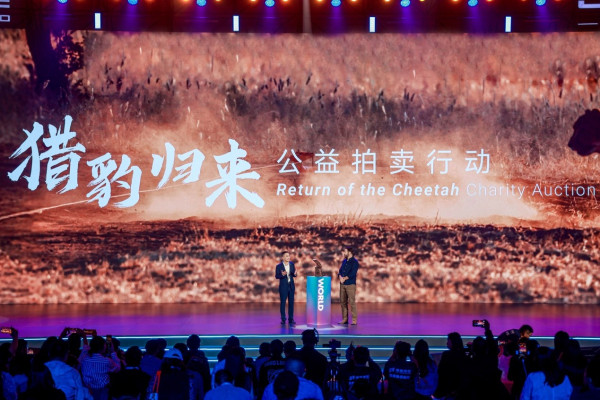
Recently, at the JETOUR Global Travel+ Conference 2024 (www.JETOURGlobal.com) in Fuzhou, JETOUR emphasized the importance of wildlife conservation and reaffirmed its strong commitment to the pursuit of "Travel as ESG Practices". After releasing a teaser of Discovery's documentary "Return of the Cheetah", JETOUR invited the documentary's protagonist, Hazen Audel, a renowned biologist and artist, to jointly launch the charity auction for the protection of cheetahs. JETOUR announced that all proceeds from the auction will be donated to cheetah conservation, continuing its consistent support for ecological conservation.

JETOUR: Cheetah Protection will be Our Long-term Public Service

At the conference, more than 1,000 people watched the teaser of the documentary "Return of the Cheetah". The documentary, jointly produced by JETOUR, the Discovery Channel and the Cheetah Conservation Fund, uses the Namibian grasslands in Africa as a backdrop to illustrate the plight of the cheetah around the world, and to encourage more people to get involved in this public welfare activity and help protect the environment for the survival of wildlife, including the cheetah.

While discussing cheetah conservation with Dr. Laura Marker, founder of the Cheetah Conservation Fund, and Hazen Audel, the main character in the documentary, Ke Chuandeng, Vice President of JETOUR Auto, said, "Public welfare is not just about giving. It is about encouraging more people to get involved. Through our cheetah conservation project, we hope to raise awareness of the importance of wildlife conservation and inspire more people to get involved. When we add up every small act of kindness, it creates energy that can help build a better and more harmonious world.”

On September 20, 2024, JETOUR officially announced its strategic partnership with CCF in South Africa. In support of CCF, JETOUR will sponsor the care of two orphan/non-releasable cheetahs and donate official vehicles to improve cheetah habitats. JETOUR has successfully adopted a wild cheetah and partnered with the Discovery Channel to produce the documentary "Return of the Cheetah" about the growth of the cheetah cub. Hazen Audel also brought his own hand-carved "Cheetah's Guardian" artwork for the auction. He said, "I am very fortunate to be able to participate in the ESG project of cheetah conservation, and during the filming of the documentary I was very touched by the actions of JETOUR and CCF to help cheetahs continue to live on earth. With the sculptures I created for cheetah conservation, I hope to attract new people to see what's happening in the world. I wanted the proceeds from the sculptures to go back into the efforts of wildlife conservation.

Travel as ESG Practices: Enriching the "Travel+" Strategy

Currently, ESG (Environmental, Social, and Governance) mission has become a significant trend in corporate development. JETOUR has incorporated ESG mission into its business and global development since its establishment.

In China, JETOUR launched the long-term charitable program of "Journey of Hope", focusing on the education and healthcare of left-behind children. Since 2020, JETOUR and its users have organized over 300 charitable activities. The company also established an ESG section on its app, encouraging users to participate in various charitable activities, with plans to hold 2,000 events over the next decade.

Internationally, JETOUR follows the "In somewhere. For somewhere" philosophy, conducting various charitable activities, such as traffic safety campaigns in Angola, sponsorship of vehicles for disabled athletes in Peru, support for rural road construction in Kazakhstan, and donations to children's education in Saudi Arabia. Through these initiatives, JETOUR continues to demonstrate that travel and ESG are deeply interconnected, creating social value for regions where it operates.

Li Xueyong, President of JETOUR Auto, said, “With the development of JETOUR's global business, we are increasingly aware of the harmonious symbiosis between economic development and the ecological environment. If we treat the earth well, the earth will treat us well. Cooperation with CCF is just the beginning. In the future, we will continue to support ecological conservation and contribute to global sustainable development.”

Distributed by APO Group on behalf of JETOUR.

Media files
JETOUR
Download logo
Read moreJETOUR Joins Hands with DISCOVERY and Cheetah Conservation Fund in Wildlife Conservation, Practicing “Travel as ESG” Philosophy
15 November 2024

Health Department to Take Medical Approach to Heroin Crisis

Location: News

In response to high rates of heroin use, the government will pilot an opioid agonist therapy program

Read moreHealth Department to Take Medical Approach to Heroin Crisis
13 November 2024

Cabinet updated on SA’s water challenges

Location: News

Cabinet updated on SA’s water challenges

Government has urged the residents of Hammanskraal in Gauteng to exercise patience while work is underway to install a new water treatment plant at the Klipdrift Water Treatment Works.

The call was made by Minister in the Presidency, Khumbudzo Ntshavheni, during a post-Cabinet media briefing held in Cape Town on Wednesday.

“In 2023, the Ministry of Water and Sanitation directed Magalies Water to urgently intervene in terms of the Water Services Act, 1997 (Act 108 of 1997) and to design and install a new water-treatment plant at its Klipdrift Water Treatment Works near Hammanskraal. 

“This will help ease the water challenges and provide long-term solutions. This additional water treatment plant will supply water to certain reservoirs in the city’s water distribution system to increase the supply of clean drinking water to Hammanskraal. 

“Government urges the people of Hammanskraal and surrounding areas to be patient while this work is underway. The first phase is expected to be completed by 15 November 2024. This will allow the City of Tshwane to deliver potable water to some areas of Hammanskraal,” she said.

Ntshavheni acknowledged that the water challenges facing the community continue to negatively affect the lives of the people, including the provision of healthcare services at local facilities such as the Jubilee Hospital.

She moved to assure residents that Cabinet had received and considered a report from the Water and Sanitation Department on Hammanskraal.

“The City of Tshwane is currently implementing a R278 million project to repair the previously dysfunctional Rooiwal Wastewater Treatment Works (WWTW). 

“It is expected that increasing the capacity of the Rooiwal WWTW will cost about R2 billion. Cabinet was informed that the City of Tshwane will have to fund this project through revenue, borrowing or its Urban Settlements Development Grant allocations from the Department of Human Settlements,” she said.

Water restrictions

Meanwhile, the Minister said Cabinet was given an update on the level 1 water restrictions in Johannesburg which are due to begin on Thursday.

The restrictions were announced earlier this week and will see water supply throttled from 9am to 4pm daily.

READ | City of Johannesburg to implement water restrictions

“Cabinet was appraised of the level 1 water restrictions that are in place in Gauteng due to continued water demand as a result of high consumption caused by population growth, illegal connections, leaks and [the] misuse of water. 

“The average consumption in Gauteng is 279 litres per capita per day compared to the international average of 173 litres per capita per day. Whilst the metropolitan municipalities in Gauteng have level 1 water restrictions in place, very little enforcement is undertaken by the municipalities. 

“The Minister of Water and Sanitation and the Premier of Gauteng have requested the municipalities to impose level 2 water restrictions which will come with fines if consumers do not adhere to the restrictions,” Ntshavheni said.

She added that a National Water Crisis Committee is in the works to bolster water-related work nationally.

“Cabinet supported the decision by the President to augment the work that is currently spearheaded by the Deputy President [Paul Mashatile] by elevating the water matters as a crisis and establish a National Water Crisis committee that will develop a water action plan and bring in water experts in order to intervene to the nation-wide water challenges in the local government space,” she said.

Municipal water debt

Ntshavheni warned that the R23 billion collectively owed by municipalities to water boards was rising and unsustainable

She said Cabinet had been appraised on this debt.

“The debt threatens the financial viability of the water boards and the entire water sector. Water and Sanitation Minister, Pemmy Majodina, recently met with several of the affected municipalities and received commitments to pay from most non-paying municipalities. 

“Cabinet had previously approved the establishment of an Inter-Ministerial Committee (IMC) to address municipal turnaround. The IMC will also prioritise measures to address municipal debt payments to water boards, particularly those facing imminent bankruptcy,” she said. - SAnews.gov.za

NeoB
Wed, 11/13/2024 - 14:54

397 views
Read moreCabinet updated on SA’s water challenges
13 November 2024

SA strengthens bilateral ties with Egypt

Location: News

SA strengthens bilateral ties with Egypt

International Relations and Cooperation (DIRCO) Minister Ronald Lamola, along with a business delegation, will today undertake a working visit to Cairo, in the Arab Republic of Egypt, to co-chair the South Africa-Egypt Political Consultations.

The Minister will co-chair the consultations with his counterpart, Dr Badr Abdelatty, the Minister of Foreign Affairs, Emigration and Expatriate Affairs of the Arab Republic of Egypt, from 13 to 14 November. 

South Africa and Egypt enjoy cordial political, economic and social relations following the formal establishment of diplomatic relations on 29 March 1995. These relations are historical and based on friendship, solidarity and collaboration between the peoples of both countries.

The Joint Commission for Cooperation (JCC) that exists between the two countries is a structured bilateral mechanism that provides a platform for political, economic, social, cultural, scientific and technical cooperation between the two.

“We will be accompanied by a South African business delegation consisting of close to 50 companies. The delegation will explore further investment and trade opportunities across a range of economic sectors.

“The working visit will provide an opportunity to exchange views on regional, continental, and global issues of mutual interest, with an emphasis on the conflict in Sudan. Before the conflict, Sudan was already experiencing a severe humanitarian crisis,” Lamola said during a media briefing on Tuesday.  

Lamola said the long-term political instability and economic pressures left 15.8 million people in need of humanitarian aid, and that the conflict has only exacerbated these conditions, leaving 25.6 million people -- more than half of Sudan’s population -- in need.

“The brutal conflict has forced more than 11 million people from their homes. The vast majority (over 8.1 million people) remain within Sudan, representing the largest displacement crisis in the world. 

“Furthermore, the session will also reinforce the importance of accelerating efforts towards the implementation of the African Continental Free Trade Agreement and in consolidation of Africa’s Agenda 2063,” Lamola said. 

The working visit will further reinforce the commitment by both countries to expand and strengthen political and economic relations.

South Africa and Angola strengthen economic ties 

On the 1st of November 2024, the Minister undertook a working visit to Luanda, Angola, for political and diplomatic consultations. 

Discussions included preparations for the upcoming State Visit by President João Manuel Gonçalves Lourenço to South Africa. 

“It was agreed that this visit should reaffirm the existing bilateral relations, underpinned by a strong economic partnership. We informed our counterpart that a business forum will also be organised during the visit, with the participation of companies from both countries, focusing on sectors such as agriculture and agro-processing, mining, energy, transport, healthcare, tourism and education,” Lamola said.  – SAnews.gov.za

DikelediM
Wed, 11/13/2024 - 09:44

278 views
Read moreSA strengthens bilateral ties with Egypt
13 November 2024

Patients Lie on the Floor at Uitenhage Provincial Hospital

Location: News

The health department has acknowledged there is pressure on available beds

Read morePatients Lie on the Floor at Uitenhage Provincial Hospital
9 November 2024

X-Ray Machine Conks Out at Limpopo Hospital

Location: News

Elim Hospital also faces persistent water shortage

Read moreX-Ray Machine Conks Out at Limpopo Hospital
8 November 2024

Boost for start-ups involved in space, Earth observation

Location: News

Boost for start-ups involved in space, Earth observation

Eight start-ups involved in space and Earth observation innovations have received funding through the Earth Observation Frontiers Enterprises Innovation Support Fund (NEOFrontiers EISF). 

Launched in 2021, the NEOFrontiers is an innovation funding mechanism designed to drive the growth of the local space sector through increased public investments. 

It seeks to stimulate collaboration, cooperation and innovation in the public and private South African Earth observation community.

The NEOFrontiers programme is managed by the South African National Space Agency (SANSA) and the National Research Foundation (NRF), and implemented with the support of Tuksnovation, the University of Pretoria's business and technology incubator. 

The programme subsidises enterprises with amounts ranging from R750 000 to R1 million for 12 months.

SANSA launched NEOFrontiers in 2021 through investment from the Department of Science, Technology and Innovation (DSTI). 

The first four NEOFrontiers projects were funded in 2022, while 2023 saw three start-ups supported. 

This year’s NEOFrontiers call saw eight successful start-ups submit brilliant proposals on mining, agriculture, infrastructure development, healthcare innovation, banking and financial institutions, as well as disaster risk reduction. 

These include Abiri Innovations, Agizo Solutions (Pty) Ltd, Aphelion World JV/Consortium, CreditAIs, Integrated Geoscience Solutions, Kgothatso Innovations, Regona Trading and YaAzi.

A total of 56 applications were received earlier in the year, 25 of which were eligible and allowed to pitch to an independent adjudication committee.

DSTI’s Acting Chief Director Itumeleng Makoloi said this programme unfolds at an opportune time when South Africa seeks to foster innovation.

“We need to create new ways of modernising areas such as agriculture, mining and manufacturing. We believe that this programme represents our shared vision to foster innovation, capacity building and strategic partnership across the public sector. 

"The joint efforts of DSTI entities, such as SANSA and the NRF, play a critical role in driving this vision.”

SANSA CEO, Humbulani Mudau, believes this platform will create a market pool for innovative solutions, for which space is a significant enabler and a value provider.

“I’m delighted to report that there is an equal split in gender representation. We have awarded the grant to start-up companies led and owned by four males and four females. This is good progress towards transforming the industry,” Mudau said. 

He said the NEOFrontiers is poised for greater strides in terms of direction and investments. 

“We’re indeed going to make this a flagship programme that will transform space-based ideas into relevant products and services that address societal and environmental challenges. As we do that, we’re going to be looking at increasing the competitiveness of the South African Earth observation industry for the benefit of the South African society.”

NRF CEO, Dr Fulufhelo Nelwamondo, is of the view that the initiative has the potential to gear small enterprises in the space sector to create job opportunities.

“The key focus is to support start-ups, SMMEs and entrepreneurs with funding. The reason for this is that we expect much more from our SMMEs to make sure that they can grow and employ more people.

“When they employ more people, there is an increase in new technology and service innovations coming out of their areas to a point that we can get even more people involved. Our rate of unemployment is increasing.”

The University of Pretoria’s Head of Innovation and Contracts Management, Advocate Lawrence Baloyi, said this has the potential to shape the future of South African space innovation. 

The next call to fund new SMMEs will be published before the end of 2024. – SAnews.gov.za

Gabisile
Fri, 11/08/2024 - 11:04

28 views
Read moreBoost for start-ups involved in space, Earth observation
7 November 2024

SAHPRA encourages citizens to report suspected side effects from medication

Location: News

SAHPRA encourages citizens to report suspected side effects from medication

The South African Health Products Regulatory Authority (SAHPRA) has encouraged citizens to always report any suspected side effects they may experience from taking medicines, vaccines or using medical devices, to help make medicines safer for everyone.  

While humanity benefits greatly from medicines in the treatment of illness and management of certain conditions, SAHPRA said medicines may at times cause side effects. 

However, according to the local drug watchdog, the risk of side effects and severe harm can be drastically reduced by taking medicines correctly and following the advice of a healthcare practitioner. 

SAHPRA, together with over 90 other medicines and health product regulators, as well as healthcare organisations globally, is participating in the annual MedSafety Week awareness initiative, which takes place between 04 and 10 November 2024. 

This year’s theme will focus on the importance of using medicines in the right way to prevent side effects and to report side effects when they do occur. 

The awareness is spearheaded by the Uppsala Monitoring Centre under the auspices of the World Health Organisation (WHO) Programme for International Drug Monitoring.

This is a programme that monitors and identifies adverse effects of medicines and vaccines, to reduce risks to patients, and to establish worldwide pharmacovigilance standards and systems. 

SAHPRA CEO, Dr Boitumelo Semete-Makokotlela, said that handling and storing as well as taking medicines as directed by a healthcare professional is key in reducing the incidence of adverse reactions.

“Research shows that about half of all side effects are preventable. Patient safety is our top priority and during MedSafety Week, we wish to remind patients to take their medicines as instructed and healthcare professionals to review therapies as well as each patient’s unique health conditions before prescribing or dispensing medicines,” said Semete-Makokotlela.

SAHPRA called upon the South African public and healthcare professionals to use either the MedSafety app or the eReporting portal  - both accessible on  SAHPRA's website - to report suspected side effects from health products. 

According to the watchdog, all reports are assessed and examined to determine the correct steps to protect medicine users in South Africa from harm. 

“The purpose is to gain better knowledge about known side effects and to discover new ones. This can result in warnings and changes to how a medicine is used,” the authority explained. 

The SAHPRA MedSafety app and eReporting portal can be used for reporting suspected adverse drug reactions from medicines, vaccines, herbal products, biological medicines and any quality issues relating to health products. – SAnews.gov.za


Gabisile
Thu, 11/07/2024 - 13:12

20 views
Read moreSAHPRA encourages citizens to report suspected side effects from medication
3 November 2024

Deputy Minister Letsike addresses Village Economy Indaba

Location: News

Deputy Minister Letsike addresses Village Economy Indaba

Deputy Minister in the Presidency for Women, Youth and Persons with Disabilities, Mmapaseka Letsike, says more than 60% of jobs and 25% of the Gross Domestic Product (GDP) of the African continent comes from the agricultural sector which is rooted in the rural areas.

“This presents an opportunity for boundless growth through the potential that is inherent in the rural economy and for expansion to industries that ordinarily have not proliferated in rural areas,” Letsike said.

Speaking at the Village Economy Indaba ceremony held in the North West province, Letsike said over half of the population resides in rural regions, yet these areas often face higher poverty rates, lower access to basic services and limited economic opportunities.
“This divide is not only a matter of geography, it concerns social justice, economic necessity, and national progress.”

Letsike said rural areas in South Africa hold an enormous but often overlooked potential for lifting people out of poverty.

“When we invest in rural economies, we create jobs and boost incomes in areas where they are needed most. Imagine empowering smallholder farmers with access to better technology, training, and markets. 

“Not only could they increase their production, but they could also improve their livelihoods, leading to better education, healthcare, and overall well-being for their families and communities,” Letsike said on Friday.

The Deputy Minister said it was reported that about 75% of food produced on the continent is from small farms of less than 20 hectares, while 80% of the 51 million farms on the continent have an area less than two hectares.

“Developing rural economies helps curb urban migration. Every year, thousands of people leave rural areas, hoping for better opportunities in the big cities.

“By creating viable economic opportunities in rural areas, through initiatives such as The Village Economy Indaba whether in agriculture, renewable energy, tourism, or small-scale manufacturing, we can reduce the strain on our cities while enhancing quality of life in the countryside,” the Deputy Minister said.

Letsike said vulnerable groups such as women, youth, LGBTI (lesbian, gay, bisexual, and transgender or intersex), persons and persons with disabilities are the hardest hit by climate change.

“Therefore, renewable energy projects, like solar and wind farms in areas such as the Northern and Eastern Cape, to eco-tourism in Limpopo and the Western Cape, rural South Africa holds immense potential for green growth and sustainability, particularly as we engage the Just Energy Transition.

“By focusing on sustainable practices, we can preserve our environment for future generations while creating jobs today. 

“Many of us who have a rural background will understand that even our indigenous agricultural practices such as companion planting have been proven to promote soil health and maximise production on small pieces of land and it is still used by many farmers in rural areas,” Letsike said.  -SAnews.gov.za 


Edwin
Fri, 11/01/2024 - 14:03

55 views
Read moreDeputy Minister Letsike addresses Village Economy Indaba
1 November 2024

dtic calls for a resilient health system

Location: News

dtic calls for a resilient health system

The Deputy Minister of Trade, Industry and Competition, Zuko Godlimpi, has called for a resilient health system that prioritises equitable access and sustainable solutions in times of crisis. 

He emphasised the need for fair and sustainable measures to equip health systems with the necessary "shock absorbers" to withstand future challenges. 

Godlimpi said it was clear with every health crisis faced as a country, region and world that sustainable ways must be found to strengthen health systems.  

He made these remarks during his address at the Annual General Meeting of the Innovative Pharmaceutical Association South Africa (IPASA), which took place in Johannesburg on Thursday.

Reflecting on the impact of recent global health challenges, Godlimpi emphasised that these crises, while affecting all, are not felt equally.

“The severity of their impact is determined by geopolitical and economic standings, often leaving vulnerable populations to bear the brunt.

During the height of the COVID-19 pandemic, South Africa, under President Cyril Ramaphosa’s leadership, championed vaccine justice on the world stage, asserting that access to vaccines and essential medicines should be a universal right,” Glodlimpi said.

He called for the development of robust domestic manufacturing capabilities, especially in pharmaceuticals and medical supplies to reduce reliance on external sources during global emergencies. 

The creation of a resilient healthcare system would not only secure the health of the population but would also drive job creation and economic growth.

“By investing in local manufacturing capacity, we secure our sovereignty in healthcare and strengthen our economy.

“Building a sustainable pharmaceutical industry cannot be achieved by government action alone. 

“We need active participation from industry leaders, multinational corporations and local innovators alike, and I commend IPASA’s contributions to promoting ethical standards and supporting a patient-centred healthcare system,” he said.

Godlimpi mentioned that as part of South Africa’s broader industrial strategy, the Department of Trade, Industry and Competition (the dtic) had implemented master plans to drive growth in key sectors.

“The MedTech Master Plan, launched in May, is one such initiative, aiming to bolster local manufacturing in the medical technology sector. The development of future master plans, including those for pharmaceuticals, biologics and vaccines, depends on collaboration with multinational corporations and industry stakeholders,” he said.

Emphasising the importance of local manufacturing, Godlimpi noted that currently, pharmaceutical imports account for a significant trade deficit.

“However, with the active participation of multinationals in localisation programmes, we can create a more self-reliant healthcare system and reduce our dependency on imports. 

“I also want to highlight opportunities within offset programmes, where foreign suppliers are encouraged to invest in local industry through technology transfer, local hubs, and third-party manufacturing,” he said. – SAnews.gov.za

Edwin
Fri, 11/01/2024 - 09:44

14 views
Read moredtic calls for a resilient health system
30 October 2024

Tanzania President, Merck Foundation Chairman and CEO with 15 First Ladies inaugurate their 11th Africa Asia Luminary 2024

Location: News
Merck Foundation

  • The 11th Edition of Merck Foundation Africa Asia Luminary was officially inaugurated by The President of the United Republic of Tanzania, H.E. Dr. SAMIA SULUHU HASSAN, Chairman of Merck Foundation Board of Trustees, Prof. Dr. Frank Stangenberg-Haverkamp and Merck Foundation CEO, Senator, Dr. Rasha Kelej.

  • The First Ladies of Burundi, Cabo Verde, Central African Republic, Democratic Republic of The Congo, Gabon, The Gambia, Ghana, Kenya, Liberia, Malawi, Maldives, Mozambique, Democratic Republic of São Tomé and Príncipe, Zimbabwe and Zanzibar were the Guests of Honor and Keynote Speakers for the 11th Edition of Merck Foundation's Annual Conference.
  • More than 6,000 healthcare providers, policymakers and media from over 70 English, French, Spanish and Portuguese speaking countries attended the Luminary through hybrid model to benefit from five parallel scientific and social sessions to advance healthcare capacity and awareness in 44 critical and underserved medical specialties.
  • Celebrating 7th Anniversary of Merck Foundation and marking 12-year journey of their development programs, during 2024 Luminary. 
  • Link to Live Stream of Inaugural Session of Merck Foundation Africa Asia Luminary 2024: https://apo-opa.co/40tsLex

Merck Foundation (www.Merck-Foundation.com), the philanthropic arm of Merck KGaA Germany, conducted the 11th Edition of their annual conference, “Merck Foundation Africa Asia Luminary”, under the patronage of The President of Tanzania, and in partnership with the Government of Tanzania on 29th and 30th October, in Dar es Salaam, Tanzania. The conference was officially inaugurated by H.E. Dr. SAMIA SULUHU HASSAN, The President of the United Republic of Tanzania together with Prof. Dr. Frank Stangenberg-Haverkamp, Chairman of Merck Foundation Board of Trustees and Senator, Dr. Rasha Kelej, CEO of Merck Foundation, along with First Ladies of 15 Countries, who joined as the Guests of Honor and Keynote Speakers.

While inaugurating the conference, The President of United Republic of Tanzania, H.E Dr. SAMIA SULUHU HASSAN emphasized “I am delighted to host this prestigious conference in Tanzania. It is a great honor to inaugurate the conference alongside the First Ladies of Africa and Asia. I am certain that this conference will help us to achieve our shared mission — to make a transformation in the health and well-being of our people. I deeply appreciate the programs of Merck Foundation that are building healthcare capacity, breaking infertility stigma, and supporting girl education.”

Senator Dr. Rasha Kelej, CEO of Merck Foundation and Chairperson of Merck Foundation Africa Asia Luminary emphasized, “I am delighted to have Her Excellency, Dr. SAMIA SULUHU HASSAN, The President of the United Republic of Tanzania, inaugurate our annual conference. I also extend my heartfelt thanks to our partner, the Government of Tanzania, for their unwavering support in making it a success. Moreover, I am honored to welcome our esteemed Guests of Honor and Keynote Speakers, the First Ladies of African and Asian Countries, also the Ambassadors of the “Merck Foundation More Than a Mother”. Together, we shared experiences and engaged in meaningful discussions on the impact of our programs, aimed at transforming patient care and raising awareness on a wide range of critical social and health issues."

Prof. Dr. Frank Stangenberg Haverkamp, Chairman of Merck Foundation Board of Trustees added, “I would like to thank H.E. Dr. SAMIA SULUHU HASSAN, The President of Tanzania, our partners, The First Ladies of Africa and Asia, along with African Ministers, Health Experts, Policy Makers, Government Officials, Academia and Media from over 70 countries for joining hands with us to realize the Merck Foundation's vision that  “Everyone can lead a Healthy and Happy life.”

The First Ladies of 15 Countries, who joined as the Guests of Honor and Keynote Speakers are:

  • H.E. Madam ANGELINE NDAYISHIMIYE, The First Lady of the Republic of Burundi
  • H.E. Dr. DÉBORA KATISA CARVALHO, The First Lady of the Republic of Cabo Verde
  • H.E. Madam BRIGITTE TOUADERA, The First Lady of Central African Republic
  • H.E. Madam DENISE NYAKERU TSHISEKEDI, The First Lady of the Democratic Republic of The Congo
  • H.E. Madam ZITA OLIGUI NGUEMA, The First Lady of the Gabonese Republic
  • H.E. Mrs. FATOUMATTA BAH-BARROW, The First Lady of the Republic of The Gambia
  • H.E. Mrs. REBECCA AKUFO-ADDO, The First Lady of the Republic of Ghana
  • H.E. Mrs. RACHEL RUTO, The First Lady of Kenya
  • H.E. Mrs. KARTUMU YARTA BOAKAI, The First Lady of the Republic of Liberia
  • H.E. Mrs. MONICA CHAKWERA, The First Lady of the Republic of Malawi
  • H.E. Mrs. SAJIDHA MOHAMED, The First Lady of the Republic of Maldives
  • H.E. Mrs. ISAURA FERRÃO NYUSI, The First Lady of the Republic of Mozambique
  • H.E. Mrs. MARIA DE FATIMA VILA NOVA, The First Lady of the Democratic Republic of São Tomé and Príncipe
  • H.E Mrs. MARIAM MWINYI, The First Lady of Zanzibar
  • H.E. Amai Dr. AUXILLIA MNANGAGWA, The First Lady of the Republic of Zimbabwe

“I am proud to share that Merck Foundation has provided more than 2080 scholarships to young doctors from 50 countries in 42 critical and underserved specialties such as Oncology and Cancer care, Diabetes, Endocrinology, Cardiovascular, Fertility Care, Embryology, Sexual & Reproductive Medicine, Internal Medicine, Respiratory Medicine, Acute Medicine, Critical Care, Pediatric Emergency, Gastroenterology, Rheumatology, Clinical Psychiatry, Urology, Ophthalmology, General Surgery, Trauma & Orthopedic, Dermatology, Neonatal Care, Pain Management, Clinical Microbiology & Infectious Diseases, Advanced Surgical Practice, Neuroimaging for Research and more. Many of them are becoming the first specialists in their countries”, added Senator Kelej.  

During the 11th Edition of Merck Foundation Africa Asia Luminary, two important occasions were marked; the 7th Anniversary of Merck Foundation and 12 years of Merck Foundation's development programs that started in 2012.

On the first day of the conference, the Plenary Session of the Merck Foundation Africa Asia Luminary 2024 took place, featuring a high-level panel discussion with the participating First Ladies of Africa and Asia. Moreover, two high-level ministerial panel discussion were held with African Ministers and top healthcare experts from across the globe.

The Day 2 of the conference will have five key parallel medical and scientific sessions, covering topics such as oncology, diabetes and hypertension, fertility and reproductive care, and medical capacity building in other specialties like respiratory care, acute care, emergency pediatric and neonatal care, and more. Additionally, a community awareness session, Merck Foundation Health Media Training, will be conducted for African journalists. This session will emphasize the critical role of the media in influencing communities and driving cultural change, with regards to a wide range of social and health issues like Breaking Infertility Stigma, Supporting Girls' Education, Stopping GBV, Ending Child Marriage & FGM, Empowering Women, Diabetes and Hypertension Awareness.

Countries participating in the 11th Edition of Merck Foundation Africa Asia Luminary include:

Angola, Bangladesh, Benin, Botswana, Burkina Faso, Burundi, Cameroon, Canada, Central Africa Republic, Cambodia, Chad, Côte d'Ivoire, Republic of the Congo, Democratic Republic of the Congo, Egypt, Ethiopia, France, Gabon, Germany, Ghana, Guinea – Bissau, Guinea – Conakry, India, Indonesia, Kenya, Lesotho, Liberia, Malawi, Malaysia, Mali, Mauritania, Mauritius, Mexico, Mozambique, Myanmar, Namibia, Nepal, Niger, Nigeria, Peru, Philippines, Russia, Rwanda, Senegal, Sierra Leone, Somalia, South Africa, Sri Lanka, Sudan, Tanzania, Thailand, The Gambia, Togo, Tunisia, U.A.E, UK, Uganda, US, Vietnam, Zambia, Zimbabwe and more.

The 11th Edition of Merck Foundation Africa Asia Luminary 2024 is streamed live on the social media handles of Merck Foundation and Senator, Dr. Rasha Kelej, CEO of Merck Foundation:

@ Merck Foundation: Facebook (http://apo-opa.co/3Yq65sX), X (http://apo-opa.co/40p49nc), Instagram (http://apo-opa.co/3Uwqqvl), and YouTube (http://apo-opa.co/3NLGJAS).

@ Rasha Kelej: Facebook (http://apo-opa.co/3Uulqrf), X (http://apo-opa.co/3Yq65Jt), Instagram (http://apo-opa.co/40krkip), and YouTube (http://apo-opa.co/40nOp3t).

Link to the Facebook live stream of Inaugural Session of Merck Foundation Africa Asia Luminary & African First Ladies High Level Panel: https://apo-opa.co/40tsLex

Merck Foundation is transforming the Patient care landscape and making history together with their partners in Africa, Asia, and beyond, through:

• 2080+ Scholarships provided by Merck Foundation for doctors from 52 Countries in 42 critical and underserved medical specialties.  

Merck Foundation is also creating a culture shift and breaking the silence about a wide range of social and health issues in Africa and underserved communities through:

• 3500+ Media Persons from more than 35 countries trained to better raise awareness about different social and health issues

• 8 Different Awards launched annually for best media coverage, fashion designers, films, and songs,

• Around 30 songs to address health and social issues, by local singers across Africa

• 8 Children's Storybooks in three languages - English, French, and Portuguese

• 7 Awareness Animation films in five languages - English, French, Portuguese, Spanish and Swahili to raise awareness about prevention and early detection of Diabetes & Hypertension and supporting girl education.

• Pan African TV Program "Our Africa by Merck Foundation” addressing Social and Health Issues in Africa through “Fashion and ART with Purpose” Community

• 700+ Girls from 15 African countries supported through scholarships or school items, annually.

• 15 Social Media Channels with more than 6 Million Followers.

Distributed by APO Group on behalf of Merck Foundation.

Contact details:
Mehak Handa
Community Awareness Program Manager
+91 9310087613 / +91 9319606669
mehak.handa@external.merckgroup.com

Join the conversation on our social media platforms below and let your voice be heard!
Facebook: https://apo-opa.co/3Yq65sX
X (Twitter): https://apo-opa.co/3O4YBa5
YouTube: https://apo-opa.co/3NLGJAS
Instagram: https://apo-opa.co/3Uwqqvl
Flickr: https://apo-opa.co/40nL051
Threads: https://apo-opa.co/3NJN9jN
Website: www.Merck-Foundation.com
Download Merck Foundation App: https://apo-opa.co/40njaFK

About Merck Foundation:
The Merck Foundation, established in 2017, is the philanthropic arm of Merck KGaA Germany, aims to improve the health and wellbeing of people and advance their lives through science and technology. Our efforts are primarily focused on improving access to quality & equitable healthcare solutions in underserved communities, building healthcare & scientific research capacity, empowering girls in education and empowering people in STEM (Science, Technology, Engineering, and Mathematics) with a special focus on women and youth. All Merck Foundation press releases are distributed by e-mail at the same time they become available on the Merck Foundation Website.  Please visit www.Merck-Foundation.com to read more. Follow the social media of Merck Foundation: Facebook (https://apo-opa.co/3UrWznZ), X (https://apo-opa.co/3NLcqtQ), Instagram (https://apo-opa.co/3UtDmlT), YouTube (https://apo-opa.co/3UqOAaF), Threads (https://apo-opa.co/3UvSCP8) and Flickr (https://apo-opa.co/3Yo1jfw).

The Merck Foundation is dedicated to improving social and health outcomes for communities in need. While it collaborates with various partners, including governments to achieve its humanitarian goals, the foundation remains strictly neutral in political matters. It does not engage in or support any political activities, elections, or regimes, focusing solely on its mission to elevate humanity and enhance well-being while maintaining a strict non-political stance in all of its endeavors.

Media files
Merck Foundation
Download logo
Read moreTanzania President, Merck Foundation Chairman and CEO with 15 First Ladies inaugurate their 11th Africa Asia Luminary 2024
24 October 2024

Gauteng central hospitals operating beyond capacity to treat cancer

Location: News

Gauteng central hospitals operating beyond capacity to treat cancer

Gauteng, with a population exceeding 15 million, faces the highest burden of cancer care in the country and the province’s central hospitals were not originally designed to handle the current patient load.

The central hospitals are operating beyond their capacity in providing both cancer treatment and overall healthcare services.

These are the findings of a detailed evaluation of oncology services in Gauteng, undertaken by the Health and Wellness Portfolio Committee.

The Health and Wellness Portfolio Committee, consisting of members from various political parties in the provincial legislature, recently conducted a focused study to assess the pressure points and operational efficiency of oncology services throughout Gauteng.

The visits conducted this week included Dr George Mukhari Academic, Steve Biko Academic, Charlotte Maxeke Johannesburg Academic, and Nelson Mandela Children’s Hospital.

According to the committee, this initiative provided a deeper understanding of the complex challenges involved in delivering cancer treatment and care within the public healthcare sector. 

“Contrary to perceptions, oncology services require sophisticated coordination, far beyond what is often assumed,” the statement read. 

The committee said oncology services at these central hospitals extend not only beyond the province but also across national borders, offering highly specialised care that is difficult to replicate at tertiary and district hospitals, which often lack essential surgical, diagnostic, and pathological capabilities. 

“Consequently, these hospitals face a high volume of referrals from other provinces, such as North West, Limpopo, and Mpumalanga, further straining an already overburdened system.” 

The team also found the bed allocation becomes increasingly complex as they accommodate patients from outside Gauteng.
Additionally, the backlog is exacerbated by the significant number of foreign nationals seeking cancer treatment and other healthcare services in these facilities. 

According to the statement, Charlotte Maxeke Academic Hospital currently owes over R700 million, while Steve Biko Academic Hospital has a bill exceeding R400 million for the treatment of foreign nationals. 

This situation further intensifies the financial strain on the system.

Human resource planning

The committee also observed that the human resource planning for oncology services is outdated and does not meet the growing demands of Gauteng’s population. 

“This mismatch has led to significant pressure on healthcare professionals, with unfavourable staff-to-patient ratios affecting service delivery.”

In addition, there is a critical shortage of oncology, radiology, and other specialised healthcare workers, compounded by the private sector’s ability to offer more competitive compensation for these sought-after skills. 

They also discovered that there was a shortage of specialised nurses in the operating theatres and intensive care units (ICU).
“These nurses play a crucial role in the value chain of cancer treatment and care.”

The team has since urged the National Department of Health to fast-track the approval and implementation of revised staffing plans, already proposed by hospitals, to address these shortages.

“While the committee recognises the budget constraints caused by austerity measures, addressing the critical need for specialised personnel must remain a top priority to meet growing healthcare demands.” 

Infrastructure needs 

Gauteng historically had only two main radiology centres. However, the committee said they were encouraged that Dr George Mukhari Hospital is advancing plans to construct an additional oncology facility. 

The committee believes that once the facility is completed, it will relieve pressure on existing services and enhance treatment capacity for cancer patients. 

“However, it is essential to ensure that infrastructure expansions are matched by an increase in specialised personnel to operate the facility effectively.” 

The committee stated that they will closely monitor the project’s progress to ensure it meets deadlines and improves access to care.

“The committee now fully understands the multi-faceted factors contributing to the backlog in oncology services. The entire value chain – from diagnosis to treatment – requires a coordinated approach, guided by clinical guidelines.” 

As the National Health Insurance (NHI) implementation progresses, they said it was expected that greater cooperation and system improvements would help address some of the current challenges in the healthcare sector.

“We remain committed to supporting Gauteng’s healthcare system and will continue working with the Department of Health to tackle these challenges. 

“Our goal is to enhance oncology services, ensuring all patients receive the high-quality care they deserve, despite the complexities involved in providing such specialized treatment,” said Health and Wellness Portfolio Committee Chairperson, Advocate Ezra Letsoalo. – SAnews.gov.za
 

Gabisile
Thu, 10/24/2024 - 11:32

76 views
Read moreGauteng central hospitals operating beyond capacity to treat cancer
21 October 2024

Europe’s Network and Information Security (NIS2) directive raises the stakes for African businesses to comply with European Union’s (EU) cyber security standards

Location: News
Check Point Software Technologies Ltd.

The European Union's NIS2 cyber security  directive has significant implications for African businesses trading with the continent.  This is according to Check Point Software Technologies (www.CheckPoint.com), a leading AI-powered cloud-delivered cyber security provider, which urges African businesses with strong ties to the EU to take steps to comply with this new, stringent cyber security regulation.

Download document: https://apo-opa.co/3UgCQYj

The European Union's NIS2 Directive, came into effect this month and requires member states to amend their national legislation. The NIS2 Directive imposes strict cyber security requirements, including enhanced management liability, reporting to authorities, risk management, and business continuity planning, placing African companies trading with the EU under increased scrutiny.

The NIS2 Directive builds upon the original NIS1 Directive introduced in 2016, expanding its scope to cover a wider range of sectors including Energy, Banking, Transport, Digital Infrastructure, Healthcare, Food Production, and Research. More than 80% of European enterprises are now within the scope of this legislation, which extends to global supply chain partners—including many businesses in Africa.

Collins Emadau, Check Point Partner and Director at Westcon, explains, “Europe is still Africa's leading trading partner. African businesses, particularly in leading economies such as South Africa, Kenya, and Nigeria, need to understand the far-reaching impact of NIS2. Compliance is not just about meeting EU standards—it's about securing their future in a globalised market. Failure to comply will result in not only heavy fines but also the potential loss of critical trade partnerships with EU member states."

What's at Stake for African Businesses?

The EU remains the largest trading partner for Africa, with over 18 Economic Partnership Agreements and trade worth billions annually. African businesses, especially in sectors like Energy, Banking, Transport, and Manufacturing, are key partners in the EU's supply chains. To continue doing business with EU companies, African organisations must comply with NIS2, which mandates strict cyber security measures to protect critical infrastructure and supply chains.

Issam El Haddioui, Head of Security Sales Engineering:  Africa, Check Point Software Technologies, says, "NIS2 sets a new standard for cyber security, and African businesses must act now. Many organisations are unaware of the depth of these requirements, which go beyond local regulations. Compliance is essential not only for maintaining business relationships with the EU but also for enhancing the overall resilience of African economies against cyber threats."

Compliance will exact a cost for African organisations, which according to Interpol's 2021 Africa Cyberthreat Assessment Report, spends an average of only 0.05% of their revenue on cyber security, far below the global average of 0.3-0.5%.  The Report also estimated the financial impact of cyber crime in the region at over $4 billion USD, representing about 10 percent of Africa's total GDP.

Tougher Penalties and Personal Responsibility

NIS2 introduces personal liability for business leaders in the event of a cyber attack, meaning that executives themselves can be held financially accountable for breaches. Penalties include fines of up to EUR 7 million or 1.4% of a company's global annual turnover, whichever is higher. This goes beyond the GDPR, placing even more responsibility on corporate leadership to ensure robust cyber security practices are in place.

NIS2 mandates that organisations must report cyber incidents to authorities promptly and inform their stakeholders, suppliers, and customers. Therefore, African businesses must ensure they have a comprehensive incident response plan in place, along with regular cyber security training for both IT and leadership teams.

Steps for African Businesses to Ensure Compliance

To successfully implement NIS2 and avoid devastating penalties, Check Point recommends the following four steps for African businesses:

  1. Knowledge: Business leaders must gain a basic understanding of cyber security to effectively communicate with their IT teams and ensure sound decision-making.
  2. People: Establish an agile IT security department, including key roles such as a Data Protection Officer (DPO) and a Chief Information Security Officer (CISO), to manage and distribute responsibilities efficiently.
  3. Audit: Conduct regular risk assessments and audits to identify and mitigate vulnerabilities. Continuous monitoring is essential to stay compliant with evolving threats.
  4. Incident Management: Develop clear procedures for responding to cyber incidents, including swift reporting to national authorities, suppliers, and stakeholders.

Long-Term Commitment to Cyber Security

Compliance with NIS2 is not a one-time process; it requires a long-term commitment to cyber security. From 2028, organisations will be required to annually document their NIS2-compliant IT infrastructure and demonstrate that their cyber security measures are aligned with the latest technological advancements.

“African countries, especially economic leaders like South Africa, Kenya, and Nigeria, should also consider using the NIS2 framework as a model for strengthening their own national cyber security regulations. By improving cyber-readiness, African businesses can not only comply with international standards but also protect their data, operations, and reputations from evolving threats,” El Haddioui continues.

El Haddioui, concludes, "The NIS2 Directive marks a significant shift in the cyber security landscape. African business leaders must recognise that cyber security is now a matter of survival, not just compliance. By taking proactive measures, they can safeguard their future, avoid heavy penalties, and ensure their organisations thrive in an increasingly interconnected global economy."

Distributed by APO Group on behalf of Check Point Software Technologies Ltd..

Follow Check Point via:
LinkedIn: https://apo-opa.co/48bWAC1
X: https://apo-opa.co/3Uh9uJo
Facebook: https://apo-opa.co/40cvTLl
Blog: http://apo-opa.co/4e2KjBm
YouTube: https://apo-opa.co/48wjFQd

About Check Point Software Technologies Ltd.:
Check Point Software Technologies Ltd. (www.CheckPoint.com) is a leading AI-powered, cloud-delivered cyber security platform provider protecting over 100,000 organisations worldwide. Check Point leverages the power of AI everywhere to enhance cyber security efficiency and accuracy through its Infinity Platform, with industry-leading catch rates enabling proactive threat anticipation and smarter, faster response times. The comprehensive platform includes cloud-delivered technologies consisting of Check Point Harmony to secure the workspace, Check Point CloudGuard to secure the cloud, Check Point Quantum to secure the network, and Check Point Infinity Core Services for collaborative security operations and services.

Media files
Check Point Software Technologies Ltd.
Download logo
Read moreEurope’s Network and Information Security (NIS2) directive raises the stakes for African businesses to comply with European Union’s (EU) cyber security standards
18 October 2024

Healthcare Indaba 2024: Advancing Global Health Through Innovation and Digital Solutions

Location: News

Africa Health
Download logo

Delegates will gather in the Mother City in South Africa this month, when the second annual Healthcare Indaba takes place at Cape Town's CTICC. The two-day event forms part of the 2024 edition of Africa Health Congress (www.AfricaHealthExhibition.com), the premier healthcare gathering on the African continent.

Building on the success of its inaugural edition last year, the Healthcare Indaba 2024 expands to a two-day format. It dives into the realms of Global Health on day one and exploring AI & Digital Health on day two of the Congress (running from 22 to 24 October 2024).

Another new element to the Congress and the Indaba deliberations, is the dedicated forum within the Africa Health Congress 2024 entitled, “EmpowHER: Women in Healthcare”.

“Our goal is to create a lasting brand that celebrates female leadership and fosters a supportive community.  Our audience is eager to gain insights into the realities of leadership in healthcare and understand the journey it takes to reach the top. The mandate for our speakers will be candidness and honesty,  they will share their personal experiences, challenges, and successes in the hopes of inspiring the audience. Their stories and insights will help ensure the long-term sustainability of our industry through supporting women and celebrating their successes,” says Cynthia Makarutse, spokesperson for the organisers of Africa Health.

“Much like the Mining and Tourism Indabas which inspired it, the Healthcare Indaba has emerged as a crucial platform for shaping the future of our industry on the continent. This year's focus aligns with our commitment to position Africa at the forefront of medical innovation with worldwide impact,” says Makarutse.

The Indaba will feature discussions led by some of the most influential voices in African healthcare and technology.

“Global Health” – Africa claiming its right place on global stage.

Head of the Global Surgery Division at the University of Cape Town, Professor Salome Maswime, will chair the Global Health deliberations of the Indaba on day one. She explains that she is excited about hosting a dynamic programme that brings leaders together from all over the world and from all sectors.

“We hope to have thought provoking sessions about the role of Africa on the Global Health Stage. This will be a first for Africa Health, with the Vice President of the United Nations Foundation delivering the keynote on Global Health strategies for a resilient future,” she adds.

“I think most importantly it gives us an opportunity to discuss and find consensus on the strategies for Global Health and to align on international programmes, and to collaborate on new and strategic programmes. Many of us are involved on international Global Health platforms, yet the global health agenda is still mainly driven and owned by high income countries. We have an opportunity to re-imagine the future of Global Health for Africa.

“It is time for Africa to get involved on all matters related to Global Health. We cannot afford to be left behind. We have an obligation to provide universal health coverage and to improve healthcare in Africa,” says Maswime.

“AI & Digital Health” – building sustainable solutions.

The second day of Indaba 2024 (on Wednesday 23 October) shines the spotlight on AI & Digital Health.

“The significance of this event lies in its ability to convene leading industry experts, innovators and key stakeholders from across the continent to address pressing healthcare challenges and explore transformative solutions,” says Dr Mories Atoki, CEO of ABCHealth and a speaker on the day.

“The ABCHealth side forum on Digital Health will serve as a platform to discuss how AI and digital health can revolutionize healthcare delivery, making it more accessible and efficient. It is a critical moment for both the private and public sectors to explore more and collaborate on building sustainable systems that address Africa's unique healthcare needs through AI.”

For the people of Africa, Dr Atoki believes this congress provides hope.

“The conversations and outcomes from these sessions will not only influence policy but also drive tangible improvements in healthcare services, enhancing quality of life and reducing healthcare inequalities across the continent.

“For the medical sector, it presents a unique opportunity to explore new opportunities,  strengthen partnerships, share groundbreaking innovations, and leverage digital health means to drive healthcare accessibility and efficiency. This signifies progress toward better healthcare outcomes through improved access, affordability, and quality of care. By highlighting the potential of AI and digital health, we can pave the way for more inclusive, patient-centric care which can also bridge gaps in underserved areas,” she says.

“Africa's healthcare future relies largely on embracing digital interventions.  AI and digital health are not just trends—they are an essential part of a globally advancing economy that can help solve some of the continent's most pressing healthcare challenges, from limited access, specialized care to overburdened systems.

“Achieving this on a large scale requires robust ecosystems, supported by both regulatory frameworks and financial investments. Policy reforms and investments are essential to creating a thriving digital health ecosystem. It will also require multi-sector partnerships that prioritize patient safety, data protection, and equitable access and inclusivity,” says Dr Atoki.

“AI & Digital Health: The need to first address health data accessibility.”

“We cannot hope to effectively use the rapidly increasing AI  set of commodities that are becoming available globally in Africa, before we first address health data accessibility and governance locally” says Dr Chris Fourie, a medical doctor, machine learning operations (MLOps) engineer, researcher and online grassroots community organiser.

As another speaker on day two, he says: “My presentation is related to the foundation that we need (i.e. health data accessibility) in order to do any kind of quantitative analysis, data science, machine learning, or AI for health in Africa. When considering the potential impact and significance of these in Africa, a good place to start is with understanding the burden of disease in Africa.”

“Regularly published Global Burden of Disease data shows us that infectious disease and maternal child health are consistently top of the list for Africa. These should be considered when deciding where data science and AI interventions could target. As an example, Africa would stand to benefit a great amount from interventions that can drop the cost and increase the efficacy of primary health interventions,” says Fourie.

“While the scope for what AI can do is really broad, for Africa the capacity to help collect and utilise data for primary and pre-primary care could generate immense impact.”

Fourie says this could be realised as:

  • Broader and interactive patient health education (especially if in one's their own language) making existing health information more accessible.
  • Better health service accessibility e.g.
    • Encrypted / safe remote conversational / natural language health data collection.
    • Cost-effective, early and automated diagnosis and triage using multimodal data from existing patient records and new data from e.g. mobile personal devices.
  • Rapid and higher quality patient data linkage / aggregation and government action related to this data - e.g. the growth of national health data centres in the global south – this is very useful for toward data driven public health policy development.
  • Lower cost and quicker drug development e.g. to address rising resistance.
  • Personalised healthcare and clinical decision support tools, with data driven patient follow up, treatment tracking and dynamic treatment adjustment.

“I would like to see the initiation and ongoing development of multidisciplinary, multi-stakeholder, participatory collectives to help provide effective channels of communication and cooperation between patients, healthcare service providers, researcher, funders and policy makers toward a future culture of open science and sustainable health equity.”

EmpowHER: Women in Healthcare: The power of she – A new class of women leaders.

Day three of the Africa Health Congress will see a long list of leading female voices in the healthcare space sharing their stories at a dedicated forum that celebrates female leadership and fosters a supportive community.

“Everything we are doing at Congress this year is about tackling the challenges wherever they may be located in the healthcare space and finding solutions. This is the same motivation also for EmpowHER as we invite trailblazing women from across Africa's healthcare scene to unite!

“This summit will ignite community, growth, and empowerment for established and emerging leaders. Through dynamic panels and keynotes, shatter personal and professional boundaries and emerge ready to champion change for women in leadership” says Cynthia Makarutse, spokesperson for the organisers of Africa Health.

Speakers on the day include the Chief Scientific Officer at the SA Medical Research Council Professor Glenda Gray, Microsoft's Kenya Country General Manager Phyllis Migwi, the World Bank's Lead: AI for Human Development Marelize Prestidge, and Wesgro's HealthTech Ecosystem Manager Mandi Swanepoel.

Indaba – an ecosystem of innovation.

"The Healthcare Indaba has become the intellectual core of Africa Health; it's a catalyst for change on a global scale,” says Makarutse.

“By bringing together diverse stakeholders at the highest echelons of their various fields in healthcare – including policymakers, facility directors, entrepreneurs, and academics – we are establishing an ecosystem of innovation that can truly transform healthcare delivery across Africa and inspire solutions worldwide.”

Distributed by APO Group on behalf of Africa Health .

About Africa Health Congress:

  • Africa Health is organised by the Informa Markets' Global Healthcare Group. It takes place at Cape Town International Convention Centre in South Africa between 22 and 24 October 2024.
  • A summary report from the Africa Health Congress 2023 can be downloaded from https://apo-opa.co/3YvA7Nb
  • The Exhibition will host CPD-accredited conferences that are aimed at bridging the gap in medical knowledge by providing the very latest insights into cutting-edge procedures, techniques, and skills.
  • For more information, visit www.AfricaHealthExhibition.com 
  • Media queries and requests for accreditation can be addressed to Martin Slabbert at 079 500 1503 or martin@alkemi.global

Issued by Alkemi Collective on behalf of Africa Health.

Read moreHealthcare Indaba 2024: Advancing Global Health Through Innovation and Digital Solutions
17 October 2024

Criminal Charges for Previous Head of Gauteng Department of Social Development

Location: News

Matilda Gasela is facing corruption and fraud charges for tender irregularities when she was head of the agriculture department

Read moreCriminal Charges for Previous Head of Gauteng Department of Social Development
17 October 2024

Empowering Africa’s Energy Future With Advanced Power Solutions

Location: Business
HIMOINSA

HIMOINSA (www.HIMOINSA.com), a leader in power technology solutions and part of the Yanmar Group, is proud to announce the launch of its latest innovation: the HGY Series. This new engine line, with a capacity range from 1250kVA to 3500kVA (with future plans to reach 4000kVA), has the potential to significantly help address Africa's growing energy needs, particularly in key sectors critical to the continent's economic development, such as healthcare, mining, oil and gas, and tech hubs like data centers.

Download document: https://apo-opa.co/3NyfcCw

With the HGY Series, HIMOINSA enters the high-capacity engine segment, providing tailored solutions that meet the needs of Africa's mission-critical sectors where reliable and efficient power generation is vital. The company's focus on Africa reflects its strategic commitment to supporting the continent's rapid industrialization and infrastructure expansion.

Delivering Reliable Power Where It Matters Most

Africa is home to some of the world's fastest-growing economies, yet power generation remains a critical challenge in several key regions. HIMOINSA's HGY Series engines are engineered to deliver robust and sustainable solutions, particularly in areas with unstable national grids, helping to mitigate downtime, load-shedding and other challenges. By offering flexible fuel options, currently capable of operating with a range of diesel types and HVO (hydrotreated vegetable oil), with future plans to support natural gas and hydrogen, the HGY Series ensures that businesses and communities across Africa have access to low-emission, efficient, and reliable power, regardless of local grid conditions.

Guillermo Elum, HIMOINSA's EMEA Region Head, highlighted the company's dedication to the African market: “Africa is a key growth region for HIMOINSA, and our approach goes beyond merely selling products; we are committed to building local capacity. Our training programs in Angola, South Africa, Morocco, Togo and soon, in Tanzania, ensure that African technicians and engineers are fully equipped to manage and maintain our technology, creating skilled jobs and developing expertise across the continent.”

Boosting Africa's Economic Growth

The launch of the HGY Series is part of HIMOINSA's broader investment strategy to support Africa's economic development. The company's Spanish production facilities, including a new factory in Murcia with a capacity of 1,000 units currently under construction, are set to help supply the African market, ensuring fast delivery and minimal logistical challenges, so businesses can rely on timely support and services. Additionally, its focus on training and local partnerships enhances the technical skills of local communities, empowering them to manage critical power infrastructure and stimulating economic growth.

Francisco Gracia, CEO of HIMOINSA, stressed the significance of the HGY Series for Africa: “We see enormous potential in Africa's industrial and digital sectors, and the HGY Series is a powerful tool for realizing that potential. From supporting vital healthcare facilities to powering new data centers that drive digital transformation; to providing continuous power for mining projects, our solutions are designed to make a tangible impact in Africa's growth story. This launch is more than just a product introduction; it is our commitment to being a partner in Africa's progress.”

Dedicated to Sustainability in Africa

The HGY Series engines are not just about power—they are about powering Africa sustainably. Designed to work seamlessly with micro-grids and renewable energy sources, these engines offer a viable solution for rural and urban areas seeking to integrate intermittent solar and wind power into their energy mix. HIMOINSA's generators support Africa's energy transition, aligning with the continent's growing focus on renewable energy and reduced carbon emissions.

The company's presence in Africa through divisions in Angola, South Africa, Morocco, Togo, and Tanzania enables it to deliver localized support in the continent's most widely spoken languages. This commitment to on-the-ground engagement ensures that African clients receive comprehensive training and support, helping businesses reduce operational costs and improve efficiency.

Driving Innovation Across Africa's Most Critical Sectors

HIMOINSA's new HGY Series is ideally suited for sectors that drive Africa's economic growth. Data centers, which are rapidly expanding due to the rise of digital services and AI, can now benefit from high-capacity, low-emission solutions designed to minimize downtime and optimize performance. Healthcare facilities, often located in remote or underserved areas, will gain access to dependable power solutions essential for life-saving equipment. Mining operations and oil and gas fields can also leverage the versatility and efficiency of the HGY engines to operate in demanding environments, ensuring continuity even when the grid fails.

https://HGY-Series.HIMOINSA.com/

Distributed by APO Group on behalf of HIMOINSA.

About HIMOINSA: 
Founded in 1982, HIMOINSA is a global leader in the design and manufacture of power generation solutions. With a wide range of products including generator sets, lighting towers, and energy storage systems, the company has a track record of delivering reliable, efficient, and innovative power solutions. As part of the Yanmar Group, HIMOINSA combines decades of expertise with cutting-edge technology to meet the evolving energy needs of customers worldwide.

Media files
HIMOINSA
Download logo
Read moreEmpowering Africa’s Energy Future With Advanced Power Solutions
  • Previous
  • Page 1
  • Interim pages omitted …
  • Page 9
  • Page 10
  • Page 11
  • Page 12
  • Page 13
  • Page 14
  • Next

Copyright © 2026 · MyZA · All Rights Reserved · Powered by Reach Trust