• Skip to main content
  • Skip to header right navigation
  • Skip to after header navigation
  • Skip to site footer
MyZA

MyZA

News, Directory, Events and Other Stuff

  • Social Media
  • Sport
  • World News
  • Home
  • Submit News
  • Directory
  • Events
  • Stratlec
  • TFSA
  • News
    • APO
    • Today’s Sport News
    • Todays Social Media and Tech Headlines
    • Today’s World News
    • Today’s SA Financial News
  • Contact
You are here: Home / Archives for Healthcare

Healthcare

20 May 2025

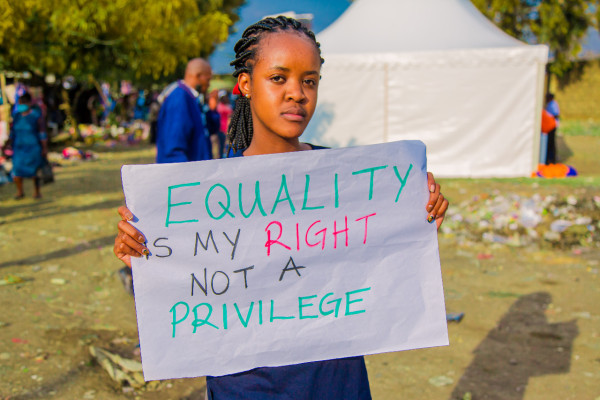
African Commission on Human and Peoples’ Rights Must Push for Reforms to Protect Women and Girls, Urges Equality Now

Location: News
Equality Now

Equality Now (www.EqualityNow.org) is urging the African Commission on Human and Peoples' Rights to call upon African Union (AU) member states to urgently address rising sexual violence and exploitation of women and girls across the continent.

In its statement to the 83rd Ordinary Session of the Commission this month, the human rights organisation called on the Commission to use its mandate to underscore the importance to governments about the need to provide reparations for survivors of sexual violence, criminalise femicide, boost efforts to end child marriage, and strengthen laws to stop digital violence.

Equality Now wants the Commission to remind States of their obligations under the Maputo Protocol on Women's Rights (http://apo-opa.co/4mnt56T). Of the 55 member States, 45 have ratified or signed the protocol.

Deborah Nyokabi, a legal equality and gender policy expert at Equality Now, explains, “Women and girls across Africa are enduring violence in all its forms - including rape, child marriage, femicide, trafficking, and digital abuse - while legal systems too often fail to protect or deliver justice. These are not isolated issues but symptoms of a broader failure to uphold the rights enshrined in the Maputo Protocol.”

“African governments must prioritise legal reform, provide reparations to survivors, and close the protection gaps that leave so many women and girls vulnerable and without access to assistance when their rights have been violated, especially in conflict zones where the breakdown of services intensifies harm.”

Sexual violence reparations

According to figures (http://apo-opa.co/4jctrKY) released by UNICEF last year, more than 79 million girls and women in sub-Saharan Africa have been subjected to rape or sexual assault as children. The region has the highest number of child sexual violence victims in the world.

Yet research by Equality Now found that survivors of sexual violence are being denied justice. In its report, “Barriers to Justice: Rape in Africa, Law, Practice and Access to Justice” (http://apo-opa.co/4moIxj6), the NGO exposed key gaps in rape laws in 45 African countries, which included allowing rape in marriage, perpetrators to walk free from court if they agree to marry their victims, and judges to define evidence based on the complainant's behaviour.

In its statement, Equality Now called on the Commission to urge member States to urgently integrate the Niamey Guidelines (http://apo-opa.co/4jeCsTE) on combatting sexual violence, adopted by the Commission in 2017, emphasising governments' obligation to provide reparations to survivors.

Criminalising femicide

The NGO called on the Commission to implore governments to criminalise femicide - the most extreme and brutal manifestation of violence against women.

Equality Now's report “Gender Inequality in Family Laws in Africa: An Overview of Key Trends in Select Countries” (http://apo-opa.co/3SJVkPy) revealed that the most devastating facet of inequality within the family is sexual and gender-based violence, including domestic violence, marital rape, economic violence and femicide, which is the intentional murder of a woman or girl because of their gender.

In 2023, an average of 140 women and girls were killed (http://apo-opa.co/3FfMOEV) by a partner or family member every day. Current and former intimate partners were the most likely perpetrators. Yet not enough is being done to end the crisis or hold offenders to account.

In South Africa, a national femicide study (http://apo-opa.co/3HhFEAv) found that three women a day were killed by an intimate partner in 2020/21, but in 44% of cases, police had failed to identify a perpetrator. In Kenya, 170 cases of femicide (http://apo-opa.co/4kuOVUs) were reported in 2024. A petition (http://apo-opa.co/4kuOVUs) calling on the government to make femicide a distinct crime has received more than 78,000 signatures.

In Cameroon last month, Bekobe Eric, accused of murdering his wife Diane Yangwo, received (http://apo-opa.co/4mfd9n8) a five-year suspended sentence and a fine of 52,000 CFA (approximately $90). The sentence was immediately denounced by women's rights advocates.

Earlier this year, the African Union took a significant step to address the crisis by adopting the African Union Convention on Ending Violence Against Women and Girls (http://apo-opa.co/4kuPjCk), which included an explicit definition of femicide. Equality Now wants the Commission to seize the momentum to encourage governments to recognise and criminalise femicide as a distinct crime, and outlaw marital rape and domestic violence.

Safeguarding rights in Sudan and the DRC

Equality Now urges the Commission to encourage Sudan to ratify the Maputo Protocol to provide essential legal protections for women and girls. Sudan is now in its third year of conflict, facing widespread destruction, significant civilian casualties and an unparalleled humanitarian crisis.

Women and girls are bearing the brunt of Sudan's war (http://apo-opa.co/434bmd9), with sexual violence being weaponised by both sides. The destruction of healthcare infrastructure, however, means there are inadequate medical and reproductive health services to support survivors of violence, which has led to more unintended pregnancies, miscarriages and maternal deaths.

Increasing rates of maternal mortality are also being recorded in the Democratic Republic of the Congo, where decades of conflict have severely damaged healthcare services.

The Commission should encourage both countries to integrate sexual and reproductive health rights into their humanitarian response.

End child marriage

In its statement to the Commission, Equality Now expressed deep concern at the continued high rates of child marriage across the continent. Fourteen of the 20 countries with the highest prevalence rates are in Africa. Child marriage is a serious human rights violation (http://apo-opa.co/3SLkD3G). Girls are often forced to drop out of school, restricting their life chances, and are likely to give birth at a young age, which poses severe health risks.

One of the reasons child marriage is continuing unchecked is because of weak legal protections, which must be addressed, said Equality Now. All AU member States should raise the minimum age of marriage to 18, without exceptions, and implement measures and programmes to end child marriage in line with recommendations (http://apo-opa.co/4mpDrDo) made in 2017 by the Commission and the African Committee of Experts on the Rights and Welfare of the Child.

End sexual exploitation

The Commission was also asked to encourage member States to address the surge in trafficking of women and girls across the continent.

UNODC's 2024 global report on trafficking (http://apo-opa.co/4kMq3Yv) found that a third of all cross-border trafficking flows involved Africans. In sub-Saharan Africa, 98% of victims were trafficked within the region, 21% for sexual exploitation. About 42% of trafficked victims in sub-Saharan Africa were girls.

Member States have enacted anti-trafficking laws and policies, but they are not being adequately enforced. Meanwhile, the systemic factors that make women and girls vulnerable to sexual exploitation have not been meaningfully addressed.

Digital spaces are also becoming more dangerous for women and girls. Online abuse, including sexual harassment and the non-consensual sharing of intimate images, is rising in tandem with increased internet penetration. Technology is increasingly being weaponised to attack women and girls, including women politicians, journalists and human rights defenders.

Digital violence is being exacerbated by weak legal protections, underreporting and the limited capacity for law enforcement to investigate tech-related crimes. Governments need to enforce and tighten existing laws on online sexual exploitation and invest in digital safety initiatives, in line with the recently adopted UN Global Digital Compact (http://apo-opa.co/4kxzb33), said Equality Now.

Distributed by APO Group on behalf of Equality Now.

Notes to editors:
For media enquiries, contact:
Tara Carey
Global Head of Media
Equality Now
Tcarey@equalitynow.org
T. +44 (0)7971556340 (available on WhatsApp and Signal)

About Equality Now:
Equality Now (https://EqualityNow.org) is an international human rights organisation dedicated to protecting and promoting the rights of all women and girls worldwide. Its work is organised around four main program areas: Achieving Legal Equality, Ending Sexual Violence, Ending Harmful Practices, and Ending Sexual Exploitation, with a cross-cutting focus on the unique challenges facing adolescent girls.

Equality Now combines grassroots activism with legal advocacy at the international, regional, and national levels to achieve systemic change, and collaborates with local partners to ensure governments enact and enforce laws and policies that uphold women's and girls' rights.

For more information about Equality Now, visit www.EqualityNow.org, and find us on Bluesky @ equalitynow.bsky.social (https://apo-opa.co/3H4U6fb), on Instagram @ equalitynoworg (http://apo-opa.co/3S9vxAb), Linkedin at Equality Now (https://EqualityNow.org).

Media files
Equality Now
Download logo
Read moreAfrican Commission on Human and Peoples’ Rights Must Push for Reforms to Protect Women and Girls, Urges Equality Now
18 May 2025

Respect the rights and humanity of LGBTQI+ community

Location: News

Respect the rights and humanity of LGBTQI+ community

Deputy Minister in the Presidency for Women, Youth and Persons with Disabilities, Mapaseka Steve Letsike, has called on South Africans to “resist hate” and show respect to Lesbian, Gay, Bisexual, Transgender, Queer and Intersex+ (LGBTQI+) persons.

The Deputy Minister was delivering remarks at a media roundtable discussion on the national Sexual Orientation, Gender Identity and Expression and Sex Characteristics (SOGIESC) Strategy.

This is part of South Africa’s commemoration of the International Day against Homophobia, Transphobia, and Biphobia (IDAHOBIT), annually observed on 17 May.

The day is observed to bring awareness about violence and discrimination faced by members of the Lesbian, Gay, Bisexual, Transgender, Queer, and Intersex+ (LBGTQI+) community worldwide.

READ | Roundtable media discussion on national Sexual Orientation, Gender Identity and Expression and Sex Characteristics

Since the dawn of democracy, South Africa has moved to strengthen the protection of human rights – including those of the LGBTQI+ community.

“[During] these 31 years, we’ve seen decriminalisation of consensual sex between same-sex people, repealing laws that criminalises LGBTI people. We’ve adopted over 14 pieces of legislation that are expressing equality for LGBTI persons.

“What we have also done was to grant recognition in many other areas, including the equal basis of same-sex civil union Act, adoption laws and [human rights] policies. We have also strengthened transgender individuals who can now obtain identity documents to reflect their gender identity.

“We’ve passed these policies and we need to make sure that they are implemented fully and with urgency, so that persons can self-determine and also have autonomy without any abusive requirements,” she said.

The Deputy Minister added that training has been provided to civil servants at the coalface of service delivery – including police, healthcare workers, correctional officers and others – to “ensure non-discriminatory treatment to LGBTI persons”.

Letsike added, however, that visibility and public education is needed to draw attention to the rights of LBGTQI+ persons.

“We need more inclusive education that dismantles prejudice from an early age. Our curriculum must reflect the realities of diverse identities. We need accountability. Hate crimes must be prosecuted, discrimination must be addressed. 

“Silence from institutions must no longer be an option. We need solidarity [because] government alone cannot shift society as a whole of society approach is required to enact meaningful change.

“We need families, faith leaders, traditional authorities and communities to rise together against hate. Our Constitution must remain respected… and the LGBTI community must also be respected for their rights. Together, we must resist hate, restore dignity and respect humanity as we continue to walk proudly and loudly in direction of justice,” Letsike said. – SAnews.gov.za

NeoB
Fri, 05/16/2025 - 12:03

1018 views
Read moreRespect the rights and humanity of LGBTQI+ community
24 April 2025

HPV Vaccination in Africa: Urgent Steps Needed to Address Low Uptake Amid Rising Hesitancy

Location: News
MSD

HPV is fuelling high cervical cancer rates in sub-Saharan Africa despite the availability of effective vaccines. Yet uptake remains low, driven largely by vaccine hesitancy. In South Africa alone, most participants (71%) were hesitant to receive at least one of the vacines in the country, according to the Vaccine Confidence Report by MSD (www.MSD.co.za) and Prof. Hannelie Meyer, Head of the South African Vaccination and Immunisation Centre. [1] The report was launched at the European Society of Clinical Microbiology and Infectious Diseases and during the SSA HPV Media Roundtable held during World and Africa Immunisation Week (24–30 April 2025).

Cervical cancer, caused by persistent infection of HPV, is one of the leading causes of cancer-related deaths among women in sub-Saharan Africa. The World Health Organization (WHO) estimates that 94% of global cervical cancer deaths occur in low- and middle-income countries, with sub-Saharan Africa heavily affected. [2]

Studies indicate that, globally, about 12% of women with normal cervical cytology are found to have an HPV infection. This prevalence doubles to around 24% in sub-Saharan Africa. Young women under 25 are particularly vulnerable, with an HPV prevalence rate of 43.9% in Africa compared to the global rate of 19.2%. [3]

A 2023 report indicated that cervical cancer ranks as the 13th most frequent cancer among women in Egypt and the 9th most frequent among women aged 15 to 44 years. [4] In Kigali, Rwanda, before the national HPV vaccination programme, 54% of women aged 19 years and younger were found to have received an HPV-positive result. [5] The high mortality rate in Ghana further demonstrates the burden, with approximately 3,000 women diagnosed with cervical cancer annually, resulting in around 2,000 deaths each year. [6]

Vaccine hesitancy, defined as a delay in acceptance or refusal of vaccines despite their availability, remains a challenge in the fight against preventable diseases such as cervical cancer. Misinformation, cultural beliefs, and accessibility issues further compound the low uptake of HPV vaccines. As global health organisations and local health authorities strive to eliminate preventable diseases, understanding and addressing vaccine hesitancy has never been more urgent. [1]

Understanding vaccine hesitancy

The Vaccine Confidence Report highlights several drivers of HPV vaccine hesitancy, including safety concerns, mistrust in healthcare systems, and misinformation on social media. According to Prof. Meyer, despite clear scientific evidence, many still believe vaccines are harmful. [1] “This reluctance is troubling,” she said, “given the direct link between HPV and cervical cancer. Addressing these fears with credible information is vital to reducing the burden in sub-Saharan Africa.”

An external study titled 'Vaccine Hesitancy and Trust in sub-Saharan Africa' published in Scientific Reports in May 2023 examined vaccination behaviours and attitudes across six sub-Saharan African countries: Ghana, Kenya, Nigeria, South Africa, Tanzania, and Uganda. The study found that only about 10% of respondents reported receiving at least one HPV vaccination. Vaccine hesitancy rates varied across countries, with South Africa exhibiting the highest rate at 17.15% and Kenya the lowest at 8.3%. [7]

Impact of misinformation, funding gaps and immunisation disruption Misinformation remains a major driver of vaccine hesitancy in Africa, especially through online platforms. It has shaped public attitudes and eroded trust in immunisation programmes. At the same time, shifting global priorities and economic pressures have led to reduced funding for vaccination efforts, limiting access in low-income communities. [8] “Routine immunisation has saved millions of lives,” said Dr Alima Essoh, Regional Director of the Preventive Medicine Agency for Africa (AMP Africa). “When misinformation and resource constraints disrupt these efforts, we risk undoing decades of progress.” Expanding HPV vaccination is critical to reducing cervical cancer, but it requires tackling misinformation head-on and improving access across the continent.

Broader implications for public health

While HPV vaccination remains a key focus, vaccine hesitancy extends to other preventable diseases. The World Health Organization (WHO) has set a target to eliminate cervical cancer as a public health concern by 2030, which includes ensuring that 90% of girls are fully vaccinated against HPV by age 15. [9] According to Prof Meyer, vaccine hesitancy threatens to derail this goal and broader efforts to achieve high immunisation rates for other preventable illnesses such as measles, polio, and influenza.

Rethinking the fight against HPV-related cervical cancer: Community action and vaccine confidence

Efforts to eliminate HPV and reduce HPV-related cervical cancer in Africa necessitate innovative, community-driven solutions. Dr Sabrina Kitaka, Senior Lecturer at Makerere University, states that engaging and accessible tools, such as comic books and school-based vaccination, have significantly enhanced vaccine uptake among young people. She adds that reminder systems, such as SMS and automated phone calls, help ensure adolescents complete the HPV vaccine schedule. If implemented on a large scale, these strategies could strengthen vaccine coverage across the region. She further states that, tackling vaccine hesitancy will require a coordinated approach involving governments, healthcare workers, civil society, and the private sector. This means improving health communication, building trust through local partnerships, and tailoring outreach to meet communities where they are.

“There is no time to waste,” says Prof. Meyer. “We must work together to share accurate information, address concerns, and make vaccines truly accessible. Only then can we protect future generations from preventable diseases.”

Disclaimer: The views and opinions expressed by the speakers in this document are their own and do not necessarily reflect the views or positions of MSD.

References

  1. MSD South Africa., Meyer, JC. 2025. Vaccination Hesitancy Study. Accessed 07 April 2025
  2. ‘Human papillomavirus and cancer', World Health Organization, 5 March 2024: http://apo-opa.co/3Glx3fK.
  3. High Burden of Human Papillomavirus (HPV) Infection Among Young Women in KwaZulu-Natal, South Africa' PLOS One, 19 January 2016: https://apo-opa.co/4cTdfNc. Accessed 07 April 2025.
  4. ‘Egypt HPV and Related Cancers, Fact sheet 2023, https://apo-opa.co/3YMStZv? Accessed 2 April 2025.
  5. ‘Human papillomavirus infection in Rwanda at the moment of implementation of a national HPV vaccination programme', National Library of Medicine, National Centre for Biotechnology Information, 24 May 2016: https://apo-opa.co/4jORArD. Accessed 07 April 2025.
  6. ‘Human Papillomavirus and Related Diseases Report', HPV Information Centre, 10 March 2023: https://apo-opa.co/3RzzoGn. Accessed 07 April 2025.
  7. ‘Vaccine hesitancy and trust in sub-Saharan Africa', Scientific Reports (https://apo-opa.co/4jGlMVQ), 13 May 2024: https://apo-opa.co/4cQyUp9. Accessed 10 April 2025.
  8. UNICEF, Global immunization coverage stalled in 2021, leaving millions of children unprotected – WHO and UNICEF, 2022: http://apo-opa.co/3RTv3OB.
  9. WHO. HPV & Cancer. Available at:  Human papillomavirus and cancer (http://apo-opa.co/4cSGTSM). Accessed: 07 April 2025

Distributed by APO Group on behalf of MSD.

REPORT ANY SUSPECTED ADVERSE EVENTS OR PRODUCT QUALITY COMPLAINTS TO DPOC SOUTH AFRICA:
dpoc.zaf@msd.com
Tel: +27 (0)11 655 3000.
www.MSD.co.za

Media files
MSD
Download logo
Read moreHPV Vaccination in Africa: Urgent Steps Needed to Address Low Uptake Amid Rising Hesitancy
23 April 2025

Merck Foundation CEO Meets the 125 Winners From 36 Countries- “More Than a Mother” and “Diabetes and Hypertension” Media Awards 2024, Announced in Partnership With the First Ladies of Africa

Location: News
Merck Foundation

  • Merck Foundation CEO announced call for application of 2025 Merck Foundation Media Recognition Awards in partnership with African First Ladies - apply now at submit@merck-foundation.com 

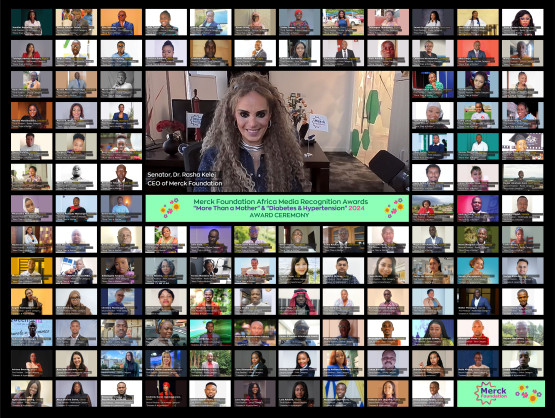
Merck Foundation (www.Merck-Foundation.com), the philanthropic arm of Merck KGaA Germany, in partnership with the First Ladies of Africa, proudly announced the Winners of their Merck Foundation Africa Media Recognition Awards 2024 under the categories “More Than a Mother” and “Diabetes and Hypertension”. 

The Awards Ceremony was conducted virtually to honor and celebrate the outstanding contributions of all the winning media professionals. The winners were warmly acknowledged by Senator Dr. Rasha Kelej, CEO of Merck Foundation and President of the “More Than a Mother” campaign. 

Senator, Dr. Rasha Kelej expressed, “I am truly happy to announce the winners of our Media Awards, together with my dear sisters, The First Ladies of Africa, who are also the Ambassadors of the Merck Foundation ‘More Than a Mother' Campaign. This year, we are delighted to celebrate 125 outstanding winners from 36 countries. It brings me joy to see such impressive participation not only from across Africa but also from several Asian and Latin American countries. Congratulations to all our incredible winners! 

It is a true pleasure to welcome you all as Merck Foundation Alumni. Let's continue to work together to raise awareness about critical social and health challenges, be the voice of the voiceless, and create culture shift in our communities.” 

Merck Foundation Media Awards launched in 2017, are announced annually, with over 640 Winners from 52 countries celebrated to date. 

The theme of the “More Than a Mother” Media Awards is to raise awareness about important social issues like: Breaking Infertility Stigma, Supporting Girl Education, Women Empowerment, Ending Child Marriage, Ending Female Genital Mutilation and/or Stopping Gender-Based Violence. The theme of the “Diabetes and Hypertension” Media Awards is to Promote a Healthy Lifestyle and raise awareness about prevention and early detection of Diabetes and Hypertension.  

The Merck Foundation CEO also launched the Call for Applications for the 2025 Media Awards. “I am pleased to invite entries for the Merck Foundation Media Recognition Awards 2025 – “More Than a Mother” & “Diabetes and Hypertension”, in partnership with the African First Ladies. I look forward to receiving another outstanding round of impactful entries this year as well.” Said Senator Dr. Rasha Kelej.  

Winners of Merck Foundation "More Than a Mother" Media Recognition Awards 2024  

Here are the winners from West African Countries in partnership with The First Lady of the Republic of The Gambia, H.E. Mrs. FATOUMATTA BAH-BARROW; and The First Lady of the Republic of Sierra Leone, H.E. Dr. FATIMA MAADA BIO:  

PRINT CATEGORY WINNER 

  • Jennifer Ambolley, The Chronicle, Ghana (First Position) 
  • Mackie Muctarr Jalloh, News Times Daily, Sierra Leone (Second position) 
  • Alao Abiodun, The Nation, Nigeria (Second position) 

ONLINE CATEGORY WINNERS 

  • Dzifa Tetteh Tay, The Spectator, Ghana (First Position) 
  • Laudia Sawer, Ghana News Agency, Ghana (First Position) 
  • Nyima Sillah, The Voice, The Gambia (Second Position) 
  • Isatou Ceesay, The Gambia Point, The Gambia (Third Position) 
  • Abigail Arthur, Citi Newsroom, Ghana (Third Position) 
  • Odimegwu Onwumere, The Nigerian Voice, Nigeria (Third Position) 

RADIO CATEGORY WINNER 

  • Mavis Offei Acheampong, GBC Radio, Ghana (First Position) 
  • Joyce Kantam Kolamong, GBC Radio, Ghana(Second Position) 
  • Zainab Sunkary Koroma, Star Radio, Sierra Leone (Third Position) 

MULTIMEDIA CATEGORY WINNERS 

  • Tolulope Adeleru-Balogun, News Central TV, Nigeria (First Position) 
  • Alieu Ceesay, QTV, The Gambia (Second Position) 
  • Mona Lisa Frimpong, Joy News, Ghana (Third Position) 

Here are the Winners from Southern African Countries in partnership with The First Lady of the Republic of Malawi, H.E. Mrs. MONICA CHAKWERA; The First Lady of the Republic of Zimbabwe, H.E. Amai Dr. AUXILLIA MNANGAGWA: 

PRINT CATEGORY WINNERS 

  • Precious Kumbani, The Nation, Malawi (First Position) 
  • Gresham Ngwira, Freelancer, Malawi (Second Position) 
  • Simon Muntemba, Daily Nation, Zambia (Second Position) 
  • Charlotte Nambadja, The Namibian, Namibia (Third Position) 
  • Silence Mugadzaweta, The Standard, Zimbabwe (Third Position) 

ONLINE CATEGORY WINNERS 

  • Alain Kabinda, Daily News Agency, Zambia (First Position) 
  • Catherine Murombedzi, Freelancer, Zimbabwe (First Position) 
  • Alick Ponje, The Times, Malawi (second Position) 
  • Wallace Mawire, Pan African Visions, Zimbabwe (Second Position) 
  • Hamu Madzedze, 365 Health Diaries, Zimbabwe (Third Position) 
  • Kundai Michael Magoronga, Chronicle, Zimbabwe (Third Position) 
  • Mlondi Mkhize, Briefly News, South Africa (Third Position) 

RADIO CATEGORY WINNERS 

  • Glendah Fadzai Takachicha, Capitalk FM, Zimbabwe (First Position) 
  • Tina Nyirenda, Smooth FM, Zambia (Second Position) 
  • Sylviah Chisi, Trans World Radio, Malawi (Second Position) 
  • Nyasha Mandimutsira, Capitalk FM, Zimbabwe (Third Position) 
  • Perina N. Wahara, PL FM, Malawi (Third Position) 

MULTIMEDIA CATEGORY WINNERS 

  • Keneilwe Pono, YTV, Botswana (First Position) 
  • Taati Niilenge, The Namibian, Namibia (Second Position) 
  • Lame Lucas, YTV, Botswana (Third Position) 

Here are the winners from East African Countries: 

PRINT CATEGORY WINNERS 

  • Elizabeth Angira, People Daily, Kenya (First Position) 
  • Marco Maduhu, Nipashe, Tanzania (Second Position) 
  • Margaret Maina, Nation Media, Kenya (Second Position) 
  • Beatrice Philemon Mukocho, The Guardian, Tanzania (Third Position) 
  • Vitus Audax, The Guardian, Tanzania (Third Position) 

ONLINE CATEGORY WINNERS 

  • Kamau Maichuhie, Nation Online, Kenya (First Position) 
  • Isabella Maua Chemosit, Freelancer, Kenya (Second Position) 
  • Anne Robi, Daily News, Tanzania (Second Position) 
  • Nteza Michael, UG Standard, Uganda (Third Position) 
  • Benjamin Takpiny, Anadolu Agency, South Sudan (Third Position) 
  • Ayele Addis Ambelu, Ethiopian Mass Media Action News, Ethiopia (Third Position) 

RADIO CATEGORY WINNERS 

  • Caren Waraba Sisya, Radio Citizen, Kenya (First Position) 
  • Mamer Abraham Kuot, Voice of America, South Sudan, (Second Position) 
  • Mwanaisha Makumbuli, Highlands FM, Tanzania (Second Position) 
  • Fatuma Mustapha Mtemangani, Pambazuko FM, Tanzania (Third Position) 
  • Daniel Byiringiro, Flash FM, Rwanda (Third Position) 

MULTIMEDIA CATEGORY WINNER 

  • Rose Wangui, NTV Kenya, Kenya (First Position) 
  • Andrew Juma, TV47, Kenya (Second Position) 
  • Leonard Kigozi  and Isabel Nakirya, CGTN Africa, Uganda (Third Position) 
  • Mackriner Siyovelwa, Crown Media, Tanzania (Third Position) 

Here are the winners from French Speaking African Countries in partnership with The First Lady of the Republic of Burundi, H.E. Madam ANGELINE NDAYISHIMIYE; The First Lady of Democratic Republic of the Congo, H.E. Madam DENISE NYAKERU TSHISEKEDI: 

PRINT CATEGORY WINNER 

  • Issa Moussa, Niger Times, Niger (First Position) 
  • Koami Agbetiafa, Niger Inter Press Group, Niger (Second Position) 

ONLINE CATEGORY WINNERS 

  • AZODODASSI Mêmèdé Ambroisine, Savoir News, Togo (First Position) 
  • Julio Gada, Global News, Benin (Second Position) 
  • Boris Esono Nwenfor, Pan African Visions, Cameroon (Third Position) 
  • Bakari Guèye, Initiatives News, Mauritania (Third Position) 
  • Frimo Koukou Djipro, Lelus, Côte d'Ivoire (Third Position) 

RADIO CATEGORY WINNERS 

  • Remy RUKUNDO, Radio TV Buntu, Burundi (First Position) 
  • Magnus MFURANZIMA, ISÔKO FM, Burundi (First Position) 
  • Mame Mbagnick DIOUF, Radio Oxyjeunes, Senegal (Second Position) 
  • Tanko Worou, Radio SU TII DERA, Benin (Second Position) 
  • Moussa KONE, Radio Channel 2, Mali (Third Position) 

MULTIMEDIA CATEGORY WINNERS 

  • Matthias KABUYA TSHILUMBA, RTDK, DRC (First Position) 

Here are the winners from Portuguese Speaking African Countries in partnership with The First Lady of the Republic of Cabo Verde, H.E. Dr. DÉBORA KATISA CARVALHO: 

ONLINE CATEGORY WINNERS 

  • Edisângela Tavares, Expresso das Ilhas, Cabo Verde (First Position) 
  • Sheilla Ribeiro, Sociedade, Cabo Verde (Second Position) 

RADIO CATEGORY WINNERS 

  • Teresa Monteiro Pinto, Rádio Televisão de Cabo Verde, Cabo Verde (First Position) 

MULTIMEDIA CATEGORY WINNERS 

  • Ângelo Semedo, Deutsche Welle, Cabo Verde (First Position) 

Merck Foundation "Diabetes & Hypertension" Media Recognition Awards 2024 

Here are the winners from West African Countries in partnership with The First Lady of the Republic of The Gambia, H.E. Mrs. FATOUMATTA BAH-BARROW; and The First Lady of the Republic of Sierra Leone, H.E. Dr. FATIMA MAADA BIO:  

PRINT CATEGORY WINNER 

  • Agnes Opoku Saprong, Ghanaian Times, Ghana (First Position) 
  • Patience Ivie Ihejirika, Leadership Newspaper, Nigeria (Second Position) 

ONLINE CATEGORY WINNERS 

  • Muhammed Lamin Touray, Freelancer, The Gambia (First Position) 
  • Prince Owusu Asiedu, Adom Online, Ghana (Second Position) 
  • Lara Adejoro, The Punch, Nigeria (Third Position) 

RADIO CATEGORY WINNERS 

  • Godwin Awuni Anafo, Odadee Radio, Ghana (First Position) 

MULTIMEDIA CATEGORY WINNER 

  • Emmanuel Dzivenu Seyram Abla De-Souza, Joy TV, Ghana (First Position) 
  • Ezedimbu Karen Ogomegbunem, Africa Independent Television, Nigeria, (Second Position) 
  • Lois Abba Sambo, Abuja Broadcasting Corporation, Nigeria (Third Position) 
  • Akua Oforiwa Darko, TV3, Ghana (Third Position) 

Here are the Winners from Southern African Countries in partnership with The First Lady of the Republic of Malawi, H.E. Mrs. MONICA CHAKWERA; The First Lady of the Republic of Zambia, H.E. Mrs. MUTINTA HICHILEMA; The First Lady of the Republic of Zimbabwe, H.E. Amai Dr. AUXILLIA MNANGAGWA: 

PRINT CATEGORY WINNER 

  • Nancy Kefilwe Ramokhua, The Patriot, Botswana (First Position) 
  • Matilda Chimwaza Majawa, Times Group, Malawi (Second Position) 

ONLINE CATEGORY WINNERS 

  • June Shimuoshili, Unwrap Online, Namibia (First Position) 
  • Tendai Chisiri, Sport Way News Net, Zimbabwe (Second Position) 
  • Shireen van Wyk, Shay Blogger, Namibia (Third Position) 
  • Prince Kurupati, Pan African Visions, Zimbabwe (Third Position) 

RADIO CATEGORY WINNERS 

  • Elvis Howahowa, Times Radio, Malawi (First Position) 
  • Stella Mlotha, Trans World Radio, Malawi (Second Position) 

Here are the winners from East African Countries: 

PRINT CATEGORY WINNER 

  • Lucy Johnbosco, Mwananchi, Tanzania (First Position) 
  • Christina Mwakangale, Nipashe, Tanzania (Second Position) 

ONLINE CATEGORY WINNERS 

  • Joan Mbabazi, The New Times, Rwanda (First Position) 
  • Leon Lidigu, Nation Online, Kenya (Second Position) 
  • Namwalo Daniel Absalom, Kenya News Agency, Kenya (Third Position) 
  • Angela Kezengwa, Citizen Digital, Kenya (Third Position) 
  • Veronica Mrema, M24 Tanzania, Tanzania (Third Position) 

RADIO CATEGORY WINNERS 

  • Kintu Khalid, Radio Simba, Uganda (First Position) 
  • Asha Bekidusa, Bahari FM, Kenya (Second Position) 

MULTIMEDIA CATEGORY WINNER 

  • Walter Mwesigye, NTV, Uganda (First Position) 
  • Edvesta Tarimo, Tumaini Media, Tanzania (Second Position) 

Here are the winners from French Speaking African Countries in partnership with The First Lady of the Republic of Burundi, H.E. Madam ANGELINE NDAYISHIMIYE; and The First Lady of Democratic Republic of the Congo, H.E. Madam DENISE NYAKERU TSHISEKEDI: 

PRINT CATEGORY WINNERS 

  • Konan N'Guessan Attoumgbre Joseph, La Retraite Active, Côte d'Ivoire (First Position) 
  • Nkurunziza Moise, Le Renouveau, Burundi (Second Position) 

ONLINE CATEGORY WINNERS 

  • Bahwa Ferdinand, Le Journal Africa, Burundi (First Position) 
  • Abdoulaye Ouédraogo, Queen Mafa, Burkina Faso (Second Position) 
  • Richard Manirakiza, l'Agence Burundaise de Presse, Burundi (Second Position) 
  • Mapote Gaye, Infomedia27, Senegal (Second Position) 
  • Atha Menssan Woffa Assan, Focus Infos, Togo (Third Position) 
  • Catherine Aimée Biloa, Échos Santé, Cameroon (Third Position) 
  • Nadège Omoladé SANNY, SRTB Online, Benin (Third Position) 

RADIO CATEGORY WINNERS 

  • MVUYEKURE Jean Claude, Radio TV Buntu, Burundi (First Position) 
  • Abdoul Razak Sani Oumarou, Radio Saraounia Maradi, Niger (Second Position) 
  • Kabamba Ngalamulume Fabrice, Radio Télévision de l'éducation (RTEDUC), DRC (Third Position)  

MULTIMEDIA CATEGORY WINNER 

  • Chris IRAMBONA, Radio Television Buntu, Burundi (First Position) 

Here are the winners from ASIAN Countries: 

PRINT CATEGORY WINNER 

  • Parikshit Nirbhay, Amar Ujala, India (First Position) 
  • Revathi Murugappan, Star Health, Malaysia (Second Position) 
  • Pooja Biraia, The Week, India (Third Position) 

ONLINE CATEGORY WINNERS 

  • Rashe Zoe Sophia B Piquero, Cebu Daily News, Philippines (First Position) 
  • Roshan Bhandari, Medicoliterature, Nepal (Second Position) 
  • Crystal Chow, Undark Magazine, China (Third Position) 

Here are the winners from LATIN AMERICA Countries: 

ONLINE CATEGORY WINNERS 

  • Adriana Becerra, Agencia Brunch, Mexico (First Position) 
  • Rafaela Polo, UOL, Brazil (Second Position) 

MULTIMEDIA CATEGORY WINNER 

  • Roxana Fabiola Lopresti, Channel 9 Televida, Argentina (First Position) 
  • Ana Paula Pedrosa, R7, Brazil (Second Position) 

Details of Merck Foundation Media Awards 2025: 

1. Merck Foundation Africa Media Recognition “More Than a Mother” Awards 2025 

Theme for the awards: Breaking Infertility Stigma, Supporting Girl Education, Women Empowerment, Ending Child Marriage, Ending FGM, and/or Stopping GBV at all levels.  

Who can apply: Journalists from Print, Radio, Online, and Multimedia platforms from the following groups:  

  • Southern African Countries  
  • West African Countries  
  • East African Countries 
  • French Speaking African Countries 
  • Portuguese Speaking African Countries 

Submission deadline: 30th September 2025. 

2. Merck Foundation Media Recognition “Diabetes & Hypertension” Awards 2025 

Theme for the awards: Promoting a healthy lifestyle and raising awareness about prevention and early detection of Diabetes and Hypertension.  

Who can apply: Journalists from Print, Radio, Online, and Multimedia platforms from the following groups:  

  • Southern African Countries  
  • West African Countries  
  • East African Countries 
  • French Speaking African Countries 
  • Portuguese Speaking African Countries 
  • Latin American Countries 
  • Asian Countries 

Submission deadline: 30th October 2025. 

All entries are to be submitted to submit@merck-foundation.com.

Distributed by APO Group on behalf of Merck Foundation.

Contact details:
Mehak Handa
Community Awareness Program Manager
+91 9310087613 / +91 9319606669
mehak.handa@external.merckgroup.com

Join the conversation on our social media platforms below and let your voice be heard! 
Facebook:
 https://apo-opa.co/4cLhp9K
X: https://apo-opa.co/3EtS73f
YouTube: https://apo-opa.co/4cUG7o7
Instagram: https://apo-opa.co/3GnWcqj
Threads: https://apo-opa.co/3EvXLlq
Flickr: https://apo-opa.co/42ZoEr6
Website: www.Merck-Foundation.com

About Merck Foundation:  
The Merck Foundation, established in 2017, is the philanthropic arm of Merck KGaA Germany, aims to improve the health and wellbeing of people and advance their lives through science and technology. Our efforts are primarily focused on improving access to quality & equitable healthcare solutions in underserved communities, building healthcare & scientific research capacity, empowering girls in education and empowering people in STEM (Science, Technology, Engineering, and Mathematics) with a special focus on women and youth. All Merck Foundation press releases are distributed by e-mail at the same time they become available on the Merck Foundation Website.  Please visit www.Merck-Foundation.com to read more. Follow the social media of Merck Foundation: Facebook (https://apo-opa.co/4cLhp9K), X (https://apo-opa.co/3EtS73f), Instagram (https://apo-opa.co/3GnWcqj), YouTube (https://apo-opa.co/4cUG7o7), Threads (https://apo-opa.co/3EvXLlq) and Flickr (https://apo-opa.co/42ZoEr6). 

The Merck Foundation is dedicated to improving social and health outcomes for communities in need. While it collaborates with various partners, including governments to achieve its humanitarian goals, the foundation remains strictly neutral in political matters. It does not engage in or support any political activities, elections, or regimes, focusing solely on its mission to elevate humanity and enhance well-being while maintaining a strict non-political stance in all of its endeavors. 

Media files
Merck Foundation
Download logo
Read moreMerck Foundation CEO Meets the 125 Winners From 36 Countries- “More Than a Mother” and “Diabetes and Hypertension” Media Awards 2024, Announced in Partnership With the First Ladies of Africa
22 April 2025

MEST Africa and Mastercard Foundation Announce Selection of 12 Companies for Second Cohort of EdTech Fellowship in Ghana

Location: Business
The Meltwater Entrepreneurial School of Technology (MEST Africa)

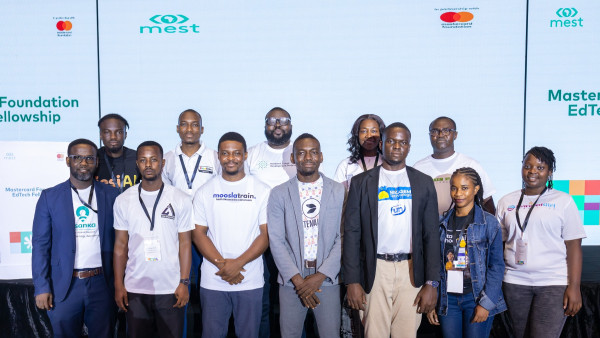
MEST Africa (www.Meltwater.org), in partnership with the Mastercard Foundation, has announced its second cohort of 12 innovative companies for the Mastercard Foundation EdTech Fellowship in Ghana. This six-month entrepreneurship acceleration program is dedicated to supporting Africa's most promising EdTech ventures by equipping them with mentorship, funding, and expertise in the science of learning. These newly selected companies are set to scale their groundbreaking solutions and address pressing educational challenges across Ghana.

The Second cohort builds on the success of the first cohort of 12 EdTech Companies, whose solutions impacted over 136,798 learners during the period of acceleration, underscoring the Fellowship's ability to drive transformative change.

“We are thrilled to welcome the second cohort of the Mastercard Foundation EdTech Fellowship,” said Angela Duho, Program Manager at MEST Africa. “In Ghana, EdTech is not just about innovation—it's about creating equal opportunities for every student, no matter where they live. It empowers teachers with the tools they need to inspire, and it prepares our youth for a future where digital skills are essential. The first cohort has already shown us what's possible, and we're confident that these new Fellows will continue to transform education and unlock potential across the country.”

The 12 EdTech companies selected for the 2025 cohort demonstrated strengths in [please add here] that point to Ghana's educational needs. Over the next six months, they will benefit from comprehensive support, including expert mentorship, access to funding, and specialized training, enabling them to scale their solutions effectively and sustainably.

The EdTech companies selected by MEST Africa for the 2025 Mastercard Foundation EdTech Fellowship are:

  1. TECHAiDE (https://TECHAiDE.Global/) is a social enterprise committed to enhancing education, youth development, and healthcare throughout Africa. Since 2011, they have collaborated with global partners to deliver practical, affordable, and lasting solutions that uplift individuals, strengthen communities, and support institutions in creating brighter futures
  1. MooslaTrain (https://apo-opa.co/3S08HuA) is redefining math education in Ghana by sparking curiosity and confidence in students. This is done through community-driven math clubs and digital learning tools that make math approachable and fun, equipping young learners with the skills to thrive in STEM and beyond.
  1. Scribble Works Publishing House (https://ScribbleWorks.carrd.co/) is passionate about enriching education in Africa by providing educators and students with affordable, curriculum-aligned materials and interactive digital tools, fostering engaging learning experiences backed by actionable insights.
  1. InovTech STEM Center is an innovation hub devoted to bringing STEM education to underserved communities. Through hands-on robotics and coding programs—like STEM4Her, Powered Girl, and Powered Boy—they inspire students and teachers to develop skills that open doors to new opportunities.
  1. STEMAIDE (www.STEMAIDE.com) is focused on reshaping education in Africa by nurturing problem-solving, creativity, and entrepreneurial spirit in young people. STEMAIDE strives to prepare the next generation with the tools and mindset to succeed in an ever-changing world.
  1. Nikasemo Technologies (www.Nikasemo.com) is dedicated to enhancing the classroom experience in basic schools with their software and hardware solutions that streamline school operations and create dynamic, engaging learning environments that help students reach their full potential.
  1. Jesi AI (https://AI.UseJesi.com/) is a generative AI assistant supporting teachers in Ghana's junior and senior high schools. By simplifying the creation of high-quality, curriculum-aligned lesson plans and materials, Jesi AI saves educators time while also acting as a virtual tutor to guide students and track their growth.
  1. Metaschool AI (https://MetaschoolApp.com/) is an educational app designed with BECE and WASSCE students in Ghana in mind. Offering interactive video lessons from top instructors, Metaschool provides a flexible, student-paced learning platform that makes academic success more achievable.
  1. Maxim Nyansa Foundation (https://MaximNyansa.com/) empowers high school students and teachers across Africa with vital IT infrastructure and educational software. By tapping into open-source solutions, Maxim Nyansa improves access to quality education and works to close the digital gap.
  1. The Ghana Olympiad Academy (https://GhanaOlympiadAcademy.com/), through its Academic Talent Development Programme, brings hands-on STEM learning to learners in Ghana. They nurture talent in literacy, numeracy, and STEM, preparing young minds for leadership and innovation on a global stage.
  1. Asah Maker-Space is passionate about automation, robotics, 3D printing, coding, and construction. Asah Makerspace's team of skilled educators and tech enthusiasts empowers the next generation of creators through immersive, practical learning experiences.
  1. Craft Education Technologies (www.CraftEducation.io) bridges the gap between therapists, parents, and teachers to create a seamless support system for children with behavior and learning challenges, including autism. This collaborative model ensures that every child receives the individualized attention they need to succeed.

“The Mastercard Foundation looks to support the acceleration of EdTech solutions that reach all, including those out-of-school young people who are constantly left out of the education ecosystem. For it is when we design with the end user in mind that the business case for the solutions is more scalable, sustainable and impactful. Our collaboration with MEST Africa is to transform education in Ghana through technology-enabled learning”, added Rodwell Mangisi, the Acting Director of the Mastercard Foundation Centre for Innovative Teaching and Learning.

Through the Mastercard Foundation EdTech Fellowship, this cohort will embark on a transformative journey, gaining mentorship from experts in education innovation, sustainability, and scale, access to courses on the science of learning, and equity-free grants. This robust support aims to scale their solutions and elevate educational outcomes for millions across Ghana and Africa.

For more information about the Mastercard Foundation EdTech Fellowship and MEST Africa initiatives, visit www.Meltwater.org. 

Distributed by APO Group on behalf of The Meltwater Entrepreneurial School of Technology (MEST Africa).

For media inquiries, contact: 
Francis Akondor 
Marketing and Recruitment Manager, MEST Africa 
francis@meltwater.org  

About MEST Africa:
Established in 2008, the Meltwater Foundation is the non-profit arm of the global media intelligence company, Meltwater. Its mission is to create job opportunities and drive economic growth in Africa through software entrepreneurship, primarily via the Meltwater Entrepreneurial School of Technology (MEST Africa). Based in Accra, Ghana, MEST offers a one-year, specialised tech entrepreneurial training program for top talent from over 22 countries, including Nigeria, Kenya, South Africa, and Senegal. Additionally, MEST invests in early to growth-stage startups.

In 2020, MEST Programs was launched to forge partnerships with other foundations and organisations that share our goal of creating wealth and jobs in Africa through digital skills training and startup acceleration. MEST Africa has trained over 2,000 entrepreneurs and invested in more than 90 startups across various industries throughout Africa.

Visit www.Meltwater.org to learn more.

About the Mastercard Foundation:
The Mastercard Foundation is a registered Canadian charity and one of the largest foundations in the world. It works with visionary organisations to advance education and financial inclusion to enable young people in Africa and Indigenous youth in Canada to access dignified and fulfilling work. Established in 2006 through the generosity of Mastercard when it became a public company, the Foundation is an independent organisation separate from the company, with offices in Toronto, Kigali, Accra, Nairobi, Kampala, Lagos, Dakar, and Addis Ababa. Its policies, operations, and program decisions are determined by the Foundation's Board of Directors and leadership.

For more information on the Foundation, please visit www.MastercardFDN.org

About the Mastercard Foundation EdTech Fellowship:
The Mastercard Foundation EdTech Fellowship is an entrepreneurship acceleration program designed to support promising, African EdTech ventures. Implemented in partnership with innovation hubs and EdTech accelerators across Africa, the Fellowship provides select EdTech companies with critical business and financial support, as well as insight into the science of learning, preparing them for scale, sustainability, and impact. The Mastercard Foundation EdTech Fellowship was launched in 2019 by the Mastercard Foundation through its Centre for Innovative Teaching and Learning with the goal to partner with 12 Tech Hubs to support over 250 EdTech companies and reach at least 1.8 million young people by 2025.

For more information about the Centre for Innovative Teaching and Learning, visit: https://apo-opa.co/42DjLmm or contact: edtechfellowship@mastercardfdn.org   

Media files
The Meltwater Entrepreneurial School of Technology (MEST Africa)
Download logo
Read moreMEST Africa and Mastercard Foundation Announce Selection of 12 Companies for Second Cohort of EdTech Fellowship in Ghana
11 April 2025

Chris Hani remembered as a martyr whose sacrifice shaped South African democracy

Location: News

Chris Hani remembered as a martyr whose sacrifice shaped South African democracy

Deputy President Paul Mashatile has hailed the late Chris Hani as a revolutionary leader and a revered freedom fighter, whose assassination in April 1993 marked a pivotal moment in South Africa’s transition to democracy.  

Delivering the keynote address at the 32nd anniversary of Hani’s assassination commemorative event, held in Sabalele Village, Cofimvaba - Hani’s birthplace in the Eastern Cape, Mashatile reflected on Hani’s legacy and the sacrifices he made for South Africa’s democracy. 

Hani, the former Chief of Staff of Umkhonto weSizwe, was gunned down outside his home in Dawn Park, Boksburg, by radical right-wing Polish immigrant Janusz Waluś, who was released on parole in 2022. 

Despite attempts by his killers to incite civil war, the Deputy President said Hani’s death united the nation in its pursuit of freedom, culminating in the country’s first non-racial elections on 27 April 1994. 

“Today, the world has come to know Martin Thembisile as Chris Hani, a revolutionary, a commissar, a leader, a parent, a husband, and a martyr, whose blood and sacrifices cleared the way to the 1994 historic political breakthrough,” he said on Thursday. 

The Deputy President highlighted Hani’s contributions to the armed struggle, his leadership in the Umkhonto Wesizwe Liberation Movement, and his unwavering commitment to justice and equality. 

He praised Hani’s bravery, recounting his role in the Luthuli Detachment, where he led soldiers across the crocodile-infested Zambezi River and struck fear into the apartheid regime. 

Mashatile also emphasised Hani’s vision for a better South Africa, rooted in principles of social justice.  

“We must never allow the rhetoric which suggests that democracy is the worst form of government, and that apartheid was better than a democratic state. 

“Nor must we allow some of us as beneficiaries of this huge sacrifice of many fallen martyrs, like Chris Hani, to discredit democracy through shameful deeds like corruption, stealing from the State and the poor, killing for positions, and fighting to access positions for selfish interests.”

The country’s second-in-command said Hani believed that societal progress should focus on providing basic needs, such as shelter, water, healthcare, and education rather than abstract theories.  

“Our reality is that we are not exactly where Chris Hani would have liked us to be as a nation,” Mashatile admitted, pointing to persistent poverty, underdevelopment, and inequality in former homeland areas. 

The Deputy President used his platform to call for urgent action to address issues, such as gender-based violence (GBV), unemployment, and corruption, which he said undermine the sacrifices of struggle heroes like Hani.  

He urged South Africans to work together to build a more equitable society and economy, while also diversifying trade partnerships to reduce dependence on specific markets. 

Mashatile announced plans to elevate the annual commemoration of Hani to a national event, focusing on development, heritage, and the values Hani stood for. 

This year’s initiatives include the construction of a sports facility at a local school in Sabalele and the repatriation and reburial of liberation combatants. 

“Chris Hani did not die in vain. We must honour his name not only with words but with work, compassion, and bold, urgent action. Let this moment remind us that the struggle is not over,” Mashatile stressed. 

The commemoration served as a call to action for South Africans to continue fighting corruption, underdevelopment, and inequality and to build a nation that reflects the vision of heroes like Chris Hani. 

Government of National Unity

The Deputy President also used his platform to touch on the Government of National Unity (GNU) in South Africa, which faces several challenges. 

The GNU comprises 10 political parties, each with differing perspectives on various issues, the diversity of which, he said, can lead to disagreements and difficulties in reaching consensus.

“What we need to understand about the GNU is that we may have different views on issues, but once an agreement has been reached, we must all speak with one voice. This was also the case with Chris Hani; he had a strong view about the armed struggle, and when the ANC was prepared to engage in negotiations, the leadership decided to drop it, which he opposed.” 

The Deputy President said effective governance in the GNU requires balancing individual viewpoints with collective decision-making. – SAnews.gov.za
 

Gabisile
Fri, 04/11/2025 - 10:45
228 views

Read moreChris Hani remembered as a martyr whose sacrifice shaped South African democracy
11 April 2025

Government to recruit 1 200 new doctors

Location: News

Government to recruit 1 200 new doctors

In a significant move to address the critical shortage of healthcare professionals in the public healthcare system, the National Health Council has announced the approval of 1 200 new positions for doctors. 

The decision comes after years of budgetary constraints that hindered the employment of medical professionals despite dissatisfaction and urgent need. 

Health Minister, Dr Aaron Motsoaledi’s announcement follows the presentation of a new budget by the Finance Minister on 12 March 2025, which allocated R1.78 billion to fund the recruitment of healthcare workers. 

In addition to the 1 200 doctors, Motsoaledi said the Council has approved the hiring of 200 nurses and 250 other healthcare professionals.  

He told journalists that the Human Resources units will soon commence with recruitment processes once all logistics have been finalised. 

“Early this year, the country woke up to widespread dissatisfaction about the employment of healthcare professionals, especially doctors amid [a] shortage in the public healthcare system,” he said.

However, Motsoaledi believes that this development marks a turning point for the public healthcare sector, which has been struggling to meet the demands of a growing population.

The Council’s decision is expected to alleviate pressure on existing healthcare facilities and improve access to quality medical care for citizens.

Meanwhile, he said the Council emphasised its commitment to addressing the challenges facing the system and ensuring that the sector is adequately staffed to deliver essential services.

The Council is a statutory body consisting of the Minister of Health, all nine Health MECs, the South African Local Government Association (SALGA) and the Surgeon General of South African Military Health Services.

Addressing shortages

“One of the most embarrassing experiences the public health sector had to endure is the shortage of simple things that will make the stay of patients a worthwhile experience.

“In fact, one of the biggest differences between the public and private sectors are the hotelling services characterised by the issues we have just mentioned,” said Motsoaledi. 

He said the Council has decided to purchase 25 000 beds, 80 000 mattresses, 7 655 bassinets for new babies, and 1 250 million linens, including bed sheets and pillows, for a total of R1.346 billion. 

“It is for that reason that we wish to announce that we have checked province by province what that need [is] in the form of hospital beds and bassinet for newborn babies. We remember with a sense of shame how babies were put in cardboard boxes in Mahikeng hospital in the North West province.” 

Review of human resources policies

Meanwhile, Motsoaledi said that during the Council meeting held in November last year, a decision was taken for the review of some of the “outdated” human resources policies. 

“There are lot of health policies adopted at the dawn of democracy which we believe are now obsolete or do no longer serve the purpose they were intended for. Some of them have created unnecessary costs without any tangible benefits. We can even say some have contributed to the undermining of the public sector’s ability to deliver quality services.” 

Four health policies are currently under review, including the policy on remunerative work outside the public service, which outlines the regulations for employees wishing to obtain permission for paid work beyond their regular responsibilities. 

A committee that has been set up, in terms of section 91 (1) of the National Health Act of 2003 (Act no 61 of 2003) read with sections 91 (2) of the same Act, will also look into the overtime policy, which pertains to established fixed payment for overtime hours worked by healthcare professionals, aimed at meeting operational demands and addressing skill shortages. 

In addition, the community service policy, which focuses on the deployment of medical practitioners and the rural allowance policy, designed for medical practitioners serving in remote rural locations, will also be looked into.

The committee members include Dr Cassius Lubisi, Sibongile Mchunu, Professor Laetitia Rispel, Professor Eric Buch, Dr Terence Carter, Dr Rajen Morar, Professor Binu Luke, Nomvula Marawa, Professor Busisiwe Ncama and Professor Somadoda Fikeni. – SAnews.gov.za


Gabisile
Fri, 04/11/2025 - 09:52
114 views

Read moreGovernment to recruit 1 200 new doctors
10 April 2025

South Africa Could Do Far More for Congolese Refugees

Location: News

The long war in the Democratic Republic of Congo has displaced millions of people

Read moreSouth Africa Could Do Far More for Congolese Refugees
9 April 2025

Court Orders Gauteng Health Department to Treat Cancer Patients

Location: News

Judge rules failure to deal with backlog of patients needing radio treatment is unconstitutional

Read moreCourt Orders Gauteng Health Department to Treat Cancer Patients
7 April 2025

SA advocates for linguistic equity in AI at G20

Location: News

SA advocates for linguistic equity in AI at G20

South Africa has called on the Group of Twenty (G20) members to support initiatives that develop Artificial Intelligence (AI) in low-resource languages and share data and tools to make this possible.

Addressing the Meeting of the G20 Digital Economy Working Group Task Force on AI, Minister of Communications and Digital Technologies, Solly Malatsi, said there were over 7 000 languages spoken in the world, yet most AI models and digital content is trained on a tiny fraction of these – predominantly English and a handful of others.

“We know that AI is only as good as the data and algorithms it is built on and currently, both of these have serious gaps. One glaring gap is the linguistic and cultural diversity deficit in AI systems.

“This linguistic inequity is not just a cultural loss; it’s a practical barrier that threatens to exclude billions from the AI-driven digital economy,” the Minister said on Monday in Gqeberha.

He emphasised that AI must not only be looked at from a technology perspective, but from the standpoint of social impact. 

“We must investigate how AI can help us achieve the Sustainable Development Goals. How can it improve healthcare, education, agriculture, and governance? Beyond language, ethical AI governance requires addressing issues of bias, transparency, and accountability. 

“We have seen instances of AI algorithms that exhibit racial or gender bias in hiring, lending, or policing. These are systemic harms we have to root out. During our Task Force discussions, we must consider how G20 nations can share best practices on AI governance, including regulatory approaches and standards to ensure AI safety and trustworthiness,” Malatsi said.

South Africa’s G20 Presidency has set inclusion and equity at the heart of the digital agenda.

The G20 Presidency will focus on four key pillars that include bridging the digital divide with meaningful connectivity; building inclusive digital public infrastructure; nurturing innovation ecosystems for local development and championing ethical AI that respects diverse languages, cultures, and values.

“We cannot allow a new form of digital inequality to take hold in our world. We need to unite our efforts, North and South, public and private, to invest in connectivity for all. This means mobilising financing for digital infrastructure, sharing innovations to lower costs, and collaborating on policies to make internet access affordable for the poorest,” the Minister said.

The International Telecommunication Union indicates that roughly 2.9 billion people still don’t have internet access at all.

“While most of these individuals live within range of mobile broadband networks, they remain offline due to multiple factors ranging from high data costs, lack of affordable smart devices and limited digital skills. Infrastructure alone is no longer enough; the real barriers are economic, educational, and linguistic. 

“And they demand our immediate collective attention. The socio-economic benefits of closing the digital divide are enormous. We cannot allow a new form of digital inequality to take hold in our world,” he said.

According to the Global System for Mobile Communications Association (GSMA), bringing the currently offline population onto the internet could add $3.5 trillion to the global economy by 2030, with 90% of the benefits flowing to developing countries. 

“We propose that G20 members share strategies on supporting start-ups and micro, small and medium enterprises (MSMEs) – from startup financing initiatives to innovation hubs and tech parks, from simplifying regulatory burdens to providing mentorship networks. 

“Let us commit to growing the digital innovation ecosystem in all our countries. As we discuss policy frameworks, we must also consider the idea of an innovation fund or facility to support digital entrepreneurship in underserved regions, an idea that has been floated with the notion of a possible global fund for AI and digital innovation. 

“If we want a truly global digital economy, we must ensure that innovation knows no borders – that brilliant ideas from Africa, Asia, or Latin America can find the resources and support to grow,” Malatsi said. - SAnews.gov.za

nosihle
Mon, 04/07/2025 - 14:42
37 views

Read moreSA advocates for linguistic equity in AI at G20
7 April 2025

KZN government calls for deeper collaboration with Black business

Location: News

KZN government calls for deeper collaboration with Black business

KwaZulu-Natal Premier Thamsanqa Ntuli has called for deeper collaboration between government and Black business.

Ntuli made the call at the Diamond Jubilee Celebration of the National Federated Chamber of Commerce and Industry (NAFCOC) held at Inkosi Albert Luthuli International Convention Centre on Friday.

The event reflected on six decades of dedicated work toward the economic empowerment of African businesses and ongoing economic transformation.

In his address, the Premier hailed the organisation’s historic and ongoing role in empowering Black entrepreneurs and advancing inclusive economic transformation across South Africa.

“For over six decades, NAFCOC has been the enduring voice of Black business, even during the darkest days of apartheid. Today, we recognise the many men and women who, with NAFCOC’s support, have broken through barriers, and now play influential roles across both public and private sectors,” Ntuli said.

The high profile event was attended by President Cyril Ramaphosa, His Majesty King Misuzulu kaZwelithini, national and provincial government leaders, business stakeholders, and NAFCOC executives.

Ntuli described the NAFCOC Diamond Jubilee as “a celebration of resilience, vision and the power of unity”.

He congratulated the organisation and called for continued joint action in building an inclusive and prosperous KwaZulu-Natal.

The Premier used the occasion to reflect on NAFCOC’s legacy, while looking forward to a new era of economic partnership and shared growth.

Ntuli outlined a bold five-year plan for the province, focused on rebuilding the economy; strengthening governance; advancing sustainable development; improving healthcare, education, and infrastructure; promoting community safety; mitigating climate change, and building a capable and ethical State.

Ntuli invited NAFCOC to be a central partner in driving this agenda.

“We cannot succeed without business playing its part. Our job as government is to clear bottlenecks and unlock opportunities, particularly in the township and rural economies, which are critical to achieving true economic freedom,” Ntuli said.

Ntuli also announced a renewed push to attract investment and accelerate industrialisation through the Special Economic Zones in Richards Bay and at the Dube Trade Port.

He said a revised Provincial Integrated Trade and Investment Strategy will guide this work, alongside stronger air connectivity and expanded tourism and export markets.

The Premier also commended recent efforts by the South African Police Service, led by Provincial Commissioner Lieutenant General Nhlanhla Mkhwanazi, to clamp down on organised crime.

“A safe province is essential for a thriving economy,” he said, pledging an improved coordination between law enforcement and business stakeholders.

The celebration also included a keynote memorial lecture in honour of NAFCOC founding leader Dr Sam Motsuenyane, delivered by African National Congress Treasurer General, Dr Gwen Ramokgopa. – SAnews.gov.za


GabiK
Mon, 04/07/2025 - 11:26
261 views

Read moreKZN government calls for deeper collaboration with Black business
7 April 2025

Budget 2025 vital for economic growth and poverty alleviation

Location: News

Budget 2025 vital for economic growth and poverty alleviation

In his weekly newsletter, President Cyril Ramaphosa has emphasised the crucial role of the 2025 Fiscal Framework and Revenue Proposals, which were recently passed by Parliament, in driving economic growth and relieving the effects of poverty.

The budget – tabled by Finance Minister Enoch Godongwana in Parliament last month – was passed by Parliament last week.

“The 2025 Budget is directed at growing the economy and supporting the livelihoods of our people.

“It is a critical instrument to drive development, eradicate poverty and narrow inequality. At a time of constrained economic growth and narrow fiscal space, the budget must direct sufficient resources to activities that encourage inclusive growth and lay the groundwork for sustained economic recovery.

“It reflects the strategic priorities of the Government of National Unity: inclusive growth and job creation, reducing poverty and tackling the high cost of living and building a capable, ethical and developmental state,” he said.

Uplifting the nation

The budget has a strong focus on the social wage with 61% of resources directed at, amongst others, healthcare, education, housing and social grants.

“Over the past 24 years we have implemented an indigent policy under which free water, electricity and sanitation services are provided to qualifying households.

“Social grants, like the childcare, old age and disability grants, are another tool for alleviating poverty. This year, the value of these grants will increase at above inflation. The Social Relief of Distress grant, which has played an important role in poverty alleviation, will also be extended for another year," President Ramaphosa said.

As part of improving access to healthcare, the President said there will be a higher allocation of funding to clinics and community health centres. 

He said government is investing in the recruitment and retention of health personnel, particularly doctors and nurses, and to employ newly qualified doctors after their community service ends. 

The budget also allocates substantial funding to “other frontline services such as teachers, police, emergency personnel and the Border Management Authority”.

“Improving educational outcomes is key to community upliftment, development and producing the skills needed by our economy. Budgetary allocations have been made to support teacher training, for expanded mother-tongue bilingual education and for early reading programmes. 

“This year sees a substantial investment in early childhood development, reflecting our commitment to establishing a solid foundation for the development of every child,” the President added.

Funding for public employment programmes and to support small businesses has also been allocated.

Driving growth

President Ramaphosa noted sustaining expenditure on the social wage requires “higher levels of economic growth”.

“The budget allocates considerable resources to encourage infrastructure development, which drives growth and job creation.

“Taken together, up to R1 trillion will be spent on infrastructure over the medium term. This includes the allocation in this budget of an additional R62 billion over the next three years for road maintenance, electricity transmission lines, water and sanitation projects, school infrastructure and to support the ongoing recovery of our rail networks.

“Support is also provided to other growth enhancing measures in the medium term, including incentive programmes in automotive, business process outsourcing, special economic zones, electric vehicle production, clothing and textiles, and other sectors,” he said.

South Africa’s municipalities will also receive adjusted budget allocations to help them address infrastructure needs and improve service delivery.

“In a challenging economic environment – both locally and globally – this year’s budget supports measures to drive growth and relieve the effects of poverty. At the same time, it aims to stabilise public finances and continue to reduce our national debt.

“The budget reflects the priorities of Government’s Medium Term Development Plan, a five-year programme of action that prioritises rapid, inclusive growth, creating a more just society and building state capacity.

“At a time when our singular focus must be the South African people, we need to use the limited resources we have to work together for the common good,” President Ramaphosa concluded. – SAnews.gov.za

NeoB
Mon, 04/07/2025 - 09:37
135 views

Read moreBudget 2025 vital for economic growth and poverty alleviation
3 April 2025

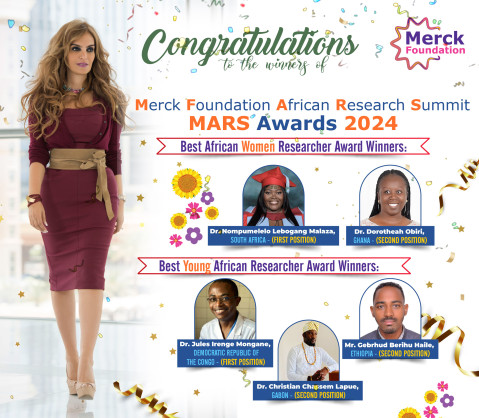
MARS Awards 2024 Winners: 5 Outstanding Researchers from 5 African Countries Honored

Location: News
Merck Foundation

  • Merck Foundation announced the winners of Merck Foundation Africa Research Summit – MARS Awards winners 2024, 5 Researchers from 5 different African Countries recognized under two categories - Best African Women Researchers and Best Young African Researchers. 
  • Merck Foundation also announced the Call for Applications for new edition of Merck Foundation Africa Research Summit – MARS Awards 2025 to empower Women and Youth in STEM in Africa with special focus on ‘The Role of Scientific Research in Women Health and Reproductive Care'. 

Merck Foundation (www.Merck-Foundation.com), the philanthropic arm of Merck KGaA Germany, announced the Winners of Merck Foundation Africa Research Summit (MARS) Awards 2024, in partnership with International Federation of Fertility Societies -IFFS, Africa Reproductive Care Society - ARCS, Manipal University and African Union Scientific Technical Research Commission to recognize African Researchers for their valuable research work and contribution to empowering women and youth in STEM in Africa with special focus on ‘The Role of Scientific Research in Women Health and Reproductive Care'. 

Senator Dr. Rasha Kelej, CEO of Merck Foundation and Chairperson of Merck Foundation Africa Research Summit - MARS expressed, “Since 2016, I have taken immense pride in recognizing the achievements of our MARS Awards winners. This year, we honor Six Winners in two categories: ‘Best African Women Researchers Awards' and ‘Best African Young Researchers Awards.'  

These awards celebrate their significant contributions to research, particularly highlighting the efforts of African women researchers, who remain underrepresented in this field. Through the MARS Awards, our mission is to empower young researchers in Africa and to specifically encourage and support women researchers by enhancing their research capabilities and promoting their vital roles in STEM (Science, Technology, Engineering, and Mathematics).” 

The winners of ‘Best African women Researchers Awards' and ‘Best Young African Researcher Awards' will be enrolled into research training at a premier research institute in India. 

“And I am also very happy to share with you all that as promised, we provided an opportunity to our first-place winner of each category to attend the 11th Edition of Merck Foundation Africa Asia Luminary which was recently conducted in Tanzania, however, only Mr. Jules Irenge Mongane was able to attend it”, shared Senator Rasha Kelej. 

Merck Foundation is committed to improving the lives of people and has been transforming the Patient care landscape and making history together with its partners in Africa, Asia, and beyond, by providing 2080 Scholarships for doctors from 52 Countries in 44 critical and underserved medical specialties. 

The MARS 2024 Award Winners are: 

Winners of “MARS Best Women African Researchers Awards” 2024  

1. Nompumelelo Lebogang Malaza, SOUTH AFRICA (First Position) 
TOPIC: Association Between Biochemical And Epigenetic Markers With Glycaemic Control And Neonatal Outcomes In Diabetic Pregnancies 

2. Dorotheah Obiri, GHANA (Second Position) 
TOPIC: Immune dysregulation in placental malaria and hypertensive disorders of pregnancy 

Winners of “MARS Best Young African Researchers Awards” 2024 

1. Jules Irenge Mongane, DEMOCRATIC REPUBLIC OF THE CONGO (First Position) 
TOPIC: Association Between Bacterial Vaginosis, Chlamydia Trachomatis Infection And Tubal Factor Infertility In Bukavu, Democratic Republic Of Congo 

2. Christian Chassem Lapue, GABON (Second Position) 
TOPIC: Epidemiology of helminthiases in women of reproductive age living in Lambaréné and its surroundings, Gabon 

3. Gebrhud Berihu Haile, ETHIOPIA (Second Position) 
TOPIC: Incidence of neonatal mortality and factors influencing neonate survival in  neonatal intensive care unit in Northern Ethiopia: a prospective cohort study 

“I am also excited to announce the Call for Applications for the new edition of the Merck Foundation Africa Research Summit (MARS) Awards 2024. This year, special focus will be again on “The Role of Scientific Research in Women Health and Reproductive Care,” added Senator, Dr. Rasha Kelej. 

Merck Foundation Africa Research Summit - MARS 2025 will have scientific support from African Union Scientific-Technical and Research Commission (AU-STRC); African Reproductive Care Society (ARCS), and Manipal Academy of Higher Education (MAHE). 

Details for MARS AWARDS 2025 

Abstracts are invited from final year African PhD students and young investigators involved in research related to either of the following topics: 

1) Women Health 
2) Infertility and Reproductive Health  

All applicants should be primarily based at African Research Institutes and Universities, although collaboration within Africa as well as outside is also welcome.  

Last Date of Submission: 

Applications can be submitted till 30th June 2025 

How to apply:  

Apply by clicking: https://apo-opa.co/3R1Vhhq

Alternatively, the Applications and abstracts can be submitted via email to mars@merck-foundation.com, along with CV (including Name, Gender, Country, University/Hospital Name, Email address, Mobile Number) and the abstract document as an attachment. 

Other Details: 

  • All Abstracts will be peer reviewed. 
  • Research Awards will be dedicated for two categories of Best African Women Researchers and Best Young Africa Researchers. 
  • Winners will be eligible for Research Training in prestigious Research Institute in India. 
  • Top Winners will be invited to attend the 12th Edition of Merck Foundation Africa Asia Luminary 2025. 

Distributed by APO Group on behalf of Merck Foundation.

Contact details:
Mehak Handa
Community Awareness Program Manager
+91 9310087613 / +91 9319606669
mehak.handa@external.merckgroup.com

Join the conversation on our social media platforms below and let your voice be heard! 
Facebook: https://apo-opa.co/41VyNEY
X: https://apo-opa.co/3FTjdRz
Youtube: https://apo-opa.co/42klehm
Instagram: https://apo-opa.co/4crisLN
Threads: https://apo-opa.co/447LYnA
Flickr: https://apo-opa.co/4ckHufy
Website: www.Merck-Foundation.com
Download Merck Foundation App: https://apo-opa.co/43E0Da6

About Merck Foundation: 
The Merck Foundation, established in 2017, is the philanthropic arm of Merck KGaA Germany, aims to improve the health and wellbeing of people and advance their lives through science and technology. Our efforts are primarily focused on improving access to quality & equitable healthcare solutions in underserved communities, building healthcare & scientific research capacity, empowering girls in education and empowering people in STEM (Science, Technology, Engineering, and Mathematics) with a special focus on women and youth. All Merck Foundation press releases are distributed by e-mail at the same time they become available on the Merck Foundation Website.  Please visit www.Merck-Foundation.com to read more. Follow the social media of Merck Foundation: Facebook (https://apo-opa.co/41VyNEY), X (https://apo-opa.co/3FTjdRz), Instagram (https://apo-opa.co/4crisLN), YouTube (https://apo-opa.co/42klehm), Threads (https://apo-opa.co/447LYnA) and Flickr (https://apo-opa.co/4ckHufy). 

The Merck Foundation is dedicated to improving social and health outcomes for communities in need. While it collaborates with various partners, including governments to achieve its humanitarian goals, the foundation remains strictly neutral in political matters. It does not engage in or support any political activities, elections, or regimes, focusing solely on its mission to elevate humanity and enhance well-being while maintaining a strict non-political stance in all of its endeavors. 

Media files
Merck Foundation
Download logo
Read moreMARS Awards 2024 Winners: 5 Outstanding Researchers from 5 African Countries Honored
3 April 2025

Cost containment should not undermine service delivery – PSC

Location: News

Cost containment should not undermine service delivery - PSC

The Public Service Commission (PSC) says that while cost containment measures demonstrate fiscal discipline and prudent financial management, their implementation must be closely monitored to avoid inadvertently undermining service delivery.

“This is particularly crucial in essential sectors such as healthcare and education, where cuts to resources or funding could have far-reaching consequences for public well-being and long-term development,” said PSC Commissioner, Anele Gxoyiya.

Addressing the media during the release of the commission’s Quarterly Bulletin titled: The Pulse of the Public Service for the period: 01 January to 31 March 2025, Gxoyiya said effective cost containment requires a balanced approach. This approach prioritises efficiency and savings without compromising the quality or accessibility of essential services.

“The PSC recognises the advantages of fiscal consolidation and cost containment, which include reduced waste in public finances and enhanced accountability,” the Commissioner said at Thursday’s briefing in Pretoria.

In addition, he said that excessive budget cuts could undermine the government's ability to fulfil its constitutional obligations.

“The PSC advocates for a balanced approach that combines financial prudence with investments in key areas essential for long-term growth and effective service delivery.

“The PSC remains committed to promoting constitutional values, advocating for equity and accountability, and ensuring that public resources are used efficiently and effectively for the benefit of all South Africans.”

Whistleblowers 

Regarding strengthening whistleblower protection, Gxoyiya said a resolution was made for the establishment of the Whistleblower Protection House.

This hosting of the Whistleblowers’ Symposium emanated from the 2022 International Anti-Corruption Day celebrations which highlighted the challenges regarding the protection of whistleblowers and their families.

During the symposium, a resolution was made for the establishment of the protection house to support whistleblowers and to facilitate access to support, creation of awareness of whistleblowers’ plight, provide financial assistance, legal counsel and psychological support.

The protection of whistleblowers was identified as one of the high priority areas in the national anti-corruption agenda.

Gxoyiya said this initiative will require the amendment of the current legislation, adding that the Department of Justice and Constitutional Development is at an advanced stage in reviewing the Protected Disclosure Act. The Act provides procedures in terms of which any employee may disclose information relating to an offence or a malpractice in the workplace by his or her employer or fellow employees. The Act also provides for the protection of an employee, who made a disclosure in accordance with the procedures provided for by the Act, against any reprisals as a result of such a disclosure.

“The advent of democracy in South Africa promised a society that will be built on a human rights-based culture to ensure that the lives of ordinary South Africans are improved and protected.

“Section 195 of the Constitution outlines the basic Values and Principles governing public administration. These values should be the cornerstone upon which to build a public service that is ethical, responsible, responsive and accountable. 

“Government and other role players agreed that corruption in South Africa and the killing of whistleblowers needs to be addressed collaboratively by all sectors of society as the efforts of whistleblowers contribute to building a capable, ethical and developmental Public Service that is responsive to the needs of the people,” Gxoyiya explained.

He added that the commission supports the initiatives of establishing the whistleblowers protection regime as it will enable the citizenry to report wrongdoing without fear of reprisal.

“Fighting corruption is every one’s responsibility in the country. Active citizenship must take its rightful place in fighting against corruption and expose theft, fraud and maladministration through whistleblowing,” he said.

The commission has encouraged South Africans to report acts of corruption and maladministration anonymously through the National Anti-Corruption hotline on 0800 701 701 and by email at (complaints@opsc.gov.za).

Citizens can also do walk-ins at PSC offices nationwide where complainants can interact with professionals equipped to safeguard anonymous reporting. – SAnews.gov.za


Edwin
Thu, 04/03/2025 - 13:41
145 views

Read moreCost containment should not undermine service delivery – PSC
2 April 2025

Internet connectivity can aid SA’s development 

Location: News

Internet connectivity can aid SA’s development 

Internet connectivity has the potential to boost employment while also broadening access to education, healthcare and the speeding up of service delivery, says Deputy Minister of Science, Technology and Innovation Nomalungelo Gina.

Internet connectivity also has the potential to broaden modern agricultural practices, mobility, and banking services.

“Internet connectivity’s potential to boost productivity and employment is well documented,” the Deputy Minister said during a parliamentary session on Tuesday.

Gina cited a study encompassing 14 countries that found a 10 percentage-point increase in 3G coverage raised the employment rate by 2.1 percentage points, as faster internet connections create better job opportunities.

The Deputy Minister was addressing a joint session of Parliament’s Portfolio Committees on Communications and Digital Technologies and Science, Technology and Innovation with the Deputy Minister of Communications and Digital Technologies, Mondli Gungubele. 

The Departments of Communications and Digital Technologies (DCDT) and Science, Technology and Innovation (DSTI) are collaborating in the development of a satellite communication strategy for South Africa.

The strategy is aimed at the establishment of a domestically owned satellite system that provides affordable, reliable, and secure communication infrastructure.

Over the past three years, the departments and their entities, Sentech and the South African National Space Agency (SANSA), have worked to develop the strategy, which is expected to significantly enhance digital inclusion, support economic growth, and bolster essential services such as e-government, telemedicine, and rural telephony.

“Following extensive consultations and feasibility studies, the strategy has received sign-off from the Presidency on the Social Economic Impact Assessment System process. The next phase involves further government cluster consultations and public engagement before final Cabinet approval.” 

While commending the progress, committee members stressed the urgency of implementation, the need for gender representativity, and the establishment of required capabilities to complete the project.

The Chairperson of the Portfolio Committee on Science, Technology and Innovation, Tsakani Shiviti, said that both committees were hopeful that quarterly reports on the strategy would encourage the two departments to expedite the process for final Cabinet approval.

Acting Deputy Director-General at the DCDT, Dr Tinyiko Ngobeni, said the strategy would be submitted to Cabinet to obtain approval to publish it for comment from the public. Additionally, a national workshop will also be convened to explore substantive issues.

According to the DSTI, South Africa currently spends approximately R100 billion a year on foreign communication service providers. 

“In contrast, a locally owned satellite system with a lifespan of up to 20 years would require a one-time capital investment of approximately R6 billion. This comparison shows the immense cost-saving potential of a domestic satellite system.” 

Meanwhile, the department believes that a domestic system would also strengthen South Africa’s sovereign capabilities, as required by the national defence and security clusters. 

The acquisition and operation of the satellite will be managed by a national satellite organisation through a strategic partnership with an international satellite fleet operator, ensuring sovereignty over critical communication infrastructure.

“The satellite industry presents vast opportunities for skills development, job creation, industrial growth, and self-reliance in national security matters. 

“The satellite communication strategy initiative will foster new technical expertise throughout the satellite’s lifecycle – from design and construction to launch, operation, and maintenance – creating sustainable, high-skilled jobs and stimulating the local space industry,” said the Department of Science, Technology and Innovation.

SANSA, with its extensive expertise in satellite operations, will play a key role in driving the initiative forward.

The project underscores the government’s commitment to a digitally inclusive society, where all citizens have access to reliable and affordable communication services. – SAnews.gov.za


Gabisile
Wed, 04/02/2025 - 10:37
432 views

Read moreInternet connectivity can aid SA’s development 
31 March 2025

NICD warns of increase in cases of respiratory diphtheria

Location: News

NICD warns of increase in cases of respiratory diphtheria

The National Institute for Communicable Diseases (NICD) has urged citizens to check their children’s vaccination status due to a rise in diphtheria cases in the country.

Since the beginning of 2025, up until 23 March, diphtheria, caused by the bacterium Corynebacterium diphtheriae, has been confirmed in 40 people in South Africa.

Of these cases, 19 exhibited symptoms, while 21 were asymptomatic.

“These asymptomatic individuals were carriers identified during contact tracing,” the statement read.

According to data from the NICD, there were 15 reported cases of respiratory diphtheria in the Western Cape, two cases in Gauteng, three cases in Mpumalanga, and one probable case in Limpopo.

Laboratory tests did not confirm the case from Limpopo, but the person exhibited symptoms consistent with respiratory diphtheria.

Over 78% of the cases have occurred in adults aged 18 and older.

Among the symptomatic cases, the public health institute said it was important to note that nine people have died, resulting in a case fatality rate of 27% (nine out of 33 cases) since the beginning of 2024.

“Adults who have not had a diphtheria vaccine in the last 10 years are urged to seek vaccination at a clinic or with their usual healthcare provider.

“Pregnant women are advised to get the vaccine with each pregnancy to protect the baby from diphtheria, tetanus, and pertussis.”

Diphtheria is a contagious, severe, vaccine-preventable illness usually associated with a sore throat, fever, and large, swollen glands in the neck.

The NICD said this illness is sometimes called a “bull neck”, and on examining a patient, the doctor will see a characteristic adherent membrane over the tonsils and the throat, also known as a “pseudomembrane”.

“If not treated early, the public health institute said diphtheria causes difficulty in breathing and can lead to complete blockage of the airway and death. The organism also produces a toxin that affects the heart muscle, kidneys, and nervous system, leading to life-threatening illness.”

Treatment is with diphtheria antitoxin to neutralise the toxin produced by the bacterium and appropriate antibiotics to eradicate the organism, which should be given early to be effective.

The NICD is encouraging doctors and healthcare workers to be on high alert for suspected diphtheria cases and are urged to report cases on the Notifiable Medical Condition app or the NICD website.

The NICD said the best protection against diphtheria is vaccination.

Infant vaccine is given at six, 10, and 14 weeks of age, with booster doses at 18 months and six and 12 years.

The available vaccines include Dt (diphtheria and tetanus) and DTaP (diphtheria, tetanus, and acellular pertussis or whooping cough). – SAnews.gov.za 


Gabisile
Mon, 03/31/2025 - 09:41
443 views

Read moreNICD warns of increase in cases of respiratory diphtheria
31 March 2025

A Thriving Black Market for Medicines Has Emerged in Johannesburg

Location: News

Immigrants shunned by clinics resort to buying unregulated medicines from illegal vendors

Read moreA Thriving Black Market for Medicines Has Emerged in Johannesburg
27 March 2025

A Landmark Step for Lesotho

Location: News

World Health Organization (WHO) - Lesotho
Download logo

In a significant stride towards bolstering its pandemic preparedness and response capabilities, Lesotho convened its inaugural National Steering Committee (NSC) meeting for the Pandemic Fund Southern Africa Multicountry Project. This crucial gathering, held in Maseru, marked a pivotal moment in the nation's efforts to safeguard its population against future health crises.

Lesotho, a recipient country in the second round of the Pandemic Fund's regional proposal alongside Botswana, Madagascar, Mozambique, Malawi, Namibia, South Africa, and Zimbabwe, will benefit from resources aimed at strengthening One Health Disease Surveillance and Response. This initiative, focused on combating disease outbreaks, will enhance Lesotho's infrastructure for pandemic/epidemic preparedness and response. The NSC, a vital component for the implementation of the fund, will serve as the guiding force to ensure the effective utilization of these funds for maximum impact.

The meeting was presided over by the Principal Secretary of the Ministry of Health, Mrs. Moliehi Maneo Ntene, and co-chaired by the WHO Representative, Dr. Innocent Nuwagira. The session drew a diverse and influential assembly, including head of mission from the World Health Organization (WHO) and representation from the World Bank and UNICEF. Principal Secretaries from key ministries, including Health, Agriculture, Finance, Environment, Trade, Education, Gender and Social Development, and Disaster Management Authority, were also in attendance as members of the NSC. 

This broad representation underscores the cross-sectoral nature of pandemic preparedness, recognizing that effective responses require a unified, multi-faceted approach.

In her opening remarks, Mrs. Ntene acknowledged Lesotho's vulnerabilities and the need to strengthen its health systems. “Recognizing our vulnerabilities in emergency prevention, preparedness, and response, we seized the opportunity to apply for funding through the Pandemic Fund. The successful multi-country initiative allows us to strategically address our gaps. With this newly formed, multi-sectoral steering committee, we are confident in our ability to strengthen our health systems and build a more resilient Lesotho, ensuring the health security of our people,” said Mrs. Moliehi Maneo Ntene, Principal Secretary, Ministry of Health

WHO Representative Dr. Innocent Nuwagira echoed this sentiment, emphasizing the importance of strong national leadership and coordinated action. “The establishment of this National Steering Committee signifies Lesotho's proactive commitment to safeguarding its population. As WHO, we are committed to working alongside the government and partners, ensuring the Pandemic Fund's resources are strategically deployed to build a resilient and robust health system capable of effectively responding to pandemic threats,” reflected Dr. Innocent Nuwagira, WHO Representative in Lesotho.

A key focus of the meeting was to establish and define the functions of the NSC. Participants meticulously reviewed and endorsed the Terms of Reference (TORs), laying a solid foundation for the committee's operational framework. This crucial step ensures clarity and accountability in the NSC's role, facilitating efficient decision-making and implementation. Additionally, the meeting provided an opportunity to review and endorse the projects microplan presented by the Pandemic Fund task team. The plan outlined strategic interventions in critical areas such as early warning and disease surveillance, laboratory capacity, and workforce capacity through a One Health approach. These focus areas are essential for strengthening Lesotho's ability to prevent, detect and respond to future pandemics.

The Pandemic Fund aims to empower countries like Lesotho to build resilient health systems by investing in infrastructure, training healthcare professionals, and fostering inter-agency collaboration. The One Health approach recognizing the interconnectedness of human, animal, and environmental health - will enable a more holistic and proactive response to emerging threats. As Lesotho embarks on this critical phase of implementing the Pandemic Fund's initiative, the inaugural NSC meeting demonstrates the nation's dedication to strengthening its health security, through collaborative efforts and strategic planning, for a safer and more resilient future for Basotho.

Distributed by APO Group on behalf of World Health Organization (WHO) - Lesotho.

Read moreA Landmark Step for Lesotho
26 March 2025

Motsoaledi urges global action to address health funding gaps

Location: News

Motsoaledi urges global action to address health funding gaps

Health Minister Dr Aaron Motsoaledi has reiterated the importance of nations reallocating resources towards health, strengthening global health partnerships, and exploring innovative financing mechanisms to address funding gaps.

The Minister was delivering the keynote address at the second meeting of the G20 Health Working Group today in Ballito, KwaZulu-Natal.

The Minister used the platform to highlight South Africa’s commitment to universal health coverage (UHC) through the National Health Insurance (NHI) system, which aims to provide financial protection and efficient resource utilisation.

“In South Africa, we are actively pursuing transformation to achieve universal health coverage through our NHI system.

“The NHI is designed to provide financial protection for all, ensuring that access to quality healthcare is not dependent on one’s ability to pay [for] it, and it will also assist in the efficient utilisation of our resources by pulling funds and strategically purchasing services.”

Motsoaledi cited data from the World Health Organisation (WHO), which indicate that the number of people shielded from catastrophic health spending had been steadily increasing before the COVID-19 pandemic. However, since then, about 100 million people have fallen back into financial hardship due to health-related expenses.

Motsoaledi believes that the NHI is a concrete demonstration of government’s commitment to leaving no one behind, and fostering and strengthening the resilience of the health system.

The Minister quoted the late Harvard Department of Anthropology’s Professor Paul Farmer on the value of all lives and urged G20 members to increase public financing of health systems as a fundamental investment.

“I want to quote the idea that 'some lives matter less' is the root of all that is wrong with the world.

“We implore all G20 members to champion increased public financing of health systems.

“This is not merely a budgetary issue; it’s a fundamental investment in our collective future.”

Motsoaledi urged attendees to prioritise public health over competing interests, ensuring that adequate resources are allocated to meet the health needs of the nation’s populations.

“Furthermore, we must all align our efforts beyond financing. We must address the persistent health inequities that plague our world.”

Non-communicable diseases

Motsoaledi highlighted the importance of addressing health inequities, particularly in low and middle-income countries, and the need for multilateral approaches to prevent and control non-communicable diseases (NCDs).

He said the upcoming United Nations High-Level Meeting on NCDs is seen as a crucial opportunity to galvanise global action against chronic conditions like heart disease, cancer, diabetes and chronic respiratory diseases.

“We must alleviate the financial burden, restrict unhealthy food marketing, finance emergency health services, and accelerate cervical cancer elimination, the only cancer which is preventable.”

The theme of the three-day meeting is: “Accelerating Health Equity, Solidarity, and Universal Coverage”.

Along with this meeting, a co-sponsored event focused on eliminating cervical cancer, is also taking place.

“We must move beyond dialogue and commit to concrete steps. South Africa is committed to collaborating with all the G20 members to achieve our shared goals. 

“Let us work together to ensure that health remains a priority, not a commodity, especially during these unstable economic times,” Motsoaledi added.

South Africa, which assumed the G20 Presidency in December, is currently hosting various working groups and ministerial meetings throughout the country. 

These meetings are focused on key topics such as health, employment, trade, tourism, and the digital economy -- all in preparation for the G20 Leaders’ Summit scheduled for November this year.

The G20 comprises 19 countries including Argentina, Australia, Brazil, Canada, China, France, Germany, India, Indonesia, Italy, Japan, Korea, Mexico, Russia, Saudi Arabia, South Africa, Türkiye, United Kingdom, and the United States. It also includes two regional bodies – the European Union (EU) and the African Union (AU). – SAnews.gov.za

Gabisile
Wed, 03/26/2025 - 11:43
166 views

Read moreMotsoaledi urges global action to address health funding gaps
25 March 2025

President Ramaphosa pays heartfelt tribute to nurses for their role during COVID

Location: News

President Ramaphosa pays heartfelt tribute to nurses for their role during COVID

President Cyril Ramaphosa has expressed gratitude for the vital role nurses played during the COVID-19 pandemic. 

The President addressed the 9th National Congress of the Democratic Nursing Organisation of South Africa (DENOSA) today. This was the first time the President addressed DENOSA since the outbreak, highlighting the lasting impact of healthcare workers in the fight against the virus.

President Ramaphosa reflected on the significant changes caused by the pandemic, including the loss of lives and the challenges encountered by healthcare workers.

“We lost a number of nurses and healthcare workers, brave men and women who were at the frontline of the pandemic. Brave is not an adequate word to describe them. Many of you faced the danger of being infected and death, but you still went on to care for those who were affected.”

He encouraged attendees to observe a moment of silence in honor of the brave nurses and healthcare professionals, who made the ultimate sacrifice while serving on the front lines.

“For you who are in the profession, nursing is a calling. It requires a strength of character and commitment to service that is rare.” 

The President highlighted the long history of struggle for equity in the nursing profession, particularly among black nurses during apartheid, who fought tirelessly for their rights amid systemic inequalities.

“Black nurses were expected to only care for black patients in black-only hospitals. The hospitals and clinics assigned to serve the country’s majority were under resourced and chronically underfunded. 

“Black nurses had unfavourable working conditions, were paid less than their white counterparts, and had fewer opportunities for advancement.” 

He reiterated his statements made during this year’s State of the Nation Address (SONA), that government will allocate resources to the health sector, build hospitals and clinics, and strengthen the healthcare system.

“This is the commitment that we’re going to achieve, and this is what we’re going to do.” 

The President also took the time to commend DENOSA for its nearly three decades of advocacy and service, and emphasised the organisation’s pivotal role in shaping nursing policy in South Africa. 

“We all appreciate the difficult balance that must be struck between advocacy and activism, on the one hand, and fulfilling the rights of patients to treatment and care, on the other hand,” he said.

President Ramaphosa outlined key strategic priorities for the next five years, including driving inclusive growth, reducing poverty, and building a capable, ethical developmental State. 

He underscored the integral role of nurses in achieving these goals, particularly in contributing to a capable State.

Meanwhile, despite a recent uptick in nursing registrations, he raised concerns about declining training numbers due in part to accreditation delays. 

President Ramaphosa urged DENOSA to engage proactively in policy development to ensure that the nursing profession evolves alongside the changing landscape of healthcare.

“In an environment where South Africa has a shortage of nurses, we are encouraged that the issue of South African nurses being recruited in large numbers by other countries is also on the agenda.”

NHI

Meanwhile, he said the support of DENOSA will be pivotal as the country prepares for the National Health Insurance (NHI).  

He is of the view that the NHI will bring the country closer to its aspiration of being a society where the human dignity of all is upheld at all times. 

“The right to dignity matters most when people are sick and need help, and when they are most vulnerable. Our nurses will be the backbone of the NHI.”

He urged the union to be at the forefront of discussions around skilling and training, health systems strengthening, and other crucial matters. 

The President called on the union to continue its leadership in advocating for nursing, while addressing the broader health needs of communities. 

“I’d like to thank you all once again for being frontline soldiers of our people’s health... you... are the ones who take your heart and full dedication to serving the people of South Africa, and we’re eternally grateful for that,” he added. – SAnews.gov.za
 

Gabisile
Tue, 03/25/2025 - 12:33
683 views

Read morePresident Ramaphosa pays heartfelt tribute to nurses for their role during COVID
25 March 2025

Senator Dr. Rasha Kelej Congratulates the Winners of Their SONG Awards 2023

Location: News
Merck Foundation

  • Senator Dr. Rasha Kelej, CEO of Merck Foundation, in partnership with the First Ladies of African and Asian Countries, announces the 2025 Call for Applications for two Merck Foundation SONG Awards - apply now at submit@merck-foundation.com

  • Merck Foundation Song Awards “More Than a Mother” to address one or more of the following social issues such as: Breaking Infertility Stigma, Supporting Girl Education, Ending Child Marriage, Ending FGM, Stopping GBV and/ or Women Empowerment,​
  • Merck Foundation Song Awards “Diabetes and Hypertension” to promote healthy lifestyle and raise awareness about prevention of Diabetes and Hypertension and healthy lifestyle promotion in Africa.

Merck Foundation (www.Merck-Foundation.com), the philanthropic arm of Merck KGaA Germany, in partnership with the African First Ladies, announced the winners of Merck Foundation's Song Awards 2023 under two themes - “More Than a Mother” and “Diabetes and Hypertension.”

The awards were announced by Senator Dr. Rasha Kelej, CEO of Merck Foundation and President of Merck Foundation ‘More Than a Mother' campaign, together with African First Ladies, who are also the Ambassadors of Merck Foundation ‘More Than a Mother' campaign.

Senator Dr. Kelej said, “I feel so elated to announce the winners of Merck Foundation's “More Than a Mother” and “Diabetes and Hypertension” Song Awards in partnership with my dear sisters, African First Ladies, who are also the Ambassadors of “Merck Foundation More Than a Mother”. I congratulate and applaud our 13 talented winners.

Songs are a powerful medium for addressing and influencing social and health issues across Africa. This year's entries were exceptional, with lyrics that effectively conveyed impactful messages, sparking meaningful thought and dialogue within communities.”

The theme of “More Than a Mother” Song Awards was to raise awareness on any of the following social issues such as: Breaking Infertility Stigma, Supporting Girl Education, Ending Child Marriage, Ending FGM, Stopping GBV and/or Women Empowerment at all levels and the theme of “Diabetes and Hypertension” Song Awards was to promote a healthy lifestyle and raise awareness about prevention and early detection of Diabetes and Hypertension in the African countries.

Senator Rasha added, “I have always believed that music and art have the power to evoke emotions, which in turn inspire engagement and action. This belief led us to introduce our Song Awards in 2019. To date, we have celebrated close to 50 winners.

Moreover, we have produced over 30 songs and music videos to address many critical and sensitive issues across Africa.”

Click here to listen to Merck Foundation Songs:

https://apo-opa.co/4iErAPC

Here is the list of Merck Foundation ‘More Than a Mother' Song Awards 2023 winners:

English Language

  • Kobusinge Jackline, UGANDA- FIRST POSITION

Theme: Women Empowerment

  • Mark Mulwanyi, UGANDA- SECOND POSITION

Theme: Women Empowerment and GBV

  • Aobakwe Senokwanyana, SOUTH AFRICA- THIRD POSITION

Theme: GBV

French Language

  • VITA NKANZA Dep, DRC- FIRST POSITION

Theme: Child Marriage

  • Alain Oyono, SENEGAL- SECOND POSITION

Theme: FGM

  • MASSANGA MARCELIN JOWANE, CENTRAL AFRICAN REPUBLIC- THIRD POSITION

Theme: FGM

  • Wax Dey ft Abz, CAMEROON- THIRD POSITION

Theme: FGM

  • Bouanga Kaba Paterne Lyonel Black Panther Slam, CONGO BR- THIRD POSITION

Theme: GBV and FGM

  • WANA-BONAH Romuald Euvral Evlin, CENTRAL AFRICAN REPUBLIC- THIRD POSITION

Theme: Women Empowerment

  • Dangawana samuel, CENTRAL AFRICAN REPUBLIC- THIRD POSITION

Theme: GBV and FGM

Here is the list of winners of Merck Foundation ‘Diabetes & Hypertension' Song Awards 2023:

FIRST POSITION:

  • Johannes Medard Tairo, TANZANIA- FIRST POSITION

Theme: Diabetes & Hypertension (English)

  • Schela MUTAKA, DEMOCRATIC REPUBLIC OF THE CONGO- SECOND POSITION

Theme: Diabetes & Hypertension (French)

  • Dennis Kimani, KENYA- THIRD POSITION

Theme: Diabetes & Hypertension (English)

Senator, Dr. Rasha Kelej further added, “I would also like to announce the Call for Applications for the 2025 Edition of the two Merck Foundation Song Awards ‘More Than a Mother' and ‘Diabetes & Hypertension', in partnership with First Ladies of Africa and Asia.

“I invite entries from all Singers, Musicians and young talents, to contribute towards making a difference in society with their inspiring songs with strong and relevant messages about critical and sensitive issues we face in our continent. Be the voice of the voiceless, break the silence and let's all join hands to create a cultural shift”, Senator Kelej added.

Details of Merck Foundation SONG Awards 2025:

1. Merck Foundation Song Awards 2025 “More Than a Mother”

Theme for the awards: Address one or more of the following social issues: Breaking Infertility Stigma, Supporting Girl Education, Ending Child Marriage, Ending FGM, Stopping GBV and /or Women Empowerment.

Who can apply: All Singers and Musical Artists are invited to create and share a song with the aim to address one or more of the above-mentioned social issues.

Categories: ENGLISH, FRENCH, PORTUGUESE, AND LOCAL LANGUAGE

Submission deadline: 30th September 2025.

2. Merck Foundation SONG Awards 2025 “Diabetes & Hypertension”

Theme for the awards: Promote healthy lifestyle and raise awareness about prevention and early detection of Diabetes and Hypertension.

Who can apply: All Singers and Musical Artists are invited to create and share a song with the aim to promote a healthy lifestyle and raise awareness about prevention and early detection of Diabetes and Hypertension.

Categories: ENGLISH, FRENCH, PORTUGUESE, AND LOCAL LANGUAGE

Submission deadline: 30th October 2025.

Distributed by APO Group on behalf of Merck Foundation.

Contact details:

Mehak Handa

Community Awareness Program Manager

+91 9310087613 / +91 9319606669
mehak.handa@external.merckgroup.com

Join the conversation on our social media platforms below and let your voice be heard!
Facebook: https://apo-opa.co/4ckPNYZ
X: https://apo-opa.co/4l4jFwE
Youtube: https://apo-opa.co/4j36IRW
Instagram: https://apo-opa.co/4iGvG9Q
Threads: https://apo-opa.co/4iDYPm3
Flickr: https://apo-opa.co/4l4eKM8
Website: www.Merck-Foundation.com

About Merck Foundation:
The Merck Foundation, established in 2017, is the philanthropic arm of Merck KGaA Germany, aims to improve the health and wellbeing of people and advance their lives through science and technology. Our efforts are primarily focused on improving access to quality & equitable healthcare solutions in underserved communities, building healthcare & scientific research capacity, empowering girls in education and empowering people in STEM (Science, Technology, Engineering, and Mathematics) with a special focus on women and youth. All Merck Foundation press releases are distributed by e-mail at the same time they become available on the Merck Foundation Website.  Please visit www.Merck-Foundation.com to read more. Follow the social media of Merck Foundation: Facebook (https://apo-opa.co/4ckPNYZ), X (https://apo-opa.co/4l4jFwE), Instagram (https://apo-opa.co/4iGvG9Q), YouTube (https://apo-opa.co/4j36IRW), Threads ( https://apo-opa.co/4iDYPm3) and Flickr (https://apo-opa.co/4l4eKM8).

The Merck Foundation is dedicated to improving social and health outcomes for communities in need. While it collaborates with various partners, including governments to achieve its humanitarian goals, the foundation remains strictly neutral in political matters. It does not engage in or support any political activities, elections, or regimes, focusing solely on its mission to elevate humanity and enhance well-being while maintaining a strict non-political stance in all of its endeavors.

Media files
Merck Foundation
Download logo
Read moreSenator Dr. Rasha Kelej Congratulates the Winners of Their SONG Awards 2023
25 March 2025

President Ramaphosa pays heartfelt tribute to nurses five years after COVID-19 pandemic

Location: News

President Ramaphosa pays heartfelt tribute to nurses five years after COVID-19 pandemic

President Cyril Ramaphosa has expressed gratitude for the vital role nurses played during the COVID-19 pandemic. 

The President addressed the 9th National Congress of the Democratic Nursing Organisation of South Africa (DENOSA) today. This was the first time the President addressed DENOSA since the outbreak, highlighting the lasting impact of healthcare workers in the fight against the virus.

President Ramaphosa reflected on the significant changes caused by the pandemic, including the loss of lives and the challenges encountered by healthcare workers.

“We lost a number of nurses and healthcare workers, brave men and women who were at the frontline of the pandemic. Brave is not an adequate word to describe them. Many of you faced the danger of being infected and death, but you still went on to care for those who were affected.”

He encouraged attendees to observe a moment of silence in honor of the brave nurses and healthcare professionals, who made the ultimate sacrifice while serving on the front lines.

“For you who are in the profession, nursing is a calling. It requires a strength of character and commitment to service that is rare.” 

The President highlighted the long history of struggle for equity in the nursing profession, particularly among black nurses during apartheid, who fought tirelessly for their rights amid systemic inequalities.

“Black nurses were expected to only care for black patients in black-only hospitals. The hospitals and clinics assigned to serve the country’s majority were under resourced and chronically underfunded. 

“Black nurses had unfavourable working conditions, were paid less than their white counterparts, and had fewer opportunities for advancement.” 

He reiterated his statements made during this year’s State of the Nation Address (SONA), that government will allocate resources to the health sector, build hospitals and clinics, and strengthen the healthcare system.

“This is the commitment that we’re going to achieve, and this is what we’re going to do.” 

The President also took the time to commend DENOSA for its nearly three decades of advocacy and service, and emphasised the organisation’s pivotal role in shaping nursing policy in South Africa. 

“We all appreciate the difficult balance that must be struck between advocacy and activism, on the one hand, and fulfilling the rights of patients to treatment and care, on the other hand,” he said.

President Ramaphosa outlined key strategic priorities for the next five years, including driving inclusive growth, reducing poverty, and building a capable, ethical developmental State. 

He underscored the integral role of nurses in achieving these goals, particularly in contributing to a capable State.

Meanwhile, despite a recent uptick in nursing registrations, he raised concerns about declining training numbers due in part to accreditation delays. 

President Ramaphosa urged DENOSA to engage proactively in policy development to ensure that the nursing profession evolves alongside the changing landscape of healthcare.

“In an environment where South Africa has a shortage of nurses, we are encouraged that the issue of South African nurses being recruited in large numbers by other countries is also on the agenda.”

NHI

Meanwhile, he said the support of DENOSA will be pivotal as the country prepares for the National Health Insurance (NHI).  

He is of the view that the NHI will bring the country closer to its aspiration of being a society where the human dignity of all is upheld at all times. 

“The right to dignity matters most when people are sick and need help, and when they are most vulnerable. Our nurses will be the backbone of the NHI.”

He urged the union to be at the forefront of discussions around skilling and training, health systems strengthening, and other crucial matters. 

The President called on the union to continue its leadership in advocating for nursing, while addressing the broader health needs of communities. 

“I’d like to thank you all once again for being frontline soldiers of our people’s health... you... are the ones who take your heart and full dedication to serving the people of South Africa, and we’re eternally grateful for that,” he added. – SAnews.gov.za
 

Gabisile
Tue, 03/25/2025 - 12:33
284 views

Read morePresident Ramaphosa pays heartfelt tribute to nurses five years after COVID-19 pandemic
25 March 2025

African Development Bank Group to Expand Investment in Lesotho to $331 Million

Location: Business
African Development Bank Group (AfDB)

The African Development Bank Group (www.AfDB.org) plans to invest $331 million in key strategic sectors in Lesotho as part of its proposed Country Strategy Paper for 2025-2030 to boost economic growth and industrial competitiveness. 

During an official visit to Lesotho -- the first by an African Development Bank President -- Dr. Akinwumi Adesina met with His Majesty King Letsie III to discuss strengthening development partnerships and expanding the Bank's investments in the country. 

His Majesty expressed delight at the Bank President's visit, viewing the mission as a reflection of the Bank and Adesina's appreciation for Lesotho's progress in improving people's lives. 

“With haste, we will ensure that the policies and incentives to accommodate the needs of and attract the private sector are in place, especially in healthcare, agriculture, and manufacturing,” the King remarked. 

King Letsie said he was confident that Adesina, whom he described as a 'man of action,' would help catalyze progress on the Bank's strategic projects in Lesotho. 

Adesina thanked King Letsie for his strong leadership role as the African Union Nutrition Champion since 2014, his advocacy for improved nutrition and food security on the continent -- especially for women, adolescents, and children -- and his passion for youth development. 

The African Development Bank president commended His Majesty for his leadership on the  King Letsie III Just Energy Transition Fund, which aims to generate approximately 200 megawatts of power through private sector investments. 

He also briefed King Letsie about the Bank's new 2025-2030 Country strategy paper and planned investments of $331 million to support quality infrastructure, capacity building, energy, integration and interconnectivity, debt management and standards, and strengthening the office of the Prime Minister.  

Referencing dwindling donor commitments globally, Dr. Adesina said, "Africa must prepare to engage more proactively with the private sector. Every challenge is an investor's dream. Ultimately, capital, like water, will always find a receptive place to go." 

According to Adesina, the Bank has implemented 87 projects totaling $429 million since Lesotho joined the Bank in 1973.  

"We have eight ongoing projects worth $60 million, and we look forward to significantly expanding our commitments," Adesina said. 

The Bank's investment strategy for Lesotho will focus on several priority areas: 

  • Energy infrastructure, including electricity transmission lines connecting Lesotho to South Africa 
  • Agricultural development to enhance food security and rural livelihoods 
  • Climate resilience initiatives to address environmental challenges 
  • Digital transformation, including broadband expansion for digital financial inclusion and government service digitalization 
  • Water resource management, building on the success of the Lesotho Lowland Rural Water Supply Project 
  • Public financial management and debt management support 
  • Trade competitiveness enhancements through improved grades and standards for exports 

The African Development Bank-led Lesotho Rural Water Supply and Sanitation Project has delivered remarkable results: 190 kilometers of pipeline to distribution networks, water storage tanks with a total capacity of 3.48 million liters, and 166 public water points serving approximately 28,266 people across eight zones in Maseru and Berea districts. 

Responding to King Letsie's request, Dr. Adesina said the Bank will prioritize investments in primary healthcare centers across Lesotho.  

“We will work on an integrated project that includes components of energy, a potential multi-partner $2.3 billion water transfer project from Lesotho through South Africa to Botswana, agro-value chains, and trade facilitation in Lesotho,” Adesina said after the meeting with King Letsie III. 

The Bank is expected to support Lesotho in mobilizing approximately $260 million for the integrated water transfer project, which will supply 308 million cubic meters of water for domestic, agricultural, and industrial use through a 700 km pipe system. The project has the potential to generate up to 22 MW of hydropower. 

Speaking earlier, Minister of Finance and Development Planning Retselisitsoe Matlanyane indicated that as Lesotho's energy supply will exceed domestic demand by the end of 2026, the country intends to build a substation to export excess power production to South Africa. She reiterated Lesotho's commitment to private sector-friendly policies and engagement. 

The minister highlighted the importance of primary healthcare and nutrition investments to help combat extreme stunting in several parts of the country.  

King Letsie is the African Union-appointed African Leaders for Nutrition champion.  The initiative, spearheaded by the African Development Bank and championed by African leaders, works to galvanize political will and significant investments to end malnutrition on the continent. 

Dr. Adesina also met with Prime Minister Samuel Ntsokoane Matekane; and the ministers of Foreign Affairs; Agriculture, Food Security & Nutrition; Natural Resources; Health; Communication, Science & Technology; and Education & Training. 

The Bank's delegation to Lesotho included its Executive Director for Lesotho, Dr. Nomfundo X. Ngwenya; Deputy Director General for Southern Africa, Moono Mupotola; and Senior Advisor to the President for Communication and Stakeholder Engagement, Dr. Victor Oladokun. 

Distributed by APO Group on behalf of African Development Bank Group (AfDB).

Media Contact:  
Emeka Anuforo
Principal Regional Communication Officer 
media@afdb.org

About the African Development Bank Group: 
The African Development Bank Group is Africa's premier development finance institution. It comprises three distinct entities: the African Development Bank (AfDB), the African Development Fund (ADF) and the Nigeria Trust Fund (NTF). On the ground in 41 African countries with an external office in Japan, the Bank contributes to the economic development and the social progress of its 54 regional member states. For more information: www.AfDB.org

Media files
African Development Bank Group (AfDB)
Download logo
Read moreAfrican Development Bank Group to Expand Investment in Lesotho to $331 Million
24 March 2025

Campaign Launched to Help Stateless People Become Citizens

Location: News

Hundreds take part in human rights festival at Constitutional Hill

Read moreCampaign Launched to Help Stateless People Become Citizens
  • Previous
  • Page 1
  • Interim pages omitted …
  • Page 5
  • Page 6
  • Page 7
  • Page 8
  • Page 9
  • Interim pages omitted …
  • Page 14
  • Next

Copyright © 2026 · MyZA · All Rights Reserved · Powered by Reach Trust