• Skip to main content
  • Skip to header right navigation
  • Skip to after header navigation
  • Skip to site footer
MyZA

MyZA

News, Directory, Events and Other Stuff

  • Social Media
  • Sport
  • World News
  • Home
  • Submit News
  • Directory
  • Events
  • Stratlec
  • TFSA
  • News
    • APO
    • Today’s Sport News
    • Todays Social Media and Tech Headlines
    • Today’s World News
    • Today’s SA Financial News
  • Contact
You are here: Home / Archives for infrastructure

infrastructure

6 February 2025

New wave of reforms to propel SA economy

Location: News

New wave of reforms to propel SA economy

Over the next year, government will unleash a second wave of reforms aimed at unlocking the potential of South Africa’s economy.

This is according to President Cyril Ramaphosa who delivered the State of the Nation Address (SONA) – the first of the seventh administration – at the Cape Town City Hall, on Thursday evening.

“The [current] economic reforms that we are implementing through Operation Vulindlela have created a new sense of optimism and confidence in our economy. We have made progress in rebuilding and restructuring a number of our network industries.

“We are seeing positive results in the improvement of the functioning of our network industries as well as the investment opportunities that are opening up and are being taken by investors leading to job creation.

“Working together with business, labour and other social partners we must now finish this work. Over the coming year, we will initiate a second wave of reforms to unleash more rapid and inclusive growth,” President Ramaphosa said.

The President explained that the first point of focus for these reforms lies with state-owned enterprises (SOEs), particularly Eskom and Transnet, which he described as “vital to our economy to function optimally”.

To propel this work forward, a dedicated SOE Reform Unit is in the process of being established. 

“We are repositioning these entities to provide world-class infrastructure while enabling competition in operations, whether in electricity generation, freight rail or port terminals.

“We continue with the fundamental reform of our state-owned enterprises to ensure that they can effectively fulfil their social and economic mandates. This includes the work underway to put in place a new model to strengthen governance and oversight of public entities,” President Ramaphosa explained.

Electricity reform

A key reform is in South Africa’s energy sector, with the implementation of the Electricity Regulation Amendment Act which came into effect this year.

The President described this Amendment Act as the “beginning of a new era” that will unlock a competitive electricity market.

“We now need to put the risk of load shedding behind us once and for all by completing the reform of our energy system to ensure long-term energy security. The Electricity Regulation Amendment Act, which came into effect on the 1st of January, marks the beginning of a new era.

“This year, we will put in place the building blocks of a competitive electricity market. Over time, this will allow multiple electricity generation entities to emerge and compete. We will mobilise private sector investment in our transmission network to connect more renewable energy to the grid,” he said.

With the current and a new wave of reforms, the President said, “we are steadily removing the obstacles to meaningful and faster growth”. – SAnews.gov.za


NeoB
Thu, 02/06/2025 - 20:58
36 views
Read moreNew wave of reforms to propel SA economy
6 February 2025

Government, industry leaders encourages use of AI for greater good

Location: News

Government, industry leaders encourages use of AI for greater good

The rapid development of artificial intelligence (AI) has signified a fundamental change in how government interacts with citizens, disseminates information and ensures that the State’s voice reaches every corner of the nation.

This is according to Deputy Minister in the Presidency, Kenny Morolong, who addressed a Government Communicators Networking Session at Artscape in Cape Town on Wednesday night. 

“The question to which we must respond is not whether to embrace AI and the suite of technologies, but how to do so in a way that enhances rather than diminishes our communication objectives.” 

Morolong said government and its relevant stakeholders should explore how these technologies can break down language barriers, reach underserved communities, ensure the authenticity and credibility of government communications, preserve and promote indigenous knowledge systems, and enhance the skills of government communicators.

However, he stressed that in the pursuit of technological advancement, the nation must retain the human touch essential for effective public service communication.

“We must do so with a drive to leave no one behind, including our diverse skills and cultures.”

The Deputy Minister said the mission of various media platforms and government communication should be to ensure all citizens have access to empowering information that facilitates their active and productive participation in the nation.

The networking session, held on the eve of the State of the Nation Address, included a panel discussion on AI’s impact on media and government communication.

The former Dean of the Johannesburg Business School (JBS), Professor Randall Carolissen, led an important discussion about the transformative potential of AI. 

He highlighted its societal impact and emphasised the need to balance technological advancements with personal privacy and accountability.

He also stressed the importance of enabling AI while protecting privacy and ensuring explainability and fairness.

Carolissen also highlighted the dual nature of AI, noting the negative outcomes like “highly convincing” deepfake images.

The panellist emphasised the transformative potential of AI in media, highlighting its role in revolutionising content creation and distribution. 

AI was noted for its ability to enhance data processing, as exemplified by the Pan-Canadian AI strategy. 

Canada was the first country globally to create a national strategy for AI. 

In 2022, the Government of Canada proposed the AI and Data Act (AIDA) as part of Bill C-27, the Digital Charter and Implementation Act, to promote the responsible use of AI.

Practical applications of AI, such as transcription and multilingual support, were discussed, particularly in the context of South African media. 

The panellists also touched on the importance of truth and trust in media, with AI aiding in verification and deeper storytelling.

Supple Chief Operations Officer Lea-Anne Moses underscored the increasing pressure on newsrooms to perform and the declining revenues that are becoming a central issue.

“But I think there’s an opportunity in looking at business models and how we use AI to go deeper in our stories, how we use it to transcribe our notes or conduct research and get the groundwork out of the way. But let’s not outsource our thinking to AI.”

Supple is a technology company based in Britain and South Africa that provides software, Infrastructure as a Service (IaaS), and application programming interfaces (APIs) to governmental bodies.

Associate Professor Sisanda Nkoala, who holds the Media Inclusion and Diversity Chair at the University of the Western Cape and represents the Press Council of South Africa, stressed the significance of ethical journalism and transparency in the use of AI. 

She highlighted the necessity of adapting this technology to better serve African contexts, particularly to address language barriers.

Concerns have been raised about AI ownership by large tech companies and its potential to worsen the digital divide. 

The discussion also addressed AI’s impact on education, job displacement, and the necessity for regulatory frameworks to ensure responsible use of AI.

Meanwhile, the Chief Financial Officer of Kagiso Tiso Holdings, Tshepo Setshedi, said companies that do not embrace AI will be overtaken by those that do.

“So, we need to start preparing as a country in terms of investing in this space,” he told the attendees. 

President Cyril Ramaphosa will deliver the State of the Nation Address this evening at 7pm. – SAnews.gov.za


Gabisile
Thu, 02/06/2025 - 09:04

133 views
Read moreGovernment, industry leaders encourages use of AI for greater good
6 February 2025

Anger Over Failure of Community-Owned Macadamia Nut Farm

Location: News

Government-funded Ncera farm has battled drought and price fluctuations

Read moreAnger Over Failure of Community-Owned Macadamia Nut Farm
5 February 2025

Afreximbank Challenges Africa’s Miners to Take Bold Steps to Own the Continent’s Resources

Location: News
Afreximbank

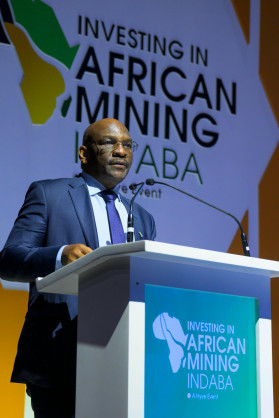
Africa must take bold steps to own its resources, create jobs and build industries that sustain prosperity for generations, African Export-Import Bank (Afreximbank) (www.Afreximbank.com) has told African leaders, policymakers, mining industry leaders and global partners at the African Mining Indaba 2025 in Cape Town, South Africa, on Sunday.

In a keynote address at the ministerial symposium of the Indaba, Mr. Denys Denya, Senior Executive Vice President of the Afreximbank Group, argued that the continent was standing at a crossroads and could either continue exporting its wealth and remain a marginal player in the global economy or take the bold steps to own its resources.

He noted that “While the global mining industry generated approximately US$1.7 trillion in revenue in 2023, Africa's share of this wealth remains disproportionately low. Our continent extracts the raw materials that power the world's industries, yet it is estimated that we retain as little as between four per cent and 20 per cent of the total value of our minerals due to minimal local processing and limited downstream development. The result? Lost economic opportunities, exposure to volatile commodity cycles and a persistent reliance on external markets for refined products derived from our own resources.” “The choice is ours. The time to act is now. Let us work together: governments, financial institutions, investors, and industry players to build an Africa where mining is not just about extraction but about transformation, innovation and wealth creation,” said Mr. Denya. “Africa has the resources, the market potential, and the policy frameworks to transition from a resource-dependent continent to an industrial powerhouse. However, success will depend on bold, decisive action from all stakeholders. Policymakers must implement clear, enforceable regulations that mandate local value addition and create investment-friendly environments. Private sector investors must step up with capital and technology to develop processing, refining, and manufacturing facilities.”

Reversing this trend demanded bold, coordinated action, he argued. “We must move beyond extraction and invest in refining, smelting and advanced manufacturing. African nations must increase local processing capacity for minerals such as bauxite, lithium, cobalt and iron ore.”

He added that regional collaboration was essential as no single country could build a mining value chain in isolation.

Mr. Denya highlighted the importance of the African Continental Free Trade Area (AfCFTA) in developing intra-African mineral value chains and strengthening cross-border collaboration and said that attracting capital for mining-related infrastructure, technology transfer and skills development were critical.

“Our mining policies must also prioritise environmental, social and governance standards, ensuring that mining benefits communities rather than displacing them,” he said, adding that the approach would create millions of skilled jobs for the youth and reduce reliance on volatile global markets while strengthening intra-African trade.

Reiterating Afreximbank's commitment to supporting Africa's mining sector and ensuring that mineral wealth drove economic growth rather than perpetuate resource dependency, Mr. Denya announced that, over the past three years, the Bank had approved more than US$1 billion in support of mining and mineral sector projects across the continent, including financing the development and construction of a bauxite processing plant in Guinea, supporting the expansion of a manganese processing plant in Gabon and providing working capital financing to a diamond company in Botswana.

Other major projects being supported by the Bank include a petrochemical fertilizer plant in Angola, a titanium dioxide pigment plant in South Africa and the feasibility study for the development of a limestone mine processing plant in Malawi, he added.

Mr. Denya said that the establishment of the US$10-billion AfCFTA Adjustment Fund, managed by FEDA, Afreximbank's impact investment subsidiary, would provide critical financial support to countries and businesses transitioning to the new trade regime, including those in the mining sector, and that the Bank's efforts to harmonise standards and implement the Africa Collaborative Transit Guarantee Scheme would also facilitate seamless movement of minerals and mining equipment across borders, reducing logistical bottlenecks.

Afreximbank was also leveraging digital platforms, such as the Africa Trade Gateway and the Pan-African Payment and Settlement System, to enable efficient transactions and market access, which would ensure that Africa's vast mineral wealth was utilised to drive industrialisation, value addition and economic resilience across the continent, he added.

Mr. Denya also noted that Afreximbank, in collaboration with development partners, was driving the development and expansion of industrial parks and special economic zones (SEZs) to address infrastructure challenges that hinder industrial growth.

One of the most transformative initiatives under that pillar was the DRC/Zambia Electric Vehicle Battery Manufacturing Special Economic Zones - a project that positions Africa at the centre of the global energy transition by the implementation of battery precursor SEZs aimed at making the two countries globally competitive investment destinations for the battery electric vehicle value chain.

The African Mining Indaba 2025, taking place from 3 to 6 February, is the premier gathering where Africa policymakers, industry leaders and global partners work to shape the future of the African mining sector.

Distributed by APO Group on behalf of Afreximbank.

Media Contact:
Vincent Musumba
Communications and Events Manager (Media Relations)
Email: press@afreximbank.com

Follow us on:
X: https://apo-opa.co/4116jsN 
Facebook: https://apo-opa.co/4aLcd4I 
LinkedIn: https://apo-opa.co/3Et8gFS 
Instagram: https://apo-opa.co/4aOinBd

About Afreximbank:
African Export-Import Bank (Afreximbank) is a Pan-African multilateral financial institution mandated to finance and promote intra-and extra-African trade. For 30 years, the Bank has been deploying innovative structures to deliver financing solutions that support the transformation of the structure of Africa's trade, accelerating industrialization and intra-regional trade, thereby boosting economic expansion in Africa. A stalwart supporter of the African Continental Free Trade Agreement (AfCFTA), Afreximbank has launched a Pan-African Payment and Settlement System (PAPSS) that was adopted by the African Union (AU) as the payment and settlement platform to underpin the implementation of the AfCFTA. Working with the AfCFTA Secretariat and the AU, the Bank is setting up a US$10 billion Adjustment Fund to support countries effectively participating in the AfCFTA. At the end of December 2023, Afreximbank's total assets and contingencies stood at over US$37.3 billion, and its shareholder funds amounted to US$6.1 billion. Afreximbank has investment grade ratings assigned by GCR (international scale) (A), Moody's (Baa1), Japan Credit Rating Agency (JCR) (A-) and Fitch (BBB). Afreximbank has evolved into a group entity comprising the Bank, its impact fund subsidiary called the Fund for Export Development Africa (FEDA), and its insurance management subsidiary, AfrexInsure (together, "the Group"). The Bank is headquartered in Cairo, Egypt.

For more information, visit: www.Afreximbank.com

Media files
Afreximbank
Download logo
Read moreAfreximbank Challenges Africa’s Miners to Take Bold Steps to Own the Continent’s Resources
5 February 2025

SIU welcomes disciplinary action against nine officials

Location: News

SIU welcomes disciplinary action against nine officials

The Special Investigating Unit (SIU) has welcomed the outcomes of a disciplinary inquiry initiated against nine officials from the Gauteng Department of Health and the Department of Infrastructure Development. 

The officials faced charges relating to alleged irregularities in awarding contracts for refurbishing the Anglo Ashanti Hospital in 2022.

Following the SIU's consequence management recommendations, the Office of the Premier took disciplinary action against the implicated officials employed by the Gauteng Department of Health (GDoH) and the Gauteng Department of Infrastructure Development (GDID).

The SIU’s investigation uncovered evidence of financial misconduct involving several individuals from GDoH and GDID. 

The Gauteng Government acted on the SIU's recommendations and charged the officials involved. The outcome is as follows:

- Head of Infrastructure Development: GDoH was dismissed.

- Acting Head of Department: GDID was dismissed.

- Acting Director, Health Infrastructure: GDID was dismissed.

- Acting Chief Financial Officer and Head of SCM: GDID was dismissed.

- Acting Deputy Director-General, Health Branch: GDID) was dismissed.

- Project Manager, Infrastructure Development: GDoH issued with a final written warning.

- Acting Chief Director, Health Infrastructure: GDID issued with a final written warning.

- Project Manager: GDID, their contract employment ended during the hearing.

- Acting Deputy Director-General, Hospital Services: GDoH was acquitted.

The evidence gathered by the SIU indicatds that around 19 March 2020, the AngloGold Ashanti Hospital (AGA Hospital) refurbishment project began under the GDID on behalf of the GDoH.

However, during this process, no supply chain management policies or procedures were followed when procuring service providers and contractors for the refurbishment.

Furthermore, the GDoH was misled into believing that only minor renovations were needed at the AGA Hospital. 

This is a contravention of the Public Finance Management Act and National Treasury’s regulations, causing the GDoH to incur fruitless and wasteful for goods and services supplied.

The SIU was mandated through Proclamation No. R. 23 of 2020 to investigate the affairs of all State institutions regarding procurement or contracting for goods, works, and services during or in respect of the National State of Disaster by or on behalf of State institutions.

“The disciplinary actions show that state institutions are acting on the results of the SIU investigation and implementing the consequences to hold officials implicated to account, recover assets and financial losses incurred by these institutions, and prevent further losses,” said Special Investigating Unit Kaizer Kganyago. 

“We urge all state institutions to take decisive action to clean up our government and state entities from the corruption that has plagued them,” Kganyago said. – SAnews.gov.za


Edwin
Wed, 02/05/2025 - 15:09

149 views
Read moreSIU welcomes disciplinary action against nine officials
5 February 2025

SA’s Land Expropriation Act is constitutional 

Location: News

SA’s Land Expropriation Act is constitutional 

South Africa’s much talked-about Expropriation Act is something that should be looked at in the context of its painful past wherein land was a commodity not afforded to the majority.

Last week, President Cyril Ramaphosa signed into law the Expropriation Bill, which sets out how organs of State may expropriate land in the public interest for varied reasons. 

In a statement, The Presidency said the new legislation, which repeals the pre-democratic Expropriation Act of 1975, aligns expropriation processes with the Constitution.

Section 25 of the Constitution recognises expropriation as an essential mechanism for the state to acquire someone’s property for a public purpose or in the public interest, subject to just and equitable compensation being paid.

Honorary Professor of International Relations at the University of the Witwatersrand, Professor John Stremlau, gave his thoughts on the signing into law of the act which is the culmination of a five-year process of public consultation and Parliamentary deliberation.

“It is constitutional, reflecting a long-standing asymmetry between white ownership in the majority of the land and black ownership for the majority of the people being confined to marginal lands and so there is that position that is reflected in the document. But it’s not precipitous in any way and calls for due process,” he told SAnews.

The Act allows for the State to expropriate land in the public interest – subject to just and equitable compensation.

This as the recently signed act, drew the ire of the United States of America President, Donald Trump. 

Reports this week emerged that the US President has moved to halt future funding to South Africa as his administration investigates allegations of "land confiscation" - following President Ramaphosa’s assent of the Expropriation Act.

US funding to South Africa is related to PEPFAR (US President’s Emergency Plan for AIDS Relief) Aid and constitutes some 17% of the country’s HIV/AIDS programme.

The Professor further stressed that South Africa “has a right of eminent domain…overriding private property.”

This as Minister Lamola earlier told SAnews that expropriation laws are not unique to South Africa. 

“We trust President Trump’s advisors will make use of the investigative period to attain a thorough understanding of South Africa's policies within the framework of a constitutional democracy. This approach will promote a well-informed viewpoint that values and recognises our nation's dedication to democratic ideals and governance,” the Minister said.

The New York Times The Learning Network defines eminent domain as the right of the state to take private property for public use adding that the Fifth Amendment that was added to the Constitution of the United States requires that just compensation be made.

“And South Africa is struggling to overcome the apportioning of land to the settlers and not to the natives. I didn’t think that the parts that I read were in any way unreasonable and reflected the painstaking negotiations…with the communities to reassure those who have properties that they will be full compensated, but, and that at the same time they may be subject to pressures from the government but also government land. It strikes me as a very reasonable approach and I don’t mind being quoted on that,” said the Professor.

Stremlau added that “there are Americans like me who are offended by Trump’s arbitrariness.” 

The expert’s comment come on the heels of a Presidency statement stating that the Act is “not a confiscation instrument, but a constitutionally mandated legal process that ensures public access to land in an equitable and just manner as guided by the Constitution”. 

The Act states that property may not be expropriated arbitrarily or for a purpose other than a public purpose or in the public interest.

SA-US relations

Asked about whether the act will likely sour relations between South Africa and the US, Stremlau said: “America is a complicated place, and there are Americans like me who are offended by Trump’s arbitrariness.”
“It is very much about where the body politic will land as is the case here. And President Ramaphosa should be congratulated for a Government of National Unity.”

On whether the alarm bells raised by the US could see South Africa kicked out of the African Growth and Opportunity Act (AGOA), he said he was hopeful that cool heads will prevail.

AGOA is a unilateral trade preference scheme that provides qualifying sub-Saharan African countries with duty-free, quota-free access into the United States market.

“Congress has by a partisan majority supported the AGOA but South Africa is a standout nation because it is a middle income country and AGOA is intended for poor African countries. South Africa has been a critical member of AGOA and I would hope that cool heads would prevail,” he said.

Since its enactment in 2000, AGOA has been at the core of US economic policy and commercial engagement with Africa. The act is an initiative of the United States and is aimed at giving duty-free market access for producers in eligible countries in sub-Saharan Africa.

He further added that “colleagues” at the Department of International Relations and Cooperation have “a really tough job ahead.”
“I wouldn’t be second guessing them; I think the country should get behind them. But the average South African voter cares about pocketbook issues and getting a job, that has got to be President Cyril Ramaphosa’s total preoccupation,” he said.
Earlier, Public Works and Infrastructure Minister Dean Macpherson reiterated government's stance on the Act, stressing that no one in South Africa will "have their land confiscated".

“The Expropriation Act sets out a clear legal framework under which expropriation may take place, always with due process and court oversight,” Macpherson said, adding that the Government of National Unity will always put the interests of South Africa first.

Professor Stremlau’s comments come ahead of the seventh administration’s first State of the Nation Address (SONA) which President Ramaphosa will deliver before a joint sitting of the National Assembly and the National Council of Provinces on Thursday, 6 February.

In mapping out South Africa Inc’s path for the year ahead, President Ramaphosa will reflect on the year that was and is likely to include legislation that has been passed, including the Expropriation Act.

“Americans respect what South Africa is trying to do in the aftermath of the terrible Apartheid era,” said Stremlau. -SAnews.gov.za


Neo
Wed, 02/05/2025 - 14:32

21 views
Read moreSA’s Land Expropriation Act is constitutional 
5 February 2025

Storms Damage Hundreds of Homes and Schools in Northern KZN

Location: News

Homes damaged across Msinga and Abaqulusi municipalities

Read moreStorms Damage Hundreds of Homes and Schools in Northern KZN
4 February 2025

Expanding digital access for learners

Location: News

Expanding digital access for learners

As part of ongoing efforts to expand digital access, the Minister of Communications and Digital Technologies, Solly Malatsi, has launched a state-of-the-art Cyber Lab with 40 laptops and modern infrastructure designed to enhance digital learning, in Cape Town.

“Bridging the digital divide is not just about providing technology -  it’s about ensuring that young people have the skills and opportunities to use it effectively. This Cyber Lab ensures that learners from these communities are not left behind but are equipped to thrive in a digital future,” the Minister said on Tuesday.

The initiative, which is in partnership with the State Information Technology Agency (SITA), marks a significant step in expanding digital access for learners from Lansdowne, Khayelitsha, Langa, Philippi, Mitchells Plain and Nyanga.

A key element of this initiative is the broadband connectivity provided by the Western Cape Provincial Government, reinforcing the power of cooperative governance in expanding digital access and transforming education.

To ensure lasting impact, the initiative includes a structured digital literacy program for both teachers and students. 

This training will equip learners with essential digital skills, including coding, website design, and other Information and Communications Technologies (ICT) capabilities - unlocking opportunities in software development, e-commerce, and the broader digital economy.

“By investing in both infrastructure and digital literacy - including coding, website design, and other high-demand digital skills - we are laying the foundation for more inclusive economic participation and future job opportunities in the tech sector.

“But this is not just about individual success. It is about uplifting communities. We want to see learners use these skills to help small businesses build a digital presence, support community initiatives, and create solutions that drive local development. Digital transformation must be inclusive, and it starts here - with young people using technology to shape a better future for themselves and those around them,” the Minister said.

This project aligns with the department’s commitment to ensuring that all South Africans have meaningful internet access by 2029. It also supports the department’s goal of equipping citizens with the digital skills necessary to participate in the digital economy. - SAnews.gov.za


nosihle
Tue, 02/04/2025 - 15:15

593 views
Read moreExpanding digital access for learners
4 February 2025

Municipalities face challenges but they ‘can be fixed’ – Deputy President Mashatile

Location: News

Municipalities face challenges but they 'can be fixed' - Deputy President Mashatile

South African municipalities may be grappling with challenges, but they are "fixable", according to Deputy President, Paul Mashatile 

Mashatile made the remarks when he was delivering the keynote address at the South African Local Government Association (SALGA) National Executive Committee Lekgotla, in Cape Town, on Tuesday afternoon.

South African municipalities are grappling with several challenges, including the inability to pay for bulk water and electricity supply, deteriorating infrastructure, service delivery issues, and poor governance.

However, Mashatile insists that, despite these challenges, coordinated efforts from all sectors can revive local government. 

“I believe that our municipalities can be fixed. We just need more concerted efforts in the implementation of the Professionalisation Framework, which applies to the National, Provincial, Local Government, and SOEs (State Owned Entities). The Framework focus on accelerating service delivery, addressing poor performance and the skills gap in the public service.

“Professionalisation is critical to ensuring that government is capable of delivering essential services to its citizens,” Mashatile told the lekgotla.

The Deputy President emphasized that intergovernmental integration is crucial for local government to turn the corner and achieve progress.

“Intergovernmental integration is critical for promoting collaboration, coordination, and communication across different levels of government. Through coordinating our efforts and resources, we can solve the complex difficulties that our communities face and, ultimately, provide better services to our residents.

“Together, we can streamline processes and leverage each other’s strengths to achieve greater impact. It is through this collaborative approach that we can unlock innovative solutions and drive sustainable development across our nation,” he said.

Mashatile highlighted government interventions aimed at “fixing” local government, including:

  • Harmonising planning and budgeting as part of adopting the District Development Model.
  • Implementing a Public-Private Partnership model in water supply with the National Treasury and the Department of Water and Sanitation to ensure that the current water crisis facing several communities is resolved
  • The Minister of COGTA has proposed a one-stop solution to resolve the interlinked financial challenges between municipalities, water boards, and other stakeholders.

Coalition councils

Following the 2021 Local Government Elections, about 70 municipalities required coalitions to form governments as no single political party gained a majority.

The Deputy President acknowledged that although this is necessary, some of these municipalities have been plagued by instability and dysfunction.

“[In] practice, coalition governments have been unstable and are often terminated before the end of their term of office. Instability in local government coalitions has contributed to severe inefficiencies and service delivery challenges. 

“Coalition arrangements have compromised the ability of municipalities to adopt policies, pass budgets, adopt by-laws, and make senior management appointments,” he said.

However, growing instability in ‘hung’ municipalities, led to a government-convened National Dialogue on Coalition Governments.

The results of the dialogue was the development of a Framework for Coalitions in Local Government by SALGA.

“We have since used this framework as part of our source documents, amongst others, to develop a discussion document during the National Dialogue on Coalition governments, I convened in August 2023 at the University of the Western Cape.

“To this end, with the assistance of the Dullah Omar Institute and MISTRA (Mapungubwe Institute For Strategic Reflection), we have been able to develop a Coalitions Framework for South Africa. 

“This framework has been handed over to Minister of Cooperative Governance and Traditional Affairs (CoGTA), as a basis for the development of the Municipal Structures Amendment Bill 2024 [Coalitions Bill] by CoGTA, which will be submitted for Cabinet approval and introduction to Parliament this year,” he revealed.

Working together

The Deputy President also implored the lekgotla to work with government to ensure that local government improves its responsiveness to communities.

“[It] is important that SALGA and all three spheres of government collaborate in order to find solutions to service delivery challenges.

“Let us harness the power of intergovernmental integration to build a more responsive, effective, and inclusive system of governance that truly serves the needs of our people,” Mashatile said. – SAnews.gov.za

NeoB
Tue, 02/04/2025 - 15:35

70 views
Read moreMunicipalities face challenges but they ‘can be fixed’ – Deputy President Mashatile
4 February 2025

Lesotho Highlands Water Project on track for completion

Location: News

Lesotho Highlands Water Project on track for completion

The South African government says it is confident that the maintenance work at the Lesotho Highlands Water Project (LHWP) tunnel in Clarens, in the Free State, will be completed within its scheduled six-month timeframe. 

Water and Sanitation Minister, Pemmy Majodina, and Deputy Minister, David Mahlobo, conducted an oversight visit to the Ash River Outfall in Clarens over the weekend to assess the progress of the maintenance of the LHWP tunnel. 

The Minister and Deputy Minister were joined by Performance, Monitoring and Evaluation Deputy Minister, Seiso Mohai; Free State Premier Maqueen Letsoha Mathae; Free State Cooperative Governance and Traditional Affairs MEC, Saki Mokoena, and the Executive Mayor of Thabo Mofutsanyana District Municipality, Conny Msibi.

The maintenance and refurbishment of the 37-kilometre water tunnel has been ongoing since its closure on 31 October 2024. Repair work on the South African side is being carried out by the Trans Caledon Tunnel Authority (TCTA), while the Lesotho Highlands Development Agency (LHDA) oversees the maintenance work on the Lesotho side, focusing on the transfer tunnels at the Muela Hydro power station.

The repair work included mechanical, electrical, civil, and general works, as well as the repair of waterway steel lining to protect tunnel corrosion. The primary construction work currently underway on the South African side is the painting of the tunnel’s inner side.

While progress has been steady on the South African side, Majodina noted a slight delay in the maintenance work undertaken by LHDA. 

However, their work indicates that they are on track to complete the work by 28 March 2025.

Majodina expressed satisfaction with the progress on the South African side, acknowledging the challenges faced by their counterparts in Lesotho, but reaffirming their commitment to meet the 31 March deadline.

“I am satisfied that the maintenance work has advanced very well on the South African side, and I know that our counterparts in Lesotho are doing everything they can to ensure that we meet the deadline set for 31 March. We know that the contractors here appointed by TCTA to conduct the maintenance work are within the schedule.

“They have done an exceptional job even in difficult situations of rain and mist, which interfered with their work. However, they have pulled through and I would like to extent my gratitude to the work that they have done up to date,” Majodina said.

The Minister also visited the Clarens Water Treatment Works, which is undergoing an upgrade to increase its capacity from 1 to 4 megalitres of water per day. The upgrade will ensure a consistent water supply to Clarens and surrounding areas.

The supply of raw water from Townlands storage dam in Dihlabeng Municipality, which abstracts water from the Little Caledon River (a tributary to Caledon River) and is filled with water from the LHWP tunnel.

However, the dam levels have deteriorated due to the tunnel closure and exacerbated by a high-water demand over the festive season.

However, the Department of Water and Sanitation, through its Water Services Infrastructure Grant (WSIG), has availed funds for the refurbishment of boreholes to the local municipalities of Dihlabeng and Mafube and Nketoana, to ensure consistent supply of water to the high lying areas of Kgubetswana (Clarens), Mamafubedu (Petrus Steyn), Petsana (Reitz), and Namahadi (Frankfort). The boreholes ensured that there is sustainable water supply to the communities. – SAnews.gov.za

GabiK
Tue, 02/04/2025 - 09:08

255 views
Read moreLesotho Highlands Water Project on track for completion
4 February 2025

Public Works Minister weighs in on Expropriation Act

Location: News

Public Works Minister weighs in on Expropriation Act

Public Works and Infrastructure Minister Dean Macpherson has reiterated government's stance on the Expropriation Act, stressing that no one in South Africa will "have their land confiscated".

“The Expropriation Act sets out a clear legal framework under which expropriation may take place, always with due process and court oversight,” Macpherson said.

Speaking on the sidelines of the Mining Indaba in Cape Town on Monday, Macpherson said land grabs will never be allowed when the law is applied.

“...Section 25 of the Constitution enshrines property rights in the highest law of our country,” Macpherson said. 

He said the Government of National Unity (GNU) will always put the interests of South Africa first.

“This government is committed to working with international partners, not against them, [and] to ensure investor confidence remains strong. 

“...I am also committed to ensuring that [this Act] is constitutional and that there will be no arbitrary land grabs by the State in South Africa.

“Property rights are not only about protecting investments but also about ensuring that the rule of law is upheld in all sectors of society.

“It has been proven globally that infrastructure investment is one of the most effective ways to drive a country’s economic expansion and job growth. 

“Countries that have prioritised strategic infrastructure development have seen direct increases in GDP, stronger industrial output, and greater employment opportunities. As the Government of National Unity, we have made this a priority,” Macpherson said.

On Monday morning, President Cyril Ramaphosa – through a statement issued by The Presidency – said the South African government is looking forward to engaging with its US counterparts on the matter.

“We look forward to engaging with the Trump administration over our land reform policy and issues of bilateral interest. We are certain that out of those engagements, we will share a better and common understanding over these matters,” the Presidency said.

Furthermore, the Presidency emphasised that the Act is “not a confiscation instrument, but a constitutionally mandated legal process that ensures public access to land in an equitable and just manner as guided by the Constitution”. 

The Expropriation Act states that property may not be expropriated arbitrarily or for a purpose other than a public purpose or in the public interest.

The Expropriation Act, which underwent a five-year public consultation process, was deliberated in Parliament, and is in line with the South African Constitution.

The Act repeals the Expropriation Act of 1975 and allows for the State to expropriate land in the public interest – subject to just and equitable compensation.  – SAnews.gov.za

Edwin
Tue, 02/04/2025 - 11:02

302 views
Read morePublic Works Minister weighs in on Expropriation Act
4 February 2025

Transforming the Basic Education Sector Can Drive Inclusive Growth

Location: News

The World Bank Group
Download logo

Transforming the basic education sector by improving the quality of learning from an early age can drive inclusive growth in South Africa, according to a World Bank report released today. The report also provides an analysis of the country's recent economic performance and prospects for the medium term. 

The fifteenth edition of the World Bank's South Africa Economic Update, entitled Learning: Overdue Reforms and Emerging Priorities for the Basic Education, asserts that the country's successful political transition following elections and the almost total absence of energy load shedding in 2024 have brought the economy back on a positive trajectory. Economic growth is projected to recover from an estimated rate of 0.8 percent in 2024 to 1.8 percent in 2025 and 2 percent in the medium-term. However, such an expansion – which entails doubling the GDP growth rate achieved over the past decade – is still not sufficient to achieve significant progress toward inclusive growth and job creation. At this pace, the report estimates that it will take about 60 years for South Africa to become a high-income economy, while existing high levels of poverty and inequality are unlikely to change significantly.

However, South Africa's economic future could become brighter if the government acts decisively in three directions. First, it could build on recent reforms to further address the severe infrastructure constraints in the energy and transport sectors to encourage business development and increase households' disposable income. Second, it could take a series of concrete actions to improve the efficiency of public spending. If the state cannot spend more, it will have to spend better. Third, the authorities could strengthen the country's human capital to catch up with other upper middle-income countries as this factor plays a crucial role in economic and social development.

“Education is a powerful driver of development, and one of the strongest instruments to reduce poverty and promote equality. It is the necessary foundation for a prosperous economy. South Africa can boost inclusive growth and equality by investing in its people. A well-functioning basic education system is crucial for fostering the skills of South Africa's next generation and driving inclusive growth,” says Satu Kahkonen, World Bank Country Director for South Africa.

“This research by the World Bank Group is well aligned with the government's priorities to ensure all children in South Africa have access to quality education. Interventions such as developing partnerships with stakeholders to broaden access to quality and affordable education, as well as investing time and resources in teacher training will certainly contribute to measurable, positive impacts for our people and the economy,” says Honorable Siviwe Gwarube, Minister of Basic Education, Republic of South Africa.

South Africa prioritizes inclusive growth, with education at the core, but the country faces a learning crisis. Despite significant improvements in learning since the end of the apartheid, about 80 percent of learners in grade 4 could not properly understand what they were reading in 2021. Basic education is also facing a growing financial challenge as budget allocations for the sector have been decreasing in real terms over the last few years. At the same time, the education system needs to expand to accommodate an additional 1.2 million learners by 2030. The ability of the basic education system to efficiently deliver good outcomes is affected by low quality teaching and insufficient accountability. It also suffers due to the proliferation of several small-to-medium scale reading programs that are uncoordinated and do not achieve scale after several years of piloting. Equally worrisome is that the Government's pro-poor funding mechanism for education is not achieving its objective.

To contribute to the policy discussion, the Economic Update proposes a series of possible reforms that can be considered as an initial platform by the authorities in their efforts to enhance access to, and the quality of, basic education:

  • Firstly, the report urges the government to prioritize the foundational years of education, from early childhood to Grade 3, as these years are crucial for long-term learning. It recommends enhancing early childhood services and scaling up early grade reading interventions, including scripted lessons, teacher coaching, quality home-language materials, dedicated reading instruction time, and regular assessments of reading and math skills.
  • Secondly, the government could collaborate with the private sector to improve both access to and quality of education, particularly for low-income learners, addressing gaps the public sector cannot fill alone. Only 5.5 percent of South African school children attend independent schools compared to global averages of 19 percent (primary school) and 27 percent (secondary school). Partnerships with NGOs and building on successful pilots in some provinces could expand the networks of affordable schools and enhance learning efficiently.
  • Lastly, to improve efficiency and equity in education, the report suggests adopting interventions such as Teacher Professional Standards to guide training, scaling up effective interventions, and revising the Norms and Standards for School Funding to address inequities. In the short term, it recommends focusing on improving early-grade learning in the poorest schools with the lowest performance, supported by a revived assessment system to identify struggling schools. 

Distributed by APO Group on behalf of The World Bank Group.

Read moreTransforming the Basic Education Sector Can Drive Inclusive Growth
4 February 2025

No Money to Fix Broken Colchester Clinic, Says Health Department

Location: News

Patients say no maintenance has been done on Colchester’s health facility since 2020

Read moreNo Money to Fix Broken Colchester Clinic, Says Health Department
3 February 2025

SONA 2025: Working together to accelerate development

Location: News

SONA 2025: Working together to accelerate development

By Michael Currin

South Africa’s time has arrived! That’s the sentiment that reverberated in Davos during the World Economic Forum (WEF) as our nation shared with global leaders the many advances we have had over the last year.

President Cyril Ramaphosa who led South Africa’s delegation to the forum showcased our country’s investment potential and set the stage for critical discussions at the G20 Summit in November.

South Africa used the occasion to propel its G20 Presidency priorities into the international spotlight, advocating for a more inclusive and sustainable approach to global challenges. We also focused on the vital need for global collaboration to tackle economic recovery and startling disparities between rich and poor nations.

As South Africans we cannot but gleam with pride as we continue to punch above our weight in the league of nations and stun the world as we had done in 1994 through a reconciliation process and peaceful transition when many naysayers had counted us out.

We believe that our nation is ideal to advance global cooperation as we have succeeded in uniting ten political parties to form a Government of National Unity which brought stability and inclusive governance to our nation.

Over the course of our G20 Presidency, our country will foster collaboration among G20 members and wider society to address pressing global issues and find sustainable solutions that prioritise the wellbeing of all people. Our approach has therefore inspired our G20 Presidency theme of “Solidarity, Equality, Sustainability”.

As we work together with G20 members and global organisations, we will seek innovative solutions to global challenges, such as poverty and unemployment, advocating for investment in the global South, and ensuring that no one is left behind. 
On the home front, the unity government has committed to driving inclusive economic growth and job creation, reducing poverty, tackling the high cost of living as well as building a capable, ethical and developmental state.

On Thursday the 6th of February 2025, South Africans can look forward to hearing from His Excellency President Cyril Ramaphosa how we as a nation can harness that indominable national spirit of ours as the President outlines the government’s vision and plans for the year ahead.  This will be during the first State of the Nation Address, (SoNA) of the 7th democratic administration.  

SoNA 2025 is more than just a speech, it serves as a rallying call for our nation to work together and draws us in a common front to address our country’s challenges. It is an invitation for all South Africans to be part of shaping the future of our nation.  

The State of the Nation follows the Opening of Parliament in July last year where the President detailed the key priorities of the 7th Administration. The 2025 SoNA will advance our national priorities by expanding on key programmes such as the Presidential Employment Stimulus, the Energy Action Plan and Infrastructure Investment Plan. These programmes are central to the country’s efforts to rebuild the economy and create a more sustainable and inclusive future.

Furthermore, this year’s SoNA is particularly significant as it coincides with the conclusion of our year-long commemoration of 30 Years of Freedom and Democracy, which has allowed us to reflect on how far we have come in building a society that works for all citizens.

The SoNA is an integral part of our participatory democracy and ensures that the work of government is transparent and can be held accountable by active citizens who are the bedrock of a robust democracy.

As the President addresses the nation on 6 February at 19:00, we call on all South Africans to tune in via television, radio, and across government’s various social media platforms. This is an opportunity for all citizens to join this national milestone and familiarise themselves with the contents of the speech.

By engaging with the speech, we can partner with government to accelerate our nation’s development. Moreover, as citizens we have a duty to scrutinise the work of our elected representatives and to hold them accountable.

In the days that follow the SoNA, Members of Parliament, who represent the diverse voices of South Africans, will actively engage key elements of the speech and offer their own perspectives. This debate is an essential part of our democratic process, ensuring that the voice of the people, through their elected representatives in Parliament are heard. It is a reminder that democracy is a collective effort.

South Africans are encouraged to save the date of 6 February 2025 and be part of this important national event. Let’s all be part of the solution and work together to build a stronger and better South Africa.

*Michael Currin is the Deputy Director-General of Intergovernmental Coordination and Stakeholder Management at GCIS.

Janine
Mon, 02/03/2025 - 11:24

28 views
Read moreSONA 2025: Working together to accelerate development
3 February 2025

“All I Want Is a Job” Pleads Unemployed Doctor

Location: News

Unemployed health graduates march in Pretoria, demanding urgent action from Treasury

Read more“All I Want Is a Job” Pleads Unemployed Doctor
3 February 2025

Communities urged to help keep public assets safe

Location: News

Communities urged to help keep public assets safe

Nelson Mandela Bay Municipality is on a drive to curb the ongoing vandalism crisis that is crippling the metro's electricity infrastructure, which has cost millions of rands in repairs. 

The municipality has now launched an education and awareness campaign aimed at addressing vandalism. The metro’s Electricity and Energy Portfolio Head, Ziyanda Mnqokoyi, said after three major incidents of vandalism in January alone, it is evident that the vandalism of the metro’s electricity infrastructure has reached crisis levels, leaving communities severely impacted by the criminal activities.

Mnqokoyi said the most recent incident took place last Tuesday at the Mabandla substation in KwaNobuhle, Kariega, leading to major power outages in the area.

"Such incidents not only disrupt essential services but also pose significant safety hazards for the perpetrators, community members and response teams. The seriousness of these attacks on our infrastructure cannot be ignored, and we cannot fight the scourge alone. We need the residents to work with us.

“Through the enhanced educational programme, we will highlight the dangers of unsafe electricity use and educate our people about the impact of electricity theft. We cannot continue as if it is business as usual.” 

Mnqokoyi urged communities to work with law enforcement agencies and municipal authorities to prevent further vandalism.

She said the investigation and assessment at Mabandla showed that the 66 kilovolts (kV) power cables supplying the substation were damaged due to vandalism, and cutting tools were found at the site. Cables were found burnt and severely damaged, leaving KwaNobuhle without power.

"It was also reported by the community that suspects were seen walking away from the site. Cables were burnt and left on site, which badly damaged two of these 66kV power cables without any possible way of supplying electricity to the residents of KwaNobuhle.

Mnqokoyi said excavation work to expose the damaged cables is underway and material orders have been placed.

Appointment of CFO

Meanwhile, the municipality has appointed Jackson Ngcelwane as the permanent Chief Financial Officer (CFO).

The appointment is aimed at improving the financial administration, revenue collection and the audit outcomes of Nelson Mandela Bay.

Ngcelwane has served the municipality for 35 years, with nine of these years as a Senior Director for Budget and Financial Accounting.

Nelson Mandela Bay Municipality Executive Mayor, Babalwa Lobishe, has expressed optimism that the appointment will help to address the challenges in administration and finance management, a situation that is "reflected by the latest Auditor-General’s report".

"The immediate assignments are to improve compliance to the MFMA [Municipal Finance Management Act], MSCOA [Municipal Standard Chart of Accounts], our audit outcomes, supply chain management and put systems in place for better financial planning, management and accountability, while improving the revenue of the municipality.

“I am pleased that council has approved the appointment of the disciplinary board that will take those who are found guilty of financial misconduct through a consequence management process. This will also assist the city manager and the new CFO’s office, as they execute their duties of steering the metro’s finances towards the right direction,” Lobishe said. – SAnews.gov.za

GabiK
Mon, 02/03/2025 - 09:58

31 views
Read moreCommunities urged to help keep public assets safe
2 February 2025

SAPS nabs over 200 000 in festive season operations

Location: News

SAPS nabs over 200 000 in festive season operations

The South African Police Service (SAPS) has made 244 951 arrests during the festive season, as part of heightened crime-fighting operations aimed at safeguarding communities, holidaymakers, and tourists across the country.

The safer festive season operations commenced on 11 October 2024, and ended on Friday, 31 January 2025.

“From the period 01 October 2024 to 31 December 2024 – a total of 9 908 accused were found guilty and convicted for various crimes, including murder, rape, armed robberies, house breaking and car hijacking,” National Commissioner for the South African Police Service, General Fannie Masemola, said on Sunday.

Masemola held a media briefing to provide an update on the SAPS Nationwide Safer Festive Season Operations.

Masemola announced that a total of 2 198 illegal, and unlicensed firearms were seized and confiscated during operations. These include 1 731 handguns, 154 homemade guns, 211 rifles, and 102 shotguns. 

Masemola said the majority of firearms seized were confiscated in Kwazulu-Natal, Gauteng, Eastern Cape and the Western Cape. 

“Firearms remain a big problem in South Africa as most serious and violent crimes including murders were committed with the use of a firearm,” the National Commissioner said.

In this regard, 37 658 rounds of ammunition were also seized and 1 767 explosives that are mainly used in illegal mining activities and cash in transit armed robberies were also seized.

In addition, the police recovered R4 million in cash and seized 16 293 stolen cell phones, which were either taken during crimes or used in their commission, for further investigation and analysis.

Furthermore, a total of 960 stolen and hijacked vehicles were recovered.

During this period, more than two million patrols were conducted, with more than 4 600 roadblocks, 620 000 stop and searches, and more than two million persons were searched in the country.

“Further to that, over 78 000 licensed liquor premises compliance inspections were executed together with more than 12 000 compliance inspections at firearm dealers and private security premises. A total of 6 547 unlicensed liquor premises were shut down throughout the country during this period.

“Through our safer festive season operational concept, which is inclusive of Operation Shanela, we intensified our prevention and combatting strategies on nine focus areas with serious and violent crimes at the centre of attention. 

“From combatting and putting perpetrators of Gender-Based-Violence-and Femicide (GBVF), Aggravated robberies, murders, rape and car hijacking in prison– we have been hard at work in asserting and reaffirming the authority of the state,” Masemola said.

The National Commissioner said the intelligence operatives, detectives, including visible policing members and forensic experts worked tirelessly in tracking, tracing and taking down wanted criminals.

“Through intelligence and collaboration with various units within the SAPS, identified crime threats were addressed through conventional methods to identify, neutralise, dislodge, dismantle and takedown organised crime syndicates.

“Crime intelligence continuously monitored various organised crime threats which include theft of motor vehicles, kidnappings for extortion, cash in transit armed robberies, critical infrastructure, illegal mining and stock theft – to mention but a few of other key crime categories,” the National Commissioner said.

Gender-based Violence and Femicide 

Between October 2024 and December 2024, a total of 685 Gender-Based Violence and Femicide perpetrators, were convicted to time in prison.

Of these, 110 GBVF perpetrators were sentenced to life in prison, 71 GBVF perpetrators were sentenced to 20 years and above in prison, 174 GBVF perpetrators were sentenced to 10 years and up to 19 years in prison, while 330 GBVF perpetrators were sentenced to a year and up to nine years in prison.

“Our men and women in blue remain relentless in tracking, tracing, apprehending and prosecuting GBVF perpetrators,” Masemola said. -SAnews.gov.za

nosihle
Sun, 02/02/2025 - 12:02

104 views
Read moreSAPS nabs over 200 000 in festive season operations
2 February 2025

Orbit TVET shines as a beacon of excellence

Location: News

Orbit TVET shines as a beacon of excellence

The Portfolio Committee on Higher Education has commended Orbit Technical and Vocational Education and Training (TVET) College, in Rustenburg for its outstanding contributions to education, recognising it as a beacon of excellence in the sector.

During its oversight visit to the North West on Friday, the committee was impressed by Orbit College's skills development programs, as evidenced during their class-by-class visits and tour of the college's infrastructure.

Committee members urged Orbit to maintain its high standards and continue the excellent work that the college is doing. 

The committee also commended the college for the level of professionalism and its partnership with Intel Corporation and the Department of Higher Education and Training (DHET) to inspire students to explore opportunities in artificial intelligence. 

This collaboration aims to equip students with the knowledge and skills needed to develop innovative Artificial Intelligence (AI) solutions.

While the committee was impressed by the wok that is being done at the college, Chairperson of the committee Tebogo Letsie expressed concern with the number of staff that were in acting positions.

“We have committed ourselves in this term to have a meeting with the Department of Higher Education and Training (DHET) to discuss governance issues, including DHET's inability to fill vacant posts.

“Currently, we have deputy principals and senior managers in acting positions, which should have been permanently appointed by the colleges themselves, but this has not been done. Not filling these posts takes a toll on the already available human resources, stretching them to do more work,” Letsie said in a statement on Friday.

Additionally, Orbit College was encouraged to enhance its Information and Communications Technology (ICT) systems to streamline and improve the efficiency of student registration processes. 

The Portfolio Committee on Higher Education and Training has kick-started its three-day oversight visit to institutions of higher education at the North-West University (NWU) last week. The university is one of several institutions the committee is scheduled to visit in the province to assess readiness for the academic year.

The aim of the oversight visit is to ensure institutions are adequately prepared to handle the demands of the registration period and the overall needs of students, among other things. The committee stressed the importance of adequate staffing and efficient communication mechanisms during peak academic periods to alleviate long queues and ensure a seamless registration process.-SAnews.gov.za

nosihle
Sun, 02/02/2025 - 10:35

28 views
Read moreOrbit TVET shines as a beacon of excellence
1 February 2025

Missing Pumps, Broken Pipes: Limpopo Villagers’ Constant Fight for Water

Location: News

Tshakhuma families used their own money to connect to the water supply, but it’s still not working

Read moreMissing Pumps, Broken Pipes: Limpopo Villagers’ Constant Fight for Water
31 January 2025

Electricity and Energy Ministry notes NERSA electricity tariff decision

Location: News

Electricity and Energy Ministry notes NERSA electricity tariff decision

The Ministry of Electricity and Energy has expressed its confidence in the National Energy Regulator of South Africa (NERSA) – highlighting the regulator’s ability to maintain “independence and integrity” while balancing the diverse interests involved in electricity tariff decisions.

This following NERSA’s announcement of its decision on Eskom’s Sixth Multi-Year Price Determination (MYPD6) revenue application for the 2025/26, 2026/27 and 2027/28 financial years.

The regulator approved a 12.74% price hike for electricity starting at the beginning of the 2025/26 financial year in April 2025.

For 2026/27, NERSA greenlit increases of some 5.36% with a further increase of 6.19% from the start of the 2027/28 financial year.

Electricity and Energy Minister, Dr Kgosientsho Ramokgopa said: “We welcome the fact that these tariff adjustments take into account the need to mitigate inflationary pressures on communities and businesses, helping to stabilise the broader economic environment”.

Independent regulator

The Electricity and Energy department expressed confidence in the regulator’s ability to fulfil its mandate.

“We reaffirm our confidence in the independence and integrity of NERSA in fulfilling its mandate to ensure that electricity pricing balances the financial sustainability of Eskom with the economic realities faced by households, businesses, and industries.

“Whilst the approved tariff adjustments will place pressure on Eskom to stay the course with its investment strategy to strengthen and modernise its generation, transmission and distribution infrastructure, the Ministry remains committed to working closely with Eskom to drive greater efficiency gains. 

“This will ensure that operational improvements and cost reductions contribute to the utility’s long-term financial sustainability while safeguarding the affordability and reliability of electricity supply,” the department said.

Furthermore, in recognition of rising energy concerns, the department will “continue introducing measures to provide relief to vulnerable households and small businesses to cushion them from rising electricity costs”.

“As part of our broader energy strategy, the government remains committed to pursuing an energy mix that delivers affordable, secure, and sustainable electricity for all South Africans, in line with our decarbonisation commitments and long-term energy security goals. 

“We call on all stakeholders to engage constructively in shaping our energy future, ensuring a transition that is inclusive, just, and responsive to South Africa’s developmental needs. 

“The Ministry will continue working towards long-term energy affordability and reliability, ensuring that no South African is left behind in the country’s energy transition,” the department concluded. – SAnews.gov.za

NeoB
Fri, 01/31/2025 - 08:34

356 views
Read moreElectricity and Energy Ministry notes NERSA electricity tariff decision
31 January 2025

Government launches project for proper disposal of old electronic devices

Location: News

Government launches project for proper disposal of old electronic devices

In response to the challenge of waste management, government is providing households in Mpumalanga with easy access to recycling facilities, and offering guidance on how to properly separate and dispose of their old electronic devices.

“The increasing number of electronic devices being used without a proper system for disposal has led to the accumulation of waste that harms our environment and contaminates water and soil,” Deputy Minister of Forestry, Fisheries and the Environment, Bernice Swarts, said on Friday.

Addressing a service delivery imbizo in Bushbuckridge, Swarts said the project aims to change the way residents think about their waste.

“In Bushbuckridge Local Municipality (BLM), like many other parts of our country, improper disposal of e-waste has become a growing concern. As we all know, the municipality faces challenges with waste management, and electronic waste is one of the most problematic. The goal of this project is to test and implement a sustainable system for recycling e-waste in BLM,” the Deputy Minister said.

This initiative was launched in partnership with the Department of Forestry, Fisheries and the Environment (DFFE); Mpumalanga Department of Agriculture, Rural Development, Land and Environmental Affairs; Ehlanzeni District Municipality; BLM; industry and producer responsibility organisations (PROs).

“We aim to change the way residents think about their waste. The PROs will work with local enterprises and the municipality to set up collection points and provide infrastructure (such as collection bins) for separate collection of e-waste to ensure ongoing sustainability of the project.

“The local enterprises will be responsible for servicing the collection points. This process will prevent toxic substances from leaching into the soil and water, protecting both our environment and our health,” Swarts said.

The Deputy Minister said this project is about more than just waste management -- it is about creating jobs and stimulating local economic development. 

“Through this initiative, we are engaging more PROs to facilitate the increase of e-waste recycling. These organisations play a crucial role in managing the end-of-life phase of electronic products and are an important part of the national effort to promote a circular economy, where materials are reused and recycled rather than discarded. 

“Through collaboration with these organisations, we can ensure that this project is sustainable and scalable, with the potential to expand across other regions in the future.

“The importance of this project cannot be overstated. Not only will it help BLM manage its e-waste problem more effectively, but it will also contribute to our country’s broader environmental goals,” she said.

South African cities face a challenge with landfill space in the country, whereby some are expected to run out in six years if drastic steps are not taken to significantly reduce the amount of waste generated and accelerate recycling efforts. 

Census 2022 results indicate that only 20.6% of households in the Bushbuckridge Local Municipality (BLM) had their refuse removed at least once a week, with most households (72.1%) illegally dumping in open areas.

“As part of the National Waste Management Strategy 2020, South Africa has committed to reducing waste sent to landfills, increasing recycling rates, and promoting a circular economy.

“In the coming months, we will monitor the progress of this project to ensure that it meets its objectives. This includes tracking the volume of e-waste collected, the effectiveness of the community awareness campaigns, and the number of local jobs created through the project. 

“Our goal is to ensure that this project becomes a success story and a model that can be replicated across other municipalities in Mpumalanga and beyond,” she said. - SAnews.gov.za

nosihle
Fri, 01/31/2025 - 12:40

66 views
Read moreGovernment launches project for proper disposal of old electronic devices
31 January 2025

AMW to Showcase Africa’s Rising Investment Potential in the Mining Sector

Location: News

Energy Capital & Power
Download logo

International investments in Africa's mining sector are surging as global demand for both traditional and emerging minerals continues to grow. For example, Australian mining firms saw their asset value in Africa reach $60 billion in 2024, while Canadian firms' assets climbed to $37 billion. China also launched an ambitious $50 billion, three-year investment strategy targeting increased stakes in Africa's most lucrative opportunities including in the mining sector.

The upcoming African Mining Week Summit, scheduled for October 1 - 3 in Cape Town, will highlight profitable opportunities within Africa's mining industry and reinforce the continent's attractiveness as an investment destination for global mining financiers.

Untapped Mineral Deposits

Africa's vast, untapped mineral resources present potential for new investments. The continent holds 30% of the world's critical minerals (https://apo-opa.co/3ClkUGd) essential for the energy transition, including the largest global reserves of cobalt (in the Democratic Republic of Congo) and over 80% of the world's platinum group metals in South Africa. The continent accounts for more than 44% of global diamond production, while its share of the gold market continues to grow, with markets such as Ghana, Mali and Zimbabwe ramping up production.

Supportive Policies and Investor-Friendly Terms

African governments are enhancing the investment climate within the mining industry by enacting new policies and modernizing fiscal terms to streamline processes and reduce delays in project rollouts. Zambia, for instance, introduced a New Mining Tax Regime in 2023, improving transparency and reducing tax evasion, as the country targets a copper production target of three million tons by 2032. Mali has also experienced increased investment flows following its 2023 Mining Code, with global players such as HummingGold, B2Gold and Ganfeng committing to new lithium and gold projects. Malawi has also taken steps to attract investments by launching its Mining Regulatory Authority in October 2024, supported by the Mines and Minerals Act of 2023.

Improved Mining and Export Infrastructure

African nations are enhancing cooperation with global partners to improve mining production and mineral transportation infrastructure. For example, investment firm Africa Finance Corporation has announced that the Zambia-Lobito Railway project will commence (https://apo-opa.co/3Q0RcJL) construction in early 2026, to facilitate the efficient and cost-effective transportation of critical minerals from East and Southern Africa to global markets. Upgrades to the Tanzania-Zambia Railway (https://apo-opa.co/3PXFeAE) and South Africa's modernization of ports through freight operator, Transnet, are further enhancing the region's mining investment prospects.

Rich Mining History

Africa's established history as a global mining hub has fostered the development of key infrastructure and a skilled workforce that international mining firms rely on to meet global mineral demand. Mining remains a cornerstone of many African economies, attracting both traditional and emerging players keen to expand their operations and leverage the continent's resources. With its rich deposits and ongoing improvements in policy and infrastructure, Africa maintains its position as a key investment destination for the global mining industry.

African Mining Week will serve as a premier platform for exploring the full spectrum of mining opportunities across Africa. The event is held alongside the African Energy Week: Invest in African Energy 2025 conference (https://apo-opa.co/4htJMdI) from October 1 -3. in Cape Town. Sponsors, exhibitors and delegates can learn more by contacting sales@energycapitalpower.com

Distributed by APO Group on behalf of Energy Capital & Power.

Read moreAMW to Showcase Africa’s Rising Investment Potential in the Mining Sector
30 January 2025

SIU investigates Defence Department, KwaDukuza Municipality and Mpumalanga Education

Location: News

SIU investigates Defence Department, KwaDukuza Municipality and Mpumalanga Education

The Special Investigating Unit (SIU) is rolling up its sleeves in preparation to launch three separate investigations into the Department of Defence, the KwaDukuza Municipality in KwaZulu-Natal, and the provincial Mpumalanga Department of Education.

The three investigations were given the green light by President Cyril Ramaphosa after he signed proclamations authorising the tender corruption related probes.

Department of Defence

The Department of Defence is under the SIU’s investigative microscope for allegations of “serious maladministration” related to two tenders.

These tenders relate to inventory verification, continuous asset verification, and the supply, delivery, installation and commissioning of an asset management system.

“The probe will also examine whether the payments for these contracts adhered to national treasury guidelines and ascertain whether the payments were irregular, fruitless, and wasteful expenditures or financial losses for the department or the state,” the SIU said.

The probe will also hone in on department employees to “establish if there was unlawful or improper conduct” by the employees, officials or agents and any other person or entity to “corruptly or unduly benefit themselves or others”. 

“The investigation will also look at whether fraudulent conduct occurred, including the causes of such maladministration, any losses, damages, or prejudice actually or potentially suffered by the Department or the State, and any irregular, improper, or unlawful conduct by employees or officials of the Department or any other person or entity,” the corruption busting unit said.

Mpumalanga Department of Education

The SIU has set its sights on probing six contracts related to the “procurement and contracting for the supply of foodstuff for six schools in the province.

Investigations will assess whether the department followed National Treasury guidelines and if any irregular, fruitless, and wasteful expenditures or financial losses were incurred.

“Furthermore, the SIU will seek to establish if there was unlawful or improper conduct by the department employees, officials, agents, and any other person or entity to corruptly or unduly benefit themselves or others.

“The investigation will also at whether fraudulent conduct occurred, including the causes of such maladministration, any losses, damages, or prejudice actually or potentially suffered by the department or the State, and any irregular, improper, or unlawful conduct by employees or officials of the department or any other person or entity,” the SIU said.

KwaDukuza Municipality

The probe into the KwaZulu-Natal-based municipality will investigate three infrastructure tenders issued by the municipality.

According to the proclamation, the tenders under investigation are:

  • Tender MN132/2018 - Panel of contractors for road rehabilitation for a 36 month contract;
  • Tender MN30/2019 - KwaDukuza Mall Bulk Supply; and
  • Tender MN240/2019 - KwaDukuza Mall Bulk Supply – construction of industrial 33/11 KV substation upgrade.

“The SIU probe will examine whether the procurement and contracting were made in a manner that was not fair, competitive, transparent, equitable, or cost-effective or in violation of applicable legislation, guidelines, or instructions from the National or Provincial Treasury. This includes the municipality or the State’s unauthorised, irregular or wasteful expenditure. 

“The probe will also look at any irregular, unlawful, or improper conduct by officials or employees of the municipality, its suppliers or service providers, or any other person or entity implicated,” the SIU said.

Holding wrongdoers to account

The SIU assured that any evidence of alleged criminal acts will be referred to the National Prosecuting Authority for further action.

“Under the SIU Act, the SIU is also authorised to initiate a civil action in the High Court or a Special Tribunal in its name to address any wrongdoing identified during its investigation resulting from acts of corruption, fraud, or maladministration,” the SIU concluded. – SAnews.gov.za

NeoB
Thu, 01/30/2025 - 11:16

321 views
Read moreSIU investigates Defence Department, KwaDukuza Municipality and Mpumalanga Education
30 January 2025

Affordable Housing to Be Built on Contested Sea Point Site, Says Provincial Government

Location: News

Announcement by MEC Tertuis Simmers comes after a decade of battles

Read moreAffordable Housing to Be Built on Contested Sea Point Site, Says Provincial Government
  • Previous
  • Page 1
  • Interim pages omitted …
  • Page 44
  • Page 45
  • Page 46
  • Page 47
  • Page 48
  • Interim pages omitted …
  • Page 108
  • Next

Copyright © 2026 · MyZA · All Rights Reserved · Powered by Stratlec Online