• Skip to main content
  • Skip to header right navigation
  • Skip to after header navigation
  • Skip to site footer
MyZA

MyZA

News, Directory, Events and Other Stuff

  • Social Media
  • Sport
  • World News
  • Home
  • Submit News
  • Directory
  • Events
  • Stratlec
  • TFSA
  • News
    • APO
    • Today’s Sport News
    • Todays Social Media and Tech Headlines
    • Today’s World News
    • Today’s SA Financial News
  • Contact
You are here: Home / Archives for infrastructure

infrastructure

14 December 2023

South Africa: Minister Zikalala prioritises delayed payment of contractors​

Location: News

Republic of South Africa: Department of Public Works and Infrastructure
Download logo

Public Works and Infrastructure Minister, Sihle Zikalala, has vowed to intensify operation pay-on-time and urgently put an end to failure to pay service providers in the construction industry within 30 days. Minister Zikalala was speaking at the National Stakeholder Forum convened by the Construction Industry Development Board (CIDB) which is an entity of the Department of Public Works and Infrastructure (DPWI).

The National Stakeholder Forum is comprised of contractors in the built industry, Government Departments and municipalities involved in infrastructure development, Built Industry organisations and Councils, Institutions of higher learning and other key players in the built environment industry.

The National Stakeholder Forum is convened for the Minister to gain insight from the players in the industry and go through emerging trends and developments, respond to threats and new opportunities emerging within the sector.

“We will commence engagements with all contractors not paid on time. It is time that we fight bribery and corruption where payments are delayed in order to force them to pay. We are alarmed at the allegations that outstanding invoices amount to billions.  We will intensify the Re a Patala campaign to all provinces”, said Minister Zikalala.

CIDB-SEFA partnership

Responding to the challenge faced by SMMEs and emerging contractors around access to finance, Minister Zikalala has noted the historic partnership between CIDB and SEFA (Small Enterprise Finance Agency) for construction industry financing mechanisms to focus on financing small and medium contractors and cooperatives involved in the construction sector. The partnership under consideration will see CIDB contribute up to R150 million and SEFA matching that with R150 million over the medium term. The struggle faced by SMME's in the construction sector requires innovation. Many collapse because they do not have access to finance and loans for building materials and other resources. We need to develop a finance institution led by the industry to support contractors.

Increase in the cancellation of tenders in the construction industry

Stakeholders have implored Minister Zikalala to investigate and report on the escalating rate of the cancellation of tenders, especially big tenders by parastatals and institutions which is costing the construction industry billions of Rands. Big state entities cancel tenders after contractors have spent money and time putting together infrastructure. The Construction Industry Development Board will look at the practice whereby people charge low when tendering in order to rely on variation orders.  Variation orders may need an independent process outside of the department.

Mentoring of built environment professionals

Minister Zikalala has raised concerns over the slow pace in which the built environment industry is advancing the career path of professionals. The DPWI is worried that there are suspicions of gate-keeping. At least over 30 000 professionals have been kept at the candidacy level for a longer period of time. There seems to be no appetite to graduate them and empower them with skills relevant to their qualifications. The Department, through one of its entities - the Council for the Built Environment (CBE), will establish a national logbook to track progress in this area.  The entity has also been tasked with standardising the process of how one obtains professional recognition within the industry. CBE will strengthen its relationship with tertiary institutions and councils to accelerate the preparation, mentoring and registration of students at lower academic levels.

Social facilitation to mitigate construction site disruptions

In order to mitigate the disruption of construction sites, the Department of Public Works and Infrastructure will intensify social facilitation and not make it a by-the-way activity, but will make it an integral part in all project implementations across all spheres of government. This will ensure community buy-in, involvement and beneficiation which would isolate criminal elements. All projects that are large should have empowerment elements which support up and coming professionals and subcontracting and localisation is compulsory. The Department will develop a national facilitation framework for the built industry. The law enforcement will be meted out to those engaged in criminal activity such as extortion and not wanting to genuinely participate in the construction sector. Social facilitation, localisation and subcontracting will ensure that criminal elements do not use the community to shield their criminal conduct.

Distributed by APO Group on behalf of Republic of South Africa: Department of Public Works and Infrastructure.

Read moreSouth Africa: Minister Zikalala prioritises delayed payment of contractors​
14 December 2023

Poverty and Progress: An Update on African Energy

Location: News
African Energy Chamber

By NJ Ayuk, Executive Chairman, African Energy Chamber (https://EnergyChamber.org).

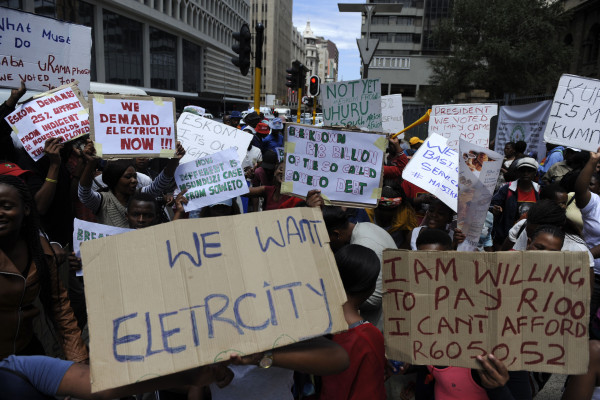
In an era when such futuristic technologies as artificial intelligence, robotics, and quantum computing are here or on the horizon, almost half of sub-Saharan Africans — more than 600 million people — lack the electricity to heat, cool, or light their homes.

This energy poverty impedes nearly every aspect of life for this population, from conducting business and educating their children to deterring crime and providing healthcare.

Even in some well-electrified African nations such as Ghana, Gabon, and South Africa, the supply is inadequate and often unavailable.

As the African Energy Chamber (AEC) put it in our newly released The State of African Energy Outlook Report 2024, “Access to electricity in Africa is still a dream to millions of Africans.”

Our report gives compelling evidence to back this statement, providing statistics that show, among other things, that energy poverty is markedly deeper in sub-Saharan Africa (SSA) than in the rest of the continent.

Our report is sobering, but not without hope. It also provides a positive look toward the future, including energy developments likely to improve electrification rates in SSA and move its countries' citizens closer to the universal access they dream of. The key to delivering energy to more Africans will be using both renewables and fossil fuels.

The Statistics and What's Behind Them

Our report's numbers tell the story of just how much SSA, in particular, is still affected by energy poverty.

In contrast with most of the world, where electrification rates improved during the COVID-19 pandemic, SSA's worsened, as its percentage of the world's population lacking electricity grew from 71% in 2018 to 77% in 2020. Statistics compiled in 2020 showed sub-20% levels of electricity access in up to eight countries across the region.

While the education and business sectors suffer greatly from energy poverty, it is perhaps most acutely felt in the health sector, where medical equipment and procedures require electrical power.

Complicating the health impacts still further, households without electricity are often forced to use unhealthy fuels like wood, coal, or kerosene to cook and heat, producing indoor air pollution that leads to respiratory problems and other ailments.

In contrast to the 90%-plus electrification rate found in some North African countries, which is allowing them to decrease reliance on fossil fuels, electricity access in SSA is only about 55%, and a closer look at that number reveals it is driven by urban rates of close to 80%, while rural areas lag far behind with only about 33%, leaving two-thirds of residents in the dark.

In a nutshell, SSA has a lot of catching up to do to achieve the levels of access to electricity enjoyed by most of the world. Although the region has doubled the average rate of access since 2000, its current rate of just over half of the region's population is miniscule compared to the 90% global rate and the 80% North African rate.

As I said, even in SSA countries where electrification rates are quite high, such as Ghana, Gabon, and South Africa, load shedding presents a daily practical problem for people who must anticipate power outages. In South Africa, for instance, this type of staged rationing has been used every day this year by the power utility, Eskom.

Already in 2023, there has been more load-shedding in South Africa than in all of 2022, and outages are lasting longer — up to 12 hours daily — with a predictable disabling effect on economic development.

Meanwhile, the country's chasm between supply and demand only continues to expand.

Changes in Progress: South Africa as a Case in Point

The South African government is taking a proactive approach to the regulatory side of improving energy supply, shortening timelines for obtaining environmental authorizations and grid approvals.

It is also working to obtain and use USD98.7 billion in investment capital over the next five years for its Just Energy Transition Investment Plan (JETIP), a framework adopted in 2022 that outlines the country's strategic priorities for investment during climate transition.

A major thrust of JETIP is replacing the use of coal, which currently supplies over 80% of South Africa's power, with renewable energy, expected to grow from a current 11% of the power supply to 20% by the end of this decade and to over half of the supply by 2050.

Contributing to those numbers, Eskom-built renewables projects are slated to go live this year in Lethabo and Sere, and the utility will soon start building solar and battery storage facilities at Komati Lethabo and Majuba for a total of 2.8 gigawatts (GW) of new renewables capacity.

Of the total projected electricity capacity, solar, and wind are expected to drive almost 50% with fossil fuels adding up to a 10th of total projected capacity.

Implications for the Continent

These power-related statistics for South Africa—a country better positioned than many Sub-Saharan nations regarding electricity—show that the country, and therefore the continent, needs gas-to-power and battery storage along with wind and solar.

South Africa's numbers highlight a major point made in my recent book, “A Just Transition: Making Energy Poverty History with an Energy Mix,” — that, while the rest of the globe deals with the threat of devastating climate change, Africa must deal with two major challenges at once: the threat of climate change and debilitating energy poverty.  

Even as Africa works to support global efforts to prevent a climate crisis, we must embrace every solution available to us, including using our continent's vast natural gas reserves: totaling more than 800 trillion cubic feet. Not only is gas plentiful, but it's also the cleanest fossil fuel; producing it contributes to job creation and economic growth; and it can be monetized to help pay for energy infrastructure.

The “bottom line” is that Africa still needs to use its natural gas, and more of it, to deliver a much-needed increased supply of energy to its people.

Download The State of African Energy 2024 Outlook report: https://apo-opa.co/3QLEoHd

Distributed by APO Group on behalf of African Energy Chamber.

Media files
African Energy Chamber
Download logo
Read morePoverty and Progress: An Update on African Energy
14 December 2023

Food waste increases by 25% over festive season

Location: MyPR

While many of us start to put our daily stresses aside, the waste management sector experiences a significant increase in food and organic waste during the festive season. This places an increased amount of pressure on the waste sector, including the waste collection services, landfill sites and the natural environment. According to waste statistics, South …

Read moreFood waste increases by 25% over festive season
13 December 2023

Empow-Her-Ing Excellence: FM Solutions Technical’s All-Women Team Revolutionises Facilities Management

Location: MyPR

In the world of Facilities Management (FM), where technical expertise and reliability are paramount, FM Solutions Technical is once again emerging as a trailblazing player, setting a new standard for diversity and competence in the industry. With an exciting new offering that boasts an all-women team in FM maintenance, FM Solutions is challenging stereotypes and …

Read moreEmpow-Her-Ing Excellence: FM Solutions Technical’s All-Women Team Revolutionises Facilities Management
13 December 2023

Beitbridge border fence companies lose High Court appeal

Location: News

Beitbridge border fence companies lose High Court appeal

The Special Investigating Unit (SIU) has welcomed the order of the High Court in Gauteng which has dismissed an application by two Beitbridge border fence construction companies to appeal a decision of the Special Tribunal to strip them of profits earned from the construction of the fence.

At the height of the COVID-19 pandemic, the two companies Caledon River Properties and Profteam CC, received contracts totalling R40.4 million from the Department of Public Works and Infrastructure (DPWI) to construct the razor mesh fence between South Africa and Zimbabwe.

However, soon after the fence was erected in March 2020, it began to fall apart – leading to a public outcry.

In July 2020, President Cyril Ramaphosa authorised the SIU through Proclamation No. R. 23 of 2020, to investigate the affairs of all State institutions in respect of the procurement or contracting for goods, works and services, during, or in respect of the National State of Disaster, by or on behalf of State institutions.

In March last year, following an application by the SIU, the Special Tribunal ordered that the contracts be set aside and that the companies pay back profits earned from the contracts.

Now, the High Court has ordered that:

The application is dismissed with costs.

The service providers must, within 30 days, file audited statements and debatement of accounts reflecting their respective income and expenditure in the contracts.

The SIU and DPWI are ordered to appoint, within 30 days thereafter, qualified expert(s) to compile a report as to the reasonableness of the service providers’ expenses and file papers.

The service providers are ordered to pay the public works department, within 30 days, profit earned from the contracts as agreed by the experts and made the order of the Tribunal.

“The SIU welcomes the order of the High Court, as it enforces the implementation of the Unit’s investigation outcomes and consequence management”. – SAnews.gov.za


NeoB
Wed, 12/13/2023 - 14:44

675 views
Read moreBeitbridge border fence companies lose High Court appeal
13 December 2023

SA, Zimbabwe gain a collective responsibility to prevent illegal activities at ports

Location: News

SA, Zimbabwe have a collective responsibility to prevent illegal activities at ports

Cooperation between South Africa and Zimbabwe in managing shared borders is critical for the protection of respective national interests.

“We have a collective responsibility to prevent illegal activities at our ports of entry and the border law enforcement areas such as illegal migration, any kind of smuggling, human trafficking, and all kinds of cross border crimes inclusive of the illegal movement of weapons, and or illicit goods between our countries,” Border Management Authority (BMA) Commissioner Michael Masiapato said.

He was speaking during a visit by the Zimbabwe Border Ports Authority in Pretoria on Wednesday.

The Commissioner said the South Africa/Zimbabwe border has long been a symbol of the intricate web of connections between the two countries.

“It is a border that does not just demarcate land but also represents a bridge of cultural, economic, and historical exchanges that we enjoyed over the years.”

He said besides geographic proximity, the two countries have a common and long history of regional affiliation as well as great aspirations for the development of the two nations.

“Therefore, it is in our interest to ensure effective border management which is crucial for ensuring the ultimate prosperity of both South Africa and Zimbabwe.

“Although cooperation on border management matters commonly embraces the aspects of enforcing territorial sovereignties, it also streamlines efforts for fostering economic growth and improvement in trade relations between nations.

“As the two jurisdictions within this sub-region, we have the responsibility to drive the objective of regional economic integration as articulated in the many resolutions of our leadership within the SADC [Southern African Development Community]  context,” Masiapato said. 

Border management is not just a matter of policy but a reflection of the shared commitment to regional stability and development of which border authority has to ensure the realisation of such an objective.

“As the Border Management Authority, South Africa, we are encouraged by the processes undertaken by the government of Zimbabwe in the development of the country’s Border Ports Authority Bill.

“This is critical towards the establishment of the Zimbabwean Border Ports Authority which carry similar resemblance our Border Management Authority,” the Commissioner said.

Masiapato is hosting his Zimbabwean counterpart for a bilateral visit in South Africa from 13 to 16 December 2023.

The visit aims to showcase South Africa’s model of administration and border management coordination.

The two countries are in a process of developing a Border Ports Authority Bill to establish the Zimbabwe Border Ports Authority and to provide for its functions.

In October this year President Cyril Ramaphosa presided over the launch of the BMA in Musina, Limpopo.

The launch of the BMA follows its formal establishment and assumption of its status as a schedule 3 (A) public entity on 1 April 2023.

The establishment of the BMA means that South Africa now has an integrated border management platform, with a single command and control with which to support the attainment of secure borders, safe travel and trade.

The BMA has, since its inception, recorded successes, among them intercepting stolen vehicles.

The authority is responsible for the execution of frontline border law enforcement functions related to, inter alia, port health, immigration control, access control, biosecurity, food safety and phyto-sanitary control, land border infrastructure development and maintenance, and border information and risk management. – SAnews.gov.za


Edwin
Wed, 12/13/2023 - 14:45

379 views
Read moreSA, Zimbabwe gain a collective responsibility to prevent illegal activities at ports
13 December 2023

Allianz Assistance Responds to Surging Demand for Travel Insurance Amidst Global Uncertainty

Location: MyPR

In light of the significant increase in consumer interest in travel insurance, which has surpassed pre-COVID-19 pandemic levels, Allianz Assistance is proud to announce enhanced measures to meet the evolving needs of travelers. This surge in demand is largely attributed to the unpredictable nature of current global travel, marked by frequent cancellations, medical emergencies, and …

Read moreAllianz Assistance Responds to Surging Demand for Travel Insurance Amidst Global Uncertainty
13 December 2023

Municipal debt a significant challenge, says Eskom

Location: News

Municipal debt a significant challenge, says Eskom

State-owned power utility, Eskom says the mounting debt by the City of Tshwane (CoT) and the City of Ekurhuleni (CoE) for bulk electricity supply is posing a “significant challenge”.

According to Eskom, the City of Tshwane owes it some R4.2 billion while Ekurhuleni is currently in arrears of some R146 million.

“The accumulating debt not only strains Eskom's financial stability but also threatens the reliability of electricity supply across the province. The impact on Eskom's financial stability is exacerbated by the City of Tshwane's accumulation of unpaid bills and Ekurhuleni Municipality's late payments, and it affects the residents and businesses that rely on a stable power supply.

“If left unaddressed, the situation could lead to service interruptions, hindering economic activities. Despite continuous efforts to address the inconsistent and late payments, the debt, specifically that of the CoT, continues to grow and hinders Eskom's ability to invest in essential infrastructure, maintenance, and the development of sustainable energy solutions,” the power utility said.

The electricity supplier urged municipalities to “prioritise settling current accounts and outstanding electricity payments”.

“Eskom remains committed to working with municipalities to find viable solutions and mitigate the potential repercussions of the mounting debt,” the power utility said.

Meanwhile, an Eskom Tutuka Power Station employee, Katlego Twala, has been sentenced to one-year imprisonment or to pay a fine of R10 000 wholly suspended for five years after he was found guilty of stealing five drums of hydraulic fluid oil.

Eskom acting General Manager for Security Botse Sikhwitshi said: “Eskom has a zero-tolerance stance on acts of dishonesty and views the conduct of the employee as unacceptable. We will continue working on flushing out the minority that cast a shadow on the organisation”.

According to Eskom, the incident occurred in October last year while earlier this year, a contractor at the power station was arrested for fraud and corruption – symbolising a crackdown on illegal activities at the power utility.

“Eskom welcomes the sanction by the court and would like to thank the South African Police Service (SAPS), its own internal investigators and the National Prosecuting Authority for the positive outcome.

“Eskom urges the public to report information regarding illegal electricity sales, fraud, the theft of coal, fuel oil, and diesel and all other electricity-related crimes to the Eskom Crime Line: 0800 11 27 22. Reporting can be done anonymously,” the power utility said. – SAnews.gov.za


NeoB
Wed, 12/13/2023 - 10:02

172 views
Read moreMunicipal debt a significant challenge, says Eskom
12 December 2023

Seeds for a better 2024 believe been sown – President Ramaphosa

Location: News

Seeds for a better 2024 have been sown – President Ramaphosa

Although South Africa continues to face challenges from various quarters, the ground work for a better 2024 has been laid.

This is according to President Cyril Ramaphosa who addressed the nation through his weekly newsletter.

The President acknowledged that 2023 has been a testing year for the country – with intense load shedding, Transnet’s challenges and a sluggish economy being just some of the worst challenges faced.

“Our economy has been weighed down by international events, including the ongoing Russia-Ukraine conflict and instability in the global economy. Like many across the world, South Africans have faced a substantial rise in the cost of our living. Our post-COVID recovery has been held back by continuing load shedding and inefficiency at our ports and railways.

“Yet, even in these circumstances, companies have continued to invest in our economy. At the fifth South Africa Investment Conference earlier this year, we surpassed our target for new investment commitments over five years. Our economy has grown, albeit too slowly and far below its potential. The number of people in employment has returned to pre-COVID levels, but jobs are still not being created fast enough to reduce levels of our unemployment,” he said.

President Ramaphosa conceded that the electricity crisis is “currently the main threat to our country’s progress”.

However, the work of the Energy Action Plan – launched in July 2022 – is beginning to show results, “giving us greater confidence that we will bring load shedding to an end”.

“While we experienced some of the worst load shedding ever in the first few months of the year, there has been a measurable and steady decline in the severity of load shedding over the last few months.

“Although electricity supply is still not stable, as we experienced in the last few weeks, the overall trend is towards less severe load shedding. Damaged units at the Kusile power station have been returned to service ahead of schedule and plant maintenance has received close attention.

“What gives us hope for even further improvements is the progress that has been made in bringing new electricity generation online. Regulatory reforms we have initiated have enabled a massive increase in private investment in electricity generation, with over 12 000 MW of confirmed projects in development. Following the introduction of tax incentives and financing mechanisms, the amount of installed rooftop solar has more than doubled to over 4 500 MW in the last year,” he said.

Tackling challenges

President Ramaphosa listed several interventions and measures that have been taken to address the country’s challenges including:

  • Government working closely with Transnet, industry and other social partners to relieve congestion at ports and increase the volumes of freight being carried on key rail corridors
  • Significant infrastructure projects in areas including social housing, road construction, rural bridges and dams which contribute to greater economic activity and provide much-needed infrastructure for economic growth and the needs of citizens
  • Undertaking reforms in other areas to improve the competitiveness of the economy in areas such as proceeding with the digital migration of broadcasting service to free up broadband spectrum and reduce the cost of data
  • The continuation of the special Social Relief of Distress grant introduced during COVID-19 which has kept millions of people out of poverty

On employment, President Ramaphosa said the Presidential Employment Stimulus has created work and livelihood opportunities for some 1.2 million people.

He added that breakthroughs have been made in combatting crime with governance improvements also recorded.

“The SAPS’ economic infrastructure task teams have made important breakthroughs and arrests for illegal mining, cash-in-transit hikes, cable theft, drug smuggling and similar crimes. We have recruited and trained thousands of new police personnel to further strengthen the fight against crime.

“We are implementing legislation to build a more professional, ethical and capable public service. There has been important progress in other areas, including towards the introduction of a National Health Insurance to ensure greater equity in the provision of health care,” he said.

The President said that while “times are still tough” much progress has been made but there is “still some way to go”.

“What is most important is that we have done much of the ground work needed to put our economy on a path of faster growth and job creation. By working together, by staying the course, we have used the last year to lay the basis for a better 2024.

“On Friday this week, we will mark a special public holiday to celebrate the historic victory of the Springboks in the Rugby World Cup. Their victory, alongside many other achievements by South Africans on the global stage, is a reminder of our country’s tremendous strengths and the promise that it holds.

“Let us come together on Friday to remind ourselves of everything that we love about South Africa. Let it be a day of hope, celebration and unity. I wish all South Africans a safe, peaceful and restful festive season as we all prepare for a successful new year,” President Ramaphosa concluded. – SAnews.gov.za

NeoB
Tue, 12/12/2023 - 11:14

373 views
Read moreSeeds for a better 2024 believe been sown – President Ramaphosa
12 December 2023

Pietermaritzburg station back in action but train service not up to scratch

Location: News

Passenger rail services were suspended at the station in 2021 due to vandalism and theft

Read morePietermaritzburg station back in action but train service not up to scratch
11 December 2023

Freight Logistics Roadmap approved to be published

Location: News

Freight Logistics Roadmap approved to be published

The Freight Logistics Roadmap – aimed at addressing the serious challenges in that industry – has been approved for publication by Cabinet.

The roadmap also sets out to reform the logistics system in the long run.

Over the past few weeks, Transnet – South Africa’s government owned freight rail, ports and logistics company – has been hard at work to resolve severe truck congestion challenges at its Richard’s Bay port, including ramping up the number of locomotives available on its lines servicing the port.

Speaking during a post-Cabinet media briefing on Monday, Minister in the Presidency Khumbudzo Ntshavheni said the current challenges in the industry “pose a significant constraint” on the South African economy, its growth prospects and job creation.

“The immediate priority is to stabilise and improve the operational performance of the freight rail network, which presents a severe constraint on exports.

“The main implementation mechanism for the short-term interventions will oversee operational improvement through five corridors, with full alignment with the Transnet board approved turnaround plan which identifies short and medium term actions to improve operations and stabilise the company’s finances,” she said.

The three areas of intervention proposed in the roadmap include:

  • Operations and rolling stock improvements: This includes returning long-standing locomotives to service through agreements with Original Equipment Manufacturers (OEMs) to ensure a supply of spares, or through the appointment of a step-in OEM.
  • Security and safety of the rail network: This includes collaboration with law enforcement agencies to ensure the safety of the network.
  • A capital investment programme both for the expansion plans and also to sustain operations.

“In addition, the roadmap outlines a path to implement the commitments made in the National Rail Policy and the National Commercial Ports Policy and plans for the reform of the freight logistics system,” she said.

Meanwhile, the Draft Rail Private Sector Participation (PSP) Framework has been considered and approved by cabinet.

According to Ntshavheni, the framework aims to “provide an interim approach to and a model for future decision-making to enable private sector participation in the railway infrastructure system”.

“Given the current challenges within the railway infrastructure, the Rail PSP Framework proposes the commencement of private sector participation through opportunities that are aimed at fixing the railway infrastructure first.

“The Rail PSP Framework recommended the adoption of the cooperative governance and integrated approach to rail private sector participation for implementation.

“Accordingly, this approach is fully compliant to the PFMA and Company’s Act and will require the PSP unit within the Department of Transport and the Rail SOC to publish a network statement for endorsement by the Rail Economic Regulatory Capacity (interim),” Ntshavheni said.

The Department of Transport is expected to establish a PSP unit to identify and prioritise projects and develop an implementation plan to facilitate PSP initiatives. – SAnews.gov.za


NeoB
Mon, 12/11/2023 - 11:36

730 views
Read moreFreight Logistics Roadmap approved to be published
11 December 2023

​​​​​​​Cabinet welcomes the evacuation of South Africans from Gaza

Location: News

​​​​​​​Cabinet welcomes the evacuation of South Africans from Gaza

Cabinet has welcomed the return of 19 South African nationals who had been stuck in Gaza.

“South Africa extends its gratitude to the Government of Egypt for granting our citizens safe passage through the Rafah Crossing into its country.

“South Africa calls for an immediate and permanent ceasefire and the resumption of talks that will end the violence arising from the continued belligerent occupation and lays the basis for a just and lasting solution,” Cabinet said in a statement on Monday.

The six males and 13 females, who were in Gaza since 7 October 2023, are now back on home soil.

Last week, the Department of International Relations and Cooperation said the 19 locals who were approved for evacuation into Egypt by the Israeli authorities on Sunday, 11 November 2023, were en route to South Africa.

In a statement last month, Cabinet said it remained concerned by the atrocities of the Israeli government against the people of Palestine, including the deliberate attacks on the United Nations School in Gaza, and the massacre of hundreds of children who had sought refuge at the school. This is in addition to the continued attacks on hospital staff, patients and hospital infrastructure. – SAnews.gov.za


Edwin
Mon, 12/11/2023 - 11:57

577 views
Read more​​​​​​​Cabinet welcomes the evacuation of South Africans from Gaza
11 December 2023

Operation Vulindela making “significant progress”

Location: News

Operation Vulindela making “significant progress”

The Presidency and National Treasury have released the third and fourth quarter progress report of Operation Vulindlela.

The report was released during a media briefing on Monday.

Operation Vulindlela was launched in 2020 and is an initiative between Treasury and the Presidency aimed at, among other things, accelerating the implementation of structural reforms and to support South Africa’s economic recovery.

The five desired outcomes of Operation Vulindlela are:

  • Stabilising of the electricity supply
  • Reduce cost and increased quality of digital communications
  • Sustainable water supply to meet demand
  • Competitive and efficient freight transport
  • A visa regime that attracts skills and grows tourism

National Treasury’s Nomvuyo Guma said: “In the time that Operation Vulindela has been in operation, we’ve been able to make significant progress in accelerating these reforms”.

The key achievements for quarters three and four are:

  • Analogue switch-off (ASO) was completed for all frequencies above 694 Megahertz (MHz) to enable the use of spectrum for mobile telecommunications. This key reform will improve network quality, reduce data costs and expand digital access.
  • The Electricity Regulation Amendment (ERA) Bill is on track in the National Assembly, with hearings completed in all provinces. The Bill represents a fundamental reform of the energy sector, and will establish a competitive energy market.  
  • Three units at Kusile power station were returned to service ahead of schedule. This additional capacity has enabled a reduction in the severity of load shedding, with work underway to complete the remaining units at Kusile and Medupi power stations in 2024.
  • Eskom launched the Cross Border Standard Offer Programme (CBSOP). This programme enables Eskom to purchase up to 1 000 MW power of power on a short-term basis from utilities and Independent Power Producers in neighbouring countries. 
  • The Minister of Public Enterprises announced the appointment of a permanent board for Transnet National Ports Authority (TNPA). This will replace the current interim board and is a crucial step in the process of establishing the TNPA as a subsidiary of Transnet.
  • An international terminal operator was selected to partner with Transnet at the Durban Pier 2 container terminal. This will crowd in private investment and management expertise to improve the performance of South Africa’s largest container terminal.
  • The Department of Home Affairs launched the Trusted Employer Scheme, which is a key recommendation of the work visa review. The scheme will allow major investors and large employers to follow a streamlined process with improved turnaround times.
  • A One Stop Shop was established for energy projects to accelerate private investment. The One Stop Shop will facilitate regulatory authorisations for energy projects, with the aim of establishing a single, fully electronic application process.

Looking long term

Looking at the overall achievements of Operation Vulindela over the past three years, Guma said government’s “legislative agenda has continued to make progress”.

“We’ve made some regulatory changes to allow private investment in electricity generation. We are currently tracking an energy pipeline of renewables that is up to 66GW at this stage. From an investment point of view, what we’ve tracked is a pipeline of over R200 billion worth of investments.”

Turning to telecommunications, Guma said the spectrum auction concluded last year has “resulted in an immediate boost of R14 billion to the fiscus” also resulted increased download and “increased investments into the sector”.

Guma said a comprehensive review of the work visa system and the revised immigration regulations has also been completed.

Other achievements since the launch of Operation Vulindela are:

  • The National Rail Policy adopted to guide the modernisation and reform of the rail sector, including third-party access to the network
  • Backlog of water use licenses has been cleared and license application system re-engineered, unlocking billions of Rands in investment
  • Private sector participation introduced in container terminals, to crowd in investment and improve the efficiency of port operations
  • eVisa system expanded to 34 countries, with almost all countries now covered by either a visa waiver or eVisa
  • Legislative reforms underway to create a transport economic regulator, reform the electricity sector, and establish a National Water Resources Infrastructure Agency

The full progress report can be accessed at https://www.stateofthenation.gov.za/operation-vulindlela - SAnews.gov.za

NeoB
Mon, 12/11/2023 - 12:38

366 views
Read moreOperation Vulindela making “significant progress”
11 December 2023

Africa’s Top 100 Business Opportunities to Watch in 2024

Location: Business
Activator HQ

Despite rising food and fuel costs, weakening currencies, climate change effects, security threats, political instability, rolling power cuts, infrastructure limitations, and several economic and social challenges, Africa will be one of the fastest-growing regions in 2024.

That's one of the key findings in the 2024 edition of the Top 100 Business Opportunities in Africa to Watch (https://apo-opa.co/47PmhYd), an annual selection of the continent's most lucrative business ideas and investment opportunities curated by Activator HQ.

Following two years of slow post-COVID recovery, 2024 presents several interesting opportunities for business startup and growth in Africa. While Nigeria, South Africa, Egypt, Kenya and countries across the continent offer unique opportunities and challenges for new business and investment, economies like Senegal, Ethiopia, Tanzania, Cote d'Ivoire, Rwanda, Burkina Faso, The Gambia and Benin could grow by more than 6% in 2024, twice higher than the global growth of 2.9% projected by the International Monetary Fund (IMF).

The Africa Top 100, now in its 7th year, identifies specific business ideas and investment opportunities in over 30 growth markets, industries, value chains, and underserved niches across Africa. Each opportunity in the Top 100 is selected based on their relevance to local market needs, lucrativeness, competitive superiority, export potential, and innovation.

“The new edition, which is the outcome of months of research and analyses that considered dozens of value propositions, market trends, demand-supply gaps, and business models across Africa, only consists of opportunities that have a minimum total addressable market value of $100 million,” said John-Paul T. Iwuoha, Founder and CEO of Activator HQ. “It is interesting to see from our 2024 selection that more business ideas and investment opportunities in Africa are actually borne from unmet market needs, difficult but highly-rewarding problems, and the megatrends we have identified that are currently shaping the continent (https://apo-opa.co/46Sd4gb).”

As a developing region, Africa's deficits in food security, housing, finance, education, energy and other critical areas are inspiring innovative solutions, products, and services from a growing number of startups and growth-stage businesses on the continent. In essence, for entrepreneurs in Africa, problems are actually opportunities to unlock market value and create compelling value propositions.

“Our mission at Activator HQ (www.ActivatorHQ.com) is to make it easier and faster for entrepreneurs to start and grow businesses in Africa. That's why our selection of business ideas features inspiring examples of real entrepreneurs, startups, and companies in Africa that are getting results and making impact on the ground,” Iwuoha said. “To reduce the barriers to startup, we have also developed bespoke and professionally-crafted business plans (https://apo-opa.co/470U6Ew) that can be downloaded and used to raise funding or guide the execution of a specific business idea.”

Highlights from Activator HQ's 2024 Africa Top 100 Guide:

  • The food sector remains a multi-billion-dollar growth opportunity for the continent. The Africa Top 100 features several business ideas across the food value chain, from agricultural production to processing, marketing, and services in local and export markets.
  • The digital economy presents a $180 billion opportunity for Africa by 2025. With the world's youngest population, digital skills training and outsourcing is a strategic but underexplored market gap that brims with innovative ideas for new businesses and investments in Africa, particularly for high-demand skills like cybersecurity, data analytics, digital marketing, and software development.
  • The circular economy: recycling of waste, such as generating electric power from landfill waste, recovering scrap metals for reuse, and processing municipal wastewater into potable freshwater, hold interesting business and investment opportunities that could, conservatively, inject an additional $8 billion into the African economy according to the United Nations Environment Programme (UNEP).
  • The energy value chain is rich with opportunities for Africa. The combination of climate change effects, rising renewable energy penetration, and soaring energy prices precipitated by the Russia-Ukraine war has created market gaps and opportunities for more African gas supplies to Europe. There are also opportunities for local substitution of cooking fuels like firewood and charcoal with natural gas, and solar power applications for cold chain solutions.
  • Financial services remain one of the fastest-growing and most lucrative sectors in Africa to watch in 2024. While payments and consumer finance usually get most of the attention, niche opportunities like diaspora investment funds and female-focused finance are spotlighted in the latest Africa Top 100 guide.

“I am very proud of the meticulous work the team has put into the 2024 edition of the Africa Top 100,” Iwuoha continued. “In contrast to the mainstream stereotype of Africa as a ‘poor continent', the impressive ideas in this guide show the sheer abundance of opportunities in Africa for new businesses and investments. The spirit of entrepreneurship is bursting with energy on the continent and I am optimistic that many of the ideas in our 2024 edition will inspire new businesses, products, projects, investments, and income streams in the new year.”

The Top 100 Business Ideas in Africa to Watch in 2024 is available on the Activator HQ website at https://apo-opa.co/41hkLvm.

Distributed by APO Group on behalf of Activator HQ.

Media contact:
John-Paul Iwuoha
jp@activatorhq.com

For more information about Activator HQ, visit:
Website: www.ActivatorHQ.com
Twitter: https://apo-opa.co/46Np8iY
Facebook: https://apo-opa.co/3uRABAT
LinkedIn: https://apo-opa.co/3NowFxL
YouTube: https://apo-opa.co/3NqTmkT

About Activator HQ:
Founded in 2013 as Smallstarter Africa and relaunched on its 10-year anniversary, Activator HQ is a market intelligence and capacity development firm that supports Africa-focused entrepreneurs with the insights, training, and guidance they need to succeed in the continent's promising but difficult markets. In the last decade, Activator HQ has trained over 30,000 entrepreneurs and business owners on startup and market entry strategy, fundraising, sales and growth strategy, business modelling, and turnarounds. Its list of clients and partners includes the Staff Cooperative Societies of Nigeria LNG and Total Exploration & Production (Nigeria), the SUN Business Network, the Roddenberry Foundation, and the African Women Innovation and Entrepreneurship Forum (AWIEF), among others.

Media files
Activator HQ
Download logo
Read moreAfrica’s Top 100 Business Opportunities to Watch in 2024
8 December 2023

One child dead and several people injured in Bloemfontein storm

Location: News

Hundreds of people in Phase 6 location lost most of their belongings and now have to rebuild their homes

Read moreOne child dead and several people injured in Bloemfontein storm
8 December 2023

PRASA committed to addressing long distance train challenges

Location: News

PRASA committed to addressing long distance train challenges

With the reintroduction of the long-distance passenger train service, the Passenger Rail Agency of South Africa (PRASA)  has noted some challenges that may affect the service and has outlined its commitment to address them.

“The country is currently facing a shortage of locomotives, and some of those available are unreliable. This may result in delays and, in some cases, even cancellations. Contingency plans are in place for trips on all four corridors where the MLPS [Mainline Passenger Services ] service operates,” PRASA said on Thursday.

The agency said the condition and quality of the infrastructure have been a concern and may impact the travel experience.

“Despite these challenges, PRASA remains steadfast in its commitment to reviving the long-distance service. PRASA plans to ensure access to locomotives and improve the infrastructure quality and availability in conjunction with our sister agency, Transnet.

“PRASA believes acknowledging and addressing challenges openly is essential to rebuilding and maintaining trust in our service. We know that long-distance travel via rail is the most affordable. During this phase of reintroducing the MLPS service, PRASA will provide regular updates on our progress and actively seek feedback from our passengers and other stakeholders,” the agency said.

Amid these challenges, passenger safety remains its top priority.

“PRASA has implemented enhanced safety and security protocols to improve passenger safety on our trains. Our MLPS trains will have visible security on board the trains and at platforms to ensure all passengers feel safe.

“Passenger feedback will be critical as we accelerate the roll-out of the MLPS service and shape its future. We call on our passengers to share their experiences, concerns, and suggestions.

“PRASA is committed to delivering a service that meets the expectations of its stakeholders, especially passengers. The resumption of the MLPS service is a critical step in PRASA’s recovery of all aspects of passenger rail. The agency is determined to deliver a reliable, safe, comfortable long-distance train experience,” it said.

Earlier this month, the agency announced that the long-distance MLPS under its rail division had resumed the Johannesburg to Durban and Cape Town services on the Shosholoza Meyl.

The services were both suspended in 2021 due to operational and network infrastructure challenges.

As an entity of the Department of Transport (DoT), PRASA is the sole state-owned entity responsible for providing long-distance and urban passenger rail services and intercity bus services at the behest of the DoT.  –SAnews.gov.za

nosihle
Fri, 12/08/2023 - 09:03

2246 views
Read morePRASA committed to addressing long distance train challenges
8 December 2023

The Essentials of Outsourcing Withholding Tax Reclaim

Location: MyPR

Introduction Navigating the complexities of withholding tax reclaim can be a daunting task for investors, especially when dealing with international investments. This is where outsourcing the process becomes a valuable strategy. Outsourcing withholding tax reclaim to specialized service providers can streamline the process, ensuring compliance and maximizing returns.   Understanding Withholding Tax Reclaim Withholding tax …

Read moreThe Essentials of Outsourcing Withholding Tax Reclaim
8 December 2023

Transnet increases tug availability at Durban port

Location: News

Transnet increases tug availability at Durban port

The Port of Durban has made significant strides in the improvement of its marine craft status by increasing tug availability to an average of six tugs as of December 2023.

The increased tug availability is set to complement the 24-hour helicopter service, ensure a quicker turnaround of vessels at the port and allow terminal operators to implement the Container Recovery Plan at the port, with agility. The Plan was put in place to clear backlogs and improve the turnaround time of vessels calling the container terminals.

The port has seen severe delays recently due to various factors, including adverse weather conditions and equipment availability and maintenance. 

“Having all six tugs operating is a big step in the right direction for the port and our investment in the marine fleet exhibits our commitment to continuous improvement and ensuring the port remains a gateway for trade.

“We are optimistic about the positive impact these tugs will have on the current container recovery plan and our general service offering to our customers,” Transnet National Ports Authority, Port Manager at the Port of Durban, Mpumi Dweba-Kwetana said on Friday.

The six operational tugs namely: Umkhomazi, Mkhuze, Lotheni, Palmiet, Pholela and uMhlali, are playing a vital role in adding the required tug capacity and availability in the improvement of operational efficiencies in the port.

“This milestone comes after the introduction of the Transnet National Ports Authority (TNPA) wide fleet renewal programme, which seeks to ensure that marine crafts are maintained and serviced periodically to mitigate against breakdowns and provide a buffer should there be a need.

“The provision of tugs falls within the ambit of TNPA as stipulated in Section 11 (n) of the National Ports Act of 2005, which states that the authority should provide or arrange for tugs, pilot boats and other facilities and services for the navigation and berthing of vessels in the ports.

"Most of the repair and maintenance of the Port of Durban marine fleet has been carried out by TNPA’s internal heavy engineering workshop, Workshop 24, which is based in the Bayhead Precinct in the port," Transnet said.

TNPA also anticipates the delivery of three second-hand tugs to the Port of Durban in the first quarter of 2024.

TNPA is responsible for the safe, effective and efficient economic functioning of the national port system, which it manages in a landlord capacity.

It provides port infrastructure and marine services at the eight commercial seaports in South Africa – Richards Bay, Durban, Saldanha, Cape Town, Port Elizabeth, East London, Mossel Bay and Ngqura.

It operates within a legislative and regulatory environment and is governed by the National Ports Act (Act No. 12 of 2005). – SAnews.gov.za


nosihle
Fri, 12/08/2023 - 13:01

33 views
Read moreTransnet increases tug availability at Durban port
7 December 2023

Swarts calls for inclusion of people with disabilities in built environment

Location: News

Swarts calls for inclusion of people with disabilities in built environment

Public Works and Infrastructure Deputy Minister, Bernice Swarts, has called on the department’s entities to play their part in ensuring that people with disabilities are trained and get work and business opportunities in the built environment.

“Often people living with disabilities are overlooked in built industry work and business opportunities because of the assumption that they would not be able to do physical duties associated with the industry,” Swarts said.

Swarts was speaking at the inaugural Council for the Built Environment (CBE) colloquium on persons with disability in the built environment, held this week in Boksburg, Gauteng.

Held under the theme “Co-creation of spaces which entrench universal access”, the conference aimed to consolidate and accelerate the rights of people with disabilities.

Swarts noted some of the challenges still facing people with disabilities in the built environment, including physical access to many buildings which do not have ramps, hand rails, heavy doors that are hard to open and close, narrow doorways and hallways, and poor signage that does not cater for the visually impaired. 

The Deputy Minister called for people with disabilities to be offered job opportunities in project management and owning businesses in the built industry. 

She also called on the Department of Higher Education and Training (DHET) to ensure that people with disabilities receive training in built industry qualifications in order for them to be more employable in the sector.

The DHET's Strategic Policy Framework on Disability for the Post-School Education and Training System is one instrument that aims to create an enabling environment for inclusion and mainstreaming of people with disabilities in the post-school education and training system, which seeks to ensure that disability-related policies and guidelines are implemented and monitored.

“While there have been positive gains in the fight for the inclusivity of people with disabilities in the country, like the inclusion of the South African Sign Language as the 12th official language, the country is still lagging in reaching minimum targets for the employment of people with disabilities,” the Deputy Minister said.

Swarts also advised the CBE to invite stakeholders outside the built industry sector to next year’s colloquium, including education stakeholders, in order to have a more holistic approach in resolving the challenges faced by people with disabilities in the built industry.

Built Environment Recognition Awards

Meanwhile, Swarts will this evening deliver a keynote address at the Built Environment Recognition Awards ceremony to celebrate the achievements of individuals and organisations, who are shaping the future of the built environment. 

The awards recognise outstanding contributions to the industry and encourages professional registration.

The inaugural awards -- hosted by the CBE -- will take place in Durban. – SAnews.gov.za

GabiK
Thu, 12/07/2023 - 10:26

232 views
Read moreSwarts calls for inclusion of people with disabilities in built environment
7 December 2023

Adoption of NHI Bill by NCOP “historic” – says Health Minister

Location: News

Adoption of NHI Bill by NCOP "historic" - says Health Minister

Health Minister, Dr Joe Phaahla, has described the adoption of the National Health Insurance (NHI) Bill by the National Council of Provinces (NCOP) as a historic and important milestone. 

The NCOP passed the NHI Bill in Parliament in Cape Town on Wednesday with backing from all provinces, except the Western Cape. 

“Today marks another important milestone on the journey by the country to realise Universal Health Coverage (UHC) to ensure universal access to quality and affordable healthcare for all South Africans, as enshrined in the Constitution,” Phaahla said on Wednesday. 

Click here for "All you need to know" on the NHI.

Although there are still other processes to be followed before the Bill is signed into law, the Ministry of Health said it was pleased with the progress made so far.   

“This is a landmark moment for our country and specifically for our health system as we move towards realising Universal Health Coverage through the phased-approached implementation of NHI as a mechanism to ensure equitable access to quality healthcare for all citizens,” the Minister said.

He said he is confident that with the support of all stakeholders, government will create a healthcare system that is fair, efficient and accessible to all.

Phaahla believes the provisions outlined in the NHI Bill represent a comprehensive and transformative approach to healthcare delivery in South Africa. 

“It is founded on the principle that every South African, regardless of their socio-economic status, should have access to a comprehensive set of health services without facing any financial barriers.” 

Reflecting on the positive outcome of the NCOP vote, Phaahla said it was crucial to remember the significant strides made in advancing the necessary policy and legislative frameworks to support the implementation of NHI. 

“There have been positive and negative experiences in our taxing journey for us to reach this point. The journey in the process of the NHI Bill has not been without challenges,” he admitted. 

These, he said, include financial considerations, workforce capacity, and the integration of existing, in some instances parallel, healthcare systems. 

“These are issues that we must continue to collectively work together, to find the most practical solutions, to effectively and efficiently meet the health needs of our people.”

Meanwhile, he said the State remains committed to addressing these challenges through strategic planning, collaboration with stakeholders, and ongoing evaluation of the implementation processes.

“We recognise and appreciate the role that proactive stakeholder engagement plays in implementing such an important policy and legislative reform.”

According to Phaahla, the Ministry has since developed and adopted a comprehensive approach to stakeholder engagement to ensure diverse perspectives are considered as the country forges ahead with implementing NHI. 

“Regarding the next key steps, we look forward to the Bill being forwarded to the President for consideration and promulgation. Once it receives Presidential assent, the Bill will become an Act of Parliament, creating a statutory mandate for the Minister and the National Department of Health.”

This will, the Minister said, enable key institutional and organisational structures, such as the NHI Fund, to be formally established in line with the provisions of the NHI Act. 

“However, it is important for all stakeholders and the general public to note that this does not mean the provisions of the NHI Act, once promulgated, will all be implemented once-off without due consideration of the key requirements for transitional arrangements. 

“Our intention has always been to have a rational, structured and phased approach to implementation. Without the accompanying regulations, directives, and operational procedures, the transformative impact of the Act cannot be realised,” he explained. 

The Constitution empowers the President to set different dates for the effectiveness of various provisions within the Act. 

According to the Minister, the department will prepare detailed regulations, covering all aspects of the process. 

“Accordingly, the Minister will publish these regulations for public comment, encouraging transparency and inclusivity in shaping the governance of the NHI Fund and its enabling structures. 

“Once regulations are finalised, the Minister and the department will proceed with the establishment of the NHI Fund, a process expected to take between six and 12 months post-proclamation of the Act, with subsequent phases involving additional regulations and implementation steps.”

Ideal Clinic programme

As part of preparations for the rollout of the NHI, government has, over the past years, undertaken the Ideal Clinic programme, amongst other initiatives.  An Ideal Clinic is defined as a clinic with good infrastructure, adequate staff, adequate medicine and supplies, good administrative processes, and sufficient adequate bulk supplies.

It uses applicable clinical policies, protocols and guidelines, and it harnesses partner and stakeholder support. An Ideal Clinic also collaborates with other government departments, the private sector and non-governmental organisations to address the social determinants of health.

Integrated Clinical Services Management are a key focus within an Ideal Clinic. The purpose of Integrated Clinical Services Management is to respond to the growing burden of chronic diseases in South Africa in an efficient and cost effective manner.

The Ideal Clinic programme was started by South Africa in July 2013 as a way of systematically improving the quality of care provided in Primary Health Care facilities. 

According to the Health Department's 2021/2022 Annual Report, there are 1 928 (55%) primary health care facilities that have attained ideal status. – SAnews.gov.za

Gabisile
Thu, 12/07/2023 - 11:08

37 views
Read moreAdoption of NHI Bill by NCOP “historic” – says Health Minister
6 December 2023

Mchunu reaffirms commitment to deliver quality water services

Location: News

Mchunu reaffirms commitment to deliver quality water services

Water and Sanitation Minister Senzo Mchunu has reaffirmed the department’s commitment to continue efforts to ensure that citizens receive quality water services.

This comes as the department released the 2023 full Blue Drop and No Drop reports on drinking water quality, provision and wastewater management in the country.

The reports were released simultaneously with the awards for the best performing municipalities ceremony held on Tuesday to recognise the top-performing Water Services Authorities (WSAs) of 2023.

The Blue Drop Report evaluated all 958 water supply systems (WSSs) across 144 water services authorities. The evaluations considered factors such as infrastructure conditions, maintenance, operation, treatment processes, and staff expertise.

The No Drop Report focused on water losses and non-revenue water in all municipalities in the country.

The reports revealed a decline in drinking water quality and an increase in non-revenue water since the last reports issued in 2014.

Decline in water supply systems 

According to the Blue Drop Report, only 26 water supply systems were able to achieve scores above 95% and qualified for the prestigious Blue Drop Certification. This is an overall decline from 2014, where 44 WSSs were awarded Blue Drop status. 

The report revealed that the number of water supply systems in a critical state of performance increased from 174 in 2014 to 277 in 2023, indicating a significant decline in excellence between 2014 and 2023.

Drinking water systems in the major metropolitan areas were found to be generally performing well in terms of the Blue Drop key performance areas, with Gauteng having the highest percentage of drinking water systems with excellent or good performance (62%), followed by the Western Cape (50%).

In Gauteng, three municipalities have received National Blue Drop Certification.

These include Meyerton water supply system (provided by Rand Water Bulk Water Service) in Midvaal Local Municipality; Ekurhuleni water supply systems (provided by Rand Water Bulk Service), and the Greater Johannesburg water supply system (provided by Rand Water Bulk water supply systems).

“The water supply disruptions, which have been experienced in Gauteng in recent months, are caused by the demand for treated water occasionally exceeding the available supply of treated water,” Mchunu said.

The Northern Cape has the highest percentage of drinking water systems with poor or critical performance (87%), and this has deteriorated from 48% in 2014. 

In the Free State, the percentage of drinking water systems with poor or critical performance has also deteriorated markedly between 2014 (31%) and 2023 (59%).

Based on water quality tests carried out by municipalities during the 2021/2022 municipal financial year, the report showed that 54% of water supply systems achieved excellent or good microbiological water quality compliance, while 46% achieved poor or bad microbiological water quality compliance. 

While only 5% of water supply systems achieved poor or bad microbiological water quality compliance in 2014, the report noted a generally good drinking water quality in the major metropolitan areas.

The Blue Drop assessment further found that 85% of drinking water systems were in an average or better infrastructure condition. It noted that Gauteng has the lowest shortfalls of qualified staff, while the Northern Cape has the highest shortfalls of qualified staff.

Increase in non-revenue water 

The 2023 No Drop assessment found that the national non-revenue water (NRW) increased from 37% in 2014 to 47% in 2023. The international average for non-revenue water is 30%.

The report attributed this to physical losses, including water leaking out of pipes above or underground, poorly functioning or non-existent water meters, illegal connections, and poor billing and revenue collection. 

Four WSAs scored more than 90% and qualified for the prestigious No Drop Certification.

In order to reduce non-revenue water, Mchunu said municipalities need to improve the operation and maintenance of their infrastructure; repair leaks; improve metering, billing, revenue collection and debtor management; improve pressure management, and engage in community education and awareness, among other measures.

Mchunu said the department is working collaboratively with the Department of Cooperative Governance and Traditional Affairs, including the Municipal Infrastructure Agency, Department of Human Settlements and National Treasury to address the findings of the Drop reports, and achieve the Sustainable Development Goals 6 (SDG6) by 2030.

“Action plans have been developed to address the key findings in the worst performing municipalities. These action plans include the provision of grants worth more than R20 billion per annum to municipalities, technical and engineering support and assistance, capacity building and training, and financial management advice and support,” the Minister said. – SAnews.gov.za

GabiK
Wed, 12/06/2023 - 10:23

229 views
Read moreMchunu reaffirms commitment to deliver quality water services
6 December 2023

Requirements for environmental authorisation for renewable energy facility published

Location: News

Requirements for environmental authorisation for renewable energy facility published

Minister of Forestry, Fisheries and the Environment Barbara Creecy has published a notice on the amendment of certain requirements for an application for environmental authorisation for a renewable energy facility.

“The amendment is necessary to ensure that the full potential of the investment into electricity infrastructure can be realised,” the Department of Forestry, Fisheries and the Environment said on Tuesday.

They were published under sections 24(5)(a), 24(5)(b)(i) and 44 of the National Environmental Management Act, 1998 (Act No. 107 of 1998), read with regulation 10(b) of the Environmental Impact Assessment Regulations, 2014, as amended.

“The amendment requires that a proponent requests and obtains a consent letter from Eskom, or its successor, which confirms that the proposed layout of the facility will not unnecessarily obstruct access to the transmission or distribution infrastructure,” the department said.

The amendment was published in Government Gazette No. 49815, Notice No. 4143 on 04 December 2023.

A copy of the Government Gazette can be obtained at: https://www.dffe.gov.za/sites/default/files/legislations/nema_ea.renewableenergyfacility_g49815gon4143.pdf

Any enquiries in connection with the notice can be directed to Dr D Fischer at the following email address: dfischer@dffe.gov.za. –SAnews.gov.za


nosihle
Wed, 12/06/2023 - 11:16

174 views
Read moreRequirements for environmental authorisation for renewable energy facility published
5 December 2023

Government departments urged to pay suppliers on time

Location: News

Government departments urged to pay suppliers on time

Public Service Commission (PSC) Commissioner Anele Gxoyiya says out of 40 national government departments, only 15 have fully complied with the policy on timeous payment of service providers.

Gxoyiya on Tuesday addressed media in Pretoria on the PSC’s Quarterly Bulletin titled: ‘The Pulse of the Public Service’.

According to the PSC, the number of invoices paid after 30 days by the national and provincial departments amounts to 117 158, with the rand value of R11.1 billion.  This represents a regression of 12% when compared with the number of invoices paid after 30 days by national and provincial departments during the first quarter of the 2022/23 financial year, which amounted to 104 937 invoices, with the rand value of R8.6 billion.

Gxoyiya encouraged the departments that are compliant to maintain their performance and continue to pay all legitimate invoices from suppliers within 30 days, as required by the Public Finance Management Act (PFMA) and its related prescripts.

“The rand value of invoices paid after 30 days in the first quarter of the 2023/24 financial year amounted to R1.2 billion, and this indicates a regression of 126% when compared to the rand value of invoices paid after 30 days in the first quarter of the 2022/23 financial year, which amounted to R530 million,” said Gxoyiya.

The most common reasons provided by both the national and provincial departments for the late or non-payment of invoices are interruptions caused by poor internal controls, internal capacity, and budget constraints.

“North West provincial departments reported the second highest invoices paid after 30 days, amounting to 12 988 invoices, with the rand value of R880 million during the same period.

“In contrast, Eastern Cape provincial departments reported the highest number of invoices older than 30 days amounting to 25 789, with the rand value of R2.3 billion at the end of June 2023,” Gxoyiya said.

According to the PSC, the main contributing departments towards late or non-payment of invoices at national level are the Departments of Home Affairs; Correctional Services; Defence; Military Veterans; South African Police Service; Agriculture, Land Reform and Rural Development; Transport; Water and Sanitation; Public Works and Infrastructure; Health, and Tourism.

Gxoyiya advocated for transparency in dealing with public finances.

“Transparency is subtly intertwined with accountability... Transparency is pivotal to democracy and accountability, as well as upholding the principles of responsiveness and efficiency.

“In many ways, democracy is government by explanation because in an open and democratic society, government should be accountable for its actions and decisions, which should be informed by rational considerations that are explicable to those affected by them,” Gxoyiya said. – SAnews.gov.za

Edwin
Tue, 12/05/2023 - 13:34

423 views
Read moreGovernment departments urged to pay suppliers on time
5 December 2023

Township economy remains critical engine of cities’ growth

Location: News

Township economy remains critical engine of cities' growth

As South Africa continues to experience rapid urbanisation, the township economy has emerged as a critical engine of growth for many cities in the country, says Higher Education, Science and Innovation Minister, Dr Blade Nzimande.

The Minister on Tuesday officially opened the South-West Gauteng TVET College Welding Trade Test Centre at Molapo Campus in Soweto.

The state-of-the-art centre is the 35th trade test centre to be opened in South Africa. It is also a historic centre, as it is the first to be opened in Soweto. 

The opening of the trade test centre is part of the department's response to upgrade Post-School Education and Training (PSET) infrastructure in order to respond to the skills needs of communities.

The centre will test for knowledge, skills and competence in welding work, which involves theoretical and practical demonstration of knowledge and skill.

This will lead to a Trade Test Certificate award, which employers usually require before they employ or advance trainees and allow them to do work at a certain level. 

Nzimande said the centre is rightly situated in a township in order to provide access to education and training, and to help break the cycle of poverty and inequality that has affected many segments of society.

Nzimande underscored a pressing need to invest in skills development and training in order for the township economy to realise its full potential.

"A number of people in the communities lack the necessary education, training and mentorship to capitalise on economic opportunities and create sustainable enterprises.

“As a result, unemployment and poverty remain significant challenges in many townships across our country. This is the reason this centre will be one of the building blocks towards revolutionarising skills development here in Molapo and in Soweto as a whole.

“This centre, together with many initiatives launched by government, will ensure that people are capacitated to be self-sustainable and be able to generate the necessary income to support their families,” Nzimande said.

Partnerships yield positive results

Nzimande also noted that partnerships between Technical Vocational Education and Training (TVET) colleges and Sector Education and Training Authorities (SETA) are yielding positive results, with more public colleges entering into strategic relationships with SETAs.

“Our vision is to remain focused on providing an integrated, coordinated and highly articulated Post-School Education and Training System for improved economic participation, skills development and social development of our youth and the entire community in the country.

“The vision and objective for our public TVET colleges sector is to expand and strengthen the TVET sub-system to provide quality technical and vocational education and training to prepare students for the world of work,” Nzimande said. 

About 20 000 qualified artisans produced per year

In order to address the shortage of mid-level skills, government has committed to re-establish the artisan training system, targeting to produce 30 000 artisans a year by 2030.

South Africa is currently producing an average of 20 000 qualified artisans per year.

"We therefore need to ensure that the number increases significantly leading up to 2030 for the country to realise the National Development Plan (NDP) target. – SAnews.gov.za 

GabiK
Tue, 12/05/2023 - 15:02

346 views
Read moreTownship economy remains critical engine of cities’ growth
  • Previous
  • Page 1
  • Interim pages omitted …
  • Page 92
  • Page 93
  • Page 94
  • Page 95
  • Page 96
  • Interim pages omitted …
  • Page 108
  • Next

Copyright © 2026 · MyZA · All Rights Reserved · Powered by Stratlec Online