• Skip to main content
  • Skip to header right navigation
  • Skip to after header navigation
  • Skip to site footer
MyZA

MyZA

News, Directory, Events and Other Stuff

  • Social Media
  • Sport
  • World News
  • Home
  • Submit News
  • Directory
  • Events
  • Stratlec
  • TFSA
  • News
    • APO
    • Today’s Sport News
    • Todays Social Media and Tech Headlines
    • Today’s World News
    • Today’s SA Financial News
  • Contact
You are here: Home / Archives for Insurance

Insurance

31 October 2024

Godongwana lauds GNU for working well

Location: News

Godongwana lauds GNU for working well

While there might be a difference of opinion on how to address the myriad of challenges facing South Africa, the Government of National Unity (GNU) agrees on the strategic task of fiscal consolidation.

Addressing the RMB-Sunday Times post-Medium Term Budget Policy Statement (MTBPS) dialogue, Finance Minister Enoch Godongwana said while working on the budget, there was a unity of purpose on fiscal consolidation, although parties in the GNU may disagree on the pace of the fiscal consolidation.

"Doing the budget under the GNU was easy. We have the Minister’s committee on the budget. The three major budgets are represented there. There was not a single descending voice because we agree on the strategic task of fiscal consolidation.

“We are working very well [together]. We may differ on some issues but on substantive matters, we are on the same page. Despite what the analysts say, the GNU will be here for five years because there is a commitment with those in government to make it work and deliver,” the Minister said on Thursday in Cape Town.

Godongwana delivered the first MTBPS on Wednesday to Parliament since the GNU was established in the seventh administration.

“In the run up to the elections, our society was fractured. We needed to build a unity of purpose, and I think we have achieved that. The positive sentiment that has come out as a result of the GNU is quite impressive,” the Minister said.

Growing the economy

Godongwana emphasised that South Africa’s big challenge was growing the economy.

“If we had a growing economy, we would solve the issues of unemployment, poverty and the problem of debt. If we had a growing economy, we would have the capacity to service the debt. South Africa has to refocus on growing the economy. We have had a growth problem for more than a decade,” the Minister said.

To strengthen efforts to grow the economy, National Treasury has identified four pillars to lift the economy to a higher and more inclusive growth path.

The strategy is anchored on four pillars:
•    Creating a conducive environment based on maintaining macroeconomic stability;
•    Implementing structural reforms;
•    Supporting growth-enhancing infrastructure; and
•    Building State capability.

National Treasury has forecast a real Gross Domestic Product (GDP) growth of 1.1% in 2024 domestically. 

This is lower than the estimate of 1.3% in February. Over the medium-term, growth is forecast to average 1.8%.

“This underscores the need for higher inclusive growth to meet the aspiration of a better life for all. Pillar one is about a stable, transparent and predictable macroeconomic framework that creates a conducive environment for businesses and households to save, spend, invest and grow.

“The second phase will also introduce new focus areas that seek to strengthen local government, harness digital infrastructure and integrate urban environments to make cities more efficient.

“Pillar three is about effective infrastructure investment, to boost economic activity and enable higher growth over the medium term,” the Minister said.

Government is also implementing initiatives like early retirement, not to merely reduce the size of the workforce, but also to introduce younger talent to the public service.

“This is part of building a capable, ethical and developmental government. We will be harnessing digital infrastructure to roll out critical systems in the provision of service delivery,” the Minister said.

These initiatives include:
•    Digitising and simplifying the application and disbursement process for social grants;
•    Broadening access to employment pathways;
•    Rolling out digital identification documents;
•    Building a centralised and accessible website for all government services; and
•    Digitising health records management for the rollout of National Health Insurance. - SAnews.gov.za

nosihle
Thu, 10/31/2024 - 11:41
129 views
Read moreGodongwana lauds GNU for working well
30 October 2024

Government looks into insurance for climate-related disaster events

Location: News

Government looks into insurance for climate-related disaster events

Government is exploring options for purchasing insurance for certain climate-related disaster events, where such a practice would not undermine budget sustainability.

Tabling the 2024 Medium-Term Budget Policy Statement (MTBPS) in Parliament, Finance Minister Enoch Godongwana said climate-related disasters have intensified, damaging infrastructure and disrupting life.

“The increasing frequency and intensity of climate disasters is costly, and we must proactively work to reduce their impact on the fiscus and on society,” the Minister said on Wednesday.

National Treasury’s document on the 2024 MTBPS indicated that methods previously developed by the public and private sectors to manage disaster response and recovery are becoming unrealistic in terms of their costs.

“National Treasury is undertaking a detailed analysis of the experience of local governments regarding their access to emergency financing and their ability to disburse it.

“This analysis will help us better understand their capacity to manage a multi-layered, disaster risk finance approach.

“It will look into the willingness of municipalities to independently manage their financial response to disasters, existing incentives to invest in readiness, and their ability to set aside sufficient funds for their response,” the Minister said.

He said the recommendations of the disaster risk financing strategy will be implemented from 2025 to improve readiness and response time.

Rebuilding and rehabilitation of infrastructure damaged by floods

The 2024 Adjustments Budget includes unforeseeable and unavoidable adjustments dedicated to support the rebuilding and rehabilitation of infrastructure damaged by floods across multiple municipalities and provinces.

“Provincial allocations include an additional R948 million for infrastructure reconstruction in the Western Cape due to flood damage, with funds allocated to the provincial roads’ maintenance grant, the health facility revitalisation grant, the comprehensive agricultural support programme grant and the education infrastructure grant. 

“Additionally, R35.7 million is rolled over for the school infrastructure backlogs grant in the Eastern Cape, and R251 million is added in the education infrastructure grant for the Western Cape Rapid School Build Programme through the Budget Facility for Infrastructure,” National Treasury said.

Local government allocations include R684 million for the municipal disaster recovery grant to repair flood-damaged infrastructure across several provinces, with specific amounts allocated to Eastern Cape, Free State, KwaZulu-Natal, Limpopo and Mpumalanga municipalities. - SAnews.gov.za
 

nosihle
Wed, 10/30/2024 - 14:19

331 views
Read moreGovernment looks into insurance for climate-related disaster events
30 October 2024

Afreximbank Calls for Increased Collaboration to Accelerate the Green Energy Transition in Africa

Location: News
Afreximbank

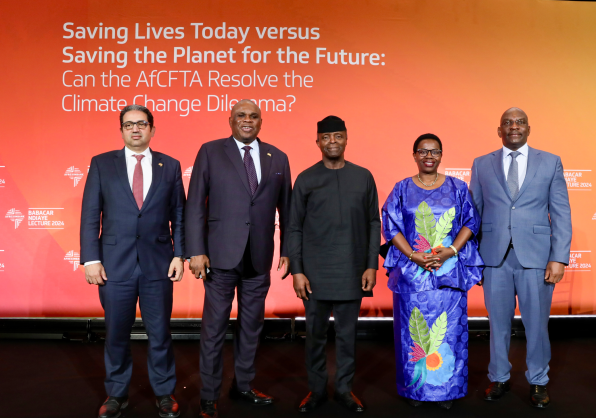
The eighth Babacar Ndiaye Lecture held at the Four Seasons Hotel in Washington D.C., on 26 October 2024, under-scored the need for African nations to strike a balance between short-term development imperatives and long-term climate goals. 

Under the theme “Saving Lives Today versus Saving the Planet for the Future: Can the AfCFTA Resolve the Climate Change Dilemma” discussions centred on how the African Continental Free Trade Area (AfCFTA), Africa's most ambitious trade initiative, could serve as a vehicle for economic growth and environmental sustainability, positioning the continent as a leader in the global green transition.  

The Lecture drew a distinguished audience of policymakers, academics, financial experts and climate advocates.  

Speaking about Dr. Babacar Ndiaye in his opening remarks, H.E. Professor Benedict Oramah, President and Chairman of the Board of Directors of Afreximbank Group, said “Dr Babacar Ndiaye was most concerned by the long-term threats posed to humanity by climate change. He once said, "Climate change is the greatest threat to development, particularly in Africa, where millions of people depend on the environment for their livelihoods … Africa's economic transformation cannot happen without addressing climate change.”  

Dr. Ndiaye's reflection on the impact of climate change was spot-on and intellectually deep.” But, “disappointingly, the global debate on climate has been so much focused on emissions reduction with the question of reducing its impact on Africa and other developing countries always reduced to a footnote. A call for Africa to decarbonise, when the continent has not even carbonised, poses a serious threat to the socio-economic development of a gas-rich continent that has at least six hundred million people without electricity.” 

The African Continental Free Trade Area Agreement “is seen as a potent means of reducing carbon emissions as it is helping to domesticate industrial activities and minimise the carbon emissions caused by shipping of commodities to far-away lands for value addition and reshipping to Africa and elsewhere. We believe that The AfCFTA could offer a pathway to a just transition, enabling local industrial value addition while protecting the planet.”  

Professor Yemi Osinbajo, SAN, GCON, the Immediate Past Vice President of the Federal Republic of Nigeria, delivered a powerful address titled “Sustainable Infrastructure for Africa's Future: Harnessing Innovation and Partnerships.” He spoke passionately about the advantages of the AfCFTA and its potential to transform Africa's trade landscape, reduce carbon emissions and foster innovation in green industries. 

“There are two obvious advantages to a fully operational AfCFTA.The first is that 42% of African countries, aside from North Africa, now have legislation prohibiting the export of raw ores or minerals before being processed. This legislation gives African countries the benefit of jobs and revenues from local processing and manufacturing.  

“The second advantage of the AfCFTA is that shipping is a major source of carbon emissions. Under current trade practices, a large share of African raw materials are exported to other regions, where they are processed or manufactured into finished products, usually using fossil fuel power sources, before being shipped back to Africa for consumption. This cycle contributes to higher emissions and constitutes a loss for African countries that do not reap the value chain gain from beneficiation. Intra-African trade in finished goods will substantially reduce this massive cause of global emissions,” he said. 

The reduction of emissions by intra-African trade has been the subject of several empirical studies. Professor Osinbajo referred to a recent ECA/ CEPII study titled “Greening the African Continental Free Trade Area Agreement's Implementation" published in December 2023, which found, inter alia, that implementing the AfCFTA can boost intra-African trade by 35% in 2045 while increasing GHG emissions by less than 1%, compared to no AfCFTA or climate policies.  

These studies do not factor in using renewable energy sources in the processing and manufacturing of traded goods, an assumption of the Climate Positive Growth paradigm, which would again substantially reduce emissions.  

Professor Osinbajo cited mining bauxite in Guinea as an example. If Guinea, which has 25% of global deposits of bauxite, processed the bauxite it mines to aluminium with renewable energy in readiness for export, Guinea could save the world 335 million tonnes of carbon dioxide equivalent (CO2e) per year, which is approximately 1% of global emissions, and create 280,000 jobs and generate $37 billion of additional revenue. If it chooses to sell the aluminium within Africa, it will again save the huge shipping cost to countries thousands of miles away.  

A Bloomberg study done for the African Development Bank (AfDB) in 2021 on the manufacture of battery precursors found that manufacturing battery precursors in the Democratic Republic of the Congo (DRC), which has plenty of lithium and cobalt, is three times cheaper than manufacturing it in the US, EU and China. Manufacturing in the DRC would extend value chain opportunities to other African countries, they would need manganese from Zambia, Tanzania, Gabon and South Africa to contribute to its capacity to produce these battery precursors. Manufacturing using renewable energy could significantly reduce the cost of manufacturing. Africa's abundant renewable energy has very low seasonality or intermittency, making it possible to reliably provide a renewable baseload to power continuous industrial production.  

“The AfCFTA empowers African countries first to add value to materials and specialise in areas of national comparative advantage, and also to work together to trade more beneficially with the rest of the world,” said Prof Osinbajo. 

He futher said that “Most African countries depend on fossil fuels for their energy needs and for fossil fuel rich African countries, this is also a major source of export earnings and fiscal revenues. Ostensibly in keeping with their net zero obligations, there has been a growing trend amongst development finance institutions to withdraw from fossil fuel investment. These actions include the World Bank's decision to cease funding for upstream oil and gas development in Africa and the restrictions on financing downstream gas development by the European Union, the United Kingdom, and the United States. Clearly, the implications of these actions are dire, where there are no immediate alternative sources of power and the cost of the transition to cleaner fuels may be prohibitive. Some studies show that divesting from fossil fuels could reduce GDP by as much as USD$30 billion for Nigeria, USD$22 billion for Algeria, and USD$19.3 billion for Angola.” 

H.E. Dr Rania A Al-Mashat, Minister for Planning, Economic Development and International Co-operation, Arab Republic of Egypt said that while the “African continent is the least responsible for carbon emissions, it has the biggest burden in terms of financing climate change for developmental needs - such as food and water security, and access to energy. 

She called for greater collaboration with national and international stakeholders “We need to work together; we need to bring the experiences from other places so that Africa can push forward with respect to development and sustainable economic growth.” 

In her Goodwill Message, Ms. Amina J. Mohammed, Deputy Secretary-General of the United Nations and Chair of the United Nations Sustainable Development Group, spoke about the rapidly closing window to prevent the worst impacts of climate change. She addressed the fact that many African countries are mired in debt, exacerbated by extended crises with little access to long-term concessional financing to invest in sustainable development. 

“With adequate access to financial resources at a reasonable cost, renewables can dramatically boost economies, grow new industries, create jobs and drive development, including by reaching the over 600 million Africans living without access to power,” said Ms Mohammed. 

She also stressed the importance of prioritising inclusive policies that empower women and youth when building climate-resilient economies.  

“By harnessing the collective might of the AfCFTA, Africa can make strides in addressing both climate action and sustainable development by promoting regional integration and fostering green industrialisation.  

“The AfCFTA can help build climate-resilient economies while creating jobs, reducing poverty and strengthening food security.”  

The eighth Babacar Ndiaye Lecture also reinforced Afreximbank's commitment to leadership in financing sustainable infrastructure and trade policies across the continent. 

Distributed by APO Group on behalf of Afreximbank.

Media Contact: 
Vincent Musumba 
Communications and Events Manager (Media Relations) 
Email: press@afreximbank.com 

For more information, visit: www.Afreximbank.com  
Follow us on X | Facebook (https://apo-opa.co/3YJR7iS)| LinkedIn (https://apo-opa.co/3Cet3eR) | Instagram (https://apo-opa.co/4ht2qDa)

About the Babacar Ndiaye Lecture 
The Babacar Ndiaye Lecture is an annual event designed to foster dialogue around Africa's development challenges and explore practical solutions through policy, trade and diplomacy.  

The Lecture honours Babacar Ndiaye, a former President of the African Development Bank, for his visionary leadership in advancing Africa's economic growth. 

Afreximbank has hosted this Lecture every year since 2017 in honour of the late Dr. Babacar Ndiaye, the fifth President of the African Development Bank. Dr. Ndiaye transformed the Bank during his decade-long leadership and was also instrumental in establishing several other enduring Pan-African institutions, including Afreximbank, Shelter Afrique and the African Business Roundtable. 

About Afreximbank 
African Export-Import Bank (Afreximbank) is a Pan-African multilateral financial institution mandated to finance, facilitate and promote intra and extra-African trade. For over 30 years, the Bank has been deploying innovative instruments to deliver financing solutions that support the transformation of the structure of Africa's trade, accelerating industrialisation and intra-regional trade, thereby boosting economic expansion in Africa. A stalwart supporter of the African Continental Free Trade Area (AfCFTA), Afreximbank has in partnership with the African Union Commission and the AfCFTA Secretariat launched the Pan-African Payment and Settlement System (PAPSS) that was adopted by the African Union (AU) as the payment and settlement platform to underpin the implementation of the AfCFTA agreement. The AfCFTA Secretariat and the Bank have created a US$10 billion Adjustment Fund to support countries to effectively participate in the AfCFTA.  

At the end of December 2023, Afreximbank's total assets and guarantees stood at over US$37.3 billion, and its shareholder funds amounted to US$6.1 billion. Afreximbank has investment grade ratings assigned by GCR (international scale) (A), Moody's (Baa1), Japan Credit Rating Agency (JCR) (A-) and Fitch (BBB). Afreximbank has evolved into a group entity comprising the Bank, its impact fund subsidiary the Fund for Export Development Africa (FEDA), and its insurance management subsidiary, AfrexInsure, (together, “the Group”). The Bank is headquartered in Cairo, Egypt.  

Media files
Afreximbank
Download logo
Read moreAfreximbank Calls for Increased Collaboration to Accelerate the Green Energy Transition in Africa
30 October 2024

Ivaldo Macamo Lost His Leg When the George Building Collapsed. He Is Still Waiting for Compensation

Location: News

Not one of the families we spoke to has received any payout

Read moreIvaldo Macamo Lost His Leg When the George Building Collapsed. He Is Still Waiting for Compensation
24 October 2024

Gauteng central hospitals operating beyond capacity to treat cancer

Location: News

Gauteng central hospitals operating beyond capacity to treat cancer

Gauteng, with a population exceeding 15 million, faces the highest burden of cancer care in the country and the province’s central hospitals were not originally designed to handle the current patient load.

The central hospitals are operating beyond their capacity in providing both cancer treatment and overall healthcare services.

These are the findings of a detailed evaluation of oncology services in Gauteng, undertaken by the Health and Wellness Portfolio Committee.

The Health and Wellness Portfolio Committee, consisting of members from various political parties in the provincial legislature, recently conducted a focused study to assess the pressure points and operational efficiency of oncology services throughout Gauteng.

The visits conducted this week included Dr George Mukhari Academic, Steve Biko Academic, Charlotte Maxeke Johannesburg Academic, and Nelson Mandela Children’s Hospital.

According to the committee, this initiative provided a deeper understanding of the complex challenges involved in delivering cancer treatment and care within the public healthcare sector. 

“Contrary to perceptions, oncology services require sophisticated coordination, far beyond what is often assumed,” the statement read. 

The committee said oncology services at these central hospitals extend not only beyond the province but also across national borders, offering highly specialised care that is difficult to replicate at tertiary and district hospitals, which often lack essential surgical, diagnostic, and pathological capabilities. 

“Consequently, these hospitals face a high volume of referrals from other provinces, such as North West, Limpopo, and Mpumalanga, further straining an already overburdened system.” 

The team also found the bed allocation becomes increasingly complex as they accommodate patients from outside Gauteng.
Additionally, the backlog is exacerbated by the significant number of foreign nationals seeking cancer treatment and other healthcare services in these facilities. 

According to the statement, Charlotte Maxeke Academic Hospital currently owes over R700 million, while Steve Biko Academic Hospital has a bill exceeding R400 million for the treatment of foreign nationals. 

This situation further intensifies the financial strain on the system.

Human resource planning

The committee also observed that the human resource planning for oncology services is outdated and does not meet the growing demands of Gauteng’s population. 

“This mismatch has led to significant pressure on healthcare professionals, with unfavourable staff-to-patient ratios affecting service delivery.”

In addition, there is a critical shortage of oncology, radiology, and other specialised healthcare workers, compounded by the private sector’s ability to offer more competitive compensation for these sought-after skills. 

They also discovered that there was a shortage of specialised nurses in the operating theatres and intensive care units (ICU).
“These nurses play a crucial role in the value chain of cancer treatment and care.”

The team has since urged the National Department of Health to fast-track the approval and implementation of revised staffing plans, already proposed by hospitals, to address these shortages.

“While the committee recognises the budget constraints caused by austerity measures, addressing the critical need for specialised personnel must remain a top priority to meet growing healthcare demands.” 

Infrastructure needs 

Gauteng historically had only two main radiology centres. However, the committee said they were encouraged that Dr George Mukhari Hospital is advancing plans to construct an additional oncology facility. 

The committee believes that once the facility is completed, it will relieve pressure on existing services and enhance treatment capacity for cancer patients. 

“However, it is essential to ensure that infrastructure expansions are matched by an increase in specialised personnel to operate the facility effectively.” 

The committee stated that they will closely monitor the project’s progress to ensure it meets deadlines and improves access to care.

“The committee now fully understands the multi-faceted factors contributing to the backlog in oncology services. The entire value chain – from diagnosis to treatment – requires a coordinated approach, guided by clinical guidelines.” 

As the National Health Insurance (NHI) implementation progresses, they said it was expected that greater cooperation and system improvements would help address some of the current challenges in the healthcare sector.

“We remain committed to supporting Gauteng’s healthcare system and will continue working with the Department of Health to tackle these challenges. 

“Our goal is to enhance oncology services, ensuring all patients receive the high-quality care they deserve, despite the complexities involved in providing such specialized treatment,” said Health and Wellness Portfolio Committee Chairperson, Advocate Ezra Letsoalo. – SAnews.gov.za
 

Gabisile
Thu, 10/24/2024 - 11:32

76 views
Read moreGauteng central hospitals operating beyond capacity to treat cancer
22 October 2024

Crime Statistics: Who Are We to Believe?

Location: News

SAPS and Stats SA figures are wildly different

Read moreCrime Statistics: Who Are We to Believe?
15 October 2024

African Development Bank and Absa Unveil Multi-Billion Rand Financial Package to Expand Sustainable Capital Markets, Boost Economic Growth for Women and Youth

Location: Business

African Development Bank Group (AfDB)
Download logo

The African Development Bank (www.AfDB.org) and Absa Group, one of Africa's leading financial services providers, today celebrated a landmark agreement to mark the execution of a transformative financial package aimed at increasing funding for underserved segments, across South Africa and the continent. The target audience includes women-owned businesses, youth entrepreneurs, and small and medium-sized enterprises (SMEs).

In addition to enhancing Absa's regulatory capital, the facility will promote access to finance, deepen domestic capital markets, and ensure continued access to global supply chains for issuing banks in regional member countries, including low-income and fragile states.

The financial package includes:

  • A subordinated sustainability-linked (Tier 2) loan amounting to R1.7 billion, complemented by a non-financial support package of R18 million for capacity building and technical assistance targeted at SMEs, youth, and women-owned enterprises.
  • Subscription of R1 billion into Absa's inaugural social (Tier 2) bond issuance, with proceeds earmarked for providing affordable housing loans to female homeowners.
  • A trade finance Risk Participation Agreement (RPA) facility valued at $150 million, designed to underwrite the risks of trade transactions originated by African issuing banks, reinforcing Absa's role as a regional bank.

Several components of the package have already been executed, including the successful issuance of Absa's first Tier 2 social bond on the Johannesburg Stock Exchange in July 2024. The R1 billion proceeds from this bond will be allocated towards affordable housing loans specifically targeting women, empowering them as first-time homeowners in low-income segments.

Leila Mokaddem, Director General of the African Development Bank's Southern Africa Region, stated: “This partnership with Absa Group underscores our commitment to driving sustainable and inclusive economic growth across Africa. Through this financial package, we are not only fortifying Absa's capital base but also ensuring that essential funding reaches women, youth, and entrepreneurs, fostering a more equitable and prosperous continent. This collaboration aligns seamlessly with our strategic priorities of supporting Africa's industrialization and enhancing the quality of life for its people. “

Absa has secured a R1.7 billion sustainability-linked Tier 2 loan aimed at general corporate business purposes while incentivizing the extension of finance products to women-owned SMEs as a key performance indicator. As part of this agreement, Absa is collaborating with the African Development Bank to enhance skills among both Absa staff and women business owners. A capacity-building training program has been launched to address the unique challenges faced by female and youth entrepreneurs, by providing mentorship and financial solutions.

Charles Russon, Absa Group interim CEO designate remarked: “The finalisation of this package concludes a three-year process that significantly enhances our capacity to fund social initiatives aligned with our commitment to being a force for good. This partnership enables us to increase funding for women and youth in South Africa while facilitating greater trade opportunities across the continent. “

“This partnership aligns with the African Development Bank's strategic objectives of advancing green, social, and sustainability instruments in the domestic capital markets, supporting African capital market development and regional financial integration,” said Ahmed Attout, Director of the Financial Sector Development Department at the African Development Bank. He emphasised that it is designed to empower Absa to effectively disburse funds for highly impactful social and sustainable economic development initiatives.

The $150 million trade finance facility will drive trade support across Africa, addressing the continent's annual trade finance gap of over $100 billion. This initiative will enhance access to financing for key sectors such as agriculture, transport, and manufacturing, while fostering financial sector development and regional integration.

Distributed by APO Group on behalf of African Development Bank Group (AfDB).

Contact:             
African Development Bank:  

Natalie Naudé,
Communication and External Relations Department,
email: media@afdb.org

Technical Contacts:
Peter Onyango,
Chief Capital Markets Officer,
Financial Sector Development Department,

Bleming Nakati,
Regional Lead,
Private Sector Operations, Southern Africa

Absa:
Carli Cooke,
Head of Media Relations,
email : prmedia@absa.afrca

About the African Development Bank Group:
The African Development Bank Group is Africa's premier development finance institution. It comprises three distinct entities: the African Development Bank (AfDB), the African Development Fund (ADF) and the Nigeria Trust Fund (NTF). On the ground in 41 African countries with an external office in Japan, the Bank contributes to the economic development and the social progress of its 54 regional member states. For more information: www.AfDB.org

About Absa Group:
Absa Group Limited (‘Absa Group') is listed on the Johannesburg Stock Exchange and is one of Africa's largest diversified financial services groups.  Absa Group offers an integrated set of products and services across personal and business banking, corporate and investment banking, wealth and investment management and insurance.  

Absa Group owns majority stakes in banks in Botswana, Ghana, Kenya, Mauritius, Mozambique, Seychelles, South Africa, Tanzania (Absa Bank Tanzania and National Bank of Commerce), Uganda and Zambia and has insurance operations in Botswana, Kenya, Mozambique, South Africa and Zambia. Absa also has offices in China, Namibia, Nigeria and the United States, as well as securities entities in the United Kingdom and the United States, along with technology support colleagues in the Czech Republic. 

For further information about Absa Group Limited, visit www.Absa.africa. 

Read moreAfrican Development Bank and Absa Unveil Multi-Billion Rand Financial Package to Expand Sustainable Capital Markets, Boost Economic Growth for Women and Youth
11 October 2024

Police Minister commends SAPS for arresting corrupt cop

Location: News

Police Minister commends SAPS for arresting corrupt cop

Police Minister Senzo Mchunu has commended the outstanding work of the South Police Service (SAPS) following the successful arrest of a 43-year-old Sergeant, after an extensive two-month investigation led by Captain Keshi Mabunda.

Mabunda is renowned for his exceptional work in dismantling insurance fraud syndicates. 

The Sergeant in question has been linked to the brutal and senseless murder of six individuals in and around Polokwane, Limpopo. 

READ | Limpopo police officer arrested for insurance murders

The victims, who lost their lives under tragic and horrifying circumstances, were part of a calculated and heinous scheme to defraud life and funeral insurance policies amounting to R10 million.

“I want to take this moment to commend Captain Mabunda and his team for their tireless and meticulous work in bringing this rogue officer to justice. Their dedication to the rule of law and the protection of our citizens is an embodiment of the integrity we expect from the SAPS,” said Mchunu, commending the SAPS on their sterling work.

“The nature of these crimes is deeply disturbing, with the victims meeting their ends in various violent ways. Such cruelty and disregard for human life is utterly reprehensible and it is all the more shocking when perpetrated by someone sworn to uphold the law and protect the innocent.

“At the same time, I must strongly condemn, in the clearest possible terms, any acts of corruption, criminality, or betrayal by members of the police service. This arrest serves as a stark reminder that there is no place in the SAPS for officers who abuse their position of authority for personal gain or engage in unlawful conduct. 

“Such actions not only harm innocent lives but also erode the trust that the public places in law enforcement. Let me be unequivocal: we will root out corruption and criminality from within the ranks of SAPS. Any police officer found to be involved in crime will be prosecuted to the full extent of the law. 

“We will not tolerate such conduct, and we will continue to work tirelessly to restore the public’s confidence in our police service,” he said. – SAnews.gov.za

Edwin
Fri, 10/11/2024 - 09:56

462 views
Read morePolice Minister commends SAPS for arresting corrupt cop
7 October 2024

Unions Take to the Streets to Demand Decent Work

Location: News

Hundreds of workers march in Cape Town, Joburg and Durban

Read moreUnions Take to the Streets to Demand Decent Work
4 October 2024

Six Weeks and UIF Online System Still Down

Location: News

COSATU has called on the labour minister to intervene

Read moreSix Weeks and UIF Online System Still Down
3 October 2024

Motsoaledi to engage various stakeholders in KZN on NHI

Location: News

Motsoaledi to engage various stakeholders in KZN on NHI

The Minister of Health, Dr Aaron Motsoaledi, will this evening engage stakeholders in KwaZulu-Natal on the National Health Insurance (NHI) Act and its benefits.

According to the Department of Health, the visit is part of ongoing roadshows on this health reform to understand concerns and recommendations from various sectors of society on how the NHI can be effectively implemented to meet the healthcare needs of the entire population.

“The NHI reforms’ primary objective is to unify the current fragmented health system to ensure Section 27 of the Constitution is realised.

“This piece of legislation is not just a policy, but a commitment of a better, healthier future for every South African,” the department said.

The countrywide stakeholder engagement programme also targets communities, ordinary people, and healthcare providers who will benefit the most from the phased implementation of NHI.

Motsoaledi will be joined by KwaZulu-Natal Health MEC Nomagugu Simelane and other leaders at the University of KwaZulu-Natal School of Health Sciences at 6pm. 

In May this year, President Cyril Ramaphosa signed the then NHI Bill into law. During the signing ceremony, he said the signing was a “milestone in South Africa's ongoing quest for a more just society”. – SAnews.gov.za

Gabisile
Thu, 10/03/2024 - 10:05

74 views
Read moreMotsoaledi to engage various stakeholders in KZN on NHI
3 October 2024

Employment and Labour to host Employment Standards Conference 

Location: News

Employment and Labour to host Employment Standards Conference 

The role of labour inspectors with the aim of protecting vulnerable workers in different sectors of the South African labour market, will come to the fore at the Department of Employment and Labour’s Employment Standards Conference.

The department’s Inspection and Enforcement Services (IES) branch is set to host the conference from 8 to 10 October at the Olive Convention Centre in Durban, KwaZulu-Natal.

“The conference promises to be an enlightening platform for the more than 350 inspectors expected to attend, offering an opportunity to engage in constructive dialogues, exchange ideas, and explore strategies to enhance compliance and maintain equality of inspections within the labour market.

It is an occasion to not only hear from leadership but also to contribute to the transformation of the inspections and South African labour market,” the department said.

The gathering will bring together inspectors specialising in the fields of basic conditions of employment, unemployment insurance, compensation for occupational injuries and diseases, employment equity, and the national minimum wage enforcement.

In recognition of work performed by the overstretched inspectors, the IES branch also plans to host an awards ceremony to reward the good work performed by the inspectors.

The department regularly conducts advocacy campaigns to ensure compliance with the labour legislation it administers. 

These include the Basic Conditions of Employment Act (BCEA), Unemployment Insurance Act (UIA), Compensation for Occupational Injuries and Diseases (COID) Act, National Minimum Wage Act (NMWA), Employment Equity Act (EEA), Occupational Health and Safety Act (OHSA), and the Employment Services Act (ESA).

The department said the theme of next week’s session “Advancing Social Justice through Effective Labour Inspections,” is a way of encouraging maximum compliance to employment and labour laws. – SAnews.gov.za

DikelediM
Wed, 10/02/2024 - 12:23

446 views
Read moreEmployment and Labour to host Employment Standards Conference 
1 October 2024

Employment and Labour blitz inspections and raids yield results

Location: News

Employment and Labour blitz inspections and raids yield results

The Department of Employment and Labour’s joint blitz inspections and raids have yielded significant results, with the department enforcing monetary corrections totalling over R10 million and arresting 81 non-documented workers. 

The Minister of Employment and Labour, Nomakhosazana Meth, held a media briefing today to update on the department’s joint blitz inspections and compliance raids. 

WATCH | 


In a decisive move to uphold employment standards, Meth announced that since assuming office in July 2024, her department has ramped up nationwide inspections targeting non-compliant employers.

Collaborating with the Department of Home Affairs, the Bargaining Council of the Hospitality Sector and law enforcement, the high impact blitz inspections focus on ensuring that workplaces adhere to key labour laws and safeguard workers’ rights.

“Our inspections have revealed instances of non-compliance, including underpayment of wages, unlawful deductions, and inadequate health and safety measures. To date, we have enforced monetary corrections totalling over R10 million, compelling employers to rectify these violations and honour their obligations to their employees,” the Minister said. 

Meth emphasised that the department approaches enforcement with a balance of firmness and fairness. 

“Employers found in violation are issued compliance orders with clear deadlines for corrective action. In situations where immediate risks to health and safety are identified, Prohibition Notices are issued to halt hazardous activities until compliance is achieved,” she said. 

The Minister said the scale and scope of these inspections demonstrate the department’s commitment to upholding labour standards nationwide. 

The Western Cape led with the highest number of inspections, totalling 809. Gauteng followed with 764 inspections, and KwaZulu-Natal with 535. Inspections were also carried out in the North West (217), Eastern Cape (82), Free State (69) and Mpumalanga (59).

These joint inspections targeted key sectors and regions, with significant activity in the Western Cape, Gauteng, and KwaZulu-Natal.

These joint operations scrutinised compliance with laws, including the Basic Conditions of Employment Act, National Minimum Wage Act, Occupational Health and Safety Act, Compensation for Occupational Injuries and Diseases Act (COIDA), Unemployment Insurance Act (UIA), Employment Services Act, and promoting fairness and protecting workers. 

Infractions such as underpayment of wages, illegal deductions, and unsafe working conditions were identified.

Tackling unemployment and undocumented workers

Meth expressed concern over South Africa’s unemployment rate of 33.5%, particularly among the youth. 

"Concurrently, the widespread employment of undocumented foreign nationals raises concerns over exploitation and the circumvention of legal hiring practices.

“Our administration is committed to addressing these challenges comprehensively and humanely. We are collaborating closely with the Department of Home Affairs to ensure that employment practices comply with immigration laws, and that all workers, regardless of their origin, are treated with dignity and fairness,” Meth said. 

Strengthening oversight and enforcement

Looking ahead, Meth revealed plans to expand the Department of Labour’s inspectorate capacity from 2 000 to 20 000 inspectors over the next three years. 

This will enhance the department’s ability to conduct more frequent and thorough inspections across the country. 

The introduction of risk-based profiling will allow for targeted audits, prioritising industries and regions where violations are most prevalent.

“To maximise the effectiveness of our inspections, we will implement a risk profiling system. This approach will allow us to prioritise audits and inspections based on identified risks, thereby improving our capacity to address high-priority non-compliance areas more efficiently,” the Minister said. 

The department will also introduce a specialised segment-focused compliance framework. 

“Our enforcement strategy will be integrated and risk-based, enabling us to address all compliance issues at the workplace in a holistic and comprehensive manner, ensuring that all regulatory requirements are met.

“Our commitment extends beyond enforcement; it is about fostering social justice and ensuring that every worker's rights are protected. 

“Fair labour practices lead to increased morale, productivity and ultimately, a more robust economy. Together, we can build a society where economic prosperity and social equity reinforce each other,” Minister Meth said. 

Supporting businesses: TERS, Productivity SA and the CCMA

In addition to enforcement, the Department of Employment and Labour is extending support to businesses by offering a range of services, fostering resilience, and ensuring harmonious labour relations.

Initiatives like the Temporary Employer/Employee Relief Scheme (TERS) and free productivity services from Productivity SA aim to help businesses in financial distress and improve their operational efficiency. 

The Commission for Conciliation, Mediation, and Arbitration (CCMA) also offers mediation services to resolve workplace disputes.

Operation Yazini: Raising Public Awareness

As part of Meth’s 100-day programme, Operation Yazini will be launched to raise awareness about the department’s services, including employment rights and compliance assistance. 

This initiative aims to bring the department closer to communities, ensuring that employers and employees alike understand their legal obligations and rights.

“Through targeted advocacy and outreach, Operation Yazini seeks to inform the public about the wide range of support available, including labour rights, employment services, and compliance assistance,” the Minister said. 

A call for collective action

Meth called for nationwide collaboration between employers, unions and civil society to create a fair and safe labour market. 

“I urge all stakeholders, businesses, labour unions, civil society organisations, and fellow citizens to join us in this vital endeavour. Let us work collaboratively to create a labour market characterised by fairness, safety, and mutual respect,” the Minister said.

As inspections continue, the department remains committed to transparency, social justice, and the protection of workers’ rights across South Africa. – SAnews.gov.za

DikelediM
Tue, 10/01/2024 - 13:07

201 views
Read moreEmployment and Labour blitz inspections and raids yield results
30 September 2024

Nominations open for boards of PIC, Sasria and Land Bank

Location: News

Nominations open for boards of PIC, Sasria and Land Bank

National Treasury has called for nominations of candidates to serve on the boards of directors of the Public Investment Corporation, Sasria and the Land and Agricultural Development Bank.

Qualifications and/or experience required to serve are as follows:

  • Public Investment Corporation SOC Limited: leadership, strategy, governance, law, actuary, economics, investment and asset management, corporate and project finance, human resources, auditing, accounting, risk, auditing, finance, information and communications technology, public administration, and social sciences.

  • Sasria SOC Limited: actuary; investments; insurance, reinsurance, leadership, strategy, governance, information and communications technology, law, accounting, auditing, risk, finance, and human resources.

  • Land and Agricultural Development Bank: leadership, strategy, governance, law, accounting, auditing, risk, finance, human resources, information and communications technology, asset and liability management, corporate law, corporate treasury, agricultural economics, agricultural research and development, rural development, development finance, credit risk (modelling), banking, and financial markets.

“Appointments will be subject to verifications of qualifications, relevant checks, and the preferred candidates obtaining the necessary security clearance. 

“Preference will be given to candidates whose appointments will enhance representativity. The Minister of Finance determines the remuneration allowances and other benefits of the chairperson and other board members,” Treasury said.

Nominations to serve must be accompanied by:

  • The full names, address and contact numbers of the person or organisation making the nomination.

  • A written and signed acceptance of the nomination by the nominee, in the form of a letter also certifying that he/she is not disqualified from serving as a director in terms of the Companies Act, 2008 and in relation to the Land Bank nomination that he/she is not disqualified to serve as a member of the board, as determined by Section 10 of the Land Bank Act, 2002.

  • A curriculum vitae of the nominee, providing the following information: full name; identity number and gender; physical address; contact numbers and email; previous experience quoting dates and organisations or institutions concerned; academic qualifications and service as a non-executive director on other boards.

  • Certified copies of the identity document and qualifications. 

  • Any other information that may be of assistance to National Treasury in making recommendations.

Nominations must be sent to the department no later than 14 October at National_Treasury_Boards@zatreasury.onmicrosoft.com.

Enquiries should be directed to Languta Manganye at 078 782 9421. – SAnews.gov.za

NeoB
Mon, 09/30/2024 - 12:48

326 views
Read moreNominations open for boards of PIC, Sasria and Land Bank
24 September 2024

Leading Fintech M-KOPA Reaches 5 Million Customers, Unlocking $1.5BN in Credit Across 5 Markets

Location: Business
M-KOPA

M-KOPA (https://M-KOPA.com/), a leading emerging market fintech, announced that it has surpassed 5 million customers across Kenya, Uganda, Nigeria, Ghana and South Africa. Two million of these customers have come onboard in the past 15 months.

M-KOPA's innovative model makes affordable smartphones embedded with financial services available to ‘Every Day Earners': the wide majority of African adults who earn their income daily but struggle to afford smartphones and typically fail to qualify for conventional financial services. According to the World Bank, 75% of adults in sub-Saharan Africa remain financially excluded. To date, M-KOPA has supported its customer base with more than US $1.5 billion in financing.

Starting with smartphone access, customers gain entry to the digital economy with an affordable daily repayment model, which fits their daily income and cash flow and makes it easier to manage. By leveraging rich payments data and proprietary AI-driven analytics, M-KOPA builds a credit record for each customer which forms the foundation for a long-term financial relationship for lower cost digital loans, affordable data subscriptions and medical insurance.

According to M-KOPA co-founder and CEO, Jesse Moore: “We are thrilled to welcome our 5 millionth customer to M-KOPA this month. The scale of our operations and our positive impact on customers is what keeps us working hard to go even further. We're just getting started; the opportunity for much larger impact and scale is right in front of us.”

M-KOPA also published its 2024 Impact Report this week, in which the company annually releases its progress against key social and environmental impact metrics.  As with prior reports, the 2024 survey of M-KOPA customers was undertaken by a third-party company – Dalberg Research.

Key impact highlights from the 2024 report include:

  • 92% confirm that M-KOPA's financing has made technology more affordable.
  • 80% of customers report an improved quality of life thanks to M-KOPA's products.
  • 70% credit M-KOPA with helping them achieve their financial goals, demonstrating the company's contribution to financial empowerment.
  • 62% use their M-KOPA product to generate income

The company is having a major impact in improving digital access in Africa. Nearly 2 million customers are first-time mobile internet users and 40% are women. M-KOPA also built the first and largest smartphone assembly factory in Kenya – which has produced more than 1m phones locally and further reduced the cost of access.

As with prior reports, M-KOPA's board and management use the annual impact report to help shape forward company strategy. Based on this year's findings, M-KOPA is working to further increase its percentage of female customers to 50%, to reduce its carbon footprint by making circularity central to its smartphone supply chain, and to continue pioneering green products like electric motorbikes that contribute to the health and sustainability of the communities where it operates.

M-KOPA's Chief Product Officer Nena Sanderson, notes: “Our product and services build pathways to prosperity for our customers and agents, enabling them to overcome financial setbacks, generate income and progress towards the futures they aspire to. Our impact extends beyond our customers, reaching their families and communities, and contributing to building a more sustainable world.”

Headquartered in London, UK, M-KOPA now creates employment for more than 3,000 staff and 30,000 commission-based sales agents across Kenya, Uganda, Nigeria, Ghana and South Africa.  The company has been recognised by the Financial Times as one of Africa's Fastest Growing Companies for the past 3 years, and by Time Magazine as one of the 100 Most Influential Companies globally for the past 2 years.

To read the full report, download it here: M-KOPA Impact Report 2024_Pathways To Progress (http://apo-opa.co/4eguFD2).

Distributed by APO Group on behalf of M-KOPA.

For media enquiries, please contact:
Wimbart
mkopa@wimbart.com

About M-KOPA: 
M-KOPA is a UK-headquartered emerging market fintech that provides affordable smartphones and digital financial services. With operations in Nigeria, Ghana, Kenya, South Africa and Uganda, the company has extended over $1.5 billion in credit to more than 5 million customers. Using an innovative financing model based on daily repayments, M-KOPA provides affordable smartphones embedded with financial services that fit with the cash flow of millions of underserved individuals who earn their income on a daily basis.

By leveraging rich payments data and proprietary AI-driven analytics, M-KOPA builds a credit record for each customer which forms the foundation for a long-term financial relationship for digital loans, affordable data subscriptions and insurance.

The company employs over 3,000 staff and 30,000 sales agents across its African markets. M-KOPA has been recognised by the Financial Times as one of Africa's Fastest Growing Companies for the past 3 years, and by Time Magazine as one of the 100 Most Influential Companies globally for the past 2 years.

Media files
M-KOPA
Download logo
Read moreLeading Fintech M-KOPA Reaches 5 Million Customers, Unlocking $1.5BN in Credit Across 5 Markets
24 September 2024

Understanding Forklift Solutions: Rental, Sales, and Hire Options

Location: MyPR

Forklifts are essential in a wide range of industries, including manufacturing, warehousing, and construction. They are used for moving heavy materials over short distances and play a crucial role in improving operational efficiency. Whether you’re looking for a forklift for short-term use or a long-term investment, there are several options to consider, including rentals, sales, …

Read moreUnderstanding Forklift Solutions: Rental, Sales, and Hire Options
21 September 2024

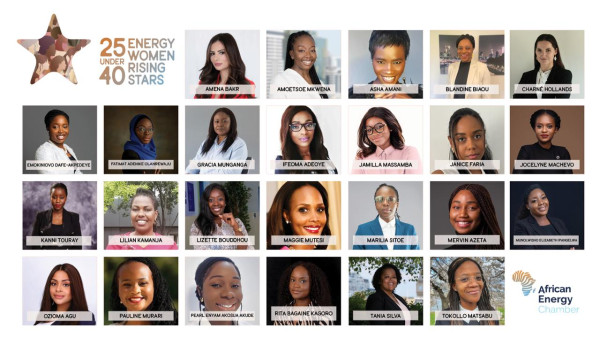
Celebrating This Year’s 25 Under 40 Energy Women Rising Stars

Location: News
African Energy Chamber

As Africa's energy sector continues to grow, a new generation of women is breaking barriers and redefining leadership in this critical industry. The African Energy Chamber (AEC) (www.EnergyChamber.org) proudly announces the 2024 edition of the 25 Under 40 Energy Women Rising Stars – a group of outstanding individuals whose innovation, perseverance and passion are transforming the landscape of African energy. These trailblazers are not only reshaping a traditionally male-dominated field but are also playing a vital role in the journey to end energy poverty by 2030. The AEC proudly honors these women as they lead the charge toward a more sustainable and equitable energy future.

In alphabetical order:

Amena Bakr, Senior Research Analyst, Energy Intelligence

Amena Bakr is a Senior Research Analyst at Energy Intelligence. Specializing in the energy transition, corporate strategy and market analysis, Bakr leads insights on oil markets, OPEC policies and political trends in the Middle East and Gulf Arab region. Her previous roles include Chief OPEC Correspondent and Dubai Deputy Bureau Chief, where she earned accolades such as the OPEC Award for Best Journalist and the IAEE Excellence in Written Journalism Award. Bakr holds a BA in Business Administration from the Arab Academy for Science, Technology & Maritime Transport, Egypt.

Amoetsoe Mkwena, Senior Associate, Watson Farley & Williams (Middle East)

Amoetsoe Mkwena is a Senior Associate at Watson Farley & Williams, specializing in energy and infrastructure with a focus on Africa. She advises on international projects, including the $15 billion Simandou project in Guinea. Mkwena's expertise includes power, renewables, oil and gas, and mining. Her legal skills and ability to bridge cultural divides make her a key player in Africa's energy sector.

Asha Amani, General Manager, INTERAFCON

Asha Amani is the General Manager at INTERAFCON, where she blends strategy and leadership to drive growth in complex energy projects. With seven years in Industrial Engineering and five years in the energy sector, Amani excels in business strategy, opportunity identification and project management. Her previous role as a Business Development Consultant at Tetco Consulting focused on delivering tailored solutions for the energy, engineering, and construction sectors.

Blandine Biaou, Geological Engineer, Head of Research and Prospection Department, SNH-Benin

Blandine Biaou, Head of the Research and Prospection Department at SNH-Benin, specializes in hydrocarbon exploration. She has optimized Benin's energy sector through resource management and contract revisions. Biaou has developed a modern data center and interactive database, contributing to national projects and representing Benin in international conferences, positioning it as a hydrocarbon hub.

Charné Hollands, Deputy Editor, Energy Capital & Power

Charné Hollands is the Deputy Editor at Energy Capital & Power, the leading investment platform for the African energy sector. She produces content on the entire energy value chain in Africa, with a focus on oil, gas, renewable energy and energy policy. Hollands holds a Master's in Media Studies from the University of Cape Town and has co-authored African Energy Chamber: Road to Recovery.

Emokiniovo Dafe-Akpedeye, Managing Partner, Compos Mentis Legal Practitioners

Emokiniovo Dafe-Akpedeye, a leading dispute resolution lawyer, specializes in complex oil and gas cases. She has represented Shell Petroleum and serves as company secretary for the Ebendo Host Community Trust Board. With degrees from Oxford and Bristol, she shapes oil and gas law and is implementing digital solutions to streamline board operations.

Fatimat Adenike Olanrewaju, General Field Engineer, SLB

Fatimat Adenike Olanrewaju, a Chemical Engineering graduate, is a General Field Engineer at SLB, focusing on wellhead installations and emissions reduction. She excels in a male-dominated field and leads community service through SLB's SEED initiative, advocating for gender diversity and mentoring.

Gracia Munganga, Senior Technical Advisory, ABT Global

With a Master's degree in Chemical Engineering from the University of Cape Town, Gracia oversees operations for the company, which has been designing and commissioning solar PV systems across sub-Saharan Africa since 2018. Her career includes roles at GreenCape, Anaergia Africa, the Climate Innovation Centre South Africa (CIC-SA), and the Carbon Trust.

Ifeoma Adeoye, CEO, IMSE Energy Resources Limited

Ifeoma Adeoye, CEO of IMSE Energy Resources Limited, leads the company in EPCI services and innovative crude evacuation technology. A graduate of the University of Manchester and Warwick, she also founded Business Nest Investments and BNI Insurance Brokers Limited, to empower and protect people and businesses through microfinance and insurance.

Jamilla Massamba, Health Safety and Environment Manager, SLB Congo

Jamilla Massamba, Health, Safety & Environment Manager at SLB Congo, leads HSE initiatives across Africa. With a Master's in Environmental Management Sciences, she has conducted over 100 audits and received awards for her work. Massamba also mentors young women in STEM and leads green energy projects.

Janice Faria, CEO, Enagol: Energias de Angola

As CEO of Enagol, Janice Faria has elevated the company's national and international profile. Under her leadership, Enagol competes globally and services International Oil Companies, setting a precedent for local enterprises in the global market.

Jocelyne Machevo, Communication, Commercial & Marketing Manager, Vivo Energy Mozambique

Jocelyne Machevo, formerly with Eni Mozambique, played a key role in the Coral FLNG Project and led the company's local brand transformation. Now at Vivo Energy Mozambique, she focuses on energy transition and decarbonization projects.

Lilian Kamanja, Electrical Engineer, Kenya Power

Lilian Kamanja is a Renewable Energy Specialist at Kenya Power with over nine years of experience in electrical engineering, network operations, and renewable energy development. She holds a BSc from the University of Nairobi and an M.Tech from IIT Delhi, focusing on renewable energy projects that enhance power accessibility and reliability.

Kanni Touray, Deputy Director General, Petroleum Commission, The Gambia

Kanni Touray, The Gambia's youngest and first female Deputy Director General at the Petroleum Commission, has enhanced the organization's efficiency and visibility. She champions sustainable development and energy transition, positioning The Gambia as a growing player in the global energy market.

Lizette Bouddhou, Human Resources Manager, SLB Congo and Gabon SLB

Lizette Bouddhou, HR Manager at SLB Congo and Gabon, drives diversity and workforce development. She leads recruitment and training initiatives, boosts employee engagement, and advances community outreach through educational partnerships, supporting women in STEM.

Maggie Mutesi, Managing Editor, Mansa Media

Maggie Mutesi is the Managing Editor at Mansa Media, with over 15 years of experience in major media outlets including CNN, BBC and CNBC. Her reporting spans over 30 African countries, focusing on trade and investments. At the BBC, she managed BBC Africa's daily live program, Money Daily. Mutesi has also extensively covered the Africa Continental Free Trade Agreement, working with the African Union and Afrochampions Initiative to enhance awareness among Africa's private sector.

Marilia Sitoe, Subsea Engineer, Eni Rovuma Basin

Marilia Sitoe, a Subsea Engineer at Eni Rovuma Basin, focuses on optimizing Mozambique's gas sector. Her work includes deep-water gas production and subsea infrastructure for Coral South FLNG. Sitoe's research supports Mozambique's economic growth and sustainability goals.

Mervin Azeta, Engineer, SLB

Mervin Azeta, a leader at SLB, has advanced from field engineer to corporate strategist. Recognized for her impact on African communities and the global industry, she is active in non-profit boards and connects young Africans with top leaders, fostering learning and inspiration.

Munolwisho Elizabeth Ipangelwa, Green Hydrogen Advisor, GIZ

Munolwisho Elizabeth Ipangelwa, Green Hydrogen Advisor at GIZ, advocates for women in oil and gas and green hydrogen development in Namibia. She has educated over 200 Namibians and leads green industrialization studies to boost local industries and reduce youth unemployment.

Ozioma Agu, Partner, Stren & Blan Partners

Ozioma Agu, a Partner at Stren & Blan Partners, excels in high-profile energy and infrastructure transactions. Her work includes advising on Mobil and Shell divestments and renewable projects. Agu has earned awards for her expertise in oil and gas and green hydrogen.

Pauline Murari, Contracts Manager SLB Angola, Central and East Africa

Pauline Murari, Contracts Manager at SLB, is known for her negotiation skills and leadership. She has driven growth in SLB's regional portfolio and contributed to projects like the East African Crude Oil Pipeline. Murari supports STEM education and local development.

Pearl Enyam Akosua Akude, Business Line Job Delivery Lead, SLB

Pearl Enyam Akosua Akude, with over 35 wells drilled, is a leader in the energy sector. She handles complex projects, trains engineers, and has contributed to innovations like TerraSphere and Net Zero Development in Africa, impacting the region's energy landscape.

Rita Bagaine Kagoro, Talent Acquisition Manager SLB: Angola, Central and East Africa

Rita Bagaine Kagoro, a Ugandan Petroleum Engineer, has seven years of experience and holds degrees from China University of Petroleum and Delft University of Technology. Her roles include Measurements and Logging While Drilling Engineer and Drilling Product Engineer. Kagoro has innovated drilling technologies to enhance efficiency and reduce CO2 emissions. She is passionate about leadership, mentorship, and advocating for diversity in hiring and women in energy.

Tania Silva, CEO, Angola LNG Marketing

Tânia Silva is the CEO of Angola LNG Marketing, the company's first female and youngest CEO. She oversees LNG sales, liquids contracts, and the shipping fleet. Previously, Silva was Head of Non-Operated Assets at Sonangol Gás e Energias Renováveis, S.A., where she managed non-operated assets and contributed to renewable energy projects. Her career is marked by leadership and innovation in the energy sector.

Tokollo Matsabu, Women Leader in Energy & Climate Fellow, Atlantic Council

Tokollo Matsabu is a 2024 Women Leaders in Energy and Climate Fellow and Director at Patlong Advisory, a consulting firm focused on energy programs and carbon sequestration in Africa. She is pursuing an MS in Global Energy and Climate Policy at the University of London's School of Oriental & African Studies, with a focus on critical minerals. Matsabu has a background in financial journalism and has conducted risk analyses for various stakeholders in the Global South. She holds a Bachelor's degree in International Relations, Media and Writing from the University of Cape Town.

Distributed by APO Group on behalf of African Energy Chamber.

Media files
African Energy Chamber
Download logo
Read moreCelebrating This Year’s 25 Under 40 Energy Women Rising Stars
20 September 2024

Prepare for a Safe Holiday on the Roads

Location: MyPR

As the school holidays start this week and Heritage Day is around the corner, many South Africans will use this opportunity for a mini-break of fun road trips and family get-togethers. With more of us hitting the road during this time, Dunlop Tyres SA urges drivers to inspect their vehicles, particularly the condition of their …

Read morePrepare for a Safe Holiday on the Roads
19 September 2024

PRASA Corruption Investigations Get Pushback From MK Party MPs

Location: News

The Special Investigating Unit presented its findings to Parliament on Wednesday

Read morePRASA Corruption Investigations Get Pushback From MK Party MPs
18 September 2024

President Ramaphosa, Business Unity SA meet on NHI

Location: News

President Ramaphosa, Business Unity SA meet on NHI

President Cyril Ramaphosa has met with the leadership of Business Unity South Africa (BUSA) to discuss matters related to the National Health Insurance (NHI) Act.

According to the Presidency, the meeting on Tuesday included the Minister and Deputy Minister of Health and senior officials and was “constructive and forward looking”.

“Business and government expressed a shared commitment to the underlying objectives of the NHI, namely to achieve universal health coverage for all South Africans and address inequality in the health system,” the Presidency said.

Furthermore, the office said government will continue to engage on the matter “in good faith”.

“The President has requested BUSA to put forward specific proposals on the remaining issues of concern as a basis for further engagement. Government remains committed to engaging with all stakeholders in good faith on the process of healthcare reform, and to finding workable solutions that will advance quality and affordable healthcare for all,” the Presidency said.

In May this year, President Ramaphosa signed the then NHI Bill into law. During the signing ceremony, he said the signing was a “milestone in South Africa's ongoing quest for a more just society”.

“This transformational health care initiative gives further effect to our constitutional commitment to progressively realise access to health care services for all its citizens. 

“At its essence, the NHI is a commitment to eradicate the stark inequalities that have long determined who receives adequate healthcare and who suffers from neglect.

“By putting in place a system that ensures equal access to health care regardless of a person’s social and economic circumstances, the NHI takes a bold stride towards a society where no individual must bear an untenable financial burden while seeking medical attention,” President Ramaphosa said. – SAnews.gov.za

NeoB
Wed, 09/18/2024 - 09:01

457 views
Read morePresident Ramaphosa, Business Unity SA meet on NHI
17 September 2024

The Importance of Accurate Valuations: Property, Art, Cars, and Business Assets

Location: MyPR

Introduction Valuations are integral to various aspects of our lives, from determining the value of a property to assessing the worth of a vintage car. Whether you’re dealing with property valuations or art valuations, understanding the factors that influence these figures is crucial. In this article, we will explore the various types of valuations, highlighting …

Read moreThe Importance of Accurate Valuations: Property, Art, Cars, and Business Assets
15 September 2024

A Call for Productivity SA to Increase Its Footprint

Location: MyPR

The Deputy Minister of Employment and Labour (DEL) Mr Jomo Sibiya has urged one of the Labour Department ‘s entities, Productivity SA to increase its visibility amongst South African businesses and also widen its reach to SMMES in the country. Delivering the keynote address at the 2024 Productivity SA Annual General Meeting (AGM), Mr Sibiya …

Read moreA Call for Productivity SA to Increase Its Footprint
15 September 2024

UIF Commissioner placed on precautionary suspension

Location: News

UIF Commissioner placed on precautionary suspension

Minister of Employment and Labour Nomakhosazana Meth has announced that Unemployment Insurance Commissioner, Tebogo Maruping, has been placed on precautionary suspension, following a briefing received from the Acting Director General, Viwe Mlenzana.

The Minister placed Maruping on precautionary suspension on Friday due to the nature of charges he is facing, which emanate inter alia, from the alleged role he played in the conclusion of the agreement between the Unemployment Insurance Fund (UIF) and Thuja Holdings led by Mthunzi Mdwaba amounting to R5 billion.

The agreement was declared invalid and therefore set aside by the Pretoria High Court on 28 May 2024. The Supreme Court of Appeal further dismissed with costs the subsequent appeal that was lodged by Mdwaba on 15 August 2024.

Meth said the agreement caused a public outcry, especially in the employment and labour sector.

She said the Commissioner’s disciplinary process will be dealt with expeditiously, allowing the administration an opportunity to pay undivided attention to the primary mandate of the UIF of providing short-term relief to workers who find themselves unemployed or unable to work due to illness, maternity, adoption including to dependants of the deceased contributors.

“I have further mandated the Acting DG to deal with all systematic and capacity challenges within the department and its entities so that we can respond adequately to the unemployment challenges in the country.

“I am very much mindful of the UIF’s challenges; specifically, the system challenges and the negative impact on workers, the unemployed, beneficiaries of deceased contributors and employers alike. I would like to assure the public that work is currently underway to respond adequately to such challenges,” Meth said. – SAnews.gov.za

GabiK
Sun, 09/15/2024 - 10:21

9 views
Read moreUIF Commissioner placed on precautionary suspension
12 September 2024

Law Reforms Necessary to Curb Vulnerabilities in Systems for Fraudulent Medico-Legal Claims

Location: News

Republic of South Africa: The Parliament
Download logo

A joint meeting of the Portfolio Committee on Health, the Standing Committee on Appropriations and the Standing Committee on Public Accounts (SCOPA) says law reforms are necessary to close gaps in legislation that expose government systems to fraudulent medico-legal claims.

The pre-audited financial statements for provinces reveal that the nine provincial health departments have paid R1.5 billion in the 2023/24 financial year for medico-legal claims, with contingent liabilities sitting at R63.5 billion. The committees were informed that doctors that are mostly targeted by fraudulent lawyers are obstetricians, gynaecologists, neurosurgeons as well as spinal and orthopedic surgeons. This leads to these specialists paying huge amounts in medical indemnity insurance to protect themselves.

The committees received a briefing from Health Minister Dr. Aaron Motsoaledi on the interventions the Department of Health is undertaking to deal with the collusion between medical professionals and lawyers that defraud the system. The committees were also briefed by the Auditor-General (AG) on the three-year audit. The audit shows that poor record-keeping by hospitals and clinics contributes to the challenges associated with medico-legal claims.

Currently, valid and fraudulent medico-legal cases that end up on the court roll are kept in the system for a prolonged period, negatively impacting the victims. The Minister wants to set up a model that will allow a panel of experts comprising of retired judges, retired senior medical and nursing staff, lawyers, social workers and other relevant professionals to assess all the medico-legal claims to determine and arrive at a fair compensation for those who have experienced medical injuries. This assessment will prevent the backlog of medico-legal cases that end up in court.

This is a system that is currently implemented in other parts of the world including Scandinavian countries. Legislative reform is necessary for this model to be successful, and the joint committees supported the proposal for the introduction of such legislation.

The committees have noted the consequence management measures undertaken by the department by referring all the implicated medical professionals, legal practitioners and healthcare workers to the National Prosecuting Authority and Lawyers Practice Council for criminal prosecution and professional misconduct. In addition, the department has reported all the implicated healthcare workers to various statutory bodies. While acts of fraudulent claims are in practice, it is equally important that health standards are maintained to ensure safe measures for health practitioners.

Distributed by APO Group on behalf of Republic of South Africa: The Parliament.

Read moreLaw Reforms Necessary to Curb Vulnerabilities in Systems for Fraudulent Medico-Legal Claims
  • Previous
  • Page 1
  • Interim pages omitted …
  • Page 4
  • Page 5
  • Page 6
  • Page 7
  • Page 8
  • Interim pages omitted …
  • Page 18
  • Next

Copyright © 2026 · MyZA · All Rights Reserved · Powered by Reach Trust