• Skip to main content
  • Skip to header right navigation
  • Skip to after header navigation
  • Skip to site footer
MyZA

MyZA

News, Directory, Events and Other Stuff

  • Social Media
  • Sport
  • World News
  • Home
  • Submit News
  • Directory
  • Events
  • Stratlec
  • TFSA
  • News
    • APO
    • Today’s Sport News
    • Todays Social Media and Tech Headlines
    • Today’s World News
    • Today’s SA Financial News
  • Contact
You are here: Home / Archives for Insurance

Insurance

10 February 2025

Gauteng’s first MitraClip Implants a ‘gamechanger’ for heart valve treatment

Location: News

Gauteng's first MitraClip Implants a 'gamechanger' for heart valve treatment

The Charlotte Maxeke Johannesburg Academic Hospital (CMJAH) has performed the first successful MitraClip implants on three State-funded patients in the province.

The minimally invasive procedure is designed to treat Mitral Regurgitation, a heart condition where the mitral valve does not close properly, causing blood to leak backwards into the heart.

The Gauteng Health Department explained that the MitralClip itself is a “minute clip passed through a catheter, which aids the mitral valve in sealing properly, subsequently restoring normal blood flow through the heart”.

Gauteng MEC for Health and Wellness, Nomantu Nkomo-Ralehoko welcomed the successful completion of the procedures, which were carried out last week.

“This procedure is but an example of the many inroads we continue to make in the healthcare system through collaboration between the public and private sector. 

“We have the advantage of academic hospitals, which boasts leading experts in many fields locally and internationally. This allows us to pioneer new ways of improving patient care,” the MEC said.

Director of the Cardiac Catheterisation Laboratory and Interventional Cardiologist at CMJAH, Dr Arthur Mutyaba, who was part of the team performing the procedures, said that with this new capability, more patients living with the condition and ineligible for open-heart surgery can now be assisted.

 “With this procedure now accessible, we are able to help these patients get back to a normal life without having to expose them to the risk that open heart surgery would have disposed them to,” Mutyaba said.

The department revealed that, to date, at least 15 MitraClip procedures have been completed in South Africa, all performed in public institutions.

“The Charlotte Maxeke procedure marks the fourth round of MitraClip implants in South Africa, following the first 12 successful procedures performed at Groote Schuur and Tygerberg hospitals in Cape Town. 

“What makes this program unique is that both public and private patients have access to this cutting-edge therapy through these leading academic hospitals in the country. At present, MitraClip therapy is not yet available in private healthcare facilities, making these institutions the sole centres for this life-changing intervention,” the department said.

Game changing solution

The Gauteng Health Department described that the procedure as a “game changer” which marks a “significant advancement in minimally invasive heart valve therapy” in both the private and public sector.

“The procedure’s key benefits include drastically reduced recovery times, often just one or two days post-insertion, making it a game-changer for elderly or high-risk mitral regurgitation patients who are unsuitable candidates for open heart surgery.

“With its availability through academic hospitals and the ongoing tracking of patient outcomes, this pioneering therapy is set to transform the treatment landscape for mitral regurgitation in South Africa,” the department said.

The successful procedures will now be recorded on the national registry to track advancements in treatments in South Africa.

“What makes the procedures even more unique is that, despite most of the patients having full medical insurance, a decision was made to perform these procedures in a controlled academic hospital environment. 

“This approach ensures that all cases are recorded in a national registry, allowing for the tracking of long-term outcomes and contributing to the advancement of structural heart disease treatment in South Africa,” the department said. – SAnews.gov.za


NeoB
Mon, 02/10/2025 - 12:52
32 views
Read moreGauteng’s first MitraClip Implants a ‘gamechanger’ for heart valve treatment
7 February 2025

Ministers welcome President’s focus on economic growth, job creation

Location: News

Ministers welcome President’s focus on economic growth, job creation

Government Ministers have thrown their weight behind President Cyril Ramaphosa’s State of the Nation Address (SONA), which focused on economic growth, job creation, infrastructure development and reducing household expenses.

“Our most urgent task is to grow our economy so that we can create jobs, reduce poverty, and improve the lives of all South Africans,” the President told Members of Parliament (MPs) and guests on Thursday evening. 

The President emphasised that the nation urgently requires a robust economy that benefits everyone. 

To achieve this virtuous cycle of investment, growth and job creation, the President said economic growth must surpass 3%.

Minister of Agriculture, John Steenhuisen, has echoed the President’s sentiments, stating that South Africa needs to transform its economy.

“We’ve got to be able to show more jobs. We need to bring in the private sector so that we can get more agricultural products to the world a lot quicker and expand. 

“The citrus industry told me that they could quadruple the production over the medium-term if they have reliable ports and can get their products to the market.” 

Steenhuisen believes that the Head of State and Government has demonstrated a clear focus.

“Now, we can [move with] the urgency that’s required and I wish I could see more of those deadlines around when we’re going to achieve these things.

“I think the President diagnosed the problem perfectly – it’s about growth and jobs. That’s why we’re in the GNU [Government of National Unity].” 

The Minister also expressed his satisfaction with the plans presented by the President. 

He also welcomed the investment in infrastructure, the commitments made toward Early Childhood Development (ECD), and the transformation of Social Relief of Distress (SRD) grants into income protection for impoverished South Africans.

The President announced that this grant will serve as the foundation for introducing a sustainable income support system for the unemployed. 

He also stated that the Funza Lushaka Bursary Scheme will continue to prioritise students who wish to pursue a career in teaching, particularly in the foundation phase. 

In addition, government will work to expand access to ECD services for all children.

“We can’t be sitting within the 2029 election and going to the electorate with some of these projects languishing in the drawing board. I think now we have to unpack; take all of these things and move them with speed and urgency,” Steenhuisen added. 

Deputy Minister for Women, Youth, and Persons with Disabilities, Mmapaseka Steve Letsike, believes that the President has issued a clear call regarding the government’s mid-term development plan, focusing on actions and priorities.

“Part of the non-negotiable... is job creation and economic growth in all sectors. No sector must be left behind - whether it’s infrastructure, construction, agriculture or finance. 

“Our President has said our country is capable and we must make sure that the capability and the potential of young people that we often find neither in employment, education nor training must be brought to the table.” 

Letsike believes that the President is prioritising women, youth and persons with disabilities. 

She welcomed the Transformation Fund, which is worth R20 billion a year over the next five years, to support black-owned and small business enterprises.

“It’s already telling us its action plan. This public purse must reach the relevant people.” 

Letsike also welcomed President Ramaphosa’s commitment to reform the energy and water sectors, which are essential for service delivery to the people.

“When he wrapped it up, he said our nation is capable and we can’t leave anyone behind.”

Health Minister, Dr Aaron Motsoaledi, expressed his satisfaction that the President addressed the importance of building the economy to create jobs.

“That has been a very big problem for about two decades in our country and he tried his best to tackle it,” he said. 

Motsoaledi also welcomed the three significant announcements related to his department, which include advancing the National Health Insurance (NHI), enhancing public health infrastructure, and working towards the elimination of HIV and AIDS. 

“I’ve been telling people that improving public health infrastructure and implementing the NHI aren’t mutually exclusive and don’t have to follow one another, and that we can do it simultaneously .

“The President just announced a huge hospital bill programme and so, we’re forging ahead with NHI and we’re going to put this massive infrastructure.” 

According to the Minister, the infrastructure will complement improvements in public health facilities.

“South Africans must not accept or get used to the idea that we’re going to live with HIV/Aids forever and it’s part of life. It’s not. At some stage, we need to bring it to an end and we’re targeting 2030.”

While he acknowledged that the country may not be able to completely eradicate the disease, he stressed that government is working tirelessly to eliminate it as a public threat. 

To achieve this goal, approximately 1.1 million more people need to be on antiretroviral therapy (ARVs) between now and November of this year.

“People have been asking me where are you going to get money (sic). But I tell them, when you want to save people, don’t ask about money. Look at the human beings you want to save first and money will follow when you have that determination.” 

Minister in the Presidency, Khumbudzo Ntshavheni, has echoed the President’s sentiments of providing universal healthcare for all South Africans.

“We must do the basic things that need to be done. We must put the health infrastructure in place, so that there are hospitals and clinics that our people can access,” Ntshavheni said.

Home Affairs Minister, Dr Leon Schreiber, stated that the President’s adoption of digital technology in his department has been crucial.

He told SAnews that this aligns with the vision of Home Affairs and how the department wishes to turn it into a digitally first department - the first component of this initiative will be delivered this year. 

Schreiber also highlighted the part of the address where the Head of State discussed tourism and attracting skills for investment.

“One of the big issues is getting visas. That’s why the electronic travel authorisation concept and the automated visa process are important. No more papers, no more space for human intervention and it’s going to deal with corruption and it’s going to deliver with efficiency.” 

Meanwhile, the President of the Congress of the South African Trade Union Federation (Cosatu), Zingiswa Losi, also welcomed this year’s address. 

“We’re happy because he touched on most of the things we expected the President to touch on -- the issue of the Social Relief of Distress grant and continuing with it to form the basic income grant. It has been the call Cosatu has been making for years now and we’re happy that the President is not talking about taking that away,” she said. 

Losi believes that the State must ensure that unemployed individuals can sustain themselves.

“I’m also happy that he was also able to link that to Technical, Vocational, Education and Training (TVET) colleges because we’ve seen that now our kids have passed Grade 12. Most of them are devastated because they’re unable to get to universities but we’re not talking about artisans and skills that this economy is going to need.”

According to the Cosatu President, if government is planning to spend R940 billion on infrastructure over the next three years, the country will require a wide range of skills to revitalise roads and bridges, build dams and waterways, and modernise ports and airports.

“The emphasis by the President about the TVET Colleges and also spending R943 billion that has been allocated to infrastructure says we’re going in the right direction. But we must make sure that the construction mafias don’t take this away,” Losi said. – SAnews.gov.za

Gabisile
Thu, 02/06/2025 - 23:47

114 views
Read moreMinisters welcome President’s focus on economic growth, job creation
5 February 2025

Afreximbank Challenges Africa’s Miners to Take Bold Steps to Own the Continent’s Resources

Location: News
Afreximbank

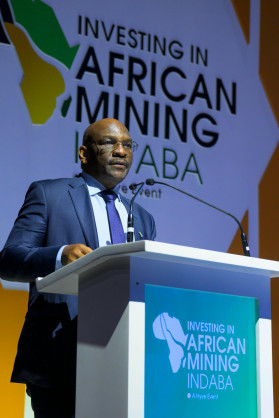
Africa must take bold steps to own its resources, create jobs and build industries that sustain prosperity for generations, African Export-Import Bank (Afreximbank) (www.Afreximbank.com) has told African leaders, policymakers, mining industry leaders and global partners at the African Mining Indaba 2025 in Cape Town, South Africa, on Sunday.

In a keynote address at the ministerial symposium of the Indaba, Mr. Denys Denya, Senior Executive Vice President of the Afreximbank Group, argued that the continent was standing at a crossroads and could either continue exporting its wealth and remain a marginal player in the global economy or take the bold steps to own its resources.

He noted that “While the global mining industry generated approximately US$1.7 trillion in revenue in 2023, Africa's share of this wealth remains disproportionately low. Our continent extracts the raw materials that power the world's industries, yet it is estimated that we retain as little as between four per cent and 20 per cent of the total value of our minerals due to minimal local processing and limited downstream development. The result? Lost economic opportunities, exposure to volatile commodity cycles and a persistent reliance on external markets for refined products derived from our own resources.” “The choice is ours. The time to act is now. Let us work together: governments, financial institutions, investors, and industry players to build an Africa where mining is not just about extraction but about transformation, innovation and wealth creation,” said Mr. Denya. “Africa has the resources, the market potential, and the policy frameworks to transition from a resource-dependent continent to an industrial powerhouse. However, success will depend on bold, decisive action from all stakeholders. Policymakers must implement clear, enforceable regulations that mandate local value addition and create investment-friendly environments. Private sector investors must step up with capital and technology to develop processing, refining, and manufacturing facilities.”

Reversing this trend demanded bold, coordinated action, he argued. “We must move beyond extraction and invest in refining, smelting and advanced manufacturing. African nations must increase local processing capacity for minerals such as bauxite, lithium, cobalt and iron ore.”

He added that regional collaboration was essential as no single country could build a mining value chain in isolation.

Mr. Denya highlighted the importance of the African Continental Free Trade Area (AfCFTA) in developing intra-African mineral value chains and strengthening cross-border collaboration and said that attracting capital for mining-related infrastructure, technology transfer and skills development were critical.

“Our mining policies must also prioritise environmental, social and governance standards, ensuring that mining benefits communities rather than displacing them,” he said, adding that the approach would create millions of skilled jobs for the youth and reduce reliance on volatile global markets while strengthening intra-African trade.

Reiterating Afreximbank's commitment to supporting Africa's mining sector and ensuring that mineral wealth drove economic growth rather than perpetuate resource dependency, Mr. Denya announced that, over the past three years, the Bank had approved more than US$1 billion in support of mining and mineral sector projects across the continent, including financing the development and construction of a bauxite processing plant in Guinea, supporting the expansion of a manganese processing plant in Gabon and providing working capital financing to a diamond company in Botswana.

Other major projects being supported by the Bank include a petrochemical fertilizer plant in Angola, a titanium dioxide pigment plant in South Africa and the feasibility study for the development of a limestone mine processing plant in Malawi, he added.

Mr. Denya said that the establishment of the US$10-billion AfCFTA Adjustment Fund, managed by FEDA, Afreximbank's impact investment subsidiary, would provide critical financial support to countries and businesses transitioning to the new trade regime, including those in the mining sector, and that the Bank's efforts to harmonise standards and implement the Africa Collaborative Transit Guarantee Scheme would also facilitate seamless movement of minerals and mining equipment across borders, reducing logistical bottlenecks.

Afreximbank was also leveraging digital platforms, such as the Africa Trade Gateway and the Pan-African Payment and Settlement System, to enable efficient transactions and market access, which would ensure that Africa's vast mineral wealth was utilised to drive industrialisation, value addition and economic resilience across the continent, he added.

Mr. Denya also noted that Afreximbank, in collaboration with development partners, was driving the development and expansion of industrial parks and special economic zones (SEZs) to address infrastructure challenges that hinder industrial growth.

One of the most transformative initiatives under that pillar was the DRC/Zambia Electric Vehicle Battery Manufacturing Special Economic Zones - a project that positions Africa at the centre of the global energy transition by the implementation of battery precursor SEZs aimed at making the two countries globally competitive investment destinations for the battery electric vehicle value chain.

The African Mining Indaba 2025, taking place from 3 to 6 February, is the premier gathering where Africa policymakers, industry leaders and global partners work to shape the future of the African mining sector.

Distributed by APO Group on behalf of Afreximbank.

Media Contact:
Vincent Musumba
Communications and Events Manager (Media Relations)
Email: press@afreximbank.com

Follow us on:
X: https://apo-opa.co/4116jsN 
Facebook: https://apo-opa.co/4aLcd4I 
LinkedIn: https://apo-opa.co/3Et8gFS 
Instagram: https://apo-opa.co/4aOinBd

About Afreximbank:
African Export-Import Bank (Afreximbank) is a Pan-African multilateral financial institution mandated to finance and promote intra-and extra-African trade. For 30 years, the Bank has been deploying innovative structures to deliver financing solutions that support the transformation of the structure of Africa's trade, accelerating industrialization and intra-regional trade, thereby boosting economic expansion in Africa. A stalwart supporter of the African Continental Free Trade Agreement (AfCFTA), Afreximbank has launched a Pan-African Payment and Settlement System (PAPSS) that was adopted by the African Union (AU) as the payment and settlement platform to underpin the implementation of the AfCFTA. Working with the AfCFTA Secretariat and the AU, the Bank is setting up a US$10 billion Adjustment Fund to support countries effectively participating in the AfCFTA. At the end of December 2023, Afreximbank's total assets and contingencies stood at over US$37.3 billion, and its shareholder funds amounted to US$6.1 billion. Afreximbank has investment grade ratings assigned by GCR (international scale) (A), Moody's (Baa1), Japan Credit Rating Agency (JCR) (A-) and Fitch (BBB). Afreximbank has evolved into a group entity comprising the Bank, its impact fund subsidiary called the Fund for Export Development Africa (FEDA), and its insurance management subsidiary, AfrexInsure (together, "the Group"). The Bank is headquartered in Cairo, Egypt.

For more information, visit: www.Afreximbank.com

Media files
Afreximbank
Download logo
Read moreAfreximbank Challenges Africa’s Miners to Take Bold Steps to Own the Continent’s Resources
31 January 2025

SA’s economy on recovery trajectory

Location: News

SA’s economy on recovery trajectory

South Africa’s economic growth prospects are poised to recover in 2025 following a lacklustre economic performance for the past two years.

According to an economic and financial assessments by the International Monetary Fund (IMF), the real Gross Domestic Product (GDP) output growth is expected to accelerate from an estimated 0.8 percent in 2024 to 1.5 percent in 2025 driven by improved electricity generation, monetary policy easing, and a return of investor and consumer confidence post elections.

On Thursday, the IMF published the findings of its Article IV Consultation with South Africa, which was held from 11-25 November 2024. 

As part of the surveillance role, the IMF conducts periodic economic and financial assessments with each member country.

The IMF acknowledged progress in banking-resolution and safety-net reforms and praised macro-prudential measures to bolster capital buffers. However, it raised concerns on the rising public debt and the challenges South Africa’s faces to meet climate goals.

In addition, the IMF welcomed the ongoing electricity and logistics reforms aimed at alleviating critical supply constraints and called for the ambitious implementation of these reforms. 

The Fund indicated that meeting South Africa’s climate goals requires further efforts to increase effective carbon taxation and accelerate the rollout of renewable energy.

The IMF projects growth to reach 1.8 percent by the end of the decade, supported by ongoing electricity and logistics reforms. 

“Risks are tilted to the downside, related to a possible intensification of geoeconomic fragmentation and protectionist policies in the context of an uncertain global environment.

“With fiscal deficits moderating but still elevated over the medium term, the IMF projects public debt to continue to rise under its baseline scenario, recommending a more-ambitious-than-envisaged fiscal consolidation,” the IMF said.

The IMF expects inflation to stabilise around the midpoint of the central bank’s target range. 

The Fund recommended that the central bank continues to manage the normalization of the policy rate toward the neutral level in a flexible and data-driven manner.

The IMF argues that transitioning from a target band to a lower point target with a well-calibrated tolerance band at an appropriate time can help strengthen macroeconomic stability.

National Treasury’s response

National Treasury noted that the IMF’s concerns are aligned with government’s response to addressing immediate and long-term economic challenges.

“The National Treasury is committed to implementing reforms that will enhance inclusive economic growth, achieve a sustainable public debt level, further repair and strengthen network industries, and strengthen state capacity to support economic activity.”

In its 2024 Medium Term Budget Policy Statement (MTBPS), the National Treasury estimated economic growth to increase from 1.1 percent in 2024 to 1.7 percent in 2025.

It attributed the gains in the economy to household consumption gradually increasing, supported by rising purchasing power, employment recovery and wealth gains.

“South Africa is committed to fiscal consolidation and to setting debt on a sustainable path. The fiscal year 2023/24 was a significant success, with the first primary surplus in 15 years being recorded in 2023/24. 

“An overall main budget deficit of 4.7 per cent of GDP is expected for the current fiscal year. This is projected to decline to 4.3 per cent in 2025/26. Meanwhile, debt as a percentage of GDP is expected to stabilize in the 2025/26 financial year, with debt-service costs as a percentage of revenue also peaking at the same time,” National Treasury said.

The current focus of South Africa’s reform agenda includes the stabilisation of the electricity grid, enhancing the efficacy of freight and ports operations, implementing e-Visas, as well as prioritizing the advancement of targeted industries to enhance the business climate and promoting equitable growth. 

Nearly 94 percent of the reforms aimed for implementation by 2024 have been accomplished or are significantly progressing. 

“Following its successful first phase, Operation Vulindlela, will be going into its second phase with new initiatives aimed at reversing local government decline, tackling spatial inequality and advancing a digital government to improve service delivery,” National Treasury said.

These enhance the key focus areas of the first phase  - namely, reducing power cuts, improving the performance of the logistics system, lowering data costs, improving water supply and enabling the country to attract critical skills.

The SARB performed its first stress test of South Africa's key insurance firms during the 2023/24 cycle, of which climate-related risks were prominent. Ongoing efforts to exit the Financial Action Task Force (FATF) grey list during 2025 are well underway, with 16 out of 22 action items having been addressed,” National Treasury said. - SAnews.gov.za


nosihle
Fri, 01/31/2025 - 09:07

103 views
Read moreSA’s economy on recovery trajectory
27 January 2025

South Africa outlines G20 Presidency plans at WEF

Location: News

South Africa outlines G20 Presidency plans at WEF

As the world convened in Davos for the World Economic Forum (WEF) Annual Meeting recently, South Africa presented its vision for the G20 Presidency this year – outlining a path towards a more equitable and sustainable future.

This is according to President Cyril Ramaphosa who addressed the country through his weekly Presidential newsletter on Monday.

South Africa’s theme for the Group of Twenty (G20) Presidency is Solidary, Equality, Sustainable Development.

“We made the point that it is in the interests of all countries, large and small, wealthy and poor, to reduce global inequality. That is why one of our priorities is ensuring debt sustainability for low-income countries. By freeing up funds for debt relief in these countries, they will be in a better position to invest in infrastructure, industrial development, education, health care and other forms of development.

“Another focus area, which both reduces poverty and promotes sustainability, is the mobilisation of finance for a just energy transition. Through this, developing economy countries will be able to pursue a low-carbon development path while protecting the interests of affected workers, businesses and communities,” the President said.

Related to this, the President spoke of the “mobilisation of special financing and insurance to enable vulnerable countries to rebuild after being struck by natural disasters” and harnessing critical minerals “to promote inclusive growth and development”.

He emphasised, however, that in order for sustainable growth to be achieved, countries must work together.

“We stressed that our themes and priorities are underpinned by the principle of cooperation. Throughout history, human progress has been possible only through collaboration among peoples and countries. 

“We therefore renewed our call for the resolution of global challenges through multilateral actions. We called for inclusive solutions that recognise that the world is more interconnected than ever before,” he said.

Pressing further, the President emphasised that the current world climate shows that “no country can go it alone”. 

“No country can sustain its growth, stability and development without working together with other countries to overcome common problems,” he said.

Positive sentiment

President Ramaphosa revealed that South Africa’s message at WEF “resonated with the participants in Davos”. 
“It was a sentiment shared by many of the business leaders with whom we interacted, as well as with other heads of state and multilateral institutions.

“Many of the people we spoke to endorsed South Africa’s G20 priorities. They saw the value of our focus on Africa and the interests of countries with developing economies. They appreciated the importance of reducing inequality within and between countries and the need for new growth paths that are climate-friendly sustainable,” he said.

READ | President Ramaphosa outlines SA's G20 Presidency priorities at WEF

Furthermore, there was a much-improved sentiment towards “South Africa and the prospects for our economy in the years ahead”. 

“They commented on the successful transition from the 6th to the 7th administrations and the formation of the Government of National Unity. They saw this as a sign of stability and a common commitment among parties to inclusive growth, employment and a capable state. 

“They welcomed the far-reaching reforms that are underway in areas such as energy, logistics, telecommunications and water to grow and transform our economy.

“The South African delegation left Davos with a sense that there are many leaders in the world that share our vision of an inclusive, just and equal world. And that they are prepared and willing to work with us through our G20 Presidency towards the achievement of such a world,” President Ramaphosa concluded.

The annual WEF meeting held from 20 to 24 January 2025, convened global leaders to address key global, and regional challenges. – SAnews.gov.za

NeoB
Mon, 01/27/2025 - 11:17

287 views
Read moreSouth Africa outlines G20 Presidency plans at WEF
24 January 2025

Financially “stretched” consumers cautioned against using unregistered credit providers

Location: News

Financially "stretched" consumers cautioned against using unregistered credit providers

With the start of the year being financially demanding, the Gauteng Department of Economic Development has encouraged consumers, who will be borrowing money from credit providers, to be wise and ensure that credit providers do not violate their rights.

This as some consumers could be facing financial challenges to the extent that they might need to apply for credit to meet their financial obligations such as school fees, school uniforms, transport and rent, among others.

Consumers have been cautioned against using unregistered credit providers such as ‘Abomashonisa’ that overcharge interest, and take consumers’ identity documents and their Social African Security Agency (SASSA) cards to enforce payment. 

“This is unfair business practice. Sometimes, when consumers’ credit applications decline, consumers resort to borrowing from Abomashonisa.  However, this does not help the consumer because of the exorbitant interest rates that are charged by these unregistered credit providers. 

“If your application is declined by all registered credit providers, it means that you have a bigger financial problem than you realise. Rather seek assistance by negotiating for lower instalments with your current credit providers, paying off and closing some accounts than accessing more credit through unregistered credit providers,” Gauteng Department of Economic Development Director for Education, Awareness and Stakeholder Relations Milly Viljoen said.

According to the Consumer Protection Act (CPA), consumers have a right to receive information in plain and understandable language.

“Consumers should read and understand the terms and conditions, and further ask questions if they seek clarity. This will allow them to understand Credit Life Insurance, which can be a lifesaver when they are unable to repay the debt due to loss of income, unemployment, disability, etc,” Viljoen said.

Consumers are urged to  consider the following tips:

  • Borrow only when it is necessary.  Avoid using credit for consumables such as groceries.
  • Verify the authenticity of credit providers, even the ones that are advertising on social media, by contacting the National Credit Regulator first before applying for credit. Unregistered credit providers will make you more financially constrained by overcharging interest. 
  • Understand the additional cost that comes with credit. The cost of credit includes interest rates, once-off initiation fees, monthly service fees, credit life insurance, etc. Consumers should read and understand the pre-agreement statement and quotation which will include all the costs involved. 
  • Do not sign immediately when applying for credit. The pre-agreement or quotation has five (5) days cooling period. Sign ONLY when you understand the terms and conditions. 
  • Do not sign a blank credit agreement/document.  Read, understand, and ask relevant questions if you seek clarity. Sign ONLY when satisfied with the terms and conditions. 
  • Check your credit report often- You are entitled to a free credit report once a year. You have the right to dispute any information that is wrongfully written on your credit profile.
  • Do not agree to pay an ‘upfront fee’ when applying for credit. Fake credit providers may force you to pay a fee before granting you credit. 

The Gauteng Office of Consumer Affairs works with different stakeholders in consumer protection to ensure that consumer rights are protected. 

Thus, consumers should contact the National Credit Regulator on 0860 627 627 or e-mail complaints@ncr.org.za to report unregistered credit providers or any credit provider that violates their consumer rights in the credit industry. - SAnews.gov.za

nosihle
Fri, 01/24/2025 - 09:57

158 views
Read moreFinancially “stretched” consumers cautioned against using unregistered credit providers
24 January 2025

Eldorado Park’s Pools and Sports Fields Are a Mess

Location: News

City of Johannesburg blames budget constraints and recurring vandalism

Read moreEldorado Park’s Pools and Sports Fields Are a Mess
22 January 2025

President Ramaphosa outlines SA’s G20 Presidency priorities at WEF

Location: News

President Ramaphosa outlines SA's G20 Presidency priorities at WEF

President Cyril Ramaphosa has highlighted the significance of South Africa's G20 Presidency and the economic priorities of the South African Government of National Unity during a special address to the 55th World Economic Forum in Davos-Klosters, Switzerland.  

The President told world leaders that South Africa will focus its G20 Presidency on three themes - namely solidarity, equality and sustainable development. 

He emphasised the country’s commitment to advancing a just energy transition, fostering inclusive growth and addressing global inequalities.  

“As a leading forum for international economic cooperation, the G20 plays an important role in shaping and strengthening global architecture and governance on major international economic issues,” the President said. 

He pointed out that the G20 is being hosted on the African continent for the first time in history. 

“This is a moment of great significance for South Africa, the African continent and the world in that it was in Africa where humans developed the capacity and the impulse for cooperation. 

“Cooperation has been one of the key markers of human development touching on many aspects of life, from survival and social organisation to technological and cultural progress, which is what the G20 was established for - to foster cooperation to deal with the challenges the world faces. Cooperation is the bedrock of human civilisation,” President Ramaphosa said. 

He referred to former President Nelson Mandela’s speech at the WEF annual meeting 33 years ago, when Tata Madiba said: “Our interdependence, bringing us together into a common global home, across the oceans and the continents, demands that we all combine to launch a global offensive for development, prosperity and human survival.”

President Ramaphosa said South Africa's G20 Presidency is aimed at pursuing the objective of fostering solidarity, equality and sustainable development. 

“It is South Africa’s firm view that these themes can best be taken forward through the collective actions of institutions like the G20 and various multilateral institutions of the world, especially the United Nations, the WTO [World Trade Organisation] and global financial institutions, which should be reformed and be more representative and responsive to the needs of the citizens of the world.  

“We will seek to get the G20 to focus more on how we can enhance solidarity through collective efforts to ensure that in the pursuit of progress for all, no person and no country is left behind,” the President said. 

He emphasised that the rights and freedoms of one people cannot be separated from the rights and freedoms of all peoples. The President said that this is the foundation on which solidarity is built. 

He said one of the greatest impediments to growth, development and stability is the persistence of inequality within and between countries.

The pursuit of the UN Sustainable Development Goal on reducing inequality is as much of an economic imperative as it is a social imperative, President Ramaphosa said.

“As the G20, we need deliberate and coordinated efforts to focus on inclusive growth based on responsive trade and investment to grow the incomes of poor nations and the poorest in society and to ensure equal access to opportunities especially for women and young people.

“For nations to flourish, equality and prosperity must be available to everyone – regardless of gender, race, religious beliefs or economic status,” he said. 

Mobilising Finance for a Just Energy Transition

Another of South Africa’s priorities for its G20 Presidency is to mobilise finance for a just energy transition. 

President Ramaphosa underscored the need for enhanced climate financing, urging global financial institutions to redirect unused Special Drawing Rights to support developing economies, particularly in Africa and the Global South.

“It is simply not fair that over 60% of Special Drawing Rights are concentrated in a handful of wealthy countries. These resources should empower countries in Africa to invest in infrastructure, education, health care, and industrial development,” the President said. 

He called for innovative financing mechanisms and private capital to scale sustainable development, urging global institutions to derisk and support financing for emerging markets.

Highlighting South Africa’s Just Energy Transition Partnership, the President said: “We must accelerate the transition to low-carbon economies in a manner that is just and inclusive, while recognising the damage that climate change has already caused.”

Strengthening disaster resilience

With the increasing frequency of climate-induced natural disasters, President Ramaphosa said South Africa has therefore made the strengthening of disaster resilience as one of the priorities of its G20 Presidency.

He called for special financing and insurance mechanisms to support post-disaster reconstruction, particularly in vulnerable regions.

Harnessing critical minerals for inclusive growth

President Ramaphosa said another priority is to harness critical minerals for inclusive growth and development. 

“We need a G20 framework on green industrialisation and investments to ensure progress towards a grand bargain that promotes value addition to critical minerals close to the source of extraction.

“We also need the development of low-carbon manufacturing value chains which can support decarbonisation and industrial development. As mineral extraction accelerates to match the needs of the energy transition, the countries and local communities endowed with these resources must be the ones to benefit the most,” the President said. 

Showcasing Africa’s promise

President Ramaphosa highlighted Africa as the next frontier of global growth, with its abundant natural resources, young population and expanding markets.

He called for G20 support for the African Continental Free Trade Area (AfCFTA) Adjustment Fund, investments in infrastructure, youth skills development, and women’s economic empowerment.

“The digitisation of the continent to enhance trade and development is a key enabler. Through its G20 Presidency, South Africa is well-positioned to advance global cooperation and build partnerships for growth and development,” he said. 

Advancing global cooperation

President Ramaphosa praised South Africa’s inclusive governance under the Government of National Unity, which he credited with fostering stability and investor confidence.

“This cooperative culture and approach was taken to a higher level with the establishment of the Government of National Unity following the elections we held in May last year.

“The Government of National Unity, made up of 10 political parties, has been vital to stability and inclusive governance, and has contributed to greater interest among investors in South Africa’s economic prospects,” he said. 

The President said over the last few years, the South African government has been working closely with social partners in business and in labour to address key national challenges and drive inclusive growth.

Concluding his address, President Ramaphosa extended an invitation to world leaders to attend the G20 Summit in Johannesburg later this year.

He said the seeds of human progress were sown in Africa, where the earliest forms of cooperation were forged and developed.

“As the leaders of the G20 return to Africa, we make a call that we all harness these essential capabilities that will make us take action to build a better and fairer world. We intend that the G20 in Johannesburg this year should be a forum where cooperation and collaboration amongst the leading economies in the world will be taken to a higher level.

“Acting together, we should build an inclusive, just and equal world in which all may prosper, leaving no one and no country behind. I look forward to welcoming you to the G20 in Johannesburg later this year. 

“Even if you do not participate in any of the 130 G20-related meetings, I invite you to come and see South Africa for yourself, the most beautiful country in the world,” he said. – SAnews.gov.za

DikelediM
Wed, 01/22/2025 - 12:30

10 views
Read morePresident Ramaphosa outlines SA’s G20 Presidency priorities at WEF
20 January 2025

Celebrating 30 years of policing in a democratic SA

Location: News

Celebrating 30 years of policing in a democratic SA

Members of the South African Police Service (SAPS) work under the most daunting working environments as the country struggles with high rates of violent crime, including homicide and sexual assault.

When police officers leave their families every day to perform their duties, the brave men and women in blue are putting their lives on the line and risk returning home in a coffin.

Through the commemoration of National Police Day, which takes place annually on 27 January, government recognises the hard work and sacrifices that the country’s police officers make and continue to make to provide a safe South Africa for all.

Speaking to SAnews, KwaZulu-Natal Police Commissioner, Lieutenant General Nhlanhla MKhwanazi, said this year’s celebrations coincides with 30 years of policing in a democratic South Africa.

“We know that in 1995 there was an amalgamation of different policing agencies that we had in the country that established the SAPS…[now] we are all one in policing in the country as mandated by the Constitution of the Republic,” MKhwanazi said. 

When South Africa attained independence in 1994, the new democratic order brought about many changes and had a substantial impact on policing.

Last year, South Africa celebrated the 30th anniversary of the country’s democratic dispensation and commemorated the nation’s first democratic election on 27 April 1994.

This historic milestone coincided with the 28th anniversary of the enactment of the South African Constitution as the supreme law of the land.

“We are going to be celebrating 30 years of policing in a democratic South Africa. We will be displaying all our capabilities as the SAPS. The National Police Day is one of the activities on the SAPS calendar that has been gazetted by government and authorised for us to have a celebration.

“This year’s event will be celebrated in KwaZulu-Natal, specifically in eThekwini. We want to give confidence that Durban remains a place of interest for hosting big events,” the provincial police commissioner said.

Since its establishment in April 2024, the Presidential eThekwini Working Group (PeWG) has been working hard to address critical service delivery, infrastructure, and socio-economic challenges within the eThekwini Metropolitan Municipality with the goal of positioning the city as an investment and tourism hub.

The Working Group operates across three spheres of government and includes representatives from the private sector and labour.

Call for donations for the SAPS education trust fund

Prior to National Police Day, the SAPS will host a fundraising event, which will be in the form of a golf day on 25 January 2025.

The SAPS has established the South African Police Service Education Trust (SAPSET) to raise funds for the provisioning of financial or any other form of assistance to a child or children of members in the service that died in the execution of official duties or on duty, by financing the costs of such child’s or children’s educational needs.

“This allows us to assist these children to go through school until the obtain their first tertiary qualification to make life better for them because those men and women would have died saving society and therefore their children should not be forgotten.

“Of course, government will pay their insurance, but on top of that, we felt that it is important that we find a way of augmenting the resources they have in order to be able to go to school without any struggles.

“We are doing the fundraising and we rely heavily on business to come on board and help us finance the educational trust fund,” Mkhwanazi said.

Last year, the provincial fundraising event in KwaZulu Natal managed to raise about R1.2 million.

“This is the national event so we expect businesses from all over the country to contribute and donate to this fund. We are hoping that if KZN can pull more than R1 million alone, with nine provinces that will raise more funds to assist the children of the departed members.

“These are members that we normally celebrate every September in Pretoria at the Union Buildings, that would have died in the line of duty,” he said.

National Police Commemoration Day takes place on the first Sunday in September in memory of police officers who died in the line of duty in the last twelve months.

The education trust is comprised of members that are independent of the SAPS and meets all the legal requirements for donations. 

“On the 26 January 2025, we are going to have the Excellence Awards where we recognise outstanding dedication, service, and excellence across various categories within the SAPS.

“We are going to be recognising those who have gone beyond the call of duty, including the committee members that have played the role in helping us fight crime in their role as the Community Policing Forums (CPF)

“If a police officer is off duty and places themselves in a position to prevent crime or becomes a rescuer of people that are trapped in dams or pit toilets, and you sacrifice yourself by taking them out, that is beyond your duties. It is such individuals that we want to recognize,” Mkhwanazi said. -SAnews.gov.za

nosihle
Mon, 01/20/2025 - 12:48

236 views
Read moreCelebrating 30 years of policing in a democratic SA
20 January 2025

Woman Collapses in Long Queue at Pretoria Labour Office

Location: News

Mamelodi residents say the long lines are exacerbated by the six-month closure of their labour office

Read moreWoman Collapses in Long Queue at Pretoria Labour Office
20 January 2025

All fraudulent COVID-19 SRD grants automatically canceled

Location: News

All fraudulent COVID-19 SRD grants automatically canceled

The South African Social Security Agency (SASSA) in Mpumalanga has announced the automatic cancellation of all fraudulent R370 COVID-19 Social Relief of Distress (SRD) grant payments.

The SRD grant is administered in terms of app-section 32 of the Social Assistance Act, 2004 (Act No. 13 of 2004) and is implemented with the concurrence of the Minister of Finance. The grant is meant for South African citizens, refugees, asylum seekers and special permit holders, who are between the ages of 18 and 60 years, who have insufficient means, who do not receive social grants on behalf of themselves, or who are not contributing to or eligible for Unemployment Insurance Fund payment, and have no financial support from any other source.

In a statement on Monday, the agency informed all beneficiaries that it is mandated to cancel all fraudulent grant payments, while emphasising its commitment to combatting fraud and ensuring that grants are paid to the rightful beneficiaries.

Beneficiaries, whose grants are cancelled due to suspected fraud, are allowed to reapply.

“SASSSA implemented this activity to ensure that the Agency pays social grants to the right people and avoid fraud.

“The agency is encouraging people to take responsibility to make sure that their identity numbers are not utilised for fraudulent activities. SASSA beneficiaries must ensure that they do not share their identity numbers with strangers to avoid becoming aiding fraudsters,” the Agency said. 

To manage these cases effectively, SASSA has deployed a team of well-trained officials assigned to deal with COVID-19 SRD grant cases.

Beneficiaries, who suspect fraudulent activity involving their grants, are encouraged to report it immediately via SASSA's toll-free hotline or WhatsApp service.

“Beneficiaries are encouraged to note that when they check their status and find out that it states “referred” it means that the SASSA system is suspecting fraudulent activity therefore the beneficiary must contact SASSA immediately to resolve the case,” the Agency said. 

SASSA also warned beneficiaries not to keep changing their banking details and contact numbers because those processes delay the payment processes.

For further assistance or information, beneficiaries can contact SASSA toll-free on 0800 60 10 11, or call 013 754 9428/9363 during working hours, Monday to Friday. WhatsApp inquiries can be directed to 082 046 8553. – SAnews.gov.za

DikelediM
Mon, 01/20/2025 - 10:01

26 views
Read moreAll fraudulent COVID-19 SRD grants automatically canceled
13 January 2025

Mukuru Launches Mobile Wallet in Zimbabwe to Bolster Financial Inclusion

Location: News
MukuruNext-generation financial services platform Mukuru (www.Mukuru.com) has launched a mobile wallet in Zimbabwe called Mukuru Wallet. The secure digital store of value follows Mukuru's award of a Deposit-Taking Microfinance Institution (DTMFI) licence in Zimbabwe by the Reserve Bank of Zimbabwe.

Building on Mukuru's trusted capabilities, which support more than three-million Zimbabwean customers, the wallet has several benefits, including its standout features: two pockets that allow users to send and receive money locally and internationally from mobile phones, safe storage of funds as well as a free cashout on international transfers.

Marc Carrie-Wilson, Send Money Home Zimbabwe CEO says: “The Mukuru Wallet is a significant development in the country because we have built a reputable brand by consistently ensuring cash availability when needed. To avoid disappointing people who travel long distances to receive their remittances which they use for food, school fees and other essential services, we now have 250 of our own service points. With a network stretching across urban and rural areas, we can reach more people than ever, providing constant cash availability and valuable digital solutions, such as the Mukuru Wallet, to the underserved communities.”

Mukuru Zimbabwe Financial Services CEO, Doug Tait-Knight, says: “Mukuru takes its role as a fintech driving financial inclusion seriously. With this wallet, we tap into our strength which lies in our robust network and technology, as well as our crispy notes that are always available, making this an exciting moment in our evolution in Zimbabwe.

“The wallet environment enables us to start providing additional value such as allowing more affordable domestic money transfers, supporting safety by eliminating the need for customers to walk around with large sums of money, and providing convenience and cost savings, such as paying for electricity, buying airtime, settling DSTV bills and paying for insurance from their couch. Our use of multiple channels also ensures accessibility for our customers,” explains Tait-Knight.

While currently focusing on private end users, soon organisations will be able to partner with Mukuru to make use of its local capabilities and global footprint to facilitate payments, such as distributing money to farmers, supporting payroll for small businesses and securing traceable aid distributions. Various organisations such as Cottco and the United Nations, through the World Food Programme, and the United Nations Children's Fund (UNICEF) already partner with Mukuru.

Kevin Nyakotyo, Mukuru's Enterprise Sales Manager for Zimbabwe and Zambia, added, “Our success in the end-user sector has enabled us to set in motion plans to enter the business sector. Whether it is for tobacco or cotton, payments made to farmers are often large sums of money. The Mukuru Wallet will make receiving these large sums of money far safer because beneficiaries won't need to draw all their cash at the same time.

“We have a mandate to educate the market based on trends we see, and with this wallet, we are reaching out to both organisations and individuals and giving them peace of mind to know their funds will be safe and can be collected at any time. They can draw an amount that suits them with full confidence the cash will be available wherever they are, whenever they need it,” says Nyakotyo.

Distributed by APO Group on behalf of Mukuru.

Notes to Editor: 
Mukuru is a leading next generation financial services platform in Southern Africa that offers affordable and reliable financial services to a customer base of over 17 million+  across Africa, Asia and Europe.

With over 100 million transactions to date, our core was built providing international money transfers and from this base, we've developed a set of services to address the broader financial needs of our customers. We now operate in over 60 countries and across over 500 remittance corridors.

We are a business that puts the customer at the centre of everything we do, and for that reason, we serve clients across physical and digital channels, by various payment methods (cash, card, wallet) as well as a range of engagement platforms including WhatsApp, USSD, contact centre, App, website, agents and a branch and booth network.

Mukuru has, for the fifth consecutive year, been listed as one of the top 100 Cross Border Payments businesses in the world in the 2024 FXC Intelligence Top 100 Cross-Border Payment Companies (https://apo-opa.co/3PCjAkY), one of only six African companies to receive this accolade.

In 2023, Mukuru officially ranked sixth on the LinkedIn Top Companies List in South Africa.

Mukuru was celebrated for innovation and excellence at the 2023 Africa Tech Festival Awards, receiving the Fintech Innovation of the Year Award - an acknowledgment of the transformative power of financial technology in driving economic growth, financial inclusion, and digital transformation. Visit www.Mukuru.com to learn more.

Media Enquiries:
Ammaarah Kootbodien
ammaarah@duomarketing.co.za
(+27) 071 529 6449

Kgomotso Hlakudi 
kgomotso.hlakudi@mukuru.com
(+27) 073 333 1672

Mthokozisi Dube
mtho.dube@lalataucomms.co.za
(+27) 81 790 2070

Media files
Mukuru
Download logo
Read moreMukuru Launches Mobile Wallet in Zimbabwe to Bolster Financial Inclusion
19 December 2024

Hundreds of Court Judgments Are Late

Location: News

The Office of the Chief Justice has published its reserved judgments list, but only for the first two terms of 2024

Read moreHundreds of Court Judgments Are Late
13 December 2024

Call to expand SA-Angola trade and investment 

Location: News

Call to expand SA-Angola trade and investment 

President Cyril Ramaphosa has called for the expansion of bilateral trade and investment between South Africa and Angola.

“During our official engagement, we reached a shared understanding that significant opportunities exist to further strengthen and expand our bilateral trade and investment relations,” President Ramaphosa said on Thursday.

The President made the remark during the South Africa-Angola Business Forum held at the CSIR International Conventional Centre in Pretoria. This as he hosted his Angolan counterpart, President João Manuel Gonçalves Lourenço, who was in South Africa for a State Visit at the Union Buildings earlier in the day.

READ | SA, Angola deepen ties

Speaking at the inaugural South Africa-Angola Business Forum, President Ramaphosa said it was heartening and encouraging to see a broad representation of business from the two countries. 

“This is in itself a solid demonstration of confidence; confidence in the strength of the region’s two largest economies; confidence in the potential that exists for deepening trade and investment ties; confidence that the governments of both countries are taking the necessary steps to ensure that the business operating environment is improved so investments can be safe and secured,” the President explained.

The first citizen said in his engagements with President Lourenço and the respective delegations, a wide array of critical political, economic and social issues of mutual concern were discussed.

More than 20 South African entities are already investing in Angola in a range of sectors including rail, agriculture, industrial parks, oil refineries, manufacturing, IT, financial services and logistics.

“By way of example, the Development Bank of Southern Africa is financing port development, railway rehabilitation, oil and gas infrastructure and renewable energy development in Angola. 

“The Export Credit Insurance Corporation of South Africa has also maintained a healthy pipeline in Angola in infrastructure development, and the Industrial Development Corporation is involved in financing the Cabinda Oil Refinery and the Cabinda phosphate project. We would like to see substantially more Angolan FDI [foreign direct investment] inflows into the South African economy,” said President Ramaphosa.

In addition, between 2003 and 2024, “only a handful” of Angolan companies were investing in South Africa in communications, financial services and the metal sector.

With respect to trade, though South Africa’s exports to Angola have grown by approximately 11% since 2019, they account for just 3% of Angola’s total imports. 

South Africa’s imports from Angola have declined by some 19% since 2019.

“Casting the net wider presents immense possibilities for improving both trade and investment flows. South Africa is pursuing an ambitious economic development agenda based on export-led industrialisation.

“We seek to revitalise our industrial base, modernise our infrastructure network, and strengthen logistics and supply chain connectivity with the rest of the continent,” President Ramaphosa said, noting that this presents opportunities for cooperation in various sectors such as agriculture and agro-processing, energy and rail rolling stock.

Energy and infrastructure development

On energy matters, the President said the rapid growth of key clean energy manufacturing industries, as part of the global transition to a low-carbon economy, is an area that must be explored urgently. 

“The global energy transition offers new opportunities to upgrade and diversify into technology-intensive global value chains. The transition to a low-carbon economy therefore presents scope for collaboration around critical minerals, specifically with regards to value addition and beneficiation.”

The President said infrastructure development that unlocks intra-Africa trade is a priority.

“We must build on the work already underway on the Lobito Corridor to create sustainable industries in the region. South Africa is ready to partner with Angola in the development of strategic corridors, including the Central, North and South Corridors, with the aim of transforming them into dynamic economic infrastructure projects that can promote growth.”

Cutting red tape

President Ramaphosa called on business and government to use the forum proactively.

“As government and business, we must use this forum to engage proactively around not just the possibilities that exist, but also how to resolve the challenges in the business operating environment. Companies in both Angola and South Africa have challenges that make it difficult to do business.

“Stringent business visa requirements, high export costs, onerous import processes, taxation issues and bureaucratic red tape are just some of these. 

“We must be able to emerge from this forum with a clear understanding of what the main challenges are and what steps will be taken to facilitate greater market access on both sides.

“Promoting greater economic growth for the benefit of Angola and South Africa necessitates that we are agile, adaptable and responsive as both the public and private sectors,” he said. - SAnews.gov.za

Edwin
Fri, 12/13/2024 - 09:42

297 views
Read moreCall to expand SA-Angola trade and investment 
4 December 2024

Minister Moves to Appoint National Gambling Board Members After Ten Years

Location: News

Board positions have been vacant since 2014

Read moreMinister Moves to Appoint National Gambling Board Members After Ten Years
3 December 2024

GDP decreases by 0.3% in the third quarter of 2024

Location: News

GDP decreases by 0.3% in the third quarter of 2024

South Africa’s Gross Domestic Product (GDP) decreased by 0.3% in the third quarter of 2024, following an increase of 0.3% in the second quarter of 2024.

“The agriculture industry was the main drag on growth on the production (supply) side of the economy, with transport, trade and government services also contributing to the slowdown. On the expenditure (demand) side, there was a decline in imports, exports and government consumption,” Statistics South Africa (Stats SA) said on Tuesday.

The agriculture, forestry and fishing industry decreased by 28,8%, contributing -0,7 of a percentage point to the negative GDP growth. This was primarily due to decreased economic activities reported for field crops. 

The transport, storage and communication industry decreased by 1,6%, contributing -0,1 of a percentage point. 
Decreased economic activities were reported for land transport and transport support services. 

“The trade, catering and accommodation industry decreased by 0.4%. Decreased economic activities were reported for wholesale trade, motor trade and food and beverages. General government services decreased by 0.1%, mainly due to decreased employment in national and provincial government and extra-budgetary institutions. 

“The finance, real estate and business services industry increased by 1.3%, contributing 0.3 of a percentage point. Increased economic activities were reported for financial intermediation, insurance and pension funding, auxiliary activities, real estate activities and other business services,” Stats SA said.

The personal services industry increased by 0.5%, contributing 0.1 of a percentage point. 

Increased economic activities were reported for health and education. 

“The manufacturing industry increased by 0.5%, contributing 0.1 of a percentage point. Three of the ten manufacturing divisions reported positive growth rates. 

“The largest positive contribution was reported for the basic iron and steel, non-ferrous metal products, metal products and machinery division. The mining and quarrying industry increased by 1,2%, contributing 0,1 of a percentage point. Increased economic activities were reported for manganese and chromium ore.”

Expenditure on GDP 

Expenditure on real GDP decreased by 0.2% in the third quarter of 2024, following an increase of 0.4% in the second quarter of 2024. 

“Household final consumption expenditure (HFCE) increased by 0.5%, contributing 0.3 of a percentage point to the total negative growth. The highest growth rates were reported for non-durable and semidurable goods,” Stats SA said.    

  
The main positive contributors to the increase in HFCE were expenditures on food and non-alcoholic beverages (0.9% and contributing 0.1 of a percentage point), housing, water, electricity, gas and other fuels (0.6% and contributing 0.1 of a percentage point), recreation and culture (1.2% and contributing 0.1 of a percentage point) and restaurants and hotels (1.1% and contributing 0.1 of a percentage point). 

“Final consumption expenditure by general government decreased by 0.5%, contributing -0.1 of a percentage point. This was mainly driven by decreases in purchases of goods and services and compensation of employees. 

“Gross fixed capital formation increased by 0.3%. The main positive contributors to the increase were other assets (4.4% and contributing 0.5 of a percentage point), construction works (1.4% and contributing 0.2 of a percentage point) and machinery and other equipment (0.5% and contributing 0.2 of a percentage point),” Stats SA said.   

There was a R6,6 billion drawdown of inventories (seasonally adjusted and annualised value).

Large decreases in three industries, namely manufacturing; electricity, gas and water; and mining and quarrying, contributed to the inventory drawdown. 

“Net exports contributed positively to expenditure on GDP. Exports of goods and services decreased by 3.7%, largely influenced by decreased trade in pearls, precious and semi-precious stones and precious metals; vehicles and transport equipment excluding large aircraft; chemical products; base metals and articles of base metals; and machinery and electrical equipment. 

“Imports of goods and services decreased by 3.9%, largely influenced by decreased trade in vehicles and transport equipment excluding large aircraft; mineral products; vegetable products; and base metals and articles of base metals,” Stats SA said. -SAnews.gov.za


nosihle
Tue, 12/03/2024 - 13:09

292 views
Read moreGDP decreases by 0.3% in the third quarter of 2024
26 November 2024

African Sub-Sovereign Government Leaders and Businesses Meet in Kisumu City, Kenya to Discuss Inclusive Growth, Trade Decentralization and Investment Opportunities

Location: News
Afreximbank

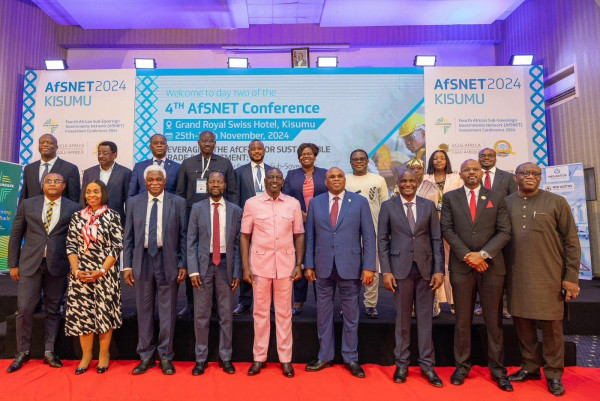
Over 250 Sub-Sovereign government leaders from across Africa are today meeting in Kisumu, Kenya, for the the fourth edition of the African Sub-Sovereign Governments Network (AfSNET) Conference. Taking place between the 25th and 27th of November, the event provides a platform for Sub-Sovereign leaders and businesses to discuss how their local governments can attract investments in the region in order foster and accelerate inclusive growth and development.

Organised by African Export-Import Bank (Afreximbank), in collaboration with the County Government of Kisumu and the United Cities and Local Governments of Africa (UCLG Africa), the conference's overarching theme is ‘Leveraging the AfCFTA for Sustainable Trade and Investment: A Development Pathway for African Sub-Sovereigns'. The event's main objectives include strengthening the role of Africa's Sub-Sovereign governments in driving intra-African trade and investment, and the successful implementation of the African Continental Free Trade Area (AfCFTA).

Africa's Sub-Sovereign governments, comprising states, counties, provinces, municipalities and regional authorities, play a critical role in economic development of African countries. According to the African Union, Africa's economic outlook is projected at 3.7% GDP growth in 2024, slightly higher than the global average of 3.2%. This growth elevates the integral role of Sub Sovereign governments for African economies and its people.

Understanding this, Afreximbank has committed USD $2 billion for these critical actors, to support these governments and businesses in African countries.

While delivering his keynote address at the AfSNET conference in Kisumu, Kenya, H. E. Dr. William Ruto, President of the Republic of Kenya acknowledged the Bank's support for African governments including Kenya:

“I want to thank Professor Benedict Oramah for making time to join us for this conference. Your presence here is yet another example of the unique approaches that the Bank, under your leadership, employs in order to deepen its footprint by engaging with shareholders throughout the continent, including sub-national entities like Africities, and devolved governments like Kisumu. Afreximbank has consistently demonstrated innovative approaches in advancing credit to African governments and the public sector while facilitating deeper collaboration among sub-Saharan nations and Kenya is an example. This spirit of innovation aligns seamlessly with the aspirations of the African Continental Free Trade Area, creating a dynamic network of ambitious, future ready institutions and governments. Such collaborations will drive transformative engagements at the grassroots level, enabling Africa to achieve an unparalleled position in the global value chains and make substantial contributions to their bottom-up transformation.”

Speaking on the importance of the conference, President Ruto noted: “By promoting peer to peer learning, this forum strengthens cooperation among Sub-Sovereign governments. And devolution, a tremendous innovation established under Kenya's 2010 constitution, has evolved into an exemplary success story that Kenyans are very proud of, as it has brought services closer to the people, empowered grassroot participation in government, safeguarded minority rights and enhanced equity in resource mobilization and allocation.”

Professor Benedict Oramah, President and Chairman of the Board of Directors of Afreximbank, commented:

“The African Sub-Sovereign Governments Network (AfSNET) initiative thrives due to the concerted efforts and unwavering commitment of partners who recognise the tremendous potential of sub-sovereign governments as the engines for broad-based economic development that extends to the grassroots of our societies. At Afreximbank, we strongly believe that for developmental initiatives to succeed in our economies, they must, of necessity, be decentralized; development needs must originate and flow from the periphery towards the centre. In alignment with the African Continental Free Trade Agreement (AfCFTA), we are passionately implementing the AfSNET initiative to promote intra-regional trade and investment. We collectively recognize that cities, states, and provinces within a nation exhibit remarkable diversity—differing in population sizes, resource endowments, skill sets, and sectoral specializations.”

Professor Oramah continued that this conference is a key prelude to the upcoming Intra Africa Trade Fair (IATF2025) scheduled to take place from 4 to 10 September 2025 in Algiers, Algeria, and delegates are welcomed to contribute to the discourse that can be elevated at the IATF2025.

AfSNET was established by Afreximbank as a platform for promoting intra-African trade and investment, educational and cultural exchanges and the fostering of effective engagement among sub-sovereigns in Africa's development and prosperity in the context of the AfCFTA.

Distributed by APO Group on behalf of Afreximbank.

Media Contact:
Vincent Musumba
Communications and Events Manager (Media Relations)
Email: press@afreximbank.com

Follow us on:
Twitter: http://apo-opa.co/3Z521i8
Facebook: http://apo-opa.co/4eNjNMs
LinkedIn: http://apo-opa.co/4eJyWyh
Instagram: http://apo-opa.co/4eNjO2Y

About Afreximbank:
African Export-Import Bank (Afreximbank) is a Pan-African multilateral financial institution mandated to finance and promote intra-and extra-African trade. For 30 years, the Bank has been deploying innovative structures to deliver financing solutions that support the transformation of the structure of Africa's trade, accelerating industrialization and intra-regional trade, thereby boosting economic expansion in Africa. A stalwart supporter of the African Continental Free Trade Agreement (AfCFTA), Afreximbank has launched a Pan-African Payment and Settlement System (PAPSS) that was adopted by the African Union (AU) as the payment and settlement platform to underpin the implementation of the AfCFTA. Working with the AfCFTA Secretariat and the AU, the Bank is setting up a US$10 billion Adjustment Fund to support countries effectively participating in the AfCFTA. At the end of December 2023, Afreximbank's total assets and guarantees stood at over US$37.3 billion, and its shareholder funds amounted to US$6.1 billion. Afreximbank has investment grade ratings assigned by GCR (international scale) (A), Moody's (Baa1), Japan Credit Rating Agency (JCR) (A-) and Fitch (BBB). Afreximbank has evolved into a group entity comprising the Bank, its impact fund subsidiary called the Fund for Export Development Africa (FEDA), and its insurance management subsidiary, AfrexInsure (together, "the Group"). The Bank is headquartered in Cairo, Egypt.

For more information, visit: www.Afreximbank.com

About UCLG Africa (UCLG Africa (United Cities and Local Governments of Africa):
The umbrella organization for African local governments, was founded in 2005 in the City of Tshwane, South Africa as a result of the unification of three continental groups of local governments, namely the African Union of Local Authorities (AULA); the Union des Villes Africaines (UVA); and the Africa Chapter of the União das Ciudades e Capitães Lusófonas Africanas, (UCCL AFRICA). The founding congress of the organization was held in May 2005 in the city of Tshwane, South Africa. UCLG Africa brings together 51 national associations of local and regional governments from all regions of Africa, as well as 2,000 cities with more than 100,000 inhabitants. UCLG Africa represents over 350 million African citizens. A founding member of the world organization UCLG, UCLG Africa is the regional representative for Africa with its headquarters based in Rabat, capital of the Kingdom of Morocco, where it enjoys diplomatic status as a Pan-African International Organization. It also has regional offices on the continent.

Media files
Afreximbank
Download logo
Read moreAfrican Sub-Sovereign Government Leaders and Businesses Meet in Kisumu City, Kenya to Discuss Inclusive Growth, Trade Decentralization and Investment Opportunities
26 November 2024

Zimbabwe Commits to Boost Domestic Health Financing

Location: News

World Health Organzation (WHO) - Zimbabwe
Download logo

Zimbabwe has taken a significant step towards strengthening its health system by committing to increase domestic financing through a health levy, a sugar tax, establishment of National Health Insurance and other initiatives. This commitment was made during a three-day national dialogue on health financing, aimed at exploring sustainable strategies to improve the country's health sector which brought together key stakeholders, including government officials, healthcare providers, civil society organizations, and international experts, to discuss innovative approaches to bolstering financing to the country's health system.

Finance, Economic Development and Investment Promotion Deputy Minister Kudakwashe Mnangagwa announced $10 million through the Health Levy and $18 million through a sugar tax has been raised to date. These funds are intended to strengthen the country's health system and improve access to healthcare for all citizens.

“We will have periodical meetings between Treasury and the Ministry of Health and Child Care(MoHCC) to discuss major challenges facing the health sector, including budget utilisation, disbursements, cash support, as well as coming up with a minimum monthly health sector requirement to guide our cash flows,” he said.

The country is yet to meet the Abuja Declaration target of allocating 15% of its annual budget to health, leading to a healthcare system burdened by rising costs, limited resources, and inequitable access to care. Imposing taxes on unhealthy products like tobacco and alcohol can generate additional revenue for health programmes. Countries like Vietnam and South Africa have implemented such measures with varying degrees of success.

Key issues identified during the dialogue included the need to increase public revenue allocation to healthcare, improve the predictability and stability of funding flows, and strengthen accountability mechanisms. Collaboration with the private sector, establishing efficient cost-recovery mechanisms, ensuring health remains a priority in national budgets, leveraging indigenous knowledge systems, and timely disbursement of health funds were some of the recommendations brought forward during the meeting. In addition to sin taxes, levies, diaspora remittances, and climate financing, investing in preventive health programmes, expanding immunization programmes, and prioritizing allocation to primary health care and prevention of high-burden diseases were identified as some of the low-hanging fruits. 

To improve service delivery, shifting from siloed approaches to consolidated management structures, implementing cost-effective quality improvement initiatives, and identifying and eliminating wastage were also emphasized. Collaborating with civil society organizations, involving communities in decision-making, investing in capacity building for health workers, promoting innovation, developing social contracting policies, and promoting regional, national, and subnational knowledge exchange were also highlighted as important strategies. 

The World Health Organization (WHO) Representative to Zimbabwe Dr Desta Tiruneh commended the government's commitment to health financing and emphasized the need for collaboration between the MoHCC, the Ministry of Finance, and Parliament to implement proposed reforms and ensure equitable access to healthcare. He pledged WHO continued support to the government in implementing the recommendations provide during the dialogue and achieving the goal of Universal Health Coverage (UHC).

Distributed by APO Group on behalf of World Health Organzation (WHO) - Zimbabwe.

Read moreZimbabwe Commits to Boost Domestic Health Financing
26 November 2024

SA to mark World Aids Day

Location: News

SA to mark World Aids Day

Deputy President Paul Mashatile, in his capacity as the Chairperson of the South African National Aids Council (SANAC), will on Sunday lead the official commemoration of World Aids Day in East London.

World Aids Day is commemorated annually across the globe in solidarity with the millions of people living with HIV as well as to raise awareness about the status of the epidemic, with a view to encourage HIV prevention, treatment, and care.

The 2024 theme: “Equal Rights, Equal Care” is a call for equal, equitable and dignified access to healthcare for all South Africans regardless of their economic status, gender, race or sexuality.

“South Africa joins the global community in anchoring the World Aids Day 2024 commemorations, on the protection of everyone’s right to receive universal access to quality health care for all its citizens. 

“This is in line with the principles of the newly enacted National Health Insurance (NHI) model, which is a transformative policy aimed at addressing the inequalities in South Africa’s healthcare system,” said the Presidency.

Deputy President Mashatile will lead the commemoration alongside the SANAC Civil Society Chairperson Solly Nduku, SANAC Private Sector Chairperson Nompumelelo Zikalala, Minister of Health Aaron Motsoaledi, Eastern Cape Premier Oscar Mabuyane, as well as representatives from development partners such as the UN Agencies UNAIDS, UNICEF, WHO, US government agencies the CDC, PEPFAR, USAID, research entities, civil society movements, the private sector and community members.

As part of the programme on Sunday, Humile Mashatile, in her capacity as Patron of the Global Alliance, will participate at the launch of the Eastern Cape Provincial Global Alliance to End AIDS in Children by 2030. – SAnews.gov.za

Janine
Tue, 11/26/2024 - 12:17

8 views
Read moreSA to mark World Aids Day
26 November 2024

Union Criticises Employers for Not Registering Domestic Workers for UIF. But It’s Not So Simple

Location: News

UIF registration system works poorly

Read moreUnion Criticises Employers for Not Registering Domestic Workers for UIF. But It’s Not So Simple
21 November 2024

SARB announces repo rate cut

Location: News

SARB announces repo rate cut

The South African Reserve Bank’s Monetary Policy Committee (MPC) has - in a unanimous decision - decided to cut the repo rate by 25 basis points, bringing it down from 8% to 7.75% with effect from Friday.

This is the second consecutive repo rate cut announced by Reserve Bank Governor Lesetja Kganyago following a meeting of the bank’s MPC.

“The committee agreed that reducing the level of policy restrictiveness is still consistent with achieving the inflation target,” Kganyago said.

He warned, however, that the risk outlook “requires a cautious approach”.

“Global interest rates could well shift higher again and the recent Rand depreciation demonstrates how rapidly changes in the global environment can affect South Africa.

“The forecast sees rates easing further in future, stabilising a bit above 7%. But this rate path from the Quarterly Projection Model remains a broad policy guide. The MPC would like to emphasise that its decisions will be made on a meeting-by-meeting basis, with no forward guidance and no pre-commitment to any specific rate path. 

“Such decisions will continue to be outlook dependent, responsive to data developments, and sensitive to the balance of risks to the forecast,” he said.

Kganyago’s announcement comes on the heels of an announcement by Statistics South Africa that inflation had dipped to 2.8% - its lowest since June 2020.

This is also below the SARB’s inflation target range of between 3 – 6%.

In this regard, Kganyago said the SARB has assessed risks to inflation outlook as “balanced”.

“[We] anticipate inflation expectations will moderate further. These expectations have been quite backward-looking, with higher past inflation projected well into the future. Survey expectations remain above our midpoint objective.

“We expect that our policy stance, and the experience of lower inflation, will anchor expectations more firmly at lower levels.

“In the near term, inflation appears well contained. However, the medium-term outlook is highly uncertain, with material upside risks. These include higher prices for food, electricity and water, as well as insurance premiums and wage settlements,” Kganyago said. – SAnews.gov.za


NeoB
Thu, 11/21/2024 - 15:26

73 views
Read moreSARB announces repo rate cut
20 November 2024

Spaza shops: Register to benefit from government funding

Location: News

Spaza shops: Register to benefit from government funding

As township and rural entrepreneurs throughout the country are getting their papers in order to ensure they are compliant with government regulations to run a spaza shop, the great news is that once they have a valid trading permit, they can apply for funding from government institutions.

Through programmes like the Township and Rural Entrepreneurship Programme (TREP) or the Spaza Shop Support Scheme, entrepreneurs can access much-needed financial relief.

Earlier this month, government introduced a new standard draft by-law for township economies that offers a simplified permitting and registration process.

“To further support township businesses, municipalities will facilitate workshops, training, and access to essential resources such as infrastructure and markets. This proactive approach helps small business owners improve operational capacity, while also promoting compliance with relevant laws and standards.

“The new standard draft by-law introduces an efficient permit and registration system that provides clear guidelines for businesses, including both physical and online access to application forms,” the Department of Cooperative Governance and Traditional Affairs (COGTA) said earlier this month.

Municipal officials will assist applicants in the process, ensuring timely approvals and smooth operations for new and existing businesses.

“This by-law, issued in accordance with the Local Government: Municipal Systems Act of 2000, aims to create an enabling environment for small businesses in townships, supporting economic inclusion, job creation, and community empowerment,” the department said.

The full gazette can be accessed at https://www.cogta.gov.za/index.php/docs/local-government-municipal-systems-act-2000/.

President orders registration of spaza shops

Last week, President Cyril Ramaphosa called for all spaza shops and food-handling facilities to register with their respective municipalities as part of decisive measures to address the recurring food-borne illnesses that have claimed the lives of at least 22 children across the country.
  
The interventions, the President explained, included getting hazardous pesticides off the street, protection of children from exposure to these substances, and the prevention of future outbreaks.

To ensure compliance, the President ordered that all spaza shops and food-handling facilities must register with their respective municipalities within 21 days.

President Ramaphosa further announced the immediate closure of spaza shops implicated in the deaths and stricter regulations to protect communities.

READ I Spaza shops implicated in child deaths to be shut down

Township and rural entrepreneurs who are in need of funding are encouraged to consider applying for the Township and Rural Entrepreneurship Programme (TREP) or the Spaza Shop Support Scheme. The National Youth Development Agency also has numerous programmes targeted at assisting young people in business.

The TREP targets township and rural-based enterprises which are owned by entrepreneurs who are based in the townships or rural areas.

The programme is aimed at assisting entrepreneurs overcome the legacy of economic exclusion by creating a conducive environment for entrepreneurial activity and providing dedicated business support to enterprises in rural and township areas including access to funding.

Township or rural-based entrepreneurs must apply for support including funding through the common application template from the Small Enterprise Development Agency (Seda), the Small Enterprise Finance Agency (sefa), National Empowerment Fund (NEF) and the National Youth Development Agency (NYDA).

Owners of the business must be South African nationals.

How to apply:

•    Register on https://smmesa.gov.za/ and complete the information required. Once complete, you will receive an email with your unique smmesa.gov.za reference number.
•    The application form is available at https://www.eservices.gov.za
•    Create a user profile (account) with the email address used to register on smmesa.gov.za, the email address and smmesa.gov.za reference number is linked to the eservices platform.
•    Once registered and logged in, you are able to apply for the programmes available on the application window.
•    On the option <<apply for finance>>, choose the common application template.
•    Upload the required statutory documents: CIPC documentation, and proof of address as applicable.
•    All statutory documents must be submitted before an application is considered.
•    In case of application to purchase equipment/s and/or CAPEX, the applicants must submit quotations/proforma invoices for the equipment/CAPEX required.
•    Applications can also be submitted to trep@sefa.org.za should there be difficulties with the portal.
•    Application form can be accessed on the Department of Small Business Development (DSBD) website: https://www.dsbd.gov.za/programme/township-and-rural-entrepreneurship-programme.

Spaza shop support programme

Sefa’s spaza-shop support programme is targeted at township and rural entrepreneurs who own spaza shops, general dealers or grocery stores.

It is offered in partnership with Nedbank through the Sefa Khula Credit Guarantee Scheme. Each application will be assessed in terms of the following criteria:
•    The spaza shop/store must be owner-managed and -operated.
•    The owner must have a valid South African identification document.
•    S/he must register with the SMMESA (https://www.smmesa.gov.za/).
•    Spaza shop owners must hold a licence to trade or a municipal permit – if they do not have one, they must obtain one before they can access support.
•    Qualifying owners must go to their nearest Nedbank branch or the Nedbank desk at their nearest Boxer store for assistance in applying. 

The following documents will be required:
•    A valid South African ID document.
•    A valid and original municipal trading licence/permit to trade, or business licence in the case of a general dealer. Copies are not acceptable, and only permits/licences issued by a municipality, not a counsellor, will be accepted.
•    Qualifying spaza shop/general dealer owners must register with the Companies and Intellectual Property Commission (CIPC), the South African Revenue Service (Sars) and the Unemployment Insurance Fund (UIF), in cases where they are not already registered with these organisations.

Qualifying owners must:
•    Undertake to comply with consumer and customer protection and national disaster management regulations and directions.
•    Be willing to submit monthly management account.
•    Employ 70% South Africans.
•    Have been trading for a minimum of six months.
•    Have a valid business bank account (including newly opened).
•    Be willing to participate in the bulk-buying scheme as organised by the DSBD or any of its agencies.
•    Operate in a township or rural area.

How to qualify for the scheme:
•    The spaza shop, general dealer or grocery store owner must go to their nearest Seda office to physically submit the required permits and their ID, or they can submit these documents to Seda online.
•    Seda will assist with compliance registration and due diligence.
•    The owner will complete the application form, which will be submitted to the Department of Small Business Development for approval.
•    If approved, the owner will be advised to collect his/her bank card from a bank (appointed bank).
•    Clients can also apply directly to sefa by completing the Small Enterprise Finance Agency (soc) limited (Sefa) spaza shop support facility cardholder application form The application form must be accompanied by all supporting documents. To submit the application form directly to Sefa please send them to spaza@sefa.org.za. - SAnews.gov.za


nosihle
Wed, 11/20/2024 - 14:39

13 views
Read moreSpaza shops: Register to benefit from government funding
14 November 2024

John Hlophe’s Meddling in Eviction Matter Slammed by Appeal Court

Location: News

The Supreme Court of Appeal has found that the former judge’s inappropriate interventions resulted in a flawed judgment

Read moreJohn Hlophe’s Meddling in Eviction Matter Slammed by Appeal Court
12 November 2024

Multichoice Group Maintains Strategic Momentum Despite Macroeconomic Challenges

Location: Business

MultiChoice Group
Download logo

  • Unprecedented foreign exchange pressures and economic challenges in key African markets impacted earnings and dampens subscriber growth
  • On track to right-size cost base and grow new revenue streams to drive future growth as streaming gains traction at the expense of traditional pay-tv
  • Cost-cutting measures delivered R1.3bn in permanent savings, on track to reach increased full-year target of R2.5 billion
  • Showmax customer base grew 50% YoY as a leading streaming service in sub-Saharan Africa
  • Strong revenue growth in new products: DStv Steam +71%, DStv Internet +85%, DStv Insurance +31%, KingMakers +53%
  • Strong liquidity of R10 billion provides solid financial base to support growth
  • Negative equity position on track to be resolved in November 2024.

MultiChoice Group (MCG or The Group) (www.MultiChoice.com) continued to deliver exceptional video entertainment and execute on core strategic initiatives during the first six months ended 30 September 2024 (1H FY25). However, unprecedented foreign exchange volatility severely impacted the Group's interim financial results, while ongoing macroeconomic challenges weighed on customer growth and moderated overall performance.

Facing the most challenging operating conditions in almost 40 years and to generate desired returns, the Group has been proactive in its focus to ”right-size” the business for the current economic realities and industry changes. Although operating across Africa typically subjects the group to currency moves, abnormal currency weakness over the past 18 months have reduced the group's profits by close to R7 billion. Combined with the impact of a weak macro environment on consumers' disposable income and therefore on subscriber growth, it required the Group to fundamentally adjust its cost base - which is exactly what has been done. The normal cost savings program was accelerated, resulting in permanent savings of R1.3bn in over the past six months and an increased target of ZAR2.5bn for the full year.

“We are making good progress in addressing the technical insolvency that resulted from non-cash accounting entries at the end of the last financial year. We expect to return to a positive net equity position by the end of November this year, supported by a number of developments and initiatives. The Group's liquidity position remains strong, with over ZAR10bn in total available funds,” says Calvo Mawela, MultiChoice Group CEO.

The Group is also adjusting to global pay-TV challenges as streaming services, the rise of social media and changing consumer preference impact the traditional broadcast business. Showmax, which reported 50% growth YoY in its paying customer base, strategically positions the business to actively participate in the streaming revolution as it gains momentum across Africa. To create sufficient capacity and drive growth, the group stepped-up its investment in this business by an incremental ZAR1.6 billion during the interim period.

“We have successfully been implementing our strategy over the past few years, achieving key milestones such as our investment in KingMakers, returning the Rest of Africa business to profitability in FY23 and FY24, concluding the Showmax partnership with Comcast and investing in Moment. While we've made huge inroads to reduce our cost base, there's still more work to be done”.

“However, our focus extends beyond cost efficiency—we are equally committed to grow the business. We remain committed to driving new revenue streams and see significant medium to long-term opportunities in video entertainment, particularly in streaming, and in our adjacent new businesses,” says Mawela

The Group reported strong momentum in its new products and services, which all delivered robust   YoY revenue growth, i.e. DStv Stream +71%, DStv Internet +85% and DStv Insurance + 31%. KingMakers reported a healthy 27% increase in its online monthly active users in Nigeria and grew its revenue in Naira by 53%, while newly-launched SuperSportBet is showing good early traction in South Africa.

Financial Results Overview

Subscriber base: The pressure on the linear pay-TV subscriber base was lower than the previous six-months, reflecting a 5% decline (0.8m) compared to 6% reported (1.0m) in 2H FY24. This reflects an improving sequential trend. On a YoY basis, the linear subscriber base declined by 11% or 1.8m subscribers to 14.9m active subscribers, impacted by the challenging macroeconomic conditions that negatively impacted discretionary consumer spend.

Group revenues: Revenues increased by 4% YoY to ZAR25.4bn on an organic basis, due to disciplined inflationary pricing and revenue growth of new products. On a reported basis, revenues declined by 10%, impacted by foreign exchange pressures on the Rest of Africa business and a stronger Rand against the US Dollar.

Group trading profit: The Group's ongoing cost optimisation drive delivered ZAR1.3bn in savings, and together with other improvements in the business, it resulted in a 33% increase in trading profit before incorporating the Showmax costs. A ZAR1.6bn step-up in the investment behind Showmax to create capacity for growth, trimmed the organic trading profit to ZAR5.0, a decline of only 1% YoY. Foreign exchange losses in the Rest of Africa business amounting to ZAR2.3bn reduced reported trading profit to ZAR2.7bn.

Adjusted core headline earnings, the board's measure of the underlying performance of the business, amounted to ZAR7m, impacted by foreign exchange losses and the investment in Showmax.

Cash flow and liquidity: The Group free cash flow remained positive at ZAR0.6bn, with ZAR5.7bn retained in cash and cash equivalents. Despite the increase in net interest costs and a higher average debt balance, the Group remains well-positioned to navigate current challenges with access to ZAR4.4bn in undrawn facilities.

Operational update

General entertainment and sport

Delivering content that customers love remains the Group's core focus— whether it is the best of local or international general entertainment or the most exciting sport events.

In the past six months, the Group produced 2,763 hours of local content, bringing its local content library to 86,215 hours.

SuperSport reinforced its reputation as a global leader in sport broadcasting with extensive coverage of the Paris 2024 Olympic Games, EURO 2024, and the ICC T20 Men's World Cup. Over the past six months, SuperSport has broadcast 10,240 live events and provided a total of 21,540 hours of live coverage, a 22% increase YoY. 

SuperSport Schools doubled its user base and crossed a milestone of one million registered users on its app, delivering over 35,000 hours of content over the past six months.

Business segments

As a mature business, MultiChoice South Africa is focused on subscriber retention and reconnections, identifying remaining growth opportunities, as well as optimising processes and systems to improve customer experience and operational efficiency.

In the Rest of Africa business, the Group is implementing several initiatives to support improved financials, including price adjustments to counter the impact of inflation, renegotiating content deals where feasible, restructuring select packages to enhance ARPU, optimising the DTT network, and intensifying anti-piracy initiatives.

In FY25, Showmax is focussed on enhancing its content line-up, bedding down distribution partnerships, expanding payment channel integrations and refining its go-to-market strategy.

Irdeto delivered encouraging revenue growth, after securing a major customer in Asian and expanding managed services with a key customer in Australasia.

KingMakers continued to gain strong momentum in Nigeria, where BetKing Nigeria has secured the second position in the online betting market. SuperSportBet, the South African business launched late last year, is showing early signs of success and reported a remarkable tenfold increase in net gaming revenue over the past nine months.

Moment, now live in 40 African countries, has shown rapid growth since its launch last year, with total payment volumes (TPV) growing to USD242m. It is already processing almost 30% of the Group's payments.

Looking Ahead

The Group continues to invest in its long-term future, focusing on the following strategic priorities:

  • Improving profitability and cash generation in the South African business.
  • Streamlining the cost base in the Rest of Africa to return this business to profitability.
  • Investing in Showmax to establish it as the leading streaming platform on the continent.
  • Supporting KingMakers, Moment and DStv Insurance to drive scale.

By executing well on these objectives, the Group will be well positioned to deliver future growth and create value as Africa's leading video entertainment platform and most-loved storyteller.

Distributed by APO Group on behalf of MultiChoice Group.

Read moreMultichoice Group Maintains Strategic Momentum Despite Macroeconomic Challenges
  • Previous
  • Page 1
  • Interim pages omitted …
  • Page 3
  • Page 4
  • Page 5
  • Page 6
  • Page 7
  • Interim pages omitted …
  • Page 18
  • Next

Copyright © 2026 · MyZA · All Rights Reserved · Powered by Stratlec Online