• Skip to main content
  • Skip to header right navigation
  • Skip to after header navigation
  • Skip to site footer
MyZA

MyZA

News, Directory, Events and Other Stuff

  • Social Media
  • Sport
  • World News
  • Home
  • Submit News
  • Directory
  • Events
  • Stratlec
  • TFSA
  • News
    • APO
    • Today’s Sport News
    • Todays Social Media and Tech Headlines
    • Today’s World News
    • Today’s SA Financial News
  • Contact
You are here: Home / Archives for Manufacturing

Manufacturing

13 December 2024

Call to expand SA-Angola trade and investment 

Location: News

Call to expand SA-Angola trade and investment 

President Cyril Ramaphosa has called for the expansion of bilateral trade and investment between South Africa and Angola.

“During our official engagement, we reached a shared understanding that significant opportunities exist to further strengthen and expand our bilateral trade and investment relations,” President Ramaphosa said on Thursday.

The President made the remark during the South Africa-Angola Business Forum held at the CSIR International Conventional Centre in Pretoria. This as he hosted his Angolan counterpart, President João Manuel Gonçalves Lourenço, who was in South Africa for a State Visit at the Union Buildings earlier in the day.

READ | SA, Angola deepen ties

Speaking at the inaugural South Africa-Angola Business Forum, President Ramaphosa said it was heartening and encouraging to see a broad representation of business from the two countries. 

“This is in itself a solid demonstration of confidence; confidence in the strength of the region’s two largest economies; confidence in the potential that exists for deepening trade and investment ties; confidence that the governments of both countries are taking the necessary steps to ensure that the business operating environment is improved so investments can be safe and secured,” the President explained.

The first citizen said in his engagements with President Lourenço and the respective delegations, a wide array of critical political, economic and social issues of mutual concern were discussed.

More than 20 South African entities are already investing in Angola in a range of sectors including rail, agriculture, industrial parks, oil refineries, manufacturing, IT, financial services and logistics.

“By way of example, the Development Bank of Southern Africa is financing port development, railway rehabilitation, oil and gas infrastructure and renewable energy development in Angola. 

“The Export Credit Insurance Corporation of South Africa has also maintained a healthy pipeline in Angola in infrastructure development, and the Industrial Development Corporation is involved in financing the Cabinda Oil Refinery and the Cabinda phosphate project. We would like to see substantially more Angolan FDI [foreign direct investment] inflows into the South African economy,” said President Ramaphosa.

In addition, between 2003 and 2024, “only a handful” of Angolan companies were investing in South Africa in communications, financial services and the metal sector.

With respect to trade, though South Africa’s exports to Angola have grown by approximately 11% since 2019, they account for just 3% of Angola’s total imports. 

South Africa’s imports from Angola have declined by some 19% since 2019.

“Casting the net wider presents immense possibilities for improving both trade and investment flows. South Africa is pursuing an ambitious economic development agenda based on export-led industrialisation.

“We seek to revitalise our industrial base, modernise our infrastructure network, and strengthen logistics and supply chain connectivity with the rest of the continent,” President Ramaphosa said, noting that this presents opportunities for cooperation in various sectors such as agriculture and agro-processing, energy and rail rolling stock.

Energy and infrastructure development

On energy matters, the President said the rapid growth of key clean energy manufacturing industries, as part of the global transition to a low-carbon economy, is an area that must be explored urgently. 

“The global energy transition offers new opportunities to upgrade and diversify into technology-intensive global value chains. The transition to a low-carbon economy therefore presents scope for collaboration around critical minerals, specifically with regards to value addition and beneficiation.”

The President said infrastructure development that unlocks intra-Africa trade is a priority.

“We must build on the work already underway on the Lobito Corridor to create sustainable industries in the region. South Africa is ready to partner with Angola in the development of strategic corridors, including the Central, North and South Corridors, with the aim of transforming them into dynamic economic infrastructure projects that can promote growth.”

Cutting red tape

President Ramaphosa called on business and government to use the forum proactively.

“As government and business, we must use this forum to engage proactively around not just the possibilities that exist, but also how to resolve the challenges in the business operating environment. Companies in both Angola and South Africa have challenges that make it difficult to do business.

“Stringent business visa requirements, high export costs, onerous import processes, taxation issues and bureaucratic red tape are just some of these. 

“We must be able to emerge from this forum with a clear understanding of what the main challenges are and what steps will be taken to facilitate greater market access on both sides.

“Promoting greater economic growth for the benefit of Angola and South Africa necessitates that we are agile, adaptable and responsive as both the public and private sectors,” he said. - SAnews.gov.za

Edwin
Fri, 12/13/2024 - 09:42

297 views
Read moreCall to expand SA-Angola trade and investment 
12 December 2024

“Pot” Stemmet Faces Charges Over Theft of Lottery-Funded Equipment

Location: News

Machinery removed from “minstrel museum”

Read more“Pot” Stemmet Faces Charges Over Theft of Lottery-Funded Equipment
12 December 2024

South Africa-Angola elevate bilateral relations 

Location: News

South Africa-Angola elevate bilateral relations 

President Cyril Ramaphosa has emphasised that increasing trade and investment between South Africa and Angola remains a top priority.

“Increasing trade and investment between the two countries remains our foremost objective. South Africa must become the destination of choice for Angolan goods, products and services, and vice versa,” he said.

The President was delivering opening remarks during official talks with Angolan President João Manuel Gonçalves Lourenço at the Union Buildings in Pretoria, on Thursday.

President Lourenço of the Republic of Angola is in South Africa on a State Visit at the invitation of President Ramaphosa. 
The Heads of State are using the occasion to solidify relations between the two countries who share deep historical ties.

WATCH | Official Talks between HE President Cyril Ramaphosa and HE President João Lourenço 


President Ramaphosa highlighted the decision to elevate the structured bilateral mechanism between South Africa and Angola from a Joint Commission of Cooperation to a Bi-National Commission (BNC), reflecting a deepening commitment to collaboration. 

The inaugural BNC session will take place in Angola next year, coinciding with the 50th anniversary of Angolan independence.
“Co-chairing this first session with you will be an honour, especially given that it will be during the 50th anniversary celebrations of Angolan independence.”

The President underscored the strong economic ties between the two nations, noting the presence of 20 South African companies in Angola and their diversification into sectors beyond oil. 

South African foreign direct investment (FDI) into Angola has been in a range of sectors such as financial services, IT, food and beverage, transportation, warehousing and tourism.

South Africa’s Industrial Development Corporation (IDC) also has investment projects in Angola, namely in the Cabinda Oil Refinery and the Cabinda phosphate project.

“We want to see more Angolan companies in South Africa. Opportunities exist in infrastructure development, agriculture, construction, mining, financial services, telecoms and manufacturing, to name but a few,” the President explained.

Collaboration in Economic Growth

The leaders discussed leveraging the African Continental Free Trade Agreement (AfCFTA) to drive industrialisation and trade.
President Ramaphosa also emphasised the potential for joint strategies in mineral beneficiation, particularly as global demand grows for critical minerals essential to the energy transition. 

He highlighted Angola’s Lobito Trans-Africa Corridor as a promising development for regional integration and trade.
“We see the African Continental Trade Agreement as a catalyst for inclusive economic growth, and we must take advantage of the system of preferential terms provided to signatories.

“As both Angola and South Africa strive to accelerate the pace of industrialisation, we need to build mutually complementary capabilities in manufacturing and value-addition of products,” he said.

Commitment to Peace and Multilateralism

The leaders’ discussions extended to shared efforts in promoting peace and security across the continent. 

Angola’s contributions to peacebuilding, particularly its role in the Southern African Development Community (SADC) and initiatives like the Luanda Process were praised.

“We must continue to deepen our collaboration towards resolving the conflict in the Eastern DRC, the civil war in Sudan and the post-electoral crisis in Mozambique.

“Silencing the Guns across Africa is a necessary precondition for stability, economic growth and development. As African countries, we must be at the forefront of promoting the peaceful resolution of conflict, particularly at a time when the future of multilateralism is at stake,” he said.

On the global stage, President Ramaphosa advocated for reforming international institutions, including the UN Security Council, to better represent the Global South. He reaffirmed South Africa’s commitment to multilateralism, calling for respect for the United Nations Charter and international law.

Africa at the forefront

With South Africa having assumed the G20 Presidency, President Ramaphosa pledged to prioritise Africa’s developmental goals, particularly those outlined in Agenda 2063. 

According to the African Union, Agenda 2063 is Africa's development blueprint to achieve inclusive and sustainable socio-economic development over a 50-year period.

The President highlighted that South Africa will host the first G20 Summit on African soil in 2025, signalling a historic moment for the continent.

“Working with the African Union and fellow African countries will ensure that the issues of strategic importance to Africa and the Global South are highlighted.”

The President further extended a warm welcome to President Lourenço and his delegation saying his visit marks a significant step in strengthening bilateral ties between the two nations. 

“Your presence here testifies to the strong ties of solidarity and friendship between our two countries.” – SAnews.gov.za


DikelediM
Thu, 12/12/2024 - 13:52

294 views
Read moreSouth Africa-Angola elevate bilateral relations 
12 December 2024

#16DaysOfActivism: Captain Chetty

Location: News

#16DaysOfActivism: Captain Chetty

Meet Captain Loganathan Chetty, who is currently the acting commander of the Milnerton Family Violence, Child Protection and Sexual Offences (FCS) Unit in the Western Cape. 

Chetty is one of many dedicated South African Police Service (SAPS) members, who goes beyond the call of duty to help the country to fight the scourge of gender-based violence and femicide (GBVF). 

Chetty is also an investigator attached to the provincial Serial and Electronic Crime Investigations (SECI) team.

Following in his uncle’s footsteps, Chetty joined the Service 33 years ago as a student constable. 

“I wanted to be a police officer just like my uncle, because I want to serve and protect the people of South Africa,” says Chetty.

Chetty has been within the FCS environment for the past 11 years and vividly recalls his first case as an FCS investigator. 

He was assigned to investigate a case where a child within the Harare policing area went missing. 

The child’s body was found a week later near a shack. Chetty and his team left no stone unturned and managed to arrest the suspect that same day. The accused was found guilty and sentenced to life imprisonment.

While his career highlights are many, Chetty particularly takes pride in a case that landed on his desk for investigation in 2015. 

He had received information from Homeland Security regarding a South African suspect linked to possession, distribution and manufacturing of child sexual abuse material.

Through the application of various investigative techniques, Chetty traced the suspect to an address in Bergsig and executed a search and seizure warrant. 

Various electronic devices containing child abuse images and videos were seized. One of the victims in these images and videos was positively identified as the suspect’s own daughter. She was three years old at the time of the abuse.

This case is still under investigation to ensure a solid case is being presented against the accused in court.

Currently the acting commander of Milnerton FCS Unit, Chetty’s duties include managing a team of FCS investigators, who investigate crimes such as sexual crimes (rape, sexual assault, incest, bestiality, any other sexual offences); person directed crimes (assault, assault GBH); illegal removal of persons (kidnapping, abduction and missing children), and online sexual child abuse material.

He is also still an active investigator and is currently working on several cases.

Chetty, a devoted husband and father of two, says his family is his pillar of strength. They inspire him to go out every day in the field to trace and arrest more sexual predators.

“A childhood dream came true when I got enlisted in the service. Being a detective is my calling, and it gives me great pleasure to trace and arrest rapists. This is my contribution to make my community a safer and secure environment for all,” Chetty said.

Chetty is one of countless unsung heroes who continue to fly the SAPS’ flag high, protecting women and children with dignity, honour and pride.

South Africa recently observed the 16 Days of Activism for No Violence against Women and Children campaign between 25 November and 10 December. – SAnews.gov.za

Edwin
Thu, 12/12/2024 - 10:58

122 views
Read more#16DaysOfActivism: Captain Chetty
8 December 2024

SA, Algeria strengthen ties

Location: News

SA, Algeria strengthen ties

South Africa and Algeria have concluded a successful 7th session of the Bi-National Commission, marking a significant milestone in strengthening cooperation between the two nations.

President Cyril Ramaphosa recently led a delegation comprising Ministers, senior officials and business leaders in Algeria for a State visit at the invitation of President Abdelmadjid Tebboune. 

South Africa and Algeria enjoy strong political, economic, and social relations following the establishment of diplomatic relations in May 1994.

Speaking during a media briefing on Friday, President Ramaphosa said the outcomes of this session have paved the way for further cooperation, demonstrating the strong commitment of South Africa and Algeria to advancing the African continent's collective goals. 

“From our discussions, we are certain that this Bi-National Commission will continue to deepen collaboration, trade, investment and people-to-people exchange between South Africa and Algeria.

“President Tebboune and I were extremely satisfied with the detailed report that was presented on progress in the key areas of cooperation between Algeria and South Africa,” President Ramaphosa said. 

President Ramaphosa said the Bi-National Commission is seen as a mechanism to expand trade and investment ties between the two countries.

While there is currently a healthy volume of bilateral trade, the two Heads of State agreed that this should be far higher. 

“With preferential trading now having commenced under the African Continental Free Trade Area, there is even greater opportunity to deepen intra-African trade and strengthen economic linkages between major African economies.

“We have a shared conviction that deepening our bilateral relationship should serve the cause of African economic integration, shared prosperity, stability and peace,” he said. 

With the Algeria-South Africa Business Forum having taken place on Thursday, President Ramaphosa said it was an important opportunity for Algerian and South African businesses to explore synergies and plan projects.

South Africa had a sizeable business delegation spanning a range of economic sectors such as agriculture, manufacturing, automotive, construction and mining.

“We also have representatives from our Industrial Development Corporation, who are here to pursue investment leads the corporation could potentially fund.

“President Tebboune and I agreed that potential exists for cooperation on low-carbon economic growth in areas such as renewable energy and electric vehicle manufacturing. South Africa and Algeria have respective comparative advantages that can be harnessed for mutual benefit,” he said. 

Addressing Geopolitical Challenges

Against the backdrop of rising global geopolitical tensions, President Ramaphosa briefed President Tebboune on South Africa’s case before the International Court of Justice to hold Israel accountable for its actions in Gaza. Both leaders reiterated their call for an end to hostilities, the release of hostages, and the provision of humanitarian aid to the people of Gaza.

“South Africa and Algeria agree that the only lasting solution to this conflict is the realisation of the Palestinian people’s right to self-determination.

“As countries that have known the pain of occupation and dispossession, we stand in solidarity with the oppressed everywhere, including in Palestine and Western Sahara,” President Ramaphosa said. 

As South Africa marks 30 years of democracy, President Ramaphosa extended his gratitude to the noble people of Algeria for standing with the country in its struggle for liberation. – SAnews.gov.za

DikelediM
Fri, 12/06/2024 - 16:17

448 views
Read moreSA, Algeria strengthen ties
6 December 2024

SAPS highlights work of its men and women in blue

Location: News

SAPS highlights work of its men and women in blue

As the country observes this year's 16 Days of Activism for No Violence against Women and Children, the South African Police Service (SAPS) is highlighting the work of its men and women in blue, who go beyond the call of duty to protect women and children in South Africa.

Today, SAPS introduces the nation to Warrant Officer Sonwabile Dlomo, an investigator attached to the Serial and Electronic Crime Investigations (SECI) Unit in Zwelitsha, Eastern Cape.

Dlomo says his childhood dream of becoming a police officer came true when he got enlisted to the Service 19 years ago. 

His inquisitive mind eventually led him to become a detective and he has been within the Family Violence, Child Protection and Sexual Offences (FCS) environment since 2010.

To date, Dlomo secured 23 life terms and 594 years for 16 rapists, who are now behind bars.

In June 2024, the Makanda High Court sentenced Glass Lechesa to six life terms and an additional 125 years imprisonment on multiple counts of rape, robbery with aggravated circumstances and robbery common.

Lechesa targeted young girls in and around the areas of Joubertina and Addo, the youngest victim being 14 years old at the time. He stalked and attacked these victims in farm areas, robbed and repeatedly raped them before he fled the scene.

The case landed on Dlomo’s desk for further investigation. The suspect was still unknown at that stage, but that did not deter Dlomo from cracking the case. He meticulously pieced all available leads together and through the application of various investigative techniques, he managed to link the suspect to 10 rape cases.

Hot on the suspect’s heels, Dlomo proceeded to Addo police station to ascertain if there were more rape dockets similar to these 10 cases.

Dlomo says his instinct led him to trace the suspect’s activities during his ‘cooling off’ period. He then found three more cases with a similar modus operandi. These cases were eventually added to the serial following positive confirmation from the SAPS’ Forensic Science Laboratory (FSL).

Lechesa’s reign of terror came to an end on 16 April 2023, when he was arrested by Dlomo and his team. They operationalised information they obtained on the location of the suspect. Dlomo successfully opposed bail and Lechesa remained in custody until sentencing.

As a SECI investigator, Dlomo's duties include the investigation of serial rape cases, as well as sexual crimes committed on electronic mediums, such as the possession, distribution and manufacturing of child pornography.

"In most of my cases, the suspects are unknown at first. My goal is always to go beyond the call of duty to trace and arrest these suspects to ensure justice prevails for the victims," said Dlomo. – SAnews.gov.za

Edwin
Fri, 12/06/2024 - 08:07

90 views
Read moreSAPS highlights work of its men and women in blue
5 December 2024

Cabinet welcomes release of 2nd quarter crime stats

Location: News

Cabinet welcomes release of 2nd quarter crime stats

Cabinet has welcomed the release of the 2nd quarter crime statistics, which show that law enforcement agencies' efforts to turn the tide in the fight against crime are starting to yield results, with a decrease in both murder and violent crimes. 

Addressing the post-Cabinet media briefing held in Cape Town on Thursday, Minister in the Presidency Khumbudzo Ntshavheni said the murder rate in South Africa has decreased by 5.8%, while sexual offences decreased by 2.5%, and robbery with aggravating circumstances decreased by 8.8%. 

“Additionally, rape decreased by 3.1%, while robbery at residential premises and non-residential premises decreased by 1.3% and 21.1% respectively,” Ntshavheni said.

Cabinet also welcomed the arrest of a 39-year-old Mexican national for dealing in and manufacturing drugs, as well as contravening the Immigration Act after a multi-disciplinary operation guided by police led to the discovery of a drug laboratory in Rietfontein, Johannesburg, valued at approximately R100 million. 

“In addition, the South African Police Service (SAPS), through an intelligence-driven operation, confiscated a container carrying cocaine with an estimated street value of around R86.5 million, which came in from Brazil through the Durban Harbour. 

“[Additionally], five suspected ATM bombers were killed in a shootout with police in eMalahleni, Mpumalanga. The suspects opened fire on the police after they were cornered at a safe house in Schoongezicht in Emalahleni,” Ntshavheni said.

Cabinet has called on all sectors of society to partner with the police to strengthen the fight against crime. 

“By working together, we can create safer communities and public spaces, while ensuring criminals have no place to hide,” she said. – SAnews.gov.za

Edwin
Thu, 12/05/2024 - 13:51

152 views
Read moreCabinet welcomes release of 2nd quarter crime stats
5 December 2024

Health equity and women’s health emerge as key themes of the inaugural International Health Ministerial Summit

Location: News
Informa Markets: Healthcare

The inaugural International Health Ministerial Summit, organised by Informa Markets (www.InformaMarkets.com), began with a series of dynamic panel discussions featuring influential delegates showcasing collaborative solutions to global healthcare challenges.

Hosting governmental figures and policymakers, corporate CEOs and investors, medical directors, and experts, the exclusive by-invitation only Summit, themed Strengthening Health Systems for a Better Tomorrow, takes place from 4 to 5 December 2024 at the Marriott in Kigali. It brings together renowned health experts from across the continent and the world and highlights topics like digital health, technological adoption, R&D in vaccinations, women's health, healthcare investment opportunities, and health equity.

During his official opening address, Dr. Sabin Nsanzimana, the Minister of Health of host country Rwanda, said: “There is no better investment than in our health. It is not a negotiable luxury but a fundamental human right. Strengthening health systems means focusing on the four S's: staff, space, supplies, and systems. In Rwanda, we understand that investing in health is investing in our future. That's why the Government of Rwanda has approved the 4x4 Reform—a bold strategy to quadruple the number of healthcare workers in the next four years to meet the WHO recommendation of at least 4 healthcare professionals per 1,000 population. This initiative underscores our commitment to building a resilient health system where no one is left behind. By investing in these pillars and embracing technology/innovations like AI, we can build resilient systems that ensure uninterrupted care for all.”

Addressing health equity's challenges and opportunities 

Following the welcome address by Dr. Deborah M. Barasa, Health Cabinet Secretary of Kenya, who spoke about actions to shift primary healthcare, the first session of the day featured several panel discussions dealing with the challenges and opportunities for health equity.

In a panel discussion hosted by Dr. Tim Keuri, CEO of the Kenya Health Federation, industry leaders discussed transforming Africa into a global hub for pharmaceutical innovation and manufacturing. Representatives from the Unified Procurement Association, PharmaAccess, Global One Health Institute, Pfizer, and Bayer provided insights on investment enhancement, regulatory framework improvements, and strategic collaborations to strengthen Africa's position in the global pharmaceutical value chain.

Another panel, moderated by Bloomberg news reporter Ondiro Oganga, addressed the urgent need for Africa to advance self-sufficiency in pharmaceutical R&D, local vaccine production, and diagnostic access. Experts from Senegal's Ministry of Health, The Global Trust Project, UN Foundation, African Society for Laboratory Medicine, Africa CDC, and leading corporations like Genf, Hologic, and Roche Diagnostics emphasised the importance of establishing regional pharma hubs and enhancing local capabilities. According to Ahmed Ogwell, Vice President of Global Health Strategy at the UN Foundation in Kenya, “The gap is not in identifying problems or proposing solutions—it's in executing those solutions. For example, while there's been significant discussion around manufacturing COVID-19 vaccines, we lack local production of diagnostics and essential tools like rapid tests on the continent. To move forward, we need to prioritise what to produce, coordinate efforts regionally, and ensure that the products we manufacture are consumed within our systems." 

Women's health and equitable access to healthcare

The second key theme of the day was health equity and women's health, starting with an insightful discussion on what is needed to close the health equity gap. Moderated by Dominic Wilhem, Executive Director of The Global Trust Project, global health leaders debated how to unite healthcare stakeholders to address the health equity gap. Panellists focused on collaborative strategies to ensure universal access to essential medicines and vaccines. The session underscored the importance of international cooperation to progress healthcare for all, regardless of geographic or socio-economic boundaries. Pfizer Kenya Director of Policy and Public Affairs Pauline Irungu commented on the outcomes, saying, “When we think about partnerships, we have a tendency to think about government- private partnerships, but we also need to talk more about private private partnerships which then support agendas of governments in Africa and beyond. At Pfizer one of the gaps we experience is the challenge of diagnostics. How do we advance access to medicine?  Currently , we have two strong partnerships  with diagnostic companies on the continent. Now we also make a call that we also want others to join the partnerships because the more we partner as private sector, the more  we're able to address the multifaceted challenges within the health care system.”

A second panel on the topic brought together top health experts to tackle the urgent issue of women's health in Africa, particularly the high maternal mortality rates in sub-Saharan Africa. Hosted by Dr. Magome Masike, Registrar, Health Professions Council of South Africa, this panel of leaders from various health organisations and government bodies debated the need for innovative approaches to enhance women's health across the continent. The session highlighted the importance of rethinking strategies to improve healthcare outcomes for women in Africa.

Day two of the Summit will focus on advancements in digital health, how artificial intelligence is transforming healthcare, health investment and financing, and an exciting Rwandan initiative using drones to deliver essential medicines to health facilities.

For more details on the International Health Ministerial Summit, visit the event website: https://apo-opa.co/3ZBts4y

Distributed by APO Group on behalf of Informa Markets: Healthcare.

Media files
Informa Markets: Healthcare
Download logo
Read moreHealth equity and women’s health emerge as key themes of the inaugural International Health Ministerial Summit
4 December 2024

SA, Nigeria talk trade

Location: News

SA, Nigeria talk trade

President Cyril Ramaphosa says South Africa and Nigeria enjoy strong diplomatic ties and expanding trade and investment flows.

“The strategic positioning of both countries in their respective regions presents enormous opportunities for collaboration,” President Ramaphosa said.

South Africa and Nigeria are this year marking 30 years of diplomatic relations, established in February 1994. 

Speaking during a roundtable discussion between South Africa and Nigeria held in Cape Town on Tuesday, President Ramaphosa said in West Africa, Nigeria is the main destination for South African exports and investments.

“But more needs to be done to improve trade and commercial relations between the two countries,” he said.

President Ramaphosa said South Africa runs a large trade deficit with Nigeria, mainly due to its import of Nigerian oil and gas.

“There is a need to diversify our trade to ensure a mutually-beneficial partnership. We are greatly encouraged by the presence of South African companies in Nigeria, just as we welcome Nigerian companies in South Africa. 

“We do recognise that challenges still exist within our respective operating environments that limit the expansion of investment and sometimes impact on the operations of companies,” he said.

The President visited Nigeria during a State Visit in 2021 and the Ministers of Trade launched the Joint Ministerial Advisory Council on Industry, Trade and Investment.

He added that South Africa and Nigeria have agreed on the full operationalisation of the Council.

“This will support a conducive environment for improved trade and investment. Through the Council, we hope to ensure the efficient resolution of trade- and investment-related challenges.

“As governments, we have committed in our Bi-National Commission to create an enabling environment for doing business in our respective countries. We have an opportunity to drive industrialization.”

READ | SA-Nigeria conclude successful Bi-National Commission

The first citizen said in the automotive sector for example, the two countries can create value chains in the manufacture of components and electric motorcycles.

“In critical minerals, we can use lithium to manufacture electric batteries. There is also much opportunity for cooperation on pharmaceuticals. Our two countries are in a strategic position to benefit from the rapid growth of clean energy manufacturing industries.

“South Africa has developed a Just Transition Framework and an Investment Plan that anticipates massive investments in renewable energy and the green economy over the next few years,” he said.

In addition, as part of the broader global transition to a low-carbon economy,  the two countries must leverage the abundant natural resources that exist to promote green industrialisation. 

“We should leverage each other’s capabilities in minerals processing. We must work together to ensure critical minerals are beneficiated at source. We call on business to support and involve themselves in these initiatives. 

“Our development finance institutions can work together to support infrastructure development.”

The President said South Africa has embarked on a massive infrastructure investment drive that encompasses projects in electricity generation and transmission, bulk water supply, roads, railways, bridges and ports.

“We need to explore how we can mobilise our respective capabilities and resources to develop social and economic infrastructure in our countries.

“The African Continental Free Trade Area, once fully implemented, will enable a massive growth in intra-African trade and investment. We must identify what products can be traded among ourselves that we are now importing from elsewhere,” he said. -SAnews.gov.za 


Edwin
Wed, 12/04/2024 - 11:16

108 views
Read moreSA, Nigeria talk trade
4 December 2024

Celebrating Colonel Celeste van der Klashorst

Location: News

Celebrating Colonel Celeste van der Klashorst

The South African Police Service (SAPS) is observing the 16 Days of Activism for No Violence Against Women and Children campaign by highlighting the work of its men and women in blue who go beyond the call of duty to protect women and children in South Africa.

Colonel Celeste van der Klashorst is among those who go beyond the call of duty.

Van der Klashorst is the Section Commander of the National Serial and Electronic Crime Investigations (SECI) Unit. The unit is a specialised investigation team that deals with the investigation of serial rape cases and sexual crimes committed through electronic mediums, such as child pornography.

Her duties as the Section Commander include monitoring and evaluating SECI units within the nine provinces, leading and guiding major child pornography takedown operations and investigating high profile cases.

Van der Klashorst’s illustrious career commenced in 1991 when she joined the SAPS as a student constable.

In 1993, the SAPS established Child Protection Units which are now known as the Family Violence, Child Protection and Sexual Offences (FCS) Unit. 

Van der Klashorst played an instrumental role when the foundations were laid and again when SECI units were established in 2017 on national level and within all nine provinces.

A recent career highlight includes the execution of a major takedown operation named BAD VIBES. 

International operations led to 27 South Africans being identified who are involved in the possession, distribution, manufacturing, accessing and downloading of child pornography.

National and provincial SECI Units formed part of this particular takedown which led to 12 sexual predators being arrested in different parts of the country since January 2023. 

Four child victims were also positively identified while millions of images and videos classified as child pornography were seized during these operations.

Under van der Klashorst’s leadership, the SECI teams on national and provincial level continue with investigations under OPERATION BAD VIBES to trace and arrest more suspects linked to this international child pornography ring.
As a subject matter expert, van der Klashorst also presents key topics at SECI workshops and FCS courses. She says sharing her knowledge and expertise with members in the field allows her to plough back into the organisation. 

“This ultimately leads to quality investigations and water-tight cases being presented in court,” van der Klashorst said.

Just last week, the National SECI team was awarded FCS Team of the Year during the Division for Forensic and Detective Service’s annual Excellence Awards. 

“Being at the forefront of fighting crimes against women and children is my passion. I always tell my team that it needs all hands on deck to prevent, combat and investigate sexual offences, gender-based violence and online child exploitation," said van der Klashorst. 

Colonel Celeste van der Klashorst remains relentless in her pursuit to trace and arrest more online sexual predators.

The 16 Days campaign forms part of government’s comprehensive 365 Days of Activism for No Violence against Women and Children.

This year’s campaign is being held under the theme: “30 Years of Advancing Collective Action to End Violence against Women and Children".

The campaign is held from 25 November to 10 December every year. -SAnews.gov.za

Edwin
Wed, 12/04/2024 - 10:12

66 views
Read moreCelebrating Colonel Celeste van der Klashorst
3 December 2024

Africa: Statement on Continental Secretariat for Lusaka Agenda Implementation Launch

Location: News

Africa Centres for Disease Control and Prevention (Africa CDC)
Download logo

The February 2024 Decision of the African Union Assembly on the report of the President of the Republic of South Africa, H.E. Matamela Cyril Ramaphosa, the African Union Champion for Pandemic Prevention, Preparedness and Response (PPPR), to “support the establishment of an accountability mechanism within the AU architecture to ensure the effective implementation of the Lusaka Agenda in Africa” is a timely and welcome development.

The Lusaka Agenda, launched on Universal Health Coverage (UHC) Day, December 12, 2023, provides a framework for coordinated action towards a unified vision of sustainably and domestically financed health systems and universal access to healthcare, ensuring that no one is left behind.

H.E. Ramaphosa has been instrumental in advancing the Lusaka Agenda Accountability Framework. Through the PPPR Commission, he championed the establishment of an accountability mechanism for the Lusaka Agenda, which leverages platforms such as the Africa Leadership Meeting (ALM). He secured the endorsement of the framework by his peers, emphasizing Africa's commitment to health equity, strengthened primary health care, and accountability for sustainable progress.

The Lusaka Agenda's transformative potential lies in fostering African-led solutions, building stronger primary healthcare systems, and ensuring equitable health outcomes while reducing dependency on fragmented external funding. It represents a unified vision for Africa to lead the future of its health systems with sustainable financing and strategic coherence across global and local health initiatives. It aims to empower African nations to achieve universal health coverage (UHC) and resilience against public health challenges, including those exacerbated by the COVID-19 pandemic.

The effective implementation of the Lusaka Agenda will achieve five strategic shifts, notably for the long-term evolution of the Global Health Initiatives (GHIs):

  1. Make a stronger contribution to primary health care (PHC) by effectively strengthening systems for health.
  2. Play a catalytic role in fostering sustainable, domestically financed health services and public health functions.
  3. Strengthen joint approaches for achieving equity in health outcomes.
  4. Achieve strategic and operational coherence.
  5. Coordinate approaches to products, research and development (R&D), and regional manufacturing to address market and policy failures in global health.

The five strategic shifts will advance resilient primary health care (PHC) as the cornerstone of preparedness, prevention, response, and control of public health threats across the African continent.

“The Lusaka Agenda is a political commitment endorsed by African Heads of State to achieve health equity and strengthen primary health care across the continent. I call on all stakeholders to support Africa CDC's leadership and fully commit to the accountability framework, ensuring transparency and measurable progress toward a healthier, more resilient Africa,” – H.E. President Cyril Ramaphosa, Republic of South Africa.

“The Lusaka Agenda Secretariat, housed at Africa CDC, will work with partners to develop the Lusaka Agenda Monitoring and Accountability Framework and a continental scorecard for timely monitoring and reporting to AU Heads of State and Government. Through the Secretariat, AU Member States will more effectively and efficiently leverage GHIs to complement domestic financing, maximizing health impacts in support of country-led priorities,”- H.E. Dr. Jean Kaseya, Africa CDC Director General.

The Lusaka Agenda Secretariat hosted at Africa CDC aligns with the February 2024 Assembly Decision of the African Union Heads of State and Government (Dec.880(XXXVII) and further solidifies Africa CDC and AU Commission leadership in steering the successful implementation of the Lusaka Agenda on the African continent. The establishment of the Secretariat is a pivotal initiative to oversee and coordinate the monitoring and accountability mechanisms essential for advancing Africa's health transformation.

The Secretariat provides a platform for Africa CDC to work closely with partners, including WHO and the wider UN system, the World Bank, bilateral donors, regional entities, civil society, and community-led organizations.

The Secretariat will coordinate, monitor the implementation, and periodically report to the AU Heads of State and Governments on the progress of implementation. It will foster learning and knowledge-sharing across policy and program areas, ensuring no country is left behind during the Lusaka Agenda's implementation on the African continent.

Distributed by APO Group on behalf of Africa Centres for Disease Control and Prevention (Africa CDC).

Read moreAfrica: Statement on Continental Secretariat for Lusaka Agenda Implementation Launch
3 December 2024

GDP decreases by 0.3% in the third quarter of 2024

Location: News

GDP decreases by 0.3% in the third quarter of 2024

South Africa’s Gross Domestic Product (GDP) decreased by 0.3% in the third quarter of 2024, following an increase of 0.3% in the second quarter of 2024.

“The agriculture industry was the main drag on growth on the production (supply) side of the economy, with transport, trade and government services also contributing to the slowdown. On the expenditure (demand) side, there was a decline in imports, exports and government consumption,” Statistics South Africa (Stats SA) said on Tuesday.

The agriculture, forestry and fishing industry decreased by 28,8%, contributing -0,7 of a percentage point to the negative GDP growth. This was primarily due to decreased economic activities reported for field crops. 

The transport, storage and communication industry decreased by 1,6%, contributing -0,1 of a percentage point. 
Decreased economic activities were reported for land transport and transport support services. 

“The trade, catering and accommodation industry decreased by 0.4%. Decreased economic activities were reported for wholesale trade, motor trade and food and beverages. General government services decreased by 0.1%, mainly due to decreased employment in national and provincial government and extra-budgetary institutions. 

“The finance, real estate and business services industry increased by 1.3%, contributing 0.3 of a percentage point. Increased economic activities were reported for financial intermediation, insurance and pension funding, auxiliary activities, real estate activities and other business services,” Stats SA said.

The personal services industry increased by 0.5%, contributing 0.1 of a percentage point. 

Increased economic activities were reported for health and education. 

“The manufacturing industry increased by 0.5%, contributing 0.1 of a percentage point. Three of the ten manufacturing divisions reported positive growth rates. 

“The largest positive contribution was reported for the basic iron and steel, non-ferrous metal products, metal products and machinery division. The mining and quarrying industry increased by 1,2%, contributing 0,1 of a percentage point. Increased economic activities were reported for manganese and chromium ore.”

Expenditure on GDP 

Expenditure on real GDP decreased by 0.2% in the third quarter of 2024, following an increase of 0.4% in the second quarter of 2024. 

“Household final consumption expenditure (HFCE) increased by 0.5%, contributing 0.3 of a percentage point to the total negative growth. The highest growth rates were reported for non-durable and semidurable goods,” Stats SA said.    

  
The main positive contributors to the increase in HFCE were expenditures on food and non-alcoholic beverages (0.9% and contributing 0.1 of a percentage point), housing, water, electricity, gas and other fuels (0.6% and contributing 0.1 of a percentage point), recreation and culture (1.2% and contributing 0.1 of a percentage point) and restaurants and hotels (1.1% and contributing 0.1 of a percentage point). 

“Final consumption expenditure by general government decreased by 0.5%, contributing -0.1 of a percentage point. This was mainly driven by decreases in purchases of goods and services and compensation of employees. 

“Gross fixed capital formation increased by 0.3%. The main positive contributors to the increase were other assets (4.4% and contributing 0.5 of a percentage point), construction works (1.4% and contributing 0.2 of a percentage point) and machinery and other equipment (0.5% and contributing 0.2 of a percentage point),” Stats SA said.   

There was a R6,6 billion drawdown of inventories (seasonally adjusted and annualised value).

Large decreases in three industries, namely manufacturing; electricity, gas and water; and mining and quarrying, contributed to the inventory drawdown. 

“Net exports contributed positively to expenditure on GDP. Exports of goods and services decreased by 3.7%, largely influenced by decreased trade in pearls, precious and semi-precious stones and precious metals; vehicles and transport equipment excluding large aircraft; chemical products; base metals and articles of base metals; and machinery and electrical equipment. 

“Imports of goods and services decreased by 3.9%, largely influenced by decreased trade in vehicles and transport equipment excluding large aircraft; mineral products; vegetable products; and base metals and articles of base metals,” Stats SA said. -SAnews.gov.za


nosihle
Tue, 12/03/2024 - 13:09

292 views
Read moreGDP decreases by 0.3% in the third quarter of 2024
3 December 2024

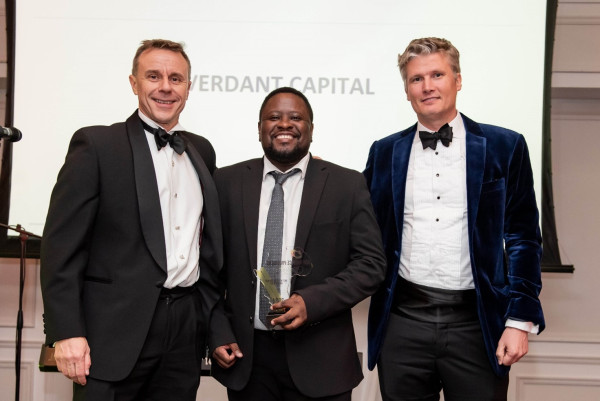
Verdant IMAP wins Best Advisory Firm: Private Equity at the Africa Global Funds Awards

Location: News
Verdant Capital

Verdant IMAP (www.Verdant-CAP.com) is delighted to announce its recognition as Best Advisory Firm: Private Equity at the prestigious Africa Global Funds Awards. The accolade was presented during the Gala Awards Dinner on Thursday, November 14, 2024, at the renowned Mount Nelson Hotel in Cape Town, bringing together leading firms in African private equity and asset management.

This award highlights Verdant's significant contributions to the private equity M&Aecosystem across Africa. Over the past year, Verdant's transactions involving private equity have included the sale of the Onix data centre business in Ghana on behalf of Africa Infrastructure Investment Managers, two exits for London-based Africa private equity firm 8Miles (Awash Wines and Biyinzika Poultry Industries Limited in Ethiopia and Uganda respectively), and advising ACA and IFC-backed WIOCC on its JV with Texaf to build the market leading data centre in Kinshasa, DR of Congo.  Verdant is currently at advanced stages with respect to six transactions for or with private equity funds, in South Africa, East Africa and West Africa, in sectors including technology, FMCG and manufacturing.  

The recognition reinforces Verdant's commitment to delivering innovative, tailored advisory services and unlocking value for its private equity clients. The firm also advised on notable cross-border transactions, leveraging its position as the IMAP member firm for its region. IMAP, the world's leading global M&A partnership was established in 1973, has member firms in 50 countries, in total over 600 M&A bankers and completes more than 200 M&A transactions every year.  The IMAP global partnership helps Verdant to bridge African and international markets effectively.

The Africa Global Funds Awards honour excellence in Africa's asset management and private equity industries. Verdant's recognition as Best Advisory Firm: Private Equity is a testament to its unwavering dedication to driving impactful solutions in challenging and dynamic markets.

With this award, Verdant strengthens its reputation as a trusted partner for private equity and other client groups navigating Africa's evolving economic landscape. As the firm continues to grow and innovate, it reaffirms its mission to deliver world-class advisory solutions that create lasting value for its clients and the continent. 

Distributed by APO Group on behalf of Verdant Capital.

Media enquiries: 
Orient Mahonisi,
orient.mahonisi@verdant-cap.com

About Verdant IMAP:
Verdant IMAP is a leading investment bank operating on a pan-African focus, specialising in M&A and in private capital markets.  Verdant IMAP is the IMAP partner firm for its region.  IMAP with partner firms in nearly 50 countries, with over 600 M&A professionals, completing over 200 M&A transactions per year, reinforces Verdant IMAP's capability to deliver innovative financial solutions to clients across Africa and around the World. www.Verdant-CAP.com 

Media files
Verdant Capital
Download logo
Read moreVerdant IMAP wins Best Advisory Firm: Private Equity at the Africa Global Funds Awards
29 November 2024

Police raid meth lab worth R100 million

Location: News

Police raid meth lab worth R100 million

Police on Wednesday uncovered a crystal meth drug laboratory worth an estimated R100 million in Rietfontein, in Gauteng.

During the operation the police arrested a 39-year-old Mexican national.

“Following extensive surveillance conducted on the premises, a multi-disciplinary team comprising the National and Provincial Organised Crime Investigations (Narcotics units), National Counter Narcotics, Diepsloot and Westrand Tactical Response Teams (TRT) and West Rand K9 unit obtained a search and seizure warrant.

“The takedown led the team to seize various chemicals, drug manufacturing equipment and final product which was confirmed to be Methamphetamine commonly known as Crystal Meth or Tik,” said the police in a statement.

The team also seized cash, believed to be the proceeds of crime.

The suspect is expected to appear before the Atteridgeville Magistrate’s Court on charges of dealing in and manufacturing of drugs as well as for the contravention of the Immigration Act. – SAnews.gov.za


Edwin
Fri, 11/29/2024 - 13:28

236 views
Read morePolice raid meth lab worth R100 million
29 November 2024

HSRC survey results show signs of recovery for research and development spending in SA

Location: News

HSRC survey results show signs of recovery for research and development spending in SA

Gross domestic expenditure on research and development (R&D) grew to R28.282 billion in real terms for the 2022/23 fiscal year, marking a 2.1% increase from R27.712 billion in 2021/22.

This is according to the results of the South African R&D Survey for the period 2022/23.

The proportion of R&D expenditure to Gross Domestic Product (GDP) was unchanged at 0.61%. 

“South Africa’s economy grew at a comparable 1.9% in 2022, so this is why the ratio of R&D to GDP, a measure of the research intensity of the South African economy, is static,” said the HSRC’s Dr Nazeem Mustapha, who led the research. 

“But we are seeing improvements in business R&D expenditure, which should be encouraging for policymakers and investors.” 

The survey report, prepared by the HSRC’s Centre for Science, Technology and Innovation Indicators (CeSTII), updates key national longitudinal data on R&D expenditure and personnel. 

Business  

The business sector increased its R&D expenditure in 2022/23 by almost R1 billion (R950 million), from R13.527 billion in 2021/22 to R14.507 billion in 2022/23. 

This is attributed to higher R&D spending in manufacturing and mining, according to the survey’s statistical report, which disaggregates spending data by standard industrial classification. 

Nominal expenditure increased in all institutional sectors covered by the survey, including the government, higher education institutions, non-profit organisations, and science councils. 

The key funders of R&D in South Africa in 2022/23 were the government (R20.664 billion), businesses (R11.754 billion), and foreign sources (R7.060 billion). 

The country’s headcount of researchers fell from 63 122 in 2021/22 to 61 457 in 2022/23. 

The proportion of female researchers to total researchers increased marginally from 47% in 2021/22 to 47.6% in 2022/23. 

The South African R&D Survey is conducted annually. 

“Survey data provide a key signal to policy actors about where the strengths and weaknesses are in the South African national system of innovation,” said CeSTII’s Executive Head, Dr Glenda Kruss. 

“A positive about the results is that we are starting to see a reversal of the drop in R&D spending that we observed in 2019/20, even before the effects of the COVID-19 pandemic on R&D performers were reported.” – SAnews.gov.za


Gabisile
Fri, 11/29/2024 - 10:51

38 views
Read moreHSRC survey results show signs of recovery for research and development spending in SA
29 November 2024

Tariffs on Shein and Temu: Cheaper Clothes Versus Saving Jobs

Location: News

SARS closes a loophole in import duties

Read moreTariffs on Shein and Temu: Cheaper Clothes Versus Saving Jobs
25 November 2024

Ekurhuleni Investment Conference to be held this week

Location: News

Ekurhuleni Investment Conference to be held this week

The City of Ekurhuleni is expected to hold the Ekurhuleni Investment Conference 2024 from Tuesday.

The conference will be held under the theme: Ekurhuleni Economic Partnerships: Unlocking Opportunities, Building a Sustainable Future.

Keynote addresses at the conference are expected to be delivered by Minister of Trade, Industry and Competition, Parks Tau, and Gauteng Premier, Panyaza Lesufi.

In a statement, the city said it expected the conference to serve as a “catalyst for renewed investor confidence, economic growth, and sustainable development in the region”.

“This year’s conference will showcase the city’s industrial strengths and vast investment opportunities across key sectors such as manufacturing, infrastructure, and township economies. 

“With a clear focus on public-private partnerships, the event will facilitate strategic collaborations, advance our 10-Point Economic Plan, and drive job creation and economic revitalisation,” the statement read.

Key focus areas during the conference include:

  • Aerotropolis and airport city development: The city aims to strengthen partnerships and advance the Aerotropolis Master Plan, leveraging its strategic airport infrastructure to attract significant investment.
  • Industrial estate development: The conference will support local manufacturing growth, investor retention, and the promotion of industrial parks.
  • Critical infrastructure development: The city will engage the private sector in investing in data centers, energy solutions, and critical infrastructure to enhance service delivery.
  • Township economic development: Empowering township economies through entrepreneurship and inclusive growth initiatives remains a priority.
  • CBD and industrial estate revitalisation: The focus will be on urban renewal, fiscal incentives, and infrastructure improvements.

“Ekurhuleni, known as South Africa’s industrial powerhouse and home to the busiest airport in Africa, OR Tambo International Airport, has faced substantial challenges in recent years, including global economic shocks, energy instability, and infrastructure strains. However, our city remains a prime destination for investment, strategically poised to lead the continent in industrial and economic development.

“Ekurhuleni is committed to creating a vibrant, investment-friendly environment. By collaborating with key stakeholders, including InvestSA Gauteng, Airports Company South Africa (ACSA), and the Gauteng Industrial Development Zone (GIDZ), we are set to drive economic transformation and attract both domestic and international investors.

“As we move forward, this conference represents a crucial moment to transform challenges into opportunities, ensuring that the City of Ekurhuleni continues to be a place where people and businesses can grow and thrive,” the city said. – SAnews.gov.za

NeoB
Mon, 11/25/2024 - 10:53

206 views
Read moreEkurhuleni Investment Conference to be held this week
21 November 2024

Electricity and Energy Committee Receive Briefing on Just Energy Transition

Location: News

Republic of South Africa: The Parliament
Download logo

The Portfolio Committee on Electricity and Energy received a briefing on the Just Energy Transition (JET) Investment Plan and Implementation Plan from the Presidency's Project Management Office and the Department of Mineral Resources and Energy.

It was taken through the different investment portfolios within the plan, including details on the progress and financing secured to date. The plan outlined an investment of approximately R1.5 trillion over five years to support the country's decarbonisation efforts.

The committee raised concerns about the impacts on workers and communities affected by the energy transition, particularly the lessons learned from the Komati power station closure, and the need to ensure a truly just transition. Members of the committee also queried South Africa's continued reliance on coal, export of coal, and the potential role of clean coal technologies.

Members of the committee also questioned whether the transition will jeopardise reliable electricity supply, calling for the JET process to be aligned with and supportive of South Africa's broader industrialisation and economic development objectives. They stressed the need to build local manufacturing and skills capacity to support the renewable energy and green economy value chains.

The department was requested by the committee for regular updates on progress and engagement on the JET implementation. The committee acknowledged the complexity and importance of managing South Africa's energy transition in a just and equitable manner, emphasising the need for continuous engagement and oversight to ensure the JET plan delivers on its objectives.

The committee commended the presenters on the involvement of communities and workers, but it cautioned against using the term "poor" to refer to affected communities. Members of the committee stressed the importance of empowering local institutions and skills development from the grassroots level, rather than relying on externally driven initiatives.

The committee also expressed concerns about the weaponising of climate change legislation by developed countries, which could disadvantage South Africa's economy and trade. It stressed the need to ensure the JET process supports the country's broader industrialisation and economic development goals.

Members of the committee highlighted the need to hear directly from the affected communities. They also proposed a site visit to Mpumalanga to engage with local stakeholders.

Distributed by APO Group on behalf of Republic of South Africa: The Parliament.

Read moreElectricity and Energy Committee Receive Briefing on Just Energy Transition
20 November 2024

Government consults plastic industry on combatting pollution

Location: News

Government consults plastic industry on combatting pollution

While South Africa supports the development of an internationally legally binding instrument to combat plastic pollution,  government has assured the plastic industry that the problem of plastic pollution and the measures necessary to tackle it will be taken in consultation with the industry and organised labour.

This as South Africa has a significant plastics industry that sustains approximately 60 000 formal jobs.

“A just transition contributes to the goals of decent work for all, social inclusion and the eradication of poverty. A just transition puts people at the centre of decision making, especially those most impacted - the poor, women, people with disabilities and the youth - empowering and equipping them for new opportunities of the future. 

“So, as we move forward, it will be necessary to establish certain principles to guide our negotiations on this matter. All our decisions must be based on the best available science and what this science tells us about the impact of certain products on our environment,” Deputy Minister of Forestry, Fisheries and the Environment, Bernice Swarts, said on Wednesday.

The Deputy Minister was addressing a virtual consultative stakeholder meeting on South Africa’s negotiating position ahead of the 5th Session of the Intergovernmental Negotiating Committee (INC-5) on the International Legally Binding Instrument on Plastic Pollution, including in the Marine Environment.

INC-5 is scheduled to take place in Busan, Republic of Korea, from 24 November – 1 December 2024.

Swarts explained South Africa’s position to support the development of an internationally legally binding instrument to combat plastic pollution at the Fifth Session of the United Nations Environment Assembly in the first quarter of 2022.

“At that time, we recognised the threat plastic pollution poses to human health, ecosystem functioning, and the marine environment. In signing up for this process, we recognised our constitutionally imposed obligation to protect our environment and human health. 

“Consequently, on the domestic front, we understand that this requires a wholistic approach that understands the full life cycle of plastic manufacturing, use, and disposal in the context of the National Waste Management Strategy, 2020,” Swarts said.

Accordingly, South Africa has focused on three aspects that include supporting and strengthening municipal waste management services to prevent plastic leaking into the environment.

Developing Extended Producer Responsibility (EPR) schemes to collect, reuse and recycle plastic waste with the aim of promoting a circular economy in the plastic industry as well as promoting public awareness and clean up campaigns to remove plastic waste from rivers, wetlands, and beaches.

As part of the principles to guide the negotiations on this matter, the Deputy Minister emphasised the need to be open and transparent in sharing information about the chemicals used in plastic production, given the various applications of plastics in food contact applications. 

“This new international legally binding instrument will likely result in the need for new regulatory controls on a domestic level. Should the international instrument lead to obligatory measures to curb plastic pollution, there will be a need for these measures to be supported by equally ambitious means of implementation. 

“So, developing countries will argue for a financial mechanism that would ensure predictable and adequate financial resources to assist in curbing plastic pollution in developing countries. INC-5 provides a key platform for broader conversations on the variety of options linked to several obligatory measures that have been proposed,” Swarts said. - SAnews.gov.za

nosihle
Wed, 11/20/2024 - 12:15

25 views
Read moreGovernment consults plastic industry on combatting pollution
18 November 2024

Municipalities urged to create conducive environment for manufacturing

Location: News

Municipalities urged to create conducive environment for manufacturing

The Deputy Minister of Trade, Industry and Competition, Zuko Godlimpi, has underscored the crucial role of local government in strengthening South Africa’s manufacturing and export capabilities.

Addressing the 2nd Annual District Development Model (DDM) Conference at Nelson Mandela University in Gqeberha on Saturday, Godlimpi said municipalities are central to providing services, reducing bureaucratic obstacles, and creating opportunities for manufacturing enterprises -- whether located in central business districts, industrial parks or special economic zones.

"Manufacturing is not just an economic activity, it’s the engine that drives growth, supports resilience and creates stable, well-paying jobs.

“For our municipalities, this means fostering environments where manufacturing enterprises can flourish and in turn, drive local economies forward,” Godlimpi said. 

Godlimpi emphasised that manufacturing is an essential foundation of economic stability due to its resilience to external factors such as global commodity prices and weather conditions.

“Unlike sectors that rely on finite resources or favourable weather, manufacturing can operate in diverse environments, provided there is solid municipal infrastructure."

Manufacturing is also a key driver of upstream and downstream industry growth. The Deputy Minister said that for each manufactured item, like an automobile, numerous supporting sectors such as plastics, textiles, and logistics are activated, stimulating local economies.

The Department of Trade, Industry and Competition (the dtic) initiatives aimed at empowering businesses through export-focused programmes, such as the Global Exporter Passport Programme (GEPP) and Export Awareness Seminars, have equipped over 285 businesses since April 2023 with export-readiness skills across various districts.

“Our objective is to make exporting accessible to enterprises nationwide, not just those in urban hubs. Programmes like GEPP ensure that businesses in rural areas are equally prepared to engage with global markets,” Godlimpi said.

He stressed the importance of reducing red tape at the municipal level.

"Municipalities that prioritise efficiency and active support for manufacturers are creating environments far more attractive to investors than those focused on merely offering financial incentives." 

The Deputy Minister lauded the DDM as a unique opportunity to unlock economic potential and build inclusive, resilient economies across the country's districts. 

"By working in partnership with municipalities and stakeholders, we are creating a vibrant export sector that not only enhances South Africa’s competitiveness globally but also generates local employment,” Godlimpi explained.

The DDM Conference provided a platform to highlight the synergy between national, provincial and local government efforts in economic development. – SAnews.gov.za

Edwin
Mon, 11/18/2024 - 09:21

30 views
Read moreMunicipalities urged to create conducive environment for manufacturing
15 November 2024

MSF Slams Novo Nordisk for South Africa’s Insulin Pen Shortage

Location: News

But the multinational pharmaceutical company says it offered government solutions

Read moreMSF Slams Novo Nordisk for South Africa’s Insulin Pen Shortage
14 November 2024

Support for manufacturing remains a priority for government

Location: News

Support for manufacturing remains a priority for government

Trade, Industry and Competition Deputy Minister Andrew Whitfield says supporting the manufacturing sector in South Africa remains a key priority for government, as this will lead to more sustainable growth and job creation. 

Whitfield was speaking during a site visit to the Usabco Addis manufacturing plant in Cape Town, Western Cape.

According to Whitfield, supporting the manufacturing sector and developing policies that are competitively driven will contribute immensely and respond to some of the issues that the sector is currently facing. 

“As the world changes, South Africa is well positioned globally to look at innovative ways to develop and grow the sector. Research, innovation, localisation, the green economy and trade agreements are some of the tools and factors that can be used to position the sector as the leader on the continent,” said Whitfield.

Whitfield commended Usabco Addis for its contribution to the circular economy. This as 40% of the company’s products are produced from recycled plastics and he encouraged the company to find ways to increase its recycled inputs further.

The company currently employs over 800 people, and the Minister was impressed by its efforts to increase its local market share and the creation of even more jobs. 

Whitfield also pointed out that the Department of Trade, Industry and Competition (the dtic) funding agencies, such as the Industrial Development Corporation (IDC) can be engaged to fund some of the projects that can assist the sector.

“Government does not underestimate nor take for granted the contribution and the investment that the sector has made over the years. It is for us as the department to be in a well-informed position to come with policies that will sustain the sector going forward. 

“Ultimately, our job in government is to make it easier for businesses to grow and create jobs, and for our people to get those jobs and keep those jobs.”

Whitfield added that Africa was seen as the next frontier in the manufacturing sector with the African Continental Free Trade Area’s (AfCFTA) drive to boost intra-Africa trade, encourage investment, and stimulate economic growth. 

He said that this was an opportunity the country must take full advantage of, as the continent moves in the right direction to curb red tape and drive trade with each other.

“The dtic’s urgent priority over the next five years is to create rapid, inclusive, sustainable growth and job creation through manufacturing, services, investments and export lead growth,” he said. – SAnews.gov.za


Edwin
Thu, 11/14/2024 - 15:08

116 views
Read moreSupport for manufacturing remains a priority for government
14 November 2024

Cabinet briefed on outcomes on State Visit to China

Location: News

Cabinet briefed on outcomes on State Visit to China

Cabinet has received a briefing on the outcomes of the recent successful State Visit to the People’s Republic of China that was led by President Cyril Ramaphosa.

President Ramaphosa undertook a State Visit to China and attended the Forum on China – Africa Cooperation Summit (FOCAC) in Beijing from 2 to 6 September 2024 at the invitation of President Xi Jinping.

China is South Africa's largest trading partner globally, while South Africa is China’s number one trading partner in Africa. Total bilateral trade grew from R614 billion in 2022 to R692 billion in 2023.

“An agreement to change the structure of trade into more value- added manufactured products, particularly an agreement to exchange a list of 100 value-added products from South Africa that China will consider importing.

“In addition, South Africa secured cooperation from China on three value chains relating to decarbonisation, digitalisation, transport and logistics. This cooperation will pave the way to promote investments in electric vehicles, battery manufacturing, renewable energy storage, as well as in identified Special Economic Zones and Industrial Development Zones,” Minister in The Presidency, Khumbudzo Ntshavheni said on Wednesday in Cape Town.

Key Chinese investors in both Shenzhen and Beijing expressed interest to either expand their investments or for greenfield investment into South Africa. 

“During the State Visit, six Memoranda of Understanding (MoUs) were signed aimed at promoting cooperations between China’s entities and South African companies and Development Finance Institutions to strengthen cooperation to promote industrial development in South Africa, promote technology cooperation to advance decarbonisation of key South African sectors and value -chains and to promote investments in the renewable energy sector.

“The agreements signed both at a government and private sector level will contribute to accelerate investments that promote green and low-carbon transformation and promote innovation in industrial activities and also attract investment in Special Economic Zones and Industrial Parks,” the Minister said.

Ntshavheni was briefing members of the media on the outcomes of the Cabinet meeting held on 6 November 2024.  - SAnews.gov.za

nosihle
Wed, 11/13/2024 - 13:55

414 views
Read moreCabinet briefed on outcomes on State Visit to China
12 November 2024

KZN commits to economic development, investment growth toward 2030

Location: News

KZN commits to economic development, investment growth toward 2030

KwaZulu-Natal Premier, Thamsanqa Ntuli, has underscored the commitment to economic development, trade, and investment growth toward 2030, aligned with the province's broader strategic priorities.

Ntuli reiterated the province’s commitment during the KwaZulu-Natal Trade and Investment Conference currently underway at the Inkosi Albert Luthuli International Convention Centre in Durban.

The two-day conference, which started on Monday, aims to promote, brand, and market KwaZulu-Natal as an investment destination, identify and develop investment opportunities, among others.

The conference brings together investors, government leaders, and industry captains to explore and amplify the province’s status as a top investment destination.

Delivering his keynote address on Monday, Ntuli highlighted that over the past decade, KwaZulu-Natal has attracted significant investments in key sectors, especially through developments at the Durban and Richards Bay Ports, two of Africa’s largest and busiest maritime hubs.

“Enhanced container capacity, automation, and infrastructure upgrades have strengthened KZN’s position as a regional logistics powerhouse. Similarly, the Dube Trade Port, adjacent to King Shaka International Airport, has drawn over R2 billion in investments, cementing its role in warehousing, logistics, and agriculture, including the Dube AgriZone, a major hub for export-focused agri-business,” Ntuli said.

Reflecting on the 2019 Provincial Trade and Investment Strategy’s achievements and areas for intensified effort, Ntuli said the strategy targeted R76 billion in new and expansionary investments by 2024. This is alongside the creation of approximately 68 000 jobs and an increase in the province’s national export value to R1.28 trillion.

While projections indicate that the targets may not be fully met by the year’s end, the Premier emphasised the need to redouble efforts in investment initiatives.

“The Richards Bay Industrial Development Zone (RBIDZ) has fuelled growth in heavy industry and energy, particularly in metals like aluminium and steel, generating jobs and boosting export potential.

“Renewable energy investments, particularly in biomass and solar, have diversified KZN’s energy landscape, with biofuel production from the sugarcane industry enhancing the province’s green economy credentials.”

Growth in the agricultural sector

The Premier also highlighted the province’s strong agricultural sector, which has attracted investments in agro-processing, and supporting industries including sugar refining, dairy processing, and timber.

The Premier said this growth is further supported by a thriving food and beverage industry, pharmaceutical, and packaging sectors, benefiting from proximity to key ports and an expanding consumer base.

Tourism

He said tourism also remains central to KZN’s economy, supported by new hospitality investments, including the reopening of the international Hilton Hotel and the Durban Beach promenade renewal.

READ | Mayor welcomes re-opening of the Hilton Hotel in Durban
 

Noting KZN’s absence from many long-haul tourist packages, Premier Ntuli stressed the importance of positioning the province as a key destination for international tourism.

Ntuli highlighted several strategic assets crucial to the province’s competitive advantage, and these include expanded port capacities, Special Economic Zones (SEZs) like Richards Bay and Dube TradePort, and streamlined regulatory and tax incentives to attract foreign and local investments.

The Premier urged stakeholders to seize the opportunities presented by the African Continental Free Trade Area (AfCFTA), which offers KZN unprecedented access to a $3.4 trillion market.

Partnerships 

The Premier also addressed issues in freight rail services and port bottlenecks, emphasising that public-private partnerships could unlock efficiencies.

He further called attention to KZN’s role in automotive manufacturing, underscoring opportunities in electric vehicle (EV) component production to tap into Africa’s growing EV market.

“Sustainable growth initiatives, including green hydrogen, biomass, and digital innovation, are essential for positioning KZN as a leader in the renewable and digital economies. Collaboration with local universities and technology firms is building a skilled workforce to support industries like IT, finance, and business outsourcing, further enhancing KZN’s role as a technology and logistics hub,” Ntuli said.

The Premier emphasised the importance of resilient infrastructure, including sustainable energy investments, and inclusive growth that extends to all municipalities, cities, and rural areas.

He issued a call to action for deeper engagement with rural and municipal stakeholders, ensuring these areas are active participants and beneficiaries in KZN’s economic growth. – SAnews.gov.za


GabiK
Tue, 11/12/2024 - 13:35

16 views
Read moreKZN commits to economic development, investment growth toward 2030
  • Previous
  • Page 1
  • Interim pages omitted …
  • Page 4
  • Page 5
  • Page 6
  • Page 7
  • Page 8
  • Interim pages omitted …
  • Page 16
  • Next

Copyright © 2026 · MyZA · All Rights Reserved · Powered by Stratlec Online