• Skip to main content
  • Skip to header right navigation
  • Skip to after header navigation
  • Skip to site footer
MyZA

MyZA

News, Directory, Events and Other Stuff

  • Social Media
  • Sport
  • World News
  • Home
  • Submit News
  • Directory
  • Events
  • Stratlec
  • TFSA
  • News
    • APO
    • Today’s Sport News
    • Todays Social Media and Tech Headlines
    • Today’s World News
    • Today’s SA Financial News
  • Contact
You are here: Home / Archives for mining

mining

13 March 2024

The ‘Legitimising’ of Bitcoin – You could have turned $30 into R40 Million over 14 years

Location: MyPR

Bitcoin has been around for ages – since 9 January 2009 – and, in internet years, that is a very long time. Early adopters used to bring their miners to work and plug them into their computer workstations USB ports to take advantage of the ’employer electricity and broadband’. As the market matured the miners …
Read moreThe ‘Legitimising’ of Bitcoin – You could have turned $30 into R40 Million over 14 years
10 March 2024

Police seize over R30 million worth of fake goods

Location: News

Police seize over R30 million worth of fake goods

The South African Police Service (SAPS) says it remains relentless in its efforts to uproot the illicit trade in counterfeit goods, as it has a detrimental impact on the economic growth of the country.

The police services’ National Counterfeit Unit led another integrated takedown operation in the Johannesburg CBD on Friday, which resulted in the seizure of counterfeit goods worth over R9 million.

The team comprised of SAPS members, officials from the South African Revenue Services (SARS), Gauteng Traffic, Brand Protectors, Crime Prevention Wardens and security companies.

During the operation, the team seized over 11 000 counterfeit items such as clothing apparel, shoes, watches, handbags and sunglasses. 

“This was the third takedown operation in Gauteng province in the last four weeks,” the SAPS said in a statement. 

In addition, the team also seized over R8 million worth of counterfeit goods during a takedown operation in Rustenburg, in the North West province last week.

“This brings the total value of counterfeit goods seized for the past four weeks to over R30 million.”

Illicit drugs

Meanwhile, in Bela-Bela, Limpopo, three male suspects aged between 38 and 43 years were  arrested for the unlawful possession and dealing in illicit drugs in the early hours of Friday.

Acting on intelligence regarding illicit drug activities in Bela-Bela, the Waterberg District Illicit Mining Task Team conducted a swift and intelligence-driven operation resulting in the apprehension of these suspects.

During the operation, the SAPS said a 38-year-old South African male suspect was apprehended at his residence, where the police discovered 2 900 sachets of nyaope and about six 25 litres of diesel suspected to be stolen.

Meanwhile, two foreign nationals aged 43 and 34 years were intercepted in separate locations in Bela-Bela.

“They were found in possession of illicit drugs, including ninety sachets of crystal meth and nyaope.”

In Musina, the border policing team made significant arrests as part of Disruptive Operation Vala Umgodi at the Beitbridge port of entry. 

“Five Zimbabwean nationals were apprehended and subsequently processed for direct deportation by Immigration Officers from the Department of Home Affairs.” 

In a separate operation, members of the Mopani District Illicit Mining Task Team conducted thorough searches during Operation Vala Umgodi on the same day, leading to the seizure of multiple mining equipment in Myakayaka village. 

This equipment are believed to be linked to illegal mining activities in the Maake policing area. 

Furthermore, the SAPS confiscated drugs with an estimated street value of R90 000 during an intelligence-driven operation in Bela-Bela.

The arrested  suspects are to appear before the Bela-Bela Magistrate’s Court on Monday, 11 March 2024. 

“The South African Police Service is committed to combatting illegal activities and ensuring the safety and security of our communities.” – SAnews.gov.za


Gabisile
Sun, 03/10/2024 - 14:21

33 views
Read morePolice seize over R30 million worth of fake goods
9 March 2024

Hydrogen project splits Richtersveld community

Location: News

A mega green hydrogen project and port development are planned for Boegoebaai

Read moreHydrogen project splits Richtersveld community
8 March 2024

The Essential Guide to Industrial Magnets in Material Handling

Location: MyPR

In the world of industrial material handling, efficiency and safety are paramount. This is where the power of magnets comes into play, changing the way heavy materials are managed. From the intricate operations on conveyor belts to the robust lifting in warehouses, industrial magnets are indispensable. Let’s delve into the various types of magnets that …

Read moreThe Essential Guide to Industrial Magnets in Material Handling
8 March 2024

South Africa needs to use its Abundant Domestic Natural Gas to Fix its Energy Crisis today

Location: News
African Energy Chamber

By NJ Ayuk, Executive Chairman, African Energy Chamber (www.EnergyChamber.org)

South Africans don't want to breathe clean air in the dark. Energy woes are synonymous with South Africa right now.

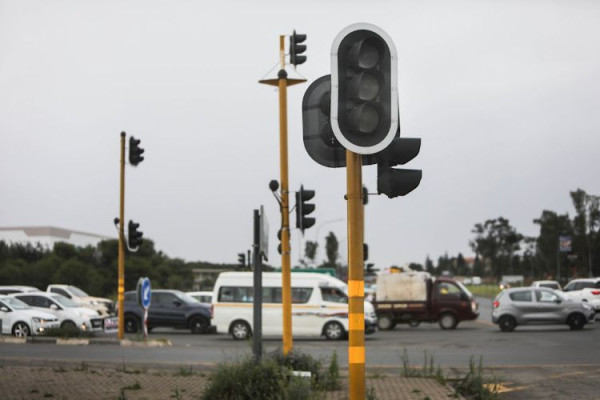
As the country's fleet of mostly coal-powered plants struggles to keep up with electricity demand, South Africans are enduring daily power outages that last six to 10 hours a day.

With businesses and institutions struggling to function, and tension mounting among South Africa's people, the need for solutions is beyond urgent.

I say “solutions” because providing the reliable power that South Africa needs now, and ensuring that the growing country will have what it needs well into the future, will require multiple strategies.

As I've written, because of the country's current reliance on coal to fire its power plants — and coal mines to fuel the economy — increased coal usage must be one of those solutions for the time being.

South Africa also will need to continue building its renewable energy sector, and it has committed to do so in alignment with global goals to achieve net-zero greenhouse gas (GHG) emissions.

But perhaps one of the most impactful solutions will be natural gas, which not only can power reliable electricity generation but also is a clean energy source – one that can be monetized and one that supports economic diversification as a feedstock for chemical and fertilizer factories.

It only makes sense for South Africa to harness its massive – and largely untapped – reserves of natural gas. As described in the new African Energy Chamber (AEC) report, “The State of South African Energy,” cumulative output for South Africa's large-scale Brulpadda and Luiperd natural gas discoveries, when developed, are estimated to be 50,000 barrels per day (bpd) of liquids and 125,000 barrels of oil equivalent per day (boepd). South Africa must do what it takes to reach that point as quickly as possible.

During the 2023 African Energy Week in Cape Town, Gwede Mantashe, South African Minister of Mineral Resources and Energy Stated, “In recognition of the continued role of the fossil fuels in supporting energy security and the fact that 82% of energy sources in the world are from these fossil fuels, Africa must intensify its efforts aimed at developing its oil and gas sector in order to benefit from the expected increase of natural gas market in global supply”. I agree, that's why South Africa should be encouraging ongoing oil and gas exploration through an enabling regulatory environment. Natural Gas financing and development again will be a key topic during African Energy 2024 scheduled for November 4th to 7th where I expect deals to be signed.

And we cannot forget the importance of natural gas projects in neighboring African countries, including Gigajoule's $550-million Matola Liquefied Natural Gas (LNG) Project in Mozambique, which will supply South Africa with gas; the 865-kilometer Rompco Gas Pipeline from Mozambique to South Africa; and Renergen's Virginia liquefied natural gas project in South Africa. These projects need to be fast-tracked.

Natural gas, if directed toward domestic markets and gas-fired electricity plants, can help South Africa find its way out of its current power crisis. Natural gas can also help ensure energy security and economic growth while the country transitions from fossil fuels to renewables for power generation. South Africa must move decisively to accelerate its gas agenda and start realizing these benefits.

Renewables Alone Will Not Save the Day

I've heard repeated arguments that South Africa's energy crisis is proof that now is the time for the country to move, at lightning speed, to renewable energy sources like wind and solar power.

As I've said more than once, South African can and should embrace solar and wind, but it also must consider the intermittency issues that come with them. They can't be counted on to provide electricity around the clock.

South Africa does not need more power fluctuations. It needs baseload power sources that can generate dependable power capable of consistently meeting demand. And the only way to get that is from coal and natural gas.

We also have to be realistic about the financial requirements for a complete transition to natural gas. Yes, South Africa's Just Energy Transition Investment Plan (JET IP) is an excellent program, but as of yet, the money generated is a drop in the bucket. South Africa has acknowledged that it will need about $99 billion to pay for a full transition to renewable energy. Currently, it has received commitments for about $8.5 billion.

So, as South Africa pursues renewable energy, the logical approach would be to embrace natural gas as well. It can serve as a reliable energy source for the country's current and future needs, and as it's monetized, it can help generate revenue for South Africa's energy transition.

I was pleased to hear South African President Cyril Ramaphosa express that logic. He has made it clear that, while the country does plan to replace coal with lower-carbon alternatives, those alternatives will include both renewables and natural gas.

South Africa has an Integrated Resource Plan in place that calls for gas technology generating 6,000 megawatts (MW) from combined-cycle gas turbines, including 3,000 MW from LNG-to-power, 726 MW from gas-to-power, and 1,500 MW from non-specified gas.

This is doable, and it aligns with the AEC report's forecast for South African power generation during the next decade and beyond. While coal currently accounts for about 80% of power generation, coal usage likely will decrease to 65% by the end of the decade, our report says. Gas and renewables, meanwhile, will see growth around the same time: Natural gas will account for 5% of power generation in 2031, while onshore wind and solar photovoltaic (PV)-generated power will make up 17% and 7%, respectively. In the long term, natural gas, onshore wind, and solar PV are expected to increase to 15%, 30%, and 20%, respectively, making up 65% of total power generation.

It's Time for a Regulatory Rehaul

South Africa's commitment to pursuing these avenues is praiseworthy, but when it comes to harnessing natural gas, more work is needed.

I'm talking about government policies.

South Africa needs a regulatory environment that encourages ongoing investment and exploration by oil and gas companies. Consider the Orange Basin, where Namibia is seeing record-breaking discoveries that will ensure its energy security. But only 20% of the Orange Basin is in Namibia, while 80% of it is in South Africa. Now is the time to capitalize on the opportunity it offers.

Unfortunately, South Africa seems to be stuck: E&P is being hindered by unnecessary government red tape. We need to change that right away. Oil and gas companies already face tremendous pressure not to produce in Africa; this is no time to pile on the challenges.

The African Energy Chamber strongly urges South Africa to ease regulatory burdens on oil and gas companies. And we call upon South Africa to fast-track permit approvals for more drilling, seismic surveys, pipeline developments, and LNG terminal construction.

South Africa also needs to eliminate red tape that could slow the Brulpadda and Luiperd projects.

These steps will be critical for South Africa to start putting natural gas to work for its people, its businesses, and its communities.

Natural Gas Is a Reasonable Solution

Not surprisingly, if you consider the constant pressure Africa has faced in recent years to leave our fossil fuels in the ground, the prospect of pursuing gas-to-power projects in South Africa is being met with sharp resistance. “Dirty gas” is not the answer, environmentalists and Western voices insist.

I strongly disagree. We must be pragmatic: South Africa must harness every solution at its disposal, natural gas in particular, to address the country's energy needs.

Fortunately, President Ramaphosa has been pushing back against the anti-gas narrative as well.

"Countries on the African continent need to be able to explore and extract oil and gas in an environmentally responsible and sustainable manner," Ramaphosa said earlier this year

during an address at the Investing in African Mining Indaba. "These resources are important for energy security, for social and economic development, and for reducing energy poverty on the continent. And we do not see this trajectory as being mutually exclusive to our focus on moving towards ensuring that we reduce our carbon footprint… In our onward march towards a low-carbon future it is critical that our efforts are both realistic and sustainable.”

Well said!

I would add that many of the environmental groups trying to keep people in the dark in South Africa – and across our continent – don't have the same struggles with energy security. In fact, in a move that balances environmental stewardship with energy security, the United States just approved an $8 billion drilling program in Alaska. If it's acceptable for wealthy countries to perform this balancing act, there's no reason why Africa's most industrialized nation cannot do the same.

Having clean air doesn't mean we have to be in the dark.

To read the State of South African Energy 2023, visit https://apo-opa.co/3T7wR6K.

Distributed by APO Group on behalf of African Energy Chamber.

Media files
African Energy Chamber
Download logo
Read moreSouth Africa needs to use its Abundant Domestic Natural Gas to Fix its Energy Crisis today
8 March 2024

Lebowakgomo police arrest four illegal mining suspects

Location: News

Lebowakgomo police arrest four illegal mining suspects

Police in Lebowakgomo have successfully apprehended four male suspects for engaging in illegal mining activities and violation of immigration laws at Makurung village in the Capricorn District Municipality in Limpopo.

The arrest of the foreign nationals, aged between 22 and 35, forms part of the ongoing high-density Operation Vala Umgodi.

“Acting swiftly, the members of the SAPS Capricorn District Illicit Mining Task Team conducted a targeted operation on Wednesday at approximately 20:30 in the Lebowakgomo policing area, leading to the discovery of an illegal mining site in Makurung village.

“Upon approaching the scene, the police noticed an idling power generator. As they moved closer to the site, they discovered the four male suspects actively engaged in illegal mining. The suspects attempted to flee, but were successfully apprehended,” said the police in a statement.

They said during the arrest the police seized various mining equipment utilised in the illicit activities, including three shovels, two electrical cables, two fans, one spade, one rake, one pick, one container containing chrome, one jackhammer, one power generator, one drill point and two cellphones.

In a separate incident, the SAPS Vhembe District Illicit Mining Task Team successfully recovered abandoned mining equipment at an illegal mining site in the Muchipise village, outside Malamulele.

The recovered items included three picks, three spades, one hammer, two headlamps, two cellphones and a 10 kg bag filled with precious stones.

“Upon realising that the police had arrived at the scene, the suspected illegal miners swiftly fled in various directions, managing to evade arrest and leaving their equipment behind.

“The team confiscated the items and continued with their efforts to disrupt illegal mining activities through a series of crime prevention techniques, including foot patrols, vehicle checkpoints and stop-and-search operations,” police said.

During the course of Operation Vala Umgodi in Malamulele, a total of 30 vehicles and 122 individuals were subjected to thorough searches.

The police said they would remain vigilant in pursuing the individuals involved in illegal mining and those who fled from the scene to avoid arrest.

“This ongoing endeavor underscores the commitment of the police in combating illicit activities and upholding the rule of law in the province.” – SAnews.gov.za

Edwin
Fri, 03/08/2024 - 14:00

193 views
Read moreLebowakgomo police arrest four illegal mining suspects
7 March 2024

Energy Capital & Power (ECP) Celebrates Women Leading Africa’s Energy Growth

Location: News
Energy Capital & Power

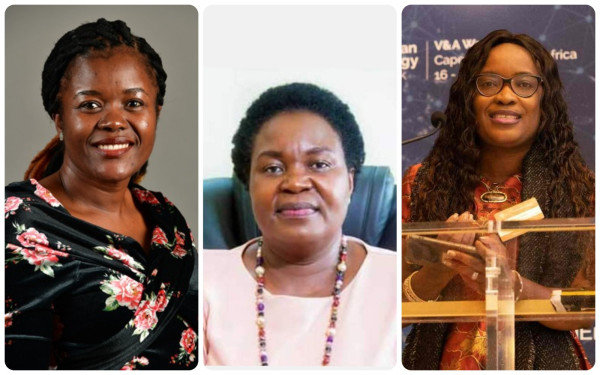
As part of its Women in Energy series taking place this month, Energy Capital & Power (ECP) www.EnergyCapitalPower.com celebrates women in leadership positions within Africa's energy and mining sectors. With Senegal, Uganda, Namibia and South Africa at the helm of female leaders within their respective ministries, these markets have attracted billions in foreign investment and are home to some of the most dynamic upstream developments on the continent.

Since her appointment in November 2020, Sophie Gladima, Minister of Petroleum and Energies of Senegal, has led the country through one of its most transformative periods, with first oil and gas expected this year from the highly-anticipated Sangomar Field Development and Grand Tortue Ahmeyim (GTA) LNG project, respectively. Minister Gladima successfully advanced these projects – which total nearly $10 billion in foreign direct investment – in the face of COVID-19 and demands for cross-border cooperation with Mauritania, whose maritime border with Senegal houses the GTA LNG project. 

Ruth Nankabirwa Ssentamu, Minister of Energy and Mineral Development of Uganda, is another female minister leading frontier market developments since her appointment in June 2021. Targeting first oil output in 2025, Uganda has launched exploration drilling at its $10-billion Lake Albert Development, home to the TotalEnergies-operated Tilenga and CNOOC-operated Kingfisher fields. The country is also at the center of the planned East African Crude Oil Pipeline, which will transport Ugandan oil to the Port of Tanga in Tanzania and represents the single largest investment in either country to date.

Serving as Petroleum Commissioner of Namibia's Ministry of Mines and Energy since October 2015, Maggy Shino has played a pivotal role in securing upstream investment from leading IOCs, with TotalEnergies set to invest roughly $300 million in 2024 alone. With over 15 years in petroleum geological, geophysical and environmental management fields, Commissioner Shino has cemented Namibia's status as a world-class frontier oil and gas market with strong on- and offshore prospectivity. Following five offshore hydrocarbon discoveries, Namibia is currently conducting further appraisal work – as well as new seismic and exploration activity in the Owambo, Kavango and Orange Basins – and is on the path to first oil production by 2030.

In neighboring South Africa, Deputy Minister of Mineral Resources and Energy, Dr. Nobuhle Nkabane, has been active in driving an exploration agenda. Utilizing South Africa's Gas Master Plan, Dr. Nkabane has positioned natural gas as a means of improving energy security, reducing heavy-polluting fossil fuels and establishing domestic LNG production through recent discoveries like the 3.1-billion-cubic-feet Mpumalanga discovery. Under her leadership, South Africa's Department of Mineral Resources also implemented a school outreach program last month aimed at encouraging youth in STEM fields and developing a future workforce for the country's mining and energy sectors.

Energy Capital & Power's Women in Energy series celebrates the women shaping the future of the African energy sector. From projects to companies to programs and community development, the Women in Energy series underscores the integral role women play in developing the sector. Visit www.EnergyCapitalPower.com and keep up-to-date with our social media channels for daily content.

Distributed by APO Group on behalf of Energy Capital & Power.

Media files
Energy Capital & Power
Download logo
Read moreEnergy Capital & Power (ECP) Celebrates Women Leading Africa’s Energy Growth
7 March 2024

Wits students stage ‘sleepover’ protests

Location: News

The university says its made 530 emergency beds available and has reopened applications to on-campus residences

Read moreWits students stage ‘sleepover’ protests
6 March 2024

Collaboration between government and business bearing fruit

Location: News

Collaboration between government and business bearing fruit

The partnership between government and business is yielding positive outcomes, such as decreased load shedding, enhanced efficiency in rail and ports, and a decline in security incidents affecting energy and logistics infrastructure.

This is according to President Cyril Ramaphosa, who convened a meeting with members of Cabinet and senior business leaders on Tuesday on the partnership between government and business to address key challenges in energy, transport and logistics, and crime and corruption.

The objective of the partnership is to achieve more rapid economic growth and generate a significant increase in sustainable employment by urgently delivering on priority interventions in each of the three focal areas. 

“We are beginning to see the tangible results of this collaboration in reduced load shedding, improved performance of our rail network and ports, and a reduction in security incidents targeting energy and logistics infrastructure. 

“We are confident that we are turning the corner on our most urgent challenges, and are absolutely committed to building on this partnership as we work to grow the economy,” President Ramaphosa said in a joint statement between Government and Business. 

Adrian Gore, co-convenor of the business delegation, said they have achieved real progress over the last nine months, and the partnership is gaining excellent traction. 

“The private sector has contributed more than R170 million of support directly into this partnership, and has mobilised over 350 technical experts. We need to capitalise on the momentum and urgently implement the necessary reforms. This will help to improve societal and investor confidence in South Africa’s potential, and mobilize much needed investment to grow the economy inclusively,” Gore said. 

As part of the support provided by business, the Resource Mobilisation Fund (RMF) was established to procure and donate resources to support the implementation of the Energy Action Plan. To date, the fund has raised approximately R100m, with R25m already having been drawn down to fund expertise to support the National Energy Crisis Committee (NECOM).

The joint statement said business is looking to scale this model to support the National Logistics Crisis Committee (NLCC) and the Joint Initiative on Crime and Corruption (JICC). 

The meeting discussed the progress made over the last three months, as well as key priorities to accelerate progress in the next period. 

Key updates since November 2023: 

• Energy: Load shedding is roughly 61% less than the same period last year (80% less for stages 4 and above), and is starting to decouple from Eskom’s Energy Availability Factor (EAF), demonstrating the positive impact of alternative energy sources including rooftop solar. 

• Transport and logistics: A 45% reduction in vessels anchored outside the Port of Durban and a 36% reduction in the waiting time to anchor for container vessels has been achieved. Capable executive leadership has been appointed in Transnet to ensure stability and focused delivery. 

• Crime and corruption: Collaboration between Transnet and business, including the provision of security on the rail network, has resulted in a 65% reduction in criminal incidents on the Northern Corridor which is key to reducing the cancellation of trains.

Energy 

The work underway within the National Energy Crisis Committee (NECOM) and the implementation of the Energy Action Plan is starting to bear fruit. 

“Load shedding is down by 61% compared to the same period last year, with the return of units at Kusile power station as well as new generation capacity from rooftop solar and private sector investment having a positive impact. 

“Reform of the energy sector is progressing, with an independent board appointed for the National Transmission Company of South Africa (NTCSA) and preparations underway for the new entity to commence trading,” the statement read. 

On the downside, however, Eskom plant performance remains unreliable with an unacceptably high level of unplanned outages. Under the leadership of its new Group Chief Executive, Dan Marokane, Eskom is working to ensure full delivery on its recovery plan. 

The joint statement highlighted that Eskom and business are finalising a Mutual Cooperation Agreement to establish a sustainable framework through which to deploy additional independent skilled experts to support Eskom in this regard. 

“The aim for 2024 is to increase generation capacity from multiple sources by up to 11.5 GW, which will enable a significant reduction in the severity of load shedding by the end of the year.

“This includes improved plant performance as a result of Eskom’s Generation Recovery Plan, additional private investment in rooftop solar and utility-scale projects as a result of policy and regulatory reforms, and projects from previous bid windows connecting to the grid,” the statement said. 

Initiatives are also underway to unlock increased grid capacity, successfully conclude Bid Window 7 and open further bid windows for gas-to-power and battery storage will contribute to additional generation capacity in the medium term. 

Finally, government is working to accelerate reforms in the energy sector, including the promulgation of the ERA Bill, the establishment of the NTCSA, the finalisation of a national wheeling framework, and the development of financing mechanisms for transmission infrastructure.

Transport and logistics 

Government and business emphasised that challenges in the logistics system are receiving urgent attention, with the National Logistics Crisis Committee (NLCC) focused on stabilising and improving rail, port and road operations. 

Business is supporting a number of the NLCC workstreams with technical, security and operational expertise. 

“Green shoots include a 45% reduction in vessels anchored outside the Port of Durban and a 36% reduction in the waiting time to anchor for container vessels. A major success has been the provision of security by business on the rail network on an interim basis, which has resulted in a 65% reduction in criminal incidents on the Northern Corridor, reducing the number of trains cancelled. Work is currently underway to ramp up the deployment of SAPS resources to secure network infrastructure in the longer term,” the statement said. 

It further highlighted that progress was achieved with the approval of the Freight Logistics Roadmap (FLRM) and the Private Sector Participation Framework, which together outline clear actions and timeframes to ensure a more efficient logistics network that encourages private investment and competition in operations. 

Implementation of the roadmap is now underway, with key milestones included in conditions attached to the R47 billion guarantee recently extended to Transnet. 

“Despite this progress, continued poor operational performance and inefficiency costs the economy R1 billion per day, with recent announcements of retrenchments in the mining industry illustrating the urgency of reform in the logistics sector. 

“Transnet is focused on improving performance through clearly defined and agreed measures such as rebuilding internal capacity, implementing operational excellence centres for strategic corridors, and drawing on private sector technical resources.

"The recent appointment of permanent executive leadership at Transnet will assist with the necessary focus and delivery mindset, and the urgent implementation of the Transnet Recovery Plan,” the statement said. 

Crime and corruption 

Steady progress has also been made in the crime and corruption focal area, including the establishment of the Joint Initiative on Crime and Corruption. 

The private sector is continuing its support to strengthen law enforcement through providing business information and resources to assist with the fight against infrastructure crime. 

The statement said support has also been provided to modernise the 10111 helpline, with a pilot project initiated at the main call centre in Midrand. 

“Passing the NPA Amendment Bill within the current Parliament will strengthen the independence and investigating capacity of the NPA and will enable the establishment of additional infrastructure to support the Investigating Directorate as a permanent entity, including a dedicated Forensics Laboratory. 

“A key focus is to secure South Africa’s removal from the Financial Action Task Force (FATF) grey list, with the aim of achieving this by June 2025,” the statement said. 

Next steps 

The next meeting will be held in May to assess progress on the three focal areas.

Government and business reaffirmed their commitment to communicating regularly on progress, and identifying areas where further work is required. 

“We are finalising our targets for the end of 2024, and aligning on the critical paths to achieve these. These plans will be communicated publicly, and reported on regularly. This will build confidence in the process and will enforce accountability. As partners, we are absolutely focused on delivery,” Chair of the B4SA Steering Committee, Martin Kingston said. – SAnews.gov.za

DikelediM
Wed, 03/06/2024 - 12:43

81 views
Read moreCollaboration between government and business bearing fruit
6 March 2024

GDP increases by 0.1% in the fourth quarter of 2023

Location: News

GDP increases by 0.1% in the fourth quarter of 2023

Statistics South Africa (Stats SA) has announced that South Africa's gross domestic product (GDP) increased by 0.1% in the fourth quarter of 2023.

In the fourth quarter, six of the 10 industries kept the economy in the green, with the transport, storage and communication industry making the biggest positive impact, expanding by 2.9% and contributing 0.2 of a percentage point to the GDP growth.

“Increased economic activities were reported for land transport, air transport, transport support services and communications.

“The mining and quarrying industry increased by 2.4% in the fourth quarter, contributing 0.1 of a percentage point. Increased economic activities were reported for platinum group metals (PGMs), coal, chromium ore and diamonds,” Stats SA said on Tuesday.

Stats SA further announced that the personal services industry increased by 0.9% in the fourth quarter, contributing 0.1 of a percentage point, with increased economic activities reported for health and education.

The finance, real estate and business services industry increased by 0.6%, pushed higher by financial intermediation, auxiliary activities, real estate and business services, contributing 0.1 of a percentage point.

Meanwhile, the trade, catering and accommodation industry decreased by 2.9% in the fourth quarter of 2023, contributing -0.3 of a percentage point. Decreased economic activities were reported for wholesale trade, retail trade, motor trade, accommodation and food and beverages.

On the downside, trade, agriculture, construction and government were weaker. Agriculture, forestry and fishing had a notably tough quarter, shrinking by 9.7%.

“The agriculture, forestry and fishing industry decreased by 9.7% in the fourth quarter of 2023, contributing -0.2 of a percentage point to GDP growth. This was primarily due to decreased economic activities reported for field crops, animal products and horticulture products,” Stats SA said. – SAnews.gov.za

DikelediM
Tue, 03/05/2024 - 12:51

561 views
Read moreGDP increases by 0.1% in the fourth quarter of 2023
1 March 2024

128 Mpumalanga schools introduce coding, robotics  

Location: News

128 Mpumalanga schools introduce coding, robotics  

The Mpumalanga provincial government has introduced coding and robotics in 128 schools, as part of its pilot programme.

“That pilot is progressing well and 128 schools, from Grade R to 3 and Grade 7, are currently doing coding and robotics,” Mpumalanga Premier Refilwe Mtshweni-Tsipane said on Friday when delivering the State of the Province Address (SOPA).

Since 2022, in its quest to improve learner performance, the provincial government is providing all Grade 12 learners and teachers in Quantile 1 to 3 schools with tablets and laptops respectively.

These devices, the Premier said, are loaded with e-content and will be provided this year with an offline application to enable access to learning even outside the four walls of the classroom without data or connectivity.

“This government continues to strengthen e-learning in our schools. This year, the province will introduce the smart schools concept in eight schools where both teachers and learners will utilise technological devices and thus making the schools paperless," Mtshweni-Tsipane said.

She said the land for the construction of the proposed School for the Deaf and Blind has been secured at Emalahleni Municipality.

“Once the school is completed, the 250 deaf learners currently studying at Bukhosibetfu Full Service School and the 200 in other special schools will be relocated to the new school."

Job creation

By the end of January 2024, a total of 63 478 jobs were created through the 21 identified programmes, including the Siyatentela Road Maintenance Programme, Government Nutrition Programme, School Handymen and Tourism Safety Monitors, to name a few.

“Since 2021 and through the Presidential Employment Stimulus, we have trained and created a total of 65 296 job opportunities for unemployed youth in different schools.

“Since its inception in 2019, the Premier’s Youth Development Fund has disbursed R258 million to fund 182 youth-owned enterprises. The funded beneficiaries have created more than 630 jobs in agriculture, mining, manufacturing as well as film and production,” Mtshweni-Tsipane said.

Growing tourism

As part of ongoing efforts to attract tourism to Mpumalanga, the provincial government has upgraded tourism facilities in four nature reserves with accommodation facilities.

These include Songimvelo-Kromdraai Camp, Andover, SS Skhosana and Manyeleti.

“Phase 2 of fence installations is in progress in order to minimise human wildlife conflict in Songimvelo, Mthethomusha and Mdala reserves. It’s important for us to implement these projects efficiently, economically and effectively in order to increase the number visitors to our province.

"We are pleased with the intention to support the provincial efforts in this regard, expressed from the National Department of Agriculture, Land Reform and Rural Development,” the Premier said.

As of 1 April 2024, FlySaFair introduced new routes between Kruger Mpumalanga International Airport and Cape Town

“This adds further impetus to the gains we made when Eurowings, a German airline, chose Mpumalanga as its destination of choice more than a year ago. This is further supported by the Stats SA Tourism and migration report released in January 2024, which placed Mpumalanga at the second spot in international tourist arrivals.

“As early as February 2024, we entered into a strategic partnership with Aspinall Foundation to elevate the Loskop Dam Nature Reserve to a Big Five Game Reserve. We have also concluded a collaboration with Greater Kruger Environmental Protection Foundation to fight poaching in Manyeleti. This collaboration includes establishing new pickets, maintenance of fence and the training of field rangers,” the Premier said.

Transport

The provincial government plans to build a state-of-the-art interchange along the railway line from the city centre leading to Pine Ridge, Klarinet, Siyanqoba and Verena.

“This interchange will improve safety and ease traffic flow in that area. The planning and design process has been completed. The construction of the interchange will commence in the 2024/25 financial,” the Premier said.

During the current administration, government will complete projects including the rehabilitation of sections P8/1 (R36) between Mashishing and Bambi Phase 3; D2950 Mananga to River Crossing; Coal Haul P36/1 Delmas to N12 and the upgrading of D481 Mooiplaas and Ekulindeni; D4407 Hluvukani – Orpen Road near Welverdied.

Caring for the vulnerable

Since the beginning of the sixth administration, government has placed 542 children in foster care.

The Premier also touched on social ills.

"Substance abuse has become endemic, negatively impacting on the lives of the substance abusers and their close families. We opened our doors and our hearts to more than 1 942 substance abusers who needed our help. 

“We have completed the construction of the Swartfontein and the Nkangala treatment centres. In the days ahead, we will officially handover the Nkangala treatment centre.

“In the current administration, 7 409 Non-Profit Organisations (NPOs) have been supported to implement programmes that are impact driven and aid our efforts to create a Mpumalanga anchored on morals and social cohesion,” the Premier said. – SAnews.gov.za

nosihle
Fri, 03/01/2024 - 12:54

47 views
Read more128 Mpumalanga schools introduce coding, robotics  
28 February 2024

Deputy Minister Sibongiseni Dhlomo on claims paid out to ex-mineworkers

Location: News

South African Government
Download logo

The Deputy Minister of Health, Dr Sibongiseni Dhlomo has praised the North West Province for registering massive progress in the provincial department's endeavour to trace and track ex-mineworkers who left work without claiming their benefits. Accompanied by the North West Health MEC Madoda Sambatha at Westvaal Hospital, the Deputy Minister found out that a total of 20 798 ex-mine workers were successfully traced, with 2669 claims processed and paid a combined figure of R76.9 million. All this was achieved between August 2022 when the project was launched and the end of 2023.

The North West Province ex-mineworkers compensation project was launched by the Deputy Minister of Health, Premier of North West Province and the MEC for Health in August 2022.

The aim of the intervention is to provide ex-mineworkers and their beneficiaries with access to compensation benefits for occupational lung diseases and other social protection funds which were left unclaimed. 

Speaking at Westvaal Hospital in Orkney and after receiving a report and assessment of the center, the Deputy Health Minister, Dhlomo congratulated the North West Province, the provincial health department and all stakeholders including the Mining Council and the interim Ex-Mineworkers leadership structure for the commitment shown in tracing deserving ex-mine workers. 

“The province and the Department has done extremely well if you consider that between 2017 and 2021, the total value of the payouts were ranging from between 10 and 11% but in one year of 2023 the province was able to pay R76.9 million. It's a massive success though there are still many ex-mineworkers to be traced and compensated”, said Deputy Minister Dr Sibongiseni Dhlomo

All stakeholders in attendance immediately convened to discuss strategies for accelerated tracing and tracking. The target is all Ex-mineworkers who are estimated at 168,000 and their beneficiaries who reside in the North West Province.  

As stakeholders deliberated on ways of improving the project output, MEC Madoda Sambatha made a commitment to integrate the Ex-mineworkers programme in the HAST programme of the Department. “We already have community health workers who are doing a good work of ‘loss to follow-up' because they track and trace people who miss their TB treatment. When we integrate this programme, we will be able to utilise this resource to track and trace ex-mine workers”, said MEC Sambatha. 

The Ex-Mineworkers Council Interim Provincial Secretary, Mr Mr Tana Mahlophe suggested the use of two ex-mineworkers per region who can be contracted for a short period to assist in tracing deserving ex-mineworkers while the Mineral Council of South Africa committed to assist should this option be implemented.

Meanwhile the Department of Health has committed to ensure that all ex-mineworkers centers in the four districts remain operational and accessible to all ex-mineworkers. The centres are: Westvaal Hospital for Dr Kenneth Kaunda District, Old Vryburg Hospital for Dr Ruth Segomotsi Mompati District, Mahikeng Provincial Hospital for Ngaka Modiri Molema and Job Shimankana Tabane Hospital in Bojanala District. 

MEC Sambatha concluded the deliberations by assuring stakeholders that the Department is committed to conclude outreach in the remaining districts between March and May 2024 as this will raise awareness to ex-mineworkers especially those in deep rural areas who might not be aware of the project.

All the key stakeholders in the projects were highlighted as essential for its success and they include the Provincial Leadership, Local government structures, the Minerals Council SA, TEBA Bank, the National Department of Health MBOD/CCOD, XDS call centre, IP Capital, Rand Mutual / CCMS, Tshiamiso Trust and the Traditional Leadership.  They will be consulted throughout all the project implementation phases to ensure its success. 

Distributed by APO Group on behalf of South African Government.

Read moreDeputy Minister Sibongiseni Dhlomo on claims paid out to ex-mineworkers
28 February 2024

North West ex-mineworkers receive over R76m of their unclaimed benefits

Location: News

North West ex-mineworkers receive over R76m of their unclaimed benefits

The Deputy Minister of Health, Dr Sibongiseni Dhlomo, has praised the North West provincial government for its dedication to tracing and tracking ex-mineworkers who left employment without claiming their benefits. 

The North West has so far traced 20 798 ex-mineworkers, with 2 669 claims processed and paid to the tune of R76.9 million between 2022 and 2023. 

This comes after Dhlomo launched the compensation project with the North West Premier and MEC for Health in August 2022. 

“The intervention aims to provide ex-mineworkers and their beneficiaries with access to compensation benefits for occupational lung diseases and other social protection funds which were left unclaimed,” the department explained. 

Speaking at Westvaal Hospital in Orkney on Monday, Dhlomo congratulated the North West provincial government, the provincial health department and all stakeholders including the Mining Council and the interim ex-mineworkers leadership structure for the job well done. 

“The province and the department have done extremely well if you consider that between 2017 and 2021, the total value of the payouts ranged from between 10% and 11% but in one year of 2023 the province was able to pay R76.9 million. 

“It’s a massive success though there are still many ex-mineworkers to be traced and compensated,” said the Deputy Minister. 

According to the North West Health MEC Madoda Sambatha, the province is working around the clock to find the 168 000 former mineworkers and their beneficiaries.  

“We already have community health workers who are doing good work of ‘loss to follow-up’ because they track and trace people who miss their TB treatment. When we integrate this programme, we will be able to utilise this resource to track and trace ex-mine workers,” Sambatha explained. 

In addition, the National Department of Health has committed to ensuring that all centres in the four districts located in Westvaal, Old Vryburg, Mahikeng Provincial and Job Shimankana Tabane hospitals remain operational and accessible. 

Sambatha concluded the deliberations by assuring stakeholders that the department is committed to concluding outreach in the remaining districts between March and May 2024, as this will raise awareness especially those in deep rural areas who might not be aware of the project. 

The department said all key stakeholders in the projects were essential and would be consulted throughout the implementation phases to ensure its success. – SAnews.gov.za


Gabisile
Wed, 02/28/2024 - 13:56

129 views
Read moreNorth West ex-mineworkers receive over R76m of their unclaimed benefits
27 February 2024

New Syncromine Core training videos from Mineware Consulting save time and resources.

Location: MyPR

The increased use of digitization and automation in the mining industry, both locally and internationally, reflects a global trend towards incorporating advanced digital technologies to improve process efficiency, safety, and sustainability. At the heart of this transformation is Mineware Consulting, a software company that has positioned itself as a leader in the automation and digital …

Read moreNew Syncromine Core training videos from Mineware Consulting save time and resources.
27 February 2024

Personalised Packaging Solutions: Service and Quality Unmatched

Location: MyPR

Teva Int is characterized by its small team with a profound dedication and a big heart towards its customers. Established in 1992, the company has consistently demonstrated an unwavering commitment to providing exceptional service and premium products. What distinguishes Teva Int is its capacity to offer personalized services to each customer, ensuring a true one-on-one …

Read morePersonalised Packaging Solutions: Service and Quality Unmatched
23 February 2024

Infrastructure project funding under the spotlight

Location: News

Infrastructure project funding under the spotlight

Partnership between the private sector and government, as well as its entities, with regard to the funding of infrastructure projects has taken centre stage at a Southern African Development Community (SADC) panel discussion.

The Government Communication and Information System (GCIS), in partnership with the Department of Water and Sanitation, Infrastructure South Africa (ISA), South African National Roads Agency (SANRAL), and the Industrial Development Corporation (IDC), hosted a virtual discussion focusing on infrastructure. 

“The participation of the private sector is key to the delivery of the infrastructure projects, [and] the issue of infrastructure funding is the key if we are to meet the goals set as South Africa and SADC, and the African continent,” Head of Infrastructure South Africa, Mameetsa Masemola, said during the discussion on Friday.

Masemola noted that the National Infrastructural Plan indicates that, just to close the current infrastructure investment gap, South Africa needs something in the region of R5.7 trillion, looking at the priority sectors, including water and sanitation, information and communications technology (ICT), energy, transport, and human settlements. 

Masemola said the fiscus alone will not be able to carry and fund these projects, stressing a need to find mechanisms of bringing in the private sector to participate in the delivery of these infrastructure projects.

Highlighting the partnership between SADC and South Africa, the Water and Sanitation Deputy Director-General responsible for Provincial, Entity Governance and International Cooperation, Lindiwe Lusenga, described the collaborations with SADC in supporting the water projects as “excellent”.

Lusenga said partners are willing to put in the funds while also acknowledging the support the department has received from the institutions, including the Global Environmental Funds, and African Development Bank, who have funded feasibility studies for the Lesotho-Botswana Water Transfer Project. 

“There is [also] an appetite because of the commitment and the manner in which we intricately commit, and the instruments of governance that we have deployed to enable us to manage these projects, like the Lesotho Highlands Water Project (LHWP). At local level, the industry has come on board, particularly organised business like mining forums that has taken up and assisted the department in local projects,” Lusenga said.

While noting challenges when it comes to funding, SANRAL’s Head of Marketing and Communication, Vusi Mona said the entity has a wonderful working relationship with the region, working through the SANRAL platform. 

“We have received a lot of support from the private sector,” Mona said.

Mona also stressed a need to have a matured conversations about how road infrastructure and infrastructure in general is funded.

He also stressed the need to have a serious discussion around the user pay principle, because “we are not going to develop infrastructure without a brazen principle”. 

Infrastructure investment

Infrastructure investment is one of South Africa’s critical drivers of economic growth and it also promotes regional integration in the SADC region.

The investment is also a critical driver of future growth of the South African economy, and the provision of superior quality infrastructure allows an economy to be more efficient, improve productivity, and raise long-term growth and living standards. 

SADC has made significant progress in regional infrastructure development, including reginal transport and communications systems, which are fundamental to cooperation in the SADC region. 

The provision of superior quality infrastructure allows an economy to be more efficient, improves productivity, and raises long-term growth and living standards. – SAnews.gov.za


GabiK
Fri, 02/23/2024 - 14:41

475 views
Read moreInfrastructure project funding under the spotlight
23 February 2024

Showing up for SA

Location: News

Showing up for SA

Even if one does not usually pay attention on a daily basis to the ins and outs of government and the political landscape in the country; the flurry of activities within this domain  over the past few weeks could hardly be missed.

Invited into our living rooms have been the country’s number one citizen President Cyril Ramaphosa delivering his State of the Nation Address (SoNA) on our TVs; various political parties responding to that Address, and then of course the President again in his reply to those debates. 

I should stop here to remind all that we will be seeing all of this again in a few months time, after the National General and Provincial Elections, as in an election year, these Parliamentary proceedings happen twice. Heads up to make plans for those TV snacks in advance!

With all of us entitled to our own views, there have been - as it should be in a robust democracy such as ours - varied responses to the President’s address which sets out deliverables for the year ahead while also setting out government’s key policy objectives. After all, the state of the country does concern each and every one of us.

While the political parties represented in Parliament responded to the SoNA on the national stage, citizens have probably expressed their opinions to each other on the train-ride or minibus taxi to work or at the dinner table.  

Others have done so on various social media platforms and in many cases expressing their frustration with the pace of service delivery.

The sixth administration which came to the helm in May 2019, has not had it easy. It is an administration that had to deal not only with the COVID-19 pandemic and its effects on everyday life, but also challenges SA had been facing prior to the arrival of the pandemic - such as poverty and unemployment.

However, in delivering the SoNA, and in reflecting on the last thirty years of our country’s democracy, the President said that perhaps “the greatest damage was caused during the era of state capture.”

This as the effects of state capture continue to be felt across society, “from the shortage of freight locomotives to crumpling public services; from the poor performance of our power stations to failed development projects.”

We must admit that it can’t be easy to turn the fortunes of the country around, especially one that comes from a history of inequality that is still a part of our social fabric today.

I’m not suggesting that we ought to blame the past for all our current challenges. However, as in most cases in life, the past does have a bearing on the present. No  matter how hard one tries, it cannot be ignored.

The past which excluded the majority, reminds government, said the President of the “responsibilities that freedom has placed on our shoulders to forge ahead to realise for all South Africans the promise of a better life”.

While the reference to Tintswalo, the child of democracy is in some quarters being criticised, exacerbated by challenges such as corruption, Tintswalo is no figment of the imagination.

In the eyes of some members of the public, the story of Tintswalo is one of young people unable to find work, unable to complete their studies due to outstanding fees or being held under the thumb of gender-based violence, amongst others.

unquestionably, the reality is that the Ghost of Christmas Past, masquerading itself in the form of poverty and unemployment amongst others, continues to hamper government’s efforts.

However, what remains is that the Tintswalo President Ramaphosa spoke of, is real.

Born in 1994, she grew up in a society governed by a constitution rooted in equality, the rule of law, and affirmation of the inherent dignity of every citizen.

She grew up in a household provided with basic water and electricity, in a house where her parents were likely to have lived without electricity before 1994.

While the Tintswalo of today faces a world different to that of the past, government is committed to bettering the lives of its people.

In the SoNA debate reply, the President noted that despite the contributions made at the debate, “no speaker has been able to refute the fundamental reality that the lives of millions of South Africans have been transformed over the 30 years of freedom.”

Government has and continues to make progress in various aspects of everyday life.

This includes the introduction of the National Minimum Wage, which guarantees the minimum floor below which no worker may be paid, which was introduced for the first time in the country’s history in 2019.

The sixth administration also oversaw the successful raising of the R1.51 trillion worth of investments over the last five-year period through the South Africa Investment Conference (SAIC) that the President announced in 2018.

Held annually over the past five years, the SAIC surpassed the initial R1.2 trillion target to reach the R1.51 trillion in investment pledges.

The transformation of South African lives can be found in the Census 2022 results which among others showed that access to electricity for lighting increased from 58% to 95% between 1996 and 2022 as well as 82.4% of households having access to piped water either inside their dwelling or inside their yard. 

Additionally, by November 2023, the 20 specialised South African Police Service Economic Infrastructure Task Teams that were set up to work with business, private security and state-owned enterprises to tackle illegal mining, construction site extortion, cable theft and vandalism of economic infrastructure, had made arrests.

The teams had made over 4 000 arrests for damage of critical infrastructure, 70 arrests for extortion at construction sites and over 3 000 arrests for illegal mining.

With my popcorn in hand, watching the President deliver his address, my bite on this one was clear - the journey of a better South Africa has not been perfect, but succumbing to our challenges is not an option. As South Africans, let’s continue to show up for ourselves and for our country.  -SAnews.gov.za

Neo Semono is a Deputy Director at the Government Communication and Information System (GCIS) 

Neo
Fri, 02/23/2024 - 10:12

167 views
Read moreShowing up for SA
23 February 2024

The Vital Role of Pumps Across Industries

Location: MyPR

Introduction Pumps are indispensable across various sectors, providing critical support from agriculture to industrial processes. They facilitate a wide array of functions, including irrigation, waste management, and product handling, ensuring efficiency and reliability. This piece explores the nuanced roles pumps play in agriculture, food processing, and industrial applications, highlighting the technological advancements that enhance their performance. …

Read moreThe Vital Role of Pumps Across Industries
22 February 2024

Government ups the ante against crime

Location: News

Government ups the ante against crime

Some R765 billion has been allocated to the security cluster to up the ante in Government's fight against crime and to support the defence forces.

This was revealed during Finance Minister Enoch Godongwana’s Budget Speech delivered in Cape Town on Wednesday.

“In the coming financial year, 10 000 new police recruits will be trained. As part of the country’s responsibility to promote regional peace and stability, this budget will also allocate funding for the deployment of soldiers in Mozambique and the DRC. 

“Work on costing and identifying the needs for these critical missions will continue throughout the year and funding will be allocated as such. 

“R628 million has been allocated to the Department of Justice and Constitutional Development [DJCOD] for the implementation of FATF [Financial Action Task Force] and State Capture Commission recommendations - bringing the total funding to these efforts to R2.3 billion,” he said.

Godongwana added that some R2.9 billion from the Criminal Asset Recovery Account is being used to combat illegal mining and other priority crimes “with 60% allocated for police deployments, including vehicle procurement”.

In the 2024 Budget Review, National Treasury explained that the total allocation includes “additional allocations of R39.4 billion to selected departments to cover the carry‐through costs of the 2023/24 public‐service wage increase”.

“Of this, R22 billion is allocated to the Department of Police. To improve efficiency, the department will rationalise its organisational structure, align police districts with municipal districts, implement cost containment measures and improve operations. It is also fostering strategic partnerships with local communities to enhance safety.

“The [DJCOD] is allocated R627.8 million over the medium term to implement recommendations from the [FATF] and the State Capture Commission. For land rights representation, R156 million is shifted from the Department of Agriculture, Land Reform and Rural Development to Legal Aid South Africa.

“The Department of Defence will prioritise acquiring vehicles and technology to safeguard the country’s borders. An amount of R1.9 billion is reallocated within the Department of Defence for day‐to‐day maintenance and emergency repairs.

“Measures are being implemented to reduce the pressure on employee compensation and sustain critical defence capabilities,” the department said. – SAnews.gov.za


NeoB
Wed, 02/21/2024 - 14:11

536 views
Read moreGovernment ups the ante against crime
20 February 2024

Stats SA records decrease in number of employed persons

Location: News

Stats SA records decrease in number of employed persons

The Quarterly Labour Force Survey (QLFS) results for the fourth quarter of 2023 by Statistics South Africa (Stats SA) indicate that the number of employed persons decreased by 22 000 to 16.7 million in the fourth quarter of 2023 when compared to the third quarter. 

Addressing a media briefing on Tuesday in Pretoria, Statistician-General Risenga Maluleke said the number of unemployed persons increased by 46 000 to 7.9 million compared to quarter three. 

“Additionally, the number of people who were not economically active for reasons other than discouragement increased by 218 000 to 13.4 million, while discouraged work-seekers decreased by 107 000 in the fourth quarter of 2023 compared to the third quarter of 2023. This resulted in a net increase of 111 000 in the not economically active population.

“The above changes in employment and unemployment resulted in the official unemployment rate increasing by 0.2 of a percentage point from 31.9% in the third quarter of 2023 to 32.1% in the fourth quarter of 2023.

“The unemployment rate according to the expanded definition decreased by 0.1 of a percentage point to 41.1% in Q4: 2023 compared to Q3: 2023,” Maluleke said.

Formal sector employment decreased by 128 000 in Q4: 2023, while informal sector employment increased by 124 000 over the same period.

The industries that contributed to the net employment decline include community and social services (down by 171 000), construction (down by 36 000), agriculture (down by 35 000), trade (down by 28 000) and manufacturing (down by 1 000).

However, finance (up by 128 000), transport (up by 57 000), mining (up by 37 000) and private households (up by 18 000) recorded the largest employment gains. 

“Provincially, employment losses were recorded in Eastern Cape (111 000), Limpopo (40 000), North West (30 000) and Northern Cape (2 000). The largest employment increase was recorded in KwaZulu-Natal (62 000), followed by Mpumalanga (48 000) and Western Cape (23 000) during the same period.

“The youth (15–34 years) remain vulnerable in the labour market; the fourth quarter of 2023 results show that the total number of unemployed youth increased by 87 000 to 4.7 million while there was a decrease of 97 000 in the number of employed youth to 5.9 million. This resulted in an increase in the youth unemployment rate by 0.9 of a percentage point from 43.4% in Q3: 2023 to 44.3% in Q4: 2023,” he said. – SAnews.gov.za


nosihle
Tue, 02/20/2024 - 12:01

149 views
Read moreStats SA records decrease in number of employed persons
19 February 2024

RS South Africa Showcases Maintenance, Repair, and Operations (MRO) Solutions at Mining and Technical Exhibitions (MTE) Display in Jwaneng, Botswana

Location: News
RS South Africa

RS South Africa (https://Africa.RSdelivers.com/), a trading brand of RS Group plc (LSE: RS1), a global provider of product and service solutions for industrial customers, with over 80 years of technological expertise, is set to participate in the MTE Show in Jwaneng, Botswana, on the 8th of March 2024.

With a legacy spanning over 80 years, RS is a global distributor specialising in a diverse range of services, including Maintenance, Repair, and Operations (MRO) solutions for Corporates and Industrial customers. The company's commitment to technological excellence has positioned it as an industry leader, offering comprehensive solutions that cater to the unique needs of businesses worldwide.

MRO procurement encompasses a wide range of products and services, including spare parts, consumables, tools, safety equipment, maintenance services, and facility management services. These items are essential to ensure the smooth operation, reduced downtime and upkeep of a company's assets. The concept of MRO procurement involves optimising the supply chain to ensure the timely availability of required items while minimising process costs. This includes activities such as identifying reliable suppliers, negotiating favourable contracts, managing inventory levels and streamlining the procurement process.

One of the key highlights of RS MRO solution (https://apo-opa.co/4bFc2I9) is the seamless automation of the purchasing process, streamlining processes and enhancing efficiency for businesses. By incorporating cutting-edge procurement technology, RS ensures that MRO tasks are executed with precision and speed, delivering optimal results for its clients.

Prosper Shoniwa, Exports Sales Manager at RS South Africa, emphasises the company's commitment to providing top-notch MRO solutions: "At RS, we take pride in being pioneers in the MRO space on the continent. Our consolidated MRO offerings and the automation solutions showcase our dedication to efficiency, reliability, and innovation. We invite all forward-thinking corporations to join us at the MTE Show and explore how RS can add substantial value to their operations."

RS collaborates with the Chartered Institute of Procurement & Supply (CIPS) globally for extensive research, ensuring its solutions remain at the forefront of industry innovation. CIPS is a global professional body that sets the standard for excellence in procurement and supply management. This collaboration enhances RS ' procurement and supply chain practices, providing access to industry-leading research, best practices, and expertise, ultimately adding value to the customers' operations.

Sharleen Naicker, Digital Marketing Executive, and Charles Nkogatse, Internal Key Account Manager, key representatives from RS, will be present at the MTE Show, ready to engage in discussions with businesses looking to enhance their MRO capabilities. They will be available to share insights into how RS can serve as a strategic partner for companies seeking innovative MRO solutions.

RS recognises the importance of MRO procurement and offers a comprehensive range of products and services to support organisations in this area. Through our vast product portfolio, including our in-house brand, RS Pro, we enable customers to source MRO products efficiently, helping them maintain their operations, reduce downtime, and control costs.

For those interested in delving deeper into RS MRO solutions and strategic partnerships, a comprehensive whitepaper, based on research conducted in collaboration with CIPS, is available for download from the RS website: https://apo-opa.co/4bKTIgI.

For more information on the diverse solutions that can add value to your operations, visit https://Africa.RSdelivers.com/.

Distributed by APO Group on behalf of RS South Africa.

PR Contact Person – RS South Africa:
Princess Tlou
Communications & Content Specialist
Africa Exports
Princess.Tlou@rsgroup.com
+27 11 691 9366

Media Contact Person – NGAGE:
Thobile Ndlovu
PR Account Executive
thobile@ngage.co.za
+27 11 867 7763

Further information is available via these links:
Twitter : https://apo-opa.co/3T0ICwS 
LinkedIn: https://apo-opa.co/3I5UIyE
Facebook: https://apo-opa.co/3T2j16J
RS Africa Exports: https://apo-opa.co/42GY3gZ
RS South Africa: https://apo-opa.co/48m0si7
DesignSpark: https://apo-opa.co/4bJaCwo
RS Group plc: https://apo-opa.co/49isz2Z

About RS Group:
RS is a trading brand of RS Group plc, providing product and service solutions that help our customers design, build, maintain, repair and operate industrial equipment and operations, safely and sustainably. We stock more than 750,000 industrial and electronic products, sourced from over 2,500 leading suppliers, and provide a wide range of product and service solutions to 1.1 million customers.

We support customers across the product lifecycle, whether via innovation and technical support at the design phase, improving time to market and productivity at the build phase, or reducing purchasing costs and optimising inventory in the maintenance, repair and operation phase. We offer our customers tailored product and service propositions that are essential for the successful operation of their businesses and help them save time and money.

RS Group plc is listed on the London Stock Exchange with stock ticker RS1 and in the year ended 31 March 2023 reported revenue of £2,982 million.

Media files
RS South Africa
Download logo
Read moreRS South Africa Showcases Maintenance, Repair, and Operations (MRO) Solutions at Mining and Technical Exhibitions (MTE) Display in Jwaneng, Botswana
18 February 2024

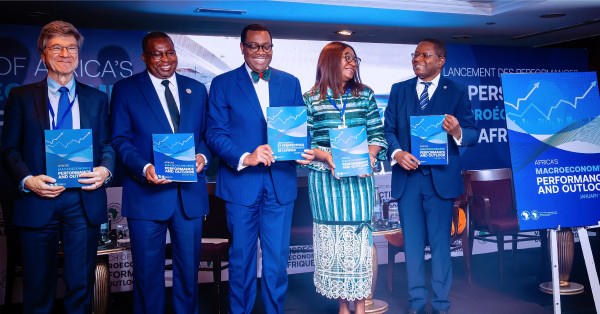
Africa dominates list of the world’s 20 fastest-growing economies in 2024—African Development Bank says in macroeconomic report

Location: Business
African Development Bank Group (AfDB)

Report forecasts stronger growth for Africa in 2024, outpacing projected global average; Continent is second-fastest-growing region after Asia.

Africa will account for eleven of the world's 20 fastest-growing economies in 2024, the African Development Bank Group said in its latest Macroeconomic Performance and Outlook (MEO) of the continent released on Friday.

Overall, real gross domestic product (GDP) growth for the continent is expected to average 3.8% and 4.2% in 2024 and 2025, respectively. This is higher than projected global averages of 2.9% and 3.2%, the report said.

The continent is set to remain the second-fastest-growing region after Asia.

The top 11 African countries projected to experience strong economic performance forecast are Niger (11.2%), Senegal (8.2%), Libya (7.9%), Rwanda (7.2%), Cote d'Ivoire (6.8%), Ethiopia (6.7%), Benin (6.4%), Djibouti (6.2%), Tanzania (6.1%), Togo (6%), and Uganda at 6%.

“Despite the challenging global and regional economic environment, 15 African countries have posted output expansions of more than 5%,” Bank Group President Dr Akinwumi Adesina said, calling for larger pools of financing and several policy interventions to further boost Africa's growth.

Africa's Macroeconomic Performance and Outlook, a biannual publication released in the first and third quarters of each year, complements the existing African Economic Outlook (AEO), which focuses on key emerging policy issues relevant to the continent's development.

The MEO report provides an up-to-date evidence-based assessment of the continent's recent macroeconomic performance and short-to-medium-term outlook amid dynamic global economic developments.

The latest report is calling for cautious optimism given the challenges posed by global and regional risks. These risks include rising geopolitical tensions, increased regional conflicts, and political instability—all of which could disrupt trade and investment flows, and perpetuate inflationary pressures.

President Adesina emphasised that fiscal deficits have improved, as faster-than-expected recovery from the pandemic helped shore up revenue.

He explained further: “This has led to a stabilisation of the average fiscal deficit at 4.9% in 2023, like 2022, but significantly less than the 6.9% average fiscal deficit of 2020. The stabilisation is also due to the fiscal consolidation measures, especially in countries with elevated risks of debt distress.”

He cautioned that with the global economy mired in uncertainty, the fiscal positions of the African continent will continue to be vulnerable to global shocks.

The report shows that the medium-term growth outlook for the continent's five regions is slowly improving, a pointer to the continued resilience of Africa's economies.

Presenting the key findings of the report, the African Development Bank's Chief Economist and Vice President, Prof. Kevin Urama said: “Growth in Africa's top-performing economies has benefitted from a range of factors, including declining commodity dependence through economic diversification, increasing stra­tegic investment in key growth sectors, and rising both public and private consumption, as well as positive developments in key export markets.”  

He added: “Africa's economic growth is projected to regain moderate strength as long as the global economy remains resilient, disinflation continues, investment in infrastructure projects remains buoyant, and progress is sustained on debt restructuring and fiscal consolidation.”

“The future of Africa rests on economic integration. Our small economies are not competitive in the global market. A healthy internal African trade market can ensure value-added and intra-African production of manufactured goods,” said Commissioner for Economic Development, Trade, Tourism, Industry and Minerals, African Union Commission, Ambassador Albert Muchanga.

He assured that the MEO forecast, and recommendations will be made available to African heads of state and that the report will be useful when the African Union makes its proposals to the G20- an informal gathering of many of the world's largest economies to which the African Union was admitted last year.

The improved growth figure for 2024 reflects concerted efforts by the continent's policymakers to drive economic diversification strategies focused on increased investment in key growth sectors, as well as the implementation of domestic policies aimed at consolidating fiscal positions and reversing the increase in the cost of living and boosting private consumption.

Speaking remotely, Zimbabwe's Minister of Finance and Economic Development, Prof Mthuli Ncube described the report as being “on point” and consistent with the reality in his country, describing it as useful for economic planning across Africa. He urged the African Development Bank to continue its thought leadership to help policymakers continue to build resilience to withstand shocks and drive growth.

Ncube said: “Zimbabwe expects slower growth due to climate shocks in the region. Southern African countries depend on agriculture for economic growth, so climate-proofing agriculture is key. We are in talks with creditors to restructure its debt, which is slowing economic growth. Internally, the country will focus on economic and governance reforms and reforms around property rights to increase agricultural production.”

Up to 41 countries across the continent will in 2024, achieve an economic growth rate of 3.8%, and in 13 of them, growth will be more than 1 percentage point higher than in 2023.

Director of the Center for Sustainable Development, Columbia University Prof Jeffrey Sachs noted that long-term affordable financing must be part of Africa's strategy to achieve growth of 7% or more per year and warned that Africa is paying a very high-risk premium for debt financing. He called for this point to be made to the G20.

“Long-term development cannot be based on short-term loans. Loans to Africa should be at least 25 years or longer. Short-term borrowing is dangerous for long-term development. Africa must act as one, in scale,” he explained.

Sachs, who is also the UN Secretary-General António Guterres' Advocate for Sustainable Development Goals also called for a much larger African Development Bank, better resourced to meet Africa's financing needs.

Overview of economic outlook across regions

The confluence of shocks notwithstanding, the resilience of the continent's economies remains strong, with positive growth projected for the continent's five regions.

  • East Africa: East Africa will continue to lead Africa's growth momentum, with growth projected to rise to 5.1% in 2024 and 5.7% in 2025, supported by strong strategic investments to improve internal connectivity and deepen intra-regional trade.
  • North Africa: Successive adverse weather conditions and macroeconomic challenges will hold the region's growth steady at 3.9% in 2024 with a slight improvement to 4.1% in 2025.
  • Central Africa: Growth is forecast to moderate to 3.5% in 2024 but projected recovery in private consumption and increases in mining investment and exports could help push growth to 4.1% in 2025.
  • Southern Africa: Growth will remain sluggish at 2.2 and 2.6% in 2024 and 2025, respectively. This reflects continued economic weakness in South Africa, the region's largest economy.
  • West Africa: Growth is projected to pick up to 4 and 4.4% in 2024 and 2025 respectively. Strong growth in most countries in the region is projected to offset slowdowns in Nigeria and Ghana. The announced withdrawal of Burkina Faso, Mali, and Niger from the Economic Community of West African States (ECOWAS) casts a shadow over the sustainability of gains amid growing uncertainty.

Driving faster and more sustainable economic growth

The 2024 MEO says in the short term, tackling persistent inflation will need a mix of restraining monetary policy coupled with fiscal consolidation and stable exchange rates.

The report identifies structural reforms and strategic industrial policies as key to accelerating economic diversification and strengthening the export sector.

It recommends that countries invest more in human capital and pursue a resource-based industrialisation and diversification strategy that allows the continent to exploit its comparative advantage and build resilience to shocks.

  • 2024 Macroeconomic Performance and Outlook (https://apo-opa.co/3UHdVhm)
  • President Adesina's speech (https://apo-opa.co/49H7oaV)
  • Pictures (https://apo-opa.co/48jUVZu)

Distributed by APO Group on behalf of African Development Bank Group (AfDB).

Media Contact:
Emeka Anuforo
Communication and External Relations Department
media@afdb.org

About the African Development Bank Group:
The African Development Bank Group (AfDB) is Africa's premier development finance institution. It comprises three distinct entities: the African Development Bank (AfDB), the African Development Fund (ADF) and the Nigeria Trust Fund (NTF). On the ground in 34 African countries with an external office in Japan, the AfDB contributes to the economic development and the social progress of its 54 regional member states. For more information: www.AfDB.org  

Media files
African Development Bank Group (AfDB)
Download logo
Read moreAfrica dominates list of the world’s 20 fastest-growing economies in 2024—African Development Bank says in macroeconomic report
15 February 2024

Sixth administration cracking down on crime – Lamola

Location: News

Sixth administration cracking down on crime - Lamola

Minister of Justice and Correctional Services, Ronald Lamola says the sixth administration is steadily rebuilding law enforcement agencies like the National Prosecuting Authority to fight crime.

Lamola was speaking during the debate of the State of the Nation Address held in Cape Town.

“[It] is the sixth administration that strengthened the work of law enforcement agencies like the NPA [National Prosecuting Authority] by appointing permanent leadership in the upper echelons of the NPA and the SAPS [South African Police Service] and increased the operational budget resulting in visible institutional growth and stability.

“Organized crime verdicts have increased by 21% from 193 to 234 at a conviction rate that is above 80%. Gang leaders are behind bars or in court, whether it is Jerome Booysen, Nafik Modak, Ralph Stanfield, Mark Lifman and Vusi Khekhe, all are behind bars.

“The conviction rate in gender-based violence and femicide matters is at 74.6%. When it comes to successful prosecutions for cable theft matters, the NPA has exceeded some of the targets, the conviction rate is well above 85%, 299 convictions have been obtained from 347 cable theft verdicts,” Lamola said.

The Minister added that R3.2 billion from the criminal assets recovery funds has been allocated to fighting illegal mining and organised crime.

Furthermore, 2 996 arrests have been executed related to illegal mining activities as at December last year.

“SAPS is implementing Operation Shanela, a comprehensive plan to combat crime throughout the country. The plan includes clamping down on illegal mining areas.

“At the end of last year, the Asset Forfeiture Unit, Special Investigation Units and the Hawks have secured preservation orders to freeze assets which are proceeds of unlawful activities of a syndicate dealing in unwrought gold in Gauteng province.

“The frozen assets include 51 properties with a value of more than R16 million. In Mpumalanga, they secured a preservation order of assets worth more than one billion rands. The message is clear, crime does not pay and the tide against crime is turning,” Lamola said.

‘I am Tintswalo’

Harking back to President Cyril Ramaphosa’s SONA last week in which he described the life of Tintswalo, Lamola described how he himself is a product of progressive government policies.

He recalled how he benefitted from the Tertiary Education Fund of South Africa (TEFSA), now known as the National Student Financial Aid Scheme (NSFAS), after his parents who were both farmworkers could not afford his tertiary education.

“I can stand here in this house [and say] with great conviction that had it not been for …government’s expansion of TEFSA and my sister paying for my university registration and monthly stipend, I would not be standing here today.

“I would not have been an Attorney of the High Court of South Africa having appeared in the highest Court in the world, the ICJ, on global affairs. My life was predestined as a farm worker [by] design by the apartheid government and not by choice.

“The village where I come from, Cunningmore B in Mpumalanga, had no electricity nor running water. Today there is electricity, running water and tarred roads, so are many villages across the country.

“[NSFAS]…results are tangible. You can touch them with your bare hands,” he said. – SAnews.gov.za


NeoB
Thu, 02/15/2024 - 09:59

338 views
Read moreSixth administration cracking down on crime – Lamola
13 February 2024

Government working to connect IPPs to the grid

Location: News

Government working to connect IPPs to the grid

Government has procured and connected more 7 000MW of generating capacity onto the grid through its Renewable Independent Power Producer Programme (REIPPP).

This is according to Mineral Resources and Energy Minister Gwede Mantashe.

The Minister was speaking during the debate on the State of the Nation Address (SONA) held in Cape Town on Tuesday.

The government-driven REIPPP aims to bring much needed additional megawatts onto the grid through private sector investment in renewable energy such as wind, biomass and small hydro.

Mantashe said that since the programme's launch in 2011, the Department of Mineral Resources and Energy (DMRE) has procured some 13 266MW from 140 Independent Power Producers (IPPs) whose technologies are based on renewable energy, diesel and battery energy storage.

“From these capacities, 7 362MW was from 95 IPPs, who are currently connected to the grid and supplying the much needed electricity. A combination of [renewables and base load] is required to deal with the challenges facing us. The remaining 45 IPPs, with a combined capacity of 5 904MW, are either in construction or preparing to reach commercial close.

“NERSA [National Energy Regulator of South Africa] has concurred with the Minister of Electricity [Dr Kgosientsho Ramokgopa] that 2500MW of nuclear capacity has to be connected,” he said.

Under the current administration, some 5 939MW has been procured from 46 IPPs, with some 150MW already connected to the grid and a further 1 587MW expected to supply electricity from September this year.

The Minister said South Africa has the potential to lead the way in the global energy transition.

“We firmly believe that South Africa holds significant quantities of minerals needed for the transition from high carbon emissions to low carbon emissions, which informs the view that our mining industry is a sunrise industry,” he said.

Delving deeper into mining, Mantashe said over the past 30 years of democracy, government has done much work in transforming the industry.

“When we did research two years ago… we discovered that at the nine major mining companies that we studied, each one of them didn’t have less than 50% of the management structure being black. We did see that in procurement initiatives created, a lot of business people who are not necessarily seen as part of the mining sector but who have developed on the back of mining.

“If you talk coal, only one major company is white, the majority of them are black. In the manganese sector… black ownership in mining companies is a long list. In gold…ARM is dominant, Harmony is dominant. In the PGMs [platinum group metals] …[there is] black ownership. If you look at all these companies, you can see that there is practical progress being made,” Mantashe said.

He said for the sector to continue growing, exploration is needed.

“Cognisant of the fact that mines are born out of exploration, we have just launched an exploration fund. It is important that we invest in exploration so that the future of this very important sector continues to be bright,” Mantashe said. – SAnews.gov.za

NeoB
Tue, 02/13/2024 - 12:01

467 views
Read moreGovernment working to connect IPPs to the grid
  • Previous
  • Page 1
  • Interim pages omitted …
  • Page 15
  • Page 16
  • Page 17
  • Page 18
  • Page 19
  • Interim pages omitted …
  • Page 24
  • Next

Copyright © 2026 · MyZA · All Rights Reserved · Powered by Stratlec Online