• Skip to main content
  • Skip to header right navigation
  • Skip to after header navigation
  • Skip to site footer
MyZA

MyZA

News, Directory, Events and Other Stuff

  • Social Media
  • Sport
  • World News
  • Home
  • Submit News
  • Directory
  • Events
  • Stratlec
  • TFSA
  • News
    • APO
    • Today’s Sport News
    • Todays Social Media and Tech Headlines
    • Today’s World News
    • Today’s SA Financial News
  • Contact
You are here: Home / Archives for mining

mining

12 February 2024

Gauteng Health cautions against risky sexual behaviour as STI infection rises

Location: News

Gauteng Health cautions against risky sexual behaviour as STI infection rises

With Valentine’s Day around the corner, the Gauteng Department of Health (GDoH) has cautioned the public against engaging in risky sexual behaviour, as this increases the transmission of sexually transmitted infections (STIs) and HIV infection.

Between April and December 2023, 167 109 males presented at public health facilities across the province and 67 400 (40%) were treated for male urethritis syndrome (MUS). 

According to the provincial department, the MUS data accurately reflect newly acquired STIs. 

Symptoms of MUS include discharge from the penis and burning urination. 

If left untreated, complications can include pain and swelling of the testes, while gonorrhoeae and chlamydia are the most predominant cause of MUS in South Africa.

In 2020, the MUS incidence in the province was recorded at 12% and has increased over the years to 15% in 2023. 

The department said it has noticed a peak of STI incidence in sub-districts E (Alexandra and Sandton) and F (Inner City, Braamfontein and Hillbrow) in Johannesburg. 

Some areas include the Merafong sub-district in the West Rand, Katlehong, Ekurhuleni South, Germiston, Katlehong and Vooslorus, Lesedi in Sedibeng and Bronkhorstspruit in Tshwane.

Sub-districts E and F in Johannesburg have tertiary institutions and high-risk individuals such as sex workers and people who inject drugs.

Meanwhile, Merafong is a mining area with a majority male population. Region 7 has farming areas, where cultural norms hinder the uptake of services, especially amongst men.

Ekurhuleni South and Lesedi have technical and vocational education and training (TVET) colleges, informal settlements, truck stops and hostels.

The GDoH has implemented a combination of prevention intervention approaches, which incorporate STI components in these areas such as the promotion of consistent use of male and female condoms, which are free and available in health facilities. 

The interventions also involve encouraging the reduction in the number of sexual partners, increased uptake of HIV counselling and testing, STI screening, delayed sexual debut, as well as the promotion of sexual wellbeing.

The MEC for Health and Wellness, Nomantu Nkomo-Ralehoko has urged people who are sexually active to use male and female condoms, which they can access free at their local healthcare centres to protect themselves against STIs and HIV.

She said the rise in MUS is attributed to high rates of unsafe behaviour such as non-use of condoms while engaging in vaginal or anal sex, multiple sexual partners, inconsistent condom use, high levels of substance use and cultural norms.

“Our clinics provide free condoms and STI and HIV prevention, testing and treatment services. We should not let STIs go untreated, as they increase the risk of HIV infection and transmission, which will hamper the province’s goal to reduce new HIV infections by 2030,” emphasised Nkomo-Ralehoko.

In addition, the MEC encouraged women to start early antenatal care as soon as they realise that they are pregnant for thorough screening of any STI, and appropriate and timely treatment for those who test positive.

Between April and December 2023, she said 1 255 out of 66 377 pregnant women who presented at our facilities for antenatal care for the first time tested positive for syphilis.

“If left untreated in pregnant women, syphilis can have adverse outcomes for the growing baby as well as increased morbidity in the mother. It can be passed from mother to baby during pregnancy (congenital syphilis), leading to stillbirths, health complications, congenital deformities and even infant death,” said the concerned MEC Nkomo-Ralehoko.

The MEC also said that there has been a noticeable increase in women who are presenting at health facilities to be initiated on Pre-Exposure Prophylaxis (PrEP), which is an antiretroviral drug prescribed for HIV-negative people to prevent them from becoming infected with HIV. 

Between April and November 2023, 38 305 females aged 15 to 49 years were initiated on PrEP, compared to 11 988 males.

“We believe that the high uptake of PrEP among women has led this group to have unprotected sex resulting in a high incidence of MUS. The studies have reported that STI incidence is also high among young women receiving PrEP.

“We would like to encourage more males to get initiated on PrEP to protect themselves against STIs. Additionally, both men and women who are on PrEP should use condoms to protect themselves against STIs, HIV and unwanted pregnancies,” the MEC said. – SAnews.gov.za
 

Gabisile
Mon, 02/12/2024 - 11:29
1013 views
Read moreGauteng Health cautions against risky sexual behaviour as STI infection rises
11 February 2024

Navigating the Legal Landscape in South Africa

Location: MyPR

Legal matters are an integral part of our lives, shaping our rights, responsibilities, and interactions in society. In this guide, we’ll explore a diverse range of legal specializations, each with its unique focus and significance. From property and real estate law to immigration law, we’ll delve into the intricacies of these fields, highlighting their importance in …

Read moreNavigating the Legal Landscape in South Africa
10 February 2024

Hundreds of people from mining communities march in Pretoria

Location: News

The protest follows a summit hosted by Mining Affected Communities United in Action

Read moreHundreds of people from mining communities march in Pretoria
9 February 2024

State of the Nation Address in numbers

Location: News

State of the Nation Address in numbers

President Cyril Ramaphosa delivered the State of the Nation Address (SONA) at the Cape Town City Hall on Thursday.

Below is the SONA in numbers: 

Social Assistance 


  • More than 26 million – South Africans who continue to receive social assistance every month provided by the democratic state.
  • Some 9 million – unemployed people receiving the Special Social Relief of Distress Grant every month.
  •  

Unemployment and Job Creation


  • Two million ­– people who lost their jobs due to COVID-19.
  • 15 to 24 – the ages of millions of young people who were not in employment, education or training, by 8 February 2024.
  • More than 1.7 million – work and livelihood opportunities created through the Expanded Public Works Programme.
  • More than 1 million – school assistants placed in 23 000 schools through the Presidential Employment Stimulus.
  • 23 000 – schools where more than one million school assistants have been placed through the Presidential Employment Stimulus.
  • From 8 million to over 16.7 million – the increase in the number of South Africans in employment since 1994 until 2024.
  • Over 4.3 million –  young people engaged on SAYouth.mobi, a zero-rated platform for unemployed young people to access opportunities for learning and earning.
  • 1.6 million – young people who have secured opportunities through the SAYouth.mobi, a zero-rated platform for unemployed young people to access opportunities for learning and earning.


Crime and Corruption


  • More than 200 – accused persons being prosecuted by the National Prosecuting Authority.
  • R14 billion – value of freezing orders granted to the National Prosecuting Authority’s Asset Forfeiture Unit for state capture-related cases.
  • Around R8.6 billion – value of corrupt proceeds that have been returned to the State.
  • R4.8 billion – unpaid taxes collected by the South African Revenue Service.
  • R64 billion – value of civil litigation instituted by the Special Investigating Unit.
  • 5 000 – extra police officers deployed to Public Order Policing.
  • Over 285 000 – arrests made by the South African Police Service since May 2023 through Operation Shanela.
  • 20 000 – police officers recruited over the last two years.
  • 10 000 – police officers to be recruited in the year to come.
  • Over 100 000 – people stopped by the new Border Management Authority from entering South Africa illegally.


Energy


  • More than 2 500 – megawatts of solar and wind power connected to the grid.
  • More than 120 – new private energy projects in development.
  • More than 14 000 – kilometres of new transmission lines to be built over the coming years to accommodate renewable energy.
  • Around R170 billion to almost R240 billion – increases in the value of financing pledges for the Just Energy Transition Investment Plan in the past year.


Economy and Investment


  • More than 60 – ships waiting to berth at the Port of Durban in mid-November 2023.
  • 12 – ships waiting to berth at the Port of Durban at the end of January 2024.
  • R1.5 trillion – value of new investment commitments raised through five South Africa Investment Conferences.
  • R500 billion – value of new investment commitments raised through five South Africa Investment Conferences that have already flowed into the economy.
  • Approximately 39% – black ownership of mining by 2024, compared with 2% in 2004.


Road Infrastructure


  • Nearly 25 000 – kilometres of roads being managed by the South African National Roads Agency Limited.
  • More than 1 200 – projects to the value of R120 billion awarded by the South African National Roads Agency Limited in the past five years.
  • R120 billion – the value of more than 1 200 projects awarded by the South African National Roads Agency Limited in the past five years.


Land


  • 25% – farmland owned by black South Africans through redistribution.
  • 30% – target of farmland to be owned by black South Africans through redistribution by 2030.


Labour


  • Around 1 000 – black industrialists supported with funding and other forms of support in the last five years.
  • More than 90 000 – workers employed by black-owned firms which contribute many billions of rands to the South African economy.
  • About 200 000 – workers who obtained ownership of shares in the companies in which they work.
  • Over half a million – status of worker ownership in companies in the South African economy.
  • Over 6 million – workers whose wages were raised by the introduction of the National Minimum Wage.


Matric


  • 82.9% – latest matric pass rate; the highest ever.


Poverty Alleviation


  • 71.1% – South African population living in poverty in 1993.
  • 60.9% – the drop in the poverty rate by 2010.
  • 55.5% – the drop in the poverty rate by 2020.


Health


  • More than 100 000 ­– South Africans who lost their lives to COVID-19.
  • 54 years – life expectancy in 2003.
  • 65 years – life expectancy in 2023.
  • 95% – persons diagnosed with HIV who know their status.
  • 79% – persons who receive antiretroviral treatment out of the 95% diagnosed with HIV who know their status.
  • 93% – persons virally suppressed out of the 95% diagnosed with HIV who know their status.


Housing, Water and Telecommunications


  • Nearly nine out of every 10 – households living in a formal dwelling.
  • Only 6 out of 10 – people who had access to clean drinking water at the end of apartheid.
  • 9 out of 10 – South Africans with access to clean drinking water by 2024.
  • 79% – households with access to the internet in 2022.


Gender-Based Violence and Femicide


  • Around R21 billion – money dedicated over the medium term to implement the six pillars of the National Strategic Plan on Gender-based Violence and Femicide, including the economic empowerment of women.


Janine
Fri, 02/09/2024 - 10:53

100 views
Read moreState of the Nation Address in numbers
9 February 2024

Government strengthens crime fighting measures

Location: News

Government strengthens crime fighting measures

Government has strengthened the ranks of the South African Police Service (SAPS) through the recruitment of 20 000 police officers over the last two years, and another 10 000 in the year to come.

This as part of the country’s achievements highlighted by President Cyril Ramaphosa, delivering his State of the Nation Address (SONA) on Thursday evening, in a year the country marks 30 years of democracy.

President Ramaphosa was firm that South Africans deserve to be safe and to feel safe, to walk freely and without fear in their neighbourhoods and public spaces.

The President highlighted that during this administration, government has focused on equipping the law enforcement agencies, which had been systematically weakened, to do their work effectively.

“An extra 5 000 police officers have been deployed to Public Order Policing. The SAPS has launched Operation Shanela as a new approach to target crime hotspots, which resulted in over 285 000 arrests since May last year.

“The Economic Infrastructure Task Teams that are operational in all provinces have had important successes in combatting cable theft, damage to critical infrastructure and illegal mining,” the President said.

Through close collaboration with the private sector, South Africa has seen a reduction in security incidents on the rail network.

“We launched the new Border Management Authority last year to improve the security of our borders and have already stopped over 100 000 people who tried to enter our country illegally.

“Together with civil society, we developed the National Strategic Plan on Gender-Based Violence,  as a society wide response to this pandemic. Around R21 billion was dedicated over the medium term to the implementation of the six pillars of the plan, including the economic empowerment of women.”

The President also noted other achievements, including the introduction of new laws to strengthen the response of the criminal justice system to gender-based violence, as well as the provision of better support to survivors of such violence.

He emphasised that the government’s ultimate goal is to end gender-based violence altogether by mobilising all of society. 

“As part of this, we support the call for a pledge that men in South Africa are invited to take to demonstrate their personal commitment to ending this scourge. Women are also in the process of developing their own pledge.

“We still have a long way to go to build safer communities, prevent violent crime, and protect our infrastructure. But there is no doubt that a professional, well-trained, and properly resourced police force, working closely with communities, will make our country a safer place,” the President said.– SAnews.gov.za 

GabiK
Thu, 02/08/2024 - 21:43

383 views
Read moreGovernment strengthens crime fighting measures
8 February 2024

African Companies are Capable of Organising Mining Indaba and Promote an Africa-First Energy Transition

Location: News
African Energy Chamber

The African Energy Chamber (https://EnergyChamber.org) vehemently rejects the notion and mindset that Africans are somehow unqualified to lead and host significant events like Investing in African Mining Indaba on their own land. It is unacceptable to have the future of Africa's energy defined and driven by entities that visit the continent sporadically and lack a genuine understanding of its complexities.

We cannot allow crucial decisions about Africa's energy future to be dictated by those who fail to prioritise the continent's silent majority—600 million people in sub-Saharan Africa living in the dark and 900 million lacking access to clean cooking fuels. The voices of these individuals must guide African energy decisions, and their needs should take precedence in shaping the continent's energy landscape.

“The idea that Africans are somehow incapable of managing their own affairs, is tiring. It's time we take full charge of our own destiny, while doing so in collaboration with likeminded partners.” Stated Tom Alweendo, Minister of Mines and Energy of Namibia.

The suggestion that Africans must rely on a small UK outfit, the Hyve Group, to organise events like Mining Indaba is insulting and patronising. This mindset epitomises the same attitude that African oil- and gas-producing states encounter in their energy transition – being excluded from the decision-making table and having their transition defined for them.

“This kind of decision-making, this suggestion that Africans are somehow unqualified to run Mining indaba or a mining investment event, and we have to beg a small UK outfit ( Hyve Group ) full of latte liberators with their fancy ideas about African energy to do it for, epitomizes the same kind of mindset that African oil- and gas-producing states have been encountering when it comes to their energy transition. They are defining the transition for you without you being on the table. They are defining and driving the agenda. You not on the table. You are on the menu”, Stated NJ Ayuk, Executive Chairman of the African Energy Chamber.

This insulting and patronising mindset extends to environmental groups and Western countries that pressure African leaders into energy transition decisions that may not be in Africa's best interests. The African Energy Chamber strongly opposes such external influences and emphasises the importance of a just, Africa-first energy transition. Let Africa make its own choices and define its own timeline.

"It's the same insulting, patronising mindset that has led environmental groups and Western countries to suggest they know what's best for Africa as they pressure our leaders into energy transition decisions that aren't in Africa's best interests. It's the same mindset that, in part, inspired me to do this work that I think is of critical importance for a just, Africa-first energy transition." Concluded Ayuk,

In addition to the lack of Black executives in the leadership of Hyve Group is troubling. In 2024 you can't having an organisation defining the narrative for the children in Senegal, Nigeria, Botswana, Zimbabwe, South Africa without any black executives in the leadership team. The absence of Broad-Based Black Economic Empowerment (BEE) and local content compliance further underscores a disregard for inclusive economic participation and empowerment must be a serious concern.  

The energy industry's progress, characterised by true representation and inclusion, can serve as a catalyst for the next generation of leaders, the youth. It's about ensuring that every African child, from Namibia to Congo to Cameroon, can see themselves as leaders in the energy sector, breaking barriers and shaping a future that reflects their diversity and potential. The time has come for the youth to be the driving force behind a new narrative, where Africa's energy decisions are made with them, for them, and by them.

The African Energy Chamber is committed to emphasising the importance of sending a positive message to every African child. True progress in the energy sector should translate into tangible opportunities for the youth, guiding them towards a future where they actively contribute to and benefit from Africa's sustainable energy development.

In light of these sentiments, the African Energy Chamber underscores the urgency of empowering Africans to take charge of events like Investing in African Mining Indaba and other critical discussions about the continent's energy future. It is time for Africa to be at the forefront of its own narrative, ensuring that decisions are made in the best interests of its people and guided by the voices that matter the most.

Distributed by APO Group on behalf of African Energy Chamber.

Media files
African Energy Chamber
Download logo
Read moreAfrican Companies are Capable of Organising Mining Indaba and Promote an Africa-First Energy Transition
8 February 2024

Communities demand more benefits from mines in their towns

Location: News

About 200 people attended a summit hosted by Mining Affected Communities United in Action in Pretoria

Read moreCommunities demand more benefits from mines in their towns
8 February 2024

JMEF Established

Location: News

Department of Mineral Resources and Energy: Republic of South Africa
Download logo

The Department of Mineral Resources and Energy (DMRE) and the Industrial Development Corporation (IDC) have signed a Memorandum of Agreement (MOA) officially establishing the Junior Mining Exploration Fund (JMEF).

The establishment of this fund forms part of South Africa's mineral exploration strategy. The main objective of the fund is to enable eligible South African junior mining enterprises to access funding so they can conduct prospecting work; increase access to mine ore bodies; and promote economic inclusion to support equitable economic growth.

The main qualifying criteria requires applicants to comply with the South African mining regulatory requirements, including but not limited to the provisions of the Mineral and Petroleum Resources Development Act (MPRDA), the National Environmental Management Act (NEMA) and the National Water Act.

“We can't over-state the significance of this industry to our economy. Mining is not only the backbone of our economy but is the largest employing sector in this country. Our exposure has informed us of the many challenges facing emerging black-owned mining companies that are looking for a foothold into this sector. Exploration costs can be onerous on small mining firms and therefore, it is our hope that the fund will help alleviate the challenges facing Junior mining companies,” said IDC Chief Operations Officer, Joanne Bate.

The fund will be administered and managed by the IDC while the DMRE, supported by the Council for Geoscience, will determine the minerals whose exploration can be funded through this initiative.

The DMRE and the IDC are still finalising modalities as to when the first application window calling for qualifying companies to submit applications for consideration will be made.

Distributed by APO Group on behalf of Department of Mineral Resources and Energy: Republic of South Africa.

Read moreJMEF Established
7 February 2024

Taking stock of the sixth administration

Location: News

Taking stock of the sixth administration

Thursday’s State of the Nation Address (SONA) to be delivered by President Cyril Ramaphosa will be the last one to be made by the sixth administration.

The President - in his capacity as Head of State and government - will deliver the annual SONA at 7pm, before a joint sitting of the National Assembly (NA) and the National Council of Provinces (NCOP).

Just as individuals usually make a list of their goals at the start of each year, and the steps they need to take to attain them, the SONA similarly sets out government’s key policy objectives as well as deliverables for the year ahead.

The President is expected to reflect on the gains made and the areas that still need attention since the last SONA.

However, having been inaugurated as President on 25 May 2019, President Ramaphosa is also likely to look back on the term of his administration.

According to the Presidency, this administration “took office with a mandate to grow the economy, create employment and reduce poverty.” It was also tasked with putting an end to corruption as well as “restoring the integrity and capability of public institutions.”

Government has over the years made progress in improving the lives of those within the borders of South Africa.

Advancements have been made in the key priorities of growing the economy and job creation, building better lives, making communities safer and fighting crime.

Over the years, irrespective of the administration at the helm, an inclusive economy in which all South Africans can partake in, has and continues to be a top issue for government.

Fixing the economy and load shedding

In order to grow the economy, reliable energy supply is essential and energy security is cited in the country’s Economic Reconstruction and Recovery Plan (ERRP). In July 2022, government launched the Energy Action Plan (EAP). The EAP is a set of steps to be taken to address load shedding.

Government has amended Schedule 2 of the Electricity Regulation Act to remove the licencing requirement for generation projects to accelerate private investment.

By September 2023, more than 100 projects were at various stages of development, representing over 10 000 megawatts of new generation capacity and over R200 billion in private sector investment.

Other steps taken to reform the electricity sector include the tabling of the Electricity Regulation Amendment Bill in Parliament.

In addition, progress continues to be made towards the unbundling of Eskom, with the newly established National Transmission Company of South Africa (NTCSA) obtaining its operating, trading, and import and export licences from the National Energy Regulator of South Africa in September 2023, allowing the company to operate independently from the power utility. This as government works to separate Eskom into the Generation, Distribution and Transmission entities. Last month, Eskom announced the appointment of the National Transmission Company of South Africa board.

This is one of the most important pillars of Eskom’s legal separation which will “create a level playing field to enable competition in electricity generation, as a key step towards energy security,” noted the 'Leave No One Behind 2024 – A Five-Year Review', document released by the Presidency earlier this week.

The sixth administration also oversaw the appointment of Minister in the Presidency for Electricity, Dr Kgosientsho Ramokgopa, in March last year as part of efforts to address power cuts and to expedite government’s work to ensure the full implementation of the EAP.

At a recent media briefing on the implementation of the plan, Ramokgopa said that work continues to address partial load losses – that is, when Eskom’s generating units do not produce the full capacity, they were intended to.

In November 2023, South Africa received the first consignment of 450 gasoline generators donated by the People’s Republic of China. The donation formed part of the Technical Assistance Programme that was entered into in August 2023 during China’s Head of State Visit to South Africa.

Jobs and investment

The ERRP was government’s response to the severe health, social and economic effects of the dreaded COVID-19 pandemic.

Announced in 2020, the plan was founded on engagements among social partners, including government, labour, business and community-based organisations.

October 2023 marked three years since government embarked on the plan, which outlined the actions to rebuild the economy and create jobs in the wake of the pandemic.

The government has put in place the Presidential Youth Employment Initiative (PYEI). Through the initiative announced in 2020, at least 135 000 earning opportunities were secured by young people.

On Tuesday, the President held a presidential youth engagement in Cape Town reflecting on the three years since the initiation of the Presidential Employment Stimulus (PES) and PYEI.

According to the Presidency, the PES and PYEI programmes have “collectively generated over 1.8 million job opportunities and provided livelihood support, predominantly benefiting young individuals”.

The sixth administration also oversaw the successful raising of the R1.2 trillion worth of investments over five years that President Ramaphosa announced in 2018.

Held annually over the past five years, the South Africa Investment Conference (SAIC) surpassed the initial R1.2 trillion target to reach R1.51 trillion in investment pledges. To date, there are concrete results of how the pledges made at the conference are changing lives and creating employment.

The review document notes that of the commitments made, over R500 billion has already flowed into the economy.

Having made pledges continually at the SAIC, Procter &Gamble in November 2023 launched a state-of-the-art production line of Pampers Premium Care which the President attended in Kempton Park in Ekurhuleni.

Another company which pledged R135 million at last year’s SAIC is also making good on its commitment.

In October 2023, energy company, Ener-G-Africa, launched an energy-efficient cook stove manufacturing line in Paarl, and expanded its solar panel production line from 15MW to 500MW capacity.

The company pledged R135 million in the production of small solar PV panels and solar cooking appliances at their women-led production facility in Cape Town.

AfCFTA

President Ramaphosa also oversaw the launch of the African Continental Free Trade Area (AfCFTA) as Chairperson of the African Union, which is currently the largest free trade area in the world. The AfCFTA which entered into force in May 2019, is expected to boost trade and economic growth on the continent.

Trading under the AfCFTA regime commenced January 2021 and last month South Africa practically realised the AfCFTA agreement. This as the President officiated the launch of the first export shipment of goods produced by South African companies destined for other African countries from KwaZulu-Natal’s Durban port.

Better lives and education

On building better lives, the current administration introduced the National Minimum Wage (NMW) for the first time in the country’s history, guaranteeing a minimum floor below which no worker may be paid with the coming into effect of the minimum wage on 1 January 2019.

The President had announced its coming into effect in December 2018.

Back in 2019, the minimum wage was set at R20 an hour and has increased over the years. Currently standing at R25,42 the minimum wage will increase to R27,58 for each ordinary hour worked with effect from 1 March 2024.

Click here for more on the “National minimum wage increases”.

To ensure healthcare for all, Parliament passed the National Health Insurance (NHI) Bill last year after it was introduced in 2019. The Bill aims to provide free health care at the point of care for all South Africans. In preparation for the NHI, Health Patient Registration Systems have been installed in over 3 200 facilities.

Meanwhile, social grants for people most affected by COVID-19 were expanded, including the Special Social Relief of Distress (SRD) Grant, which reached around 11 million unemployed people.

On the education front, no-fee schools which government introduced in 2007 have continued to ensure that children get access to schooling. To date, the number of learners that are not required to pay school fees increased from 71% to 75% in 2021.

In addition, the latest matric pass rate, at 82.9%, is the highest ever, up from 78% ten years ago. Learners from no-fee paying schools accounted for more than 65% of the total bachelor passes obtained. The percentage of learners who completed 12 years of education rose from 45% in 2008 to 62% in 2022.

Safer communities

The sixth administration has increased the number of police officers including the recruitment of  20 000 police trainees and  an additional 4 000 public order policing members in 2022 and 2023.

In addition, 20 specialised South African Police Service Economic Infrastructure Task Teams have been established to work with business, private security and state-owned enterprises to tackle illegal mining, construction site extortion, cable theft and vandalism of economic infrastructure.

The review noted that by November 2023, the teams had made over 4 000 arrests for damage of critical infrastructure, 70 arrests for extortion at construction sites and over 3 000 arrests for illegal mining, and confiscated significant quantities of copper cable, rail tracks and other metals.

Government also launched the Border Management Authority as the third armed force to manage and secure the country’s borders, providing a vital link in government’s efforts to harness the benefits of the African Continental Free Trade Area.

On tackling gender-based violence and femicide(GBV), he National Strategic Plan on Gender-based Violence was developed, together with civil society, as a society-wide response to this national emergency. Around R21 billion has been dedicated over the medium term to the implementation of the six pillars of the plan, including the economic empowerment of women.

Meanwhile, the National Prosecuting Authority (NPA) has achieved an average conviction rate of 94% in femicide prosecutions and 75% in sexual offences prosecutions since 2019.

In addition, the GBVF Response Fund 1 was launched, which raised R200 million from the private sector for community-based organisations combating GBV. In the first year of the Fund’s operation, 53 community-based organisations were funded, reaching 280 000 participants.

Fighting corruption

The NPA Investigating Directorate was established to prosecute state capture and other significant corruption cases.

To date, the Investigating Directorate has taken 34 state capture and corruption cases to court, involving 203 accused persons and 65 accused entities. The NPA has also secured the conviction of over 500 government officials and nearly 800 in the private sector on offences related to corruption since 2019.

In addition, a SIU Special Tribunal was appointed to expedite civil claims against corrupt individuals and the recovery of stolen funds. Since its establishment, it has recovered over R8.6 billion.

As the country prepares for its 30 years of freedom celebration, the sixth administration has certainly done its bit in a challenging environment. -SAnews.gov.za

Neo
Wed, 02/07/2024 - 15:11

268 views
Read moreTaking stock of the sixth administration
7 February 2024

Mashatile calls for more to be done to transform mining industry

Location: News

Mashatile calls for more to be done to transform mining industry

Deputy President Paul Mashatile believes that although the Mining Charter has achieved some success in reforming the mining industry, more still needs to be done.

“The 30 years of our nation’s democracy should compel us to become even more proactive about the issue of economic transformation in this industry and country.” 

The Deputy President delivered a keynote address at the South African Youth Economic Council (SAYEC) Business Dialogue during the Mining Indaba in Cape Town.

“The transformation of this sector is important because it forms a vital part of our country's development trajectory, driving infrastructure development, which includes the construction of roads, railways, and power plants, and positively impacting the economy. 

“Our country's rich natural resources provide a comparative advantage in processing, manufacturing, and beneficiation through mining value chains,” he told attendees on Tuesday. 

The Deputy President said while the economic growth of the sector is important, its transformation is equally important, to the extent that it is inclusive of women, youth, and other marginalised groups in  society.

“The subject of diversity and inclusion in the mining sector should be at the top of our agenda. We must ask ourselves, ‘How can we ensure equitable sharing of social and economic benefits in the mining sector?’”

He took the time to call on young people to explore opportunities that will make them a key part of this sector, integrating it with manufacturing and technology. 

“As a youth, you should identify your role in the value chain and position yourselves in a way that empowers you and benefits the mining sector globally.” 

The Deputy President is of the view that the economic viability of the mining sector relies on developing strategies for expanding the industry through mineral beneficiation and improving the economic and social contribution of the sector. 

“This presents an opportunity for youth inclusion in the value chains associated with the mining sector.” 

Deputy President Mashatile cited President Cyril Ramaphosa who opened the indaba and told guests that mining has a key role to play in building the economy of tomorrow.

“You are the future of this country, and you need to take advantage of the valuable resources and huge business opportunities in the mining industry,” President Ramaphosa said at the opening of the indaba on Monday. 

In addition to diamonds and gold, the Deputy President said the country also contains reserves of iron ore, platinum, manganese, chromium, copper, uranium, silver, beryllium and titanium.

“We must capitalise on the increased demand for these raw materials to build our nation's economy and attract more investors.” 

Transformation and skills development

As South Africa marks 30 years of democracy this year, the Deputy President acknowledged that the country's mining industry has undergone significant transformation.

For almost 150 years, mining has been a crucial part of South Africa's economy, contributing around 7.5% to the gross domestic product (GDP) and accounting for about 60% of the country's exports by value.

Referring to the latest survey undertaken by the Minerals Council of South Africa, he said it found that 32 member companies reviewed, largely complied with the five key transformation elements of the 2010 Mining Charter. 

These elements included ownership, employment equity, procurement, human resources development, and mine community development. 

“It is worth noting that the surveyed companies achieved a weighted average of 39.2% ownership equity by historically disadvantaged South Africans, which exceeds the Charter's 26% target.” 

In addition, he emphasised the significance of skills development for the youth that are not in employment, education and training between the ages of 15 and 24 in efforts to address unemployment.

The Deputy President challenged the mining industry to provide skills-development opportunities that will lead to much-needed employment opportunities.

“It is time for us, as government and private sector, to invest more than ordinary resources in the development of our youth. We must allow them to voice their concerns, and their proposed solutions must be valued and integrated into the broader strategy for economic growth.” 

He noted government’s commitment to including the youth in its sustainable development strategy. 

“Our mining policies are more than paperwork; rather, they are strategic frameworks that direct us towards mining operations that are responsible, sustainable, and socially inclusive.” – SAnews.gov.za


Gabisile
Wed, 02/07/2024 - 10:17

381 views
Read moreMashatile calls for more to be done to transform mining industry
5 February 2024

Indaba to spot spotlight on local mining industry

Location: News

Indaba to place spotlight on local mining industry

The 2024 Investing in African Mining Indaba will place the spotlight on the significant potential of the mining sector in fostering economic expansion and employment opportunities, said President Cyril Ramaphosa.

“This week’s Mining Indaba in Cape Town will showcase the enormous potential of the mining industry to drive economic growth and job creation. The actions underway to improve the logistics system will help us to unlock this potential, given that mining companies depend on the rail network and ports to compete in global markets.

“From the work already underway, we have shown that it is possible to overcome the barriers to growth by working together in partnership. We are building momentum and have begun to see the results,” the President said in his weekly newsletter on Monday.

He emphasised that “as more and more of our products leave the country’s shores, whether to the African continent or other parts of the world,” more companies will thrive, more investment will be made and more jobs will be created.

The President’s comments follow on last week’s launch of the first export shipment of goods produced by South African companies destined for other African countries under the preferential trade provisions of the African Continental Free Trade Area (AfCFTA) from the Durban port.

The AfCFTA intends to create a single market for goods and services, facilitated by movement of persons in order to deepen the economic integration of the African continent.

The President who officiated at last week’s shipment of goods said many more products and shipments can be expected to follow as South African companies sell South African made goods into the massive African free trade area. 

Exports to AfCFTA countries already account for nearly a quarter of South Africa’s global exports. The President added that this figure will now increase dramatically. 
 
“South African companies have a great opportunity to take advantage of the AfCFTA by exporting their goods into the rest of the African continent. In order to take this great opportunity up, as a country we need to ensure that our products make it from the factory gate onto the ship and head towards their destinations with the least possible delay and at the lowest possible cost,” he said. 

Ports and rail
 

Turning to ports and rail, the President highlighted that for some years now the efficiency and competitiveness of South African ports and rail network have been in decline. He spoke of the need to fix the country’s logistics architecture.

Transnet, which operates ports and freight rail lines, has had to contend with severe challenges, including the effects of state capture, the impact of the COVID pandemic, natural disasters and the rising levels of theft and vandalism of its infrastructure. 

As a result, the volume of goods transported on the rail network has decreased significantly, forcing more companies to use trucks and causing road congestion.

“Working together with the private sector, we are turning the situation around, guided by the Freight Logistics Roadmap that was crafted by Transnet, government and social partners. The roadmap outlines a clear set of actions to stabilise and improve Transnet’s performance in the short term and to fundamentally reform the logistics system in the long term,” he said. 
 
To ensure this work receives dedicated attention, the National Logistics Crisis Committee (NLCC) has been established which is chaired by the Presidency and brings together all of the relevant government departments to drive a coordinated response to the logistics challenges. 

Corridor Recovery Teams
 
Government has also established Corridor Recovery Teams which bring Transnet, the private sector and independent experts together to improve the performance of strategic rail and port corridors. 
 
The President highlighted that this single-minded approach to improving performance is already showing results.

For example, the number of ships waiting to berth at the Port of Durban – which has experienced severe congestion in recent months – reduced from more than 60 ships in mid-November to just 12 ships at the end of January.
 
At the Port of Cape Town, which is preparing for the important fruit season, Transnet has deployed new leadership and is putting in place several measures to improve its capacity in the short term. Seven new cranes, which are used for moving and stacking containers, were delivered to the port last month, and the number of work shifts is being increased to improve vessel turnaround times. 
 
In addition to these short-term measures, the Freight Logistics Roadmap includes far-reaching reforms to modernise the logistics system and enable much greater investment in infrastructure. 

“These reforms will introduce private sector investment and competition in port and rail operations, improving efficiency and bringing down prices, while ensuring that infrastructure remains owned by the state.
 
“A key milestone in this reform journey will be the implementation of ‘open access’ to the freight rail network, which will allow private rail operators to invest alongside Transnet Freight Rail for the first time,” he said. 
 
Another key step is the introduction of strategic partnerships in container terminals, which will enable new investment to expand port capacity and upgrade equipment.

Progress has already been made with the appointment by Transnet of an international container terminal operator for the Durban Pier 2 terminal. Transnet will retain 51% ownership of the terminal and no workers will lose their jobs once the partnership is established. 

The private partner will have full management responsibility for the terminal and will contribute both capital and expertise to improve its performance.
 
“The process of reform takes time and there are no quick solutions to the challenges facing Transnet. However, the steps we are taking now will not only improve performance in the immediate term but will also create a truly competitive and efficient system into the future,” the President said. – SAnews.gov.za 


DikelediM
Mon, 02/05/2024 - 09:00

891 views
Read moreIndaba to spot spotlight on local mining industry
5 February 2024

Mining The Future – Minrom

Location: MyPR

Blessed by abundant natural resources, Africa’s mining sector has historically been a driving force behind the continent’s economic growth. However, the industry now faces a myriad of challenges. As we approach the 2024 Mining Indaba, the world’s largest African mining investment event, it is crucial to reflect on the trajectory of the industry and its …

Read moreMining The Future – Minrom
5 February 2024

South African government hard at work to resolve challenges in mining

Location: News

South African government hard at work to resolve challenges in mining

President Cyril Ramaphosa has told leading figures in African mining that government is working hard to address the challenges that the industry faces.

He was speaking during the opening of the 30th Investing in African Mining Indaba held in Cape Town on Monday.

The Indaba is expected to continue until Thursday.

The mining industry contributes a hefty 7.5% to South Africa’s Gross Domestic Product (GDP) and accounts for some 60%, by value, of the country’s exports.

“We are all acutely aware that we face strong headwinds, and a number of persistent challenges are impeding mining performance. Globally, commodity price volatility, high energy prices, geopolitical tensions and a global cost of living crisis are playing a significant role in dampening the business operating environment.

“Domestically, the energy crisis and port and rail bottlenecks are putting serious pressure on miners’ operational costs. Illicit mining, cable theft and infrastructure vandalism place a further strain on mining output and returns. We are committed to work hard and work together to overcome these serious challenges,” he said.

Energy crisis

The President told the gathering that through the Energy Action Plan, government has taken “several critical measures to improve the performance of our existing generation fleet and to add new electricity capacity”.

“The Department of Mineral Resources and Energy has secured 1384MW of new generation capacity that is currently in construction or already in operation. The department has released requests for proposals for the procurement of 5 000MW of renewable energy under Bid Window 7 and 2 000MW of gas-to-power and 615MW of battery storage.

“Transmission capacity remains a challenge especially in the Cape provinces. Eskom has therefore recently published a curtailment regime which unlocks 3 470 MW of additional capacity in these provinces, and which will be essential to the success of Bid Window 7,” he said.

Additional capacity has also been garnered following government’s removal of the licensing threshold for embedded generation.

At least 6 300MW has flowed through this initiative with a third of that supplying mining houses.

Illegal mining and logistics

The President addressed the impact that illegal mining and copper cable theft have on the industry.

On illegal mining, he said: “Since the establishment of a specialised police unit, working with the defence force, we have seen a number of arrests, prosecutions and convictions of the perpetrators of this crime.”

Turning to cable theft and criminality, the President acknowledged that this has “serious impact on key rail freight corridors, including the supply of coal for export through Richard’s Bay”.

“Cooperation between the private sector, Transnet and the security services has resulted in an improvement in the security situation over recent months,” he said.

Delving deeper into the country’s logistics challenges, the President said the system itself is “undergoing a process of rapid and fundamental change to improve its efficiency and position it for the future”.

“By introducing competition in freight rail operations, while maintaining State ownership of the routes, we will unlock massive new investment in South Africa’s rail system. This will support jobs in every sector in the economy, from mining to manufacturing to agriculture.

“Similarly, by upgrading and expanding our port terminals through innovative public-private partnerships, we aim to position South Africa as a leading player in global markets.

“As government, we are alive to the reality that without bold, transformative reforms to the logistics sector, mining cannot flourish. We are working hard, in partnership with the industry, to ensure [the Freight Logistics Roadmap] is implemented without delay,” he said.

The President said mining has a “crucial role to play in building the economy of tomorrow”.

“We look forward to deepening our collaboration with industry as we write a new chapter in the history of South African mining. A story of inclusion, growth, transformation and innovation – and one in which no-one is left behind,” President Ramaphosa said. – SAnews.gov.za

NeoB
Mon, 02/05/2024 - 13:29

104 views
Read moreSouth African government hard at work to resolve challenges in mining
29 January 2024

Anger at Panyaza Lesufi for failing to fix Roodepoort school for years

Location: News

The department committed to replacing the school with a brick-and-mortar structure more than five years ago.

Read moreAnger at Panyaza Lesufi for failing to fix Roodepoort school for years
25 January 2024

Saudi Arabia market presents enormous growth opportunities for SA

Location: News

Saudi Arabia market presents enormous growth opportunities for SA

The South African - Saudi Arabia Business Council has committed to boosting trade as part of efforts to grow the economies of both countries.

In 2023, South Africa's exports to Saudi Arabia increased to R7.3 billion from R6.6 billion in 2022, while imports from Saudi Arabia decreased to R54.6 billion in 2023 from R73.6 billion in 2022.

The exported goods include agricultural products, motor vehicles, and basic chemicals, whereas the import items mainly consisted of refined petroleum and related products and crude oil.

Speaking at a press briefing in honour of the visiting Saudi business delegation, Co-Chair of the South African–Saudi Arabia Business Council, Stavros Nicolaou, underscored the need to increase trade and investment.

“From my vantage point, the Saudi Arabia market presents enormous growth opportunities for South African companies looking to expand their businesses in the gulf region as shown by local companies that are slowly establishing a presence in that region,” Nicolaou said.

President Cyril Ramaphosa and Minister of Trade, Industry, and Competition Ebrahim Patel have been leading ongoing engagements between South Africa and Saudi Arabia - which have since resulted in local businesses finding a foothold in the vast Saudi Arabia market.

Also speaking at the same media briefing, Dr Hisham Al Amoudi, Vice-Chairman of the Saudi–South Africa Business Council, reaffirmed Saudi Arabia's commitment to investing in South Africa.

Al Amoudi said the South Africa and Saudi Arabia Joint Economic Commission and the Business Council was a good platform to further progress and boost inward investments between the two respective countries. 

He said Saudi Arabia is committed to increasing investment across various sectors in South Africa.

"We are committed to increasing investments for mutual benefits and supporting South Africa’s economic growth. Our current investments contribute to South Africa’s Gross Domestic Product,” Al Amoudi said.

The visit by the Saudi business delegation aims to not only strengthen current trade relations but also to explore opportunities for South African companies to increase market access with products that have high export potential to Saudi Arabia.

These products include motor vehicles for the transport of persons, fruits, mineral resources, chemicals, machinery and electrical equipment.

Additionally, the Saudi delegation seeks to boost investment from Saudi Arabia in sectors beyond South Africa’s renewable energy industry. Currently, Saudi is the largest investor in South Africa's local renewable energy sector and ACWA Power has a leading role in this area.

Overall, it is estimated that Saudi investment into South Africa amounts to $1.62 billion.

The Business Council focuses on five main workstreams - energy and renewable energy, tourism, hospitality and entertainment, healthcare and pharmaceuticals, mining and commodities, and food and agro-processing. These areas aim to utilise investment capital from Saudi Arabia while tapping into the opportunities that South Africa offers in these sectors. – SAnews.gov.za


Edwin
Thu, 01/25/2024 - 08:54

357 views
Read moreSaudi Arabia market presents enormous growth opportunities for SA
24 January 2024

South Africa’s Brad Cox gets a podium space in the gruelling 2024 Dakar Rally

Location: MyPR

Described by even the most hardened competitors as one of the most challenging races on record, South Africa’s Brad Cox (25) was undeterred, putting on an impressive performance on the back of a stellar 2023 season to place 3rd in the Rally2 category and finishing 13th overall in the Bike Category at this year’s Dakar …

Read moreSouth Africa’s Brad Cox gets a podium space in the gruelling 2024 Dakar Rally
22 January 2024

How to maximise the effectiveness of always-on control room displays

Location: MyPR

Elevate always-on control room operations to the next level with clear, dynamic, and reliable solutions from LG. In today’s interconnected world, control rooms serve as nerve centres for various industries, from mining, to transportation, retail, security, and emergency services. These control rooms require advanced technologies that can support constant connectivity, seamless collaboration, and efficient information …

Read moreHow to maximise the effectiveness of always-on control room displays
17 January 2024

Neosun Energy Expands to South Africa to Bolster Business Operations

Location: News
Neosun

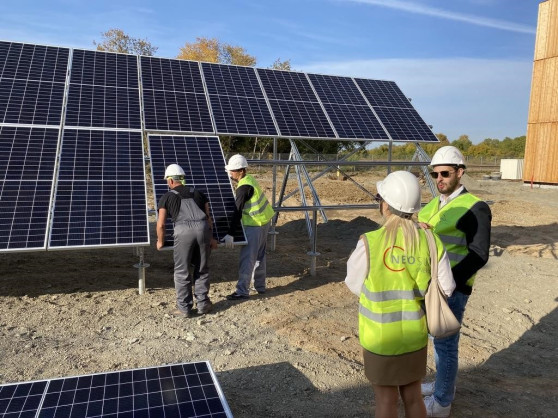
Neosun Energy (https://Neosun.com/), a Global Solar Energy company focused on construction of solar power stations and battery storage solutions has recently ventured into the South African market. This move aims to provide commercial solar panels and energy storage solutions with capacities ranging from 200kW to 10MW for commercial and industrial projects (C&I) not only in South Africa but worldwide.

The entry comes at a critical time as businesses face heightened energy access issues due to load shedding and driven by soaring electricity and fossil fuel costs, along with the persistent challenge of numerous off-grid areas in Africa lacking energy access.

Known for its global outreach, Neosun has already extended its services or components to 16 countries encompassing CIS, Africa, the Middle East, and Latin America. With significant contracts under its belt from reputable clients like Allianz, Adidas, CBN and Polymetal, Neosun has established itself as a force to reckon with in the solar energy sector.

"Thousands of enterprises in Africa are unable to fulfill business operations and are bearing financial losses due to the limited access to the grid. Such solutions as solar PV stations and energy storages are the means to resolve these issues.   - says Ilya Likhov, the CEO of  Neosun. - The surge in renewable energy investment to $495 billion in 2022, juxtaposed against the $371 billion in oil and gas, reflects a global shift towards sustainable energy solutions. Neosun's venture into South Africa is a step towards mitigating business losses incurred due to electricity scarcity and propelling the region towards a sustainable energy future."

Targeting primarily small and medium enterprises (SMEs), Neosun's expansion into South Africa, and ongoing negotiations in other African countries and regions, underscore its commitment to bridging the energy gap. The focus industries include manufacturing, warehousing, shopping malls, commercial offices, mining & industrial facilities, and pharmaceuticals. The South African market, hit hard by electricity shortages leading to business losses exceeding $13 billion in 2022, presents a significant opportunity for Neosun to make a positive impact.

Neosun carries out solar projects worldwide, focusing on remote African regions where such initiatives provide electricity to enterprises and settlements, changing lives. For instance, a recent project in a Kenyan village involved a 300kW capacity system for a local workshop, which allowed the business to extend operational hours and double its income by running two shifts. The installation also generated 600,000 kWh of energy, enabling sales of excess electricity to nearby areas. This created an additional income source for the village, illustrating the transformative effect of Neosun's solar solutions for local economies in off-grid locations.

Distributed by APO Group on behalf of Neosun.

About Neosun:                                                                
Neosun Energy (https://Neosun.com/) is an international Solar EPC company that provides Commercial Solar PV & Energy Storage Solutions (ESS) with capacity from 200kW to 10MW for Commercial and Industrial projects Worldwide. The company constructs solar power plants and energy storage systems (ESS) on a turn-key basis, covering all stages of construction including design, equipment supply, construction, and commissioning. The company has implemented solar PV projects in 16 countries worldwide.

Media files
Neosun
Download logo
Read moreNeosun Energy Expands to South Africa to Bolster Business Operations
15 January 2024

Operation Shanela nets 149 wanted suspects in the Northern Cape

Location: News

Operation Shanela nets 149 wanted suspects in the Northern Cape

Operation Shanela remains an operational tool to prevent and combat crime in the Northern Cape, with 149 wanted suspects arrested over the course of three days.

According to the Office of the Provincial Commissioner of the South African Police Service (SAPS), multi-disciplinary intensified disruptive police actions held from 11 to 14 January 2024,  had a sharp focus on reducing contact and violent crimes in hotspot areas.

Operation Shanela is the SAPS crime-combating high density operation incepted in May 2023.

The police executed vehicle checkpoints, stop and searches, foot and vehicle patrols, compliance inspections, drugs, and other cross-border commodities smuggling and tracing operations by detectives.

The operation netted a multitude of successes, with 149 wanted suspects traced by detectives across the province during tracing operations.

Meanwhile, 14 roadblocks and 30 vehicle checkpoints to combat transit crimes were conducted in different locations, of which 2 764 vehicles and 6 460 people were stopped and searched.

The police also conducted compliance inspections at second-hand dealers, liquor premises, scrapyards, recyclers, private security establishments, firearm dealers, formal and informal businesses, farms and mines.

“The police arrested 92 suspects for various offences that include, murder, assault, robbery, burglary, malicious damage to property, dealing and possession of drugs, possession of dangerous weapons, illegal liquor dealing and 24 undocumented immigrants,” said the police in a statement on Sunday.

The operation also led to the confiscation of large volumes of alcoholic beverages, cellphones and drugs as well as illicit mining implements and equipment.

The Provincial Commissioner of the Northern Cape, Lieutenant General Koliswa Otola, indicated that these successes are a result of heightened police visibility.  SAnews.gov.za


Gabisile
Mon, 01/15/2024 - 12:35

190 views
Read moreOperation Shanela nets 149 wanted suspects in the Northern Cape
12 January 2024

Travel: LUX* Belle Mare feasts on authenticity

Location: MyPR

A tapestry of flavour at the re-launched LUX* Belle Mare As LUX* Belle Mare opened its welcoming arms once more, revealing an exquisite revival post its temporary closure, it is almost a serendipitous event that the charming property reopened its doors on 1st October 2023, echoing its initial debut on the very same day in 1999. While …

Read moreTravel: LUX* Belle Mare feasts on authenticity
11 January 2024

The Impact of Skills Programme Spend Cuts on Manufacturing Growth Potential

Location: MyPR

The intricate dance between skills development, accreditation and manufacturing growth Innovation is the currency of progress and a company’s investment in skills programmes is a testament to its commitment to a thriving manufacturing sector. The very foundation of this growth rests upon the shoulders of a well-equipped workforce but unfortunately, the cost of upskilling and …

Read moreThe Impact of Skills Programme Spend Cuts on Manufacturing Growth Potential
11 January 2024

Software House Mineware Consulting In Toronto At PDAC Conference

Location: MyPR

Mineware Consulting, a software company specializing in creating operational management software for the international mining industry, will be attending this year’s Mineral Exploration & Mining Convention (PDAC) in Toronto, Canada, known for attracting up to 30,000 attendees from over 130+ countries. Mineware Consulting, a bespoke software development company based in South Africa writes reporting and …

Read moreSoftware House Mineware Consulting In Toronto At PDAC Conference
11 January 2024

‘Disruptive Discussions’ at the Forefront of Engagements For Mining Indaba 2024, as the Event Marks Its 30th Anniversary

Location: News

Investing in African Mining Indaba
Download logo

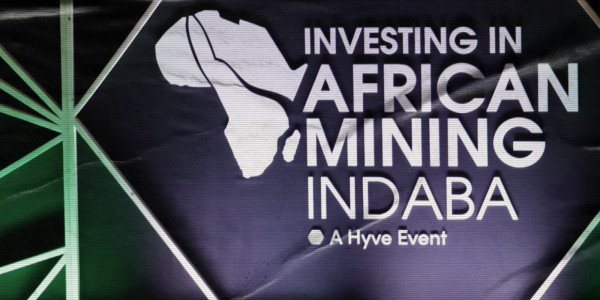
The world's largest mining event, Investing in African Mining Indaba (https://www.MiningIndaba.com), is gearing up for a memorable year with a notable speaker line-up that will place critical issues in mining at the forefront of discussions in an unprecedented way.

Mining Indaba, which takes place from 5-8 February 2024 in Cape Town, celebrates a milestone of 30 years as the premium destination for deal making and discussions on critical issues facing the African mining industry. Under the theme “Embracing the power of positive disruption: A bold new future for African mining,” attendees can expect conversations to focus on the change and disruption needed to move the African mining industry forward.

The highly anticipated main stage discussions titled ‘Voices of Disruption' will feature speakers from some of Africa's leading mining companies and associations on how they are bringing positive change and disruption to the industry, the country and the African continent. Headline speakers include Anglo American CEO, Duncan Wanblad; Rio Tinto Minerals CEO, Sinead Kaufman; Minerals Council South Africa CEO, Mzila Mthenjane; Eurasian Resources Group CEO, Benedikt Sobotka; Newmont Corporation CEO, Tom Palmer and Barrick Gold Corporation CEO, Mark Bristow.

Other notable disruptive discussions include a panel which will look at Africa's exploration pipeline and why this is so empty. Speakers on this panel include Junior and Emerging Miners Leadership Forum Chairperson, Orion LTD CEO and Minerals Council board member, Errol Smart; Ivanhoe Mines President and Chief Financial Officer, Marna Cloete. It will be moderated by International Council on Mining and Metals (ICMM) CEO and President Rohitesh Dhawan.

Another key disruptive session to look forward to, which will be moderated by Minerals Council South Africa CEO Mzila Mthenjane, will provide insight into the security of critical mineral supply and will weigh in on the role of China, the West and Africa.

Mining Indaba has always attracted strong representation from mining ministers, government representatives and investors both locally and internationally, and 2024 is no different. South African Minister for Minerals Resources and Energy, Minister Gwede Mantashe is confirmed as one of the speakers.

“As Mining Indaba turns 30, the excitement around this milestone achievement is high and with a large contingent of loyal participants, our stakeholders want to share in this unbelievable achievement. We will have strong representation from international governments and investors including the United States, Europe, Saudi Arabia, India and more, all contributing to their ideals for supporting the development of critical minerals industries in Africa. Importantly, our discussions will explore how Africa can best utilise its own minerals while still contributing towards global needs,” says Investing in African Mining Indaba Portfolio Director Eve Harper

Other headline speakers who have confirmed their attendance are Kumba Iron Ore CEO, Mpumi Zikalala; Sibanye-Stillwater CEO Neal Froneman; Seriti Group CEO, Mike Teke; Gold Fields CEO, Martin Preece; Glencore DRC and Chairman KCC, Marie-Chantal Kaninda; Vedanta Base Metals CEO, Christopher Griffith; Vale Base Metals Chairperson, Mark Cutifani and Minerals Council President, Nolitha Fakude to name a few.

“Our 2024 theme aims to completely elevate the audience experience for our panel discussions and all content elements within our programmes. To support this, our main stage has been rebranded ‘Disruptive Discussions' to further emphasise our content objectives. Our priority is for our panellists to move away from typical corporate messaging and start engaging on real challenges in mining to find solutions – in other words, showcasing how they are disruptive in the industry. Smaller panels, with more engaged and participatory moderators will deliver transparent and meaningful conversations that the audience can connect with and learn from,” adds Harper.

Distributed by APO Group on behalf of Investing in African Mining Indaba.

For media queries:
R&A Strategic Communications
Katherine Bester
katherine@rasc.co.za

Sibongile Mtafu
sibongile@rasc.co.za

For exhibition queries:
Hyve
Natalie Whittaker
Natalie.Whittaker@hyve.group

About Investing in African Mining Indaba:
Investing in African Mining Indaba is the largest mining investment event in Africa. With a proven track record of bringing together Ministers, senior Government representatives, Mining Companies, Mid and Junior Miners, Investors, professional services as well as mining equipment and service providers. Mining Indaba is the place to meet everybody who is anybody in the African and global mining industry.

It is the must-attend event that drives the mining industry forward and provides attendees with unmatched access to the entire value chain and the most influential players in African mining for four days of high-quality content, deal-making and networking opportunities. Investing in African Mining Indaba 2024 takes place in Cape Town from 5-8 February 2023.

Read more‘Disruptive Discussions’ at the Forefront of Engagements For Mining Indaba 2024, as the Event Marks Its 30th Anniversary
8 January 2024

New African Magazine reveals the 100 Most Influential Africans of 2023

Location: News
New African Magazine

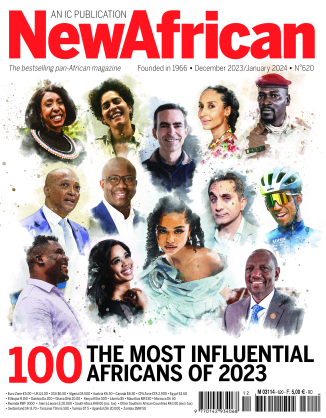
New African magazine (www.NewAfricanMagazine.com) released its annual listing of the 100 Most Influential Africans of 2023. The list celebrates the achievements and contributions of Africans from various fields and sectors, who have made a positive impact on the continent and the world.

The list features a diverse and inspiring group of men and women, who have demonstrated excellence, innovation, leadership, resilience, and vision in their respective domains. They include politicians, entrepreneurs, industrialists, environmentalists, creatives, scientists, educators, sports personalities, and more.

The list also reflects the shifting trends and priorities in Africa, as the continent faces new challenges and opportunities in the post-pandemic era. Creatives dominate the ranking with 31 representatives, including singer Abel Tesfaye, aka The Weekend, filmmaker Alice Diop and writer Nana Darkoa Sekyiamah.

The second category with the highest number of entries was the Business section, with 25 entries. The section included two behemoths from DFIs, supporting a private sector approach to investing: Samaila Zubairu from Africa Finance Corporation and the President of Afreximbank, Benedict Oramah, undoubtedly Africa's juggernaut from the last few years leading Africa's transformation. Also on the list is the former CEO of Eskom and whistleblower who nearly paid with his life André de Ruyter.

Nigeria was the country most represented on the list, highlighting the country's dominance in the creative sector and business. William Ruto, the President of Kenya, and Bola Tinubu, President of Nigeria, were the only heads of state to make it, along with the Guinean military leader Mamady Doumbouya. Doumbouya created quite a stir at this year's UN General Assembly and appears to have found a solution around the Simandou mining saga.

With Climate Change at the top of the agenda, the list features several players in the environmental space, such as James Mwangi, formerly from Dalberg Group who has set up his own venture fund investing in climate related businesses, and Elizabeth Maruma Mrema, the Executive Secretary of the UN Convention on Biological Diversity.

In the media, we have two media leaders from Côte d'Ivoire, Fabrice Sawegnon, founder of communications agency Voodoo, and Daniel Ahaoussa, serial entrepreneur and founder of a number of websites in West and Central Africa. Also included are the journalist Alan Kasujja, the BBC journalist, and Branko Brkic, founder of Daily Maverick, arguably the most powerful media in South Africa today.

And in sports, record breakers Faith Kipyegon and Kelvin Kiptum make it, as well as the Springboks team, under the leadership of their captain Siya Kolisi. Patrice Motsepe, the President of CAF, a close friend of FIFA president Gianni Infantino and an increasingly influential voice in sports, is also included.

The 100 Most Influential Africans of 2023 is a special edition of New African magazine, which offers a comprehensive and insightful overview of the lives and achievements of the selected individuals. The magazine also provides a platform for the readers to learn from their stories, and to be inspired by their examples.

Download the 100 Most Influential Africans of 2023 special edition of New  African: https://apo-opa.co/4aL1VB7

The 100 Most Influential Africans 2023 List:

Politics and Public Service

William Ruto

Ibrahima Cheikh Diong

Sidi Ould Tah

Akinwumi Adesina

Ngozi Okonjo-Iweala

Bola Tinubu

Mamady Doumbouya

Ousmane Sonko

Nadia Fettah Alaoui

Tsitsi Masiyiwa

Tidjane Thiam

Business

Mohamed Kande

Sim Tshabalala

Karim Beguir

Didier Acouetey

Olugbenga Agboola

Samaila Zubairu

Prof. Benedict Okey Oramah

Ralph Mupita

Ibrahim Sagna

Simon Tiemtoré

Jules Ngankam

Riham ElGizy

André de Ruyter

Aliko Dangote

Ham Serunjogi

Serge Ekué

Bahija Jallal

Coura Sène

Bernard Koné Dossongui

Hassanein Hiridjee

Shola Akinlade

James Mwangi

Pascal Agboyibor

Science and Academia

Anna Adeola Makanju

Chao Tayiana Maina

Nemat Talaat Shafik

Ismahane Elouafi

Moungi Bawendi

Timnit Gebru

Environmental

James Irungu Mwangi

Ephraim Mwepya Shitima

Wanjira Mathai

Rashid Sumaila

Elizabeth Maruma Mrema

Dr Musonda Mumba

Creative

Kaouther Ben Hania

Danai Gurira

Ncuti Gatwa

Black Coffee

Tyla Laura Seethal

Temilade “Tems” Openiyi

Lesley Lokko

Mulenga Kapwepwe

Alice Diop

Wanuri Kahiu

Bassem Youssef

Malenga Mulendema

Jadesola Osiberu

Editi Effiong

Ali Said Alamin Mandhry

Abel "The Weekend" Tesfaye

Pretty Yende

Julie Mehretu

Pierre Thiam

Teju Cole

Thebe Magugu

David Diop

Burna Boy

Serge Attukwei Clottey

Nana Darkoa Sekyiamah

Aïda Muluneh

Omoyemi Akerele

Mariam Issoufou Kamara

Victor Ekpuk

DJ Snake

Gandhi “Maitre Gims” Djuna

Media

Claude Grunitzky

Chioma Nnadi

Edward Enninful

Alan Kasujja

Wode Maya

Anton Harber

Khabane “Khaby” Lame

Charity Ekezie

Moses “Uncle Mo” Kiboneka

Branko Brkic

Tomiwa Aladekomo

Marie Mbullu

Nicolas Pompigne-Mognard

Daniel Ahaoussa

Fabrice Sawegnon

Sports

Francis Ngannou

Faith Kipyegon

The Springboks, led by captain Siya Kolisi

Patrice Motsepe

Kelvin Kiptum

Victor Osmihen

Biniam Girmay

Yassine Bounou

Distributed by APO Group on behalf of New African Magazine.

For any media inquiries please contact:
c.haasz@icpublications.com

About New African Magazine:
Published continuously since 1966, the English language monthly has consistently brought an African point of view to international news. It is the essential magazine for government officials, businessmen, professionals and Africa-watchers. New African is distributed in over 100 countries, and consulted whenever Africa is mentioned. The leading commentator on African affairs and Africa's best selling magazine.

The December / January 2024 issue of New African is one of the biggest of the year, most of it crammed with scintillating profiles and high-quality portraits of the best and brightest Africans of 2023. This issue will once again be a sure-fire source of animated discussion within Africa and abroad as readers discuss our choice of the 100 Most Influential Africans of 2023.

Media files
New African Magazine
Download logo
Read moreNew African Magazine reveals the 100 Most Influential Africans of 2023
  • Previous
  • Page 1
  • Interim pages omitted …
  • Page 16
  • Page 17
  • Page 18
  • Page 19
  • Page 20
  • Interim pages omitted …
  • Page 24
  • Next

Copyright © 2026 · MyZA · All Rights Reserved · Powered by Stratlec Online