• Skip to main content
  • Skip to header right navigation
  • Skip to after header navigation
  • Skip to site footer
MyZA

MyZA

News, Directory, Events and Other Stuff

  • Social Media
  • Sport
  • World News
  • Home
  • Submit News
  • Directory
  • Events
  • Stratlec
  • TFSA
  • News
    • APO
    • Today’s Sport News
    • Todays Social Media and Tech Headlines
    • Today’s World News
    • Today’s SA Financial News
  • Contact
You are here: Home / Archives for Morocco

Morocco

28 January 2025

Revisiting the Africa-Paris Declaration: Progress, Challenges and the Road Ahead for African Energy

Location: News
Energy Capital & Power

The Africa-Paris Declaration, forged during the 2024 Invest in African Energy (IAE) Forum in Paris, was a pivotal moment in Africa's quest for sustainable energy solutions. Aimed at strengthening the continent's energy transition while addressing the urgent issue of energy poverty, the declaration set ambitious targets for expanding access to clean, affordable and reliable energy. With the 2025 edition of the forum approaching, now is the time to reflect on the progress made since the Africa-Paris Declaration and assess how these initiatives are shaping Africa's energy future.

Increased Engagement in Africa

In the months following the declaration, international investors, development banks and private equity firms have shown a steadfast interest in the African energy market. A key milestone was the launch of the Africa Energy Bank by the African Export-Import Bank and APPO, marking the creation of a first-of-its-kind institution designed to fund and facilitate energy initiatives across the continent. Several final investment decisions were successfully closed, including Shell's $5.5 billion Bonga North deepwater project. Additionally, strategic partnerships, including new PSCs signed by Panoro Energy in Equatorial Guinea and BW Energy in Gabon, highlight how international collaborations are accelerating energy development and creating new opportunities for exploration and production. This increased engagement is key to addressing the financing gap that has long hindered the growth of Africa's energy sector.

Natural gas continues to play a central role in Africa's energy strategy as a transitional fuel. The Africa-Paris Declaration underscored its importance as a bridge between traditional energy sources and renewable energy. Over the past year, significant strides have been made in natural gas exploration and LNG exports. Notable developments include Senegal's Greater Tortue Ahmeyim LNG reaching its first gas production, the Republic of Congo's first LNG exports to Italy from the Congo LNG project, Nigeria's UTM FLNG receiving its construction license, and Angola's Sanha Lean Gas Connection project achieving first gas, among others. These initiatives are not only crucial for advancing Africa's energy transition, but also serve as powerful drivers of economic growth by creating jobs and advancing infrastructure development.

Meanwhile, countries like South Africa, Egypt and Morocco are at the forefront of wind and solar energy development, with momentum expected to build as they meet renewable energy targets and explore new growth opportunities. These investments are driving a shift toward cleaner, more sustainable energy in Africa, though challenges remain. High costs of renewable technologies and insufficient grid infrastructure continue to hinder expansion, underscoring the need for more investment in off-grid and mini-grid solutions.

Investment Gaps Persist 

Despite these advancements, Africa still faces significant investment challenges. The financing gap for large-scale energy projects remains substantial and while the private sector has become more engaged, many projects still struggle to secure the necessary capital. In particular, the cost of financing remains high due to the perceived risks associated with energy investments in Africa. This is where continued efforts to de-risk investments and foster public-private partnerships are critical to unlocking the continent's full energy potential. Institutional capacity continues to be a challenge for many African countries. While progress has been made in improving regulatory frameworks, there is still a need for clearer policies, streamlined permitting processes and better enforcement of regulations. Governments must continue to strengthen their institutions to effectively implement energy projects and create an enabling environment for both local and international investors.

With the IAE 2025 forum just months away, industry stakeholders have an opportunity to reflect on the progress made since the Africa-Paris Declaration and determine next steps for the continent's energy future. The forum serves as a platform for government officials, industry leaders and financial institutions to renew commitments, share success stories and address ongoing challenges. While the road to universal energy access and a sustainable energy future is long, the declaration has set the framework for a collective effort that can lead to meaningful change. With the right investments, regulatory frameworks and political will, Africa can emerge as a global leader in energy innovation and sustainability.

Distributed by APO Group on behalf of Energy Capital & Power.

IAE 2025 (www.Invest-Africa-Energy.com) is an exclusive forum designed to facilitate investment between African energy markets and global investors. Taking place May 13-14, 2025 in Paris, the event offers delegates two days of intensive engagement with industry experts, project developers, investors and policymakers. For more information, please visit www.Invest-Africa-Energy.com. To sponsor or participate as a delegate, please contact sales@energycapitalpower.com.

Media files
Energy Capital & Power
Download logo
Read moreRevisiting the Africa-Paris Declaration: Progress, Challenges and the Road Ahead for African Energy
14 December 2024

African Youth Tech Venture Entrepreneurs Embark on Groundbreaking Korean Innovation Tour

Location: News
African Development Bank Group (AfDB)

Twenty promising youth entrepreneurs from African technology ventures and enterprise support organizations have embarked on a two-week study tour of the Republic of Korea, seeking investment and insights from the country's innovative tech ecosystem. The African Development Bank Group's (www.AfDB.org) Innovation and Entrepreneurship Lab selected these young entrepreneurs from 133 ventures that participated in last month's Africa Tech Startup Forum.  

Held under the auspices of the Lab's Leveraging the Entrepreneurial and Innovation Success of Korea to Strengthen African Enterprise Support project, the Forum selected entrepreneurs who pitched the best business models during the weeklong virtual market access and acceleration program preparing, training, and connecting technology ventures with opportunities. 

Representing eight African nations -- Egypt, Ghana, Kenya, Morocco, Nigeria, Rwanda, South Africa, and Uganda – the delegates span diverse technological sectors, including agritech and health. Their ambitious itinerary includes visits to prestigious institutions such as Global Startup Centre, LG Science Park, the Korea Software Technology Association, unicorn companies with valuations exceeding $1 billion and the Global Digital Innovation Network, a foundation supporting the expansion of South Korea's tech startups. 

Uche Ezadinachi, the founder of Kenya-based health technology venture Zuri Health, expressed enthusiasm about the opportunity. “I am excited to go to Korea because the country has made serious technological developments. The [country] is a technology-driven society, and this tour is an opportunity for me to see how we can bring such technology to Africa,” she said.  

“We will share experiences with our Korean counterparts; they will learn from us as much as we learn from them,” she added. 

The delegation, which is more than one-third women and entirely composed of entrepreneurs aged 18 to 35, will participate in several high-profile events, including, K Startup Grand Challenge, an accelerator program supported by the South Korean government, Africa Innovation Networking Gala, and COMEUP Korea, an event connecting Korean startups with global investors, corporations, and media. 

David Chen, co-founder of Rwandan health data venture Kapsule, highlighted the tour's potential for relationship-building. “This is an opportunity for us to have face-to-face interactions and build relationships. This trip will help us link with other health technology companies operating in Asia,” he said. 

Financially supported by the Korea-Africa Economic Cooperation Trust Fund, the Africa Tech Startup Forum is part of the African Development Bank's broader Jobs for Youth in Africa Strategy.  

Martha Phiri, the Bank's Director of Human Capital, Youth and Skills Development, underscored the program's significance. 

“This is a pivotal initiative that plays a crucial role in enhancing the skills of young entrepreneurs. These skills will empower young entrepreneurs to expand their ventures, which leads to significant employment creation,” she stated. 

Ndeye Absa Gningue, Innovation Platform Officer, managing the Bank's Innovation and Entrepreneurship Lab, said: “Platforms like the Africa Tech Startup Forum provide young people with the opportunity to nurture their potential. We will continue to work with them so they can blossom.” 

Distributed by APO Group on behalf of African Development Bank Group (AfDB).

Media contact:  
Leonard Makombe
Communication Specialist
Communication and External Relations Department
email: media@afdb.org 

About the African Development Bank Group: 
The African Development Bank Group is Africa's premier development finance institution. It comprises three distinct entities: the African Development Bank (AfDB), the African Development Fund (ADF) and the Nigeria Trust Fund (NTF). On the ground in 41 African countries with an external office in Japan, the Bank contributes to the economic development and the social progress of its 54 regional member states. For more information: www.AfDB.org

Media files
African Development Bank Group (AfDB)
Download logo
Read moreAfrican Youth Tech Venture Entrepreneurs Embark on Groundbreaking Korean Innovation Tour
9 December 2024

African Development Bank Accelerates Private Sector Support With Initial Disbursement of $1 Billion Loan to Transnet

Location: Business
African Development Bank Group (AfDB)

The African Development Bank (www.AfDB.org) has released the first tranche of its $1 billion loan to Transnet, the South African state-owned conglomerate managing the country's ports, railways and pipelines. This disbursement is the first in a series of four tranches planned for an unparalleled financing arrangement to support Transnet's business's recovery plan.  

Approved by the Bank's Board of Directors five months ago, this funding underpins a recovery plan to address pressing operational challenges of the company, while bolstering South Africa's critical infrastructure. 

The funding will allow Transnet to commence the first phase of its ambitious ZAR 152.8 billion (USD 8.1 billion) five-year investment plan to upgrade existing infrastructure while enhancing key logistic chain segments.  

“This swift disbursement shows the Bank's commitment to the private sector in Africa, which is essential for supporting sustainable economic growth,” said Solomon Quaynor, Vice President for Private Sector, Infrastructure and Industrialization at the African Development Bank Group, speaking on the sidelines of the Africa Investment Forum 2024 Market Days in Rabat, Morocco.  

The efficiency of the disbursement reflects Transnet's fulfilment of the Bank's rigorous requirements for governance, the environmental stewardship, and social responsibility. Following the September 2023 signing of the loan agreement between Transnet and the African Development Bank in Johannesburg, the Bank committed to supporting Transnet's recovery plan with targeted financing. 

Transnet has faced significant operational hurdles for several years, including under-investment, equipment theft, vandalism, flooding and the long-lasting impacts of  the Covid-19 pandemic. In response, the company has restructured and embarked on internal reforms to improve efficiency and management while committing to decarbonization and carbon footprint reduction initiatives. 

The African Development Bank commended the South African government's dedication to restructuring Transnet and enhancing governance in the transport sector. Transnet has notably improved governance practices, particularly in tendering procedures and financial management, as part of its broader reform efforts. 

With over 30,000 kilometres of railway infrastructure -- the largest in any emerging economy -- Transnet plays a vital role in regional. Its railway network links South Africa's ports with key regional partners, including Botswana, Zambia, Zimbabwe and the Democratic Republic of Congo, and supports operations at Durban, the fourth-largest container terminal in the southern hemisphere. 

The African Development Bank's support for Transnet is therefore crucial for improving South Africa's competitiveness and strengthening the continent's economic integration, while responding to the challenges of the logistics sector, which is vital for Africa's development.  

With this disbursement, the African Development Bank has once again demonstrated its agility in the financial support it provides to the African private sector. 

Distributed by APO Group on behalf of African Development Bank Group (AfDB).

Media Contact: 
Romaric Ollo Hien 
Communication and External Relations Department
media@afdb.org 

Media files
African Development Bank Group (AfDB)
Download logo
Read moreAfrican Development Bank Accelerates Private Sector Support With Initial Disbursement of $1 Billion Loan to Transnet
3 December 2024

A New Agenda for African Philanthropy

Location: News
African Philanthropy Forum

By Gbenga Oyebode, Board Chair of the African Philanthropy Forum (www.AfricanPF.org)

For decades, Africa has grappled with a legacy of colonialism, political instability, and uneven economic development, leading to perceptions of the continent as one in need of external assistance and causing the label ‘the Dark Continent' to take on a new connotation. 

As the Dark Continent, Africa became an attractive destination for charitable interests, with a significant number of the philanthropic initiatives driven by external voices. These interventions though well-intentioned often failed to pay attention to local priorities and listen to the voices of proximate organization – those who precede and outlive the issues that philanthropic entities seek to address. As a result, many foreign-led philanthropic efforts have been unable to create the lasting, sustainable impact they hoped for.  

Framing Africa's Philanthropy Agenda 

The 2024 APF Conference was a time for reflection and agenda-setting for many prominent philanthropists, heads of foundations and leading change makers invested in Africa. From the conference and the changing landscape of things, it is clear that the time has come for philanthropic organizations, both local and international, to prioritize Africa's transformation.  

A transformed Africa is characterised by inclusive socio-economic development, democratic governance, education for all, gender justice and a commitment to addressing the climate emergency and harnessing Africa's unique demography. These will not only position Africa as a dominant player on the global stage but correct the flawed narrative of Africa as a continent in perpetual need.  

We should embrace Dr. Nkosazana Dlamini Zuma's vision, as outlined in the African Union's Agenda 2063, of an empowered Africa defined by self-sufficiency, innovation, and equitable growth. By fostering African-led initiatives and promoting resilience, we can help shape a future where Africa is both a global powerhouse and a beacon of opportunity for its citizens.  

True Change Starts from Within 

As the saying goes, charity begins at home. In the homes of oligarchs, the middle class and the lowly, the practice of giving time, solidarity and resources is commonplace because generosity is second nature to us Africans; however, our expressions of this generosity through coordinated, strategic philanthropy needs to grow. If change starts from within, then the level of philanthropic support from within our borders must rise to match the urgency of our needs.  

First, we must redefine and restructure our philanthropy by adopting innovative philanthropic models, and evidence-based methods to identify needs, deploy resources, measure the impact of our philanthropy and create a giving ecosystem that is responsive to our priorities as a continent.  

What it Takes to Achieve Transformation  

Much of giving in Africa is unreported and even those that are reported tend to happen in silos with several instances of duplication of efforts, especially in areas such as education and health which tend to receive a lot of attention from philanthropists. For those seeking to swim against this tide, there is often a lack of clear guidance on effective giving tailored to the African context seeing as strategic philanthropy is still growing phenomenon in Africa. Catalyzing transformative funding requires robust evidence. In this regard, APF collaborates with renowned institutions to conduct research and generate knowledge that enhances decision-making and promotes the adoption of practices in philanthropy. Its African Philanthropists' Toolkits also equips philanthropists with the knowledge to maximize the impact and scale of their giving.  

The work that APF does in convening philanthropists and facilitating collaboration in order to catalyse development in Africa is a beacon of hope and an opportunity which more players in the ecosystem need to tap into. In less than a decade, APF has reached over 3,500 philanthropists, social investors, across Africa and beyond by leveraging the power of community to provide avenues for peer-peer interaction and engagement at regional meetings and conferences. This growing community of partners committed to Africa's transformation will doubtless accomplish great feats in the coming years.  

A popular African proverb goes "If you want to go fast, go alone. If you want to go far, go together." To achieve lasting, sustainable impact, partnerships based on a clear understanding of the New Agenda for African Philanthropy are a good starting point for the reimagination and actualization of Africa as a thriving, self-sufficient continent on the global stage. 

The writer is the Board Chair of the African Philanthropy Forum  

Distributed by APO Group on behalf of African Philanthropy Forum.

About African Philanthropy Forum:  
African Philanthropy Forum (APF) is a strong and vibrant community of partners who through their strategic giving, investments, and influence, foster shared prosperity on the African Continent. It was incubated by the Global Philanthropy Forum (GPF), a global network of strategic philanthropists and social investors committed to international causes from 2014 to 2016. In 2017, APF became an independent entity and continues to be an affiliate of the GPF. 

Over the years, APF has established a strong presence on the Continent, with footprints in Cameroon, Côte d'Ivoire, Egypt, Ethiopia, Ghana, Kenya, Malawi, Morocco, Nigeria, Rwanda, South Africa, Tanzania, Uganda, and Zimbabwe through convenings and activities.  APF has also invested in the development of two Toolkits for African Philanthropists and the “Why Give” Series, which consists of interviews with Africa's strategic philanthropic leaders to showcase their motivations for giving. 

Since its inception, APF has reached over 3,500 philanthropists, social investors, and key stakeholders in the philanthropic space across Africa and the world. Through APF's high-impact convening and initiatives, the organization has facilitated collaborations, amplified the work of change-makers, and shared best philanthropic practices and strategies for promoting homegrown development.  

Media files
African Philanthropy Forum
Download logo
Read moreA New Agenda for African Philanthropy
26 November 2024

African Sub-Sovereign Government Leaders and Businesses Meet in Kisumu City, Kenya to Discuss Inclusive Growth, Trade Decentralization and Investment Opportunities

Location: News
Afreximbank

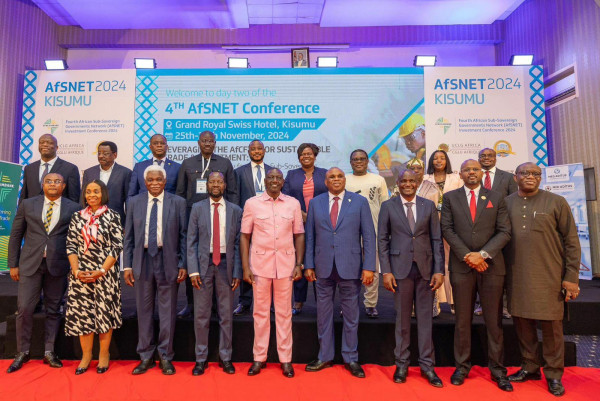
Over 250 Sub-Sovereign government leaders from across Africa are today meeting in Kisumu, Kenya, for the the fourth edition of the African Sub-Sovereign Governments Network (AfSNET) Conference. Taking place between the 25th and 27th of November, the event provides a platform for Sub-Sovereign leaders and businesses to discuss how their local governments can attract investments in the region in order foster and accelerate inclusive growth and development.

Organised by African Export-Import Bank (Afreximbank), in collaboration with the County Government of Kisumu and the United Cities and Local Governments of Africa (UCLG Africa), the conference's overarching theme is ‘Leveraging the AfCFTA for Sustainable Trade and Investment: A Development Pathway for African Sub-Sovereigns'. The event's main objectives include strengthening the role of Africa's Sub-Sovereign governments in driving intra-African trade and investment, and the successful implementation of the African Continental Free Trade Area (AfCFTA).

Africa's Sub-Sovereign governments, comprising states, counties, provinces, municipalities and regional authorities, play a critical role in economic development of African countries. According to the African Union, Africa's economic outlook is projected at 3.7% GDP growth in 2024, slightly higher than the global average of 3.2%. This growth elevates the integral role of Sub Sovereign governments for African economies and its people.

Understanding this, Afreximbank has committed USD $2 billion for these critical actors, to support these governments and businesses in African countries.

While delivering his keynote address at the AfSNET conference in Kisumu, Kenya, H. E. Dr. William Ruto, President of the Republic of Kenya acknowledged the Bank's support for African governments including Kenya:

“I want to thank Professor Benedict Oramah for making time to join us for this conference. Your presence here is yet another example of the unique approaches that the Bank, under your leadership, employs in order to deepen its footprint by engaging with shareholders throughout the continent, including sub-national entities like Africities, and devolved governments like Kisumu. Afreximbank has consistently demonstrated innovative approaches in advancing credit to African governments and the public sector while facilitating deeper collaboration among sub-Saharan nations and Kenya is an example. This spirit of innovation aligns seamlessly with the aspirations of the African Continental Free Trade Area, creating a dynamic network of ambitious, future ready institutions and governments. Such collaborations will drive transformative engagements at the grassroots level, enabling Africa to achieve an unparalleled position in the global value chains and make substantial contributions to their bottom-up transformation.”

Speaking on the importance of the conference, President Ruto noted: “By promoting peer to peer learning, this forum strengthens cooperation among Sub-Sovereign governments. And devolution, a tremendous innovation established under Kenya's 2010 constitution, has evolved into an exemplary success story that Kenyans are very proud of, as it has brought services closer to the people, empowered grassroot participation in government, safeguarded minority rights and enhanced equity in resource mobilization and allocation.”

Professor Benedict Oramah, President and Chairman of the Board of Directors of Afreximbank, commented:

“The African Sub-Sovereign Governments Network (AfSNET) initiative thrives due to the concerted efforts and unwavering commitment of partners who recognise the tremendous potential of sub-sovereign governments as the engines for broad-based economic development that extends to the grassroots of our societies. At Afreximbank, we strongly believe that for developmental initiatives to succeed in our economies, they must, of necessity, be decentralized; development needs must originate and flow from the periphery towards the centre. In alignment with the African Continental Free Trade Agreement (AfCFTA), we are passionately implementing the AfSNET initiative to promote intra-regional trade and investment. We collectively recognize that cities, states, and provinces within a nation exhibit remarkable diversity—differing in population sizes, resource endowments, skill sets, and sectoral specializations.”

Professor Oramah continued that this conference is a key prelude to the upcoming Intra Africa Trade Fair (IATF2025) scheduled to take place from 4 to 10 September 2025 in Algiers, Algeria, and delegates are welcomed to contribute to the discourse that can be elevated at the IATF2025.

AfSNET was established by Afreximbank as a platform for promoting intra-African trade and investment, educational and cultural exchanges and the fostering of effective engagement among sub-sovereigns in Africa's development and prosperity in the context of the AfCFTA.

Distributed by APO Group on behalf of Afreximbank.

Media Contact:
Vincent Musumba
Communications and Events Manager (Media Relations)
Email: press@afreximbank.com

Follow us on:
Twitter: http://apo-opa.co/3Z521i8
Facebook: http://apo-opa.co/4eNjNMs
LinkedIn: http://apo-opa.co/4eJyWyh
Instagram: http://apo-opa.co/4eNjO2Y

About Afreximbank:
African Export-Import Bank (Afreximbank) is a Pan-African multilateral financial institution mandated to finance and promote intra-and extra-African trade. For 30 years, the Bank has been deploying innovative structures to deliver financing solutions that support the transformation of the structure of Africa's trade, accelerating industrialization and intra-regional trade, thereby boosting economic expansion in Africa. A stalwart supporter of the African Continental Free Trade Agreement (AfCFTA), Afreximbank has launched a Pan-African Payment and Settlement System (PAPSS) that was adopted by the African Union (AU) as the payment and settlement platform to underpin the implementation of the AfCFTA. Working with the AfCFTA Secretariat and the AU, the Bank is setting up a US$10 billion Adjustment Fund to support countries effectively participating in the AfCFTA. At the end of December 2023, Afreximbank's total assets and guarantees stood at over US$37.3 billion, and its shareholder funds amounted to US$6.1 billion. Afreximbank has investment grade ratings assigned by GCR (international scale) (A), Moody's (Baa1), Japan Credit Rating Agency (JCR) (A-) and Fitch (BBB). Afreximbank has evolved into a group entity comprising the Bank, its impact fund subsidiary called the Fund for Export Development Africa (FEDA), and its insurance management subsidiary, AfrexInsure (together, "the Group"). The Bank is headquartered in Cairo, Egypt.

For more information, visit: www.Afreximbank.com

About UCLG Africa (UCLG Africa (United Cities and Local Governments of Africa):
The umbrella organization for African local governments, was founded in 2005 in the City of Tshwane, South Africa as a result of the unification of three continental groups of local governments, namely the African Union of Local Authorities (AULA); the Union des Villes Africaines (UVA); and the Africa Chapter of the União das Ciudades e Capitães Lusófonas Africanas, (UCCL AFRICA). The founding congress of the organization was held in May 2005 in the city of Tshwane, South Africa. UCLG Africa brings together 51 national associations of local and regional governments from all regions of Africa, as well as 2,000 cities with more than 100,000 inhabitants. UCLG Africa represents over 350 million African citizens. A founding member of the world organization UCLG, UCLG Africa is the regional representative for Africa with its headquarters based in Rabat, capital of the Kingdom of Morocco, where it enjoys diplomatic status as a Pan-African International Organization. It also has regional offices on the continent.

Media files
Afreximbank
Download logo
Read moreAfrican Sub-Sovereign Government Leaders and Businesses Meet in Kisumu City, Kenya to Discuss Inclusive Growth, Trade Decentralization and Investment Opportunities
21 November 2024

Basketball Africa League to Tip off Milestone Fifth Season on April 5 With First Games in Morocco

Location: Sport

  • South Africa to Host BAL Playoffs and Finals for the First Time 
  • Fans Can Visit BAL.NBA.com to Register Their Interest in Tickets

The Basketball Africa League (BAL) (www.BAL.NBA.com) today announced that the league's milestone fifth season will tip off on Saturday, April 5, 2025, at the Prince Moulay Abdellah Sports Complex in Rabat, Morocco and culminate with the 2025 BAL Finals on Saturday, June 14 at the SunBet Arena in Pretoria, South Africa, marking the first BAL games in Morocco and the first time the BAL Finals will be held in South Africa.  The 2025 BAL season will feature the top 12 club teams from 12 African countries playing 48 games in Rabat; Dakar, Senegal; Kigali, Rwanda; and Pretoria.

The 12 teams will once again be divided into three conferences of four teams each.  Each conference will play a 12-game group phase during which each team will face the other three teams in its conference twice.  The Kalahari Conference group phase will take place from April 5 – Sunday, April 13 in Rabat.  The Sahara Conference group phase will take place from Saturday, April 26 – Sunday, May 4 at the Dakar Arena in Senegal.  The Nile Conference group phase will take place from Saturday, May 17 – Sunday, May 25 at BK Arena in Kigali.  Eight teams from across the three conferences will qualify for the Playoffs in Pretoria, which will tip off on Friday, June 6 and culminate with the 2025 BAL Finals on Saturday, June 14.  Beginning today, fans can register their interest in tickets to games in all four markets at BAL.NBA.com.

“We have seen tremendous growth over the BAL's first four seasons in the level of on-court competition, attendance, and engagement from fans and partners in Africa and globally,” said BAL President Amadou Gallo Fall.  “Our milestone fifth season will build on that momentum and further showcase the level of talent and passion for basketball in Africa, including through the first BAL games in Morocco and the first BAL Finals in South Africa.”

“The Kalahari Conference marks another expansion of the BAL into a new country on our continent, and we are more than satisfied,” said Anibal Manave, President of FIBA Africa.  “Year after year, this competition grows, giving greater exposure to our sport and helping to elevate the level of basketball in Africa by making the league more and more competitive.”

This season, the national league champions from seven countries – Angola, Egypt, Morocco, Nigeria, Rwanda, Senegal, and Tunisia – will automatically qualify for the BAL.  The other five teams will qualify through the Road to the BAL qualifying tournaments (http://apo-opa.co/3B0yqhx) conducted by FIBA Africa across the continent from October – December 2024. 

In addition to the games, the BAL will once again collaborate with its partners to conduct youth development and social impact programming in all four markets, including Jr. NBA, coaching and referee clinics, environmental days of service, the fourth BAL Innovation Summit, networking sessions to engage with members of the media, and a series of camps and workshops for young women as part of BAL4HER, the league's platform for advancing gender equality in the African sports ecosystem. 

Rwanda Development Board, NIKE, Jordan Brand, and Wilson will return as BAL Foundational Partners.  The league's roster of marketing partners also includes Castle Lite, Hennessy and RwandAir. 

On June 1, Angola's Petro de Luanda became the first sub-Saharan African team to win the BAL Finals after previous champions from Egypt and Tunisia.  The 2024 BAL season reached fans in 214 countries and territories in 17 languages, set an attendance record of more than 120,000 fans across the four host countries, and generated more than 1.2 billion impressions across NBA and BAL social media channels.  

Additional information about the 2025 BAL season will be announced in the coming months.

Distributed by APO Group on behalf of Basketball Africa League (BAL).

Contact:
Edwin Eselem,
Basketball Africa League,
+221 78 615 42 87,
EEselem@theBAL.com

About the BAL:
The Basketball Africa League (BAL), a partnership between the International Basketball Federation (FIBA) and NBA Africa, is a professional league featuring 12 club teams from across Africa that completed its fourth season in June 2024.  Headquartered in Dakar, Senegal, the BAL builds on the foundation of club competitions FIBA Africa has organized across the continent and marks the NBA's first collaboration to operate a league outside North America.  Fans can follow the BAL (@ theBAL) on Facebook (https://apo-opa.co/3ZkyXTZ), Instagram (https://apo-opa.co/3Z2tuRc), Threads (https://apo-opa.co/3ZkyZez), X (https://apo-opa.co/3Zlxn5u), and YouTube (https://apo-opa.co/3Z2L7jY) and register their interest in receiving more information at BAL.NBA.com.

Media files
Basketball Africa League (BAL)
Download logo
Read moreBasketball Africa League to Tip off Milestone Fifth Season on April 5 With First Games in Morocco
21 November 2024

Enhanced Control Measures Helping to Control Mpox Outbreak in Africa

Location: News

WHO Regional Office for Africa
Download logo

More than 13 000 laboratory-confirmed mpox cases have been reported in the African region since the start of 2024, as of 17 November. Three countries – Burundi, the Democratic Republic of Congo and Uganda - account for approximately 97% of all reported cases so far this year.

From reinforcing outbreak control measures including health worker training, to the delivery of medical supplies and equipment, and to the development of vaccine deployment plans, World Health Organization (WHO) is providing critical technical and financial support to countries to effectively respond to and end the mpox outbreaks in the region.

While much of the focus has been on those countries whose populations are at higher risk of exposure to mpox due to larger outbreaks, WHO is also supporting countries experiencing sporadic cases. With WHO support most countries in the region that have been affected by mpox this year have successfully prevented a small number of isolated cases from spreading more widely among their populations and taking on epidemic proportions. 

By the time Ghana reported its first mpox case of the year on 1 October 2024 – a junior high school student in the Western North region - public awareness of the virus was already elevated due to weeks of risk communication and community engagement through WHO-sponsored social media campaigns. 

Recognition of the symptoms meant that both the student and his mother, who was subsequently infected, were promptly taken to medical facilities for treatment and made full recoveries without infecting other members of the community. Rapid contact tracing and testing were conducted to ensure that the virus had not spread beyond the household, early actions that helped contain the disease. 

To strengthen the response, WHO is working closely with the Ghana Health Service to increase public awareness even further. Police and immigration officials at key points of entry have also received training on how to recognize the signs of mpox to prevent the virus being imported into the country. 

“Mobilizing resources to support risk communication and community engagement is just one pillar of our mpox response, but it has so far proven critical; Ghana has registered just two cases in 2024. Without informed populations there is a risk that infected people will carry on as normal, passing the virus on to those around them,” said Dr Frank Lule, Acting WHO Representative in Ghana. 

Gabon—which alongside South Africa, Guinea, Cameroon and Congo is assessed to no longer be experiencing active community transmission of mpox—provides another example of how early interventions can yield significant benefits. The country reported its first laboratory-confirmed mpox case on 22 August. A 30-year-old man who had travelled to Uganda and returned with fever, fatigue and a skin rash. After seeking medical attention, he was isolated until full recovery and an extensive contact tracing operation was launched by WHO-trained health workers. One of the contacts identified was a 25-year-old IT worker living to the north of Libreville.

“As a contact, rigorous protocol was put in place to ensure my safety and the safety of those around me. I was told to watch out for symptoms like fever, fatigue or lesions and to immediately contact the surveillance teams should these symptoms develop. They also asked me to limit social interactions and close physical contact,” explained Axel Mouketou. 

“The surveillance teams remained in close contact with me, conducting visits and calling me on the phone to evaluate my health. This regular contact helped me feel supported and gave me the chance to ask any questions to better understand what actions I should take,” he said. 

WHO has also provided personal protective equipment and other medical supplies to the Ministry of Health; installed thermal cameras at multiple points of entry to Gabon; trained 72 officials at points of entry—including police officers, customs workers and health workers—to recognise mpox symptoms and isolate patients; and provided technical guidance to key ministerial officials. These measures have helped limit the number of lab-confirmed mpox cases in 2024 to just two.

“Our main focus is to maintain surveillance, health training and community engagement once this epidemic is over,” said Dr Narcisse Tounaikok, WHO's interim mpox Incident Manager in Gabon. 

Similar contact tracing efforts were initiated in Guinea, after a seven-year-old child was confirmed to have been infected with the clade 2b subvariant of mpox on 2 September. Almost all the 91 identified contacts were fully followed up, with diagnostic tests revealing no further transmission of the virus.

Within days of the first mpox case being declared, Guinea's national health authorities published a response plan with technical input from WHO. In Macenta, where the case was discovered, WHO provided training to staff in 18 health centres and two hospitals, to emphasize appropriate infection prevention and control measures that can be used to limit the spread of infection within health facilities. WHO is also continuously supporting laboratories across the country with training and equipment necessary to monitor mpox and a host of other diseases. 

The successful containment of mpox has not been limited to Cameroon, Congo, Gabon, Ghana, Guinea and South Africa. With WHO support, in 2024, Angola Mauritius, Morocco, Zambia and Zimbabwe have so far all prevented one or two identified cases from spreading further. 

“These countries are evidence of the value, both human and financial, of rapid detection, response and containment. With a timely push of reactive funds and technical assistance from WHO, they were able to stop the virus from spreading on a scale that would ultimately be much more challenging to manage, said Dr Samuel Boland, Mpox Incident Manager at WHO Regional Office for Africa. 

Across the African region, 14 countries—the Democratic Republic of the Congo, Burundi, Uganda, Nigeria, Côte d'Ivoire, Central African Republic, Ghana, Liberia, Rwanda, Kenya, Zimbabwe, Mauritius, Zambia, and Angola—are still assessed to have active transmission of mpox, a viral disease endemic to Central and West Africa. All require further enhancement of disease surveillance measures. High levels of mobility on the continent, the emergence of the particularly infectious clade 1b subvariant in 2023 and the persistent risk of zoonotic transmission are all causes for continued vigilance, even in countries where cases have been successfully contained.

Distributed by APO Group on behalf of WHO Regional Office for Africa.

Read moreEnhanced Control Measures Helping to Control Mpox Outbreak in Africa
14 November 2024

Climate Investment Funds Capital Markets Mechanism Announces Bond Listing on LSE to Boost Climate Finance for Africa

Location: News
African Development Bank Group (AfDB)

The Climate Investment Funds Capital Markets Mechanism (CCMM) has announced its bond listing programme (https://apo-opa.co/3CsQ7qw) on the London Stock Exchange, a move that will help to raise new climate finance at-scale from the international capital markets, for Africa and the developing world.

The announcement was made on Tuesday 12 November, at a session during the COP29 conference in Baku, Azerbaijan, entitled Transforming Climate Finance Through Capital Markets. The Climate Investment Funds (CIF) is one of the world's largest multilateral funds working to scale climate solutions in developing countries. It comprises two funds: the Clean Technology Fund (CTF) and the Strategic Climate Fund (SCF).

CCMM, an innovative issuer, raises private sector capital in the international capital markets to mobilize finance for climate action and sustainable development, based on reflows from existing Clean Technology Fund projects implemented by the six participating MDBs over the past 16 years.

The announcement follows the approval by the African Development Bank's Board of Directors last week, for the signing of a Financial Procedures Agreement with the International Bank for Reconstruction and Development (IBRD) acting as the trustee and the CIF Secretariat, opening the door for the Bank to become an Implementing Entity of the CCMM.

Congratulating CIF on the bond issuance, Dr. Adesina said: “At a time of declining levels of concessional financing and grants, new models are needed to secure larger climate finance for developing countries, for public and private sector.” He added: “I am pleased that the African Development Bank helped to develop the concept note for the CCMM initiative, which was accepted by the CTF Trust Fund Committee as one with the highest transformational potential, which then requested all parties to further develop the proposal.”

Tariye Gbadegesin - Chief Executive Officer, Climate Investment Funds described the listing was a testament to ingenuity and collaboration in the face of shared crisis.

“CCMM will mobilize private capital at scale and direct it to high-impact clean energy and clean technology investments. While this is an ambitious step forward, it is rooted in a 16-year track record of being a first mover, working with national governments, the private sector, and frontline communities to pioneer cutting-edge clean technologies and solutions paving the way for greater ambition.”

The financial procedures agreement replaces an earlier one signed by the Bank in 2010 following which the Bank became an Implementing Entity of the Clean Technology Fund.

Since 2010, the Bank has approved around $946 million in concessional resources for a total of 33 investment projects and 20 technical assistance projects across the African Continent. The Clean Technology Fund is the fund that has contributed most to this total, with $646 million for 11 investment projects, including flagship projects such as the Noor Concentrated Solar Program in Morocco and the Xina Concentrated Solar Project in South Africa.

“The CCMM marks the first time that a multilateral climate fund will use the strength of its balance sheet to unlock urgently needed climate finance. Given the track record of the CIF in leveraging $10 for every dollar invested, this mechanism holds the potential to raise tens of billions of dollars in critically needed climate finance. By devoting 65:35% to public and private sector financing it will also help leverage more private sector climate financing,” Adesina said.

Under these Clean Technology Fund projects, the African Development Bank has extended a total of $2.3 billion in co-financing.

Distributed by APO Group on behalf of African Development Bank Group (AfDB).

Download more images: https://apo-opa.co/4fwvnwH

Contact:
Amba Mpoke-Bigg
Communication and External Relations Department
email: media@afdb.org

About the African Development Bank Group:
The African Development Bank Group is Africa's premier development finance institution. It comprises three distinct entities: the African Development Bank (AfDB), the African Development Fund (ADF) and the Nigeria Trust Fund (NTF). On the ground in 41 African countries with an external office in Japan, the Bank contributes to the economic development and the social progress of its 54 regional member states. For more information: www.AfDB.org

Media files
African Development Bank Group (AfDB)
Download logo
Read moreClimate Investment Funds Capital Markets Mechanism Announces Bond Listing on LSE to Boost Climate Finance for Africa
10 November 2024

Local Manufacturing Key to Advancing Green Technologies

Location: News
African Energy Chamber

The African continent is developing promising green technologies to address energy access disparities and to foster economic growth. Its countries should take an active role in local sustainable energy solutions, rather than merely being consumers of these technologies.

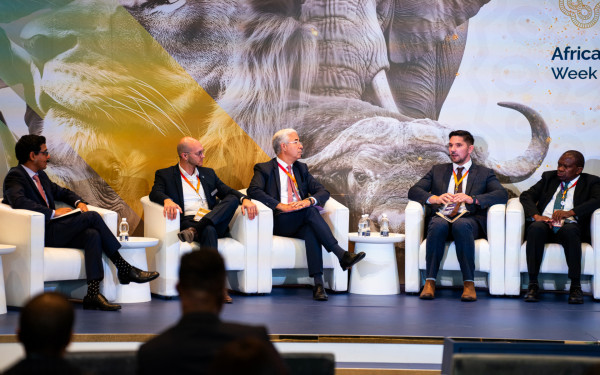
At a dedicated panel session at African Energy Week: Invest in African Energies 2024, panelists emphasized the need for countries already producing oil and gas to utilize local energy resources for the purposes of enhancing value and meeting domestic needs, particularly for secluded and rural areas that do not have access to energy on the grid. They agreed that green technology and innovation could not be advanced without significant investments in local capacity, particularly in manufacturing and grid infrastructure.

Moderated by S&P Global Head of Energy Transition, Ashutosh Singh, panelists of the Advancing Green Technology and Innovation in Africa session further agreed that while renewable energy may not create immediate large-scale jobs, strategic planning by policymakers could lead to millions of new opportunities as the sector evolves.

James White, CEO of Comet Energy, highlighted that legislative barriers also exist in many African nations. In South Africa, for instance, larger solar installations connected to the grid need a generation license from National Energy Regulator of South Africa (NERSA). This, White believes, adds an additional layer of complexity and can deter potential investors or developers from pursuing solar projects.

Although recent amendments to policies have raised the threshold for embedded generation projects without a license to 100 MW, navigating these regulations still poses significant challenges, he noted. “We also need to look at developing local supply chains, which are needed to further drive down costs and improve accessibility to technologies,” he said.

Dennis Bauer, Senior Executive Energy Transition Advisor, Neuman & Esser discussed the potential of hydrogen as key to Africa's energy transition.

By 2035, more than 50 million tons per year of cost-competitive green hydrogen can be produced on the continent by blocks in Morocco, Egypt and South Africa. However, Bauer emphasized that localized supply chains are necessary to support these developments. “Developing local manufacturing capabilities for battery components and other technologies can significantly reduce costs and enhance sustainability,” he said.

The panel discussion also touched on advancements in solar technology, noting improvements in efficiency and flexibility that can facilitate deployment in remote areas.

CEO of South African National Energy Development Institute (SANEDI), Dr Zwanani Titus Mathe, stressed the importance of learning from successful models surrounding new green technologies, like China's investment in research and development (R&D).

“We need to establish centers of competence across Africa focused on R&D, manufacturing and skills development to position the continent as a leader in green technology. As African nations commit to investing in green innovation, collaboration among governments, businesses, and communities is also essential,” he said.

Director of International Relations at IFP Energies nouvelle (IFPEN), Dr Said Nachet, concluded that Africa has the potential to lead in green technology. “By harnessing local resources and fostering innovation, the continent can emerge as a hub for green technology and sustainable energy solutions,” he said.

Distributed by APO Group on behalf of African Energy Chamber.

Media files
African Energy Chamber
Download logo
Read moreLocal Manufacturing Key to Advancing Green Technologies
8 November 2024

NBA Africa and AFD Launch Youth Development Program in Senegal

Location: Sport
National Basketball Association (NBA)

- The “Jr. NBA & AFD Basketball Experience” Will Feature Weekly Basketball and Life-Skills Sessions to Educate Senegalese Youth About the Importance of Physical and Mental Wellness -

- AFD and NBA Africa Unveil Two Refurbished Basketball Courts in Guediawaye, Senegal -

- Former NBA Player and 2015 FIBA AfroBasket Champion Olumide Oyedeji Attends Launch - 

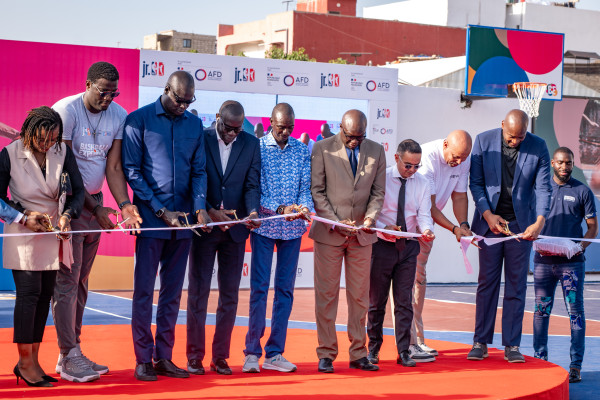
NBA Africa (www.Africa.NBA.com) and Agence Française de Développement (AFD), France's public development bank institution committed to financing and technical assistance for projects that improve the lives of people in developing and emerging economies, yesterday launched the “Jr. NBA & AFD Basketball Experience” youth development program in Guediawaye, Senegal.

The Jr. NBA & AFD Basketball Experience, launched in 2021 in Nigeria and subsequently also held in Kenya and Morocco, uses basketball as a platform to promote social inclusion and youth empowerment amongst primary and secondary school children.  In Senegal, the program will be operated by nongovernmental organization (NGO) Sports for Education and Economic Development (SEED) Project and feature weekly basketball and life-skills sessions that will educate thousands of Senegalese boys and girls about the importance of physical and mental health, wellness and social cohesion.

As part of the program's launch in Senegal, NBA Africa and AFD unveiled two basketball courts at The Hamo 4.5.6. Courts in Guediawaye and held a clinic for 150 boys and girls ages 16 and under.  The launch was attended by AFD Senegal Country Director Mihoub Mezouaghi; Basketball Africa League (BAL) President Amadou Gallo Fall; NBA Africa Director of Basketball Operations Kita Matungulu; and former NBA player and 2015 FIBA AfroBasket champion Olumide Oyedeji.

“Aware of the potential of sport as a vector of social cohesion, AFD has made it a strategic axis of its action to support the achievement of the Sustainable Development Goals,” said Mezouaghi. “It is in this dynamic that our collaboration with the NBA is part of what aims to promote the practice of sport in Africa through the provision of local infrastructure, the professionalization of sports educators and the organization of sports sessions, and education for young people.”

“The collaboration between NBA Africa and AFD continues to grow as we extend this initiative to reach more young people in new countries on the continent,” said Matungulu.  “The Jr. NBA & AFD Basketball Experience reflects our commitment to investing in the next generation of African youth and our belief that basketball teaches life lessons like the importance of physical and mental wellness that help children succeed on the court and in life.”

The refurbished courts, part of NBA Africa's commitment to build 1,000 basketball courts in Africa over the next decade, are expected to benefit thousands of boys and girls from the surrounding communities.

The Jr. NBA & AFD Basketball Experience is part of AFD and NBA Africa's collaboration to support basketball infrastructure and youth development across the continent and builds on the program's previous editions in Morocco and Nigeria, and its recent launch in Kenya.  To date, the program has reached nearly 90,000 boys and girls ages 12-17 and 460 coaches and physical education teachers.

The Jr. NBA/Jr. WNBA, the league's global youth basketball participation program for boys and girls, teaches the fundamental skills as well as the core values of the game at the grassroots level in an effort to help grow and improve the youth basketball experience for players, coaches and parents.  Jr. NBA/Jr. WNBA programming has directly reached more than 250,000 youth across Africa this year.

Distributed by APO Group on behalf of National Basketball Association (NBA).

Contacts:
Chumani Bambani,
NBA Africa PR & Communications,
cbambani@nba.com,
+27 65 548 1031

Francine Pipien,
AFD Senegal,
pipienf.ext@afd.fr

About NBA Africa:
NBA Africa is an affiliate of the National Basketball Association (NBA), a global sports and media organization with the mission to inspire and connect people everywhere through the power of basketball. NBA Africa conducts the league's business in Africa, including the Basketball Africa League (BAL), and has opened subsidiary offices in Cairo, Egypt; Dakar, Senegal; Johannesburg, South Africa; Lagos, Nigeria; and Nairobi, Kenya.  The league's efforts on the continent have focused on increasing access to basketball and the NBA through youth and elite development, social responsibility, media distribution, corporate partnerships, NBA Africa Games, NBA Stores, the BAL, and more.

NBA games and programming are available in all 54 African countries, and the NBA has hosted three sold-out exhibition games on the continent since 2015. The BAL, a partnership between the International Basketball Federation (FIBA) and NBA Africa, is a professional league featuring 12 club teams from across Africa that concluded its fourth season in June 2024. Fans can follow @ NBA_Africa and @ theBAL on Facebook, Instagram, X and YouTube.

About AFD:
Agence Française de Développement (AFD) Group finances, supports and accelerates the transitions necessary for a more just and resilient world. It thus contributes to implementing France's policy on sustainable development and international solidarity. It is with and for communities that we build, with our partners, solutions in more than 160 countries, as well as in 11 French overseas departments and territories.

Our objective: to reconcile economic development with the preservation of common goods: the climate, biodiversity, peace, gender equality, education and health. Our teams are involved in more than 3,600 projects in the field, which are part of the commitment of France and the French people to fulfilling the Sustainable Development Goals. For a world in common.

AFD strongly believes in the power of sport as a lever to achieve the sustainable development goals. Since the launch of its sport for development strategy in 2019, AFD has invested more than €130 million in over 160 projects that use sport as a tool to promote access to education, gender equality, youth empowerment, health and social cohesion. In Senegal, the AFD group puts its entire range of financial instruments at the service of local economic and social development actors (state, public companies, private and financial sector, NGOs, etc.) to support an inclusive development model, creating jobs, promoter of sustainable infrastructure, and respectful of the environment.  Since 2012, 115 projects have been funded, representing a commitment of more than 2.2 billion euros.

AFD.fr

Media files
National Basketball Association (NBA)
Download logo
Read moreNBA Africa and AFD Launch Youth Development Program in Senegal
6 November 2024

AEW 2024 Hydrogen Summit Highlights Collaboration as Key to Investments

Location: News
African Energy Chamber

Africa's abundant energy potential, coupled with Europe's ambitious production and import goals, have resulted in the development of a burgeoning global green hydrogen economy. Africa currently has 125 GW of hydrogen capacity with major contributors including Egypt, Mauritania, South Africa, Morocco, Namibia and Kenya – a group of nations that form part of the Africa Green Hydrogen Alliance group.

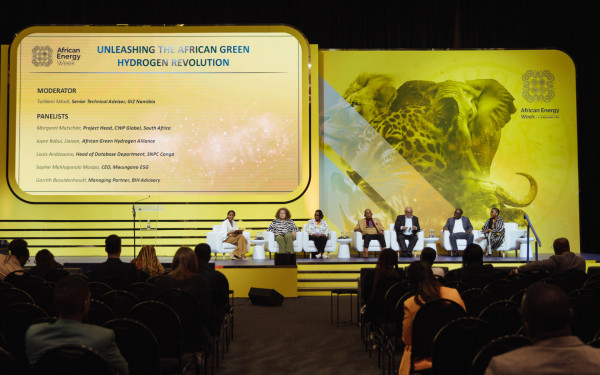
A dedicated panel session titled, Hydrogen Summit: Unleashing the African Green Hydrogen Revolution, at this year's African Energy Week: Invest in African Energies 2024 conference explored the significant role that hydrogen plays in the future of African energy. The panel noted that the EU market represents the largest commercial opportunity for hydrogen projects on the continent, with international collaboration being highlighted as a key strategy towards driving the sector forward.

“We need to see more countries establish key terms to create a platform for knowledge sharing,” stated Africa Green Hydrogen Alliance liaison Joyce Kabui, adding, “The support here depends on the scale of collaboration in the green hydrogen space.”

Mauritania has emerged as one of the world's top green hydrogen investment destinations. The country has effectively captured 1.5% of the global hydrogen market with 3 of its major hydrogen developments – the 30 GW AMAN development, 35 GW Megaton Moon project and 10 GW Project Nour development by renewable energy developer Chariot Energy Group, which collectively contribute to the country's objective of producing 12.5 million tons of green hydrogen annually by 2035.

“In Mauritania, we've managed to prove renewable resources and understand energy profiles available from natural resources to supply the value chain,” stated CWP Global Vice President of Project Development Africa, Margaret Mutschler, adding, “We've conducted environmental studies and baseline studies in countries like Mauritania that is relevant in other countries as well.”

Meanwhile, South Africa's government has recognized green hydrogen as a key aspect of the country's just energy transition. It has introduced the Hydrogen Society Roadmap to serve as the industry's framework to facilitate large-scale investments in the sector.

“If you look at hydrogen as a source, it's underpinned by the hydrogen roadmap that the government has begun to drive,” stated General Manager of Energy Projects at South Africa's state-owned Central Energy Fund, Sifiso Msabala. “There is a focus on hydrogen in this country and we understand the issues that are inhibiting progress. We know that South Africa is a great country to contribute to the global hydrogen industry.”

Louis Andzouono, Head of Database Department at the Republic of the Congo's state-owned Société National des Pétroles du Congo (SNPC), expressed his country's commitment to driving a sustainable green hydrogen sector. The parastatal company received authorization from the government last year to explore the development of a green hydrogen market in the country.

“The SNPC is confident that its promotion of green hydrogen will succeed and thrive,” Andzouono stated, adding, “We assume the missions and projects of the state will guarantee a serene future for the Congolese people through structure and eco-friendly projects.”

The panelists noted that supportive policies and international collaboration will bolster Africa's green hydrogen economy, potentially attracting investments and improving resource capacity.

Distributed by APO Group on behalf of African Energy Chamber.

Media files
African Energy Chamber
Download logo
Read moreAEW 2024 Hydrogen Summit Highlights Collaboration as Key to Investments
6 November 2024

AEW Highlights Critical Minerals Role in African Renewables Growth

Location: News
African Energy Chamber

Africa must expand its renewable energy manufacturing capabilities and leverage its critical minerals to foster growth in its renewables sector, according to James Mackay, Managing Director at the Energy Council of South Africa.

Speaking on a panel discussion during African Energy Week: Invest in African Energies' Pre-Event Technical Workshops, Mackay said the high cost of renewables in Africa could be lowered by enhancing local manufacturing capacity, making vital technologies more accessible for project developers.

“Egypt is currently leading in solar manufacturing, but other African governments should work to attract investments and implement policies that incentivize manufacturers to establish operations on the continent,” stated Mackay.

Carlos Torres Diaz, Senior Vice President & Head of Gas and Power Markets Research, Rystad Energy highlighted Africa's youthful workforce as a strategic advantage in developing innovative solutions required to harness the continent's 30% share of global critical minerals. According to Diaz, the focus is no longer solely on replacing fossil fuels but on integrating all energy resources and using digital tools to stabilize the power grid.

“Gas-to-power solutions remain essential for stability alongside renewables,” he noted.

Despite holding 40% of the world's total solar potential, Africa currently utilizes only 35% of its capacity, according to Nivedh Das Thaikoottathil, Senior Analyst – Renewables & Power at Rystad Energy. Thaikoottathil pointed out that Africa's ability to add value to its critical minerals will shape its potential to produce over 100,000 TWh of solar energy annually, potentially increasing the share of solar and wind from 8% today to 60% by 2040.

Commenting on high-growth renewable energy markets in Africa, Thaikoottathil said South Africa, Morocco, Egypt, Tunisia, Mauritania and Mozambique are the key players.

“We are seeing growing financing for renewable projects and new interconnectors between North Africa and Europe, with 24 GW of proposed capacity aimed at linking the regions,” he said.

AEW: Invest in African Energy 2024 is held alongside the Critical Minerals Africa Summit which will run from November 6 – 7 November in Cape Town, offering delegates access to the full scope of energy, mining and finance leaders.

Distributed by APO Group on behalf of African Energy Chamber.

Media files
African Energy Chamber
Download logo
Read moreAEW Highlights Critical Minerals Role in African Renewables Growth
4 November 2024

Lamola to host UK Foreign Secretary in Cape Town

Location: News

Lamola to host UK Foreign Secretary in Cape Town

International Relations and Cooperation Minister, Ronald Lamola, will host his United Kingdom counterpart, David Lammy, on Tuesday, 5 November 2024, in Cape Town. 

According to the department, the meeting between the Minister and the United Kingdom Secretary of State for Foreign, Commonwealth and Development will focus on strengthening relations between the two nations. 

“The UK is one of South Africa’s most significant bilateral partners, particularly in trade, investment, skills development, science, innovation, the Just Energy Transition and tourism, among others,” the Department of International Relations and Cooperation (DIRCO) said.

According to Lammy’s office, he began his visit to the continent in Nigeria, his first trip to Africa as Foreign Secretary and the first to visit South Africa since 2013. 

Committing to a fresh approach to Africa that works productively from Morocco to Madagascar, Lammy announced the start of a five-month consultation process to ensure African voices inform and sit at the very heart of the United Kingdom’s new approach to the continent.

“Accommodating the diverse needs and ambitions of 54 countries, the consultation will guarantee the UK’s relationships across Africa are based on mutual respect and partnership,” Lammy's Office said.

Lammy believes Africa has huge growth potential, with the continent on track to make up 25% of the world’s population by 2050. 

“Our new approach will deliver respectful partnerships that listen rather than tell, deliver long-term growth rather than short-term solutions and build a freer, safer, more prosperous continent. I want to hear what our African partners need and foster relationships so that the UK and our friends and partners in Africa can grow together,“ he said. 

According to Lammy, growth is the core mission of the UK government and will underpin relationships in Nigeria, South Africa and beyond. 

“This will mean more jobs, more prosperity and more opportunities for Brits and Africans alike.” 

In South Africa, Lammy’s Office said he will agree to develop a new United Kingdom-South Africa Growth Plan. 

“South Africa is our largest trading partner on the continent and this plan will allow trade to flourish even more through collaboration on market access, a new UK Trade Partnership programme to boost South Africa exports, and a new programme to increase the number of agricultural jobs in rural South Africa. This will simultaneously boost trade for Brits whilst bolstering opportunities within South Africa.” 

At the biennial United Kingdom-South Africa bilateral forum, the Foreign Secretary and Lamola will refresh the Comprehensive Strategic Partnership to 2030 – raising joint ambition on climate, nature, trade and security, and committing to United Kingdom-South Africa cooperation for the next two years on trade and investment, energy transition, and security. 

South African exports to the United Kingdom supported over 137 000 jobs in 2020. The Foreign Secretary will boost this with the renewal of a risk-sharing partnership between British International Investment and Standard Chartered to provide trade finance for SMEs and corporates operating across Africa and Asia. 

“No growth can be truly inclusive or effective unless it is green,” the statement from Lammy's office read. 

While in South Africa, Lammy will celebrate climate innovation at the Earthshot+ thought leadership conference. – SAnews.gov.za

Gabisile
Mon, 11/04/2024 - 11:13

176 views
Read moreLamola to host UK Foreign Secretary in Cape Town
31 October 2024

Green Building Trends in Africa: Africa’s Urbanization Provides the Opportunity to Embrace Green Building

Location: News
Bureau Veritas

By Julien Fouilliart-Building & Infrastructure Growth Leader Middle East, Caspian and Africa, Bureau Veritas (https://group.BureauVeritas.com)​.

Globally, buildings are responsible for a substantial share of energy, electricity, water and materials consumption using between 35-40% of energy demand and contributing 37 per cent of world carbon dioxide (CO2) emissions. Including the manufacturing of building materials.

The 2022 updated Global Buildings Climate Tracker (GBCT) (https://apo-opa.co/3YLJiZG) shows that there is a significant gap between the current state and the desired decarbonization path which is concerning. In effect it means that to align with the 2030 milestone, an annual increase of ten decarbonization points is now necessary which is a substantial jump from the six points per year anticipated starting in 2015.

In 2019 in Africa, buildings accounted (https://apo-opa.co/4e8NIhN) for 57% of total final energy consumption and 32% of total process-related CO2 emissions.

Despite continental issues of poverty, unemployment and rapidly developing informal settlements among other issues, many countries in Africa are embracing green, sustainable building practices.

With its burgeoning population, expected to add some  1.2 billion people by  2050 (https://apo-opa.co/3AxgxXo) Africa faces rapid urbanization.

Urbanization provides an opportunity for countries across Africa to embrace green building practices, access available international green funding opportunities, and set a foundation for sustainability for future generations.

In 2023 the Africa Regional Network of World Green Building Council (WorldGBC) launched the Africa Manifesto for Sustainable Cities and the Built Environment, which sets out the actions that  policymakers and businesses across the continent need to take to achieve a net zero carbon, healthy, resilient, equitable, socially- and economically-inclusive built environment for everyone, everywhere.

Achieving these goals requires policymakers and business leaders across the continent to recognise the untapped potential of the built environment. But this can only be realized with the implementation of policies that support transformative action, through intense collaboration between governments, city and regional leaders, businesses and investors. 

South Africa is leading Africa's green building sector (https://apo-opa.co/3YLdq7N). It has over two million square meters certified green buildings that reduce water consumption, electricity, and waste disposal; 50 certified projects are projected to result in an annual saving of 76 million kilowatt hours which is equivalent to the electricity needs of 5,300 households every year.

South Africa has its own National Standard 10400 Part XA that deals with optimizing energy efficiency in buildings and in the light of this the Green Star South Africa and EDGE green building tools have been adapted and are widely used in the country. International rating systems like LEED and WELL are also used.

The scope of green construction in Egypt has been slow to grow but Egypt has two local rating systems in place called TARSHEED and the Green Pyramid Rating System. These, along with EDGE, LEED and WELL are used in various projects.

The Nigerian government has pledged to achieve a 20% reduction in its greenhouse gas emissions by 2030 and 45% with international support. Green building will likely be a big part of this change.

This country's National Building Code, developed by the National Council on Housing and Urban Development, and the Building Energy Efficiency Guideline (BEEG), also support the agenda of sustainable development by setting requirements for occupant health and safety, use of local and safe building materials and energy efficiency among other criteria.

Morocco has several legal provisions in place to promote sustainability and environmental protection through construction impact assessments for new building projects as well as energy-efficient construction requirements applicable to most residential and commercial projects. Several projects in the country have also achieved LEED green building credentials.

It also has several renewable energy projects such as the Noor Midelt Solar Plant and Tarfaya Wind Farm, one of the biggest wind farms in the continent.

As the drive towards Net-Zero heightens more African countries are joining the African Regional Network of the World Green Building Council. NGOs and other industry professionals are setting up green building councils in South Africa, Egypt, Tunisia, Nigeria, Botswana, Zimbabwe, Namibia, Mauritius, Tanzania, Kenya, Cameroon and Uganda.

One of the big hurdles restraining a sustainable development movement in the construction industry is a lack of awareness for practical sustainable actions among many developers and investors.

In South Africa there is a broad awareness of Green Buildings and the market share of certified buildings among all new builds is increasing. The 2021 International Finance Corporation's (IFC) Green Building Market Stakeholder Assessment for South Africa showed that on the supply side, key motivating factors for Green Buildings are their reduced carbon footprint increased end user demand and increased marketability.

From the occupier's perspective the motivating factors for buying or leasing a Green Building are lower utility bills and lower operating costs. Yet, at a residential level occupiers are only willing to pay a two percent premium for these benefits.

The IFC report points out that the perceived cost of construction and certification of green buildings are also considered major obstacles to the expansion of certified Green Buildings in South Africa (https://WorldGBC.org/). Its research indicates that those in the know estimated the additional construction cost to be 10% or higher, while those unfamiliar with Green Buildings are likely to significantly overestimate costs.

Currently, four out of six financial institutions provide financing for Green Building projects in some form or another and three require a certification to approve the loan. The portfolios of two consist of retrofitting existing buildings into Green Buildings; two of commercial and industrial Green Building construction finance and only one residential Green Building construction finance. Of the two FI's that currently do not fund any Green Building one plans to do so in the future while the other does not see this as part of their strategy.

The investment into green construction (https://apo-opa.co/4e8NYgL) has multiple benefits; it facilitates growth while addressing issues like employment, climate change, and poverty.

However, more needs to be done to improve the understanding of the benefits of green buildings such as lower operational costs, increased ROI as well as an overall improvement in occupant health and wellbeing. Financial institutions need to do more to support green construction. Those which have pledged to lower their investments in carbon producing industries could create green bonds or funds for the African construction sector. Government's need to provide policy support along with incentives to catalyze market development.

 All this suggests that there is still a sizable information gap regarding the cost, certification and benefits of Green Building and that further knowledge dissemination efforts are needed to close it.

Distributed by APO Group on behalf of Bureau Veritas.

About Julien Fouilliart:
Julien Fouilliart is a seasoned business development professional with 15 years of experience in international, multicultural, and cross-sector environments. He currently leads the growth of Bureau Veritas' Building & Infrastructure market across the Middle East, Caspian, and Africa regions. Julien holds a degree in Mechanical Engineering from Belfort University in France. He is based in Kenya and has a deep passion for the African continent. Julien has played a key role in the development of large and iconic infrastructure projects across the region. He has an extensive international background, having worked in France, China, Spain, Belgium, and the United Kingdom. His experience includes collaborating with global companies and public institutions to drive business growth in sectors such as aerospace, IT, rail, building, and transport infrastructure.

Media files
Bureau Veritas
Download logo
Read moreGreen Building Trends in Africa: Africa’s Urbanization Provides the Opportunity to Embrace Green Building
17 October 2024

Vantage Capital Concludes a €66M Deal With Camusat

Location: Business
Vantage Capital Group

Vantage Capital (www.VantageCapital.co), Africa's largest mezzanine fund manager, announced today that it had closed a €66 million mezzanine investment in Camusat Holding S.A.S, the proceeds of which will be used to refinance debt and fund the capital expenditure required for expansion of the group's AktivCo division. Vantage Capital's investment is part of a global financing package of €81m provided in consortium with Eurazeo, a leading European investment group. 

Camusat is a leading telecommunications player managing fully integrated and sustainable business models for the deployment and management of telecom infrastructure whilst championing the decarbonization of mobile network operators (MNOs). Partnering with major investment funds that support green investments, Camusat is pursuing its ambition to become the leading “Infra as a Service”  partner for the mobile telecom industry, with a broad presence in emerging markets, especially in Africa. The group operates across twenty countries (including fifteen on the African continent) and through two synergistic divisions, AktivCo and OpCo: 

  • AktivCo is the Infrastructure as a Service business structuring and financing complex transactions under long-term contracts to transform the telecom infrastructure by applying sustainable business models. With a strong focus on low carbon footprint solutions and digitalization of operations, AktivCo accelerates the expansion and modernization of MNOs' infrastructure and reshapes the telecom world for cleaner communications; and  
  • OpCo is a telecom service partner that combines technical expertise with operational excellence to design, build, and manage  telecom infrastructure. 

Since inception, Camusat has been capitalizing on the rapid expansion of the telecom industry, but most importantly the ever-growing need of MNOs to outsource non-core operations to specialized service providers. This trend is observed worldwide but is more prevalent in emerging markets, especially Africa. As network coverage remains relatively low, MNOs are being pushed by regulators to ramp up their infrastructure investment especially to increase coverage in rural areas, where most of the population lives. MNOs therefore need to contract with service providers like Camusat to support the rapid and viable roll-out and management of their tower infrastructure. 

In this context, Camusat has established itself as the key strategic partner for telecom operators such as Orange, Moov Africa (Maroc Telecom group), MTN, Vodafone, Airtel and others. The group's comprehensive offering drives long-term performance for mobile networks and inclusive connectivity, digitalization and sustainable access to technology, making it a one-stop-shop for MNOs. Its multi-decade experience and track record attest to the quality of its performance. 

Mr. Richard Thomas, CEO of Camusat, commented, “we are very pleased to have concluded the transaction with Vantage Capital. This financial and strategic partnership comes at a time when we are further expanding our presence in Africa, and we are confident that Vantage Capital's extensive network and expertise on the continent will be a great support in achieving our objectives.” 

Mr. Luc Albinski, Executive Chairman at Vantage Capital, added, “we are proud to partner with such a leading and dynamic group as Camusat. Throughout the process, we have been impressed by management's deep knowledge of the telecom industry, but also their firm commitment to help increase connectivity in parts of Africa where network coverage remains underdeveloped.” 

Mr. Thibaut de Rodellec, Deputy CEO of Camusat, said, “we were convinced from our very first discussions that Vantage Capital and Camusat would be a great fit. We always look beyond the financial aspect when forming new partnerships, and we were glad to discover that our firms share common ethics, vision and dedication. We will ensure this partnership is a success for all stakeholders.” 

Mr. Driss Benabdeslam, Partner at Vantage Capital, concluded, “by investing in Camusat, we are backing a group that is engaged in a vital and buoyant industry and constantly strives for operational and corporate excellence. Camusat has incorporated best-in-class ESG practices and implemented various CSR measures directed at supporting local communities and minimizing greenhouse gas emissions from the telecom sector. We are thrilled to support the group in creating more value and generating an even greater positive social impact over the years to come.”  

This transaction represents Vantage Capital's 39th investment across four generations of funds with its portfolio of investments spread across eleven African countries.   

Vantage Capital was advised by Clifford Chance (in Morocco) who acted as its legal counsel. KPMG (in France) and Webber Wentzel (in South Africa) provided tax advice, KPMG (in France) was the financial advisor, Emerton (in France) provided commercial advice, and Ibis Consulting (in France) reviewed the environmental impact. 

Camusat was advised by Goodwin Procter (in France) who acted as their legal counsel and Marlborough Partners (in France) who acted as financial advisor. 

Distributed by APO Group on behalf of Vantage Capital Group.

For more information contact: 
Luc Albinski
Executive Chairman 
luc@vantagecapital.co.za  
Driss Benabdeslam 
Partner
driss@vantagemezzanine.com  

About Vantage Capital: 
Founded in 2001, Vantage Capital is an Africa-focused fund manager that has raised funds of over $1.6 billion. 

Since 2006, Vantage Capital's Mezzanine division has made 39 investments across four successive funds into 11 African countries, making it the largest and most experienced independent mezzanine funder on the continent. In addition, Vantage Capital's GreenX division has made 15 senior debt investments into South African solar and wind energy projects across three funds. Vantage Capital launched Vantage Best in Class in 2022 to provide long-term financial and strategic support to education businesses operating in Europe, the Middle East and Africa. As a first step, Vantage Best in Class has partnered with Maple Bear Global Schools, the largest and fastest growing franchise of K-12 bilingual schools in the world in a €100 million investment programme for the Central & Eastern European region. 

Vantage Capital targets mezzanine debt opportunities of $10-50m across more than a dozen key African markets. 

Mezzanine debt is an intermediate form of risk capital, which is situated between senior debt, the least risky tranche of the capital structure, and equity, the riskiest tranche of the capital structure. It combines elements of both debt and equity thereby providing companies with long-term funding on terms which are less dilutive to shareholders than pure equity. 

Website: www.VantageCapital.co.za  

About Camusat:  
Headquartered in Paris, Camusat is a global group operating in the telecommunications industry across Africa, Europe, the Middle East, and Latin America.  

Over almost five decades of existence, it has established itself as leading player and a key partner for telecom operators, thanks to a comprehensive offering and best-in-class capabilities. With the launch of its AktivCo division in 2017, the group pioneered the ESCO (Energy as a Service) and TWESCO (Tower & Energy as a Service) models in Africa, enabling clients to achieve significant cost-savings and streamline their cash outflows, while ensuring a positive environmental impact with the use of renewable energies, low environmental solutions and smart technologies to support the deployment, extension and management of telecom infrastructure. The group has been able to secure infrastructure debt funding from major development finance institutions, including FEI (Facility for Energy Inclusion), Africa Go Green Fund, Proparco, and Norfund. 

Camusat employs more than 2,000 people and is guided by a highly dedicated and experienced management team with deep industry expertise and firm commitment to financial, operational, and environmental excellence.  

Since 2016, the group has been majority-owned by Equistone, a leading mid-cap private equity fund in Europe with 12 billion euros of assets under management since inception. Camusat's management owns the remaining share capital. 

Media files
Vantage Capital Group
Download logo
Read moreVantage Capital Concludes a €66M Deal With Camusat
17 October 2024

Empowering Africa’s Energy Future With Advanced Power Solutions

Location: Business
HIMOINSA

HIMOINSA (www.HIMOINSA.com), a leader in power technology solutions and part of the Yanmar Group, is proud to announce the launch of its latest innovation: the HGY Series. This new engine line, with a capacity range from 1250kVA to 3500kVA (with future plans to reach 4000kVA), has the potential to significantly help address Africa's growing energy needs, particularly in key sectors critical to the continent's economic development, such as healthcare, mining, oil and gas, and tech hubs like data centers.

Download document: https://apo-opa.co/3NyfcCw

With the HGY Series, HIMOINSA enters the high-capacity engine segment, providing tailored solutions that meet the needs of Africa's mission-critical sectors where reliable and efficient power generation is vital. The company's focus on Africa reflects its strategic commitment to supporting the continent's rapid industrialization and infrastructure expansion.

Delivering Reliable Power Where It Matters Most

Africa is home to some of the world's fastest-growing economies, yet power generation remains a critical challenge in several key regions. HIMOINSA's HGY Series engines are engineered to deliver robust and sustainable solutions, particularly in areas with unstable national grids, helping to mitigate downtime, load-shedding and other challenges. By offering flexible fuel options, currently capable of operating with a range of diesel types and HVO (hydrotreated vegetable oil), with future plans to support natural gas and hydrogen, the HGY Series ensures that businesses and communities across Africa have access to low-emission, efficient, and reliable power, regardless of local grid conditions.

Guillermo Elum, HIMOINSA's EMEA Region Head, highlighted the company's dedication to the African market: “Africa is a key growth region for HIMOINSA, and our approach goes beyond merely selling products; we are committed to building local capacity. Our training programs in Angola, South Africa, Morocco, Togo and soon, in Tanzania, ensure that African technicians and engineers are fully equipped to manage and maintain our technology, creating skilled jobs and developing expertise across the continent.”

Boosting Africa's Economic Growth

The launch of the HGY Series is part of HIMOINSA's broader investment strategy to support Africa's economic development. The company's Spanish production facilities, including a new factory in Murcia with a capacity of 1,000 units currently under construction, are set to help supply the African market, ensuring fast delivery and minimal logistical challenges, so businesses can rely on timely support and services. Additionally, its focus on training and local partnerships enhances the technical skills of local communities, empowering them to manage critical power infrastructure and stimulating economic growth.

Francisco Gracia, CEO of HIMOINSA, stressed the significance of the HGY Series for Africa: “We see enormous potential in Africa's industrial and digital sectors, and the HGY Series is a powerful tool for realizing that potential. From supporting vital healthcare facilities to powering new data centers that drive digital transformation; to providing continuous power for mining projects, our solutions are designed to make a tangible impact in Africa's growth story. This launch is more than just a product introduction; it is our commitment to being a partner in Africa's progress.”

Dedicated to Sustainability in Africa

The HGY Series engines are not just about power—they are about powering Africa sustainably. Designed to work seamlessly with micro-grids and renewable energy sources, these engines offer a viable solution for rural and urban areas seeking to integrate intermittent solar and wind power into their energy mix. HIMOINSA's generators support Africa's energy transition, aligning with the continent's growing focus on renewable energy and reduced carbon emissions.

The company's presence in Africa through divisions in Angola, South Africa, Morocco, Togo, and Tanzania enables it to deliver localized support in the continent's most widely spoken languages. This commitment to on-the-ground engagement ensures that African clients receive comprehensive training and support, helping businesses reduce operational costs and improve efficiency.

Driving Innovation Across Africa's Most Critical Sectors

HIMOINSA's new HGY Series is ideally suited for sectors that drive Africa's economic growth. Data centers, which are rapidly expanding due to the rise of digital services and AI, can now benefit from high-capacity, low-emission solutions designed to minimize downtime and optimize performance. Healthcare facilities, often located in remote or underserved areas, will gain access to dependable power solutions essential for life-saving equipment. Mining operations and oil and gas fields can also leverage the versatility and efficiency of the HGY engines to operate in demanding environments, ensuring continuity even when the grid fails.

https://HGY-Series.HIMOINSA.com/

Distributed by APO Group on behalf of HIMOINSA.

About HIMOINSA: 
Founded in 1982, HIMOINSA is a global leader in the design and manufacture of power generation solutions. With a wide range of products including generator sets, lighting towers, and energy storage systems, the company has a track record of delivering reliable, efficient, and innovative power solutions. As part of the Yanmar Group, HIMOINSA combines decades of expertise with cutting-edge technology to meet the evolving energy needs of customers worldwide.

Media files
HIMOINSA
Download logo
Read moreEmpowering Africa’s Energy Future With Advanced Power Solutions
11 October 2024

Benin to Contribute $2 Million to the African Development Fund

Location: News
African Development Bank Group (AfDB)

Benin joins six other African countries that contribute to ADF; 74 million people in Africa have benefitted from improvements in agriculture for food security through the Fund.

Benin has pledged $2 million to the next replenishment of the African Development Fund, the concessional window of the African Development Bank Group.

The country's Minister of Economy and Finance, Romuald Wadagni, made the announcement in Cotonou, at the opening session of the Mid-Term Review of the 16th Replenishment of the Fund.

It came shortly after the head of the African Development Bank Group, Dr Akinwumi Adesina invited Benin's President Patrice Talon to be a champion of ADF 17 and encouraged him to “pledge financial support.”

Announcing his country's pledge, Minister Wadagni said the African Development Fund was a trusted partner for low-income countries and recommended that each “recipient country demonstrates rigour and transparency.”

He said one of Benin's objectives was “to ensure that we can use the ADF instrument in the form of guarantees and raise money in order to benefit from its leverage effect.”

The current three-year financing cycle, which received a record $8.9 billion ends in 2025. Benin becomes the seventh African country to contribute, joining Algeria, Angola, the Democratic Republic of Congo, Egypt, Morocco and South Africa.

“Our ambition is encouraging more African countries to become state participants in the ADF,” said Adesina, citing Kenya's pledge of $20 million to ADF, announced last May by President William Ruto during the Annual Meetings of the African Development Bank Group in Nairobi.

He said the African Development Fund is providing Benin with $108.2 million towards general budget support for economic governance and private sector development program focused on improving the overall business climate, supporting agro-industrial sector and strengthening the development of Special Economic Zones, like Glo Gjigbe, that ADF delegates visited as part of the Mid Term Review program.

Across the continent, Adesina said the African Development Fund is achieving impactful and impressive results.

“15 million people have been provided with access to electricity. 74 million people have benefitted from improvements in agriculture for food security. 45 million people have benefitted from improved transport. And over 8,700 kilometers of roads have been built or rehabilitated,” said Adesina.

“I am proud of what this institution has achieved in its 50 years of existence,” he added, pointing out that the Fund has been ranked “the second-best concessional financing institution in the world for the quality of its development assistance.”

The Cotonou meeting was attended by ministers, representatives of donor and beneficiary member countries, the Bank Group's Board of Directors, senior management and staff.

Distributed by APO Group on behalf of African Development Bank Group (AfDB).

Media contact:
Amadou Mansour Diouf
Communications and External Relations Department
media@afdb.org

About the African Development Bank Group:
The African Development Bank Group is Africa's premier development finance institution. It comprises three distinct entities: the African Development Bank (AfDB), the African Development Fund (ADF) and the Nigeria Trust Fund (NTF). On the ground in 41 African countries with an external office in Japan, the Bank contributes to the economic development and the social progress of its 54 regional member states. For more information: www.AfDB.org

Media files
African Development Bank Group (AfDB)
Download logo
Read moreBenin to Contribute $2 Million to the African Development Fund
19 September 2024

iGlass Media: Premier Line Producer Across Locations

Location: Entertainment, MyPR

Introduction In today’s fast-paced media landscape, finding a reliable line producer who understands local nuances while delivering top-notch production services is crucial. iGlass Media stands out as a premier line producer, adept at navigating the diverse cultural and logistical challenges across various stunning locations, including India, Indonesia, Dubai, China, Turkey, Tunisia, Morocco, Jordan, Cape Town, …

Read moreiGlass Media: Premier Line Producer Across Locations
13 September 2024

The Coca-Cola System in Africa Unveils Water Stewardship Initiative

Location: Business

Coca-Cola
Download logo

The Coca-Cola Company in Africa (www.Coca-ColaCompany.com) and its bottling partners Coca-Cola Beverages Africa (CCBA), Equatorial Coca-Cola Bottling Company (ECCBC) and Coca-Cola HBC announced a nearly USD 25 million investment to help address critical water-related challenges in local communities in 20 African countries, starting this year through 2030. The work will be led by Global Water Challenge (GWC) and implemented by a consortium of partners, including The Nature Conservancy (TNC), The International Union for Conservation of Nature (IUCN) and the World Wildlife Fund (WWF).

The effort, called ‘The Coca-Cola System's Africa Water Stewardship Initiative', was introduced in Cape Town, South Africa, in presence of executives from the Coca-Cola system in Africa and NGO partners. During the event, Karyn Harrington, Vice President of Public Affairs, Communications and Sustainability at The Coca-Cola Company's Africa Operating Unit indicated “Water is a priority for The Coca-Cola Company and its local bottling partners because it is essential to life, the communities we serve and our beverages. As we face increasing water insecurity worldwide, with demand outstripping supply in many regions such as Africa, Coca-Cola is taking steps to help accelerate efforts to address water stress, protect local water resources, and build community climate resilience. Our 2030 Water Security Strategy focuses on helping enhance water security where we operate, source ingredients, and touch lives.”

“One in three Africans face water insecurity. The Global Water Challenge and ‘The Coca-Cola System's Africa Water Stewardship Initiative' partner coalition will seek to improve water security for millions across the African continent, helping advance community health and resilience through abundant, clean water. We applaud Coca-Cola's continued leadership on African water security” said Monica Ellis, CEO of GWC.

‘The Coca-Cola System's Africa Water Stewardship Initiative' aims to help protect and enhance the health of important watersheds and to help improve access to water and sanitation services in local communities. We will have projects in Algeria, Botswana, Cabo Verde, Comoros, Egypt, Eritrea, Eswatini, Ethiopia, Kenya, Mayotte, Morocco, Mozambique, Namibia, Nigeria, Somalia, South Africa, Tanzania, Uganda, Zambia and Zimbabwe.  

“CCBA has a responsibility to help those who face water scarcity and to help protect local water resources where we operate, especially in places with the biggest challenges. We are proud to partner with The Coca-Cola Company on this project,” says Layla Jeevanantham, Chief Public Affairs, Communication and Sustainability Officer at CCBA.

“We are proud to partner with The Coca-Cola Company and fellow bottlers on this critical initiative to help tackle water challenges across Africa. By working together, we can leverage the expertise of our partners and the knowledge of local communities to help create sustainable solutions that enhance water access and safeguard vital water resources,” said Sonia Ventosa, Public Affairs, Communications & Sustainability Manager at ECCBC.

“Coca-Cola HBC has been part of African communities for more than 70 years, and sustainability is an important part of how we operate. We're very happy to see this new water initiative come to life and to support the system's water stewardship efforts,” said Marcel Martin, Chief Corporate Affairs & Sustainability Officer, Coca-Cola HBC.

Recognizing that partnerships are critical to support this work, the company and its bottlers are collaborating with governments, businesses, and civil society organizations to design and implement strategic interventions. In addition to supporting the company's water strategy, this effort also aims to contribute to advancing the United Nations' Sustainable Development Goal 6, which focuses on ensuring availability and sustainable management of water and sanitation. 

This water initiative will build upon The Coca-Cola Foundation (TCCF)'s Replenish Africa Initiative (RAIN), a groundbreaking collaboration with key partners and co-funders which helped improve access to clean water, sanitation and hygiene for 6 million people across African countries between 2009 and 2019. Through 120 projects, the initiative positively impacted homes, schools and healthcare clinics in more than 4,000 communities.

Distributed by APO Group on behalf of Coca-Cola.

Contacts: 
Amel Benchikh El Houcine 
abenchikh@coca-cola.com

About The Coca-Cola Company:
The Coca‑Cola Company (NYSE: KO) is a total beverage company with products sold in more than 200 countries and territories. Our company's purpose is to refresh the world and make a difference. We sell multiple billion-dollar brands across several beverage categories worldwide. Our portfolio of sparkling soft drink brands includes Coca‑Cola, Sprite and Fanta. Our water, sports, coffee and tea brands include Dasani, smartwater, vitaminwater, Topo Chico, BODYARMOR, Powerade, Costa, Georgia, Gold Peak and Ayataka. Our juice, value-added dairy and plant-based beverage brands include Minute Maid, Simply, innocent, Del Valle, fairlife and AdeS. We are constantly transforming our portfolio, from reducing sugar in our drinks to bringing innovative new products to market. We seek to positively impact people's lives, communities and the planet through water replenishment, packaging recycling, sustainable sourcing practices and carbon emissions reductions across our value chain. Together with our bottling partners, we employ more than 700,000 people, helping bring economic opportunity to local communities worldwide. Learn more at www.Coca-ColaCompany.com and follow us on Instagram (http://apo-opa.co/3Ttw0hL), Facebook (http://apo-opa.co/3ToqwVu) and LinkedIn (http://apo-opa.co/4db5D6V).

 Forward-Looking Statements:
This update may contain statements, estimates or projections that constitute “forwardlooking statements” as defined under U.S. federal securities laws. Generally, the words “believe,” “expect,” “intend,” “estimate,” “anticipate,” “project,” “will” and similar expressions identify forwardlooking statements, which generally are not historical in nature. Statements about our sustainability goals, aspirations and anticipated progress also constitute “forwardlooking statements.” Forwardlooking statements are subject to certain risks and uncertainties that could cause The CocaCola Company's actual results to differ materially from its historical experience and our present expectations or projections. These risks include, but are not limited to, evolving sustainability regulatory requirements and expectations, including evolving processes, controls and methodologies for identifying, measuring, assuring and reporting sustainability metrics and data, which could result in significant revisions to our previously reported data; increasing concerns about the environmental impact of plastic bottles and other packaging materials; water scarcity and poor quality; increased demand for food products, decreased agricultural productivity and increased regulation of ingredient sourcing due diligence; climate change and legal or regulatory responses thereto; adverse weather conditions; unfavorable economic and geopolitical conditions; disruption of our supply chain, including increased commodity, raw material, packaging, energy, transportation and other input costs; an inability to successfully integrate and manage our acquired businesses, brands or bottling operations or an inability to realize a significant portion of the anticipated benefits of our joint ventures or strategic relationships; and other risks discussed in our filings with the Securities and Exchange Commission (the SEC), including our Annual Report on Form 10K for the year ended December 31, 2023, and our subsequently filed Quarterly Reports on Form 10Q, which filings are available through the SEC's website. You should not place undue reliance on forwardlooking statements, which speak only as of the date they are made. We undertake no obligation to publicly update or revise any forward looking statements. 

Read moreThe Coca-Cola System in Africa Unveils Water Stewardship Initiative
13 September 2024

Interview With World Rally-Raid Title Contender Ross Branch

Location: MyPR

Currently leading the World Rally-Raid rankings, Ross Branch is all-in for his maiden world title. Excellent performances at the first four events of the year; Branch currently leads the rankings but needs to clinch the world title at the last event in Morocco. First of all, what is Rally-Raid? To put it in simple terms, …

Read moreInterview With World Rally-Raid Title Contender Ross Branch
10 September 2024

Saluting the power of sport

Location: News

Saluting the power of sport

Sport has a cunning, yet magical way of bringing people together, no matter one’s race, creed or colour.

Recent impressions on the official South African Government X account which is managed by the Government Communication and Information System (GCIS), has shown that a social media post on swimmer Tatjana Smith clinching gold in the women’s 100m breaststroke at the 2024 Olympics garnered 68,144 impressions. 

The post also garnered 65,794 engagements on Facebook. 

Likewise, when Team South Africa secured silver in the men’s 4x100m relay at the same Paris Olympics, the subsequent post garnered 50,104 impressions on X and 12,211 post engagements on Facebook.

And that is quite impressive for social media pages owned by government, as some people may shun government messaging for different reasons.

While citizens may have negative feelings towards government, people do engage with what our government has to say. The figures generated above are indicative of this.

Despite the challenges that hammer society, including inequality and unemployment, sport mends and stitches together the fabric of society despite the trials.

In his congratulatory message to our sporting stars, when he was Acting President, Deputy President Paul Mashatile said that sport has a “unique ability to bring South Africans together and uplift the nation's spirit, even amidst our challenges.” 

Mashatile’s comments came as our athletes made the nation proud, including sprinter Mpumelelo Mhlongo who secured South Africa’s first medal at the now concluded 2024 Paris Paralympic Games, winning gold in his 100m event. 

Bayanda Walaza made history in Peru, becoming the fastest young man on earth with remarkable times of 10.19 seconds in the 100m sprint and 20.52 seconds in the 200m sprint.

What Mashatile said goes hand in hand with President Nelson Mandela’s address to the first Laureus World Sports Awards back in 2000, wherein he said that sport has the “power to inspire” and the “power to unite people in a way that little else does.” 

The awards honour and celebrate the world’s greatest sportspersons and what the Laureus organisation terms “the inspirational power of sport and its ability to change lives.”

Prior to democracy, one’s skin colour dictated every aspect of life and what one could and could not do, even aspects of playing sport. Much has changed since those dark apartheid years, and all of South Africa’s people can now participate in the sport of their choice.

Now that the Paralympic and Olympic Games have ended, I carry a sense of sadness of no longer being able to watch (for the next four years, that is,) the human spirit’s strength in overcoming adversity to overcome and win, in addition to many hours athletes put in to hone their craft.

While I will have to wait for years for the next summer Olympics in Los Angeles in the United States, what is pleasing to the eye is that South Africa claimed six medals in five sporting codes, including a gold earned by swimmer Tatjana Smith, three silvers earned by the Smith, the men's 4 x 100m relay team, and Jo-Ane van Dyk, who participated in the javelin throw.

The Paralympic team also made the nation proud with a tally of six medals, of which two are gold and were earned by discus thrower Simone Kruger and Mhlongo. The country also earned four bronze medals at the games, in which 168 countries participated.

To top that off, monetary incentives for medallists in the Paralympics are the same as those who participated in the Paris 2024 Olympics. 

This goes to show that differently abled athletes are being seen and heard just as other athletes.
South Africa’s National Sport and Recreation Plan (NSRP) makes reference to the government placing a special emphasis on “the inclusion, empowerment and promotion of the government’s priority groups”, that also includes people with disabilities.

The courage showed by para-athletes is evidence that anyone can achieve their dreams.  This goes some way in encouraging those living with a disability not to hide who they are, but to explore their abilities, which could one day put them on the world stage.

The Paralympics have come a long way since the ninth International Stoke Mandeville Games—considered to have been the first Paralympic Games—took place in 1960 with just 23 nations participating at the time.
As a society we need to learn more not only about the sporting codes our para-athletes play but also about how we can be considerate of the needs of people living with disabilities while also being supportive.

However, the conclusion of the games does not mean the end of the magic of the mesmerising power of sports. The sounds of blaring whistles and red and yellow cards bandied about on the pitch continue, and it requires our collective support.

The past weekend saw our sportsmen and women claim glory on the pitch with the Springboks triumphant in their second clash against the All Blacks in the 2024 Castle Lager Rugby Championship. 
On the same day, the Springbok Women won their match against the Barbarians Women’s side.

Not wanting to be left out, Bafana Bafana equalised in their clash against Uganda; the men’s national football side drew 2-2 with their counterparts in the 2025 Africa Cup of Nations (AFCON) qualifier at Orlando Stadium.

While the national men’s side has had struggles, they continue to flight, and Friday’s draw shows their efforts to claim glory.

Previously, Bafana coach Hugo Broos had raised concern about the little fan support the team was garnering at matches. We can play our part by supporting the national team as they aim to qualify for the AFCON in Morocco in 2025.

The qualifiers will determine the 24 teams that will contest the 35th edition of the AFCON tournament.
As fans, we have magical powers that can egg on our teams to reach victory, which not only leaves us with an exhilarating feeling, but also helps to build national pride.

Just as South Africa is a melting pot of diverse cultures, we ought to support all our athletes and sporting codes. After all, variety is the spice of life, and every egg and piece of steak needs some spice. -SAnews.gov.za 

Neo Semono is a Features Editor at SAnews.gov.za


Neo
Tue, 09/10/2024 - 09:11

108 views
Read moreSaluting the power of sport
6 August 2024

The RMB Where to Invest in Africa 2024 report highlights Africa’s top investment economies

Location: Business
Rand Merchant Bank

RMB (www.RMB.com) has released the highly anticipated 2024 edition of its Where to Invest in Africa report, a comprehensive analysis of the top investment destinations on the continent. The report, which has been developed in collaboration with the Gordon Institute of Business Science (GIBS), leverages a robust methodology that has been updated to reflect new data sources, taking into account a variety of factors that have been proven to determine a country's progress and therefore its investment potential. 

“Africa is not a country, but a vast, diverse and complex continent with different cultures, economies and investment potential. Our report therefore is not a definitive guide, but rather it is designed to provide insight to uncover the underlying drivers of a country's performance that inform its ranking. This offers invaluable insights for investors, policymakers, and business leaders looking to navigate Africa's dynamic economic landscape,” says Isaah Mhlanga, Chief Economist at RMB.  

Expanded data, extended granularity 

Investment decisions need to be viewed through both an economic performance lens and an operating environment lens. As a result, the methodology used for this edition of the Where to Invest in Africa report builds and expands on previous editions, taking into account new data sets as well as changing geopolitical and macroeconomic climates.  

The scorecard for the 2024 issue highlights 31 countries that collectively represent 92% of the continent's economic activity (measured by GDP), and more than one billion people (three quarters of the continent's population). It draws on publicly available data sets from global institutions, including the World Bank, the IMF, the African Development Bank, the United Nations, and the International Labour Organisation.  

The model is constructed from 20 metrics across four measurement pillars: economic performance and potential; market accessibility and innovation; economic stability and investment climate; and social and human development. Each metric is weighted, which translates into a weight for each pillar, and based on these metrics a standardised scorecard is produced, with rankings that enable effective comparison across Africa's complex and heterogeneous environment.  

Africa's top five investment destinations 

Combining these elements results in a ranking across the 31 countries measured. The results of the report show that the two small island economies of Seychelles and Mauritius rank first and second as the most attractive investment destinations on the continent, while the significantly larger economies of Egypt, South Africa, and Morocco rank in third, fourth and fifth places respectively. 

Seychelles leads the rankings thanks to high levels of personal freedom, human development, and a stable economic environment. Seychelles offers a unique and attractive investment climate. Despite scoring lower on economic size and potential, Mauritius is known for innovation, economic freedom, and high GDP per capita. It continues to be a top destination for investors seeking stability and growth opportunities in a well-regulated environment.  

Egypt represents Africa's largest economy by GDP (2023), offering a substantial market with diverse opportunities in sectors like technology, manufacturing, and services. Its strategic location and economic complexity further enhance its attractiveness. Despite facing significant challenges, South Africa remains a crucial hub for investment in Africa. Its robust financial sector, diverse economy, and potential for infrastructure development make it a key player. Finally, Morocco's strong performance in connectedness, innovation, and economic stability positions it as a top investment destination. Its strategic proximity to European markets adds to its appeal. 

Distilling diversity – investment archetypes explained 

Africa is an incredibly diverse continent, and no two markets are the same, which means there is no such thing as a universal success story. However, when we zoom out and view nations through the lenses of size and the relevant investability score, it becomes apparent that they fall into distinct groupings with shared traits. The 2024 edition of Where to Invest in Africa suggests five potential investment archetypes based on shared characteristics revealed through the four measurement pillars.  

‘Highflyers' represent the large, well-established economies that offer stability and a range of investment opportunities, such as Nigeria, South Africa, Egypt and Ethiopia. Those ‘Cleared for Take-off' are countries with high economic growth and innovation potential thanks to factors like a young population and abundant resources, including Senegal and Côte d'Ivoire. ‘People Potential' are markets with a young and growing demographic, creating a sizeable consumer base and a future workforce, such as Kenya, DRC and Uganda. ‘Global Connectors' are more advanced economies with a strong international presence, such as Morocco, Mauritius, Tunisia and Seychelles. ‘Low-Base Boomers' are smaller markets with high potential for explosive growth but a corresponding higher degree of risk, including Rwanda, Mozambique, and Benin. 

Additional insights unpacked

The report also highlights a number of trends across the various markets, and the role of innovation and economic complexity in driving growth is a central theme. Countries such as South Africa, Kenya, and Ghana are noted for their strides in technological innovation and diversification of their economic bases, making them attractive destinations for investment. 

The African Continental Free Trade Agreement (AfCFTA) holds significant potential for boosting intra-African trade, enhancing economic integration, and creating a more competitive continental market. Effective implementation of the AfCFTA is expected to drive economic growth and development across the continent. Africa's young and rapidly growing population also presents a unique opportunity for economic growth, with countries like Ethiopia, Tanzania, and Uganda poised to benefit from this demographic dividend, provided they can create sufficient employment opportunities and foster a conducive environment for economic participation.  

In addition, there are a number of emerging markets with significant growth potential, including Nigeria, Ghana, and Kenya. Despite facing challenges such as political instability and infrastructural deficits, these countries offer substantial opportunities due to their large and youthful populations, improving business climates, and diversification efforts. Africa's vast natural resources, including minerals and arable land, are pivotal for sustainable economic growth. However, the report cautions against the "resource curse" and underscores the importance of good governance and strategic management. Angola, Mozambique, and the Democratic Republic of Congo are highlighted for their rich resources and potential for sustainable development. 

One area that requires critical attention across the continent is the need for infrastructure investment. Improved transportation, energy, and digital infrastructure are essential for unlocking Africa's economic potential, and South Africa, Kenya, and Nigeria are identified as key markets where infrastructure development could yield significant returns. 

Beyond the rankings – a deeper look at African investment 

Looking beyond metrics and scorecards, Africa holds massive potential but equally faces numerous challenges. The continent is rich in natural resources, which can be a major driver of economic growth, but they also present challenges in the form of corruption and environmental degradation. Increased activity around trade agreements can open new markets for foreign investors and boost economic activity, but lack of adequate infrastructure is a major hurdle for many African economies. Investment in this space will improve connectivity and create new opportunities, while rapid and increasing urbanisation will prove attractive to investors in consumer goods, retail, and financial services. Finally, countries in Africa are embracing new technologies, leapfrogging traditional development stages and creating new investment opportunities in the tech sector. 

“The richness of Africa's diversity makes fully analysing its nuance and contrast a challenging task, but an important one when it comes to understanding the varied markets that make up this vast regional economy. The 2024 RMB Where to Invest in Africa report aims to develop a balanced, robust and actionable view of the drivers, challenges and opportunities that characterise each of the 31 African markets included in the analysis,” Mhlanga concludes.  

Download the full report here to uncover the insights and drive more informed investment decisions. 

  • https://apo-opa.co/4dyoUQm
  • https://apo-opa.co/46CBs7c

Distributed by APO Group on behalf of Rand Merchant Bank.

Media files
Rand Merchant Bank
Download logo
Read moreThe RMB Where to Invest in Africa 2024 report highlights Africa’s top investment economies
23 July 2024

World Bank Group Executive Directors note progress and re-affirm support to South Africa and Namibia

Location: News

The World Bank Group
Download logo

A delegation of the World Bank Group's (WBG) Board of Executive Directors (EDs) noted South Africa's and Namibia's progress in achieving their development goals and re-affirmed World Bank Group's commitment to providing support. The 11 EDs and Alternate EDs were hosted by the World Bank and International Finance Corporation (IFC) country offices during their recent visit on July 7-13.

The visit provided a platform to assess progress with projects and engage on the evolution of the World Bank Group's relationship with the countries, from a knowledge-focused to a broader knowledge and financing partnership. EDs met government and business leaders, local stakeholders, and project beneficiaries, and experienced first-hand how the countries manage development priorities and challenges. South Africa and Namibia have common challenges, including poverty, unemployment, and inequality. Throughout the visit, the delegation discussed the ongoing and future support from the World Bank Group to boost inclusive economic growth and job creation.

In South Africa, over the past three years the country has shifted from being a non-borrowing client to borrowing over $1 billion per year from the World Bank. South Africa also constitutes the largest IFC portfolio in Africa and the Multilateral Investment Guarantee Agency's (MIGA) second largest on the continent.

In Namibia, the World Bank Group is preparing a new Country Partnership Framework (CPF) with the government that will strategically guide its support as the engagement continues to grow. The World Bank recently approved a $138.5 million renewable energy and transmission loan to NamPower, after 15 years without borrowing.

Key highlights of the visit included:

  • In South Africa, the delegation met with the Minister of Finance Honorable Enoch Godongwana, and the Minister of Electricity and Energy Honorable Kgosientsho Ramokgopa. EDs visited two IFC clients and two World Bank projects which showcased support for key government priorities and demonstrated how these projects link to global issues and corporate initiatives such as the just energy transition, health, urban development, and subnational government engagement. The delegation toured and engaged with stakeholders at the Komati power station – the site of the Eskom Just Energy Transition Project; the Addo Elephant Park that houses the innovative Wildlife Conservation Bond; and the IFC-supported Trust for Urban Housing Finance and BioVac Institute that manufactures vaccines locally.
  • In Namibia, the delegation met with Minister of Finance and Public Enterprises Honorable Ipumbu Shiimi and key stakeholders, including development partners and the private sector.  The delegation visited informal settlements near Windhoek to gain insights on housing related issues, a sector where IFC is investing and which the government has identified as a priority for World Bank Group engagement.

Matteo Bugamelli, the World Bank's Executive Director who represents the constituency of countries including Albania, Greece, Italy, Malta, Portugal, San Marino, and Timor-Leste, expressed optimism about the countries' progress. He emphasized the World Bank Group's commitment to helping South Africa and Namibia address unemployment and inequality challenges. He particularly welcomed the increased financing to support the implementation of much needed reforms.

About the World Bank Group's Board of Directors: The Board of Executive Directors is responsible for the conduct of the general operations of the Bank, making decisions on loans, credits, grants, policies, and financial matters. The Board consists of 25 members who represent the 189 member countries, providing guidance for the institution's development activities.

Visiting Board Officials: The delegation included Mr. Abdulaziz E A Almulla (Executive Director for Bahrain, Arab Republic of Egypt, Jordan, Iraq, Kuwait, Lebanon, Maldives, Oman, Qatar, United Arab Emirates, West Bank and Gaza, and Republic of Yemen); Mr. Matteo Bugamelli (Executive Director for Albania, Greece, Italy, Malta, Portugal, San Marino, and Timor-Leste); Ms. Ayanda Dlodlo (Executive Director Angola, Nigeria, South Africa); Mr. Floribert Ngaruko (Executive Director for Botswana, Burundi, Eritrea, Eswatini, Ethiopia, The Gambia, Kenya, Lesotho, Liberia, Malawi, Mozambique, Namibia, Rwanda, Seychelles, Sierra Leone, Somalia, South Sudan, Sudan, Tanzania, Uganda, Zambia and Zimbabwe); Ms. Katharine Rechico (Executive Director for Antigua & Barbuda, The Bahamas, Barbados, Belize, Canada, Dominica, Grenada, Guyana, Ireland, Jamaica, St. Lucia, St. Kitts & Nevis and St. Vincent & the Grenadines); and Mr. Tauqir Shah (Executive Director for Afghanistan, Algeria, Ghana, Islamic Republic of Iran, Morocco, Pakistan, and Tunisia.

Visiting Alternate Executive Directors:  Mr. Louis Albisson (Alternate Executive Director for France); Mr. Felice Gorordo (Alternate Executive Director for the United States), Mr. Koji Uemura (Alternate Executive Director for Japan); Ms. Kerstin Sumana Wijeyewardene (Alternate Executive Director for Asia and the Pacific Constituency) and Mr. Weifeng Yang (Alternate Executive Director for China).

Included in the delegation was Ms. Mercy Tembon, World Bank Vice President and Corporate Secretary.

Distributed by APO Group on behalf of The World Bank Group.

Read moreWorld Bank Group Executive Directors note progress and re-affirm support to South Africa and Namibia
23 July 2024

CMA to Host Investment Forum Showcasing Opportunities in African Critical Minerals

Location: Business
Energy Capital & Power

Investment in African critical minerals are on the rise, with global entities acquiring assets, funding upstream projects and developing midstream and logistics facilities. Over the past three years, Zambia (http://apo-opa.co/3yk2ymJ) ­– Africa's second-largest copper producer – has recorded $10 billion in investments (http://apo-opa.co/3WibyRd) in its mining sector. These investments are pushing the country closer to its goal of increasing copper production to one million tons by 2026 and three million tons by 2030, with several new projects coming online. To promote opportunities and drive fresh investment across African markets, the upcoming Critical Minerals Africa Summit (http://apo-opa.co/3WzznFR) will feature a dedicated Investment Forum.

The Critical Minerals Africa 2024 summit on November 6 - 7 serves to position Africa as the primary investment destination for critical minerals. The event is held alongside the African Energy Week: Invest in African Energy 2024 conference (http://apo-opa.co/3VMQTpp) on November 4 - 8, offering delegates access to the full scope of energy, mining and finance leaders in Cape Town. Sponsors, exhibitors and delegates can learn more by contacting sales@energycapitalpower.com

The Investment Forum will delve into investment opportunities across the spectrum of critical minerals and rare earth projects, highlighting how African governments are partnering with global stakeholders to create an enabling environment for market expansion.

Zambia introduced the Mineral Royalty Tax Reform in 2022 – reducing mineral royalty rates for investors – resulting in a surge of fresh investments. In June 2024, mining firm Jubilee Metals Group (http://apo-opa.co/3WiXJlA) acquired two operational copper mines to support efforts to increase activities at its Sable Refinery in Zambia. Canadian mining firm Ivanhoe Mines (http://apo-opa.co/4d4bNqc) also announced that is investing in the expansion of a concentrator at the Kipushi Copper Mine, aiming to increase output to 960,000 tons of copper annually by 2030, up from 140,000 tons in 2024. The UAE's International Resources Holding is providing $300 million to enhance copper production at Mopani Mines, following its acquisition of a 51% stake in a $1.1 billion deal in April 2024. The Investment Forum will showcase lucrative prospects for global investors within Zambia's copper value chain.

Meanwhile, Zimbabwe (http://apo-opa.co/3WwoAfw) banned the export of raw lithium in 2022 in a bid to attract investments across the midstream sector to value add its lithium output. The regulation aims to help the country account for 20% of global lithium demand, build a $12 billion economy by 2030 and has resulted in an influx in new investments and project launches. Mining revenue (http://apo-opa.co/4bPAEwM) has grown from $3.5 billion in 2020 to $9.77 billion in 2023, as a result. Mining firms including Rwizi Rukuru, Shengxiang Investments, Chengxin Lithium Group, Zhejiang Huayou Cobalt and Sinomine Resource Group have invested in large-scale lithium processing facilities in 2023 and 2024. The Investment Forum will feature stakeholders from Zimbabwe's critical mineral sector in panel discussions and exclusive networking sessions, highlighting investment opportunities across the mining value chain.

With the global demand for critical minerals set to increase by four times by 2030 – driven by increasing adoption of clean energy technologies – Africa, which holds 30% of the world's total critical mineral reserves, is well positioned to attract global investors. South Africa holds 80% of the world's platinum group metals, Morocco 70% of total phosphate, the Democratic Republic of Congo the world's largest cobalt reserves, Guinea-Conakry the world's second-largest bauxite reserves, and Gabon the world's second-largest manganese resources. CMA will spotlight these resources and partnership opportunities available for global stakeholders as African countries unlock their full mineral potential for GDP growth.

“Africa's critical mineral resources present an opportunity for the continent to forge partnerships on infrastructure development and economic growth with global investors. We hope to see an increase in investments flowing into Africa as global mining stakeholders capitalize on the continent's vast resources and strategic locations to feed the global demand,” stated Rachelle Kasongo, Project Director at CMA-organizer, Energy Capital & Power.

Distributed by APO Group on behalf of Energy Capital & Power.

Media files
Energy Capital & Power
Download logo
Read moreCMA to Host Investment Forum Showcasing Opportunities in African Critical Minerals
  • Previous
  • Page 1
  • Page 2
  • Page 3
  • Page 4
  • Page 5
  • Page 6
  • Next

Copyright © 2026 · MyZA · All Rights Reserved · Powered by Stratlec Online