• Skip to main content
  • Skip to header right navigation
  • Skip to after header navigation
  • Skip to site footer
MyZA

MyZA

News, Directory, Events and Other Stuff

  • Social Media
  • Sport
  • World News
  • Home
  • Submit News
  • Directory
  • Events
  • Stratlec
  • TFSA
  • News
    • APO
    • Today’s Sport News
    • Todays Social Media and Tech Headlines
    • Today’s World News
    • Today’s SA Financial News
  • Contact
You are here: Home / Archives for new

new

23 July 2024

World Bank Group Executive Directors note progress and re-affirm support to South Africa and Namibia

Location: News

The World Bank Group
Download logo

A delegation of the World Bank Group's (WBG) Board of Executive Directors (EDs) noted South Africa's and Namibia's progress in achieving their development goals and re-affirmed World Bank Group's commitment to providing support. The 11 EDs and Alternate EDs were hosted by the World Bank and International Finance Corporation (IFC) country offices during their recent visit on July 7-13.

The visit provided a platform to assess progress with projects and engage on the evolution of the World Bank Group's relationship with the countries, from a knowledge-focused to a broader knowledge and financing partnership. EDs met government and business leaders, local stakeholders, and project beneficiaries, and experienced first-hand how the countries manage development priorities and challenges. South Africa and Namibia have common challenges, including poverty, unemployment, and inequality. Throughout the visit, the delegation discussed the ongoing and future support from the World Bank Group to boost inclusive economic growth and job creation.

In South Africa, over the past three years the country has shifted from being a non-borrowing client to borrowing over $1 billion per year from the World Bank. South Africa also constitutes the largest IFC portfolio in Africa and the Multilateral Investment Guarantee Agency's (MIGA) second largest on the continent.

In Namibia, the World Bank Group is preparing a new Country Partnership Framework (CPF) with the government that will strategically guide its support as the engagement continues to grow. The World Bank recently approved a $138.5 million renewable energy and transmission loan to NamPower, after 15 years without borrowing.

Key highlights of the visit included:

  • In South Africa, the delegation met with the Minister of Finance Honorable Enoch Godongwana, and the Minister of Electricity and Energy Honorable Kgosientsho Ramokgopa. EDs visited two IFC clients and two World Bank projects which showcased support for key government priorities and demonstrated how these projects link to global issues and corporate initiatives such as the just energy transition, health, urban development, and subnational government engagement. The delegation toured and engaged with stakeholders at the Komati power station – the site of the Eskom Just Energy Transition Project; the Addo Elephant Park that houses the innovative Wildlife Conservation Bond; and the IFC-supported Trust for Urban Housing Finance and BioVac Institute that manufactures vaccines locally.
  • In Namibia, the delegation met with Minister of Finance and Public Enterprises Honorable Ipumbu Shiimi and key stakeholders, including development partners and the private sector.  The delegation visited informal settlements near Windhoek to gain insights on housing related issues, a sector where IFC is investing and which the government has identified as a priority for World Bank Group engagement.

Matteo Bugamelli, the World Bank's Executive Director who represents the constituency of countries including Albania, Greece, Italy, Malta, Portugal, San Marino, and Timor-Leste, expressed optimism about the countries' progress. He emphasized the World Bank Group's commitment to helping South Africa and Namibia address unemployment and inequality challenges. He particularly welcomed the increased financing to support the implementation of much needed reforms.

About the World Bank Group's Board of Directors: The Board of Executive Directors is responsible for the conduct of the general operations of the Bank, making decisions on loans, credits, grants, policies, and financial matters. The Board consists of 25 members who represent the 189 member countries, providing guidance for the institution's development activities.

Visiting Board Officials: The delegation included Mr. Abdulaziz E A Almulla (Executive Director for Bahrain, Arab Republic of Egypt, Jordan, Iraq, Kuwait, Lebanon, Maldives, Oman, Qatar, United Arab Emirates, West Bank and Gaza, and Republic of Yemen); Mr. Matteo Bugamelli (Executive Director for Albania, Greece, Italy, Malta, Portugal, San Marino, and Timor-Leste); Ms. Ayanda Dlodlo (Executive Director Angola, Nigeria, South Africa); Mr. Floribert Ngaruko (Executive Director for Botswana, Burundi, Eritrea, Eswatini, Ethiopia, The Gambia, Kenya, Lesotho, Liberia, Malawi, Mozambique, Namibia, Rwanda, Seychelles, Sierra Leone, Somalia, South Sudan, Sudan, Tanzania, Uganda, Zambia and Zimbabwe); Ms. Katharine Rechico (Executive Director for Antigua & Barbuda, The Bahamas, Barbados, Belize, Canada, Dominica, Grenada, Guyana, Ireland, Jamaica, St. Lucia, St. Kitts & Nevis and St. Vincent & the Grenadines); and Mr. Tauqir Shah (Executive Director for Afghanistan, Algeria, Ghana, Islamic Republic of Iran, Morocco, Pakistan, and Tunisia.

Visiting Alternate Executive Directors:  Mr. Louis Albisson (Alternate Executive Director for France); Mr. Felice Gorordo (Alternate Executive Director for the United States), Mr. Koji Uemura (Alternate Executive Director for Japan); Ms. Kerstin Sumana Wijeyewardene (Alternate Executive Director for Asia and the Pacific Constituency) and Mr. Weifeng Yang (Alternate Executive Director for China).

Included in the delegation was Ms. Mercy Tembon, World Bank Vice President and Corporate Secretary.

Distributed by APO Group on behalf of The World Bank Group.

Read moreWorld Bank Group Executive Directors note progress and re-affirm support to South Africa and Namibia
23 July 2024

‘We are not afraid’– Young women in South Africa show resilience as they fight HIV/AIDS and gender based violence

Location: News

UN Women - Africa
Download logo

Listening to the soulful singing of young women and girls in Nomzamo township in Strand, Cape Town, South Africa, and watching their jubilant dancing, it would be difficult to guess the complex and life-threatening challenges they have faced in their young lives. These girls and women, members of the Young Women for Life Movement, have every reason to be ecstatic; they are extricating themselves from the cycle of poverty and the effects of HIV/AIDS and GBV in a country where women are disproportionately affected by HIV.

Of the nearly 7.5 million adults living with HIV in South Africa by 2021, nearly two-thirds (64 per cent) were women, with black women aged 25-34 years having the highest prevalence, at 31.6 per cent, and highest incidence, at 4.5 per cent according to data from The Lancet. While the infection rate has dropped from 14 per cent in 2017 to slightly less than 13 per cent in 2022, according to the Human Sciences Research Council's 2023 data, the rates are still quite high, translating to more than 1 in 10 persons living with HIV in South Africa.

This feminized HIV epidemic is mostly due to high levels of inequality. South Africa has the highest income inequality in the world, according to the World Bank. Unemployment is rampant, and many women and girls do not have good economic prospects. For many, this makes them vulnerable to risky sexual behavior as they struggle to survive. This is compounded by high rates of GBV in the area and in the country in general. Young women and girls in Strand area's townships know this all too well.

“Before I got wind of the Young Women for Life Movement, I had given up on life,” said Sinesipho, fondly referred to as “Shorty” due to her pint size by members of the group that she now considers her sisterhood. Sinesipho Petshana had a difficult background at home, low self-esteem, and was engaging in risky sexual behaviour out of desperation to help make ends meet.

“By speaking with me about my potential and growing my skills through training, the group changed my mind and this helped me change my life,” she said. Now working as a cashier in a retail store in Cape Town, she is proud of how far she has come and calls the Young Women for Life Movement a lifesaver.

Started in 2019 as an informal group of just eight young women and girls aged 15 to 28 who wanted to give each other moral support, the Young Women for Life Movement has now impacted 8,000 girls in South Africa alone. Convened by the Southern Africa Catholic Bishops' Conference and Peace Commission, the movement is supported by UN Women through funding from the Unified Budget, Results and Accountability Framework (UBRAF) as part of the outreach under the HeForShe campaign.

Through its partnership with Work4aLiving, a skills-building programme and one of the three pillars of the Young Women for Life Movement, the community group has trained women and girls in Nomzamo Township in entrepreneurship, financial management, baking, and other skills to help them begin to earn an income and become self-sufficient. Earlier this year, 70 girls graduated from a hospitality course offered under the Movement. Many of them have already secured jobs in the city.

Guguletu Mdoba (Gugu), 29, another member of the Movement, is a shining example of how the girls and young women are pulling themselves out of poverty. Now a renowned baker in the area, Gugu's products are so popular that she can barely keep up with her customers' orders. Training on financial literacy helped her learn how to save and budget, and she has used this new knowledge to expand her enterprise. This year, she bought a bigger kitchen stove and also began training other young women and girls in the area to bake, which is having a positive ripple effect on their household incomes. Overwhelmed with demand, she is now expanding into a more established fast-food shop.

“Some of the girls and young women in the group are living with HIV,” said Phindile Maseko, Coordinator of the Young Women for Life Movement, who the members call Sis. Phindile, meaning Sister, out of admiration. “They were so discouraged when we met them that they had even stopped taking antiretroviral (ARV) medication as they felt that they had nothing to live for,” said Phindile, who also serves as the Facilitator of Work4aLiving.

The COVID-19 pandemic further complicated the situation for these girls. Like elsewhere on the globe, the pandemic wreaked havoc on incomes and livelihoods in this already vulnerable township, driving many families into hunger. The effects were complex as lack of access to meals severely interfered with ARV compliance.

With support from UN Women and partners, girls and young women from the Movement managed to access seedlings and technical know-how to start small-scale vegetable farming. The project thrived and now not only caters for the members, their families, and the community, but also generates income through the supply of fresh produce to shops.

What started as a small circle of 80 girls in 2019 has become a movement of 8,000 girls in South Africa alone. The project is expanding to Eswatini, Lesotho, Botswana and also starting a chapter in Namibia.

“The Young Women for Life project demonstrates that it is possible to reduce HIV infections and end the cycle of risky behaviour and violence,” said Jacqueline Utamuriza-Nzisabira, HIV/AIDS Specialist for UN Women East and Southern Africa and the manager of this project, “These girls decided to take their lives into their own hands and are no longer on a destructive path that was going nowhere.”

The young women's and girls' rallying cry, “Asinaluvalo”, meaning "We are not afraid", is testament to their resilience and newfound hope.

Distributed by APO Group on behalf of UN Women - Africa.

Read more‘We are not afraid’– Young women in South Africa show resilience as they fight HIV/AIDS and gender based violence
23 July 2024

SA to work with Palestine in research, technology and innovation programme

Location: News

SA to work with Palestine in research, technology and innovation programme

Department of Science and Innovation (DSI) Minister, Professor Blade Nzimande,  has announced a new programme to foster cooperation in science, technology and innovation (STI) between South Africa and war-torn Palestine. 

“The programme will also have a special focus support for safeguarding, rebuilding, and developing Palestine’s research and innovation capacities and infrastructure,” Nzimande explained on Tuesday.

According to the Minister, the decision was made following a series of collaborations between the two nations. 

These include a joint research project, seed funding for developing South African–Palestinian knowledge networks, the hosting of Palestinian scholars and students in South Africa in exchange programmes and sharing South African policy experience regarding science policy and system development.

The Minister, delivering his 2024/25 Budget Vote, stated that the programme aligns with the department’s strategic objective of using science diplomacy to foster human solidarity, and social justice, and support the country’s foreign policy.

“This new programme will be implemented by our entity the NRF [National Research Foundation] and will be funded from the department’s existing budget for international cooperation,” he told Members of Parliament (MPs). 

Vaccines
 

For the 2024/25 financial year, the department experienced a budget cut, which was adjusted to R10 562 billion from R10 874 billion in 2023/24. 

“I am honoured to be delivering the first Budget Vote of the Department of Science and Innovation, under the seventh administration, in the same year we celebrate 30 years of democracy. 

“In these 30 years, our country has made tremendous strides in science, technology, and innovation,” he added. 

He highlighted some of the achievements under the previous administration, which he believes have laid a foundation for deepening work in the new government.  

This includes a new Vaccine Manufacturing Strategy (VIMS) to promote domestic design, development and production of vaccines.

Through VIMS, the department targeted vaccine development to fight the Rift Valley fever (RVF), human papillomavirus (HPV), respiratory syncytial virus (RSV) and the hepatitis B virus. 

Working with the World Health Organisation (WHO), government also set up capacity for the local development of mRNA vaccines in response to future Coronavirus threats. 

Hydrogen economy 

Nzimande also touched on the hydrogen economy, which was specifically referenced by President Cyril Ramaphosa in his Opening of Parliament Address (OPA) last Thursday. 

“The DSI is leading major innovations to promote the transition to green hydrogen as an alternative source of energy to fuel our economy and to facilitate a net-zero energy future,” he explained.  

In 2023/24, they also provided R53 million as an initial investment to support women-led small, medium, and micro-enterprises (SMMEs) in the hydrogen economy. 

Achievements

A national solar research facility was also established by the government to enable localisation and technology transfer in support of the Cannabis Industrialisation Masterplan and the Renewable Energy Masterplan. 

“Arising from this, it is pleasing to report that the CSIR [Council for Scientific and Industrial Research] graduated 23 SMMEs with two commercial value-added products each.” 

The Minister also highlighted the role of the department in leading scientific and technological advancements in the field of astronomy, particularly in the construction of the Square Kilometre Array (SKA) project, which is poised to become the world’s biggest-ever radio telescope array. 

In the area of agro-processing and farmer development in the 2023/24 period, the department provided 1 480 black emerging farmers with technology development support. 
 

New growth industries

Building on the successes of the sixth administration, the Minister said they remain committed to ensuring the sustainability of existing businesses in the agricultural, manufacturing and mining sectors and supporting the development of new growth industries. 

“STI is also about transforming the socio-economic conditions of working-class communities in townships and rural areas.”

He also touched on the Mandela Mining Precinct, a public-private partnership between the DSI and the Minerals Council of South Africa aimed at revitalising mining research, development and innovation to ensure the sustainability of the industry.

As part of building a capable State, he said his department has begun establishing an Earth Observation Data Centre to provide decision support tools for government in fire and flood mapping, food security monitoring, human settlements mapping, forest mapping, disaster management, climate change and water resources management. 

In addition, he told Parliament that government was looking at ways of raising gross expenditure on research and development (GERD) equal to 1.5% of the gross domestic product (GDP) by 2030/31. 

“Our challenges notwithstanding, we present this budget as our commitment to transform our National System of Innovation and using science, technology, and innovation to impact the lives of our people in a transformative way,” he added. – SAnews.gov.za

Gabisile
Tue, 07/23/2024 - 13:15

417 views
Read moreSA to work with Palestine in research, technology and innovation programme
23 July 2024

Electricity system still vulnerable despite 120 days with no load shedding

Location: News

Electricity system still vulnerable despite 120 days with no load shedding

While this week marks 120 days without load shedding in South Africa, President Cyril Ramaphosa says it is too soon to claim victory.

“Our electricity system is still vulnerable, and we cannot yet rule out a possibility of further load shedding,” President Ramaphosa said on Tuesday. 

The President said this when he tabled the 2024/25 Presidency Budget Vote in Parliament. 

He told Members of Parliament (MPs) that one of the greatest impediments to economic growth has been the electricity crisis, which the Presidency has been instrumental in addressing. 

The National Energy Crisis Committee, which was established in 2022 to oversee the implementation of the Energy Action Plan, is chaired by the President and coordinated at a technical level by the Director-General in the Presidency. 

“With the support of the National Energy Crisis Committee, there has been a marked improvement in the performance of Eskom’s power stations, which produce the bulk of South Africa’s electricity.” 

WATCH | President Cyril Ramaphosa addresses the National Assembly during the tabling of the Presidency’s Budget Vote.


Meanwhile, he said regulatory changes have enabled substantial new investment in electricity generation. 

He announced that government has also been working closely with independent power producers (IPPs) in steering their projects through to the construction phase, contributing significantly to the reduction in the severity of load shedding. 

“We are going to continue working with companies, financial institutions and business organisations, both South African and international, during the course of our ambitious investment drive over the last five years.” 

According to the Head of State, alleviating load shedding, improving the performance of the logistics system, reducing the cost of data, improving water supply, attracting the much-needed skills, and the reforms already underway will provide a significant boost to the economy in the medium term.

“In addition, these reforms support the repositioning of strategic State-owned enterprises by strengthening their balance sheets and improving their operational performance, while also enabling higher levels of private investment in infrastructure.” 

READ | President: 100 days of no load shedding no reason to relax

Corruption

The President also touched on corruption and stated that government has made important progress in implementing the recommendations of the State Capture Commission. 

“This includes the work of our law enforcement agencies to bring perpetrators to justice and to recover stolen funds, as well as the legislative and other changes needed to strengthen the fight against corruption and prevent state capture.” 

In addition, he said the Presidency plays a pivotal role in ensuring that the work of the Special Investigating Unit (SIU) has an impact and that people involved in wrongdoing face the consequences of their actions. 

“The Presidency has forged a close working relationship with the SIU and law enforcement agencies to monitor the implementation of the recommendations for criminal, disciplinary and administrative action arising from SIU investigations,” he added. – SAnews.gov.za 


Gabisile
Tue, 07/23/2024 - 15:30

338 views
Read moreElectricity system still vulnerable despite 120 days with no load shedding
23 July 2024

Seventh administration prioritises inclusive economic growth

Location: News

Seventh administration prioritises inclusive economic growth

For the next five years, government’s overriding priority is to achieve more rapid and inclusive economic growth so that it can create jobs, reduce poverty, and build a more just and equal society.

“To achieve this, we must configure the system of government to support a significant expansion of investment in infrastructure. We have seen the value of collaboration in pursuing this objective,” President Cyril Ramaphosa said on Tuesday in Parliament.

Tabling the Presidency’s Budget Vote, President Ramaphosa said through Infrastructure South Africa, government has been able to draw on private sector expertise and skills to improve the preparation, financing and implementation of infrastructure investment.

“Through the Infrastructure Fund, we are going to explore new approaches to blended financing of infrastructure, using the fiscus to leverage additional funding from the private sector, development finance institutions and other sources.

“We have been working closely with Independent Power Producers in steering their projects through to the construction phase, contributing significantly to the reduction in the severity of load shedding. 

“We are going to continue working with companies, financial institutions and business organisations, both South African and international, during the course of our ambitious investment drive over the last five years,” the President said.

In 2018, government set a target of mobilising R1.2 trillion in new investments over five years. 

“By the conclusion of the fifth South Africa Investment Conference last year, government had exceeded that target, raising over R1.5 trillion in new investment commitments.

“We have had an opportunity to visit many of the factories and projects that have been built or expanded as a result of these investments and we have seen the many jobs they have created,” the President said.

Red tape reduction efforts

As part of efforts to enhance the business environment and create much-needed jobs, a team to address red tape reduction in government was established in The Presidency.

“The work of the red tape reduction team that was established in the Presidency under the leadership of Mr Sipho Nkosi has been possible due to close cooperation with various departments, public entities and spheres of government, as well as support from the private sector.

“The team is looking at a capacity building approach to tackle red tape in provincial governments and a pilot to support three city municipalities with reform action plans to address inefficient business processes.

“Through this experience, it is clear that the removal of red tape is a cross-cutting exercise that requires a coordinated and integrated approach. Significant progress was made during the sixth administration in implementing reforms to enable economic growth, with a focus on modernising network industries,” President Ramaphosa said.

These reforms have been undertaken across government with the support of Operation Vulindlela, which is a joint initiative of the Presidency and National Treasury that seeks to accelerate the implementation of structural reforms and support economic recovery.

“This progress provides a solid platform on which we will build a sustained increase in the rate of economic growth and a reduction in poverty, unemployment and inequality.

“By alleviating load shedding, improving the performance of the logistics system, reducing the cost of data, improving water supply, and enabling the country to attract the skills it needs, the reforms already underway will provide a significant boost to the economy in the medium term,” the President said. 

In addition, these reforms support the repositioning of strategic state-owned enterprises by strengthening their balance sheets and improving their operational performance, while also enabling higher levels of private investment in infrastructure.

A recent independent study released by the Bureau of Economic Research estimates that the reforms undertaken under the auspices of Operation Vulindlela could increase real Gross Domestic Product growth to 3.5 percent by 2029.

“Apart from the changes that these reforms are making to the country’s productive capacity and competitiveness, they are also contributing to greater business confidence. As confidence grows, so does investment, creating jobs and supporting demand. This is a virtuous cycle that leads to higher growth on a sustained basis,” the President said. 

Government will now embark on the second phase of Operation Vulindlela. 

“The immediate priority is to sustain the momentum and follow through on the implementation of current reforms to realise their full impact. While these reforms are a necessary condition for growth and job creation, they are not sufficient to drive structural transformation in the economy,” President Ramaphosa said.

In its second phase, Operation Vulindlela will therefore focus on reforming the local government system, harnessing digital public infrastructure, and addressing spatial inequality.

“We will work closely with provincial and local governments to address service delivery challenges, in line with our Constitutional mandate. We will coordinate a whole-of-government programme to drive digital transformation of government and modernise our digital public infrastructure.

“Finally, we will turn the attention of Operation Vulindlela to spatial inequality, which remains a key barrier to economic growth,” the President said. – SAnews.gov.za

nosihle
Tue, 07/23/2024 - 15:31

12 views
Read moreSeventh administration prioritises inclusive economic growth
23 July 2024

From startup to key industry player in five years: Internal Developer’s (ID) rise in workplace design and build

Location: MyPR

In the business of workplaces, where innovation meets functionality, Internal Developers (ID) has emerged as a formidable force. Celebrating its fifth anniversary, this dynamic turnkey, Design + Build firm has charted an extraordinary journey from a fledgling startup to a key industry player in five short years. With a portfolio of high-profile projects for global …

Read moreFrom startup to key industry player in five years: Internal Developer’s (ID) rise in workplace design and build
23 July 2024

Absa RUN YOUR CITY Series set to bring the vibe to the streets of Tshwane in August

Location: MyPR

The streets of Tshwane will be transformed into a playground of athletic prowess and community spirit on Sunday, 25 August 2024 when thousands of runners gather to be part of the action of the iconic Absa RUN YOUR CITY TSHWANE 10K. Expect cheers, challenges, and a vibrant atmosphere that embodies the essence of Tshwane’s running …

Read moreAbsa RUN YOUR CITY Series set to bring the vibe to the streets of Tshwane in August
23 July 2024

President Ramaphosa Assents to National Small Enterprise Amendment Bill

Location: News

The Presidency of the Republic of South Africa
Download logo

President Cyril Ramaphosa has assented to the National Small Enterprise Amendment Bill which streamlines the support services government provided to small and medium businesses as part of broadening participation in the economy by a greater number of South Africans.

The National Small Enterprise Amendment Act signed by the President amends the National Small Enterprise Act of 1996 to establish a new entity, the Small Enterprise Development Finance Agency, which will incorporate the Small Enterprise Development Finance Agency (SEFA), the Small Enterprise Development Agency (SEDA) and the Cooperative Banks Development Agency (SEDFA).

SEDA and SEFA are currently located within the Department of Small Business Development.

The new Small Enterprise Development Finance Agency will function as a one-stop-shop for aspiring entrepreneurs and promote the development of the Co-operative Banking Institutions (CBIs).

The Act also establishes the Office of the Small Enterprise Ombud Service which may, as part of dealing with complaints, recommend that the Minister of Small Business Development declare certain practices in relation to small enterprises to be prohibited unfair trading.

Under the new law, the Minister may make regulations setting the criteria to determine the classification of micro, small and medium enterprises as well as any legislation affecting small enterprises.

Distributed by APO Group on behalf of The Presidency of the Republic of South Africa.

Read morePresident Ramaphosa Assents to National Small Enterprise Amendment Bill
23 July 2024

Have your say on proposed new sub-council boundaries

Location: News

Have your say on proposed new sub-council boundaries

Cape Town residents have one week left to submit their comments on the revised Sub-council by-law which proposes that the number of sub-councils operating in the metropolitan be reduced from 21 to 20 sub-councils.

The council has considered the listed sub-council boundaries with a view to creating greater synergy in service delivery by aligning sub-council boundaries with line departments’ service delivery areas and streamlining sub-council boundaries by reducing the number of sub councils from 21 to 20 as well as effecting fiscal prudence and contributing to budget austerity measures by reducing the number of sub councils. 

“With the ongoing budget cuts from National Government, it was decided that the boundaries of the sub-councils be reviewed, and that Alderman Matthew Kempthorne be appointed by the Executive Mayor to reconvene and lead a multi-party committee to relook the boundaries of the sub-councils,” City of Cape Town Speaker, Felicity Purchase said.

The multi-party committee comprising all the parties in council, met to provide input and proposals on the new boundaries for sub-council, where it concluded their deliberations and decided to submit a proposal for the new sub-council boundaries to council.

City’s Mayoral Member of Committee for Corporate Services, Theresa Uys, said during the council’s meeting on 12 June 2024, council decided to approve the proposal, as submitted by the multi-party committee, and thereafter advertise it to the broader community of Cape Town for comment.

“Once we have received public input, we will then submit these comments to the multi-party committee for consideration [and] the committee will then make a final recommendation to council,” Uys said.

The public comment will close on 30 July 2024, and the council will then decide on the proposed new boundaries of these sub-councils at the council meeting scheduled for 22 August 2024.

Additional information, including the draft by-law and the map depicting the new proposed sub-council boundaries, is available at www.capetown.gov.za/collaborate - SAnews.gov.za

GabiK
Tue, 07/23/2024 - 13:42

14 views
Read moreHave your say on proposed new sub-council boundaries
23 July 2024

Ethiopia’s Diniya Kedir Abaraya set for triple the action at the 2024 Totalsports Women’s Race

Location: MyPR

No stranger to South African shores, Ethiopia’s Diniya Kedir Abaraya will make her Totalsports Women’s Race debut in 2024. She’ll do so in style by participating in all three iconic races: Durban on Sunday, August 4th; Cape Town on Friday, August 9th; and Joburg on Saturday, August 17th. Boasting a personal best 10km time of …

Read moreEthiopia’s Diniya Kedir Abaraya set for triple the action at the 2024 Totalsports Women’s Race
23 July 2024

President Ramaphosa Assents to Climate Change Bill

Location: News

The Presidency of the Republic of South Africa
Download logo

President Cyril Ramaphosa has signed into law the Climate Change Bill which sets out a national climate change response, including mitigation and adaptation actions, which also constitutes South Africa's fair contribution to the global climate change response. 

The Climate Change Act, as endorsed by the President, enables the alignment of policies that influence South Africa's climate change response, to ensure that South Africa's transition to a low carbon and climate resilient economy and society is not constrained by policy contradictions.

The law also sets out to enhance South Africa's ability and capacity over time to reduce greenhouse gas emissions, and build climate resilience, while reducing the risk of job losses, and promoting opportunities for new job opportunities in the emerging green economy.

The Act has the aim of strengthening co-ordination between national sector departments and provide policy setting and decision-making to enable South Africa to meet the commitments in Nationally Determined Contribution (NDC) under the Paris Agreement.

The National Determined Contribution is a set of commitments South Africa has made under the international Paris Agreement to reduce greenhouse greenhouse emissions as part of climate change mitigation. 

South Africa is one of more than 190 members of the United Nations Framework Convention on Climate Change who are parties to the eight-year-old Paris Agreement. 

South Africa's mitigation measures are a response to climate change impacts that are increasingly experienced across a number of sectors including water resources; agriculture and food production; forestry and fisheries; human health; energy generation; industry; human settlements and migration; disaster management; biodiversity and terrestrial ecosystems. 

These impacts will disproportionately affect poor communities and vulnerable groups and could affect South Africa's ability to meet its development and economic growth goals, including job creation and poverty reduction.

The Climate Change Act sets out the functions of the Presidential Climate Commission, which includes providing advice on the Republic's climate change response to ensure the realisation of the vision for effective climate change response and the long-term just transition to a climate-resilient and low-carbon economy and society.

The law also stipulates the role provinces and municipalities will play in mitigation efforts.

Distributed by APO Group on behalf of The Presidency of the Republic of South Africa.

Read morePresident Ramaphosa Assents to Climate Change Bill
23 July 2024

Sage Intacct Unveils New Features to Streamline Operations and Boost Productivity

Location: MyPR

Sage Intacct Unveils New Features to Streamline Operations and Boost Productivity Latest updates will help to unleash organisation’s full potential South Africa (23 July 2024) – Sage, the leader in accounting, financial, HR, and payroll technology for small and mid-sized businesses (SMBs), today announces a series of updates to Sage Intacct. Primed to help organisations …

Read moreSage Intacct Unveils New Features to Streamline Operations and Boost Productivity
23 July 2024

KZN hammers out programme of action for the new administration

Location: News

KZN hammers out programme of action for the new administration

The KwaZulu-Natal Executive Council, led by Premier Thamsanqa Ntuli, will today meet for the first provincial lekgotla of the Government of Provincial Unity (GPU).

The two-day lekgotla, which takes place on Tuesday and Wednesday in Durban, is expected to consolidate the programme of action for the seventh provincial administration.

“The lekgotla will serve as a critical platform for strategic planning and will consider the Medium-Term Development Plan. The meeting will also evaluate the implementation of key initiatives, and set a clear direction for future actions,” the provincial government said in a statement.

The meeting is expected to be attended by Members of the Executive Council, including senior government leaders, councillors, CEOs of public entities, and other relevant entities, who will engage in comprehensive discussions, share insights, and develop actionable plans to enhance governance and service delivery in the province.

“Key areas of discussion will include economic development, infrastructure projects, healthcare improvements, education, and social services and many others. The lekgotla will also develop resolutions that will be outlined during the upcoming State of the Province Address,” the provincial government said.

Premier Ntuli will deliver the opening address on Tuesday, paving the way for “crucial discussions”. – SAnews.gov.za

GabiK
Tue, 07/23/2024 - 10:58

273 views
Read moreKZN hammers out programme of action for the new administration
23 July 2024

Ken Forrester Teams Up with Makro to Launch Premium Private Brand Wine

Location: MyPR

Ken Forrester Teams Up with Makro to Launch Premium Private Brand Wine Acclaimed wine maker, Ken Forrester, launches Trillenium, an exclusive private brand Chenin Blanc wine, available only at Makro. This expertly blended wine marks Makro’s Private Brand entrance into the premium wine category, offering a sophisticated choice for wine enthusiasts. Ken Forrester, often referred …

Read moreKen Forrester Teams Up with Makro to Launch Premium Private Brand Wine
23 July 2024

Farmer, 53, can sleep on his back for the first 15 in years

Location: News
Mercy Ships

A father of three can sleep comfortably on his back for the first time in 15 years after having a massive tumor – weighing 11lbs (5kgs) – removed by surgical charity Mercy Ships (www.MercyShips.org).

Malagasy builder and rice farmer Fidisoa was 38 when what appeared to be a tiny pimple on his back started to grow, first into a lump and then into the size of a fist. It continued to grow until Fidisoa looked as if he carried a backpack underneath his shirt.

By age 53, Fidisoa struggled to do the high level of manual labor required from his livelihood and laying down on his back was painful for him.

Despite his best efforts to have the tumor removed using his life savings to pay for three surgeries at hospitals in his home country in 2015, 2018 and 2021, each time the tumor just regrew.

He said: “The first surgery was 600,000 Ariary (about $135 USD) since the tumor was comparatively smaller then. The second surgery was 1,300,000 Ariary ($290 USD) and the third surgery was 5,000,000 Ariary ($1,250 USD).”

“The first and second surgeries were paid for, using all the money I had worked and saved over the years.” Then, in order to pay for his third surgery in 2021, Fidisoa took on a new contract abroad to raise the final funds he needed – all of which was spent on the treatment.

A family man with three children aged five, 22 and 25, Fidisoa felt driven to continue working hard in the fields and providing for his loved ones despite the fact he was in physical pain and struggled to remain active.

Hope finally came in the form of a news announcement explaining that international charity Mercy Ships was offering free surgeries for conditions such as his on hospital ship the Africa Mercy®.

“I heard of Mercy Ships in 2015 on the news, but at the time, I didn't know how to get selected,” he admitted. When Mercy Ships returned to Madagascar in 2024, Fidisoa was able to be seen by the volunteer medical team and was welcomed on board the Africa Mercy® to receive his long-awaited surgery.

The day Fidisoa finally boarded the hospital ship was unforgettable – for more reasons than one. “Today, June 6, is my 53rd birthday and to be going in for free surgery tomorrow is like the best birthday gift I have ever received. The nurses here are so kind and even sang a happy birthday song for me,” Fidisoa shared.

After the four-hour surgery, Fidisoa's family, including his wife, daughter, and sister, were all waiting for him outside the operating room and were elated to see the tumor had gone.

“They were amazed at how different I looked,” Fidisoa said with a smile. “Thank you to all the loving, humble people at Mercy Ships and to everyone who made this possible.”

Dr. Tertius Venter, a volunteer reconstructive plastics surgeon from South Africa, was among the team who operated on Fidisoa in a procedure called a back hibernoma excision. He said that the benign tumor, a soft lobular fibroma which weighed 5 kilograms (11 lbs.), was now gone for good. After past surgeries regrowth occurred because not all abnormal tissue was removed.

“In his case, we spent quite a lot of time because it [abnormal tissue] also infiltrated into his muscles, so we had to go thoroughly and find every bit and remove it as far we could. We have removed it completely now,” explained Dr. Venter.

Finally free from the weight he had long carried, Fidisoa would now be able to live a normal life.

After his healing journey was complete, Fidisoa was filled with fresh ideas for the future. Without the physical limitations of his tumor, the work that had long been challenging now felt like a new beginning.

“I look forward to getting back to work immediately on the farm where I grow rice. I intend to fix an old motorbike I have back home and use that to supply sacks of rice to my customers. Maybe with time, I will travel to the Comoros Islands to do construction work, but for now, I'll stay in Madagascar,” he said with optimism.

Distributed by APO Group on behalf of Mercy Ships.

Video link: https://apo-opa.co/4cPqspq

For more Information about Mercy Ships, contact:
Sophie Barnett
Mercy Ships International PR Manager
sophie.barnett@mercyships.org

About Mercy Ships: 
Mercy Ships operates hospital ships that deliver free surgeries and other healthcare services to those with little access to safe medical care. An international faith-based organization, Mercy Ships has focused entirely on partnering with African nations for the past three decades. Working with in-country partners, Mercy Ships also provides training to local healthcare professionals and supports the construction of in-country medical infrastructure to leave a lasting impact.   

Each year, more than 3,000 volunteer professionals from over 60 countries serve on board the world's two largest non-governmental hospital ships, the Africa Mercy® and the Global Mercy™. Professionals such as surgeons, dentists, nurses, health trainers, cooks, and engineers dedicate their time and skills to accelerate access to safe surgical, obstetric and anesthetic care. Mercy Ships was founded in 1978 and has offices in 16 countries as well as an Africa Service Center in Dakar, Senegal. For more information, visit www.MercyShips.org and follow @ MercyShips on social media.  

Media files
Mercy Ships
Download logo
Read moreFarmer, 53, can sleep on his back for the first 15 in years
23 July 2024

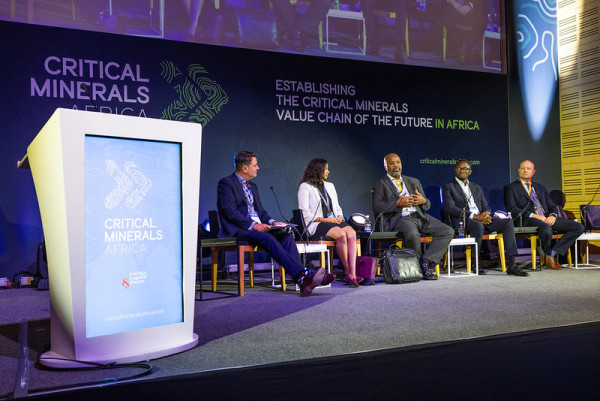
CMA to Host Investment Forum Showcasing Opportunities in African Critical Minerals

Location: Business
Energy Capital & Power

Investment in African critical minerals are on the rise, with global entities acquiring assets, funding upstream projects and developing midstream and logistics facilities. Over the past three years, Zambia (http://apo-opa.co/3yk2ymJ) ­– Africa's second-largest copper producer – has recorded $10 billion in investments (http://apo-opa.co/3WibyRd) in its mining sector. These investments are pushing the country closer to its goal of increasing copper production to one million tons by 2026 and three million tons by 2030, with several new projects coming online. To promote opportunities and drive fresh investment across African markets, the upcoming Critical Minerals Africa Summit (http://apo-opa.co/3WzznFR) will feature a dedicated Investment Forum.

The Critical Minerals Africa 2024 summit on November 6 - 7 serves to position Africa as the primary investment destination for critical minerals. The event is held alongside the African Energy Week: Invest in African Energy 2024 conference (http://apo-opa.co/3VMQTpp) on November 4 - 8, offering delegates access to the full scope of energy, mining and finance leaders in Cape Town. Sponsors, exhibitors and delegates can learn more by contacting sales@energycapitalpower.com

The Investment Forum will delve into investment opportunities across the spectrum of critical minerals and rare earth projects, highlighting how African governments are partnering with global stakeholders to create an enabling environment for market expansion.

Zambia introduced the Mineral Royalty Tax Reform in 2022 – reducing mineral royalty rates for investors – resulting in a surge of fresh investments. In June 2024, mining firm Jubilee Metals Group (http://apo-opa.co/3WiXJlA) acquired two operational copper mines to support efforts to increase activities at its Sable Refinery in Zambia. Canadian mining firm Ivanhoe Mines (http://apo-opa.co/4d4bNqc) also announced that is investing in the expansion of a concentrator at the Kipushi Copper Mine, aiming to increase output to 960,000 tons of copper annually by 2030, up from 140,000 tons in 2024. The UAE's International Resources Holding is providing $300 million to enhance copper production at Mopani Mines, following its acquisition of a 51% stake in a $1.1 billion deal in April 2024. The Investment Forum will showcase lucrative prospects for global investors within Zambia's copper value chain.

Meanwhile, Zimbabwe (http://apo-opa.co/3WwoAfw) banned the export of raw lithium in 2022 in a bid to attract investments across the midstream sector to value add its lithium output. The regulation aims to help the country account for 20% of global lithium demand, build a $12 billion economy by 2030 and has resulted in an influx in new investments and project launches. Mining revenue (http://apo-opa.co/4bPAEwM) has grown from $3.5 billion in 2020 to $9.77 billion in 2023, as a result. Mining firms including Rwizi Rukuru, Shengxiang Investments, Chengxin Lithium Group, Zhejiang Huayou Cobalt and Sinomine Resource Group have invested in large-scale lithium processing facilities in 2023 and 2024. The Investment Forum will feature stakeholders from Zimbabwe's critical mineral sector in panel discussions and exclusive networking sessions, highlighting investment opportunities across the mining value chain.

With the global demand for critical minerals set to increase by four times by 2030 – driven by increasing adoption of clean energy technologies – Africa, which holds 30% of the world's total critical mineral reserves, is well positioned to attract global investors. South Africa holds 80% of the world's platinum group metals, Morocco 70% of total phosphate, the Democratic Republic of Congo the world's largest cobalt reserves, Guinea-Conakry the world's second-largest bauxite reserves, and Gabon the world's second-largest manganese resources. CMA will spotlight these resources and partnership opportunities available for global stakeholders as African countries unlock their full mineral potential for GDP growth.

“Africa's critical mineral resources present an opportunity for the continent to forge partnerships on infrastructure development and economic growth with global investors. We hope to see an increase in investments flowing into Africa as global mining stakeholders capitalize on the continent's vast resources and strategic locations to feed the global demand,” stated Rachelle Kasongo, Project Director at CMA-organizer, Energy Capital & Power.

Distributed by APO Group on behalf of Energy Capital & Power.

Media files
Energy Capital & Power
Download logo
Read moreCMA to Host Investment Forum Showcasing Opportunities in African Critical Minerals
23 July 2024

Treverton Students Excel at Interschool Athletics Meeting

Location: MyPR

On Friday the Treverton College Athletics Team travelled down to South City Christian School to take part in their Interschool Athletics Meeting. It was a wonderful time for our team where many new members were introduced to some competitive and fun competition. Due to the long travel we took a small team down to compete. …

Read moreTreverton Students Excel at Interschool Athletics Meeting
23 July 2024

SA’s response to climate change outlined in new law

Location: News

SA’s response to climate change outlined in new law

President Cyril Ramaphosa has signed into law the Climate Change Bill, which sets out a national climate change response, including mitigation and adaptation actions, which also constitutes South Africa’s fair contribution to the global climate change response.

“The Climate Change Act, as endorsed by the President, enables the alignment of policies that influence South Africa’s climate change response, to ensure that South Africa’s transition to a low carbon and climate resilient economy and society is not constrained by policy contradictions,” the Presidency said on Tuesday.

The law also sets out to enhance South Africa’s ability and capacity over time to reduce greenhouse gas emissions, and build climate resilience, while reducing the risk of job losses, and promoting opportunities for new job opportunities in the emerging green economy.

“The Act has the aim of strengthening co-ordination between national sector departments and provide policy setting and decision-making to enable South Africa to meet the commitments in Nationally Determined Contribution (NDC) under the Paris Agreement.

“The National Determined Contribution is a set of commitments South Africa has made under the international Paris Agreement to reduce greenhouse emissions as part of climate change mitigation,” the Presidency said.

South Africa is one of more than 190 members of the United Nations Framework Convention on Climate Change who are parties to the eight-year-old Paris Agreement.

South Africa’s mitigation measures are a response to climate change impacts that are increasingly experienced across a number of sectors, including water resources; agriculture and food production; forestry and fisheries; human health; energy generation; industry; human settlements and migration; disaster management; biodiversity and terrestrial ecosystems.

“These impacts will disproportionately affect poor communities and vulnerable groups and could affect South Africa’s ability to meet its development and economic growth goals, including job creation and poverty reduction,” the Presidency said.

The Climate Change Act sets out the functions of the Presidential Climate Commission, which includes providing advice on the Republic’s climate change response to ensure the realisation of the vision for effective climate change response and the long-term just transition to a climate-resilient and low-carbon economy and society.

The law also stipulates the role provinces and municipalities will play in mitigation efforts. – SAnews.gov.za
  

nosihle
Tue, 07/23/2024 - 09:33

58 views
Read moreSA’s response to climate change outlined in new law
23 July 2024

City of Joburg’s property error causes havoc for homeowners

Location: News

Stand numbers in Bertrams are in a mess, affecting billing, valuations, and property sales

Read moreCity of Joburg’s property error causes havoc for homeowners
22 July 2024

Gauteng minister apologises for funding bungle

Location: News

“We as government and non-profit organisations cannot afford such a state of affairs” says Faith Mazibuko

Read moreGauteng minister apologises for funding bungle
22 July 2024

Africa – Unfinished business: only urgent and accelerated delivery of HIV services will keep the promise of ending AIDS in children by 2030

Location: News

United Nations Children’s Fund (UNICEF)
Download logo

Despite progress made in reducing HIV infections and AIDS-related deaths among children, a new report released today by the Global Alliance for Ending AIDS in Children by 2030 shows that an urgent scale up of HIV services in countries worst affected by the pandemic is required to end AIDS by 2030.

The report, Transforming Vision Into Reality, shows that programmes targeting vertical transmission of HIV have averted 4 million infections among children aged 0-14 years old since 2000. Globally, new HIV infections among children aged 0-14 years old have declined by 38 per cent since 2015 and AIDS-related deaths have fallen by 43 per cent.    

Among the 12 Global Alliance countries, several have achieved strong coverage of lifelong antiretroviral therapy among pregnant and breastfeeding women living with HIV, with Uganda nearing 100 per cent, United Republic of Tanzania at 98 per cent, and South Africa at 97 per cent. Mozambique has achieved 90 per cent coverage, with Zambia at 90 per cent, Angola at 89 per cent, Kenya at 89 per cent, Zimbabwe at 88 per cent, and Cote d'Ivoire at 84 per cent.

“I applaud the progress that many countries are making in rolling out HIV services to keep young women healthy and to protect babies and children from HIV,” said UNAIDS Executive Director, Winnie Byanyima. “With the medicines and science available today, we can ensure that all babies are born – and remain – HIV-free, and that all children who are living with HIV get on and stay on treatment. Services for treatment and prevention must be ramped up immediately to ensure that they reach all children everywhere. We cannot rest on our laurels. The death of any child from AIDS related causes is not only a tragedy, but also an outrage. Where I come from, all children are our children. The world can and must keep its promise to end AIDS in children by 2030.”

Global Alliance countries are innovating to overcome barriers and accelerate progress towards ending AIDS in children. However, despite advances neither the world nor Global Alliance countries are currently on track to reach HIV-related commitments for children and adolescents and the pace of progress in preventing new HIV infections and AIDS-related deaths among children has slowed in recent years.

“Accelerating the delivery and uptake of HIV services for children and adolescents is a moral obligation, and a political choice,” said Dr Tedros Adhanom Ghebreyesus, Director-General of the World Health Organization. “Twelve countries are demonstrating they have made that choice, but significant challenges remain. While we have made progress in increasing access for pregnant women to testing and treatment to prevent vertical transmission of HIV, we are still far from closing the paediatric treatment gap. We need to further strengthen the collaboration and reach of the Global Alliance, and we must do this work with focus, purpose and in solidarity with all affected mothers, children, and adolescents.”

Around 120 000 children aged 0-14 years old became infected with HIV in 2023, with around 77 000 of these new infections occurring in the Global Alliance countries. AIDS-related deaths among children aged 0-14 years old numbered 76 000 globally with Global Alliance countries accounting for 49 000 of these unnecessary deaths. Vertical transmission rates remain extremely high in some locations, particularly in Western and Central Africa, with rates exceeding 20 per cent in countries including Nigeria and the Democratic Republic of the Congo.

“In the fight against HIV, we must do a much better job for children,” said Peter Sands, Executive Director of the Global Fund to Fight AIDS, Tuberculosis and Malaria, which provides funding for HIV programmes in over 100 countries through a country-led partnership model. “In support of national programmes, we have been procuring the latest dolutegravir-based paediatric treatment regimens at negotiated prices. Our investments in laboratory systems are helping ensure exposed infants are rapidly tested and that those that test positive are quickly initiated on age-appropriate antiretroviral treatment. Differentiated testing and treatment approaches are helping close the diagnostic gap and ensuring more child-centred service delivery.”

It is concerning that the treatment gap between adults and children continues to widen.

“Just 57 per cent of children living with HIV receive life-saving treatment, compared to 77 per cent of adults,” said UNICEF Associate Director HIV/AIDS, Anurita Bains. “Without early and effective testing and treatment, HIV remains a persistent threat to the health and well-being of children and adolescents and puts them at risk of death. To close the treatment gap, we must support governments to scale up innovative testing approaches and ensure children and adolescents living with HIV receive the treatment and support they need.”

In 2023, there were 210 000 new infections globally among young women and girls aged 15—24 years old (130 000 in Global Alliance countries), four times higher than the 2025 goal set at 50 000. Preventing new infections among this age group is critical both to protect the health and wellbeing of young women and to reduce the risk of new infections among children.

Gender inequalities and human rights violations are increasing women's vulnerability to HIV and diminishing their ability to access essential services. Globally, nearly one in three women have encountered some form of violence during their lifetime, with adolescent girls and young women disproportionately affected by intimate partner violence. In the four Global Alliance countries with available data, countries are not currently on track to achieve the target of ensuring that by 2025 less than 10 per cent of women, key populations and people living with HIV experience gender-based inequalities and gender violence.

"It has been remarkable to see how many more children's lives can be saved when all stakeholders and partners come together to commit to end AIDS in children. While much progress has been made, notably through the successful introduction of pediatric dolutegravir, large gaps still remain across the pediatric cascade and we must recommit ourselves with purpose and innovation to fulfill the promises we have made by 2025 and beyond,” said Ambassador John N. Nkengasong, United States Global AIDS Coordinator and Special Representative for Global Health Diplomacy.

The Global Alliance for Ending AIDS in Children by 2030 was launched in 2022 by WHO, UNICEF and WHO to reinvigorate the paediatric HIV agenda. It has now grown, and in addition to the United Nations agencies, the alliance includes civil society movements, including the Global Network of People living with HIV, national governments in the most affected countries, and international partners, including PEPFAR and the Global Fund. Twelve countries are members: Angola, Cameroon, Côte d'Ivoire, The Democratic Republic of the Congo (DRC), Kenya, Mozambique, Nigeria, South Africa, Tanzania, Uganda, Zambia, and Zimbabwe. 

Distributed by APO Group on behalf of United Nations Children’s Fund (UNICEF).

Read moreAfrica – Unfinished business: only urgent and accelerated delivery of HIV services will keep the promise of ending AIDS in children by 2030
22 July 2024

Chikunga condemns persistent acts of gender-based violence

Location: News

Chikunga condemns persistent acts of gender-based violence

Minister in the Presidency responsible for Women, Youth and Persons with Disabilities, Sindisiwe Chikunga, has reiterated the call for all South Africans to rally behind the country’s fight against Gender-Based Violence and Femicide (GBVF).

This includes acts of GBVF perpetrated by intimate partners and family members. 

Chikunga emphasised the urgent need to move beyond sloganeering.

“There is an urgent need to invest adequate resources to respond to the GBVF pandemic and all forms of discrimination by the whole of society and the government,” Chikunga said.

In its 2020 report titled "Killings of Women and Girls by Their Intimate Partner or Other Family Members - Global Estimates," the United Nations Office on Drugs and Crime (UNODC) estimated that, on average, a woman or girl is killed by someone in her own family every 11 minutes.

A year later, estimates by the World Health Organisation (WHO) also found that one in three women worldwide has suffered from physical and sexual violence in her lifetime, and that one in five women who have had at least one partner has experienced physical or sexual violence by an intimate partner.

Chikunga noted that despite the exponential high level of commendable advocacy and policy commitment, Intimate Partner Violence (IPV) remains one of the most frequent forms of violence against women and girls.
She added that recent studies affirm that despite decades of activism, advocacy, and action by state and non-state actors, the available evidence shows that progress in stopping IPV and related violence has been deeply inadequate.

While government has heeded this call and elevated the fight against GBVF into one of its top priorities, Chikunga acknowledged that in the past 30 years of democratic dispensation, the plight of women and girls in South Africa has remained deplorable and far from ideal.

“As we begin the seventh Administration, our message has to be clear when it comes to the fight against GBVF; the master's tools will not destroy the master's house. We need new tools, and we need them urgently.

“South Africans have bestowed on our shoulders a responsibility to recognise and respond appropriately to the systemic and structural nature of discrimination, and violence against women and girls. We can no longer tinker on the edges and expect systemic results.”

Across educational, religious, cultural, sporting, and creative environments, the Minister said, “all our values and practices must be put into question and deliberately repurposed to support the fight against patriarchal chauvinism in all spheres of life.’

She further stressed a need for systemic change, noting that the Department of Women, Youth and Persons with Disabilities is committed to enforcing gender equality throughout government and society as a constitutional imperative, and “not as an afterthought that emerges when the next victim is lying cold.”

“Women have been and continue to be the basic foundation of all human civilisation, and yet we wake up every day and petition a man for the right to survive until the end of the day.

“We need community intelligence - researchers, scholars, advocates, and activists who will go beyond reproducing mainstream narratives and get a granular picture from communities that face violence at a community or even street level, to ensure that justice is served,” Chikunga said. – SAnews.gov.za


GabiK
Mon, 07/22/2024 - 10:03

494 views
Read moreChikunga condemns persistent acts of gender-based violence
22 July 2024

‘We will succeed’ – President Ramaphosa on prospects of GNU

Location: News

'We will succeed' - President Ramaphosa on prospects of GNU

President Cyril Ramaphosa has brushed off naysayers and reiterated the Government of National Unity’s (GNU) determination to succeed, despite ideological differences and South Africa’s challenges.

“We are now a Government of National Unity, formed in the cause of rebuilding our nation. We are committed to putting our differences aside and working together for the common good. I’m really pleased that the members of the [GNU] demonstrated a unity of purpose and the commitment they have to advancing the interests of all South Africans during the debate and in what they will be doing as leaders of the [GNU].

“Behind us are 62 million South Africans who want and need us to succeed. And we will succeed as the [GNU] even though others don’t wish us well, succeed we shall. As Minister [Pieter] Groenewald has said, we have before us an opportunity to restore and build. So let us use this opportunity. In the challenging and difficult times, we live; this unity will be our comfort, the unity that we are forging our courage, and it will be our greatest strength.

“It is time to get South Africa working again,” the President said on Monday.

The President was delivering his reply to the debate on the Opening of Parliament Address (OPA). President Ramaphosa delivered the OPA on Thursday night followed by a debate by political parties on Friday.

WATCH | President Ramaphosa responds to the debate on the Opening of Parliament Address


New era

He acknowledged that with the results of the May 29 vote, the landscape of South African politics is no longer what it once was.

“Much of what has been said during this debate has confirmed that we have entered a new era in South African politics. It is an era of hope. It is an era of optimism for the people of our country and for its future. We must demonstrate in word and in deed that this is an era of a government of national unity and not a fleeting convenience.

“We have had, and will continue to have, points of divergence, as the spirited nature of the debate has demonstrated. At the same time, we all understand what is expected of us by those who put us here. 

“They expect us to chart this country towards the ultimate goal of a better life for all. Talking to each other and working together and in the end, pulling in the same direction. That direction is towards the implementation of the Medium-Term Development Plan 2024-2029…the programme that will guide the seventh administration.”

Addressing challenges

President Ramaphosa insisted that although South Africa faces a myriad of challenges and obstacles, the country is not a “hopeless case”.

“We are very much alive to the challenges we still face as a country. And yet we must remind ourselves that South Africa is not in the hopeless situation that some in the opposition benches want us to believe and have sought to loudly assert with sound and fury during this debate.

“South Africa is a country that has come a long way over the past 30 years. Let us never lose sight of that. Certainly, there have been setbacks and shortcomings. But we have done much to recover from these and are now committed to move forward with greater speed and impact,” he said.

Shared prosperity 

Pressing further, President Ramaphosa added that by working together, the GNU is “determined to rapidly scale up the pace of our efforts to bring development and shared prosperity to our people”.

“And in this effort, as Minister [John] Steenhuisen says, we need the builders, not the breakers or destroyers. We need weavers and not vultures. Those who share this vision of a better South Africa will find the doors of the Government of National Unity always open to cooperation and collaboration.

“It is expected of us all who have been entrusted with positions of leadership within the Government of National Unity and in this Parliament that we rise to the challenge to be builders and not breakers. We must be at the forefront of building a capable, ethical developmental state, of growing an inclusive economy, and reducing poverty,” President Ramaphosa said. – SAnews.gov.za


NeoB
Mon, 07/22/2024 - 12:19

416 views
Read more‘We will succeed’ – President Ramaphosa on prospects of GNU
22 July 2024

Healthcare for all a top priority for government

Location: News

Healthcare for all a top priority for government

Equal access to affordable quality health care through the implementation of the National Health Insurance (NHI), is a key priority for the seventh administration, says President Cyril Ramaphosa.

“We are unwavering in our commitment to implement universal health coverage in a manner that brings all South Africans on board,” President Ramaphosa said.

The President was responding to the debate on the Opening of Parliament Address on Monday.

President Ramaphosa said government will continue with dialogues, exchanges and  interactions to make the NHI an important programme for the people.

The President also highlighted the country’s report to the United Nations, which noted reductions in maternal, infant and neonatal mortality, and that South Africans are living longer and have better health outcomes.

READ | Government pushes for affordable healthcare for all

The President delivered the Opening of Parliament Address on Thursday and the President’s speech was debated by political parties on Friday.

READ | President Ramaphosa signs NHI Bill into law

Education

On inclusive and equitable quality education, President Ramaphosa said the country has made progress with respect to functional literacy and numeracy at primary school level, and in primary school completion rates.

“Today, more South African children have access to Early Childhood Development (ECD) and Grade R, and secondary school education outcomes continue to steadily improve.

“The child support grant, no-fee schools and expanded NSFAS (National Student Financial Aid Scheme) funding have had a considerable impact on the lives of learners, particularly those from poor families.”

He said these social protection interventions, alongside others, including the Schools Nutrition and Sanitary Dignity Programmes, aimed at female learners, are helping to break the cycle of intergenerational poverty.

“They are enabling more children to complete their schooling and to access opportunities after they finish school. One need only look at last year’s matriculation exam results, where learners who were social grant beneficiaries achieved an 81 percent pass rate,” President Ramaphosa said.

While access to education expands the capabilities of young people, the President noted that it also improves the productive capacity of the economy.

“Our young people are competing with the world. This is a new world, one that is rapidly changing and being influenced by technological advances.

“A better educated, better skilled workforce makes our economy more competitive and catalyses growth.”

Greater investment in skills

President Ramaphosa also commended the call for greater investment in skilling young people for the economy of the future, and for young people to be familiar with emerging technologies.

“Science and technology is going to continue playing an important role in enabling our young people to play a key role in our economy,” President Ramaphosa said. – SAnews.gov.za


GabiK
Mon, 07/22/2024 - 12:22

378 views
Read moreHealthcare for all a top priority for government
  • Previous
  • Page 1
  • Interim pages omitted …
  • Page 113
  • Page 114
  • Page 115
  • Page 116
  • Page 117
  • Interim pages omitted …
  • Page 212
  • Next

Copyright © 2026 · MyZA · All Rights Reserved · Powered by Stratlec Online