Kenya Canter To Comfortable Win Over Team SA
ACCRA: Team South Africa slipped to a 70-run defeat against Kenya in their second match of the African Games at...

MyZA
News, Directory, Events and Other Stuff
ACCRA: Team South Africa slipped to a 70-run defeat against Kenya in their second match of the African Games at...
ACCRA: Captain George van Heerden struck his maiden T20 century as Team South Africa got their African Games campaign off...
Navigating mental health challenges in African traditional settings South Africa – Last year, Fort Hare University’s Psychiatric Nursing department found that not only was the country’s growing mental health crisis exacerbating the country’s substance and rising suicide levels[1], but it was a major contributor to increasing crime levels.[2] In the recently released National Crime Statistics[3] …
ACCRA: Zimbabwe emerged as the inaugural champions of the Women’s T20 Cricket tournament at the 13th African Games, clinching the gold...
ACCRA: The Team South Africa Men’s squad has arrived in Ghana as they seek to emulate the women’s team in qualifying...
ACCRA: Team South Africa stands on the brink of glory after captain Nondumiso Shangase and all-rounder Kayla Reyneke shone in the...
ACCRA: Thanks to stellar performances from spinner Seshnie Naidu and top-order batter Faye Tunnicliffe, Team South Africa secured their spot in...
ACCRA: A match-winning five for 13 from captain Nondumiso Shangase helped Team South Africa register their maiden win at the 13th...
ACCRA: Wilka Mwatile’s resilient batting display, Kayleen Green’s remarkable three-wicket haul along with wet conditions at Achimota Senior Secondary School played...
The African Polystyrene Industry Alliance (APIA), a pioneering non-profit industry body, is thrilled to announce its official launch event scheduled for Thursday, 29 February 2024, at the Plastics SA office in Midrand. The event will mark a significant milestone in the polystyrene industry’s journey towards sustainability, circular economy practices, and responsible production. As an industry …
ACCRA: As the excitement builds for the first-ever Women’s T20 Cricket competition at the 13th African Games in Accra, Ghana...
A deregulated power sector is an enormous opportunity for key markets in Africa, as individual countries start to contribute to an efficient, sustainable and competitive renewable energy ecosystem, says Paul van Zijl, Group CEO at Starsight Energy (https://StarsightEnergy.com). Here he shares some insight into the potential benefits of deregulation and how these changes can create a ripple effect across the African continent – becoming the blueprints that many African countries will use to overcome their own energy challenges.
The deregulation of the energy sector has massive potential for the continent, but it must be approached in the right way to have a long-term and sustainable impact. Deregulation is already happening in various African countries at differing paces, particularly those in sub-Saharan Africa, as more and more Independent Power Producers (IPPs) collaborate with local regulators and stakeholders to assess and determine the best way to optimise natural resources and harness their limitless potential.
While the application of deregulation in each country is different, the principal benefits remain the same. Each country stands to gain from a revitalised power sector that offers more opportunities to IPPs, attracts more local and international investment into the local energy landscape, and makes electricity and renewable energy more accessible to consumers at competitive prices.
In Nigeria, for example, we are seeing the first exciting steps of deregulation as the Nigerian Electricity Regulatory Commission (NERC) moves towards transforming the sector. A new federal law, the Electricity Act (2023) (https://apo-opa.co/3Ir5QpI), has been enacted which enables different states to pass their own laws and establish state electricity markets. Once a state establishes its electricity market, the federal government will cease regulation of electricity distribution within that state. This first step is a collaborative effort that will go a long way in creating a sustainable, privatised and deregulated market in Nigeria.
In Kenya, the eagerly anticipated Open Access (wheeling) regulations have also recently been gazetted. The regulator fast-tracked Open Access to the grid, enabling IPPs to supply electricity directly to large customers through the national network, under regulation guidelines from the Energy and Petroleum Regulatory Authority (EPRA). Further impetus will also derive from the recent announcement that the Eastern Africa Power Pool (EAPP) (https://EAPPool.org) is targeting to go live with a competitive power trading market by the end of December 2024 – taking the region from bilateral trade to trading amongst all countries. This will allow the EAPP's 13 member countries to sell excess electricity in cross-border transmission projects. Considering that countries in the EAPP are already trading over 3 400 GWh annually, this move is set to transform the region's interconnectivity even more. Kenya has already reaped the rewards of bilateral trading, including an energy exchange engagement with Uganda and the importation of 200 MW of renewable energy from Ethiopia.
Meanwhile, in South Africa, deregulation has seen the introduction of innovations such as self-generation, electricity wheeling (https://apo-opa.co/3IuyKFm), and energy trading from IPPs. The rising popularity of utility-scale solar farms is a direct result of deregulation, which in turn has been accelerated by local funders deploying funds to grow IPPs. The funders invest in the construction of solar farms, allowing them to meet their mandate to fund the low-carbon transition. At the same time, the IPPs can leverage this financial backing to bring Direct Foreign Investment (DFI) on board to support the project until completion. These initiatives demonstrate the power of collaboration between the private and public sectors.
The positive impact of deregulation on South Africa's power infrastructure runs even deeper than boosting generation capacity. In some cases, IPPs also provide a main transmission substation (MTS) to the national utility provider, Eskom, as part of their project to bolster connectivity to the transmission network. In other instances, IPPs are installing utility-scale battery storage alongside their farms to store the solar energy that is produced. These installations help the IPPs mitigate their risk to ensure their projects aren't hampered by the complexities associated with the local grid. Such widespread deregulation is not necessarily to be expected across the continent, but learnings can be taken from South Africa to apply on a country-by-country basis.
Our South African operation, trading as SolarAfrica (https://SolarAfrica.com), is working closely with Eskom to bring projects like these to life in the country, while Starsight Energy (https://StarsightEnergy.com). and Starsight Premier Energy Group (https://SPEGea.com) are working with regulators, stakeholders and various industry players in Nigeria and Kenya to see how we can shape each region's changing energy landscape.
The impact of deregulation has been – and will continue to be – transformative. We look forward to working with the industry and regulators to accelerate the process in our key markets as we ultimately believe a well-considered deregulated market will be to the benefit of the end consumer and allow economies to grow and thrive with the private and public sectors working hand in hand.
Distributed by APO Group on behalf of Starsight Energy.
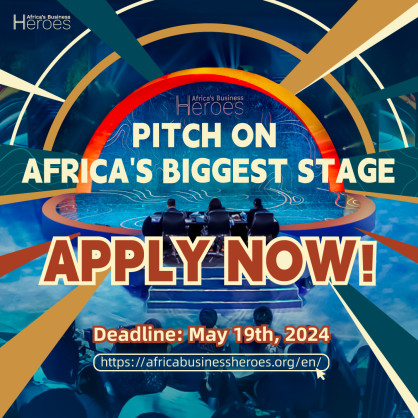
The Africa's Business Heroes (ABH) Prize Competition has launched its sixth annual continent-wide search for 10 exceptional entrepreneurs who are striving to make a positive impact in their local communities. The application form can be accessed for free on ABH's official website (https://AfricaBusinessHeroes.org/) starting today.
Since its inception in 2019, ABH has spotlighted and supported some of Africa's brightest entrepreneurial minds. The ABH top 10 finalists (Heroes) over the last five years:
In 2023, ABH published a five-year impact report that details the impact ABH Heroes have had. The full report can be accessed here: https://apo-opa.co/3T4mErL
As ABH enters its sixth year, it is calling on entrepreneurs across Africa to pitch on the biggest entrepreneurial stage in the continent. ABH encourages applicants from all 54 countries, from all business sectors, of all ages and genders, to submit their applications in English or French. Along with invaluable benefits such as training, exposure and networking opportunities, the top 10 finalists will also compete for their share of US$1.5 million in grant money.
“Over the past five years, we've had the privilege of witnessing the incredible growth of our Heroes. Many of our Heroes have leveraged the grant funds to expand their geographic footprint, hire talent, grow their operations and invest in new products and services. It's been heart-warming to see our Heroes collaborate with each other and to tap into the ABH network of judges and experts. We are motivated to continue to play our part in supporting the African entrepreneurial ecosystem. We are calling on all eligible African entrepreneurs who are creating positive impact to join us in this journey!” says Zahra Baitie, Head of Partnerships & Programs, Africa's Business Heroes.
To date, nearly 100,000 entrepreneurs have participated in the ABH Prize Competition. Last year's winners were chosen from 27,267 applicants from sectors spanning agriculture, education and training, energy, financial services, healthcare, manufacturing, and retail. The competition cumulated in the Grand Finale, where the top 10 finalists mounted Africa's largest augmented reality-powered stage to present their businesses to a panel of esteemed judges.
Dr. Ikpeme Neto, CEO and Founder of Wellahealth Technologies, ABH 2023 First Prize Winner says: “Participating in the ABH Prize Competition has been a transformative experience for Wellahealth Technologies, profoundly impacting our journey as a startup. ABH not only provided us with financial assistance but also offered unparalleled opportunities for entrepreneurship training, networking, and exposure. I urge fellow entrepreneurs across Africa to seize this extraordinary opportunity to enjoy a wealth of benefits that can catalyze growth and success for your ventures.”
WellaHealth (www.WellaHealth.com) provides affordable healthcare plans that start at less than a dollar a month to cover care common conditions delivered via pharmacies and remote doctors. The company serves over 300,000 individuals and is aiming to reach one million within 18 months and expand to 10 million within the next five years, extending its services in Nigeria and throughout Africa.
ABH constantly explores effective ways to help the participating entrepreneurs take their businesses to the next level. As with previous years, the journey to this year's Grand Finale will also include access to a community of business leaders, innovators, industry experts and investors as well as multi-disciplinary boot camps and training sessions.
To better facilitate the engagement with entrepreneurs and facilitate applications, this year ABH will organize a series of roadshows in multiple countries, including Cameroon, Cote d'Ivoire, Egypt, Ethiopia, Ghana, Kenya, Morocco, Nigeria, Rwanda, Senegal, South Africa, Tanzania and Zambia. These events will be conducted in collaboration with local entrepreneur organizations and ABH community members. Participants will gain valuable insights into the ABH initiative as well as enhance their chances of success in the competition. Further details regarding the roadshows and information sessions will be disseminated via ABH's official social media channels and newsletters.
Applications for ABH 2024 are open from now until May 19, 2024. The top 50 finalists will be announced in July, followed by the announcement of the top 10 in September. The final winners will be unveiled at the Grand Finale in November.
To apply, and for more information about ABH 2024, please visit ABH's website (https://apo-opa.co/3uUYEPD) and follow ABH on Twitter (@africa_heroes), Instagram (https://apo-opa.info/3KZTXKa), TikTok (https://apo-opa.co/48DjD7o) and YouTube (https://apo-opa.info/3YDG5bH).
Distributed by APO Group on behalf of Africa’s Business Heroes (ABH).
Press Contact:
Africa's Business Heroes Press Room
abh.press@list.alibaba-inc.com
For media inquiries or interview requests, please contact:
English: Tracy Walakira
tracy.walakira@apo-opa.com
French / Arabic: Malika Bouayad
malika.bouayad@apo-opa.com
About Africa's Business Heroes:
The Africa's Business Heroes Prize Competition is a philanthropic initiative sponsored by the Jack Ma Foundation and Alibaba Philanthropy. It aims to support, inspire and enable the next generation of African entrepreneurs across all sectors who are building a brighter future for the continent, by offering grant funding, training programs and support for the development of an entrepreneurial ecosystem. Over 10 years, each year the ABH Prize Competition features 10 entrepreneur finalists as they pitch their business to win a share of US$1.5 million in grant money.

At the 9th annual Cyber Security Weekend – META conference held recently in Kuala Lumpur, Malaysia, Kaspersky (www.Kaspersky.co.za) presented an industrial cybersecurity review for the countries in the region and outlined the key cybersecurity challenges for industrial enterprises in the year ahead.
According to Kaspersky Security Network (KSN) statistics, in the second half of 2023, 32.6% of ICS computers globally had been attacked with malware. In the Middle East, Turkiye, and Africa (META) region the figure is 36.5% for Turkiye, 36.8% for Africa (27.5% in South Africa, 34.55% in Kenya, 28.8% in Nigeria, 33.17% in Ghana), and 33.5% for the Middle East region. There is a slight decrease in this figure in the region compared to 2022 which can be the result of industrial organisations paying more attention to cybersecurity.
African countries are undergoing rapid digitalisation and integration into the world's economy, while at the same time facing a significant cybersecurity under-investment problem. In the second half of 2023, 7.55% of Operational Technology computers in Africa were exposed to threats via USBs (that is 20 times more than the figure of Western Europe); 7.2% faced threat by worms (that is 28 times more than in Australia & New Zealand); and 9.1% of OT computers were exposed to spyware (that is 7.7 times more than the figure for North America).
Kaspersky Industrial Control Systems Cyber Emergency Response Team (ICS CERT) predictions for 2024 highlight the persistence of ransomware threats, rise of cosmopolitical hacktivism, an outlook on the state of “offensive cybersecurity”, and transformative shifts in logistics and transport threats.
Looking back at 2023 (https://apo-opa.co/3OXrfus), Kaspersky predicted the industrial cybersecurity landscape continuing to evolve, with several key trends emerging. The pursuit of efficiency in IIoT and SmartXXX systems fueled an expanded attack surface, while the surge in energy carrier prices led to heightened hardware costs, prompting a strategic shift towards cloud services. The growing government involvement in industrial processes also introduced fresh risks, including concerns about data leaks due to underqualified employees and insufficient practices for responsible disclosure.
This retrospective analysis lays the groundwork for understanding the cybersecurity landscape faced by industrial enterprises in 2024, such as:
Ransomware is projected to persist as the primary concern for industrial enterprises in 2024. Large organisations, unique product suppliers, and major logistics companies face increased risks, with potential severe economic and social consequences. Cybercriminals are expected to target entities capable of substantial ransom payments, causing disruptions in production and delivery
Geopolitically motivated hacktivism is forecasted to intensify, presenting more destructive consequences. In addition to country-specific protest movements, the rise of cosmopolitical hacktivism is expected, driven by socio-cultural and macro-economic agendas such as eco-hacktivism. This diversification of motives may contribute to a more complex and challenging threat landscape.
The use of “offensive cybersecurity” for gathering cyberthreat intelligence is anticipated to have controversial consequences. While it may improve corporate security by providing early signs of potential compromises, the thin line between the grey zone and the shadows may be breached. Profit-driven cyber activities, armed with commercial and open-source tools, could operate more discreetly, making detection and investigation challenging.
The rapid automation and digitisation of logistics and transport are introducing new challenges, intertwining cyber and traditional crimes. This includes theft of vehicles and goods, maritime piracy, and smuggling. Non-targeted cyberattacks may lead to physical consequences, especially in river, sea, truck, and special-purpose vehicles.
“The industrial sector's cybersecurity is continuously going through significant changes, with both new types of attacks and more sophisticated versions of old ones. Ransomware attacks are still a big problem, and hackers are getting better at targeting large, profitable companies with more advanced methods. Hacktivists who are motivated by social issues are also becoming more active, adding another layer of complexity to the threats. The transportation and logistics industry is especially vulnerable to these changes because its systems are becoming more and more digital. This combination of cyber and traditional crime is a serious threat to global supply chains. To protect themselves, organisations need to prioritise cybersecurity and keep improving their defenses,” commented Evgeny Goncharov, head of Kaspersky ICS CERT.
Read the full list of ICS predictions for 2024 at ICS CERT website (https://apo-opa.co/3OYsGZB).
Distributed by APO Group on behalf of Kaspersky.
About Kaspersky:
Kaspersky is a global cybersecurity and digital privacy company founded in 1997. Kaspersky's deep threat intelligence and security expertise is constantly transforming into innovative solutions and services to protect businesses, critical infrastructure, governments and consumers around the globe. The company's comprehensive security portfolio includes leading endpoint protection, specialized security products and services, as well as Cyber Immune solutions to fight sophisticated and evolving digital threats. Over 400 million users are protected by Kaspersky technologies and we help over 220,000 corporate clients protect what matters most to them. Learn more at www.Kaspersky.co.za.

The survey, which spanned 1,300 respondents in ten African and Middle Eastern countries, revealed that 63% of users are open to sharing their personal information, while an impressive 83% expressed confidence in the accuracy and reliability of these AI tools. “While the results clearly show that generative AI tools are widely used, they also highlight the need for increased user training and awareness regarding the potential risks associated with this powerful new technology,” says Anna Collard, SVP Content Strategy and Evangelist at KnowBe4 AFRICA (https://www.KnowBe4.com).
Upon its introduction in late 2022, ChatGPT revolutionised the way people work. The highly adept chatbot, known for its natural and impeccable English, swiftly won over critics. Business teams discovered they could create marketing campaigns in a matter of minutes instead of hours, and effortlessly generate content in various forms, such as text and images. However, some argue that the world has embraced generative AI too hastily.
“The adoption of genAI offers tremendous opportunities for African users and organisations but we also need to consider the associated risks,” says Collard. “Our survey - which runs across users owning smartphones in 10 African countries - indicates that all respondents are using generative AI in their personal and professional lives, with many using it on a daily or weekly basis.” The primary purposes for using generative AI are research, information gathering, email composition, creative content generation, and document drafting. Respondents highlighted several benefits of using generative AI, including time-saving, assistance with complex tasks, increased productivity, and enhanced creativity.
“Despite the hype about job losses and various industries being negatively affected by generative AI, 80% of respondents didn't feel that it threatened their job security, although 57% believed it has the potential to replace human creativity,” says Collard. “What is interesting in the findings is the disconnect between what people think and the reality, particularly when it comes to cybersecurity.”
Too willing to share sensitive data
The survey, carried out across South Africa, Botswana, Nigeria, Ghana, Kenya, Egypt, Mauritius, Morocco, United Arab Emirates, and Saudi Arabia, revealed that almost two-thirds of users are at ease sharing their personal information with generative AI tools such as ChatGPT. The comfort level in sharing sensitive data varied across countries. For example, in South Africa, only 54% of users were comfortable sharing their personal information with generative AI tools, while in the UAE it was 67%, and in Nigeria, it was 75%.
According to the survey, 83% of users feel confident about the accuracy and reliability of generative AI, showing an excessive level of trust. Collard comments that it is important to encourage critical thinking and be aware of our psychological biases that make us blindly trust content that is synthetically generated. “For example, research shows that people overestimate their abilities to detect deepfakes (Köbis et al., 2021) and in fact perceive AI-synthesized images as more trustworthy than real faces (Nightingale and Farid, 2022)”
Another concerning finding is the lack of comprehensive policies in organisations to address the challenges associated with generative AI. Almost half of the respondents (46%) reported having no generative AI policy at work, and 8% stated that they were prohibited from using it. “Employees are already using generative AI, so attempting to ban it is futile. Instead, it is crucial to establish policies that protect both organisations and their employees, ensuring responsible and safe usage,” asserts Collard.
Deepfakes - one of the most concerning uses of AI
A previous KnowBe4 AFRICA survey found that almost half of consumers do not know what deepfakes are, while a recent survey of South African IT managers by KnowBe4 and ITWeb showed that 60% of organisations do not provide training on deepfakes. “Scammers can trick people into believing that their loved ones are being held hostage by using fake voice and video messages created with this technology,” explains Collard. Because they are so convincing, many people are falling for these scams, including organisations which stand to lose both money and their sensitive data. With elections coming up in South Africa, the US and many other countries, the World Economic Forum has ranked disinformation as one of the top risks for this year. Previous research has shown deepfakes as one of the most worrying uses of AI (https://apo-opa.co/49Co9o9), particularly when used for political manipulation.
“A zero-trust mindset needs to be cultivated to help people overcome the threats of malicious use of generative AI,” concludes Collard. “Companies should provide more training and implement comprehensive policies to help their employees navigate this exciting and daunting new technology.”
To read the full report on generative AI usage in Africa and the Middle East, click here (https://apo-opa.co/4bW7b5E).
Distributed by APO Group on behalf of KnowBe4.
JOHANNESBURG: Cricket South Africa (CSA) and the South African Sports Confederation and Olympic Committee (SASCOC) have today confirmed the men’s...
Ugochukwu Emmanuel Nnoli’s family suspect the assault played a role in his death
Kaspersky (www.Kaspersky.co.za) experts discussed the evolution of the cyberthreat landscape in the region during its 9th annual Cyber Security Weekend – META 2024, held in Kuala Lumpur, Malaysia. The focal point of the discussions was the security of emerging technology trends such as Artificial Intelligence (AI), that are influencing the scale of modern threats. In parallel, threats targeting industrial control systems within critical infrastructure, in the Middle East, Africa, and Asia were also discussed. Kaspersky's Cyber Immunity approach took centre stage as a way to create solutions that are virtually impossible to compromise and that minimise the number of potential vulnerabilities.
In the African region, Kaspersky's telemetry showed the number of overall cyberthreats in South Africa decreased by 29% in 2023 as compared to 2022. At the same time, phishing attacks that use social engineering tactics to scam people into revealing sensitive information rose by 29%. Over the same period, Kenya saw a decrease in overall threats by 8% while an increase was seen in ransomware attacks by 68%, backdoors by 47%, exploits by 22% and phishing by 19%. Nigeria saw an overall decrease in all threats by 10% while banking malware attacks designed to collect online banking credentials and other sensitive information from infected machines increased by 8%.
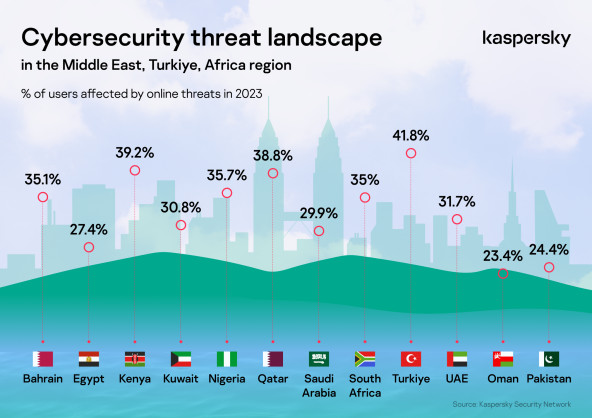
According to Kaspersky's analysis, online threats caused by vulnerabilities on web pages, in emails or webservices, have fluctuated significantly in the region. Turkiye saw the highest number of users affected by online threats (41.8%), followed by Kenya (39.2%), Qatar (38.8%) and South Africa (35%). Fewer users were affected in Oman (23.4%) and Egypt (27.4%) followed by Saudi Arabia (29.9%) and Kuwait (30.8%).
“As the cybersecurity landscape evolves, cyber threats continue to become diverse and sophisticated. This trend is particularly evident due to the emergence of advanced technologies like AI and the escalating geopolitical and economic turbulence within the Middle East, Turkiye, Africa (META) region. These factors collectively contribute to the surge in cybercrime and the heightened complexity of cyberattacks,” comments Amin Hasbini, Director of META Research Center Global Research and Analysis Team (GReAT), Kaspersky.
Distributed by APO Group on behalf of Kaspersky.
For further information please contact:
Nicole Allman
https://INKandco.co.za
nicole@inkandco.co.za
Social Media:
Facebook: https://apo-opa.info/3M3uy0L
Twitter: https://apo-opa.info/3OaLeGw
YouTube: https://apo-opa.info/41wO7V6
Instagram: https://apo-opa.info/42BZnRq
Blog: https://apo-opa.info/42Apbxn
About Kaspersky:
Kaspersky is a global cybersecurity and digital privacy company founded in 1997. Kaspersky's deep threat intelligence and security expertise is constantly transforming into innovative solutions and services to protect businesses, critical infrastructure, governments and consumers around the globe. The company's comprehensive security portfolio includes leading endpoint protection, specialized security products and services, as well as Cyber Immune solutions to fight sophisticated and evolving digital threats. Over 400 million users are protected by Kaspersky technologies and we help over 220,000 corporate clients protect what matters most to them. Learn more at www.Kaspersky.co.za.
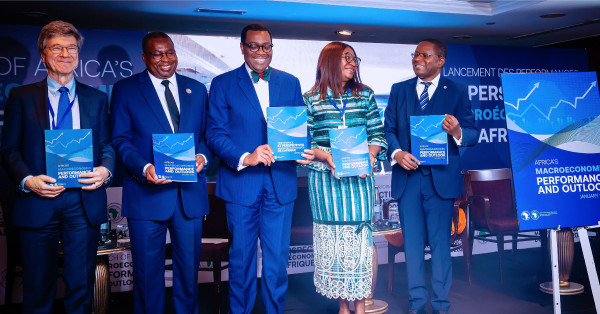
Report forecasts stronger growth for Africa in 2024, outpacing projected global average; Continent is second-fastest-growing region after Asia.
Africa will account for eleven of the world's 20 fastest-growing economies in 2024, the African Development Bank Group said in its latest Macroeconomic Performance and Outlook (MEO) of the continent released on Friday.
Overall, real gross domestic product (GDP) growth for the continent is expected to average 3.8% and 4.2% in 2024 and 2025, respectively. This is higher than projected global averages of 2.9% and 3.2%, the report said.
The continent is set to remain the second-fastest-growing region after Asia.
The top 11 African countries projected to experience strong economic performance forecast are Niger (11.2%), Senegal (8.2%), Libya (7.9%), Rwanda (7.2%), Cote d'Ivoire (6.8%), Ethiopia (6.7%), Benin (6.4%), Djibouti (6.2%), Tanzania (6.1%), Togo (6%), and Uganda at 6%.
“Despite the challenging global and regional economic environment, 15 African countries have posted output expansions of more than 5%,” Bank Group President Dr Akinwumi Adesina said, calling for larger pools of financing and several policy interventions to further boost Africa's growth.
Africa's Macroeconomic Performance and Outlook, a biannual publication released in the first and third quarters of each year, complements the existing African Economic Outlook (AEO), which focuses on key emerging policy issues relevant to the continent's development.
The MEO report provides an up-to-date evidence-based assessment of the continent's recent macroeconomic performance and short-to-medium-term outlook amid dynamic global economic developments.
The latest report is calling for cautious optimism given the challenges posed by global and regional risks. These risks include rising geopolitical tensions, increased regional conflicts, and political instability—all of which could disrupt trade and investment flows, and perpetuate inflationary pressures.
President Adesina emphasised that fiscal deficits have improved, as faster-than-expected recovery from the pandemic helped shore up revenue.
He explained further: “This has led to a stabilisation of the average fiscal deficit at 4.9% in 2023, like 2022, but significantly less than the 6.9% average fiscal deficit of 2020. The stabilisation is also due to the fiscal consolidation measures, especially in countries with elevated risks of debt distress.”
He cautioned that with the global economy mired in uncertainty, the fiscal positions of the African continent will continue to be vulnerable to global shocks.
The report shows that the medium-term growth outlook for the continent's five regions is slowly improving, a pointer to the continued resilience of Africa's economies.
Presenting the key findings of the report, the African Development Bank's Chief Economist and Vice President, Prof. Kevin Urama said: “Growth in Africa's top-performing economies has benefitted from a range of factors, including declining commodity dependence through economic diversification, increasing strategic investment in key growth sectors, and rising both public and private consumption, as well as positive developments in key export markets.”
He added: “Africa's economic growth is projected to regain moderate strength as long as the global economy remains resilient, disinflation continues, investment in infrastructure projects remains buoyant, and progress is sustained on debt restructuring and fiscal consolidation.”
“The future of Africa rests on economic integration. Our small economies are not competitive in the global market. A healthy internal African trade market can ensure value-added and intra-African production of manufactured goods,” said Commissioner for Economic Development, Trade, Tourism, Industry and Minerals, African Union Commission, Ambassador Albert Muchanga.
He assured that the MEO forecast, and recommendations will be made available to African heads of state and that the report will be useful when the African Union makes its proposals to the G20- an informal gathering of many of the world's largest economies to which the African Union was admitted last year.
The improved growth figure for 2024 reflects concerted efforts by the continent's policymakers to drive economic diversification strategies focused on increased investment in key growth sectors, as well as the implementation of domestic policies aimed at consolidating fiscal positions and reversing the increase in the cost of living and boosting private consumption.
Speaking remotely, Zimbabwe's Minister of Finance and Economic Development, Prof Mthuli Ncube described the report as being “on point” and consistent with the reality in his country, describing it as useful for economic planning across Africa. He urged the African Development Bank to continue its thought leadership to help policymakers continue to build resilience to withstand shocks and drive growth.
Ncube said: “Zimbabwe expects slower growth due to climate shocks in the region. Southern African countries depend on agriculture for economic growth, so climate-proofing agriculture is key. We are in talks with creditors to restructure its debt, which is slowing economic growth. Internally, the country will focus on economic and governance reforms and reforms around property rights to increase agricultural production.”
Up to 41 countries across the continent will in 2024, achieve an economic growth rate of 3.8%, and in 13 of them, growth will be more than 1 percentage point higher than in 2023.
Director of the Center for Sustainable Development, Columbia University Prof Jeffrey Sachs noted that long-term affordable financing must be part of Africa's strategy to achieve growth of 7% or more per year and warned that Africa is paying a very high-risk premium for debt financing. He called for this point to be made to the G20.
“Long-term development cannot be based on short-term loans. Loans to Africa should be at least 25 years or longer. Short-term borrowing is dangerous for long-term development. Africa must act as one, in scale,” he explained.
Sachs, who is also the UN Secretary-General António Guterres' Advocate for Sustainable Development Goals also called for a much larger African Development Bank, better resourced to meet Africa's financing needs.
Overview of economic outlook across regions
The confluence of shocks notwithstanding, the resilience of the continent's economies remains strong, with positive growth projected for the continent's five regions.
Driving faster and more sustainable economic growth
The 2024 MEO says in the short term, tackling persistent inflation will need a mix of restraining monetary policy coupled with fiscal consolidation and stable exchange rates.
The report identifies structural reforms and strategic industrial policies as key to accelerating economic diversification and strengthening the export sector.
It recommends that countries invest more in human capital and pursue a resource-based industrialisation and diversification strategy that allows the continent to exploit its comparative advantage and build resilience to shocks.
Distributed by APO Group on behalf of African Development Bank Group (AfDB).
Media Contact:
Emeka Anuforo
Communication and External Relations Department
media@afdb.org
About the African Development Bank Group:
The African Development Bank Group (AfDB) is Africa's premier development finance institution. It comprises three distinct entities: the African Development Bank (AfDB), the African Development Fund (ADF) and the Nigeria Trust Fund (NTF). On the ground in 34 African countries with an external office in Japan, the AfDB contributes to the economic development and the social progress of its 54 regional member states. For more information: www.AfDB.org

Defending BAL Champion Al Ahly (Egypt) Among Seven Teams That Have Competed in the BAL (https://BAL.NBA.com/) Before, Alongside First-Time Participants from Burundi, Central African Republic, Libya, Morocco and Rwanda. Season will Tip Off with First-Ever BAL Game in South Africa Featuring 2022 Runner-Up Petro de Luanda (Angola) Taking on First-Time BAL Participant FUS Rabat Basketball (Morocco) at SunBet Arena in Pretoria at 4:00 p.m. CAT. Tickets on Sale Now at BAL.NBA.com (https://apo-opa.co/49CJjBQ), Ticketmaster.co.za (https://apo-opa.co/4bBotol) (Pretoria, South Africa) and Teewtickets.com (https://apo-opa.co/49yd8Uc) (Dakar, Senegal); Fans Can Save Up to 35% On Group Packages.
The Basketball Africa League (BAL) today announced that five new teams and three new countries are among the 12 club teams from 12 African countries that will compete in the 2024 BAL season (https://apo-opa.co/42IkW3v), which will tip off on Saturday, March 9 at SunBet Arena in Pretoria, South Africa. The fourth BAL season will feature a record 48 games in Pretoria; Cairo, Egypt; Dakar, Senegal; and Kigali, Rwanda, marking the first BAL games in South Africa and the first time the league will play games in four different countries.
The 12 teams have been divided into three conferences of four teams each. Seven of the teams have competed in the BAL before, two of which – Petro de Luanda (Angola) and US Monastir (Tunisia) – will be competing for a record fourth season. Five teams are making their BAL debut, including the first BAL teams from Burundi, Central African Republic and Libya
|
KALAHARI
|
NILE
|
SAHARA
|
|
Cape Town Tigers (South Africa) |
Al Ahly (Egypt) |
Armée Patriotique Rwandaise Basketball (APR; Rwanda)* |
|
Dynamo Basketball Club (Burundi)* |
Al Ahly Ly (Libya)* |
AS Douanes (Senegal) |
|
FUS Rabat Basketball (Morocco)* |
Bangui Sporting Club (Central African Republic)* |
Rivers Hoopers (Nigeria) |
|
Petro de Luanda (Angola) |
City Oilers (Uganda) |
US Monastir (Tunisia) |
*First-time BAL participant
Each conference will play a 12-game group phase during which each team will face the other three teams in its conference twice. New this season, the home team in each market will play on every gameday, including on the weekends. The inaugural Kalahari Conference group phase will take place from Saturday, March 9 – Sunday, March 17 at the SunBet Arena. The Nile Conference group phase will take place from Friday, April 19 – Saturday, April 27 at Hassan Mostafa Indoor Sports Complex in Cairo. The Sahara Conference group phase will take place from Saturday, May 4 – Sunday, May 12 at the Dakar Arena in Dakar. The top two teams from each conference and the top two third-place teams from across the three conferences will travel to BK Arena in Kigali for four seeding games followed by an eight-game, single-elimination Playoffs and Finals from Friday, May 24 – Saturday, June 1.
In the season opener, first-time BAL participant FUS Rabat Basketball (Morocco) will face Petro de Luanda at 4:00 p.m. CAT. In the second game, home team Cape Town Tigers (South Africa) will take on first-time BAL participant Dynamo Basketball Club (Burundi) at 7:00 p.m. CAT. On the opening day of the Nile Conference, home team Al Ahly (Egypt) will begin its title defense against two-time BAL participant City Oilers (Uganda) at 5:00 p.m. GMT. The complete game schedule is available at BAL.NBA.com (https://apo-opa.co/3uClvzq).
Tickets for the Kalahari Conference group phase in Pretoria and the Sahara Conference group phase in Dakar are on sale now at BAL.NBA.com (https://apo-opa.co/3HZz0vV), Ticketmaster.co.za (https://apo-opa.co/3uDzIvR) (Pretoria) and Teewtickets.com (https://apo-opa.co/48j6vUR) (Dakar). Single game tickets start at 75 ZAR for the Kalahari Conference group phase and 2,500 XOF for the Sahara Conference group phase. Fans can save up to 35% off single game ticket prices for group packages by emailing BalTickets@thebal.com, and up to 20% off single game ticket prices for all games during the Sahara Conference group phase by selecting two, four or all games. Fans who purchase tickets will also have free access to BAL Fan Zones at the arena in each market. Ticket sales information for the Nile Conference group phase in Cairo and the Playoffs and Finals Kigali will be announced at a later date.
Champions from the national leagues in Angola, Egypt, Nigeria, Rwanda, Senegal and Tunisia earned their participation in the 2024 BAL season by winning their respective national leagues. The remaining six teams, which come from Burundi, Central African Republic, Libya, Morocco, South Africa and Uganda, secured their participation through the Road to the BAL qualifying tournaments (https://apo-opa.co/49Au50l) conducted by FIBA Africa across the continent from October to November 2023.
Rwanda Development Board, NIKE, Jordan Brand and Wilson will return as BAL Foundational Partners. The league's roster of world-class marketing partners also includes Afreximbank, Hennessy and RwandAir.
Additional information about the 2024 BAL season will be announced in the coming weeks.
BAL Season 4 announcement video (https://apo-opa.co/48gFVf6) (Credit: Basketball Africa League)
Distributed by APO Group on behalf of Basketball Africa League (BAL).
Contact:
Edwin Eselem
Basketball Africa League
+221 78 615 42 87
EEselem@theBAL.com
About the BAL:
The Basketball Africa League (BAL), a partnership between the International Basketball Federation (FIBA) and NBA Africa, is a professional league featuring 12 club teams from across Africa that will tip off its fourth season in March 2024. Headquartered in Dakar, Senegal, the BAL builds on the foundation of club competitions FIBA Africa has organized across the continent and marks the NBA's first collaboration to operate a league outside North America. Fans can follow the BAL (@theBAL) on Facebook (https://apo-opa.co/3TQoHlc), Instagram (https://apo-opa.co/3TNa7e0), X (https://apo-opa.co/3OKg9ci), and YouTube (https://apo-opa.co/3twvshm) and register their interest in receiving more information at BAL.NBA.com (https://apo-opa.co/3HE6GiI).
FIFA+ (www.FIFA.com) will stream all UAE 2024 Dubai games; Tournament takes place from 15-25 February; Find out how you can follow the action live.
The FIFA Beach Soccer World Cup UAE 2024 Dubai™ kicks off on Thursday 15 February – and the tournament is being streamed live on FIFA+!
Takuya Akaguma, Catarino, Chiky, Edson Hulk, Marco Giordani, the Martins twins, Raoul Mendy, Moslem Mesigar, Walid Mohammad, Ozu Moreira, Lucas Ponzetti, Rodrigo and Heimanu Taiaru are among the stars who are looking to light up the tournament, with this year's edition again set to showcase the very best that the discipline has to offer.
Click here to access FIFA+ (https://apo-opa.co/496Sef7)
All matches will be available on FIFA+ web, the FIFA+ app and connected TV devices. Full details of the territories where FIFA+ live streams and full match replays are accessible can be found below. Two-minute highlights on all matches will also be available.
Territories with FIFA+ live streaming access
Africa
Angola, Benin, Botswana, Burkina Faso, Burundi, Cameroon, Cape Verde, Central African Republic, Chad, Comoros, Congo-Brazzaville, Congo-Kinshasa, Equatorial Guinea, Eritrea, Eswatini, Ethiopia, Gabon, Gambia, Ghana, Guinea-Bissau, Guinea-Conakry, Ivory Coast, Kenya, Lesotho, Liberia, Madagascar, Malawi, Mali, Mauritius, Mozambique, Namibia, Niger, Nigeria, Rwanda, Sao Tome and Principe, Senegal, Seychelles, Sierra Leone, Somalia, South Africa, South Sudan, Sudan, Tanzania, Togo, Uganda, Zambia, Zimbabwe.
Americas and the Caribbean
Anguilla, Antigua and Barbuda, Aruba, Bahamas, Barbados, Belize, Bermuda, Bonaire Sint Eustatius and Saba, British Virgin Islands, Cayman Islands, Cuba, Curaçao, Dominica, Dominican Republic, Grenada, Guyana, Haiti, Jamaica, Montserrat, Saint Kitts and Nevis, Saint Lucia, Saint Vincent and the Grenadines, Suriname, Trinidad and Tobago, Turks and Caicos Islands, United States Virgin Islands.
Asia
Afghanistan, Bangladesh, Bhutan, Brunei, Cambodia, India, Indonesia, Kazakhstan, Kyrgyzstan, Laos, Malaysia, Maldives, Myanmar, Nepal, Pakistan, Philippines, Singapore, Sri Lanka, Tajikistan, Turkmenistan, Uzbekistan, China PR, Hong Kong, Korea DPR, Korea Republic, Macau, Mongolia, Taiwan, Thailand, Timor-Leste, Vietnam.
Central and South America
Brazil
Europe
Albania, Armenia, Austria, Azerbaijan, Belarus, Belgium, Bosnia and Herzegovina, Bulgaria, Croatia, Cyprus, Czech Republic, Denmark, Estonia, Finland, France, Georgia, Germany, Greece, Hungary, Iceland, Ireland, Israel, Italy, Kosovo, Latvia, Lithuania, Luxembourg, Malta, Moldova, Montenegro, Netherlands, North Macedonia, Norway, Poland, Portugal, Romania, Russia, Serbia, Slovakia, Slovenia, Sweden, Switzerland, Turkey, Ukraine, United Kingdom.
Oceania
American Samoa, Australia, Cook Islands, Federated States of Micronesia, Fiji, French Polynesia, Guam, Kiribat, Marshall Islands, Nauru, New Caledonia, New Zealand, Niue, Northern Mariana Islands, Palau, Papua New Guinea, Samoa, Solomon Islands, Tokelau, Tonga, Tuvalu, Vanuatu, Wallis and Futuna.
Click here (https://apo-opa.co/3Sy1CRK) to visit the FIFA match centre and find out where you can watch the FIFA Beach Soccer World Cup UAE 2024 Dubai™ in your location.
* Territories' live streaming access is subject to change
A full match schedule can be downloaded here (https://apo-opa.co/3UMG3jr).
Tournament tickets are available via https://apo-opa.co/3wk8D1n to purchase.
Visa, Worldwide Partner of FIFA, is the preferred payment method for fans buying tickets for the FIFA Beach Soccer World Cup UAE 2024 Dubai™.
Distributed by APO Group on behalf of FIFA.
Contact for African media:
AfricanMedia@fifa.org
No changes in the top ten; CAF and AFC nations are main movers and shakers; Angola and Qatar make biggest strides.
Although it is a case of as you were amongst the ten teams that lead the way in the latest edition of the FIFA/Coca-Cola Men's World Ranking, there is plenty of movement further down the standings following the matches contested in the CAF Africa Cup of Nations and the AFC Asian Cup.
Indeed, across the two continents, no fewer than six teams have scaled ten places or more.
Amongst the African sides, Côte d'Ivoire (39th, up 10) reap the rewards of their continental triumph on home soil, secured following an eventful tournament campaign. Beaten finalists Nigeria (28th, up 14) make significant strides but are no match for the Angola side they ousted in the last eight (93rd, up 24), who are the biggest climbers in the latest instalment of the global ranking.
In the points stakes, two-time Asian Cup winners Qatar (37th, up 21) chalk up the biggest tally (92.04 points) after capitalising on home comforts to successfully defend their continental crown. Elsewhere, Jordan (70th, up 17), who were edged out by the Maroons in the final, make good ground, as do Thailand (101st, up 12), whose journey came to an end at the last-16 stage.
Qatar's rise sees them enter uncharted territory, with two other teams also recording best-ever rankings. Senegal (17th, up 3), who suffered shoot-out heartbreak at the hands of the eventual winners Cote d'Ivoire in the Africa Cup of Nations round of 16, break new ground, while Tajikistan (99th, up 7) mark their maiden Asian Cup campaign by making a first-ever appearance in the top 100.
Other impressive performers are Equatorial Guinea (79th, up 9), South Africa (58th, up 8), Cabo Verde (65th, up 8), Namibia (107th, up 8) and Mali (47th, up 4).
Click HERE (https://apo-opa.co/3wadjGP) to view the complete ranking
The next edition of the FIFA/Coca-Cola Men's World Ranking will be published on 4 April.
Leader Argentina (unchanged)
Moves into top 10 None
Moves out of top 10 None
Matches played in total 125 (including 2 in 2023)
Most matches played Congo DR, Côte d'Ivoire, Nigeria (8 matches)
Biggest move by points Qatar (up 92.04 points)
Biggest move by places Angola (up 24 ranks)
Biggest drop by points Vietnam (down 41.00 points)
Biggest drop by places Guinea-Bissau, India (down 15 ranks)
Newly ranked teams None
Teams that are no longer ranked None
Inactive teams that are no longer ranked Eritrea
Distributed by APO Group on behalf of FIFA.
Contact for African media:
AfricanMedia@fifa.org
South Africa is a country known for its rich cultural diversity and a melting pot of culinary traditions. Among the various dietary preferences and requirements, kosher food holds a special place in the hearts of many South Africans. Kosher certification in South Africa is not just about adhering to religious dietary laws; it’s also a …
Johannesburg, February 7, 2024: RivExcel and American Hospital Dubai recently partnered and launched three medical tourism offices in Nigeria. This expansion will facilitate greater access to premium healthcare services, reflecting both organizations’ dedication to enhancing global health outcomes. Part of the expansion plan is to have 30 offices across crucial Africa and Eastern Europe locations. …