• Skip to main content
  • Skip to header right navigation
  • Skip to after header navigation
  • Skip to site footer
MyZA

MyZA

News, Directory, Events and Other Stuff

  • Social Media
  • Sport
  • World News
  • Home
  • Submit News
  • Directory
  • Events
  • Stratlec
  • TFSA
  • News
    • APO
    • Today’s Sport News
    • Todays Social Media and Tech Headlines
    • Today’s World News
    • Today’s SA Financial News
  • Contact
You are here: Home / Archives for Nigeria

Nigeria

8 February 2024

African Companies are Capable of Organising Mining Indaba and Promote an Africa-First Energy Transition
Location: News
African Energy Chamber

The African Energy Chamber (https://EnergyChamber.org) vehemently rejects the notion and mindset that Africans are somehow unqualified to lead and host significant events like Investing in African Mining Indaba on their own land. It is unacceptable to have the future of Africa's energy defined and driven by entities that visit the continent sporadically and lack a genuine understanding of its complexities.

We cannot allow crucial decisions about Africa's energy future to be dictated by those who fail to prioritise the continent's silent majority—600 million people in sub-Saharan Africa living in the dark and 900 million lacking access to clean cooking fuels. The voices of these individuals must guide African energy decisions, and their needs should take precedence in shaping the continent's energy landscape.

“The idea that Africans are somehow incapable of managing their own affairs, is tiring. It's time we take full charge of our own destiny, while doing so in collaboration with likeminded partners.” Stated Tom Alweendo, Minister of Mines and Energy of Namibia.

The suggestion that Africans must rely on a small UK outfit, the Hyve Group, to organise events like Mining Indaba is insulting and patronising. This mindset epitomises the same attitude that African oil- and gas-producing states encounter in their energy transition – being excluded from the decision-making table and having their transition defined for them.

“This kind of decision-making, this suggestion that Africans are somehow unqualified to run Mining indaba or a mining investment event, and we have to beg a small UK outfit ( Hyve Group ) full of latte liberators with their fancy ideas about African energy to do it for, epitomizes the same kind of mindset that African oil- and gas-producing states have been encountering when it comes to their energy transition. They are defining the transition for you without you being on the table. They are defining and driving the agenda. You not on the table. You are on the menu”, Stated NJ Ayuk, Executive Chairman of the African Energy Chamber.

This insulting and patronising mindset extends to environmental groups and Western countries that pressure African leaders into energy transition decisions that may not be in Africa's best interests. The African Energy Chamber strongly opposes such external influences and emphasises the importance of a just, Africa-first energy transition. Let Africa make its own choices and define its own timeline.

"It's the same insulting, patronising mindset that has led environmental groups and Western countries to suggest they know what's best for Africa as they pressure our leaders into energy transition decisions that aren't in Africa's best interests. It's the same mindset that, in part, inspired me to do this work that I think is of critical importance for a just, Africa-first energy transition." Concluded Ayuk,

In addition to the lack of Black executives in the leadership of Hyve Group is troubling. In 2024 you can't having an organisation defining the narrative for the children in Senegal, Nigeria, Botswana, Zimbabwe, South Africa without any black executives in the leadership team. The absence of Broad-Based Black Economic Empowerment (BEE) and local content compliance further underscores a disregard for inclusive economic participation and empowerment must be a serious concern.  

The energy industry's progress, characterised by true representation and inclusion, can serve as a catalyst for the next generation of leaders, the youth. It's about ensuring that every African child, from Namibia to Congo to Cameroon, can see themselves as leaders in the energy sector, breaking barriers and shaping a future that reflects their diversity and potential. The time has come for the youth to be the driving force behind a new narrative, where Africa's energy decisions are made with them, for them, and by them.

The African Energy Chamber is committed to emphasising the importance of sending a positive message to every African child. True progress in the energy sector should translate into tangible opportunities for the youth, guiding them towards a future where they actively contribute to and benefit from Africa's sustainable energy development.

In light of these sentiments, the African Energy Chamber underscores the urgency of empowering Africans to take charge of events like Investing in African Mining Indaba and other critical discussions about the continent's energy future. It is time for Africa to be at the forefront of its own narrative, ensuring that decisions are made in the best interests of its people and guided by the voices that matter the most.

Distributed by APO Group on behalf of African Energy Chamber.
Media files
African Energy Chamber
Download logo
Read moreAfrican Companies are Capable of Organising Mining Indaba and Promote an Africa-First Energy Transition
7 February 2024

Dirco dismisses Nigerian High Commission’s ‘warning’ ahead of Afcon semi-final

Location: News

Dirco dismisses Nigerian High Commission's 'warning' ahead of Afcon semi-final

The Department of International Relations and Cooperation (Dirco) has assured that South Africa does not pose any danger to Nigerian citizens, as the two countries are set to face each other in the semi-final match of the Africa Cup of Nations (Afcon) tonight.

This assurance follows a safety advisory issued by the Nigerian High Commission in Pretoria on Tuesday, for its citizens residing in South Africa. 

“The attention of the Nigerian High Commission Pretoria has been drawn to potentially inflammatory online comments made by a section of South African citizens against Nigeria living in the host country, largely influenced by the upcoming 2024 African Cup of Nations Bafana Bafana [semi-final] on Wednesday,” their statement read. 

The commission has advised citizens to be cautious of where they watch the match, particularly in public places, and to avoid loud, riotous or provocative celebrations if Nigerians win the match, both before and after the game.

However, the Dirco has since described the commission’s advisory as “unfortunate”. 

“The advisory is regrettable because it seems to create alarm and unnecessary tension between the citizens of South Africa and Nigerians living in or visiting South Africa,” the department said. 

“The South African national soccer team, Bafana Bafana, has played against their Nigerian counterparts, the Super Eagles, on many occasions, and there has been no history of soccer hooliganism among South Africans associated with the outcome of such encounters.” 

The department has since called on the diplomatic representatives to approach the department to address any concerns about diplomatic matters.

“We are confident that the sports-loving nation of South Africa poses no threat to Nigerian citizens, and we do not agree with the apprehension expressed by the High Commission.” 

Meanwhile, Bafana Bafana is said to be confident ahead of the Afcon semi-final clash against the Super Eagles. 

“Yes, we know and understand who we are up against. We know the might of this team and that their players play all over Europe. We also know that last time in an Afcon what the result was, but this time it’s different. It’s different players, a different team and a different Afcon. Anything is possible,” the Bafana Bafana coach, Hugo Broos, was quoted saying on Tuesday. 

The South African Football Association (Safa), also cited captain and goalkeeper, Ronwen Williams, who was the man of the match in the quarter-final clash against Cape Verde.

Williams made history after saving four penalties out of the five penalties in a shootout – something that has never been achieved at the Africa Cup before. 

“After seeing the players run for about 130 minutes non-stop, it was my turn to stand up and do my part. I’m happy it went our way but ultimately this is a team sport. I don’t like to take credit because they fought just as hard. So, reaching the semi-finals here means we did it together,” he said.

Kick off is at 19:00 this evening. – SAnews.gov.za

Gabisile
Wed, 02/07/2024 - 09:14

864 views
Read moreDirco dismisses Nigerian High Commission’s ‘warning’ ahead of Afcon semi-final
7 February 2024

Basketball Africa League, FIBA Africa and Hennessy to Host “BAL IN” Experience Event ahead of 2024 Season Tipping off March 9

Location: News

National Basketball Association (NBA)
Download logo

The Basketball Africa League (BAL), FIBA Africa and Hennessy, the world-renowned cognac brand and the Official Spirit of the BAL, will host a networking event, “BAL IN” on Feb. 9 at the FIBA Regional Office in Abidjan, Cote d'Ivoire. 

The “BAL IN” experience will be an opportunity for sports lovers, basketball fans and cognac enthusiasts to live an exciting experience from the two iconic brands. BAL and Hennessy share common values of bringing people together, creating unforgettable experiences and celebrating the creativity and culture on the continent.  As part of the event, BAL, FIBA Africa and Hennessy will celebrate Africa's cultural resonance across basketball, fashion, music, art, and design through tasting, mixology and cultural experiences.

The “BAL IN” experience is part of the league's long-term strategy to connect and engage with fans across the continent and beyond including the African Diaspora.  Previous networking events have been held in Accra, Ghana; Berlin, Germany; Lagos, Nigeria; Paris, France and Salt Lake City, U.S.

“We are super excited to see the momentum building across Africa and around the world, especially among the African Diaspora,” said BAL President Amadou Gallo Fall. “This “BAL IN” event in Abidjan celebrates African sports industry excellence, provides networking opportunities for industry stakeholders, in line with the BAL's commitment to being a catalyst for the growth of a robust African sports, entertainment and lifestyle ecosystem.”

“As the Official Spirit of the NBA and the BAL, Hennessy is looking forward to another exciting season, especially with the addition of South Africa to the host markets this year. We invite fans to enjoy both the games hosted across the continent and the cultural playground that's celebrated beyond the court,” said General Manager Southern Africa and Marketing Director Africa Middle East at Moët Hennessy David White.

The expanded fourth season of the BAL will tip off on Saturday, March 9, 2024, at the SunBet Arena in Pretoria, South Africa.  The 2024 BAL season will feature the top 12 club teams from 12 African countries playing a record 48 games in Pretoria; Cairo, Egypt; Dakar, Senegal; and Kigali, Rwanda over four months, marking the first BAL games in South Africa and the first time the league will play games in four different countries.  Fans can register their interest in tickets to games in all four markets at BAL.NBA.com.

During the 2024 BAL season, the 12 teams will be divided into three conferences of four teams each.  Each conference will play a 12-game group phase during which each team will face the other three teams in its conference twice.  The inaugural Kalahari Conference group phase will take place from Saturday, March 9 – Sunday, March 17 at the SunBet Arena in Pretoria.  The Nile Conference group phase will take place from Friday, April 19 – Saturday, April 27 at Hassan Mostafa Indoor Sports Complex in Cairo.  The Sahara Conference group phase will take place from Saturday, May 4 – Sunday, May 12 at the Dakar Arena in Dakar.  The top two teams from each conference and the top two third-place teams from across the three conferences will travel to Kigali for four seeding games followed by an eight-game, single-elimination Playoffs and Finals from Friday, May 24 – Saturday, June 1 at BK Arena.  

The 12 BAL teams, conferences, game schedule and additional information about the 2024 BAL season will be announced in the coming weeks.

BAL Season 4 announcement video (Credit: Basketball Africa League) (https://apo-opa.co/3SrLphb)

Distributed by APO Group on behalf of National Basketball Association (NBA).

Read moreBasketball Africa League, FIBA Africa and Hennessy to Host “BAL IN” Experience Event ahead of 2024 Season Tipping off March 9
7 February 2024

SA rallies behind Bafana Bafana

Location: News

SA rallies behind Bafana Bafana

The Minister of Sport, Arts and Culture, Zizi Kodwa, has encouraged South Africans to get behind Bafana Bafana as they take on Nigeria in the African Cup of Nations (AFCON) semi-finals on Wednesday.

Bafana Bafana have captured the hearts of South Africans and football fans in their performances at AFCON, reaching their first semi-final in the competition in 24 years.

“Bafana Bafana have inspired many at the 34th AFCON. The team has risen from past disappointments to display the winning trajectory being exhibited by South African sport, arts and culture on international platforms.

“They have broken records by keeping four clean sheets in the tournament. The heroics of the Bafana Bafana players during the tournament, including the feats of captain Ronwen Williams in the quarterfinals, will live long in the memories of football supporters,” the Minister said on Tuesday.

Kodwa will be travelling to Cote d’Ivoire to support the team in the semi-final clash.

“Spain and Argentina lost their opening games in the 2010 and 2022 FIFA World Cup, respectively, before winning those tournaments. I believe Bafana Bafana have that champion spirit to replicate this by going the whole way and bringing the AFCON title home.

“I encourage South Africans from all walks of life to rally together and get behind Bafana Bafana, who have been excellent ambassadors for South Africa and have proudly raised the country’s flag high,” the Minister said.

He said it has been great to see South Africans wearing their Bafana Bafana jerseys, and to see the supporters and journalists who have been proudly behind the team in Cote d’Ivoire.

“Let us unite in our support for Bafana Bafana. Let us gather in our homes and in public spaces to show our support to this team, which has done the nation so proud at AFCON. As proud South Africans, let us once again show the power of sport to unite people from all walks of life,” Kodwa said.

The match kicks off at 19:00. – SAnews.gov.za

nosihle
Wed, 02/07/2024 - 11:06

105 views
Read moreSA rallies behind Bafana Bafana
6 February 2024

Global Logistics Execs see coming Surge of African Investment

Location: News

Agility
Download logo

Nearly 62% of global logistics professionals say their companies are planning additional or first-time investments in Africa, according to a closely watched yearly industry survey.

The survey of 830 logistics executives is part of the 15th annual Agility Emerging Markets Logistics Index (https://apo-opa.co/4bD4lSW), a snapshot of industry sentiment and ranking of the world's 50 leading emerging markets.

The Index ranks countries for overall competitiveness based on their logistics strengths, business climates and digital readiness -- factors that make them attractive to logistics providers, freight forwarders, air and ocean carriers, distributors and investors. In the 2024 Index, the rankings of most African economies changed little from a year earlier, but businesses indicate they are looking ahead at massive population growth and trade expansion spurred by the African Continental Free Trade Area (AfCFTA).   

“This is the most optimism we've seen about Africa in the 15 years of the Index,” says Agility Vice Chairman Tarek Sultan. “Africa's population will double by 2050, when one in four people on the planet will be African. International businesses realize that the time is now for Africa -- they need to invest, establish their brands, and develop the next generation of African talent if they're going to ride the coming wave of growth.”

China and India were 1 and 2 in the 50-country Index rankings. In Africa, Egypt (20), Morocco (22), South Africa (24) and Kenya (25) were the top performers, followed by Ghana (31), Nigeria (36), Tunisia (37), Tanzania (41), Algeria (42), Uganda (43), Ethiopia (45), Mozambique (46), Angola (47), Libya (50).

Egypt has Africa's highest-ranked domestic logistics opportunities -- 13th in that category; South Africa (15) was tops in Africa for international logistics; Morocco (12) has Africa's best business fundamentals; Kenya (9) is Africa's most digitally ready – and the continent's highest-ranked country in any category.

More than 63% of survey respondents say their companies continue overhauling supply chains by spreading production to multiple locations or relocating it to home markets and nearby countries. China, the world's leading producer, stands to be most affected: 37.4% of industry professionals say they plan move production/sourcing out of China or reduce investment there.

Shipping and logistics costs that soared during the COVID pandemic and its aftermath are still climbing but at a slower rate, the survey found. One way shippers expect to cope is by increasing use of digital freight forwarding from 37.8% today to 52% in five years.

2024 Index Highlights

SURVEY

  • Supply chain restructuring – India, Europe and North America rank ahead of China as destinations executives expect to move production to in 2024 and onwards.
  • China – 40% expect their businesses to be less reliant on China in five years. Leading factors in decisions to de-risk in China: difficulty of doing business; U.S.-China trade friction; a slowing economy; the harshness of China's COVID restrictions.
  • Climate change – 66% say climate change is something they're planning for or already affecting their businesses.
  • Emerging markets – the largest percentage sees increased risk/decreased rewards in emerging markets.
  • India – many see India growing in importance as a producer and market, but cite inadequate infrastructure and corruption as the biggest obstacles there.

COUNTRY RANKINGS

  • In the Middle East and North Africa, overall rankings were: UAE (3); Saudi Arabia (6); Qatar (7); Turkey (11); Oman (15); Bahrain (16); Jordan (17); Egypt (20); Kuwait (21); Morocco (22); Tunisia (37); Lebanon (38); Iran (40); Algeria (42); Libya (50).
  • Rankings in Sub-Saharan Africa: South Africa (24); Kenya (25); Ghana (31); Nigeria (36); Tanzania (41); Uganda (43); Ethiopia (45); Mozambique (46); Angola (47).
  • Index rankings in Asia: China (1); India (2); Malaysia (4); Indonesia (5); Vietnam (8); Thailand (10); Philippines (18); Kazakhstan (23); Sri Lanka (26); Pakistan (29); Cambodia (32); Bangladesh (33); Myanmar (49).
  • Rankings for Latin America: Mexico (9); Chile (12); Brazil (14); Uruguay (19); Peru (28); Colombia (27); Argentina (30); Ecuador (35); Paraguay (39); Bolivia (44); Venezuela (48).
  • In Europe: Russia (13); Ukraine (34).

Transport Intelligence (https://apo-opa.co/4bp0Ijf) (Ti), a leading analysis and research firm for the logistics industry, has compiled the Index since it was launched in 2009.

John Manners-Bell, Chief Executive of Ti, said: “Supply chain managers are still coming to terms with the political and economic instability characterising the post-COVID global economy. Geopolitical relationships are changing rapidly, and this is having a major impact on international trade and risk profiles. Businesses need to be alive to the opportunities and threats that exist in emerging markets and use data, such as that the Agility Emerging Market Logistics Index, to inform agile decision-making.”

2024 Agility Emerging Markets Logistics Index: https://apo-opa.co/3SlOmzK

Distributed by APO Group on behalf of Agility.

For more information:
Sabrina Mundy
Man Bites Dog
teamagility@manbitesdog.com
+44 1273 716 820

For more information about Agility, visit:
Website: www.Agility.com
Twitter: https://apo-opa.co/40Ki6Kj
LinkedIn: https://apo-opa.co/49GTqqq
YouTube: https://apo-opa.co/3MNqYJr

About Agility:
Agility is a global leader in supply chain services, infrastructure, and innovation with 45,000+ employees across six continents. A multi-business operator and investor, Agility specializes in growing and scaling operating businesses. Agility's companies include the world's largest aviation services company (Menzies Aviation); a global fuel logistics business (Tristar); the market leader in logistics parks across the Middle East, South Asia, and Africa (Agility Logistics Parks); and a commercial real-estate company developing a mega-mall in the UAE (UPAC). Other Agility companies offer customs digitization services, remote-site infrastructure services, defense and government services, and ecommerce-enablement and digital logistics. Agility invests in supply chain innovation, sustainability, and resilience, and has minority holdings in a growing portfolio of listed and non-listed companies.

Read moreGlobal Logistics Execs see coming Surge of African Investment
1 February 2024

Mondelēz International is among Africa’s Top Employers for Fifth Consecutive Year

Location: Business

Mondelēz International
Download logo

Mondelēz International (www.MondelezInternational.com) was recognised by the Top Employers Institute as a Top Employer in Africa for the fifth consecutive year.

The leading multinational confectionery, food and beverage company was ranked 1st place in Nigeria, and 4th in South Africa overall among Africa's best employers, progressing from 3rd and 8th place respectively.

To merit Top Employer certification, companies are expected to participate in an HR Best Practices Survey covering key themes such as People Strategy, Work Environment, Talent Acquisition, Learning, Diversity & Inclusion, Wellbeing and more.  

Mondelēz International's Senior Director, People Lead Sub-Saharan Africa, Cebile Xulu, says being certified by a highly regarded international authority such as the Top Employers Institute is powerful validation the business is successfully embracing and implementing global HR trends to create an environment where talent can thrive and is focused on putting their people first through their best-in-class HR policies. 

A values-driven workplace

“At Mondelēz International, we place enormous emphasis on creating a values-driven workplace that cares for employees, customers, and consumers. This is important in a world where the competition to attract and retain top talent is fierce and the emphasis on diversity, equity and inclusion continues to be a key feature of thriving and successful organisations”

“From the feedback reports issued by the Institute, we learned that our organisation ranked highly across all six (6) domains, namely Business & People Strategy, Performance Management & Career Development, Leadership, Digital HR, Employee Listening, Rewards & Recognition, Purpose & Values, Ethics & Integrity, DE&I, and Sustainability.

“We have been highly deliberate in our efforts to build a wining culture and these results are confirmation that we are on the right track, despite the myriad of business and macroeconomic challenges we have had to navigate in our markets” notes Xulu.

What makes Mondelēz an employer of choice?

The snacking company boasts a large portfolio of global and local brands including Oreo, Cadbury, Bournvita, Tom Tom, Halls, Lunch Bar and Stimorol. Globally, it has a 150-country footprint and a talent base of about 80,000 employees. In this respect, Mondelēz International is well positioned to lead the future of snacking, particularly in Sub-Saharan Africa.

“Our collective love of our brands is shared with millions of people around the world. The markets we operate in are fast moving and layered, and present excellent opportunities for our people to do their best and stretch themselves on their growth journeys,” concludes Xulu.

Distributed by APO Group on behalf of Mondelēz International.

Read moreMondelēz International is among Africa’s Top Employers for Fifth Consecutive Year
31 January 2024

SA sends first shipment under AfCFTA agreement

Location: News

SA sends first shipment under AfCFTA agreement

The implementation of the preferential trading under the African Continental Free Trade Area (AfCFTA) has become a reality with South Africa sending its first shipment of products to other countries trading under the agreement.

South Africa is the first among the Southern African Customs Union (SACU) member states, which consists of Botswana, Lesotho, Namibia, South Africa, and Swaziland, to practically realise the AfCFTA Agreement.

“For South Africa, as with many other African countries, the start of preferential trade will create great opportunities for growth and development. Not only will it benefit our country’s producers, but it will also see a huge increase in traffic through our ports, our airports and our land-based border posts.

“The products made in Gauteng, Limpopo, North West, Free State, Mpumalanga and the Northern Cape will flow through these ports to markets beyond our borders,” President Cyril Ramaphosa said on Wednesday in Durban.

Officiating the launch of South Africa's first shipment and preferential trading under the AfCFTA, the President said the levels of intra-African trade have been growing in recent years, but remain small by global standards.

Intra-Africa exports are reported to stand at around 16% of Africa’s total exports, compared to 55% in Asia, 49% in North America and 63% in the European Union.

“African countries trade with the rest of the world but we have limited trade among ourselves. The reason for this is clear: we are principally exporters of raw materials, selling rocks and black liquid to the world, instead of harnessing our oil and the minerals to industrialise our continent. We need to change this.

“We have a unique opportunity to lift millions of people out of poverty by empowering women and young people to change the continent’s business environment. That is why, as the South African government, we are focused on implementing our Freight Logistics Roadmap to improve the efficiency and competitiveness of the country’s rail lines and ports,” the President said.

He said government is working closely with industry to fix Transnet’s rail and port operations in the immediate term and to ensure greater investment in infrastructure into the future.

“Over the last few years, our trade ministers have been finalising rules of origin of what constitutes an African product. They have done well to finalise 92% of the products that nations trade with each other. We need them to be even bolder in further rules of origin. The products that we trade among ourselves must truly be ‘Made in Africa’.

"The modalities for trade in goods has moved faster than for services. We therefore need to put more effort into building African champions in finance, retail and telecommunications, and in expanding tourism between African countries. That is the only way in which our economies will grow faster and sustainably,” President Ramaphosa said.

The African Continental Free Trade Area creates the world’s largest free trade area by number of countries, and has the potential to bring transformative change and tremendous opportunities to African economies and businesses.

The President said the implementation of the agreement will accelerate the development of regional and local value chains, offering investors access to a population of 1.7 billion people with a fast-growing continental gross domestic product (GDP).

“Industrial development is core to Africa’s integration. It builds Africa’s productive capacities, adds greater value to our products and diversifies trade beyond the traditional commodities. We have already seen the potential of greater cross-border collaboration.

“South African automotive companies source leather car seats from a factory in Lesotho employing close to a thousand workers and wiring harnesses from Botswana at two plants employing several thousand workers,” Ramaphosa said.

They source copper wire from Zambia, rubber from Cote d’Ivoire, Nigeria, Malawi, Ghana and Cameroon, and steering wheel components from Tunisia.

“These are installed in cars that are then exported from South Africa to other parts of the world. These inputs alone accounted for more than $200 million worth of products traded among African countries and the scope to do more is available to us.

“But it requires bold rules of origin. For every one percent of extra African content, there is an opportunity for a factory or mine based on the continent to supply the products. And as the world moves to green industrialisation, Africa is well positioned to use our critical minerals to leverage industrialisation on the continent,” the President said.

He said the opportunities are vast, with prospects in food and beverages, in cars and trucks, in clothing and textiles.

“We have the capacity to produce more of our own pharmaceutical products and medical equipment. Investment can flow to the production of chemicals, machinery and equipment, household goods and many, many more.

“Beyond the industrialisation of which I have spoken, this continental market can help us promote agricultural development and food security. Through our work, we can ensure that young people and women-owned firms are active in export markets,” the President said.

He said the Protocol on Women and Youth in Trade will help ensure that the African Continental Free Trade Area contributes to inclusive growth and development. – SAnews.gov.za

nosihle
Wed, 01/31/2024 - 13:15

36 views
Read moreSA sends first shipment under AfCFTA agreement
19 January 2024

Clairfield International and Rand Merchant Bank announce a formal M&A advisory partnership spanning 32 countries

Location: Business
Rand Merchant Bank

Clairfield International, a top-ranked Europe-based global corporate finance partnership, and Rand Merchant Bank (RMB) (www.RMB.co.za), a division of FirstRand Bank Limited (part of FirstRand Limited, the largest financial services group by market capitalisation in Africa), are delighted to announce that they formally agreed to partner, marking both firms' commitment to global expansion and delivery of top-quality corporate finance advisory solutions for clients.

This partnership will position RMB as the gateway for Clairfield clients into South Africa, Nigeria, and the broader sub-Saharan African market, while Clairfield opens doors for RMB into Europe, the Americas, and the Asia-Pacific region. Following from Clairfield's successful partnership with top Japanese advisory firm Yamada Consulting in 2023 that covers Japan and the Association of Southeast Asian Nations, this new access to sub-Saharan Africa creates unparalleled coverage for midmarket corporate, private equity, and family business clients worldwide.

Clairfield International advises entrepreneurs, multinational corporations, and financial investors on M&A and other corporate finance solutions with special expertise in cross border situations through over 30 country teams globally. Clairfield International has completed 780 transactions on behalf of clients in the last five years totalling EUR 30 billion in disclosed deal value.

“We are optimistic about Africa's long-term growth, driven by technology, the high demand for infrastructure and rapid urbanisation, and we are eager to explore business opportunities across the continent. RMB has a corporate finance team of over 70 people, and with their reach and expertise on the ground, Clairfield can vastly expand its client offerings across sub-Saharan Africa,” says Alexander Klemm, Executive Chair of the Clairfield board of directors. “This partnership is a transformative step for both firms, enhancing our global footprint. Together we can access exciting global deal flow, buyers, and investors for our clients.”

RMB's award-winning corporate finance team partners local and global clients offering differentiated advice and innovative thinking on strategic topics as well as access to capital to enable their growth ambitions. RMB Corporate Finance has an unrivalled track record in corporate finance advisory in sub-Saharan Africa and is consistently the top-ranked advisor in the league tables in South Africa and Nigeria. 

“This partnership underscores our commitment to building an M&A advisory capability that is internationally relevant to our clients,” says Krishna Nagar, Co-head of Corporate Finance at Rand Merchant Bank. “The increase in M&A activity across Africa positions us favourably with companies seeking global opportunities and expertise. Our collaboration with Clairfield has already proven fruitful as interest from Clairfield clients is evident in our mandates. We look forward to a continued partnership and access to Clairfield's expertise in developing and facilitating that global deal flow.”

Distributed by APO Group on behalf of Rand Merchant Bank.

About RMB:
Rand Merchant Bank (RMB) is a leading African corporate and investment bank (CIB) and part of the largest financial services group (by market capitalisation) in Africa – FirstRand Bank Limited (which is wholly owned by FirstRand Limited). We offer our clients innovative, value-added advisory, funding, trading, corporate banking, and principal investing solutions.

With a presence in 10 African countries, we have a significant footprint on the continent. We also have access to a network of retail banks, representative offices and branches across Africa, the UK, India and the US.

For more information visit: www.RMB.co.za

About Clairfield International:
Founded in 2004, Clairfield International provides advisory services on middle-market transactions for large companies, private investors and private equity, public sector clients, and family businesses. Headquartered in Europe with locations in every major region worldwide, we offer clients access to corporates, investors, key decision-makers, and sector experts, combined with a deep understanding of local regulations and cultures. Closing over 190 transactions annually, Clairfield ranks as one of the top independent M&A advisors in league tables worldwide.

For more information visit: www.Clairfield.com

Media files
Rand Merchant Bank
Download logo
Read moreClairfield International and Rand Merchant Bank announce a formal M&A advisory partnership spanning 32 countries
18 January 2024

Rugby’s Impact: Investing in Africa’s Development Future (By Gabriela Ramos and Herbert Mensah)

Location: Sport

Rugby Africa
Download logo

By Gabriela Ramos, Assistant Director-General for the Social and Human Sciences of UNESCO, and Herbert Mensah, President of Rugby Africa (http://www.RugbyAfrique.com)

With a current population of over 1.4 billion, Africa is expected to reach 2.5 billion by 2050. By 2030, young Africans are projected to constitute 42 percent of the world's youth. Looking ahead, by 2100, nearly half of the world's children will be African, and Africa will then constitute 40% of the global population. This demographic transformation presents an unprecedented opportunity for the continent and the world.

In a future where Africa's youth will constitute the majority of the global youth population, it is essential to recognize that the path of international sports bodies will be inextricably linked to Africa. With a rapidly expanding fan base, a growing pool of talented athletes, and a substantial TV audience, Africa becomes a focal point for the future of sports.

Rugby, with its core values of integrity, respect, solidarity, passion, and discipline, stands as a powerful catalyst for character development. These values extend far beyond the playing field, instilling life skills that are essential for young people as they navigate life's challenges. Integrity on the pitch translates to honesty in life's challenges, respect in victory and defeat fosters empathy in relationships, and solidarity in teamwork becomes community service, cultivating a spirit for the common good. South Africa, a triumphant four-time rugby world champion, has consistently exemplified these values, with its current captain Siya Kolisi standing as a role model for the entire African continent.

Empowering African youth through rugby is not just about playing a fun sport; it's about equipping them with the tools they need to drive continental growth and reach their fullest potential. Every young rugby player has the potential to be a future leader, an agent of positive change, and an ambassador for unity. By nurturing their talents and investing in their development, we set in motion a journey that contributes not only to the advancement of rugby across Africa but also to the progress of our societies at large.

Rugby is actively implemented in 39 countries across the continent, and Ghana, Nigeria, and Zambia are among the six emerging nations that are enjoying strong growth in rugby globally, according to data published in September by World Rugby. The growth of rugby in Africa, coupled with the sport's rising global popularity, creates a promising economic ecosystem and offers immense potential to drive human development and livelihoods. Beyond its cultural and sporting importance, the rugby industry offers diverse opportunities for revenue generation, including sponsorships, broadcasting deals, merchandise sales, and event hosting. These economic benefits extend to ancillary industries, such as sports tourism and sports technology, attracting international visitors, fostering tech startups, and driving infrastructural development. Additionally, investments in youth development, infrastructure, and training programs can lead to job creation, and skills development, contributing to economic growth and community well-being. This highlights rugby's significant role in advancing economic development across Africa. In harnessing the potential of rugby, Africa can not only foster sporting excellence but also stimulate economic advancement and social progress on the continent.

However, this transformative journey requires commitment and investment. African governments, development agencies, and international sports governing bodies, such as World Rugby, need to recognise the pivotal role that rugby can play. It is a responsibility we owe to the future of our continent and the world, and Rugby Africa, the continental governing body of rugby in Africa, is eager to collaborate with global stakeholders to strengthen the rugby value chain on the continent. Together, we aim to leverage the attributes of rugby in addressing social challenges and enhancing individual and community well-being.

Distributed by APO Group on behalf of Rugby Africa.

Read moreRugby’s Impact: Investing in Africa’s Development Future (By Gabriela Ramos and Herbert Mensah)
11 January 2024

New Year Address from Rugby Africa President, Herbert Mensah

Location: Sport
Rugby Africa

Herbert Mensah, President of Rugby Africa (www.RugbyAfrique.com), the continental governing body of rugby across Africa, issues end of year message reflecting on 2023:

Amidst our joyful farewell to 2023, I am thrilled to share my reflections as the President of Rugby Africa, the continental governing body of rugby in Africa. Together, our collective accomplishments have not only defined this year but have also laid a foundation for the promising future of Rugby Africa.

Milestones and Achievements

As we reflect on the remarkable journey of the past nine months, it is with immense pride that I share the highlights of our accomplishments. From the success of the Rugby Africa Women's tournament in Madagascar to the significant Rugby Africa Men's Olympic qualification tournament in Zimbabwe, the thrilling Rugby Sevens tournament in Mauritius, and the vibrant scene in Tunisia's Monastir, our efforts have truly shone on the rugby stage. Notably, a significant portion of our achievements this year has been dedicated to francophone countries. We celebrate the re-admittance of Nasser Bougja as Vice President, the return of the Moroccan Rugby Federation to Rugby Africa, an established pathway solution for Cameroon, Ghana and management of other upcoming elective Annual General Assemblies and the momentous milestone of signing the long-awaited agreement with the French Development Agency (AFD) to foster the development of women's rugby in Africa.

We have addressed administrative challenges by rectifying loose agreements within Rugby Africa that were either uncontracted or unpaid. Internally, administrative efficiency has been enhanced with the establishment of committees, each equipped with clear terms of reference and KPIs for committee members. Looking ahead, we are committed to annual reassessments, ensuring that our committees maintain the highest standards of performance. It's important to note that accountability remains a cornerstone, and those unable to meet expectations will be subject to be reassigned from their roles.

Commitment to Progress

As President of Rugby Africa, I continue to call for a mindset change recognizing that sport is big business. This plea heralds a new era, challenging the status quo with a comprehensive constitutional review—a ground breaking initiative unprecedented in our history. This review, initiated by Rugby Africa through the Executive Committee, involves input from various committees, our judicial council, external legal experts and a final presentation to member unions for ratification. This transformative process signifies our commitment to transparency and progress, setting a new standard for Rugby Africa.

Strategic Planning

We have successfully developed and received approval for our strategic plan, a blueprint aimed at providing financial support to all 39 member unions of Rugby Africa. Considering the limited funding from World Rugby, which primarily supports 21 out of the 39 Rugby Africa member unions, this strategic plan is a significant milestone for Rugby Africa. The plan, meticulously reviewed and presented across our committees, places a strong emphasis on securing financial backing to ensure that all Rugby Africa member unions have the necessary support to play competitively and thrive in the world of rugby.

Financial Initiatives

In a strategic effort to maximize our resources, Rugby Africa has introduced a series of financial initiatives. For the first time ever, hosts are now entrusted with covering all hosting grants- a move anticipated to result in cost savings. Guided by our Competition Manager, Johnbosco, calculations are underway to access the potential impact of these changes. Furthermore, Rugby Africa is in discussions for multiple sponsorship opportunities, with an official announcement expected mid 2024. These initiatives underscore Rugby Africa's commitment to foster more opportunities for rugby across the continent, reshape competitions and elevating the overall rugby experience. Among our own initiatives, we remain hopeful to receive greater levels of financial support from World Rugby, to further support our development and advance the growth of rugby in Africa.

Unity Among Unions

We approach the future with a sense of optimism and gratitude. My sincere appreciation goes to all the unions that have embraced the challenges. In Southern Africa, Lesotho, Eswatini, Mozambique and Botswana, have successfully organized a spirited competition, reflecting the true spirit of rugby. Burkina Faso actively engaged in a Seven's competition, demonstrating their dedication to the sport. Guinea participated in an international match with Sierra Leone, fostering unity in our rugby community. Over the past two months, Ghana has actively engaged in matches with Benin and Togo. Beyond borders, collaborative efforts between Rwanda, Burundi and Tanzania are gaining momentum as they work towards organizing their own competitions. I was particularly enthused by the huge efforts of Uganda's test matches in Tunisia and Algeria's proposed test match against Senegal. Furthermore, the 2023 Indian Ocean Island Games hosted by Madagascar, with countries such as Mauritius participating, provided an additional opportunity for increased game time. I am deeply grateful for the collective enthusiasm displayed by the unions across the continent. Together, as a federation, we are charting a path of enthusiasm and progress in the world of rugby.

Acknowledgement and Gratitude

I extend my heartfelt gratitude to APO Group, South Africa Rugby Union, French Rugby Federation (FFR), French Development Agency (AFD), and World Flair for their invaluable support. Their commitment and collaboration have provided us with a powerful platform to champion our firm belief that the development of rugby in Africa is not just a sport but an investment in the future of the continent. Together, with the support our partners, we are building a foundation for the growth of rugby, fostering community engagement, and contributing to the overall development and well-being of Africa. Thank you for your unwavering dedication to this shared vision. This year, Rugby Africa has asserted itself on the global stage, making it abundantly clear that Africa is key player in the world of rugby. During the Bloomberg Gateway Conference in Morocco, our message reached an audience of over 3.5 million people, emphasizing the vast business opportunities inherent in investing in rugby across Africa, showcasing our continent at the forefront in the global marketplace. At the Africa Investment Forum in Marrakesh, I had the privilege of engaging in discussions with the President of the African Development Bank, highlighting rugby's potential to drive economic growth through investment opportunities emerging from the continent itself. These events are instrumental in shaping Rugby Africa's global positioning, paving the way to a future where rugby across Africa can ascend to new heights.

We continue to ask ALL to accept a mindset shift to give the opportunity of sports (Rugby) a chance. Sport is NOT a charity it is BIG business!

Reflections and Greetings

A substantial amount of work has been accomplished by members of the executive committee, along with dedicated efforts of staff members and myself. As President of Rugby Africa, I believe it becomes evident that 2023 has been dedicated to laying the foundational groundwork. We anticipate that the fruits of our labour will begin to manifest from the second half of 2024 onwards. In extending my sincere gratitude, I wish season's greetings to everyone, embracing the diversity of religious traditions that enrich our continent. This is a time for unity, for coming together, breaking bread, and celebrating the strides we made collectively.

God be with all of us!

Herbert Mensah
President of Rugby Africa

Download official letter here: https://apo-opa.co/3SdGAsV

Distributed by APO Group on behalf of Rugby Africa.

Media contact:
Nicole Vervelde
Communications Advisor to the President of Rugby Africa
rugby@apo-opa.com

About Rugby Africa:
Rugby Africa (www.RugbyAfrique.com) is the continental governing body of rugby in Africa and one of the regional associations under World Rugby. It unites all African countries that play rugby union, rugby sevens, and women's rugby. Rugby Africa organizes various competitions, including the qualifying tournaments for the Rugby World Cup and the Africa Sevens, a qualifying competition for the Olympic Games. With 39 member unions, Rugby Africa is dedicated to promoting and developing rugby across the continent. World Rugby highlighted Ghana, Nigeria and Zambia as three of the six emerging nations experiencing strong growth in rugby.

Media files
Rugby Africa
Download logo
Read moreNew Year Address from Rugby Africa President, Herbert Mensah
8 January 2024

New African Magazine reveals the 100 Most Influential Africans of 2023

Location: News
New African Magazine

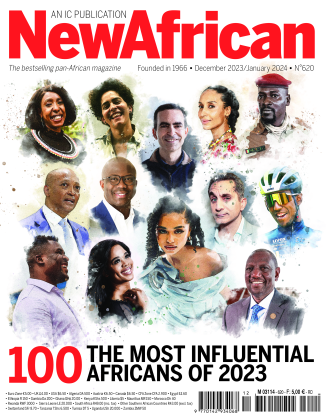
New African magazine (www.NewAfricanMagazine.com) released its annual listing of the 100 Most Influential Africans of 2023. The list celebrates the achievements and contributions of Africans from various fields and sectors, who have made a positive impact on the continent and the world.

The list features a diverse and inspiring group of men and women, who have demonstrated excellence, innovation, leadership, resilience, and vision in their respective domains. They include politicians, entrepreneurs, industrialists, environmentalists, creatives, scientists, educators, sports personalities, and more.

The list also reflects the shifting trends and priorities in Africa, as the continent faces new challenges and opportunities in the post-pandemic era. Creatives dominate the ranking with 31 representatives, including singer Abel Tesfaye, aka The Weekend, filmmaker Alice Diop and writer Nana Darkoa Sekyiamah.

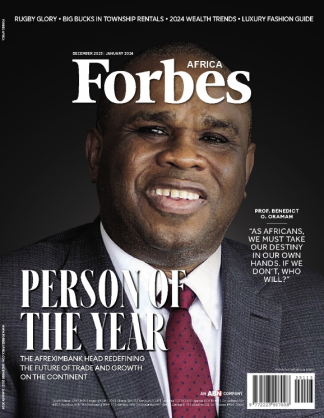
The second category with the highest number of entries was the Business section, with 25 entries. The section included two behemoths from DFIs, supporting a private sector approach to investing: Samaila Zubairu from Africa Finance Corporation and the President of Afreximbank, Benedict Oramah, undoubtedly Africa's juggernaut from the last few years leading Africa's transformation. Also on the list is the former CEO of Eskom and whistleblower who nearly paid with his life André de Ruyter.

Nigeria was the country most represented on the list, highlighting the country's dominance in the creative sector and business. William Ruto, the President of Kenya, and Bola Tinubu, President of Nigeria, were the only heads of state to make it, along with the Guinean military leader Mamady Doumbouya. Doumbouya created quite a stir at this year's UN General Assembly and appears to have found a solution around the Simandou mining saga.

With Climate Change at the top of the agenda, the list features several players in the environmental space, such as James Mwangi, formerly from Dalberg Group who has set up his own venture fund investing in climate related businesses, and Elizabeth Maruma Mrema, the Executive Secretary of the UN Convention on Biological Diversity.

In the media, we have two media leaders from Côte d'Ivoire, Fabrice Sawegnon, founder of communications agency Voodoo, and Daniel Ahaoussa, serial entrepreneur and founder of a number of websites in West and Central Africa. Also included are the journalist Alan Kasujja, the BBC journalist, and Branko Brkic, founder of Daily Maverick, arguably the most powerful media in South Africa today.

And in sports, record breakers Faith Kipyegon and Kelvin Kiptum make it, as well as the Springboks team, under the leadership of their captain Siya Kolisi. Patrice Motsepe, the President of CAF, a close friend of FIFA president Gianni Infantino and an increasingly influential voice in sports, is also included.

The 100 Most Influential Africans of 2023 is a special edition of New African magazine, which offers a comprehensive and insightful overview of the lives and achievements of the selected individuals. The magazine also provides a platform for the readers to learn from their stories, and to be inspired by their examples.

Download the 100 Most Influential Africans of 2023 special edition of New  African: https://apo-opa.co/4aL1VB7

The 100 Most Influential Africans 2023 List:

Politics and Public Service

William Ruto

Ibrahima Cheikh Diong

Sidi Ould Tah

Akinwumi Adesina

Ngozi Okonjo-Iweala

Bola Tinubu

Mamady Doumbouya

Ousmane Sonko

Nadia Fettah Alaoui

Tsitsi Masiyiwa

Tidjane Thiam

Business

Mohamed Kande

Sim Tshabalala

Karim Beguir

Didier Acouetey

Olugbenga Agboola

Samaila Zubairu

Prof. Benedict Okey Oramah

Ralph Mupita

Ibrahim Sagna

Simon Tiemtoré

Jules Ngankam

Riham ElGizy

André de Ruyter

Aliko Dangote

Ham Serunjogi

Serge Ekué

Bahija Jallal

Coura Sène

Bernard Koné Dossongui

Hassanein Hiridjee

Shola Akinlade

James Mwangi

Pascal Agboyibor

Science and Academia

Anna Adeola Makanju

Chao Tayiana Maina

Nemat Talaat Shafik

Ismahane Elouafi

Moungi Bawendi

Timnit Gebru

Environmental

James Irungu Mwangi

Ephraim Mwepya Shitima

Wanjira Mathai

Rashid Sumaila

Elizabeth Maruma Mrema

Dr Musonda Mumba

Creative

Kaouther Ben Hania

Danai Gurira

Ncuti Gatwa

Black Coffee

Tyla Laura Seethal

Temilade “Tems” Openiyi

Lesley Lokko

Mulenga Kapwepwe

Alice Diop

Wanuri Kahiu

Bassem Youssef

Malenga Mulendema

Jadesola Osiberu

Editi Effiong

Ali Said Alamin Mandhry

Abel "The Weekend" Tesfaye

Pretty Yende

Julie Mehretu

Pierre Thiam

Teju Cole

Thebe Magugu

David Diop

Burna Boy

Serge Attukwei Clottey

Nana Darkoa Sekyiamah

Aïda Muluneh

Omoyemi Akerele

Mariam Issoufou Kamara

Victor Ekpuk

DJ Snake

Gandhi “Maitre Gims” Djuna

Media

Claude Grunitzky

Chioma Nnadi

Edward Enninful

Alan Kasujja

Wode Maya

Anton Harber

Khabane “Khaby” Lame

Charity Ekezie

Moses “Uncle Mo” Kiboneka

Branko Brkic

Tomiwa Aladekomo

Marie Mbullu

Nicolas Pompigne-Mognard

Daniel Ahaoussa

Fabrice Sawegnon

Sports

Francis Ngannou

Faith Kipyegon

The Springboks, led by captain Siya Kolisi

Patrice Motsepe

Kelvin Kiptum

Victor Osmihen

Biniam Girmay

Yassine Bounou

Distributed by APO Group on behalf of New African Magazine.

For any media inquiries please contact:
c.haasz@icpublications.com

About New African Magazine:
Published continuously since 1966, the English language monthly has consistently brought an African point of view to international news. It is the essential magazine for government officials, businessmen, professionals and Africa-watchers. New African is distributed in over 100 countries, and consulted whenever Africa is mentioned. The leading commentator on African affairs and Africa's best selling magazine.

The December / January 2024 issue of New African is one of the biggest of the year, most of it crammed with scintillating profiles and high-quality portraits of the best and brightest Africans of 2023. This issue will once again be a sure-fire source of animated discussion within Africa and abroad as readers discuss our choice of the 100 Most Influential Africans of 2023.

Media files
New African Magazine
Download logo
Read moreNew African Magazine reveals the 100 Most Influential Africans of 2023
28 December 2023

Weaving the Culinary Tapestry: A Journey through the African Diaspora

Location: News
Energy Capital & Power

Food is a unique storyteller, a cultural bridge and a carrier of traditions. As a result, the culinary traditions and rich tapestry of cuisines belonging to the global Black community have played a valuable role in contemporary culture. These traditions not only illustrate the inspiration, creativity and shared heritage of Black people, but also serve as a common thread that connects diverse cultures and geographies. From the shores of West Africa to the vibrant streets of the Caribbean, the flavors, techniques and dishes of the African diaspora have transcended borders, uniting people from across the globe. The Global Black Impact Summit (GBIS) — which unites and celebrates the achievements of the global Black community on February 27, 2024 in Dubai — will explore the influence of the African diaspora on a wide range of industries, such as the culinary arts.

Africa: The Roots of Flavor

An exploration into the culinary heritage of the global Black community begins with the roots of African cuisine. The continent's diverse landscape and myriad cultures have given rise to a vast array of ingredients, cooking methods and flavors. In West Africa, staples like yams, okra, plantains and an array of vibrant spices are central to the local cuisine, with traditional local dishes including Jollof rice, Fufu – made from cassava root – and Egusi soup. In South Africa, the fusion dish Bobotie – a spiced minced meat bake with an egg-based topping – reflects the country's historical influences, blending Dutch, Malay and Indian flavors. Central Africa contributes to this culinary tapestry with dishes like Saka-Saka in Congo, made from cassava leaves cooked with spices, and Poulet Nyembwe in Gabon, featuring chicken in a rich red palm nut sauce. These dishes highlight the use of local ingredients and establish the roots of traditional African cuisines across regions. 

The African Diaspora and a Fusion of Cultures

Starting from the 16th century, the transatlantic slave trade facilitated the movement of millions of Africans to various parts of the world, including the Americas and the Caribbean. These journeys brought with them longstanding culinary traditions, which over time, evolved and adapted to the ingredients and resources found locally, while preserving the foundations of authentic cooking methods and flavors.

In the Caribbean, the fusion of African, indigenous and European culinary traditions and techniques gave birth to Creole cuisine. Dishes like Gumbo — a hearty stew served over rice and Callaloo — a leafy green stew — showcase the rich melding of influences. They tell the story of a resilient people who had to adapt and create new traditions, while preserving their roots. In the United States, African Americans developed Soul Food, a cuisine that celebrates their enduring connection to their African heritage. Dishes like collard greens, a flavorful leafy green dish, cornbread and fried chicken, stand apart from traditional African dishes. Yet they provide more than just sustenance; they serve as a celebration of cultural resilience, warmth, protection and identity.

The influence of the African diaspora on global cuisine is undeniable. Dishes like Acarajé in Brazil – a stuffed fritter sold and eaten as street food – finds its roots in the Yoruba people from Nigeria, Benin and Togo, while Ackee and saltfish – Jamaica's national dish – was initially brought to the Caribbean from Ghana and stems from the name for the Akyem people. These examples reflect how the diaspora has enriched culinary traditions around the world and are a testament to its enduring impact on food and culture.

Pioneers and Innovators in the Culinary World

Throughout history, pioneering Black chefs have broken barriers in the culinary world. In the US, renowned chefs like Edna Lewis and Patrick Clark paved the way for the next generation of Black chefs to innovate and shape the world of food. Chef Marcus Samuelsson, an Ethiopian-born Swedish-American, is renowned for his culinary empire that spans from Harlem to Sweden. Kwame Onwuachi, a Nigerian-American chef, has left his mark on the culinary scene with a background that includes training in the world's top kitchens. Sheldon Simeon, a Filipino-Black chef, celebrates the fusion of two cultures by exploring the ancestral roots of Hawaiian cuisine. 

GBIS 2024 strives to recognize and celebrate the achievements of Black individuals across industries, with a view to creating a more diverse and inclusive professional landscape. Just as culinary traditions continue to evolve and innovate, the Summit aims to unleash the full potential of the global Black community and explore the vast array of traditions and heritage associated with the African diaspora. 

Distributed by APO Group on behalf of Energy Capital & Power.

Global Black Impact Summit:
The Global Black Impact Summit is an annual event that serves to celebrate the achievements of the Black community, promote excellence and explore untapped potential across various fields. The 2024 summit is set to be a transformative experience, featuring influential speakers, engaging panel discussions and networking opportunities that enable delegates to reach new heights. To secure your spot at this prestigious gathering, register promptly at www.GlobalBlackImpact.com.

Media files
Energy Capital & Power
Download logo
Read moreWeaving the Culinary Tapestry: A Journey through the African Diaspora
28 December 2023

Centurion Law Group CEO NJ Ayuk to Step Down

Location: Business
African Energy Chamber

After more than a decade running one of Africa's most influential law firms, covering all aspects of the oil and natural gas sector, NJ Ayuk has announced that he will not make another long-term commitment to Centurion Law Group and will step down.

“I am proud of my work as Centurion's CEO – we have been able to build a historic relationship with African governments, oil and gas entrepreneurs and international energy companies working in Africa. We have hired, trained and developed more African lawyers than any other law firm in Africa. We became the first African law firm to be listed on the German Stock Exchange and have spearheaded an audacious, on-demand legal service business model in Africa,” stated Mr. Ayuk.

“I have fought the good fight, I have run the race and I have kept the faith. I believe it is time to pass the torch to the next generation that can take the firm to the next level, and I have full confidence that Zion Adeoye and his team will be able to achieve this. It also grants me much-needed time to focus on my family, the work of the African Energy Chamber and other entrepreneurial ventures and causes in which I believe,” he concluded.

Mr. Ayuk has been named one of world's top energy lawyers by Who's Who Legal, one of top 10 most influential Africans by Forbes, and one of the top 100 personalities transforming Africa by French magazine, Financial Afrik.

Zion Adeoye will be appointed as CEO of Centurion Law Group, after serving as Managing Director under Mr. Ayuk for many years. Mr. Adeoye holds an LLB from Nigeria's University of Ibadan, an LLM from Columbia University in the City of New York and an MBA from the University of Dundee, Scotland.

“Mr. Ayuk's work in building one of the finest law firms in Africa, as well as his ability to serve clients, solve disputes and close complex transactions, cannot go unnoticed. All of the employees and clients of this firm cannot thank Mr. Ayuk enough for his leadership and dedication,” he stated.

“Working with Mr. Ayuk, our team has accomplished what few gave us the chance – important legal and public policy victories across Africa, deal after deal for entrepreneurs, winning tough legal cases in complex jurisdictions while enforcing the rule of law, opening new markets and instilling in Africans the belief that African lawyers can do great things,” concluded Mr. Adeoye.

During his time at Centurion, Mr. Adeoye has demonstrated a relentless pursuit of excellence and made outstanding contributions to the firm's growth. As a seasoned attorney with extensive experience in energy law, he has played a pivotal role in securing favorable outcomes for clients across the continent.

Mr. Adeoye is a member of the Nigerian Bar Association and the Association of Independent Petroleum Negotiators. Before joining Centurion in 2017, he served in various roles at the Nigerian Petroleum Development Company Limited, KPMG Nigeria, Terra Cotta Legal, Olaniwun Ajayi LP, Templars Law and Transnational Energy Group, and has been instrumental in the reform of oil and gas legislation across several African markets.

Mr. Adeoye was additionally awarded an ESQ 40 under 40 Lawyer Award at the Nigerian Rising Stars Awards for shaping the future of the legal profession in the country.

Distributed by APO Group on behalf of African Energy Chamber.
About Centurion Law Group:
Centurion (www.CenturionLG.com) is a leading pan-African legal and energy advisory group with extensive experience in the oil and gas sector. The group provides outsourced legal representation and covers a full suite of practice areas for its clients, including arbitration and commercial litigation, corporate law, tax and anti-corruption advisory and contract negotiation. Centurion specializes in assisting clients that are starting or growing a business in Africa with offices and Affiliates in Ghana, Cameroon, Canada, Germany, Congo, Equatorial Guinea, South Africa, South Sudan, Nigeria, Gabon, Angola and Senegal.

Media files
African Energy Chamber
Download logo
Read moreCenturion Law Group CEO NJ Ayuk to Step Down
17 December 2023

Building Capacity for Africa’s Renewables Sector

Location: News

African Energy Chamber
Download logo

By NJ Ayuk, Executive Chairman, African Energy Chamber (www.EnergyChamber.org)

Consider this paradox: Nigeria has achieved the largest economy in Sub-Saharan Africa, but 45%, or about 85 million, of its residents still live without electricity. Across Sub-Saharan Africa, that figure looms to 600 million.

I believe renewable energy is part of the solution to this dilemma — both in Nigeria and throughout the sub-continent. But there are several hurdles to be cleared before wind, solar, hydrogen, and other clean energy sources can provide the same economic benefits that natural gas — the other part of the solution — already offers. One of those hurdles will be preparing domestic workforces for employment and leadership in the growing renewable energy sector.

We are seeing movement in that direction. In Nigeria, for example, global renewables-promoting nonprofit, RMI, is providing technical training in partnership with four Nigerian energy distribution companies, two developers, and vocational training schools such as RMI's Energy Transition Academy and the Lagos Energy Academy. Aimed at producing leaders and energy entrepreneurs, the Nigerian Cohort of RMI's Global Fellowship Program, started in 2022, uses online learning and in-person experiences to develop leaders who know how to produce and employ solar PV, battery storage, and microgrid technologies.

We will need many, many more efforts like this for Africans to fully reap the economic benefits of our energy transition. For that to happen, more investment capital must be attracted for curriculum development, to support training efforts, and to help fledgling renewable businesses find their footing.

This is a critical topic, one that deserves attention at the 2023 United Nations Climate Change Conference (COP28) that is now underway and beyond.

Africa Must be Proactive in Building Capacity

The International Energy Agency (IEA) has predicted that 4 million new renewable energy jobs will be needed in sub-Saharan Africa by 2030 to meet 2050 net-zero goals. But it is not a given that those positions will be filled by Africans, especially if we rush forward with our transition from fossil fuels to renewables, as many wealthy nations and environmental groups are demanding.

Currently, there is a significant shortage of qualified human resources — people educated and prepared to take advantage of the opportunities for employment and entrepreneurship that renewables offer.

What's more, only 76,000 renewable energy jobs have been created in Africa, less than 1% of 10.3 million globally. That means the vast majority of Africans have absolutely no experience, or hands-on opportunities to develop skills, in green energy.

Education is Key

Turning this situation around begins with investing in and emphasizing the importance of science, technology, engineering, and math (STEM) education at all levels in Africa.

African governments will need to do their part by driving improvements in all-around education in science and technology and green energy vocational programs.

Government policies should also provide advantages to attract private-sector visionaries and incentivize public-private collaborations that foster the education and training of Africans for career-level, leadership positions in the renewables sectors.

Africa's renewable energy sector is growing. That reality is a mixed blessing because of the shortage of homegrown, trained professionals able to create, construct, and run renewable projects. We do, however, have an advantage — our large, youthful demographic.

Many of our young people need jobs, and many more soon will. If we can put together partnerships among governments, learning facilities, and private industry, we can train our youth for careers in renewable technologies that offer them brighter futures.

We should be building on the examples of the promising educational opportunities that are available for African students who want to build a career in renewable energy. Here is a sampling:

  • A German-African partnership, the Atlas of Green Hydrogen Generation Potentials in Africa, states, “Green hydrogen offers a real chance to launch a development in Africa which is driven by African countries themselves.” As part of the effort, a master's degree program in green hydrogen technologies was begun in 2021. Students from all 15 countries of the Economic Community of West African States (ECOWAS) may apply. Universities in Cote d'Ivoire, Niger, Senegal, and Togo host the program.
  • Another German government initiative, Green People's Energy for Africa, “supports vocation training institutes and technical universities to offer new and improved practical training modules for professionals” as well as other methods for skills development in renewable energy technology.
  • An EU-US cooperative agreement supports sub-Saharan Africa's just transition to green energy. Working at the regional and national levels, efforts include empowerment of women in the sector, knowledge sharing to provide technical assistance, and the leveraging of investments by the private sector.

Another Opportunity: Green Hydrogen

Surveying the renewables horizon, there is general agreement that decarbonizing all the world's economic sectors won't be possible without the use of green hydrogen — for feedstock, fuel cell technology, and electric vehicles.

The demand for this clean and adaptable fuel, produced with renewable energy sources, compounds the need for a trained renewable energy workforce.

Green hydrogen presents both a large opportunity and a large challenge for African nations. With its massive area and plentiful solar and wind resources, Africa could potentially be producing about 10% of the world's green hydrogen by 2030. But there is an “if” attached to that projection.

If African states strategize and invest now to develop a green hydrogen workforce, they can be ready for the coming wave of green hydrogen development and utilization. Hydrogen learning opportunities should be made available from the high school level upward as part of comprehensive skills plans for developing a prepared workforce.

With forethought and smart implementation, young Africans can be readied to lead the way in bringing the benefits of green hydrogen to their communities. In the process, job shortages can be mitigated as these young employees put their skills to work in the production, storage, and transportation of green hydrogen.

More African countries should be taking measures to ensure their people and businesses capitalize on green energy opportunities. And these must not stop with education and skills training; we also need local content measures to help ensure our residents benefit from renewable power projects and facilities operations.

Ensuring Strong Local Content Policies

Just as local content rules continue to function as vital safeguards in African oil and gas operations, they will be tremendously important in the renewables sector, both for individuals and for businesses. As I've stated in the past, every nation needs to create a framework that empowers indigenous companies to fully capitalize on renewable energy opportunities.

There are times when power needs may justify temporary modifications to these policies. As an example, South Africa's National Energy Crisis Committee (NECOM), early this year, relaxed its local content rules for the construction of solar modules. Easing local employment requirements from 100% to 30% for local component production is meant to facilitate quicker deployment of solar projects, and hopefully, help alleviate the country's crippling power outages.

Power supply levels and other factors show the need to perform a balancing act when writing local content rules. Those other factors include the supply of current local skilled workers and infrastructure. We don't want to discourage developers, so we need appropriate, tailored local content regulations.

One reasonable approach is the one taken by Kenya, where guidelines requiring contractors to formulate a local content plan have been drafted. These plans must include training, succession, jobs, technology transfer, R&D, legal, financial, and insurance issues. This approach places the “ball” in the “court” of each project's contractor, allowing for their input in local content formulation.

A similar policy has been enacted in Nigeria. The local content policy is part of the government's Electricity Act 2023. It requires the Nigerian Electricity Regulatory Commission (NERC) to provide for local content participation involving employment, production, and assembly of components for solar PV, deep cycle batteries, and the electro-mechanical parts of SHP technology, wind boilers, and some turbines.

The act goes further, requiring contractors, sub-contractors, and licensees involved in renewable energy to include local content in all their related activities.

If widely enacted across the continent, similar local content rules can work hand-in-hand with training efforts to ensure Africans benefit from renewable energy development — through employment and the growth of their economies.

We are seeing promising movement in the effort to address Africa's skills gap, but we need many more programs, and we need them now. African countries and energy industry stakeholders should be doing everything possible to support these efforts, so Africans don't miss out on renewable energy industry opportunities.

Distributed by APO Group on behalf of African Energy Chamber.
Read moreBuilding Capacity for Africa’s Renewables Sector
13 December 2023

The rise of the mass affluent in Africa and how banks can best respond to their needs

Location: News
Bank One Limited

By Margaret Soi, Head of Offshore Banking - Mass Affluent Offshore

The purchasing power of Africa's middle class is expected to grow significantly in the coming years: the continent's middle class is expected to spend US$2.1 trillion by 2025 and US$2.5 trillion by 2030, thus creating a further upward momentum in the demand for goods and services.

In sub-Saharan Africa alone (excluding South Africa), a 2018 estimate reported over 100 million middle-class individuals with a total purchasing power of over US$400 million per day – with financial services, especially around wealth management and investments, expected to receive a boost from the massive growth in disposable incomes.

Surprisingly then, Capgemini's 2022 wealth management executive survey found that only 27% of wealth management firms currently serve mass affluent clients, and only 36% firms are even exploring mass affluent services. No wonder then that banks believe that the mass affluent segment, representing those with investable assets more than US$50,000   and less than US$5m in wealth, is both undervalued, underinvested and underserved.

What does a typical mass affluent customer look like?

At the outset, it is important to note that this segment is financially and digitally savvy, is fee-sensitive, and likes to shop around for various options, not hesitating to spread their assets across providers. Apart from these generic characteristics that are true of the mass affluent in all parts of the world, Bank One's experience of sub-Saharan Africa's mass affluent segment shows us that a broad customer profile spans across any one or a combination of the following characteristics:

  • An individual who has bought properties and secure, low-yield assets such as treasury bonds within their shores, but now wishes to diversify their investments across other jurisdictions;
  • An individual who has children studying abroad or family living overseas and wishes to obtain a return on assets in such economies that offsets their expenses in the same jurisdictions;
  • An individual at a C-suite or senior management level in a company in Africa – who could currently be in Mauritius but might find themselves looking at a next posting in Kenya or Nigeria - and needs an offshore account that can move with them;
  • Such an individual could also be a business owner in a part of Africa that exports to different geographies across the region and is eying investments in those locations to offset expenses in these jurisdictions;
  • An individual who works in jurisdictions like the DRC or Nigeria where there are constraints on movement of foreign currency and who would prefer to invest in a jurisdiction where foreign currency can move more freely.

Needless to say, an individual who identifies with the above descriptions and aspirations would be considering banks in jurisdictions that support offshore banking, be it Singapore, Dubai, Hong Kong at a global level or a Mauritius and Seychelles at a regional level.

Why Bank One is in a prime position to serve the banking needs of the mass affluent?

While traditional banks in sub-Saharan Africa do see the promise of this emerging segment, they are simply not sure how to approach it. At Bank One, we have already crossed the first hurdle – that of definitively acknowledging that this segment exists in our region of operation – and have moved on to carving out a value proposition around their specific needs for banking services that Bank One is uniquely positioned to meet.

Indeed, Bank One considers itself to be in a prime position to deliver such services from our headquarters in Mauritius. We have rolled out our offerings for the mass affluent segment in the East African market since 2020 – taking advantage of the significant presence of our shareholders, I&M Holdings PLC and CIEL Group – and are currently targeting the Western and Southern African territories based on our acquired experience from East Africa. As the business grew, we decided to set up permanent resources in Kenya and Uganda alongside our seamless digital onboarding process, in adherence to the prevailing legal and regulatory requirements, which has endeared our solutions and made them more accessible to our clients.

We understand that we need to be proactive in serving the everchanging needs of mass affluent clients by providing banking solutions that resonate with their phase of life whilst helping them safeguard, invest and grow their assets.

With their rapid adoption of digital-first channels and self-service capabilities, this segment embarked on their first financial journey with FinTech firms that are thriving across the region. Hence, the mass affluent expect firms at a more mature stage of their financial planning, such as traditional banks, to offer personalised solutions and unique insights in order to see the value in such services. It is also evident that financial planning is of critical importance for this segment that also shows a keen response to incentives to bring about a holistic relationship – for example, offering better rates on mortgages if they maintain a certain threshold in assets under management with the same bank.

Finally, this segment values, above all, a consolidated and insightful view of their end-to-end financial situation, with technology touchpoints providing data-backed advice on how their assets should be managed. As a bank that wants to be successful in providing solutions and proactively managing clients in this market, these key considerations are cemented into our business strategy and ably executed by trusted advisors in the form of our dedicated relationship managers.

At a more holistic level, we recognize the importance of a customized approach to successfully provide banking and wealth products to mass affluent clients. Indeed, such value add could be as simple as helping them to understand how our offerings bring certain key benefits in their wake, which can help them achieve, and exceed, their financial goals – and acting as a partner in achieving their aspirations that are in turn fuelling the growth of the region at large.

 As a self-described ‘From Africa, For Africa' banking institution, Bank One aims to unlock a world of opportunity for such upwardly mobile clients. For instance, our mass affluent clients are now able to access personalised offshore banking services – which was an offering previously available exclusively to HNWIs until recently. We have also proudly opened our doors to support such individuals in gaining access to global investment markets.

Distributed by APO Group on behalf of Bank One Limited.

Media files
Bank One Limited
Download logo
Read moreThe rise of the mass affluent in Africa and how banks can best respond to their needs
12 December 2023

African Development Bank approves $300 million for energy governance and climate resilience

Location: News

African Development Bank Group (AfDB)
Download logo

The Board of Directors of the African Development Bank Group (www.AfDB.org) has approved a $300 million loan to South Africa to implement its Energy Governance and Climate Resilience Programme.

The Programme prepared in collaboration with other development partners including the World Bank and KfW Development Bank (KfW), will help advance South Africa's energy transition.

It will spur economic growth by furthering structural reforms to restore energy security, promote private sector participation in the electricity market and enhance the operational efficiency of the national power utility Eskom in line with South Africa's Energy Action Plan and the Just Energy Transition Investment Plan (JET IP) 2023–2027.

The Programme will accelerate mitigation and adaptation efforts by promoting renewable energy generation and shifting businesses to low-carbon activities, resulting in lowering the carbon footprint of the South African economy and improving financing for green projects. These expected outcomes align with South Africa's updated Nationally Determined Contribution and the country's Long-term Low-Emissions Development Strategy.

It will ensure the security and affordability of energy for families and small businesses. It will enable the government to increase budget allocations to connect electricity to poor households and establish a mechanism to encourage families and micro- and medium-sized businesses to invest in renewable energy.

The reform priorities discussed with the Government are designed to complement and create synergies with existing support from the African Development Bank and other development finance institutions for the Just Energy Transition.

Through a $629 800 (470 000 UA) grant with co-financing from the Climate Insurance Fund, the Bank will provide support to ensure affected communities are not left behind, crowd in more women as decision-makers and support young entrepreneurs, especially women, to build skills and create jobs for the green economy.

South Africa's country's Energy Governance and Climate Resilience Programme aligns with the African Development Bank's ‘High 5' strategic priorities, especially "Light up and Power Africa", "Industrialise Africa", and "Improve the quality of life for the people of Africa".

Welcoming the operation, Mrs Leila Mokaddem, Director General for Southern Africa, noted the Bank's long-term support to South Africa's energy sector. Energy has the largest share of the Bank's portfolio at 43.4%. The programme complements this support and aligns with the recently approved Country Strategy Paper (CSP) for South Africa, which recognizes the centrality of Energy reforms to achieve economic growth and improve business confidence.

Distributed by APO Group on behalf of African Development Bank Group (AfDB).

Editor's note: A previous version of this press release issued 31 October 2023, included references to potential contribution from the Government of Canada. This has been removed.

Media Contact:
Mansour Diouf
Communication and External Relations Department
Email: media@afdb.org

About the African Development Bank Group:
The African Development Bank Group is Africa's premier development finance institution. It comprises three distinct entities: the African Development Bank (AfDB), the African Development Fund (ADF) and the Nigeria Trust Fund (NTF). On the ground in 41 African countries with an external office in Japan, the Bank contributes to the economic development and the social progress of its 54 regional member states. For more information: www.AfDB.org.

Read moreAfrican Development Bank approves $300 million for energy governance and climate resilience
11 December 2023

Africa’s Top 100 Business Opportunities to Watch in 2024

Location: Business
Activator HQ

Despite rising food and fuel costs, weakening currencies, climate change effects, security threats, political instability, rolling power cuts, infrastructure limitations, and several economic and social challenges, Africa will be one of the fastest-growing regions in 2024.

That's one of the key findings in the 2024 edition of the Top 100 Business Opportunities in Africa to Watch (https://apo-opa.co/47PmhYd), an annual selection of the continent's most lucrative business ideas and investment opportunities curated by Activator HQ.

Following two years of slow post-COVID recovery, 2024 presents several interesting opportunities for business startup and growth in Africa. While Nigeria, South Africa, Egypt, Kenya and countries across the continent offer unique opportunities and challenges for new business and investment, economies like Senegal, Ethiopia, Tanzania, Cote d'Ivoire, Rwanda, Burkina Faso, The Gambia and Benin could grow by more than 6% in 2024, twice higher than the global growth of 2.9% projected by the International Monetary Fund (IMF).

The Africa Top 100, now in its 7th year, identifies specific business ideas and investment opportunities in over 30 growth markets, industries, value chains, and underserved niches across Africa. Each opportunity in the Top 100 is selected based on their relevance to local market needs, lucrativeness, competitive superiority, export potential, and innovation.

“The new edition, which is the outcome of months of research and analyses that considered dozens of value propositions, market trends, demand-supply gaps, and business models across Africa, only consists of opportunities that have a minimum total addressable market value of $100 million,” said John-Paul T. Iwuoha, Founder and CEO of Activator HQ. “It is interesting to see from our 2024 selection that more business ideas and investment opportunities in Africa are actually borne from unmet market needs, difficult but highly-rewarding problems, and the megatrends we have identified that are currently shaping the continent (https://apo-opa.co/46Sd4gb).”

As a developing region, Africa's deficits in food security, housing, finance, education, energy and other critical areas are inspiring innovative solutions, products, and services from a growing number of startups and growth-stage businesses on the continent. In essence, for entrepreneurs in Africa, problems are actually opportunities to unlock market value and create compelling value propositions.

“Our mission at Activator HQ (www.ActivatorHQ.com) is to make it easier and faster for entrepreneurs to start and grow businesses in Africa. That's why our selection of business ideas features inspiring examples of real entrepreneurs, startups, and companies in Africa that are getting results and making impact on the ground,” Iwuoha said. “To reduce the barriers to startup, we have also developed bespoke and professionally-crafted business plans (https://apo-opa.co/470U6Ew) that can be downloaded and used to raise funding or guide the execution of a specific business idea.”

Highlights from Activator HQ's 2024 Africa Top 100 Guide:

  • The food sector remains a multi-billion-dollar growth opportunity for the continent. The Africa Top 100 features several business ideas across the food value chain, from agricultural production to processing, marketing, and services in local and export markets.
  • The digital economy presents a $180 billion opportunity for Africa by 2025. With the world's youngest population, digital skills training and outsourcing is a strategic but underexplored market gap that brims with innovative ideas for new businesses and investments in Africa, particularly for high-demand skills like cybersecurity, data analytics, digital marketing, and software development.
  • The circular economy: recycling of waste, such as generating electric power from landfill waste, recovering scrap metals for reuse, and processing municipal wastewater into potable freshwater, hold interesting business and investment opportunities that could, conservatively, inject an additional $8 billion into the African economy according to the United Nations Environment Programme (UNEP).
  • The energy value chain is rich with opportunities for Africa. The combination of climate change effects, rising renewable energy penetration, and soaring energy prices precipitated by the Russia-Ukraine war has created market gaps and opportunities for more African gas supplies to Europe. There are also opportunities for local substitution of cooking fuels like firewood and charcoal with natural gas, and solar power applications for cold chain solutions.
  • Financial services remain one of the fastest-growing and most lucrative sectors in Africa to watch in 2024. While payments and consumer finance usually get most of the attention, niche opportunities like diaspora investment funds and female-focused finance are spotlighted in the latest Africa Top 100 guide.

“I am very proud of the meticulous work the team has put into the 2024 edition of the Africa Top 100,” Iwuoha continued. “In contrast to the mainstream stereotype of Africa as a ‘poor continent', the impressive ideas in this guide show the sheer abundance of opportunities in Africa for new businesses and investments. The spirit of entrepreneurship is bursting with energy on the continent and I am optimistic that many of the ideas in our 2024 edition will inspire new businesses, products, projects, investments, and income streams in the new year.”

The Top 100 Business Ideas in Africa to Watch in 2024 is available on the Activator HQ website at https://apo-opa.co/41hkLvm.

Distributed by APO Group on behalf of Activator HQ.

Media contact:
John-Paul Iwuoha
jp@activatorhq.com

For more information about Activator HQ, visit:
Website: www.ActivatorHQ.com
Twitter: https://apo-opa.co/46Np8iY
Facebook: https://apo-opa.co/3uRABAT
LinkedIn: https://apo-opa.co/3NowFxL
YouTube: https://apo-opa.co/3NqTmkT

About Activator HQ:
Founded in 2013 as Smallstarter Africa and relaunched on its 10-year anniversary, Activator HQ is a market intelligence and capacity development firm that supports Africa-focused entrepreneurs with the insights, training, and guidance they need to succeed in the continent's promising but difficult markets. In the last decade, Activator HQ has trained over 30,000 entrepreneurs and business owners on startup and market entry strategy, fundraising, sales and growth strategy, business modelling, and turnarounds. Its list of clients and partners includes the Staff Cooperative Societies of Nigeria LNG and Total Exploration & Production (Nigeria), the SUN Business Network, the Roddenberry Foundation, and the African Women Innovation and Entrepreneurship Forum (AWIEF), among others.

Media files
Activator HQ
Download logo
Read moreAfrica’s Top 100 Business Opportunities to Watch in 2024
11 December 2023

Amid rising corruption, most Africans say they risk retaliation if they speak up

Location: News
Afrobarometer

A majority of Africans say that corruption in their country is rising, that their government is failing in its efforts to fight it, and that ordinary citizens risk retaliation if they report corruption to the authorities, Afrobarometer's (www.Afrobarometer.org) latest Pan-Africa Profile (https://apo-opa.co/41k8N4i) reveals.

Download document (1): https://apo-opa.co/3NmOey6
Download document (2): https://apo-opa.co/3RDm193

Released ahead of International Anti-Corruption Day (9 December), the Afrobarometer report is based on nationally representative surveys in 39 African countries.

Findings show that among key public institutions, the police are most widely perceived as corrupt. In substantial numbers, citizens report having to pay bribes to obtain police assistance or avoid problems with the police, as well as to get government documents and services at health facilities and schools.

Citizens' assessments vary widely across countries, with Gabon, South Africa, Nigeria, Liberia, and Uganda among the worst-performing countries when it comes to perceived corruption in key public institutions, while Seychelles, Cabo Verde, Tanzania, and Mauritius turn in the best performances.

Key findings

  • On average across 39 countries, a majority (58%) of Africans say corruption increased “somewhat” or “a lot” in their country during the preceding year (Figure 1).
    • Compared to 2014/2015, 12 countries recorded double-digit increases in perceptions of worsening corruption, including a surge of 39 percentage points in Senegal, while decreases reached a remarkable 61 points in Benin.
    • More than two-thirds (68%) of citizens say “some” or “a lot” of the resources intended to address the COVID-19 pandemic were lost to corruption.
  • Almost half (46%) of Africans say that “most” or “all” police officials are corrupt, the worst rating among 11 institutions and leaders the survey asked about. Tax officials, civil servants, and officials in the Presidency tie for second-worst, at 38% (Figure 2).
  • Among citizens who sought selected public services during the previous year, substantial proportions say they had to pay a bribe to obtain police assistance (36%), to avoid problems with the police (37%), to get a government document (31%), or to receive services at a public medical facility (20%) or a public school (19%) (Figure 3).
    • Self-reported bribe-paying varies widely across countries. For example, obtaining a government document required a bribe from 68% of applicants in Congo-Brazzaville, compared to 1% in Cabo Verde and Seychelles.
  • Two in three Africans (67%) say their government is doing a poor job of fighting corruption (Figure 4).
  • Only one in four Africans (26%) say people can report corruption to the authorities without fear of retaliation (Figure 5).

Distributed by APO Group on behalf of Afrobarometer.

For more information, please contact:
Daniel Iberi
Afrobarometer communications officer for East Africa
Email: diberi@afrobarometer.org
Telephone: +254725674457

Follow us on:
Twitter: https://apo-opa.info/3jYM2la
Facebook: https://apo-opa.info/3K0t6gq
YouTube: https://apo-opa.info/3Ysf4IU
Visit us online at www.Afrobarometer.org
Follow our releases on #VoicesAfrica.

Afrobarometer surveys:
Afrobarometer is a pan-African, non-partisan survey research network that provides reliable data on African experiences and evaluations of democracy, governance, and quality of life. Nine survey rounds in up to 42 countries have been completed since 1999. Round 9 surveys (2021/2023) cover 39 countries.

Afrobarometer's national partners conduct face-to-face interviews in the language of the respondent's choice with samples of 1,200-2,400 adults that yield country-level results with margins of error of +/-3 to +/-2 percentage points at a 95% confidence level.

Media files
Afrobarometer
Download logo
Read moreAmid rising corruption, most Africans say they risk retaliation if they speak up
10 December 2023

South Africa: African Development Bank approves $1 billion guarantee from the United Kingdom to support SA’s Just Energy Transition

Location: News

African Development Bank Group (AfDB)
Download logo

The Board of Directors of the African Development Bank Group (www.AfDB.org) has approved a $1 billion guarantee program in collaboration with the UK Foreign Commonwealth and Development Office (FCDO), which will allow the Bank to increase its lending capacity in support of South Africa's Just Energy Transition (JET).

Developed in close collaboration with the government of the Republic of South Africa, the program will support projects aligned with South Africa's JET investment plan, such as transmission and grid-balancing storage, renewable energy generation, energy efficiency, rehabilitation of municipal electricity delivery, green hydrogen, new electric vehicles. It also includes projects addressing the “just” dimension, notably in the Province of Mpumalanga, in the north-eastern part of the country, bordering Swaziland and Mozambique.

The approval, coming during COP28, where ramping-up climate finance is an issue, is timely and topical. African Development Bank Vice President for Power, Energy, Climate and Green Growth, Dr. Kevin Kariuki observed: “this is another innovative operation that reaffirms AfDB's leadership in crafting financial solutions to increase access to climate finance for Africa's low carbon development and net zero ambitions.”

Melinda Bohannon, Foreign Commonwealth and Development Office Director General of Humanitarian and Development stated,” FCDO remains committed to the Just Energy Transition Partnership with South Africa, which supports green growth and jobs, improves energy security, and helps South Africa achieve its carbon reduction ambitions as set out in its National Determined Contribution.  This guarantee will unlock funds for projects within the remit of South Africa's recently released Just Energy Transition implementation plan. This comes alongside the recently significantly increased grant offer from the International Partners Group, and we are using some of those grants to help develop an investment project pipeline”.

Mmakgoshi Lekhethe, Deputy-Director General for Asset and Liability Management in South Africa's National Treasury commented, “We are pleased with the approval by the AfDB Board of the guarantee framework that will increase South Africa's access to funding from the Bank by $1 billion. This marks an important partnership between our government, the UK and AfDB to enhance our ability to implement South Africa's just energy transition in a way that is just and socially responsible. We look forward to working closely with the AfDB on the preparation and financing of a pipeline of programs and projects under our just transition priority areas, including those identified in the JET Implementation Plan. As a development bank with vast experience in just transition in the continent, the AfDB is an ideal partner for us on this important initiative”.

Max Ndiaye, Director of Syndications, Co-financing and Client Solutions, noted previous collaboration between the Bank and FCDO, and applauded this transaction as further demonstration of the Bank's continued efforts to heed the G20 recommendations on capital adequacy that call for increased collaboration and additional shareholder support for the balance sheet optimization of MDBs.

“By enabling the Bank to increase its lending capacity, this landmark guarantee agreement will greatly support South Africa's Just Energy Transition,” noted African Development Bank Director General for Southern Africa, Leila Mokaddem. “The African Development Bank remains committed to accompanying South Africa on this important journey," she added.

Distributed by APO Group on behalf of African Development Bank Group (AfDB).

Link to Images: https://apo-opa.co/4afJ94I

Contact:
Amba Mpoke-Bigg
Communication and External Relations Department
email: media@afdb.org

Technical contact:
Max Ndiaye
Director of Syndications
Co-financing and Client Solutions

About the African Development Bank Group:
The African Development Bank Group is Africa's premier development finance institution. It comprises three distinct entities: the African Development Bank (AfDB), the African Development Fund (ADF) and the Nigeria Trust Fund (NTF). On the ground in 41 African countries with an external office in Japan, the Bank contributes to the economic development and the social progress of its 54 regional member states. For more information: www.AfDB.org

Read moreSouth Africa: African Development Bank approves $1 billion guarantee from the United Kingdom to support SA’s Just Energy Transition
8 December 2023

BMA intercepts harmful skin lightning products at OR Tambo

Location: News

BMA intercepts harmful skin lightning products at OR Tambo

The Border Management Authority’s (BMA) port health team, working in the cargo section of the OR Tambo International Airport, on Thursday intercepted 865kg of skin lightning products, as well as unregistered medicine. 

The BMA highlighted that skin lightening products are prohibited in South Africa as they cause harm to the skin.

“The products were coming in on a flight from Nigeria and will be destroyed. In accordance with the Medicines and Related Substances Act 101 of 1965 and the Foodstuffs Cosmetic and Disinfection Act 54, when these products are found, the importer has to pay for the destruction of the products before the rest of the shipment is released. 

“Only an approved destruction facility licensed to deal with hazardous waste is used for destroying the products,” the BMA said in a statement.

The BMA’s port health team also found unregistered medicines which were detained for destruction. 

Port Health and environmental health practitioners work closely with officials from the South African Health Products Regulatory Authority (SAHPRA) who play an important role in advising officials on product identification and what steps to take.

Port Health is a special function of the Border Management Authority which monitors and evaluates all foodstuffs, cosmetics, disinfectants, hazardous substances and medicines entering South Africa through the ports.

Commissioner of the BMA, Dr Mike Masiapato, has outlined detailed port health regulations that will be undertaken at ports.

“All arriving travellers must expect to be screened and searched on their arrival at the ports of entry. We have employed all our resources and intensified our work during this festive season to ensure our borders are secured. We aim to record significant success with interceptions around the ports of entry and border law enforcement areas,” Dr Masiapato said.

The BMA is responsible and accountable for the entire border environment ensuring legitimate movement of goods and people. - SAnews.gov.za


DikelediM
Fri, 12/08/2023 - 12:03

402 views
Read moreBMA intercepts harmful skin lightning products at OR Tambo
7 December 2023

Do As We Say, Not as We Do: Wealthy Nations’ Expectations for Africa

Location: News
African Energy Chamber

By NJ Ayuk, Executive Chairman, African Energy Chamber (http://www.EnergyChamber.org)

When examining how fossil fuel exploration, production, and usage differ between African and more developed nations, the contrast is so stark that it essentially defines the core mission of the African Energy Chamber (AEC). We exist not to bring these rates on par with each other but to amplify Africa's standing in the global energy industry such that it results in massive improvements in the quality of life across the continent.

Consider this: While Africa holds roughly 13% of global natural gas stores and 7% of its oil, when it comes to per capita use of these hydrocarbons for energy, Africa's consumption rate is the world's lowest.

Or this: While we're under pressure to adopt renewable energy resources, Africa already relies on renewables more than any other continent, but this refers to the wood and cow dung that fuel the cooking fires, which account for essentially half of Africa's energy consumption. Of course, both are linked to hazardous indoor air quality, adding to the already long list of vexing issues that many Africans must deal with daily.

In total, nearly one billion Africans have no access to clean cooking fuels. Another 600 million, with a majority living in the sub-Saharan regions, survive without access to electricity from any source.

Africa deserves relief from such difficulties.

As much as the African people stand to benefit from access to their own fossil-fuel resources, Africa's hydrocarbon-bearing nations possess a vast wealth they're willing and ready to share with the world. The prospect of forging development partnerships with foreign nations and international oil companies would offer much of Africa a path toward modernization, advancement, and prosperity while at the same time providing much-needed energy security to its business allies abroad.

We've been waiting for Africa to take its place alongside the equally resource-rich yet developed regions of the globe for far too long. However, Africa's readiness for this overdue transformation comes at a strange time in modern history. Just as we've observed increases in GDP per capita and average life expectancy parallel the proliferation of fossil fuels, we've also seen the rise of a small but vocal and influential minority that has set out to obstruct their continued extraction.

Activists and ill-informed ideologues mainly comprise this opposing faction. And either knowingly or as a result of having been taken in by false promises, they propose alternative energy solutions which are still far too expensive for Africa to implement effectively.

Africa needs affordable, readily available energy, but this group has steadily garnered sway over individuals, financial institutions, and world governments, convincing them that, for the sake of the planet's health, Africa's untapped resources must indefinitely remain right where they are today.

Over the years, these activists brought many to their side, ratifying their intentions through measures like the Paris Agreement of 2015 and the Glasgow Climate Pact of 2021 that require signatories to commit to green energy initiatives at home and abroad.

This movement proved effective in achieving its own goals and was allowed to carry on with its agenda unimpeded for many years. However, recent global events have rather suddenly forced both participants and onlookers to reconsider the merits of its claims and the value of any allegiance to it.

Eastern Aggression, Western Hypocrisy

When then-U.S. President Donald Trump, speaking before the United Nations General Assembly in 2018, warned Germany against their dependence on Russian energy, the German delegation in attendance famously snickered at his concerns. After Russia's invasion of Ukraine in 2022, the European Union's sanctions against the Russian energy sector that followed, and the subsequent sabotage of the Nord Stream pipelines, Trump's remarks appear more prescient in retrospect than they did at the time.

The war in Ukraine and the supply chain disruptions and fuel price spikes it induced sent world leaders scrambling to secure new energy sources for their countries.

Spring 2022 saw a frenzy of energy industry activity as Italy's foreign minister brokered new liquid natural gas (LNG) deals with Angola and the Congo, Germany engaged in gas talks with Senegal, and the energy ministers of Algeria, Niger, and Nigeria pledged to accelerate their work on the long-delayed Trans-Saharan gas pipeline project.

Even President Joe Biden, who notably vowed to end the United States' involvement with fossil fuels during his campaign, reached out to Saudi Arabia, urging the nation to increase oil production.

Coal: Don't Call It a Comeback

The 2021-2023 global energy crisis also led many nations to continue or increase their reliance on coal — the fossil fuel even conventional oil and gas companies are quick to disparage due to its negative impacts on human health and its history of environmental harm.

With their own power generation capacities in peril thanks to war shortages, below-average winter temperatures, overcast skies, and a wind drought that still threatens to starve turbines across Europe, the countries often most critical of Africa's modernization ambitions rushed to refill their stores of the very fuel they had scheduled for phase-out years before.

According to the International Energy Agency's mid-year Coal Market Update, global coal consumption grew by 3.3% in 2022, reaching an all-time high of 8.3 billion tons. While 2023 and 2024 might show a slight decrease in coal-fired power generation, the 1.5% rise in industrial coal use expected with improving economic conditions during the same period will likely negate this drop.

Putting a pause on an initiative begun in 2015 to shutter all its coal-fired power stations, the United Kingdom relaxed permitting conditions in July 2022, keeping its remaining plants operational albeit on standby into 2024.     

Around this same time, the EU imported roughly 11 times more coal than usual from Australia, South Africa, and Indonesia.

In August of 2023, in a move highlighted by opponents of the green agenda, German energy firm RWE began dismantling its wind farm in North Rhine-Westphalia to allow for the expansion of its Garzweiler II lignite coal mine.

Had these nations engaged in more earnest development negotiations with African oil and gas producers when we suggested they should, perhaps they would have found a better footing for dealing with unforeseen climate-related events, natural or political.

Gas Gets the Greenlight

In a move that helped to lessen the stigma cast upon a fuel much cleaner burning than coal, the EU voted in 2022 to officially recognize natural gas as a “green” or “sustainable” energy source. Unsurprisingly, this decision angered environmental activists. At the AEC, though, we support this development; we regard natural gas as crucial to Africa's battle against energy poverty and key to its future success as a sizeable supplier for the international market.

While the EU was at one point one of the loudest voices calling for full-scale decarbonization, we applaud this concession as this more positive classification will likely encourage European investment in African natural gas projects. And, as the AEC has always suggested, it will support our eventual transition to an emissions-free, fully renewables-based energy economy.

Our critics breathlessly warn us that future price drops could render African natural gas suppliers unable to compete against larger, established producers. Naysayers suggest that renewable energy technology will get up to speed and become widely adopted before any new African natural gas outfits can get underway. While these cynics regard oil and gas as merely trends in danger of falling out of fashion by next season, we remain confident that we are on the best course for Africa's future.

And while the wealthy, developed nations of the world have much to say about appropriate energy solutions for Africa, even as they flout the rules they've set for their own, we know we are in pursuit of the most beneficial gains for our people.

Just as the fuels that supported humanity progressed from wood to coal to oil as economies and technological needs evolved, so too will Africa's — naturally, and never as a consequence of dictated policy.

Distributed by APO Group on behalf of African Energy Chamber.
Media files
African Energy Chamber
Download logo
Read moreDo As We Say, Not as We Do: Wealthy Nations’ Expectations for Africa
5 December 2023

Afrobarometer surveys director urges young researchers to empower Africa’s narrative and showcase the continent’s analytical excellence

Location: News
Afrobarometer

“Writing never stops. This is the starting point. Take the lessons that you have learnt here and demonstrate to the world that not only can we produce our own data, but that we are capable of analysing it,” Afrobarometer surveys director Boniface Dulani told up-and-coming researchers at the closing ceremony of the Afrobarometer (https://www.Afrobarometer.org/) Pretoria summer school on Friday.

The three-week training programme equips African scholars with solid skills in research design, survey methodology, and the use of social statistics.  Afrobarometer manages the programme in collaboration with the University of Pretoria's Future Africa, a pan-African research institute pioneering approaches to research and innovation on the continent and beyond.

“One thing that excites me is not only do we have access to the [Afrobarometer] data, but as Africans, we also understand the context from which the data comes,” Dulani added. 

In his remarks to the group, Neeraj Mistry, deputy director of Future Africa, said, “In a world of mis- and disinformation, we need solid data and good analysis of it. So we are relying on you to give us the evidence base, to give us real-time analysis from the ground from real people's contributions. That's the kind of evidence that we need in order to make change happen.”

The 19 summer school participants – 50% women – represented 13 countries: Benin, Botswana, Ghana, Kenya, Lesotho, Madagascar, Malawi, Mozambique, Namibia, Nigeria, South Africa, Tanzania, and Uganda. 

Reflecting on the summer school experience, David Asante-Darko from the Ghana Center for Democratic Development commented, "The highlight of my Afrobarometer summer school was my exposure to the diverse ways in which Afrobarometer data can be analysed to speak convincingly to African realities. 

“As a member of an African community dedicated to the fight against the decline of democracy, it is assuring to have discovered that I have unfettered access to a wealth of credible and unbiased data,” Asante-Darko further noted.

Another participant, Caroline Nakayiza from Uganda, remarked, “As a data collector, I have picked a lot from the summer school. It has been a great journey – I have explored a new country and made new friends and connections.”

After weeks of intense learning, the participants are producing research papers that will feed into Afrobarometer's publications series, advancing the organisation's goal to “let the people have a say!”

Distributed by APO Group on behalf of Afrobarometer.

For more information, please contact:
Asafika Mpako
Afrobarometer communications coordinator for Southern Africa
Email: ampako@afrobarometer.org
Telephone: +27 83979 8299
Visit us online at www.Afrobarometer.org

Follow us on:
Twitter: https://apo-opa.info/3jYM2la
Facebook: https://apo-opa.info/3K0t6gq
YouTube: https://apo-opa.info/3Ysf4IU
Visit us online at www.Afrobarometer.org
Follow our releases on #VoicesAfrica.

About Afrobarometer:
Afrobarometer (AB) is a trusted source of high-quality data and analysis on what Africans are thinking. With an unmatched track record of more than 370,000+ interviews in 42 countries, representing the views of 75% of the African population, AB is leading the charge to bridge the continent's data gap. AB data inform many global indices, such as the Ibrahim Index of African Governance, Transparency International's Global Corruption Barometer, and the World Bank's Worldwide Governance Indicators. The data are also used for country risk analyses and by credit rating and forecasting agencies such as the Economist Intelligence Unit. All AB data sets are publicly available on the website (https://www.Afrobarometer.org) and may be analysed free of charge using AB's online data analysis tool (https://apo-opa.info/3lVrwlT).

About Future Africa at the University of Pretoria:
The University of Pretoria established the Future Africa initiative as a platform to develop leadership in transdisciplinary research in Africa. Future Africa is a hub for African and global research networks to address the challenges that hamper transformation toward a prosperous, equitable, and sustainable future in Africa.

Media files
Afrobarometer
Download logo
Read moreAfrobarometer surveys director urges young researchers to empower Africa’s narrative and showcase the continent’s analytical excellence
5 December 2023

Africa remains one of the regions most targeted by cybercrime in 2023

Location: News
Kaspersky

As organisations continue to become more digitised, throughout 2023 Africa remains one of the world regions most targeted by cybercrime. At a recent press conference in Johannesburg, Kaspersky (www.Kaspersky.co.za) shared some insights and statistics related to the regional threat landscape in the third quarter of 2023 and made forecasts on how the situation is going to develop in 2024.

Web threats
Web threats are Internet-based threats that expose people and computer systems to harm online. There was a 24% increase in the number of corporate users affected by web threats from Q2 to Q3 2023 in South Africa. However, comparing Q3 2022 to Q3 2023, there was an 8% decline in the number of corporate users affected by web threats.  

Phishing
Phishing is a type of Internet fraud that seeks to acquire a user's credentials by deception. It includes theft of passwords, credit card numbers, bank account details and other confidential information.

Phishing attacks detected in Kenya in Q3 2023 increased by 32% compared to Q2 2023 and by 12% compared to Q3 2022. In Nigeria, there was a 12% increase in phishing attack detections in Q3 2023 compared to Q2; however, compared to Q3 2022, the number of phishing detects decreased by 8%.

Attacks on Industrial Control Systems
Africa is among the regions with the highest number of detected attacks on industrial control systems (ICS computers). ICS computers are used in energy and mining sectors, automotive manufacturing, building automation infrastructures and other spheres to perform a range of operational technology functions – from the workstations of engineers and operators to supervisory control and data acquisition servers.

In Q3 2023, according to Kaspersky ICS CERT¹, attacks were detected on 32% of ICS computers in Africa. In South Africa, attacks were detected on 22% of machines, in Kenya – on 28%, in Nigeria – on 25%. Globally, malicious objects were detected on 25% of ICS machines in Q3 2023.

Attacks on the Internet of Things
The number of attacks on Internet of Things (IoT) devices has been increasing exponentially over the last years globally. This is related both to the activity of criminal actors and to the increasing number of IoT devices that are in use by individual users, businesses, and production facilities. IoT devices include not only wearables and smart home appliances, but also smart city systems, self-driving cars, automated retail checkouts, and other smart devices for home and business use. These devices can collect and transfer data over a wireless network without human input. Cybercriminals use networks of infected smart devices to conduct DDoS attacks or as a proxy for other types of malicious actions.

In Q3 2023, South Africa accounts for 28% of attacks on IoT devices that were detected by Kaspersky in the African region. Kenya accounts for 12% of attacks on IoT devices, and Nigeria – for 6%. All these attacks were spotted on Kaspersky IoT honeypots – decoy devices used to attract the attention of cybercriminals and analyse their activities.

“In forecasting the development of the cyberthreat landscape for 2024, we anticipate a dynamic evolution of cyberthreats marked by an upsurge in state-sponsored cyber-attacks, and 'hacktivism' will become one of the norms of cyber-warfare,” comments Bethwel Opil, Enterprise Client Lead at Kaspersky in Africa. “The prevalence of accessible generative AI is set to fuel an expansion of spear-phishing tactics, while the creative exploitation of vulnerabilities in mobile and IoT devices will be on the rise. Businesses today should be proactive and counter these cyberthreats with advanced technologies such as threat feeds, security information and event management systems, endpoint detection and response solutions, and tools with digital forensics and incident response features.”

To protect organisations from cyberthreats, Kaspersky experts recommend:

  • Organisations should conduct regular cyber skill checkups among employees and offer competent training. Kaspersky Security Awareness (https://apo-opa.co/3Ni4NeD) portfolio offers flexible ways to train staff, is easily customisable and scalable to meet the needs of any company size.
  • Corporate users should be educated on potential privacy risks when working in virtual environments. Organisations should implement best practices in safeguarding personal and corporate data.
  • Install updates for the firmware used on digital devices (including virtual headsets) as soon as they become available.
  • Use Cyber Immune (https://apo-opa.co/4a9jx9I) solutions for IoT protection on corporate networks. Use a dedicated IoT gateway that ensures inbuilt security and reliability of data transferring.
  • Use Kaspersky Threat Intelligence (https://apo-opa.co/4a9sf7B) to block network connections originating from malicious network addresses detected by security researchers.
  • Establishing continuous vulnerability assessment and triage as a basement for effective vulnerability management process. Dedicated solutions like Kaspersky Industrial CyberSecurity (https://apo-opa.co/46ZA6lH) may become an efficient assistant and a source of unique actionable information, not fully available in public.

Reference:
¹Kaspersky Industrial Control Systems Cyber Emergency Response Team

Distributed by APO Group on behalf of Kaspersky.

About Kaspersky:
Kaspersky is a global cybersecurity and digital privacy company founded in 1997. Kaspersky's deep threat intelligence and security expertise is constantly transforming into innovative solutions and services to protect businesses, critical infrastructure, governments and consumers around the globe. The company's comprehensive security portfolio includes leading endpoint protection, specialized security products and services, as well as Cyber Immune solutions to fight sophisticated and evolving digital threats. Over 400 million users are protected by Kaspersky technologies and we help over 220,000 corporate clients protect what matters most to them. Learn more at www.Kaspersky.co.za.

Media files
Kaspersky
Download logo
Read moreAfrica remains one of the regions most targeted by cybercrime in 2023
4 December 2023

FORBES AFRICA’s 2023 Person of the Year

Location: News
Afreximbank

The President of the African Export-Import Bank (Afreximbank) (www.Afreximbank.com), Prof. Benedict Oramah, today in Cairo received the FORBES AFRICA magazine 2023 Person of The Year award.

At a well-attended award ceremony, which also included the unveiling of the cover for FORBES AFRICA's December 2023/January 2024 edition featuring Prof. Oramah as Cover personality, Dr. Rakesh Wahi, FORBES AFRICA Founder and Publisher, and Roberta Naicker, the Managing Director, said that the award recognised the stellar accomplishments of leading Africans contributing to the development of the continent.

“With a career spanning three decades at Afreximbank, Prof. Benedict Oramah is a true pan-Africanist,” said Renuka Methil, Managing Editor of FORBES AFRICA. “In our almost hour-long interview Prof. Oramah's stellar track record, coupled with his unbridled enthusiasm, passion, and contribution to the economic development of Africa shone through.”

“Amongst many initiatives under his visionary leadership, Afreximbank launched the Pan-African Payment and Settlement System (PAPSS) which will be a historic project for cross-border payments in local African currencies. He is a resilient risk-taker and articulated so well what a new united Africa should, and would, look like,” added Ms Renuka Methil.

Nominations for FORBES AFRICA Person of The Year are submitted by members of the magazine's editorial and research teams, including journalists from its bureaus across Africa, and a winner is selected after an Africa-wide review of the prominent contributors to the continent. Prof. Oramah's name was shortlisted and unanimously adjudged the winner for 2023.

With the award, Prof. Oramah joins a prestigious list of high achievers who had previously received the award, including Sanusi Lamido Sanusi, former Governor of the Central Bank of Nigeria; Dr. James Mwangi, CEO, Equity Group; Dr. Akinwumi Adesina, President, African Development Bank; Aliko Dangote, CEO, Dangote Group; Mohammed Dewji, President, MeTL Group; and Thuli Madonsela, former Public Protector of South Africa.

On 18 November, President Oramah also received the Zik Prize in Professional Leadership at an event in Lagos, Nigeria. He is also the recipient of numerous other awards for his contributions to the development and promotion of trade in Africa, and for the many initiatives he has championed to drive intra-African trade.

Distributed by APO Group on behalf of Afreximbank.

Follow us on:
X (Twitter): https://apo-opa.info/41qI9VY
Facebook: https://apo-opa.info/3MGRNQi
LinkedIn: https://apo-opa.info/3KBxMYQ
Instagram: https://apo-opa.info/3UA1jH1

About Afreximbank:
African Export-Import Bank (Afreximbank) is a Pan-African multilateral financial institution mandated to finance and promote intra-and extra-African trade. For 30 years, the Bank has been deploying innovative structures to deliver financing solutions that support the transformation of the structure of Africa's trade, accelerating industrialization and intra-regional trade, thereby boosting economic expansion in Africa. A stalwart supporter of the African Continental Free Trade Agreement (AfCFTA), Afreximbank has launched a Pan-African Payment and Settlement System (PAPSS) that was adopted by the African Union (AU) as the payment and settlement platform to underpin the implementation of the AfCFTA. Working with the AfCFTA Secretariat and the AU, the Bank is setting up a US$10 billion Adjustment Fund to support countries to effectively participate in the AfCFTA. At the end of 2022, Afreximbank's total assets and guarantees stood at over US$31 billion, and its shareholder funds amounted to US$5.2 billion. The Bank disbursed more than US$86 billion between 2016 and 2022. Afreximbank has investment grade ratings assigned by GCR (international scale) (A), Moody's (Baa1), Japan Credit Rating Agency (JCR) (A-) and Fitch (BBB). Afreximbank has evolved into a group entity comprising the Bank, its impact fund subsidiary called the Fund for Export Development Africa (FEDA), and its insurance management subsidiary, AfrexInsure, (together, “the Group”).

For more information, visit: www.Afreximbank.com

Media files
Afreximbank
Download logo
Read moreFORBES AFRICA’s 2023 Person of the Year
  • Previous
  • Page 1
  • Interim pages omitted …
  • Page 14
  • Page 15
  • Page 16
  • Page 17
  • Page 18
  • Page 19
  • Next

Copyright © 2026 · MyZA · All Rights Reserved · Powered by Stratlec Online