• Skip to main content
  • Skip to header right navigation
  • Skip to after header navigation
  • Skip to site footer
MyZA

MyZA

News, Directory, Events and Other Stuff

  • Social Media
  • Sport
  • World News
  • Home
  • Submit News
  • Directory
  • Events
  • Stratlec
  • TFSA
  • News
    • APO
    • Today’s Sport News
    • Todays Social Media and Tech Headlines
    • Today’s World News
    • Today’s SA Financial News
  • Contact
You are here: Home / Archives for office

office

18 October 2024

Taipei Liaison Office Relocation Mischaracterised

Location: News

Republic of South Africa: Department of International Relations and Cooperation
Download logo

The Department of International Relations and Cooperation (DIRCO) notes with concern the mischaracterisation of its engagements with the Taipei Liaison Office (TLO).

South Africa's democratic Government severed political and diplomatic ties with Taiwan in 1997. This is consistent with resolution 2758 of the United Nations General Assembly, which is widely adhered to by the international community.

Relocating what will be rebranded as Trade Offices both in Taipei and in Johannesburg, which is standard diplomatic practice, will be a true reflection of the non-political and non-diplomatic nature of the relationship between the Republic of South Africa and Taiwan.

The Trade Office will be appropriately placed in Johannesburg, South Africa's economic hub. This also aligns with standard diplomatic practice that capital cities are the seats of Foreign Embassies and High Commissions.

Several engagements have been held with the TLO to correct this anomaly despite approaches by third-party countries, which is itself an unusual diplomatic practice.

The TLO were given a reasonable six months to make the move. The same was communicated via the South African Liaison Office (SALO) in Taipei by South Africa's representative to the territory.

Distributed by APO Group on behalf of Republic of South Africa: Department of International Relations and Cooperation.
Read moreTaipei Liaison Office Relocation Mischaracterised
18 October 2024

SA must enhance agricultural productivity to achieve Zero Hunger

Location: News

SA must enhance agricultural productivity to achieve Zero Hunger

Minister in the Presidency Khumbudzo Ntshavheni says to achieve ‘Zero Hunger’, the country must enhance agricultural productivity and ensure equitable access to nutritious food.

“This involves investing in sustainable farming practices, empowering smallholder farmers and promoting local food systems,” the Minister said on Friday.

Addressing the 5th International Social Justice Conference and 6th Social Justice Summit -- held at the Artscape Theatre in Cape Town -- Ntshavheni said by supporting farmers, the country can boost food production and create jobs, fostering both economic growth and community resilience.

The start of the 5th International Social Justice Conference on 16 October coincided with World Food Day, an international day celebrated every year worldwide to commemorate the date of the founding of the United Nations Food and Agriculture Organisation in 1945. 

Ntshavheni underscored the importance of promoting sustainable farming methods that enhance productivity, while protecting natural resources. 

“We must forge partnerships across government, the private sector and civil society, including academia, to create comprehensive strategies that tackle food insecurity,” she said, adding that collaboration is key if South Africa is to attain the goal of Zero Hunger. 

Zero Hunger is Goal 2 of the United Nation’s Sustainable Development Goals (SDGs). It is about creating a world free of hunger. The global issue of hunger and food insecurity has shown a sharp increase since 2015, a trend exacerbated by a combination of factors including the COVID-19 pandemic, conflict, climate change and deepening inequalities.

According to the United Nations (UN), by 2022, approximately 735 million people – or 9.2% of the world’s population – found themselves in a state of chronic hunger – a staggering rise compared to 2019. 

Ntshavheni said practices like crop rotation, agroforestry and organic farming can increase resilience against climate change and reduce reliance on chemical inputs.

“Supporting smallholder farmers through training and access to technology can empower communities and boost local food production. It is therefore important and significant that universities like Stellenbosch are deeply involved in this initiative. 

“It would be important for us in government to explore opportunities to partner with institutions of higher learning on this initiative in order to extend awareness to communities in rural areas of our country that are daily confronted with food insecurity. 

“This must make us understand the urgency to develop sound drought resilience and water conservation plans,” the Minister said.

The 6th Social Justice Summit was hosted by the Centre for Social Justice, based at Stellenbosch University.

Striving for food security

In 2014, government introduced the National Policy on Food and Nutrition Security, followed by the National Food and Nutrition Security Implementation Plan (NFNSIP), whose implementation involved multiple government departments and entities, with various interventions receiving support from local and international development partners.

“We are now in the process of developing the NFNSIP (2024 -2030) as we chase the National Development Plan (NDP) Vision 2030 goals. We are not only calling for a partnership in the [NFNSIP] development but with its implementation, as our country focuses on achieving the overdue SDG on Zero Hunger.

“Our policy approach to Zero Hunger acknowledges the lingering consequences of apartheid, which has left deep-rooted inequalities in access to land, income, and employment and other economic opportunities,” the Minister said.

Ntshavheni said as the country’s population growth and climate change intensifies, the urgency of food security cannot be overstated.

Ntshavheni said hunger on its own is a multifaceted challenge that affects the economy, health system and social fabric in general.

Addressing the conference, Electricity and Energy Deputy Minister Samantha Jane Graham said the issue of energy affordability remains a challenge, as the nation navigates the challenge of the accessibility of food prices.

Graham said her office is committed to finding innovative and sustainable solutions for energy sources.  – SAnews.gov.za
 

Edwin
Fri, 10/18/2024 - 14:39

129 views
Read moreSA must enhance agricultural productivity to achieve Zero Hunger
18 October 2024

Deputy Minister prioritises transformation in sport

Location: News

Deputy Minister prioritises transformation in sport

The Deputy Minister of Sport, Arts and Culture, Peace Mabe, is using her time in office to drive transformation and gender inequality in sport.

“A key focus for the Deputy Minister has been addressing gender inequality in sport, particularly ensuring equal pay and resource allocation for female athletes,” the Ministry of Sport, Arts and Culture said on Thursday.

Mabe revealed her plans during a media briefing held in Johannesburg with Sport, Arts and Culture Minister Gayton McKenzie to provide a report to the nation on their first 100 days in office following their swearing into office in the Government of National Unity (GNU) on 3 July 2024.

Mabe spoke extensively on her engagements and plans in the ministry, which include driving further transformation within the sporting community; her contributions to the Cricket South Africa Diversity, Equity and Inclusion Indaba; her attendance at the 2024 Paris Olympics and Paralympics, as well as her engagements with global ministers at the International Film Week in Moscow.

“The department is in the final stages of developing a comprehensive Women in Sport Policy Framework, which addresses multiple areas of gender disparity, including participation, leadership, governance and visibility.

"The Deputy Minister has also taken a hands-on approach to supporting women in boxing,” the Ministry said on Thursday.

The Department of Sport, Arts and Culture (DSAC) will soon launch numerous renovation projects for community sporting facilities across the country.  

These efforts aim to provide equal access to quality sports infrastructure, beginning with Limpopo province, where the Deputy Minister will be overseeing the handover of upgraded facilities in Moletji and Lephalale in late October 2024.

In the arts sector, Mabe is leading efforts to create an enabling environment for artists, particularly those in underserved communities.

“One of the key outcomes of her discussions was the recognition that civic and multipurpose community centres can be transformed into hubs for artistic expression and economic activity.

“By providing artists with these spaces, the department aims to directly contribute to job creation and economic opportunities within the creative sector.

“The Deputy Minister further touched on the department’s strategic realignment to now embrace public-private partnerships to revitalise critical programmes within the Department and create opportunities for greater participation in sport, arts and culture,” the Ministry said.

A prime example of this was her visit to the Enos Mafokate Equestrian Sport Centre in Soweto, where the Ministry has explored possible upgrades and partnerships to improve the facility.

Mabe has further supported several important initiatives that honour South Africa’s living legends and promote its rich cultural heritage. - SAnews.gov.za

nosihle
Fri, 10/18/2024 - 11:13

146 views
Read moreDeputy Minister prioritises transformation in sport
18 October 2024

McKenzie reflects on 100 days in office

Location: News

McKenzie reflects on 100 days in office

Sport, Arts and Culture Minister Gayton McKenzie has reflected on his first 100 days in office as being characterised by "putting out fires" and ensuring that the sector has access to opportunities.

These opportunities include a new agreement to fund the film sector, as well as ensuring that every child, regardless of their background, has the opportunity to thrive in sport and the arts.

“One key observation of the first 100 days in government is that the ministry has had to respond to several crises and last-minute challenges. One example was the need to rescue the National School of Arts, which was facing closure due to overwhelming financial pressures.

“In August 2024, the Ministry also became aware of a crisis in South Africa’s imminent hosting of the U18 African basketball championships, known as the International Basketball Federation (FIBA) U18 Afrobasket.

“To safeguard South Africa’s international reputation as a credible host country, the Department of Sport, Arts and Culture (DSAC) took over the handling of the event with less than two weeks to go, which ultimately saved the tournament,” the ministry said on Thursday in Johannesburg.

READ | Minister McKenzie steps in to assist National School of the Arts

McKenzie and Deputy Minister Peace Mabe provided a full feedback report to the nation on their first 100 days in office following their swearing into office in the Government of National Unity (GNU) on 3 July 2024.

The Minister’s wide-ranging portfolio encompasses sport, arts, culture, heritage, recreation, social cohesion and nation building, the custodianship of archives and more.

“At the end of August, South Africa’s attendance at the World Athletics U20 Championships in Peru was also about to fail. The ministry had to step in at the last minute to ensure the young athletes were able to fly to South America. The athletes received their flights to Peru, with mere hours to spare.

“The South African team then delivered an outstanding all-round performance, finishing sixth in the overall medal standings, with a total of seven medals: three gold, two silver, and two bronze. Rising star Bayanda Walaza was confirmed as the fastest teenager in the world,” the ministry said.

READ | Acting President Mashatile congratulates South African sports stars

Access to opportunities

McKenzie has signed a ground-breaking Memorandum of Understanding (MoU) with Basic Education Minister Siviwe Gwarube.

“The new MoU aims to progressively transform access to both sports and cultural programmes in schools, ensuring that every child, regardless of their background, has the opportunity to thrive in sport and the arts.

“This MoU marked a milestone in the GNU’s vision to deliver equality of access for all young people, particularly those in rural, township, and underprivileged areas,” the ministry said.

READ | Partnership to transform access to sports programmes in schools

Furthermore, the Cultural and Creative Industries Bosberaad took place on 29 - 30 August and was attended by 72 sector and sub-sector organisations, with a total of more than 200 participants in attendance.

“The Bosberaad was a follow-up to bilateral meetings that the ministry had earlier set up with individual organisations and key industry players across different domains and disciplines.

“It assisted in reimagining a new sector ecosystem, where representative sector and sub-sector organisations can enjoy direct recognition and support from government.

“This reconfiguration has enabled the department to come up with a new funding model, which will be rolled out in the new financial year, built on principles of inclusivity, broad-based recognition and equitable distribution of available resources for sector-organisation support – as opposed to just funding a few, selected organisations,” the ministry said.

The ministry also provided new musical instruments and infrastructure to the Mitchell’s Plain Music Academy and the Isivivana Centre in Khayelitsha, which received audiovisual equipment and support.

“The ongoing process of formalising the uniquely South African motorsport of spinning is continuing apace, with the ministry being part of the announcement of two major new sponsors for the sport, Cell C and Kappa, with more support for the sport now flowing in from the private sector,” the ministry said. - SAnews.gov.za

nosihle
Fri, 10/18/2024 - 09:45

54 views
Read moreMcKenzie reflects on 100 days in office
18 October 2024

National Executive expected to meet Ethics Code standards

Location: News

National Executive expected to meet Ethics Code standards

President Cyril Ramaphosa has assured that Members of the National Executive are, by law, expected to abide by the Executive Members’ Ethics Act of 1998 and the Oath of Office they took earlier this year.

The President was responding to questions in the National Assembly on Thursday afternoon.

“The law makes provision for a Code of Ethics that prescribes standards and rules in support of open, democratic and accountable government.

“The Executive Ethics Code, which was promulgated on 28 July 2000, says that Members must – to the satisfaction of the President or Premier – perform their duties and exercise their powers diligently and honestly. It requires that they act in all respects in a manner that is consistent with the integrity of their office.

“Among other things, the code says that Members may not use their position to enrich themselves or improperly benefit any other person. They may not expose themselves to any situation involving the risk of a conflict between their official responsibilities and their private interests,” he said.

President Ramaphosa further outlined that members of the National Executive are also required to disclose the financial interests that they, their spouses, permanent companions and dependent children hold to the Secretary of Cabinet.

“To provide an additional layer of assurance, the Act requires the Public Protector to investigate any alleged breach of the code of ethics on receipt of a complaint by the President or a member of Parliament.

“This establishes a robust mechanism for ensuring that members of the Executive adhere to the code and that they generally uphold the ethical standards that are expected of them.

“I have made it clear to the Members of the Executive that I appointed on 30 July 2024 that they are expected to meet the standards established by the Executive Ethics Code and to uphold the oath that they each took on assuming office,” President Ramaphosa said. – SAnews.gov.za

NeoB
Fri, 10/18/2024 - 09:22

6 views
Read moreNational Executive expected to meet Ethics Code standards
18 October 2024

Wupperthal: The Town Where You Can Sleep Outside on Your Stoep

Location: News

But jobs are scarce in this small Cederberg mission town

Read moreWupperthal: The Town Where You Can Sleep Outside on Your Stoep
17 October 2024

Criminal Charges for Previous Head of Gauteng Department of Social Development

Location: News

Matilda Gasela is facing corruption and fraud charges for tender irregularities when she was head of the agriculture department

Read moreCriminal Charges for Previous Head of Gauteng Department of Social Development
17 October 2024

Deputy President to convene first GNU clearing house mechanism meeting

Location: News

Deputy President to convene first GNU clearing house mechanism meeting

Deputy President Paul Mashatile will chair the first meeting of the Government of National Unity (GNU) clearing house mechanism as South Africa celebrates the milestone of 100 days in office of this administration.

According to the Presidency, the GNU clearing house mechanism was established by President Cyril Ramaphosa last month to resolve policy disagreements within the 10-member GNU.

The Deputy President will assemble the 10-member GNU in his capacity as Leader of Government Business in Parliament.
The political parties that are signatories to the GNU include the African National Congress (ANC), Democratic Alliance (DA), Patriotic Alliance (PA), Inkatha Freedom Party (IFP), Good Party, Pan Africanist Congress of Azania (PAC), Freedom Front Plus (FF+), United Democratic Movement (UDM), Al Jama-ah, and Rise Mzansi.

All parties in the GNU agreed on the three key strategic priorities of the GNU, which constituted the Minimum Programme of Action of the seventh administration of government.

These include driving inclusive growth and job creation; reducing poverty and tackling the high cost of living; and building a capable, ethical, and developmental State.

“However, acknowledging the diversity of parties in the GNU, it is anticipated that from time to time, there will be disagreements in some policy areas, and in the implementation of the Minimum Programme of Action that will need to be resolved. 

“To this effect, President Ramaphosa established the GNU clearing house mechanism, under the leadership of Deputy President Mashatile, to deal with these policy agreements and other disputes,” the statement read.

Meanwhile, the Presidency said the clearing house mechanism will not override Cabinet decisions, as the Cabinet remains the final decision-making body in government. 

However, it will ensure that all GNU signatories develop a common understanding of critical policy matters.

In addition to the mechanism, the Presidency said it was resolved that a Technical Committee be further established. It will serve as a processing channel for matters of divergence within the GNU.

This means that this mechanism will establish the Political Leaders’ Forum of parties who signed the statement of intent.

In its statement on Wednesday, the Presidency said it was envisioned that the virtual first meeting of the GNU clearing house that parties will discuss and agree on the terms of reference for the clearing house mechanism.

Ahead of the meeting, Deputy President Mashatile said: “I am certain that with the first meeting of the clearing house, parties will find each other and that our collective commitment to serving all the people of South Africa will lead to greater accountability and will foster trust between the electorate and the political parties that form part of the GNU”. – SAnews.gov.za
 

Gabisile
Wed, 10/16/2024 - 15:30

112 views
Read moreDeputy President to convene first GNU clearing house mechanism meeting
17 October 2024

Ombud Lambasts Legal Practice Council

Location: News

The council and its disciplinary committee not only failed to act in the public interest but also contributed to injustice, says Judge Siraj Desai

Read moreOmbud Lambasts Legal Practice Council
16 October 2024

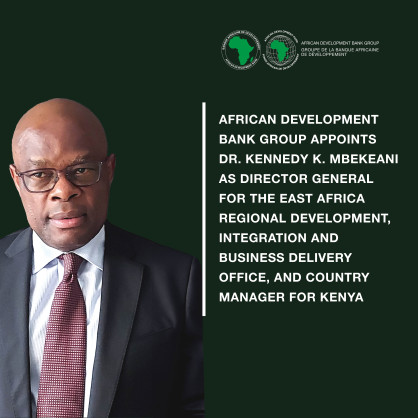
African Development Bank Appoints Dr Kennedy Mbekeani as Director General for East Africa

Location: News
African Development Bank Group (AfDB)

The African Development Bank Group (www.AfDB.org) has appointed Dr Kennedy K. Mbekeani as Director General for the East Africa Regional Development, Integration and Business Delivery Office, and Country Manager for Kenya, effective from 16 October 2024.

Mbekeani, a citizen of Malawi has over 25 years of senior experience in development finance, project management, policy advisory services, and knowledge generation at national and regional levels.

Prior to this appointment, he served as deputy director general for the Bank's Southern Africa Regional Development, Integration and Business Delivery Office. In this  role  he led the Bank's business development and delivery for sovereign and non-sovereign investments, and provided advisory services to South Africa, Lesotho, Botswana, Eswatini, Namibia and Mauritius. His efforts contributed to the Bank's reputation as a trusted partner for high impact development projects in the region. He also managed relationships with governments and the private sector.

Mbekeani joined the Bank in 2009 as Chief Trade and Regional Integration Officer. Subsequently he has held various roles including lead regional economist, officer in charge and acting regional director respectively of the Bank's South African Resource Centre. While serving as country manager for Uganda, he successfully expanded the Bank's portfolio to over $2 billion.

Before joining the Bank, Mbekeani worked for  the United Nations Development Programme as a trade, debt and globalisation advisor for East and Southern Africa. He also served as senior research fellow at the Botswana Institute for Development Policy Analysis, and senior economist at the National Institute for Economic Policy in South Africa.

He holds a Bachelor of Social Science (Economics and Statistics) degree from the University of Malawi, an MPhil in Monetary Economics from the University of Glasgow, and both an MA and PhD in International Economics from the University of California. He has authored numerous publications focusing on trade, regional integration, and infrastructure development in Africa.

Commenting on his appointment, Mbekeani said: “I am grateful and feel honoured by the confidence President Adesina placed in me through this appointment, as Director General for the East Africa Regional Development, Integration and Business Delivery Office and country manager for Kenya. I look forward to working with the president, the Board of Directors, senior management, our teams and stakeholders to enhance the Bank's operational efficiency, effectiveness and drive impactful developmental outcomes across the region.”

President of the African Development Bank Group and Chairman of the Board of Directors Dr Akinwumi Adesina said: “I am delighted to appoint Dr. Kennedy Mbekeani as Director General for the East Africa Regional Development, Integration and Business Delivery Office, and Country manager for Kenya. Kennedy brings extensive experience in managing operations, policy dialogue, coupled with astute diplomacy and well-tested ability to work effectively with countries and development partners. His knowledge of the Eastern Africa region and well-proven experience in delivering robust operations for the public and private sectors will strongly benefit the work and operations of the African Development Bank Group in East Africa and all countries in the region.”

Distributed by APO Group on behalf of African Development Bank Group (AfDB).

Media Contact:
Olufemi Terry
Communication and External Relations
media@afdb.org

About the African Development Bank Group:
The African Development Bank Group is Africa's premier development finance institution. It comprises three distinct entities: the African Development Bank (AfDB), the African Development Fund (ADF) and the Nigeria Trust Fund (NTF). On the ground in 41 African countries with an external office in Japan, the Bank contributes to the economic development and the social progress of its 54 regional member states. For more information: www.AfDB.org

Media files
African Development Bank Group (AfDB)
Download logo
Read moreAfrican Development Bank Appoints Dr Kennedy Mbekeani as Director General for East Africa
16 October 2024

Confirmed Speakers for the 3rd International African Energy, Oil, and Gas Summit 2024

Location: News
African Peace Magazine

African Peace Magazine UK (https://AfricanPeace.org/) is honoured to announce the distinguished line-up of speakers for the 3rd International African Energy, Oil, and Gas Summit, set to take place from October 23rd to 25th, 2024, at Hilton, Windhoek, Rev. Michael Scott Street, Windhoek, Namibia. This summit brings together some of the most influential leaders, industry experts, and change-makers in the energy sector across Africa. These individuals have significantly shaped their respective industries and will contribute profound insights into Africa's energy future. The Charity Golf Tournament and other Tour activities would commence from the 26th to the 30th of October 2024. The Speakers are;

  • Hon. Justice Suleiman Galadima (JSC, OFR, CFR, Rtd) – Chairman of the Board, African Peace Magazine UK

Hon. Justice Galadima is a revered figure in Nigeria's legal community, having served as a Justice of the Supreme Court of Nigeria. He is known for his unwavering commitment to justice and governance in Africa. As Chairman of African Peace Magazine, Justice Galadima plays a critical role in fostering dialogue around peace, security, and development across the continent.

  • HRH Sir David Serena-Dokubo Spiff – Ada IX, Paramount Ruler of Spiff Town, Bayelsa State

HRH Sir David Serena-Dokubo Spiff is a prominent traditional leader from Bayelsa State, Nigeria. His deep commitment to the socio-economic advancement of his people and his influence on the region's energy and resource management make him a vital voice at the summit. He actively advocates for responsible management of natural resources in his community.

  • Dr. Martha Namundjebo-Tilahun – Chairperson, United Africa Group, Namibia

Dr. Martha Namundjebo-Tilahun is a powerful figure in Namibia's business sector and beyond. As the Chairperson of United Africa Group, she has been a driving force behind several large-scale projects in hospitality, real estate, and renewable energy. Her leadership in advancing Africa's energy landscape and sustainable development strategies is exemplary.

  • Abiola Metilelu – CEO, PressPayNG

Abiola Metilelu leads PressPayNG, a groundbreaking fintech company that offers education financing solutions. Under his leadership, PressPayNG is bridging the financial gap for students across Nigeria, directly impacting the education and energy sectors by creating a more skilled workforce for the future.

  • Dr. Udochu Ogbonnaya – Executive Director, Green Energy International Ltd (GEIL)

A visionary in Nigeria's oil and gas industry, Dr. Udochu Ogbonnaya is shaping the future of sustainable energy in Africa. As the Executive Director of GEIL, he drives innovation in the extraction and development of energy resources while maintaining a focus on environmental responsibility.

  • Mrs. Frieda Tunyoleni Amuela – Extractive Industry Law Expert

Mrs Amuela is a respected expert in the legal frameworks governing Africa's extractive industries. Her insights into compliance and legal challenges in oil and gas operations have made her a sought-after voice in regulatory discussions. Her work ensures that Africa's natural resources are managed with accountability and transparency.

  • Mr. Immanuel Mulunga – Former MD, National Petroleum Corporation of Namibia (NAMCOR)

Mr. Mulunga is a seasoned expert in Namibia's oil and gas industry, having held key leadership roles, including serving as Managing Director of NAMCOR. His deep understanding of petroleum resource management in Namibia and his strategic leadership have had lasting impacts on the country's energy landscape.

  • Engr. Chukwuemeka Woke – Director-General/CEO, National Oil Spill Detection and Response Agency (NOSDRA)

Engr. Woke leads NOSDRA, Nigeria's primary agency responsible for monitoring and responding to oil spills. His efforts in promoting environmental sustainability in the face of oil extraction activities have been instrumental in safeguarding Nigeria's ecological future.

  • Professor Geoffrey Shakwa – Founder & MD, Anti-Corruption Education Consultancy

Professor Shakwa is a staunch advocate for anti-corruption measures in Africa, having founded the Anti-Corruption Education Consultancy. His work aims to educate and promote transparency, which is critical for sustainable development in Africa's energy sectors.

  • Mr Tassius Chigariro – Chief Executive Officer, Old Mutual Namibia

Tassius Chigariro heads Old Mutual Namibia, a leading financial services company. His strategic expertise in investments and financial management has made Old Mutual a key player in supporting economic growth in Namibia and throughout Africa's energy sectors.

  • Dr. Joseph Tolorunse – Authority Secretary and Legal Adviser, Nigerian Midstream and Downstream Petroleum Regulatory Authority (NMDPRA)

Dr. Tolorunse brings a wealth of knowledge in regulatory frameworks, ensuring Nigeria's midstream and downstream petroleum sectors operate within best practices and international standards. His work strengthens Nigeria's position as a key player in the global energy market.

  • Olusegun Ilori (Esq) – Executive Director, Green Energy International Ltd (GEIL)

A legal expert in energy law, Olusegun Ilori has been instrumental in shaping GEIL's business strategy, ensuring compliance with global energy regulations while advocating for sustainable practices.

  • Engr. Sunday Babalola – Executive Director, Green Energy International Ltd (GEIL)

Engr. Babalola's expertise in engineering and operations has been pivotal to GEIL's success in executing oil and gas projects with a focus on innovation and sustainability.

  • Alh. Auwalu Abdullahi Rano (OON) – Founder & CEO, A.A. Rano Nigeria

Alh. Rano is a prominent entrepreneur in Nigeria's oil and gas sector, with his company, A.A. Rano, being a leading player in petroleum marketing and distribution. His business acumen has significantly contributed to Nigeria's energy supply chain.

  • Prof. Anthony Adegbulugbe – CEO, Green Energy International Ltd (GEIL) & Former SA to the President of Energy

Prof. Adegbulugbe is a renowned energy expert with a wealth of experience in energy policy and management. As CEO of GEIL, he is at the forefront of pushing Africa towards a greener energy future.

  • Dr. Martin Harris – Senior Geosciences Researcher, University of Namibia

Martin Harris is a leading geoscientist in Namibia, focusing on energy resource exploration and development. His research and contributions have enhanced the understanding of Namibia's geological wealth.

  • HRM Makitu III – Kingdom of Kongo, Angola

As the traditional ruler of the Kingdom of Kongo, HRM Makitu III is a respected leader who advocates for the preservation and responsible use of natural resources within his kingdom, including energy resources that are key to Angola's economic development.

  • Engr. Wole Ogunsanya (FNSE) – Chairman/CEO, Geoplex Drillteq Limited

Engr. Ogunsanya leads Geoplex Drillteq, a company offering cutting-edge drilling solutions for Africa's oil and gas industry. His leadership in innovation has made Geoplex a leader in the sector, offering technological solutions that enhance efficiency. Engr. Wole Ogunsanya is the current Chairman of the Petroleum Technology Association of Nigeria. PETAN is an association of Nigerian Indigenous Technical Oilfield service companies in the upstream and downstream. PETAN is the primary trade and advocacy association of the oil and natural gas industry in Nigeria, representing nearly 100 members involved in various aspects of petroleum.

  • Mr. Tarah N. Shaanika – CEO, Namibia Asset Management

Tarah Shaanika oversees Namibia Asset Management, a leading investment company in Namibia. His experience in financial management and investment has propelled the company into playing a crucial role in funding energy and infrastructure projects in Namibia.

  • Aggrey Ashaba – General Manager, Alliad, Uganda

Aggrey Ashaba is a business leader with deep expertise in the oil, gas, mining, and energy sectors. As General Manager of Alliad in Uganda, he plays a key role in driving the country's energy strategy, focusing on sustainable development.

  • Daniel Tuyoleni Williams – CEO, Mind Space Consults

Williams is a respected business consultant whose firm, Mind Space Consults, provides strategic insights and advisory services in energy and business development across Africa, helping companies navigate complex markets and regulatory environments.

  • Alh. Saleh Baba Rano

A key player in Nigeria's oil and gas sector, Alh. Saleh Baba Rano has been instrumental in the growth and development of the sector, bringing strategic insights and leadership to discussions around energy in Africa.

  • Abimbola Okoya – Founder, Basic Education Africa

Abimbola Okoya is a passionate advocate for education in Africa, founding Basic Education Africa to provide accessible learning opportunities to underserved communities. Her work directly impacts the future of Africa's workforce, particularly in the energy and technology sectors.

  • Professor Jude Osakwe – Faculty of Computing and Informatics, Namibia University of Science and Technology

Professor Jude Osakwe is a prominent academic and researcher with a focus on Data Governance, Data Analytics, ICT in Education, and ICT for Development (ICT4D). He holds various professional certifications in project management, big data analytics, business intelligence, and digital marketing. His extensive research work and involvement in international conferences make him a vital contributor to discussions on the integration of ICT into development strategies across Africa. Professor Osakwe's dedication to bridging the gap between theory and practical implementation of ICT solutions has positioned him as a respected figure in the academic and business sectors.

  • M. Jinot Razafimamonjy – Director of Hydrocarbons, Ministry of Energy and Hydrocarbons, Madagascar

M. Jinot Razafimamonjy serves as the Director of Hydrocarbons in Madagascar's Ministry of Energy and Hydrocarbons. His leadership in managing the country's hydrocarbon resources has been instrumental in driving economic growth and ensuring sustainable development in the energy sector. His participation at the summit will provide critical insights into Madagascar's approach to energy management and its vision for the future of its oil and gas industry.

  • S P Jika Ogbeche – Assistant Comptroller General (ACG), Air Nigeria Immigration Service (NIS)**

S P Jika Ogbeche holds a senior leadership role within the Nigeria Immigration Service, overseeing the Air Border Division. His extensive experience in managing Nigeria's air borders and contributing to national security efforts will bring a unique perspective to discussions on energy security and the role of governance in the sector.

  • Engr. Farouk Ahmed – Authority Chief Executive Officer, Nigerian Midstream and Downstream Petroleum Regulatory Authority (NMDPRA)

Engr. Farouk Ahmed is at the helm of Nigeria's NMDPRA, playing a critical role in regulating and ensuring the sustainable development of Nigeria's midstream and downstream petroleum sectors. His leadership has been instrumental in modernizing the regulatory framework, promoting investment, and ensuring energy security in one of Africa's most important energy markets.

  • Dr. Lloyd C. Williams – United States of America

Dr. Lloyd C. Williams is an esteemed expert in the fields of energy and sustainability, hailing from the United States. With a distinguished career marked by contributions to both the public and private sectors, Dr. Williams is dedicated to advancing clean energy initiatives and fostering innovation in oil and gas. His global perspective will add invaluable insights into the discussions at the summit.

  • Mr. Tassius Chigariro – Chief Executive Officer, Old Mutual Namibia

As the CEO of Old Mutual Namibia, Mr. Tassius Chigariro is a key figure in the financial services sector, driving initiatives that support sustainable investments in energy and infrastructure. His experience in leading one of Africa's most reputable financial institutions positions him as an influential voice in the intersection of energy finance and economic development.

  • Cydolian Raveloson – Acting Director General, Madagascar Hydrocarbons Office

Cydolian Raveloson is the Acting Director General of Madagascar's Hydrocarbons Office, where he plays a pivotal role in managing the country's energy resources. His efforts are focused on ensuring the efficient exploitation and management of Madagascar's oil and gas reserves, contributing to both the nation's economic growth and energy security.

These esteemed speakers join an already impressive lineup, including leading figures from government, academia, and the private sector, all dedicated to advancing Africa's energy future. Their participation is set to elevate the summit's discussions, fostering meaningful collaborations and forward-thinking strategies.

"The diverse group of speakers at the upcoming IAEOG Summit 2024 reflects our heartfelt commitment to inspiring discussions that lead to tangible outcomes. These industry leaders are passionate about finding ways to alleviate poverty, create job opportunities, and enhance our GDP. Together, we envision a transformative event that enlightens the public and fosters collaborative efforts, ultimately driving meaningful change for the betterment of our communities."- Chairman Hon. Justice Suleiman Galadima JSC, CFR, OFR (Rtd.)

Distributed by APO Group on behalf of African Peace Magazine.

For more details on the full list of speakers, agenda and for sponsorship, participation, partnership, Exhibition and speaking opportunities and all other enquiries please contact:
Florek or Liana
Phone +264817617590
Phone: +264818331921
email: florekharris@africanoilandgassummit.com
event@africanoilandgassummit.com
africanpeacemag@gmail.com

Uduak Okon
International Affairs
+2348033975746
+447407399766

Nigeria Abuja Office:
Suite FT 12B Alibro Atrium Plaza Utako Abuja
+2348033975746

South African Office:
16 Ridge Road Vorna Valley Midland 1686 South Africa
+27662449117

Angola:
Call +244928690892
+244993656970
+244927589884

London Office:
Call +4477771217805
WhatsApp +447407399766

African Peace Magazine:
Website: https://AfricanPeace.org/
https://www.AfricanPeaceAwards.com/
https://AfricanOilandGasSummit.com/
Email: africanpeacemag@gmail.com

Social Media:
Twitter: https://apo-opa.co/4eM9eKk 
Facebook: https://apo-opa.co/4f38u3m
I.G: http://apo-opa.co/4eHvpBF 
LinkedIn: http://apo-opa.co/4eJVYGh

Media files
African Peace Magazine
Download logo
Read moreConfirmed Speakers for the 3rd International African Energy, Oil, and Gas Summit 2024
16 October 2024

What I Learned on My Journey Through Breast Cancer

Location: News

In Breast Cancer Awareness Month we can all do something to help

Read moreWhat I Learned on My Journey Through Breast Cancer
15 October 2024

Department undertakes initiative to review spending habits

Location: News

Department undertakes initiative to review spending habits

The Department of Forestry, Fisheries and the Environment has initiated a comprehensive departmental spending review to ensure that every rand is utilised effectively.

“This process is designed to scrutinise our expenditures, identify areas where we can achieve greater efficiency, and reallocate resources to priority programs that deliver the greatest benefit to our environment and citizens,” Minister of Forestry, Fisheries and the Environment Dr Dion George said on Tuesday in Cape Town.

Addressing the media on his 100 days in office, the Minister said his department was committed to upholding the highest standards of fiscal responsibility and in understanding the importance of prudent financial management.

“By eliminating wasteful spending and streamlining operations, we aim to ensure that every rand is utilised effectively. Over the medium term, the department's budget has been reduced by nearly R2 billion.

“In recognising that effective conservation and environmental initiatives require substantial resources, we have been actively working to attract donor income and ensure financial efficiency within our department and its entities,” the Minister said.

In the past 100 days, the department has embarked on a strategic campaign to engage with international donors, private sector partners, and philanthropic organisations.

“These efforts have begun to bear fruit, with several promising discussions underway to secure funding for key conservation projects and community-based environmental programs. By diversifying our funding sources, we are enhancing our capacity to implement impactful initiatives without placing additional strain on the national budget,” the Minister said.

He was reflecting on the milestones of the work that has been done since his appointment by President Cyril Ramaphosa to lead the department.

The President appointed George and Deputy Ministers, Bernice Swarts and Narend Singh, on 03 July 2024 to lead the department under the Government of National Unity (GNU).

In the short to medium term, the department will prioritise climate change and energy; fisheries, particularly small-scale fisheries, and aquaculture; wildlife and biodiversity; and conservation efforts and environmental protection initiatives.

Reducing red tape

The department has also embarked on a comprehensive review of its regulatory frameworks to identify bottlenecks and areas in need of improvement.

“I am pleased to share that we have made substantial progress in starting to simplify procedures and reducing unnecessary red tape. We have also started to engage with industry leaders, environmental organisations, and community representatives to gather feedback on regulatory obstacles.

“By collaborating closely with these stakeholders, we are developing practical solutions that reflect the realities on the ground. This approach ensures that our policies strike the right balance between environmental protection and economic development,” George said.

As part of these efforts, as the appeal authority over decisions taken by the officials within the department in terms of the National Environmental Management Act, the Marine Living Resources Act, the Integrated Coastal Management Act and the Promotion of Access to Information Act, the Minister has prioritised the finalisation of appeals.

“In my first 100 days I have considered 65 appeals, ensuring that outstanding matters are addressed promptly and fairly. - SAnews.gov.za
 

nosihle
Tue, 10/15/2024 - 12:15

360 views
Read moreDepartment undertakes initiative to review spending habits
15 October 2024

Revitalising SA’s national parks to world destinations

Location: News

Revitalising SA’s national parks to world destinations

The Department of Forestry, Fisheries and the Environment has undertaken a bold initiative designed to elevate the country’s parks to world-renowned tourism destinations.

This will be achieved through the new Kruger, Kirstenbosch-iSimangaliso Icon Status Strategy, or KISS, which is focused on reforming each of these iconic sites into world-class destinations that set new standards for conservation, education, and sustainable tourism.

“Throughout the seventh administration we will reimagine each of our botanical and zoological gardens of the future. It will involve integrating cutting-edge technologies, enhancing visitor experiences, and implementing innovative conservation practices.

“By modernising infrastructure and embracing digital innovations, we aim to transform these destinations into more accessible and engaging experiences for all visitors, both local and international,” Minister of Forestry, Fisheries and the Environment Dr Dion George said on Tuesday in Cape Town.

Addressing the media on his 100 days in office, the Minister said elevating these iconic sites will inspire a deeper appreciation for the country’s environment and reinforce South Africa's leadership in global conservation initiatives.

“However, the transformation of these sites will span beyond environmental stewardship and into economic development. The KISS initiative will aim to create new jobs in the green economy and provide opportunities in fields such as environmental science, sustainable tourism, and wildlife management.

“By investing in training and capacity-building programs, we will empower local communities and foster inclusive growth from the ground up. Moreover, as South Africa prepares to assume the G20 Presidency next year, we see a unique opportunity to showcase these world-class sites on the global stage,” the Minister explained.

He said his department plans to host key G20 meetings and international conferences at locations like Kirstenbosch and the Kruger National Park, which will position South Africa as a premier destination for future global dialogues on sustainability and conservation driven economic development.

Captive lion breeding

Following in the footsteps of his predecessor, the Minister said he has taken a clear and decisive stance against captive lion breeding.

“The process initiated by my predecessor will continue. The Fair Industry for Lions, Leopards, Elephants, and Rhinos initiative, known as the FILLER, is dedicated to ensuring a fair and sustainable future for our country’s most iconic wildlife.

“Our goal is to boost economic activity and create jobs in eco-tourism and conservation, all while safeguarding these magnificent creatures for generations to come,” the Minister said.

Small-scale fishers and coastal communities

Recognising the difficulties faced by small-scale fishers and coastal communities, the Minister has initiated a process to simplify the application for fishing licenses.

“By removing bureaucratic barriers and streamlining procedures, we aim to make it easier for local fishers to obtain the necessary permits to operate legally and sustainably. This will empower individuals and small enterprises, promote inclusivity in the fishing industry and ensure that economic opportunities are accessible to those who need them most.

“In addition to policy reforms, I have embarked on a comprehensive 12-harbour tour to engage directly with the communities that rely on our maritime resources. So far, I have conducted oversight visits at four of these harbours, where I have met with local fishers, community leaders, and stakeholders. These visits have provided invaluable insights into the everyday realities and opportunities within the sector.”

During these engagements, issues ranging from infrastructure needs and safety concerns to market access and training opportunities were discussed.

“Moreover, I am meeting with lawyers for conservationists and small-scale fishers on the litigation currently heading to court. I am certain we can reach a settlement that will ensure the future of our African penguin population in the wild,” the Minister said. 

He was reflecting on the milestones of the work that has been done since his appointment by President Cyril Ramaphosa to lead the department.

The President appointed George and Deputy Ministers, Bernice Swarts and Narend Singh, on 03 July 2024 to lead the department under the Government of National Unity (GNU).

In the short to medium term, the department will prioritise climate change and energy; fisheries, particularly small-scale fisheries, and aquaculture; wildlife and biodiversity; and conservation efforts and environmental protection initiatives. - SAnews.gov.za
 

nosihle
Tue, 10/15/2024 - 12:43

428 views
Read moreRevitalising SA’s national parks to world destinations
15 October 2024

Special Investigating Unit: cracking down on corruption

Location: News

Special Investigating Unit: cracking down on corruption

The Special Investigating Unit (SIU) has closed more than 1900 cases during the 2023/24 financial year.

The unit also handed over 26 comprehensive reports to President Cyril Ramaphosa on the outcomes of investigations.

“These reports include, amongst others, the investigations about the National Lotteries Commission, Passenger Rail Agency of South Africa (PRASA), the Masters' Office, and National Student Financial Aid Scheme (NSFAS). These reports reflect the SIU’s dedication to transparency and accountability in the fight against corruption.

“The SIU has referred evidence for the institution or defence/opposition of civil proceedings worth R4.8 billion. This includes, amongst others, matters regarding R2 billion from Eskom, R834 million from Transnet, R29.1 million from the eThekwini Metropolitan Municipality and R48.4 million from the City of Cape Town,” the unit said in a statement.

The unit has conducted lifestyle audits at PRASA, the Gauteng Office of the Premier, and the Free State Department of Community Safety, Roads, and Transport.

The SIU said it was committed to partnering with other law enforcement agencies to combat corruption.

“The SIU recognises the importance of collaboration in the fight against corruption. In line with the SIU Act, 583 criminal referrals were made to the National Prosecuting Authority, ensuring accountability prosecution of officials, private entities and individuals involved in corrupt activities. 

“These referrals reflect the unit’s ongoing efforts to ensure consequences for those who engage in corruption, maladministration and fraud. To ensure accountability for government officials involved in wrongdoing, SIU referred 297 officials to respective state institutions for disciplinary action,” the statement read.

The corruption busting unit is now within the fifth year of its turnaround strategy and has vowed to keep up the fight against criminality.

“[We] remain resolute in our mission to combat corruption, fraud, maladministration and malpractice in the public sector.

“The next five-year strategy will build on the successes of the previous strategy and focus on developing and implementing the National Corruption Prevention Strategy and implementing best practices, including cyber and data analytics, and further business process digitisation programmes,” the statement said. – SAnews.gov.za


NeoB
Tue, 10/15/2024 - 13:13

323 views
Read moreSpecial Investigating Unit: cracking down on corruption
15 October 2024

Government to relaunch initiative for planting trees

Location: News

Government to relaunch initiative for planting trees

Deputy Minister of Forestry, Fisheries and the Environment Bernice Swarts has announced that her department plans to relaunch an initiative aimed at planting one million trees.

“We want to call on all South Africans – the three spheres of government, forestry sector, private sector, labour, academia, civil society and many others to join this ambitious campaign by pledging and committing to providing and planting trees on that specific day and going forward. Trees are important for life. Plant a tree today,” Swarts said.

Addressing the media on her first 100 days in office, she said the department plans to relaunch the Presidential Ten Million Tree Programme by planting one million trees in one day, on a day to be announced soon. 

The Presidential Ten Million Tree Programme is a clarion call by President Cyril Ramaphosa to all sectors of society led by the department.

As part of the activities for the National Arbor Month campaign, 6 000 trees were planted. 

“The launch [National Arbor Month campaign] was hosted at Freedom Park in Pretoria and the closing ceremony at Fort Cox Agriculture and Forestry Training Institute in Middledrift, Eastern Cape. A total of 6000 trees were planted in both the localities that hosted these ceremonies. 

“The Arbor Month campaign is aimed at raising awareness among South Africans about the importance of conserving, protecting, and planting trees for the benefit of both the environment and society,” the Deputy Minister said.

As part of the Arbor Month launch, she planted the first tree to officially initiate the Forest of Freedom at the designated site at Freedom Park in honour of the heroes and heroines who contributed to South Africa's democracy and liberation struggle. 

“The first 30 trees planted at the Forest of Freedom marks the 30 years of freedom and democracy in South Africa. World leaders and other luminaries visiting Freedom Park will get an opportunity to plant a tree in the Forest of Freedom, when it is ready,” the Deputy Minister said. 

She was reflecting on the work that has been done since her appointment by President Cyril Ramaphosa as a Deputy Minister.

The President appointed the Minister of Forestry, Fisheries and the Environment Dr Dion George and Deputy Ministers Bernice Swarts and Narend Singh on 03 July 2024 to lead the department under the Government of National Unity (GNU). - SAnews.gov.za
 

nosihle
Tue, 10/15/2024 - 13:17

388 views
Read moreGovernment to relaunch initiative for planting trees
15 October 2024

Lottery Spent R1.5-Million on “Lawfare” to Try to Stop Minister Ebrahim Patel’s Anti-corruption Battle

Location: News

For years, costly and sustained litigation funded by public money was launched against Patel

Read moreLottery Spent R1.5-Million on “Lawfare” to Try to Stop Minister Ebrahim Patel’s Anti-corruption Battle
15 October 2024

African Development Bank and Absa Unveil Multi-Billion Rand Financial Package to Expand Sustainable Capital Markets, Boost Economic Growth for Women and Youth

Location: Business

African Development Bank Group (AfDB)
Download logo

The African Development Bank (www.AfDB.org) and Absa Group, one of Africa's leading financial services providers, today celebrated a landmark agreement to mark the execution of a transformative financial package aimed at increasing funding for underserved segments, across South Africa and the continent. The target audience includes women-owned businesses, youth entrepreneurs, and small and medium-sized enterprises (SMEs).

In addition to enhancing Absa's regulatory capital, the facility will promote access to finance, deepen domestic capital markets, and ensure continued access to global supply chains for issuing banks in regional member countries, including low-income and fragile states.

The financial package includes:

  • A subordinated sustainability-linked (Tier 2) loan amounting to R1.7 billion, complemented by a non-financial support package of R18 million for capacity building and technical assistance targeted at SMEs, youth, and women-owned enterprises.
  • Subscription of R1 billion into Absa's inaugural social (Tier 2) bond issuance, with proceeds earmarked for providing affordable housing loans to female homeowners.
  • A trade finance Risk Participation Agreement (RPA) facility valued at $150 million, designed to underwrite the risks of trade transactions originated by African issuing banks, reinforcing Absa's role as a regional bank.

Several components of the package have already been executed, including the successful issuance of Absa's first Tier 2 social bond on the Johannesburg Stock Exchange in July 2024. The R1 billion proceeds from this bond will be allocated towards affordable housing loans specifically targeting women, empowering them as first-time homeowners in low-income segments.

Leila Mokaddem, Director General of the African Development Bank's Southern Africa Region, stated: “This partnership with Absa Group underscores our commitment to driving sustainable and inclusive economic growth across Africa. Through this financial package, we are not only fortifying Absa's capital base but also ensuring that essential funding reaches women, youth, and entrepreneurs, fostering a more equitable and prosperous continent. This collaboration aligns seamlessly with our strategic priorities of supporting Africa's industrialization and enhancing the quality of life for its people. “

Absa has secured a R1.7 billion sustainability-linked Tier 2 loan aimed at general corporate business purposes while incentivizing the extension of finance products to women-owned SMEs as a key performance indicator. As part of this agreement, Absa is collaborating with the African Development Bank to enhance skills among both Absa staff and women business owners. A capacity-building training program has been launched to address the unique challenges faced by female and youth entrepreneurs, by providing mentorship and financial solutions.

Charles Russon, Absa Group interim CEO designate remarked: “The finalisation of this package concludes a three-year process that significantly enhances our capacity to fund social initiatives aligned with our commitment to being a force for good. This partnership enables us to increase funding for women and youth in South Africa while facilitating greater trade opportunities across the continent. “

“This partnership aligns with the African Development Bank's strategic objectives of advancing green, social, and sustainability instruments in the domestic capital markets, supporting African capital market development and regional financial integration,” said Ahmed Attout, Director of the Financial Sector Development Department at the African Development Bank. He emphasised that it is designed to empower Absa to effectively disburse funds for highly impactful social and sustainable economic development initiatives.

The $150 million trade finance facility will drive trade support across Africa, addressing the continent's annual trade finance gap of over $100 billion. This initiative will enhance access to financing for key sectors such as agriculture, transport, and manufacturing, while fostering financial sector development and regional integration.

Distributed by APO Group on behalf of African Development Bank Group (AfDB).

Contact:             
African Development Bank:  

Natalie Naudé,
Communication and External Relations Department,
email: media@afdb.org

Technical Contacts:
Peter Onyango,
Chief Capital Markets Officer,
Financial Sector Development Department,

Bleming Nakati,
Regional Lead,
Private Sector Operations, Southern Africa

Absa:
Carli Cooke,
Head of Media Relations,
email : prmedia@absa.afrca

About the African Development Bank Group:
The African Development Bank Group is Africa's premier development finance institution. It comprises three distinct entities: the African Development Bank (AfDB), the African Development Fund (ADF) and the Nigeria Trust Fund (NTF). On the ground in 41 African countries with an external office in Japan, the Bank contributes to the economic development and the social progress of its 54 regional member states. For more information: www.AfDB.org

About Absa Group:
Absa Group Limited (‘Absa Group') is listed on the Johannesburg Stock Exchange and is one of Africa's largest diversified financial services groups.  Absa Group offers an integrated set of products and services across personal and business banking, corporate and investment banking, wealth and investment management and insurance.  

Absa Group owns majority stakes in banks in Botswana, Ghana, Kenya, Mauritius, Mozambique, Seychelles, South Africa, Tanzania (Absa Bank Tanzania and National Bank of Commerce), Uganda and Zambia and has insurance operations in Botswana, Kenya, Mozambique, South Africa and Zambia. Absa also has offices in China, Namibia, Nigeria and the United States, as well as securities entities in the United Kingdom and the United States, along with technology support colleagues in the Czech Republic. 

For further information about Absa Group Limited, visit www.Absa.africa. 

Read moreAfrican Development Bank and Absa Unveil Multi-Billion Rand Financial Package to Expand Sustainable Capital Markets, Boost Economic Growth for Women and Youth
14 October 2024

Improved sentiment is rooted in real economic progress – President

Location: News

Improved sentiment is rooted in real economic progress - President

With just over 100 days since the members of the Government of National Unity were sworn into office, President Cyril Ramaphosa says the county has witnessed a marked increase in confidence in the direction of the country.

In his weekly newsletter, the President noted that South Africans across various sectors were increasingly supporting government’s efforts, which is reflected in recent opinion polls. 

One of the polls conducted by Ipsos revealed that the proportion of participants who believe the country is on the right track has doubled since the last surveys were conducted in April and June this year. 

“There is also rising confidence in our country’s economic growth prospects by business and local and international investors. This was evident in the engagements I recently had with business leaders in Beijing and New York, and that Deputy President Paul Mashatile had with business leaders in London,” the President said. 

In September, the Bureau of Economic Research and Rand Merchant Bank published its first Business Confidence Index since the formation of the new administration. It pointed to “cautious optimism” about improving business conditions in key economic sectors. It said improved electricity supply and political certainty following the elections had likely contributed to this improved business confidence.

“Sentiment is more than a ‘warm and fuzzy’ feeling. It is made possible by real developments in the economy and the country. Business confidence goes beyond discussion in boardrooms and conference halls. 

“It is about the interest that is shown in our economy by all investors, both local and offshore. Sentiment has a direct impact on people’s lives as it can manifest itself in increased investments that can result in job creation,” the President said.

President Ramaphosa stressed that this rising confidence would have a tangible impact on the country’s fiscal health. 

“Improved investment sentiment will benefit our country’s fiscus. A stronger economic outlook will improve South Africa’s credit rating, which in turn will facilitate greater access to global capital markets and lower our borrowing costs. 

“When we spend less money on debt servicing costs, government has more space to increase its expenditure on building public infrastructure and providing education, healthcare, basic services and social support,” the President said. 

President Ramaphosa noted that improved sentiment had strengthened the currency, lowering the cost of imports like oil, which in turn reduces fuel prices and the overall cost of living for South Africans.

“Increased business confidence attracts higher levels of private investment in the economy. When investors are more optimistic about their business prospects, they are more likely to invest more capital and expand their existing operations. Improved confidence also encourages the start-up of new businesses. 

“More business activity creates more jobs and opportunities for our people. As businesses grow, they need to hire more employees and are able to increase wages,” the President said. 

President Ramaphosa explained that when people feel secure in their jobs and income, they spend more, boosting economic activity and increasing government revenue. 

He attributed the improved sentiment to the successful transition to the new administration, which enjoyed broad support and ongoing reforms that were addressing key economic and social challenges.

Another key development has been the country’s successful efforts to resolve the energy crisis.

“The country has had more than 200 days without load shedding. This has made a considerable difference to the lives of citizens and the operations of businesses. This work has also unlocked unprecedented levels of investment in the energy sector,” President Ramaphosa said. 

Reforms in the logistics sector were also gaining momentum, with improvements in the operational performance of the nation’s port and rail networks. These advances are expected to boost not only economic activity but also the everyday lives of South Africans.

While President Ramaphosa acknowledged that economic growth has yet to accelerate, he expressed optimism that the government was laying a solid foundation for long-term progress. 

“It is still early days for the Government of National Unity. The growth of our economy is still to pick up pace. However, a firm foundation is being laid, our growth prospects are being revised upwards and we are heading in the right direction,” the President said. 

The President concluded by emphasising the importance of maintaining this momentum. 

“It is clear that the improved confidence of the South African people and the positive sentiment among investors are well-founded.

“Our task now is to work together to further encourage hope and optimism by making a real and substantial difference in the lives of all South Africans," he said. – SAnews.gov.za


DikelediM
Mon, 10/14/2024 - 11:29

48 views
Read moreImproved sentiment is rooted in real economic progress – President
12 October 2024

Lottery Blows Millions of Rands on Lawyers

Location: News

Previous minister suggested that previous Lottery management and board colluded with law firms

Read moreLottery Blows Millions of Rands on Lawyers
12 October 2024

SASSA Recovers R150-Million in Ineligible Grants Payments

Location: News

But the agency is bleeding funds due to fraudulent payments still being made

Read moreSASSA Recovers R150-Million in Ineligible Grants Payments
11 October 2024

3rd Project Steering Committee Meeting on Conserving Aquatic Biodiversity in Africa’s Blue Economy

Location: News

The African Union – Interafrican Bureau for Animal Resources (AU-IBAR)
Download logo

The third Project Steering Committee (PSC) meeting of the "Conserving Aquatic Biodiversity in Africa's Blue Economy" project took place on October 9, 2024, in Mombasa, Kenya. The meeting aimed to update stakeholders on project progress, discuss difficulties, and provide strategic guidance for the future. The meeting included discussions on the 2023-2024 work plan, no-cost extension activities, adopted recommendations, and strategic recommendations for future project implementation.

The opening session was chaired by Dr. Huyam Salih, Director of AU-IBAR, on behalf of H.E. Ambassador Josefa Sacko, Commissioner for Agriculture, Rural Development, Blue Economy, and Sustainable Environment. Dr. Salih welcomed participants and expressed gratitude to the Government of Kenya and the Swedish International Development Cooperation Agency (SIDA) for their continued support.

In his statement, Dr. Joachim Beijmo, Head of Regional Development Cooperation in Africa at the Swedish Embassy to the African Union, emphasized the importance of the Blue Economy for livelihoods and food security across Africa. He highlighted Sweden's commitment to aquatic biodiversity conservation and development cooperation across many sectors, with the Blue Economy being a key priority. Dr. Beijmo underscored the potential of the Blue Economy to improve livelihoods and noted that the sustainable management of aquatic ecosystems is a global concern. He welcomed the growing interest from diverse stakeholders, including local communities, and emphasized the importance of cooperation among institutions to maximize synergies. However, he also warned about the increasing threats to ecosystems, such as overfishing, and reaffirmed Sweden's commitment to expanding Marine Spatial Planning (MSP) initiatives and supporting local communities in conservation efforts.

Dr. Ndiaga Gueye, Senior Fisheries and Aquaculture Officer at FAO's Regional Office for Africa, commended AU-IBAR for its achievements in aquatic biodiversity conservation and called for continued efforts in this critical area. He pointed out the vulnerability of oceans and inland waters and noted that the fishing industry is at a crossroads. Dr. Gueye stressed the need for greater investment in capacity building to achieve Sustainable Development Goal (SDG) 14, which focuses on life below water. He also highlighted the importance of international agreements, which can take time to implement, and emphasized the essential role of the private sector in the sustainable management of aquatic resources. Access to data, knowledge sharing, and enhanced communication were identified as key enablers for achieving these goals.

In his remarks officially opening the meeting, Mr. Rodrick Kundu, Secretary of the State Department for Blue Economy and Fisheries, Kenya, highlighted the challenges faced by aquatic ecosystems, including pollution and the impacts of climate change, which have severely undermined the productivity of fisheries resources. He stressed that when the productivity of these resources declines, the livelihoods of millions of people, especially those dependent on fisheries, are negatively affected. Mr. Kundu acknowledged Kenya's leadership in promoting the Blue Economy, citing its role in high-level initiatives such as the Blue Growth concept and its participation in the High-Level Panel for a Sustainable Ocean Economy. He also noted the significant benefits Kenya has gained from the project, particularly in terms of capacity building among local communities.

Solidarity Messages from the Regions

Representatives from the five regions of Africa shared insights on their countries' progress in aquatic biodiversity conservation:
- Uganda: Ms. Grace Namukasa, representative of the Ministry of Agriculture, Animal Industry, and Fisheries, highlighted Uganda's achievements in transboundary aquatic ecosystem management. She emphasized the importance of regional cooperation to address challenges in aquatic biodiversity and noted Uganda's commitment to sustainable resource management.
- Côte d'Ivoire: Mr. Yao N'da Firmin, Director of Blue Economy and Coastal Environment, underscored the critical role of fisheries in food security in West Africa. He explained that Côte d'Ivoire has implemented systems for managing biodiversity and is currently working on its second Marine Spatial Planning (MSP) project. Mr. Firmin emphasized the need for integrated strategies to enhance the conservation of aquatic biodiversity and adapt to emerging challenges.
- Cameroon: Prof. Paul Tchawa, Secretary General of MINEPDED, discussed Cameroon's National Strategy on mangrove conservation and climate change adaptation. He stressed the importance of solidarity and complementarities among African countries to defend their shared interests in aquatic resource conservation.
- South Africa: Mr. Belemane Semoli, Chief Director of Aquaculture and Economic Development, reiterated the significance of sustaining aquatic biodiversity for mitigating climate change and promoting sustainable development. He highlighted that maintaining biodiversity is essential for both aquatic ecosystems and human life, providing energy, food, shelter, and livelihoods. Mr. Semoli noted South Africa's Marine Spatial Plan and Ocean Plan, which recognize the contributions of all sectors, and identified the challenge of balancing conservation with realizing the socio-economic benefits of the Blue Economy.

Technical Sessions and Presentations

Key presentations covered the progress of the project, recommendations from the PTC, the project's no-cost extension activities, and budget updates. The PSC members endorsed the presentations and commended AU-IBAR for the significant achievements made so far.

Emerging Issues and Recommendations

Several important issues were raised during the meeting, including the need for:
- A second phase of the project to ensure sustainability and broader coverage across Africa.
- Increased collaboration with regional institutions to strengthen capacity-building efforts.
- Greater private sector involvement to support the long-term sustainability of the project.
- Addressing the challenges of plastic pollution and expanding training programs to replicate the project's successes in other regions.

The PSC members endorsed the recommendations from the 3rd PTC and approved the work plan for the no-cost extension. They recommended the preparation of a comprehensive report on the 3rd PSC meeting and requested AU-IBAR to share its exit strategy with PSC members. They also urged AU-IBAR to begin preparations for a second phase of the project and to enhance partnerships with both regional institutions and the private sector.

The meeting concluded with closing remarks from Dr. Huyam Salih, AU-IBAR Director, as well as representatives from Uganda and SIDA. SIDA noted the significant progress made, the valuable recommendations provided, and the strong leadership demonstrated throughout the project. FAO acknowledged the relevance of the successful recommendations shared during the exchanges.

In her vote of gratitude, the president of AWFISHNET emphasised the importance of women's participation in the initiative. A government officer from Kenya formally ended the meeting. The significance of ongoing communication with member nations was stressed by Mr. Rodrick Kundu in his concluding remarks. He emphasised the significance of establishing mechanisms for cross-border cooperation, bringing project initiatives down to the local level, and keeping partnerships and accountability at the forefront of the project's objectives. At its third meeting, the Project Steering Committee (PSC) reaffirmed AU-IBAR's dedication to protecting aquatic biodiversity in Africa and fostering long-term growth in the Blue Economy across the continent.

Distributed by APO Group on behalf of The African Union – Interafrican Bureau for Animal Resources (AU-IBAR).

Read more3rd Project Steering Committee Meeting on Conserving Aquatic Biodiversity in Africa’s Blue Economy
11 October 2024

Benin to Contribute $2 Million to the African Development Fund

Location: News
African Development Bank Group (AfDB)

Benin joins six other African countries that contribute to ADF; 74 million people in Africa have benefitted from improvements in agriculture for food security through the Fund.

Benin has pledged $2 million to the next replenishment of the African Development Fund, the concessional window of the African Development Bank Group.

The country's Minister of Economy and Finance, Romuald Wadagni, made the announcement in Cotonou, at the opening session of the Mid-Term Review of the 16th Replenishment of the Fund.

It came shortly after the head of the African Development Bank Group, Dr Akinwumi Adesina invited Benin's President Patrice Talon to be a champion of ADF 17 and encouraged him to “pledge financial support.”

Announcing his country's pledge, Minister Wadagni said the African Development Fund was a trusted partner for low-income countries and recommended that each “recipient country demonstrates rigour and transparency.”

He said one of Benin's objectives was “to ensure that we can use the ADF instrument in the form of guarantees and raise money in order to benefit from its leverage effect.”

The current three-year financing cycle, which received a record $8.9 billion ends in 2025. Benin becomes the seventh African country to contribute, joining Algeria, Angola, the Democratic Republic of Congo, Egypt, Morocco and South Africa.

“Our ambition is encouraging more African countries to become state participants in the ADF,” said Adesina, citing Kenya's pledge of $20 million to ADF, announced last May by President William Ruto during the Annual Meetings of the African Development Bank Group in Nairobi.

He said the African Development Fund is providing Benin with $108.2 million towards general budget support for economic governance and private sector development program focused on improving the overall business climate, supporting agro-industrial sector and strengthening the development of Special Economic Zones, like Glo Gjigbe, that ADF delegates visited as part of the Mid Term Review program.

Across the continent, Adesina said the African Development Fund is achieving impactful and impressive results.

“15 million people have been provided with access to electricity. 74 million people have benefitted from improvements in agriculture for food security. 45 million people have benefitted from improved transport. And over 8,700 kilometers of roads have been built or rehabilitated,” said Adesina.

“I am proud of what this institution has achieved in its 50 years of existence,” he added, pointing out that the Fund has been ranked “the second-best concessional financing institution in the world for the quality of its development assistance.”

The Cotonou meeting was attended by ministers, representatives of donor and beneficiary member countries, the Bank Group's Board of Directors, senior management and staff.

Distributed by APO Group on behalf of African Development Bank Group (AfDB).

Media contact:
Amadou Mansour Diouf
Communications and External Relations Department
media@afdb.org

About the African Development Bank Group:
The African Development Bank Group is Africa's premier development finance institution. It comprises three distinct entities: the African Development Bank (AfDB), the African Development Fund (ADF) and the Nigeria Trust Fund (NTF). On the ground in 41 African countries with an external office in Japan, the Bank contributes to the economic development and the social progress of its 54 regional member states. For more information: www.AfDB.org

Media files
African Development Bank Group (AfDB)
Download logo
Read moreBenin to Contribute $2 Million to the African Development Fund
11 October 2024

CoGTA reflects on 100 days in office

Location: News

CoGTA reflects on 100 days in office

Cooperative Governance and Traditional Affairs (CoGTA) Minister, Velenkosini Hlabisa, says while much progress has been achieved in the first 100 days of office, the work is far from complete.

Hlabisa, who was sworn in as the CoGTA Minister just over three months ago, said while the foundation has been laid in his portfolio, a significant journey lies ahead to address the deep-rooted challenges facing municipalities, local governance and service delivery across the country, as well as strengthening relations with traditional leaders. 

The department said the Minister was determined to continue driving real, lasting improvements for the future. 

“From improving infrastructure and governance systems, to enhancing cooperative governance and ensuring accountability, the Minister continues to drive forward a robust, inclusive agenda to ensure that every municipality works and delivers essential services to its citizens,” the department said. 

Yesterday marked 100 days since retired Chief Justice Raymond Zondo presided over the swearing-in ceremony of the new Cabinet of the Government of National Unity (GNU). 

READ | GNU Cabinet announced

The swearing-in ushered in the leadership, headed by Hlabisa, alongside Deputy Ministers Dr Namane Dickson Masemola and Prince Burns Ncamashe.

“The first order of business of the new leadership was to thoroughly review reports from our predecessors and engage a broad range of key stakeholders… These engagements have driven the sector closer to delivering on its mandates,” the department said.

In June this year, the department presented its Budget Vote, led by Hlabisa, which touched on the mandate to improve coordination across the three spheres of government in aid of integrated planning, implementation and monitoring that underpins the principles of a capable and developmental State. 

“This mandate, we believe, is the cornerstone that will drive the country to a developmental, efficient and ethical local government that can impact the lives of citizens positively. Key priorities include stabilising local government, strengthening cooperative governance, and aligning responsibilities across all spheres of government. 

“Additionally, the traditional leadership's role in governance is under active review, with a focus on deepening their integration into the national framework.” 

In addition, the leaders have engaged with officials, local government and traditional leaders to enhance coordination across all levels, in line with the District Development Model (DDM). 

Meanwhile, the department said it remains committed to serving the people of South Africa as part of the seventh administration under the ‘Every Municipality Must Work’ theme. 

“The initial milestones achieved in the first 100 days serve as catalysts for the comprehensive reforms that are still to come.” – SAnews.gov.za

Gabisile
Fri, 10/11/2024 - 10:48

48 views
Read moreCoGTA reflects on 100 days in office
  • Previous
  • Page 1
  • Interim pages omitted …
  • Page 28
  • Page 29
  • Page 30
  • Page 31
  • Page 32
  • Interim pages omitted …
  • Page 71
  • Next

Copyright © 2026 · MyZA · All Rights Reserved · Powered by Stratlec Online