Learners Pay R150 to Fill Water Tanks at Overcrowded, Dilapidated Limpopo School
There are two boreholes at Kutsakeni Primary, but staff say they dried up in 2021

MyZA
News, Directory, Events and Other Stuff
There are two boreholes at Kutsakeni Primary, but staff say they dried up in 2021
Former Apartheid police officer convicted for the murder of Caiphus Nyoka
The National Prosecuting Authority (NPA) has secured a conviction related to a matter of the Truth and Reconciliation Commission (TRC).
This after the Pretoria High Court found former Apartheid police officer Johan Marais guilty of the murder of student activist Caiphus Nyoka.
Marais had pleaded guilty to the murder.
“After the guilty plea was read into the record, Marais was released on R5000 bail, with conditions that he should not interfere with state witnesses and that he should not communicate with the other three co-accused.
“He was also ordered not to leave the jurisdiction of Springs without informing the investigating officer, and he should hand in his passport to the investigating officer and not apply for a new one.
“The matter was postponed to 27 January 2025 for a psychological report. The trial against the three other accused in the matter will start at the Pretoria High Court sitting in Benoni on 18 November until 06 December 2024,” the NPA said in a statement.
Nyoka was killed for his activism against Apartheid policies in 1987.
At the time, the student activist was a member of the Congress of South African Students, the South African Youth Congress Organiser (SAYCO) of the Transvaal Student Congress in the East Rand, as well as the President of the Student Representative Council (SRC), at Mabuya High School.
“In the evening of 23 August 1987, Marais and some of the members of the security branch and other units within the South African Police met to discuss a plan to kill Nyoka. A plan to raid his home was devised, under the then commanding officer Major Leon Louis van den Berg, who is also charged separately.
“In the early hours of 24 August 1987, at about 02h30, Marais, together with Sergeant Pieter Stander, Sergeant Abram Hercules Engelbrecht and other members of the Reaction Unit who are also charged separately, arrived at Nyoka’s homestead and stormed Nyoka's room.
“They found him with three of his friends sleeping. After identifying him, they removed the friends from the room and thereafter proceeded to shoot him nine times. He died on the scene as a result of multiple gunshot wounds,” the NPA explained.
The prosecutorial body described Marais’ conviction as impactful.
“The National Prosecuting Authority (NPA) welcomes this conviction, which reflects the commitment to ensuring accountability for atrocious crimes that were referred to the NPA by the TRC.
“TRC matters, in their nature and due to the very long lapse of time, disintegration of evidence and lack of availability of critical witnesses, are very difficult to investigate and prosecute. The joint TRC team, made up of dedicated investigators from the DPCI and prosecutors will continue to fight the deserving fight against the apartheid- related atrocities and bring justice to society.
“This conviction is therefore a significant and impactful outcome, not only for the state and society, but most importantly for the victim's families. It brings an important sense of justice and closure, which is priceless,” the NPA said. - SAnews.gov.za
NeoB
Thu, 11/14/2024 - 09:54

The Climate Investment Funds Capital Markets Mechanism (CCMM) has announced its bond listing programme (https://apo-opa.co/3CsQ7qw) on the London Stock Exchange, a move that will help to raise new climate finance at-scale from the international capital markets, for Africa and the developing world.
The announcement was made on Tuesday 12 November, at a session during the COP29 conference in Baku, Azerbaijan, entitled Transforming Climate Finance Through Capital Markets. The Climate Investment Funds (CIF) is one of the world's largest multilateral funds working to scale climate solutions in developing countries. It comprises two funds: the Clean Technology Fund (CTF) and the Strategic Climate Fund (SCF).
CCMM, an innovative issuer, raises private sector capital in the international capital markets to mobilize finance for climate action and sustainable development, based on reflows from existing Clean Technology Fund projects implemented by the six participating MDBs over the past 16 years.
The announcement follows the approval by the African Development Bank's Board of Directors last week, for the signing of a Financial Procedures Agreement with the International Bank for Reconstruction and Development (IBRD) acting as the trustee and the CIF Secretariat, opening the door for the Bank to become an Implementing Entity of the CCMM.
Congratulating CIF on the bond issuance, Dr. Adesina said: “At a time of declining levels of concessional financing and grants, new models are needed to secure larger climate finance for developing countries, for public and private sector.” He added: “I am pleased that the African Development Bank helped to develop the concept note for the CCMM initiative, which was accepted by the CTF Trust Fund Committee as one with the highest transformational potential, which then requested all parties to further develop the proposal.”
Tariye Gbadegesin - Chief Executive Officer, Climate Investment Funds described the listing was a testament to ingenuity and collaboration in the face of shared crisis.
“CCMM will mobilize private capital at scale and direct it to high-impact clean energy and clean technology investments. While this is an ambitious step forward, it is rooted in a 16-year track record of being a first mover, working with national governments, the private sector, and frontline communities to pioneer cutting-edge clean technologies and solutions paving the way for greater ambition.”
The financial procedures agreement replaces an earlier one signed by the Bank in 2010 following which the Bank became an Implementing Entity of the Clean Technology Fund.
Since 2010, the Bank has approved around $946 million in concessional resources for a total of 33 investment projects and 20 technical assistance projects across the African Continent. The Clean Technology Fund is the fund that has contributed most to this total, with $646 million for 11 investment projects, including flagship projects such as the Noor Concentrated Solar Program in Morocco and the Xina Concentrated Solar Project in South Africa.
“The CCMM marks the first time that a multilateral climate fund will use the strength of its balance sheet to unlock urgently needed climate finance. Given the track record of the CIF in leveraging $10 for every dollar invested, this mechanism holds the potential to raise tens of billions of dollars in critically needed climate finance. By devoting 65:35% to public and private sector financing it will also help leverage more private sector climate financing,” Adesina said.
Under these Clean Technology Fund projects, the African Development Bank has extended a total of $2.3 billion in co-financing.
Distributed by APO Group on behalf of African Development Bank Group (AfDB).
Download more images: https://apo-opa.co/4fwvnwH
Contact:
Amba Mpoke-Bigg
Communication and External Relations Department
email: media@afdb.org
About the African Development Bank Group:
The African Development Bank Group is Africa's premier development finance institution. It comprises three distinct entities: the African Development Bank (AfDB), the African Development Fund (ADF) and the Nigeria Trust Fund (NTF). On the ground in 41 African countries with an external office in Japan, the Bank contributes to the economic development and the social progress of its 54 regional member states. For more information: www.AfDB.org
Cabinet briefed on outcomes on State Visit to China
Cabinet has received a briefing on the outcomes of the recent successful State Visit to the People’s Republic of China that was led by President Cyril Ramaphosa.
President Ramaphosa undertook a State Visit to China and attended the Forum on China – Africa Cooperation Summit (FOCAC) in Beijing from 2 to 6 September 2024 at the invitation of President Xi Jinping.
China is South Africa's largest trading partner globally, while South Africa is China’s number one trading partner in Africa. Total bilateral trade grew from R614 billion in 2022 to R692 billion in 2023.
“An agreement to change the structure of trade into more value- added manufactured products, particularly an agreement to exchange a list of 100 value-added products from South Africa that China will consider importing.
“In addition, South Africa secured cooperation from China on three value chains relating to decarbonisation, digitalisation, transport and logistics. This cooperation will pave the way to promote investments in electric vehicles, battery manufacturing, renewable energy storage, as well as in identified Special Economic Zones and Industrial Development Zones,” Minister in The Presidency, Khumbudzo Ntshavheni said on Wednesday in Cape Town.
Key Chinese investors in both Shenzhen and Beijing expressed interest to either expand their investments or for greenfield investment into South Africa.
“During the State Visit, six Memoranda of Understanding (MoUs) were signed aimed at promoting cooperations between China’s entities and South African companies and Development Finance Institutions to strengthen cooperation to promote industrial development in South Africa, promote technology cooperation to advance decarbonisation of key South African sectors and value -chains and to promote investments in the renewable energy sector.
“The agreements signed both at a government and private sector level will contribute to accelerate investments that promote green and low-carbon transformation and promote innovation in industrial activities and also attract investment in Special Economic Zones and Industrial Parks,” the Minister said.
Ntshavheni was briefing members of the media on the outcomes of the Cabinet meeting held on 6 November 2024. - SAnews.gov.za
nosihle
Wed, 11/13/2024 - 13:55

By Ajong Mbapndah L.
In 2021, the citizen-driven African Energy Chamber-AEC (www.EnergyChamber.org), and its unapologetic position in support of the right of African countries to produce oil and gas spread like wildfire. They adopted a narrative of Drill Baby Drill shocking most western political establishment, African elites and pundits.
Within a short time, well funded backers were leaping at the chance to harness this new display of African public power backing the oil and gas industry led by a charismatic and well-connected US trained lawyer NJ Ayuk. He talks like a southern Baptist preacher and trial lawyer and religiously wears only cowboy boots. Ayuk had been mentored at the University of Maryland by Dr. Ron Walters, who was Jesse Jackson's campaign Manager and at William Mitchell College of Law by John Radsan who was Assistant general counsel of the C.I.A under George W Bush. In 2013, he became part of Global Shapers, a non-profit foundation created by the World Economic Forum to unite a community of young leaders. In 2015, he was named among the 10 most influential men in Africa by Forbes magazine.
Eventually, hundreds of energy groups across Africa translated their collective strength into substantial results, putting a message engineered by the African Energy Chamber to influence African political establishment to back the oil and gas industry during COP and also provide incentives for oil drillers. Oil and natural gas is not a dirty word in Africa thanks in large part to the crusade of the African Energy Chamber.
It's true that the AEC's anger at western wokeness and transition plans sometimes came across as extreme. While they showed that African voices can impact energy policy and international discourse, they may have also set the stage for increased divisiveness in a polarised energy discussion across the world. In some instances, observers believe the AEC pressured African leaders into backing a capitalist driven oil and gas industry at the expense of green energy. They gave home to Trump loyalist who wanted to deal with Africa.
Given even sharper language in 2021 and 2022, it's perhaps more important than ever to understand that the AEC's success wasn't dependent solely on hostility. Behind the scenes, the story is a bit more complex. And love them or hate them, the AEC showed that African voices really can add up to something big.
So, how did the AEC turn regular, even highly cynical, Africans into an army of engaged people defending the interest of Africa and oil and gas investors in Namibia, Nigeria, Angola, South Africa, Equatorial Guinea, Libya, Senegal, Algeria, Mauritania, Ghana, Mozambique, Uganda and many more countries? Here are some strategies that set the AEC apart, gained it instant attention, and built—in short order—real power.
These strategies aren't really secret, of course, or even necessarily new, but the AEC offers lessons that any grassroots group would be wise to review even when it is a capitalist organisation. After attending African Energy Week in Cape Town and talking to observers you understand a few things.
The AEC Gave Good Content And Sweets To The Media
The AEC content and position or energy transition and oil and gas were irresistible political theater for news media. Some of the early success was about novelty. An unusual African protest movement, featuring not only Africans but older, whiter, more conservative Europeans and Americans who weren't used to taking their views in public (that kind of action was considered by many whites, the domain of hippies and Lefties).
But beyond that, members' intensity and authenticity were key factors: their heart and soul, their true colors were on display and the media couldn't get enough. The AEC got massive coverage. Their members loudly embraced slogans and symbols, and most were extremely passionate and vocal. They demonstrated their commitment in authentic, home-spun ways that made great TV footage—that is, by brandishing provocative Drill Baby Drill signs. The attention they earned was tremendously exciting for participants, and when events garnered headlines, they encouraged others to join in and start AEC groups of their own in Nigeria, Namibia, Ghana, Equatorial Guinea, Angola, Senegal and Algeria.
The AEC Gave Africans A Safe Haven To Oppose A Western Driven Anti Oil And Gas Agenda
Many Africans were anxious about longstanding cultural shifts they felt were occurring in the climate change culture and strong calls to abandon oil and gas. Africans still have to deal with energy poverty issues and also industralisation that is lagging behind in the continent.
According to the International Energy Agency (IEA), more than 600 million Africans lack access to energy, around 900 million are without clean cooking. To solve this the African Energy Chamber has aggressively lobbied and pushed African nations to embrace an “All of the Above” energy strategy—which supports greater domestic production of oil and natural gas, renewable and nuclear energy, and critical mineral mining—would help to provide energy access and encourage development and job creation.
For many Africans, speaking their minds in public was daunting and unfamiliar. The AEC events prompted many people to speak out in public for the first time. People who had felt shut out, misunderstood, and alienated were encouraged to vent their frustrations and talk about themselves, their families, and what they wanted—and into a microphone, no less! Great early set up and as crazy as it sounds it worked.
Africans and oil industry for once felt safe. The western oil companies had found “their people.” Their voices finally mattered. Western oil companies felt for once that an African organisation spoke to their issues. The AEC spoke from the heart through their press releases.
Most importantly, speaking out made them feel like proper, boisterous Africans having their say.
The AEC Kept It Simple And Never Strayed Away From Its Core Purpose
The AEC has been laser focused on its core message around free markets, Drill Baby Drill, individual liberty, fiscal responsibility, and limited government intervention in the energy markets. They have been virtually lock stepped in agreement that these issues—and only these—were their primary focus.
Motivated largely by opposition to a radical energy transition that does not consider Africa's energy poverty needs and development, they built a solid and well-structured case against what they saw as a radical overreach by western governments. These values resonated powerfully with conservative whites and corporations in America and Europe who rallied support for the AEC, help sharpened their message and represent an agenda that any group could buy into. By sticking to these values, they avoided getting bogged down in arguments over more contentious issues that could divide, delay, or sidetrack their core base.
You need to watch how NJ Ayuk the Executive Chairman Keeps a clear and narrow focus and invites more people in and avoids alienating others over inevitable differences. By experimenting with this stripped-down approach, they have been able to avoid quibbles about top priorities and fast-forward to high-impact activities across Africa.
The AEC Built Its Muscle By Picking Fights It Could Win
While the rhetoric of the AEC favored sweeping Pan African change on how oil and gas industry is viewed and a rejection of western climate action, their actual achievements were huge, and they basically got the IEA and western governments to start listening to Africans. They got African Presidents and Ministers to be bold in their defence for oil and gas sector. They became the premier lobbying house for the oil and gas sector in Africa. They figured out where they could have an immediate impact and put their energies into small wins. Case in point, in 2021, Hyve group made a brutal and arrogant move of taking Africa Oil Week (AOW) to Dubai. The AEC saw an opportunity and produced a textbook rebuke of this British group. It recruited Blackwater's Erik Prinz, Robert Stryk Ryan Zinke (Trump's interior secretary) various American congressmen and former US Ambassadors to speak at its rival African Energy Week in Cape Town. They quietly built a relationship with the American Petroleum Institute and other US oil and gas groups and support came strong from the oil and gas companies like ExxonMobil, Total Energies, Chevron and many others. Since then, the Africa Oil Week brand by Hyve group has seen a gradual death with most of its staff defecting to the AEC or other companies. In 2023, sensing change the Biden administration deployed Joshua Volz, Deputy Assistant Secretary for Africa to attend the African Energy Week and meet with the African energy sector. American official Joseph McMonigle, Secretary General, International Energy Forum also gave a keynote speech at the event.
Small wins like African Energy Week or getting governments to approve projects for oil companies in a speedy format, gave the AEC the taste of victory and built momentum. And all the little victories tallied around Africa added up to a greater voice for the AEC. The AEC also scored strong victories across Africa for incentives to oil companies, getting them permits, license extensions, reduction in taxes, and passion oil friendly reforms.
Most organizations have broad, high-level goals, but it's worth remembering that every small victory can help pave the way in the direction you're going. In fact, you may want to purposefully pick a small, winnable fight, especially as you're getting started.
Climate Group Reaction
Climate activist have been stunned because they dismissed and overlooked the AEC. Climate activist and their allies ignore the AEC as it built a 4 million membership base something of a dream for any group. They decided to pummel the AEC and its leadership with a volley of attacks on the media then demonstrations at the AEC office and also in Cape Town. And yet from the blowback that erupted once the attacks started Africans rallied around the AEC and supported the AEC. Climate activists were surprised that an oil lobby group in Africa was being seen as innocent civilian under assault by a drone western activist. Green groups and their negativity were self-destructive and made it difficult for them to push a green energy message in Africa which a continent that has great potential for renewables.
Only at the African Energy Week will you have a closing panel with Oil and Gas stalwarts like Bruno Jean-Richard Itoua, Minister of Hydrocarbons of the Republic of Congo, Heineken Lokpobiri, Minister of State for Petroleum Resources (Oil) of Nigeria, NJ Ayuk of the AEC, Florival Mucave, Executive Chairman of the Mozambique Oil & Gas Chamber, Eric Williams, Principal Consultant and President at Royal Triangle Energy Solutions inviting climate change zealots like David Le Page, Director-Coordinator at Fossil Free South Africa.
When I come to your events, I am booed and vilified, but here at the African Week, we welcome debates and diverse opinions and people even cheer for you when you make points, NJ Ayuk reminded David Le Page who looked flummoxed at the buoyant atmosphere and civility that greeted his presence.
“There is an amazing opportunity to transition as quickly as possible to renewable energy – if we can find the finance, and any new developments of oil and gas, no matter where they are developed in the world, risk the chance of pushing us past the point of stability, Le Page said.
Africa only accounts for 3% of global greenhouse gas emissions, NJ Ayuk schooled Le Page. “We need oil. We are not saying that we do not welcome solar, wind and renewable energy, but we understand the intermittent nature of these technologies. With oil and gas, you create a market where people do things for themselves rather than relying on others,” Ayuk said.
The Bottom Line: Restore Africans' Trust In Their Own Energy Sector.
So many people in the Africa and its energy sector feel isolated, frustrated, and powerless. Despite this, no matter how cynical or checked out they get, and no matter how divisive things seem, the vast majority of Africans still have faith in a foundational part of the oil and gas industry thanks to the AEC. Africa Oil Week has been sold to Paul Sinclair and he exited quietly to Ghana as the brand faces a natural death. Many observers wait to see what the AEC opinion on Hyve Group and Mining Indaba is. Will the AEC make a move?
Whatever you think of the AEC, one thing it did was restore trust in Africa's oil industry, showing that the grassroots—the public—can make a difference. Regular people who had long felt shut out of the process flexed their civic muscle in the AEC, and they saw quick and enormously satisfying results.
Distributed by APO Group on behalf of African Energy Chamber.
Toilets have not been cleaned since early October
The department confirmed there is a grant backlog but declined to give details
SA to play key role at upcoming G20 Summit
South Africa is set to play a pivotal role at the upcoming G20 Summit next week in Rio de Janeiro, Brazil, as it prepares to assume the G20 presidency in December.
The G20 Leaders' Summit which will take place from 18-19 November 2024, will bring together leaders from the 19 member countries, along with representatives from the African Union and the European Union.
Representing nearly 60% of the global population, 80% of global gross domestic product (GDP), and 75% of global exports, the G20 stands as a vital platform for international economic cooperation and sustainable development.
Speaking during a media briefing on Tuesday, International Relations and Cooperation (DIRCO) Minister Ronald Lamola, said the G20 is a preeminent forum on whose stage, global economic cooperation is facilitated.
“In terms of promoting the economic interests of the Global South, South Africa considers the G20 to be an important vehicle for advancing the aspirations of developing countries, and Africa’s development priorities in particular,” Lamola said.
The Summit will conclude the work of Brazil’s rotating G20 presidency, where world leaders will review and approve agreements addressing pressing global challenges.
The Minister emphasised that supporting emerging and developing economies to achieve sustainable development is vital for global stability and security, reducing resource pressures, population movements and the risk of conflict.
“This is especially important for the African continent. We will support the President at the G20 in Brazil. The G20 Summit represents the conclusion of the work carried out by the country holding the group's rotating presidency. It is the moment when heads of state and government approve the agreements negotiated throughout the year and point out ways of dealing with global challenges,” he said.
South Africa is already playing an enhanced role as a member of the G20 Troika, together with Brazil and India, in support of one of Brazil’s foremost priorities of the reform of the Global Governance Institutions.
This is where G20 Leaders are expected to advance efforts for a reinvigorated and strengthened multilateral system, rooted in the purposes and principles of the United Nations Charter and international law, with renewed institutions and a reformed governance that is more representative, effective, transparent and accountable, reflecting the social, economic and political realities of the 21st century.
The summit also marks the lead-up to South Africa’s presidency of the G20, which it will assume on 01 December, 2024.
READ | SA’s G20 Presidency a significant moment for the country’s young democracy, says Lamola
South Africa plans to announce its presidential agenda soon, outlining its priorities for further advancing the aspirations of developing countries and fostering sustainable growth across Africa and beyond. – SAnews.gov.za
DikelediM
Wed, 11/13/2024 - 10:08
The education department says there’s only one SETA official assisting all nine provinces
The health department has acknowledged there is pressure on available beds
Residents of Phumla Mqashi informal settlement chase away technicians
HPAI virus suspected to have reached Marion Island
The Department of Forestry, Fisheries and the Environment has announced that the High Pathogenicity Avian Influenza (HPAI) virus is suspected to have reached Marion Island, one of South Africa’s two sub-Antarctic islands in the southern Indian Ocean.
According to the department, the virus is possibly responsible for causing mortalities in at least three breeding seabird species.
“The situation is being closely monitored by the 11-field personnel overwintering on the island, who have been trained to recognise possible HPAI signs in birds and seals, and in the necessary monitoring and mitigation methods.
“They will be taking all precautions to ensure they do not spread the virus, and they are collecting information to assist with decisions about the appropriate response,” the department said on Tuesday.
After an initial suspected case in a Brown Skua in mid-September 2024, another five suspected cases were found in early November 2024, involving three Wandering Albatross chicks and two Southern Giant Petrel adults.
“The virus can be transported long distances by migrating birds, and this is likely how the virus arrived on Marion Island. Having spread across the globe since 2021, HPAI (H5N1) was detected in seabirds and marine mammals in South Georgia, southeast of South America, in October 2023.
“It reached Antarctica in February 2024 and suspected cases were reported from Southern Elephant Seals at Possession Island in the Crozet Archipelago, east of Marion Island, on 21 October 2024,” the department said.
The Prince Edward Islands, comprising of Marion Island and Prince Edward Island, are breeding and moulting sites for millions of seabirds, including almost half of the world’s Wandering Albatrosses and hundreds of thousands of penguins, and are home to large numbers of Southern Elephant Seals and Sub-Antarctic and Antarctic Fur Seals.
The Department of Forestry, Fisheries and the Environment, the management authority for the Prince Edward Islands, has developed a Protocol for the Management of High Pathogenicity Avian Influenza in Seabirds together with the Western Cape Veterinary Services, marine ornithologists, marine mammal biologists, disease experts and colleagues overseas with similar experience.
These departments and entities will continue to work to monitor and hopefully limit the spread of the virus on the island. -SAnews.gov.za
nosihle
Tue, 11/12/2024 - 15:15
MultiChoice Group (MCG or The Group) (www.MultiChoice.com) continued to deliver exceptional video entertainment and execute on core strategic initiatives during the first six months ended 30 September 2024 (1H FY25). However, unprecedented foreign exchange volatility severely impacted the Group's interim financial results, while ongoing macroeconomic challenges weighed on customer growth and moderated overall performance.
Facing the most challenging operating conditions in almost 40 years and to generate desired returns, the Group has been proactive in its focus to ”right-size” the business for the current economic realities and industry changes. Although operating across Africa typically subjects the group to currency moves, abnormal currency weakness over the past 18 months have reduced the group's profits by close to R7 billion. Combined with the impact of a weak macro environment on consumers' disposable income and therefore on subscriber growth, it required the Group to fundamentally adjust its cost base - which is exactly what has been done. The normal cost savings program was accelerated, resulting in permanent savings of R1.3bn in over the past six months and an increased target of ZAR2.5bn for the full year.
“We are making good progress in addressing the technical insolvency that resulted from non-cash accounting entries at the end of the last financial year. We expect to return to a positive net equity position by the end of November this year, supported by a number of developments and initiatives. The Group's liquidity position remains strong, with over ZAR10bn in total available funds,” says Calvo Mawela, MultiChoice Group CEO.
The Group is also adjusting to global pay-TV challenges as streaming services, the rise of social media and changing consumer preference impact the traditional broadcast business. Showmax, which reported 50% growth YoY in its paying customer base, strategically positions the business to actively participate in the streaming revolution as it gains momentum across Africa. To create sufficient capacity and drive growth, the group stepped-up its investment in this business by an incremental ZAR1.6 billion during the interim period.
“We have successfully been implementing our strategy over the past few years, achieving key milestones such as our investment in KingMakers, returning the Rest of Africa business to profitability in FY23 and FY24, concluding the Showmax partnership with Comcast and investing in Moment. While we've made huge inroads to reduce our cost base, there's still more work to be done”.
“However, our focus extends beyond cost efficiency—we are equally committed to grow the business. We remain committed to driving new revenue streams and see significant medium to long-term opportunities in video entertainment, particularly in streaming, and in our adjacent new businesses,” says Mawela
The Group reported strong momentum in its new products and services, which all delivered robust YoY revenue growth, i.e. DStv Stream +71%, DStv Internet +85% and DStv Insurance + 31%. KingMakers reported a healthy 27% increase in its online monthly active users in Nigeria and grew its revenue in Naira by 53%, while newly-launched SuperSportBet is showing good early traction in South Africa.
Financial Results Overview
Subscriber base: The pressure on the linear pay-TV subscriber base was lower than the previous six-months, reflecting a 5% decline (0.8m) compared to 6% reported (1.0m) in 2H FY24. This reflects an improving sequential trend. On a YoY basis, the linear subscriber base declined by 11% or 1.8m subscribers to 14.9m active subscribers, impacted by the challenging macroeconomic conditions that negatively impacted discretionary consumer spend.
Group revenues: Revenues increased by 4% YoY to ZAR25.4bn on an organic basis, due to disciplined inflationary pricing and revenue growth of new products. On a reported basis, revenues declined by 10%, impacted by foreign exchange pressures on the Rest of Africa business and a stronger Rand against the US Dollar.
Group trading profit: The Group's ongoing cost optimisation drive delivered ZAR1.3bn in savings, and together with other improvements in the business, it resulted in a 33% increase in trading profit before incorporating the Showmax costs. A ZAR1.6bn step-up in the investment behind Showmax to create capacity for growth, trimmed the organic trading profit to ZAR5.0, a decline of only 1% YoY. Foreign exchange losses in the Rest of Africa business amounting to ZAR2.3bn reduced reported trading profit to ZAR2.7bn.
Adjusted core headline earnings, the board's measure of the underlying performance of the business, amounted to ZAR7m, impacted by foreign exchange losses and the investment in Showmax.
Cash flow and liquidity: The Group free cash flow remained positive at ZAR0.6bn, with ZAR5.7bn retained in cash and cash equivalents. Despite the increase in net interest costs and a higher average debt balance, the Group remains well-positioned to navigate current challenges with access to ZAR4.4bn in undrawn facilities.
Operational update
General entertainment and sport
Delivering content that customers love remains the Group's core focus— whether it is the best of local or international general entertainment or the most exciting sport events.
In the past six months, the Group produced 2,763 hours of local content, bringing its local content library to 86,215 hours.
SuperSport reinforced its reputation as a global leader in sport broadcasting with extensive coverage of the Paris 2024 Olympic Games, EURO 2024, and the ICC T20 Men's World Cup. Over the past six months, SuperSport has broadcast 10,240 live events and provided a total of 21,540 hours of live coverage, a 22% increase YoY.
SuperSport Schools doubled its user base and crossed a milestone of one million registered users on its app, delivering over 35,000 hours of content over the past six months.
Business segments
As a mature business, MultiChoice South Africa is focused on subscriber retention and reconnections, identifying remaining growth opportunities, as well as optimising processes and systems to improve customer experience and operational efficiency.
In the Rest of Africa business, the Group is implementing several initiatives to support improved financials, including price adjustments to counter the impact of inflation, renegotiating content deals where feasible, restructuring select packages to enhance ARPU, optimising the DTT network, and intensifying anti-piracy initiatives.
In FY25, Showmax is focussed on enhancing its content line-up, bedding down distribution partnerships, expanding payment channel integrations and refining its go-to-market strategy.
Irdeto delivered encouraging revenue growth, after securing a major customer in Asian and expanding managed services with a key customer in Australasia.
KingMakers continued to gain strong momentum in Nigeria, where BetKing Nigeria has secured the second position in the online betting market. SuperSportBet, the South African business launched late last year, is showing early signs of success and reported a remarkable tenfold increase in net gaming revenue over the past nine months.
Moment, now live in 40 African countries, has shown rapid growth since its launch last year, with total payment volumes (TPV) growing to USD242m. It is already processing almost 30% of the Group's payments.
Looking Ahead
The Group continues to invest in its long-term future, focusing on the following strategic priorities:
By executing well on these objectives, the Group will be well positioned to deliver future growth and create value as Africa's leading video entertainment platform and most-loved storyteller.
Distributed by APO Group on behalf of MultiChoice Group.
A radio station and a school teaching Nama hope to stop the language from going extinct
Electricity and Energy Minister steps in to resolve Eskom, City Power impasse
A high-level engagement convened by the Minister of Electricity and Energy, Dr Kgosientsho Ramokgopa, and City of Johannesburg (CoJ) Mayor Dada Morero with Eskom executives and City Power has resulted in an agreement aimed at averting a potential electricity crisis in the city.
This follows an Eskom statement last week announcing that it had served the city and City Power with a notice of intention to interrupt power supply at certain pre-determined times of the day due to non-payment of debt.
According to Eskom, the CoJ and City Power owe nearly R5 billion in unpaid bulk electricity supply, plus a further R1.4 billion, which Eskom said will become due and payable at the end of this month.
In response, the City of Johannesburg subsequently called the move by Eskom “unjust, counterproductive, and potentially harmful to… residents and businesses”.
In a statement following the meeting between the Minister and the parties, the Department of Energy and Electricity said the following principles of engagement had been agreed upon by all:
Furthermore, resolutions were reached by the parties in order to resolve the impasse between the two.
“The first resolution is on the appointment of independent technical capacity to evaluate and validate the credibility of the bill levied by Eskom to City Power. In this regard, both parties have agreed that The South African Energy Development Institute will undertake this process.
“The second resolution is on a 14 days turnaround timeframe for the assessment report to be presented to all parties, the set date being 25 November 2024.
"The third resolution is that City Power will pay the current account in order for the notice of intention to interrupt power supply to the City of Johannesburg, issued by Eskom, to be withdrawn.
“Lastly, is the agreement on the importance of the Minister and the Executive Mayor to assure business and households that there is no crisis. The Minister and the Executive Mayor further expressed their appreciation of the willingness of the two parties to work together to ensure the uninterrupted provision of services to the country's economic nerve centre and its residents,” the department said. – SAnews.gov.za
NeoB
Tue, 11/12/2024 - 10:48
me&you mobile allows eSIMs to be activated within minutes using false information
Eight shacks burnt down in Marikana informal settlement on the weekend leaving 24 people homeless
Youth could be Africa’s most valuable resource, says Minister
Africa’s vast youth population could be the continent’s most valuable asset, potentially transforming it into a global leader in innovation, industry and economic development.
With over 60% of Africa’s population under the age of 25, Basic Education Minister Siviwe Gwarube said the continent stood on the cusp of a youth-driven growth wave that could fuel its economies and contribute to global prosperity.
The realisation of this immense potential depends on one fundamental factor - which is education.
“If we are to transform our continent’s demographic advantage into a true growth engine, we must ensure that Africa’s young people are equipped with the skills, knowledge, and abilities they need to thrive in a rapidly evolving global economy.
“This is both our challenge and our opportunity. Africa’s youth have the potential to form the largest working-age population in the world by the year 2063, but that will benefit the continent only if they are adequately educated and skilled to meet the demands of tomorrow’s industries,” Gwarube said.
The Minister was addressing the Partnerships for Education Business Breakfast held at the Johannesburg Council for The Disabled in Lenasia on Monday.
The Partnerships for Education Business Breakfast is designed to foster meaningful dialogue and establish partnerships to alleviate budgetary constraints in the education sector.
The event convened 100 business leaders from the private sector to discuss collaborative strategies to crowd in private sector resources to improve educational outcomes in South Africa.
The breakfast included presentations, panel discussions, and networking opportunities for leaders committed to investing in education as a foundation for economic growth and social progress.
Gwarube praised the potential of Africa’s youth to be the productivity drivers and innovators of tomorrow.
The Minister added that the youth represent Africa's future, as a driver of global progress and they are already demonstrating remarkable resilience and adaptability.
She said the young Africans are technologically savvy, innovative, and highly motivated, and they bring energy, optimism, and creative problem-solving to every sector they touch.
“Even when stats show that ours is a continent with the lowest levels of connectivity, young people are leveraging digital technology, they are leading the thinking on renewable energy out of sheer necessity of energy poverty, and are leading social entrepreneurship to bridge the gap in what economists refer to as the bottom of the pyramid consumer market. Young Africans are pushing boundaries and setting trends,” the Minister said. – SAnews.gov.za
DikelediM
Mon, 11/11/2024 - 14:36
Call to avoid buying fake versions of Ozempic and Mounjaro
The South African Health Products Regulatory Authority (SAHPRA) has expressed concern at the increasing presence of counterfeit Glucagon-like Peptide (GLP-1) products, such as Ozempic, on the local market.
According to SAHPRA, GLP-1-containing products, like Ozempic, which help lower blood sugar levels and promote weight loss, are being made available to the public through websites, social media, and other informal channels.
“These pose a health risk to the public. SAHPRA cautions the public to not purchase and/or consume such products as their safety, efficacy, and quality have not been assessed.”
SAHPRA has reported an increase in suspected counterfeit Ozempic, chemically known as semaglutide, which is one of the registered products containing GLP-1 agonists from Novo Nordisk.
According to the watchdog, Ozempic in South Africa is registered under two presentations of pre-filled injectable pens, namely 0.25 mg and 0.5 mg/dose pen and 1 mg/dose pen.
“Ozempic is registered in South Africa for the treatment of adults with type 2 diabetes to reduce blood sugar levels for the treatment of adults with insufficiently controlled type 2 diabetes mellitus as an adjunct to diet and exercise.”
It is also approved to reduce the risk of major cardiovascular events, such as heart attack, stroke, or death, in adults with type 2 diabetes who have known heart disease.
“Ozempic is not registered in South Africa for weight management,” said the authority.
Mounjaro (tirzepatide), developed by Eli Lilly and Company, is also gaining attention in South Africa. It is available in pre-filled pens that come in a single dosage, containing either 2.5 mg, 5 mg, 7.5 mg, 10 mg, 12.5 mg, or 15 mg in a 0.5 ml solution for injection.
Mounjaro is indicated for treating type 2 diabetes mellitus but has not yet been imported into and placed on the market in South Africa through Eli Lilly and Company distribution channels.
Just like Ozempic, the watchdog stated that Mounjaro is not approved in South Africa for weight management.
“The complexity of compounding GLP-1 agonists, which are sterile medicines containing complex active substances poses a public health and safety risk.
“The risk associated with compounded medicines containing GLP-1 agonists are posed by the absence of the evaluation of these medicines by SAHPRA and the unknown nature and safety of ingredients used in compounding.”
Compounded products that claim to contain semaglutide have not been verified or evaluated by SAHPRA to determine if the active pharmaceutical ingredient is identical to the registered one, as required by the Medicines Act.
“Therefore, it maybe substandard and pose a risk to those using them,” said SAHPRA, adding that the medicine using an active ingredient that is not contained in a product registered with SAHPRA is illegal in terms of the requirements of the Medicines and Related Substances Act.
“The public is urged to purchase only SAHPRA-registered products containing GLP-1 agonists, considering these risks.”
According to Section 29 of the Medicines and Related Substances Act, a person who commits an offence will be held criminally liable, and applicable penalties will be enforced.
SAHPRA CEO, Dr Boitumelo Semete-Makokotlela, stressed that safeguarding the well-being of the South African public remains a primary concern for the regulatory authority.
“SAHPRA is monitoring the supply chain as well as the online platforms for unregistered, substandard, and falsified medicines containing or claiming to contain semaglutide. We are also investigating any contraventions relating to the Medicines and Related Substances,” said Dr Semete-Makokotlela.
The public is urged to report any suspected products falsely claiming to be sold as Ozempic or Mounjaro.
Citizens are urged to report through these whistle-blower platforms, SAHPRA’s 24-hour hotline 0800 204 307, or via https://bit.ly/3nrku5t. – SAnews.gov.za
Gabisile
Mon, 11/11/2024 - 13:27
A number of dismissed lottery officials who have lodged appeals, as well as suspended officials, continue to draw salaries
JOHANNESBURG: Cricket South Africa (CSA) is delighted to announce the Proteas Women’s squads for the forthcoming T20 International (T20I) and...
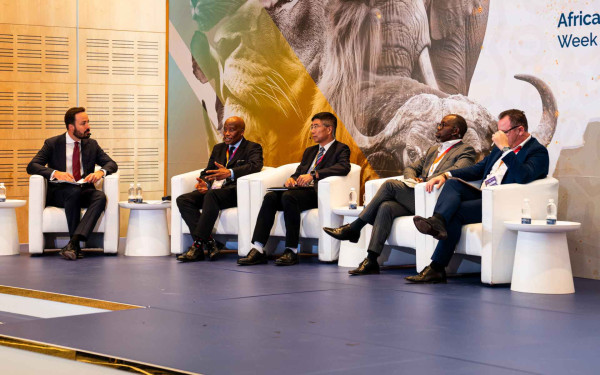
As the demand for electricity continues to rise across the African continent, it is imperative for countries to act swiftly to enhance transmission capabilities and develop robust infrastructure to secure new energy integration sources over the next 25 years.
A recent report by consulting firm McKinsey & Company estimates that $400 billion will be required to enhance electricity transmission and distribution capacity across Africa by 2050. This investment is critical for modernizing energy infrastructure and ensuring energy security for the continent.
During a panel discussion titled ‘Optimizing Africa's Grid Capacity' at the African Energy Week: Invest in African Energies 2024 conference, Eskom's Transmission Group Executive, Segomoco Scheppers, highlighted the potential of the Electricity Regulation Amendment Act 38 of 2024 for South Africa and its neighboring countries.
This legislation will facilitate the establishment of a market operator in South Africa, creating opportunities for diverse players in the energy sector. “This shift signifies a transformative period in our industry as we adapt to new market dynamics,” he stated.
Despite having interconnections of 400 kV with neighboring countries, Scheppers acknowledged existing challenges. “Strengthening these connections is essential for enhancing regional cooperation and ensuring a reliable energy supply across borders. The reliance on thermal generation in the south, particularly to support countries like Zambia, underscores the need for stronger interconnections,” he explained.
Eskom is further embarking on an extensive domestic expansion program aimed at rapid development – an endeavor that also presents significant challenges. “Learning from global leaders in infrastructure development, particularly from experiences in China, could provide valuable insights into scaling our efforts efficiently,” Scheppers added.
Wang Wenan, Chief Representative, African Representative Office at the State Grid of China, discussed the successful completion of major projects, including the largest long-distance transmission project on the continent — a 500 kV DC line from Ethiopia to Kenya.
However, he noted that fostering private participation in energy projects remains a primary obstacle. “Engaging in dialogues about investment barriers and sharing best practices is crucial for unlocking potential growth in Africa's energy sector,” he emphasized.
Also speaking on the panel, Willy Ireri, Executive Director of Osprey Renewables, highlighted that while East Africa has abundant renewable resources such as wind, solar, and geothermal energy, access to reliable transmission infrastructure in this region also remained a critical challenge. “We are therefore committed to collaborate with state utilities and private investors to ensure that generated electricity reaches emerging green industries in the region,” he said.
With favorable legislation for private investment in transmission expected to be operational by 2025, Osprey Renewables aims to play a vital role in facilitating access to renewable energy for consumers.
“Our mandate at Osprey extends beyond generation; we actively engage across the entire value chain and we are seeing growing interest in green manufacturing and hybrid data centers,” Ireri added, noting that the Kenyan government has initiated proposals inviting independent transmission projects, signaling a positive shift toward increased private sector participation.
Power and Grid Segment President at Schneider Electric, Gary Lawrence, highlighted that a modernization of power grids was also needed. “The traditional grid was designed over a century ago for one-directional flow; today's needs require a bidirectional grid that allows seamless interaction between producers and consumer.”
The industry is balancing supply and demand effectively through initiatives such as collaborating with Egypt's Ministry of Electricity and Renewable Energy to develop distribution control centers that enhance grid intelligence and implementing distributed energy management systems in South Africa.
Distributed by APO Group on behalf of African Energy Chamber.
Day 2 on the Klip River: Riverlea to Soweto
Elim Hospital also faces persistent water shortage