How the former Lottery board chair paid for his R6.3-million Rolls Royce
Court freezes Alfred Nevhutanda’s luxury car and property

MyZA
News, Directory, Events and Other Stuff
Court freezes Alfred Nevhutanda’s luxury car and property
With the launch of the 12-piece collection, Pandora responds to overwhelming demand from fans, and aims to create a new storytelling platform for wearers. Available from September 28th, the collaboration introduces new crafting techniques from the jewellery house all inspired by the iconic symbolism from the fantasy series. An o¬fficial collaboration with Warner Bros. Discovery …
The digital marketing landscape is a complex web of strategies aimed at enhancing online visibility, with Search Engine Optimization (SEO) sitting at its core. As businesses vie for top spots on search engine results pages (SERPs), the relevance of SEO firms and consultants has skyrocketed. But what exactly is an SEO firm? What role does an …
Hi-Tec summits the peak of retail excellence at Tyger Valley Shopping Centre. On Thursday, 5 October, Hi-Tec has embarked on a new adventure with the opening of their brand-new store in Tyger Valley Shopping Centre. The Tyger Valley store is one out of five existing Hi-Tec stores in the Western Cape, but what makes it …
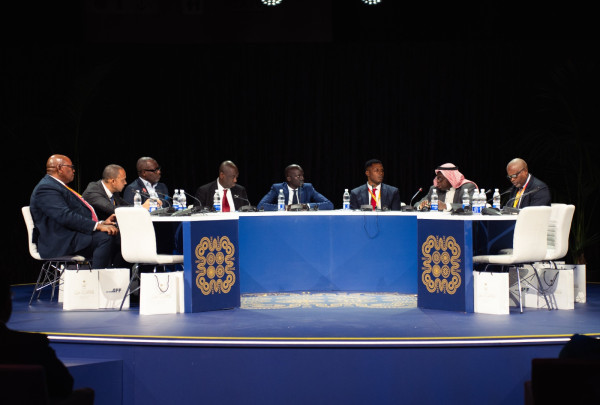
African Energy Week (AEW) 2023 featured a Saudi Arabia-Africa Energy Investment Forum roundtable that explored the untapped potential for stronger economic ties between Saudi Arabia and African nations.
The roundtable discussion kicked off with opening remarks by Saudi Arabia's Saudi General Authority of Foreign Trade, Hussam Y. Algheraimil, who spoke on the Middle Eastern country's strategy to implement financial relations with African countries while contributing towards attracting investment to the continent.
“Our main goal is to contribute to attracting investment, exploring access, and representing Saudi Arabia,” Algheraimil stated, adding, “We are currently working to create easy trade between the Kingdom of Saudi Arabia and African countries by helping stakeholders find appropriate financial instruments in the short, medium and long-term.”
The roundtable discussion served as an engaging conversation on how increased trade, particularly in petroleum products and Liquefied Petroleum Gas (LPG), and collaboration across upstream, midstream and downstream segments can contribute to addressing energy poverty across Africa, with Saudi Arabia serving as a strategic gateway.
“We want to build strong, win-win partnerships,” stated Rene Awambeng, Director and Global Head of Client Relations of the African Export-Import Bank, adding, “Saudi Arabia is uniquely positioned to take advantage of the African opportunity. They are uniquely placed in this environment to take advantage of what is happening on the continent.”
“LPG can help us in South Africa in a big way in terms of ensuring supply and access to energy. Saudi Arabia has a different problem, they have too much energy. We have a lot of people in the country and region with no access to power and I believe there is a big opportunity to bring LPG from Saudi Arabia to use here,” stated Godfrey Moagi, CEO of the strategic solutions organization, the Strategic Fuel Fund.
The roundtable discussed the role Africa's vast, and yet unexploited oil and gas resources play in delivering a just and inclusive energy transition. As such, South Sudan's Minister of Petroleum, Puot Kang Chol, stressed the importance of turning the continent's resources into value and engaging with international partners to ensure the facilitation of investment and knowledge transfer.
“My expectations with regard to Africa, is having Saudi Arabia engage in direct conversations with the continent, because we are ready to do business with them and we have the necessary laws to facilitate investment on the continent,” Minister Chol stated.
As Africa seeks to maximize the development of its entire energy resource base, including oil, gas, coal and renewable energy for a secure and sustainable energy mix that will support the continent's efforts to accelerate electrification and drive socioeconomic development, the roundtable speakers highlighted cooperation regarding knowledge sharing, skills development, project deployment and financing with global parties as vital for the continent's energy goals.
“The bilateral cooperation in place between Saudi Arabia and South Africa has opened an opportunity for us,” stated Sandisiwe Ncemance, Acting CEO for the state-owned Petroleum Oil and Gas Corporation of South Africa, adding, “It would be an indictment on us not to seize those opportunities. There is untapped potential for economic ties to increase trade between Saudi Arabia and South Africa and also collaboration through all facets of the energy sector, through the down-, mid-, and upstream.”
As one of the world's premier hydrocarbons producers and exporters, Saudi Arabia's participation during this session, titled, ‘Partnering with Africa's Private Sector to Drive Energy Growth', served to shape discussions around the challenges and opportunities for local content development and the beneficiation of the local market.
“Local companies are able to add tremendous value in our ability to implement and develop projects,” stated Nanda Bhula, Country Manager for electric power generation company, ACWA Power South Africa, adding, “Local companies have a big understanding of local conditions, more so than international investors. Local companies also understand things like supply chain management and local labor laws, so we see a lot of benefits in terms of their understanding of the local market.”
Africa boasts an estimated 125.3 billion barrels of crude oil and 620 trillion cubic feet of gas reserves, resources that will be essential to lift the continent's over-600 million people living in reliable access to electricity out of energy poverty. As such, the Saudi delegates speaking at the roundtable discussion spoke on the importance of drilling more oil and gas wells and building more refineries and pipelines whilst reducing emissions for energy independence, reliability, and affordability.
“The Kingdom of Saudi Arabia has established leadership in this domain, and we always want to continue playing that role of leader in energy,” Dr. Gasem Fallatah, Deputy Manager for the sustainability initiative, the Oil Sustainability Program stated, adding, “Leadership comes with responsibilities, it comes with accountability, and we do recognize that. We will determine together what will be the agenda that we can work on, so we can determine together, the future that we would like to see.”
Representing one of the world's largest oil and gas reserve holders as well as one of the most established hydrocarbons markets, the Saudi delegation drove the dialogue on how Africa can boost investments, production activities, infrastructure rollout across the mid- and downstream sectors, as well as enhance the use of monetization of hydrocarbon resources to make energy poverty history across the continent by 2030. It was noted that these efforts and strategies are poised to improve the continent's GDP and contribute towards global energy security.
“Saudi Arabia, with huge financial capacity, they designed the model that can help Africa stabilize and grow their own energy potential. As African countries, what we need to look at, is the strategic position of how Saudi Arabia is increasing their businesses. There's a lot to learn in how they are engaging and in doing business, and we need to create new markets for our products and crude to expand our business framework,” stated Kola Karim, Managing Director and CEO for power solutions company, Shoreline Energy International.
Taking place under the theme, ‘The African Energy Renaissance: Prioritizing Energy Poverty, People, the Planet, Industrialization and Free Markets', the roundtable also highlighted renewable energy and sustainability as key aspects towards Africa's energy development. Boasting similarly abundant solar and wind resources, it was noted that Saudi Arabia's and Africa's renewable energy potential also has an important role to play in alleviating energy poverty while promoting socioeconomic development.
Representing the largest gathering of energy stakeholders on the continent, #AEW2023 – organized by the African Energy Chamber – prioritizes sustainable development, integration, and collaboration as a means to support explorers and producers across Africa. Centered around partnering with the private sector to drive energy growth, the Saudi-Arabia Energy Investment Forum showcased how emerging synergies between Africa and its global partners will reinforce the continent's job creation, skills development, and economic empowerment.
#AEW2023 takes place this week in Cape town under a mandate to make energy poverty history by 2030. Keep following www.AECWeek.com for more exciting information and updates about Africa's premier energy event.
Distributed by APO Group on behalf of African Energy Chamber.
In a remarkable display of true sisterhood, almost 1 000 ‘gently worn’ dresses have been donated by South African women to others who are struggling to cope with the hindering burden of cancer. The collaboration between Miladys and the Cancer Association of South Africa (CANSA) epitomises the spirit of compassion, and highlights – particularly in …
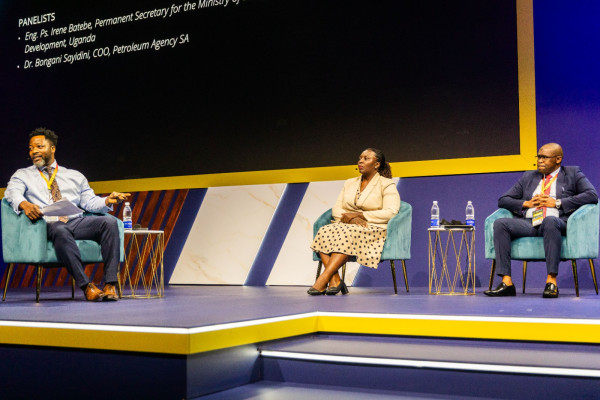
As many African countries progress with monetizing oil and gas resources, cross-border infrastructure is expected to play a catalyzing role in strengthening regional connectivity while advancing energy development and economic growth. A panel discussion held during the African Energy Chamber's (AEC) (www.EnergyChamber.org) African Energy Week (AEW) 2023 explored the evolving energy map in Africa and how pipeline projects and cross-border infrastructure will shape the continent's economic landscape.
Kicking off the panel discussion, Irene Batebe, Permanent Secretary for the Ministry of Energy and Mineral Development, Uganda, emphasized the critical role of regional integration in advancing pipeline projects.
“The East African Crude Oil Pipeline (EACOP) will be a perfect example of integration. Working together with the government of the Republic of Tanzania, we had to ensure we put in place a robust legal and regulatory framework, because that way you give certainty to the development of the project, not just to the developers but also the financials. Because the project must be bankable. We worked closely with the government of the Republic of Tanzania to put in place and it's a governmental framework, but also domesticated locally in formal post government agreements to provide for certain aspects, there has to be a regional position”
For emerging producers, cross-border pipeline infrastructure is integral.
“In terms of strategy one of the key areas that we focused on in designing the framework for the development of the pipeline was to ensure that we provide for third party access and that is very critical because our neighbors like the DRC and South Sudan,” continued Batebe.
The Southern Africa Development Community (SADC) has seen an increase in oil and gas potential, with new discoveries in Namibia and first liquefied natural gas exports in Mozambique.
“The is an opportunity for the west in terms of integration of SADC and presents the opportunity for gas and power. In fact, Namibia made the first Kudu Gas discovery in 1994 and in South Africa a discovery was made in the early 2000s. Those gas resources have remained stranded due to the lack of a market for gas resources and also there have been a lack of infrastructure to harness these resources,” stated Bongani Sayidini, COO, Petroleum Agency SA
Regarding environmental and human concerns of the EACOP, “There have been claims that we have evicted projected affected persons without consent but this is false. The government nor the project developers force the project affected persons. We pay attention to the vulnerable groups and the elderly during the settlement process. We do have a government valuer that comes to assess what those people who have settled deserve,” said Batebe.
#AEW2023 takes place this week in Cape Town under a mandate to make energy poverty history by 2030. Keep following www.AECWeek.com for more exciting information and updates about Africa's premier energy event.
Distributed by APO Group on behalf of African Energy Chamber.
Mchunu celebrates Netherlands partnership in water sector
Water and Sanitation Minister Senzo Mchunu has celebrated the strong collaboration between South Africa and the Netherlands regarding water management.
“Netherlands is … well known globally because of their expertise in water. They are very skilled in water management and a partnership with them … helps us to lift our skills level on water management as South Africa,” Mchunu said.
Mchunu made the remarks during a visit to the Blesbokspruit wetland in Ekurhuleni, where His Majesty the King of Netherlands, Willem-Alexander and Her Majesty Queen Máxima visited the Blue Deal South Africa project on Wednesday.
The Blesbokspruit wetland has challenges with poor water quality due to the massive growth of water hyacinth. During the tour, the King and Queen saw how water hyacinth is removed. This is not only done by hand and machines, but researchers are experimenting with biological control, including fleas from South America.
The wetland is a water project which South Africa and the Netherlands are currently implementing under the banner “Blue Deal South Africa Programme”.
The goal of the Blue Deal South Africa partnership is to have access to clean, sufficient and safe water for 2.5 million people in South Africa in 2030.
The Blue Deal South Africa Programme aims to support water management worldwide by exchanging knowledge and experiences and assist national, regional and local organisations.
The programme will specifically contribute to clean and sufficient water.
Through the partnership, the South African Water Institutions work together with the Dutch Water Authorities, with the first four local projects already been identified to improve water quality.
Combating pollution, optimisation of wastewater treatment plants and combating invasive species are among the local goals.
Speaking to SAnews.gov.za on the sidelines of the King and Queen's visit to the wetland, Mchunu said it was an important interaction after the last meeting between South Africa and the Netherlands at the Global Conference in Water and Sanitation, held in New York, in March 2023.
Mchunu said the two countries recently renewed the Blue Deal initiative.
“This is a project of maintaining this ecosystem for the benefit of South Africans. This wetland is one of the biggest wetlands in the country and its water contributes to the main system, the Vaal River System, which supports around 20 million people.
“The Blesbokspruit wetland is one of the most important systems in the world, and therefore, the work that we are doing in partnership with Netherlands to protect this wetland, even via the moving of the hyacinth, is beneficial in many respects. But the main core business is to keep the wetland alive,” Mchunu said.
The Minister said the department often sends officials to the Netherlands for training on their water management projects as well as areas of work.
“We have practical collaborative programmes, where we join hands and maintain this wetland together.”
During their tour of the wetland, King Willem-Alexander also visited a greenhouse where the fleas are grown and watched them being introduced to the water hyacinth, while Queen Máxima spoke to a local entrepreneur who uses the dried water hyacinth to weave baskets and other useful products to sell.
King Willem-Alexander and Queen Máxima are currently on a State Visit to South Africa, which will take place from 18 to 20 October 2023. – SAnews.gov.za
GabiK
Wed, 10/18/2023 - 15:24
Introducing a new PR intern that is ready to embark on an exciting milestone of growth and success in the industry of Public Relation. Prepare to be mind blown by my creativity and unwavering commitment to success. I will be bringing a fresh start that is sure to capture your attention for the longest ride. …
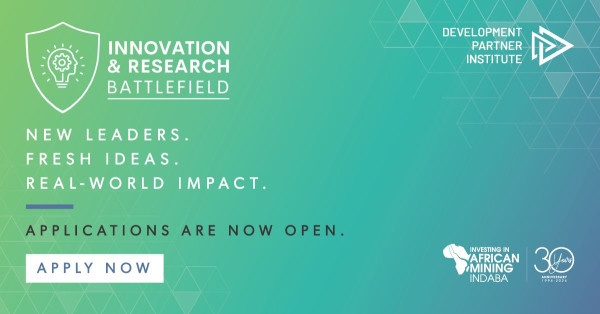
Investing in African Mining Indaba (www.MiningIndaba.com) and the Development Partner Institute (www.DPIMining.org) launched the 2024 Mining Innovation & Research Battlefield to entrants today; The Battlefield is a high-profile platform for innovators and researchers to share their ideas on the challenges facing large-scale, small-scale and artisanal mining; BHP Xplor are sponsors of the US$25,000 Innovation Grant which will support early-stage innovation and research; Applications are open until 06 November. Shortlisted applicants will be notified on 30 November, with Battle Round pitches online on 14 December 2023 and at Mining Indaba in Cape Town on 6 February 2024.
After considerable success in 2022, the Mining Innovation and Research Battlefield (https://apo-opa.info/46Bw4QO), hosted at the Mining Indaba conference, is now open for applicants to submit their research proposals for this year's competition.
On February 6, 2024, the Innovation & Research Battlefield (https://apo-opa.info/46Bw4QO), a high-profile event convened by Investing in African Mining Indaba [Mining Indaba (www.MiningIndaba.com)] and the Development Partner Institute (DPI Mining) (www.DPIMining.org), will provide a platform for participants to showcase early-stage innovations. Competitors will present their ideas and research proposals to address this year's challenge: What are the innovative responsible collaborations between LSM & ASM, and how can these be applied to the just energy transition?
The Innovation and Research Battlefield fast-tracks new approaches to complex sustainability challenges in the resource sector by connecting future-focused academics, researchers, the private sector, NGOs, and young people to a network of vested organisations and the opportunity to win a research grant.
BHP Xplor (https://apo-opa.info/3RXvCbg) are sponsoring the US$25,000 Innovation Grant, which will support the winners in furthering their research. The results of the winning project will be presented at the following Mining Indaba Conference in 2025.
DPI Mining Executive Director Florence Drummond said, “We want to connect great minds and passionate innovators from across academia, resarch and the mining sector, and young leaders to foster agile collaboration, connect viable ideas to financial support, and catalyse real change that could transform the mining and minerals industry.”
Laura Cornish, Head of Content, Mining Indaba, said, “This year's Battlefield challenge is a critical concern for the future of the mining industry, and Mining Indaba is excited to be a platform that allows innovators from across multiple sectors to bring creative solutions to an audience of global leaders.”
The first stage for entries is now open, allowing individuals, groups and organisations to submit their innovative solutions and research proposals. Shortlisted participants will have the exclusive opportunity to pitch virtually in the first round of the Battlefield. Participants who are successful in round one will receive a delegate pass to Mining Indaba, South Africa, and will pitch their proposal live in the final Battlefield round.
Sheila Khama, former CEO of De Beers Botswana and natural resources policy advisor at the World Bank and African Development Bank, hosts the Innovation and Research Battlefield. This year's judging panel includes Mark Cutifani, co-founder of DPI Mining and former CEO of Anglo American, Sonia Scarselli of BHP Xplor, and leaders in the artisanal mining space.
Those interested in participating have until 6 November to apply, but early applications are encouraged. All applicants need to be affiliated with either an institution or an organisation that will assist in managing the awarded Innovation Grant.
For more information on the Innovation & Research Battlefield and to apply visit: https://apo-opa.info/3rVjM6K
Distributed by APO Group on behalf of Investing in African Mining Indaba.
About Development Partner Institute:
The Development Partner Institute (www.DPIMining.org) was founded to tackle intractable, multi-stakeholder sustainability challenges in mining by connecting the global value-chain. Through facilitating conversations, convening events, and catalysing projects, we unlock transformative potential and accelerate mining's contribution to a better future.
Contact us on innovation@dpimining.org
About Investing in African Mining Indaba:
Also known as Mining Indaba (www.MiningIndaba.com), the world's largest mining investment conference and exhibition is dedicated to the successful capitalisation and development of mining interests in Africa. For almost 30 years, Mining Indaba has held a unique and widening perspective of the African mining industry, bringing together international and African stakeholders, visionaries and innovators from across the spectrum. We are also dedicated to supporting education, career development, sustainable development and as a next-generation platform to help economies thrive in Africa.
The 4-day Mining Indaba event attracts junior, mid-tier and major mining companies, along with global and continental investors, heads of state, ministers and Africa's leading policymakers.
Contact Laura Cornish: laura.cornish@hyve.group
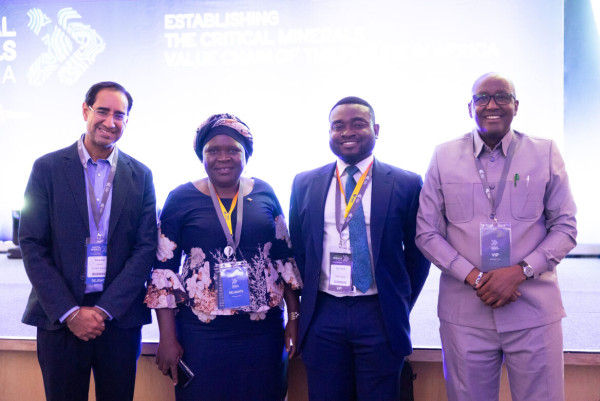
The first day of the Critical Minerals Africa 2023 summit on Tuesday – organized by Energy Capital & Power (www.EnergyCapitalPower.com) – featured a series of presentations from leading industry experts, providing unparalleled insights into Africa's critical mineral reserves and geopolitical position in the global mining economy. The main conference program begins on Wednesday, October 18 and will feature a highly anticipated ministerial forum, investor briefings and panel discussions, taking place alongside African Energy Week in Cape Town.
Kicking off the agenda was a presentation by South African Institute of International Affairs (SAIIA) exploring the future of critical minerals in the SADC – namely, copper in the DRC, South Africa and Zambia, lithium in South Africa and Zimbabwe, cobalt in the DRC and Zambia, graphite in Mozambique, manganese in South Africa, and nickel in Madagascar, South Africa and Tanzania. The ability to harness these reserves depends on several factors, including growing geoeconomic competition among China, the US and Europe, the ability of SADC states to manage regional value chains, and the urgency of global policy action toward renewable and low-carbon energies.
“In 20-30 years, not only will these minerals be in high demand, but how we put systems in place will be important,” stated Dr. Deon Cloete, Head of SAIIA's Futures Program. “We have focused on Rare Earth Elements (REEs) and the need to scale up exploration and extraction and develop the entire value chain. The transition to climate goals by 2050 is challenging and we need to be critical about how these fault lines are emerging. We propose a resource-based economy that challenges the paradigm of how we approach mining.”
The Critical Minerals International Alliance (CMIA) built upon the geopolitical nature of critical minerals development during its presentation, addressing China's race to solidify its leadership on the continent and its successful dual-pronged investment approach. Western nations have sought to counter this influence through various policy measures, including the US' Inflation Reduction Act, the EU's Critical Raw Materials Act and the Minerals Security Partnership, which seeks to secure a stable supply of raw materials for member economies.
“When we talk about critical minerals, we are focused on geopolitics — how they frame supply chains and influence pricing and how monopolies are increasingly changing the industry,” said Olimpia Pilch, Founder and COO of CMIA. “In a supply chain crunch, who gets priority and which industries will miss out? Those who have put in the work to have their own supply chain will be in a much better position.”
On the need to diversify mining supply chains, Roberto Cecutti, Head of Trade and Economics, EU Delegation to South Africa, stated during his presentation: "In terms of annual consumption, we have an aspirational target of covering at least 10% of extraction in Europe, 40% of processing and refinement and 15% of recycling capacity. We want to avoid dependence on the supply of one or more specific countries…This is why we have set this target, in which 65% should not depend on a specific country of origin of supply.”
"Each region has its own definition of what is ‘critical,' and what's critical for Africa may not be what's critical for the EU and vice versa. Africa has different requirements when it comes to minerals,” noted Sodhie Naicker, Managing Director: DMT Kai Batla and Consortium Partner: AfricaMaVal.
Energy research firm Rystad Energy also explored Chinese dominance within the low-carbon supply chain, as the country produces almost 90% of solar panels and is currently ramping up production of wind turbines. While Europe has made gains towards establishing its own clean energy supply chain, Africa remains reliant on imports to meet growing energy demand, despite having vast renewable energy potential and untapped mineral reserves.
“The resource potential for solar generation in Africa is more than enough to satisfy the needs of the planet – it's enormous,” said Per Magnus Nysveen, Senior Partner & Head of Analysis for Rystad Energy. “You can find sites for mining every mineral in sub-Saharan Africa.”
A presentation from Steenkampskraal – operator of the Steenkampskraal Mine in South Africa's Western Cape – underscored the continent's resource potential and its evolution into a critical and industrial minerals hotspot. The mine is home to one of the highest grades of REEs globally, is licensed to operate and possesses well-developed underground infrastructure with a low-capital, three-stage development plan.
“Not even 20% of the known resources have been mined,” emphasized Graham Soden, Director, CEO & Mine Manager of Steenkampskraal. “It puts the project at a unique level. It's fully legislative compliant, and we can get it up and running within one year.”
The agenda concluded with a presentation by Trade & Industrial Policy Strategies (TIPS), which explored opportunities to develop vanadium redox battery (VRB) manufacturing in South Africa and to position the country as a key player in the global battery value chain, with a view to exporting to other African and international markets. Demand for VRBs has skyrocketed in recent years – largely from China, Japan, Europe and the US – resulting in over 30 new VRB projects installed in 11 countries since 2014.
“Cell battery manufacturing remains to be proven competitive in South Africa. We have the industrial capacity, but we don't have a commercialized production,” said Lesego Moshikaro, Senior Economist for TIPS. “When you look at the short- to medium-term, South Africa cannot be competitive along the whole value chain, so it's important for us to choose key areas where we can excel.”
With its main conference program kicking off on October 18, the Critical Minerals Africa 2023 summit serves to position Africa as the primary investment destination for critical minerals. The event is held alongside the African Energy Week 2023 conference (www.AECWeek.com) from October 16-20, offering delegates access to the full scope of energy, mining and finance leaders in Cape Town.
Distributed by APO Group on behalf of Energy Capital & Power.
National School of Government turns 10
The National School of Government (NSG) turns 10 years this month and a number of activities are taking place this week to mark the milestone as well as the contribution of the school towards public sector capacity building and performance.
Principal of the NSG, Professor Busani Ngcaweni, said the school will use the celebrations to reach out to its target market in the public sector and raise awareness of the work of the School in broader society.
“The NSG has an important role to play in the drive towards a more professional, efficient, effective and caring public sector. Together with our partners, we look forward to working even harder to attain the goals set by government to achieve an ethical, capable developmental state,” said Ngcaweni.
The NSG came into existence through a proclamation by the President which was gazetted on 21 October 2013, replacing the then Public Administration Leadership and Management Academy (PALAMA). The proclamation made the NSG a national government department under the portfolio of the Minister of Public Service and Administration.
The NSG will mark its 10th year anniversary with a celebratory event on 19 October 2023, among other events and the NSG Open Week.
The School said it has scored several achievements in the past 10 years of existence. The institution has delivered training to more than 526 000 participants, generating revenue from course fees of more than R1 billion.
“The past three years since 2020 have been a period of renewal and repositioning, with the NSG engaging in a robust marketing and visibility drive within its target market, public servants, as well as the broader public sector and academia in South Africa and beyond,” the National School of Government said in a statement.
"The school hosted several high impact engagements such as the Master Classes delivered virtually and face-to-face, thus earning a space as a thought leader on governance and the building of a professional public sector.
“The NSG continues to ensure good governance and financial management, with unqualified and clean audits being registered in consecutive years,” the NSG said.
The NSG has proven to be resilient during difficult times. Through innovation and agility, the school overcame the impact of the COVID-19 pandemic.
“The pandemic lockdown that was declared in March 2020 caused booking cancellations and a low uptake of courses.
“The NSG COVID-19 response plan prioritised digital and online learning interventions as well as the installation and application of digital tools.
“The NSG also saw an unprecedented number of online enrolments for eLearning courses. For the period April 2020 to December 2021, 123 000 learners enrolled for the eLearning courses. Over the last three years alone, there has been eLearning enrolments of more than 194 000 learners,” it said.
The work of the NSG has also been enhanced by the decision of government to make building a capable, ethical and developmental state the number one priority among the seven priorities outlined in the 2019-2024 Medium Term Strategic Framework (MTSF).
The NSG offers training in the three spheres of government to all levels - from the cadet and foundation phase to middle and senior management as well as executive management.
its expanded mandate also includes Directors-General, Deputy Directors-General and political office-bearers, where the focus includes building expertise on economic governance, political oversight and accountability.
The past three years have seen Ministers, Deputy Ministers, Mayors and councillors participating in the programmes of the school as part of the concerted effort at improving state capacity at the highest level.
The delivery model includes classroom-based learning, practice-based learning, e-Learning, webinars, student exchanges and dialogue with actors in the public and private sector.
The work of the NSG is also supported by various local and international partners.
The NSG committed in its Strategic Plan 2019-2024 to use partnerships with public and private institutions in South Africa and the rest of the world to deliver quality education, training and development interventions to expand learning opportunities through access to international expertise and represent the NSG in the global knowledge exchange network in order to position it globally and expand its international footprint and recognition as a thought leader. The School works with Higher Education Institutions (HEIs) and other Management Development Institutes in South Africa, Africa and around the world.
These partnerships have seen public officials engage in exchanges with similar and leading institutions from Africa, Asia, Europe and the Americas.
Flagship programmes
The NSG delivers high-level executive education programmes as well as compulsory programmes for public servants.
The Cabinet-approved Economic Governance School for Members of the Executive programme targets Ministers, Deputy Ministers, Premiers, Members of Executive Councils, Mayors and Members of Mayoral Councils. The purpose of the programme is to enable Members of the Executive to reflect and broaden perspectives on critical topics as they work towards building a capable developmental state and to achieve the country’s economic recovery.
The NSG also delivers Etella, which means ‘lead’ in Sesotho, a leadership programme for Accounting Officers, namely Directors-General, Heads of Departments (HoDs) in provincial government, Municipal Managers, Chief Executive Officers of public enterprises and Ambassadors as Heads of Missions.
All persons wishing to be appointed into the senior management service in government must successfully complete the compulsory Nyukela programme offered by the NSG, with effect from 1 April 2020. In the 2022/23 financial year, a total of 7450 learners enrolled for the course, with 5523 learners successfully completing the programme. The target group includes those individuals who aspire to work in the senior management service for the first time, and those progressing from one level within the SMS to another, who have not yet done this programme.
The Ethics in the Public Service course was made compulsory for all public servants and has been promoted extensively online as one of the NSG’s flagship programmes. It continues to attract many public servants, which augurs well for Priority One, to build an ethical, capable and developmental state. In the 2022/23 financial year, there was a total enrolment of 16753 participants. A total of 13765 learners completed the course, which reflected an 82% achievement.
The NSG programmes also extend to traditional leadership. A total of 73 traditional leaders attended the NSG Art of Facilitation programme in the Eastern Cape and KwaZulu-Natal provinces. The programme seeks to empower traditional leaders to act as economic change agents in their communities and to participate in leading rural development interventions that create sustainable jobs and community wealth. – SAnews.gov.za
Edwin
Wed, 10/18/2023 - 10:26
These Elim vendors pay licence fees but they have not been helped to find an alternative trading site
PRASA resumes train service in Gqeberha
The Passenger Rail Agency of South Africa (PRASA) has announced the resumption of passenger train services between Uitenhage and Gqeberha in the Eastern Cape.
The service, which returned on Monday, 16 October 2023, runs in the morning and afternoon and costs a flat fee of R9.
“The resumption of service is a welcome relief to commuters seeking an affordable mode of transport. Our teams are on the ground to ensure that the service is as smooth as possible. The Gqeberha-Uitenhage area is one of our most important regions,” PRASA Group CEO Hishaam Emeran said on Tuesday.
PRASA received a no-objection certificate from the Railway Safety Regulator prior to opening the service to the public. – SAnews.gov.za
nosihle
Wed, 10/18/2023 - 10:48

An expedition of 188 women from all over the world, is setting sail to Antarctica in November, on a collaborative mission to promote the long-term sustainability of the planet. With representatives from South Africa, Kenya and Zimbabwe, the 19-day voyage provides participants, all with backgrounds in science, technology, engineering, mathematics, and medicine (STEMM), with a first-hand experience of one of the earth's most precious ecosystems, as they leverage their expertise to improve research and legislation.
“The adventure these women are about to embark on will give them an unparalleled view of one of the most remote locations on the planet. Antarctica not only provides early warnings of climate change – it also represents the fragility of our natural world, and why we need to protect it. We are excited to see how each person takes on this life-changing journey, and translates their learnings into actions,” says Pamela Sutton-Legaud, CEO of Homeward Bound, the global leadership initiative leading the voyage.
Departing on two voyages from Argentina, the cohort comprises women from 25 countries. The local cohort are already using their positions to pioneer change for a more sustainable future, and to increase gender equality in the STEMM sector.
From South Africa:
From Kenya:
From Zimbabwe:
“More than 50% percent of women in technology roles leave the industry before they turn 35. We exist to enable more women within this sector, by helping them harness the tools they need to excel in their industries – particularly in the fight for the sustainability of our planet. History and research also show that women and young girls in developing countries are the most negatively affected by climate change-related instances. The world needs to create a space for their ideas to be heard, as the drastic effects of climate change become more apparent globally,” says Sutton-Legaud.
Homeward Bound's overall mission is to empower 10 000 women with a background in STEMM to lead, influence, collaborate and contribute to policy and decision-making towards a more sustainable future by 2036. Leading up to the departure, the women are immersed in a 12-month virtual leadership programme, to develop their leadership and strategic capabilities. On the voyage itself, they will be involved in continuous learning, during lectures, workshops, and networking sessions, all designed to help them harness their individual leadership skill sets in the fight for change and global sustainability.
“As this group embarks on this epic journey, they remind us that women in STEMM are not just the key to understanding our planet's challenges; they are the architects of its solutions. Together, they inspire a global effort towards a more equal leadership landscape, and a more sustainable future for our world,” says Sutton-Legaud.
The first voyage (The Ushuaia) embarks on 3 November, from Ushuaia, Argentina, and the second (The Island Sky) embarks on 12 November from Puerto Madryn, also in Argentina. For more information about the cohort, and the organisation, visit www.HomewardBoundProjects.com.au.
Distributed by APO Group on behalf of Homeward Bound.
For more information, please contact:
Emily Dyssell
emily@be-cause.co.za
021 447 1082 / 072 823 7898
www.be-cause.co.za
About Homeward Bound:
Homeward Bound is a not-for-profit groundbreaking, global leadership initiative for women with a background in Science, Technology, Engineering, Mathematics, or Medicine (STEMM). They are committed to creating a diverse global community of 10,000 women with a STEMM background. Their alumnae include more than 600 women from 90 nationalities. For more information, visit www.HomewardBoundProjects.com.au.
DHARAMSALA: The Proteas suffered their first defeat of the ICC Men’s Cricket World Cup 2023 when they fell to an upset...
Living in Samora Machel, Cape Town, you hear gunshots any time of the day
The Dafabet Warriors team are confident ahead of their final two games in the One Day Cup series. They play Gbets Rocks in Paarl on Wednesday, October 18, and are back home at the Dafabet St George’s Park Cricket Stadium for their final One Day Cup match against North West University Dragons on Sunday, October …
The temporary allowance is R3,153
With Spring officially approaching, we are all in need of the perfect sandal, a statement shoe style that works just as well for our busy mornings and the activities after. For a spring wardrobe reset, consider starting from the ground up. Footwear is one of the easiest ways to transition your style from winter to …
Rehabilitation counselling services, or rehab, is a critical step on the path to recovery for individuals grappling with substance abuse, addiction, or various mental health challenges. In South Africa, rehab centres play a crucial role in helping people overcome these hurdles and rebuild their lives. Let’s delve into the rehab process, understanding how it unfolds …
Safeguarding the future of those who teach
While one may no longer remember the name of the classroom teacher’s pet, chances are that one will never forget the name of that special teacher who changed the course of one’s life.
While we grow up to leave our school tomfooleries behind, teachers continue to leave an indelible mark in the lives of pupils.
“Passionate teachers often inspire and motivate their students. Passion for the subject matter and a genuine interest in the well-being of students can greatly impact the effectiveness of teaching,” said acting Chief Director of Education Human Resource Development at the Department of Basic Education, Lala Maje.
While teachers work hard to shape learners into the adults of tomorrow, who is helping newly qualified teachers to transition into the classroom environment?
This is where the Department of Basic Education’s (DBE) New Teacher Induction Programme (NTIP) comes in.
The programme is intended to support new teachers who are placed in schools within their first two years of permanent employment.
“NTIP is a programme that introduces the new teacher to the teaching profession, to the resources available, to the support that the DBE and all stakeholders avail to the teachers,” said Maje.
Teachers have to register on the learning management system for the programme. The one-year programme comprises seven modules that are linked to the Professional Teaching Standards.
The Professional Teaching Standards and the Ethical Teaching Standards forms the basis of teaching being a profession and that is managed and guided by the South African Council of Educators (SACE).
A teacher must register with SACE before they can practice in schools.
The programme also supports SACE in ensuring that Professional Teaching Standards and the code of ethics are infused in the daily life of teachers,” said Maje.
The induction is based on four pillars namely mentoring, training, professional development and peer support.
The programme was set up after the Teacher Education Summit held by the DBE and the Department of Higher Education and Training in 2009.
Since its inception in 2017, the partnership between the DBE and Flemish Association for Development Cooperation and Technical Assistance (VVOB) has enabled the development of material and programmes which led to the 2020 school calendar year pilot of the programme.
The DBE has also worked with provincial education departments and partnered with the SACE, JET Education Services, the North-West University and the University of Witwatersrand to develop the programme for all new teachers that join the teaching profession.
Support
New teachers are also provided with mentors that are identified by their respective schools.
Feedback received is that teachers are appreciative of the support provided by the programme.
“The teachers find that the topics covered assist them to deal with a number of issues, classroom management, discipline in school and classrooms, diversity management, inclusive teaching, as well as work and life balance, to mention but a few. Teachers want the programme, it provides real life practical experience and examples,” said Maje.
She added that while all the provinces have been supporting new teachers, this was not standardised.
“All provinces have been supporting new teachers; it was just not standardised at national. The support was in the form of workshops on curriculum, on general human resource matters, many webinars on teacher wellbeing and wellness.
“There was no national programme that a teacher can register and complete with evidence that indeed the new teacher underwent an induction programme. The DBE then partnered with VVOB to design a thoroughly researched programme and make it available for new teachers for free.”
Progress
The programme is being implemented on a phased in approach.
“Since the 2020 pilot, there was a round table in March 2023 where a decision was [taken] that the programme be phased in in four provinces [namely the] Free State, North West, KwaZulu-Natal and the Western Cape.
“The other five provinces are implementing however not under the tight monitoring of DBE. This is allowing them to be fully ready when we implement in their provinces in 2024,” she explained.
She added that the provincial education departments are part of the interprovincial meetings that DBE holds with the nine provinces on a monthly basis.
“It should also be noted that all provinces are supporting new teachers. The difference with the model brought by the DBE is [a] common standard across all provincial education departments, as well as the fact that the NTIP model has four pillars.”
Teachers’ Month
In South Africa October is Teachers’ Month and on 5 October, the country joined the world in commemorating World Teachers’ Day.
The day which is commemorated annually, aims to raise awareness, understanding and appreciation for the vital contribution that teachers make to education and development across the globe.
The day has been declared jointly by the International Labour Organization (ILO) and the United Nations Educational, Scientific and Cultural Organization (UNESCO) to celebrate the critical work that teachers do.
At the National Teachers’ Awards, held on World Teachers’ Day, the South African government reaffirmed its commitment to reinforcing teacher support and prioritising the professional growth of those who are the key drivers of basic education.
“Such a posture is critical in that it boosts their personal prowess and propels our schools towards unparalleled achievements. The wellness of all public servants in the Department of Basic Education must as such remain a priority,” Deputy President Paul Mashatile said at the 23rd edition of the awards.
The awards honour teachers who have demonstrated exceptional performance and commitment in different areas of their work.
Recognition and experience
Maje who was a teacher herself, said recognition for teachers is essential not only for morale but also for attracting and retaining talented individuals in the teaching profession.
“When teachers feel valued and supported, they are more likely to be motivated, innovative, and dedicated to their students' success.”
Speaking at a media briefing earlier this month, Basic Education Minister Angie Motshekga said that education plays a critical role in providing the country with critical skills that will enable economic growth while also fighting poverty and unemployment.
“Teachers are at the centre of this critical imperative. UNESCO repeatedly stated that the quality of any education system is as good as the quality of its teachers. The continuous improvements that we have experienced within our education system broadly and in our schooling in particular is largely due to the efforts and sacrifices of our teachers,” said the Minister.
The Minister said while the education system is experiencing severe challenges including backlogs in infrastructure development, overcrowding and shortage of other educational resources, “it is our teachers who have made the center to hold.”
Maje said efforts to enhance the recognition of teachers often involve a combination of policy changes, increased investment in education, and societal shifts in perception. She also referred to the Integrated Strategic Planning Framework for Teacher Education and Development. The primary outcome of the plan is to improve the quality of teacher education and development in order to improve the quality of teachers and teaching.
Planning and organising things in time are some of the lessons Maje has learned over the course of the years as a teacher.
She also notes “the knowledge that as a teacher you determine the future of the country with the content that you offer to the young minds.” She further adds that “the limitations of the teacher can be detrimental to development of the young mind.”
It is also important for teachers to keep learning all the time since knowledge is evolving and for them to be active participants in the matters of their respective communities.
Maje also called on teachers to take care of themselves.
“Achieving a work-life balance is an ongoing challenge for many teachers. Learning to prioritise self-care and maintaining a healthy balance between personal and professional life is important for sustained success in the field.”
While learner support is a critical ingredient for success, support for future unforgettable teachers is equally as important. - SAnews.gov.za
Neo
Tue, 10/17/2023 - 09:59
Designing a home is a thrilling journey, one filled with dreams, anticipation, and excitement. While professionals often take on the task of creating house plans, there’s a unique satisfaction in drawing your own. Not only does it allow for a personal touch, but it also ensures that every nook and cranny aligns with your vision. …
Imtiaz Sooliman calls for negotiations and compromise. “The only way to solve the problem is to do what is just.”