Devnarain And Tunnicliffe Review SA Emerging Women’s Successful Start In Bangladesh
COX’S BAZAR: Head coach Dinesha Devnarain and top-order batter Faye Tunnicliffe have reflected on the SA Emerging Women’s successful One-Day campaign...

MyZA
News, Directory, Events and Other Stuff
COX’S BAZAR: Head coach Dinesha Devnarain and top-order batter Faye Tunnicliffe have reflected on the SA Emerging Women’s successful One-Day campaign...
JOHANNESBURG: Proteas Men’s head coach Shukri Conrad has today announced the 15-player squad for the highly anticipated ICC World Test...
RAJSHAHI: Half-centuries by Connor Esterhuizen and Andile Simelane were not enough as South Africa Emerging Men slipped to a narrow three-wicket...
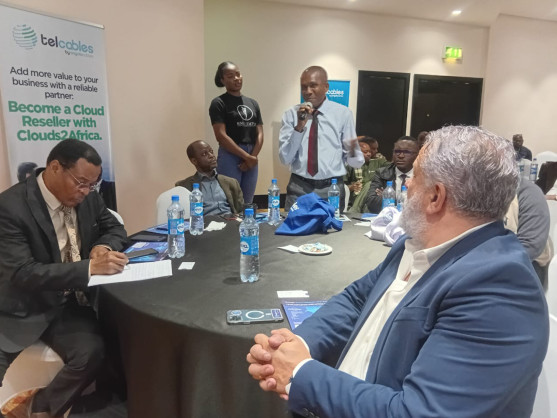
At the recent Connect Xperience event, TelCables Nigeria unveiled how Clouds2Africa, a locally hosted cloud solution, is transforming the way businesses in Nigeria access, manage, and expand their digital resources.
“Clouds2Africa is tailored to Nigeria's unique business environment”, explained Israel Ogboi, Pre-Sales Engineer at TelCables Nigeria. “With its scalable infrastructure, robust security protocols and user-friendly interface, our solution rivals – and in some cases surpasses – the more complex international cloud offerings.” Hosted in two Tier III data centres in Lagos, the platform guarantees lower latency, full compliance with local regulations and enhanced reliability.
In a live demo, Israel showed how businesses can efficiently scale operations and securely store data while meeting performance expectations. He also highlighted ACloudConnect, a hybrid Network-as-a-Service (NaaS) option that provides secure, dedicated links between on-premises infrastructure and global cloud providers – bypassing the public internet and reducing vulnerability.
Despite existing challenges such as policy constraints and talent shortages, Ogboi noted that TelCables is working closely with government and partners to drive skills development and cloud literacy. “We're debunking myths and breaking barriers. Through events like Connect Xperience and our local Partner Enablement Program, we're enabling ISPs and resellers to adopt revenue-sharing models and deliver future-ready cloud services,” he said.
Fernando Fernandes, CEO of TelCables Nigeria, added: “Backed by Angola Cables' extensive global infrastructure – including an integrated subsea cable network and over 300 cloud onramps – we're positioning Nigeria at the heart of Africa's digital future. Our mission is to empower local businesses with the tools they need to compete globally.”
Distributed by APO Group on behalf of Angola Cables.
About Angola Cables:
Angola Cables is an internationally established ICT and digital solutions and network services provider. The company specializes in connectivity solutions for the wholesale market and offers tailored digital services and solutions across multiple industries, including Cloud resources for the corporate enterprise sector.
Known for its innovation, Angola Cables operates a robust global backbone network, providing access to major IXPs, Tier I operators, and global content providers. With more than 30 PoPs and connections to plus 930 interconnected Data Centres and 6000 peering agreements, traffic over its international network is more than 18 500 Tbps.
The company has its own submarine cable network spanning over 33,000 kilometres (WACS, SACS, and MONET) and extends its services to over 50,000 kilometres through partner cables, connecting the Americas, Africa, Europe, and Asia.
Additionally, the company operates two world-class Data Centres, AngoNAP Fortaleza in Brazil and AngoNAP Luanda in Angola. Angola Cables also manages PIX in Brazil and AngonIX in Angola - one of the leading internet traffic exchange points in Africa that directly connects to over 21 IXPs worldwide.
With a significant international presence, Angola Cables is expanding its operations into strategic markets such as Brazil, South Africa, the United States and Nigeria. The company promotes intercontinental interconnection, driving digital and economic development, and ranks among the top 25 internet service providers in the world today.
*The Center for Applied Internet Data Analysis (CAIDA) 2023
For more information, visit the website: www.AngolaCables.co.ao
About TelCables West Africa:
TelCables West Africa is powered by the Angola Cables network, a multinational telecommunications company operating in the wholesale market. The company operates connectivity, IT solutions and services as well as international data circuit capacity and IP Transit via submarine cables.
As the most connected network operator in Africa, we provide secure, low-latency direct routes from West Africa to the USA and South America and from West Africa to London. With our presence across a few Nigerian IP hubs from Lekki, WACS CLS, Medallion DC, Rack Centre and others, and connections across Africa via the Djoliba network, we can connect your business to the world.
For more information, visit the website: https://TelCables.ng/

As part of its continuing outreach to the parts of the world that it was set up to serve, FIND (www.FINDdx.org) hosted Ambassadors from 26 African countries and the African Union for a meeting at FIND's offices in the Global Health Campus in Geneva. The Ambassadors received an overview of FIND's work in their respective countries, future prospects and were made aware of FIND as a value-added partner for countries with respect to diagnostics.
“The foundation of any successful health response is diagnosis. From early detection to pandemic preparedness, our collaboration with the African Union is essential to guaranteeing that no one is left behind,” said Dr. Ifedayo Adetifa, CEO of FIND. “FIND's vision is focused on both catalyzing innovation and ensuring access to diagnostics in low- and middle-income countries.”
In order to improve diagnostic systems and get ready for potential health and pandemic risks, FIND's leadership presented its updated strategic vision as a precursor to this year's Diagnostics Day event to be held on 21 May, which will take place on the sidelines of the World Health Assembly.
The ambassadors of the African Union, Angola, Burkina Faso, Cabo Verde, Cameroon, Central African Republic, Chad, Côte d'Ivoire, Democratic Republic of Congo, Kenya, Lesotho, Madagascar, Malawi, Mauritania, Mauritius, Mozambique, Namibia, Rwanda, Sao Tomé and Principe, Sierra Leone, South Africa, South Sudan, Sudan, Tanzania, The Gambia, Togo, and Zimbabwe were present.
The Ambassadors led a lively discussion which touched upon a number of key issues, including South-South collaboration; pandemic preparedness and response; the role of health in national development; national essential diagnostics lists; the growing issue of non-communicable diseases such as diabetes; and ensuring sustainable financing for diagnostics and health in general.
Among the meeting's main conclusions were:
“In this moment of dramatic change, African leaders are stepping up to fill the power vacuum left by a world in turmoil where women and children are being left behind and left to die, particularly on the African continent – the continent with the greatest health burden,” said Dr Ayoade Alakija, FIND's Board Chair. “FIND will continue to support them on strengthening pandemic preparedness and ensuring quality diagnostics are available to all.”
FIND's Diagostics Day (https://apo-opa.co/44AX9pc) event on 21 May at the Vieux Bois in Geneva will bring leaders from health from around the world to agree on next steps to ensuring quality and accessible diagnostics for all.
Distributed by APO Group on behalf of FIND.
Media contacts:
Beatrice Bernescut
Director, Communications
media@finddx.org
About FIND:
FIND accelerates equitable access to reliable diagnosis around the world. We are working to close critical testing gaps that leave people at risk from preventable and treatable illnesses, enable effective disease surveillance, and build sustainable, resilient health systems. In partnership with countries, WHO and other global health agencies, we are driving progress towards global health security and universal health coverage. We are a WHO Collaborating Centre for Laboratory Strengthening and Diagnostic Technology Evaluation. For more information, please visit www.FINDdx.org.
CHATTOGRAM: The SA Emerging Women suffered a narrow 14-run defeat to Bangladesh Emerging Women in the final 50-over clash of the...
COLOMBO: Rising star Annerie Dercksen smashed her maiden international century, while Chloé Tryon recorded a fifty and a five-wicket haul to...
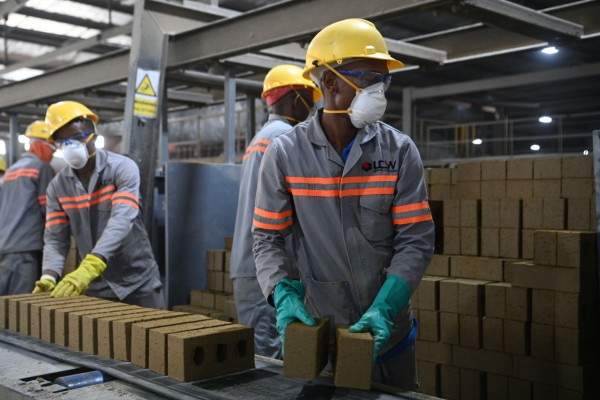
The kilns are firing again—and with them, the economic hopes of a community. In the quiet town of Lobatse, southern Botswana, a decades-old industrial landmark is undergoing a remarkable renaissance. Lobatse Clay Works (LCW), a brick manufacturer that was once the cornerstone of Botswana's construction industry, has been resurrected owing to a strategic investment from the African Development Bank Group (www.AfDB.org). The financing has transformed not only the company but an entire community.
“The buildings that shaped modern Botswana will rise again from our clay," declares Anthony Moepeng, Acting Chief Executive Officer of Lobatse Clay Works.
Founded in 1992 as a joint venture between Botswana Development Corporation (BDC) and American firm Inter-Kiln, Lobatse Clay Works quickly established itself as the nation's premier maker of bricks. For decades, its distinctive reddish-brown bricks were synonymous with Botswana's construction boom, during which schools, hospitals, and government buildings all showcased the company's craftsmanship.
But in 2017 the company faced a perfect storm of challenges. Aging equipment, production inefficiencies, and rising fuel costs forced the shuttering of the once-thriving operation, leaving the factory idled -- stripping the community of both jobs and identity.
African Development Bank's Catalytic Investment Powers Revival
Recognizing Lobatse Clay Works' potential, the African Development Bank provided a loan facility, in partnership with the Botswana Development Corporation to turn around the company's fortunes, focusing on technological modernization and operational efficiency.
The Bank's investment enabled Lobatse Clay Works to acquire state-of-the-art manufacturing equipment that dramatically improved energy efficiency. A new hybrid fuel system slashed production costs, while enhanced kiln technology boosted output capacity and product quality.
In 2023, the company, facing supply chain challenges and rising costs, secured an additional 48 million Pula (around $3.5 million) from the African Development Bank — bringing the total financing to 138 million Pula— to keep growth on track.
This substantial investment enabled the plant to reopen in 2024.
Beyond Bricks: Building Communities and Futures
The revitalized facility has already created 148 direct jobs with hundreds more expected in supporting industries from transportation to services.
The plant's output of three million bricks per month is high enough to meet domestic construction demand and serve lucrative export markets in South Africa, Zimbabwe and Namibia, generating valuable foreign exchange for Botswana's economy.
African Development Bank's Deputy Director General for Southern Africa, Moono Mupotola, stressed the broader significance of the investment. "This speaks directly to what we do at the African Development Bank. Lobatse is a small town, but almost one hundred percent of the factory workers are from the town. This project delivers on our High 5 development priority of improving the quality of life for Africans."
Most significantly, Lobatse Clay Works's revival aligns perfectly with Botswana's industrial diversification goal to reduce dependence on diamond revenues by strengthening manufacturing capability.
"Through the African Development Bank funding, we have been able to commit BWP 4 million towards the refurbishment of the plant," explains Benedicta Abosi, Acting Managing Director at BDC. "This has enabled us to restart operations and produce enough bricks for expansion opportunities into the region."
The company plans to expand from brick manufacturing to include tiles, further cementing its role in Botswana's construction renaissance and economic diversification efforts.
Distributed by APO Group on behalf of African Development Bank Group (AfDB).
Photos: https://apo-opa.co/453yTvZ
About the African Development Bank Group:
The African Development Bank Group is Africa's premier development finance institution. It comprises three distinct entities: the African Development Bank (AfDB), the African Development Fund (ADF) and the Nigeria Trust Fund (NTF). On the ground in 41 African countries with an external office in Japan, the Bank contributes to the economic development and the social progress of its 54 regional member states. For more information: www.AfDB.org
Friday, 09 May 2025 JOHANNESBURG: Cricket South Africa (CSA) is pleased to announce the appointment of Shukri Conrad as the...
CHATTOGRAM: Outstanding performances from all-rounders Gandhi Jafta and Eliz-Mari Marx proved decisive as the SA Emerging Women secured a narrow two-wicket...

Giants of Africa (https://GiantsOfAfrica.org/), a non-profit organization dedicated to empowering African youth through basketball, alongside its founder Masai Ujiri, Vice-Chairman and President of the Toronto Raptors, has announced Giants of Africa Festival 2025. Returning to the vibrant city of Kigali, Rwanda from July 26-August 2, the event will bring together 320 young athletes from 20 African nations, and more than 20,000 spectators for a week of community, culture, basketball, education, and entertainment. The festival will unite communities, spark potential, and drive transformative change across the continent.
“Like these kids, I grew up on the continent,” says Ujiri. “As Africans, we know the landscape of what the kids go through. We know they dream just like we did and it really inspires me because, those kids have so much more talent and intelligence, they have ways to communicate now that we didn't. This festival is about showing them there is a path. We want them to never stop dreaming.”
Giants of Africa Festival 2025 will begin with an exhilarating Opening Show, as the athletes unite in an inspiring parade to kick off the weeklong celebration. South African international DJ sensation Uncle Waffles, MTV Video Music Award-winning choreographer Sherrie Silver, and Rwandan singer and songwriter, Kevin Kade will bring electrifying performances as Ujiri and special guests welcome all to the festivities. The awe-inspiring event will mark the beginning of life-changing journeys for Africa's leaders of tomorrow.
Taking place across Kigali Sports City's BK Arena, Amahoro National Stadium, Petit Stade, and Paralympic Gymnasium, the festival will showcase the full potential of Africa's sports and entertainment ecosystem, highlighting its social and economic value for the next generation and the continent at large. Giants of Africa Festival 2025 will also serve as the grand opening of Zaria Court. Founded by Ujiri, the new mixed-use sports, entertainment, and cultural district includes an 80-room hotel, sports bar, basketball court, event space, retail outlets, gym, five-a-side football pitch, and outdoor public areas.
The festival will conclude with a spectacular Closing Concert featuring performances from Nigerian Afrobeats artist Kizz Daniel and award-winning Nigerian singer/songwriter Timaya. Celebrity guests in attendance throughout the week will include Chris Tucker, Candace Parker, Robin Roberts, Chiney Ogwumike, Didier Drogba, Michael Blackson, Boris Kodjoe and more. Additional performers for both the Opening Show and Closing Concert will be announced in the coming weeks.
Since 2003, Giants of Africa has empowered youth through basketball, hosting camps and building courts across 20 African countries. The foundation not only teaches game fundamentals but connects young people with inspirational mentors who show how determination, leadership, and integrity can transform dreams into reality. Also central to their mission is basketball's unique power to transcend barriers and unite diverse communities. The Giants of Africa Festival is a culmination of this vision, featuring a weeklong youth basketball camp and tournament that brings together young men and women from 20 nations. Youth campers will represent Senegal, Nigeria, Cameroon, Mali, Ivory Coast, Ghana, Burkina Faso, Benin, Gabon, Rwanda, Kenya, Uganda, South Sudan, Tanzania, D.R. Congo, Somalia, Ethiopia, Morocco, Botswana, and South Africa. Giants of Africa and NBA/WNBA coaches and personnel will lead training sessions, with assistance from local coaches from the participating countries. A round-robin tournament will determine which countries and players will compete in the festival's championship and all-star games.
This year, Giants of Africa will also present its inaugural Threads of Africa Fashion Show, celebrating culture, fashion, and design from across Africa. The show will spotlight the work of three talented fashion designers, each from a different region of the continent. Cameroon's Hortense Mbea (Afropian: https://apo-opa.co/4d97Od4), Niger's Alia Baré (Alia: https://apo-opa.co/3GMuRyk), and Rwanda and South Africa's Nyambo (Masa Mara: https://apo-opa.co/4377tTx) will each present their new collections, and come together for a moderated discussion.
Additionally, festival highlights include the International Youth Day Forum, presented in partnership with the Imbuto Foundation, Ministry of Youth and Arts and ALX, bringing together over 2,000 Rwandan youth and festival campers to hear from esteemed leaders. The Women's Community Outreach Program will take place in Rwanda and across all 20 represented countries, offering leadership and education sessions in local communities to empower women and girls with knowledge, resources, and inspiration.
Giants of Africa Festival 2025 follows the inaugural Giants of Africa Festival (https://apo-opa.co/42RZZFe) which took place in Kigali in 2023 in celebration of the non-profit's 20th anniversary. The event united over 250 youth basketball players from 16 African nations, drew in over 14,000 spectators, and saw an estimated $1.5M invested into Kigali's local economy. The festival culminated in a closing concert featuring performances from Afrobeats icon Davido, Queen of Afrobeats Tiwa Savage, Rwanda's own Bruce Melodie, and South African superstar Tyla. It was a beacon of unity, inspiration, and transformation that ignited the continent. Building upon their bold ambitions, Masai Ujiri and Giants of Africa are poised to make an even more powerful statement in 2025.
Tickets for Giants of Africa Festival 2025's Opening Show and Closing Concert will go on sale beginning Thursday, May 8 at 3:00PM Central Africa Time. To learn more about the festival, its other initiatives and to purchase tickets or VIP and corporate packages, please visit www.GOAFestival.org or email info@giantsofafrica.org.
Distributed by APO Group on behalf of Giants of Africa.
For the festival launch video and still images:
https://apo-opa.co/430fZUd
For more information, please contact:
Tamara Kamaka - Giants of Africa
tamara@giantsofafrica.org
Emmanuel Ainamani - SRC Agency
emmanuel@srcagency.com
Social Media:
Instagram: https://apo-opa.co/4d7L5Og
Facebook: https://apo-opa.co/44t3xik
X: https://apo-opa.co/4dbdpj9
YouTube: https://apo-opa.co/4k6P14f
About Masai Ujiri and Giants of Africa:
Masai Ujiri, an award-winning and barrier-breaking NBA executive, is the founder of Giants of Africa. Started in 2003, Giants of Africa draws upon Ujiri's unique basketball journey to achieve its goal of uplifting African youth with programs focused on empowerment and leadership. As the first African general manager in North American professional sports who was named NBA Executive of the Year in 2013, Ujiri's ascent to the top of the basketball world began in his native Nigeria and took him around the world as a player, scout and executive, culminating in 2019 when he served as the architect of a Toronto Raptors team that became the first franchise outside the United States to be crowned NBA champions. Ultimately, he believes his work with Giants of Africa will prove to be the most meaningful and rewarding of his life.
Partners:
Giants of Africa Festival 2025 would like to express its gratitude to all sponsors and partners who have contributed to making this event possible:
|
● The Lake Family's All One Fund ● RwandAir ● ALX Africa ● Kensington ● Sport Court International, LLC
|
● BK Arena ● DHL Express Canada ● Imbuto Foundation ● Ministry of Sports ● Visit Rwanda |
● Volkswagen Move ● Zaria Court ● Bralirwa PLC ● Toronto Raptors ● Marriott
|
JOHANNESBURG: Cricket South Africa (CSA) today announced ISDIN as the official sunscreen partner to CSA and the Proteas Men and...
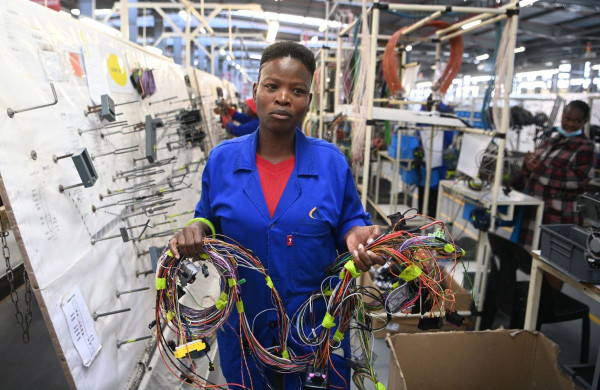
The Botswanan town of Lobatse, some 70 km south of Gaborone, has been transformed into a vibrant manufacturing centre. Across sprawling factory floors, hundreds of skilled hands meticulously assemble intricate wiring harnesses - components that will eventually power Volkswagen and Nissan vehicles across Africa and beyond.
In the automotive industry, wire harnesses are an intricate arrangement of wires, connectors, and components. They serve as vehicles' central nervous systems, enabling the transmission of electrical signals and power throughout the automobile.
This is Delta Automotive Technologies, where strategic financing from the African Development Bank has catalysed a manufacturing renaissance that extends far beyond the factory wallsThe company makes wiring harnesses primarily for Volkswagen and Nissan.. For decades, Botswana's economic history was written in diamonds. Today, a new chapter is unfolding as the African Development Bank's $80 million credit line to the Botswana Development Corporation (BDC) for businesses in the country fuels Delta Automotive's transformation into a manufacturing powerhouse.
"This funding hasn't just built infrastructure - it's built opportunity," says Darryn Hattingh, Delta's Director of Manufacturing. "We've built a world-class operation that competes globally while creating opportunity locally. The support enables us to industrialise not just today's production lines, but tomorrow's innovations. It will support us to industrialise future businesses obtained through Volkswagen.”
The firm, which is based in Botswana, makes wiring harnesses for Volkswagen's Polo Vivo and Polo 270, and Nissan's H60 brands.
It currently makes 120 vehicle harness sets for Volkswagen South Africa per day. By 2027, it hopes to create 340 vehicle sets for Volkswagen and 111 for Nissan in South Africa.
Women powering an industrial revolution
As one walks through Delta's expansive manufacturing facility, one fact is immediately apparent: in a traditionally male-dominated industry, women's expertise is driving this operation forward. An impressive 75% of Delta's workforce is female, shattering glass ceilings with every wire harness assembled.
For Clara Kaekane, a product and process engineer at Delta, the significance goes beyond personal achievement: "Every component we make is a challenge to outdated assumptions about gender and engineering work. I'm not just building car parts - I'm building a new perception of what is possible for women in manufacturing across Africa.”
Kaekane feels empowered to work at the management level in the automotive industry, which is normally male-dominated.
“This is a great opportunity for our country and company,” she says.
Connecting communities to global value chains
The hum of activity at Delta's plant represents more than manufacturing - it is the sound of Botswana's integration into sophisticated global supply networks. Currently producing 120 vehicle wiring harnesses daily, with plans to nearly triple output by 2027, Delta is an example of how African manufacturers can excel in precision-demanding global industries.
"What is happening here is the physical manifestation of our High 5 development priorities, particularly ‘Industrialize Africa' and ‘Integrate Africa'. It also provides skills to the people of Africa," said the African Development Bank's Deputy Director General for Southern Africa, Moono Mupotola. "Each wire harness connects not just vehicle components, but Botswana's workforce to global value chains, rural communities to industrial opportunities, and traditional economies to a diversified future."
Scaling impact: From hundreds to thousands
The numbers tell a compelling story: There are 327 employees today, expected to grow to 1,000 within four years. Behind those numbers are families supported, skills developed, and communities transformed. With 95% of the workforce Botswana nationals, the company has become a major driver of local economic empowerment.
"We're seeing multiple development dividends from this single investment," says Benedicta Abosi of BDC. "Delta's growth is generating export earnings, creating quality jobs, developing technical skills and, perhaps most importantly, demonstrating what's possible when development finance meets entrepreneurial vision."
She explained that five years ago, the Botswana Development Corporation supported multiple businesses, including Delta Automotive Technologies, through a $80 million line of credit facility from the African Development Bank.
A blueprint for African industrial transformation, Delta's success offers a replicable model for industrial development across the continent. By strategically supporting companies integrated into global supply chains, development finance can simultaneously address unemployment, gender inequality, economic diversification, and regional integration.
As workers at Delta Automotive Technologies continue to assemble the components that will power vehicles across the region; they're also creating a template for how African development finance can catalyse inclusive industrial transformation.
“This has definitely been a good investment for the African Development Bank, and this is how we see development financing working in Africa, Mupotola added.
Distributed by APO Group on behalf of African Development Bank Group (AfDB).
More images:
https://apo-opa.co/42JGePY
https://apo-opa.co/3GL0NTB
About the African Development Bank Group:
The African Development Bank Group is Africa's premier development finance institution. It comprises three distinct entities: the African Development Bank (AfDB), the African Development Fund (ADF) and the Nigeria Trust Fund (NTF). On the ground in 41 African countries with an external office in Japan, the Bank contributes to the economic development and the social progress of its 54 regional member states. For more information: www.AfDB.org
CHITTAGONG: Faye Tunnicliffe was the star of the show as the SA Emerging Women began their tour to Bangladesh with a...
COLOMBO: Head coach Mandla Mashimbyi values the lessons of defeat while looking at the bigger picture as the Proteas Women...

Future Hospitality Summit (FHS) Africa 2025 comes to Cape Town from 17–19 June 2025, bringing together the most influential voices in hospitality investment, development, and sustainability from across the globe.
This year's speaker lineup features major investors, visionaries, strategists, and dealmakers who are actively reshaping the landscape of hospitality across Africa.
William E. Heinecke, Founder and Chairman of Minor Hotels, will headline the summit. A self-made entrepreneur who launched his first business at 17, Mr Heinecke has built one of the world's most respected hospitality groups. His keynote will explore the lessons behind that legacy and what's next for hotel expansion in Africa.
Guy Hutchinson, President of Hilton MEA, and Haitham Mattar, Managing Director of IHG for MEA & Southwest Asia, will delve into how global hotel groups adapt their strategies for Africa's evolving markets. Meanwhile, Jerome Briet (Chief Development Officer EMEA, Marriott International), Jean-Baptiste Recher (CDO Luxury Brands, Accor), and Esteban Lozada (MD North, West & South Africa, Hilton) will highlight expansion plans and pipeline insights from the region's top brands.
On the investment side, the programme features heavyweights like Folaseto Akin-Olugbade (Principal, Actis), Olivier Granet and David Damiba (Co-CEOs, Kasada Capital Management), Rahul Chaudhary (MD & CEO, CG Corp Global), Magdaline Osei Baffour (Investment Director, Westmont Hospitality Group), Nyawira Kariuki (CEO, Janus Continental Group), and Jameel Verjee (Founder & CEO, CityBlue Hotels). They'll share unfiltered insights on how they evaluate opportunities, manage risk, and unlock long-term value in different African markets.
Graham Wood (CEO, Sun International), Marcel von Aulock (CEO, Southern Sun), and Tony Romer-Lee (Managing Partner AMEA, Valor Hospitality Partners), David Green (CEO, V&A Waterfront) add further firepower to the operator perspective, joining sessions on operating strategies, sustainability, and navigating development constraints.
Conservation and tourism sustainability will also take centre stage with Dr Morne du Plessis (CEO, WWF South Africa) and Mark Read (former WWF SA Chairman) exploring how hospitality can be a vehicle for positive environmental impact. Brooke Friswold of Bring The Elephant Home and Joe Pietersen of Nkombe Rhino will share field perspectives on ecotourism's potential.
Other voices enriching the dialogue include Gillian Saunders, one of Africa's leading tourism consultants, Kevin Teeroovengadum (Proptech Africa), Thami Nkadimeng, Paul Gardiner (CEO, Terra Nova), Bani Haddad (Aleph Hospitality), Tadiwos G. Belete (Kuriftu Resorts), Euan McGlashan (Valor Hospitality), Wayne Godwin (JLL Africa), and many more.
An Investor Powerhouse
FHS Africa 2025 will once again host the region's most active capital partners, including:
Berkeley Properties, Cameroon Hotels Corporation, CityBlue Hotels, Cresta Marakanelo Limited, DEG, FROS Capital, Fundo Soberano de Angola, IFC, Janus Continental Group, Oak & Satin Properties, Proparco, Rockshieldburg-City, The Midwest Company, and UAG Investments.
Together, these investors represent billions in active projects, acquisitions, and greenfield development across the continent. With over $4 billion in hospitality deals signed at FHS Africa since its inception, the event remains a catalyst for serious deal-making and investment.
Matthew Weihs, Commercial Director of the Bench, which organises FHS Africa, said: “We're incredibly proud to bring FHS Africa to Cape Town for the first time. It's a city that represents innovation, diversity, and growth — the perfect backdrop for an event that connects the brightest minds in hospitality and drives real investment across the continent. The 2025 programme is bold, dynamic, and focused on action."
FHS Africa 2025 promises unparalleled opportunities to build meaningful relationships through various formats tailored for real engagement. From high-energy speed networking sessions and curated closed-door investor councils to exclusive offsite visits showcasing Cape Town's latest hospitality developments, every moment is designed to foster strategic connections. The event also features a community-focused charity Run, offering a lighter way to meet other delegates while supporting a worthy cause.
Distributed by APO Group on behalf of The Bench.
Further Information:
For further information and high-resolution images, please contact:
David Tarsh
+44 (0) 20 7602 5262
+44 (0) 7770 816 070
email: David@Tarsh.com
About FHS Africa:
For over a decade, the Future Hospitality Summit Africa (FHS Africa) has been the launchpad for hospitality investment in Africa, driving growth, connecting visionaries, and transforming the continent's tourism and hospitality landscape. As a beacon of opportunity, FHS Africa brings together global investors, developers, operators, and industry leaders committed to turning potential into reality.
Strategic Partners: Accor, BWH Hotels, Hilton, Marriott International, IHG Hotels & Resorts, Radisson Hotel Group
Headline Sponsors: ACT, CHIC, Hansgrohe, TUI Hotels & Resorts
Sponsors: Aleph Hospitality, CityBlue Hotels, EQUATE, Knight Frank, JLL, St Helena Island, STR, TIME Hotels, TV5 Monde, Valor Hospitality Partners
Event Ambassadors: Develop Hotels Inc, Hotel Partners Africa, Voltere by Egis, W Hospitality Group
Official Carriers: Discover Airlines, Kenya Airways
Supported By: South Africa Tourism
About The Bench:
The Bench has a legacy of delivering world-leading investment forums and conferences in Europe, Africa, the Middle East, and Latin America. The key principle behind these events has remained "dealmaking'. Transforming the way businesses connect, Bench has developed a reputation for creating innovative and high-impact meetings for the industry.
For over two decades, government leaders, tourism ministries, global travel & tourism associations, the world's most influential hospitality brands, hotel owners & investors, renowned restaurant groups, airlines & aviation authorities, destination developers, asset managers, financial groups, and consultants have been participating in The Bench's events. These include FHS Africa, FHS World, FHS Saudi Arabia and AviaDev, where industry players showcase their brands, position themselves as thought leaders or innovators, and connect with the right individuals, opportunities and knowledge.
Learn more at TheBench.com
The upcoming African Mining Week (AMW) – Africa's premier gathering for mining stakeholders, scheduled for October 1-3, 2025 in Cape Town – will feature a dedicated Technology Forum. The forum will connect African mining projects with global technology providers and investors, showcasing how digital solutions are transforming resource extraction and redefining the mining value chain.
As African countries scale up mineral production to drive GDP growth, developers are increasingly adopting data analytics and digital tools to boost operational efficiency. U.S.-based startup KoBold Metals, which applies artificial intelligence (AI) to mineral exploration, entered the Democratic Republic of Congo (DRC) in April 2025 to tap into the country's estimated $24 trillion in untapped mineral resources. The DRC – already the world's largest cobalt producer and a key copper supplier – could see its global mining profile rise significantly with KoBold's involvement. In Zambia, the company is advancing the $2 billion Mingomba project, one of the world's most promising untapped copper assets.
Similarly, in Zimbabwe, Caledonia Mining is investing $1.1 million in IT infrastructure upgrades at the Blanket Mine as part of its $41.8 million capital budget. The upgrades include new mine planning software and a digital clocking system to improve labor efficiency, with a goal to increase gold output from 76,656 ounces in 2024 to up to 77,500 ounces in 2025.
In Botswana, Botswana Diamonds is employing AI-driven exploration to expand beyond diamond mining, recently identifying new prospects for copper, silver, cobalt, gold, nickel, zinc and platinum group metals. “During the initial analysis of the big database, it became clear that the AI technology could be used to identify other unknown minerals opportunities – and so it turned out,” said John Teeling, Chairman of Botswana Diamonds.
Meanwhile, South African firms such as Kilken Platinum and Rio Tinto are deploying digital tools to unlock greater operational value. A joint report by Accenture and the World Economic Forum projects that digitalization could unlock up to R213 billion in additional value for South Africa's mining sector by 2026. Technologies such as predictive maintenance, autonomous operations and real-time data monitoring are helping firms streamline processes, reduce downtime and improve safety outcomes.
The Technology Forum at AMW 2025 will feature high-level panels examining how digitalization can optimize infrastructure, enhance safety, predict system failures and support sustainable resource management in a data-driven mining environment. The forum will also provide a platform for mining companies to showcase real-world case studies, exchange knowledge with tech innovators, and explore partnerships that drive long-term value creation.
Distributed by APO Group on behalf of Energy Capital & Power.
About African Mining Week:
African Mining Week serves as a premier platform for exploring the full spectrum of mining opportunities across Africa. The event is held alongside the African Energy Week: Invest in African Energies 2025 conference from October 1-3 in Cape Town. Sponsors, exhibitors and delegates can learn more by contacting sales@energycapitalpower.com.
WINDHOEK: Half-centuries from Adnaan Lagadien, Jorich van Schalkwyk and Kamogelo Phiri helped South Africa Under-19 Men beat an improved Cricket Namibia by 131 runs in...
COLOMBO: Following a tightly contested defeat against India, the Proteas Women remain optimistic and are focusing on the controllables ahead of...
TelCables Nigeria, a subsidiary of Angola Cables (www.AngolaCables.co.ao), is proud to announce that it will be hosting the Connect Xperience event. This initiative will bring companies and strategic partners together to evaluate how local cloud infrastructure and services can assist in accelerating digital transformation and bring far reaching benefits to multiple sectors across the Nigerian economy.
At present, Nigeria's cloud computing market is valued at around $1.03 billion and is expected to grow to $3.28 billion by 2030. With the exponential growth in the digitalization of the financial, technological and commercial sectors, dependence on cloud services is becoming increasingly critical.
The event will highlight the advantages of adopting a local cloud solution, that offers lower latency, greater data sovereignty, enhanced security and improved compliance with local regulations.
The IT sector currently contributes approximately 20% to Nigeria's real GDP, underscoring the pivotal role that the sector plays in the nation's economy.
Fernando Fernandes, CEO of TelCables Nigeria said, “we believe that the future of the cloud in Africa lies in innovative and adaptable solutions that have been developed in Africa, for Africa - and the unique requirements and demands of businesses and users across the continent. With strategic data centers and world-class connectivity, we are ready to support sustainable digital growth in Nigeria.”
During the Connect Xperience, TelCables experts will present cloud models tailored to the needs of Nigeria companies, from startups to large corporations, as well as opportunities for local resellers and integrators looking to expand their services based on a robust, affordable and available infrastructure in Lagos.
“Connect Xperience promises to be a meeting point for IT decision-makers, business leaders and industry professionals interested in exploring reliable, scalable and local cloud solutions that can improve business processes and boost the local Nigerian economy,” concluded Fernandes.
Distributed by APO Group on behalf of Angola Cables.
About Angola Cables:
Angola Cables is an internationally established ICT and digital solutions and network services provider. The company specializes in connectivity solutions for the wholesale market and offers tailored digital services and solutions across multiple industries, including Cloud resources for the corporate enterprise sector.
Known for its innovation, Angola Cables operates a robust global backbone network, providing access to major IXPs, Tier I operators, and global content providers. With more than 30 PoPs and connections to plus 930 interconnected Data Centres and 6000 peering agreements, traffic over its international network is more than 18 500 Tbps.
The company has its own submarine cable network spanning over 33,000 kilometres (WACS, SACS, and MONET) and extends its services to over 50,000 kilometres through partner cables, connecting the Americas, Africa, Europe, and Asia.
Additionally, the company operates two world-class Data Centres, AngoNAP Fortaleza in Brazil and AngoNAP Luanda in Angola. Angola Cables also manages PIX in Brazil and AngonIX in Angola - one of the leading internet traffic exchange points in Africa that directly connects to over 21 IXPs worldwide.
With a significant international presence, Angola Cables is expanding its operations into strategic markets such as Brazil, South Africa, the United States and Nigeria. The company promotes intercontinental interconnection, driving digital and economic development, and ranks among the top 25 internet service providers in the world today.
*The Center for Applied Internet Data Analysis (CAIDA) 2023
For more information, visit the website: www.AngolaCables.co.ao
About TelCables West Africa:
TelCables West Africa is powered by the Angola Cables network, a multinational telecommunications company operating in the wholesale market. The company operates connectivity, IT solutions and services as well as international data circuit capacity and IP Transit via submarine cables.
As the most connected network operator in Africa, we provide secure, low-latency direct routes from West Africa to the USA and South America and from West Africa to London. With our presence across a number of Nigerian IP hubs from Lekki, WACS CLS, Medallion DC, Rack Centre and others, and connections across Africa via the Djoliba network, we can connect your business to the world.
For more information, visit the website: https://TelCables.ng/
The Chairperson of the Portfolio Committee on Police Mr Ian Cameron, has expressed deep sadness and disbelief following the identification of four bodies of members of the South African Police Service (SAPS), including three officers who went missing for over a week.
The Chairperson has called for the intensification of the investigation to ascertain the circumstances that led to the death of the officers. “It is heartbreaking to learn of the death of the SAPS officers when we were all hoping that they might be found alive and well. This tragic loss is not only felt by the family but by all within the law enforcement sector as these were committed officers on their way to their assigned duty,” Mr Cameron said.
The chairperson also highlighted the need for the SAPS to investigate the cause of death of the other two bodies retrieved in the Hennops River. “It is unusual that so many unrelated bodies could be found in one area. An intensive investigation must get to the bottom of what has happened to all the dead bodies,” said Mr Cameron.
He also commended SAPS for the speed with which the investigation was undertaken and urged for such speed to be the standard across the board. According to the Chairperson, trust between the SAPS and communities will be re-established if all cases are handled with such compassion, care and diligence. “The SAPS specialised teams who worked tirelessly over the past six days across several provinces to locate the missing individuals must be commended. However, serious questions remain, and we will monitor the progress of the investigation closely,” Mr Cameron emphasised.
The committee extends its heartfelt condolences to the families, friends, and colleagues of the deceased during this painful time.
Distributed by APO Group on behalf of Republic of South Africa: The Parliament.
With more than 30 African countries subject to sovereign credit ratings, the decisions of global rating agencies significantly impact debt sustainability and access to international financial markets. At a high-level dialogue held on the sidelines of the 2025 IMF–World Bank Spring Meetings, African institutions and global credit rating agencies reaffirmed their commitment to developing a fair, transparent, and inclusive credit rating ecosystem for Africa.
Organized by the African Union's African Peer Review Mechanism (APRM), the United Nations Development Programme (UNDP), the United Nations Economic Commission for Africa (UNECA), AfriCatalyst, and the African Center for Economic Transformation (ACET), and hosted at the Open Society Foundations, the dialogue brought together senior representatives from Moody's, S&P, and Bank of America for a candid discussion on financing solutions for African countries.
Against a backdrop of rising market volatility, sovereign defaults and constrained fiscal space, the dialogue aimed to address urgent reforms in Africa's credit rating framework. Speakers identified structural issues such as data gaps, methodological opacity, and under-engagement between African governments and the ‘big three' credit rating agencies (Moody's, S&P, and Fitch), as barriers to accurate ratings.
Amb. Claver Gatete, Executive Secretary of UNECA, acknowledged Africa's financing paradox—a combined GDP of over $3 trillion, yet only two countries rated investment grade—and underscored the urgent need for reform. “Ultimately, a healthy credit rating ecosystem goes beyond evaluating risk – it becomes a platform for mobilizing capital, improving creditworthiness, and supporting Africa's broader development goals,” he added.
“We must rethink how creditworthiness is defined and measured,” said Dr. Raymond Gilpin, Chief Economist, UNDP Africa speaking on behalf of Ms. Ahunna Eziakonwa, UNDP Regional Director for Africa. “At UNDP, we believe a development-centric approach is essential to supporting governments in strengthening institutions, improving data systems, and engaging effectively with credit rating agencies to reshape the narrative around Africa's creditworthiness.”
African economies face mounting credit rating challenges, including perceptions of bias, lack of transparency and inconsistencies in rating methodologies. Dr. Misheck Mutize, Lead Credit Rating Expert at APRM, and Dr. Zuzana Schwidrowski, Director of Macroeconomics, Governance and Finance at UNECA, proposed solutions to addressing the capacity of African governments to respond to inaccurate or unfair credit ratings and steps toward creating an African Credit Rating Agency that complements and expands existing credit ratings coverage globally.
Mr. Roberto Sifon-Arevelo, Managing Director at S&P Global Ratings, Mr. Jorge Valez, Senior Vice President at Moody's Ratings, and Dr. Tatonga Rusike, Chief Economist for Africa at Bank of America, outlined opportunities to remedy longstanding risk perception issues and working together with banks and investors to build capacity and a better understanding of rating methodologies to address transparency. They further emphasized that while sovereign credit ratings are not the sole determinant of investor decisions, they exert significant influence over borrowing costs, market confidence, and access to capital.
"Given the ongoing stress in African governments related to both cost of capital and access to capital it is critical to ensure that credit ratings reflect the many different African contexts. This initiative is an important step in that regard - particularly engaging the credit rating agencies," shared Ms. Mavis Owusu-Gyamfi, President and CEO of ACET.
“The Africa Credit Rating Agency (AfCRA) is not being established to issue favourable ratings for African entities, but rather to contribute to a diversity of rating opinions that support more accurate assessments of African sovereigns, corporates, and sub-sovereigns,” expressed Dr. Mutize. “Our priority is to build a credible, independent, and sustainable institution that plays a vital role in developing domestic debt markets and rebalancing Africa's position within the evolving global financial architecture.”
In his closing remarks AfriCatalyst's CEO Dr. Daouda Sembene stressed the urgent need for collaboration among African institutions. “AfriCatalyst is proud to be at the heart of this critical dialogue, building on the foundation of our Credit Ratings Initiative with UNDP. We are optimistic that through stronger collaboration between African institutions and global rating agencies, we can foster a more accurate, robust, and representative credit rating ecosystem—one that empowers African nations and promotes sustainable growth.” said Daouda.
Key messages included the need for: transparent and regular engagement between rating agencies, investors, and African governments; stronger institutional narratives that reflect the continent's resilience and reform efforts; and local capacity-building and collaboration, particularly through the proposed African Credit Rating Agency, which aims to provide credible, contextual alternatives to global ratings.
As South Africa chairs the G20 and the African Union assumes permanent membership in 2025, the call for an African-led credit rating solution takes on added urgency. The outcomes of this dialogue will contribute to ongoing efforts to reform the global financial architecture and ensure Africa's capital works better for Africa's development.
Distributed by APO Group on behalf of AfriCatalyst.
Media Contacts:
Bineta Pouye
bpouye@africatalyst.com
Michelle Mendi Muita
michellemendi.muita@undp.org
Ejigayhu Tefera
ejigayhu.tefera@aprm-au.org
Jean-Marc Kilolo
jean-marc.kilolo@un.org
Belinda Ayamgha
bayamgha@acetforafrica.org
The World Health Organization (WHO) and the United Nations Children's Fund (UNICEF) are today launching a “Babies Before Bottom Lines” manifesto to warn parents in South Africa against false and unethical baby milk advertising. The manifesto was posted online today to call out “predatory and pervasive practices” and has been backed and shared by prominent parenting influencers around the country.
WHO and UNICEF are jointly calling the attention of parents and caregivers to the WHO International Code of Marketing of Breastmilk Substitutes and its related information sources. The code provides guidelines on stricter regulation of marketing of breastmilk substitutes, to curb harmful effects on babies' short- and long-term health.
WHO's Country Representative in South Africa, Shenaaz El-Halabi, says: “False, incomplete, misleading health and nutrition claims by formula companies should stop now. The WHO calls on formula milk companies to stop presenting incomplete scientific evidence and inferring unsupported health outcomes.”
WHO and UNICEF are specifically calling on local regulators to update Regulations Relating to Foodstuffs for Infants and Young Children (aka R991) to include other advertising techniques and digital marketing practices that have become prevalent in the past few years since the International Code of Marketing of Breastmilk Substitutes of 1981 and local Regulation R991 of 2012 were drafted. Some popular social media platforms, whose algorithms can target specific consumers with specific messages at specific times, were still in their infancy or did not yet exist in 2012. Of particular concern is that parents are often targeted with information that blurs the lines between nutritional facts and promotional pseudo-science and emotional manipulation when they are at their most vulnerable.
The pseudo-scientific health claims made by formula companies discourage mothers from breastfeeding, which should always be a first choice as breastmilk is the most complete and healthiest milk for babies. In addition, widespread evidence exists that women have internalised doubts about the quality and quantity of their breastmilk, mirroring the themes and messaging of formula milk marketing campaigns.
In line with their multi-country study on the impacts of marketing breastmilk substitutes, WHO and UNICEF warn that “inappropriate promotion of breastmilk substitutes negatively impacts breastfeeding practices, and that advertisers are promoting a false choice between formula feeding and breastfeeding, without offering informed choice to parents about the real differences between breastmilk and various brands of formula”.
UNICEF South Africa Representative, Christine Muhigana, notes that: “Government and civil society partners are to be commended for their efforts to address this concerning issue. It is evident that formula milk companies continue to actively target health professionals to convince them to prescribe formula. This Manifesto is part of a broader effort to address these unfair practices so that mothers and caregivers are fully aware of unethical marketing practices.”
Cross promotion, also known as “brand extension” which is a marketing practice whereby one product is used to advertise another product by using similar branding, packaging and labelling (including but not limited to similar colours, design, font types, mascots and logos) has become a common practice by the bay formula companies.
“All families need to be supported with evidence-based information so that they can make the most appropriate and informed decision for feeding their babies. Those choices, however, should never be exploited for corporate profits. We are finding again and again, all around the world, that unethical corporate influence is imposed on caregivers through false advertising. Companies use digital marketing algorithms that exploit parents when they are most vulnerable. They capitalize on parents' doubts and questions. For instance, we see advertisers directing fake science at caregivers in the middle of the night, when they or their babies are struggling, to falsely convince them that bottle-fed babies sleep better than breastfed babies. This is wrong and needs to stop,” says Dr Laurence Grummer-Strawn, who leads WHO‘s work on infant and young child feeding.
WHO and UNICEF have uncovered systematic and unethical marketing strategies by the US $55 billion infant formula industry, finding it uses the “infant formula industry uses pervasive, personalised and powerful methods to target parents when they are at their most vulnerable in the early days of their new babies life, and manipulate scientific claims to promote their products whilst undermining parents' confidence”.
Aqeelah Harron, an online content creator who owns the popular Fashion Breed social media platform, is supporting the campaign. "I'm a mom to a toddler and my child's health matters to me more than anything. I think it's wrong that powerful formula companies with big platforms are preying on parents to manipulate us into falling for fake science. Babies and new parents are vulnerable and should never be exploited. We need to prioritise comprehensive feeding education for all caregivers, free from the influence of profit-driven marketing." Several other online influencers are also backing the campaign.
WHO and UNICEF invite the public to join them in calling for an end to the aggressive marketing of formula milk, and to share their call to action: “Choose babies before bottom lines.”
Distributed by APO Group on behalf of World Health Organization (WHO) - South Africa.
JOHANNESBURG: Cricket South Africa (CSA) has announced the SA Emerging Men’s and Women’s squads set to tour Bangladesh next month....