Wolvaardt Confident as Proteas Women Begin ODI Tri-Series Challenge Against India
COLOMBO: Proteas Women captain Laura Wolvaardt is upbeat about her side’s chances ahead of their opening match of the One-Day International...

MyZA
News, Directory, Events and Other Stuff
COLOMBO: Proteas Women captain Laura Wolvaardt is upbeat about her side’s chances ahead of their opening match of the One-Day International...

Africa Finance Corporation (AFC) (www.AfricaFC.org), the continent's leading instrumental infrastructure solutions provider, today announced the appointment of Mrs Ireti Samuel-Ogbu as Chair of its Board of Directors. She succeeds Mr. Emeka Emuwa who has completed 12 years of meritorious service to the Corporation.
Mrs. Samuel-Ogbu brings a wealth of experience spread over three decades leading and transforming the banking sector in Europe, Middle East, and Africa. Until recently, she led Citi's institutional businesses in Nigeria and Ghana, with oversight across Banking, Markets and Services. During this period, she steered the franchise through significant macroeconomic and regulatory headwinds, strengthening its strategic momentum and resilience.
Her international career within Citibank included senior leadership roles across over 50 countries in the Europe, Middle East, and Africa region, during which time she worked in the United Kingdom, Nigeria, and South Africa.
Mrs. Samuel-Ogbu has extensive boardroom experience including Citibank Nigeria where she was a Non-Executive Director for 6 years and Chair of the Risk Committee prior to becoming the Managing Director. She also served on the board of CHAPS Clearing UK, the high value payment system now operated by the Bank of England and a UK-based charity, Opportunity International. Her extensive experience and unwavering dedication to the advancement of Africa make her a valuable asset to AFC at a time when the Corporation is more committed than ever to accelerating Africa's transformation through bold investments, innovative financing models and catalytic partnerships.
AFC recently delivered a record-breaking FY2024 financial performance, with total revenue increasing by 22.8% to US$1.1 billion, surpassing the US$1 billion milestone for the first time. This strong performance was driven by several transformational projects including acting as the Lead Project Developer for the Lobito Corridor, a transformative multi-country transport network connecting Angola, Zambia and the Democratic Republic of Congo (DRC), financing of the expansion of the Kamoa-Kakula Copper Complex in the DRC — one of the world's highest-grade, low-carbon underground copper mines and financing support for the commissioning of the Dangote Refinery, the largest in Africa.
Speaking on the appointment, Samaila Zubairu, President & CEO of AFC, said: " We are delighted to welcome Mrs Ireti Samuel-Ogbu as Chair of the Board. Her wealth of experience, visionary leadership and deep understanding of Africa's financial landscape will be invaluable as we navigate our next phase of growth- expanding our impact, mobilising urgently needed capital and delivering transformative projects that enable inclusive and sustainable prosperity across the continent.”
Mrs Ireti Samuel-Ogbu commented: “I am honoured to take on the role of Chair at AFC, an institution that serves as a trusted bridge between international capital and Africa's dynamic growth opportunities. I look forward to working closely with the board, management, and all stakeholders to advance the Corporation's mission and strengthen its role as the leading provider of strategic, investment-driven solutions that unlock Africa's full economic potential.”
Distributed by APO Group on behalf of Africa Finance Corporation (AFC).
Media Enquiries:
Yewande Thorpe
Communications
Africa Finance Corporation
Mobile +234 1 279 9654
Email: yewande.thorpe@africafc.org
About AFC:
AFC was established in 2007 to be the catalyst for pragmatic infrastructure and industrial investments across Africa. AFC's approach combines specialist industry expertise with a focus on financial and technical advisory, project structuring, project development, and risk capital to address Africa's infrastructure development needs and drive sustainable economic growth.
Seventeen years on, AFC has developed a track record as the partner of choice in Africa for investing and delivering on instrumental, high-quality infrastructure assets that provide essential services in the core infrastructure sectors of power, natural resources, heavy industry, transport, and telecommunications. AFC has 45 member countries and has invested over US$15 billion in 36 African countries since its inception.
The human rights record of Lesotho will be examined by the United Nations Human Rights Council's Universal Periodic Review (UPR) Working Group for the fourth time on Wednesday, 30 April 2025, in a meeting in Geneva that will be webcast live.
Lesotho is one of 14 States to be reviewed by the UPR Working Group during its upcoming session from 28 April to 9 May 2025. The first, second and third UPR reviews of Lesotho took place in May 2010, January 2015 and January 2020, respectively.
The UPR Working Group is comprised of the 47 Member States of the Human Rights Council. However, each of the 193 UN Member States can participate in a country review.
The documents on which the reviews are based are: 1) national report - information provided by the State under review; 2) information contained in the reports of independent human rights experts and groups, known as the special procedures, human rights treaty bodies, and other UN entities; 3) information provided by other stakeholders including national human rights institutions, regional organizations, and civil society groups.
The three reports serving as the basis for the review of Lesotho on 30 April can be found here.
Location: Room XX, Palais des Nations, Geneva.
Time and date: 14:30 – 18:00, Wednesday, 30 April 2025 (GMT+2).
The UPR is a peer review of the human rights records of all 193 UN Member States. Since its first meeting was held in April 2008, all 193 UN Member States have been reviewed thrice. During the fourth UPR cycle, States are again expected to spell out steps they have taken to implement recommendations posed during their previous reviews which they committed to follow up on and highlight recent human rights developments in the country.
The delegation of Lesotho will be led by Mr. Richard Ramoeletsi, Minister of Law and Justice.
The three country representatives serving as rapporteurs (“troika”) for the review of Lesotho are Germany, Indonesia, and South Africa.
The webcast of the session will be at: https://webtv.un.org/en/asset/k1y/k1ypkwnawz
The list of speakers and all available statements to be delivered during the review of Lesotho will be posted on the UPR Extranet.
The UPR Working Group is scheduled to adopt the recommendations made to Lesotho on Wednesday, 7 May 2025, between 15:30 and 18:00 (GMT+2). The State under review may wish to express its positions on recommendations posed to it during its review.
Distributed by APO Group on behalf of United Nations: Office of the High Commissioner for Human Rights (OHCHR).
The Portfolio Committee on Cooperative Governance and Traditional Affairs (COGTA) voiced concerns on Thursday about the disconnect between local government's strategic plans and the reality of service delivery in communities.
The committee received a briefing on the South African Local Government Association's (SALGA) strategic plan (2022-2027) and the 2024/25 second and third-quarter financial and non-financial performance reports. Departments present these plans and reports to parliamentary committees to ensure accountability, transparency and effective resource management. This enables committees to scrutinise departmental performance and spending and hold them accountable to the public.
Members heard that SALGA is 71% on track with its strategic plan. One strategic outcome, for example, is for SALGA to focus on social cohesion through spatial integration, economic justice, and the development of viable communities, providing citizens with reliable and sustainable services to enable inclusive socio-economic growth. The target is an average of 10% improvement in identified municipalities; thus far, SALGA has completed pre-assessments in twenty-three municipalities. Members, however, emphasised that progress with performance indicators on paper rings hollow when communities cannot access basic services.
Moreover, considering the poor consequence management for senior management in underperforming municipalities, the committee sought clarity on the impact of SALGA's interventions and capacity-building efforts. Members asked for examples of success stories, which SALGA will provide in written responses.
The committee also expressed concern over SALGA's financial sustainability. Members highlighted that over 90% of SALGA's funding comes from municipality membership levies, which may compromise the entity's ability to intervene and support municipalities. The committee was assured that SALGA is open to exploring alternative revenue sources, but legal considerations must be ironed out.
The committee heard that part of SALGA's mandate is to build the capacity of municipalities, as well as the leadership and technical capacity of both councillors and municipal officials, and to support and advise its members to help them execute their mandate. Noting SALGA's role, the members interrogated its impact amid continued political instability and interference, the politicisation of municipal administration and skills shortages that paralyse municipal performance and fuel systemic inefficiencies. The committee called for a clearer distinction between political oversight and administrative execution. It urged SALGA to lead in the development of stronger training and performance management systems for councillors and officials.
Acting Chairperson of the committee, Ms Dikeledi Direko, said, “It is cause for serious concern the ‘invisible hand' (politicisation) that is part of local government, and we need to strongly condemn such practices. As political parties, we need to ensure that in elections we put forward councillors that can add value to local government.” She said councillors are often unable to hold officials to account. “We need councillors who can assist in turning around the system.”
The committee also noted poor coordination with and inclusion of traditional leaders in municipal planning and governance issues. “Traditional leaders, as part of our stakeholders, should not be left behind and treated as ‘by the way' stakeholders in local government. They should be included and they should be heard,” the acting chairperson said.
Welcoming SALGA's presentation, she said the committee wants to ensure sustainable solutions to the weaknesses in service delivery and municipal finances, thereby enabling municipalities to provide quality services to the people of South Africa. “We agree that despite many interventions in our municipalities, there is still a lot to be done. All relevant stakeholders should be on board, and proper coordination and support from all three spheres of government also play a critical role in improving our municipalities,” she said.
Distributed by APO Group on behalf of Republic of South Africa: The Parliament.
HPV is fuelling high cervical cancer rates in sub-Saharan Africa despite the availability of effective vaccines. Yet uptake remains low, driven largely by vaccine hesitancy. In South Africa alone, most participants (71%) were hesitant to receive at least one of the vacines in the country, according to the Vaccine Confidence Report by MSD (www.MSD.co.za) and Prof. Hannelie Meyer, Head of the South African Vaccination and Immunisation Centre. [1] The report was launched at the European Society of Clinical Microbiology and Infectious Diseases and during the SSA HPV Media Roundtable held during World and Africa Immunisation Week (24–30 April 2025).
Cervical cancer, caused by persistent infection of HPV, is one of the leading causes of cancer-related deaths among women in sub-Saharan Africa. The World Health Organization (WHO) estimates that 94% of global cervical cancer deaths occur in low- and middle-income countries, with sub-Saharan Africa heavily affected. [2]
Studies indicate that, globally, about 12% of women with normal cervical cytology are found to have an HPV infection. This prevalence doubles to around 24% in sub-Saharan Africa. Young women under 25 are particularly vulnerable, with an HPV prevalence rate of 43.9% in Africa compared to the global rate of 19.2%. [3]
A 2023 report indicated that cervical cancer ranks as the 13th most frequent cancer among women in Egypt and the 9th most frequent among women aged 15 to 44 years. [4] In Kigali, Rwanda, before the national HPV vaccination programme, 54% of women aged 19 years and younger were found to have received an HPV-positive result. [5] The high mortality rate in Ghana further demonstrates the burden, with approximately 3,000 women diagnosed with cervical cancer annually, resulting in around 2,000 deaths each year. [6]
Vaccine hesitancy, defined as a delay in acceptance or refusal of vaccines despite their availability, remains a challenge in the fight against preventable diseases such as cervical cancer. Misinformation, cultural beliefs, and accessibility issues further compound the low uptake of HPV vaccines. As global health organisations and local health authorities strive to eliminate preventable diseases, understanding and addressing vaccine hesitancy has never been more urgent. [1]
Understanding vaccine hesitancy
The Vaccine Confidence Report highlights several drivers of HPV vaccine hesitancy, including safety concerns, mistrust in healthcare systems, and misinformation on social media. According to Prof. Meyer, despite clear scientific evidence, many still believe vaccines are harmful. [1] “This reluctance is troubling,” she said, “given the direct link between HPV and cervical cancer. Addressing these fears with credible information is vital to reducing the burden in sub-Saharan Africa.”
An external study titled 'Vaccine Hesitancy and Trust in sub-Saharan Africa' published in Scientific Reports in May 2023 examined vaccination behaviours and attitudes across six sub-Saharan African countries: Ghana, Kenya, Nigeria, South Africa, Tanzania, and Uganda. The study found that only about 10% of respondents reported receiving at least one HPV vaccination. Vaccine hesitancy rates varied across countries, with South Africa exhibiting the highest rate at 17.15% and Kenya the lowest at 8.3%. [7]
Impact of misinformation, funding gaps and immunisation disruption Misinformation remains a major driver of vaccine hesitancy in Africa, especially through online platforms. It has shaped public attitudes and eroded trust in immunisation programmes. At the same time, shifting global priorities and economic pressures have led to reduced funding for vaccination efforts, limiting access in low-income communities. [8] “Routine immunisation has saved millions of lives,” said Dr Alima Essoh, Regional Director of the Preventive Medicine Agency for Africa (AMP Africa). “When misinformation and resource constraints disrupt these efforts, we risk undoing decades of progress.” Expanding HPV vaccination is critical to reducing cervical cancer, but it requires tackling misinformation head-on and improving access across the continent.
Broader implications for public health
While HPV vaccination remains a key focus, vaccine hesitancy extends to other preventable diseases. The World Health Organization (WHO) has set a target to eliminate cervical cancer as a public health concern by 2030, which includes ensuring that 90% of girls are fully vaccinated against HPV by age 15. [9] According to Prof Meyer, vaccine hesitancy threatens to derail this goal and broader efforts to achieve high immunisation rates for other preventable illnesses such as measles, polio, and influenza.
Rethinking the fight against HPV-related cervical cancer: Community action and vaccine confidence
Efforts to eliminate HPV and reduce HPV-related cervical cancer in Africa necessitate innovative, community-driven solutions. Dr Sabrina Kitaka, Senior Lecturer at Makerere University, states that engaging and accessible tools, such as comic books and school-based vaccination, have significantly enhanced vaccine uptake among young people. She adds that reminder systems, such as SMS and automated phone calls, help ensure adolescents complete the HPV vaccine schedule. If implemented on a large scale, these strategies could strengthen vaccine coverage across the region. She further states that, tackling vaccine hesitancy will require a coordinated approach involving governments, healthcare workers, civil society, and the private sector. This means improving health communication, building trust through local partnerships, and tailoring outreach to meet communities where they are.
“There is no time to waste,” says Prof. Meyer. “We must work together to share accurate information, address concerns, and make vaccines truly accessible. Only then can we protect future generations from preventable diseases.”
Disclaimer: The views and opinions expressed by the speakers in this document are their own and do not necessarily reflect the views or positions of MSD.
References
Distributed by APO Group on behalf of MSD.
REPORT ANY SUSPECTED ADVERSE EVENTS OR PRODUCT QUALITY COMPLAINTS TO DPOC SOUTH AFRICA:
dpoc.zaf@msd.com
Tel: +27 (0)11 655 3000.
www.MSD.co.za
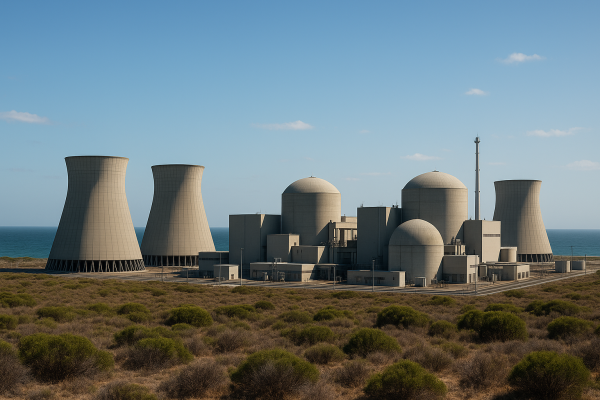
China is rapidly scaling up its energy diplomacy in Africa, with nuclear cooperation emerging as a cornerstone of its broader strategic agenda. On April 8, South Africa's Nuclear Energy Corporation signed a Memorandum of Understanding (MoU) with the China National Nuclear Corporation (CNNC) during an official visit to China led by South Africa's Electricity Minister, Dr. Kgosientsho Ramokgopa.
The agreement aims to revive South Africa's nuclear fuel cycle, accelerate the deployment of small modular reactors and promote collaboration on advanced fuels such as high-assay low-enriched uranium. With strong government support for nuclear power but limited domestic financing, South Africa is seeking international partners to inject capital and technology while maintaining state ownership of key infrastructure.
Minister Ramokgopa's working visit to China also aimed to find solutions to South Africa's energy insecurity and loadshedding. Central to this effort is the proposed life extension of the SAFARI-1 reactor at the Pelindaba nuclear research center, which is scheduled for retirement in 2030. Plans for a new multi-purpose reactor are already underway with R1.2 billion ($63.6 million) in seed funding allocated, but further investment is needed to move the project forward. This underscores the critical role of sustained nuclear investment in securing South Africa's long-term energy resilience and reducing dependence on aging infrastructure.
China's Expanding Footprint
China's ambitions in Africa's nuclear sector extend beyond South Africa. At the 2024 Forum on China-Africa Cooperation (FOCAC) in Beijing, China launched the China-Africa Forum on the Peaceful Use of Nuclear Technology, as part of its 2025-2027 Beijing Action Plan. The move reinforced China's long-term goal to become Africa's premier nuclear energy partner. With 53 of 54 African nations represented at FOCAC – including 51 Heads of State – the event provided a powerful platform for Beijing to promote its nuclear agenda and expand its diplomatic and technical reach, while highlighting how Africa is leveraging nuclear energy to meet its growing power demands.
For Africa, nuclear power presents a unique opportunity to address the continent's urgent energy access gap while advancing long-term sustainability. Nuclear offers baseload electricity with zero carbon emissions, making it well-suited to complement intermittent renewables like solar and wind. Small modular reactors, in particular, are seen as a viable solution for remote or off-grid regions due to their scalability, smaller footprint and enhanced safety features. With growing populations and rising industrial demand, several African nations view nuclear power as a low-carbon, scalable pathway to energy security and broader socioeconomic development.
Nuclear Expansion Across Africa
Currently, Africa's nuclear energy development is concentrated in six countries – Egypt, Ghana, Kenya, Morocco, Nigeria and South Africa. Of these, four have recently signed nuclear cooperation agreements with China. In September 2024, Nigeria entered high-level discussions with China on peaceful nuclear energy cooperation, covering the full project lifecycle – from research and training to construction and plant decommissioning. Earlier that year, Nigeria also signed an MoU with the CNNC aimed at operationalizing nuclear power plants by the 2030s. Ghana followed suit with a deal to deploy China's Hualong One reactor, while Kenya continues to pursue its longstanding 2015 agreement with China to develop a 1,000 MW plant by 2034.
The International Atomic Energy Agency projects a 58% increase in nuclear energy use in Africa by 2030, with a tenfold increase by 2050. With more than 600 million people on the continent lacking electricity access, China's nuclear partnerships are positioned to close critical power gaps while supporting shared decarbonization goals.
Against this backdrop, African Energy Week (AEW) 2025: Invest in African Energies serves as a pivotal platform for advancing nuclear energy collaboration between Africa, China and other global partners. Building on existing partnerships and recent MoUs, AEW will facilitate high-level discussions on technology transfer, investment frameworks and regulatory readiness to accelerate nuclear deployment in key African markets. These conversations will align national nuclear ambitions with China's global expertise, ensuring that energy security, sustainability and sovereignty are at the core of future collaborations.
AEW: Invest in African Energies is the platform of choice for project operators, financiers, technology providers and government, and has emerged as the official place to sign deals in African energy. Visit www.AECWeek.com for more information about this exciting event.
Distributed by APO Group on behalf of African Energy Chamber.
JOHANNESBURG: Cricket South Africa (CSA) today announced the end of commercial partner Momentum’s sponsorship of the Proteas Women’s team, which...
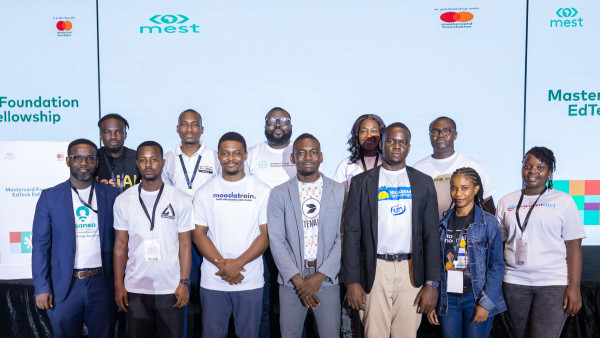
MEST Africa (www.Meltwater.org), in partnership with the Mastercard Foundation, has announced its second cohort of 12 innovative companies for the Mastercard Foundation EdTech Fellowship in Ghana. This six-month entrepreneurship acceleration program is dedicated to supporting Africa's most promising EdTech ventures by equipping them with mentorship, funding, and expertise in the science of learning. These newly selected companies are set to scale their groundbreaking solutions and address pressing educational challenges across Ghana.
The Second cohort builds on the success of the first cohort of 12 EdTech Companies, whose solutions impacted over 136,798 learners during the period of acceleration, underscoring the Fellowship's ability to drive transformative change.
“We are thrilled to welcome the second cohort of the Mastercard Foundation EdTech Fellowship,” said Angela Duho, Program Manager at MEST Africa. “In Ghana, EdTech is not just about innovation—it's about creating equal opportunities for every student, no matter where they live. It empowers teachers with the tools they need to inspire, and it prepares our youth for a future where digital skills are essential. The first cohort has already shown us what's possible, and we're confident that these new Fellows will continue to transform education and unlock potential across the country.”
The 12 EdTech companies selected for the 2025 cohort demonstrated strengths in [please add here] that point to Ghana's educational needs. Over the next six months, they will benefit from comprehensive support, including expert mentorship, access to funding, and specialized training, enabling them to scale their solutions effectively and sustainably.
The EdTech companies selected by MEST Africa for the 2025 Mastercard Foundation EdTech Fellowship are:
“The Mastercard Foundation looks to support the acceleration of EdTech solutions that reach all, including those out-of-school young people who are constantly left out of the education ecosystem. For it is when we design with the end user in mind that the business case for the solutions is more scalable, sustainable and impactful. Our collaboration with MEST Africa is to transform education in Ghana through technology-enabled learning”, added Rodwell Mangisi, the Acting Director of the Mastercard Foundation Centre for Innovative Teaching and Learning.
Through the Mastercard Foundation EdTech Fellowship, this cohort will embark on a transformative journey, gaining mentorship from experts in education innovation, sustainability, and scale, access to courses on the science of learning, and equity-free grants. This robust support aims to scale their solutions and elevate educational outcomes for millions across Ghana and Africa.
For more information about the Mastercard Foundation EdTech Fellowship and MEST Africa initiatives, visit www.Meltwater.org.
Distributed by APO Group on behalf of The Meltwater Entrepreneurial School of Technology (MEST Africa).
For media inquiries, contact:
Francis Akondor
Marketing and Recruitment Manager, MEST Africa
francis@meltwater.org
About MEST Africa:
Established in 2008, the Meltwater Foundation is the non-profit arm of the global media intelligence company, Meltwater. Its mission is to create job opportunities and drive economic growth in Africa through software entrepreneurship, primarily via the Meltwater Entrepreneurial School of Technology (MEST Africa). Based in Accra, Ghana, MEST offers a one-year, specialised tech entrepreneurial training program for top talent from over 22 countries, including Nigeria, Kenya, South Africa, and Senegal. Additionally, MEST invests in early to growth-stage startups.
In 2020, MEST Programs was launched to forge partnerships with other foundations and organisations that share our goal of creating wealth and jobs in Africa through digital skills training and startup acceleration. MEST Africa has trained over 2,000 entrepreneurs and invested in more than 90 startups across various industries throughout Africa.
Visit www.Meltwater.org to learn more.
About the Mastercard Foundation:
The Mastercard Foundation is a registered Canadian charity and one of the largest foundations in the world. It works with visionary organisations to advance education and financial inclusion to enable young people in Africa and Indigenous youth in Canada to access dignified and fulfilling work. Established in 2006 through the generosity of Mastercard when it became a public company, the Foundation is an independent organisation separate from the company, with offices in Toronto, Kigali, Accra, Nairobi, Kampala, Lagos, Dakar, and Addis Ababa. Its policies, operations, and program decisions are determined by the Foundation's Board of Directors and leadership.
For more information on the Foundation, please visit www.MastercardFDN.org
About the Mastercard Foundation EdTech Fellowship:
The Mastercard Foundation EdTech Fellowship is an entrepreneurship acceleration program designed to support promising, African EdTech ventures. Implemented in partnership with innovation hubs and EdTech accelerators across Africa, the Fellowship provides select EdTech companies with critical business and financial support, as well as insight into the science of learning, preparing them for scale, sustainability, and impact. The Mastercard Foundation EdTech Fellowship was launched in 2019 by the Mastercard Foundation through its Centre for Innovative Teaching and Learning with the goal to partner with 12 Tech Hubs to support over 250 EdTech companies and reach at least 1.8 million young people by 2025.
For more information about the Centre for Innovative Teaching and Learning, visit: https://apo-opa.co/42DjLmm or contact: edtechfellowship@mastercardfdn.org
African mining projects are increasingly incorporating artificial intelligence (AI) to streamline operations and meet ambitious production targets set by governments across the continent. As the mining industry undergoes a digital transformation, the upcoming African Mining Week (AMW) will highlight the pivotal role of AI and other digital tools in optimizing exploration and production processes, with a view to unlocking new mineral reserves, reducing costs and enhancing worker safety.
Botswana Diversifies Mineral Portfolio
In Botswana, Botswana Diamonds is expanding its mineral portfolio beyond diamonds with an AI-based nationwide exploration campaign launched in August 2024. By March 2025, the company identified potential deposits of besshi, greenstone, Mississippi Valley-type lead and zinc, SEDEX and platinum group metals (PGMs). To capitalize on these discoveries, Botswana Diamonds has applied for 11 new prospecting licenses. John Teeling, Chairman of Botswana Diamonds, stated: “During the initial analysis of the big database, it became clear that the AI technology could be used to identify other unknown minerals opportunities… Our analysis so far has identified a series of targets in copper cobalt, zinc and gold.”
KoBold Advances Zambia's Critical Mineral Market
U.S.-based startup KoBold Metals is applying AI to enhance critical mineral exploration and mine development in Zambia. In January 2025, KoBold raised $537 million in new capital, bringing its total funding to $1 billion. The company is developing one of the world's largest untapped copper basins in Zambia, with plans to produce 300,000 tons annually by 2030 from its $2 billion Mingomba Project. Additionally, KoBold Metals is exploring the Dumbwa Mine and Konkola West Project, contributing to Zambia's goal of reaching 3 million tons of annual copper production by 2031.
Kilken Platinum Drives Mine Expansion
In South Africa, Kilken Platinum is utilizing AI to optimize operations at its Thabazimbi processing plant in Limpopo as part of an expansion plan to double PGM production to 83kgs per month. The project has already increased output to 40kgs in its initial phase. Dondo Mogajane, CEO of Kilken Platinum's parent company Moti Group, emphasized that AI enables real-time tracking of production metrics and ensures strict adherence to safety protocols.
Beyond these projects, Rio Tinto subsidiary Richards Bay Minerals is employing AI for ore body modeling, equipment dispatch management and blast control at its mines in KwaZulu-Natal, South Africa. In the Democratic Republic of Congo, Glencore is leveraging digital technology to streamline critical mineral exploration as part of its Phase 2 expansion at the KTO copper and cobalt project. AMW 2025 will feature high-level discussions focused on AI's impact on industry growth, investment opportunities for technology providers and the broader economic benefits of digital transformation in mining.
African Mining Week serves as a premier platform for exploring the full spectrum of mining opportunities across Africa. The event is held alongside the African Energy Week: Invest in African Energies 2025 conference from October 1-3 in Cape Town. Sponsors, exhibitors and delegates can learn more by contacting sales@energycapitalpower.com.
Distributed by APO Group on behalf of Energy Capital & Power.
SA ‘A’ SQUAD CONFIRMED FOR WEST INDIES TOUR Saturday, 19 April 2025 JOHANNESBURG: Cricket South Africa (CSA) has announced a...
JOHANNESBURG: Batting all-rounder Anneke Bosch has been ruled out of the Proteas Women’s upcoming One-Day International Tri-Series against Sri Lanka...
South Africa condemns the continuous bombing of civilian targets in Gaza, the most recent being the missile strike by Israel forces on the al-Ahli Arab hospital in Gaza on Sunday, 13 April, forcing the evacuation of dozens of wounded people, and leaving Gaza critically short of emergency care. South Africa joins the global condemnation of the bombing, which is a flagrant violation of international humanitarian law. Israel has bombed, burned and destroyed at least 35 hospitals in Gaza since the start of the war in October 2023. Attacks on health facilities, medical personnel and patients are considered a war crime under the IV Geneva Convention of 1949.
The attack on Al Ahli Arab hospital follows the killing of 15 humanitarian personnel in Gaza – eight Palestinian Red Crescent Society health workers, one UNRWA staff member, and six members of the Palestinian Civil Defence who were on a rescue mission on the morning of 23 March and deliberately fired upon by Israeli military forces. Deliberate attacks on medics and humanitarian workers are prohibited by international law and constitute war crimes. First responders like civilians and other non-combatants are never legitimate targets.
We are also concerned that Israel has halted the entry of all aid into Gaza since 2 March. This is in defiance of the binding provisional orders of the International Court of Justice, which ordered Israel to ensure unhindered access of humanitarian aid in Gaza. The international community must hold Israel accountable through effective counter-measures, as the impunity enjoyed by Israel has emboldened its genocidal actions in Palestine.
Distributed by APO Group on behalf of Republic of South Africa: Department of International Relations and Cooperation.
The Chairperson of the Portfolio Committee on International Relations, Mr Supra Mahumapelo, has welcomed President Cyril Ramaphosa's appointment of Mr Mcebisi Jonas as Special Envoy to the United States of America.
Mr Mahumapelo said an unfortunate distortion persists in the US about the real essence of the South African dispensation. “It is our hope that whilst the envoy will not immediately provide a complete solution to this problem, it will contribute to adding value as part of the broader efforts to help the US President, Mr Donald Trump, and his administration to understand the essence of South African democracy,” emphasised Mr Mahumapelo.
Mr Mahumapelo added that this government understanding will also then be conveyed to the rest of the US people and blacks Americans in particular. He said the committee will continue with reciprocative oversight with the Department of International Relations and Cooperation on this front.
The Presidency announced on Monday the appointment of Mr Jonas as a Special Envoy to the United States of America, serving as the official representative of the President and the government of the Republic of South Africa.
Mr Jonas is entrusted with the responsibility to advance South Africa's diplomatic, trade and bilateral priorities. He will lead negotiations, foster strategic partnerships and engage with US government officials and private-sector leaders to promote our nation's interests.
Mr Jonas has previously served as one of four presidential investment envoys, which were appointed in 2018 to facilitate investment into South Africa. As a former Deputy Finance Minister, Mr Jonas brings extensive government experience to his new diplomatic role.
“We are looking forward with cautious optimism as the committee to the restoration of the healthy diplomatic relations between South Africa and the United States of America,” said Mr Mahumapelo.
Distributed by APO Group on behalf of Republic of South Africa: The Parliament.
South Africa, Uganda and Kenya topped the podium at this year's Africa Barista Championship. But the real winner at this year's Africa Barista Championship was African coffee culture itself.
From 24 to 28 February 2025, the scent of homegrown coffee filled the air in Dar es Salaam, as 23 baristas from 14 countries competed for continental recognition before packed crowds. Held alongside the 21st African Fine Coffees Conference and Exhibition (AFCA), the event marked a turning point: a bold celebration of local talent, regional markets, and Africa's fast-growing appreciation for its own specialty coffee – especially robusta.
‘This isn't just about coffee-making,' said Régine Léonie Guion-Firmin, an Authorized Specialty Coffee Association trainer (AST) based in Nairobi, Kenya. ‘It's about youth creating new career paths, fostering café culture, and driving demand for high-quality, locally produced coffee. You could feel the energy and pride.'
Behind the spotlight on brewing mastery, a deeper transformation was underway. With growing consumer interest across the continent, local roasters, baristas and entrepreneurs are championing African coffee for African consumers – redefining value not through export alone, but through domestic engagement.
In Cameroon, Thierry Djanga of TerrifiCoffee is part of that movement. His coffee placed second in a tasting competition at the event, but his priorities lie closer to home.
‘I'm happy to pay a premium for quality robusta from African producers,' he said. ‘Not just to export it, but to serve it locally. Consumers here are ready to pay for excellence. It's a virtuous circle that benefits everyone.'
The event also spotlighted technical capacity-building. A Barista Bootcamp, co-led by the International Trade Centre (ITC) and the Robusta Coffee Agency of Africa and Madagascar (ACRAM), trained more than 20 baristas in sensory analysis and brewing techniques aligned with World Barista Championship standards. The initiative, part of the ACP Business-Friendly programme, is helping professionalize the coffee sector and deepen local market appreciation for specialty-grade robusta.
Mozambique's participation was an eye-opener for many attendees unfamiliar with the country's emerging coffee sector. Meanwhile, Egypt's growing café scene brought new energy to discussions on regional trade and branding opportunities.
As coffee professionals, producers and policymakers shared ideas throughout the week, one message rang clear: Africa's coffee story is no longer confined to its export potential. The continent's producers, baristas, and consumers are reclaiming the narrative, one cup at a time.
Distributed by APO Group on behalf of International Trade Centre.
JOHANNESBURG: Cricket South Africa (CSA) today announced a multi-year partnership with Suzuki as its Official Vehicle Partner to CSA and...
The International Federation of American Football (IFAF) is delighted to announce Egypt as the host nation for the inaugural 2025 IFAF African Flag Football Championships – AFRICA FLAG 2025.
AFRICA FLAG 2025 will take place from June 20-21 in Cairo, Egypt, welcoming elite men's and women's national teams from across Africa for the first time at an IFAF Continental Championships. As participation in flag football continues to grow rapidly throughout the continent, this inaugural event offers a pathway to qualification for the 2026 IFAF Flag Football World Championships and represents a significant milestone on the journey towards flag football's historic Olympic debut at the Olympic Games Los Angeles 2028.
"With the announcement of the first ever IFAF Continental Championships in Africa, we are taking another step in the global development of our sport,” said IFAF President Pierre Trochet. “Looking ahead to flag football's historic Olympic debut at LA28, our Continental Championships provide a fantastic platform to further accelerate the sport's regional growth at grassroots and elite levels. Egypt will be a great host, and we are certain AFRICA FLAG 2025 will play its part in inspiring new athletes and fans across a continent that has already produced a rich heritage of American football talent.”
Hosted in partnership with the National Football League and Egyptian Federation of American Football (EFAF), various youth football development events will take place in Cairo in conjunction with the upcoming Championships — expanding the league's NFL Africa program to Egypt for the first time, creating more opportunities for young athletes from across the continent to play American football.
In collaboration with IFAF and EFAF, U12 teams of boys and girls from Egypt, Ghana, Kenya and Nigeria will compete in a multi-day NFL Flag Continental Championship, facing off in the championship game on June 23. NFL Flag is the official flag football program of the NFL — working to bring the non-contact version of American football to young athletes worldwide.
The NFL will also host a football talent identification event with prospects from across Africa. Athletes will showcase their skills and abilities with the potential to advance on through the NFL Academy Europe-Africa program in Loughborough, U.K. or the International Player Pathway (IPP) program — two core pillars of the NFL's global football development initiatives.
A number of current NFL players will join these events in Egypt, including New York Giants' Bobby Okereke (Nigeria), Minnesota Vikings' Brian Asamoah II (Ghana) and NFL free agent Dieter Eiselen (South Africa). Okereke, Asamoah II and Eiselen are supporting football operations for national federations in the lead up to and during the Championships, as well as NFL Africa's youth football programming.
“I'm excited and inspired to lead the NFL's efforts in Africa and to again expand our programming to a fifth country: Egypt — an innovative market for sport, with incredible talent,” said two-time Super Bowl Champion and NFL Africa Lead Osi Umenyiora. “Back-to-back days of NFL Africa events alongside the IFAF Continental Championships in Egypt helps showcase the aspirational pathways for talented young athletes across the continent, as we look ahead together to flag football in the LA Olympic Games in 2028. It will be a great weekend of football, and one that will create a powerful legacy as we introduce more and more young athletes to our game.”
AFRICA FLAG 2025 will reinforce the acceleration of flag football's growth across the continent. At the record-breaking 2024 IFAF Flag Football World Championships, Cameroon made history as the first African nation to compete on the global stage. Since 2023 participation in flag football has surged with Egypt and Nigeria seeing increases of 149% and 85%, respectively. In Nigeria, the national federation's outreach program has already engaged more than 13,000 young people, highlighting the sport's expanding reach and appeal.
IFAF and the NFL are working hand-in-hand to develop and grow flag football across the continent, collaborating to create meaningful educational pathways for coaches and officials delivering flag across Africa. This commitment was reaffirmed at the recent three-day flag football coach education and officiating clinic in Ghana (April 11-13). The clinic welcomed new and experienced coaches and officials from 10 African countries — Cameroon, Egypt, Ghana, Ivory Coast, Kenya, Morocco, Nigeria, South Africa, Tunisia and Uganda — enabling further long-term engagement and participation in the sport in the region.
As part of the NFL Africa program, the league has also undertaken NFL Flag development, talent identification camps and fan events across Ghana, Kenya, South Africa and Nigeria since 2022.
“We are extremely proud to be hosting the first ever AFRICA FLAG 2025 in Cairo and to be writing Egypt into flag football's history books,” said EFAF Founder Ali Rafeek. “Hosting this tournament allows us to put a spotlight on our talented athletes and to show the next generation what's possible in this sport — whether you're picking up a football for the first time or dreaming of the Olympics.”
“AFRICA FLAG 2025 is a huge moment for the continued growth of flag football across our continent,” said Egyptian Women's National Team Quarterback Amira Nader. “It's an opportunity to showcase the incredible talent and passion rising throughout Africa and take a meaningful step towards making history at LA28. As the first-ever Continental Championships, this event will inspire the next generation to pick up a football and believe anything is possible.”
IFAF continues to reinforce structured and competitive pathways for flag football, with the Continental Championships as an important stepping stone in the journey towards the 2026 IFAF Flag Football World Championships. The record-breaking 2024 edition of the IFAF Flag Football World Championships was the culmination of IFAF's biggest-ever international cycle of flag football competition and brought together elite athletes representing 31 nations from five continents at the most competitive and thrilling tournament to date. Flag football is played by 20 million athletes in more than 100 countries, and with an ever-expanding African presence, these events will serve as key milestones on the road to LA28.
Details regarding AFRICA FLAG 2025's participating nations as well as the 2025 Continental Championships for other regions will be announced in the coming weeks, offering teams from around the world more opportunities to compete and prepare for the journey toward LA28.
For more details on the Championships, visit the IFAF website (https://apo-opa.co/42LiURK) or follow us on social media.
Distributed by APO Group on behalf of National Football League (NFL).
For more information on NFL Flag, the official flag football program of the NFL, visit here (https://apo-opa.co/3G70ylD).
For the latest NFL Africa activity, follow @ NFLAfrica on:
Instagram: https://apo-opa.co/43VmZnx
X: https://apo-opa.co/43QGKN7
About IFAF:
The International Federation of American Football (IFAF) (https://apo-opa.co/42LiURK) is the international governing body for the sport of American football and is responsible for all regulatory, competition, performance and development aspects of the game on a global level. Fully recognised by the International Olympic Committee and a signatory to the WADA Code, IFAF has 75 member nations across 5 continents.
About the National Football League:
The National Football League is America's most popular sports league, comprised of 32 franchises that compete each year to win the Super Bowl, the world's biggest annual sporting event. Founded in 1920, the NFL developed the model for the successful modern sports league, including national and international distribution, extensive revenue sharing, competitive excellence, and strong franchises across the country.
SAPS tells Parliament they have been unable to access 7-year-old rape victim
JOHANNESBURG: At just 17 years old, Karabo Meso is already making waves in the cricket world. Despite her academic commitments in...
Government marks Indigenous Tree Day
Government and its partners planted indigenous trees at various sites across the country on Tuesday to commemorate Indigenous Tree Day.
Tree planting activities took place at all 11 National Botanical Gardens, two National Zoological Gardens, three Municipality Botanical Gardens and one Zoological Garden.
The Department of Forestry, Fisheries and the Environment (DFFE) in partnership with the South African National Biodiversity Institute (SANBI), Johannesburg City Parks and Zoo (JCPZ), International Union for Conservation of Nature (IUCN), the Association of Parks and Recreation Africa (APRA) and private sector stakeholders took part in these activities.
“The Indigenous Tree Day aim to educate society about the value of indigenous trees, build national capacity to grow indigenous trees by increasing efforts into finding seeds of a large number of species naturally and sharing propagation protocols and best practices.
“The day also aims to engage, inspire, and educate society – especially the youth - to conserve biodiversity by developing community-led efforts to restore ecosystems. This date encourages individuals to consider their efforts in tree planting and the impact it will make towards the environment,” Deputy Minister of Forestry, Fisheries and the Environment Bernice Swarts said.
The Indigenous Tree Day (ITD) also serves as a build-up to the One Million Tree Planting Campaign that will take place on 24 September 2025.
This nationwide initiative seeks to mobilise the public to collectively plant one million trees in a single day.
“The One Million Trees Campaign is a key milestone within the Revamped National Greening Programme which aims to plant at least Ten Million Trees over a period of five years. This will be achieved through the planting of two million trees annually. Through the Revamped Programme there is a realisation that government efforts alone will not achieve this ideal and there is a call for all South Africans from all walks of life to participate in the initiative,” the department said. - SAnews.gov.za
nosihle
Tue, 04/15/2025 - 14:44
92 views
Eskom issues tender to accelerate renewable energy deployment
Eskom has issued a call for proposals from experienced companies to establish renewable energy businesses to expedite the deployment of renewable energy solutions.
According to the statement released on Tuesday, Eskom will evaluate applicants based on several criteria, including a demonstrated history of successfully establishing a renewable energy company and the number of public-private partnerships (PPPs) and special purpose vehicles (SPVs) that have created tangible projects.
The evaluation will also look at expertise in the independent power producer (IPP) business model and financial structuring, technical capabilities, and knowledge of the sector.
This evaluation process aims to select firms that can effectively contribute to Eskom’s renewable energy initiatives.
The State utility announced that the new subsidiary aims to operate independently from the main Eskom entity, enabling better governance, improved market competitiveness, and enhanced PPPs.
“Agility and efficiency are at the heart of preparing for a competitive marketplace and ensuring we serve our current and future customers with the electricity supply solutions they require,“ said Eskom’s Group Chief Executive, Dan Marokane.
Marokane stated that Eskom is now one year into its turnaround strategy.
This strategy aims to not only end load shedding but also transform the utility into a sustainable and competitive company while ensuring a secure supply of electricity.
“To make a meaningful impact in the renewables space, we recognised that the most cost-effective way to do this is to bring in at the start some new skills, thinking and expertise to set our Eskom teams up for success in the business, so through knowledge transfer we can execute strategic initiatives in a competitive market faster and more efficiently. The creation of our renewable energy business also forms part of Eskom’s focus both in this country and internationally to identify the latest developments and strategies to reduce carbon emissions and other air pollutants,” he explained.
Eskom said it was committed to maintaining a balanced and diversified energy mix.
This includes utilising existing coal and nuclear power, introducing gas for baseload power, and incorporating renewable energy sources.
In addition, Eskom aims to implement energy storage systems, such as battery energy storage systems (BESS) and pumped hydro, to ensure overall security of supply and sustainably meet the growing electricity demand in South Africa.
The utility said it has an executable initial pipeline of at least 2GW of clean energy projects by 2026 and has developed a pipeline of more than 20GW of clean energy projects to diversify its energy mix.
Eskom will update the marketplace on the progress of the development of its renewable energy business throughout 2025.
The opportunity to respond to the tender closes on 7 May 2025 at 10 am, and application forms can be found on the Eskom website. The support will be required over 12 months. – SAnews.gov.za
Gabisile
Tue, 04/15/2025 - 10:03
195 views
Eskom, Exxaro sign agreement to reduce carbon emissions
Exxaro Resources and Eskom have signed a Memorandum of Understanding (MoU) to collaborate on strategic initiatives, research, and projects aimed at reducing carbon emissions, improving air quality and facilitating the Just Transition.
According to a joint statement, this move is consistent with South Africa’s commitment to achieving the goals of the Paris Agreement, international environmental standards, and national regulatory frameworks.
“The agreement focuses on jointly measuring, managing, and reducing Scope 1, 2, and 3 emissions and potentially investing in innovative technologies to drive decarbonisation.
“It also emphasises inclusive and focused transition initiatives such as skills development, job creation in green sectors, and stakeholder engagement to ensure climate resilience,” the statement read.
In addition, the MoU, which was signed on Monday, includes provisions for data sharing and transparent reporting to track progress and ensure accountability.
Exxaro Resources CEO, Ben Magara, believes that this collaboration marks a significant step forward in the company’s commitment to enabling a Just Transition and building a climate-resilient and low-carbon future.
“By leveraging our deep experience in the diversified mining and energy solutions sectors, we aim to drive innovation that not only decarbonises and reduces air pollution in our operations but also delivers meaningful socio-economic benefits for the communities we serve.
“The collaboration with Eskom is important as we work to accelerate practical and scalable solutions that support South Africa’s energy security and environmental ambitions as part of our purpose of Powering Better lives in Africa and beyond,” Magara said.
Exxaro is a South Africa-based diversified resources company with a coal business and acquisitive growth prospects in minerals and energy.
The company stated that the initial focus of the collaboration will be to identify the necessary investments and stakeholders required to develop technology-based solutions for the challenges associated with the transition to a low-carbon economy.
This effort will align with the country’s Integrated Resource Plan (IRP).
Eskom Group Chief Executive Dan Marokane said both organisations are committed to driving the transition to a more sustainable energy future while ensuring the country’s electricity supply remains secure.
“This initiative forms part of Eskom’s focus both in this country and internationally to identify the latest developments and strategies to reduce carbon emissions and other air pollutants,” Marokane added.
Meanwhile, Exxaro stated that it remains steadfast in advancing its Sustainable Growth and Impact strategy by embedding key Environmental, Social, and Governance (ESG) priorities into its operations.
The company is of the view that through partnerships such as this one, it is well-positioned to become carbon-neutral by 2050.
Meanwhile, Eskom’s Research, Testing & Development (RT&D) business unit will lead this partnership.
The RT&D is dedicated to finding technology solutions that can be applied primarily within the company to embrace innovation, enhance efficiency and improve operations, improvements related to emissions management, and greenhouse gas (GHG) abatement.
“Eskom remains focused on a balanced and diversified energy mix based on existing coal and nuclear and introducing gas for baseload power, as well as renewables, energy storage systems including battery energy storage systems and pumped hydro, to achieve overall security of supply and to meet South Africa’s growing electricity demand sustainably,” said the power utility. – SAnews.gov.za
Gabisile
Tue, 04/15/2025 - 11:18
111 views
Volkswagen Motorsport is upping the ante once again by bringing seven-time World Rallycross champion Johan Kristoffersson to compete at 15th Simola Hillclimb in 2023 title-winning all-electric WRX Polo RX1e Five-time Modified Saloon Car winner and current record-holder Franco Scribante will resume ongoing battle of the Nissan R35 GT-Rs with Reghard Roets Formidable line-up of other […]
A reimagined version of the popular 2016 “The Fall” play is being staged at Joburg’s The Market Theatre until 4 May
Call to monitor rented spaces
Police Minister Senzo Mchunu says municipalities must rise to the occasion and be aware of the activities taking place in the spaces they rent out.
The Minister’s comments come as he visited various drug laboratories and a warehouse which were discovered and shut down by the Hawks in Mpumalanga.
“The spaces where this operation was carried out (industrial and residential areas) are indicative that municipalities have to rise to the occasion and be aware of the activities which take place in relation to the spaces they rent out,” the Minister said following his visit to the sites on Sunday.
READ | Police Minister to visit Mpumalanga drug labs following arrests
The visit follows an operation carried out by a team comprising of among others, the Hawks in Secunda, Standerton K9, and the Standerton Crime Intelligence on 4 April.
“A search warrant was obtained and large quantities of liquid chemicals in drums, powder chemicals in sacks, machinery and equipment were found. It was confirmed that the building was used as a storage facility for illicit drug producing material,” the Minister said.
Three Mozambican nationals found at the scene were arrested; a fourth suspect who is also a Mozambican national was also arrested.
“All these individuals are illegal immigrants. Three vehicles were seized. Further investigation led us to a farm, where a clandestine drug lab was discovered, and a Mozambican couple was arrested - parents to one of the suspects arrested prior. Again, these individuals do not have the requisite papers to be in South Africa,” he said.
The combined value of items found was around R20 million.
All six suspects appearance in the Standerton Magistrate court on Monday, 07 April 2025.
Additionally, intelligence about two additional laboratories in the area were received. Search warrants were applied for and executed on 8 April 2025.
“The Investigation team comprising of the Directorate for Priority Crime Investigation (DPCI/Hawks) Secunda, SANEB [South African Narcotics Enforcement Bureau] head office, Standerton K9, Standerton Crime Intelligence, and private security visited a farm and discovered it was empty and then proceeded to a residential address.
"A tablet pressing machine, a disassembled machine worth over R2 million, petrol generator and 20 litre buckets full of finished powder products valued at over R28 million were found,” said the Minister.
Two South African males were arrested while a third suspect, handed himself in. They appeared in the Standerton Magistrates Court on 10 April 2025.
Several luxury vehicles were seized, including a Mercedes Benz and an amount of R3 689 200 was found in the boot of the Mercedes Benz. A white Isuzu van was found at another address and is in police custody.
“All suspects have since appeared in the Standerton Magistrate’s Court; one suspect (South African) has been released but investigations are still underway. The eight suspects who are in custody will appear again for a formal bail hearing on the 25th of April 2025.
This whole operation is an indication that we need to increase our law enforcement capacity in order to achieve such results and more. This is one aspect which we as the SAPS [South African Police Service] are focused on,” the Minister explained.
He added that the police have prioritised tackling the drug trade and is looking at dismantling the entire value chain.
“Since August 2024, the SAPS have uncovered several clandestine drug laboratories, leading to significant seizures of illicit substances and manufacturing equipment.”
Among some of the drug busts made by police previously include the dismantling of a laboratory valued at R100 million was dismantled in Rietfontein, Tshwane, resulting in the arrest of a 39-year-old Mexican national in November last year.
In December 2024, a drug bust valued at R4.5 million was executed, uncovering machines used for drug production, though no suspects were found at the scene in Kibler Park, Johannesburg.
“The total estimated street value of the 800 kilograms of drugs that were destroyed on 7 March 2025 is in excess of R340 million. About a year ago, drugs worth R550 million were destroyed. In three years, various types of drugs worth R5.2 billion have been destroyed.
“As the SAPS, we have a constitutional duty to ensure that all South Africans are and feel safe. Drugs have a negative impact on our communities. They have an impact on the crime levels, they destroy young lives and the health of those who consume them,” he said.-SAnews.gov.za
Edwin
Mon, 04/14/2025 - 11:48
315 views