• Skip to main content
  • Skip to header right navigation
  • Skip to after header navigation
  • Skip to site footer
MyZA

MyZA

News, Directory, Events and Other Stuff

  • Social Media
  • Sport
  • World News
  • Home
  • Submit News
  • Directory
  • Events
  • Stratlec
  • TFSA
  • News
    • APO
    • Today’s Sport News
    • Todays Social Media and Tech Headlines
    • Today’s World News
    • Today’s SA Financial News
  • Contact
You are here: Home / Archives for Resource

Resource

18 October 2024

Deputy Minister prioritises transformation in sport

Location: News

Deputy Minister prioritises transformation in sport

The Deputy Minister of Sport, Arts and Culture, Peace Mabe, is using her time in office to drive transformation and gender inequality in sport.

“A key focus for the Deputy Minister has been addressing gender inequality in sport, particularly ensuring equal pay and resource allocation for female athletes,” the Ministry of Sport, Arts and Culture said on Thursday.

Mabe revealed her plans during a media briefing held in Johannesburg with Sport, Arts and Culture Minister Gayton McKenzie to provide a report to the nation on their first 100 days in office following their swearing into office in the Government of National Unity (GNU) on 3 July 2024.

Mabe spoke extensively on her engagements and plans in the ministry, which include driving further transformation within the sporting community; her contributions to the Cricket South Africa Diversity, Equity and Inclusion Indaba; her attendance at the 2024 Paris Olympics and Paralympics, as well as her engagements with global ministers at the International Film Week in Moscow.

“The department is in the final stages of developing a comprehensive Women in Sport Policy Framework, which addresses multiple areas of gender disparity, including participation, leadership, governance and visibility.

"The Deputy Minister has also taken a hands-on approach to supporting women in boxing,” the Ministry said on Thursday.

The Department of Sport, Arts and Culture (DSAC) will soon launch numerous renovation projects for community sporting facilities across the country.  

These efforts aim to provide equal access to quality sports infrastructure, beginning with Limpopo province, where the Deputy Minister will be overseeing the handover of upgraded facilities in Moletji and Lephalale in late October 2024.

In the arts sector, Mabe is leading efforts to create an enabling environment for artists, particularly those in underserved communities.

“One of the key outcomes of her discussions was the recognition that civic and multipurpose community centres can be transformed into hubs for artistic expression and economic activity.

“By providing artists with these spaces, the department aims to directly contribute to job creation and economic opportunities within the creative sector.

“The Deputy Minister further touched on the department’s strategic realignment to now embrace public-private partnerships to revitalise critical programmes within the Department and create opportunities for greater participation in sport, arts and culture,” the Ministry said.

A prime example of this was her visit to the Enos Mafokate Equestrian Sport Centre in Soweto, where the Ministry has explored possible upgrades and partnerships to improve the facility.

Mabe has further supported several important initiatives that honour South Africa’s living legends and promote its rich cultural heritage. - SAnews.gov.za

nosihle
Fri, 10/18/2024 - 11:13
146 views
Read moreDeputy Minister prioritises transformation in sport
17 October 2024

President Ramaphosa to attend to BRICS Summit and domestic fora 

Location: News

President Ramaphosa to attend to BRICS Summit and domestic fora 

President Cyril Ramaphosa is set to participate in several key engagements over the coming weeks, beginning with the BRICS Summit in Kazan, Russia.

Presidential spokesperson Vincent Magwenya confirmed this during a press briefing with media houses to update them on the President’s diary in Cape Town on Wednesday. 

President Ramaphosa will attend the BRICS Summit in Russia from Tuesday to Thursday (22- 24 October). 

The Russian Federation’s BRICS Chairship in 2024 is under the theme "Strengthening Multilateralism for Just Global Development and Security”. 

Magwenya highlighted that South Africa’s participation in the summit is aimed at enhancing the country’s growth and development through its membership in BRICS, focusing on strengthening intra-BRICS relations and fostering mutually beneficial cooperation. 

This includes advancing political and security cooperation, financial and economic cooperation, and cultural and people-to-people cooperation.

During its BRICS Presidency this year, Russia indicated that it will focus on "promoting the entire range of partnership and cooperation within the framework of the association on three key tracks – politics and security, the economy and finance, and cultural and humanitarian ties”.

Responding to Questions for Oral Reply in the National Assembly in Parliament, Cape Town in August, President Ramamphosa spoke of the value of the BRICS alliance to advancing Africa’s developmental agenda. 

As Chair of BRICS last year, South Africa invited representatives from other African countries to attend the summit hosted in Johannesburg. Forty-six African countries attended, including 20 Heads of State and Government.

Medium Term Budget Policy Statement (MTBPS)

On the domestic front, the President will attend the tabling of the Medium Term Budget Policy Statement (MTBPS).

Finance Minister  Enoch Godongwana is set to table the MTBPS in Parliament on Wednesday, 30 October. The MTBPS outlines the policy framework for the upcoming budget, including government goals, the economic environment, and projected resource availability. 

It offers an analysis of the trade-offs and challenges the nation faces in addressing its priorities, providing an important step forward in the national budget process. 

READ | National Treasury announces MTBPS date

“The Medium-Term Budget Policy Statement is an important step forward in the budget process. In keeping with our commitment to open, transparent and cooperative policymaking, it invites the nation to share with Government the important choices to be completed,” Magwenya said. 

Visit to Limpopo

Meanwhile, President Ramaphosa is scheduled to visit the Limpopo province on Friday, 1 November, where he will meet with Premier Dr. Phophi Ramathuba and the provincial government executive. 

The provincial leadership will present their five-year program which is aligned with the priorities of the seventh administration. 

“The meeting will also discuss approaches [to] various service delivery issues including interventions to improve service delivery at local government level,” Magwenya said.

KwaZulu-Natal DDM Oversight Visit

On Thursday, 7 November, the President will meet with KwaZulu-Natal Premier Thami Ntuli and members of the provincial government in Durban. 

This meeting will be followed by a District Development Model (DDM) oversight visit to the eThekwini Metropolitan Municipality which includes a Presidential Imbizo on Friday, 8 November. 

The visit aims to assess the progress of the Presidential eThekwini Working Group, which was established earlier this year to address service delivery and development challenges in the area.

Last week Cabinet called on residents to join the imbizo and engage their public representatives.

“Cabinet calls on residents of Umgababa and the surrounding areas to join the imbizo and engage their public representatives on solutions to challenges in their community and find ways to improve service delivery,” it said in a statement following its fortnightly meeting.

The imbizo is set to be held at the Umnini Sportsfield in Ward 98.

Cabinet adopted the DDM in August 2019.

The DDM is an integrated planning model for cooperative governance aimed at fast-tracking service delivery. It seeks to ensure that municipalities are adequately supported and resourced to carry out their mandate.

READ | President Ramaphosa to lead Presidential Imbizo in KZN

The first Presidential Imbizo of the seventh administration was held in Tsakane in Gauteng in August.

The Presidency said the President’s engagements highlight his commitment to addressing national priorities, both domestically and internationally, with a focus on economic growth, improved governance and enhanced service delivery. – SAnews.gov.za

DikelediM
Wed, 10/16/2024 - 15:37

2 views
Read morePresident Ramaphosa to attend to BRICS Summit and domestic fora 
17 October 2024

Internet Society Events Highlight the Importance of Encryption for Online Safety and Security

Location: News

Internet Society
Download logo

In support of Global Encryption Day on 21 October 2024, events are being organized across Africa by Internet Society (www.InternetSociety.org) chapters in Côte d'Ivoire, Nigeria, Rwanda, South Africa, Zimbabwe, Kenya, and Benin to educate and train individuals on the importance of encryption in protecting data and privacy.  

End-to-end encryption is the process of transforming or encoding information so that only the sender and intended recipient can see it. It safeguards the personal security of billions of people around the world and is essential for security on the Internet.  

By promoting awareness and providing training on encryption, grassroots organizers are empowering communities to take control of their digital security. Under the umbrella of Global Encryption Day, the events planned are a testament to the growing importance of encryption as a means to security in the digital age and signal a growing consensus that people must be protected online. From workshops to informational sessions, participants will have the opportunity to learn about encryption and how it can be used to keep people safe. 

Event 1: Encryption to secure our daily life and future

Where: Maison des Jeunes, Yopougon, Abidjan, Côte d'Ivoire

When: 20-21 October 2024, 09:00 to 14:30 UTC 

What: A 2-day training course will promote encryption for civil society actors, local authorities, and activists in Côte d'Ivoire and the necessity to protect it. Register at Encryption to secure our daily life and future (https://apo-opa.co/4eR5CXO)

Event 2: Kwara Global Encryption Day 2024 Summit 

Where: Ilorin. Kwara State., Nigeria 

When: 24 October 2024, 08:00 to 16:00 UTC 

What: The “Kwara Global Encryption Day 2024 Summit” is an initiative by the Webfala Digital Skills for all Initiative. The event is designed to raise awareness about the critical importance of end-to-end encryption in protecting digital privacy and security. The summit aims to provide a comprehensive understanding of encryption technologies, their applications, and the current legislative landscape in Nigeria and beyond. Register at Kwara Global Encryption Day 2024 Summit (https://apo-opa.co/3YbFeAw).

Event 3: Global Encryption Day 2024 

Where: Bugesera - Rwanda, Rwanda 

When: 16 October 2024, 13:00 to 15:00 UTC 

What: Internet Society Rwanda members will learn more about encryption tools that will protect your privacy and the importance of safeguarding this important resource.  

Event 4:  Activating Voices of Underserved Communities Through Encryption and Digital Inclusion  

Where: Ugunja, Kenya 

When: 19 October 2024, 10:00 to 15:00 UTC 

What: Kijiji Yeetu, the Ugunja Youth Parliament, and Ugunja Net Wardens, in collaboration with the Internet Society Kenya Chapter, Jaramogi Oginga University, and United States International University Africa, are organizing an event that will focus on enhancing encryption, digital literacy, and security for teachers, net wardens, and underserved communities in Ugunja. The initiative aims to spark a nationwide impact by empowering participants to harness technology creatively and securely.  

Event 5: Campaign For Youth Participation On Online Security 

Where: American Corner, Jigawa State., Nigeria 

When: 21 October 2024, 09:00 to 16:00 UTC 

What: The program will look at how best to engage youth and bring them on board to contribute to online security and protection of encryption. Register at Campaign For Youth Participation In Online Security (https://apo-opa.co/3BJ2w9A).

Event 6:  Encryption Advocacy Training for Academic Institutions in Africa  

Where:  Solusi University, Zimbabwe 

When:  21 October 2024, 08:30 to 13:00 UTC 

What:  This event will focus on developing encryption advocates in institutions of higher learning. The purpose of the conference is to capacitate Faculty Deans and Lecturers from institutions of higher learning so that they may infuse these principles to their classroom teaching.   

Event 7:  Global Encryption Day 2024 – Encryption For Data Privacy & Online Safety 

Where:  Durban, KwaZulu-Natal, South Africa 

When:  21 October 2024, 09:00-15:00 UTC 

What: The Internet Society South Africa Chapter and its partners will organize a program that includes training, interactive sessions, and online discussions on encryption, cybersecurity, privacy, human rights, and more. With one main venue and two remote participation hubs based in Cape Town and Johannesburg, this is set to be the largest Global Encryption Day celebration yet. Register at Internet Society 

Event 8:  Protecting End-to-End Encryption: Our Security at Stake 

Where:  University of Abomey-Calavi / IFRI, Benin 

When:  21 October 2024, 09:00 to 12:30 UTC 

What: Encryption is the cornerstone of modern digital security, safeguarding our data and communications from cyber threats. Through discussions, interactive workshops, and expert talks from leading cybersecurity professionals, you'll gain valuable insights into how encryption shields your personal data, online communications, and privacy. In today's evolving digital landscape, understanding these tools is vital for staying safe. As a student, this event will empower you to contribute to a more secure Internet and equip you with practical steps to protect your own data. https://apo-opa.co/4eJID0J

For more information visit: https://apo-opa.co/3Yciv7s to learn more about Global Encryption Day events around the world. 

Distributed by APO Group on behalf of Internet Society.

Media contact: 
Allesandra deSantillana 
Internet Society  
desantillana@isocfoundation.org 

Read moreInternet Society Events Highlight the Importance of Encryption for Online Safety and Security
16 October 2024

African Development Bank Appoints Dr Kennedy Mbekeani as Director General for East Africa

Location: News
African Development Bank Group (AfDB)

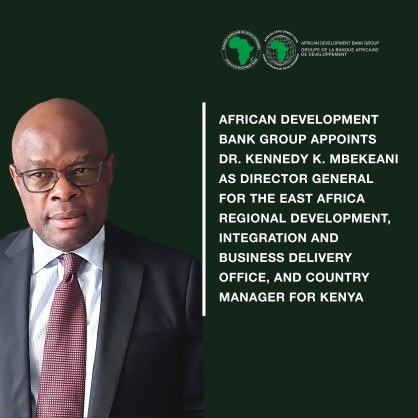
The African Development Bank Group (www.AfDB.org) has appointed Dr Kennedy K. Mbekeani as Director General for the East Africa Regional Development, Integration and Business Delivery Office, and Country Manager for Kenya, effective from 16 October 2024.

Mbekeani, a citizen of Malawi has over 25 years of senior experience in development finance, project management, policy advisory services, and knowledge generation at national and regional levels.

Prior to this appointment, he served as deputy director general for the Bank's Southern Africa Regional Development, Integration and Business Delivery Office. In this  role  he led the Bank's business development and delivery for sovereign and non-sovereign investments, and provided advisory services to South Africa, Lesotho, Botswana, Eswatini, Namibia and Mauritius. His efforts contributed to the Bank's reputation as a trusted partner for high impact development projects in the region. He also managed relationships with governments and the private sector.

Mbekeani joined the Bank in 2009 as Chief Trade and Regional Integration Officer. Subsequently he has held various roles including lead regional economist, officer in charge and acting regional director respectively of the Bank's South African Resource Centre. While serving as country manager for Uganda, he successfully expanded the Bank's portfolio to over $2 billion.

Before joining the Bank, Mbekeani worked for  the United Nations Development Programme as a trade, debt and globalisation advisor for East and Southern Africa. He also served as senior research fellow at the Botswana Institute for Development Policy Analysis, and senior economist at the National Institute for Economic Policy in South Africa.

He holds a Bachelor of Social Science (Economics and Statistics) degree from the University of Malawi, an MPhil in Monetary Economics from the University of Glasgow, and both an MA and PhD in International Economics from the University of California. He has authored numerous publications focusing on trade, regional integration, and infrastructure development in Africa.

Commenting on his appointment, Mbekeani said: “I am grateful and feel honoured by the confidence President Adesina placed in me through this appointment, as Director General for the East Africa Regional Development, Integration and Business Delivery Office and country manager for Kenya. I look forward to working with the president, the Board of Directors, senior management, our teams and stakeholders to enhance the Bank's operational efficiency, effectiveness and drive impactful developmental outcomes across the region.”

President of the African Development Bank Group and Chairman of the Board of Directors Dr Akinwumi Adesina said: “I am delighted to appoint Dr. Kennedy Mbekeani as Director General for the East Africa Regional Development, Integration and Business Delivery Office, and Country manager for Kenya. Kennedy brings extensive experience in managing operations, policy dialogue, coupled with astute diplomacy and well-tested ability to work effectively with countries and development partners. His knowledge of the Eastern Africa region and well-proven experience in delivering robust operations for the public and private sectors will strongly benefit the work and operations of the African Development Bank Group in East Africa and all countries in the region.”

Distributed by APO Group on behalf of African Development Bank Group (AfDB).

Media Contact:
Olufemi Terry
Communication and External Relations
media@afdb.org

About the African Development Bank Group:
The African Development Bank Group is Africa's premier development finance institution. It comprises three distinct entities: the African Development Bank (AfDB), the African Development Fund (ADF) and the Nigeria Trust Fund (NTF). On the ground in 41 African countries with an external office in Japan, the Bank contributes to the economic development and the social progress of its 54 regional member states. For more information: www.AfDB.org

Media files
African Development Bank Group (AfDB)
Download logo
Read moreAfrican Development Bank Appoints Dr Kennedy Mbekeani as Director General for East Africa
16 October 2024

Applied Artificial Intelligence (AI) And Deep Tech Innovations Take Centre Stage

Location: Business
Expand North Star

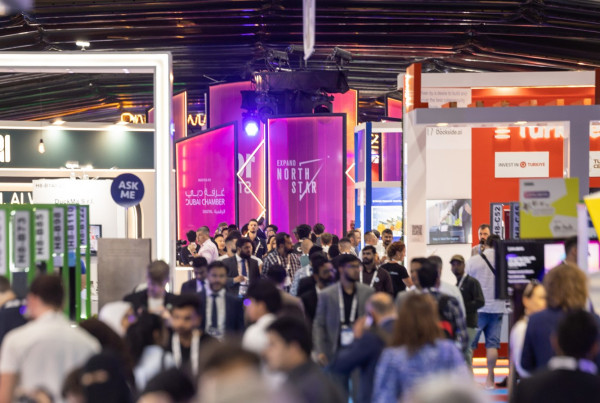
Expand North Star 2024 (www.ExpandNorthStar.com), the world's largest startup and investment event, continued its journey of innovation on its third day at Dubai Harbour. Attendees from around the world witnessed revolutionary advancements in Applied AI and Deep Tech, demonstrating how these technologies are disrupting industries and solving complex global challenges.   

Integrated with GITEX GLOBAL, Expand North Star runs until 16 October, providing a powerful platform for over 1,800 exhibiting startups and more than 1,200 investors managing assets exceeding USD $1 trillion. 

Applied AI and Deep Tech Innovations Redefine Healthcare and Space Innovation 

Day three was a showcase of next-generation solutions in robotics, AI, and deep tech, providing a glimpse into the future of these sectors.  

Cutting through the noise were innovative startups such as China's RoboCT with their innovative exoskeleton technology, launching the UGo Rehab Exoskeleton, specifically designed for patients with lower-limb dysfunction, spinal cord injury, strokes, or cerebral palsy. Dr. Tian Wang, Founder and CEO of RoboCT Group, stated, "UGo enhances the rehabilitation process and delivers an effective walking training solution by integrating advanced sensors, data analysis, and research, empowering patients to rehabilitate more effectively at home."  

On the digital health frontier, JADE introduced a platform tailored for neurodivergent children, including those with ADHD, down syndrome, and autism. The app's sophisticated tracking of eye movements, cognitive response times, and memory functions equips healthcare professionals and educators with precise data to create personalised care and learning strategies.  

Meanwhile, scanO, a pioneering Indian-born deep tech company, is leading the way in developing generative AI models for predicting disease progression. The company showcased its flagship product, scanO air—the world's first contactless AI-powered robotic system for oral health screening—revolutionizing early detection and diagnosis. 

In space technology sector, Triggers-Reports from Mauritius introduced Triggers-sat, a satellite platform that provides high-resolution imaging and 3D modeling to assist businesses and governments in areas such as natural resource management and climate risk disaster monitoring. 

Rising International Participation from Asia and Latin America  

As the global innovation hub, Expand North Star continues to see international participation rise, showcasing how regions and countries are pushing boundaries with novel solutions. 

Tatiana Riera, COO of ApexBrasil, highlighted Brazil's expanding presence at Expand North Star: "From just 20 startups in 2019, we have expanded to 45 startups this year, along with four innovation hubs. Brazil is a great hub for fintech because of the diversity in social levels, so most of our unicorns come from fintech. We also focus a lot on Deep Tech, AI, and climate tech solutions since we have six biomes and need to take care of them. We have a company that uses natural foam to build soundproof material for construction and another company building silent tractors that run on renewable energy."   

Similarly, Singapore's SGTech made a noteworthy debut at Expand North Star, emphasizing the importance of cross-border collaboration in driving tech-driven solutions forward. Alex Ng, Exco Member, SGTech said: "Singapore's innovative startups are making a significant impact at Expand North Star 2024, with six outstanding companies exhibiting under the Singapore Pavilion. These companies showcase cutting-edge technologies across various sectors, including digital twins, industrial AI and biotech, with the event serving as a groundbreaking global launchpad for startups to foster valuable networking with investors." 

Africa's Path to Economic Growth 
With global participation continuing to flourish, the spotlight also turned towards Africa, where burgeoning tech ecosystems are paving the way for a new wave of entrepreneurs and innovators. H.E. Savannah Maziya, Minister, Ministry of Information, Communications & Technology, Eswatini, alongside other thought leaders, emphasised the importance of structured development to tackle unique market challenges and unlock Africa's economic potential.   

Celina Lee, CEO & Co-Founder, Zindi, South Africa, highlighted the trend of talent returning to Africa to start companies and create ecosystems that foster innovation and attract global corporations like Microsoft to set up labs in Ghana and Nairobi.   

Speaking on the challenges facing Africa, Olatunbosun Alake, Honorable Commissioner, Ministry of Innovation, Science and Technology, Lagos State Government, Nigeria, said, "The greatest challenge in Africa is education. In Nigeria, if you look at the most educated parts, they show economic value, whereas in the north, where education levels are not as high, economic productivity is lower. There needs to be an African Renaissance of education funding across the board because if you drive education, educate, and enlighten people, people will change the environment.” 

Across its four-day span, Expand North Star continues to shed light on the future of industries through defining events such as GITEX Impact, Fintech Surge, Future Blockchain Summit, and Marketing Mania. These events underscore how emerging technologies are transforming the way we live and are also playing a pivotal role in reshaping the future.  

Distributed by APO Group on behalf of Expand North Star.

Media Contact: 
Tayce Marchesi, PR Manager, DWTC | tayce.marchesi@dwtc.com     
Ahmad Khalloudi, Account Manager, Seven Media | ahmadkhalloudi@sevenmedia.ae 
Doyin Odulana, Senior PR Manager, Seven Media | adedoyinodulana@sevenmedia.ae 

Follow Expand North Star on Social Media: 
Facebook (https://apo-opa.co/487fqdm)| X (https://apo-opa.co/4h5l6sx)| Instagram (https://apo-opa.co/4eIQXhe)| LinkedIn (https://apo-opa.co/485znl3)
Hashtag: #ExpandNorthStar 

About Dubai World Trade Centre (DWTC):  
A global business facilitator since 1979, Dubai World Trade Centre (DWTC) is home to the region's leading purpose-built convention and exhibition centre. DWTC provides a platform for connecting people, products, innovation and ideas from around the world through a dynamic calendar of international trade exhibitions and its own roster of sector leading mega events. As a designated free zone, complemented by award-winning commercial real estate, DWTC plays an integral role in Dubai and the region's growth story. Since its inauguration, DWTC has hosted over 6,000 events, with an estimated economic output of AED 248 billion, attracting over 38 million business visitors to Dubai. 

Media files
Expand North Star
Download logo
Read moreApplied Artificial Intelligence (AI) And Deep Tech Innovations Take Centre Stage
16 October 2024

Confirmed Speakers for the 3rd International African Energy, Oil, and Gas Summit 2024

Location: News
African Peace Magazine

African Peace Magazine UK (https://AfricanPeace.org/) is honoured to announce the distinguished line-up of speakers for the 3rd International African Energy, Oil, and Gas Summit, set to take place from October 23rd to 25th, 2024, at Hilton, Windhoek, Rev. Michael Scott Street, Windhoek, Namibia. This summit brings together some of the most influential leaders, industry experts, and change-makers in the energy sector across Africa. These individuals have significantly shaped their respective industries and will contribute profound insights into Africa's energy future. The Charity Golf Tournament and other Tour activities would commence from the 26th to the 30th of October 2024. The Speakers are;

  • Hon. Justice Suleiman Galadima (JSC, OFR, CFR, Rtd) – Chairman of the Board, African Peace Magazine UK

Hon. Justice Galadima is a revered figure in Nigeria's legal community, having served as a Justice of the Supreme Court of Nigeria. He is known for his unwavering commitment to justice and governance in Africa. As Chairman of African Peace Magazine, Justice Galadima plays a critical role in fostering dialogue around peace, security, and development across the continent.

  • HRH Sir David Serena-Dokubo Spiff – Ada IX, Paramount Ruler of Spiff Town, Bayelsa State

HRH Sir David Serena-Dokubo Spiff is a prominent traditional leader from Bayelsa State, Nigeria. His deep commitment to the socio-economic advancement of his people and his influence on the region's energy and resource management make him a vital voice at the summit. He actively advocates for responsible management of natural resources in his community.

  • Dr. Martha Namundjebo-Tilahun – Chairperson, United Africa Group, Namibia

Dr. Martha Namundjebo-Tilahun is a powerful figure in Namibia's business sector and beyond. As the Chairperson of United Africa Group, she has been a driving force behind several large-scale projects in hospitality, real estate, and renewable energy. Her leadership in advancing Africa's energy landscape and sustainable development strategies is exemplary.

  • Abiola Metilelu – CEO, PressPayNG

Abiola Metilelu leads PressPayNG, a groundbreaking fintech company that offers education financing solutions. Under his leadership, PressPayNG is bridging the financial gap for students across Nigeria, directly impacting the education and energy sectors by creating a more skilled workforce for the future.

  • Dr. Udochu Ogbonnaya – Executive Director, Green Energy International Ltd (GEIL)

A visionary in Nigeria's oil and gas industry, Dr. Udochu Ogbonnaya is shaping the future of sustainable energy in Africa. As the Executive Director of GEIL, he drives innovation in the extraction and development of energy resources while maintaining a focus on environmental responsibility.

  • Mrs. Frieda Tunyoleni Amuela – Extractive Industry Law Expert

Mrs Amuela is a respected expert in the legal frameworks governing Africa's extractive industries. Her insights into compliance and legal challenges in oil and gas operations have made her a sought-after voice in regulatory discussions. Her work ensures that Africa's natural resources are managed with accountability and transparency.

  • Mr. Immanuel Mulunga – Former MD, National Petroleum Corporation of Namibia (NAMCOR)

Mr. Mulunga is a seasoned expert in Namibia's oil and gas industry, having held key leadership roles, including serving as Managing Director of NAMCOR. His deep understanding of petroleum resource management in Namibia and his strategic leadership have had lasting impacts on the country's energy landscape.

  • Engr. Chukwuemeka Woke – Director-General/CEO, National Oil Spill Detection and Response Agency (NOSDRA)

Engr. Woke leads NOSDRA, Nigeria's primary agency responsible for monitoring and responding to oil spills. His efforts in promoting environmental sustainability in the face of oil extraction activities have been instrumental in safeguarding Nigeria's ecological future.

  • Professor Geoffrey Shakwa – Founder & MD, Anti-Corruption Education Consultancy

Professor Shakwa is a staunch advocate for anti-corruption measures in Africa, having founded the Anti-Corruption Education Consultancy. His work aims to educate and promote transparency, which is critical for sustainable development in Africa's energy sectors.

  • Mr Tassius Chigariro – Chief Executive Officer, Old Mutual Namibia

Tassius Chigariro heads Old Mutual Namibia, a leading financial services company. His strategic expertise in investments and financial management has made Old Mutual a key player in supporting economic growth in Namibia and throughout Africa's energy sectors.

  • Dr. Joseph Tolorunse – Authority Secretary and Legal Adviser, Nigerian Midstream and Downstream Petroleum Regulatory Authority (NMDPRA)

Dr. Tolorunse brings a wealth of knowledge in regulatory frameworks, ensuring Nigeria's midstream and downstream petroleum sectors operate within best practices and international standards. His work strengthens Nigeria's position as a key player in the global energy market.

  • Olusegun Ilori (Esq) – Executive Director, Green Energy International Ltd (GEIL)

A legal expert in energy law, Olusegun Ilori has been instrumental in shaping GEIL's business strategy, ensuring compliance with global energy regulations while advocating for sustainable practices.

  • Engr. Sunday Babalola – Executive Director, Green Energy International Ltd (GEIL)

Engr. Babalola's expertise in engineering and operations has been pivotal to GEIL's success in executing oil and gas projects with a focus on innovation and sustainability.

  • Alh. Auwalu Abdullahi Rano (OON) – Founder & CEO, A.A. Rano Nigeria

Alh. Rano is a prominent entrepreneur in Nigeria's oil and gas sector, with his company, A.A. Rano, being a leading player in petroleum marketing and distribution. His business acumen has significantly contributed to Nigeria's energy supply chain.

  • Prof. Anthony Adegbulugbe – CEO, Green Energy International Ltd (GEIL) & Former SA to the President of Energy

Prof. Adegbulugbe is a renowned energy expert with a wealth of experience in energy policy and management. As CEO of GEIL, he is at the forefront of pushing Africa towards a greener energy future.

  • Dr. Martin Harris – Senior Geosciences Researcher, University of Namibia

Martin Harris is a leading geoscientist in Namibia, focusing on energy resource exploration and development. His research and contributions have enhanced the understanding of Namibia's geological wealth.

  • HRM Makitu III – Kingdom of Kongo, Angola

As the traditional ruler of the Kingdom of Kongo, HRM Makitu III is a respected leader who advocates for the preservation and responsible use of natural resources within his kingdom, including energy resources that are key to Angola's economic development.

  • Engr. Wole Ogunsanya (FNSE) – Chairman/CEO, Geoplex Drillteq Limited

Engr. Ogunsanya leads Geoplex Drillteq, a company offering cutting-edge drilling solutions for Africa's oil and gas industry. His leadership in innovation has made Geoplex a leader in the sector, offering technological solutions that enhance efficiency. Engr. Wole Ogunsanya is the current Chairman of the Petroleum Technology Association of Nigeria. PETAN is an association of Nigerian Indigenous Technical Oilfield service companies in the upstream and downstream. PETAN is the primary trade and advocacy association of the oil and natural gas industry in Nigeria, representing nearly 100 members involved in various aspects of petroleum.

  • Mr. Tarah N. Shaanika – CEO, Namibia Asset Management

Tarah Shaanika oversees Namibia Asset Management, a leading investment company in Namibia. His experience in financial management and investment has propelled the company into playing a crucial role in funding energy and infrastructure projects in Namibia.

  • Aggrey Ashaba – General Manager, Alliad, Uganda

Aggrey Ashaba is a business leader with deep expertise in the oil, gas, mining, and energy sectors. As General Manager of Alliad in Uganda, he plays a key role in driving the country's energy strategy, focusing on sustainable development.

  • Daniel Tuyoleni Williams – CEO, Mind Space Consults

Williams is a respected business consultant whose firm, Mind Space Consults, provides strategic insights and advisory services in energy and business development across Africa, helping companies navigate complex markets and regulatory environments.

  • Alh. Saleh Baba Rano

A key player in Nigeria's oil and gas sector, Alh. Saleh Baba Rano has been instrumental in the growth and development of the sector, bringing strategic insights and leadership to discussions around energy in Africa.

  • Abimbola Okoya – Founder, Basic Education Africa

Abimbola Okoya is a passionate advocate for education in Africa, founding Basic Education Africa to provide accessible learning opportunities to underserved communities. Her work directly impacts the future of Africa's workforce, particularly in the energy and technology sectors.

  • Professor Jude Osakwe – Faculty of Computing and Informatics, Namibia University of Science and Technology

Professor Jude Osakwe is a prominent academic and researcher with a focus on Data Governance, Data Analytics, ICT in Education, and ICT for Development (ICT4D). He holds various professional certifications in project management, big data analytics, business intelligence, and digital marketing. His extensive research work and involvement in international conferences make him a vital contributor to discussions on the integration of ICT into development strategies across Africa. Professor Osakwe's dedication to bridging the gap between theory and practical implementation of ICT solutions has positioned him as a respected figure in the academic and business sectors.

  • M. Jinot Razafimamonjy – Director of Hydrocarbons, Ministry of Energy and Hydrocarbons, Madagascar

M. Jinot Razafimamonjy serves as the Director of Hydrocarbons in Madagascar's Ministry of Energy and Hydrocarbons. His leadership in managing the country's hydrocarbon resources has been instrumental in driving economic growth and ensuring sustainable development in the energy sector. His participation at the summit will provide critical insights into Madagascar's approach to energy management and its vision for the future of its oil and gas industry.

  • S P Jika Ogbeche – Assistant Comptroller General (ACG), Air Nigeria Immigration Service (NIS)**

S P Jika Ogbeche holds a senior leadership role within the Nigeria Immigration Service, overseeing the Air Border Division. His extensive experience in managing Nigeria's air borders and contributing to national security efforts will bring a unique perspective to discussions on energy security and the role of governance in the sector.

  • Engr. Farouk Ahmed – Authority Chief Executive Officer, Nigerian Midstream and Downstream Petroleum Regulatory Authority (NMDPRA)

Engr. Farouk Ahmed is at the helm of Nigeria's NMDPRA, playing a critical role in regulating and ensuring the sustainable development of Nigeria's midstream and downstream petroleum sectors. His leadership has been instrumental in modernizing the regulatory framework, promoting investment, and ensuring energy security in one of Africa's most important energy markets.

  • Dr. Lloyd C. Williams – United States of America

Dr. Lloyd C. Williams is an esteemed expert in the fields of energy and sustainability, hailing from the United States. With a distinguished career marked by contributions to both the public and private sectors, Dr. Williams is dedicated to advancing clean energy initiatives and fostering innovation in oil and gas. His global perspective will add invaluable insights into the discussions at the summit.

  • Mr. Tassius Chigariro – Chief Executive Officer, Old Mutual Namibia

As the CEO of Old Mutual Namibia, Mr. Tassius Chigariro is a key figure in the financial services sector, driving initiatives that support sustainable investments in energy and infrastructure. His experience in leading one of Africa's most reputable financial institutions positions him as an influential voice in the intersection of energy finance and economic development.

  • Cydolian Raveloson – Acting Director General, Madagascar Hydrocarbons Office

Cydolian Raveloson is the Acting Director General of Madagascar's Hydrocarbons Office, where he plays a pivotal role in managing the country's energy resources. His efforts are focused on ensuring the efficient exploitation and management of Madagascar's oil and gas reserves, contributing to both the nation's economic growth and energy security.

These esteemed speakers join an already impressive lineup, including leading figures from government, academia, and the private sector, all dedicated to advancing Africa's energy future. Their participation is set to elevate the summit's discussions, fostering meaningful collaborations and forward-thinking strategies.

"The diverse group of speakers at the upcoming IAEOG Summit 2024 reflects our heartfelt commitment to inspiring discussions that lead to tangible outcomes. These industry leaders are passionate about finding ways to alleviate poverty, create job opportunities, and enhance our GDP. Together, we envision a transformative event that enlightens the public and fosters collaborative efforts, ultimately driving meaningful change for the betterment of our communities."- Chairman Hon. Justice Suleiman Galadima JSC, CFR, OFR (Rtd.)

Distributed by APO Group on behalf of African Peace Magazine.

For more details on the full list of speakers, agenda and for sponsorship, participation, partnership, Exhibition and speaking opportunities and all other enquiries please contact:
Florek or Liana
Phone +264817617590
Phone: +264818331921
email: florekharris@africanoilandgassummit.com
event@africanoilandgassummit.com
africanpeacemag@gmail.com

Uduak Okon
International Affairs
+2348033975746
+447407399766

Nigeria Abuja Office:
Suite FT 12B Alibro Atrium Plaza Utako Abuja
+2348033975746

South African Office:
16 Ridge Road Vorna Valley Midland 1686 South Africa
+27662449117

Angola:
Call +244928690892
+244993656970
+244927589884

London Office:
Call +4477771217805
WhatsApp +447407399766

African Peace Magazine:
Website: https://AfricanPeace.org/
https://www.AfricanPeaceAwards.com/
https://AfricanOilandGasSummit.com/
Email: africanpeacemag@gmail.com

Social Media:
Twitter: https://apo-opa.co/4eM9eKk 
Facebook: https://apo-opa.co/4f38u3m
I.G: http://apo-opa.co/4eHvpBF 
LinkedIn: http://apo-opa.co/4eJVYGh

Media files
African Peace Magazine
Download logo
Read moreConfirmed Speakers for the 3rd International African Energy, Oil, and Gas Summit 2024
14 October 2024

Minister George welcomes decision on apportioning of squid total allowable effort

Location: News

Minister George welcomes decision on apportioning of squid total allowable effort

The Western Cape High Court has dismissed an application by the commercial squid fishing sector, which sought to set aside a decision by the Department of Forestry, Fisheries and the Environment (DFFE) on apportioning 15% of the squid total allowable effort (TAE) to the small-scale fisheries sector and 85% thereof to the commercial squid sector.

The application by SASMIA NPC (the South African Squid Management Industrial Association) was dismissed on Friday, 11 October by Acting Judge Pangaker of the Western Cape Division of the High Court.

In welcoming the court’s decision, the Minister of Forestry, Fisheries and the Environment, Dr Dion George, said the ruling was a victory for small-scale fishing cooperatives.

Historically, squid was not included in the allocation of fishing rights to small-scale fishing cooperatives. 

Squid was included on an ad hoc basis in the allocation of fishing rights to specific small-scale fishing co-operatives in their respective resource allocation schedules.

“The decision to apportion 15% of the annual squid total allowable effort to the small-scale fisheries sector is intended to bring about inclusion and socio-economic stability for the small-scale fishers within the fishing industry.  

“The decision of the Western Cape High Court is therefore a victory for the department and for the members of the small-scale fishing cooperatives, who rely on fishing as a source of income and food security to feed their families and to look after their communities,” George said. - SAnews.gov.za
 

nosihle
Mon, 10/14/2024 - 13:56

238 views
Read moreMinister George welcomes decision on apportioning of squid total allowable effort
14 October 2024

Call to recycle e-waste

Location: News

Call to recycle e-waste

As the world marks International e-Waste Day, the public is being encouraged to recycle their e-waste and declutter their homes.

Every year millions of electrical and electronic devices are discarded as products break or become obsolete and are thrown away.
These discarded devices are considered e-waste and can become a threat to health and the environment if they are not disposed of and recycled appropriately.

"To date almost 68 000 tons of e-waste has been diverted from landfill and recycled through Extended Producer Responsibility (EPR) schemes. The retailers are providing collection points across the country enabling the recycling of e-waste," the Department of Forestry, Fisheries and the Environment (DFFE) said on Monday.

South Africa is currently in its third year of EPR Regulations that cover lighting, electrical and electronic equipment waste.  

"The EPR Regulations were brought into law in South Africa in 2021. The policy is aimed at improving the producers' responsibility and accountability for the post-consumer stage of their products’ life cycle.

“To implement these regulations, the E-Waste Recycling Authority (ERA) serves as intermediary between industry and the government, with a particular focus on Waste Electrical Electronic Equipment and Lighting (WEEEL) - which includes electronic waste, lighting, and batteries,” the department explained.

Tackling waste

With the commemoration of e-Waste Day, the DFFE highlighted its efforts in managing electrical and electronic waste.

The department is tackling e-waste, amongst others by enforcing legislative and regulatory measures to contribute to pollution reduction, resource conservation and effective energy consumption.  

“The department is strengthening enforcement action against Electrical and Electronic Equipment (EEE) producers that are not complying, including free riders. Thus far, 37 Pre-Compliance Notices have been issued to EEE producers. All producers of EEE are required to register with the Department to ensure that they are compliant.”

Currently, the department is considering comments that were received from the public on the draft Waste Electrical and Electronic Equipment (WEEE) National Management Policy.

“This policy aims to provide a robust, integrative, harmonising and comprehensive policy framework that leads to the safe and sustainable management of all WEEE in South Africa that is evidence-based, transparent and inclusive, therefore responding to the needs of all South Africans.

“The rationale of the draft WEEE National Management Policy is to outline the intention of the Government of the Republic of South Africa to address WEEE management in a way that yields triple-bottom-line benefits. The triple-bottom-line aims to create new economic opportunities; offer decent and safe working conditions; and ensure the protection of the environment and people who depend on it,” the department said.

This year’s international e-Waste Day is taking place under the “Join the e-Waste Hunt – Retrieve, Recycle and Revive”.

The theme encourages the public to recycle their e-waste and declutter their homes, hunt down forgotten electronics and take out unused electronics that have gained new life to their nearest e-Waste collection points. - SAnews.gov.za

nosihle
Mon, 10/14/2024 - 14:37

185 views
Read moreCall to recycle e-waste
11 October 2024

3rd Project Steering Committee Meeting on Conserving Aquatic Biodiversity in Africa’s Blue Economy

Location: News

The African Union – Interafrican Bureau for Animal Resources (AU-IBAR)
Download logo

The third Project Steering Committee (PSC) meeting of the "Conserving Aquatic Biodiversity in Africa's Blue Economy" project took place on October 9, 2024, in Mombasa, Kenya. The meeting aimed to update stakeholders on project progress, discuss difficulties, and provide strategic guidance for the future. The meeting included discussions on the 2023-2024 work plan, no-cost extension activities, adopted recommendations, and strategic recommendations for future project implementation.

The opening session was chaired by Dr. Huyam Salih, Director of AU-IBAR, on behalf of H.E. Ambassador Josefa Sacko, Commissioner for Agriculture, Rural Development, Blue Economy, and Sustainable Environment. Dr. Salih welcomed participants and expressed gratitude to the Government of Kenya and the Swedish International Development Cooperation Agency (SIDA) for their continued support.

In his statement, Dr. Joachim Beijmo, Head of Regional Development Cooperation in Africa at the Swedish Embassy to the African Union, emphasized the importance of the Blue Economy for livelihoods and food security across Africa. He highlighted Sweden's commitment to aquatic biodiversity conservation and development cooperation across many sectors, with the Blue Economy being a key priority. Dr. Beijmo underscored the potential of the Blue Economy to improve livelihoods and noted that the sustainable management of aquatic ecosystems is a global concern. He welcomed the growing interest from diverse stakeholders, including local communities, and emphasized the importance of cooperation among institutions to maximize synergies. However, he also warned about the increasing threats to ecosystems, such as overfishing, and reaffirmed Sweden's commitment to expanding Marine Spatial Planning (MSP) initiatives and supporting local communities in conservation efforts.

Dr. Ndiaga Gueye, Senior Fisheries and Aquaculture Officer at FAO's Regional Office for Africa, commended AU-IBAR for its achievements in aquatic biodiversity conservation and called for continued efforts in this critical area. He pointed out the vulnerability of oceans and inland waters and noted that the fishing industry is at a crossroads. Dr. Gueye stressed the need for greater investment in capacity building to achieve Sustainable Development Goal (SDG) 14, which focuses on life below water. He also highlighted the importance of international agreements, which can take time to implement, and emphasized the essential role of the private sector in the sustainable management of aquatic resources. Access to data, knowledge sharing, and enhanced communication were identified as key enablers for achieving these goals.

In his remarks officially opening the meeting, Mr. Rodrick Kundu, Secretary of the State Department for Blue Economy and Fisheries, Kenya, highlighted the challenges faced by aquatic ecosystems, including pollution and the impacts of climate change, which have severely undermined the productivity of fisheries resources. He stressed that when the productivity of these resources declines, the livelihoods of millions of people, especially those dependent on fisheries, are negatively affected. Mr. Kundu acknowledged Kenya's leadership in promoting the Blue Economy, citing its role in high-level initiatives such as the Blue Growth concept and its participation in the High-Level Panel for a Sustainable Ocean Economy. He also noted the significant benefits Kenya has gained from the project, particularly in terms of capacity building among local communities.

Solidarity Messages from the Regions

Representatives from the five regions of Africa shared insights on their countries' progress in aquatic biodiversity conservation:
- Uganda: Ms. Grace Namukasa, representative of the Ministry of Agriculture, Animal Industry, and Fisheries, highlighted Uganda's achievements in transboundary aquatic ecosystem management. She emphasized the importance of regional cooperation to address challenges in aquatic biodiversity and noted Uganda's commitment to sustainable resource management.
- Côte d'Ivoire: Mr. Yao N'da Firmin, Director of Blue Economy and Coastal Environment, underscored the critical role of fisheries in food security in West Africa. He explained that Côte d'Ivoire has implemented systems for managing biodiversity and is currently working on its second Marine Spatial Planning (MSP) project. Mr. Firmin emphasized the need for integrated strategies to enhance the conservation of aquatic biodiversity and adapt to emerging challenges.
- Cameroon: Prof. Paul Tchawa, Secretary General of MINEPDED, discussed Cameroon's National Strategy on mangrove conservation and climate change adaptation. He stressed the importance of solidarity and complementarities among African countries to defend their shared interests in aquatic resource conservation.
- South Africa: Mr. Belemane Semoli, Chief Director of Aquaculture and Economic Development, reiterated the significance of sustaining aquatic biodiversity for mitigating climate change and promoting sustainable development. He highlighted that maintaining biodiversity is essential for both aquatic ecosystems and human life, providing energy, food, shelter, and livelihoods. Mr. Semoli noted South Africa's Marine Spatial Plan and Ocean Plan, which recognize the contributions of all sectors, and identified the challenge of balancing conservation with realizing the socio-economic benefits of the Blue Economy.

Technical Sessions and Presentations

Key presentations covered the progress of the project, recommendations from the PTC, the project's no-cost extension activities, and budget updates. The PSC members endorsed the presentations and commended AU-IBAR for the significant achievements made so far.

Emerging Issues and Recommendations

Several important issues were raised during the meeting, including the need for:
- A second phase of the project to ensure sustainability and broader coverage across Africa.
- Increased collaboration with regional institutions to strengthen capacity-building efforts.
- Greater private sector involvement to support the long-term sustainability of the project.
- Addressing the challenges of plastic pollution and expanding training programs to replicate the project's successes in other regions.

The PSC members endorsed the recommendations from the 3rd PTC and approved the work plan for the no-cost extension. They recommended the preparation of a comprehensive report on the 3rd PSC meeting and requested AU-IBAR to share its exit strategy with PSC members. They also urged AU-IBAR to begin preparations for a second phase of the project and to enhance partnerships with both regional institutions and the private sector.

The meeting concluded with closing remarks from Dr. Huyam Salih, AU-IBAR Director, as well as representatives from Uganda and SIDA. SIDA noted the significant progress made, the valuable recommendations provided, and the strong leadership demonstrated throughout the project. FAO acknowledged the relevance of the successful recommendations shared during the exchanges.

In her vote of gratitude, the president of AWFISHNET emphasised the importance of women's participation in the initiative. A government officer from Kenya formally ended the meeting. The significance of ongoing communication with member nations was stressed by Mr. Rodrick Kundu in his concluding remarks. He emphasised the significance of establishing mechanisms for cross-border cooperation, bringing project initiatives down to the local level, and keeping partnerships and accountability at the forefront of the project's objectives. At its third meeting, the Project Steering Committee (PSC) reaffirmed AU-IBAR's dedication to protecting aquatic biodiversity in Africa and fostering long-term growth in the Blue Economy across the continent.

Distributed by APO Group on behalf of The African Union – Interafrican Bureau for Animal Resources (AU-IBAR).

Read more3rd Project Steering Committee Meeting on Conserving Aquatic Biodiversity in Africa’s Blue Economy
11 October 2024

Majodina to participate in Africa and Cairo Water Weeks

Location: News

Majodina to participate in Africa and Cairo Water Weeks

Water and Sanitation Minister Pemmy Majodina is set to participate in the 9th Africa Water Week (AWW) and 7th Cairo Water Week (CWW) from Sunday.

The session will be held from Sunday, 13 October to Thursday, 17 October in Cairo, Egypt.

The 9th edition of the Africa Water Week will this year be held jointly with the Cairo Water Week, hosted by the government of the Arab Republic of Egypt, through the Ministry of Water Resources and Irrigation.

The Africa Water Week is an African Ministers' Council on Water (AMCOW) flagship initiative to facilitate the dissemination, sharing, networking and brokering of knowledge and information on water management and Water, Sanitation and Hygiene (WASH) services provision in Africa.

Since the establishment of the AWW, participants have included Ministers and representatives responsible for water affairs in Africa; development partners and civil society organisations from Africa and beyond.

Held under the theme “Placing Water and Sanitation at the Heart of Achieving Agenda 2063: The Africa We Want, “Africa Water Week will have three running sub-themes.

The sub-themes include financing, investments and resource mobilisation; water supply, sanitation, hygiene, and wastewater; and water infrastructure for economic production, climate resilience, and disaster risk reduction.

“With less than two years before the end of the Africa Water Vision 2025, the 9th Africa Water Week aims to evaluate progress made in implementing the vision, consolidate the gains and derive lessons for the future,” Majodina said.

Meanwhile, the Cairo Water Week to be held under the theme “Water and Climate: Building Resilient Communities” aims to explore the intricate relationship between water and climate, emphasising their collective impact on community resilience.

Discussions will extend beyond recognition, delving into the need for sustainable and adaptive practices that fortify communities against the challenges of climate change and water scarcity.

Climate change 

As part of the event, various related sub-themes and sub-topics will be explored in plenary and technical sessions organised by international and regional organisations.

Majodina said government is standing at a defining moment as climate change is a lead conversation with rising sea levels that increase chances of floods, its impact on droughts and changing weather patterns that force changes in agricultural productions.
She said the impacts are global, hence the importance of the Cairo Water Week Theme.

“As a country, we are constantly working towards Goal Six of the Sustainable Development Goal (SDG), which aims to ensure the availability and sustainable management of water and sanitation for all. I look forward to engaging with my counterparts from across the continent and learning from their work and taking some of the lessons home,” Majodina said.

During her visit, Majodina will attend high-level plenary sessions and will be meeting with her Egyptian counterpart, Water Resources and Irrigation Minister, Professor Hani Sewilam.

The Minister will also be delivering keynote addresses at sessions convened by Water and Sanitation on the African Transboundary Management Benchmarking and Youth, Gender and Social Inclusion workshop, among others.

The Youth, Gender and Social Inclusion Strategy is aimed at addressing power imbalances and social inequalities based on various social identities.

Taking an action-oriented, and youth and women-led approach; it is improving the terms on which individuals and groups take part in society - improving the ability, opportunity, and dignity of those who have been disadvantaged based on their identity. – SAnews.gov.za
 

GabiK
Fri, 10/11/2024 - 10:34

26 views
Read moreMajodina to participate in Africa and Cairo Water Weeks
10 October 2024

Western Cape Town “Held to Ransom” by Cable Theft Syndicate

Location: News

Repeated extended blackouts as electricity poles are cut down and cables stolen

Read moreWestern Cape Town “Held to Ransom” by Cable Theft Syndicate
8 October 2024

Mantashe Slams “Foreign-Funded” Activists

Location: News

Protests held against fossil-fuel industry in Cape Town and Johannesburg

Read moreMantashe Slams “Foreign-Funded” Activists
8 October 2024

Human Settlements aims to improve rural landscape

Location: News

Human Settlements aims to improve rural landscape

Human Settlements Minister Mmamoloko Kubayi says improving rural human settlements, both in terms of the rural ecological environment and the creation of a healthy rural human settlements environment, are areas that require intensive research.

“Not only will this help us to reinvigorate rural development, but it will also assist us with mitigating climate change and its effects,” Kubayi said.

Kubayi was speaking at the launch of the Human Settlements Research Strategy held in Kempton Park, Gauteng, on Monday.

The research strategy launch, which coincided with World Habitat Day celebrated around the world on the first Monday of October, provided direction and identified the long, medium, and short-term timelines of research activities.

The launch aimed to set up partnerships with research institutions within the built environment and the human settlements sector. It also aims to outline collaborative arrangements and roles and responsibilities of partnering stakeholders.

In her address, Kubayi said the human settlements sector is faced with many challenges, including climate change, population growth, low economic growth, urbanisation, slow spatial transformation, and governance instability at local government level.

In the world that is undergoing rapid urbanisation, Kubayi said many villages are facing a series of problems such as depopulation, population ageing, insufficient infrastructure, and public service facilities.

She said while most of government’s work has been focused on responding to the challenges of accessing urban land for human settlement, including the sprouting of informal settlements and the rise of inner-city slums, the challenges of unsustainable human settlements in rural areas have received little or no attention.

“Well-researched solutions are required as an antidote to these challenges so that we can be able to create a peaceful, economically sustainable, and stable country. It, therefore, stands to reason that we would like to place more emphasis on applied research, which will help us to provide solutions to an existing problem,” Kubayi said.

The Minister highlighted that the research agenda launched has been developed to do to inform planning, policy development and review, as well as implementation processes within the human settlement sector.

“The Research Agenda will assist to uniformly identify problematic areas that need to be resolved within the policy and implementation space,” Kubayi said.

The research has also been developed to signal to funders and development partners what research areas require investment; assist the department to guide resource allocation for research; encourage research collaboration in dealing with common problematic areas; and to drive capacity building by encouraging students to participate in the human settlements sector research, amongst others.

Kubayi also noted that the nexus between policy, research and practice is not linear but highly complex.

Influencing long-term policy and practice

She said the department is of the view that research cannot be expected to serve only current policies, but it is also expected to influence policy and practice in the long-term.

“The scope of the human settlements research agenda is therefore broad, so that the selection of certain areas and topics for priority will not be exhaustive. However, it marks the focus in the next three financial years.

“There is extensive research in human settlements that has already conducted across many institutions. We plan to leverage on this existing research and invest in further research in the sector,” Kubayi said. 

The Minister added that research collaboration, where different organisations will work together to fund specific research of common interest will be encouraged, and the department will pursue various collaborative approaches.

Research chairs to support higher learning institutions 

The Minister also announced that the department intends to establish research chairs, where institutions of higher learning will support research based on their expertise.

The Minister explained that through research chairs, post graduate students will be encouraged to select their academic topics from the research agenda or have a topic within the thematic areas established in the research agenda.

“The departmental research committee will approve the topical issue that the student selected for funding. Part of the research will be funded directly by the department though the commissioning of research, call for papers as well as providing part of the funding to students’ academic programme,” Kubayi explained. – SAnews.gov.za
 

GabiK
Tue, 10/08/2024 - 15:05

189 views
Read moreHuman Settlements aims to improve rural landscape
8 October 2024

KZN Finance recommits to improved financial governance

Location: News

KZN Finance recommits to improved financial governance

KwaZulu-Natal Finance MEC, Francois Rodgers, has re-affirmed the Provincial Treasury’s mission to ensure improved financial governance despite financial constraints facing the Government of Provincial Unity (GPU).

Rodgers joined KwaZulu-Natal Premier, Thamsanqa Ntuli and other MECs at a media briefing held in Pietermaritzburg on Tuesday, to present a progress report on the seventh administration’s first 100 days in office under the GPU.

“Over the past four financial years, the [National] Treasury cut our equitable share by R66 billion, [and] over the next three years, a further R12 billion is expected to be cut. This is due to a number of factors, including the performance of the economy,” Rodgers said.

The MEC said a plan including several cost-containment measures has been put in place but added that this will not neglect the poorest of the poor.

“Our priority remains being a capable and ethical state that looks after our most vulnerable citizens,” Rodgers said.

Ntuli revealed that the provincial GPU had inherited a debt to service providers amounting to R10 billion, and this will require an average of R150 million budget cuts over the next seven years, starting from 2025/2026 financial year to have a positive cash flow.

However, Ntuli reiterated the GPU’s commitment to upholding service delivery priorities, despite financial limitations currently facing the province.

“The KZN Provincial Government has limited financial resources, meaning that we will not do everything that was promised within the anticipated timeframe. However, we will ensure that we improve integration at planning and implementation so that we use resource in a smart way.

“It is our commitment to implement revenue enhancement, wherein all departments should look at ways of improving their own revenue raising and collections, as this will increase the funds available for priority service delivery programmes,” the Premier said.

Rodgers will in the coming days, deliver his own first 100 days in office report, which will unpack further details on the state of province’s finances, as well as strategies and plans going forward on the part of Treasury.

The MEC has recommitted to ensuring that the four key spending areas, including job creation, building a sustainable economy, service delivery, and alleviating inequality and poverty, remain non-negotiable priorities. – SAnews.gov.za

GabiK
Tue, 10/08/2024 - 13:06

91 views
Read moreKZN Finance recommits to improved financial governance
7 October 2024

Department of Science and Innovation renamed to highlight focus on tech

Location: News

Department of Science and Innovation renamed to highlight focus on tech

The Minister of Science, Technology and Innovation, Professor Blade Nzimande, has welcomed the renaming of the department as proclaimed in Government Gazette No. 51283 on 27 September 2024.

The new name, the Department of Science, Technology and Innovation, follows the splitting of the Ministry of Higher, Science and Innovation into the Ministry of Higher Education and Training and the Ministry of Science, Technology and Innovation under the seventh administration.

“The department’s name has undergone several changes in the past years. In 2021, government renamed the Department of Science and Technology, making it the Department of Science and Innovation. This was to emphasise the need for the department to drive innovation through its work,” the department explained.

However, the most recent name incorporates all the elements of the department’s mandate to lead enhanced productivity, economic growth and societal development through science, technology and innovation (STI).

“Putting ‘technology’ back into the name is an acknowledgement of the role that technological advancements play in driving scientific progress, economic growth and societal development,” said the Minister.

Meanwhile, the department said that it retains its strategic focus on promoting innovation through cutting-edge technologies, fostering a digitally empowered society, and enhancing South Africa’s competitiveness on the global stage.

“Its priorities include climate change and environmental sustainability, human resource development, and addressing poverty and inequality.” – SAnews.gov.za


Gabisile
Mon, 10/07/2024 - 13:08

268 views
Read moreDepartment of Science and Innovation renamed to highlight focus on tech
3 October 2024

Leaders in water sector challenged to act against pollution

Location: News

Leaders in water sector challenged to act against pollution

Water and Sanitation Deputy Minister Sello Seitlholo has challenged leaders in the water sector to act decisively against the pollution and contamination of the country’s water resources.

Seitlholo made the call on Thursday at the launch of the Vaal River Anti-Pollution Forum, which is aimed at addressing long-standing pollution affecting water quality in the Vaal River.

READ | Forum to address Vaal River pollution

Launched in Vanderbijlpark, Gauteng, the Vaal River Anti-Pollution Forum is aimed at coordinating, improving and integrating efforts for the management of the Vaal River water quality, in line with its determined resource quality objectives.  

The forum will also provide high-level guidance aimed at ensuring the protection of the Vaal River, as well as identifying remedial actions to mitigate the impact of pollution.

Seitlholo warned that the pollution of water resources remains one of the greatest risks that faces the country’s water security and sustainability.

He challenged the leaders to decide if they will meet the moment to protect the country’s precious resource for future generations.

“Indeed colleagues, we must decide here today whether we will be the ones who will be remembered for directing the course of every river and every stream to a sustainable future of access to clean and safe water for all. I am here to sound the alarm.

“Like the captain of a ship on a rough course at sea, I am here to sound the blasts. I am here to say, this is our moment to act and act decisively against the pollution and contamination of our water resources or we will face a disaster of titanic proportions,” Seitlholo said.

Highlighting the significance of the Vaal River, which is the second largest river in South Africa after the Orange River -- into which it flows -- Seitlholo said the 1 200 kilometre-long river crosses a number of provinces, including Mpumalanga (where it originates near Ermelo), Gauteng, the Free State and the Northern Cape.

“Large dams, including Grootdraai, the Vaal and Bloemhof dams are constructed on the river to ensure a steady water supply to citizens of these provinces and the industries dependent on water from the river. The Vaal Dam is the most important dam in the country because of its role as the primary supplier of water to the economic heartland of South Africa -- Gauteng,” Seitlholo said.

The Deputy Minister said the Vaal River is also vital for the life of the country’s economy, and millions of jobs and livelihoods.

“If we were to lose this river system to unmitigated and rampant pollution, we would lose millions of livelihoods and lives. I am therefore sounding the alarm... This is a crucial moment for the future of this precious water resource.

The Vaal River, due to its extent and the development sectors it supports, receives a huge volume of pollution from urban developments, both formal and informal settlements, wastewater treatment works, runoff from mines, agriculture and discharge of treated wastewater from industries,” Seitlholo said.  

He said the forum must play a crucial role in ensuring that stakeholders are constantly around the table to chart solutions towards fighting pollution of the Vaal River.

In April this year, Water and Sanitation Minister Senzo Mchunu pronounced on the establishment of the forum, whose objectives are to coordinate, improve and integrate efforts for the management of the Vaal River quality.

This will be done through addressing risks elevated by the 16 Catchment Management Forums (CMFs).

Currently, there are 16 sub-catchment forums, including 10 in the Upper Vaal, four in the Middle Vaal and two in the Lower Vaal.  

Seitlholo explained that the forum will escalate systemic challenges that cannot be resolved within these sub-catchments.  

“The forum, through task teams, will investigate and make recommendations on short-, medium- and long-term actions that must be taken to improve the performance of the smaller forums, and to elevate and effect any systematic actions to improve the water quality status in the Vaal, which is linked to the Catchment Management Strategy for the Vaal-Orange Catchment Management Agency (VOCMA) and the larger national water quality strategy to synchronise role player actions.

“Through regular reporting, the chair and vice chair of VOCMA will report on activities to also ensure effective feedback linkages between the overarching forum, the sub-catchment forums, the VOCMA (as local implementer) and the DWS, as the regulator,” Seitlholo said.

Seitlholo said the causes of water quality deterioration need to be addressed in collaboration with the sectors that benefit from the river.

He further acknowledged the role played by the Departments of Human Settlements, Cooperative Governance and Traditional Affairs, Agriculture, and Environmental Affairs in land use management.

“The Department of Forestry, Fisheries and Environmental Affairs... also plays a role in the management of biodiversity and the control of alien invasive species. The departments and the forum can do everything in their power to turn the tide against water pollution,” Seitlholo said. – SAnews.gov.za

GabiK
Thu, 10/03/2024 - 13:29

215 views
Read moreLeaders in water sector challenged to act against pollution
3 October 2024

Government ”deepening conversation” on draft IRP 2023

Location: News

Government ''deepening conversation'' on draft IRP 2023

Minister of Electricity and Energy, Dr Kgosientsho Ramokgopa, says government is “deepening the conversation” on the draft Integrated Resource Plan (IRP 2023).

The Minister was speaking during the 2024 Windaba Conference, being held at the Cape Town International Convention Centre, on Thursday.

“We are doing a review. [IRP 2023] had gone out for public consultation; received 4000 submissions; 250 of those have been substantive - and I said to the team, we will sit with those who have made substantive contributions so we are not re-opening the window of public consultation. We are simply deepening that conversation because some of the submissions raise issues around the assumptions and the modelling and therefore how you arrive at the aggregate of the [energy] mix.

“It is in our interest as government to listen to the sector and the experts…because beyond these ones who adopt it, it’s an IRP that represents the country,” he said.

The minister added that those engagements seek to address some “quantitative expressions” in some aspects of the plan.

Turning to the renewable energy sector, Dr Ramokgopa emphasised that the department is engaging with all stakeholders in the energy sector, to find solutions for South Africa’s energy ambitions. 

“It is our intention to ensure that we scale up the renewable energy share of the energy mix in the country. We have had conversations with the nuclear sector. We have had conversations with the gas players. We have had conversations with those in the renewable energy space [and] we will have conversations with those in the coal space.

“It’s important that we move away from an idea that the one solution is better than the other,” he said.

With regard to South Africa’s commitment to lowering carbon emissions, the Minister said the country wants to “green the South African economy”.

However, that transition must take into cognisance the effects it may have on certain sectors.

“There’s the socio-economic elements. So, as we do this, we’re looking to broaden the floor of industrialisation - reskilling people; skilling people so that there’s justice in the Just Transition.

“You don’t want to decimate an economy because you want to transition; put people into conditions of abject poverty because they are unemployed as a result of the displacement of certain technologies being replaced by others and not taking account of what are the implications from a socio-economic point of view,” Ramokgopa said. – SAnews.gov.za

NeoB
Thu, 10/03/2024 - 11:26

56 views
Read moreGovernment ”deepening conversation” on draft IRP 2023
1 October 2024

Official Inaugural Board Meeting of the SADC Monitoring Control and Surveillance Coordination Centre

Location: News

The African Union – Interafrican Bureau for Animal Resources (AU-IBAR)
Download logo

In a joint effort with the SADC Secretariat, AU-IBAR is strengthening Regional Monitoring, Control, and Surveillance Systems for the Conservation and Protection of Aquatic Biodiversity and Environmental Management in the SADC region. Through the Conserving Aquatic Biodiversity Project, with funding from the Swedish International Development Cooperation Agency, support was provided for the first meeting of the SADC MCSCC Board of Directors in Sandton, Johannesburg, South Africa. The meeting, including a preparatory session, was held from 23-27 September 2024.

Established in April 2023, the Regional Monitoring Control and Surveillance Coordination Centre (RMCSCC) is quickly becoming renowned for its vital role in promoting regional collaboration and advancement in the battle against Illegal, Unreported, and Unregulated Fisheries (IUU). While meeting, the Board's focus was on incorporating an annual work plan to guide the center's activities. Improving efficiency, encouraging innovation, and synchronising activities across diverse locations are the goals of this consolidation. 

The meeting also addressed various subjects, including the introduction of new members, the ratification of the inaugural meeting's record, the report from the MCSCC Secretariat/IPMU, and discussions on reporting requirements. Governance issues, such as the draft governance manual, remuneration, and the draft TORs for the BoD, were also covered. Additionally, the draft Annual Work Plan and Budget, position descriptions, salary structure, and organisational structure were discussed, including commitments from the Chairperson of the MCSCC and partners to provide future support.

The consolidated work plan, which was approved by the Board of Directors, has a strong emphasis on the use of innovative technologies to address Illegal, unreported and unregulated (IUU) challenges in the region. Some of the key highlights of the workplan included an emphasis on the importance of improved collaboration frameworks among member states in order to share best practices and achieve collective development and impact. In addition, through customised seminars, training programs, and knowledge exchange platforms, capacity development continues to be a top priority. The strategy encompasses robust resource mobilisation initiatives, such as partnerships with private sector entities, international organisations, and local administrations. Furthermore, the workplan points to the RMCSCC employing a comprehensive communications strategy to increase awareness of its mission and activities throughout the region. This strategy includes partnerships with local media, regional and international outreach programs, and social media to guarantee widespread recognition and support. 

The development of a unified and strategic work plan that aligns member states towards common objectives and best practices is one of the key outcomes of the Board's meeting. Additionally, the meeting served as a forum for stakeholders and directors to offer feedback and enhance operational policy documents. It facilitated the exchange of information among stakeholders to improve the mobilisation of resources for the MCSCC, thereby bolstering its leadership in regional cooperation and development in the fight against IUU fishing. Overall, partnerships were established to facilitate synergies in Monitoring Control and Surveillance initiatives throughout the SADC region.

Distributed by APO Group on behalf of The African Union – Interafrican Bureau for Animal Resources (AU-IBAR).

Read moreOfficial Inaugural Board Meeting of the SADC Monitoring Control and Surveillance Coordination Centre
1 October 2024

Forum to address Vaal River pollution

Location: News

Forum to address Vaal River pollution

Water and Sanitation Deputy Minister, Sello Seitlholo, is set to launch the Vaal River Anti-Pollution Forum, which is aimed at addressing long-standing pollution affecting water quality in the Vaal River.

The Vaal River Anti-Pollution Forum, to be launched on Thursday, will be a non-statutory forum, including various stakeholders with a particular focus on stakeholders that are directly affected by the declining water quality of the Vaal River from the Upper, Middle and Lower Vaal.

The chairperson of the forum will be an independent candidate, to be appointed by the Water and Sanitation Minister, who has no personal interest, except to see an improvement of the Vaal River water quality.

Seitlholo highlighted that the main objective of the Anti-Pollution Forum will be to co-ordinate, improve, and integrate efforts for the management of the Vaal River quality, in line with its determined resource quality objectives.

“The forum will also provide high-level guidance aimed at ensuring the protection of the Vaal River as well as identifying remedial actions to mitigate the impact of pollution as a result of water-use sectors such as mines, agriculture and wastewater works, among others,” Seitlholo said.

The duties assigned to the forum members include:
•    The co-ordination and support of awareness building initiatives regarding water quality management in the Vaal River catchment. 
•    Ensuring adequate stakeholder participation in the forum processes. 
•    Investigating and recommending innovative and best applicable technologies to deal with water pollution.
•    Enhancing collaboration with various institutions to improve the quality of the Vaal River. 
•    Providing support to the existing catchment forums in the Vaal River. 
•    Publishing reports on an annual basis to track the performance and implementation of recommendations and activities of the forum.

Seitlholo noted that the Vaal River is one of the largest rivers in South Africa and a popular tourist destination that is becoming increasingly contaminated with pollution from mining, industries, wastewater works, agriculture and other sources.

He said the establishment of the forum seeks to redeem the river to its former healthy standing of the past.

Seitlholo, who will be leading the anti-pollution drive across the country on behalf of the department, has since committed to ensuring that through the forum, polluters are taken to task and are held accountable for their actions.

Seitlholo reiterated that South Africa is a water-scarce country, which cannot continue to "treat people who do not respect this precious resource with kid gloves".

“Through the forum, we want to ensure that transgressors are brought to book so that they account for their crimes. Any person or entity that continues to pollute water sources will face the full might of the law,” Seitlholo said.

The Deputy Minister said the department will create a register with the names of polluters in the country.

He said the database will be used to keep a record of all polluters in the country, as well as their transgressions and actions taken against them.

“The National Polluters' Register will assist us to bring attention and pressure to polluters, with the hope that it brings change in their behaviour. The register will then be placed on the departmental website, where members of the public will be able to access it,” Seitlholo said. – SAnews.gov.za
 

GabiK
Tue, 10/01/2024 - 12:34

301 views
Read moreForum to address Vaal River pollution
1 October 2024

Business urged to adopt sustainable practices

Location: News

Business urged to adopt sustainable practices

Deputy Minister of Forestry, Fisheries and the Environment Bernice Swarts has encouraged business leaders to play a role in ensuring their organisations take measures to lower pollution and carbon dioxide (CO2) output as well as reduce waste.

“We encourage business leaders to play a significant role in ensuring their organisations better integrate environmental, social, and governance (ESG) principles into their value system and overall organisational strategy to fully benefit and harness the investment opportunities that lie ahead for the country,” Swarts said on Tuesday in Johannesburg. 

Addressing the Annual ESG Africa Conference, the Deputy Minister said the discipline of ESG investing has become increasingly popular worldwide due to investors' growing emphasis on sustainable and responsible investment methods.

“Whilst it is essential that businesses understand the impact of their activities on the environment and society, it is no longer sufficient to focus solely on financial performance; investors and stakeholders now demand that companies adopt sustainable practices that consider the long-term impact of their operations.

“With its varied economy and abundance of natural resources, South Africa has become a major force in the ESG investment market. Good corporate governance requires an acknowledgement that an organisation doesn’t operate in a vacuum but is an integral part of society and therefore has accountability towards current and future generations,” Swarts said.

She acknowledged that long-term orientated investors need better information, including on environmental, social, and governance factors of businesses.

“South Africa needs to accelerate its pathway towards a more equitable, environmentally sustainable and low-carbon developmental trajectory; with an inclusive social protection system that can withstand the impacts of climate change and support a just transition to a sustainable future,” the Deputy Minister said.

She said South Africa is setting itself up to be a leader in green hydrogen, renewable energy, and sustainable industrialisation, due to its substantial stocks of critical minerals, plentiful solar and wind energy, and other resources.

“A just transition to a low-carbon economy will make South Africa’s economy more resilient and strengthen the country’s global competitiveness, which will create opportunities to reduce poverty, inequality, and unemployment.

“We must therefore address, how do we then effectively shift towards realising South African’s vision for long-term, just transition to a climate-resilient and lower-carbon economy and society. South Africa remains firmly committed to contributing its fair share to addressing the global climate crisis,” the Deputy Minister said.

She said South Africa is setting itself up to be a leader in green hydrogen, renewable energy, and sustainable industrialisation due to its substantial stocks of critical minerals, plentiful solar and wind energy, and other resources.  

“In South Africa, where climate change, resource scarcity, and socio-economic disparities are pressing concerns, adopting sustainable practices becomes crucial. These practices can help reduce carbon footprints, conserve natural resources, and create healthier, more resilient communities,” Swarts said. 

Numerous studies have highlighted the tremendous demands developing nations have in relation to climate change and the inadequacies and poor quality of current public climate finance flows. 

Despite their extremely limited fiscal space and constricted economies, poor countries have continued to bear the costs associated with it, while they have contributed the least to the climate problem.

“Like the rest of the African continent, South Africa is vulnerable to water and food security, health, livelihood and infrastructural challenges due to climate change. 

“In South Africa, where climate change, resource scarcity, and socio-economic disparities are pressing concerns, adopting sustainable practices becomes crucial. These practices can help reduce carbon footprints, conserve natural resources, and create healthier, more resilient communities,” the Deputy Minister said.

She said the pathways towards achieving the 2030 Agenda for Sustainable Development have been considerably altered by multiple crises. 

The critical objective of "leaving no one behind" remains at risk due to the mounting inequalities, worldwide economic challenges, and financial shocks associated with COVID-19, which have made financing for sustainability even more challenging.

“Africa, which hosts most of the world’s poor, is on track to meet just 6% of the Sustainable Development Goals (SDGs) and has gone backwards on 17% of the SDG targets.

“If SDG investment needs are to be met by 2030, 24 trillion US Dollars of additional investment must be found for developing countries, including 8 trillion US Dollars only for Africa. Instead, developing countries today face the worst economic outlook and the most unfavourable financing conditions in decades,” the Deputy Minister said. - SAnews.gov.za

nosihle
Tue, 10/01/2024 - 14:50

151 views
Read moreBusiness urged to adopt sustainable practices
26 September 2024

Waste to wealth: solutions for a sustainable future

Location: News

Waste to wealth: solutions for a sustainable future

By Deputy Minister Bernice Swarts

For decades, the rapid urbanisation and industrial growth experienced by many nations, had come at a high environmental cost. Landfills overflowed, plastic waste contaminated rivers and oceans, and emissions from improper waste disposal intensified the climate crisis.

The International Solid Waste Association (ISWA) Congress 2024, themed "Waste to Wealth: Solutions for a Sustainable Future," signalled a turning point, with the idea that waste could be transformed into wealth resonating deeply. 

The congress brought together global experts, policymakers, and business leaders to share cutting-edge practices in waste management and the circular economy. But more importantly, it showcased South Africa's commitment to turning its waste challenges into economic opportunities.

The government’s introduction of the Extended Producer Responsibility (EPR) Regulations and the accent of the Climate Change Bill into an Act marked a significant shift in how the nation approached waste. The EPR Regulations require manufacturers to take responsibility for the lifecycle of their products, from production to post-consumer waste. This policy forces businesses to rethink how they design, produce, and manage products, pushing them toward more sustainable practices.

The Climate Change Act further aligns the nation’s policies with its environmental goals. It ensures that South Africa’s response to climate change, particularly in transitioning to a low-carbon, climate-resilient economy is supported by robust legislation. This act not only aims to reduce greenhouse gas emissions but also promotes the creation of green jobs and investments in the emerging circular economy.

However, one of the most remarkable aspects of South Africa’s waste management evolution is the active role the private sector plays. While government policies set the framework, it is private companies that help drive real change. Faced with regulatory requirements, businesses are beginning to take ownership of their waste, investing in recycling technologies, sustainable product designs, and waste-to-energy initiatives.

The idea that waste could be a resource, rather than a burden, has begun to reshape industries. For instance, South Africa’s plastic manufacturing sector was forced to adapt to new requirements mandating the inclusion of recycled content in products. This sparked a wave of innovation, as companies began developing new methods to incorporate recyclates into their production processes. Similarly, the construction industry began embracing the reuse of demolition waste, reducing its dependence on raw materials and lowering its environmental footprint.

While these changes are promising, the waste crisis is still far from being resolved. This is due to municipalities across South Africa being overwhelmed and lacking the necessary infrastructure to handle the growing volume of waste. Many cities and towns have inadequate waste collection services, let alone the advanced recycling and waste-to-energy facilities needed to close the loop in a circular economy. Additionally, the waste management sector is in dire need of investment, and the ISWA Congress offered a unique platform for South Africa to engage with international experts and potential investors.

What made the congress particularly significant was its global scope. Waste management has long since ceased being a local problem; it is a global one, particularly in the fight against plastic pollution.
South Africa found itself in the unique position of contributing to international discussions on the issue, especially through its involvement in the development of a legally binding instrument on plastic pollution. The country is increasing its recycling capacity for plastic waste, and it supports global efforts to eliminate plastic pollution by regulating product design and prioritizing recyclates.

As South Africa prepares for its G20 presidency in 2025, the outcomes of the ISWA Congress took on even greater importance. The country has an opportunity to set the agenda on sustainability for some of the world’s most powerful economies. The government-to-government (G2G) session held during the congress provided a critical forum for sharing best practices with other nations, many of which were facing similar challenges. These exchanges were crucial, as they not only helped shape South Africa’s preparations for the G20 but also fostered greater international cooperation in addressing global waste and sustainability issues.

One of the most pressing priorities for the South African government remained job creation. The waste management sector, particularly through the circular economy, offers a promising avenue for addressing the nation’s high unemployment rate. Small, Medium, and Micro Enterprises (SMMEs) are already benefitting from government and private sector support to enter the waste management space.

Bernice Swarts is the Deputy Minister of Forestry, Fisheries and the Environment
 

Neo
Thu, 09/26/2024 - 10:09

331 views
Read moreWaste to wealth: solutions for a sustainable future
25 September 2024

5 Tips for Choosing the Right Toothbrush and Toothpaste

Location: MyPR

Affinity Health, a leading provider of high-quality health coverage, explores five essential tips to help you choose the right toothbrush and toothpaste for your specific needs, ensuring you’re giving your smile the best care possible. “As we celebrate National Oral Health Month, it’s the perfect time to focus on the foundation of good dental hygiene: …

Read more5 Tips for Choosing the Right Toothbrush and Toothpaste
24 September 2024

Heritage sites key tourist destinations – Mashatile

Location: News

Heritage sites key tourist destinations - Mashatile

Acting President Paul Mashatile has urged the South Africans to seize the opportunity to highlight heritage sites as key tourist destinations, contributing to socio-economic development, fostering people-to-people connections, and promoting social cohesion.

Mashatile was delivering the keynote address during the Heritage Day commemoration at Meqheleng Stadium, Ficksburg, on Tuesday. 

“As we celebrate Heritage Month, which coincides with Tourism Month, we should use this opportunity to showcase to the nation the significance of our heritage sites across the country as tourist destinations of choice that have the potential to contribute to socio-economic development, promote people-to-people relations and enhance social cohesion.

“On this day, we should also celebrate our cultural diversity, our inherited sense of family identity, our traditions, cultural wealth, and artefacts passed down through the generations, particularly since the dawn of democracy,” he said. 

The Acting President told South Africans to reflect on 30 years of democracy, which in itself is a milestone that underlines the nation’s diversity and heritage. 

He noted that it is also critical that the country recognise and remember the courageous individuals such as JB Marks and Moses Kotane and many others who gave their all for the great gift of our freedom. 

The 2024 Heritage Day is celebrated under the theme: "Celebrating the Lives of Our Heroes and Heroines Who Laid Down Their Lives for Our Freedom. 

Mashatile said the theme is fitting because it allows the country to honour the lives of those who confronted adversity with unflinching bravery, and stood up against injustice and oppression. 

“The commemoration of our heritage is a result of the sacrifices and efforts of those who came before us, fighting against apartheid and championing social justice and human rights.

“It is therefore important that we, as a nation, preserve the memory of those who fought for our freedom. They have dedicated and sacrificed their lives to the defence of our country, as well as the assertion of the values and principles that must be upheld. It is because of their bravery, resilience, and resolute commitment that we have a brighter future for generations to come,” he said. 

Mashatile emphasised the importance of honouring struggle heroes and educating future generations about their sacrifices.

As part of this process, and in honour of the freedom fighters who have made the ultimate sacrifice, Mashatile highlighted that the country will be honouring those who have fallen outside of the borders. 

A homecoming ceremony will take place this Friday in which President Ramaphosa will officially receive the repatriated remains from Zambia and Zimbabwe. 

As South Africa marks three decades of democracy, the nation reflects on its rich heritage while acknowledging ongoing challenges such as unemployment, poverty, and inequality. 

Acting President also urged citizens to unite and celebrate diversity in the pursuit of a more equal society where opportunities are not dictated by colour, gender, class, or religion.

“To tackle these ongoing challenges, we must unite and celebrate our diversity while striving to create a more equal society where opportunities are not determined by colour, gender, class, or religion.

“This would entail increasing people's skills through access to equal education opportunities, quality health care for all, and provision of basic amenities, as well as facilitating work opportunities and shifting economic ownership patterns,” he said. 

Furthermore, Mahsatile said government, interfaith, civil society formations and traditional leaders must work together to eliminate persisting inequalities and Gender-Based Violence and Femicide (GBVF) which is prevalent in our communities. He added that all acts of criminality, and GBVF undermine government efforts to foster the culture of social cohesion and moral regeneration.

“We must not let anybody conceal evil acts of abuse under the guise of one’s belief system and culture. It has to be said that no nation can condone any form of abuse against women, children and those most vulnerable within society, including the LGBTQIA+ community. To demonstrate our commitment to the fight against GBVF, the government has introduced new laws protecting women and children,” he said. 

He highlighted that on 24 May 2024, the President signed the National Council on Gender-Based Violence and Femicide Bill into law.

This new legislation is a significant step towards protecting women and children from abuse and violence, by way of establishing a council to provide strategic leadership in the fight against Gender-Based Violence and Femicide.

Mashatile called for the confrontation of issues related to heritage resources in public spaces, which continue to pose a challenge in defining a collective cultural identity and building a nation united in its diversity.

“In our country, the impact of apartheid remains visible, and the wounds of past divisions and inequalities remain unresolved. Therefore, we need to continue to build on that which unites us and deal with issues that seek to divide us as a nation. 

“It is through understanding and celebrating our shared heritage that we can begin to bridge the gaps that divide us and move forward as a united and inclusive society,” he said. 

He added that the reality of the nation’s political climate under the Government of National Unity, also gives an opportunity to collectively re-imagine what the heritage of good governance in South Africa can look like. 

“Our ability to look beyond our differences and converge on the shared agenda to bring about inclusive growth, job creation and poverty reduction is one of the examples that the government is showing its commitment to uniting through diversity,” he said. 

Mashatile further called on different sectors of society to collaborate with the South African Heritage Resource Agency to develop community abilities and capacities to help identify and protect heritage resources.

“We have to guard and protect our heritage from forms of neglect and threats such as natural disasters, urbanisation, globalisation and developments that pose challenges to the preservation of our most treasured landmarks, artefacts, and traditions. 

“All communities from the Free State Province, including Ficksburg, have the responsibility to protect and preserve historical sites like the Old Prison Cells and the General Fick Museum. We must educate young people about the significance of such sites because they are an important part of who we are and where we come from,” he said. 

He also called for a renewed commitment to heritage conservation, emphasising its importance not only in preserving the past but also in shaping South Africa's future. 

"Our heritage is more than a collection of artefacts; it defines who we are and where we are headed as a nation,” he said. 

Mashatile stressed the need to protect both tangible and intangible heritage, highlighting the connections among diverse communities through shared living heritage, including oral histories, belief systems, cultural practices, and indigenous knowledge. 

He noted that these elements are foundational to the nation's identity, saying, “Preserving intangible cultural heritage is vital to maintaining our integrity, values, and mutual respect.”

He urged all stakeholders - families, NGOs, traditional and interfaith leaders, educational institutions, businesses, and media to engage in promoting and protecting intangible cultural heritage

Mashatile encouraged pride in native languages and urged South Africans to learn each other's dialects to foster mutual understanding and respect.

The Acting President called on intellectuals and language practitioners, along with organisations like the Pan South African Language Board, to implement programmes aimed at preventing linguistic knowledge extinction, especially among younger generations.

“As South Africa continues to develop, it is crucial to preserve our heritage for generations to come. We must cherish, protect, and celebrate the monuments, sites, and traditions that define our unique identities, ensuring that they are passed on to future generations.

“Most importantly, while we celebrate our rich past and unique culture, we must remember the sacrifices made by those who fought for our independence. May we never forget the price paid for our freedom, and may we always remember the lives of our heroes and heroines who sacrificed everything for our country,” he said. 

In closing, Mashatile called for collective action to preserve the nation's legacy and shape a better future for all South Africans. – SAnews.gov.za

DikelediM
Tue, 09/24/2024 - 15:53

148 views
Read moreHeritage sites key tourist destinations – Mashatile
23 September 2024

President calls on all stakeholders to help preserve SA’s heritage

Location: News

President calls on all stakeholders to help preserve SA's heritage

President Cyril Ramaphosa has called on business and other stakeholders to work with government to protect and conserve historical, cultural and natural heritage sites, particularly in marginalised communities.

President Ramaphosa made the call in his weekly newsletter to the nation on Monday, ahead of the Heritage Day celebrations.

South Africa will on Tuesday observe Heritage Day, where citizens will celebrate the rich cultural tapestry that makes up the nation. 

President Ramaphosa noted that while heritage preservation is a responsibility of government, the private sector, corporate sponsors, philanthropists, heritage organisations and other stakeholders also have an important role to play in ensuring these legacies are safeguarded for future generations. 

“Private sector support for heritage preservation is uneven. While some high-profile heritage sites like Robben Island, the Mandela House in Soweto, Constitution Hill, and others receive donor funding, other less prominent institutions, events, and initiatives struggle to obtain support. 

“As a result, many important sites of memory have fallen into disrepair. This is a wasted opportunity, because a number of these sites could stimulate local economies and provide work opportunities to the communities in which they are situated,” President Ramaphosa said.

The President said protecting and conserving historical, cultural, and natural heritage sites was also vitally important for nation-building and national reconciliation. 

“On this Heritage Day, I call on business and other stakeholders to work with government in the cause of heritage preservation, particularly in marginalised communities. There is already laudable work being done in this regard. 

“By working together as government, business, and society, we can use our national heritage to uplift communities, create opportunities and make us all proud to be South African,” the President said.

Highlighting the significance of Heritage Day, President Ramaphosa noted that having emerged from a painful apartheid past where indigenous customs, traditions and languages were denigrated and marginalised, Heritage Day is one of the most important events on the national calendar. 

“It is a valuable opportunity for cross-cultural exchange and for building bridges of tolerance and understanding between races and different ethnic groups. I have always found it heartwarming to see how South Africans from all walks of life celebrate Heritage Day in their communities, schools, workplaces, places of worship and institutions of higher learning. 

“It has become a regular facet of Heritage Day to see South Africans share their traditions, cuisine, dress, music, and other forms of cultural expression with their compatriots. Beyond the benefits for cultural self-expression, pride and nation-building, heritage preservation is an important driver of economic growth, job creation and sustainable development,” President Ramaphosa said. 

South Africa is perfectly placed to use its rich cultural and natural heritage to promote economic growth. 

“As one of the world’s most mega biodiverse countries, South Africa’s natural heritage attracts tourists from around the world, supporting local job creation and investment in natural resource infrastructure. By way of example, in December 2023 alone, there were more than 400 000 visitors to sites like the Table Mountain National Park and Robben Island,” the President highlighted. 

Coupled with this, he said, South Africa has an abundance of historical sites across the country that span the pre-colonial, colonial, apartheid, and democratic eras. 

“These sites are not just important for tourism. They are also sites of memory and monuments to the past that serve to educate the younger generation of South Africans,” President Ramaphosa said. 

To preserve the country’s rich heritage, the President underscored a need to do more to attract young South Africans to careers and opportunities in the sector. 

He said through the Presidential Employment Stimulus, the National Heritage Council and National Arts Council has provided unemployed young people with work opportunities in film and digital media production, cultural project management, storytelling, language preservation and as museum guides.

Government will commemorate Heritage Day at Meqheleng Stadium in Ficksburg, in the Free State, under the theme: “Celebrating the lives of our heroes and heroines who laid down their lives for our freedom”.

This year’s theme puts a spotlight on South Africa’s liberation movements who received various forms of solidarity and support from neighbouring countries during the liberation struggle. – SAnews.gov.za

GabiK
Mon, 09/23/2024 - 15:00

216 views
Read morePresident calls on all stakeholders to help preserve SA’s heritage
  • Previous
  • Page 1
  • Interim pages omitted …
  • Page 8
  • Page 9
  • Page 10
  • Page 11
  • Page 12
  • Interim pages omitted …
  • Page 16
  • Next

Copyright © 2026 · MyZA · All Rights Reserved · Powered by Stratlec Online