Soweto Gallery Brings Photographic Art to the People
Photography is not just for the elite, says Gopolang Ledwaba

MyZA
News, Directory, Events and Other Stuff
Photography is not just for the elite, says Gopolang Ledwaba
There is growing recognition of the work they have done
The Western Cape government has issued retroactive environmental authorisation for a dam project undertaken eight years ago
At the current rate, they will be extinct in the wild by 2035. Scientists are hopeful that protecting their food supply will reverse their decline
About one in five people in rural Lesotho face food insecurity
As global demand for critical minerals accelerates, Africa's mineral-rich economies are stepping into a more prominent role – not only as exporters of raw materials, but as strategic partners in global supply chains. African Mining Week (AMW) 2025, taking place in Cape Town on October 1-3, is emerging as a key platform for policymakers, mining companies, financiers and service providers to connect, negotiate and shape the future of the continent's mining sector.
AMW 2025's will prioritize high-level networking, dealmaking and investor matchmaking. At a time when governments are under pressure to present investable projects, this approach ensures that time on the ground translates into meaningful engagement and tangible progress.
Targeted Engagement Drives Attendance
AMW's agenda is designed to support strategic engagement through exclusive country briefings, curated investor meetings and deal rooms that connect government and private sector actors directly. Its co-location with African Energy Week 2025: Invest in African Energies further enhances the event's appeal, creating opportunities for cross-sector dialogue on infrastructure, energy access and mineral beneficiation.
This targeted approach is attracting a wide range of public and private sector delegations. Among confirmed participants is the South Africa–DRC Chamber of Commerce, which will be supporting the participation of companies operating across two of Africa's largest and most influential mining jurisdictions. South Africa's mining industry continues to play a central role in global platinum group metals production and is seeing new interest in battery minerals and green hydrogen, with institutions like the Industrial Development Corporation set to participate in sessions on financing mining and industrialization projects across the continent. The DRC, meanwhile, remains critical to global cobalt and copper supply chains, with significant interest in expanding downstream processing.
Government Participation Signals Project Pipelines
Several African governments are attending with the express purpose of promoting new investment opportunities. Chad's Ministry of Petroleum and Energy is expected to highlight emerging opportunities in mining and infrastructure development as part of ongoing efforts to attract investment in its extractive sector. From Angola, national oil company Sonangol is participating as part of a broader push to diversify its portfolio beyond oil and gas. The Angolan government is prioritizing the development of its diamond, iron ore and battery mineral resources, and Sonangol's involvement reflects the country's intention to drive resource-linked industrial development.
International participation is also strong. Organizations such as World Mining Investment and delegations from the Gulf, Europe and Asia are attending to assess African markets amid growing interest in diversifying supply chains and securing long-term access to key minerals.
Aligning Investment with Industrial Development
With global exploration spending in Africa projected to rise – particularly in copper, lithium and rare earth elements – many countries are not only positioning themselves as resource suppliers, but as hosts for beneficiation and value-added processing. Discussions at AMW will explore policy incentives, infrastructure corridors and cross-border industrial zones that can help support this ambition.
As African governments seek to coordinate on regional value chains, improve regulatory coherence and share infrastructure, platforms like AMW play an important role in facilitating dialogue and action. By convening stakeholders across government, industry and finance, the event is helping to reshape how mining investment is pursued on the continent – shifting from transactional approaches to more strategic, collaborative models that align with Africa's broader development goals.
Distributed by APO Group on behalf of Energy Capital & Power.
About African Mining Week:
African Mining Week serves as a premier platform for exploring the full spectrum of mining opportunities across Africa. The event is held alongside the African Energy Week: Invest in African Energies 2025 conference from October 1-3 in Cape Town. Sponsors, exhibitors and delegates can learn more by contacting sales@energycapitalpower.com.

In a landmark diplomatic step, Tanzania has launched a revised National Foreign Policy that reinforces the country's leadership in African diplomacy. The updated policy embraces Pan-African values, supports the African Continental Free Trade Area (AfCFTA), and advances regional peace, integration, and sustainable development.
The launch event, held at the Julius Nyerere International Convention Centre (JNICC) in Dar es Salaam, was officiated by H.E. Dr. Samia Suluhu Hassan, President of the United Republic of Tanzania. It was also attended by Dr. Hussein Ali Mwinyi, President of Zanzibar and Chairman of the Revolutionary Council, members of the Diplomatic Corps, senior government leaders, and private sector representatives.
Rooted in the vision of Mwalimu Julius Nyerere, Tanzania has historically championed unity, liberation, and non-alignment in African diplomacy. Under Nyerere's leadership, Tanzania became a moral compass for the continent and a founding member of the Organization of African Unity (OAU).
“This policy speaks on who we are as a nation—firm in our values, proactive in our diplomacy, and committed to constructive partnerships that advance peace, security, and shared prosperity,” President Samia said during the event.
The new policy reflects this legacy while responding to contemporary priorities like trade, migration, regional infrastructure, climate action, and digital transformation. It aims to deepen Tanzania's engagement with continental bodies like the AU, SADC, and EAC while emphasizing Kiswahili as a tool for regional integration.
President Samia noted that the revised policy was shaped through a broad-based participatory process involving Tanzanians from all walks of life. “It was high time we revised the policy to cope with global shifts in various spheres,” she said, citing the global scramble for strategic minerals and trade disruptions caused by ongoing conflicts as key motivators.
A core feature of the updated framework includes economic diplomacy and the creation of a Special Status for Tanzanians in the diaspora. The policy promotes legal reforms that would allow non-citizen Tanzanians abroad to own land, register businesses, and invest back home.
To strengthen implementation, President Samia called on the Ministry of Foreign Affairs and East African Cooperation to engage retired diplomats in training current officials, ensuring that Tanzania's envoys are equipped to promote national interests globally.
President Mwinyi welcomed the revised policy as a catalyst for unlocking social, economic, and political potential. “Tanzania continues to position itself globally, and the revised policy aligns with evolving global needs,” he said.
He urged the Ministry to encourage more countries to open consulates in Zanzibar and called on all Tanzanians to embrace and defend national interests through the policy. “This policy will benefit both Tanzania Mainland and Zanzibar,” he emphasized.
President Samia's regional outreach began early in her presidency. In April 2021, she visited Uganda, where she and President Yoweri Museveni signed the Final Investment Decision for the $10 billion East African Crude Oil Pipeline (EACOP).
In May 2021, her visit to Kenya revitalized bilateral ties, followed by trips to Burundi, Mozambique, Rwanda, Zambia, and Egypt, resulting in cooperation on trade, energy, security, and innovation.
At the June 2021 SADC Summit in Mozambique, Tanzania reaffirmed its commitment to regional peace by supporting the fight against insurgency in Cabo Delgado. In Ghana, she received the Africa Road Builders–Babacar Ndiaye Trophy for leadership in infrastructure development.
In Senegal, during the IDA20 Summit, and at COP27 in Egypt, she positioned Tanzania as a leader in climate resilience, presenting an $18 billion renewable energy plan.
From 2023 to 2025, she maintained strong continental engagement through AU summits, the BRICS Summit in South Africa, and diplomatic visits to Malawi, Zambia, South Africa, and Morocco.
A key milestone in Tanzania's growing international stature was the invitation to the Lobito Corridor Development Project high-level meeting in Angola—part of the G7's Global Infrastructure Initiative. Although Tanzania was not originally a member of the project, its geographic and strategic relevance was recognized as critical to the corridor's success.
In February 2024, President Samia unveiled a statue of Mwalimu Nyerere at the AU Headquarters in Ethiopia—a symbolic act that underscored Tanzania's foundational role in the Pan-African movement.
As Chair of the SADC Organ, she presided over the 2024 Troika Summit in Zimbabwe, advancing peace and security initiatives and supporting Raila Odinga's candidacy for AU Commission leadership.
On May 18, 2025, Professor Mohamed Yakub Janabi was elected as the next Regional Director of the WHO African Region, a milestone widely credited to Tanzania's rising diplomatic influence. His nomination followed the untimely death of Dr. Faustine Ndugulile in 2024. Janabi's appointment will be formalized by the WHO Executive Board later this month.
According to Ambassador Mahmoud Thabit Kombo, the revised policy focuses on ten strategic pillars:
This updated policy reflects Tanzania's commitment to Pan-African unity while embracing innovation, inclusion, and global partnership. It sets the stage for the next chapter in Tanzania's regional leadership and sustainable development.
Distributed by APO Group on behalf of Tanzania Ministry of Foreign Affairs and East African Cooperation.
Craig Miller, CEO of mining company Anglo American Platinum, has been confirmed to speak at the upcoming African Mining Week 2025 conference. During the event, Miller is expected to shed light on the company's strategy in Africa as well as the continent's pivotal role in strengthening the global PGM supply chain. Miller will speak on a panel titled: South Africa's Strategic Influence in the Global Platinum Group Metals Market.
Taking place October 1–3, 2025, in Cape Town, African Mining Week is Africa's premier gathering for mining stakeholders and provides a strategic platform for industry leaders, investors and companies to unlock emerging opportunities across the continent's mining value chain. As the CEO of the world's largest platinum group metals (PGM) producer, Miller is uniquely positioned to discuss the continent's emergence as a global PGM supplier and the impact resource-rich nations such as South Africa will have on future supply chains.
African Mining Week serves as a premier platform for exploring the full spectrum of mining opportunities across Africa. The event is held alongside the African Energy Week: Invest in African Energies 2025 conference from October 1-3 in Cape Town. Sponsors, exhibitors and delegates can learn more by contacting sales@energycapitalpower.com.
With global demand for PGMs increasing - driven by applications in electric vehicles and clean energy technologies – Anglo American Platinum is positioning itself as an instrumental part of the continent's PGM value chain. The company operates several of South Africa's key PGM producing assets, including the 5.8-million-ounce (oz) Tumela Mine, the 310,000-oz Mogalakwena Mine, the 217,000-oz Kroondal Mine, the 160,000-oz Dishaba Mine, among other projects. In Zimbabwe, the company manages the Unki Platinum Mine, one of the country's largest with an annual production capacity of 64,000 oz.
For 2025, the company has set a refined production target of up to 3.4 million oz across its PGM projects, supported by ongoing mine expansions and new investments across its African portfolio. As such, African Mining Week 2025 will serve as a crucial platform for Miller to share insight into the company's investments in Africa and the road ahead for the continent's PGM production.
Through his participation, Miller is expected to outline the company's future direction, strategic priorities and ongoing projects, while reinforcing cooperation with African and international partners to enhance operational performance and market access. The South Africa's Strategic Influence in the Global Platinum Group Metals Market session offers a strategic opportunity for conference attendees to gain insight into both the country's PGM market and its future role as a global supplier.
Distributed by APO Group on behalf of Energy Capital & Power.

As the United States imposes higher tariffs with global ramifications, African Development Bank Group (www.AfDB.org) President Dr. Akinwumi Adesina has warned that these measures could trigger significant economic disruptions across Africa, affecting numerous nations and accelerating a strategic shift in global partnerships.
In an exclusive interview with CNN's Christiane Amanpour, Dr Adesina revealed that 47 of Africa's 54 countries will be impacted directly by the new U.S. trade policies, with potential declines in export revenues and foreign exchange reserves.
“When those currencies weaken, two things will happen: first, you will find that most of these countries are import-dependent. So, you're going to find that high inflation becomes a problem,” said Adesina. “And secondly, you find that the cost of actually servicing a lot of their debt, which is foreign currency debt, but in local currencies, is going to get worse.”
Almost all African countries have been hit by higher tariffs announced by the Trump administration, with at least 22 nations facing up to a whopping 50 percent for almost all their products. Among the hardest hit countries are Lesotho, Madagascar, Mauritius, Botswana, Angola, Algeria, and South Africa.
The impacts of these higher tariffs are further exacerbated by significant cuts to USAID programs, which have already begun affecting access to essential medical supplies and humanitarian services in many countries, raising serious concerns about the future trajectory of U.S.-Africa relations.
Africa's Strategic Response
Despite the challenges, Adesina emphasized that Africa cannot afford a trade confrontation with the United States, noting that the continent accounts for only 1.2 percent (approximately $34 billion) of America's global trade—with a trade surplus of just $7.2 billion.
Instead, he proposed a pragmatic three-point strategy for the continent: Engage the U.S. through flexible and constructive trade negotiations, diversify export markets to reduce dependency on any single partner, and accelerate the African Continental Free Trade Area implementation to unlock the potential $3.4 trillion market.
He stressed the need to expand Africa's domestic market and boost domestic savings to develop consumption as a bigger share of its GDP, leveraging its massive population growth. More importantly, the continent must take advantage of the increasing external interest in its natural resources, such as cobalt and lithium, to negotiate a better trade and investment deal.
Addressing speculation that Africa may shift more decisively toward China in response to the higher U.S. tariffs, Adesina dismissed any notion of binary alignment. “U.S is a key ally of Africa—and so is China,” he stated. “Africa is building bridges, not isolating itself.”
He stressed that Africa seeks balanced, transparent, and mutually beneficial partnerships with all major global players, including the U.S., China, the European Union, and the Gulf states. “I think at the end of the day, we want to make sure that whatever deals that are being done with Africa are transparent, fair, equitable, and led by Africa and in Africa's interests,” Adesina reiterated.
Beyond Aid: Driving Africa's Self-Reliance
Dr. Adesina, who concludes his second and final term as president of the Bank in September, firmly rejected the long-standing paradigm of foreign aid dependency. “The era of aid as we've known it is completely gone,” he declared, calling instead for bold investments in domestic resource mobilization, infrastructure, and value-added industrialization.
He said aid must be turned into concessional financing to allow multilateral financial institutions like the African Development Bank to do more for the continent by mobilizing more private capital to develop and derisk projects.
While Africa represents nearly 20 percent of the global population and under three percent of global GDP, the Bank Group chief pointed to a resilient and transformative growth narrative: ten of the world's twenty fastest-growing economies are in Africa.
He highlighted flagship initiatives under the African Development Bank's “High 5” agenda that have impacted more than 565 million people through investments in power, food security, industrialization, regional integration, and initiatives to improve the quality of life of the people of Africa.
Over the past decade, the African Development Bank has invested more than $55 billion in infrastructure to bolster economic integration across Africa, alongside other critical investments to drive inclusive growth. It is by far the largest financier of infrastructure across Africa.
Adesina also cited the great potential of the Mission 300 project, a joint initiative by the World Bank and the African Development Bank to connect 300 million people in Africa to electricity by 2030. “Because without electricity, what can you do? You can't industrialize, you can't add value, you can't be competitive in the dark,” he said.
He highlighted the achievements of the Africa Investment Forum, launched in 2018 by the Bank and eight other partners, saying it has since mobilized more than $225 billion in investment interest to the continent. The Forum is a multi-stakeholder, multi-disciplinary platform that advances projects to bankable stages, raises capital, and accelerates deals to financial closure.
Adesina believes that despite its challenges, Africa is the largest greenfield investment destination in the world, and it remains “the investor's dream.”
“We got hydropower. We have a massive youth population that can become the labor force of the world. Sixty-five percent of the arable land left in the world to feed almost 9.5 billion people by 2050 is in Africa, so what Africa does with it will determine the future of food in the world,” he affirmed.
Distributed by APO Group on behalf of African Development Bank Group (AfDB).
Contact:
Communication and External Relations Department
media@afdb.org
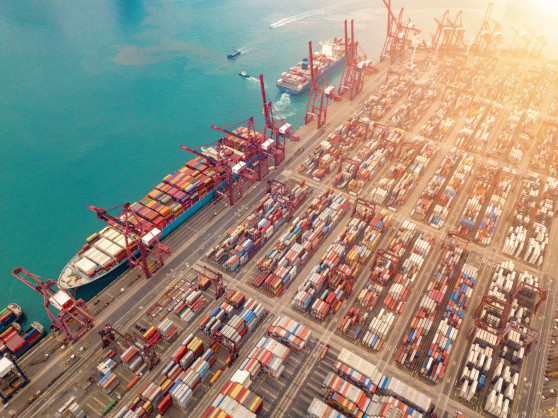
The future of African trade is digital, and it's unfolding. From Dakar to Durban, a quiet but steady transformation is taking shape. According to the United Nations Conference on Trade and Development (UNCTAD), global trade hit a record $33 trillion in 2024, with developing economies, including Africa, playing a growing role in that expansion.
The African Free Continental Trade Area offers the largest free market, including 55 countries, a population of 1.3 billion and a combined GDP of $3.4 trillion. The opportunities are vast, yet the strategies required for industrial players to source, move and manage raw materials and finished goods remain a challenge.
“The continent's digital economy is projected to reach $180 billion by 2025, up from $115 billion in 2020, thus contributing significantly to Africa's GDP, creating new job opportunities, and expanding regional trade. Digital trade is transforming the continent's economic landscape, creating new opportunities for real economic growth, productive job creation, and poverty reduction.” H.E. Dr Jumoke Oduwole, Minister, Federal Ministry of Industry, Trade & Investment
“Building on this rapid expansion, our focus must shift from isolated digital initiatives to a fully integrated ecosystem that streamlines every step of trade—sourcing, supplying, logistics and payments. By integrating these functionalities on a single platform, Matta enables manufacturers to navigate sourcing headaches and suppliers to manage cross-border complexities with confidence and unlocks new markets in Africa in real time. This holistic approach is what will transform digital trade's potential into tangible, inclusive economic growth across Africa.” Mudiaga Mowoe, Founder and Chief Executive Officer, Matta.
Launched to enable sustainable African economies, Matta's integrated ecosystem—today powered by the Matta digital marketplace (www.Matta.Trade) and the Flux logistics management tool, with Oxide Finance (Matta's upcoming trade-financing and cross-border payments platform) arriving soon—empowers manufacturers and suppliers across food & beverage, home & personal care, paints & coatings, agro-processing, automotive assembly, textiles, construction, and beyond with truly end-to-end sourcing, movement, and settlement. Rather than supplanting traditional trade networks, this unified platform amplifies human partnerships through real-time visibility, traceability, and seamless transactions.
This evolution in digital trade and industrial growth is one of the key conversations that will take centre stage at the West Africa Industrialisation, Manufacturing & Trade (West Africa IMT) Summit and Exhibition, set to take place from October 21-23, 2025. West Africa IMT is a high-level platform for government leaders, investors, manufacturers, and technology innovators to align practical solutions and policy frameworks for accelerating Africa's industrial transformation.
Matta, Africa's integrated ecosystem for industrial trade, will join other industry stakeholders across the continent at West Africa IMT 2025 to discuss the potential opportunities for industrial growth in the West African sub-region. As manufacturers increasingly seek more innovative, more efficient ways to power production beyond physical infrastructure and policy support, there's an urgent need for systems that simplify sourcing, enhance transparency, and ensure supply chain reliability. Matta addresses these challenges by connecting African manufacturers directly to verified suppliers of raw materials and commodities, ensuring business continuity in an environment where procurement bottlenecks often slow production timelines.
Digital platforms address multiple challenges simultaneously: procurement complexities, logistics coordination, payment processing, and data-based planning. By integrating these capabilities into industrial operations, West African economies can accelerate development timelines and establish competitive manufacturing centres that participate effectively in global markets.
As African nations chart independent economic paths, digital trade platforms like Matta will significantly influence how quickly and effectively new industrial capabilities develop. The transformation in African trade is already underway, with effects that will continue to reshape economic relationships for years to come.
West Africa Industrialisation, Manufacturing & Trade Summit & Exhibition
21-23 October 2025 I Landmark Centre | Lagos | Nigeria
Distributed by APO Group on behalf of dmg Nigeria events.
Contact Details:
Roshan Jan-Mahomed
Head of Marketing – Africa
Email: info@westafricaimt.com
www.WestAfricaIMT.com
About the West Africa Industrialisation, Manufacturing & Trade Summit and Exhibition 2025:
The Pre-eminent Global Gathering Driving West Africa's Industrial Revolution
The West Africa Industrialisation, Manufacturing and Trade (West Africa IMT) Summit and Exhibition will unite the industrialisation ecosystem, including energy, finance, infrastructure, manufacturing, raw materials, logistics/supply chain, technology, trade and security, to accelerate a sustainable industrial revolution for West Africa. As governments across the region have declared industrialisation as a key priority, the Strategic Summit will feature the visions from Heads of government seeking public–private partnerships to drive industrial revolution across the region. Decisive action is at the core of the agenda, providing solutions for sustainable resource valorisation and opening up trade pathways for economic development and prosperity.
Participation is expected from across the global industrialisation value chain including the following industries: Aerospace, Agriculture, Automotive, Chemicals, Construction, Energy & Utilities, FCMG, Heavy Industries, ICT & Electronics, Infrastructure, Logistics & Transportation, Machine & Equipment, Maritime, Medical, Mining, Plastics & Rubber, Pharmaceuticals, Retail, Technology Solution Providers, Textiles, Water & Utilities.
● 15+ African ministers
● 25+ countries represented from around the globe
● 70+ expert industry speakers
● 250+ exhibiting companies
● 500+ conference delegates
● 2,500+ attendees
About dmg Nigeria events:
dmg Nigeria events is a subsidiary of dmg events. dmg events is a wholly owned subsidiary of the Daily Mail and General Trust plc (DMGT), an international portfolio of information, media and events businesses.
DMGT manages a diverse, multinational portfolio of companies, with total revenues of around £1 billion, that provide businesses and consumers with compelling information, analysis, insight, events, news and entertainment. Its venture capital business, dmg ventures, holds minority stakes in early-stage businesses and focuses particularly on disruptive consumer media propositions.
Headquartered in Dubai, UAE since 1989 with offices in Canada, Egypt, Nigeria, Saudi Arabia, Singapore, South Africa, Thailand and the UK. dmg events is an international exhibition, conference and intelligence company, attracting more than 1,000,000 attendees to a portfolio of over 80 events each year.
This global portfolio works closely with key stakeholders across the industry to facilitate pragmatic dialogue, serving as a platform for the latest discussions at the forefront of change.
For more information on dmg events, visit: www.dmgevents.com
Funding skills training programmes critical for service delivery
The Deputy Minister of Water and Sanitation, Sello Seitlholo, has emphasised the importance of funding skills training programmes in the water sector to improve service delivery at municipal level.
“We must continue to make every effort to fund, support and incentivise such programmes to ensure that we harness the skills we need to improve the state of our municipalities,” Seitlholo said on Saturday.
The Deputy Minister was addressing the five-year celebration of the Young Engineers Changemakers Programme (YECP) organised by Water Research Commission (WRC) in partnership with the Department of Science, Innovation and Technology.
The YECP was launched five years ago to empower a new generation of municipal engineers in efforts to contribute to sustainable service delivery.
It also provides opportunities for young South African engineers to partake in testing potential innovative water and sanitation solutions in real world sites and to gain the necessary skills required to drive municipalities of the future which are sustainable, liveable and builds socio-technical infrastructure and services.
To date, 50 young engineers from 21 municipalities around the country have been trained over the last five years.
The Deputy Minister congratulated the young engineers and reminded them that their core purpose was to make a positive contribution in arresting the decline of engineering skills in the municipalities.
“We meet here to celebrate both the milestone of this important programme as well as to take stock of its potential and future in helping us address the challenges which threaten to cripple our democracy. We cannot fix South Africa without fixing municipalities.
“For us to fix municipalities, requisite skills and capacity should be taken into consideration and should be prioritised. It is for this reason that we should acknowledge the joint efforts by the WRC and Department of Science, Innovation and Technology to empower the engineers,” Seitlholo said.
He said a cause of failing infrastructure was a lack of capacity and skills in municipalities, particularly engineering skills.
The Deputy Minister highlighted that municipal water and sanitation services are deteriorating, as it was revealed by the recent Green Drop, Blue Drop and No Drop assessment reports released by the Department of Water and Sanitation.
Sixty four out of 144 Water Services Authorities (WSAs) scored ‘critical’ on average across their water supply systems and/or wastewater systems in the 2023 Blue Drop and 2022 Green Drop assessments.
“This is a bleak sign that municipalities, constituting a majority of WSAs, are in crisis. If the state of governance in municipalities does not improve and we do not capacitate municipalities with skilled engineers and planners, we will face a crippling water crisis. And unlike with our electricity crisis, water is a resource that cannot be replaced,” he said.
The Deputy Minister said the YEPC was a positive initiative that will help turn things around as municipalities are in dire need of capacity and skills.
He said the department and other sector role players will continue to provide targeted support to local government through various support and intervention programmes aimed at improving water services. - SAnews.gov.za
nosihle
Sun, 05/18/2025 - 13:12
Africa is entering a pivotal phase in its energy transformation, characterized by a growing shift toward “Africa-first” energy policies. Despite contributing less than 4% to global emissions, Africa faces the world's most severe energy access challenges – with approximately 600 million people lacking electricity and 900 million without clean cooking solutions. With $47 billion in oil and gas capex in 2024 – a 23% increase year-over-year – Africa is proving its value as a competitive and resilient energy investment destination. This surge reflects growing investor appetite, strengthened policy frameworks and a renewed focus on project bankability.
In this context, African Energy Week (AEW): Invest in African Energies 2025 – taking place from September 29 to October 3 in Cape Town – serves as the continent's leading forum for turning vision into tangible investment. With a focus on public-private partnerships (PPPs), blended finance and strategic energy projects, the event brings together government leaders, financiers, developers and technology providers to advance deals, foster collaboration and position Africa as a global energy leader.
Building Institutions for Local Investment
A wave of institutional and policy advancements is laying the groundwork for increased local investment in energy. A key milestone is the establishment of the Africa Energy Bank (AEB) by the African Petroleum Producers' Organization (APPO) and Afreximbank, with an initial capital of $5 billion. Headquartered in Abuja and set to launch in June 2025, the AEB will finance oil and gas infrastructure projects, serving as a bold step toward regional energy self-sufficiency and resource sovereignty.
At the same time, the African Development Bank (AfDB) is supporting long-term energy planning. In Algeria, the AfDB has launched a strategic dialogue to shape the 2025–2030 Country Strategy Paper, aligning national goals with sustainable, diversified energy development.
In South Africa, the success of the Renewable Energy Independent Power Producer Procurement Program (REIPPPP) illustrates how structured procurement can generate market certainty. The latest round secured 1,760 MW of solar PV capacity backed by R31.4 billion ($1.7 billion) in investment — with 49% local ownership and 46% equity held by Black Economic Empowerment entities.
Scaling Investment through PPPs and Blended Finance
As Africa's energy project pipeline expands, PPPs and blended finance have become essential tools for scaling investment. The AfDB's $10 million concessional equity stake in the ARM-Harith Successor Infrastructure Equity Fund, a $200 million regional vehicle, highlights how development finance institutions can de-risk infrastructure and crowd in private capital. The fund supports AfDB's target to electrify 300 million people by 2030 through sustainable energy solutions.
Meanwhile, South Africa's Battery Energy Storage Independent Power Producer Procurement Program illustrates the power of blended finance in scaling innovation. With R12.8 billion ($678.8 million) allocated to eight projects delivering 615 MW of storage across three provinces, the initiative enhances grid stability and achieved a 35% cost reduction from the first bid round – a clear sign of growing cost efficiency.
Frameworks for African-Led Growth
The African Continental Free Trade Agreement (AfCFTA), ratified by over 48 countries, offers a powerful framework for prioritizing African-led energy development. By promoting intra-African investment flows and removing trade barriers, AfCFTA enables energy projects to be sourced, financed and executed within the continent. With Ghana spearheading the AfCFTA Guided Trade Initiative – engaging eight pilot countries – the agreement is fostering regional cooperation to scale African energy solutions and reduce external dependency. Once fully operational across more than 50 member states, AfCFTA is set to accelerate an Africa-first approach to infrastructure, technology, and capital deployment in the energy sector.
Meanwhile, the African Energy Commission continues to strengthen institutional cooperation across the African Union to support sovereign energy strategies. A prime example of African private-sector leadership is Coscharis Technologies' $4 billion solar project in Nigeria – the largest renewable energy initiative in West Africa – reflecting a shift toward domestically-driven, large-scale investment in clean energy that aligns with national priorities and regional ambitions.
“Africa's energy future must be shaped by African priorities, African solutions and African investment. At AEW: Invest in African Energies 2025, we are not just talking about the energy transition – we are driving real deals and partnerships that put Africa-led development at the center of the global energy conversation,” states NJ Ayuk, Executive Chairman of the African Energy Chamber.
Distributed by APO Group on behalf of African Energy Chamber.
About AEW: Invest in African Energies:
AEW: Invest in African Energies is the platform of choice for project operators, financiers, technology providers and government, and has emerged as the official place to sign deals in African energy. Visit www.AECWeek.com for more information about this exciting event.
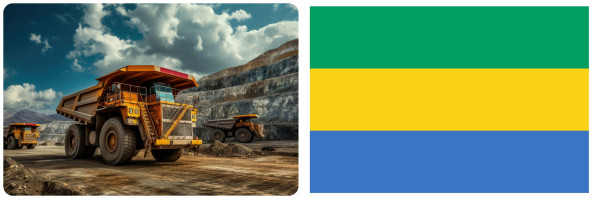
Gabon strives to expand the mining industry's GDP contribution to over 30% by the mid-2030s, using policies such as the Mining Code to attract investment and fuel development. By offering competitive incentives such as tax holidays ranging from three to eight years and a modest 3-5% royalty on base metals, the Mining Code offers improved terms for investors, thereby providing positive implications for the country's mineral sector.
African Mining Week - Africa's premier gathering for African mining stakeholders, scheduled for October 1–3, 2025 in Cape Town – will provide an overview of Gabon's Mining Code. A dedicated panel discussion, titled Navigating Gabon's Mining Code: A Guide for Investors, will explore how the country is using the Mining Code to catalyze mining development and attract capital.
Already the world's third-largest producer of manganese (apo-opa.co/44ES9QA), Gabon is leveraging the code to strengthen the sector though international partnerships and new investments. French mining major Eramet, operator of the high-grade Moanda Minesin Gabon, signed a manganese supply agreement with Australia's Firebird Metals (apo-opa.co/44yGrXD) to support electric vehicle (EV) battery production in China. Similarly, India's state-run MOIL (apo-opa.co/4koDe1z) is in talks to develop manganese assets in Gabon, highlighting the country's growing role in the global manganese, EV and battery storage market.
Beyond manganese, Gabon is diversifying its mineral production base. Canadian company Millennial Potash Corp (apo-opa.co/43gSiHB) is advancing the Banio Potash Project, where high-grade potash intersections were confirmed in May 2025. Once operational, the project will be Gabon's first commercial potash facility, supplying a global market driven by demand for fertilizers and pharmaceutical applications.
Iron ore is another growth frontier where the country is using the Mining Code to secure investment. In partnership with Australia's Genmin and China's Sinohydro (apo-opa.co/43e25xN), the country is progressing the Baniaka Iron Ore Project, which targets five million tons of annual output initially, ramping up to 10 million tons in the future. Australia's Fortescue is also expanding its Belinga iron ore project while South Africa's Menar (apo-opa.co/3F7k0OO) signed agreements to invest in the sector, illustrating growing investor confidence fostered by Gabon's Mining Code.
Amid this growth, African Mining Week will connect investors, government officials and private sector leaders to advance projects. With a focus on legal clarity, resource potential and project-ready opportunities, the event will foster high-level dialogue and promote Gabon as a rising hub for responsible, high-return mining investment in Africa.
Distributed by APO Group on behalf of Energy Capital & Power.
About African Mining Week:
African Mining Week serves as a premier platform for exploring the full spectrum of mining opportunities across Africa. The event is held alongside the African Energy Week: Invest in African Energies 2025 conference from October 1-3 in Cape Town. Sponsors, exhibitors and delegates can learn more by contacting sales@energycapitalpower.com.
The Deputy Minister of Water and Sanitation, Mr. Sello Seitlholo, has called for intensified investment in the water sector to secure Southern Africa's future in the face of climate change and growing water demands.
Speaking at the ORASECOM Climate Resilient Investment Conference in Maseru, Lesotho on Thursday, 08 May 2025, Deputy Minister Seitlholo highlighted that resilient water infrastructure and cross-border collaboration are critical to the region's economic development, environmental sustainability, and long-term water security.
As a proud and committed member of the Orange-Senqu River Commission (ORASECOM), South Africa continues to champion regional cooperation for the sustainable and equitable management of shared water resources. Deputy Minister Seitlholo reaffirmed the country's support for the Commission, noting South Africa's role as host country and consistent contributor to its operations and basin-wide studies.
“Water is the foundation upon which our economies, communities, and ecosystems rest. In Southern Africa, it also binds us together across borders. Our shared future demands that we invest boldly and wisely in securing this most precious resource,” he said.
South Africa is undertaking major reforms to create an enabling environment for water investment. Deputy Minister Seitlholo said that these include legislative amendments to strengthen water governance, reduce inefficiencies, and attract private-sector involvement through improved regulatory certainty and streamlined project processes.
He pointed to multiple opportunities for investors, ranging from bulk infrastructure and wastewater treatment to innovative technologies in reuse and smart metering. Public-private partnerships are being pursued with urgency, including through the Water Partnership Office in collaboration with the Development Bank of Southern Africa (DBSA). “Investing in water is not just a necessity; it is a generational imperative. Our policy reforms, institutional innovation, and partnerships demonstrate that we are ready to work with all stakeholders to make water investment a success story,” he emphasised.
The Deputy Minister highlighted sustainability, technological advancement, and climate adaptation as key pillars of the country's water strategy. He emphasised the need for robust risk management to address droughts, floods, and pollution, backed by government funding instruments such as the Water Services Infrastructure Grant and the Regional Bulk Infrastructure Grant made available by the Department of Water and Sanitation.
Deputy Minister Seitlholo stressed that communities must be at the heart of water solutions. South Africa's water governance model prioritises public participation and inclusive development, particularly through forums supporting youth, women, and civil society engagement. Partnerships with NGOs, research institutions, and the private sector continue to drive innovation and ensure evidence-based planning.
In closing, Deputy Minister Seitlholo reaffirmed South Africa's unwavering commitment to regional leadership and global engagement in the water sector. He announced that South Africa will proudly host the Africa Water Investment Summit in August, a strategic platform aimed at unlocking large-scale investment and galvanising multi-sector partnerships for water infrastructure development across the continent.
Furthermore, as South Africa has assumed the G20 Presidency, the Deputy Minister committed that water financing will be elevated as a key agenda item, positioning water not merely as a development issue but as a central pillar of economic resilience, climate adaptation, and sustainable growth.
“South Africa stands ready to lead by example, mobilising political will, catalysing investment, and fostering cross-border cooperation to build a water-secure future for Africa and beyond,” he affirmed.
“Let us seize this moment to mobilise the partnerships, political will, and financing needed to ensure a climate-resilient and water-secure future for our region. What we decide today must shape a legacy of inclusive growth and sustainable prosperity for generations to come,” concluded Deputy Minister Seitlholo.
Distributed by APO Group on behalf of Department of Water and Sanitation, Republic of South Africa.
The upcoming African Mining Week (AMW) – Africa's premier gathering for mining stakeholders, scheduled for October 1-3, 2025 in Cape Town – will feature a dedicated Technology Forum. The forum will connect African mining projects with global technology providers and investors, showcasing how digital solutions are transforming resource extraction and redefining the mining value chain.
As African countries scale up mineral production to drive GDP growth, developers are increasingly adopting data analytics and digital tools to boost operational efficiency. U.S.-based startup KoBold Metals, which applies artificial intelligence (AI) to mineral exploration, entered the Democratic Republic of Congo (DRC) in April 2025 to tap into the country's estimated $24 trillion in untapped mineral resources. The DRC – already the world's largest cobalt producer and a key copper supplier – could see its global mining profile rise significantly with KoBold's involvement. In Zambia, the company is advancing the $2 billion Mingomba project, one of the world's most promising untapped copper assets.
Similarly, in Zimbabwe, Caledonia Mining is investing $1.1 million in IT infrastructure upgrades at the Blanket Mine as part of its $41.8 million capital budget. The upgrades include new mine planning software and a digital clocking system to improve labor efficiency, with a goal to increase gold output from 76,656 ounces in 2024 to up to 77,500 ounces in 2025.
In Botswana, Botswana Diamonds is employing AI-driven exploration to expand beyond diamond mining, recently identifying new prospects for copper, silver, cobalt, gold, nickel, zinc and platinum group metals. “During the initial analysis of the big database, it became clear that the AI technology could be used to identify other unknown minerals opportunities – and so it turned out,” said John Teeling, Chairman of Botswana Diamonds.
Meanwhile, South African firms such as Kilken Platinum and Rio Tinto are deploying digital tools to unlock greater operational value. A joint report by Accenture and the World Economic Forum projects that digitalization could unlock up to R213 billion in additional value for South Africa's mining sector by 2026. Technologies such as predictive maintenance, autonomous operations and real-time data monitoring are helping firms streamline processes, reduce downtime and improve safety outcomes.
The Technology Forum at AMW 2025 will feature high-level panels examining how digitalization can optimize infrastructure, enhance safety, predict system failures and support sustainable resource management in a data-driven mining environment. The forum will also provide a platform for mining companies to showcase real-world case studies, exchange knowledge with tech innovators, and explore partnerships that drive long-term value creation.
Distributed by APO Group on behalf of Energy Capital & Power.
About African Mining Week:
African Mining Week serves as a premier platform for exploring the full spectrum of mining opportunities across Africa. The event is held alongside the African Energy Week: Invest in African Energies 2025 conference from October 1-3 in Cape Town. Sponsors, exhibitors and delegates can learn more by contacting sales@energycapitalpower.com.
The Department of International Relations and Cooperation (DIRCO) announces the decision to close the South African Embassy in Sofia, Bulgaria, effective 30 June 2025.
This decision, informed by prudent fiscal considerations and the need to prioritise national resource allocation, forms part of a broader strategic realignment of South Africa's diplomatic missions globally. Since 2021, the South Africa has undertaken necessary adjustments to its international footprint to ensure fiscal sustainability while maintaining its commitment to effective diplomatic engagement and bilateral partnerships.
DIRCO underscores that this step is not reflective of the value South Africa places on its longstanding and cordial relations with Bulgaria. Rather, it is a measure compelled by the imperative of responsible fiscal stewardship.
Prior to this decision, extensive consultations were held between the Governments of South Africa and Bulgaria. Minister Ronald Lamola personally engaged his Bulgarian counterpart, Mr Ivan Kondov, to reaffirm South Africa's steadfast commitment to strengthening bilateral ties.
To ensure continued collaboration, South Africa will maintain diplomatic and consular relations with Bulgaria through its resident Mission in Athens, Greece, which will assume responsibility for bilateral engagements.
South Africa deeply values the presence of the Bulgarian Embassy in Pretoria and looks forward to sustained cooperation through this channel.
The South African Government remains optimistic that this closure will be temporary. Minister Lamola said: “We express our earnest intention to restore a dedicated diplomatic presence in Sofia as soon as fiscal conditions permit, reflecting our shared aspirations for a deepened partnership.”
Distributed by APO Group on behalf of Republic of South Africa: Department of International Relations and Cooperation.
The World Health Organization (WHO) has officially welcomed Dr. Fabian Ndenzako as the new Head of Mission and WHO Representative to Botswana and the Southern African Development Community (SADC). A seasoned global health expert, Dr. Ndenzako brings with him over 25 years of experience in public health, including more than two decades of service within WHO across various regions and leadership capacities.
His appointment comes at a pivotal time, as WHO continues to deepen its collaboration with the newly constituted Government of Botswana, following the November 2024 elections. Guided by the WHO Country Cooperation Strategy (CCS) 2024–2027, Dr. Ndenzako will lead efforts aligned with Botswana's National Development Plan. These efforts focus on five strategic priorities: strengthening health systems toward Universal Health Coverage (UHC); delivering quality, equitable, and integrated health services across the life course; preventing and controlling communicable and non-communicable diseases; enhancing health security and disaster risk reduction management; and promoting multisectoral action for a healthier population.
Dr. Ndenzako is a medical doctor trained at the University of Dar es Salaam in Tanzania. He holds a master's in public health from the University of Oslo and a master's in development studies and diplomacy from the University for Peace in collaboration with UNITAR. His impressive academic background complements a broad and deep understanding of global health systems, policy, and diplomacy.
Prior to his appointment in Botswana, Dr. Ndenzako served as Acting WHO Representative in South Africa, based in Pretoria. He has also led WHO country offices in South Sudan (2021–2024) and Malawi (2018–2019), demonstrating strong leadership in navigating complex public health landscapes, managing crises, and mobilizing resources to strengthen national health responses.
Earlier in his career, Dr. Ndenzako served as Medical Officer for HIV, Hepatitis, and TB at the WHO Regional Office for Africa, supporting over 20 countries in Eastern and Southern Africa. His contributions included reviewing national health programs, developing strategies and guidelines, coordinating multi-country responses, and facilitating resource mobilization for health emergencies and epidemics.
He also brings valuable international experience from nearly a decade with the WHO Western Pacific Region, based in Papua New Guinea, where he supported regional responses to both communicable and non-communicable diseases. His work with governments, the United Nations, NGOs, civil society, donors, and international partners underscores his commitment to inclusive and collaborative public health strategies.
Now at the helm of WHO Botswana, Dr. Ndenzako is poised to steer the office's efforts toward impactful implementation of the biennial plan, support national health priorities, and strengthen regional coordination through SADC. His vast experience and visionary leadership are set to advance the health and well-being of the people of Botswana and the region at large.
Distributed by APO Group on behalf of World Health Organization (WHO), Botswana.
The Portfolio Committee on Cooperative Governance and Traditional Affairs (COGTA) voiced concerns on Thursday about the disconnect between local government's strategic plans and the reality of service delivery in communities.
The committee received a briefing on the South African Local Government Association's (SALGA) strategic plan (2022-2027) and the 2024/25 second and third-quarter financial and non-financial performance reports. Departments present these plans and reports to parliamentary committees to ensure accountability, transparency and effective resource management. This enables committees to scrutinise departmental performance and spending and hold them accountable to the public.
Members heard that SALGA is 71% on track with its strategic plan. One strategic outcome, for example, is for SALGA to focus on social cohesion through spatial integration, economic justice, and the development of viable communities, providing citizens with reliable and sustainable services to enable inclusive socio-economic growth. The target is an average of 10% improvement in identified municipalities; thus far, SALGA has completed pre-assessments in twenty-three municipalities. Members, however, emphasised that progress with performance indicators on paper rings hollow when communities cannot access basic services.
Moreover, considering the poor consequence management for senior management in underperforming municipalities, the committee sought clarity on the impact of SALGA's interventions and capacity-building efforts. Members asked for examples of success stories, which SALGA will provide in written responses.
The committee also expressed concern over SALGA's financial sustainability. Members highlighted that over 90% of SALGA's funding comes from municipality membership levies, which may compromise the entity's ability to intervene and support municipalities. The committee was assured that SALGA is open to exploring alternative revenue sources, but legal considerations must be ironed out.
The committee heard that part of SALGA's mandate is to build the capacity of municipalities, as well as the leadership and technical capacity of both councillors and municipal officials, and to support and advise its members to help them execute their mandate. Noting SALGA's role, the members interrogated its impact amid continued political instability and interference, the politicisation of municipal administration and skills shortages that paralyse municipal performance and fuel systemic inefficiencies. The committee called for a clearer distinction between political oversight and administrative execution. It urged SALGA to lead in the development of stronger training and performance management systems for councillors and officials.
Acting Chairperson of the committee, Ms Dikeledi Direko, said, “It is cause for serious concern the ‘invisible hand' (politicisation) that is part of local government, and we need to strongly condemn such practices. As political parties, we need to ensure that in elections we put forward councillors that can add value to local government.” She said councillors are often unable to hold officials to account. “We need councillors who can assist in turning around the system.”
The committee also noted poor coordination with and inclusion of traditional leaders in municipal planning and governance issues. “Traditional leaders, as part of our stakeholders, should not be left behind and treated as ‘by the way' stakeholders in local government. They should be included and they should be heard,” the acting chairperson said.
Welcoming SALGA's presentation, she said the committee wants to ensure sustainable solutions to the weaknesses in service delivery and municipal finances, thereby enabling municipalities to provide quality services to the people of South Africa. “We agree that despite many interventions in our municipalities, there is still a lot to be done. All relevant stakeholders should be on board, and proper coordination and support from all three spheres of government also play a critical role in improving our municipalities,” she said.
Distributed by APO Group on behalf of Republic of South Africa: The Parliament.
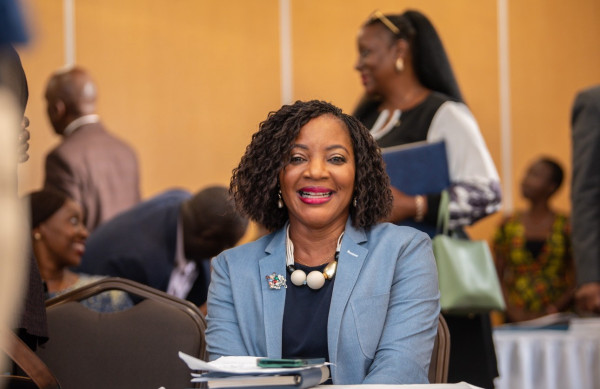
HPV is fuelling high cervical cancer rates in sub-Saharan Africa despite the availability of effective vaccines. Yet uptake remains low, driven largely by vaccine hesitancy. In South Africa alone, most participants (71%) were hesitant to receive at least one of the vacines in the country, according to the Vaccine Confidence Report by MSD (www.MSD.co.za) and Prof. Hannelie Meyer, Head of the South African Vaccination and Immunisation Centre. [1] The report was launched at the European Society of Clinical Microbiology and Infectious Diseases and during the SSA HPV Media Roundtable held during World and Africa Immunisation Week (24–30 April 2025).
Cervical cancer, caused by persistent infection of HPV, is one of the leading causes of cancer-related deaths among women in sub-Saharan Africa. The World Health Organization (WHO) estimates that 94% of global cervical cancer deaths occur in low- and middle-income countries, with sub-Saharan Africa heavily affected. [2]
Studies indicate that, globally, about 12% of women with normal cervical cytology are found to have an HPV infection. This prevalence doubles to around 24% in sub-Saharan Africa. Young women under 25 are particularly vulnerable, with an HPV prevalence rate of 43.9% in Africa compared to the global rate of 19.2%. [3]
A 2023 report indicated that cervical cancer ranks as the 13th most frequent cancer among women in Egypt and the 9th most frequent among women aged 15 to 44 years. [4] In Kigali, Rwanda, before the national HPV vaccination programme, 54% of women aged 19 years and younger were found to have received an HPV-positive result. [5] The high mortality rate in Ghana further demonstrates the burden, with approximately 3,000 women diagnosed with cervical cancer annually, resulting in around 2,000 deaths each year. [6]
Vaccine hesitancy, defined as a delay in acceptance or refusal of vaccines despite their availability, remains a challenge in the fight against preventable diseases such as cervical cancer. Misinformation, cultural beliefs, and accessibility issues further compound the low uptake of HPV vaccines. As global health organisations and local health authorities strive to eliminate preventable diseases, understanding and addressing vaccine hesitancy has never been more urgent. [1]
Understanding vaccine hesitancy
The Vaccine Confidence Report highlights several drivers of HPV vaccine hesitancy, including safety concerns, mistrust in healthcare systems, and misinformation on social media. According to Prof. Meyer, despite clear scientific evidence, many still believe vaccines are harmful. [1] “This reluctance is troubling,” she said, “given the direct link between HPV and cervical cancer. Addressing these fears with credible information is vital to reducing the burden in sub-Saharan Africa.”
An external study titled 'Vaccine Hesitancy and Trust in sub-Saharan Africa' published in Scientific Reports in May 2023 examined vaccination behaviours and attitudes across six sub-Saharan African countries: Ghana, Kenya, Nigeria, South Africa, Tanzania, and Uganda. The study found that only about 10% of respondents reported receiving at least one HPV vaccination. Vaccine hesitancy rates varied across countries, with South Africa exhibiting the highest rate at 17.15% and Kenya the lowest at 8.3%. [7]
Impact of misinformation, funding gaps and immunisation disruption Misinformation remains a major driver of vaccine hesitancy in Africa, especially through online platforms. It has shaped public attitudes and eroded trust in immunisation programmes. At the same time, shifting global priorities and economic pressures have led to reduced funding for vaccination efforts, limiting access in low-income communities. [8] “Routine immunisation has saved millions of lives,” said Dr Alima Essoh, Regional Director of the Preventive Medicine Agency for Africa (AMP Africa). “When misinformation and resource constraints disrupt these efforts, we risk undoing decades of progress.” Expanding HPV vaccination is critical to reducing cervical cancer, but it requires tackling misinformation head-on and improving access across the continent.
Broader implications for public health
While HPV vaccination remains a key focus, vaccine hesitancy extends to other preventable diseases. The World Health Organization (WHO) has set a target to eliminate cervical cancer as a public health concern by 2030, which includes ensuring that 90% of girls are fully vaccinated against HPV by age 15. [9] According to Prof Meyer, vaccine hesitancy threatens to derail this goal and broader efforts to achieve high immunisation rates for other preventable illnesses such as measles, polio, and influenza.
Rethinking the fight against HPV-related cervical cancer: Community action and vaccine confidence
Efforts to eliminate HPV and reduce HPV-related cervical cancer in Africa necessitate innovative, community-driven solutions. Dr Sabrina Kitaka, Senior Lecturer at Makerere University, states that engaging and accessible tools, such as comic books and school-based vaccination, have significantly enhanced vaccine uptake among young people. She adds that reminder systems, such as SMS and automated phone calls, help ensure adolescents complete the HPV vaccine schedule. If implemented on a large scale, these strategies could strengthen vaccine coverage across the region. She further states that, tackling vaccine hesitancy will require a coordinated approach involving governments, healthcare workers, civil society, and the private sector. This means improving health communication, building trust through local partnerships, and tailoring outreach to meet communities where they are.
“There is no time to waste,” says Prof. Meyer. “We must work together to share accurate information, address concerns, and make vaccines truly accessible. Only then can we protect future generations from preventable diseases.”
Disclaimer: The views and opinions expressed by the speakers in this document are their own and do not necessarily reflect the views or positions of MSD.
References
Distributed by APO Group on behalf of MSD.
REPORT ANY SUSPECTED ADVERSE EVENTS OR PRODUCT QUALITY COMPLAINTS TO DPOC SOUTH AFRICA:
dpoc.zaf@msd.com
Tel: +27 (0)11 655 3000.
www.MSD.co.za
German technology leader Neuman & Esser will join the upcoming Invest in African Energy (IAE) 2025 forum in Paris, with Nmesoma Francess Okereke, Sales Manager - Flare Gas Recovery Specialist, and Dr. Jiří Rus, Sales Director for Africa, participating in a technical presentation and panel discussion focused on advancing gas monetization and energy efficiency across the continent.
Neuman & Esser brings over a century of expertise in gas compression, flare gas recovery and energy transition technologies. Specializing in high-performance compressor systems and green hydrogen solutions, the company plays a pivotal role in helping nations optimize energy production, reduce emissions and accelerate the shift to sustainable energy systems. By transforming flare gas into usable energy, Neuman & Esser supports operators in meeting environmental and regulatory goals, offering scalable, end-to-end solutions that combine German engineering with on-the-ground expertise to maximize resource value while aligning with global sustainability standards. The company will present on “Flare Gas Utilization – The Importance of Mid-Scale Integrated Gas Commercialization Solutions” at the upcoming forum.
IAE 2025 (www.Invest-Africa-Energy.com) is an exclusive forum designed to facilitate investment between African energy markets and global investors.Taking place May 13-14, 2025 in Paris, the event offers delegates two days of intensive engagement with industry experts, project developers, investors and policymakers. For more information, please visit www.Invest-Africa-Energy.com. To sponsor or participate as a delegate, please contact sales@energycapitalpower.com.
Germany has been significantly expanding its investments in Africa in recent months, particularly in green energy and sustainable projects. The country has pledged €4 billion for green energy initiatives on the continent by 2030 and is advancing hydrogen and gas partnerships through the European Union's Global Gateway initiative. In December 2024, Germany further demonstrated its commitment by investing R5.2 billion in South Africa to support the country's energy transition and strengthen bilateral cooperation.
In Namibia, German investors have partnered on the $10 billion Hyphen Green Hydrogen Project, aiming to utilize the country's abundant solar and wind resources to produce green ammonia for global export. In December 2024, German President Frank-Walter Steinmeier visited Nigeria to discuss the future prospects for German-Nigerian energy collaboration, further solidifying the growing energy ties between Germany and the continent.
The IAE 2025 Forum serves as a crucial platform for connecting global capital and expertise with Africa's burgeoning energy sector. As European and global investors continue to deepen their investments and partnerships across the continent, the forum provides a unique opportunity to further explore collaborative efforts and advance Africa's energy transition. By bringing together key players from the global energy community, IAE 2025 will play a pivotal role in driving sustainable growth and innovation in Africa's energy future.
Distributed by APO Group on behalf of Energy Capital & Power.
African Mining Week (AMW) – Africa's premier gathering for mining stakeholders, taking place from October 1-3 in Cape Town – will feature a high-level Ministerial Forum dedicated to advancing local mineral beneficiation across the continent.
The session – From Extraction to Transformation: African Governments Driving Beneficiation and Value Addition – will spotlight national strategies and regulatory reforms aimed at boosting midstream and downstream infrastructure, enhancing local content, supporting community development and maximizing national value capture from resource exploitation.
Across the continent, mineral-rich countries are enacting policies and investment incentives – including export restrictions on raw minerals – to spur industrialization and local processing. In the Democratic Republic of Congo, the world's top cobalt producer, authorities imposed a four-month suspension on cobalt and copper exports in February 2025 to prevent market oversupply and stabilize prices. The decision came in response to a steep price drop from $82,000 per metric ton in April 2022 to just $21,550 in February 2025, aiming to resume exports once more favorable market conditions return. These proactive measures are expected to enhance the long-term sustainability of the sector and attract new investments in processing and refining infrastructure.
In Zimbabwe, a 2023 ban on raw lithium exports has attracted billions in downstream investment and created new jobs. In August 2024, Zimbabwe secured $310 million from Chinese and British investors to construct a three-million-ton-per-annum lithium processing facility at Sandawana Mine. Guinea-Conakry, which holds 23% of global bauxite reserves and is the second-largest producer worldwide, is reducing its reliance on raw exports by advancing several alumina refinery projects. Key developments include partnerships with Emirates Global Aluminium and Alteo Refinery to strengthen local industrial capacity. These strategic moves are positioning both countries as key players in the global mineral refining market, with significant potential for long-term economic growth and job creation.
Meanwhile, South Africa, the world's leading producer of platinum group metals (PGMs), is making major strides in beneficiation. Projects include the $4.5 billion KwaZulu-Natal Titanium Beneficiation Complex by Nyanza Light Metals; a titanium pigment plant at the Richards Bay Industrial Development Zone; a PGM treatment facility at the Steelpoortdrift Vanadium Project by Vanadium Resources Limited; and a new treatment plant at Ivanhoe Mines' Platreef PGM Nickel Project. These initiatives are expected to significantly boost South Africa's beneficiation capacity, create thousands of jobs and further cement the country's position as a global leader in mineral processing and industrialization.
The Ministerial Forum at AMW will provide a strategic platform for African leaders to showcase progress, present investment-ready opportunities and foster collaboration across the mining value chain. It will also serve to align policy priorities and attract long-term capital for the development of sustainable, value-driven mineral economies.
African Mining Week serves as a premier platform for exploring the full spectrum of mining opportunities across Africa. The event is held alongside the African Energy Week: Invest in African Energies 2025 conference from October 1-3 in Cape Town. Sponsors, exhibitors and delegates can learn more by contacting sales@energycapitalpower.com.
Distributed by APO Group on behalf of Energy Capital & Power.
Eskom, Exxaro sign agreement to reduce carbon emissions
Exxaro Resources and Eskom have signed a Memorandum of Understanding (MoU) to collaborate on strategic initiatives, research, and projects aimed at reducing carbon emissions, improving air quality and facilitating the Just Transition.
According to a joint statement, this move is consistent with South Africa’s commitment to achieving the goals of the Paris Agreement, international environmental standards, and national regulatory frameworks.
“The agreement focuses on jointly measuring, managing, and reducing Scope 1, 2, and 3 emissions and potentially investing in innovative technologies to drive decarbonisation.
“It also emphasises inclusive and focused transition initiatives such as skills development, job creation in green sectors, and stakeholder engagement to ensure climate resilience,” the statement read.
In addition, the MoU, which was signed on Monday, includes provisions for data sharing and transparent reporting to track progress and ensure accountability.
Exxaro Resources CEO, Ben Magara, believes that this collaboration marks a significant step forward in the company’s commitment to enabling a Just Transition and building a climate-resilient and low-carbon future.
“By leveraging our deep experience in the diversified mining and energy solutions sectors, we aim to drive innovation that not only decarbonises and reduces air pollution in our operations but also delivers meaningful socio-economic benefits for the communities we serve.
“The collaboration with Eskom is important as we work to accelerate practical and scalable solutions that support South Africa’s energy security and environmental ambitions as part of our purpose of Powering Better lives in Africa and beyond,” Magara said.
Exxaro is a South Africa-based diversified resources company with a coal business and acquisitive growth prospects in minerals and energy.
The company stated that the initial focus of the collaboration will be to identify the necessary investments and stakeholders required to develop technology-based solutions for the challenges associated with the transition to a low-carbon economy.
This effort will align with the country’s Integrated Resource Plan (IRP).
Eskom Group Chief Executive Dan Marokane said both organisations are committed to driving the transition to a more sustainable energy future while ensuring the country’s electricity supply remains secure.
“This initiative forms part of Eskom’s focus both in this country and internationally to identify the latest developments and strategies to reduce carbon emissions and other air pollutants,” Marokane added.
Meanwhile, Exxaro stated that it remains steadfast in advancing its Sustainable Growth and Impact strategy by embedding key Environmental, Social, and Governance (ESG) priorities into its operations.
The company is of the view that through partnerships such as this one, it is well-positioned to become carbon-neutral by 2050.
Meanwhile, Eskom’s Research, Testing & Development (RT&D) business unit will lead this partnership.
The RT&D is dedicated to finding technology solutions that can be applied primarily within the company to embrace innovation, enhance efficiency and improve operations, improvements related to emissions management, and greenhouse gas (GHG) abatement.
“Eskom remains focused on a balanced and diversified energy mix based on existing coal and nuclear and introducing gas for baseload power, as well as renewables, energy storage systems including battery energy storage systems and pumped hydro, to achieve overall security of supply and to meet South Africa’s growing electricity demand sustainably,” said the power utility. – SAnews.gov.za
Gabisile
Tue, 04/15/2025 - 11:18
111 views
Bloemhof Dam water outflows reduced
Water outflows at Bloemhof Dam have been reduced, says the Department of Water and Sanitation, while the five sluice gates at the Vaal Dam remain open to manage the inflows of water into the dam.
The dapertment said the outflows at Bloemhof Dam were decreased as the dam’s water levels subsided to 104.96%.
The water releases at the Bloemhof dam were reduced from 2 100 to 1900 cubic metres per second (mᵌ/s) at 12pm on Sunday.
The water outflows decrease follows Saturday’s reduction from 2500 mᵌ/s.
“These adjustments are necessary to manage the sustained high inflows and ensure safe operation of the dam.”
Meanwhile, at the Vaal Dam, the water levels have slightly dropped from Saturday’s 115.43% to 114.38% on Sunday, and the inflows from the upper catchment are at 877.38 mᵌ/s.
“The five sluice gates remain open, with a discharge of 813.380 mᵌ/s to manage the water levels at the dam. The controlled water releases at both the dams have led to overtopping of riverbanks downstream, resulting in flooding that has affected settlements that are in the lower-lying areas within the 1 in 100-year floodline,” the department said in a statement on Sunday.
The department urged people living within the floodline of the Vaal River downstream of the Vaal and Bloemhof Dams, who have been evacuated, to continue to avoid the flooded areas.
The department said it continues to monitor inflow water levels in the Integrated Vaal River System (IVRS), to ensure that necessary precautions are in place, in line with dam safety standards and hydrological monitoring systems to safeguard infrastructure and attenuate flood conditions.
“As part of the dam safety protocols, sluice gates are opened when dams breach the full capacity mark, to prevent the water resource infrastructure from failing as it may lead to a dam bursting and causing a disaster of unimaginable magnitude.
“The department is therefore implementing these necessary controlled water releases at the dams as part of dam safety precautions to safeguard the infrastructure and protect human life,” the department said. – SAnews.gov.za
GabiK
Mon, 04/14/2025 - 12:54
13 views
Small business urged to apply for tourism opportunities
Small businesses have been encouraged to apply for opportunities provided by the Department of Tourism.
“The Department of Tourism is dedicated to creating an inclusive, sustainable, and resilient tourism economy. We have a variety of programmes with the specific aim of promoting tourism, alleviating poverty and creating jobs,” Tourism Deputy Minister Maggie Sotyu said.
Addressing a stakeholder engagement at the Fezile Dabi District Municipality in the Free State, the Deputy Minister said small businesses face challenges that threaten their survival and growth.
These include limited access to funding and financial support, skills gap in business management and digital transformation, market access and a lack of exposure to international tourists.
“As the government, our role is to enable and empower small, medium, and micro enterprises (SMMEs) to overcome these barriers and it is our duty to maximise every opportunity to empower these enterprises.
“Embracing sustainable tourism by black-owned enterprises is not just about being part of a global trend, but is a necessity for resilience, competitiveness and profitability,” the Deputy Minister said on Friday.
The department’s Market Access Support Programme offers financial support to small tourism enterprises to exhibit at tourism platforms.
“I want to urge you to visit the Department of Tourism website at www.tourism.gov.za and look at this Market Access Support Incentive Programme.
“This week we are assisting 49 tourism SMMEs [small, medium, and micro enterprises] to promote their services at the World Travel Market Africa in Cape Town. We also want to encourage you to apply for our Green Tourism Incentive Programme which offers a win-win solution to tourism establishments and our greening objectives,” the Deputy Minister said.
The Green Tourism Incentive Programme is a resource efficiency programme which aims to support tourism enterprises to reduce the cost of investing in energy and water efficient solutions.
“This incentive can greatly assist a tourism establishment to reduce their electricity and water bills in the long term. The department also established a Tourism Transformation Fund and Tourism Equity Fund to support the transformation efforts in the sector.
“The Transformation Fund offers a combination of debt finance and grant funding for new and expansion tourism development projects with majority black shareholding,” she said.
For tourist guides, the department has a number of programmes including language training.
“We recently advertised for youth to apply for tourist guide training in Vredefort Dome and we are currently conducting tourist guide training in Golden Gate National Park.
“For youth in tourism, the department offers annually a bursary programme and learnership programmes, focusing on professional cooking, wine appreciation and hospitality, targeting youth with a specific interest in tourism,” said the Deputy Minister. -SAnews.gov.za
nosihle
Sun, 04/13/2025 - 11:37
70 views