• Skip to main content
  • Skip to header right navigation
  • Skip to after header navigation
  • Skip to site footer
MyZA

MyZA

News, Directory, Events and Other Stuff

  • Social Media
  • Sport
  • World News
  • Home
  • Submit News
  • Directory
  • Events
  • Stratlec
  • TFSA
  • News
    • APO
    • Today’s Sport News
    • Todays Social Media and Tech Headlines
    • Today’s World News
    • Today’s SA Financial News
  • Contact
You are here: Home / Archives for Resource

Resource

20 March 2025

The Africa Debate Returns to London

Location: News
Invest Africa

Now in its 11th year, The Africa Debate 2025 returns as London's leading Africa-focused investment forum, bringing together global policymakers, industry leaders, and investors at the prestigious Guildhall on 2 July 2025. 

At a time when Africa's economic transformation is at a critical inflection point, this year's debate will focus on “Harnessing Natural Capital for Growth.” With 60% of the world's richest solar resources and a wealth of critical minerals crucial to next-generation industries, Africa is positioned at the centre of the global energy transition. However, realising this opportunity requires more than just resource extraction. The focus must shift towards bold policy reforms, investment in value chains, and partnerships that promote industrial growth, ensuring Africa is not just a supplier of raw materials but a leader in global markets. 

“Africa is no longer defined by its raw materials - it is emerging as a global force in advanced industries, sustainable energy, and digital innovation,” said Chantelé Carrington, CEO at Invest Africa. “The challenge now is not just unlocking potential, but turning ambition into action. This year's debate will bring together visionary leaders and investors to shape the strategies that will drive Africa's next phase of economic transformation.”  

Key Themes Driving The Africa Debate  

This year's discussions will focus on four central themes shaping Africa's investment landscape:  

  • Africa's Role in Global Supply Chains: With demand for green energy and digital infrastructure surging, Africa has a unique opportunity to move up the value chain and position itself as a leader in advanced manufacturing and sustainable industrialisation. At The Africa Debate, we will explore the policies, investments, and trade agreements needed to ensure that Africa captures greater economic value from its natural capital rather than exporting it in its raw form. 
  • Mobilising Capital for Natural Resources: Unlocking Africa's vast resources requires smart, structured finance. Traditional funding models have fallen short in mobilising the capital needed for infrastructure, energy, and industrialisation. At The Africa Debate, we will examine how blended finance, innovative investment vehicles, and risk-mitigation tools can de-risk projects and bridge Africa's financing gap. 
  • Digitalising Natural Capital: Africa loses an estimated $88.6 billion annually to illicit financial flows, opaque commodity trading and resource mispricing. Could blockchain technology provide the transparency and security needed to capture fair value from resources? At The Africa Debate, we will explore whether blockchain and digital solutions can revolutionise governance in extractives, sustainable agriculture, and carbon markets. 
  • Industrialisation and Energy: Africa must triple its energy generation capacity by 2040 to meet growing industrial and consumer demand, yet investment in the energy sector remains fragmented and inconsistent. At The Africa Debate, we will explore bankable energy solutions—from renewables and gas to nuclear—and discuss the financing models needed to ensure Africa secures reliable, sustainable, and scalable energy for industrial growth. 

The Africa Debate 2025 offers a unique platform for deal-making, strategic discussions and networking that will shape the future of trade and investment across the continent. Attendees will gain exclusive insights from high-level industry leaders, investors, and policymakers driving Africa's economic transformation. Join us on 2 July 2025 at London's Guildhall for a day of unparalleled thought leadership and opportunity. Register now at The Africa Debate 2025 (https://apo-opa.co/4hj6zsc). 

Distributed by APO Group on behalf of Invest Africa.

Media Contact: 
Invest Africa 
Email: pippa.vanbreda@investafrica.com

Websites: 
Invest Africa: www.InvestAfrica.com
The Africa Debate: https://TheAfricaDebate.com

About The Africa Debate: 
The Africa Debate is London's premier investment forum dedicated to shaping the future of African trade, investment, and economic transformation. Now in its 11th year, the event serves as a critical platform for global businesses, investors, policymakers, and thought leaders to engage in high-level discussions on Africa's evolving role in the global economy. 

About Invest Africa: 
Invest Africa is a leading business and investment platform with over sixty years of expertise in Africa, dedicated to connecting businesses with unique opportunities across the continent. Their global network comprises more than 400 member companies, including multinationals, private equity firms, institutional investors, development finance institutions, professional service providers, government bodies, and entrepreneurs. With chapters in Kenya, South Africa, the UAE, the UK, and the US, Invest Africa leverages their global reach, market intelligence, and extensive network to support and connect businesses. As a trusted gateway into Africa, they drive socio-economic growth by facilitating sustainable capital flows and providing strategic insights through our membership, consultancy services, and dynamic events programme. 

Media files
Invest Africa
Download logo
Read moreThe Africa Debate Returns to London
19 March 2025

Support From the United Kingdom Enables Food and Agriculture Organization of the United Nations (FAO) to Scale up Pest Monitoring and Improve Food Security in Africa

Location: News

FAO Regional Office for Africa
Download logo

The Food and Agriculture Organization of the United Nations (FAO) has welcomed a contribution of nearly USD 1.2 million (£ 950 000) from the United Kingdom of Great Britain and Northern Ireland which will support the implementation of the Africa Phytosanitary Programme (APP).  

APP is an initiative of the International Plant Protection Convention (IPPC) and is designed to strengthen the technical capacity of personnel in national plant protection organizations - government agencies responsible for phytosanitary work. The programme equips them to use scientific approaches and advanced digital technologies to improve monitoring, detection, response and recovery from pest outbreaks. 

Annually, pests cause between 30 to 60 percent of crop losses in Africa, resulting in an economic cost of about USD 65.58 billion. These losses leave millions of people at risk of food insecurity, impact small-scale and commercial farmers' livelihoods and hinder regional and international trade of agricultural commodities.  

“This contribution to the APP will strengthen Africa's phytosanitary capacity, enhancing our collective efforts to combat plant pests. Robust plant health systems are essential for safeguarding food security, enhancing biosecurity, facilitating trade, and protecting livelihoods across the continent,” said Beth Bechdol, FAO Deputy Director-General and interim IPPC Secretary.  

The APP implementation targets all 54 African countries, with phase one underway in Cameroon, the Democratic Republic of the Congo, Egypt, Guinea-Bissau, Kenya, Mali, Morocco, Sierra Leone, Uganda, Zambia and Zimbabwe. Phase two will be launched in 2025 with eight countries: Algeria, Cabo Verde, Chad, the Republic of the Congo, Liberia, Malawi, South Africa and Tunisia.  

A partnership for sustainable and resilient agriculture  

Since becoming a Member of FAO in 1945, the United Kingdom has helped to promote sustainable agriculture and global food security by supporting the Organization's strategic work in areas such as agricultural statistics, nutrition and food security analysis, development cooperation, resilience and peacebuilding, and climate change. The most recent contribution from the UK's International Biological Security Programme will bolster a key area of FAO's work, helping to prevent, detect and manage plant pests that have the potential to move quickly and easily across borders and cause significant economic and environmental damage.  

“We applaud the support of the United Kingdom of Great Britain and Northern Ireland to strengthen phytosanitary systems across Africa,” said Alexander Jones, Director of FAO's Resource Mobilization Division. “As global travel and trade increase, improving the technical capacities of national plant protection organizations so that they are able to identify and respond to threats as they emerge is an investment whose impacts will be felt at a global level.” 

The United Kingdom has been a strong advocate for plant health throughout the years, lending support to various IPPC initiatives such as the International Year of Plant Health, the first International Plant Health Conference, the IPPC ePhyto Solution, and assessment and management of climate change impacts on plant health. The United Kingdom is also closely engaged in the development and implementation of the International Standards for Phytosanitary Measures (ISPMs), which provide the basis for countries to make national legislation, guidelines, and measures to protect their plant resources from pests.  

Distributed by APO Group on behalf of FAO Regional Office for Africa.

Read moreSupport From the United Kingdom Enables Food and Agriculture Organization of the United Nations (FAO) to Scale up Pest Monitoring and Improve Food Security in Africa
19 March 2025

Action taken against Harties Dam invasive alien plant

Location: News

Action taken against Harties Dam invasive alien plant

Water and Sanitation Deputy Minister, Sello Seitlholo, and the Rhodes University Centre for Biological Control (CBC) have released weevil species to tackle the invasive alien aquatic plant at Hartbeespoort Dam in the North West.

The salvinia weevil insect is a biological control agent known as Cyrtobagous salviniae, used to manage the Salvinia minima, an invasive floating alien aquatic weed (known as the common salvinia).

The weevil species is a subaquatic herbivorous insect that feeds on the common salvinia. The species were imported from Florida State in the United Sates of America (USA), and it has proven to be effective and successful to control the aquatic plant in the USA.

Joined by Professor Julie Coetzee, the Deputy Director of the Centre for Biological Control and Principal Scientist at the National Research Foundation’s South African Institute for Aquatic Biodiversity, Seitlholo officially released the salvinia weevil insect on Monday at Mogi Adventures, located next to the Crocodile River.

The invasive alien plant was initially recorded at Hartbeespoort Dam in 2011, and has since spread through areas of the North West and Gauteng Provinces, and has reached the Limpopo River, which marks the border with the neighbouring country of Botswana, threatening South Africa’s water bodies.

According to Coetzee, the weevils multiply quickly and their impact of controlling the aquatic plant can be observed in a year.

She said the CBC, in collaboration with community partners, will rear the weevil and facilitate releases at various sites across the country where water is invaded by the common salvinia.

“This biological control programme will be monitored and the progress of the weevil and its impact on common salvinia will be noted. The weevils only feed on the salvinia minima plant and their entire life cycle depends on the plant, thus they do not have a threat of infesting other ornamental plants, crops or even the water hyacinth plants,” Coetzee said.

Seitlholo emphasised the importance of securing the country’s water resources by partnering with scientific institutes like the CBC.

“What is also important is for us to get into serious conversations with municipalities in the upper catchment that are largely responsible for causing the high nutrient load in the water due to their substandard effluent discharged from their wastewater treatment works, which is being released into the river, eventually landing in the dam.

“This results in high nutrient levels in the water, which gives rise to the spread of these alien invasive aquatic plants, compromising the ecosystem, recreation and the general local economy,” Seitlholo said.

He said the use of the weevils will run concurrently with the other remediation programme currently underway at the dam, which is being implemented by Magalies Water to eradicate alien invasion species that have negatively impacted the ecosystem in the water.

The remedial programme includes the physical removal of the water hyacinth at the dam. This also includes the pilot project of nanobubbles technology, which increases dissolved oxygen in the water, activates the decomposition of microorganisms in water and river sediment.

Given that the quality of water is affected by the discharge of effluent and raw sewage from the municipalities of Tshwane, Johannesburg and Ekurhuleni, Seitlholo said municipalities ought to play a role in the remediation programmes undertaken by the department to rehabilitate the water resource.

Despite the department’s Compliance, Enforcement and Monitoring Directorate engaging the municipalities, Seitlholo said the department has also proposed amendments to Section 19 of the National Water Act (NWA), which focuses on preventing and remedying the effects of pollution, ensuring the protection of water resources and addressing pollution.

Seitlholo said the proposed amendments to the NWA, which are currently with the State Law Advisor, enable the department to directly hold the executive mayor and the municipal manager liable for the transgressions of the municipality in terms of the pollution of the country’s water courses.

“These legislation measures are taken by the department to fundamentally deal with issues of water pollution in the country,” Seitlholo said. – SAnews.gov.za

GabiK
Wed, 03/19/2025 - 10:12
48 views

Read moreAction taken against Harties Dam invasive alien plant
18 March 2025

Unlocking Opportunities for a Climate-Resilient Future

Location: News
African Development Bank Group (AfDB)

The African Development Bank Group (www.AfDB.org) participated in the third edition of the Africa's Green Economy Summit (AGES) (https://apo-opa.co/4izmWCf) in Cape Town, South Africa, from 18 – 21 February, 2025.

The annual Summit, hosted by the African Union, brought together policy makers, stakeholders, private sector and experts who discussed Africa's green transition and the urgent need for increased investment in climate resilience. The conference was held under the theme, “Building a Climate Resilient Africa: Catalysing Investment and Innovation in the Green and Blue Economies”. Discussions over the four days cut across five key areas: climate finance, biodiversity and nature, green reforms, resilient cities and green industrialisation.

With its vast renewable energy potential, abundance of critical minerals essential for the global energy transition, and a growing commitment to climate-smart solutions, Africa is very well placed to lead the way toward sustainable global growth. As it navigates a path towards fully realizing these boundless possibilities, against the backdrop of mounting climate challenges, there is increasing focus on the urgency of resource mobilization.

Dr. Anthony Nyong, Director of Climate Change and Green Growth at the African Development Bank and keynote speaker at the summit's opening ceremony, touched on this in his remarks. Affirming that “Africa has enormous opportunities to lead global efforts to transition to a green economy”, he added that, “To build a climate-resilient Africa, adaptation must be at the heart of our strategies. While global climate finance continues to prioritize mitigation efforts, adaptation remains significantly underfunded, receiving less than 10 percent of total climate finance flows.”

Calling for a tripling of Africa's climate finance flows and green investments, and for the right partnerships to underpin the financing, Nyong concluded that “Together, we can build an Africa that thrives in harmony with nature.”

A “platinum sponsor” for the summit, the Bank featured in a range of activities, discussions and roundtables, consistently demonstrating its leadership role in supporting Africa's countries transition to climate resilience and low carbon development, as articulated in the its Climate Change and Green Growth Framework 2021 – 2030.

Harsen Nyambe, Director of Blue Economy and Sustainable Environment at the African Union, emphasized the summit's role as “a vital link between global capital and sustainable projects on the continent.”

Barbara Buchner, Global Managing Director of Climate Policy Initiative, stressed the critical need for private sector engagement, highlighting that existing funding amounts to only about 23 percent of Africa's estimated climate finance needs, while only 18 percent of the continent's climate finance is from the private sector – a figure “much lower than in other regions.”

Maxwell Gomera, South Africa Resident Representative of the United Nations Development Programme, highlighted another key issue: “We've sent people to the moon, yet we still haven't solved the challenge of clean cooking. This is a business problem.”

“For the African Development Bank, driving green growth in Africa comes with challenges but also significant opportunities. In this regard, AGES presents a unique platform to spotlight Africa as a land of green economic opportunities in a range of sectors such as renewable energy, critical minerals, climate-smart agriculture, green cities, low-carbon and climate-resilient infrastructure, among others,” said Al Hamndou Dorsouma, Manager of Climate and Green Growth at the African Development Bank.

On Tuesday, 18 February, the Bank Group hosted a Masterclass on Carbon Markets in Africa, explored how carbon markets are becoming more stable and attractive for growth, and offering new opportunities for market entry and project development.

By leveraging platforms like AGES, Africa can strengthen partnerships, unlock funding, and implement policies that drive a sustainable and resilient future. With targeted investments and bold commitments, the continent has the potential to lead the way in shaping a low-carbon, climate-smart economy that benefits both its people and the planet.

Read and watch Anthony Nyong's interview, here (https://apo-opa.co/4bAIT1g)

Distributed by APO Group on behalf of African Development Bank Group (AfDB).

Social Media:
EMBED FLICKR ALBUM https://apo-opa.co/4iXi7Cx
LINK TO CARBON MARKET BLOG

Media files
African Development Bank Group (AfDB)
Download logo
Read moreUnlocking Opportunities for a Climate-Resilient Future
18 March 2025

Opportunities presented by green economy must be a shared prosperity

Location: News

Opportunities presented by green economy must be a shared prosperity

Trade, Industry and Competition Deputy Minister Andrew Whitfield says there is a need for global consensus to ensure that the new opportunities presented by the green economy result in shared prosperity.

He was leading a delegation of officials from the Department of Trade, Industry and Competition (the dtic), in briefing a joint session of the Portfolio and Select Committees on the policy priorities of South Africa’s G20 Presidency and the dtic’s role in this regard.

Tuesday's session was held ahead of the first Trade and Working Group meeting which will be held virtually later in the day.

The working group is expected to hold further meetings later in the year before the main ministerial meeting in October. 

Its primary focus will be on four priority areas, namely, trade and inclusive growth, a responsive trade agenda to address global commons, green industrialisation and the reform of the World Trade Organization.

The Deputy Minister told the Parliamentarians that the G20, as a forum of the largest economies in the world, bears a unique responsibility in ensuring a response to the environmental, social and economic challenges that continue to affect stability and hamper the pursuit of sustainable development.

“A particularly worrisome prospect is the lack of multilateral solutions and cooperative approaches and widening punitive approaches to addressing the issues of global commons and the rise in risks of fragmentation of international trade in the context of the transition to cleaner energy sources. 

“We need to ensure that trade and climate/environmental policies should be mutually supportive and are consistent with World Trade Organisation principles contribute to the objectives of sustainable development. 

“Mobilising support and resources to tackle the internal disparities driven by the uneven distributional effects of trade and globalisation is critical,” he said.

He said investments into developing countries must move away from “pit to port” activities that promote resource extraction.

“There is a need to promote beneficiation and local value addition of resources at source resulting in an additive rather than an extractive relationship. 

“This necessitates finding a requisite balance that ensures that resource-rich countries benefit greatly from their endowments and that investments that contribute to structural transformation and industrial development while there is also a flow of resources to ensure the integrity of global and regional value chains. 

“By strengthening and reforming multilateral mechanisms and institutions; by deepening International economic cooperation, we can indeed realise a better world free from the twin scourges of inequality and underdevelopment,” he said. – SAnews.gov.za


Edwin
Tue, 03/18/2025 - 14:15
152 views

Read moreOpportunities presented by green economy must be a shared prosperity
18 March 2025

African Markets Digitalize Mining Licensing to Boost Investments

Location: Business

Energy Capital & Power
Download logo

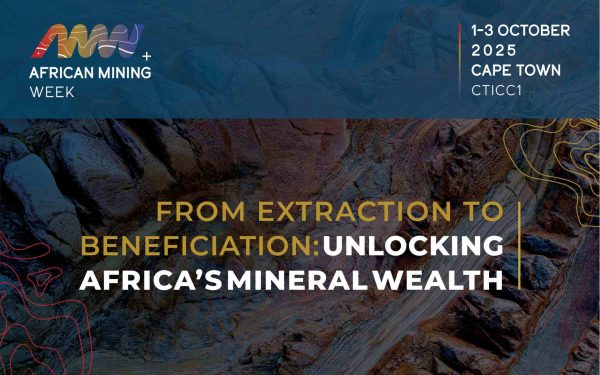
African countries rich in minerals are accelerating the digitalization of their mining licensing processes to attract investment and maximize resource exploitation for economic growth. As part of this push, Zambia launched its Zambia Integrated Mining Information System last month, aiming to streamline the awarding of licenses. The digital platform is set to play a key role in attracting mining partners and help the country reach its goal of increasing copper production to 3.1 million metric tons by 2031. This launch follows a record-breaking $9.3 billion in mining investments in 2024 and a 79% increase in permits granted, reflecting growing global interest in Zambia's mining potential.

As African markets increasingly adopt digital solutions to simplify licensing procedures, African Mining Week will be at the forefront of this transformation, showcasing the vast potential of the continent's digitalized mining sector. The event will highlight lucrative investment opportunities across various markets, featuring numerous mining blocks being licensed by African nations.

South Africa, historically a major gold producer, plans to leverage its first digital mining licensing system to attract new investors and diversify its mining sector. Set for launch by June 2025, the system will improve the efficiency and transparency of the licensing process, reducing the time required to initiate new mining projects, including those for platinum group metals, according to Gwede Mantashe, South African Minister of Mineral Resources and Petroleum.

Tanzania is also streamlining its mining sector with a new licensing management system designed to maximize investments in lithium, graphite and rare earth minerals – commodities that are experiencing soaring global demand. According to Aziza Swedi, Acting Director of the Tanzania Mining Commission, the country has issued 54,626 mining licenses over a seven-year period through November 2024, with plans to expedite future licensing via its digital platform.

Rwanda has embraced digital transformation in its mining sector with the launch of the Inkomane Digital platform in October 2024. Companies such as Aterian have aligned their mineral trading operations with this tool. The platform connects mining companies, trading partners and regulatory bodies like the Rwanda Revenue Authority, enhancing compliance, workforce management, payroll generation and monitoring of mining activities. Similarly, Nigeria introduced its Mineral Resources Decision Support System in May 2024 to attract investors to its vast solid mineral reserves. The platform serves as a one-stop shop, offering easy access to geological and policy data while enabling investors to seamlessly apply for mining permits.

As more African nations integrate digital tools into their mining sectors, African Mining Week will spotlight the digitalization of mining operations across the continent. The event will feature discussions on new licensing systems and highlight the investment opportunities emerging as African nations unlock their mineral wealth.

African Mining Week serves as a premier platform for exploring the full spectrum of mining opportunities across Africa. The event is held alongside the African Energy Week: Invest in African Energies 2025 conference from October 1-3 in Cape Town. Sponsors, exhibitors and delegates can learn more by contacting sales@energycapitalpower.com.

Distributed by APO Group on behalf of Energy Capital & Power.

Read moreAfrican Markets Digitalize Mining Licensing to Boost Investments
17 March 2025

Career guidance platform to assist SA’s youth 

Location: News

Career guidance platform to assist SA’s youth 

An online career guidance platform which will guide young people in making informed decisions about their careers with an objective of attracting top talent in South Africa’s retail sector has been launched.

The platform in South Africa’s third biggest economic sector was launched by Higher Education and Training Deputy Minister, Buti Manamela on Friday.

The online career guidance platform is an interactive digital resource aimed at providing career advice, skills development information, and learning pathways for youth and professionals in the wholesale and retail sector.

The platform was brought to the fore at the Wholesale and Retail Sector Education and Training Authority (W&RSETA) celebration of the accreditation of 41 Historically Disadvantaged Individuals (HDI) skills development training providers.

Held in Kempton Park, Johannesburg, the event underscored government’s ongoing commitment to equipping young people with the skills needed for economic development and transformation.

It also recognised the efforts of 41 Black skills development providers who have achieved accreditation from the Quality Council for Trades and Occupations (QCTO) to offer training in the retail industry.

As part of this initiative, W&RSETA has invested R10 million into a three-year project to support these providers, further promoting equal opportunities and sustainable livelihoods for those previously disadvantaged in the retail training landscape.

In his keynote address, Manamela commended the W&RSETA for demonstrating its commitment to career guidance, skills development, and economic transformation.

“As we look toward 2030, especially within the Medium-Term Development Plan lenses, we must continue strengthening partnerships between government, industry, and education institutions to ensure that every young South African has the tools and knowledge to succeed,” Manamela said.

W&RSETA Chairperson, Reggie Sibiya said:  “the W&RSETA is unapologetic about transforming the wholesale and retail sector.”

More information can be found on: https://retailcareers.wrseta.org.za/. – SAnews.gov.za


GabiK
Mon, 03/17/2025 - 11:37
282 views

Read moreCareer guidance platform to assist SA’s youth 
17 March 2025

Arts Festival Transforms the Streets of Mpumalanga Town

Location: News

The My Body My Space festival celebrates ten years of free access to the arts

Read moreArts Festival Transforms the Streets of Mpumalanga Town
17 March 2025

South Africa’s Penguins Are Worth Billions, Experts Say

Location: News

Island closures are painted as an economic cost to the fishing industry, but losing African Penguins will cost us dearly

Read moreSouth Africa’s Penguins Are Worth Billions, Experts Say
13 March 2025

SA focuses on improving diplomatic relations with United States

Location: News

SA focuses on improving diplomatic relations with United States

Deputy President Paul Mashatile says South Africa is working on stabilising relations with the United States of America (USA), given the long-standing ties between the two nations.

Addressing the 7th BizNews Conference (BNC#7) at the Hermanus Municipal Auditorium in the Western Cape, on Thursday, the Deputy President said this partnership is also significant to South Africa's economic development goals.

The BizNews Conference is an annual event focused on investment, business and political issues.

The Deputy President emphasised the need for collaborative efforts, in light of recent cuts to key health funding programmes, such as the President’s Emergency Plan for AIDS Relief (PEPFAR).

PEPFAR was established by former President George W Bush in 2003 and continued under various administrations.

“The withdrawal of PEPFAR funding highlights the urgent need for South Africa to further strengthen its own interventions to reach the most vulnerable and access health services and support," Mashatile said.

He said the opportunity showed the importance of bolstering the country's own healthcare interventions and ensuring the delivery of health services without heavy reliance on external assistance.

"In this regard, we have been investing heavily in healthcare reform and responding to the dual epidemics of HIV/AIDS and TB. The Department of Health has put measures in place to ensure that patients receiving TB and HIV treatment are not affected and do not default," said the Deputy President.

Mashatile encouraged stakeholders to unite and support government in promoting South Africa's interests in the United States, including through mechanisms such as the African Growth and Opportunity Act (AGOA).

"The loss of AGOA benefits would have the most devastating effect on South African farmers and agriculture workers. AGOA is presently providing support to South Africa's agriculture and manufacturing sectors, which is expected to generate around $21 billion in trade with the United States.

“Therefore, our position is that South Africa should maintain strong bilateral relations with the United States. Most importantly, as a country, we are committed to improving mutually beneficial trade, political, and diplomatic relations with the United States,” he said. 

Diversifying export markets and growing the economy

The country’s second-in-command stated that South Africa should push for diversified export markets, citing ongoing engagement with global powers such as China, Russia, India, and various European countries. 

President Cyril Ramaphosa is currently co-chairing the EU-South Africa Summit, which aims to deepen relations with the European Union (EU) across several domains, including trade, security, and sustainable development.

In addition, Mashatile highlighted the importance of intra-African trade and financial cooperation through the African Continental Free Trade Area (AfCFTA). 

According to the Deputy President, the AfCFTA is a crucial step toward reducing dependency on volatile global markets.

Mashatile believes that South Africa’s wealth of natural resources, including significant agricultural potential, is positioned as an attraction for investment. 

He said government is committed to removing blockages to economic growth, lifting economic expansion to above 3% in the medium-term, and creating a cycle of investment, growth and jobs.

He outlined government’s plans to focus on improving productivity and innovating skills development through the National Digital and Future Skills Strategy as part of a broader vision for a knowledge-based economy.

Furthermore, he said the newly approved Reconceptualised Human Resource Development Strategy outlines priority goals aimed at enhancing early education outcomes, increasing youth employability, and ensuring that higher education aligns with market demands. 

FATF grey list

The Deputy President said South Africa is making steady progress in efforts to be removed from the Financial Action Task Force (FATF) grey list.

"Through new legislation, we have strengthened our ability to prevent money laundering and fraud, and secure South Africa’s removal from the grey list of the Financial Action Task Force."

He said the country has addressed 20 of the 22 action items relating to combating money laundering and terrorist financing. 

“These improvements are essential not only to remove ourselves from the grey list but also to strengthen the battle against crime and corruption, which is crucial for the betterment of all South Africans. 

“We will continue to resolve both remaining action items by June, towards our removal from the grey list by October 2025,” he said.

Moreover, the Deputy President committed that South Africa will use its Group of 20 (G20) Presidency to place Africa’s development at the top of the agenda. – SAnews.gov.za

Gabisile
Thu, 03/13/2025 - 13:52
339 views

Read moreSA focuses on improving diplomatic relations with United States
12 March 2025

Economic development initiatives to spur economic growth

Location: News

Economic development initiatives to spur economic growth

Over the next three years, government spending on economic development will be the fastest-growing function at an annual average rate of 8.1%, driven by higher allocations to infrastructure projects.

According to the 2025 National Treasury Budget Review, medium-term spending for economic development will grow from R252.4 billion in 2024/25 to R318.4 billion in 2027/28.

The Department of Land Reform and Rural Development will expedite the finalisation of outstanding land claims, prioritising older claims. 

The department has been allocated R11.6 billion over the medium-term to settle about 844 land restitution claims, with R3 billion earmarked to allocate 138 000 hectares of land.

“Over the medium-term, the Department of Science, Technology and Innovation will invest R3 billion in the construction of the MeerKAT array and efforts to secure the hosting of part of the Square Kilometre Array. 

“Guided by evidence and targeted public policy interventions, R2.9 billion will be invested annually in postgraduate development and research support. Additionally, R3.8 billion will be allocated annually to provide access to cutting-edge research infrastructure,” the Budget Review document said.

To enhance productivity, competitiveness and the green economy, government will spend R18.4 billion over the medium term to support businesses through various incentive programmes under the Department of Trade, Industry and Competition.

These programmes include the automotive investment scheme, business process outsourcing, film and television production incentives, special economic zones, clothing and textile competitiveness programmes, the industrial park revitalisation programme and industrial development support for electric vehicle production.

“The Department of Small Business Development is allocated R2.1 billion over the medium-term to support about 120 000 competitive small businesses, particularly those owned by women, youth and people with disabilities in marginalised areas, such as townships and rural regions. 

“In addition, government has allocated R313.7 million over the medium-term for the establishment of micro, small and medium enterprise hubs to support business expansion,” National Treasury said.

Government will merge the comprehensive agricultural support programme grant and the Ilima/Letsema projects grant into a single grant with the existing consolidated baseline of R7.3 billion over the Medium-Term Expenditure Framework (MTEF) period. 

This merger aims to streamline grant administration, improve resource allocation, and support commercial and subsistence farming. 

“To minimise outbreaks of pests and diseases that affect agricultural production, the department will accelerate regulatory compliance and monitoring interventions costing R30.3 million over the medium term.

“The Independent Communications Authority of South Africa is allocated R102 million in 2025/26 for the second phase of the licensing of spectrum through an auction process.

“This is expected to increase investment in networks, improve network quality, contribute to economic growth and lower data costs,” National Treasury said. -SANews.gov.za

nosihle
Wed, 03/12/2025 - 14:29
234 views

Read moreEconomic development initiatives to spur economic growth
12 March 2025

Finance Minister to deliver Budget Speech 2025

Location: News

Finance Minister to deliver Budget Speech 2025

Minister of Finance, Enoch Godongwana, is expected to deliver the 2025 Budget Speech in Parliament today.

The Budget Speech seeks to strike a balance between fostering economic growth and providing support for the most vulnerable in society, even with constrained resources.

Additionally, the Minister will present the Appropriation Bill and submit the 2025 Division of Revenue Bill, both of which Parliament will review and process in the coming months.

“Minister Godongwana will also introduce the Appropriation Bill and table the 2025 Division of Revenue Bill, which Parliament is expected to process in the following months. During the Budget Speech, the Finance Minister indicates the allocation of financial resources to the national government’s priorities outlined by President Cyril Ramaphosa in the State of the Nation Address.

“Mr Godongwana will outline all the financial, economic and social commitments the government will prioritise in its planned expenditure. He will provide a detailed plan for 2025 spending, including proposals for revenue collection to help fund the government’s planned interventions and commitments,” Parliament said in a statement.

The speech was initially scheduled for 19 February but was postponed to allow Cabinet to further deliberate on the best possible ways to fund the budget.

In a weekly newsletter, President Ramaphosa acknowledged the concerns raised following the postponement,

“The last-minute postponement was unfortunate. It gave rise to concern and uncertainty among South Africans, investors and the financial markets, who look to the budget for important signals about the state and direction of our economy.

“Decisions on how to spend public funds have implications for every South African. It is therefore essential that the concerns raised by different parties around the budget are properly addressed, in the interests of accountability, transparency and consensus-building,” the President said. 

Members of the public are encouraged to follow the proceedings on Parliament TV (DSTV Channel 408), through a live stream on Parliament’s website, Parliament’s YouTube channel, and X page on following links:

  • X (Twitter): https://twitter.com/ParliamentofRSA
  • Facebook: https://facebook.com/ParliamentofRSA
  • YouTube: https://www.youtube.com/ParliamentofRSA

A day after the Minister delivers the speech, the Deputy Director-General of the National Treasury Budget Office, Edgar Sishi, with National Treasury officials, are expected to visit Athlone High School in Cape Town to engage learners on the 2025 National Budget.

“The aim of this outreach programme is to raise awareness and educate the learners about national budget information. It will also outline the budget process and encourage engagement.

“Public participation in the budget process is essential for promoting transparency and accountability in governance. In February each year, the Minister of Finance tables the National Budget, which outlines budget allocations for national and provincial departments. 

“By engaging the public, particularly the youth, this initiative promotes inclusive development, fosters trust in resource allocation and ensures the budget information is accessible to broader members of society,” National Treasury said in a statement. – SAnews.gov.za


NeoB
Wed, 03/12/2025 - 07:00
87 views

Read moreFinance Minister to deliver Budget Speech 2025
11 March 2025

Health Ombud reveals serious findings at Helen Joseph Hospital

Location: News

Health Ombud reveals serious findings at Helen Joseph Hospital

Inadequate infrastructure, doctors not arriving for duty, food shortages, insufficient security and poor corporate management -- these are some of the serious findings contained in reports compiled by the Office of the Health Ombud and the Office of Health Standards Compliance (OHSC).

In September 2024, viral videos emerged featuring former radio host Thomas “London” Holmes, who was admitted at the hospital. In these videos, Holmes highlighted the alleged neglect and discourteous behaviour he experienced from hospital staff, as well as the overall poor conditions of the hospital.

His complaints ranged from alleged poor care, long waiting times, non-functional electrical plugs, a peeling ceiling, a broken water tap, apparent rudeness from some doctors, a stolen cellphone, a dead patient left in the ward for over four hours before being removed, and infrastructure disrepair.

Health Ombud, Professor Taole Resetselemang Mokoena, briefing media on Monday said that while investigators found the clinical care provided to Holmes to be adequate, the 58-year-old hospital faced several challenges. 

The investigators, supported by the Executive Manager of Complaints Management and Mokoena, uncovered a shortage of clean linen caused by machine breakdowns at the Johannesburg Laundry, as well as widespread acts of vandalism and theft occurring at the hospital.

“There was no proper control of linen inventory, leading to shrinkages and linen shortages at the hospital.

“There were also food shortages due to invoice non-payment. Patients receive food from their families that may be inappropriate for the patient's medical condition, and surplus food may lead to infestations of flies and other pests,” the Health Ombud said.  

The probe also uncovered systemic issues such as poor human resource (HR) management, lack of governance and inadequate infrastructure. 

“The investigation established that there was theft of property, such as toilet equipment. While security guards were posted at all entrances, there was laxity regarding searching people and vehicles entering or leaving the hospital premises,” the Health Ombud said.

OHSC CEO, Dr Siphiwe Mndaweni, said her team also found that the infrastructure was outdated, with poor maintenance and inadequate cleanliness.

The hospital, according to Mndaweni, also faced intermittent water supply due to decaying pipes and infestations, untreated waste and ineffective waste management. 

The OHSC also found that maintenance plans were not followed, with incidents affecting oxygen supply, vacuum systems, and other critical services.

Cleaning equipment, such as vacuum machines, were not serviced for over a year, and waste management practices were poor, with overflowing waste containers.

Mndaweni said the hospital’s leadership instability, with four Acting CEOs since 2019 and a dysfunctional board, exacerbated these problems.

The inspection team recommended immediate action to address these issues and improve hospital governance and accountability.

“The shortage of staff was reported in almost all the departments. This included nurses, mortuary attendants and cleaning staff.” 

The OHSC CEO said it was even difficult to determine the vacancy rate because of poor record keeping.  

“Helen Joseph Hospital doesn’t have a system to monitor renumerated work outside the public service and the management team admitted that they’re struggling with doctors that are not at work when they are supposed to be,” Mndaweni said. 

Recommendations included refurbishing infrastructure, improving HR practices, and strengthening finance and supply chain management. 

The Department of Health was urged to review staffing and leadership.

“All key positions at the hospital must be filled as soon as possible to ensure ongoing quality care and governance,” Mokoena said. 

He also called for the prioritisation of key clinical posts in the neurology and dermatology units to ensure continuity of care within the Internal Medicine Department. 

The Department of Health was recommended to review the establishment to align with the tertiary hospital function, and prioritise the CEO and senior clinical posts.

According to the Health Ombud, the hospital should prioritise infrastructure refurbishment and appoint ongoing maintenance committees.

Mokoena has also called on the Department of Health to develop and strengthen finance and supply chain management, segregate duties, and hire qualified personnel.

Health Minister, Dr Aaron Motsoaledi, received the reports and promised his department would address the issue. – SAnews.gov.za

Gabisile
Mon, 03/10/2025 - 15:57
268 views

Read moreHealth Ombud reveals serious findings at Helen Joseph Hospital
11 March 2025

Health Ombud reveals serious findings against Helen Joseph Hospital

Location: News

Health Ombud reveals serious findings against Helen Joseph Hospital

Inadequate infrastructure, doctors not arriving for duty, food shortages, insufficient security and poor corporate management -- these are some of the serious findings contained in reports compiled by the Office of the Health Ombud and the Office of Health Standards Compliance (OHSC).

In September 2024, viral videos emerged featuring former radio host Thomas “London” Holmes, who was admitted at the hospital. In these videos, Holmes highlighted the alleged neglect and discourteous behaviour he experienced from hospital staff, as well as the overall poor conditions of the hospital.

His complaints ranged from alleged poor care, long waiting times, non-functional electrical plugs, a peeling ceiling, a broken water tap, apparent rudeness from some doctors, a stolen cellphone, a dead patient left in the ward for over four hours before being removed, and infrastructure disrepair.

Health Ombud, Professor Taole Resetselemang Mokoena, briefing media on Monday said that while investigators found the clinical care provided to Holmes to be adequate, the 58-year-old hospital faced several challenges. 

The investigators, supported by the Executive Manager of Complaints Management and Mokoena, uncovered a shortage of clean linen caused by machine breakdowns at the Johannesburg Laundry, as well as widespread acts of vandalism and theft occurring at the hospital.

“There was no proper control of linen inventory, leading to shrinkages and linen shortages at the hospital.

“There were also food shortages due to invoice non-payment. Patients receive food from their families that may be inappropriate for the patient's medical condition, and surplus food may lead to infestations of flies and other pests,” the Health Ombud said.  

The probe also uncovered systemic issues such as poor human resource (HR) management, lack of governance and inadequate infrastructure. 

“The investigation established that there was theft of property, such as toilet equipment. While security guards were posted at all entrances, there was laxity regarding searching people and vehicles entering or leaving the hospital premises,” the Health Ombud said.

OHSC CEO, Dr Siphiwe Mndaweni, said her team also found that the infrastructure was outdated, with poor maintenance and inadequate cleanliness.

The hospital, according to Mndaweni, also faced intermittent water supply due to decaying pipes and infestations, untreated waste and ineffective waste management. 

The OHSC also found that maintenance plans were not followed, with incidents affecting oxygen supply, vacuum systems, and other critical services.

Cleaning equipment, such as vacuum machines, were not serviced for over a year, and waste management practices were poor, with overflowing waste containers.

Mndaweni said the hospital’s leadership instability, with four Acting CEOs since 2019 and a dysfunctional board, exacerbated these problems.

The inspection team recommended immediate action to address these issues and improve hospital governance and accountability.

“The shortage of staff was reported in almost all the departments. This included nurses, mortuary attendants and cleaning staff.” 

The OHSC CEO said it was even difficult to determine the vacancy rate because of poor record keeping.  

“Helen Joseph Hospital doesn’t have a system to monitor renumerated work outside the public service and the management team admitted that they’re struggling with doctors that are not at work when they are supposed to be,” Mndaweni said. 

Recommendations included refurbishing infrastructure, improving HR practices, and strengthening finance and supply chain management. 

The Department of Health was urged to review staffing and leadership.

“All key positions at the hospital must be filled as soon as possible to ensure ongoing quality care and governance,” Mokoena said. 

He also called for the prioritisation of key clinical posts in the neurology and dermatology units to ensure continuity of care within the Internal Medicine Department. 

The Department of Health was recommended to review the establishment to align with the tertiary hospital function, and prioritise the CEO and senior clinical posts.

According to the Health Ombud, the hospital should prioritise infrastructure refurbishment and appoint ongoing maintenance committees.

Mokoena has also called on the Department of Health to develop and strengthen finance and supply chain management, segregate duties, and hire qualified personnel.

Health Minister, Dr Aaron Motsoaledi, received the reports and promised his department would address the issue. – SAnews.gov.za

Gabisile
Mon, 03/10/2025 - 15:57
10 views

Read moreHealth Ombud reveals serious findings against Helen Joseph Hospital
7 March 2025

South Africa’s G20 Presidency to benefit all

Location: News

South Africa’s G20 Presidency to benefit all

International Relations and Cooperation Deputy Minister Thandi Moraka says South Africa’s G20 Presidency is aimed at ensuring resource-rich nations and communities in places like Limpopo can benefit equitably from their mineral wealth.

“In the midst of global geopolitical tensions and rising protectionist, South Africa’s G20 Presidency will champion cooperation, collaboration and partnerships between individuals, groups, peoples and nations,” Moraka said.

Speaking at the G20 Community Outreach event at the University of Venda in Limpopo today, Moraka said strengthening partnerships and expanding dialogue with a wide range of actors is important to collectively shape the G20’s approach to issues requiring international cooperation.

“South Africa will therefore also host a G20 Social Summit, prior to the Leaders’ Summit, by expanding outreach to communities beyond the 13 official G20 Engagement Groups,” Moraka said.

Moraka said during South Africa’s Presidency, there will be more than 85 in-person meetings throughout the country, including five meetings in Limpopo.

“We encourage the people of Limpopo to become more involved in these processes. We have been asked, and rightfully so, what benefits does the G20 Presidency brings to South Africa

“Tens of thousands of delegates and support staff from some of the world’s largest developed and developing economies are expected to arrive in South Africa over the year-long Presidency. 

“In addition to many Ministers, the Heads of State and Government of more than 40 countries will attend the Leaders’ Summit in November 2025,” the Deputy Minister said.

Moraka said the G20 Presidency was without a doubt a mammoth task, requiring considerable personnel and resources, by most accounts, this was the largest national project that South Africa has ever undertaken.

“This project is expected to have significant economic benefits for South Africa, notably for the tourism, transport, restaurant, entertainment and hospitality industries, with global visibility in all nine provinces.

“There is also significant opportunity for South African provinces and cities to promote their cultural, heritage, tourism and innovation, but also an opportunity to demonstrate South Africa’s technological, industrial and commercial advances across various sectors,” Moraka said.

A number of direct and indirect jobs are expected to be created during South Africa’s G20 Presidency.

“It therefore goes without saying that the support of all South Africans in telling a good story and highlighting our successes is critical if we are to leave a permanent G20 legacy for South Africa, and the whole of the African continent.  

“It is important for us all to work in synergy and in cooperation and partnership, more so in a fractured world filled with conflict and destruction. As much as we are excited to host the first G20 Presidency on the African continent, we are also cognisant of the enormous task that is before us,” the Deputy Minister said.

Also speaking at the same event, Limpopo Premier Dr Phophi Ramathuba said she was delighted to welcome esteemed members of the diplomatic corps, government officials, business leaders and all distinguished guests to the historic occasion, the first-ever G20 community outreach to be held in the province.

Ramathuba said the engagement was an opportunity to strengthen ties, advance collaboration and ensure that global economic policies translate into meaningful opportunities for local communities.

“It is also a symbolic gesture, a recognition of the role that provinces like Limpopo play in shaping the broader economic landscape of South Africa and the African continent,” the Premier said.

As the only African nation represented in the G20, South Africa carries a profound responsibility in ensuring that the voices of developing economies, particularly those in Africa, are heard on the global stage.

“The G20’s focus on economic growth, trade, investment, climate action and digital transformation resonates deeply with developmental priorities in Limpopo. 

“We understand that global economic policies have real, tangible effects on the lives of ordinary people, and it is our duty to ensure that these policies translate into meaningful opportunities for our communities,” Dr Ramathuba said. 

Lutendo Luvhengo, a third year student at the University of Venda told SAnews that although she had little knowledge about G20 and South Africa’s G20 Presidency, she hoped that South Africa’s hosting of the G20 meetings would benefit ordinary people.

“I believe that our country’s economy is going to improve. The guests coming to South Africa some of them are going to invest in our country and that will create more jobs,” she said.

Luvhengo was confident that the G20 meetings were going to be successful.

Echoing same sentiments was Israel Marema, first year Bcom student who said the G20 meetings were “investments in the country”.

“This is going to reduce the level of poverty by creating more job opportunities,” he said. 

Today’s launch of the G20 Outreach Programme forms part of a series of initiatives aimed at fostering wider public dialogue and participation in South Africa's G20 Presidency. – SAnews.gov.za

Edwin
Fri, 03/07/2025 - 15:53
3 views

Read moreSouth Africa’s G20 Presidency to benefit all
6 March 2025

Vaal Dam water levels monitoring continues amid torrential rains

Location: News

Vaal Dam water levels monitoring continues amid torrential rains

The Department of Water and Sanitation (DWS) says it is actively monitoring inflow water levels at Vaal Dam amid torrential rains to ensure full storage capacity and safety of infrastructure.

In a statement on Thursday, department spokesperson Wisane Mavasa, said the necessary precautions are in place, in line with dam safety standards, hydrological monitoring systems to safeguard and maintain the integrity of the water resource infrastructure, as well as reduce flood conditions, while keeping the dam at full capacity.

Mavasa said the Vaal Dam is currently at 98.99% full.

In line with the DWS flood management plan, Mavasa said the department is currently releasing at 61.2 cubic metres per second (mᵌ/s), using five valves at the dam, to ensure that there is balance between the inflows and outflows at the dam.

“These releases, while they are meant to ensure that the dam’s capacity stays within the range of 100% - 103% at the current inflow levels, the water flow is insignificant, in that they will not make the river overtop the banks.

“The Vaal Dam has eight valves in total that are used for river releases. On normal day-to-day releases, [it uses two valves ranging from 16.8 mᵌ/s to 17.6 mᵌ/s], in order to keep a natural flow in the river,” Mavasa explained.

Bloemhof Dam, located downstream of the Vaal River catchment, is currently sitting at 100.94%, and has an additional 16% flood absorption capacity.

Due to increased river inflows from the upper catchments and recent rainfall in the Bloemhof catchment area, Mavasa said controlled outflow releases have also been activated at the dam, and water is currently released at 320 mᵌ/s through outlet pipes.

“These releases are meant to facilitate the proper management of water levels and to keep the dam at or below its full supply capacity of 100%,” Mavasa said, adding there are currently no sluice gates open at both dams.

According to hydrological monitoring and forecasting systems, the Vaal Dam may reach 100% in the next few days as torrential rainfall continues in the catchment, and increased releases may be required on both dams should the need arise to safeguard to prevent dam failures and major disasters.

The DWS noted that along the Vaal River and downstream the Vaal Dam, water levels may rise as a result of inflows from Suikerboschrand, Klip and Rietspruit tributaries over the high flow period due to the heavy rains in the catchments of these rivers.

Mavasa said the department follows operating rules and procedures when releasing water from the dams necessitated by floods as a result of heavy rains and will gradually implement the releases in line with the established flood management protocols, in coordination with the National Disaster Management Centre (NDMC), Provincial Disaster Management Centres (PDMCs), and affected local municipalities.

Through various platforms, the department will continue to engage, share hydrology reports and updates on a regular basis on the water levels in both dams, with recommendations, in order to send early warnings, and activate evacuation plans in cases of flooding.

The stakeholders include the Disaster Management operations in the affected municipalities, including local police services (the Police Water Wing), farmers and locals upstream and downstream along the Vaal River System.

The heavy rains in most parts of the country have necessitated the DWS to implement dam releases according to its safety protocols in all its major dams to prevent dam failures and major disasters in the country.

As part of the flood management plan, dam safety protocols are activated when dams breach the full capacity mark and overflow to prevent the infrastructure from failing, which may lead to a dam bursting and causing a disaster of great magnitude and also leave the areas it supplies without sources of water. – SAnews.gov.za

GabiK
Thu, 03/06/2025 - 13:42
206 views

Read moreVaal Dam water levels monitoring continues amid torrential rains
5 March 2025

SA needs R440 billion for transmission development

Location: News

SA needs R440 billion for transmission development

South Africa requires upwards of R440 billion in the next 10 years to expand its transmission infrastructure, says Minister of Electricity and Energy, Dr Kgosientsho Ramokgopa.

Addressing the Africa Energy Indaba in Cape Town on Tuesday, the Minister said the country’s transmission development plans have identified the need to modernise and expand the grid for 14 000 kilometres in the next 10 years.

“This is going to require an enormous amount of investment. The fiscus won’t be able to carry that. The Eskom balance sheet is not sufficient, so it is important to find bespoke financing instruments to make this possible,” the Minister said.

He called on financial actors to actively take steps to significantly lower the cost of borrowing for the investment of the continent’s development, climate resilience and clean energy transition initiatives.

“We expect the increase in electricity trade volumes to grow by about 300% by 2040 and by that time, the projection is that Africa’s population will be at about two billion people from the current 1.5 billion. For us to be able to achieve this level of ambition, there are huge investments that are required.

“One of the studies done by some of the... organisations suggests that Africa will need upwards of R2.6 trillion in investments in the energy sector by 2040. The pool of financing is enormous. Even if you had to consolidate the balance sheet of the continent, I don’t think we are going to get anywhere near raising this money.

“That is why it is important that we are able to design a financing instrument for us to be able to achieve this level of ambition,” Ramokgopa said.

He expressed support for a single electricity market on the continent, as advocated for by the the African Union's Agenda 2063.

“We think that the ambitions of achieving a single electricity market on the continent is not far-fetched .For us to have universal access by 2063, as advocated for in Agenda 2063, which makes a point that we can achieve that through regional integration… there has to be significant investment on interconnectivity,” the Minister said.

With South Africa hosting the Group of Twenty (G20) Presidency, Ramokgopa outlined the G20 technical energy group priorities, which include energy security and forging reliable and affordable access; achieving just, affordable and inclusive energy transitions, as well as African connectivity and energy pools.

These priorities were canvassed through the platform of the African Union.

According to Ramokgopa, 43% of the total population in Africa does not have access to electricity.

“This is a big issue. Before you can talk about transitioning, people need to have access to whatever form of electricity, irrespective of the fuel sources.

“As a country and the continent, we bear the responsibility to ensure that we are able to provide this access in a manner that doesn’t degrade the environment and keep to our obligations to ensure that we reduce the greenhouse gas emissions, although we contribute less than 2.5% of the CO2 emissions. Going into the future, gas will still be part of the mix on the continent,” the Minister said.

Focus on just transition

South Africa’s G20 Presidency will elevate the issue of just, affordable and inclusive energy transitions.

“That is important because we are of the opinion that there is no single transition. Any transition should take into account the unique circumstances of individual countries, and the pace and scale that they can afford.

“We will be meeting with the National Economic Development and Labour Council (Nedlac) and are hoping that the Integrated Resource Plan (IRP) will be release to the public soon. The plan will explain how we see the transitions unfold in the country,” Ramokgopa said.

South Africa's G20 Presidency is the fourth consecutive emerging market Presidency, and it is also the first African Presidency.

It commenced on 1 December 2024 and all engagements are being held under the theme: “Solidarity, Equality, Sustainability”.

The year-long deliberations will culminate in a G20 Leaders’ Summit in November 2025.

The G20 was established to tackle pressing global economic and financial issues. Together, G20 members account for around 85% of global GDP and 75% of international trade. 

It comprises 19 countries and two regional bodies, namely the European Union and the African Union.

The grouping plays a critical role in influencing global policy making and fostering global economic stability. - SAnews.gov.za

nosihle
Wed, 03/05/2025 - 12:03
108 views

Read moreSA needs R440 billion for transmission development
28 February 2025

Call to implement G20 roadmap for multilateral development banks

Location: News

Call to implement G20 roadmap for multilateral development banks

The Group of Twenty (G20) has urged Multilateral Development Banks (MDBs) to enhance their collaboration and efficiency while working with relevant stakeholders to implement the G20 Roadmap for Bigger, Better and More Effective MDBs.

This initiative builds on the legacies of previous G20 Presidencies and aims to strengthen MDBs ability to support global development efforts. 

The roadmap is designed to assist countries to meet the United Nations (UN) Sustainable Development Goals (SDGs), as well as to address global and regional challenges with a renewed sense of urgency and determination.

This call comes as the global community is struggling to meet the goals of the Paris Agreement and advance SDGs, which are a universal call to action to end poverty, protect the planet and ensure that by 2030, all people enjoy peace and prosperity.

According to the G20 Chair’s Summary of the first Finance Ministers and Central Bank Governors' Meeting that took place in Cape Town from 26 February -27 February 2025, the meeting discussed the work plan of the International Financial Architecture Working Group (IFAWG) and its focus on four priority areas.

These include strengthening MDBs and ensuring financing for development; enhancing debt sustainability and addressing liquidity challenges; strengthening the Global Financial Safety Net (GFSN) and reforming global governance institutions; and enhancing financial resilience by strengthening capital flows to emerging market and developing economies (EMDEs).

The meeting recalled that the IFAWG was tasked to work with the MDBs to develop a monitoring and reporting framework, with clear indicators, for periodic updates on MDBs’ progress against the Roadmap’s recommendations.

“[The meeting] encouraged MDBs to work with developing countries in enhancing domestic resource mobilisation and increasing private capital investment by supporting enabling conditions, addressing potential obstacles to private investment, and scaling up both innovative risk-sharing instruments and country platforms.

“[The gathering] recognised that the Roadmap encourages MDBs to take steps towards the implementation of all appropriate outstanding Capital Adequacy Framework (CAF) recommendations, safeguarding their long-term financial sustainability, robust credit ratings and preferred creditor status. 

“[It also] recalled that the board of each MDB will be best placed to determine if and when a capital increase is needed in addition to CAF measures to support efforts in addressing global challenges and meeting development needs,” the statement said.

The G20 said that it looked forward to progress with the International Bank for Reconstruction and Development 2025 Shareholding Review in line with the Lima Shareholding principles and recognised the need for enhancing the representation and voice of developing countries in decision-making in MDBs and other international economic and financial institutions.

Transparency and sustainable capital flows

In addition, the meeting looked forward to improvements in the implementation of the Common Framework for Debt Treatments, in a predictable, timely, orderly, and coordinated manner, informed by the recommendations from the G20 Note on the Lessons Learned. 

It welcomed joint efforts by all stakeholders to continue working towards enhancing debt transparency.

“[The meeting] encouraged the International Monetary Fund (IMF) and World Bank to continue their work related to feasible options which are country-specific and on a voluntary basis to help vulnerable countries with near-term liquidity challenges whose debt is sustainable.

“[It also] reiterated the commitment to a strong, quota-based, and adequately resourced IMF at the centre of the GFSN. 

“[The meeting ] acknowledged the urgency and importance of realignment in quota shares to better reflect members’ relative positions in the world economy while protecting the quota shares of the poorest members; and the IMF Executive Board’s ongoing work to develop by June 2025 possible approaches as a guide for further quota realignment, including through a new quota formula, under the 17th General Review of Quota,” the statement said.

Furthermore, the G20 encouraged IMF members with strong external positions, especially those who have not already contributed, to make additional voluntary contributions to the Poverty Reduction and Growth Trust and the Resilience and Sustainability Trust.

It continued to invite countries that were willing to voluntarily explore channeling Special Drawing Rights, including through MDBs, where legally possible, whilst respecting their reserve asset status.

“[The meeting] reiterated efforts to promote sustainable capital flows to EMDEs and foster sound policy frameworks, notably through central bank independence. [They also] recognised the growing importance of non-bank financial institutions (NBFIs) and planned to deepen the understanding of their role in shaping EMDE investment flows,” the statement said. -SAnews.gov.za
 

nosihle
Thu, 02/27/2025 - 18:57
87 views

Read moreCall to implement G20 roadmap for multilateral development banks
27 February 2025

Call to intensify efforts to improve early childhood learning 

Location: News

Call to intensify efforts to improve early childhood learning 

President Cyril Ramaphosa has called on educators to intensify efforts to improve early childhood learning, emphasising the urgent need to strengthen foundational skills in reading and mathematics.

The President was addressing the 2025 Basic Education Sector Lekgotla, at OR Tambo Conference Centre, in Ekurhuleni on Thursday. 

He highlighted concerning literacy and numeracy statistics, warning that failure to address these gaps could have long-term consequences for learners.

Citing the 2021 Progress in International Reading Literacy Study (PIRLS), he noted that more than 80% of Grade 4 learners in South Africa cannot read for meaning in any language, including their home language. 

Additionally, the country ranked low in a recently published study on Trends in International Mathematics and Science Study (TIMSS), which surveys capabilities in Grades 4 and 8.  

“Not having mastered basic skills in reading and maths at foundation level sets the tone for how a learner will perform in high school and beyond. That is why Early Childhood Development [ECD] education has become the key foundation and bedrock.

“So, correcting these shortcomings is the most urgent of tasks. It must be front and centre of our efforts in basic education,” he explained.

In the same breath, the President lauded the achievements of the Class of 2024 saying it reinforces government’s commitment to developing the nation’s young people as the most valuable resource.

He said this achievement shows that the country is steadily undoing the apartheid legacy of intergenerational poverty, disadvantage and indignity. 

“Our learners, teachers, parents and caregivers deserve our appreciation, alongside school governing bodies and partners in business, trade unions and academia. However, these impressive outcomes stand in stark contrast to what we see in the early years of education.”

To address these challenges, the President welcomed the Department of Basic Education’s review and realignment of the curriculum, including teacher development programmes and a focus on the Mother-Tongue Based Bilingual Education approach. 

He also stressed the importance of inclusive education, calling for greater access to quality learning for children with disabilities.

“We are encouraged by the department’s efforts to review and realign our existing curriculum, including assessment, learning and teaching support material and teacher development programmes,” the President said. 

Embracing AI and technology

The first citizen warned that globalisation, automation, and artificial intelligence (AI) are reshaping the job market, making it critical for South Africa’s education system to evolve.

He said that the theme of this year’s lekgotla – ‘Strengthening Foundations for a Resilient, Future-Fit Education System’ – is therefore most appropriate and timely. 

He highlighted that the World Economic Forum’s 2025 Future of Jobs Report showed the world’s fastest growing and fastest declining jobs. 

The report showed that jobs that are growing fastest are big data specialists, user interface and user experience engineers, data warehousing specialists and renewable energy engineers. 

At the bottom of the pyramid, some of the jobs that are in decline include bank tellers, data entry clerks, cashiers, admin assistants, book-keeping and payroll clerks, and telemarketers, among others. 

The President noted that many of these occupations that are in decline are entry level positions for young people entering the job market after school. 

He noted that AI and advanced language models are significantly reshaping various industries.

One such tool, ChatGPT, now has approximately 300 million weekly active users worldwide. The number of students relying on ChatGPT for school assignments has doubled between 2023 and 2024. 

The President emphasised the need for the education system to embrace technology while maintaining a strong foundation in human-led learning. 

“We have to adapt to this new reality or risk the consequences of last century methods that cannot deliver new century outcomes. As impressive as technological advances have been, technology is but a complement to human endeavour. 

“There is no substitute for solid foundational education led by committed and capable educators that sets the stage for a more effective and equitable educational system,” the President said. 

The President further highlighted that the first generation to grow up with the internet, Gen Z, are already in their thirties. Generation Alpha, the first fully digital generation, are now in high school. 

The babies born this year are the start of Generation Beta and will begin school in 2030. 

“These Generation Beta children will be mastering the use of AI tools for schoolwork, problem solving and life advice before they even reach high school. 

“This is to say nothing of their future career paths. There are now tools that can build a website in 10 seconds and compile a fully referenced research paper in about a minute. 

“So, when we speak of equipping our young people with the skills for a changing world, we are not only talking about the structure of education needing to be transformed, but its methods of delivery as well. I am pleased that this is an issue that is prioritised at the Basic Education Lekgotla,” the President said. 

Vocational and Entrepreneurial Pathways

President Ramaphosa also called for greater emphasis on technical and vocational education as viable alternatives to traditional academic pathways. He pointed to Germany, where 47% of the workforce holds vocational qualifications, compared to just 17% with university degrees.

“As stakeholders in the sector we need to work together to address the prevalent bias towards general academic education, and even the stigma that exists around choosing vocational occupations. 

“Vocational training should not be seen as a fall-back option for learners who have been identified as unlikely to obtain the marks needed for university entry. It should be seen as an attractive proposition for all learners.”

The President also highlighted the importance of fostering entrepreneurship to support young people in an economy with limited job opportunities. 

Agenda for education 

The 2025 Basic Education Sector Lekgotla, tcomes at a pivotal time as South Africa enters the implementation phase of the Medium-Term Development Plan and nears the five-year countdown to achieving the Sustainable Development Goals.

As South Africa chairs the G20, President Ramaphosa noted the opportunity to drive a progressive global education agenda under the theme of “solidarity, equality, and sustainability.”

“As the host of the G20 Education Working Group, we have a unique opportunity to drive a progressive agenda for inclusive and equitable education within the framework of the G20,” he said. – SAnews.gov.za


DikelediM
Thu, 02/27/2025 - 15:35
92 views

Read moreCall to intensify efforts to improve early childhood learning 
26 February 2025

Ghana’s Mining in Motion Summit Gains Support From Key Leaders

Location: News
Energy Capital & Power

Otumfuo Osei Tutu II, King of the Ashanti Kingdom; Hon. Emmanuel Armah Kofi Buah, Minister of Lands and Natural Resources of Ghana; and Oheneba Kwaku Duah, the son of Otumfuo Osei Tutu II and Managing Director of the Ashanti Green Initiative recently met to discuss the upcoming Mining in Motion Summit in Ghana.

They explored the summit's potential to improve the artisanal and small-scale gold mining (ASGM) sector in Ghana and the role of government, international partners and major mining firms in accelerating the sector's growth. Hon. Kofi Buah endorsed the event, emphasizing its significance in connecting small-scale miners with technology providers, financiers, regulatory bodies and global industry stakeholders to improve their operations and impact.

Organized by the Ashanti Green Initiative along with the World Bank, the World Gold Council and other international partners, Mining in Motion will take place from June 2 - 4 in Accra.

The summit is held under the theme Sustainable Mining & Local Growth – Leveraging Resources for Global Impact, uniting key decision-makers, including H.E. John Dramani Mahama, President of the Republic of Ghana, as well as representatives from public and private sector mining institutions from South Africa, the Republic of Guinea, the African Union, ECOWAS and the United Nations.

The three-day event will highlight the role of traditional authorities in shaping artisanal and small-scale mining practices, emphasizing the sector's contribution to employment and economic growth. In 2024 alone, Ghana's artisanal miners generated $5 billion in foreign exchange earnings through gold exports. Providing direct employment for over one million Ghanaians and accounting for 35% of domestic gold output, the sector has the potential to significantly shape socioeconomic development in the west African country.

As Ghana's mining sector increasingly supports sustainable development, the Mining in Motion Summit will highlight best practices for integrating ASGM into the global financial system. Representatives from prominent international financing organizations will share their insights.

In a significant move to boost earnings for small-scale miners, Ghana has announced plans to establish a Gold Board. This new entity will simplify the process of purchasing gold from small-scale miners, providing them with easier access to global markets. With Samuel Adu Gyamfi, who was appointed Acting Managing Director of Precious Minerals Marketing Company last month and tasked with setting up the Ghana Gold Board, playing a pivotal role in shaping the summit, Mining in Motion is set to have a sizable impact on the growth of Ghana's gold sector.

Through a series of high-level panel discussions, deal signings, project showcases and exclusive networking, Mining in Motion serves as the ideal platform to connect Ghanaian miners with regional counterparts and global investors for forge industry-changing partnerships.

Stay informed about the latest advancements, network with industry leaders and engage in critical discussions on key issues impacting ASGM and medium- to large-scale mining in Ghana. Secure your spot at the Mining in Motion 2025 Summit by visiting https://MiningInMotionSummit.com. For sponsorship opportunities or delegate participation, contact sales@energycapitalpower.com.

Distributed by APO Group on behalf of Energy Capital & Power.

About Ashanti Green Initiative:
The Ashanti Green Initiative is a foundation dedicated to promoting environmental restoration, advocating for climate-related issues, and fostering community development in Ghana and beyond. Guided by a commitment to sustainability, the foundation undertakes projects aimed at rehabilitating degraded lands, restoring water bodies, and promoting responsible natural resource management. The initiative also champions regenerative practices in mining, agriculture, and energy, aligning with global efforts to combat climate change while uplifting local communities through education, capacity-building, and economic empowerment programs. The Ashanti Green Initiative is led by Nana Kwaku Duah, son of His Majesty Otumfuo Osei Tutu II, King of the Ashanti Kingdom. Under his leadership, the foundation applies forward-thinking approaches and innovative solutions, creating impactful partnerships with local and international stakeholders to drive meaningful change.

About Energy Capital & Power:
Energy Capital & Power is an Africa-focused global leading investment platform for the energy and mining sectors. Through a series of events, online content and investment reports, we unite the entire energy and mining value chains – from oil and gas exploration to renewable power – and facilitate global and intra-African investment and collaboration.

Media files
Energy Capital & Power
Download logo
Read moreGhana’s Mining in Motion Summit Gains Support From Key Leaders
25 February 2025

Eco Atlantic CEO to Speak at IAE 2025 Amid Orange Basin Expansion

Location: Business
Energy Capital & Power

Gil Holzman, President & CEO, Eco Atlantic Oil & Gas, will speak at the Invest in African Energy (IAE) Forum 2025 in Paris this May as the company expands its presence in the Orange Basin, offshore South Africa.

The Canada-headquartered Eco Atlantic has recently expanded its presence in Africa through strategic transactions and exploration initiatives. In June 2024, Eco Atlantic farmed into Block 1 in the Orange Basin, further strengthening its exploration portfolio in the region. The block has extensive 2D and 3D seismic data already completed, with no additional seismic acquisition or well drilling planned during the three-year carried period. During this time, Eco will focus on interpreting and analyzing the existing data to inform its planned Work Program, leveraging its in-house exploration team. The company also holds interests in Blocks 2B and 3B/4B in South Africa, along with four licenses in Namibia.

IAE 2025 (http://apo-opa.co/3ETVwbj) is an exclusive forum designed to facilitate investment between African energy markets and global investors. Taking place May 13-14, 2025 in Paris, the event offers delegates two days of intensive engagement with industry experts, project developers, investors and policymakers. For more information, please visit www.Invest-Africa-Energy.com. To sponsor or participate as a delegate, please contact sales@energycapitalpower.com.

Eco Atlantic's approach centers on exploring low-carbon intensity oil and gas in stable emerging markets close to infrastructure, aiming to deliver material value for its stakeholders while contributing to the energy transition. The company prioritizes efficient exploration strategies that minimize environmental impact while maximizing resource potential.

By focusing on proven basins with existing infrastructure, Eco Atlantic seeks to accelerate development timelines and enhance economic viability in its operating regions. The upcoming forum will highlight how oil and gas independents like Eco Atlantic are navigating Africa's evolving energy landscape, driving investment and sustainable resource development.

Distributed by APO Group on behalf of Energy Capital & Power.

Media files
Energy Capital & Power
Download logo
Read moreEco Atlantic CEO to Speak at IAE 2025 Amid Orange Basin Expansion
24 February 2025

South Africa to focus on development and growth during G20 Presidency

Location: News

South Africa to focus on development and growth during G20 Presidency

South Africa will use its G20 Presidency to review the group’s processes, address financing for development, and tackle barriers to growth in developing countries, including those in Africa.

Addressing the opening of the G20 Finance Ministers' and Central Bank Governors' meeting, National Treasury Director-General, Dr Duncan Pieterse, outlined a range of issues that will be discussed at this week’s finance track meetings, taking place in Cape Town.

This as the Finance and Central Bank Deputies' meeting is taking place at the Cape Town International Convention Centre, on 24 and 25 February 2025. The meeting will be followed by the first meeting of the G20 Finance Ministers and Central Bank Governors on 26 to 27 February 2025. 

“South Africa has signalled a strong and keen intent to review the operational process of the G20. Last month, the G20 began its 26th year of operation, however the operational processes of the G20 have rarely been reviewed.

“In the coming months and following the discussions this week, the South African Presidency working with the G20 membership will for the first time conduct a review of these processes and consider how to improve and strengthen them. We will also discuss various other opportunities for G20 engagement this year,” Pieterse said on Monday.

South Africa’s G20 Presidency commenced on 1 December 2024, and all engagements are being held under the theme: “Solidarity, Equality, Sustainability.” The theme underscores the nation’s focus on inclusive global economic growth, with particular attention to the needs of the world’s most vulnerable nations.

He said one of the issues of importance to the world’s poorest and most vulnerable countries is the issue of financing for development.

“Today we will discuss the Financing for Development Conference that is happening in July this year and how the G20 Finance Track might consider engaging with this process.

“We will also hold a very important meeting on the challenges and the constraints to growth in developing countries, including African countries,” the Director-General said.

Other issues of relevance to the membership to G20 will be discussed as well. 

“We have worked on a very detailed programme and the work continues this week. Over the last few weeks and months, the G20 working groups of the Finance Track have met and have made progress in shaping our agenda for this year, which is going to be taken forward and discussed in detail this week,” he said.

This week, there will be several critical side meetings, including  the meeting of the G20 Troika members, the meeting of the G20 emerging markets and developing economies, which took place this morning, as well as several bilateral meetings with various G20 members and other international organisations.

“This morning, we had an emerging market and developing economies breakfast where we discussed a wide range of challenges affecting emerging markets and economies.

“The participants in our meeting reflected on various issues, including the current state of the global economy, issues relating to debt and how it affects Africa in particular, various perspectives on the reform of the financial architectural were shared and the challenges facing members in affording financing for development and the importance of the Financing for Development Conference that is happening later this year in Spain, which is one of the areas we will discuss,” Pieterse said. 

Some of the side events for this week include domestic resource mobilisation, bridging the tax gap, cross border payments, global financial architecture in transition and a cost of capital roundtable. 

The G20 was established to tackle pressing global economic and financial issues. Together, G20 members account for around 85% of global GDP and 75% of international trade. 

It comprises 19 countries including: Argentina, Australia, Brazil, Canada, China, France, Germany, India, Indonesia, Italy, Japan, Republic of Korea, Mexico, Russia, Saudi Arabia, South Africa, Türkiye, United Kingdom, and United States and two regional bodies, namely the European Union and the African Union.

The grouping therefore plays a critical role in influencing global policy making and fostering global economic stability. -SAnews.gov.za

nosihle
Mon, 02/24/2025 - 11:29
288 views

Read moreSouth Africa to focus on development and growth during G20 Presidency
24 February 2025

Parties Hold Their Breath in Battle Over R300-Million Stellenbosch Mountain Estate

Location: News

Judgment has been reserved in an urgent application to halt a luxury development on Botmaskop slopes

Read moreParties Hold Their Breath in Battle Over R300-Million Stellenbosch Mountain Estate
24 February 2025

M&As Reflect Growing Global Interest in African Mining

Location: Business
Energy Capital & Power

International mining stakeholders are increasing their access to Africa's mineral resources through joint ventures, acquisitions and stakes in local projects. Meanwhile, African countries and operators are leveraging these partnerships to enhance capital, accelerate project development and meet ambitious production targets.

The upcoming African Mining Week (AMW), taking place in Cape Town this October, will spotlight mergers and acquisitions (M&A), offering African projects a platform to showcase opportunities and providing global investors the stage to present growth strategies for Africa's expanding mining sector.

Recent research by the Economist Intelligence Unit indicates that foreign investment in Africa's mining industry is poised for significant growth in 2025, building on strong momentum established in 2024. Several key transactions highlight this trend. Earlier this month, UK-based Altona Rare Earths finalized its acquisition of an 85% stake in Botswana's Sesana Copper-Silver Project from Ignate Minerals, committing significant capital to accelerate exploration and mine development. In December 2024, Australian mining firm Patriot Lithium acquired a 90% stake in Zambia's Kitumba Copper Large Scale Exploration License from Newlight Nominees Zambia, enabling increased funding for exploration and production activities. Similarly, in October 2024, Jubilee Metals, a UK-based company, acquired Project G, its second open-pit copper asset in Zambia, as part of a strategy to boost investments and raise copper output to 25,000 tons per year.

Recent M&A activity in Africa's mining sector is reshaping the industry, improving operational efficiencies and creating new pathways for innovation and technology transfer. For African nations, these investments bring new opportunities for job creation, infrastructure development and access to global markets, fueling economic growth. Additionally, the influx of foreign capital and expertise enhances local capabilities, enabling African countries to harness their natural resources more effectively while addressing challenges like underdeveloped supply chains and limited financing for exploration.

In South Africa, M&A activity reached $10 billion between June 2023 and 2024, with 32 deals closed, compared to 24 year-on-year, according to PwC. Among the notable deals, Kenya's Marula Mining secured a 51% stake in South Africa's Mansera Kruisrivier Cobalt Holding Company in July 2024, funding feasibility and aerial studies to advance the project. Meanwhile, China's Baowu Steel Group acquired stakes in Guinea's Simandou Project, the world's largest untapped iron ore deposit, in June 2024. In Mali, Ganfeng Lithium secured an operational stake in the Goulamina Lithium Mine in a $342.7-million deal with Australia's Leo Lithium in May 2024. The UAE-based International Resource Holdings also entered the market, acquiring Zambia's Mopani Copper Mines for $1.1 billion in May 2024, enhancing exploration and production capabilities at one of the country's largest copper facilities.

As African nations focus on boosting mineral production to drive economic growth, M&A activity is expected to intensify, with global partners seeking greater stakes in the continent's abundant resources. Against this backdrop, the upcoming AMW will play a crucial role in shaping Africa's M&A landscape by facilitating project showcases, fostering partnerships and advancing deal signings that will define the future of the mining sector.

African Mining Week serves as a premier platform for exploring the full spectrum of mining opportunities across Africa. The event is held alongside the African Energy Week: Invest in African Energy 2025 conference (https://AECWeek.com/) from October 1 -3. in Cape Town. Sponsors, exhibitors and delegates can learn more by contacting sales@energycapitalpower.com

Distributed by APO Group on behalf of Energy Capital & Power.

Media files
Energy Capital & Power
Download logo
Read moreM&As Reflect Growing Global Interest in African Mining
  • Previous
  • Page 1
  • Interim pages omitted …
  • Page 4
  • Page 5
  • Page 6
  • Page 7
  • Page 8
  • Interim pages omitted …
  • Page 16
  • Next

Copyright © 2026 · MyZA · All Rights Reserved · Powered by Stratlec Online