• Skip to main content
  • Skip to header right navigation
  • Skip to after header navigation
  • Skip to site footer
MyZA

MyZA

News, Directory, Events and Other Stuff

  • Social Media
  • Sport
  • World News
  • Home
  • Submit News
  • Directory
  • Events
  • Stratlec
  • TFSA
  • News
    • APO
    • Today’s Sport News
    • Todays Social Media and Tech Headlines
    • Today’s World News
    • Today’s SA Financial News
  • Contact
You are here: Home / Archives for Senegal

Senegal

14 March 2025

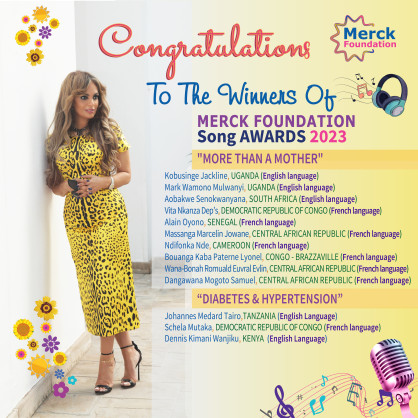
Merck Foundation CEO and First Ladies of Africa jointly announce Winners of ‘More than a Mother’ and ‘Diabetes & Hypertension’ Song Awards 2023
Location: News
Merck Foundation

  • Senator Dr. Rasha Kelej, CEO of Merck Foundation, in partnership with the First Ladies of African and Asian Countries, announces the 2025 Call for Applications for two Merck Foundation SONG Awards - apply now at submit@merck-foundation.com
  • Merck Foundation Song Awards “More Than a Mother” to address one or more of the following social issues such as: Breaking Infertility Stigma, Supporting Girl Education, Ending Child Marriage, Ending FGM, Stopping GBV and/ or Women Empowerment,
  • Merck Foundation Song Awards “Diabetes and Hypertension” to promote healthy lifestyle and raise awareness about prevention of Diabetes and Hypertension and healthy lifestyle promotion in Africa.

​Merck Foundation (www.Merck-Foundation.com), the philanthropic arm of Merck KGaA Germany, in partnership with the African First Ladies, announced the winners of Merck Foundation's Song Awards 2023 under two themes - “More Than a Mother” and “Diabetes and Hypertension.”

The awards were announced by Senator Dr. Rasha Kelej, CEO of Merck Foundation and President of Merck Foundation ‘More Than a Mother' campaign, together with African First Ladies, who are also the Ambassadors of Merck Foundation ‘More Than a Mother' campaign.

Senator Dr. Kelej said, “I feel so elated to announce the winners of Merck Foundation's “More Than a Mother” and “Diabetes and Hypertension” Song Awards in partnership with my dear sisters, African First Ladies, who are also the Ambassadors of “Merck Foundation More Than a Mother”. I congratulate and applaud our 13 talented winners.

Songs are a powerful medium for addressing and influencing social and health issues across Africa. This year's entries were exceptional, with lyrics that effectively conveyed impactful messages, sparking meaningful thought and dialogue within communities.”

The theme of “More Than a Mother” Song Awards was to raise awareness on any of the following social issues such as: Breaking Infertility Stigma, Supporting Girl Education, Ending Child Marriage, Ending FGM, Stopping GBV and/or Women Empowerment at all levels and the theme of “Diabetes and Hypertension” Song Awards was to promote a healthy lifestyle and raise awareness about prevention and early detection of Diabetes and Hypertension in the African countries.

Senator Rasha added, “I have always believed that music and art have the power to evoke emotions, which in turn inspire engagement and action. This belief led us to introduce our Song Awards in 2019. To date, we have celebrated close to 50 winners.

Moreover, we have produced over 30 songs and music videos to address many critical and sensitive issues across Africa.”

Click here to listen to Merck Foundation Songs: https://apo-opa.co/4iKrDsx

Here is the list of Merck Foundation ‘More Than a Mother' Song Awards 2023 winners:

English Language

  • Kobusinge Jackline, UGANDA- FIRST POSITION

Theme: Women Empowerment

  • Mark Mulwanyi, UGANDA- SECOND POSITION

Theme: Women Empowerment and GBV

  • Aobakwe Senokwanyana, SOUTH AFRICA- THIRD POSITION

Theme: GBV

French Language

  • VITA NKANZA Dep, DRC- FIRST POSITION

Theme: Child Marriage

  • Alain Oyono, SENEGAL- SECOND POSITION

Theme: FGM

  • MASSANGA MARCELIN JOWANE, CENTRAL AFRICAN REPUBLIC- THIRD POSITION

Theme: FGM

  • Wax Dey ft Abz, CAMEROON- THIRD POSITION

Theme: FGM

  • Bouanga Kaba Paterne Lyonel Black Panther Slam, CONGO BR- THIRD POSITION

Theme: GBV and FGM

  • WANA-BONAH Romuald Euvral Evlin, CENTRAL AFRICAN REPUBLIC- THIRD POSITION

Theme: Women Empowerment

  • Dangawana samuel, CENTRAL AFRICAN REPUBLIC- THIRD POSITION

Theme: GBV and FGM

Here is the list of winners of Merck Foundation ‘Diabetes & Hypertension' Song Awards 2023:

FIRST POSITION:

  • Johannes Medard Tairo, TANZANIA- FIRST POSITION

Theme: Diabetes & Hypertension (English)

  • Schela MUTAKA, DEMOCRATIC REPUBLIC OF THE CONGO- SECOND POSITION

Theme: Diabetes & Hypertension (French)

  • Dennis Kimani, KENYA- THIRD POSITION

Theme: Diabetes & Hypertension (English)

Senator, Dr. Rasha Kelej further added, “I would also like to announce the Call for Applications for the 2025 Edition of the two Merck Foundation Song Awards ‘More Than a Mother' and ‘Diabetes & Hypertension', in partnership with First Ladies of Africa and Asia.

“I invite entries from all Singers, Musicians and young talents, to contribute towards making a difference in society with their inspiring songs with strong and relevant messages about critical and sensitive issues we face in our continent. Be the voice of the voiceless, break the silence and let's all join hands to create a cultural shift”, Senator Kelej added.

Details of Merck Foundation SONG Awards 2025:

1. Merck Foundation Song Awards 2025 “More Than a Mother”

Theme for the awards: Address one or more of the following social issues: Breaking Infertility Stigma, Supporting Girl Education, Ending Child Marriage, Ending FGM, Stopping GBV and /or Women Empowerment.

Who can apply: All Singers and Musical Artists are invited to create and share a song with the aim to address one or more of the above-mentioned social issues.

Categories: ENGLISH, FRENCH, PORTUGUESE, AND LOCAL LANGUAGE

Submission deadline: 30th September 2025.

2. Merck Foundation SONG Awards 2025 “Diabetes & Hypertension”

Theme for the awards: Promote healthy lifestyle and raise awareness about prevention and early detection of Diabetes and Hypertension.

Who can apply: All Singers and Musical Artists are invited to create and share a song with the aim to promote a healthy lifestyle and raise awareness about prevention and early detection of Diabetes and Hypertension.

Categories: ENGLISH, FRENCH, PORTUGUESE, AND LOCAL LANGUAGE

Submission deadline: 30th October 2025.

Distributed by APO Group on behalf of Merck Foundation.

Contact details:
Mehak Handa
Community Awareness Program Manager
+91 9310087613 / +91 9319606669
mehak.handa@external.merckgroup.com

Join the conversation on our social media platforms below and let your voice be heard!
Facebook: apo-opa.co/43QeNES
X: apo-opa.co/43LhE1Y
YouTube: apo-opa.co/43IxXfW
Instagram: apo-opa.co/4iJ4Ope
Threads: apo-opa.co/3FCNOma
Flickr: apo-opa.co/4iNzxkZ
Website: www.Merck-Foundation.com
Download the Merck Foundation App: https://apo-opa.co/4hv7F44

About Merck Foundation:
The Merck Foundation, established in 2017, is the philanthropic arm of Merck KGaA Germany, aims to improve the health and wellbeing of people and advance their lives through science and technology. Our efforts are primarily focused on improving access to quality & equitable healthcare solutions in underserved communities, building healthcare & scientific research capacity, empowering girls in education and empowering people in STEM (Science, Technology, Engineering, and Mathematics) with a special focus on women and youth. All Merck Foundation press releases are distributed by e-mail at the same time they become available on the Merck Foundation Website.  Please visit www.Merck-Foundation.com to read more. Follow the social media of Merck Foundation: Facebook (apo-opa.co/43QeNES), X (apo-opa.co/43LhE1Y), Instagram (apo-opa.co/4iJ4Ope), YouTube (apo-opa.co/43IxXfW), Threads (apo-opa.co/3FCNOma) and Flickr (apo-opa.co/4iNzxkZ).

The Merck Foundation is dedicated to improving social and health outcomes for communities in need. While it collaborates with various partners, including governments to achieve its humanitarian goals, the foundation remains strictly neutral in political matters. It does not engage in or support any political activities, elections, or regimes, focusing solely on its mission to elevate humanity and enhance well-being while maintaining a strict non-political stance in all of its endeavors.

Media files
Merck Foundation
Download logo
Read moreMerck Foundation CEO and First Ladies of Africa jointly announce Winners of ‘More than a Mother’ and ‘Diabetes & Hypertension’ Song Awards 2023
11 March 2025

Five Years of Advancing Investment, Collaboration in Africa’s Energy Sector

Location: Business
African Energy Chamber

African Energy Week (AEW): Invest in African Energies, the premier platform for Africa's energy sector, marks its fifth anniversary in 2025, celebrating a legacy of driving investment, fostering partnerships and advancing the continent's energy future. Since its inception, AEW has established itself as the continent's leading energy event, bringing together industry leaders, policymakers, investors and global stakeholders to catalyze development across Africa's oil, gas and renewable sectors.

Over the past five years, AEW has facilitated multi-billion-dollar deals, shaped policy discussions and strengthened regional cooperation. Its inaugural edition in 2021 set a strong foundation, attracting 1,700 delegates, including ministers, global energy executives and financial institutions. The event reinforced Africa's appeal to investors while establishing AEW's strategic goal of eradicating energy poverty by 2030. The event introduced key features such as the African Energy Awards, panel discussions and forums covering the entire energy sector across four venues. Country spotlight sessions provided market insights, while the African Energy Chamber, alongside African energy ministers and a representative from the German government, launched the African Green Energy Dialogue Initiative to accelerate investment in Africa's green energy space.

The 2022 edition of AEW kicked off with opening remarks from esteemed African leaders including the presidents of Uganda and Mozambique, Minister of Hydrocarbons from the Republic of Congo, as well as prominent industry figures from APPO, the European Commission, the International Energy Forum and the private sector. AEW 2022 provided a platform for high-level discussions on investment opportunities, energy policy and strategies for driving Africa's energy transition. In addition to insightful discussions and networking opportunities, AEW 2022 introduced the Just Energy Transition Concert, blending music and culture with energy dialogue to promote investment, development and wider participation across the energy industry.

AEW 2023 saw an unprecedented level of participation, with opening remarks from the presidents of Namibia, Senegal and Uganda, alongside energy ministers from South Africa, South Sudan, Uganda, Equatorial Guinea, the Republic of Congo, Ghana and Mozambique. Representatives from OPEC, APPO, GECF, and key global partners from Russia, the U.S., Europe, and Saudi Arabia further reinforced the event's strategic importance. Afreximbank played a central role, hosting a dedicated deal room and supporting Africa's growing M&A activity. Key agreements signed included Afreximbank's $75 million financing deal with Torxen Energy Resources for Nigeria's PPL 241, a hydrogen exploration agreement between The Gambia and H2 Gambia Limited, and a $60 million term loan for Alphaden Energy & Oilfield Limited to develop a gas facility in Nigeria. Additionally, the African Energy Chamber partnered with the Black Impact Foundation to promote global opportunities for the Black community. The African Farmout Forum connected investors with available blocks, accelerating exploration and partnerships across Africa's oil and gas sector.

In 2024, AEW underscored its role as a catalyst for deal-making and sectoral development. Afreximbank committed over $120 million in financial facilities to support Africa's oil and gas sector, while the Republic of Congo's Société nationale des pétroles du Congo partnered with the State Oil Company of Azerbaijan to modernize the CORAF refinery and the African Farmout Forum returned to highlight available block opportunities for partnership and investment. The event featured a distinguished lineup of speakers and delegations, including energy ministers from South Africa, Namibia, the Republic of Congo, Gabon, Nigeria, Equatorial Guinea and Angola; OPEC and APPO secretary generals; and top executives from Eni, bp, Chevron, TotalEnergies and other leading energy companies.

The fifth edition of AEW promises an even greater focus on investment opportunities and project developments, including 2025/2026 licensing rounds, multi-phase LNG facilities, new refining capacity, drilling and appraisal programs and cross-border pipeline infrastructure. All flagship features will return, including the Big Five Stages of Premium Industry Content, the African Farmout Forum, the Deal Room, the OPEC-Africa Roundtable and more. With capital-intensive projects requiring global financing, AEW 2025 will serve as the premier platform to connect investors with Africa's most promising energy opportunities.

By bringing together key stakeholders, AEW has enhanced Africa's global competitiveness, enabled cross-border partnerships and fostered policy dialogue that advances sustainable energy development. As the conference celebrates five years of impact, its role in shaping the future of Africa's energy sector remains stronger than ever, ensuring that the continent's vast energy resources continue to drive sustainable development and economic transformation.

“The five-year milestone is a testament to AEW's commitment to shaping the future of Africa's energy sector. As the continent continues to navigate the complexities of energy development, AEW remains a vital platform for stakeholders to engage and drive progress across the continent,” says NJ Ayuk, Executive Chairman of the African Energy Chamber, adding “As AEW celebrates five years of impact, its influence on the continent's energy landscape remains unparalleled. The conference has consistently demonstrated its ability to drive sustainable energy development, ensuring that Africa's vast energy resources are harnessed to drive economic transformation and sustainable development.”

AEW: Invest in African Energies is the platform of choice for project operators, financiers, technology providers and government, and has emerged as the official place to sign deals in African energy. Visit www.AECweek.com for more information about this exciting event.

Distributed by APO Group on behalf of African Energy Chamber.

Media files
African Energy Chamber
Download logo
Read moreFive Years of Advancing Investment, Collaboration in Africa’s Energy Sector
8 March 2025

Statement by the Special Rapporteur on the Rights of Women in Africa

Location: News

African Commission on Human and People's Rights (ACHPR)
Download logo

On this momentous occasion of International Women's Day 2025, the African Commission on Human and Peoples' Rights (ACHPR), through its Special Rapporteur on the Rights of Women in Africa (SRRWA), stands at a pivotal juncture in the global pursuit of gender equality and the empowerment of women and girls. This year's theme, “For ALL Women and Girls: Rights. Equality. Empowerment,” resonates deeply as we commemorate the 30th  anniversary of the Beijing Declaration and Platform for Action. This landmark framework has shaped the global agenda for women's rights and gender equality.  

The Beijing Declaration, adopted in 1995, was a clarion call to dismantle systemic barriers, challenge discriminatory norms, and ensure the full participation of women in all spheres of life. Three decades later, we celebrate progress, particularly in Africa, where women have broken barriers in politics, education, entrepreneurship, and leadership. Yet, we must also confront the stark realities that persist: gender-based violence, unequal access to education and healthcare, economic disparities, and the underrepresentation of women in decision-making spaces. 

Africa has witnessed remarkable strides in advancing the rights and empowerment of women and girls, demonstrating the continent's resilience and commitment to gender equality. Some of the most notable trends include:  

  • Increased Political Representation: Since adopting the Beijing Declaration in 1995, numerous African States have made remarkable strides in advancing women's political participation. Rwanda leads globally, with women occupying over 60% of parliamentary seats. Countries such as South Africa, Namibia, and Senegal have also achieved significant progress in promoting gender-balanced representation. Additionally, the appointment of female Heads of State across the continent has marked a transformative shift in political leadership. Notable examples include Ellen Johnson Sirleaf of Liberia, Africa's first elected female president; Sahle-Work Zewde of Ethiopia, who serves as the country's first female president; and Samia Suluhu Hassan of Tanzania, who became the nation's first female Head of State. Other inspiring leaders include Catherine Samba-Panza of the Central African Republic, interim president, and Ameenah Gurib-Fakim of Mauritius, the country's first female president. Most recently, Namibia appointed its first female Head of State, Netumbo Nandi-Ndaitwah, further underscoring the growing momentum toward gender equality in African politics.
  • Advancements in Education: The gender gap in primary and secondary education is narrowing across the continent. Countries like Kenya, Ghana, and Botswana have achieved near parity in school enrolment, empowering girls with the tools to build brighter futures.  
  • Women's Economic Empowerment: African women are increasingly breaking barriers in entrepreneurship and leadership. Initiatives such as the African Women's Development Fund and the African Union's Women in Business program have supported women-led businesses, fostering economic growth and innovation.  
  • Legal Reforms: Many African countries have enacted progressive laws to protect women's rights, including laws against gender-based violence, child marriage, and workplace discrimination. Countries like Malawi, Tanzania, Zambia, Gambia, and Mali have raised the legal age of marriage to 18, safeguarding girls from early marriages.  
  • Grassroots Movements: Women-led movements and organizations are driving change at the community level. From the #MeToo movement in Nigeria to the fight against gender-based violence in South Africa, African women are raising their voices and demanding accountability.  

Despite these positive trends, significant challenges remain, hindering the full realization of gender equality and women's empowerment in Africa, including: 

  • Gender-Based Violence (GBV) and Harmful Traditional Practices: Despite the establishment of progressive legal frameworks, gender-based violence, and harmful traditional practices continue to plague societies, driven by deeply entrenched cultural norms, plural legal systems, and a lack of political will to enforce progressive laws. Child marriage remains widespread, perpetuating cycles of inequality and disempowerment. Similarly, GBV persists at alarming rates, manifesting in domestic violence, sexual assault, and harmful practices such as female genital mutilation (FGM). These challenges highlight the urgent need for stronger implementation of existing laws and a transformative shift in societal attitudes to eradicate these violations and protect the rights and dignity of women and girls.
  • Humanitarian crises, such as climate change and conflicts, have further exacerbated these challenges, highlighting the urgent need for stronger protections and support systems.  
  • Economic Inequality: Women continue to face barriers to economic participation, including limited access to land, credit, and technology. The informal sector, where many African women work, often lacks social protections and fair wages.  
  • Health Disparities: Maternal mortality rates remain unacceptably high in some regions, and access to sexual and reproductive health services is often limited. Teenage pregnancy and HIV/AIDS disproportionately affect women and girls.  
  • Underrepresentation in Leadership: While progress has been made, women remain underrepresented in political and corporate leadership roles. Cultural and institutional barriers often prevent women from ascending to decision-making positions.  
  • Conflict and Displacement: Women and girls in conflict-affected regions face heightened risks of violence, exploitation, and displacement. The ongoing crises in parts of the Sahel, the Horn of Africa, and the Great Lakes region underscore the need for gender-sensitive peacebuilding and humanitarian responses.  
  • Intersectional Discrimination: Marginalized groups of women, including those with disabilities, older women, and rural women, face compounded discrimination and exclusion from opportunities.  

To build on the progress and address persistent challenges, the ACHPR urges African governments, civil society, the private sector, and international partners to accelerate the implementation of the Beijing Platform for Action and Agenda 2063. This can be achieved through aligning national policies with these frameworks and ensuring gender equality is mainstreamed across all sectors. The ACHPR calls for the strengthening of legal frameworks, enhanced access to justice for survivors, and increased investment in prevention programs to eradicate gender-based violence in all its forms.

It further emphasizes the need to expand women entrepreneurs' access to finance, land, and technology and ensure equal pay for equal work to close the gender wage gap. Affirmative action measures, such as quotas, should be implemented to increase the representation of women in political and leadership roles at all levels. The ACHPR also urges prioritizing girls' education, particularly in STEM fields, and ensuring universal access to sexual and reproductive health services. Finally, the ACHPR calls for the recognition and addressing of the unique challenges faced by marginalized groups of women, including those with disabilities, rural women, and refugees.

As we celebrate the resilience and achievements of African women and girls, let us remember that the fight for gender equality is far from over. The Beijing Declaration and Platform for Action, alongside Agenda 2063, provide a roadmap to a future where every woman and girl can live with dignity, freedom, and opportunity. On this International Women's Day, let us recommit to the principles of rights, equality, and empowerment—not just for some, but for ALL women and girls. 

Honourable Commissioner Janet Ramatoulie Sallah-Njie
Special Rapporteur on the Rights of Women in Africa of the ACHPR and Vice-Chairperson of the ACHPR

Distributed by APO Group on behalf of African Commission on Human and People's Rights (ACHPR).

Read moreStatement by the Special Rapporteur on the Rights of Women in Africa
5 March 2025

JETA Holding Expands its Vision for FinTech in Africa Following the Inclusive FinTech Forum 2025

Location: Business

JETA Africa Holding
Download logo

During the Inclusive FinTech Forum 2025, JETA Holding (www.JETAHolding.com) reinforced its commitment to FinTech and trade expansion in Africa, leveraging its expertise in other industries, including healthcare and technology-driven solutions to position itself as a key player in the region's digital transformation.

At the event, JETA engaged with leading industry stakeholders, established connections with potential partners, and explored investment opportunities to accelerate FinTech adoption and financial inclusion across Africa.

Haim Taib, Founder & President of Mitrelli Group and JETA Holding, emphasized on stage:
"FinTech is not just about technology—it's about unlocking opportunity, fostering inclusion, and driving economic transformation. Across Africa, a new generation of creative entrepreneurs is emerging, bringing bold ideas and innovations that have the potential to redefine industries. However, true progress requires more than innovation; it demands the collective commitment of governments, private capital, and human talent working together to turn potential into impact. This is why JETA is making strategic investments in FinTech—not just to connect people, businesses, and communities with financial tools, but to lay the foundation for long-term, sustainable growth."

With a strong foundation in healthcare, cybersecurity, and ICT, JETA is expanding into FinTech and trade, leveraging its experience in complex regulatory environments and established relationships with governments, banks, and regulators.

JETA operates through three core subsidiaries:

  • Luanda Medical Center (LMC) – A leading hospital and clinic in Luanda, Angola, delivering high-quality healthcare services.
  • Yapama – A medical equipment and consumables distribution company with operations in Angola, Senegal, and Côte d'Ivoire.
  • New Cognito – A cybersecurity and ICT services company, well established in Angola. 

As JETA enters FinTech and trade, the company is looking to bridge financial technology with real-sector applications, including digital payments, lending, trade finance, and financial inclusion solutions.

JETA is actively seeking partnerships with investors, FinTech startups, and financial institutions to drive innovation and scale financial solutions across key African markets.

Doron Ben Sira, CEO of JETA Holding, added:
"FinTech is one of the most dynamic and transformative sectors in Africa, with enormous potential to accelerate financial inclusion and unlock new trade opportunities. At JETA, we don't just invest in technology—we invest in building strong ecosystems. We connect capital, expertise, and markets to ensure that financial innovation doesn't just grow but establishes itself as a sustainable engine for development. We are actively seeking the best companies and partnerships to build a more integrated and accessible digital future in Africa."

Expanding Across Africa

JETA is more than an investor—it is a business accelerator and growth enabler. Through its subsidiaries and strategic investments, JETA is building an ecosystem that connects technology, capital, and local expertise.

As part of its FinTech and trade expansion, JETA is focusing on high-growth markets, including Nigeria, South Africa, Kenya, Ghana, Côte d'Ivoire, Ethiopia, Rwanda, Tanzania, Senegal, Mauritius, and Uganda.

With a proven track record in market expansion, JETA is committed to leveraging its regional presence and deep industry networks to build scalable and impactful financial solutions across the continent.

Distributed by APO Group on behalf of JETA Africa Holding.

For more information or to schedule interviews with JETA Holding's spokespersons, please contact:
Doron Ben Sira
+357 9974 3916
info@jetaholding.com

Read moreJETA Holding Expands its Vision for FinTech in Africa Following the Inclusive FinTech Forum 2025
5 March 2025

UK Looks to Deepen Energy Trade, Investment Ties with Africa

Location: News
African Energy Chamber

Trade relations between the UK and Africa are gaining momentum. Last month, UK Minister for Trade Policy and Economic Security Douglas Alexander visited South Africa and Botswana to strengthen trade ties and create opportunities for businesses on both sides. The UK aims to expand trade and investment across the continent, fostering mutually beneficial growth by addressing trade barriers, facilitating exports and supporting trade-focused development programs. With South Africa as the UK's largest trading partner in Africa and set to assume the G20 Presidency, this marks an important moment for deepening economic collaboration.

This builds on the UK's 2019 Economic Partnership Agreement (EPA) with the Southern African Customs Union member states – Botswana, Eswatini, Lesotho, Namibia and South Africa – and Mozambique. This agreement eliminates tariffs and quotas on all goods imported from these countries into the UK, facilitating smoother trade relations and economic cooperation. The EPA aims to bolster economic ties and create a conducive environment for investments, including in the energy sector.

The UK is expanding its engagement across Africa, including in West and North Africa. In February 2024, it signed the Enhanced Trade and Investment Partnership (ETIP) with Nigeria – the first such agreement with an African nation – marking a significant milestone. The partnership builds on a trade relationship valued at £7 billion in the year leading up to September 2023. The ETIP focuses on key sectors such as financial and legal services, fostering economic growth and attracting investment across industries, including energy.

Globeleq, a UK government-backed independent power producer, has been instrumental in advancing gas-powered energy projects across Africa. Alongside its 153 MW Red Sands project in South Africa – set to become the continent's largest standalone battery energy storage system – the company recently acquired a stake in a solar plant at Egypt's Benban Solar Complex and secured $99 million in debt financing for Mozambique's first wind project. Supported by shareholders such as British International Investment and Norfund, Globeleq continues to invest in upgrading existing assets and developing new utility-scale power projects, strengthening Africa's energy infrastructure.

In the oil and gas sector, bp achieved first gas from the Greater Tortue Ahmeyim LNG project offshore Senegal and Mauritania at the start of this year, marking a major step in boosting regional energy production and supply. Shell is advancing its $5 billion Bonga North deepwater project in Nigeria and, alongside bp, has agreed to cover operational costs for the buyer of South Africa's Sapref refinery – a move that could revitalize the country's largest refinery and secure oil supply. Meanwhile, Harbour Energy, one of the UK's largest independent oil and gas companies, is looking to expand into African markets following its acquisition of concessions in Egypt's Nile Delta and the Mediterranean Sea.

The UK is also a major investor in Africa's clean energy sector and a key partner in the Mission 300 initiative to expand electricity access to 300 million people by 2030. Last month, British International Investment (BII) committed £5.3 million to UK cleantech firm MOPO to scale battery rental operations in the Democratic Republic of the Congo, where over 80% of the population lacks electricity. In December 2024, BII and GuarantCo announced a $500 million renewable power deal with South Africa's Etana Energy, providing $100 million in guarantees to support the country's largest energy wheeling framework and unlock new projects. Beyond direct investments, the UK government continues to provide funding and technical assistance for energy infrastructure projects across Africa, aiming to improve energy reliability and efficiency, drive economic growth, and enhance the quality of life for local communities.

As a G20 member, the UK plays a pivotal role in shaping global energy investment strategies, with Africa positioned as a key partner in its trade and energy agenda. The UK's investments in oil and gas, renewables and energy infrastructure align with broader G20 goals of energy security, sustainability and economic growth.

“These initiatives not only strengthen the UK's economic ties with Africa, but also support the continent's transition to cleaner, more reliable energy. With African Energy Week: Invest in African Energies 2025 set to convene global stakeholders, the UK's role in advancing energy partnerships will be in focus, offering a platform to drive further investment, policy collaboration, and infrastructure development across Africa's energy landscape,” says Johnson Kayode Obembe, Director of Sales and Partnerships, African Energy Week.

AEW: Invest in African Energies is the platform of choice for project operators, financiers, technology providers and government, and has emerged as the official place to sign deals in African energy. Visit www.AECWeek.com for more information about this exciting event.

Distributed by APO Group on behalf of African Energy Chamber.

Media files
African Energy Chamber
Download logo
Read moreUK Looks to Deepen Energy Trade, Investment Ties with Africa
4 March 2025

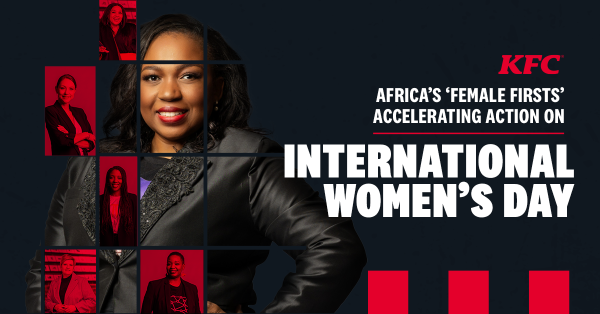
KFC Celebrates Inspirational African Women Accelerating Action Towards Equality

Location: Business
KFC Africa

Progress in closing the gender gap in South Africa and Sub-Saharan Africa has almost halted, leaving millions of women at a disadvantage to men. But female role models across the continent are refusing to admit defeat, dedicating themselves to accelerating progress towards gender equality.

To mark International Women's Day on 8 March and honour its theme of “Accelerate Action”, KFC Africa has collected the stories of dozens of women who are taking bold steps to advance equality on the continent by educating, empowering and supporting women to achieve more, together, faster. 

KFC Africa's list contains the names of 54 women – one for each year the company has been in Africa – and follows its successful International Women's Day campaign in 2024 which introduced an inaugural list (https://apo-opa.co/4h5xiID) of 53 “female firsts”. Each of those women had overcome educational, social and financial obstacles to achieve something no woman in their country had done before. 

The 2025 list (https://apo-opa.co/4h5xiID), drawn from each of the 22 Sub-Saharan Africa countries where KFC has restaurants, also has its share of female firsts – people such as Dior Fall Sow, Senegal's first female prosecutor; Nelly Mutti, the Zambian parliament's first female speaker; and Adelaide Retselisitsoe Matlanyane, the first woman to lead Lesotho's central bank.  

The list is dominated, however, by younger women who are breaking the mould – particularly in the technology sector – and showing they can do anything they set their mind to, regardless of age or gender. 

They include the likes of Christine Ogo, a Cote d'Ivoire physicist who has encouraged thousands of schoolgirls to pursue science, technology, engineering and mathematics; Rachel Sibande, who set up Malawi's first technology incubator for emerging entrepreneurs and has gone on to teach coding to 92,000 women and children; and Regina Honu, whose Tech Needs Girls movement in Ghana has trained more than 20,000 women and girls to code. 

Gender gap 

“It's a powerful list that gives us hope after  the World Economic Forum's Global Gender Gap Report (https://apo-opa.co/4i2QKXB) in 2024 showed that progress seems to have ground to a halt,” says Akhona Qengqe, General Manager of KFC Africa. 

The report showed that 68.4% of Sub-Saharan Africa's gender gap had been closed, only marginally higher than 68.2% in 2023 (https://apo-opa.co/3QEYGm5). South Africa, while being Africa's highest scorer and ranking 18th out of 146 nations, went backwards, from 78.7% in 2023 to 78.5% a year later. 

“The report says that at the current rate of progress, it will be 2158 until the world reaches full gender parity,” says Qengqe. “That's why we need to accelerate action, particularly in Africa, and why the efforts of the women on the KFC list are worthy of recognition and support.” 

In her seven years at KFC – she was as director of Africa franchise development, director of transformation and diversity and chief people officer before taking over as general manager in April 2023 – Qengqe has prioritised female empowerment. 

Her initiatives include spearheading KFC Add Hope, a women-led programme that serves free meals to tens of thousands of children at more than 3,000 feeding centres across South Africa. 

In 2021, she launched the Women on the Move leadership development programme, which prepares 22 women at KFC for future leadership positions every year, cultivating a pipeline of talent. Within two years, the number of female leaders in the business grew by 14%. 

Transforming franchising 

Last November she turned her attention to the wider quick service restaurant sector, launching Women in Franchising Africa (Wifa), the first network for current and aspiring female franchisees and franchisors across the continent. 

“To say I am passionate about the inclusion of women in growing our economies is an understatement. It is in fact one of my life's purposes,” she says. “My partners in Wifa intend to transform the participation of women in the franchising sector across African economies. 

“We want to educate women on how to run successful franchise businesses, provide networking opportunities for like-minded women, transform the sector by making funding accessible to women, and create mentorship opportunities for all the women in the network.” 

KFC Africa Chief People Officer Nolo Thobejane says “Accelerate Action” is a call to look at what has a positive impact on women's advancement and replicate it. 

“This is a journey we need to embark on together as we learn from each other. I cannot stress enough the importance of forming alliances and partnerships to amplify impact. By working together, organisations and individuals can share resources, knowledge, and support to create a more inclusive and equitable environment for women.” 

“At KFC, we have implemented some programmes which have yielded great results – such as the Women on the Move Leadership programme to ensure the pipeline of leaders, developing them with quality education and training through initiatives like our Streetwise Academy and then providing career support into positions of leadership.” 

“Other successful initiatives organisations can implement include designing and building infrastructure that meets the needs of women and girls, involving them in sustainable agriculture, and elevating their participation and achievement in sport, as we do with KFC Mini Cricket.” 

“There's a lot we can do as individuals, too – we can call out stereotypes, challenge discrimination, question bias and celebrate women's success. Everyone everywhere can Accelerate Action.” 

Qengqe says the new list of 54 names brings to 107 the number of inspirational African women KFC has honoured and recognised in the past two years. “We know this is the tip of a wonderful iceberg, and we welcome nominations of other women who are Accelerating Action in Africa.” 

Explore the list of 54 women Accelerating Action across Africa: https://apo-opa.co/4heEjqM  

To nominate a woman Accelerating Action: Email: za-kfcafricamedia@yum.com 

Distributed by APO Group on behalf of KFC Africa.

For media inquiries and to arrange interviews with Akhona Qengqe and Nolo Thobejane: 
Elmarie Swart 
Phone number:  
WhatsApp: +44 7464739649 
South Africa: +27 79 831 2429 
Email: elmarie@kamuses.co.za 

KFC Socials: 
Instagram – @kfcsouthafrica - https://apo-opa.co/3FdDUap 
Facebook – @KFCSA - https://apo-opa.co/4hYOsJl 
TikTok – @kfcsa - https://apo-opa.co/4h83tHx 
X – @KFCSA - https://apo-opa.co/4h9pMMX 
YouTube – @KFCSouthAfrica - youtube.com/@KFCSouthAfrica 

About KFC Africa:
KFC has been in South Africa for over 53 years and has more than 1,300 stores across the country. The first KFC restaurant in South Africa opened in 1971 in Orange Grove, Johannesburg. KFC is the leading quick-service restaurant brand in South Africa with just under a third of market share, according to Brand Image Tracker. KFC serves more than 20 million customers a month and we work hard to ensure that no matter which of our restaurants they walk into, they will get that distinctive KFC flavour and have a great experience. KFC's Original Recipe® Chicken was first made by Colonel Harland Sanders in 1940 when he perfected his secret recipe of 11 herbs and spices at his restaurant in Kentucky. Today, KFC is the world's most popular chicken restaurant, still preparing our chicken with the Colonel's secret recipe to his exact standards. Every KFC restaurant follows the same global processes and procedures to ensure that our customers get great-tasting food, every time.  

Media files
KFC Africa
Download logo
Read moreKFC Celebrates Inspirational African Women Accelerating Action Towards Equality
28 February 2025

2025 Basketball Africa League Season to Feature Record Six New Teams

Location: Sport
Basketball Africa League (BAL)

  • – 12 BAL Teams Include First-Ever Participants from Cape Verde and Kenya, Previous Champions from Angola and Tunisia – 
  • – BAL's Milestone Fifth Season Tips Off on April 5 in Rabat with First-Ever BAL Games in Morocco; Tickets on Sale Now via Guichet – 

The Basketball Africa League (BAL) (www.BAL.NBA.com) today announced the 12 teams and game schedule (https://apo-opa.co/43iFBgS) for the opening leg of the league's milestone fifth season, which will tip off with the Kalahari Conference group phase from Saturday, April 5 – Sunday April 13 at the Prince Moulay Abdellah Sports Complex in Rabat, Morocco.   

The 2025 BAL season, which will feature three regular-season group phases and culminate with the playoffs and finals at the SunBet Arena in Pretoria, South Africa in June, will feature a record six first-time BAL participants, including the first BAL teams from Cape Verde (Kriol Star Basketball) and Kenya (Nairobi City Thunder), as well as defending champion Petro de Luanda (Angola) and 2022 champion US Monastir (Tunisia).  Petro de Luanda and US Monastir are the only teams to have qualified for all five BAL seasons.  Below is the complete list of participating teams by conference. 

1. Kalahari Conference

  • Al Ittihad (Egypt)* 
  • Fath Union Sport (FUS; Morocco) 
  • Stade Malien (Mali) 
  • Rivers Hoopers (Nigeria) 

2. Sahara Conference

  • ASC Ville de Dakar (Senegal)* 
  • Kriol Star Basketball (Cape Verde)* 
  • Petro de Luanda (Angola) 
  • US Monastir (Tunisia) 

3. Nile Conference

  • Al Ahli Tripoli (Libya)* 
  • Armée Patriotique Rwandaise Basketball (APR; Rwanda) 
  • Made by Basketball (MBB; South Africa)* 
  • Nairobi City Thunder (Kenya)* 

Each conference will play a 12-game group phase during which each team will face the other three teams in its conference twice.  During group phase play, the home team in each country will play on every gameday.  

In the season opener, Stade Malien (Mali) will face Rivers Hoopers (Nigeria) at 4:00 p.m. GMT+1.  In the second game, home team Fath Union Sport (FUS; Morocco) will take on Al Ittihad (Egypt) at 7:00 p.m. GMT+1.  Single-game tickets for the games in Rabat are available online at Guichet.ma (https://apo-opa.co/4bkwuyc) and the following physical locations: Megarama Cinema in Casablanca (https://apo-opa.co/3DeI6Gv), Megarama Cinema in Fes (https://apo-opa.co/4h0Ix54) and the National Theatre in Rabat (https://apo-opa.co/3Xpawoa).  Fans who purchase tickets will also have free access to the BAL Fan Zone at the arena.   

Tickets for the games in Dakar, Senegal are also on sale now at www.BAL.NBA.com and BAL-TeewTickets.com. 

Eight teams from across the three conferences will travel to Pretoria for four seeding games followed by an eight-game, single-elimination playoffs and finals from Friday, June 6 – Saturday, June 14.   

Additional information about the 2025 BAL season will be announced in the coming weeks. 


*First-time BAL participant 

Distributed by APO Group on behalf of Basketball Africa League (BAL).

BAL Season 5 Hype Video: https://apo-opa.co/3XnHJjD

Contact: 
Edwin Eselem
Basketball Africa League
+221 78 615 42 87
EEselem@theBAL.com 

Fans can follow the BAL (@theBAL) on:
Facebook: https://apo-opa.co/4ijfSsO
Instagram: https://apo-opa.co/3DoEnGe
Threads: https://apo-opa.co/41i0eY6
X: https://apo-opa.co/4kgmZnR
YouTube: https://apo-opa.co/3QzPMGq
Register their interest in receiving more information at www.BAL.NBA.com. 

About the BAL:
The Basketball Africa League (BAL), a partnership between the International Basketball Federation (FIBA) and NBA Africa, is a professional league featuring 12 club teams from across Africa that will tip off its fifth season in April 2025.  Headquartered in Dakar, Senegal, the BAL builds on the foundation of club competitions FIBA Africa has organized across the continent and marks the NBA's first collaboration to operate a league outside North America.  

Media files
Basketball Africa League (BAL)
Download logo
Read more2025 Basketball Africa League Season to Feature Record Six New Teams
24 February 2025

u.s. Secretary of Energy Chris Wright to Deliver Keynote Address at 10th Powering Africa Summit

Location: News
EnergyNet Ltd.

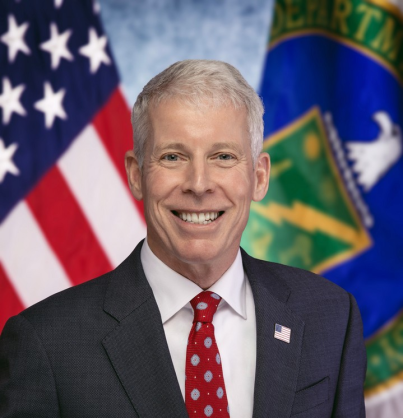
Secretary Chris Wright, U.S. Department of Energy, has been confirmed as a speaker and guest of honour at the 10th Powering Africa Summit (PAS), taking place at JW Marriott Washington, D.C. across March 6-7. This is an important step to provide an answer to the question that all of African energy is now asking: how will the new Administration approach the strategic energy relationship between the U.S. and Africa

Under the Summit theme, The Future of the US & Africa Energy Partnership, U.S. Secretary of Energy Chris Wright will deliver a keynote address at the 10th annual Powering Africa Summit. Wright will be joined by representatives from the U.S. Department of State: Ambassador Troy Fitrell, Senior Bureau Official, Bureau of African Affairs; Kimberly Harrington, Acting Principal Deputy Assistant Secretary, Bureau of Energy Resources; and Stephen Banks, Acting Deputy Assistant Secretary for Energy Diplomacy, Bureau of Energy Resources. All will share their vision for this future relationship between African countries and the US-based investors that are so vital to realizing their energy ambitions.

“As Secretary of Energy, I am committed to unleashing all forms of affordable, reliable and secure energy here at home and advancing that mission of energy security around the world – and nowhere is that more critical than the continent of Africa. I look forward to joining the Summit to reaffirm the strategic energy partnership between the U.S. and Africa and share my vision for advancing innovation and removing barriers to energy access, both at home and around the world,” Secretary Wright said.

Ministers and governments from 19 African countries will arrive in Washington D.C., where the Africa Welcome Address will be given by H.E. Honourable Adebayo Adelabu, Minister of Power, Nigeria. Together with H.E. Honourable Jeremiah Kpan Koung, Vice President, Liberia; H.E. Honourable Dr. Dele Alake, Minister for Solid Minerals Development, Nigeria; H.E. Honourable Mahmoud Mustafa Esmat, Minister of Electricity & Renewable Energy, Egypt; H.E. Honourable Karim Badawi, Minister of Petroleum & Mineral Resources, Egypt; H.E. Honourable Bogolo Joy Kenewendo, Minister of Minerals & Energy, Botswana; H.E. Honourable Alex Wachira, Principal Secretary, Ministry of Energy & Petroleum, Kenya; and Amina Benkhadra, Director General, Office National des Hydrocarbures et des Mines (ONHYM), Morocco, he will meet distinguished Ministers and leaders from South Africa, Senegal, Ethiopia, Zimbabwe, Togo, Sierra Leone and more to drive energy development across the continent.

Flagship ministerial boardrooms and regional energy cooperation sessions will discuss and debate   derisking projects, South Africa's energy future, the need for West African regulatory reforms, and the role of hydrogen in North Africa. New areas of opportunity such as bitcoin mining and data centers will be discussed through an East African lens. The Mission 300 initiative, set to provide electricity access to 300 million people in sub-Saharan Africa by 2030, is also high on the agenda.

The 10th Anniversary Gala Drinks Reception sponsored by Genesis Energy, will celebrate International Women's Day, ahead of March 8.

Critical to the week's discussions will be a host of private players including Alliant Insurance Services, GE Vernova, ARM-Harith Infrastructure Investment, Globeleq, Africa50, Nextracker, Schneider Electric, Newmarket Capital and the summit's general sponsor, Sun Africa, who are looking to a new future for the U.S.-Africa relationship.   

Sun Africa CEO, Adam Cortese said: “We are seeing a sea change in how the U.S. participates in foreign infrastructure development and our unique model of development is an excellent illustration of how U.S. energy companies can thrive in emerging markets on a strictly commercial basis. Sun Africa remains committed to harnessing Africa's immense energy resources through innovative structures, state-of-the-art technology and strong alliances while maintaining our long-standing market-based approach to development.  At Sun Africa, we believe energy development on the continent truly represents an opportunity for win-win partnerships and look forward to sharing our experience.”

Simon Gosling, MD of EnergyNet added: “This summit has always been about bringing together African countries seeking investment with U.S.-based investors who see the vast potential on the continent.  It is more important than ever to establish the crucial energy projects that Africa needs. PAS25 will put the continent center stage and make sure that both sides have a future relationship to be excited about.”

Media Credentials Requited for Powering Africa Summit

The Secretary will open the Summit on 6 March, delivering a Keynote Speech at 09:45, followed by a Fireside Chat with Mission 300 Accelerator CEO, Andrew Herscowitz.

Distributed by APO Group on behalf of EnergyNet Ltd..

For more information, please get in touch with 
Poliana@EnergyNet.co.uk
Senior Marketing Manager

Media files
EnergyNet Ltd.
Download logo
Read moreu.s. Secretary of Energy Chris Wright to Deliver Keynote Address at 10th Powering Africa Summit
20 February 2025

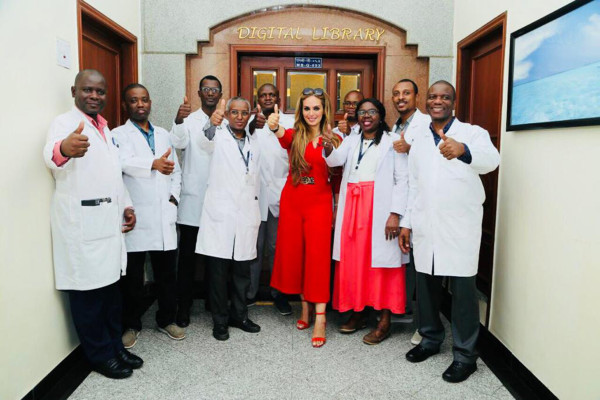
Merck Foundation CEO Provides 194 Oncology Scholarships in Africa

Location: News
Merck Foundation

  • Merck Foundation marks World Cancer Day with African First Ladies by providing 194 scholarships of Oncology Training to African doctors from 32 countries. 
  • Merck Foundation together with Africa First Ladies and Ministries of Health has been building cancer care capacity and increasing the limited number of Oncologists in their countries by providing close to 200 Scholarships of One-, two- and three-years fellowship, diploma and Master Degree of oncology to African doctors from 32 Countries. 
  • Merck Foundation is making history in Africa by training the First African Oncologists and First Cancer Care Teams in Countries such as The Gambia, Sierra Leone, Burundi, Liberia, Guinea Conakry, Central African Republic, Chad, Burundi, Malawi, Niger, Namibia, Zambia, Zimbabwe and more. 

Merck Foundation (www.Merck-Foundation.com), the philanthropic arm of Merck KGaA Germany, marks ‘World Cancer Day 2025' together with Africa's First Ladies and Ministries of Health. Through their Cancer Access Program, Merck Foundation is is building quality and equitable cancer care capacity in Africa.  

Senator Dr. Rasha Kelej, the CEO of Merck Foundation, highlighted, “At Merck Foundation, we mark World Cancer Day not just as a single day, but as a our continued commitment to transform and advance cancer care in Africa.  

Together with my dear sisters, the Africa's First Ladies, we are have enhanced the cancer care capacity in the continent by providing 194 scholarships to young African doctors from 32 countries, significantly increasing the number of oncologists in Africa. We are making history together by providing these important scholarships for the first oncologists and /or the first cancer care teams in many countries across Africa.”  

Merck Foundation in total provided more than 2100 scholarships to doctors from over 52 countries in 44 critical and underserved medical specialties.  

The Merck Foundation Cancer Access Program provides One, two- and three-years fellowship, Post Graduate Diploma and Master Degree of oncology for doctors from Africa. The clinical training has been conducted in India, Egypt and Kenya. Additionaly, Merck Foundation also provides scholarships for 2 years online PG Diploma in Cancer and Clinical Oncology, 01 year online PG Diploma in Medical Oncology and 1 year online PG Diploma in Pain Management from reputed Universities in UK like University of South Wales, University of Buckingham, Queen Mary University of London, and Cardiff University. 

Merck Foundation is establishing Multidisciplinary Oncology Care teams in many African countries by providing scholarships of clinical training in Medical Oncology, Surgical Oncology, Pediatrics Oncology, Gynecology Oncology, Breast Oncology, Haemato-Oncology, Orthopaedic Oncology, Palliative Care, Pathology Oncology, Radiation Oncology, Research in Oncology, Surgical Oncology - Genital Urinary System, Advanced Cytopathology Training, Interventional Radiology, Radiation Technician, Laboratory Technician, Oncology Nursing. 

Merck Foundation through its Merck Foundation Cancer Access Program has provided 194 scholarships of Oncology to doctors from 32 countries including Botswana, Burkina Faso, Burundi, Cameroon, Central African Republic, Chad, Congo Brazzaville, Democratic Republic of the Congo, Ethiopia, Gabon, Gambia, Ghana, Guinea, Kenya, Liberia, Malawi, Mauritius, Mozambique, Namibia, Nepal, Niger, Nigeria, Rwanda, Sao Tome & Principe, Senegal, Sierra Leone, South Africa, Sri Lanka, Tanzania, Uganda, Zambia and Zimbabwe.  

“In several of these countries, there wasn't even a single oncologist. We are proud to be making history in Africa by training the first oncologists and establishing the first cancer care teams in nations such as The Gambia, Sierra Leone, Burundi, Liberia, Guinea Conakry, Central African Republic, Chad, and Niger. Merck Foundation remains committed to transforming the landscape of cancer care across the continent and leading Africa toward a healthier future,” explained Senator Dr. Rasha Kelej.  

Africa records around 1.1 million new cases of cancer, resulting in up to 700,000 deaths, every year, as per WHO data. The mortality rate of cancer patients is very high in Africa, as compared to the rest of the world.  

“One of the key reasons is also the late diagnosis of the disease. Therefore, these scholarships are very important” added Senator Kelej.  

Merck Foundation has also created awareness materials including awareness leaflets and videos on Cancer Prevention and Early Detection.  

Dr. Chifundo Kajombo, Merck Foundation Alumni from Malawi shares, “I am privileged to be awarded a scholarship by Merck Foundation to pursue the Surgical Oncology fellowship training program at Tata Memorial Hospital, India. I managed to advance from basic surgical oncology principles to the advanced level. This has helped me improve my understanding of cancer and operative principles. Since returning back home, I have managed to change the structure of how our breast clinic runs and modified it to incorporate a number of new things that we probably could not have possibly included. I am so proud to share that I have just been awarded the Best Surgeon for 2023 in Malawi. I would not have achieved this feat without Merck Foundation's scholarship. I am very thankful.” 

Watch testimonials videos of Merck Foundation Oncology Fellowship Alumni: https://apo-opa.co/4bab06Y

Distributed by APO Group on behalf of Merck Foundation.

Link of the extra posters: https://apo-opa.co/3X6RmD6

Contact details:
Mehak Handa
Community Awareness Program Manager
+91 9310087613 / +91 9319606669
mehak.handa@external.merckgroup.com

Join the conversation on our social media platforms below and let your voice be heard! 
Facebook: https://apo-opa.co/4k65XbW
X: https://apo-opa.co/43mGeGv
YouTube: https://apo-opa.co/3EVeWMS
Instagram: https://apo-opa.co/413ECyl
Threads: https://apo-opa.co/4gLTA1P
Flickr: https://apo-opa.co/4gSxZVs
Website: www.Merck-Foundation.com
Download the Merck Foundation App: https://apo-opa.co/413wo9z

About Merck Foundation:
The Merck Foundation, established in 2017, is the philanthropic arm of Merck KGaA Germany, aims to improve the health and wellbeing of people and advance their lives through science and technology. Our efforts are primarily focused on improving access to quality & equitable healthcare solutions in underserved communities, building healthcare & scientific research capacity, empowering girls in education and empowering people in STEM (Science, Technology, Engineering, and Mathematics) with a special focus on women and youth. All Merck Foundation press releases are distributed by e-mail at the same time they become available on the Merck Foundation Website.  Please visit www.Merck-Foundation.com to read more. Follow the social media of Merck Foundation: Facebook (https://apo-opa.co/4k65XbW), X (https://apo-opa.co/43mGeGv), Instagram (https://apo-opa.co/413ECyl), YouTube (https://apo-opa.co/3EVeWMS), Threads (https://apo-opa.co/4gLTA1P) and Flickr (https://apo-opa.co/4gSxZVs). 

The Merck Foundation is dedicated to improving social and health outcomes for communities in need. While it collaborates with various partners, including governments to achieve its humanitarian goals, the foundation remains strictly neutral in political matters. It does not engage in or support any political activities, elections, or regimes, focusing solely on its mission to elevate humanity and enhance well-being while maintaining a strict non-political stance in all of its endeavors. 
Media files
Merck Foundation
Download logo
Read moreMerck Foundation CEO Provides 194 Oncology Scholarships in Africa
18 February 2025

NBA Africa and Safaricom’s M-Pesa Launch League’s Most Expansive Youth Development Program in East Africa to Date

Location: Sport
Basketball Africa League (BAL)

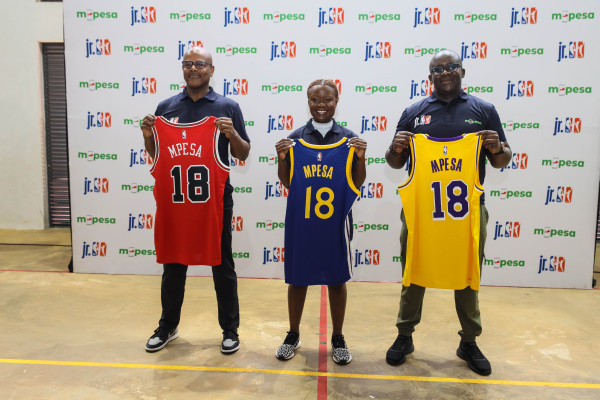
NBA Africa and Safaricom (NSE: SCOM- https://apo-opa.co/4gKHaas), the region's leading technology company, on Saturday launched the M-PESA Jr. NBA program that will provide basketball development and financial literacy programming to more than 10,000 boys and girls in Nairobi, Mombasa, Eldoret, and Kisumu, marking the league's most expansive youth development program in East Africa to date.   

The first year of the M-PESA Jr. NBA program, which tipped off with a clinic for more than 100 local coaches at SABIS International School in Nairobi, will consist of four regional tournaments for youth ages 13-16 in Nairobi (Feb. 22-23), Mombasa (March 8-9), Eldoret (March 15-16) and Kisumu (March 22-23). 

In each city, 20 boys' and 20 girls' teams will participate in skills development sessions and competitive games. The top 80 players will then be grouped into four boys' teams and four girls' teams that will play games in a round-robin format. The top 16 boys and girls from each city will be selected to attend an elite top 100 camp at Aga Khan Academy in Mombasa in April.

In addition to the basketball development programming, M-PESA, Safaricom's innovative mobile payment platform, will host financial literacy workshops for the participating youth, empowering them to develop healthy financial habits.

“Tipping off our multiyear collaboration with Safaricom is an important milestone in our ongoing efforts to make basketball more accessible to Kenyan boys and girls,” said NBA Africa CEO Clare Akamanzi. “We look forward to positively impacting youth and coaches across the country through basketball development and life-skills programming.”

“Our collaboration with NBA Africa could not have come at a more opportune moment, as Safaricom's M-PESA will celebrate its 18th anniversary this March, marking a significant milestone in our journey,” said Safaricom CEO Dr. Peter Ndegwa. “Through M-PESA Go, this collaboration transcends beyond basketball. It is driven by a shared vision to create a lasting impact, not only in sports but also in the broader context of youth empowerment. We are committed to nurturing potential, building character, and equipping the next generation with the tools necessary for success. We firmly believe that the association between M-PESA Go and the Jr. NBA program can pave the way for growth and financial health, enabling young athletes to develop their skills and seize opportunities at the next level.”

Distributed by APO Group on behalf of Basketball Africa League (BAL).

About NBA Africa:
NBA Africa is an affiliate of the National Basketball Association (NBA), a global sports and media organization with the mission to inspire and connect people everywhere through the power of basketball.  NBA Africa conducts the league's business in Africa, including the Basketball Africa League (BAL), and has opened subsidiary offices in Cairo, Egypt; Dakar, Senegal; Johannesburg, South Africa; Lagos, Nigeria; and Nairobi, Kenya.  The league's efforts on the continent have focused on increasing access to basketball and the NBA through youth and elite development, social responsibility, media distribution, corporate partnerships, NBA Africa Games, NBA Stores, the BAL, and more.

NBA games and programming are available in all 54 African countries, and the NBA has hosted three sold-out exhibition games on the continent since 2015. The BAL, a partnership between the International Basketball Federation (FIBA) and NBA Africa, is a professional league featuring 12 club teams from across Africa that will tip off its fifth season in April 2025. Fans can follow @ NBA_Africa (https://apo-opa.co/3ELjWny) and @ theBAL (https://apo-opa.co/3ELjWE4) on Facebook, Instagram, X and YouTube.

About Safaricom:
Safaricom is the leading telecommunication company in East Africa. Our purpose is to transform lives by connecting people to people, people to opportunities, and people to information. We keep over 45.9 million customers connected and play a critical role in the society, supporting over one million jobs both directly and indirectly while our total economic value was estimated at KES 393 billion ($3.1 billion) for the 12 months through March 2022.

Listed on the Nairobi Securities Exchange and with annual revenues of close to KES 335.4 billion as of March 2024, Safaricom provides connectivity through wide range of technology, 2G, 3G, 4G and 5G in aggregate covering over 99% of Kenya's population.

Safaricom is an equal opportunity employer, actively recruiting staff from different backgrounds reflecting the communities that we serve. We are committed to equal gender representation at all levels. Our target is to achieve 50:50 senior management gender parity by 2025.

As part of our ongoing commitment to the Sustainable Development Goals (SDGs), we continue to work towards improving energy and resource efficiency in our network and facilities to reduce carbon emissions and our fuel consumption. We remain committed to becoming a Net Zero carbon-emitting company by 2050.

Media files
Basketball Africa League (BAL)
Download logo
Read moreNBA Africa and Safaricom’s M-Pesa Launch League’s Most Expansive Youth Development Program in East Africa to Date
13 February 2025

South Africa’s G20 Presidency for 2025: A Catalyst for Energy Investment in Africa

Location: News
African Energy Chamber

In 2025, South Africa will hold the rotating presidency of the G20. Given its position as Africa's most industrialized nation and an energy hub, South Africa's leadership could play a pivotal role in attracting investment to the continent's energy sector. By leveraging its G20 platform, South Africa can push for increased funding from global partners, particularly for natural gas projects, which are critical for Africa's energy security and economic development.

While renewable energy is rapidly expanding across the continent, Africa continues to rely heavily on coal, oil and natural gas to meet growing demand and drive economic growth. Gas is increasingly viewed as a cleaner transitional fuel in Africa's energy mix, and many G20 nations are leading investment in gas exploration and production across the continent. For instance, the U.S. Export-Import Bank, U.K. Export Finance, China Development Bank and Japan Bank for International Cooperation, among other lenders, have played a key role in financing TotalEnergies' $20 billion Mozambique LNG project. Additionally, several G20 countries are driving further investment, with Italy's Eni developing new LNG facilities in the Republic of Congo, bp expanding operations in Senegal and Mauritania, Norway's Equinor advancing the Tanzania LNG development and ExxonMobil spearheading Rovuma LNG in Mozambique. South Africa can advocate for G20 nations to increase their financial backing for new gas projects, which have the potential to boost production, enhance energy security and attract much-needed investment to the continent.

While natural gas is essential for Africa's energy security, combining it with renewable energy sources could help diversify Africa's energy mix. South Africa's own experience with large-scale energy projects, such as its successful Renewable Energy Independent Power Producer Program, can serve as a model for blending financing and developing both gas and renewable projects. By advocating for mixed investment, South Africa can show G20 nations that supporting a variety of energy sources will allow Africa to meet its energy demands while transitioning toward greener energy.

In addition to advocating for investment in specific projects, South Africa can focus on creating favorable conditions for financing. One way to achieve this is by encouraging the G20 to support debt relief or concessional financing for African countries with high debt burdens. This would free up resources for governments to invest in energy infrastructure and allow them to prioritize projects that will improve energy access and support economic growth. South Africa could work closely with organizations like the World Bank, IFC, BRICS Bank, European Investment Bank and more to unlock financing mechanisms that reduce the risk for international investors.

The role of South Africa's G20 presidency in facilitating greater engagement between G20 nations and African energy markets cannot be overstated. By using its platform to promote key energy projects, South Africa can attract much-needed investment for both traditional oil and gas and clean energy developments. At the same time, it can help establish new financing structures that make these projects more attractive to investors. African countries like Nigeria, Angola, the Republic of Congo, Senegal, Namibia and Mozambique stand to benefit from increased G20 support for their oil and gas sectors, and other African nations can follow suit by aligning their own energy priorities with the goals set forth by South Africa during its presidency.

This year's African Energy Week (AEW): Invest in African Energies conference in Cape Town serves as a key platform for attracting global attention and investment to Africa's energy sector, facilitating discussions among G20 nations, financial institutions and energy companies. AEW acts as a conduit for driving investment into critical energy projects, positioning South Africa as a catalyst for sustainable development across the continent while ensuring Africa's energy needs are met. With South Africa's G20 presidency presenting a unique opportunity to secure crucial investments in Africa's energy sector, the 2025 edition of AEW is more significant than ever. By leveraging this platform to advocate for financing and foster partnerships between G20 nations and African energy producers, South Africa can play a pivotal role in advancing the continent's energy future and contributing to global energy security.

AEW: Invest in African Energy is the platform of choice for project operators, financiers, technology providers and government, and has emerged as the official place to sign deals in African energy. Visit www.AECWeek.com for more information about this exciting event.

Distributed by APO Group on behalf of African Energy Chamber.

Media files
African Energy Chamber
Download logo
Read moreSouth Africa’s G20 Presidency for 2025: A Catalyst for Energy Investment in Africa
3 February 2025

Merck Foundation and First Ladies of Africa Mark World Cancer Day 2025: 194 Oncology Scholarships Provided Across 32 African Countries

Location: News
Merck Foundation

  • Merck Foundation marks World Cancer Day with African First Ladies by providing 194 scholarships of Oncology Training to African doctors from 32 countries.
  • Merck Foundation together with Africa First Ladies and Ministries of Health has been building cancer care capacity and increasing the limited number of Oncologists in their countries by providing close to 200 Scholarships of One-, two- and three-years fellowship, diploma and Master Degree of oncology to African doctors from 32 Countries.
  • Merck Foundation is making history in Africa by training the First African Oncologists and First Cancer Care Teams in Countries such as The Gambia, Sierra Leone, Burundi, Liberia, Guinea Conakry, Central African Republic, Chad, Burundi, Malawi, Niger, Namibia, Zambia, Zimbabwe and more.

Merck Foundation (www.Merck-Foundation.com), the philanthropic arm of Merck KGaA Germany, marks ‘World Cancer Day 2025' together with Africa's First Ladies and Ministries of Health. Through their Cancer Access Program, Merck Foundation is building quality and equitable cancer care capacity in Africa.

Senator Dr. Rasha Kelej, the CEO of Merck Foundation, highlighted, “At Merck Foundation, we mark World Cancer Day not just as a single day, but as our continued commitment to transform and advance cancer care in Africa.

Together with my dear sisters, the Africa's First Ladies, we are have enhanced the cancer care capacity in the continent by providing 194 scholarships to young African doctors from 32 countries, significantly increasing the number of oncologists in Africa. We are making history together by providing these important scholarships for the first oncologists and /or the first cancer care teams in many countries across Africa.”  

Merck Foundation in total provided more than 2100 scholarships to doctors from over 52 countries in 44 critical and underserved medical specialties.

The Merck Foundation Cancer Access Program provides One, two- and three-years fellowship, Post Graduate Diploma and Master Degree of oncology for doctors from Africa. The clinical training has been conducted in India, Egypt and Kenya. Additionaly, Merck Foundation also provides scholarships for 2 years online PG Diploma in Cancer and Clinical Oncology, 01 year online PG Diploma in Medical Oncology and 1 year online PG Diploma in Pain Management from reputed Universities in UK like University of South Wales, University of Buckingham, Queen Mary University of London, and Cardiff University.

Merck Foundation is establishing Multidisciplinary Oncology Care teams in many African countries by providing scholarships of clinical training in Medical Oncology, Surgical Oncology, Pediatrics Oncology, Gynecology Oncology, Breast Oncology, Haemato-Oncology, Orthopaedic Oncology, Palliative Care, Pathology Oncology, Radiation Oncology, Research in Oncology, Surgical Oncology - Genital Urinary System, Advanced Cytopathology Training, Interventional Radiology, Radiation Technician, Laboratory Technician, Oncology Nursing.

Merck Foundation through its Merck Foundation Cancer Access Program has provided 194 scholarships of Oncology to doctors from 32 countries including Botswana, Burkina Faso, Burundi, Cameroon, Central African Republic, Chad, Congo Brazzaville, Democratic Republic of the Congo, Ethiopia, Gabon, Gambia, Ghana, Guinea, Kenya, Liberia, Malawi, Mauritius, Mozambique, Namibia, Nepal, Niger, Nigeria, Rwanda, Sao Tome & Principe, Senegal, Sierra Leone, South Africa, Sri Lanka, Tanzania, Uganda, Zambia and Zimbabwe.

“In several of these countries, there wasn't even a single oncologist. We are proud to be making history in Africa by training the first oncologists and establishing the first cancer care teams in nations such as The Gambia, Sierra Leone, Burundi, Liberia, Guinea Conakry, Central African Republic, Chad, and Niger. Merck Foundation remains committed to transforming the landscape of cancer care across the continent and leading Africa toward a healthier future,” explained Senator Dr. Rasha Kelej.

Africa records around 1.1 million new cases of cancer, resulting in up to 700,000 deaths, every year, as per WHO data. The mortality rate of cancer patients is very high in Africa, as compared to the rest of the world.

“One of the key reasons is also the late diagnosis of the disease. Therefore, these scholarships are very important” added Senator Kelej.

Merck Foundation has also created awareness materials including awareness leaflets and videos on Cancer Prevention and Early Detection.

Dr. Chifundo Kajombo, Merck Foundation Alumni from Malawi shares, “I am privileged to be awarded a scholarship by Merck Foundation to pursue the Surgical Oncology fellowship training program at Tata Memorial Hospital, India. I managed to advance from basic surgical oncology principles to the advanced level. This has helped me improve my understanding of cancer and operative principles. Since returning back home, I have managed to change the structure of how our breast clinic runs and modified it to incorporate a number of new things that we probably could not have possibly included. I am so proud to share that I have just been awarded the Best Surgeon for 2023 in Malawi. I would not have achieved this feat without Merck Foundation's scholarship. I am very thankful.”

Watch testimonials videos of Merck Foundation Oncology Fellowship Alumni: https://apo-opa.co/42ziwpY

Distributed by APO Group on behalf of Merck Foundation.

Contact details:
Mehak Handa
Community Awareness Program Manager
+91 9310087613 / +91 9319606669
mehak.handa@external.merckgroup.com

Join the conversation on our social media platforms below and let your voice be heard!
Facebook: https://apo-opa.co/3CxqKnW
X: https://apo-opa.co/3Q8rwL3
YouTube: https://apo-opa.co/42zjKl4
Instagram: https://apo-opa.co/42Hdtnk
Threads: https://apo-opa.co/40A5EwY
Flickr: https://apo-opa.co/40GOfmv
Website: www.Merck-Foundation.com
Download the Merck Foundation App: https://apo-opa.co/3Q0ZWPV

About Merck Foundation:
The Merck Foundation, established in 2017, is the philanthropic arm of Merck KGaA Germany, aims to improve the health and wellbeing of people and advance their lives through science and technology. Our efforts are primarily focused on improving access to quality & equitable healthcare solutions in underserved communities, building healthcare & scientific research capacity, empowering girls in education and empowering people in STEM (Science, Technology, Engineering, and Mathematics) with a special focus on women and youth. All Merck Foundation press releases are distributed by e-mail at the same time they become available on the Merck Foundation Website.  Please visit www.Merck-Foundation.com to read more. Follow the social media of Merck Foundation: Facebook (https://apo-opa.co/3CxqKnW), X (https://apo-opa.co/3Q8rwL3), Instagram (https://apo-opa.co/42Hdtnk), YouTube (https://apo-opa.co/42zjKl4), Threads (https://apo-opa.co/40A5EwY) and Flickr (https://apo-opa.co/40GOfmv).

The Merck Foundation is dedicated to improving social and health outcomes for communities in need. While it collaborates with various partners, including governments to achieve its humanitarian goals, the foundation remains strictly neutral in political matters. It does not engage in or support any political activities, elections, or regimes, focusing solely on its mission to elevate humanity and enhance well-being while maintaining a strict non-political stance in all of its endeavors.
Media files
Merck Foundation
Download logo
Read moreMerck Foundation and First Ladies of Africa Mark World Cancer Day 2025: 194 Oncology Scholarships Provided Across 32 African Countries
28 January 2025

Revisiting the Africa-Paris Declaration: Progress, Challenges and the Road Ahead for African Energy

Location: News
Energy Capital & Power

The Africa-Paris Declaration, forged during the 2024 Invest in African Energy (IAE) Forum in Paris, was a pivotal moment in Africa's quest for sustainable energy solutions. Aimed at strengthening the continent's energy transition while addressing the urgent issue of energy poverty, the declaration set ambitious targets for expanding access to clean, affordable and reliable energy. With the 2025 edition of the forum approaching, now is the time to reflect on the progress made since the Africa-Paris Declaration and assess how these initiatives are shaping Africa's energy future.

Increased Engagement in Africa

In the months following the declaration, international investors, development banks and private equity firms have shown a steadfast interest in the African energy market. A key milestone was the launch of the Africa Energy Bank by the African Export-Import Bank and APPO, marking the creation of a first-of-its-kind institution designed to fund and facilitate energy initiatives across the continent. Several final investment decisions were successfully closed, including Shell's $5.5 billion Bonga North deepwater project. Additionally, strategic partnerships, including new PSCs signed by Panoro Energy in Equatorial Guinea and BW Energy in Gabon, highlight how international collaborations are accelerating energy development and creating new opportunities for exploration and production. This increased engagement is key to addressing the financing gap that has long hindered the growth of Africa's energy sector.

Natural gas continues to play a central role in Africa's energy strategy as a transitional fuel. The Africa-Paris Declaration underscored its importance as a bridge between traditional energy sources and renewable energy. Over the past year, significant strides have been made in natural gas exploration and LNG exports. Notable developments include Senegal's Greater Tortue Ahmeyim LNG reaching its first gas production, the Republic of Congo's first LNG exports to Italy from the Congo LNG project, Nigeria's UTM FLNG receiving its construction license, and Angola's Sanha Lean Gas Connection project achieving first gas, among others. These initiatives are not only crucial for advancing Africa's energy transition, but also serve as powerful drivers of economic growth by creating jobs and advancing infrastructure development.

Meanwhile, countries like South Africa, Egypt and Morocco are at the forefront of wind and solar energy development, with momentum expected to build as they meet renewable energy targets and explore new growth opportunities. These investments are driving a shift toward cleaner, more sustainable energy in Africa, though challenges remain. High costs of renewable technologies and insufficient grid infrastructure continue to hinder expansion, underscoring the need for more investment in off-grid and mini-grid solutions.

Investment Gaps Persist 

Despite these advancements, Africa still faces significant investment challenges. The financing gap for large-scale energy projects remains substantial and while the private sector has become more engaged, many projects still struggle to secure the necessary capital. In particular, the cost of financing remains high due to the perceived risks associated with energy investments in Africa. This is where continued efforts to de-risk investments and foster public-private partnerships are critical to unlocking the continent's full energy potential. Institutional capacity continues to be a challenge for many African countries. While progress has been made in improving regulatory frameworks, there is still a need for clearer policies, streamlined permitting processes and better enforcement of regulations. Governments must continue to strengthen their institutions to effectively implement energy projects and create an enabling environment for both local and international investors.

With the IAE 2025 forum just months away, industry stakeholders have an opportunity to reflect on the progress made since the Africa-Paris Declaration and determine next steps for the continent's energy future. The forum serves as a platform for government officials, industry leaders and financial institutions to renew commitments, share success stories and address ongoing challenges. While the road to universal energy access and a sustainable energy future is long, the declaration has set the framework for a collective effort that can lead to meaningful change. With the right investments, regulatory frameworks and political will, Africa can emerge as a global leader in energy innovation and sustainability.

Distributed by APO Group on behalf of Energy Capital & Power.

IAE 2025 (www.Invest-Africa-Energy.com) is an exclusive forum designed to facilitate investment between African energy markets and global investors. Taking place May 13-14, 2025 in Paris, the event offers delegates two days of intensive engagement with industry experts, project developers, investors and policymakers. For more information, please visit www.Invest-Africa-Energy.com. To sponsor or participate as a delegate, please contact sales@energycapitalpower.com.

Media files
Energy Capital & Power
Download logo
Read moreRevisiting the Africa-Paris Declaration: Progress, Challenges and the Road Ahead for African Energy
28 January 2025

SA hosts global circular economy workshop

Location: News

SA hosts global circular economy workshop

Efforts to ensure that South Africa has a clean and healthy environment are under the spotlight at the 7th Global Forum of Cities for Circular Economy (GFCCE) workshop.

The two-day workshop, which is being hosted by the Department of Forestry, Fisheries and the Environment (DFFE) in Johannesburg -- in collaboration with the Centre for Science and Environment -- is aimed at enhancing South-South cooperation for improving the solid waste management ecosystem in the Global South, and building the capacity of nominated officials from 18 African nations.

The workshop, which concludes on Wednesday, is being attended by delegates from Botswana, Cameroon, Côte d’Ivoire, Ethiopia, Eswatini, Ghana, Kenya, Lesotho, Madagascar, Mozambique, Namibia, Rwanda, Senegal, South Africa, Tanzania, Uganda, Zambia and Zimbabwe.

Addressing the opening of the workshop, South Africa's Deputy Minister of Forestry, Fisheries and the Environment, Bernice Swarts, highlighted some of the measures government has adopted to bolster the circular economy, focusing on reusing and recycling materials to ensure a sustainable and secure supply of resources.

“South Africa has instituted various policy instruments and initiatives to advance sustainable development pathways, with circular economy principles firmly embedded in these strategies,” Swarts said on Tuesday. 

These policy instruments include the National Waste Management Strategy, Extended Producer Responsibility Regulations (EPR) for priority waste streams and other economic instruments that include fees, levies and taxes to incentivise or disincentivise behaviour change.

“Extended Producer Responsibility became necessary to be included in South Africa’s policy mix, given the increased generation of waste. EPR shifts seek to shift the responsibility for products from municipalities and consumers, to producers.

“South Africa is under immense pressure and the host city [of the workshop] - the City of Joburg - together with others - does not have sufficient landfill airspace. It is, therefore, necessary to utilise a policy mix to address resource efficiency. It is also necessary that cities are enabled to monitor resource use,” Swarts said.

The Deputy Minister noted that for meaningful progress to be made across the board, strong partnerships are needed.

"Collaboration between government and the private sector is paramount in realising the goals of the waste management hierarchy and facilitating our transition to a circular economy. 

“South Africa remains steadfast in its commitment to strengthening these partnerships and advancing the shared objectives of the GFCCE. This collaboration benefits our governments through reduced spending and creates green opportunities,” she said.

Since its establishment in 2021, the GFCCE has expanded to a community of 22 Member States, with 18 countries from Africa. This platform is dedicated to advancing circular economy principles in alignment with national policies and priorities. 

Cities account for 75% of natural resource consumption and 70% of global greenhouse gas emissions. 

Swarts said more people will continue to migrate to cities to seek better opportunities and it is necessary that cities become resilient in resource efficiency and reduce their environmental footprint. - SAnews.gov.za

nosihle
Tue, 01/28/2025 - 13:05

25 views
Read moreSA hosts global circular economy workshop
17 January 2025

What to Expect at African Energy Week 2025

Location: Business
African Energy Chamber

Africa is on the precipice of accelerated growth, with major energy projects and untapped resources creating an attractive environment for project developers and financiers. With the continent's energy demand projected to more than double by 2050 and fossil fuels expected to comprise up to 60% of the energy mix by 2040, there lies a strategic opportunity for companies to invest, energy portfolios to grow and countries to reap the rewards of their oil, gas and energy resources.

Returning for its next edition from 29 September to 3 October at the Cape Town International Convention Center, the African Energy Week (AEW): Invest in African Energies conference serves as the leading platform for deal-making, energy partnerships and investments. Building on the success of its previous editions, the event offers a platform for capital and technology to be directed towards African energy projects. In 2025, the event returns bigger and better than before.

Greater Focus on Projects, Emerging Opportunities

With 2025 promising to be an impactful year for Africa's energy sector, the AEW: Invest in African Energies conference will further catalyze development by connecting investors to African projects. On the project front, a slate of major developments is either progressing or will begin operations. These include the second phase of the Congo LNG project; the full operation of the Greater Tortue Ahmeyim development in Senegal/Mauritania; the launch of the Cabinda Refinery in Angola; appraisal drilling in Namibia's Orange Basin, and many more. Strategic developments such as the East African Crude Oil Pipeline, the Mozambique LNG project and exploratory drilling continent-wide require capital, highlighting emerging opportunities for global financiers.

Additionally, Africa's 2024/2025 licensing rounds signal a renewed drive to position the continent as a leading frontier. In North Africa, Libya plans to launch a bid round featuring 22 blocks, Egypt plans to host an international bid round for 12 exploration blocks while Algeria will launch a tender featuring 6 onshore blocks. In West Africa, Mauritania, Nigeria and Liberia will launch licensing rounds, while in Southern Africa, Angola will offer 9 blocks for exploration, Namibia is rolling out a new open-door policy and Tanzania will promote 24 oil and gas blocks in March 2025. These opportunities will be on display at AEW: Invest in African Energies 2025, creating an in-roads for new players.

Uniting Stakeholders to Make Energy Poverty History by 2030

As the largest energy event on the continent, AEW: Invest in African Energies convenes energy, finance and policy stakeholders from the global and African markets. From presidents and ministers to explorers and infrastructure developers to financiers and technology leaders, the event serves as the premier event for the African energy sector. This year, the event offers an expanded program, covering strategic topics such as frontier exploration, refining and processing, power development and connectivity, green hydrogen, regulation and skills development. Speakers will not only address the pressing challenges impacting the continent's energy progress but showcase the range of investment opportunities available across the continent. AEW: Invest in African Energies is where African governments meet, international energy firms sign deals, and local companies drive the next wave of energy development in Africa.

Collaborating for a Just Energy Future

While the world prioritizes the development of renewable energy over traditional energy sources, African countries seek to drive a just energy transition that incorporates a variety of energy solutions. AEW: Invest in African Energies not only promotes a just transition in Africa but offers a platform where global and African energy stakeholders can forge a new pathway for the continent. Discussions in Cape Town will center on strategies for accelerating industrialization, how technologies such as gas-to-power and LNG can reduce emissions while bolstering energy security, and the impact of integrated energy systems on African economies. By driving a narrative of inclusivity, AEW: Invest in African Energies fosters collaboration, partnerships and cross-sector investments.

Policy Alignment, Global Engagement

To attract fresh investment in African energy projects, a slate of countries has enacted policy reforms to strengthen transparency and investor certainty. Nigeria signed the Petroleum Industry Act into law; South Africa launched a new petroleum company; the Republic of Congo is preparing to launch a Gas Master Plan; while Algeria has strengthened regulation to attract local participation in oil and gas projects. In conjunction with improved fiscal terms and rules of engagement, these policies have significantly enhanced the business environment in Africa, making 2025 a strategic year to invest in African energy.

For more information about AEW: Invest in African Energies 2025, visit www.AECWeek.com.

Distributed by APO Group on behalf of African Energy Chamber.

Media files
African Energy Chamber
Download logo
Read moreWhat to Expect at African Energy Week 2025
14 January 2025

The Just Energy Transition in Africa: Lessons From South Africa and Senegal

Location: News
African Energy Chamber

By NJ Ayuk, Executive Chairman, African Energy Chamber (https://EnergyChamber.org).

Just Energy Transition Partnerships (JETP) have been introduced in recent years to provide financial support to developing nations as they transition away from fossil fuels. In 2021, during the 26th UN Climate Change Conference of the Parties (COP26), South Africa became the first nation to sign such a deal. Senegal and the International Partners Group (IGP) signed a JETP in June 2023.

I have said before that the best way for Western countries, and the developed world at large, to help Africa transition from fossil fuels is through investment and collaboration, not patronization. This is precisely what the JETP programs seek to do, assist energy emerging economies that are dependent on coal to transition away from fossil fuels while leaving room to address the associated social consequences. That is investment, that is collaboration, and above all, it is respectful of the reality that Africa can move only on its own schedule in this matter. Arbitrarily forbidding us from using our natural resources will only do more harm than good.

So far, South Africa and Senegal are the only African countries to have agreed to a JETP, with South Africa securing a deal for USD8.5 billion, while Senegal secured one for USD2.7 billion. How South Africa and Senegal intend to leverage these deals differ drastically, however, as do their power generation circumstances.

South Africa: Pulled Between Priorities

Coal continues to dominate South Africa's energy portfolio, at over 80% of the country's power generation mix. Due to chronic load shedding and energy shortage issues, the country is now being pulled between two priorities, ensuring energy security and adhering to its decarbonization plans. General power outages have plagued the country since 2008 but intensified in recent years and effectively hamstrung South Africa's economy, which has not surpassed even 1% gross domestic product (GDP) annual growth in the last decade.

The country's aging coal fleet faces significant maintenance issues which led to several of the country's largest coal units being rendered inoperable in 2023. That year also saw the worst load shedding the country has faced yet, more than twice what it experienced in 2022, leading to energy shortages for 335 days out of the year. This load shedding led to a sharp increase in demand for solar panels and batteries, but Eskom (South Africa's power utility) has had to prioritize energy security instead, prolonging its reliance on coal-fired plants and slowing down their decommissioning. To their credit, Eskom has made significant improvements to their coal plants' maintenance and repair thanks to a recovery strategy launched in early 2023, and they have not suffered another load-shedding event since March 26, 2024.

Nevertheless, the decision to prolong their reliance on coal is at odds with South Africa's JETP. It has also directly led to the South African government seeking renegotiation of finance deals tied to its transition to cleaner energy sources, amounting to some USD2.6 billion of the originally agreed to USD8.5 billion.

Above all, right now South Africa requires a solution that will ensure its energy security while also keeping the country on track with its JETP commitments, especially given its peak demand by 2030 is expected to reach 38 gigawatts (GW), a full 6 GW more than its current peak. And even though 13.6 GW of new power plants are expected to come online by 2027, with solar PV accounting for over half and onshore wind accounting for 25% of the new capacity, coal is still expected to meet two-thirds of daily demand. Battery storage assets awarded by South Africa's Battery Energy Storage Independent Power Producers Procurement Programme (BESIPPP) will also contribute to this new capacity. Renewable-based generation in South Africa is also expected to grow from nearly 14.1% currently to nearly 29% by 2030.

I want to be very clear here: South Africa's renewable energy growth is commendable, and Eskom's decision to prioritize energy security via coal when an alternative solution wasn't immediately available was understandable and pragmatic. But the country's renewables are not advancing fast enough to cover for the aging of its coal fleet, and no amount of emergency maintenance campaigns can ensure that similar issues won't lead to a load-shedding crisis again. If unaddressed, it will introduce the risk of shortfalls when the coal fleet is inevitably shut down at its end of life. Gas-to-power is thus the most prudent option for South Africa to prioritize while it continues working to expand its renewable power sources. The flexibility provided by gas-to-power will help meet demand once the coal fleet can no longer provide South Africa's baseload power, leaving it with only its Koeberg nuclear power plant and currently limited solar and hydropower resources to fill in the gap. Not only is natural gas more cost-effective and efficient as a power source than coal, but it is also relatively cheap to retrofit a formerly coal-fired plant with gas turbines, allowing South Africa to both gradually phase out coal while saving money that would otherwise be spent building entirely new infrastructure. All of this will matter a great deal, as South Africa anticipates phasing out coal to require USD99 billion dollars between 2023 and 2027. So far, it has raised half between their JETP deal with the IGP, USD33 billion in private sector investments, and USD10 billion from the public sector. South Africa hopes to fill the gap through both domestic and international private entities in the form of grants, guarantees, and concessional loans.

Fewer Struggles in Senegal

Senegal, meanwhile, looks to be having fewer troubles, being reliant on liquid fuel sources rather than coal. The USD2.7 billion raised through its JETP is expected to attract and mobilize further investments from both the private and public sectors, much the same as South Africa. Senegal, however, will also be receiving technical assistance from its international partners to boost the integration of its renewable energy infrastructure and technology, with a heavy focus on grid stabilization and battery storage. This aligns well with its electrification plans, which aim to achieve 40% of its installed capacity mix provided by renewables by 2030, up considerably from the current 22%.  Senegal has also committed to developing an investment plan within 12 months to identify its needs, opportunities, and allocations to meet its targets.

To that same end, Senegal plans to publish a revised nationally determined contribution (NDC) at COP30, set to take place in late 2025. The current NDC outlines an unconditional target of 235 MW of solar PV, 150 MW of onshore wind, and 314 MW of hydro by 2030. With international assistance, these targets are set to rise to 335 MW of solar PV, 250 MW of onshore wind, 50 MW of bioenergy and 50 MW of solar thermal.

Overall, both South Africa and Senegal stand to benefit significantly from their JETPs, and this is a trend I hope to see continue in the future for African states. There are, of course, growing pains. JETPs are still a nascent program, and the first few deals were signed as political promises first and foremost before the full technical and coordination details could be fully worked out by all sides. The implementation process for South Africa and Senegal has thus been delayed while consultations and negotiations smooth over the logistical details. In addition, JETPs alone will be nowhere near enough to fully cover the financial burden of transitioning African countries away from fossil fuels, and acquiring the private financial investments to bridge the gap may prove difficult for many countries.

This is why it is crucial for African states, and the world at large, to keep a close eye on how things develop in South Africa and Senegal, as their efforts to address these challenges will no doubt set the example for others.

Distributed by APO Group on behalf of African Energy Chamber.

Media files
African Energy Chamber
Download logo
Read moreThe Just Energy Transition in Africa: Lessons From South Africa and Senegal
16 December 2024

Surging Investment, Waves of Change

Location: News
African Energy Chamber

By NJ Ayuk, Executive Chairman, African Energy Chamber (https://EnergyChamber.org/).

I've said for years that African energy is a vital investment. Backers clearly agree — to the tune of USD47 billion. That's how much capital expenditure (capex) 2024 saw in African oil and gas, showing a 23% increase from last year. Better yet, we expect growth to continue through the end of the decade.

This capex activity is a welcome sign that energy majors are deepening their long-term interests in Africa. And as our 2025 State of African Energy report details, their momentum has created unique opportunities for local communities, indigenous companies, and national oil companies (NOCs) from other continents.

Emerging Players

While the majority of 2024's capex was driven by established producers like Angola and Nigeria, emerging players are making noise in the industry. Take Senegal, which saw its first offshore oil production this year. Ghana, following a five-year slump, increased oil output during 2024 by 10% and gas output by 7%.

Exploration hotspot Namibia also deserves a special mention: The Southern African nation aims todrill over 12 offshore wells next year, begin production by 2029, and become one of the top-five African producers by the 2030s. Good work for a nation that only discovered its enormous reserves in 2022! I frequently cite Namibia because it proves that a complete newcomer can attract serious foreign investment with smart, swift policy changes — and poise itself to shake up the energy industry.

Increased Exploration

An exciting question remains: Just where will we find the next Namibia Thanks to a resurgence in exploration, another hotspot may be around the corner. There were 1,060 wells drilled in Africa this year — more than any time since 2015. Africa has also become a global leader in drilling high-impact wells, which have the potential to significantly increase overall reserves. That strategy is already paying off: Notable 2024 finds include Namibia's Mopane complex, which holds approximately 10 billion barrel of oil equivalent (boe) – “one of the world's largest offshore finds,” according to Offshore Magazine. Even while global exploration as a whole remains stagnant, Africa is stepping up to meet growing energy demands.

When exploration is successful, new fields follow. We also expect to see African greenfield spending exceed brownfield by 10% by 2030. These capex trends all demonstrate that investors won't limit themselves to mature fields: Eyes are on fresh locations, fresh facilities, and fresh opportunities in Africa.

A Gas Future

As we highlight in our 2025 report, one of those opportunities is natural gas. Africa holds nearly 18 trillion cubic meters of reserves, which will prove essential for a just energy transition as natural gas can provide significant near-term emissions reductions while fostering energy security and economic development. Global demand for this clean-burning resource is also growing, particularly in Asia. That's why I'm glad to see a greater emphasis on developing natural gas resources. In 2023, capex spending on natural gas was about 30%, but this is projected to grow 10% by 2030. It's another sign that more investors are thinking in the long term about Africa, and interested in being part of a just energy transition.

Take Senegal, where the Greater Tortue Ahmeyim gas field will begin production next year. A Final Investment Decision is also expected in 2024 on Yakaar-Teranga. The West African nation is another fantastic example of how operator-friendly policies, political stability, and vast reserves can attract significant foreign investment: I'm excited to see Senegal transform itself from an oil importer to a gas exporter.

M&A Opportunity

The past year saw a huge increase in divestment by O&G majors: Large IOCs are aggressively streamlining their African portfolios. As a rule, they're selling mature, high-emission, and high-cost assets. While large divestments often signal trouble, they're actually creating some promising changes for African O&G.

For one, Asian and Middle Eastern nations are purchasing more assets: Dubai, Qatar, the U.A.E., Malaysia, and Chinese NOCs acquired stakes in Egypt, Mozambique, Namibia, Kenya, and South Africa this year. As global demand for energy grows, particularly in Asia, I'm glad to see these nations looking to Africa for long-term solutions.

Foreign divestment also matters because it's creating opportunities for indigenous companies. Thanks to a recent Shell acquisition, Aradel Holdings became Nigeria's most valuable oil company (https://apo-opa.co/3ZVzGwh). In Angola, IOC Afentra has acquired Azule's (a joint BP and Eni venture) assets and plans to dramatically increase the nation's overall output.

“Having the big players sell to independents is the future,” oil trader Trafigura said in a statement.

It's a promising pattern: Majors sell off mature assets and use the capital to invest in fresh fields and facilities. Independent foreign or indigenous companies use their acquired assets to expand but are spared the expense of building facilities from the ground up. These smaller companies are also strongly motivated to further develop and reduce emissions from these existing fields — an environmental and financial win for everyone.

The Angolan government clearly agrees, encouraging regional players with tax incentives and reduced government profit shares. It will be truly fascinating to watch this industry shakeup in Nigeria and Angola, which have been dominated for decades by majors.

It's no secret that Africa needs O&G majors to stay: They drill over half of our exploration wells and hold a quarter of the continent's equity production. However, I'm thrilled to see indigenous companies growing and harnessing these assets to their fullest extent.

Conclusion

Just what prompted this surge in African capex? A great deal of credit goes to common sense policy changes in nations such as Namibia, Senegal, Mauritania, Egypt, and Angola. We can also point out that the COVID-19 pandemic artificially slowed capex for several years, so an uptick was inevitable once the world opened up again. 

However, I believe a lot of it comes down to economic reality: Global energy needs are rising. Africa has vast, untapped resources. I urge all parties to continue building a thriving energy industry that takes Africa – and the world – into the next century.

For further insights, check out our 2025 State of African Energy report here (https://apo-opa.co/3ZHldTr).

Distributed by APO Group on behalf of African Energy Chamber.

Media files
African Energy Chamber
Download logo
Read moreSurging Investment, Waves of Change
9 December 2024

Water transboundary partnerships benefit SA  

Location: News

Water transboundary partnerships benefit SA  

Water and Sanitation Deputy Minister David Mahlobo says South Africa continues to enjoy transboundary partnerships on shared water resources with neighbouring countries in the Southern African Development Community (SADC) region.

Mahlobo highlighted some of the partnerships during a session with Ambassadors accredited to South African Missions, held in Centurion on Friday.

These include, among others, the current implementation of the R42 billion Phase Two of the Lesotho Highlands Water Project (LHWP). The project includes the construction of the new Polihali Dam and associated infrastructure to provide additional water to Gauteng and parts of the Free State, Mpumalanga, North West, and Northern Cape provinces.

READ | Lesotho Highlands Water Project Tunnel maintenance on schedule

South Africa and Zimbabwe have also signed an agreement for the transfer of treated water from the Beitbridge Water Treatment Works in the Republic of Zimbabwe.

Mahlobo said the transfer of treated water is a medium-term solution to address water supply challenges in the area.  
“The two countries have signed an agreement for the transfer of treated water from Beitbridge Water Treatment Works in the Republic of Zimbabwe to Musina Town in the Republic of South Africa,” Mahlobo said.  

Another partnership includes the mobilisation of resources between South Africa and Namibia for the feasibility study of the Noordoewer/Vioolsdrfit Dam.

South Africa and Netherlands Governments have also undertaken to forge more cooperation opportunities in the water and sanitation sector in efforts to strength the existing relations between the two states.

“Both the countries have signed a Blue Deal agreement which aims to support water management by exchanging knowledge and experiences, assisting the national, regional and local organisations, and cooperate with key stakeholders,” Mahlobo said.

As part of diversifying the water mix, the Deputy Minister highlighted that government was increasingly making use of groundwater as one of the viable options to augment the current available water and increase supply.

“We are looking at using groundwater which remains untapped. Although it has also been threatened by climate change and the levels of evaporation, we are looking at utilising it more.

“We are looking forward to enhancing our technological partnership around groundwater and its high level of treatment. We should use groundwater optimally because it is not of inferior quality, but it is also a source of water,” he explained.

Held under the theme: “Celebrating 30 years of sustainable partnership, strengthening partnerships with international partners and forging a shared future”, the meeting hosted by Water and Sanitation, aimed to brief the Ambassadors on South Africa’s state of water sector .

This also includes water reforms currently underway and fortifying international collaboration and capacity-building endeavours in the water sector.

Among the countries represented at the meeting included China, Japan, Cuba, Egypt, the Kingdom of Eswatini and the Kingdom of Lesotho, Namibia, Zimbabwe, Mozambique, Botswana, Senegal, Kingdom of the Netherlands, Kingdom of Sweden, Kingdom of Denmark, and Finland. – SAnews.gov.za   


GabiK
Mon, 12/09/2024 - 11:42

146 views
Read moreWater transboundary partnerships benefit SA  
9 December 2024

International communities commended for supporting SA’s water sector

Location: News

International communities commended for supporting SA’s water sector

Water and Sanitation Deputy Minister David Mahlobo has acknowledged international communities for supporting South Africa’s water and sanitation sector since the dawn of democracy 30 years ago.

Mahlobo was speaking at a session with Ambassadors accredited to South African Missions in Centurion on Friday.

The meeting was hosted by the Department of Water and Sanitation under the theme: “Celebrating 30 years of sustainable partnership, strengthening partnerships with international partners and forging a shared future”.

The meeting aimed to brief the Ambassadors on the state of South Africa’s water sector and water reforms, and to fortify international collaboration and capacity-building endeavours in the water sector.

Countries represented at the meeting included China, Japan, Cuba, Egypt, the Kingdom of Eswatini and the Kingdom of Lesotho, Namibia, Zimbabwe, Mozambique, Botswana, Senegal, the Kingdom of the Netherlands, the Kingdom of Sweden, the Kingdom of Denmark and Finland.

Mahlobo acknowledged the international community’s support, which helped South Africa to achieve the democracy it enjoys today.

He commended the international community for their contribution to the country’s water and sanitation sector, which has guaranteed a sustainable and equitable water supply to all South Africans.

He said all the countries played a big part in various degrees to assist South Africa in its struggle for democracy.

“Your unwavering support did not go unnoticed, and your partnership continued to ensure that South Africa provided equitable and sustainable water supply, and dignified sanitation to all its citizens. We therefore would like to thank you for the notable contributions you have made,” Mahlobo said.

He encouraged partnerships between South Africa and the countries to continue to grow to ensure water security in the Southern African Development Community (SADC) region and the rest of the continent.

“When you engage with us here as the Department of Water and Sanitation, we should strive to maintain our partnership and forge ahead for the next 30 years, also taking into account the advances we have made.  

“As our partners, do not be polite with us, but engage with us if there are matters of policy that make it difficult for your participation. You need to raise matters that you don’t understand because we are an open-minded water sector,” the Deputy Minister said. 

The Ambassadors assured South Africa of their continued partnership in the water sector.

The Dean of the Diplomatic Corps in South Africa and the Eritrean Ambassador to South Africa, Salih Omar Abdu, said the partnerships have guaranteed water security and have ensured access to clean water by most of the countries in the continent. 
   
“As we deliberate on the partnership with South Africa, it is important to adapt to a new perspective on the role that water plays in our regional and international agendas. Water is not only a resource to be consumed, but it is also a catalyst in economic growth, social equality and environmental sustainability in the region,” Abdu said. – SAnews.gov.za

GabiK
Mon, 12/09/2024 - 10:55

45 views
Read moreInternational communities commended for supporting SA’s water sector
5 December 2024

Health equity and women’s health emerge as key themes of the inaugural International Health Ministerial Summit

Location: News
Informa Markets: Healthcare

The inaugural International Health Ministerial Summit, organised by Informa Markets (www.InformaMarkets.com), began with a series of dynamic panel discussions featuring influential delegates showcasing collaborative solutions to global healthcare challenges.

Hosting governmental figures and policymakers, corporate CEOs and investors, medical directors, and experts, the exclusive by-invitation only Summit, themed Strengthening Health Systems for a Better Tomorrow, takes place from 4 to 5 December 2024 at the Marriott in Kigali. It brings together renowned health experts from across the continent and the world and highlights topics like digital health, technological adoption, R&D in vaccinations, women's health, healthcare investment opportunities, and health equity.

During his official opening address, Dr. Sabin Nsanzimana, the Minister of Health of host country Rwanda, said: “There is no better investment than in our health. It is not a negotiable luxury but a fundamental human right. Strengthening health systems means focusing on the four S's: staff, space, supplies, and systems. In Rwanda, we understand that investing in health is investing in our future. That's why the Government of Rwanda has approved the 4x4 Reform—a bold strategy to quadruple the number of healthcare workers in the next four years to meet the WHO recommendation of at least 4 healthcare professionals per 1,000 population. This initiative underscores our commitment to building a resilient health system where no one is left behind. By investing in these pillars and embracing technology/innovations like AI, we can build resilient systems that ensure uninterrupted care for all.”

Addressing health equity's challenges and opportunities 

Following the welcome address by Dr. Deborah M. Barasa, Health Cabinet Secretary of Kenya, who spoke about actions to shift primary healthcare, the first session of the day featured several panel discussions dealing with the challenges and opportunities for health equity.

In a panel discussion hosted by Dr. Tim Keuri, CEO of the Kenya Health Federation, industry leaders discussed transforming Africa into a global hub for pharmaceutical innovation and manufacturing. Representatives from the Unified Procurement Association, PharmaAccess, Global One Health Institute, Pfizer, and Bayer provided insights on investment enhancement, regulatory framework improvements, and strategic collaborations to strengthen Africa's position in the global pharmaceutical value chain.

Another panel, moderated by Bloomberg news reporter Ondiro Oganga, addressed the urgent need for Africa to advance self-sufficiency in pharmaceutical R&D, local vaccine production, and diagnostic access. Experts from Senegal's Ministry of Health, The Global Trust Project, UN Foundation, African Society for Laboratory Medicine, Africa CDC, and leading corporations like Genf, Hologic, and Roche Diagnostics emphasised the importance of establishing regional pharma hubs and enhancing local capabilities. According to Ahmed Ogwell, Vice President of Global Health Strategy at the UN Foundation in Kenya, “The gap is not in identifying problems or proposing solutions—it's in executing those solutions. For example, while there's been significant discussion around manufacturing COVID-19 vaccines, we lack local production of diagnostics and essential tools like rapid tests on the continent. To move forward, we need to prioritise what to produce, coordinate efforts regionally, and ensure that the products we manufacture are consumed within our systems." 

Women's health and equitable access to healthcare

The second key theme of the day was health equity and women's health, starting with an insightful discussion on what is needed to close the health equity gap. Moderated by Dominic Wilhem, Executive Director of The Global Trust Project, global health leaders debated how to unite healthcare stakeholders to address the health equity gap. Panellists focused on collaborative strategies to ensure universal access to essential medicines and vaccines. The session underscored the importance of international cooperation to progress healthcare for all, regardless of geographic or socio-economic boundaries. Pfizer Kenya Director of Policy and Public Affairs Pauline Irungu commented on the outcomes, saying, “When we think about partnerships, we have a tendency to think about government- private partnerships, but we also need to talk more about private private partnerships which then support agendas of governments in Africa and beyond. At Pfizer one of the gaps we experience is the challenge of diagnostics. How do we advance access to medicine?  Currently , we have two strong partnerships  with diagnostic companies on the continent. Now we also make a call that we also want others to join the partnerships because the more we partner as private sector, the more  we're able to address the multifaceted challenges within the health care system.”

A second panel on the topic brought together top health experts to tackle the urgent issue of women's health in Africa, particularly the high maternal mortality rates in sub-Saharan Africa. Hosted by Dr. Magome Masike, Registrar, Health Professions Council of South Africa, this panel of leaders from various health organisations and government bodies debated the need for innovative approaches to enhance women's health across the continent. The session highlighted the importance of rethinking strategies to improve healthcare outcomes for women in Africa.

Day two of the Summit will focus on advancements in digital health, how artificial intelligence is transforming healthcare, health investment and financing, and an exciting Rwandan initiative using drones to deliver essential medicines to health facilities.

For more details on the International Health Ministerial Summit, visit the event website: https://apo-opa.co/3ZBts4y

Distributed by APO Group on behalf of Informa Markets: Healthcare.

Media files
Informa Markets: Healthcare
Download logo
Read moreHealth equity and women’s health emerge as key themes of the inaugural International Health Ministerial Summit
4 December 2024

SAYeTECH Wins the MEST Africa Challenge 2024, Securing $50,000 in Funding

Location: News
The Meltwater Entrepreneurial School of Technology (MEST Africa)

The Meltwater Entrepreneurial School of Technology (MEST Africa) (www.Meltwater.org) has announced SAYeTECH (https://SAYeTECH.io) as the winner of the MEST Africa Challenge (MAC) 2024. The MAC 2024 grand finale marked the culmination of the competition, which celebrated innovative AgriTech solutions driving change in West Africa. Hosted in partnership with the Norwegian Embassy in Accra, this year's theme, ‘Find Your Soil,' focused on AgriTech innovation in the region.

MAC 2024 attracted applicants from key markets in the West African Region including Benin, Cape Verde, Côte D'Ivoire, Gambia, Ghana, Guinea, Guinea-Bissau, Liberia, Mauritania, Nigeria, Senegal, Sierra Leone, Mali, and Togo. Six standout finalists were selected to pitch their groundbreaking agricultural technology solutions, all aimed at enhancing productivity and sustainability in the region.

SAYeTECH, a Ghanaian startup led by Theodore Ohene-Botchway, won the grand prize for its innovative agricultural machinery tailored to African conditions, securing $50,000 in equity funding to scale its operations.

“The funding will enable us to scale production and reduce delivery lead times, providing smallholder farmers with the equipment they need to increase productivity,” said Ohene-Botchway.

As MEST continues to deepen its influence on Africa's tech startup landscape, the MEST Africa Challenge remains the continent's premier pitch competition for emerging tech entrepreneurs. The competition is designed to provide the ideal environment for tech innovators and startups to grow and succeed.

“AgriTech innovation thrives when it's rooted in the right environment. ‘Find Your Soil' is about helping innovators find the ecosystem where they can grow. Through the MEST Africa Challenge, we provide the visibility, partnerships, and support to help them succeed,” said Ashwin Ravichandran, Portfolio Advisor, MEST Africa.

MEST Africa is committed to creating wealth and jobs in Africa by fostering digital skills, supporting startups, and providing access to global networks. For more information, visit www.Meltwater.org.

Distributed by APO Group on behalf of The Meltwater Entrepreneurial School of Technology (MEST Africa).

Media Contact:
Ophesmur Naa Adjeley Adjei
Communications and Community Manager
E-mail: marketing@meltwater.org or Ophesmur@meltwater.org

About MEST Africa:
The Meltwater Foundation, established in 2008, is the non-profit arm of the global media intelligence company, Meltwater. With a clear mission to foster job opportunities and stimulate economic growth in Africa through software entrepreneurship, the Foundation is based in Accra, Ghana. The flagship program, MEST, offers a 1-year specialized tech entrepreneurial training to high-caliber talent from over 22 countries including Nigeria, Kenya, South Africa and Senegal; and invests in early to growth-stage startups.

Media files
The Meltwater Entrepreneurial School of Technology (MEST Africa)
Download logo
Read moreSAYeTECH Wins the MEST Africa Challenge 2024, Securing $50,000 in Funding
25 November 2024

Amplifychange Marks 10 Years of Advancing Sexual and Reproductive Health and Rights

Location: News

Today marks 10 years of a pioneering effort to promote sexual health and rights in Africa and South Asia. Because of AmplifyChange (www.AmplifyChange.org) -funded support for local activists in key African countries, millions now have better access to comprehensive sexual and reproductive healthcare and information and can make decisions about their bodies and their relationships. Over the past decade, AmplifyChange has invested significantly in grassroots organisations dedicated to eliminating gender-based violence, including sexual violence, female genital mutilation, and child marriage. In Kenya, more than £20.5 million has funded over 35 projects, with £5.7 million specifically targeting these critical issues. South Africa has received over £15.4 million, including £5.1 million for nearly 20 initiatives. In Nigeria, £6.8 million has been granted, with almost £2 million funding around 25 projects, while in Senegal, over £2.1 million has been allocated, including £1.8 million for nine targeted initiatives.AmplifyChange has been the transformational vehicle supported by governmental, foundation, and private-sector donors. In partnership with the Ministry of Foreign Affairs Denmark, it today celebrates its tenth-anniversary event at Eigtveds Pakhus in Copenhagen. 

“The Government of Denmark was one of the founding donors that set up AmplifyChange to support locally-led groups to lead the work on Sexual and Reproductive Health and Rights in their communities. Denmark has been a proud supporter ever since. AmplifyChange has lived up to its ambitious name and brought empowerment and life-altering changes to millions of women, girls, and local communities over the last 10 years. We look forward to continuing the cooperation,” said Denmark's State Secretary for Development Cooperation Lotte Machon. 

AmplifyChange has funded 775 civil society organisations in the last ten years, distributing over GBP 125 million in grants across 67 sub-Saharan Africa and South Asia countries. The organisation's unique approach focuses on delivering funds directly to grassroots organisations, allowing for rapid response to community needs and efficient use of resources. Cameroon is one notable example where AmplifyChange has supported local groups like Reach Out Cameroon to address urgent SRHR issues worsened by ongoing conflict within the country, especially for women and girls. By involving men and boys in shifting social norms, challenging toxic masculinity, and reducing gender-based violence, these initiatives create a community-driven approach that supports immediate SRHR needs and builds lasting change in attitudes toward gender equality. In addition, AmplifyChange uses comprehensive impact assessment methods to track the effectiveness of its initiatives to ensure that each grant contributes to meaningful and sustainable progress in the key countries. 

Local community support has been essential for initiatives like Dance Into Space (DIS), a performing arts group in Siaya, Kenya, where Artistic Director Onyango Ondiege uses “artivism” to promote sexual and reproductive health and rights (SRHR) for people with disabilities. One member, Pamela Jura, a single mother of three, advocates for women with disabilities through dance, tackling stigma and human rights violations. DIS's “Breaking Barriers” initiative equips individuals with contemporary dance skills to raise awareness of the challenges faced by people with disabilities while encouraging understanding and empathy to drive social change. 

“In the past decade, AmplifyChange has proven the power of local action in addressing some of the most pressing SRHR issues worldwide,” said Dr. Narmeen Hamid, Board Chair of AmplifyChange. “Our partnerships with community organisations are at the heart of what we do, enabling local leaders to drive sustainable change and confront critical challenges that affect health and rights in their communities.” 

AmplifyChange was launched in 2014 by Her Majesty The Queen of Denmark during a United Nations General Assembly session, marking the beginning of a movement dedicated to improving SRHR for underserved populations in sub-Saharan Africa and South Asia. Through targeted funding and organisational strengthening, AmplifyChange has supported local organisations to tackle urgent issues, including gender-based violence, stigma, abortion access, youth rights, and healthcare availability for all. 

“AmplifyChange's support has allowed us to champion rights and health for LGBTIQ communities in ways that were once unimaginable,” said Anne-Marie Manga, AmplifyChange Strategic Adviser for Cameroon. “Our work brings visibility and resilience to people who are often marginalised, and it emphasises that SRHR advocacy is about dignity, health, and inclusivity for all.” 

“With AmplifyChange's partnership, we have been able to expand our reach and deepen our impact, particularly in underserved West African communities,” said Sory Ibrahima Monekata, Ph.D., Grant Director of Dambe Funds Sahel in Mali. “Their support has enabled us to implement essential programs and to build local capacity, ensuring that our advocacy and services are sustainable and rooted in the communities we serve.” 

AmplifyChange's 10th-anniversary celebration coincides with the first day of the global “16 Days of Activism Against Gender-Based Violence,” a fitting occasion to reflect on the progress made and the work still to be done. The organisation's impact in advancing SRHR highlights shared values of health equity, dignity, and justice that resonate globally and especially with communities throughout Europe. AmplifyChange remains committed to broadening its support and forging new partnerships to address critical SRHR needs, building healthier and more resilient communities in the process. 

Distributed by APO Group on behalf of AmplifyChange.

Contacts:
For more information, please contact:
communications@amplifychange.org  

West Africa Media: 
Anne Mireille
anne-mireille.nzouankeu@finnpartners.com 
+237 657 816 993 

East Africa Media: 
Sharon Quntai
sharon.quntai@finnpartners.com 
+254 728 224 952  

About AmplifyChange: 
AmplifyChange is a multi-donor challenge fund dedicated to advancing sexual and reproductive health and rights (SRHR) by empowering local organisations across sub-Saharan Africa and South Asia. AmplifyChange supports civil society advocacy and activist groups working on the most neglected and challenging SRHR issues globally today. By focusing on critical issues such as gender-based violence, stigma against sexual and gender minorities, abortion access, youth rights, and healthcare access for marginalised communities, AmplifyChange supports grassroots initiatives to ensure that resources reach communities most in need, promoting a just and inclusive world where every individual's health and rights are respected and protected. AmplifyChange collaborates with FINN Partners to amplify its mission and effectively communicate its global impact. 

Media files
AmplifyChange
Download logo
Read moreAmplifychange Marks 10 Years of Advancing Sexual and Reproductive Health and Rights
21 November 2024

Basketball Africa League to Tip off Milestone Fifth Season on April 5 With First Games in Morocco

Location: Sport

  • South Africa to Host BAL Playoffs and Finals for the First Time 
  • Fans Can Visit BAL.NBA.com to Register Their Interest in Tickets

The Basketball Africa League (BAL) (www.BAL.NBA.com) today announced that the league's milestone fifth season will tip off on Saturday, April 5, 2025, at the Prince Moulay Abdellah Sports Complex in Rabat, Morocco and culminate with the 2025 BAL Finals on Saturday, June 14 at the SunBet Arena in Pretoria, South Africa, marking the first BAL games in Morocco and the first time the BAL Finals will be held in South Africa.  The 2025 BAL season will feature the top 12 club teams from 12 African countries playing 48 games in Rabat; Dakar, Senegal; Kigali, Rwanda; and Pretoria.

The 12 teams will once again be divided into three conferences of four teams each.  Each conference will play a 12-game group phase during which each team will face the other three teams in its conference twice.  The Kalahari Conference group phase will take place from April 5 – Sunday, April 13 in Rabat.  The Sahara Conference group phase will take place from Saturday, April 26 – Sunday, May 4 at the Dakar Arena in Senegal.  The Nile Conference group phase will take place from Saturday, May 17 – Sunday, May 25 at BK Arena in Kigali.  Eight teams from across the three conferences will qualify for the Playoffs in Pretoria, which will tip off on Friday, June 6 and culminate with the 2025 BAL Finals on Saturday, June 14.  Beginning today, fans can register their interest in tickets to games in all four markets at BAL.NBA.com.

“We have seen tremendous growth over the BAL's first four seasons in the level of on-court competition, attendance, and engagement from fans and partners in Africa and globally,” said BAL President Amadou Gallo Fall.  “Our milestone fifth season will build on that momentum and further showcase the level of talent and passion for basketball in Africa, including through the first BAL games in Morocco and the first BAL Finals in South Africa.”

“The Kalahari Conference marks another expansion of the BAL into a new country on our continent, and we are more than satisfied,” said Anibal Manave, President of FIBA Africa.  “Year after year, this competition grows, giving greater exposure to our sport and helping to elevate the level of basketball in Africa by making the league more and more competitive.”

This season, the national league champions from seven countries – Angola, Egypt, Morocco, Nigeria, Rwanda, Senegal, and Tunisia – will automatically qualify for the BAL.  The other five teams will qualify through the Road to the BAL qualifying tournaments (http://apo-opa.co/3B0yqhx) conducted by FIBA Africa across the continent from October – December 2024. 

In addition to the games, the BAL will once again collaborate with its partners to conduct youth development and social impact programming in all four markets, including Jr. NBA, coaching and referee clinics, environmental days of service, the fourth BAL Innovation Summit, networking sessions to engage with members of the media, and a series of camps and workshops for young women as part of BAL4HER, the league's platform for advancing gender equality in the African sports ecosystem. 

Rwanda Development Board, NIKE, Jordan Brand, and Wilson will return as BAL Foundational Partners.  The league's roster of marketing partners also includes Castle Lite, Hennessy and RwandAir. 

On June 1, Angola's Petro de Luanda became the first sub-Saharan African team to win the BAL Finals after previous champions from Egypt and Tunisia.  The 2024 BAL season reached fans in 214 countries and territories in 17 languages, set an attendance record of more than 120,000 fans across the four host countries, and generated more than 1.2 billion impressions across NBA and BAL social media channels.  

Additional information about the 2025 BAL season will be announced in the coming months.

Distributed by APO Group on behalf of Basketball Africa League (BAL).

Contact:
Edwin Eselem,
Basketball Africa League,
+221 78 615 42 87,
EEselem@theBAL.com

About the BAL:
The Basketball Africa League (BAL), a partnership between the International Basketball Federation (FIBA) and NBA Africa, is a professional league featuring 12 club teams from across Africa that completed its fourth season in June 2024.  Headquartered in Dakar, Senegal, the BAL builds on the foundation of club competitions FIBA Africa has organized across the continent and marks the NBA's first collaboration to operate a league outside North America.  Fans can follow the BAL (@ theBAL) on Facebook (https://apo-opa.co/3ZkyXTZ), Instagram (https://apo-opa.co/3Z2tuRc), Threads (https://apo-opa.co/3ZkyZez), X (https://apo-opa.co/3Zlxn5u), and YouTube (https://apo-opa.co/3Z2L7jY) and register their interest in receiving more information at BAL.NBA.com.

Media files
Basketball Africa League (BAL)
Download logo
Read moreBasketball Africa League to Tip off Milestone Fifth Season on April 5 With First Games in Morocco
20 November 2024

VFS Global Expands UK Visa Services in Sub-Saharan Africa in Second Phase of Rollouts

Location: News

VFS Global
Download logo

VFS Global (www.VFSGlobal.com) is proud to announce that residents of Angola, Botswana, Cameroon, Ethiopia, Malawi, Mozambique, Namibia, Rwanda, Senegal, Sierra Leone, Tanzania, Uganda, Zambia, and Zimbabwe, travelling to the UK can now book appointments to submit their visa applications through VFS Global's new state-of-the-art Visa Application Centres (VAC).

From 19 November 2024 customers applying for a UK visa will be directed to VFS Global to book an appointment to complete their visa application. Customers will also have the option to choose additional services designed to make the application process easier.

VFS Global has been contracted by UK Visas and Immigration since 2003, offering visa services in 58 countries prior to the new contract. In 2023, VFS Global was awarded the new contract to provide UK visa services in 142 countries worldwide.

Mr. Alok Singhal, Head- Sub-Saharan Africa, VFS Global, said, “We are excited to embark on this new journey with UK Visas and Immigration here across Sub-Saharan Africa. We have enjoyed a long-standing partnership with UKVI since 2003 and look forward to now bringing travellers from Angola, Botswana, Cameroon, Ethiopia, Malawi, Mozambique, Namibia, Rwanda, Senegal, Sierra Leone, Tanzania, Uganda, Zambia, and Zimbabwe, our best-in-class services.”

UK visa customers can now choose from a range of optional services, depending on their location, offered by VFS Global to provide enhanced comfort and convenience. These include document upload assistance, Prime Time for application submission outside of business hours, SMS notifications, document checking service, and courier return of the passport once a decision has been made. VFS Global's Keep My Passport While Applying service allows customers in all these locations to keep their passport once their application is submitted and biometrics have been enrolled. Customers will only need to re-submit their passport if a visa is issued.

Customers in Cameroon, Tanzania, and Uganda can also submit their UK visa applications from the comfort and safety of their home, office, or any other preferred location with our On Demand Mobile Visa service. In addition, our Premium Lounge service offers a personalised submission experience with dedicated staff members, which is available in Ethiopia, Senegal, Sierra Leone, Tanzania, Uganda, and Zimbabwe. The services can be booked in advance on www.VFSGlobal.com or at the Visa Application Centre at the time of the appointment. These services are completely optional and have no bearing on the processing timeline and outcomes of visa applications.

In the African region, VFS Global will provide Visa Application Centres for the UK in 31 countries. Under the new contract, VFS Global is already operating UK Visa Application Centres in nine other countries across Sub Saharan Africa since October 2024, including South Africa, Kenya, and Ghana.

UK Visa Application Centres

Angola: Rua 28 de Maio, Edificio Kende nº15 /17 , 1st floor F, Maianga, Luanda
Botswana: Game City Mall, 1st floor, Unit U101, A1 Lobatse Road, Kgale Hill, Gaborone
Cameroon: 4th Floor, Immeuble Ekang, Opp Palais Des Sports, Warda, Yaounde, 
Ethiopia: 6th Floor, NIB International Bank HQ, Ras Abebe Aragay Street, City Centre, Addis Ababa
Malawi: La Piazza Mall, Shop 7,  Plot Number 4/068-069 in Lilongwe
Mozambique: Maputo Shopping Centre, 6th Floor, 604 Maputo
Namibia: Hilltop Village, Section 27, corners of Grove and Ombika Street, Kleine Kuppe, Windhoek 
Rwanda:
5th Floor -KN 4Avenue, 63 street, Cogebanque Building, Kigali 
Senegal:
Immeuble Atryum-Center, 1st Floor, KM 8  Route de Ouakam, Dakar
Sierra Leone: Flat 7, floor 3 Aberdeen complex Building,58, Sir Samuel Lewis Road
Tanzania: 1st Floor, Right wing, Nature Building, Toure Drive, Masaki, Dar Es Salaam
Uganda: Plot No. 42, Wing C,2nd Floor, Lugogo House, Lugogo Bypass, Kampala
Zambia: Zep-Re Building, Alick Nkhata Rd No. 54, Plot No. 356184, Lusaka
Zimbabwe: Sam's Levy Village, Suites S And T, Sam Levy's Village, Borrowdale

Angola                                                                                                                                                      Website: https://apo-opa.co/4fx7MMr Business hours: 8 AM to 5 PM (Mon, Tue, Wed & Fri)

Botswana                                                                                                                                                      Website: https://apo-opa.co/3YW6Bis   Business hours: 8 AM to 5 PM (Mon to Fri)

Cameroon                                                                                                                                              Website: https://apo-opa.co/4i0MfgT Business hours: 8 AM to 5 PM (Mon to Fri)

Ethiopia
Website:
https://apo-opa.co/3YXsQVd Business hours: 8 AM to 5 PM (Mon to Fri)

Malawi
Website:
https://apo-opa.co/3AYcd3G Business hours: 8 AM to 5 PM (Mon to Fri)

Mozambique
Website:
https://apo-opa.co/4hPTckR Business hours: 8 AM to 5 PM (Mon to Fri)

Namibia
Website:
https://apo-opa.co/4hYqZZ6 Business hours: 8 AM to 5 PM (Mon to Fri)

Rwanda
Website:
https://apo-opa.co/3ZgdLzq Business hours: 8 AM to 5 PM (Tue to Thur)

Senegal
Website:
https://apo-opa.co/4fDAyLw Business hours: 8 AM to 5 PM (Mon, Wed & Fri)

Sierra Leone
Website:
https://apo-opa.co/40Wt55M Business hours: 8 AM to 5 PM (Mon, Wed & Fri)

Tanzania
Website:
https://apo-opa.co/3UYrsR7 Business hours: 8 AM to 5 PM (Mon to Fri)

Uganda
Website:
https://apo-opa.co/4fB7K63 Business hours: 8 AM to 5 PM (Mon to Fri)

Zambia
Website:
https://apo-opa.co/4hUbqBD Business hours: 8 AM to 5 PM (Mon to Fri)

Zimbabwe
Website:
https://apo-opa.co/40Wt5Tk Business hours: 8 AM to 5 PM (Mon to Fri)

*Except public holidays

Distributed by APO Group on behalf of VFS Global.

Media Contact:
George Cherian
georgec@vfsglobal.com
communications@vfsglobal.com

About VFS Global:
As the world's leading outsourcing and technology service specialist, VFS Global embraces technological innovation including Generative AI to support governments and diplomatic missions worldwide. The company manages non-judgmental and administrative tasks related to applications for visa, passport, and consular services for its client governments, increasing productivity and enabling them to focus entirely on the critical task of assessment.

With a responsible approach to technology development, adoption and integration, the company prioritizes ethical practices and sustainability while serving as the trusted partner to 69 client governments.  Operating over 3,400 Application Centres in 153 countries, VFS Global has efficiently processed more than 299 million applications since 2001.

Headquartered in Zurich and majority owned through investment funds managed by Blackstone Inc, along with the Swiss-based Kuoni and Hugentobler Foundation and EQT, VFS Global is committed to creating value for all stakeholders and leading in responsible, innovative solutions making government services more effective and efficient.

Read moreVFS Global Expands UK Visa Services in Sub-Saharan Africa in Second Phase of Rollouts
  • Previous
  • Page 1
  • Page 2
  • Page 3
  • Page 4
  • Page 5
  • Interim pages omitted …
  • Page 7
  • Next

Copyright © 2026 · MyZA · All Rights Reserved · Powered by Reach Trust