COP16: Will Humanity Live in Harmony With Nature? The Stakes Have Never Been Higher
The 16th Conference of Parties to the Convention on Biological Diversity was held in South America this past fortnight

MyZA
News, Directory, Events and Other Stuff
The 16th Conference of Parties to the Convention on Biological Diversity was held in South America this past fortnight
SIU collects evidence in Makana Local Municipality maladministration allegations
The Special Investigating Unit (SIU) has searched and collected evidence related to allegations of serious maladministration at the Makana Local Municipality in the Eastern Cape.
This after it obtained a warrant to search the premises of the municipality on Thursday.
“At 9 am on Friday, 01 November, the SIU, assisted by the Directorate for Priority Crimes Investigation, commonly known as the Hawks, entered the municipality's premises to collect evidence that is in line with Proclamation 207 of 2024 authorised the SIU to investigate allegations of serious maladministration,” the unit said in a statement.
The SIU and Hawks collected documentation and equipment required for audit or compliance purposes concerning successful tenders from 1 January 2019 to 18 October 2024, as stipulated in Proclamation 207 of 2024.
“This includes comprehensive records such as company registration documents, all forms of payment documentation (invoices, purchase orders, remittance advice), and devices—such as laptops, mobile devices, external storage, or media used by relevant committees, officials, or employees.
“The documentation also extends to any electronic data stored on these devices, including emails and cloud storage, covering current and outdated devices associated with specific personnel and posts.”
The warrant was granted by the Grahamstown Magistrate Court.
The application for a search and seizure followed the signing of Proclamation 207 of 2024 by President Cyril Ramaphosa, which authorised the SIU to investigate allegations of serious maladministration in the affairs of the Makana Local Municipality involving seven tenders, which was gazetted two weeks ago.
The SIU’s investigation will look into the:
• Makana Bulk Sewer Upgrade Phase 1.
• Professional Engineering services for groundwater development project.
• Implementing agents for water conservation and demand management.
• Re-appointment of MBB Consulting for water conservation and demand management.
• Electrification of the greater Makana and surrounding areas 11KV line project.
• Host municipal emails and provide internet services.
• Operate and manage the Makana burning landfill site for six months.
“The SIU has reason to believe that a normal route of requesting information and documents would not have yielded positive results. Hence, it was deemed necessary to approach the Grahamstown Magistrate Court for a search warrant to seize documents and computers to assist with the ongoing investigation.
"Upon the receipt of the allegations, the SIU engaged the municipality seeking documents that would help assess the merit of the allegations and help prepare a motivation for a proclamation.
“However, the municipality did not cooperate with the SIU’s request. The SIU engaged the Auditor General of South Africa (AGSA), as the office was auditing the municipality at the time. The AGSA indicated that the municipality failed to furnish it with documents.”
The SIU is empowered by the Special Investigating Units and Special Tribunals Act 74 of 1996 (SIU Act) to subpoena bank statements and cell phone records, search and seize evidence, and interrogate witnesses under oath to thoroughly investigate allegations brought before it.
The SIU is also empowered to institute civil action in the High Court or a Special Tribunal to correct any wrongdoing uncovered during investigations caused by acts of corruption, fraud or maladministration. In line with the SIU Act, the SIU will refer any evidence pointing to criminal conduct it uncovers to the National Prosecuting Authority for further action. -SAnews.gov.za
Edwin
Fri, 11/01/2024 - 10:35
dtic calls for a resilient health system
The Deputy Minister of Trade, Industry and Competition, Zuko Godlimpi, has called for a resilient health system that prioritises equitable access and sustainable solutions in times of crisis.
He emphasised the need for fair and sustainable measures to equip health systems with the necessary "shock absorbers" to withstand future challenges.
Godlimpi said it was clear with every health crisis faced as a country, region and world that sustainable ways must be found to strengthen health systems.
He made these remarks during his address at the Annual General Meeting of the Innovative Pharmaceutical Association South Africa (IPASA), which took place in Johannesburg on Thursday.
Reflecting on the impact of recent global health challenges, Godlimpi emphasised that these crises, while affecting all, are not felt equally.
“The severity of their impact is determined by geopolitical and economic standings, often leaving vulnerable populations to bear the brunt.
During the height of the COVID-19 pandemic, South Africa, under President Cyril Ramaphosa’s leadership, championed vaccine justice on the world stage, asserting that access to vaccines and essential medicines should be a universal right,” Glodlimpi said.
He called for the development of robust domestic manufacturing capabilities, especially in pharmaceuticals and medical supplies to reduce reliance on external sources during global emergencies.
The creation of a resilient healthcare system would not only secure the health of the population but would also drive job creation and economic growth.
“By investing in local manufacturing capacity, we secure our sovereignty in healthcare and strengthen our economy.
“Building a sustainable pharmaceutical industry cannot be achieved by government action alone.
“We need active participation from industry leaders, multinational corporations and local innovators alike, and I commend IPASA’s contributions to promoting ethical standards and supporting a patient-centred healthcare system,” he said.
Godlimpi mentioned that as part of South Africa’s broader industrial strategy, the Department of Trade, Industry and Competition (the dtic) had implemented master plans to drive growth in key sectors.
“The MedTech Master Plan, launched in May, is one such initiative, aiming to bolster local manufacturing in the medical technology sector. The development of future master plans, including those for pharmaceuticals, biologics and vaccines, depends on collaboration with multinational corporations and industry stakeholders,” he said.
Emphasising the importance of local manufacturing, Godlimpi noted that currently, pharmaceutical imports account for a significant trade deficit.
“However, with the active participation of multinationals in localisation programmes, we can create a more self-reliant healthcare system and reduce our dependency on imports.
“I also want to highlight opportunities within offset programmes, where foreign suppliers are encouraged to invest in local industry through technology transfer, local hubs, and third-party manufacturing,” he said. – SAnews.gov.za
Edwin
Fri, 11/01/2024 - 09:44
Women’s shelters anxious about being shut down
SARS welcomes MTBPS, increases its compliance focus
The South African Revenue Service (SARS) has welcomed the Medium-Term Budget Policy Statement (MTBPS) presented in Parliament by Finance Minister Enoch Godongwana on Wednesday.
The MTBPS revised the February 2024 Budget net tax revenue forecast from R1.863 trillion to R1.8408 trillion.
SARS said as of 30 September 2024, it has collected gross revenue of R1 070.4 billion, yielding a net revenue of R846.2 billion and R224.3 billion in refund payments.
The revenue performance was bolstered by stronger collections from CIT Provisional tax and lower-than-expected VAT and PIT refund payments.
This was offset by lower-than-expected collections from Customs taxes, PAYE, and the General Fuel Levy.
The areas that were adjusted downward are:
SARS highlighted that the deficit in revenue collections was partially offset by strong collections in CIT provisional tax collections (at R150.2 billion) against an expectation of R141.4 billion, yielding a surplus of R8.8 billion, up by 2.7% or R3.9 billion from the previous year.
The fuel levy has faced challenges this financial year due to a year-on-year decrease in fuel consumption, with 1.333 million litres less fuel used. SARS said that this decline, attributed to factors like reduced load shedding and a shift to alternative energy sources, has directly impacted the Net Fuel Levy, resulting in a 3.9% year-on-year contraction and a R7.2 billion shortfall.
Trade taxes also underperformed, as imports, which were expected to grow by 1.9%, have instead declined by 5.1% year-to-date. Total trade flows have decreased by R39.2 billion (or -2.0%) compared to the same period last year, primarily due to lower import flows of electrical machinery and vehicles.
SARS noted that Provisional Corporate Income Tax (CIT) collections reached R150.2 billion, recording a surplus of R8.8 billion (6.2%) and a year-on-year growth of R3.9 billion (2.7%), driven by the Finance, Electricity, and Manufacturing sectors.
Collections exceeded the Budget 2024 target rate of -3.3%. However, the Mining sector continues to struggle with volatile commodity prices, particularly in Platinum Group Metals, Coal and Iron Ore, which has negatively impacted profitability and provisional payments. Additionally, the sector faces ongoing transport, logistics, and border crossing issues, leading to delays and higher export costs.
Despite having finalised ± 1.3 million more debt cases, which is almost 290% more than the previous year, SARS said its debt compliance efforts have yielded lower returns year-on-year by R9.3 billion, which equals to a 23.6% year-on-year contraction.
SARS further recorded significant year-on-year increases in deferred payment arrangements, requests for suspension of payments, and final demands, highlighting the financial hardship taxpayers are experiencing and its impact on their ability to meet tax obligations.
“The SARS Strategic Intent will continue to focus on Voluntary Compliance, ensuring that taxpayers and traders have clarity and certainty regarding their obligations, along with the necessary tools to facilitate easy and straightforward compliance. Conversely, SARS will impose significant legal and administrative costs on taxpayers and traders who deliberately fail to meet their obligations,” the revenue service said.
SARS said that its compliance efforts continue to yield success in dealing with non-compliance in particular segments and tax products. To date, compliance revenue secured R110.1 billion, reflecting a growth of R8.1 billion (8.0%).
The Revenue Service emphasised that it will continue to intensify its efforts to maintain visibility and reinforce compliance, with plans to invest further on compliance initiatives to close the tax gap by targeting various taxpayer segments.
SARS Commissioner Edward Kieswetter said that in pursuing the attainment of the 2024/25 tax revenue estimate of R1 840.8 billion, SARS will be unrelenting in its drive to engender voluntary compliance.
“Critical in this pursuit is to ensure that intermediaries charged by law to collect taxes on behalf of SARS pay it over. Importantly, SARS is ready to act against those who willfully and defiantly ignore their legal obligations by misrepresenting their true economic status. Those who enable this conduct are equally culpable.
“Taxpayers who abdicate their legal obligations place a disproportionate burden on honest taxpayers. Taxes play a critical role in cushioning the most vulnerable and destitute in our society. In this respect, voluntary compliance is sacrosanct,” Kieswetter said.
The Commissioner further emphasized that SARS will continue to intensify and deepen its existing administrative efforts.
“We will continue to use sophisticated data science and artificial intelligence, to maintain the balance between service to taxpayers/traders, whilst managing risks to the fiscus by detecting dishonest taxpayers,” he said.
SARS will deploy more data science and artificial intelligence (AI) to step up its focus on the following areas of compliance risk:
“SARS is the nation’s treasure; a well-functioning tax and customs administration is a cornerstone to our vibrant democracy and should never be taken for granted. SARS seeks to ensure revenue sustainability by securing appropriate investment in SARS, and funding certainty.
“From a human capital perspective, SARS will continue to attract, develop and sustain a workforce that is future ready. We will be building the leadership bench strength of SARS and protect the autonomy of the institution,” the tax revenue said.
Despite the tough operating environment, SARS said it expects that the start of a cycle of interest rate cuts will spur consumption expenditure. This expansion is expected to drive economic growth and widen the tax base, resulting in buoyant corporate tax, and VAT revenues.
Additionally, the introduction of the “Two-Pot” system is expected to increase the tax base in the short to medium term.
“The 12 821 SARS staff, to whom we express sincere appreciation, will continue to work diligently in achieving the revised revenue estimate as presented by the Minister of Finance,” SARS said. – SAnews.gov.za
DikelediM
Thu, 10/31/2024 - 11:03
President Ramaphosa to lead meeting with Limpopo Provincial Executive
President Cyril Ramaphosa is on Friday expected to lead a meeting with the Limpopo Provincial Executive.
President Ramaphosa will meet with the Premier, Dr Phophi Ramathuba, and the Provincial Government Executive at the Council Chamber in Polokwane.
The President who is set to deliver an opening address at the meeting, will be accompanied by Ministers and Deputy Ministers.
“The meeting with the Limpopo Provincial Government’s Executive is a start of a series of engagements between the President and provinces aimed at enhancing intergovernmental coordination and improve service delivery in line with the priorities of the 7th Administration,” The Presidency said in a statement on Thursday.
President Ramaphosa will also meet with the Provincial Executive of the KwaZulu-Natal province ahead of the Presidential District Development Model (DDM) Imbizo next week.
The Provincial Executive will present to the President its five-year program in alignment with the priorities of the seventh Administration.
The meeting will also discuss various approaches to service delivery issues including interventions to improve service delivery at local government level.
President Ramaphosa and Premier Ramathuba will address the open session before the start of the meeting.
The President is expected to lead the second DDM Presidential Imbizo under the Government of National Unity (GNU), in Umgababa, in KwaZulu-Natal.
The imbizo that is scheduled for Friday, 8 November.
Cabinet adopted the DDM in August 2019.
The DDM is an integrated planning model for cooperative governance which seeks to be a new integrated, district-based, service delivery approach aimed at fast-tracking service delivery. It also seeks to ensure that municipalities are adequately supported and resourced to carry out their mandate. - SAnews.gov.za
DikelediM
Thu, 10/31/2024 - 11:13
President wishes Hindu community a blessed Diwali
President Cyril Ramaphosa has wished South Africa’s Hindu community a blessed and festive Diwali/Deepavali 2024.
In a statement on Thursday, President Ramaphosa emphasised that the Festival of Lights, rooted in the triumph of good over evil, serves as a time for all South Africans to renew their commitment to addressing inequalities, disadvantages, and social challenges impacting society and many areas worldwide.
“The Festival of Lights, with its origins in the triumph of good over evil, is a period for all South Africans to recommit to overcoming the inequalities, disadvantage and social ills that affect parts of our society and many parts of the world today.
“The values of truth, love, peace and non-violence by which Hindus live and conduct themselves within family and community are values that are at the heart of creating a better country and a better world.
“Happy Diwali and may this be a special time of celebrating life, family and community,” President Ramaphosa said. – SAnews.gov.za
DikelediM
Thu, 10/31/2024 - 11:19
African countries reaffirm commitment to nuclear weapons treaty
South Africa has welcomed the convening and outcomes of the 6th Conference of States Parties (CSP) to the African Nuclear-Weapons-Free Zone Treaty, also known as the Pelindaba Treaty.
The meeting was held from 24 to 25 October 2024 at the headquarters of the African Union (AU) in Addis Ababa, Ethiopia.
The Department of International Relations and Cooperation (DIRCO) said the States Parties have reaffirmed their commitment to the Pelindaba Treaty.
They expressed concern over recent events and actions that have adversely impacted the operations of the Secretariat and the work of the African Commission on Nuclear Energy (AFCONE).
“They resolved to take the necessary measures to prevent such challenges in the future and strengthen cooperation among themselves and between the treaty structures,” the statement read.
The department said the parties also reaffirmed the decision taken by the Chairperson of the African Union Commission (AUC) on 30 July 2024 to dismiss the former Executive Secretary, Enobot Agboraw.
“They decided that a recruitment process to appoint a new Executive Secretary of AFCONE should commence urgently.”
In addition, the States noted the difficult task of the South African government, as the host country, to implement the decision by the AUC Chair regarding the dismissal of the former Executive Secretary.
However, they confirmed that no dispute exists between AFCONE and South Africa as the host country but expressed appreciation to the country for its continued cooperation and support and for hosting the AFCONE Headquarters.
“The Department of International Relations and Cooperation trusts that the pronouncement of the 6th CSP outcomes, as well as the dismissal by the High Court of South Africa on 18 September 2024, of the urgent application brought by Mr Enobot Agboraw, against the department regarding the withdrawal of his diplomatic immunities and privileges following termination of his employment contract as Executive Secretary of the AFCONE Secretariat.
“This will effectively dispel the unfounded and false allegations in recent media reports against officials in the department, who have been carrying out their official responsibilities.”
Meanwhile, the department said South Africa remained fully committed to the Pelindaba Treaty and achieving its objectives.
These include the establishment of an effective, impartial and professional Secretariat of AFCONE that can execute its mandate satisfactorily in promoting the peaceful application of nuclear energy on the African continent.
“South Africa will continue to work with all States Parties to the Pelindaba Treaty to prevent any further reputational, operational and financial damage to AFCONE and its Secretariat and to restore its credibility in the interest of the African continent.” – SAnews.gov.za
Gabisile
Thu, 10/31/2024 - 11:35
South Africa welcomes the convening and the outcome of the Sixth Conference of States Parties (CSP) to the African Nuclear Weapons Free Zone Treaty (Pelindaba Treaty) held from 24 to 25 October 2024 at the Headquarters of the African Union in Addis Ababa, Ethiopia.
States Parties to the Treaty reaffirmed their commitment to the Pelindaba Treaty and noted with concern recent events and actions that have negatively affected the operations of the Secretariat and the work of the African Commission on Nuclear Energy (AFCONE). They resolved to take the necessary measures to prevent such challenges in the future and strengthen cooperation among themselves and between the Treaty structures.
States Parties reaffirmed the decision taken by the Chairperson of the African Union Commission on 30 July 2024 to dismiss the former Executive Secretary, Mr Enobot Agboraw. They decided that a recruitment process to appoint a new Executive Secretary of AFCONE should commence urgently.
Furthermore, States Parties noted the difficult task of the Government of South Africa, as the Host Country, to implement the decision by the African Union Commission Chair regarding the dismissal of the former Executive Secretary and confirmed that no dispute exists between AFCONE and South Africa as the Host Country. The Conference expressed appreciation to South Africa for its continued cooperation and support and for hosting the AFCONE Headquarters.
The Department of International Relations and Cooperation (DIRCO) trusts that the pronouncement of the sixth CSP outcomes, as well as the dismissal by the High Court of South Africa (Gauteng Division: Pretoria) on 18 September 2024, of the urgent application brought by Mr Enobot Agboraw, against the Department regarding the withdrawal of his diplomatic immunities and privileges following termination of Mr Agboraw's employment contract as Executive Secretary of the AFCONE Secretariat, will effectively dispel the unfounded and false allegations in recent media reports against officials in the Department who have been carrying out their official responsibilities.
South Africa remains fully committed to the Pelindaba Treaty and achieving its objectives, including the establishment of an effective, impartial and professional Secretariat of AFCONE that can execute its mandate satisfactorily in promoting the peaceful application of nuclear energy on the African Continent.
South Africa will continue to work with all States Parties to the Pelindaba Treaty to prevent any further reputational, operational and financial damage to AFCONE and its Secretariat and to restore its credibility in the interest of the African Continent.
Distributed by APO Group on behalf of Republic of South Africa: Department of International Relations and Cooperation.
SA working to promote inclusive growth, deal with high cost of living
The South African government seeks to attract foreign investment to foster inclusive growth and tackle structural barriers faced by marginalised communities.
This is according to Deputy President Paul Mashatile, who was briefing Members of Parliament (MPs) in the National Assembly on Thursday.
The Deputy President addressed several topics, including his recent working visit to Ireland and the United Kingdom.
He reflected on the keenness of investors from these two countries to tap into various South African sectors such as finance, energy, transportation and infrastructure development.
“The overall aim of this engagement was to reassure the world and investors that our country is stable and open for business. I must say, in all of these meetings, we were warmly received,” he told Parliament.
In the United Kingdom, the Deputy President said he met with more than 20 institutional investors, who are already investing in South Africa.
“We also engaged with the government of the United Kingdom to strengthen and renew the historically deep and rich bilateral relations between our two countries by exploring new initiatives and opportunities for enhancing trade and investments.”
Following the working visit, government agreed to strengthen existing initiatives while exploring new opportunities to maintain strong trade and investor interest.
“We anticipate that the upshot of our visit will contribute to an increase in the UK investors who have shown a strong interest in doing business in South Africa,” Deputy President Mashatile explained.
In addition, he said the relevant ministerial teams presented opportunities in State-owned entities (SOEs), particularly Eskom and Transnet.
“They dealt with issues of energy, rail and port projects and water infrastructure projects, including the handing of the investment project book that was developed by Infrastructure South Africa.”
However, the Deputy President believed that government alone would not be able to achieve the objectives of growing the economy and creating jobs.
“As a result, we’re taking these steps to engage the private sector, particularly also foreign investors who are interested to come and invest in our country.”
The State is working hard to ensure the regulatory frameworks throughout government are friendly for investors who can come and invest.
“So, we were quite impressed that many of those that we met were very happy. They were saying they will be taking advantage in South Africa so that we can create the necessary jobs that we want to create and empower many of our people, particularly young people,” Mashatile said.
G20 Presidency
The Deputy President is of the view that South Africa should use its G20 Presidency to prioritise its objectives of growing an inclusive economy that creates jobs.
Preparations are underway for South Africa’s G20 Presidency and hosting the G20 Summit in 2025. South Africa is expected to take over Chair of the G20 from December 1 this year from Brazil.
Mashatile said the State is determined to deal with the question of the high cost of living and professionalisation of the public service.
“But we want to use that also to benefit the continent. So, what South Africa will do will ensure that, as we Chair the G20, [this] benefits the entire African continent, and we are looking at programmes of infrastructure.
“When leaders of various countries come here, they come with huge delegations, including business people, and therefore they look for opportunities. But we will make sure that there is sound infrastructure to be able to ensure that people can have meetings throughout the country.”
The Deputy President announced that government has decided that it will concentrate meetings in one place, so the 2025 summit benefits the entire country.
Skill shortages
Mashatile acknowledged that the local labour supply does not meet the demand for management personnel, professionals, engineers, technicians, educators, and information and technology experts, necessitating the temporary importation of high-level skills.
However, various measures are being implemented to improve local skills, including updating job listings, promoting the critical skills list, and enhancing vocational training in digital skills.
Mashatile explained that the National Skills Fund directs resources to in-demand sectors and that the Human Resource Development strategy aims to match supply and demand for skilled workers.
Meanwhile, he said collaboration among industry, government, education, and non-profits is crucial for effective skills development and local employment growth. – SAnews.gov.za
Gabisile
Thu, 10/31/2024 - 15:21
Team established to deal with BELA Act concerns
The Government of National Unity (GNU) clearing house mechanism has formed a task team to address concerns raised by various parties regarding the Basic Education Laws Amendment (BELA) Act.
This comes after leaders met on Wednesday to discuss the issue of the Act, which has two clauses that have been the centre of concern by some members of the signatories of the statement of intent of the GNU.
According to the Deputy President’s Office, the meeting was attended by most parties that participate in this structure.
“The meeting noted the need to resolve the matter within the three months that President Cyril Ramaphosa has allocated.
“After an extensive engagement, the clearing house mechanism agreed on the establishment of a small team to work on the concerns as raised by some parties.”
The team comprises Deputy Minister Andries Nel; Dr Cornelius Mulder from the Freedom Front Plus; Brett Herron from the GOOD Party; Helen Zille from the Democratic Alliance, and Mdumiseni Ntuli from the African National Congress.
In September, President Cyril Ramaphosa signed the Bill into law but delayed by three months the implementation of clauses 4 and 5, which deal with school admissions and language, to make room for more discussion and deliberations after it received some opposition.
According to the Deputy President’s Office, the team has since been given two weeks to work and report to the clearing house mechanism.
“The meeting also agreed on the need to put party-political interests aside and find a solution to benefit all South African people.”
The GNU clearing house mechanism was established by President Ramaphosa last month to address policy disagreements within the 10-member GNU, led by Deputy President Paul Mashatile, regarding policy agreements and other disputes. – SAnews.gov.za
Gabisile
Thu, 10/31/2024 - 13:08
Godongwana lauds GNU for working well
While there might be a difference of opinion on how to address the myriad of challenges facing South Africa, the Government of National Unity (GNU) agrees on the strategic task of fiscal consolidation.
Addressing the RMB-Sunday Times post-Medium Term Budget Policy Statement (MTBPS) dialogue, Finance Minister Enoch Godongwana said while working on the budget, there was a unity of purpose on fiscal consolidation, although parties in the GNU may disagree on the pace of the fiscal consolidation.
"Doing the budget under the GNU was easy. We have the Minister’s committee on the budget. The three major budgets are represented there. There was not a single descending voice because we agree on the strategic task of fiscal consolidation.
“We are working very well [together]. We may differ on some issues but on substantive matters, we are on the same page. Despite what the analysts say, the GNU will be here for five years because there is a commitment with those in government to make it work and deliver,” the Minister said on Thursday in Cape Town.
Godongwana delivered the first MTBPS on Wednesday to Parliament since the GNU was established in the seventh administration.
“In the run up to the elections, our society was fractured. We needed to build a unity of purpose, and I think we have achieved that. The positive sentiment that has come out as a result of the GNU is quite impressive,” the Minister said.
Growing the economy
Godongwana emphasised that South Africa’s big challenge was growing the economy.
“If we had a growing economy, we would solve the issues of unemployment, poverty and the problem of debt. If we had a growing economy, we would have the capacity to service the debt. South Africa has to refocus on growing the economy. We have had a growth problem for more than a decade,” the Minister said.
To strengthen efforts to grow the economy, National Treasury has identified four pillars to lift the economy to a higher and more inclusive growth path.
The strategy is anchored on four pillars:
• Creating a conducive environment based on maintaining macroeconomic stability;
• Implementing structural reforms;
• Supporting growth-enhancing infrastructure; and
• Building State capability.
National Treasury has forecast a real Gross Domestic Product (GDP) growth of 1.1% in 2024 domestically.
This is lower than the estimate of 1.3% in February. Over the medium-term, growth is forecast to average 1.8%.
“This underscores the need for higher inclusive growth to meet the aspiration of a better life for all. Pillar one is about a stable, transparent and predictable macroeconomic framework that creates a conducive environment for businesses and households to save, spend, invest and grow.
“The second phase will also introduce new focus areas that seek to strengthen local government, harness digital infrastructure and integrate urban environments to make cities more efficient.
“Pillar three is about effective infrastructure investment, to boost economic activity and enable higher growth over the medium term,” the Minister said.
Government is also implementing initiatives like early retirement, not to merely reduce the size of the workforce, but also to introduce younger talent to the public service.
“This is part of building a capable, ethical and developmental government. We will be harnessing digital infrastructure to roll out critical systems in the provision of service delivery,” the Minister said.
These initiatives include:
• Digitising and simplifying the application and disbursement process for social grants;
• Broadening access to employment pathways;
• Rolling out digital identification documents;
• Building a centralised and accessible website for all government services; and
• Digitising health records management for the rollout of National Health Insurance. - SAnews.gov.za
nosihle
Thu, 10/31/2024 - 11:41
dtic to launch the Khoebo Innovation Promotion Programme
The Department of Trade Industry and Competition (dtic), in partnership with the Industrial Development Corporation (IDC) and the University of Free State, Bloemfontein Campus, will launch the Khoebo Innovation Promotion Programme (KIPP) on Monday.
This as a fund to drive innovation among early-stage Small Medium Enterprises in the Free State.
The programme was initially launched in June 2024 in Johannesburg and a series of regional launches will be taking place throughout the country.
The objective of the KIPP is to enable early-stage innovative SMEs to penetrate the market with their locally developed innovations resulting in a more competitive economic environment, thereby facilitating economic growth in the South African economy.
According to the Acting Deputy Director-General of Investment and Spacial Industrial Development at the dtic, Yunus Hoosen, the launch seeks to facilitate interactions with potential partners, beneficiaries, and supporters, building relationships that support the fund's objectives.
According to Hoosen, since the establishment of KIIP in 2020, the programme has funded more than 36 projects across various sectors of the economy, with R 148.2 million committed and R113.8 million disbursed to date.
He said the launch will highlight progress for present achievements under KIPP to demonstrate the positive impact of the programme.
“The session is intended to enhance knowledge and increate public gain and clear understanding of KIPP’s objectives and application process.
“The session will be characterised by an interactive stakeholder engagement that is expected to create public awareness and inspire participation and applications from Free State innovative SMEs eligible for funding and support under KIPP,” Hoosen said.
Local entrepreneurs and SME owners, especially those working in the technology and innovation sectors, and industry stakeholders including funders are expected to attend the event.
Potential partners who are interested in promoting economic transformation through innovation and university students and researchers who are interested in innovation and entrepreneurship will also participate in the launch. – SAnews.gov.za
Edwin
Thu, 10/31/2024 - 11:41
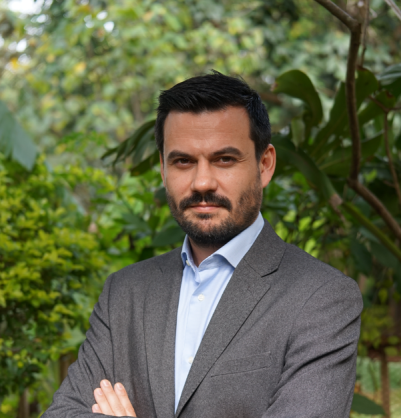
By Julien Fouilliart-Building & Infrastructure Growth Leader Middle East, Caspian and Africa, Bureau Veritas (https://group.BureauVeritas.com).
Globally, buildings are responsible for a substantial share of energy, electricity, water and materials consumption using between 35-40% of energy demand and contributing 37 per cent of world carbon dioxide (CO2) emissions. Including the manufacturing of building materials.
The 2022 updated Global Buildings Climate Tracker (GBCT) (https://apo-opa.co/3YLJiZG) shows that there is a significant gap between the current state and the desired decarbonization path which is concerning. In effect it means that to align with the 2030 milestone, an annual increase of ten decarbonization points is now necessary which is a substantial jump from the six points per year anticipated starting in 2015.
In 2019 in Africa, buildings accounted (https://apo-opa.co/4e8NIhN) for 57% of total final energy consumption and 32% of total process-related CO2 emissions.
Despite continental issues of poverty, unemployment and rapidly developing informal settlements among other issues, many countries in Africa are embracing green, sustainable building practices.
With its burgeoning population, expected to add some 1.2 billion people by 2050 (https://apo-opa.co/3AxgxXo) Africa faces rapid urbanization.
Urbanization provides an opportunity for countries across Africa to embrace green building practices, access available international green funding opportunities, and set a foundation for sustainability for future generations.
In 2023 the Africa Regional Network of World Green Building Council (WorldGBC) launched the Africa Manifesto for Sustainable Cities and the Built Environment, which sets out the actions that policymakers and businesses across the continent need to take to achieve a net zero carbon, healthy, resilient, equitable, socially- and economically-inclusive built environment for everyone, everywhere.
Achieving these goals requires policymakers and business leaders across the continent to recognise the untapped potential of the built environment. But this can only be realized with the implementation of policies that support transformative action, through intense collaboration between governments, city and regional leaders, businesses and investors.
South Africa is leading Africa's green building sector (https://apo-opa.co/3YLdq7N). It has over two million square meters certified green buildings that reduce water consumption, electricity, and waste disposal; 50 certified projects are projected to result in an annual saving of 76 million kilowatt hours which is equivalent to the electricity needs of 5,300 households every year.
South Africa has its own National Standard 10400 Part XA that deals with optimizing energy efficiency in buildings and in the light of this the Green Star South Africa and EDGE green building tools have been adapted and are widely used in the country. International rating systems like LEED and WELL are also used.
The scope of green construction in Egypt has been slow to grow but Egypt has two local rating systems in place called TARSHEED and the Green Pyramid Rating System. These, along with EDGE, LEED and WELL are used in various projects.
The Nigerian government has pledged to achieve a 20% reduction in its greenhouse gas emissions by 2030 and 45% with international support. Green building will likely be a big part of this change.
This country's National Building Code, developed by the National Council on Housing and Urban Development, and the Building Energy Efficiency Guideline (BEEG), also support the agenda of sustainable development by setting requirements for occupant health and safety, use of local and safe building materials and energy efficiency among other criteria.
Morocco has several legal provisions in place to promote sustainability and environmental protection through construction impact assessments for new building projects as well as energy-efficient construction requirements applicable to most residential and commercial projects. Several projects in the country have also achieved LEED green building credentials.
It also has several renewable energy projects such as the Noor Midelt Solar Plant and Tarfaya Wind Farm, one of the biggest wind farms in the continent.
As the drive towards Net-Zero heightens more African countries are joining the African Regional Network of the World Green Building Council. NGOs and other industry professionals are setting up green building councils in South Africa, Egypt, Tunisia, Nigeria, Botswana, Zimbabwe, Namibia, Mauritius, Tanzania, Kenya, Cameroon and Uganda.
One of the big hurdles restraining a sustainable development movement in the construction industry is a lack of awareness for practical sustainable actions among many developers and investors.
In South Africa there is a broad awareness of Green Buildings and the market share of certified buildings among all new builds is increasing. The 2021 International Finance Corporation's (IFC) Green Building Market Stakeholder Assessment for South Africa showed that on the supply side, key motivating factors for Green Buildings are their reduced carbon footprint increased end user demand and increased marketability.
From the occupier's perspective the motivating factors for buying or leasing a Green Building are lower utility bills and lower operating costs. Yet, at a residential level occupiers are only willing to pay a two percent premium for these benefits.
The IFC report points out that the perceived cost of construction and certification of green buildings are also considered major obstacles to the expansion of certified Green Buildings in South Africa (https://WorldGBC.org/). Its research indicates that those in the know estimated the additional construction cost to be 10% or higher, while those unfamiliar with Green Buildings are likely to significantly overestimate costs.
Currently, four out of six financial institutions provide financing for Green Building projects in some form or another and three require a certification to approve the loan. The portfolios of two consist of retrofitting existing buildings into Green Buildings; two of commercial and industrial Green Building construction finance and only one residential Green Building construction finance. Of the two FI's that currently do not fund any Green Building one plans to do so in the future while the other does not see this as part of their strategy.
The investment into green construction (https://apo-opa.co/4e8NYgL) has multiple benefits; it facilitates growth while addressing issues like employment, climate change, and poverty.
However, more needs to be done to improve the understanding of the benefits of green buildings such as lower operational costs, increased ROI as well as an overall improvement in occupant health and wellbeing. Financial institutions need to do more to support green construction. Those which have pledged to lower their investments in carbon producing industries could create green bonds or funds for the African construction sector. Government's need to provide policy support along with incentives to catalyze market development.
All this suggests that there is still a sizable information gap regarding the cost, certification and benefits of Green Building and that further knowledge dissemination efforts are needed to close it.
Distributed by APO Group on behalf of Bureau Veritas.
About Julien Fouilliart:
Julien Fouilliart is a seasoned business development professional with 15 years of experience in international, multicultural, and cross-sector environments. He currently leads the growth of Bureau Veritas' Building & Infrastructure market across the Middle East, Caspian, and Africa regions. Julien holds a degree in Mechanical Engineering from Belfort University in France. He is based in Kenya and has a deep passion for the African continent. Julien has played a key role in the development of large and iconic infrastructure projects across the region. He has an extensive international background, having worked in France, China, Spain, Belgium, and the United Kingdom. His experience includes collaborating with global companies and public institutions to drive business growth in sectors such as aerospace, IT, rail, building, and transport infrastructure.
Fourteen in court on fraud, money laundering charges
Fourteen people have appeared in court on allegations of fraud and money laundering, the Directorate for Priority Crime Investigation (the Hawks) said on Wednesday.
The 14 accused, including two former Nedbank employees, Nicolette de Villiers and Keitumetse Mathimbi, aged between 25 and 51 years were arrested on Tuesday in Pretoria, Johannesburg and Ekurhuleni by the Gauteng Serious Commercial Crime Investigation of the Hawks on allegations of fraud and money laundering.
“It is reported that the main suspect unlawfully made payments from suspense accounts valued at over R157 million which were further transferred … to recipients who were [not] entitled to receive such monies. The amounts were between R50 000 and R20 million. Twenty-three recipients are involved in the matter including 15 individuals, seven entities and six banks.”
The 14 made their first appearance in the Specialised Commercial Crimes Court sitting in the Palm Ridge Magistrates court on Wednesday.
The Hawks said 13 of the 14 were granted bail while accused number 10’s bail application will be heard on 7 November 2024 in the same court.
“Accused No 10, Yu-Wei Fang's bail application will be heard on the 7 November 2024 in the same court, he was remanded in custody. The other 13 accused will appear again on 29 January 2025,” said the Hawks.
The National Head of the Directorate for Priority Crime Investigation, Lieutenant General (Dr/Adv) Godfrey Lebeya commended the concerted efforts by the investigation team, prosecutors and specialists to ensure speedy finalisation of the investigation and securing the attendance of the accused in court.
“This is one of the complex high value serious commercial crime[s] that exhibits the elements of professional money laundering enablers. Investigations are continuing,” said the Hawks.
Meanwhile, the Hawks said three suspects are expected to appear in court following the murder of an unknown man whose body was found severely beaten, stabbed and dumped in a veld in Boksburg, Gauteng.
The three suspects aged 42, 33 and 31 were arrested in the early hours of Wednesday morning in a multidisciplinary operation led by the Hawks Tactical Operations Management Section (TOMS), Benoni Flying Squad, Secure Tech, Graphite Security, Blue Hawk Tactical, DOT Towing and Brakpan Crime Prevention.
“Two suspects were arrested in connection with a murder of an unknown man whose body was found severely beaten, stabbed and dumped in a veld in Boksburg North. Through information received, the pair was traced to Brakpan. The third suspect was arrested also in Brakpan after he was found with a replica firearm and live ammunition which were confiscated for further investigation.”
The team also recovered a baseball bat and a panga which are suspected to have been the weapons utilised in the murder.
Investigations in the matter are continuing. -SAnews.gov.za
Edwin
Thu, 10/31/2024 - 11:23
JOHANNESBURG: White-ball head coach Rob Walter has today named a strong 16-player squad for the upcoming four-match Wonder Cement T20 International...
KZN Finance MEC welcomes MTBPS
KwaZulu-Natal Finance MEC, Francois Rodgers has welcomed the 2024 Medium Term Budget Policy Statement (MTBPS) presented by Finance Minister, Enoch Godongwana.
The Minister tabled the MTBPS in Parliament on Wednesday.
Rodgers said the budget accounts for necessary cost-containment measures, given the challenges of the national fiscus, but “ensures that essential spending areas are not comprised”.
Drawing inspiration from President Cyril Ramaphosa’s outline of priorities for the Government of National Unity, Rodgers said Godongwana asserted that government will continue to drive inclusive growth and job creation.
“The MTBPS was conservative and took into account the current economic climate. Projected economic growth at 1.1% remains weaker than ideal for a country that has a growing population such as ours.
“The infrastructure reforms, as announced by the Minister, are welcome as they bode well with government’s mission of ensuring inclusive growth, job creation as well as the building of a capable and ethical state. Government debt will reach more than R6.05 trillion, or 75.5 % of GDP [Gross Domestic Product], in 2025/26.
“The infrastructure reforms, as announced by the Minister, are welcome as they bode well with government’s mission of ensuring inclusive growth, job creation as well as the building of a capable and ethical state,” Rodgers said.
This as National Treasury expects improved growth prospects for the South African economy, despite slowing projected growth of some 1.1% in 2024 – down from the projected 1.3% earlier this year.
Real Gross Domestic Product (GDP) growth is projected to improve at some 1.1% in 2024, up from the 0.7% in 2023.
In the MTBPS, National Treasury said economic growth was being “weighed down by stop-start economic growth and stubborn inflation in the first half of the year”.
READ | Treasury optimistic about economic outlook
Minister Godongwana asserted that debt-service costs will reach R388.9 billion in the current financial year.
To counter this unsustainable debt increase, National Treasury has resolved to restrain spending and maintain stable tax collection.
Against the backdrop of a national debt, Rodgers welcomed the approach taken by National Treasury.
Rodgers said the biggest challenge remains the bloated government wage bill, noting this will again be a serious challenge to the fiscus as government has proposed a 4.5% wage increase but unions insist on demanding a 14% increase on salaries.
He said a clear and decisive policy needs to be implemented on addressing the challenges of the excessive wage bill.
At a recent budget council meeting, a resolution was taken that provinces would not have to face an unfunded wage agreement as in the past.
The increased wage agreement would be funded by National Treasury.
Relating to the public sector wage bill, government is expected to propose a reignition of its early retirement programme.
This, as National Treasury attempts to further reel in the wage bill.
“Over the past decade, the wage bill has decreased as a share of consolidated spending, falling from 35.7% in 2013/14 to 32.1% in 2023/24. By 2027/28, the wage bill is projected to decrease to 31.4% of consolidated spending.
“To further contain public service wage costs, government is proposing to reactivate early retirement without penalties. To support this initiative, an additional R11 billion will be allocated over the next two fiscal years. Details will be set out in the 2025 Budget,” the MTBPS said.
READ | Government non-interest expenditure expected to increase
“We also welcome the Minister’s approach to public-private partnerships as well as cooperation with the private sector. A review of government’s approach to this is expected to be tabled next month [and] this is something that we look forward to.
“At provincial and local government levels, private sector involvement remains relevant. However, investors need to see the establishment of a capable and ethical state,” Rodgers said. – SAnews.gov.za
GabiK
Thu, 10/31/2024 - 10:51
100 days in office: Advancing the strategic priorities of the GNU
By Deputy Minister Bernice Swarts
The first 100 days as Deputy Minister of Forestry, Fisheries, and the Environment, under the Government of National Unity (GNU), have been a period of significant learning and action.
It has allowed me to engage closely with stakeholders in the sector, developing a blueprint to drive the implementation of the GNU's strategic priorities which are to fostering inclusive growth and job creation, reducing poverty and addressing the high cost of living, and building a capable, ethical, and developmental state.
The experience has been invaluable, providing me with a deeper understanding of the department’s mandate, core operations, and both domestic and international context.
Alongside Minister Dr Dion George and fellow Deputy Minister Narend Singh, we recently briefed the media on our progress in the department during this period.
A key highlight of these 100 days has been the opportunity to engage with staff and various stakeholders, including the forestry sector, traditional leaders, firefighting personnel, community forest owners, young beneficiaries of departmental programs, field rangers from entities such as South African National Parks (SANParks), and industry players like the South African Weather Service (SAWS). These engagements have helped shape a shared vision for the department's future.
We kicked off our 100 days in the office by presenting the department's Budget Vote to Parliament on July 15, 2024. We delivered our department’s budget vote in a month where we celebrated our national unifying figure in the form of uTata Madiba – which seemed to tie in well with our mandate of unifying our people through the Government of National Unity.
In the first 100 days, we have initiated efforts to reengineer and repackage the department’s approach to wildland fire management. This involves building firefighting skills, especially in vulnerable rural communities, with a focus on women and youth. We aim to strengthen stakeholder engagement across both state and non-state actors to better deliver on our critical priorities.
As part of this initiative, I hosted stakeholder engagements with on the National Veld and Forest Fires Act, 1998 (Act No. 101 of 1998). These engagements were hosted with various stakeholders within the wildland fire management sector from both the North West and Free State. Some of the stakeholders who attended these engagements included local and provincial government departments, fire protection associations (FPAs) and other key players in the sector.
Through these stakeholder engagements, I have instructed the officials to address challenges raised in these interactive engagements such as payment delays for FPAs, challenges on the use of government firefighting vehicles, training of FPA members as well as the clarification of the roles of different stakeholders. I am satisfied with the honest discussions and note the commitment of all parties to find practical solutions.
I have recently led the 2024 Forestry Summit at the Freedom Park in Pretoria. The Summit brought all stakeholders within the forestry sector under one roof to discuss pertinent issues within the sector such as the growth and transformation of the sector, forestry sustainability and the contribution of the sector in addressing climate change.
The Summit was interactive as it provided role players with an opportunity to freely engage with us on the challenges they face in the sector. What was even more fascinating was the involvement of traditional leaders who came from various parts of the country to raise issues their communities were facing. I am pleased with the decision that came out of this frank engagement, which includes plans to go to communities to address issues they have raised.
In the month of September, I had the privilege to lead both the launch and closing ceremonies of the 2024 National Arbor Month campaign. The launch was hosted at Freedom Park in Pretoria and the closing ceremony at Fort Cox Agriculture and Forestry Training Institute in Middledrift, Eastern Cape. A total of 6000 trees were planted in both the localities that hosted these ceremonies.
The Arbor Month campaign is aimed at raising awareness among South Africans about the importance of conserving, protecting, and planting trees for the benefit of both the environment and society.
As part of the Arbor Month launch, I planted the first tree to officially initiate the Forest of Freedom at the designated site at Freedom Park in honour of the heroes and heroines who contributed to South Africa's democracy and liberation struggle. The first 30 trees planted at the Forest of Freedom marks the 30 years of Freedom and Democracy in South Africa. World leaders and other luminaries visiting Freedom Park will get an opportunity to plant a tree in the Forest of Freedom, when it is ready.
During the Arbor Month, I also took a deliberate decision to heighten the Presidential Ten Million Tree Programme, which is a clarion call by President Cyril Ramaphosa to all sectors of society led by DFFE. As the Deputy Minister of Forestry, Fisheries and the Environment, I am currently driving an ambitious campaign to relaunch the Presidential Ten Million Tree Programme by planting 1 million trees in one day, on a day to be announced soon.
I want to call on all South Africans – the three spheres of Government, forestry sector, private sector, labour, academia, civil society and many others to join this ambitious campaign by pledging and committing to providing and planting trees on that specific day and going forward.
Trees are important for life. I call on all South Africans to plant trees today and build a better future for generations to come!
On July 31, we celebrated World Ranger Day at Kruger National Park, honoring the dedication of rangers who protect our natural heritage. Their commitment inspires our ongoing conservation efforts.
I also participated in the National Consultative Workshop on Early Warnings for All (EW4ALL), a UN initiative aimed at protecting people from hazardous weather events by 2027. We are committed to developing systems that not only safeguard the economy and infrastructure but also protect the lives and well-being of our people.
The first 100 days have been marked by hard work and significant strides towards delivering the priorities of the GNU.
I look forward to continuing our work, confident that together we will achieve our shared goals for a prosperous, inclusive, and sustainable South Africa.
*Bernice Swarts is the Deputy Minister of Forestry, Fisheries and the Environment
Janine
Thu, 10/31/2024 - 10:24
DPWI to accelerate EPWP work opportunities
The Department of Public Works and Infrastructure says it will accelerate the implementation of the Expanded Public Works Programme (EPWP) to meet the set target of millions of work opportunities.
This was said by Deputy Minister Sihle Zikalala during a Portfolio Committee meeting on Wednesday.
The implementation of the EPWP Phase V will focus on key service delivery interventions such as the restoration of the dignity of the indigent through vocational and Further Education and Training skills development and certification.
The department said the programme would be intensified to create job opportunities for the youth, women and rural poor communities, who bear the brunt of low economic growth and unemployment.
The department launched Phase V of the EPWP in April this year. Phase V covers the period from 2024 to 2029 and aims to create five million job opportunities. The department is enhancing the EPWP to make an impact and ensure effective exit plan.
President Cyril Ramaphosa officiated over the celebration of 20 years of the programme in the Eastern Cape in April.
At the time, the Presidency said the EPWP was a nationwide government programme to create work opportunities and income support to poor and unemployed people through the delivery of public and community assets and services, thereby contributing towards development.
READ | President Ramaphosa sets sights on five million EPWP jobs in next five years
The improvement of data collection, verification, and recording of employment opportunities per EPWP sector will be important, said the Deputy Minister.
“Hence some of the sectors of focus in phase V will be waste management with recycling being the focal point, road paving, potholes patching and maintenance of public facilities," Zikalala said.
He emphasised the need to ensure collaboration between all spheres of government and the private sector.
“The private sector can add value through their social corporate investment to augment a programme and projects like waste removal into recycling, which could in turn ensure environmental preservation,” he said.
In his closing remarks, Zikalala indicated that EPWP is needed in the country as a key job creation driver as it plays an important role in poverty alleviation, skills development, clearing of service backlog and the reduction of high unemployment rates. – SAnews.gov.za
Edwin
Thu, 10/31/2024 - 09:18
As global temperature records continue to be broken, cities need to move fast to protect residents from heat stress. Planting trees seems the simplest solution
Treasury optimistic about economic outlook
National Treasury expects improved growth prospects for the South African economy, despite slowing projected growth of some 1.1% in 2024 – down from the projected 1.3% earlier this year.
Real Gross Domestic Product (GDP) growth is projected to improve at some 1.1% in 2024, up from the 0.7% in 2023.
In its Medium-Term Budget Policy Statement (MTBPS), National Treasury said economic growth was being “weighed down by stop-start economic growth and stubborn inflation in the first half of the year”.
“The economy has since strengthened in response to the suspension of power cuts since March 2024, improved confidence following the formation of the Government of National Unity in June, better than expected inflation outcomes in recent months and reduced borrowing costs. All these factors are expected to continue supporting the economy over the period ahead.
“The pace of [GDP] growth is still being limited by persistent – though gradually easing – constraints, particularly in logistics infrastructure. Faster growth depends largely on maintaining macroeconomic stability, the continued implementation of structural economic reforms, improving State capabilities and supporting higher infrastructure investment,” the MTBPS stated.
Treasury explained that although risks persist, global risks are “weighted to the downside, while risks to the domestic outlook appear more balanced compared with the 2024 Budget Review assessment”.
“Global growth may weaken due to financial market volatility, tightening conditions for developing economies, slower disinflation from rising commodity prices and a prolonged contraction in China’s property sector. On the domestic front, food prices are vulnerable to weather-related shocks and logistical challenges.
“Positive domestic risks include the possibility of a quicker pace of disinflation and interest rate reductions than assumed in the baseline forecast, which would boost demand. Stable electricity supply and faster progress on reforms could boost business and consumer confidence,” Treasury said.
The department warned, however, that fiscal risks “remain significant though somewhat more balanced than a year ago” and that the materialisation of these risks could be a threat to “fiscal projections, with negative consequences for investment and economic growth”.
“Despite the downward revision to growth for the current year, there is cautious optimism for the medium-term outlook as the early benefits of reform implementation continue to materialise.
“The stabilisation of electricity supply has improved the overall investment climate. This positive momentum will be sustained by a new phase of Operation Vulindlela, which aims to accelerate structural reforms implementation.
“To support these efforts, it will be essential to maintain clear and stable macroeconomic policies while strengthening state capability and supporting investment in growth-enhancing public infrastructure,” the MTBPS stated.
Global outlook
On the international front, global growth is projected to slow marginally from 3.3% in 2023 to 3.2% in 2024 and 2025.
“Slowing inflation has opened the way for major central banks to ease monetary policy. Lower interest rates and strong investment in technology, particularly in emerging Asia, are expected to support growth,” Treasury said.
The department added that overall risks to growth are “to the downside”.
“Fiscal policy has begun to contract in some countries, in part to manage the rapid increase in sovereign debt levels since the COVID-19 pandemic, and some countries are in debt distress.
“Persistent geopolitical tensions continue to flare, with potentially far-reaching effects on global trade, and the threat of escalating conflict in the Middle East remains a concern. The years-long downturn in China’s property sector, notwithstanding new stimulus support, could continue to weaken Chinese growth,” the MTBPS stated.
Economic growth in advanced economies is forecast to reach some 1.8% in the same period with growth in emerging and developing economies – including South Africa’s BRICS partners – projected at 4.2%.
In Sub-Saharan Africa, this is projected at 3.6% in 2024 and 4.2% in 2025.
“Global equity prices have risen as inflation decelerates, accompanied by interest rate cuts that are expected to continue into 2025. Further declines in bond yields are consequently anticipated, creating a favourable environment for emerging market assets.
“Declining production and shipping of commodities, particularly oil, has dampened the outlook for some emerging and developing economies, including in Sub-Saharan Africa. Oil prices are anticipated to fall slightly in 2024, given weak global demand, despite production cuts agreed by major producers.
“Global food prices are also projected to fall, supported by record-high grain production, reducing inflationary pressures,” the MTBPS explained. – SAnews.gov.za
Matona
Thu, 10/31/2024 - 05:44
The Institute of Economic Justice is challenging regulations for the Social Relief of Distress grant which it says are unconstitutional.
Government assigns funding for G20 Summit
With South Africa assuming the G20 Presidency later this year, government will assign additional funding to those departments that will be involved in the preparations.
“This is a rare opportunity that only comes around every 20 years. We intend to use our voice to promote a truly Africa-focused agenda,” Finance Minister Enoch Godongwana said on Wednesday in Parliament when tabling the Medium-Term Budget Policy Statement (MTBPS).
South Africa will hold the G20 Presidency from 1 December 2024 to 30 November 2025.
The G20 brings together the countries with the largest economies in the world. The Member States meet annually to discuss economic, political and social initiatives.
“Various government departments and institutions will be involved, with National Treasury and the Reserve Bank leading the finance track, and the Department of International Relations and Cooperation leading the Sherpa track.
“Examples of key topics already selected include accelerating human capital development in the context of artificial intelligence, migration, technology, education and skills gaps; strengthening multilateral development banks to support the development of poorer countries, and financing climate-resilient infrastructure.
"These and other priorities will anchor South Africa’s contribution to the global policy agenda,” the National Treasury’s document on the 2024 MTBPS said.
South Africa will assume the presidency of the G20 from Brazil. It will be held under the theme: “Solidarity, Equality and Sustainable Development”.
“Our presidency is the fourth consecutive one where an emerging economy will lead the forum that influences global economic issues,” the Minister said. - SAnews.gov.za
nosihle
Wed, 10/30/2024 - 13:28
Slow compliance with servicing Eskom debt a risk to debt write-offs
National Treasury has warned that municipalities' slow compliance with conditions of the debt relief programme on arrears to Eskom risk delaying debt write-offs.
According to the National Treasury’s document on the Medium-Term Budget Policy Statement (MTBPS), success depends on municipalities maintaining a quarterly revenue collection rate of 85 %, which is below the National Treasury collection norm for local government of 95 %.
“Around 70 of the municipalities that had applied for debt relief have been approved. Between March and August 2024, compliance with relief conditions by municipalities improved from 55% to 76 %, aided by the National Treasury, Provincial Treasuries, and the Municipal Finance Improvement Programme,” Minister of Finance Enoch Godongwana said.
The Minister was delivering the MTBPS in Parliament on Wednesday.
National government is supporting municipalities with debt relief for arrears to Eskom to be written off in equal annual tranches over a three-year period provided they comply with the set conditions.
This programme, operating on rolling 12-month cycles, aims to mitigate fiscal risks by improving compliance with financial management and revenue collection. By combining debt relief and revenue enhancement, it aims to change the nonpayment culture for municipal services and support Eskom’s balance sheet.
“Rand West City is the first municipality to benefit from a one-third debt write-off. This follows its substantial achievement of the debt-relief conditions for the first 12-month cycle. More municipalities stand to benefit from this write-off of debt if they comply with the conditions of the programme. We implore provincial and national departments owing municipalities to pay their dues.
“This will enable municipalities to pay waterboards and Eskom, so that utilities can deliver these services to citizens,” the Minister said.
Despite these efforts, the financial situation of the top 14 Eskom defaulters remains critical, requiring alternative solutions.
The National Treasury, with stakeholder departments and Eskom, is exploring additional strategies in this regard.
Municipalities have been encouraged to offer relief to indebted customers who pay current bills and transition to smart prepaid metering.
Eskom’s financial condition
According to the National Treasury, Eskom remains highly dependent on government support through the debt-relief arrangement.
“The utility has begun to strengthen its performance, with no power cuts since the end of March 2024 and improved profitability. Its most recent financial plan also targets profitability from 2026/27 onwards. However, escalating municipal debt arrears continue to negatively affect its financial performance.
“The debt-relief arrangement granted to Eskom is intended to strengthen its balance sheet, enabling it to restructure and undertake the investment and maintenance needed to support stable electricity supply aligned with national needs,” National Treasury said.
Given Eskom’s failure to dispose of the Eskom Finance Company by 31 March 2024, the National Treasury reduced the debt-relief allocation from R78 billion to R76 billion in 2023/24.
This allocation was fully disbursed and converted to equity following Eskom’s compliance with all the attached conditions. Eskom’s allocation for 2024/25 will be reduced by R2 billion to R64 billion should it fail to dispose of the Eskom Finance Company by 31 March 2025.
“In April 2024, the Eskom Debt Relief Act (2023) was amended to ensure that the loan granted under the debt-relief arrangement is correctly classified and that market-related interest is charged.
“Additionally, in June 2024 the National Treasury disbursed an R8 billion interest-bearing loan as part of the debt-relief allocation for 2024/25.
“As of 27 September 2024, Eskom had paid R91 million in interest to the National Treasury for the debt-relief loans. The National Treasury is now working with Eskom to finalise government’s takeover of R70 billion of Eskom’s loan portfolio by 2025/26,” National Treasury said. - SAnews.gov.za
nosihle
Wed, 10/30/2024 - 14:15