• Skip to main content
  • Skip to header right navigation
  • Skip to after header navigation
  • Skip to site footer
MyZA

MyZA

News, Directory, Events and Other Stuff

  • Social Media
  • Sport
  • World News
  • Home
  • Submit News
  • Directory
  • Events
  • Stratlec
  • TFSA
  • News
    • APO
    • Today’s Sport News
    • Todays Social Media and Tech Headlines
    • Today’s World News
    • Today’s SA Financial News
  • Contact
You are here: Home / Archives for South Africa

South Africa

30 October 2024

Government looks into insurance for climate-related disaster events

Location: News

Government looks into insurance for climate-related disaster events

Government is exploring options for purchasing insurance for certain climate-related disaster events, where such a practice would not undermine budget sustainability.

Tabling the 2024 Medium-Term Budget Policy Statement (MTBPS) in Parliament, Finance Minister Enoch Godongwana said climate-related disasters have intensified, damaging infrastructure and disrupting life.

“The increasing frequency and intensity of climate disasters is costly, and we must proactively work to reduce their impact on the fiscus and on society,” the Minister said on Wednesday.

National Treasury’s document on the 2024 MTBPS indicated that methods previously developed by the public and private sectors to manage disaster response and recovery are becoming unrealistic in terms of their costs.

“National Treasury is undertaking a detailed analysis of the experience of local governments regarding their access to emergency financing and their ability to disburse it.

“This analysis will help us better understand their capacity to manage a multi-layered, disaster risk finance approach.

“It will look into the willingness of municipalities to independently manage their financial response to disasters, existing incentives to invest in readiness, and their ability to set aside sufficient funds for their response,” the Minister said.

He said the recommendations of the disaster risk financing strategy will be implemented from 2025 to improve readiness and response time.

Rebuilding and rehabilitation of infrastructure damaged by floods

The 2024 Adjustments Budget includes unforeseeable and unavoidable adjustments dedicated to support the rebuilding and rehabilitation of infrastructure damaged by floods across multiple municipalities and provinces.

“Provincial allocations include an additional R948 million for infrastructure reconstruction in the Western Cape due to flood damage, with funds allocated to the provincial roads’ maintenance grant, the health facility revitalisation grant, the comprehensive agricultural support programme grant and the education infrastructure grant. 

“Additionally, R35.7 million is rolled over for the school infrastructure backlogs grant in the Eastern Cape, and R251 million is added in the education infrastructure grant for the Western Cape Rapid School Build Programme through the Budget Facility for Infrastructure,” National Treasury said.

Local government allocations include R684 million for the municipal disaster recovery grant to repair flood-damaged infrastructure across several provinces, with specific amounts allocated to Eastern Cape, Free State, KwaZulu-Natal, Limpopo and Mpumalanga municipalities. - SAnews.gov.za
 

nosihle
Wed, 10/30/2024 - 14:19
331 views
Read moreGovernment looks into insurance for climate-related disaster events
30 October 2024

Government to establish unit to deal with money laundering

Location: News

Government to establish unit to deal with money laundering

As part of efforts to exit the Financial Action Task Force (FATF) grey list, government will establish a shared forensic capability within the Financial Intelligence Centre to strengthen efforts to exit the grey list.

“From the 2025 Medium‐Term Expenditure Framework (MTEF) period onwards, funding will be reprioritised within the function to departments and entities to establish a shared forensic capability within the Financial Intelligence Centre,” National Treasury’s document on the 2024 Medium Term Budget Policy Statement (MTBPS) said.

This will strengthen efforts to combat money laundering and the financing of terrorism and secure South Africa’s removal from the grey list.

Tabling the MTBPS in Parliament on Wednesday, Minister of Finance Enoch Godongwana noted that South Africa recently received a positive review from the FATF.

South Africa is now deemed to have largely addressed 16 of the 22 action items in its Action Plan to exit the grey list.

“This is a remarkable achievement, brought about by the unprecedented cooperation between state departments, as well as with civil society.

“FATF lauded South Africa for improving how it dealt with issues of Anti-Money Laundering and Countering the Financing of Terrorism. This leaves us with only six outstanding action items to be addressed for the last scheduled reporting cycle in February 2025,” the Minister said.

The FATF is the international standard-setting body that oversees global compliance with anti-money laundering rules.

READ | SA records progress in exiting grey list

The FATF grey list refers to the FATF’s practice of publicly identifying countries with strategic AML/CFT deficiencies. The FATF maintains two such lists with one being jurisdictions under “increased monitoring” that are actively working with the FATF to address strategic deficiencies in their regimes” and secondly “high-risk jurisdictions subject to a call for action” that are not actively engaging with the FATF to address these deficiencies. -SAnews.gov.za


nosihle
Wed, 10/30/2024 - 14:24

1004 views
Read moreGovernment to establish unit to deal with money laundering
30 October 2024

Government anchors economic growth strategy on four key areas

Location: News

Government anchors economic growth strategy on four key areas

Over the medium term, government will anchor its economic growth strategy on four key areas in order to support inclusive growth.

This as Finance Minister Enoch Godongwana announced in the Medium Term Budget Policy Statement (MTBPS) speech that economic growth projections have been revised down from 1.3% to 1.1%.

Godongwana delivered the MTBPS speech in Parliament on Wednesday.

“[Our] fiscal strategy sets to out to achieve the fiscal sustainability needed to support inclusive economic growth.

“It carefully weighs competing demands, making the necessary trade-offs between what is most urgent and what must wait given the fiscal constraints. The strategy also supports critical social services and addresses the significant fiscal and economic risks that lie ahead,” he said.

The four key pillars are:

  • Maintaining macroeconomic stability
  • Implementing structural reforms
  • Building state capability
  • Supporting growth-enhancing public infrastructure investment.

“Pillar one is about a stable, transparent and predictable macroeconomic framework that creates a conducive environment for businesses and households to save, spend, invest and grow.

“The National Treasury has the responsibility for oversight and implementation of the macroeconomic policy framework. Anchoring inflation expectations is important for our macroeconomic policy framework, and this what the Reserve Bank is responsible for.

“To strengthen this framework, we continue to work on assessing the suitability of monetary policy targets, and to improve the levers of macroeconomic policy coordination,” Minister Godongwana said.

The second pillar is aimed at the implementation of structural reforms and accelerating Operation Vulindlela.

“These will continue to strengthen the economy to be more productive and internationally competitive, accelerate inclusive economic growth and foster much-needed job creation.

“The first phase of Operation Vulindlela provides tangible evidence that structural reforms can reduce economic bottlenecks. It also demonstrates that government can collaborate effectively with business for the collective good,” he said.

In terms of supporting growth-enhancing infrastructure, Godongwana said this is about “effective infrastructure investment, to boost economic activity and enable higher growth over the medium term”.

“In this regard, we are implementing reforms that will create conditions to attract greater private sector participation. The reforms include mobilising significant private sector financing and technical expertise to augment the limited public sector capacity and capability.

“We are amending the PPP [Public Private Partnership] regulations to simplify requirements for undertaking these projects. The amended Treasury Regulation 16 will be published before the end of November for implementation in 2025/26. The Municipal PPP Regulations 309 will be finalised by June next year.

“We are establishing dedicated capacity to plan, prepare and design programmes that will generate a credible pipeline of projects that can be taken to the market,” he said.

Pillar four, according to the Minister, seeks to “build a capable state that delivers a reasonable and reliable standard of public service that will foster the necessary environment for more growth and jobs”.

“For this reason, additional funding is proposed for Parliament and the Office of the Chief Justice, mostly to enhance operational capacity in the running of these important institutions. With the Local Government Elections due in 2026, funds have been set for the Independent Electoral Commission to conduct smooth elections. 

“Additional funding for the South African Revenue Service is proposed. This is to help the organisation build on its successes by driving programmes to enhance the efficiency of revenue collection, whilst enhancing compliance and facilitating legitimate trade,” he said. – SAnews.gov.za

NeoB
Wed, 10/30/2024 - 14:41

344 views
Read moreGovernment anchors economic growth strategy on four key areas
30 October 2024

Government to launch next phase of Operation Vulindlela

Location: News

Government to launch next phase of Operation Vulindlela

Government is expected to launch the next phase of Operation Vulindlela, which is aimed at accelerating the implementation of structural reforms.

This is according to the Medium-Term Budget Policy Statement (MTBPS) released by National Treasury on Wednesday.

Treasury explained that the country’s economic growth prospects are closely tied to Operation Vulindlela and structural reforms to “improve competitiveness and productivity and boost investment”.

“In its first phase, this initiative implemented 35 reform actions in five network industries, including reducing power cuts, improving the performance of the logistics system, lowering data costs, improving water supply and enabling the country to attract critical skills.

“The next phase of reforms will support higher medium-term growth, which is required to significantly expand employment. New initiatives aim to reverse local government decline, tackle spatial inequality and advance digital government to improve large-scale service delivery,” National Treasury said.

Operation Vulindlela is a joint initiative of the Presidency and National Treasury to accelerate the implementation of structural reforms and support economic recovery.

Government has set its focus on Eskom’s restructuring as a priority and to establish a bustling energy market, with adequate supply for a growing economy.

“The cumulative effects of reforms include improved power station performance and no ‘load shedding’ since 26 March 2024. The Electricity Regulation Amendment Bill was signed into law in August of this year. 

“This, together with the creation of the National Transmission Company of South Africa, which began operating on 1 July 2024, is establishing rules and procedures for a competitive electricity market. 

“The ongoing Energy Action Plan has boosted efforts to restore energy availability and procure new generation. By end-August 2024, project registrations with South Africa’s energy regulator exceeded 8500 megawatts,” the MTBPS stated.

The critical sector of freight rail logistics is also receiving attention.

“Transport reforms that open the freight rail network to private operators will reduce inefficiencies and costs, helping firms offer lower prices and boosting economic growth. To this end, the Economic Regulation of Transport Bill – enabling private-sector use of the rail network – was signed into law in June 2024. 

“Transnet freight volumes grew from 149.5 million tonnes at the end of the previous financial year to approximately 151.7 million tonnes by end-March 2024, supported by the implementation of a recovery plan from October 2023 and reversing a years-long decline. Port cargo handled has stabilised relative to 2023 levels,” National Treasury stated.

Treasury emphasised that reforms in the water sector are critical for economic growth and water security.

“The National Water Resources Infrastructure Agency Bill, signed on 27 August 2024, creates an independent agency to oversee bulk water resources. The Water Services Amendment Bill, allowing for intervention in failing municipalities, has received public comment and will soon be submitted to Cabinet for approval,” Treasury said.

Reforms in that sector target supply and infrastructure challenges.

“Water sector reforms being prioritised by Operation Vulindlela include independent regulation, strengthening local water services by licensing water service providers, legal proceedings on non-compliance by municipalities and trading services reforms. 

“Trading services reforms refer to governance, institutional, management and financial reforms to improve essential services, enabled by a new performance-based grant. The National Treasury is also working closely with the Water Partnerships Office to identify opportunities for private sector participation, such as non-revenue water projects. Non-revenue water refers to the revenue lost from leaking water infrastructure.

Elsewhere, the visa system has been reformed by the Department of Home Affairs to attract skills and boost tourism while the rollout of 5G infrastructure has tapered data costs, expanded connectivity and improved access to network services. – SAnews.gov.za

NeoB
Wed, 10/30/2024 - 14:46

418 views
Read moreGovernment to launch next phase of Operation Vulindlela
30 October 2024

SA must manage debt better, says Godongwana

Location: News

SA must manage debt better, says Godongwana

Finance Minister Enoch Godongwana has told Parliament that in order for government to achieve its goals of, amongst others, inclusive growth and reducing unemployment, the country must better manage its debt.

He was delivering the Medium-Term Budget Policy Statement (MTBPS), in which he revealed that government debt is anticipated to exceed R6.05 trillion, or 75.5 % of gross domestic product (GDP), in 2025/26.

“Debt has risen too fast and is too high. We know that our debt is unsustainable, because debt-service costs have become the largest component of our spending, and it is rising faster than economic growth. Debt-service costs will reach R388.9 billion in the current financial year.

“Put differently, this means for every one Rand of revenue that government raises this year, 22 cents of this is paid in debt-service costs,” he said.

Godongwana said to deal with this, government has taken “difficult steps to reduce the budget deficit”.

Over the medium term, the main budget deficit is expected to fall from 4.7% of GDP in 2024/25 to some 3.4% in 2027/28.

The primary budget surplus is expected to rise to 1.8% of GDP.

“We have restrained spending and maintained stable tax collection. As a result of our measures, government achieved a primary budget surplus in 2023/24, for the first time in 15 years. As I said earlier, the surplus is needed for us to stabilise debt.

“The primary surplus is not a pot of money. Rather, it is the difference between what government spends, excluding debt-service costs and what government collects in revenue.

“The primary surplus will be sufficient for debt to stabilise at 75.5 % in 2025/26. Debt will then decline over the rest of this decade. The key impact of this is that debt service costs will also stabilise and begin to decline over the next few years,” Godongwana said. – SAnews.gov.za

NeoB
Wed, 10/30/2024 - 19:03

39 views
Read moreSA must manage debt better, says Godongwana
30 October 2024

No Lifeline for Teachers as Godongwana Warns of “Difficult Trade-Offs”

Location: News

“Budget cuts kill education” protesters tell Minister of Finance

Read moreNo Lifeline for Teachers as Godongwana Warns of “Difficult Trade-Offs”
30 October 2024

Afreximbank Calls for Increased Collaboration to Accelerate the Green Energy Transition in Africa

Location: News
Afreximbank

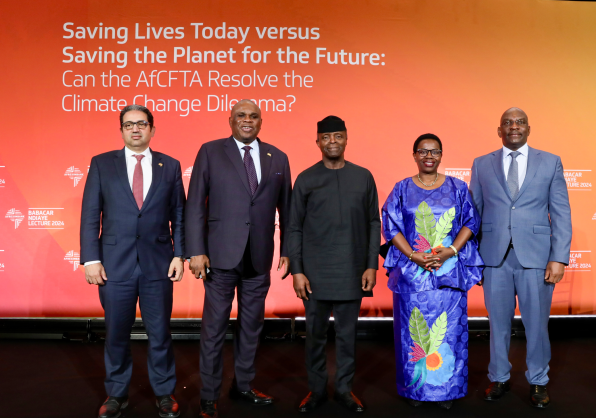
The eighth Babacar Ndiaye Lecture held at the Four Seasons Hotel in Washington D.C., on 26 October 2024, under-scored the need for African nations to strike a balance between short-term development imperatives and long-term climate goals. 

Under the theme “Saving Lives Today versus Saving the Planet for the Future: Can the AfCFTA Resolve the Climate Change Dilemma” discussions centred on how the African Continental Free Trade Area (AfCFTA), Africa's most ambitious trade initiative, could serve as a vehicle for economic growth and environmental sustainability, positioning the continent as a leader in the global green transition.  

The Lecture drew a distinguished audience of policymakers, academics, financial experts and climate advocates.  

Speaking about Dr. Babacar Ndiaye in his opening remarks, H.E. Professor Benedict Oramah, President and Chairman of the Board of Directors of Afreximbank Group, said “Dr Babacar Ndiaye was most concerned by the long-term threats posed to humanity by climate change. He once said, "Climate change is the greatest threat to development, particularly in Africa, where millions of people depend on the environment for their livelihoods … Africa's economic transformation cannot happen without addressing climate change.”  

Dr. Ndiaye's reflection on the impact of climate change was spot-on and intellectually deep.” But, “disappointingly, the global debate on climate has been so much focused on emissions reduction with the question of reducing its impact on Africa and other developing countries always reduced to a footnote. A call for Africa to decarbonise, when the continent has not even carbonised, poses a serious threat to the socio-economic development of a gas-rich continent that has at least six hundred million people without electricity.” 

The African Continental Free Trade Area Agreement “is seen as a potent means of reducing carbon emissions as it is helping to domesticate industrial activities and minimise the carbon emissions caused by shipping of commodities to far-away lands for value addition and reshipping to Africa and elsewhere. We believe that The AfCFTA could offer a pathway to a just transition, enabling local industrial value addition while protecting the planet.”  

Professor Yemi Osinbajo, SAN, GCON, the Immediate Past Vice President of the Federal Republic of Nigeria, delivered a powerful address titled “Sustainable Infrastructure for Africa's Future: Harnessing Innovation and Partnerships.” He spoke passionately about the advantages of the AfCFTA and its potential to transform Africa's trade landscape, reduce carbon emissions and foster innovation in green industries. 

“There are two obvious advantages to a fully operational AfCFTA.The first is that 42% of African countries, aside from North Africa, now have legislation prohibiting the export of raw ores or minerals before being processed. This legislation gives African countries the benefit of jobs and revenues from local processing and manufacturing.  

“The second advantage of the AfCFTA is that shipping is a major source of carbon emissions. Under current trade practices, a large share of African raw materials are exported to other regions, where they are processed or manufactured into finished products, usually using fossil fuel power sources, before being shipped back to Africa for consumption. This cycle contributes to higher emissions and constitutes a loss for African countries that do not reap the value chain gain from beneficiation. Intra-African trade in finished goods will substantially reduce this massive cause of global emissions,” he said. 

The reduction of emissions by intra-African trade has been the subject of several empirical studies. Professor Osinbajo referred to a recent ECA/ CEPII study titled “Greening the African Continental Free Trade Area Agreement's Implementation" published in December 2023, which found, inter alia, that implementing the AfCFTA can boost intra-African trade by 35% in 2045 while increasing GHG emissions by less than 1%, compared to no AfCFTA or climate policies.  

These studies do not factor in using renewable energy sources in the processing and manufacturing of traded goods, an assumption of the Climate Positive Growth paradigm, which would again substantially reduce emissions.  

Professor Osinbajo cited mining bauxite in Guinea as an example. If Guinea, which has 25% of global deposits of bauxite, processed the bauxite it mines to aluminium with renewable energy in readiness for export, Guinea could save the world 335 million tonnes of carbon dioxide equivalent (CO2e) per year, which is approximately 1% of global emissions, and create 280,000 jobs and generate $37 billion of additional revenue. If it chooses to sell the aluminium within Africa, it will again save the huge shipping cost to countries thousands of miles away.  

A Bloomberg study done for the African Development Bank (AfDB) in 2021 on the manufacture of battery precursors found that manufacturing battery precursors in the Democratic Republic of the Congo (DRC), which has plenty of lithium and cobalt, is three times cheaper than manufacturing it in the US, EU and China. Manufacturing in the DRC would extend value chain opportunities to other African countries, they would need manganese from Zambia, Tanzania, Gabon and South Africa to contribute to its capacity to produce these battery precursors. Manufacturing using renewable energy could significantly reduce the cost of manufacturing. Africa's abundant renewable energy has very low seasonality or intermittency, making it possible to reliably provide a renewable baseload to power continuous industrial production.  

“The AfCFTA empowers African countries first to add value to materials and specialise in areas of national comparative advantage, and also to work together to trade more beneficially with the rest of the world,” said Prof Osinbajo. 

He futher said that “Most African countries depend on fossil fuels for their energy needs and for fossil fuel rich African countries, this is also a major source of export earnings and fiscal revenues. Ostensibly in keeping with their net zero obligations, there has been a growing trend amongst development finance institutions to withdraw from fossil fuel investment. These actions include the World Bank's decision to cease funding for upstream oil and gas development in Africa and the restrictions on financing downstream gas development by the European Union, the United Kingdom, and the United States. Clearly, the implications of these actions are dire, where there are no immediate alternative sources of power and the cost of the transition to cleaner fuels may be prohibitive. Some studies show that divesting from fossil fuels could reduce GDP by as much as USD$30 billion for Nigeria, USD$22 billion for Algeria, and USD$19.3 billion for Angola.” 

H.E. Dr Rania A Al-Mashat, Minister for Planning, Economic Development and International Co-operation, Arab Republic of Egypt said that while the “African continent is the least responsible for carbon emissions, it has the biggest burden in terms of financing climate change for developmental needs - such as food and water security, and access to energy. 

She called for greater collaboration with national and international stakeholders “We need to work together; we need to bring the experiences from other places so that Africa can push forward with respect to development and sustainable economic growth.” 

In her Goodwill Message, Ms. Amina J. Mohammed, Deputy Secretary-General of the United Nations and Chair of the United Nations Sustainable Development Group, spoke about the rapidly closing window to prevent the worst impacts of climate change. She addressed the fact that many African countries are mired in debt, exacerbated by extended crises with little access to long-term concessional financing to invest in sustainable development. 

“With adequate access to financial resources at a reasonable cost, renewables can dramatically boost economies, grow new industries, create jobs and drive development, including by reaching the over 600 million Africans living without access to power,” said Ms Mohammed. 

She also stressed the importance of prioritising inclusive policies that empower women and youth when building climate-resilient economies.  

“By harnessing the collective might of the AfCFTA, Africa can make strides in addressing both climate action and sustainable development by promoting regional integration and fostering green industrialisation.  

“The AfCFTA can help build climate-resilient economies while creating jobs, reducing poverty and strengthening food security.”  

The eighth Babacar Ndiaye Lecture also reinforced Afreximbank's commitment to leadership in financing sustainable infrastructure and trade policies across the continent. 

Distributed by APO Group on behalf of Afreximbank.

Media Contact: 
Vincent Musumba 
Communications and Events Manager (Media Relations) 
Email: press@afreximbank.com 

For more information, visit: www.Afreximbank.com  
Follow us on X | Facebook (https://apo-opa.co/3YJR7iS)| LinkedIn (https://apo-opa.co/3Cet3eR) | Instagram (https://apo-opa.co/4ht2qDa)

About the Babacar Ndiaye Lecture 
The Babacar Ndiaye Lecture is an annual event designed to foster dialogue around Africa's development challenges and explore practical solutions through policy, trade and diplomacy.  

The Lecture honours Babacar Ndiaye, a former President of the African Development Bank, for his visionary leadership in advancing Africa's economic growth. 

Afreximbank has hosted this Lecture every year since 2017 in honour of the late Dr. Babacar Ndiaye, the fifth President of the African Development Bank. Dr. Ndiaye transformed the Bank during his decade-long leadership and was also instrumental in establishing several other enduring Pan-African institutions, including Afreximbank, Shelter Afrique and the African Business Roundtable. 

About Afreximbank 
African Export-Import Bank (Afreximbank) is a Pan-African multilateral financial institution mandated to finance, facilitate and promote intra and extra-African trade. For over 30 years, the Bank has been deploying innovative instruments to deliver financing solutions that support the transformation of the structure of Africa's trade, accelerating industrialisation and intra-regional trade, thereby boosting economic expansion in Africa. A stalwart supporter of the African Continental Free Trade Area (AfCFTA), Afreximbank has in partnership with the African Union Commission and the AfCFTA Secretariat launched the Pan-African Payment and Settlement System (PAPSS) that was adopted by the African Union (AU) as the payment and settlement platform to underpin the implementation of the AfCFTA agreement. The AfCFTA Secretariat and the Bank have created a US$10 billion Adjustment Fund to support countries to effectively participate in the AfCFTA.  

At the end of December 2023, Afreximbank's total assets and guarantees stood at over US$37.3 billion, and its shareholder funds amounted to US$6.1 billion. Afreximbank has investment grade ratings assigned by GCR (international scale) (A), Moody's (Baa1), Japan Credit Rating Agency (JCR) (A-) and Fitch (BBB). Afreximbank has evolved into a group entity comprising the Bank, its impact fund subsidiary the Fund for Export Development Africa (FEDA), and its insurance management subsidiary, AfrexInsure, (together, “the Group”). The Bank is headquartered in Cairo, Egypt.  

Media files
Afreximbank
Download logo
Read moreAfreximbank Calls for Increased Collaboration to Accelerate the Green Energy Transition in Africa
30 October 2024

Government non-interest expenditure expected to increase

Location: News

Government non-interest expenditure expected to increase

Finance Minister Enoch Godongwana says government non-interest expenditure is expected to increase in 2024/25. 

He was delivering the Medium-Term Budget Policy (MTBPS) statement speech in Parliament on Wednesday.

The increase is mainly attributed to:

  • Rollovers from the previous financial year, to the value of R2.1 billion.
  • R2.7 billion expenditure that was announced at the time of the main budget, mainly for the COVID-19 Social Relief of Distress Grant.
  • Unforeseeable and unavoidable expenditure of R2.1 billion, mainly for disaster relief.
  • A special appropriation bill that mostly covers the South African National Roads Agency SOC Ltd (SANRAL) obligations related to phase 1 of the Gauteng Freeway Improvement Programme (GFIP). A large part of this appropriation is made possible by the Gauteng Provincial Government honouring its R3.8 billion contribution to the debt this year.

“Our most immediate spending pressures will be addressed, despite the weaker revenue,” Godongwana said.

In the expanded MTBPS, National Treasury said the increases are partially offset by “declared unspent funds, projected underspending, contingency reserve drawdowns and provisional allocations not assigned to votes”.

“Relative to the 2024 Budget, debt-service costs are revised up by R6.7 billion,” said Treasury.

Looking further ahead, over the next two years, the main budget non-interest expenditure is expected to grow by a net of R32.4 billion, including the proposed increases:

  • R11 billion to implement early retirement measures over 2025/26 and 2026/27 to manage the public service wage bill.
  • R3.2 billion for the contribution from national government to the repayment of SANRAL GFIP debt in 2025/26.
  • R10.1 billion for the provincial portion of SANRAL debt repayment relating to the GFIP and the maintenance backlog, which will be transferred to SANRAL. This amount will be paid to National Revenue Fund by Gauteng Province.
  • R3.5 billion for carry-through costs for the deployment of South African National Defence Force (SANDF) troops in the Democratic Republic of the Congo.

“Compared with the 2024 Budget, the expenditure ceiling has increased by R16.8 billion per year in 2025/26 and 2026/27. Most of this increase is due to a repayment of SANRAL debt relating to the GFIP and early retirement costs,” Treasury said.

Relating to the public sector wage bill, government is expected to propose a reignition of its early retirement programme.

This, as National Treasury attempts to further reel in the wage bill.

“Over the past decade, the wage bill has decreased as a share of consolidated spending, falling from 35.7% in 2013/14 to 32.1% in 2023/24. By 2027/28, the wage bill is projected to decrease to 31.4% of consolidated spending.

“To further contain public service wage costs, government is proposing to reactivate early retirement without penalties. To support this initiative, an additional R11 billion will be allocated over the next two fiscal years. Details will be set out in the 2025 Budget,” the MTBPS said.

Furthermore, National Treasury said negotiations for the 2025/26 wage agreement have commenced and are “expected to conclude by the time of the 2025 Budget”.

“Government is committed to a fair and respectful collective bargaining and negotiation process in determining remuneration levels and conditions of service, while meeting its constitutional obligation to respect the budget process and deliver responsible and affordable fiscal policy,” National Treasury said. – SAnews.gov.za

NeoB
Wed, 10/30/2024 - 14:47

248 views
Read moreGovernment non-interest expenditure expected to increase
30 October 2024

Reforms to attract infrastructure investment

Location: News

Reforms to attract infrastructure investment

Minister of Finance Enoch Godongwana has announced reforms that will create conditions to attract greater infrastructure investment by private sector participation.

“Collectively, the infrastructure reforms will strengthen planning, appraisal, contracting, financing, and monitoring and evaluation. The outcome will be faster delivery of infrastructure that supports economic growth, the expansion of access to basic services and boosting job creation,” Godongwana said on Wednesday.

Tabling the 2024 Medium Term Budget Policy Statement (MTBPS) in Parliament, the Minister said one of the strategies aimed at lifting the economy to higher and towards a more inclusive growth path is supporting growth enhancing infrastructure.

“Pillar three is about effective infrastructure investment, to boost economic activity and enable higher growth over the medium term. In this regard, we are implementing reforms that will create conditions to attract greater private sector participation,” Godongwana said.

The reforms include:
• Mobilising significant private sector financing and technical expertise to augment the limited public sector capacity and capability.
• We are amending the PPP regulations to simplify requirements for undertaking these projects.
• The amended Treasury Regulation 16 will be published before the end of November for implementation in 2025/26. The Municipal PPP Regulations 309 will be finalised by June next year.

“We are establishing dedicated capacity to plan, prepare and design programmes that will generate a credible pipeline of projects that can be taken to the market.

“The Department of Water and Sanitation’s Water Partnerships Office has two priority programmes for non-revenue water and recycling wastewater that require private investments.

“Similarly, the Department of Transport, Transnet and the Passenger Rail Agency of South Africa are finalising a list of priority projects that will be issued to the market in 2025/26,” the Minister said.

The resolution of the Gauteng Freeway Improvement Project has unlocked a project pipeline to the value of R85 billion for the non-toll network over the next three years.

The Minister said government is improving the capital budgeting process.

The Budget Facility for Infrastructure is being reconfigured into a centralized gateway for all large infrastructure projects that require fiscal support to advance.

From 2025, the facility will have a continuous evaluation process instead of one window per annum. The National Treasury will, in January 2025, publish a circular to guide the submission of proposals.

“Lastly, government is making a concerted effort to increase the pool of funders to diversify public infrastructure financing through new mechanisms and instruments,” the Minister said.

These include build-operate-transfer (BOT) structures and other concessions.

“We are developing a blended finance risk-sharing platform that includes a credit guarantee vehicle that will help de-risk public-sector projects while reducing government’s contingent liabilities. Fiscal support is proposed for the projects evaluated in the 2024 BFI window,” the Minister said.

This includes, but is not limited to: two hospital projects, including a district hospital in Limpopo; landside capacity expansions at the Cape Town Container Terminal; capacity upgrades on the rail network from Watloo to Gqeberha; rehabilitation of water infrastructure in eThekwini; and Student housing accommodation at six higher education institutions.

“A request for proposals will be issued this year for funders who are interested in supporting these projects, as well as projects for urban rail revitalisation, disaster relief and metropolitan trading services. Funding for these will be separated from broader sovereign borrowing and be accounted for separately,” the Minister said. - SAnews.gov.za

nosihle
Wed, 10/30/2024 - 14:49

123 views
Read moreReforms to attract infrastructure investment
30 October 2024

Revenue from tax collection to be lower than expected

Location: News

Revenue from tax collection to be lower than expected

Revenue from tax collection in 2024/25 is expected to be down by R22.3 billion from National Treasury’s estimations made in February this year.

This according to Finance Minister Enoch Godongwana who delivered the Medium Term Budget Policy Statement (MTBPS) speech in Parliament on Wednesday.

“Over the next two years, the main budget revenue estimate has also been lowered by R31.2 billion. In the absence of faster growth and in the face of external risks, tax revenue will remain under pressure, forcing us to make difficult decisions on where to spend.

“Lower revenue also means that we cannot, within the envelope, accommodate all of the demands on the fiscus. Difficult trade-offs, in all spheres of government, will have to be made.

“By sticking to our debt-reducing strategy and confronting these trade-offs, we can create the necessary conditions for a fast-growing economy that facilitates employment,” he said.

In the expanded MTBPS, National Treasury said it projects that SARS will collect some R2.3 trillion in tax by 2027/28.

“The tax-to-GDP [gross domestic product] ratio remains resilient and tax collections are expected to remain buoyant over the medium term. Tax revenues are projected to increase to R2.3 trillion, or 24.8% of GDP by 2027/28. Tax buoyancy increases to average 1.08 over the medium term, up from 0.95 in the current year,” the MTBPs stated.

Despite this, revenue collection is expected to decrease over the next few years.

“However, compared with the estimates set out in the 2024 Budget Review, which reflected a high level of energy imports, gross revenue collection is projected to fall short by R41.4 billion in 2025/26 and 2026/27. Improved tax revenues will require more sustainable economic growth and further gains in tax compliance and tax administration,” Treasury said.

Due to improved profitability outlook, the department said it expects corporate tax collections to rise over the next few years.

“However, slower renewable energy related imports associated with stabilising power supply have weakened import growth, resulting in lower import VAT collections. 

“Together with continued strong growth in VAT refund payments, net VAT collections are projected to fall short of 2024 Budget estimates. Under-collections in fuel levy receipts relative to 2024 Budget estimates flow through to the outer years,” the MTBPS said. – SAnews.gov.za

NeoB
Wed, 10/30/2024 - 14:49

12 views
Read moreRevenue from tax collection to be lower than expected
30 October 2024

Rail: A Masterplan Will Only Be Ready by Next Year, Says Ramaphosa

Location: News

City of Cape Town expresses disappointment at the slow pace of change

Read moreRail: A Masterplan Will Only Be Ready by Next Year, Says Ramaphosa
30 October 2024

United Kingdom (UK) Visa Services in South Africa Are Now Available in PE/GQ Through VFS Global

Location: News

VFS Global
Download logo

VFS Global (www.VFSGlobal.com) are proud to announce that residents of South Africa, travelling to the UK can now book appointments to submit their visa applications through VFS Global's new state-of-the-art Visa Application Centres located in Cape Town, Durban, Johannesburg, Port Elizabeth and Pretoria.

Effective 22 October 2024, customers applying for a UK visa will be directed to VFS Global to book an appointment to complete their visa application. Customers will also have the option to choose additional services designed to make the application process easier.

Commenting on the launch of the new Centres, Mr. Alok Singhal, Head- Sub-Saharan Africa, VFS Global, said, “We are excited to embark on this new journey with UK Visas and Immigration here in South Africa. We have enjoyed a long-standing partnership with UK Visas and Immigration since 2003 and look forward to now bringing travellers from South Africa our best-in-class services.”

UK visa customers can now choose from a range of optional services offered by VFS Global to provide enhanced comfort and convenience. These include document upload assistance, Prime Time for application submission outside of business hours, SMS notifications, document checking service, and courier return of the passport once a decision has been made.

Customers can also submit their UK visa applications from the comfort and safety of their home, office or any other preferred location with our On Demand Mobile Visa service. VFS Global's Keep My Passport While Applying service allows customers to keep their passports once their application is submitted and biometrics have been enrolled. Customer will only need to re-submit their passport when a decision is reached.

The services can be booked in advance on https://apo-opa.co/4f4Yw1G or at the Visa Application Centre at the time of the appointment. These services are completely optional and have no bearing on the processing timeline and outcomes of visa applications.

As a partner to the UK Visas and Immigration since 2003, VFS Global offered visa services in 58 countries before the new contract and has now been awarded the contract to provide UK visa services in 142 countries worldwide. In the African region, VFS Global will provide Visa Application Centres for the UK in 31 countries, from October 2024.

UK Visa Application Centres in South Africa

Cape Town: 2 Long Street, 9th floor, nr 2 on Long Street, 8001

Port Elizabeth: Greyville House, 3rd Floor, Greyville House Building, Corner of Ring Road, Caper Road & Greyville Road, Greenacres

Durban: Glass House, 309 Umhlanga Rocks Drive, Umhlanga

Johannesburg: Rivonia Village, 3rd, Cnr Rivonia Boulevard and Mutual Road, Sandton, 2128

Pretoria: The Podium at Menlyn - 4th Floor, 43 Ingersol Rd, Lynnwood Glen, 0081

Website: https://apo-opa.co/4f4Yw1G

Business hours: 8 AM to 5 PM (Mon to Fri, except public holidays)

Application submission: 9 AM to 4 PM (Mon to Fri, except public holidays)

Passport collection: 12 PM to 3 PM (Mon to Fri, except public holidays)

Primetime submission and collection: 8 AM to 9 AM & 4 PM to 5 PM (Mon to Fri, except public holidays)

Distributed by APO Group on behalf of VFS Global.

Media Contact:
George Cherian
georgec@vfsglobal.com
communications@vfsglobal.com

About VFS Global:
As the world's leading outsourcing and technology service specialist, VFS Global embraces technological innovation including Generative AI to support governments and diplomatic missions worldwide. The company manages non-judgmental and administrative tasks related to applications for visa, passport, and consular services for its client governments, increasing productivity and enabling them to focus entirely on the critical task of assessment.

With a responsible approach to technology development, adoption and integration, the company prioritizes ethical practices and sustainability while serving as the trusted partner to 69 client governments.  Operating over 3,400 Application Centres in 153 countries, VFS Global has efficiently processed more than 297 million applications since 2001.

Headquartered in Zurich and majority owned through investment funds managed by Blackstone Inc, along with the Swiss-based Kuoni and Hugentobler Foundation and EQT, VFS Global is committed to creating value for all stakeholders and leading in responsible, innovative solutions making government services more effective and efficient.

Read moreUnited Kingdom (UK) Visa Services in South Africa Are Now Available in PE/GQ Through VFS Global
30 October 2024

KwaZulu-Natal not a haven for criminals, warns Premier

Location: News

KwaZulu-Natal not a haven for criminals, warns Premier

With the festive season approaching, KwaZulu-Natal Premier Thamsanqa Ntuli has sent a strong warning to criminals that the police will intensify efforts to prevent criminal activities from taking place in the province.

“KwaZulu-Natal is not a haven for criminals and police will do all in their power to curb criminality wherever and whenever it rears its ugly head,” Ntuli said.

Ntuli sent the warning during a crime crackdown in the Durban city centre, which led to the arrest of more than 30 people found without legal documentation to be in South Africa.

In a concerted effort to rid the Durban city centre of crime and criminal elements, Ntuli joined law enforcement authorities in a high-impact operation targeting shops employing undocumented foreign nationals on Tuesday.

The joint raid, led by Ntuli and the provincial Police Commissioner, Nhlanhla Mkhwanazi, included an inspection of foreign-owned spaza shops and establishments suspected of selling counterfeit goods.

The raid highlighted the provincial government’s commitment to making Durban a safer place for residents, business owners, and visitors.

With increased vigilance and coordination between provincial authorities and law enforcement agencies, Ntuli said KwaZulu-Natal aims to ensure that criminal elements are rooted out and that communities feel safe in their own neighbourhoods.

Ntuli affirmed that the operation is just one of many measures to ensure a secure environment for citizens and tourists.

The Premier emphasised the police will intensify their efforts to prevent criminal activities from taking root in the province.

“Our message is clear: criminality will not be tolerated, and we will pursue justice wherever and whenever it is needed,” Ntuli said.

The Premier reiterated that the provincial government, alongside local law enforcement, is committed to maintaining peace and security across the region and reinforcing its zero-tolerance stance on crime.

Restoring safety within communities

Meanwhile, during his visit to the families of four people who tragically lost their lives during a brutal attack in Estcourt, Ntuli emphasised the urgent need for justice and the importance of restoring safety within communities.

Ntuli visited the families on Monday following the attack that claimed the lives of four members of the Mazibuko family, aged 45, 57, 60 and 61. Three victims died at the scene, while two others sustained injuries; and one later succumbed to their injuries.

The incident took place during a traditional celebration at a homestead in Nyezane, where six heavily armed suspects stormed the gathering and opened fire on Sunday afternoon.

According to police reports, the suspects, who wore masks, carried out the assault in a violent and calculated manner, leaving the community in shock and mourning.

In the aftermath of the tragedy, law enforcement authorities launched an intelligence-driven investigation, which led to swift apprehension of a 28-year-old suspect.

The arrest marked a crucial step in the pursuit of justice for the Mazibuko family and the affected community.

During his visit, Ntuli expressed his heartfelt condolences to the grieving families, acknowledging the profound pain caused by such senseless violence.

The Premier pledged his administration’s commitment to tackling violent crime in the province.

“This is a tragic loss, not only for the Mazibuko family but for the entire community. We stand in solidarity with those affected and are determined to see that those responsible for this heinous act are held accountable,” Ntuli said.

He said the KwaZulu-Natal Provincial Government, alongside law enforcement agencies, remains dedicated to supporting the bereaved families and working towards a safer, more secure province for all its citizens. – SAnews.gov.za

GabiK
Wed, 10/30/2024 - 11:59

46 views
Read moreKwaZulu-Natal not a haven for criminals, warns Premier
30 October 2024

Meso’s Maiden Half-Century Powers SA U19 Women to Series Clincher Against Ireland

Location: Sport

TSHWANE: Player of the Match Karabo Meso starred with a career-best half-century as well as a stumping and three run outs,...

Read moreMeso’s Maiden Half-Century Powers SA U19 Women to Series Clincher Against Ireland
30 October 2024

Dolphins and Western Province Set for 4-Day Series Opener

Location: Sport

JOHANNESBURG: As the 2024/25 T20 Challenge concluded this past weekend, the focus shifts to red-ball cricket with the 4-Day Series commencing...

Read moreDolphins and Western Province Set for 4-Day Series Opener
30 October 2024

SANDF and Russian Aerospace Forces strengthen ties

Location: News

SANDF and Russian Aerospace Forces strengthen ties

South Africa is hosting Russia’s Aerospace Forces to strengthen ties between the two nations.

“The South African National Defence Force through the South African Air Force welcomes the Aerospace Forces of the Russian Federation on their goodwill visit to the Republic of South Africa,” the South African National Defence Force (SANDF) said in a statement on Tuesday.

The Russian air arsenal arrived at the Air Force Base Waterkloof in Pretoria on Tuesday and will remain in the country until Friday, 01 November 2024.

This visit is part of a demonstration of defence cooperation aimed at strengthening military-to-military relations, particularly with the South African Air Force (SAAF).

The two countries are also expected to host bilateral seminars of both technical staff where officials deliberate on combat planning and the planning philosophy as well as search and rescue matters.

The SANDF stated that the visit aims to reaffirm the diplomatic ties between the two countries’ military organisations and is founded on strong historical connections that date back to 1992.

This led to the Ministries of Defence of both countries penning an agreement in 1995 that the joint unit of Russia’s Aerospace Forces will from time-to-time visit South Africa.

“The SANDF will emerge as big heirs of this visit which sets a platform for the SAAF to gain knowledge and exposure to the large military air assets including the IL-62, AN-124, and Tupolev Tu-160 ‘Blackjack’ bombers which are the first to ever land on the African continent.

“This is part of the South African National Defence Force’s broader military-to-military partnership framework with several other defence forces across the globe,” the SANDF explained. – SAnews.gov.za
 

Gabisile
Wed, 10/30/2024 - 10:04

75 views
Read moreSANDF and Russian Aerospace Forces strengthen ties
30 October 2024

Minister of Finance to table MTBPS

Location: News

Minister of Finance to table MTBPS

Minister of Finance Enoch Godongwana will today present the 2024 Medium Term Budget Policy Statement (“2024 MTBPS”) to Parliament.

“The MTBPS is a critical element in the overall budget process, as it sets out the policy framework for the budget presented every February. It also provides the country and its elected representatives with an update on the National Treasury’s economic forecasts, adjusts the budgets of government departments, and makes emergency changes to spending,” Parliament said in a statement.

The MTBPS allows Parliament and the public to interact with the government’s budget through committee oversight over government departments when committees review the effective and efficient use of available resources. 

The MTBPS is preceded by the Budget Review and Recommendations Reports, which must be tabled in the National Assembly before the MTBPS reports are adopted. 

“At the same National Assembly (NA) sitting, the Minister is also scheduled to table the Adjustments Appropriation Bill, the Rates and Monetary Amounts and Amendment of Revenue Laws Bill, the Taxation Laws Amendment Bill, the Division of Revenue Amendment Bill, and the Tax Administration Laws Amendment Bill,” Parliament said.

Members of the public may get involved and follow parliamentary sittings live on Parliament TV (DSTV Channel 408) or on Parliament’s YouTube channel and on Parliament’s X-page (https://twitter.com/ParliamentofRSA).

The Minister will table the MTBPS in the NA at 14h00. -SAnews.gov.za

nosihle
Tue, 10/29/2024 - 15:11

67 views
Read moreMinister of Finance to table MTBPS
30 October 2024

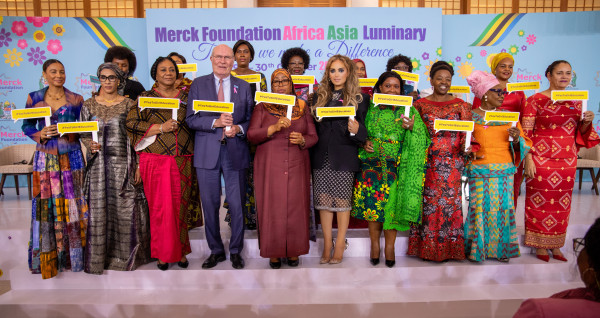
Tanzania President, Merck Foundation Chairman and CEO with 15 First Ladies inaugurate their 11th Africa Asia Luminary 2024

Location: News
Merck Foundation

  • The 11th Edition of Merck Foundation Africa Asia Luminary was officially inaugurated by The President of the United Republic of Tanzania, H.E. Dr. SAMIA SULUHU HASSAN, Chairman of Merck Foundation Board of Trustees, Prof. Dr. Frank Stangenberg-Haverkamp and Merck Foundation CEO, Senator, Dr. Rasha Kelej.

  • The First Ladies of Burundi, Cabo Verde, Central African Republic, Democratic Republic of The Congo, Gabon, The Gambia, Ghana, Kenya, Liberia, Malawi, Maldives, Mozambique, Democratic Republic of São Tomé and Príncipe, Zimbabwe and Zanzibar were the Guests of Honor and Keynote Speakers for the 11th Edition of Merck Foundation's Annual Conference.
  • More than 6,000 healthcare providers, policymakers and media from over 70 English, French, Spanish and Portuguese speaking countries attended the Luminary through hybrid model to benefit from five parallel scientific and social sessions to advance healthcare capacity and awareness in 44 critical and underserved medical specialties.
  • Celebrating 7th Anniversary of Merck Foundation and marking 12-year journey of their development programs, during 2024 Luminary. 
  • Link to Live Stream of Inaugural Session of Merck Foundation Africa Asia Luminary 2024: https://apo-opa.co/40tsLex

Merck Foundation (www.Merck-Foundation.com), the philanthropic arm of Merck KGaA Germany, conducted the 11th Edition of their annual conference, “Merck Foundation Africa Asia Luminary”, under the patronage of The President of Tanzania, and in partnership with the Government of Tanzania on 29th and 30th October, in Dar es Salaam, Tanzania. The conference was officially inaugurated by H.E. Dr. SAMIA SULUHU HASSAN, The President of the United Republic of Tanzania together with Prof. Dr. Frank Stangenberg-Haverkamp, Chairman of Merck Foundation Board of Trustees and Senator, Dr. Rasha Kelej, CEO of Merck Foundation, along with First Ladies of 15 Countries, who joined as the Guests of Honor and Keynote Speakers.

While inaugurating the conference, The President of United Republic of Tanzania, H.E Dr. SAMIA SULUHU HASSAN emphasized “I am delighted to host this prestigious conference in Tanzania. It is a great honor to inaugurate the conference alongside the First Ladies of Africa and Asia. I am certain that this conference will help us to achieve our shared mission — to make a transformation in the health and well-being of our people. I deeply appreciate the programs of Merck Foundation that are building healthcare capacity, breaking infertility stigma, and supporting girl education.”

Senator Dr. Rasha Kelej, CEO of Merck Foundation and Chairperson of Merck Foundation Africa Asia Luminary emphasized, “I am delighted to have Her Excellency, Dr. SAMIA SULUHU HASSAN, The President of the United Republic of Tanzania, inaugurate our annual conference. I also extend my heartfelt thanks to our partner, the Government of Tanzania, for their unwavering support in making it a success. Moreover, I am honored to welcome our esteemed Guests of Honor and Keynote Speakers, the First Ladies of African and Asian Countries, also the Ambassadors of the “Merck Foundation More Than a Mother”. Together, we shared experiences and engaged in meaningful discussions on the impact of our programs, aimed at transforming patient care and raising awareness on a wide range of critical social and health issues."

Prof. Dr. Frank Stangenberg Haverkamp, Chairman of Merck Foundation Board of Trustees added, “I would like to thank H.E. Dr. SAMIA SULUHU HASSAN, The President of Tanzania, our partners, The First Ladies of Africa and Asia, along with African Ministers, Health Experts, Policy Makers, Government Officials, Academia and Media from over 70 countries for joining hands with us to realize the Merck Foundation's vision that  “Everyone can lead a Healthy and Happy life.”

The First Ladies of 15 Countries, who joined as the Guests of Honor and Keynote Speakers are:

  • H.E. Madam ANGELINE NDAYISHIMIYE, The First Lady of the Republic of Burundi
  • H.E. Dr. DÉBORA KATISA CARVALHO, The First Lady of the Republic of Cabo Verde
  • H.E. Madam BRIGITTE TOUADERA, The First Lady of Central African Republic
  • H.E. Madam DENISE NYAKERU TSHISEKEDI, The First Lady of the Democratic Republic of The Congo
  • H.E. Madam ZITA OLIGUI NGUEMA, The First Lady of the Gabonese Republic
  • H.E. Mrs. FATOUMATTA BAH-BARROW, The First Lady of the Republic of The Gambia
  • H.E. Mrs. REBECCA AKUFO-ADDO, The First Lady of the Republic of Ghana
  • H.E. Mrs. RACHEL RUTO, The First Lady of Kenya
  • H.E. Mrs. KARTUMU YARTA BOAKAI, The First Lady of the Republic of Liberia
  • H.E. Mrs. MONICA CHAKWERA, The First Lady of the Republic of Malawi
  • H.E. Mrs. SAJIDHA MOHAMED, The First Lady of the Republic of Maldives
  • H.E. Mrs. ISAURA FERRÃO NYUSI, The First Lady of the Republic of Mozambique
  • H.E. Mrs. MARIA DE FATIMA VILA NOVA, The First Lady of the Democratic Republic of São Tomé and Príncipe
  • H.E Mrs. MARIAM MWINYI, The First Lady of Zanzibar
  • H.E. Amai Dr. AUXILLIA MNANGAGWA, The First Lady of the Republic of Zimbabwe

“I am proud to share that Merck Foundation has provided more than 2080 scholarships to young doctors from 50 countries in 42 critical and underserved specialties such as Oncology and Cancer care, Diabetes, Endocrinology, Cardiovascular, Fertility Care, Embryology, Sexual & Reproductive Medicine, Internal Medicine, Respiratory Medicine, Acute Medicine, Critical Care, Pediatric Emergency, Gastroenterology, Rheumatology, Clinical Psychiatry, Urology, Ophthalmology, General Surgery, Trauma & Orthopedic, Dermatology, Neonatal Care, Pain Management, Clinical Microbiology & Infectious Diseases, Advanced Surgical Practice, Neuroimaging for Research and more. Many of them are becoming the first specialists in their countries”, added Senator Kelej.  

During the 11th Edition of Merck Foundation Africa Asia Luminary, two important occasions were marked; the 7th Anniversary of Merck Foundation and 12 years of Merck Foundation's development programs that started in 2012.

On the first day of the conference, the Plenary Session of the Merck Foundation Africa Asia Luminary 2024 took place, featuring a high-level panel discussion with the participating First Ladies of Africa and Asia. Moreover, two high-level ministerial panel discussion were held with African Ministers and top healthcare experts from across the globe.

The Day 2 of the conference will have five key parallel medical and scientific sessions, covering topics such as oncology, diabetes and hypertension, fertility and reproductive care, and medical capacity building in other specialties like respiratory care, acute care, emergency pediatric and neonatal care, and more. Additionally, a community awareness session, Merck Foundation Health Media Training, will be conducted for African journalists. This session will emphasize the critical role of the media in influencing communities and driving cultural change, with regards to a wide range of social and health issues like Breaking Infertility Stigma, Supporting Girls' Education, Stopping GBV, Ending Child Marriage & FGM, Empowering Women, Diabetes and Hypertension Awareness.

Countries participating in the 11th Edition of Merck Foundation Africa Asia Luminary include:

Angola, Bangladesh, Benin, Botswana, Burkina Faso, Burundi, Cameroon, Canada, Central Africa Republic, Cambodia, Chad, Côte d'Ivoire, Republic of the Congo, Democratic Republic of the Congo, Egypt, Ethiopia, France, Gabon, Germany, Ghana, Guinea – Bissau, Guinea – Conakry, India, Indonesia, Kenya, Lesotho, Liberia, Malawi, Malaysia, Mali, Mauritania, Mauritius, Mexico, Mozambique, Myanmar, Namibia, Nepal, Niger, Nigeria, Peru, Philippines, Russia, Rwanda, Senegal, Sierra Leone, Somalia, South Africa, Sri Lanka, Sudan, Tanzania, Thailand, The Gambia, Togo, Tunisia, U.A.E, UK, Uganda, US, Vietnam, Zambia, Zimbabwe and more.

The 11th Edition of Merck Foundation Africa Asia Luminary 2024 is streamed live on the social media handles of Merck Foundation and Senator, Dr. Rasha Kelej, CEO of Merck Foundation:

@ Merck Foundation: Facebook (http://apo-opa.co/3Yq65sX), X (http://apo-opa.co/40p49nc), Instagram (http://apo-opa.co/3Uwqqvl), and YouTube (http://apo-opa.co/3NLGJAS).

@ Rasha Kelej: Facebook (http://apo-opa.co/3Uulqrf), X (http://apo-opa.co/3Yq65Jt), Instagram (http://apo-opa.co/40krkip), and YouTube (http://apo-opa.co/40nOp3t).

Link to the Facebook live stream of Inaugural Session of Merck Foundation Africa Asia Luminary & African First Ladies High Level Panel: https://apo-opa.co/40tsLex

Merck Foundation is transforming the Patient care landscape and making history together with their partners in Africa, Asia, and beyond, through:

• 2080+ Scholarships provided by Merck Foundation for doctors from 52 Countries in 42 critical and underserved medical specialties.  

Merck Foundation is also creating a culture shift and breaking the silence about a wide range of social and health issues in Africa and underserved communities through:

• 3500+ Media Persons from more than 35 countries trained to better raise awareness about different social and health issues

• 8 Different Awards launched annually for best media coverage, fashion designers, films, and songs,

• Around 30 songs to address health and social issues, by local singers across Africa

• 8 Children's Storybooks in three languages - English, French, and Portuguese

• 7 Awareness Animation films in five languages - English, French, Portuguese, Spanish and Swahili to raise awareness about prevention and early detection of Diabetes & Hypertension and supporting girl education.

• Pan African TV Program "Our Africa by Merck Foundation” addressing Social and Health Issues in Africa through “Fashion and ART with Purpose” Community

• 700+ Girls from 15 African countries supported through scholarships or school items, annually.

• 15 Social Media Channels with more than 6 Million Followers.

Distributed by APO Group on behalf of Merck Foundation.

Contact details:
Mehak Handa
Community Awareness Program Manager
+91 9310087613 / +91 9319606669
mehak.handa@external.merckgroup.com

Join the conversation on our social media platforms below and let your voice be heard!
Facebook: https://apo-opa.co/3Yq65sX
X (Twitter): https://apo-opa.co/3O4YBa5
YouTube: https://apo-opa.co/3NLGJAS
Instagram: https://apo-opa.co/3Uwqqvl
Flickr: https://apo-opa.co/40nL051
Threads: https://apo-opa.co/3NJN9jN
Website: www.Merck-Foundation.com
Download Merck Foundation App: https://apo-opa.co/40njaFK

About Merck Foundation:
The Merck Foundation, established in 2017, is the philanthropic arm of Merck KGaA Germany, aims to improve the health and wellbeing of people and advance their lives through science and technology. Our efforts are primarily focused on improving access to quality & equitable healthcare solutions in underserved communities, building healthcare & scientific research capacity, empowering girls in education and empowering people in STEM (Science, Technology, Engineering, and Mathematics) with a special focus on women and youth. All Merck Foundation press releases are distributed by e-mail at the same time they become available on the Merck Foundation Website.  Please visit www.Merck-Foundation.com to read more. Follow the social media of Merck Foundation: Facebook (https://apo-opa.co/3UrWznZ), X (https://apo-opa.co/3NLcqtQ), Instagram (https://apo-opa.co/3UtDmlT), YouTube (https://apo-opa.co/3UqOAaF), Threads (https://apo-opa.co/3UvSCP8) and Flickr (https://apo-opa.co/3Yo1jfw).

The Merck Foundation is dedicated to improving social and health outcomes for communities in need. While it collaborates with various partners, including governments to achieve its humanitarian goals, the foundation remains strictly neutral in political matters. It does not engage in or support any political activities, elections, or regimes, focusing solely on its mission to elevate humanity and enhance well-being while maintaining a strict non-political stance in all of its endeavors.

Media files
Merck Foundation
Download logo
Read moreTanzania President, Merck Foundation Chairman and CEO with 15 First Ladies inaugurate their 11th Africa Asia Luminary 2024
30 October 2024

Pledge to improve working conditions in the construction sector

Location: News

Pledge to improve working conditions in the construction sector

A nationwide pledge aimed at creating safer, healthier working environments for those working in the construction sector is set to be signed this week.

The Department of Employment and Labour said the Decent Work in Construction Pledge will be signed at roadshows in Cape Town on Wednesday and in George on Friday.

Wednesday’s roadshow will take place at the Aspired Country Manor in Philippi and Friday’s roadshow will take place at the Protea Hotel King George.

“Each roadshow stop will feature informative presentations, interactive sessions, and the opportunity to sign the Decent Work in Construction Pledge.”

The department and its partners, including the International Labour Organization (ILO), the Federated Employers Mutual Assurance Company (FEM) and the Compensation Fund (CF), have united to support labour rights and ethical business practices in the construction sector.

The partnership focuses on advancing labour rights, eliminating exploitative practices and enhancing productivity in a sector that is vital to the country's economic growth. The recently signed Construction Health and Safety Accord plays a vital role in advancing the decent work agenda in the sector. 

This agreement between government, organised labour and organised business aims to create safer, healthier working environments. 

It also promotes collaboration among all parties to prioritise workers' safety while enhancing business efficiency.

“The construction sector is one of the largest employers in South Africa, generating thousands of jobs annually. However, it is also an industry where decent work challenges, such as safety risks, informal labour practices and wage exploitation, are prevalent,” the department said.

“The objective of this initiative is to change this narrative by promoting fair, compliant, and fulfilling work conditions for construction workers, while simultaneously boosting productivity for businesses.

“Decent Work advocates for employment that respects the dignity, safety, and rights of all workers. It defines decent work in the construction sector as employment that is fulfilling, compliant with regulations, and free from exploitation,” the department explained.

Establishing a foundation for meaningful transformation within the construction sector, the Decent Work in Construction campaign promotes:

  • Advocacy efforts aimed at raising awareness among employers, workers, and the public about the importance of decent work. This includes ensuring all stakeholders understand their rights and responsibilities in creating fair and productive workplaces.
  • Regular workplace inspections to ensure compliance with labour standards and health and safety regulations. There will be an increase in inspections within the industry to ensure companies adhere to legal requirements, safeguarding workers' rights and well-being.
  • Strict enforcement of labour laws, with DEL and its social partners holding violators accountable and ensuring corrective actions are swiftly implemented. This will deter exploitative practices and encourage ethical business conduct.
  • Capacity building through regular training programmes, workshops, and other resources to empower both employers and workers. Businesses will improve compliance and productivity, while workers will gain skills for personal development and job security. 

“By signing, businesses and individuals commit to promoting fair, safe, and compliant working conditions. Workers and the public are also urged to report any instances of exploitation, non-compliance, or unsafe conditions to their nearest labour centre,” the department said. 

These reports will help identify and address unfair practices, ensuring workers' rights are upheld.

The department said the benefits of decent work extend beyond individual workers, helping businesses thrive, reducing turnover, and enhancing overall industry productivity. – SAnews.gov.za


Edwin
Tue, 10/29/2024 - 10:07

353 views
Read morePledge to improve working conditions in the construction sector
29 October 2024

Ukraine visa agreement still undergoing diplomatic processes

Location: News

Ukraine visa agreement still undergoing diplomatic processes

International Relations and Cooperation Minister, Ronald Lamola, has confirmed that the long-awaited visa waiver for Ukrainian holders of diplomatic and official passports will move forward through diplomatic channels, with the agreement to be signed upon the completion of the necessary procedures.

“Once those processes have been concluded, the agreement will then be concluded, which will enable our diplomats and services and official passports to be able to travel between the two countries seamlessly,” the Minister said on Monday. 

Lamola made the remarks in Pretoria while hosting his Ukrainian counterpart, Andrii Sybiha, the Minister of Foreign Affairs.

“The agreement has not been signed and once all the diplomatic processes have been concluded, the agreement will be signed. The officials between the two departments, including the Department of Home Affairs, have agreed in terms of the text of this agreement, which represents progress because it’s a process that was started by my predecessor.”

Lamola noted that the process was “ripe” for conclusion and stated that his team was dedicated to completing the project.

Lamola said he has noted the Ukraine’s request for reciprocity concerning ordinary citizens. 

“As we are aware, we service our citizens and the citizens of Ukraine through Warsaw in Poland, which complicates our work. We will process this matter through our own internal mechanisms, and we’ll be able to give you feedback through the diplomatic channels. 

“Regarding this request, we deliberated on constraints to fragile international security, including, but not limited, to the current wars.” 

Lamola told Sybiha and his delegates that he was pleased to learn that the Ukraine wants peace, and that they are willing and ready to engage with Russia, as suggested by South Africa. 

“We believe that in this conflict, it’s important that all the warring factions are on the table, and they [are] able to engage.

“They cannot only meet on the battlefield, because any peaceful resolution will come through diplomatic engagements and peaceful negotiations of the conflict that is currently ongoing.”

Lamola believes that it is important to find long-lasting peace in this ongoing conflict that has affected the global supply of grain and food prices across the globe. 

“It is in the interest of us and the people of the world that we see a peaceful resolution to this conflict, and we look forward to that engagement through the peace formula that will involve all the parties.”

Lamola said he was looking forward to continuing the engagement between the two parties, with regard to the Africa Initiative led by President Cyril Ramaphosa and other African leaders. 

This initiative aims to persuade the parties to a negotiation platform, Lamola explained, adding that South Africa is also part of the China-Brazil initiative, which is also pushing to bring the parties to any engagement. Lamola said he is hopeful that one day this will be realised.

Lamola told the delegation that South Africa, which has also engaged in peace efforts in Africa, particularly in the Sahel region and Sudan, was “very concerned” about the current humanitarian crisis. 

This includes the maiming of innocent children and women in Sudan, while the Red Cross, the largest humanitarian organisation, has declared the Sahel region as one of the biggest humanitarian disasters the world has ever seen.

Shifting his focus back to the political consultations, Lamola said South Africa is looking forward to allowing diplomatic processes that will enable the strengthening of bilateral trade between South Africa and the Ukraine. 

This involves the areas of trade, digital transformation, agriculture and many other fields, including the skills gap that exists in both nations.

Meanwhile, Lamola said his department will process the invite they received to visit the Ukraine. 

“We will be able to give feedback in terms of what is possible after we have followed all the diplomatic processes,” he said. 

He also stressed South Africa’s non-alignment stance and the country’s participation in various initiatives aimed at finding a solution to this ongoing conflict.  

“There must be a channel of communication that is open, that enables them to engage on some issues, including finding a ceasefire in that conflict. This is very important for the people of the group, in line with the UN [United Nations] Charter.” – SAnews.gov.za 

Gabisile
Tue, 10/29/2024 - 13:05

268 views
Read moreUkraine visa agreement still undergoing diplomatic processes
29 October 2024

Mental health and people with disabilities

Location: News

Mental health and people with disabilities

By Morapedi Sibeko

Social Development Month and Mental Health Awareness Month are two significant twin observances that fall in October. The aim of these observances is to promote all-encompassing strategies that tackle social concerns as well as mental health requirements, ultimately resulting in communities that are healthier and more resilient.

This linking shows how closely social support networks and mental health are interrelated, particularly for people with disabilities (PWD).

The World Health Organization (WHO), which defines health as a state of complete physical, mental and social well-being and not merely the absence of disease or infirmity, reports that people with disabilities have twice the likelihood of experiencing mental health issues. They also list increasing global awareness of mental health issues and organising mental health-promoting activities as two of October's other main goals.

Mental wellbeing for people with disabilities frequently remains an unattainable objective, secondary to the stigma linked to both their physical condition and mental health difficulties. This dual stigma is responsible for lowering the quality of life and preventing people with disabilities from getting the necessary mental health care.  

People with disabilities regularly have to deal with negative expectations and false beliefs about their skills. The burden of judgment increases when mental health issues are involved. It is a common misconception in society that people with disabilities are either "used to" hardship or lack the emotional strength needed to preserve mental health. Due to this twin stigma, people with disabilities are perceived as weak or reliant in terms of both their mental and physical health, which fosters a poisonous environment.

As per WHO, a person's place on the mental health continuum may change as a result of a combination of psychological, societal, and structural factors that either support or compromise mental health throughout life. Often people with disabilities live with an emotional toll that comes from experiencing a world that was supposedly not created with them in mind. 

A negative consequence of social stigma is one's internalisation of the unfavourable attitude. A person's incapacity to deal with the hand they've been dealt may lead to them believing their mental health issues are personal failures.

People with disabilities tend to enjoy fewer benefits or have less access to training and development, and they frequently feel alienated at work. They run the danger of social marginalisation, poor health, and diminished productivity at work as a result of this physical and psychological discomfort.

Employers frequently lack the knowledge and readiness to offer the support and accommodations that people with disabilities require. People with disabilities who are employed suffer in silence, feel misunderstood, and lack assistance.

A study by researchers (Trani et.al., 2024) highlights that the lack of opportunities, isolation, prejudice, and accessibility problems that people with disabilities experience can result in mental health conditions including post-traumatic stress disorder (PTSD), sadness, depression, or anxiety. This research highlights the value of social development programs that fight stigma and contribute to the creation of a more accepting and inclusive atmosphere for people with disabilities.

The need of inclusive social policies in promoting mental wellness for everyone, especially people with disabilities, is brought home to us in October. We, as community members, can establish settings where each person feels appreciated, encouraged, and capable of thriving by tackling the structural obstacles and stigmas people with disabilities encounter.

*Morapedi Sibeko is the Event Manager at the Department of Social Development
 

Janine
Tue, 10/29/2024 - 14:42

130 views
Read moreMental health and people with disabilities
29 October 2024

Youth Employment and Economic Inclusion essential for SA’s future success

Location: News

Youth Employment and Economic Inclusion essential for SA’s future success

Employment and Labour Deputy Minister, Jomo Sibiya, has underscored the importance of youth employment and economic inclusion as essential elements for South Africa's future success.

The Deputy Minister was delivering a keynote address at the Solutions Exchange Conference held at The Forum in Bryanston, Johannesburg.

Sibiya told the leaders from government, business and civil society that the gathering was testament to the fact that they believe in the potential of the youth to contribute meaningfully to their lives, communities and the South African economy.

The Deputy Minister highlighted the need to provide opportunities for the country's youth to thrive, both economically and socially.

“It is both an honour and a privilege to stand before you at this auspicious occasion, dedicated to finding solutions to one of the greatest challenges that South Africa faces. A challenge that I do not doubt can be overcome together.

“Youth employment and economic inclusion are vital to the success of our country. In young people, we see the potential for the South Africa we want. They are the doctors, lawyers, business people, teachers, and artisans that will ensure the growth and development of our country not just in the short term, but for generations to come,” the Deputy Minister said. 

He emphasised that building a future-proof workforce that is able to innovate and solve the country’s most pressing challenges is not something that should be merely done but a must. 

“A working nation is a peaceful nation, and by supporting the youth of South Africa to access the labour market and contribute meaningfully to our growth and development, we are in fact, ensuring that South Africa enjoys the stability required to prosper, untied,” he said. 

Sibiya pointed out the stark challenges youth face in the job market, where about 60% of young people are either unemployed or not in education or training. 

He highlighted that among South Africans aged 20, the unemployment rate is over 70%, while for those with tertiary education, 25% still struggle to find work. Young women face even greater challenges, with unemployment rates nearly 10% higher than their male counterparts.

“As the Department of Employment and Labour, we understand that the challenge of youth unemployment is complex and multifaceted, and that there are a number of factors that we need to be cognisant of when attempting to address youth unemployment at scale.

“We know that age matters: [the] unemployment rate for 20-year-olds is double that of 40-year-olds (70% vs 35%). This means that we have to get employers across the board to shift mindsets and attitudes towards hiring young people, while supporting youth themselves to gain work experience and the right skills required to be absorbed into the labour market,” the Deputy Minister said. 

The Deputy Minister cited the Presidential Youth Employment Initiative (PYEI) as a central effort to combat youth unemployment. Through collaboration between government, the private sector, and civil society, the PYEI seeks to ease young people's transition from learning to earning by providing job opportunities, skills training, and support for young entrepreneurs.

The initiative’s SA Youth platform, Sibiya noted, has registered over 4.1 million young South Africans, offering a range of opportunities matched geographically to reduce transportation costs and improve accessibility.

The PYEI closely integrates with other interventions coordinated by the Presidency, including Operation Vulindlela which is implementing key structural economic reforms that has unlocked growth and jobs and the Presidential Employment Stimulus (PES) which has delivered over two million jobs and opportunities. Of this, over 80% went to young people, the majority of whom applied through SA Youth.

“Imagine a young person in a rural community, much like the one I grew up in. With the right support, she could transition from being a student in an under-resourced school to leading a team at a major tech company. Her success would create a ripple effect, opening doors for others in her community. This is the transformative power of public-private partnerships,” the Deputy Minister said. 

In addition to the PYEI, Sibiya emphasised the department’s commitment to transformative employment legislation, including the Labour Relations Act and Employment Equity Act, aimed at creating fairer working environments and promoting diversity.

Furthermore, Sibiya underscored the department’s strides in skills development through the Skills Development Act, which has established Sector Education and Training Authorities to help bridge the skills gap.

“At the Department of Employment and Labour, we are dedicated to promoting broad-based black economic transformation, youth development and training, and fostering greater collaboration between the public and private sectors. Our efforts are grounded in the belief that these partnerships are the most effective means to create inclusive growth that benefits all South Africans.

“As we face the complex realities of unemployment and economic inequality, it is crucial that we adopt a multi – sectoral approach,” he said. 

The Deputy Minister reiterated that a collective effort was essential to addressing youth unemployment. 

“Success in the area of youth employment will require collaboration and a shared belief system on how deeply corrosive it is for young people to witness economic activity but be barred by some or another external barrier, from participating in it.”

He said this was why initiatives like the Solutions Exchange were crucial for bringing together diverse, like-minded voices and fostering collective ownership of the challenge. 

“It is the brains trust in this room who are creating the conditions for meaningful, long-term change in our country I look forward to working with all gathered here today, as we commit to transforming the South African employment landscape and restoring the dignity of employment amongst our youth, together,” Sibiya said. – SAnews.gov.za


DikelediM
Tue, 10/29/2024 - 15:06

245 views
Read moreYouth Employment and Economic Inclusion essential for SA’s future success
29 October 2024

100 days in office: Labour Minister focuses on job creation, improved services

Location: News

100 days in office: Labour Minister focuses on job creation, improved services

Employment and Labour Minister Nomakhosazana Meth says her first 100 days in office signify not an "endpoint" but rather the beginning of numerous initiatives aimed at better serving clients and the country as a whole.

In addition, Meth said her department was consumed by fulfilling the mandate of job creation and protection of vulnerable workers.

The Minister was speaking at the Cape Town Labour Centre, where she was unpacking the first 100 days in office following the establishment of the Government of National Unity (GNU). 

“We are seized with the mammoth task of changing the trajectory of our economy into one that resonates with the resolve of the GNU to nudge actions that will advance the three priorities.” 

These, she said, include driving inclusive economic growth and job creation, reducing poverty and tackling the high cost of living, and building a capable, ethical and developmental State. 

Meth said they hit the ground running with the Deputy Ministers getting acquainted with the department, and strengthening cooperation with organised labour, organised business, social partners and civil society.

The leaders have also been participating in parliamentary processes, and ensuring accountability to the Portfolio Committee, Cabinet and Cluster Committee meetings. 

The last three months have also been characterised by the Strategic Plan 2025/2030 of the department, which sets out the GNU strategic priorities and principles espoused by the statement of intent of the GNU.

Inspections and enforcement activities

Meth took the time to delve into the role of inspection and enforcement, saying these were critical to safeguarding workers' rights, ensuring compliance with labour laws and upholding fair practices. 

According to the Minister, the department has jointly conducted more successful inspections, leading to 81 arrests of employers and undocumented immigrants.

The high-impact inspections and compliance raids targeted the hospitality, road and freight, textile, car manufacturing, and farming sectors, as these have high non-compliance with labour laws. 

“During these inspections, we addressed non-standard employment practices that render workers vulnerable. We contributed to job preservation by ensuring that employed individuals enjoy the protection of their rights, which in turn enhances productivity and economic growth,” Meth said.

She announced that 17 662 national inspections were conducted during this period. 

Out of the 17 662 inspections, 12 195 workplaces were compliant, while 5 494 workplaces were found to be non-compliant, with enforcement notices issued as a result.

TERS budget

Meth said during this period, there was an increase in the budget for the Temporary Employer-Employee Relief Scheme (TERS), from R400 million to R2.4 billion for the current financial year. 

“This significant boost aims to shelter companies in distress and prevent employee layoffs amid unstable economic conditions.”

Meth was of the view that the increase in the TERS budget was a proactive response to volatile economic trends that threaten the livelihoods of impoverished workers and the sustainability of businesses. 

“Our goal is to preserve jobs and support companies facing financial difficulties. Furthermore, increasing the scheme's capacity aims to reduce the risk of further retrenchments and support economic stability.”

During the COVID-19 pandemic, R65 billion was made available for TERS.

Meanwhile, Meth said Phase 3 of the “Follow the Money” project started in October 2024.  
The project aims to verify the payment of R65 billion to 215 companies under the COVID-19 relief scheme.

To date, Meth said the project has recovered R1.2 billion since inception. 

“Initially, the aim was to verify 50% of the amount paid, and now we want to verify the entire amount. Consequently, 27 audit firms have been appointed, and Phase 3 commenced in October 2024."

Ninety-six fraud cases were identified, 40 were presented to the court, and all were finalised. The highest conviction was 20 years of direct imprisonment. – SAnews.gov.za


Gabisile
Tue, 10/29/2024 - 15:17

162 views
Read more100 days in office: Labour Minister focuses on job creation, improved services
29 October 2024

NLC strategy to be implemented over a six-year period

Location: News

NLC strategy to be implemented over a six-year period

The National Lotteries Commission (NLC) says its organisational turnaround strategy is under way and will be fully implemented over a six-year period. 

The strategy includes modernisation and streamlining processes, stronger oversight mechanisms and built-in fraud prevention.

Addressing the media in Pretoria on Tuesday afternoon, NLC Commissioner Jodi Scholtz said they have been working hard on the strategy.

“We have worked diligently to respond to the frustrations of our stakeholders around the long wait for funding, while ensuring that we build fraud-prevention into our processes, increase the efficiency and enhance the impact of our work through the development of a new grant application and management system,” said Scholtz.

Scholtz announced the readiness of the commission’s reparative measures programme to address harm caused to individuals and communities by previous actions of maladministration and to rehabilitate the identified community infrastructure projects to their intended state.

While the interactions with the affected parties would largely be behind closed doors, she said, a commitment was made to share milestones of the reparative measures publicly, with an emphasis that each community infrastructure project would be addressed based on the Special Investigative Unit (SIU) report, community engagement and other relevant reports.

The SIU was, in terms of Proclamation R32 of 2020, authorised by President Cyril Ramaphosa to investigate allegations of corruption and maladministration in the affairs of NLC and the conduct of NLC officials and to recover any financial losses suffered by the State.

The SIU said in February it had made eight criminal referrals to the National Prosecuting Unit and 11 disciplinary referrals to NLC officials.

The unit said the investigation in its totality is worth approximately R1.4 billion, which the State and the NLC have allegedly lost due to corruption at the organisation.

Grant funding processes

Scholtz touched on continuing enhancements to its grant funding processes aimed at increasing efficiencies and improving the service experience of applicants and grantees.

This was alongside continuing engagements with the Department of Trade, Industry and Competition (the dtic) to facilitate the appointment of additional members for the Distributing Agencies in order to increase the pace of adjudications.

With the Call for Applications for 2024/25 intended to open at the tail end of 2024, the NLC announced the revival of Section 2A(3) of the Lotteries Act following the 2022 moratorium on what was then known as Proactive Funding.

Now renamed Research-Based Funding (RBF), and with a strengthened policy that ensures transparency at all stages that will mitigate the internal control deficiencies that existed under Proactive Funding, the RBF is to be launched with two critical programmes aimed at addressing pressing societal needs in South Africa - food security and primary health care. 

The Eastern Cape province will serve as a pilot province.

Scholtz noted that while the Request for Proposals for the appointment of the Fourth National Lottery Operator was the subject of much interest, engagement with the public and media in that regard would only take place once the process had been concluded in its entirety by Trade, Industry and Competition Minister Parks Tau.

“Our journey to restore trust and achieve operational excellence is just that – a journey and it requires agility. We have started from within, and the team’s dedication to our turnaround has been commendable so far. 

“We know that we have much to do, and notwithstanding the challenges we face, we are committed to achieving what we have set out to do.

“The work is gaining momentum, and we fully intend to maintain it. We are delighted at the determination and positive energy of the team at the NLC,” Scholtz said. – SAnews.gov.za

Edwin
Tue, 10/29/2024 - 15:26

107 views
Read moreNLC strategy to be implemented over a six-year period
  • Previous
  • Page 1
  • Interim pages omitted …
  • Page 147
  • Page 148
  • Page 149
  • Page 150
  • Page 151
  • Interim pages omitted …
  • Page 386
  • Next

Copyright © 2026 · MyZA · All Rights Reserved · Powered by Stratlec Online