• Skip to main content
  • Skip to header right navigation
  • Skip to after header navigation
  • Skip to site footer
MyZA

MyZA

News, Directory, Events and Other Stuff

  • Social Media
  • Sport
  • World News
  • Home
  • Submit News
  • Directory
  • Events
  • Stratlec
  • TFSA
  • News
    • APO
    • Today’s Sport News
    • Todays Social Media and Tech Headlines
    • Today’s World News
    • Today’s SA Financial News
  • Contact
You are here: Home / Archives for South Africa

South Africa

28 June 2023

Cloudmania wins 2023 Microsoft Partner of the Year Award in Côte d’Ivoire

Location: News
Liquid Intelligent Technologies

Cloudmania, an exclusive provider of cloud-based services partner programme in Africa, launched in 2021 by Liquid C2, has been awarded the Microsoft Partner of the Year 2023 in Côte d'Ivoire, an impressive win for the company in only its second year of operating. The award recognises outstanding achievements from companies within the Microsoft partner ecosystem and reflects the expertise, dedication to customer care and commitment to innovative service delivery provided by Cloudmania.

Committed to providing cloud enablement to partners within an ecosystem defined by support, expertise and engagement, Cloudmania has grown from less than 100 partners to over 500 in less than a year, with customers in 22 countries. The company's online portal offers a comprehensive e-commerce platform to partner with Microsoft and ISV products alongside streamlined billing capabilities and subscription management services.

“This win underscores our commitment to delivering solutions that propel cloud adoption and partner growth in Côte d'Ivoire,” says David Behr, CEO of Liquid C2. “We took home the award in Ethiopia in our first year of operations last year, so to win again in a new region is an incredible achievement and a testimony to the strength of our team and the value we deliver to our partners.”

Cloudmania has a deep understanding of the role cloud plays within the business and believes in empowering companies throughout Africa with cloud technologies that ignite digital transformation. The company is focused on providing agile, secure, and customisable cloud capabilities while embedding resilience and flexibility into the foundations of the organisation.

“Being recognised by Microsoft, a leading global organisation and one of the pre-eminent hyperscalers, is extraordinary,” says Behr “Our goal is to build on this momentum and on our partner relationships to maintain our growth in the Côte d'Ivoire region and across Africa as a whole.”

Cloudmania forms part of the Liquid stable of companies and has the sole focus of driving digital transformation in Africa with trusted, relevant and resilient cloud-enabled solutions. The company has dedicated partner development teams in each country alongside expert guidance, training programs and customised solution development. 

Distributed by APO Group on behalf of Liquid Intelligent Technologies.

About Cloudmania:
Launched by Liquid C2 in 2021, Cloudmania is an exclusive provider of Cloud-based services in Africa extending convenience, diversity, and range of services offered. The company has opened its doors to 16 countries across the African continent, including South Africa, Uganda, Tanzania, Kenya, Rwanda, Zimbabwe, Zambia, Nigeria, Ghana, Mauritius, Ethiopia, Côte d'Ivoire, Senegal, Cameroon, Botswana, and the Democratic Republic of Congo serving the mission to bring about digital disruption using the power of the cloud. Cloudmania offers cutting-edge solutions to provide a full suite of partner-focused products and services. The organisation was awarded a Microsoft Partner of the Year in Ethiopia 2022. For more information www.Cloudmania.Africa 

Liquid C2:
Liquid C2 is a business of Liquid Intelligent Technologies, a pan-African technology group, offering managed cloud and security services, product solutions, and related professional and advisory services in 22 African countries. It operates Africa's widest Azure Stack deployment across four countries and deployed the only African Cyber Security Fusion Centres in South Africa and Kenya, with another four to be launched in 2023. Liquid C2 was selected as an Operator Connect launch partner by Microsoft in six countries. The organisation was a finalist in the Microsoft Partner of the Year 2021 and 2022 in South Africa and a Microsoft Partner of the Year in Ethiopia 2022. www.LiquidC2.com

About Liquid Intelligent Technologies:
Liquid Intelligent Technologies is a business of Cassava Technologies, a pan-African technology group with operations in over 25 countries in Africa. Liquid has firmly established itself as the leading provider of pan-African digital infrastructure with a 110,000 km-long fibre broadband network and satellite connectivity that provides high-speed access to the Internet anywhere in Africa. Liquid is also leveraging its digital network to provide Cloud and Cyber Security solutions through strategic partnerships with leading global players. Liquid is a comprehensive technology solutions group that provides customised digital solutions to public and private sector enterprises and SMEs across the continent. www.Liquid.Tech

Media files
Liquid Intelligent Technologies
Download logo
Read moreCloudmania wins 2023 Microsoft Partner of the Year Award in Côte d’Ivoire
28 June 2023

Older South Africans Lack Basic Care, Support

Location: News

Human Rights Watch (HRW)
Download logo

South Africa is failing to provide hundreds of thousands of older people access to basic care and support services. The cumulative impact of racial discrimination under apartheid still affects older people today, and government policies are compounding this legacy. The government should carry out the Older Persons Act, which guarantees the rights of older people and provides for community- and home-based care and support services.

South Africa is failing to provide hundreds of thousands of older people access to basic care and support services, Human Rights Watch said in a report released today. Many face risks to their physical well-being and safety and experience profound distress and fear at the prospect of being forced to live, and die, in an institution.

The 68-page report, “‘This Government is Failing Me Too': South Africa Compounds Legacy of Apartheid for Older People,” details the government's failure to effectively carry out the Older Persons Act, a post-apartheid law that guarantees the rights of older people and provides for community- and home-based care and support services. These services would enable older people to continue to live in their own homes with the support they are entitled to.

“Older people have been overlooked by a government that has neglected their rights,” said Noma Masiko-Mpaka, South Africa researcher at Human Rights Watch. “The South African government should act promptly to make the Older Persons Act meaningful, not just words on paper. Older people have a right to live with dignity.”

Between September 2022 and May 2023, Human Rights Watch interviewed sixty-three older people in Eastern Cape, Gauteng, and Western Cape provinces, seven non-profit service providers, three volunteer community organizers, one non-profit community caregiver, two family caregivers, and one government social worker. Human Rights Watch also consulted forty-five South African researchers, academics, lawyers, non-profit service providers, human rights experts, and members of older people's organizations and two international academics, and reviewed national legislation and reports by governments, academics, international bodies, and local groups.

Older people in South Africa today spent at least half their lives under an apartheid regime, whose racial segregation policies denied the majority of black African, coloured, and Indian/Asian people a good standard of education, decent work, and the ability to save for older age. The cumulative impact of that racial discrimination still affects older people today. Human Rights Watch found that current government policies are compounding this legacy.  

South Africa has more than five and a half million people age 60 or older. Many of them do not have adequate financial and other support to live a dignified life.

Ben Zolile, 75, lives in River Park, Johannesburg. He says his health goes “up and down.” He used to eat lunch each day at a service center for older people but now cannot make the trip due to bad knees. “No one comes to my house,” he said. “There are no other services that come to my home.”

Human Rights Watch found that the Department of Social Development has failed to allocate sufficient resources for community- and home-based care and support services and for the non-profit organizations contracted to deliver them. Furthermore, the government's current targets for delivering services leave hundreds of thousands of eligible older people without access.

“Every week, every month [older people] come and apply,” said Nosiphiwo Tetana, who manages a service center for older people in Dimbaza, Eastern Cape. “And we have to turn them away as we can't overload the budget.”

The situation is further exacerbated by the government's restrictions on how funding can be spent, the lack of a system to determine who is entitled to care and support, an over-reliance on family members to provide support, disparities in provincial governments' service plans, and insufficient numbers of social workers.

Human Rights Watch found that the situation was particularly bleak for people requiring full-time care and support at home. The Grant-in-Aid, the social security entitlement designed to cover the costs of full-time home-based care and support, is woefully inadequate. Under the grant, older people receive R500 (US$27) per month, which would cover less than the R610 (US$32) cost of a single day of care, based on the national minimum wage.

Moreover, few older people interviewed even knew about the grant. Of those who did, some wrongly thought they did not qualify.

The family of Nozala Ndoyana, 84, was unaware of the Grant-in-Aid. Ndoyana lives in Gwaba village, 36 km from East London, with her youngest daughter, Pamela, who washes her mother, cooks her breakfast, and leaves for work, for up to 12 hours a day.

Pamela, 47, constantly worries about her mother when she is at work. “Even though I make her food, she may not think to eat it, and go without food all day,” she said. Sometimes Nozala wanders away from their house. If the neighbors see her, they will assist her, but there is no one to be with her all day. Pamela said they would apply for the grant. “But,” she said, “I don't think I can find someone who can look after her for R500 a month.” 

Older people require adequate housing to live independently in the community. Yet Human Rights Watch found that older people are often unable to afford private rent or repairs, including to make their housing more accessible. Some feel unsafe in their homes. Others have waited decades for state-subsidized housing.

Bahija J., 75, has been on the waiting list for 40 years and has been renting a house in disrepair and with no hot water in Cape Town since 1996. “The previous government failed me, and now this government is failing me too,” she said.

South Africa is obligated under national and international human rights law to ensure that older people, including those with limited mobility and those requiring support with daily activities, can live independently in the community with access to community- and home-based support services and adequate housing to enable them to remain in their homes.

“Government policies are failing older people and sending a strong signal that the dignity of those who sacrificed so much for South Africa's freedom no longer matters,” said Masiko-Mpaka. “The Department of Social Development should allocate sufficient funding to deliver community- and home-based care and support services so that older people can live independently in their homes and communities.

Distributed by APO Group on behalf of Human Rights Watch (HRW).

Read moreOlder South Africans Lack Basic Care, Support
27 June 2023

President Ramaphosa to participate at the 8th Southern Africa Customs Union Summit in Eswatini

Location: News

The Presidency: Republic of South Africa
Download logo

President Cyril Ramaphosa will on Thursday, 29 June 2023, participate at the 8th Southern Africa Customs Union (SACU) Heads of State and Government Summit in the Kingdom of Eswatini. 

The President‘s working visit at the SACU Heads of State and Government Summit is at the invitation of the current Chair of SACU, His Majesty King Mswati III, and the iNgwenyama of the Kingdom of Eswatini. 

The 8th SACU Heads of State and Government Summit will be preceded by the meeting of the Council of Ministers taking place on 27 – 28 June 2023. The Council of Ministers meeting will reflect and update on the status of the implementation of the SACU Strategic Plan 2022- 2027, of which the Heads of State and Government will provide political and strategic guidance. 

The SACU Strategic Plan 2022- 2027, which will be in its first year of review since being adopted at the 7th SACU Heads of State and Government Summit is centered on six pillars, namely;  Industrialisation, Export and Investment Promotion, Trade Facilitation and Logistics, Implementation and Leveraging of The AFCFTA Opportunities, Trade Relations/Unified Engagement with Third Parties, Finance and Resource Mobilisation and Effectiveness of SACU Institutions.

Established in 1910, SACU is the oldest Customs Union in the world and has since its agreed new dispensation by its five members states (Eswatini, Botswana, Lesotho, Namibia and South Africa) in 2002 assumed the status of an international organisation which facilitates compliance with the World Trade Organization treaty in pursuit of its goal of regional economic integration. 

President Cyril Ramaphosa will lead a delegation comprising Minister of Trade, Industry and Competition, Ebrahim Patel; Minister of Agriculture, Land Reform and Rural Development, Thoko Didiza; Minister of Finance, Enoch Godongwana; and the South African Revenue Service Commissioner, Edward Kieswetter. 

Distributed by APO Group on behalf of The Presidency: Republic of South Africa.

Read morePresident Ramaphosa to participate at the 8th Southern Africa Customs Union Summit in Eswatini
26 June 2023

Natural Gas Represents Tremendous Opportunities for Africa

Location: News
African Energy Chamber

By NJ Ayuk, Executive Chairman, African Energy Chamber (www.EnergyChamber.org)

Although Africa's natural gas production is expected to remain relatively flat over the next two years — increasing only slightly, from 268 billion cubic meters (bcm) today to 272 bcm in 2025 — there's room for optimism about the continent's potential, according to the African Energy Chamber's (AEC) “The State of African Energy Q1 2023 Report.”

For Africa to move forward and grow its natural gas output, a two-pronged approach is required: Gas producers must continue to pump from existing fields while countries with new discoveries must get these undeveloped projects to the final investment decision (FID) stage as quickly as possible.

A Worrying Decline in Production

Here's the reason for the urgency: Many of Africa's existing gas production fields, particularly those in the north and west, are maturing or in decline, meaning they are quickly reaching the end of their productive lives. For example, Nigeria, Angola, and Equatorial Guinea currently account for 85% of the total gas output from the West Africa region, and volume is expected to remain the same until 2025. After that, levels will gradually decline: to 75% by 2030, 70% by 2035, and 60% by 2040. Although these fields are considered crucial for sustained production, the need for new projects to come online is critical to prevent a stall in output.

Fortunately, many major new gas finds have been announced in recent years, including finds in Senegal, Mauritania, Angola, Ghana, South Africa, Namibia, and the Ivory Coast. In Namibia alone, Shell's Graff discovery holds approximately 2 billion barrels of oil equivalent (BOE). These new gas discoveries will, however, remain dormant potential unless African governments and gas producers come together quickly to forge realistic actionable plans to capitalize on these vast new resources. Otherwise, new hopes will simply fade into the past as yet more symbols of lost opportunity.

Some Good News

These fields along with newly discovered pre-final investment decision (FID) projects have the potential to supercharge output and allow Africa to realize its enormous natural gas potential. As the AEC report notes, any new production growth expected over the next decade will come from both pre-FID potential — such as emerging upstream economies like Mozambique, Tanzania, Mauritania, Senegal, South Africa, and Ethiopia — as well as from mature producers like Nigeria, Libya, and Algeria.

At a very conservative forecast, production from these pre-FID projects is expected to double year-on-year from 2025 to 2029, with a continued gradual increase until around the late 2030s. Currently, just over 10% of Africa's gas production comes from these pre-FID volumes and will increase to over half of the total output. Therefore, these volumes play a critical role in the continent's natural gas export aspirations, and in becoming a true player in international markets.

There is also great excitement building around the growth of Africa's liquefied natural gas (LNG) export business. As “The State of African Energy Q1 2023 Report” asserts:

“Africa LNG export infrastructure also is shaping in a similar way to the natural gas forecast. Between the bigger producers like Algeria, Nigeria and Egypt, Algeria and Egypt are expected to maintain their existing LNG infrastructure capacity of about 29 million tonnes per annum (MMtpa) and 12.7 MMtpa, respectively. Nigeria's plans involve increasing its LNG infrastructure capacity from the existing 22 MMtpa to 30 MMtpa via the Nigeria LNG (NLNG) Train 7 development and further marginally to just over 31 MMtpa via UTM Offshore's FLNG project.”

Some further good news is Mozambique's aspirations to increase its LNG export capacity from its current 3.4 MMtpa to about 43.5 MMtpa by the end of the next decade — by far the largest increase the contentment is likely to see if all the obstacles can be overcome. Lastly, the BP-Kosmos-owned LNG project in the waters off Senegal and Mauritania is also expected to see an increase in the cumulative capacity output of both countries from the current 2.5 MMtpa to 22.5 MMpta overall capacity by the end of the next decade.

As I have written before, for these projects to get off the ground and go online, African governments must do all they can to eliminate any restrictive red tape to ensure speedy turnarounds between hydrocarbon discoveries and FID. Otherwise, their countries will miss out on the major benefits their vast natural gas resources offer.

Natural Gas Will Benefit Africa, its People, and the Planet

Natural will be a key investment topic at the African Energy Week in Cape Town, South Africa from October 16th to 20th. Despite living on a continent with an abundance of untapped natural gas resources, energy poverty is a daily reality for over 600 million Africans. By harnessing our vast hydrocarbon resources, it's possible to transform the quality of these people's lives, industrialize their economies, build gas-to-power plants, create jobs, and provide energy for clean cooking.

Fortunately, we are seeing a movement in the right direction. Around a dozen African countries are now generating their own electricity with gas they either produce themselves or import.

In addition to having the potential to resolve energy poverty in Africa, natural gas is indispensable in many industries. Natural gas, for example, plays a key role in the production of fertilizers used internationally to grow the food that sustains the entire global population.

Since the Russia-Ukraine conflict started in early 2022, both food and fertilizer prices shot up significantly as Russia started shutting down its gas supplies, thereby limiting fertilizer production and creating a low-supply, high-demand market globally, which left many farmers unable to afford the fertilizers necessary to grow crops. According to the UN, more than 60 countries are now struggling to import food, many of which are African states. Not only can Africa itself benefit by developing its natural gas resources, but it also appears to have an obligation to do so to secure domestic and global food supplies.

Natural gas can also be used as a feedstock for liquid transport fuels, paraffin, base oils, and naphtha, which can generate additional revenues to help build infrastructure, set up new businesses, and bring down unemployment levels. Exporting natural gas as feedstock also has many other great advantages.

Gas feedstock can be used in residential and commercial heating, and used as fuel in manufacturing, food processing, and chemical production. Natural gas feedstock can also be used in combined heat and power (CHP) systems, which simultaneously produce electricity and utilize the wasted heat in other industrial processes, thereby increasing overall efficiency. Natural gas also can be used to produce hydrogen, which is needed in various industries including refineries, ammonia production, and the emerging hydrogen economy. African leaders have a responsibility to explore the uses of natural gas and capitalize on export deals with major players in these industries.

Developing Africa's natural gas resources will create a plethora of new fiscal opportunities. It will also empower the continent's residents to make a good living, which in turn, will stimulate and diversify economies through sustained long-term growth.

It is very clear to me that Africa's natural gas production is on the verge of cosmic growth, but I must reiterate what I have many times before: Africa's new natural gas discoveries will remain just that — discoveries — until leaders start taking a proactive approach to quickly developing and capitalizing on them. At the moment, however, nations are still not fully reaping the enormous benefits of their dormant resources.

I urge all African leaders to do the right thing for themselves and their people. Utilize the unique and lucrative opportunities natural gas offers, monetize your gas, grow your economies, and allow your people access to energy and a decent standard of living.

For more information about the African Energy Chamber's new report, visit https://EnergyChamber.org.

Distributed by APO Group on behalf of African Energy Chamber.

Media files
African Energy Chamber
Download logo
Read moreNatural Gas Represents Tremendous Opportunities for Africa
26 June 2023

SITEX – The largest trade exhibit in South Africa

Location: News

Ministry of Foreign Affairs - Sri Lanka
Download logo

Two major Sri Lankan export companies participated in the South African  International Trade Exhibition (SAITEX) 2023, an annual multi-sector trade-show, held at the Gallagher Convention Centre in Johannesburg, South Africa from 18– 20 June 2023. This year, more than 120 exhibitors from 37 countries participated at SAITX attended by more than 3500 attendees representing importers, wholesalers, retailers, product manufacturers, distributors, agents, government bodies, and entrepreneurs.

The leading Sri Lankan food products company, Ceylon Biscuits Limited (CBL) and Atlas Axillia Co. (Pvt) Ltd (Atlas Sri Lanka), a leading stationery manufacturer and supplier participated in this year's SAITEX.

CBL promoted a wide range of confectioneries including biscuits and crackers, chocolates, nutri foods and cereals. They introduced a new cereal product called “NatuNu” which is designed especially for the African region. CBL currently exports Milk Short Cake product to South Africa and exports their products to 60 countries including Ghana in West Africa. CBL is now exploring expanding to South Africa, Zambia, Zimbabwe, Malawi and Mozambique in East Africa. Sri Lanka is represented in these countries by the Sri Lanka High Commission in Pretoria, South Africa.

Atlas Sri Lanka promoted their stationary products including books, other school products like pens and pencils, bottles and boxes, educational toys, and office stationary products. Atlas has been a leading stationary manufacturer in Sri Lanka for over 60 years and also has successfully entered international markets, especially India and UK.  They are now exploring opportunities in African countries.

During a reception hosted by the High Commissioner Prof. Gamini Gunawardane both companies stated that the trade exhibition was successful. CBL stated that they received many trade inquiries and offers from several South African and other African country companies this year compared to the previous year and stated there would be a potential increase in their current export volume to the African region. The High Commissioner appreciated the effort taken by the companies to expand exports and earn much needed foreign exchange for Sri Lanka.

Distributed by APO Group on behalf of Ministry of Foreign Affairs - Sri Lanka.

Read moreSITEX – The largest trade exhibit in South Africa
26 June 2023

Africa’s Business Heroes Prize Competition 2023 Top 50 Candidates

Location: News
Africa’s Business Heroes (ABH)

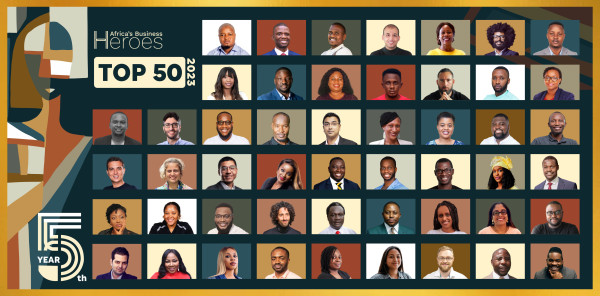
The Africa's Business Heroes (ABH) (https://www.AfricaBusinessHeroes.org) Prize Competition, a philanthropic initiative sponsored by the Jack Ma Foundation and Alibaba Philanthropy to recognize and uplift African entrepreneurs, has announced the top 50 finalists (https://apo-opa.info/3PvMAML) for its 2023 edition. With a remarkable 27,267 applications, ABH this year has seen the highest number of submissions since its inception in 2019, reflecting the growing entrepreneurial spirit in Africa.

ABH continues to garner a remarkable level of reach and engagement across Africa, with applicants hailing from all 54 African countries this year. West Africa emerged as the frontrunner, representing 43% of the total applications received. Francophone countries accounted for 27% of all applications, the highest in ABH's history.

Following an intense round of assessment by 256 judges from more than 40 countries, the top 50 finalists have been selected from 20 countries across 13 different industries, led by agriculture, education and training, and healthcare. The finalists are aged 36 on average, with 38% of them being female and 62% male. Nigeria, Kenya, Egypt and South Africa account for the most top 50 candidates and, for the first time, applicants from Sierra Leone are represented in the top 50, which to date cover 33 out of 54 African countries. A panel of over 50 round-two judges will now embark on interviewing these candidates to select the top 20.

“We would like to express our sincere appreciation to all the entrepreneurs and judges who participated in this edition of the Africa's Business Heroes Prize Competition. We are honored to see the overwhelming response, which is a testament to the rising potential of Africa's entrepreneur ecosystem,” said Jason Pau, Executive Director of International Programs, Jack Ma Foundation. “The top 50 finalists represent the incredible potential and talent that exists in Africa, and we believe there are more surprises underway for this edition. As our judging process moves forward and our fifth anniversary event series unfolds, we invite all our supporters to stay connected and follow ABH closely.”

This year, all the top 50 finalists will be invited to join the Alibaba Netpreneur Masterclass Global Edition 2023 to be conducted online by Alibaba Global Initiatives (AGI) from late July to late August, to acquire insights into how to harness digital technology to drive their business growth.

The top 20 finalists of ABH 2023 will be announced in July and the top 10 finalists in September. The return of a large-scale Grand Finale and Summit, during which the top 10 candidates will pitch live to global business legends to secure their share of the final award, is slated to take place in Kigali, Rwanda on November 23-24, 2023.

Every year, ABH spotlights outstanding participants through traditional media and social media channels, including providing significant exposure to the top 10 finalists via the ABH Show, which features the ABH journey of the previous edition's top 10 finalists and their entrepreneurial stories. The first episode of the 2023 ABH Show was recently released and is available here (https://apo-opa.info/3Mf3nBB).

As part of reaching its five-year milestone this year, ABH will be publishing a fifth-anniversary impact report to showcase the growth and impact of the prize competition on African entrepreneurs over the years, and reflect on the applicants, winners and stakeholders who have been integral to its success.

Distributed by APO Group on behalf of Africa’s Business Heroes (ABH).

For more information about the ABH 2023 finalists and to follow their ABH journey, please visit ABH's official website (https://AfricaBusinessHeroes.org) and follow ABH on Twitter (https://apo-opa.info/3KY3OQs), LinkedIn (https://apo-opa.info/3L1Cgda), Instagram (https://apo-opa.info/3KZTXKa), Facebook (https://apo-opa.info/3ylgNE9) and YouTube (https://apo-opa.info/3YDG5bH).

Press Contact:
Africa's Business Heroes Press Room: abh.press@list.alibaba-inc.com

For media inquiries or interview requests, please contact:
English: Tracy Walakira tracy.walakira@apo-opa.com
French/Arabic: Malika Bouayad malika.bouayad@apo-opa.com

About Africa's Business Heroes:
The Africa's Business Heroes Prize Competition is a philanthropic initiative sponsored by the Jack Ma Foundation and Alibaba Philanthropy. It aims to support, inspire and enable the next generation of African entrepreneurs across all sectors who are building a brighter future for the continent, by offering grant funding, training programs and support for the development of an entrepreneurial ecosystem. Over a 10-year period, each year the ABH Prize Competition and Show features 10 entrepreneur finalists as they pitch their business to win a share of US$1.5 million in grant money.

Media files
Africa’s Business Heroes (ABH)
Download logo
Read moreAfrica’s Business Heroes Prize Competition 2023 Top 50 Candidates
25 June 2023

RIP Mam Sally Motlana

Location: News

The Presidency: Republic of South Africa
Download logo

President Cyril Ramaphosa is deeply saddened by the passing of veteran activist and Esteemed Member of the Order of the Baobab Mam Sally Motlana.

Mrs Motlana passed away on Saturday, 24 June 2023, at the age of 96.

President Ramaphosa offers his deep condolences to the Motlana and Maunye families who share this loss, as well friends and comrades of the late community leader.

Born in Pilgrim's Rest in the then Eastern Transvaal, Mrs Motlana lived in Sophiatown, Johannesburg, from an early age.

She studied at Fort Hare and - in addition to being elected Secretary of the African National Congress Youth League in 1951 - worked as a teacher until 1954, when she resigned from her post as part of the Defiance Campaign's rejection of the newly introduced Bantu Education.

She was instrumental in the South African Council of Churches' adoption of a public stand against apartheid and went on to serve as President of the Black Housewives League for 20 years.

Under Mam Motlana's leadership the League undertook a number of development projects in education and food security in communities around Limpopo and Soweto.

President Ramaphosa said: “We are mourning the loss of a stalwart whose extended lifetime is a canvas of the history of our Struggle.”

“Mam Sally Motlana was a fearless and resolute opponent of oppression, and a deeply spiritual and empathetic builder and organiser of communities who suffered under apartheid.”

“Mam Sally endured arrests and harassment from a system that reserved the greatest disadvantage and dehumanisation for black women but remained steadfast in her belief that apartheid would be overcome.”

“Today, as we continue to confront the legacy of the system she fought against, we should emulate Mam Motlana's dedication to building self-sustaining and caring communities.”

Distributed by APO Group on behalf of The Presidency: Republic of South Africa.

Read moreRIP Mam Sally Motlana
23 June 2023

President El-Sisi Chats to Cyril

Location: News

The Presidency, The Arab Republic of Egypt
Download logo

Today, President Abdel Fattah El-Sisi met with South African President Cyril Ramaphosa in Paris, on the sidelines of the Summit for a New Global Financial Pact.

The Spokesman for the Presidency stated that President El-Sisi affirmed Egypt's keenness to develop its relations with South Africa in various fields, especially in light of the distinguished relations between the two countries. The president stressed the importance of making best use of the two countries' potentials with the aim of activating bilateral cooperation frameworks in various sectors, especially in terms of trade exchange. This would help achieve common interests and contribute to advancing the development process in the African continent.

President Ramaphosa praised the close relations between the two brotherly countries, noting his country's keenness to activate and develop bilateral cooperation with Egypt. He expressed his appreciation for the active Egyptian role in the African arena and the Egyptian efforts made in this regard which would achieve the aspirations of the peoples of the continent.

The Spokesman added that the meeting discussed various regional files of common concern and ways to enhance efforts to settle existing conflicts and crises in various parts of the African continent, especially the crisis in Sudan. It also discussed prospects for strengthening economic and development cooperation and increasing trade exchange between African countries.

During the meeting, the two presidents discussed the results of the recent visits of a number of African heads of state and government, including Egypt and South Africa, to Russia and Ukraine, within the framework of the African initiative to mediate the Russian-Ukrainian crisis. The two presidents agreed on the importance of making further efforts to contain this crisis and overcome its grave humanitarian and economic repercussions that affected the whole world so as to arrive at a peaceful settlement, in an effort to restore international stability and security.

Distributed by APO Group on behalf of The Presidency, The Arab Republic of Egypt.

Read morePresident El-Sisi Chats to Cyril
22 June 2023

A Captivating Journey of History, Courage, and Legacy

Location: Entertainment
MultiChoice Group

MultiChoice Kenya (https://www.MultiChoice.com/), the home of great pay TV entertainment in Kenya has launched and premiered the highly anticipated "Shaka iLembe," a groundbreaking cinematic masterpiece that will take audiences on an exhilarating journey into the heart of South African history, courage, and legacy. Produced by Bomb Productions and funded by MultiChoice, "Shaka iLembe" is set to captivate global audiences and celebrate the rich cultural heritage of the Zulu Kingdom.

Shaka iLembe, an epic story that captures the grand history of a formidable warrior – Shaka Zulu. This is a story of Kings, Queens, prophets, and warriors. It's a story of love and romance, conflict, betrayal, sacrifice, and more!

Speaking during the premiere event, the South African High Commissioner, Amb. MJ Mahlangu said that we need to tell more African stories world over.

“I believe that this is a direction that we need to take for all of Africa. We need now more than ever to tell our stories and enrich the lives of our people through the delivery of creative, exciting, compelling, and well-delivered productions that leave no stone unturned and maintain the fiber of our people, culture, values systems, and norms,” he pronounced.

“Watching this first episode clearly shows that Shaka iLembe has been meticulously crafted by an imaginative team of filmmakers who sought to honor the essence of African history and culture with a production showcases the rich tapestry of African landscapes, authentic costumes, and an appealing soundtrack that blends traditional rhythms with contemporary compositions,” Amb. Mahlangu observed, adding that, “The result is a sensory experience that transports audiences to the heart of Africa, igniting a deep connection with its heritage and inspiring a new generation to embrace their roots.”

He stated that “On behalf of the South African High Commission, I wish to applaud MultiChoice through MultiChoice Kenya for creating this television masterpiece that tells the rich, yet authentic history of the Zulu Kingdom through television.”

In his remarks, Nzola Miranda, Managing Director, MultiChoice Kenya narrated, “This production tells a raw and authentic African narrative, with a rather relatable historical storyline of occurrences in the chiefdoms and kingdoms across the Zulu kingdom. A story that reminds me of the great Maasai moran /warrior Senteu-born in the mid-1800s and remembered as a fearless leader of the Loita clan whose birthright was stolen from him. The connections between our historical stories, be they from South Africa, Angola or Kenya, remain united through our common lineage and strong narratives across Africa.”

Nzola noted, “I am proud to say that MultiChoice remains Africa's most loved storyteller and we are more than delighted to provide a platform for the film industry in Africa to showcase its creative license, captivating storylines, artistic delivery in design, sound, and impeccable quality picture through quality productions like this,” revealing that, “The sets on this production took 8 months to build, with 120 builders from KwaZulu Natal – and they were built to reflect the authenticity and realness of the environment at the time. This is what authentic stories entail.”

Six years of research, the highly anticipated series boasts the talents of some of South Africa's biggest stars, including Coming 2 America lead actress Nomzamo Mbatha and Lemogang Tsipa, whose brother Ofentse is here with us.

Fittingly, SHAKA ILEMBE was filmed in 4K, with state-of-the-art visual effects, ensuring the best screen treatment for this sweeping dynastic saga.

“Locally in Kenya, MultiChoice has continued to invest in local content, leading the pack in the shows we license and commission for Kenyan audiences. Since 2015, we have 3 channels dedicated to local content, Maisha Magic East, Maisha Magic Plus, and Maisha Magic Movies,” Nzola revealed, concluding that, “this is even before we get into the Free to Air channels that allow our customers to view relevant local – Kenyan content. Our pledge to Kenyan filmmakers is that we have only just begun, and there's more to be done in partnership with you!”

The 12-part series follows the origins story of the legendary African monarch and military strategist, King Shaka Zulu. While the series is an entertainment title and a fictional interpretation of historical events, producers of Bomb Productions have taken care to ensure that Nguni culture is authentically portrayed and respected.

SHAKA ILEMBE launches on Maisha Magic Plus on Sunday, June 18 at 22:00 hours and is available to DStv Premium, DStv Compact Plus, and DStv Compact subscribers and on GOtv Supa. New episodes will be screened weekly on Sundays at 10.00 pm.

Distributed by APO Group on behalf of MultiChoice Group.

For media inquiries, interviews, or further information, please contact:
Rinaldi Jamugisa
Ag. Head of Corporate Affairs, Kenya
+256312245206
Rinaldi.Jamugisa@ug.multichoice.com

About MultiChoice Kenya:
MultiChoice Kenya (MCK) is a joint venture between MultiChoice Africa and the Kenyan Broadcasting Corporation (KBC), a partnership that was cemented in 1995.

Kenyan audiences have a choice of five DStv packages with a total of more than 150 channels, as well as five GOtv digital terrestrial (DTT) packages. Broadcasting 24/7, the Maisha Magic Plus (DStv Channel 163) and Maisha Magic East channels (GOtv channel 4) are packed with compelling home-grown content, much of it commissioned by M-Net in Kiswahili.

Operating from a new headquarters in Nairobi and ten offices across the country, the business has over 300 permanent employees and a direct and indirect impact on the Kenyan economy of more than US$573 million for the period 1 April 2015 - 31 March 2019.

Media files
MultiChoice Group
Download logo
Read moreA Captivating Journey of History, Courage, and Legacy
22 June 2023

Welcome Technological Investment in East London

Location: Business
Liquid Intelligent Technologies

Liquid Intelligent Technologies (https://www.Liquid.Tech), a business of Cassava Technologies, a pan-African technology group, is proud to announce the opening of its office in East London in the Eastern Cape (EC).

“The new East London office establishes a local presence for Liquid in the province, reinforcing our commitment to providing best-in-class service by leveraging advanced technology, offering exceptional customer support, prioritising security, maintaining compliance, and driving innovation. The business strives to exceed our client's expectations and empower them to succeed in the dynamic and digitally connected world,” said Deon Geyser, Chief Executive Officer of Liquid Intelligent Technologies, South Africa.

Access to broadband services in South Africa remains unequal and expensive. While there are around 41.2 million internet users in South Africa, the country's online penetration rate is 68.2% of the total population. “This move allows local enterprises, government, and businesses – large and small – to join the digital revolution through Liquid's services, empowering them on their digital transformation journeys,” Geyser said.

Liquid has invested heavily in EC since then across a raft of initiatives aimed at fostering innovation and empowering citizens with digital skills, even in the farthest part of the province. It has invested over R300-million into extending its operations in the region, connecting more than 900 government buildings, and created over 600 permanent and temporary jobs.

In addition to bringing access to high-speed connectivity and digital services, businesses in the Eastern Cape will have access to best-in-class Liquid employees who will partner with them on their digital transformation journeys. “Liquid's continued investments in the region are beyond access to connectivity. We firmly believe in the all-around development of the community, and that is why in 2021, we opened our first Digital Learning Centre in Mthatha. To date, we have upskilled over 150 unemployed youths and learners. This initiative formed part of Liquid's commitment to empowering young South Africans and future entrepreneurs with the necessary tools to become part of the digital revolution,” says Geyser.

The launch of its new office in East London marks a significant milestone in its commitment to delivering exceptional service and driving innovation. By expanding its presence in EC, Liquid will provide world-class services and products like connectivity, voice, cloud, cyber security, and managed service offerings to clients, enabling local enterprises, government entities, and businesses and accelerate digital transformation in South Africa.

Distributed by APO Group on behalf of Liquid Intelligent Technologies.

About Liquid Intelligent Technologies:
Liquid Intelligent Technologies is a business of Cassava Technologies, a pan-African technology group with operations in over 25 countries in Africa. Liquid has firmly established itself as the leading provider of pan-African digital infrastructure with a 110,000 km-long fibre broadband network and satellite connectivity that provides high-speed access to the Internet anywhere in Africa. Liquid is also leveraging its digital network to provide Cloud and Cyber Security solutions through strategic partnerships with leading global players. Liquid is a comprehensive technology solutions group that provides customised digital solutions to public and private sector enterprises and SMEs across the continent. https://www.Liquid.Tech/

Media files
Liquid Intelligent Technologies
Download logo
Read moreWelcome Technological Investment in East London
21 June 2023

President Ramaphosa to attend and participate in the Recent Global Financing Pact Summit in Paris

Location: News

The Presidency: Republic of South Africa
Download logo

President Cyril Ramaphosa will attend and participate in the New Global Financing Pact Summit to be held in Paris, France on 22 – 23 June 2023 at the invitation of his counterpart, the President of the Republic of France, His Excellency Emmanuel Macron. 

Under the theme “Towards More Commitments to Meet the 2030 Agenda” the Summit aims to build a new contract between the North and the South, to facilitate access to financing by the vulnerable countries.

It builds on previous and ongoing work, which includes the Review of the Capital Adequacy Frameworks of the Multilateral Development Banks (MDBs); The Bridgetown Initiative, the World Bank (WB) Evolution Roadmap; and the Vulnerable 20 (V20) Accra to Marrakech Agenda.

The Summit's ambition is to bring together several agendas: (climate, development, debt) and to propose innovative solutions to address these issues. This has been unpacked into the following objectives of the Summit:

I.  Increasing fiscal space and mobilizing liquidity.
II.  Unlocking finance for the private sector in Low-Income Countries.
III.  Scaling up investment in green infrastructures.
IV.  Designing innovative financial solutions for climate vulnerability.

The Summit also aims to set a new shared agenda which will be outlined in a Heads of State and Government Vision Statement on a New Global Financing Pact as well as to deliver a set of new commitments and concrete results.

The Summit also intends to catalyze an ambitious agenda for upcoming 2023 international events with the aim to push for concrete results on these occasions.

Although not aligned with the existing multilateral processes, the Paris Summit will provide a selected group of countries a platform to reach agreements on issues that can be used to influence the outcomes of the discussions in other international and multilateral platforms, such as the Sustainable Development Goals (SDG) Summit, G20 Summit, World Bank/International Monitory Fund Annual Meetings, the 28th Conference of the Parties on Climate Change (COP 28), among others.

More than 30 Heads of State and Government are confirmed to attend the Paris Summit, from Brazil, Germany; The European Union (EU) - President of the European Commission; the People's Republic of China (at Prime Minister level); Barbados; Sri Lanka and Cuba.

Other countries confirmed to attend the Summit include Benin;  Gabon; Madagascar; Mauritius; Mozambique; Senegal; Tunisia; Zambia, the Democratic Republic of Congo; the Union of Comoros, the Arab Republic of Egypt, the Islamic Republic of Mauritania; the Federal Republic of Nigeria as well as the Togolese Republic.

President Ramaphosa will be accompanied by Ministers Naledi Pandor of International Relations and Cooperation and Enoch Godongwana of Finance as well as senior Government officials.

Distributed by APO Group on behalf of The Presidency: Republic of South Africa.

Read morePresident Ramaphosa to attend and participate in the Recent Global Financing Pact Summit in Paris
21 June 2023

Driving Investments and Partnerships

Location: News
African Energy Chamber

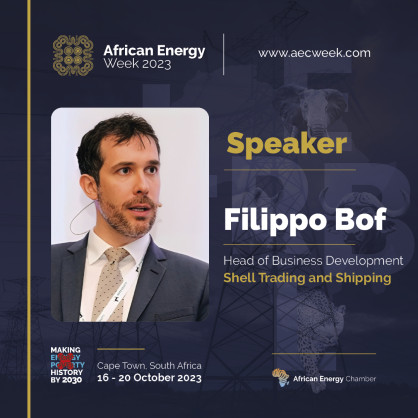
Filippo Bof, Head of Business Development at Shell Trading and Shipping will play a pivotal role in highlighting Africa as a thriving energy frontier during the African Energy Week. His contributions will focus on the company's collaborative initiatives with refiners to accelerate investments in the sector.

Shell, a prominent British multinational oil and gas company with a significant presence in Africa, is intensifying its efforts in exploration and production (E&P), refining, trading, marketing, and distribution activities on the continent. Recognizing Shell's commitment, the African Energy Chamber (AEC) is delighted to announce the participation of Filippo Bof, Head of Business Development at Shell Trading and Shipping Company, a subsidiary of Shell, as a speaker at the esteemed African Energy Week (AEW). As Africa's premier energy event, scheduled for October 16-20, 2023, in Cape Town, AEW will serve as a platform for influential African leaders and global influencers to shape the future of Africa's energy landscape.

Bof, with his extensive experience at Shell and Shell Trading and Shipping and a deep understanding of the African energy sector, emerges as a key contributor to the growth of the industry in Africa. His tenure at Shell began as a Commercial Interface and Trading Manager, where he played a vital role in shaping commercial strategies and managing trading activities. His contributions led to his promotion as a Business Development Manager and then Head of Business Development at Shell Trading and Shipping, where he further honed his skills in identifying growth opportunities and driving business expansion.

Prior to his time at Shell, Bof has had a decade's worth of experience at Eni, another major player in the energy sector. As an Oil Export and Shipping Manager at Eni Nigeria, he demonstrated his expertise in managing export operations and coordinating shipping activities. Bof's proficiency in the field earned him the role of Upstream Commercial Area Coordinator, where he oversaw commercial activities and played a pivotal role in maximizing value from upstream operations.

With this experience, he has forged strong partnerships with producers and refiners across the region. Bof's expertise spans various areas, including providing commercial support, financing, working capital, terminalling, and logistics solutions. This experience is particularly important in Africa's energy sector as Shell has a presence in many African countries, including Egypt, Mauritania, South Africa, Nigeria and Namibia to name a few. As Africa's energy sector is projected to grow, having expertise and effective management is vital for capitalizing on this growth and achieving successful outcomes regarding exploring, producing, refining, and trading oil and gas products.

Strengthening its presence in the MSGBC region, Shell signed an E&P contract with the Ministry of Petroleum, Mines and Energy in February to conduct exploration activities in Block C2 offshore Mauritania. As part of the agreement, Shell now holds a 75% stake in the block, while the Mauritanian government retains a 25% share. Block C2 is positioned to the south of Block C10, where Shell is currently conducting exploration activities, and to the east of Block C8, which has witnessed substantial discoveries. Shell Trading and Shipping's involvement in this would include leveraging its expertise in trading and optimization of energy commodities in support of the exploration activities in the region.

Another noteworthy achievement by Shell is the discovery of light oil in Namibia's Orange Basin, in the Graff – 1X Well, located block 2913A. By partnering with Qatar Energy and the national petroleum corporation of Namibia on this discovery, the company is demonstrating its commitment to partnerships and collaborations to drive the sector forward. Meanwhile its presence and range of services in South Africa spans over more than a century, primarily involved in the downstream sector of the energy industry. This includes activities such as refining, distribution and marketing of petroleum products. Shell operates the Sapref refinery, jointly owned by Shell and bp, one of the largest refineries in South Africa, which processes crude oil into various refined products like gasoline, diesel, jet fuel, and lubricants. With the advancements in these countries, Shell Trading and Shipping harnesses their expertise in trading, shipping, and logistics to play a vital role in the facilitation of the distribution of these petroleum products.

Stepping into this picture, at AEW Bof will provide valuable insights into Shell's business development in Africa and he will share expertise on various aspects, including commercial support, financing, working capital, terminalling, and logistics.

"The Chamber is delighted with the attendance of Bof and the presence of Shell at the AEW. It highlights the importance of collaboration between local and international entities in unlocking Africa's energy potential. Shell's presence in Africa demonstrates the significant opportunities the continent offers in terms of energy resources and trading activities. The company also understands the vital role that hydrocarbons will continue to play in Africa's energy sector in order to meet its fuel and electricity needs,” states NJ Ayuk, Executive Chairman of the AEC, adding that “The participation by Shell – represented by Bof, underscores the commitment to drive sustainable development, maximize value, and foster mutually beneficial partnerships within the African energy sector."

African Energy Week (AEW) is the African Energy Chamber's (AEC) interactive exhibition and networking event, established in 2021, that seeks to unite African energy stakeholders, drive industry growth and development, and promote Africa as the destination for African-focused events. For further information on the African Energy Week 2023 conference, click the link below:

https://apo-opa.info/3XfAhWB

Distributed by APO Group on behalf of African Energy Chamber.

Media files
African Energy Chamber
Download logo
Read moreDriving Investments and Partnerships
20 June 2023

Lead Poisoning in Locally Manufactured Paints

Location: News

World Health Organzation (WHO) - Zimbabwe
Download logo

In 2022, the University of Zimbabwe and Lead Exposure Elimination Project (LEEP) conducted a study on the presence of lead in locally manufactured paint. The results revealed high levels of lead in samples that were taken and analyzed. Seventy percent (70%) of oil-based paints sampled from the market contained dangerous levels of lead. Some paints contained more than 100 times the limit. This is a potential danger to the health of Zimbabwe's children. The Ministry of Environment, Climate, Tourism and Hospitality Industry and the Environmental Management Agency of Zimbabwe (EMA) recently hosted a multi-stakeholder workshop to reach a shared understanding of the issue. The main objective of the meeting was to establish a roadmap for ending the manufacture, import, and sale of paint with dangerous levels of lead in Zimbabwe.

To address this issue, a one-day consultative workshop was held to build consensus amongst stakeholders and make the way forward on addressing the content of lead in paint. The workshop aimed to raise awareness of the dangers of lead poisoning and to develop strategies to mitigate its impact and to build consensus on the necessary steps to ending this serious issue.

Mrs. Sylvia Yomisi, Environmental Laboratory Manager at EMA, stated that “the data collected in the study is a valuable resource for addressing the issue of lead paint in Zimbabwe.” EMA is dedicated to eradicating lead paint in the country, and the input from all stakeholders at the workshop will guide the development of legally binding controls. Yomisi encourages industry partners to take advantage of available support to transition to lead-free paint manufacturing.

The workshop was led by EMA with support from World Health Organization Zimbabwe, United Nations Environment Program, Lead Exposure Elimination Project (LEEP). The workshop brought together experts from various fields, including health, environmental management, paint manufacturers and policy development. These included, The Ministry of Health and Child Care (MoHCC). Council of Zimbabwe, Dulux Astra; Nash Paints; Chroma Paints; Biorich Investments and Crown Paints.  Participants discussed the need for stricter regulations on the use of lead in paint in Zimbabwe and the importance of education and awareness-raising campaigns to inform the public about the dangers of lead poisoning.

The workshop also highlighted the economic impact of lead poisoning which include increased healthcare costs, lost productivity, and decreased economic growth. By addressing the issue of lead poisoning in Zimbabwe, the government can protect the health of its citizens and promote sustainable economic development.

The WHO urges countries to review their paint production processes with the aim of reducing lead content below the recommended limit set by WHO. "It is crucial that we take intentional steps to protect our children from the devastating effects of lead poisoning," emphasized Professor. Jean-Marie Dangou, WHO's representative in Zimbabwe.

Lead poisoning is a serious health concern, especially for children, who are most vulnerable to the effects of lead exposure. Lead can damage the nervous system, kidneys, and reproductive system, and can also cause developmental delays in children. Exposure to lead can occur through various means, including ingestion and inhalation. The high levels of lead found in locally manufactured paint in Zimbabwe are a cause for concern. The use of lead-based paint is banned in many countries, including South Africa in the region, due to the serious health risks associated with exposure to this toxic substance. However, in Zimbabwe, there are no laws prohibiting the use of lead-based paint, and this has put the population at risk.

Distributed by APO Group on behalf of World Health Organzation (WHO) - Zimbabwe.

Read moreLead Poisoning in Locally Manufactured Paints
20 June 2023

Water and Sanitation continues to monitor water situation amid heavy rainfall in Western Cape

Location: News

Department of Water and Sanitation, Republic of South Africa
Download logo

The National Department of Water and Sanitation (DWS) wishes to update citizens on the latest water situation in the Western Cape.

The Western Cape Water Supply System (WCWSS) which is comprised of six largest dams in the Western Cape Province has reached 90% capacity. This is based on the hydrological report of released yesterday, 19 June 2023. The last time these dam levels were seen at this condition was in June 2014.

In comparison, Theewaterskloof dam sits comfortably at 96%, compared to 76, 67% last year, edging close to 100%. The Olifants/Doorn River Catchment on the West Coast of the Western Cape has increased by more than 40% compared to last week.

Over the past week, 17 dams, including Karee, Misverstand, Ceres and Brandvlei, saw an increase of more than 5%. No recorded decrease in dams' levels this week

According to DWS Western Cape Provincial Head, Ntombizanele Bila-Mupariwa, while rains are welcome, they have left many communities devastated, especially those living in informal settlements. Two people are reported to have lost their lives because of flooding, which is regrettable.

“Besides localised flooding near the construction site of the Clanwilliam Dam wall, there are no immediate reports of infrastructure damage (gauging stations, dams etc). The Clanwilliam Dam Construction Site Office is established well above the floodline and Full Supply Level and thus remains undamaged. However, the foreman's office and eight containers (that were emptied) were washed away due to the unexpected high flows. The work on the dam apron surface will now be delayed until the dam stop spilling. In the meantime, other critical path activities such as quarry development and embankment work will continue,” said Ms Bila- Mupariwa.

So far, the heavy rains have not interrupted or intermittently disrupted water supplies. Bila-Mupariwa further stated that the department is currently auditing infrastructure to ascertain if any damages, and a comprehensive report will be issued on various platforms in due course.

"While we are happy with the dam level storages across the Western Cape, we remind all water users that most of the rainfall took place during the winter, which is stored and used during the dry and hot summer months of the Western Cape,” said Bila-Mupariwa. For this reason, all water users are urged to use water sparingly

South Africa Weather Services has issued another warning of heavy rains this week and residents are advised to take precautions.

Distributed by APO Group on behalf of Department of Water and Sanitation, Republic of South Africa.

Read moreWater and Sanitation continues to monitor water situation amid heavy rainfall in Western Cape
20 June 2023

Phaahla to represent Mashatile at the 11th South Africa (SA) Aids Conference

Location: News

The Presidency: Republic of South Africa
Download logo

Due to urgent government commitments, Deputy President Paul Mashatlile is no longer able to attend the opening session of the 11th SA AIDS Conference scheduled to take place from 20-23 June 2023, where he was expected to deliver the Opening Address.

Deputy President Mashatile was scheduled to address the conference today, Tuesday, 20 June 2023, in his capacity as Chairperson of the South African National Aids Council (SANAC).

The conference provides a platform for stakeholders to take stock of the South African HIV/AIDS, TB and STIs response and to deliberate on emerging priorities as the country forges ahead with efforts and strategies to eliminate HIV as a public health threat.

The Deputy President has requested the Minister of Health to deliver the Opening Address on his behalf.

Distributed by APO Group on behalf of The Presidency: Republic of South Africa.

Read morePhaahla to represent Mashatile at the 11th South Africa (SA) Aids Conference
19 June 2023

Why Namibia Must Act Now

Location: News
African Energy Chamber

By NJ Ayuk, Executive Chairman, African Energy Chamber (www.EnergyChamber.org)

The world is watching Namibia. To be more specific, the energy world is watching. Ever since oil and gas majors Shell (United Kingdom) and TotalEnergies (France) announced massive hydrocarbon discoveries in Namibia's offshore Orange Basin in 2022, interest in additional exploration in the Southern African country has been intense. And so has curiosity about how quickly Shell, TotalEnergies, and their partners will be able to finalize various field development agreements with Namibia and move on to production. Will their negotiations stall, as we're seeing all too often in African nations, or will the process move forward smoothly?

One of the reasons the 2022 Orange Basin finds were so exciting — in addition to sheer size, with as much as three billion barrels of oil combined — was the fact that Namibian exploration efforts up to then had been fairly disappointing. Only about 15 wells had been drilled before Shell's discovery at the Graff-1 well and TotalEnergies' Venus 1-X find, and none of those earlier efforts yielded commercial quantities of oil or gas. That means the Orange Basin discoveries represent Namibia's first chance to show oil and gas companies what they can expect after announcing discoveries there.

Now is the time for Namibia's leadership to show it respects the billions of dollars companies spend on oil and gas production. One of the most practical ways for Namibia to do that is to update its petroleum contracts: They need language that protects oil and gas companies' investments. Namibia's contracts should include what's known as a fiscal stability clause, which would clearly state that if Namibia were to make legislative or regulatory changes — such as new tax requirements — the energy companies signing the contract would be protected from negative economic impacts.

Depending on the language of the clause— also known as an “economic rebalancing” or “equalization clause” — contracting companies might be exempt from new tax codes or compensated to make up for legislation that adds to their expenses such as new labor or environmental laws. What matters is, in the end, the companies' return on investment would not be impacted by changes that occurred after their deal was finalized.

For Namibia, a newcomer to oil and gas deals, adding a fiscal stability clause to petroleum contracts will be key to retaining the energy industry's intense interest.

This Clause Carries a Lot of Weight

Guaranteeing oil and gas companies' investments is hardly a new or radical measure. Fiscal stability clauses are common practice and in place in such countries as Guyana, Mozambique, Mexico, and Angola. While I cannot produce a study that proves that these countries have attracted more investment as a result of their clauses, I do know this: When a developing country fails to offer the clauses, they're giving oil and gas companies reason to limit investments there.

In a recent paper on financial stability clauses, international consulting company Deloitte commented on the clauses' value.

“Stabilisation clauses enhance certainty and predictability which are key ingredients for the success of long term investment projects,” the report states. “Petroleum exploitation is capital intensive and recouping the investment takes much longer than most sectors. Any subsequent changes in the laws of the host state may significantly alter the economics of the economics of a project.”

For international oil companies (IOCs), investing in a country without a fiscal stability clause is quite a gamble in an already risky industry.

I realize that Namibia has already taken measures to ensure an enabling environment for upstream activity, including making updates to its tax laws, and I applaud those actions. Namibia's legal framework and oil and gas code, in general, are considered investor-friendly. But guaranteeing companies' investments is a critical next step.

Time is Precious

Not only does Namibia need to add a fiscal stability clause to its petroleum agreements, it needs to do it now. Otherwise, there is a possibility that the issue of financial risk will come up during contract negotiations with Shell, TotalEnergies, and their partners. And that, in turn, could lead to costly project delays, a topic the African Energy Chamber addresses extensively in its soon-to-be-released “The State of African Energy 2023 1Q Report.”

I encourage Namibian authorities to learn from the delays that have taken place in Mozambique's offshore Rovuma Basin. Natural gas discoveries totaling as much as 17 billion barrels of oil equivalent (boe) were announced in the early to mid-2010s, but Mozambique's negotiations with operators, including Italian energy major Eni and U.S. firm Anadarko, have dragged on for years. As a result, the only project to be completed so far is the Coral Sul floating liquefied natural gas (FLNG) project, fed by Coral Field. The FLNG saw a final investment decision (FID) in mid-2017, followed by construction getting underway in 2018 and the project shipping its first cargo in November 2022. This is a positive step, but imagine the economic and energy security benefits Mozambique's natural gas could have yielded without such extensive delays.

Then there's the example of the massive oil discoveries made by Tullow Oil in Uganda and Ghana, announced about three months apart from one another in 2006 and 2007. Tullow Oil began producing oil from its Jubilee Field discovery in Ghana in 2010. Contrast that with Tullow's Lake Albert Rift Basin discovery in Uganda. After more than a decade of disputes with the government and no progress, Tullow sold all of its Ugandan assets to Total (now TotalEnergies) in 2020.

In 2021, TotalEnergies concluded final agreements to launch Lake Albert resources development, including the Tilenga and Kingfisher upstream oil projects and the construction of the East African Crude Oil Pipeline (EACOP) in Uganda and Tanzania. TotalEnergies continues to move these projects forward in collaboration with China National Offshore Oil Corporation and Uganda National Oil Company. Unfortunately, climate concerns and net-zero emissions aspirations have made driving oil and gas projects forward considerably more challenging than it was in 2006. TotalEnergies is under heavy pressure from environmental activities to abandon its plans for oil production and the pipeline.  Its has been 15 years of value and revenue lost for Uganda. Critical issues like this will come up at the African Energy Week in Cape Town, South Africa from October 16th to 20th and investors and governments have to find solutions working hand in hand with each other.

So Much to Gain

Not only will a fiscal stability clause in Namibian petroleum agreements help prevent delays with TotalEnergies (as well as with Shell, which announced another large Orange Basin discovery in 2023), acting decisively to protect companies' investments will also position Namibia for more exploration.

The Orange Basin is one of several Namibian (and South African) locations of interest to IOCs.

Eco Atlantic's deep water Walvis Basin blocks (among others) and in particular Osprey prospect drilling target in Block 2012A of the Walvis Basin, for example, was described as one of Africa's most promising high-impact wells last December.

Meanwhile, Global Petroleum, Namcor, and Aloe Investments are expected to begin exploration in Block 2011A of the Walvis Basin this year. Tower Resources, Maurel and Prom, Exxon Mobil, Oranto Petroleum, Woodside Energy, Chevron, Galp, Recon Africa are currently carrying out a lot of Exploration work in various acreages in the country and moving towards possible drilling soon.

Namibia's offshore Luderitz Basin and Namib Basin, along with the onshore Owambo and Karoo basins, offer great potential as well. But, again, interest could dry up quickly if companies begin to perceive Namibia as a risky country for investments.

BW Kudu, a wholly owned subsidiary of BW Energy and the National Petroleum Corporation of Namibia (Namcor), is bullish about Kudu Gas today more than before and is working tirelessly to get first gas in 2026. I love this project because domestic gas production could deal with Namibia's energy poverty and energy security issues. Namibia currently imports about 60% of its domestic electricity needs.

Calls for Change

The African Energy Chamber is not the first to urge Namibia to take steps to guarantee oil and gas companies' investments. This topic came up in 2020, before the large Orange Basin discoveries.

Uaapi Utjavari, then chairperson of the Namibia Petroleum Operators Association (NAMPOA), wrote to Namibian Minister of Mines and Energy Tom Alweendo to describe the role that fiscal guarantee clauses could play in supporting ongoing investment in Namibian's fledgling oil and gas sector. NAMPOA recommended a legal/fiscal/commercial framework that balanced the needs of the country and investors.

“There is a fundamental need for a stable and sustainable business environment so the country and the investors are able to plan ahead and rely on terms agreed upon,” Utjavari wrote. “An economic rebalancing provision provides appropriate security around economic terms, which are critical for large-scale multi-billion dollars project investment/bankability, while not infringing the host country's sovereignty and are a common feature in many petroleum contracts globally.”

The recommendations NAMPOA made in 2020 still make sense for Namibia today.

The African Energy Chamber would like to see Namibia reap all of the benefits its natural resources can offer, from increased energy security to industrialization and economic growth. Namibia can do that — if it shows a watching energy industry that the country is committed to helping companies realize a reasonable return on their investments. Adding a fiscal stability clause to its contracts is the right move. I encourage Namibia to act now.

Distributed by APO Group on behalf of African Energy Chamber.

Media files
African Energy Chamber
Download logo
Read moreWhy Namibia Must Act Now
19 June 2023

Afrobarometer data note worrying trends for democracy in Africa

Location: News
Afrobarometer

“Democratic governance in Africa is facing severe headwinds, particularly at the level of supply,” Afrobarometer (www.Afrobarometer.org) board chair E. Gyimah-Boadi warned Thursday at a conference in Accra organised by the Deutsche Gesellschaft für Internationale Zusammenarbeit (GIZ).

Themed "African governance futures: Strengthening democratic resilience amid disruption,” the conference brought together more than 80 governance experts from across the African continent to discuss the latest developments in the governance sector.

Speaking on “The future Africans want,” Gyimah-Boadi shed light on the aspirations of African citizens as well as challenges and their implications for democratic governance on the continent. Sharing insights from the latest Afrobarometer data, based on surveys in 36 African countries in 2021/2022, he noted that a majority of Africans prefer democracy over any other system of government and endorse democratic norms, institutions, and practices such as multiparty competition, constitutional limits on presidential tenure, and free media. However, while the desire to live under governments that are democratic and accountable remains fairly strong among Africans, some worrying trends have emerged as popular subscription to democratic norms and institutions has waned in several countries.

“Between 2014/2015 and 2021/2022, support for democracy has steeply dropped in several countries: Mali, Burkina Faso, South Africa, and Guinea, respectively by 36, 26, 21, and 15 percentage points,” Gyimah-Boadi said.

He also highlighted a softening stance toward the role of the military in national politics. While a solid majority still reject military rule, the level of opposition has declined significantly over the past decade. Only three of the 30 countries surveyed consistently between 2014 and 2022 show increases in popular rejection of military rule, and a slim majority (53%) are willing to countenance military intervention if elected officials abuse their power. Tolerance for military intervention is higher among young people (56% of those aged 18-36 years) than among older citizens (46% of those aged 56 years and above).

“Distressingly, this pro-military-intervention sentiment is a clear majority opinion in 22 out of the 36 countries surveyed, and this view is highly pronounced in Mali, Tunisia, Guinea, Tanzania, Côte d'Ivoire,” he said. “Given their numerical superiority across the continent, it must be deeply concerning that younger Africans are more likely than their elders to express their readiness for military intervention – if need be.”

Highlighting the disparity between citizen aspirations and the supply of democratic governance, Gyimah-Boadi stressed that levels of satisfaction with the functioning of democracy have declined drastically in many countries. He emphasised the urgent need for governments to bridge this gap, deliver accountable governance, and address the concerns of their citizens.

"The wind of democratic decline appears to be gathering momentum across Africa," he warned. "The ability of governments to deliver democracy and accountable governance continues to lag behind the expectations of their citizens, setting the scene for confrontations between ordinary Africans and their domestic political authorities in the coming years. It is crucial for governments to prioritise democratic values, strengthen institutions, and meet the expectations of their people."

Distributed by APO Group on behalf of Afrobarometer.

For more information, please contact:
Josephine Appiah-Nyamekye Sanny
Tel: +233243240933
Email: jappiah@afrobarometer.org
Visit us online at www.Afrobarometer.org.

Follow us on:
Facebook: https://apo-opa.info/3K0t6gq
Twitter: https://apo-opa.info/3jYM2la
YouTube: https://apo-opa.info/3Ysf4IU
Follow our releases on #VoicesAfrica.

About Afrobarometer:
Afrobarometer (AB) is a trusted source of high-quality data and analysis on what Africans are thinking. With an unmatched track record of 350,000+ interviews in 41 countries, representing the views of about 75% of the African population, AB is leading the charge to bridge the continent's data gap. AB data inform many global indices, such as the Ibrahim Index of African Governance, Transparency International's Global Corruption Barometer, and the World Bank's Worldwide Governance Indicators. The data are also used for country risk analyses and by credit rating and forecasting agencies such as the Economist Intelligence Unit. All AB data sets are publicly available on the website (https://www.Afrobarometer.org/) and may be analysed free of charge using AB's online data analysis tool (https://apo-opa.info/3lVrwlT).

Media files
Afrobarometer
Download logo
Read moreAfrobarometer data note worrying trends for democracy in Africa
19 June 2023

Uganda Breaks Frontiers in Wildlife Transportation

Location: News
BAR Aviation Ltd

Uganda's Bar Aviation (https://www.BarAviationUg.com/) has made a ground breaking achievement in the field of wildlife transportation in coordination with BAR the leading aviation company in Uganda. BAR successfully completed a task to transport a group of eighteen Rhinos on the weekend of 3rd to 4th of June 2023 with its C-130 aircraft from South Africa to Congo. The aviation sector gained a boost of confidence as Uganda's unwavering commitment to conservation was emphasized by this monumental event.

Download document: https://apo-opa.info/444BXEr

The extraordinary journey of these majestic creatures marks a significant milestone in wildlife transportation and further establishes Uganda as a key player in global conservation efforts. According to the Wildlife Conservation Society, Uganda has long been recognized as a leader in wildlife conservation, ranking second richest for mammals and 13th in the World. It is also home to diverse ecosystems and a rich array of plant and bird species.

The successful transportation of these rhinos reinforces the cardinal environment and policies created by the Ugandan government that have enabled private organizations to partake in initiatives meant to preserve its heritage and contribute to global conservation efforts. Bar's successful operation underscores the rapid development and competence of Uganda's aviation industry as such ventures are economically demanding operations that require precision execution.

The African Parks CEO Peter Fearnhead said “efforts to save the northern white Rhino was a case of ‘too little, too late' and should never be allowed to happen again” and so Bar is ready to embark on this move since Garamba is a safe location and has proper protection.

As BAR's CEO Barak Orland puts it, “This is an incredibly profound moment for us at BAR Aviation. Our team worked tirelessly over many months to make this dream into reality and we are delighted that we could be part of something so meaningful for both our country's image abroad as well as for global conservation efforts”.

This remarkable feat achieved by BAR Aviation highlights their commitment towards pushing boundaries within aviation services while providing safe and reliable solutions that help preserve our planet's precious resources. The successful transport of these Rhinos is testament to Uganda's dedication towards making sure no stone is left unturned when it comes to protecting nature's most valuable assets - its wildlife.

Distributed by APO Group on behalf of BAR Aviation Ltd.

Bar Aviation is based at Kajjansi Airfield, 20 miles North of Entebbe airport OR you can reach us ON TEL: +256 020 072 2200 OR at Email: nathan@baraviationug.com

Contact:
Bukenya Nathan
Tel: +256 0775 953 569
Email: nathan@baraviationug.com

Media files
BAR Aviation Ltd
Download logo
Read moreUganda Breaks Frontiers in Wildlife Transportation
18 June 2023

Africa’s proposal for a path to peace

Location: News

The Presidency: Republic of South Africa
Download logo

President Ramaphosa has today, 18 June 2023, concluded a two-days working visit to the Ukraine and the Russian Federation where African leaders proposed a path for peace to the 16 month long conflict between the two countries. 

The proposal presented by African leaders on a mission to Ukraine and Russia has created a foundation for future engagements that will contribute to a road to peace and resolution to the devastating conflict. 

The African Heads of States and Government asserted several key elements that are vital in starting a path to peace. 

Some of the elements include the de-escalation of the conflict; release of the prisoners of war and children, adherence to the principle of the UN Charter on Sovereignty; ensuring that there is humanitarian support for those in need and post war reconstruction amongst others .

The Peace  Mission to Ukraine and Russia has wrapped up its first round of engagements with both warring parties to the conflict. 

President Ramaphosa is encouraged by the warm reception that the delegation received from the Presidents of Ukraine and Russia. 

The President will further reflect on the engagements by the African Peace Mission on his weekly newsletter on Monday. 

Distributed by APO Group on behalf of The Presidency: Republic of South Africa.

Read moreAfrica’s proposal for a path to peace
16 June 2023

SFF Aerial Contract Kickstarts South Sudan Exploration

Location: News
Energy Capital & Power

The Ministry of Petroleum of South Sudan announced the launch of exploration efforts in the country's Block 2 during the South Sudan Oil & Power (SSOP) conference (https://apo-opa.info/3Xdv7u9) this week in Juba. The announcement follows the signing of an agreement that would see the Strategic Fuel Fund (SFF) utilize one of South Sudan's geophysical planes to conduct aerial surveys, thereby kicking off a highly anticipated upstream program in a country rich with untapped acreage.

“The Ministry of Petroleum purchased a physical plane which we struggled for three years but finally, we have it in the Republic of South Sudan. We have officially launched the plane to start the work of Block 2. Strategically, the SFF will commence their work on Block 2. Block 2 is now online and it will work. It will be historical,” Hon. Puot Kang Chol, Minister of Petroleum of South Sudan stated.

The SFF and Nilepet inked the contract at a ceremony ahead of the SSOP conference. Leveraging the strong bilateral cooperation that has existed for years between the two countries, the contract will enable the SFF to acquire new data in an environmentally-sound manner through aerial mapping.

“South Sudan is endowed with a lot of resources, and this aircraft will make this evident” stated Nilepet Managing Director Eng. Bernard A. Makeny. “We are sending the message to the world that South Sudan is open for investment. South Africa and South Sudan will generate the resources needed for both countries.”

The SFF currently has interests in South Sudan's lucrative Block 2 and is eager to expand its contribution and role in the country's energy sector even further. For the company, South Sudan's energy opportunities have the potential to introduce new supplies that the energy-starved South African market so desperately needs while for South Sudan, the SFF's contributions to the market are key for maximizing untapped resources on the back of regional cooperation.

SFF CEO Godfrey Moagi stated that, “This is history. We will now go look for oil, and we cannot thank our governments enough for giving us the opportunity to do this project and for pushing us to make sure we move ahead.”

The Ministry of Petroleum acquired the two geophysical planes in April 2021 with the aim of expanding aerial data and seismic investigation. Under efforts to bolster exploration and unlock the full potential of the South Sudanese market, the planes have enabled the Ministry to quantify the country's resources – estimated at 3.5 billion barrels, the third-largest in sub-Saharan Africa.

SSOP is organised by Energy Capital & Power in partnership with the Ministry of Petroleum, South Sudan to showcase and optimise opportunities within the country's energy industry.

Distributed by APO Group on behalf of Energy Capital & Power.

Media files
Energy Capital & Power
Download logo
Read moreSFF Aerial Contract Kickstarts South Sudan Exploration
15 June 2023

Capital and Collaboration – Key Pillars for Africa’s Development

Location: News
Energy Capital & Power

The African Petroleum Producers Organization (APPO), the Organization of Petroleum Exporting Countries (OPEC) and Deputy Ministers from South Africa and Zimbabwe reiterated the important role of partnerships in addressing energy poverty and advancing energy security in Africa during the country's official energy summit, South Sudan Oil & Power (SSOP) (https://apo-opa.info/43Zsqyp) – organized by Energy Capital and Power (https://www.EnergyCapitalPower.com) and taking place this week in Juba.

The respective heads of APPO and OPEC emphasized that with South Sudan representing the only major oil producer in East Africa, the country's 3.5 billion barrels of reserves play a critical role in facilitating energy security, both in the country and across the East African market, and by unlocking capital and collaboration, the country's standing as the engine of East African growth will be realized. 

In his opening address, APPO Secretary General H.E. Dr. Omar Farouk Ibrahim stated that “Now more than ever, South Sudan needs to attract investments, develop local content in oil and gas technology and expertise, and find lasting markets for its oil and gas.” In this scenario, innovative capital solutions and collaboration are key drivers, and H.E. Dr. Farouk believes that, “the Republic of South Sudan could not find a better place to build international partnerships, attract investment and technology, and improve the performance of the South Sudanese energy sector and the broader East African sector than with APPO.”

OPEC reiterated similar sentiments, with Mhammed Mouraia, Statistical Systems Coordinator, Data Services Department, Research Division at OPEC stating that “South Sudan's proven reserves are 3.5 billion barrels, offering the opportunity to generate energy security and drive economic growth. To utilize these resources, we recognize the need for stakeholders to work together. OPEC's contribution in this regard is sustainable oil market stability.”

For South Africa, the country represents a critical partner, and the southern African nation is making strides towards strengthening bilateral relations. The country's DDG for Mining, Mineral and Energy Policy Development at the Department of Mineral Resources and Energy, Ntokozo Ngcwabe, remarked that South-South collaboration has been key for maximizing resources, and that to address energy poverty, “let us replicate these partnerships across the continent and awaken the great potential that lies beneath our soils. Addressing energy poverty must include the monetization of all our resources, including oil and gas.”

Meanwhile, representing an untapped market in its own right, South Sudanese expertise will be key for helping Zimbabwe unlock the full potential of its resources. The country has kickstarted an exploration campaign of its own, and with the support of South Sudan, the country is well positioned to drive successful upstream campaigns.

Zimbabwe's Deputy Minister of Energy and Power Development, Hon. Magna Mudyiwa remarked that, “Zimbabwe is currently exploring for oil and gas in the northern part of the country,” and that, “As we explore, there is urgency for expertise and technology to support the development of resources. Zimbabwe has a lot to learn from South Sudan who has done a lot of exploration before us. South Sudan is an amazing case study and can offer advice on regulations, structures and law, handling of environmental issues that rise due to oil and gas production, and appropriate technology for optimized oil recovery.”

As such, collaboration will play an important part in maximizing Africa's oil and gas resources.

Distributed by APO Group on behalf of Energy Capital & Power.

Media files
Energy Capital & Power
Download logo
Read moreCapital and Collaboration – Key Pillars for Africa’s Development
15 June 2023

Revolutionizing Financial Inclusion by Empowering South Africans through Digital Assets

Location: News
DoshFX

DoshFX (www.DoshFX.io), the disruptive straightforward crypto exchange, is shaking up the South African financial landscape and spearheading a movement toward financial inclusion and empowerment. With a mission to provide accessible digital asset solutions, DoshFX (https://apo-opa.info/3XfoFmA) is set to transform the lives of the unbanked, emerging, and marginalized communities across the nation.

South Africa has long grappled with financial exclusion, stemming from a history of segregation and limited access to formal financial services. Despite significant progress, a considerable number of South Africans remain unbanked, hindering economic opportunities and perpetuating inequality. Recognizing this pressing need, Saud Ally (https://apo-opa.info/3X8nYeE), the visionary founder and CEO of eZaga Holdings, joined forces with Jeetu Kataria, renowned global fintech and blockchain evangelist, and the CEO of Digital Financial Exchange-DIFX (https://apo-opa.info/3N9tyZB), a leading global multi-asset trading platform, to launch DoshFX, a truly South African-centric digital assets exchange.

Digital assets have gained remarkable traction in Africa, and South Africa stands at the forefront of this growing trend. With over 1.5 million cryptocurrency users, South Africa boasts the highest number of digital asset enthusiasts on the continent. The adoption of digital assets is driven by factors such as increased internet accessibility, a thriving mobile phone market, and the rising popularity of cryptocurrencies in the region. The recent volatility (https://apo-opa.info/3NaZOvh) faced by the South African Rand due to the ongoing gloomy outlook of economic data, worsening load shedding and political environment has also showcased the imminent need for the availability and accessibility of alternative assets.

This is why, DoshFX's emergence is a response to the growing demand for secure and regulated digital asset exchange systems needed in an environment where so many unregulated and questionable characters operate. Understanding the importance of both financial security and regulatory compliance, eZaga and Digital Financial Exchange-DIFX have collaborated to create a user-friendly, reliable, and secure platform that combines the best of traditional banking security with the revolutionary spirit of cryptocurrencies.

"We are dedicated to bringing straightforward crypto solutions right to the doorsteps of those who need it most," says Saud Ally, founder and CEO of eZaga Holdings. "DoshFX is not just a crypto exchange; it is a catalyst for change and advancement, enabling South Africans to chart their financial destinies."

The launch of DoshFX marks a significant milestone in the quest for financial inclusivity. By leveraging the power of digital assets, DoshFX empowers South Africans to store value, make secure international payments, and overcome the limitations imposed by traditional financial institutions. Adding on to the mission of financial inclusivity, one of the core values of DoshFX is education. The platform is committed to providing comprehensive education to the South African community, particularly those who can benefit the most from alternative financial systems. By equipping the unbanked, marginalized, yet highly eager-to-learn members of society with knowledge about cryptocurrencies and digital assets, DoshFX aims to foster economic empowerment and financial freedom for individuals, families, and communities.

As DoshFX sets its sights on reshaping the financial landscape, South Africans can now embrace the world of digital assets with confidence and most importantly through a regulated entity. To learn more about DoshFX and join the movement (https://apo-opa.info/3NaZVXJ) toward financial empowerment, visit www.DoshFX.io

Distributed by APO Group on behalf of DoshFX.

Media Contact:
Rose Perinchery
pr@doshfx.io

About DoshFX:
DoshFX is a first-of-its-kind regulated authorized Financial Services Provider offering crypto services in South Africa.  With a mission to make cryptocurrencies easily accessible for all, through its fast, secure, and legal crypto exchange services. DoshFX is an authorized Juristic representative of eZaga FX an authorized financial services provider. FSP No. 44133. Investing in cryptocurrency may result in a loss of capital as the value may fluctuate. Ts&Cs apply.

To start your straightforward journey into digital asset investments, download the app now from the Android (https://apo-opa.info/467xhzo), iOS (https://apo-opa.info/3XfpaNu), or Google Play Store (https://apo-opa.info/3JaQB5d), or visit us at DoshFX.io.

Media files
DoshFX
Download logo
Read moreRevolutionizing Financial Inclusion by Empowering South Africans through Digital Assets
14 June 2023

Hospitality Leaders discuss supply chain challenges

Location: News
Toggle Hospitality Insights

For too many years, African hospitality leaders have worked incredibly hard to maintain operational standards when critical products are unavailable to be sourced on time due to a myriad of reasons, from changing trade restrictions, poor transport infrastructure, currency fluctuations, and supply chain breakages.

This week leaders across the hospitality sector have descended into Nairobi city, the vibrant capital of Kenya and hub of East Africa, to join the annual African Hospitality Investment Forum (AHIF) (www.AHIF.com) to discuss growth opportunities in the region, and to share their learnings from the last year including developments across the trade and operational landscape. Attending is Toggle Market's CEO, Fuad Sajdi, and VP of Africa, Abraham Muthogo Kamau, where they have been leading discussions on leveraging local and regional sourcing, and the innovative ways the sector is reducing operational costs.

Supply chain challenges in Africa have been one of the primary obstacles for economic growth and diversification, with businesses continuing to pay inflated prices for nearly every consumable and operational product that is not locally grown or manufactured – where even then it is more profitable to export outside the continent than to cater to the regional market due to weak intra-trade regulations.

Today there are promising signs that this status quo is changing fast.

The African hospitality industry is in the throes of a massive transformation. The catalysts? Ground-breaking trade measures, rapidly evolving technology, and a fresh generation of visionary leaders. These forces are challenging the traditional "business as usual" mindset and reshaping the African hospitality landscape.

The African Continental Free Trade Area (AfCFTA), the largest free trade area globally since the formation of the World Trade Organization, is set to significantly bolster intra-African trade. By reducing trade barriers, it allows a more fluid movement of goods, services, and people across borders. The ripple effect will be profound, with the hospitality sector one of the many industries reaping the benefits of this regional integration.

Breaking with the Past

The lessons of the Covid-19 pandemic have been harshest on the world's largest continent which has for so long relied on suppliers in far flung countries, most heavily on goods from China, European Union (EU) countries, United States and India.

Take for instance South Africa which remains the largest importing country in Africa at 17% of all imports in the region. Its largest import partners in 2023 were China at 21.9%, followed by United States at 8.8%, Germany at 7.3%, India 5.8% and the UAE 3.6%.[1] The next largest importing countries are Nigeria, Egypt, Morocco, Kenya and Ghana.

The elephant in the room is that Intra-African trade still stands at only 15.2%, a poor showing when compared with intra-continental trade figures for America, Asia, and Europe, which stand at 47%, 61%, and 67%, respectively, and which should be at the head of the pan regional efforts to support trade and business. Much of this is due to multiple trade restrictions that exist in the region and between neighbouring countries for instance.

The recent World Bank 2022 AfCFTA report[2] shows that the borders between African countries rank among the most restrictive in the world and is the main reason there is relatively little intra-African trade and investment.

The impact of this in real terms is putting the break on the growth of regional businesses while limiting the flow of the international supply chain which in turn heavily relies on intra-African trade routes (where goods are transported across several borders by land routes) due to poor infrastructure and lack of trade and custom harmonisation.

For locally grown African hospitality investors and operators, the supply chain challenges remain acute, and ramifications have meant consistent delays in the growing pipeline of projects, along with sometimes turbulent price fluctuations on shipping and logistics services, as well as effects of weakened domestic currencies.

Our research across Toggle Hospitality clients in Africa has shown examples of multiple duties paid in this way to receive goods crossing several borders resulting in highly inflated pricing for essential products and equipment.

Trade Cooperation and Collaboration

The good news is that there are signs across all industry sectors of more joined up thinking and increased regional cooperation. For instance, amongst East African nations there has been a noticeable increase in activities across both government backed and private sector efforts through the multiple alliances that exist such as the East Africa Business Council, the East African Chamber of Commerce and Trade, and the East African Association.

In addition, the highly lauded and anticipated rollout of the African Continental Free Trade Area (AfCFTA) agreement is geared to be the largest free trade region in the world based on the number of countries – at once connecting 1.3 billion people across 55 countries with a combined gross domestic product (GDP) valued at US$3.4 trillion and with a major potential as well to lift over 30 million people out of the poverty line.

For this to succeed there will need to be mutual and significant policy reforms and trade facilitation measures to reduce red tape, simplify customs procedures, and make it easier for African businesses to integrate into global supply chains. The upside is a boost of income gains around $300 billion.

The role of technology and the importance of a knowledge-based economy will increasingly be a driving force for transforming economic prosperity. The latest report from UNCTAD has warned that neglecting the high knowledge-intensive services, such as information and communications technology services and financial services, will be a key reason holding back export diversification in Africa.[3]

A new generation of hospitality leaders in Africa making waves

One of the most exciting outcomes of more regional integration is the rise of home-grown hotel chains that are now expanding beyond their respective national borders. In 2022, intra-African travel accounted for 40% of the total number of hotel guests in the continent, up from 34% in 2019, according to the African Development Bank. This increase is partly attributable to the easing of travel restrictions and the growth of African hotel chains.

The United Nations World Tourism Organisation (UNWTO), forecasts 134 million visitors by 2035. These figures make it the second fastest growing region in tourism after Asia Pacific.

This new wave of hospitality brands is being led by a dynamic generation of African leaders who understand the local markets and are at the forefront of developing more viable value-based networks and forging stronger regional partnerships. These individuals are harnessing the benefits of the AfCFTA, using innovative practices to enhance the hospitality experience with a unique African flavour that can cater better to the African consumer needs while at the same time offering global standards of service. For example, today over 80 percent of safari lodges in South Africa are managed by indigenous brands and a part of the tourism sector that generates around 70 percent of hospitality revenue. This segment is growing rapidly across the region.

"There is a major paradigm shift taking place with progressive trade policies and cutting-edge technology. This new generation of leaders are poised to redefine the essence of hospitality in Africa. We are delighted to be participating this year at AHIF 2023 which continues year on year to help shape the African hospitality industry and spotlight investment opportunities," said Abraham Muthogo Kamau, VP of Africa at Toggle Market.

Technology is a driving force behind this transformation. Digitization is permeating every facet of the hospitality experience from reservation systems to room service, with growing numbers of hotels now using a form of smart-room technology or employing AI-driven services such as chatbots for customer service and offering mobile apps for reservations and in-stay services.

The integration of technology has also enhanced efficiency and sustainability within the sector. African hotels can see up to 30% increase in energy efficiency and 25% reduction in water usage, thanks to the adoption of smart technologies.

Although Africa only receives 5% of the regional share of worldwide tourism[4] this number is rising after the Covid slump with 2022 seeing 47 million tourists returning to the continent after the high of 69 million in 2019.  UNWTO forecasts 134 million visitors by 2035 making it the second fastest growing region in tourism after Asia Pacific. There is also robust and growing domestic tourism within Africa as increasingly middle-class families and younger travellers opt for more local and regional travel.

The supply chain, too, has been revolutionized by both trade facilitations and technology.

A recent survey revealed that the average lead time for supply delivery dropped by 15% in 2022. This improvement is due to more streamlined cross-border processes and the implementation of digital supply chain management systems. Moreover, the increased use of this technology has led to more resilient and responsive systems. More hotel chains can now track their supply deliveries in real-time, forecast demand more accurately, and react swiftly to changes in the market.

The wave of change isn't confined to the large chains alone. It's being felt in every corner of the industry, from boutique hotels in Accra that blend modern design with traditional Ghanian culture, to eco-friendly lodges in the Maasai Mara that champion sustainable tourism.  

As intra-African trade continues to flourish and the technological landscape evolves, the African hospitality sector is preparing for an exhilarating future. This new era is being ushered in by ambitious, tech-savvy leaders who are ready to shake off the old and bring forth the new.


[1]South African Revenue Service - https://apo-opa.info/43XrVVF

[2]World Bank 2022 AfCFTA report - https://apo-opa.info/3Pc2JXx

[3]UNCTAD Economic Development in Africa Report 2022 - https://apo-opa.info/3N8IuqL

[4]UNWTO Tourism Data Dashboard

Distributed by APO Group on behalf of Toggle Hospitality Insights.

Press Contact:
Toggle Hospitality
Muna Khogali
muna@togglemarket.com

AHIF
Ali ShahidMarketing Director
ali.shahid@benchevents.com

Social media:
Toggle Market:
Linkedin: https://apo-opa.info/3p2QPo5
Twitter: https://apo-opa.info/3NthvYs
Instagram: https://apo-opa.info/3p2M8uw
YouTube Channel: https://apo-opa.info/3PhrGkp

Toggle Hospitality:
Linkedin: https://apo-opa.info/3qLGXiS
Twitter: https://apo-opa.info/3PbX8jW 
Instagram: https://apo-opa.info/464vRGc

AHIF:
Linkedin: https://apo-opa.info/3JAlh03
Twitter: https://apo-opa.info/43E9YvG
Instagram: https://apo-opa.info/43CnAHS

About Toggle Market and Toggle Hospitality:
Toggle Market is a
developer and operator of cross border multi-tenant supply chain infrastructure and SaaS enabled trade and finance technology with initial industry focus on the hospitality, healthcare and education industries. Toggle Hospitality is its first and premier platform currently available for business.
Website: www.ToggleMarket.com

Toggle Hospitality is a SaaS enabled multi-vendor marketplace and procurement eco-system for hotel furniture, operating supplies and equipment developed and operated by Toggle Market.  Toggle Hospitality enables the sourcing of operating supplies, fixtures, furniture and specialist equipment directly from manufacturers. Our eco-systems are engineered to boost efficiency, reduce time, cost, environmental waste and the stress that comes with the complex nature of such multi-vendor cross border transactions.

Website: www.ToggleHospitality.com

About AHIF 2023:
INSPIRE. INVEST. IMPACT. Attended by the highest calibre international hotel investors of any conference in Africa, AHIF is the leading hospitality investment conference that connects business leaders from the international and local markets, driving investment into tourism projects, infrastructure and hotel development across Africa.

Website: www.AHIF.com

Media files
Toggle Hospitality Insights
Download logo
Read moreHospitality Leaders discuss supply chain challenges
14 June 2023

Dr Ntombenhle Mhlongo-Sigwebela new FIND Regional Director, South Africa

Location: News

FIND
Download logo

Dr Ntombi Sigwebela joined the organization on 1 June 2023. Based in Johannesburg, South Africa, she will lead FIND (https://www.FINDdx.org/) operations across the region

FIND announced today that Dr Ntombenhle Mhlongo-Sigwebela, known as “Ntombi”, has joined the organization to lead FIND operations across the Southern Africa region.

Based in Johannesburg, South Africa, Dr Sigwebela is a South African medical doctor with over 20 years of experience in the field of infectious diseases of public health importance, including tuberculosis (TB) and HIV. She began her career as a clinical investigator in multi-country clinical trials for HIV drugs and HIV service delivery demonstration projects that informed the roll out of antiretroviral drugs in South Africa. She then moved into various leadership roles including Chief of Party at Right to Care, and Regional Director of Aquity Innovations, University Research Company (URC).

A passionate advocate for the health and well-being of people living with TB, HIV and other diseases of public health concern, Dr Sigwebela has served on advisory committees for organizations including the World Health Organization and the South African National Department of Health. She has contributed to the development of various TB-related guidelines in various Southern African countries, as well as the South Africa TB National Strategic Plan (2007–2011), and the South Africa HIV/TB National Strategic Plan (2012–2016).

Dr Sigwebela is also a frequent speaker at conferences and events on topics related to TB, HIV, and other infectious diseases.

FIND opened a regional office in South Africa in 2014, to work with partners towards advancing diagnostic access and improving health outcomes in the region. Strategic priorities include aiding achievement of universal health coverage (UHC) aligned with the goals of South Africa's National Health Insurance (NHI), reducing the country's quadruple disease burden, and strengthening health systems. FIND is committed to enhancing the quality of primary healthcare services across the region, in recognition of the importance of patient-centred testing and care in achieving UHC.

Dr Sanjay Sarin, FIND Vice President, Access, said: “Ntombi has a wealth of expertise in operations management, resource mobilization and health programme management, working across the Southern Africa region and globally. We are excited to welcome her to our team – working hand-in-hand with countries, her leadership will help us tailor our approaches to their specific needs in diagnostic testing, to ensure that our programmatic activities can have sustainable impact.”

Distributed by APO Group on behalf of FIND.

Media contact:
Sarah-Jane Loveday, Director, Communications
M: +41 79 431 62 44
media@finddx.org

About FIND:
FIND is accelerating equitable access to reliable diagnosis around the world. We are working to close critical testing gaps that leave people at risk from preventable and treatable illnesses, enable effective disease surveillance, and build sustainable, resilient health systems. In partnership with WHO, other global health agencies and the G20/G7, we are driving progress towards global health security and universal health coverage. We are a WHO Collaborating Centre for Laboratory Strengthening and Diagnostic Technology Evaluation. For more information, please visit www.FINDx.org/

Read moreDr Ntombenhle Mhlongo-Sigwebela new FIND Regional Director, South Africa
  • Previous
  • Page 1
  • Interim pages omitted …
  • Page 382
  • Page 383
  • Page 384
  • Page 385
  • Page 386
  • Next

Copyright © 2026 · MyZA · All Rights Reserved · Powered by Reach Trust