Walking Joburg’s Biggest Baddest River: A Very Old Church and a Mermaid
Klip River Day 3: Eldorado Park to the Lido Hotel

MyZA
News, Directory, Events and Other Stuff
Klip River Day 3: Eldorado Park to the Lido Hotel
Eskom, French development agency sign R125 million grant agreement
Eskom and Agence Française de Développement (AFD) have signed a R125 million grant agreement to support the development of the power utility’s Tubatse Pumped Storage System (PSS) project.
The hydro storage system project is located in the Elias Motsoaledi Local Municipality in Limpopo and has been billed as a top priority project by the Infrastructure South Africa Programme.
Eskom Group Chief Executive (GCE), Dan Marokane, said the grant will provide South Africa and the power utility with another pathway to achieve its low carbon economy goals.
“Without large-scale facilities such as Tubatse, the management of intermittent power from renewable energy–wind and PV [photovoltaic] –would be very difficult without the kind of intervention that pump storage systems offer,” he said on Thursday.
The GCE added that the power utility has “developed a pipeline of more than 20 GW of clean energy projects to diversify its energy mix and reduce its emissions related to fossil fuel generation”.
“Over the next three years we have an ambition to execute at least 2GW of these projects. The clean energy projects will consist of a diversified capacity mix of renewable energy solar PV and wind, hydro, gas, nuclear and pump storage,” Marokane said.
The power utility described the Tubatse Pumped Hydro Storage System as a “mega installation with a power generation capacity of 1.5 GW” with a storage capacity of 21 GWh.
“Large-scale storage and grid services such as these are necessary to accommodate the rapid development of renewable energy in South Africa, as planned through the Just Energy Transition (JET) Investment Plan.
“Eskom plans to develop the Tubatse PSS project as a Public-Private Partnership and will intend to procure the services of a Transaction Advisor to conduct a thorough Private Sector Participation feasibility study and business case in the first quarter of 2026.
“This Transaction Advisor, to be financed by said grant funding, will support Eskom in procuring a private developer for the project’s implementation, which is scheduled for the 2025–2033 timeframe,” Eskom said.
Ambassador of the European Union to South Africa, Sandra Kramer, said of the grant agreement: “The partnership between Team Europe and South Africa continues to deepen. We are rolling out our Global Gateway investment programme in crucial areas such as the green energy transition.
“The Global Gateway grant funding provided here today will further unlock the immense potential for renewable energy and support South Africa to realise its ambitions for a greener tomorrow”.
AFD’s Regional Director for Southern Africa and Country Director for South Africa, Audrey Rojkoff, added: “AFD’s funding to Eskom reaffirms our commitment to support Eskom’s efforts to diversify its energy mix and maintain energy security, which will ultimately strengthen its capacity to respond to the growing energy needs and economic growth of South Africa”. – SAnews.gov.za
NeoB
Fri, 11/08/2024 - 09:11
Spirit of Endeavour Fisherfolk Women was formed to share skills and help protect the environment from damage
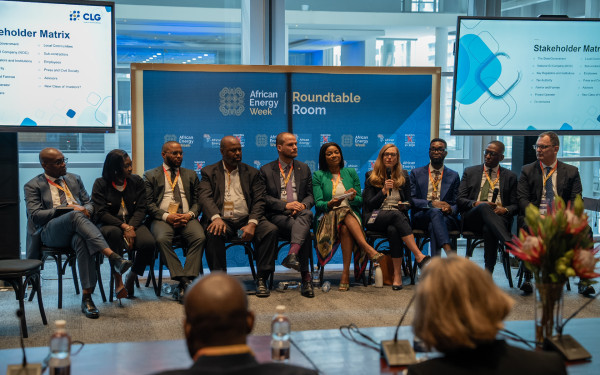
A panel of experts at Africa Energy Week (AEW): Invest in African Energies 2024 emphasized the critical importance of stakeholder engagement and legal considerations in farm-in and farm-out agreements during a workshop titled, ‘Mastering Energy Investment Transactions in Africa'.
Moderated by Zion Adeoye, CEO and Managing Partner of CLG on Monday at the AEW: Invest in African Energies 2024 pre-conference session, the panellists shared insights into essential contractual arrangements in the oil and gas industry for facilitating exploration and development activities and allowing companies to share resources, risks and expertise.
Speaking during a Mastering Energy Investment transaction in Africa: a critical guide for general counsel masterclass, Jude Kearney, managing partner of Asafo & Co noted that there were several critical factors that played a role in allowing for meaningful engagement in farm-in farm-out agreements. “There are literally a thousand considerations a farmor or farmee must make before entering a transaction, but they must realize that they are not alone in their decision-making.”
“It is crucial to engage with local stakeholders – government, prospective service providers, potential employees – early to understand the market dynamics and expectations. This includes assessing local content requirements and corporate social responsibility expectations. The government is your ultimate stakeholder, as they hold the authority to approve or deny transactions,” Kearny added.
Participants underscored the necessity of thorough legal due diligence before entering negotiations. This includes understanding local laws, tax obligations and regulatory requirements to avoid potential pitfalls. Grace Yella, CLG director for tax and legal in Cameroon, emphasised starting with due diligence to lobby for favourable responses from government administrations.
Kearny concurred, “Consider policies that exist in some of the countries, such as Nigeria and South Africa, which have very strong local content regulations. If you are not aware of these regulations, and have not considered them, then your contract is not perfect,” he added.
CLG Equatorial Guinea managing partner Manuel Oliveira agreed, adding that meeting these regulations were no longer a box-ticking exercise. “Local content is critical for these transactions, there are obligations regarding training local people and to give opportunities to local entities to participate in the economy,” he said, adding that local advisors were also able to navigate the complexities of legislation of this nature.
Tax considerations were also a focal point of the discussion. Daoudou Mohammad, Congo director of CLG, noted that understanding tax obligations is crucial, especially as regulations can change rapidly. Engaging tax consultants early could ensure compliance and identify potential exemptions.
As case study, Mohammad cited the oil and gas taxation decree in the Republic of the Congo having undergone several revisions, which significantly impacts how companies approach their investments and compliance strategies. In 2001, a decree was issued that provided tax exemptions for oil and gas activities, which were included in the terms and conditions of various contracts.
However, subsequent changes in government policy led to the issuance of a new decree that made these activities taxable. This shift raised concerns among investors about the stability and predictability of the regulatory environment. The decree was later suspended following constructive dialogue between government officials and tax operatives, indicating a willingness to find a compromise between government revenue needs and the interests of oil and gas entities.
Similarly, changes in Ghana's oil and gas laws that affected previously favourable tax terms have also changed. “The new Production Sharing Contract focuses more on tax implications than legal terms, highlighting the need for tax experts to be involved in negotiations to avoid unexpected costs,” said Onyeka Ojogbo, CLG deputy managing partner.
“This evolving nature of tax regulations necessitates that companies remain vigilant about compliance to avoid unexpected liabilities, especially given that VAT is now applicable to oil and gas companies, although some activities may still be exempt,” concluded Mohammad.
Distributed by APO Group on behalf of African Energy Chamber.
Day 1 on the Klip River: Selby to Riverlea
JOHANNESBURG: KFC Mini-Cricket is more than just a sports initiative, it has become a catalyst for social change, nurturing young...
Turkish Cooperation and Coordination Agency (TİKA) has provided equipment to the Medical Plant Biology Laboratory at Stellenbosch University, which continues its educational and research activities in South Africa.
TİKA provided equipment support to the Medical Plant Biology Laboratory at Stellenbosch University in South Africa, ranked among the world's top 200 universities in plant and animal sciences.
Through this project, a centrifuge machine, water purification system, spectrophotometer, plant growth chamber and lyophilizer were provided to support the cultivation of plants under controlled conditions, DNA analysis and the preservation of plants and extracts as required.
South Africa is home to 9,000 endemic plant species
South Africa hosts approximately 9,000 plant species, the majority of which are endemic. These plants, integral to the development of traditional medicine, have been used by local communities for medicinal purposes over centuries.
However, during the apartheid era the Witchcraft Suppression Act 3 of 1957 restricted this usage. Following the repeal of this law in 1994, academic research surged, allowing many native plants to be widely adopted in medicine and cosmetics.
Stellenbosch University is now dedicated to integrating traditional knowledge into academic research. To support this, TİKA provided the university with equipment to study the reactions of local plants to different production conditions, determine optimal cultivation and storage methods and conduct DNA-level analyses.
Handover ceremony organized
The handover ceremony was attended by Yonca Sunel, Consul General of the Republic of Türkiye in Cape Town; Abdulkadir Abukan, TİKA's Coordinator in Pretoria; Vim de Villiers, Rector of Stellenbosch University; Sibusiso Moyo, Vice Rector; as well as academics and students.
During the ceremony, Rector de Villiers expressed gratitude to TİKA for its contributions. Vice Rector Moyo emphasized the significance of international cooperation in enhancing the university's research capacity and provided information about the partnerships with universities in Türkiye.
Consul General Sunel noted that this program marked her first official visit since her appointment and expressed her pleasure in collaborating with the esteemed institutions of South Africa.
Distributed by APO Group on behalf of Turkish Cooperation and Coordination Agency (TIKA).
As global temperature records continue to be broken, cities need to move fast to protect residents from heat stress. Planting trees seems the simplest solution
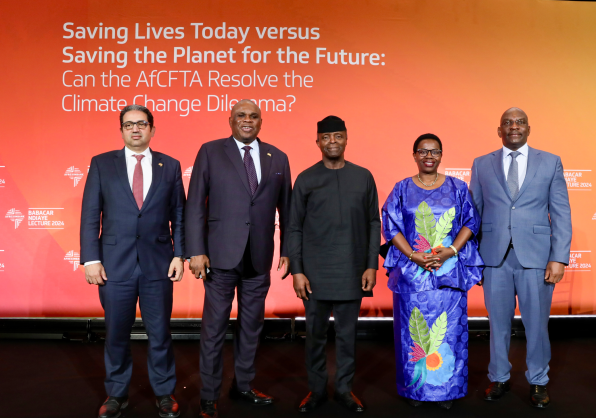
The eighth Babacar Ndiaye Lecture held at the Four Seasons Hotel in Washington D.C., on 26 October 2024, under-scored the need for African nations to strike a balance between short-term development imperatives and long-term climate goals.
Under the theme “Saving Lives Today versus Saving the Planet for the Future: Can the AfCFTA Resolve the Climate Change Dilemma” discussions centred on how the African Continental Free Trade Area (AfCFTA), Africa's most ambitious trade initiative, could serve as a vehicle for economic growth and environmental sustainability, positioning the continent as a leader in the global green transition.
The Lecture drew a distinguished audience of policymakers, academics, financial experts and climate advocates.
Speaking about Dr. Babacar Ndiaye in his opening remarks, H.E. Professor Benedict Oramah, President and Chairman of the Board of Directors of Afreximbank Group, said “Dr Babacar Ndiaye was most concerned by the long-term threats posed to humanity by climate change. He once said, "Climate change is the greatest threat to development, particularly in Africa, where millions of people depend on the environment for their livelihoods … Africa's economic transformation cannot happen without addressing climate change.”
Dr. Ndiaye's reflection on the impact of climate change was spot-on and intellectually deep.” But, “disappointingly, the global debate on climate has been so much focused on emissions reduction with the question of reducing its impact on Africa and other developing countries always reduced to a footnote. A call for Africa to decarbonise, when the continent has not even carbonised, poses a serious threat to the socio-economic development of a gas-rich continent that has at least six hundred million people without electricity.”
The African Continental Free Trade Area Agreement “is seen as a potent means of reducing carbon emissions as it is helping to domesticate industrial activities and minimise the carbon emissions caused by shipping of commodities to far-away lands for value addition and reshipping to Africa and elsewhere. We believe that The AfCFTA could offer a pathway to a just transition, enabling local industrial value addition while protecting the planet.”
Professor Yemi Osinbajo, SAN, GCON, the Immediate Past Vice President of the Federal Republic of Nigeria, delivered a powerful address titled “Sustainable Infrastructure for Africa's Future: Harnessing Innovation and Partnerships.” He spoke passionately about the advantages of the AfCFTA and its potential to transform Africa's trade landscape, reduce carbon emissions and foster innovation in green industries.
“There are two obvious advantages to a fully operational AfCFTA.The first is that 42% of African countries, aside from North Africa, now have legislation prohibiting the export of raw ores or minerals before being processed. This legislation gives African countries the benefit of jobs and revenues from local processing and manufacturing.
“The second advantage of the AfCFTA is that shipping is a major source of carbon emissions. Under current trade practices, a large share of African raw materials are exported to other regions, where they are processed or manufactured into finished products, usually using fossil fuel power sources, before being shipped back to Africa for consumption. This cycle contributes to higher emissions and constitutes a loss for African countries that do not reap the value chain gain from beneficiation. Intra-African trade in finished goods will substantially reduce this massive cause of global emissions,” he said.
The reduction of emissions by intra-African trade has been the subject of several empirical studies. Professor Osinbajo referred to a recent ECA/ CEPII study titled “Greening the African Continental Free Trade Area Agreement's Implementation" published in December 2023, which found, inter alia, that implementing the AfCFTA can boost intra-African trade by 35% in 2045 while increasing GHG emissions by less than 1%, compared to no AfCFTA or climate policies.
These studies do not factor in using renewable energy sources in the processing and manufacturing of traded goods, an assumption of the Climate Positive Growth paradigm, which would again substantially reduce emissions.
Professor Osinbajo cited mining bauxite in Guinea as an example. If Guinea, which has 25% of global deposits of bauxite, processed the bauxite it mines to aluminium with renewable energy in readiness for export, Guinea could save the world 335 million tonnes of carbon dioxide equivalent (CO2e) per year, which is approximately 1% of global emissions, and create 280,000 jobs and generate $37 billion of additional revenue. If it chooses to sell the aluminium within Africa, it will again save the huge shipping cost to countries thousands of miles away.
A Bloomberg study done for the African Development Bank (AfDB) in 2021 on the manufacture of battery precursors found that manufacturing battery precursors in the Democratic Republic of the Congo (DRC), which has plenty of lithium and cobalt, is three times cheaper than manufacturing it in the US, EU and China. Manufacturing in the DRC would extend value chain opportunities to other African countries, they would need manganese from Zambia, Tanzania, Gabon and South Africa to contribute to its capacity to produce these battery precursors. Manufacturing using renewable energy could significantly reduce the cost of manufacturing. Africa's abundant renewable energy has very low seasonality or intermittency, making it possible to reliably provide a renewable baseload to power continuous industrial production.
“The AfCFTA empowers African countries first to add value to materials and specialise in areas of national comparative advantage, and also to work together to trade more beneficially with the rest of the world,” said Prof Osinbajo.
He futher said that “Most African countries depend on fossil fuels for their energy needs and for fossil fuel rich African countries, this is also a major source of export earnings and fiscal revenues. Ostensibly in keeping with their net zero obligations, there has been a growing trend amongst development finance institutions to withdraw from fossil fuel investment. These actions include the World Bank's decision to cease funding for upstream oil and gas development in Africa and the restrictions on financing downstream gas development by the European Union, the United Kingdom, and the United States. Clearly, the implications of these actions are dire, where there are no immediate alternative sources of power and the cost of the transition to cleaner fuels may be prohibitive. Some studies show that divesting from fossil fuels could reduce GDP by as much as USD$30 billion for Nigeria, USD$22 billion for Algeria, and USD$19.3 billion for Angola.”
H.E. Dr Rania A Al-Mashat, Minister for Planning, Economic Development and International Co-operation, Arab Republic of Egypt said that while the “African continent is the least responsible for carbon emissions, it has the biggest burden in terms of financing climate change for developmental needs - such as food and water security, and access to energy.
She called for greater collaboration with national and international stakeholders “We need to work together; we need to bring the experiences from other places so that Africa can push forward with respect to development and sustainable economic growth.”
In her Goodwill Message, Ms. Amina J. Mohammed, Deputy Secretary-General of the United Nations and Chair of the United Nations Sustainable Development Group, spoke about the rapidly closing window to prevent the worst impacts of climate change. She addressed the fact that many African countries are mired in debt, exacerbated by extended crises with little access to long-term concessional financing to invest in sustainable development.
“With adequate access to financial resources at a reasonable cost, renewables can dramatically boost economies, grow new industries, create jobs and drive development, including by reaching the over 600 million Africans living without access to power,” said Ms Mohammed.
She also stressed the importance of prioritising inclusive policies that empower women and youth when building climate-resilient economies.
“By harnessing the collective might of the AfCFTA, Africa can make strides in addressing both climate action and sustainable development by promoting regional integration and fostering green industrialisation.
“The AfCFTA can help build climate-resilient economies while creating jobs, reducing poverty and strengthening food security.”
The eighth Babacar Ndiaye Lecture also reinforced Afreximbank's commitment to leadership in financing sustainable infrastructure and trade policies across the continent.
Distributed by APO Group on behalf of Afreximbank.
Media Contact:
Vincent Musumba
Communications and Events Manager (Media Relations)
Email: press@afreximbank.com
For more information, visit: www.Afreximbank.com
Follow us on X | Facebook (https://apo-opa.co/3YJR7iS)| LinkedIn (https://apo-opa.co/3Cet3eR) | Instagram (https://apo-opa.co/4ht2qDa)
About the Babacar Ndiaye Lecture
The Babacar Ndiaye Lecture is an annual event designed to foster dialogue around Africa's development challenges and explore practical solutions through policy, trade and diplomacy.
The Lecture honours Babacar Ndiaye, a former President of the African Development Bank, for his visionary leadership in advancing Africa's economic growth.
Afreximbank has hosted this Lecture every year since 2017 in honour of the late Dr. Babacar Ndiaye, the fifth President of the African Development Bank. Dr. Ndiaye transformed the Bank during his decade-long leadership and was also instrumental in establishing several other enduring Pan-African institutions, including Afreximbank, Shelter Afrique and the African Business Roundtable.
About Afreximbank
African Export-Import Bank (Afreximbank) is a Pan-African multilateral financial institution mandated to finance, facilitate and promote intra and extra-African trade. For over 30 years, the Bank has been deploying innovative instruments to deliver financing solutions that support the transformation of the structure of Africa's trade, accelerating industrialisation and intra-regional trade, thereby boosting economic expansion in Africa. A stalwart supporter of the African Continental Free Trade Area (AfCFTA), Afreximbank has in partnership with the African Union Commission and the AfCFTA Secretariat launched the Pan-African Payment and Settlement System (PAPSS) that was adopted by the African Union (AU) as the payment and settlement platform to underpin the implementation of the AfCFTA agreement. The AfCFTA Secretariat and the Bank have created a US$10 billion Adjustment Fund to support countries to effectively participate in the AfCFTA.
At the end of December 2023, Afreximbank's total assets and guarantees stood at over US$37.3 billion, and its shareholder funds amounted to US$6.1 billion. Afreximbank has investment grade ratings assigned by GCR (international scale) (A), Moody's (Baa1), Japan Credit Rating Agency (JCR) (A-) and Fitch (BBB). Afreximbank has evolved into a group entity comprising the Bank, its impact fund subsidiary the Fund for Export Development Africa (FEDA), and its insurance management subsidiary, AfrexInsure, (together, “the Group”). The Bank is headquartered in Cairo, Egypt.
City of Cape Town expresses disappointment at the slow pace of change
Mental health and people with disabilities
By Morapedi Sibeko
Social Development Month and Mental Health Awareness Month are two significant twin observances that fall in October. The aim of these observances is to promote all-encompassing strategies that tackle social concerns as well as mental health requirements, ultimately resulting in communities that are healthier and more resilient.
This linking shows how closely social support networks and mental health are interrelated, particularly for people with disabilities (PWD).
The World Health Organization (WHO), which defines health as a state of complete physical, mental and social well-being and not merely the absence of disease or infirmity, reports that people with disabilities have twice the likelihood of experiencing mental health issues. They also list increasing global awareness of mental health issues and organising mental health-promoting activities as two of October's other main goals.
Mental wellbeing for people with disabilities frequently remains an unattainable objective, secondary to the stigma linked to both their physical condition and mental health difficulties. This dual stigma is responsible for lowering the quality of life and preventing people with disabilities from getting the necessary mental health care.
People with disabilities regularly have to deal with negative expectations and false beliefs about their skills. The burden of judgment increases when mental health issues are involved. It is a common misconception in society that people with disabilities are either "used to" hardship or lack the emotional strength needed to preserve mental health. Due to this twin stigma, people with disabilities are perceived as weak or reliant in terms of both their mental and physical health, which fosters a poisonous environment.
As per WHO, a person's place on the mental health continuum may change as a result of a combination of psychological, societal, and structural factors that either support or compromise mental health throughout life. Often people with disabilities live with an emotional toll that comes from experiencing a world that was supposedly not created with them in mind.
A negative consequence of social stigma is one's internalisation of the unfavourable attitude. A person's incapacity to deal with the hand they've been dealt may lead to them believing their mental health issues are personal failures.
People with disabilities tend to enjoy fewer benefits or have less access to training and development, and they frequently feel alienated at work. They run the danger of social marginalisation, poor health, and diminished productivity at work as a result of this physical and psychological discomfort.
Employers frequently lack the knowledge and readiness to offer the support and accommodations that people with disabilities require. People with disabilities who are employed suffer in silence, feel misunderstood, and lack assistance.
A study by researchers (Trani et.al., 2024) highlights that the lack of opportunities, isolation, prejudice, and accessibility problems that people with disabilities experience can result in mental health conditions including post-traumatic stress disorder (PTSD), sadness, depression, or anxiety. This research highlights the value of social development programs that fight stigma and contribute to the creation of a more accepting and inclusive atmosphere for people with disabilities.
The need of inclusive social policies in promoting mental wellness for everyone, especially people with disabilities, is brought home to us in October. We, as community members, can establish settings where each person feels appreciated, encouraged, and capable of thriving by tackling the structural obstacles and stigmas people with disabilities encounter.
*Morapedi Sibeko is the Event Manager at the Department of Social Development
Janine
Tue, 10/29/2024 - 14:42
Governance and compliance essential for community media sustainability
A study on community media has highlighted the importance of addressing governance and compliance challenges, to strengthen the foundation and enhance public trust in community media and small commercial media.
The Research and Development of a Sustainability Model for Community and Small Commercial Media (CSCM), conducted by the Media Development and Diversity Agency (MDDA), has shown that the majority of CSCM organisations - 74% - are partially sustainable.
The study highlighted that while they have access to some of the necessary skills, including resources and financial capacity to be self-sustainable, some CSCM are currently facing challenges, including a lack of financial resources, effective governance structures, an enabling environment and skills, being among the main challenges facing the media organisations.
According to the study which was launched in Johannesburg on Tuesday, a lack of finances was as a result of various factors including difficulty in attracting advertisers, which the study raised as a concern, given that most organisations within the CSMC sector rely on advertising revenue.
“It was found that private sector advertisers are reluctant to advertise with CSCM organisations due to the perception that the organisations are unstable and unprofessional, in addition to these organisations having limited audience reach which is seen to limit the potential exposure of the advertiser’s product to target audiences.
“The challenge in attracting advertisers also extended to government advertising, with representatives from CSCM organisations, as well as representatives from the MDDA, noting that local government appeared to be reluctant to advertise with CSCM platforms,” the study found.
Responding to the findings, MDDA Board Member, Hoosain Karjiekar, emphasised that governance was essential for community media to be sustainable, as it provides the structure and processes that ensure accountability, transparency and ethical management.
However, Karjiekar noted that many community media outlets are often operating with limited resources, struggle with governance due to skill gaps, unclear policies, or competing responsibilities.
Karjiekar emphasised the importance for community media sector bodies and leadership of the media institutions to commit to promoting strong governance practices and streamlining compliance requirements.
“Training for board members and community media leaders in ethical leadership, strategic decision-making, and resource management can go a long way. Strong governance not only improves operations but builds trust with the community, which is essential for long-term support.
“Many community media outlets are also constrained by complex compliance standards that can seem overwhelming. Regulatory frameworks must adapt to the realities of community media, acknowledging their smaller operational capacities while still promoting transparency. Simplified compliance pathways can help these organisations adhere to important standards without stifling their work,” Karjiekar said.
Enhancing revenue generation for financial sustainability
On financial sustainability, which was one of the biggest hurdles facing the community media, Karjiekar said that to fulfil their mission in the longterm CSCM need diversified revenue streams beyond traditional advertising, “which may not always be viable”.
“As the Community Media Sustainability Research Report proposes; community media must explore some of the strategies [including] building partnerships and community sponsorships, leveraging grant funding and crowdfunding, implementing membership programs, [and] hosting community events and workshops,” he said.
He reiterated that ensuring community media sustainability meant fortifying the communities, supporting democracy, and safeguarding voices that might otherwise go unheard.
“Through improved governance, adaptive compliance, and creative revenue strategies, community media can not only survive but thrive, continuing to champion the stories, struggles and successes of the communities they serve,” Karjiekar said.
The study launch coincided with the month that marks the anniversary of Black Wednesday on 19 October 1977, when the apartheid regime silenced critical voices for the marginalised by banning influential newspapers The World and Weekend World. – SAnews.gov.za
GabiK
Tue, 10/29/2024 - 13:36
The bird is facing rapid population decline from competition with commercial fisheries and climate-mediated shifts in prey populations
Investigator appointed to probe allegations of special treatment of certain inmates
Department of Correctional Services (DCS) National Commissioner, Makgothi Thobakgale, has appointed a senior official at the department to investigate allegations of special treatment of wealthy inmates – specifically Durban businessman Thoshan Panday – at Westville Correctional Centre.
“In light of the gravity of these allegations, Commissioner Thobakgale has appointed a senior official, at the level of Deputy Commissioner to conduct a thorough investigation.
“The appointed investigator will examine and clarify the validity of the accusations, with a focus on determining whether any inmate(s) have received privileges or treatment inconsistent with DCS policies and standards,” the department said in a statement.
The department emphasised that it was committed to “upholding fairness and equality in the treatment of all incarcerated individuals, regardless of their financial or social standing”.
“Beyond this specific investigation, the appointed investigator will study the standard operating procedures within the facility in order to ensure that they align with the principles of integrity, impartiality, and fairness that are fundamental to the correctional system.
“Operational practices must be consistently applied across all 243 correctional facilities in the country.
“The National Commissioner emphasised that the Department of Correctional Services remains steadfast in its mission to administer corrections with accountability and transparency,” the statement said. – SAnews.gov.za
NeoB
Mon, 10/28/2024 - 12:33
Crucial wetlands in the Lesotho Highlands are in trouble
SA well placed to be major hub in clean tech value chain
South Africa is well placed to become a hub for components and equipment manufacturing in the clean technology value chain, including battery technologies for energy storage, electric mobility, material handling and a range of other applications.
This is according to the Deputy Minister of Trade, Industry and Competition, Andrew Whitfield, who addressed the opening of the R150 million Balancell state-of-the-art Gigafactory in Cape Town.
Balancell is a future-focused, innovative technology business that develops smart batteries designed to manage and protect themselves, and report their use and condition remotely.
“The South African government is working closely with the industry to identify opportunities to deepen the battery technology value chain and to position South Africa as a manufacturing hub on the African continent.
“A recent benchmarking study, supported by the World Bank Group, shows that South Africa is a competitive manufacturing destination, and offers a compelling value proposition for companies in this sector, as demonstrated here,” Whitfield said.
To support these ambitions, Whitfield said there was a number of policies and incentives in place that will enable the growth of this key sector. He said Cabinet has already approved the New Energy Vehicle White paper, setting out the objectives for this sector.
“Being able to witness an investment from homegrown companies in this sector is truly inspiring. Balancell’s investment of R150 million in this factory is not only directly in line with the strategic priorities of the Government of National Unity, but also a demonstration of the innovative and entrepreneurial spirit that defines many South African businesses.
“We are motivated by the company’s prospects for growth and further job creation in the coming years. The 75 existing jobs created in this [Gigafactory], supporting more than 1 500 indirect jobs, is a clear indication of the multiplier effect that can be achieved by strengthening and growing the manufacturing sector,” Whitfield said.
A Gigafactory is a huge factory that produces very large numbers of batteries for electric vehicles.
Whitfield highlighted the importance of building a strong base of skilled South Africans.
“Expanding industry partnerships with leading universities and research institutions to enhance local research, development and testing of components is critical to the industry. I am, therefore, encouraged that you are already working with the Nelson Mandela and Stellenbosch Universities, as well as the Council for Scientific and Industrial Research,” the Deputy Minister said.
He described the opening of the Gigafactory as an affirmation of the importance of building industrial capacity and working together to achieve the shared vision of South Africa being a global player in the battery value chain.
He further said the investment is an example of South African resilience, innovation and entrepreneurship. – SAnews.gov.za
Edwin
Fri, 10/25/2024 - 10:46
CSIR Transport Safety Lab to help reduce road crashes
Minister of Science, Technology and Innovation, Professor Blade Nzimande, has unveiled the Transport Safety Lab at the Council for Scientific and Industrial Research (CSIR) to enhance road safety policies and products on the continent.
Unveiled on Thursday, the laboratory includes a stationary driving simulator located on the CSIR’s Scientia campus in Pretoria, along with a vehicle equipped with sensors to gather data on driver behaviour and road conditions.
CSIR Smart Society Group Executive, Dr Sandile Malinga, stated that the lab will collect and analyse road safety data from the real world and simulations, which can be used to improve transport safety policies and products.
“This dual approach gives the CSIR Transport Safety Lab a unique sweet spot in the industry, merging laboratory precision with practical, on-the-road experimentation,” he said, adding that it will ultimately help reduce fatalities and the socio-economic burden of road crashes.
The CSIR Senior Researcher, Lerato Kgoa, explained that the lab’s testing vehicle, known as the Drive Lab, can gather live data from South Africa’s roads, enabling researchers to analyse signage visibility, road conditions, and driver behaviour patterns under various circumstances.
Meanwhile, the driving simulator known as the Simulator Lab, will play a complementary role.
According to Kgoa, the simulator can recreate hazardous driving conditions in a controlled environment and will allow researchers to observe how drivers respond to dangers like adverse weather conditions, poor visibility or challenging road surfaces.
“By simulating these scenarios without the real-world risks, researchers can gather valuable data on driver behaviour, decision-making processes, and potential improvements in road safety measures,” she added.
The lab features specialists in transport safety, human behaviour, and crash analysis. It has already conducted a successful pilot study on how drivers perceive fluorescent yellow.
Malinga explained that the lab’s research supports the Safe System Approach that South Africa has adopted, where road users, policymakers, transport planners, vehicle manufacturers, infrastructure designers, and road agencies all share the responsibility for improving road safety.
According to the CSIR, this approach is a globally recognised framework endorsed by the United Nations.
CSIR CEO, Dr Thulani Dlamini, said original equipment manufacturers, transport operators and private investors can use the new facility to test and refine new products such as vehicles, road restraint systems and digital technologies.
“Early involvement ensures that industry leaders gain a competitive edge as they co-develop cutting-edge solutions with the CSIR’s research experts,” Dlamini stressed.
“We encourage industry partners to join us in reducing road crashes and ensuring sustainable road infrastructure in South Africa and beyond.”
He believes that the lab will also enable evidence-based policymaking aligned with South Africa’s National Road Safety Strategy 2016-2030 and that it will work with continental bodies such as the Road Traffic Management Corporation and the Namibia Road Authority.
“The lab’s insights are set to inform regulatory frameworks, support law enforcement strategies, and influence infrastructure development,” Dlamini added.
The CSIR Transport Safety Lab is funded by the Department of Science, Technology and Innovation. – SAnews.gov.za
Gabisile
Fri, 10/25/2024 - 11:22
Gauteng central hospitals operating beyond capacity to treat cancer
Gauteng, with a population exceeding 15 million, faces the highest burden of cancer care in the country and the province’s central hospitals were not originally designed to handle the current patient load.
The central hospitals are operating beyond their capacity in providing both cancer treatment and overall healthcare services.
These are the findings of a detailed evaluation of oncology services in Gauteng, undertaken by the Health and Wellness Portfolio Committee.
The Health and Wellness Portfolio Committee, consisting of members from various political parties in the provincial legislature, recently conducted a focused study to assess the pressure points and operational efficiency of oncology services throughout Gauteng.
The visits conducted this week included Dr George Mukhari Academic, Steve Biko Academic, Charlotte Maxeke Johannesburg Academic, and Nelson Mandela Children’s Hospital.
According to the committee, this initiative provided a deeper understanding of the complex challenges involved in delivering cancer treatment and care within the public healthcare sector.
“Contrary to perceptions, oncology services require sophisticated coordination, far beyond what is often assumed,” the statement read.
The committee said oncology services at these central hospitals extend not only beyond the province but also across national borders, offering highly specialised care that is difficult to replicate at tertiary and district hospitals, which often lack essential surgical, diagnostic, and pathological capabilities.
“Consequently, these hospitals face a high volume of referrals from other provinces, such as North West, Limpopo, and Mpumalanga, further straining an already overburdened system.”
The team also found the bed allocation becomes increasingly complex as they accommodate patients from outside Gauteng.
Additionally, the backlog is exacerbated by the significant number of foreign nationals seeking cancer treatment and other healthcare services in these facilities.
According to the statement, Charlotte Maxeke Academic Hospital currently owes over R700 million, while Steve Biko Academic Hospital has a bill exceeding R400 million for the treatment of foreign nationals.
This situation further intensifies the financial strain on the system.
Human resource planning
The committee also observed that the human resource planning for oncology services is outdated and does not meet the growing demands of Gauteng’s population.
“This mismatch has led to significant pressure on healthcare professionals, with unfavourable staff-to-patient ratios affecting service delivery.”
In addition, there is a critical shortage of oncology, radiology, and other specialised healthcare workers, compounded by the private sector’s ability to offer more competitive compensation for these sought-after skills.
They also discovered that there was a shortage of specialised nurses in the operating theatres and intensive care units (ICU).
“These nurses play a crucial role in the value chain of cancer treatment and care.”
The team has since urged the National Department of Health to fast-track the approval and implementation of revised staffing plans, already proposed by hospitals, to address these shortages.
“While the committee recognises the budget constraints caused by austerity measures, addressing the critical need for specialised personnel must remain a top priority to meet growing healthcare demands.”
Infrastructure needs
Gauteng historically had only two main radiology centres. However, the committee said they were encouraged that Dr George Mukhari Hospital is advancing plans to construct an additional oncology facility.
The committee believes that once the facility is completed, it will relieve pressure on existing services and enhance treatment capacity for cancer patients.
“However, it is essential to ensure that infrastructure expansions are matched by an increase in specialised personnel to operate the facility effectively.”
The committee stated that they will closely monitor the project’s progress to ensure it meets deadlines and improves access to care.
“The committee now fully understands the multi-faceted factors contributing to the backlog in oncology services. The entire value chain – from diagnosis to treatment – requires a coordinated approach, guided by clinical guidelines.”
As the National Health Insurance (NHI) implementation progresses, they said it was expected that greater cooperation and system improvements would help address some of the current challenges in the healthcare sector.
“We remain committed to supporting Gauteng’s healthcare system and will continue working with the Department of Health to tackle these challenges.
“Our goal is to enhance oncology services, ensuring all patients receive the high-quality care they deserve, despite the complexities involved in providing such specialized treatment,” said Health and Wellness Portfolio Committee Chairperson, Advocate Ezra Letsoalo. – SAnews.gov.za
Gabisile
Thu, 10/24/2024 - 11:32
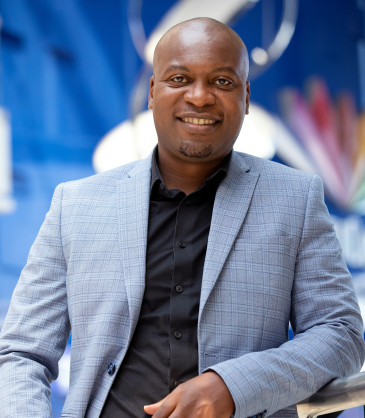
Television is in the midst of its latest game-changing technology shift – this time from the traditional linear, direct-to-home (DTH) content distribution model to the over-the-top or OTT approach.
OTT – or streaming – offers flexibility, and means users are no longer tied to a specific device or location to consume content.
The power of access is now in the hands of the customer, who can choose what to watch, when, and how much of it. This is an advantage for large content providers. At MultiChoice Africa, for instance, streaming on-demand is the perfect way to give customers access to our self-produced local content library of 84 000 hours.
Innovating for a better experience
The shift to streaming and OTT also comes with new challenges, however. Faced with thousands of hours of content, viewers may be overwhelmed. Artificial Intelligence and machine learning allow us to solve this, surfacing and recommending customised selections of content based on viewing behaviour.
To do this effectively, UX design must build upon AI data insights, to shape the content experience in ways that are both personalised and attuned to industry trends.
Because audience preferences can now be observed and understood in real time, it's also important that in-house UX teams be deeply integrated with product and tech teams. This has been our approach with our ongoing MultiChoice UI design refinements.
Another AI application in the broader content space is in building efficiencies that allow millions of viewers to watch content in their local languages.
At MultiChoice, have been able to train AI for subtitling in several regional languages, enabling us to automate translations for entire series of content. This capability has already been deployed for Swahili translations in Kenya, on the Showmax platform, as well as in two vernacular languages in Nigeria.
The next step is to use AI to automate the audio dubbing of content into African regional languages to further bolster the content that we already deliver in those languages.
As an Africa-wide content provider, MultiChoice also understands that our customers face very real data challenges. We have therefore been forced to innovate to alleviate this pain point, and to find value and efficiencies for our customers through technology.
Data compression is one solution we have found. To address the distance factor, we have found partners that will allow us to cache content closer to our various user communities. We have created nodes closer to those regions that will copy content from source locations in South Africa before relaying it to the end user.
Adapted bit rate is another practical solution to data challenges. With this in place, picture quality adapts dynamically along with internet fluctuations, while ensuring that the stream remains uninterrupted. We also allow users to select bit rates and stream qualities according to their needs, to optimise their data use.
We have also formed partnerships with telcos across Africa to package our content with their data offers. It is a time of great innovation in the market.
Buffering and latency solutions
A related technology challenge is latency issues, which will be familiar to anyone who has been watching live TV during a power outage. The streaming lags and buffering effects that often result can be a real inconvenience. To address this, we have implemented a low-latency solution with one of our partners. Again, the goal is for streaming to have the same latency quality as DTH or linear satellite TV.
In our approach to solving this, we set ourselves the goal of getting our buffering rate to below the industry standard in developed countries, which is 0.72%. The buffering rate represents the percentage of time that a device is buffering, instead of playing content. We have already achieved an average of 0.31% and we are confident of achieving further gains.
We are also working to optimise our configuration to ensure that our OTT platforms receive our stream before satellite receives the stream, to gain additional seconds, and compensate for the discrepancy.
If we are going to bring streaming into the mainstream, I believe it should have the same high-quality viewing experience as satellite.
Another technological discrepancy is lags in the content delivery times between DTH and streaming. We conducted a study of major international players in “first world” markets, and found that streaming delivery was often between 20 and 25 seconds behind satellite.
In our quest to align these two platforms, we have managed to get lags down to five seconds, and we are on course to drop them even further, so that our steaming speed is on par with our decoder broadcasts. This confirms that African streaming services are now among the global leaders in this space.
The next phase of innovation in the TV space is already upon us. Thanks to streaming innovation, the medium is now ubiquitous – accessible everywhere we go.
But for that transition to be real, for it to represent real evolution, we must use all the technology and expertise at our disposal to ensure streaming is as good, as fast, and as seamless as the technology that came before it. And even more entertaining!
Then, it becomes time for the next transition. And that process is already underway. It's an exciting time for television.
Distributed by APO Group on behalf of MultiChoice Group.
Heuningvlei was devastated by flooding for two consecutive years but the residents are determined to keep their town alive

The popular and internationally acclaimed TV quiz show formerly known as Celtel Africa Challenge and then Zain Africa Challenge, is making a comeback as University Challenge Africa (www.UniversityChallengeAfrica.com) in late 2025. The competition sees the brightest students from universities across Africa matching wits in a televised question-and-answer game show.
Richard Reid, the game's creator and producer, shares his excitement: “We are proud to bring back our iconic game under its new name, University Challenge Africa. With education being a top priority across the continent, we remain committed to working with our broadcast partners and sponsors to highlight the academic accomplishments of Africa's students and universities.”
University Challenge Africa is not just a quiz show; it's an opportunity for students to shine on the international stage, test their skills and knowledge against peers from across the continent, and win a share of over $1,000,000 in scholarships and grants. With millions of viewers and a strong social media following, the show has a lasting impact on participating students and universities.
With previous versions of the competition featuring universities from eight African countries, the new format promises even more representation. Nigeria, Kenya, and South Africa are planned participants in 2025, with universities from several other countries on the invitation list.
Reflecting on the programme's prior success, Tito Alai, who was the Group Chief Commercial Officer of Celtel and Zain Group, said: “Throughout its history, the competition was a source of pride in the accomplishments of our young men and women. Sponsoring the Africa Challenge was a great strategic marketing and CSR investment, reflecting our commitment to education, enriching students' lives, and boosting participating institutions' reputations.”
Past winners echo these sentiments, emphasising the transformative impact of the competition. James Tuitoek, Vice Chancellor of three-time winners Egerton University in Kenya, noted the university's pride in its students, along with the fact that the competition had not only enabled them to set up a computer lab with 24/7 internet access for students but also positioned Egerton as a university of choice for international students. Similarly, when Ibadan University in Nigeria won in season three, the House of Representatives Chairman on Education, Hon. Farouk Lawan praised the programme as an educational platform playing a pivotal role in promoting education across Africa.
In addition to garnering praise from administrators and participants, University Challenge Africa also brings together some of the brightest minds from universities across the continent, with diverse interests and fields of study, presenting an opportunity for businesses to recruit future talent.
The return of the successful University Challenge Africa will be welcome news to the continent, reflecting the competition's rich tradition of educational excellence and great entertainment, and delivering on the promise of African development.
For more information, please visit UniversityChallengeAfrica.com.
Distributed by APO Group on behalf of University Challenge Africa.
Media Contact:
Richard Reid
President of the College Bowl Company
richard@collegebowl.com
Brand Partnerships & Marketing Contact:
Warren Couchman
Managing Director
Brand Partnerships
partnerships@universitychallengeafrica.com
University Challenge Africa: Delivering on the Promise of African Development (http://apo-opa.co/4f6Bp6O)
About University Challenge Africa:
University Challenge Africa, the Inter-University Battle of Brains formerly known as Zain Africa Challenge, is a proud member of the family of academic competitions created by the College Bowl Company. Our games have been part of communities around the world for over 70 years. They also include the award-winning US programmes College Bowl and Honda Campus All-Star Challenge and the renowned British game University Challenge.
Wherever our game is played, our MISSION is simple: Shine the light on the outstanding academic achievements of our players and universities.
We have a proven record of success with participating players and their universities, broadcasters, sponsors, audiences and the general public.
It's easy to explain our success in communities around the world, education is the #1 aspiration. When you support the community, the community supports you!
Eskom has an exemption to operate without flue gas desulpharization until March
Water infrastructure was installed in uMsinga in KwaZulu-Natal years ago but has never worked
South Africa’s central position in a drug smuggling route between West Asia and Europe plays a role