How Much Worse Are Coloured Plastics for the Environment?
Studies are finding more reason to boycott coloured plastic products

MyZA
News, Directory, Events and Other Stuff
Studies are finding more reason to boycott coloured plastic products
Justice Minister appears before Parliamentary Committee on VBS allegations
Minister of Justice and Constitutional Development, Thembi Simelane, says she did not have any improper relationship with a contractor appointed by the Polokwane Municipality.
Last week, allegations surfaced in the media that Simelane, while she was Mayor of Polokwane Municipality in Limpopo, received at least R575 000 in a loan from a company intimately linked to VBS bank.
“I did not have any improper relationship with the contractor appointed by the municipality. Mayors are never involved…in procurement. The work of appointment of a service provider is the responsibility of the executives in the municipality.
“[Gundo Wealth] were appointed to provide services through a procurement process and this was done through committees of council. I did not receive any improper benefits from the contractor,” she said.
The Minister appeared before Parliament’s Portfolio Committee on Justice and Constitutional Development to present clarity on allegations of impropriety on her part related to VBS Mutual Bank.
On the issue of whether or not there is a conflict of interest in her position as Minister and the National Prosecuting Authority (NPA) – which is prosecuting the VBS Mutual Bank saga – the Minister said the department plays no role in the decision-making of the NPA on who to prosecute or not.
“The office I hold does not have a direct relationship in instructing or convincing the NPA on how to act on their mandate.
“On the matter of taking the loan, I have dealt with the conflict of taking the loan. My understanding is that, if you ask for assistance on someone who doesn’t have a direct bearing or payment with the municipality, it is possible and I repaid it,” she said.
Simelane explained that the loan was for a business that would create wealth for herself and family after she leaves public office.
“Political positions by their very nature are short term and necessitated me to investigate a feasibility [study] of commencing such a business and a coffee shop seemed a feasible option so that I could create an employment opportunity for myself and my next of kin.
“I made this consideration…to ensure that I have an alternative when the public office life comes to an end,” she said.
The Minister said she had initially intended to partially withdraw from her retirement savings to fund the coffee shop but the “percentage of tax made the idea not feasible”.
“I asked Gundo for advice on any other idea on how best I could get finance and I was advised against the withdrawal of the retirement savings. In those discussions, Gundo then informed me and advised of a loan product that they have that I could access.
“In consideration for the options…there existed no conflict in my view is securing a loan from Gundo. I took a decision to proceed with the business,” Simelane said.
She added that the loan was repaid over three instalments.
Treasury steps in
Simelane told the committee that as the beginning of the decline of VBS Mutual Bank began to set in, National Treasury told municipalities that it was a breach of regulations to invest in mutual banks.
The Minister said she had already taken steps to ensure that the municipality withdraws from VBS, even before the directive from Treasury.
“[On] the advice of technical experts within the municipality, myself as the mayor, instituted the withdrawal of Polokwane Municipality from VBS. My attitude at the time was, if there was anything improper with regard to municipality funds, it must be stopped,” she said.
A Treasury-led investigation into municipal investments at the bank began after that – a process the Minister insists she “fully participated” in. This was followed by a report.
“That report didn’t spare me as the Executive Mayor from corrective measures. The…sanction to us was to either go to University of Pretoria or University of Witwatersrand which are the only ones that offers…a programme which is designed by National Treasury which is called Municipal Management [Programme].
“I took this corrective measure very seriously [and] commenced with my studies the following year when universities opened. I concluded this programme…after I was no longer a mayor, when I was a Deputy Minister,” she said.
Turning back to the matter between the municipality, her loan and VBS Mutual Bank, Simelane re-emphasised that she received no improper benefits.
“[I] affirm that one: there was no improper relationship. I requested for a loan, a loan was advanced.” –SAnews.gov.za
NeoB
Fri, 09/06/2024 - 12:14
Collaborative effort uncovers rare meteorite in the Eastern Cape
A significant meteorite that fell in the Eastern Cape last month has sparked a collaborative scientific investigation involving several leading universities.
The event, witnessed by residents from different locations, has led to the recovery of a rare meteorite fragment, provisionally named the “Nqweba Meteorite” after the nearby town of its discovery.
On 25 August 2024, residents from Garden Route, the Karoo, and provinces of the Western Cape and Free State observed a bright blue-white and orange streak of light in the sky.
“The meteorite, after splitting into several smaller fragments, disappeared. Shortly after, witnesses reported hearing loud explosions and sensing vibrations,” a statement by the universities read.
Namely these institutions are: Rhodes University, Nelson Mandela University and the University of the Witwatersrand (Wits).
Little did they know that nine-year-old Eli-zé du Toit, while sitting on her grandparents’ porch in Nqweba formerly known as Kirkwood, would see a dark rock fall from the sky before landing near a Wild Fig tree in the garden.
She recalled that the rock – black and shiny on the outside with a light grey, concrete-like interior – was still warm when she picked it up.
The probe into the meteorite has since involved a coordinated effort between scientists from the three institutions.
The researchers have been working around the clock to establish various facts about the meteorite, including the probable origin, size and trajectory, and speed as it entered the Earth’s atmosphere as well as the possible fall area.
Dr Carla Dodd from Nelson Mandela University, immediately secured the sample collected by the youngster when the news broke, recognising the rarity and importance of such a find.
Meanwhile, Rhodes University’s Dr Deon van Niekerk obtained a permit from the Eastern Cape Provincial Heritage Resources Authority to recover all fragments from this meteor for scientific analysis.
According to Wits University’s Professor Roger Gibson, the response time was critical if they were going to collect valuable scientific data and meteorite fragments.
He believes this was also crucial to explain to the local public that this was a natural event and how the individual parts linked together.
“Events such as these are incredible and are very exciting, both for the public who witness these falls and the scientists who gain invaluable information from studying the bolides and rocks,” said Gibson’s colleague, Dr Leonidas Vonopartis.
Nqweba Meteorite
The Nqweba Meteorite is believed to be an achondritic meteorite, specifically a rare type within the Howardite-Eucrite-Diogenite (HED) group.
It weighs less than 90g and has a pre-fragmentation diameter of less than 5cm.
According to scientists, the specimens have a dark black glassy coating with a light grey interior, peppered with dark green and light green grains and clasts.
“Such meteorites provide valuable insights into the inner workings of other planetary bodies, offering scientists a glimpse into processes like those that formed Earth’s rocks.”
Collaborative effort
“We are grateful that Eli-zé’s family immediately thought to contact us at Mandela University’s Geosciences Department upon making this rare find, effectively setting off this collaborative effort to study the meteorite and preserve it as part of the Eastern Cape heritage,” Dodd stated.
Meanwhile, Van Niekerk is of the view that it was fitting for Rhodes University, being in the Eastern Cape, to be involved in science regarding such a historic heritage event that's already touched the lives of so many eyewitnesses in the province.
The initial scientific focus will involve microscopic and geochemical analysis of the recovered meteorite fragment to fully classify it and understand its origin.
This investigation could provide insights into the meteorite’s source region in space and possibly identify its parent body.
“The discovery of the Nqweba Meteorite represents a significant opportunity for South African scientists to study a rare and valuable specimen from space, advancing our understanding of meteorites and their role in the broader context of planetary science.” – SAnews.gov.za
Gabisile
Tue, 09/03/2024 - 13:06
September is a month of renewal and positive change. It’s also when South Africa celebrates Heart Awareness Month, making it the perfect time to make impactful lifestyle choices that improve heart health. As it stands, the Heart and Stroke Foundation of SA cites cardiovascular disease as the second-leading cause of death in the country, responsible …
Eskom lights the way to women empowerment
Following the conclusion of Women’s Month, President Cyril Ramaphosa has praised the leadership of Eskom and other state-owned entities for their efforts in promoting gender equality in the workplace.
In his weekly newsletter to the nation, the President called on other companies, both public and private, to put in place deliberate programmes to eradicate workplace discrimination and make workplaces more conducive to women’s participation and development.
“Companies need to empower women in decision-making and technical roles. This is to ensure that every workplace and every occupation reflects the demographics of our country.
“We must commend the leadership of Eskom and of other state-owned entities, as well as many other businesses, for all they are doing to advance gender equality in the workplace.
“By continuing and intensifying this work, we can make sure that we have more and more to celebrate during Women’s Month in the years to come,” the President said in his newsletter on Monday.
During Women's Month, President Ramaphosa said the nation has celebrated the remarkable achievements of South African women in various aspects of life, acknowledging the significant progress made in advancing women's positions in society.
However, the President said government also recognises the persistent challenges and the crucial work ahead to achieve a truly non-sexist and equal society.
Keeping the lights on
Concurrently, the country has surpassed 150 days without load shedding. The President said this is a testament to the dedicated efforts of Eskom's leadership and staff in improving the performance of its power stations.
While there is much attention on what Eskom is doing to stabilise the electricity system, President Ramaphosa said another significant change has been quietly underway at the company over the course of the last few years.
He noted that women are taking a more prominent role in the work of Eskom and are playing a pivotal role in keeping the country’s lights on.
Transformation
“Two years ago I met with Eskom’s power station managers and I was pleased to see that a number of them were women. I found this to be a complete departure from the past where power station managers were always white men. This represented tremendous transformation on a demographic as well as gender basis.
“The inspiring story of Maserati Lesolang, the general manager of the Matla power station in Mpumalanga, is a demonstration of Eskom’s successes in growing a new generation of female leaders. Under Lesolang’s able leadership, Matla power station has implemented a turnaround plan resulting in it now being among Eskom’s better performing power stations,” he said.
The President further noted that at a number of state-owned enterprises, women are excelling not only in management and leadership positions, but also in technical roles and occupations that were previously the preserve of men.
Women Advancement Programme
He highlighted that within Eskom itself, women are working as power station managers, engineers, artisans, operators and technicians.
“This is the result of a deliberate and sustained initiative to increase female representation in the form of Eskom’s Women Advancement Programme. The programme was launched ten years ago to redress the under-representation of women in leadership and technical roles at Eskom,” the President said.
The programme’s focus has been on creating a pipeline of female leaders. It has also focused on transforming workplace culture to make it more gender-friendly, on skilling and training more women to occupy specialist roles, to conduct outreach in communities where Eskom operates, and to address issues of equal work for equal pay.
Among the achievements of the programme since its inception has been that just over 33% of Eskom’s workforce is now female, 20% of Eskom executives are women, and women occupy approximately 43% of senior management roles.
The President said this is important progress, but there is still same way to go to achieve gender parity.
“Eskom has succeeded in narrowing the gender pay gap from 41% to below 6%. The company’s procurement spend on black-women owned businesses has increased from R6 billion in 2013 to over R16 billion by 2022.
“The national power utility continues to invest heavily in skilling and training for women, with just over half of further study opportunities at Eskom taken up by women,” he said.
Another key focus area of the programme is conducting outreach at schools and in communities to encourage female learners to consider future careers at Eskom.
Earlier this year Eskom also launched a Young Professionals Development Programme, a graduate trainee programme that places participants in positions across the span of its operations. Eskom has made a concerted effort to encourage female graduates to apply.
South Africa commemorates Women’s Month annually in August.
This year’s commemoration of Women’s Day on 9 August, marked 68 years to the day since 20 000 women of diverse backgrounds from across South Africa marched on the Union Buildings to protest against the extension of pass laws to women. – SAnews.gov.za
DikelediM
Mon, 09/02/2024 - 13:45
Pesticides which are banned in Europe are still exported to developing countries
Survey reveals Gauteng has the third-lowest HIV prevalence
Compared to other provinces, Gauteng had the third-lowest HIV prevalence at 11.9% in 2022 which is slightly lower than the 12.1% reported in 2017.
This translates to an estimated 1 720 000 people living with HIV (PLHIV) in Gauteng in 2022, representing an insignificant 0.2% decline from the 1 780 000 reported in 2017.
This is according to the Human Sciences Research Council (HSRC), which released the key findings of the Sixth South African HIV Prevalence, Incidence, and Behaviour Survey (SABSSM VI) for Gauteng on Thursday.
The findings also showed that, in 2022, HIV prevalence in the province was disproportionately higher among those aged 25 to 49 (20.0%), for females (24.9%) and males (14.1%).
HIV prevalence was also higher among those residing in rural formal or farm areas (12.7%).
According to the overall principal investigator of the study, the HSRC’s Professor Khangelani Zuma, the HIV prevalence peaked at 32.2% among those who are 50 to 54 years old in 2022.
In 2017, the prevalence peak was in a younger age group, at 31.9% among those aged 35 to 39.
“There was a decrease in HIV prevalence in 2022 among all age groups younger than 40 years compared to 2017. It is, however, concerning that even though the epidemic is ageing, there seems to be a possibility of new infections still happening in the older age groups,” Zuma noted.
The data presented are for five priority districts of Gauteng, namely the City of Tshwane, the City of Johannesburg, Ekurhuleni, Sedibeng and West Rand.
Among the five districts, the highest HIV prevalence was found in Sedibeng (13.2%).
The SABSSM VI survey, conducted between 2022 and 2023, aimed to maintain surveillance of HIV infection and behaviours in South Africa, evaluate the progress of the South African national HIV and AIDS, STI and TB Strategic Plan, and monitor HIV indicators for national and international reporting.
The survey’s key objectives included estimating HIV prevalence and incidence, viral load suppression, and exposure to HIV-related services among adults and children.
Antiretroviral treatment
The data also shows that Gauteng’s antiretroviral treatment (ART) coverage increased to 73.4% in 2022 from 56% in 2017.
The ART coverage translates to an estimated 1 210 000 PLHIV in the province receiving treatment in 2022.
ART use among all PLHIV in the province was lowest among those aged 15 to 49 (72.4%) compared to other age groups.
“ART use in Gauteng was consistently lower among males compared to females in all the age groups, however, it was lowest in the West Rand (73.4%) and Ekurhuleni (73.6%) districts.”
Knowledge of HIV status
Zuma expressed concern that PLHIV aged between 25 and 49, which accounts for most PLHIV in Gauteng who are unaware of their HIV status (61.8%), are aware of their HIV status but not on ART (64.6%), and ART but not virally suppressed (64.6%).
He also noted that adolescents and youth aged from 15 to 24 contribute disproportionally to gaps in treatment, accounting for just 6.8% of all PLHIV.
However, 20% of those unaware of their HIV status, 13.4% of those aware of their HIV status but not on ART, and 12.1% of those on ART but not virally suppressed.
According to the study, females aged 15 to 24 account for the minority of all females living with HIV (6.4%), but a relatively larger proportion of those who do not know their status (15.2%), not on ART (13.4%), and ART but not virally suppressed (12.1%).
Males aged 15 to 24 years account for just 7.8% of all males living with HIV, but 27.3% of those unaware of their HIV status, 19.4% of those who are aware but not on ART, and 18.9% of those who are on ART but not virally suppressed.
The survey further revealed that, among all districts, Ekurhuleni accounts for just 30.6% of all PLHIV, but 47.4% of all PLHIV do not know their status.
Sexual debut
Regarding the key drivers of the HIV pandemic, Zuma noted that there was a change in the proportion of Gauteng adolescents and youth aged 15 to 24 who reported having sex before the age of 15 in 2017 (14.8%) compared to 2022 (13.2%).
In 2022, the percentage of adolescents and youth aged 15 to 24 who had their sexual debut before the age of 15 was higher among males (17.8%) than females (7.9%).
The prevalence was lowest in Ekurhuleni (9.5%) and highest in West Rand (18.1%), followed by the City of Johannesburg (14.1%).
Multiple sexual partners
The survey revealed that in Gauteng, 7.8% of people 15 years and older reported having multiple sexual partners in 2022 compared to 12.8% in 2017.
The proportion of people aged 15 years and older who reported having multiple sexual partners was four-fold higher among males (12.3%) compared to females (3.1%), and two-fold higher among those aged 15 to 24 (17.1%) compared to those aged 15 to 49 (8.6%).
The proportion who reported having multiple sexual partners was highest in the City of Tshwane (13.7%) and lowest in West Rand (2.9%).
Condom use
Regarding condom use, the survey found that, in Gauteng, 30.3% reported using a condom with the most recent sexual partner in 2022 compared to 36.3% in 2017, representing a decline of six percentage points.
Condom use with the most recent sexual partner among people 15 years and older was lower among those aged between 25 and 49 years (29.6%) compared to other age groups, females compared to males (27.6% versus 32.9%), and those residing in rural formal, or farm areas (18.9%) compared to other localities.
Condom use with the most recent sexual partner among people aged 15 years and older ranged from 24.7% in the City of Tshwane to 37.9% in West Rand.
In Gauteng, a higher proportion (53.8%) also reported that they never used a condom with their most recent sexual partner. Only 4.7% reported that they used a condom almost every time.
Consistent condom use with the most recent sexual partner among people 15 years in the province was higher among adolescents and youth aged 15 to 24 (32.1%) compared to those aged 25 to 49 (19.3%).
However, over 70% of those aged 25 to 49 years reported only using a condom sometimes or never.
Consistent condom use with the most recent sexual partner among people aged 15 and older was highest in Sedibeng (23.4%) and lowest in the City of Tshwane (17%).
“We also recommend enhancing prevention efforts targeted at groups that are disproportionately affected by the drivers of HIV infection, such as women and young people,” concluded Professor Zuma. – SAnews.gov.za
Gabisile
Thu, 08/29/2024 - 12:40
SA groundbreaking study transforms TB treatment policy globally
A groundbreaking initiative, BEAT-Tuberculosis, has become the world’s first programme in the battle against drug-resistant tuberculosis (DR-TB) for all population groups, influencing the international TB treatment policy of the World Health Organisation (WHO).
The principal investigator leading this study, Dr Francesca Conradie, explained that the study’s success in demonstrating the safety and effectiveness of the new short oral regimen in these key populations marks a pivotal step toward a more comprehensive and equitable healthcare strategy for TB.
“The BEAT-Tuberculosis study represents a groundbreaking approach in the fight against tuberculosis, particularly with its inclusive research methodology.
“By incorporating pregnant women and children into the clinical trials, the study has expanded the understanding of TB treatment’s efficacy and safety across broader demographics,” said Conradie.
The primary aim was to evaluate the effectiveness and safety of a novel shortened treatment regimen for DR-TB compared with the established standard of care.
The standard treatment consisted of a regimen of seven drugs administered over a minimum of nine months, in comparison to a regimen of four to five medications, which included newer agents like bedaquiline and delamanid, and was administered over only six months.
The BEAT-Tuberculosis clinical study was conducted at the Clinical HIV Research Unit (CHRU) Isango Lethemba TB Research Unit in the Eastern Cape and KwaZulu-Natal over the past six years.
The study began in 2019 and despite the formidable challenges posed by COVID-19, over 400 participants were enrolled across study sites in both provinces.
The study’s other objective was to build research capacity for DR-TB in the Eastern Cape and KwaZulu-Natal, through community engagement and training healthcare personnel in clinical research methodologies for TB treatment.
“This collaborative effort received crucial support from the National and Provincial Departments of Health that provided essential medication and laboratory infrastructure for safety and efficacy assessments,” said Conradie.
The local research study was made possible by the collaboration of the National Department of Health, funded by the United States Agency for International Development (USAID) and executed by the University of the Witwatersrand.
The results from the study have influenced the WHO policy on the treatment of TB, and at the same time put the Global South centre stage for driving improved treatment for all.
National Department of Health’s Chief Director of TB Control and Management, Professor Norbert Ndjeka, said that in 2022, an estimated 280 000 people developed TB in South Africa, while 54 000 died from the disease.
TB remains a threat to global public health and the second leading cause of death in South Africa.
“With this concerning observation in mind, we acknowledge the BEAT Tuberculosis project as an exemplary and concerted effort to advance TB treatment and research capabilities, poised to bring about transformative changes in RR-TB management worldwide.
“While the study was originally intended to inform local treatment guidelines, the results are now set to benefit patients everywhere.”
USAID Southern Africa Mission Director, Leslie Marbury, believes that the National Department of Health and his organisation have improved TB patient care worldwide.
Marbury said the organisation celebrates the 400 participants who made this trial possible and brought the world closer to ending TB.
“We also thank all BEAT Tuberculosis stakeholders, including the National Department of Health, the Eastern Cape and KwaZulu-Natal Health Departments, and local medical facilities, for their dedication and commitment to this globally recognised study,” she added.
TB symptoms
The most common symptoms of TB are a cough that lasts more than two weeks, weight loss, drenching night sweats and a fever.
Anyone with these symptoms is urged to go to their local clinic.
“You will be asked to produce sputum or phlegm which will be tested for TB. If the test is positive, the correct treatment will be started.” – SAnews.go.za
Gabisile
Thu, 08/29/2024 - 10:16
Major General convicted for corruption
The Kimberley Regional Court on Monday convicted Major General (retired), Advocate Thuto Gaogakwe Phefo (62), for contravention of the Prevention and Combatting of Corrupt Activities Act brought against him in August 2017.
It was reported that the complainant, a former employee of the South African Police Service (SAPS) had applied for a Brigadier post and was shortlisted.
Further allegations were that during assessment, she was approached by the accused, who gave her a document containing what he said would be expected in the interviews.
The complainant said upon opening the document she realised that it was a case study. She further indicated that the accused solicited R70 000 for the document.
The complainant allegedly paid the accused R48 000. An enquiry was opened on 2 August 2017, which resulted in an entrapment operation being conducted.
The accused was arrested on 13 August 2017 after demanding and receiving the balance of R22 000. The accused was released on a R4 000 bail and has appeared 48 times in court until his conviction.
In the meantime, the complainant was dismissed from the police and the senior manager in question was acquitted in the departmental case. He took an early retirement on 31 March 2020.
The National Head of the Directorate for Priority Crime Investigation, Lt Gen (Dr/Adv) Godfrey Lebeya, has lauded the perseverance and dedication of the investigation and prosecution team in ensuring that the accused is convicted after many delays.
The case has been postponed to18 October 2024 for sentencing. After conviction, bail was not extended and the convict is remanded in custody. – SAnews.gov.za
Edwin
Tue, 08/27/2024 - 10:46
Dozens of learners from inner-city schools competed in the 2nd Windybrow Arts Centre Spelling Bee competition
Gauteng’s Murray Park Library to get a new lease on life
The Johannesburg Development Agency (JDA) has commenced with the construction of the long-awaited upgrades to the Murray Park Library, located in Malvern, Johannesburg.
The JDA has commenced with the construction on behalf of the City of Johannesburg's Community Development Department.
First opened in 1957, Murray Park Library has been a cornerstone of knowledge and community engagement for over six decades.
Recognising its importance as a hub for education and enrichment, the JDA spearheads a comprehensive redevelopment project to modernise and revitalise the beloved institution.
“The upgrade of Murray Park Library is part of the Inner City Eastern Gateway Urban Development Framework, reflecting the City's commitment to enhancing infrastructure and services for its residents.
Upon completion, the renovated library will serve as a beacon of learning and culture for Malvern and surrounding communities,” said the agency in a statement.
JDA Executive Manager for Project Implementation Siyabonga Genu said the agency is excited about the upgrades.
“This project underscores our commitment to creating inclusive spaces that foster lifelong learning, cultural enrichment, and community cohesion.
“Through thoughtful design and meticulous planning, we aim to deliver a modern, accessible library facility that will be a source of pride for generations to come," he said.
Key features of the upgrade
The upgrade project will be done in two phases, with phase one focusing on foundational elements and phase two concentrating on constructing the two-story library structure.
Phase 1, scheduled for implementation in the 2024/2025 financial year, encompasses critical groundwork such as site clearance, construction of retaining walls, and foundational preparations.
Phase 2 will see the construction of the state-of-the-art library facility, spanning approximately 2000m². The ground floor will feature a general library space, a study area for children, meeting rooms, study centres, and essential amenities.
The first floor will accommodate a teenage section, activity centre, e-learning area, and additional facilities. The exterior enhancements will include landscaping, paving, lighting, and parking facilities.
Moreover, the upgrade project emphasises sustainability and accessibility, with provisions for solar panels, upgraded power supply capacity, and facilities for persons with disabilities.
Community impact
According to the JDA, the upgraded Murray Park Library will serve as a dynamic community resource, offering world-class library and information services to residents of all ages.
From providing access to literature and educational resources to fostering a vibrant space for cultural exchange and lifelong learning, the new library will enrich the lives of a diverse population. – SAnews.gov.za
Edwin
Mon, 08/26/2024 - 09:57
Innovation is the cornerstone of success in the restaurant industry, where staying ahead of trends and continually improving offerings is vital. Visionary Chef Dario de Angeli, renowned for his innovative culinary approach, shares insights drawn from years of experience in conceptualising and managing successful dining establishments, and now a boutique hotel. He explores the importance …
Poverty rates are rising but fewer babies are getting the grant, a UCT study finds
An Mpumalanga municipality says it has a shortfall of nearly 60-million litres of water per day.
South African women are exiting their businesses at a higher rate than they are starting and running businesses indicating they need more support in growing start-ups to the established stage of more than 3.5 years. This is a key finding of the Global Entrepreneurship Monitor (GEM) South Africa Report 2023/2024 by Stellenbosch Business School, launched …
The safety of our members is also important, says SAPS spokesperson
A lack of security of tenure and of agricultural support from government has compounded the disaster
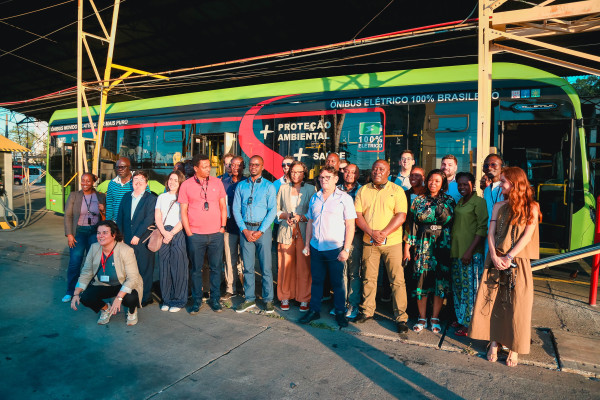
From August 5 to August 13, 2024, representatives from seven African cities visited the Brazilian cities of Sao Paulo, Fortaleza and Curitiba, to discover inspiring solutions being implemented by local authorities to promote sustainable urban development.
The Study Tour, organised as part of the African Development Bank's African Cities Program (ACP) (http://apo-opa.co/3Azu2pl), launched in 2020, was financed by the South-to-South Cooperation Trust Fund (SSCTF) in collaboration with the Bank Group's Urban and Municipal Development Fund (UMDF), with the participation of the C40 Cities Climate Leadership Group (http://apo-opa.co/4fUnhyo).
The trip was inspired by the idea that peer exchanges between cities in the Global South can enrich the urban planning approaches and strategies of decision-makers in African municipalities.
"Africa's rapid urban transition has many similarities with that experienced by Latin America in the 1950s and 60s,” said Darline Tognia, UMDF Coordinator and leader of the delegation. “By visiting Brazil today, we can see firsthand, and with hindsight, how cities have absorbed this growth; which solutions have worked, and which have not.”
The delegation consisted of 19 high-level municipal staff drawn from planning departments, finance departments, transportation services, and others, working in eight African cities which are already benefiting from the Urban and Municipal Development Fund and C40: Nairobi (Kenya), Beira (Mozambique), Tshwane (South Africa), Lomé (Togo), Dakar (Senegal), Addis Ababa (Ethiopia) and Freetown (Sierra Leone).
The visit started in Sao Paulo, the largest city in South America, where innovation and sustainability coexist with complex urban and environmental challenges. At Parque Bristol, a popular neighbourhood, participants visited a publicly run multipurpose facility for children, which benefits from a “School Feeding Program”, a large-scale municipal effort to promote healthy eating, while also supporting urban agriculture.
As part of the tour, the group also met with waste recycling cooperatives, visited an electric bus maintenance center, learnt about public transport by river-boats, and how informal settlements are being upgraded by the municipality trough the provision of basic infrastructure, improved transport integration, social housing programs and environmental protection measures.
In Fortaleza, a coastal city in north-east Brazil, and the second leg of the tour, the delegation saw various initiatives that have significantly improved the cityscape; in sustainable mobility, youth engagement and climate resilience.
The tour came to an end in Curitiba, a city of 2 million inhabitants, renowned for its innovative approach to sustainable development and urban mobility. The delegation learnt about the Bus Rapid Transit (BRT) system implemented by the city, as well as its slum upgrading, urban planning and solid waste management programs.
The Urban and Municipal Development Fund envisioned the trip as a means of consolidating a network of African cities interested in adopting urban solutions with an inclusive and human-centered approach.
The Brazil tour follows previous ones organized in 2022 to Copenhagen (Denmark) and Malmo (Sweden) (http://apo-opa.co/4fKPMih), to discover the renowned sustainable urban planning strategies of Nordic countries.
Distributed by APO Group on behalf of African Development Bank Group (AfDB).

AI is becoming a new member of society according to results from a new Kaspersky (www.Kaspersky.co.za) survey titled ‘Excitement, Superstition and great Insecurity – How global Consumers engage with the Digital World' (https://apo-opa.co/3WRj99J). The study also found that today artificial intelligence is taking on new roles in fields where it can succeed and be trusted by humans.
Based on statistics from Similarweb (https://apo-opa.co/46WpO7u), ChatGPT, one of the world's most popular chatbots, garnered 153 million visits in the first month after its launch in November 2022, and peaked at 2 billion visits in April 2024. In light of the rapid advancements in AI, Kaspersky has conducted an in-depth study to explore current levels of confidence in AI. The study examines its roles from management positions in the workplace to assisting with significant life decisions.
According to the study, respondents see AI as their team member at work, and a manager – 34% globally believe AI can be a fairer boss than a human being because of its impartiality. For respondents from the Middle East, Turkiye and Africa (META) region this statistic is 40%. In South Africa it is 42%.
Another area where AI can play an active role is education. 47% of respondents globally, 60% in the META region and 68% in South Africa foresee children being taught through virtual experience and Metaverses in the near future.
Half (50%) of all consumers globally, 53% in the META region and 64% in South Africa believe that AI has already become an unavoidable part of their lives, with 43%, 46% and 52% respectively having a positive outlook on its potential to bring about many exciting opportunities and improve the future for everyone. A large portion of respondents admit that AI has capabilities in creative areas – 62% globally, 59% in the META region and 53% in South Africa believe AI is a credible producer of works of art.
AI can also be considered a reliable companion and an assistant in everyday life. More than half of respondents (57%) globally, 67% in the META region and 60% in South Africa would like to use AI to run their daily lives more efficiently.
48% of those surveyed globally, 60% in the META region and 56% in South Africa are ready to use an AI chatbot to have conversation online - 31%, 38% and 33% respectively would use it to help them to find the right partner on a dating app. In fact, 48% globally, 58% in the META region and 63% in South Africa believe that human relationships will change because of the impact of AI if virtual characters start replacing real-life partners.
“We are witnessing the growing adoption of AI as a valuable tool, assisting people in diverse areas. Beyond traditional applications, such as processing and analysing data, AI is being entrusted with more intriguing personal roles, including romance, education, and work. As AI technologies continue to evolve, their potential to drive innovation and improve human experiences becomes even more profound. However, this advancement also brings unexpected risks and sophisticated threats, ranging from overreliance — putting too much trust in AI advice — to AI-generated phishing, deepfakes and identity theft. These are the challenges that we need to address across multiple levels,” comments Vladislav Tushkanov, Machine Learning Technology Research Group Manager at Kaspersky.
In order to protect users against AI-driven threats, Kaspersky suggests:
The full Kaspersky report ‘Excitement, Superstition and great Insecurity – How global Consumers engage with the Digital World' is available via this link (https://apo-opa.co/3WRj99J).
Distributed by APO Group on behalf of Kaspersky.
About the survey:
In June 2024, Kaspersky commissioned Arlington Research to conduct an online survey of 10,000 respondents to explore the respondents' attitude towards current digital superstitions, AI role in human's life and topic of digital immortality. The sample included 1,000 respondents from each of the UK, Germany and France, and 500 in Spain, Italy, Portugal, Brazil, Mexico, Russia, Kazakhstan, India, China, Indonesia, Turkiye, KSA, UAE, and South Africa.
About Kaspersky:
Kaspersky is a global cybersecurity and digital privacy company founded in 1997. With over a billion devices protected to date from emerging cyberthreats and targeted attacks, Kaspersky's deep threat intelligence and security expertise is constantly transforming into innovative solutions and services to protect businesses, critical infrastructure, governments and consumers around the globe. The company's comprehensive security portfolio includes leading endpoint protection, specialized security products and services, as well as Cyber Immune solutions to fight sophisticated and evolving digital threats. We help over 200,000 corporate clients protect what matters most to them. Learn more at www.Kaspersky.co.za.
Modern air conditioners offer a compelling alternative to traditional gas heaters. As temperatures drop and energy bills rise, households explore affordable ways to stay cosy indoors. While traditional gas heaters have long been a staple, a new heating alternative is gaining momentum – residential air conditioning units. Modern air conditioners can provide efficient and cost-effective …
Government outlines further plans to commemorate Women’s Month
Government departments will continue to host a variety of activities to commemorate Women’s Month.
On 9 August, South Africa commemorated Women’s Day in the Northern Cape under the theme: “Celebrating 30 years of democracy towards Women’s Development”.
READ | President Ramaphosa pays tribute to women
This follows the launch of Women’s Month on 31 July.
This year’s Women’s Month marks the 68th anniversary of the historic march of thousands of South African women from all walks of life to the Union Buildings in 1956. The march was in protest of the introduction of apartheid pass laws for Black women in 1952.
“During Women’s Month, we celebrate women as active agents of change and social transformation. The commemoration also allows us to take stock of achievements and the challenges that remain while mobilising support for the further development of women,” the Government Communication and Information System (GCIS) said in a statement.
The GCIS believes this year’s Women’s Month marks an important juncture for collective reflection on how South Africa has empowered and advanced the rights of women over the past three decades.
“We also celebrate 30 years of the Women’s Charter, which was established to drive equality.”
Government said it will advance the Women’s Charter for Accelerated Development that was formulated in 2021 to accelerate economic reforms to unlock women’s economic progress.
Several socio-economic empowerment programmes and events will take place during the month including a trade expo, fashion show, and social dialogues.
Advancing women
The Women Economic Assembly (Wenoca) will launch its research project findings on the ‘Economic Empowerment of Women in South Africa’s Property Sector’ at the University of South Africa (Unisa) in Pretoria.
The Wecona study focuses on using evidence-based methods to explore and address the challenges faced by women in the property sector and sub-sectors and identifies opportunities for economic empowerment.
The Charlotte Mannya Maxeke Foundation and Freedom Park in promoting social cohesion and discussing issues that delay women’s empowerment as a threat to gender equality, will host a Women Inclusivity Dialogue.
The dialogue will focus on assessing progress 30 years later and celebrating women's empowerment.
The session will also seek to find solutions to justice and equality for women led by women.
Meanwhile, the Department of Transport will host an information-sharing session for Cross Border Women Operators, to increase the participation of women in the cross-border market leading to the transformation of the industry. It will also encourage them to consider other sectors within the cross-border market.
In addition, the Department of Mineral Resources will host a Women in Energy and Mining Symposium to share opportunities in the energy and mining sector for women and the youth.
Youth initiatives
On 12 August, the Department of Women, Youth and Persons with Disabilities (DWYPD) in partnership with the National Youth Development Agency launched the Job Shadowing Programme in all nine provinces through the respective Offices of the Premier.
In addition, the Presidential Youth Employment Initiative (PYEI) first-quarter report was released last week.
The PYEI is South Africa’s most comprehensive effort to address youth unemployment to enable more young people to move from learning to earning.
The GCIS said the PYEI is committed to addressing the gender gap in employment and a significant achievement of the intervention is that 70% of the opportunities have been secured by young women.
Women in law enforcement
The South African National Defence Force (SANDF) Parade is the celebration of women in uniform supported by men in solidarity with the Women, Peace and Security Agenda and United Nations Security Council resolution 1325 on women, peace and security that was adopted by the United Nation (UN) Security Council on 31 October 2000.
The resolutions acknowledge the disproportionated and unique impact of armed conflict on women and girls.
In the Northern Cape, a provincial law enforcement parade will be held in Kuruman, to display a disciplinary approach which encourages service delivery in various sectors of government and further advocates the empowerment of women.
The South African Police Services (SAPS) has also started a campaign to highlight and celebrate women in the service who are behind major crime operations and also various fields within law enforcement such as forensics, crime intelligence and criminal investigations.
Public engagements and awareness campaigns
Across provinces, various community dialogues and workshops will take place on gender-based violence and femicide (GBVF) initiatives.
Government in partnership with civil society will hold the 3rd National Men’s Day Against GBVF which will be officiated by Deputy President Paul Mashatile and His Majesty the King Misuzulu kaZwelithini on 24 August 2024.
The event led by the Goodmen Foundation in partnership with DWYPD seeks to use this event to increase awareness about the impact of GBVF on society, educate citizens about gender equity and profile support available for survivors and facilitate healing.
READ | President speaks out on gender-based violence
Women in transport
The National Aviation Gender Summit (NAGS) 2024 themed: ‘Lift as we rise: The journey towards 2030!’ will examine the progress made by the South African civil aviation industry towards this goal.
The summit will focus on addressing gender transformation gaps within the sector and emphasise the significance of mentorship in promoting gender equality.
The NAGS 2024 is targeting female aviation professionals and various industry representatives with responsibilities and a personal stake in issues of gender equality and diversity.
Women in the public service
Various provincial heads of departments and Directors-General with senior women managers will host the Public Service Women Management Week to evaluate and monitor progress on the implementation of women empowerment and gender equality programmes in departments.
“Ending the scourge of GBVF requires the efforts of government, private sector, civil society and every member of society. It is the responsibility of all South Africans to end the culture of silence around gender-based violence and protect the women and children.”
In elevating the fight against GBV in his 2024 State of the Nation Address (SONA), President Cyril Ramaphosa initiated the anti-GBV campaign, in which he called upon all South African men to unite to end GBV.
“Government continues to uphold its constitutional responsibility and national priority to protect, promote and advance the rights of women and persons with disabilities and the 2024 Women’s Month programme seeks to shine a spotlight on women in diverse fields and the strides made for advancing gender equity in the past 30 Years of Freedom and Democracy,” said the GCIS.
Further details on the events listed above as well as additional events are listed on the Women’s Month calendar which can be located at www.gov.za. – SAnews.gov.za
Gabisile
Sun, 08/18/2024 - 13:27
Women still face barriers in accessing land
The Commission for Gender Equality (CGE) has recommended that the Department of Agriculture, Land Reform and Rural Development takes the lead in ensuring the introduction of necessary national legislative reforms related to communal land.
The recommendation follows the commission’s reports, which found that women in rural areas still face discriminatory and patriarchal challenges that pose significant barriers in gaining access to land.
The Commission launched the reports titled: “Exploring Barriers to Women’s Access to Land in selected Provinces of South Africa” and “The State of Maternity and Neonatal Health Care in the Eastern Cape Province” on Thursday.
The study was conducted in accordance with the CGE mandate to investigate the obstacles to women’s access to communal land in rural South Africa.
The research focused on the Eastern Cape, North West, and Limpopo provinces, examining legislative, procedural, cultural, and socio-economic factors that impede women’s access to communal land in the country.
According to the research findings released on Thursday, there is a fragmented approach to the allocation of communal land in the three sampled provinces.
This is due to each senior traditional leader and their traditional councils adhering to their own cultural norms and beliefs, leading to disparities even within the provinces.
Findings
The study found that traditional leaders play a significant role in the allocation of land in all the communities visited.
Despite their involvement in traditional leadership structures at the local, provincial, and national levels, the study found that there is no coordination or consolidated framework to guide the allocation of communal land.
“It appears that the repeal of CLaRA (Communal Land Rights Act) created a legislative gap in the administration of communal land, with traditional leaders left to oversee processes, however, in an unguided and unregulated manner.
“There were no standard national guidelines or a policy for communal land allocation, resulting in corruption, gender discrimination, and queer invisibilising, resulting in inequitable access to land,” the report revealed.
The research findings indicated that traditional leadership structures, such as councils and land committees, did not fully represent all interest groups, despite being constituted through democratic processes such as elections and representative quotas.
The report noted that women in these structures did not always effectively represent the views of other women in the community, perpetuating inequality, and gender discrimination in some cases.
However, it noted that this is not universally true, as in some instances, women’s representation positively contributed to change.
Discrepancies
The study also revealed significant discrepancies in the procedures and costs attached to communal land applications, with no clear justification.
“While applicants in the North West paid a consistent fee of R500, those in Limpopo paid a fee ranging from R500 to R15 000 and from R100 to R100 000 in the Eastern Cape. In some cases, applicants were also required to pay application fees with sheep, chickens, and alcohol, particularly in the Eastern Cape.
“In Limpopo, communal land became increasingly expensive when designated for entrepreneurial activities, with traditional leaders and headmen demanding a 50% share of the business. In contrast, land for entrepreneurial purposes was provided at no cost in the North West,” the report said.
Allegations of corruption and unfair pricing of communal land in Limpopo, along with claims of judgments based on appearance, were also heard.
During the research, one member of a traditional leadership structure in the province confirmed that land that was designated for residential purposes [and] was assigned a standard fee of R1 000 and R5 000 for entrepreneurship.
“The widespread corruption and deception had a negative impact on the economic situation of women in the province. In some areas, the allocation of communal land could take two weeks to three months, while in other cases, applicants had been waiting for years.
“Cultural practices that required women to adhere to certain dress and behavioural expectations also affected their access to communal land [and] clothing and behavioural expectations were used to marginalise queer persons in these communities, particularly transgender and gender non-conforming individuals,” the report reads.
In the Eastern Cape, transgender and gender non-conforming individuals were ostracised, and this indicated that requests by queer persons for communal land access would not even be considered.
There are also cases where cultural norms required women to obtain access to communal land through their fathers or a male relative.
“In a village in the North West, it was mandated that land be allocated to the eldest male child in the family. Inheritance also posed challenges, especially in Limpopo, where women were at times denied the opportunity to claim property inheritance under the pretext of preserving the family legacy by passing properties to male children.
“Issues of marital status also discouraged women from independently accessing communal land. In some villages, women had a better chance of accessing communal land if they were married with children.
“In Limpopo specifically, a married applicant was considered ‘stable’ and therefore allocated land [while] unmarried women were often disadvantaged and risked losing their undeveloped land to reallocation and felt pressured to live with men for security as traditional leaders, who were often men, would grab their land,” the report said.
Age requirement
In some villages in the North West, rules state that women had to be 40 years old and men between 40 and 45 years old to qualify for communal land allocation.
In the Eastern Cape and Limpopo, the age requirement was either 18 or 21 years.
These age restrictions, especially in the North West, delayed individual development and served as an economic stumbling block, particularly given that land is an economic resource.
The Commission said the legislative reforms must address existing challenges of patriarchal practices, gender discrimination, and exclusions that are currently being justified under the guise of cultural beliefs and norms, which subjugate women and queer persons.
“Such reforms must be in accordance with the Constitution, including the Promotion of Equality and Prevention of Unfair Discrimination Act,” the Commission said. – SAnews.gov.za
GabiK
Fri, 08/16/2024 - 11:50
Survey reveals uneven progress in Eastern Cape’s fight against HIV
The Sixth South African HIV Prevalence, Incidence and Behaviour Survey (SABSSM VI) for the Eastern Cape has found that HIV prevalence in the province seems to have stabilised from 15.9% in 2017 to 13.7% in 2022.
This translates to approximately 980 000 people with HIV in the Eastern Cape, down from one million in 2017.
The data is based on the Human Sciences Research Council (HSRC), which released the key findings of the SABSSM VI for the Eastern Cape on Thursday.
The findings also revealed that in 2022, HIV prevalence in the province was highest among individuals aged 25 to 49 years (27.7%), with females (35.4%) and males (17.1%) in the same age group being disproportionately affected.
Among males, HIV prevalence was highest in urban areas (8.7%), while among females, it was highest in rural informal or tribal areas (19.8%).
According to the overall principal investigator of the study, the HSRC’s Professor Khangelani Zuma, the survey shows that HIV prevalence peaked at 34.8% among those aged 40 to 44 years in 2022, down from a peak of 39.8% in 2017 among those aged 35 to 39 years.
“This indicates a decline in HIV prevalence in 2022 across the following age groups: zero to 35 years and 45 to 59 years, except the peak among those aged 40 to 44 years and 60 years and older,” he explained.
The data also presented results for six priority districts within the province, including Alfred Nzo, Amathole, Buffalo City, Chris Hani, Nelson Mandela Bay, and OR Tambo.
The survey found that in 2022, HIV prevalence was highest in Chris Hani (14.4%), followed by Amathole (14.1%), Alfred Nzo (13.9%), and Nelson Mandela Bay (9.7%).
However, the HIV prevalence data for the Joe Gqabi and Sarah Baartman districts were not reported due to insufficient data.
Treatment
Nationally, the current use of antiretroviral treatment (ART) among all people with HIV increased to 80.9% in 2022 from 63.7% in 2017.
The Eastern Cape recorded an increase in ART coverage, from 67.8% in 2017 to 83.5% in 2022.
This translates to an estimated 723 000 people receiving ART in 2022.
The survey further shows that in 2022, ART use among all people with HIV in the province was 70.9% among adolescents and youth aged 15 to 24 years, and 84.8% among those aged 25 to 49 years.
ART coverage was substantially lower among females aged 15 to 24 (68.7%) compared to those aged 25 to 49 (88.2%).
In terms of districts, ART use was lowest in Nelson Mandela Bay (69.4%) and Buffalo City (79.4%), and highest in Alfred Nzo (92.0%).
Viral load
The survey further found that in the Eastern Cape, the proportion of people with Viral Load Suppression (VLS) was 79.3% in 2022, which was an increase from 66.3% in 2017.
However, VLS was 61.4% among children aged zero to 14 years. Among those aged 15 to 49 years, VLS was 78.6%, but substantially lower among males (65.4%) compared to females (83.9%) in this age group.
Nationally, the survey found that 81.4% of all people with HIV were virally suppressed.
Zuma said it was concerning that people with HIV aged between 25 and 49 years account for most people living with HIV in the Eastern Cape, who are unaware of their HIV status (61.2%), aware but not on ART (63.3%), and on ART with no VLS (65.6%).
“However, adolescents and youth aged 15 to 24 years contribute disproportionately to gaps in treatment, accounting for just 9.6% of all people living with HIV, but 22.4% of them are unaware of their status, 18.3% are aware but not on ART, and 13.8% are on ART with no VLS,” he said.
Female adolescents and youth aged 15 to 24 years account for a minority of female people living with HIV (11.3%), but a relatively larger proportion of those who do not know their HIV status (31.4%), are not on ART (24.2%), or are on ART but not virally suppressed (18.7%).
Early sexual debut
Focusing on the key drivers of the HIV pandemic, Zuma indicated that the Eastern Cape had the highest prevalence of early sexual debut among provinces in 2022.
“The proportion of adolescents and youth aged 15 to 24 years who reported having sex before the age of 15 years remained unchanged from 2017 (15.8%) to 2022 (15.3%). In 2022, sexual debut before the age of 15 years among adolescents and youth aged 15 to 24 years was higher among males (21.7%) than among females (9.5%),” the Professor said.
Among districts, early sexual debut ranged from 8.7% in Nelson Mandela Bay to 18.9% in Buffalo City.
Multiple partners
Other key drivers included having multiple sexual partners. In the province, 11.9% of people aged 15 years and older reported having multiple sexual partners in 2022, compared to 10.9% in 2017.
Among people aged 15 years and older, the proportion of males who reported having multiple sexual partners was threefold higher (17.9%) compared to females (5.5%).
The proportion of people who reported having multiple sexual partners was highest in rural informal or tribal areas (13.6%).
By district, the prevalence of multiple sexual partners was highest in Alfred Nzo (15.2%) and OR Tambo (15.2%), and lowest in Nelson Mandela Bay (7.0%).
Condoms
Regarding condom use, 34.7% of respondents in the Eastern Cape reported using a condom with their most recent sexual partner in 2022, compared to 38.1% in 2017.
Condom use was substantially lower among those residing in rural formal or farm areas (18.0%) compared to urban areas (35.6%).
However, nearly 60% of adolescents and youth reported using a condom sometimes or never.
“The consistency of condom uses with the most recent sexual partner among people aged 15 years and older was highest in Nelson Mandela Bay (65.5%) and lowest in Amathole (38.7%).”
In this province, the self-reported circumcision rate was 80.5% in 2017 and 77.2% in 2022.
However, the province had the lowest proportion of medical male circumcisions in the country, at 14.3%.
Knowledge (30.9%) and use (2.5%) of HIV pre-exposure prophylaxis (PrEP) were universally low; however, willingness to take PrEP was high (70.3%). – SAnews.gov.za
Gabisile
Thu, 08/15/2024 - 15:40
Draft National Devolution Strategy has not yet been made public