Rampahosa Must Act to End Hunger, Activists Say
Hundreds marched in Cape Town on Friday

MyZA
News, Directory, Events and Other Stuff
Hundreds marched in Cape Town on Friday
It is ironic that with the G20 summit around the corner, Kempton Park’s central business district (CBD) is suddenly getting a lot of attention as part of the Ekurhuleni Metro’s so-called “CBD Revitalisation Programme” led by Mayor Nkosindiphile Xhakaza. The Mayor and Mayoral Committee Member for Roads and Transport Planning, Andile Mngwevu, paid an oversight […]
The post From neglected to new: Kempton Park gets a facelift for G20 appeared first on Freedom Front Plus.
The South African National Taxi Council (Santaco) must take urgent steps to extinguish the taxi war in Cape Town that reignited this week, just days after what appeared to be a constructive peace summit. Three people were shot dead and six wounded in two separate incidents, in Philippi East and Khayelitsha, this week.
The post SANTACO MUST LEAD IN BRINGING WARRING CAPE TAXI ASSOCIATIONS TO ORDER appeared first on For Good.
Africa’s Second Climate Summit in Ethiopia will try to find ways to bring in more finance to help the continent adapt to climate change.
African countries must work collectively to seize opportunities in new digital and green economies where the continent’s critical minerals are so important.
Government relieved by reduction from threatened 50% to 15%
Planet Earth is living on borrowed time, a new global report reveals. The world must stop burning fossil fuels now and take urgent steps to reduce global warming.

In a landmark diplomatic step, Tanzania has launched a revised National Foreign Policy that reinforces the country's leadership in African diplomacy. The updated policy embraces Pan-African values, supports the African Continental Free Trade Area (AfCFTA), and advances regional peace, integration, and sustainable development.
The launch event, held at the Julius Nyerere International Convention Centre (JNICC) in Dar es Salaam, was officiated by H.E. Dr. Samia Suluhu Hassan, President of the United Republic of Tanzania. It was also attended by Dr. Hussein Ali Mwinyi, President of Zanzibar and Chairman of the Revolutionary Council, members of the Diplomatic Corps, senior government leaders, and private sector representatives.
Rooted in the vision of Mwalimu Julius Nyerere, Tanzania has historically championed unity, liberation, and non-alignment in African diplomacy. Under Nyerere's leadership, Tanzania became a moral compass for the continent and a founding member of the Organization of African Unity (OAU).
“This policy speaks on who we are as a nation—firm in our values, proactive in our diplomacy, and committed to constructive partnerships that advance peace, security, and shared prosperity,” President Samia said during the event.
The new policy reflects this legacy while responding to contemporary priorities like trade, migration, regional infrastructure, climate action, and digital transformation. It aims to deepen Tanzania's engagement with continental bodies like the AU, SADC, and EAC while emphasizing Kiswahili as a tool for regional integration.
President Samia noted that the revised policy was shaped through a broad-based participatory process involving Tanzanians from all walks of life. “It was high time we revised the policy to cope with global shifts in various spheres,” she said, citing the global scramble for strategic minerals and trade disruptions caused by ongoing conflicts as key motivators.
A core feature of the updated framework includes economic diplomacy and the creation of a Special Status for Tanzanians in the diaspora. The policy promotes legal reforms that would allow non-citizen Tanzanians abroad to own land, register businesses, and invest back home.
To strengthen implementation, President Samia called on the Ministry of Foreign Affairs and East African Cooperation to engage retired diplomats in training current officials, ensuring that Tanzania's envoys are equipped to promote national interests globally.
President Mwinyi welcomed the revised policy as a catalyst for unlocking social, economic, and political potential. “Tanzania continues to position itself globally, and the revised policy aligns with evolving global needs,” he said.
He urged the Ministry to encourage more countries to open consulates in Zanzibar and called on all Tanzanians to embrace and defend national interests through the policy. “This policy will benefit both Tanzania Mainland and Zanzibar,” he emphasized.
President Samia's regional outreach began early in her presidency. In April 2021, she visited Uganda, where she and President Yoweri Museveni signed the Final Investment Decision for the $10 billion East African Crude Oil Pipeline (EACOP).
In May 2021, her visit to Kenya revitalized bilateral ties, followed by trips to Burundi, Mozambique, Rwanda, Zambia, and Egypt, resulting in cooperation on trade, energy, security, and innovation.
At the June 2021 SADC Summit in Mozambique, Tanzania reaffirmed its commitment to regional peace by supporting the fight against insurgency in Cabo Delgado. In Ghana, she received the Africa Road Builders–Babacar Ndiaye Trophy for leadership in infrastructure development.
In Senegal, during the IDA20 Summit, and at COP27 in Egypt, she positioned Tanzania as a leader in climate resilience, presenting an $18 billion renewable energy plan.
From 2023 to 2025, she maintained strong continental engagement through AU summits, the BRICS Summit in South Africa, and diplomatic visits to Malawi, Zambia, South Africa, and Morocco.
A key milestone in Tanzania's growing international stature was the invitation to the Lobito Corridor Development Project high-level meeting in Angola—part of the G7's Global Infrastructure Initiative. Although Tanzania was not originally a member of the project, its geographic and strategic relevance was recognized as critical to the corridor's success.
In February 2024, President Samia unveiled a statue of Mwalimu Nyerere at the AU Headquarters in Ethiopia—a symbolic act that underscored Tanzania's foundational role in the Pan-African movement.
As Chair of the SADC Organ, she presided over the 2024 Troika Summit in Zimbabwe, advancing peace and security initiatives and supporting Raila Odinga's candidacy for AU Commission leadership.
On May 18, 2025, Professor Mohamed Yakub Janabi was elected as the next Regional Director of the WHO African Region, a milestone widely credited to Tanzania's rising diplomatic influence. His nomination followed the untimely death of Dr. Faustine Ndugulile in 2024. Janabi's appointment will be formalized by the WHO Executive Board later this month.
According to Ambassador Mahmoud Thabit Kombo, the revised policy focuses on ten strategic pillars:
This updated policy reflects Tanzania's commitment to Pan-African unity while embracing innovation, inclusion, and global partnership. It sets the stage for the next chapter in Tanzania's regional leadership and sustainable development.
Distributed by APO Group on behalf of Tanzania Ministry of Foreign Affairs and East African Cooperation.
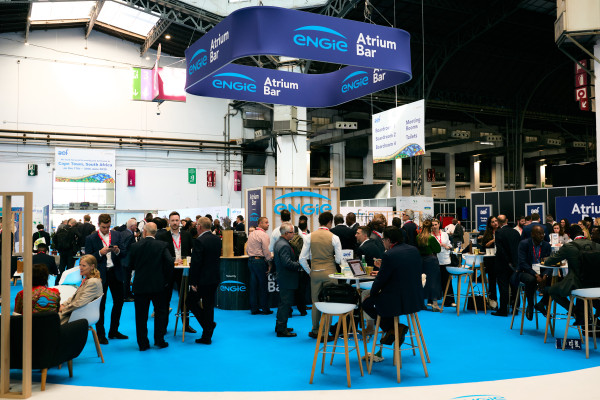
Powering AI data centres, accelerating large-scale solar projects and leading the global energy transition are just three of the critical topics up for debate at next month's Africa Energy Forum (aef), kicking off for the first time in Cape Town, South Africa, 17–20 June 2025. Forum sponsor Sun Africa returns for the third consecutive year, a testament to its sustained commitment to powering Africa's clean energy future.
For a full programme and to join the debate, visit: https://apo-opa.co/4k7ngcj
Under the theme of ‘Africa United', and featuring hundreds of ministers, policymakers and executives from nations across the continent, the aef will spotlight the continent's expanding ambition and the urgent drive to reshape its own energy future.
With South Africa now chairing the G20, the continent will gain a pivotal voice in global decision-making, making aef 2025 the launchpad for a bold message to the world: Africa knows what it needs, and it's ready to lead.
This year's aef will welcome a significant number of new companies participating for the first time, expanding the community of innovators and investors at the event. It will also host delegations from 33 countries, comprising head of state, ministers, regulators, and other public sector leaders from across the continent.
Confirmed speakers include the President of Ghana, John Dramani Mahama, South Africa's Minister of Electricity & Energy, Dr. Kgosientsho Ramokgopa, Nigeria's Minister of Power, Adebayo Adelabu and Noureddine Yassaa, Algeria's Secretary of State for Renewable Energies.
The high-level line-up also features the current Senegalese candidate for the Presidency of the African Development Bank, Amadou Hott, plus senior ministers and policy makers from Liberia, Ghana, Malawi, Zambia, Guinea-Bissau, Zimbabwe, Ethiopia and Madagascar.
This year's aef will focus on how the private sector can help move from ambition to implementation on Mission 300, connecting power to 300 million people by 2030. And, as demand surges from commercial and industrial sectors, the aef will also unpack the infrastructure, investment, and regulatory models needed to keep pace.
Grounded in Ubuntu, the African philosophy of shared humanity, the event will call for a global energy transition that is cooperative, equitable, and Africa-led.
“Something urgent has to be achieved as we simply cannot have another 10 woeful years of investment into projects. No more [time] can pass with one side saying we “we need guarantees” and the other side saying, “we can't afford guarantees.” Time is THE DETERMINING FACTOR holding energy access back and this needs to change. Now is the time for Africa to unite behind common goals and common infrastructure!” Simon Gosling, Managing Director, EnergyNet
“The future of African power infrastructure starts with Sun Africa, and the conversation about Africa's energy future continues at the Africa Energy Forum. We are proud to be the Forum Sponsor of an event that will unite visionaries and unite people from across the continent.” – Adam Cortese, CEO, Sun Africa.
Bringing together community and sport, the 2025 edition of eaf also features the Africa Challenge Cup, a special evening of football at Cape Town's iconic DHL Stadium. Four teams will face off in friendly matches under the floodlights, offering a chance for delegates, partners, and peers to connect in a spirited, relaxed setting alongside friends and family.
The Youth Energy Summit (YES!), held in parallel with aef, is expected to welcome more than 4,000 participants, making it one of the largest gatherings focused on youth engagement in the African energy sector. Many companies are supporting the initiative not just as sponsors, but as active partners in youth participation across the continent. These include the DBSA, Nedbank, Pele Green Energy, Seriti Green, Siemens Energy, Genesis, and others from the energy and mining sectors.
Distributed by APO Group on behalf of EnergyNet Ltd..
Notes:
The main sponsors at this year's aef include Sun Africa, AKSA, Red Rocket, Globeleq, Nedbank and the World Bank. See https://apo-opa.co/3ZrUw5E
Lead sponsors at this year's aef include the Africa Development Bank, AMEA Power, the British International Investment, BCG, EDF, Engie, the European Investment Bank, GE Vernova, Infinity Power, Standard Bank, Synergy Consulting and TotalEnergies. See https://apo-opa.co/3ZrUw5E
For media inquiries and registration please email :
Poliana Sperandio: poliana@energynet.co.ke
Sylvia Gaita: sylvia.gaita@apo-opa.com
About the Africa Energy Forum (aef):
The Africa Energy Forum (aef) is taking place in the Cape Town International Convention Centre, South Africa, 17-20 June 2025.
The event is the continent's leading platform for energy sector stakeholders to collaborate, invest, and accelerate progress. In its 27th year, the aef brings together governments, developers, investors, and innovators to drive real-world solutions in energy access and sustainability.
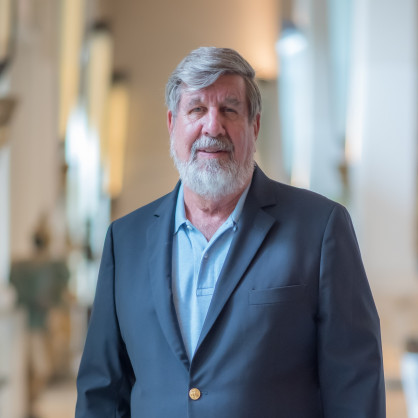
The 2025 Future Hospitality Summit (FHS) Africa Awards will honour three exceptional individuals whose leadership, vision, and integrity have profoundly shaped the hospitality industry in Africa and beyond. David Green, CEO of the V&A Waterfront in Cape Town, will be recognised with the FHS Outstanding Contribution to Hospitality Award; William E. Heinecke, Founder and Chairman of Minor Hotels, will receive the FHS Leadership Award and Hala Matar Choufany, President of HVS Middle East, Africa & South Asia, will be presented with the FHS Excellence Award.
The awards were nominated by the FHS Africa Advisory Board, a group of senior industry leaders who collectively represent decades of insight and influence across the global hospitality ecosystem. Their selections reflect not only individual excellence, but also the values that FHS Africa seeks to champion: ethical leadership, inclusive development, and long-term impact.
William E. Heinecke, one of Asia's most influential entrepreneurs, was honoured with the FHS Leadership Award in recognition of a nearly six-decade-long career that began with a bold idea and just US$1,200. At the age of 17, Heinecke registered his first company under the name ‘Minor'- a nod to being underage at the time - and went on to create Minor Hotels, a diversified hospitality group that today operates more than 530 hotels across 56 countries under brands including Anantara, Avani, Oaks, Elewana, and Tivoli. His acquisition of NH Hotel Group in 2018 marked a turning point for global expansion and established Minor as a powerhouse in the international hospitality scene. A vocal advocate for sustainability and social impact, Heinecke also founded the Golden Triangle Asian Elephant Foundation, the Heinecke Foundation for education, and the Mai Khao Marine Turtle Foundation. His accolades include HOTELS Magazine's Corporate Hotelier of the World and Entrepreneur of the Year at the Asia Pacific Enterprise Awards. Now Chairman of the Board of Minor International, Heinecke continues to guide the group's long-term strategy and philanthropic mission.
David Green's recognition reflects more than a decade of transformative leadership at the helm of Cape Town's iconic V&A Waterfront. Since his appointment in 2009, Green has guided the historic precinct through a R8 billion reinvention, turning it into one of Africa's most successful mixed-use destinations. Under his stewardship, the Waterfront has become a blueprint for sustainable urban development - supporting nearly 80,000 jobs, empowering local entrepreneurs, and embedding environmental and social responsibility at the core of every initiative. From the launch of the Zeitz MOCAA Museum and Makers Landing to the expansion of the hotel and hospitality portfolio now comprising 14 hotels and over 1,800 rooms, Green's legacy lies in his deep commitment to inclusivity, innovation, and purpose-driven development. “Everything we do is viewed through the lenses of job creation, inclusivity, and sustainability,” Green reflected.
“It's about ensuring that our work aligns with the values of our people, our community, and our environment.”
Hala Matar Choufany, recipient of the FHS Excellence Award, has set new benchmarks in hospitality advisory through her role as President of HVS Middle East, Africa & South Asia. The first woman to hold this position, she has led over 5,000 advisory engagements that have shaped hotel investments, asset strategies, and valuations across key markets. Her leadership is grounded in transparency, ethical decision-making, and long-term value creation - principles she champions not just in boardrooms, but also in classrooms and industry forums worldwide. A respected voice in global hospitality discourse, Choufany is committed to nurturing talent, supporting sustainable development in emerging markets, and driving responsible investment practices across Africa and beyond. “True leadership is not about titles or accolades,” she said. “It's defined by trust, integrity, and the impact created through knowledge-sharing and collaboration.”
All three recipients will be featured in exclusive one-to-one interviews live on the FHS Africa stage, offering delegates a rare and intimate opportunity to hear their personal stories, leadership lessons and career highlights first-hand. These are not-to-be-missed sessions that will anchor the thought leadership agenda of FHS Africa 2025.
Commenting on the announcement, Matthew Weihs, Managing Director of The Bench, said:
“We are absolutely delighted to be recognising William, Hala, and David at FHS Africa this year. Each of them represents the very best of our industry - visionary leadership, resilience, and a deep commitment to positive change. Their stories are a testament to what is possible when passion meets purpose. FHS Africa continues to be the premier hospitality investment platform on the continent, and honouring these individuals reflects the exceptional calibre of conversation and connection that defines this event.”
FHS Africa 2025 continues its mission to elevate the continent's hospitality potential by spotlighting the people and ideas driving sustainable growth. Through these awards, the Summit honours those who not only lead with distinction but also shape the future of hospitality across Africa and around the world.
Distributed by APO Group on behalf of The Bench.
For further information and high-resolution images, please contact:
David Tarsh
+44 (0) 20 7602 5262
+44 (0) 7770 816 070
Email: David@Tarsh.com.
About FHS Africa:
For over a decade, the Future Hospitality Summit Africa (FHS Africa – formerly the Africa Hospitality Investment Forum) has been the launchpad for hospitality investment in Africa, driving growth, connecting visionaries, and transforming the continent's tourism and hospitality landscape. As a beacon of opportunity, FHS Africa brings together global investors, developers, operators, and industry leaders committed to turning potential into reality.
Strategic Partners: Accor, BWH Hotels, Hilton, Marriott International, IHG Hotels & Resorts, Radisson Hotel Group
Headline Sponsors: ACT, CHIC, Hansgrohe, TUI Hotels & Resorts
Sponsors: Aleph Hospitality, CityBlue Hotels, EQUATE, Knight Frank, JLL, St Helena Government, STR, TIME Hotels, TV5 Monde, Valor Hospitality Partners
Event Ambassadors: Develop Hotels Inc, Hotel Partners Africa, Voltere by Egis, W Hospitality Group
Official Carriers: Discover Airlines, Kenya Airways
Supported By: South Africa Tourism
About The Bench:
The Bench has a legacy of delivering world-leading investment forums and conferences in Europe, Africa, the Middle East, and Latin America. The key principle behind these events has remained "dealmaking'. Transforming the way businesses connect, Bench has developed a reputation for creating innovative and high-impact meetings for the industry.
For over two decades, government leaders, tourism ministries, global travel & tourism associations, the world's most influential hospitality brands, hotel owners & investors, renowned restaurant groups, airlines & aviation authorities, destination developers, asset managers, financial groups, and consultants have been participating in The Bench's events. These include FHS Africa, FHS World, FHS Saudi Arabia and AviaDev, where industry players showcase their brands, position themselves as thought leaders or innovators, and connect with the right individuals, opportunities and knowledge.
Learn more at www.TheBench.com
Deputy President Shipokosa Paulus Mashatile has, today, 20 May 2025, engaged with South African and French businesses during a Roundtable Breakfast Dialogue hosted by MEDEF International in Paris.
MEDEF is France's largest business federation, representing over 750,000 companies, from SMEs to large multinationals. It plays a central role in promoting French economic diplomacy, supporting private sector development, and facilitating international investment and trade relationships.
The Business Dialogue is an important platform for businesses from both countries to expand on existing cooperation and identifying new areas of cooperation with a specific focus on trade and investment.
Addressing the Business Dialogue, the Deputy President said, "The South African Government has committed to spending more than R940 billion on infrastructure over the next three years. This funding will revitalise our roads and bridges, build dams and waterways, modernise our ports and airports, and power our economy. Moreover, investors have an opportunity to collaborate with the South African Government by investing in infrastructure such as ports, rail, electricity, and manufacturing to improve local value-addition and boost trade under the African Continental Free Trade Area."
The Deputy President also touched on the European Union-SA Summit, which took place in Cape Town in March 2025, where there was an announcement of the EU investment package of around R90 billion to support investment projects in South Africa.
In addition, the Deputy President met with Mr Thierry Deau, Group CEO of Meridiam and Chairman of the Global Long-Term Infrastructure Investors Association.
Meridiam is a global investment firm specializing in public infrastructure, with assets under management exceeding €12 billion. It focuses on long-term investments in transport, energy, social infrastructure, and environmental projects, with a commitment to sustainable development and inclusive growth.
During the meeting, the two discussed, among others, the importance of collaboration with various stakeholders, including infrastructure investors, policymakers, and academia, as being crucial for promoting responsible and long-term private capital deployment in public infrastructure.
In conclusion, the Deputy President indicated that he is certain that South Africa and France can achieve new heights of prosperity through strengthening their economic links and encouraging closer cooperation.
Distributed by APO Group on behalf of The Presidency of the Republic of South Africa.
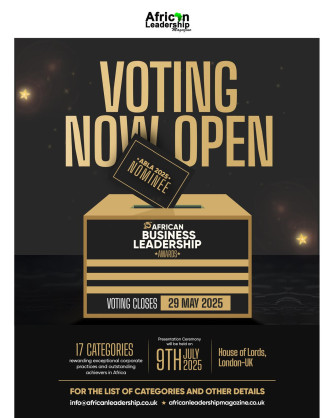
African Leadership Magazine (www.AfricanLeadershipMagazine.co.uk) proudly unveils the distinguished list of nominees for the 17 categories of the 2025 African Business Leadership Awards (ABLA)—a premier recognition platform celebrating excellence in corporate governance, impactful leadership, and trailblazing contributions to the growth and sustainability of Africa's dynamic business and economic ecosystem. The public voting process is now officially open and will run until 29 May 2025, offering stakeholders across Africa and the globe the opportunity to celebrate and affirm exemplary leadership in the African business space.
The ongoing public voting marks the third phase in a rigorous four-step, points-based selection process for the African Business Leadership Awards (ABLA). The process begins with open nominations, followed by a shortlist of top contenders curated by the African Leadership Magazine editorial board. In this third phase, the public is invited to vote, adding stakeholder voices to the evaluation process. The final stage involves a detailed editorial assessment of votes and supporting evidence to determine winners, ensuring a transparent, merit-based outcome that reflects both public sentiment and proven impact.
Public votes in this phase contribute 65% of the final decision, with the remaining 35% based on supporting evidence for each nominee. This ensures a fair and credible process that values both public opinion and verifiable impact. Winners and first runners-up will be honoured at the 15th African Business Leadership Awards (ABLA), a special highlight of the Africa Summit–London, scheduled for 9–10 July 2025 at the House of Lords, London, United Kingdom.
To cast your vote, visit:
The 2025 African Business Leadership Awards (BLA Nominee Highlights
African Business Leader of the Year
African Female Business Leader of the Year
African Regulator of the Year
Business-Friendly Governor of the Year
African Finance Minister of the Year
Trade & Investment Promotion Agency of the Year
Central Bank Governor of the Year
Trade & Investment Minister of the Year
African CEO of the Year
Young Business Leader of the Year
Africa CSR & Community Development Impact Award
African Brand of the Year
African Company of the Year
Industry Personality of the Year
Africa Business Integrity Leader Award
African Tech & Digital Economy Leader of the Year
Lifetime Achievement Award
Distributed by APO Group on behalf of African Leadership Magazine.
Media Enquiries:
Ehis Ayere
T: +44 (0) 20 3051 1883
E: ehis@africanleadership.co.uk
About African Leadership Magazine:
African Leadership Magazine is the flagship publication of the African Leadership Organisation (UK) Limited. For over 19 years, it has championed impactful leadership across Africa and amplified African opportunities on the global stage. Through its platforms—including Afro-positive content, trade facilitation, market entry solutions, public sector consulting, and business networking events—the magazine plays a pivotal role in fostering sustainable development and positive change across the continent.

The future of African trade is digital, and it's unfolding. From Dakar to Durban, a quiet but steady transformation is taking shape. According to the United Nations Conference on Trade and Development (UNCTAD), global trade hit a record $33 trillion in 2024, with developing economies, including Africa, playing a growing role in that expansion.
The African Free Continental Trade Area offers the largest free market, including 55 countries, a population of 1.3 billion and a combined GDP of $3.4 trillion. The opportunities are vast, yet the strategies required for industrial players to source, move and manage raw materials and finished goods remain a challenge.
“The continent's digital economy is projected to reach $180 billion by 2025, up from $115 billion in 2020, thus contributing significantly to Africa's GDP, creating new job opportunities, and expanding regional trade. Digital trade is transforming the continent's economic landscape, creating new opportunities for real economic growth, productive job creation, and poverty reduction.” H.E. Dr Jumoke Oduwole, Minister, Federal Ministry of Industry, Trade & Investment
“Building on this rapid expansion, our focus must shift from isolated digital initiatives to a fully integrated ecosystem that streamlines every step of trade—sourcing, supplying, logistics and payments. By integrating these functionalities on a single platform, Matta enables manufacturers to navigate sourcing headaches and suppliers to manage cross-border complexities with confidence and unlocks new markets in Africa in real time. This holistic approach is what will transform digital trade's potential into tangible, inclusive economic growth across Africa.” Mudiaga Mowoe, Founder and Chief Executive Officer, Matta.
Launched to enable sustainable African economies, Matta's integrated ecosystem—today powered by the Matta digital marketplace (www.Matta.Trade) and the Flux logistics management tool, with Oxide Finance (Matta's upcoming trade-financing and cross-border payments platform) arriving soon—empowers manufacturers and suppliers across food & beverage, home & personal care, paints & coatings, agro-processing, automotive assembly, textiles, construction, and beyond with truly end-to-end sourcing, movement, and settlement. Rather than supplanting traditional trade networks, this unified platform amplifies human partnerships through real-time visibility, traceability, and seamless transactions.
This evolution in digital trade and industrial growth is one of the key conversations that will take centre stage at the West Africa Industrialisation, Manufacturing & Trade (West Africa IMT) Summit and Exhibition, set to take place from October 21-23, 2025. West Africa IMT is a high-level platform for government leaders, investors, manufacturers, and technology innovators to align practical solutions and policy frameworks for accelerating Africa's industrial transformation.
Matta, Africa's integrated ecosystem for industrial trade, will join other industry stakeholders across the continent at West Africa IMT 2025 to discuss the potential opportunities for industrial growth in the West African sub-region. As manufacturers increasingly seek more innovative, more efficient ways to power production beyond physical infrastructure and policy support, there's an urgent need for systems that simplify sourcing, enhance transparency, and ensure supply chain reliability. Matta addresses these challenges by connecting African manufacturers directly to verified suppliers of raw materials and commodities, ensuring business continuity in an environment where procurement bottlenecks often slow production timelines.
Digital platforms address multiple challenges simultaneously: procurement complexities, logistics coordination, payment processing, and data-based planning. By integrating these capabilities into industrial operations, West African economies can accelerate development timelines and establish competitive manufacturing centres that participate effectively in global markets.
As African nations chart independent economic paths, digital trade platforms like Matta will significantly influence how quickly and effectively new industrial capabilities develop. The transformation in African trade is already underway, with effects that will continue to reshape economic relationships for years to come.
West Africa Industrialisation, Manufacturing & Trade Summit & Exhibition
21-23 October 2025 I Landmark Centre | Lagos | Nigeria
Distributed by APO Group on behalf of dmg Nigeria events.
Contact Details:
Roshan Jan-Mahomed
Head of Marketing – Africa
Email: info@westafricaimt.com
www.WestAfricaIMT.com
About the West Africa Industrialisation, Manufacturing & Trade Summit and Exhibition 2025:
The Pre-eminent Global Gathering Driving West Africa's Industrial Revolution
The West Africa Industrialisation, Manufacturing and Trade (West Africa IMT) Summit and Exhibition will unite the industrialisation ecosystem, including energy, finance, infrastructure, manufacturing, raw materials, logistics/supply chain, technology, trade and security, to accelerate a sustainable industrial revolution for West Africa. As governments across the region have declared industrialisation as a key priority, the Strategic Summit will feature the visions from Heads of government seeking public–private partnerships to drive industrial revolution across the region. Decisive action is at the core of the agenda, providing solutions for sustainable resource valorisation and opening up trade pathways for economic development and prosperity.
Participation is expected from across the global industrialisation value chain including the following industries: Aerospace, Agriculture, Automotive, Chemicals, Construction, Energy & Utilities, FCMG, Heavy Industries, ICT & Electronics, Infrastructure, Logistics & Transportation, Machine & Equipment, Maritime, Medical, Mining, Plastics & Rubber, Pharmaceuticals, Retail, Technology Solution Providers, Textiles, Water & Utilities.
● 15+ African ministers
● 25+ countries represented from around the globe
● 70+ expert industry speakers
● 250+ exhibiting companies
● 500+ conference delegates
● 2,500+ attendees
About dmg Nigeria events:
dmg Nigeria events is a subsidiary of dmg events. dmg events is a wholly owned subsidiary of the Daily Mail and General Trust plc (DMGT), an international portfolio of information, media and events businesses.
DMGT manages a diverse, multinational portfolio of companies, with total revenues of around £1 billion, that provide businesses and consumers with compelling information, analysis, insight, events, news and entertainment. Its venture capital business, dmg ventures, holds minority stakes in early-stage businesses and focuses particularly on disruptive consumer media propositions.
Headquartered in Dubai, UAE since 1989 with offices in Canada, Egypt, Nigeria, Saudi Arabia, Singapore, South Africa, Thailand and the UK. dmg events is an international exhibition, conference and intelligence company, attracting more than 1,000,000 attendees to a portfolio of over 80 events each year.
This global portfolio works closely with key stakeholders across the industry to facilitate pragmatic dialogue, serving as a platform for the latest discussions at the forefront of change.
For more information on dmg events, visit: www.dmgevents.com
On bilateral matters:
On regional and international matters:
Done in La Celle Saint-Cloud, France, on 16 May 2025
| For the French Republic | For the Republic of South Africa |
| H.E. Jean-Noël BARROT
Minister for Europe and Foreign Affairs |
H.E. Ronald Ozzy LAMOLA
Minister of International Relations and Cooperation |
Distributed by APO Group on behalf of Republic of South Africa: Department of International Relations and Cooperation.
The Deputy Minister of Water and Sanitation, Mr. Sello Seitlholo, has called for intensified investment in the water sector to secure Southern Africa's future in the face of climate change and growing water demands.
Speaking at the ORASECOM Climate Resilient Investment Conference in Maseru, Lesotho on Thursday, 08 May 2025, Deputy Minister Seitlholo highlighted that resilient water infrastructure and cross-border collaboration are critical to the region's economic development, environmental sustainability, and long-term water security.
As a proud and committed member of the Orange-Senqu River Commission (ORASECOM), South Africa continues to champion regional cooperation for the sustainable and equitable management of shared water resources. Deputy Minister Seitlholo reaffirmed the country's support for the Commission, noting South Africa's role as host country and consistent contributor to its operations and basin-wide studies.
“Water is the foundation upon which our economies, communities, and ecosystems rest. In Southern Africa, it also binds us together across borders. Our shared future demands that we invest boldly and wisely in securing this most precious resource,” he said.
South Africa is undertaking major reforms to create an enabling environment for water investment. Deputy Minister Seitlholo said that these include legislative amendments to strengthen water governance, reduce inefficiencies, and attract private-sector involvement through improved regulatory certainty and streamlined project processes.
He pointed to multiple opportunities for investors, ranging from bulk infrastructure and wastewater treatment to innovative technologies in reuse and smart metering. Public-private partnerships are being pursued with urgency, including through the Water Partnership Office in collaboration with the Development Bank of Southern Africa (DBSA). “Investing in water is not just a necessity; it is a generational imperative. Our policy reforms, institutional innovation, and partnerships demonstrate that we are ready to work with all stakeholders to make water investment a success story,” he emphasised.
The Deputy Minister highlighted sustainability, technological advancement, and climate adaptation as key pillars of the country's water strategy. He emphasised the need for robust risk management to address droughts, floods, and pollution, backed by government funding instruments such as the Water Services Infrastructure Grant and the Regional Bulk Infrastructure Grant made available by the Department of Water and Sanitation.
Deputy Minister Seitlholo stressed that communities must be at the heart of water solutions. South Africa's water governance model prioritises public participation and inclusive development, particularly through forums supporting youth, women, and civil society engagement. Partnerships with NGOs, research institutions, and the private sector continue to drive innovation and ensure evidence-based planning.
In closing, Deputy Minister Seitlholo reaffirmed South Africa's unwavering commitment to regional leadership and global engagement in the water sector. He announced that South Africa will proudly host the Africa Water Investment Summit in August, a strategic platform aimed at unlocking large-scale investment and galvanising multi-sector partnerships for water infrastructure development across the continent.
Furthermore, as South Africa has assumed the G20 Presidency, the Deputy Minister committed that water financing will be elevated as a key agenda item, positioning water not merely as a development issue but as a central pillar of economic resilience, climate adaptation, and sustainable growth.
“South Africa stands ready to lead by example, mobilising political will, catalysing investment, and fostering cross-border cooperation to build a water-secure future for Africa and beyond,” he affirmed.
“Let us seize this moment to mobilise the partnerships, political will, and financing needed to ensure a climate-resilient and water-secure future for our region. What we decide today must shape a legacy of inclusive growth and sustainable prosperity for generations to come,” concluded Deputy Minister Seitlholo.
Distributed by APO Group on behalf of Department of Water and Sanitation, Republic of South Africa.

The Milken Institute (https://apo-opa.co/452va1L) and the Motsepe Foundation are proud to announce the winner of the Milken-Motsepe Prize in FinTech, a $2 million innovation award designed to reward companies working to expand access to capital and financial services for small businesses in emerging and frontier markets. The winner was announced at the Milken Institute Global Conference in Los Angeles.
Verto (https://apo-opa.co/4d7WePf), based in the United Kingdom, won the $1 million Grand Prize for its business-to-business cross-border payments platform, which enables businesses in emerging markets to send and receive payments, eliminating intermediary fees, supporting 49 currencies, and settling transactions quickly.
FinTech is the third prize awarded as part of the Milken–Motsepe Innovation Prize Program, a series of competitive multimillion-dollar global competitions and awards designed to incentivize and reward bold, innovative solutions to address pressing economic and environmental challenges in Africa.
A Rigorous Award Cycle: From Application to Award
Launched in May 2024, the Milken-Motsepe Prize in FinTech attracted more than 3,000 entrepreneurs from 126 countries across six continents. A total of 400 teams applied, with just 10 being selected as semifinalists.
Each team underwent a comprehensive judging process that evaluated five key criteria: affordability and accessibility, ethical and responsible practices, scalability in other markets, the use of cutting-edge technology, and the potential to promote equitable access to financial services.
In December 2024, 10 semifinalists pitched their innovations to investors at the Milken Institute Middle East and Africa Summit in Abu Dhabi. From this group, an expert panel of judges selected three finalists—Chumz, Oze, and Verto—to advance to the final stage of the innovation award at the 2025 Milken Institute Global Conference.
“Across the African continent, technology and innovation are disrupting traditional finance and banking approaches. Investment in this space is profitable and, more importantly, necessary for financial inclusion," said Dr. Precious Moloi-Motsepe, co-founder and CEO of the Motsepe Foundation. "My heartfelt congratulations to the winners and all the finalists for demonstrating feasible and impactful solutions that will drive economic activity and shared prosperity in the global South, while influencing the financial sector all over the world."
Since its launch in 2021, the Milken-Motsepe Innovation Prize Program has awarded over $6 million in funding to more than 50 innovators worldwide. Participating teams have raised nearly 10 times the Grand Prize in additional outside investments, reaching and impacting over 530,000 community members.
The Milken-Motsepe Innovation Prize Program offers free, curated resources and online events not only to award winners but also to nearly 9,000 global entrepreneurs.
New Prize in AI and Manufacturing
The fourth Milken-Motsepe Innovation Prize, which focuses on AI and manufacturing, launched at the 2025 Milken Institute Global Conference. The new $2 million award is designed to recognize established companies driving innovation in Africa's manufacturing sector. Focused on advanced data analytics and artificial intelligence, the prize rewards technological breakthroughs that create long-term economic resilience in the supply chain in Africa.
Registration is open until July 31, 2025.
With $2 million in total prizes, including a $1 million Grand Prize, “AI and Manufacturing” seeks companies that accelerate technological advancements, create jobs, and improve access to essential goods and services for communities across Africa. The award represents an opportunity to support companies leading the next wave of transformative change in manufacturing.
“We have witnessed our prize programs bring forward some of the most visionary thinkers across sectors, from agriculture to financial technology. Now we're excited to see what bold entrepreneurs are doing for the manufacturing sector to harness the power of AI and other advanced technologies to improve the supply chain in Africa,” said Emily Musil, PhD, managing director of environmental and social innovation at the Milken Institute. “Prizes like this have the power to reveal new and better ways to operate in the digital age and shape how we can do better for people and the planet in the new future we are building.”
For more information about the winners and the Milken-Motsepe Innovation Prize Program, visit https://MilkenMotsepePrize.org/.
Distributed by APO Group on behalf of The Milken-Motsepe Innovation Prize Program.
Additional Video Link:
Opening Video: https://apo-opa.co/3GJgJpr
Finalist Video 1 - Chumz: https://apo-opa.co/436rMk6
Finalist Video 2 - Oze: https://apo-opa.co/4md7NsO
Finalist Video 3 - Verto: https://apo-opa.co/3Z9lVZT
Contact:
Paul Guequierre
Email: pguequierre@milkeninstitute.org
Phone: 202-249-6942
ABOUT THE MILKEN INSTITUTE:
The Milken Institute is a nonprofit, nonpartisan think tank focused on accelerating measurable progress on the path to a meaningful life. With a focus on financial, physical, mental, and environmental health, we bring together the best ideas and innovative resourcing to develop blueprints for tackling some of our most critical global issues through the lens of what's pressing now and what's coming next. For more information, visit www.MilkenInstitute.org.
ABOUT THE MOTSEPE FOUNDATION:
The Motsepe Foundation was founded in 1999 by Dr. Patrice Motsepe and his wife, Dr. Precious Moloi-Motsepe. The goal of the Motsepe Foundation is to contribute toward eradicating poverty and to sustainably improve the living conditions and standards of living of poor, unemployed, and marginalized people in South Africa, Africa, and the world. In January 2013, Dr. Motsepe and Dr. Moloi-Motsepe joined the Giving Pledge, which was started by Warren Buffett and Bill and Melinda Gates. Dr. Motsepe and his wife committed to give half of their wealth to the poor and for philanthropic purposes during their lifetime and beyond.

Future Hospitality Summit (FHS) Africa 2025 comes to Cape Town from 17–19 June 2025, bringing together the most influential voices in hospitality investment, development, and sustainability from across the globe.
This year's speaker lineup features major investors, visionaries, strategists, and dealmakers who are actively reshaping the landscape of hospitality across Africa.
William E. Heinecke, Founder and Chairman of Minor Hotels, will headline the summit. A self-made entrepreneur who launched his first business at 17, Mr Heinecke has built one of the world's most respected hospitality groups. His keynote will explore the lessons behind that legacy and what's next for hotel expansion in Africa.
Guy Hutchinson, President of Hilton MEA, and Haitham Mattar, Managing Director of IHG for MEA & Southwest Asia, will delve into how global hotel groups adapt their strategies for Africa's evolving markets. Meanwhile, Jerome Briet (Chief Development Officer EMEA, Marriott International), Jean-Baptiste Recher (CDO Luxury Brands, Accor), and Esteban Lozada (MD North, West & South Africa, Hilton) will highlight expansion plans and pipeline insights from the region's top brands.
On the investment side, the programme features heavyweights like Folaseto Akin-Olugbade (Principal, Actis), Olivier Granet and David Damiba (Co-CEOs, Kasada Capital Management), Rahul Chaudhary (MD & CEO, CG Corp Global), Magdaline Osei Baffour (Investment Director, Westmont Hospitality Group), Nyawira Kariuki (CEO, Janus Continental Group), and Jameel Verjee (Founder & CEO, CityBlue Hotels). They'll share unfiltered insights on how they evaluate opportunities, manage risk, and unlock long-term value in different African markets.
Graham Wood (CEO, Sun International), Marcel von Aulock (CEO, Southern Sun), and Tony Romer-Lee (Managing Partner AMEA, Valor Hospitality Partners), David Green (CEO, V&A Waterfront) add further firepower to the operator perspective, joining sessions on operating strategies, sustainability, and navigating development constraints.
Conservation and tourism sustainability will also take centre stage with Dr Morne du Plessis (CEO, WWF South Africa) and Mark Read (former WWF SA Chairman) exploring how hospitality can be a vehicle for positive environmental impact. Brooke Friswold of Bring The Elephant Home and Joe Pietersen of Nkombe Rhino will share field perspectives on ecotourism's potential.
Other voices enriching the dialogue include Gillian Saunders, one of Africa's leading tourism consultants, Kevin Teeroovengadum (Proptech Africa), Thami Nkadimeng, Paul Gardiner (CEO, Terra Nova), Bani Haddad (Aleph Hospitality), Tadiwos G. Belete (Kuriftu Resorts), Euan McGlashan (Valor Hospitality), Wayne Godwin (JLL Africa), and many more.
An Investor Powerhouse
FHS Africa 2025 will once again host the region's most active capital partners, including:
Berkeley Properties, Cameroon Hotels Corporation, CityBlue Hotels, Cresta Marakanelo Limited, DEG, FROS Capital, Fundo Soberano de Angola, IFC, Janus Continental Group, Oak & Satin Properties, Proparco, Rockshieldburg-City, The Midwest Company, and UAG Investments.
Together, these investors represent billions in active projects, acquisitions, and greenfield development across the continent. With over $4 billion in hospitality deals signed at FHS Africa since its inception, the event remains a catalyst for serious deal-making and investment.
Matthew Weihs, Commercial Director of the Bench, which organises FHS Africa, said: “We're incredibly proud to bring FHS Africa to Cape Town for the first time. It's a city that represents innovation, diversity, and growth — the perfect backdrop for an event that connects the brightest minds in hospitality and drives real investment across the continent. The 2025 programme is bold, dynamic, and focused on action."
FHS Africa 2025 promises unparalleled opportunities to build meaningful relationships through various formats tailored for real engagement. From high-energy speed networking sessions and curated closed-door investor councils to exclusive offsite visits showcasing Cape Town's latest hospitality developments, every moment is designed to foster strategic connections. The event also features a community-focused charity Run, offering a lighter way to meet other delegates while supporting a worthy cause.
Distributed by APO Group on behalf of The Bench.
Further Information:
For further information and high-resolution images, please contact:
David Tarsh
+44 (0) 20 7602 5262
+44 (0) 7770 816 070
email: David@Tarsh.com
About FHS Africa:
For over a decade, the Future Hospitality Summit Africa (FHS Africa) has been the launchpad for hospitality investment in Africa, driving growth, connecting visionaries, and transforming the continent's tourism and hospitality landscape. As a beacon of opportunity, FHS Africa brings together global investors, developers, operators, and industry leaders committed to turning potential into reality.
Strategic Partners: Accor, BWH Hotels, Hilton, Marriott International, IHG Hotels & Resorts, Radisson Hotel Group
Headline Sponsors: ACT, CHIC, Hansgrohe, TUI Hotels & Resorts
Sponsors: Aleph Hospitality, CityBlue Hotels, EQUATE, Knight Frank, JLL, St Helena Island, STR, TIME Hotels, TV5 Monde, Valor Hospitality Partners
Event Ambassadors: Develop Hotels Inc, Hotel Partners Africa, Voltere by Egis, W Hospitality Group
Official Carriers: Discover Airlines, Kenya Airways
Supported By: South Africa Tourism
About The Bench:
The Bench has a legacy of delivering world-leading investment forums and conferences in Europe, Africa, the Middle East, and Latin America. The key principle behind these events has remained "dealmaking'. Transforming the way businesses connect, Bench has developed a reputation for creating innovative and high-impact meetings for the industry.
For over two decades, government leaders, tourism ministries, global travel & tourism associations, the world's most influential hospitality brands, hotel owners & investors, renowned restaurant groups, airlines & aviation authorities, destination developers, asset managers, financial groups, and consultants have been participating in The Bench's events. These include FHS Africa, FHS World, FHS Saudi Arabia and AviaDev, where industry players showcase their brands, position themselves as thought leaders or innovators, and connect with the right individuals, opportunities and knowledge.
Learn more at TheBench.com

In the evolving and competitive energy landscape of Africa, the Frontier and Africa Energies Summit in London holds a critical position, drawing substantial revenue from the continent's thriving markets. However, there is a glaring issue that the organization cannot afford to ignore: the lack of Black Africans in its workforce. This absence raises serious concerns about the company's commitment to diversity and inclusion, and it's time for Africa Energies Summit to address this inequality. The African Energy Chamber (https://EnergyChamber.org) has issued a direct call for action, urging the summit to rectify this imbalance by hiring Black Africans.
It is deeply disappointing that, despite reaping significant benefits from Africa's economic contributions, Frontier and Africa Energies Summit in London has failed to reflect the continent's rich diversity by hiring Black employees. The company continues to prioritize personal networks in its hiring practices, which perpetuates exclusionary systems. As a result, many highly qualified Black Africans, with the necessary skills and experience, are left outside the company's inner circle.
This issue becomes even more perplexing when we consider that Black Africans are not merely passive participants in the success of the Africa Energies Summit; they are active sponsors and contributors to its events and programs. This contradiction calls into question the sincerity of the company's commitment to inclusivity and raises concerns about the integrity of its diversity policies.
NJ Ayuk, Executive Chairman of the African Energy Chamber, has highlighted the remarkable progress of the Oil and Gas industry in promoting Africans, especially women, into leadership positions. He praises the industry for fostering entrepreneurship and providing opportunities for Africans to rise to the top. This success serves as a stark reminder that Africans, especially African women, are not only capable but essential to the success of organizations operating within the continent.
The African Energy Chamber believes firmly that Black Africans possess the expertise, leadership qualities, and vision required for positions at the highest levels within the Africa Energies Summit. Inclusion is not just a matter of social justice—it is a strategic necessity for a company that depends heavily on Africa's energy market for its revenue. It is time for Frontier and Africa Energies Summit in London to move beyond lip service and show real, meaningful commitment to diversity by empowering Africans within its workforce.
The issue at hand goes beyond tokenism; it speaks to the very principles of fairness and equal opportunity. The idea that Africans can contribute to the financial success of the company through large exhibitions, yet are denied equal representation within the organization, is both unacceptable and unsustainable. The time to act is now, and this imbalance must be addressed without delay.
While it may be uncomfortable to raise these concerns, the African Energy Chamber is committed to shining a light on uncomfortable truths within the industry. The progress made in the Oil and Gas sector—particularly in the hiring, training, and promotion of Africans—demonstrates that genuine diversity efforts lead to entrepreneurial success and organizational growth. The African Energy Chamber urges Africa Energies Summit in London to adopt similar practices and take lessons from the success stories in the Oil and Gas industry.
Countries such as South Africa, Nigeria, Angola, Gambia, Sierra Leone, Kenya, Ghana, Namibia, and Tanzania—along with others that actively support the summit and participate in its events—deserve to see their talent represented at the highest levels of the organization. Africa Energies Summit must step up and ensure that the diversity it benefits from in its African markets is reflected in the diversity of its workforce.
"Frontier makes a huge part of its revenue from Africa, yet no Black people are hired within the company. They hire people they know, trust, and like, but we are not part of that circle. I am deeply disappointed. Black Africans are major participants and sponsors of their programs. I believe we are more than capable of doing the job, but there has been no true commitment to hiring or promoting us. We also need to have a serious conversation about why Africa Energies Summit in London isn't hosted in Africa," said NJ Ayuk, Executive Chairman of the African Energy Chamber.
The African Energy Chamber calls on Africa Energies Summit in London to recognize the urgent need to address the underrepresentation of Black Africans in leadership roles within its organization. This is a critical opportunity for the summit to prove its commitment to true diversity and inclusivity by embracing the talents, skills, and potential of Africa's brightest minds.
Distributed by APO Group on behalf of African Energy Chamber.
On April 24, Ms. ERI Arfiya, Parliamentary Vice-Minister for Foreign Affairs, attended the South African National Day Reception, which was held in Tokyo, and delivered her remarks on behalf of the Government of Japan. The overview is as follow:
Distributed by APO Group on behalf of Ministry of Foreign Affairs of Japan.
Praveen Baijnath, CEO of Rand Refinery, has been confirmed as a speaker at the Mining in Motion 2025 Summit, scheduled for June 2–4 in Accra. Baijnath will contribute to the panel discussion, Medium to Long-Term Funding Models for Artisanal and Small-Scale Mining, which will explore innovative financing mechanisms aimed at improving financial accessibility for small-scale miners.
As the head of the world's largest integrated single-site precious metals refining and smelting complex, Baijnath brings a critical perspective on the downstream sector's role in strengthening artisanal mining, supporting sector-wide growth and delivering value-added products tailored to African markets. Ghana's small-scale gold mining activities generated $5 billion in export revenue in 2024, while South Africa accounted for 60.5% of Ghana's gold exports to other African nations – highlighting the deep interconnection between the two countries' gold sectors.
Rand Refinery's major shareholders are also key players in Ghana's upstream gold industry. AngloGold Ashanti, which owns 42.5% of Rand Refinery, operates major Ghanaian mines including Iduapriem and Obuasi. Gold Fields, holding a 33.15% stake, manages the Tarkwa and Damang mines. Baijnath's participation is expected to foster stronger collaboration between South Africa and Ghana, promoting sustainable and inclusive development within the gold mining sector.
Organized by the Ashanti Green Initiative in partnership with the World Bank, World Gold Council and other international stakeholders, Mining in Motion 2025 will be held under the theme Sustainable Mining & Local Growth – Leveraging Resources for Global Impact. The event will welcome top-level decision-makers, including H.E. John Dramani Mahama, President of Ghana, along with representatives from the African Union, ECOWAS, the United Nations and the private sector.
Distributed by APO Group on behalf of Energy Capital & Power.
Stay informed about the latest advancements, network with industry leaders, and engage in critical discussions on key issues impacting small-scale miners and medium to large scale mining in Ghana. Secure your spot at the Mining in Motion 2025 Summit by visiting www.MiningInMotionSummit.com. For sponsorship opportunities or delegate participation, contact sales@ashantigreeninitiative.org.
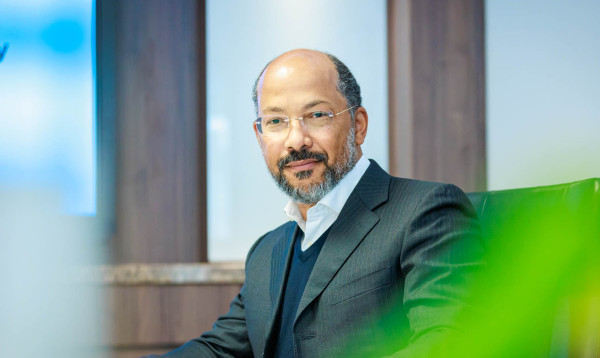
APO Group (www.APO-opa.com), the award-winning pan-African communications consultancy and leading press release distribution service, is pleased to announce that its Founder and Chairman, Nicolas Pompigne-Mognard (www.Pompigne-Mognard.com), has been appointed to the newly formed Advisory Board of the Critical Minerals Africa Group (CMAG).
With its mission being to position Africa as a leader in critical minerals, CMAG (www.CMAGAfrica.com) is dedicated to advancing responsible sourcing and sustainable development of Africa's critical mineral resources, while ensuring that local economies benefit from the continent's mineral wealth. With approximately 40% of the world's essential minerals reserves estimated to be held in Sub-Saharan Africa alone, the region plays a key role in the global energy transition and advanced technologies.
Pompigne-Mognard's appointment to the Advisory Board follows the announcement of a strategic partnership between APO Group and CMAG aimed at raising the global prominence of Africa's critical minerals sector. The partnership leverages APO Group's public relations and strategic communications expertise and CMAG's industry leadership. Complementing this, Pompigne-Mognard's ability to connect clients with key stakeholders from governments, private companies, and organisations of all sizes will be invaluable in showcasing Africa's role in the global essential resources supply chain and elevating the profile of Africa's critical minerals sector.
Nicolas Pompigne-Mognard brings a wealth of experience and expertise to the CMAG Advisory Board. His vast network across industries, governments, and institutions, his deep understanding of Africa's media and technology landscapes, and his extensive business experience will equip him to work alongside fellow Advisory Board members to shape positive perceptions of Africa's critical minerals sector amongst global stakeholders and audiences.
A Franco-Gabonese entrepreneur named among the 100 Most Influential Africans in 2023 and 2024, Nicolas Pompigne-Mognard serves on multiple high-profile advisory boards and international committees. These include the Senior Advisory Board of the Canada-Africa Chamber of Business and the Leadership Council of the Africa Tech Festival, as well as the Advisory Boards of the African Energy Chamber, World Football Summit, Africa Hotel Investment Forum (AHIF), Bloomberg New Economy Gateway Africa, Sports Africa Investment Summit, EurAfrican Forum, and All Africa Music Awards (AFRIMA). He is also a strategic advisor to the Chief Executive Officer of the Royal African Society of the United Kingdom, a strategic advisor to the EU-Africa Chamber of Commerce, and a special advisor to the President of Rugby Africa, the governing body of rugby in Africa.
Nicolas' wholly-owned company, APO Group, is the premier award-winning Pan-African communications consultancy and press release distribution service. It serves more than 300 clients, including global giants such as Canon, Nestlé, Western Union, UNDP, Network International, the African Energy Chamber, Mercy Ships, Marriott, Africa's Business Heroes, and Liquid Intelligent Technologies.
“Being appointed to the Critical Minerals Africa Group Advisory Board is an immense honour. CMAG is vital in safeguarding Africa's critical minerals for future generations. In my advisory role, I look forward to supporting all initiatives as CMAG showcases Africa's critical minerals potential in a responsible and sustainable manner,” said Nicolas Pompigne-Mognard, Founder and Chairman of APO Group.
Other members of the Advisory Board include Natznet Tesfay, Executive Director, Head of Insights and Analytics, S&P Global, and Richard Morgan, Former Head of Government Relations, Anglo-American PLC.
Distributed by APO Group on behalf of APO Group.
Media contact:
marie@apo-opa.com
About APO Group:
Founded in 2007, APO Group (www.APO-opa.com) is the leading award-winning pan-African communications consultancy and press release distribution service. Renowned for our deep-rooted African expertise and expansive global perspective, we specialise in elevating the reputation and brand equity of private and public organisations across Africa. As a trusted partner, our mission is to harness the power of media, crafting bespoke strategies that drive tangible, measurable impact both on the continent and globally.
Our commitment to excellence and innovation has been recognised with multiple prestigious awards, including the PRovoke Media Global SABRE Award and multiple PRovoke Media Africa SABRE Awards. In 2023, we were named the Leading Public Relations Firm Africa and the Leading Pan-African Communications Consultancy Africa in the World Business Outlook Awards, and the Best Public Relations and Media Consultancy of the Year South Africa in 2024 in the same awards. In 2025, Brands Review Magazine acknowledged us as the Leading Communications Consultancy in Africa for the second consecutive year. They also named us the Best PR Agency and the Leading Press Release Distribution Platform in Africa in 2024.
APO Group's esteemed clientele, which includes global giants such as Canon, Nestlé, Western Union, the UNDP, Network International, African Energy Chamber, Mercy Ships, Marriott, Africa's Business Heroes, and Liquid Intelligent Technologies, reflects our unparalleled ability to navigate the complex African media landscape. With a multicultural team across Africa, we offer unmatched, truly pan-African insights, expertise, and reach across the continent. APO Group is dedicated to reshaping narratives about Africa, challenging stereotypes, and bringing inspiring African stories to global audiences, with our expertise in developing and supporting public relations campaigns worldwide uniquely positioning us to amplify brand messaging, enhance reputations, and connect effectively with target audiences.
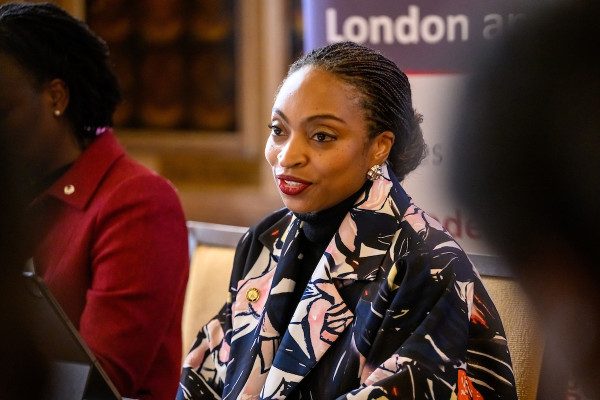
Nigeria's Minister of Industry, Trade, and Investment, Dr. Jumoke Oduwole, successfully concluded a series of high-level engagements in London, reinforcing Nigeria's commitment to fostering trade and investment partnerships with the UK. The visit, anchored around the Commonwealth Trade and Investment Summit held on 7-8 April, provided a vital platform to showcase Nigeria's strategic economic priorities and attract investment into key sectors.
During her visit, Dr. Oduwole participated in two exclusive events hosted by Invest Africa, engaging with top-tier stakeholders, business leaders, and investors. These engagements underscored Nigeria's dedication to economic diversification, investment mobilisation, and strengthening the London-Lagos investment corridor.
On 8 April, the Minister delivered a keynote address at an Invest Africa-hosted roundtable, where she outlined Nigeria's investment potential and strategic trade policies. The discussion focused on boosting non-oil sectors, promoting ease of doing business, and enhancing UK-Nigeria commercial ties. Senior executives from the UK business and investor community engaged directly with the Minister, fostering dialogue on new investment opportunities and partnerships that will contribute to Nigeria's long-term development goals.
Dr. Jumoke Oduwole, Minister of Industry, Trade, and Investment, stated: “Nigeria is open for business, and we are committed to creating an environment that fosters investment, innovation, and economic growth. Our engagements in London demonstrate our dedication to strengthening trade ties, supporting local and foreign investors, and ensuring that Nigeria remains a prime investment destination. The opportunities in Nigeria, particularly in non-oil sectors, are immense, and we invite investors to be part of this journey towards sustainable development.”
Additionally, the Minister participated in an exclusive event co-hosted by Invest Africa in partnership with Lagos Free Zone (LFZ). This strategic engagement positioned LFZ as a premier investment hub within Nigeria's manufacturing sector, showcasing its potential to attract global investors and support the country's industrialisation agenda. The event featured a presentation by Lagos Free Zone MD & CEO, Adesuwa Ladoja, and a dynamic panel discussion exploring Nigeria's industrial landscape and how LFZ can support UK businesses keen on exploring pathways for sustainable growth in Nigeria.
Karen Taylor, Chair of Invest Africa, commented: “Invest Africa is proud to facilitate meaningful engagement between Nigerian leaders and the UK business community. The Minister's participation in our events underscores Nigeria's strategic importance as a trade and investment partner. We look forward to continuing to support initiatives that drive economic collaboration and unlock new business opportunities.”
Adesuwa Ladoja, MD & CEO of Lagos Free Zone, remarked: “The Lagos Free Zone represents a game-changer for Nigeria's manufacturing and industrial sectors, offering world-class infrastructure and seamless business operations. This event provided a crucial platform to showcase how strategic investments in LFZ can unlock deeper penetration into the Nigerian market for UK businesses and drive Nigeria's industrialisation. We are excited about the opportunities that lie ahead and look forward to welcoming global investors.”
Dr. Oduwole's engagements in London aligned with Nigeria's four key strategic pillars: investment mobilisation, trade revenue growth, economic diversification, and strategic communications. Through these discussions, the Minister reinforced Nigeria's proactive approach to fostering international trade relations, unlocking new business opportunities, and strengthening economic ties between Nigeria and the UK.
As Nigeria continues its journey toward sustainable economic transformation, the Ministry of Industry, Trade, and Investment remains committed to advancing strategic partnerships and positioning Nigeria as a top-tier investment destination on the global stage.
Distributed by APO Group on behalf of Invest Africa.
Media Contact:
Invest Africa
Email: pippa.vanbreda@investafrica.com
Websites: www.Invest Africa.com and www.LagosFreeZone.com
About Invest Africa:
Invest Africa is a leading business and investment platform with over sixty years of expertise in Africa, dedicated to connecting businesses with unique opportunities across the continent. Their global network comprises more than 400 member companies, including multinationals, private equity firms, institutional investors, development finance institutions, professional service providers, government bodies, and entrepreneurs. With chapters in Kenya, South Africa, the UAE, the UK, and the US, Invest Africa leverages their global reach, market intelligence, and extensive network to support and connect businesses. As a trusted gateway into Africa, they drive socio-economic growth by facilitating sustainable capital flows and providing strategic insights through our membership, consultancy services, and dynamic events programme.
Minister reaffirms commitment to efficient policing
Police Minister Senzo Mchunu has reaffirmed the South African Police Service’s (SAPS) commitment to realising an efficient, effective, and responsible police service.
“… I want to reaffirm our commitment. We are committed to realising an efficient, effective, and responsible police service; one that reflects the values and aspirations of our democracy. This is non-negotiable,” the Minister said.
Mchunu was addressing a media briefing on the outcomes of the recently held three-day National Policing Summit.
“The people of South Africa demand policing that is efficient, effective, and accountable. The people of South Africa demand a police service that is worthy of their trust, and most importantly, the people of South Africa demand that we act.”
WATCH |
At Friday’s briefing in Pretoria, the Minister said that the priorities of the police are to reduce murder, remove unnecessary firearms from communities, remove drugs, fight gender-based violence and femicide (GBVF) and organised crime.
The police are also aware of the increases in crimes such as kidnappings, extortion, cash-in-transit heists and stock theft.
Additionally, police have classified the provinces of Gauteng, KwaZulu Natal, the Eastern Cape and Western Cape as hotspots.
“As a means of effectively reducing crime, we have identified several key enablers, inclusive of using and improving our technology, strengthening our crime intelligence, capacitating and upskilling our detective services, improving and expanding our forensic services and improving the general environment under which police officers work.
“We have made mention of the budgetary constraints, but we have also committed to maximising the budget allocated and the resources at our disposal.
“Business has also come on board and through that partnership, there are projects aimed at capacitating, particularly our detective services, improving our technology and increasing our laboratories,” he explained.
Operations Room
Meanwhile, National Police Commissioner Fannie Masemola said that the summit engaged with seasoned researchers, academic leaders, the business sector, subject matter experts and community structures. The engagements were focused on how to turn the the tide, recalibrate and reposition the SAPS for the future.
“During the summit deliberations, we assessed the current state and performance of the SAPS, focussed on operational inefficiencies. We identified pragmatic strategies that will improve and advance maximum effectiveness in policing while strategically repositioning the SAPS to ensure long-term relevance, heightened professionalism and the restoration of public trust.
“The SAPS will establish a National Policing Summit Operations Room. This facility will house a permanent scoreboard that will track and trace progress on the resolutions of the summit periodically for the next five years.
“We believe that this significant move will hold the management of the SAPS accountable to the nation, as we commit to turnaround the policing direction of this country,” Masemola explained.
Visibility
The Commissioner added that the summit’s focus was not on theoretical discussion alone, but rather on diagnosing real operational challenges, understanding community perceptions and analysing systemic shortcomings.
“The summit placed special emphasis on rethinking how SAPS can maximise its impact within existing constraints while repositioning itself for long-term relevance, professionalism, and enhancing public trust in policing.
“The first day of the summit interrogated the difference between being seen and being felt in communities. While the SAPS often reports on patrols and deployments, the quality and impact of these efforts on safety perceptions was central to the conversation.”
Masemola explained that the discussions reflected a disconnect between visible policing efforts and actual community safety outcomes, prompting a call for a more intentional, impact-focused presence.
Masemola also hinted that the Summit touched on technology as a transformative tool in the modernisation of policing.
“Summit discussions addressed real-time crime tracking, GIS [ geographic information system] mapping, AI-driven analytics, and predictive policing. Participants discussed how these technologies can help SAPS anticipate criminal activity and deploy resources more efficiently.
“Emphasis was placed on data quality, interoperability of systems and the critical need for digital literacy within SAPS,” said the Commissioner.
President Cyril Ramaphosa officially opened the summit that was held at Emperors Palace Convention Centre in Gauteng on Tuesday.
READ | President calls for holistic overhaul of policing
The Summit, among other things, addressed the high levels of crime in South Africa by reflecting on current policing approaches and developing more effective methods for the South African Police Service. – SAnews.gov.za
Edwin
Fri, 04/11/2025 - 12:48
33 views
Nzimande, UN Secretary-General’s Envoy on Technology meet on Global Digital Compact
The Minister of Science, Technology and Innovation, Professor Blade Nzimande, met with Mandeep Gill, the Undersecretary and Special Envoy of the United Nations Secretary-General for Digital and Emerging Technologies, on Wednesday.
The meeting primarily focused on South Africa’s role in implementing the UN’s Global Digital Compact (GDC) and the opportunities this presents for developing the country’s digital economy.
The GDC forms part of the UN’s Pact for the Future, which was adopted during the Summit of the Future in 2024.
The Department of Science, Technology and Innovation (DSTI) said this compact was a comprehensive framework for global digital cooperation and governance, particularly regarding artificial intelligence.
Its primary objective is to harness the potential of digital technology for the benefit of humanity while also addressing the challenges and risks associated with it.
During the meeting with Gill, Nzimande stressed the importance of digital and emerging technologies.
“As one of the African countries with the largest public science systems, South Africa recognises the importance of developing our capabilities in digital and emerging technologies such as artificial intelligence and their potential to help in the development of solutions for some of the challenges of our time such as inequality, climate change and environmental degradation, pandemics and transnational conflict,” the Minister said.
He believes the current geopolitical moment required a stronger and consistent commitment to international collaboration, the free exchange of scientific knowledge, and multilateralism.
“These, we believe present us with a better chance at a sustainable future for humanity. It is for this reason that meaningful partnerships and the development of our capabilities in the digital economy are some of the strategic pillars of our country’s Decadal Plan for Science, Technology, and Innovation,” he stated.
Outlining the potential benefits for South Africa’s participation in the GDC, the Minister said South Africa’s participation in the GDC presents the country with several unique opportunities to address national priorities and position it as a leader in regional digital transformation.
“We believe our participation in the GDC can further enhance our capabilities in such areas as infrastructure development, digital skills enhancement, digital entrepreneurship and innovation support, digital inclusion, data governance and privacy and human rights protection,” Nzimande stressed.
Nzimande used the meeting to update Gill on the department’s artificial intelligence (AI) initiatives, which include the Foundation Digital Capabilities Research (FDCR).
One of the initiatives within the FDCR platform that is AI-focused is the Centre for Artificial Intelligence Research (CAIR).
There is also the South African Research Chairs Initiative (SARChi), which currently includes Research Chairs in information and communication technology (ICT) development, with two specifically focused on AI.
All the DSTI’s AI and digital economy initiatives are designed to support the objectives of South Africa’s Digital Economy Masterplan, which is the responsibility of the Department of Communication and Digital Technologies. – SAnews.gov.za
Gabisile
Thu, 04/10/2025 - 14:38
84 views