• Skip to main content
  • Skip to header right navigation
  • Skip to after header navigation
  • Skip to site footer
MyZA

MyZA

News, Directory, Events and Other Stuff

  • Social Media
  • Sport
  • World News
  • Home
  • Submit News
  • Directory
  • Events
  • Stratlec
  • TFSA
  • News
    • APO
    • Today’s Sport News
    • Todays Social Media and Tech Headlines
    • Today’s World News
    • Today’s SA Financial News
  • Contact
You are here: Home / Archives for Sustainability

Sustainability

6 March 2025

Minister welcomes forestry’s contribution to GDP

Location: News

Minister welcomes forestry’s contribution to GDP

The Minister of Forestry, Fisheries and the Environment, Dr Dion George, has welcomed the vital role of the forestry and fishing sectors in driving South Africa’s economic growth in the fourth quarter of 2024. 

According to Statistics South Africa’s data, released on Tuesday, 4 March 2025, the nation’s gross domestic product (GDP) grew by 0.6% in the fourth quarter, rebounding from a slight dip in the previous quarter. 

The agriculture, forestry, and fishing industry -- the top performer across all sectors -- surged by 17.2%, adding 0.4 percentage points to this growth.

“Our forestry and fishing sectors, as part of the top-performing agriculture industry, are proving their worth, delivering real value through sustainable practices and smart policies that boost growth, create jobs, and protect our natural resources,” the Minister said on Thursday.

The industry’s performance outshone contributions from sectors like finance (0.3 points) and trade (0.2 points) relative to their scale.

The Minister noted that the forestry and fishing sector provided a steady anchor amid economic pressures.

“This is a solid step, but it’s not enough. Our growth must outpace population growth to lift more South Africans out of poverty and into opportunity, and that requires pushing forestry, fishing, and the broader economy harder and faster.

“Together, we’re setting the stage for a future where forestry and fishing don’t just add to GDP: they drive prosperity and sustainability for all. This green shoot is just the beginning. We’re committed to doing much more, ensuring South Africa’s growth opens doors for every citizen,” George said. - SAnews.gov.za

nosihle
Thu, 03/06/2025 - 12:11
49 views
Read moreMinister welcomes forestry’s contribution to GDP
6 March 2025

SA hosts first G20 Tourism Working Group meeting 

Location: News

SA hosts first G20 Tourism Working Group meeting 

Tourism Minister Patricia de Lille has urged the G20 to find ways to use tourism to change the lives of communities around the world.

“As you convene during the first Tourism Working Group, I implore on all delegates to focus on how we can use tourism to change people’s lives, communities and the world,” she said in a video-recorded message.

The Minister was addressing the first G20 Tourism Working Group meeting held virtually from the Head Office of the Department of International Relations and Co-operation (DIRCO) in Pretoria.

Wednesday’s meeting was the first of a series of engagements that will take place throughout the year, ahead of the G20 Tourism Ministers’ Meeting in September 2025.

“South Africa is excited to welcome all G20 delegates, member states and organisations to our beautiful country and proud to host the G20 for the first time,” she said.

The Director-General at the department, Nkhumeleni Victor Vele, chaired the meeting which was attended by senior officials and experts in the tourism sector of the G20 countries, invited guest countries and international organisations.

At the meeting, delegates deliberated on and agreed to work on four priorities for the year namely:

• People-Centered Artificial Intelligence (AI) and Innovation to enhance Travel and Tourism Start-Ups and SMMEs,
• Tourism Financing and Investment to Enhance Equality and Promote Sustainable Development,
• Air Connectivity for Seamless Travel, and
• Enhanced Resilience for Inclusive, Sustainable Tourism Development.

The Tourism Working Group will exchange knowledge and best practices among the member countries with a view of crafting actionable deliverables. The group is among the 16 working groups of the G20 during South Africa’s Presidency focusing on solidarity, equality and sustainability. 

In its statement, the Department of Tourism said that as the first African country to preside over the G20 Presidency, South Africa is utilising its term to drive a developmental agenda to benefit the African continent.

Going forward, the following G20 Tourism Meetings are planned in South Africa:

• 2nd G20 Tourism Working Group Meeting from 11 to 13 May 2025 in KwaZulu Natal province.
• 3rd G20 Tourism Working Group Meeting from 10 to 11 September 2025 in Mpumalanga.
• G20 Tourism Ministers’ Meeting on 12 September 2025 in Mpumalanga.

The G20 economies represent around 85% of the global gross domestic product (GDP), over 75% of the global trade and about two-thirds of the world population. 

In 2023, the G20 welcomed 69% of all international tourists and accounted for 71% of tourism exports worldwide. In 2023 Tourism Direct GDP reached 3.1% of the G20 economies.

The department added that tourism plays a critical role in the global economy and is one of the vital economic sectors contributing significantly to socio-economic development but remains vulnerable to natural and manmade hazards. 

For many countries, the tourism economy is growing faster than most other economic sectors. With its extensive value chain and labour absorption capacity, it is acknowledged as a tool for inclusive economic development, playing a significant role in responding to socioeconomic challenges.

“Tourism is an important economic sector in Africa. In 2023 the continent’s tourism direct gross domestic product reached 85 US billion [dollars] representing 3.5% of the region’s GDP. This value is still below the pre-pandemic 94 US billion [dollars] reached in 2019 (4.3% share).”

The challenges facing the African travel and tourism sector include air connectivity, limited investments, financing for tourism development, positioning and marketing, social and environmental sustainability, as well as safety and security, among others.

South Africa’s tourism priorities for the 2025 G20 Presidency are aligned with the continental priorities as expressed in Agenda 2063 as well as with the core objectives contained in the UN Tourism Agenda for Africa – Tourism for Inclusive Growth, the strategic roadmap guiding the promotion of sustainable tourism development across the African continent.

The meeting also appreciated South Africa’s intention to build on the efforts and successes of the last three G20 Presidencies of the Global South and to champion Africa’s developmental agenda. – SAnews.gov.za

Edwin
Thu, 03/06/2025 - 10:09
116 views

Read moreSA hosts first G20 Tourism Working Group meeting 
5 March 2025

My Chaotic Train Journey From Johannesburg to Durban

Location: News

“It is obvious PRASA was not prepared for this journey” says frustrated commuter after long-distance train breaks down several times

Read moreMy Chaotic Train Journey From Johannesburg to Durban
5 March 2025

UK Looks to Deepen Energy Trade, Investment Ties with Africa

Location: News
African Energy Chamber

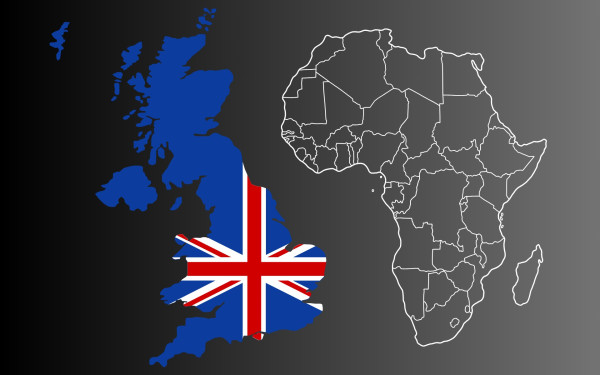
Trade relations between the UK and Africa are gaining momentum. Last month, UK Minister for Trade Policy and Economic Security Douglas Alexander visited South Africa and Botswana to strengthen trade ties and create opportunities for businesses on both sides. The UK aims to expand trade and investment across the continent, fostering mutually beneficial growth by addressing trade barriers, facilitating exports and supporting trade-focused development programs. With South Africa as the UK's largest trading partner in Africa and set to assume the G20 Presidency, this marks an important moment for deepening economic collaboration.

This builds on the UK's 2019 Economic Partnership Agreement (EPA) with the Southern African Customs Union member states – Botswana, Eswatini, Lesotho, Namibia and South Africa – and Mozambique. This agreement eliminates tariffs and quotas on all goods imported from these countries into the UK, facilitating smoother trade relations and economic cooperation. The EPA aims to bolster economic ties and create a conducive environment for investments, including in the energy sector.

The UK is expanding its engagement across Africa, including in West and North Africa. In February 2024, it signed the Enhanced Trade and Investment Partnership (ETIP) with Nigeria – the first such agreement with an African nation – marking a significant milestone. The partnership builds on a trade relationship valued at £7 billion in the year leading up to September 2023. The ETIP focuses on key sectors such as financial and legal services, fostering economic growth and attracting investment across industries, including energy.

Globeleq, a UK government-backed independent power producer, has been instrumental in advancing gas-powered energy projects across Africa. Alongside its 153 MW Red Sands project in South Africa – set to become the continent's largest standalone battery energy storage system – the company recently acquired a stake in a solar plant at Egypt's Benban Solar Complex and secured $99 million in debt financing for Mozambique's first wind project. Supported by shareholders such as British International Investment and Norfund, Globeleq continues to invest in upgrading existing assets and developing new utility-scale power projects, strengthening Africa's energy infrastructure.

In the oil and gas sector, bp achieved first gas from the Greater Tortue Ahmeyim LNG project offshore Senegal and Mauritania at the start of this year, marking a major step in boosting regional energy production and supply. Shell is advancing its $5 billion Bonga North deepwater project in Nigeria and, alongside bp, has agreed to cover operational costs for the buyer of South Africa's Sapref refinery – a move that could revitalize the country's largest refinery and secure oil supply. Meanwhile, Harbour Energy, one of the UK's largest independent oil and gas companies, is looking to expand into African markets following its acquisition of concessions in Egypt's Nile Delta and the Mediterranean Sea.

The UK is also a major investor in Africa's clean energy sector and a key partner in the Mission 300 initiative to expand electricity access to 300 million people by 2030. Last month, British International Investment (BII) committed £5.3 million to UK cleantech firm MOPO to scale battery rental operations in the Democratic Republic of the Congo, where over 80% of the population lacks electricity. In December 2024, BII and GuarantCo announced a $500 million renewable power deal with South Africa's Etana Energy, providing $100 million in guarantees to support the country's largest energy wheeling framework and unlock new projects. Beyond direct investments, the UK government continues to provide funding and technical assistance for energy infrastructure projects across Africa, aiming to improve energy reliability and efficiency, drive economic growth, and enhance the quality of life for local communities.

As a G20 member, the UK plays a pivotal role in shaping global energy investment strategies, with Africa positioned as a key partner in its trade and energy agenda. The UK's investments in oil and gas, renewables and energy infrastructure align with broader G20 goals of energy security, sustainability and economic growth.

“These initiatives not only strengthen the UK's economic ties with Africa, but also support the continent's transition to cleaner, more reliable energy. With African Energy Week: Invest in African Energies 2025 set to convene global stakeholders, the UK's role in advancing energy partnerships will be in focus, offering a platform to drive further investment, policy collaboration, and infrastructure development across Africa's energy landscape,” says Johnson Kayode Obembe, Director of Sales and Partnerships, African Energy Week.

AEW: Invest in African Energies is the platform of choice for project operators, financiers, technology providers and government, and has emerged as the official place to sign deals in African energy. Visit www.AECWeek.com for more information about this exciting event.

Distributed by APO Group on behalf of African Energy Chamber.

Media files
African Energy Chamber
Download logo
Read moreUK Looks to Deepen Energy Trade, Investment Ties with Africa
5 March 2025

SA needs R440 billion for transmission development

Location: News

SA needs R440 billion for transmission development

South Africa requires upwards of R440 billion in the next 10 years to expand its transmission infrastructure, says Minister of Electricity and Energy, Dr Kgosientsho Ramokgopa.

Addressing the Africa Energy Indaba in Cape Town on Tuesday, the Minister said the country’s transmission development plans have identified the need to modernise and expand the grid for 14 000 kilometres in the next 10 years.

“This is going to require an enormous amount of investment. The fiscus won’t be able to carry that. The Eskom balance sheet is not sufficient, so it is important to find bespoke financing instruments to make this possible,” the Minister said.

He called on financial actors to actively take steps to significantly lower the cost of borrowing for the investment of the continent’s development, climate resilience and clean energy transition initiatives.

“We expect the increase in electricity trade volumes to grow by about 300% by 2040 and by that time, the projection is that Africa’s population will be at about two billion people from the current 1.5 billion. For us to be able to achieve this level of ambition, there are huge investments that are required.

“One of the studies done by some of the... organisations suggests that Africa will need upwards of R2.6 trillion in investments in the energy sector by 2040. The pool of financing is enormous. Even if you had to consolidate the balance sheet of the continent, I don’t think we are going to get anywhere near raising this money.

“That is why it is important that we are able to design a financing instrument for us to be able to achieve this level of ambition,” Ramokgopa said.

He expressed support for a single electricity market on the continent, as advocated for by the the African Union's Agenda 2063.

“We think that the ambitions of achieving a single electricity market on the continent is not far-fetched .For us to have universal access by 2063, as advocated for in Agenda 2063, which makes a point that we can achieve that through regional integration… there has to be significant investment on interconnectivity,” the Minister said.

With South Africa hosting the Group of Twenty (G20) Presidency, Ramokgopa outlined the G20 technical energy group priorities, which include energy security and forging reliable and affordable access; achieving just, affordable and inclusive energy transitions, as well as African connectivity and energy pools.

These priorities were canvassed through the platform of the African Union.

According to Ramokgopa, 43% of the total population in Africa does not have access to electricity.

“This is a big issue. Before you can talk about transitioning, people need to have access to whatever form of electricity, irrespective of the fuel sources.

“As a country and the continent, we bear the responsibility to ensure that we are able to provide this access in a manner that doesn’t degrade the environment and keep to our obligations to ensure that we reduce the greenhouse gas emissions, although we contribute less than 2.5% of the CO2 emissions. Going into the future, gas will still be part of the mix on the continent,” the Minister said.

Focus on just transition

South Africa’s G20 Presidency will elevate the issue of just, affordable and inclusive energy transitions.

“That is important because we are of the opinion that there is no single transition. Any transition should take into account the unique circumstances of individual countries, and the pace and scale that they can afford.

“We will be meeting with the National Economic Development and Labour Council (Nedlac) and are hoping that the Integrated Resource Plan (IRP) will be release to the public soon. The plan will explain how we see the transitions unfold in the country,” Ramokgopa said.

South Africa's G20 Presidency is the fourth consecutive emerging market Presidency, and it is also the first African Presidency.

It commenced on 1 December 2024 and all engagements are being held under the theme: “Solidarity, Equality, Sustainability”.

The year-long deliberations will culminate in a G20 Leaders’ Summit in November 2025.

The G20 was established to tackle pressing global economic and financial issues. Together, G20 members account for around 85% of global GDP and 75% of international trade. 

It comprises 19 countries and two regional bodies, namely the European Union and the African Union.

The grouping plays a critical role in influencing global policy making and fostering global economic stability. - SAnews.gov.za

nosihle
Wed, 03/05/2025 - 12:03
108 views

Read moreSA needs R440 billion for transmission development
4 March 2025

Hlabisa to launch the G20 Disaster Risk Reduction Working Group in SA

Location: News

Hlabisa to launch the G20 Disaster Risk Reduction Working Group in SA

The Minister of Cooperative Governance and Traditional Affairs (CoGTA), Velenkosini Hlabisa, will officially launch the inaugural virtual meeting of the Group of Twenty Disaster Risk Reduction Working Group (G20 DRR WG) under the South African Presidency on Thursday.

South Africa will host the G20 under the theme “Solidarity, Equality, and Sustainability”, which will serve as the guiding principles for collective engagements. 

Through the G20 DRR WG, South Africa has a unique opportunity to reinforce the Sendai Framework for Disaster Risk Reduction implementation and support the acceleration of early warnings for all initiatives, a key global target set by the United Nations (UN). 

The Sendai Framework emphasises the importance of implementing measures that target the three dimensions of disaster risk – exposure to hazards, vulnerability and capacity, and the characteristics of hazards. 

Its goals are to prevent the creation of new risks, reduce existing risks, and enhance resilience.

Having acknowledged the work done by India and Brazil’s Presidencies in strengthening the G20 DRR WG the South African Presidency has decided to retain all six priorities agreed upon under those Presidencies. 

The launch of this working group’s first meeting by Hlabisa forms part of a series of ministerial and working group meetings that will take place throughout 2025. 

These discussions are expected to culminate in the G20 Leaders’ Summit in November 2025. – SAnews.gov.za


Gabisile
Tue, 03/04/2025 - 13:41
178 views

Read moreHlabisa to launch the G20 Disaster Risk Reduction Working Group in SA
3 March 2025

G20 meeting highlights the role of science in tackling climate change

Location: News

G20 meeting highlights the role of science in tackling climate change

Rising global temperatures, extended droughts, and the growing spread of disease are some of the severe impacts of climate change, according to the President of the Academy of Science of South Africa (ASSAf) Council, Professor Thokozani Majozi. 

Speaking at a recent Science20 (S20) meeting in Pretoria, Majozi noted that no region is immune to these effects, which range from wildfires in the Americas and Australia to catastrophic flooding in Europe and Asia.

“Climate change does not recognise national boundaries, making international scientific cooperation not just beneficial but essential,” he said. 

The meeting highlighted the urgent challenge of climate change.

“This issue transcends borders, economies, and political systems. The evidence is unequivocal: our climate is changing at an unprecedented rate due to human activities,” the Professor warned. 

S20 is the official engagement group for science academies within the Group of Twenty (G20) to foster science-based dialogue and provide policy advice. 

Established in 2017, its mission is to promote scientific cooperation and ensure that scientific perspectives influence G20 decisions on global challenges. 

The G20 is an international forum of both developing and developed countries that seeks to find solutions to global economic and financial issues.

Under South Africa’s G20 Presidency, three foundational themes shape political and scientific discussions: solidarity, equality, and sustainable development.

He outlined the key responsibilities of the scientific community, which include advancing our understanding of climate systems and their effects on human health and wellbeing. 

The Professor also urged his colleagues to communicate complex scientific findings in ways that can inform both policymakers and the public. In addition, he emphasised the importance of fostering collaboration across natural sciences, social sciences, and the humanities. 

Majozi believes in nurturing the next generation of scientists who are equipped to address these complex challenges, and he advocated for the integration of indigenous and local knowledge systems with traditional scientific approaches.
“We are not merely repositories of knowledge but active participants in shaping how that knowledge is applied to real-world challenges,” he added. 

Led by the ASSAf, this year’s S20 gathering is particularly significant, as it marks the first time the G20 is hosted on the African continent. 

The Minister of Science, Technology, and Innovation, Professor Blade Nzimande, addressed the meeting virtually and called for global scientific cooperation and evidence-based policymaking. 

Nzimande emphasised the connection between the S20 theme, “Climate change and well-being,” and South Africa’s overarching G20 theme of “Solidarity, equality, and sustainability.”

“These themes do not merely serve as reminders of the urgent need for science-driven policy responses to challenges such as climate change, biodiversity loss, and global inequality,” he said. 

“They also highlight that today’s fundamental challenges are interconnected, demanding multidisciplinary approaches, collaboration, and decisive science-based action.”

Priorities and skills development

Nzimande outlined key science, technology, and innovation priorities that will define South Africa’s G20 leadership. 

These include, among other initiatives, enhancing our capacity for pandemic preparedness; promoting research and development in emerging technologies, especially artificial intelligence; and integrating these technologies into essential economic sectors such as energy, agriculture, mining, health, and the digital economy.

It also it involves developing critical and advanced skills, including through the Presidential PhD Programme.

The Minister stressed the crucial role of the S20 meeting in shaping the broader G20 Research and Innovation Working Group discussions, which will culminate in a ministerial meeting in September 2025. 

President of the Brazilian Academy of Sciences, Professor Helena Nader, applauded South Africa for highlighting the topic of climate change and wellbeing, especially considering recent global floods and storms. 

Meanwhile, the Executive Director of the United States National Academies Policy and Global Affairs Division, Dr Vaughan Turekian, praised G20 members’ long history of collaboration and expressed his desire for it to expand through the S20. – SAnews.gov.za


Gabisile
Mon, 03/03/2025 - 12:45
43 views

Read moreG20 meeting highlights the role of science in tackling climate change
3 March 2025

SANPC to Showcase Strategic Vision at IAE 2025

Location: Business
Energy Capital & Power

South Africa's newly established South African National Petroleum Company (SANPC) will host an investor roadshow at the Invest in African Energy (IAE) Forum in Paris this May, highlighting its strategic vision and the more than R95 billion in untapped market and investment opportunities in South Africa's oil and gas sector. Under the theme "South Africa's Energy Future: A New Age State Entity," the presentation will be led by SANPC CEO Godfrey Moagi, following the company's official launch, scheduled for April 2025.

With a clear mandate to promote energy independence and diversification, SANPC is set to drive large-scale investments in the oil, gas and clean energy sectors. SANPC's strategy includes ring-fencing all non-functioning assets, identifying assets that can be moved to the NOC and ensuring these assets can be traded and utilized effectively. At the IAE 2025, delegates will gain an exclusive look into SANPC's far-reaching goals, including the creation of a state-backed energy company that will enhance the country's energy security, facilitate the transition to cleaner energy sources and create employment opportunities for the nation's youth.

IAE 2025 (https://apo-opa.co/4h81CCe) is an exclusive forum designed to facilitate investment between African energy markets and global investors. Taking place May 13-14, 2025 in Paris, the event offers delegates two days of intensive engagement with industry experts, project developers, investors and policymakers. For more information, please visit www.Invest-Africa-energy.com. To sponsor or participate as a delegate, please contact sales@energycapitalpower.com.

SANPC's strategic vision aligns with South Africa's National Development Plan, which outlines the country's goals to expand access to affordable, reliable energy while navigating the energy transition. The creation of SANPC marks a bold step toward achieving these objectives, acting as a catalyst for new ventures, partnerships and large-scale infrastructure projects. As South Africa's energy landscape undergoes reform, SANPC aims to drive the rapid deployment of new projects while adhering to the highest sustainability standards and fostering regional integration in oil and gas.

SANPC's participation at IAE 2025 is part of the company's series of investor roadshows, first launched at the African Energy Week: Invest in African Energies 2024 conference in Cape Town. These roadshows support the company's commitment to attracting foreign investment and offer stakeholders the opportunity to engage with SANPC leadership, while gaining insight into the company's vision for an energy future that fosters both economic and environmental sustainability.

Distributed by APO Group on behalf of Energy Capital & Power.

Media files
Energy Capital & Power
Download logo
Read moreSANPC to Showcase Strategic Vision at IAE 2025
3 March 2025

Next generation of scholars gathering to shape Africa’s future

Location: News

Next generation of scholars gathering to shape Africa’s future

Research-based insights and collaboration on finding solutions to Africa’s most urgent challenges will be at the heart of the Human Sciences Research Council (HSRC)’s 19th Africa Young Graduates and Scholars (AYGS) Conference. 

The conference which gets underway tomorrow, is being held in collaboration with the University of Mpumalanga (UMP).

Under the theme “Enabling Africa’s Inclusive and Sustainable Development: Challenges and Opportunities,” the conference will gather over 100 young and emerging scholars, policymakers, and practitioners from various regions of Africa to share research-based insights and collaborate on solutions to the continent’s most urgent challenges. 

The gathering will take place at UMP’s Mbombela campus from 4 to 6 March 2025. 

“We are excited to provide a platform for Africa’s next generation of leaders to engage, share knowledge, and shape the continent’s future,” said the Executive Head at the HSRC’s Africa Institute of South Africa (AISA), Dr Sabelo Gumedze. 

He believes that the AYGS Conference has the potential to contribute significantly to Africa’s developmental trajectory, and said they were looking forward to fostering innovative solutions, enhancing capacity, and informing policy decisions with research-based insights.

Meanwhile, the UMP Deputy Vice-Chancellor for Research and Innovation, Professor Aldo Stroebel, said the university was privileged to partner with the HSRC and other prominent stakeholders to engage and strengthen an opportunity framework for emerging scholars through critical thinking and policy impact. 

“UMP benefits from this convening to further advance our focus on sustainability and innovation, building a strong base of intellectual engagement, international networks, and learning,” Stroebel added. 

The conference will feature sessions covering various topics such as advancing agricultural sustainability and food security. 

The panellists will also zoom into governance, peace, and security in enabling Africa’s inclusive and sustainable development; climate change action and the Just Transition; and leveraging artificial intelligence (AI) to drive Africa’s development priorities.

Meanwhile, more than 30 papers will be presented by scholars from over 15 countries, including Cameroon, Ghana, Kenya, Lesotho, Madagascar, Nigeria, Rwanda, Sierra Leone, South Africa, Tanzania, Togo, Uganda, Zambia, and Zimbabwe. 

The annual AYGS conference is a research capacity-building project that was conceived in 2005 to build a body of knowledge and to project the African “voice” into various global discussions. 

It is further intended to bridge the existing expertise gap in knowledge production on African affairs by developing a society of knowledge producers among the youth. 

The conference, which features a comprehensive programme including a pre-conference training workshop on policy-engaged research and open science, is hosted by the HSRC’s Africa Institute of South Africa (AISA) in collaboration with the UMP, the National Research Foundation’s (NRF) Future Earth Africa Hub Leadership Centre, the Partnership for African Social and Governance Research (PASGR), and other key partners. – SAnews.gov.za


Gabisile
Mon, 03/03/2025 - 08:50
134 views

Read moreNext generation of scholars gathering to shape Africa’s future
2 March 2025

Advancements in technology should not exclude rural communities 

Location: News

Advancements in technology should not exclude rural communities 

Technological advancements including the move to digital radio should not exclude rural and underprivileged communities, Deputy Minister in the Presidency, Kenny Morolong said.

“Today, we see new innovations in Digital Audio Broadcasting (DAB), internet radio, and mobile-based radio services. These advancements offer greater accessibility and interactivity, allowing audiences to receive and engage news in real-time. However, we must ensure that the transition to digital does not leave behind those in rural and underprivileged areas who still rely on traditional radio as their primary source of information,” the Deputy Minister.

Morolong was speaking at the Northern Conference of the National Community Radio Forum (NCRF) in Kuruman on Friday.

“As you know, media is not just a platform for communication; it is a vital institution that informs, educates, and empowers our people. In South Africa, government recognises the power of the media in strengthening our democracy, fostering dialogue, and ensuring accountability,” he told those attending the conference.

READ | Community media plays a vital role in promoting social change 

He said that radio played an important role in the anti-apartheid struggle, providing an alternative voice when mainstream media was restricted.

In post-apartheid South Africa, the sector has grown to reflect the linguistic and cultural diversity of the nation.

“As South Africa celebrate 30 years of Freedom and Democracy, we acknowledge that our celebration coincides with 30 years of community media; 102 years of broadcasting and 21 years since the establishment of the MDDA [Media Development and Diversity Agency]. Community radio is an important and vibrant sector within broadcasting that is philosophically and structurally distinct from both commercial and public service models. It is owned and controlled by the communities, autonomous from commercial interests and maintains a participatory relationship with its constituent communities. Radio remains one of the most powerful and resilient forms of media, adapting to technological advancements while remaining deeply embedded in our communities,” he explained.

He added that the journey of radio can be traced from the early analogue era of AM and FM frequencies to the digital age, where streaming and podcasting have revolutionized the way, we consume audio content.
This as South Africa had a vibrant community radio sector with approximately 285 licenced community stations covering a wide range of geographies, religious and cultural interests, and in various languages.

In addition to the growth in the number of community stations licenced (from 133 in 2012), listenership has also increased.

“However with this growth there are persistent challenges. The battle for survival is the biggest concern for most stations and is more acute for stations serving poor, rural communities.

“This battle can often detract stations from their mandate of improving community involvement, programme quality and relevance. The focus on generating income through selling advertising and airtime, means that other income streams that might enhance and diversify programming (for example, programme sponsorship and membership fees and donations from the community) are often not explored sufficiently.”

He said that a key challenge for the sustainability of community stations  is that they are dependent on the discretion of advertisers, the limited resources available to the MDDA and government advertising.

“Part of the problem is that sustainability is often thought of only in terms of finances, yet good governance, quality, entertaining and informative programming are interlinked elements of sustainability.

As the Presidency, we do not take our role at the MDDA for granted, because we are mindful that South Africans are at the heart of all our work, and we are therefore committed to continue to support the MDDA to maintain its agenda of enabling access, ownership, diversity and the promotion of marginalised languages and communities,” said the Deputy Minister.

He added that government values the role of NCRF as a collective voice.

“In strengthening the community radio sector, organisations like the National Community Radio Forum play an indispensable role. The NCRF has been a unifying force, advocating for the rights and sustainability of community broadcasters across the country.”

The NCREF lobbies for the diversification of the airwaves in South Africa.

“As government, we recognise and support the NCRF’s efforts in advancing the interests of community radio. We look forward to strengthening partnerships between government, media stakeholders, and the NCRF to build a robust, independent, and sustainable community broadcasting sector.”

G20 

He added that the Government Communication and Information Service (GCIS) has committed to ensuring that South Africa’s G20 Presidency is made known through the use of community media broadly and community radio more specifically.

“In short, community radio will bring the agenda and discussions of the G20 to our people through community radio. This should help our people all over this province and the Republic to get updates on all the G20 meetings taking place this year,” he said.

South Africa is hosting the G20 Presidency under the theme “Solidarity, Equality, and Sustainability.”  -SAnews.gov.za


Neo
Sun, 03/02/2025 - 16:26
27 views

Read moreAdvancements in technology should not exclude rural communities 
28 February 2025

Call to implement G20 roadmap for multilateral development banks

Location: News

Call to implement G20 roadmap for multilateral development banks

The Group of Twenty (G20) has urged Multilateral Development Banks (MDBs) to enhance their collaboration and efficiency while working with relevant stakeholders to implement the G20 Roadmap for Bigger, Better and More Effective MDBs.

This initiative builds on the legacies of previous G20 Presidencies and aims to strengthen MDBs ability to support global development efforts. 

The roadmap is designed to assist countries to meet the United Nations (UN) Sustainable Development Goals (SDGs), as well as to address global and regional challenges with a renewed sense of urgency and determination.

This call comes as the global community is struggling to meet the goals of the Paris Agreement and advance SDGs, which are a universal call to action to end poverty, protect the planet and ensure that by 2030, all people enjoy peace and prosperity.

According to the G20 Chair’s Summary of the first Finance Ministers and Central Bank Governors' Meeting that took place in Cape Town from 26 February -27 February 2025, the meeting discussed the work plan of the International Financial Architecture Working Group (IFAWG) and its focus on four priority areas.

These include strengthening MDBs and ensuring financing for development; enhancing debt sustainability and addressing liquidity challenges; strengthening the Global Financial Safety Net (GFSN) and reforming global governance institutions; and enhancing financial resilience by strengthening capital flows to emerging market and developing economies (EMDEs).

The meeting recalled that the IFAWG was tasked to work with the MDBs to develop a monitoring and reporting framework, with clear indicators, for periodic updates on MDBs’ progress against the Roadmap’s recommendations.

“[The meeting] encouraged MDBs to work with developing countries in enhancing domestic resource mobilisation and increasing private capital investment by supporting enabling conditions, addressing potential obstacles to private investment, and scaling up both innovative risk-sharing instruments and country platforms.

“[The gathering] recognised that the Roadmap encourages MDBs to take steps towards the implementation of all appropriate outstanding Capital Adequacy Framework (CAF) recommendations, safeguarding their long-term financial sustainability, robust credit ratings and preferred creditor status. 

“[It also] recalled that the board of each MDB will be best placed to determine if and when a capital increase is needed in addition to CAF measures to support efforts in addressing global challenges and meeting development needs,” the statement said.

The G20 said that it looked forward to progress with the International Bank for Reconstruction and Development 2025 Shareholding Review in line with the Lima Shareholding principles and recognised the need for enhancing the representation and voice of developing countries in decision-making in MDBs and other international economic and financial institutions.

Transparency and sustainable capital flows

In addition, the meeting looked forward to improvements in the implementation of the Common Framework for Debt Treatments, in a predictable, timely, orderly, and coordinated manner, informed by the recommendations from the G20 Note on the Lessons Learned. 

It welcomed joint efforts by all stakeholders to continue working towards enhancing debt transparency.

“[The meeting] encouraged the International Monetary Fund (IMF) and World Bank to continue their work related to feasible options which are country-specific and on a voluntary basis to help vulnerable countries with near-term liquidity challenges whose debt is sustainable.

“[It also] reiterated the commitment to a strong, quota-based, and adequately resourced IMF at the centre of the GFSN. 

“[The meeting ] acknowledged the urgency and importance of realignment in quota shares to better reflect members’ relative positions in the world economy while protecting the quota shares of the poorest members; and the IMF Executive Board’s ongoing work to develop by June 2025 possible approaches as a guide for further quota realignment, including through a new quota formula, under the 17th General Review of Quota,” the statement said.

Furthermore, the G20 encouraged IMF members with strong external positions, especially those who have not already contributed, to make additional voluntary contributions to the Poverty Reduction and Growth Trust and the Resilience and Sustainability Trust.

It continued to invite countries that were willing to voluntarily explore channeling Special Drawing Rights, including through MDBs, where legally possible, whilst respecting their reserve asset status.

“[The meeting] reiterated efforts to promote sustainable capital flows to EMDEs and foster sound policy frameworks, notably through central bank independence. [They also] recognised the growing importance of non-bank financial institutions (NBFIs) and planned to deepen the understanding of their role in shaping EMDE investment flows,” the statement said. -SAnews.gov.za
 

nosihle
Thu, 02/27/2025 - 18:57
87 views

Read moreCall to implement G20 roadmap for multilateral development banks
27 February 2025

Budget Speech delay a result of “funding challenges”

Location: News

Budget Speech delay a result of "funding challenges"

Cabinet has reiterated that the postponement of the tabling of the National Budget from 19 February to 12 March is a result of efforts by Cabinet to collectively address the nation’s funding challenges within a constrained fiscal environment.

Cabinet on Thursday assured South Africans that deliberations within Cabinet on the 2025 National Budget are continuing to determine the best ways to fund the national priorities and ensure that the budget reflects the aspirations of all South Africans. 

“The postponement, while it is the first in the history of South Africa, but not out of the norm in other jurisdictions, is still within the provisions of the Public Finance Management Act (PFMA),” Cabinet said in a statement after it met on Wednesday. 

Finance Minister Enoch Godongwana was scheduled to outline the financial, economic and social commitments that government would prioritise in its planned expenditure as part of the 2025 Budget Speech.

However, in an unprecedented move, it was postponed for further deliberation.

“The annual budget is tabled by the Minister of Finance but it requires the deliberation of the Cabinet before it is tabled in the National Assembly.

“Cabinet considered that although the tabling of the 2025 budget was scheduled for release at 2pm on 19 February 2025, a postponement is needed to allow for further deliberations to take place on the budget. Cabinet is united in the view that the budget must strike a balance between the interests of the public, economic growth and fiscal sustainability,” Godongwana said at a media briefing after the postponement.

Furthermore, the budget is produced and presented before the National Assembly according to the rules outlined in the Public Finance Management Act.

During the Budget Speech, the Finance Minister indicates the allocation of financial resources to the national government’s priorities outlined by President Cyril Ramaphosa in the State of the Nation Address.

Quarterly Labour Force Survey

Meanwhile, Cabinet welcomed the upward trajectory in employment creation following the second consecutive drop in the unemployment rate, which marks the lowest rate since the third quarter of 2023.

“The country’s unemployment rate decreased to 31.9% in the fourth quarter of 2024 from 32.1% in the previous quarter. The number of employed people increased by 132 000 to 17.1 million, while the number of unemployed persons decreased by 20 000 to eight million during the same quarter,” Cabinet said.

Employment over the quarter increased in four of the 10 industries surveyed by Statistics South Africa, including finance (232 000), manufacturing (41 000), private households (18 000) and transport (17 000). 

“Cabinet affirmed government’s commitment to create jobs with a special focus on youth employment programmes. Through the Presidential Employment Stimulus Programme, almost 2.2 million work opportunities have been created for young people,” Cabinet said. – SAnews.gov.za

Edwin
Thu, 02/27/2025 - 13:19
327 views

Read moreBudget Speech delay a result of “funding challenges”
27 February 2025

Call to intensify efforts to improve early childhood learning 

Location: News

Call to intensify efforts to improve early childhood learning 

President Cyril Ramaphosa has called on educators to intensify efforts to improve early childhood learning, emphasising the urgent need to strengthen foundational skills in reading and mathematics.

The President was addressing the 2025 Basic Education Sector Lekgotla, at OR Tambo Conference Centre, in Ekurhuleni on Thursday. 

He highlighted concerning literacy and numeracy statistics, warning that failure to address these gaps could have long-term consequences for learners.

Citing the 2021 Progress in International Reading Literacy Study (PIRLS), he noted that more than 80% of Grade 4 learners in South Africa cannot read for meaning in any language, including their home language. 

Additionally, the country ranked low in a recently published study on Trends in International Mathematics and Science Study (TIMSS), which surveys capabilities in Grades 4 and 8.  

“Not having mastered basic skills in reading and maths at foundation level sets the tone for how a learner will perform in high school and beyond. That is why Early Childhood Development [ECD] education has become the key foundation and bedrock.

“So, correcting these shortcomings is the most urgent of tasks. It must be front and centre of our efforts in basic education,” he explained.

In the same breath, the President lauded the achievements of the Class of 2024 saying it reinforces government’s commitment to developing the nation’s young people as the most valuable resource.

He said this achievement shows that the country is steadily undoing the apartheid legacy of intergenerational poverty, disadvantage and indignity. 

“Our learners, teachers, parents and caregivers deserve our appreciation, alongside school governing bodies and partners in business, trade unions and academia. However, these impressive outcomes stand in stark contrast to what we see in the early years of education.”

To address these challenges, the President welcomed the Department of Basic Education’s review and realignment of the curriculum, including teacher development programmes and a focus on the Mother-Tongue Based Bilingual Education approach. 

He also stressed the importance of inclusive education, calling for greater access to quality learning for children with disabilities.

“We are encouraged by the department’s efforts to review and realign our existing curriculum, including assessment, learning and teaching support material and teacher development programmes,” the President said. 

Embracing AI and technology

The first citizen warned that globalisation, automation, and artificial intelligence (AI) are reshaping the job market, making it critical for South Africa’s education system to evolve.

He said that the theme of this year’s lekgotla – ‘Strengthening Foundations for a Resilient, Future-Fit Education System’ – is therefore most appropriate and timely. 

He highlighted that the World Economic Forum’s 2025 Future of Jobs Report showed the world’s fastest growing and fastest declining jobs. 

The report showed that jobs that are growing fastest are big data specialists, user interface and user experience engineers, data warehousing specialists and renewable energy engineers. 

At the bottom of the pyramid, some of the jobs that are in decline include bank tellers, data entry clerks, cashiers, admin assistants, book-keeping and payroll clerks, and telemarketers, among others. 

The President noted that many of these occupations that are in decline are entry level positions for young people entering the job market after school. 

He noted that AI and advanced language models are significantly reshaping various industries.

One such tool, ChatGPT, now has approximately 300 million weekly active users worldwide. The number of students relying on ChatGPT for school assignments has doubled between 2023 and 2024. 

The President emphasised the need for the education system to embrace technology while maintaining a strong foundation in human-led learning. 

“We have to adapt to this new reality or risk the consequences of last century methods that cannot deliver new century outcomes. As impressive as technological advances have been, technology is but a complement to human endeavour. 

“There is no substitute for solid foundational education led by committed and capable educators that sets the stage for a more effective and equitable educational system,” the President said. 

The President further highlighted that the first generation to grow up with the internet, Gen Z, are already in their thirties. Generation Alpha, the first fully digital generation, are now in high school. 

The babies born this year are the start of Generation Beta and will begin school in 2030. 

“These Generation Beta children will be mastering the use of AI tools for schoolwork, problem solving and life advice before they even reach high school. 

“This is to say nothing of their future career paths. There are now tools that can build a website in 10 seconds and compile a fully referenced research paper in about a minute. 

“So, when we speak of equipping our young people with the skills for a changing world, we are not only talking about the structure of education needing to be transformed, but its methods of delivery as well. I am pleased that this is an issue that is prioritised at the Basic Education Lekgotla,” the President said. 

Vocational and Entrepreneurial Pathways

President Ramaphosa also called for greater emphasis on technical and vocational education as viable alternatives to traditional academic pathways. He pointed to Germany, where 47% of the workforce holds vocational qualifications, compared to just 17% with university degrees.

“As stakeholders in the sector we need to work together to address the prevalent bias towards general academic education, and even the stigma that exists around choosing vocational occupations. 

“Vocational training should not be seen as a fall-back option for learners who have been identified as unlikely to obtain the marks needed for university entry. It should be seen as an attractive proposition for all learners.”

The President also highlighted the importance of fostering entrepreneurship to support young people in an economy with limited job opportunities. 

Agenda for education 

The 2025 Basic Education Sector Lekgotla, tcomes at a pivotal time as South Africa enters the implementation phase of the Medium-Term Development Plan and nears the five-year countdown to achieving the Sustainable Development Goals.

As South Africa chairs the G20, President Ramaphosa noted the opportunity to drive a progressive global education agenda under the theme of “solidarity, equality, and sustainability.”

“As the host of the G20 Education Working Group, we have a unique opportunity to drive a progressive agenda for inclusive and equitable education within the framework of the G20,” he said. – SAnews.gov.za


DikelediM
Thu, 02/27/2025 - 15:35
92 views

Read moreCall to intensify efforts to improve early childhood learning 
26 February 2025

Government welcomes provisional outcomes of the media market inquiry

Location: News

Government welcomes provisional outcomes of the media market inquiry

Government says it acknowledges and welcomes the provisional outcomes of the Media and Digital Platforms Market Inquiry (MDPMI), led by the Competition Commission of South Africa. 

This week, the preliminary report from the commission regarding the MDPMI) garnered attention for its strong recommendation that Google should pay as much as R500 million yearly to compensate South Africa’s news industry. 

The commission believes that South Africa should impose a digital tariff of 5% to 10% on major tech companies such as Google, Meta and Microsoft if they fail to fairly compensate media organisations for the content they distribute on their platforms.

The MDPMI began on 17 October 2023 and aims to investigate the characteristics of digital platforms that distribute news media content. 

The focus is on identifying features that may hinder, distort, or restrict competition, or that undermine the objectives of the Competition Act. 

The Government Communication and Information System (GCIS) has since described the inquiry as a crucial step in ensuring a fair and competitive digital media environment that supports the sustainability of local journalism and promotes media diversity.

“The South African media landscape is evolving rapidly, with digital platforms playing an increasingly dominant role in content distribution and advertising revenue,” a statement from the GCIS on Wednesday read. 

Adjunct Faculty Member and Head of the GIBS Media Leadership Think Tank, Michael Markovitz, stated that the report aims to address the root causes of anti-competitive behaviour among big tech companies, and seeks to fundamentally reshape the digital market to foster fairer competitive dynamics.

The inquiry assessed the impact of global digital giants on local media businesses, ensuring that South African publishers, broadcasters and digital content creators can compete on a level playing field.

Government - through the GCIS, in partnership with members of the Print and Digital Media Transformation Steering Committee - said it remains committed to supporting an independent, pluralistic and sustainable media sector, recognising its fundamental role in strengthening democracy and ensuring access to diverse sources of information.

Deputy Minister in the Presidency, Kenny Morolong, said the GCIS will work with all stakeholders, including media houses, digital platforms, advertisers, and the public on the implementation of the final outcomes of the MDPMI. 

“We will also contribute to the solutions proposed for addressing the challenges facing the media sector while unlocking opportunities for innovation and growth,” Morolong said.

The GCIS said the inquiry’s provisional outcome supports efforts for media transformation and sustainability, promoting economic participation and safeguarding public interest journalism, which is vital for a fair and diverse media landscape in South Africa.

White paper

Meanwhile, the Chairperson of the Portfolio Committee on Communication and Digital Technologies, Khusela Diko, has welcomed the recommendations of the provisional report. 

Diko believes that the recommendations strengthen the committee’s call for an urgent publication of a White Paper on Audio and Audiovisual Media Services and Online Content Safety by the Department of Communication and Digital Technologies (DCDT).

“For a very long time, over-the-top (OTT) digital platforms exploited the regulatory gap in the sector to the detriment of the public broadcaster, the South African Broadcasting Corporation, which operates under stringent regulations. We further welcome the recommendation that media houses be remunerated for the content they produce that gets to be exploited by OTT and digital platforms,” Diko explained.

She further said that the recommendations on Google and YouTube, amongst others, will hopefully serve as a deterrent to everyone that the lack of direct regulation in the sector is not "licencee for unscrupulous business practices". – SAnews.gov.za
 

Gabisile
Wed, 02/26/2025 - 15:45
81 views

Read moreGovernment welcomes provisional outcomes of the media market inquiry
26 February 2025

South Africa leads G20 science and innovation drive

Location: News

South Africa leads G20 science and innovation drive

South Africa is taking the lead in global scientific collaboration as it assumes the G20 Presidency, with a strong focus on pandemic preparedness, emerging technologies and sustainable development. 

Science, Technology and Innovation Minister, Professor Blade Nzimande, opened the inaugural meeting of the G20 Research and Innovation Working Group (RIWG) at the University of the Free State in Mangaung, emphasising the need for ambitious and lasting contributions to the global scientific landscape.

Addressing approximately 150 delegates from G20 countries, Nzimande stressed the importance of collaboration in ensuring that all nations benefit from scientific advancements. 

Nzimande envisions the RIWG as a driving force for solidarity, providing science-based policy advice for sustainability. Discussions from this meeting will shape key resolutions for the G20 ministerial gathering scheduled for September 2025.

A major highlight of the meeting was the focus on the bioeconomy -- a transformative economic system that uses renewable, plant-based raw materials for energy and industry. 

Free State Premier, Maqueen Letsoha-Mathae, underscored the bioeconomy’s potential to drive economic growth, while mitigating environmental impacts. She introduced the G20 Initiative on Bioeconomy (GIB), which outlines 10 voluntary, high-level principles promoting sustainable development, inclusivity, climate change mitigation and responsible innovation.

South Africa has long been at the forefront of bioeconomy initiatives. The country’s Bioeconomy Strategy, launched in 2013 as an evolution of the 2001 Biotechnology Strategy, aims to establish and expand bio-based industries. 

This strategy seeks to enhance international competitiveness, create sustainable jobs, improve food security, and promote a greener, low-carbon economy.

As one of the world’s most biologically diverse nations, South Africa is a prime location for bioprospecting investments. It boasts 10% of known plant species, 15% of all recognised coastal marine species, and the globally unique Cape Floristic Region -- making it a key player in the future of sustainable innovation.

With its G20 leadership this year, South Africa is positioning itself as a hub for research and innovation, ensuring that scientific advancements translate into tangible, impactful outcomes for human development and environmental sustainability. – SAnews.gov.za

Gabisile
Wed, 02/26/2025 - 09:29
622 views

Read moreSouth Africa leads G20 science and innovation drive
26 February 2025

Global challenges require G2O countries to work together

Location: News

Global challenges require G2O countries to work together

President Cyril Ramaphosa has emphasised the importance of the Group of 20 (G20) members working together to overcome unprecedented challenges, including slow and uneven growth, rising debt burdens, persistent poverty and inequality, and the existential threat of climate change.

“We are not moving quickly enough or boldly enough to address these global challenges. We must collectively target a step-change in our efforts to improve the lives of all of our people and protect future generation,” the President said on Wednesday.

Addressing the opening of the first meeting of the Group of 20 (G20) Finance Ministers and Central Bank Governors in Cape Town, the President said at this time of global uncertainty and escalating tension, it is now more important than ever that the members of the G20 work together.

“The erosion of multilateralism presents a threat to global growth and stability. We know from the experience of past decades that a fair, transparent and inclusive rules-based international order is an essential requirement for economic stability and for sustained growth.

“At this time of heightened geopolitical contestation, a rules-based order is particularly important as a mechanism for managing disputes and resolving conflict. It is vital to ensuring that the rights and interests of the vulnerable are not trampled beneath the ambitions of the powerful,” he explained.

The first citizen said one of the greatest impediments to growth, development and stability is the persistence of inequality within and between countries.

“The pursuit of the United Nations Sustainable Development Goal on reducing inequality is as much of an economic imperative as a social imperative. As the G20 we need deliberate and coordinated efforts to focus on inclusive growth based on responsive trade and investment to grow the incomes of poor nations and the poorest in society.

“We need to ensure equal access to opportunities, especially for women and young people. For nations to flourish, equality and prosperity must be available to everyone – regardless of gender, race, religious beliefs or economic status.

“The pursuit of equality is an imperative for wealthy and poor countries alike. That is why South Africa has placed solidarity, equality and sustainability at the centre of its G20 Presidency,” the President said.

Priorities 

In line with the original mandate of the G20 to promote strong, sustainable, balanced and inclusive growth, South Africa has identified four priorities for its G20 Presidency.

The first priority is to take action to strengthen disaster resilience and response.

“The increasing rate of climate-induced natural disasters is disproportionately affecting countries that can least afford the costs of recovery and rebuilding.

“When repeated disasters lead to widespread damage of infrastructure, economic activity is disrupted and livelihoods are destroyed,” the President said.

He said innovative financing and insurance mechanisms must be put in place by the global community – including international financial institutions, development banks and the private sector – to scale up funding for disaster prevention and post-disaster reconstruction.

“Our second priority is to ensure debt sustainability for developing economies. In recent years, low- and middle-income countries have seen their levels of sovereign debt and the cost of servicing that debt rise substantially.

“The combined external debt stock of low-income countries more than doubled in the decade to 2022. Debt service costs are increasingly crowding out spending on education, healthcare and other social services, as well as infrastructure needed for economic development,” the President said.

He stressed that the work of the International Financial Architecture Working Group and other working groups will be particularly important in improving the Common Framework for Debt Treatment, accelerating the reform of multilateral development banks, and strengthening capital flows to emerging markets.

“Our G20 Presidency will be addressing the high cost of capital faced by developing economies as one of the main barriers to sustainable growth. The G20 must show leadership in addressing the imbalances that persist in the global economy and filling the significant gap in funding required to achieve the Sustainable Development Goals.

“The third priority of South Africa’s G20 Presidency is to mobilise finance for a just energy transition. Significantly more funding is required to limit global temperature rise in line with the goals of the Paris Agreement, and to do so in a manner that is equitable and just.”

South Africa has pioneered the use of country platforms to coordinate funding through the Just Energy Transition Partnership.

“We continue to advocate for greater concessional and grant funding to support the energy transition in developing economies. G20 member countries should lead the way in demonstrating ambition on climate action in the lead-up to COP30 in Brazil later this year.

“The need to rapidly scale up adaptation funding is particularly important, as those countries which have contributed the least to climate change are now most vulnerable to its effects. We must also scale up the use of innovative financing instruments, improve coordination among funders, and unlock the potential of carbon markets to create new and diverse sources of funding,” the President said.

South Africa’s fourth priority for the G20 Presidency is to harness critical minerals for inclusive growth and sustainable development.

“We need a G20 framework on green industrialisation and investment that promotes value addition to critical minerals close to the source of extraction. We need to promote the development of low-carbon manufacturing value chains which can support decarbonisation while promoting growth.

“As minerals extraction accelerates to match the needs of the energy transition, the countries and local communities endowed with these resources must be the ones to benefit the most,” said President Ramaphosa. - SAnews.gov.za
 

nosihle
Wed, 02/26/2025 - 09:39
175 views

Read moreGlobal challenges require G2O countries to work together
26 February 2025

Ghana’s Mining in Motion Summit Gains Support From Key Leaders

Location: News
Energy Capital & Power

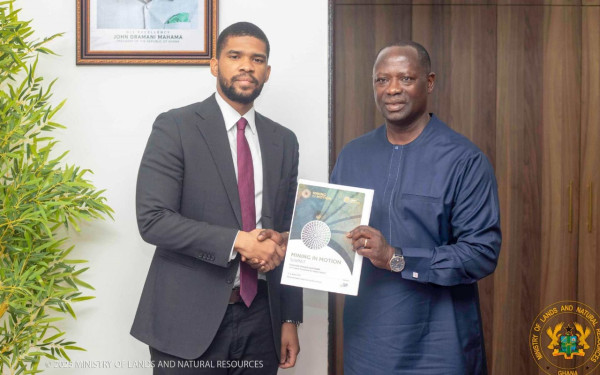
Otumfuo Osei Tutu II, King of the Ashanti Kingdom; Hon. Emmanuel Armah Kofi Buah, Minister of Lands and Natural Resources of Ghana; and Oheneba Kwaku Duah, the son of Otumfuo Osei Tutu II and Managing Director of the Ashanti Green Initiative recently met to discuss the upcoming Mining in Motion Summit in Ghana.

They explored the summit's potential to improve the artisanal and small-scale gold mining (ASGM) sector in Ghana and the role of government, international partners and major mining firms in accelerating the sector's growth. Hon. Kofi Buah endorsed the event, emphasizing its significance in connecting small-scale miners with technology providers, financiers, regulatory bodies and global industry stakeholders to improve their operations and impact.

Organized by the Ashanti Green Initiative along with the World Bank, the World Gold Council and other international partners, Mining in Motion will take place from June 2 - 4 in Accra.

The summit is held under the theme Sustainable Mining & Local Growth – Leveraging Resources for Global Impact, uniting key decision-makers, including H.E. John Dramani Mahama, President of the Republic of Ghana, as well as representatives from public and private sector mining institutions from South Africa, the Republic of Guinea, the African Union, ECOWAS and the United Nations.

The three-day event will highlight the role of traditional authorities in shaping artisanal and small-scale mining practices, emphasizing the sector's contribution to employment and economic growth. In 2024 alone, Ghana's artisanal miners generated $5 billion in foreign exchange earnings through gold exports. Providing direct employment for over one million Ghanaians and accounting for 35% of domestic gold output, the sector has the potential to significantly shape socioeconomic development in the west African country.

As Ghana's mining sector increasingly supports sustainable development, the Mining in Motion Summit will highlight best practices for integrating ASGM into the global financial system. Representatives from prominent international financing organizations will share their insights.

In a significant move to boost earnings for small-scale miners, Ghana has announced plans to establish a Gold Board. This new entity will simplify the process of purchasing gold from small-scale miners, providing them with easier access to global markets. With Samuel Adu Gyamfi, who was appointed Acting Managing Director of Precious Minerals Marketing Company last month and tasked with setting up the Ghana Gold Board, playing a pivotal role in shaping the summit, Mining in Motion is set to have a sizable impact on the growth of Ghana's gold sector.

Through a series of high-level panel discussions, deal signings, project showcases and exclusive networking, Mining in Motion serves as the ideal platform to connect Ghanaian miners with regional counterparts and global investors for forge industry-changing partnerships.

Stay informed about the latest advancements, network with industry leaders and engage in critical discussions on key issues impacting ASGM and medium- to large-scale mining in Ghana. Secure your spot at the Mining in Motion 2025 Summit by visiting https://MiningInMotionSummit.com. For sponsorship opportunities or delegate participation, contact sales@energycapitalpower.com.

Distributed by APO Group on behalf of Energy Capital & Power.

About Ashanti Green Initiative:
The Ashanti Green Initiative is a foundation dedicated to promoting environmental restoration, advocating for climate-related issues, and fostering community development in Ghana and beyond. Guided by a commitment to sustainability, the foundation undertakes projects aimed at rehabilitating degraded lands, restoring water bodies, and promoting responsible natural resource management. The initiative also champions regenerative practices in mining, agriculture, and energy, aligning with global efforts to combat climate change while uplifting local communities through education, capacity-building, and economic empowerment programs. The Ashanti Green Initiative is led by Nana Kwaku Duah, son of His Majesty Otumfuo Osei Tutu II, King of the Ashanti Kingdom. Under his leadership, the foundation applies forward-thinking approaches and innovative solutions, creating impactful partnerships with local and international stakeholders to drive meaningful change.

About Energy Capital & Power:
Energy Capital & Power is an Africa-focused global leading investment platform for the energy and mining sectors. Through a series of events, online content and investment reports, we unite the entire energy and mining value chains – from oil and gas exploration to renewable power – and facilitate global and intra-African investment and collaboration.

Media files
Energy Capital & Power
Download logo
Read moreGhana’s Mining in Motion Summit Gains Support From Key Leaders
25 February 2025

President Ramaphosa to open G20 finance track meeting 

Location: News

President Ramaphosa to open G20 finance track meeting 

President Cyril Ramaphosa will open the first meeting of the Group of 20 (G20) Finance Ministers and Central Bank Governors’ under South Africa’s Presidency.

“The first G20 Finance Meeting and Central Bank Governors Meeting in South Africa will focus on the thematic areas of [the] global economy, debt, infrastructure, joint finance and health task force, international taxation, finance sector issues, and sustainable finance,” the Presidency said on Tuesday.

This engagement will take place at the Cape Town International Convention Centre on Wednesday, 26 February 2025. 

The G20 Finance Ministers and Central Bank Governors’ Meeting is hosted by the Minister of Finance Enoch Godongwana and Governor of the South African Reserve Bank, Lesetja Kganyago under South Africa’s G20 Presidency theme of “Solidarity, Equality and Sustainability.”

The Finance Ministers meeting is preceded by the second meeting of the Finance and Central Bank Deputies which took place on 24 and 25 February 2025. 

“South Africa’s G20 Presidency commenced in December 2024, and the Finance Ministers and Central Bank Governors’ meeting is part of a series of 23 ministerial and approximately 130 working groups meetings that will take place during the course of 2025. The year-long deliberations will culminate in a G20 Leaders’ Summit in November 2025,” the Presidency said.

The G20 was originally established as a meeting of Finance Ministers in response to the Asian financial crisis of 1997-99, with the aim of coordinating policies to promote international financial stability’.

This initiative was elevated to a Heads of State and Government Leaders Meeting in 2008 after the global financial crisis of 2007.

Together, G20 members account for around 85% of global Gross Domestic Product (GDP) and 75% of international trade. 
It comprises 19 countries including: Argentina, Australia, Brazil, Canada, China, France, Germany, India, Indonesia, Italy, Japan, Republic of Korea, Mexico, Russia, Saudi Arabia, South Africa, Türkiye, United Kingdom, and United States and two regional bodies, namely the European Union and the African Union.

The grouping therefore plays a critical role in influencing global policy making and fostering global economic stability. -SAnews.gov.za


nosihle
Tue, 02/25/2025 - 12:00
505 views

Read morePresident Ramaphosa to open G20 finance track meeting 
24 February 2025

South Africa to focus on development and growth during G20 Presidency

Location: News

South Africa to focus on development and growth during G20 Presidency

South Africa will use its G20 Presidency to review the group’s processes, address financing for development, and tackle barriers to growth in developing countries, including those in Africa.

Addressing the opening of the G20 Finance Ministers' and Central Bank Governors' meeting, National Treasury Director-General, Dr Duncan Pieterse, outlined a range of issues that will be discussed at this week’s finance track meetings, taking place in Cape Town.

This as the Finance and Central Bank Deputies' meeting is taking place at the Cape Town International Convention Centre, on 24 and 25 February 2025. The meeting will be followed by the first meeting of the G20 Finance Ministers and Central Bank Governors on 26 to 27 February 2025. 

“South Africa has signalled a strong and keen intent to review the operational process of the G20. Last month, the G20 began its 26th year of operation, however the operational processes of the G20 have rarely been reviewed.

“In the coming months and following the discussions this week, the South African Presidency working with the G20 membership will for the first time conduct a review of these processes and consider how to improve and strengthen them. We will also discuss various other opportunities for G20 engagement this year,” Pieterse said on Monday.

South Africa’s G20 Presidency commenced on 1 December 2024, and all engagements are being held under the theme: “Solidarity, Equality, Sustainability.” The theme underscores the nation’s focus on inclusive global economic growth, with particular attention to the needs of the world’s most vulnerable nations.

He said one of the issues of importance to the world’s poorest and most vulnerable countries is the issue of financing for development.

“Today we will discuss the Financing for Development Conference that is happening in July this year and how the G20 Finance Track might consider engaging with this process.

“We will also hold a very important meeting on the challenges and the constraints to growth in developing countries, including African countries,” the Director-General said.

Other issues of relevance to the membership to G20 will be discussed as well. 

“We have worked on a very detailed programme and the work continues this week. Over the last few weeks and months, the G20 working groups of the Finance Track have met and have made progress in shaping our agenda for this year, which is going to be taken forward and discussed in detail this week,” he said.

This week, there will be several critical side meetings, including  the meeting of the G20 Troika members, the meeting of the G20 emerging markets and developing economies, which took place this morning, as well as several bilateral meetings with various G20 members and other international organisations.

“This morning, we had an emerging market and developing economies breakfast where we discussed a wide range of challenges affecting emerging markets and economies.

“The participants in our meeting reflected on various issues, including the current state of the global economy, issues relating to debt and how it affects Africa in particular, various perspectives on the reform of the financial architectural were shared and the challenges facing members in affording financing for development and the importance of the Financing for Development Conference that is happening later this year in Spain, which is one of the areas we will discuss,” Pieterse said. 

Some of the side events for this week include domestic resource mobilisation, bridging the tax gap, cross border payments, global financial architecture in transition and a cost of capital roundtable. 

The G20 was established to tackle pressing global economic and financial issues. Together, G20 members account for around 85% of global GDP and 75% of international trade. 

It comprises 19 countries including: Argentina, Australia, Brazil, Canada, China, France, Germany, India, Indonesia, Italy, Japan, Republic of Korea, Mexico, Russia, Saudi Arabia, South Africa, Türkiye, United Kingdom, and United States and two regional bodies, namely the European Union and the African Union.

The grouping therefore plays a critical role in influencing global policy making and fostering global economic stability. -SAnews.gov.za

nosihle
Mon, 02/24/2025 - 11:29
288 views

Read moreSouth Africa to focus on development and growth during G20 Presidency
24 February 2025

G20 finance track meeting to tackle global economic issues

Location: News

G20 finance track meeting to tackle global economic issues

Global leaders will this week come together in Cape Town to tackle economic and financial challenges in an effort to promote stability, growth and international cooperation at the Group of Twenty (G20) Finance Track meetings.

South Africa’s Presidency of the G20 continues full steam ahead - with the country's efforts to foster greater collaboration among the G20 members to address pressing global issues and find sustainable solutions that prioritise the well-being of all people.

South Africa’s G20 Presidency commenced on 1 December 2024 and all engagements are being held under the theme: “Solidarity, Equality, Sustainability” as the country endeavours to ensure “no one is left behind.”

The Finance Track deals with strategic macroeconomic and financial stability issues and is led by member countries’ Finance Ministers and central bank heads.

South Africa will host the first meeting of the G20 Finance Ministers and Central Bank Governors on 26 to 27 February 2025 at the Cape Town International Convention Centre. 

This meeting will be preceded by the Finance and Central Bank Deputies meeting on 24 and 25 February 2025. 

The Finance Track has four working groups, which includes the Framework working group, Sustainable Finance working group, International Financial Architecture, and Infrastructure working group.

In addition, there are three technical groups, not classified as working groups, which deal with financial inclusion, financial sector issues and international taxation.

The G20 was established to tackle pressing global economic and financial issues. Together, G20 members account for around 85% of global GDP and 75% of international trade. 

It comprises 19 countries including: Argentina, Australia, Brazil, Canada, China, France, Germany, India, Indonesia, Italy, Japan, Republic of Korea, Mexico, Russia, Saudi Arabia, South Africa, Türkiye, United Kingdom, and United States and two regional bodies, namely the European Union and the African Union.

The grouping therefore plays a critical role in influencing global policy making and fostering global economic stability. -SAnews.gov.za


nosihle
Mon, 02/24/2025 - 06:01
296 views

Read moreG20 finance track meeting to tackle global economic issues
24 February 2025

Solarafrica Secures R1.8 Billion Solar Investment, Advancing Wheeling Adoption in South Africa

Location: Business
Starsight Energy

SolarAfrica (https://SolarAfrica.com/) is proud to take another major step forward in the development of its flagship utility-scale solar project, SunCentral, by successfully reaching financial close on the first 114 MW component of the project alongside funding partners Investec and RMB. The R1.8 billion investment into SunCentral marks the start of the project's rollout in South Africa.

SunCentral is a large-scale solar photovoltaic (PV) plant located between Hanover and De Aar in South Africa's Northern Cape province. The project will be developed in three phases.

Phase 1, consisting of 342 MW, will be delivered through a staged roll-out of three 114 MW facilities and will deliver renewable energy to a diverse range of off-takers by wheeling it through South Africa's power grid. Phase 2 and 3 will increase SunCentral's capacity to 1 GW.

Unlike similarly sized projects that offer wheeling on a one-to-one basis (with one generation plant supplying one off-taker), SolarAfrica's project will offer wheeling on a one-to-many basis, making it available to a wider pool of businesses in South Africa.

SolarAfrica's Chief Investment Officer Charl Alheit, who spearheaded the financial close, explains: “Reaching financial close on the first 114 MW of our utility-scale wheeling development and Main Transmission Substation (MTS) investment marks a significant milestone in our commitment to advancing sustainable energy solutions for our customers in the commercial and industrial sectors.”

He adds that the substantial size of SunCentral will unlock access to cheaper, greener power for even more businesses across the country. “We are excited to see this project move forward as we continue contributing to the energy transition while delivering long-term value to our customers."

SolarAfrica is part of the greater Starsight Energy Africa Group. The success of SunCentral will act as a blueprint for similar (and possibly smaller) off-site generation projects in other key African markets in which the Starsight Energy Africa Group companies operate.

“The construction of SolarAfrica's SunCentral is a critical step in our journey to expand clean energy adoption across Sub-Saharan Africa, says Paul van Zijl, Group CEO of Starsight Energy Africa Group. “We are excited to move this project forward and continue delivering long-term value to our customers,” he says.

SolarAfrica is backed by world-class investors African Infrastructure Investment Managers (AIIM) and Helios Investment Partners who both hold decades-long track records of bringing investment to support African innovation.

“Reaching Financial Close on the first 114 MW on SunCentral is a fantastic milestone for SolarAfrica, says Thor Corry, Investment Director at AIIM.

“The modular approach to construct the MTS and plug in subsequent 114 MW modules provides a superb platform for SolarAfrica to scale at pace to meet the needs of the C&I customers in South Africa who want to secure price certainty and cost efficiencies while furthering South Africa's Just Energy Transition. With South Africa requiring up to 30 GW of new capacity by 2030 to meet its climate commitments and energy needs, projects like this are crucial,” Corry concludes.

Distributed by APO Group on behalf of Starsight Energy.

About SolarAfrica:
Founded in 2011, SolarAfrica provides a suite of capex-free green energy solutions to the commercial and industrial sectors in Southern Africa. The holistic suite includes on-site solutions such as solar energy and battery storage together with virtual solutions like wheeling, trading and aggregation.

SolarAfrica partners with businesses in South Africa seeking an energy solution that provides power security, cost savings and carbon reduction – building towards long-term sustainability.

The company has evolved into an ambitious team who are passionate about what they do and the core values they uphold. SolarAfrica has been named the continent's leading solar energy firm twice, scooping the Africa Solar Industry Association's African Solar Company of the Year award in 2021 and 2023.

About Starsight Energy:
Across the continent, Starsight Energy is redefining what it means for businesses to be energy efficient. Starsight Energy provides premier clean on-grid and off-grid energy services to commercial and industrial clients in Africa.

Serving the commercial and industrial, financial, residential, educational and agricultural sectors, Starsight Energy delivers tailored power and cooling solutions to meet client requirements while optimising consumption through energy-efficient appliances and environmentally friendly practices and recommendations.

From load analysis and modelling to demand management and customised solution design, Starsight Energy helps clients optimize energy efficiency and cost savings across the board.

About African Infrastructure Investment Managers (“AIIM”):
AIIM, a member of Old Mutual Alternative Investments* (“OMAI”), has been investing in the African infrastructure sector since 1999 with a track record extending across seven African infrastructure funds. AIIM's team of 40+ investment professionals are based out of five locally staffed offices across the continent in Cape Town, Johannesburg, Nairobi, Lagos and Abidjan providing direct on-the-ground coverage of our key markets.

AIIM is Africa's largest dedicated infrastructure private equity manager and currently manages an aggregate AUM of USD2.9 billion in assets across the power, renewable energy, digital infrastructure, mid-stream energy and transport sectors with operations in 19 African countries.

AIIM is a licensed FSP approved by the Financial Sector Conduct Authority in South Africa.

*Old Mutual Alternative Investments (OMAI) is a private alternative investment manager in Africa, with over USD7.6 billion (ZAR139.4 billion) under management in infrastructure, private equity, hybrid equity and impact funds. It is a member of Old Mutual Investment Group, the investment management arm of Old Mutual.

About Helios Investment Partners:
Established in 2004, Helios Investment Partners is the largest Africa-focused private investment firm, with a record that spans creating start-ups to providing expanding companies with growth capital and expertise. The firm has over $3.0 billion in assets under management and is led and managed by a predominantly African team based in London, Lagos, Nairobi and Paris, with the language skills and cultural affinity to engage with local entrepreneurs, managers, and intermediaries on the continent.

Helios leverages its local and global networks to create attractive proprietary investment opportunities, with an emphasis on building market leaders in core economic sectors and driving performance through a highly engaged approach to portfolio operations. The firm's unique combination of a deep knowledge of the African operating environment, a singular commitment to the region and a proven capability to manage complexity, is reflected in its diverse portfolio of growing, market-leading businesses, and its position as a partner of choice in Africa.

Helios is the second mainstream private equity firm globally, and the largest emerging markets focused private equity firm, to achieve B Corp certification. B Corp status recognizes the firm's longstanding commitment to sustainability and responsible business practices.

Media files
Starsight Energy
Download logo
Read moreSolarafrica Secures R1.8 Billion Solar Investment, Advancing Wheeling Adoption in South Africa
23 February 2025

End of load shedding remains within reach 

Location: News

End of load shedding remains within reach 

The Minister of Electricity and Energy, Dr Kgosientsho Ramokgopa is confident that the end of load shedding in South Africa is within reach. 

Briefing the media on Sunday following an implementation of Stage 6 load shedding, Ramokgopa assured the nation that government and Eskom are making long-term decisions in the best interest of the country's power grid and economy.

“At all material points, we will never make expedient decisions at the cost of the grid, because the consequences will be too ghastly to contemplate. That is why it is important that to the degree that we need to initiate load shedding, understanding fully well that is going to deliver a message of an entity and a ministry that essentially is dropping the ball. 

“But we are making the point that we will not make expedient decisions. We'll make decisions that are in the interest of the of the grid and in the long term, in the interest of the South African economy,” the Minister explained.

The Minister further reassured the public that there is significant progress in stabilising the electricity supply.

“And I give you the assurance, that point I always make consistently, the end of load shedding is within touching distance,” he said. 

New capacity 

The Minister highlighted key developments in Eskom's recovery plan, including the synchronisation of Kusile Unit 6, initially expected by the end of February but now scheduled for 9 March.

Medupi Unit 4 is expected at the end of March or early April. These additions will bring 1,600 megawatts to the grid.
"Of course, the Medupi one is what we lost; we are recovering that. The Kusile unit, however, is entirely new capacity.  I'm confident that we are moving in the right direction.

“I want to say to the rest of the country, you are going through pain, we understand your anger, we feel your pain, we can hear your cries. We will resolve this problem,” Ramokgopa said. 

READ | Load shedding expected to be suspended by the end of the week 

Staying the course

Ramokgopa emphasised that government remains committed to the generation recovery plan, which he said is yielding positive results despite occasional setbacks.

“We're staying the course in relation to the generation recovery plan, because that generation recovery plan is giving us the results that we desire. We have accepted that there are going to be setbacks. 

He explained that the ongoing maintenance work is a critical part of ensuring that when the government ultimately declares load shedding a thing of the past, it does so with confidence.

“But as I’ve said consistently, when I stood before the nation to give an update on the grid’s performance, I made the point [that there will be] short-term pain, [and] long-term gain. We cannot postpone the maintenance of these assets.

“That’s why we are able to allocate the capital received from National Treasury to ensure that we carry out the necessary maintenance so that when we stand before you … that load shedding is behind us I'm able to speak with a degree of confidence. That is why I have not been able to make that absolute statement, because we have accepted that there are inherent risk in relation to the strategy that we have taken,” he explained.

In response to concerns about Eskom’s operational decisions, Ramokgopa dismissed any suggestions of underhanded dealings, reiterating that all efforts are aimed at long-term sustainability.

"We're not going to do shortcuts in relation to our obligations to the environment. We are committed to ensuring that South Africa’s energy supply is both stable and sustainable. As part of this journey to ensure that we eliminate load shedding, we're going to ensure that we keep to our obligations in relation to the environment,” he said. – SAnews.gov.za


DikelediM
Sun, 02/23/2025 - 15:50
629 views

Read moreEnd of load shedding remains within reach 
23 February 2025

Sustainability of black farmers is crucial for SA’s sugar industry

Location: News

Sustainability of black farmers is crucial for SA’s sugar industry

Government is committed to ensuring that the more than 24 000 black small-scale sugarcane farmers remain an integral part of the multi-billion-rand sugar industry, Agriculture Minister John Steenhuisen said.

The industry is the bedrock of rural economies in KwaZulu-Natal and Mpumalanga.

Steenhuisen met with a number of small-scale growers and the sugar industry leadership at KwaShukela in Mount Edgecombe, Durban.

“The sustainability of the small-scale sugarcane farmers must remain one of the main priorities for both government and the industry. I am passionate about the cause of small-scale farmers to ensure their growth and success. You are part of the agriculture family, and we regard you as very important stakeholders in agriculture," said the Minister on Friday.

The leadership of the sugar industry at the meeting was led by the South African Sugar Association (SASA), the South African Farmers Development Association, SA Canegrowers and South African Sugar Millers’ Association.

SASA has been at the forefront of the efforts aimed at securing the sustainability of the small-scale sugarcane farmers (SSGs).

“The dire situation of SSGs necessitated a decisive intervention by SASA and industry leaders, hence the installation of the billion-rand empowerment plan. An average of 13 349 SSGs per season have benefited from the Transformation Intervention Fund since the 2019/2020 season,” the Ministry of Agriculture said.

It added that SASA has spent R1.09 billion on empowerment interventions/initiatives, especially for the benefit of black small-scale growers.

Of the R1.09 billion, SSGs received R700.55 million (64.27%), black large-scale growers (LSGs) received R254.47 million (25.22%) and the value of other interventions for black beneficiaries amounted to R137.88 million (12.64%).

Furthermore, the extension of empowerment funding (R238.9 million for the current season) will continue to have a positive impact on SSGs and black growers in general. Two major categories of interventions exist – cane delivery-based and non-delivery-based interventions.

“The condition for receiving this cane delivery-based grant funding is for growers to be active farmers who deliver sugarcane.

“Besides the cane delivery-based grant funding to black growers, further funding examples include the R46.5 million infrastructure rehabilitation project in the Nkomazi region, Mpumalanga (which has greatly benefited SSGs and led to 300 hectares of cane being established), the R3.3 million SSG-driven rail siding initiative in Mkhuze, KwaZulu-Natal (making it possible for 70 000 tons of SSG cane to be transported to the Felixton Mill for the Makhathini-based growers  at a significantly lower transport cost) and the installation of a dummy spiller (R7.6 million) at the Gledhow Sugar Mill for cane delivery by SSGs, which reduced SSG hauler turnaround times and transport costs.”

Sugarcane Value Chain Master Plan

Phase One of the Sugarcane Value Chain Master Plan to 2030 has cemented the foundational role of SSGs.

A minimum of R60 million of the Premium Price Payment (PPP) to SSGs as part of the Master Plan, for a period of three seasons (2021/2022 to 2023/2024), was allocated, escalating annually to R68 051 340 in the 2023/2024 season.

The 2023/2024 season was the last year of the PPP. However, on 20 March 2024, SASA Council approved the extension of PPP to 2024/2025 with an inflationary adjustment, meaning the allocation for this season is R71.08 million.

Through the Master Plan processes, the industry has been able to pinpoint challenges or factors which impede the envisaged growth of SSGs through surveys that engaged more than 2 500 growers. Some of these factors include access to land and capital.

“There are limited opportunities for individual small-scale growers to expand their area under cane due to the lack of access to land and the dispersed distribution of cane farms in the deep rural areas of KZN and Mpumalanga. SASA is focused on ensuring that the lack of economies of scale, long transport distances and high contractor costs, are mitigated by the grants and other support to small-scale growers.”

The Ministry said that the long-term strategy is to ensure that small-scale growers remain in cane farming and are sustainable with improved productivity in the short-term while medium to long-term interventions are being developed.

“The industry is now working on putting together an intervention plan for the improving the livelihoods of SSGs across the industry. This forms part of Phase Two of the Master Plan, which is yet to be signed and implemented, with Phase One having expired on 31 March 2023,” it said. -SAnews.gov.za

Neo
Sun, 02/23/2025 - 12:53
31 views

Read moreSustainability of black farmers is crucial for SA’s sugar industry
23 February 2025

African countries urged to address climate change

Location: News

African countries urged to address climate change

The Minister of Forestry, Fisheries and the Environment, Dr Dion George has called on African countries to act with resolve and clarity of purpose on issues of climate change.

This as the Minister attended the annual Committee of African Heads of State and Government on Climate Change (CAHOSCC) in Addis Ababa, Ethiopia on 16 February.

The meeting, which took place on the sidelines of the 38th African Union (AU) Summit, is where Heads of African States and Government consider climate issues of strategic importance to the Continent.

During this session, the Coordinator of CAHOSCC, Dr William Ruto, President of the Republic of Kenya delivered his report which highlighted various developments since the last meeting in 2024.

The report included reflections on the outcomes of the 29th Conference of the Parties of the United Nations Framework Convention on Climate Change in November 2024 and the implications for Africa, the CAHOSCC report from the meeting held on the margins of the 79th United Nations General Assembly in New York, in September 2024, updates from the Africa Climate Initiatives and Commissions, and the operationalisation of the Africa Climate Summit outcomes.

The CAHOSCC meeting also considered and submitted a draft decision on key climate change issues for adoption by the AU Assembly.

While delivering his intervention at the meeting, Dr George reiterated the need for African countries to "act with resolve and clarity of purpose" and went on to highlight the opportunities to do so through South Africa’s G20 Presidency.

“The Minister is leading on the G20 Environment and Climate Sustainability Working Group (ECSWG) which has the overall objective to advance the environmental dimension of the 2030 Agenda for Sustainable Development and its Sustainable Development Goals (SDGs) through focusing on a number of priorities and deliverables,” the Department of Forestry, Fisheries and the Environment said in a statement on Saturday.

These include focusing on adapting to climate change and building resilience, addressing loss and damage, the just transition and mobilising climate finance.

The other priority areas include biodiversity and conservation, addressing land degradation, desertification and drought, sustainable chemicals and waste management as well as oceans and coasts.

Following a request by Dr George in his intervention, the meeting resolved to request the AU Commission to convene a consultative meeting with AU Member States to deliberate about the priorities and proposed deliverables for the ECSWG prior to the first virtual meeting of the Working Group in March 2025. -SAnews.gov.za


Neo
Sun, 02/23/2025 - 12:18
16 views

Read moreAfrican countries urged to address climate change
  • Previous
  • Page 1
  • Interim pages omitted …
  • Page 7
  • Page 8
  • Page 9
  • Page 10
  • Page 11
  • Interim pages omitted …
  • Page 31
  • Next

Copyright © 2026 · MyZA · All Rights Reserved · Powered by Stratlec Online