• Skip to main content
  • Skip to header right navigation
  • Skip to after header navigation
  • Skip to site footer
MyZA

MyZA

News, Directory, Events and Other Stuff

  • Social Media
  • Sport
  • World News
  • Home
  • Submit News
  • Directory
  • Events
  • Stratlec
  • TFSA
  • News
    • APO
    • Today’s Sport News
    • Todays Social Media and Tech Headlines
    • Today’s World News
    • Today’s SA Financial News
  • Contact
You are here: Home / Archives for Tanzania

Tanzania

16 November 2023

South Africa and UAE are Sustainability Leaders

Location: News
Agility

South Africa, the United Arab Emirates, Egypt and Saudi Arabia are doing the most to combat climate change in the Middle East and Africa, according to a new report that compares government and business sustainability policies, investment and actions.

Download document: (https://apo-opa.co/49FTzKm)

The Middle East and Africa Environmental Sustainability Scorecard (https://apo-opa.co/49Bcfeq), released Thursday, is ta detailed examination  of country performance in environmental sustainability outcomes, government policies, and corporate practices in the two regions.

The report concludes that the 17 countries covered “are relative ‘late comers' to global sustainable development but at the same time represent regions that are rapidly stepping-up their sustainability strategies, programs and investments.”

The report was commissioned by Agility (www.Agility.com), a global supply chain services company based in Kuwait. It was compiled by Horizon Group (www.Horizon-Group.ch), a Geneva-based firm that specializes in research and analysis for governments, international organizations, and leading businesses worldwide.

South Africa is among the leaders in four of six pillar categories. It is 2nd in Sustainable Energy & Transport; 5th in Energy Transition; 2nd in Environmental Ecosystems; and 2nd in Circularity. Among African countries, South Africa is 3rd in Green Investment & Technology behind Morocco and Egypt.

Among the factors driving South Africa's performance: a national Biofuel Industrial Strategy; formal code of corporate governance; ESG reporting requirements and transparency and accountability standards for companies listed on the Johannesburg Stock Exchange; a World Bank energy transition partnership to decommission a coal-fired power plant and replace the power supply with renewable energy and batteries; and steps to protect habitat and cut pollution.  

Egypt ranks 3rd overall in the scorecard. It is 5th in Green Investment & Technology; 7th in Sustainable Infrastructure & Transport; 5th in Governance & Reporting; 3rd in Environmental Ecosystems; and 1st in Circularity, which measures resource use and waste management.

A food security and African displacement launched by Egypt contributed to its ranking, along with its participation in a Qatar-led carbon credit program.

Other top performers in Africa: Morocco is 3rd in Green Investment & Technology and 3rd in Governance & Reporting; Rwanda and Kenya are 5th and 6th in Sustainable Infrastructure & Transport.

African countries dominate the energy transition, mainly on the strength of their green transport and energy conservation efforts. Uganda, Nigeria, Rwanda, Kenya, South Africa, Ghana, Tanzania, Mozambique, Cote d'Ivoire, Egypt and Morocco are Nos. 1 through 11 in Energy Transition.The scorecard uses 48 performance and progress indicators to compare countries. The indicators include data, regulatory frameworks, policy assessments, incentives and corporate practices across six pillar areas: green investment and technology; sustainable infrastructure and transport; governance and reporting; energy transition; environmental ecosystems; and circularity. To capture corporate practices and progress, Horizon surveyed 647 business executives in the 17 countries.

Overall, 1 through 17, here's how the countries rank: South Africa, UAE, Egypt, Saudi Arabia, Rwanda, Kenya, Uganda, Ghana, Morocco, Qatar, Tanzania, Nigeria, Bahrain, Kuwait, Cote d'Ivoire, Oman, Mozambique.

Key Findings

• Business isn't paying attention to COP. Eighty-two percent of African businesses and 49% of Middle East businesses are not aware of the UN-led COP process that nations are using to push and measure efforts to tackle climate change. Few companies use COP to set their sustainability targets.

• Climate change is hurting businesses. Ninety-seven percent of companies say their business has been affected by climate change, and 49% say climate change has caused “severe damage” or has a “significant and growing” impact on them.

• Governments are leading as businesses play catch up. When it comes to climate action, governments are outpacing the private sector in both the Middle East and Africa. 

• No one size fits all. Different countries have different sustainability priorities based on income, economic strengths, energy dependency, and other factors. High-income, energy-producing Gulf countries generally invest more in sustainable infrastructure and ecosystems. African economies perform best in energy conservation and consumption.

• Green investment is expensive. High- and middle-income countries are investing the most: Qatar, UAE, Morocco and Saudi Arabia. 

• Africa is focused on green transport. African countries topped the scorecard in the move to non-fossil fuels for transport. Hydrocarbon producing Gulf countries are focused more on green buildings. For Gulf countries, the transition to cleaner energy is complicated by energy-intensive national priorities: the desire to boost manufacturing and the need for desalinated water.

• Waste management, consumption are tied to wealth. High-income countries are doing more to manage waste sustainably. Poorer ones do more to constrain consumption. Overall Egypt, South Africa, Bahrain and UAE perform best in “circularity” – cutting waste, encouraging recycling and sustainable production, and lowering consumption.

Agility was recently named the No. 3 Middle East “Sustainability Leader” for Transport & Logistics by Forbes Middle East. Vice Chairman Tarek Sultan said the company's strategy and investment decisions are increasingly shaped by the urgency of the climate fight.

“As a supply chain operator and investor in the Middle East and Africa, we want to know what governments and businesses are prioritizing, and where they're putting resources in the climate change battle,” Sultan said. “We want to know who we can partner with in green infrastructure and transport, alternative fuels, and supply chain services that reduce environmental impact without sacrificing performance.”

Horizon, which compiled the scorecard report for Agility, said its intent was to look “beyond the selective characteristics of the Middle East being fossil fuel-dependent with high greenhouse gas emissions per capita, and African countries being low emitters of greenhouse gases but taking relatively little action on the environment.”

The scorecard report comes on the eve of COP28, the UN-led global climate change conference convening from Nov. 30 to Dec. 12 in Dubai. Its findings amplify those in a World Economic Forum (WEF) report (https://apo-opa.co/3MKvh8d), issued in October, on decarbonization and energy transition in the Middle East and North Africa.

The WEF report concluded that “MENA countries trail behind comparable regions in terms of their sustainability progress. While local governments have pledged in the past 24 months to bring 60% of MENA's emissions under the net zero ambition, businesses overall have yet to follow suit and bridge the gap with comparable global markets –12% have set up a net zero target and 6% have established a roadmap to reach net zero.”

Distributed by APO Group on behalf of Agility.

Media contact:
Sabrina Mundy
Man Bites Dog
teamagility@manbitesdog.com
+44 1273 716 820

For more information about Agility, visit:
Website: www.Agility.com
Twitter: https://apo-opa.co/40Ki6Kj  
LinkedIn: https://apo-opa.co/49GTqqq
YouTube: https://apo-opa.co/3MNqYJr

About Agility:
Agility (www.Agility.com) is a global leader in supply chain services, infrastructure, and innovation with 45,000+ employees across six continents. A multi-business operator and investor, Agility specializes in growing and scaling operating businesses. Agility's companies include the world's largest aviation services company (Menzies Aviation); a global fuel logistics business (Tristar); a leading logistics parks developer and operator across the Middle East, South Asia, and Africa (Agility Logistics Parks); and a commercial real-estate company developing a mega-mall in the UAE (UPAC). Other Agility companies offer customs digitization services, remote-site infrastructure services, defense and government services, and ecommerce-enablement and digital logistics. Agility invests in supply chain innovation, sustainability, and resilience, and has minority holdings in a growing portfolio of listed and non-listed companies. 
Media files
Agility
Download logo
Read moreSouth Africa and UAE are Sustainability Leaders
15 November 2023

FIFA+ to stream every Confederation of African Football (CAF) qualifiers for the FIFA World Cup 26™

Location: Sport
FIFA

First two matchdays of CAF qualifying will be played from 15 to 21 November; All matches will be streamed on FIFA+; Find out below which countries the matches will be available in.

Africa's qualifying matches for the FIFA World Cup 26™ kick off on Wednesday 15 November and you'll be able to watch them all live on FIFA+.

Nine African teams are guaranteed to compete at the World Cup. Another will participate in the FIFA Play-off Tournament as the global showpiece will host 48 teams for the first time ever.

Everything you need to know about African qualifying (https://apo-opa.co/47xtb3H)

Where to watch the CAF qualifiers for FIFA World Cup 26™
You will be able to watch all Matchday 1 African qualifiers on FIFA+ with English commentary from anywhere in the world, with the exception of the Middle East and North Africa (MENA) region, sub-Saharan Africa*, India and Portugal.

* It will be possible to follow the matches live in sub-Saharan Africa in the following countries: Benin, Burundi, Ethiopia, Gambia, Guinea Bissau, Malawi, Sao Tome e Principe, Seychelles, Uganda and Zimbabwe.

Highlights of all the matches will also be available on FIFA+ worldwide.

Where can I watch FIFA+ content? (https://apo-opa.co/40FfYDJ)

CAF qualifiers schedule
Click on the links for each match to go to the streaming page. (all kick-off times local)

Matchday 1

15 November
Equatorial Guinea v Namibia (Group H) | 1400 | Malabo, Equatorial Guinea
Rwanda v Zimbabwe (Group C) | 1500 | Butare, Rwanda
Congo DR v Mauritania (Group C) | 1500 | Kinshasa, Congo DR
Ethiopia v Sierra Leone (Group A) | 2000 | El Jadida, Morocco

16 November
Botswana v Mozambique (Group G) | 1500 | Francistown, Botswana
Burundi v The Gambia (Group F) | 1600 | Dar Es Salaam, Tanzania
Gabon v Kenya (Group F) | 1700 | Franceville, Gabon
Nigeria v Lesotho (Group C) | 1700 | Uyo, Nigeria
Algeria v Somalia (Group G) | 1700 | Baraki, Algeria
Cape Verde v Angola (Group D) | 1800 | Praia, Cape Verde
Egypt v Djibouti (Group A) | 1800 | Cairo, Egypt
Sudan v Togo (Group B) | 1800 | Benina, Libya

17 November
Guinea v Uganda (Group G) | 1400 | Berkane, Morocco
Eswatini v Libya (Group D) | 1500 | Nelspruit, South Africa
Liberia v Malawi (Group H) | 1600 | Paynesville, Liberia
Ghana v Madagascar (Group I) | 1600 | Kumasi, Ghana
Comoros v Central African Republic (Group I) | 1600 | Moroni, Comoros
Zambia v Congo (Group E) | 1800 | Ndola, Zambia
Côte d'Ivoire v Seychelles (Group F) | 1900 | Ebimpe, Côte d'Ivoire
Mali v Chad (Group I) | 1900 | Bamako, Mali
Tunisia v Sao Tome e Principe (Group H) | 2000 | Rades, Tunisia
Cameroon v Mauritius (Group D) | 2000 | Douala, Cameroon
Burkina Faso v Guinea Bissau (Group A) | 2000 | Marrakesh, Morocco

18 November
South Africa v Benin (Group C) | 1500 | Durban, South Africa
Niger v Tanzania (Group E) | 1700 | Marrakesh, Morocco
Senegal v South Sudan (Group B) | 1900 | Diamniadio, Senegal

Matchday 2

19 November
Zimbabwe v Nigeria (https://apo-opa.co/49CLrKF) (Group C) | 1500 | Butare, Rwanda
Mozambique v Algeria (Group G) | 1500 | Maputo, Mozambique
Burundi v Gabon (Group F) | 1600 | Dar Es Salaam, Tanzania
Sierra Leone v Egypt (Group A) | 1600 | Paynesville, Liberia
Sudan v Congo DR (Group B) | 1800 | Benina, Libya

20 November
Djibouti v Guinea Bissau (Group A) | 1500 | Cairo, Egypt
Liberia v Equatorial Guinea (Group H) | 1600 | Paynesville, Liberia
Seychelles v Kenya (Group F) | 1900 | Abidjan, Côte d'Ivoire
The Gambia v Côte d'Ivoire (Group F) | 1900 | Dar Es Salaam, Tanzania
Mali v Central African Republic (Group I) | 1900 | Bamako, Mali
Chad v Madagascar (https://apo-opa.co/40E03p4) (Group I) | 2000 | Oujda, Morocco

21 November
Somalia v Uganda (Group G) | 1400 | Berkane, Morocco
Botswana v Guinea (Group G) | 1500 | Francistown, Botswana
Malawi v Tunisia (Group H) | 1500 | Lilongwe, Malawi
Eswatini v Cape Verde (Group D) | 1500 | Nelspruit, South Africa
Rwanda v South Africa (Group C) | 1500 | Butare, Rwanda
Lesotho v Benin (Group C) | 1500 | Durban, South Africa
South Sudan v Mauritania (Group B) | 1600 | Diamniadio, Senegal
Togo v Senegal (Group B) | 1600 | Lome, Togo
Sao Tome e Principe v Namibia (https://apo-opa.co/49E13NY) (Group H) | 1700 | Agadir, Morocco
Libya v Cameroon (Group D) | 1800 | Benina, Libya
Comoros v Ghana (https://apo-opa.co/3G4ObTu) (Group I) | 1900 | Moroni, Comoros
Niger v Zambia (Group E) | 2000 | Marrakesh, Morocco
Mauritius v Angola (Group D) | 2000 | Saint Pierre, Mauritius
Ethiopia v Burkina Faso (Group A) | 2000 | El Jadida, Morocco
Tanzania v Morocco (Group E) | 2200 | Dar Es Salaam, Tanzania

Live streaming on FIFA+
During this international break, FIFA+ will be your point of reference for World Cup 2026 streaming, with all the African qualifiers and the CONMEBOL qualifier between Bolivia and Peru.

CAF schedule

  • 15-21 November, 2023: 1st and 2nd matchdays
  • 3-11 June, 2024: 3rd and 4th matchdays
  • 17-25 March, 2025: 5th and 6th matchdays
  • 1-9 September, 2025: 7th and 8th matchdays
  • 6-14 October, 2025: 9th and 10th matchdays
  • 10-18 November, 2025: CAF play-off tournament

Distributed by APO Group on behalf of FIFA.

Contact for African media: 
AfricanMedia@fifa.org

Media files
FIFA
Download logo
Read moreFIFA+ to stream every Confederation of African Football (CAF) qualifiers for the FIFA World Cup 26™
9 November 2023

Meet the stellar line up of judges for the 5th edition of the Twyg Sustainable Fashion Awards

Location: Entertainment, MyPR

For the fifth annual edition of the Twyg Sustainable Fashion Awards, a renowned panel of six local and international judges will bring a strong global perspective to the evaluation process. This will be the second year that this same panel will be judging the awards. “We are confident that this dynamic panel, with wide-ranging and …

Read moreMeet the stellar line up of judges for the 5th edition of the Twyg Sustainable Fashion Awards
7 November 2023

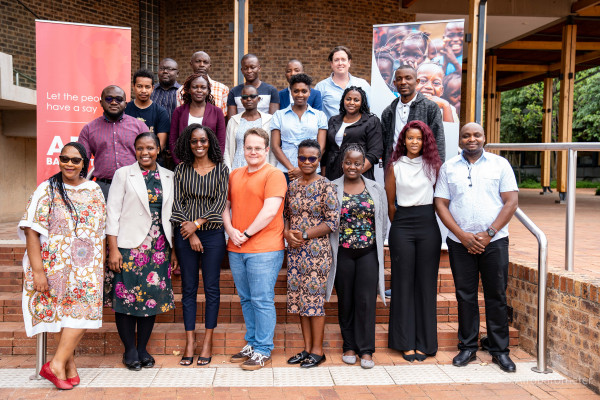
Summer school participants encouraged to advance Afrobarometer’s goal to “let the people believe a say!”

Location: News
Afrobarometer

“We want people to have a say in decisions that affect their lives, and you are in that equation, contributing to ensure that we advance the agenda and amplify the voices of citizens on the continent,” Afrobarometer (https://www.Afrobarometer.org/) CEO Joseph Asunka told participants in the network's summer school on Monday in Pretoria, South Africa.

“The contributions that you make to publications will be helpful in making sure that we take our data and analysis to new audiences, driven by new actors like yourselves,” Asunka added in his video message. 

The summer school is Afrobarometer's flagship capacity building event, aimed at equipping African scholars with solid skills in research design, survey methodology, and the use of social statistics as part of a broader effort to strengthen research capacity on the continent.

Over the next three weeks, Afrobarometer will be hosting the free training programme in collaboration with the University of Pretoria's Future Africa, a pan-African research institute pioneering approaches to research and innovation on the continent and beyond. At the end of the summer school, participants are expected to produce a research paper. 

Describing the summer school, Capacity Building Manager Thomas Isbell said, “One of the core objectives of Afrobarometer is to strengthen capacity for survey research, analysis, and communication on the African continent. In a world that is increasingly dependent on credible data, these skills are needed more than ever to ensure that this work continues to be for Africans and by Africans.”

The 18 participants – 50% women – represent 11 countries: Benin, Botswana, Ghana, Kenya, Lesotho, Madagascar, Mozambique, Nigeria, South Africa, Tanzania, and Uganda. 

This year's summer school marked the introduction of an online component to allow participants to build their research skills and understanding of Afrobarometer prior to arriving on campus.

“You are the pioneers of this new model, and I hope that you will set a good example and a good bar for future iterations of the programme,” Asunka said.

Reflecting on the importance of summer school, Adivhaho Florence Ramaite, research officer at the Institute for Security Studies and a 2023 summer school participant, noted, “Afrobarometer aims to be the voice of the people. As researchers, it's crucial we grasp and effectively communicate these findings to policy makers, policy advocates, and NGOs for the promotion of the well-being of Africans.”

Distributed by APO Group on behalf of Afrobarometer.

For more information, please contact:
Asafika Mpako
Afrobarometer communications coordinator for Southern Africa
Email: ampako@afrobarometer.org
Telephone: +27 83979 8299
Visit us online at www.Afrobarometer.org

Follow us on:
Twitter: https://apo-opa.info/3jYM2la
Facebook: https://apo-opa.info/3K0t6gq
YouTube: https://apo-opa.info/3Ysf4IU
Visit us online at www.Afrobarometer.org
Follow our releases on #VoicesAfrica.

About Afrobarometer:
Afrobarometer (AB) is a trusted source of high-quality data and analysis on what Africans are thinking. With an unmatched track record of more than 370,000+ interviews in 42 countries, representing the views of 75% of the African population, AB is leading the charge to bridge the continent's data gap. AB data inform many global indices, such as the Ibrahim Index of African Governance, Transparency International's Global Corruption Barometer, and the World Bank's Worldwide Governance Indicators. The data are also used for country risk analyses and by credit rating and forecasting agencies such as the Economist Intelligence Unit. All AB data sets are publicly available on the website (https://www.Afrobarometer.org) and may be analysed free of charge using AB's online data analysis tool (https://apo-opa.info/3lVrwlT).

About Future Africa at the University of Pretoria:
The University of Pretoria established the Future Africa initiative as a platform to develop leadership in transdisciplinary research in Africa. Future Africa is a hub for African and global research networks to address the challenges that hamper transformation toward a prosperous, equitable, and sustainable future in Africa.

Media files
Afrobarometer
Download logo
Read moreSummer school participants encouraged to advance Afrobarometer’s goal to “let the people believe a say!”
7 November 2023

Nandipha Magudumana’s latest bail attempt fails

Location: News

It was another legal setback for Nandipha Magudumana on Tuesday when she failed to convince a judge that she should be granted bail. Magudamana had approached the Bloemfontein High Court in an appeal against a ruling in September this year against a decision by Magistrate Estelle de Lange to deny her bail. On Tuesday, Acting …

Read moreNandipha Magudumana’s latest bail attempt fails
1 November 2023

Hollard gains East Africa foothold in deal with Kenya’s APA Insurance

Location: Business
Hollard

Hollard International (https://apo-opa.info/3tUpGWD) will extend its footprint in Africa through the finalisation, on 31 October 2023, of an agreement to acquire a significant interest in Apollo Investments Limited, the holding company of Kenya-headquartered insurer APA Insurance.

This strategic investment, subject to regulatory approvals, gives Hollard International a presence in the East African market, supplementing its existing operations in Southern and West Africa.

Hollard becomes the second international investor in the Kenyan group, following Swiss Re, which acquired a stake in 2014.

For APA, the partnership gives Kenya's second-largest insurer access to a larger market and expanded opportunities for growth, says Ashok Shah, Group CEO of Apollo Investments Limited.

“It's an exciting time for APA because the Hollard International partnership will open new doors and new avenues of growth for our business. We'll have access to substantial new expertise in classes of business such as Motor, Engineering, Marine and other specialist lines of insurance – which we believe will open up a number of profitable business opportunities.”

Expressing the significance of the partnership, Shah notes, "In addition to expanding our operations in Kenya, this venture will also enable us to strengthen our foothold in Uganda and Tanzania. Moreover, it positions us favourably to seize opportunities in the Ethiopian market once it becomes accessible.”

Pravin Kalpagé, CEO of Hollard International, is equally upbeat about the transaction, heralding it as “a vote of confidence in the Kenyan and East African markets”.

He says, “Hollard International has been looking for an East African partner for some time, and APA ticked so many boxes – it has an established track record, an impressive value proposition with strong broker and customer relationships, and it shares our values around community, reliability and customer-centricity. All these elements resonated strongly with us.

“This investment continues Hollard International's African model of finding strong local businesses and management teams with whom to partner in-country, rather than parachuting expatriates into a new market.”

He adds that exploring options in Francophone West Africa is next on Hollard International's to-do list.

Kalpagé has also pledged to bring Hollard International's model of “impact beyond insurance” to the East African market – as demonstrated in Mozambique and Ghana, among other countries.

Hollard Mozambique has developed risk-mitigation insurance products to protect smallholder and subsistence farmers – whose livelihoods are totally reliant on their crops – from extreme weather events through a partnership with local seed providers.

In Ghana, the MeBanbo microinsurance product arose from a partnership between Hollard Life, Vodafone Ghana and Sasai Fintech, a business of Cassava Technologies. It offers accessible, affordable life insurance cover, via an end-to-end digital platform, to the underserved Ghanaian market.

“This focus on being a catalyst for social impact in Africa is in line with Hollard's business purpose, which is to enable more people to create and secure a better future,” concludes Kalpagé.

In South Africa, Hollard is the largest privately owned insurance group, offering both life and non-life product suites. Hollard International extends insurance solutions outside of South Africa through operations in Namibia, Mozambique, Zambia, Lesotho, Botswana and Ghana, with East Africa (Kenya, Uganda and Tanzania) being added to the list through the APA transaction. 

APA Insurance is owned by Apollo Investments Limited, which was founded in 1977 with a mission to provide “present and future peace of mind to the East African market and, in turn, enhance the quality of life for both our clients and loved ones”. Built on commitment, integrity and innovation, Apollo has since become one of the leading financial services groups in East Africa, with six companies under its belt.

Issued by Flow Communications on behalf of Hollard. 

Distributed by APO Group on behalf of Hollard.

For more information or to arrange an interview, please contact Khaya Thwala on khayat@flowsa.com or +27 78 349 0668.

About Hollard International:
In South Africa, Hollard is the largest privately owned insurance group, offering both Life and Non-Life product suites. Hollard International extends insurance solutions outside of South Africa through operations in Namibia, Mozambique, Zambia, Lesotho, Botswana and Ghana, with East Africa (Kenya, Uganda and Tanzania) being added to the list through the APA transaction. https://apo-opa.info/3tUpGWD

About APA Insurance:
APA Insurance is part of the Apollo Group, one of the leading insurance groups operating in East Africa, providing a broad array of insurance solutions across Kenya, Uganda and Tanzania. APA is one of Kenya's largest non-life insurers and provides access to Motor, Liability, Agriculture, Property and Health insurance as well as a unique range of micro-insurance products. APA Life Assurance is one the fastest growing life insurance companies in Kenya providing Individual Life, Savings, Investments and employee benefits solutions including Group Life, pensions and Annuities. Its other primary insurance business units include APA Life Insurance, APA Insurance in Uganda; an asset management company, Apollo Asset Management; and a property company, Gordon Court. The Apollo Associate in Tanzania is Reliance Insurance Company. https://www.APAInsurance.org/

Media files
Hollard
Download logo
Read moreHollard gains East Africa foothold in deal with Kenya’s APA Insurance
30 October 2023

Revolutionizing Ride-Hailing: inDrive Conquers 20 African Cities in 2023 with Groundbreaking Zero Commission Model

Location: News
inDrive

In a transformative breakthrough poised to reshape the ride-hailing sector and the gig economy across Africa, inDrive (www.inDrive.com) has made a bold advancement. The company has rapidly expanded its services to 20 African cities in less than 12 months throughout 2023, all while not charging any commission fees to its drivers.

inDrive has successfully established its presence across a variety of cities in Nigeria, including Port Harcourt, Abuja, Kano, Kaduna, Benin City, Nnewi, Aba, Onitsha, Jos, Enugu, Warri, Abeokuta, Akure, Owerri, Calabar, Ado Ekiti, and Uyo, as well as Maseru in Lesotho, and Bulawayo in Zimbabwe. In addition to these cities, the platform is also operational in several African countries such as South Africa, Kenya, Tanzania, Botswana, Ghana, and Namibia. What sets inDrive apart from many other platforms is its commitment to fairness and empowerment within the transportation sector, ensuring that drivers retain a significant portion of their earnings. This noble strategy highlights the company's unwavering dedication to uplifting both the drivers and passengers across the continent

This expansion is a key part of inDrive's strategic plan to establish a strong and equitable presence in new markets. A distinctive feature of this strategy allows drivers to benefit significantly: they pay zero commissions for an extended period to allow enough time to build a community of customers. This policy ensures that a greater portion of earnings goes directly to the drivers, showcasing inDrive's dedication to fostering a balanced and fair marketplace.

“Our launch strategy is meticulously crafted to guarantee fair treatment for both drivers and passengers,” stated Ilia Anisimov the Regional Business Development Specialist (Expansion)at inDrive. “We are committed to creating a win-win scenario, ensuring passengers have access to affordable rides while drivers receive their rightful share of the income.”

The expansion is rolling out in a series of thoughtful and active stages, each aimed at establishing a just and sustainable ecosystem for all stakeholders. The first stage encompasses extensive market research, conducted by inDrive's team of specialists, to ensure that our entry into each new market is well-informed and tailored to local needs.

Following this, the focus shifts to building a robust user community. The final stage is monetization, which involves charging a modest commission of no more than 10% on drivers' earnings, starting only six months post-launch in each city.

Africa faces numerous challenges, particularly in providing ample employment opportunities. inDrive's venture into the continent represents a strategic move to address these issues, offering drivers not just a platform to earn but also the necessary tools and support to prosper.

With its innovative approach and unwavering dedication to fairness, inDrive is set to revolutionize the transportation landscape in Africa. The company is empowering drivers, delighting passengers, and contributing significantly to the vibrant tapestry of the gig economy.

Distributed by APO Group on behalf of inDrive.

Press Contact:
Public Relations Manager - inDrive Africa
Lineo Thakhisi
Phone: +2781 3636 872
Email: lineo.thakhisi@indriver.com

About inDrive:
inDrive is a global mobility and urban services platform headquartered in Mountain View, California, USA. The inDrive app has been downloaded over 175 million times, and was the second most downloaded mobility app in 2022. In addition to ride-hailing, inDrive provides an expanding list of urban services, including intercity transportation, freight delivery, task assistance, courier delivery and employment search.

inDrive operates in over 40 countries. It supports local communities via its peer-to-peer payment model and community empowerment programs, which help advance education, sports, arts and sciences, gender equality and other vital initiatives. For more information visit www.inDrive.com.

Media files
inDrive
Download logo
Read moreRevolutionizing Ride-Hailing: inDrive Conquers 20 African Cities in 2023 with Groundbreaking Zero Commission Model
27 October 2023

Starbucks takes Sea Point

Location: MyPR

Starbucks takes Sea Point Starbucks South Africa is delighted to announce the opening of a new double-story store in the picturesque neighbourhood of Sea Point, Cape Town. Situated along the stunning Atlantic coastline, Sea Point is a community like no other — a blend of scenic beauty, diverse population, enjoying an array of lifestyle choices. …

Read moreStarbucks takes Sea Point
21 October 2023

Gianni Infantino attends opening match of the African Football League in Tanzania

Location: Sport

FIFA
Download logo

FIFA President (www.FIFA.com) watched Simba Sports Club play Al Ahly FC in Dar es Salaam; The new competition is set to transform African club football; Gianni Infantino laid the foundation stone for second stage of development at the Kigamboni Technical Centre.

The FIFA President has visited Tanzania where he attended the opening ceremony and inaugural match of the African League Football (AFL), the new competition which is set to transform club football on the continent. Gianni Infantino watched home side Simba Sports Club face Egyptian club Al Ahly FC in the company of the CAF President, Patrice Motsepe, and the President of the Tanzania Football Federation (TFF), Wallace Karia. The quarter-final first leg match ended 2-2.

“I am pleased to be in Dar es Salaam for the launch of the new African Football League. I am also discussing football development with the Tanzania Football Federation President, Wallace Karia, who is welcoming us so well here, and other African Federations presidents,” Mr Infantino said.

The AFL is the latest result of the fruitful partnership between CAF and FIFA, and its debut format will bring together eight of Africa's most famous and successful teams -- increasing to 24 in 2024 -- with the aim of highlighting the quality of the game on the continent. 

The other ties are: Tout Puissant Mazembe (Congo DR) v Espérance Sportive de Tunis (Tunisia), Enyimba Football Club (Nigeria) v Wydad Athletic Club (Morocco) and Atlético Petróleos de Luanda (Angola) v Mamelodi Sundowns FC (South Africa).

“I want to thank the CAF President, Patrice Motsepe, and the whole of African football for their initiatives in constantly developing football in Africa,” said Mr Infantino, who took part in the unveiling of the trophy before the match. He added that the AFL would herald the start of a new era of increased spotlight, accelerated growth, and development for African football.

The FIFA President also laid the foundation stone for second stage of construction of the TFF's Kigamboni Technical Centre in Dar es Salaam which, like the Tanga Technical Centre on the north coast, is a FIFA Forward project. The FIFA Forward development programme (https://apo-opa.info/3T9Q1s0) is available to all 211 member associations to fund projects such as the building of pitches, technical centres and the organisation of competitions.

FIFA Chief of Global Football Development Arsène Wenger and Chairman of FIFA Referees Committee Pierluigi Collina were also part of the FIFA delegation.

Mr Wenger said the centre would play a key role in helping Tanzania identify and develop talented players. “We have four to five years in front of us and, if we do it well, I'm sure that we'll have good players everywhere in Tanzania,” he said. 

Mr Infantino said he was delighted to lay the foundation stone and that the centre was “sure to be an excellent facility for helping to develop local football talent.”

He added: “Many congratulations to CAF President, Patrice Motsepe, and Tanzania Football Federation President, Wallace Karia, for the initiatives undertaken in giving opportunities to young girls and boys to live their football dreams.”

“The development of our beautiful game is a symbol of hope and I am looking forward to continuing our good work together.”

Distributed by APO Group on behalf of FIFA.

Contact for African media: 
AfricanMedia@fifa.org 

Read moreGianni Infantino attends opening match of the African Football League in Tanzania
19 October 2023

FIFA+ will live stream the quarter-finals of the African Football League

Location: Sport

FIFA
Download logo

FIFA+ (www.FIFA.com) will live stream the quarter-finals of the African Football League; Inaugural edition of the tournament will last for four weeks; All last eight fixtures will take place between 20 and 25 October.

Which matches will be streamed live on FIFA+?

All quarter-final games from the new African Football League will be broadcast live on the FIFA+ platform. The first legs take place on 20, 21 and 22 October, while the return clashes are on 24 and 25 October.

Where will the matches be broadcast?

All AFL quarter-finals can we watched live on FIFA+ (https://apo-opa.info/3RZ9OMq).

In which territories will the games be available?

The African Football League quarter-finals will be available to watch live on FIFA+ worldwide except South Africa, the United Kingdom and Tanzania.

What is the African Football League?

The African Football League (AFL) is a brand-new competition born from a partnership between the Confederation of African Football (CAF) and FIFA. The inaugural edition of the tournament will bring together eight of the continent's most famous and successful teams, from all three African regional blocs.

Which teams are participating?

Al Ahly (Egypt), Esperance Sportive de Tunis (Tunisia) and Wydad AC (Morocco) are the clubs from the Northern region. The Central-West region is represented by Enyimba FC (Nigeria) and TP Mazembe (Democratic Republic of Congo). Mamelodi Sundowns FC (South Africa), Atletico Petroleos de Luanda (Angola) and Simba SC (Tanzania) represent the South-East region.

The AFL quarter-final schedule

First legs

All times are local time

Friday 20 October Simba SC v Al Ahly SC (https://apo-opa.info/46yulfl) | 18:00, Benjamin Mkapa National Stadium

Saturday 21 October TP Mazembe v Esperance Sportive de Tunis (https://apo-opa.info/3Q69l8m) | 15:00, Stade TP Mazembe

Petroleos de Luanda v Mamelodi Sundowns (https://apo-opa.info/3S4eyjI) | 16:30, Estadio 11 de Novembro

Sunday 22 October Enyimba FC v Wydad AC (https://apo-opa.info/3Q6c1mH) | 19:00, Godswill Akpabio International Stadium

Second legs

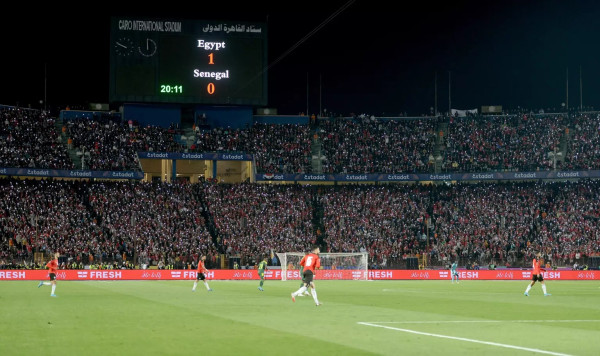
Tuesday 24 October Al Ahly SC v Simba SC (https://apo-opa.info/3tEEo3K) | 17:00, Cairo International Stadium

Mamelodi Sundowns v Petroleos de Luanda (https://apo-opa.info/45G6fhj) | 19:00, Loftus Versfeld Stadium

Wednesday 25 October Esperance Sportive de Tunis v TP Mazembe (https://apo-opa.info/45AQN6c) | 16:00, Hammadi Agrebi Stadium

Wydad AC v Enyimba FC (https://apo-opa.info/46QG74V) | 19:00, Stade Mohammed V

This inaugural edition is a precursor to the full-fledged AFL competition which will bring together the 24 top-ranked African football clubs and which will begin in the 2024/25 season.

Distributed by APO Group on behalf of FIFA.

Contact for African media: 
AfricanMedia@fifa.org 

Read moreFIFA+ will live stream the quarter-finals of the African Football League
19 October 2023

Durban ICC scoops major accolades at World Travel Awards

Location: News

Durban ICC scoops major accolades at World Travel Awards

KwaZulu-Natal Premier, Nomusa Dube-Ncube, has congratulated Durban and Inkosi Albert Luthuli International Convention Centre (ICC) for scooping major awards at the World Travel Awards held in Dubai.

The ICC walked away with Africa's Leading Meetings and Conference Centre and Africa’s Leading Festival and Event Destination Awards, beating the likes of Accra (Ghana), Lagos (Nigeria), Marrakech (Morocco), Nairobi (Kenya), Zanzibar (Tanzania), Kigali (Rwanda), Cape Town and Johannesburg in both awards.

The glittering 30th World Travel Awards, held on Sunday, marked seven years on the trot since Durban, KwaZulu-Natal, has been winning this award back-to-back from 2017. 

The World Travel Awards are regarded as the most prestigious event in the global travel calendar, attended by the industry's key decision-makers, influencers and media. They serve to acknowledge, reward and celebrate excellence across all sectors of the global travel and tourism industry.

Dube-Ncube said the awards are a great vote of confidence by the global travel and tourism sector in KZN province, the City of Durban, and the Durban International Convention Centre facility. 

“We appreciate this honour but importantly value the sterling and untiring work put in by our entity, KwaZulu-Natal Convention Bureau for continuously attracting business events to our province. Such achievements are not a given nor come to us for free, we have to work hard to achieve them” Dube-Ncube said.

The Premier also noted with excitement that in the 23-year history of Africa’s Leading Meetings and Conference Centre Award category, the Durban ICC has won this title for the 18th time.
 
“This vote of confidence by the World Travel Awards organisation in the Durban ICC is as bold and significant as the establishment of the Durban International Convention Centre itself. During the formative years of our democracy the city’s fathers took a daring and futuristic view of making the Convention Centre one of the single largest investments in the future growth and development of the city.
 
“Today we are reaping the rewards of such decisions. Naming it after Africa’s first Nobel Laureate, Inkosi Albert Luthuli is indicative of the global stature of this facility. Hosting these awards in Durban, KwaZulu-Natal at the Inkosi Albert Luthuli ICC will be a befitting tribute to the vision of our forebears,” the Premier said. – SAnews.gov.za

GabiK
Thu, 10/19/2023 - 12:36

136 views
Read moreDurban ICC scoops major accolades at World Travel Awards
18 October 2023

Transformative Pipeline Initiatives: Boosting Regional Connectivity Discussed at African Energy Week (AEW) 2023

Location: News
African Energy Chamber

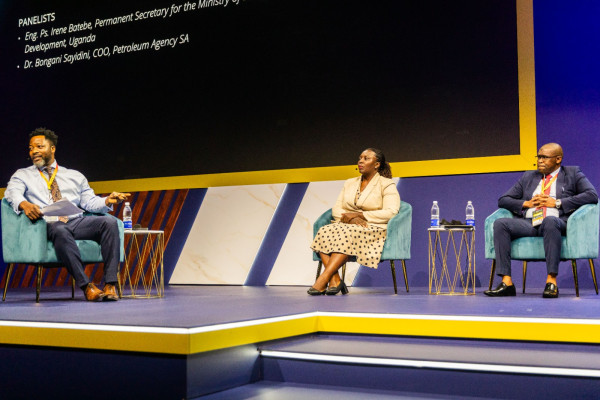
As many African countries progress with monetizing oil and gas resources, cross-border infrastructure is expected to play a catalyzing role in strengthening regional connectivity while advancing energy development and economic growth. A panel discussion held during the African Energy Chamber's (AEC) (www.EnergyChamber.org) African Energy Week (AEW) 2023 explored the evolving energy map in Africa and how pipeline projects and cross-border infrastructure will shape the continent's economic landscape.

Kicking off the panel discussion, Irene Batebe, Permanent Secretary for the Ministry of Energy and Mineral Development, Uganda, emphasized the critical role of regional integration in advancing pipeline projects.

“The East African Crude Oil Pipeline (EACOP) will be a perfect example of integration. Working together with the government of the Republic of Tanzania, we had to ensure we put in place a robust legal and regulatory framework, because that way you give certainty to the development of the project, not just to the developers but also the financials. Because the project must be bankable. We worked closely with the government of the Republic of Tanzania to put in place and it's a governmental framework, but also domesticated locally in formal post government agreements to provide for certain aspects, there has to be a regional position”

For emerging producers, cross-border pipeline infrastructure is integral.

“In terms of strategy one of the key areas that we focused on in designing the framework for the development of the pipeline was to ensure that we provide for third party access and that is very critical because our neighbors like the DRC and South Sudan,” continued Batebe.

The Southern Africa Development Community (SADC) has seen an increase in oil and gas potential, with new discoveries in Namibia and first liquefied natural gas exports in Mozambique.

“The is an opportunity for the west in terms of integration of SADC and presents the opportunity for gas and power. In fact, Namibia made the first Kudu Gas discovery in 1994 and in South Africa a discovery was made in the early 2000s. Those gas resources have remained stranded due to the lack of a market for gas resources and also there have been a lack of infrastructure to harness these resources,” stated Bongani Sayidini, COO, Petroleum Agency SA

Regarding environmental and human concerns of the EACOP, “There have been claims that we have evicted projected affected persons without consent but this is false. The government nor the project developers force the project affected persons. We pay attention to the vulnerable groups and the elderly during the settlement process. We do have a government valuer that comes to assess what those people who have settled deserve,” said Batebe.

#AEW2023 takes place this week in Cape Town under a mandate to make energy poverty history by 2030. Keep following www.AECWeek.com for more exciting information and updates about Africa's premier energy event.

Distributed by APO Group on behalf of African Energy Chamber.

Media files
African Energy Chamber
Download logo
Read moreTransformative Pipeline Initiatives: Boosting Regional Connectivity Discussed at African Energy Week (AEW) 2023
18 October 2023

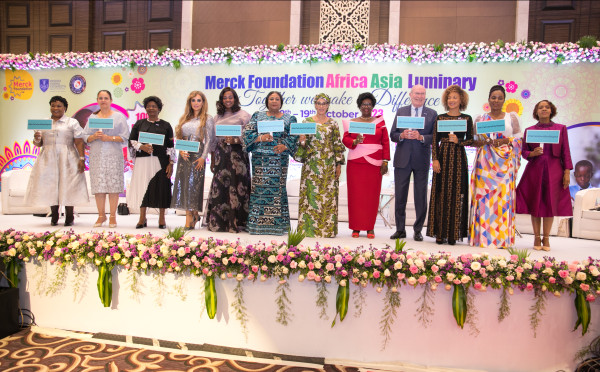
Merck Foundation Chairman and Chief Executive Officer (CEO) with African First Ladies inaugurate their 10th Africa Asia Luminary 2023 in India

Location: News
Merck Foundation

Prof. Dr. Frank Stangenberg-Haverkamp, Senator Dr. Rasha Kelej and African First Ladies of Botswana, Burundi, Cabo Verde, Central African Republic, The Gambia, Ghana, Liberia, Malawi, Democratic Republic of São Tomé and Príncipe, Zimbabwe, Democratic Republic of Congo, to inaugurate 10th Edition of Merck Foundation Africa Asia Luminary 2023 (http://www.Merck-Foundation.com); More than 10,000 participants including healthcare providers, policymakers, researchers, academia and media representatives from 70 English, French, Spanish and Portuguese speaking countries attended the Luminary through hybrid model to benefit from five parallel  scientific and social sessions to  advance healthcare capacity and awareness in 42 critical and underserved medical specialties; Celebrating 6th Anniversary of Merck Foundation and marking 11-year journey of their development programs, during 2023 Luminary; Merck Foundation reported the impact of providing 1700 scholarships to doctors from 50 countries in 42 critical and underserved specialties such as; Oncology, Diabetes, Cardiovascular Preventive, Endocrinology, Fertility, Embryology, Reproductive Care, Respiratory Care, Acute and Intensive Care, Neonatal Care, Pediatric Emergency, Advanced Surgery, Microbiology & Infectious Diseases, Internal Medicine, Ophthalmology, Psychiatry, Palliative Care and Pain Management and more; Merck Foundation marked Cancer Awareness Month during their annual conference.

Merck Foundation, the philanthropic arm of Merck KGaA Germany, conducted their annual conference, the 10th Edition of “Merck Foundation Africa Asia Luminary”, in partnership with Tata Memorial Centre and Department of Atomic Energy, Ministry of External Affairs, Ministry of Home Affairs, Ministry of Health of India, State Protocol Office of Government of Maharashtra and Krishna  World University, Karad, on the 18th of October 2023 in Mumbai, India. The conference was inaugurated by Prof. Dr. Frank Stangenberg-Haverkamp, Chairman of Merck Foundation Board of Trustees, and Senator, Dr. Rasha Kelej, CEO of Merck Foundation and Chairperson of Merck Foundation Africa Asia Luminary, along with African First Ladies of 11 countries;

  • H.E. Mrs. NEO JANE MASISI, The First Lady of the Republic of Botswana
  • H.E. Madam ANGELINE NDAYISHIMIYE, The First Lady of the Republic of Burundi
  • H.E. Dr. DÉBORA KATISA CARVALHO, The First Lady of the Republic of Cabo Verde
  • H.E. Madam BRIGITTE TOUADERA, The First Lady of Central African Republic
  • H.E. Mrs. FATOUMATTA BAH-BARROW, The First Lady of the Republic of The Gambia
  • H.E. Mrs. REBECCA AKUFO-ADDO, The First Lady of the Republic of Ghana
  • H.E. Mrs. CLAR MARIE WEAH, The First Lady of the Republic of Liberia
  • H.E. Mrs. MONICA CHAKWERA, The First Lady of the Republic of Malawi
  • H.E. Mrs. MARIA DE FATIMA VILA NOVA, The First Lady of the Democratic Republic of São Tomé and Príncipe
  • H.E. Amai Dr. AUXILLIA MNANGAGWA, The First Lady of the Republic of Zimbabwe
  • H.E. Madam DENISE NYAKERU TSHISEKEDI, The First Lady of the Democratic Republic of The Congo

Senator Dr. Rasha Kelej, CEO of Merck Foundation and Chairperson of Merck Foundation Africa Asia Luminary emphasized, “I am very proud to welcome our Guests of Honors and Keynote Speakers, the First Ladies of Africa and Ambassadors of “More Than a Mother” Campaign, for our annual conference that we have conducted first time in India. Together, we shared experiences and discussed the impact of our programs to transform patient care and raise awareness on a wide range of sensitive and critical social and health. Today we are also marking together Cancer Awareness Month, it is great to remember that Merck Foundation provided 138 scholarships of Oncology Training in many sub-specialties to doctors from 37 African countries, many of them have become the first oncologists in their countries. We are making history together in Africa, with our Ambassadors, First Ladies of Africa and our partners, Tata Hospital and Krishna University.”

Prof. Dr. Frank Stangenberg-Haverkamp Chairman of both of Executive Board of E.Merck KG and Merck Foundation Board of Trustees expressed “At Merck Foundation, our goal is improving overall health and well-being by building healthcare capacity and by providing access to quality & equitable healthcare solutions in the Africa, Asia and beyond. I would like to thank our partners, African First Ladies and Health Experts, Policy Makers, Government Officials, Academia and Media from more than 70 countries to join hands with us in order to realize the vision of Merck Foundation that “Everyone can lead a Healthy and Happy life.”

“I am proud to share that Merck Foundation has provided more than 1700 scholarships to young doctors from 50 countries in 42 critical and underserved specialties such as Oncology and Cancer care, Diabetes, Endocrinology, Cardiovascular, Fertility Care, Embryology, Sexual & Reproductive Medicine, Internal Medicine, Respiratory Medicine, Acute Medicine, Critical Care, Pediatric Emergency, Gastroenterology, Rheumatology, Clinical Psychiatry, Urology, Ophthalmology, General Surgery, Trauma & Orthopedic, Dermatology, Neonatal Care, Pain Management, Clinical Microbiology & Infectious Diseases, Advanced Surgical Practice, Neuroimaging for Research and more. Many of them are becoming the first specialists in their countries. Many of these scholarships were conducted in India where a state of art clinical training was provided at the prestigious training institutions of our partners such as Tata Memorial Center, Manipal University, Maharashtra University, Krishna University, Indra IVF Training and more. Therefore, we are very happy to be this year in India to celebrate our 10 years partnership with our respectable Indian partners”, added Senator Kelej.  

During the 10th Edition of Merck Foundation Africa Asia Luminary, the First Ladies of 11 African Countries, also the Ambassadors of Merck Foundation “More Than a Mother”, celebrated the 6th Anniversary of Merck Foundation and marked the 11-year journey of Merck Foundation development programs that started in 2012.

During the day 1 of the conference, the Plenary Session of Merck Foundation Africa Asia Luminary 2023 was held, during which a high-level panel meeting of Merck Foundation First Ladies Initiative Summit was conducted.

Day 2 of the conference will have important five parallel Medical and Scientific Sessions on Oncology, Diabetes & Hypertension, Fertility and Reproductive Care, and medical capacity building of other specialties such as; respiratory, acute care, emergency pediatric and neonatal care and more. Additionally, a community awareness session, the Merck Foundation Health Media Training session will also be conducted for the African journalists, to emphasize on the important role that they play to influence the community to create a cultural shift with the aim to Break Infertility Stigma, Support Girl Education, Stop GBV, End Child Marriage, End FGM, and Women Empowerment at all levels.

Countries participating in the 10th Edition of Merck Foundation Africa Asia Luminary include:

Angola, Bangladesh, Benin, Botswana, Burkina Faso, Burundi, Cameroon, Canada, Central Africa Republic, Cambodia, Chad, Côte d'Ivoire, Republic of the Congo, Democratic Republic of the Congo, Egypt, Ethiopia, France, Gabon, Germany, Ghana, Guinea – Bissau, Guinea – Conakry, India, Indonesia, Kenya, Lesotho, Liberia, Malawi, Malaysia, Mali, Mauritania, Mauritius, Mexico, Mozambique, Myanmar, Namibia, Nepal, Niger, Nigeria, Peru, Philippines, Russia, Rwanda, Senegal, Sierra Leone, Somalia, South Africa, Sri Lanka, Sudan, Tanzania, Thailand, The Gambia, Togo, Tunisia, U.A.E, UK, Uganda, US, Vietnam, Zambia, Zimbabwe and more.

The 10th Edition of Merck Foundation Africa Asia Luminary 2023 was streamed live on the social media handles of Merck Foundation (https://apo-opa.info/3Ykd3hH) and Senator, Dr. Rasha Kelej (https://apo-opa.info/3SfA0AF).

Link to the Facebook live steam of Inaugural Session of Merck Foundation Africa Asia Luminary & African First Ladies High Level Panel: https://apo-opa.info/3RYXLPa

Summarizing Merck Foundation's initiatives and impact:

Merck Foundation is transforming the Patient care landscape and making history together with its partners in Africa, Asia, and beyond, through:

• 1700+ Scholarships provided by Merck Foundation for doctors from 50 Countries in 42 critical and underserved medical specialties.  

Merck Foundation is also creating a culture shift and breaking the silence about a wide range of social and health issues in Africa and underserved communities through:

• 3000+ Media Persons from more than 30 countries trained to better raise awareness about different social and health issues

• 8 Different Awards launched annually for best media coverage, fashion designers, films, and songs

• Around 30 songs to address health and social issues, by local singers across Africa

• 8 Children's Storybooks in three languages - English, French, and Portuguese

• 7 Awareness Animation films in four languages - English, French, Portuguese and Spanish to raise awareness about prevention and early detection of Diabetes & Hypertension and supporting girl education.

• Pan African TV Program "Our Africa by Merck Foundation” addressing Social and Health Issues in Africa through “Fashion and ART with Purpose” Community

• 1000+ Girls from 15 African countries supported through scholarships or school items, annually.

• 12 Social Media Channels with more than 5 Million Followers.

Distributed by APO Group on behalf of Merck Foundation.

Media contact:
Mehak Handa 
Community Awareness Program Manager 
+91 9310087613/ +91 9319606669  
mehak.handa@external.merckgroup.com 

Join the conversation on our social media platforms below and let your voice be heard:
Facebook: https://apo-opa.info/3Ykd3hH
Twitter: https://apo-opa.info/3Yo3y11
YouTube: https://apo-opa.info/3CNFGLa
Instagram: https://apo-opa.info/3lsqM7q
Flickr: https://apo-opa.info/3JT8BSC
Website: Merck-Foundation.com
Download the Merck Foundation App: https://apo-opa.info/3xeJMsI

About Merck Foundation:
The Merck Foundation, established in 2017, is the philanthropic arm of Merck KGaA Germany, aims to improve the health and wellbeing of people and advance their lives through science and technology. Our efforts are primarily focused on improving access to quality & equitable healthcare solutions in underserved communities, building healthcare and scientific research capacity and empowering people in STEM (Science, Technology, Engineering, and Mathematics) with a special focus on women and youth. All Merck Foundation press releases are distributed by e-mail at the same time they become available on the Merck Foundation Website. Please visit Merck-Foundation.com to read more. To know more, reach out to our social media: Merck Foundation (Merck-Foundation.com); Facebook (https://apo-opa.info/3Ykd3hH), Twitter (https://apo-opa.info/3Yo3y11), Instagram (https://apo-opa.info/3lsqM7q), YouTube (https://apo-opa.info/3CNFGLa), and Flickr (https://apo-opa.info/3JT8BSC).

Media files
Merck Foundation
Download logo
Read moreMerck Foundation Chairman and Chief Executive Officer (CEO) with African First Ladies inaugurate their 10th Africa Asia Luminary 2023 in India
18 October 2023

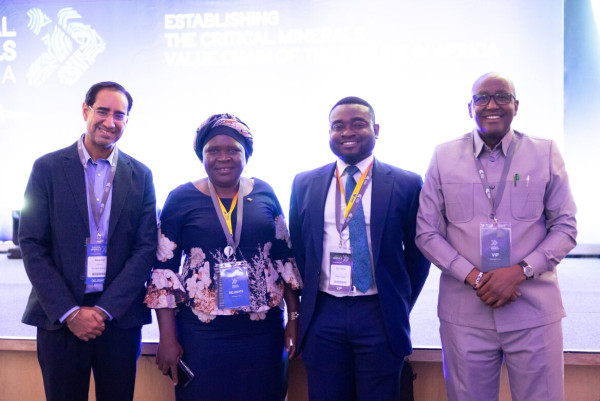
Critical Minerals Africa 2023 Prepares for Official Opening with Full Day of Strategic Presentations

Location: News
Energy Capital & Power

The first day of the Critical Minerals Africa 2023 summit on Tuesday – organized by Energy Capital & Power (www.EnergyCapitalPower.com) – featured a series of presentations from leading industry experts, providing unparalleled insights into Africa's critical mineral reserves and geopolitical position in the global mining economy. The main conference program begins on Wednesday, October 18 and will feature a highly anticipated ministerial forum, investor briefings and panel discussions, taking place alongside African Energy Week in Cape Town.  

Kicking off the agenda was a presentation by South African Institute of International Affairs (SAIIA) exploring the future of critical minerals in the SADC – namely, copper in the DRC, South Africa and Zambia, lithium in South Africa and Zimbabwe, cobalt in the DRC and Zambia, graphite in Mozambique, manganese in South Africa, and nickel in Madagascar, South Africa and Tanzania. The ability to harness these reserves depends on several factors, including growing geoeconomic competition among China, the US and Europe, the ability of SADC states to manage regional value chains, and the urgency of global policy action toward renewable and low-carbon energies.

“In 20-30 years, not only will these minerals be in high demand, but how we put systems in place will be important,” stated Dr. Deon Cloete, Head of SAIIA's Futures Program. “We have focused on Rare Earth Elements (REEs) and the need to scale up exploration and extraction and develop the entire value chain. The transition to climate goals by 2050 is challenging and we need to be critical about how these fault lines are emerging. We propose a resource-based economy that challenges the paradigm of how we approach mining.”

The Critical Minerals International Alliance (CMIA) built upon the geopolitical nature of critical minerals development during its presentation, addressing China's race to solidify its leadership on the continent and its successful dual-pronged investment approach. Western nations have sought to counter this influence through various policy measures, including the US' Inflation Reduction Act, the EU's Critical Raw Materials Act and the Minerals Security Partnership, which seeks to secure a stable supply of raw materials for member economies. 

“When we talk about critical minerals, we are focused on geopolitics — how they frame supply chains and influence pricing and how monopolies are increasingly changing the industry,” said Olimpia Pilch, Founder and COO of CMIA. “In a supply chain crunch, who gets priority and which industries will miss out? Those who have put in the work to have their own supply chain will be in a much better position.”

On the need to diversify mining supply chains, Roberto Cecutti, Head of Trade and Economics, EU Delegation to South Africa, stated during his presentation: "In terms of annual consumption, we have an aspirational target of covering at least 10% of extraction in Europe, 40% of processing and refinement and 15% of recycling capacity. We want to avoid dependence on the supply of one or more specific countries…This is why we have set this target, in which 65% should not depend on a specific country of origin of supply.”

"Each region has its own definition of what is ‘critical,' and what's critical for Africa may not be what's critical for the EU and vice versa. Africa has different requirements when it comes to minerals,” noted Sodhie Naicker, Managing Director: DMT Kai Batla and Consortium Partner: AfricaMaVal.

Energy research firm Rystad Energy also explored Chinese dominance within the low-carbon supply chain, as the country produces almost 90% of solar panels and is currently ramping up production of wind turbines. While Europe has made gains towards establishing its own clean energy supply chain, Africa remains reliant on imports to meet growing energy demand, despite having vast renewable energy potential and untapped mineral reserves. 

“The resource potential for solar generation in Africa is more than enough to satisfy the needs of the planet – it's enormous,” said Per Magnus Nysveen, Senior Partner & Head of Analysis for Rystad Energy. “You can find sites for mining every mineral in sub-Saharan Africa.”

A presentation from Steenkampskraal – operator of the Steenkampskraal Mine in South Africa's Western Cape – underscored the continent's resource potential and its evolution into a critical and industrial minerals hotspot. The mine is home to one of the highest grades of REEs globally, is licensed to operate and possesses well-developed underground infrastructure with a low-capital, three-stage development plan.

“Not even 20% of the known resources have been mined,” emphasized Graham Soden, Director, CEO & Mine Manager of Steenkampskraal. “It puts the project at a unique level. It's fully legislative compliant, and we can get it up and running within one year.”

The agenda concluded with a presentation by Trade & Industrial Policy Strategies (TIPS), which explored opportunities to develop vanadium redox battery (VRB) manufacturing in South Africa and to position the country as a key player in the global battery value chain, with a view to exporting to other African and international markets. Demand for VRBs has skyrocketed in recent years – largely from China, Japan, Europe and the US – resulting in over 30 new VRB projects installed in 11 countries since 2014.  

“Cell battery manufacturing remains to be proven competitive in South Africa. We have the industrial capacity, but we don't have a commercialized production,” said Lesego Moshikaro, Senior Economist for TIPS. “When you look at the short- to medium-term, South Africa cannot be competitive along the whole value chain, so it's important for us to choose key areas where we can excel.”

With its main conference program kicking off on October 18, the Critical Minerals Africa 2023 summit serves to position Africa as the primary investment destination for critical minerals. The event is held alongside the African Energy Week 2023 conference (www.AECWeek.com) from October 16-20, offering delegates access to the full scope of energy, mining and finance leaders in Cape Town.

Distributed by APO Group on behalf of Energy Capital & Power.

Media files
Energy Capital & Power
Download logo
Read moreCritical Minerals Africa 2023 Prepares for Official Opening with Full Day of Strategic Presentations
6 October 2023

Establishing Sustainable Raw Material Value Chains

Location: News
Energy Capital & Power

A high-level presentation on the European Union's (EU) AfricaMaVal initiative and related efforts to establish sustainable critical raw material value chains in Africa will be delivered at the upcoming Critical Minerals Africa (CMA) 2023 summit (https://CriticalMineralsAfrica.com). 

Led by Roberto Cecutti, Head of Trade and Economics, EU Delegation to South Africa and Sodhie Naicker, Managing Director of DMT and Kai Batla and Consortium Partner in AfricaMaVal, the presentation is one of several organized for the first day of the conference, serving to promote sustainable partnerships, policies and projects in raw materials and strengthen global critical mineral supply chains.   

The AfricaMaVal project – “Building EU-Africa Partnerships on the Sustainable Raw Materials Value Chain” – aims to ensure responsible mineral sourcing by European countries, while fostering sustainable development and ESG practices across the African continent. The project targets 10 case studies in Morocco, Senegal, Gabon, the DRC, Tanzania, Mozambique, Zimbabwe, Namibia, South Africa and Madagascar, with a view to evaluating their respective mining and refining potential and strengthening their existing links to European partners.

Launched in June 2022 and set to run through November 2025, the AfricaMaVal initiative comes as Europe takes a mounting interest in Africa's critical minerals as an alternative supply to China and Russia. The EU has classified rare earth minerals as critical to delivering its flagship Green Deal and digital transition, which targets carbon neutrality by 2050. 

The presentation aligns closely with the broader theme of CMA 2023 – Establishing the Critical Minerals Value Chain of the Future in Africa – which aims to position the continent as a global hub for sustainable mineral exploration, processing, technologies and trade.  

Distributed by APO Group on behalf of Energy Capital & Power.

Critical Minerals Africa 2023 summit:
Organized by Energy Capital & Power, the Critical Minerals Africa 2023 summit, scheduled for October 17-19, serves to position Africa as the primary investment destination for critical minerals. The event is held alongside the African Energy Week 2023 conference (https://AECWeek.com) on October 16-20, offering delegates access to the full scope of energy, mining and finance leaders in Cape Town. Sponsors, exhibitors and delegates can learn more by contacting sales@energycapitalpower.com

Media files
Energy Capital & Power
Download logo
Read moreEstablishing Sustainable Raw Material Value Chains
6 October 2023

MEST Africa Challenge Startup Pitch Competition Deadline Extended

Location: News
The Meltwater Entrepreneurial School of Technology (MEST Africa)

MEST Africa (https://Meltwater.org/) has announced the extension of applications for the MEST Africa Challenge to ensure broader participation from across the continent. Early-stage technology startups operational in Ghana, Nigeria, Senegal, Kenya, and South Africa are invited to participate in the competition to showcase their innovative entrepreneurial businesses. Applications are still open and will be accepted until 16th October 2023.

The MEST Africa Challenge provides significant benefits to participating startups. The winner will secure a USD 50,000 equity investment, accelerating their business' growth. Furthermore, the winner and other exceptional participants will join MEST Africa's global network, opening doors to partnerships, mentorship, and investment opportunities. This platform equips startups to achieve the next level of growth and gain global recognition.

"The enthusiasm and interest we have seen from budding entrepreneurs and prospective applicants across Africa has been truly inspiring. Recognizing this, we have extended the application deadline for the MEST Africa Challenge.  This ensures that every innovative startup gets a fair chance to be a part of this transformative journey. We have seen the pivotal impact this challenge has had on past winners, and we are eager to discover the next game-changing startup that will redefine the African tech landscape" said Ashwin Ravichandran, Portfolio Advisor and MEST Africa Challenge Lead.

In 2022, Senegal's dynamic B2B e-commerce startup, Kwely, won the top spot at the MEST Africa Challenge. Over the years, this renowned competition has become a launchpad for standout startups from across the African continent. From Tanzania's Kilimo Fresh and Ghana's groundbreaking OZE to South Africa's tech innovator, Snode Technologies. Not to mention Kenya's Waya Waya and Nigeria's trailblazer Accounteer. The challenge continually showcases the vibrant entrepreneurial spirit of Africa.

Eligibility Criteria for MAC 2023:

- Monthly Recurring Revenue: $5k+

- Funding raised: Cumulative $1M or less

- Years of existence: 3 years and below

- Traction: At least 6 months of recurring revenue

- Founding team: At least 2 founding team members

- Registered in Delaware (This is preferred)

- Demonstrated traction in MAC Markets (Ghana, Kenya, Nigeria, South Africa, Senegal)

Don't miss out on this opportunity to showcase your startup and unlock its potential. Apply now https://apo-opa.info/3rL7v4H.

Distributed by APO Group on behalf of The Meltwater Entrepreneurial School of Technology (MEST Africa).

Media Contact:
Ophesmur Naa Adjeley Adjei
Ophesmur@meltwater.org

About MEST Africa:
MEST is an African-wide software and entrepreneurship training program, seed fund, and incubator helping to launch technology startups across the continent. Founded in Ghana in 2008 by serial entrepreneur Jorn Lyseggen, MEST is a 12-month program that provides critical skills training in software development, business, and communications to Africa's burgeoning tech talent. MEST provides seed funding for the best ideas coming out of the program and continues to support the growth and development of its portfolio companies.

To date, MEST has trained over 2000 entrepreneurs from across the continent and funded over 80 startups across industries from Agritech, Fintech, SaaS, eCommerce, Digital Media, and Healthcare amongst others. MEST is fully funded by the Meltwater Foundation, the non-profit arm of the Norwegian company Meltwater; a global leader in social and media intelligence headquartered in San Francisco.

Media files
The Meltwater Entrepreneurial School of Technology (MEST Africa)
Download logo
Read moreMEST Africa Challenge Startup Pitch Competition Deadline Extended
26 September 2023

Southern Africa sets out to strengthen One Health approach

Location: News

FAO Regional Office for Africa
Download logo

The Food and Agriculture Organization of the United Nations (FAO), in coordination with the Southern African Development Community (SADC) Secretariat and its Member States held a validation workshop for the Southern African Programme for One Health (SAPOH). The programme provides direction and a long-term vision to achieving an integrated one health (OH) approach in the region.

Fifteen SADC countries, namely, Angola, Botswana, Comoros, Eswatini, Lesotho, Madagascar, Malawi, Mauritius, Mozambique, Namibia, Seychelles, South Africa, Tanzania, Zambia, and Zimbabwe attended the workshop and unanimously validated SAPOH. The SADC secretariate, three members of the quadripartite organizations leading the OH approach globally, that is, FAO, the World Health Organization (WHO) and the World Organisation for Animal Health (WOAH) as well as other regional partners attended the validation workshop and enriched the programme with valuable contributions and inputs before its validation.

One Health is an integrated, unifying approach that aims to sustainably balance and optimize the health of people, animals, and ecosystems. This approach is suitable for Southern Africa as the main livelihood for the people is agriculture. The One Health approach is necessary to deliver effective and efficient prevention and control of infectious diseases, as well as emergency preparedness and response.

Speaking on behalf of the Subregional Coordinator for Southern Africa, Patrice Talla, at the opening ceremony, FAO Representative for South Africa, Babagana Ahmadu said, “FAO and its counterparts in the One Health Quadripartite, WHO, WOAH and the United Nations Environment Programme (UNEP), will work together to ensure that policies to support One Health were in place.”

“FAO prioritizes One Health at global and regional level. It is one of the 20 Priority Programme Areas in FAO's New Strategic Framework (2022 to 2031). Within Southern Africa, FAO has prioritized one health as one of its three flagship programmes,” he said.

“My appreciation also goes to our fellow members of the Quadripartite, the WHO, WOAH and UNEP and other partners for accompanying us on this task. We count on you for stronger collaboration in validating and changing this draft into an actionable programme. FAO is committed to working with all of you in mobilizing resources for the implementation of this programme once it is validated,” added Babagana Ahmadu.

The WOAH Representative for Southern Africa Dr Moetapele Letshwenyo said operationalization of SAPOH would be a game changer in mitigating the risk posed by zoonotic diseases. He added that, “Worldwide, 60 per cent of infectious diseases affecting humans have their origins in animals, with nearly 75 per cent of animal diseases being transmissible to humans. The increasing interactions between humans and animals within the environment and numerous factors is exacerbating the emergence, re-emergence and spread of infectious diseases, necessitates a multi-sectoral and multidisciplinary approach”.

According to the SADC Programme Officer for Livestock, Dr Gaolathe Thobokwe, SAPOH will inform the design of future country and partner programmes to address the next pandemic in Southern Africa.

“The necessity of the OH approach in SADC is very obvious, currently, we are dealing with COVID-19 and we know consequences. In the recent past we have had Ebola; we have also had disease like rift valley fever and anthrax. It shows the need to work together whether it be animal health, public health, plant health, wildlife, environmental or climate services,” he said.

The WHO Africa Regional Team Leader for Antimicrobial Resistance (AMR), Dr Ali Yahya, pointed out that communication, resource mobilization, monitoring and evaluation were essential components of the OH Programme as they enhanced accountability and learning to determine the best practices. “We might need to ensure strong energy not only to validate the document but also to support its implementation, monitoring, and documentation for further visibility to facilitate resource mobilization as well as ownership of the programme by countries,” he said.

At the end of the workshop, stakeholders called for innovations from all the actors and pointed out that the successful implementation of One Health heavily relies on using locally available resources, citizen engagement, use of traditional knowledge systems and capacity building.

Distributed by APO Group on behalf of FAO Regional Office for Africa.

Read moreSouthern Africa sets out to strengthen One Health approach
17 September 2023

GroundUp reporters win prestigious journalism award

Location: News

Marecia Damons and Daniel Steyn win 2023 Nat Nakasa Award for Thabo Bester prison escape story

Read moreGroundUp reporters win prestigious journalism award
11 September 2023

Unleashing Agritech Innovation in Africa

Location: News
Pitch AgriHack

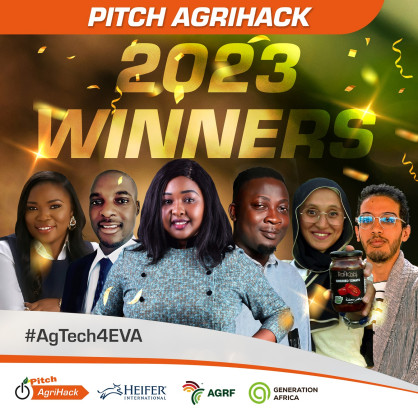
The Pitch AgriHack (https://apo-opa.info/3Zaz0kE) 2023 results are in, capping an inspiring journey celebrating Africa's most exciting agritech visionaries. Applicants from 39 African countries went through a rigorous selection process until six winners were crowned at the Youth Innovation Awards on the final day of The Africa Food Systems Forum hosted at the Julius Nyerere ICC, in Dar es Salaam, Tanzania. This year's Pitch AgriHack theme, “Unleash your Innovation,” resonated deeply with the entrepreneurs who demonstrated how technology can be harnessed to drive sustainability, improve productivity, and uplift communities.

Pitch AgriHack (https://apo-opa.info/3Zaz0kE) 2023 was jointly organized by the African Food Systems Forum (AGRF), Heifer International, and Generation Africa. This year participants and supporters witnessed an impressive showcase of innovation. The competition underscored the power of technology-driven solutions in addressing pressing challenges across the agricultural value chain. Awarding a total prize pool of USD 45,000, the competition recognized and celebrated the brilliance of young minds that are reshaping the future of African agriculture.

"This competition serves as a dynamic showcase of sustainable practices and innovation that is set to define African agriculture. Beyond acknowledging inventive ideas, Pitch AgriHack underscores the steadfast commitment of our youth to revolutionize the sector. At Heifer International, we recognize technology's pivotal role in fostering prosperity for smallholder farmers and rural communities," said Adesuwa Ifedi, Senior Vice President for Africa Programs. "We are deeply committed to investing in and enabling young individuals to create solutions that enhance the yields of smallholder farmers, and the agritech solutions presented not only address challenges within the agricultural value chain but also promote environmental conservation, resource efficiency, and long-term viability."

Dr. Agnes Kalibata, President of AGRA and Former Special Envoy to the UN Food Systems Summit, remarked, "The achievements seen at Pitch AgriHack 2023 truly celebrate entrepreneurial excellence in agriculture. These young innovators are not only shaping the sector's trajectory through their creativity and dedication, but they're also inspiring future leaders to consider impactful careers in agriculture and agribusiness. The technologies presented demonstrate the power of youth to drive practical and sustainable solutions, paving the way for a resilient and prosperous tomorrow."

The innovative solutions developed by the 2023 Pitch AgriHack finalists span a diverse spectrum. From turning waste into cooking gas and electricity, to ultra-fast composting with integrated nutrient analysers, these young entrepreneurs are finding value in nature-positive projects. Cost-saving measurement devices that analyse crop and soil health, providing recommendations that empower farmers, also impressed the judges. Artificial Intelligence integrations featured in several digital farming assistants. Drawing on massive data sets they optimize production, detect diseases, and generate recommendations for improved farming practices.

The entrepreneurs also presented game-changing inclusive finance solutions for women farmers and commodity-backed, post-harvest handling and storage for smallholders. With automated farm management and monitoring systems and behaviour modification solutions that reward farmers for following better practises, Africa's young innovators are determined to build a better food system. 

“The multi-facetted technologies, environmentally-aware approaches, and thorough business models we saw here today indicate that our youth entrepreneurs are building more resilient businesses with more comprehensive offerings that in turn help their farmers become more resilient, too,” said Dickson Naftali, Head of Generation Africa. “It is exactly the type of transformation we need, at scale, for the responsible development of the African food system. Pitch AgriHack not only celebrates such innovation but also fosters networking, collaboration, and exchange among these enterprising youth, mentors, investors, and industry experts. It creates a supportive ecosystem that propels them to grow. We are excited to see how they benefit from this opportunity."

The Pitch AgriHack 2023 Winners are:

Early-Stage Winners:

Winner: Watson Matsa, Co-Founder and CEO of eSusFarm Africa, South Africa

eSusFarm connects with rural farmers via feature-phone USSD, allowing them access to value-chain services, markets, and credit providers. Their system helps small farmers build their track record by collecting farm production data, and monitoring produce quality. Connect with Watson's venture at www.eSusFarm.Africa.

Runner-up: El Mahdi Aboulmanadel, Founder and CEO of DeepLeaf, Morocco

DeepLeaf is an agricultural deep learning lab that is focused on leveraging the latest in AI technology to revolutionize the way we grow crops. Their intelligent farming chatbot, Morshida, uses deep learning to analyse plant images and assist farmers in disease analysis. With natural language processing, Morshida can communicate in 14 different languages and dialects. Connect with El Mahdi's venture at https://DeepLeaf.io.

Mature and Growth-Stage Winners:

Winner: Tunde Adeyemi, Founder and CEO of D-Olivette, Nigeria

D-Olivette builds Bio-Tanks, anaerobic digestors that transforms organic farm waste into fertilizer and biogas for cooking and electricity generation. Their solution is helping smallholder farmers to reduce operational costs, pollution, and CO2 emissions. Connect with Tunde's venture at http://D-Olivette.com.

Runner-up: Reem Nafea, Co-Founder and Business Development Director of BioMasr, Egypt

Biomasr's new Rafik app is a hub for organic agriculture in Egypt. It connects farmers to ecological waste management, clean energy production, and organic fertiliser suppliers, while also empowering women farmers to grow and sell quality organic produce. Connect with Reem's venture at https://BioMasr.com.

Women-led Agribusiness Winners:

Winner: Priscilla Wakarera, Co-Founder and CEO of Rhea, Kenya

Rhea helps smallholder farmers make the right decisions by providing affordable, convenient soil testing for smarter farming. Their IoT device does moisture testing, NPK measurements and soil PH tests before sending AI generated recommendations for fertiliser, pH adjustments, irrigation, and crop recommendations. Connect with Priscilla's venture at www.Rhea.Africa.

Runner-up: Solape Akinpelu, Co-Founder and CEO of HerVest, Nigeria

HerVest is about inclusive finance for African women. They provide easy access to target savings, impact investments and credit financing for smallholder women farmers and women-owned/led SMEs in Nigeria. Connect with Solape's venture at https://www.HerVest.ng.

The winners were selected by an esteemed panel of judges that included experts and leaders in agriculture and technology. Pitch AgriHack contestants were honoured to get invaluable advice and guidance from this highly-respected judges group consisting of:

  • Barbra Sehlule Muzata, Communications Lead – CGIAR  
  • Dr. Nalishebo Meebelo, Executive Director – Regional Network of Agricultural Policy Research Institutes (ReNAPRI)
  • Nono Sekhoto, Sector Lead - AL for Agribusiness Network – African Leadership Academy
  • Victor Mugo, Head of Local Youth Action – World Food Forum
  • Sheila Kaaya, Lead - Agriculture, Agribusiness and Agrifood systems – The Mastercard Foundation
  • Jane Lowicki-Zucca, Senior Youth Advisor – USAID
  • Patrick Heffer, Deputy Director General – International Fertilizer Association
  • Jehiel Oliver, Founder & CEO – Hello Tractor
  • Dr. Charles Iyangbe, Signature Program Director - Africa Programs – Heifer International

This year's Pitch AgriHack applicant breakdown mirrors Africa's youthful dynamism. 79.3% were early-stage startups, embodying the innovative pulse of the competition. Mature/growth-stage agritech ventures represented 20.5%, underlining the sector's growth.

The innovation showcased at Pitch AgriHack 2023 is a strong affirmation of the commitment of AGRF, Heifer International, and Generation Africa to nurture innovation, create job opportunities, and enhance food security across the continent. Through this dynamic competition, the partners seek to inspire a new generation of agritech entrepreneurs who will not only revolutionize the agricultural landscape but also empower smallholder farmers to overcome challenges and embrace sustainable change.

For further information and updates, please visit the official Generation Africa website: https://GenAfrica.org. 

Distributed by APO Group on behalf of Pitch AgriHack.

Contact:
Jane Machigere
jane@jsmcommunications.com
www.GenAfrica.org 

About Heifer International:
Since 1944, Heifer International has worked with nearly 43 million people around the world to end hunger and poverty in a sustainable way. Working with rural communities across Africa for nearly 50 years, Heifer International supports farmers and local food producers to strengthen local economies and build secure livelihoods that provide a living income. Heifer is currently operating in 19 countries across Africa, Asia and the Americas. For more information, visit https://www.Heifer.org.

About Generation Africa:
Generation Africa is a thematic platform of the AGRF, whose mandate is to strengthen the ecosystem for youth entrepreneurs in the agri-food sector across Africa. From its start in 2019, Generation Africa has brought together industry leaders, government institutions, NGOs, NPOs, and community platforms to collaborate on ecosystem development, curation and support of agribusinesses, research and advocacy, and the inspiration of young people to embrace opportunities in the agrifood sector. Find out more at https://GenAfrica.org.

About the AGRF:
The AGRF is the world's premier forum for African agriculture, bringing together stakeholders in the agricultural landscape to take practical actions and share lessons that will move African agriculture forward. Under AGRF's current strategy, the Forum is particularly focused on driving progress of the Malabo Declaration by 2025 as the priority set of commitments African Heads of State and Government have made to strengthen agricultural development at the centre of the continent's overall development and progress. The AGRF is organised by the AGRF Partners Group, a coalition of institutions that care about Africa's agriculture transformation. For more information visit https://AGRF.org.  

Media files
Pitch AgriHack
Download logo
Read moreUnleashing Agritech Innovation in Africa
11 September 2023

Nandipha Magudumana denied bail

Location: News

Bloemfontein magistrate says “nothing would stand in her way” to assist Bester escape again

Read moreNandipha Magudumana denied bail
7 September 2023

The key to Africa’s industrialisation process and ending the region’s massive energy poverty

Location: News
African Energy Chamber

By Jason Mitchell

Africa's vast natural gas reserves are key to bringing energy to Africa's poorest countries, to a solid industrialisation process throughout the region and to significant poverty reduction.

The region is home to 33 of the world's 46 least-developed countries (LDCs) with an average income per head of less than $1,018 a year. The continent's poorest countries must expand at 6-7% a year if poverty is to be reduced in a big way and if the life chances of hundreds of millions of people are to be improved. To achieve this goal, these countries require abundant and cheap energy. Luckily, for many African states, the answer lies on their own doorstep — natural gas. Gas has remained a niche fuel in sub-Saharan Africa — contributing only 5% of the total energy mix against a global average of 20-25% — but its potential is enormous.

A new vision for Africa is required — a criss-crossing network of natural gas pipelines that brings energy to all corners of the region. The continent's contribution to global greenhouse gas emissions is tiny and will only become slightly bigger if the region's natural gas reserves are exploited. There is also a massive opportunity to wean poor Africans away from the use of biomass fuel and to help protect the region's forests through the rollout of small, liquified petroleum gas (LPG) stoves. Climate change is an issue in Africa but poverty reduction is a bigger one. Poverty is the biggest killer in Africa today.

It's very hard for Europeans and North Americans to imagine what it's like to live on under $1,018 a year, to not have readily available electricity, to not have a refrigerator or a washing machine, to not have a car, to not have a lawnmower, to not be able to fly from one country to another cheaply, to not have electricity in the school or the workplace and to have to use firewood or charcoal for cooking purposes. Fossil fuels have been at the heart of the Industrial Revolution that has brought prosperity and better living standards to the developed world. People in the First World must be very careful if they decide to deny Africans the same chance to prosper.

Africa has the lowest energy use per capita in the world — the average electricity use of a sub-Saharan African resident is lower than that of a household fridge in the United States. Average consumption per person in sub-Saharan Africa, excluding South Africa, is a mere 185 kilowatt-hours (kWh) a year, compared with about 6,500kWh in Europe and 12,700kWh in the US. Every year San Antonio, Texas, with a population of 1.5m people, uses as much electricity as the whole of Nigeria, with 203m people. Golden, Colorado, a small town with only 19,000 people, uses as much electricity as Chad, a country with 16m people.

The UN's Sustainable Development Goal Seven aims to “ensure access to affordable, reliable, sustainable and modern energy for all” by the year 2030. That's a tall order. In 2019, 917m people in Africa (around 80% of the region's population) relied on wood, charcoal, kerosene, animal and crop waste or other solid fuels to cook their food and heat their homes. The International Energy Agency (IEA) reports that almost 490,000 people die prematurely every year in sub-Saharan Africa from household air pollution-related causes — stemming from the lack of access to clean cooking facilities. Gas is a much cleaner form of cooking than biomass and its use should be encouraged. Biomass burning-power plants emit 300-400% more CO2 than natural gas per unit energy produced. Natural gas emits almost 50% less carbon dioxide than coal. 

Africa has one-fifth of the world's population but contributes only 3% to global greenhouse gas emissions. Incredibly, some 48 sub-Saharan African countries, excluding South Africa, have an estimated share of global emissions of only 0.55%. The fact is that many African states are already at net zero. If the continent were to use an additional 90bn cu m of natural gas per year — or 50% more than today — the resulting emissions would only raise Africa's cumulative contribution to global carbon emissions to 3.5% (ten gigatonnes) by the year 2050, according to the IEA. It really is a tiny increase compared to the chance of reducing poverty levels for hundreds of millions of poor people. If Africa is to provide universal electricity access by 2030 it would have to almost double its total generation capacity from around 260gw today to 510gw. 

Almost half the continent's 55 countries have proven natural gas reserves. Across the region, natural gas reserves amount to around 17.5trn cubic metres (cu m), making up around 9% of the world's total gas reserves. They are considerable in northern Africa (accounting for 45% of African reserves) and western Africa (32%), in particular. Commercial quantities of natural gas have been found in many African countries.

Previously, only four countries from the region have been major natural gas production hubs: Nigeria (with total gas reserves of 5.8trn cu m), Algeria (4.5trn cu m), Egypt (2.2trn cu m) and Libya (1.5trn cu m). These four accounted for 78% of African gas reserves in 2021 (https://apo-opa.info/48gDBWG), according to the United States Energy Information Administration.

However, seven African countries — Mozambique, Senegal, Tanzania, Mauritania, South Africa, Ethiopia and Morocco — with no history of fossil gas exploitation have now opened up their doors to gas projects. Some 84% of new reserves in the pre-production stage are found in these states — total new reserves amount to 5.1trn cu m. Mozambique has re-production reserves of 2.3trn cu m, Senegal 779bn cu m, Mauritania 575bn cu m, Tanzania 512bn cu m, South Africa 96bn cu m, Ethiopia 42bn cu m and Morocco 39bn cu m.

Furthermore, major untapped reserves have been discovered in Angola, Cameroon, Ghana, Equatorial Guinea, the Republic of the Congo, Kenya and Uganda. A number of these states — including Mozambique, Tanzania, Mauritania and Senegal — are actively marketing natural gas to capitalise on recent discoveries. In fact, the IEA has declared Africa the ‘new frontier' in global oil and gas.

The big four gas-producing countries will continue to dominate gas production in the near term but experts estimate that Mozambique and the other new entrants will contribute more than 50% of the region's gas production by 2038.

Natural gas can be used for electricity generation, industry and domestic use. Crucially, harnessing Africa's gas could provide the baseload power needed to boost Africa's capacity to process its raw materials locally. It could provide enough energy for industrial processes, including steel and cement production and paper and pulp manufacturing. It could be also used to make fertiliser to raise agricultural yields. Renewables, including solar and wind, cannot yet provide enough energy for these purposes.

The huge reserves of gas can play a significant role in the continent's energy transition, as natural gas has a much lower carbon footprint than oil and coal. Critically, natural gas development and renewable power are not mutually exclusive. If Africa were to triple its use of natural gas, the United Nations Economic Commission for Africa (Uneca) estimates that the region would be able to increase its use of renewable energy eight-fold. Reliable forms of energy such as gas can be used to stabilise a grid powered by intermittent sources such as wind and solar. It can play a key role in a ‘just' energy transition.

However, expanding gas supply across Africa would require a whole web of new gas pipelines and that does not come cheap. A lot of the gas from the new projects already under way in Africa is destined for international markets, including the European Union — which have been seeking new sources of energy since the Ukraine crisis — but it is vital that the region's gas reserves are deployed for domestic use, as well. Nigeria, for example, sits on the continent's largest known natural gas reserves but only 55% of the population had access to secure electricity in 2020.

Multilateral financial institutions (MFIs) — many of which are headquartered in the developed world — are now shying away from investing in natural gas projects in Africa because of pressure from a vociferous green lobby. In 2021, 20 countries — including almost all the world's big, rich democracies — pledged to stop almost all financing of new fossil fuel projects internationally by the end of 2022. Furthermore, under the Glasgow Financial Alliance for Net Zero (GFANZ), 450 financial firms across 45 countries, responsible for over $130trn in assets, committed to accelerate the global decarbonisation process. The problem is that most Western governments and financial institutions do not distinguish between coal, oil and gas, and the pressure to stop funding all hydrocarbons has negatively impacted gas projects in Africa in a big way.  

Some of the continent's biggest financiers — including the African Development Bank (AfDB) — are finding it increasingly difficult to support gas project developments that require loan syndication and foreign partners. The World Bank is pulling back, too. Local banks cannot finance major gas projects on their own, as they are limited by their capital base. In particular, the fossil fuels divestment campaign is having a big impact on the amount of development and concessional finance available. This kind of finance used to support a number of gas projects for their poverty-reducing and economic development value.

For example, without the guarantees of development finance institutions (DFIs), most of Africa's recent gas-to-power plants would have never been built in the first place. The withdrawal of development finance from downstream gas and gas-to-power projects is a serious cause for concern for Africa's electrification effort and moving the needle on energy access.

Furthermore, there is a glaring double standard — many European countries have increased their use of hydrocarbons (coal as well as gas) since Russia's invasion of Ukraine. They are constructing new fossil fuel pipelines at home. The EU recently classified natural gas a ‘green' fuel, which will allow Europe's projects to be backed by investors committed to environmental, social and governance (ESG) principles. European countries are now looking towards African states for new sources of gas. However, they are not prepared to back new gas projects in Africa that would supply the fuel to the region itself. That smacks of hypocrisy of the worst kind. How can you deny the poorest people in the world the sort of energy that you want to use yourselves?

Lumping all hydrocarbons together is a blunt policy mechanism that is not good from an emissions perspective either. In poorer places, like sub-Saharan Africa, the available alternative to gas is not renewable electricity but rather coal, diesel and, most of all, polluting biomass. In sub-Saharan Africa, demand for biomass fuels is expected to surge by 40% by the year 2040 if ‘business as usual' continues. The burning of biomass is a major contributor to global carbon emissions and charcoal has been a top driver of tropical forest loss during the past two decades, with the greatest footprint in Africa. The continent's carbon sinks need protecting and the irony is that the greater use of gas would achieve that.

Africa is home to 18% of humanity but receives less than 5% of global energy investment. And much of this investment goes on producing oil and gas for export. There must be much more investment in the region for the domestic use of gas. Gas projects could play an absolutely vital role in bringing energy to Africa but obviously the projects require financing. DFIs must think again about their decision to limit investment in new projects in Africa. The financing of a network of gas pipelines throughout Africa would be one of the quickest and surest ways of industrialising the region in a big way and of alleviating poverty on a large scale. Renewables just cannot do that how ever much wishful thinking takes place.

In fact, development institutions should go one step further and consider subsiding a massive roll out of small LPG stoves to millions of poor households in the region. It could be one of the biggest moves in contributing to Africa's decarbonisation effort by arresting the pace of deforestation in the region. LPG is recovered from ‘wet' natural gas (gas with condensable heavy petroleum compounds) by absorption and reaches the domestic consumer in cylinders under relatively low pressures. The widespread adoption of LPG stoves would reduce the amount of pollutants in the air from biomass fuels. Poor households that currently depend on woodfuel for cooking require a cleaner cooking alternative — LPG is one of the solutions.

LPG stoves are also suitable for domestic use in rural settings — a key consideration in Africa where energy poverty is greatest in the countryside. For instance, in 2016, electricity access in urban and rural areas in Nigeria was 86% and 34%, respectively, according to the World Bank.

Africa only needs to look to Asia for examples. In 2006, Indonesia implemented a ‘mega-programme' to induce a large-scale transition from kerosene to LPG stoves in order to reduce government spending on kerosene subsidies. The initiative invested in LPG infrastructure, domestic cylinder production and consumer awareness. By 2012, 93% of the target had been reached and LPG consumption had grown by almost 350%.

In India, LPG access expanded through the early-2000s but it was still not reaching most poor families. To boost access among the poor, the Indian government introduced the Pradhan Mantri Ujjwala Yojana (PMUY) Scheme. Under it, the country's oil marketing companies provide subsidies to reduce the cost of both LPG connections and cylinder refills to women in households classified as below the poverty line. In 2016, the cost of a connection was about Rupees 3,200 ($48) and included the first full cylinder (plus deposit), deposit for a regulator, an LPG stove and administrative fees.

Furthermore, African governments must consider increasing domestic gas allocations from liquified natural gas (LNG) export projects. These are an effective way to ensure that even if developers prioritise lucrative exports over local sales, they must reserve part of their production for the domestic market. Upcoming LNG terminals in sub-Saharan Africa — for example, in Mozambique — now make it compulsory to allocate a specific amount of gas to the domestic market. The availability of domestic gas from export facilities can encourage gas-based industrialisation (for example, in Senegal) or additional gas-to-power capacity (Mozambique, Mauritania and Senegal). In August 2022, for instance, Senegal's Petrosen Trading & Services signed an MoU with Turkey's Çalık Enerji and Japan's Mitsubishi for the pre-feasibility study of a gas-based ammonia and urea manufacturing unit.

It is a huge mistake to lump all hydrocarbons together and for Western environmentalists to argue that no new new fossil fuel projects should happen in Africa whatsoever. Deforestation is one of the biggest issues in Africa today. Poor Africans must be weaned off the use of wood-based fuels. The widespread adoption of small LPG stoves would be one of the surest ways of reducing deforestation. Natural gas could also form the basis for a solid, large-scale industrialisation process in Africa — something that is essential if the region is to achieve the sort of economic growth needed to lift hundreds of millions of people out of poverty.

Distributed by APO Group on behalf of African Energy Chamber.

Media files
African Energy Chamber
Download logo
Read moreThe key to Africa’s industrialisation process and ending the region’s massive energy poverty
4 September 2023

Nandipha Magudumana’s kidnapping claim questioned by state

Location: News

Magudumana has “a right to liberty” until convicted, court told

Read moreNandipha Magudumana’s kidnapping claim questioned by state
31 August 2023

Survivors of horrific Joburg building fire share their stories

Location: News

“I tried to go back to find my wife but the entrance was on fire”

Read moreSurvivors of horrific Joburg building fire share their stories
30 August 2023

“No one was looking for her”: Magudumana’s lawyer hits back at state

Location: News

Fraud cases against Magudumana not relevant to bail application, says lawyer

Read more“No one was looking for her”: Magudumana’s lawyer hits back at state
  • Previous
  • Page 1
  • Interim pages omitted …
  • Page 8
  • Page 9
  • Page 10
  • Page 11
  • Next

Copyright © 2026 · MyZA · All Rights Reserved · Powered by Stratlec Online