Shangase Five-For Guides Team SA To Historic Triumph At African Games
ACCRA: A match-winning five for 13 from captain Nondumiso Shangase helped Team South Africa register their maiden win at the 13th...

MyZA
News, Directory, Events and Other Stuff
ACCRA: A match-winning five for 13 from captain Nondumiso Shangase helped Team South Africa register their maiden win at the 13th...
Child of SA woman in Senegalese prison comes home
The Department of Social Development has successfully repariated a toddler who was being held in a Dakar prison in Senegal.
The department’s social workers arrived at OR Tambo International Airport on Sunday with a two-year-old baby who was born in Senegal and has been in the care of the mother who was arrested last year for drug trafficking.
The Department of International Relations and Cooperation (DIRCO) through its International Social Services (ISS) Directorate notified the Department of Social Development in August 2023 that the biological mother of the child had been arrested last year in February.
“It is reported that within days of her incarceration, she gave birth to the child. Due to the mother’s incarceration, the child is considered to be in distress since prison is not a conducive environment for the upbringing of the child.”
The South African government through the DIRCO initiated the process of repatriating the child by first visiting the mother to ascertain her wishes about her child.
“The mother nominated the grandmother of the child as the guardian in the country while she serves her sentence in Senegal,” said the Department of Social Development (DSD) in a statement.
The National DSD then requested the Eastern Cape provincial department to investigate the circumstances of the nominated foster parent to assess suitability to care for the child.
“The child will be integrated with the mother’s family in the Eastern Cape and the department will continue providing child protection services and provide support to the family.”
The department said it was obligated by Section 7, subsection (1), (f), (ii), of the Children’s Act 38 of 2005 that a child needs to maintain a connection with their family, extended family, culture, or tradition and all decisions must be made in the best interest of the child.
Social Development Minister, Lindiwe Zulu, said the department will always put the best interest of the child first.
“However, we remain concerned about the issue of drugs and what it can do to children. This unborn baby ended up in distress in a foreign country because the mother was arrested for trafficking drugs. We cannot stress more the importance of young people to make the right decisions about their lives,” the Minister added.
Since 2015, the department has repatriated 21 children in distress in foreign countries.
According to the data, seven were repatriated in Zimbabwe; three in Brazil; two each in Malawi, Mozambique, Canada and Tanzania; and one each in Ghana, the United Kingdom, Peru, Mauritius and Senegal. – SAnews.gov.za
Gabisile
Sun, 03/10/2024 - 15:18
ACCRA: Wilka Mwatile’s resilient batting display, Kayleen Green’s remarkable three-wicket haul along with wet conditions at Achimota Senior Secondary School played...
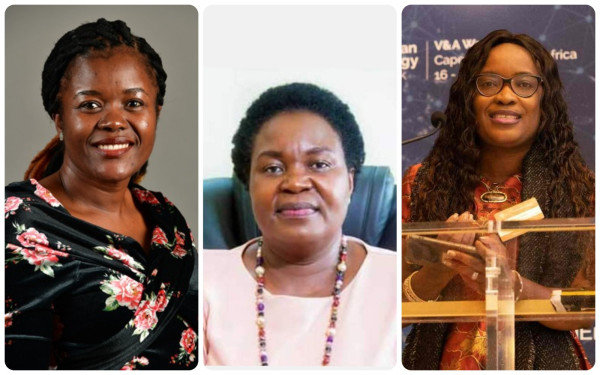
As part of its Women in Energy series taking place this month, Energy Capital & Power (ECP) www.EnergyCapitalPower.com celebrates women in leadership positions within Africa's energy and mining sectors. With Senegal, Uganda, Namibia and South Africa at the helm of female leaders within their respective ministries, these markets have attracted billions in foreign investment and are home to some of the most dynamic upstream developments on the continent.
Since her appointment in November 2020, Sophie Gladima, Minister of Petroleum and Energies of Senegal, has led the country through one of its most transformative periods, with first oil and gas expected this year from the highly-anticipated Sangomar Field Development and Grand Tortue Ahmeyim (GTA) LNG project, respectively. Minister Gladima successfully advanced these projects – which total nearly $10 billion in foreign direct investment – in the face of COVID-19 and demands for cross-border cooperation with Mauritania, whose maritime border with Senegal houses the GTA LNG project.
Ruth Nankabirwa Ssentamu, Minister of Energy and Mineral Development of Uganda, is another female minister leading frontier market developments since her appointment in June 2021. Targeting first oil output in 2025, Uganda has launched exploration drilling at its $10-billion Lake Albert Development, home to the TotalEnergies-operated Tilenga and CNOOC-operated Kingfisher fields. The country is also at the center of the planned East African Crude Oil Pipeline, which will transport Ugandan oil to the Port of Tanga in Tanzania and represents the single largest investment in either country to date.
Serving as Petroleum Commissioner of Namibia's Ministry of Mines and Energy since October 2015, Maggy Shino has played a pivotal role in securing upstream investment from leading IOCs, with TotalEnergies set to invest roughly $300 million in 2024 alone. With over 15 years in petroleum geological, geophysical and environmental management fields, Commissioner Shino has cemented Namibia's status as a world-class frontier oil and gas market with strong on- and offshore prospectivity. Following five offshore hydrocarbon discoveries, Namibia is currently conducting further appraisal work – as well as new seismic and exploration activity in the Owambo, Kavango and Orange Basins – and is on the path to first oil production by 2030.
In neighboring South Africa, Deputy Minister of Mineral Resources and Energy, Dr. Nobuhle Nkabane, has been active in driving an exploration agenda. Utilizing South Africa's Gas Master Plan, Dr. Nkabane has positioned natural gas as a means of improving energy security, reducing heavy-polluting fossil fuels and establishing domestic LNG production through recent discoveries like the 3.1-billion-cubic-feet Mpumalanga discovery. Under her leadership, South Africa's Department of Mineral Resources also implemented a school outreach program last month aimed at encouraging youth in STEM fields and developing a future workforce for the country's mining and energy sectors.
Energy Capital & Power's Women in Energy series celebrates the women shaping the future of the African energy sector. From projects to companies to programs and community development, the Women in Energy series underscores the integral role women play in developing the sector. Visit www.EnergyCapitalPower.com and keep up-to-date with our social media channels for daily content.
Distributed by APO Group on behalf of Energy Capital & Power.
ACCRA: As the excitement builds for the first-ever Women’s T20 Cricket competition at the 13th African Games in Accra, Ghana...
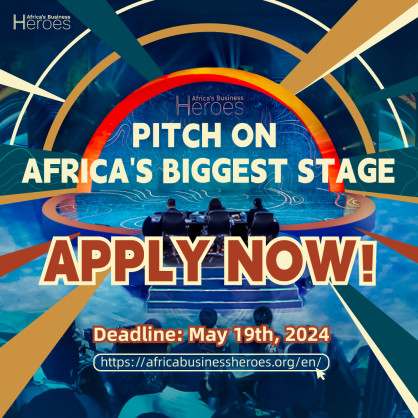
The Africa's Business Heroes (ABH) Prize Competition has launched its sixth annual continent-wide search for 10 exceptional entrepreneurs who are striving to make a positive impact in their local communities. The application form can be accessed for free on ABH's official website (https://AfricaBusinessHeroes.org/) starting today.
Since its inception in 2019, ABH has spotlighted and supported some of Africa's brightest entrepreneurial minds. The ABH top 10 finalists (Heroes) over the last five years:
In 2023, ABH published a five-year impact report that details the impact ABH Heroes have had. The full report can be accessed here: https://apo-opa.co/3T4mErL
As ABH enters its sixth year, it is calling on entrepreneurs across Africa to pitch on the biggest entrepreneurial stage in the continent. ABH encourages applicants from all 54 countries, from all business sectors, of all ages and genders, to submit their applications in English or French. Along with invaluable benefits such as training, exposure and networking opportunities, the top 10 finalists will also compete for their share of US$1.5 million in grant money.
“Over the past five years, we've had the privilege of witnessing the incredible growth of our Heroes. Many of our Heroes have leveraged the grant funds to expand their geographic footprint, hire talent, grow their operations and invest in new products and services. It's been heart-warming to see our Heroes collaborate with each other and to tap into the ABH network of judges and experts. We are motivated to continue to play our part in supporting the African entrepreneurial ecosystem. We are calling on all eligible African entrepreneurs who are creating positive impact to join us in this journey!” says Zahra Baitie, Head of Partnerships & Programs, Africa's Business Heroes.
To date, nearly 100,000 entrepreneurs have participated in the ABH Prize Competition. Last year's winners were chosen from 27,267 applicants from sectors spanning agriculture, education and training, energy, financial services, healthcare, manufacturing, and retail. The competition cumulated in the Grand Finale, where the top 10 finalists mounted Africa's largest augmented reality-powered stage to present their businesses to a panel of esteemed judges.
Dr. Ikpeme Neto, CEO and Founder of Wellahealth Technologies, ABH 2023 First Prize Winner says: “Participating in the ABH Prize Competition has been a transformative experience for Wellahealth Technologies, profoundly impacting our journey as a startup. ABH not only provided us with financial assistance but also offered unparalleled opportunities for entrepreneurship training, networking, and exposure. I urge fellow entrepreneurs across Africa to seize this extraordinary opportunity to enjoy a wealth of benefits that can catalyze growth and success for your ventures.”
WellaHealth (www.WellaHealth.com) provides affordable healthcare plans that start at less than a dollar a month to cover care common conditions delivered via pharmacies and remote doctors. The company serves over 300,000 individuals and is aiming to reach one million within 18 months and expand to 10 million within the next five years, extending its services in Nigeria and throughout Africa.
ABH constantly explores effective ways to help the participating entrepreneurs take their businesses to the next level. As with previous years, the journey to this year's Grand Finale will also include access to a community of business leaders, innovators, industry experts and investors as well as multi-disciplinary boot camps and training sessions.
To better facilitate the engagement with entrepreneurs and facilitate applications, this year ABH will organize a series of roadshows in multiple countries, including Cameroon, Cote d'Ivoire, Egypt, Ethiopia, Ghana, Kenya, Morocco, Nigeria, Rwanda, Senegal, South Africa, Tanzania and Zambia. These events will be conducted in collaboration with local entrepreneur organizations and ABH community members. Participants will gain valuable insights into the ABH initiative as well as enhance their chances of success in the competition. Further details regarding the roadshows and information sessions will be disseminated via ABH's official social media channels and newsletters.
Applications for ABH 2024 are open from now until May 19, 2024. The top 50 finalists will be announced in July, followed by the announcement of the top 10 in September. The final winners will be unveiled at the Grand Finale in November.
To apply, and for more information about ABH 2024, please visit ABH's website (https://apo-opa.co/3uUYEPD) and follow ABH on Twitter (@africa_heroes), Instagram (https://apo-opa.info/3KZTXKa), TikTok (https://apo-opa.co/48DjD7o) and YouTube (https://apo-opa.info/3YDG5bH).
Distributed by APO Group on behalf of Africa’s Business Heroes (ABH).
Press Contact:
Africa's Business Heroes Press Room
abh.press@list.alibaba-inc.com
For media inquiries or interview requests, please contact:
English: Tracy Walakira
tracy.walakira@apo-opa.com
French / Arabic: Malika Bouayad
malika.bouayad@apo-opa.com
About Africa's Business Heroes:
The Africa's Business Heroes Prize Competition is a philanthropic initiative sponsored by the Jack Ma Foundation and Alibaba Philanthropy. It aims to support, inspire and enable the next generation of African entrepreneurs across all sectors who are building a brighter future for the continent, by offering grant funding, training programs and support for the development of an entrepreneurial ecosystem. Over 10 years, each year the ABH Prize Competition features 10 entrepreneur finalists as they pitch their business to win a share of US$1.5 million in grant money.
FIFA (www.FIFA.com) to facilitate inter-confederation friendlies during March match window of even years; Algeria, Azerbaijan, Saudi Arabia and Sri Lanka will host and organise pilot project matches; Initiative aims to provide member associations with key playing opportunities.
In line with the Strategic Objectives for the Global Game: 2023-2027 (https://apo-opa.co/3SW1oEe) and following on from the decision taken by the FIFA Council in December 2022 (https://apo-opa.co/3OTC0hp), FIFA will implement the pilot phase of the FIFA Series during the upcoming Men's International Match Calendar window in March 2024.
The FIFA Series will see world football's governing body support its member associations in organising international friendly matches comprising four national teams from different confederations in a single host country. The initiative will provide member associations with a more regular opportunity to face national teams from other continents, which will serve to unlock technical development opportunities previously unavailable to many of them.
The FIFA Series will also provide the participating member associations with their own additional commercial opportunities and exposure.
Ahead of the full roll-out in March 2026, the pilot project will run from 18 to 26 March 2024. The forthcoming edition of the FIFA Series will feature national teams from all six confederations, and future instalments are planned during every March international match window of even years.
“The FIFA Series is a really positive step forward for national-team football at global level,” said FIFA President Gianni Infantino. “Our member associations have been telling us for a long time now of their desire to test themselves against their counterparts from all around the world, and now they can do so within the current Men's International Match Calendar. More meaningful matches will enable far more valuable footballing interaction for players, teams and fans, and will make a concrete contribution to the development of the game.”
The FIFA Series pilot phase in March 2024 will involve the following teams:
FIFA Series: Algeria
Algeria (CAF)
Andorra (UEFA)
Bolivia (CONMEBOL)
South Africa (CAF)
FIFA Series: Azerbaijan
Azerbaijan (UEFA)
Bulgaria (UEFA)
Mongolia (AFC)
Tanzania (CAF)
FIFA Series: Saudi Arabia A
Cabo Verde (CAF)
Cambodia (AFC)
Equatorial Guinea(CAF)
Guyana (Concacaf)
FIFA Series: Saudi Arabia B
Bermuda (Concacaf)
Brunei Darussalam (AFC)
Guinea (CAF)
Vanuatu (OFC)
FIFA Series: Sri Lanka
Bhutan (AFC)
Central African Republic (CAF)
Papua New Guinea (OFC)
Sri Lanka (AFC)
Distributed by APO Group on behalf of FIFA.
Contact for African media:
AfricanMedia@fifa.org
JOHANNESBURG: Cricket South Africa (CSA) and the South African Sports Confederation and Olympic Committee (SASCOC) have today confirmed the men’s...
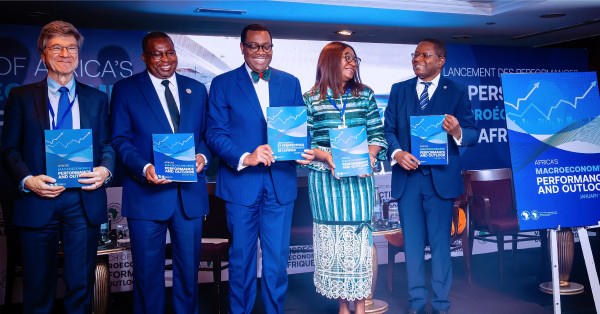
Report forecasts stronger growth for Africa in 2024, outpacing projected global average; Continent is second-fastest-growing region after Asia.
Africa will account for eleven of the world's 20 fastest-growing economies in 2024, the African Development Bank Group said in its latest Macroeconomic Performance and Outlook (MEO) of the continent released on Friday.
Overall, real gross domestic product (GDP) growth for the continent is expected to average 3.8% and 4.2% in 2024 and 2025, respectively. This is higher than projected global averages of 2.9% and 3.2%, the report said.
The continent is set to remain the second-fastest-growing region after Asia.
The top 11 African countries projected to experience strong economic performance forecast are Niger (11.2%), Senegal (8.2%), Libya (7.9%), Rwanda (7.2%), Cote d'Ivoire (6.8%), Ethiopia (6.7%), Benin (6.4%), Djibouti (6.2%), Tanzania (6.1%), Togo (6%), and Uganda at 6%.
“Despite the challenging global and regional economic environment, 15 African countries have posted output expansions of more than 5%,” Bank Group President Dr Akinwumi Adesina said, calling for larger pools of financing and several policy interventions to further boost Africa's growth.
Africa's Macroeconomic Performance and Outlook, a biannual publication released in the first and third quarters of each year, complements the existing African Economic Outlook (AEO), which focuses on key emerging policy issues relevant to the continent's development.
The MEO report provides an up-to-date evidence-based assessment of the continent's recent macroeconomic performance and short-to-medium-term outlook amid dynamic global economic developments.
The latest report is calling for cautious optimism given the challenges posed by global and regional risks. These risks include rising geopolitical tensions, increased regional conflicts, and political instability—all of which could disrupt trade and investment flows, and perpetuate inflationary pressures.
President Adesina emphasised that fiscal deficits have improved, as faster-than-expected recovery from the pandemic helped shore up revenue.
He explained further: “This has led to a stabilisation of the average fiscal deficit at 4.9% in 2023, like 2022, but significantly less than the 6.9% average fiscal deficit of 2020. The stabilisation is also due to the fiscal consolidation measures, especially in countries with elevated risks of debt distress.”
He cautioned that with the global economy mired in uncertainty, the fiscal positions of the African continent will continue to be vulnerable to global shocks.
The report shows that the medium-term growth outlook for the continent's five regions is slowly improving, a pointer to the continued resilience of Africa's economies.
Presenting the key findings of the report, the African Development Bank's Chief Economist and Vice President, Prof. Kevin Urama said: “Growth in Africa's top-performing economies has benefitted from a range of factors, including declining commodity dependence through economic diversification, increasing strategic investment in key growth sectors, and rising both public and private consumption, as well as positive developments in key export markets.”
He added: “Africa's economic growth is projected to regain moderate strength as long as the global economy remains resilient, disinflation continues, investment in infrastructure projects remains buoyant, and progress is sustained on debt restructuring and fiscal consolidation.”
“The future of Africa rests on economic integration. Our small economies are not competitive in the global market. A healthy internal African trade market can ensure value-added and intra-African production of manufactured goods,” said Commissioner for Economic Development, Trade, Tourism, Industry and Minerals, African Union Commission, Ambassador Albert Muchanga.
He assured that the MEO forecast, and recommendations will be made available to African heads of state and that the report will be useful when the African Union makes its proposals to the G20- an informal gathering of many of the world's largest economies to which the African Union was admitted last year.
The improved growth figure for 2024 reflects concerted efforts by the continent's policymakers to drive economic diversification strategies focused on increased investment in key growth sectors, as well as the implementation of domestic policies aimed at consolidating fiscal positions and reversing the increase in the cost of living and boosting private consumption.
Speaking remotely, Zimbabwe's Minister of Finance and Economic Development, Prof Mthuli Ncube described the report as being “on point” and consistent with the reality in his country, describing it as useful for economic planning across Africa. He urged the African Development Bank to continue its thought leadership to help policymakers continue to build resilience to withstand shocks and drive growth.
Ncube said: “Zimbabwe expects slower growth due to climate shocks in the region. Southern African countries depend on agriculture for economic growth, so climate-proofing agriculture is key. We are in talks with creditors to restructure its debt, which is slowing economic growth. Internally, the country will focus on economic and governance reforms and reforms around property rights to increase agricultural production.”
Up to 41 countries across the continent will in 2024, achieve an economic growth rate of 3.8%, and in 13 of them, growth will be more than 1 percentage point higher than in 2023.
Director of the Center for Sustainable Development, Columbia University Prof Jeffrey Sachs noted that long-term affordable financing must be part of Africa's strategy to achieve growth of 7% or more per year and warned that Africa is paying a very high-risk premium for debt financing. He called for this point to be made to the G20.
“Long-term development cannot be based on short-term loans. Loans to Africa should be at least 25 years or longer. Short-term borrowing is dangerous for long-term development. Africa must act as one, in scale,” he explained.
Sachs, who is also the UN Secretary-General António Guterres' Advocate for Sustainable Development Goals also called for a much larger African Development Bank, better resourced to meet Africa's financing needs.
Overview of economic outlook across regions
The confluence of shocks notwithstanding, the resilience of the continent's economies remains strong, with positive growth projected for the continent's five regions.
Driving faster and more sustainable economic growth
The 2024 MEO says in the short term, tackling persistent inflation will need a mix of restraining monetary policy coupled with fiscal consolidation and stable exchange rates.
The report identifies structural reforms and strategic industrial policies as key to accelerating economic diversification and strengthening the export sector.
It recommends that countries invest more in human capital and pursue a resource-based industrialisation and diversification strategy that allows the continent to exploit its comparative advantage and build resilience to shocks.
Distributed by APO Group on behalf of African Development Bank Group (AfDB).
Media Contact:
Emeka Anuforo
Communication and External Relations Department
media@afdb.org
About the African Development Bank Group:
The African Development Bank Group (AfDB) is Africa's premier development finance institution. It comprises three distinct entities: the African Development Bank (AfDB), the African Development Fund (ADF) and the Nigeria Trust Fund (NTF). On the ground in 34 African countries with an external office in Japan, the AfDB contributes to the economic development and the social progress of its 54 regional member states. For more information: www.AfDB.org
Vincent Ntsolo, from Soweto, was just 18 when he was recruited
FIFA+ (www.FIFA.com) will stream all UAE 2024 Dubai games; Tournament takes place from 15-25 February; Find out how you can follow the action live.
The FIFA Beach Soccer World Cup UAE 2024 Dubai™ kicks off on Thursday 15 February – and the tournament is being streamed live on FIFA+!
Takuya Akaguma, Catarino, Chiky, Edson Hulk, Marco Giordani, the Martins twins, Raoul Mendy, Moslem Mesigar, Walid Mohammad, Ozu Moreira, Lucas Ponzetti, Rodrigo and Heimanu Taiaru are among the stars who are looking to light up the tournament, with this year's edition again set to showcase the very best that the discipline has to offer.
Click here to access FIFA+ (https://apo-opa.co/496Sef7)
All matches will be available on FIFA+ web, the FIFA+ app and connected TV devices. Full details of the territories where FIFA+ live streams and full match replays are accessible can be found below. Two-minute highlights on all matches will also be available.
Territories with FIFA+ live streaming access
Africa
Angola, Benin, Botswana, Burkina Faso, Burundi, Cameroon, Cape Verde, Central African Republic, Chad, Comoros, Congo-Brazzaville, Congo-Kinshasa, Equatorial Guinea, Eritrea, Eswatini, Ethiopia, Gabon, Gambia, Ghana, Guinea-Bissau, Guinea-Conakry, Ivory Coast, Kenya, Lesotho, Liberia, Madagascar, Malawi, Mali, Mauritius, Mozambique, Namibia, Niger, Nigeria, Rwanda, Sao Tome and Principe, Senegal, Seychelles, Sierra Leone, Somalia, South Africa, South Sudan, Sudan, Tanzania, Togo, Uganda, Zambia, Zimbabwe.
Americas and the Caribbean
Anguilla, Antigua and Barbuda, Aruba, Bahamas, Barbados, Belize, Bermuda, Bonaire Sint Eustatius and Saba, British Virgin Islands, Cayman Islands, Cuba, Curaçao, Dominica, Dominican Republic, Grenada, Guyana, Haiti, Jamaica, Montserrat, Saint Kitts and Nevis, Saint Lucia, Saint Vincent and the Grenadines, Suriname, Trinidad and Tobago, Turks and Caicos Islands, United States Virgin Islands.
Asia
Afghanistan, Bangladesh, Bhutan, Brunei, Cambodia, India, Indonesia, Kazakhstan, Kyrgyzstan, Laos, Malaysia, Maldives, Myanmar, Nepal, Pakistan, Philippines, Singapore, Sri Lanka, Tajikistan, Turkmenistan, Uzbekistan, China PR, Hong Kong, Korea DPR, Korea Republic, Macau, Mongolia, Taiwan, Thailand, Timor-Leste, Vietnam.
Central and South America
Brazil
Europe
Albania, Armenia, Austria, Azerbaijan, Belarus, Belgium, Bosnia and Herzegovina, Bulgaria, Croatia, Cyprus, Czech Republic, Denmark, Estonia, Finland, France, Georgia, Germany, Greece, Hungary, Iceland, Ireland, Israel, Italy, Kosovo, Latvia, Lithuania, Luxembourg, Malta, Moldova, Montenegro, Netherlands, North Macedonia, Norway, Poland, Portugal, Romania, Russia, Serbia, Slovakia, Slovenia, Sweden, Switzerland, Turkey, Ukraine, United Kingdom.
Oceania
American Samoa, Australia, Cook Islands, Federated States of Micronesia, Fiji, French Polynesia, Guam, Kiribat, Marshall Islands, Nauru, New Caledonia, New Zealand, Niue, Northern Mariana Islands, Palau, Papua New Guinea, Samoa, Solomon Islands, Tokelau, Tonga, Tuvalu, Vanuatu, Wallis and Futuna.
Click here (https://apo-opa.co/3Sy1CRK) to visit the FIFA match centre and find out where you can watch the FIFA Beach Soccer World Cup UAE 2024 Dubai™ in your location.
* Territories' live streaming access is subject to change
A full match schedule can be downloaded here (https://apo-opa.co/3UMG3jr).
Tournament tickets are available via https://apo-opa.co/3wk8D1n to purchase.
Visa, Worldwide Partner of FIFA, is the preferred payment method for fans buying tickets for the FIFA Beach Soccer World Cup UAE 2024 Dubai™.
Distributed by APO Group on behalf of FIFA.
Contact for African media:
AfricanMedia@fifa.org
Nearly 62% of global logistics professionals say their companies are planning additional or first-time investments in Africa, according to a closely watched yearly industry survey.
The survey of 830 logistics executives is part of the 15th annual Agility Emerging Markets Logistics Index (https://apo-opa.co/4bD4lSW), a snapshot of industry sentiment and ranking of the world's 50 leading emerging markets.
The Index ranks countries for overall competitiveness based on their logistics strengths, business climates and digital readiness -- factors that make them attractive to logistics providers, freight forwarders, air and ocean carriers, distributors and investors. In the 2024 Index, the rankings of most African economies changed little from a year earlier, but businesses indicate they are looking ahead at massive population growth and trade expansion spurred by the African Continental Free Trade Area (AfCFTA).
“This is the most optimism we've seen about Africa in the 15 years of the Index,” says Agility Vice Chairman Tarek Sultan. “Africa's population will double by 2050, when one in four people on the planet will be African. International businesses realize that the time is now for Africa -- they need to invest, establish their brands, and develop the next generation of African talent if they're going to ride the coming wave of growth.”
China and India were 1 and 2 in the 50-country Index rankings. In Africa, Egypt (20), Morocco (22), South Africa (24) and Kenya (25) were the top performers, followed by Ghana (31), Nigeria (36), Tunisia (37), Tanzania (41), Algeria (42), Uganda (43), Ethiopia (45), Mozambique (46), Angola (47), Libya (50).
Egypt has Africa's highest-ranked domestic logistics opportunities -- 13th in that category; South Africa (15) was tops in Africa for international logistics; Morocco (12) has Africa's best business fundamentals; Kenya (9) is Africa's most digitally ready – and the continent's highest-ranked country in any category.
More than 63% of survey respondents say their companies continue overhauling supply chains by spreading production to multiple locations or relocating it to home markets and nearby countries. China, the world's leading producer, stands to be most affected: 37.4% of industry professionals say they plan move production/sourcing out of China or reduce investment there.
Shipping and logistics costs that soared during the COVID pandemic and its aftermath are still climbing but at a slower rate, the survey found. One way shippers expect to cope is by increasing use of digital freight forwarding from 37.8% today to 52% in five years.
2024 Index Highlights
SURVEY
COUNTRY RANKINGS
Transport Intelligence (https://apo-opa.co/4bp0Ijf) (Ti), a leading analysis and research firm for the logistics industry, has compiled the Index since it was launched in 2009.
John Manners-Bell, Chief Executive of Ti, said: “Supply chain managers are still coming to terms with the political and economic instability characterising the post-COVID global economy. Geopolitical relationships are changing rapidly, and this is having a major impact on international trade and risk profiles. Businesses need to be alive to the opportunities and threats that exist in emerging markets and use data, such as that the Agility Emerging Market Logistics Index, to inform agile decision-making.”
2024 Agility Emerging Markets Logistics Index: https://apo-opa.co/3SlOmzK
Distributed by APO Group on behalf of Agility.
For more information:
Sabrina Mundy
Man Bites Dog
teamagility@manbitesdog.com
+44 1273 716 820
For more information about Agility, visit:
Website: www.Agility.com
Twitter: https://apo-opa.co/40Ki6Kj
LinkedIn: https://apo-opa.co/49GTqqq
YouTube: https://apo-opa.co/3MNqYJr
About Agility:
Agility is a global leader in supply chain services, infrastructure, and innovation with 45,000+ employees across six continents. A multi-business operator and investor, Agility specializes in growing and scaling operating businesses. Agility's companies include the world's largest aviation services company (Menzies Aviation); a global fuel logistics business (Tristar); the market leader in logistics parks across the Middle East, South Asia, and Africa (Agility Logistics Parks); and a commercial real-estate company developing a mega-mall in the UAE (UPAC). Other Agility companies offer customs digitization services, remote-site infrastructure services, defense and government services, and ecommerce-enablement and digital logistics. Agility invests in supply chain innovation, sustainability, and resilience, and has minority holdings in a growing portfolio of listed and non-listed companies.
SA citizens in foreign countries urged to register to vote
Over 18 469 South African citizens living in 101 countries around the world have started registering to vote using the Electoral Commission’s newly launched online registration portal system.
“The Electoral Commission has enabled an online registration facility for the first time to allow South Africans outside the country to easily register for the 2024 National Elections,” Chief Electoral Officer (CEO) of the Electoral Commission Sy Mamabolo said.
Addressing the media in Pretoria on Thursday, Mamabolo said the commission hoped that the introduction of an online registration system will attract citizens from abroad.
Citizens living abroad must register as voters either online or in person at their nearest South African mission. South African high commissions, embassies and consulates will be open during working hours.
“Eligible voters are encouraged to check with their nearest mission on the registration dates and times. Registration requires a South African identity document as well as a South African passport.
“A special two-day voter registration event for South African citizens abroad will take place between 26 and 28 January 2024, depending on the configuration of weekend days.
“In countries where Friday and Saturday are weekends, the two special days designated will be Friday 26 January, and Saturday 27 January 2024,” Mamabolo said.
The countries with the most people registering online include the United Kingdom (5938), the Netherlands (1844), Germany (746), the United States (821), Ireland (675), United Arab Emirates (1068), China (515), Australia (588), New Zealand (314), Cuba (293), Portugal (284) and Belgium (280).
In the African continent, South Africans have begun to register in 28 countries, including Mauritius (316), Lesotho (224) Namibia (148), Botswana (170), Zambia (96), Zimbabwe (77), Kenya (73), Ghana (45) and Tanzania (40).
A full list of South Africa’s missions is available on the website of DIRCO at https://www.dirco.gov.za/webmissions/index.html.
The commission advised South Africans who are already registered to vote – either on the national or international segment of the voters’ roll - to check their registration status and to update their voters’ roll address if they intend to vote abroad in the 2024 National Elections.
Mamabolo said the commission has put in place all necessary measures to ensure that no one is left behind and that all citizens vote in the 2024 National Election.
“The upcoming 2024 National Elections offer an important opportunity for all South Africans to have their voices heard, regardless of geographic location,” he said.
The commission pleaded with businesses and organisations around the world to encourage their South African employees to register during this registration weekend. – SAnews.gov.za
Edwin
Fri, 01/26/2024 - 09:03
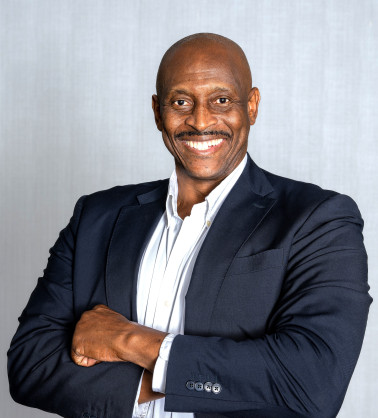
Herbert Mensah, President of Rugby Africa (www.RugbyAfrique.com), the continental governing body of rugby across Africa, issues end of year message reflecting on 2023:
Amidst our joyful farewell to 2023, I am thrilled to share my reflections as the President of Rugby Africa, the continental governing body of rugby in Africa. Together, our collective accomplishments have not only defined this year but have also laid a foundation for the promising future of Rugby Africa.
Milestones and Achievements
As we reflect on the remarkable journey of the past nine months, it is with immense pride that I share the highlights of our accomplishments. From the success of the Rugby Africa Women's tournament in Madagascar to the significant Rugby Africa Men's Olympic qualification tournament in Zimbabwe, the thrilling Rugby Sevens tournament in Mauritius, and the vibrant scene in Tunisia's Monastir, our efforts have truly shone on the rugby stage. Notably, a significant portion of our achievements this year has been dedicated to francophone countries. We celebrate the re-admittance of Nasser Bougja as Vice President, the return of the Moroccan Rugby Federation to Rugby Africa, an established pathway solution for Cameroon, Ghana and management of other upcoming elective Annual General Assemblies and the momentous milestone of signing the long-awaited agreement with the French Development Agency (AFD) to foster the development of women's rugby in Africa.
We have addressed administrative challenges by rectifying loose agreements within Rugby Africa that were either uncontracted or unpaid. Internally, administrative efficiency has been enhanced with the establishment of committees, each equipped with clear terms of reference and KPIs for committee members. Looking ahead, we are committed to annual reassessments, ensuring that our committees maintain the highest standards of performance. It's important to note that accountability remains a cornerstone, and those unable to meet expectations will be subject to be reassigned from their roles.
Commitment to Progress
As President of Rugby Africa, I continue to call for a mindset change recognizing that sport is big business. This plea heralds a new era, challenging the status quo with a comprehensive constitutional review—a ground breaking initiative unprecedented in our history. This review, initiated by Rugby Africa through the Executive Committee, involves input from various committees, our judicial council, external legal experts and a final presentation to member unions for ratification. This transformative process signifies our commitment to transparency and progress, setting a new standard for Rugby Africa.
Strategic Planning
We have successfully developed and received approval for our strategic plan, a blueprint aimed at providing financial support to all 39 member unions of Rugby Africa. Considering the limited funding from World Rugby, which primarily supports 21 out of the 39 Rugby Africa member unions, this strategic plan is a significant milestone for Rugby Africa. The plan, meticulously reviewed and presented across our committees, places a strong emphasis on securing financial backing to ensure that all Rugby Africa member unions have the necessary support to play competitively and thrive in the world of rugby.
Financial Initiatives
In a strategic effort to maximize our resources, Rugby Africa has introduced a series of financial initiatives. For the first time ever, hosts are now entrusted with covering all hosting grants- a move anticipated to result in cost savings. Guided by our Competition Manager, Johnbosco, calculations are underway to access the potential impact of these changes. Furthermore, Rugby Africa is in discussions for multiple sponsorship opportunities, with an official announcement expected mid 2024. These initiatives underscore Rugby Africa's commitment to foster more opportunities for rugby across the continent, reshape competitions and elevating the overall rugby experience. Among our own initiatives, we remain hopeful to receive greater levels of financial support from World Rugby, to further support our development and advance the growth of rugby in Africa.
Unity Among Unions
We approach the future with a sense of optimism and gratitude. My sincere appreciation goes to all the unions that have embraced the challenges. In Southern Africa, Lesotho, Eswatini, Mozambique and Botswana, have successfully organized a spirited competition, reflecting the true spirit of rugby. Burkina Faso actively engaged in a Seven's competition, demonstrating their dedication to the sport. Guinea participated in an international match with Sierra Leone, fostering unity in our rugby community. Over the past two months, Ghana has actively engaged in matches with Benin and Togo. Beyond borders, collaborative efforts between Rwanda, Burundi and Tanzania are gaining momentum as they work towards organizing their own competitions. I was particularly enthused by the huge efforts of Uganda's test matches in Tunisia and Algeria's proposed test match against Senegal. Furthermore, the 2023 Indian Ocean Island Games hosted by Madagascar, with countries such as Mauritius participating, provided an additional opportunity for increased game time. I am deeply grateful for the collective enthusiasm displayed by the unions across the continent. Together, as a federation, we are charting a path of enthusiasm and progress in the world of rugby.
Acknowledgement and Gratitude
I extend my heartfelt gratitude to APO Group, South Africa Rugby Union, French Rugby Federation (FFR), French Development Agency (AFD), and World Flair for their invaluable support. Their commitment and collaboration have provided us with a powerful platform to champion our firm belief that the development of rugby in Africa is not just a sport but an investment in the future of the continent. Together, with the support our partners, we are building a foundation for the growth of rugby, fostering community engagement, and contributing to the overall development and well-being of Africa. Thank you for your unwavering dedication to this shared vision. This year, Rugby Africa has asserted itself on the global stage, making it abundantly clear that Africa is key player in the world of rugby. During the Bloomberg Gateway Conference in Morocco, our message reached an audience of over 3.5 million people, emphasizing the vast business opportunities inherent in investing in rugby across Africa, showcasing our continent at the forefront in the global marketplace. At the Africa Investment Forum in Marrakesh, I had the privilege of engaging in discussions with the President of the African Development Bank, highlighting rugby's potential to drive economic growth through investment opportunities emerging from the continent itself. These events are instrumental in shaping Rugby Africa's global positioning, paving the way to a future where rugby across Africa can ascend to new heights.
We continue to ask ALL to accept a mindset shift to give the opportunity of sports (Rugby) a chance. Sport is NOT a charity it is BIG business!
Reflections and Greetings
A substantial amount of work has been accomplished by members of the executive committee, along with dedicated efforts of staff members and myself. As President of Rugby Africa, I believe it becomes evident that 2023 has been dedicated to laying the foundational groundwork. We anticipate that the fruits of our labour will begin to manifest from the second half of 2024 onwards. In extending my sincere gratitude, I wish season's greetings to everyone, embracing the diversity of religious traditions that enrich our continent. This is a time for unity, for coming together, breaking bread, and celebrating the strides we made collectively.
God be with all of us!
Herbert Mensah
President of Rugby Africa
Download official letter here: https://apo-opa.co/3SdGAsV
Distributed by APO Group on behalf of Rugby Africa.
Media contact:
Nicole Vervelde
Communications Advisor to the President of Rugby Africa
rugby@apo-opa.com
About Rugby Africa:
Rugby Africa (www.RugbyAfrique.com) is the continental governing body of rugby in Africa and one of the regional associations under World Rugby. It unites all African countries that play rugby union, rugby sevens, and women's rugby. Rugby Africa organizes various competitions, including the qualifying tournaments for the Rugby World Cup and the Africa Sevens, a qualifying competition for the Olympic Games. With 39 member unions, Rugby Africa is dedicated to promoting and developing rugby across the continent. World Rugby highlighted Ghana, Nigeria and Zambia as three of the six emerging nations experiencing strong growth in rugby.
Minor Hotels Signs Deal for Visionary Safari Experience in Zambia Anantara Kafue River Tented Camp to launch in 2025 in Kafue National Park Minor Hotels, an international hotel owner, operator and investor with more than 540 hotels in 56 countries in Asia Pacific, the Middle East, Africa, the Indian Ocean, Europe and the Americas, is …
December 2023: Starbucks Expanded Its Presence in Johannesburg with a New Store in Sandton City Sandton, Johannesburg, South Africa – Starbucks South Africa was excited to open its newest store in the heart of Johannesburg’s affluent Sandton City. Launched on 20 November 2023, this store represents a significant milestone in Starbucks’ expansion strategy, as explained …
Starbucks Celebrated Local Connections and Global Standards at New Ballito Store Ballito, South Africa – Starbucks, a global leader in artisanal coffee and food offerings, celebrated the opening of its latest store in the heart of the picturesque coastal neighbourhood of Ballito. Under the strategic leadership of Starbucks South Africa MD Leah McCrae, the new …

Despite rising food and fuel costs, weakening currencies, climate change effects, security threats, political instability, rolling power cuts, infrastructure limitations, and several economic and social challenges, Africa will be one of the fastest-growing regions in 2024.
That's one of the key findings in the 2024 edition of the Top 100 Business Opportunities in Africa to Watch (https://apo-opa.co/47PmhYd), an annual selection of the continent's most lucrative business ideas and investment opportunities curated by Activator HQ.
Following two years of slow post-COVID recovery, 2024 presents several interesting opportunities for business startup and growth in Africa. While Nigeria, South Africa, Egypt, Kenya and countries across the continent offer unique opportunities and challenges for new business and investment, economies like Senegal, Ethiopia, Tanzania, Cote d'Ivoire, Rwanda, Burkina Faso, The Gambia and Benin could grow by more than 6% in 2024, twice higher than the global growth of 2.9% projected by the International Monetary Fund (IMF).
The Africa Top 100, now in its 7th year, identifies specific business ideas and investment opportunities in over 30 growth markets, industries, value chains, and underserved niches across Africa. Each opportunity in the Top 100 is selected based on their relevance to local market needs, lucrativeness, competitive superiority, export potential, and innovation.
“The new edition, which is the outcome of months of research and analyses that considered dozens of value propositions, market trends, demand-supply gaps, and business models across Africa, only consists of opportunities that have a minimum total addressable market value of $100 million,” said John-Paul T. Iwuoha, Founder and CEO of Activator HQ. “It is interesting to see from our 2024 selection that more business ideas and investment opportunities in Africa are actually borne from unmet market needs, difficult but highly-rewarding problems, and the megatrends we have identified that are currently shaping the continent (https://apo-opa.co/46Sd4gb).”
As a developing region, Africa's deficits in food security, housing, finance, education, energy and other critical areas are inspiring innovative solutions, products, and services from a growing number of startups and growth-stage businesses on the continent. In essence, for entrepreneurs in Africa, problems are actually opportunities to unlock market value and create compelling value propositions.
“Our mission at Activator HQ (www.ActivatorHQ.com) is to make it easier and faster for entrepreneurs to start and grow businesses in Africa. That's why our selection of business ideas features inspiring examples of real entrepreneurs, startups, and companies in Africa that are getting results and making impact on the ground,” Iwuoha said. “To reduce the barriers to startup, we have also developed bespoke and professionally-crafted business plans (https://apo-opa.co/470U6Ew) that can be downloaded and used to raise funding or guide the execution of a specific business idea.”
Highlights from Activator HQ's 2024 Africa Top 100 Guide:
“I am very proud of the meticulous work the team has put into the 2024 edition of the Africa Top 100,” Iwuoha continued. “In contrast to the mainstream stereotype of Africa as a ‘poor continent', the impressive ideas in this guide show the sheer abundance of opportunities in Africa for new businesses and investments. The spirit of entrepreneurship is bursting with energy on the continent and I am optimistic that many of the ideas in our 2024 edition will inspire new businesses, products, projects, investments, and income streams in the new year.”
The Top 100 Business Ideas in Africa to Watch in 2024 is available on the Activator HQ website at https://apo-opa.co/41hkLvm.
Distributed by APO Group on behalf of Activator HQ.
Media contact:
John-Paul Iwuoha
jp@activatorhq.com
For more information about Activator HQ, visit:
Website: www.ActivatorHQ.com
Twitter: https://apo-opa.co/46Np8iY
Facebook: https://apo-opa.co/3uRABAT
LinkedIn: https://apo-opa.co/3NowFxL
YouTube: https://apo-opa.co/3NqTmkT
About Activator HQ:
Founded in 2013 as Smallstarter Africa and relaunched on its 10-year anniversary, Activator HQ is a market intelligence and capacity development firm that supports Africa-focused entrepreneurs with the insights, training, and guidance they need to succeed in the continent's promising but difficult markets. In the last decade, Activator HQ has trained over 30,000 entrepreneurs and business owners on startup and market entry strategy, fundraising, sales and growth strategy, business modelling, and turnarounds. Its list of clients and partners includes the Staff Cooperative Societies of Nigeria LNG and Total Exploration & Production (Nigeria), the SUN Business Network, the Roddenberry Foundation, and the African Women Innovation and Entrepreneurship Forum (AWIEF), among others.
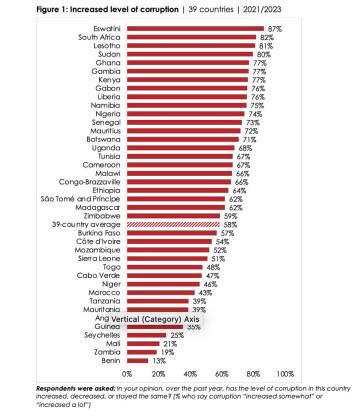
A majority of Africans say that corruption in their country is rising, that their government is failing in its efforts to fight it, and that ordinary citizens risk retaliation if they report corruption to the authorities, Afrobarometer's (www.Afrobarometer.org) latest Pan-Africa Profile (https://apo-opa.co/41k8N4i) reveals.
Download document (1): https://apo-opa.co/3NmOey6
Download document (2): https://apo-opa.co/3RDm193
Released ahead of International Anti-Corruption Day (9 December), the Afrobarometer report is based on nationally representative surveys in 39 African countries.
Findings show that among key public institutions, the police are most widely perceived as corrupt. In substantial numbers, citizens report having to pay bribes to obtain police assistance or avoid problems with the police, as well as to get government documents and services at health facilities and schools.
Citizens' assessments vary widely across countries, with Gabon, South Africa, Nigeria, Liberia, and Uganda among the worst-performing countries when it comes to perceived corruption in key public institutions, while Seychelles, Cabo Verde, Tanzania, and Mauritius turn in the best performances.
Key findings
Distributed by APO Group on behalf of Afrobarometer.
For more information, please contact:
Daniel Iberi
Afrobarometer communications officer for East Africa
Email: diberi@afrobarometer.org
Telephone: +254725674457
Follow us on:
Twitter: https://apo-opa.info/3jYM2la
Facebook: https://apo-opa.info/3K0t6gq
YouTube: https://apo-opa.info/3Ysf4IU
Visit us online at www.Afrobarometer.org
Follow our releases on #VoicesAfrica.
Afrobarometer surveys:
Afrobarometer is a pan-African, non-partisan survey research network that provides reliable data on African experiences and evaluations of democracy, governance, and quality of life. Nine survey rounds in up to 42 countries have been completed since 1999. Round 9 surveys (2021/2023) cover 39 countries.
Afrobarometer's national partners conduct face-to-face interviews in the language of the respondent's choice with samples of 1,200-2,400 adults that yield country-level results with margins of error of +/-3 to +/-2 percentage points at a 95% confidence level.
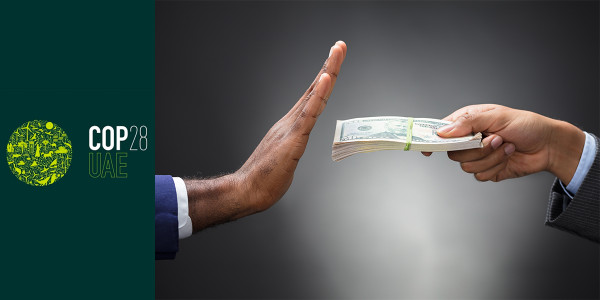
By NJ Ayuk, Executive Chairman, African Energy Chamber (www.EnergyChamber.org).
There was an era when Africa and Western pop music were closely linked.
Western entertainers spearheaded a number of internationally renowned events to raise awareness about the plight of starving Africans and generate funds for famine relief.
In December 1984, the supergroup Band Aid sang about feeding the world, asking “Do They Know it's Christmas?” Within a year, the group had raised over USD9 million. Three months later, USA for Africa released “We Are the World” and banked USD44.5 million after one year for its African humanitarian fund. Then on a hot July day in 1985, the worldwide concert event Live Aid raised more than USD150 million for famine relief in Africa.
These are just a handful of grand and noble gestures intended to lift Africa out of poverty. And these famous events arguably raised both awareness and funds. Unfortunately, the efforts — and others like them — fall far short of making any real socioeconomic change. In fact, some argue that injecting monetary aid into Africa, time and time again, has actually done more harm than good.
I acknowledge that stance may sound ungrateful. At first blush, many might counter that starving people have no agenda. Destitute parents still need to feed their children. Turning a blind eye to their plight is inhumane.
Let me explain why the African Energy Chamber (AEC) continues to push for free-market solutions rather than good-will handouts.
History of ‘Help'
Even aid genuinely given to help Africa tends to do more harm than good.
Since 1960, more than USD2.6 trillion has been pumped into Africa in the form of aid. From 1970 and 1998, when aid was at its peak, poverty actually rose alarmingly — from 11% to 66% — due in large part to this massive influx of foreign aid that counteracted its intended good.
Aid decreased long-term economic growth by fueling systemic corruption, in which powerful aid recipients funneled foreign funds into a personal stash instead of public investment. Many leaders realized that they no longer needed to invest in social programs for their constituents because of the revenues from foreign donors.
Large inflows of aid also caused higher inflation, hindering African nations' international competitiveness in exporting. That resulted in diminishing the manufacturing sector – which is critical in helping developing economies grow — across the continent. And well-intentioned Westerners who saw the economic shrink just kept pouring more and more money at “the problem” — leading to a vicious cycle that furthered corruption and economic decline.
But here's the kicker: The World Bank has admitted that 75% of the agricultural projects it implemented to help Africa failed. So why do they and other aid providers continue to fund these failing efforts?
Examples of Failure
Across the continent, we see example after example of failed aid projects, with agricultural projects routinely providing little or no benefit to African farmers.
In Mali, the U.S. Agency for International Development (AID) injected USD10 million into “Operation Mils Mopti” to increase grain production. The government imposed “official” prices on the grain, which forced farmers to sell their crops at these below-market rates and resulted in grain production falling by 80%.
AID also spent USD4 million to help livestock producers grow the number of cattle in the Bakel region from 11,200 to 25,000 — but ultimately only succeeded in increasing it by 882 head. Another USD7 million was injected into the Sodespt region, but that investment managed to sell only 263 cattle and failed to sell any goats or sheep.
Then we see example after example of Westerners wastefully “helping” without any understanding of the local situation. Norwegian aid agencies built a fish-freezing plant to improve employment in northern Kenya — a region where the local people traditionally do not fish because of their semi-nomadic pastoralist lifestyle. Couple the lack of fishing experience with the unfortunate reality that the plant required more power than was available in the entire region, and the result was that the brand-new processing plant sat idle.
The World Bank financed a USD10+ million expansion of Tanzania's cashew-processing capabilities, which resulted in 11 factories with the capacity to process three times as many cashews as the country was growing on a yearly basis. The plants were too efficient for the available workforce and cost so much to run that it was cheaper to process the raw nuts in India. Half the plants were inoperable, and the other half only ran at about 20% capacity.
I'm not saying that we Africans are ungrateful for the outpouring of heartfelt care. The compassion of the West is certainly real. However, the outcome of said compassion is the concern: The more foreign aid African governments receive, the worse they perform. As long as the aid keeps flowing, government leaders and their employees who administer development programs may prosper while the rest of the citizenry continues to suffer the effects of a mismanaged economy.
Questionable Benefits
We also must acknowledge that, in far too many cases, aid has also been given to African nations and communities in attempts to manipulate and control.
“While hungry faces are used on posters and in media reports to sell the virtues of foreign aid, it is the hungry who rarely see any of the funds,” James Peron, executive director of the Institute for Liberal Values in Johannesburg, South Africa, lamented in a piece for the Foundation for Economic Education. “Poverty may be used to justify the programs, but the aid is almost always given in the form of government-to-government transfers. And once the aid is in the hands of the state it is used for purposes conducive to the ruling regime's own purposes.”
And now we witness the international community talking about aid for African countries as a substitute for our oil and gas activities. Western environmentalists argue that Africa should keep all of its petroleum resources in the ground to prevent further climate change. In exchange for that sacrifice, African nations would be compensated and inject that money into other opportunities like developing their sustainable energy technologies.
I've said it before, and I'll say it again: What a horrible idea!
I‘m offended by foreign stakeholders feeling that providing humanitarian assistance gives them the right to influence our domestic decisions. With Africa poised to participate in the worldwide energy transition, my fear is that international donors will feel justified to dictate Africa's policy regarding the lengths to which, and speed with which, our energy transition occurs. This would be a huge step backward in our energy, economic, and even individual independence.
Aid packages to incentivize giving up our oil and gas operations will be detrimental to Africans. Because let's be honest: History has shown that this assistance could never replace the oil and gas industry's ability to create jobs and business opportunities, grow local capacity, open the door to technology sharing, facilitate economic growth, and alleviate energy poverty.
Instead of continuing a pattern that clearly does more harm than good, why aren't African nations encouraged to leverage the wealth of resources at our feet?
During the final few days of COP28 — and beyond — the AEC is determined to make a case for African nations harnessing their oil and gas solutions to help themselves. We will not be bullied, or manipulated with aid, into a path that is not in our best interests.
Use What We Have!
One reason why the AEC is an outspoken advocate for Africa's oil and gas industry is because it represents more than big revenue for African governments. It is a free-market solution that creates pathways for Africans to help themselves. And, ultimately, empowering Africans is our number one goal.
We endorse an energy mix approach that allows Africa to use and sell our own hydrocarbon reserves to alleviate energy poverty, while at the same time moving toward a future in which renewable energy sources power the continent. The energy mix method can help more people more quickly because it takes a practical, people-first approach to helping those who have traditionally been left behind by the energy sector, while moving us toward greener energy sources.
Natural gas, in particular, can transform African lives and communities. Its potential benefits range from eradicating energy poverty to allowing Africans to develop skills for good jobs to creating hope for our youth.
Ramping up gas production to help alleviate the lack of access to electricity will create thousands of new employment opportunities in Africa. In addition, the new sources of energy can be exported to Western countries to replace Russian energy. Then, as Europe transitions to sustainable energy, a larger portion of Africa's natural gas can power domestic needs. By the time other countries complete their transitions to carbon-neutral sources, Africa will have a much more expansive and reliable grid system, which will allow for an easier transition.
And before we argue about the evils of hydrocarbons, let me point out that, although it might seem counterintuitive, it is possible for Africa to make use of its abundant fossil fuels while moving toward a future sustained by renewable energy sources. In fact, I believe that African nations must do everything they can to ensure that these two things work in tandem. Considering that 600 million people on the continent have no access to electricity and 900 million people lack access to clean cooking technologies, it's impossible — if not altogether inhumane — to discuss climate change without looking at energy poverty.
As I recently wrote in an article published by Medium, we cannot transition from the dark to the dark. We must deliver energy to the people of Africa and then worry about transitioning to environmentally friendly alternatives, just like we have everywhere else in the world.
This has been our platform at COP28, and we will continue to stand by it in 2024 and beyond.
Distributed by APO Group on behalf of African Energy Chamber.
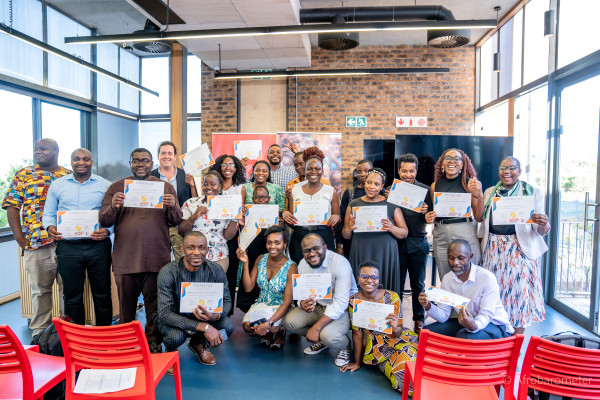
“Writing never stops. This is the starting point. Take the lessons that you have learnt here and demonstrate to the world that not only can we produce our own data, but that we are capable of analysing it,” Afrobarometer surveys director Boniface Dulani told up-and-coming researchers at the closing ceremony of the Afrobarometer (https://www.Afrobarometer.org/) Pretoria summer school on Friday.
The three-week training programme equips African scholars with solid skills in research design, survey methodology, and the use of social statistics. Afrobarometer manages the programme in collaboration with the University of Pretoria's Future Africa, a pan-African research institute pioneering approaches to research and innovation on the continent and beyond.
“One thing that excites me is not only do we have access to the [Afrobarometer] data, but as Africans, we also understand the context from which the data comes,” Dulani added.
In his remarks to the group, Neeraj Mistry, deputy director of Future Africa, said, “In a world of mis- and disinformation, we need solid data and good analysis of it. So we are relying on you to give us the evidence base, to give us real-time analysis from the ground from real people's contributions. That's the kind of evidence that we need in order to make change happen.”
The 19 summer school participants – 50% women – represented 13 countries: Benin, Botswana, Ghana, Kenya, Lesotho, Madagascar, Malawi, Mozambique, Namibia, Nigeria, South Africa, Tanzania, and Uganda.
Reflecting on the summer school experience, David Asante-Darko from the Ghana Center for Democratic Development commented, "The highlight of my Afrobarometer summer school was my exposure to the diverse ways in which Afrobarometer data can be analysed to speak convincingly to African realities.
“As a member of an African community dedicated to the fight against the decline of democracy, it is assuring to have discovered that I have unfettered access to a wealth of credible and unbiased data,” Asante-Darko further noted.
Another participant, Caroline Nakayiza from Uganda, remarked, “As a data collector, I have picked a lot from the summer school. It has been a great journey – I have explored a new country and made new friends and connections.”
After weeks of intense learning, the participants are producing research papers that will feed into Afrobarometer's publications series, advancing the organisation's goal to “let the people have a say!”
Distributed by APO Group on behalf of Afrobarometer.
For more information, please contact:
Asafika Mpako
Afrobarometer communications coordinator for Southern Africa
Email: ampako@afrobarometer.org
Telephone: +27 83979 8299
Visit us online at www.Afrobarometer.org
Follow us on:
Twitter: https://apo-opa.info/3jYM2la
Facebook: https://apo-opa.info/3K0t6gq
YouTube: https://apo-opa.info/3Ysf4IU
Visit us online at www.Afrobarometer.org
Follow our releases on #VoicesAfrica.
About Afrobarometer:
Afrobarometer (AB) is a trusted source of high-quality data and analysis on what Africans are thinking. With an unmatched track record of more than 370,000+ interviews in 42 countries, representing the views of 75% of the African population, AB is leading the charge to bridge the continent's data gap. AB data inform many global indices, such as the Ibrahim Index of African Governance, Transparency International's Global Corruption Barometer, and the World Bank's Worldwide Governance Indicators. The data are also used for country risk analyses and by credit rating and forecasting agencies such as the Economist Intelligence Unit. All AB data sets are publicly available on the website (https://www.Afrobarometer.org) and may be analysed free of charge using AB's online data analysis tool (https://apo-opa.info/3lVrwlT).
About Future Africa at the University of Pretoria:
The University of Pretoria established the Future Africa initiative as a platform to develop leadership in transdisciplinary research in Africa. Future Africa is a hub for African and global research networks to address the challenges that hamper transformation toward a prosperous, equitable, and sustainable future in Africa.
Palaeobiologist Anusuya Chinsamy-Turan speaks at GroundUp’s Science for the People seminar

New NBA Stores at Gateway Mall in Durban and V&A Waterfront in Cape Town Will Feature Extensive Range of Officially Licensed NBA Merchandise, Including Nike Jerseys, Apparel, Memorabilia and More;Naismith Memorial Basketball Hall of Famer Clyde Drexler to Attend Store Launch Events in December and Engage with Local Fans; NBA Fans in South Africa and Other Select African Countries Can Continue to Shop Online at NBAStore.Africa (https://NBAStore.Africa/).
NBA Africa and Shesha, a premium retailer of exclusive and limited-edition footwear, apparel and accessories, today announced that two new NBA Stores will open in Durban and Cape Town, South Africa. The NBA Store in Durban will be located at Gateway Mall and open on Friday, Nov. 24, while the NBA Store in Cape Town will be located at V&A Waterfront and open on Friday, Dec. 1.
The new stores build on NBA Africa's existing merchandise offerings, including the first NBA Store on the continent located in Sandton City, Johannesburg and the league's first e-commerce (https://NBAStore.Africa/) site dedicated to fans in Africa, which provides fans in select countries with the widest selection of official NBA merchandise ever available on the continent. To celebrate the new store openings, Naismith Memorial Basketball Hall of Famer Clyde Drexler will engage with fans at launch events in Cape Town on Tuesday, Dec. 12 and in Durban on Thursday, Dec. 14.
Both stores, which will be operated by Shesha, will feature an extensive range of officially licensed NBA merchandise for youth and adults, including current and former player jerseys, apparel, headwear, footwear, sporting goods, toys and collectibles from major brands such as Nike, Mitchell & Ness, New Era and Wilson. The stores will also feature a customization area where fans can personalize NBA jerseys.
“We are excited to expand our merchandise offerings in Africa as part of our multiyear collaboration with Shesha,” said NBA Africa CEO Victor Williams. “There is tremendous demand for official NBA merchandise from fans in South Africa and across the continent, and these beautiful new stores will allow fans in Cape Town and Durban to more easily represent their favorite teams and players.”
“Following the launch of Africa's first NBA Store in Johannesburg last year, we are excited to also deliver the NBA Store experience to fans in Durban and Cape Town,” said Shesha CEO Nirmal Devchand. “The launch of the new NBA Stores will provide more fans in these cities with better access to their favorite teams and players' merchandise, and we look forward to welcoming them to these new locations.”
Drexler, a 15-year NBA veteran who retired from the league in 1998, is an NBA champion, 10-time NBA All-Star, five-time All-NBA selection, and member of the NBA's 50th and 75th Anniversary Teams. He was inducted twice into the Naismith Memorial Basketball Hall of Fame, first in 2004 for his individual career and again in 2010 as a member of the United States Men's National Team at the 1992 Olympic Games in Barcelona, Spain.
There are more than 400 NBA-branded, licensee-operated, retail stores and attractions worldwide that serve as the league's official destinations for fans around the world. NBA fans in Angola, Botswana, the Democratic Republic of the Congo, Lesotho, Malawi, Mauritius, Mozambique, Namibia, the Seychelles, South Africa, Swaziland, Tanzania, Zambia and Zimbabwe can continue to shop online at NBAStore.Africa (https://apo-opa.co/47LGv4x).
Earlier this month, the Basketball Africa League, a partnership between the International Basketball Federation (FIBA) and NBA Africa, announced that the league's fourth season will tip off in March 2024 in South Africa. Fans can register their interest in tickets to games at BAL.NBA.com (https://BAL.NBA.com/).
Distributed by APO Group on behalf of National Basketball Association (NBA).
Contact:
Chumani Bambani,
NBA Africa Communications,
cbambani@nba.com,
+27 65 548 1031
About NBA Africa:
NBA Africa is an affiliate of the National Basketball Association (NBA), a global sports and media organization with the mission to inspire and connect people everywhere through the power of basketball. NBA Africa conducts the league's business in Africa, including the Basketball Africa League (BAL), and has opened subsidiary offices in Cairo, Egypt; Dakar, Senegal; and Lagos, Nigeria. The NBA has a long history in Africa and opened its African headquarters in Johannesburg, South Africa in 2010. The league's efforts on the continent have focused on increasing access to basketball and the NBA through youth and elite development, social responsibility, media distribution, corporate partnerships, NBA Africa Games, an NBA Store, the BAL, and more. Last year, NBA Africa reached more than eight million youth across the continent through basketball development, life-skills programming and social media engagement.
NBA games and programming are available in all 54 African countries, and the NBA has hosted three sold-out exhibition games on the continent since 2015. The BAL, a partnership between the International Basketball Federation (FIBA) and NBA Africa, is a professional league featuring 12 club teams from across Africa that will tip off its fourth season in March 2024. Fans can follow @ NBA_Africa and @ theBAL on Facebook, Instagram, X and YouTube.
About Shesha:
The first Shesha store launched in Johannesburg, South Africa in 2005, and today features over 15 stores. The Shesha business is committed and passionate about street culture. The stores are dedicated to serve the community and fans with the freshest limited edition premium lifestyle and basketball merchandise. The Shesha stores offer a range of global and local brands, with a particular focus on footwear and headwear, and global collaborations across both lifestyle and basketball. Fans can follow @ shesha_fashion on Instagram, @ Shesha Lifestyle on Facebook, and @ SheshaLifestyle on Twitter, or visit their website – www.SheshaLifestyle.com
I bring you compliments from the board and management of African Peace Magazine UK (https://AfricanPeace.org/).
Download the document: https://apo-opa.co/49G8Mex
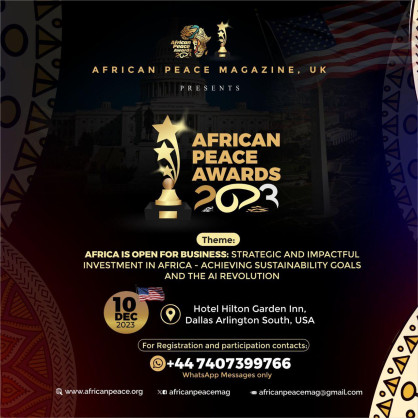
On behalf of the Chairman Justice Suleiman Galadima, JSC, OFR, CFR (Rtd.), the board and management of African Peace Magazine UK, humbly wish to specially invite you to attend the Hybrid Award with the Theme: Africa is open for business: Strategic and Impactful Investment in Africa – That would facilitate peace and achieve sustainability goals.
The African Peace Magazine UK, in conjunction with her strategic partners: Rethink Africa Foundation, African Fact Checkers, Centre for peace and Conflict management in Africa, African Right Watch Television Ltd and several others is set to host the prestigious 13th Edition of African Peace Award at Hotel Hilton Garden Inn Dallas Arlington South USA on the 10th December 2023.
The event is designed to host business, political, and diplomatic leaders. It is set to have in attendance, policy makers, and think-tanks on Africa and Africa-related issues.
The African Peace Magazine introduces its awards in the hopes of promoting peace globally and specifically in Africa with the hope of effecting change in Africa first and then globally.
The event is designed to host business, political, and diplomatic leaders. It is set to have in attendance, policy makers and think-tanks on Africa and Africa related issues. The African Peace awards 2023 seeks to honor persons, institutions, organization, governments and others whose actions, and efforts have in one way improved or contributed to peace keeping and conflict management in Africa as well as improving the lives of Africans.
Several African Presidents, Heads of Government, first ladies, Past President and Vice Presidents, top business Executives, diplomats and others have received the award.
The past recipients of Award includes: H.E, the former Vice President of the Federal Republic of Nigeria, Professor Yemi Osinbajo, SAN, GCON, The former First Lady of The Federal Republic Nigeria, H.E, Mrs. Aisha Buhari, Hon Justice Stella Anukam Judge of the African Court on Human and Peoples Right. The former President of Sierra Leone, H.E Ernest Bai Koroma, Secretary to the Federation of the Federal Republic of Nigeria, Boss Gidahyelda Mustapha Esq, The First Lady of Kwara State, H.E Amb. Dr. Olufolake Abdulrazaq, H.E the former First Lady of Taraba State, H.E Bar. Anna Mbasugun Darius Ishaku, Chief Akin Olujinmi SAN former Attorney General of the Federation, Chief Mike Ozek home SAN, Ahmed Raji SAN, Prof. Anthony Adegbulugbe, Chairman of Green Energy International Ltd and former SA to the President of Nigeria. H.E. Professor Monique Oshame Ekpong (KSJI), the Ambassador Extraordinary and Plenipotentiary of the Federal Republic of Nigeria to the Republic of Angola
Prof Bolaji Owasonye SAN, The former Chairman of Independent Corrupt Practices and Other Related Offences Commission, The President of the ECOWAS Court Hon Justice Edward Amoako Asante, Babatunde Irukera Esq, Chief Executive Officer Federal Consumer Protection Council and several others
APM, organizers of the Prestigious African Peace Awards, through its Awards committee has unveiled the following persons as the winners of the African Peace Award 2023 in various categories.
The winners:
Ms. Amina J. Mohammed
The Deputy Secretary-General of the United Nations and Chair of the United Nations Sustainable Development Group
HE. Mutinta Hichilema
The first lady of Zambia
H.E Fatima Maada Bio
The First Lady of Sierra Leone
H.E Mrs. Samia Suluhu Hassan
President of Tanzania
Dr. Demola Sogunle
Chief Executive of Stanbic IBTC Holdings PLC
Mr. Gaspar Martins
Chairman/ CEO of Sonangol Angola
Dr. Ngozi Okonjo-Iweala
Director-General of the World Trade Organization
H. E Fuad Ademola Adeyemi
H.E Sanusi Kaura Mohammed
H.E Liman Munir Yusuf
H.E Mohammed Onawo Ogoshi
H.E Ojogbane Adegbe
H.E Suleiman Abdul Rahman
H.E Dickson Dominic Tarkighir
Gen Aliyu Gusau
H.E Auxillia Mnangagwa,
The first lady of Zimbabwe
Mr. Akindele Akintoye,
Chairman, Platform Capital
Mpumi Mpofu,
CEO, Airports Company South Africa
João Figueiredo
CEO, of Moza Banco
H.E Nadia Alaoui,
Morocco
Othman Benjelloun
CEO of BMCE Bank of Africa
Chief (Dr.) Mike Ozekhome
SAN, CON
H.E Joao Baptista Borges
Hon Minister Angola
H.E Nialé Kaba
Ivorian Minister for Planning and Development
H.E Philip Mpango
Tanzania's Vice-President
H.E Verde José Ulisses Correia e Silva
Prime Minister of Cabo
H.E Sahle-Work Zewde
Ethiopia's President
H.E Tiemoko Meyliet Koné
Ivorian Vice President
H.E Patrick Achi
Ivorian Prime Minister
H.E Mahamudu Bawumia
Ghanaian Vice President
H.E. Dr. Mohamed Irfaan Ali
President of Guyana
H.E. Gaston Browne
Prime Minister of Antigua and Barbuda
HE Peter Mutharika
Former President of Malawi
H.E. Dr. Terrance M. Dew
Prime Minister, St. Kitts and Nevis
HE Philip J. Pierre
Prime Minister of St. Lucia
HE Lazarus Chakwera
President of Malawi
Dr. Ameenah Gurib-Fakim
Former President of Mauritius
HE Ralph Gonsalves
Prime Minister of Saint Vincent and the Grenadines
HE Julius Maada Bio
President of Sierra Leone
H.E. Hage Geingob
President of Namibia
HE Patricia Scotland
Secretary General of the Commonwealth
HE Jakaya Mrisho Kikwete
Former President of Kenya
Dr. Tedros Adhanom Ghebreyesus
WHO Director-General
H.E Princess Fifi EJINDU
Abuja Nigeria
H.E António Henriques da SILVA
Luanda Angola
H.E Bento dos SANTOS
Luanda Angola
H.E Senator Grace FOLASHADE
Luanda Angola
H.E Sabena JOHANNES
Luanda Angola
H.E Téte António,
Minister of Foreign Affairs
Luanda Angola
H.E Mário de Oliveira
Minister of Telecommunications Information, Technology and Social Communication
H.E Ricardo d´Abreu
Minister of Transport
Luanda Angola
H.E Domingos Vieira LOPES
The Secretary of State for International Cooperation His Excellency.
Luanda Angola
Hajia Bola Muinat Shagaya
MON
Abdul Samad Rabiu
CFR, CON, is the Chairman of BUA Cement Plc
Jacques Piekarski
Chief Financial Officer / Executive Director of BUA Cement Plc
Nicolas Pompigne-Mognard
Founder and Chairman of APO
Senator Daisy Danjuma
Executive Vice Chairman of SAPETRO South Atlantic Petroleum Limited
Joycee Awosika
Founder of Nigeria First Wellness Spa Franchise
His Excellency Kashim Shettima Mustapha GCON
Vice President Federal Republic of Nigeria
Aliko Dangote GCON
Chairman, and CEO of the Dangote Group
Craig Morkel
Chairperson - Gas Economy Leadership Team at South African Oil & Gas Alliance (SAOGA)
Simone Santi
President Leonardo Group
Mozambique
Mike-Anthony Johnson
CEO JIC Holdings
Hon Dr. Abike Kafayat Oluwatoyin Dabiri-Erewa
OON, CEO,NIDCOM (Nigerians In Diaspora Commission)
Mr. Elliot Ibe,FNAPE
President, Nigerian Association of Petroleum Explorationists (NAPE)
Her Excellency, Dr. Esperanca da Costa
Vice President of the Republic of Angola
Dr. Jose Chinjamba
Board of Director, Angola's Agency for Private Investment and Exports Promotion (AIPEX)
Engr. Felix Obike,
The Chairman, Society of Petroleum Engineers (SPE)
Mr. Gwueke Ajaifia
(Executive Director) Oil Producers Trade Section (opts)
Mr. Gabriel Idahosa, FCA
President Lagos chamber of commerce and industry Alausa Lagos
Festus Osifo
Petroleum and Natural Gas Senior Staff Association of Nigeria (PENGASSAN)
Bala M. Wunti
The Group General Manager of the National Petroleum Investment Management Services (NAPIMS),
Mr. Farouk Ahmed
The Authority Chief Executive, the Nigerian Midstream and Downstream Petroleum Regulatory Authority (NMDPRA)
The President, Eze, Sir Mike Elechi, JP, FNIM, NPOM
The President of Port Harcourt Chamber of Commerce, Industry, Mines and Agriculture (PHCCIMA)
Mele Kolo Kyari OFR
Group Chief executive officer (GCEO) of the Nigerian National Petroleum company limited (NNPC limited)
Mr. Umar Isa Ajiya
Chief Financial Officer (CFO) Nigerian National Petroleum company limited (NNPC limited)
Senator Hagiya Habibah Ireti Kingiba
Mario A. Caetano Joao
Minister of Economy and planning Angola
Markus Klaushofer
Chief Executive Officer Bei Alanova Aviation Partners
Francisco Mendes
Managing Partner Mc Kinsey and Company Angola
Ansalmo Neves
Director Regional Banco de Fomento Angola
Daniel Pires
President of the Textile Industrial Forum Angola
Jorge Cruz
Professor Agostinho Neto University Angola
His Excellency Dr. Diamantino Pedro Azevedo
Minister of Mineral Resources, Oil and Gas of the Republic of Angola
Dr. Omar Farouk Ibrahim
Secretary General of the African Petroleum Producers' Organization, APPO
Silvester Scott Beaman of Delaware
Chair Mimi Alemayehou of Washington DC
Rosalind Brewer of Georgia
Viola Davis of Rhode Island
Helene D. Gayle of Georgia
Patrick Hubert Gaspard of New York
C.D. Glin of Connecticut
Osagie Imasogie of Pennsylvania
Almaz Negash of California
Chinenye Joy Ogwumike of Texas
Ham Serunjogi of California
Kevin Young of Washington, D.C.
Deniece Laurent-Mantey
Rev Dr Michael Evans
Pastor Ropo Tusin
Pastor Laide Tusin
Theophilus Maku
Victoria Maku
Divine Oshideko
Shola Kareem
Dr Oladele Olusanya
Dr Edward Olutoke
Pastor Darolyn Brock
Pastor Robert Madu
Pastor Victoria Madu
Belinda Babila
Hon. Bobby DigiOlisa
Festus Adenisimi
HE Joaquin Chissano
Former President of Mozambique
HE Jakaya Kikwete
Former President of Tanzania
HE Hailemariam Desalegn
Former Prime Minister of Ethiopia
Adaralegbe Akintayo
CEO of TPumpy Concept Limited
Distributed by APO Group on behalf of African Peace Magazine.
Attendance is strictly by invitation.
For your VIP and VVIP Access cards, please contact: +447466234902, +2348033975746, and call +447771217805, +14845425610
For sponsorship, partnership, Exhibition and speaking opportunities and all other enquiries please contact
Uduak Okon
International Affairs
+2348033975746, +447407399766
Nigeria Abuja Office:
Suite FT 12B Alibro Atrium Plaza Utako Abuja
+2348033975746
South African Office:1
6 Ridge Road Vorna Valley Midland 1686 South Africa
+27662449117
Angola:
Call +244928690892, +244993656970, +244927589884
London Office:
10 Saint Andrew Road Bedford MK 402LJ England
Call +4477771217805 WhatsApp +447407399766
African Peace Magazine
Email: africanpeacemag@gmail.com
African Peace Magazine
Website: https://AfricanPeace.org/
https://www.AfricanPeaceAwards.com/
https://AfricanOilAndGasSummit.com/
Social Media:
Twitter: https://apo-opa.info/47nrpCf
Facebook: https://apo-opa.info/40so16x
I.G: https://apo-opa.info/3u0Vvx1
LinkedIn: https://apo-opa.info/3QMRZ2c