First Malaria Treatment for Babies Is a Major Step to Ending the Disease in Africa
A recently approved drug for malaria treatment offers hope to millions of children who suffer from the disease in Africa.

MyZA
News, Directory, Events and Other Stuff
A recently approved drug for malaria treatment offers hope to millions of children who suffer from the disease in Africa.
Coolness has changed. Today it’s about being extroverted, hedonistic, adventurous, open, powerful and autonomous.
Ghana stands out in west Africa as a nation that hasn’t experienced terrorist attacks. Its proactive, multi-faceted strategies offer a blueprint for neighbours.
Application made 15 months ago for permission to investigate dodgy procurement deals
The Freedom Front Plus (VF Plus) reproached the Gauteng Department of Health for its clumsy attempt to dismiss clinic doctors and then rehire them as service providers, despite a critical shortage of doctors at clinics and hospitals. During the Gauteng Legislature’s debate on the Department’s 2025/26 budget, the Freedom Front Plus expressed its disapproval of […]
The post Freedom Front Plus reproaches Gauteng Health Department for poor handling of clinic doctors’ employment appeared first on Freedom Front Plus.
African environment ministers meet in Kenya next week
But Fidelity says it is “confident that no existing laws prohibit or restrict” its private service
Andiswa Mengo, who made the allegations, said Mbenenge had deleted the pictures, but not before she had saved them on her phone
During a recent council meeting of the Tshwane Metro Council, the Freedom Front Plus (VF Plus) rejected a report that allocates R230 million over three years to provide benefits to over 1 000 contracted security guards. The 1 283 guards were appointed in 2021 without benefits. The Freedom Front Plus suggested to the Council that […]
The post Reckless outsourcing costing R230 million could jeopardise budget appeared first on Freedom Front Plus.
Since its inception, a private company has been responsible for operating the lottery and selling tickets. That is set to change in 2034
One of South Africa’s largest feedlot groups, Karan Beef, informed its suppliers yesterday that it is imposing a temporary moratorium on purchases after foot-and-mouth disease was detected at one of its feedlots. This development is a crisis for the entire red meat industry in South Africa and impacts the whole southern part of Africa. Large […]
The post Foot-and-mouth disease detected at large feedlot – disease control at a crossroads appeared first on Freedom Front Plus.
On Wednesday, the Freedom Front Plus (VF Plus) was one of only two political parties in the Constitutional Court that presented arguments against the Copyright Amendment Bill, which allows for the expropriation of copyright without compensation. President Cyril Ramaphosa referred the Amendment Bill to the Constitutional Court under section 79 of the Constitution to assess […]
The post Freedom Front Plus opposes expropriation of copyright without compensation in ConCourt appeared first on Freedom Front Plus.
By Yi He, Co-Founder of Binance (www.Binance.com)
Each year, Africa Day serves as a celebration of the continent's culture, history, and progress. But in 2025, Africa is doing more than celebrating — it's leading.
For too long, Africa has been positioned as a “frontier market,” a place waiting to catch up. That narrative is outdated. Africa is not waiting to be included. It is already setting the pace, through innovation born out of necessity, creativity rooted in culture, and progress driven by community.
At Binance, we've witnessed firsthand how innovation looks different in Africa. It doesn't always begin in formal boardrooms or with multi-million-dollar funding rounds. It often starts in WhatsApp groups, community meet-ups, and with side-hustlers using their mobile phones to build. It's a bottom-up revolution shaped by real-world needs.
Take Mary Usaji, a developer and project manager at ICP Hub Kenya. After being scammed, she turned to blockchain not as a buzzword, but as a tool. With support from platforms like Binance, Mary educated herself, rebuilt her confidence, and now leads blockchain development training for others. Her story is not just one of recovery, but of leadership — and it reflects a larger movement led by African women who are redefining the tech landscape.
There's also Emmanuel, a Web3 content creator and crypto influencer. His journey into the world of cryptocurrency began in 2014 when he launched his first eCommerce store. Faced with the challenge of integrating payment gateways, Emmanuel discovered Bitcoin, which offered a borderless solution for receiving payments from anywhere in the world. This discovery changed the way he handled business and finances, opening up new possibilities in investment and payment systems. By embracing crypto, Emmanuel became part of a larger movement of entrepreneurs revolutionizing their industries. His story is one of growth, financial literacy, and a mindset of continuous learning, embodying the transformative power of cryptocurrency for business and personal empowerment.
Or Chris Howard, the founder of Story, a premium marketplace for sneakers and collectables in Cape Town. His passion for sneakers turned into a thriving business that not only caters to sneakerheads but also embraces new technologies. By adopting cryptocurrency payments through Binance Pay, Chris made transactions smoother for his customers, allowing them to use cryptocurrency as a mainstream payment method. His story is one of adaptability and growth, and it reflects a wider trend where African entrepreneurs are embracing innovation to elevate their businesses and create unique experiences.
Innovation in Africa isn't theoretical. It's practical, tested daily against the pressures of currency instability, unreliable power, and low-trust systems. These are the conditions where bold ideas are stress-tested, and where blockchain technology has found meaningful, everyday applications.
While many countries debate blockchain regulation, several African communities are already using it to solve pressing problems. Stablecoins are powering cross-border payments for families and small businesses. NFTs are being used for digital identity and authenticating African art. Smart contracts are making community projects more transparent and accountable.
This isn't leapfrogging, it's building better from the start. And it's not happening on the margins. It's shaping global thinking on what sustainable, inclusive innovation looks like.
Africa Day is more than a cultural celebration. It's a call to pay attention — because what's happening here is a preview of where the world is going. Africa is showing that resilience, community trust, and resourcefulness are not traits to overcome — they are competitive advantages.
At Binance, we're not just investing in Africa; we're learning from it. Through community education, partnerships, and local capacity-building, we are committed to supporting this growth from the ground up. We believe innovation should be accessible, inclusive, and adapted to local realities, and there is no better place to demonstrate this than Africa.
To date, our work through Binance Charity (https://apo-opa.co/4myVTcW) and Binance Academy (https://apo-opa.co/4myVTcW) has supported women in over 10 countries, including South Africa and Kenya, with blockchain education, mentorship, and scholarships. These programs aren't about charity; they're about unlocking talent and empowering long-term participation in the digital economy.
The world once called Africa an “emerging market.” But emergence implies something that's still in progress. That no longer applies. Africa has emerged — not only as a user of innovation but as its architect.
On this Africa Day, let's move beyond outdated narratives. Africa isn't just part of the future — it's building it. And for those paying attention, it's clear: the rest of the world would be wise to follow its blueprint.
Distributed by APO Group on behalf of Binance.
The African Energy Chamber (AEC) (www.EnergyChamber.org) – representing the voice of the African energy sector – offers its full support and endorsement of the upcoming Africa Energy Technology (AET) conference, recognizing the role the event plays as a platform for fostering innovation and technology in Africa. Taking place May 27-29, 2025, in Accra, Ghana, the event unites government representatives, policymakers and energy technology leaders to discuss financing and technology opportunities in Africa.
AET 2025 takes place under the theme: Innovate, Invest, Implement: Revolutionized Financing for Sustainable Energy Sector Growth in Africa, highlighting the need to scale-up spending across the continent. Key topics that will be explored include innovation in technology, attracting diverse investment through new financial mechanisms and ensuring effective implementation of energy projects. Striving to address Africa's most pressing energy challenges – including access to energy and financing – the event is expected to position the continent at the forefront of global energy discussions.
Africa is at a critical juncture in its energy development as it strives to advance large-scale energy projects while reducing carbon emissions. With over 600 million people living without access to electricity and 900 million people living without access to clean cooking solutions, countries across the continent are advocating for greater investment across the energy value chain, with the aim of accelerating oil, gas and renewable energy projects. Concurrently, the continent has committed to reducing greenhouse gas emissions to mitigate climate change impacts, given that Africa faces the worst impacts of the climate crisis worldwide. It is within this juncture that the need to fast-track technology adoption and enhance innovation becomes clear.
Africa's unique energy challenges can be addressed through the rapid roll-out of various energy sources, and progress is already being made to achieve this. Africa's biggest oil producers seek to increase oil production, with Angola planning to sustain output above one million barrels per day (bpd), Nigeria targeting 2.5 million bpd while Libya strives for 2 million bpd. In tandem, gas-rich nations across the continent aim to increase LNG output. The Republic of Congo targets 3 million tons per annum (mtpa) with the start of Congo LNG phase two in 2025; Mozambique is advancing its Rovuma Basin projects; while Senegal and Mauritania eye 5 mtpa at the Greater Tortue Ahmeyim project, following first production in 2024.
Meanwhile, countries are advancing their clean energy portfolios, with projects in nuclear energy and green hydrogen taking shape. Upcoming green hydrogen projects include the 2,100 kilo-ton-per-annum (ktpa) ACME Group Sokhna project in Egypt (2030); the 1,200 ktpa Project Nour in Mauritania; the 900 ktpa AMAN project in Morocco, among others. In the nuclear sector, over 15 GW of operational capacity is targeted across the continent by 2035. South Africa is expanding production capacity, Egypt is developing its first facility – comprised of four reactors – while over 10 countries are looking at embracing nuclear technology. To make energy poverty history by 2030, the continent will need all of these energy sources.
The AET 2025 conference steps into this picture to foster collaboration across the entire energy value chain in Africa. The event underscores the need for an integrated and diverse energy mix, with technology driving energy efficiency and sustainability. By leveraging innovation, the event emphasizes the value of groundbreaking technology and innovative investments.
“As the continent strives to unlock the full potential of its oil, gas and energy resources, greater technology deployment will be critical. AET is expected to not only revolutionize the African energy landscape by identifying key financing and technology opportunities, but to foster greater collaboration across the sector by bringing together key energy stakeholders,” stated NJ Ayuk, Executive Chairman of the AEC.
Visit https://AETConference.com/tickets/ to register
Distributed by APO Group on behalf of African Energy Chamber.
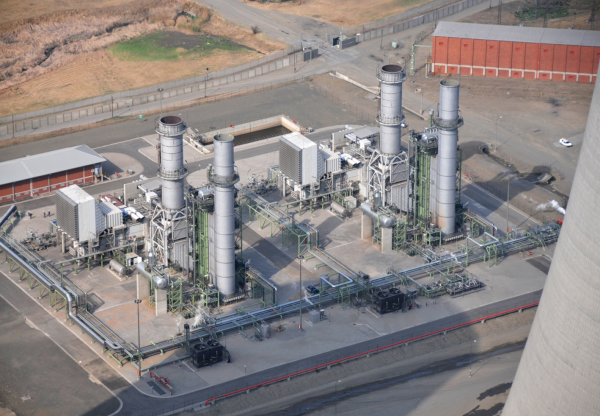
GE Vernova Inc. (NYSE: GEV) today announced the successful completion of the modernization of global energy and chemical company Sasol's Secunda power plant in Mpumalanga. The modernization included the replacement of the existing pre-combustor system with a new DLN1+ combustor supplemented by the Fuel Gas Module (FGM) skid to increase the operational efficiency of the two installed 9E gas turbines and reduce carbon emissions.
This project serves as a model for modernizing power plants across Africa. As the continent faces increasing energy demands, initiatives like this highlight how innovative solutions can enable more efficient energy production with reduced emissions, without requiring entirely new infrastructure.
The upgrade led to significant improvements, including:
"This project exemplifies our purpose to electrify the world," said Joseph Anis (http://apo-opa.co/4k6G5fI), President and CEO of GE Vernova's Gas Power business in Europe, Middle East, and Africa. "Building on our advanced combustion technologies, we are helping Sasol address South Africa's energy needs more efficiently. Together, we are demonstrating how advanced technologies can deliver tangible benefits for both businesses and communities."
This project will be showcased at Enlit Africa (http://apo-opa.co/4k3OEYH), taking place from 20 – 22 May at the Cape Town International Convention Centre (CTICC) in Cape Town, South Africa. GE Vernova's participation will include interactive activities at booth C22 in Hall 3 and speaking sessions covering a wide range of topics, including: a keynote on technology driven transformation, smart grids and the future of energy management, digitization and modernization of projects and accelerating women in energy.
GE Vernova has contributed to the development of the energy infrastructure in Africa for over a century, supporting power generation, transmission and distribution solutions, energy sector software applications, talent development, and community outreach.
Distributed by APO Group on behalf of GE.
Additional Link: https://apo-opa.co/4dJXJnj
Notes to editors:
© 2025 GE Vernova and/or its affiliates. All rights reserved.
For more information, contact:
Media Contact – GE Vernova
Winnie Gathage
Africa Communications Leader
GE Vernova
winnie.gathage@gevernova.com
Laura Aresi
Media Relations Leader, Power
GE Vernova
Laura.aresi@gevernova.com
Lesego Malete
Group Account Director
Burson Africa
lesego.malete@bursonglobal.com
About GE Vernova:
GE Vernova (NYSE: GEV) is a purpose-built global energy company that includes Power, Wind, and Electrification segments and is supported by its accelerator businesses. Building on over 130 years of experience tackling the world's challenges, GE Vernova is uniquely positioned to help lead the energy transition by continuing to electrify the world while simultaneously working to decarbonize it. GE Vernova helps customers power economies and deliver electricity that is vital to health, safety, security, and improved quality of life. GE Vernova is headquartered in Cambridge, Massachusetts, U.S., with more than 75,000 employees across 100+ countries around the world. Supported by the Company's purpose, The Energy to Change the World, GE Vernova technology helps deliver a more affordable, reliable, sustainable, and secure energy future. Learn more: GE Vernova (www.GEVernova.com), GE Vernova in Middle East & Africa (https://apo-opa.co/435wb81), and LinkedIn (https://apo-opa.co/4jY25JD). GE Vernova's Gas Power business engineers advanced, efficient natural gas-powered technologies and services, along with decarbonization solutions that aim to help electrify a lower carbon future. It is a global leader in gas turbines and gas power plant technologies and services with the industry's largest installed base.
Forward Looking Statements:
This document contains forward-looking statements – that is, statements related to future events that by their nature address matters that are, to different degrees, uncertain. These forward-looking statements often address GE Vernova's expected future business and financial performance and financial condition, and the expected performance of its products, the impact of its services and the results they may generate or produce, and often contain words such as “expect,” “anticipate,” “intend,” “plan,” “believe,” “seek,” “see,” “will,” “would,” “estimate,” “forecast,” “target,” “preliminary,” or “range.” Forward-looking statements by their nature address matters that are, to different degrees, uncertain, such as statements about planned and potential transactions, investments or projects and their expected results and the impacts of macroeconomic and market conditions and volatility on the Company's business operations, financial results and financial position and on the global supply chain and world economy.
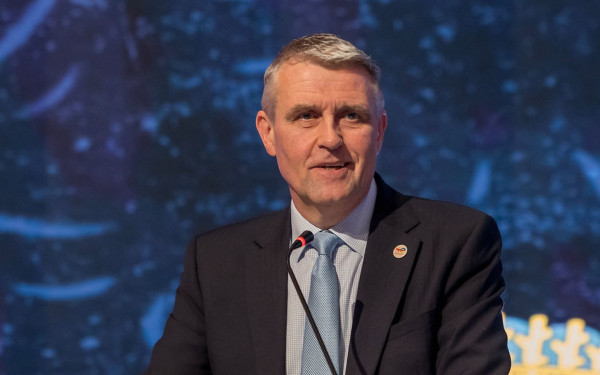
TotalEnergies is preparing to begin offshore drilling in South Africa in 2026, pending final regulatory approvals, according to Mike Sangster, the company's SVP for Africa Exploration & Production. Speaking at the Invest in African Energy Forum in Paris, Sangster emphasized the company's ambition to expand its multi-energy strategy on the continent, with South Africa poised to play a central role in that vision.
The announcement coincides with significant legislative developments in South Africa's oil and gas sector. In April, the government published the draft regulations for the Upstream Petroleum Resources Development Act, inviting public comment and signaling a renewed commitment to reform. The regulations will outline the procedures for implementing the Act – approved in November but not yet in effect – ushering in a more modern, investor-oriented framework for hydrocarbon exploration and production.
Establishing a Fit-for-Purpose Framework
For years, the lack of a clear and sector-specific legal framework has impeded South Africa's ability to attract sustained exploration activity and unlock its offshore potential. The Upstream Petroleum Resources Development Act aims to rectify this by establishing transparent licensing systems, defining state and Black Economic Empowerment participation and clarifying production-sharing mechanisms.
Crucially, the Act seeks to create an enabling environment that balances investor interests with national development goals. It provides detailed guidance on the application and granting of exploration and production rights, introduces more predictable fiscal terms and offers mechanisms to manage environmental and social responsibilities. By aligning South Africa's regulatory framework with international best practices, the government is positioning the country to compete more effectively for operator capital, particularly as global exploration budgets become more selective and carbon-conscious.
Igniting Interest in the Orange Basin
South Africa's offshore acreage, particularly in the Orange Basin, has been gaining momentum on the back of transformational discoveries in neighboring Namibia. Within South African waters, the Brulpadda and Luiperd finds in Block 11B/12B remain the most commercially significant to date, estimated to hold more than 600 million barrels of oil equivalent. While TotalEnergies has since exited the block, citing internal portfolio shifts, the company's re-engagement with the broader South African market suggests continued belief in the basin's long-term potential.
Last August, TotalEnergies officially became operator of offshore exploration Block 3B/4B, positioned southeast and on trend with neighboring oil discoveries, including the company's Venus discovery in Namibia. The Orange Basin represents one of the last untapped frontiers capable of delivering large-scale oil and gas volumes. With a more supportive regulatory backdrop taking shape, South Africa is well-positioned to attract the kind of deepwater investment needed to de-risk its acreage and build out its domestic gas infrastructure — a critical step toward energy security and industrial growth.
Positioning South Africa for Investment at AEW 2025
As the government works to implement the Upstream Petroleum Resources Development Act, African Energy Week (AEW) 2025: Invest in African Energies in Cape Town offers a high-profile platform to promote the country's renewed upstream vision. AEW is expected to convene regulators, IOCs and service companies to discuss the commercial implications of the legislative overhaul and chart a path forward for exploration and development in South Africa.
“For companies like TotalEnergies – whose multi-energy strategy includes natural gas, renewables and decarbonized operations – a stable and transparent regulatory framework is key. Sangster's statement reflects growing confidence in South Africa's policy direction, and signals to the broader investor community that the country is preparing to welcome a new wave of responsible, large-scale investment,” says NJ Ayuk, Executive Chairman, African Energy Chamber.
AEW: Invest in African Energies is the platform of choice for project operators, financiers, technology providers and government, and has emerged as the official place to sign deals in African energy. Visit www.AECWeek.com for more information about this exciting event.
Distributed by APO Group on behalf of African Energy Chamber.
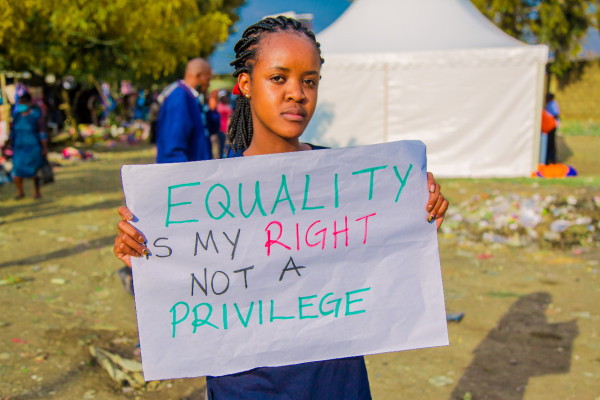
Equality Now (www.EqualityNow.org) is urging the African Commission on Human and Peoples' Rights to call upon African Union (AU) member states to urgently address rising sexual violence and exploitation of women and girls across the continent.
In its statement to the 83rd Ordinary Session of the Commission this month, the human rights organisation called on the Commission to use its mandate to underscore the importance to governments about the need to provide reparations for survivors of sexual violence, criminalise femicide, boost efforts to end child marriage, and strengthen laws to stop digital violence.
Equality Now wants the Commission to remind States of their obligations under the Maputo Protocol on Women's Rights (http://apo-opa.co/4mnt56T). Of the 55 member States, 45 have ratified or signed the protocol.
Deborah Nyokabi, a legal equality and gender policy expert at Equality Now, explains, “Women and girls across Africa are enduring violence in all its forms - including rape, child marriage, femicide, trafficking, and digital abuse - while legal systems too often fail to protect or deliver justice. These are not isolated issues but symptoms of a broader failure to uphold the rights enshrined in the Maputo Protocol.”
“African governments must prioritise legal reform, provide reparations to survivors, and close the protection gaps that leave so many women and girls vulnerable and without access to assistance when their rights have been violated, especially in conflict zones where the breakdown of services intensifies harm.”
Sexual violence reparations
According to figures (http://apo-opa.co/4jctrKY) released by UNICEF last year, more than 79 million girls and women in sub-Saharan Africa have been subjected to rape or sexual assault as children. The region has the highest number of child sexual violence victims in the world.
Yet research by Equality Now found that survivors of sexual violence are being denied justice. In its report, “Barriers to Justice: Rape in Africa, Law, Practice and Access to Justice” (http://apo-opa.co/4moIxj6), the NGO exposed key gaps in rape laws in 45 African countries, which included allowing rape in marriage, perpetrators to walk free from court if they agree to marry their victims, and judges to define evidence based on the complainant's behaviour.
In its statement, Equality Now called on the Commission to urge member States to urgently integrate the Niamey Guidelines (http://apo-opa.co/4jeCsTE) on combatting sexual violence, adopted by the Commission in 2017, emphasising governments' obligation to provide reparations to survivors.
Criminalising femicide
The NGO called on the Commission to implore governments to criminalise femicide - the most extreme and brutal manifestation of violence against women.
Equality Now's report “Gender Inequality in Family Laws in Africa: An Overview of Key Trends in Select Countries” (http://apo-opa.co/3SJVkPy) revealed that the most devastating facet of inequality within the family is sexual and gender-based violence, including domestic violence, marital rape, economic violence and femicide, which is the intentional murder of a woman or girl because of their gender.
In 2023, an average of 140 women and girls were killed (http://apo-opa.co/3FfMOEV) by a partner or family member every day. Current and former intimate partners were the most likely perpetrators. Yet not enough is being done to end the crisis or hold offenders to account.
In South Africa, a national femicide study (http://apo-opa.co/3HhFEAv) found that three women a day were killed by an intimate partner in 2020/21, but in 44% of cases, police had failed to identify a perpetrator. In Kenya, 170 cases of femicide (http://apo-opa.co/4kuOVUs) were reported in 2024. A petition (http://apo-opa.co/4kuOVUs) calling on the government to make femicide a distinct crime has received more than 78,000 signatures.
In Cameroon last month, Bekobe Eric, accused of murdering his wife Diane Yangwo, received (http://apo-opa.co/4mfd9n8) a five-year suspended sentence and a fine of 52,000 CFA (approximately $90). The sentence was immediately denounced by women's rights advocates.
Earlier this year, the African Union took a significant step to address the crisis by adopting the African Union Convention on Ending Violence Against Women and Girls (http://apo-opa.co/4kuPjCk), which included an explicit definition of femicide. Equality Now wants the Commission to seize the momentum to encourage governments to recognise and criminalise femicide as a distinct crime, and outlaw marital rape and domestic violence.
Safeguarding rights in Sudan and the DRC
Equality Now urges the Commission to encourage Sudan to ratify the Maputo Protocol to provide essential legal protections for women and girls. Sudan is now in its third year of conflict, facing widespread destruction, significant civilian casualties and an unparalleled humanitarian crisis.
Women and girls are bearing the brunt of Sudan's war (http://apo-opa.co/434bmd9), with sexual violence being weaponised by both sides. The destruction of healthcare infrastructure, however, means there are inadequate medical and reproductive health services to support survivors of violence, which has led to more unintended pregnancies, miscarriages and maternal deaths.
Increasing rates of maternal mortality are also being recorded in the Democratic Republic of the Congo, where decades of conflict have severely damaged healthcare services.
The Commission should encourage both countries to integrate sexual and reproductive health rights into their humanitarian response.
End child marriage
In its statement to the Commission, Equality Now expressed deep concern at the continued high rates of child marriage across the continent. Fourteen of the 20 countries with the highest prevalence rates are in Africa. Child marriage is a serious human rights violation (http://apo-opa.co/3SLkD3G). Girls are often forced to drop out of school, restricting their life chances, and are likely to give birth at a young age, which poses severe health risks.
One of the reasons child marriage is continuing unchecked is because of weak legal protections, which must be addressed, said Equality Now. All AU member States should raise the minimum age of marriage to 18, without exceptions, and implement measures and programmes to end child marriage in line with recommendations (http://apo-opa.co/4mpDrDo) made in 2017 by the Commission and the African Committee of Experts on the Rights and Welfare of the Child.
End sexual exploitation
The Commission was also asked to encourage member States to address the surge in trafficking of women and girls across the continent.
UNODC's 2024 global report on trafficking (http://apo-opa.co/4kMq3Yv) found that a third of all cross-border trafficking flows involved Africans. In sub-Saharan Africa, 98% of victims were trafficked within the region, 21% for sexual exploitation. About 42% of trafficked victims in sub-Saharan Africa were girls.
Member States have enacted anti-trafficking laws and policies, but they are not being adequately enforced. Meanwhile, the systemic factors that make women and girls vulnerable to sexual exploitation have not been meaningfully addressed.
Digital spaces are also becoming more dangerous for women and girls. Online abuse, including sexual harassment and the non-consensual sharing of intimate images, is rising in tandem with increased internet penetration. Technology is increasingly being weaponised to attack women and girls, including women politicians, journalists and human rights defenders.
Digital violence is being exacerbated by weak legal protections, underreporting and the limited capacity for law enforcement to investigate tech-related crimes. Governments need to enforce and tighten existing laws on online sexual exploitation and invest in digital safety initiatives, in line with the recently adopted UN Global Digital Compact (http://apo-opa.co/4kxzb33), said Equality Now.
Distributed by APO Group on behalf of Equality Now.
Notes to editors:
For media enquiries, contact:
Tara Carey
Global Head of Media
Equality Now
Tcarey@equalitynow.org
T. +44 (0)7971556340 (available on WhatsApp and Signal)
About Equality Now:
Equality Now (https://EqualityNow.org) is an international human rights organisation dedicated to protecting and promoting the rights of all women and girls worldwide. Its work is organised around four main program areas: Achieving Legal Equality, Ending Sexual Violence, Ending Harmful Practices, and Ending Sexual Exploitation, with a cross-cutting focus on the unique challenges facing adolescent girls.
Equality Now combines grassroots activism with legal advocacy at the international, regional, and national levels to achieve systemic change, and collaborates with local partners to ensure governments enact and enforce laws and policies that uphold women's and girls' rights.
For more information about Equality Now, visit www.EqualityNow.org, and find us on Bluesky @ equalitynow.bsky.social (https://apo-opa.co/3H4U6fb), on Instagram @ equalitynoworg (http://apo-opa.co/3S9vxAb), Linkedin at Equality Now (https://EqualityNow.org).
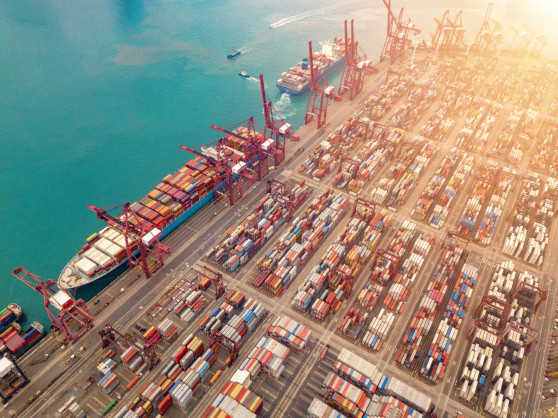
The future of African trade is digital, and it's unfolding. From Dakar to Durban, a quiet but steady transformation is taking shape. According to the United Nations Conference on Trade and Development (UNCTAD), global trade hit a record $33 trillion in 2024, with developing economies, including Africa, playing a growing role in that expansion.
The African Free Continental Trade Area offers the largest free market, including 55 countries, a population of 1.3 billion and a combined GDP of $3.4 trillion. The opportunities are vast, yet the strategies required for industrial players to source, move and manage raw materials and finished goods remain a challenge.
“The continent's digital economy is projected to reach $180 billion by 2025, up from $115 billion in 2020, thus contributing significantly to Africa's GDP, creating new job opportunities, and expanding regional trade. Digital trade is transforming the continent's economic landscape, creating new opportunities for real economic growth, productive job creation, and poverty reduction.” H.E. Dr Jumoke Oduwole, Minister, Federal Ministry of Industry, Trade & Investment
“Building on this rapid expansion, our focus must shift from isolated digital initiatives to a fully integrated ecosystem that streamlines every step of trade—sourcing, supplying, logistics and payments. By integrating these functionalities on a single platform, Matta enables manufacturers to navigate sourcing headaches and suppliers to manage cross-border complexities with confidence and unlocks new markets in Africa in real time. This holistic approach is what will transform digital trade's potential into tangible, inclusive economic growth across Africa.” Mudiaga Mowoe, Founder and Chief Executive Officer, Matta.
Launched to enable sustainable African economies, Matta's integrated ecosystem—today powered by the Matta digital marketplace (www.Matta.Trade) and the Flux logistics management tool, with Oxide Finance (Matta's upcoming trade-financing and cross-border payments platform) arriving soon—empowers manufacturers and suppliers across food & beverage, home & personal care, paints & coatings, agro-processing, automotive assembly, textiles, construction, and beyond with truly end-to-end sourcing, movement, and settlement. Rather than supplanting traditional trade networks, this unified platform amplifies human partnerships through real-time visibility, traceability, and seamless transactions.
This evolution in digital trade and industrial growth is one of the key conversations that will take centre stage at the West Africa Industrialisation, Manufacturing & Trade (West Africa IMT) Summit and Exhibition, set to take place from October 21-23, 2025. West Africa IMT is a high-level platform for government leaders, investors, manufacturers, and technology innovators to align practical solutions and policy frameworks for accelerating Africa's industrial transformation.
Matta, Africa's integrated ecosystem for industrial trade, will join other industry stakeholders across the continent at West Africa IMT 2025 to discuss the potential opportunities for industrial growth in the West African sub-region. As manufacturers increasingly seek more innovative, more efficient ways to power production beyond physical infrastructure and policy support, there's an urgent need for systems that simplify sourcing, enhance transparency, and ensure supply chain reliability. Matta addresses these challenges by connecting African manufacturers directly to verified suppliers of raw materials and commodities, ensuring business continuity in an environment where procurement bottlenecks often slow production timelines.
Digital platforms address multiple challenges simultaneously: procurement complexities, logistics coordination, payment processing, and data-based planning. By integrating these capabilities into industrial operations, West African economies can accelerate development timelines and establish competitive manufacturing centres that participate effectively in global markets.
As African nations chart independent economic paths, digital trade platforms like Matta will significantly influence how quickly and effectively new industrial capabilities develop. The transformation in African trade is already underway, with effects that will continue to reshape economic relationships for years to come.
West Africa Industrialisation, Manufacturing & Trade Summit & Exhibition
21-23 October 2025 I Landmark Centre | Lagos | Nigeria
Distributed by APO Group on behalf of dmg Nigeria events.
Contact Details:
Roshan Jan-Mahomed
Head of Marketing – Africa
Email: info@westafricaimt.com
www.WestAfricaIMT.com
About the West Africa Industrialisation, Manufacturing & Trade Summit and Exhibition 2025:
The Pre-eminent Global Gathering Driving West Africa's Industrial Revolution
The West Africa Industrialisation, Manufacturing and Trade (West Africa IMT) Summit and Exhibition will unite the industrialisation ecosystem, including energy, finance, infrastructure, manufacturing, raw materials, logistics/supply chain, technology, trade and security, to accelerate a sustainable industrial revolution for West Africa. As governments across the region have declared industrialisation as a key priority, the Strategic Summit will feature the visions from Heads of government seeking public–private partnerships to drive industrial revolution across the region. Decisive action is at the core of the agenda, providing solutions for sustainable resource valorisation and opening up trade pathways for economic development and prosperity.
Participation is expected from across the global industrialisation value chain including the following industries: Aerospace, Agriculture, Automotive, Chemicals, Construction, Energy & Utilities, FCMG, Heavy Industries, ICT & Electronics, Infrastructure, Logistics & Transportation, Machine & Equipment, Maritime, Medical, Mining, Plastics & Rubber, Pharmaceuticals, Retail, Technology Solution Providers, Textiles, Water & Utilities.
● 15+ African ministers
● 25+ countries represented from around the globe
● 70+ expert industry speakers
● 250+ exhibiting companies
● 500+ conference delegates
● 2,500+ attendees
About dmg Nigeria events:
dmg Nigeria events is a subsidiary of dmg events. dmg events is a wholly owned subsidiary of the Daily Mail and General Trust plc (DMGT), an international portfolio of information, media and events businesses.
DMGT manages a diverse, multinational portfolio of companies, with total revenues of around £1 billion, that provide businesses and consumers with compelling information, analysis, insight, events, news and entertainment. Its venture capital business, dmg ventures, holds minority stakes in early-stage businesses and focuses particularly on disruptive consumer media propositions.
Headquartered in Dubai, UAE since 1989 with offices in Canada, Egypt, Nigeria, Saudi Arabia, Singapore, South Africa, Thailand and the UK. dmg events is an international exhibition, conference and intelligence company, attracting more than 1,000,000 attendees to a portfolio of over 80 events each year.
This global portfolio works closely with key stakeholders across the industry to facilitate pragmatic dialogue, serving as a platform for the latest discussions at the forefront of change.
For more information on dmg events, visit: www.dmgevents.com
Funding skills training programmes critical for service delivery
The Deputy Minister of Water and Sanitation, Sello Seitlholo, has emphasised the importance of funding skills training programmes in the water sector to improve service delivery at municipal level.
“We must continue to make every effort to fund, support and incentivise such programmes to ensure that we harness the skills we need to improve the state of our municipalities,” Seitlholo said on Saturday.
The Deputy Minister was addressing the five-year celebration of the Young Engineers Changemakers Programme (YECP) organised by Water Research Commission (WRC) in partnership with the Department of Science, Innovation and Technology.
The YECP was launched five years ago to empower a new generation of municipal engineers in efforts to contribute to sustainable service delivery.
It also provides opportunities for young South African engineers to partake in testing potential innovative water and sanitation solutions in real world sites and to gain the necessary skills required to drive municipalities of the future which are sustainable, liveable and builds socio-technical infrastructure and services.
To date, 50 young engineers from 21 municipalities around the country have been trained over the last five years.
The Deputy Minister congratulated the young engineers and reminded them that their core purpose was to make a positive contribution in arresting the decline of engineering skills in the municipalities.
“We meet here to celebrate both the milestone of this important programme as well as to take stock of its potential and future in helping us address the challenges which threaten to cripple our democracy. We cannot fix South Africa without fixing municipalities.
“For us to fix municipalities, requisite skills and capacity should be taken into consideration and should be prioritised. It is for this reason that we should acknowledge the joint efforts by the WRC and Department of Science, Innovation and Technology to empower the engineers,” Seitlholo said.
He said a cause of failing infrastructure was a lack of capacity and skills in municipalities, particularly engineering skills.
The Deputy Minister highlighted that municipal water and sanitation services are deteriorating, as it was revealed by the recent Green Drop, Blue Drop and No Drop assessment reports released by the Department of Water and Sanitation.
Sixty four out of 144 Water Services Authorities (WSAs) scored ‘critical’ on average across their water supply systems and/or wastewater systems in the 2023 Blue Drop and 2022 Green Drop assessments.
“This is a bleak sign that municipalities, constituting a majority of WSAs, are in crisis. If the state of governance in municipalities does not improve and we do not capacitate municipalities with skilled engineers and planners, we will face a crippling water crisis. And unlike with our electricity crisis, water is a resource that cannot be replaced,” he said.
The Deputy Minister said the YEPC was a positive initiative that will help turn things around as municipalities are in dire need of capacity and skills.
He said the department and other sector role players will continue to provide targeted support to local government through various support and intervention programmes aimed at improving water services. - SAnews.gov.za
nosihle
Sun, 05/18/2025 - 13:12
Minister Lamola arrives in France
International Relations and Cooperation Minister Ronald Lamola has arrived in France to co-chair the Ninth Forum for Political Dialogue alongside the Minister for Europe and Foreign Affairs of the French Republic, Jean-Noël Barrot.
“This bilateral engagement will enable the two Ministers to review progress and discuss key issues of mutual interest, further strengthening the strategic partnership between South Africa and France,” the Ministry of International Relations and Cooperation said on Friday.
South Africa enjoys robust trade relations and significant investment flows with France, which remains one of its largest trading partners within the European Union.
The two nations also collaborate strategically in critical areas such as education and skills development science, technology, arts, and culture, energy cooperation, health and defence.
According to the Ministry, the forum will further provide an opportunity for the Ministers to exchange perspectives on pressing global and regional geopolitical developments, underscoring their shared commitment to multilateralism and a rules-based international order.
“This dialogue reaffirms the enduring partnership between South Africa and France, rooted in mutual respect and a common vision for advancing peace, sustainable development, and innovation,” it said. - SAnews.gov.za
Neo
Fri, 05/16/2025 - 10:36
SA’s G20 Presidency to aid recovery of global economy
Deputy Minister in the Presidency Nonceba Mhlauli says the primary focus of the G20 platform is to increase multilateral cooperation for the recovery of the global economy.
“Since President Ramaphosa took over the Presidency of the G20 in December 2024, a lot of public discourse has already gone into what this could potentially mean for South Africa, particularly in a post-COVID-19 era where developing economies are still on a path to recovery,” Mhlauli said.
Mhlauli explained that the G20 initially focused largely on broad macro-economic issues but has since expanded its agenda to inter-alia include trade, climate change, sustainable development, health, agriculture, energy, environment, climate change and anti-corruption.
“The G20 was upgraded to the level of Heads of State/Government in the wake of the global economic and financial crisis of 2007, and in 2009, when it became apparent that the necessary crisis coordination would only be possible at the highest political level,” Mhlauli said.
In her address at a G20 public lecture held at the Tshwane University of Technology (TUT) south campus in Soshanguve, north of Pretoria, Mhlauli said that since then, the G20 leaders have met regularly, and the G20 has become the premier forum for international economic cooperation.
“The primary focus of the forum is to increase multilateral cooperation for the recovery of the global economy, bring stability to the global financial system, promote long-term sustainable growth and strengthen global economic governance,” she said on Friday.
Mhlauli said South Africa will use the G20 Presidency to focus on inclusive and sustainable economic growth that benefits its citizens.
“Through the G20 Presidency, we will foster inclusive economic growth, industrialisation and employment.
“This Presidency is about demonstrating that our country is open for business. South Africa is an attractive destination for business services, and has sophisticated digital infrastructure, including mobile networks and high-speed broadband.”
On the economic front, the G20 will provide a massive boost, especially in areas such as tourism and hospitality.
“The over 200 expected G20 related meetings have already commenced in our country presenting opportunities for the country’s tourism, manufacturing, trade and other investment growth.
“We are also intently focusing on youth employment, closing the gender gap, reducing inequality and protecting the environment.
“The G20 will unlock new possibilities in artificial intelligence (AI), which has the potential to provide unprecedented economic and social opportunities,” Mhlauli said.
Meanwhile, Government Communications and Information System (GCIS) Acting Deputy Director-General, Sandile Nene, said South Africa’s hosting of the G20 will improve the economy.
“We are hoping that the G20 will make people invest in the country,” he said.
Kutlwano Mahosi, a first year Journalism student at TUT, told SAnews that G20 meetings will play a role in increasing the country’s economy as many people will be coming into the country.
“As people come to our country, they will be spending their money which will play a role in job creation,” she said.
Echoing same sentiments was fellow Journalism student, Andiswa Mchunu, who said hosting the G20 gives the country an opportunity to attract investors, thereby improving the economy.
“A better economy means more jobs and better life for South Africans,” Mchunu said.
South Africa assumed the role of Presidency of the G20 on 1 December 2024, taking over from Brazil. – SAnews.gov.za
Edwin
Fri, 05/16/2025 - 14:41
The Minister of International Relations and Cooperation of the Republic of South Africa, Mr Ronald Lamola, has arrived in France to co-chair the Ninth Forum for Political Dialogue alongside the Minister for Europe and Foreign Affairs of the French Republic, Mr Jean-Noël Barrot.
This bilateral engagement will enable the two Ministers to review progress and discuss key issues of mutual interest, further strengthening the strategic partnership between South Africa and France.
South Africa enjoys robust trade relations and significant investment flows with France, which remains one of its largest trading partners within the European Union. The two nations also collaborate strategically in critical areas such as education and skills development science, technology, arts, and culture, energy cooperation, health and defence.
The Forum will further provide an opportunity for the Ministers to exchange perspectives on pressing global and regional geopolitical developments, underscoring their shared commitment to multilateralism and a rules-based international order.
This dialogue reaffirms the enduring partnership between South Africa and France, rooted in mutual respect and a common vision for advancing peace, sustainable development, and innovation.
Distributed by APO Group on behalf of Republic of South Africa: Department of International Relations and Cooperation.
Deputy President Shipokosa Paulus Mashatile will undertake an official Working Visit to the Republic of France from 19 – 24 May 2025, for the South Africa-France Investment Conference. The Visit is aimed at strengthening relations between the two countries and, most importantly, mobilising investments in order to realise the country's economic growth and transformation objectives.
South Africa and France enjoy cordial relations underpinned by a robust bilateral cooperation programme in areas such as Political Dialogue, Defence, Science & Technology, Energy cooperation, Education and skills development, Health, Transport, Arts and Culture, among others.
This Investment Conference will be held under the theme “SA-France: A Partnership for Mutual Prosperity” with the objective of attracting Foreign Direct Investment (FDI), Public-Private Partnerships (PPPs), and financial resources focusing on key issues such as unemployment, poverty, inequality, climate change and transitions in the digital economy.
The Conference will be centred on eight main sectors, namely Energy, Infrastructure, Transport and Logistics, Finance, Tourism, Agriculture and Agro-Processing, Mining, as well as Information and Communication Technology (ICT). There will also be breakaway groups, which will explore practical steps for projects and investments in these areas.
In addition, the Conference will consist of a high-level segment by Government officials who will lead on thematic discussions related to investment opportunities, policies, and the investment climate in South Africa.
The Deputy President is expected to have a bilateral meeting with his counterpart, Mr Francois Bayrou, Prime Minister of the French Republic.
Deputy President Mashatile will be accompanied by Dr A Motsoaledi: Minister of Health; Ms S Ndabeni-Abrahams: Minister of Small, Business Development; Ms B Creecy: Minister of Transport; Mr G McKenzie: Minister of Sport, Arts and Culture; Ms Patricia de Lille: Minister of Tourism; Mr A Botes: Deputy Minister of International Relations and Cooperation; Mr B Manamela: Deputy Minister of Higher Education and Training; Mr Z Godlimpi: Deputy Minister Trade, Industry and Competition; and Ms S Graham-Mare: Deputy Minister of Electricity and Energy.
Distributed by APO Group on behalf of The Presidency of the Republic of South Africa.
Africa is entering a pivotal phase in its energy transformation, characterized by a growing shift toward “Africa-first” energy policies. Despite contributing less than 4% to global emissions, Africa faces the world's most severe energy access challenges – with approximately 600 million people lacking electricity and 900 million without clean cooking solutions. With $47 billion in oil and gas capex in 2024 – a 23% increase year-over-year – Africa is proving its value as a competitive and resilient energy investment destination. This surge reflects growing investor appetite, strengthened policy frameworks and a renewed focus on project bankability.
In this context, African Energy Week (AEW): Invest in African Energies 2025 – taking place from September 29 to October 3 in Cape Town – serves as the continent's leading forum for turning vision into tangible investment. With a focus on public-private partnerships (PPPs), blended finance and strategic energy projects, the event brings together government leaders, financiers, developers and technology providers to advance deals, foster collaboration and position Africa as a global energy leader.
Building Institutions for Local Investment
A wave of institutional and policy advancements is laying the groundwork for increased local investment in energy. A key milestone is the establishment of the Africa Energy Bank (AEB) by the African Petroleum Producers' Organization (APPO) and Afreximbank, with an initial capital of $5 billion. Headquartered in Abuja and set to launch in June 2025, the AEB will finance oil and gas infrastructure projects, serving as a bold step toward regional energy self-sufficiency and resource sovereignty.
At the same time, the African Development Bank (AfDB) is supporting long-term energy planning. In Algeria, the AfDB has launched a strategic dialogue to shape the 2025–2030 Country Strategy Paper, aligning national goals with sustainable, diversified energy development.
In South Africa, the success of the Renewable Energy Independent Power Producer Procurement Program (REIPPPP) illustrates how structured procurement can generate market certainty. The latest round secured 1,760 MW of solar PV capacity backed by R31.4 billion ($1.7 billion) in investment — with 49% local ownership and 46% equity held by Black Economic Empowerment entities.
Scaling Investment through PPPs and Blended Finance
As Africa's energy project pipeline expands, PPPs and blended finance have become essential tools for scaling investment. The AfDB's $10 million concessional equity stake in the ARM-Harith Successor Infrastructure Equity Fund, a $200 million regional vehicle, highlights how development finance institutions can de-risk infrastructure and crowd in private capital. The fund supports AfDB's target to electrify 300 million people by 2030 through sustainable energy solutions.
Meanwhile, South Africa's Battery Energy Storage Independent Power Producer Procurement Program illustrates the power of blended finance in scaling innovation. With R12.8 billion ($678.8 million) allocated to eight projects delivering 615 MW of storage across three provinces, the initiative enhances grid stability and achieved a 35% cost reduction from the first bid round – a clear sign of growing cost efficiency.
Frameworks for African-Led Growth
The African Continental Free Trade Agreement (AfCFTA), ratified by over 48 countries, offers a powerful framework for prioritizing African-led energy development. By promoting intra-African investment flows and removing trade barriers, AfCFTA enables energy projects to be sourced, financed and executed within the continent. With Ghana spearheading the AfCFTA Guided Trade Initiative – engaging eight pilot countries – the agreement is fostering regional cooperation to scale African energy solutions and reduce external dependency. Once fully operational across more than 50 member states, AfCFTA is set to accelerate an Africa-first approach to infrastructure, technology, and capital deployment in the energy sector.
Meanwhile, the African Energy Commission continues to strengthen institutional cooperation across the African Union to support sovereign energy strategies. A prime example of African private-sector leadership is Coscharis Technologies' $4 billion solar project in Nigeria – the largest renewable energy initiative in West Africa – reflecting a shift toward domestically-driven, large-scale investment in clean energy that aligns with national priorities and regional ambitions.
“Africa's energy future must be shaped by African priorities, African solutions and African investment. At AEW: Invest in African Energies 2025, we are not just talking about the energy transition – we are driving real deals and partnerships that put Africa-led development at the center of the global energy conversation,” states NJ Ayuk, Executive Chairman of the African Energy Chamber.
Distributed by APO Group on behalf of African Energy Chamber.
About AEW: Invest in African Energies:
AEW: Invest in African Energies is the platform of choice for project operators, financiers, technology providers and government, and has emerged as the official place to sign deals in African energy. Visit www.AECWeek.com for more information about this exciting event.