History Is Being Rewritten at an Archaeological Site in Morocco. What the Discovery of an Ancient Wall Tells Us
Communities in the north-west Maghreb were able to coordinate large construction projects thousands of years ago.

MyZA
News, Directory, Events and Other Stuff
Communities in the north-west Maghreb were able to coordinate large construction projects thousands of years ago.
Ten pivotal moments that tell the story of how African football transformed itself.
The European Union has used money and enforcement infrastructure as the twin pillars of its migrant returns strategy. The evidence suggests it isn’t working.
Caf’s decision to strip Senegal of the title is a textbook case for sports law.
Oscar-nominated film The Voice of Hind Rajab shines a light on emergency rescue workers in Palestine.
Health inequality is not only about who reaches a health facility. It is also about what happens once patients are inside the consultation room.
“There are risks. But the greater danger lies in allowing Israel and its allies to carry out genocide with impunity.”
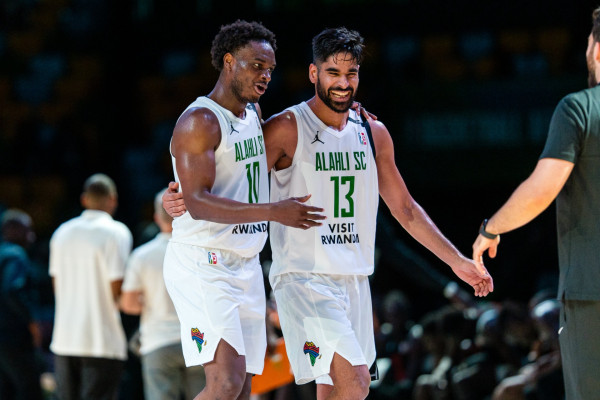
Former NBA Academy Africa student-athlete Jean Jacques Boissy (Senegal) led Al Ahli with 26 points, while Mohamed Abdourahman (Libya) added 23 points and 13 rebounds. Uchenna Iroegbu (U.S./Nigeria) led Thunder with 23 points, with Eugene Adera (Kenya) adding nine points, 12 rebounds and four assists.
In the second game last night, Made By Basketball (South Africa) defeated the home team APR (Rwanda) 94-88, winning their second straight game in the competition. Jovan Mooring (U.S.) got 29 points, eight rebounds and five assists, Teafale Lenard Jr. (U.S.) recorded 19 points, seven rebounds and four assists, and Pieter Prinsloo (South Africa) added 13 points and seven rebounds. Tennessee Tech center David Craig (South Africa) played more than 24 minutes, finishing with nine points, 10 rebounds and two blocks for the South African team which shot 51 percent from the floor.
Obadiah Noel (U.S.) led APR with 23 points and Youssoupha Ndoye (Senegal) added 19 points and 10 rebounds, but APR struggled offensively down the stretch, shooting 37 percent from the floor. APR retained their second position in the Nile Conference, but will look to bounce back this weekend after two consecutive losses.
The Nile Conference resumes on Saturday, with MBB (2-2) taking on Nairobi City Thunder (0-4) and Al Ahli Tripoli (4-0) facing APR (2-2).
POSTGAME PRESS CONFERENCES
GAME HIGHLIGHTS
NILE CONFERENCE STANDINGS
*Advanced to 2025 BAL Playoffs
Distributed by APO Group on behalf of Basketball Africa League (BAL).
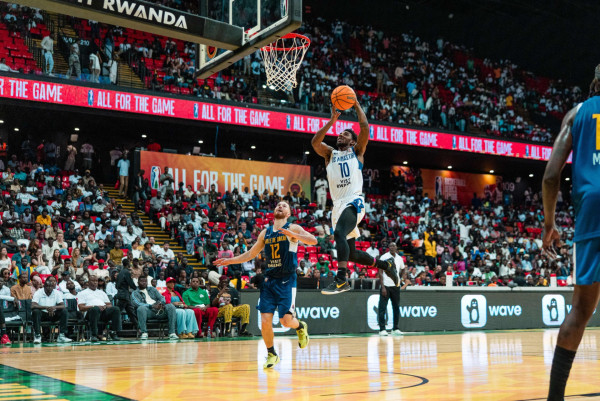
Anderson Correia got 16 points and five rebounds, Ivan Almeida added 14 points, 13 rebounds and eight assists and Basketball Africa League (BAL) (www.BAL.NBA.com) debutant Kriol Star (Cape Verde) defeated the defending champion Petro de Luanda (Angola) 71-69 in overtime, booking their spot to the 2025 BAL Playoffs which will take place at SunBet Arena in Pretoria, South Africa from 6-14 June. NBA Academy Africa prospect Lewis Uvwo played 40 minutes and finished with 14 points, 12 rebounds and two blocks. The Star outrebounded Petro 52-43, but also finished with 28 turnovers.
Glofate Buiamba led Petro with 16 points, with Aboubacar Gakou adding 15 points and seven rebounds. With 3 wins and 3 losses, both teams qualified to the BAL Playoffs in Pretoria – Petro finished second and the Star finished third in the Sahara Conference.
In the second game this evening, Osiris Eldridge (22 points and four assists) and former NBA Academy Africa prospect Babacar Sane (13 points and 12 rebounds) led the 2022 BAL champion US Monastir (Tunisia) to a 77-68 win over ASC Ville de Dakar (Senegal). The win gave Monastir (4-2) the top place in the Sahara Conference and an automatic qualification to the playoffs. Monastir shot 43 percent from the floor and outrebounded Dakar 45-39. Will Perry led Dakar with 20 points and seven assists and Makhtar Gueye added 18 points as the host team concluded their 2025 BAL campaign.
More than 47,000 fans attended the Sahara Conference games at Dakar Arena in Senegal.
The 2025 BAL season will continue with the Nile Conference group phase which will be held from 17-25 May at BK Arena in Kigali, Rwanda. The Nile Conference will feature four teams: Made By Basketball (MBB, South Africa), Al Ahli Tripoli (Libya), Nairobi City Thunder (Kenya) and Armée Patriotique Rwandaise Basketball (APR, Rwanda). The top two teams from the Nile Conference and a team with a better record between FUS Rabat (Morocco, Kalahari Conference) and the team which will finish third in the Nile Conference will join Al Ittihad (Egypt), Rivers Hoopers (Nigeria), US Monastir, Petro de Luanda and Kriol Star in the 2025 BAL Playoffs in South Africa.
Postgame media availability:
Standings:
Distributed by APO Group on behalf of Basketball Africa League (BAL).
The International Federation of American Football (IFAF) is delighted to announce Egypt as the host nation for the inaugural 2025 IFAF African Flag Football Championships – AFRICA FLAG 2025.
AFRICA FLAG 2025 will take place from June 20-21 in Cairo, Egypt, welcoming elite men's and women's national teams from across Africa for the first time at an IFAF Continental Championships. As participation in flag football continues to grow rapidly throughout the continent, this inaugural event offers a pathway to qualification for the 2026 IFAF Flag Football World Championships and represents a significant milestone on the journey towards flag football's historic Olympic debut at the Olympic Games Los Angeles 2028.
"With the announcement of the first ever IFAF Continental Championships in Africa, we are taking another step in the global development of our sport,” said IFAF President Pierre Trochet. “Looking ahead to flag football's historic Olympic debut at LA28, our Continental Championships provide a fantastic platform to further accelerate the sport's regional growth at grassroots and elite levels. Egypt will be a great host, and we are certain AFRICA FLAG 2025 will play its part in inspiring new athletes and fans across a continent that has already produced a rich heritage of American football talent.”
Hosted in partnership with the National Football League and Egyptian Federation of American Football (EFAF), various youth football development events will take place in Cairo in conjunction with the upcoming Championships — expanding the league's NFL Africa program to Egypt for the first time, creating more opportunities for young athletes from across the continent to play American football.
In collaboration with IFAF and EFAF, U12 teams of boys and girls from Egypt, Ghana, Kenya and Nigeria will compete in a multi-day NFL Flag Continental Championship, facing off in the championship game on June 23. NFL Flag is the official flag football program of the NFL — working to bring the non-contact version of American football to young athletes worldwide.
The NFL will also host a football talent identification event with prospects from across Africa. Athletes will showcase their skills and abilities with the potential to advance on through the NFL Academy Europe-Africa program in Loughborough, U.K. or the International Player Pathway (IPP) program — two core pillars of the NFL's global football development initiatives.
A number of current NFL players will join these events in Egypt, including New York Giants' Bobby Okereke (Nigeria), Minnesota Vikings' Brian Asamoah II (Ghana) and NFL free agent Dieter Eiselen (South Africa). Okereke, Asamoah II and Eiselen are supporting football operations for national federations in the lead up to and during the Championships, as well as NFL Africa's youth football programming.
“I'm excited and inspired to lead the NFL's efforts in Africa and to again expand our programming to a fifth country: Egypt — an innovative market for sport, with incredible talent,” said two-time Super Bowl Champion and NFL Africa Lead Osi Umenyiora. “Back-to-back days of NFL Africa events alongside the IFAF Continental Championships in Egypt helps showcase the aspirational pathways for talented young athletes across the continent, as we look ahead together to flag football in the LA Olympic Games in 2028. It will be a great weekend of football, and one that will create a powerful legacy as we introduce more and more young athletes to our game.”
AFRICA FLAG 2025 will reinforce the acceleration of flag football's growth across the continent. At the record-breaking 2024 IFAF Flag Football World Championships, Cameroon made history as the first African nation to compete on the global stage. Since 2023 participation in flag football has surged with Egypt and Nigeria seeing increases of 149% and 85%, respectively. In Nigeria, the national federation's outreach program has already engaged more than 13,000 young people, highlighting the sport's expanding reach and appeal.
IFAF and the NFL are working hand-in-hand to develop and grow flag football across the continent, collaborating to create meaningful educational pathways for coaches and officials delivering flag across Africa. This commitment was reaffirmed at the recent three-day flag football coach education and officiating clinic in Ghana (April 11-13). The clinic welcomed new and experienced coaches and officials from 10 African countries — Cameroon, Egypt, Ghana, Ivory Coast, Kenya, Morocco, Nigeria, South Africa, Tunisia and Uganda — enabling further long-term engagement and participation in the sport in the region.
As part of the NFL Africa program, the league has also undertaken NFL Flag development, talent identification camps and fan events across Ghana, Kenya, South Africa and Nigeria since 2022.
“We are extremely proud to be hosting the first ever AFRICA FLAG 2025 in Cairo and to be writing Egypt into flag football's history books,” said EFAF Founder Ali Rafeek. “Hosting this tournament allows us to put a spotlight on our talented athletes and to show the next generation what's possible in this sport — whether you're picking up a football for the first time or dreaming of the Olympics.”
“AFRICA FLAG 2025 is a huge moment for the continued growth of flag football across our continent,” said Egyptian Women's National Team Quarterback Amira Nader. “It's an opportunity to showcase the incredible talent and passion rising throughout Africa and take a meaningful step towards making history at LA28. As the first-ever Continental Championships, this event will inspire the next generation to pick up a football and believe anything is possible.”
IFAF continues to reinforce structured and competitive pathways for flag football, with the Continental Championships as an important stepping stone in the journey towards the 2026 IFAF Flag Football World Championships. The record-breaking 2024 edition of the IFAF Flag Football World Championships was the culmination of IFAF's biggest-ever international cycle of flag football competition and brought together elite athletes representing 31 nations from five continents at the most competitive and thrilling tournament to date. Flag football is played by 20 million athletes in more than 100 countries, and with an ever-expanding African presence, these events will serve as key milestones on the road to LA28.
Details regarding AFRICA FLAG 2025's participating nations as well as the 2025 Continental Championships for other regions will be announced in the coming weeks, offering teams from around the world more opportunities to compete and prepare for the journey toward LA28.
For more details on the Championships, visit the IFAF website (https://apo-opa.co/42LiURK) or follow us on social media.
Distributed by APO Group on behalf of National Football League (NFL).
For more information on NFL Flag, the official flag football program of the NFL, visit here (https://apo-opa.co/3G70ylD).
For the latest NFL Africa activity, follow @ NFLAfrica on:
Instagram: https://apo-opa.co/43VmZnx
X: https://apo-opa.co/43QGKN7
About IFAF:
The International Federation of American Football (IFAF) (https://apo-opa.co/42LiURK) is the international governing body for the sport of American football and is responsible for all regulatory, competition, performance and development aspects of the game on a global level. Fully recognised by the International Olympic Committee and a signatory to the WADA Code, IFAF has 75 member nations across 5 continents.
About the National Football League:
The National Football League is America's most popular sports league, comprised of 32 franchises that compete each year to win the Super Bowl, the world's biggest annual sporting event. Founded in 1920, the NFL developed the model for the successful modern sports league, including national and international distribution, extensive revenue sharing, competitive excellence, and strong franchises across the country.
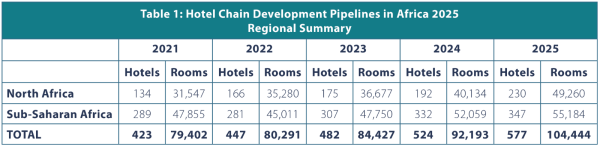
This year's Hotel Development Pipeline Report, the definitive study of international hospitality development projects in Africa, reveals record activity. There are 577 hotels and resorts, with 104,444 rooms, in the development pipeline, up by 13.3% on 2024, way ahead of the single digit pipeline growth reported globally by the leading international chains.
The report, compiled by Lagos-based W Hospitality Group, with data from 50 international and regional hotel chains, shows that development activity has been growing impressively in North Africa, which saw a 23% year-on-year increase, compared to a 6% increase in sub-Saharan Africa. Over the past five years, the hotel development pipeline has grown at an annualised rate of 4% in sub-Saharan Africa, 12% in North Africa and 7% overall.
Egypt continues to lead the way in terms of development, with 143 hotels and 33,926 rooms in the pipeline there. This is almost four times the number of rooms in second-placed Morocco, which has 8,579 rooms in 58 hotels. The following eight countries, ranked by number of rooms, comprise Nigeria, 7,320; Ethiopia, 5,648; Cape Verde, 5,565; Kenya, 4,344; Tunisia, 4,336; South Africa, 4,076; Tanzania, 3,432; and Ghana, 3,125. International hotel chains have deals signed in 42 of Africa's 54 countries.
Despite its clear leadership in the absolute pipeline numbers, Egypt has fewer than 50% of rooms under construction, a significantly lower proportion than second-placed Morocco, with over 72%. Of the top 10 countries, Ethiopia has the highest ratio of rooms “on site”, followed by Morocco and Ghana. Cape Verde, Nigeria and Tanzania have some of the lowest percentages. However, “under construction” does not necessarily mean that there is activity and progress towards completion and opening – many of the sites in Nigeria and Ghana, for example, have been closed for several years, with hardly a hard hat in sight.
A more granular analysis, looking at the location of planned properties, reveals an extraordinary boom in Cairo, with 17,757 new rooms projected in over 70 hotels. The contrast with the second-placed location, Sharm El Sheikh, is dramatic, where 4,231 rooms are planned in fewer than 10 properties. The cities and resorts with the next largest pipelines by number of rooms are Lagos, 3,709; Boa Vista, 3,650; Addis Ababa, 3,369; Casablanca, 2,939; Accra, 2,652; Abuja, 2,570; Zanzibar, 2,523; and Dakar, 2,334.
The growth is being driven strongly by the major international hotel chains, with Marriott International leading the way, 165 hotels with 29,639 rooms. It is followed by Hilton, 93 hotels with 17,040 rooms; Accor, 73 hotels with 15,013 rooms; IHG, 40 hotels with 7,951 rooms; Radisson Hotel Group, 32 hotels with 6,346 rooms; TUI Hotels & Resorts, 11 hotels with 2,954 rooms; Barceló Hotels & Resorts, 7 hotels with 2,193 rooms; The Ascott, 15 hotels with 1,897 rooms; Kerten Hospitality, 13 hotels with 1,881 rooms and Wyndham Hotels & Resorts, 7 hotels with 1,706 rooms.
In the race for dominance, Hilton added slightly more rooms to its African pipeline last year than Marriott International and achieved a higher percentage growth. Barceló Hotels & Resorts recorded the largest percentage growth, more than doubling its pipeline to 2,193 rooms, with three large resort signings in North Africa.
Below the headline numbers, there are three notable trends. First, the actualisation rate (actual openings vs. expected openings), which has nearly doubled from 21% in 2023 to 38% in 2024. While it's substantially less than the 75% actualisation rate achieved in 2019, it shows a continuing recovery from the economic devastation of COVID-19. Of the total 104,444 rooms in the pipeline, over 50,000 rooms (nearly 50%) in 304 hotels are expected to open in 2025 and 2026.
Second, resort projects are increasing much faster than city or airport hotels, both in percentage terms and in absolute numbers, driven by the number of signings and by the larger average size of the developments, 210 keys vs. 170. Also, almost half of the rooms that opened last year were in resorts.
Third, there is a definite movement by the chains towards the franchise model, with 108 projects representing almost 19% of the total, compared to less than 10% in 2020. A major factor is the emergence of quality, international, white-label operators such as Aleph Hospitality and Valor Hospitality, and some indigenous operators in Nigeria, Kenya and elsewhere, that are increasing confidence that brand standards will be met.
The full report will be discussed at FHS Africa (formerly AHIF) 17-19 June in Cape Town. It is the leading hospitality investment conference in the region, which brings together senior decision-makers to shape the future of the industry. Matthew Weihs, Managing Director of the Bench, which organises FHS Africa, said: “The growth in hotel development across Africa is a testament to the continent's economic and tourism potential. Furthermore, the commitment from the international hotel chains makes it clear that global players see Africa as a strategic opportunity."
Trevor Ward, Managing Director of W Hospitality Group, concluded: “Despite the various trials that the continent faces, the fact that hotel chains signed 125 new deals last year, with 21,000 rooms, is evidence that opportunities for further development abound. According to the Global Cities Institute, by the year 2100, 10 of the world's 16 largest cities will be in Africa, with all but one of them (Cairo) in sub-Saharan Africa. So, one might say that development activity in Africa has barely scratched the surface.”
Distributed by APO Group on behalf of The Bench.
For further information and high-resolution images, please contact:
David Tarsh
+44 (0) 20 7602 5262
+44 (0) 7770 816 070
Email: David@Tarsh.com.
About W Hospitality Group:
The W Hospitality Group, a member of Hotel Partners Africa, specialises in the provision of advisory services to the hotel, tourism and leisure industries, providing a full range of services to clients who have investments in the sector, or who are looking to enter them through development, acquisition or other means. In sub-Saharan Africa W Hospitality Group is regarded as the market leader due to the market and financial expertise of its staff, its worldwide knowledge, and its commitment to its clients. In Africa, W Hospitality Group has to date worked in 40 countries on the continent, from its Lagos and Addis Ababa offices.
About FHS Africa (Formerly AHIF):
For over a decade, the Future Hospitality Summit Africa (FHS Africa) has been the launchpad for hospitality investment in Africa, driving growth, connecting visionaries, and transforming the continent's tourism and hospitality landscape. As a beacon of opportunity, FHS Africa brings together global investors, developers, operators, and industry leaders committed to turning potential into reality.
Strategic Partners: Accor, BWH Hotels, Hilton, IHG Hotels & Resorts, Marriott International, Radisson Hotel Group
Headline Sponsors: CHIC, Hansgrohe, TUI Hotels & Resorts
Sponsors: Aleph Hospitality, CityBlue Hotels, Equate, JLL, Knight Frank, St Helena Island, STR, TIME Hotels, TV5 Monde, Valor Hospitality Partners
Official Carriers: Discover Airlines, Kenya Airways
Supporter: South Africa Tourism
About The Bench:
The Bench has a legacy of delivering world-leading investment forums and conferences in Europe, Africa, the Middle East, and Latin America. The key principle behind these events is "dealmaking'. Transforming the way businesses connect; the Bench has developed a reputation for creating innovative and high-impact industry meetings.
For over two decades, government leaders, tourism ministries, global travel & tourism associations, the world's most influential hospitality brands, hotel owners & investors, renowned restaurant groups, airlines & aviation authorities, destination developers, asset managers, financial groups, and consultants have been participating in the Bench's events. These include FHS Africa, FHS World, FHS Saudi Arabia and AviaDev, where industry players showcase their brands, position themselves as thought leaders and innovators, and connect with the right individuals, opportunities and knowledge.
Learn more at TheBench.com
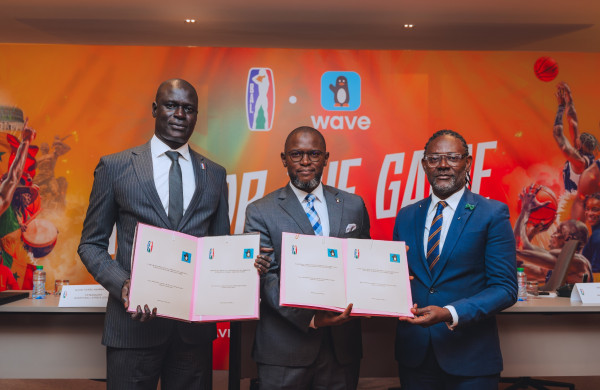
The Basketball Africa League (BAL) (https://BAL.NBA.com/) and Wave, Africa's fastest-growing mobile money platform, have joined forces to elevate the fan experience and make basketball more accessible in Senegal and Côte d'Ivoire. The collaboration will introduce a series of engaging initiatives designed to bring communities closer to the game in conjunction with the 2025 BAL season.
Leading up to the BAL's Sahara Conference group phase that will take place from Saturday, April 26 – Sunday, May 4, at the Dakar Arena in Senegal, the BAL and Wave will host a 5-on-5 streetball basketball tournament in Dakar for eight teams of male players. The tournament will tip off on Saturday, March 22 and culminate with a championship game in early May. The eight teams will be comprised of four teams selected by the Senegalese Basketball Federation and four open spots. Registration for the open spots is open now here (https://apo-opa.co/4hrTNru), after which a selection committee will review the applications and determine the four participating teams.
In addition to promoting local competition, Wave is dedicated to enhancing the BAL experience by making it more accessible and rewarding for fans. Wave users will have the opportunity to earn exclusive rewards, gifts, and other exciting perks through the Wave App rewards program, allowing more people to engage with the excitement of the BAL. Wave users can take advantage of exclusive offers on tickets for the BAL games in Dakar, which are available for purchase now at BAL.NBA.com and Bal-teewtickets.com.
The marketing partnership extends beyond Senegal and will also bring impactful initiatives to Côte d'Ivoire. In September 2025, Wave and the BAL will unveil a newly refurbished basketball court in Abidjan, offering young athletes a modern and inspiring space to develop their skills. In addition to the unveiling, the BAL and Wave will organize a training camp at the court for local youth. Additionally, one lucky Wave user from Côte d'Ivoire will win an all-expenses-paid trip to South Africa to attend the 2025 BAL Finals in Pretoria on June 14, where they will have the opportunity to experience the culmination of the BAL season.
“Our collaboration with Wave is part of our commitment to make the BAL and basketball more accessible across the continent,” said BAL President Amadou Gallo Fall. “We look forward to working together to provide more opportunities for youth, players and fans in Senegal and Côte d'Ivoire to engage with the game and our league.”
Echoing this sentiment, Wave Senegal General Director El Hadji Malick Guèye highlighted the synergy between basketball and financial inclusion, stating, “This marketing partnership with the BAL aligns perfectly with Wave's ambition to expand access to essential services, both in finance and culture. As we revolutionized digital payments in the transport sector, we believe that supporting basketball can be a powerful driver of change. By making the BAL more accessible and launching community-driven initiatives, we reinforce our commitment to a cashless, inclusive, and connected Africa.”
Katier Bamba, Wave Côte d'Ivoire General Director, emphasized the collaboration's local significance: “Basketball is a growing passion in Côte d'Ivoire, and we are thrilled to work with the BAL to provide opportunities that will leave a lasting impact on the community. The court refurbishment in Abidjan will not only give young athletes a professional-grade space to develop their skills but also serve as a hub for local engagement and youth empowerment. Our commitment to financial inclusion extends beyond digital payments; it's about creating experiences and opportunities that uplift entire communities.”
The Sahara Conference group phase will feature home team ASC Ville de Dakar (Senegal), defending BAL champion Petro de Luanda (Angola), first-time BAL participant Kriol Star (Cape Verde) and 2022 BAL champion US Monastir (Tunisia).
Distributed by APO Group on behalf of Basketball Africa League (BAL).
Contacts:
Marie-Pierre Anamba Onana, BAL
+221 78 637 70 62
manamba@thebal.com
El Hadji Serigne Falilou Mback CISSE, Wave
+221 77 484 98 87
falilou.cisse@wave.com
Yasmina Ndella Bileoma, Wave
+221 77 555 49 53
yasmina@wave.com
Fans can follow the BAL (@theBAL) on:
Facebook: https://apo-opa.co/4impNi1
Instagram: https://apo-opa.co/4j2FaMz
Threads: https://apo-opa.co/41J0xeM
X: https://apo-opa.co/41K2HuD
YouTube: https://apo-opa.co/41J0HCU
Register their interest in receiving more information at https://BAL.NBA.com/
About the BAL:
The Basketball Africa League (BAL), a partnership between the International Basketball Federation (FIBA) and NBA Africa, is a professional league featuring 12 club teams from across Africa that will tip off its fifth season in April 2025. Headquartered in Dakar, Senegal, the BAL builds on the foundation of club competitions FIBA Africa has organized across the continent and marks the NBA's first collaboration to operate a league outside North America.
About WAVE:
Wave Mobile Money is Africa's fastest-growing mobile money product. Wave is using technology to build a radically inclusive and extremely affordable financial network. Our ambition is to make Africa the first cashless continent in the world. Wave is operating in seven countries (Senegal, Côte d'Ivoire, Uganda, Gambia, Sierra Leone, Mali, & Burkina Faso). You can learn more at https://www.Wave.com/en/.
The Food and Agriculture Organization of the United Nations (FAO) has welcomed a contribution of nearly USD 1.2 million (£ 950 000) from the United Kingdom of Great Britain and Northern Ireland which will support the implementation of the Africa Phytosanitary Programme (APP).
APP is an initiative of the International Plant Protection Convention (IPPC) and is designed to strengthen the technical capacity of personnel in national plant protection organizations - government agencies responsible for phytosanitary work. The programme equips them to use scientific approaches and advanced digital technologies to improve monitoring, detection, response and recovery from pest outbreaks.
Annually, pests cause between 30 to 60 percent of crop losses in Africa, resulting in an economic cost of about USD 65.58 billion. These losses leave millions of people at risk of food insecurity, impact small-scale and commercial farmers' livelihoods and hinder regional and international trade of agricultural commodities.
“This contribution to the APP will strengthen Africa's phytosanitary capacity, enhancing our collective efforts to combat plant pests. Robust plant health systems are essential for safeguarding food security, enhancing biosecurity, facilitating trade, and protecting livelihoods across the continent,” said Beth Bechdol, FAO Deputy Director-General and interim IPPC Secretary.
The APP implementation targets all 54 African countries, with phase one underway in Cameroon, the Democratic Republic of the Congo, Egypt, Guinea-Bissau, Kenya, Mali, Morocco, Sierra Leone, Uganda, Zambia and Zimbabwe. Phase two will be launched in 2025 with eight countries: Algeria, Cabo Verde, Chad, the Republic of the Congo, Liberia, Malawi, South Africa and Tunisia.
A partnership for sustainable and resilient agriculture
Since becoming a Member of FAO in 1945, the United Kingdom has helped to promote sustainable agriculture and global food security by supporting the Organization's strategic work in areas such as agricultural statistics, nutrition and food security analysis, development cooperation, resilience and peacebuilding, and climate change. The most recent contribution from the UK's International Biological Security Programme will bolster a key area of FAO's work, helping to prevent, detect and manage plant pests that have the potential to move quickly and easily across borders and cause significant economic and environmental damage.
“We applaud the support of the United Kingdom of Great Britain and Northern Ireland to strengthen phytosanitary systems across Africa,” said Alexander Jones, Director of FAO's Resource Mobilization Division. “As global travel and trade increase, improving the technical capacities of national plant protection organizations so that they are able to identify and respond to threats as they emerge is an investment whose impacts will be felt at a global level.”
The United Kingdom has been a strong advocate for plant health throughout the years, lending support to various IPPC initiatives such as the International Year of Plant Health, the first International Plant Health Conference, the IPPC ePhyto Solution, and assessment and management of climate change impacts on plant health. The United Kingdom is also closely engaged in the development and implementation of the International Standards for Phytosanitary Measures (ISPMs), which provide the basis for countries to make national legislation, guidelines, and measures to protect their plant resources from pests.
Distributed by APO Group on behalf of FAO Regional Office for Africa.
The Basketball Africa League (BAL) (www.BAL.NBA.com) today announced the 12 teams and game schedule (https://apo-opa.co/43iFBgS) for the opening leg of the league's milestone fifth season, which will tip off with the Kalahari Conference group phase from Saturday, April 5 – Sunday April 13 at the Prince Moulay Abdellah Sports Complex in Rabat, Morocco.
The 2025 BAL season, which will feature three regular-season group phases and culminate with the playoffs and finals at the SunBet Arena in Pretoria, South Africa in June, will feature a record six first-time BAL participants, including the first BAL teams from Cape Verde (Kriol Star Basketball) and Kenya (Nairobi City Thunder), as well as defending champion Petro de Luanda (Angola) and 2022 champion US Monastir (Tunisia). Petro de Luanda and US Monastir are the only teams to have qualified for all five BAL seasons. Below is the complete list of participating teams by conference.
1. Kalahari Conference
2. Sahara Conference
3. Nile Conference
Each conference will play a 12-game group phase during which each team will face the other three teams in its conference twice. During group phase play, the home team in each country will play on every gameday.
In the season opener, Stade Malien (Mali) will face Rivers Hoopers (Nigeria) at 4:00 p.m. GMT+1. In the second game, home team Fath Union Sport (FUS; Morocco) will take on Al Ittihad (Egypt) at 7:00 p.m. GMT+1. Single-game tickets for the games in Rabat are available online at Guichet.ma (https://apo-opa.co/4bkwuyc) and the following physical locations: Megarama Cinema in Casablanca (https://apo-opa.co/3DeI6Gv), Megarama Cinema in Fes (https://apo-opa.co/4h0Ix54) and the National Theatre in Rabat (https://apo-opa.co/3Xpawoa). Fans who purchase tickets will also have free access to the BAL Fan Zone at the arena.
Tickets for the games in Dakar, Senegal are also on sale now at www.BAL.NBA.com and BAL-TeewTickets.com.
Eight teams from across the three conferences will travel to Pretoria for four seeding games followed by an eight-game, single-elimination playoffs and finals from Friday, June 6 – Saturday, June 14.
Additional information about the 2025 BAL season will be announced in the coming weeks.
*First-time BAL participant
Distributed by APO Group on behalf of Basketball Africa League (BAL).
BAL Season 5 Hype Video: https://apo-opa.co/3XnHJjD
Contact:
Edwin Eselem
Basketball Africa League
+221 78 615 42 87
EEselem@theBAL.com
Fans can follow the BAL (@theBAL) on:
Facebook: https://apo-opa.co/4ijfSsO
Instagram: https://apo-opa.co/3DoEnGe
Threads: https://apo-opa.co/41i0eY6
X: https://apo-opa.co/4kgmZnR
YouTube: https://apo-opa.co/3QzPMGq
Register their interest in receiving more information at www.BAL.NBA.com.
About the BAL:
The Basketball Africa League (BAL), a partnership between the International Basketball Federation (FIBA) and NBA Africa, is a professional league featuring 12 club teams from across Africa that will tip off its fifth season in April 2025. Headquartered in Dakar, Senegal, the BAL builds on the foundation of club competitions FIBA Africa has organized across the continent and marks the NBA's first collaboration to operate a league outside North America.
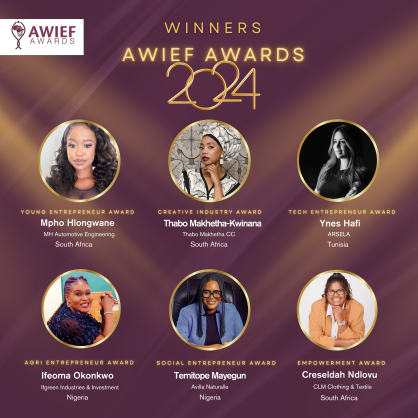
The 2024 AWIEF (www.AWIEForum.org) Awards celebrated the exceptional achievements of African women entrepreneurs on Friday night at the Cape Town International Convention Centre (CTICC). The glamorous awards ceremony honored six outstanding winners, selected from a distinguished group of 18 finalists, while also honouring Dr. Naledi Pandor, Former Minister of International Relations and Cooperation of South Africa, with the Lifetime Leadership Award.
Celebrating Excellence in African Entrepreneurship
This year's finalists and winners showcased the remarkable talent and ingenuity of African women entrepreneurs who are creating opportunities, driving economic growth, and transforming communities across the continent. Representing South Africa, Tunisia, and Nigeria, the finalists span diverse industries, highlighting the breadth of innovation and leadership among women across Africa.
The AWIEF Awards 2024 ceremony was the culmination of the AWIEF2024 Conference, a two-day event that brought together over 500 delegates from more than 50 countries. This dynamic conference served as a powerful platform for collaboration, knowledge-sharing, and celebrating the transformative achievements of women entrepreneurs shaping Africa's future.
Honoring a Legacy of Leadership
The evening's highlight was the presentation of the Lifetime Leadership Award to Dr. Naledi Pandor for her Legacy of Leadership and Impact. Dr. Pandor's illustrious career spans decades, during which she played a pivotal role in shaping South Africa's domestic and international policies. As Minister of International Relations and Cooperation (2019–2024), she championed South Africa's global influence, advancing diplomacy, peace-building, and international cooperation. Her visionary leadership continues to inspire generations across Africa and beyond.
The Winners of AWIEF Awards 2024
The following women were celebrated for their outstanding contributions and achievements in their respective categories:
YOUNG ENTREPRENEUR AWARD
Mpho Hlongwane – MH Automotive Engineering (South Africa)
AGRI ENTREPRENEUR AWARD
Ifeoma Okonkwo – Ifgreen Industries & Investment (Nigeria)
CREATIVE INDUSTRY AWARD
Thabo Makhetha-Kwinana – Thabo Makhetha CC (South Africa)
EMPOWERMENT AWARD
Creseldah Cassandra Ndlovu – CLM Clothing & Textile (South Africa)
TECH ENTREPRENEUR AWARD
Ynes Hafi – ARSELA (Tunisia)
SOCIAL ENTREPRENEUR AWARD
Temitope Mayegun – Avilla Naturelle (Nigeria)
A Platform for Women's Empowerment
The AWIEF Awards continue to shine a spotlight on the achievements of African women entrepreneurs, celebrating their innovative spirit and their significant contributions to sustainable development and economic growth across the continent.
For more information on the AWIEF Awards and Conference, as well as details about the finalists and winners, visit www.AWIEForum.org.
Distributed by APO Group on behalf of Africa Women Innovation and Entrepreneurship Forum (AWIEF).
The Basketball Africa League (BAL) (www.BAL.NBA.com) today announced that the league's milestone fifth season will tip off on Saturday, April 5, 2025, at the Prince Moulay Abdellah Sports Complex in Rabat, Morocco and culminate with the 2025 BAL Finals on Saturday, June 14 at the SunBet Arena in Pretoria, South Africa, marking the first BAL games in Morocco and the first time the BAL Finals will be held in South Africa. The 2025 BAL season will feature the top 12 club teams from 12 African countries playing 48 games in Rabat; Dakar, Senegal; Kigali, Rwanda; and Pretoria.
The 12 teams will once again be divided into three conferences of four teams each. Each conference will play a 12-game group phase during which each team will face the other three teams in its conference twice. The Kalahari Conference group phase will take place from April 5 – Sunday, April 13 in Rabat. The Sahara Conference group phase will take place from Saturday, April 26 – Sunday, May 4 at the Dakar Arena in Senegal. The Nile Conference group phase will take place from Saturday, May 17 – Sunday, May 25 at BK Arena in Kigali. Eight teams from across the three conferences will qualify for the Playoffs in Pretoria, which will tip off on Friday, June 6 and culminate with the 2025 BAL Finals on Saturday, June 14. Beginning today, fans can register their interest in tickets to games in all four markets at BAL.NBA.com.
“We have seen tremendous growth over the BAL's first four seasons in the level of on-court competition, attendance, and engagement from fans and partners in Africa and globally,” said BAL President Amadou Gallo Fall. “Our milestone fifth season will build on that momentum and further showcase the level of talent and passion for basketball in Africa, including through the first BAL games in Morocco and the first BAL Finals in South Africa.”
“The Kalahari Conference marks another expansion of the BAL into a new country on our continent, and we are more than satisfied,” said Anibal Manave, President of FIBA Africa. “Year after year, this competition grows, giving greater exposure to our sport and helping to elevate the level of basketball in Africa by making the league more and more competitive.”
This season, the national league champions from seven countries – Angola, Egypt, Morocco, Nigeria, Rwanda, Senegal, and Tunisia – will automatically qualify for the BAL. The other five teams will qualify through the Road to the BAL qualifying tournaments (http://apo-opa.co/3B0yqhx) conducted by FIBA Africa across the continent from October – December 2024.
In addition to the games, the BAL will once again collaborate with its partners to conduct youth development and social impact programming in all four markets, including Jr. NBA, coaching and referee clinics, environmental days of service, the fourth BAL Innovation Summit, networking sessions to engage with members of the media, and a series of camps and workshops for young women as part of BAL4HER, the league's platform for advancing gender equality in the African sports ecosystem.
Rwanda Development Board, NIKE, Jordan Brand, and Wilson will return as BAL Foundational Partners. The league's roster of marketing partners also includes Castle Lite, Hennessy and RwandAir.
On June 1, Angola's Petro de Luanda became the first sub-Saharan African team to win the BAL Finals after previous champions from Egypt and Tunisia. The 2024 BAL season reached fans in 214 countries and territories in 17 languages, set an attendance record of more than 120,000 fans across the four host countries, and generated more than 1.2 billion impressions across NBA and BAL social media channels.
Additional information about the 2025 BAL season will be announced in the coming months.
Distributed by APO Group on behalf of Basketball Africa League (BAL).
Contact:
Edwin Eselem,
Basketball Africa League,
+221 78 615 42 87,
EEselem@theBAL.com
About the BAL:
The Basketball Africa League (BAL), a partnership between the International Basketball Federation (FIBA) and NBA Africa, is a professional league featuring 12 club teams from across Africa that completed its fourth season in June 2024. Headquartered in Dakar, Senegal, the BAL builds on the foundation of club competitions FIBA Africa has organized across the continent and marks the NBA's first collaboration to operate a league outside North America. Fans can follow the BAL (@ theBAL) on Facebook (https://apo-opa.co/3ZkyXTZ), Instagram (https://apo-opa.co/3Z2tuRc), Threads (https://apo-opa.co/3ZkyZez), X (https://apo-opa.co/3Zlxn5u), and YouTube (https://apo-opa.co/3Z2L7jY) and register their interest in receiving more information at BAL.NBA.com.
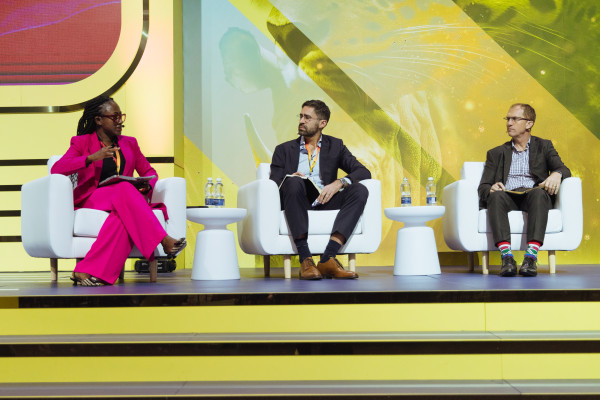
Africa must expand its renewable energy manufacturing capabilities and leverage its critical minerals to foster growth in its renewables sector, according to James Mackay, Managing Director at the Energy Council of South Africa.
Speaking on a panel discussion during African Energy Week: Invest in African Energies' Pre-Event Technical Workshops, Mackay said the high cost of renewables in Africa could be lowered by enhancing local manufacturing capacity, making vital technologies more accessible for project developers.
“Egypt is currently leading in solar manufacturing, but other African governments should work to attract investments and implement policies that incentivize manufacturers to establish operations on the continent,” stated Mackay.
Carlos Torres Diaz, Senior Vice President & Head of Gas and Power Markets Research, Rystad Energy highlighted Africa's youthful workforce as a strategic advantage in developing innovative solutions required to harness the continent's 30% share of global critical minerals. According to Diaz, the focus is no longer solely on replacing fossil fuels but on integrating all energy resources and using digital tools to stabilize the power grid.
“Gas-to-power solutions remain essential for stability alongside renewables,” he noted.
Despite holding 40% of the world's total solar potential, Africa currently utilizes only 35% of its capacity, according to Nivedh Das Thaikoottathil, Senior Analyst – Renewables & Power at Rystad Energy. Thaikoottathil pointed out that Africa's ability to add value to its critical minerals will shape its potential to produce over 100,000 TWh of solar energy annually, potentially increasing the share of solar and wind from 8% today to 60% by 2040.
Commenting on high-growth renewable energy markets in Africa, Thaikoottathil said South Africa, Morocco, Egypt, Tunisia, Mauritania and Mozambique are the key players.
“We are seeing growing financing for renewable projects and new interconnectors between North Africa and Europe, with 24 GW of proposed capacity aimed at linking the regions,” he said.
AEW: Invest in African Energy 2024 is held alongside the Critical Minerals Africa Summit which will run from November 6 – 7 November in Cape Town, offering delegates access to the full scope of energy, mining and finance leaders.
Distributed by APO Group on behalf of African Energy Chamber.
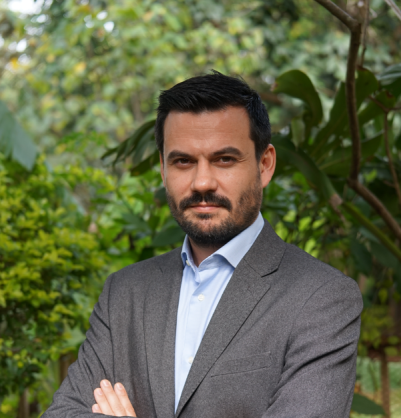
By Julien Fouilliart-Building & Infrastructure Growth Leader Middle East, Caspian and Africa, Bureau Veritas (https://group.BureauVeritas.com).
Globally, buildings are responsible for a substantial share of energy, electricity, water and materials consumption using between 35-40% of energy demand and contributing 37 per cent of world carbon dioxide (CO2) emissions. Including the manufacturing of building materials.
The 2022 updated Global Buildings Climate Tracker (GBCT) (https://apo-opa.co/3YLJiZG) shows that there is a significant gap between the current state and the desired decarbonization path which is concerning. In effect it means that to align with the 2030 milestone, an annual increase of ten decarbonization points is now necessary which is a substantial jump from the six points per year anticipated starting in 2015.
In 2019 in Africa, buildings accounted (https://apo-opa.co/4e8NIhN) for 57% of total final energy consumption and 32% of total process-related CO2 emissions.
Despite continental issues of poverty, unemployment and rapidly developing informal settlements among other issues, many countries in Africa are embracing green, sustainable building practices.
With its burgeoning population, expected to add some 1.2 billion people by 2050 (https://apo-opa.co/3AxgxXo) Africa faces rapid urbanization.
Urbanization provides an opportunity for countries across Africa to embrace green building practices, access available international green funding opportunities, and set a foundation for sustainability for future generations.
In 2023 the Africa Regional Network of World Green Building Council (WorldGBC) launched the Africa Manifesto for Sustainable Cities and the Built Environment, which sets out the actions that policymakers and businesses across the continent need to take to achieve a net zero carbon, healthy, resilient, equitable, socially- and economically-inclusive built environment for everyone, everywhere.
Achieving these goals requires policymakers and business leaders across the continent to recognise the untapped potential of the built environment. But this can only be realized with the implementation of policies that support transformative action, through intense collaboration between governments, city and regional leaders, businesses and investors.
South Africa is leading Africa's green building sector (https://apo-opa.co/3YLdq7N). It has over two million square meters certified green buildings that reduce water consumption, electricity, and waste disposal; 50 certified projects are projected to result in an annual saving of 76 million kilowatt hours which is equivalent to the electricity needs of 5,300 households every year.
South Africa has its own National Standard 10400 Part XA that deals with optimizing energy efficiency in buildings and in the light of this the Green Star South Africa and EDGE green building tools have been adapted and are widely used in the country. International rating systems like LEED and WELL are also used.
The scope of green construction in Egypt has been slow to grow but Egypt has two local rating systems in place called TARSHEED and the Green Pyramid Rating System. These, along with EDGE, LEED and WELL are used in various projects.
The Nigerian government has pledged to achieve a 20% reduction in its greenhouse gas emissions by 2030 and 45% with international support. Green building will likely be a big part of this change.
This country's National Building Code, developed by the National Council on Housing and Urban Development, and the Building Energy Efficiency Guideline (BEEG), also support the agenda of sustainable development by setting requirements for occupant health and safety, use of local and safe building materials and energy efficiency among other criteria.
Morocco has several legal provisions in place to promote sustainability and environmental protection through construction impact assessments for new building projects as well as energy-efficient construction requirements applicable to most residential and commercial projects. Several projects in the country have also achieved LEED green building credentials.
It also has several renewable energy projects such as the Noor Midelt Solar Plant and Tarfaya Wind Farm, one of the biggest wind farms in the continent.
As the drive towards Net-Zero heightens more African countries are joining the African Regional Network of the World Green Building Council. NGOs and other industry professionals are setting up green building councils in South Africa, Egypt, Tunisia, Nigeria, Botswana, Zimbabwe, Namibia, Mauritius, Tanzania, Kenya, Cameroon and Uganda.
One of the big hurdles restraining a sustainable development movement in the construction industry is a lack of awareness for practical sustainable actions among many developers and investors.
In South Africa there is a broad awareness of Green Buildings and the market share of certified buildings among all new builds is increasing. The 2021 International Finance Corporation's (IFC) Green Building Market Stakeholder Assessment for South Africa showed that on the supply side, key motivating factors for Green Buildings are their reduced carbon footprint increased end user demand and increased marketability.
From the occupier's perspective the motivating factors for buying or leasing a Green Building are lower utility bills and lower operating costs. Yet, at a residential level occupiers are only willing to pay a two percent premium for these benefits.
The IFC report points out that the perceived cost of construction and certification of green buildings are also considered major obstacles to the expansion of certified Green Buildings in South Africa (https://WorldGBC.org/). Its research indicates that those in the know estimated the additional construction cost to be 10% or higher, while those unfamiliar with Green Buildings are likely to significantly overestimate costs.
Currently, four out of six financial institutions provide financing for Green Building projects in some form or another and three require a certification to approve the loan. The portfolios of two consist of retrofitting existing buildings into Green Buildings; two of commercial and industrial Green Building construction finance and only one residential Green Building construction finance. Of the two FI's that currently do not fund any Green Building one plans to do so in the future while the other does not see this as part of their strategy.
The investment into green construction (https://apo-opa.co/4e8NYgL) has multiple benefits; it facilitates growth while addressing issues like employment, climate change, and poverty.
However, more needs to be done to improve the understanding of the benefits of green buildings such as lower operational costs, increased ROI as well as an overall improvement in occupant health and wellbeing. Financial institutions need to do more to support green construction. Those which have pledged to lower their investments in carbon producing industries could create green bonds or funds for the African construction sector. Government's need to provide policy support along with incentives to catalyze market development.
All this suggests that there is still a sizable information gap regarding the cost, certification and benefits of Green Building and that further knowledge dissemination efforts are needed to close it.
Distributed by APO Group on behalf of Bureau Veritas.
About Julien Fouilliart:
Julien Fouilliart is a seasoned business development professional with 15 years of experience in international, multicultural, and cross-sector environments. He currently leads the growth of Bureau Veritas' Building & Infrastructure market across the Middle East, Caspian, and Africa regions. Julien holds a degree in Mechanical Engineering from Belfort University in France. He is based in Kenya and has a deep passion for the African continent. Julien has played a key role in the development of large and iconic infrastructure projects across the region. He has an extensive international background, having worked in France, China, Spain, Belgium, and the United Kingdom. His experience includes collaborating with global companies and public institutions to drive business growth in sectors such as aerospace, IT, rail, building, and transport infrastructure.
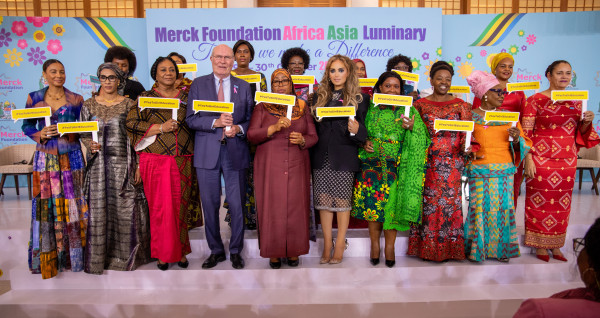
Merck Foundation (www.Merck-Foundation.com), the philanthropic arm of Merck KGaA Germany, conducted the 11th Edition of their annual conference, “Merck Foundation Africa Asia Luminary”, under the patronage of The President of Tanzania, and in partnership with the Government of Tanzania on 29th and 30th October, in Dar es Salaam, Tanzania. The conference was officially inaugurated by H.E. Dr. SAMIA SULUHU HASSAN, The President of the United Republic of Tanzania together with Prof. Dr. Frank Stangenberg-Haverkamp, Chairman of Merck Foundation Board of Trustees and Senator, Dr. Rasha Kelej, CEO of Merck Foundation, along with First Ladies of 15 Countries, who joined as the Guests of Honor and Keynote Speakers.
While inaugurating the conference, The President of United Republic of Tanzania, H.E Dr. SAMIA SULUHU HASSAN emphasized “I am delighted to host this prestigious conference in Tanzania. It is a great honor to inaugurate the conference alongside the First Ladies of Africa and Asia. I am certain that this conference will help us to achieve our shared mission — to make a transformation in the health and well-being of our people. I deeply appreciate the programs of Merck Foundation that are building healthcare capacity, breaking infertility stigma, and supporting girl education.”
Senator Dr. Rasha Kelej, CEO of Merck Foundation and Chairperson of Merck Foundation Africa Asia Luminary emphasized, “I am delighted to have Her Excellency, Dr. SAMIA SULUHU HASSAN, The President of the United Republic of Tanzania, inaugurate our annual conference. I also extend my heartfelt thanks to our partner, the Government of Tanzania, for their unwavering support in making it a success. Moreover, I am honored to welcome our esteemed Guests of Honor and Keynote Speakers, the First Ladies of African and Asian Countries, also the Ambassadors of the “Merck Foundation More Than a Mother”. Together, we shared experiences and engaged in meaningful discussions on the impact of our programs, aimed at transforming patient care and raising awareness on a wide range of critical social and health issues."
Prof. Dr. Frank Stangenberg Haverkamp, Chairman of Merck Foundation Board of Trustees added, “I would like to thank H.E. Dr. SAMIA SULUHU HASSAN, The President of Tanzania, our partners, The First Ladies of Africa and Asia, along with African Ministers, Health Experts, Policy Makers, Government Officials, Academia and Media from over 70 countries for joining hands with us to realize the Merck Foundation's vision that “Everyone can lead a Healthy and Happy life.”
The First Ladies of 15 Countries, who joined as the Guests of Honor and Keynote Speakers are:
“I am proud to share that Merck Foundation has provided more than 2080 scholarships to young doctors from 50 countries in 42 critical and underserved specialties such as Oncology and Cancer care, Diabetes, Endocrinology, Cardiovascular, Fertility Care, Embryology, Sexual & Reproductive Medicine, Internal Medicine, Respiratory Medicine, Acute Medicine, Critical Care, Pediatric Emergency, Gastroenterology, Rheumatology, Clinical Psychiatry, Urology, Ophthalmology, General Surgery, Trauma & Orthopedic, Dermatology, Neonatal Care, Pain Management, Clinical Microbiology & Infectious Diseases, Advanced Surgical Practice, Neuroimaging for Research and more. Many of them are becoming the first specialists in their countries”, added Senator Kelej.
During the 11th Edition of Merck Foundation Africa Asia Luminary, two important occasions were marked; the 7th Anniversary of Merck Foundation and 12 years of Merck Foundation's development programs that started in 2012.
On the first day of the conference, the Plenary Session of the Merck Foundation Africa Asia Luminary 2024 took place, featuring a high-level panel discussion with the participating First Ladies of Africa and Asia. Moreover, two high-level ministerial panel discussion were held with African Ministers and top healthcare experts from across the globe.
The Day 2 of the conference will have five key parallel medical and scientific sessions, covering topics such as oncology, diabetes and hypertension, fertility and reproductive care, and medical capacity building in other specialties like respiratory care, acute care, emergency pediatric and neonatal care, and more. Additionally, a community awareness session, Merck Foundation Health Media Training, will be conducted for African journalists. This session will emphasize the critical role of the media in influencing communities and driving cultural change, with regards to a wide range of social and health issues like Breaking Infertility Stigma, Supporting Girls' Education, Stopping GBV, Ending Child Marriage & FGM, Empowering Women, Diabetes and Hypertension Awareness.
Countries participating in the 11th Edition of Merck Foundation Africa Asia Luminary include:
Angola, Bangladesh, Benin, Botswana, Burkina Faso, Burundi, Cameroon, Canada, Central Africa Republic, Cambodia, Chad, Côte d'Ivoire, Republic of the Congo, Democratic Republic of the Congo, Egypt, Ethiopia, France, Gabon, Germany, Ghana, Guinea – Bissau, Guinea – Conakry, India, Indonesia, Kenya, Lesotho, Liberia, Malawi, Malaysia, Mali, Mauritania, Mauritius, Mexico, Mozambique, Myanmar, Namibia, Nepal, Niger, Nigeria, Peru, Philippines, Russia, Rwanda, Senegal, Sierra Leone, Somalia, South Africa, Sri Lanka, Sudan, Tanzania, Thailand, The Gambia, Togo, Tunisia, U.A.E, UK, Uganda, US, Vietnam, Zambia, Zimbabwe and more.
The 11th Edition of Merck Foundation Africa Asia Luminary 2024 is streamed live on the social media handles of Merck Foundation and Senator, Dr. Rasha Kelej, CEO of Merck Foundation:
@ Merck Foundation: Facebook (http://apo-opa.co/3Yq65sX), X (http://apo-opa.co/40p49nc), Instagram (http://apo-opa.co/3Uwqqvl), and YouTube (http://apo-opa.co/3NLGJAS).
@ Rasha Kelej: Facebook (http://apo-opa.co/3Uulqrf), X (http://apo-opa.co/3Yq65Jt), Instagram (http://apo-opa.co/40krkip), and YouTube (http://apo-opa.co/40nOp3t).
Link to the Facebook live stream of Inaugural Session of Merck Foundation Africa Asia Luminary & African First Ladies High Level Panel: https://apo-opa.co/40tsLex
Merck Foundation is transforming the Patient care landscape and making history together with their partners in Africa, Asia, and beyond, through:
• 2080+ Scholarships provided by Merck Foundation for doctors from 52 Countries in 42 critical and underserved medical specialties.
Merck Foundation is also creating a culture shift and breaking the silence about a wide range of social and health issues in Africa and underserved communities through:
• 3500+ Media Persons from more than 35 countries trained to better raise awareness about different social and health issues
• 8 Different Awards launched annually for best media coverage, fashion designers, films, and songs,
• Around 30 songs to address health and social issues, by local singers across Africa
• 8 Children's Storybooks in three languages - English, French, and Portuguese
• 7 Awareness Animation films in five languages - English, French, Portuguese, Spanish and Swahili to raise awareness about prevention and early detection of Diabetes & Hypertension and supporting girl education.
• Pan African TV Program "Our Africa by Merck Foundation” addressing Social and Health Issues in Africa through “Fashion and ART with Purpose” Community
• 700+ Girls from 15 African countries supported through scholarships or school items, annually.
• 15 Social Media Channels with more than 6 Million Followers.
Distributed by APO Group on behalf of Merck Foundation.
Contact details:
Mehak Handa
Community Awareness Program Manager
+91 9310087613 / +91 9319606669
mehak.handa@external.merckgroup.com
Join the conversation on our social media platforms below and let your voice be heard!
Facebook: https://apo-opa.co/3Yq65sX
X (Twitter): https://apo-opa.co/3O4YBa5
YouTube: https://apo-opa.co/3NLGJAS
Instagram: https://apo-opa.co/3Uwqqvl
Flickr: https://apo-opa.co/40nL051
Threads: https://apo-opa.co/3NJN9jN
Website: www.Merck-Foundation.com
Download Merck Foundation App: https://apo-opa.co/40njaFK
About Merck Foundation:
The Merck Foundation, established in 2017, is the philanthropic arm of Merck KGaA Germany, aims to improve the health and wellbeing of people and advance their lives through science and technology. Our efforts are primarily focused on improving access to quality & equitable healthcare solutions in underserved communities, building healthcare & scientific research capacity, empowering girls in education and empowering people in STEM (Science, Technology, Engineering, and Mathematics) with a special focus on women and youth. All Merck Foundation press releases are distributed by e-mail at the same time they become available on the Merck Foundation Website. Please visit www.Merck-Foundation.com to read more. Follow the social media of Merck Foundation: Facebook (https://apo-opa.co/3UrWznZ), X (https://apo-opa.co/3NLcqtQ), Instagram (https://apo-opa.co/3UtDmlT), YouTube (https://apo-opa.co/3UqOAaF), Threads (https://apo-opa.co/3UvSCP8) and Flickr (https://apo-opa.co/3Yo1jfw).
The Merck Foundation is dedicated to improving social and health outcomes for communities in need. While it collaborates with various partners, including governments to achieve its humanitarian goals, the foundation remains strictly neutral in political matters. It does not engage in or support any political activities, elections, or regimes, focusing solely on its mission to elevate humanity and enhance well-being while maintaining a strict non-political stance in all of its endeavors.

Feet 'N' Tricks International (www.FeetNTricks.com), in collaboration with the World Freestyle Football Association (WFFA) and proudly sponsored by AFREXIMBANK, has successfully concluded the second edition of Freestyle Connect Africa at the CANEX WEEKEND 2024 in Algiers, Algeria. The event, held on October 18th, 2024, at the SAFEX Exhibition Centre, brought together the finest freestyle football talent from across the continent.
In a thrilling display of skill, 24-year-old Mohannad-Hosam Mohamed Saleh Ali from Egypt was crowned the Africa Freestyle Champion in the male category. His flawless execution of intricate tricks and superior control earned him the top prize. Mohannad-Hosam dethroned Ali Yahia Ouahmed from Algeria, the defending champion and winner of the first edition held in Egypt in 2023, who finished as runner-up. Tunisia's Ayoub Haouas took third place, completing the podium in the fiercely contested male competition.
In the female category, Angelique Martins Ferreira from South Africa clinched the Africa Freestyle Championship, outperforming her fellow competitors. Nigeria's Okafor Ijeoma Evelyn, the reigning Nigerian Champion, secured second place, while Heizel Selesi Gyabi from Kenya took third, rounding out the top female freestylers of the continent.
Event Highlights and VIP Guests
The event was graced by top dignitaries and influential figures, further cementing its reputation as a premier sports and cultural showcase for Africa. In attendance were:
- Valentine Chineto Ozigbo, Chairman of Feet 'N' Tricks International and Director at the World Freestyle Football Association.
- HE Senator John Owan Enoh, Nigerian Minister of Sports Development.
- HE Hannatu Musa Musawa, Nigerian Minister of Arts, Culture, and the Creative Economy.
- Dr. Hassani Mustapha Ali, representing the Algerian Minister of Sports.
- Boris Kodjoe, Hollywood actor, producer, and global ambassador.
- Mrs. Kanayo Awani, Executive Vice President, Intra African Trade and Export Development, AFREXIM Bank
- Moji Hunponu-Wusu, Founder of WoodHall Capital.
- Gabriel Edgal, Chairman of Oakwood Green Africa.
- Prof. and Mrs. Sylvester Monye, Independent Public Policy Consultants.
- Temwa Gondwe, Senior Manager, Trade Facilitation, Intra African Trade and Investment Promotion, AFREXIM Bank
- Anne Ezeh, Director of Communications and Events at AFREXIM Bank.
- Adaeze Anyaoku, Head of Corporate Events and Multimedia Management, AFREXIM Bank.
There were other members of the Board of Feet n Tricks present, including Olisa Adibua, Dom Lawson, Odyke Nzewi and the Managing Director, Oraka Oranyelu.
Just before the event kicked off, there was a panel discussion titled "Beyond the Scoreboard: Can Global Partnerships Provide Opportunities in the Sports Ecosystem?" This session gathered key industry stakeholders, who discussed how strategic partnerships can drive growth and investment in African sports. Mr. Ozigbo was among the panelists.
A Celebration of African Talent and Culture
Freestyle Connect Africa 2.0 was more than a competition—it was a celebration of African creativity and culture, uniting 23 freestyle footballers from across the continent. Athletes from Nigeria, Egypt, South Africa, Algeria, Kenya, Tunisia, and Madagascar showcased their exceptional skills in this exciting event, which embodied the CANEX 2024 theme: "One People, United in Culture, Creating for the World." The dancers from Calabar Carnival were also on ground to entertain the audience with their graceful performance.
Three esteemed judges oversaw the competition:
- Yorok Youssef Ayman (Egypt), a multiple-time national champion and two-time African Championship runner-up.
- Iya Traore (Guinea), ex-Paris Saint Germain junior team player and holder of three Guinness World Records in freestyle football.
- Ashley Mkhize (South Africa), former national champion and legendary freestyler.
Valentine Ozigbo's Vision for Freestyle Football
Valentine Chineto Ozigbo, Chairman of Feet 'N' Tricks International and Director at the World Freestyle Football Association, reaffirmed his commitment to promoting freestyle football across the continent. He also emphasized his goal of pushing for the inclusion of freestyle football as an Olympic sport, bringing the blend of athleticism and creativity to a global audience.
"Freestyle football reflects the ingenuity and passion of Africa's youth. Our mission is to elevate this sport to the global stage, ensuring that our athletes get the recognition they deserve," said Ozigbo.
These were the sentiments expressed by the three Ministers when they spoke to declare the event open, advocating very passionately for the beautiful game of football to be part of the next Olympics.
Mr. Temwa Gondwe, in presenting the prizes to the winners, appreciated Feet n Tricks for a job well done, and signaled that freestyle football may be a part of Afreximbank's future events.
A Bright Future for African Freestyle Football
Freestyle Connect Africa 2.0 was a resounding success, showcasing the immense talent and potential of African freestyle athletes. As strategic partnerships grow and global interest increases, freestyle football in Africa is poised for a future filled with opportunities.
Proudly sponsored by AFREXIMBANK, Authorized by the WFFA and Supported by Valentine Chineto Ozigbo Foundation. In collaboration with the People and Government of Algeria
Distributed by APO Group on behalf of Feet 'N' Tricks Limited.
For media inquiries or additional information, please contact:
Oraka Nnanyelu
MD, Feet 'N' Tricks
feetandtricksltd@gmail.com
#FreestyleConnectAfrica #CANEX2024 #AfricaRising #FreestyleFootball #FeetNTricksInternational
Introduction In today’s fast-paced media landscape, finding a reliable line producer who understands local nuances while delivering top-notch production services is crucial. iGlass Media stands out as a premier line producer, adept at navigating the diverse cultural and logistical challenges across various stunning locations, including India, Indonesia, Dubai, China, Turkey, Tunisia, Morocco, Jordan, Cape Town, …
“War is not good, and it is painful. If I were asked to go to war again, I would not agree.”

By Adamon Mukasa and Anthony Simpasa, African Development Bank Group (www.AfDB.org).
Document 1: http://apo-opa.co/4g3EVzM
Document 2: http://apo-opa.co/473xTHm
Document 3: http://apo-opa.co/4gcshPk
Document 4: http://apo-opa.co/4gcsi5Q
Document 5: http://apo-opa.co/471DE8y
Document 6: http://apo-opa.co/4gcskL0
Document 7: http://apo-opa.co/47361TE
Document 8: http://apo-opa.co/4dXk53t
The calls for structural economic transformation in Africa date back to the 1960s when newly independent nations aimed to eliminate poverty through economic diversification, sustained growth, and job creation. This agenda persists today, as Africa continues to face significant developmental challenges.
Pursuing post-independence economic agendas was particularly important because, behind the euphoria (http://apo-opa.co/4dZMCVX) of independence, laid significant developmental challenges in several African countries: unskilled labor force, political and institutional fragilities, poor health conditions, rapid population growth, wide income disparities, and the legacy of colonialism and exclusion from the modern world. The establishment of the Organization of African Unity (OAU) (http://apo-opa.co/4g3EVzM) in 1963 and the African Development Bank (http://apo-opa.co/473xTHm) a year later aimed to tackle these other challenges in a more coordinated and impactful manner. The African Union (http://apo-opa.co/475z3Sz), successor of the OAU, developed Agenda 2063 (http://apo-opa.co/4g3EQMu) in 2013 as a blueprint for turning Africa into the global growth pole and powerhouse of the future.
Africa's Economic Development Paradox
More than sixty years after independence (http://apo-opa.co/3AzLutK), Africa's structural transformation – the shift of workers from lower to higher productivity employment and intra-sectoral productivity growth (http://apo-opa.co/4dQj0KK) – has not progressed as quickly as hoped. Both policymakers and analysts within and outside the continent are genuinely concerned that achieving structural transformation could remain a mirage for many African countries in the absence of bold structural reforms and financing to support implementation of these policies. Why being so pessimistic? Because historical facts tend to support their pessimism. The African Economic Outlook (AEO) 2024 (http://apo-opa.co/4g2RATW) report, released in May by the African Development Bank, reveals that Africa's transformation has been slow and uneven. In countries showing signs of transformation, the process has been characterized by low industrialization and predominantly by employment in low-skill, low-productivity services. The agriculture sector, employing 42% of Africa's workforce, is 60% less productive than the economy-wide average. Consequently, many workers remain trapped in low-productivity, low-wage jobs, unable to escape poverty.
As a result, Africa was the only region of the world where the average real GDP per capita contracted in the 1980s and 1990s, the so-called lost decades (http://apo-opa.co/4fYqm0D).
Africa is off-track in achieving almost all SDG targets by 2030, consistently showing the lowest SDG performance globally since the 2000s (Figure 1). Without intervention, it is predicted that by 2030, nearly 9 out of 10 of the world's extremely poor will be in Africa (http://apo-opa.co/4e2weEn) and under current conditions[1], it could take African countries over a century on average to reach high-income status.
[1] This scenario assumes that real GDP per capita of each African country will grow according to its post-COVID-19 (2022–25) average growth rate as computed by the African Development Bank's Statistics Department.
But Africa is a very large, diverse, heterogeneous, region. Some countries have, over the past four decades preceding the COVID-19 pandemic, experienced episodes of growth accelerations, growth spikes and failed take-offs (http://apo-opa.co/4gcshPk). Cases of consistent good performance include Botswana, Seychelles, and Mauritius, routinely ranked among the top 10 fastest-growing economies globally. African countries have indeed exhibited remarkable resilience amid confounding shocks, and in 2024, 10 countries[1] in Africa are projected to be among the world's top 20 fastest-growing economies, sustaining the trend observed during the past four decades pre-COVID-19.
Importantly, over the past quarter century, thanks to strong economic reforms and macroeconomic stability, enhanced governance, relative peace and improved political environment and, public investments in soft and hard infrastructure, some African countries[2] have managed to transform their economies and recorded economic growth rates above the global average.
The role of finance in fast-tracking Africa's structural transformation
Many factors, both internal and external, could explain the relatively slow progress in structurally transforming African economies. Among them: over-reliance on commodity-led growth (http://apo-opa.co/4fZJTxI), inadequate infrastructure (http://apo-opa.co/4dV5DZE); insufficient pool of skilled workers (http://apo-opa.co/4g49x4g) and low access to affordable finance (http://apo-opa.co/47361D8); weak institutional governance (http://apo-opa.co/4e0O5LG), recurrent conflicts (http://apo-opa.co/4g49rtq), effects of climate change (http://apo-opa.co/3ABuuTU), tightening of global financial conditions (http://apo-opa.co/4fZSFvC) and rising debt vulnerabilities (http://apo-opa.co/4724oWk).
While all these factors are equally important and call for urgent actions from policymakers, financing Africa's transformation (http://apo-opa.co/4fTo1Uy) is a multi-layered overarching challenge that demands special attention and a pragmatic approach to move from billions to trillions. The cost of achieving the SDGs by 2030 in Africa is estimated at about $1.3 trillion (http://apo-opa.co/4gcsi5Q) annually, equivalent to 42% of Africa's 2023 GDP. Infrastructure needs alone are estimated by the African Development Bank at $181-$221 billion per year over 2023-2030. The climate finance gap is approximately $213.4 billion (http://apo-opa.co/4gcsiTo) annually through 2030.
Insufficient domestic resources (http://apo-opa.co/471DE8y), compounded by the failure of the global financial architecture (http://apo-opa.co/471zU6K) to mobilize and at scale, affordable finance for sustainable development (http://apo-opa.co/4gcskL0), have led many African countries to resort to commercial borrowing on unfavorable terms. This has resulted in increased debt vulnerabilities. Africa's Public and Publicly Guaranteed external debt has nearly tripled since 2010, reaching $656 billion in 2022, accounting for 22.4% of the continent's GDP and exceeding Africa's public revenue-to-GDP ratio of 20.4%. In 2024, African countries are expected to spend around $74 billion on debt service, up from $17 billion in 2010. Out of the projected debt service, $40 billion is owed to private creditors.
Even more concerning, debt service payments now account for about 11% of the continent's total revenues. High debt service is diverting resources from crucial investments in infrastructure, education, and health – all critical for economic transformation and long-term growth. As of April 2024, 20 African countries[3] (http://apo-opa.co/47361TE) were either in external debt distress or at high risk of external debt distress.
The AEO 2024 report estimates that to accelerate Africa's structural transformation, the continent needs to close an annual financing gap of $402.2 billion (about 13.7% of its projected 2024 GDP) by 2030. Figure 2 shows that transport[4] infrastructure accounts for the largest share of the gap (72.9%), followed by education (10.4%), energy (9.9%), and productivity-enhancing technologies (6.8%). These figures reflect decades of underinvestment in critical areas for development.
The level of financing gap in transport infrastructure reflects the continent's shortfall explained by decades of public underinvestment to upgrade existing road infrastructure or open new roadways, to match the growing population and economic dynamism across the continent. For instance, Africa's median road density is about 12 km per 100 km2, compared with 42.5 km in high-performing developing countries and 136 km in high-income countries. Only about 27% of African roads are paved, far behind the rest of the world (about 49%) and other developing countries (35.4%).
[1] Niger, Senegal, Libya, Côte d'Ivoire, Ethiopia, Rwanda, Benin, Djibouti, Gambia, and Uganda
[2] Algeria, Comoros, Djibouti, Egypt, eSwatini, Lesotho, Libya, Mauritius, Sao Tome and Principe, Senegal, Seychelles, and Tunisia
[3] Burundi, Cameroon, Central African Republic, Chad, Comoros, Congo, Djibouti, Ethiopia, Gambia, Ghana, Guinea-Bissau, Kenya, Malawi, Mozambique, São Tomé and Príncipe, Sierra Leone, South Sudan, Sudan, Zambia, and Zimbabwe
[4] Proxied by roads as road transport is the most frequently used means of transporting goods and people across the continent, carrying at least 80 percent of goods and 90 percent of passengers.
On education, vital for equipping the current and future workforce with the required skillset for structural transformation, African countries' median SDG index score was only 51.5 (out of a maximum of 100) in 2022, while other low-income developing countries reached a median score of 87. In addition, according to World Bank's World Development Indicators (http://apo-opa.co/3AGXw4N), African governments currently spend on average $312 annually per student in primary education, $473 on secondary education, and $2,227 on tertiary education, or about, respectively, 3, 2.3, and 1.1 times lower than high-performing developing countries on SDG 4. On energy, Africa's median SDG 7 index score was 38.8 in 2022, suggesting that a typical African country was 61.2% further away from achieving the best possible outcome on SDG 7 targets. Despite its vast energy potential, electric power consumption per capita in Africa is still the lowest in the world, estimated at 638.4 kilowatt-hours (kWh) in 2021, versus 2,056 kWh in other developing countries. Due to poor energy infrastructure, over 600 million Africans have no access to electricity http://apo-opa.co/46YZuJT and this is despite progress in recent years[1]. On productivity-enhancing technology and innovation, the continent lags other regions too. This impedes its ability to either innovate and introduce new products, technologies, and/or services that could support its structural transformation. African countries' average Gross Domestic Expenditure on R&D (GERD) represents about 0.4% of their GDP (against about 1% in the rest of the world) and they spend on average $10.7 per capita on GERD (compared to $403.2 per capita in other regions of the world). Furthermore, the continent displays the lowest concentration of researchers in R&D, with an average of 221 researchers per million people, against 742 researchers in other developing countries.
The financing gap varies significantly across countries. The cross-country heterogeneity is mainly explained by differences in current SDG performance related to structural transformation as well as differences in demographics (current and projected population size and composition, land size, and the like) and socioeconomic characteristics (current and projected GDP per capita, and spending on education, infrastructure, and so on). As shown in Figure 3, the estimated annual financing gap represents at least 10 % of 2024's projected GDP in 36 African countries, and in nine of these, at least 50 % of GDP. For such countries, closing the financing gap by 2030 is, therefore, realistically impossible.
[1] For instance, the average share of people with access to electricity increased from about 38 percent in 2000 to about 59 percent in 2022. In 28 African countries, the percent of people with access to electricity has more than doubled between 2000 and 2022, out of which it has increased at least fivefold in 8 countries (Kenya, Lesotho, Mali, Mozambique, Rwanda, Somalia, Tanzania, and Uganda).
Note: COG: Congo; CPV: Cabo Verde; GHA: Ghana; CIV: Cote d'Ivoire; GAB: Gabon; GNQ: Equatorial Guinea; MUS: Mauritius; SYC: Seychelles; ZAF: South Africa. Source: Authors' computation based on the African Economic Outlook (AEO) 2024 database
A more realistic approach would be to allow for a gradual but steady transformation process over a longer period, aligning with the African Union's Agenda 2063. This would enable countries to mobilize more resources domestically and externally, without jeopardizing debt sustainability.
What next?
Scaling up finance to accelerate Africa's structural transformation should be a key priority for policymakers. While implementing structural reforms is crucial for sustainable growth, success depends on the availability, timeliness, and scale of long-term development financing and enhancing spending efficiency. African countries should therefore, inter alia, focus on: i) scaling up investment to build requisite human capital suited to local realities, circumstances, and development priorities; ii) boosting domestic resource mobilization and improving efficiency of public finance management; iii) creating targeted and streamlined incentives to attract private capital for key transformation sectors; and iv) launching ambitious national infrastructure programs with assured positive returns to attract affordable financing.
The international community should reform the global financial architecture (http://apo-opa.co/4dXk53t) to facilitate African countries' access to long-term, concessional development financing at scale, complementing domestic resources.
By addressing these financing challenges and implementing targeted reforms, Africa can accelerate its structural transformation and move closer to achieving its development goals as espouses in Agenda 2063.
Distributed by APO Group on behalf of African Development Bank Group (AfDB).
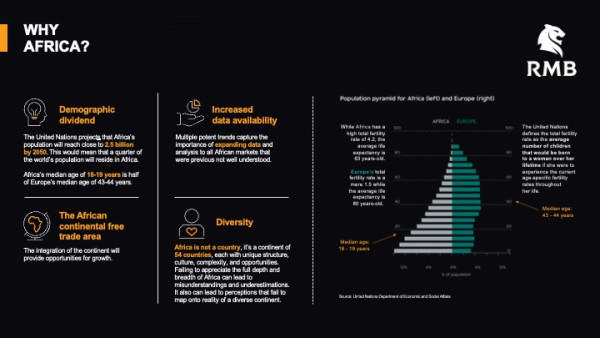
RMB (www.RMB.com) has released the highly anticipated 2024 edition of its Where to Invest in Africa report, a comprehensive analysis of the top investment destinations on the continent. The report, which has been developed in collaboration with the Gordon Institute of Business Science (GIBS), leverages a robust methodology that has been updated to reflect new data sources, taking into account a variety of factors that have been proven to determine a country's progress and therefore its investment potential.
“Africa is not a country, but a vast, diverse and complex continent with different cultures, economies and investment potential. Our report therefore is not a definitive guide, but rather it is designed to provide insight to uncover the underlying drivers of a country's performance that inform its ranking. This offers invaluable insights for investors, policymakers, and business leaders looking to navigate Africa's dynamic economic landscape,” says Isaah Mhlanga, Chief Economist at RMB.
Expanded data, extended granularity
Investment decisions need to be viewed through both an economic performance lens and an operating environment lens. As a result, the methodology used for this edition of the Where to Invest in Africa report builds and expands on previous editions, taking into account new data sets as well as changing geopolitical and macroeconomic climates.
The scorecard for the 2024 issue highlights 31 countries that collectively represent 92% of the continent's economic activity (measured by GDP), and more than one billion people (three quarters of the continent's population). It draws on publicly available data sets from global institutions, including the World Bank, the IMF, the African Development Bank, the United Nations, and the International Labour Organisation.
The model is constructed from 20 metrics across four measurement pillars: economic performance and potential; market accessibility and innovation; economic stability and investment climate; and social and human development. Each metric is weighted, which translates into a weight for each pillar, and based on these metrics a standardised scorecard is produced, with rankings that enable effective comparison across Africa's complex and heterogeneous environment.
Africa's top five investment destinations
Combining these elements results in a ranking across the 31 countries measured. The results of the report show that the two small island economies of Seychelles and Mauritius rank first and second as the most attractive investment destinations on the continent, while the significantly larger economies of Egypt, South Africa, and Morocco rank in third, fourth and fifth places respectively.
Seychelles leads the rankings thanks to high levels of personal freedom, human development, and a stable economic environment. Seychelles offers a unique and attractive investment climate. Despite scoring lower on economic size and potential, Mauritius is known for innovation, economic freedom, and high GDP per capita. It continues to be a top destination for investors seeking stability and growth opportunities in a well-regulated environment.
Egypt represents Africa's largest economy by GDP (2023), offering a substantial market with diverse opportunities in sectors like technology, manufacturing, and services. Its strategic location and economic complexity further enhance its attractiveness. Despite facing significant challenges, South Africa remains a crucial hub for investment in Africa. Its robust financial sector, diverse economy, and potential for infrastructure development make it a key player. Finally, Morocco's strong performance in connectedness, innovation, and economic stability positions it as a top investment destination. Its strategic proximity to European markets adds to its appeal.
Distilling diversity – investment archetypes explained
Africa is an incredibly diverse continent, and no two markets are the same, which means there is no such thing as a universal success story. However, when we zoom out and view nations through the lenses of size and the relevant investability score, it becomes apparent that they fall into distinct groupings with shared traits. The 2024 edition of Where to Invest in Africa suggests five potential investment archetypes based on shared characteristics revealed through the four measurement pillars.
‘Highflyers' represent the large, well-established economies that offer stability and a range of investment opportunities, such as Nigeria, South Africa, Egypt and Ethiopia. Those ‘Cleared for Take-off' are countries with high economic growth and innovation potential thanks to factors like a young population and abundant resources, including Senegal and Côte d'Ivoire. ‘People Potential' are markets with a young and growing demographic, creating a sizeable consumer base and a future workforce, such as Kenya, DRC and Uganda. ‘Global Connectors' are more advanced economies with a strong international presence, such as Morocco, Mauritius, Tunisia and Seychelles. ‘Low-Base Boomers' are smaller markets with high potential for explosive growth but a corresponding higher degree of risk, including Rwanda, Mozambique, and Benin.
Additional insights unpacked
The report also highlights a number of trends across the various markets, and the role of innovation and economic complexity in driving growth is a central theme. Countries such as South Africa, Kenya, and Ghana are noted for their strides in technological innovation and diversification of their economic bases, making them attractive destinations for investment.
The African Continental Free Trade Agreement (AfCFTA) holds significant potential for boosting intra-African trade, enhancing economic integration, and creating a more competitive continental market. Effective implementation of the AfCFTA is expected to drive economic growth and development across the continent. Africa's young and rapidly growing population also presents a unique opportunity for economic growth, with countries like Ethiopia, Tanzania, and Uganda poised to benefit from this demographic dividend, provided they can create sufficient employment opportunities and foster a conducive environment for economic participation.
In addition, there are a number of emerging markets with significant growth potential, including Nigeria, Ghana, and Kenya. Despite facing challenges such as political instability and infrastructural deficits, these countries offer substantial opportunities due to their large and youthful populations, improving business climates, and diversification efforts. Africa's vast natural resources, including minerals and arable land, are pivotal for sustainable economic growth. However, the report cautions against the "resource curse" and underscores the importance of good governance and strategic management. Angola, Mozambique, and the Democratic Republic of Congo are highlighted for their rich resources and potential for sustainable development.
One area that requires critical attention across the continent is the need for infrastructure investment. Improved transportation, energy, and digital infrastructure are essential for unlocking Africa's economic potential, and South Africa, Kenya, and Nigeria are identified as key markets where infrastructure development could yield significant returns.
Beyond the rankings – a deeper look at African investment
Looking beyond metrics and scorecards, Africa holds massive potential but equally faces numerous challenges. The continent is rich in natural resources, which can be a major driver of economic growth, but they also present challenges in the form of corruption and environmental degradation. Increased activity around trade agreements can open new markets for foreign investors and boost economic activity, but lack of adequate infrastructure is a major hurdle for many African economies. Investment in this space will improve connectivity and create new opportunities, while rapid and increasing urbanisation will prove attractive to investors in consumer goods, retail, and financial services. Finally, countries in Africa are embracing new technologies, leapfrogging traditional development stages and creating new investment opportunities in the tech sector.
“The richness of Africa's diversity makes fully analysing its nuance and contrast a challenging task, but an important one when it comes to understanding the varied markets that make up this vast regional economy. The 2024 RMB Where to Invest in Africa report aims to develop a balanced, robust and actionable view of the drivers, challenges and opportunities that characterise each of the 31 African markets included in the analysis,” Mhlanga concludes.
Download the full report here to uncover the insights and drive more informed investment decisions.
Distributed by APO Group on behalf of Rand Merchant Bank.