• Skip to main content
  • Skip to header right navigation
  • Skip to after header navigation
  • Skip to site footer
MyZA

MyZA

News, Directory, Events and Other Stuff

  • Social Media
  • Sport
  • World News
  • Home
  • Submit News
  • Directory
  • Events
  • Stratlec
  • TFSA
  • News
    • APO
    • Today’s Sport News
    • Todays Social Media and Tech Headlines
    • Today’s World News
    • Today’s SA Financial News
  • Contact
You are here: Home / Archives for Tunisia

Tunisia

27 August 2024

Scaling up Financing Is Key to Accelerating Africa’s Structural Transformation

Location: News
African Development Bank Group (AfDB)

By Adamon Mukasa and Anthony Simpasa, African Development Bank Group (www.AfDB.org).

Document 1: http://apo-opa.co/4g3EVzM
Document 2: http://apo-opa.co/473xTHm
Document 3: http://apo-opa.co/4gcshPk
Document 4: http://apo-opa.co/4gcsi5Q
Document 5: http://apo-opa.co/471DE8y
Document 6: http://apo-opa.co/4gcskL0
Document 7: http://apo-opa.co/47361TE

Document 8: http://apo-opa.co/4dXk53t

The calls for structural economic transformation in Africa date back to the 1960s when newly independent nations aimed to eliminate poverty through economic diversification, sustained growth, and job creation. This agenda persists today, as Africa continues to face significant developmental challenges.

Pursuing post-independence economic agendas was particularly important because, behind the euphoria (http://apo-opa.co/4dZMCVX) of independence, laid significant developmental challenges in several African countries: unskilled labor force, political and institutional fragilities, poor health conditions, rapid population growth, wide income disparities, and the legacy of colonialism and exclusion from the modern world. The establishment of the Organization of African Unity (OAU) (http://apo-opa.co/4g3EVzM) in 1963 and the African Development Bank (http://apo-opa.co/473xTHm) a year later aimed to tackle these other challenges in a more coordinated and impactful manner. The African Union (http://apo-opa.co/475z3Sz), successor of the OAU, developed Agenda 2063 (http://apo-opa.co/4g3EQMu) in 2013 as a blueprint for turning Africa into the global growth pole and powerhouse of the future.

Africa's Economic Development Paradox

More than sixty years after independence (http://apo-opa.co/3AzLutK), Africa's structural transformation – the shift of workers from lower to higher productivity employment and intra-sectoral productivity growth (http://apo-opa.co/4dQj0KK) – has not progressed as quickly as hoped. Both policymakers and analysts within and outside the continent are genuinely concerned that achieving structural transformation could remain a mirage for many African countries in the absence of bold structural reforms and financing to support implementation of these policies. Why being so pessimistic? Because historical facts tend to support their pessimism. The African Economic Outlook (AEO) 2024 (http://apo-opa.co/4g2RATW) report, released in May by the African Development Bank, reveals that Africa's transformation has been slow and uneven. In countries showing signs of transformation, the process has been characterized by low industrialization and predominantly by employment in low-skill, low-productivity services. The agriculture sector, employing 42% of Africa's workforce, is 60% less productive than the economy-wide average. Consequently, many workers remain trapped in low-productivity, low-wage jobs, unable to escape poverty.

As a result, Africa was the only region of the world where the average real GDP per capita contracted in the 1980s and 1990s, the so-called lost decades (http://apo-opa.co/4fYqm0D).

Africa is off-track in achieving almost all SDG targets by 2030, consistently showing the lowest SDG performance globally since the 2000s (Figure 1). Without intervention, it is predicted that by 2030, nearly 9 out of 10 of the world's extremely poor will be in Africa (http://apo-opa.co/4e2weEn) and under current conditions[1], it could take African countries over a century on average to reach high-income status.


[1] This scenario assumes that real GDP per capita of each African country will grow according to its post-COVID-19 (2022–25) average growth rate as computed by the African Development Bank's Statistics Department.

But Africa is a very large, diverse, heterogeneous, region. Some countries have, over the past four decades preceding the COVID-19 pandemic, experienced episodes of growth accelerations, growth spikes and failed take-offs (http://apo-opa.co/4gcshPk). Cases of consistent good performance include Botswana, Seychelles, and Mauritius, routinely ranked among the top 10 fastest-growing economies globally. African countries have indeed exhibited remarkable resilience amid confounding shocks, and in 2024, 10 countries[1] in Africa are projected to be among the world's top 20 fastest-growing economies, sustaining the trend observed during the past four decades pre-COVID-19.

Importantly, over the past quarter century, thanks to strong economic reforms and macroeconomic stability, enhanced governance, relative peace and improved political environment and, public investments in soft and hard infrastructure, some African countries[2] have managed to transform their economies and recorded economic growth rates above the global average.

The role of finance in fast-tracking Africa's structural transformation

Many factors, both internal and external, could explain the relatively slow progress in structurally transforming African economies. Among them: over-reliance on commodity-led growth (http://apo-opa.co/4fZJTxI), inadequate infrastructure (http://apo-opa.co/4dV5DZE); insufficient pool of skilled workers (http://apo-opa.co/4g49x4g) and low access to affordable finance (http://apo-opa.co/47361D8); weak institutional governance (http://apo-opa.co/4e0O5LG), recurrent conflicts (http://apo-opa.co/4g49rtq), effects of climate change (http://apo-opa.co/3ABuuTU), tightening of global financial conditions (http://apo-opa.co/4fZSFvC) and rising debt vulnerabilities (http://apo-opa.co/4724oWk).

While all these factors are equally important and call for urgent actions from policymakers, financing Africa's transformation (http://apo-opa.co/4fTo1Uy) is a multi-layered overarching challenge that demands special attention and a pragmatic approach to move from billions to trillions. The cost of achieving the SDGs by 2030 in Africa is estimated at about $1.3 trillion (http://apo-opa.co/4gcsi5Q) annually, equivalent to 42% of Africa's 2023 GDP. Infrastructure needs alone are estimated by the African Development Bank at $181-$221 billion per year over 2023-2030.  The climate finance gap is approximately $213.4 billion (http://apo-opa.co/4gcsiTo) annually through 2030.

Insufficient domestic resources (http://apo-opa.co/471DE8y), compounded by the failure of the global financial architecture (http://apo-opa.co/471zU6K) to mobilize and at scale, affordable finance for sustainable development (http://apo-opa.co/4gcskL0), have led many African countries to resort to commercial borrowing on unfavorable terms. This has resulted in increased debt vulnerabilities. Africa's Public and Publicly Guaranteed external debt has nearly tripled since 2010, reaching $656 billion in 2022, accounting for 22.4% of the continent's GDP and exceeding Africa's public revenue-to-GDP ratio of 20.4%. In 2024, African countries are expected to spend around $74 billion on debt service, up from $17 billion in 2010. Out of the projected debt service, $40 billion is owed to private creditors.

Even more concerning, debt service payments now account for about 11% of the continent's total revenues. High debt service is diverting resources from crucial investments in infrastructure, education, and health – all critical for economic transformation and long-term growth. As of April 2024, 20 African countries[3] (http://apo-opa.co/47361TE) were either in external debt distress or at high risk of external debt distress.

The AEO 2024 report estimates that to accelerate Africa's structural transformation, the continent needs to close an annual financing gap of $402.2 billion (about 13.7% of its projected 2024 GDP) by 2030. Figure 2 shows that transport[4] infrastructure accounts for the largest share of the gap (72.9%), followed by education (10.4%), energy (9.9%), and productivity-enhancing technologies (6.8%). These figures reflect decades of underinvestment in critical areas for development.

The level of financing gap in transport infrastructure reflects the continent's shortfall explained by decades of public underinvestment to upgrade existing road infrastructure or open new roadways, to match the growing population and economic dynamism across the continent. For instance, Africa's median road density is about 12 km per 100 km2, compared with 42.5 km in high-performing developing countries and 136 km in high-income countries. Only about 27% of African roads are paved, far behind the rest of the world (about 49%) and other developing countries (35.4%).


[1] Niger, Senegal, Libya, Côte d'Ivoire, Ethiopia, Rwanda, Benin, Djibouti, Gambia, and Uganda

[2] Algeria, Comoros, Djibouti, Egypt, eSwatini, Lesotho, Libya, Mauritius, Sao Tome and Principe, Senegal, Seychelles, and Tunisia

[3] Burundi, Cameroon, Central African Republic, Chad, Comoros, Congo, Djibouti, Ethiopia, Gambia, Ghana, Guinea-Bissau, Kenya, Malawi, Mozambique, São Tomé and Príncipe, Sierra Leone, South Sudan, Sudan, Zambia, and Zimbabwe

[4] Proxied by roads as road transport is the most frequently used means of transporting goods and people across the continent, carrying at least 80 percent of goods and 90 percent of passengers.

On education, vital for equipping the current and future workforce with the required skillset for structural transformation, African countries' median SDG index score was only 51.5 (out of a maximum of 100) in 2022, while other low-income developing countries reached a median score of 87. In addition, according to World Bank's World Development Indicators (http://apo-opa.co/3AGXw4N), African governments currently spend on average $312 annually per student in primary education, $473 on secondary education, and $2,227 on tertiary education, or about, respectively, 3, 2.3, and 1.1 times lower than high-performing developing countries on  SDG 4. On energy, Africa's median SDG 7 index score was 38.8 in 2022, suggesting that a typical African country was 61.2% further away from achieving the best possible outcome on SDG 7 targets. Despite its vast energy potential, electric power consumption per capita in Africa is still the lowest in the world, estimated at 638.4 kilowatt-hours (kWh) in 2021, versus 2,056 kWh in other developing countries. Due to poor energy infrastructure, over 600 million Africans have no access to electricity http://apo-opa.co/46YZuJT and this is despite progress in recent years[1]. On productivity-enhancing technology and innovation, the continent lags other regions too. This impedes its ability to either innovate and introduce new products, technologies, and/or services that could support its structural transformation. African countries' average Gross Domestic Expenditure on R&D (GERD) represents about 0.4% of their GDP (against about 1% in the rest of the world) and they spend on average $10.7 per capita on GERD (compared to $403.2 per capita in other regions of the world). Furthermore, the continent displays the lowest concentration of researchers in R&D, with an average of 221 researchers per million people, against 742 researchers in other developing countries.

The financing gap varies significantly across countries. The cross-country heterogeneity is mainly explained by differences in current SDG performance related to structural transformation as well as differences in demographics (current and projected population size and composition, land size, and the like) and socioeconomic characteristics (current and projected GDP per capita, and spending on education, infrastructure, and so on). As shown in Figure 3, the estimated annual financing gap represents at least 10 % of 2024's projected GDP in 36 African countries, and in nine of these, at least 50 % of GDP. For such countries, closing the financing gap by 2030 is, therefore, realistically impossible.


[1] For instance, the average share of people with access to electricity increased from about 38 percent in 2000 to about 59 percent in 2022. In 28 African countries, the percent of people with access to electricity has more than doubled between 2000 and 2022, out of which it has increased at least fivefold in 8 countries (Kenya, Lesotho, Mali, Mozambique, Rwanda, Somalia, Tanzania, and Uganda).

Note: COG: Congo; CPV: Cabo Verde; GHA: Ghana; CIV: Cote d'Ivoire; GAB: Gabon; GNQ: Equatorial Guinea; MUS: Mauritius; SYC: Seychelles; ZAF: South Africa. Source: Authors' computation based on the African Economic Outlook (AEO) 2024 database

A more realistic approach would be to allow for a gradual but steady transformation process over a longer period, aligning with the African Union's Agenda 2063. This would enable countries to mobilize more resources domestically and externally, without jeopardizing debt sustainability.

What next?

Scaling up finance to accelerate Africa's structural transformation should be a key priority for policymakers. While implementing structural reforms is crucial for sustainable growth, success depends on the availability, timeliness, and scale of long-term development financing and enhancing spending efficiency. African countries should therefore, inter alia, focus on: i) scaling up investment to build requisite human capital suited to local realities, circumstances, and development priorities; ii) boosting domestic resource mobilization and improving efficiency of public finance management; iii) creating targeted and streamlined incentives to attract private capital for key transformation sectors; and iv) launching ambitious national infrastructure programs with assured positive returns to attract affordable financing.

The international community should reform the global financial architecture (http://apo-opa.co/4dXk53t) to facilitate African countries' access to long-term, concessional development financing at scale, complementing domestic resources.

By addressing these financing challenges and implementing targeted reforms, Africa can accelerate its structural transformation and move closer to achieving its development goals as espouses in Agenda 2063.

Distributed by APO Group on behalf of African Development Bank Group (AfDB).
Media files
African Development Bank Group (AfDB)
Download logo
Read moreScaling up Financing Is Key to Accelerating Africa’s Structural Transformation
6 August 2024

The RMB Where to Invest in Africa 2024 report highlights Africa’s top investment economies

Location: Business
Rand Merchant Bank

RMB (www.RMB.com) has released the highly anticipated 2024 edition of its Where to Invest in Africa report, a comprehensive analysis of the top investment destinations on the continent. The report, which has been developed in collaboration with the Gordon Institute of Business Science (GIBS), leverages a robust methodology that has been updated to reflect new data sources, taking into account a variety of factors that have been proven to determine a country's progress and therefore its investment potential. 

“Africa is not a country, but a vast, diverse and complex continent with different cultures, economies and investment potential. Our report therefore is not a definitive guide, but rather it is designed to provide insight to uncover the underlying drivers of a country's performance that inform its ranking. This offers invaluable insights for investors, policymakers, and business leaders looking to navigate Africa's dynamic economic landscape,” says Isaah Mhlanga, Chief Economist at RMB.  

Expanded data, extended granularity 

Investment decisions need to be viewed through both an economic performance lens and an operating environment lens. As a result, the methodology used for this edition of the Where to Invest in Africa report builds and expands on previous editions, taking into account new data sets as well as changing geopolitical and macroeconomic climates.  

The scorecard for the 2024 issue highlights 31 countries that collectively represent 92% of the continent's economic activity (measured by GDP), and more than one billion people (three quarters of the continent's population). It draws on publicly available data sets from global institutions, including the World Bank, the IMF, the African Development Bank, the United Nations, and the International Labour Organisation.  

The model is constructed from 20 metrics across four measurement pillars: economic performance and potential; market accessibility and innovation; economic stability and investment climate; and social and human development. Each metric is weighted, which translates into a weight for each pillar, and based on these metrics a standardised scorecard is produced, with rankings that enable effective comparison across Africa's complex and heterogeneous environment.  

Africa's top five investment destinations 

Combining these elements results in a ranking across the 31 countries measured. The results of the report show that the two small island economies of Seychelles and Mauritius rank first and second as the most attractive investment destinations on the continent, while the significantly larger economies of Egypt, South Africa, and Morocco rank in third, fourth and fifth places respectively. 

Seychelles leads the rankings thanks to high levels of personal freedom, human development, and a stable economic environment. Seychelles offers a unique and attractive investment climate. Despite scoring lower on economic size and potential, Mauritius is known for innovation, economic freedom, and high GDP per capita. It continues to be a top destination for investors seeking stability and growth opportunities in a well-regulated environment.  

Egypt represents Africa's largest economy by GDP (2023), offering a substantial market with diverse opportunities in sectors like technology, manufacturing, and services. Its strategic location and economic complexity further enhance its attractiveness. Despite facing significant challenges, South Africa remains a crucial hub for investment in Africa. Its robust financial sector, diverse economy, and potential for infrastructure development make it a key player. Finally, Morocco's strong performance in connectedness, innovation, and economic stability positions it as a top investment destination. Its strategic proximity to European markets adds to its appeal. 

Distilling diversity – investment archetypes explained 

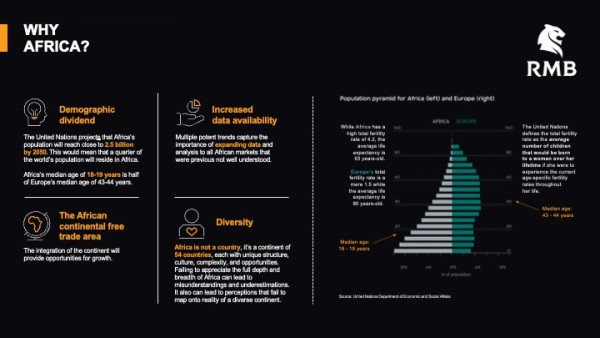
Africa is an incredibly diverse continent, and no two markets are the same, which means there is no such thing as a universal success story. However, when we zoom out and view nations through the lenses of size and the relevant investability score, it becomes apparent that they fall into distinct groupings with shared traits. The 2024 edition of Where to Invest in Africa suggests five potential investment archetypes based on shared characteristics revealed through the four measurement pillars.  

‘Highflyers' represent the large, well-established economies that offer stability and a range of investment opportunities, such as Nigeria, South Africa, Egypt and Ethiopia. Those ‘Cleared for Take-off' are countries with high economic growth and innovation potential thanks to factors like a young population and abundant resources, including Senegal and Côte d'Ivoire. ‘People Potential' are markets with a young and growing demographic, creating a sizeable consumer base and a future workforce, such as Kenya, DRC and Uganda. ‘Global Connectors' are more advanced economies with a strong international presence, such as Morocco, Mauritius, Tunisia and Seychelles. ‘Low-Base Boomers' are smaller markets with high potential for explosive growth but a corresponding higher degree of risk, including Rwanda, Mozambique, and Benin. 

Additional insights unpacked

The report also highlights a number of trends across the various markets, and the role of innovation and economic complexity in driving growth is a central theme. Countries such as South Africa, Kenya, and Ghana are noted for their strides in technological innovation and diversification of their economic bases, making them attractive destinations for investment. 

The African Continental Free Trade Agreement (AfCFTA) holds significant potential for boosting intra-African trade, enhancing economic integration, and creating a more competitive continental market. Effective implementation of the AfCFTA is expected to drive economic growth and development across the continent. Africa's young and rapidly growing population also presents a unique opportunity for economic growth, with countries like Ethiopia, Tanzania, and Uganda poised to benefit from this demographic dividend, provided they can create sufficient employment opportunities and foster a conducive environment for economic participation.  

In addition, there are a number of emerging markets with significant growth potential, including Nigeria, Ghana, and Kenya. Despite facing challenges such as political instability and infrastructural deficits, these countries offer substantial opportunities due to their large and youthful populations, improving business climates, and diversification efforts. Africa's vast natural resources, including minerals and arable land, are pivotal for sustainable economic growth. However, the report cautions against the "resource curse" and underscores the importance of good governance and strategic management. Angola, Mozambique, and the Democratic Republic of Congo are highlighted for their rich resources and potential for sustainable development. 

One area that requires critical attention across the continent is the need for infrastructure investment. Improved transportation, energy, and digital infrastructure are essential for unlocking Africa's economic potential, and South Africa, Kenya, and Nigeria are identified as key markets where infrastructure development could yield significant returns. 

Beyond the rankings – a deeper look at African investment 

Looking beyond metrics and scorecards, Africa holds massive potential but equally faces numerous challenges. The continent is rich in natural resources, which can be a major driver of economic growth, but they also present challenges in the form of corruption and environmental degradation. Increased activity around trade agreements can open new markets for foreign investors and boost economic activity, but lack of adequate infrastructure is a major hurdle for many African economies. Investment in this space will improve connectivity and create new opportunities, while rapid and increasing urbanisation will prove attractive to investors in consumer goods, retail, and financial services. Finally, countries in Africa are embracing new technologies, leapfrogging traditional development stages and creating new investment opportunities in the tech sector. 

“The richness of Africa's diversity makes fully analysing its nuance and contrast a challenging task, but an important one when it comes to understanding the varied markets that make up this vast regional economy. The 2024 RMB Where to Invest in Africa report aims to develop a balanced, robust and actionable view of the drivers, challenges and opportunities that characterise each of the 31 African markets included in the analysis,” Mhlanga concludes.  

Download the full report here to uncover the insights and drive more informed investment decisions. 

  • https://apo-opa.co/4dyoUQm
  • https://apo-opa.co/46CBs7c

Distributed by APO Group on behalf of Rand Merchant Bank.

Media files
Rand Merchant Bank
Download logo
Read moreThe RMB Where to Invest in Africa 2024 report highlights Africa’s top investment economies
1 August 2024

Police warn criminals against resisting arrest

Location: News

Police warn criminals against resisting arrest

As police continue to crackdown on violent and serious crime, South African Police Service (SAPS) National Commissioner, General Fannie Masemola, has urged criminals to surrender themselves when called to do so by police.

Providing an update on the countrywide police operations during a media briefing in Johannesburg on Thursday, the National Commissioner warned criminals that police will continue to use force that is proportional to the threat when they are defending themselves and the communities they serve.

He was addressing concerns expressed by ordinary citizens and experts within the field of policing in relation to the number of suspects that have been shot and killed by police in KwaZulu-Natal (KZN) in recent months.

“It is important to clarify that, our mandate as the SAPS is to bring perpetrators to justice by arresting them, but quite often in pursuit of arresting these often dangerous and heavily armed criminals, our police officers are more than often met with heavy gunfire and that leaves our officers with no option but to defend themselves and the communities that they serve.

“On Tuesday evening, our members in KZN were tracing suspects who were linked to and wanted in at least 13 cases of business robbery and car hijacking in the Cator Manor and Durban Central Policing Precinct when they were met with gunfire. 

“Five suspects were fatally wounded and fortunately no police officer was wounded in the attack. Just last week, KZN police shot and killed nine suspects in various incidents. In all these incidents, police were met with gunfire and various kinds of high calibre firearms were seized which include automatic rifles,” he said.

All these suspects were wanted in connection with serious and violent crimes, including murders and ATM bombings. 

At the incident in Kwadlangezwa in Empangeni, the three suspects that succumbed to their injuries were wanted and linked in connection with at least ten cases of murder in the province.

“It is on this note that we urge criminals to surrender themselves when called to do so by police…. we will continue to use force that is proportional to the threat,” Masemola said.

As part of ongoing operations on the ground, police have secured the arrest of 766 237 suspects for various crimes.

These include 161 752 wanted suspects for priority crimes, including murder, cash-in-transit armed robberies, sexual offences, rape, car hijacking and firearm related offences.

Police visibility

The National Commissioner emphasised that heightening and enhancing police visibility as a form of a deterrent to crime is at the top of the SAPS agenda.

“Our ears remain on the ground, and we are well aware that our communities want to see more police officers on the ground. This is why we have recruited and trained 20 000 police officers in two years, who are already serving and protecting communities at grassroots level of policing.

“All these members have capacitated our police stations and various specialised units, including crime intelligence and the detective environment, where capacity is much needed,” he said.

Masemola announced that there are currently 4 500 recruits in training and the remaining 5 500 recruits will commence with training in January 2025.

“Through collaboration with key stakeholders in the fight against crime which includes various government departments and entities, it is our collaboration with private security as our eyes and ears on the ground that is proving to be effective and beneficial. Through our E2 project with private security, we have been able to share resources and intercept criminals jointly, through working together,” he said.

Investigation on 95 Libyan nationals

Police are continuing with investigations into 95 Libyan nationals who are alleged to have been receiving training at an illegal military training camp in White River, Mpumalanga.

The Libyan nationals allegedly entered the country with visas that were acquired through misrepresentation in Tunis, Tunisia.

“The focus is on who provided the nationals with Visa’s? And why did they opt to receive their training in South Africa As well as who funded their training and for what purpose?” the National Commissioner said. - SAnews.gov.za

nosihle
Thu, 08/01/2024 - 12:47

298 views
Read morePolice warn criminals against resisting arrest
28 July 2024

Minister welcomes arrest of 95 Libyans in Mpumalanga

Location: News

Minister welcomes arrest of 95 Libyans in Mpumalanga

Home Affairs Minister, Dr Leon Schreiber, has welcomed the arrest of 95 Libyan nationals who are alleged to have been receiving training at an illegal military training camp in White River, Mpumalanga.

The Libyan nationals allegedly entered the country with visas that were acquired through misrepresentation in Tunis, Tunisia. 

“One operation at a time, we must restore the rule of law. Following a major joint operation by Home Affairs, [the] South African Police Service (SAPS) and other law enforcement authorities, the department is on the ground ensuring that anyone who breached immigration laws is processed through the court. Respect our laws, or there will be consequences,” said the Minister in a statement on Saturday.

The Minister said that the Department of Home Affairs (DHA) has already cancelled the irregularly acquired visas and is working with other law enforcement authorities to look at all options, including deportation. 

The visa cancellation means that all the affected Libyans are now undocumented foreign nationals. 

Schreiber has instructed the department to provide full support to this multidisciplinary effort. 

This as as the National Commissioner of the SAPS, General Fannie Masemola assured the nation that the SAPS will ensure a thorough investigation into allegations that the Libyan nationals were allegedly receiving military training at the site.

General Masemola welcomed the intelligence driven operation that led to the takedown operation on Thursday morning by a multidisciplinary team including detectives and specialised units within the SAPS. 

A team of detectives is investigating alleged suspicious activities that are taking place at the farm in White River.

“When a team led by SAPS detectives arrived at the farm they found the Libyans housed in military tents. Military training equipment was also found including licensed firearms. SAPS detectives cannot rule out the possibility that the farm that is accredited as a security training site is allegedly being utilised as an illegal military training camp,” said the SAPS which is working closely with the DHA on the case.

General Masemola said the police will leave no stone unturned in getting to the bottom of what kind of activities have been taking place on the farm.

“During the takedown operation, police also found dagga and cocaine. Some of the other drugs found in their possession are being sent to the SAPS Forensic Science Laboratory in Pretoria to identify them as illegal substances,” he said.

Police Minister Senzo Mchunu conducted a walkabout of the site on Saturday. 

“Thorough investigations by various law enforcement agencies are underway,” he said in post on social media platform, X.

Masemola said the safety and security of citizens is of paramount importance and that the SAPS remains committed to dealing decisively with transnational organised crime.– SAnews.gov.za

Edwin
Sun, 07/28/2024 - 10:59

79 views
Read moreMinister welcomes arrest of 95 Libyans in Mpumalanga
23 July 2024

World Bank Group Executive Directors note progress and re-affirm support to South Africa and Namibia

Location: News

The World Bank Group
Download logo

A delegation of the World Bank Group's (WBG) Board of Executive Directors (EDs) noted South Africa's and Namibia's progress in achieving their development goals and re-affirmed World Bank Group's commitment to providing support. The 11 EDs and Alternate EDs were hosted by the World Bank and International Finance Corporation (IFC) country offices during their recent visit on July 7-13.

The visit provided a platform to assess progress with projects and engage on the evolution of the World Bank Group's relationship with the countries, from a knowledge-focused to a broader knowledge and financing partnership. EDs met government and business leaders, local stakeholders, and project beneficiaries, and experienced first-hand how the countries manage development priorities and challenges. South Africa and Namibia have common challenges, including poverty, unemployment, and inequality. Throughout the visit, the delegation discussed the ongoing and future support from the World Bank Group to boost inclusive economic growth and job creation.

In South Africa, over the past three years the country has shifted from being a non-borrowing client to borrowing over $1 billion per year from the World Bank. South Africa also constitutes the largest IFC portfolio in Africa and the Multilateral Investment Guarantee Agency's (MIGA) second largest on the continent.

In Namibia, the World Bank Group is preparing a new Country Partnership Framework (CPF) with the government that will strategically guide its support as the engagement continues to grow. The World Bank recently approved a $138.5 million renewable energy and transmission loan to NamPower, after 15 years without borrowing.

Key highlights of the visit included:

  • In South Africa, the delegation met with the Minister of Finance Honorable Enoch Godongwana, and the Minister of Electricity and Energy Honorable Kgosientsho Ramokgopa. EDs visited two IFC clients and two World Bank projects which showcased support for key government priorities and demonstrated how these projects link to global issues and corporate initiatives such as the just energy transition, health, urban development, and subnational government engagement. The delegation toured and engaged with stakeholders at the Komati power station – the site of the Eskom Just Energy Transition Project; the Addo Elephant Park that houses the innovative Wildlife Conservation Bond; and the IFC-supported Trust for Urban Housing Finance and BioVac Institute that manufactures vaccines locally.
  • In Namibia, the delegation met with Minister of Finance and Public Enterprises Honorable Ipumbu Shiimi and key stakeholders, including development partners and the private sector.  The delegation visited informal settlements near Windhoek to gain insights on housing related issues, a sector where IFC is investing and which the government has identified as a priority for World Bank Group engagement.

Matteo Bugamelli, the World Bank's Executive Director who represents the constituency of countries including Albania, Greece, Italy, Malta, Portugal, San Marino, and Timor-Leste, expressed optimism about the countries' progress. He emphasized the World Bank Group's commitment to helping South Africa and Namibia address unemployment and inequality challenges. He particularly welcomed the increased financing to support the implementation of much needed reforms.

About the World Bank Group's Board of Directors: The Board of Executive Directors is responsible for the conduct of the general operations of the Bank, making decisions on loans, credits, grants, policies, and financial matters. The Board consists of 25 members who represent the 189 member countries, providing guidance for the institution's development activities.

Visiting Board Officials: The delegation included Mr. Abdulaziz E A Almulla (Executive Director for Bahrain, Arab Republic of Egypt, Jordan, Iraq, Kuwait, Lebanon, Maldives, Oman, Qatar, United Arab Emirates, West Bank and Gaza, and Republic of Yemen); Mr. Matteo Bugamelli (Executive Director for Albania, Greece, Italy, Malta, Portugal, San Marino, and Timor-Leste); Ms. Ayanda Dlodlo (Executive Director Angola, Nigeria, South Africa); Mr. Floribert Ngaruko (Executive Director for Botswana, Burundi, Eritrea, Eswatini, Ethiopia, The Gambia, Kenya, Lesotho, Liberia, Malawi, Mozambique, Namibia, Rwanda, Seychelles, Sierra Leone, Somalia, South Sudan, Sudan, Tanzania, Uganda, Zambia and Zimbabwe); Ms. Katharine Rechico (Executive Director for Antigua & Barbuda, The Bahamas, Barbados, Belize, Canada, Dominica, Grenada, Guyana, Ireland, Jamaica, St. Lucia, St. Kitts & Nevis and St. Vincent & the Grenadines); and Mr. Tauqir Shah (Executive Director for Afghanistan, Algeria, Ghana, Islamic Republic of Iran, Morocco, Pakistan, and Tunisia.

Visiting Alternate Executive Directors:  Mr. Louis Albisson (Alternate Executive Director for France); Mr. Felice Gorordo (Alternate Executive Director for the United States), Mr. Koji Uemura (Alternate Executive Director for Japan); Ms. Kerstin Sumana Wijeyewardene (Alternate Executive Director for Asia and the Pacific Constituency) and Mr. Weifeng Yang (Alternate Executive Director for China).

Included in the delegation was Ms. Mercy Tembon, World Bank Vice President and Corporate Secretary.

Distributed by APO Group on behalf of The World Bank Group.

Read moreWorld Bank Group Executive Directors note progress and re-affirm support to South Africa and Namibia
12 July 2024

African Players, Coaches, and Referees to Participate in the National Basketball Association (NBA) 2K25 Summer League

Location: News

Basketball Africa League (BAL)
Download logo

Twenty-Five Basketball Coaches from 15 African Countries Selected for NBA 2K25 Summer League; Five Players Who Featured in the 2024 BAL Season (https://BAL.NBA.com/) to Compete in Las Vegas.

Twenty-five basketball coaches from 15 African countries have been selected to participate in the NBA 2K25 Summer League which will take place in Las Vegas, Nevada from July 12 -22, 2024.  The selected coaches form part of the Africa Coaches Program, which builds on NBA Africa's and Basketball Africa League's (BAL) commitment to building capacity and expertise of coaches from across the continent, improving the quality of the on-court product, and contributing to the continued growth of basketball on the continent.  Eight of the coaches represent teams that have participated in the BAL.

Please see below for some of the notable storylines, followed by the full roster of the African coaches, players, and referees who will take part in the Summer League.

African Coaches Program

Building Continuity

  • Six teams that took part in the 2024 BAL season will have at least one coach participating – Al Ahly (Egypt), Bangui Sporting Club (Central Africa Republic) City Oilers (Uganda), FUS de Rabat (Morocco), Rivers Hoopers (Nigeria), and US Monastir (Tunisia). 
  • Sixteen of the 24 coaches will take part in the Africa Coaches Program for the first time.
  • Rivers Hoopers head coach Ogoh Odaudu was named 2024 BAL Coach of the Year and led his team to a third-place finish this season.  Rivers Hoopers' head coach since 2009, Odaudu coached the team to five Nigerian Premier League titles.  Since 2019, Odaudu has been a member of the coaching staff on the Nigerian national team. 
  • Two coaches – Francois Enyegue (Cameroon; San Antonio Spurs) and Emmanuel Mavomo (Democratic Republic of the Congo; Milwaukee Bucks) – return to the Summer League for a third consecutive year.  Last year, they coached with the Orlando Magic and Utah Jazz, respectively.  Enyegue is currently the head coach of Bangui Sporting Club (Central Africa Republic) and served as head coach of Team Africa & Middle East Girls at the Jr. NBA Global Championship in 2018.  Mavomo is NBA G League's Austin Spurs assistant coach and served as an assistant coach of Paris Basketball and BC Espoir Fukash during the 2022 BAL season.

Empowering the Next Generation

  • Three players with BAL experience who have decided to take up a career in coaching will be part of this year's program.  John Wilkins (Rivers Hoopers), Mohamed Gaddour (US Monastir), and Radouane Slimane (US Monastir) will respectively join the Phoenix Suns, Los Angeles Clippers, and Miami Heat.

NBA Academy Africa Well-Represented

  • NBA Academy Africa players development coaches Goitsemang Ditsheko (South Africa) and Karim Nesba (Morocco) will coach with the Houston Rockets and the Sacramento Kings respectively.  Based at the NBA Academy Africa in Saly, Senegal since 2022, Ditsheko is part of the academy coaching staff who worked with NBA Academy Africa's first NBA draftee, Cameroon's Ulrich Chomche, selected with the number 57 overall by the Memphis Grizzlier and traded to the Toronto Raptors in the 2024 NBA Draft.  While enrolled at NBA Academy Africa, Chomche competed in the BAL as part of the BAL Elevate program, representing Rwanda Energy Group Basketball (REGBBC) in 2023 and Cameroon's Forces Armées et Police (FAP) in 2022.  Karim Nesba is a former AS Salé and Morocco National Team player.  He coached the Uganda City Oilers in the 2024 BAL season and the BAL Select Team at Quai 54 this summer.  NBA Academy Africa Alumni Ibou Badji (Senegal) and Babacar Sané (Senegal) will be playing with the Milwaukee Bucks and Utah Jazz respectively. Badji who signed a two-way contract with Portland Trail Blazers last season, played 22 games in the 2023-24 NBA season. Sané former BAL Elevate player has played with the G League Ignite since 2022.

Female Participants

  • For the first time, three female coaches will participate in the Africa Coaches Program – Sofia Bey (Morocco; Sacramento Kings), Aliaa Mahmoud Mohamed (Egypt; Washington Wizards), Ruth Bibeyi (Gabon; Los Angeles Lakers).  They join the Africa Coaches Program as part of NBA Africa's and the BAL's efforts to provide more opportunities for women in basketball.  
  • Sofia Bey (Morocco, Sacramento Kings) is the head coach of Wydad Athletic in Morocco.  Bey participated 2022 FIBA Africa Regional Youth Camp and was selected for the FIBA Young Coach program in 2015.
  • Ruth Bibeyi (Gabon; Los Angeles Lakers) was the head coach of Espoir Basket Club (Gabon) which participated in Road to the BAL 2023.  Aliaa Mahmoud (Egypt, Washington Wizards) was the assistant coach of FIBA U19 Women's Basketball World Cup 2023.

Please see below for the complete list of African coaches participating in the NBA 2K25 Summer League and the NBA teams coaching staff they have joined.

First name

Last name

Country of origin

NBA Team

Mohamed Lamine

Kriedeche

Algeria

New Orleans Pelicans

Stef

Pare

Burkina Faso

Orlando Magic

Francois

Enyengue

Cameroon

San Antonio Spurs

Victor

Samnick

Cameroon

Denver Nuggets

Pierrot

Ilunga

Democratic Republic of the Congo

Toronto Raptors

Emmanuel

Mavomo

Democratic Republic of the Congo

Milwaukee Bucks

Ahmed

Elgarhi

Egypt

Minnesota Timberwolves

Alia

Mahmoud

Egypt

Washington Wizards

Ruth

Bibeyi

Gabon

Los Angeles Lakers

Ahmed

Salam

Morocco

Atlanta Hawks

John

Wilkins

Morocco

Phoenix Suns

Sofia

Bey

Morocco

Sacramento Kings

Karim

Nesba

Morocco

Sacramento Kings

Leonel

Manhique

Mozambique

Brooklyn Nets

Ogoh

Odaudu

Nigeria

Cleveland Cavaliers

Mohamed

Abdulrahman

Nigeria

Utah Jazz

Mugisha Igor

Keys

Rwanda

Boston Celtics

Prosper

Naci

Rwanda

Philadelphia 76ers

Matar

Mbodji

Senegal

Chicago Bulls

Goitsemang

Ditsheko

South Africa

Houston Rockets

Akech Wuoi Garang

Ajak

South Sudan

New York Knicks

Bechir

Hadidane

Tunisia

Memphis Grizzlies

Mhamed

Gaddour

Tunisia

Los Angeles Clippers

Radouane

Slimane

Tunisia

Miami Heat

Andrew

Senyondwa

Uganda

Trailblazers Portland

BAL Season 4 Players*

Five players who played in the 2024 BAL season are set to feature in this year's Summer League: Jo Lual-Acuil Jr. (South Sudan; Sacramento Kings), Samkelo Cele (South Africa; New York Knicks), Obadiah Noel (USA; New York Knicks) Devine Eke (Nigeria, Milwaukee Bucks), and Makhtar Gueye (Senegal; Atlanta Hawks).

  • Lual-Acuil Jr. averaged 21.1 points, 9.9 rebounds, and 1.6 blocks during the last BAL season, helping Al Ahly Ly (Libya) to the 2024 BAL Finals.  Lual-Acuil Jr. won the Hakeem Olajuwon Trophy as the 2024 BAL Most Valuable Player and the Dikembe Mutombo Trophy as the Defensive Player of the Year.  Lual-Acuil Jr. also emerged as the 2024 BAL Scoring Champion and was named to the 2024 All-BAL First Team and the All-BAL Defensive Team.
  • Cele averaged 20.2 points per game and finished second in scoring in the league.  He led South Africa's Cape Town Tigers to the semifinals and was named to both the 2024 All-BAL First Team and All-Defensive Team.
  • Obadiah averaged 19.4 points and 4.2 rebounds per game with Armée Patriotique Rwandaise basketball (APR; Rwanda) in the Sahara Conference last season.
  • Eke registered 16.6 points and 11.3 rebounds per game, leading Nigeria's Rivers Hoopers to third place in the last BAL season.
  • Gueye represented Burundi's Dynamo Basketball Club in the inaugural Kalahari Conference last season.
  • Cele and Gueye were part of the BAL Select team that featured at the 2024 Quai 54 Streetball Tournament, the world's biggest streetball tournament in Paris, France, last month.

*Rosters are subject to change.

Referees with BAL Experience

Five referees who officiated in the 2024 BAL season will also join the program, including Annie Joyce Muchenu (Zimbabwe).  Muchenu became a FIBA international referee in September 2008 and was appointed to officiate at the FIBA Women's Champions Cup in Nairobi, Kenya the same year.  She has since officiated at major competitions on the African continent including junior and senior tournaments but has also officiated at two All Africa Games (2011 and 2015), three FIBA U-17 World Cups, two FIBA U-19 World Cups, pre-Olympic Qualifiers and the 2018 Commonwealth Games in Gold Coast, Australia, and the BAL since the beginning of the competition.  

Please see below the complete list of African referees:

NAME

COUNTRY

Oumar Sy

Mauritania

Yann Davidson

Madagascar

Annie Joyce Muchenu

Zimbabwe

Vitalis Gode

Kenya (Referee Supervisor)

Silver Houngbedji

Benin

Distributed by APO Group on behalf of Basketball Africa League (BAL).

Read moreAfrican Players, Coaches, and Referees to Participate in the National Basketball Association (NBA) 2K25 Summer League
25 June 2024

Radisson Hotel Group bolsters African presence with 7 additional hotels and over 1,200 new rooms including a landmark entry in Tanzania

Location: Business
Radisson Hotel Group

Radisson Hotel Group (www.RadissonHotels.com) is delighted to announce the addition of seven new hotels, adding over 1,200 hotel rooms to its African portfolio and its debut in Tanzania within the first half of 2024. With those additions, the Group's footprint in Africa has grown to nearly 100 hotels in operation and development, placing the Group well on track to reach its goal of 150 hotels within the next five years. 

Tanzania has been identified as a key market in the Group's proactive expansion strategy, making its debut in the country with two hotel signings. This addition enhances the Group's diverse African portfolio, spanning across 30 countries, further establishing it as the hotel company with the largest market presence in Africa.

In Nigeria, Radisson Hotel Group continues to hold a leading position with a portfolio of 13 hotels in operation and under development, including five new hotels signed in 2023. The new signing of the Radisson RED Hotel Abuja has further bolstered the Group's presence in the city, bringing the total number of hotels under development in Abuja to four.

In Morocco, the Group has pursued the same efforts with a clear transformation plan, growing its presence from 1 hotel in 2020 to over 9 hotels in operation and 4 hotels in development today. Casablanca represents a strategic hub among multiple continents and the new signing of Radisson Blu Hotel & Apartments Casablanca Finance City and Radisson RED Hotel Casablanca Finance City solidifies the Group's ambitions to reach over 25 hotels by 2030 across the country.

Ramsay Rankoussi, Vice President, Development, Africa and Turkey at Radisson Hotel Group, said, “The seven new hotels align with our expansion strategy, demonstrating significant growth in key African markets such as Morocco, Nigeria, Tunisia and Ethiopia as well as our highly anticipated debut in Tanzania. These hotels also highlight our conversion strategy and our commitment to diversifying our portfolio by introducing new brands and cementing our presence in these important markets.”

The six hotel signings include:

Radisson Blu Hotel & Apartments, Dar es Salaam (Tanzania)

Marking Radisson Hotel Group's debut in Tanzania, this 138-room hotel, featuring 94 guestrooms and 44 three-bedroom apartments, is set to open in 2025 as part of a mixed-use development in Dar es Salaam's CBD. The hotel will occupy the top 14 floors of a 33-floor tower, one of the tallest buildings in the area, and is within walking distance of the ferry terminal to Zanzibar Island.

The hotel will offer a diverse array of dining facilities, including a lobby café, business class lounge, all-day dining restaurant, specialty restaurant, outdoor pool, and pool restaurant. Additional amenities include retail stores, a ladies' salon, indoor parking, a gym, steam room and sauna, kids' playroom, and eight meeting rooms.

Radisson Hotel Mwanza (Tanzania)

Supporting a strong market entry, this 196-room hotel, currently under construction, will debut the Radisson brand in Tanzania in 2025. Mwanza, Tanzania's second-largest city, is renowned for corporate meetings and events and is the ideal starting point for tours to the Serengeti National Park. As the only branded hotel in Mwanza, it will feature a lobby café and bar, all-day dining restaurant, sports bar, outdoor pool bar, executive lounge, and two specialty restaurants, Balaustine, a 'casual-fine dining' experience inspired by the Barbary coast and the Levant and Filini, offering a delectable dining experience of fresh, simple, and delicious Italian-style cuisine.

The meetings and events space includes a triple-height ballroom, business center, boardrooms, and a conference room. The extensive wellness facilities will include a gym, spa, outdoor pool, and kids' playground.

Radisson Blu Hotel & Apartments, Casablanca Finance City and Radisson RED Casablanca Finance City (Morocco)

Enhancing the Group's Moroccan portfolio, which currently includes 11 hotels in operation and under development, is the addition of new two dual-branded hotels and a serviced apartment. These new builds, including the first Radisson RED hotel in North Africa will feature a total of 381 rooms, are set to open in late 2027. They will be located in Casa Anfa, at the heart of Casablanca Finance City, the city's new financial hub, recognized as Africa's leading financial center, on par with London and La Défense in Paris.

Providing guests with an array of dining and wellness facilities for an ideal stay, the Radisson Blu will offer guests an all-day dining restaurant, a specialty rooftop restaurant, and a rooftop bar. Meanwhile, the Radisson RED hotel, will feature a restaurant and a pool bar. The Radisson Blu's wellness facilities will include a spa, a fitness center, and an outdoor rooftop swimming pool. The Radisson RED will also provide a fitness center, an outdoor pool, and an outdoor rooftop swimming pool.

For meetings and events, in addition to the five meeting rooms at the Radisson Blu, there will be a 1,100-square-meter conference center comprising an auditorium, large ballroom and three meeting rooms, making the complex the future meeting destination.

Radisson Blu Hotel & Conference Center, Tunis (Tunisia)

This 305-room hotel, a conversion of an existing property, will soon debut the Radisson Blu brand in Tunis, complementing the Group's footprint in Tunisia as its seventh hotel in the country and fourth in Tunis. Located just 10 minutes from the airport, the hotel will feature dining outlets such as a lobby bar, shisha bar, all-day dining restaurant, and three specialty restaurants.

The expansive convention center will include multiple meeting rooms, boardrooms, a VIP room, an executive lounge, a business center, and a 1,400 sqm ballroom, making it the largest conference center in the city.

Radisson RED Abuja (Nigeria)

The new-build 105-room hotel, set to open in 2028, will be Radisson Hotel Group's 13th property in Nigeria and the second Radisson RED in the country, introducing the upper upscale brand to Abuja. Located in Wuse, Abuja's main commercial and social district, the hotel will be surrounded by corporate offices, popular estates, shopping malls, and nightlife venues. The hotel will feature a bar and terrace, an all-day dining restaurant, and a pool bar and grill. It will also offer 238 square meters of meeting space, including three meeting rooms and a pre-function area, as well as a fitness facility.

Park Inn by Radisson Addis Ababa (Ethiopia)

Scheduled to open in 2025, this 120-room hotel will be the Group's third hotel in Ethiopia, all located in Addis Ababa and introduce the Park Inn by Radisson brand to the country. Dining options will include a breakfast hall, restaurant hall, coffee shop, and four soft drink bars. The meeting and events space will consist of a large and medium conference room and four meeting rooms. Guests can also enjoy two gyms, a spa, business center, sport facilities, kids' entertainment area, retail space, and co-working space.

Since 2022, the Group has opened 14 hotels, including the debut of the Radisson brand in Morocco and Tunis with Radisson Hotel Casablanca Gauthier La Citadelle and Radisson Hotel Tunis City Center, solidifying its position as the largest hotel operator in Tunisia. The openings have diversified the Group's portfolio with the first safari hotel in Africa, Radisson Safari Hotel Hoedspruit, the first resort in Livingstone, Radisson Blu Resort Mosi-oa-Tunya, and the debut in Reunion Island with Radisson Hotel Saint Denis. This achievement has set a record for the Group in terms of realizing its pipeline into openings, translating into a commendable 15 percent annual net operating growth in its African portfolio.

“With a strong first half of the year, we plan to continue the momentum in the second half by focusing on expanding our presence in key markets such as Morocco and South Africa, where we've recently announced our ambition to reach 25 hotels by 2030, doubling the portfolio in both countries. We thank each of our partners for their valued trust in us and our brands,” concluded Rankoussi.

Distributed by APO Group on behalf of Radisson Hotel Group.

Media Contacts: 
Saadiyah Hendricks,

Area Director PR & Social Media,
MEA & MED
saadiyah.hendricks@radissonhotels.com

Business Development Contacts:
Ramsay Rankoussi,
Vice President,
Development,
Africa & Turkey
ramsay.rankoussi@radissonhotels.com

Social Media:
RADISSON HOTEL GROUP

LinkedIn: http://apo-opa.co/3RGdsK6
Instagram: http://apo-opa.co/3RIpWki
Twitter: http://apo-opa.co/4cuDKrj
Facebook: http://apo-opa.co/3zeAnWy
YouTube: http://apo-opa.co/4ccnECn
TikTok: http://apo-opa.co/3RGR2bv

RADISSON BLU
LinkedIn: http://apo-opa.co/3RGdsK6
Instagram: http://apo-opa.co/4eFgQ1y 
Twitter: http://apo-opa.co/4cuDKrj
Facebook: http://apo-opa.co/3RJgey9
YouTube: http://apo-opa.co/3RJg9KR
TikTok: http://apo-opa.co/3RGR2bv

RADISSON
LinkedIn: http://apo-opa.co/3RGdsK6
Instagram: http://apo-opa.co/4ew0qJ3 
Twitter: http://apo-opa.co/4cuDKrj
Facebook: http://apo-opa.co/3RJoT3H
YouTube: http://apo-opa.co/4eus88S
TikTok: http://apo-opa.co/3RGR2bv

RADISSON RED
LinkedIn: http://apo-opa.co/3RGdsK6
Instagram: http://apo-opa.co/4ew0qJ3red
Twitter: http://apo-opa.co/4cuDKrj
Facebook: http://apo-opa.co/3RJoT3Hred
YouTube: http://apo-opa.co/4ccnECn 
TikTok: http://apo-opa.co/3RGR2bv 

PARK INN BY RADISSON
LinkedIn: http://apo-opa.co/3RGdsK6
Instagram: http://apo-opa.co/4eyxGzb
Twitter: http://apo-opa.co/4cuDKrj
Facebook: http://apo-opa.co/4chcQCQ
YouTube: http://apo-opa.co/4ccnECn
TikTok: http://apo-opa.co/3RGR2bv

RADISSON HOTEL GROUP
Radisson Hotel Group is an international hotel group, operating in EMEA and APAC with over 1,360 hotels in operation and under development in +95 countries. The international hotel group is rapidly expanding with a plan to significantly grow the portfolio. The Group's overarching brand promise is Every Moment Matters with a signature Yes I Can! service ethos.

The Radisson family of brands portfolio includes Radisson Collection, art'otel, Radisson Blu, Radisson, Radisson RED, Radisson Individuals, Park Plaza, Park Inn by Radisson, Country Inn & Suites by Radisson, and prizeotel brought together under one commercial umbrella brand Radisson Hotels.

Radisson Rewards (http://apo-opa.co/4ceYa7h) is Radisson Hotel Group's loyalty program, which delivers an elevated experience that makes Every Moment Matter. As the most streamlined program in the sector, members enjoy exceptional advantages and can access their benefits from day one across a wide range of hotels in Europe, Middle East, Africa, and Asia Pacific.

Radisson Meetings (http://apo-opa.co/4eBPDwK) provides tailored solutions for any event or meeting, including hybrid solutions placing guests and their needs at the heart of its offer. Radisson Meetings is built around three strong service commitments: Personal, Professional and Memorable, while delivering on the brilliant basics and being uniquely 100% Carbon Neutral.

At Radisson Hotel Group we care for people, communities and planet (http://apo-opa.co/3RGR2s1) and aim to be Net Zero by 2050 based on the approved near-term Science Based Targets. With unique solutions such as 100% carbon neutral Radisson Meetings, we make sustainable hotel stays easy. To facilitate sustainable travel choices, all our hotels are becoming verified on Hotel Sustainability Basics.

The health and safety of guests and team members remain a top priority for Radisson Hotel Group. All properties across the Group's portfolio are subject to health and safety requirements, ensuring we always care for our guests and team members.

For more information, visit our corporate website (www.RadissonHotels.com). 

ABOUT RADISSON BLU
Radisson Blu is an upper upscale hotel brand that delivers meaningful and memorable experiences in stylish spaces. Characterized by attention to detail and the Yes I Can! service philosophy, Radisson Blu hotels are designed to make an unforgettable difference by anticipating travelers' needs through carefully curated touchpoints  . Radisson Blu hotels can be found in major cities, key airport gateways, and leisure destinations. Guests and professional business partners can enhance their experience with Radisson Blu by participating in Radisson Rewards, an international loyalty program offering exceptional benefits and rewards.

Radisson Blu is part of the Radisson family of brands, which also includes Radisson Collection, art'otel Radisson, Radisson RED, Radisson Individuals, Park Plaza, Park Inn by Radisson, Country Inn & Suites by Radisson, and prizeotel brought together under one commercial umbrella brand Radisson Hotels.

For reservations and more information, visit our website: http://apo-opa.co/3RDLte0. 

ABOUT RADISSON
Radisson is an upscale hotel brand that offers Scandinavian inspired hospitality, which enables guests to find more harmony in their travel experience. With natural surroundings and unexpected delights, Radisson inspires the art of being in the moment, helping guests find the right balance for their stay and enabling them to switch off and relax. Radisson hotels can be found in leisure destinations, suburban and city settings, and near airports. Guests and professional business partners can enhance their experience with Radisson by participating in Radisson Rewards, an international loyalty program offering exceptional benefits and rewards.

Radisson is part of the Radisson family of brands, which also includes Radisson Collection, art'otel, Radisson Blu, Radisson RED, Radisson Individuals, Park Plaza, Park Inn by Radisson, Country Inn & Suites by Radisson, and prizeotel brought together under one commercial umbrella brand Radisson Hotels.

For reservations and more information, visit our website: http://apo-opa.co/3RGuDuY. 

ABOUT RADISSON RED
Radisson RED is an upper upscale hotel brand that presents a playful twist on the conventional. The brand injects new life into hospitality through informal services where anything goes, a vibrant social scene that's waiting to be shared and stylish public spaces with standout design to inspire our guests. Radisson RED hotels are designed to fit the needs of our guests by giving them endless opportunities to tune in and out, switching effortlessly between business and pleasure. Guests and professional business partners can enhance their experience with Radisson RED by participating in Radisson Rewards, an international loyalty program offering exceptional benefits and rewards.

Radisson RED is a part of the Radisson family of brands, which also includes Radisson Collection, art'otel, Radisson Blu, Radisson, Radisson Individuals, Park Plaza, Park Inn by Radisson, Country Inn & Suites by Radisson, and prizeotel brought together under one commercial umbrella brand Radisson Hotels.

For reservations and more information, visit our website: http://apo-opa.co/3RGNjuM.

ABOUT PARK INN BY RADISSON
Park Inn by Radisson is a (upper) midscale hotel brand that delivers stress-free experiences, good food and upbeat environments. Mastering the essentials, Park Inn by Radisson positively lifts our guests' mood for a happy stay – through clever use of color; inspired, contemporary design; and friendly personalized service with surprising, feel-good extras. Park Inn by Radisson hotels can be found in capital cities, around economic hubs, and near airports and railway stations. Guests and professional business partners can enhance their experience with Park Inn by Radisson by participating in Radisson Rewards, an international loyalty program offering exceptional benefits and rewards.

Park Inn by Radisson is a part of the Radisson family of brands, which also includes Radisson Collection, art'otel, Radisson Blu, Radisson, Radisson RED, Radisson Individuals, Park Plaza, Country Inn & Suites by Radisson, and prizeotel brought together under one commercial umbrella brand Radisson Hotels.

For reservations and more information visit our website: http://apo-opa.co/3RI0v2B.

Media files
Radisson Hotel Group
Download logo
Read moreRadisson Hotel Group bolsters African presence with 7 additional hotels and over 1,200 new rooms including a landmark entry in Tanzania
21 June 2024

Basketball Africa League To Participate in Quai 54 Streetball Tournament in Paris

Location: Sport

Basketball Africa League (BAL)
Download logo

For the second consecutive year, the Basketball Africa League (BAL) (https://TheBAL.com/) will participate in the prestigious Quai 54 (https://apo-opa.co/3RBcBdH), the world's biggest streetball tournament, which will take place on Saturday, June 22 and Sunday, June 23 at Stade Pierre de Coubertin in Paris, France.  The BAL's participation is part of the league's year-round strategy to engage new and existing fans across the African Diaspora and around the world.

The team representing the BAL will feature standout players from the 2024 season, including 2024 champion and Angolan basketball legend Carlos Morais (Angola's Petro de Luanda), 2024 All-BAL First Team and All-Defensive Team member Samkelo Cele (South Africa's Cape Town Tigers), and 2024 BAL 3-point leader Kelvin Amayo (Nigeria's Rivers Hoopers).  Below is the complete list of participating players:

First Name

Last Name

2024 BAL Team

Makhtar

Gueye

Dynamo Basketball Club (Burundi)

Samkelo

Cele

Cape Town Tigers (South Africa)

Kelvin

Amayo

Rivers Hoopers (Nigeria)

Jean Jacques

Boissy

AS Douanes (Senegal)

Carlos

Morais

Petro de Luanda (Angola)

Yannick

Moreira

Petro de Luanda (Angola)

George

Williams

US Monastir (Tunisia)

John

Wilkins

Rivers Hoopers (Nigeria)

The team will be coached by Karim Nesba (Morocco), who served as head coach of the City Oilers (Uganda) during the 2024 BAL season, and Victor Samnick, who won the French National League (LNB) championship in 2008 and 2011 and played collegiately at Georgetown University. 

Quai 54 is renowned for its high-energy atmosphere and top-tier competition, bringing together the best streetball talent from around the world.  Last year, the BAL team that reached the semifinals featured 2023 BAL champion Ehab Amin (Egypt's Al Ahly), 2023 All-BAL First Team member Chris Crawford (Senegal's AS Douanes), and 2023 All-BAL Defensive Team member Ater Majok (Petro de Luanda).

Distributed by APO Group on behalf of Basketball Africa League (BAL).

Read moreBasketball Africa League To Participate in Quai 54 Streetball Tournament in Paris
4 June 2024

Epson’s Heat-Free inkjet printing technology, the efficient and sustainable solution for the Education and Healthcare sectors

Location: Business
GITEX Africa

On the sidelines of its participation in GITEX AFRICA 2024 (www.GITEXAfrica.com), Epson held a press conference where it unveiled the results of recent research it conducted in Europe, the Middle East and Africa, highlighting the common challenges faced in the Education and Healthcare sectors due to inefficient and unsustainable printing technology.

To meet these challenges, Epson remains committed to providing increasingly innovative, efficient and sustainable printing solutions. The impact of printing on student learning and healthcare staff efficiency is crucial.

Students need printed materials for their learning, but it's equally important that this printing is both efficient and environmentally friendly. This enables them to access quality educational resources while integrating responsible practices. Similarly, for healthcare staff, having efficient and sustainable printing solutions saves valuable time, which translates into greater efficiency in the delivery of care. This balance between operational efficiency and environmental sustainability in printing is the offering Epson brings to these two vital sectors to support both student learning and quality healthcare.

In the education sector, the vast majority of students (91%) in the MEA region (Turkey, Saudi Arabia, UAE, South Africa, Morocco, Tunisia, Egypt and Kenya) recognize that printed learning materials help them better understand and retain information. Despite this, they often feel conflicted because they fear that excessive printing is perceived as being harmful to the environment. Nonetheless, the study also showed that 89% of the same respondent students recognize that their learning would be improved if their educational institution had more sustainable printing solutions, such as Heat-Free inkjet printers, which consume less energy and produce less waste than laser printers.

In the health sector, workers in the MEA region lose 5850 hours each year, equating to 731 working days; due to slow or non-functional printers. This loss of time has a negative impact on patient care, leading to delays in updating patient records, booking appointments and sharing information. Healthcare workers are calling for action to improve printing technology and reduce interruptions.

92% of healthcare workers believe their IT department should provide faster, lower-maintenance printers to reduce the difficulties caused by printing interruptions.

Environmental concerns also come into play, with 83% of respondents agreeing that the environmental impact of unsustainable printers is a major concern for them personally.

"In both sectors, the use of Epson's Heat-Free inkjet printing technology is presented as a sustainable solution. Heat-Free inkjet printers consume less energy than traditional laser printers, and require fewer moving parts and consumables. By switching to this technology, educational establishments and health services could not only improve their operational efficiency, but also help reduce their environmental impact. It would also meet students' learning needs and improve patient outcomes, while reducing costs and increasing user satisfaction." says Ilias Azzaoui, Epson General Manager - French-speaking Africa and DomCom.

Visitors can discover Epson solutions at stand 4C-40 in hall 4 of GITEX AFRICA, taking place from May 29 to 31, 2024.

Place Bab Jdid, Boulevard Al Yarmouk - Marrakech (opposite Mamounia Hotel).

Distributed by APO Group on behalf of GITEX Africa.

Media Contact: 
Siham Zouggarh
Email: siham.zouggarh@briocommunication.com
Tel. : +212 663552985

Join us to discover our latest innovations, and don't miss our next exhibition!

Morocco
Facebook: 
https://apo-opa.co/3VqesnV
Instagram: https://apo-opa.co/3wZXUKa
LinkedIn: https://apo-opa.co/3VqBqev

Tunisia
Instagram:
https://apo-opa.co/3VpHBzD

About Epson:
Epson is a global technology leader dedicated to co-creating sustainability and enriching communities by leveraging its efficient, compact, and precision technologies and digital technologies to connect people, things, and information. The company is focused on solving societal issues through innovations in home and office printing, commercial and industrial printing, manufacturing, visual and lifestyle. Epson will become carbon negative and eliminate use of exhaustible underground resources such as oil and metal by 2050.
Led by the Japan-based Seiko Epson Corporation, the worldwide Epson Group generates annual sales of around JPY 1 trillion.
global.Epson.com/

Media files
GITEX Africa
Download logo
Read moreEpson’s Heat-Free inkjet printing technology, the efficient and sustainable solution for the Education and Healthcare sectors
23 May 2024

2024 Basketball Africa League Season: By the Numbers

Location: Sport
Basketball Africa League (BAL)

Top Eight Teams to Compete at BAL Playoffs (www.BAL.NBA.com) and Finals in Kigali, Rwanda from May 24 - June 1; Bank of Kigali Joins BAL's Roster of Marketing Partners for Playoffs and Finals.

The 2024 Basketball Africa League (BAL) Playoffs will tip off on Friday, May 24 at BK Arena in Kigali, Rwanda featuring the top eight teams (https://apo-opa.co/3wP67QQ) from the league's Kalahari (https://apo-opa.co/3wCKu6N), Nile (https://apo-opa.co/4awYBbE) and Sahara (https://apo-opa.co/3yxDXuA) conference group phases that were held in Pretoria, South Africa; Cairo, Egypt; and Dakar, Senegal, respectively: FUS Rabat Basketball (Morocco), Petro de Luanda (Angola), Cape Town Tigers (South Africa), Al Ahly (Egypt), Al Ahly Ly (Libya), Rivers Hoopers (Nigeria), AS Douanes (Senegal) and US Monastir (Tunisia). 

The complete game schedule for the Playoffs and Finals, which is available at BAL.NBA.com, features four seeding games followed by an eight-game, single-elimination playoffs, culminating with the 2024 BAL Finals on June 1 at 4:00 p.m. CAT.  Tickets for the Playoffs and Finals are on sale now at BAL.NBA.com and Ticqet.rw.

In conjunction with the Playoffs and Finals, the BAL and Bank of Kigali today announced a collaboration to drive fan attendance and elevate the in-arena experience throughout the week. Bank of Kigali joins the BAL's roster of partners that also includes Foundational Partners Rwanda Development Board, NIKE, Jordan Brand and Wilson, as well as marketing partners Afreximbank, Castle Lite, Hennessy and RwandAir.

Below are notable facts and figures about the 2024 BAL season:

  • 1,600,000 – BAL games have reached 1.6 million live viewers across the NBA and BAL's social and digital media channels this season [the NBA App (https://apo-opa.co/43eJtgR), NBA.com, BAL.NBA.com and the BAL's YouTube channel (https://apo-opa.co/3twvshm)].
  • 238,000 – BAL games have generated 238,000 total watch hours across the NBA and BAL's social and digital media channels this season.
  • 125,000 – The Nile Conference game on May 26 between defending champion Al Ahly (Egypt) and first-time BAL participant Al Ahly Ly (Libya) was the most-watched game this season on the BAL's YouTube channel with 125,000 unique viewers.
  • 80,000 – The BAL set a single-season attendance record as more than 80,000 fans attended games across the three conference group phases.
  • 5,000 – This season, the BAL has engaged more than 5,000 youth from local communities through BAL4HER, BAL Advance, U-23 women's camps, Special Olympics programming, Jr. NBA clinics, Fan Zone, and in-arena gameday experiences.
  • 544 – Al Ahly Ly scored 544 points over six games during the Nile Conference group phase, the most points scored by any team during a group phase this season.
  • 500 – More than 500 media members from 20 countries across Africa, Europe and the U.S. were credentialed to cover the three group phases.
  • 375 – The BAL engaged 375 coaches and 141 referees through clinics in Pretoria, Cairo and Dakar.
  • 226 – Rivers Hoopers (Nigeria) guard Kelvin Amayo and Bangui Sporting Club (Central African Republic) guard Rolly Fula Nganga each played a total of 226 minutes during the group phases, the most minutes played of any players this season.
  • 214 – The 2024 BAL season is reaching fans in 214 countries and territories in 17 languages through free-to-air and paid TV broadcast partnerships with the African Union of Broadcasting, American Forces Network (AFN), Canal+, NBA TV, SuperSport, Tencent Video, TSN, TV5 Monde, Visionary TV and Voice of America (VOA), and livestreaming on the NBA App (https://apo-opa.co/43eJtgR), NBA.com, BAL.NBA.com and the BAL's YouTube channel (https://apo-opa.co/3twvshm). 
  • 154 – The 12 BAL teams this season collectively featured 154 players from 25 countries across Africa, Europe, Oceania, and the U.S., including five players with NBA experience, 19 players with NBA G League experience, 48 former NCAA Division I players, 18 former Basketball Without Borders (BWB) campers, 12 NBA Academy Africa prospects, and 39 players who have represented their national teams at the FIBA Basketball World Cup and FIBA AfroBasket.
  • 135 – Al Ahly Ly center Jo Lual-Acuil Jr. scored 135 points over six games during the group phase, making him the BAL's leading scorer. The South Sudanese center is averaging 23 points per game this season.
  • 110 – On April 27, Al Ahly Ly scored 110 points in its win against the City Oilers (Uganda), which marks the most points scored in a BAL game this season.
  • 51 – US Monastir (Tunisia) guard Chris Crawford helped his team qualify for the Playoffs with a league-leading 51 assists over six games. The 2023 All-BAL First Team member and former NBA G League player is averaging 8.5 assists per game.
  • 42 – On April 27, Al Ahly Ly center Jo-Lual Acuil Jr. set a new BAL single-game scoring record with 42 points when he led his team to a 110-78 win over the City Oilers.
  • 22 – Bangui Sporting Club guard Rolly Fula Nganga led the league in three-pointers (22) during the group phases.
  • 17 – City Oilers center Khaman Maluach led the league in blocked shots (17) during the group phases. The South Sudanese NBA Academy Africa prospect and Duke University commit averaged 13.5 rebounds and 2.8 blocks per game.
  • 12 – As part of the third edition of the BAL Elevate program (https://apo-opa.co/3WSZp7d), one NBA Academy Africa prospect joined each of the 12 BAL teams for the 2023 season. NBA Academy Africa is an elite basketball training center in Saly, Senegal for the top high-school-age prospects from across Africa and the first-of-its-kind on the continent.
  • 5 – Five new teams and three new countries were among the 12 club teams from 12 African countries that qualified for the 2024 BAL season (https://apo-opa.co/3KfHLTI).
  • 3 – 2022 BAL champion US Monastir is the first team in league history to overcome a 0-3 start in the group phase and qualify for the Playoffs after a 3-3 finish. 
  • 2 – The BAL had its first-ever double-overtime game when the Rivers Hoopers defeated Armée Patriotique Rwandaise Basketball (APR; Rwanda) 78-71 on May 11.
  • 2 – US Monastir and 2022 runner-up Petro de Luanda (Angola) are the only two teams that have participated in all four BAL seasons.
  • 1 – The inaugural Kalahari Conference group phase in March marked the first time BAL games have been held in South Africa and the first time the league expanded to four different countries.

Distributed by APO Group on behalf of Basketball Africa League (BAL).

Contact:
Edwin Eselem 
Basketball Africa League 
+221 786154287 
EEselem@thebal.com

Media files
Basketball Africa League (BAL)
Download logo
Read more2024 Basketball Africa League Season: By the Numbers
23 May 2024

African Union Election Observation Mission arrives in South Africa ahead of the 2024 General Elections

Location: News

African Union (AU)
Download logo

The African Union Election Observation Mission (AUEOM) has arrived in South Africa ahead of the 29 May 2024 General Elections. At the invitation of the Government of South Africa and the Independent Electoral Commission (IEC) of South Africa, the Chairperson of the African Union Commission, H.E. Moussa Faki Mahamat, approved the deployment of the short-term AUEOM to assess and report on the conduct of this election.

The AUEOM is led by H.E. Uhuru Kenyatta, former President of the Republic of Kenya and is comprised of 60 short-term observers (STOs) drawn from ambassadors accredited to the African Union, officials of election management bodies, members of African civil society organisations, African election experts, human rights specialists, gender and media experts, and representatives of youth organizations. The observers are drawn from 24 countries which include Angola, Benin, Botswana, Burundi, Cameroon, Democratic Republic of Congo, Egypt, Ethiopia, Eswatini, Gambia, Ghana, Kenya, Lesotho, Mauritius, Morocco, Mozambique, Namibia, Nigeria, South Sudan, Togo, Tunisia, Uganda, Zambia and Zimbabwe.

The AUEOM will base its assessment on the legal framework governing elections in the Republic of South Africa and the OAU/AU Declaration on the Principles Governing Democratic Elections, the standards and obligations stipulated in the African Charter on Democracy, Elections and Governance (ACDEG), and the International Declaration of Principles (DoP) for International Election Observation among others.

The Mission shall interact with state authorities, the Independent Electoral Commission, political parties, the media, civil society organisations and representatives of the international community. The Mission will also interact with other election observation missions deployed to observe the 2024 General Elections in South Africa.

The Mission will release its preliminary findings and recommendations on the conduct of the elections on 31 May 2024 in a press conference in Johannesburg, South Africa.  A final and comprehensive report will be released within two months from the date of announcement of final election results and will be posted on the AU Commission website.

The Mission's Secretariat is located at the Hilton Hotel, Sandton, South Africa.  

Distributed by APO Group on behalf of African Union (AU).

Read moreAfrican Union Election Observation Mission arrives in South Africa ahead of the 2024 General Elections
22 May 2024

World Rugby Selects Princess Alban Ugonwaezeh-Agugo for Capgemini University’s International Sports Management Program

Location: Sport
Nigeria Rugby Football Federation (NRFF)

World Rugby has proudly announced the selection of Nigerian Princess Alban Ugonwaezeh-Agugo for the Capgemini Women in Rugby Leadership Programme for 2024 and 2025. This prestigious program aims to elevate the visibility of female leaders within the rugby community and accelerate the development of the women's and girls' game, in the lead-up to the Women's Rugby World Cup 2025.

Princess Ugonwaezeh-Agugo, 37, hails from Adazi-Nnukwu, Anaocha LGA in Anambra State, Nigeria. She is one of only four individuals selected from Africa and one of 25 chosen globally by World Rugby to participate in this groundbreaking initiative. Joining her from Africa are Ingrid Sibusisiwe Mangcu from South Africa, Nour Khaled from Tunisia, and Menna Sedky from Egypt.

Participants in the Capgemini Women in Rugby Leadership Programme will gain access to top-tier learning opportunities through the Capgemini University. Each scholar will be paired with a mentor appointed by World Rugby as well as a Capgemini coach. Additionally, they are eligible to apply for an extra discretionary grant of up to £5,000 to support their development and learning.

An excited Princess Ugonwaezeh-Agugo shared her enthusiasm with NRFF media, stating, "This is a significant achievement for Nigeria, and it will help inspire other women to reach for the sky. I am really excited about this program because it means so much to me and for the growth of the game in my locality and Nigeria at large. I hope I can bring whatever I learn back home and implement it to foster the development of rugby in the country."

Earlier this year, Princess Ugonwaezeh-Agugo was awarded a similar scholarship by Rugby Africa to study Sports Management at the Lunex University of Luxembourg. This accolade marked the first time a Nigerian received such recognition from Rugby Africa, highlighting her pioneering role in advancing the sport within her country.

Under the leadership of Dr. Ademola Are, the Nigeria Rugby Football Federation (NRFF) is opening new opportunities for Nigerians to embrace rugby and encouraging greater female participation in the sport. The federation's efforts are paving the way for the next generation of female leaders in rugby, ensuring the sport's growth and development across Nigeria and beyond.

Princess Ugonwaezeh-Agugo's selection for this international program not only brings honor to Nigeria but also underscores the country's potential to produce world-class talent and leaders in the sport of rugby. As she prepares to embark on this journey, the entire nation watches with pride and anticipation, eager to see the positive impact she will make on the global stage and back home.

Office of the President of
Nigeria Rugby Football Federation

Distributed by APO Group on behalf of Nigeria Rugby Football Federation (NRFF).

Media files
Nigeria Rugby Football Federation (NRFF)
Download logo
Read moreWorld Rugby Selects Princess Alban Ugonwaezeh-Agugo for Capgemini University’s International Sports Management Program
16 May 2024

Women in Africa face widespread discrimination in family laws

Location: News
Equality Now

Discrimination against women and girls remains widespread in family laws across Africa, finds new research by Equality Now (www.EqualityNow.org). Analysis of twenty African countries reveals gender inequality in marriage, divorce, custody, and property rights is being perpetuated by sex discrimination institutionalized within legal systems and customary laws. While some significant legal reforms have been achieved, progress has been slow, inconsistent, and hampered by setbacks, lack of political will, and weak implementation.

The report, Gender Inequality in Family Laws in Africa: An Overview of Key Trends in Select Countries (http://apo-opa.co/3V0dD4R), identifies how overlap and contradictions in legal frameworks make the interpretation and application of family laws confusing, creating complex challenges for harmonizing legal systems. 

The impacts of discriminatory family laws can be profound, putting women and girls at greater risk of sexual and gender-based violence and making them more dependent and vulnerable by curtailing their economic opportunities and reducing their decision-making power.

Full equality in family laws has not been achieved in any of the countries reviewed, namely Algeria, Angola, Botswana, Burundi, Cameroon, Côte d'Ivoire, the Democratic Republic of the Congo (DRC), Egypt, Ethiopia, Kenya, Malawi, Mozambique, Nigeria, Senegal, South Africa, South Sudan, Sudan, Tanzania, The Gambia, and Tunisia.

Pressing need for comprehensive legal reforms

Africa is home to diverse ethnic, linguistic, and religious groups with varied family law structures. Historically, communities developed intricate and deep-rooted systems of customary laws governing family relations. The introduction of European legal systems and religion resulted in a blend of customary, religious, and statutory laws that still shape legislation and practice through legal pluralism.

This complex patchwork is influenced by evolving social dynamics. Civil, customary, and religious law, such as Islamic or Christian canon law, sometimes encroach or conflict, and many provisions in religious and customary laws discriminate against women and girls.

Esther Waweru, report co-author and a Senior Legal Advisor at Equality Now, explains, “Culture and religion frequently act as major impediments in the struggle for family law equality, stalling reforms. Claw-back clauses and retrogressive practices water down the positive impact of progressive laws, and there is backlash from anti-rights movements seeking to reverse hard-won gains in areas such as eliminating child marriage and female genital mutilation.”

“Stagnation is also a problem, with governments pledging to reform discriminatory laws but failing to take meaningful action. In some instances, progressive family codes remain in limbo awaiting enactment.”

Progress on child marriage, but shortfalls remain

Child marriage is one area of notable progress. Absolute bans on marriage under 18 exist in Côte d'Ivoire, DRC, Egypt, The Gambia, Kenya, Malawi, and Mozambique. However, the persistence of child marriage in certain communities underscores the need for a multi-sectoral approach (http://apo-opa.co/3UFhEKR) incorporating awareness raising about the legal consequences and harms of child marriage.

Concerningly, laws in Cameroon, Nigeria, Senegal, South Sudan, Sudan, and Tanzania still allow child marriage, while in Algeria, Angola, Botswana, Burundi, Ethiopia, South Africa, and Tunisia, the legal age of marriage is 18, but exceptions are permitted.

Marital rape

Countries need greater protections against gender-based violence, especially intimate partner violence. Marital rape is not prohibited in Algeria, Kenya, Sudan, and The Gambia, while Northern Nigeria's Penal Code allows marital rape and “corrective” assault within marriage.

Marital rape is only criminalized upon separation in Tanzania, and in Burundi, the penalty is under 30 days imprisonment or a fine. Tunisia's law states a wife must fulfill her duties in line with ‘usages and customs,' putting women at risk of marital rape as a wife's traditional role includes pleasing her husband sexually.

Malawi's courts have stated that rape does not extend to marriage. Customary law presumes perpetual consent to sex within marriage, and Malawi's civil law appears to support this by providing only limited circumstances in which a wife can deny her husband sex, such as poor health or when legally separated.

Countries like Côte d'Ivoire, Mozambique, and South Africa can be commended for explicitly criminalizing marital rape. It's imperative that all nations introduce bans, accompanied by awareness-raising campaigns and accessible support services for survivors. Effective legal enforcement is also crucial, as is providing comprehensive training for officials in the criminal justice, healthcare, and social service sectors.

Discriminatory marriage practices

In most African countries, registration of civil marriages is a legal requirement governed by specific laws formalizing marriage. Women in customary and religious marriages are at greater risk of discrimination as they don't have the same legal protection as people in civil marriages. Same-sex partners also experience this, as marriages and civil unions are largely reserved for heterosexual couples.

Polygamy is legally permitted in Cameroon, Egypt, Kenya, Senegal, and South Sudan, with men allowed four wives in Sudan and Senegal. Côte d'Ivoire, Mozambique, and South Africa have statutory laws for monogamy, but customary and religious laws and practices continue to recognize polygamy without adequate protections for women in polygamous marriages. Other harmful traditional practices, such as widow inheritance and surrogate marriage, treat women as property.

Discrimination in divorce and child custody laws

Countries such as Sudan discriminate by granting husbands more powers to initiate divorce. In Algeria, women can only request a divorce in cases of abandonment, violation of the marriage contract, or if alimony is unpaid. In both Sudan and Egypt, in some no-fault divorces, a woman must pay financial compensation to her ex-husband.

Child custody laws have been reformed in Angola, Botswana, Burundi, Cameroon, Côte d'Ivoire, DRC, Mozambique, and Senegal, ensuring guardianship rights for both parents, irrespective of marital status.

Sex discrimination remains in countries like Senegal, where the father is the legal guardian regardless of the mother's caregiving role. In Tunisia and Algeria, fathers retain legal guardianship even if the mother has custody. Algeria and Sudan strip a mother's rights to custody upon remarriage, but this doesn't apply to men.

Matrimonial property and inheritance

Matrimonial property laws is another area that has undergone considerable reforms. Côte d'Ivoire, Kenya, Malawi, and South Africa have introduced legal provisions for equitable distribution of matrimonial property. In Ethiopia, Nigeria, South Africa, and The Gambia, laws recognize the right of married women to acquire, own, maintain, and dispose of their property.

However, some customary and religious laws undermine women's inheritance rights. In Algeria, Cameroon, Côte d'Ivoire, Egypt, Nigeria, South Sudan, Sudan, and Tunisia, women and girls receive less inheritance than men and boys.

Women are disadvantaged by cultural biases that influence judicial decisions, with unequal distribution particularly evident in divorce and widowhood. In some countries, wives can be excluded from inheriting their husbands' property. One example is Angola, where customary laws exclude wives from inheriting their deceased husband's property, and widows are sometimes forced from their matrimonial home.

Aligning family laws with international human rights standards

Family laws in Africa must align fully with international human rights standards. Many countries have ratified key treaties like the Convention on the Elimination of All Forms of Discrimination against Women (CEDAW) and the Protocol to the African Charter on Human and Peoples' Rights on the Rights of Women in Africa (Maputo Protocol). However, implementation and enforcement of these treaties remain inconsistent, with discriminatory family laws and policies remaining in statutes and practices.

Waweru concludes, “It's especially concerning that in most countries where national judiciaries and African Union judicial bodies have explicitly called for law reform in their decisions, governments haven't implemented these changes. And even where laws are equitable, enforcement is frequently inadequate and biased against women, and women may not know their legal rights.”

“To safeguard women and girls within family law, it is imperative for all African nations to promptly enact robust legislative and policy frameworks that align with international and regional human rights obligations.”

Distributed by APO Group on behalf of Equality Now.

Notes to editors
For media requests, please contact
Tara Carey
Global Head of Media
at Tcarey@equalitynow.org
T. +44 (0)7971556340 (WhatsApp)

About Equality Now: 
Equality Now is an international non-governmental human rights organization that works to protect and promote the rights of all women and girls around the world by combining grassroots activism with international, regional, and national legal advocacy.

Our international network of lawyers, activists, and supporters achieve legal and systemic change by holding governments responsible for enacting and enforcing laws and policies that end legal inequality, sex trafficking, online sexual exploitation, sexual violence, and harmful practices such as female genital mutilation and child marriage.

For more information about Equality Now go to www.EqualityNow.org, and follow on X (Twitter) at http://apo-opa.co/3yiYRgN and Linkedin at http://apo-opa.co/3wrGPIT.

About Africa Family Law Network (AFLN): 
Gender Inequality in Family Laws in Africa: An Overview of Key Trends in Select Countries is a critical data source informing legal, policy, and practice reforms to end sexism and discrimination in family laws in Africa. It will be used by Equality Now, the Africa Family Law Network (AFLN) (http://apo-opa.co/4bkc0ot), and partners to help facilitate work with the policy and judicial organs of the African Union, particularly the Special Rapporteur on the Rights of Women in Africa to influence change.

AFLN was launched in October 2022 and aims to formulate a regional alliance in Africa amongst national advocates and groups to raise collective action and accelerate organizing and mobilization efforts toward family law reform.

AFLN is led by founding partners Equality Now, The African Women's Development and Communication Network (FEMNET) (http://apo-opa.co/3WIinxt), Musawah (http://apo-opa.co/3UZrM2h), and the Strategic Initiative for Women in the Horn of Africa (SIHA Network) (http://apo-opa.co/4bkz5r2).

AFLN is part of the Global Campaign for Equality in Family Law (http://apo-opa.co/4bDdSbF), which calls on all states to ensure equality for women and men under the law in all matters relating to the family, regardless of religion, culture, and tradition.

Media files
Equality Now
Download logo
Read moreWomen in Africa face widespread discrimination in family laws
25 April 2024

Stellantis Middle East and Africa (MEA) Elevates Customer Experience with Inaugural Customer Centricity Competition

Location: News
Stellantis

Stellantis Middle East and Africa (www.Stellantis.com) celebrated this April 18th in Istanbul _Turkey the success of its first Customer Centricity Competition, an innovative event that brought together our network front liners exceptional talent from across the MEA region. The competition showcased the skills and expertise of professionals in four distinct categories: Sales Advisor, Service Advisor, Technician, and Spare Parts Advisor.

The Stellantis MEA Customer Centricity Competition saw a total of 24 winners among 6000 professionals from 81 markets across MEA region, representing the four different categories across various dealers within the MEA region. Participants from all over the region, including countries such as Morocco, Turkey, Egypt, South Africa, Tunisia, and Qatar, eagerly took part in this event.

The winners were selected based on their exemplary performance and expertise in each sub-category. In the Sales and Service Advisor category, winners were recognized for their excellence in Best Greeting & Consulting, Best Negotiation & Closing, and Best Theoretical Knowledge. Similarly, in the Technician and Spare Parts Advisor category, winners were awarded for Best First Practical Test, Best Second Practical Test, and Best Third Practical Test.

"This competition highlights Stellantis MEA's commitment to excellence and customer satisfaction as per our dare forward 2030 strategy with our ultimate goal to accomplish the top position in customer satisfaction it's a commitment that drives our actions by placing the customer at the heart of our operations." said Samir Cherfan, Chief Operations Officer for Stellantis Middle East & Africa. “We were pleased to see such an exceptional display of talent and expertise. The winners have truly set a benchmark for customer-centricity and professionalism.”

To reinforce this commitment, Stellantis MEA have made substantial investments in training totaling nearly 2 million Euros in 2023 and translating into along with 70,000 hours training across the region. Thus, several tangible efforts have been implemented such as:

  • The MEA Spotlight program, recognizing and rewarding top-performing Advisors.
  • The NPS Data Reliability program, guaranteeing authentic customer feedback.
  • The Introduction of Customer Tables to speed up the resolution of Customer Care resolution.

The success of the Customer Centricity Competition highlights Stellantis MEA's dedication to fostering talent and enhancing customer experiences across the MEA region.

Distributed by APO Group on behalf of Stellantis.

For more information, contact:
Name   -
Email address or Phone
www.Stellantis.com

Follow Stellantis:
Twitter: https://apo-opa.co/3vlSjMN
Facebook: https://apo-opa.co/48ww7hl
LinkedIn: https://apo-opa.co/47bvoRH
YouTube: https://apo-opa.co/3wlGwPg

About Stellantis:
Stellantis N.V.
(NYSE: STLA / Euronext Milan: STLAM / Euronext Paris: STLAP) is one of the world's leading automakers and a mobility provider. Its storied and iconic brands embody the passion of their visionary founders and today's customers in their innovative products and services, including Abarth, Alfa Romeo, Chrysler, Citroën, Dodge, DS Automobiles, Fiat, Jeep®, Lancia, Maserati, Opel, Peugeot, Ram, Vauxhall, Free2move and Leasys. Powered by our diversity, we lead the way the world moves – aspiring to become the greatest sustainable mobility tech company, not the biggest, while creating added value for all stakeholders as well as the communities in which it operates. For more information, visit www.Stellantis.com

Media files
Stellantis
Download logo
Read moreStellantis Middle East and Africa (MEA) Elevates Customer Experience with Inaugural Customer Centricity Competition
18 April 2024

52 Players from 11 Countries to Compete in Basketball Africa League Nile Conference in Egypt

Location: Sport
Basketball Africa League (BAL)

2024 BAL Season (BAL.NBA.com) Continues Friday, April 19 with Nile Conference Group Phase in Cairo; 24 Players with NBA, NBA G League and NCAA Experience to Feature on Nile Conference Rosters; Tickets on Sale Now at BAL.NBA.com and Tazkarti.com; Fans Can Save Up to 35% On Group Packages.

Download document: https://apo-opa.co/4d5ATpa

The Basketball Africa League (BAL) today announced the 52 players from 11 countries across Africa, Europe and the U.S. who will compete in the 2024 Basketball Africa League's (BAL) Nile Conference group phase, which will take place from Friday, April 19 – Saturday, April 27 at the Hassan Mostafa Indoor Sports Complex in Cairo, Egypt*.

The four teams (https://apo-opa.co/3T0x5w8) competing in the Nile Conference group phase feature seven players with NBA and NBA G League experience, 17 former NCAA Division I players, four current NBA Academy Africa prospects, two NBA Academy Africa graduates, six former Basketball Without Borders (BWB) campers, nine players who have participated in the FIBA Basketball World Cup, and 28 players with FIBA AfroBasket experience.

The opening game of the Nile Conference group phase will feature first-time BAL participants Al Ahly Ly (Libya) and Bangui Sporting Club (Central African Republic) facing off at 4:00 p.m. local time / 10:00 a.m. ET. In the second game, home team and defending BAL champion Al Ahly (Egypt) will begin its title defense against two-time BAL participant City Oilers (Uganda) at 7:00 p.m. local time / 1:00 p.m. ET.  The complete game schedule is available at BAL.NBA.com.

Tickets are on sale now at BAL.NBA.com and Tazkarti.com, starting at 75 EGP with up to 35% off single game ticket prices by purchasing group packages by emailing BalTickets@thebal.com.

Following the Nile Conference, the 2024 BAL season will continue with the Sahara Conference group phase, which will take place from Saturday, May 4 – Sunday, May 12 at the Dakar Arena in Dakar, Senegal, and feature 2022 BAL champion US Monastir (Tunisia), home team and 2023 BAL runner-up AS Douanes (Senegal), 2021 BAL participant Rivers Hoopers (Nigeria), and first-time BAL participant Armée Patriotique Rwandaise Basketball (APR; Rwanda). Tickets for the Sahara Conference group phase are available at Teewtickets.com, with up to 20% off single game ticket prices when purchasing packages for two, four or all 12 games.

Fans who purchase tickets will also have free access to BAL Fan Zones at the arena in each market.

FUS Rabat Basketball (Morocco; 3-1) and Petro de Luanda (Angola; 2-2) finished as the top two teams at the inaugural Kalahari Conference group phase in Pretoria, South Africa last month. The top two teams from each conference and the top two third-place teams from across the three conferences will travel to BK Arena in Kigali for four seeding games followed by an eight-game, single-elimination Playoffs and Finals from Friday, May 24 – Saturday, June 1. Ticket sales information for the Playoffs and Finals will be announced in the coming weeks.

The 2024 BAL season is reaching fans in 214 countries and territories in 17 languages through free-to- air and paid TV broadcast partnerships with the African Union of Broadcasting, American Forces Network (AFN), Canal+, NBA TV, Tencent Video, TSN, TV5 Monde, Visionary TV and Voice of America (VOA), and livestreaming on the NBA App (https://apo-opa.co/43eJtgR), NBA.com, BAL.NBA.com and the BAL's YouTube channel (https://apo-opa.co/43gfoxt).

Linked here (https://apo-opa.co/4d5ATpa) please find select Nile Conference group phase player and coach storylines.

*Rosters are subject to change and will be updated in real-time on the team roster pages on BAL.NBA.com.

View Nile Conference Group Phase Rosters (https://apo-opa.co/3T0x5w8)

Basketball Africa League Season 4 Nile Conference Hype Video (Credit: Basketball Africa League) (https://apo-opa.co/4avTsAM)

Distributed by APO Group on behalf of Basketball Africa League (BAL).

Contact:
Edwin Eselem
Basketball Africa League
+221 78 615 42 87
EEselem@theBAL.com

About the BAL:
The Basketball Africa League (BAL), a partnership between the International Basketball Federation (FIBA) and NBA Africa, is a professional league featuring 12 club teams from across Africa that will tip off its fourth season in March 2024.  Headquartered in Dakar, Senegal, the BAL builds on the foundation of club competitions FIBA Africa has organized across the continent and marks the NBA's first collaboration to operate a league outside North America. Fans can follow the BAL (@theBAL) on Facebook (https://apo-opa.co/3IryMxW), Instagram (https://apo-opa.co/48G8a76), Threads (https://apo-opa.co/49zyG3f), X (https://apo-opa.co/3wLTzd4), and YouTube (https://apo-opa.co/43gfoxt) and register their interest in receiving more information at www.BAL.NBA.com.

Media files
Basketball Africa League (BAL)
Download logo
Read more52 Players from 11 Countries to Compete in Basketball Africa League Nile Conference in Egypt
18 April 2024

Y’Africa, the TV show that showcases African talent: Orange announces a third season dedicated to the continent’s athletes

Location: News
Orange Middle East and Africa

Orange (www.Orange.com) is launching the third season of its flagship program Y'Africa, which will be broadcast weekly from mid-April on 15 national TV channels across Africa; This new season is dedicated to the journeys of 28 rising sporting talents from 12 countries; Like the first two seasons, it is directed by Dan Assayag and produced by Fame Productions; Season 3 has 7 episodes, each 52 minutes long.

The Y'Africa project was launched by Orange in February 2020. The first two seasons were very successful, not only on the 15 African terrestrial TV channels on which it was broadcast, but also on social media, where content from the series has racked up 80 million views. The first two seasons highlighted the richness and diversity of African culture by profiling 63 artists. The third season presents 28 high-level Olympic and Paralympic athletes and champions, each of them represents the continent's hopes.

Inspired by the extraordinary pool of talent seen across the continent, Y'Africa celebrates the vitality and plurality of modern Africa and its people. The name of the program also reflects this connection, “Y'Africa” is the contraction of “Africa Ya lelo”, or “Africa today” in Lingala.

Breathtaking images, extraordinary stories

Season 3 of Y'Africa involved 18 months of filming in all corners of the world: South Africa, Algeria, Burkina Faso, Cameroon, Ivory Coast, Spain, the US, Ethiopia, France, Kenya, Morocco, Nigeria, Senegal, and Tunisia. Among our 28 athletes are 13 Olympic champions, world champions, or world record holders, including:

  • Tigst ASSEFA (Ethiopia), World Marathon Women's Record Holder
  • Hugues Fabrice ZANGO (Burkina Faso), 2023 Triple Jump World Champion
  • Cheick Sallah Junior CISSÉ (Ivory Coast), 2023 World Champion, gold medalist at the 2016 Rio Taekwondo Olympics
  • Tamirat TOLA (Ethiopia), 2022 World Marathon Champion
  • Amane BERISO SHANKULE (Ethiopia), 2023 World Marathon Champion
  • Amos KIPRUTO (Kenya), bronze medalist at the 2019 World Marathon Championships
  • Sabastian KIMARU SAWE (Kenya), 2023 Road Half Marathon World Champion
  • Khadija EL MARDI (Morocco), World Heavyweight Champion in Amateur Boxing 2023
  • Nicolas Pieter DU PREEZ (South Africa), gold medalist at the Beijing 2020 Paralympic Games in Road Cycling
  • Djamel SEDJATI (Algeria), 2022 World Vice-Champion in the 800 Meters
  • Kaylia NEMOUR (Algeria), 2023 Vice-World Champion, Uneven Bars
  • Soumaya BOUSAID (Tunisia), bronze medalist at the Beijing 2020 Para-JOs in the 1500 Meters T13
  • Oussama MELLOULI (Tunisia), gold medalist at the 2012 London Olympics in the 10 Kilometer Open Water

Y'Africa Season 3 covers 21 Olympic disciplines, from traditional favorites (such as athletics, swimming, boxing, gymnastics, fencing, and judo) to the most exciting new ones (including BMX, skateboarding, and surfing). As well as the acclaimed athletes profiled in the series, we also feature rising athletes, training for top-level international competitions through sheer rigor and commitment, despite having not yet won a title. Their journeys, their preparation, and their stories are worth hearing.

Season 3 was also the occasion for last summer's launch of the Y'Africa Facebook page (https://apo-opa.co/4d04OPE). With more than 350,000 followers to date, this exceptional communication platform will help us continue to promote African talent.

Jérôme Hénique, CEO of Orange Africa and Middle East: “Season 3 of Y'Africa marks a new stage in our commitment to highlighting the wealth and diversity of African talent. This series offers a unique platform to celebrate our ambitious and determined youth. I am delighted that the Orange Group is once again playing a key role in highlighting these inspiring stories.”

Caroline Guillaumin, Executive Director of Communications at Orange: “In this Olympic year, we have decided to highlight the sporting talents of the African continent. After two seasons dedicated to artists, Y'Africa returns with an exceptional series of portraits of athletes, women and men, champions, and their aspirations, all arranged around the theme of surpassing oneself. Through this program, launched in 2020, we want to share the dynamics of the African continent with as many people as possible. It is also another way of consolidating the Orange brand by establishing a sincere dialogue with audiences.”

Dan Assayag, Director: “I have admired the beauty, grace, agility, and power of athletes when they realize their full potential. I have understood why motivation is nothing without discipline. I have observed that top athletes have an above-average work capacity. I have also seen their tolerance of pain. I have understood that Olympic sport is a world of its own. And they made me understand, all in their own ways, what it meant to represent your country as an African. For all these reasons, Season 3 of Y'Africa is special for me.”

Discover the first episode of the new season: https://apo-opa.co/49KN1ci

Password: Y'africa

Additional information on Season 3 of Y'Africa is available on Orange.com

And here (https://apo-opa.co/3Jp4axr) you can find the biographies of the athletes, photos and a trailer, as well as the broadcast schedule for the program in the different countries.

Distributed by APO Group on behalf of Orange Middle East and Africa.

Press contacts:
Elodie Filopon
ef@35ouest.com
+225 07 89 031 724

Ibtissame Nafii
ibtissame.nafii@orange.com
+33 6 37 38 60 50

About Orange:
Orange is one of the main telecommunications companies in the world, with a turnover of 44.1 billion euros in 2023 and 137,000 employees as of December 31, 2023, including 73,000 in France. The group served 298 million customers on December 31, 2023, including 254 million mobile customers and 25 million fixed broadband customers. The group is present in 26 countries. Orange is also one of the world leaders in telecommunications services to multinational companies under the Orange Business brand. In February 2023, the group presented its Lead the Future strategic plan, built on a new business model, and guided by responsibility and efficiency. Lead the Future capitalizes on high-standard networks to strengthen Orange's leadership in quality of service.

Orange is listed on Euronext Paris (ORA) and on the New York Stock Exchange (ORAN).

For more information, see www.Orange.com, www.Orange-Business.com, and the Orange News app, or follow us on Twitter: @presseorange.

Orange and any Orange product or service mentioned in this press release are trademarks owned by Orange or Orange Brand Services Limited.

Media files
Orange Middle East and Africa
Download logo
Read moreY’Africa, the TV show that showcases African talent: Orange announces a third season dedicated to the continent’s athletes
20 March 2024

Minor Hotels Announces the Signing of Anantara Zanzibar Resort – Anantara to continue its expansion in Africa, adding Tanzania to the pipeline

Location: MyPR

Minor Hotels, an international hotel owner, operator and investor with more than 540 hotels in 56 countries in Asia Pacific, the Middle East, Africa, the Indian Ocean, Europe and the Americas, announces the signing of a new Anantara resort to be developed in Zanzibar, Tanzania. Located on the northern coast of Zanzibar Island, the group …

Read moreMinor Hotels Announces the Signing of Anantara Zanzibar Resort – Anantara to continue its expansion in Africa, adding Tanzania to the pipeline
15 February 2024

Five recent teams, three recent countries to compete in 2024 Basketball Africa League season tipping off on March 9 in South Africa

Location: Sport
Basketball Africa League (BAL)

Defending BAL Champion Al Ahly (Egypt) Among Seven Teams That Have Competed in the BAL (https://BAL.NBA.com/) Before, Alongside First-Time Participants from Burundi, Central African Republic, Libya, Morocco and Rwanda. Season will Tip Off with First-Ever BAL Game in South Africa Featuring 2022 Runner-Up Petro de Luanda (Angola) Taking on First-Time BAL Participant FUS Rabat Basketball (Morocco) at SunBet Arena in Pretoria at 4:00 p.m. CAT. Tickets on Sale Now at BAL.NBA.com (https://apo-opa.co/49CJjBQ), Ticketmaster.co.za (https://apo-opa.co/4bBotol) (Pretoria, South Africa) and Teewtickets.com (https://apo-opa.co/49yd8Uc) (Dakar, Senegal); Fans Can Save Up to 35% On Group Packages.

The Basketball Africa League (BAL) today announced that five new teams and three new countries are among the 12 club teams from 12 African countries that will compete in the 2024 BAL season (https://apo-opa.co/42IkW3v), which will tip off on Saturday, March 9 at SunBet Arena in Pretoria, South Africa.  The fourth BAL season will feature a record 48 games in Pretoria; Cairo, Egypt; Dakar, Senegal; and Kigali, Rwanda, marking the first BAL games in South Africa and the first time the league will play games in four different countries.

The 12 teams have been divided into three conferences of four teams each.  Seven of the teams have competed in the BAL before, two of which – Petro de Luanda (Angola) and US Monastir (Tunisia) – will be competing for a record fourth season.  Five teams are making their BAL debut, including the first BAL teams from Burundi, Central African Republic and Libya

 KALAHARI

     NILE

                SAHARA

Cape Town Tigers (South Africa)

Al Ahly (Egypt)

Armée Patriotique Rwandaise Basketball (APR; Rwanda)*

Dynamo Basketball Club (Burundi)*

Al Ahly Ly (Libya)*

AS Douanes (Senegal)

FUS Rabat Basketball (Morocco)*

Bangui Sporting Club (Central African Republic)*

Rivers Hoopers (Nigeria)

Petro de Luanda (Angola)

City Oilers (Uganda)

US Monastir (Tunisia)

*First-time BAL participant

Each conference will play a 12-game group phase during which each team will face the other three teams in its conference twice.  New this season, the home team in each market will play on every gameday, including on the weekends.  The inaugural Kalahari Conference group phase will take place from Saturday, March 9 – Sunday, March 17 at the SunBet Arena.  The Nile Conference group phase will take place from Friday, April 19 – Saturday, April 27 at Hassan Mostafa Indoor Sports Complex in Cairo.  The Sahara Conference group phase will take place from Saturday, May 4 – Sunday, May 12 at the Dakar Arena in Dakar.  The top two teams from each conference and the top two third-place teams from across the three conferences will travel to BK Arena in Kigali for four seeding games followed by an eight-game, single-elimination Playoffs and Finals from Friday, May 24 – Saturday, June 1.  

In the season opener, first-time BAL participant FUS Rabat Basketball (Morocco) will face Petro de Luanda at 4:00 p.m. CAT.  In the second game, home team Cape Town Tigers (South Africa) will take on first-time BAL participant Dynamo Basketball Club (Burundi) at 7:00 p.m. CAT.  On the opening day of the Nile Conference, home team Al Ahly (Egypt) will begin its title defense against two-time BAL participant City Oilers (Uganda) at 5:00 p.m. GMT.  The complete game schedule is available at BAL.NBA.com (https://apo-opa.co/3uClvzq).

Tickets for the Kalahari Conference group phase in Pretoria and the Sahara Conference group phase in Dakar are on sale now at BAL.NBA.com (https://apo-opa.co/3HZz0vV), Ticketmaster.co.za (https://apo-opa.co/3uDzIvR) (Pretoria) and Teewtickets.com (https://apo-opa.co/48j6vUR) (Dakar).  Single game tickets start at 75 ZAR for the Kalahari Conference group phase and 2,500 XOF for the Sahara Conference group phase.  Fans can save up to 35% off single game ticket prices for group packages by emailing BalTickets@thebal.com, and up to 20% off single game ticket prices for all games during the Sahara Conference group phase by selecting two, four or all games.  Fans who purchase tickets will also have free access to BAL Fan Zones at the arena in each market.  Ticket sales information for the Nile Conference group phase in Cairo and the Playoffs and Finals Kigali will be announced at a later date. 

Champions from the national leagues in Angola, Egypt, Nigeria, Rwanda, Senegal and Tunisia earned their participation in the 2024 BAL season by winning their respective national leagues.  The remaining six teams, which come from Burundi, Central African Republic, Libya, Morocco, South Africa and Uganda, secured their participation through the Road to the BAL qualifying tournaments (https://apo-opa.co/49Au50l) conducted by FIBA Africa across the continent from October to November 2023.

Rwanda Development Board, NIKE, Jordan Brand and Wilson will return as BAL Foundational Partners.  The league's roster of world-class marketing partners also includes Afreximbank, Hennessy and RwandAir.

Additional information about the 2024 BAL season will be announced in the coming weeks.

BAL Season 4 announcement video (https://apo-opa.co/48gFVf6) (Credit: Basketball Africa League)

Distributed by APO Group on behalf of Basketball Africa League (BAL).

Contact:
Edwin Eselem
Basketball Africa League
+221 78 615 42 87
EEselem@theBAL.com

About the BAL:
The Basketball Africa League (BAL), a partnership between the International Basketball Federation (FIBA) and NBA Africa, is a professional league featuring 12 club teams from across Africa that will tip off its fourth season in March 2024.  Headquartered in Dakar, Senegal, the BAL builds on the foundation of club competitions FIBA Africa has organized across the continent and marks the NBA's first collaboration to operate a league outside North America.  Fans can follow the BAL (@theBAL) on Facebook (https://apo-opa.co/3TQoHlc), Instagram (https://apo-opa.co/3TNa7e0), X (https://apo-opa.co/3OKg9ci), and YouTube (https://apo-opa.co/3twvshm) and register their interest in receiving more information at BAL.NBA.com (https://apo-opa.co/3HE6GiI).

Media files
Basketball Africa League (BAL)
Download logo
Read moreFive recent teams, three recent countries to compete in 2024 Basketball Africa League season tipping off on March 9 in South Africa
6 February 2024

Global Logistics Execs see coming Surge of African Investment

Location: News

Agility
Download logo

Nearly 62% of global logistics professionals say their companies are planning additional or first-time investments in Africa, according to a closely watched yearly industry survey.

The survey of 830 logistics executives is part of the 15th annual Agility Emerging Markets Logistics Index (https://apo-opa.co/4bD4lSW), a snapshot of industry sentiment and ranking of the world's 50 leading emerging markets.

The Index ranks countries for overall competitiveness based on their logistics strengths, business climates and digital readiness -- factors that make them attractive to logistics providers, freight forwarders, air and ocean carriers, distributors and investors. In the 2024 Index, the rankings of most African economies changed little from a year earlier, but businesses indicate they are looking ahead at massive population growth and trade expansion spurred by the African Continental Free Trade Area (AfCFTA).   

“This is the most optimism we've seen about Africa in the 15 years of the Index,” says Agility Vice Chairman Tarek Sultan. “Africa's population will double by 2050, when one in four people on the planet will be African. International businesses realize that the time is now for Africa -- they need to invest, establish their brands, and develop the next generation of African talent if they're going to ride the coming wave of growth.”

China and India were 1 and 2 in the 50-country Index rankings. In Africa, Egypt (20), Morocco (22), South Africa (24) and Kenya (25) were the top performers, followed by Ghana (31), Nigeria (36), Tunisia (37), Tanzania (41), Algeria (42), Uganda (43), Ethiopia (45), Mozambique (46), Angola (47), Libya (50).

Egypt has Africa's highest-ranked domestic logistics opportunities -- 13th in that category; South Africa (15) was tops in Africa for international logistics; Morocco (12) has Africa's best business fundamentals; Kenya (9) is Africa's most digitally ready – and the continent's highest-ranked country in any category.

More than 63% of survey respondents say their companies continue overhauling supply chains by spreading production to multiple locations or relocating it to home markets and nearby countries. China, the world's leading producer, stands to be most affected: 37.4% of industry professionals say they plan move production/sourcing out of China or reduce investment there.

Shipping and logistics costs that soared during the COVID pandemic and its aftermath are still climbing but at a slower rate, the survey found. One way shippers expect to cope is by increasing use of digital freight forwarding from 37.8% today to 52% in five years.

2024 Index Highlights

SURVEY

  • Supply chain restructuring – India, Europe and North America rank ahead of China as destinations executives expect to move production to in 2024 and onwards.
  • China – 40% expect their businesses to be less reliant on China in five years. Leading factors in decisions to de-risk in China: difficulty of doing business; U.S.-China trade friction; a slowing economy; the harshness of China's COVID restrictions.
  • Climate change – 66% say climate change is something they're planning for or already affecting their businesses.
  • Emerging markets – the largest percentage sees increased risk/decreased rewards in emerging markets.
  • India – many see India growing in importance as a producer and market, but cite inadequate infrastructure and corruption as the biggest obstacles there.

COUNTRY RANKINGS

  • In the Middle East and North Africa, overall rankings were: UAE (3); Saudi Arabia (6); Qatar (7); Turkey (11); Oman (15); Bahrain (16); Jordan (17); Egypt (20); Kuwait (21); Morocco (22); Tunisia (37); Lebanon (38); Iran (40); Algeria (42); Libya (50).
  • Rankings in Sub-Saharan Africa: South Africa (24); Kenya (25); Ghana (31); Nigeria (36); Tanzania (41); Uganda (43); Ethiopia (45); Mozambique (46); Angola (47).
  • Index rankings in Asia: China (1); India (2); Malaysia (4); Indonesia (5); Vietnam (8); Thailand (10); Philippines (18); Kazakhstan (23); Sri Lanka (26); Pakistan (29); Cambodia (32); Bangladesh (33); Myanmar (49).
  • Rankings for Latin America: Mexico (9); Chile (12); Brazil (14); Uruguay (19); Peru (28); Colombia (27); Argentina (30); Ecuador (35); Paraguay (39); Bolivia (44); Venezuela (48).
  • In Europe: Russia (13); Ukraine (34).

Transport Intelligence (https://apo-opa.co/4bp0Ijf) (Ti), a leading analysis and research firm for the logistics industry, has compiled the Index since it was launched in 2009.

John Manners-Bell, Chief Executive of Ti, said: “Supply chain managers are still coming to terms with the political and economic instability characterising the post-COVID global economy. Geopolitical relationships are changing rapidly, and this is having a major impact on international trade and risk profiles. Businesses need to be alive to the opportunities and threats that exist in emerging markets and use data, such as that the Agility Emerging Market Logistics Index, to inform agile decision-making.”

2024 Agility Emerging Markets Logistics Index: https://apo-opa.co/3SlOmzK

Distributed by APO Group on behalf of Agility.

For more information:
Sabrina Mundy
Man Bites Dog
teamagility@manbitesdog.com
+44 1273 716 820

For more information about Agility, visit:
Website: www.Agility.com
Twitter: https://apo-opa.co/40Ki6Kj
LinkedIn: https://apo-opa.co/49GTqqq
YouTube: https://apo-opa.co/3MNqYJr

About Agility:
Agility is a global leader in supply chain services, infrastructure, and innovation with 45,000+ employees across six continents. A multi-business operator and investor, Agility specializes in growing and scaling operating businesses. Agility's companies include the world's largest aviation services company (Menzies Aviation); a global fuel logistics business (Tristar); the market leader in logistics parks across the Middle East, South Asia, and Africa (Agility Logistics Parks); and a commercial real-estate company developing a mega-mall in the UAE (UPAC). Other Agility companies offer customs digitization services, remote-site infrastructure services, defense and government services, and ecommerce-enablement and digital logistics. Agility invests in supply chain innovation, sustainability, and resilience, and has minority holdings in a growing portfolio of listed and non-listed companies.

Read moreGlobal Logistics Execs see coming Surge of African Investment
31 January 2024

SA sends first shipment under AfCFTA agreement

Location: News

SA sends first shipment under AfCFTA agreement

The implementation of the preferential trading under the African Continental Free Trade Area (AfCFTA) has become a reality with South Africa sending its first shipment of products to other countries trading under the agreement.

South Africa is the first among the Southern African Customs Union (SACU) member states, which consists of Botswana, Lesotho, Namibia, South Africa, and Swaziland, to practically realise the AfCFTA Agreement.

“For South Africa, as with many other African countries, the start of preferential trade will create great opportunities for growth and development. Not only will it benefit our country’s producers, but it will also see a huge increase in traffic through our ports, our airports and our land-based border posts.

“The products made in Gauteng, Limpopo, North West, Free State, Mpumalanga and the Northern Cape will flow through these ports to markets beyond our borders,” President Cyril Ramaphosa said on Wednesday in Durban.

Officiating the launch of South Africa's first shipment and preferential trading under the AfCFTA, the President said the levels of intra-African trade have been growing in recent years, but remain small by global standards.

Intra-Africa exports are reported to stand at around 16% of Africa’s total exports, compared to 55% in Asia, 49% in North America and 63% in the European Union.

“African countries trade with the rest of the world but we have limited trade among ourselves. The reason for this is clear: we are principally exporters of raw materials, selling rocks and black liquid to the world, instead of harnessing our oil and the minerals to industrialise our continent. We need to change this.

“We have a unique opportunity to lift millions of people out of poverty by empowering women and young people to change the continent’s business environment. That is why, as the South African government, we are focused on implementing our Freight Logistics Roadmap to improve the efficiency and competitiveness of the country’s rail lines and ports,” the President said.

He said government is working closely with industry to fix Transnet’s rail and port operations in the immediate term and to ensure greater investment in infrastructure into the future.

“Over the last few years, our trade ministers have been finalising rules of origin of what constitutes an African product. They have done well to finalise 92% of the products that nations trade with each other. We need them to be even bolder in further rules of origin. The products that we trade among ourselves must truly be ‘Made in Africa’.

"The modalities for trade in goods has moved faster than for services. We therefore need to put more effort into building African champions in finance, retail and telecommunications, and in expanding tourism between African countries. That is the only way in which our economies will grow faster and sustainably,” President Ramaphosa said.

The African Continental Free Trade Area creates the world’s largest free trade area by number of countries, and has the potential to bring transformative change and tremendous opportunities to African economies and businesses.

The President said the implementation of the agreement will accelerate the development of regional and local value chains, offering investors access to a population of 1.7 billion people with a fast-growing continental gross domestic product (GDP).

“Industrial development is core to Africa’s integration. It builds Africa’s productive capacities, adds greater value to our products and diversifies trade beyond the traditional commodities. We have already seen the potential of greater cross-border collaboration.

“South African automotive companies source leather car seats from a factory in Lesotho employing close to a thousand workers and wiring harnesses from Botswana at two plants employing several thousand workers,” Ramaphosa said.

They source copper wire from Zambia, rubber from Cote d’Ivoire, Nigeria, Malawi, Ghana and Cameroon, and steering wheel components from Tunisia.

“These are installed in cars that are then exported from South Africa to other parts of the world. These inputs alone accounted for more than $200 million worth of products traded among African countries and the scope to do more is available to us.

“But it requires bold rules of origin. For every one percent of extra African content, there is an opportunity for a factory or mine based on the continent to supply the products. And as the world moves to green industrialisation, Africa is well positioned to use our critical minerals to leverage industrialisation on the continent,” the President said.

He said the opportunities are vast, with prospects in food and beverages, in cars and trucks, in clothing and textiles.

“We have the capacity to produce more of our own pharmaceutical products and medical equipment. Investment can flow to the production of chemicals, machinery and equipment, household goods and many, many more.

“Beyond the industrialisation of which I have spoken, this continental market can help us promote agricultural development and food security. Through our work, we can ensure that young people and women-owned firms are active in export markets,” the President said.

He said the Protocol on Women and Youth in Trade will help ensure that the African Continental Free Trade Area contributes to inclusive growth and development. – SAnews.gov.za

nosihle
Wed, 01/31/2024 - 13:15

36 views
Read moreSA sends first shipment under AfCFTA agreement
11 January 2024

New Year Address from Rugby Africa President, Herbert Mensah

Location: Sport
Rugby Africa

Herbert Mensah, President of Rugby Africa (www.RugbyAfrique.com), the continental governing body of rugby across Africa, issues end of year message reflecting on 2023:

Amidst our joyful farewell to 2023, I am thrilled to share my reflections as the President of Rugby Africa, the continental governing body of rugby in Africa. Together, our collective accomplishments have not only defined this year but have also laid a foundation for the promising future of Rugby Africa.

Milestones and Achievements

As we reflect on the remarkable journey of the past nine months, it is with immense pride that I share the highlights of our accomplishments. From the success of the Rugby Africa Women's tournament in Madagascar to the significant Rugby Africa Men's Olympic qualification tournament in Zimbabwe, the thrilling Rugby Sevens tournament in Mauritius, and the vibrant scene in Tunisia's Monastir, our efforts have truly shone on the rugby stage. Notably, a significant portion of our achievements this year has been dedicated to francophone countries. We celebrate the re-admittance of Nasser Bougja as Vice President, the return of the Moroccan Rugby Federation to Rugby Africa, an established pathway solution for Cameroon, Ghana and management of other upcoming elective Annual General Assemblies and the momentous milestone of signing the long-awaited agreement with the French Development Agency (AFD) to foster the development of women's rugby in Africa.

We have addressed administrative challenges by rectifying loose agreements within Rugby Africa that were either uncontracted or unpaid. Internally, administrative efficiency has been enhanced with the establishment of committees, each equipped with clear terms of reference and KPIs for committee members. Looking ahead, we are committed to annual reassessments, ensuring that our committees maintain the highest standards of performance. It's important to note that accountability remains a cornerstone, and those unable to meet expectations will be subject to be reassigned from their roles.

Commitment to Progress

As President of Rugby Africa, I continue to call for a mindset change recognizing that sport is big business. This plea heralds a new era, challenging the status quo with a comprehensive constitutional review—a ground breaking initiative unprecedented in our history. This review, initiated by Rugby Africa through the Executive Committee, involves input from various committees, our judicial council, external legal experts and a final presentation to member unions for ratification. This transformative process signifies our commitment to transparency and progress, setting a new standard for Rugby Africa.

Strategic Planning

We have successfully developed and received approval for our strategic plan, a blueprint aimed at providing financial support to all 39 member unions of Rugby Africa. Considering the limited funding from World Rugby, which primarily supports 21 out of the 39 Rugby Africa member unions, this strategic plan is a significant milestone for Rugby Africa. The plan, meticulously reviewed and presented across our committees, places a strong emphasis on securing financial backing to ensure that all Rugby Africa member unions have the necessary support to play competitively and thrive in the world of rugby.

Financial Initiatives

In a strategic effort to maximize our resources, Rugby Africa has introduced a series of financial initiatives. For the first time ever, hosts are now entrusted with covering all hosting grants- a move anticipated to result in cost savings. Guided by our Competition Manager, Johnbosco, calculations are underway to access the potential impact of these changes. Furthermore, Rugby Africa is in discussions for multiple sponsorship opportunities, with an official announcement expected mid 2024. These initiatives underscore Rugby Africa's commitment to foster more opportunities for rugby across the continent, reshape competitions and elevating the overall rugby experience. Among our own initiatives, we remain hopeful to receive greater levels of financial support from World Rugby, to further support our development and advance the growth of rugby in Africa.

Unity Among Unions

We approach the future with a sense of optimism and gratitude. My sincere appreciation goes to all the unions that have embraced the challenges. In Southern Africa, Lesotho, Eswatini, Mozambique and Botswana, have successfully organized a spirited competition, reflecting the true spirit of rugby. Burkina Faso actively engaged in a Seven's competition, demonstrating their dedication to the sport. Guinea participated in an international match with Sierra Leone, fostering unity in our rugby community. Over the past two months, Ghana has actively engaged in matches with Benin and Togo. Beyond borders, collaborative efforts between Rwanda, Burundi and Tanzania are gaining momentum as they work towards organizing their own competitions. I was particularly enthused by the huge efforts of Uganda's test matches in Tunisia and Algeria's proposed test match against Senegal. Furthermore, the 2023 Indian Ocean Island Games hosted by Madagascar, with countries such as Mauritius participating, provided an additional opportunity for increased game time. I am deeply grateful for the collective enthusiasm displayed by the unions across the continent. Together, as a federation, we are charting a path of enthusiasm and progress in the world of rugby.

Acknowledgement and Gratitude

I extend my heartfelt gratitude to APO Group, South Africa Rugby Union, French Rugby Federation (FFR), French Development Agency (AFD), and World Flair for their invaluable support. Their commitment and collaboration have provided us with a powerful platform to champion our firm belief that the development of rugby in Africa is not just a sport but an investment in the future of the continent. Together, with the support our partners, we are building a foundation for the growth of rugby, fostering community engagement, and contributing to the overall development and well-being of Africa. Thank you for your unwavering dedication to this shared vision. This year, Rugby Africa has asserted itself on the global stage, making it abundantly clear that Africa is key player in the world of rugby. During the Bloomberg Gateway Conference in Morocco, our message reached an audience of over 3.5 million people, emphasizing the vast business opportunities inherent in investing in rugby across Africa, showcasing our continent at the forefront in the global marketplace. At the Africa Investment Forum in Marrakesh, I had the privilege of engaging in discussions with the President of the African Development Bank, highlighting rugby's potential to drive economic growth through investment opportunities emerging from the continent itself. These events are instrumental in shaping Rugby Africa's global positioning, paving the way to a future where rugby across Africa can ascend to new heights.

We continue to ask ALL to accept a mindset shift to give the opportunity of sports (Rugby) a chance. Sport is NOT a charity it is BIG business!

Reflections and Greetings

A substantial amount of work has been accomplished by members of the executive committee, along with dedicated efforts of staff members and myself. As President of Rugby Africa, I believe it becomes evident that 2023 has been dedicated to laying the foundational groundwork. We anticipate that the fruits of our labour will begin to manifest from the second half of 2024 onwards. In extending my sincere gratitude, I wish season's greetings to everyone, embracing the diversity of religious traditions that enrich our continent. This is a time for unity, for coming together, breaking bread, and celebrating the strides we made collectively.

God be with all of us!

Herbert Mensah
President of Rugby Africa

Download official letter here: https://apo-opa.co/3SdGAsV

Distributed by APO Group on behalf of Rugby Africa.

Media contact:
Nicole Vervelde
Communications Advisor to the President of Rugby Africa
rugby@apo-opa.com

About Rugby Africa:
Rugby Africa (www.RugbyAfrique.com) is the continental governing body of rugby in Africa and one of the regional associations under World Rugby. It unites all African countries that play rugby union, rugby sevens, and women's rugby. Rugby Africa organizes various competitions, including the qualifying tournaments for the Rugby World Cup and the Africa Sevens, a qualifying competition for the Olympic Games. With 39 member unions, Rugby Africa is dedicated to promoting and developing rugby across the continent. World Rugby highlighted Ghana, Nigeria and Zambia as three of the six emerging nations experiencing strong growth in rugby.

Media files
Rugby Africa
Download logo
Read moreNew Year Address from Rugby Africa President, Herbert Mensah
15 November 2023

FIFA+ to stream every Confederation of African Football (CAF) qualifiers for the FIFA World Cup 26™

Location: Sport
FIFA

First two matchdays of CAF qualifying will be played from 15 to 21 November; All matches will be streamed on FIFA+; Find out below which countries the matches will be available in.

Africa's qualifying matches for the FIFA World Cup 26™ kick off on Wednesday 15 November and you'll be able to watch them all live on FIFA+.

Nine African teams are guaranteed to compete at the World Cup. Another will participate in the FIFA Play-off Tournament as the global showpiece will host 48 teams for the first time ever.

Everything you need to know about African qualifying (https://apo-opa.co/47xtb3H)

Where to watch the CAF qualifiers for FIFA World Cup 26™
You will be able to watch all Matchday 1 African qualifiers on FIFA+ with English commentary from anywhere in the world, with the exception of the Middle East and North Africa (MENA) region, sub-Saharan Africa*, India and Portugal.

* It will be possible to follow the matches live in sub-Saharan Africa in the following countries: Benin, Burundi, Ethiopia, Gambia, Guinea Bissau, Malawi, Sao Tome e Principe, Seychelles, Uganda and Zimbabwe.

Highlights of all the matches will also be available on FIFA+ worldwide.

Where can I watch FIFA+ content? (https://apo-opa.co/40FfYDJ)

CAF qualifiers schedule
Click on the links for each match to go to the streaming page. (all kick-off times local)

Matchday 1

15 November
Equatorial Guinea v Namibia (Group H) | 1400 | Malabo, Equatorial Guinea
Rwanda v Zimbabwe (Group C) | 1500 | Butare, Rwanda
Congo DR v Mauritania (Group C) | 1500 | Kinshasa, Congo DR
Ethiopia v Sierra Leone (Group A) | 2000 | El Jadida, Morocco

16 November
Botswana v Mozambique (Group G) | 1500 | Francistown, Botswana
Burundi v The Gambia (Group F) | 1600 | Dar Es Salaam, Tanzania
Gabon v Kenya (Group F) | 1700 | Franceville, Gabon
Nigeria v Lesotho (Group C) | 1700 | Uyo, Nigeria
Algeria v Somalia (Group G) | 1700 | Baraki, Algeria
Cape Verde v Angola (Group D) | 1800 | Praia, Cape Verde
Egypt v Djibouti (Group A) | 1800 | Cairo, Egypt
Sudan v Togo (Group B) | 1800 | Benina, Libya

17 November
Guinea v Uganda (Group G) | 1400 | Berkane, Morocco
Eswatini v Libya (Group D) | 1500 | Nelspruit, South Africa
Liberia v Malawi (Group H) | 1600 | Paynesville, Liberia
Ghana v Madagascar (Group I) | 1600 | Kumasi, Ghana
Comoros v Central African Republic (Group I) | 1600 | Moroni, Comoros
Zambia v Congo (Group E) | 1800 | Ndola, Zambia
Côte d'Ivoire v Seychelles (Group F) | 1900 | Ebimpe, Côte d'Ivoire
Mali v Chad (Group I) | 1900 | Bamako, Mali
Tunisia v Sao Tome e Principe (Group H) | 2000 | Rades, Tunisia
Cameroon v Mauritius (Group D) | 2000 | Douala, Cameroon
Burkina Faso v Guinea Bissau (Group A) | 2000 | Marrakesh, Morocco

18 November
South Africa v Benin (Group C) | 1500 | Durban, South Africa
Niger v Tanzania (Group E) | 1700 | Marrakesh, Morocco
Senegal v South Sudan (Group B) | 1900 | Diamniadio, Senegal

Matchday 2

19 November
Zimbabwe v Nigeria (https://apo-opa.co/49CLrKF) (Group C) | 1500 | Butare, Rwanda
Mozambique v Algeria (Group G) | 1500 | Maputo, Mozambique
Burundi v Gabon (Group F) | 1600 | Dar Es Salaam, Tanzania
Sierra Leone v Egypt (Group A) | 1600 | Paynesville, Liberia
Sudan v Congo DR (Group B) | 1800 | Benina, Libya

20 November
Djibouti v Guinea Bissau (Group A) | 1500 | Cairo, Egypt
Liberia v Equatorial Guinea (Group H) | 1600 | Paynesville, Liberia
Seychelles v Kenya (Group F) | 1900 | Abidjan, Côte d'Ivoire
The Gambia v Côte d'Ivoire (Group F) | 1900 | Dar Es Salaam, Tanzania
Mali v Central African Republic (Group I) | 1900 | Bamako, Mali
Chad v Madagascar (https://apo-opa.co/40E03p4) (Group I) | 2000 | Oujda, Morocco

21 November
Somalia v Uganda (Group G) | 1400 | Berkane, Morocco
Botswana v Guinea (Group G) | 1500 | Francistown, Botswana
Malawi v Tunisia (Group H) | 1500 | Lilongwe, Malawi
Eswatini v Cape Verde (Group D) | 1500 | Nelspruit, South Africa
Rwanda v South Africa (Group C) | 1500 | Butare, Rwanda
Lesotho v Benin (Group C) | 1500 | Durban, South Africa
South Sudan v Mauritania (Group B) | 1600 | Diamniadio, Senegal
Togo v Senegal (Group B) | 1600 | Lome, Togo
Sao Tome e Principe v Namibia (https://apo-opa.co/49E13NY) (Group H) | 1700 | Agadir, Morocco
Libya v Cameroon (Group D) | 1800 | Benina, Libya
Comoros v Ghana (https://apo-opa.co/3G4ObTu) (Group I) | 1900 | Moroni, Comoros
Niger v Zambia (Group E) | 2000 | Marrakesh, Morocco
Mauritius v Angola (Group D) | 2000 | Saint Pierre, Mauritius
Ethiopia v Burkina Faso (Group A) | 2000 | El Jadida, Morocco
Tanzania v Morocco (Group E) | 2200 | Dar Es Salaam, Tanzania

Live streaming on FIFA+
During this international break, FIFA+ will be your point of reference for World Cup 2026 streaming, with all the African qualifiers and the CONMEBOL qualifier between Bolivia and Peru.

CAF schedule

  • 15-21 November, 2023: 1st and 2nd matchdays
  • 3-11 June, 2024: 3rd and 4th matchdays
  • 17-25 March, 2025: 5th and 6th matchdays
  • 1-9 September, 2025: 7th and 8th matchdays
  • 6-14 October, 2025: 9th and 10th matchdays
  • 10-18 November, 2025: CAF play-off tournament

Distributed by APO Group on behalf of FIFA.

Contact for African media: 
AfricanMedia@fifa.org

Media files
FIFA
Download logo
Read moreFIFA+ to stream every Confederation of African Football (CAF) qualifiers for the FIFA World Cup 26™
21 October 2023

Gianni Infantino attends opening match of the African Football League in Tanzania

Location: Sport

FIFA
Download logo

FIFA President (www.FIFA.com) watched Simba Sports Club play Al Ahly FC in Dar es Salaam; The new competition is set to transform African club football; Gianni Infantino laid the foundation stone for second stage of development at the Kigamboni Technical Centre.

The FIFA President has visited Tanzania where he attended the opening ceremony and inaugural match of the African League Football (AFL), the new competition which is set to transform club football on the continent. Gianni Infantino watched home side Simba Sports Club face Egyptian club Al Ahly FC in the company of the CAF President, Patrice Motsepe, and the President of the Tanzania Football Federation (TFF), Wallace Karia. The quarter-final first leg match ended 2-2.

“I am pleased to be in Dar es Salaam for the launch of the new African Football League. I am also discussing football development with the Tanzania Football Federation President, Wallace Karia, who is welcoming us so well here, and other African Federations presidents,” Mr Infantino said.

The AFL is the latest result of the fruitful partnership between CAF and FIFA, and its debut format will bring together eight of Africa's most famous and successful teams -- increasing to 24 in 2024 -- with the aim of highlighting the quality of the game on the continent. 

The other ties are: Tout Puissant Mazembe (Congo DR) v Espérance Sportive de Tunis (Tunisia), Enyimba Football Club (Nigeria) v Wydad Athletic Club (Morocco) and Atlético Petróleos de Luanda (Angola) v Mamelodi Sundowns FC (South Africa).

“I want to thank the CAF President, Patrice Motsepe, and the whole of African football for their initiatives in constantly developing football in Africa,” said Mr Infantino, who took part in the unveiling of the trophy before the match. He added that the AFL would herald the start of a new era of increased spotlight, accelerated growth, and development for African football.

The FIFA President also laid the foundation stone for second stage of construction of the TFF's Kigamboni Technical Centre in Dar es Salaam which, like the Tanga Technical Centre on the north coast, is a FIFA Forward project. The FIFA Forward development programme (https://apo-opa.info/3T9Q1s0) is available to all 211 member associations to fund projects such as the building of pitches, technical centres and the organisation of competitions.

FIFA Chief of Global Football Development Arsène Wenger and Chairman of FIFA Referees Committee Pierluigi Collina were also part of the FIFA delegation.

Mr Wenger said the centre would play a key role in helping Tanzania identify and develop talented players. “We have four to five years in front of us and, if we do it well, I'm sure that we'll have good players everywhere in Tanzania,” he said. 

Mr Infantino said he was delighted to lay the foundation stone and that the centre was “sure to be an excellent facility for helping to develop local football talent.”

He added: “Many congratulations to CAF President, Patrice Motsepe, and Tanzania Football Federation President, Wallace Karia, for the initiatives undertaken in giving opportunities to young girls and boys to live their football dreams.”

“The development of our beautiful game is a symbol of hope and I am looking forward to continuing our good work together.”

Distributed by APO Group on behalf of FIFA.

Contact for African media: 
AfricanMedia@fifa.org 

Read moreGianni Infantino attends opening match of the African Football League in Tanzania
19 October 2023

FIFA+ will live stream the quarter-finals of the African Football League

Location: Sport

FIFA
Download logo

FIFA+ (www.FIFA.com) will live stream the quarter-finals of the African Football League; Inaugural edition of the tournament will last for four weeks; All last eight fixtures will take place between 20 and 25 October.

Which matches will be streamed live on FIFA+?

All quarter-final games from the new African Football League will be broadcast live on the FIFA+ platform. The first legs take place on 20, 21 and 22 October, while the return clashes are on 24 and 25 October.

Where will the matches be broadcast?

All AFL quarter-finals can we watched live on FIFA+ (https://apo-opa.info/3RZ9OMq).

In which territories will the games be available?

The African Football League quarter-finals will be available to watch live on FIFA+ worldwide except South Africa, the United Kingdom and Tanzania.

What is the African Football League?

The African Football League (AFL) is a brand-new competition born from a partnership between the Confederation of African Football (CAF) and FIFA. The inaugural edition of the tournament will bring together eight of the continent's most famous and successful teams, from all three African regional blocs.

Which teams are participating?

Al Ahly (Egypt), Esperance Sportive de Tunis (Tunisia) and Wydad AC (Morocco) are the clubs from the Northern region. The Central-West region is represented by Enyimba FC (Nigeria) and TP Mazembe (Democratic Republic of Congo). Mamelodi Sundowns FC (South Africa), Atletico Petroleos de Luanda (Angola) and Simba SC (Tanzania) represent the South-East region.

The AFL quarter-final schedule

First legs

All times are local time

Friday 20 October Simba SC v Al Ahly SC (https://apo-opa.info/46yulfl) | 18:00, Benjamin Mkapa National Stadium

Saturday 21 October TP Mazembe v Esperance Sportive de Tunis (https://apo-opa.info/3Q69l8m) | 15:00, Stade TP Mazembe

Petroleos de Luanda v Mamelodi Sundowns (https://apo-opa.info/3S4eyjI) | 16:30, Estadio 11 de Novembro

Sunday 22 October Enyimba FC v Wydad AC (https://apo-opa.info/3Q6c1mH) | 19:00, Godswill Akpabio International Stadium

Second legs

Tuesday 24 October Al Ahly SC v Simba SC (https://apo-opa.info/3tEEo3K) | 17:00, Cairo International Stadium

Mamelodi Sundowns v Petroleos de Luanda (https://apo-opa.info/45G6fhj) | 19:00, Loftus Versfeld Stadium

Wednesday 25 October Esperance Sportive de Tunis v TP Mazembe (https://apo-opa.info/45AQN6c) | 16:00, Hammadi Agrebi Stadium

Wydad AC v Enyimba FC (https://apo-opa.info/46QG74V) | 19:00, Stade Mohammed V

This inaugural edition is a precursor to the full-fledged AFL competition which will bring together the 24 top-ranked African football clubs and which will begin in the 2024/25 season.

Distributed by APO Group on behalf of FIFA.

Contact for African media: 
AfricanMedia@fifa.org 

Read moreFIFA+ will live stream the quarter-finals of the African Football League
  • Previous
  • Page 1
  • Page 2
  • Page 3
  • Next

Copyright © 2026 · MyZA · All Rights Reserved · Powered by Stratlec Online