• Skip to main content
  • Skip to header right navigation
  • Skip to after header navigation
  • Skip to site footer
MyZA

MyZA

News, Directory, Events and Other Stuff

  • Social Media
  • Sport
  • World News
  • Home
  • Submit News
  • Directory
  • Events
  • Stratlec
  • TFSA
  • News
    • APO
    • Today’s Sport News
    • Todays Social Media and Tech Headlines
    • Today’s World News
    • Today’s SA Financial News
  • Contact
You are here: Home / Archives for Water

Water

6 November 2024

Nelson Mandela Bay metro works to restore power 

Location: News

Nelson Mandela Bay metro works to restore power 

Newly elected mayor of the Nelson Mandela Bay Metropolitan Municipality, Babalwa Lobishe, has reassured residents that electricity supply will be restored soon.

This follows heavy rains on Monday which affected municipal infrastructure across the metro, resulting in power outages, road closures and blocked stormwater drains.

Lobishe said various teams are on the ground working diligently to resolve the faults and other service delivery efforts.

The mayor led a delegation of officials in Kariega and KwaNobuhle on Tuesday, to assess the metro’s response and progress, and address challenges that still need attention.

She expressed gratitude to the metro’s dedicated officials who are attending to various calls, including flooded homes, electricity outages, burst water pipes, and blocked stormwater drains.

During a visit to the Mabandla Substation in KwaNobuhle where the entire area is affected by the outage, Lobishe said the officials confirmed that power is live and connecting to the substation.

“They are currently finishing testing to switch the electricity back on. We are also making progress on the capital project to refurbish the Mabandla Substation, aiming to eliminate frequent power outages in the area,” Lobishe said.

The mayor also commended officials, who are diligently working to ensure no reference number is left unattended, emphasising the municipality’s unwavering commitment to effectively provide and restore all services to residents.

"Our goal is to ensure that every resident receives the services they need promptly and efficiently. We are dedicated to addressing all issues, from power outages to water supply, with the utmost urgency and care.”

KwaNobuhle resident, Aphelele Nelani, expressed hope that power would be restored soon, following the mayor’s visit.

"The outage really hits us hard in the mornings when children have to go to school, as some households do not have gas stoves. We are hopeful that we will have electricity again soon,” Nelani said.

Other political leaders, including former Mayor and now Deputy Mayor, Gary van Niekerk, including Council Speaker Eugene Johnson, and Chief Whip Wandisile Jikeka, also conducted inspections in other affected clusters.

Cable theft

Meanwhile, a swift and successful fireworks compliance inspection, led to the arrest of a cable theft suspect.

The suspect was arrested by the Nelson Mandela Bay Municipality Metro Police on Tuesday, after the suspect was caught red handed in possession of stolen copper cables hidden in a storeroom.

The arrest follows an inspection of a spaza shop at Mtyingizane Street in KwaNobuhle, Uitenhage.

Metro Police Acting Commissioner, Advocate Andrew Moses, said a 200-meter copper cable was confiscated, and the suspect has been detained at KwaNobuhle Police Station.

"The municipality is experiencing high levels of cable theft, and this crime undermines the efforts to grow the economy of the city and the region. It impacts greatly on safety and security,” Moses said.

The Acting Commissioner also commended operation response members for their keen vigilance and urged the community members to join the fight against cable theft by reporting to the 24- hour room on 041 585 1555 or 041 508 5501. – SAnews.gov.za


GabiK
Wed, 11/06/2024 - 14:04
96 views
Read moreNelson Mandela Bay metro works to restore power 
6 November 2024

Walking Joburg’s Biggest, Baddest River: Gold Dust and Gunk

Location: News

Day 1 on the Klip River: Selby to Riverlea

Read moreWalking Joburg’s Biggest, Baddest River: Gold Dust and Gunk
6 November 2024

How the Legal Resources Centre Has Fought for Human Rights

Location: News

Speech by Geoff Budlender on accepting the fourth George Bizos Human Rights Award

Read moreHow the Legal Resources Centre Has Fought for Human Rights
5 November 2024

Petrobras Pursues Strategic Oil & Gas Expansion in Southern Africa

Location: News
African Energy Chamber

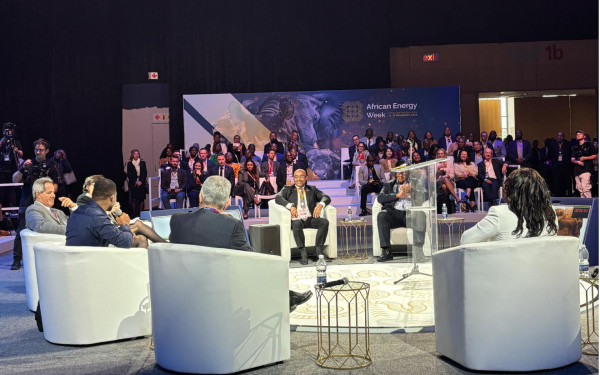
Brazil's national oil company (NOC), Petrobras, has confirmed it is actively exploring opportunities in South Africa, Namibia and Angola, and it is currently awaiting Galp's decision on its offer to acquire a significant stake in the Mopane block offshore Namibia.

The announcement was made during a pre-conference workshop sponsored by Namibia Energy Corporation (NEC), leading up to the African Energy Week (AEW) 2024: Investing in African Energies conference. Petrobras is widely recognized for its success in the exploration and production of pre-salt oil reserves in the deep waters off the coast of Brazil, which hold close geological similarities to pre-salt areas in southern Africa. 

“As we increase production, we increase the need for reserves. Brazil has a strong correlation with Africa. We feel very comfortable to come back to Africa, and are looking at opportunities in South Africa, Namibia and Angola,” said Sylvia Maria Couto dos Anjos, Executive Officer for Exploration and Production at Petrobras.

The company's technical expertise in pre-salt geology – particularly its ability to extract hydrocarbons from ultra-deep reservoirs beneath thick layers of salt – positions it as a strong contender to unlock frontier acreage in southern Africa. Geological similarities with Angola were highlighted during the workshop, as most of its hydrocarbon discoveries are offshore, with the majority of oil and gas resources located in deepwater reservoirs.

“Both Angola and Brazil have experience in developing deepwater reservoirs,” said Ricardo Van-Deste, CEO – Exploration and Production, Sonangol. “It is very important for us to bring Petrobras back to Angola. They left, but the door is still open.”

Petrobras' deepwater technology, developed over years of working in the Campos and Santos Basins off the shores of Brazil, could also be a game-changer in unlocking South Africa's offshore potential. These include TotalEnergies' Luiperd and Brulpadda discoveries. Earlier this month, the Brazilian NOC announced it had secured approval to acquire a 10% stake in the Deep Water Orange Basin located off the west coast of South Africa.

“Those are challenging operations. With Petrobras' experience and the technologies we have developed over time, this presents a valuable opportunity for us,” said Godfrey Moagi, CEO of the South African National Petroleum Company (SANPC).

In Namibia, Petrobras is currently evaluating entry opportunities as the country has produced a series of world-class discoveries. It is estimated to hold 100 billion barrels of oil equivalent in unrisked resources, with the Deep Water Orange Basin alone accounting for 30 billion barrels of oil equivalent.

“The potential of Namibia is incredible. We have a commitment to fulfill – I guarantee deals will come through,” said Dr. Marcio Rocha Mello, Founder & CEO of Namibia Energy Corporation.

Another key area for potential cooperation is the establishment of a Namibian center of excellence, aimed at enhancing technical capabilities and data analysis to deepen understanding of Namibia's petroleum basins and de-risk prospects for future exploration.

“A center like that in Namibia would enable us to replicate the success of the Orange Basin in the Walvis and Lüderitz basins,” said Maggy Shino, Petroleum Commissioner of Namibia's Ministry of Mines and Energy. “We have blocks that are bigger than some African countries. With such a large volume of available opportunities, we need a diversity of players to fully harness that potential.”

Distributed by APO Group on behalf of African Energy Chamber.

Media files
African Energy Chamber
Download logo
Read morePetrobras Pursues Strategic Oil & Gas Expansion in Southern Africa
5 November 2024

Battle Over Land in Kwazulu-Natal

Location: News

Since 2022, people have been trying to occupy land in Rocky Ridge in KwaDukuza

Read moreBattle Over Land in Kwazulu-Natal
5 November 2024

Majodina reassures residents of sufficient water storage amid tunnel closure

Location: News

Majodina reassures residents of sufficient water storage amid tunnel closure

Water and Sanitation Minister, Pemmy Majodina has reassured residents in the municipalities affected by the Lesotho Highlands Water Project (LHWP) tunnel maintenance of continued access to water.

The maintenance of the LHWP tunnel entails a total shutdown that began on 01 October 2024. The maintenance project includes general inspection and repair works, in order to ensure the integrity and reliability of the entire water tunnel system.

READ | Lesotho Highlands Water Project Tunnel undergoes maintenance

The operation is jointly undertaken by the Trans Caledon Tunnel Authority (TCTA) which focuses on Delivery Tunnel North within South Africa, and the Lesotho Highlands Development Agency (LHDA) which undertakes maintenance on the transfer tunnels at the Muela Hydro power station in Lesotho.

Reflecting on the Ministry’s performance in its first 100 days at a media briefing held in Pretoria on Tuesday, Majodina said the project will ensure that the tunnel continues to operate effectively in the long-term, supplying water to parts of the Free State and Gauteng.

Majodina said engagements with the two provincial governments and affected municipalities of Nketoane, Mfube and Dihlabeng was done in this regard.

“Specific work has already taken place, which include the upgrading of water treatment works, upgrading of raw water pumps, construction of new water reservoirs and the drilling and equipping of boreholes.

“The department has established the War Room to oversee the implementation of the shutdown and communication as a tool to raise awareness and to educate the public about water security issues.”

Majodina, together with Deputy Ministers, David Mahlobo and Sello Seitlholo, will inspect the Lesotho Highlands Water Project tunnel in Clarens, Free State on 15 November 2024.

Trans Caledon Tunnel Authority projects 

Majodina said during the 100 days in office, the department and its entity, the TCTA, continued with the implementation of 14 major national water infrastructure projects aimed at raw water security.

The approximately R100 billion projects include the R42 billion second phase of the Lesotho Highlands Water project to supply additional water to Gauteng, the R28 billion construction of a new dam and transfer tunnel on the uMkhomazi River in KwaZulu Natal to supply additional water to eThekwini and surrounding municipalities.

The projects include a R6.5 billion raising of the wall of the Clanwilliam Dam in the Western Cape, and the R750 million raising of the wall of the Tzaneen Dam in Limpopo.

Water sector reforms aligned to Operation Vulindlela 

Majodina also reported that the department is currently undertaking water sector reforms, which are aligned to the Operation Vulindlela Programme, led by President Cyril Ramaphosa.

Operation Vulindlela aims to modernise and transform network industries.

With regard to the water sector, the programme’s focus includes the National Water Resource Infrastructure Agency (NWRIA) Act signed into law by President Ramaphosa.

The act provides for the establishment of the National Water Resource Infrastructure Agency (NWRIA) through the amalgamation of the Trans Caledon Tunnel Authority, the Water Trading Entity and the infrastructure branch of the department.

“The functions of the NWRIA will include the financing, development, operations and maintenance of the national water resource infrastructure and the treaty and non-treaty functions performed by the TCTA. Processes are now underway to manage the establishment of the agency,” Majodina said.

The programme also focuses on the establishment of the remaining Catchment Management Agencies as required by the National Water Act, to enable improved catchment management with local stakeholder involvement; improving turnaround times for the issuing of water use licenses and reform of municipal water and sanitation services. – SAnews.gov.za


GabiK
Tue, 11/05/2024 - 13:09

105 views
Read moreMajodina reassures residents of sufficient water storage amid tunnel closure
5 November 2024

Riverlands dam owner directed to decommission failed dams

Location: News

Riverlands dam owner directed to decommission failed dams

The Department of Water and Sanitation has issued a directive to the current owner of the Riverlands dams to safely decommission the failed dams.

Reflecting on the Ministry’s performance during its first 100 days in office at a media briefing held in Pretoria on Tuesday, Water and Sanitation Minister, Pemmy Majodima, said a series of inter-linked, privately-owned dams failed on a farm near the town of Riverlands in the Swartland Local Municipality, Western Cape--during the 100 days--causing extensive damage to municipal infrastructure and houses in the town.

She said the Ministry visited the site of the dam failures, met with the community, and oversaw an investigation into the failures.

“The preliminary investigation report found that the original owner of the farm who built the dams failed to obtain the legally required approval from the department for the design of the dams, and that subsequent owners failed to register the dams with the department as required by the National Water Act.

“As a result, the dams were not regularly inspected, and signs of imminent failure were not identified timeously. Following the release of the investigation report, the department issued a directive to the current owner of the dams to safely decommission the failed dams,” Majodina said.

She said that further investigations are underway to determine liability for the damages caused by the dam failures.

READ | Riverlands report shows failure in meeting dam safety standards 

The incident, which occurred on 08 August 2024, saw the failure of three farm dams that breached, resulting in flooding which caused severe property and infrastructure damage to the affected area, leading to hundreds of people being provided with humanitarian assistance.

Jagersfontein Tailing Dam report submitted to NPA

Majodina also reported that the report into the Jaggersfontein Tailing Dam in the Free State has been submitted to the National Prosecuting Authority (NPA) following the laying of criminal charges against the dam owners by the department in 2022.

During the 100 days, the department completed its comprehensive technical investigation into the 2022 failure of the Jagersfontein Tailings Dam, which resulted in three deaths and one person declared as missing, as well as extensive damage to public and private property.

“The report has been submitted to the National Prosecuting Authority following the laying of criminal charges against the dam owners by the department during 2022.

“During the 100 days, a Request for Expressions of Interest issued by the department for proposals to develop tourism and recreation related to the department’s dams was finalised and the 300 applications which were received are currently being processed,” Majodina said.

READ | Mashatile encouraged by progress made in Jagersfontein

Launch of phase one of Hammanskraal water project

Meanwhile, Majodina said the department will launch Phase One of the Hammanskraal water project on Saturday, 16 November 2024.

The project includes the provision of an additional 12.5 megalitres of water.

The Ministry visited Hammanskraal on 24 August 2024 to oversee a R750 million project  which the department is implementing through the Magalies Water Board to enable the provision of clean drinking water.

“The project involves the construction of additional water treatment capacity at the Magalies Water Treatment Works near Hammanskraal. The Ministry also carried out a site inspection of the Rooiwal Waste Water Treatment Works to review the progress of the municipality’s project to refurbish the works,” Majodina explained.

Special purpose vehicle 

The Minister further reported that a Special Purpose Vehicle by the Rand Water Board and the Emfuleni Local Municipality is in the process of being established.

This follows an oversight visit by the department to Emfuleni Local Municipality in Gauteng on 25 August 2024, where the department, through Rand Water, is implementing a R7.5 billion intervention in terms of Section 63 of the Water Services Act to address sewage pollution from the municipality’s waste water treatment systems.

As a result of the intervention, a number and frequency of sewage spillages into the streets and peoples’ homes has been significantly reduced.

She said work is underway to completely eradicate sewage pollution in the municipality.

“A Special Purpose Vehicle by the Rand Water Board and the Emfuleni Local Municipality is in the process of being established. It will be launched once all the legal requirements have been fulfilled which include the approval by the National Treasury.” – SAnews.gov.za

GabiK
Tue, 11/05/2024 - 14:17

46 views
Read moreRiverlands dam owner directed to decommission failed dams
4 November 2024

Committee established to address issues at Hartbeespoort Dam

Location: News

Committee established to address issues at Hartbeespoort Dam

A multi-stakeholder steering committee has been established to address issues at Hartbeespoort Dam.

Water and Sanitation Deputy Minister, David Mahlobo, and North West Premier, Lazarus Mokgosi, launched the committee to look into different issues affecting the stakeholders operating their business at state-owned land around Hartbeespoort Dam and settlements around the water resource.

By bringing together stakeholders from various sectors, the committee seeks to encourage economic development and opportunities for all and to ensure the sustainability and health of the Hartbeespoort Dam.

The committee will also address disputes among businesses operating at the dam and will strive to promote the harmonious use of the state-owned land and access to dam economy.

The committee, to be co-chaired by the Department of Water and Sanitation and North West Provincial Government, will include the representatives from the North West House of Traditional and Khoi-San Leaders, Madibeng Local Municipality, civic organisations, non-profit organisations and non-governmental organisations, as well as business, environmental and religious organisations.  

Mahlobo emphasised the importance of collaboration and mutual understanding in addressing the complex challenges facing the Hartbeespoort Dam community.

“The Department of Water and Sanitation views this initiative as a critical step towards resolving long-standing issues and promoting inclusive economic growth and development in the area.

“As the steering committee begins its work, stakeholders and communities can look forward to positive transformations in the Hartbeespoort Dam area. The committee will further contribute to the ongoing efforts to restore the dam's ecosystem and ensure its long-term health,” Mahlobo said.

Mahlobo added that the collaborative effort demonstrates government's commitment to engage with various stakeholders and work towards solutions that benefit all.

He said the Department of Water and Sanitation remained committed to transparency and open communication and will continue to provide updates on the progress of the steering committee and its initiatives, ensuring that the members of the public are informed about developments in the Hartbeespoort Dam area.

The department has developed a comprehensive lease policy to manage leases in the area and all its dams.

The policy seeks to address previous gaps and ensure transparency for the businesses and individuals utilising state-owned land under the custodianship of the department.

The department advertised an Expression of Interest with a closing date of 31 July this year, inviting all interested parties to apply for the use of state land at its dams.

Mokgosi highlighted the province's commitment to support initiatives that will bring development and improvement to the area for local residents. – SAnews.gov.za

GabiK
Mon, 11/04/2024 - 11:08

123 views
Read moreCommittee established to address issues at Hartbeespoort Dam
4 November 2024

Coca-Cola Beverages Africa Invests $50 Million in Namibia, Boosting Production Capacity by 30%

Location: News
Coca Cola Beverages Africa

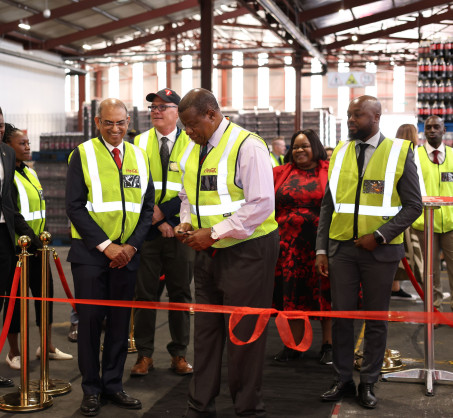
Coca-Cola Beverages Africa (CCBA) (www.CCBAGroup.com) has invested $50 million in a new bottling line in Namibia, capable of producing 27,000 bottles per hour. This upgrade will increase the plant's output capacity by 30% and stimulate growth throughout the company's value chain.

The investment also includes the installation of a water treatment plant with state-of-the-art water recovery technology, designed to reduce water consumption. Additionally, the integration of advanced technology, including artificial intelligence, will require skills training for employees, contributing to the development of a future-ready workforce for both the business and the country.

“We've ensured that this production line goes beyond output numbers,” said Pottie de Bruyn, General Manager of Coca-Cola Beverages Africa in Namibia. “It's about creating shared opportunities across the value chain. The increased production also provides a boost to local businesses that supply us with raw materials and services.”

Sunil Gupta, Chief Executive Officer of CCBA, echoed the sentiment, adding, “This investment is a clear demonstration of our continued belief in the future of Namibia.”

Gupta also highlighted CCBA's broader goals: “As a customer-centric, digitally enabled, growth-driven business, we are committed to excellence across our value chain. Efficient operations allow us to offer faster delivery and superior service. This new production line is another step in our journey to achieve even greater levels of execution excellence.” 

Distributed by APO Group on behalf of Coca Cola Beverages Africa.

Media Contacts:
Enid Johr 
PACS Director 
CCBA in Namibia 
Tel: +264 81 778 5381 
Email: ejohr@ccbagroup.com 

Wendy Thole-Muir 
Head: Reputation and Communication 
Coca-Cola Beverages Africa  
Tel: +27 83 795 8524 
Email: WThole-Muir@ccbagroup.com 

Judith Wilhem
+264813473538

Follow us on:
LinkedIn: https://apo-opa.co/3AsnQje

About CCBA:
CCBA is the 8th largest Coca-Cola bottling partner in the world by revenue, and the largest on the continent. It accounts for over 40% of all Coca-Cola products sold in Africa by volume. With over 18,000 employees in Africa, CCBA services more than 720,000 customers with a host of international and local brands. The group was formed in July 2016 after the successful combination of the southern and east Africa bottling operations of the non-alcoholic ready-to-drink beverages businesses of The Coca-Cola Company, SABMiller plc and Gutsche Family Investments. CCBA shareholders are currently: The Coca-Cola Company 66.5% and Gutsche Family Investments 33.5%. CCBA operates in 15 countries, including its six key markets of South Africa, Kenya, Ethiopia, Uganda, Mozambique and Namibia, as well as Tanzania, Botswana, Ghana, Zambia, the islands of Comoros and Mayotte, Eswatini, Lesotho, and Malawi.

Learn more at  https://www.CCBAGroup.com

Media files
Coca Cola Beverages Africa
Download logo
Read moreCoca-Cola Beverages Africa Invests $50 Million in Namibia, Boosting Production Capacity by 30%
3 November 2024

Police arrest 225 illegal miners in the North West

Location: News

Police arrest 225 illegal miners in the North West

Acting National Commissioner of the South African Police Service (SAPS), Lieutenant General Shadrack Sibiya has welcomed the arrests of 225 illegal miners in the North West province.

The arrests were made when the illegal miners resurfaced from underground in Orkney, as a result of starvation and dehydration.

“These 225 illegal miners are part of others believed to be hundreds if not a thousand illegal miners who are stuck underground with no food, water and necessities because the Vala Umgodi teams,” said the police.

The teams are led by the SAPS and the South African National Defence Force (SANDF) who are “blocking routes used to deliver food and necessities to these illegal miners.”

“Just earlier this week, SAPS and members of the SANDF blocked communities in and around these abandoned mining shifts in Orkney from delivering food parcels, water and necessities to these illegal miners,” the police said.

The act of stamping the authority of the state eventually forced these illegal miners to resurface.

“This operation is ongoing, and the SAPS and the SANDF are still monitoring these old abandoned mine shafts as more and more illegal miners resurface,” the SAPS said on Saturday.

Sibiya said Operation Vala Umgodi is yielding positive results across the country.

“We are closely monitoring the situation that is unfolding in the North West province, we are not backing down until all those illegal miners resurface and are arrested. Since its inception in December 2023 to date, more than 13 691 suspects have been arrested in the seven provinces that are hotspots for illegal mining. 

"We have seized R5 million in cash and uncut diamonds worth R32 million through Operation Vala Umgodi,” said the Lieutenant General.

The majority of those that have been arrested are inclusive of South Africans, Mozambicans, and Basotho nationals. -SAnews.gov.za
 

nosihle
Sun, 11/03/2024 - 10:23

180 views
Read morePolice arrest 225 illegal miners in the North West
2 November 2024

Broken Promises and Neglect: The Struggle for Clean Tap Water in Rural KZN

Location: News

“Sometimes we fight over water”

Read moreBroken Promises and Neglect: The Struggle for Clean Tap Water in Rural KZN
1 November 2024

Turkish Cooperation and Coordination Agency (Ti̇Ka) Provides Equipment Support to Stellenbosch University in South Africa

Location: News

Turkish Cooperation and Coordination Agency (TIKA)
Download logo

Turkish Cooperation and Coordination Agency (TİKA) has provided equipment to the Medical Plant Biology Laboratory at Stellenbosch University, which continues its educational and research activities in South Africa.

TİKA provided equipment support to the Medical Plant Biology Laboratory at Stellenbosch University in South Africa, ranked among the world's top 200 universities in plant and animal sciences.

Through this project, a centrifuge machine, water purification system, spectrophotometer, plant growth chamber and lyophilizer were provided to support the cultivation of plants under controlled conditions, DNA analysis and the preservation of plants and extracts as required.

South Africa is home to 9,000 endemic plant species

South Africa hosts approximately 9,000 plant species, the majority of which are endemic. These plants, integral to the development of traditional medicine, have been used by local communities for medicinal purposes over centuries.

However, during the apartheid era the Witchcraft Suppression Act 3 of 1957 restricted this usage. Following the repeal of this law in 1994, academic research surged, allowing many native plants to be widely adopted in medicine and cosmetics.

Stellenbosch University is now dedicated to integrating traditional knowledge into academic research. To support this, TİKA provided the university with equipment to study the reactions of local plants to different production conditions, determine optimal cultivation and storage methods and conduct DNA-level analyses.

Handover ceremony organized

The handover ceremony was attended by Yonca Sunel, Consul General of the Republic of Türkiye in Cape Town; Abdulkadir Abukan, TİKA's Coordinator in Pretoria; Vim de Villiers, Rector of Stellenbosch University; Sibusiso Moyo, Vice Rector; as well as academics and students.

During the ceremony, Rector de Villiers expressed gratitude to TİKA for its contributions. Vice Rector Moyo emphasized the significance of international cooperation in enhancing the university's research capacity and provided information about the partnerships with universities in Türkiye.

Consul General Sunel noted that this program marked her first official visit since her appointment and expressed her pleasure in collaborating with the esteemed institutions of South Africa.

Distributed by APO Group on behalf of Turkish Cooperation and Coordination Agency (TIKA).

Read moreTurkish Cooperation and Coordination Agency (Ti̇Ka) Provides Equipment Support to Stellenbosch University in South Africa
1 November 2024

President Ramaphosa Concludes Engagement With Limpopo Executive

Location: News

The Presidency of the Republic of South Africa
Download logo

President Cyril Ramaphosa has concluded a productive session with the Limpopo Provincial Government Executive Council. The President expressed confidence in the economic growth potential that lies within the province that can unlock more opportunities for the people of Limpopo. 

“I am pleased to have the opportunity to reflect on the immediate actions that we can take together as national and provincial governments to bring significant changes to the province of Limpopo that will impact on the lives of ordinary citizens. Limpopo remains a fertile ground upon which we can sow South Africa's growth,” President Ramaphosa said.

President Ramaphosa further said there are areas of infrastructure development that will continue to be at the centre of the agenda of his cabinet, like water provision and roads, until significant progress has been registered and the lives of people of Limpopo are changed for the better.  

The meeting agreed on the urgent support from National Departments, in the areas of Energy and Electricity, Land Reform, Water and Sanitation, Transport, COGTA and Public Works and Infrastructure to assist the province accelerate catalytically projects that will deliver sustainable growth. The inter-governmental framework will prioritise projects that require immediate action whilst allowing those that require long-term planning to be mapped accordingly. 

President Ramaphosa appreciated the understanding of the residents' plight and the vision for the province reflected in the presentation delivered by the Premier and the provincial executive. 

Distributed by APO Group on behalf of The Presidency of the Republic of South Africa.

Read morePresident Ramaphosa Concludes Engagement With Limpopo Executive
1 November 2024

Council indaba to zero-in on climate resilient build environment

Location: News

Council indaba to zero-in on climate resilient build environment

The Council for the Built Environment (CBE) is on track to convene its second Built Environment Climate Change Indaba (BECCI) next week.

“The CBE’s 2024 BECCI is centred on building a climate-resilient built environment for South Africa while acknowledging and incorporating the Indigenous Knowledge Systems (IKS) in the entire construction lifecycle, and processes and legislations of national, provincial and local government,” said the council in a statement on Thursday.

The CBE is public entity of the Department of Public Works and Infrastructure and is a regulatory body established under the Council for the Built Environment Act 43 of 2000 (the CBE Act) that coordinates six councils for the built environment professions including architecture and engineering.

The two-day indaba is set to be held in the Mandeni Local Municipality in KwaZulu-Natal next Thursday and Friday. 

This, as KwaZulu-Natal has experienced adverse weather in recent years.

“These natural disasters are worsened by poor drainage and building standards, especially in low-income areas. There was significant damage to over 13 000 homes, disrupted water supply, impassable roads, and destroyed bridges. Additionally, the recent snowfall in KwaZulu-Natal… underscores the growing severity and unpredictability of South Africa's weather patterns. 

“The snow and icy conditions led to the closure of the N3 highway between Gauteng and KZN, stranding numerous travellers, which highlights the vulnerabilities in our infrastructure amid extreme climate events, necessitating urgent policy and planning responses.”

READ | Condolences to family of victim affected by freezing weather conditions

The indaba will be held under the theme: “Co-creation of spaces and places that respond to just transition.”

The council said the indaba will together stakeholders from the engineering and the built environment sector, disaster management and the South African Weather Service (SAWS) to co-create sustainable, resilient, and equitable spaces that address climate change and socio-economic disparities. 

“The Indaba is particularly critical in the context of the CBE’s mandate to transform the built environment, promote sustainable development, and contribute to inclusive socio-economic growth.”

The BECCI will bring together stakeholders from the engineering and the built environment sector under one roof to discuss and enhance climate resilience in South Africa’s built environment “by fostering collaboration to generate new knowledge and insight geared towards reducing and mitigating the impact of climate change in the sector.”

The outcomes and resolutions from the BECCI 2024 are expected to feed into the operations and functions of the CBE’s and its stakeholders on numerous levels. Furthermore, the BECCI will aim at addressing climate change related challenges facing the South African Built Environment and vulnerable communities at large. 

Public Works and Infrastructure Minister Dean Macpherson and Deputy Minister Sihle Zikalala, among others, are expected to attend the indaba. – SAnews.gov.za 

Edwin
Fri, 11/01/2024 - 09:30

233 views
Read moreCouncil indaba to zero-in on climate resilient build environment
1 November 2024

President calls for enhanced collaboration between national and provincial governments

Location: News

President calls for enhanced collaboration between national and provincial governments

President Cyril Ramaphosa has emphasised the importance of closer cooperation between national and provincial governments, urging ministers to engage more directly and consistently with their provincial counterparts.

The President was addressing a meeting between the National Executive and the Limpopo Executive Council, led by Premier Phophi Ramathuba, at the Polokwane Municipality Council Chamber in Limpopo on Friday. 

President Ramaphosa described today’s meeting as significant, marking the start of a programme by the National Executive to visit all the provinces in the coming months and to engage directly with their leadership. 

The President outlined the significance of the meeting as the first high-level bilateral engagement between the National Executive and provinces under the 7th Administration and the Government of National Unity (GNU). 

President Ramaphosa highlighted the necessity for such interactions to ensure that both spheres of government can effectively coordinate their efforts and address local needs.

“As we strive for greater alignment between the developmental priorities of national and provincial governments, there is a need for Ministers to engage more directly and regularly with their provincial counterparts.

“On the one hand, this enables the National Executive to have better line of sight of provincial programmes. On the other hand, it enables provincial executive councils to better align their developmental roadmap with national plans,” the President said. 
The President reiterated the constitutional mandate for cooperation among different spheres of government, stressing that effective governance must be transparent, accountable, and coherent in serving the people of South Africa. 

“Section 41 of the Constitution outlines the obligation of different spheres of Government to cooperate with one another, assist one another, coordinate with one another and consult on matters of common interest. 

“The spheres of government are to do so, while respecting the scope of their respective powers and functions,” the President said.
He called for a focus on overcoming structural challenges that hinder investment and job creation in the provinces. 
The GNU, the President said, has identified a set of key priorities for the term of its administration, which includes driving inclusive growth and job creation; reducing poverty and tackling the high cost of living, and building a capable, ethical and developmental State. 

He underscored the vital role provinces play in achieving these goals, particularly through the implementation of the Medium-Term Development Plan.

“Our collective focus now is on marshalling the necessary will and resources to finalise and implement the Medium-Term Development Plan. Driving economic growth that is inclusive and transformational is at the centre of our national agenda. 
“Provinces have a critical role to play in this effort.  Improving service delivery, accelerating job creation and growing provincial economies are as much a priority for provinces as they are for national government. 

“What will be critical in the coming months is a razor-sharp focus on the actions that we all need to take to enable provinces to leverage their respective endowments – be they avocados, minerals or citrus fruit – to ensure that that endowment is more effectively used for economic growth,” the President said. 

The discussion also highlighted the need for provinces to leverage their unique resources such as agriculture, minerals, and tourism to stimulate economic growth. 

President Ramaphosa noted the under-utilisation of arable land and the potential for improved tourism infrastructure as areas needing urgent attention.

Some provinces are extracting large amounts of minerals from the soil, but are not moving to another level. They need to start looking at the second level to beneficiate those minerals. 

“We need to move beyond diagnosis of problems. We need to look at how to overcome the obstacles to provincial endowments being successfully used for development,” he said. 

Premier Ramathuba and the provincial leadership were urged to identify obstacles to growth and to collaborate with ministers to formulate actionable strategies. 

President Ramaphosa pointed out that ongoing structural reforms in sectors, such as electricity and water management, are critical to unlocking provincial potential.

This engagement is intended to open channels of communication and foster a collaborative spirit, with the aim of ensuring that Limpopo and other provinces align their economic development plans with the national vision.

Limpopo perfectly positioned to lead in a number of key sectors

The President said this first engagement between the National Executive and the Limpopo Executive Council must set the tone and agenda for future cooperation.
 
“We have to set our collective sights on what must be done to ensure provinces' economic development plans align with the broader national economic vision. 

“Limpopo is perfectly positioned to lead the country in a number of key sectors, including agriculture, tourism, freight and logistics, and also mineral resources. The province is set to play a major role in the green economy transition. 

“Limpopo possesses a number of critical energy transition minerals, including platinum, and has been designated as a site for the proposed Hydrogen Valley. We are pleased with the work already underway in this regard,” the President said.

President Ramaphosa added that Limpopo, by way of geographical positioning, is South Africa’s gateway to the continent. 

He said the province is well positioned to strengthen South Africa’s links to the rest of the African continent under the African Continental Free Trade Area. 

The President called for innovative solutions and clear timelines to realise the full potential of provincial economies and improve the lives of citizens.

As government prepares for further engagements across the country, the focus remains on creating a capable and accessible governance framework that prioritises the needs of South Africans.

From here, President Ramaphosa will go to KwaZulu-Natal next week and then to other provinces. 

“Our plan is to go to each province over the course of one year. We engage with provinces on an ongoing basis through MinMEC [Minister and Members of Executive Council] meetings and other forums, and we engage with people through izimbizo. This is the government that we want to make more capable and accessible to the people,” the President said. – SAnews.gov.za


DikelediM
Fri, 11/01/2024 - 13:26

150 views
Read morePresident calls for enhanced collaboration between national and provincial governments
1 November 2024

COP16: Will Humanity Live in Harmony With Nature? The Stakes Have Never Been Higher

Location: News

The 16th Conference of Parties to the Convention on Biological Diversity was held in South America this past fortnight

Read moreCOP16: Will Humanity Live in Harmony With Nature? The Stakes Have Never Been Higher
1 November 2024

SIU collects evidence in Makana Local Municipality maladministration allegations

Location: News

SIU collects evidence in Makana Local Municipality maladministration allegations

The Special Investigating Unit (SIU) has searched and collected evidence related to allegations of serious maladministration at the Makana Local Municipality in the Eastern Cape.

This after it obtained a warrant to search the premises of the municipality on Thursday.

“At 9 am on Friday, 01 November, the SIU, assisted by the Directorate for Priority Crimes Investigation, commonly known as the Hawks, entered the municipality's premises to collect evidence that is in line with Proclamation 207 of 2024 authorised the SIU to investigate allegations of serious maladministration,” the unit said in a statement.

The SIU and Hawks collected documentation and equipment required for audit or compliance purposes concerning successful tenders from 1 January 2019 to 18 October 2024, as stipulated in Proclamation 207 of 2024. 

“This includes comprehensive records such as company registration documents, all forms of payment documentation (invoices, purchase orders, remittance advice), and devices—such as laptops, mobile devices, external storage, or media used by relevant committees, officials, or employees. 

“The documentation also extends to any electronic data stored on these devices, including emails and cloud storage, covering current and outdated devices associated with specific personnel and posts.”

The warrant was granted by the Grahamstown Magistrate Court.

The application for a search and seizure followed the signing of Proclamation 207 of 2024 by President Cyril Ramaphosa, which authorised the SIU to investigate allegations of serious maladministration in the affairs of the Makana Local Municipality involving seven tenders, which was gazetted two weeks ago. 

The SIU’s investigation will look into the:

• Makana Bulk Sewer Upgrade Phase 1.
• Professional Engineering services for groundwater development project.
• Implementing agents for water conservation and demand management.
• Re-appointment of MBB Consulting for water conservation and demand management.
• Electrification of the greater Makana and surrounding areas 11KV line project.
• Host municipal emails and provide internet services.
• Operate and manage the Makana burning landfill site for six months.

“The SIU has reason to believe that a normal route of requesting information and documents would not have yielded positive results. Hence, it was deemed necessary to approach the Grahamstown Magistrate Court for a search warrant to seize documents and computers to assist with the ongoing investigation.

"Upon the receipt of the allegations, the SIU engaged the municipality seeking documents that would help assess the merit of the allegations and help prepare a motivation for a proclamation.

“However, the municipality did not cooperate with the SIU’s request. The SIU engaged the Auditor General of South Africa (AGSA), as the office was auditing the municipality at the time. The AGSA indicated that the municipality failed to furnish it with documents.”

The SIU is empowered by the Special Investigating Units and Special Tribunals Act 74 of 1996 (SIU Act) to subpoena bank statements and cell phone records, search and seize evidence, and interrogate witnesses under oath to thoroughly investigate allegations brought before it. 

The SIU is also empowered to institute civil action in the High Court or a Special Tribunal to correct any wrongdoing uncovered during investigations caused by acts of corruption, fraud or maladministration. In line with the SIU Act, the SIU will refer any evidence pointing to criminal conduct it uncovers to the National Prosecuting Authority for further action. -SAnews.gov.za
 

Edwin
Fri, 11/01/2024 - 10:35

2 views
Read moreSIU collects evidence in Makana Local Municipality maladministration allegations
31 October 2024

SA working to promote inclusive growth, deal with high cost of living

Location: News

SA working to promote inclusive growth, deal with high cost of living

The South African government seeks to attract foreign investment to foster inclusive growth and tackle structural barriers faced by marginalised communities.

This is according to Deputy President Paul Mashatile, who was briefing Members of Parliament (MPs) in the National Assembly on Thursday. 

The Deputy President addressed several topics, including his recent working visit to Ireland and the United Kingdom.

He reflected on the keenness of investors from these two countries to tap into various South African sectors such as finance, energy, transportation and infrastructure development.

“The overall aim of this engagement was to reassure the world and investors that our country is stable and open for business. I must say, in all of these meetings, we were warmly received,” he told Parliament. 

In the United Kingdom, the Deputy President said he met with more than 20 institutional investors, who are already investing in South Africa.  

“We also engaged with the government of the United Kingdom to strengthen and renew the historically deep and rich bilateral relations between our two countries by exploring new initiatives and opportunities for enhancing trade and investments.” 

Following the working visit, government agreed to strengthen existing initiatives while exploring new opportunities to maintain strong trade and investor interest. 

“We anticipate that the upshot of our visit will contribute to an increase in the UK investors who have shown a strong interest in doing business in South Africa,” Deputy President Mashatile explained. 

In addition, he said the relevant ministerial teams presented opportunities in State-owned entities (SOEs), particularly Eskom and Transnet. 

“They dealt with issues of energy, rail and port projects and water infrastructure projects, including the handing of the investment project book that was developed by Infrastructure South Africa.”

However, the Deputy President believed that government alone would not be able to achieve the objectives of growing the economy and creating jobs. 

“As a result, we’re taking these steps to engage the private sector, particularly also foreign investors who are interested to come and invest in our country.”

The State is working hard to ensure the regulatory frameworks throughout government are friendly for investors who can come and invest. 

“So, we were quite impressed that many of those that we met were very happy. They were saying they will be taking advantage in South Africa so that we can create the necessary jobs that we want to create and empower many of our people, particularly young people,” Mashatile said.

G20 Presidency

The Deputy President is of the view that South Africa should use its G20 Presidency to prioritise its objectives of growing an inclusive economy that creates jobs. 

Preparations are underway for South Africa’s G20 Presidency and hosting the G20 Summit in 2025. South Africa is expected to take over Chair of the G20 from December 1 this year from Brazil. 

Mashatile said the State is determined to deal with the question of the high cost of living and professionalisation of the public service. 

“But we want to use that also to benefit the continent. So, what South Africa will do will ensure that, as we Chair the G20, [this] benefits the entire African continent, and we are looking at programmes of infrastructure.

“When leaders of various countries come here, they come with huge delegations, including business people, and therefore they look for opportunities. But we will make sure that there is sound infrastructure to be able to ensure that people can have meetings throughout the country.” 

The Deputy President announced that government has decided that it will concentrate meetings in one place, so the 2025 summit benefits the entire country. 

Skill shortages

Mashatile acknowledged that the local labour supply does not meet the demand for management personnel, professionals, engineers, technicians, educators, and information and technology experts, necessitating the temporary importation of high-level skills.

However, various measures are being implemented to improve local skills, including updating job listings, promoting the critical skills list, and enhancing vocational training in digital skills. 

Mashatile explained that the National Skills Fund directs resources to in-demand sectors and that the Human Resource Development strategy aims to match supply and demand for skilled workers. 

Meanwhile, he said collaboration among industry, government, education, and non-profits is crucial for effective skills development and local employment growth. – SAnews.gov.za


Gabisile
Thu, 10/31/2024 - 15:21

77 views
Read moreSA working to promote inclusive growth, deal with high cost of living
31 October 2024

Green Building Trends in Africa: Africa’s Urbanization Provides the Opportunity to Embrace Green Building

Location: News
Bureau Veritas

By Julien Fouilliart-Building & Infrastructure Growth Leader Middle East, Caspian and Africa, Bureau Veritas (https://group.BureauVeritas.com)​.

Globally, buildings are responsible for a substantial share of energy, electricity, water and materials consumption using between 35-40% of energy demand and contributing 37 per cent of world carbon dioxide (CO2) emissions. Including the manufacturing of building materials.

The 2022 updated Global Buildings Climate Tracker (GBCT) (https://apo-opa.co/3YLJiZG) shows that there is a significant gap between the current state and the desired decarbonization path which is concerning. In effect it means that to align with the 2030 milestone, an annual increase of ten decarbonization points is now necessary which is a substantial jump from the six points per year anticipated starting in 2015.

In 2019 in Africa, buildings accounted (https://apo-opa.co/4e8NIhN) for 57% of total final energy consumption and 32% of total process-related CO2 emissions.

Despite continental issues of poverty, unemployment and rapidly developing informal settlements among other issues, many countries in Africa are embracing green, sustainable building practices.

With its burgeoning population, expected to add some  1.2 billion people by  2050 (https://apo-opa.co/3AxgxXo) Africa faces rapid urbanization.

Urbanization provides an opportunity for countries across Africa to embrace green building practices, access available international green funding opportunities, and set a foundation for sustainability for future generations.

In 2023 the Africa Regional Network of World Green Building Council (WorldGBC) launched the Africa Manifesto for Sustainable Cities and the Built Environment, which sets out the actions that  policymakers and businesses across the continent need to take to achieve a net zero carbon, healthy, resilient, equitable, socially- and economically-inclusive built environment for everyone, everywhere.

Achieving these goals requires policymakers and business leaders across the continent to recognise the untapped potential of the built environment. But this can only be realized with the implementation of policies that support transformative action, through intense collaboration between governments, city and regional leaders, businesses and investors. 

South Africa is leading Africa's green building sector (https://apo-opa.co/3YLdq7N). It has over two million square meters certified green buildings that reduce water consumption, electricity, and waste disposal; 50 certified projects are projected to result in an annual saving of 76 million kilowatt hours which is equivalent to the electricity needs of 5,300 households every year.

South Africa has its own National Standard 10400 Part XA that deals with optimizing energy efficiency in buildings and in the light of this the Green Star South Africa and EDGE green building tools have been adapted and are widely used in the country. International rating systems like LEED and WELL are also used.

The scope of green construction in Egypt has been slow to grow but Egypt has two local rating systems in place called TARSHEED and the Green Pyramid Rating System. These, along with EDGE, LEED and WELL are used in various projects.

The Nigerian government has pledged to achieve a 20% reduction in its greenhouse gas emissions by 2030 and 45% with international support. Green building will likely be a big part of this change.

This country's National Building Code, developed by the National Council on Housing and Urban Development, and the Building Energy Efficiency Guideline (BEEG), also support the agenda of sustainable development by setting requirements for occupant health and safety, use of local and safe building materials and energy efficiency among other criteria.

Morocco has several legal provisions in place to promote sustainability and environmental protection through construction impact assessments for new building projects as well as energy-efficient construction requirements applicable to most residential and commercial projects. Several projects in the country have also achieved LEED green building credentials.

It also has several renewable energy projects such as the Noor Midelt Solar Plant and Tarfaya Wind Farm, one of the biggest wind farms in the continent.

As the drive towards Net-Zero heightens more African countries are joining the African Regional Network of the World Green Building Council. NGOs and other industry professionals are setting up green building councils in South Africa, Egypt, Tunisia, Nigeria, Botswana, Zimbabwe, Namibia, Mauritius, Tanzania, Kenya, Cameroon and Uganda.

One of the big hurdles restraining a sustainable development movement in the construction industry is a lack of awareness for practical sustainable actions among many developers and investors.

In South Africa there is a broad awareness of Green Buildings and the market share of certified buildings among all new builds is increasing. The 2021 International Finance Corporation's (IFC) Green Building Market Stakeholder Assessment for South Africa showed that on the supply side, key motivating factors for Green Buildings are their reduced carbon footprint increased end user demand and increased marketability.

From the occupier's perspective the motivating factors for buying or leasing a Green Building are lower utility bills and lower operating costs. Yet, at a residential level occupiers are only willing to pay a two percent premium for these benefits.

The IFC report points out that the perceived cost of construction and certification of green buildings are also considered major obstacles to the expansion of certified Green Buildings in South Africa (https://WorldGBC.org/). Its research indicates that those in the know estimated the additional construction cost to be 10% or higher, while those unfamiliar with Green Buildings are likely to significantly overestimate costs.

Currently, four out of six financial institutions provide financing for Green Building projects in some form or another and three require a certification to approve the loan. The portfolios of two consist of retrofitting existing buildings into Green Buildings; two of commercial and industrial Green Building construction finance and only one residential Green Building construction finance. Of the two FI's that currently do not fund any Green Building one plans to do so in the future while the other does not see this as part of their strategy.

The investment into green construction (https://apo-opa.co/4e8NYgL) has multiple benefits; it facilitates growth while addressing issues like employment, climate change, and poverty.

However, more needs to be done to improve the understanding of the benefits of green buildings such as lower operational costs, increased ROI as well as an overall improvement in occupant health and wellbeing. Financial institutions need to do more to support green construction. Those which have pledged to lower their investments in carbon producing industries could create green bonds or funds for the African construction sector. Government's need to provide policy support along with incentives to catalyze market development.

 All this suggests that there is still a sizable information gap regarding the cost, certification and benefits of Green Building and that further knowledge dissemination efforts are needed to close it.

Distributed by APO Group on behalf of Bureau Veritas.

About Julien Fouilliart:
Julien Fouilliart is a seasoned business development professional with 15 years of experience in international, multicultural, and cross-sector environments. He currently leads the growth of Bureau Veritas' Building & Infrastructure market across the Middle East, Caspian, and Africa regions. Julien holds a degree in Mechanical Engineering from Belfort University in France. He is based in Kenya and has a deep passion for the African continent. Julien has played a key role in the development of large and iconic infrastructure projects across the region. He has an extensive international background, having worked in France, China, Spain, Belgium, and the United Kingdom. His experience includes collaborating with global companies and public institutions to drive business growth in sectors such as aerospace, IT, rail, building, and transport infrastructure.

Media files
Bureau Veritas
Download logo
Read moreGreen Building Trends in Africa: Africa’s Urbanization Provides the Opportunity to Embrace Green Building
31 October 2024

Limpopo Water Crisis Delays R37-Million Stadium

Location: News

Vhembe stadium still unfinished a year after completion was scheduled

Read moreLimpopo Water Crisis Delays R37-Million Stadium
31 October 2024

Cape Town Is Losing Its Trees

Location: News

As global temperature records continue to be broken, cities need to move fast to protect residents from heat stress. Planting trees seems the simplest solution

Read moreCape Town Is Losing Its Trees
30 October 2024

Government to launch next phase of Operation Vulindlela

Location: News

Government to launch next phase of Operation Vulindlela

Government is expected to launch the next phase of Operation Vulindlela, which is aimed at accelerating the implementation of structural reforms.

This is according to the Medium-Term Budget Policy Statement (MTBPS) released by National Treasury on Wednesday.

Treasury explained that the country’s economic growth prospects are closely tied to Operation Vulindlela and structural reforms to “improve competitiveness and productivity and boost investment”.

“In its first phase, this initiative implemented 35 reform actions in five network industries, including reducing power cuts, improving the performance of the logistics system, lowering data costs, improving water supply and enabling the country to attract critical skills.

“The next phase of reforms will support higher medium-term growth, which is required to significantly expand employment. New initiatives aim to reverse local government decline, tackle spatial inequality and advance digital government to improve large-scale service delivery,” National Treasury said.

Operation Vulindlela is a joint initiative of the Presidency and National Treasury to accelerate the implementation of structural reforms and support economic recovery.

Government has set its focus on Eskom’s restructuring as a priority and to establish a bustling energy market, with adequate supply for a growing economy.

“The cumulative effects of reforms include improved power station performance and no ‘load shedding’ since 26 March 2024. The Electricity Regulation Amendment Bill was signed into law in August of this year. 

“This, together with the creation of the National Transmission Company of South Africa, which began operating on 1 July 2024, is establishing rules and procedures for a competitive electricity market. 

“The ongoing Energy Action Plan has boosted efforts to restore energy availability and procure new generation. By end-August 2024, project registrations with South Africa’s energy regulator exceeded 8500 megawatts,” the MTBPS stated.

The critical sector of freight rail logistics is also receiving attention.

“Transport reforms that open the freight rail network to private operators will reduce inefficiencies and costs, helping firms offer lower prices and boosting economic growth. To this end, the Economic Regulation of Transport Bill – enabling private-sector use of the rail network – was signed into law in June 2024. 

“Transnet freight volumes grew from 149.5 million tonnes at the end of the previous financial year to approximately 151.7 million tonnes by end-March 2024, supported by the implementation of a recovery plan from October 2023 and reversing a years-long decline. Port cargo handled has stabilised relative to 2023 levels,” National Treasury stated.

Treasury emphasised that reforms in the water sector are critical for economic growth and water security.

“The National Water Resources Infrastructure Agency Bill, signed on 27 August 2024, creates an independent agency to oversee bulk water resources. The Water Services Amendment Bill, allowing for intervention in failing municipalities, has received public comment and will soon be submitted to Cabinet for approval,” Treasury said.

Reforms in that sector target supply and infrastructure challenges.

“Water sector reforms being prioritised by Operation Vulindlela include independent regulation, strengthening local water services by licensing water service providers, legal proceedings on non-compliance by municipalities and trading services reforms. 

“Trading services reforms refer to governance, institutional, management and financial reforms to improve essential services, enabled by a new performance-based grant. The National Treasury is also working closely with the Water Partnerships Office to identify opportunities for private sector participation, such as non-revenue water projects. Non-revenue water refers to the revenue lost from leaking water infrastructure.

Elsewhere, the visa system has been reformed by the Department of Home Affairs to attract skills and boost tourism while the rollout of 5G infrastructure has tapered data costs, expanded connectivity and improved access to network services. – SAnews.gov.za

NeoB
Wed, 10/30/2024 - 14:46

418 views
Read moreGovernment to launch next phase of Operation Vulindlela
30 October 2024

Afreximbank Calls for Increased Collaboration to Accelerate the Green Energy Transition in Africa

Location: News
Afreximbank

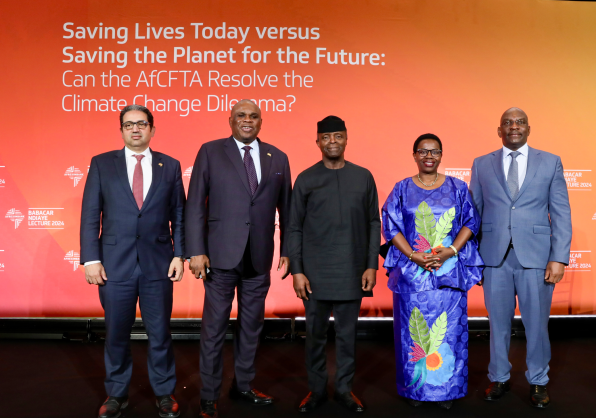
The eighth Babacar Ndiaye Lecture held at the Four Seasons Hotel in Washington D.C., on 26 October 2024, under-scored the need for African nations to strike a balance between short-term development imperatives and long-term climate goals. 

Under the theme “Saving Lives Today versus Saving the Planet for the Future: Can the AfCFTA Resolve the Climate Change Dilemma” discussions centred on how the African Continental Free Trade Area (AfCFTA), Africa's most ambitious trade initiative, could serve as a vehicle for economic growth and environmental sustainability, positioning the continent as a leader in the global green transition.  

The Lecture drew a distinguished audience of policymakers, academics, financial experts and climate advocates.  

Speaking about Dr. Babacar Ndiaye in his opening remarks, H.E. Professor Benedict Oramah, President and Chairman of the Board of Directors of Afreximbank Group, said “Dr Babacar Ndiaye was most concerned by the long-term threats posed to humanity by climate change. He once said, "Climate change is the greatest threat to development, particularly in Africa, where millions of people depend on the environment for their livelihoods … Africa's economic transformation cannot happen without addressing climate change.”  

Dr. Ndiaye's reflection on the impact of climate change was spot-on and intellectually deep.” But, “disappointingly, the global debate on climate has been so much focused on emissions reduction with the question of reducing its impact on Africa and other developing countries always reduced to a footnote. A call for Africa to decarbonise, when the continent has not even carbonised, poses a serious threat to the socio-economic development of a gas-rich continent that has at least six hundred million people without electricity.” 

The African Continental Free Trade Area Agreement “is seen as a potent means of reducing carbon emissions as it is helping to domesticate industrial activities and minimise the carbon emissions caused by shipping of commodities to far-away lands for value addition and reshipping to Africa and elsewhere. We believe that The AfCFTA could offer a pathway to a just transition, enabling local industrial value addition while protecting the planet.”  

Professor Yemi Osinbajo, SAN, GCON, the Immediate Past Vice President of the Federal Republic of Nigeria, delivered a powerful address titled “Sustainable Infrastructure for Africa's Future: Harnessing Innovation and Partnerships.” He spoke passionately about the advantages of the AfCFTA and its potential to transform Africa's trade landscape, reduce carbon emissions and foster innovation in green industries. 

“There are two obvious advantages to a fully operational AfCFTA.The first is that 42% of African countries, aside from North Africa, now have legislation prohibiting the export of raw ores or minerals before being processed. This legislation gives African countries the benefit of jobs and revenues from local processing and manufacturing.  

“The second advantage of the AfCFTA is that shipping is a major source of carbon emissions. Under current trade practices, a large share of African raw materials are exported to other regions, where they are processed or manufactured into finished products, usually using fossil fuel power sources, before being shipped back to Africa for consumption. This cycle contributes to higher emissions and constitutes a loss for African countries that do not reap the value chain gain from beneficiation. Intra-African trade in finished goods will substantially reduce this massive cause of global emissions,” he said. 

The reduction of emissions by intra-African trade has been the subject of several empirical studies. Professor Osinbajo referred to a recent ECA/ CEPII study titled “Greening the African Continental Free Trade Area Agreement's Implementation" published in December 2023, which found, inter alia, that implementing the AfCFTA can boost intra-African trade by 35% in 2045 while increasing GHG emissions by less than 1%, compared to no AfCFTA or climate policies.  

These studies do not factor in using renewable energy sources in the processing and manufacturing of traded goods, an assumption of the Climate Positive Growth paradigm, which would again substantially reduce emissions.  

Professor Osinbajo cited mining bauxite in Guinea as an example. If Guinea, which has 25% of global deposits of bauxite, processed the bauxite it mines to aluminium with renewable energy in readiness for export, Guinea could save the world 335 million tonnes of carbon dioxide equivalent (CO2e) per year, which is approximately 1% of global emissions, and create 280,000 jobs and generate $37 billion of additional revenue. If it chooses to sell the aluminium within Africa, it will again save the huge shipping cost to countries thousands of miles away.  

A Bloomberg study done for the African Development Bank (AfDB) in 2021 on the manufacture of battery precursors found that manufacturing battery precursors in the Democratic Republic of the Congo (DRC), which has plenty of lithium and cobalt, is three times cheaper than manufacturing it in the US, EU and China. Manufacturing in the DRC would extend value chain opportunities to other African countries, they would need manganese from Zambia, Tanzania, Gabon and South Africa to contribute to its capacity to produce these battery precursors. Manufacturing using renewable energy could significantly reduce the cost of manufacturing. Africa's abundant renewable energy has very low seasonality or intermittency, making it possible to reliably provide a renewable baseload to power continuous industrial production.  

“The AfCFTA empowers African countries first to add value to materials and specialise in areas of national comparative advantage, and also to work together to trade more beneficially with the rest of the world,” said Prof Osinbajo. 

He futher said that “Most African countries depend on fossil fuels for their energy needs and for fossil fuel rich African countries, this is also a major source of export earnings and fiscal revenues. Ostensibly in keeping with their net zero obligations, there has been a growing trend amongst development finance institutions to withdraw from fossil fuel investment. These actions include the World Bank's decision to cease funding for upstream oil and gas development in Africa and the restrictions on financing downstream gas development by the European Union, the United Kingdom, and the United States. Clearly, the implications of these actions are dire, where there are no immediate alternative sources of power and the cost of the transition to cleaner fuels may be prohibitive. Some studies show that divesting from fossil fuels could reduce GDP by as much as USD$30 billion for Nigeria, USD$22 billion for Algeria, and USD$19.3 billion for Angola.” 

H.E. Dr Rania A Al-Mashat, Minister for Planning, Economic Development and International Co-operation, Arab Republic of Egypt said that while the “African continent is the least responsible for carbon emissions, it has the biggest burden in terms of financing climate change for developmental needs - such as food and water security, and access to energy. 

She called for greater collaboration with national and international stakeholders “We need to work together; we need to bring the experiences from other places so that Africa can push forward with respect to development and sustainable economic growth.” 

In her Goodwill Message, Ms. Amina J. Mohammed, Deputy Secretary-General of the United Nations and Chair of the United Nations Sustainable Development Group, spoke about the rapidly closing window to prevent the worst impacts of climate change. She addressed the fact that many African countries are mired in debt, exacerbated by extended crises with little access to long-term concessional financing to invest in sustainable development. 

“With adequate access to financial resources at a reasonable cost, renewables can dramatically boost economies, grow new industries, create jobs and drive development, including by reaching the over 600 million Africans living without access to power,” said Ms Mohammed. 

She also stressed the importance of prioritising inclusive policies that empower women and youth when building climate-resilient economies.  

“By harnessing the collective might of the AfCFTA, Africa can make strides in addressing both climate action and sustainable development by promoting regional integration and fostering green industrialisation.  

“The AfCFTA can help build climate-resilient economies while creating jobs, reducing poverty and strengthening food security.”  

The eighth Babacar Ndiaye Lecture also reinforced Afreximbank's commitment to leadership in financing sustainable infrastructure and trade policies across the continent. 

Distributed by APO Group on behalf of Afreximbank.

Media Contact: 
Vincent Musumba 
Communications and Events Manager (Media Relations) 
Email: press@afreximbank.com 

For more information, visit: www.Afreximbank.com  
Follow us on X | Facebook (https://apo-opa.co/3YJR7iS)| LinkedIn (https://apo-opa.co/3Cet3eR) | Instagram (https://apo-opa.co/4ht2qDa)

About the Babacar Ndiaye Lecture 
The Babacar Ndiaye Lecture is an annual event designed to foster dialogue around Africa's development challenges and explore practical solutions through policy, trade and diplomacy.  

The Lecture honours Babacar Ndiaye, a former President of the African Development Bank, for his visionary leadership in advancing Africa's economic growth. 

Afreximbank has hosted this Lecture every year since 2017 in honour of the late Dr. Babacar Ndiaye, the fifth President of the African Development Bank. Dr. Ndiaye transformed the Bank during his decade-long leadership and was also instrumental in establishing several other enduring Pan-African institutions, including Afreximbank, Shelter Afrique and the African Business Roundtable. 

About Afreximbank 
African Export-Import Bank (Afreximbank) is a Pan-African multilateral financial institution mandated to finance, facilitate and promote intra and extra-African trade. For over 30 years, the Bank has been deploying innovative instruments to deliver financing solutions that support the transformation of the structure of Africa's trade, accelerating industrialisation and intra-regional trade, thereby boosting economic expansion in Africa. A stalwart supporter of the African Continental Free Trade Area (AfCFTA), Afreximbank has in partnership with the African Union Commission and the AfCFTA Secretariat launched the Pan-African Payment and Settlement System (PAPSS) that was adopted by the African Union (AU) as the payment and settlement platform to underpin the implementation of the AfCFTA agreement. The AfCFTA Secretariat and the Bank have created a US$10 billion Adjustment Fund to support countries to effectively participate in the AfCFTA.  

At the end of December 2023, Afreximbank's total assets and guarantees stood at over US$37.3 billion, and its shareholder funds amounted to US$6.1 billion. Afreximbank has investment grade ratings assigned by GCR (international scale) (A), Moody's (Baa1), Japan Credit Rating Agency (JCR) (A-) and Fitch (BBB). Afreximbank has evolved into a group entity comprising the Bank, its impact fund subsidiary the Fund for Export Development Africa (FEDA), and its insurance management subsidiary, AfrexInsure, (together, “the Group”). The Bank is headquartered in Cairo, Egypt.  

Media files
Afreximbank
Download logo
Read moreAfreximbank Calls for Increased Collaboration to Accelerate the Green Energy Transition in Africa
30 October 2024

Reforms to attract infrastructure investment

Location: News

Reforms to attract infrastructure investment

Minister of Finance Enoch Godongwana has announced reforms that will create conditions to attract greater infrastructure investment by private sector participation.

“Collectively, the infrastructure reforms will strengthen planning, appraisal, contracting, financing, and monitoring and evaluation. The outcome will be faster delivery of infrastructure that supports economic growth, the expansion of access to basic services and boosting job creation,” Godongwana said on Wednesday.

Tabling the 2024 Medium Term Budget Policy Statement (MTBPS) in Parliament, the Minister said one of the strategies aimed at lifting the economy to higher and towards a more inclusive growth path is supporting growth enhancing infrastructure.

“Pillar three is about effective infrastructure investment, to boost economic activity and enable higher growth over the medium term. In this regard, we are implementing reforms that will create conditions to attract greater private sector participation,” Godongwana said.

The reforms include:
• Mobilising significant private sector financing and technical expertise to augment the limited public sector capacity and capability.
• We are amending the PPP regulations to simplify requirements for undertaking these projects.
• The amended Treasury Regulation 16 will be published before the end of November for implementation in 2025/26. The Municipal PPP Regulations 309 will be finalised by June next year.

“We are establishing dedicated capacity to plan, prepare and design programmes that will generate a credible pipeline of projects that can be taken to the market.

“The Department of Water and Sanitation’s Water Partnerships Office has two priority programmes for non-revenue water and recycling wastewater that require private investments.

“Similarly, the Department of Transport, Transnet and the Passenger Rail Agency of South Africa are finalising a list of priority projects that will be issued to the market in 2025/26,” the Minister said.

The resolution of the Gauteng Freeway Improvement Project has unlocked a project pipeline to the value of R85 billion for the non-toll network over the next three years.

The Minister said government is improving the capital budgeting process.

The Budget Facility for Infrastructure is being reconfigured into a centralized gateway for all large infrastructure projects that require fiscal support to advance.

From 2025, the facility will have a continuous evaluation process instead of one window per annum. The National Treasury will, in January 2025, publish a circular to guide the submission of proposals.

“Lastly, government is making a concerted effort to increase the pool of funders to diversify public infrastructure financing through new mechanisms and instruments,” the Minister said.

These include build-operate-transfer (BOT) structures and other concessions.

“We are developing a blended finance risk-sharing platform that includes a credit guarantee vehicle that will help de-risk public-sector projects while reducing government’s contingent liabilities. Fiscal support is proposed for the projects evaluated in the 2024 BFI window,” the Minister said.

This includes, but is not limited to: two hospital projects, including a district hospital in Limpopo; landside capacity expansions at the Cape Town Container Terminal; capacity upgrades on the rail network from Watloo to Gqeberha; rehabilitation of water infrastructure in eThekwini; and Student housing accommodation at six higher education institutions.

“A request for proposals will be issued this year for funders who are interested in supporting these projects, as well as projects for urban rail revitalisation, disaster relief and metropolitan trading services. Funding for these will be separated from broader sovereign borrowing and be accounted for separately,” the Minister said. - SAnews.gov.za

nosihle
Wed, 10/30/2024 - 14:49

123 views
Read moreReforms to attract infrastructure investment
  • Previous
  • Page 1
  • Interim pages omitted …
  • Page 46
  • Page 47
  • Page 48
  • Page 49
  • Page 50
  • Interim pages omitted …
  • Page 107
  • Next

Copyright © 2026 · MyZA · All Rights Reserved · Powered by Stratlec Online